
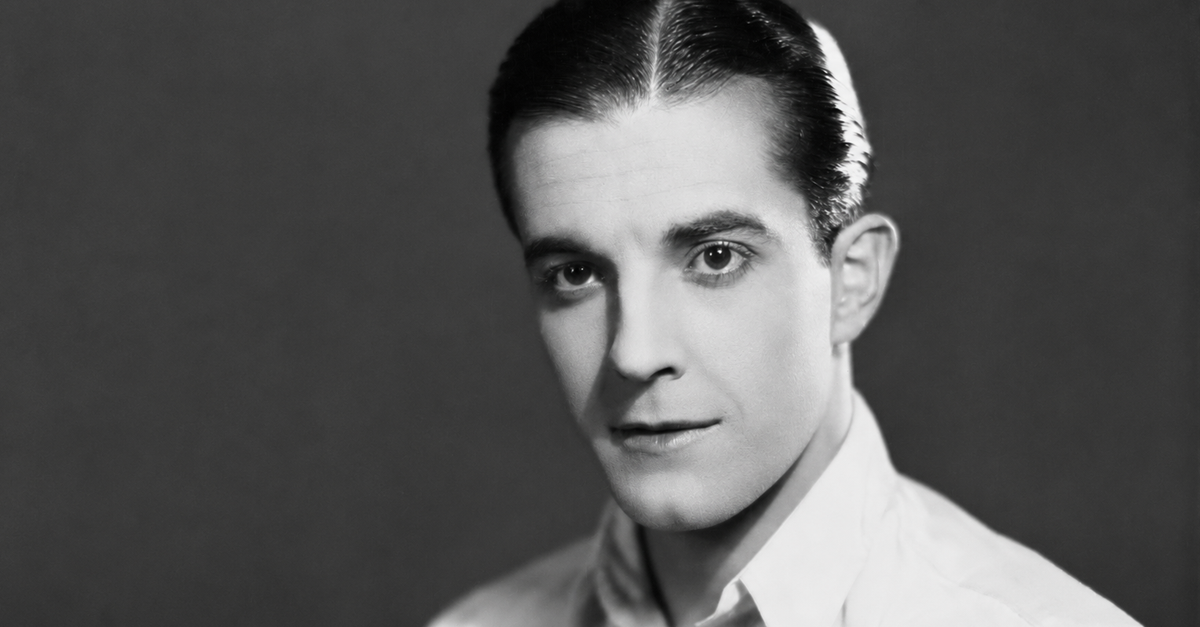
Hollywood Created A Romantic Idol
During the 1920s, Ramón Novarro became one of Hollywood's most recognizable leading men. To millions of fans, he was the perfect romantic leading man. Behind the scenes, however, he was forced to live a double life, hiding his true self to protect the career that made him famous.
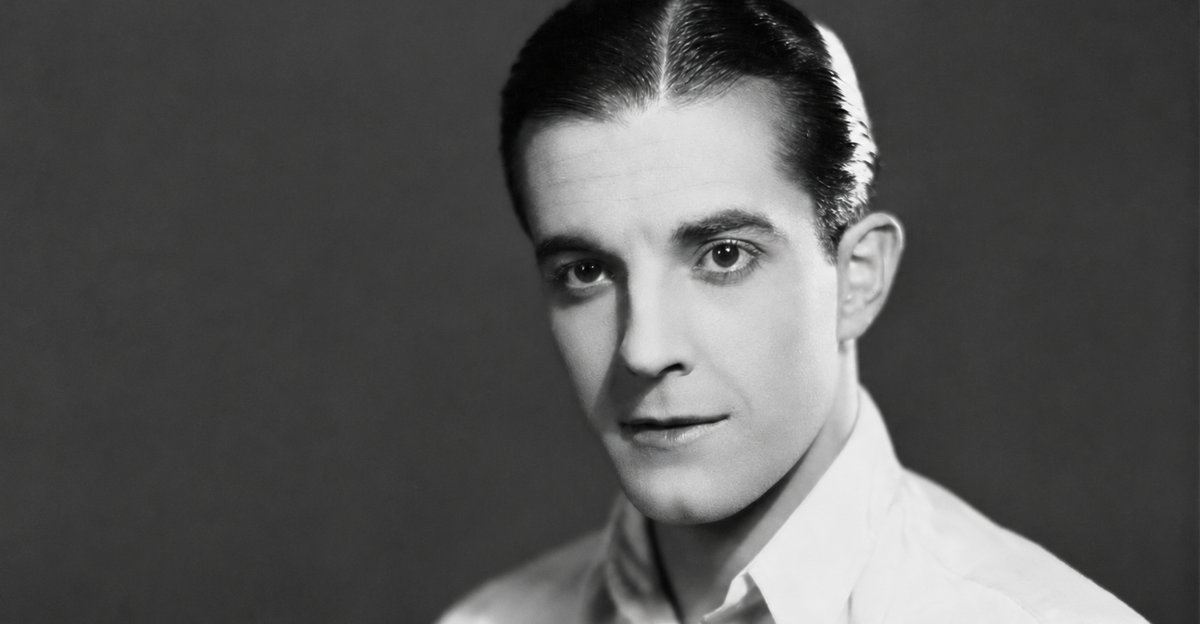 Clarence Sinclair Bull/John Kobal Foundation, Getty Images
His Story Began In Mexico
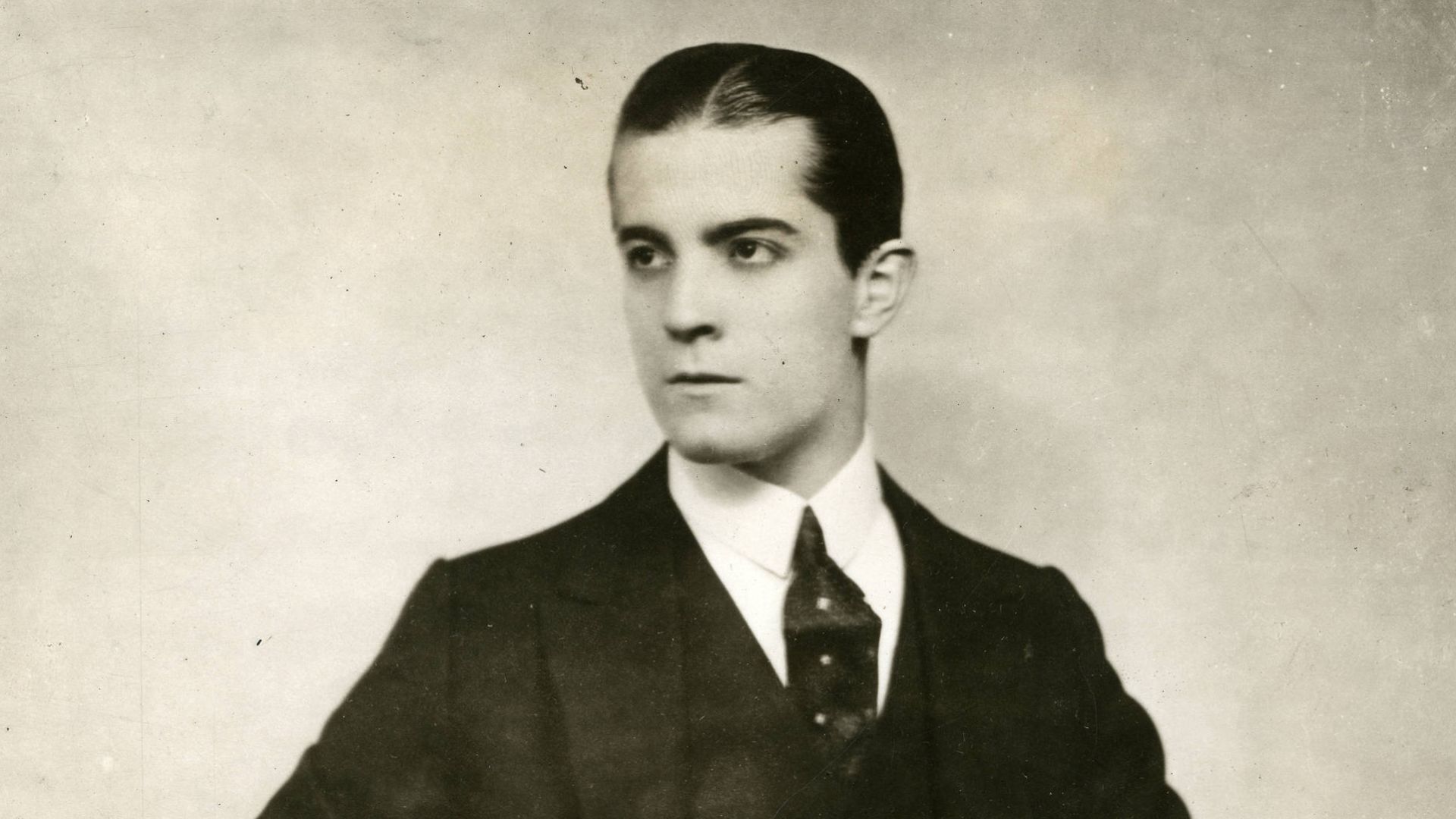
Novarro was born Ramón Gil Samaniego in Durango, Mexico, on February 6, 1899. He grew up in a large, prosperous Catholic family headed by his father, a dentist. The Mexican Revolution disrupted that comfortable life and eventually pushed the family toward the United States.
 Unknown authorUnknown author, Wikimedia Commons
His Family Started Over In Los Angeles
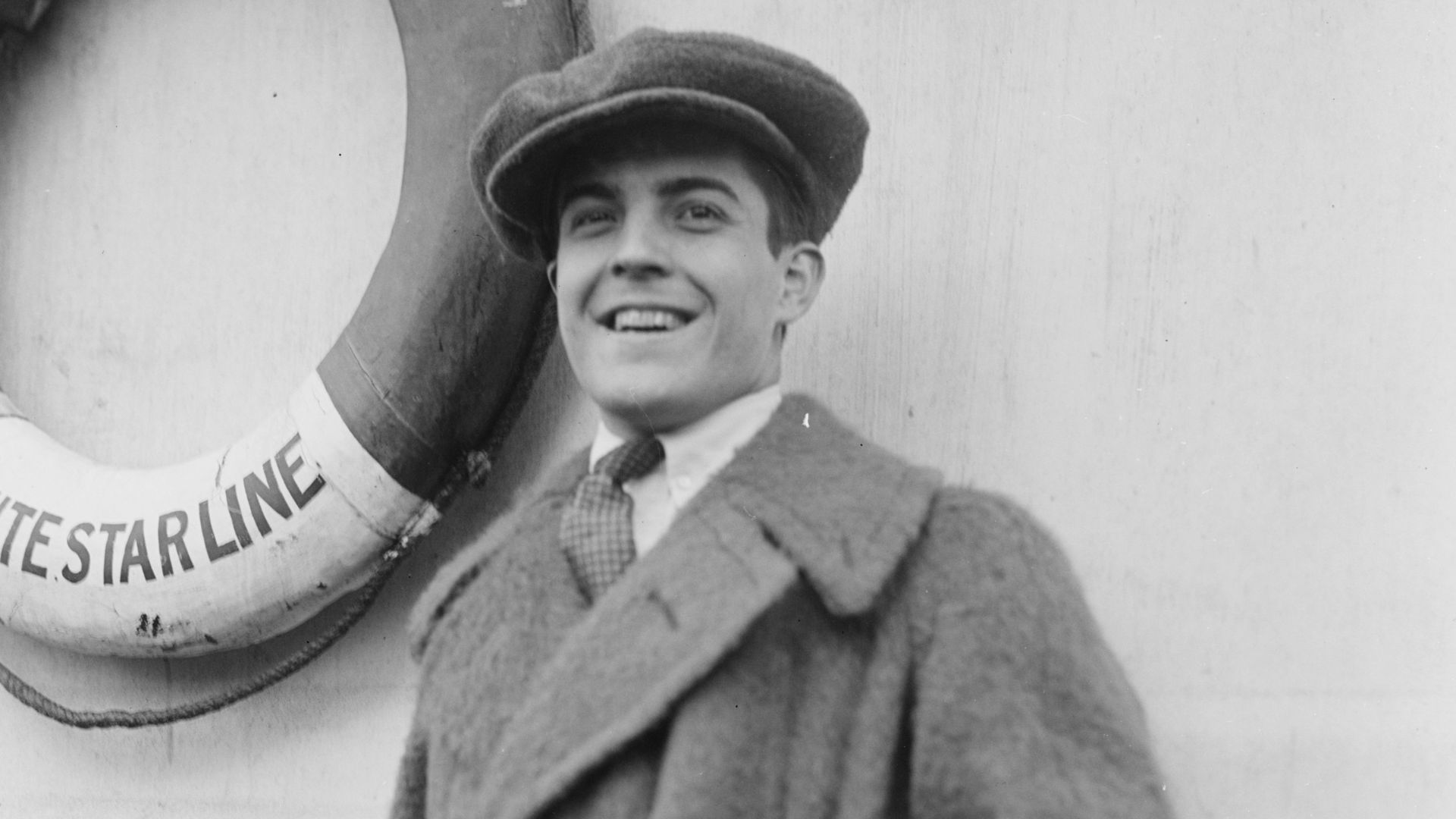
The Samaniego family moved to Los Angeles in 1913 while political violence continued in Mexico. Ramón was still a teenager and entered a city where the young motion-picture industry was rapidly expanding. Hollywood offered extraordinary possibilities, but immigrants and Latino performers still faced narrow stereotypes and considerable prejudice.
 Bain News Service, publisher, Wikimedia Commons
He Took Whatever Work He Could Find
Before becoming a star, Novarro reportedly worked as a singing waiter, dancer, and occasional performer. He began appearing in films during the late 1910s, usually in uncredited or extremely small roles. Those early assignments gave him valuable experience while allowing him to study how actors commanded the silent screen.
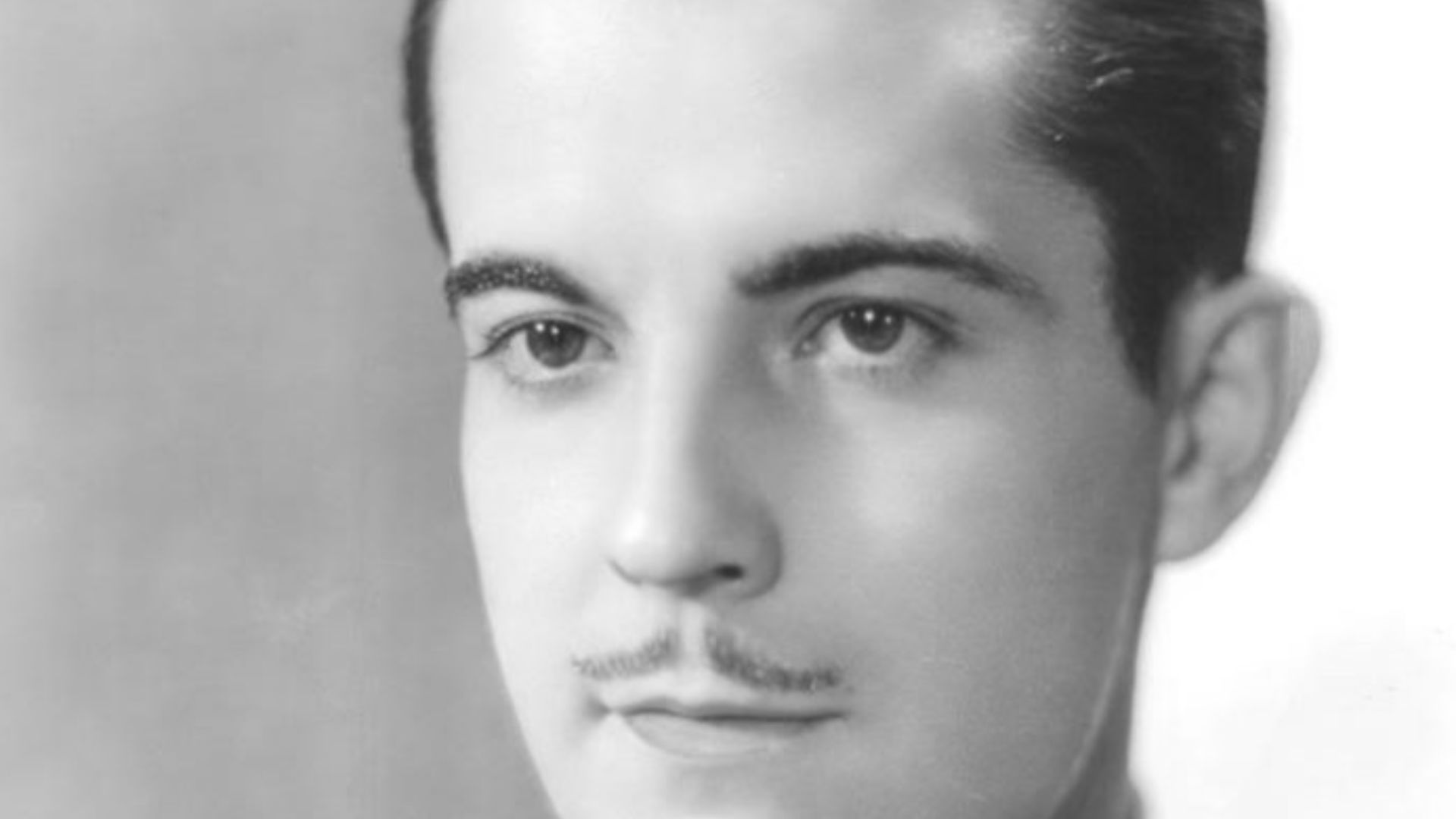 Metro-Goldwyn-Mayer, Wikimedia Commons
His Original Name Was Changed
Early credits sometimes identified him as Ramon Samaniegos, but director Rex Ingram helped shape his professional transformation. The name Ramón Novarro was considered shorter, more distinctive, and easier for American audiences to remember. Hollywood was not merely hiring him. It was beginning to manufacture a marketable identity around him.
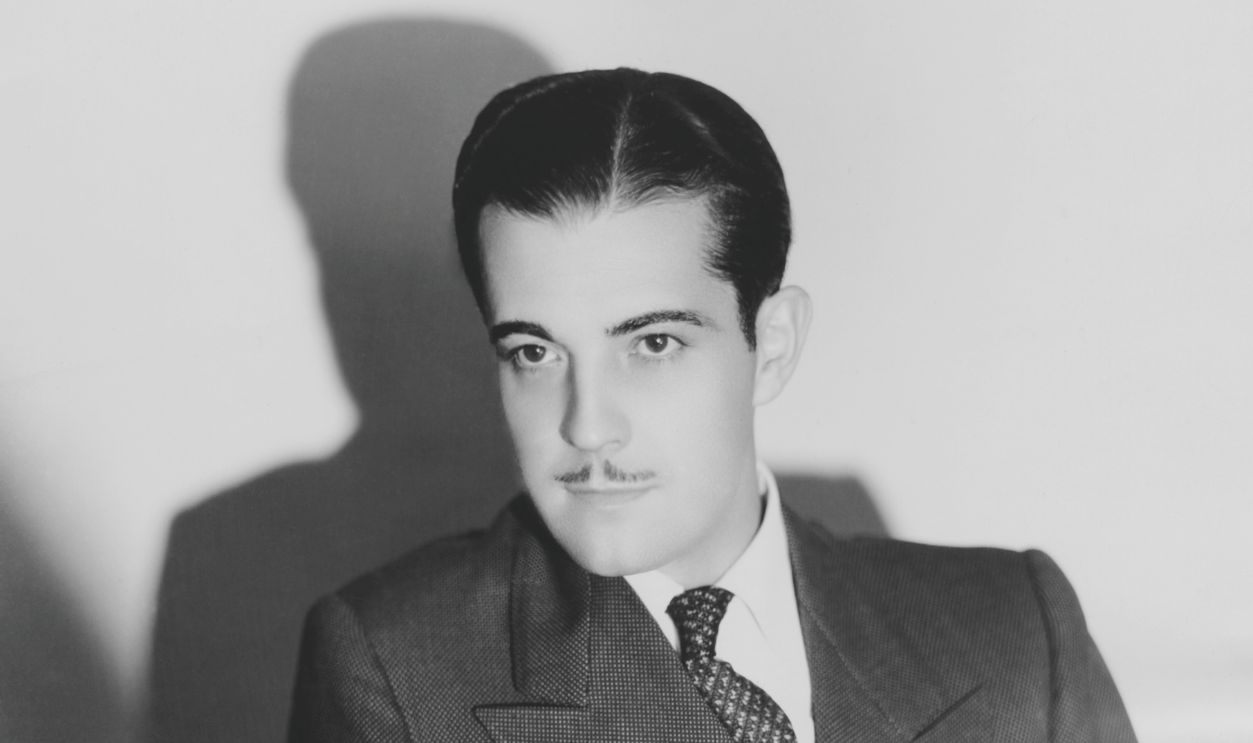
Rex Ingram Recognized His Potential
Ingram saw that Novarro possessed qualities that silent films valued enormously. He was expressive without appearing theatrical, physically graceful, and able to project vulnerability alongside romantic confidence. Ingram began giving him increasingly prominent parts and positioning him as a possible rival to Rudolph Valentino.
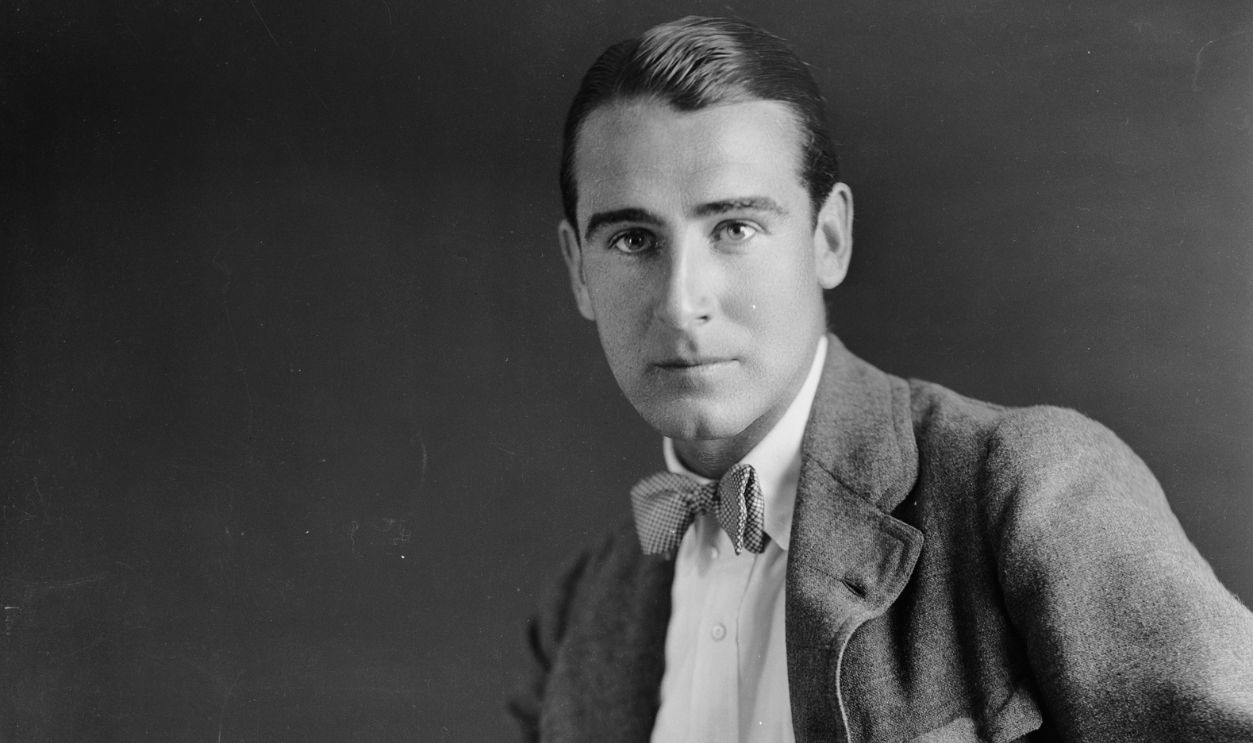 John Kobal Foundation, Getty Images
The Prisoner Of Zenda Raised His Profile
Novarro played the charming villain Rupert of Hentzau in the 1922 version of The Prisoner of Zenda. The role allowed him to display more personality than his earlier background appearances had permitted. Although he was not yet the main attraction, audiences and filmmakers were beginning to notice him.
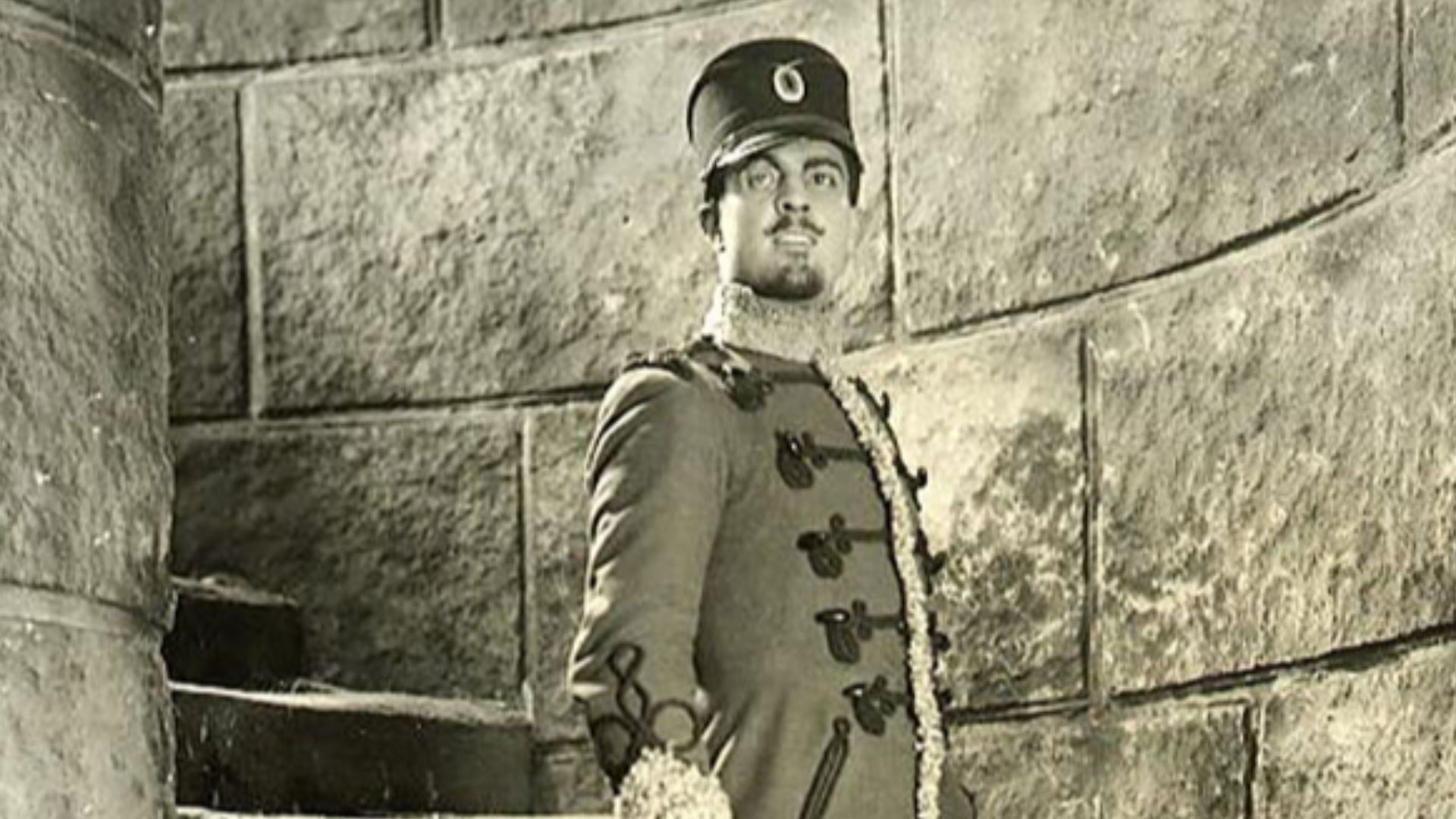 film screenshot (Rex Ingram Prod. / Metro Pictures Corporation), Wikimedia Commons
Scaramouche Made Him A Leading Man
His major breakthrough arrived with Scaramouche in 1923. Novarro played André-Louis Moreau, a young man swept into the turmoil of the French Revolution. The lavish production earned an enthusiastic response and established him as an actor capable of carrying an ambitious feature.
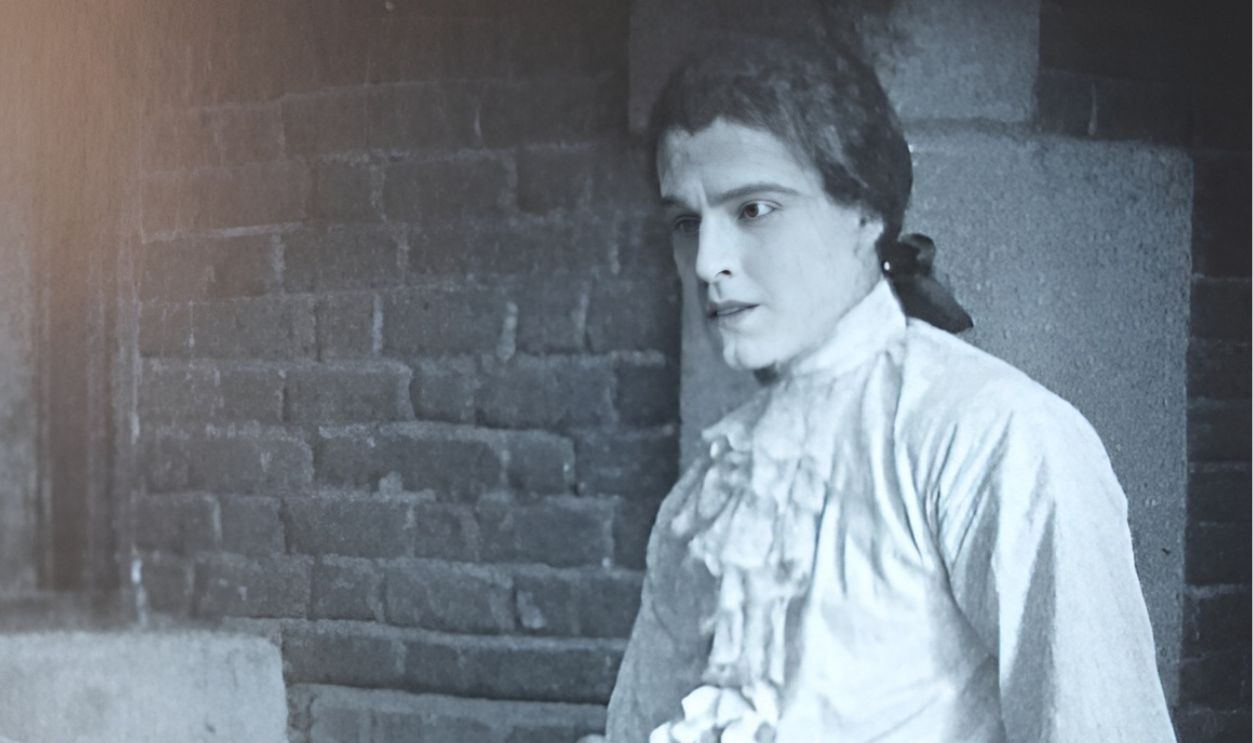 Rex Ingram, Wikimedia Commons, Modified
Hollywood Turned Him Into A Type
Studios promoted Novarro as a so-called Latin lover, an image built around passion, elegance, and an air of foreign mystery. The label gave him access to major romantic roles, but it also restricted the way audiences were encouraged to see him. His Mexican identity became part of a carefully packaged fantasy created for largely white American moviegoers.
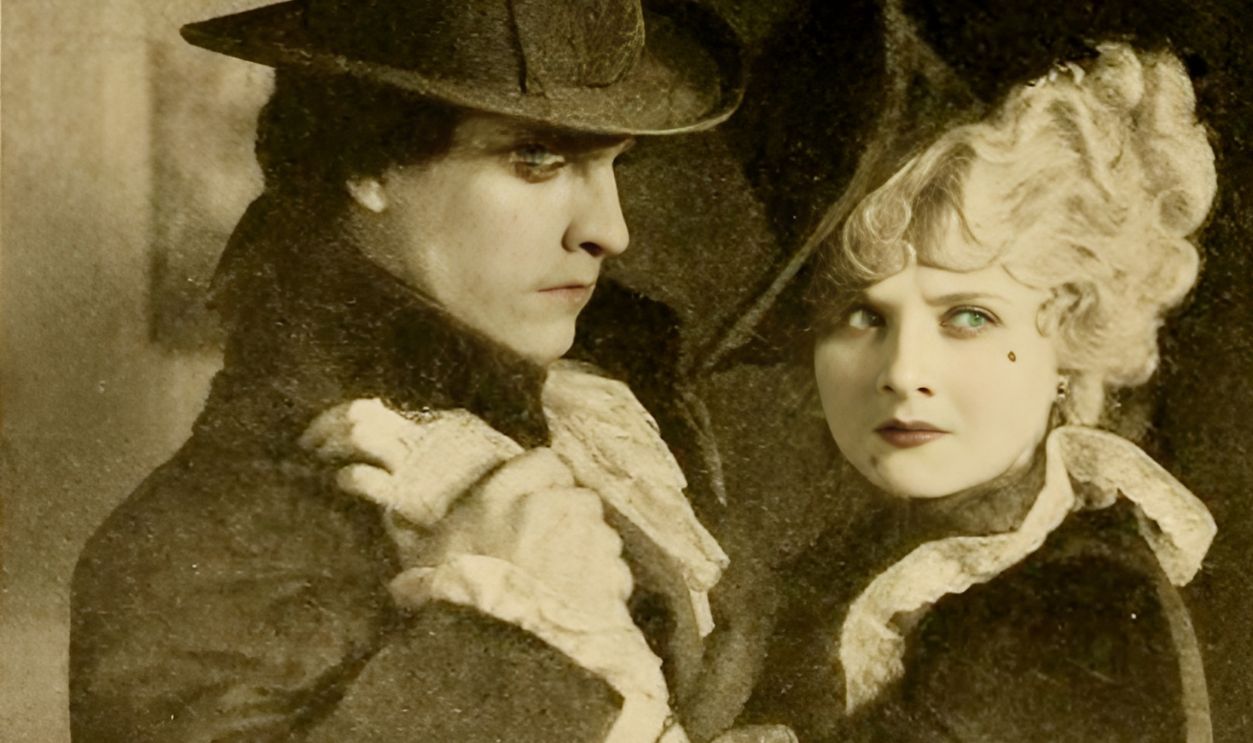 Exhibitors Herald, CC BY-SA 4.0, Wikimedia Commons, Modified
His Image Balanced Desire And Innocence
Novarro’s publicity presented him as sensual enough to excite audiences but respectable enough to remain safe. Promotional stories emphasized his upbringing, religious devotion, closeness to his family, and apparently wholesome habits. This carefully constructed balance helped make him particularly popular with female movie fans.
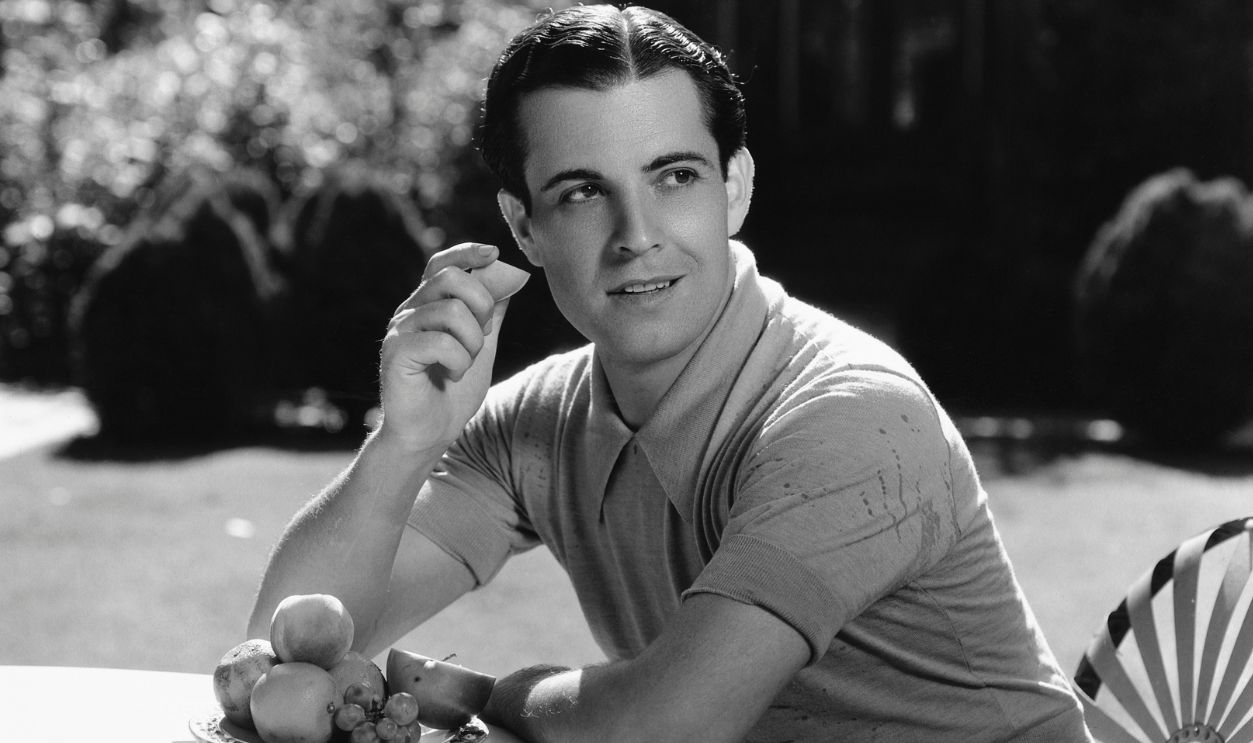 John Springer Collection, Getty Images
Ben-Hur Changed Everything
Novarro reached the height of silent-film stardom when MGM cast him as Judah Ben-Hur. He replaced original star George Walsh after the expensive production encountered serious difficulties overseas. Filming was brought back to the United States, where Irving Thalberg supervised an extensive attempt to rescue the troubled epic.
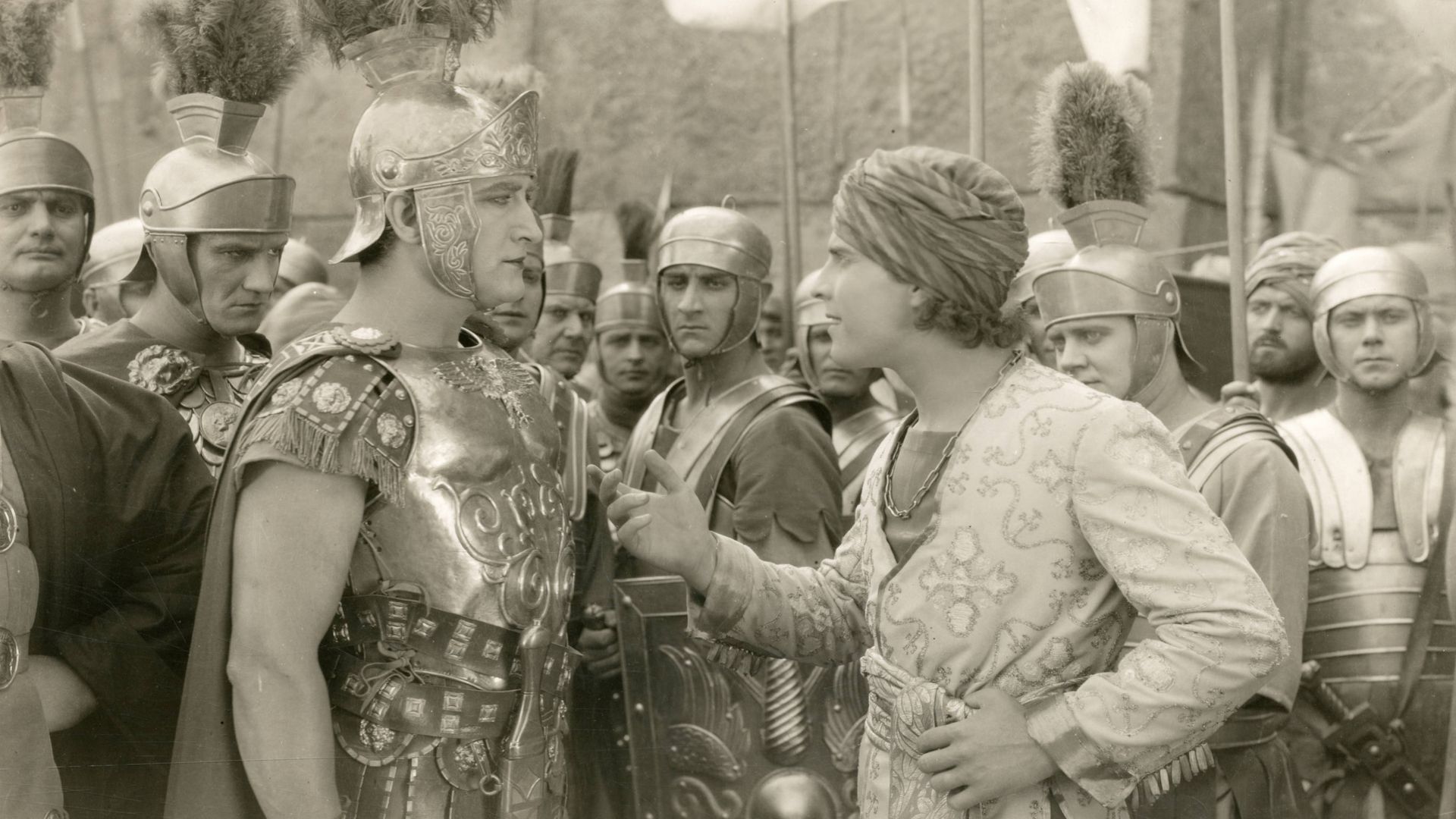 Unknown authorUnknown author, Wikimedia Commons
The Epic That Made Him A Superstar
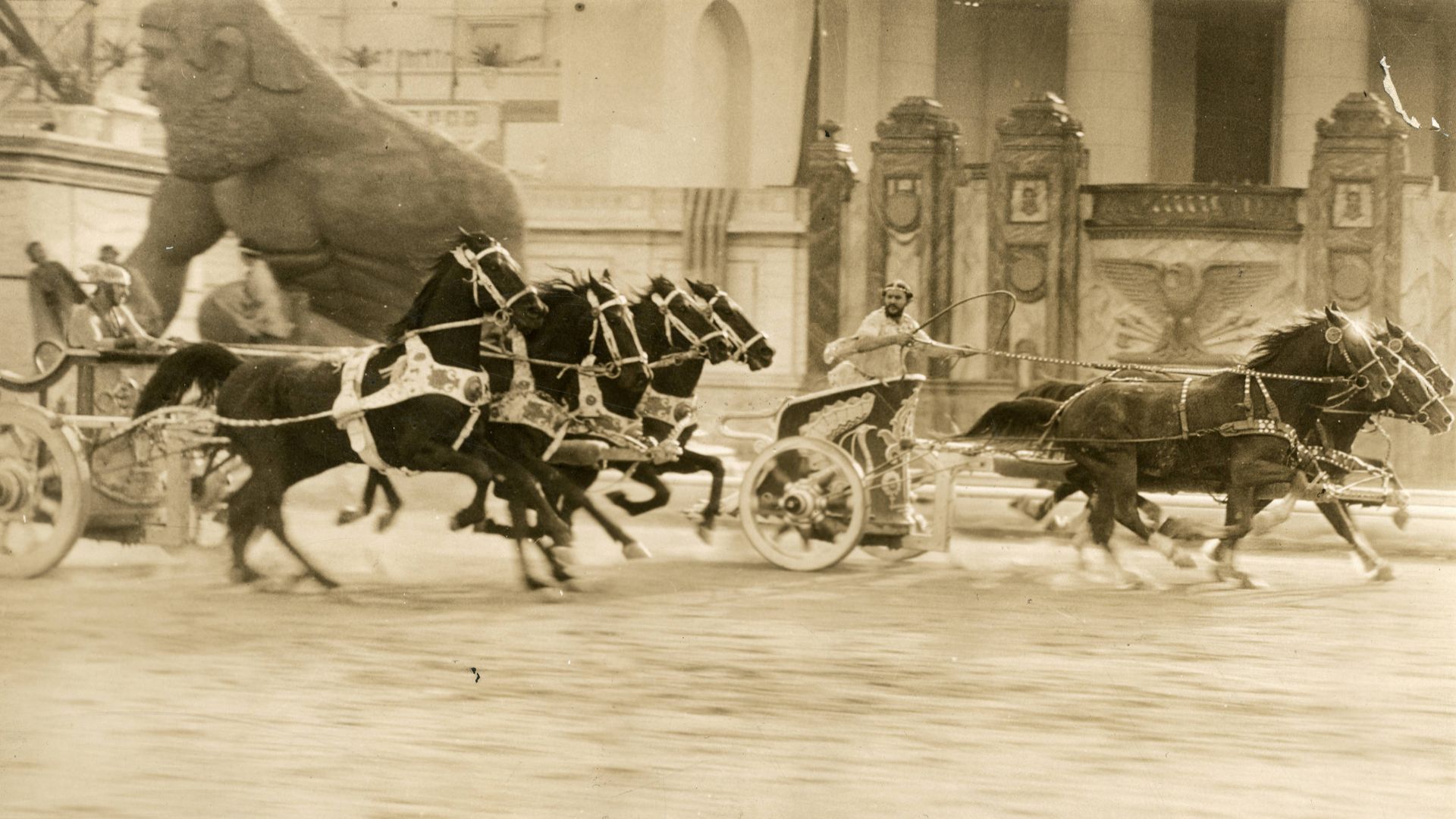
The 1925 Ben-Hur was one of Hollywood's most ambitious productions, featuring enormous sets, spectacular battle scenes, and the legendary chariot race. Novarro carried the epic with a performance that balanced athleticism, sincerity, and emotional depth. The film became a massive success and elevated him into Hollywood's highest tier of silent film stars.
 Unknown authorUnknown author, Wikimedia Commons
Valentino's Death Changed His Career
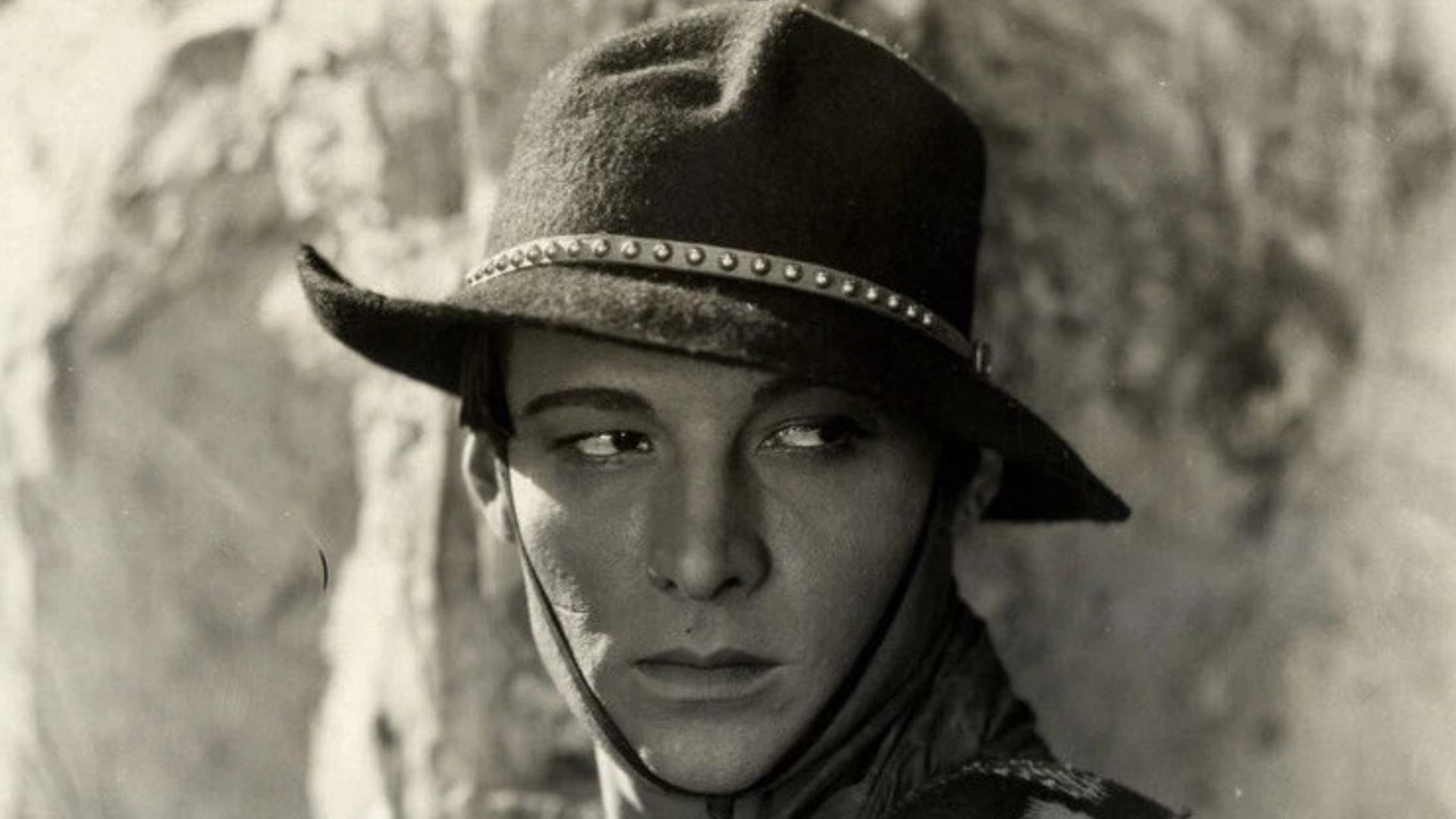
When Rudolph Valentino died unexpectedly in 1926, Hollywood suddenly lost its biggest romantic idol. Novarro was widely viewed as one of the stars best positioned to fill that void, and his fame grew even further. The comparison also reinforced the carefully crafted image of him as an irresistible leading man, making it even more important for the studio to keep his private life hidden.
 Unknown authorUnknown author, Wikimedia Commons
Hollywood Sold Him As The Perfect Bachelor
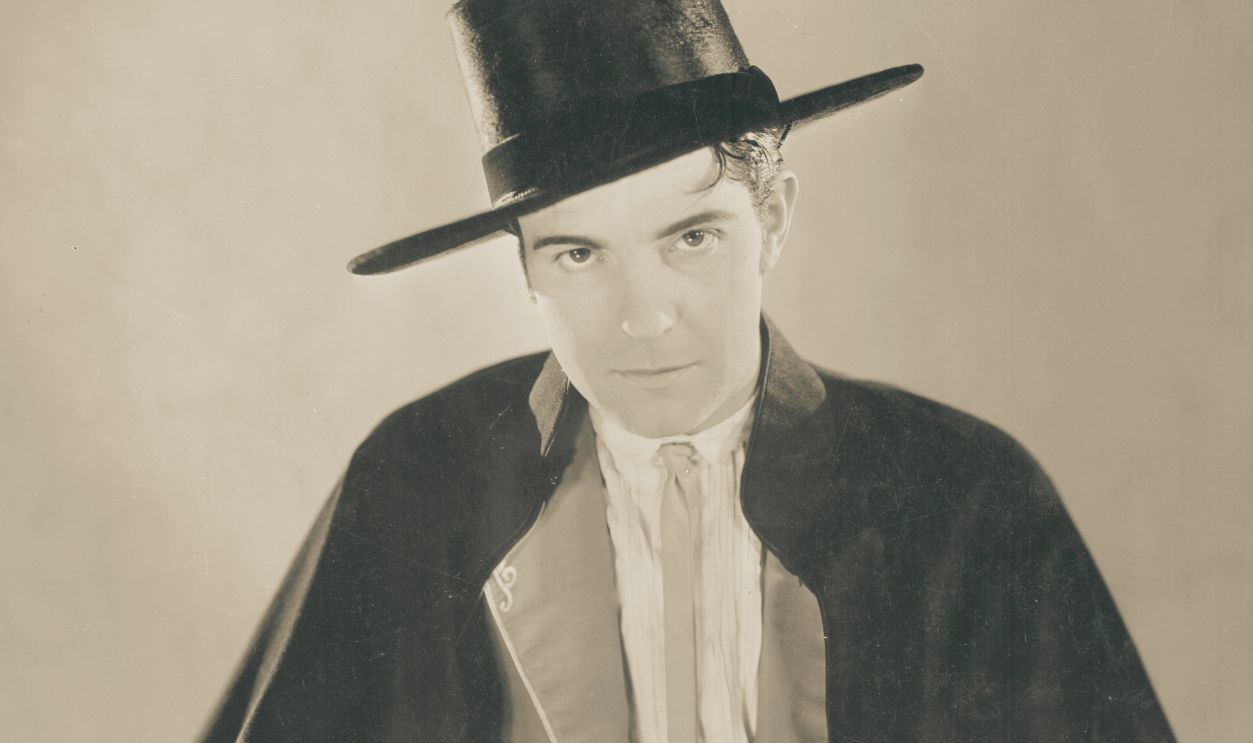
Fan magazines presented Novarro as one of Hollywood's most desirable bachelors, encouraging readers to imagine him as the ideal romantic leading man. In reality, he was gay and knew that revealing his sexuality could destroy the career he had worked so hard to build. The gap between his public image and private life grew wider as his fame increased.
His Real Life Had To Remain Hidden
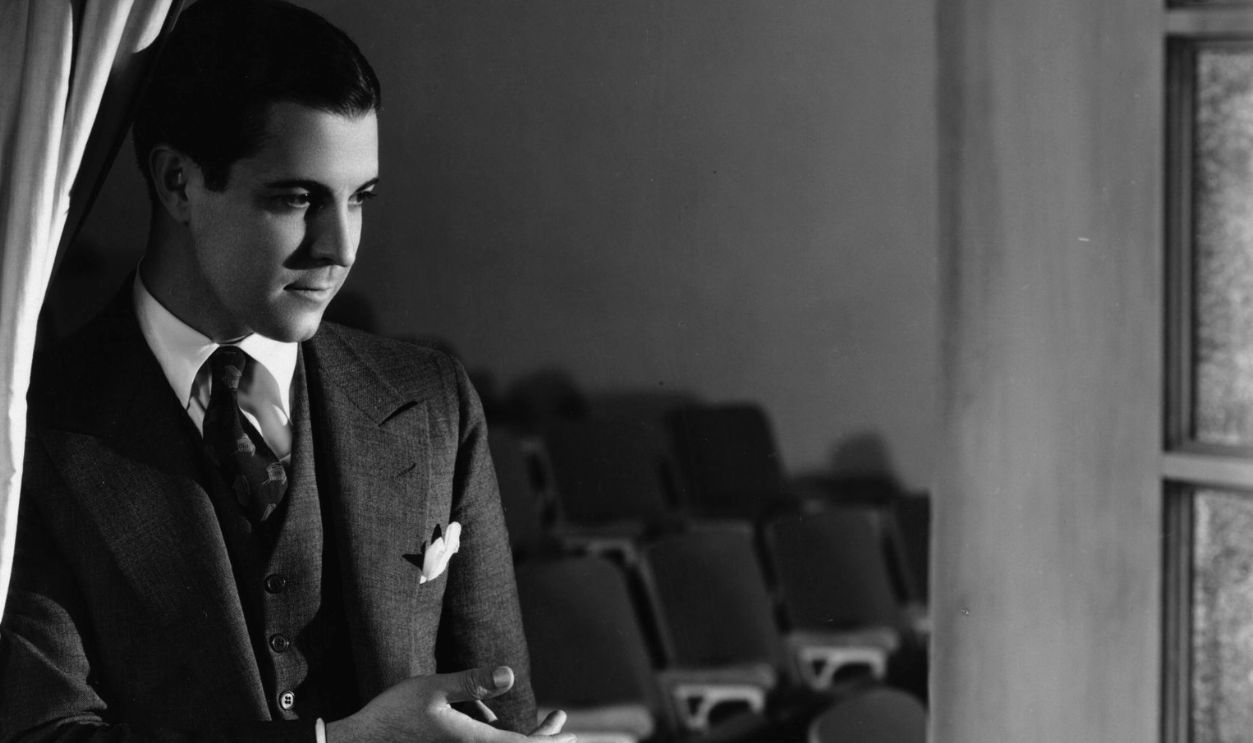
Novarro was gay during an era when revealing that truth could have destroyed his career and exposed him to public hostility. His studio image depended heavily on women believing that he was an available romantic ideal. He therefore lived privately while allowing Hollywood publicity to present an entirely different version of him.
 General Photographic Agency, Getty Images
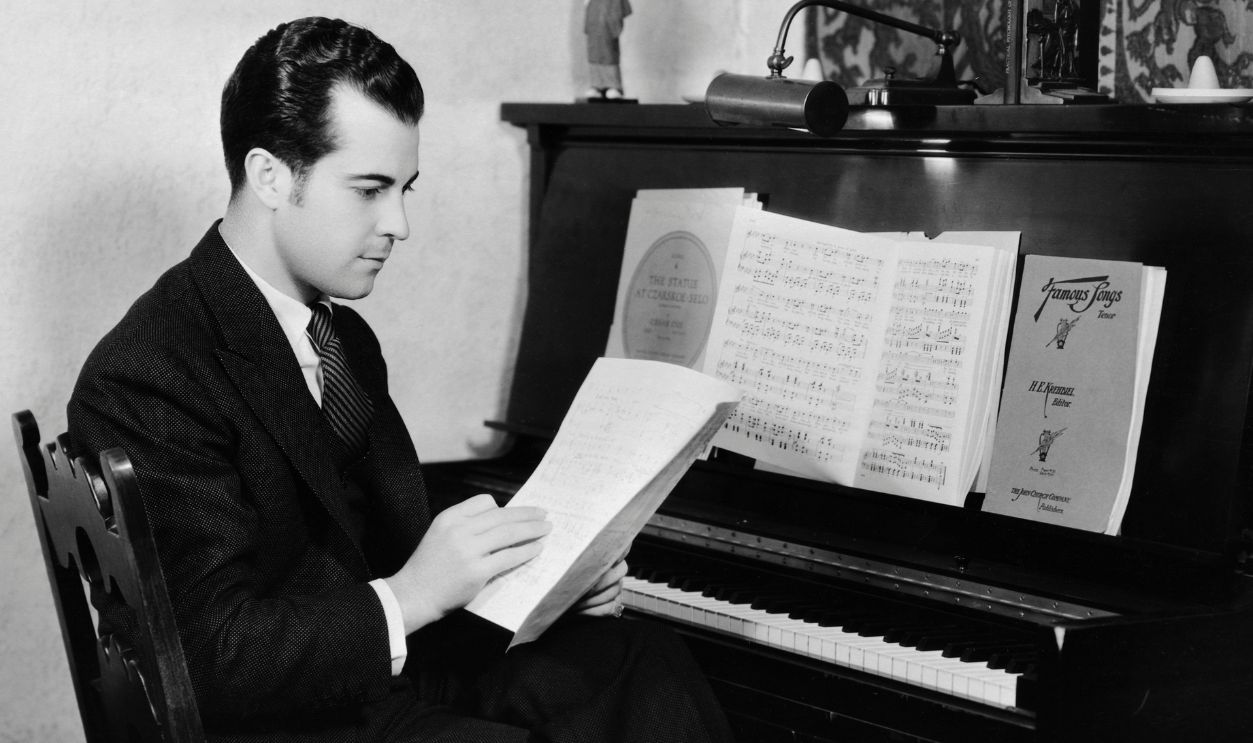
Hollywood Couldn't Afford The Truth
The studio system carefully controlled interviews, publicity, and gossip surrounding its biggest stars. Executives understood that Novarro's romantic image depended on audiences believing he was available to women, so every part of his public persona reinforced that illusion. Living openly simply was not an option for a leading man in 1920s Hollywood.
 John Springer Collection, Getty Images
His Double Life Came At A Personal Cost
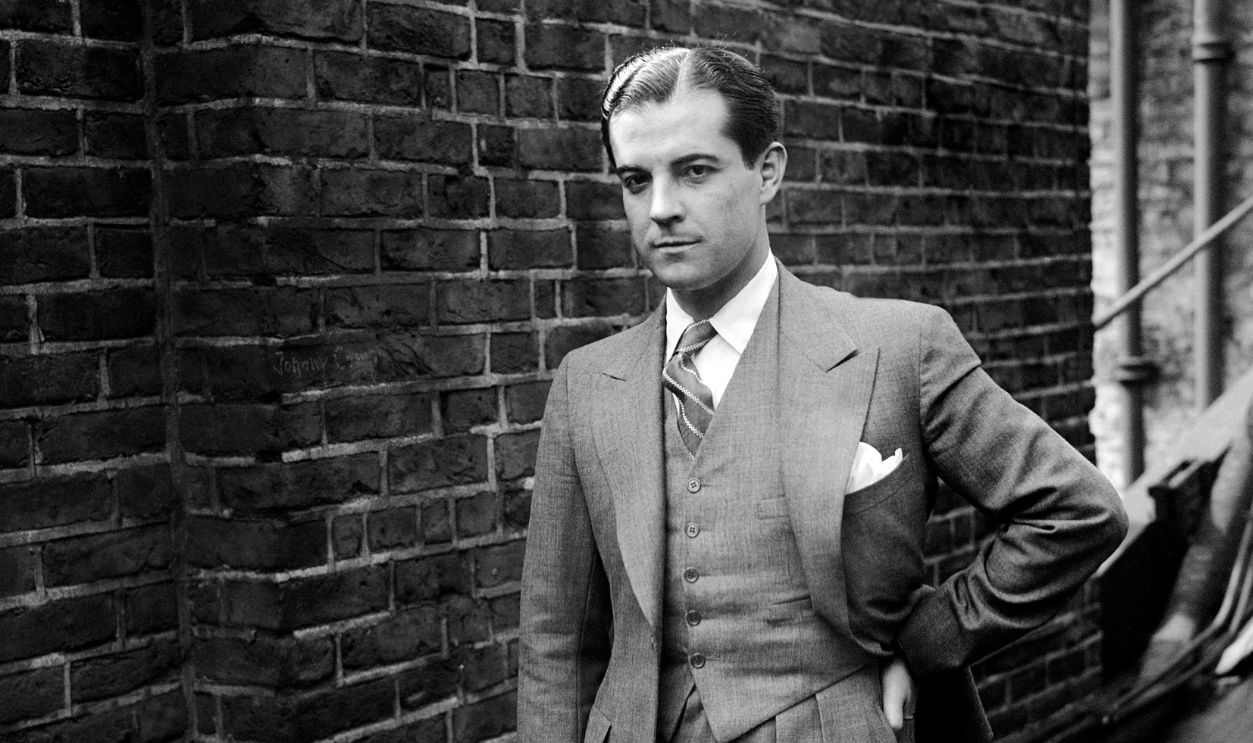
Novarro remained deeply devoted to his Catholic faith throughout his life. Biographers say he struggled to reconcile his sexuality with both his religious beliefs and the public image Hollywood demanded he maintain. The emotional burden of living two separate lives followed him long after his biggest films.
Success Brought New Pressures
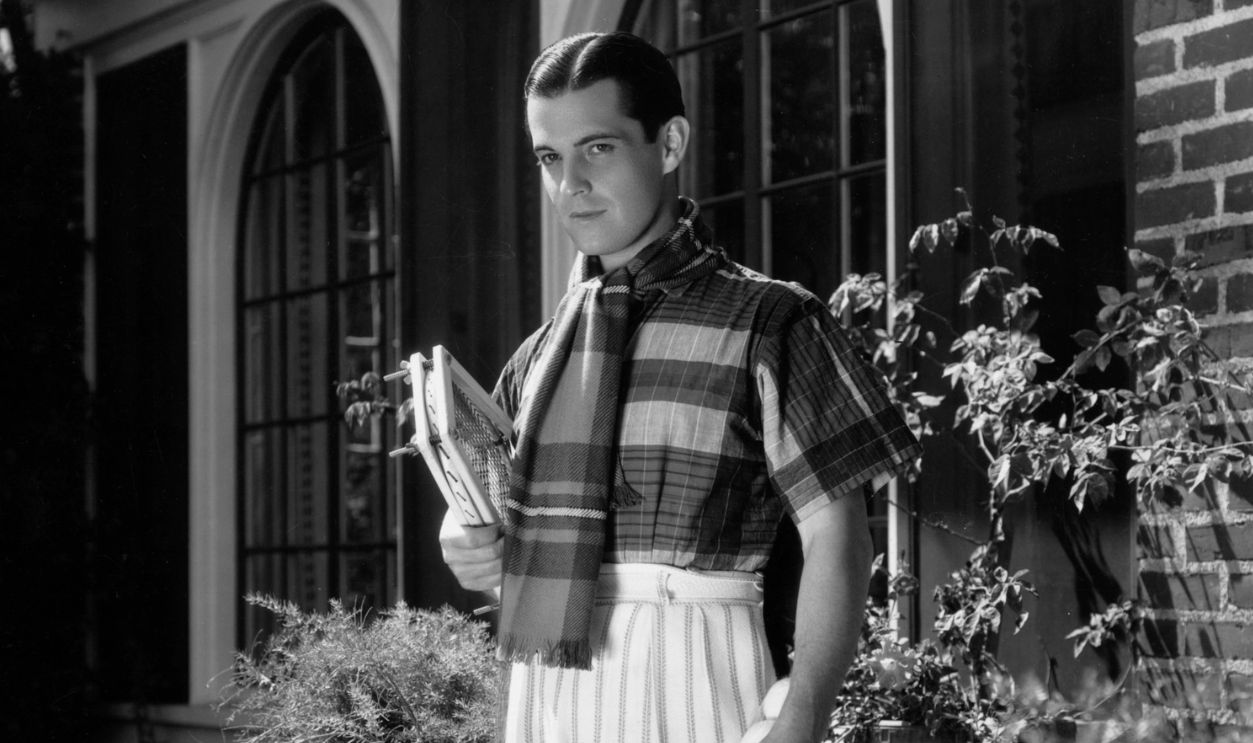
By the late 1920s, Novarro was one of MGM's biggest stars, but fame came with constant pressure to protect the romantic image the studio had created. The more successful he became, the more carefully he had to guard his private life. Even as Hollywood prepared for the arrival of sound, he was determined to keep both his career and his secret intact.
The Pagan Showed His Musical Ability
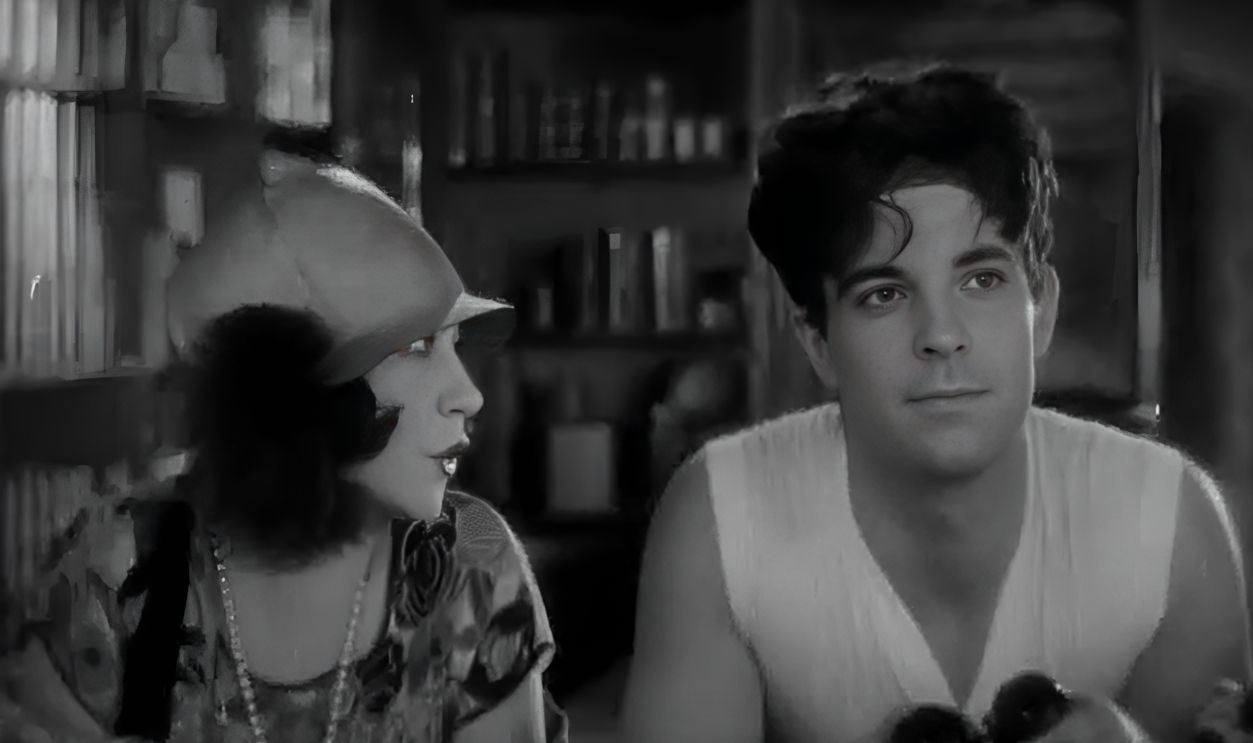
The Pagan, released in 1929, arrived as the industry was moving rapidly toward synchronized sound. Novarro sang the popular theme “Pagan Love Song,” allowing audiences to hear a voice that silent movies had left to their imaginations. Sheet-music sales for the song reportedly exceeded 1.5 million copies.
 Screenshot from The Pagan, Metro Goldwyn Mayer (1929), Modified
His Double Life Didn't End With Sound
The Pagan proved that Novarro could thrive in talking pictures. He followed it with starring roles in Devil-May-Care, In Gay Madrid, and Call of the Flesh, remaining one of MGM's top romantic leads. Behind the scenes, however, he still had to hide his sexuality and maintain the carefully crafted image that Hollywood demanded.
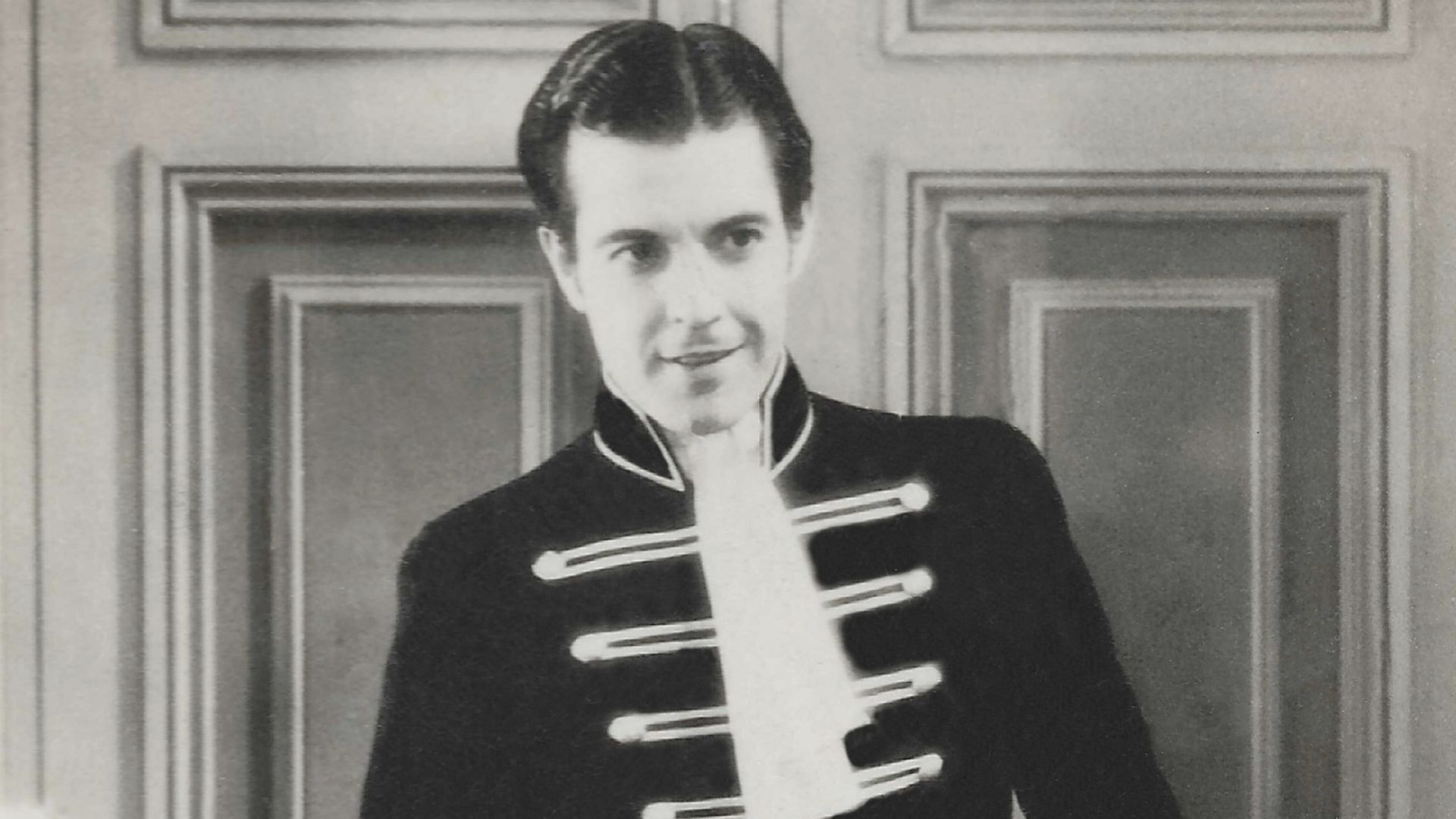
He Starred Opposite Greta Garbo
One of Novarro’s most memorable sound-era roles came opposite Greta Garbo in Mata Hari. He played Lieutenant Alexis Rosanoff, a young Russian officer who falls under the spy’s spell. The MGM production paired two highly photogenic stars, although Garbo’s commanding performance remained the film’s main attraction.
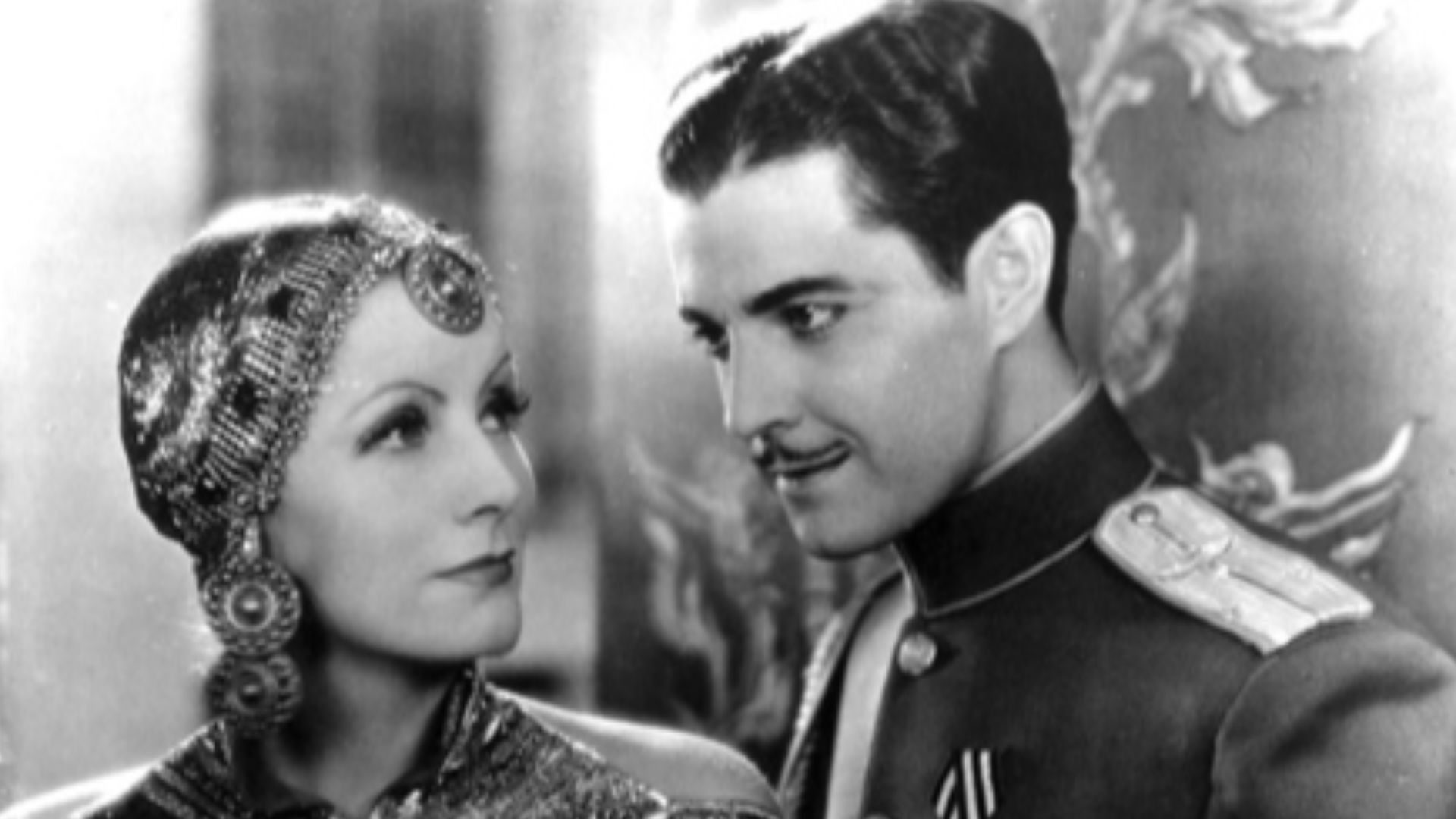
His Leading Roles Gradually Disappeared
Novarro continued appearing in films including The Barbarian, The Cat and the Fiddle, and Laughing Boy, but his days as one of Hollywood's biggest romantic stars were ending. MGM chose not to renew his contract in 1935, closing the chapter on the public image the studio had spent years creating. Even as his stardom faded, the personal struggles behind that carefully crafted image remained.
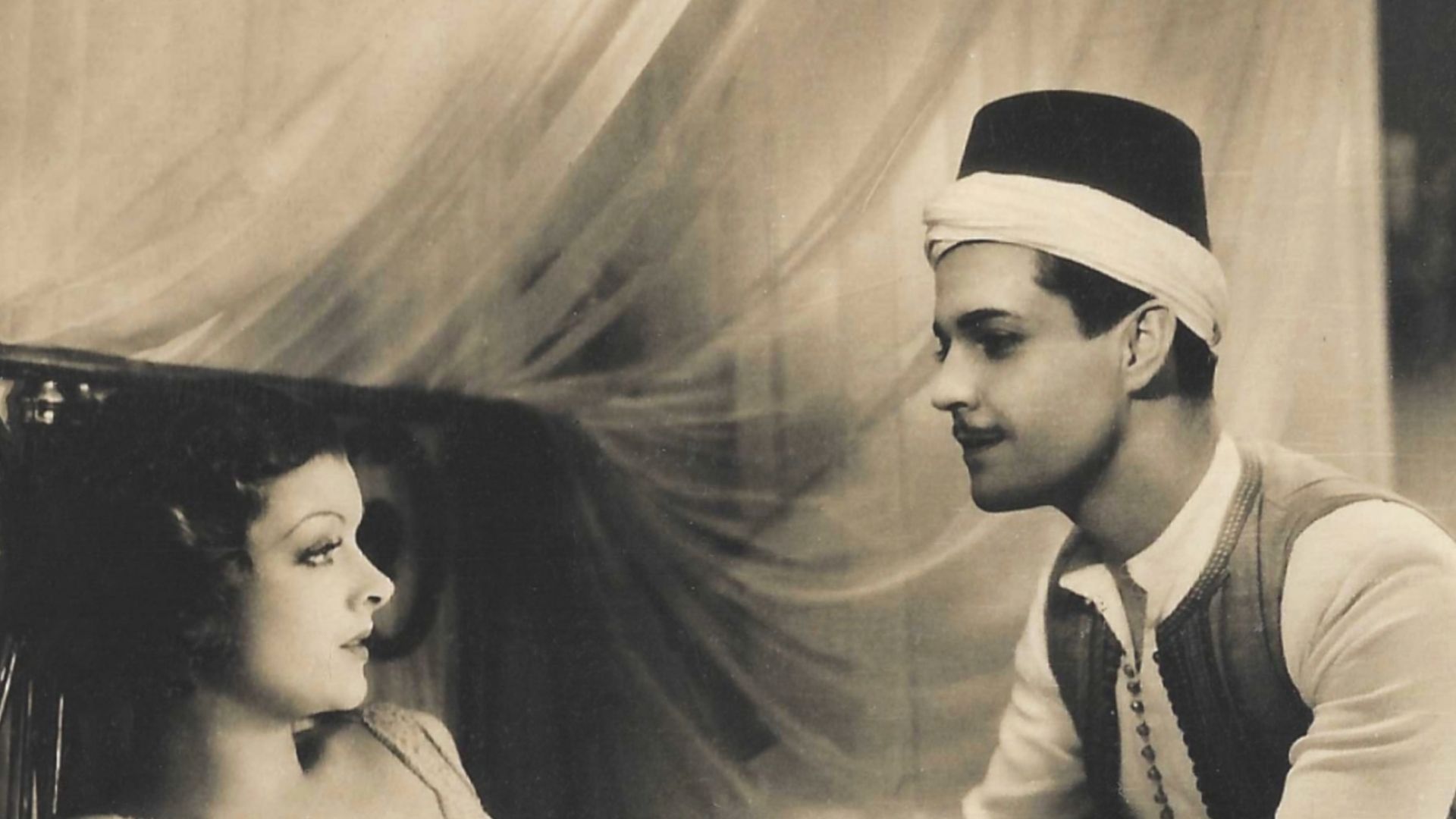
Years Of Secrecy Took Their Toll
As his career slowed, Novarro struggled with loneliness and alcohol. Biographers caution that addiction has many causes, but they also note that decades of hiding his identity and living under constant secrecy weighed heavily on him. The glamorous star audiences remembered carried burdens that few ever saw.
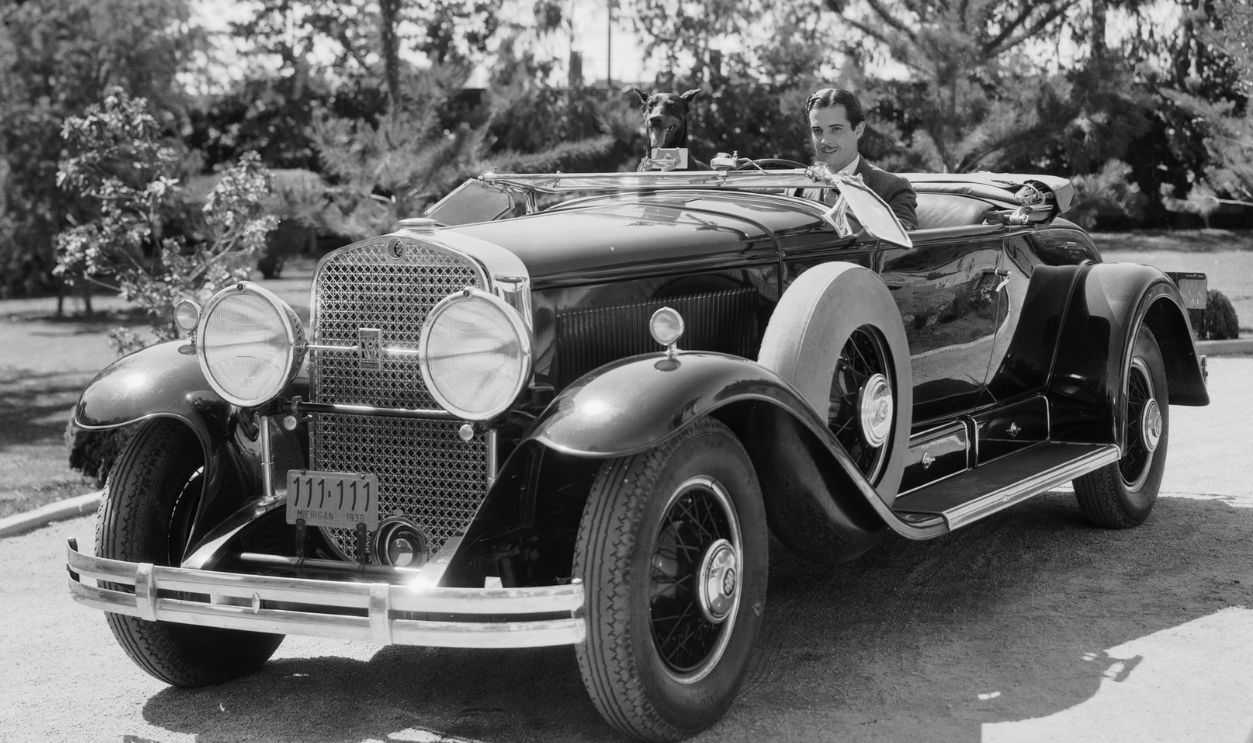 John Kobal Foundation, Getty Images
His Life Ended In Violence
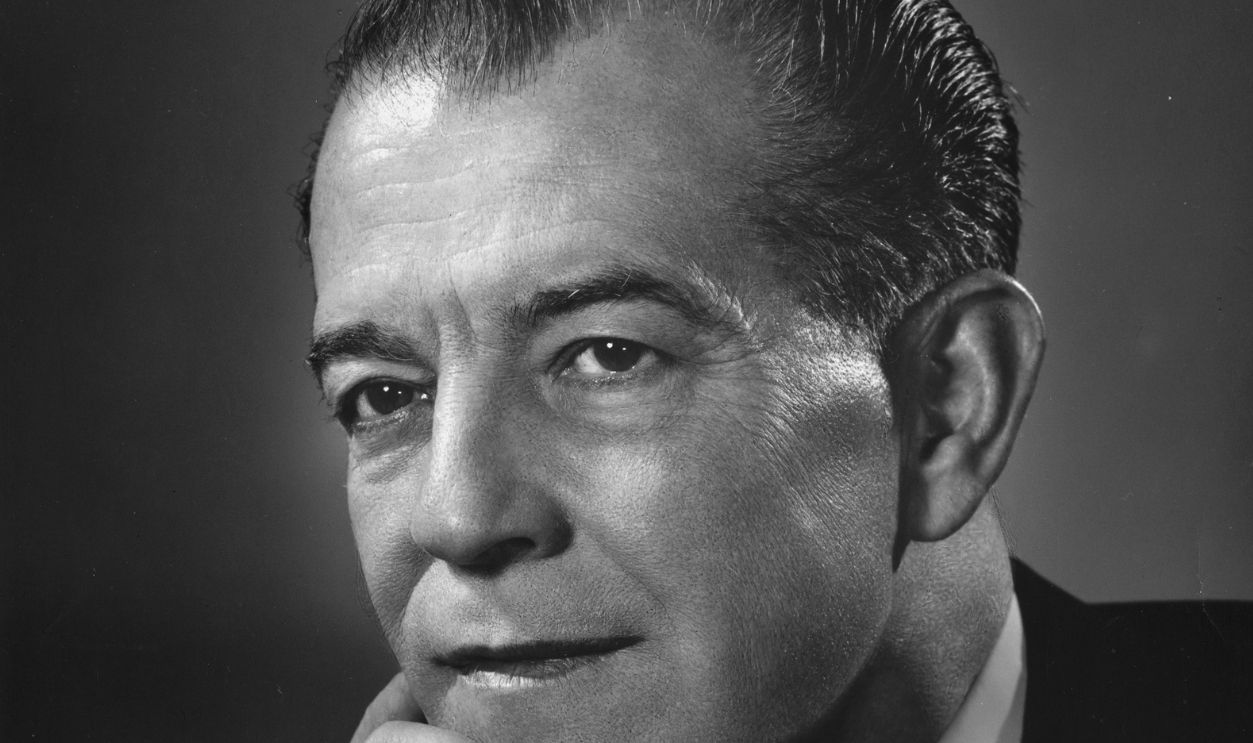
On October 30, 1968, Novarro was killed inside his home after two brothers, Paul and Tom Ferguson, arrived intending to rob him. The attackers believed he kept a large amount of cash in the house, but the supposed fortune did not exist. Novarro was 69 years old.
 John Springer Collection, Getty Images
A Cruel Myth Overshadowed The Truth
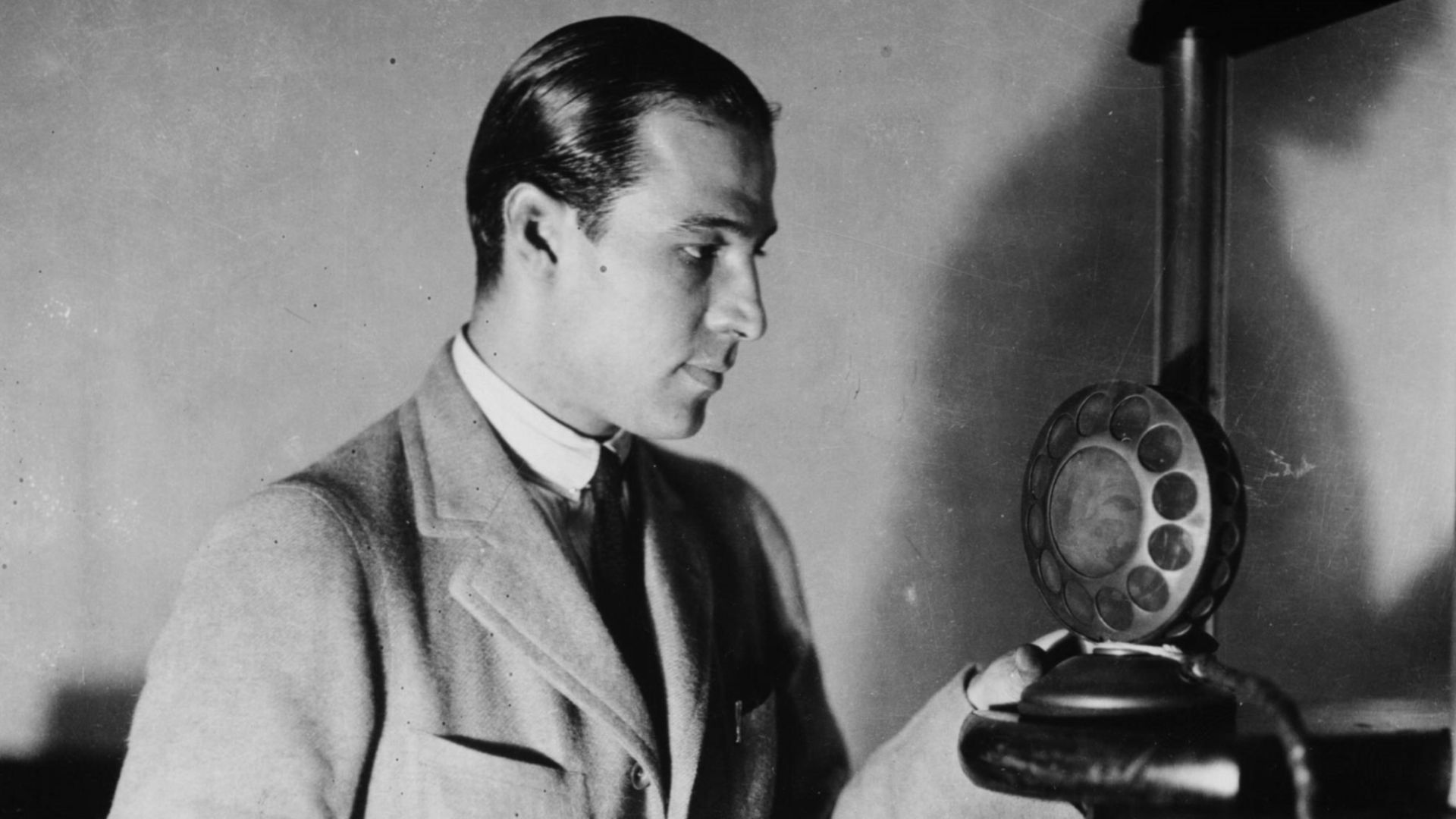
A false story later claimed that Novarro had been killed with an intimate object supposedly connected to Rudolph Valentino. Researchers have repeatedly debunked that sensational tale, yet it circulated for decades because it made the crime seem more scandalous. The myth reduced a complicated and accomplished man to a lurid punchline built around his sexuality.
 Unknown authorUnknown author, Wikimedia Commons
The Murder Exposed His Secret
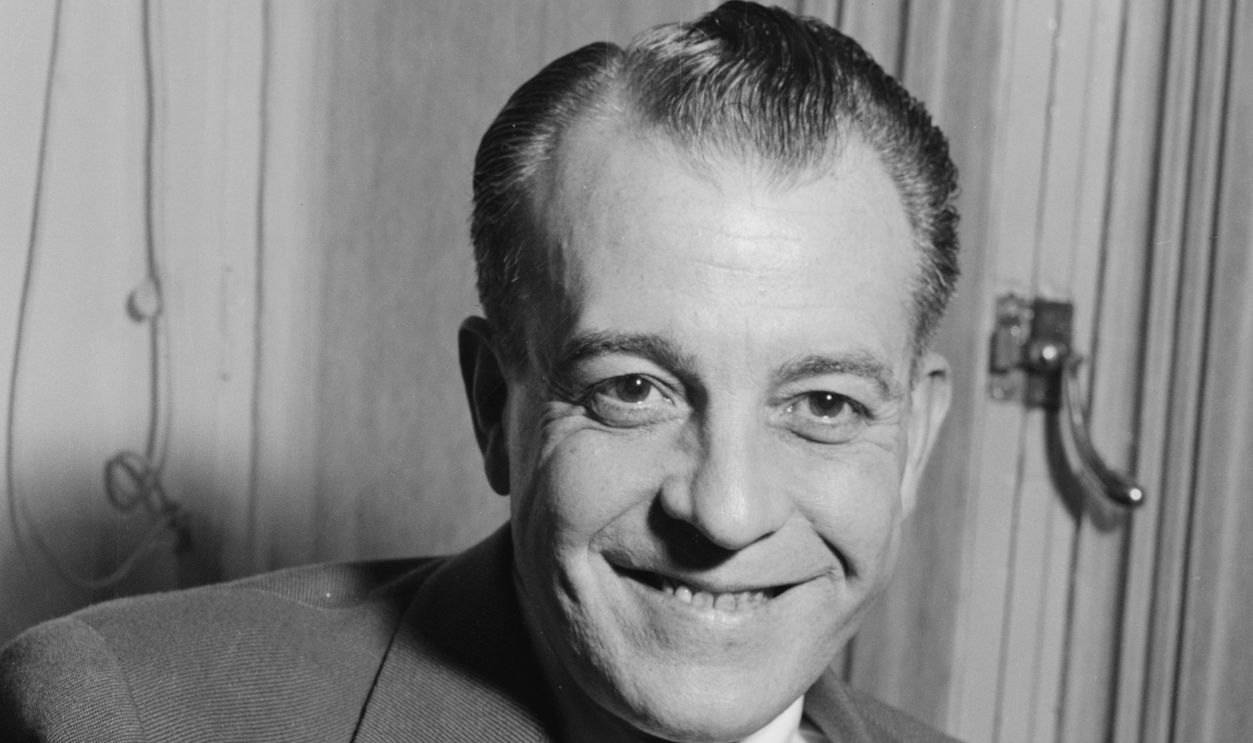
News coverage of the investigation publicly revealed that Novarro had relationships with men. The identity he had protected throughout his career was suddenly discussed without his consent after his death. Instead of focusing on his groundbreaking achievements, many accounts treated his private life and murder as the defining facts of his existence.
His Importance Deserves To Be Remembered
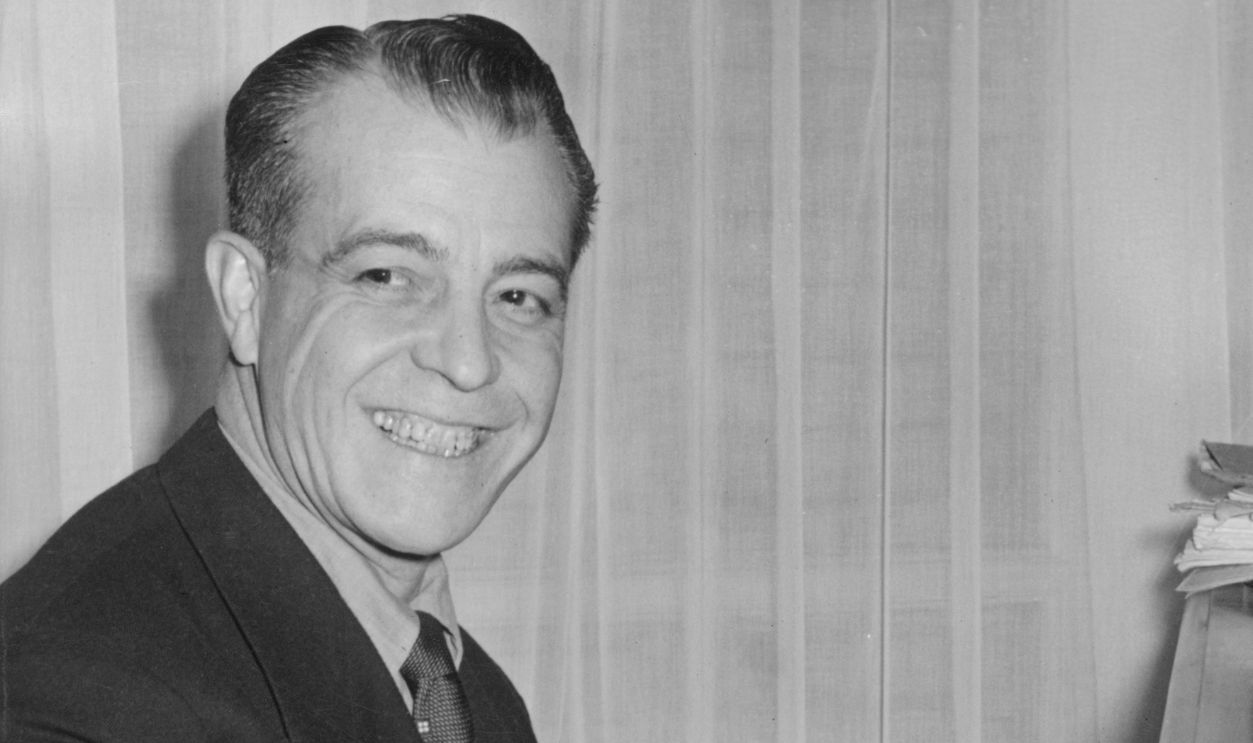
Novarro was among the first Mexican-born performers to reach the highest levels of Hollywood stardom. He carried major productions, survived the transition to sound longer than many silent idols, and helped broaden the possibilities for Latino actors on American screens. His story also reveals the personal cost of an industry that demanded fantasy from its stars while denying them the freedom to live openly.
You May Also Like:
Why Barbara Rush Quietly Became One Of Hollywood's Most Dependable Leading Ladies


.jpg%20)