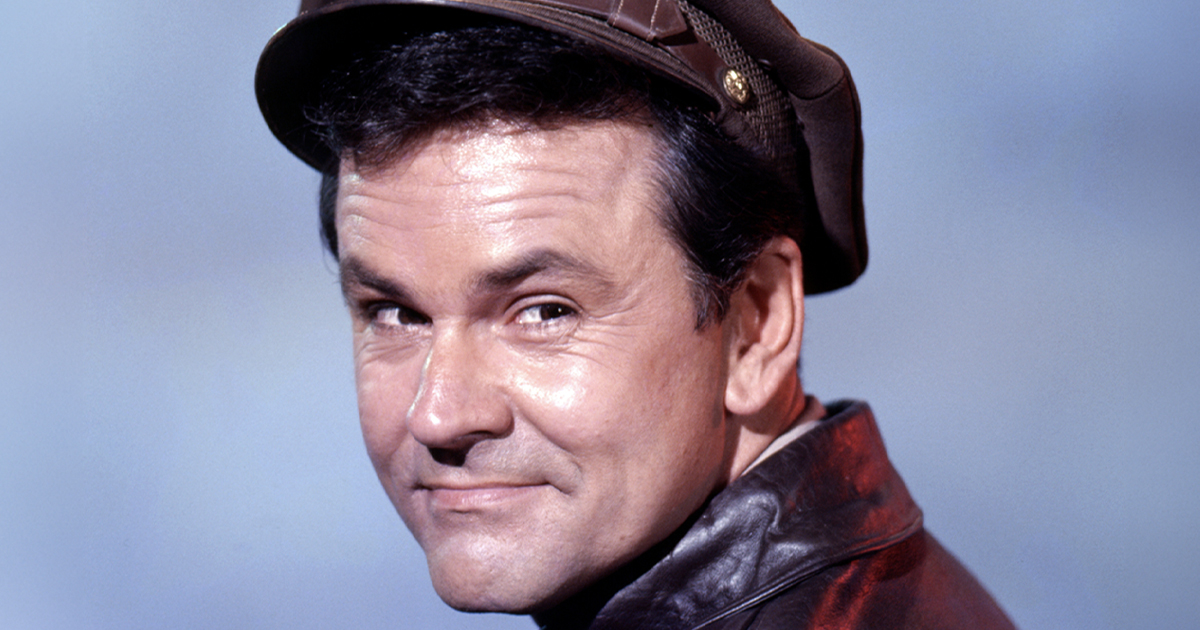
America Loved Colonel Hogan—But Bob Crane’s Real Life Was Much Darker
When Hogan’s Heroes premiered in 1965, Bob Crane became America’s charming, quick-witted Colonel Robert Hogan. He was funny. He was clever. He was safe. But behind the laugh track and POW camp punchlines, Crane was living a second life that few fans could have imagined.
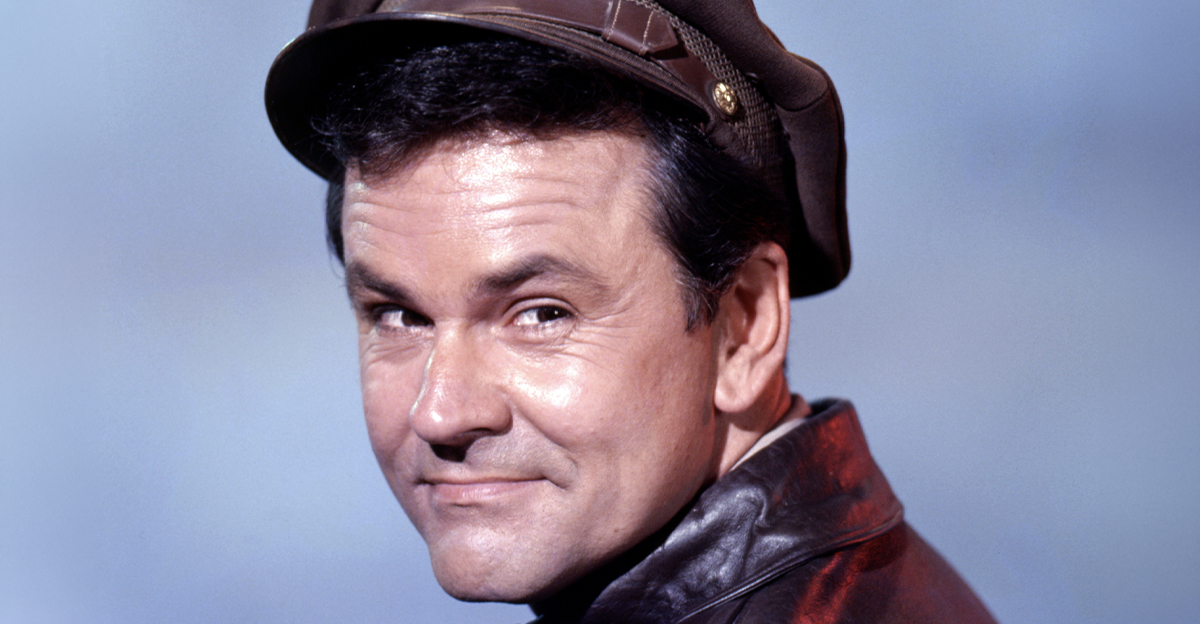
A Clean-Cut Beginning
Robert Edward Crane was born July 13, 1928, in Waterbury, Connecticut, and raised in Stamford. Before acting, he worked as a radio disc jockey in Los Angeles. His morning show on KNX became hugely popular in the early 1960s. He was upbeat, wholesome, and widely liked. Television executives took notice.
 ABC Television, Wikimedia Commons
From Radio Star to Sitcom Lead
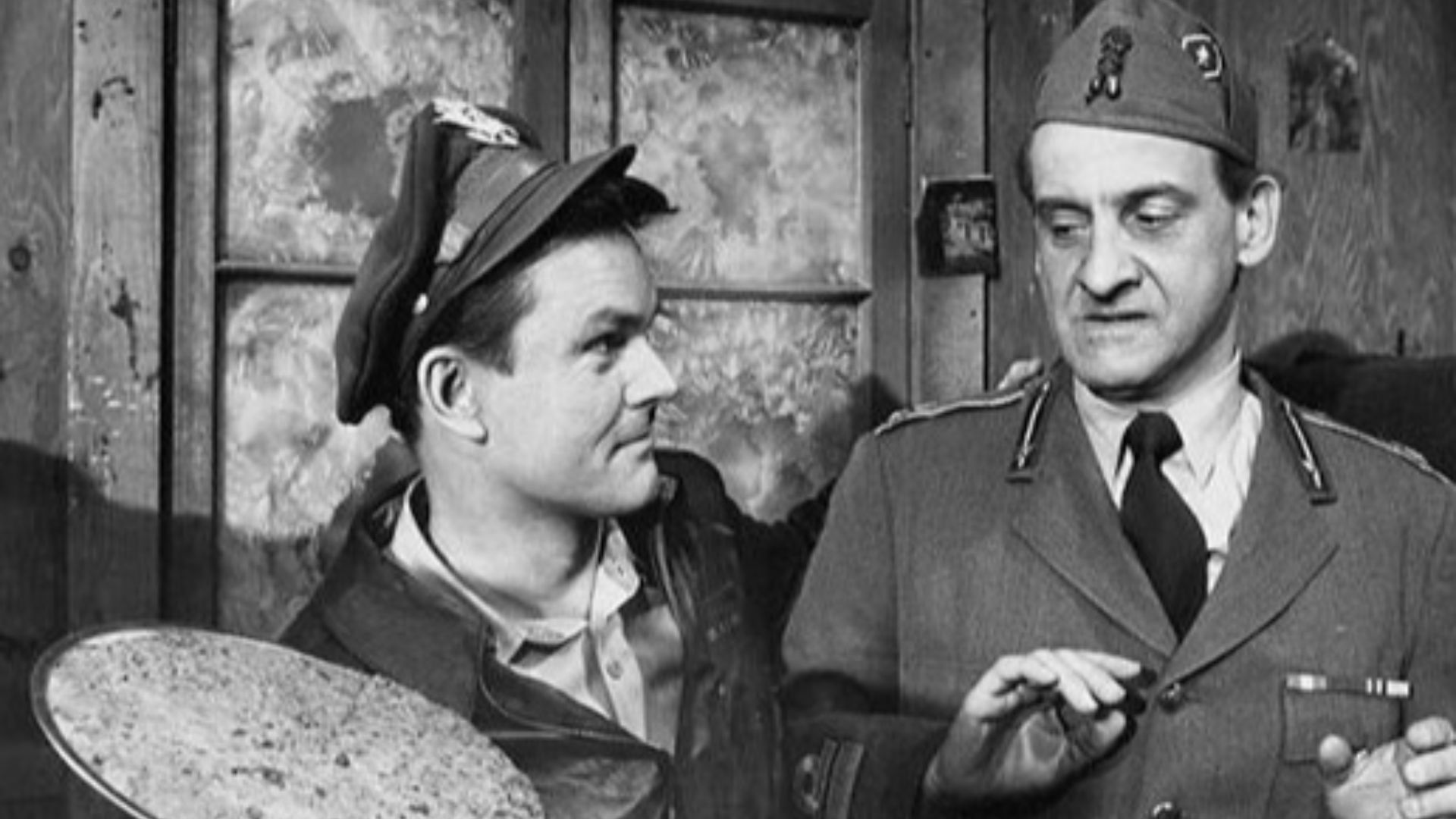
Producer Mark Goodson saw Crane’s natural charisma and helped him land television appearances. In 1965, Crane was cast as the lead in Hogan’s Heroes, a World War II sitcom set in a German POW camp. The show ran from September 17, 1965, to April 4, 1971, and made Crane a national star.
 CBS Television., Wikimedia Commons
The Image of the Perfect Leading Man
On screen, Crane was witty and controlled. Off screen, he cultivated the image of a devoted husband and father. He had married Anne Terzian in 1949, and they had three children. But as fame grew, so did cracks in the image.
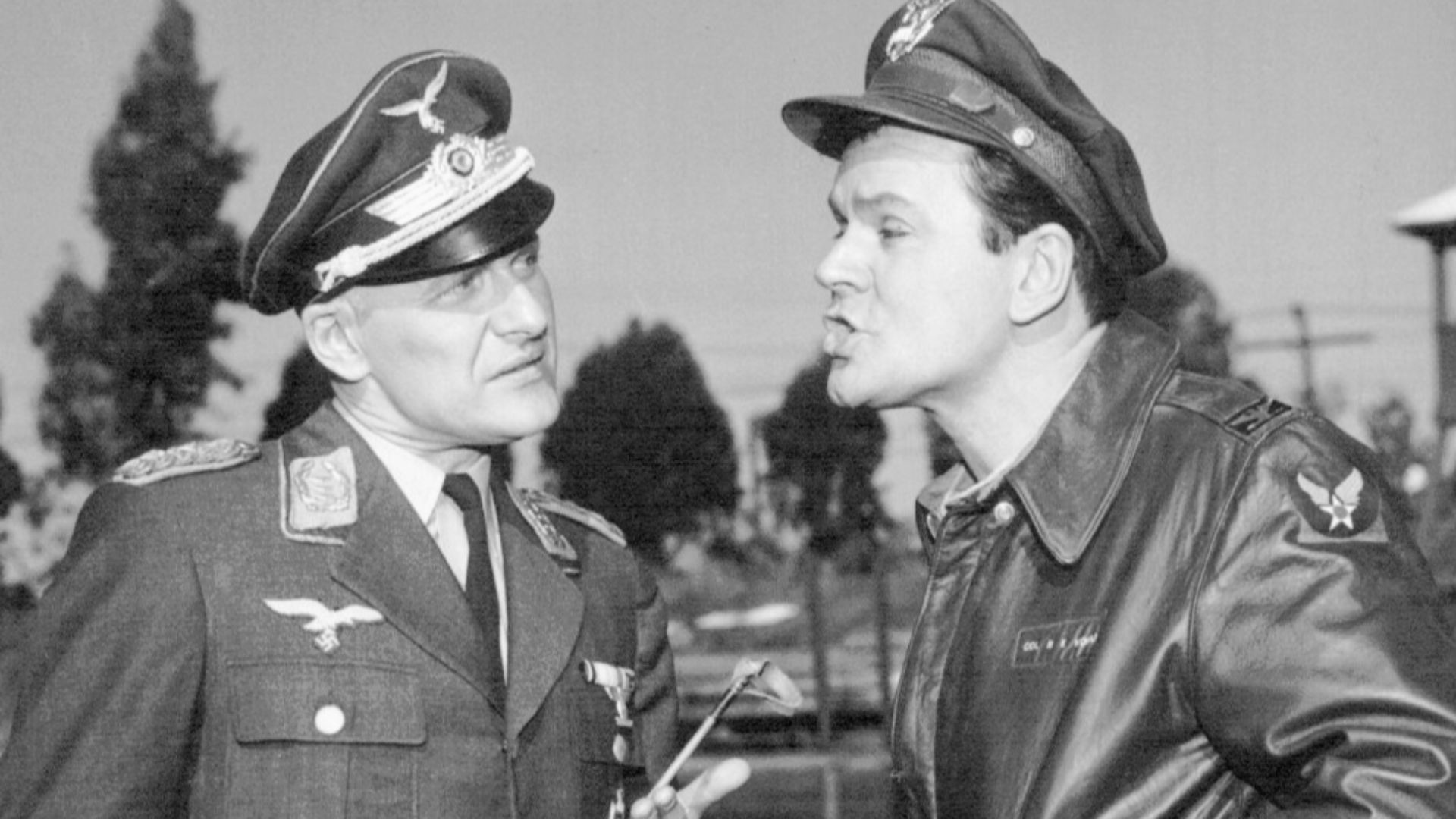 CBS Television, Wikimedia Commons
The Marriage Begins to Fracture
By the late 1960s, Crane’s marriage to Anne was strained. He later admitted that his growing fame fueled risky behavior. In 1970, Anne filed for divorce. Crane married his Hogan’s Heroes co-star Patricia Olson (who performed under the name Sigrid Valdis) later that same year.
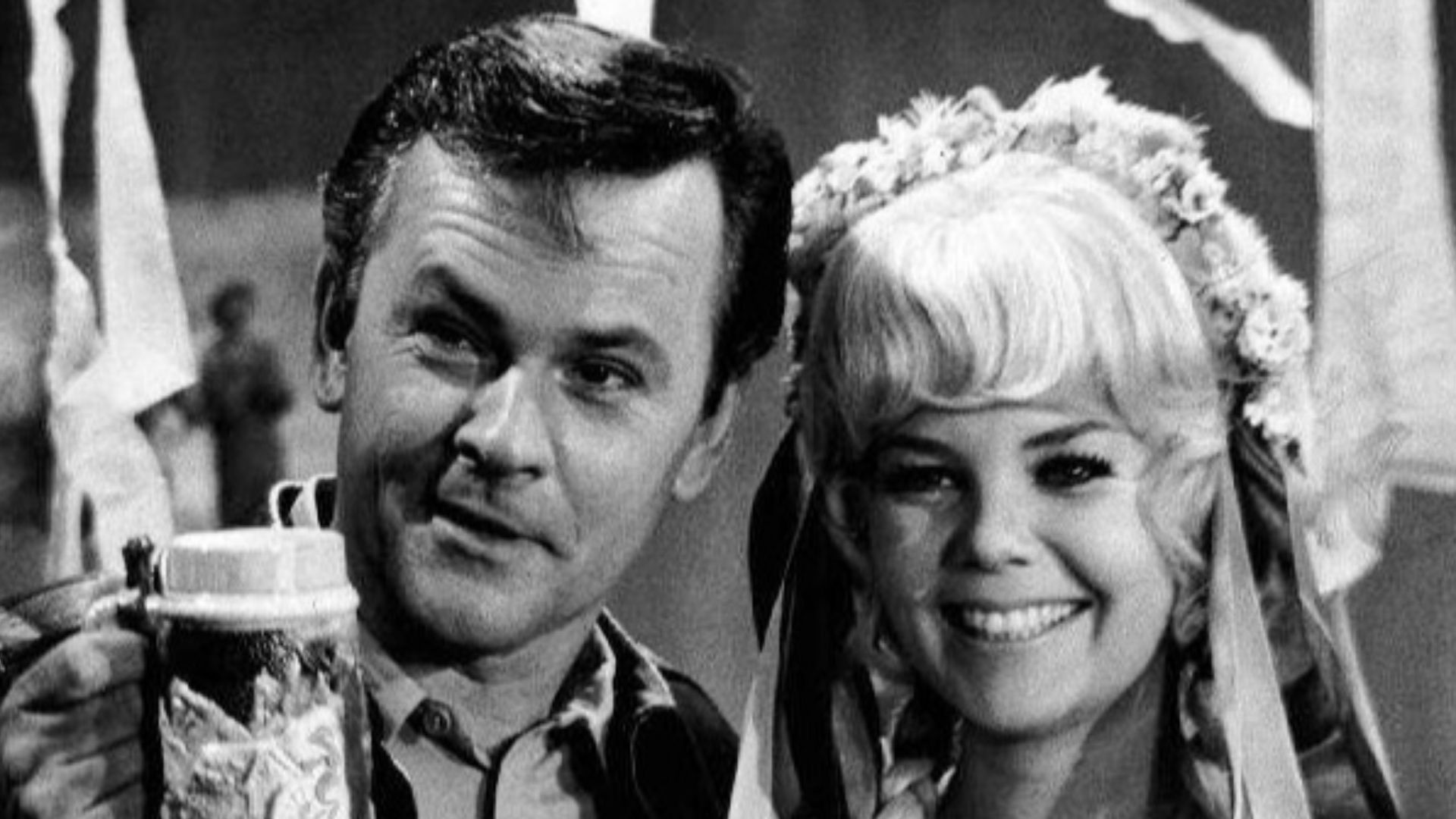 CBS Television, Wikimedia Commons
A New Marriage, A New Chapter
Crane and Valdis married in 1970 and had one son together. Publicly, he appeared settled. Privately, something else was unfolding. Friends later described Crane as increasingly obsessed with gadgets and nightlife.
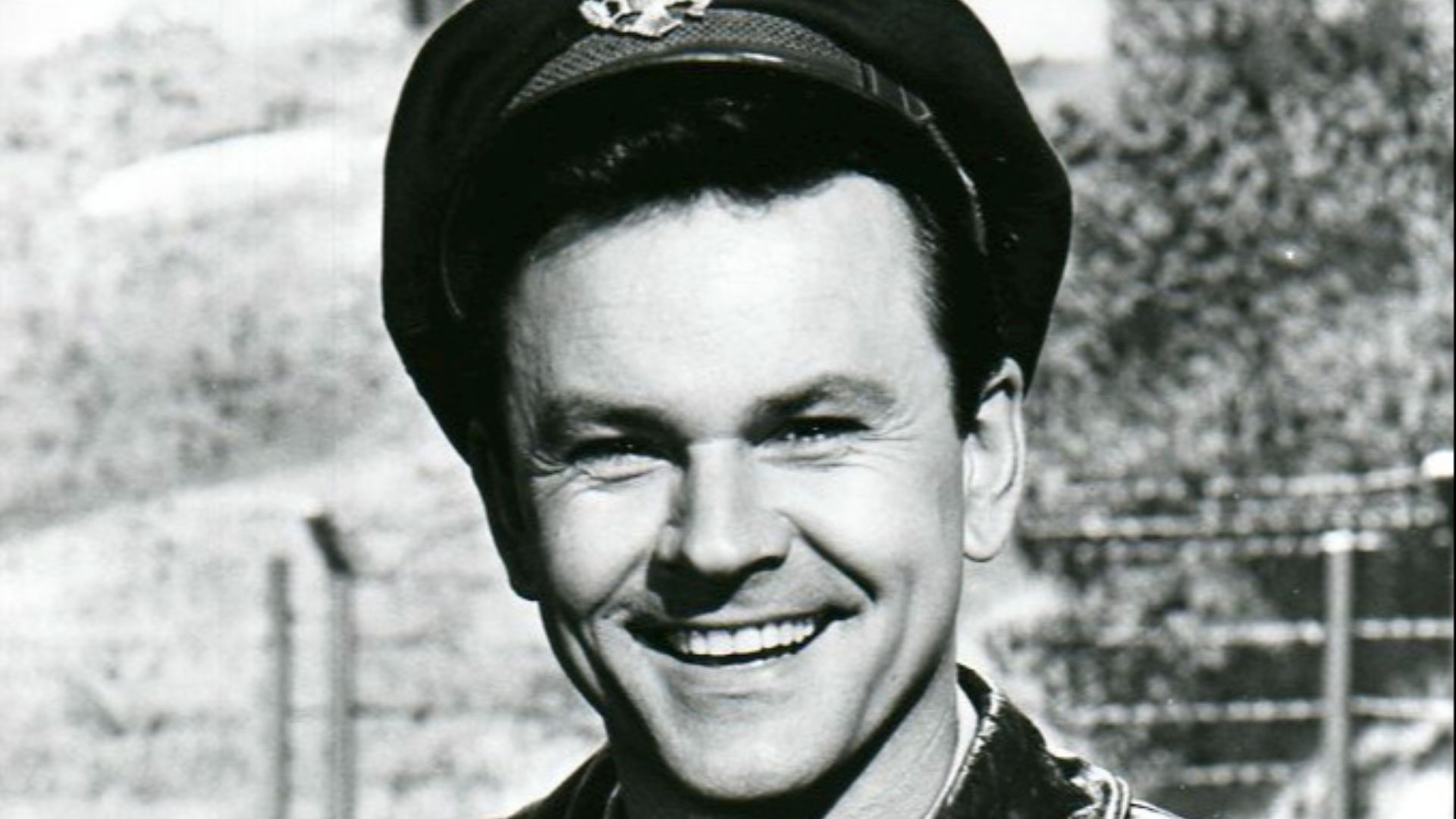 Maury Foldare and Associates, Hollywood., Wikimedia Commons
The Introduction of John Henry Carpenter
In the late 1960s, Crane met electronics salesman John Henry Carpenter. The two bonded over photography and technology. Carpenter introduced Crane to advanced video equipment, which was rare and expensive at the time.
Their friendship would later become infamous.
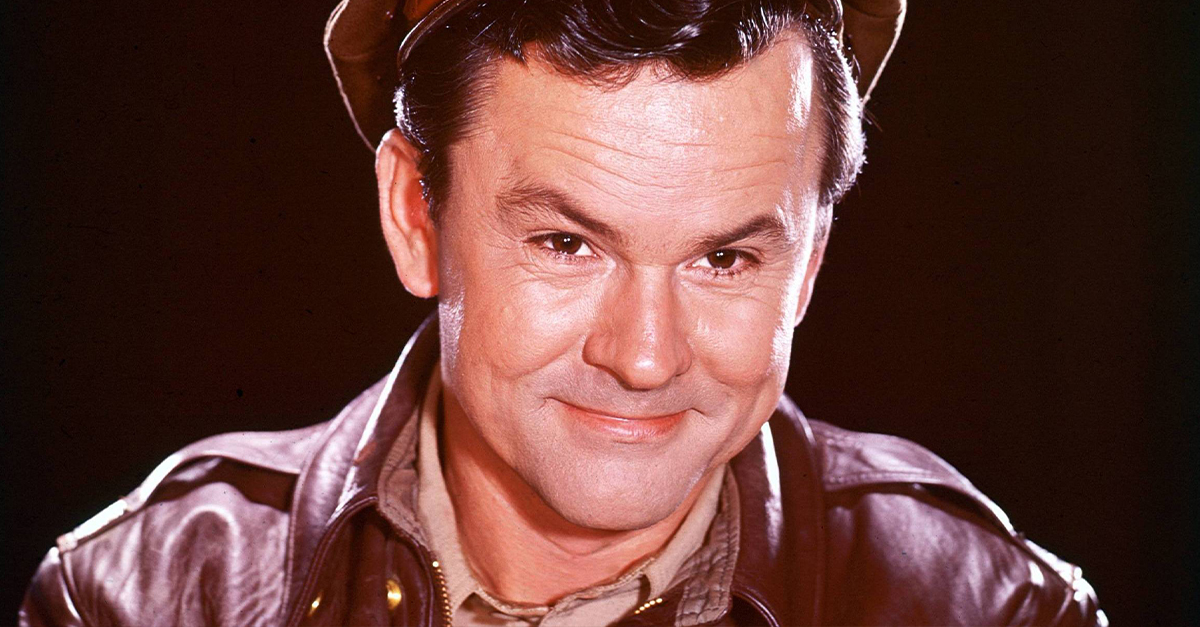
The Secret Recordings
Crane and Carpenter started using their equipment in shady ways. They began filming their intimate encounters with women they met in LA. The recordings were made with early portable video equipment. This was not rumor; police later confirmed the existence of explicit videotapes and photographs.
It only got worse from there.
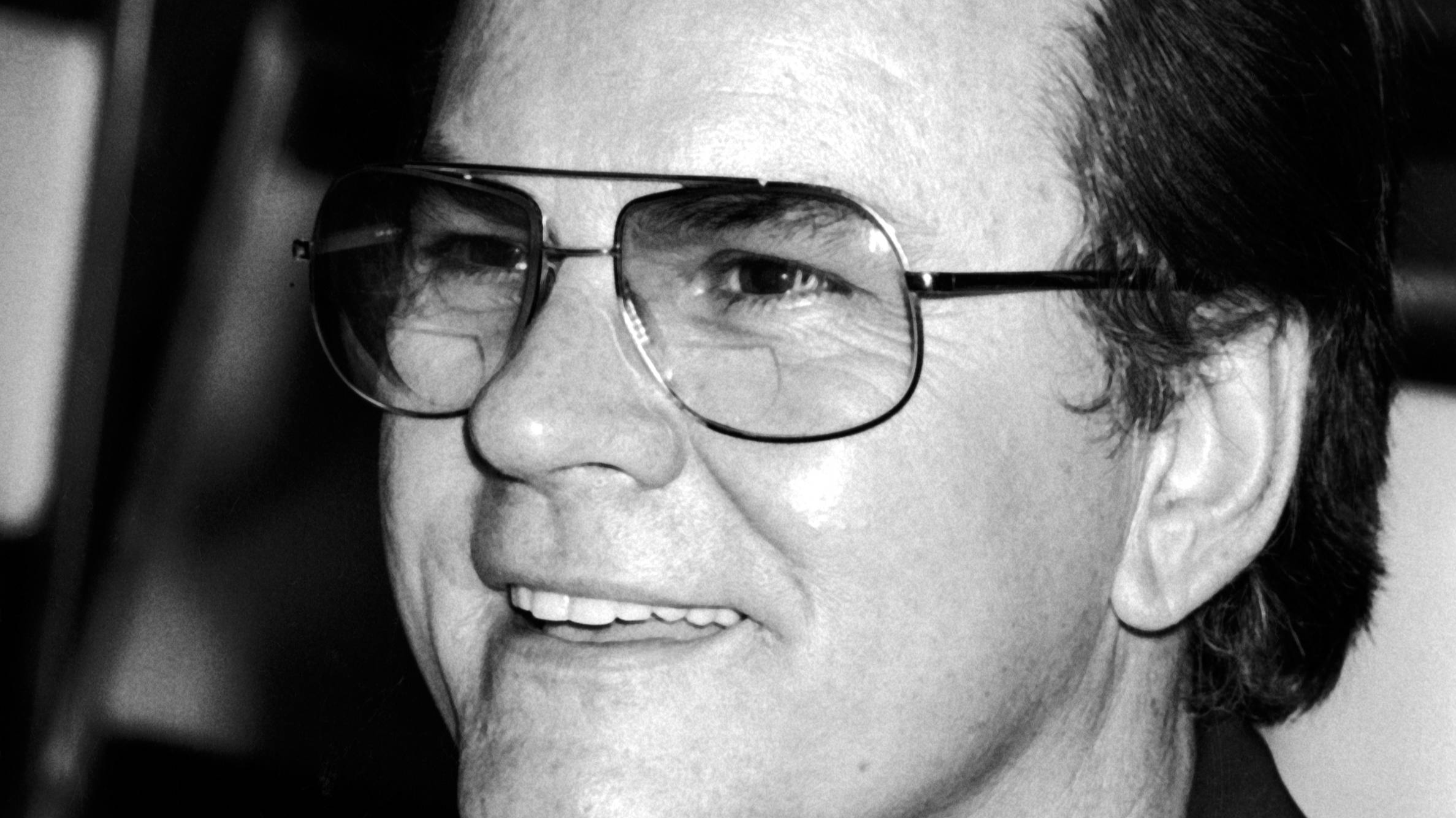 Ron Galella Collection, Getty Images
Hollywood Whispers
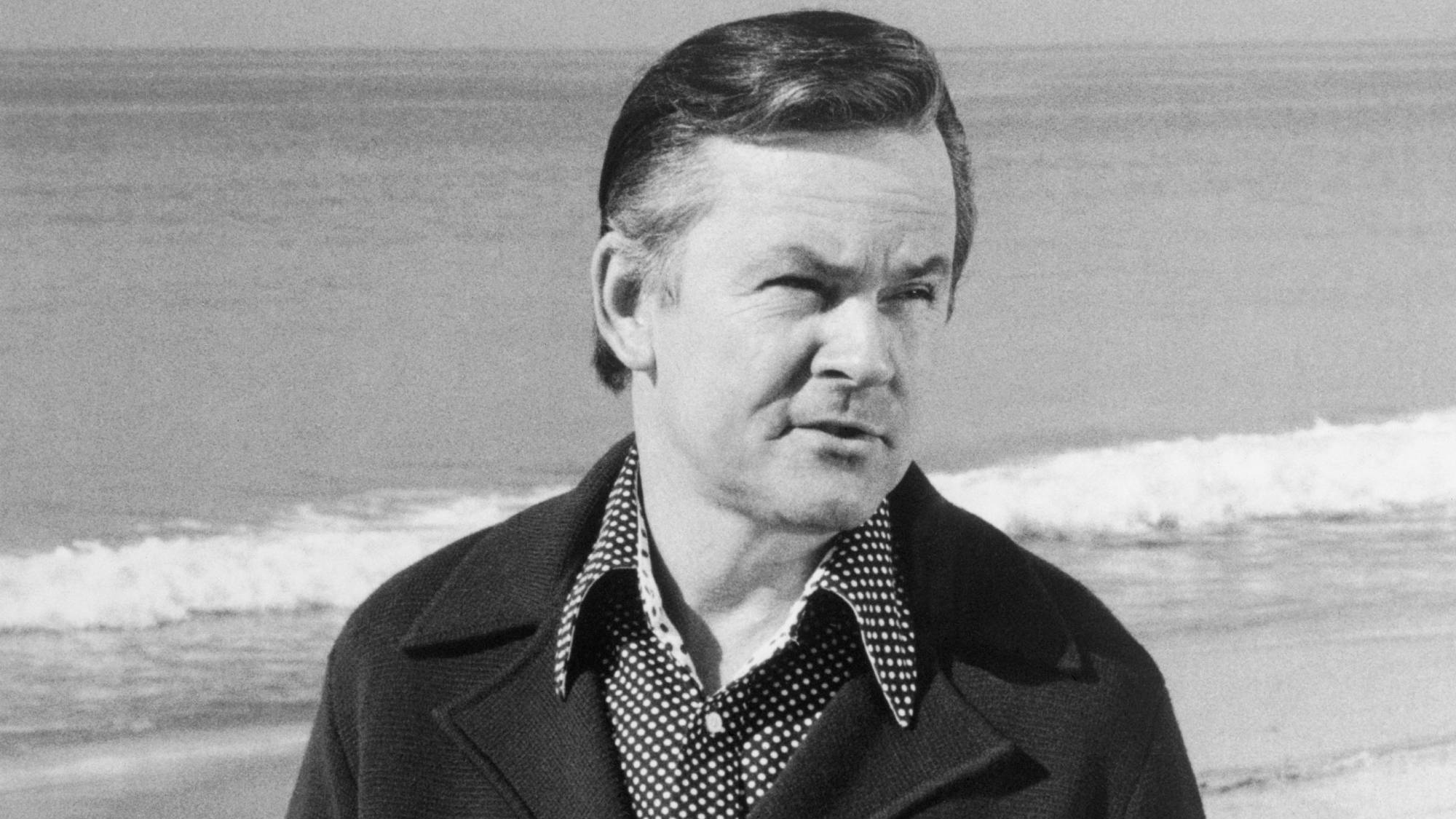
Within certain circles, Crane’s behavior became an open secret. He reportedly boasted to friends about his exploits. According to later accounts, he kept meticulous logs and photographs. The wholesome Colonel Hogan image was unraveling.
Career Slows After Hogan’s Heroes
When Hogan’s Heroes ended in 1971, Crane struggled to transition into film or serious television roles. Typecasting limited his options. He turned to dinner theater performances across the country, including productions in Scottsdale, Arizona.
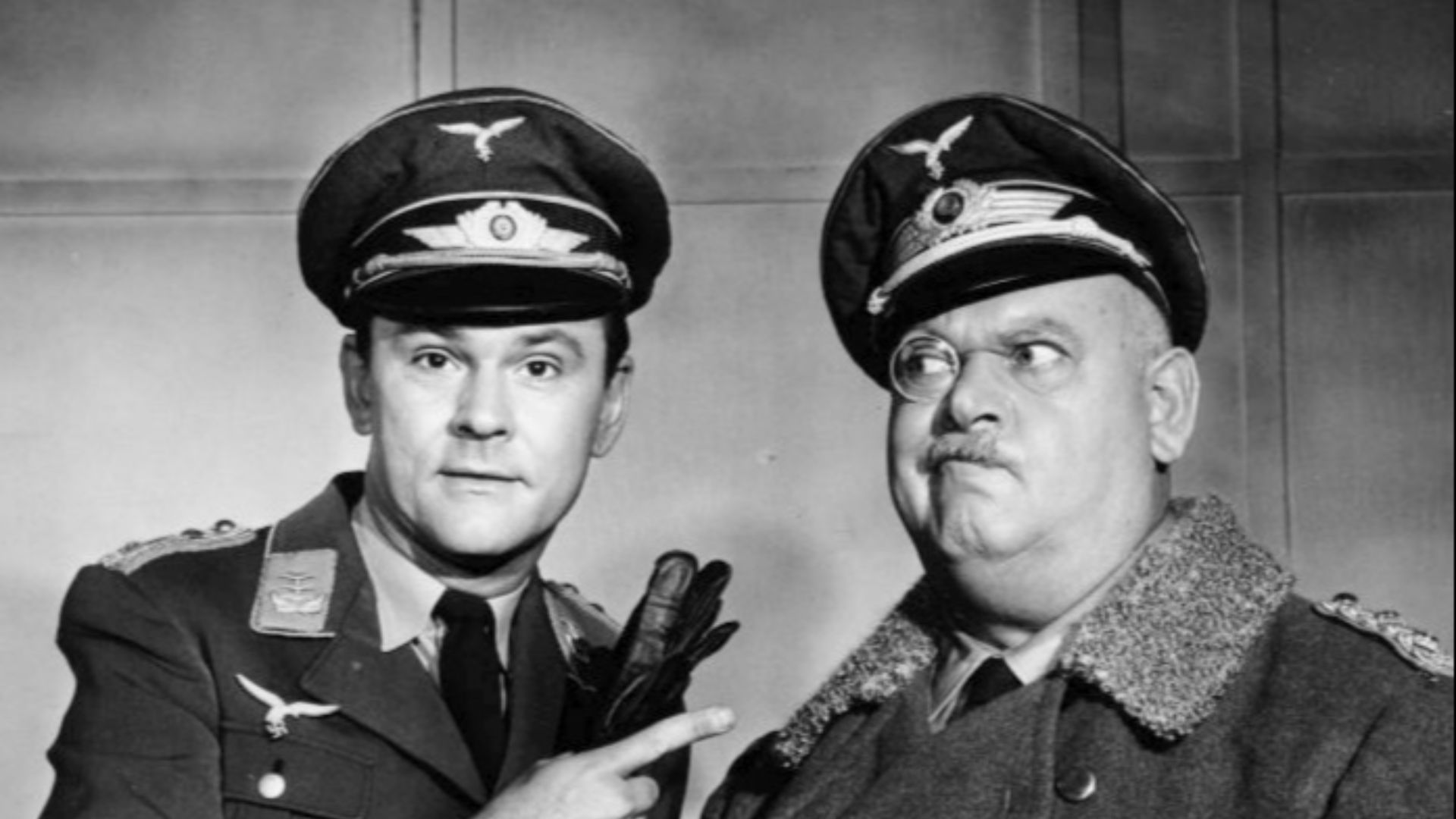 CBS Television, Wikimedia Commons
Financial and Personal Pressures
By the mid-1970s, Crane’s mainstream Hollywood career had cooled. Dinner theater paid the bills, but it wasn’t prime-time television. Meanwhile, his second marriage to Valdis grew strained. They separated in 1977.
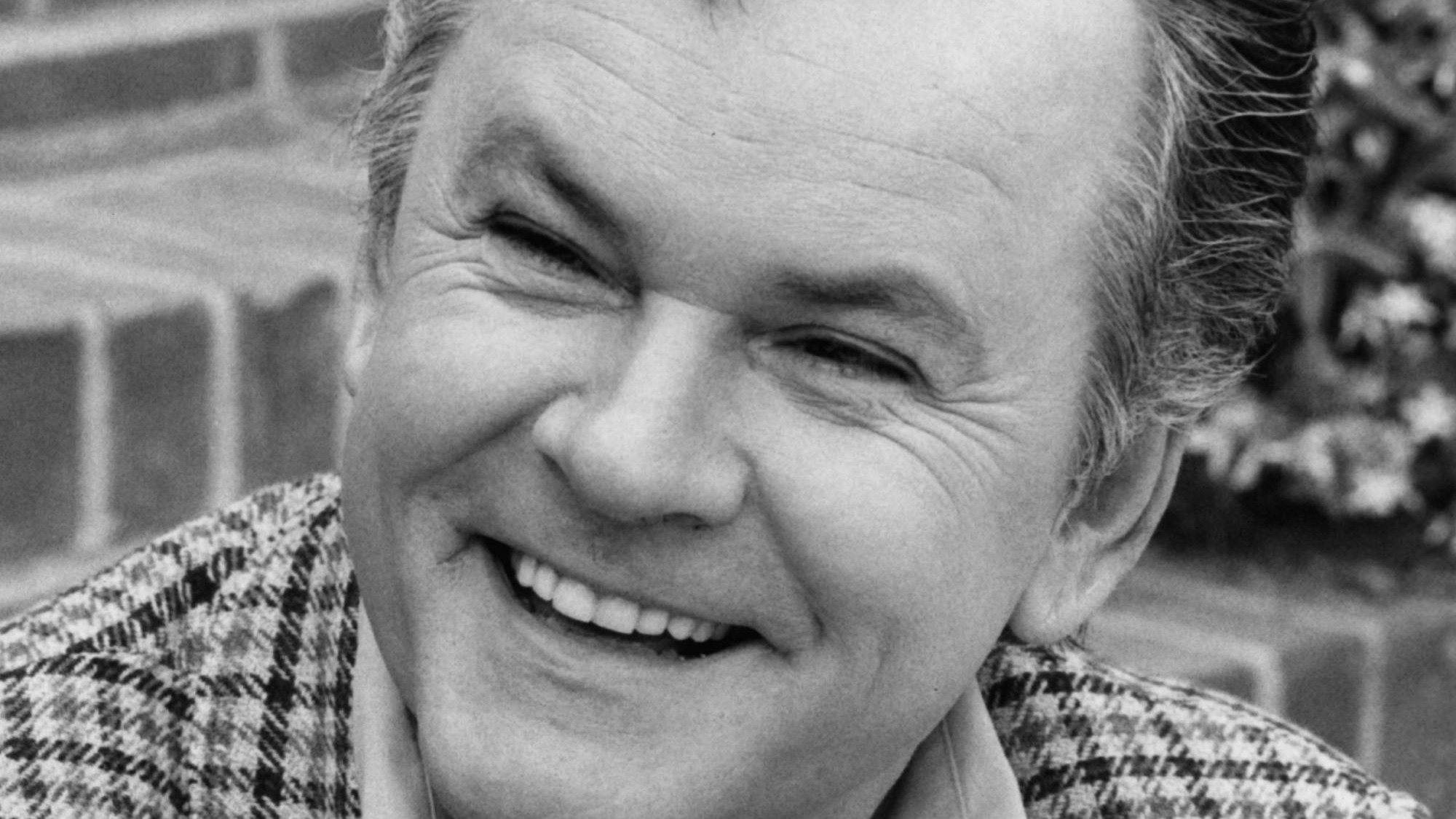 Michael Ochs Archives, Getty Images
A Life Divided
Crane’s days were spent rehearsing stage productions. His nights, according to court testimony and police records, often involved meeting women and recording encounters. Carpenter frequently traveled with him.
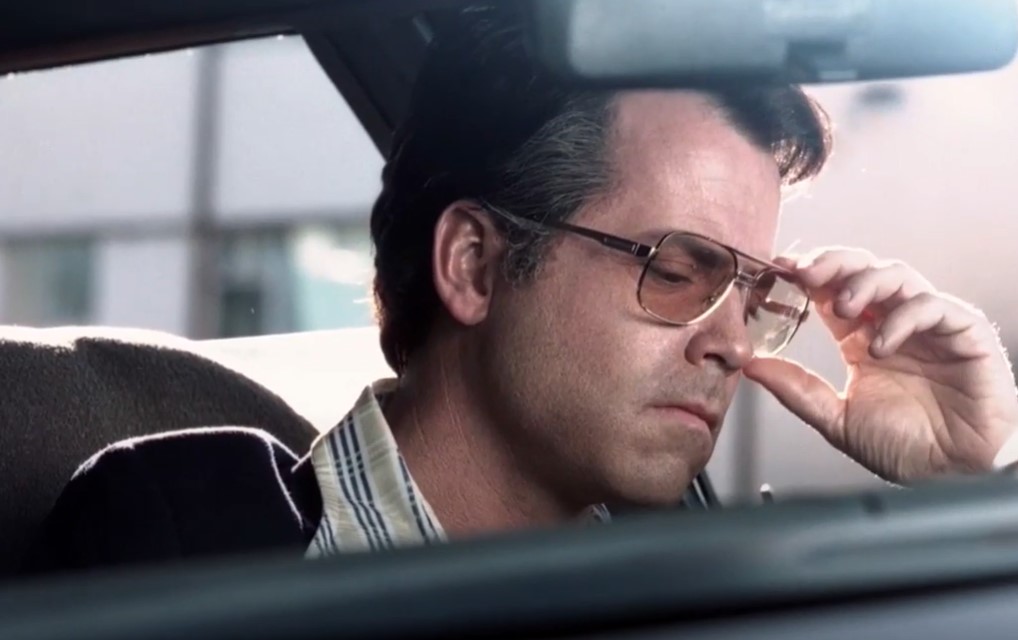 Good Machine, Auto Focus (2002)
The Scottsdale Run
In June 1978, Crane was performing in the play Beginner’s Luck at the Windmill Dinner Theatre in Scottsdale, Arizona. He was living in the Winfield Place Apartments during the run. He continued meeting women and socializing.
 Marine 69-71, CC BY-SA 3.0, Wikimedia Commons
June 29, 1978
On the afternoon of June 29, 1978, Bob Crane was found bludgeoned to death in his Scottsdale apartment. He was 49 years old. The item used to carry out the heinous crime was never conclusively identified. Police suspected a blunt instrument...possibly a camera tripod.
 Marine 69-71, CC BY-SA 3.0 Wikimedia Commons
The Investigation Begins
Authorities quickly focused on John Henry Carpenter. Carpenter had been with Crane the evening before and left town shortly after. Investigators found blood evidence in Carpenter’s rental car, though forensic science at the time was limited.

A Trial That Shocked Hollywood
Eventually, Carpenter was charged with Crane’s demise in 1992—fourteen years after the crime. The trial took place in Maricopa County, Arizona. Prosecutors argued that jealousy or a dispute over women may have led to violence.
It wasn't over yet, though.
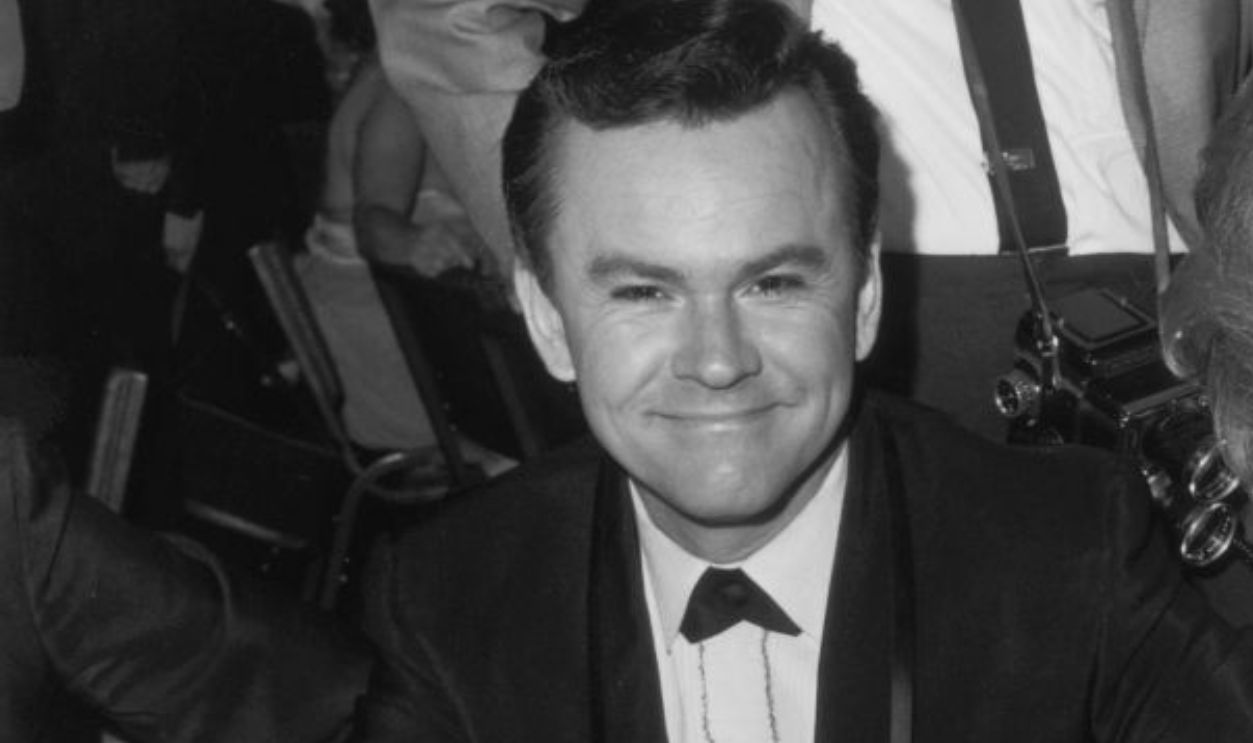 Fotos International, Getty Images
The Verdict
In 1994, Carpenter was acquitted due to insufficient evidence. The jury concluded that prosecutors could not prove guilt beyond a reasonable doubt. The slaying of Bob Crane remains officially unsolved.
While his death shocked the world, the secrets behind closed doors drew more attention.
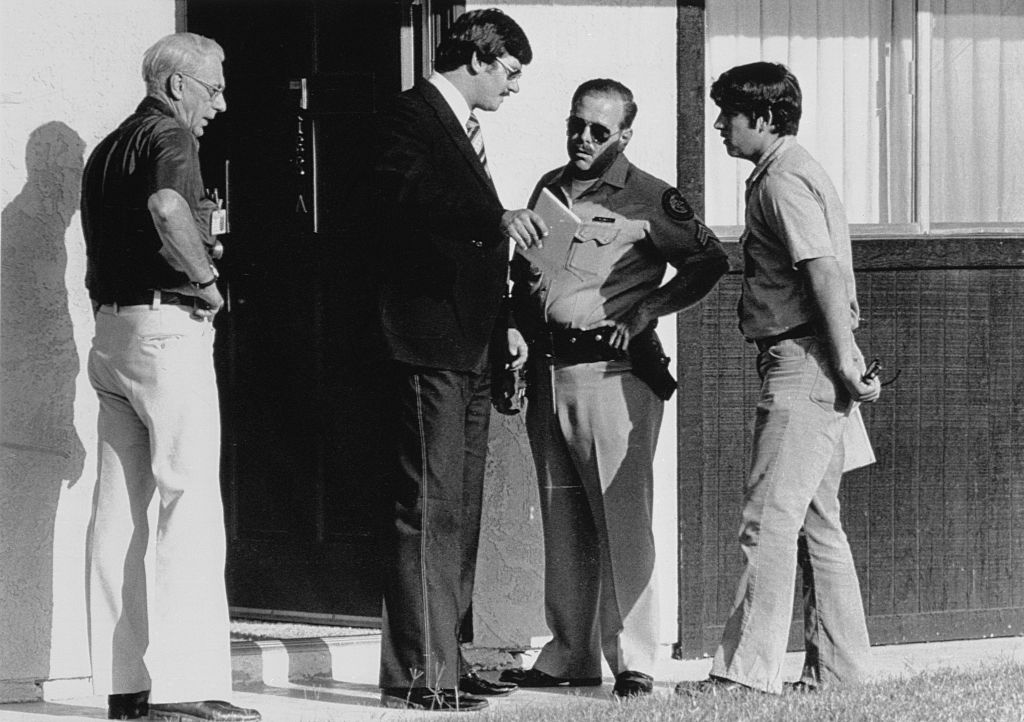
The Most Shocking Scandal
The tapes. When investigators cataloged evidence, they reportedly found hundreds of photographs and videotapes documenting Crane’s secret life behind the scenes. The sheer volume stunned those who had only known him as a sitcom star...and ultimately exposed his addiction to the unsavory material.
Crane's private behavior quickly became public record.
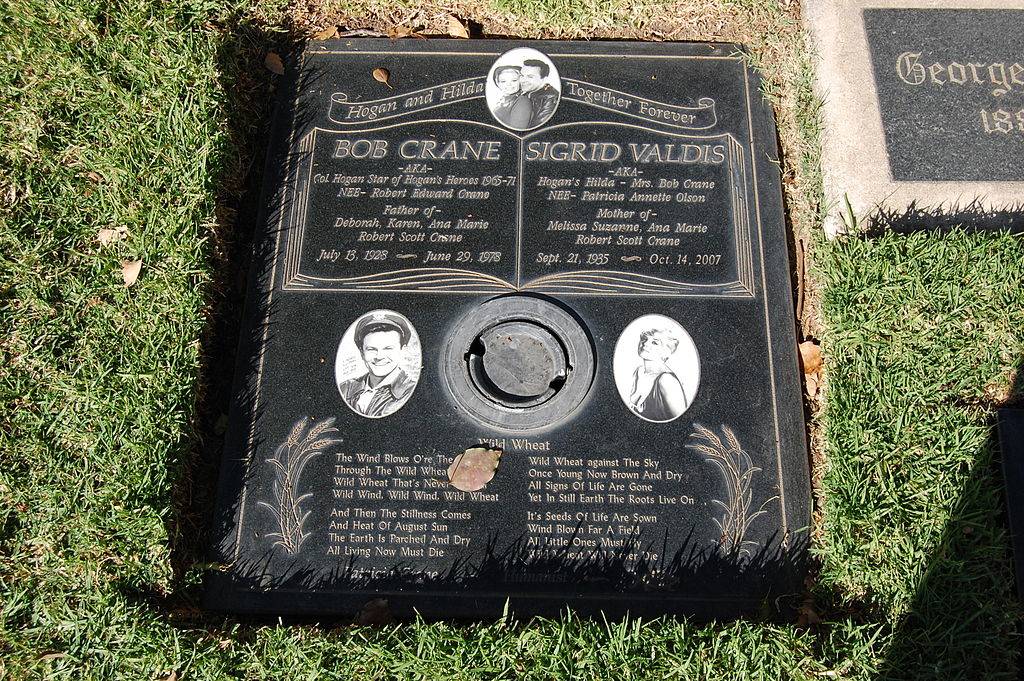 Meribona, CC BY-SA 3.0 , Wikimedia Commons
The Double Life Exposed
The revelation permanently altered his legacy. What had been whispered became documented fact. America’s Colonel Hogan was no longer just a clever POW escape artist. He was a man consumed by risky behavior that ultimately overshadowed his career.
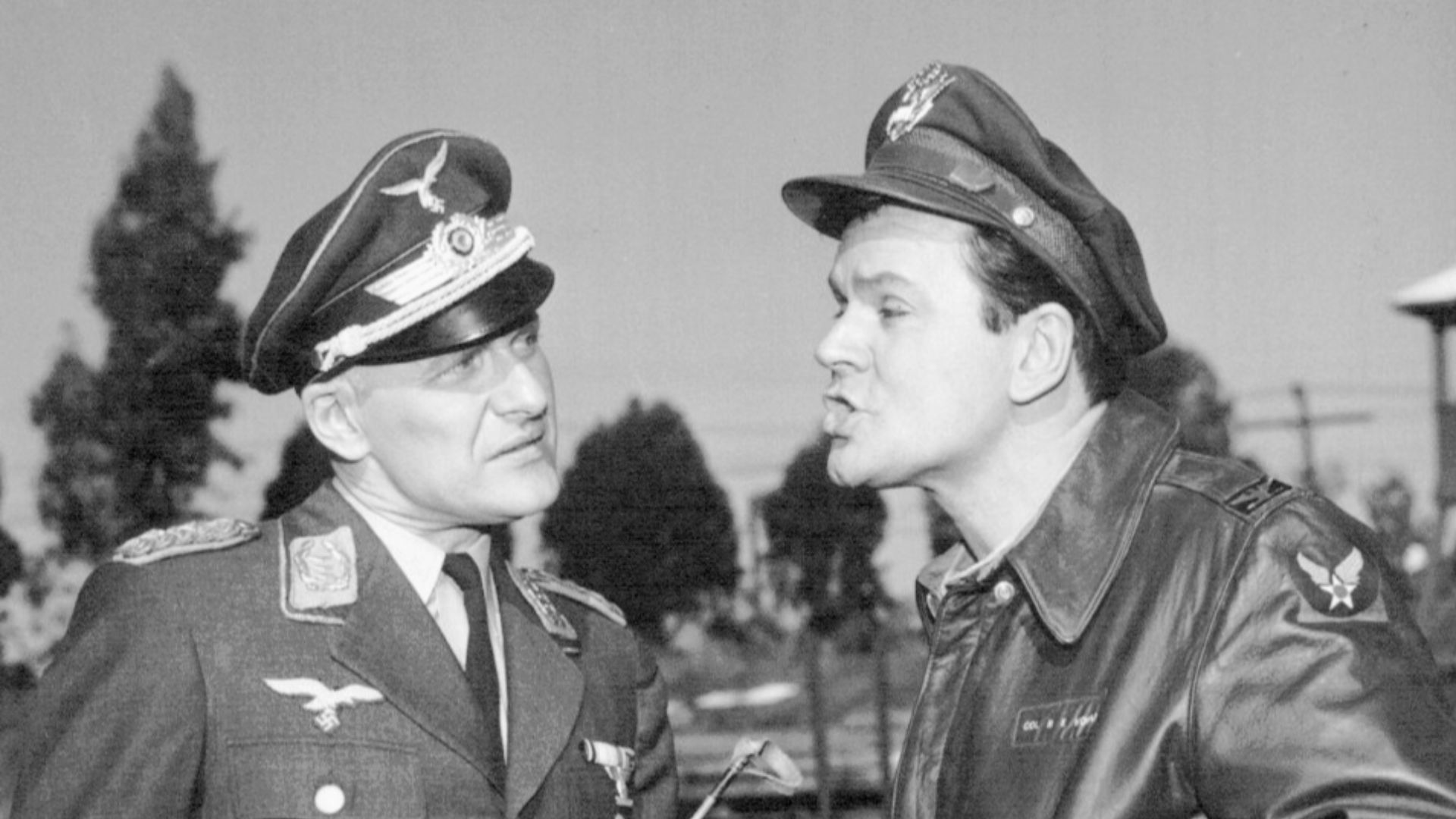 CBS Television, Wikimedia Commons
Hollywood’s Cautionary Tale
Bob Crane’s story is often cited as one of television’s most tragic double lives. Fame, technology, ego, and secrecy collided. The scandal didn’t just shock audiences—it redefined how celebrity privacy would be viewed in the decades that followed.
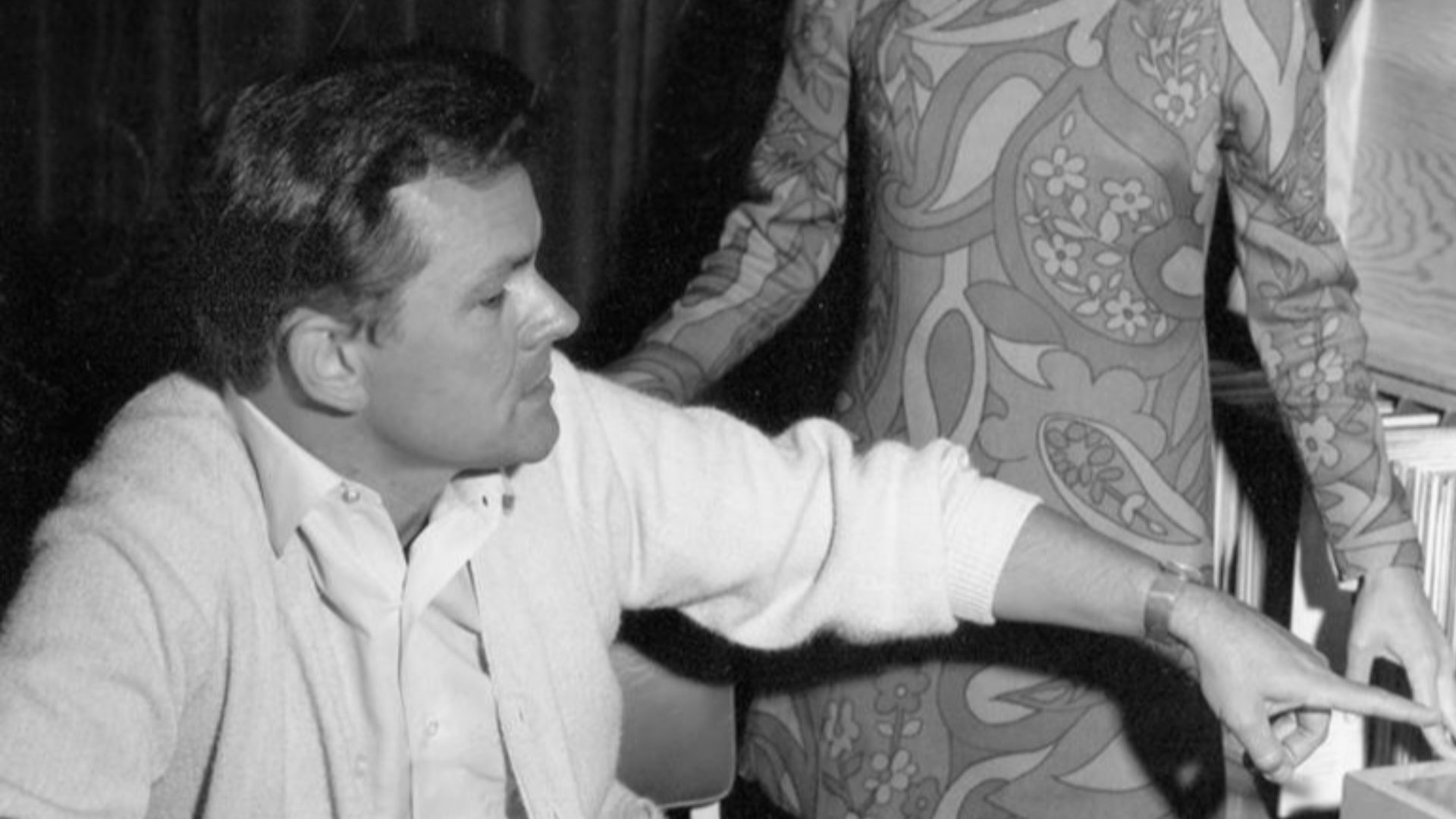
The Legacy Left Behind
Crane is still remembered for Hogan’s Heroes. The show remains in syndication. But his personal controversies and unsolved demise have become inseparable from his name.
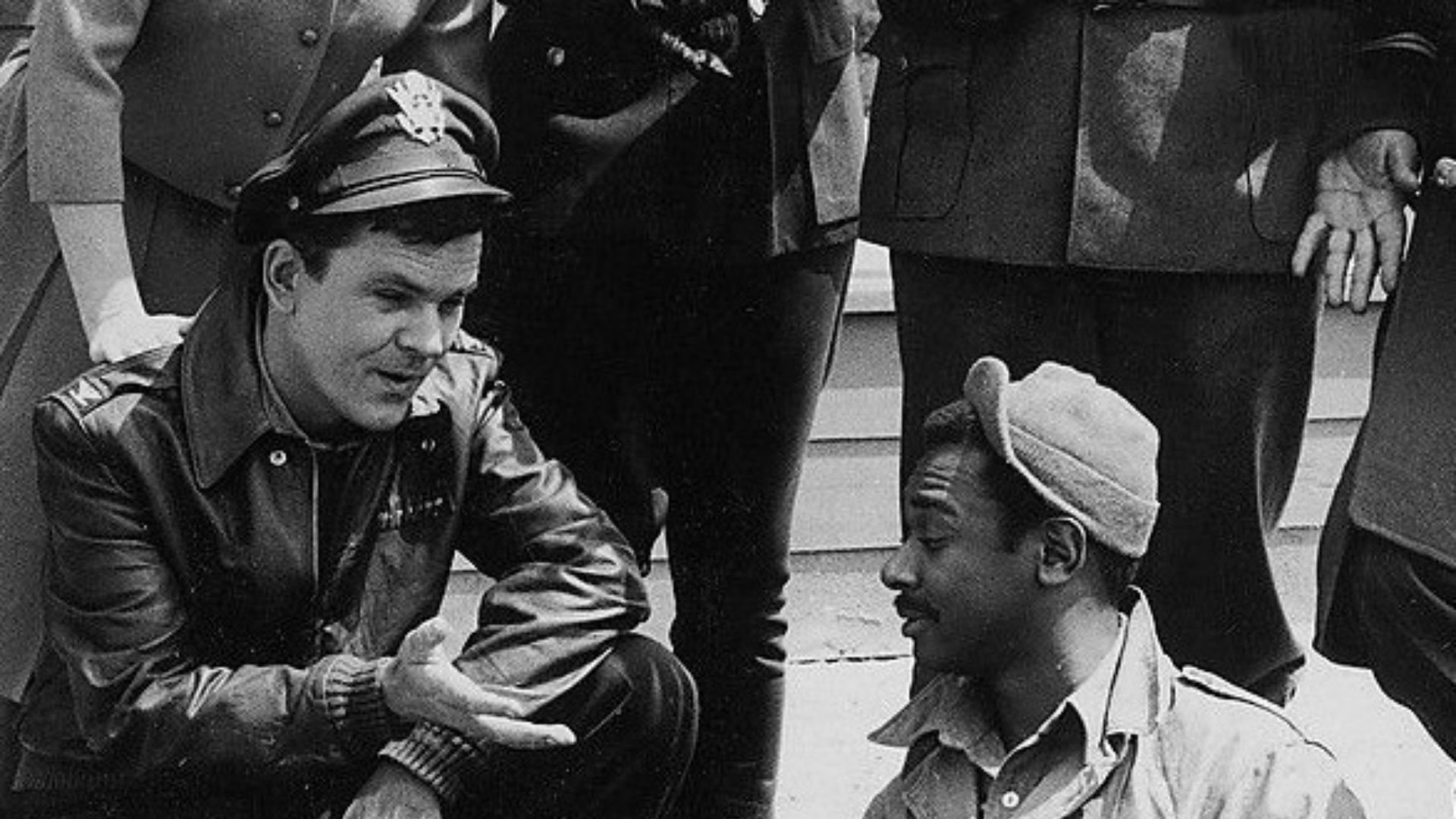 CBS Television, Wikimedia Commons
A Star Forever Divided
Bob Crane made millions laugh in a fictional prison camp. Off camera, he lived dangerously and kept shady secrets that eventually surfaced. His career might have been remembered for comedy alone. Instead, it is remembered for one of Hollywood’s most unsettling and controversial endings.
 CBS Television, Wikimedia Commons
You May Also Like:
Natalie Wood’s death was one of Hollywood’s most enduring mysteries—until the captain of her yacht changed his story.