
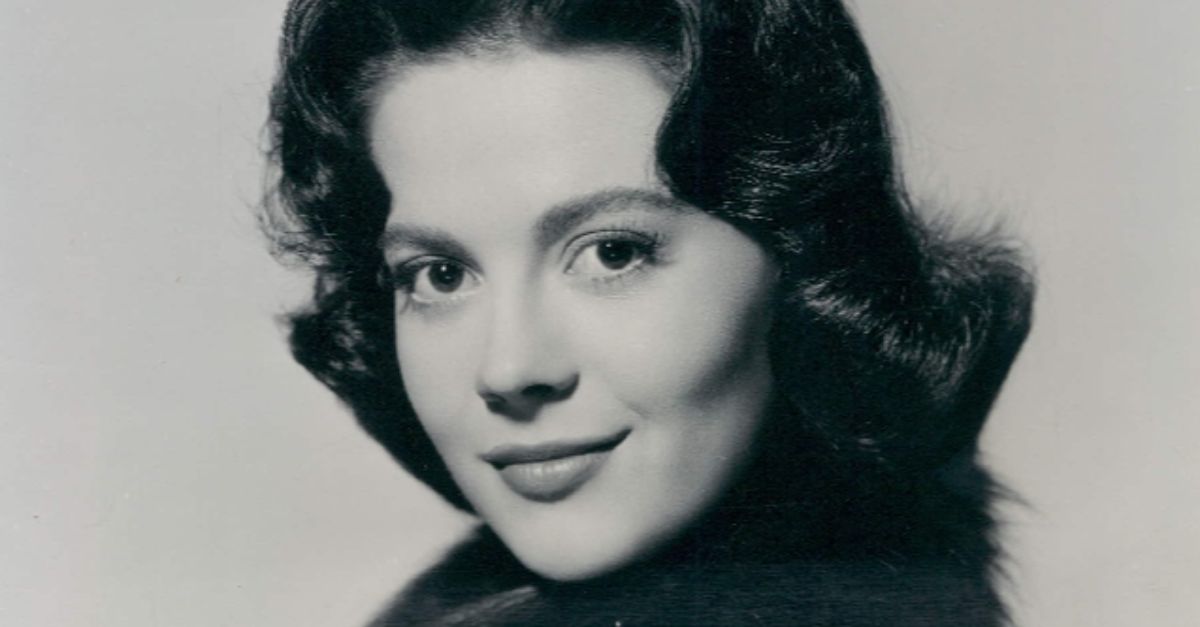
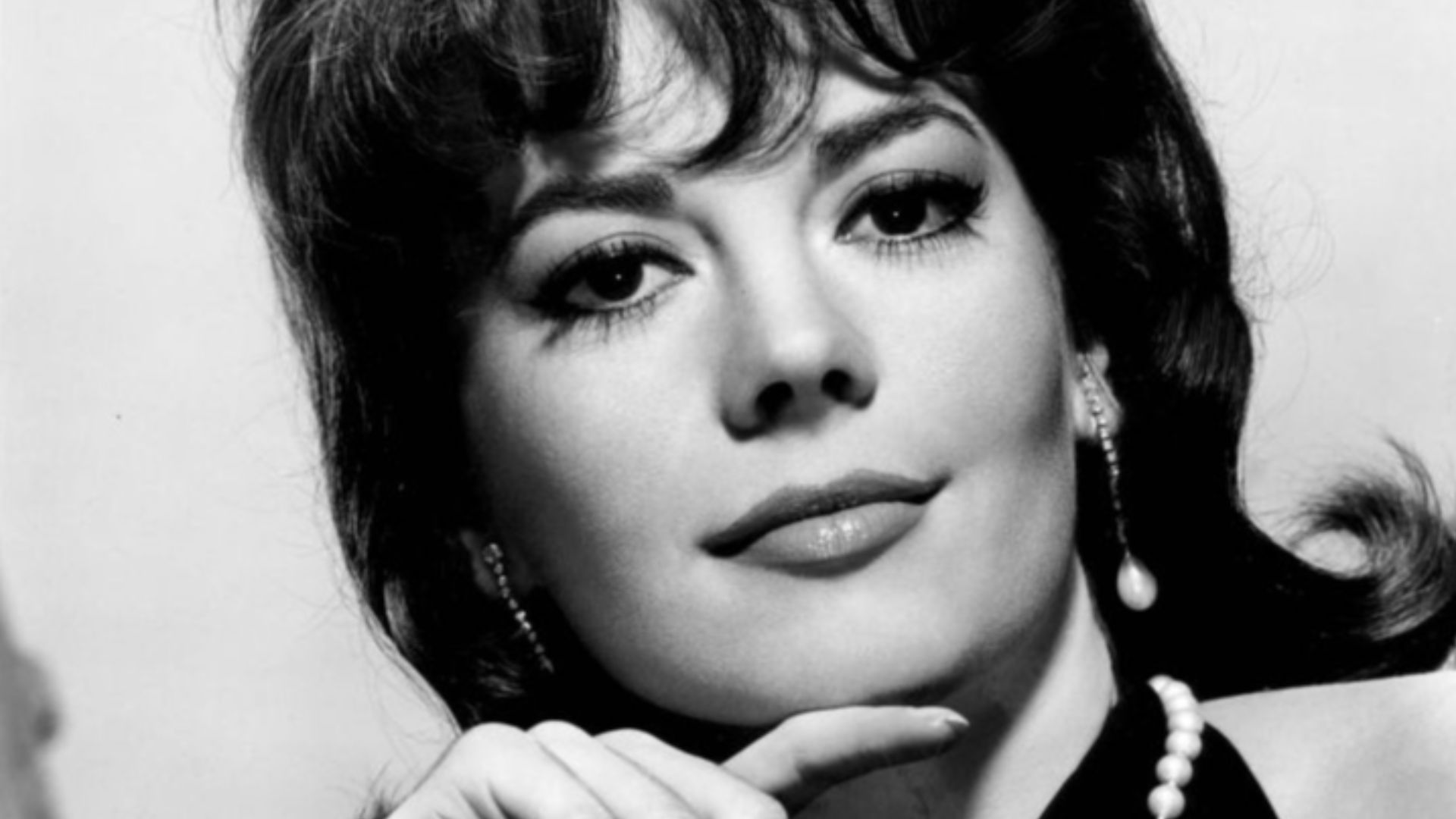
What Really Happened to Natalie Wood?
Natalie Wood didn’t grow up wanting fame — she was born into it. By the time she was a teenager, she had already worked with legends, earned Oscar nominations, and carried entire films on her shoulders.
But later, her name would be remembered for something far darker than stardom.
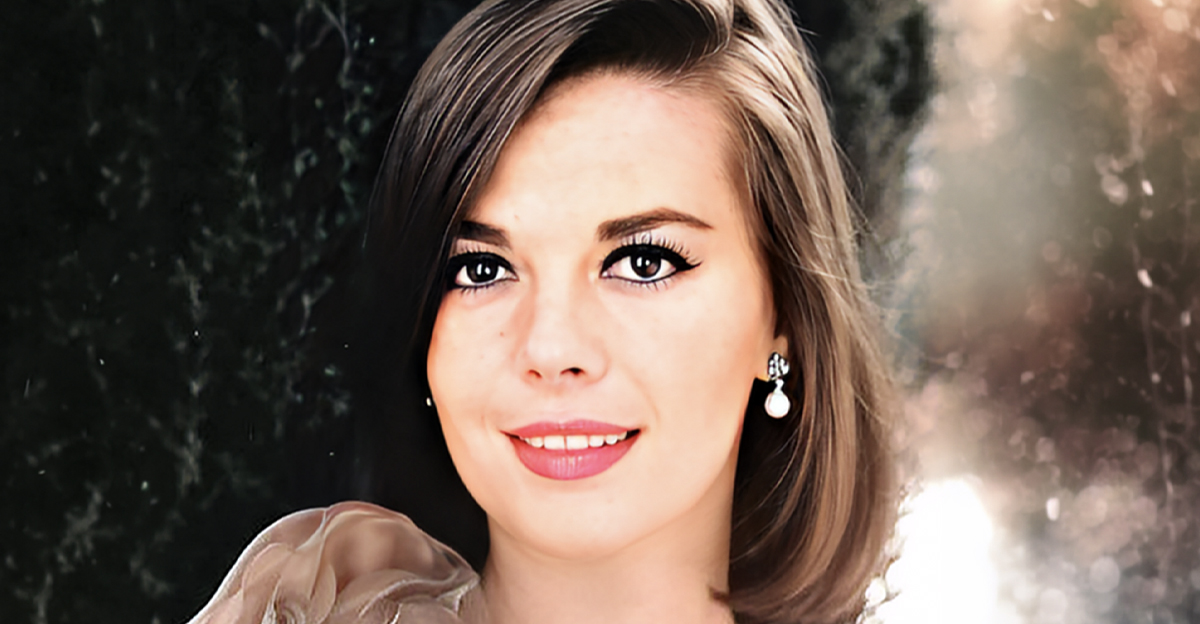
Born Natalia Nikolaevna Zakharenko
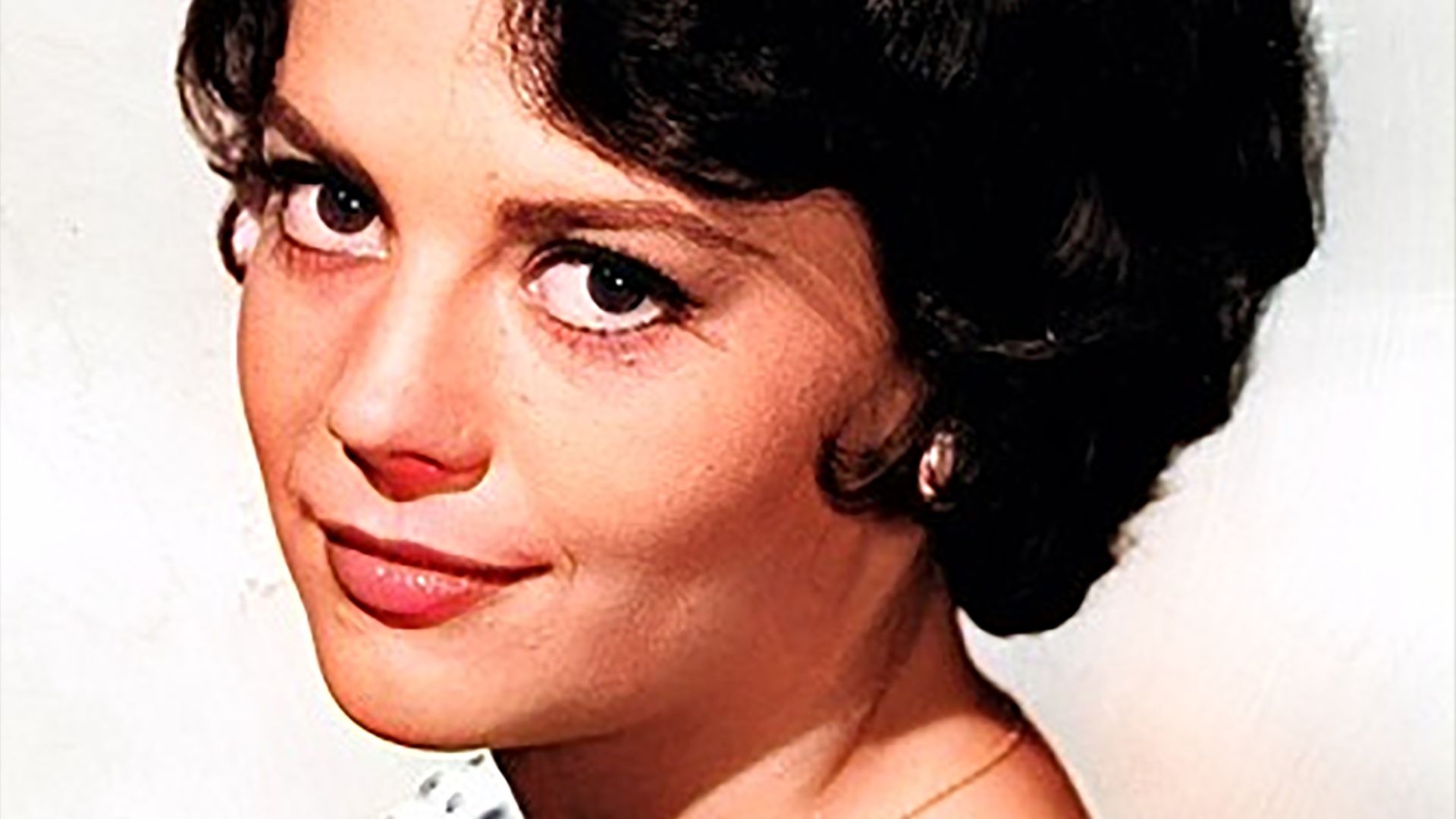
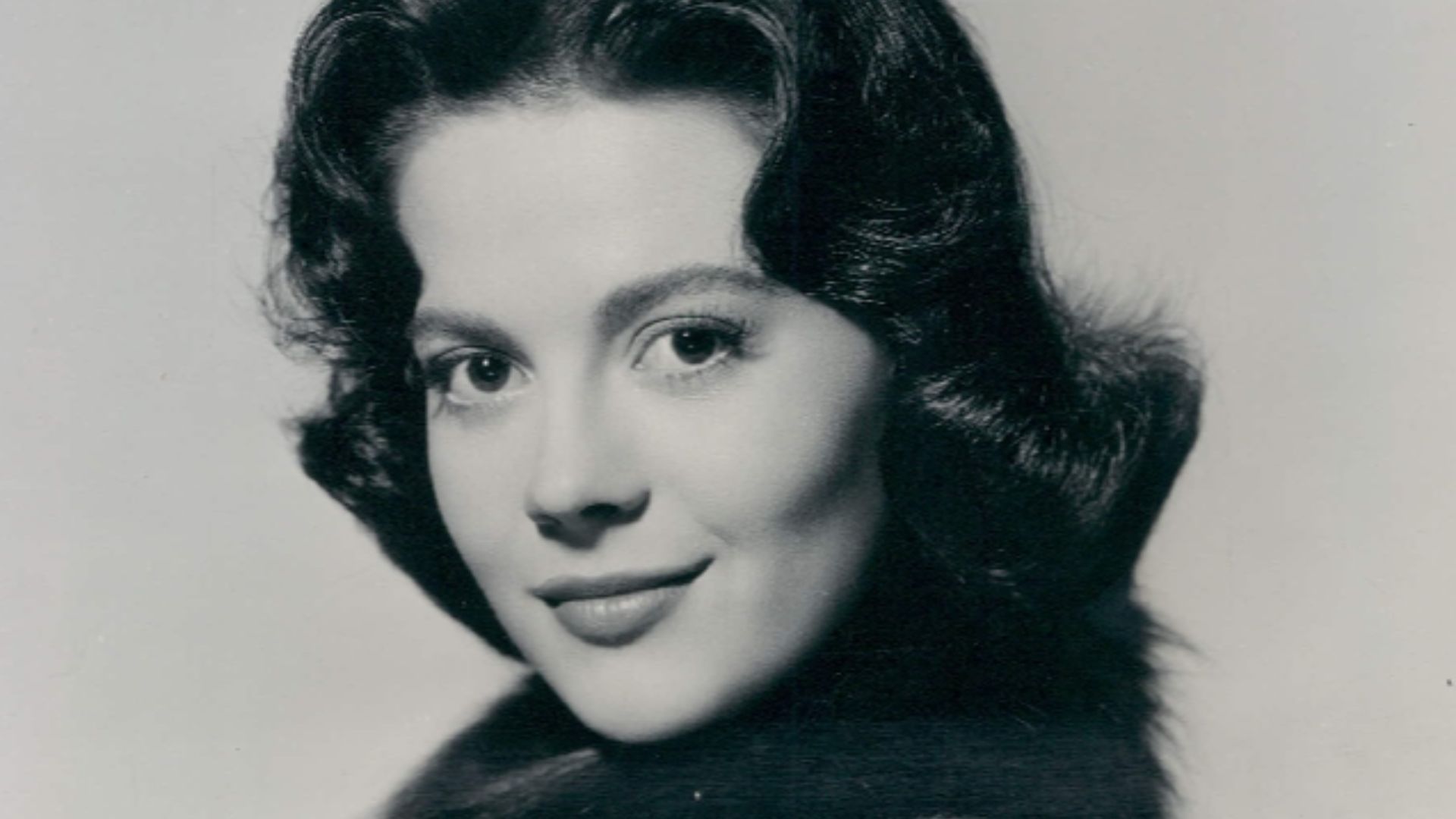
Natalie Wood was born on July 20, 1938, in San Francisco, California, to Russian immigrant parents, Maria and Nicholas Zakharenko. Her mother believed fiercely that Natalie was destined for fame.
It wasn’t a casual hope. It was a plan. And Natalie’s mother pushed hard.
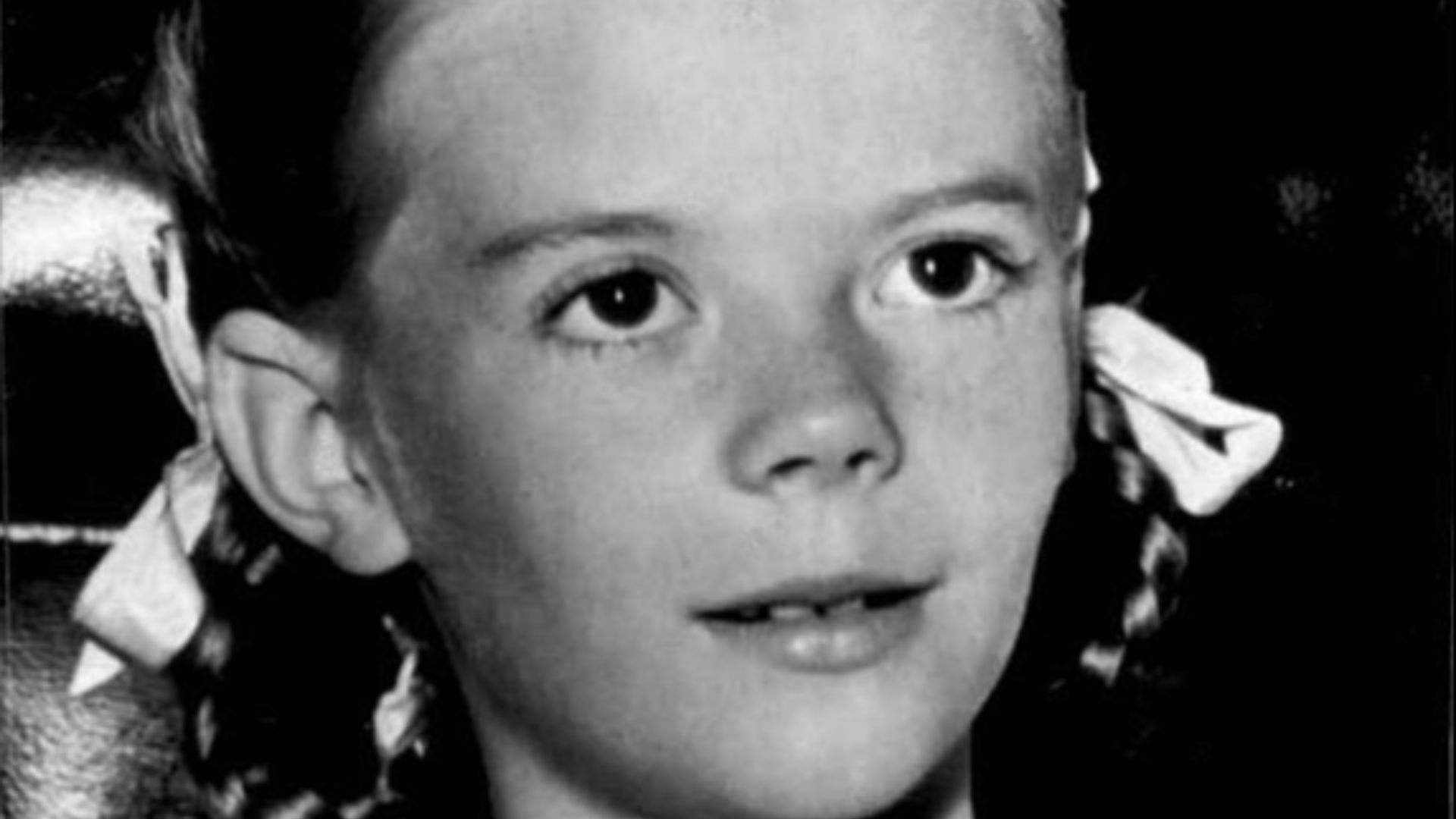 20th Century Fox, Wikimedia Commons
A Mother Who Believed in Destiny
Maria Wood was known for telling anyone who would listen that her daughter was special. She even claimed a fortune teller once warned that Natalie would “die in dark water.”
That story would follow Natalie her entire life.
At the time, it just sounded dramatic.
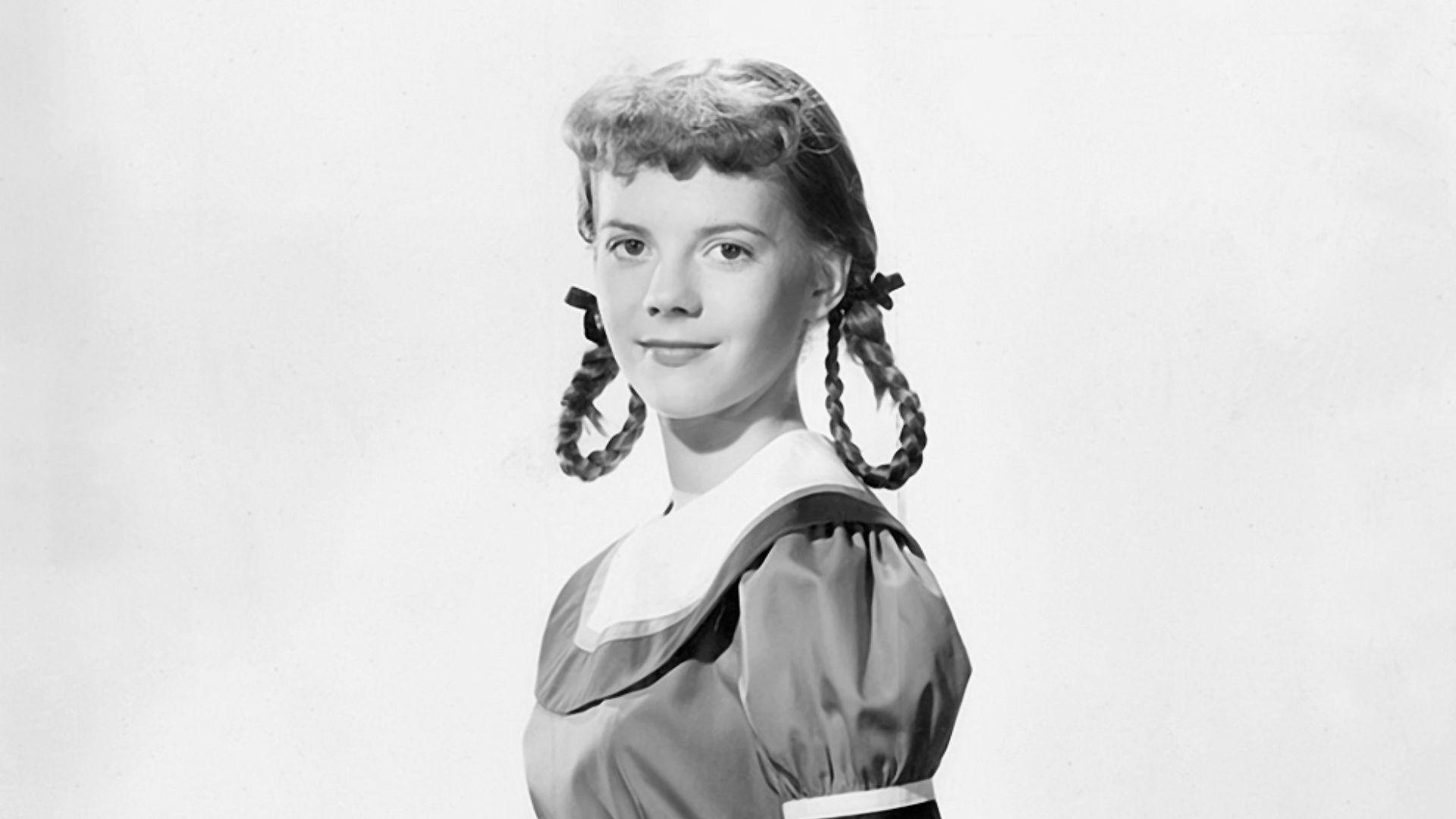 RKO Radio Pictures, Wikimedia Commons
The Child Who Could Cry on Cue
Natalie started acting at age four. Directors quickly noticed something rare — she didn’t act like a child pretending to be emotional. She felt it.
By age eight, she had roles in major films. By age nine, she was starring alongside Orson Welles in The Ghost and Mrs. Muir (1947).
Hollywood had found its golden girl.
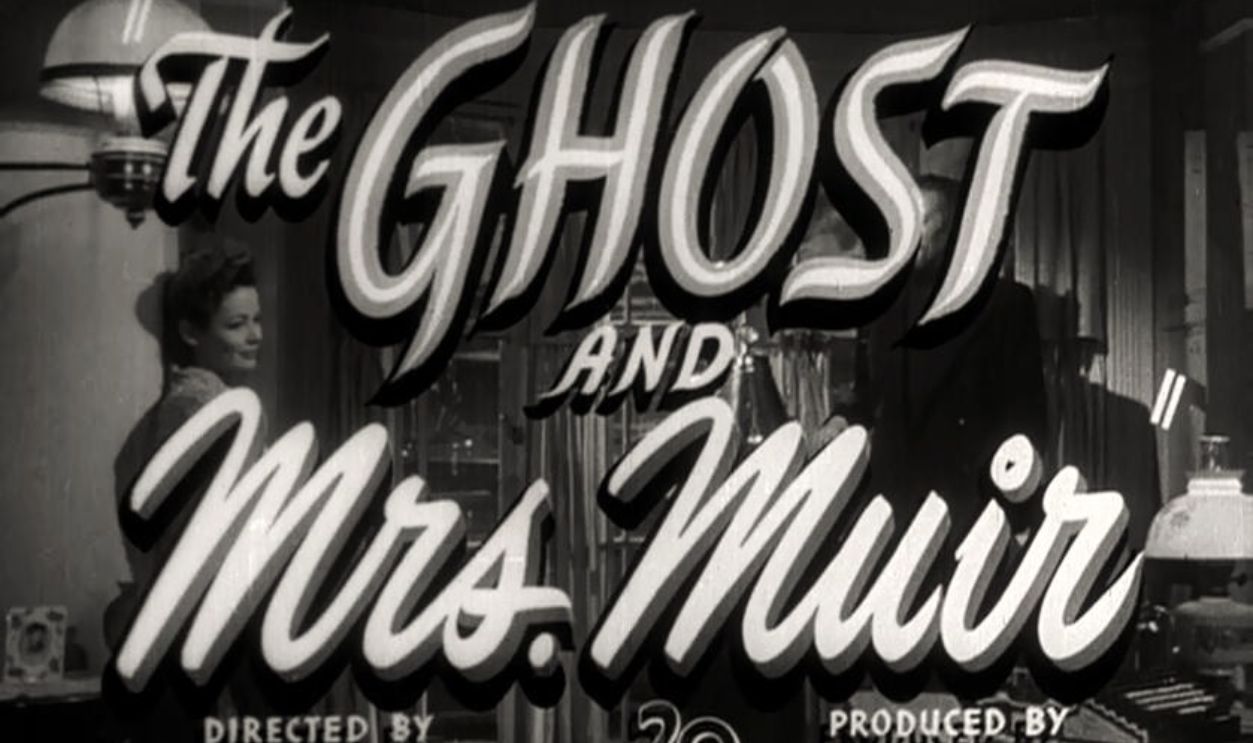 trailer screenshot (20th Century Fox), Wikimedia Commons
Miracle on 34th Street Changed Everything
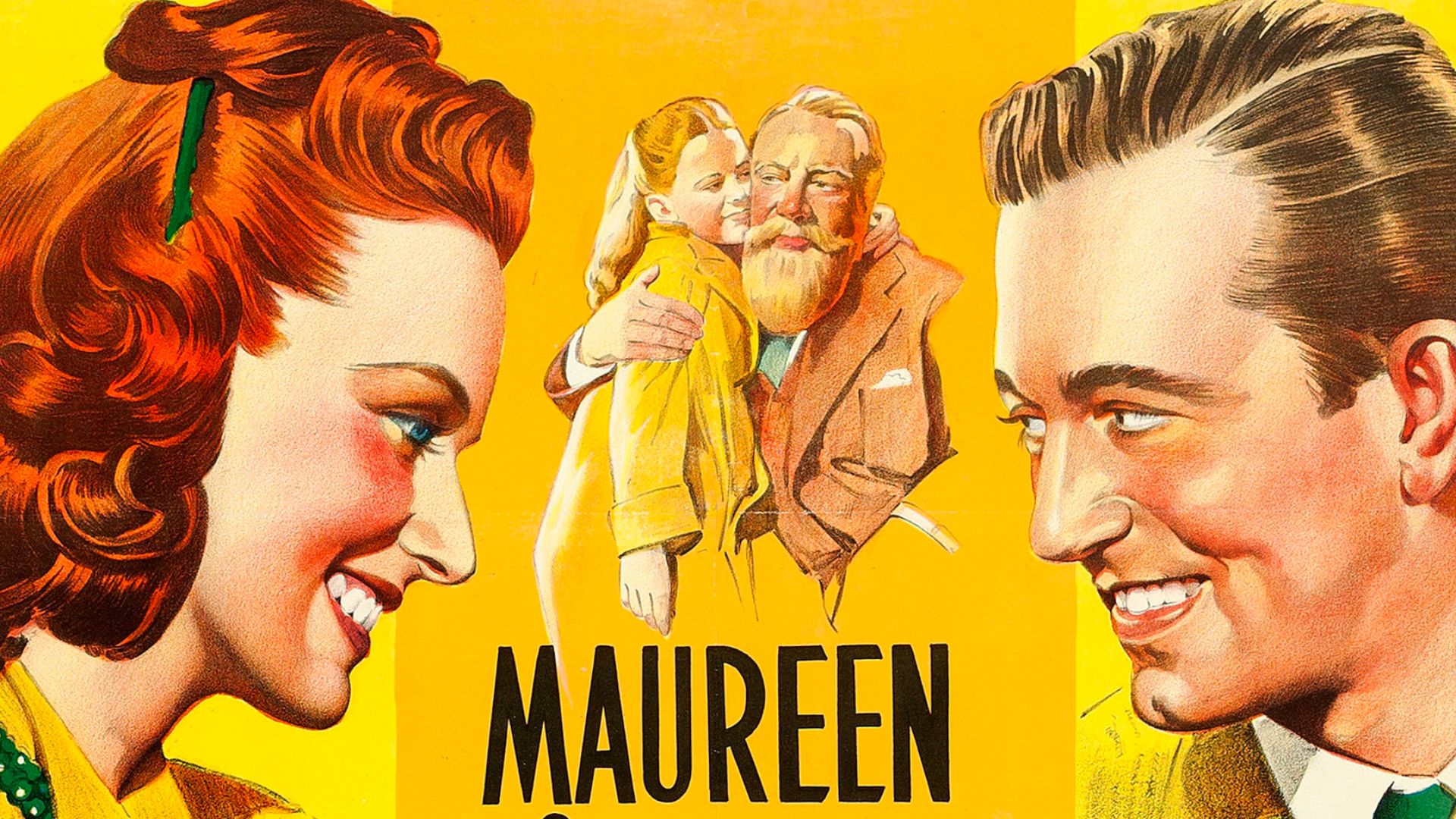
In 1947, Natalie starred in Miracle on 34th Street. Her performance as the skeptical little girl who learns to believe made her a household name.
Audiences adored her. Producers lined up. And childhood, as she knew it, quietly disappeared.
Growing Up in Front of the Camera
Natalie didn’t get awkward teenage years out of the spotlight. She transitioned into serious dramatic roles with stunning confidence.
In 1955, she starred in Rebel Without a Cause alongside James Dean. She was only 16. She earned her first Academy Award nomination.
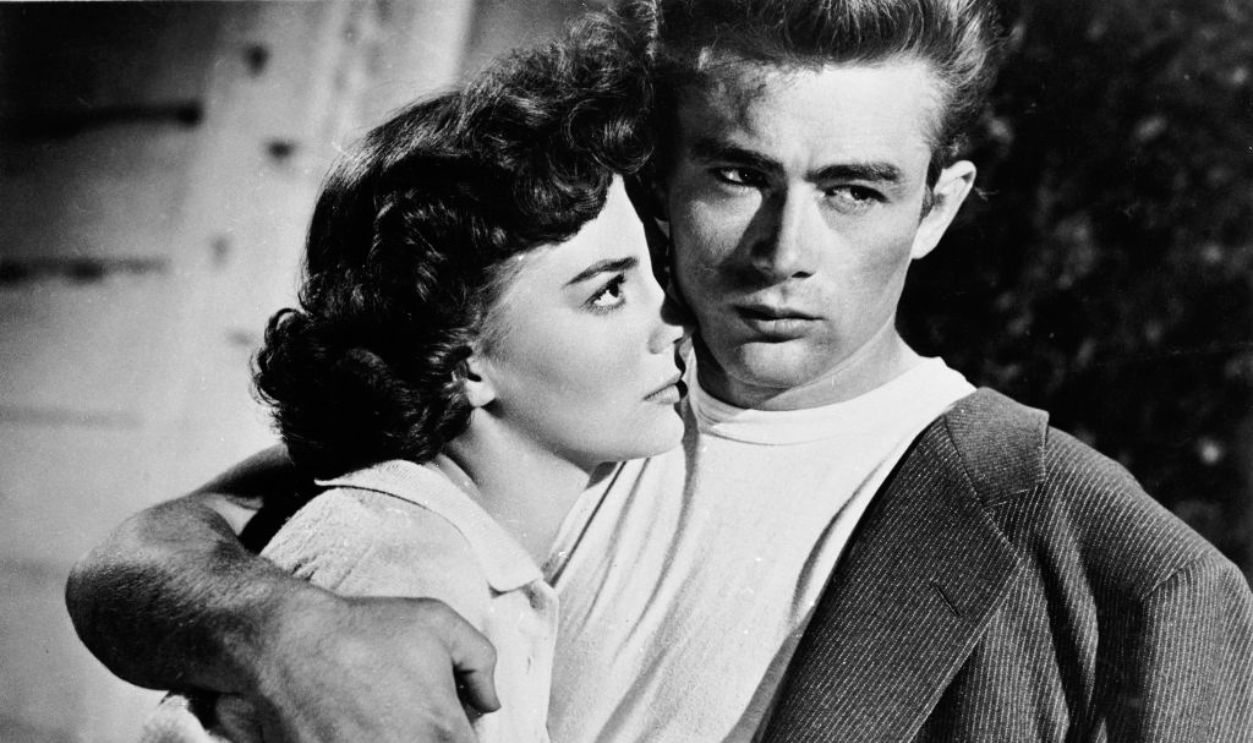 Warner Bros. / Handout, Getty Images
Hollywood’s Perfect Leading Lady
Throughout the late 1950s and early 1960s, Natalie became one of the most sought-after actresses in the industry. She was talented. Glamorous. Untouchable.
Or so it seemed.
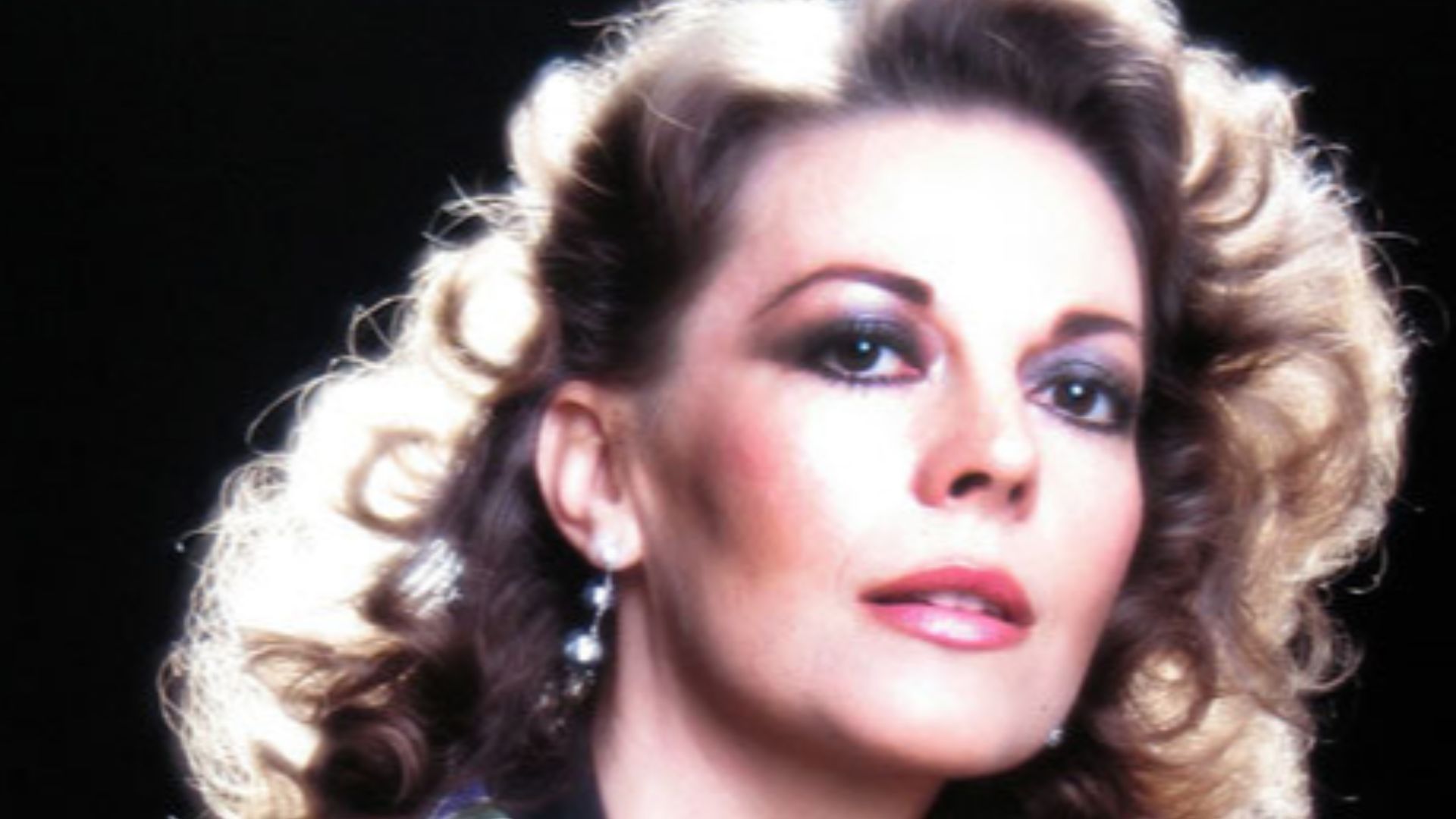 Jack Mitchell, Wikimedia Commons
Fame Came With Pressure
Behind the polished image, Natalie struggled with anxiety and insecurity. She reportedly feared open water after a childhood accident left her shaken. Friends later described her as sensitive and deeply emotional — someone who carried more than she showed.
That detail would matter later.
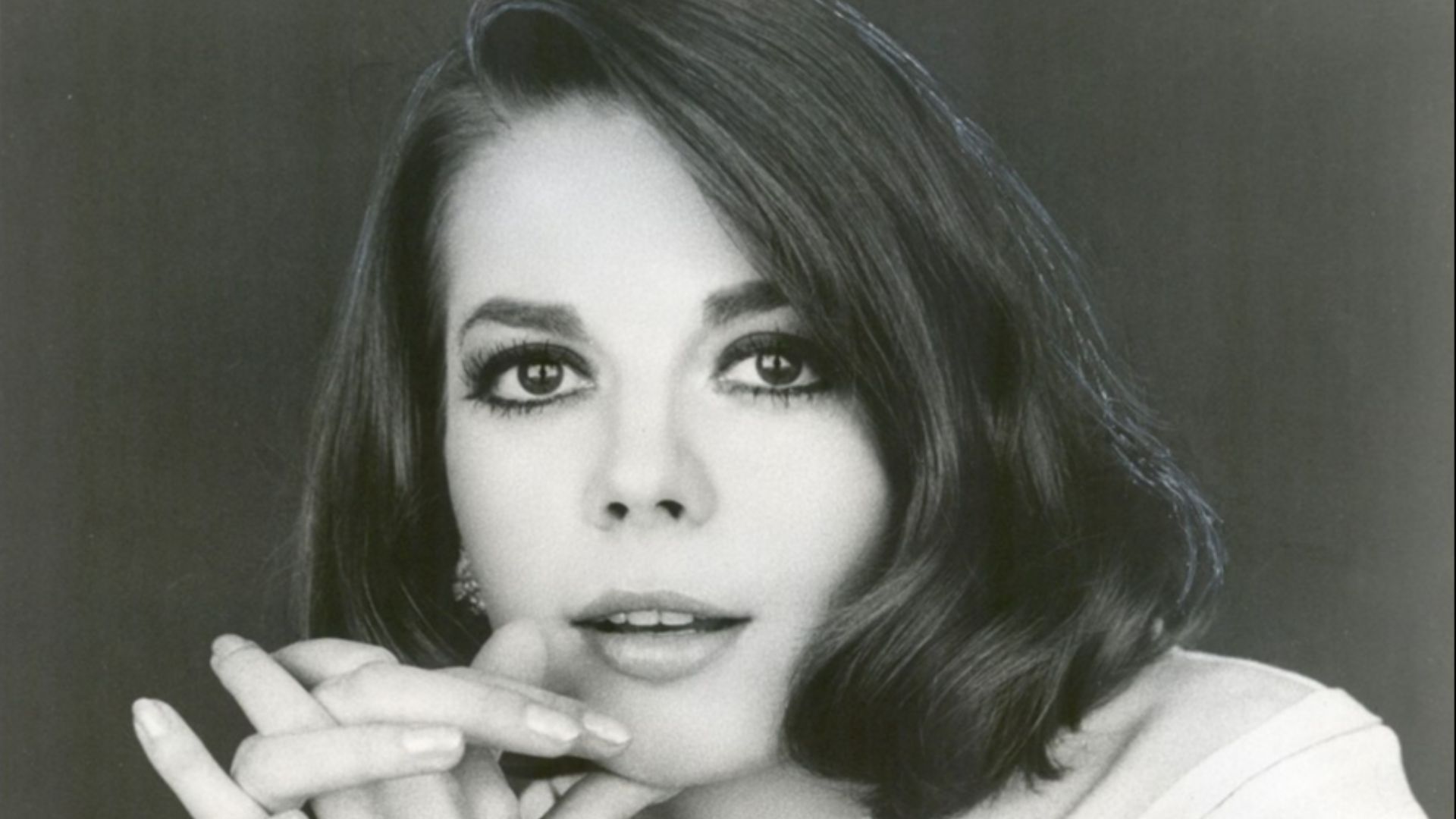 Photographer Gerrold Stratzburg for Metro-Goldwyn-Mayer, Wikimedia Commons
A Love Story Straight Out of Hollywood
In 1957, Natalie married actor Robert Wagner. They were young, glamorous, and constantly photographed. They divorced in 1962, only to remarry in 1972. It was the kind of love story tabloids never got tired of.
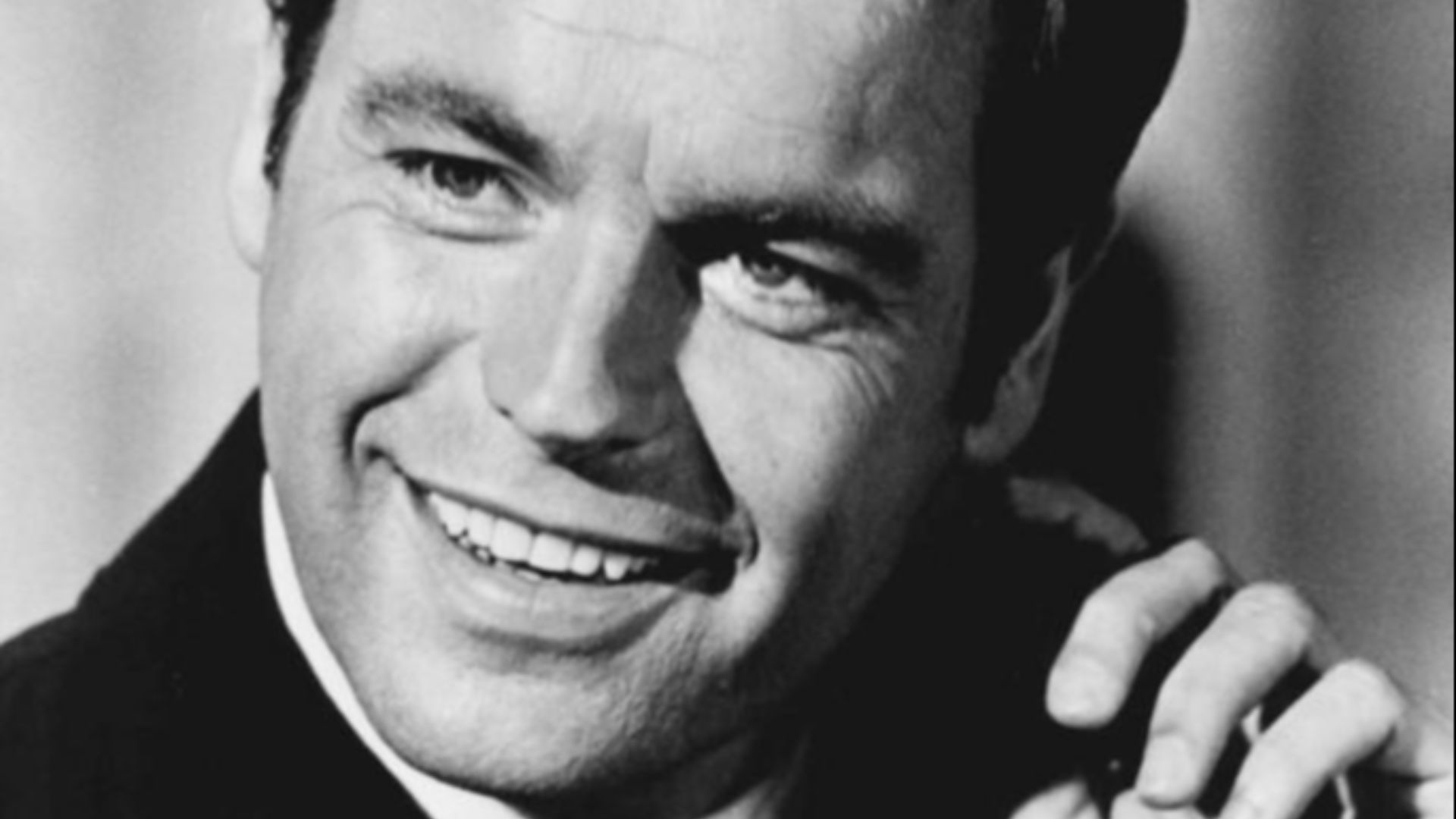 ABC Television, Wikimedia Commons
The Weekend That Started Like Any Other
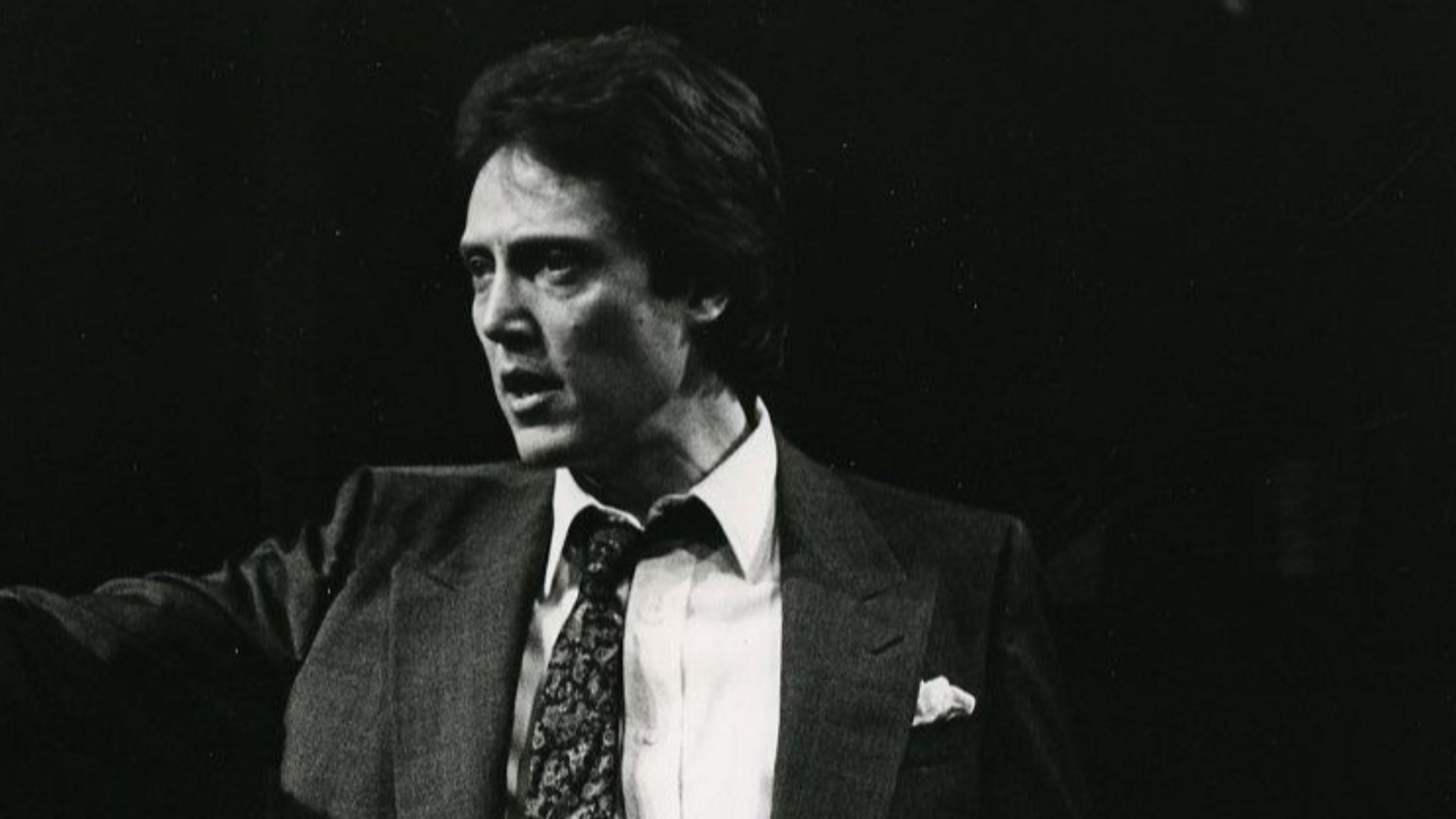
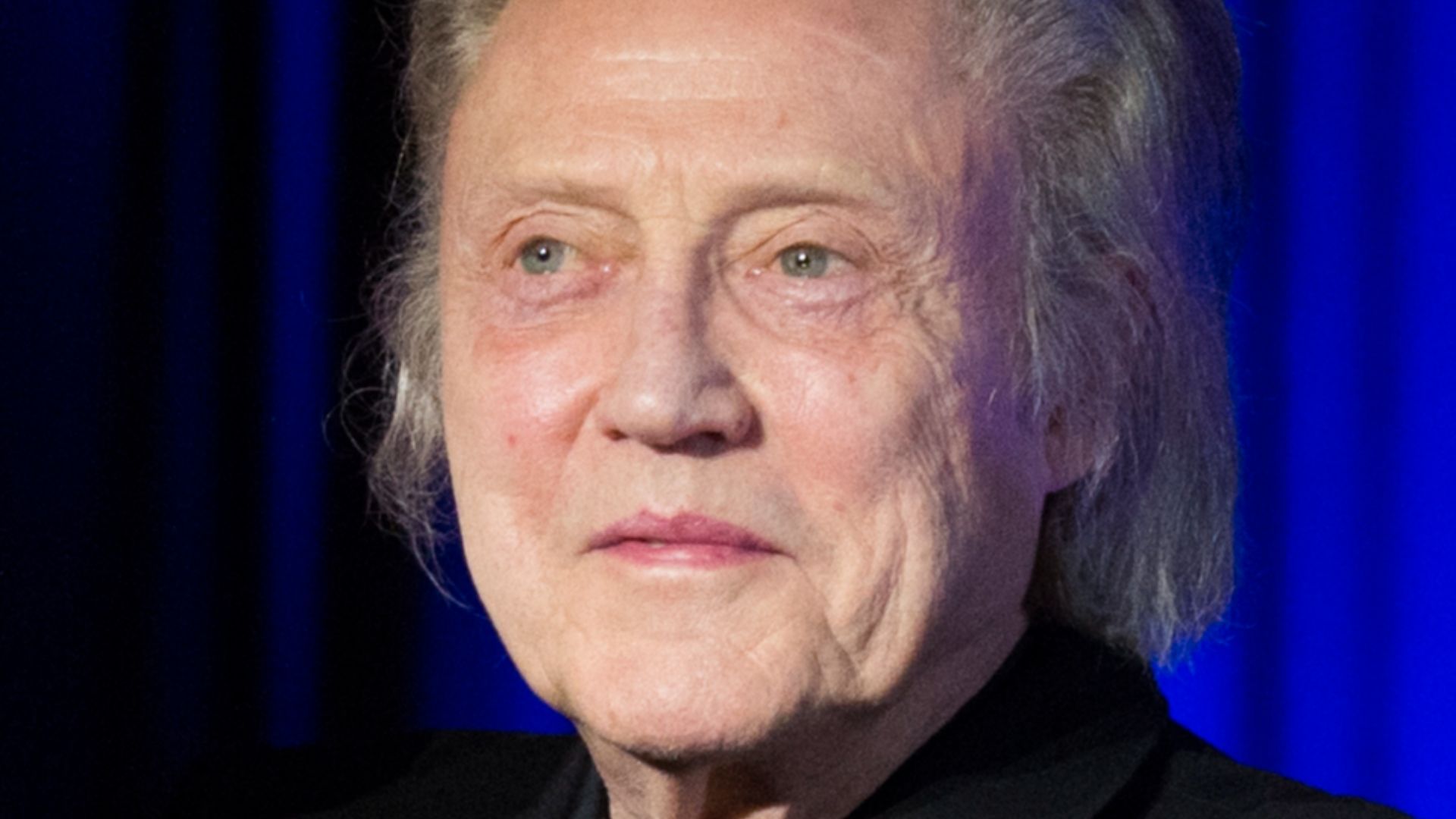
Fast forward to November 1981. Natalie was 43 years old. She was filming Brainstorm with actor Christopher Walken. She and Wagner decided to take a short trip aboard their yacht, the Splendour, docked near Catalina Island, California.
It was supposed to be a quiet Thanksgiving weekend.
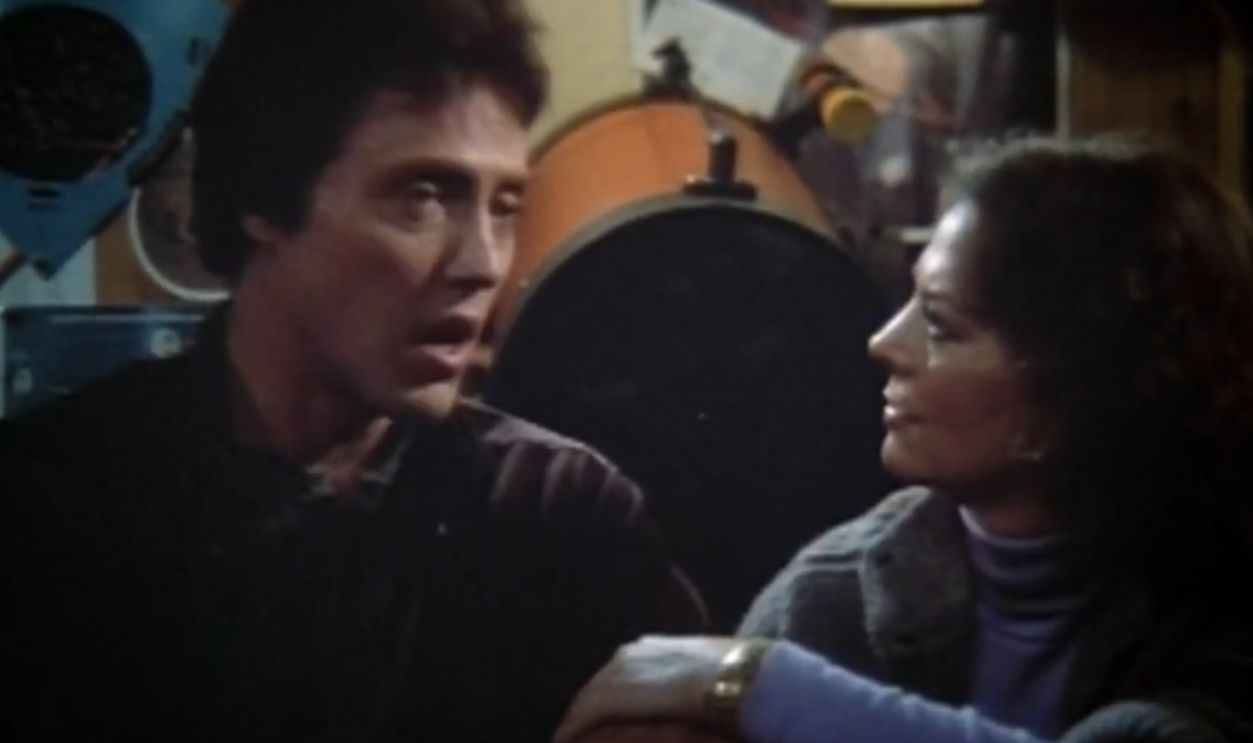 Screenshot from Brainstorm, Metro-Goldwyn-Mayer (1983)
A Yacht Named Splendour
On board that weekend were Natalie Wood, Robert Wagner, Christopher Walken, and the boat’s captain, Dennis Davern.
They dined at Doug’s Harbor Reef restaurant on Catalina Island on November 28, 1981. Witnesses later described the group as lively. But not necessarily calm.
 unknown (20th Century Fox), Wikimedia Commons
Raised Voices at Dinner
Several accounts suggest there was tension that evening. Some witnesses later recalled hearing raised voices between Wagner and Walken at the restaurant.
The subject? Natalie’s career. But details vary, and memories shift over time.
What happened next remains debated.
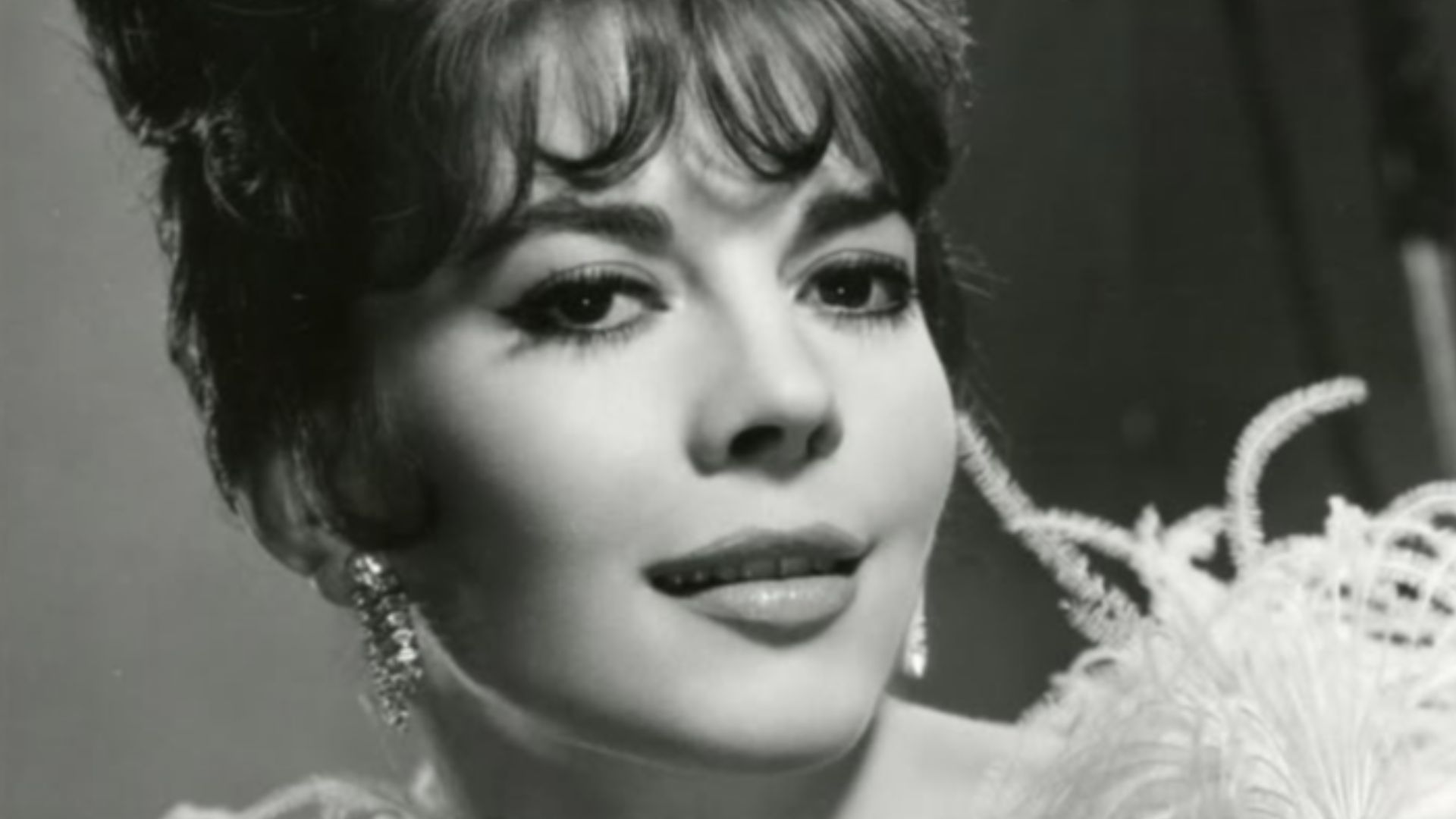 Warner Bros., Wikimedia Commons
Back on the Boat
After dinner, the group returned to the yacht. According to later statements, Wagner and Walken continued talking below deck.
At some point during the night, Natalie was no longer on board. No one immediately realized she was gone, either.
The Dinghy Was Missing Too
The small inflatable dinghy tied to the yacht had also disappeared. Captain Dennis Davern later said he was concerned but did not immediately call authorities.
Hours passed. The Pacific was dark and cold.
 Elmer Holloway for NBC Television, Wikimedia Commons
A Body in the Water
At around 8:00 a.m. on November 29, 1981, a body was discovered floating near Blue Cavern Point on Catalina Island. It was Natalie Wood.
She was wearing a red down jacket, flannel nightgown, and socks. She was only 43 years old.
 Unknown publicity photographer, Wikimedia Commons
Shock Across Hollywood
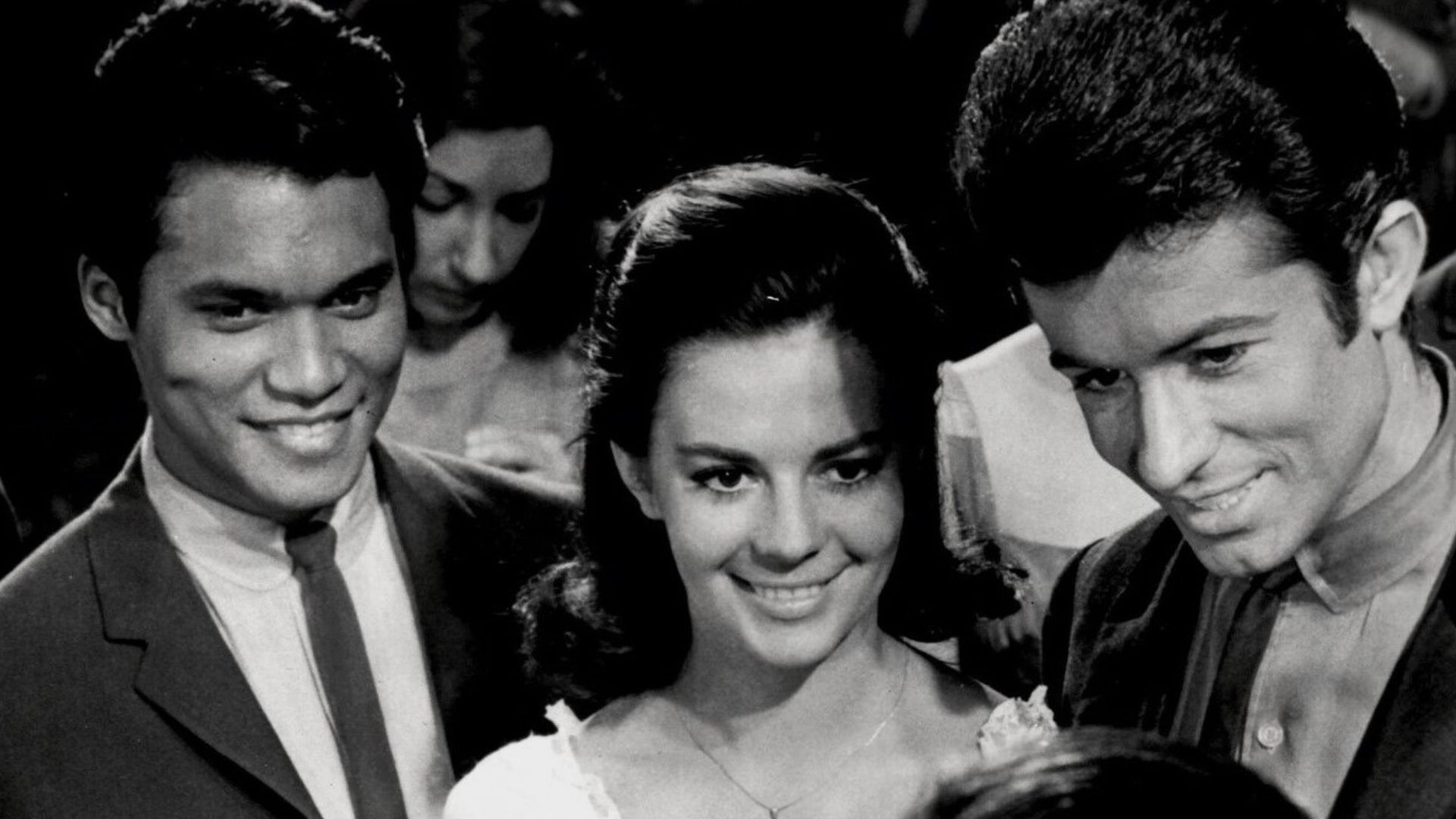
News spread quickly. The beloved actress from West Side Story was gone.
Initial reports suggested a tragic accident. But questions surfaced almost immediately. How did she end up in the water? Why hadn’t anyone heard her? Why was no one looking for her?
 unknown (United Artists), Wikimedia Commons
Early Explanations
In their original 1981 statements, Robert Wagner told investigators he and Natalie had argued, that he went to bed without her, and believed she may have gone to secure the dinghy after hearing it bang against the yacht.
Christopher Walken said he had been discussing Natalie’s career with Wagner and did not see her after returning below deck. Captain Dennis Davern’s initial statement supported Wagner’s account, and he did not report a physical fight.
But someone was holding back.
 Pierre Vogel, Wikimedia Commons
The First Ruling
The Los Angeles County coroner initially ruled Natalie's death an accidental drowning. The official cause was listed as "drowning and hypothermia". Case closed.
Or so it seemed.
 Warner Bros., Wikimedia Commons
But The Questions Wouldn’t Go Away
In the decades that followed, inconsistencies in accounts resurfaced. Books were written. Interviews were revisited. And someone spoke up.
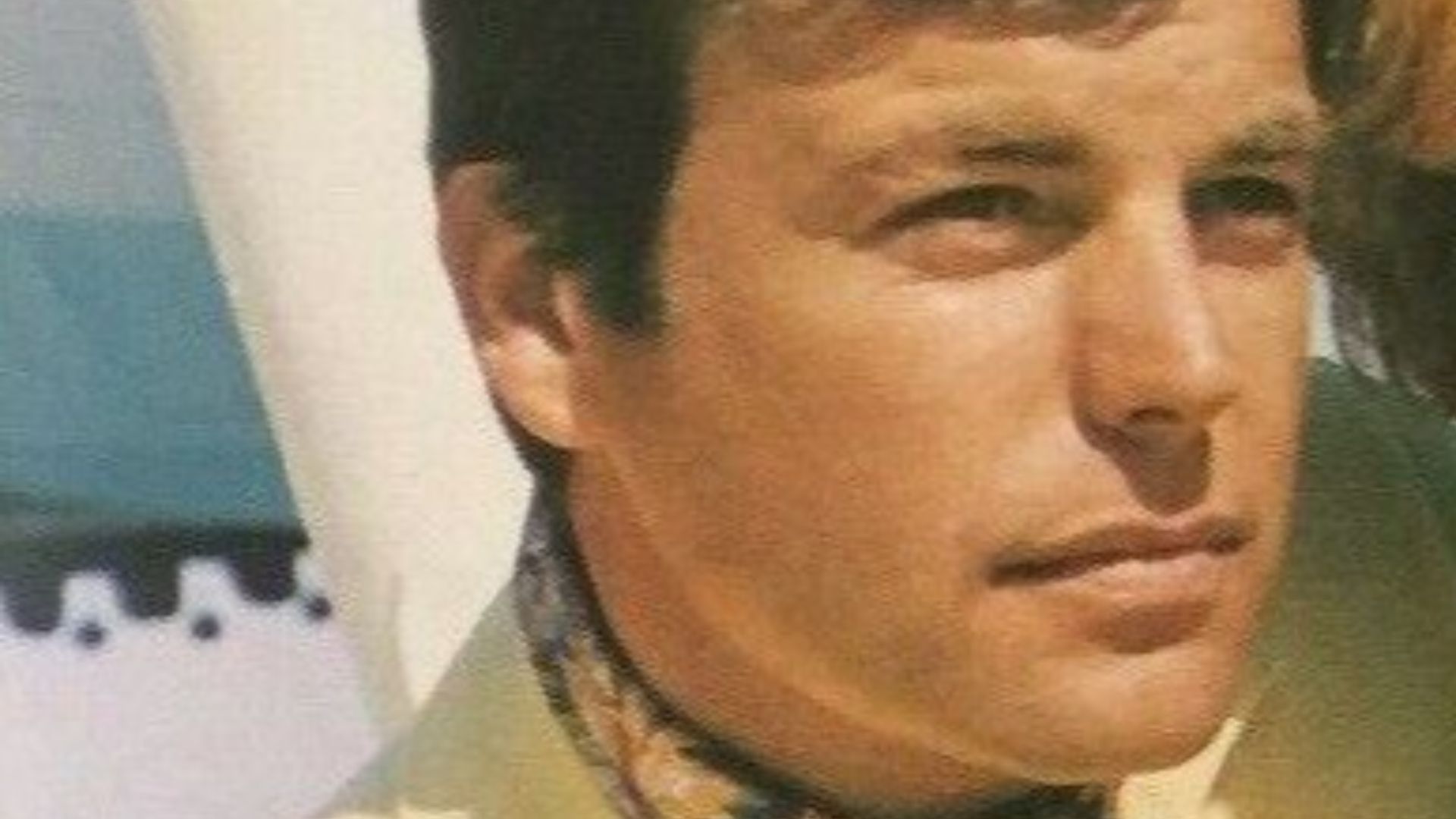
Robert Wagner has consistently denied any wrongdoing. But Captain Dennis Davern — the only non-celebrity on board the Splendour — eventually cracked.
 NBC Television, Wikimedia Commons
He Described a Heated Argument
Years later, Dennis Davern said the original, calm version of events wasn’t the whole story. In interviews and in his 2000 book, he claimed there had been a loud, emotional argument between Natalie Wood and Robert Wagner in their cabin. He described shouting, tension, and jealousy over Christopher Walken — details that were not part of his original 1981 statement.
There was more.
 CBS Television, Wikimedia Commons
The Broken Wine Bottle
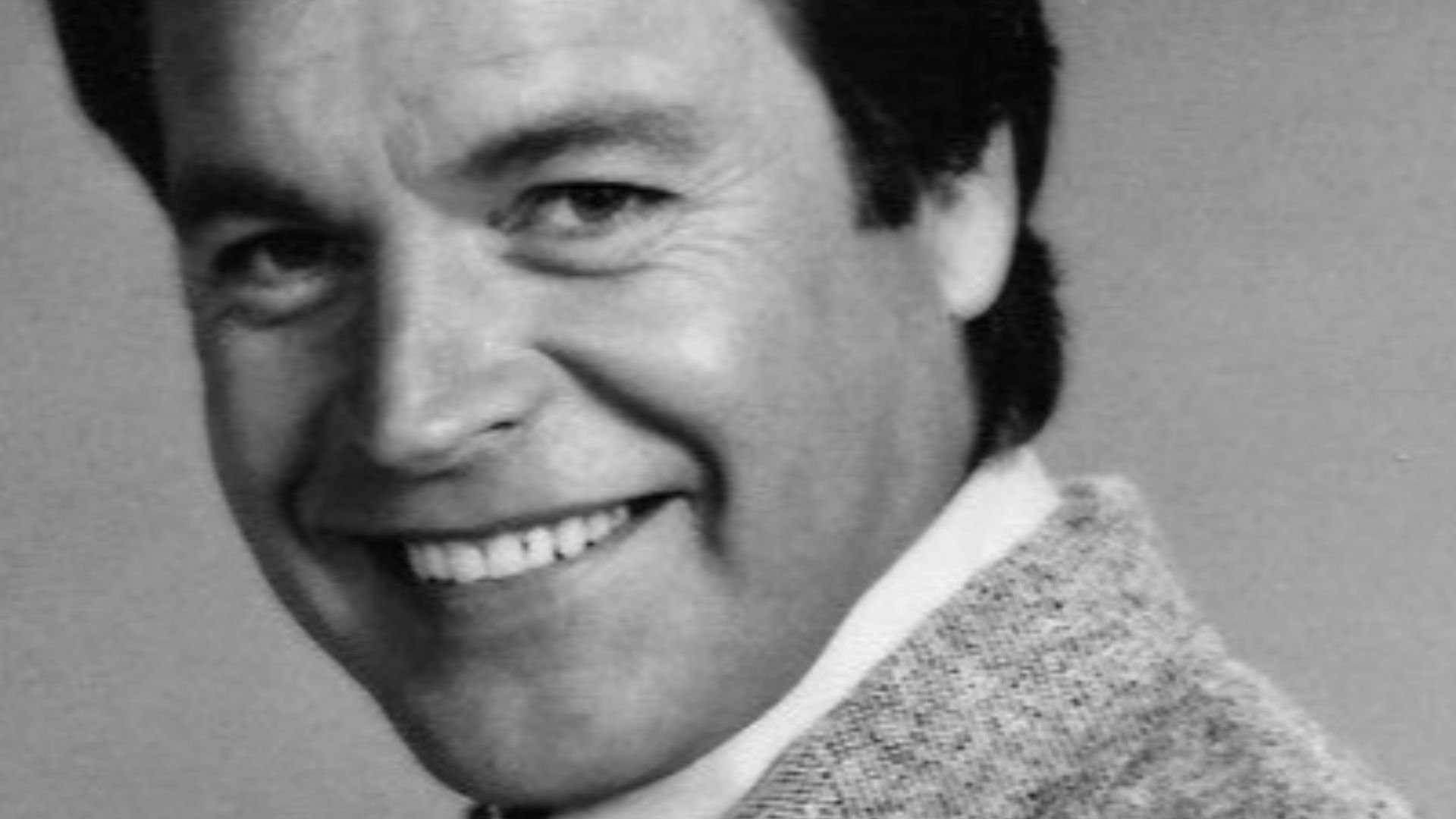
Davern later alleged that Wagner smashed a wine bottle during the argument that night. That dramatic detail was never mentioned in the initial investigation. Oh, and he didn’t stop there.
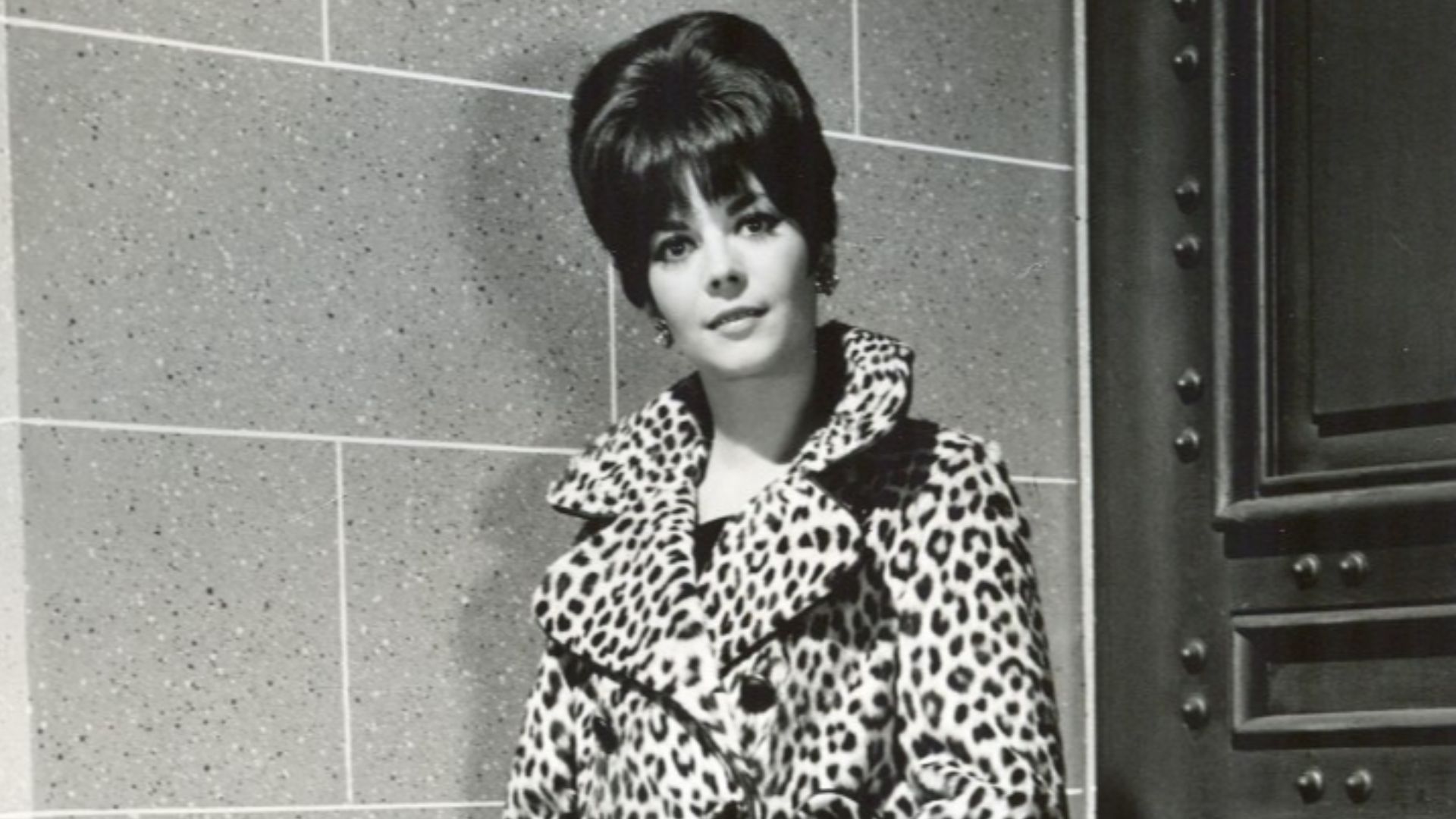 Metro-Goldwyn-Mayer, Wikimedia Commons
The Search That Didn’t Start Immediately
In later interviews, Davern claimed that when Natalie was discovered missing, Wagner delayed turning on the yacht’s searchlights and hesitated to call for help. In 1981, Davern did not emphasize any delay. That shift became one of the most scrutinized parts of his revised account.
But why didn’t he offer this information sooner?
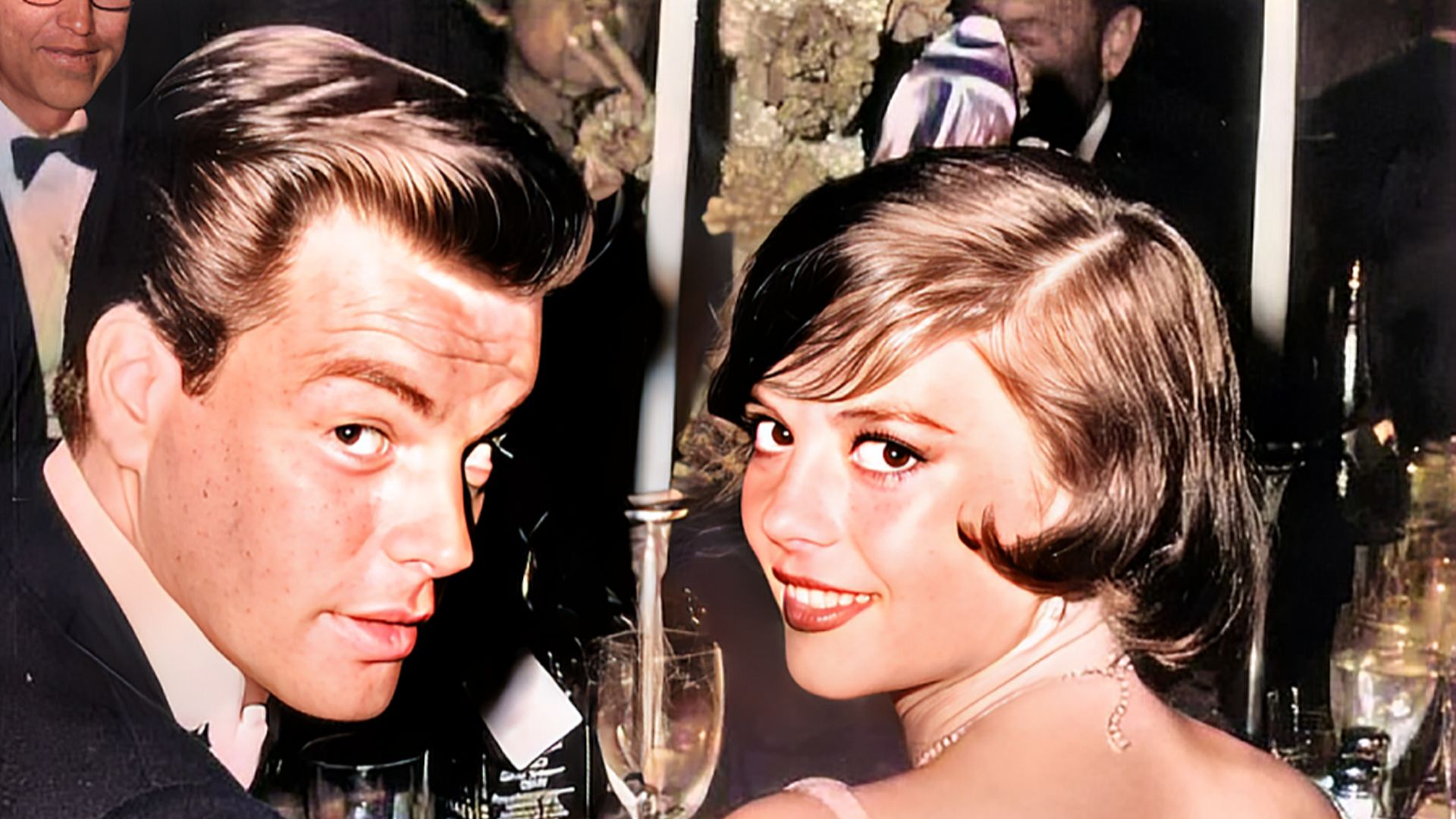 Press photo, Wikimedia Commons
“I Felt Pressured”
Davern eventually said he felt pressured during the original 1981 investigation to align his statement with Wagner’s version of events. He later described fear of legal trouble and concern about future employment as reasons he didn’t speak up sooner.
That claim added another layer of complexity.
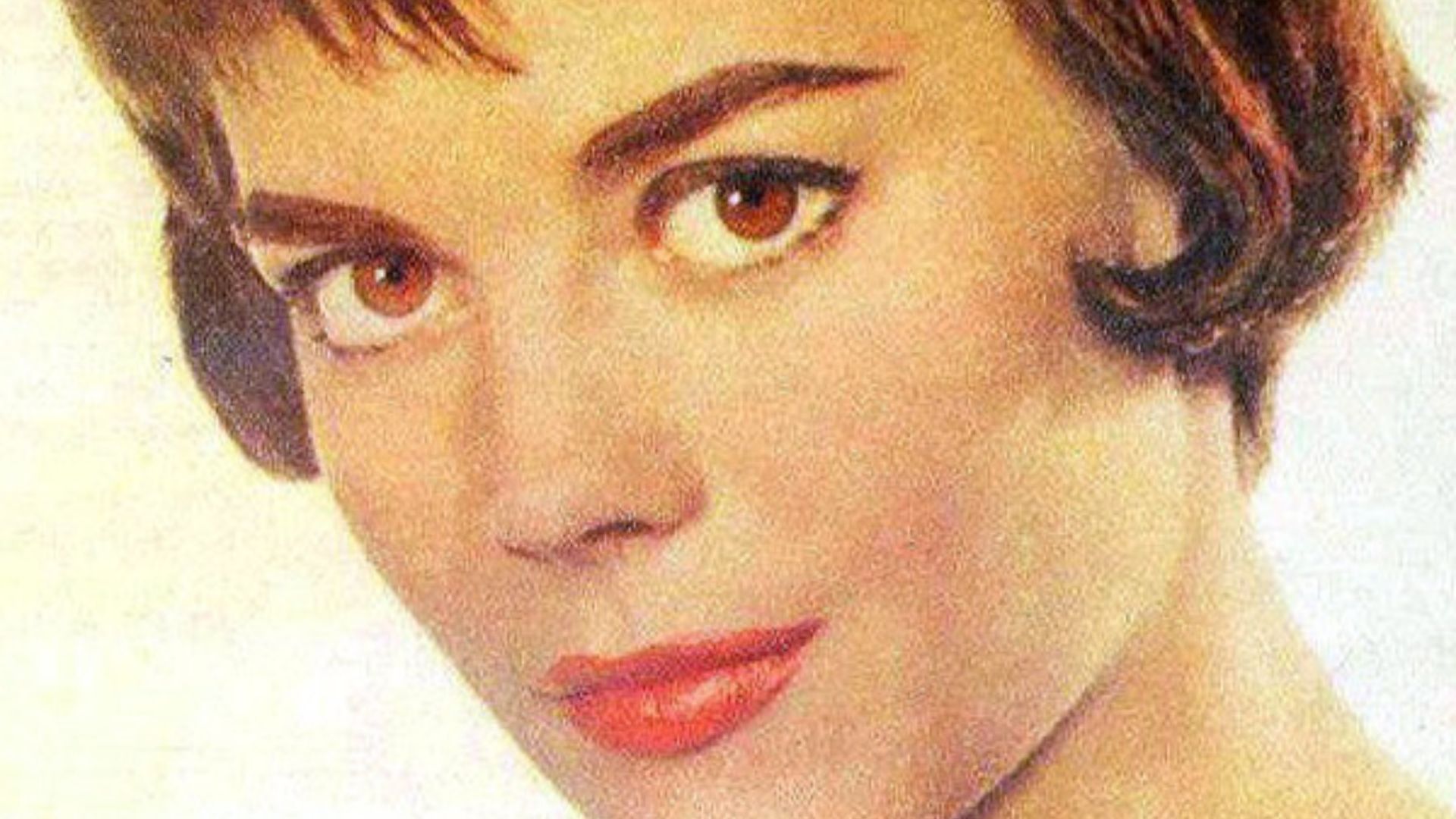 New York Sunday News, Wikimedia Commons
Implications Without Direct Accusations
While Davern stopped short of formally accusing Wagner of murder in early interviews, he strongly suggested Wagner knew more than he admitted. Still, no criminal charges have ever been filed, and Wagner has consistently denied wrongdoing.
Investigators have acknowledged Davern’s evolving statements as one reason for what followed in 2011.
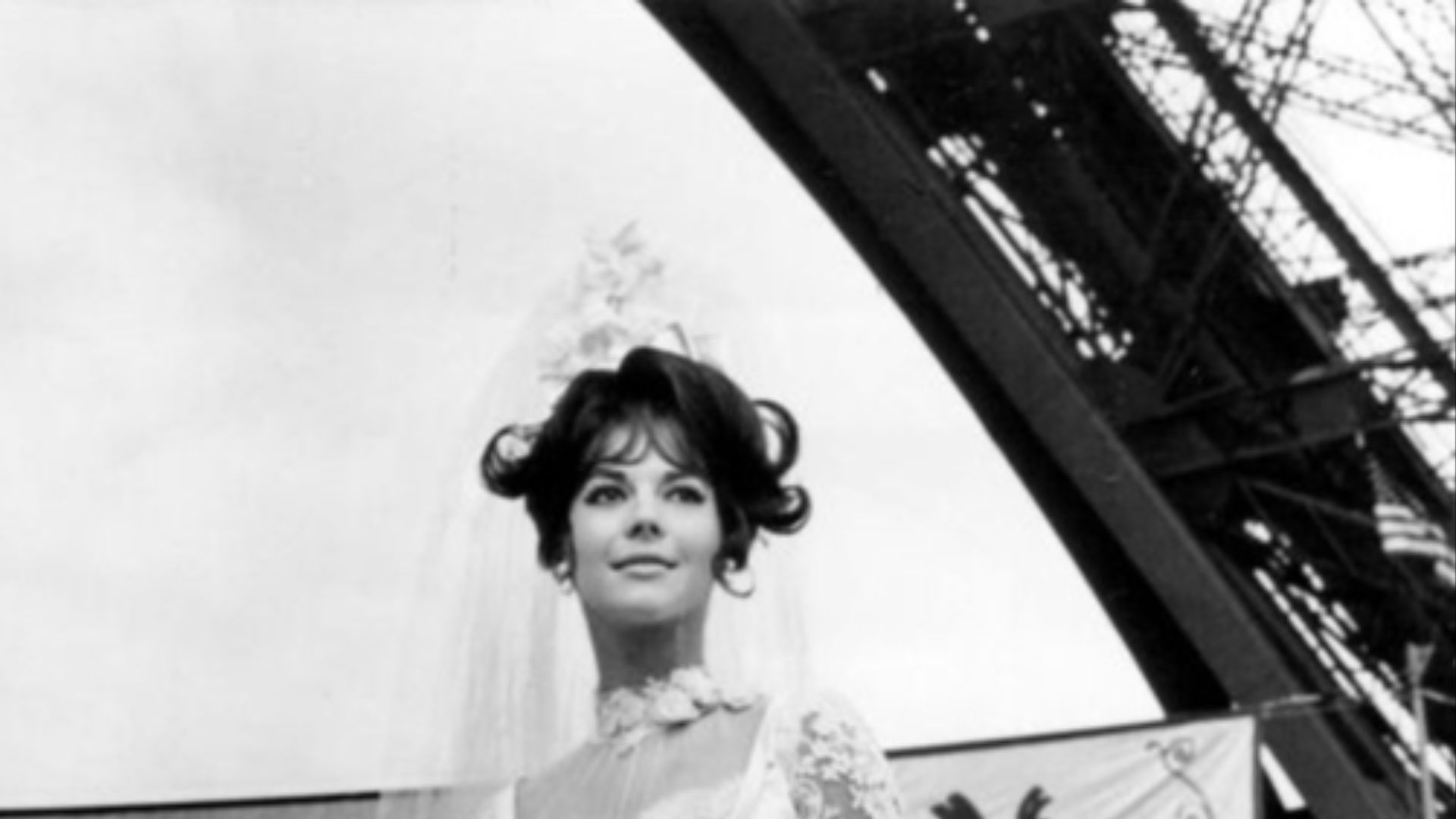 Warner Bros., Wikimedia Commons
The Case Reopened
In 2011, the Los Angeles County Sheriff’s Department reopened the investigation after new information surfaced.
In 2012, the coroner amended Natalie Wood’s death certificate. The cause of death was changed to “drowning and other undetermined factors.” That wording mattered.
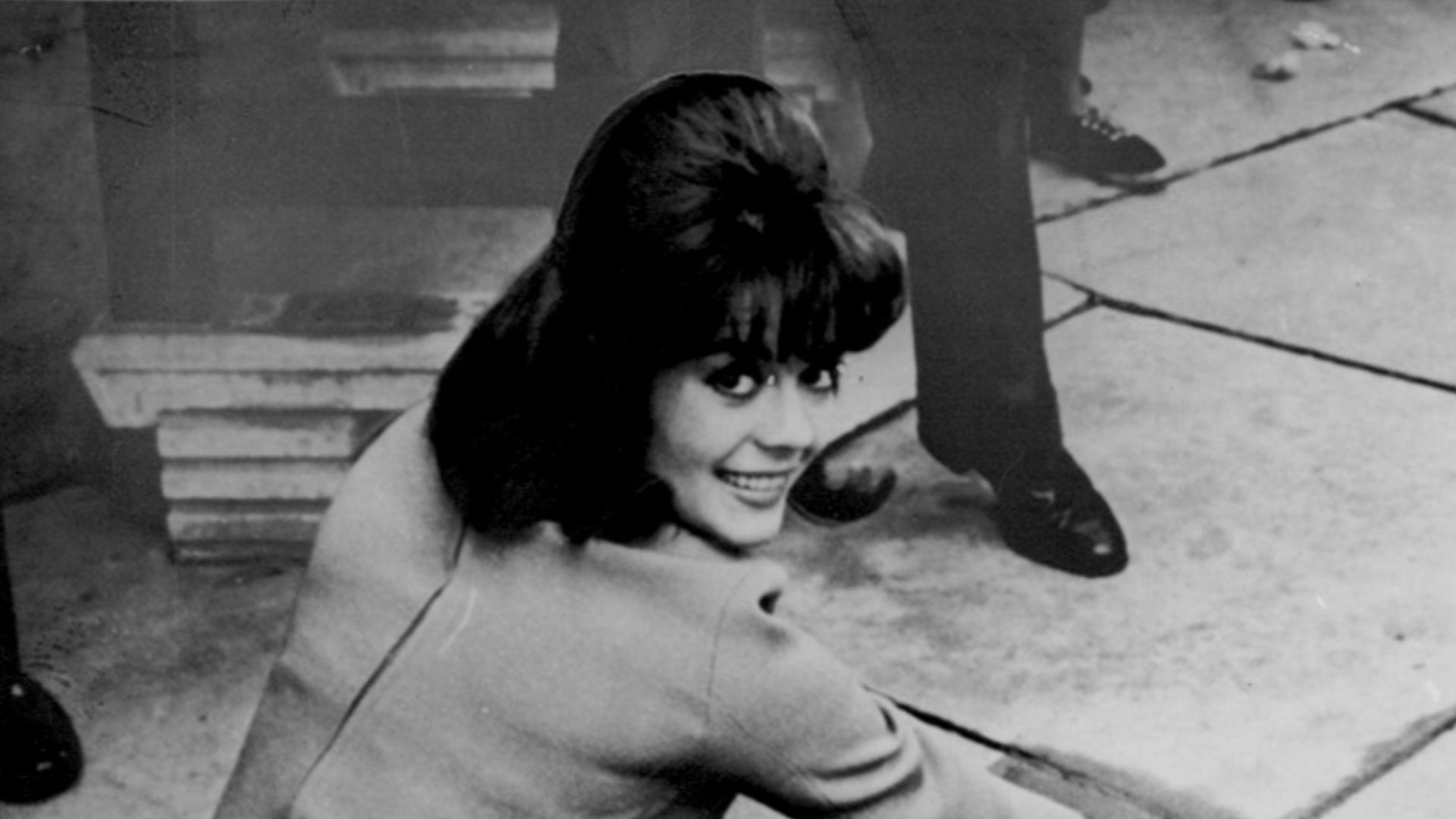 Associated Press/Philadelphia Daily News, Wikimedia Commons
“Person of Interest”
In 2018, investigators publicly named Robert Wagner as a “person of interest.” Authorities stated he was the last person to see Natalie alive. Detectives also said he had declined multiple requests to be re-interviewed as the case was reopened. In the end though, no criminal charges were filed. Wagner has maintained his innocence.
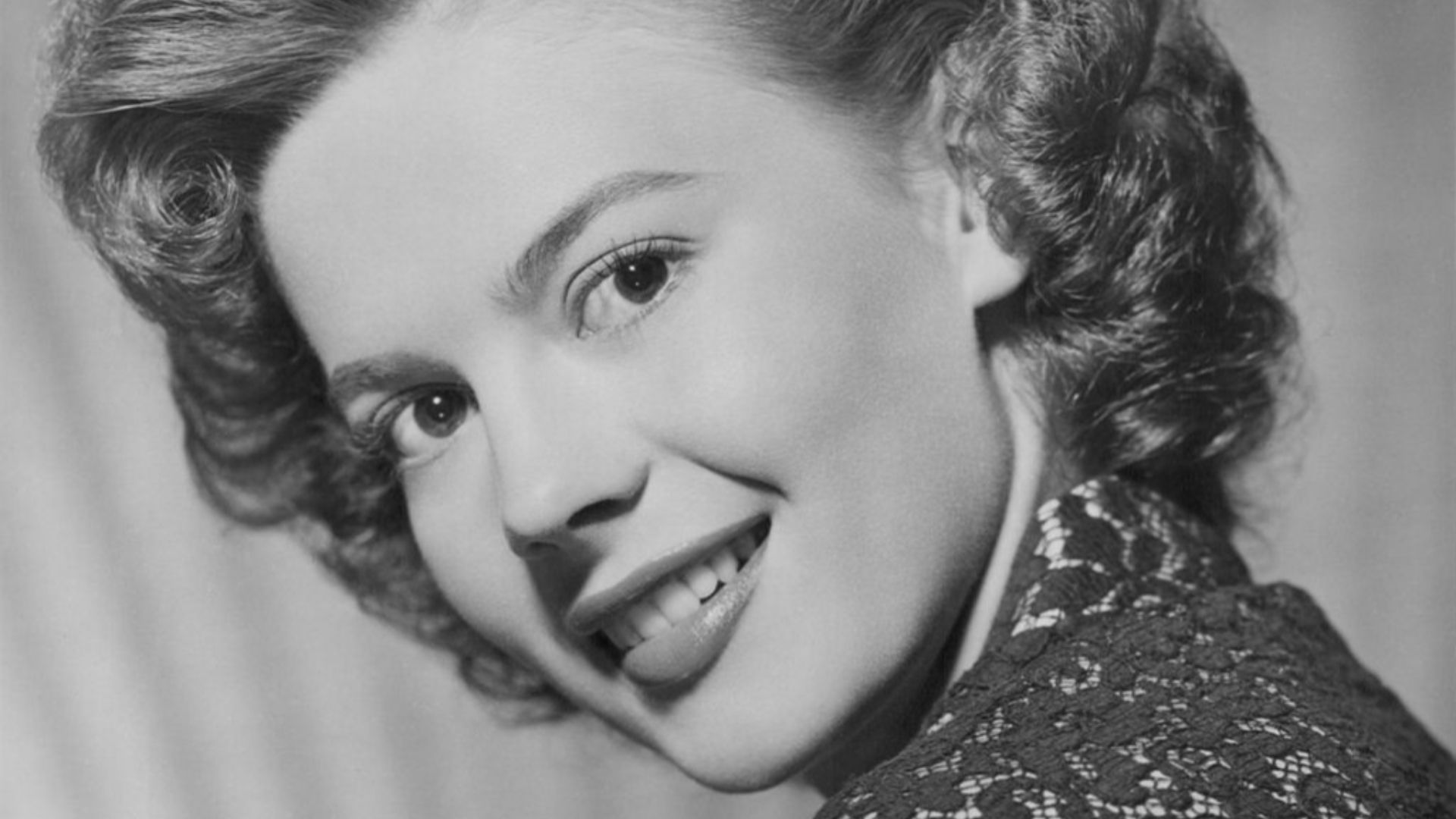 Warner Bros. Pictures, Inc., Wikimedia Commons
Bruises and Unanswered Details
The amended autopsy report noted unexplained bruises on Natalie’s body. Officials stated it was unclear how or when they occurred.
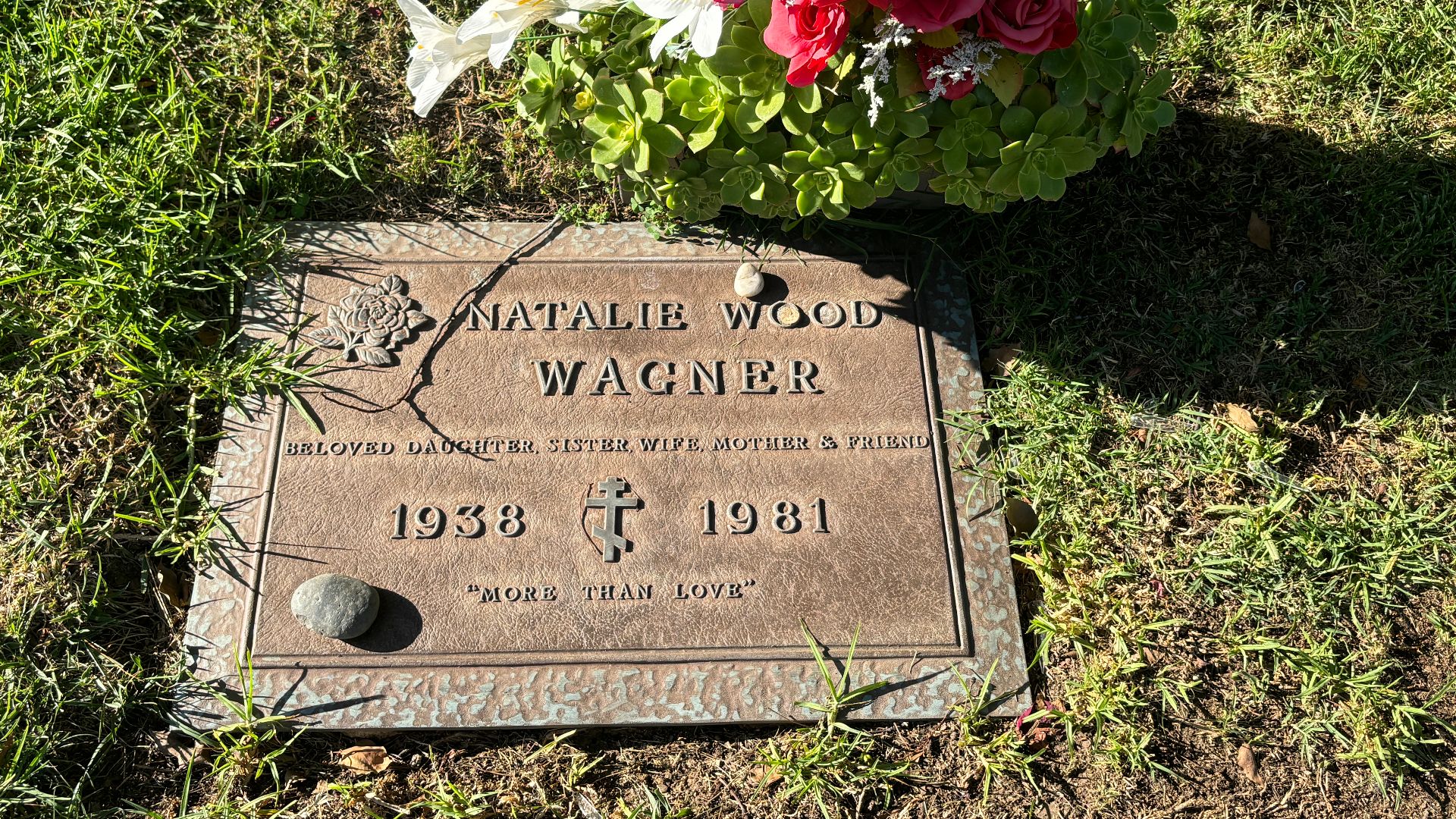
Investigators have said the case remains open. And that’s where it stands today.
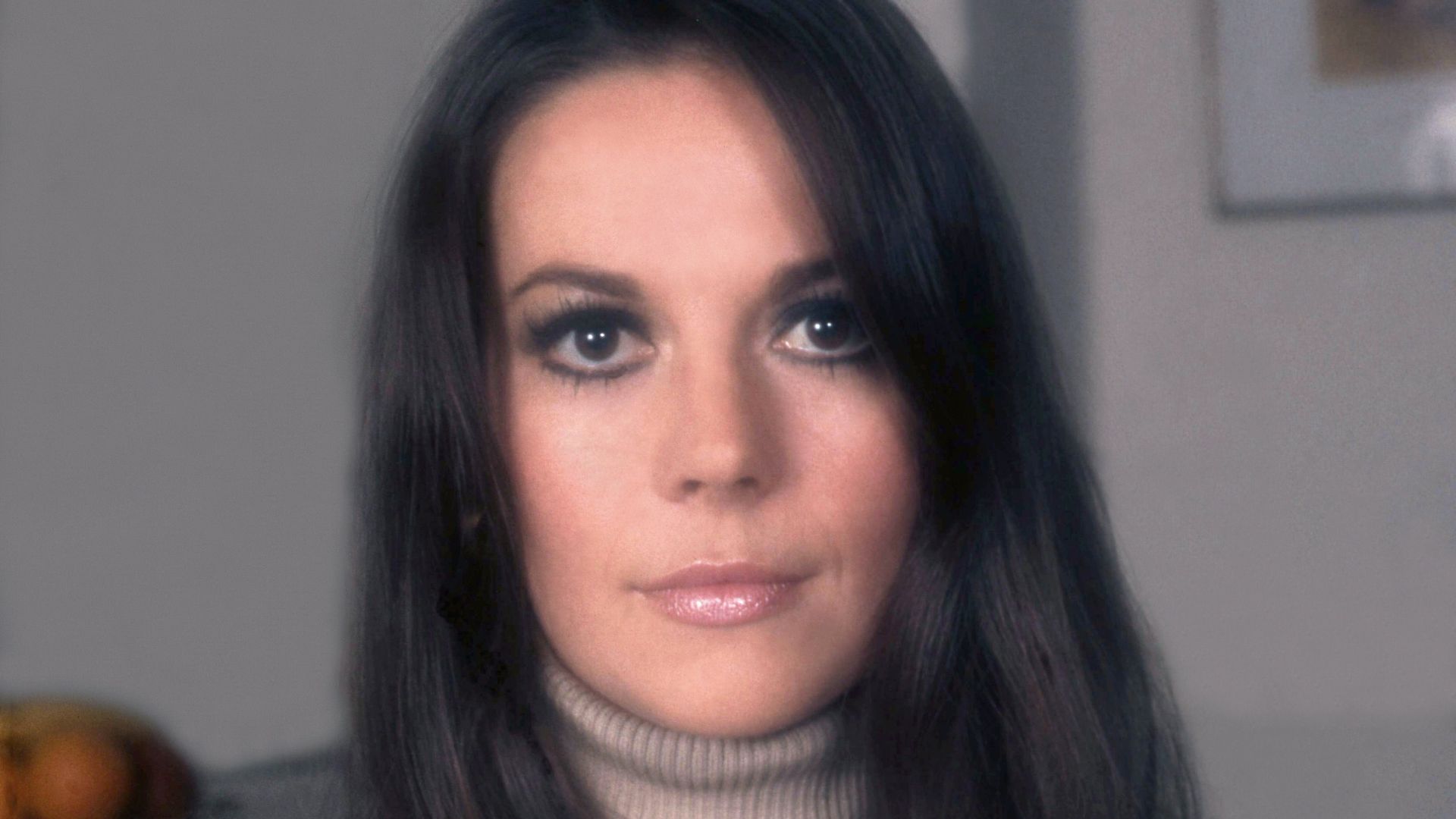 Allan warren, Wikimedia Commons
A Career Larger Than the Mystery
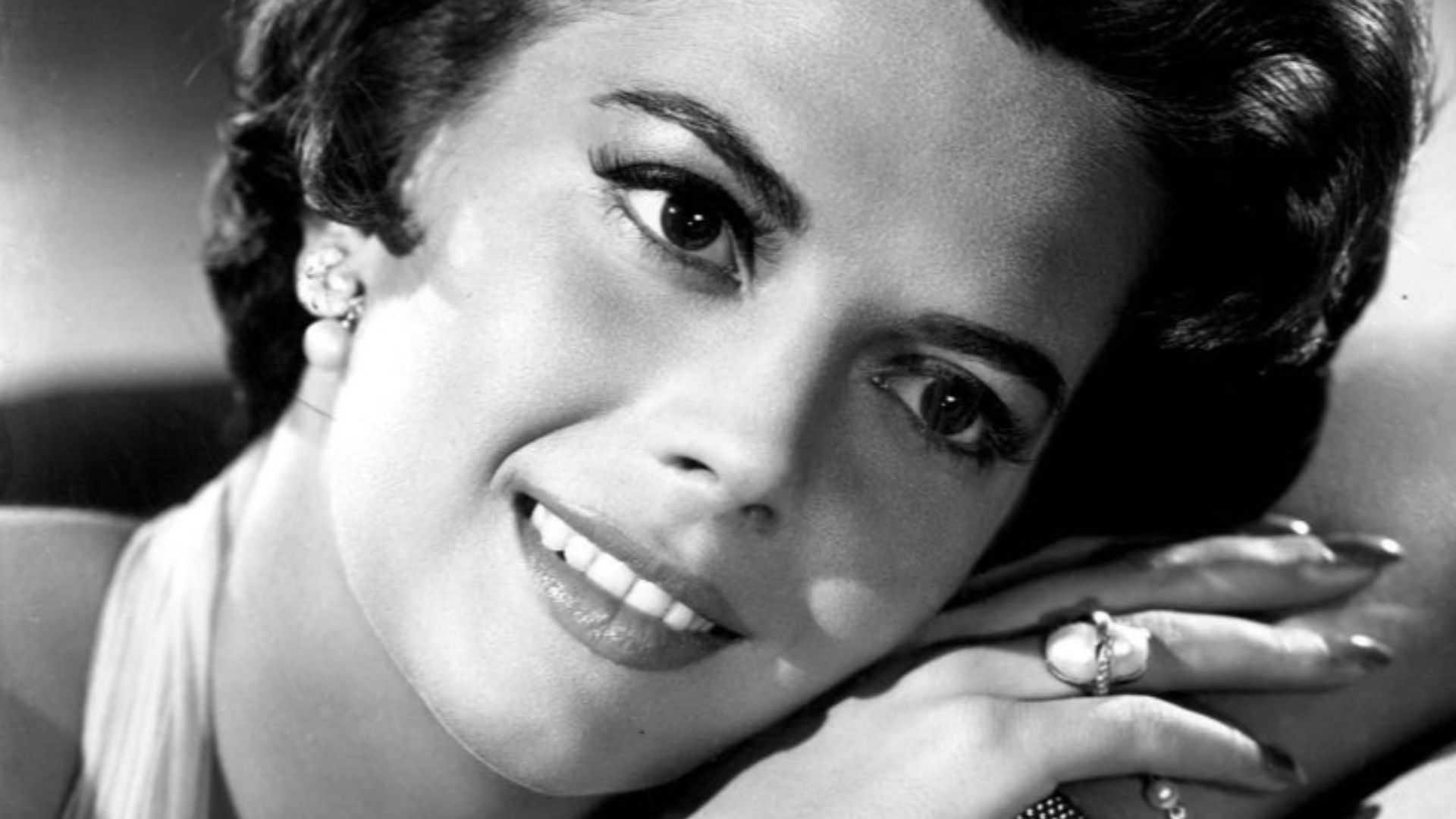
It’s easy for the mystery to overshadow the work. Three Academy Award nominations. Dozens of films. One of the defining faces of 1960s Hollywood.
Natalie Wood wasn’t just a tragic headline. She was a star.
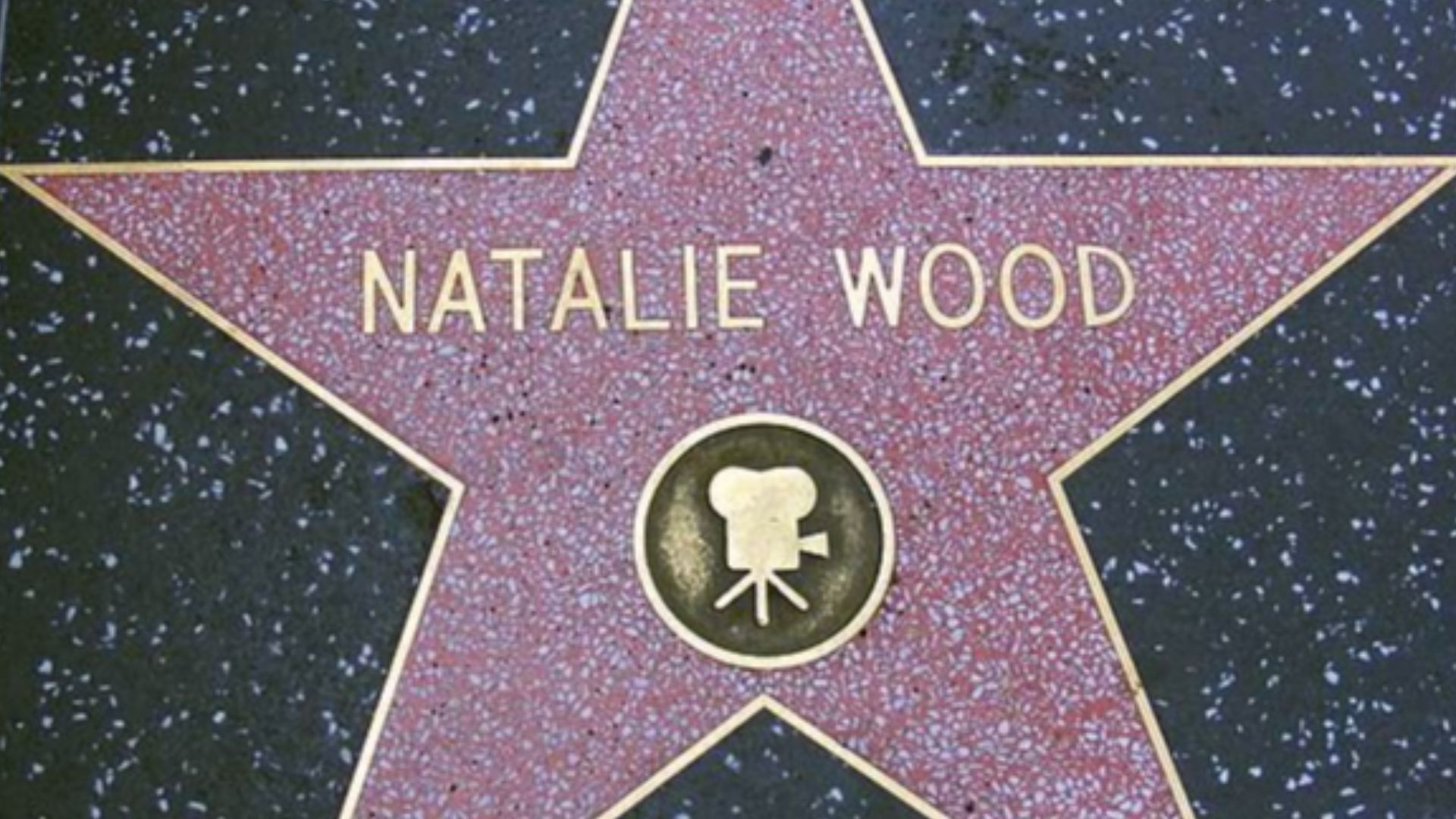 Mickey Glitter, Wikimedia Commons
The Fortune Teller’s Warning
Remember that story her mother told — about the psychic who warned Natalie would die in dark water? It feels eerie in hindsight.
But Natalie’s life was not defined by prophecy. It was defined by talent.
 Warner Bros., Wikimedia Commons
The Story That Still Haunts Hollywood
Natalie Wood’s death remains one of Hollywood’s most enduring mysteries.
But beyond the headlines and reopened investigations, she was a child who carried studios on her back, a young woman who grew up under pressure, and an actress who left behind performances that still feel alive.
The mystery endures. So does the legacy.
 Alexis Doine, Wikimedia Commons
You May Also Like:

_trailer_title.jpg)