What Really Happened to Carl “Alfalfa” Switzer?
Before there were viral child stars, there was a skinny kid with a stubborn cowlick and a voice that cracked at exactly the wrong moment. Carl “Alfalfa” Switzer made millions laugh in the 1930s.
What he didn’t get was a soft landing when childhood ended.
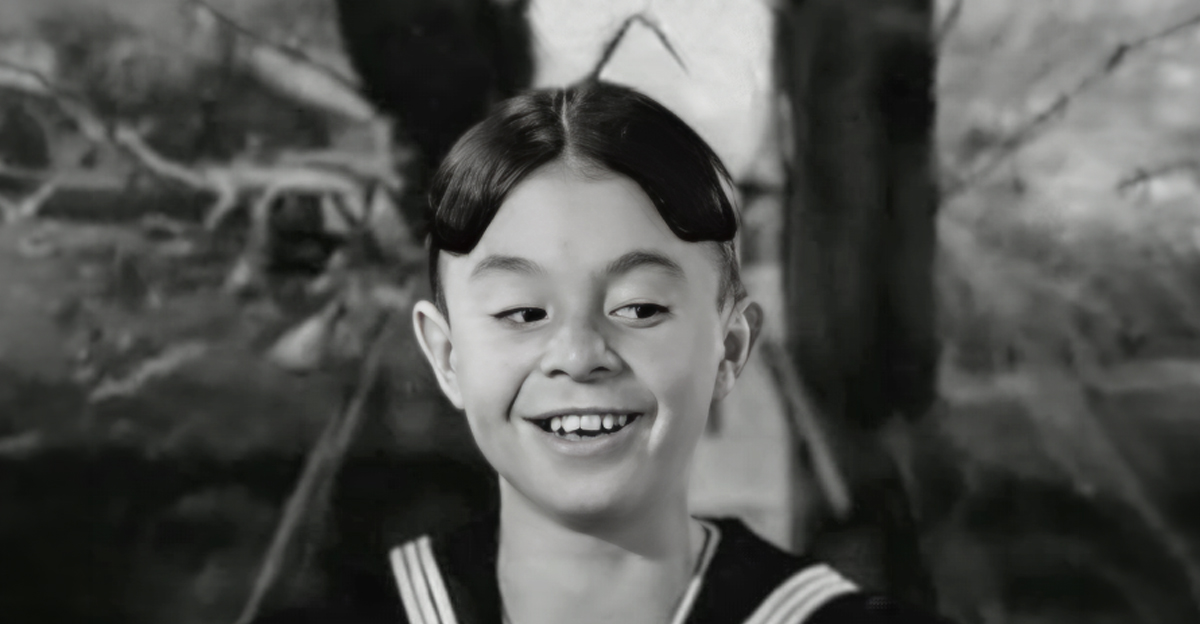
Born in Paris… Just Not That Paris
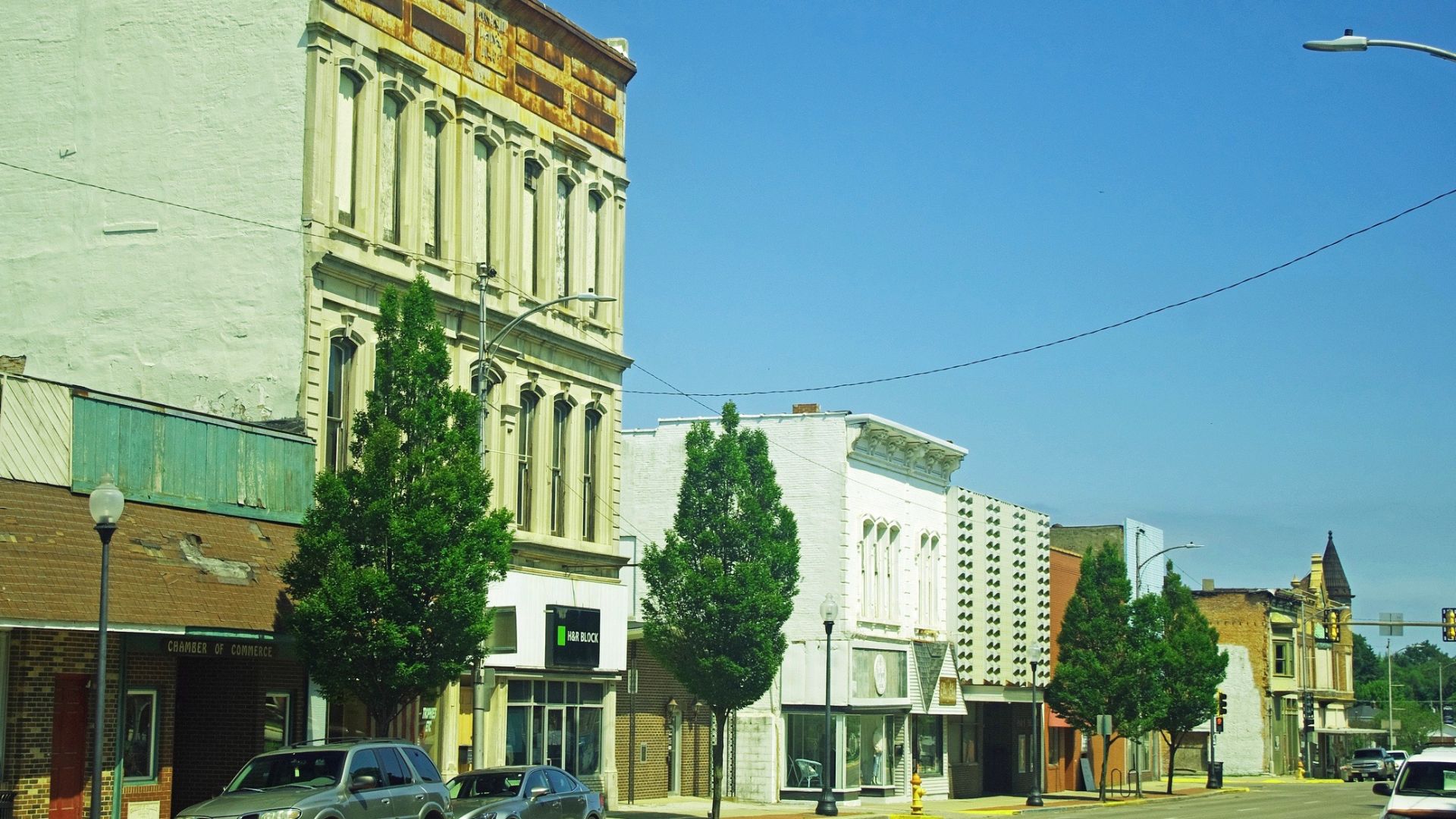
Carl Dean Switzer was born on August 7, 1927, in Paris, Illinois. Not France — cornfields. His parents, George Frederick Switzer and Gladys Switzer, ran a family business and had no idea their son would become one of America’s most recognizable child actors.
Carl loved music early on. He sang constantly. Whether people wanted him to or not.
 Brian Stansberry, Wikimedia Commons
A Hotel Lobby That Changed Everything
In 1934, Carl and his older brother Harold were visiting California. While staying at a hotel, the boys were reportedly singing in the lobby — because of course they were.
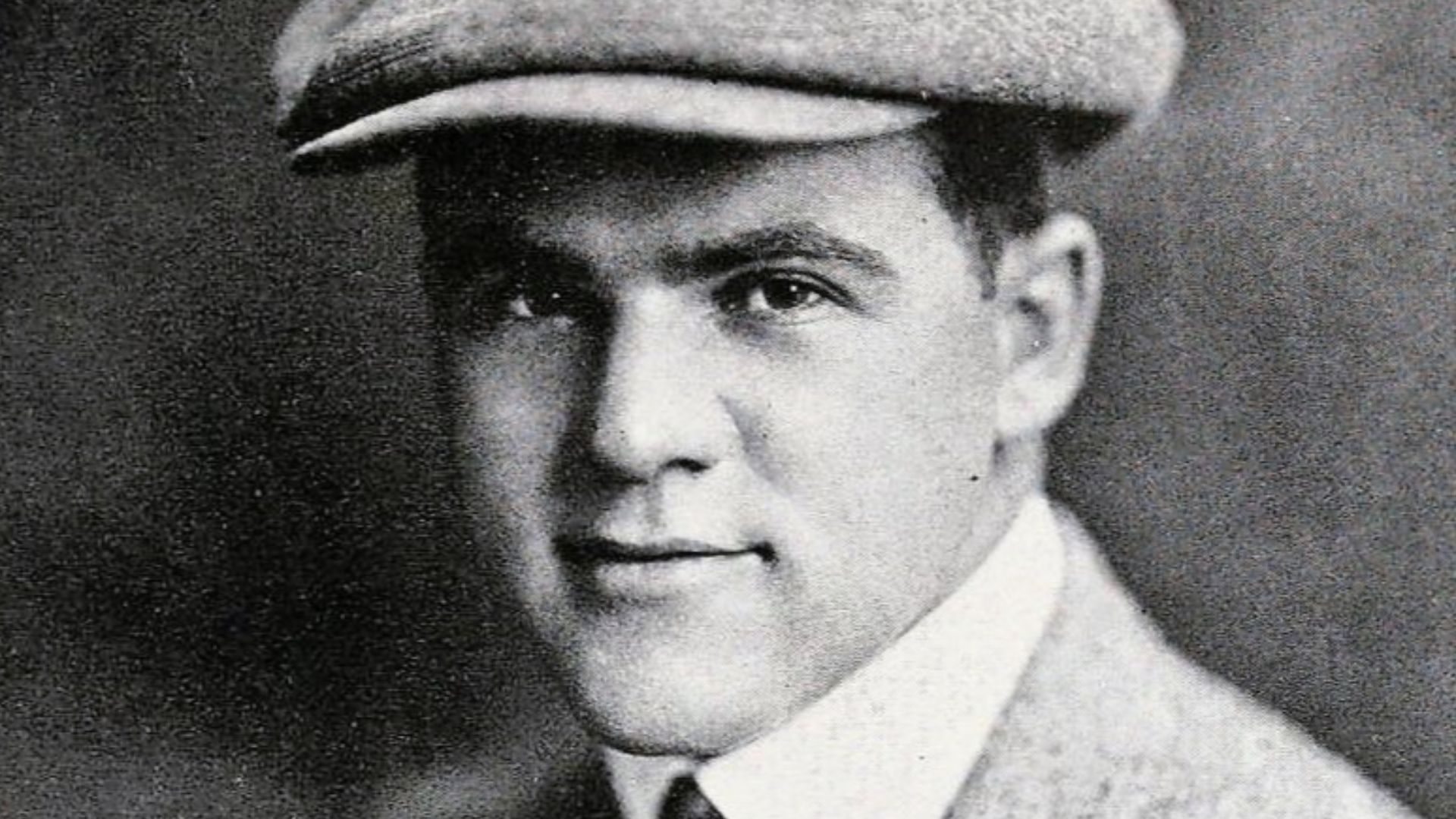
That’s when Hal Roach, the producer behind Our Gang (later known as The Little Rascals), heard Carl.
Roach saw something instantly.
 Anonymous photographer, not identified anywhere, Wikimedia Commons
Enter Alfalfa
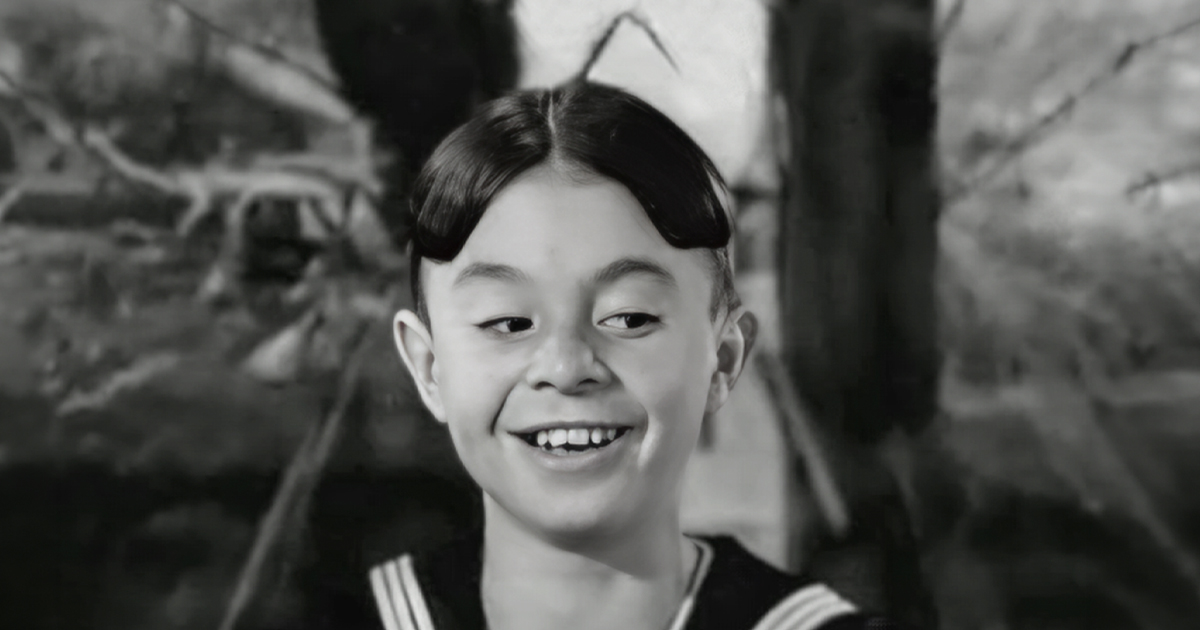
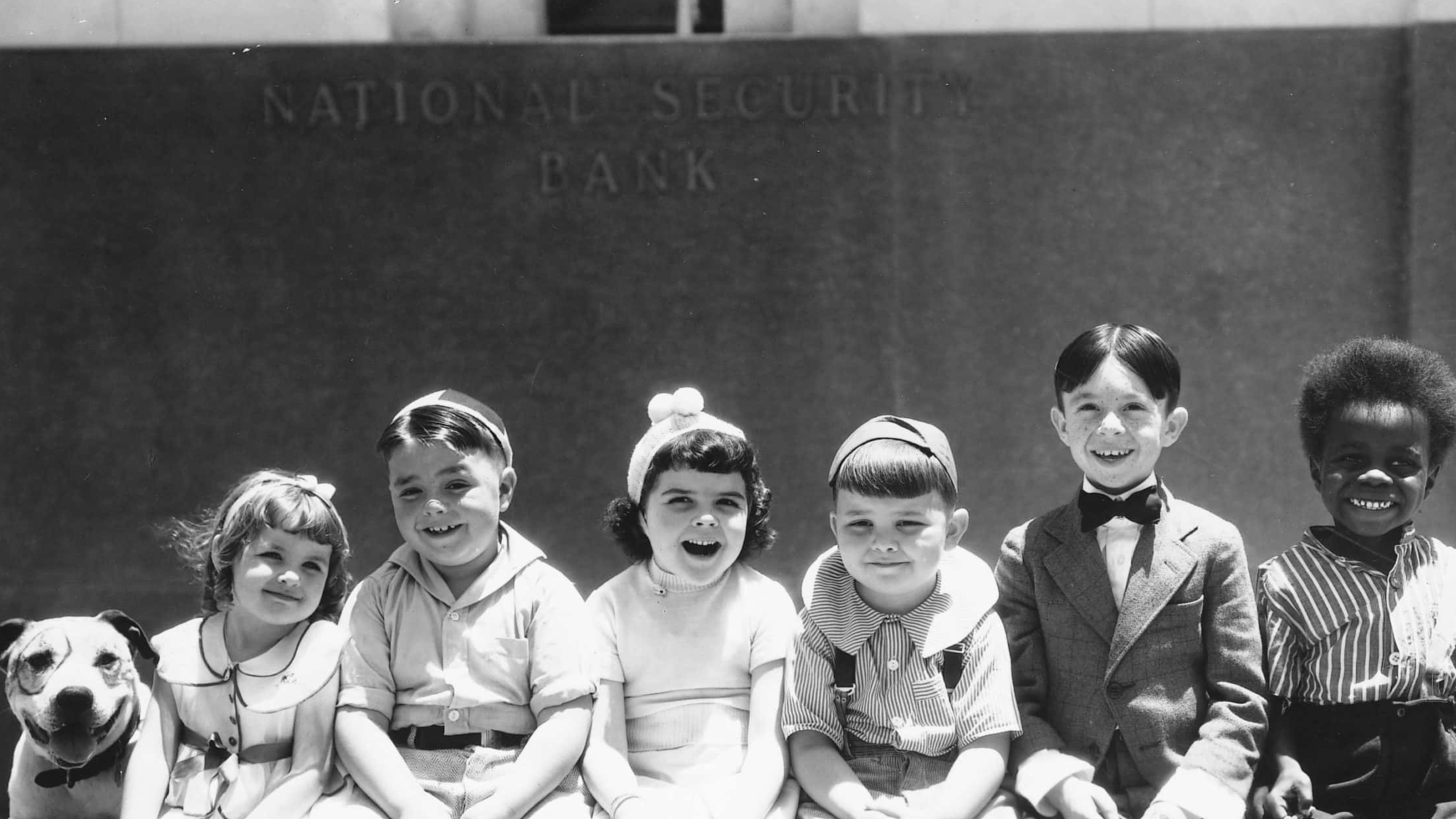
Carl joined Our Gang in 1935. His character, “Alfalfa,” was awkward, overly confident, slightly delusional about his own musical talent, and hopelessly in love with Darla.
The cowlick became iconic. So did the off-key singing.
 Silver Screen Collection, Getty Images
The Kid Who Thought He Was a Heartthrob
Alfalfa truly believed he was a smooth romantic. The audience knew better. That was the joke.
His dramatic serenades, especially “I’m in the Mood for Love,” became running gags. The more serious he was, the funnier it got.
Comedy gold — mostly because Carl committed completely.
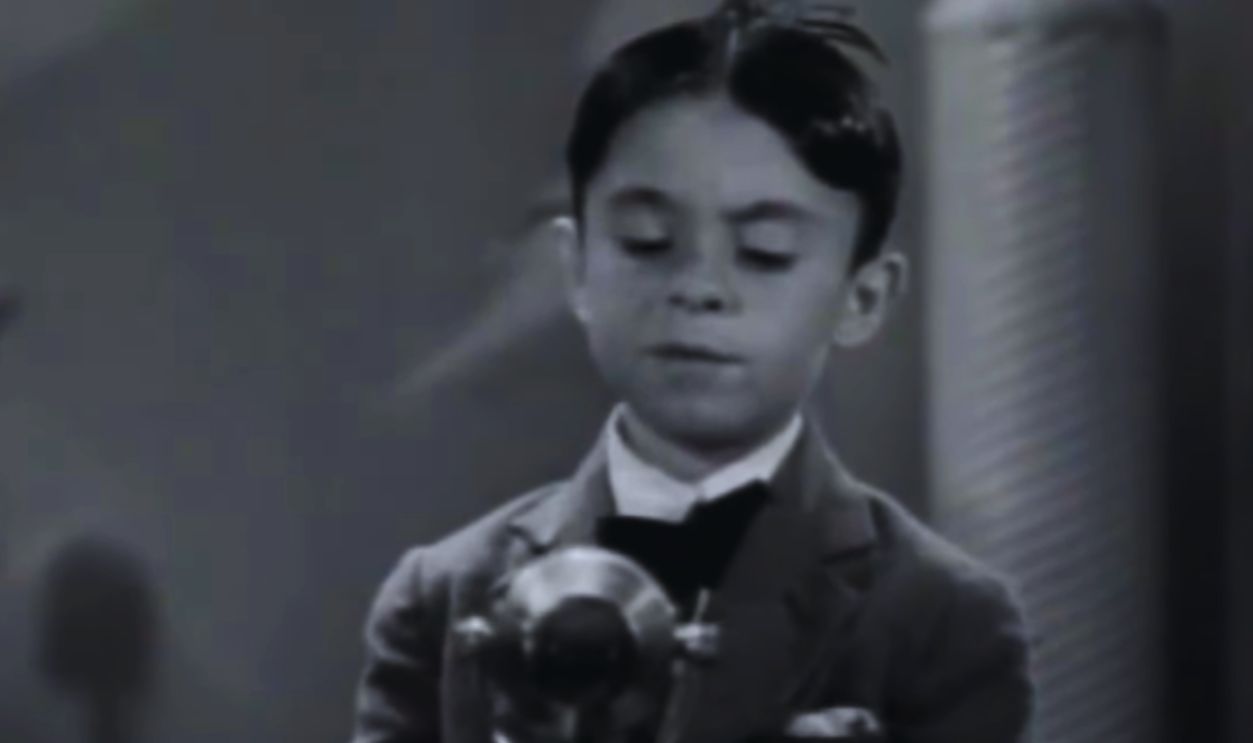 Screenshot from Our Gang, MGM (1922-1944)
Instant Fame, Zero Childhood Privacy
By the late 1930s, Alfalfa was one of the most recognizable kids in America. Our Gang shorts played in theaters before feature films. Children copied his hairstyle. Parents loved the innocence.
Carl was working long hours under studio contracts — because that’s what child actors did back then.
No tutors on set. No trust accounts required.
Just work.
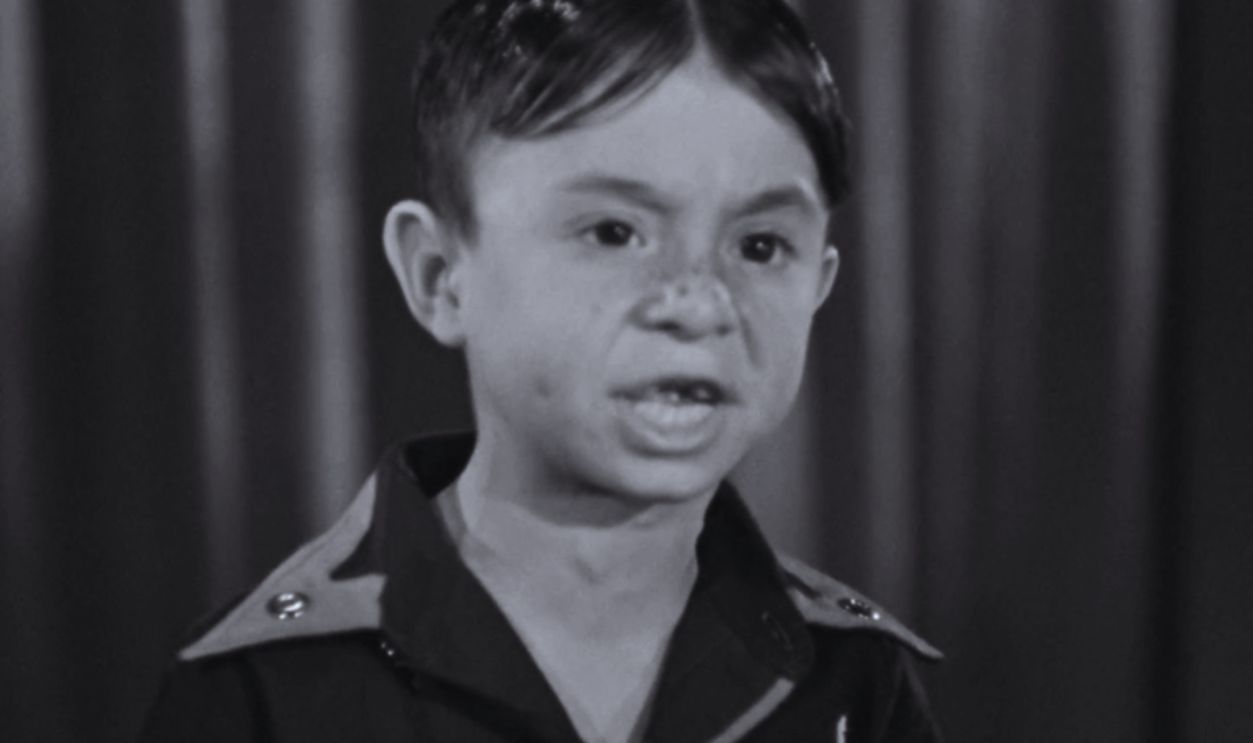 Screenshot from Our Gang, MGM (1922-1944)
Growing Up Isn’t Cute in Hollywood
Carl left Our Gang in 1940 at age 13. And here’s the brutal truth about child stardom: audiences love you at eight. They’re less sure what to do with you at eighteen.
The cowlick wasn’t adorable anymore. It was just hair.
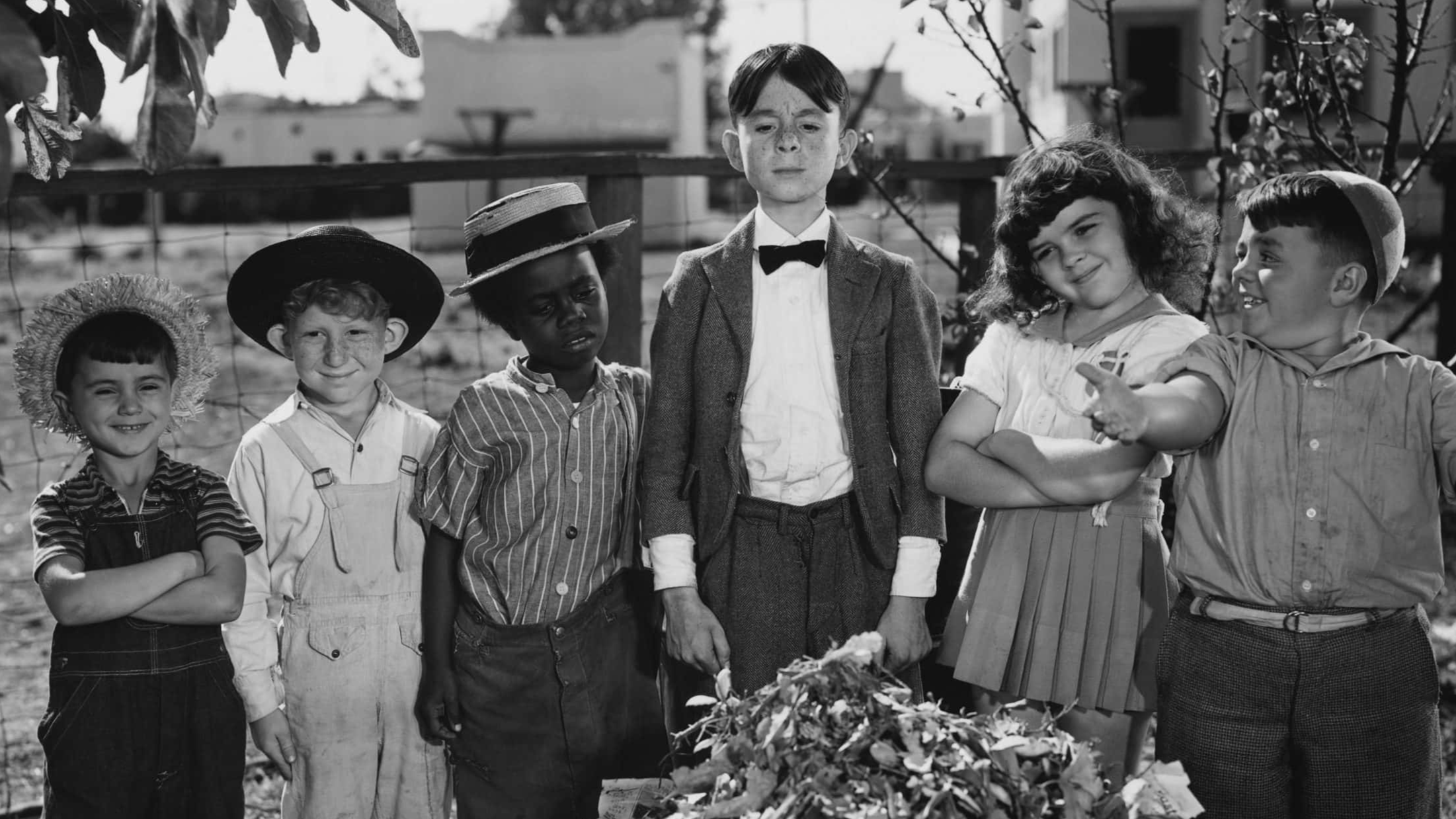 John Springer Collection, Getty Images
A Career That Didn’t Quite Stick
Carl tried to transition into adult roles. He appeared in films like It’s a Wonderful Life (1946) in a small role — blink and you might miss him.
He wasn’t a leading man. He wasn’t a dramatic heavyweight. He was Alfalfa. And Hollywood doesn’t always know how to let you outgrow your nickname.
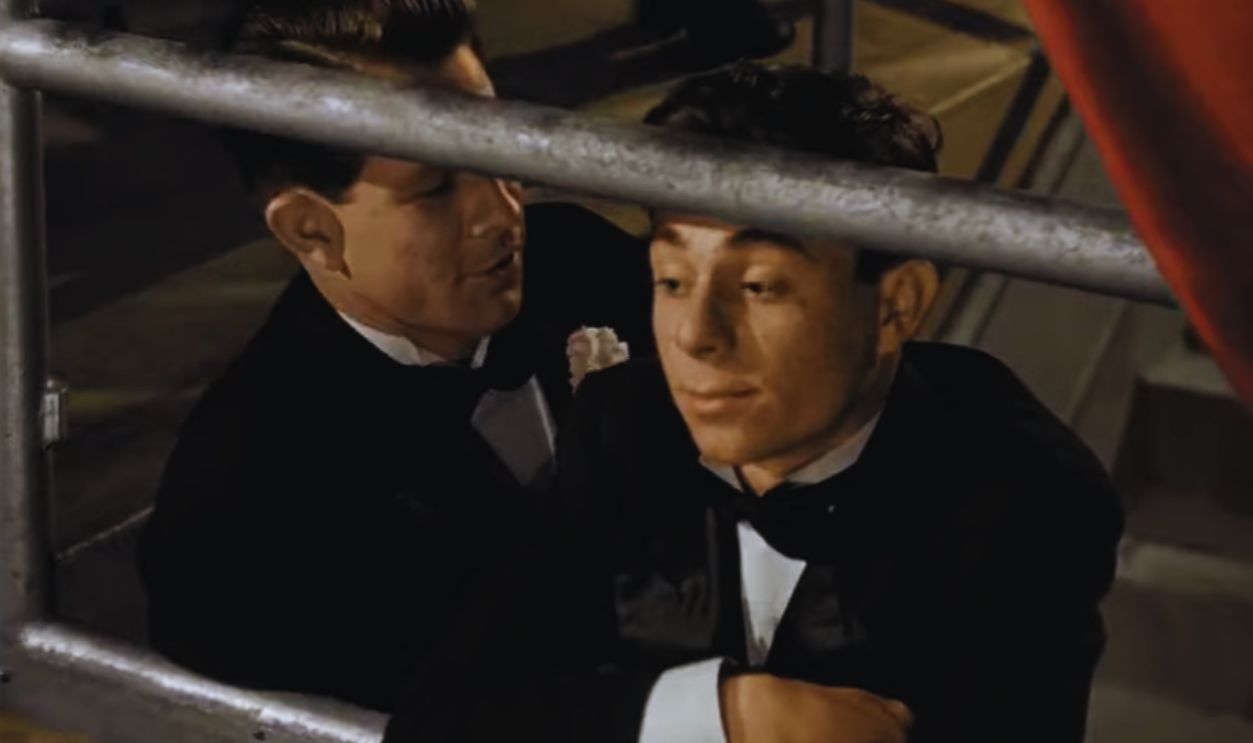 Screenshot from It’s a Wonderful Life, RKO Radio Pictures (1946)
The Army Chapter
In 1951, Carl was drafted into the US Army during the Korean War era. After serving, he tried again to make acting work.
But by then, the industry had changed. And so had audiences.
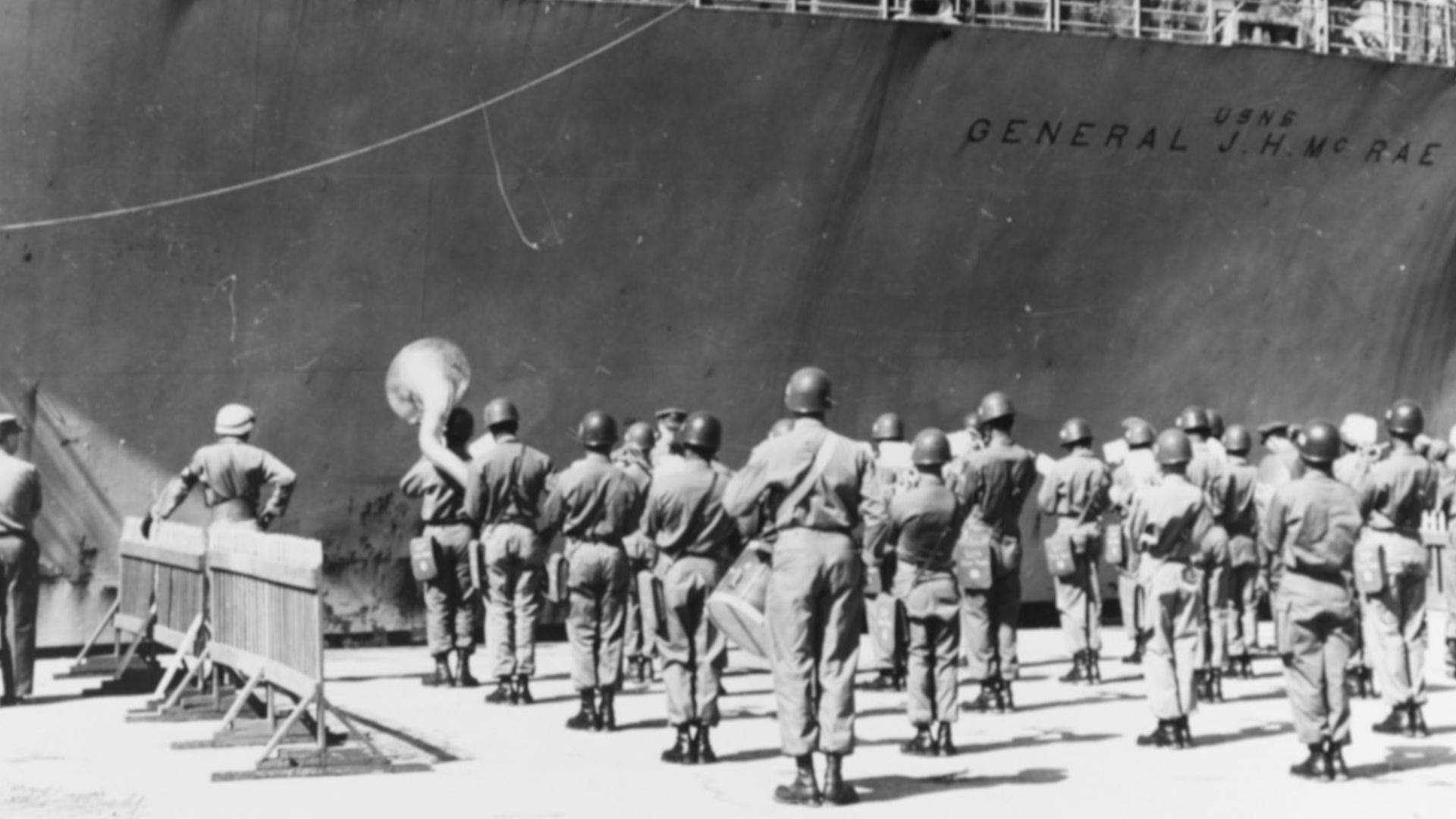 Official U.S. Navy Photograph, Wikimedia Commons
From Studio Lots to Hunting Dogs
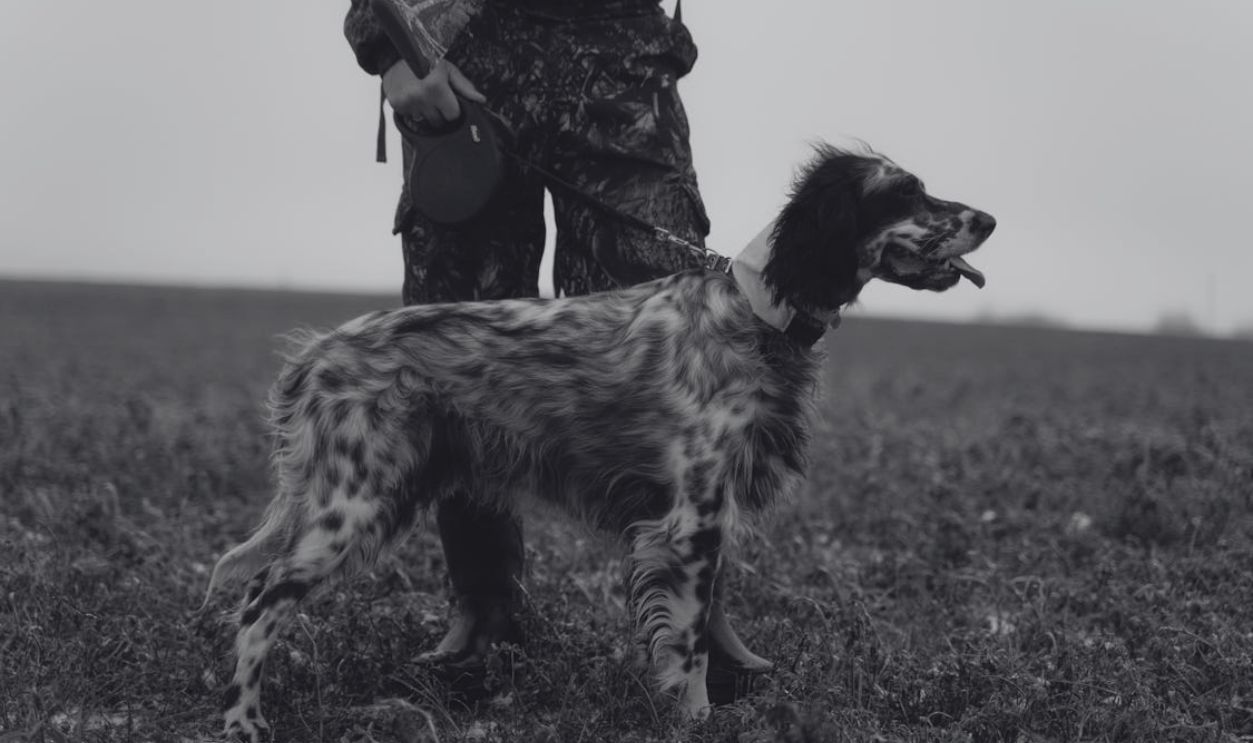
By the 1950s, Carl shifted into something very different — raising and training hunting dogs in California. It wasn’t glamorous, but it was honest work.
And honestly? It suited him more than red carpets ever did.
Money Troubles Start to Build
Like many former child stars of his era, Carl didn’t walk away wealthy. The contracts from the 1930s didn’t build lifelong security. He had financial ups and downs. Jobs came and went. Stability wasn’t guaranteed.
The spotlight had dimmed. Bills had not.

A Dispute Over $50
Now we get to the part that feels almost too small to be tragic.
On January 21, 1959, Carl went to the home of Moses “Bud” Stiltz in Mission Hills, California. Carl believed Stiltz owed him $50 for a dog.
He expected Stiltz to hand over the cash…he thought wrong.
The Night Everything Changed
Accounts differ, but what is clear is this: an argument broke out. Stiltz claimed Carl became aggressive and that he fired in self-defense.
Carl Switzer was shot. He was only 31 years old.
A Jury’s Decision
Stiltz was later tried and the shooting was ruled justifiable homicide. The court accepted the self-defense claim. But for fans who had grown up laughing at Alfalfa, the ending felt abrupt and painfully unfair.
From movie theaters to a fatal argument over $50.
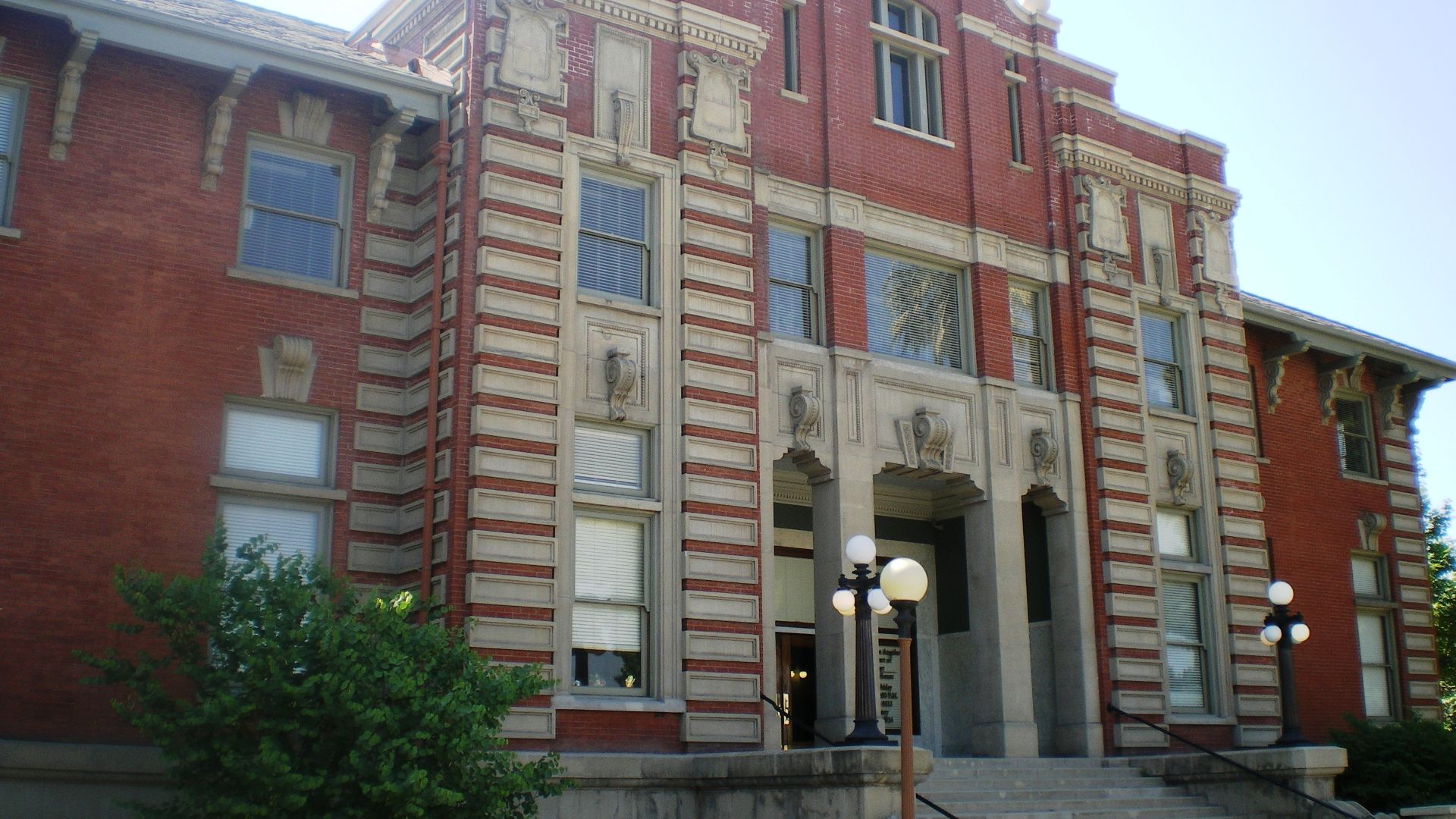 Cbl62 (talk), Wikimedia Commons
The Cowlick That Outlived the Man
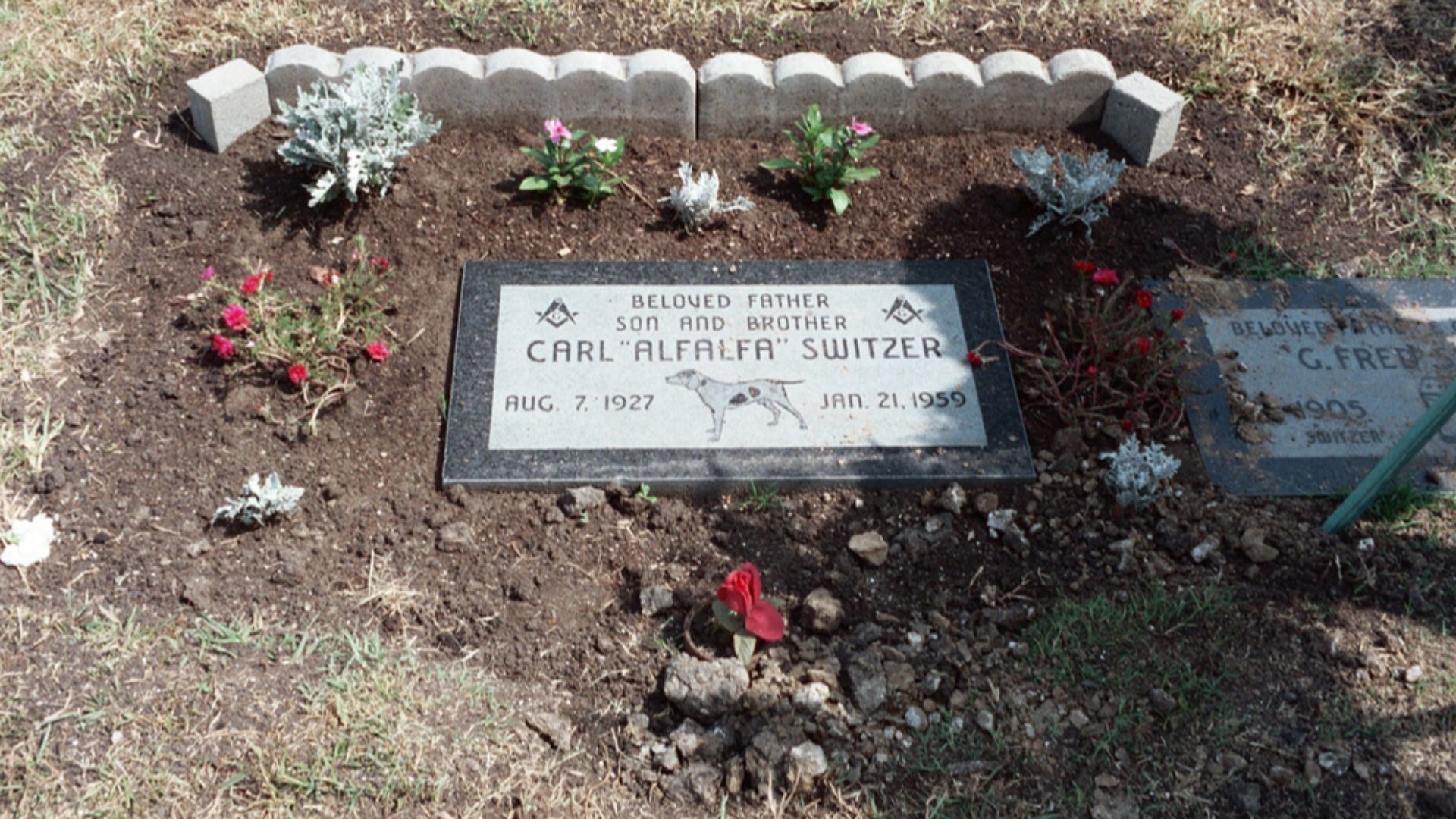
Carl “Alfalfa” Switzer was buried in Hollywood Forever Cemetery in Los Angeles. His gravestone references the very character that made him famous.
Because in the end, that’s what people remembered.
A Complicated Legacy
Carl didn’t become a billionaire. He didn’t reinvent himself as a dramatic legend. His story didn’t arc upward forever. But he gave joy to millions during the Great Depression. He made kids laugh when the world felt heavy.
That matters.
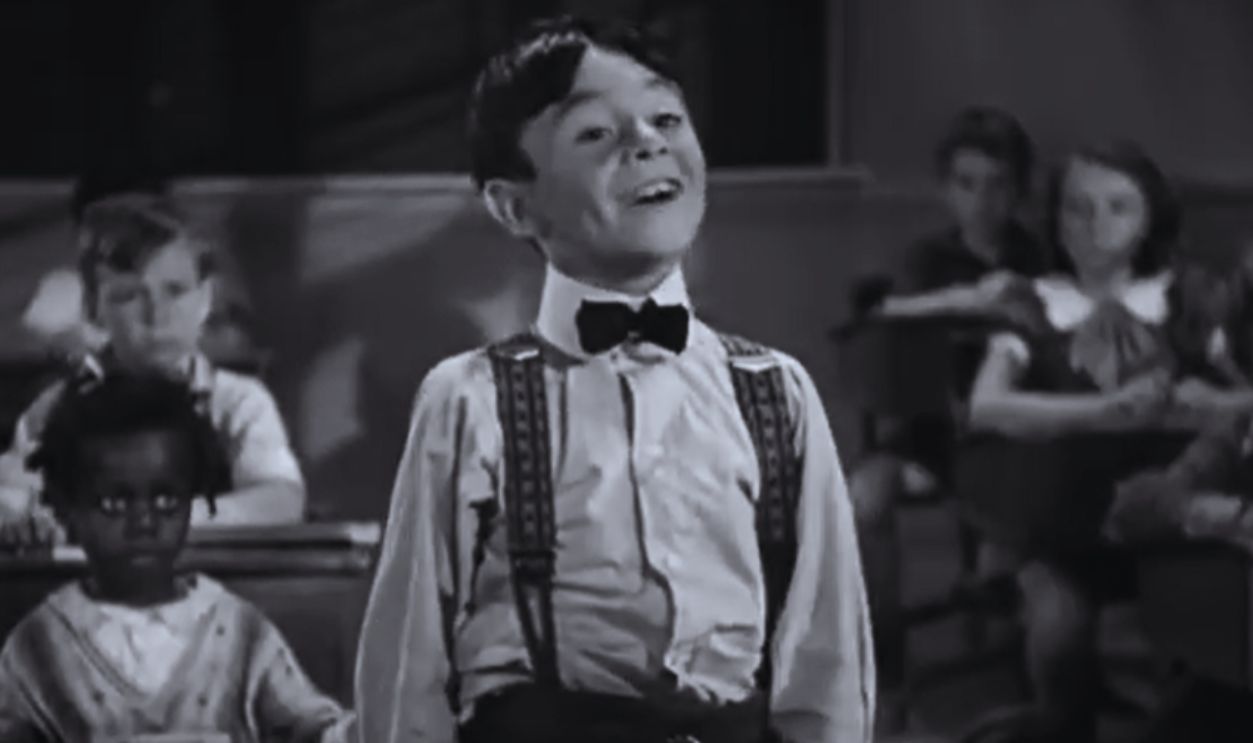 Screenshot from Our Gang, MGM (1922-1944)
The Kid Behind the Joke
Here’s the part people forget: Carl was just a kid who liked to sing loudly and make people laugh. He didn’t invent the system that used child actors the way it did.
He just lived in it.
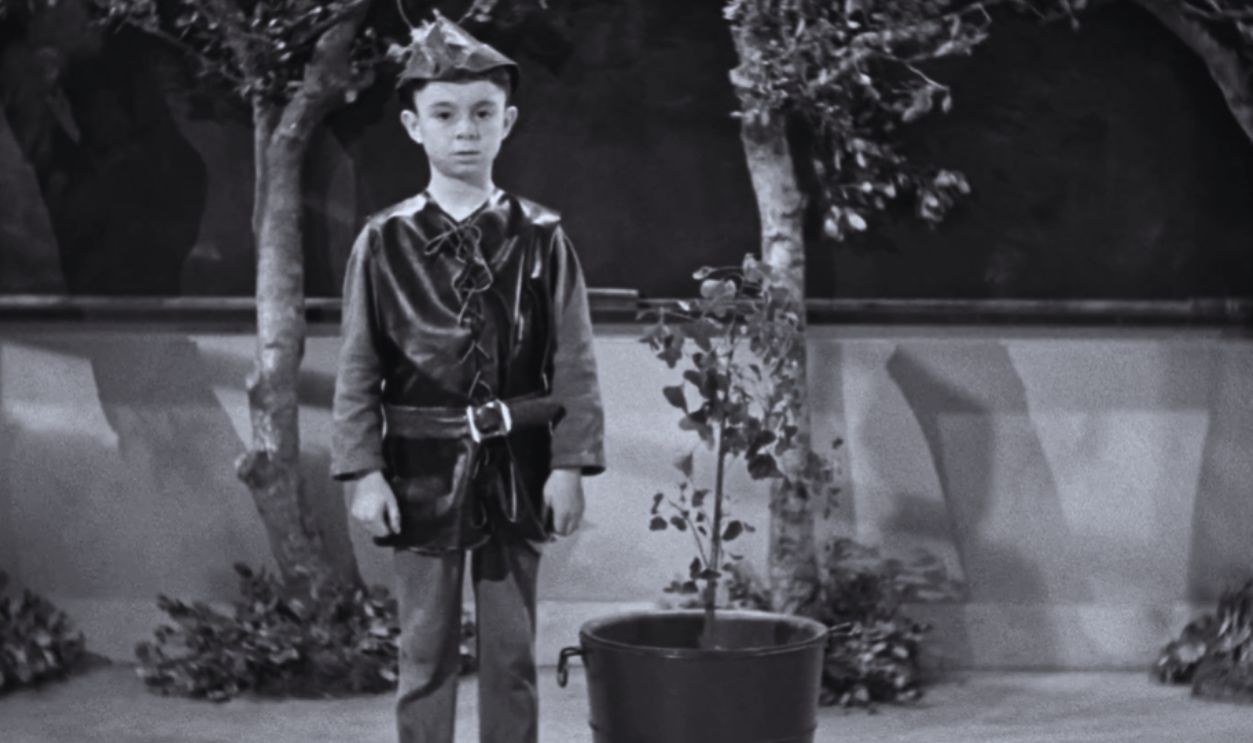 Screenshot from Our Gang, MGM (1922-1944)
The Funny Kid Who Deserved More Time
Carl Switzer’s life wasn’t long. It wasn’t perfectly managed. It didn’t come with a redemption tour. But that stubborn cowlick and off-key voice? They’re still part of American pop culture nearly a century later.
And somewhere, you can almost hear him singing — slightly sharp, totally confident, and completely unforgettable.
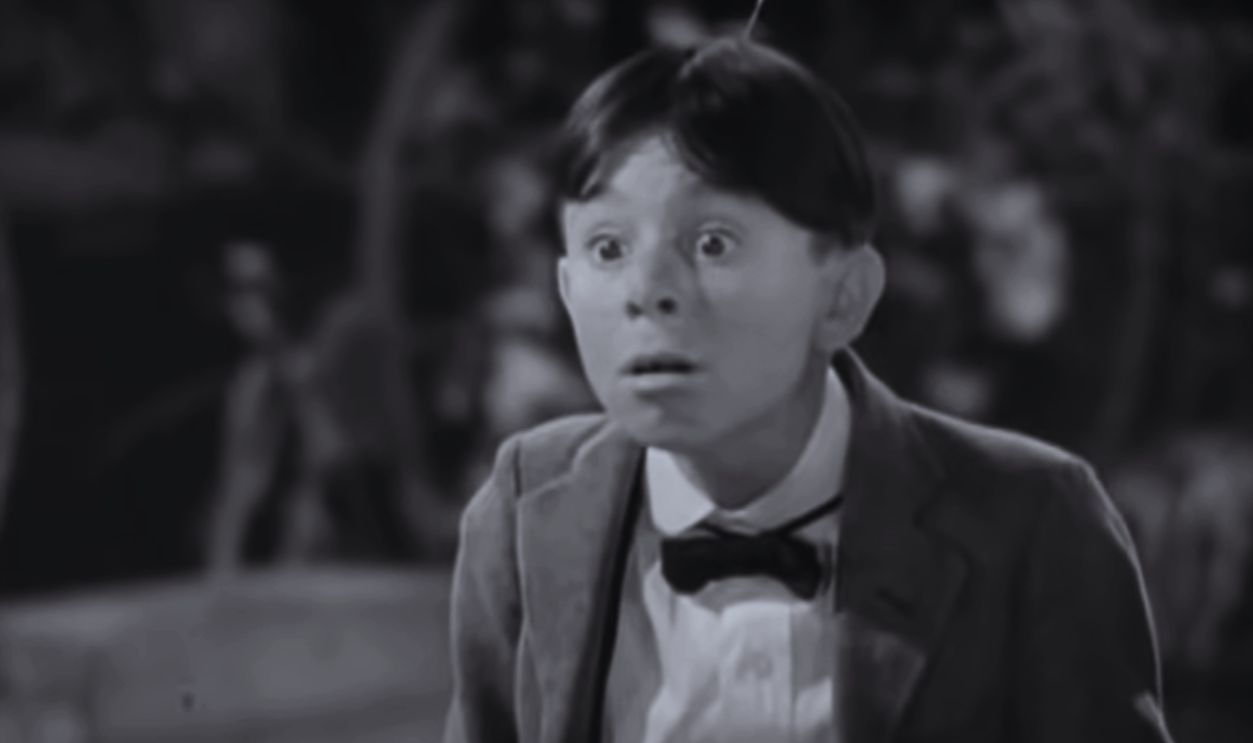 Screenshot from Our Gang, MGM (1922-1944)
You May Also Like: