The Star Who Was Always In Demand
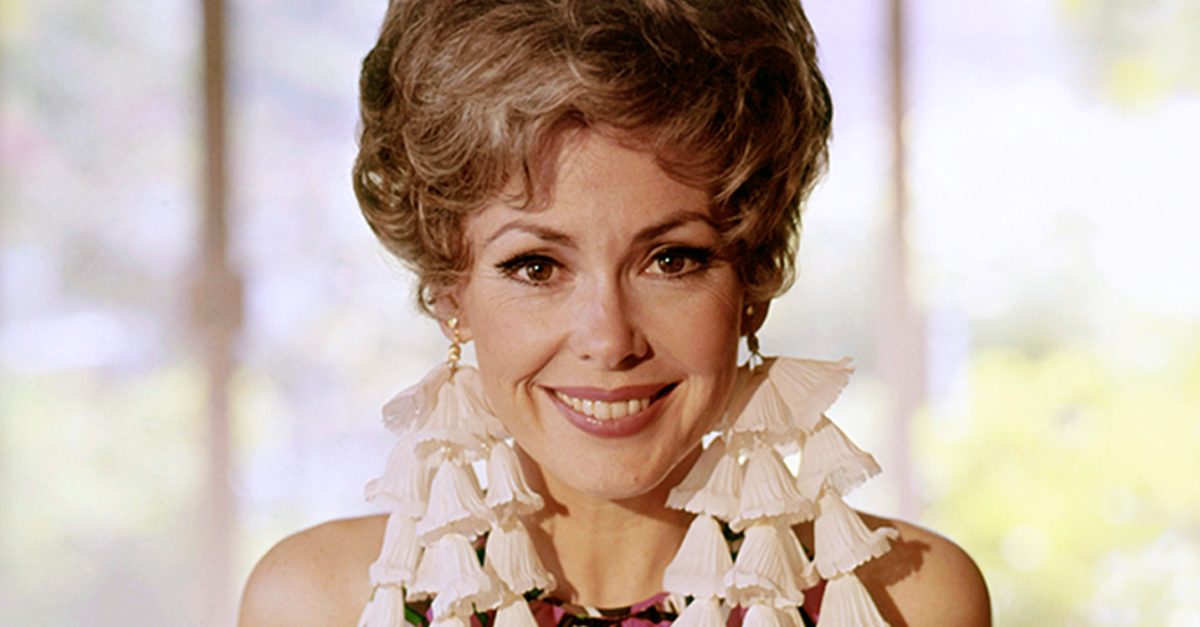
Barbara Rush never became as famous as many of the actors who received top billing beside her. Yet directors repeatedly trusted her to bring intelligence, elegance, and emotional weight to major films and television shows. Her remarkably steady career ultimately lasted for more than five decades.
A Childhood Far From Hollywood
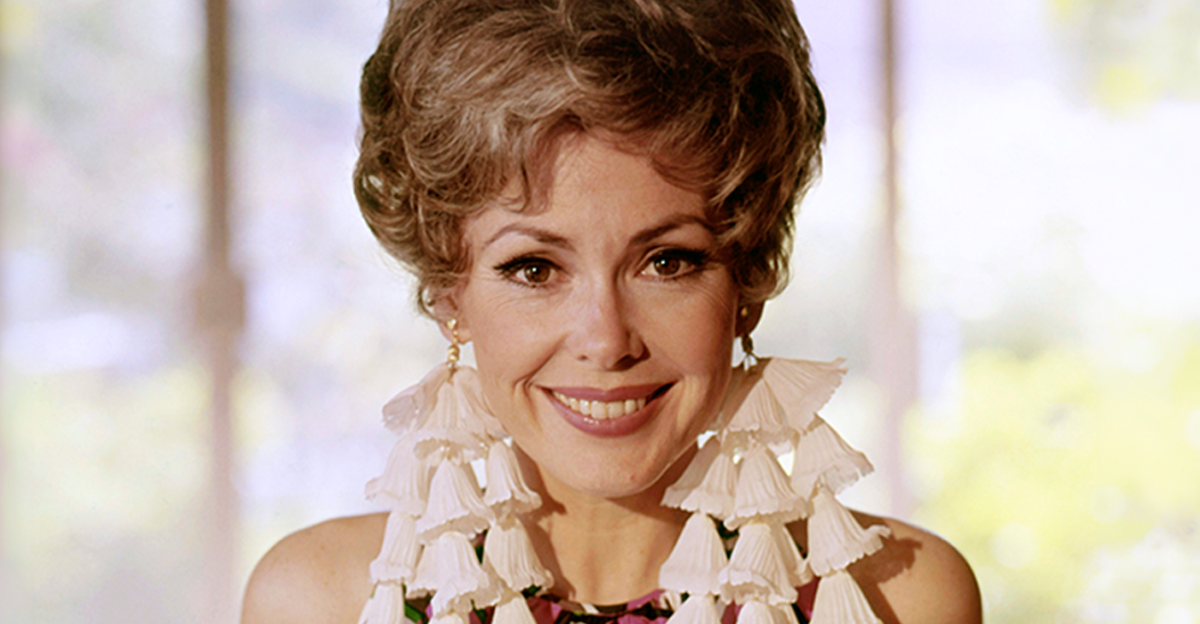
Rush was born in Denver, Colorado, on January 4, 1927. Her family later moved to California, where she discovered an interest in performing while still young. That early enthusiasm gradually developed into a serious ambition.
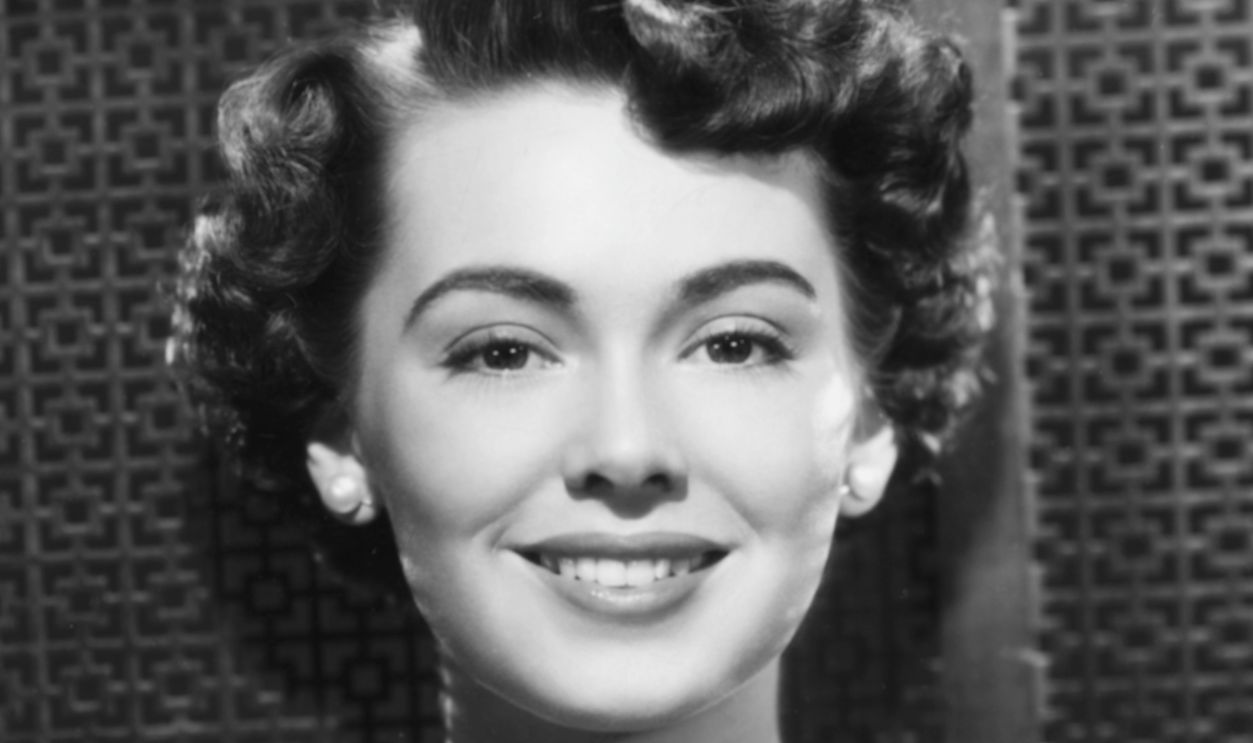
College Helped Shape Her Ambitions
Rush studied theater at the University of California, Santa Barbara. She appeared in university productions and gained practical experience performing before live audiences. The training gave her a strong theatrical foundation before Hollywood came calling.
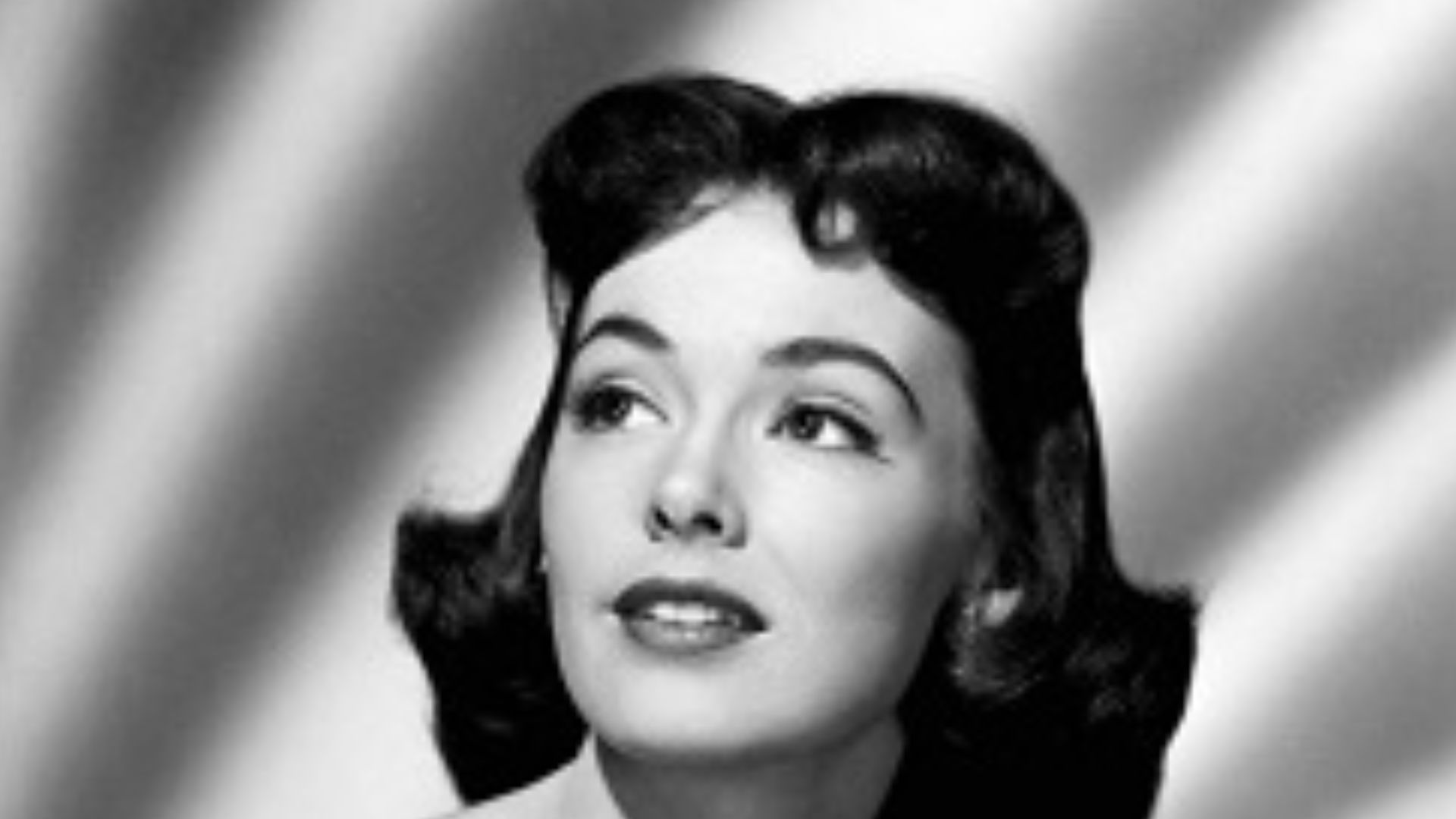 PictureLux / The Hollywood Archive / Universal International, Wikimedia Commons
The Pasadena Playhouse Opened A Door
After college, Rush continued developing her skills at the prestigious Pasadena Playhouse. A talent scout noticed her during a stage performance and helped her secure a contract with Paramount Pictures. By 1950, she had entered the Hollywood studio system.

Her Screen Career Began Modestly
Rush made her film debut in a small role in The Goldbergs, which was released as Molly in some markets. It was hardly the sort of entrance that instantly created a major star. Still, it placed her inside the industry and gave her the chance to prove she belonged.
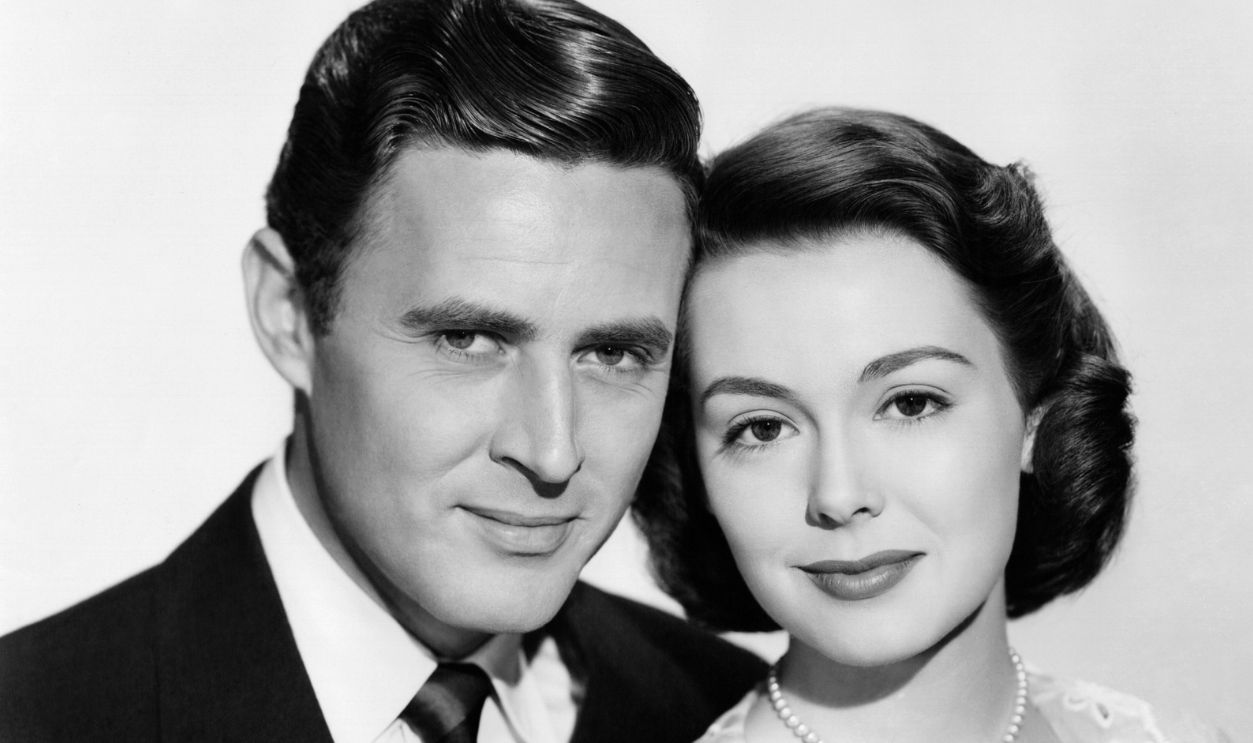 De Carvalho Collection, Getty Images
Disaster Movies Gave Her Early Exposure
One of Rush's first substantial roles came in the 1951 science-fiction spectacle When Worlds Collide. She played Joyce Hendron, whose father is among the scientists preparing for the destruction of Earth. The film's success helped establish her as a poised and credible leading lady.
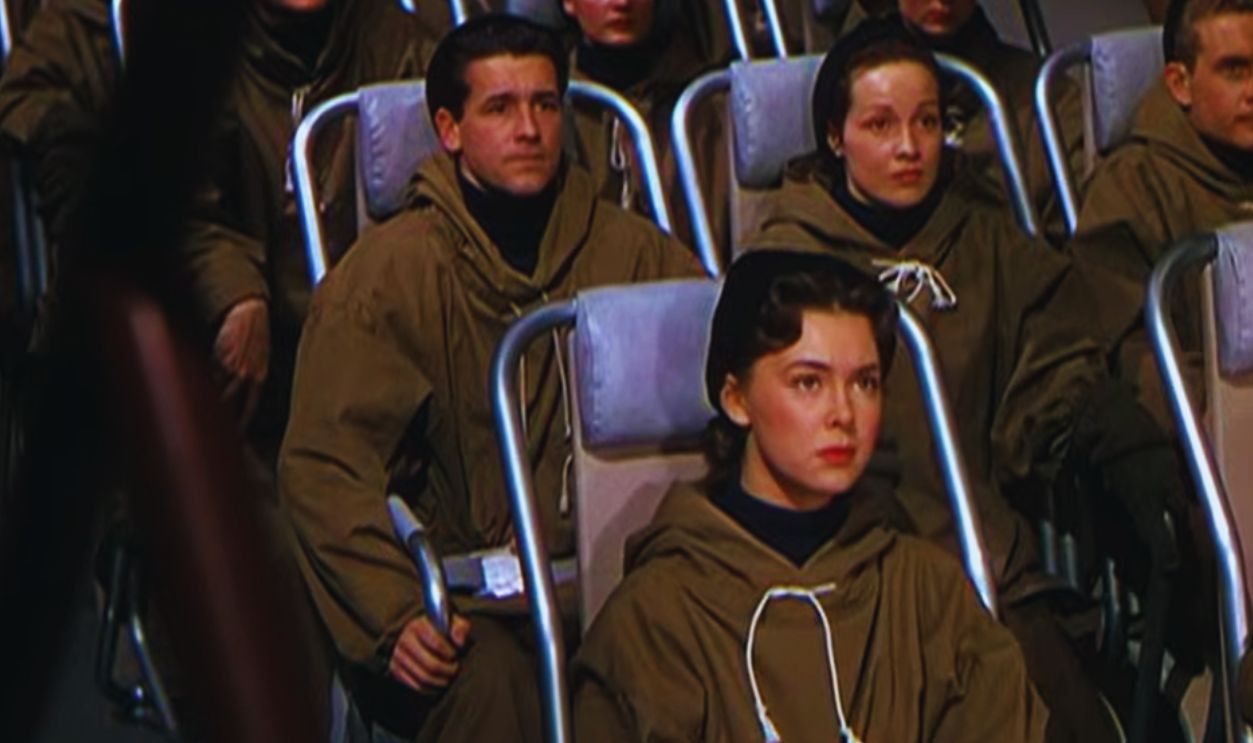 Screenshot from When Worlds Collide, Paramount Global (1951)
Paramount Put Her Versatility To Work
Rush soon moved among Westerns, historical adventures, romantic dramas, and science-fiction stories. Her early films included Flaming Feather, Prince of Pirates, and The First Legion. Rather than becoming closely tied to one genre, she learned how to adapt quickly.
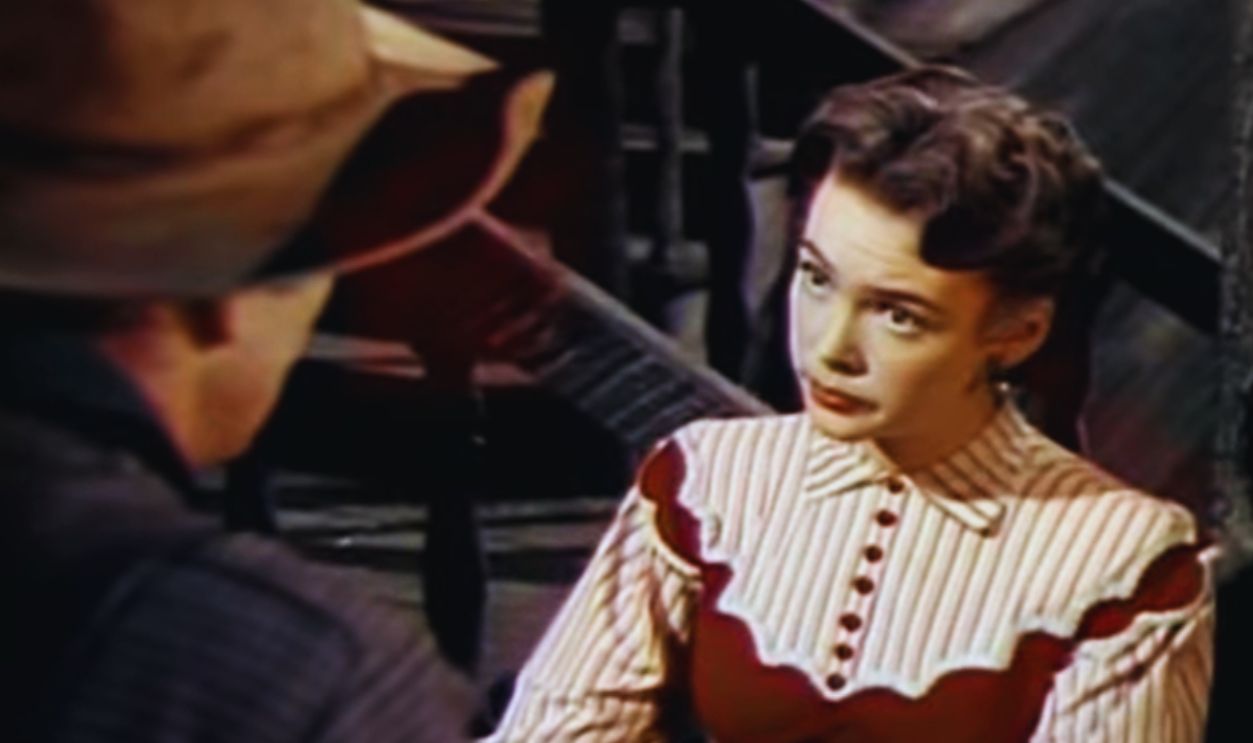 Screenshot from Flaming Feather, Paramount Global (1952)
Outer Space Brought Her Breakthrough
Rush starred opposite Richard Carlson in the 1953 science-fiction film It Came from Outer Space. She played Ellen Fields, a schoolteacher drawn into a mysterious encounter with alien visitors in the Arizona desert. The atmospheric film became one of the defining science-fiction releases of the decade.
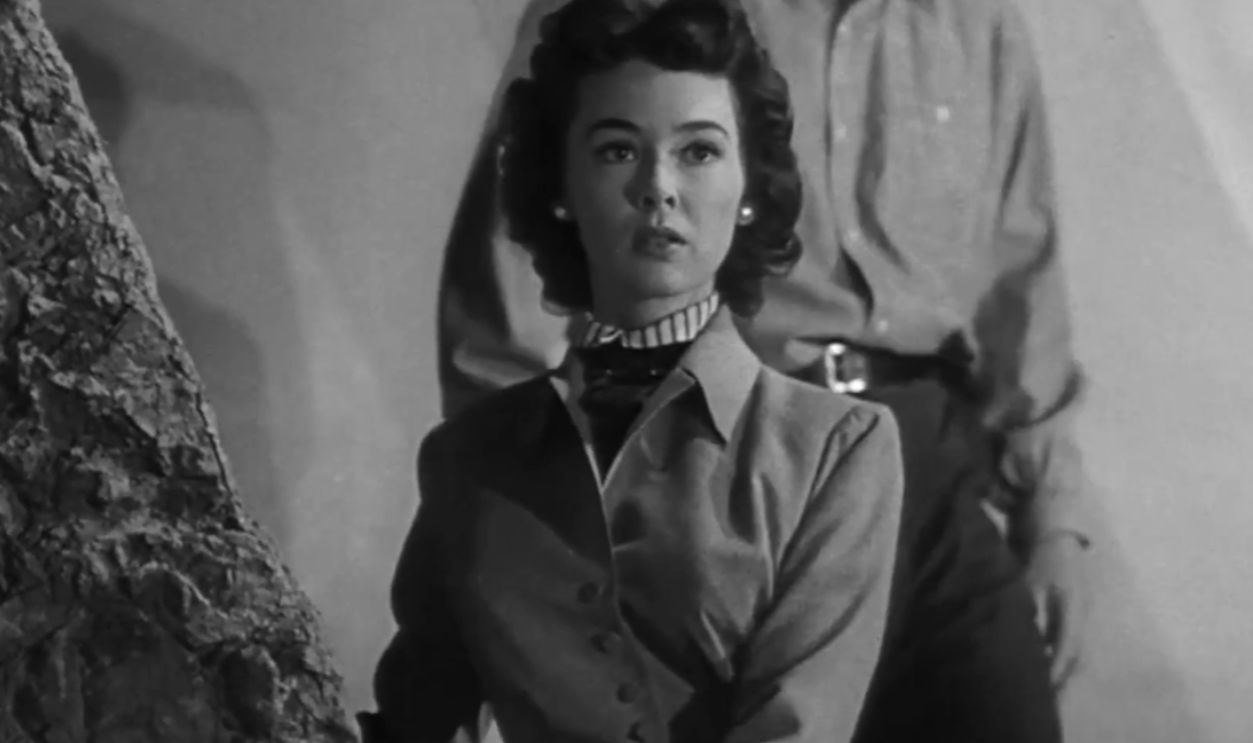 Screenshot from It Came from Outer Space, NBCUniversal (1953)
A Golden Globe Confirmed Her Promise
Rush received the Golden Globe for Most Promising Newcomer, Female, for her performance in It Came from Outer Space. The award suggested that she was positioned for a major rise in Hollywood. More importantly, it demonstrated that she could hold the screen in a technically ambitious production.
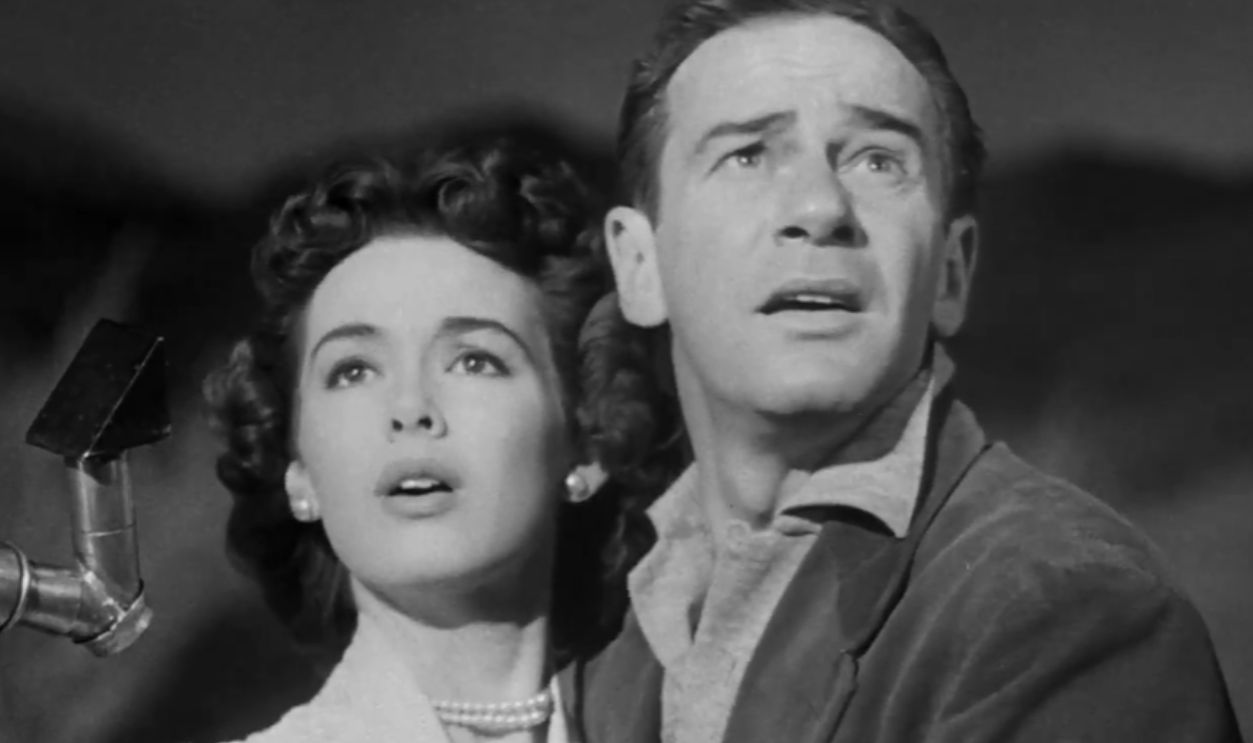 Screenshot from It Came from Outer Space, NBCUniversal (1953)
She Never Looked Down On Science Fiction
Some performers tried to distance themselves from the science-fiction films they made during the 1950s. Rush instead spoke warmly about It Came from Outer Space and recognized the film's lasting appeal. Her willingness to embrace the movie helped preserve her connection with generations of genre fans.
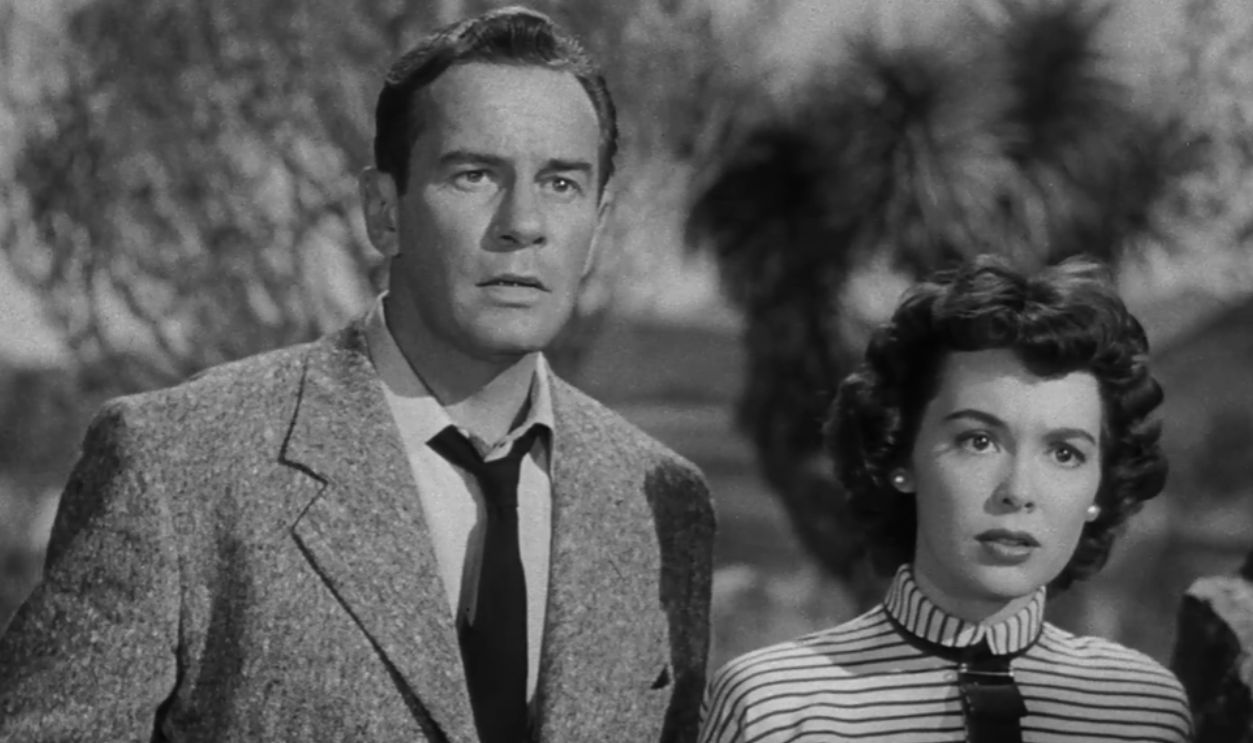 Screenshot from It Came from Outer Space, NBCUniversal (1953)
Douglas Sirk Recognized Her Strength
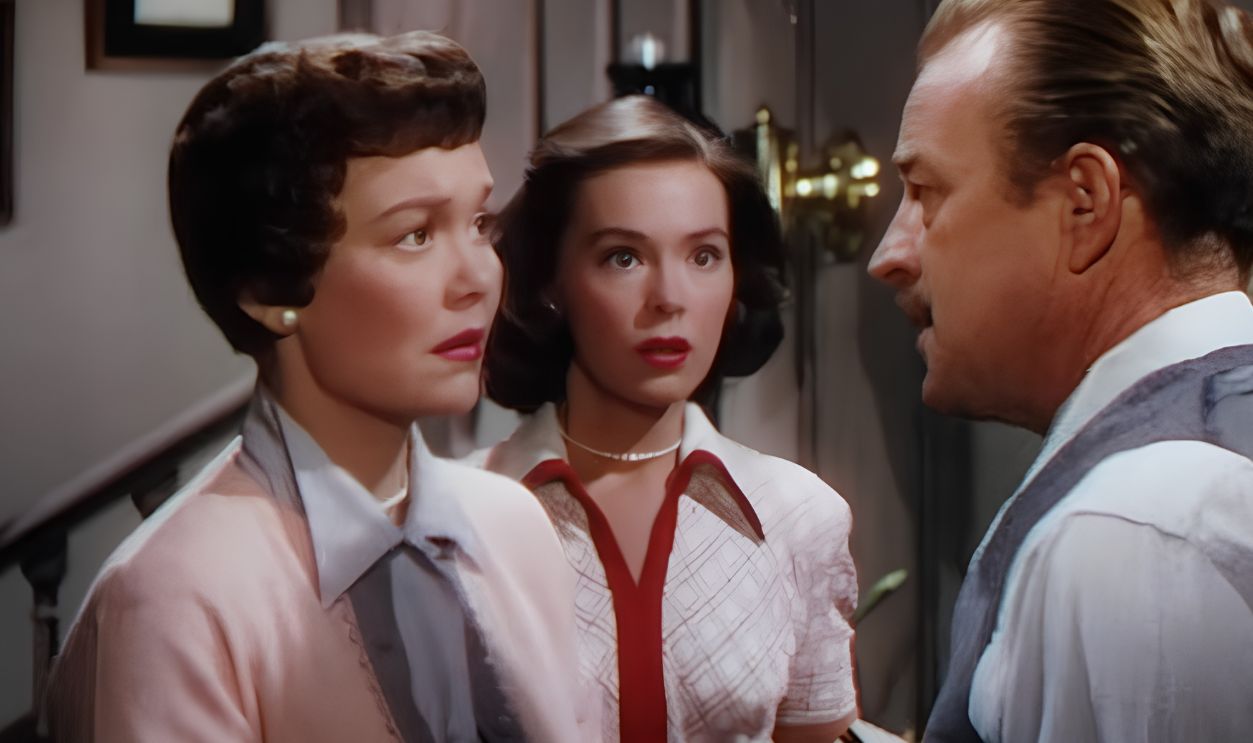
Rush next appeared in Douglas Sirk's 1954 melodrama Magnificent Obsession. She played Joyce Phillips, the sister-in-law of Jane Wyman's character, opposite rising star Rock Hudson. Even in a supporting role, Rush brought polish and credibility to Sirk's emotionally heightened world.
 Screenshot from Magnificent Obsession, NBCUniversal (1954)
Hollywood Kept Pairing Her With Major Stars
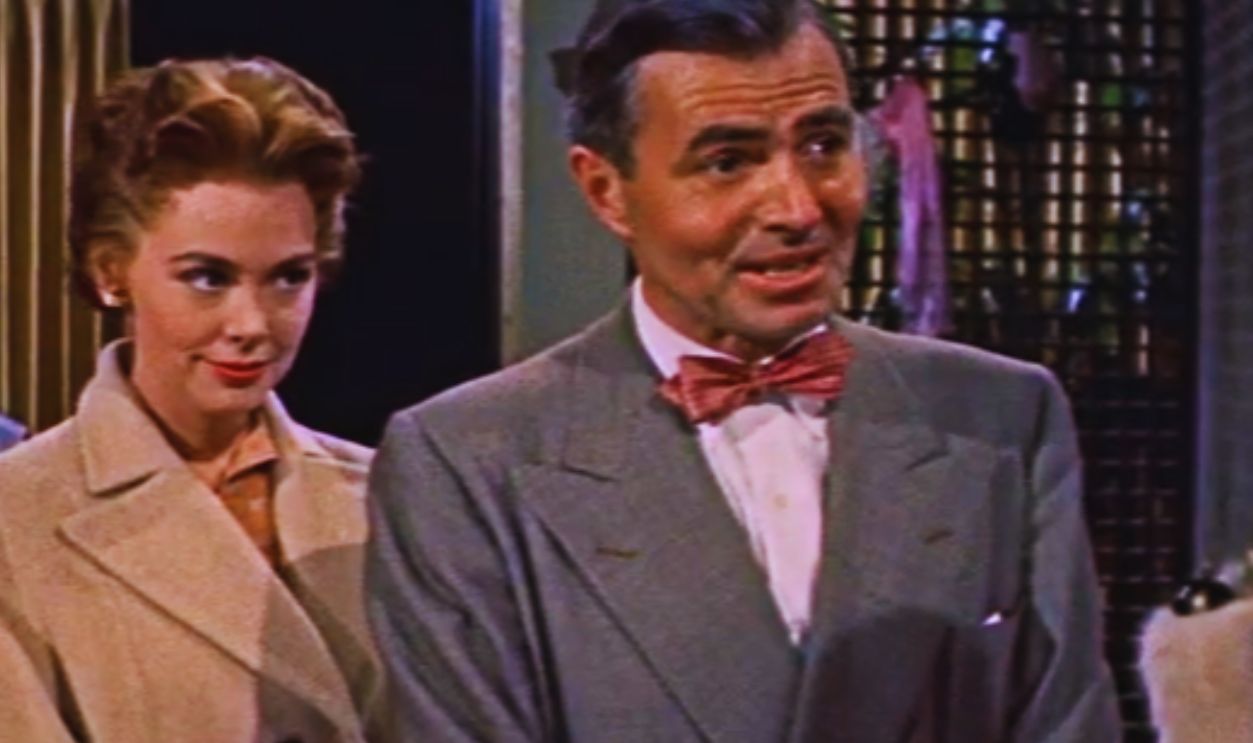
Rush worked alongside an extraordinary list of leading men during the 1950s. Her co-stars included Hudson, James Mason, Dean Martin, Paul Newman, Jeffrey Hunter, Cornel Wilde, and Sterling Hayden. The repeated assignments reflected how easily she could complement very different screen personalities.
 Screenshot from Bigger Than Life, The Walt Disney Company (1956)
Bigger Than Life Revealed New Depth
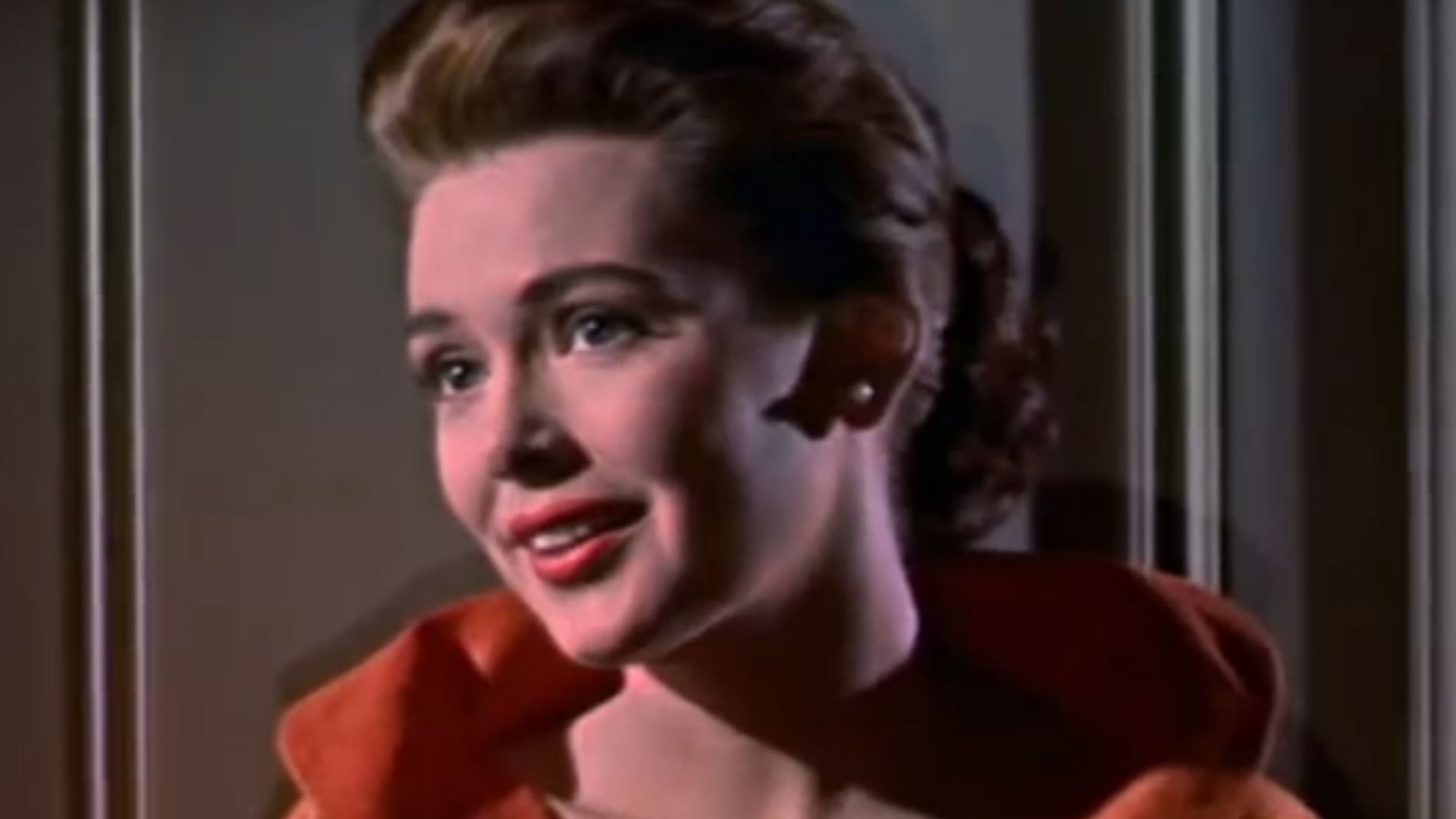
Nicholas Ray's 1956 drama Bigger Than Life gave Rush one of her most demanding film roles. She played Lou Avery, whose husband becomes dangerously unstable after receiving cortisone treatments for a serious illness. Rush grounded the disturbing story by making Lou's fear, loyalty, and growing desperation feel painfully real.
 20th Century Fox, Wikimedia Commons
She Became The Film's Emotional Center
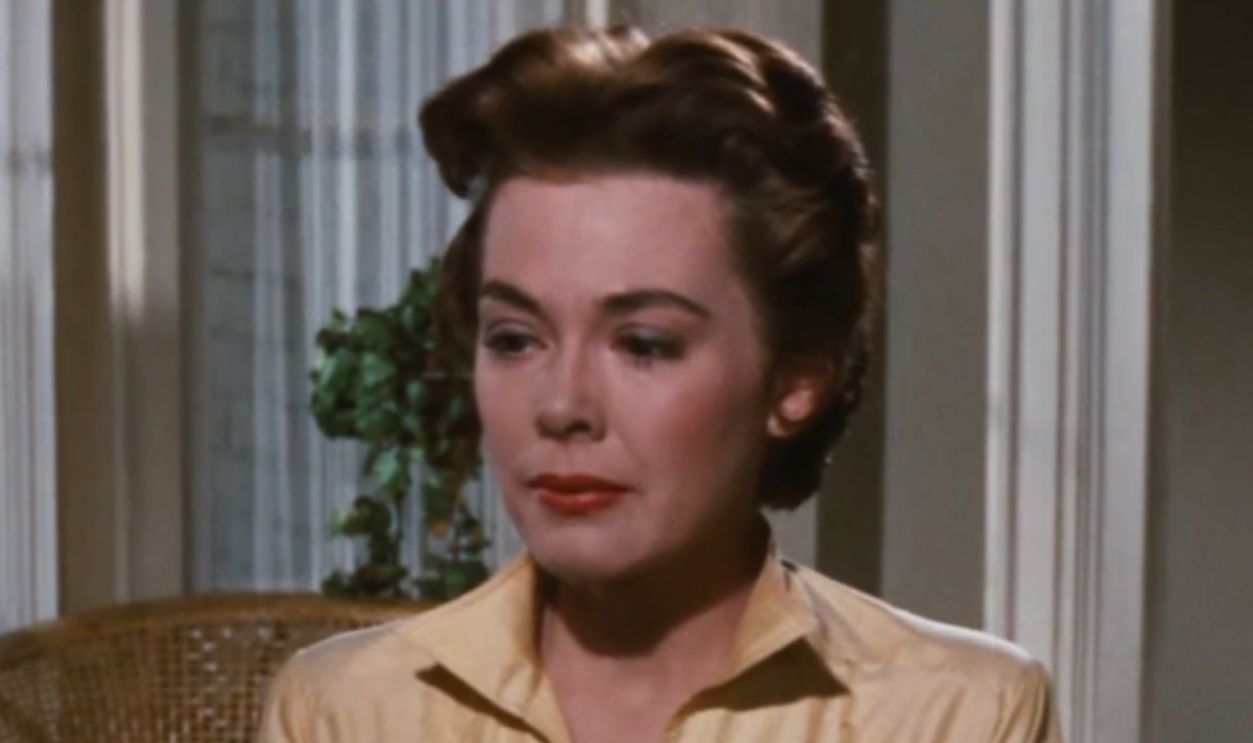
James Mason's increasingly frightening performance dominates much of Bigger Than Life. Rush provides the necessary contrast as a wife trying to protect her family while confronting a man she no longer recognizes. Her restraint prevented the domestic drama from becoming merely sensational.
 Screenshot from Bigger Than Life, The Walt Disney Company (1956)
No Down Payment Tackled Suburban Tensions
Rush joined an ensemble cast for the 1957 drama No Down Payment. The film examined the conflicts hiding beneath the polished surface of a newly built California neighborhood. Rush played Betty Kreitzer, one of several women whose marriages exposed the pressures beneath postwar suburban life.
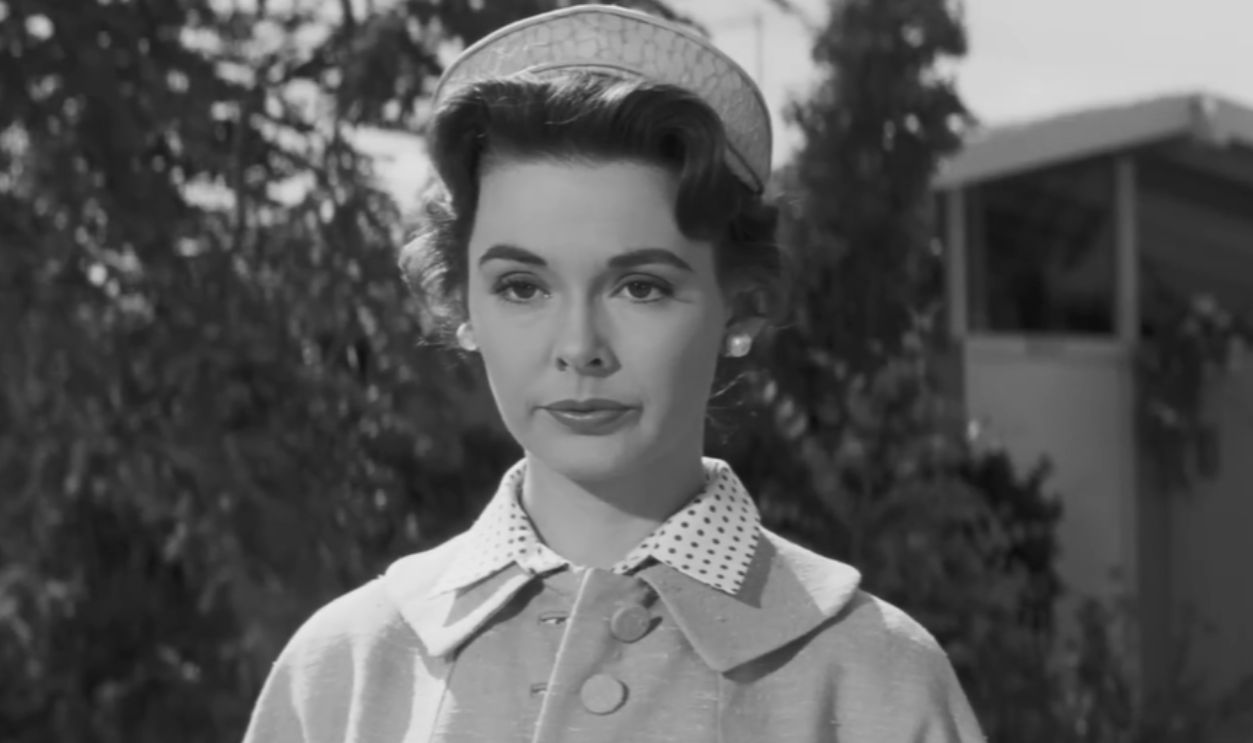 Screenshot from No Down Payment, The Walt Disney Company (1957)
The Young Lions Expanded Her Range
In 1958, Rush appeared in the World War II drama The Young Lions. She played Margaret Freemantle, the romantic interest of Dean Martin's reluctant American soldier. The sprawling production also featured Marlon Brando and Montgomery Clift, placing Rush inside another prestigious ensemble.
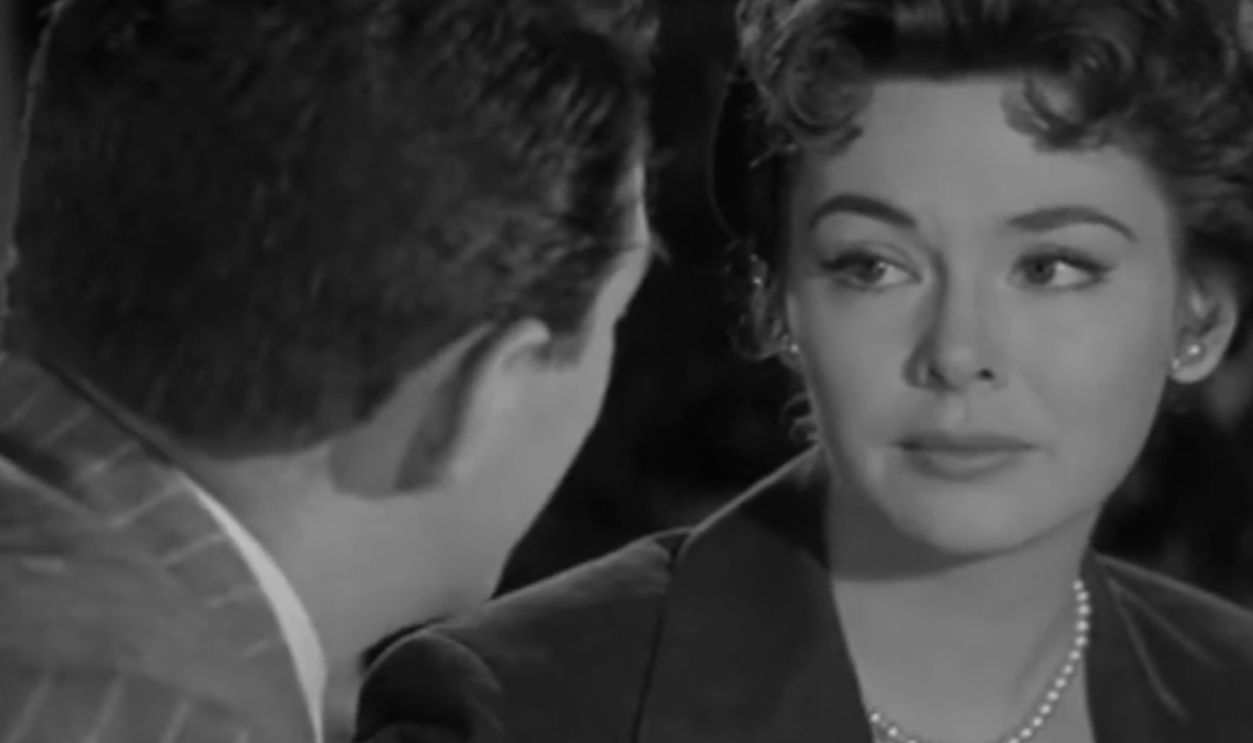 Screenshot from The Young Lions, The Walt Disney Company (1958)
She Held Her Own Opposite Paul Newman
Rush reunited with Martin Ritt for the 1959 drama The Young Philadelphians. She played Joan Dickinson, the complicated longtime love of Newman's ambitious attorney, Anthony Lawrence. Rush gave Joan enough independence and emotional complexity to remain more than a conventional romantic obstacle.
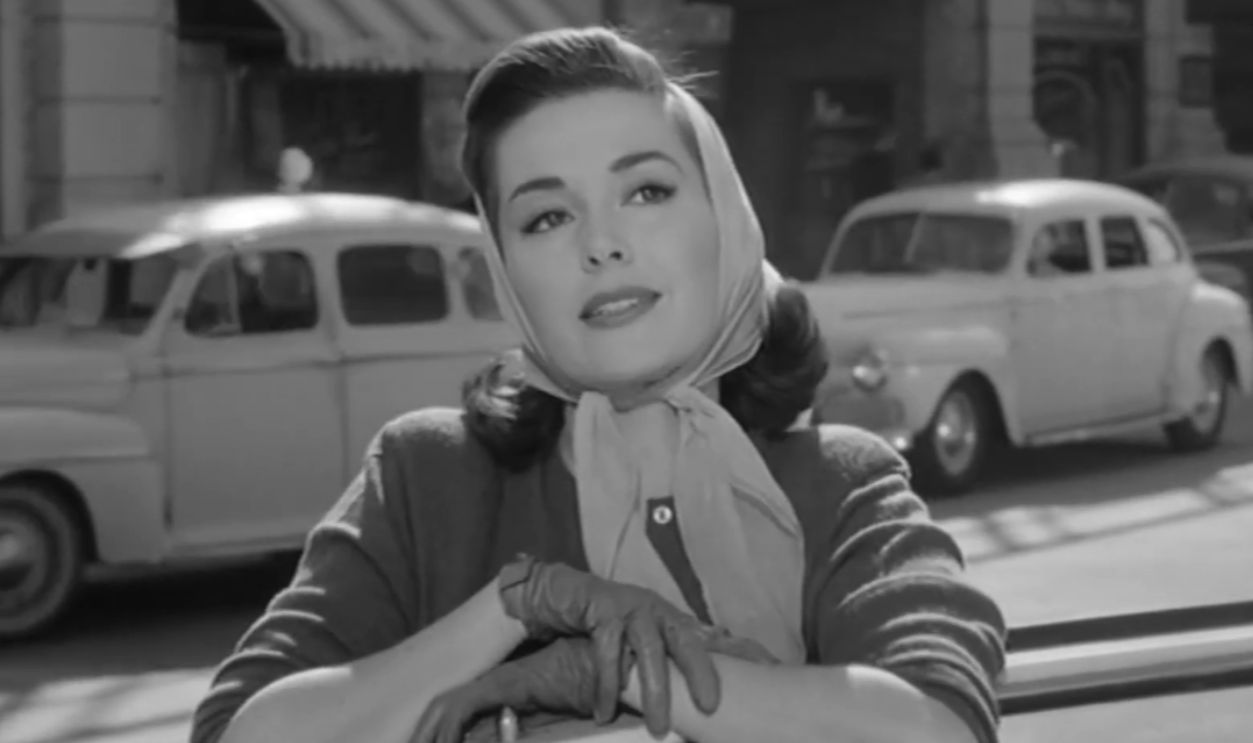 Screenshot from The Young Philadelphians, Warner Bros. Discovery (1959)
One Film Cost Her Other Opportunities
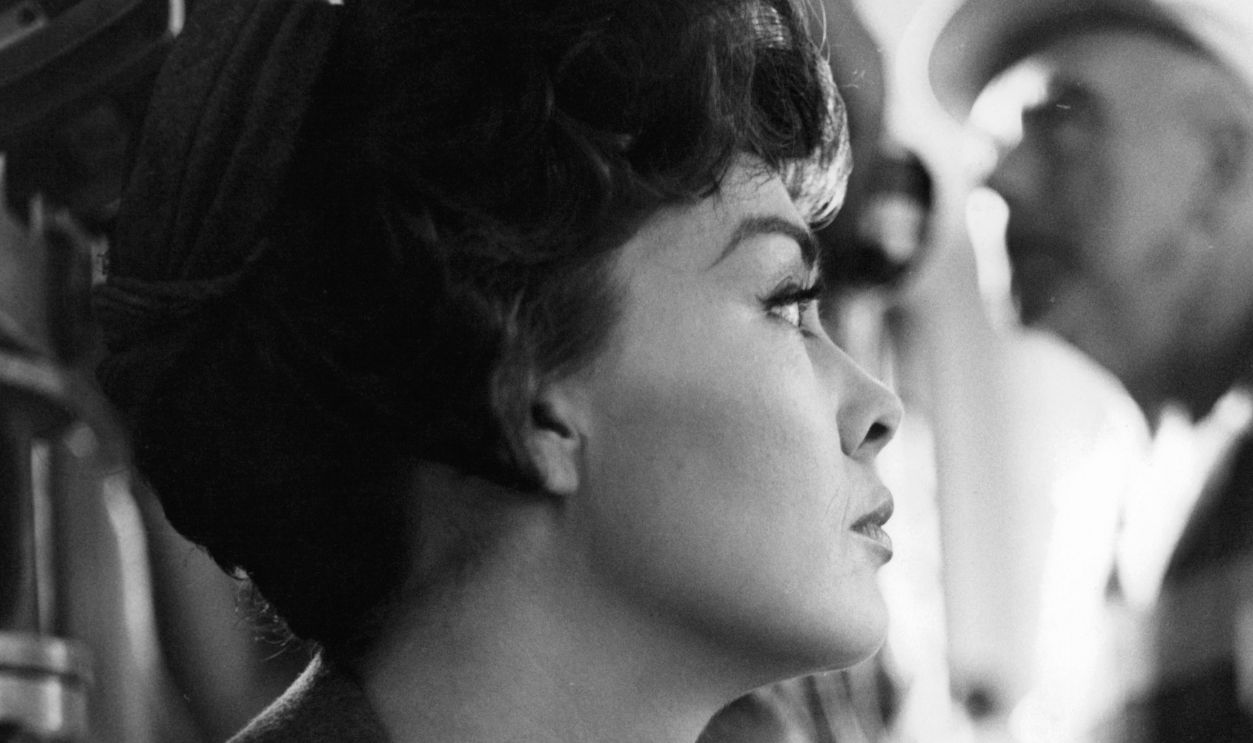
Rush's commitment to The Young Philadelphians reportedly created scheduling conflicts that caused her to lose two other film roles. The situation illustrates the practical challenges faced by busy contract-era performers. Even a prestigious assignment could close the door on other promising projects.
Comedy Offered Another Side Of Her Talent
Rush also proved comfortable in lighter material. She appeared with Frank Sinatra in the 1963 comedy Come Blow Your Horn, playing a woman who sees through the charms of his carefree bachelor. Her controlled delivery allowed her to match Sinatra without competing with his larger-than-life persona.
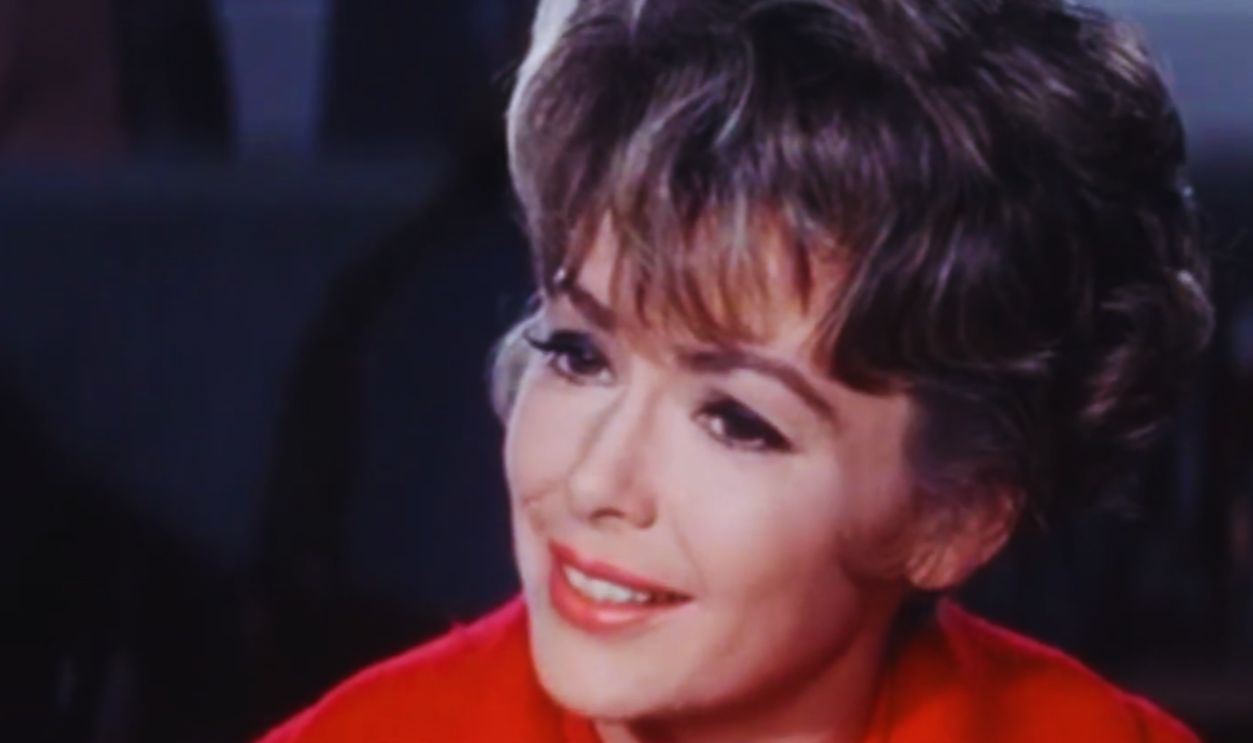 Screenshot from Come Blow Your Horn, Paramount Global (1963)
The Rat Pack Let Her Play Dangerous
Rush reunited with Sinatra and Dean Martin in the 1964 musical crime comedy Robin and the 7 Hoods. As Marian Stevens, she played a calculating woman determined to manipulate Chicago's rival gangsters. The role gave her a welcome opportunity to exchange respectable elegance for stylish villainy.
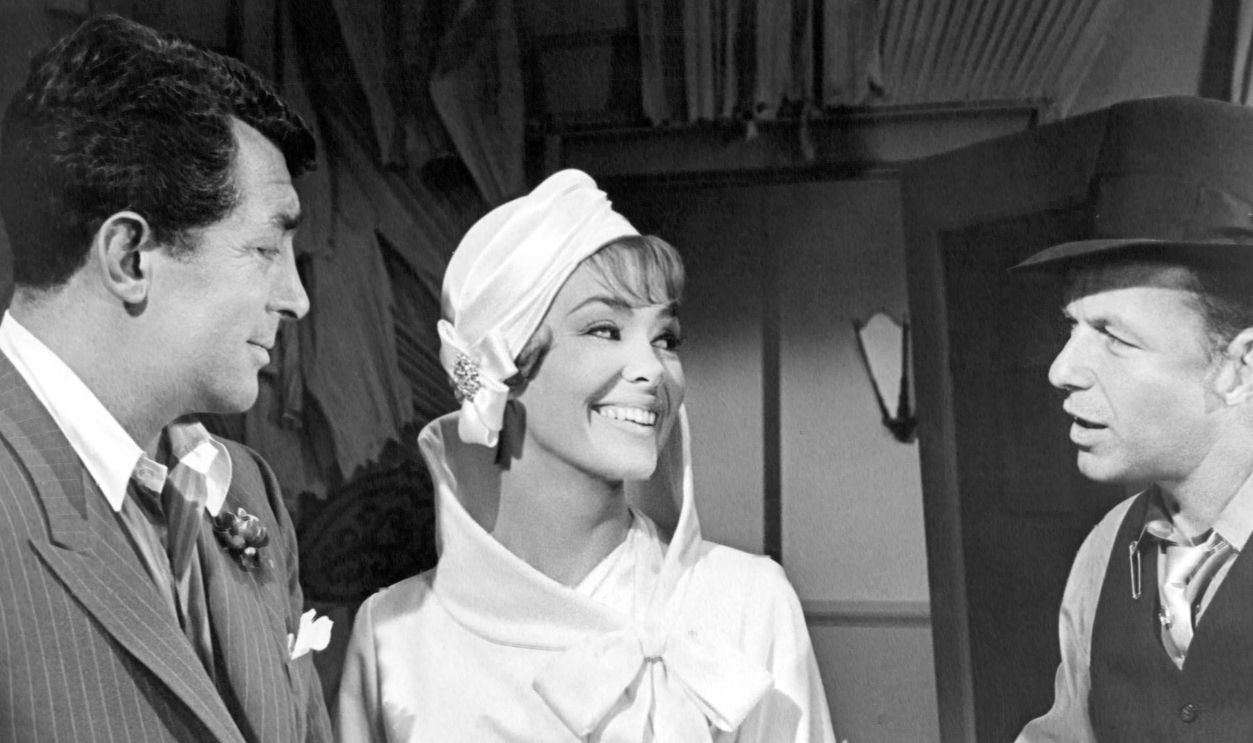 Silver Screen Collection, Getty Images
Hombre Challenged Her Screen Image
Rush worked with Paul Newman again in the 1967 Western Hombre. She played Audra Favor, the privileged and prejudiced wife of a dishonest government agent. The unsympathetic role demonstrated that Rush was willing to portray flawed women rather than protect her glamorous image.
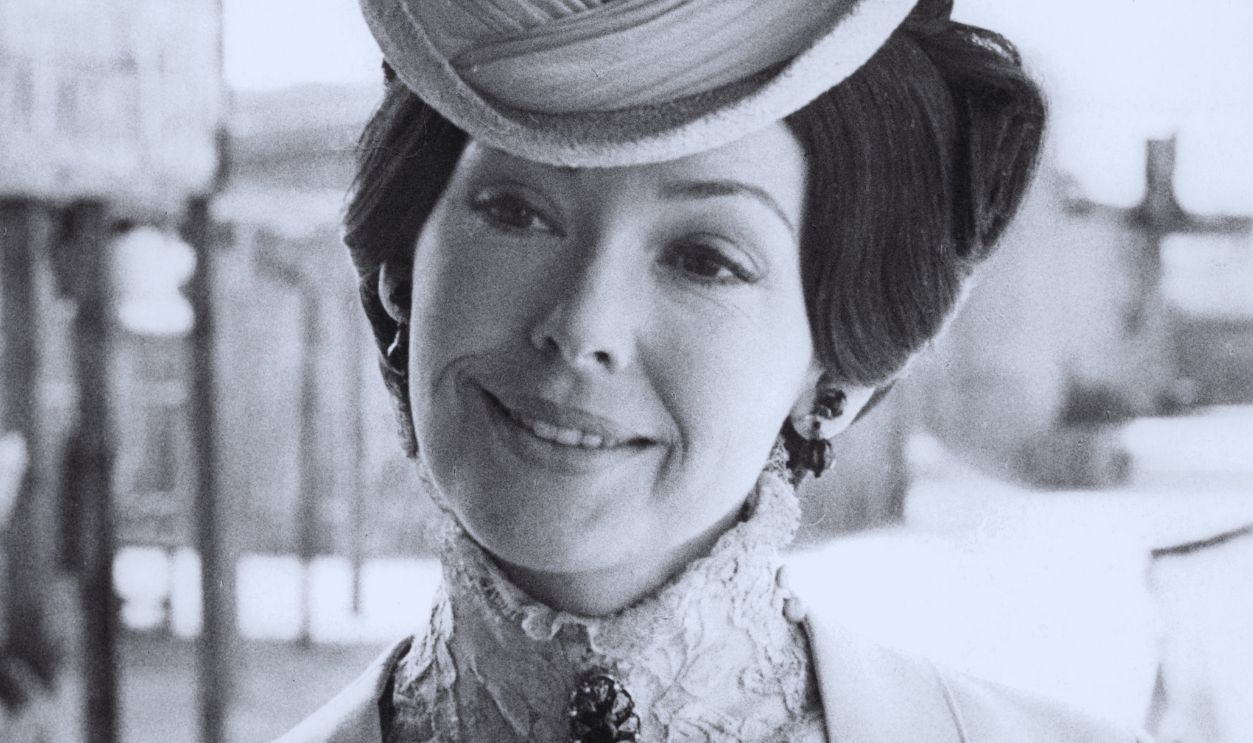 Michael Ochs Archives, Getty Images
Television Became A Natural Second Act
As film opportunities changed during the 1960s, Rush moved increasingly into television. She guest-starred on programs including Dr. Kildare, The Outer Limits, and The Fugitive. Her professionalism and recognizable presence made her an ideal choice for dramatic guest roles.
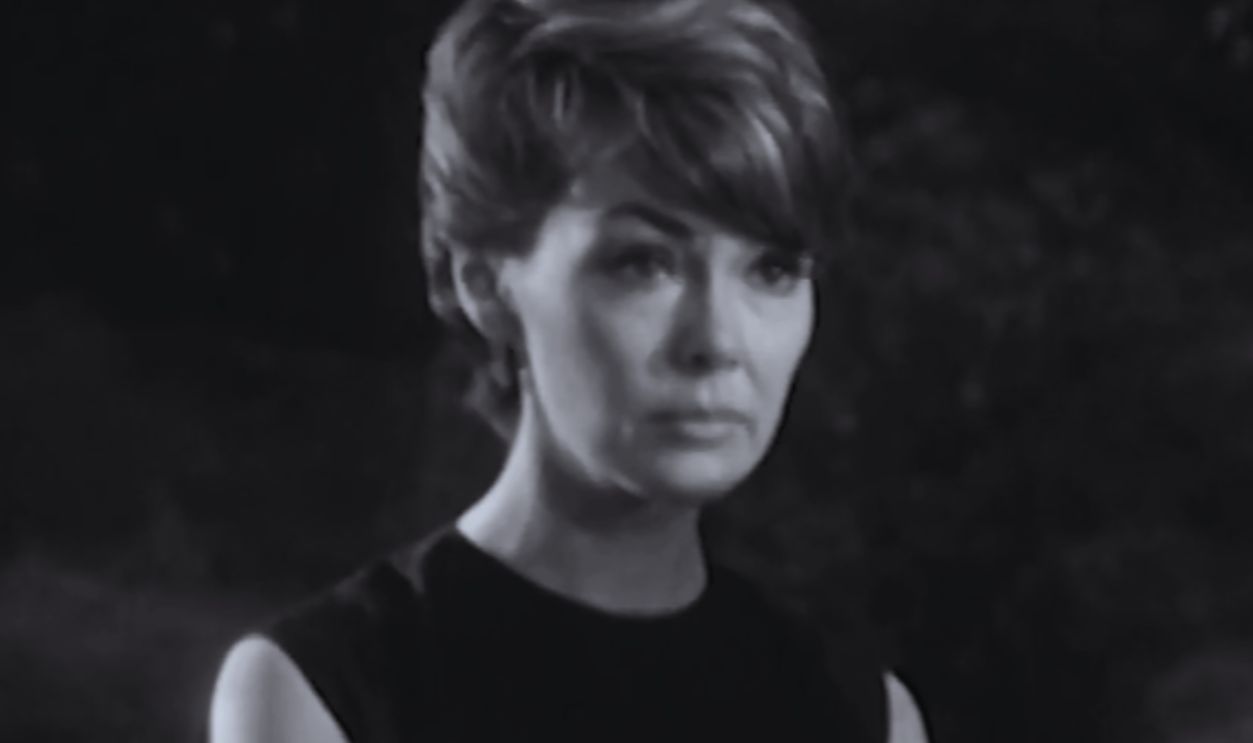 Screenshot from The Outer Limits, Amazon MGM Studios (1963-1965)
Peyton Place Gave Her A Television Showcase
Rush joined the popular prime-time drama Peyton Place in 1968 as Marsha Russell. The continuing role allowed her to develop a character across multiple episodes rather than resolving an entire story in one appearance. It also introduced her to viewers who may not have known her earlier films.
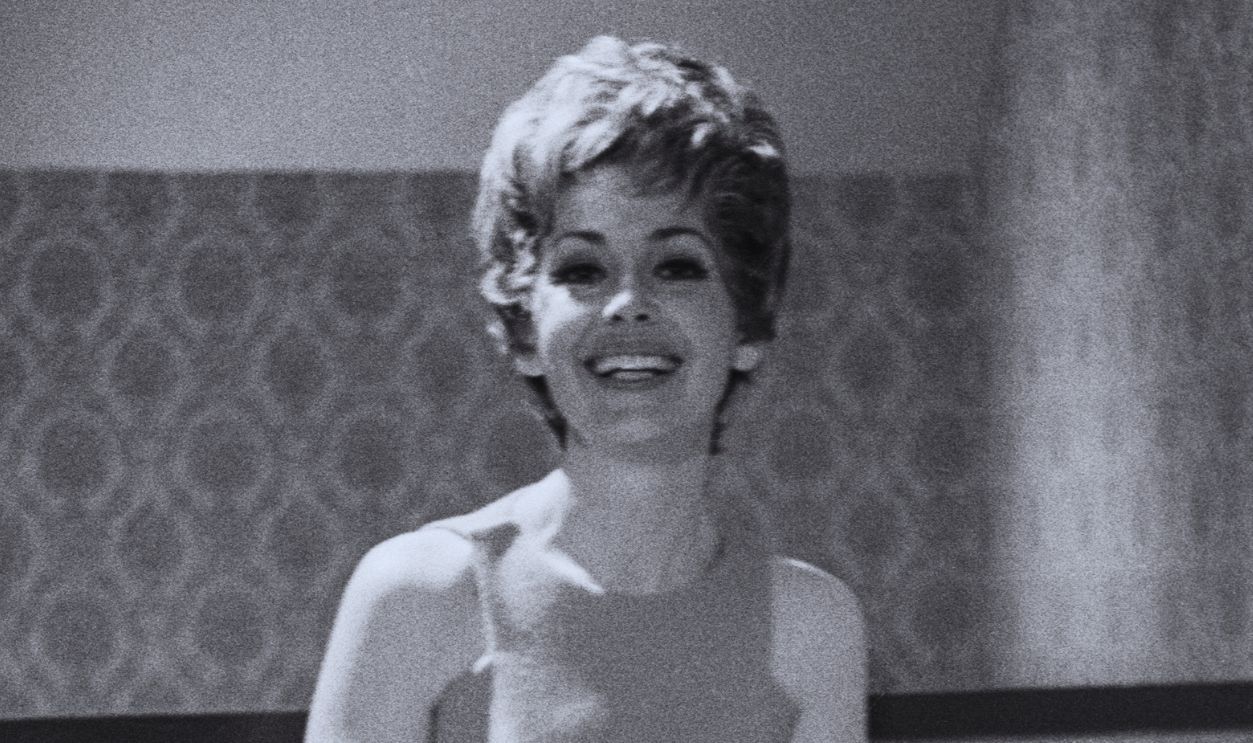
Batman Revealed Her Playful Side
In 1968, Rush appeared on Batman as the villainous Nora Clavicle. The character attempted to replace Gotham City's police force with women while secretly pursuing her own criminal scheme. Rush embraced the series' exaggerated comedy without losing her sophisticated screen presence.
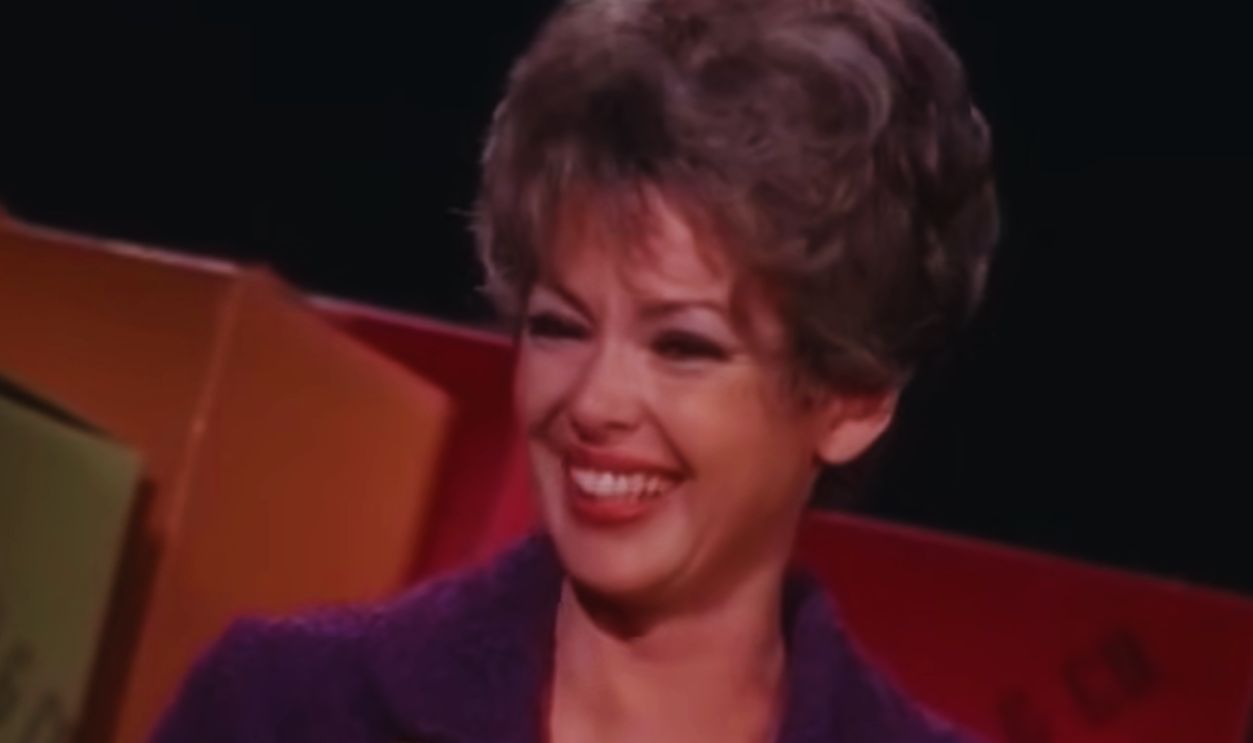 Screenshot from Batman, The Walt Disney Company (1966-168)
The Stage Remained Important
Rush never abandoned the theatrical world that had launched her career. She earned the Sarah Siddons Award for her performance in a Chicago production of Forty Carats in 1970. The honor recognized her dramatic achievements onstage at a time when television occupied much of her schedule.
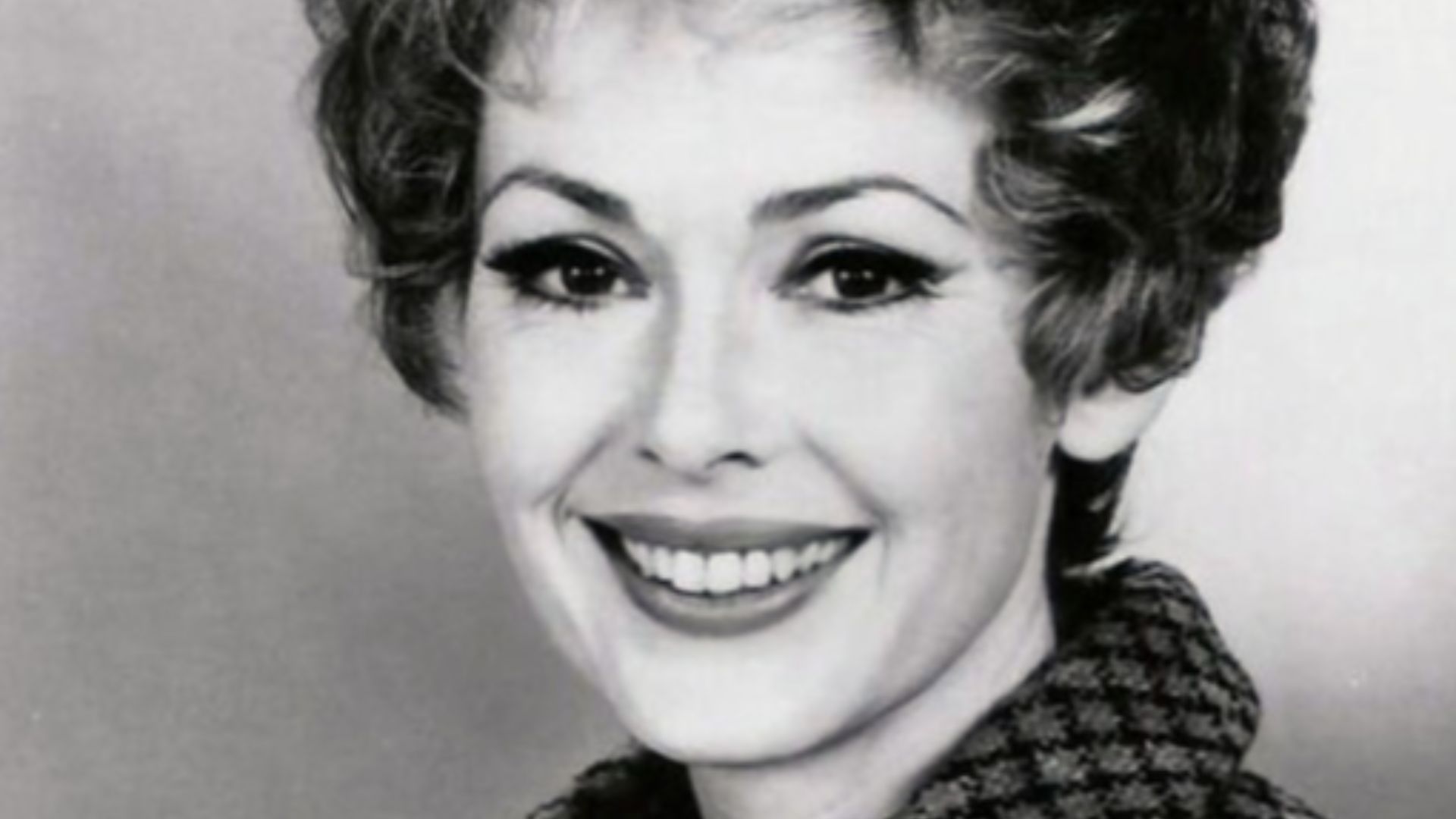 ABC Television, Wikimedia Commons
She Became A Familiar Television Presence
During the 1970s and 1980s, Rush appeared across nearly every corner of American television. Her credits included The Bionic Woman, The Love Boat, Fantasy Island, Flamingo Road, Knight Rider, and Magnum, P.I.. She could play a glamorous socialite, a concerned mother, or a mysterious guest without seeming out of place.
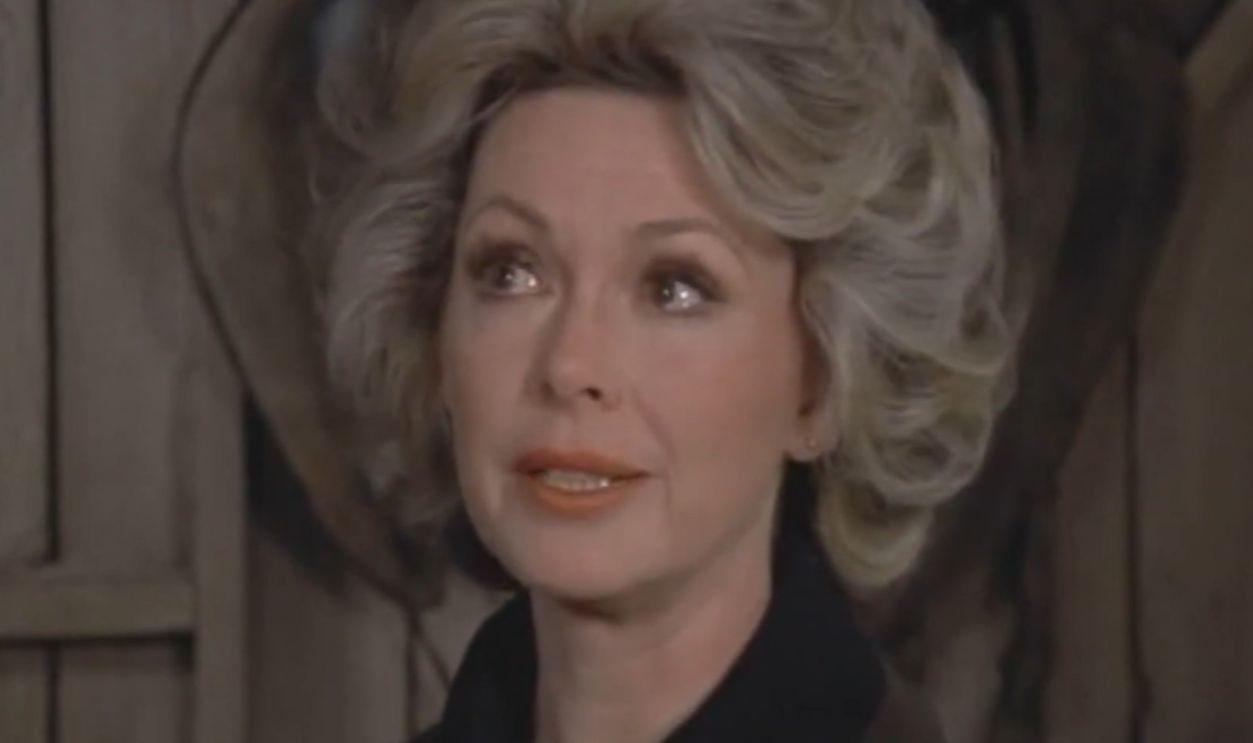 Screenshot from The Bionic Woman, NBCUniversal (1976-1978)
Broadway Finally Called
Rush brought the one-woman play A Woman of Independent Means to Broadway in 1984. Playing Bess Steed Garner required her to portray one woman's life across several decades through a series of letters. The production had a brief Broadway run, but the role demonstrated Rush's ability to command a stage alone.
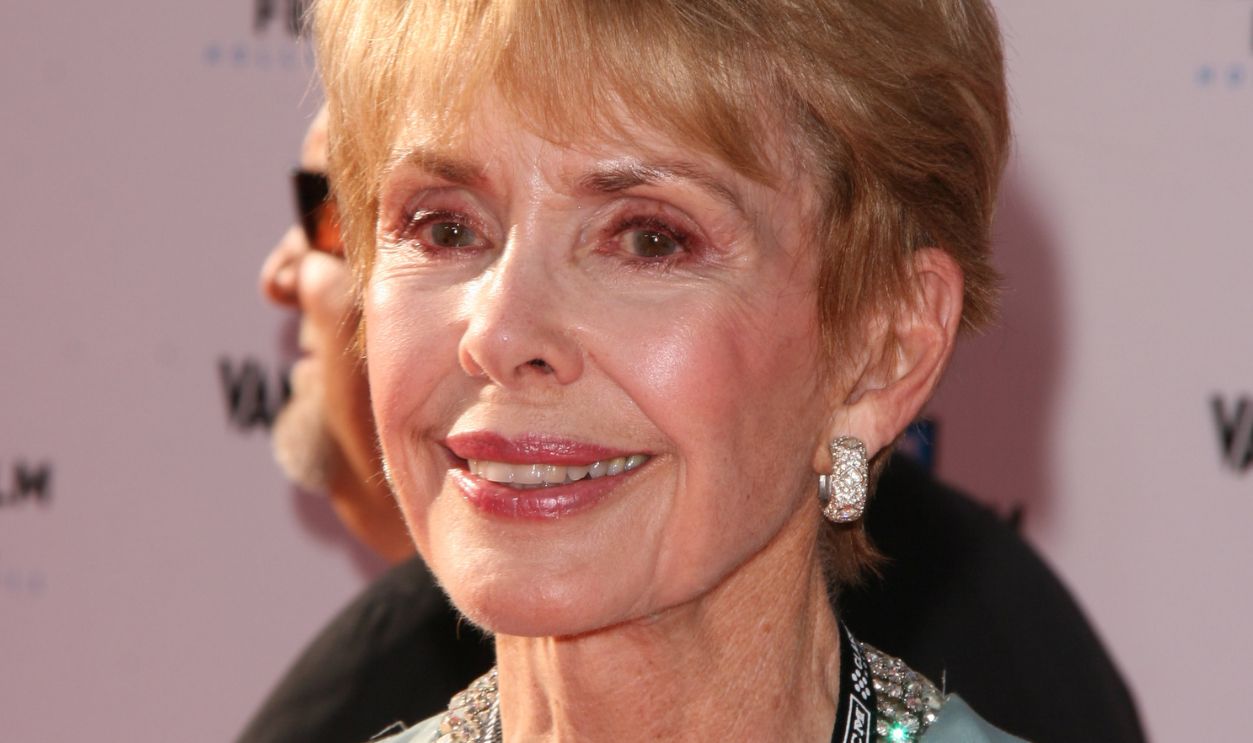
Later Roles Kept Her Connected To Viewers
Rush continued working steadily through the 1990s and 2000s. She appeared on Murder, She Wrote, had a recurring role on All My Children, and played Ruth Camden on 7th Heaven. Those appearances introduced her to audiences decades removed from her first Hollywood films.
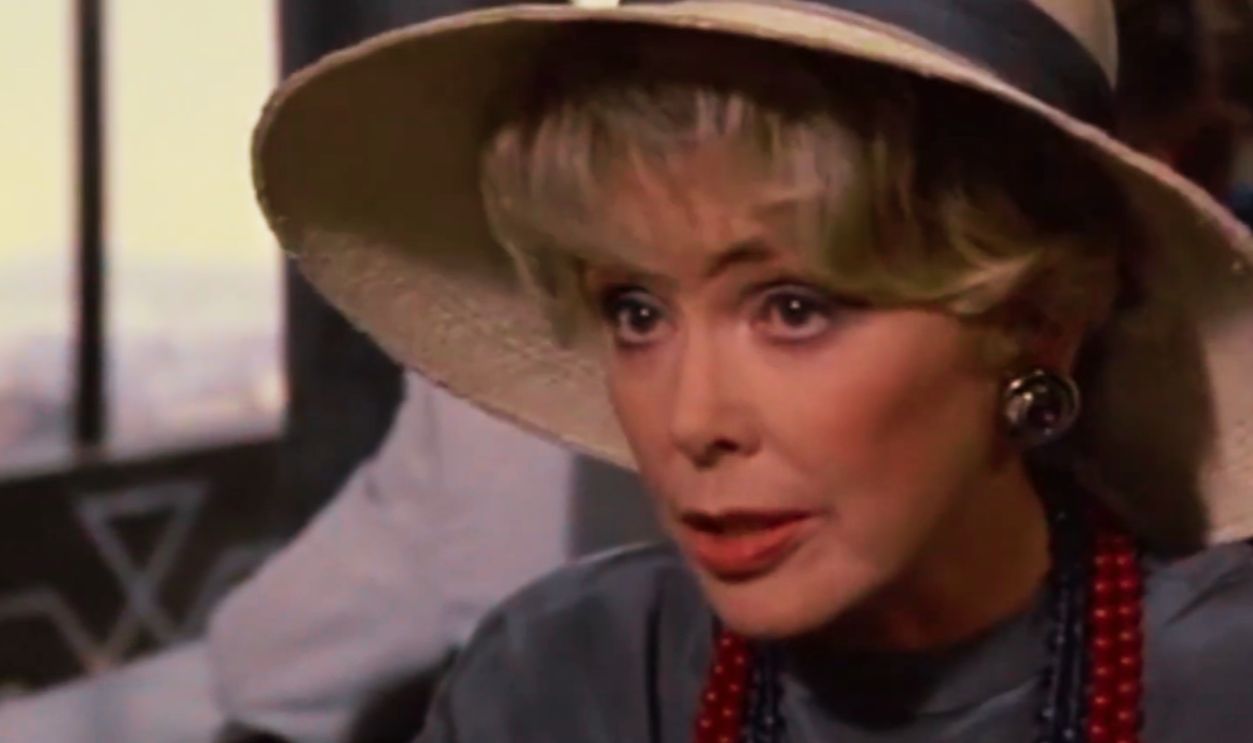 Screenshot from Murder, She Wrote, NBCUniversal (1984-1996)
Dependability Became Her Lasting Legacy
Rush died on March 31, 2024, at the age of 97. She left behind a career that stretched from the final years of the studio system to modern network television. Her legacy rests not on one overpowering persona, but on the intelligence, grace, and reliability she brought to every assignment.
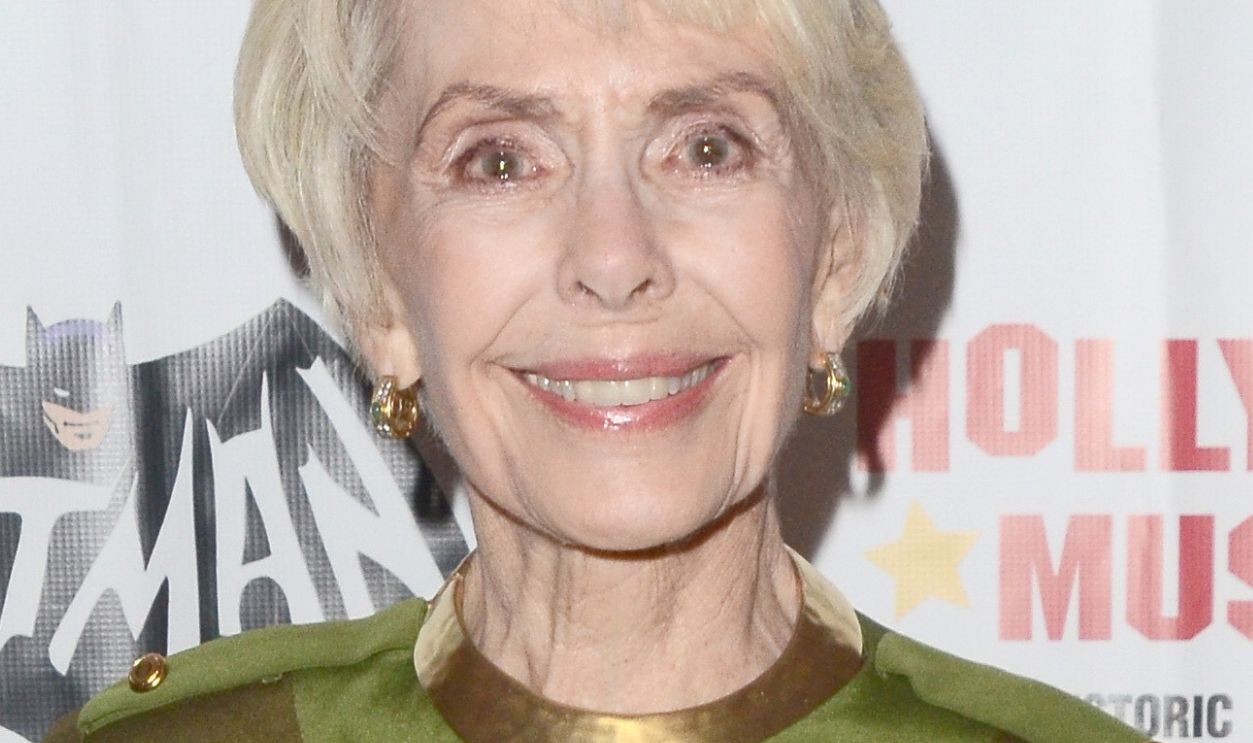
Hollywood Could Always Count On Her
Barbara Rush may not have received the towering fame enjoyed by Newman, Sinatra, Brando, or Hudson. Yet she worked with all of them while creating memorable performances across film, television, and theater. Hollywood kept calling because Rush consistently made every production stronger.
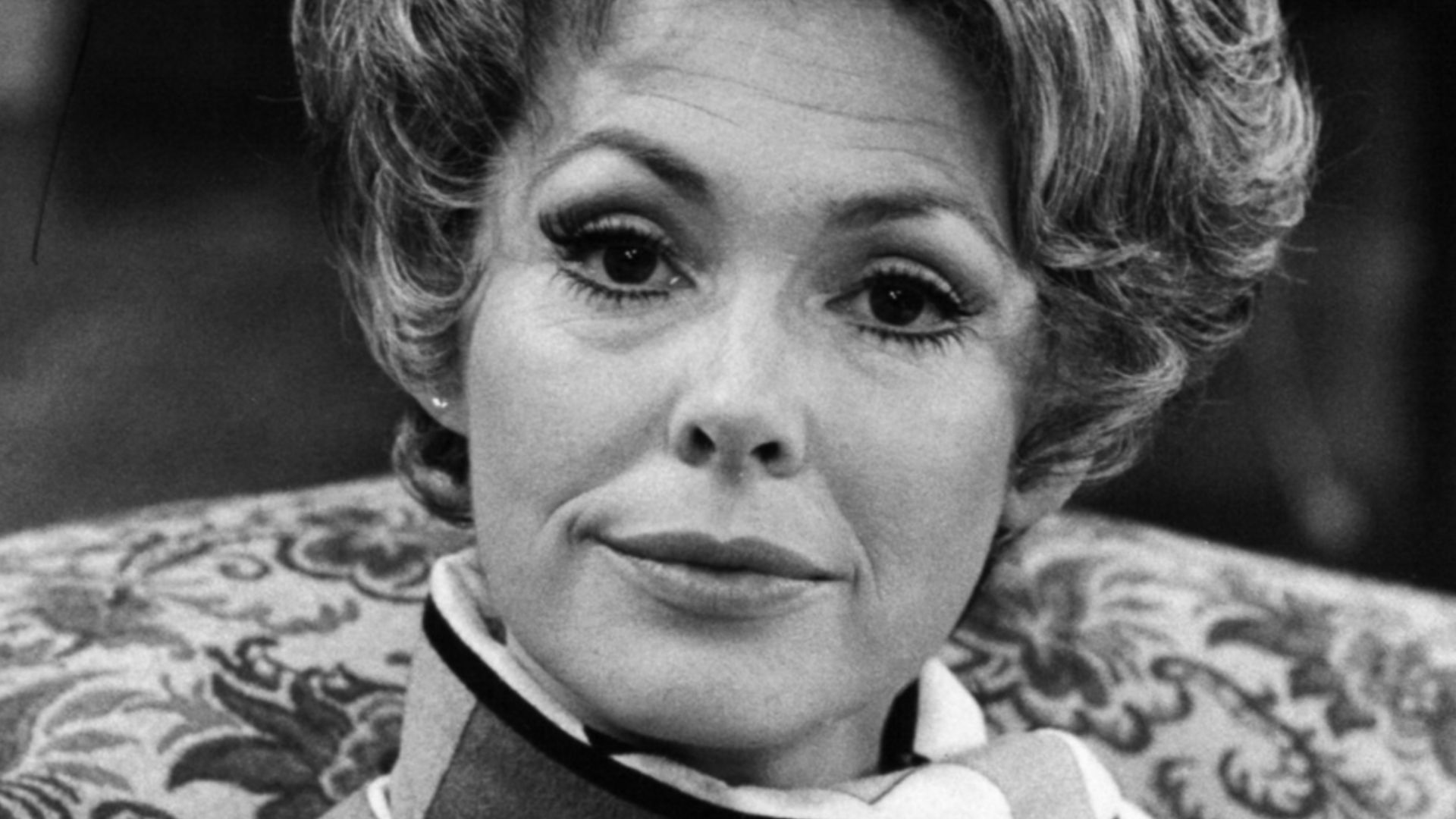 CBS Television, Wikimedia Commons
You May Also Like:
Barbara Stanwyck Was a Screen Legend—But Her Surprising Choices Made Her Unique in Hollywood
Amanda Blake's Greatest Legacy Had Nothing To Do With Gunsmoke
How Peter Graves Built A Television Career That Lasted More Than 50 Years