Hollywood Never Had Another Barbara Stanwyck
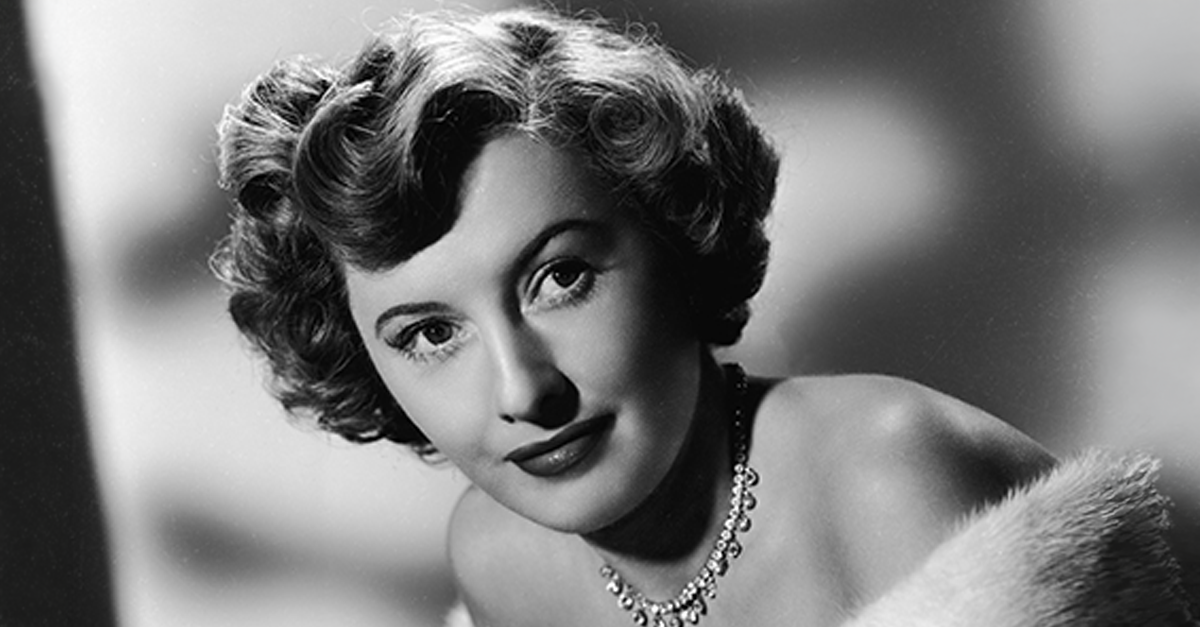
Barbara Stanwyck remains one of the most respected stars in Hollywood history, but her path to fame was anything but typical. She did not arrive in Hollywood with a famous family name or a studio-made fairy tale. Instead, she built her career through a painful childhood, a Broadway education, and a work ethic that became legendary. By the time audiences knew her as Barbara Stanwyck, she was already tougher than Hollywood itself.
She Started Life As Ruby Stevens
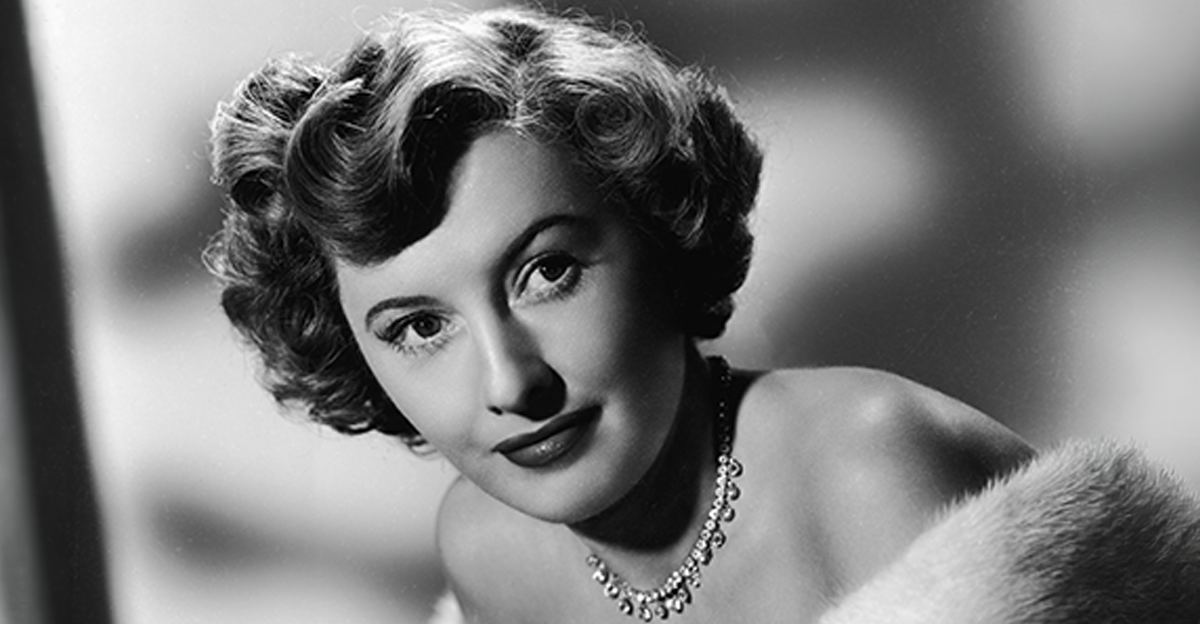
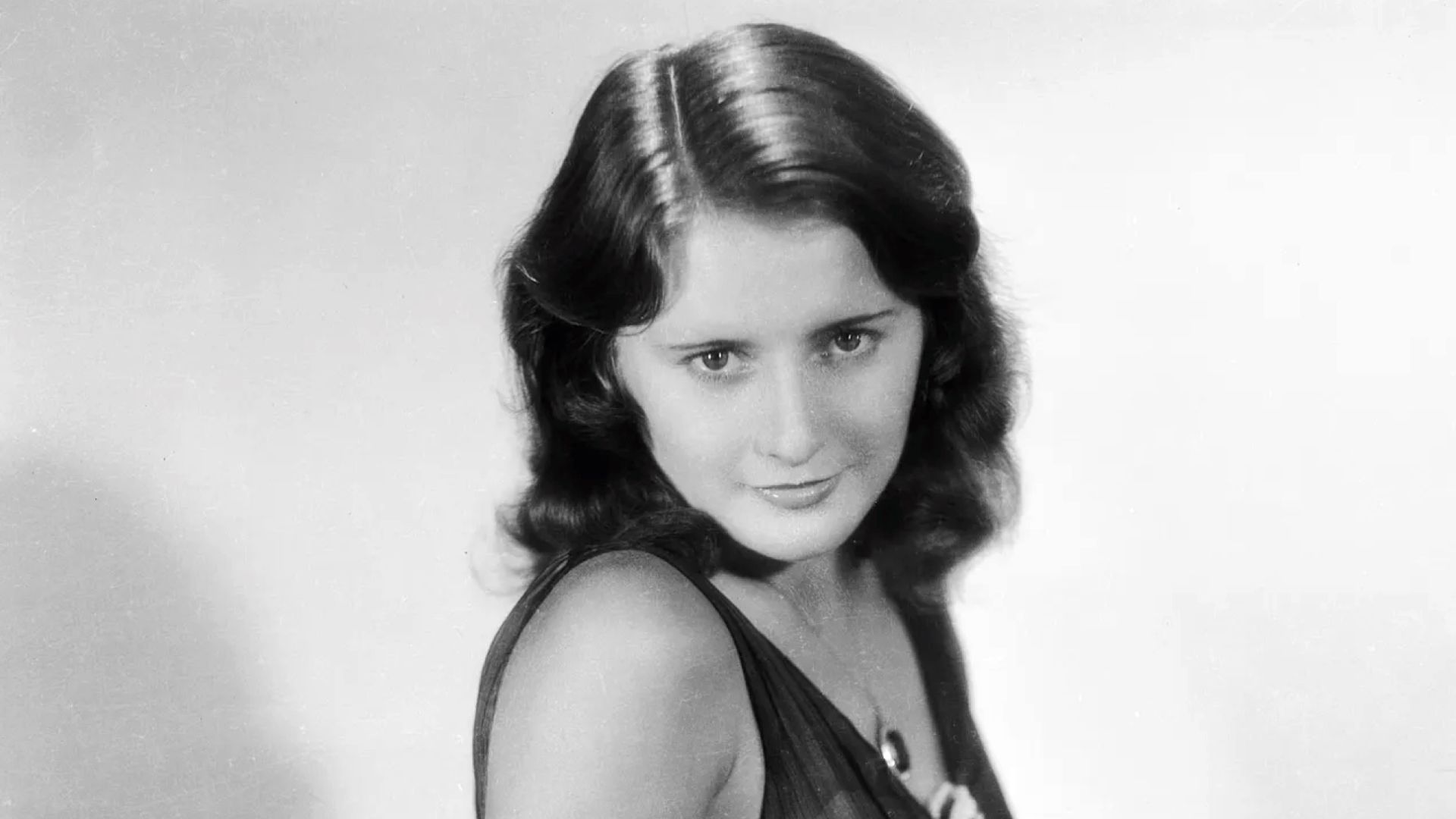
Stanwyck was born Ruby Catherine Stevens in Brooklyn, New York, on July 16, 1907. Her childhood changed permanently after her mother died and her father left the family. She was raised partly by an older sister and partly in foster care, which gave her a toughness that later seemed to glow on screen.
 Unknown authorUnknown author, Wikimedia Commons
She Went To Work Early
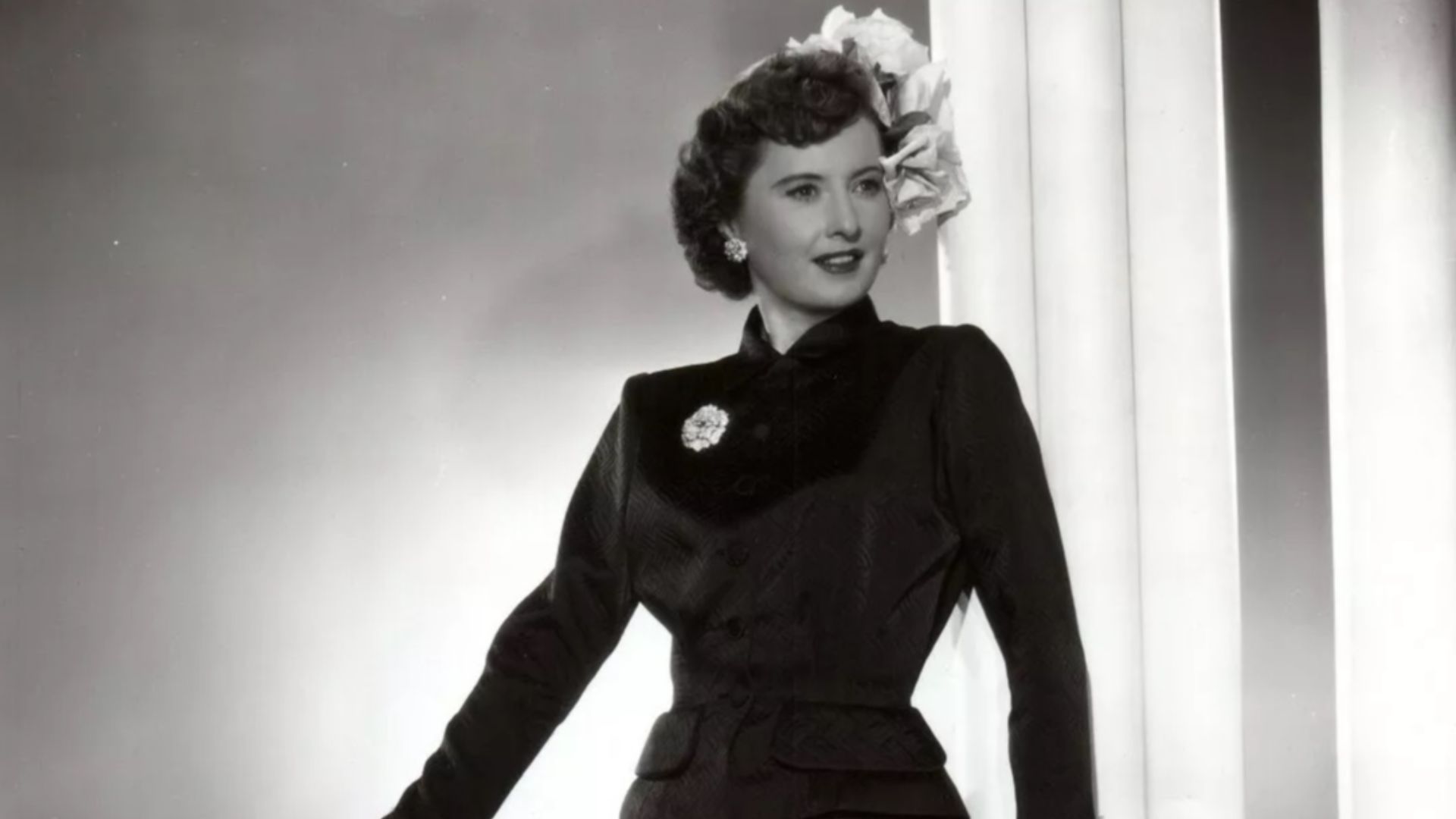
Stanwyck’s formal education ended after eighth grade. By age 14, she was already working, and by 15, she was performing as a chorus girl. That early independence shaped the no-nonsense image that later made her feel so different from many polished Hollywood stars.
 Whitey Schafer, Wikimedia Commons
Broadway Gave Her A New Identity
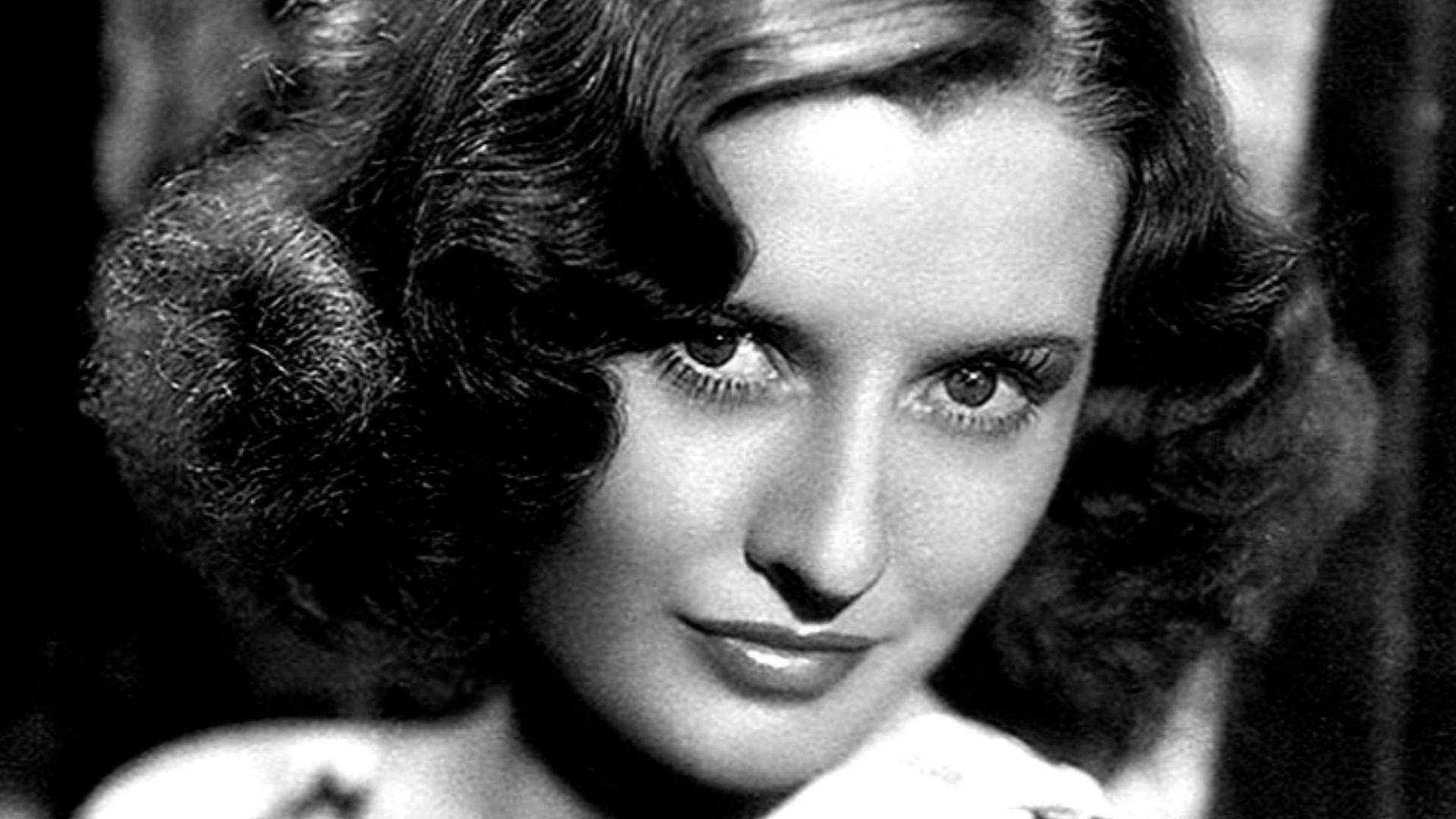
Ruby Stevens became Barbara Stanwyck after landing a role in the Broadway play The Noose in 1926. The name change helped her step into a new professional life. Her acclaimed stage work in Burlesque soon brought movie offers, and Hollywood started calling.
 Unknown photographer, Wikimedia Commons
Her First Films Did Not Make Her A Star
Stanwyck’s first credited leading film role came in The Locked Door in 1929. That film and Mexicali Rose did not make much of a splash. Her real breakthrough came when Frank Capra cast her in Ladies of Leisure in 1930.
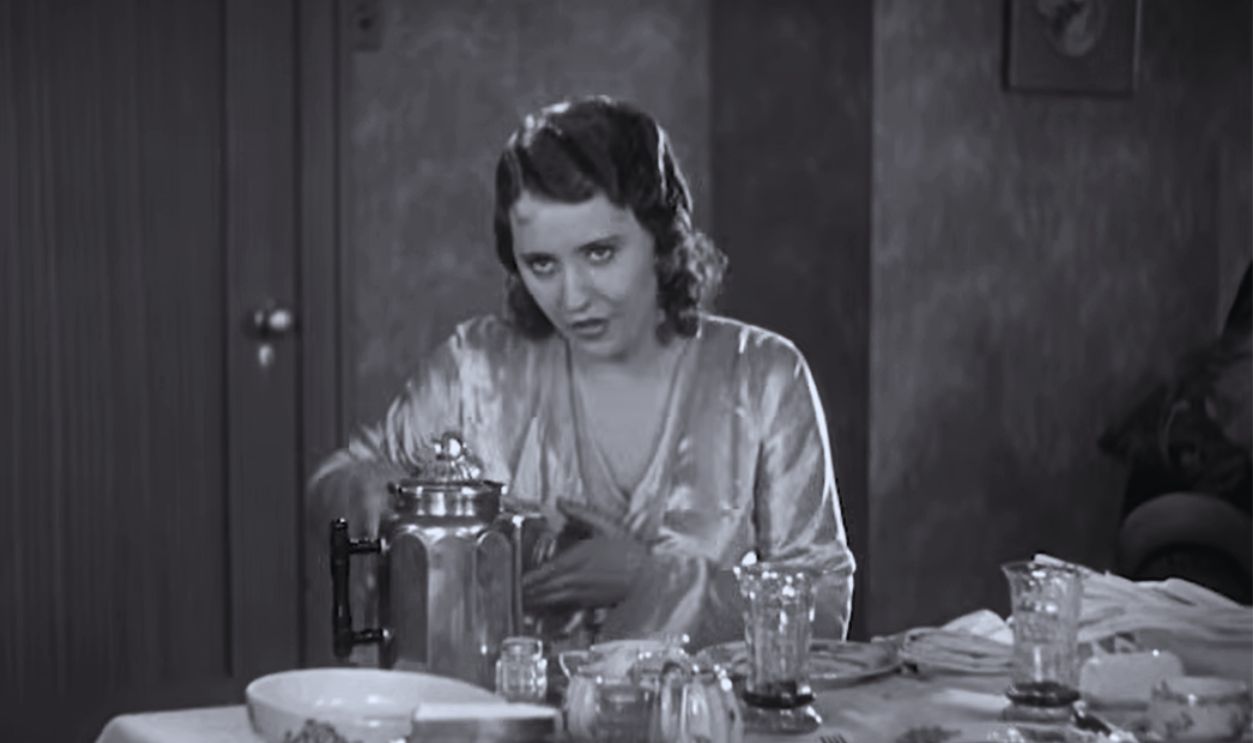 Screenshot from Ladies of Leisure, Columbia Pictures (1930)
Frank Capra Saw What Others Missed
Capra helped Stanwyck translate her raw stage energy into movie acting. He directed her in several important films, including The Bitter Tea of General Yen and Meet John Doe. Their collaborations showed that Stanwyck could be tough, tender, funny, and heartbreaking without changing who she was.
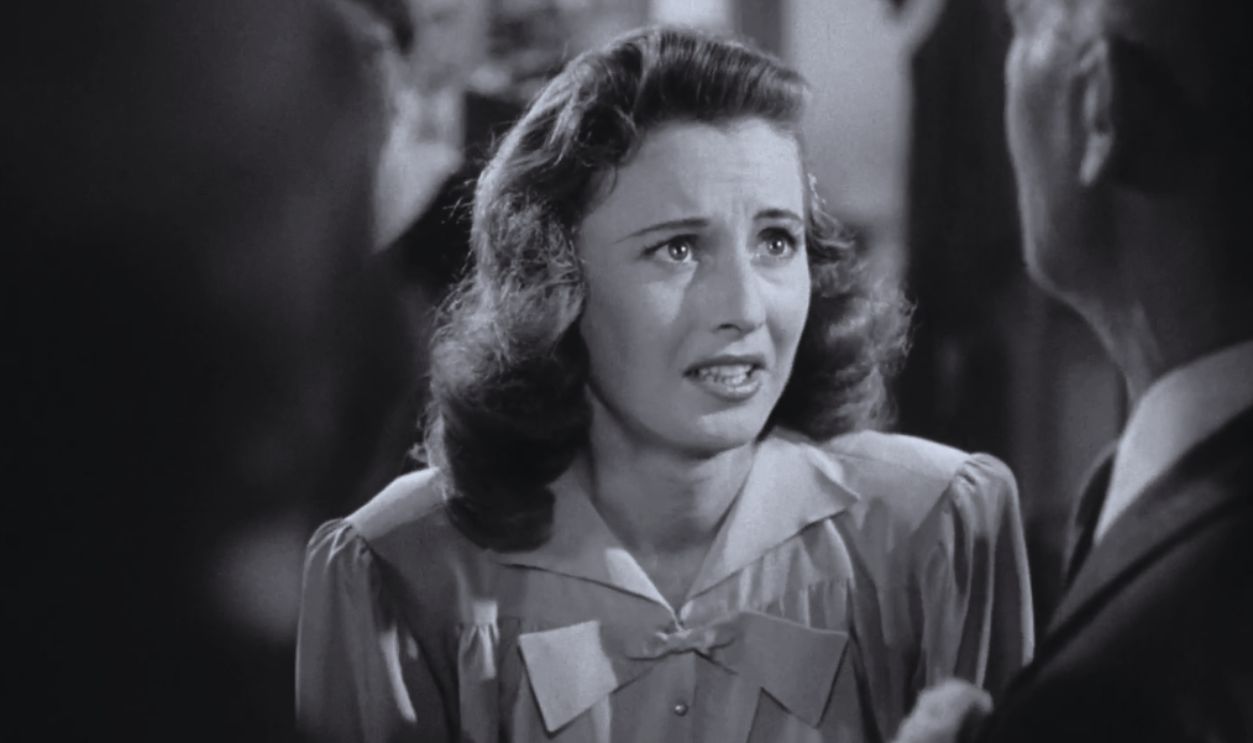 Screenshot from Meet John Doe, Warner Bros. Pictures (1941)
She Played Women Who Knew The World
Stanwyck became famous for characters who felt sharp, practical, and emotionally alive. She was especially powerful as women who had seen hardship and refused to be crushed by it. That quality made her one of the great screen faces of the Great Depression era.
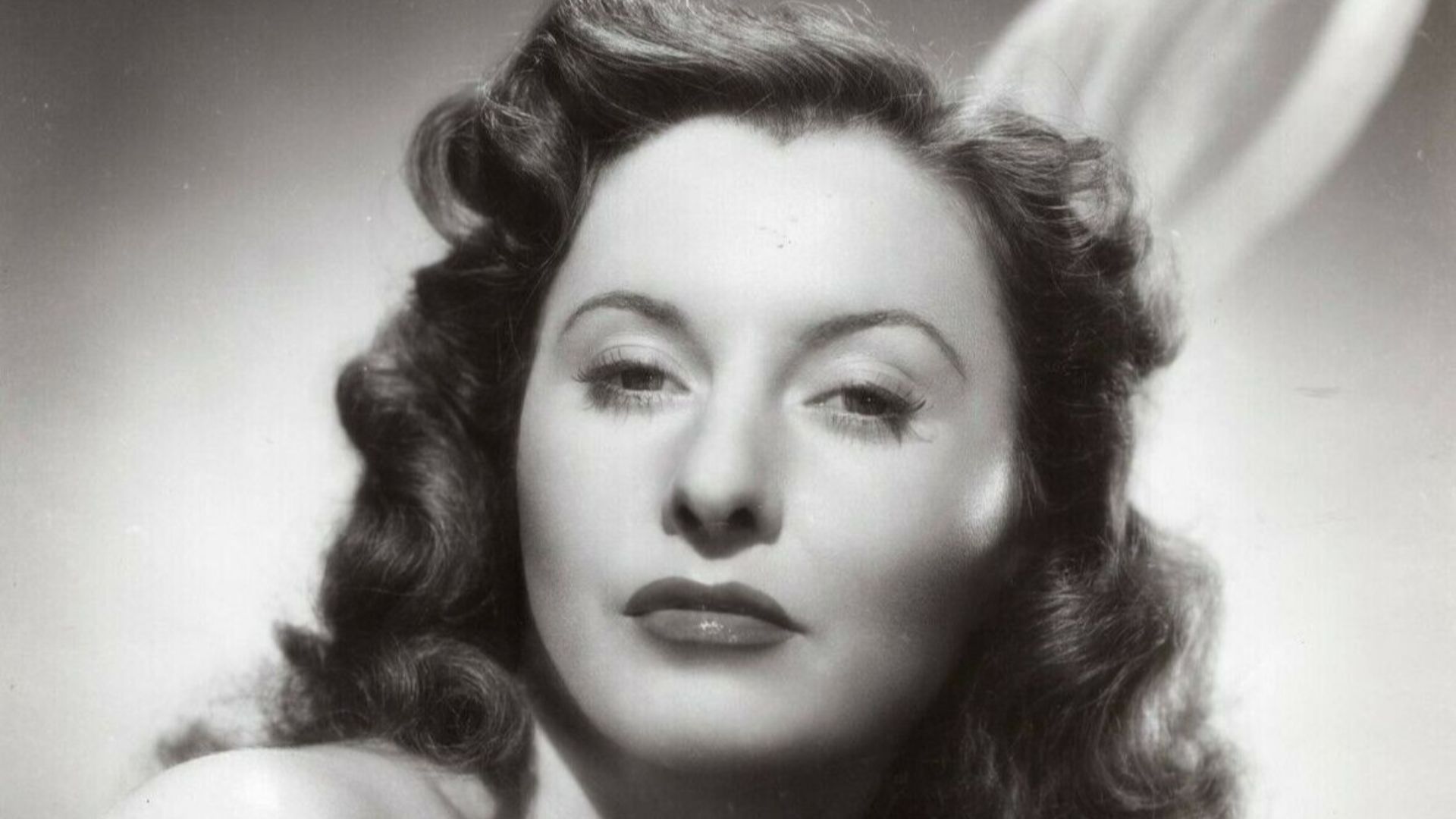 Whitey Schafer, Wikimedia Commons
Baby Face Pushed Boundaries
In Baby Face, released in 1933, Stanwyck played an ambitious woman who uses men and power to climb the social ladder. The film became one of her most famous pre-Code roles. It showed how fearless she could be when Hollywood briefly allowed women characters to be morally complicated.
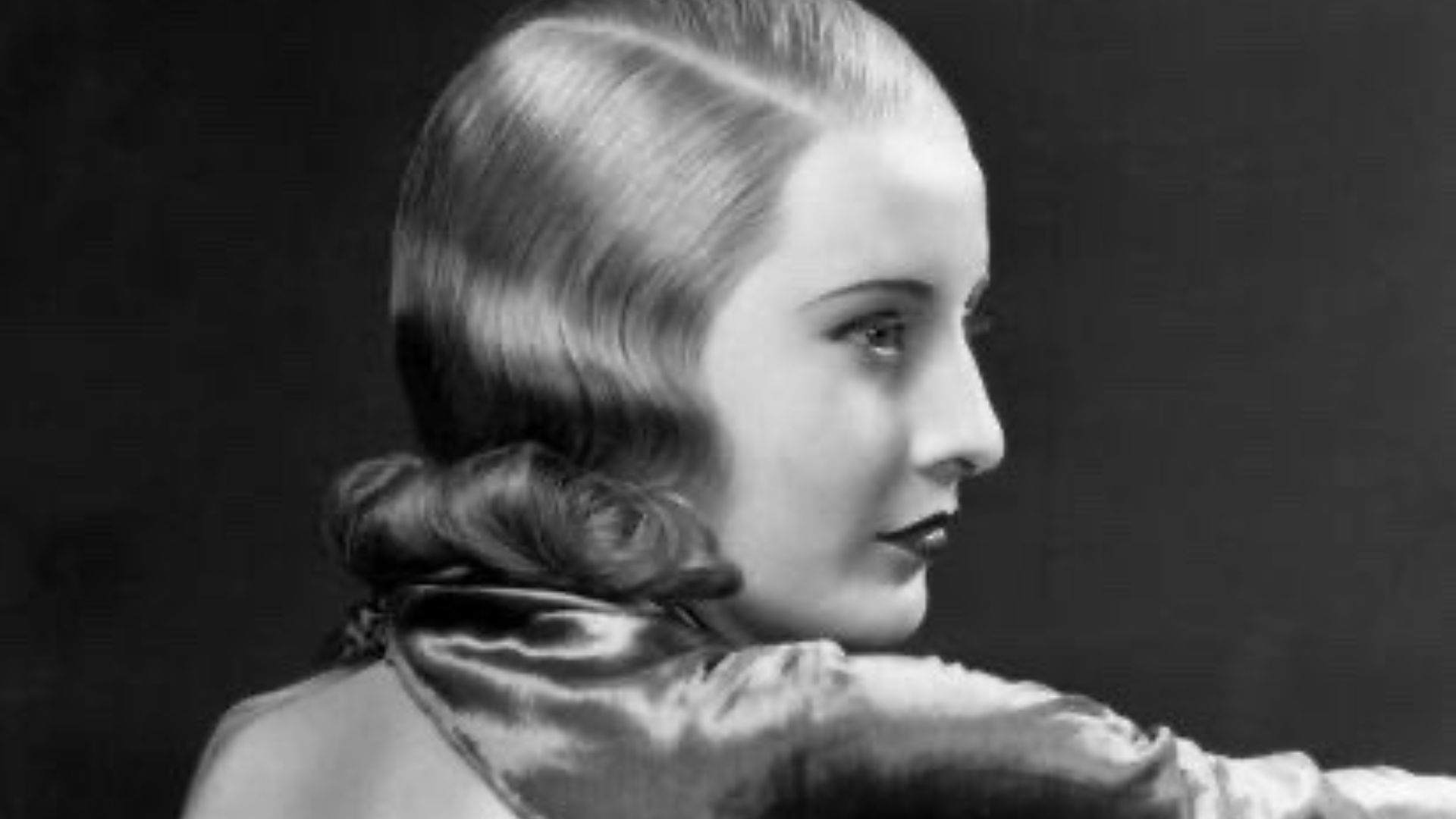 Unknown authorUnknown author, Wikimedia Commons
She Chose Freedom Over Studio Security
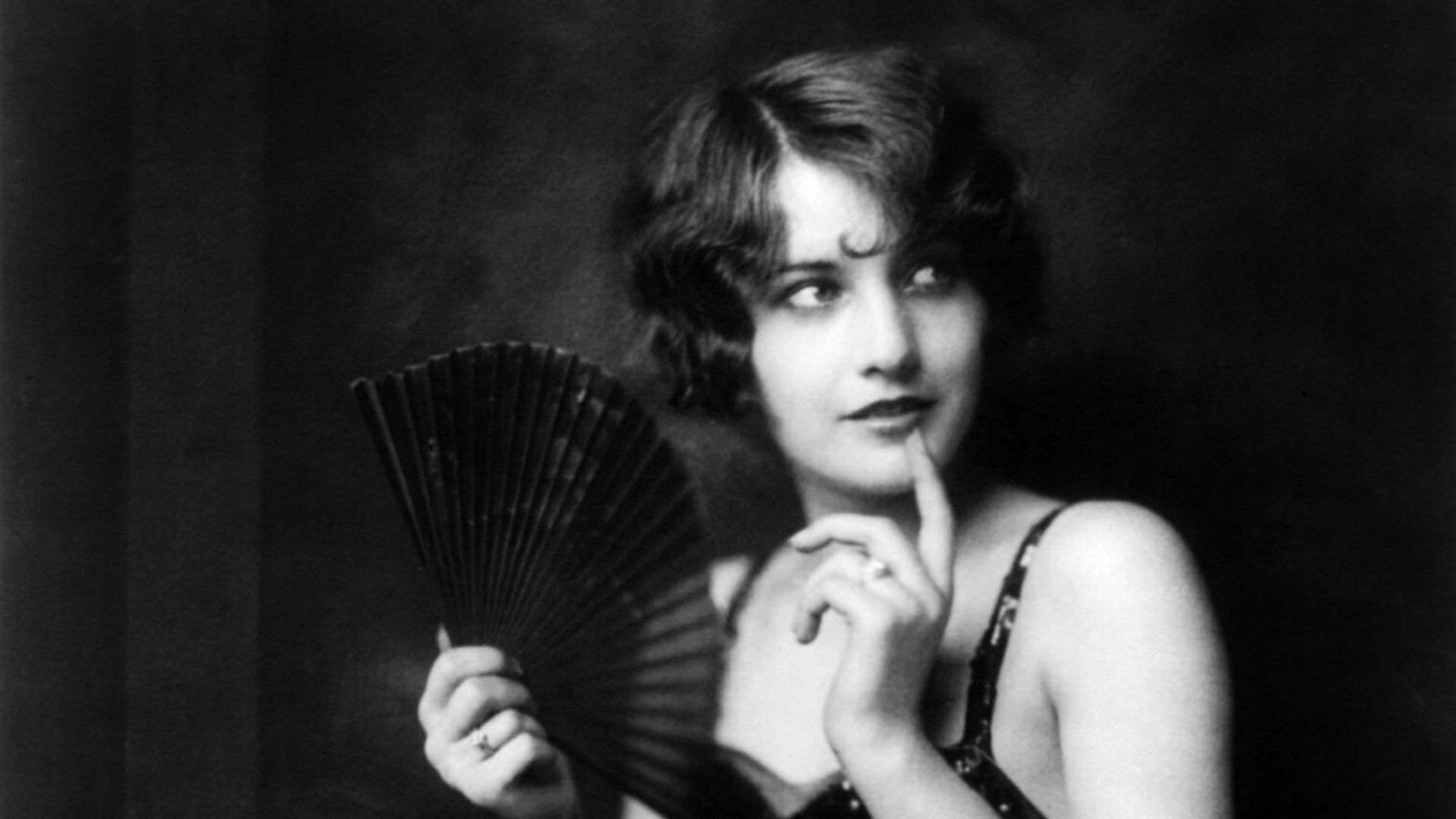
After her Warner Bros. contract ended in 1948, Stanwyck worked as a freelance actor. That was a bold path in an era when studios controlled many stars through long-term contracts. It gave her room to move between studios, genres, and roles with unusual independence.
 Alfred Cheney Johnston, Wikimedia Commons
Stella Dallas Made The Academy Notice
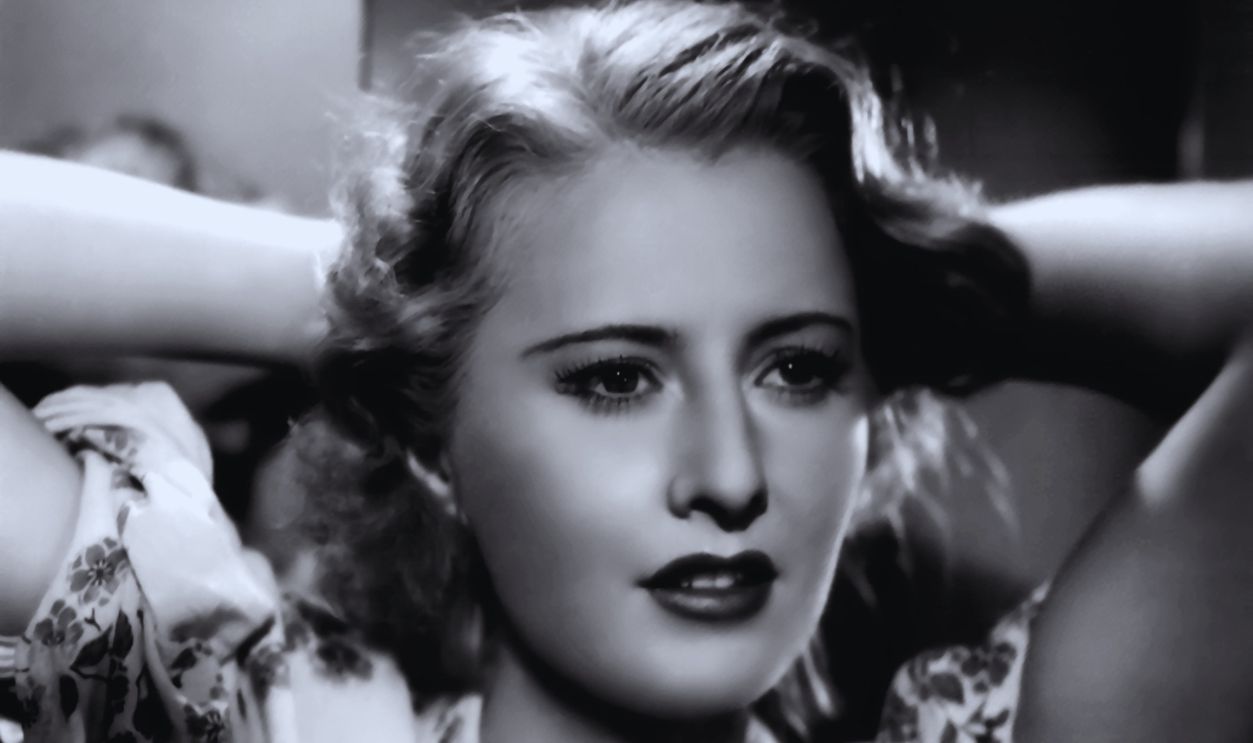
Stanwyck earned her first Academy Award nomination for Stella Dallas in 1937. She played a mother who sacrifices her own happiness for her daughter’s future. The role helped prove that her toughness could sit right beside devastating vulnerability.
 Studio publicity still, Wikimedia Commons
She Helped Save William Holden’s Career
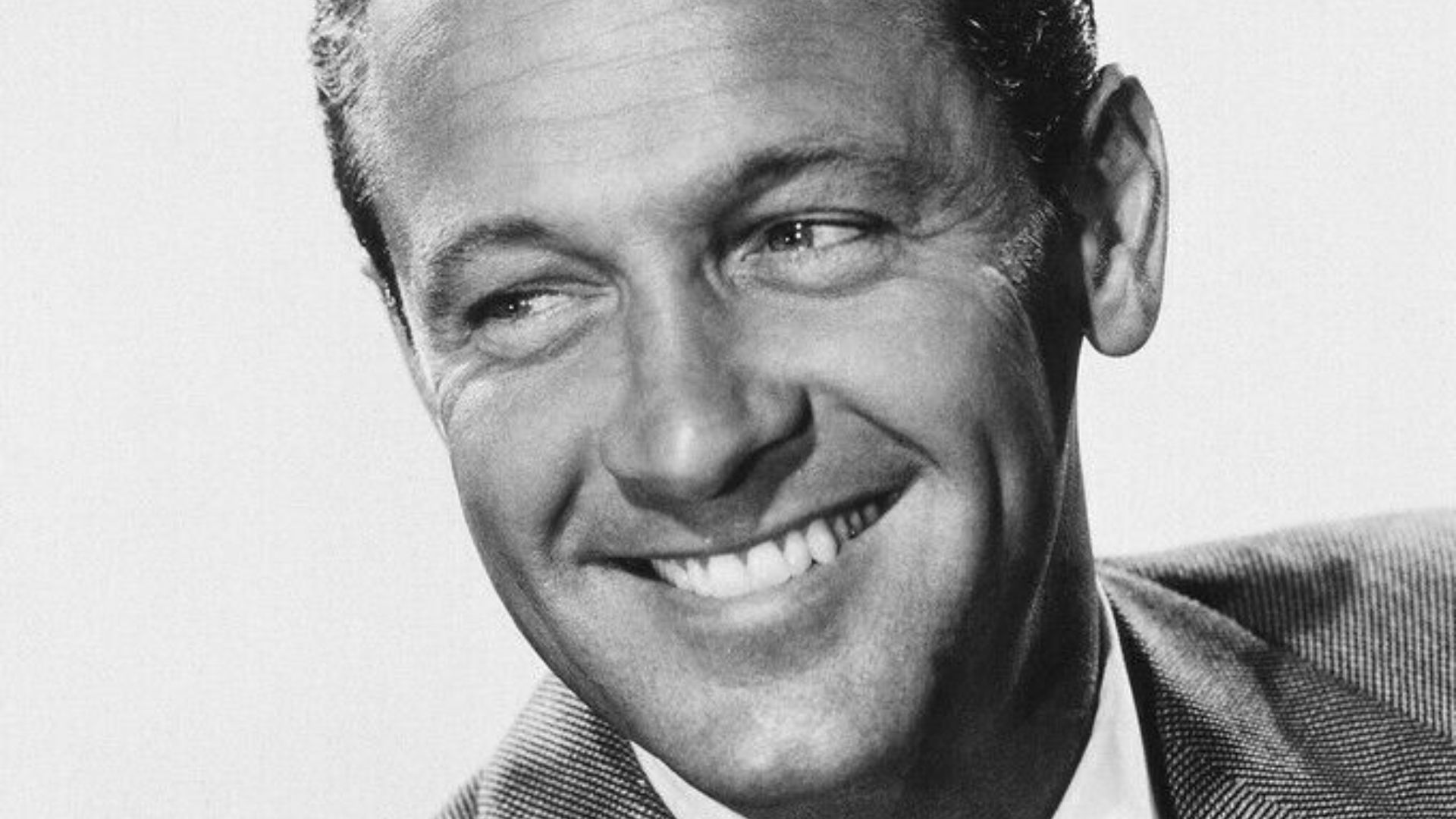
During Golden Boy, producers reportedly considered replacing young William Holden. Stanwyck stood up for him, and Holden later credited her support with helping his career survive. Years later, when she received her honorary Oscar, she remembered him with deep affection.
 Studio Publicity, Wikimedia Commons
Comedy Loved Her Too
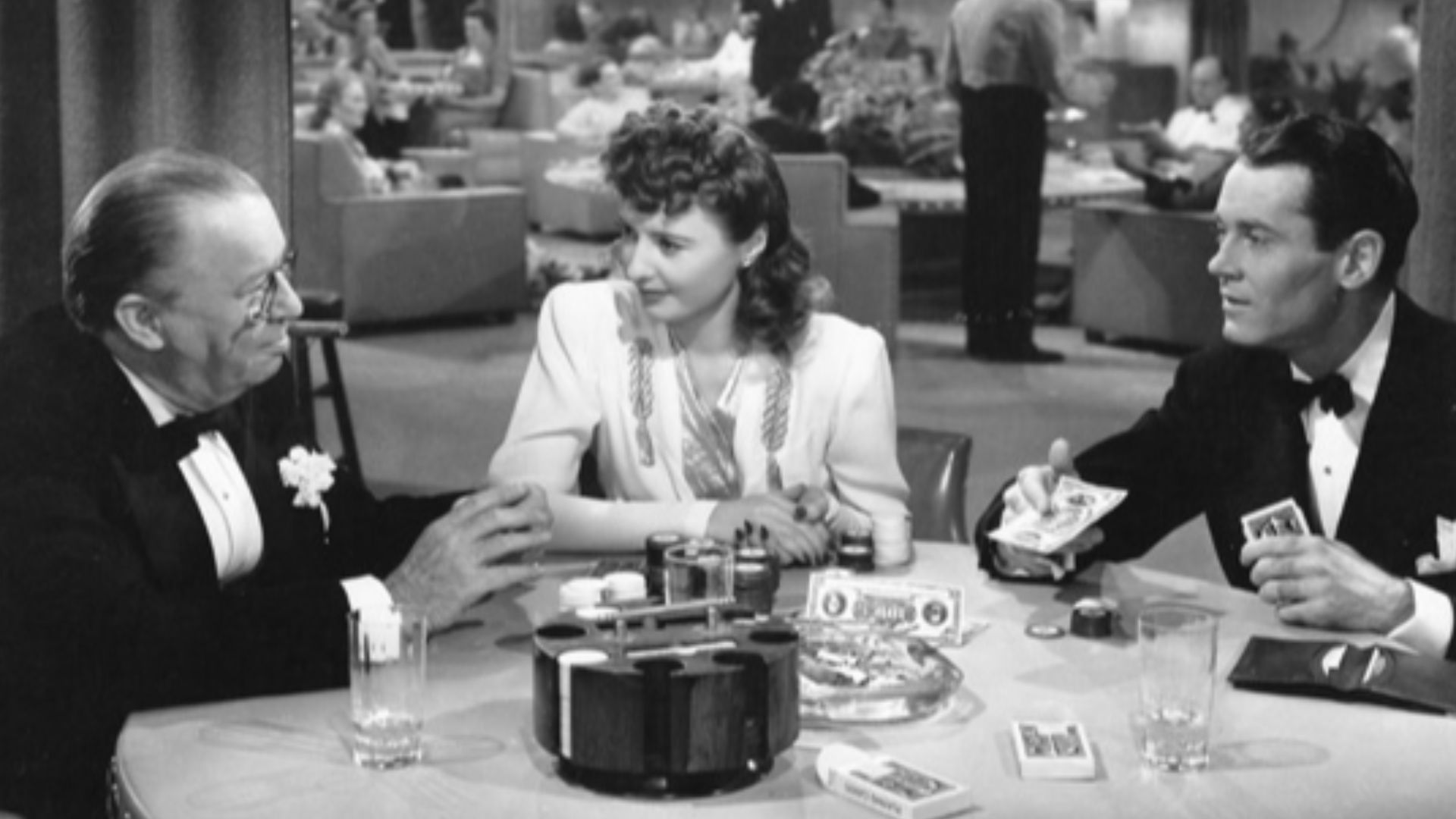
Stanwyck was not only a queen of drama. In The Lady Eve and Ball Of Fire, both released in 1941, she showed sparkling comic timing. Her ability to be sly, romantic, and completely grounded made her screwball work feel unusually modern.
 Paramount Pictures, Wikimedia Commons
She Reached A Career Peak In The 1940s
The early 1940s became one of Stanwyck’s strongest periods. She appeared in The Lady Eve, Meet John Doe, Ball Of Fire, and Double Indemnity within a few years. By 1944, The New Yorker reported that she earned $400,000, making her the highest-paid woman in America.
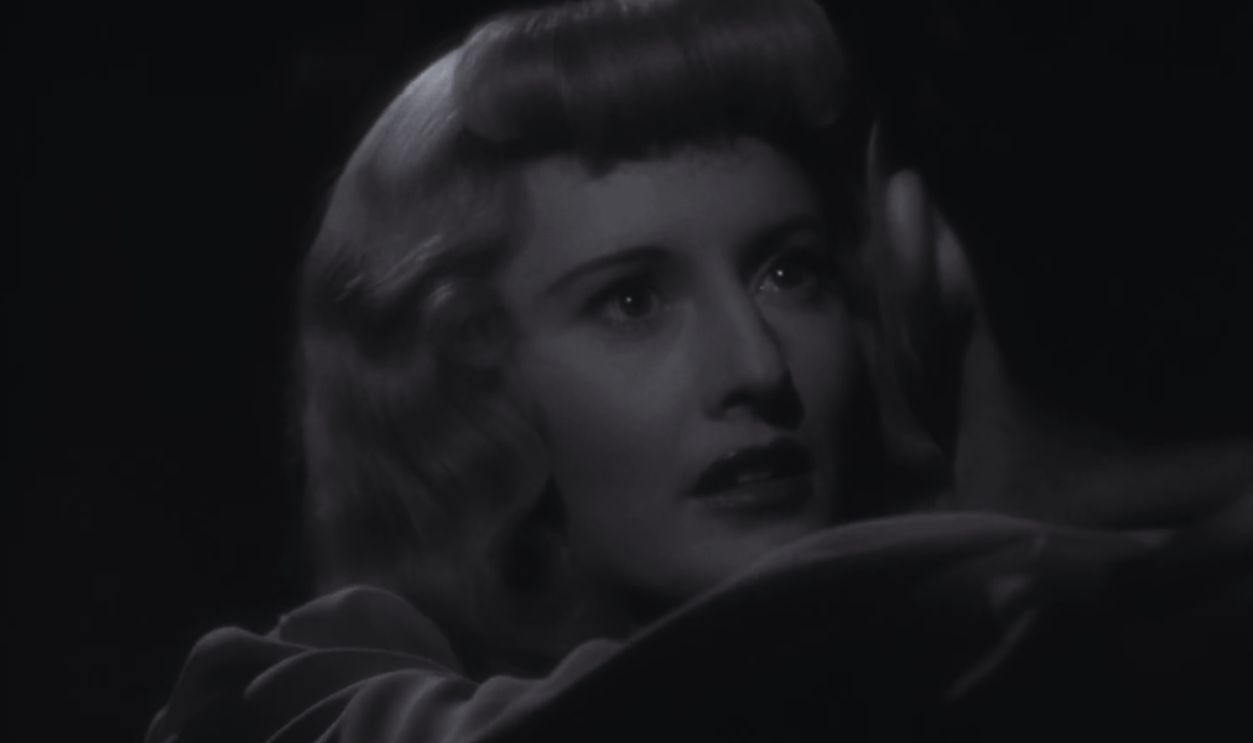 Screenshot from Double Indemnity, Paramount Pictures (1944)
Double Indemnity Turned Her Into Noir Royalty
In Double Indemnity, Stanwyck played Phyllis Dietrichson opposite Fred MacMurray. The film became one of the defining noir classics, and her performance remains one of her most famous. She made danger look elegant, controlled, and disturbingly believable.
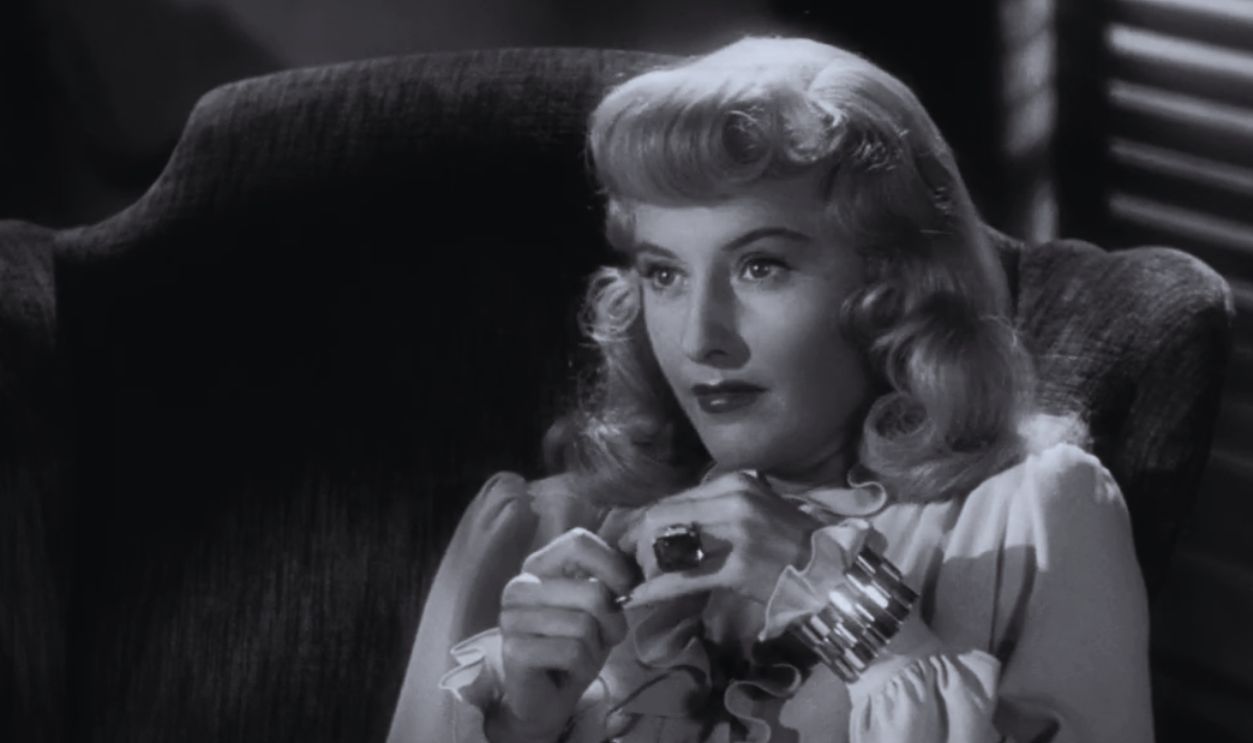 Screenshot from Double Indemnity, Paramount Pictures (1944)
The Oscars Kept Missing Her
Stanwyck received four competitive Academy Award nominations. They came for Stella Dallas, Ball Of Fire, Double Indemnity, and Sorry, Wrong Number. She never won a competitive Oscar, but the Academy later honored her in 1982 for her contribution to screen acting.
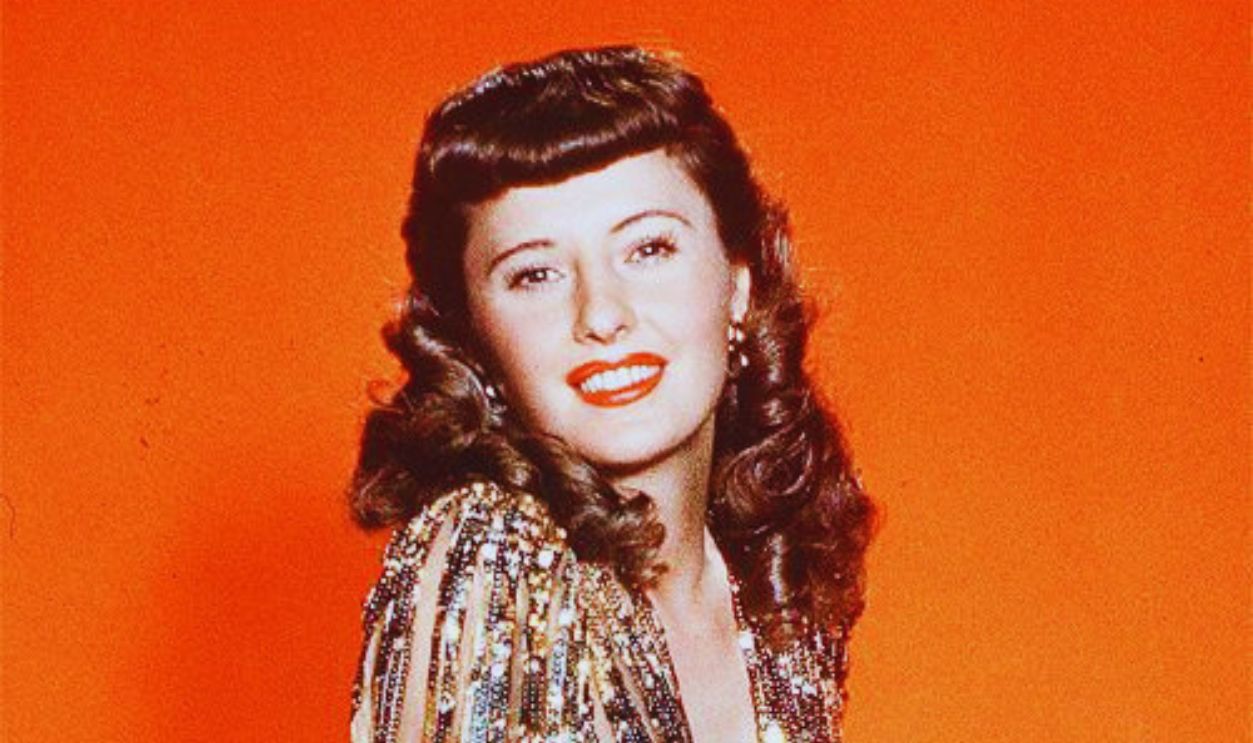 Samuel Goldwyn Company, Wikimedia Commons
Her Personal Life Was Not A Hollywood Fairy Tale
Stanwyck married actor and comedian Frank Fay in 1928. Their marriage ended in divorce in 1935, and they had adopted a son during their time together. Her private life was often difficult, but she rarely turned it into public drama.
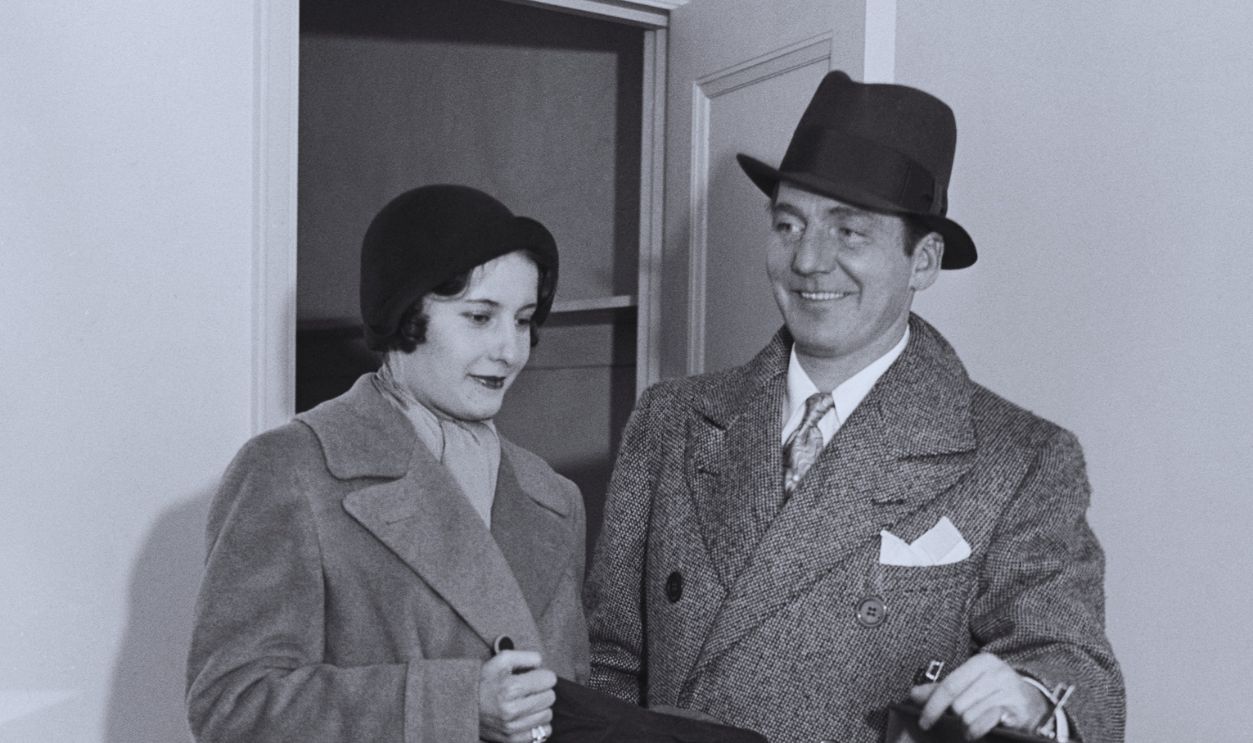
Robert Taylor Became Her Second Husband
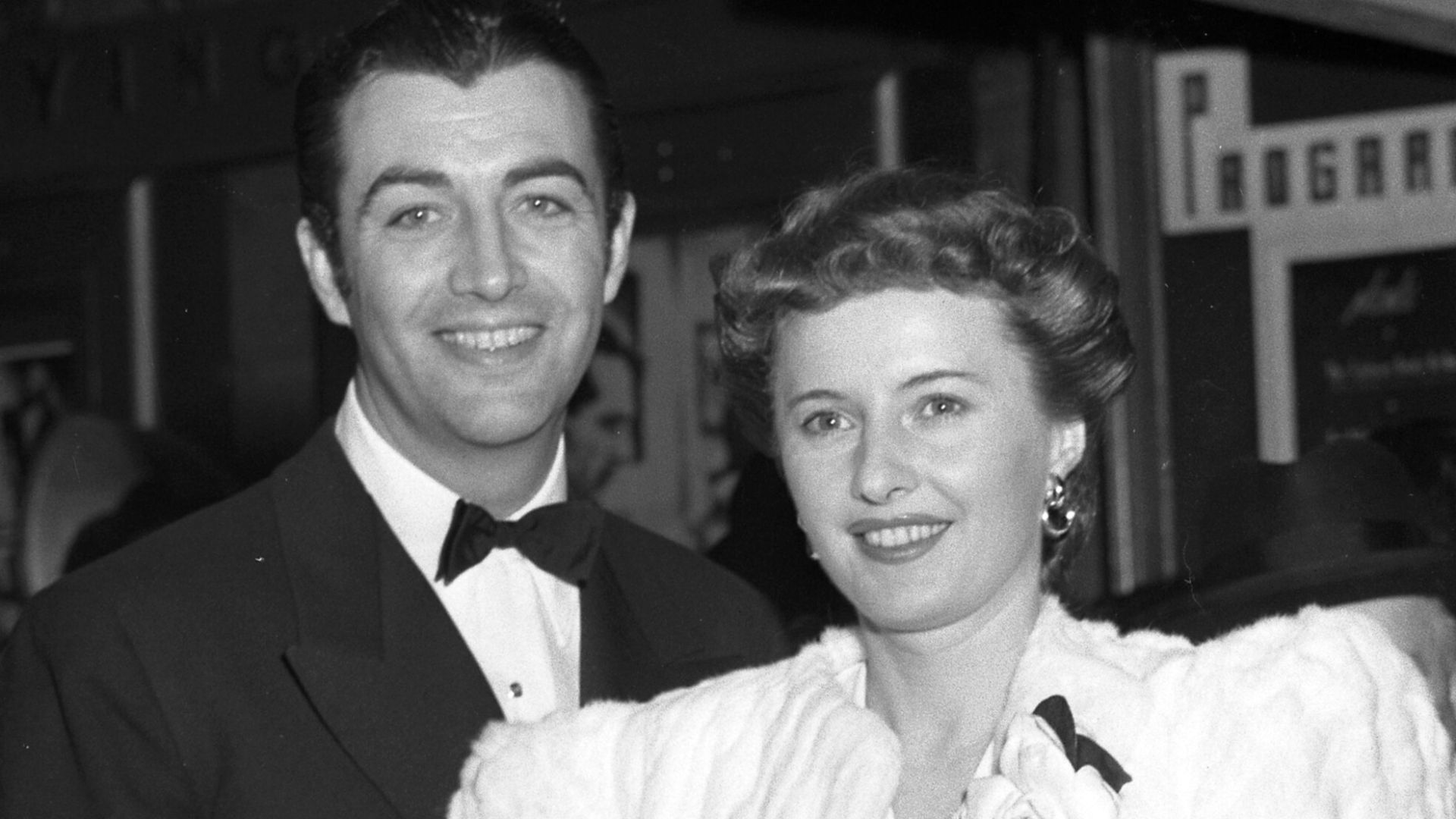
Stanwyck later married actor Robert Taylor in 1939. Their marriage lasted until 1951, when they divorced. She never remarried, which added to her image as a star who could live by her own rules.
 Gordon Charles Wallace, Los Angeles Times, Wikimedia Commons
She Kept Her Private World Guarded
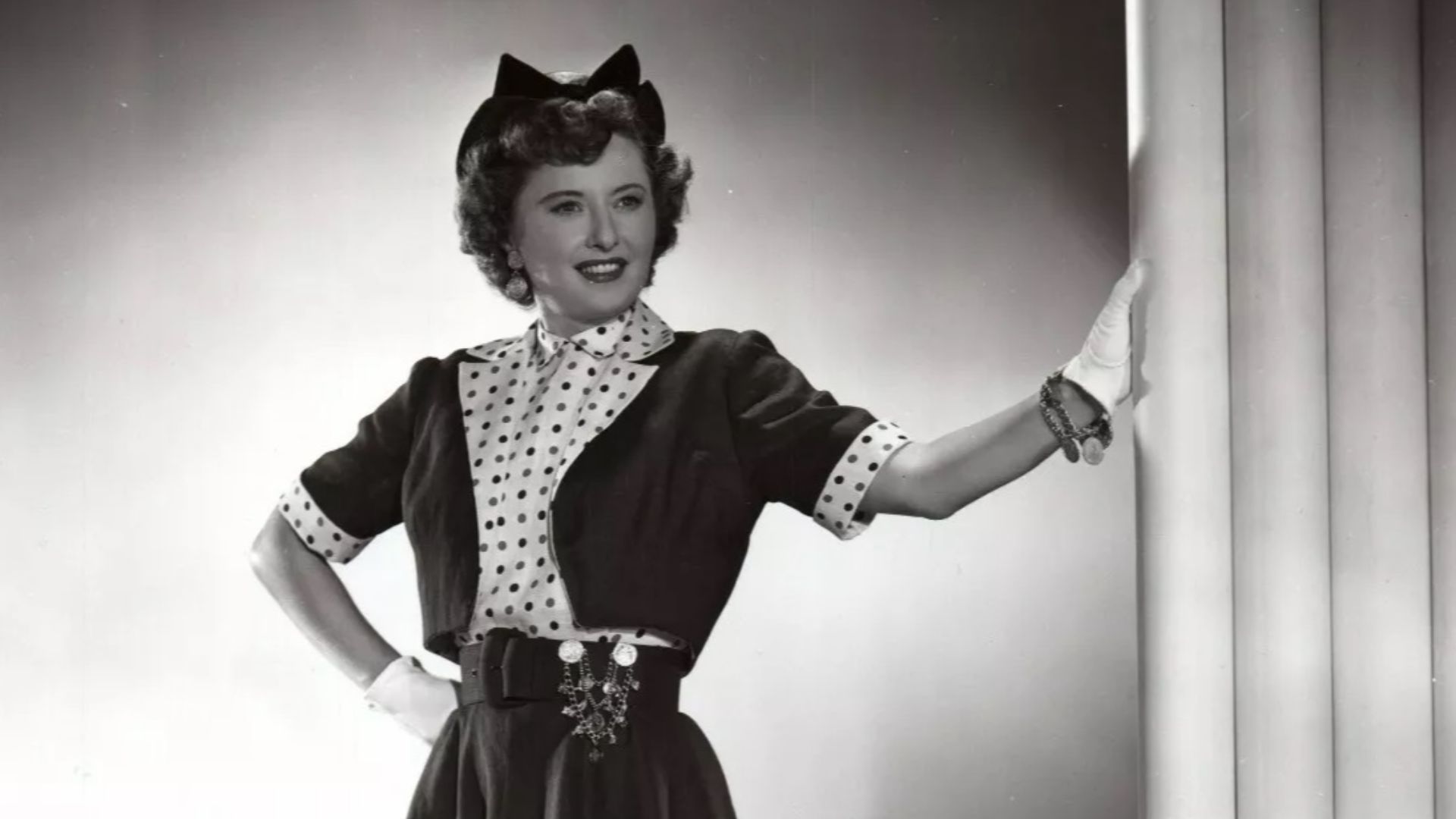
Stanwyck’s public image was warm but controlled. She did interviews and appeared at industry events, but she did not build her fame around confession or scandal. In a town that often fed on personal exposure, that restraint made her stand apart.
 Whitey Schafer, Wikimedia Commons
She Was A Worker First
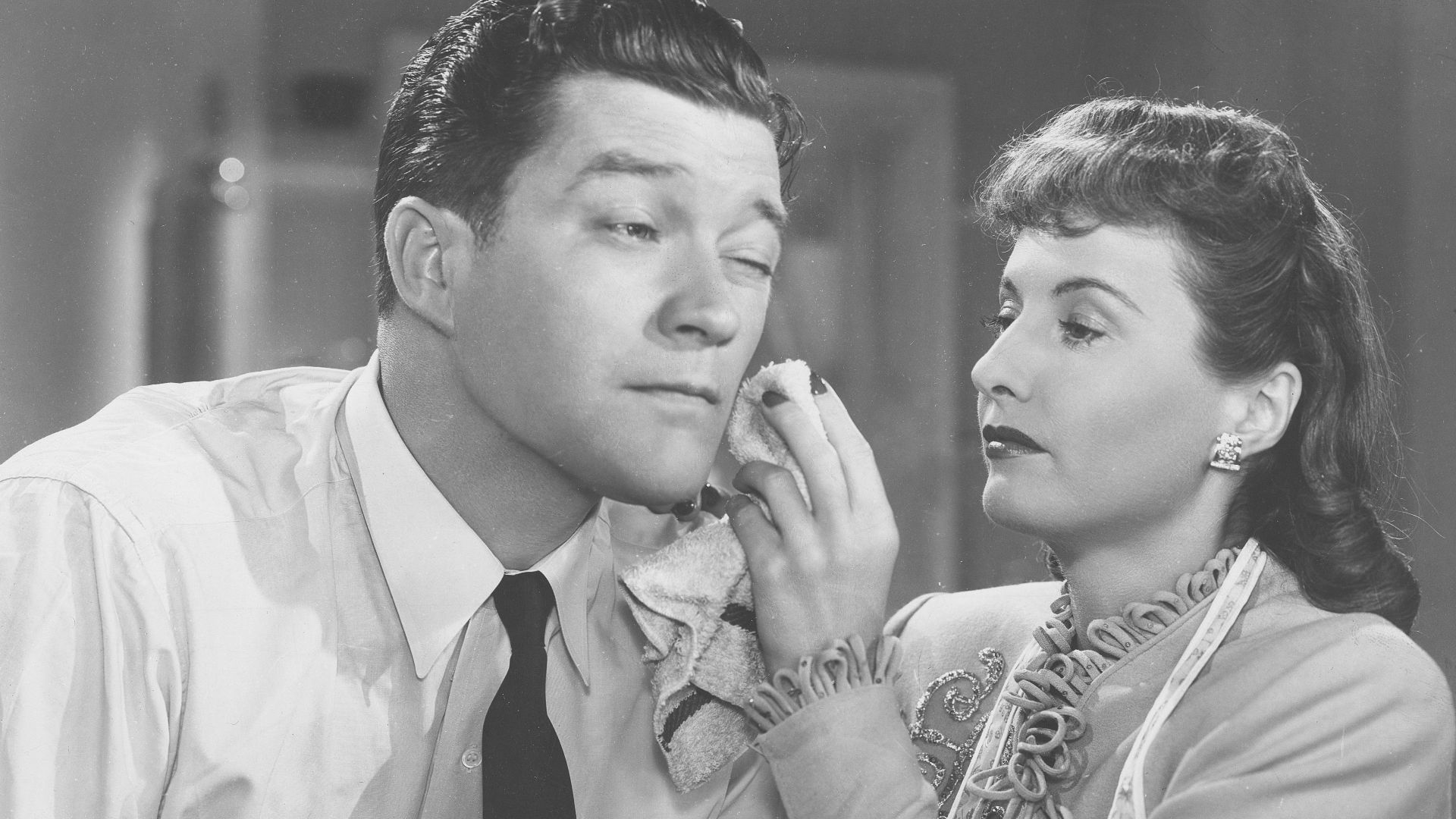
Many accounts of Stanwyck emphasize her professionalism. Directors, actors, and critics often admired her discipline and lack of vanity. She seemed less interested in behaving like a movie queen than in showing up prepared and doing the job well.
 Warner Brothers Pictures Distributing Corporation, Wikimedia Commons
She Refused To Be Trapped By One Genre
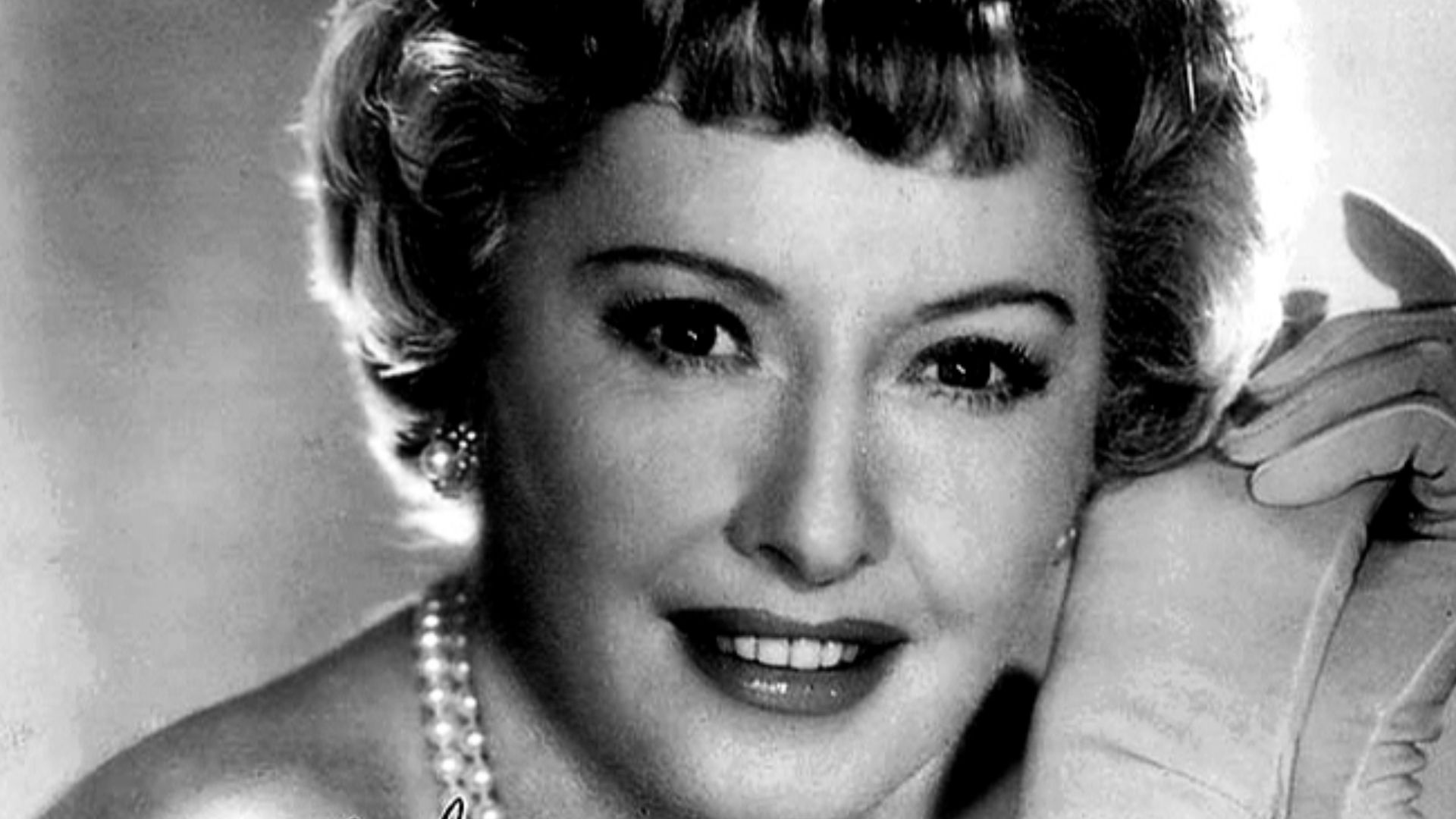
Stanwyck made melodramas, comedies, westerns, thrillers, and film noir. She could play a devoted mother, a con artist, a ranch woman, or a murderous schemer with equal confidence. That range helped her career last long after many stars of her generation faded.
 Studio photographer, Wikimedia Commons
Television Became Her Second Act
When film roles changed, Stanwyck moved into television instead of clinging to past glory. She won an Emmy for The Barbara Stanwyck Show in 1961. The shift showed the same practical instinct that had guided her from chorus lines to Broadway to movies.
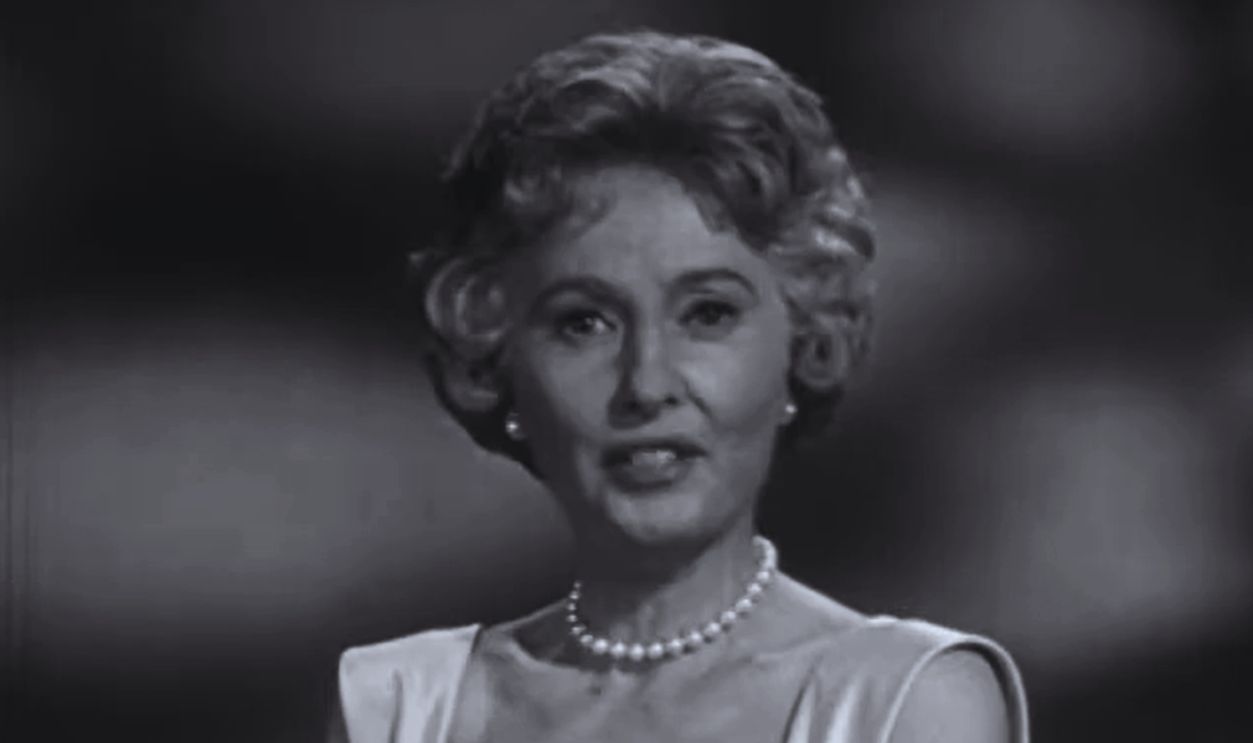 The Barbara Stanwyck Show, NBC/Desilu Studios (1960–1961)
The Big Valley Made Her A TV Icon
From 1965 to 1969, Stanwyck starred as Victoria Barkley on The Big Valley. The role introduced her to a new generation of viewers. She won another Emmy in 1966 for her work on the series.
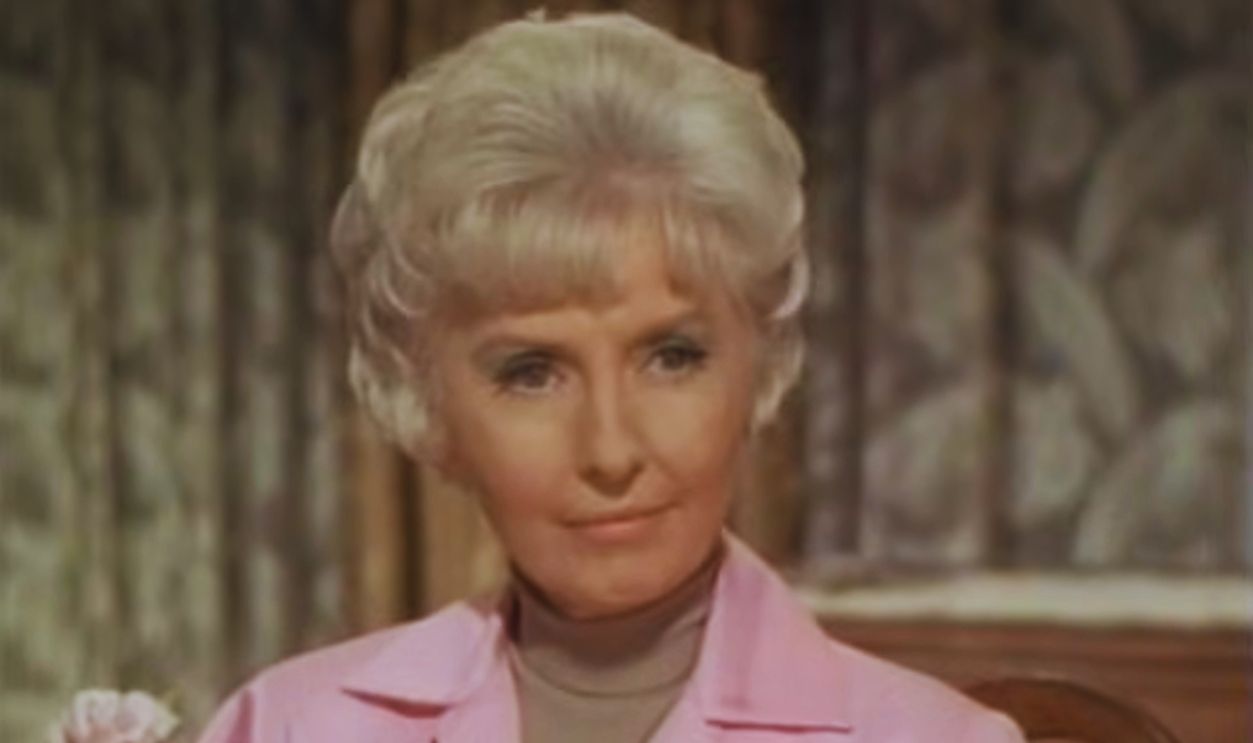 Screenshot from The Big Valley, ABC/Four Star Television (1965–1969)
She Found Late-Career Glory Again
Stanwyck’s career did not end with classic Hollywood. In 1984, she won an Emmy for The Thorn Birds. That win confirmed that her command of the screen still worked decades after her first movie roles.
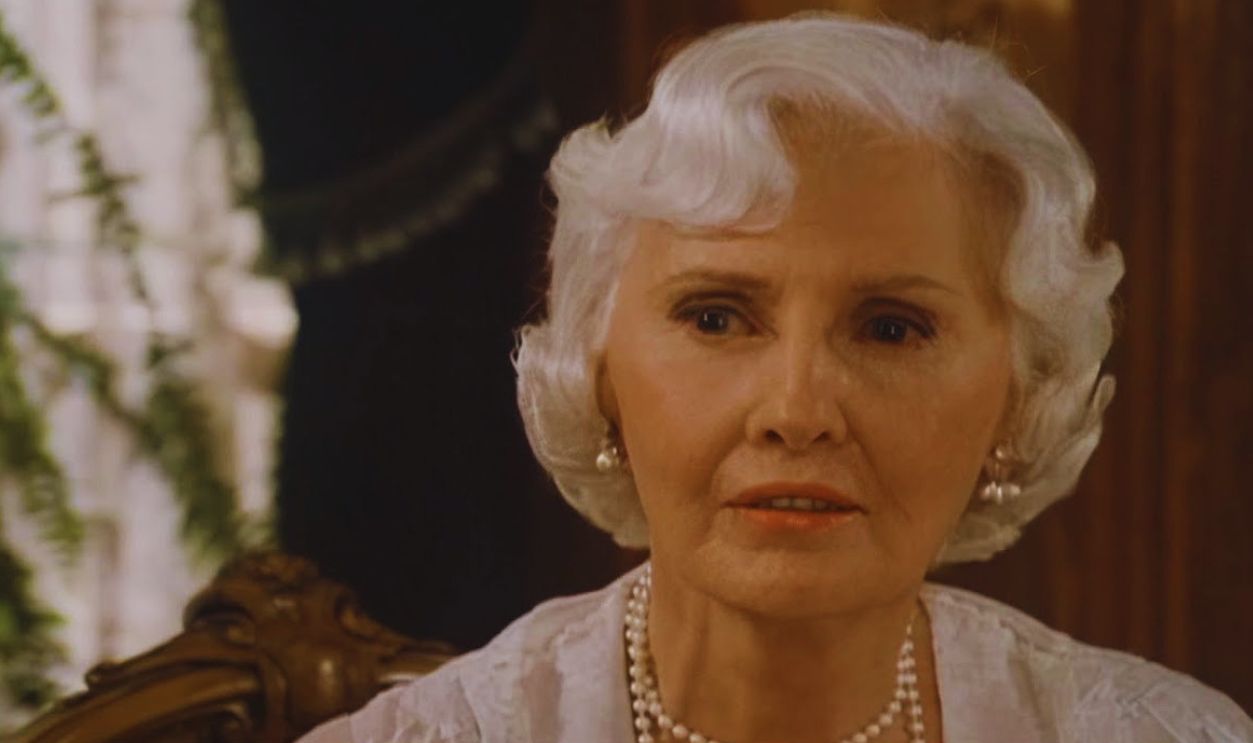 Screenshot from The Thorn Birds, ABC (1983)
AFI Celebrated Her As A Legend
The American Film Institute gave Stanwyck its Life Achievement Award in 1987. The tribute recognized a career built on grit, versatility, and emotional truth. It also confirmed what movie lovers already knew: she belonged among the giants.
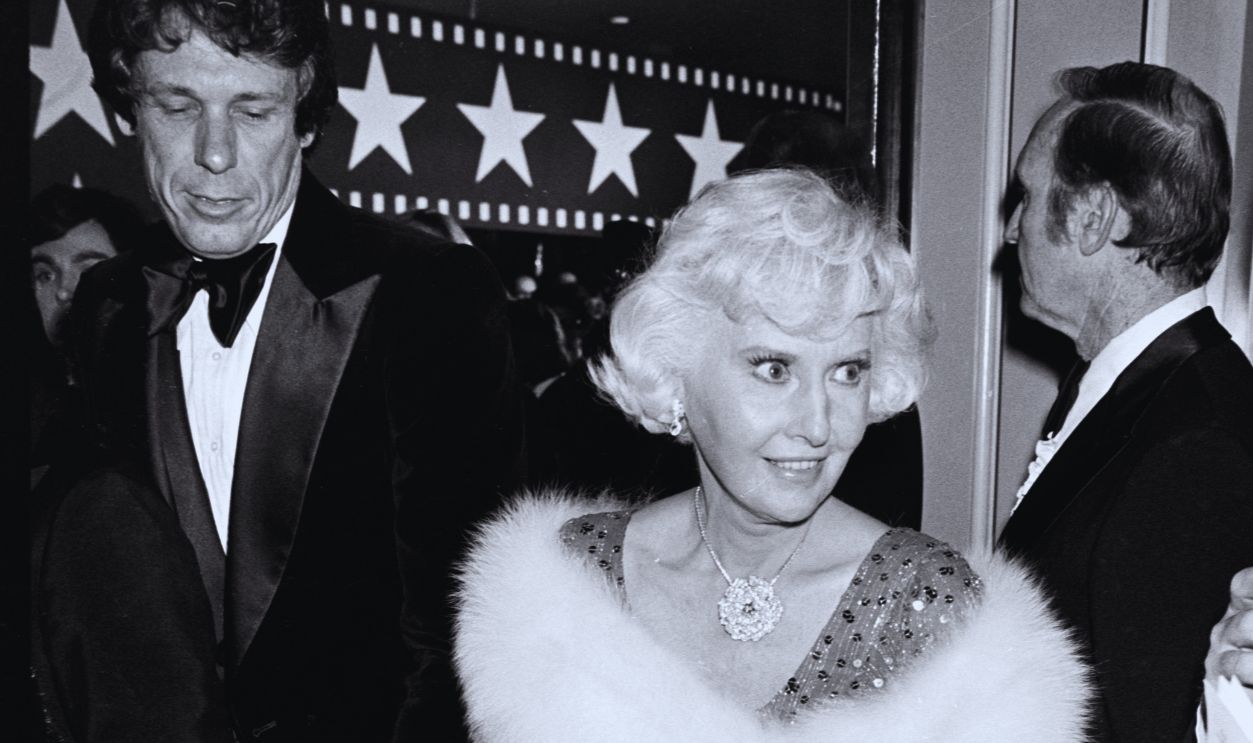
She Died After A Remarkable Career
Barbara Stanwyck died in Santa Monica, California, on January 20, 1990. She was 82 years old. By then, she had left behind more than 80 films, major television work, three Emmys, four Oscar nominations, and an honorary Academy Award.
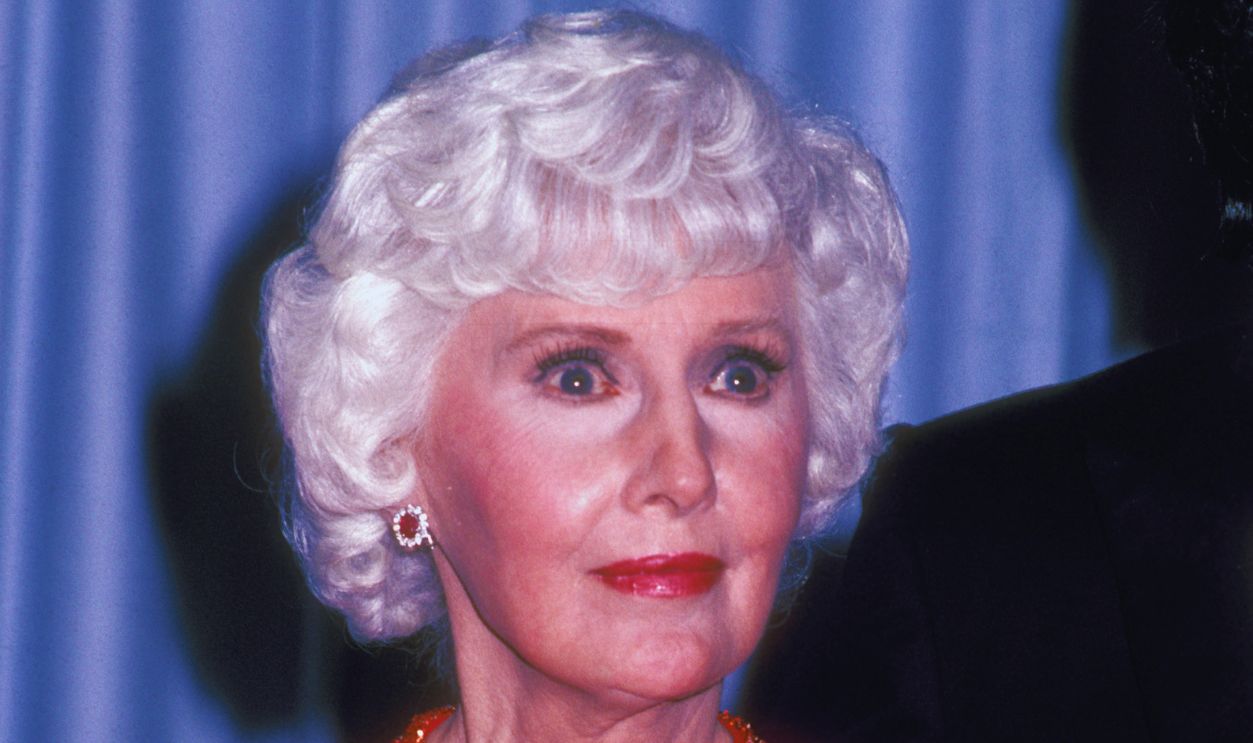
Her Choices Made Her Different
Stanwyck’s life was unusual because she kept choosing survival, freedom, and work over easy mythology. She changed her name, remade her future, went freelance, crossed genres, moved to television, and kept her private life largely private. Hollywood loves legends, but Barbara Stanwyck was something rarer: a legend who seemed completely self-made.
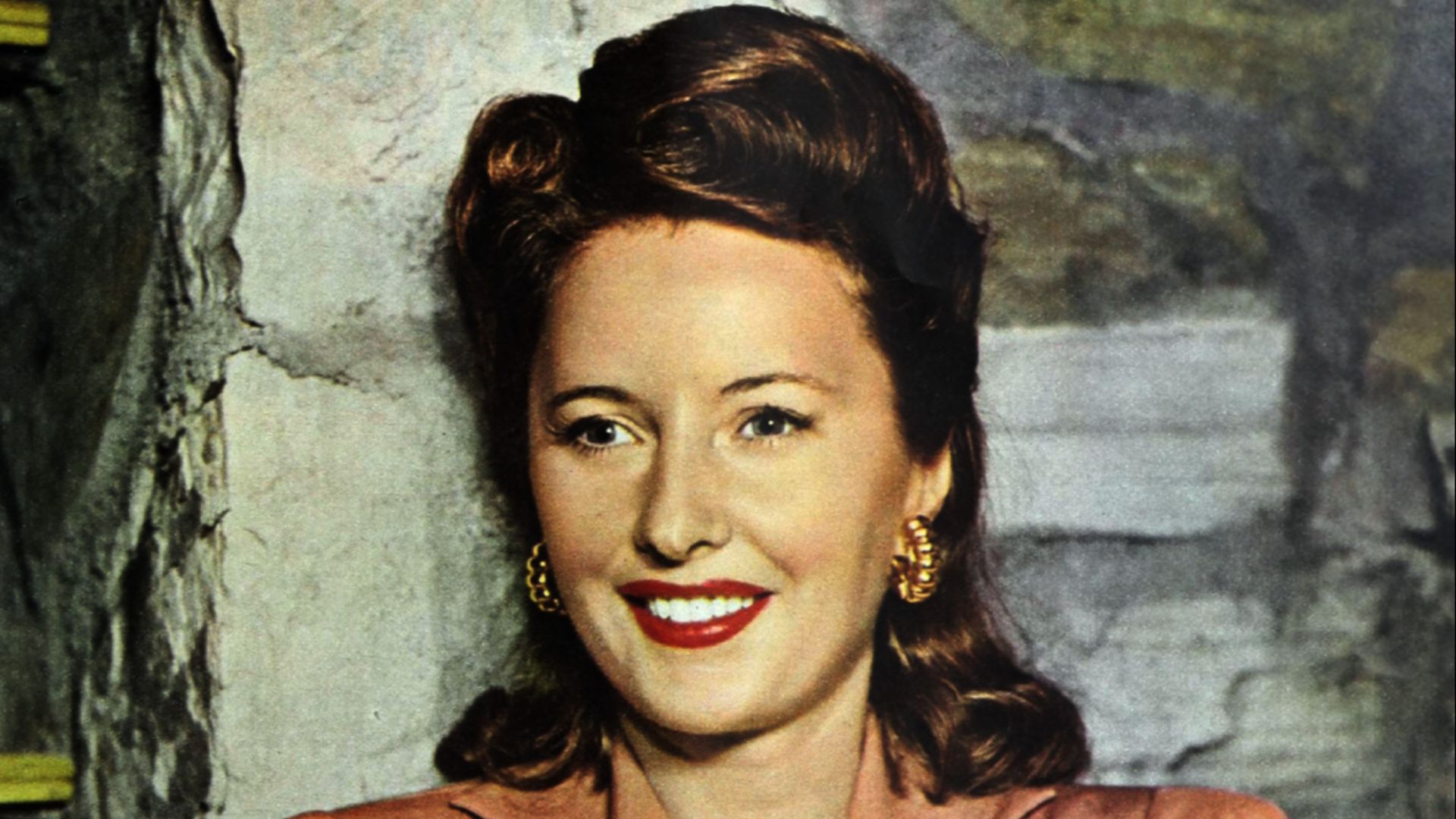 Macfadden Publications-page 2., Wikimedia Commons
You May Also Like:
William Haines was Hollywood's biggest star—until one decision cost him everything.
The Toughest Women In Classic Hollywood History—Seriously, They Don't Make Them Like This Anymore