The Face That Made Trouble Feel Manageable
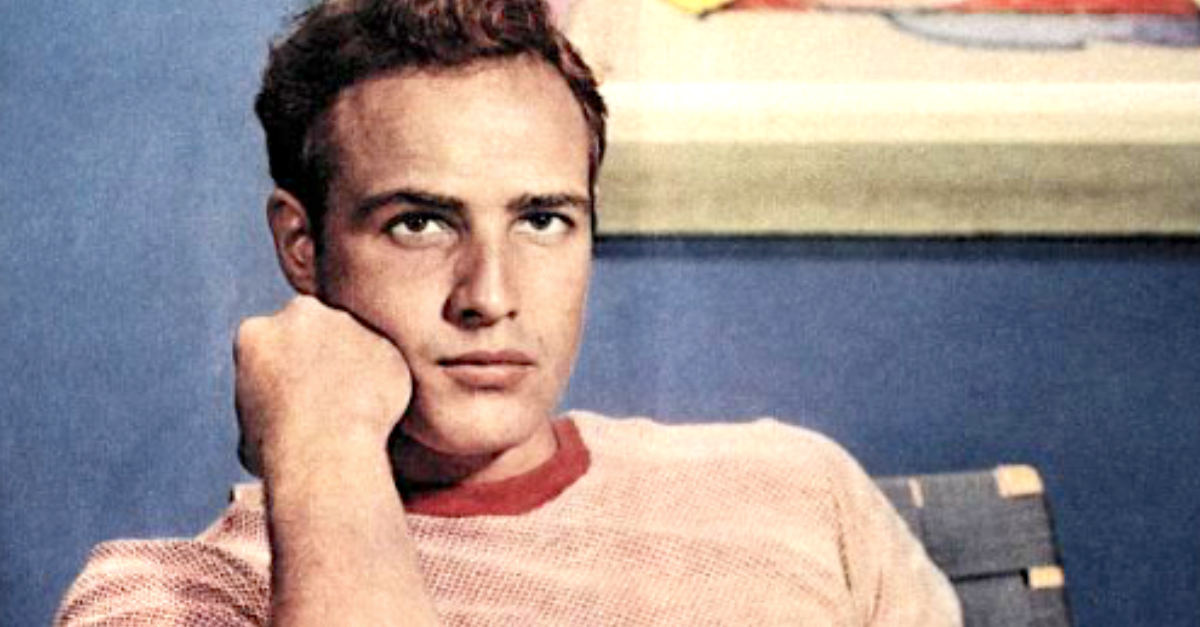
The Rockford Files had car chases, crooked clients, dangerous criminals, and Jim Rockford regularly getting punched for asking the wrong question. Yet whenever Noah Beery Jr. appeared as Jim’s father, Rocky, the show instantly felt warmer. He was television’s equivalent of coming home after a very long day.
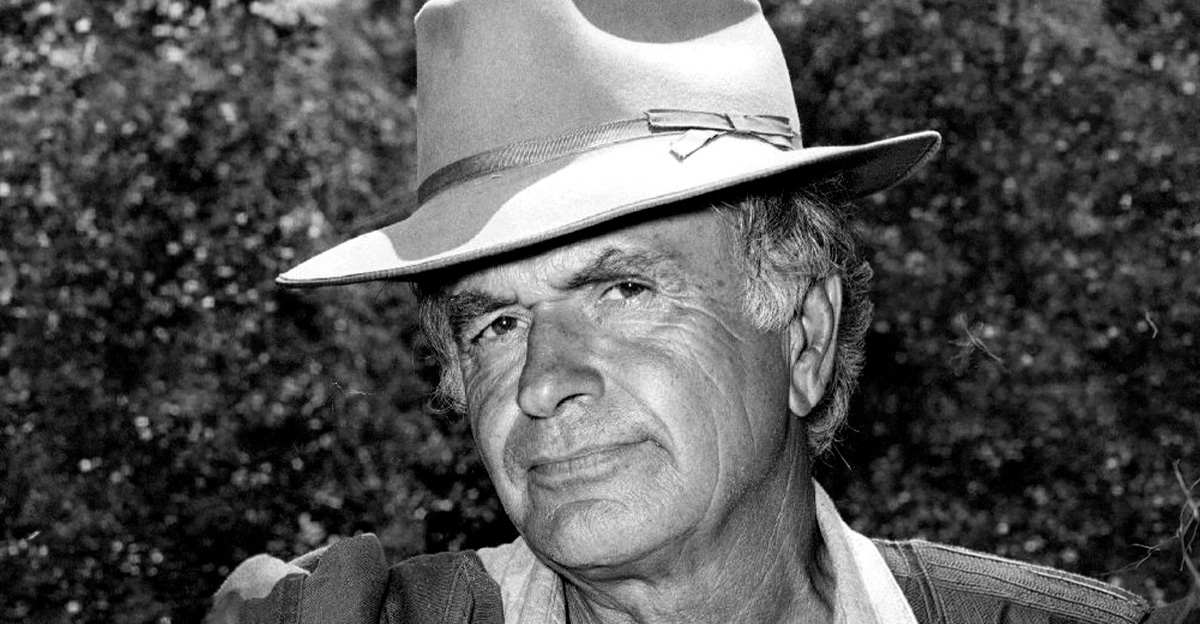
 Wire photo, Public domain, via Wikimedia Commons
Acting Was The Family Business
Born Noah Lindsey Beery in New York City in 1913, he entered one of Hollywood’s best-known acting families. His father was silent-screen star Noah Beery Sr., while his uncle, Wallace Beery, became an Oscar-winning leading man. Young Noah practically grew up surrounded by movie sets and performers.
 Joseph Kane, Wikimedia Commons
Hollywood Came Calling Early
The Beery family moved to California while Noah was still a small child, following his father’s growing movie career. By the age of seven, Noah had made his own screen debut in the Douglas Fairbanks adventure The Mark of Zorro. Hollywood was not a distant dream for him. It was the family workplace.
Everyone Called Him Pidge
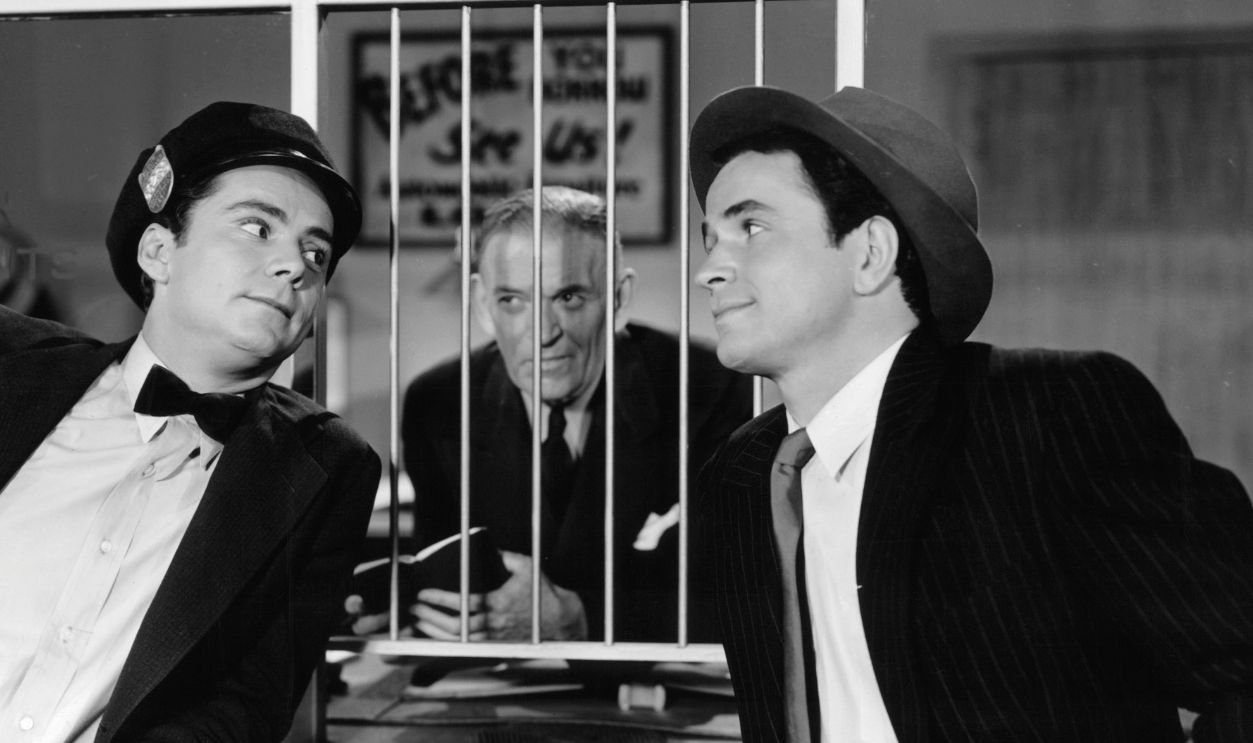
Friends and colleagues knew Beery by the nickname “Pidge,” which suited his friendly, unpretentious personality. It also helped separate him from his famous father. Throughout his career, Beery rarely behaved like Hollywood royalty. He came across more like the dependable neighbour who would gladly help repair your fence.
 De Carvalho Collection, Getty Images
Finding His Own Place
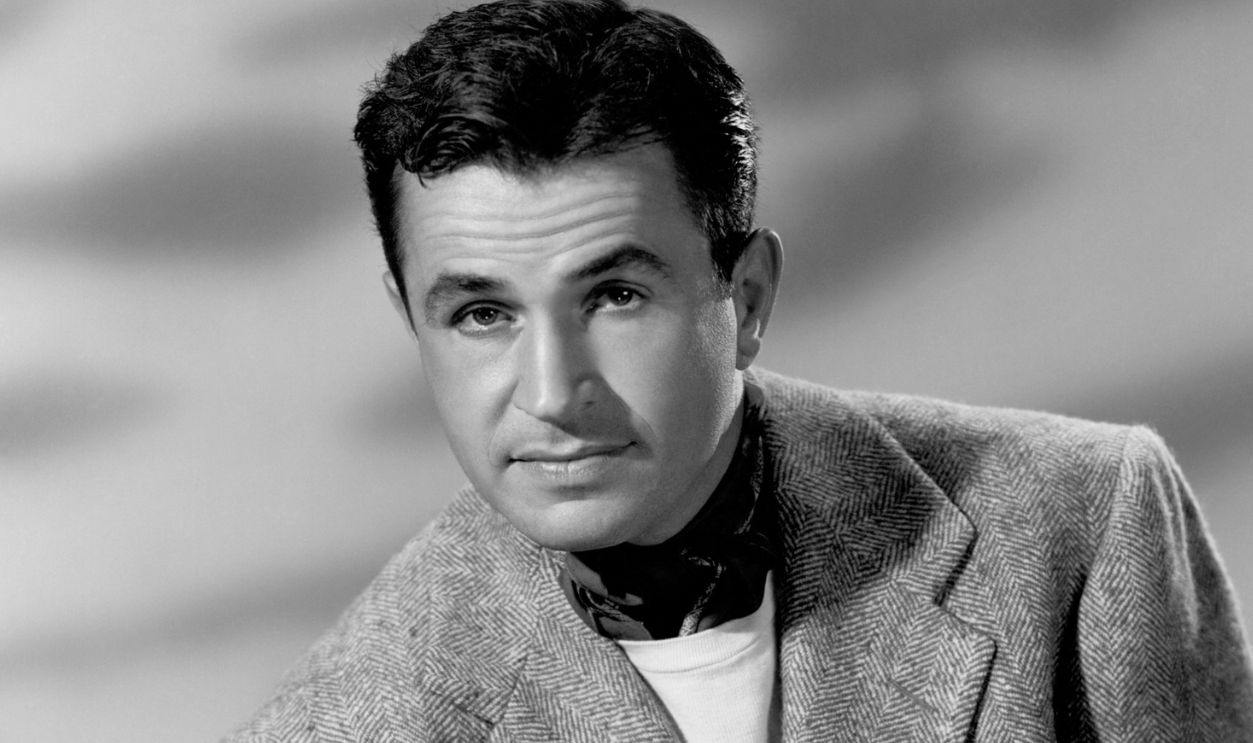
Following two successful relatives into acting could have been intimidating, but Beery did not try to copy them. His father and uncle often played forceful, larger-than-life characters. Beery developed a gentler presence. He became skilled at playing loyal friends, hardworking men, worried fathers, and sidekicks audiences immediately trusted.
Becoming The Perfect Sidekick
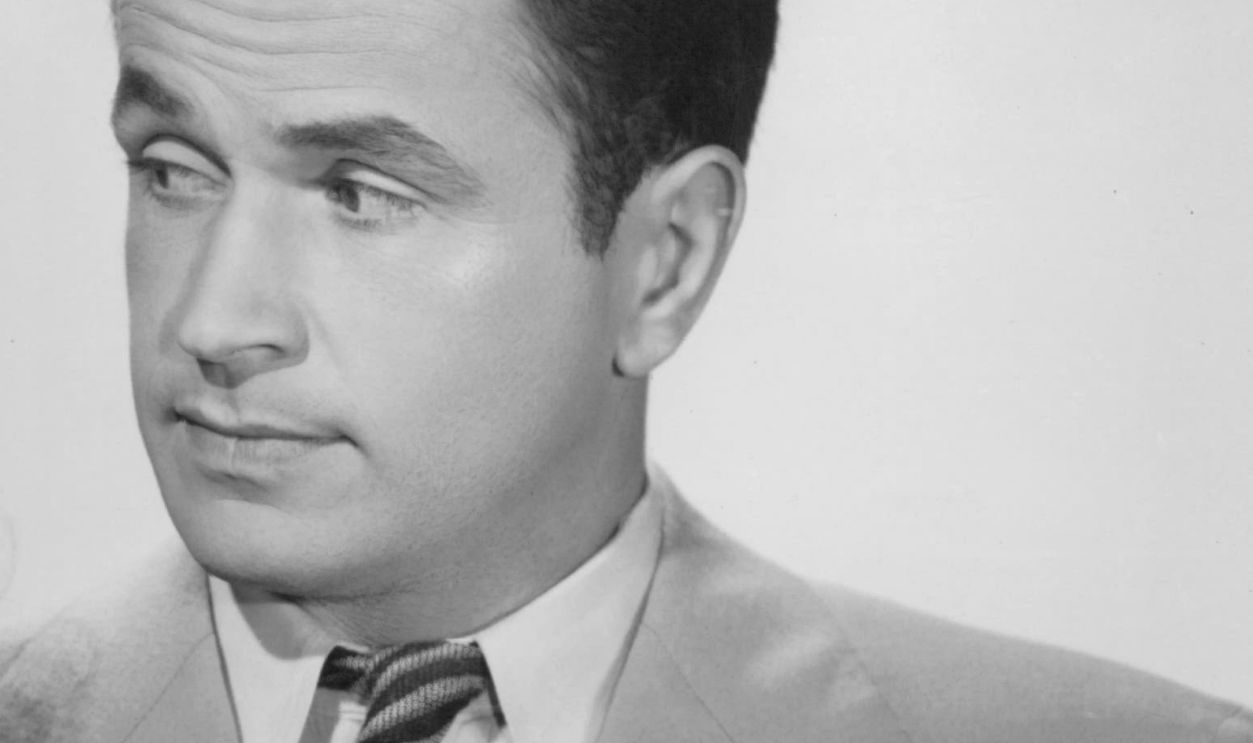
During the 1930s, Beery appeared in numerous Westerns and adventure pictures, frequently playing the hero’s good-natured companion. These roles were not always glamorous, but they required timing, personality, and reliability. Beery learned how to make supporting characters memorable without stealing attention away from the star.
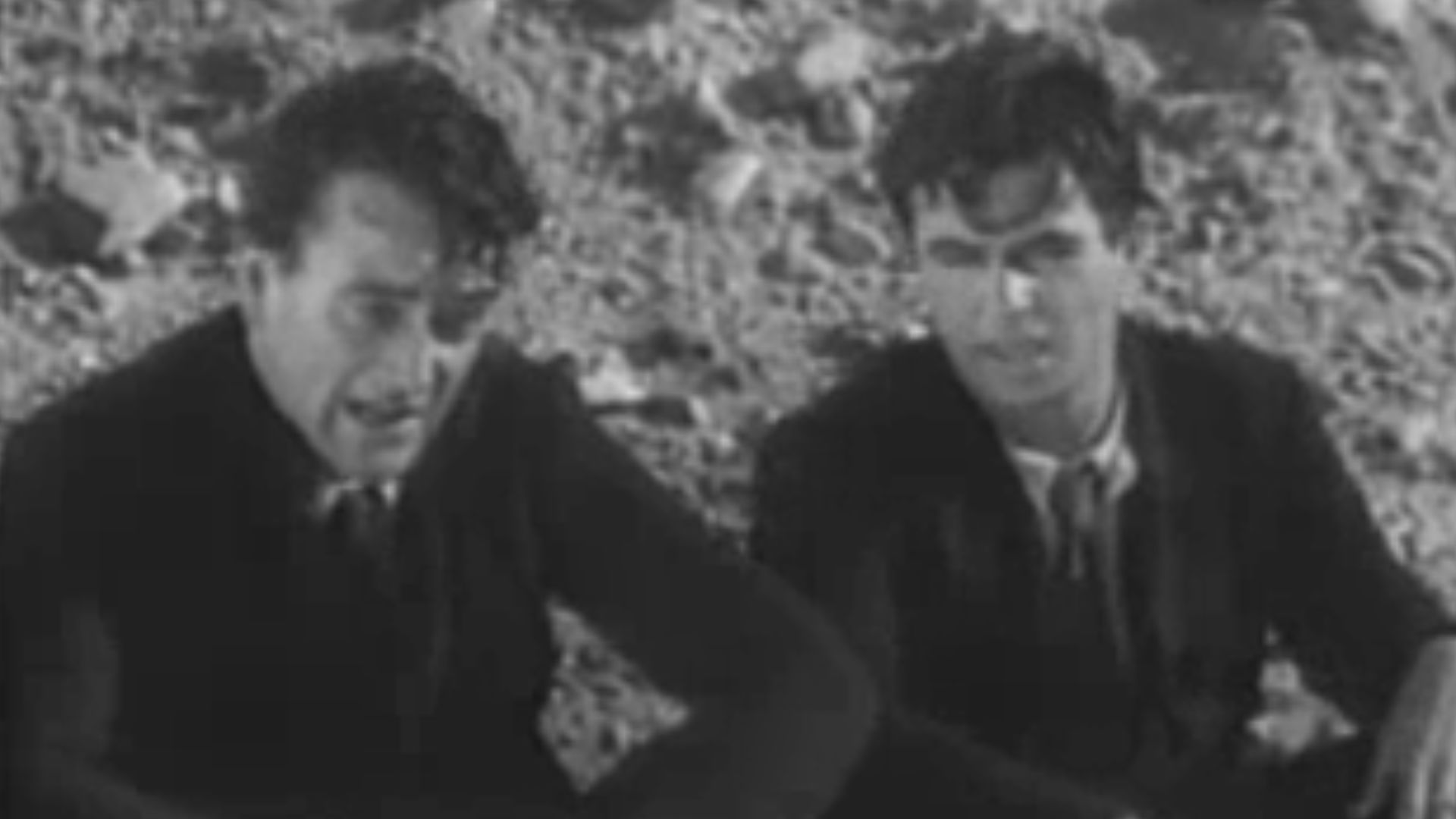
Riding Alongside John Wayne
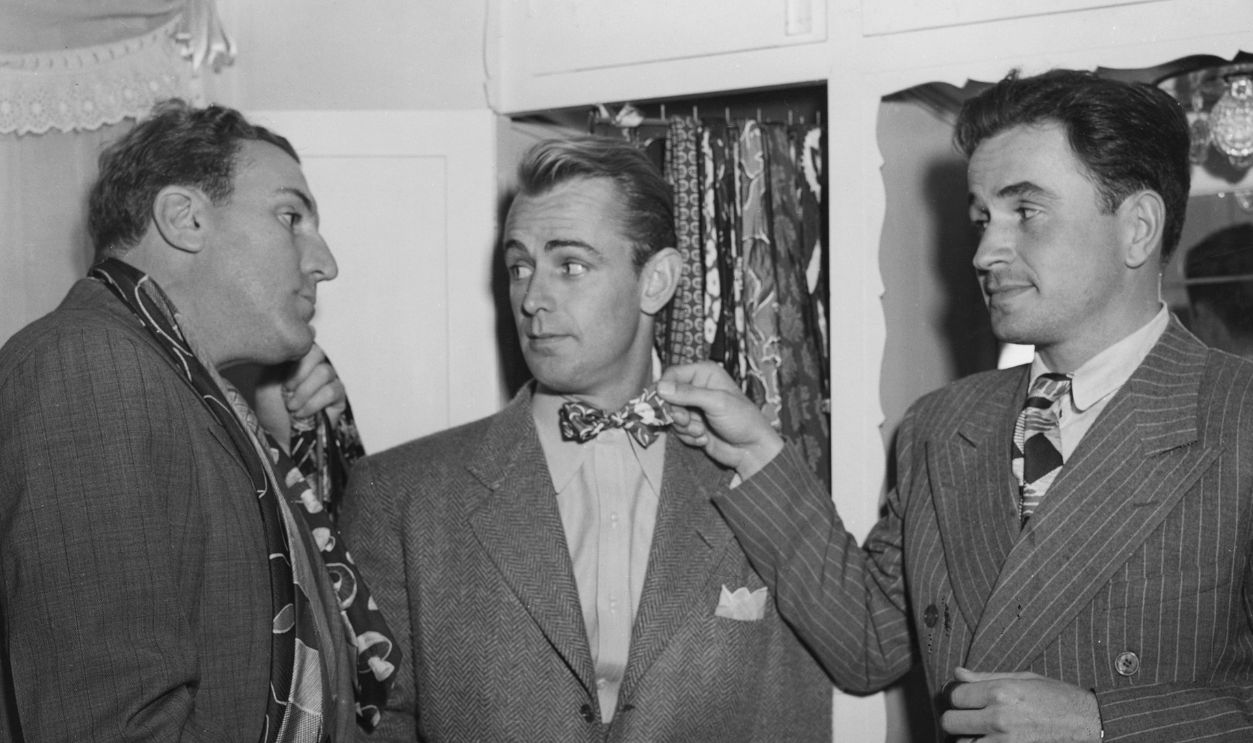
One of Beery’s notable early assignments came opposite John Wayne in The Trail Beyond in 1934. Both actors were still climbing through Hollywood’s ranks. Beery’s role as Wayne’s travelling companion helped establish the cheerful, sturdy screen personality that would carry him through decades of Westerns and television programs.
 Archive.org, Wikimedia Commons
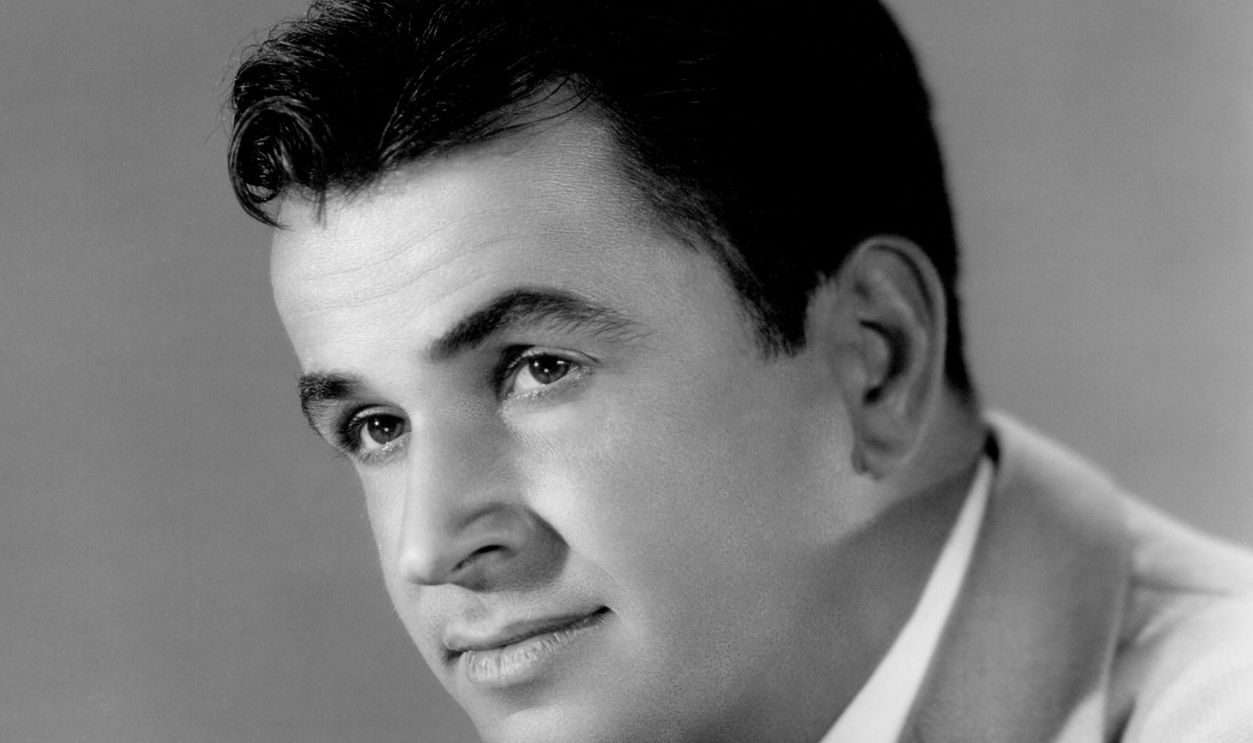
More Than A Cowboy Actor
Although Westerns provided steady employment, Beery was never limited to dusty trails and saloons. He appeared in dramas, comedies, action pictures, and historical films. Whatever the genre, he brought the same natural quality. He looked like someone who had lived a real life before wandering into the scene.
 De Carvalho Collection, Getty Images
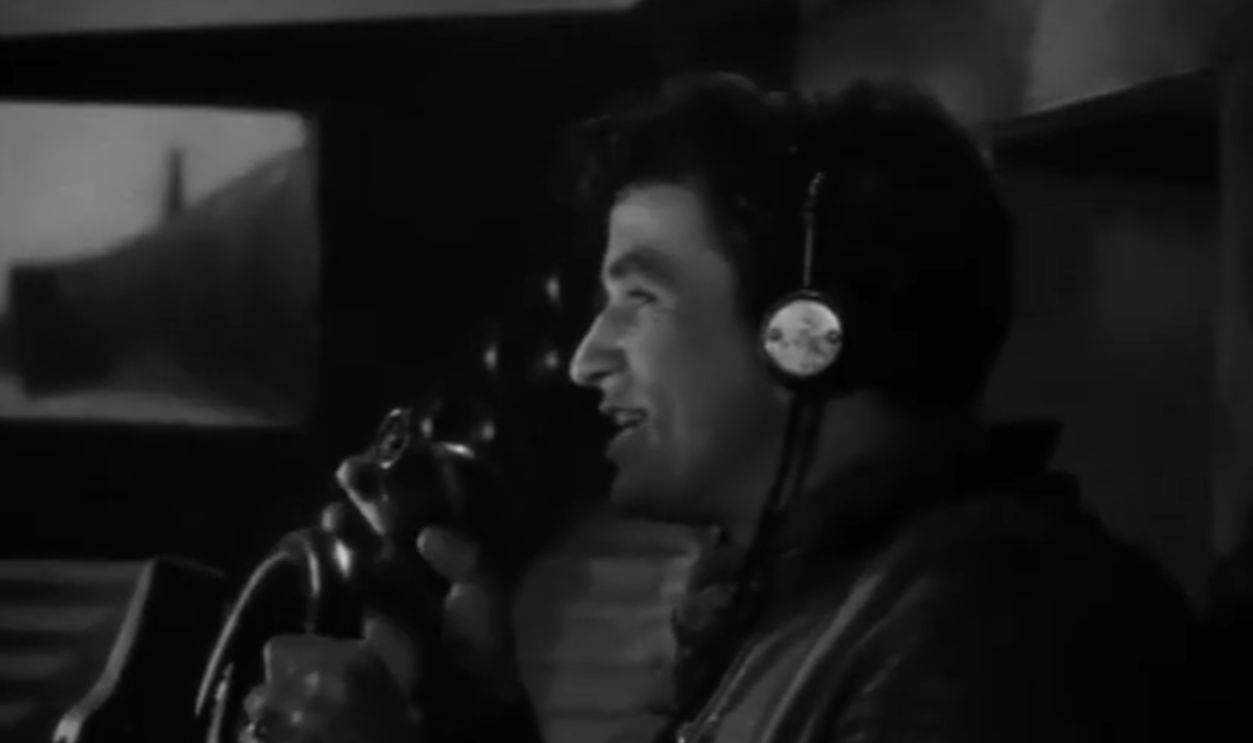
Flying With Hollywood Royalty
In 1939, Beery appeared in Howard Hawks’ Only Angels Have Wings, starring Cary Grant and Jean Arthur. Surrounded by major stars, Beery once again proved useful as a supporting player. He could add humour and humanity without disrupting the movie’s dramatic machinery, a talent producers valued enormously.
 Screenshot from Only Angels Have Wings, Columbia Pictures (1939)
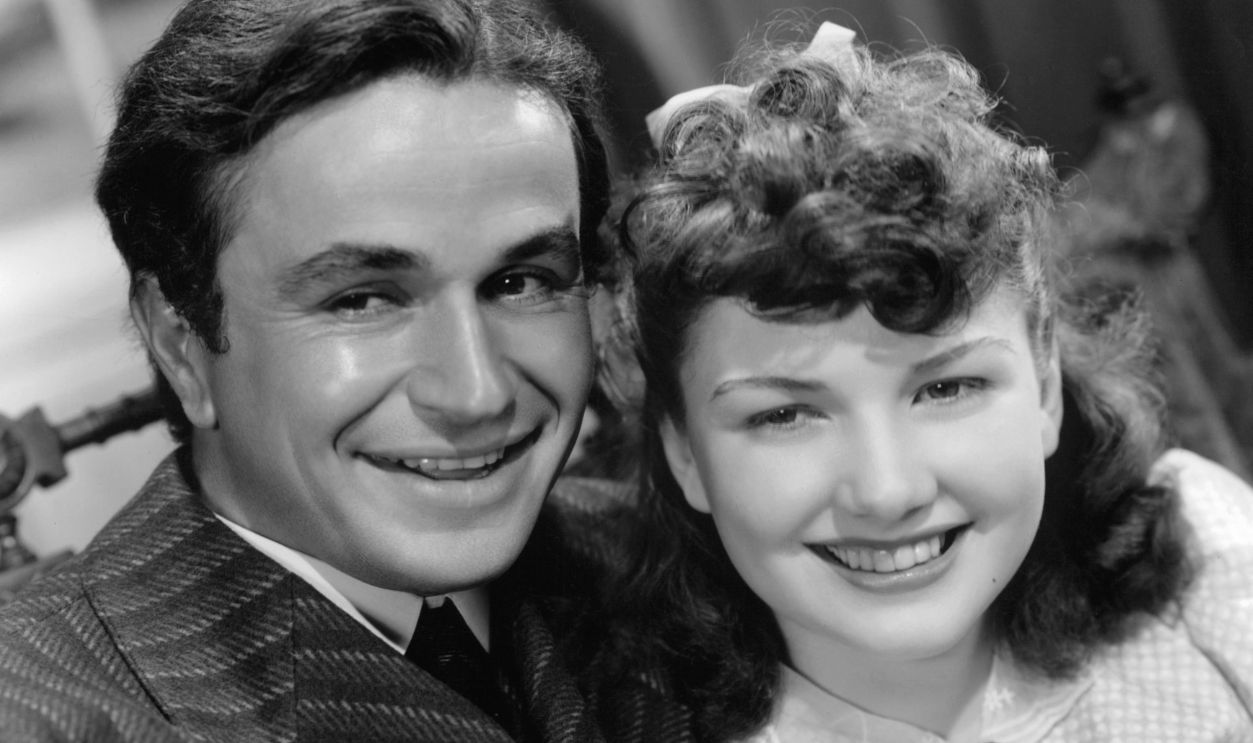
Sharing The Screen With Family
Beery worked alongside his uncle Wallace in the 1940 Western 20 Mule Team. The pairing offered audiences a chance to see two generations of the Beery family together. Wallace remained the commanding star, but Noah’s easier, more approachable style made it clear that he was developing a screen identity of his own.
Joining The Red River Drive
Beery later returned to John Wayne’s orbit in Howard Hawks’ classic Western Red River. Playing cattleman Buster McGee, he became part of one of Hollywood’s most famous cattle drives. The role was not enormous, yet Beery’s familiar face added credibility to the film’s rough community of cowboys.
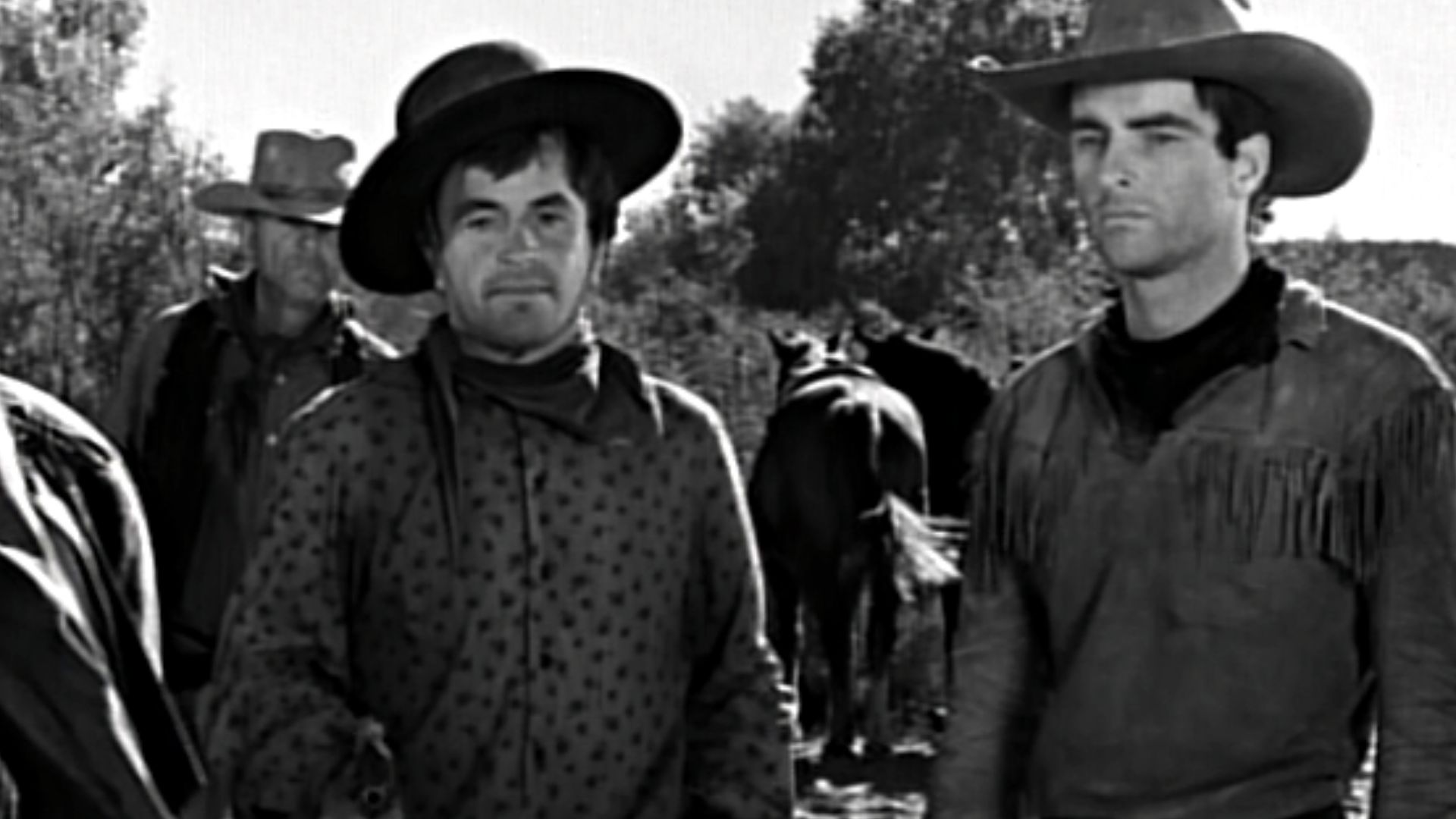 Screenshot by Wayne77, Wikimedia Commons
Hollywood’s Dependable Utility Player
For years, Beery moved steadily from production to production. He appeared in films including The Spirit of St. Louis and Inherit the Wind, usually supporting bigger names. He was the sort of actor filmmakers trusted to arrive prepared, establish a character quickly, and make every scene feel more believable.
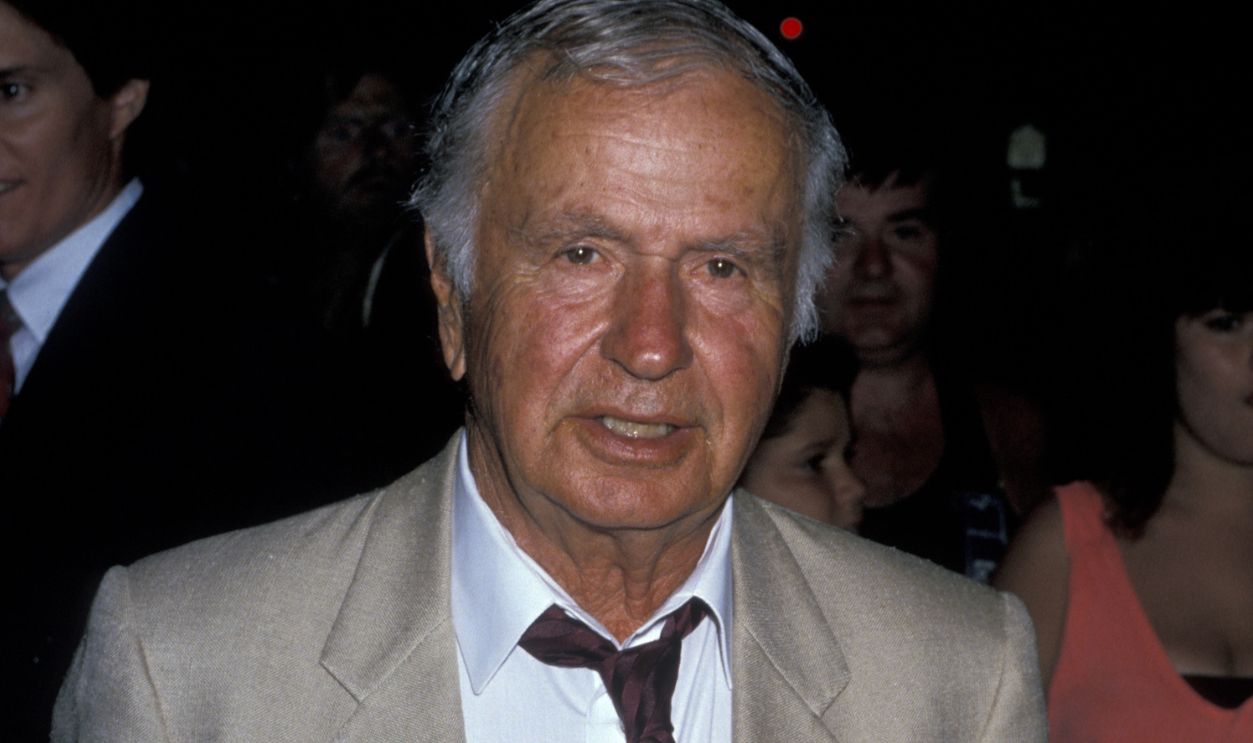
Television Opened A New Door
As movie Westerns began losing some of their dominance, television offered Beery a natural second act. The small screen needed experienced actors who could create recognizable characters quickly. Beery’s warmth, weathered appearance, and relaxed delivery made him perfect for a medium that invited viewers to welcome the same faces into their homes each week.
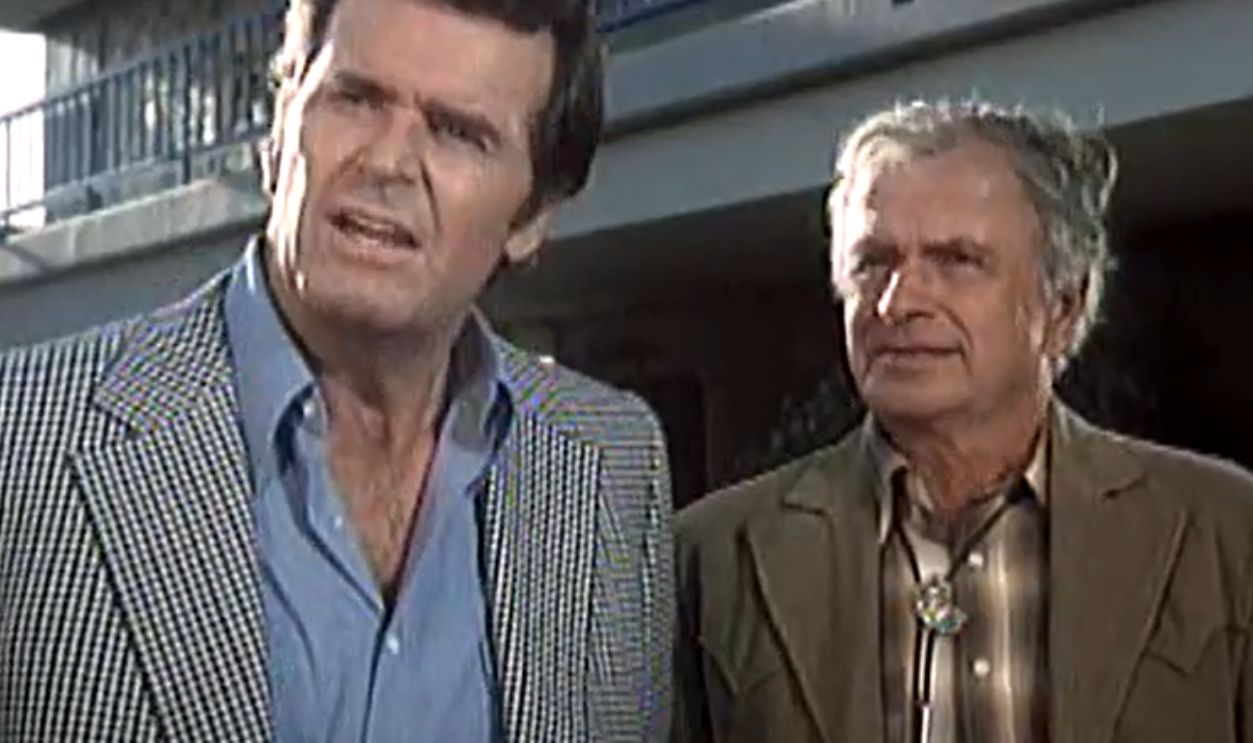 Screenshot from The Rockford Files, NBC (1974–1980)
Running Away With The Circus
In the mid-1950s, Beery played Joey the Clown on Circus Boy, appearing alongside a young Micky Dolenz. The family adventure series allowed him to show his playful side. Beneath the makeup and costume, audiences could still recognize the same reassuring personality that made him seem trustworthy almost immediately.
 Lippert Pictures, Wikimedia Commons
Stepping Aboard Riverboat
Beery joined Darren McGavin’s Western adventure series Riverboat in 1960, taking over the sidekick position previously occupied by Burt Reynolds. Once again, he became the steady companion beside a more restless leading man. It was a television arrangement Beery understood perfectly—and one that quietly prepared him for his greatest role.
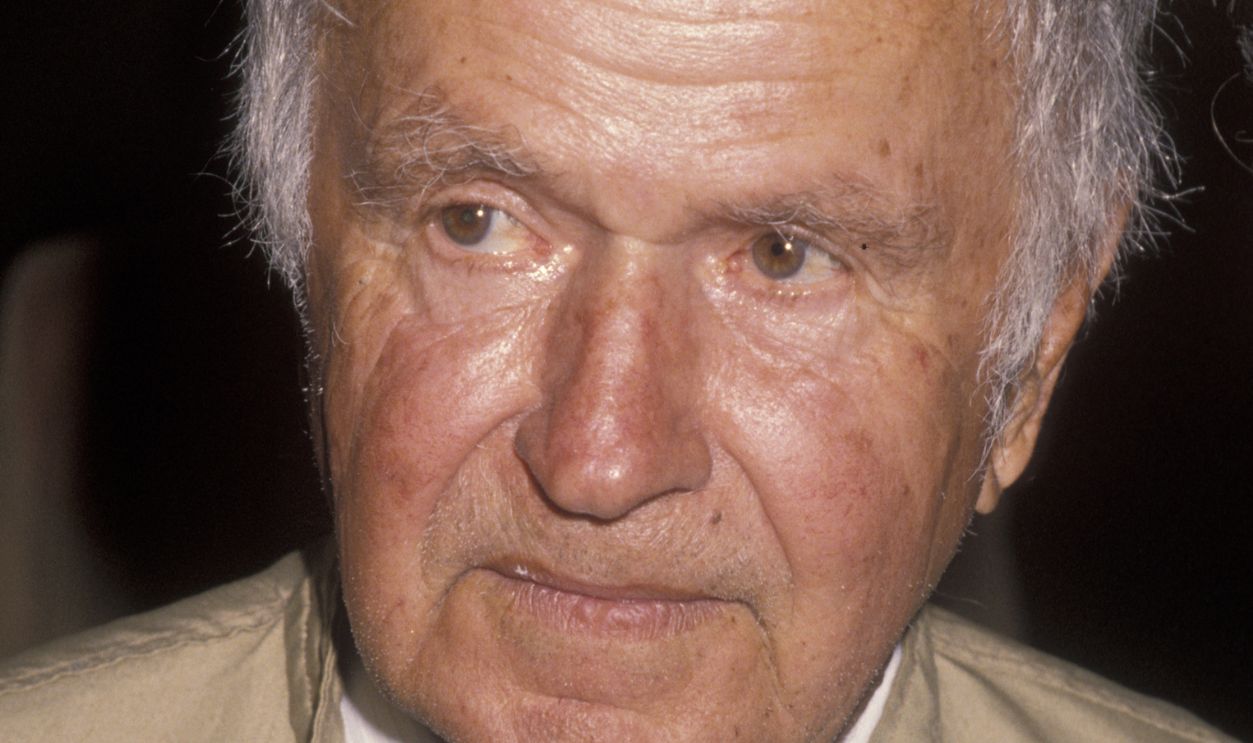
A Familiar Television Guest
Throughout the 1960s and early 1970s, Beery appeared on programs including Perry Mason, Wagon Train, The Virginian, Bonanza, and The Real McCoys. His presence required little explanation. The moment he entered a scene, viewers understood whether he was playing a decent neighbour, an old friend, or a man carrying trouble.
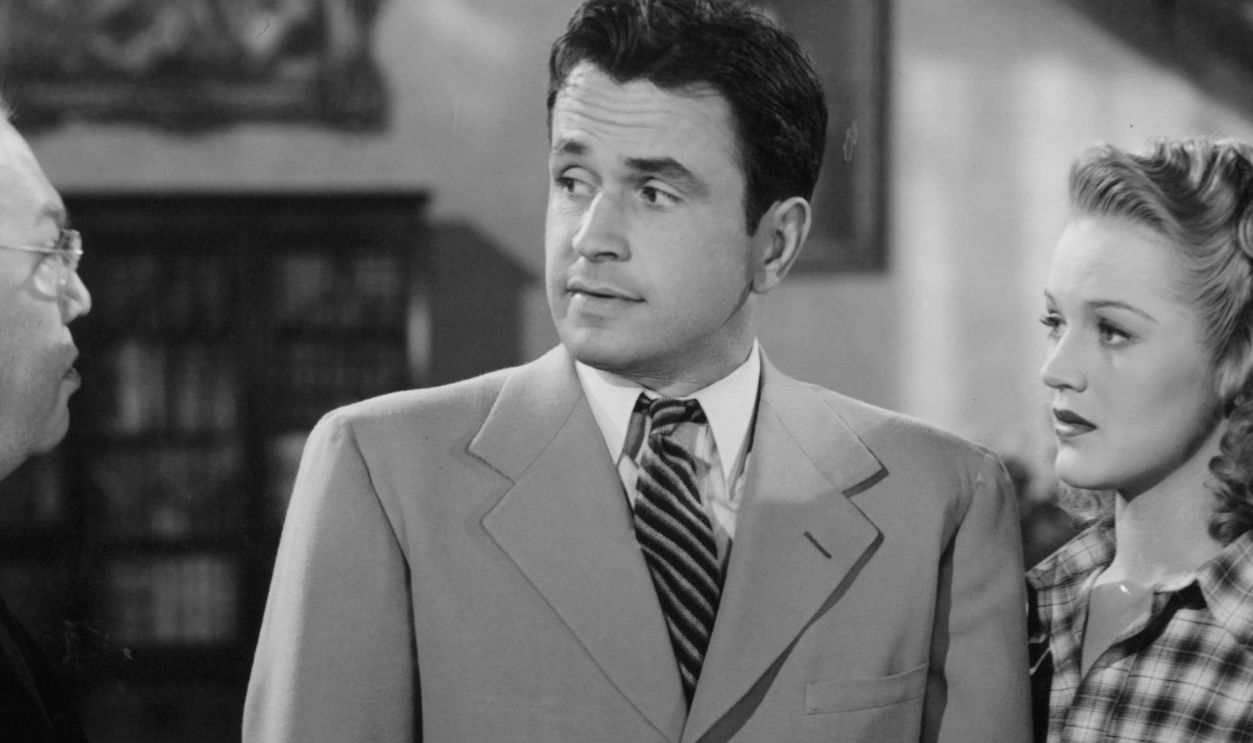
Buffalo Baker Saddles Up
In 1967, Beery landed a regular role as Buffalo Baker on the television Western Hondo. Dressed in buckskins and carrying years of genre experience, he provided both humour and companionship. Even in frontier clothing, Beery felt less like a television invention and more like someone the hero had genuinely known for years.
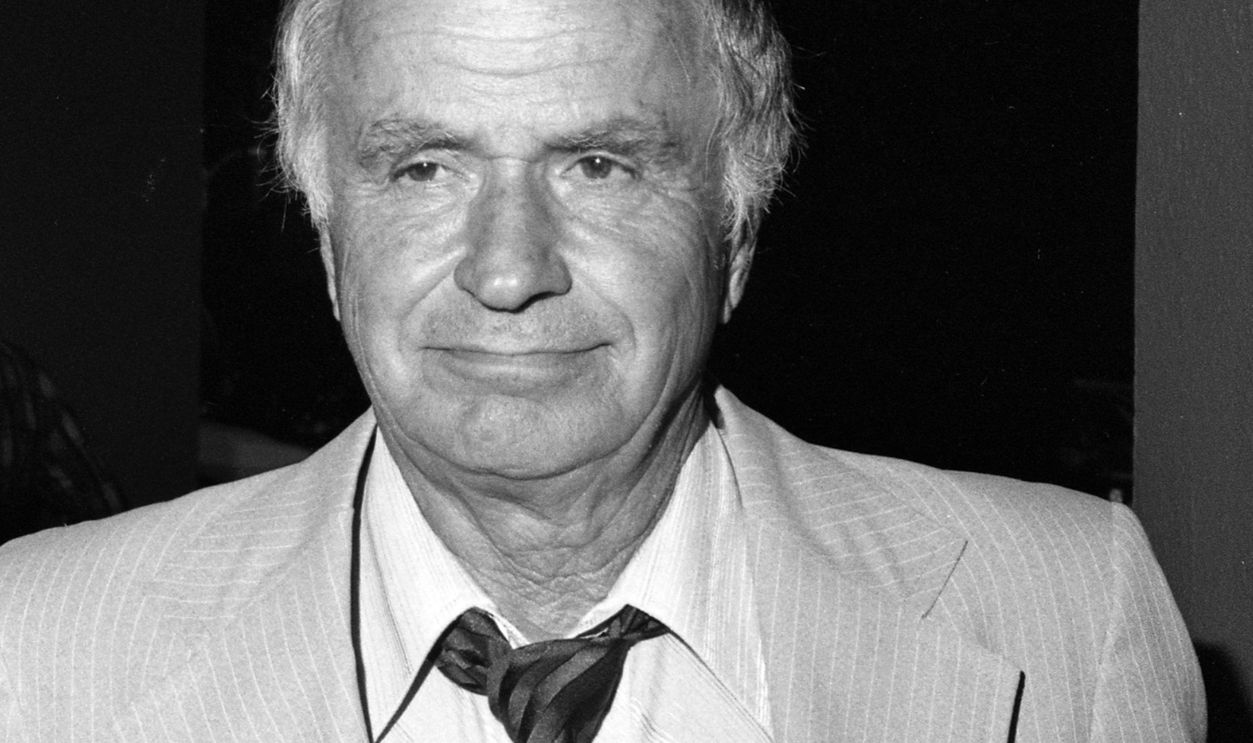
Rocky Rockford Changes Everything
In 1974, Beery began playing Joseph “Rocky” Rockford, the retired truck driver and concerned father of James Garner’s private investigator Jim Rockford. The role brought together everything Beery had learned: comic timing, quiet authority, natural affection, and the ability to make an ordinary man completely fascinating.
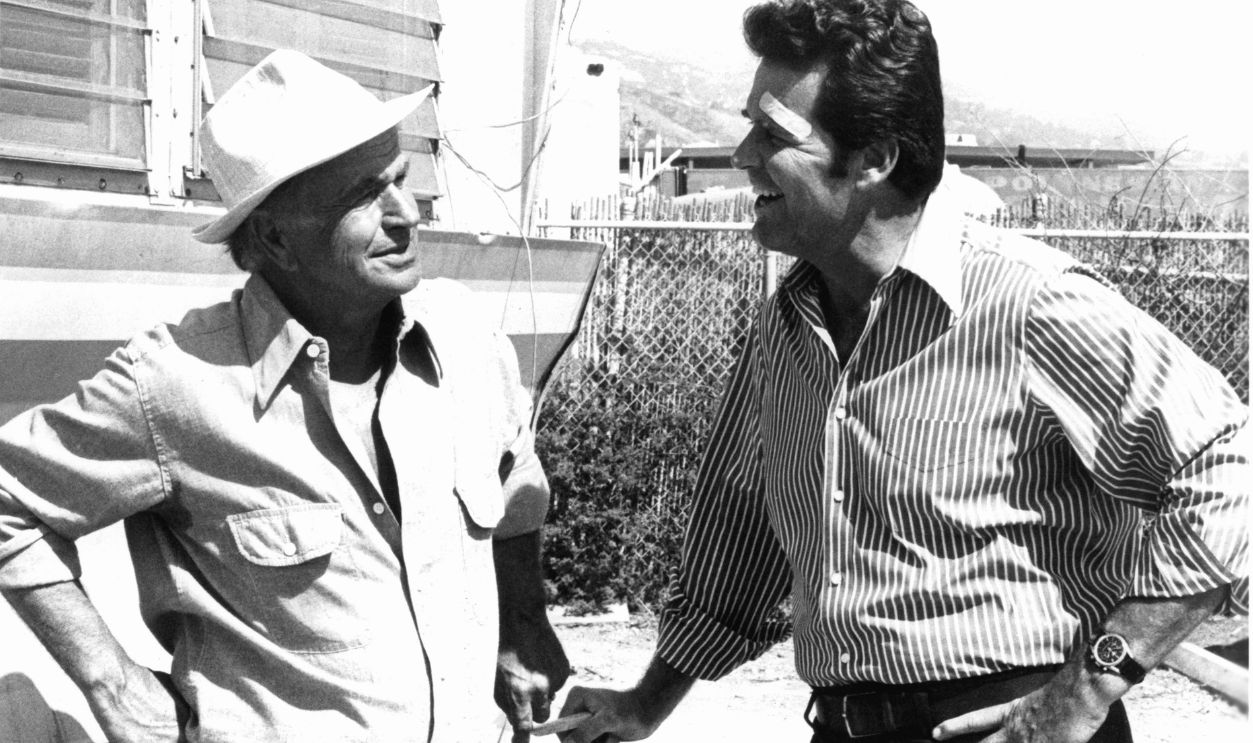
Not Your Typical TV Father
Rocky was not a polished patriarch delivering perfect advice from an armchair. He complained, worried, interfered, and regularly urged Jim to find safer employment. He could be stubborn and loudly unimpressed by detective work. Yet his frustration always came from love, making him feel more like a real parent than a television ideal.
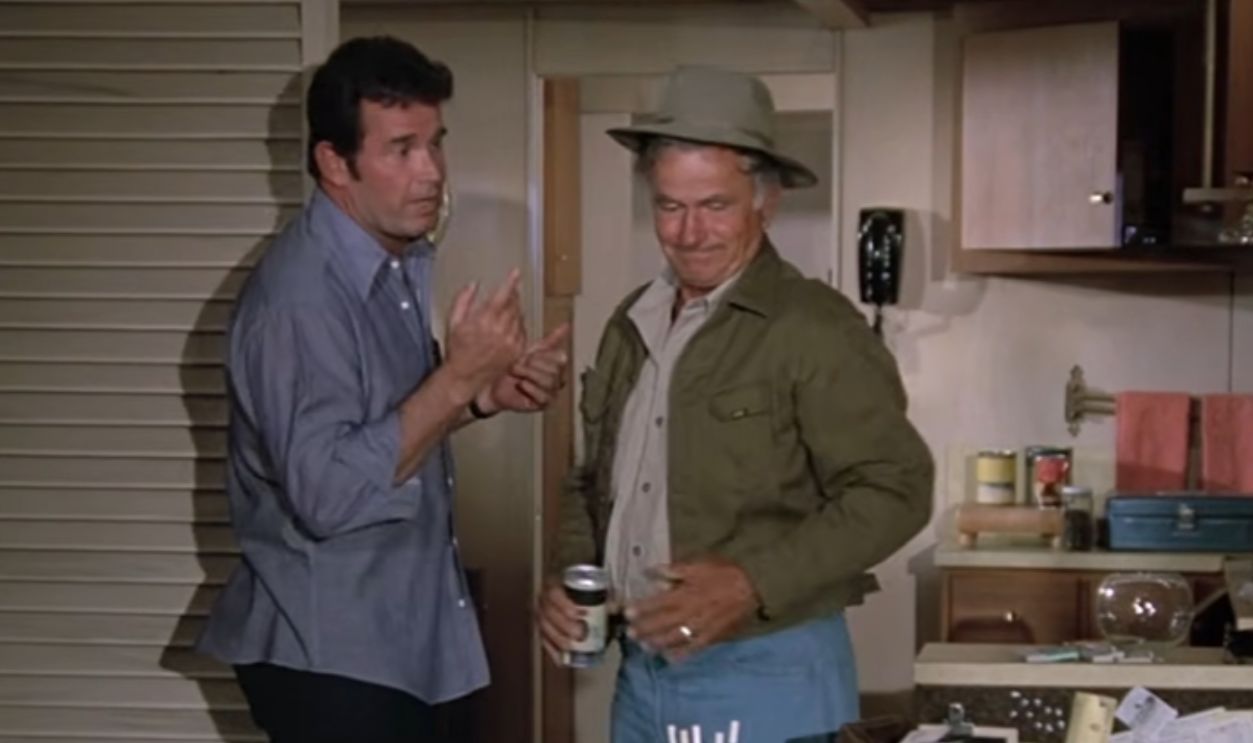 Screenshot from The Rockford Files, NBC (1974–1980)
Garner And Beery Felt Like Family
James Garner and Beery shared an easy chemistry that never looked forced. Jim might roll his eyes when Rocky lectured him, but their affection was obvious. They argued like people who had repeated the same disagreement hundreds of times, then sat down together as though nothing had happened. That familiarity became one of the show’s greatest strengths.
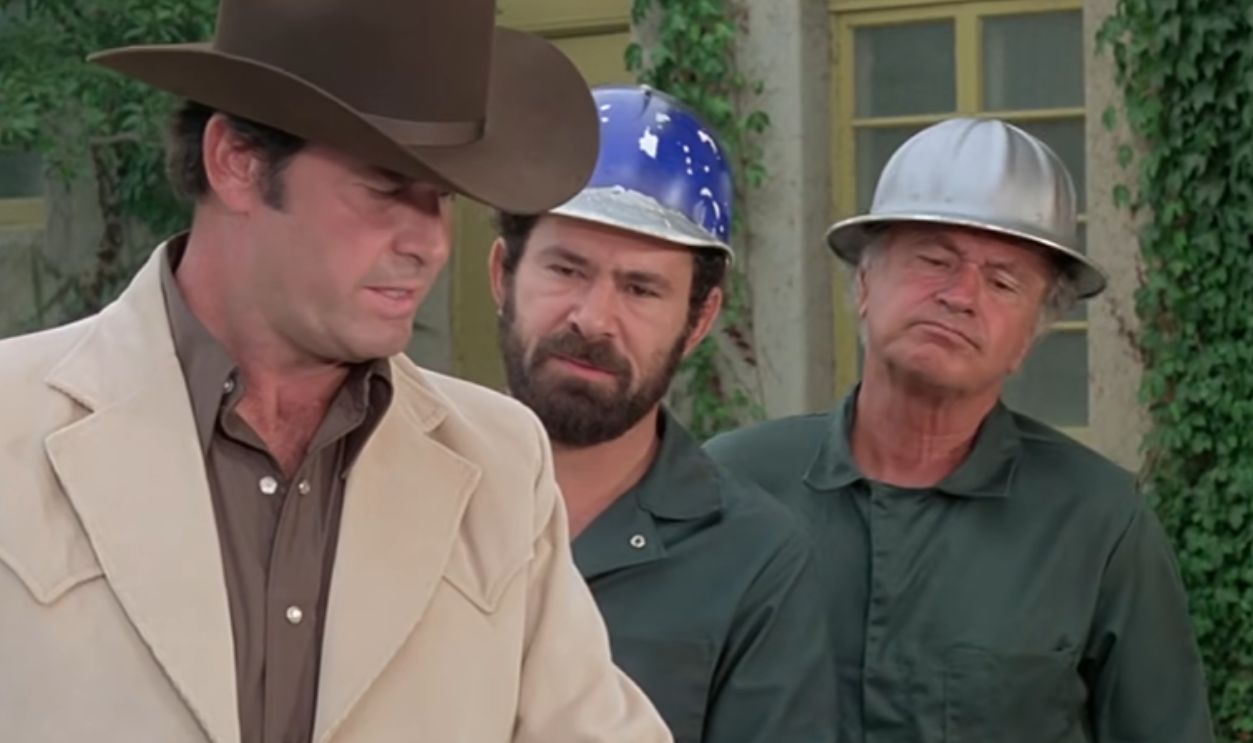 Screenshot from The Rockford Files, NBC (1974–1980)
Rocky Always Called Him Jimmy
Rocky’s habit of calling his grown son “Jimmy” revealed their entire relationship. Jim might be a tough private investigator dealing with criminals, police officers, and dangerous clients, but around Rocky, he remained someone’s kid. Beery could turn one ordinary name into a mixture of worry, irritation, pride, and unconditional affection.
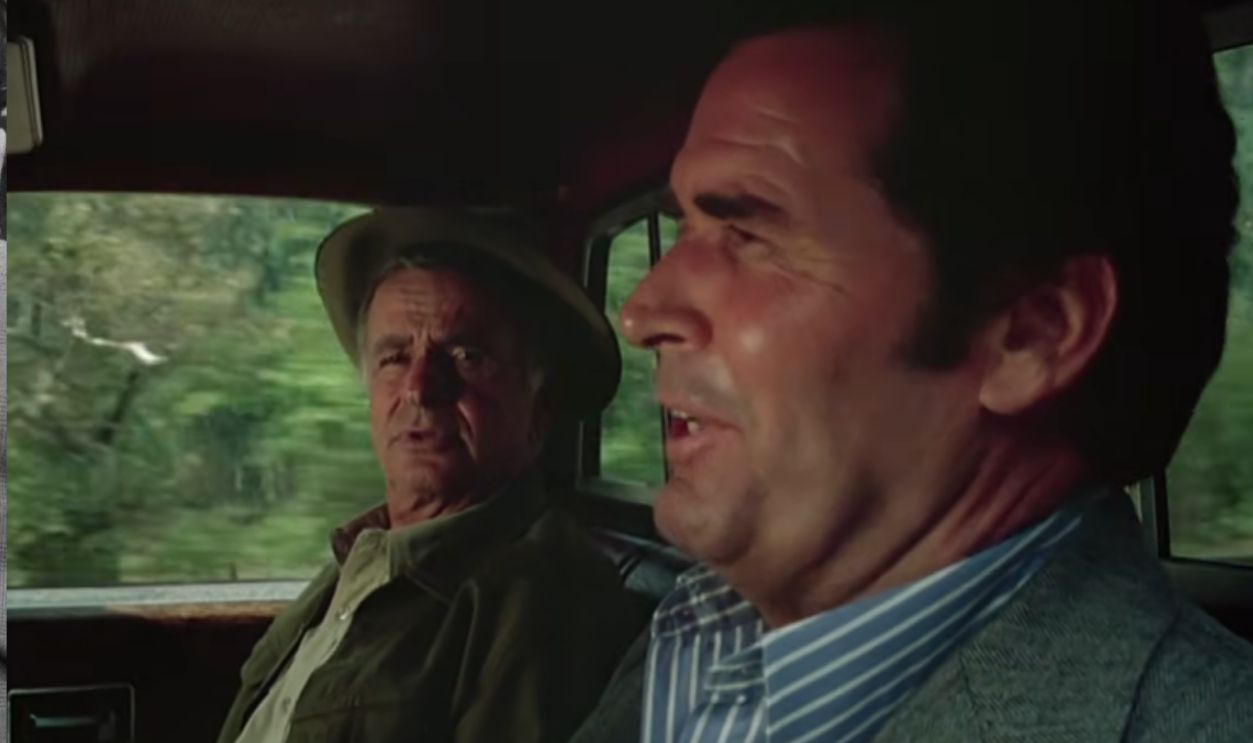 Screenshot from The Rockford Files, NBC (1974–1980)
Nagging Became An Act Of Love
Rocky constantly questioned Jim’s career choices, finances, safety, and reluctance to settle down. In another actor’s hands, that behaviour might have become exhausting. Beery made it lovable. His lectures felt less like criticism and more like a frightened father trying desperately to keep his only son out of the emergency room.
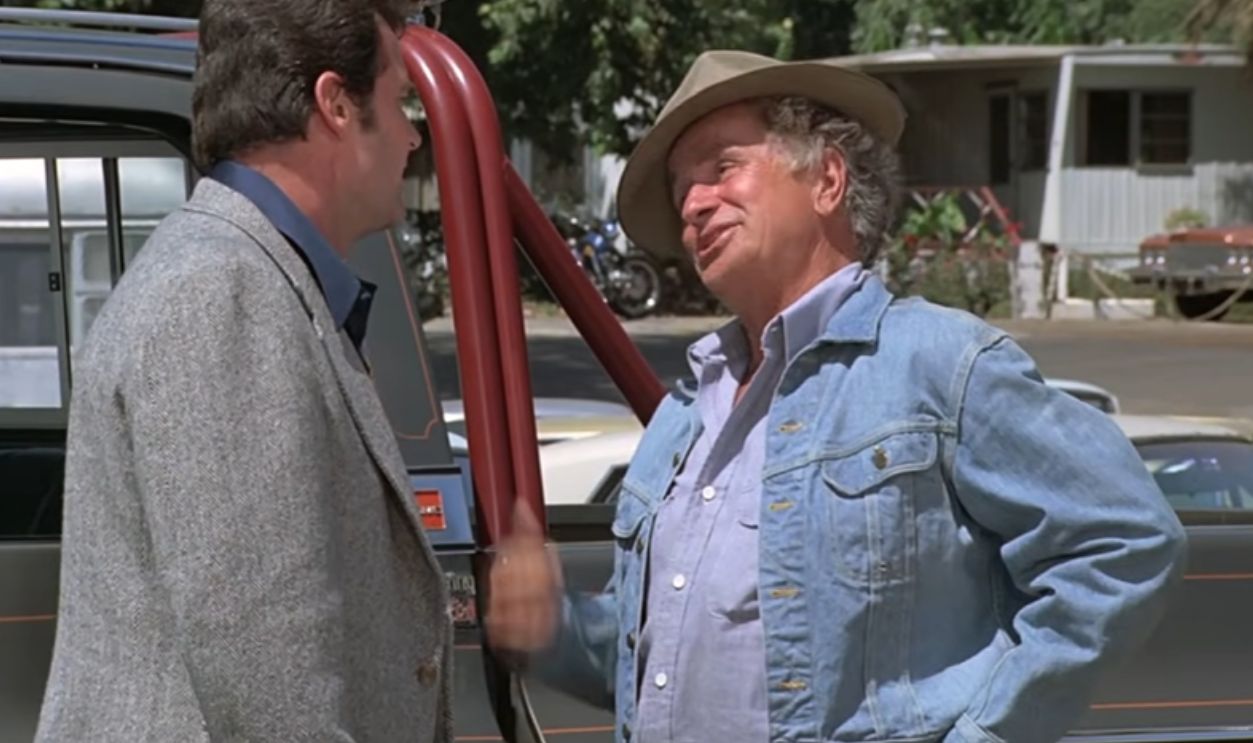 Screenshot from The Rockford Files, NBC (1974–1980)
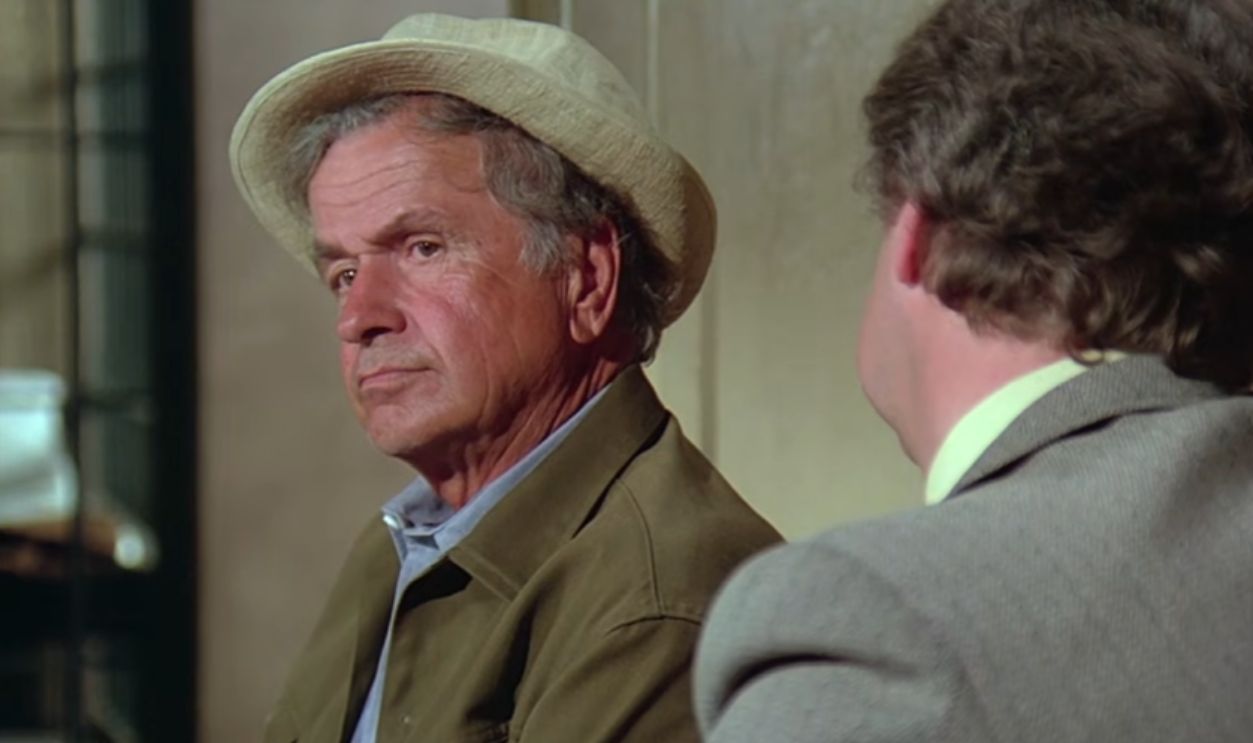
He Knew When To Be Funny
Beery never pushed too hard for laughs. Rocky’s humour came from his reactions, his stubborn logic, and his amazement at the chaos surrounding Jim. A disappointed stare or irritated pause could be funnier than a punchline. His understated delivery balanced Garner’s dry wit and kept their scenes from becoming overly sentimental.
 Screenshot from The Rockford Files, NBC (1974–1980)
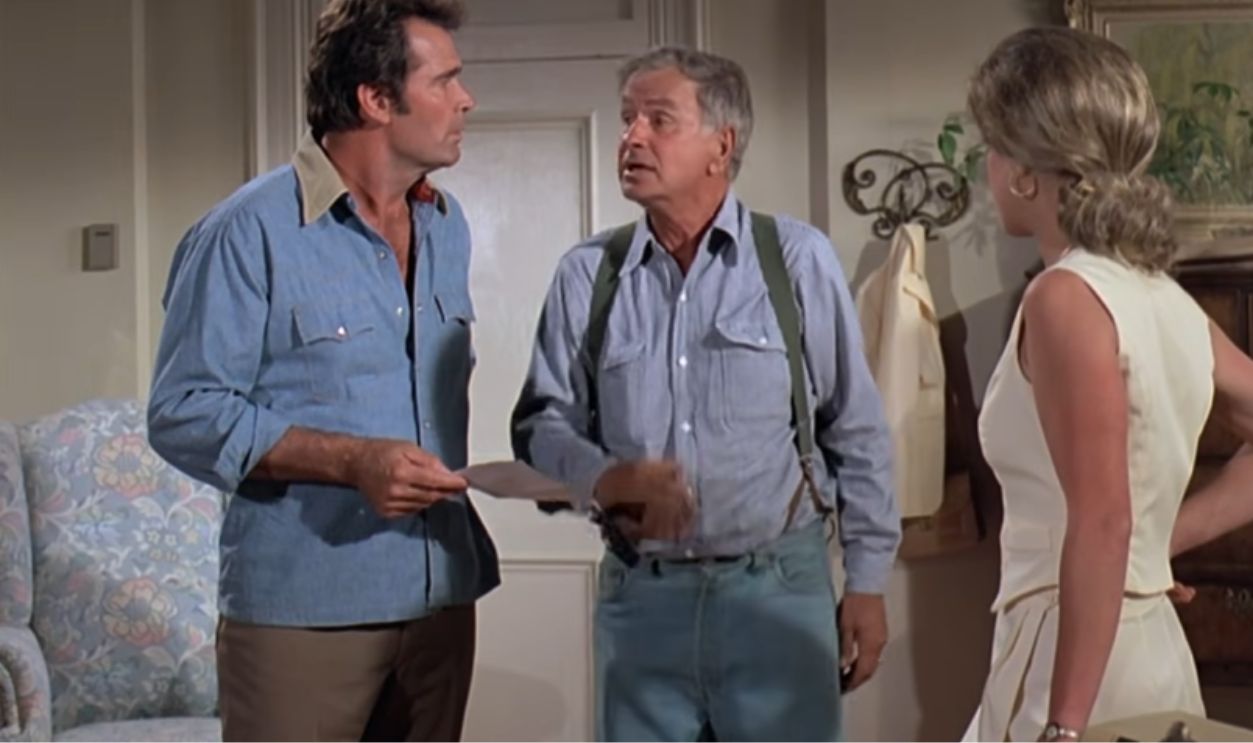
The Show’s Moral Center
Jim Rockford operated in a world filled with liars, swindlers, and powerful people bending the rules. Rocky represented something simpler. He believed in honest work, paying bills, helping friends, and avoiding unnecessary danger. His values gave the show a solid foundation, even when Jim’s cases became particularly strange or complicated.
 Screenshot from The Rockford Files, NBC (1974–1980)
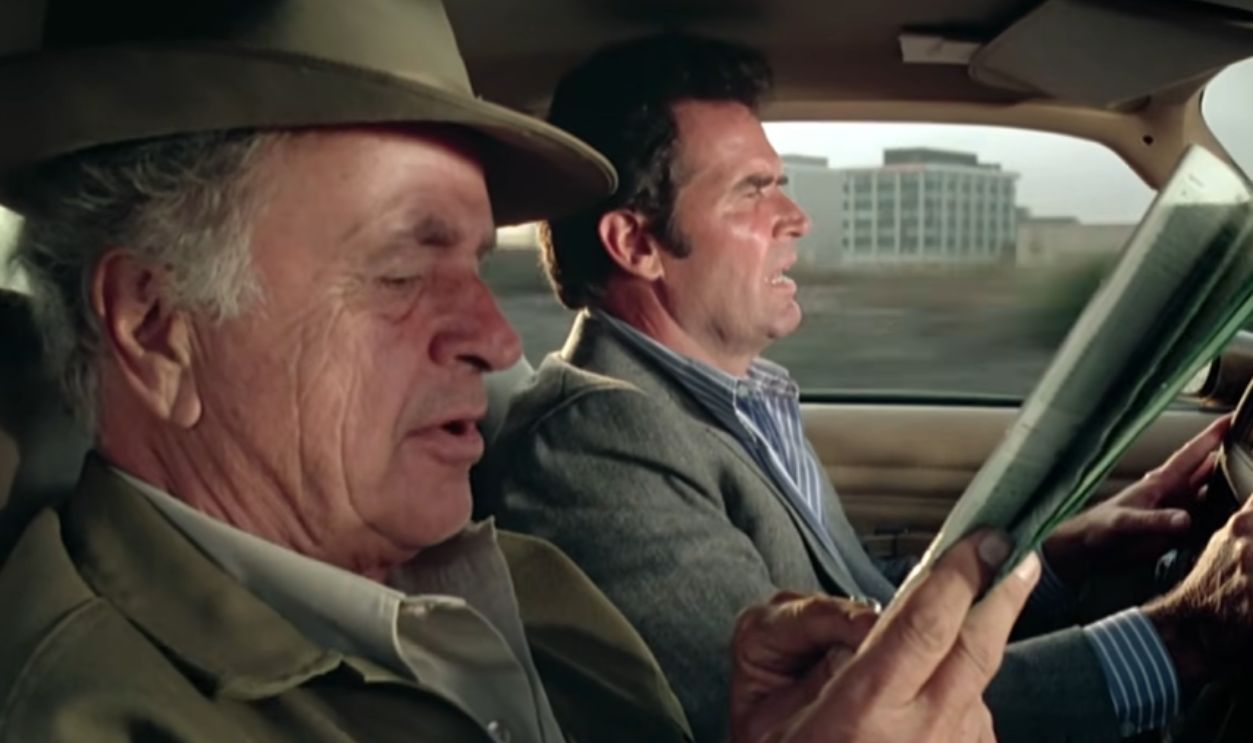
Why Rocky Felt So Comforting
Comfort characters do not need to be perfect. They simply need to feel dependable. Rocky might grumble, but viewers knew he would show up when Jim needed him. Beery created the comforting sense that someone sensible was nearby—even if that sensible person was currently complaining about Jimmy’s latest terrible decision.
 Screenshot from The Rockford Files, NBC (1974–1980)
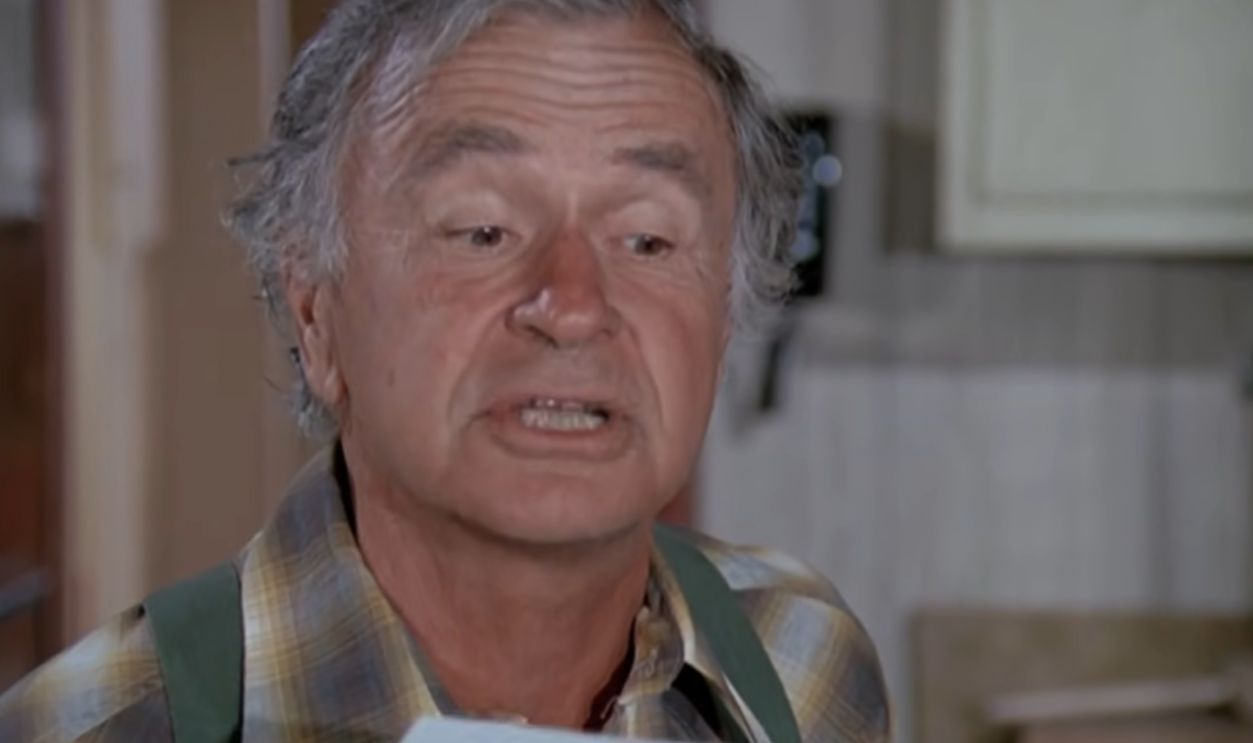
The Recognition Finally Arrived
Beery received two Emmy nominations for his work on The Rockford Files, recognition that celebrated decades of dependable supporting performances. He also earned a television star on the Hollywood Walk of Fame. After spending so much of his career helping other actors shine, Beery was finally honoured for the warmth only he could provide.
 Screenshot from The Rockford Files, NBC (1974–1980)
A Career Built To Last
Beery worked for more than six decades before his death in 1994 at the age of 81. He had appeared in silent films, studio-era classics, Westerns, dramas, and television favourites. Yet Rocky remained his defining character because the role captured his greatest gift: making audiences feel they already knew him.
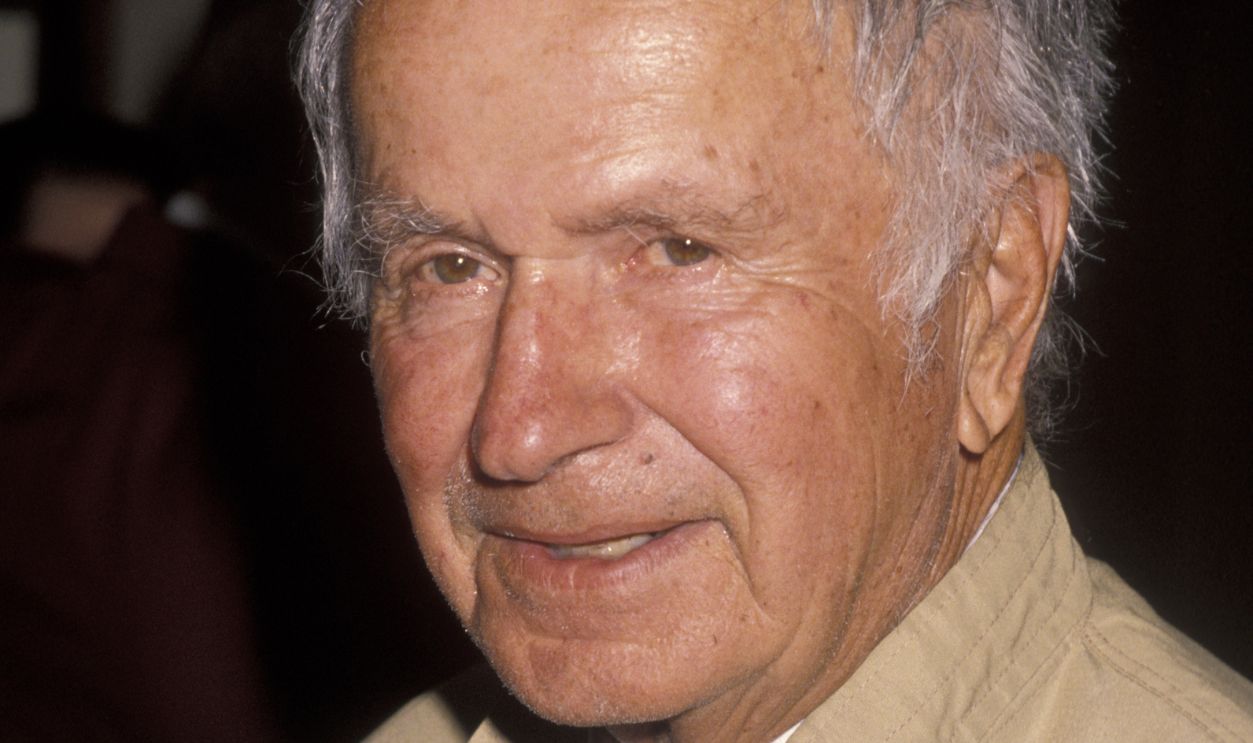
Television’s Favourite Worried Father
Noah Beery Jr. never needed to dominate the screen. He made his mark by listening, reacting, worrying, and quietly caring. As Rocky Rockford, he gave The Rockford Files its heart and its home. Decades later, spending time with Rocky still feels like visiting an old friend who saved you a chair.
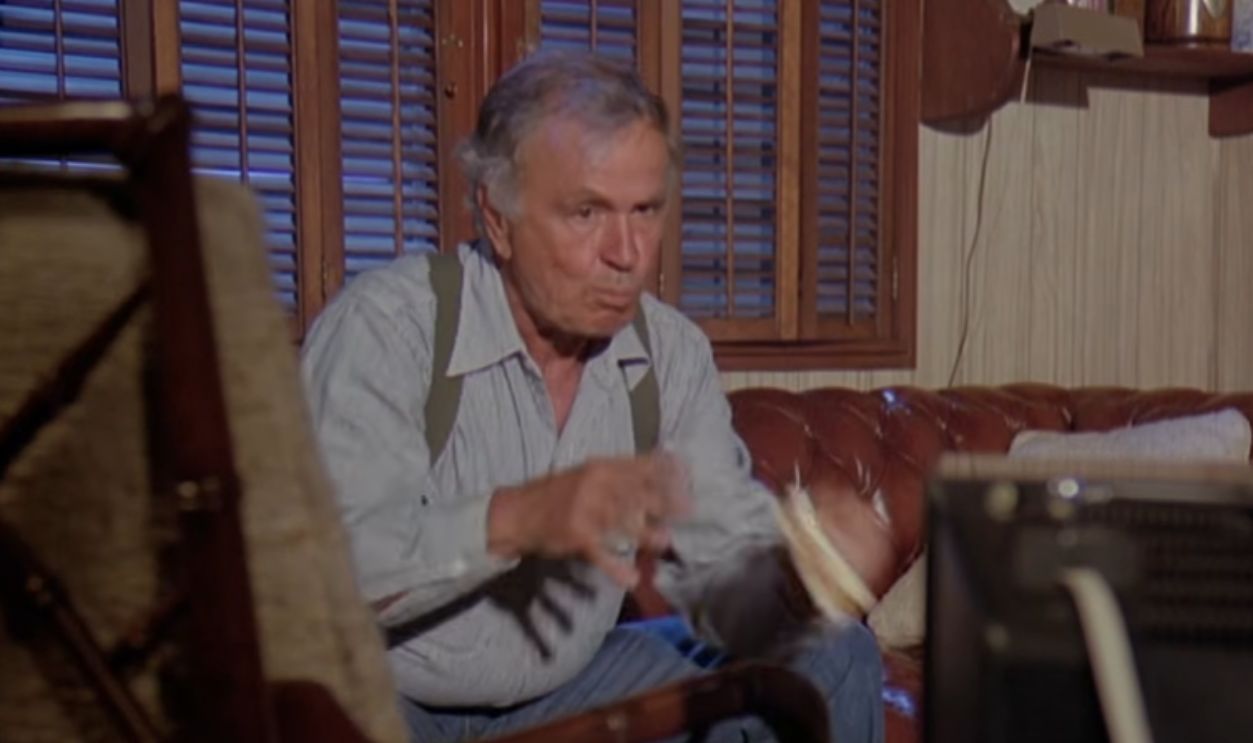 Screenshot from The Rockford Files, NBC (1974–1980)
You May Also Like:
Movie Quiz: Can You Match These Quotes To The Right Film?