Hollywood’s Original Wild Child
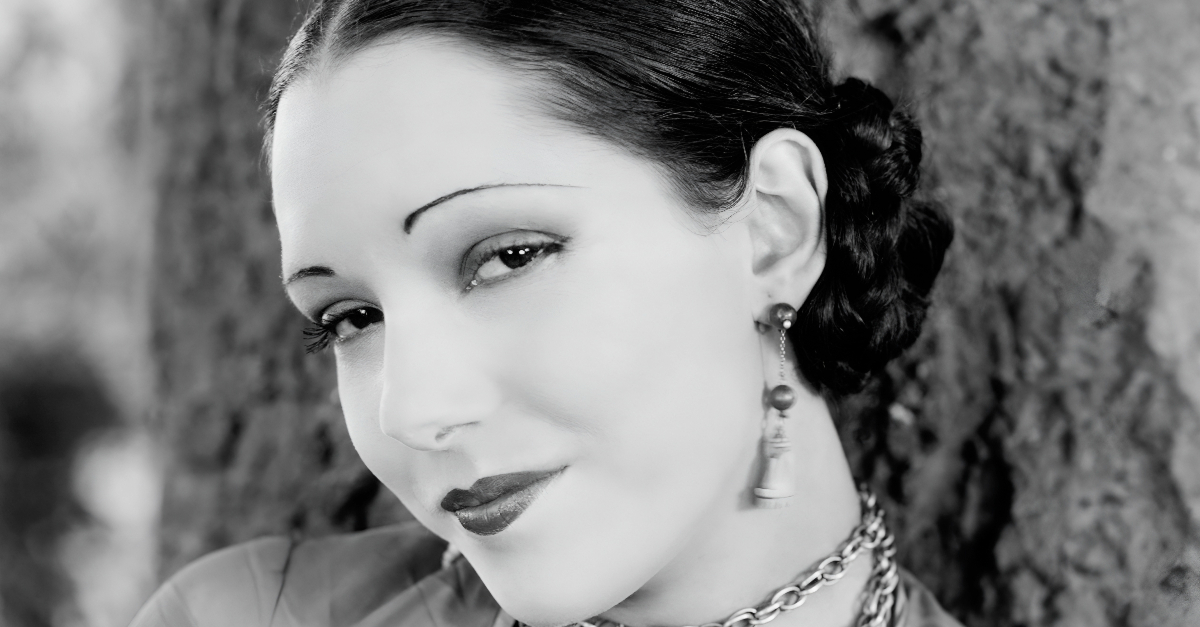
Before tabloids and TMZ, there was Lupe Vélez. Loud, glamorous, funny, fiery, and constantly surrounded by headlines. But after her death in 1944, the rumors completely took over. Wild stories spread across Hollywood for decades, including one infamous version so bizarre, it became more famous than Lupe herself.
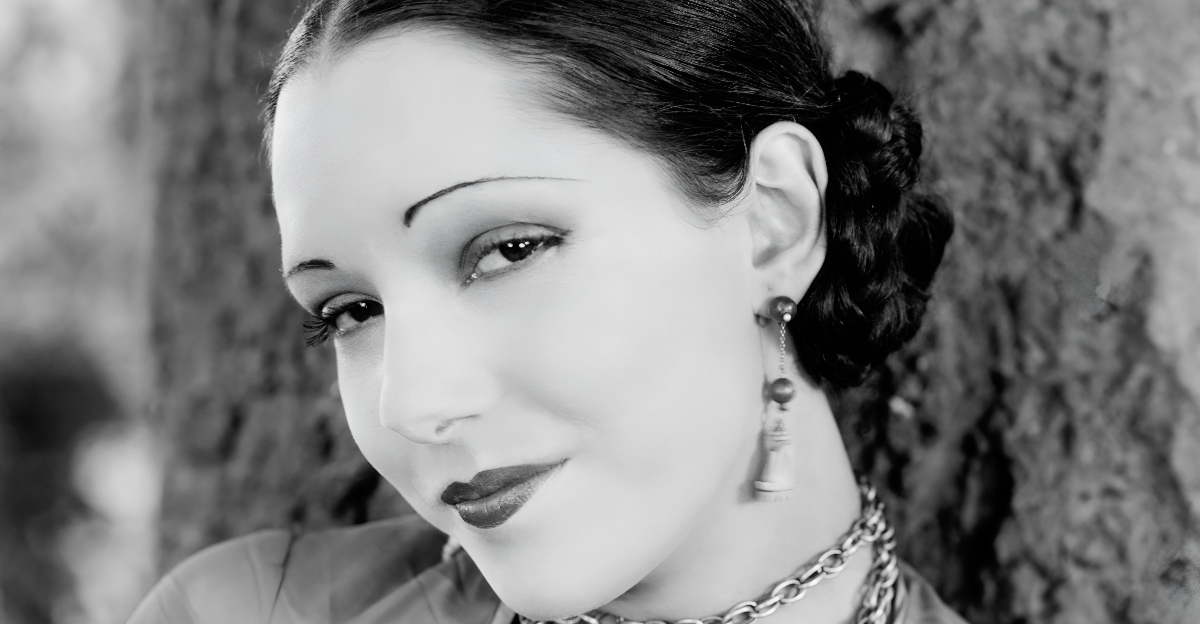 Silver Screen Collection, Getty Images
She Was Born To Stand Out
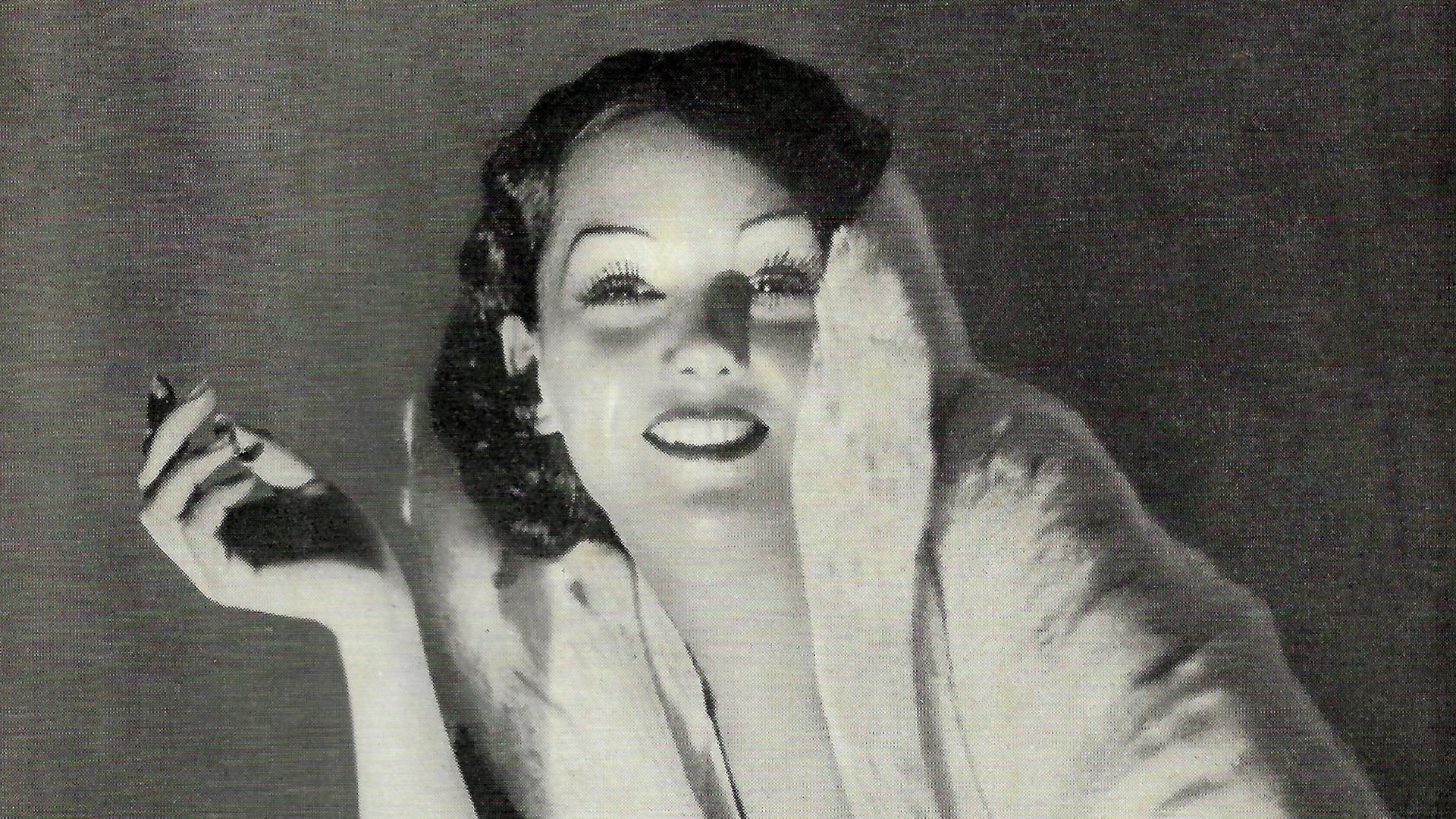
Lupe Vélez was born María Guadalupe Villalobos Vélez in San Luis Potosí, Mexico, in 1908. Even as a child, she had a reputation for being fearless and outspoken. She hated following rules and loved performing for attention. Friends and relatives later said she always seemed destined for some kind of spotlight.
The Stage Came First
Before Hollywood discovered her, Lupe performed in stage productions and revues in Mexico City. Her charisma and confidence helped her rise quickly in entertainment circles. Producers immediately noticed how expressive and energetic she was on stage. Unlike some performers who blended into ensembles, Lupe practically demanded audiences look directly at her.
Hollywood Wanted “Exotic” Stars
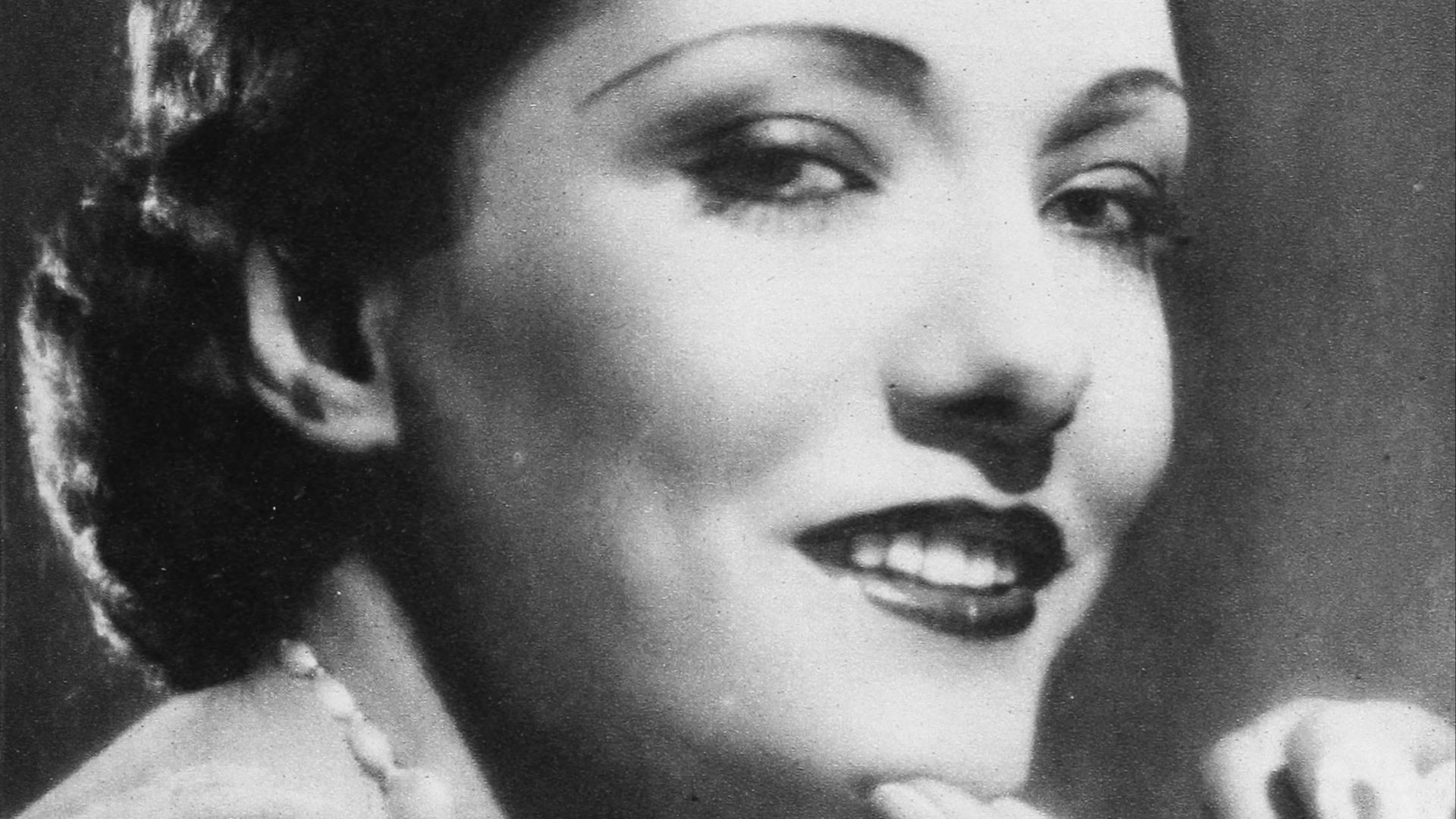
When Lupe arrived in the United States during the 1920s, Hollywood studios saw major potential in her. Unfortunately, they also leaned heavily into stereotypes while marketing her. Publicity campaigns emphasized her accent, beauty, temper, and “wild” personality. The industry often treated international actors like curiosities instead of serious performers.
She Became “The Mexican Spitfire”
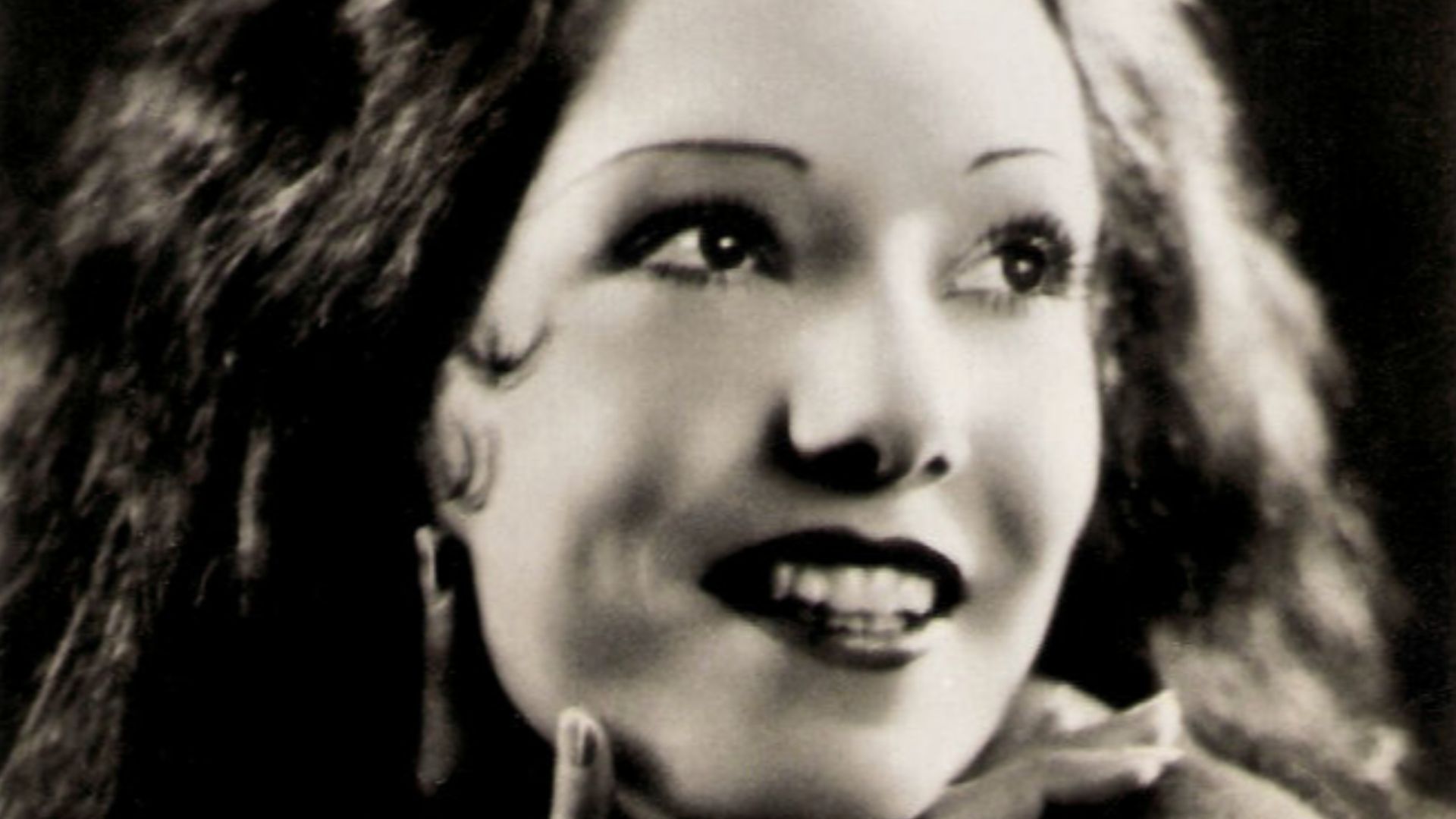
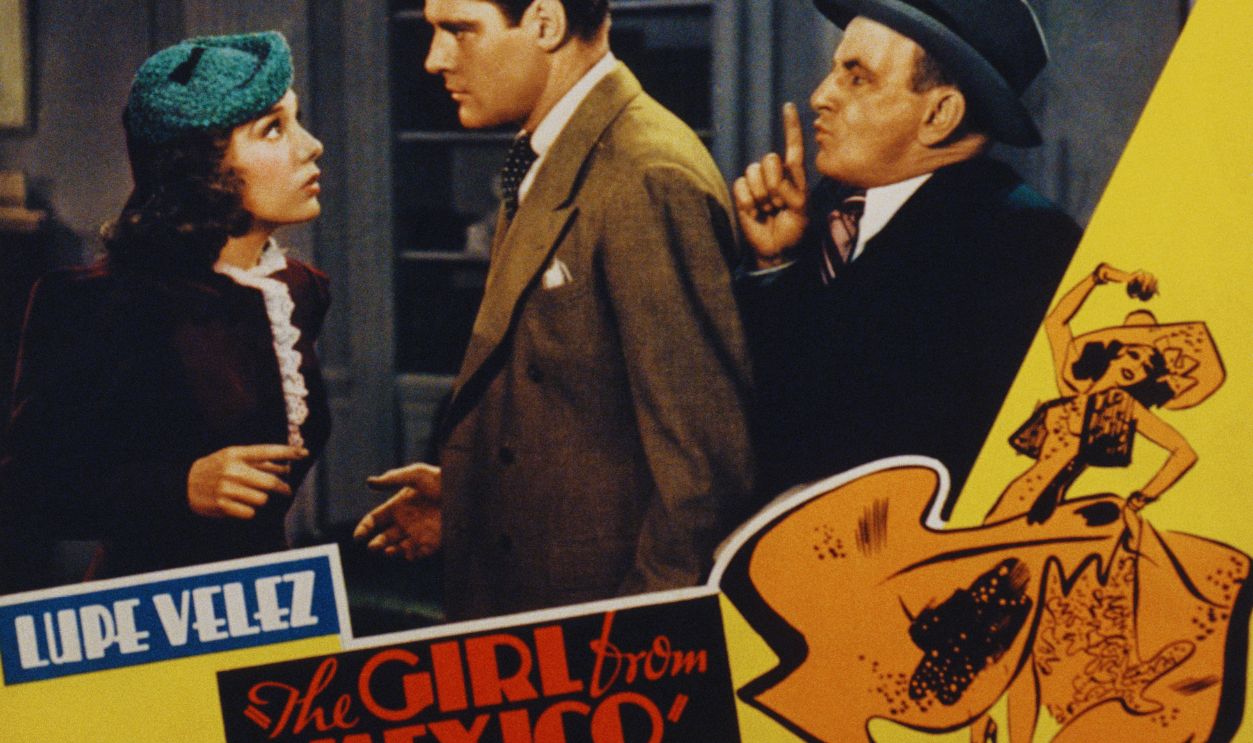
Lupe’s fiery image became even more famous through the successful Mexican Spitfire comedy films. The series helped turn her into one of Hollywood’s biggest comedic personalities during the late 30s and early 40s. She played chaotic, dramatic characters who flirted, yelled, argued, and accidentally created disasters everywhere they went. Audiences absolutely loved it.
Comedy Was Her Secret Weapon
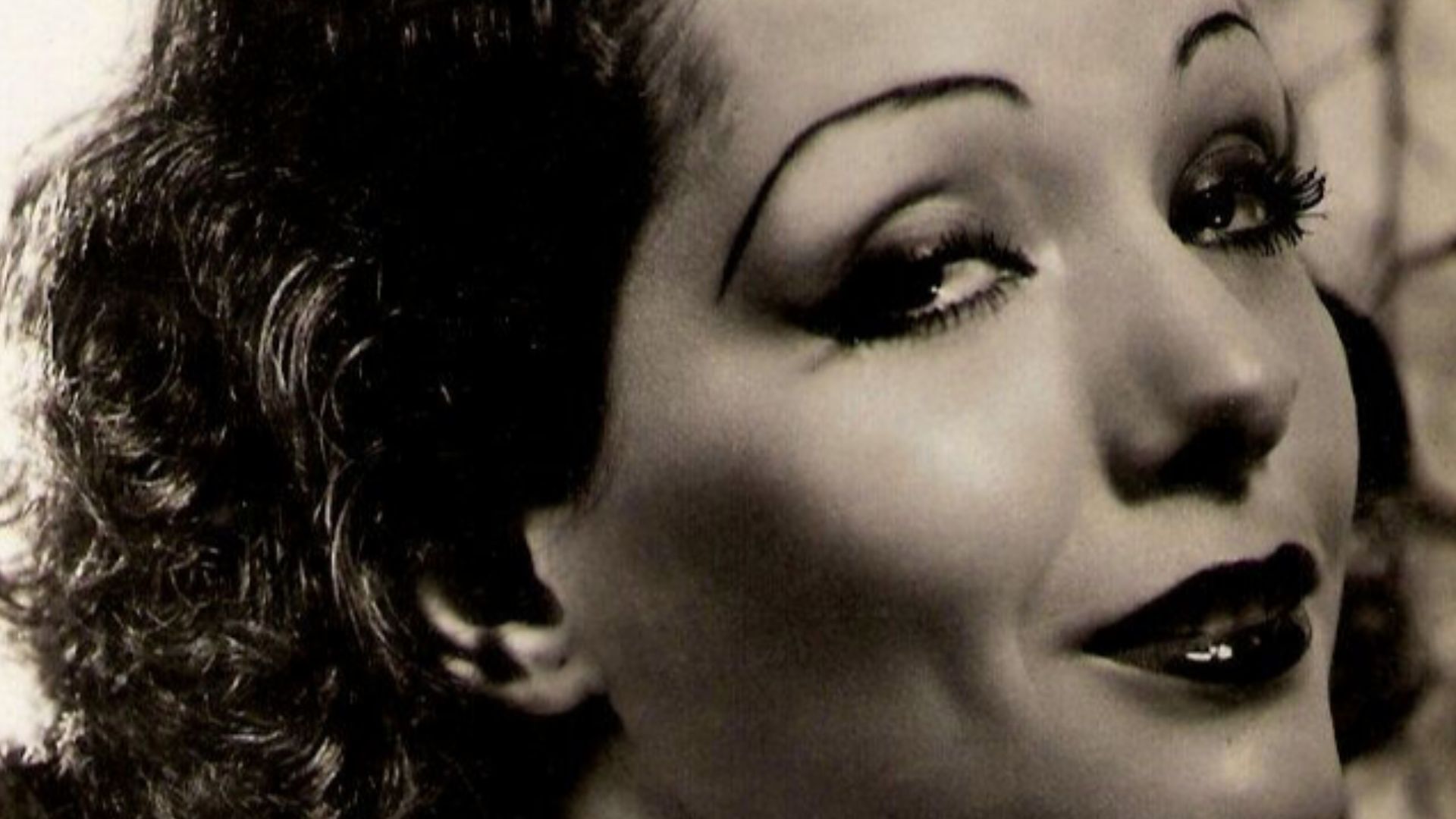
While many actresses focused on elegance and glamour, Lupe wasn’t afraid to look ridiculous for a laugh. She threw herself into physical comedy with total commitment. Her exaggerated expressions and rapid-fire delivery made her scenes feel unpredictable and alive. Critics sometimes underestimated her because she was funny, but fellow actors knew she had serious talent.
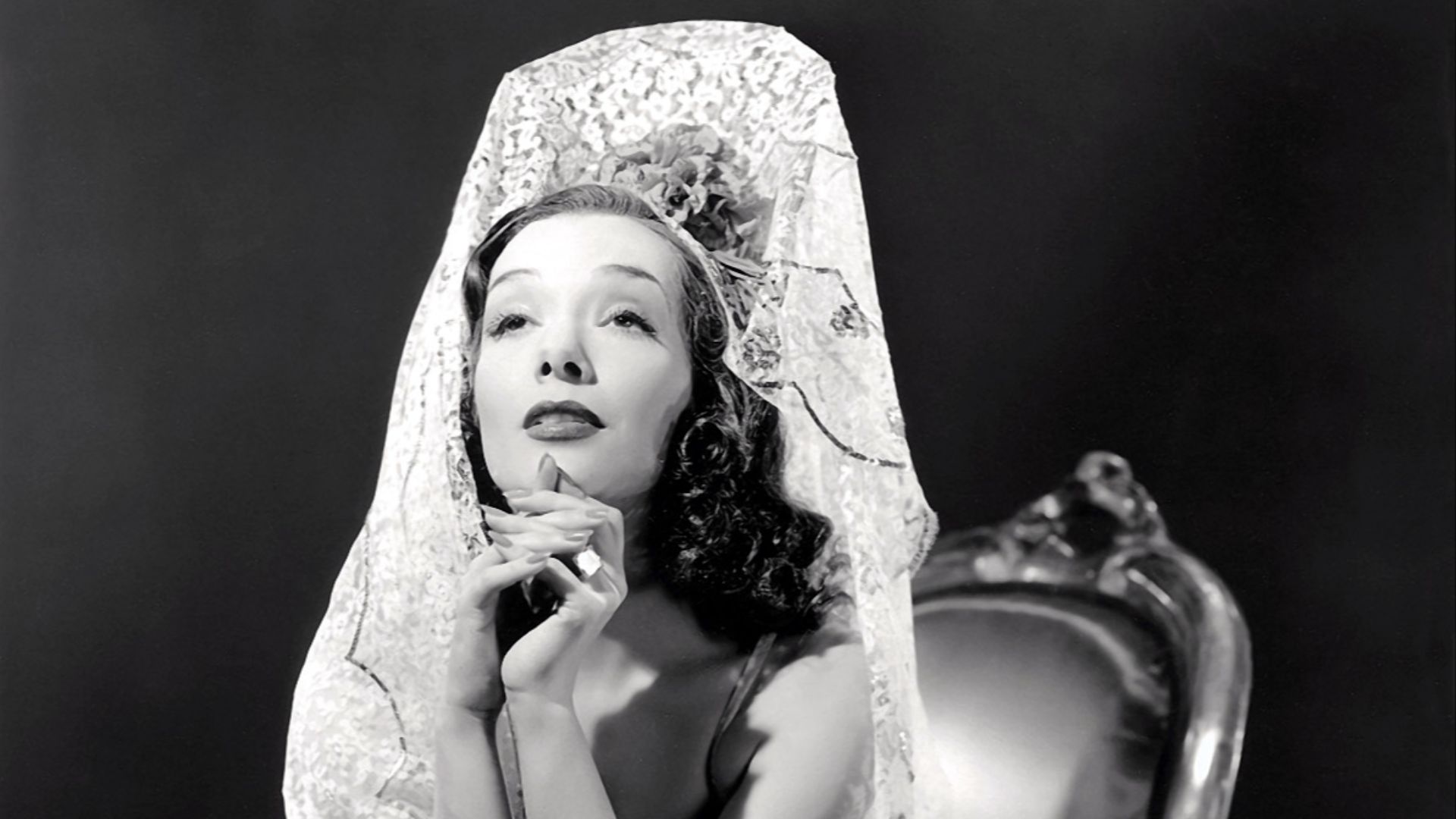 Studio publicity still., Wikimedia Commons
Gossip Columns Couldn’t Get Enough Of Her
Lupe’s off-screen life became almost as famous as her movies. Newspapers constantly published stories about her romances, arguments, emotional outbursts, and dramatic behavior. Some stories were probably exaggerated, but Lupe’s reputation only grew bigger with every headline. Hollywood quickly realized she sold papers almost as easily as she sold movie tickets.
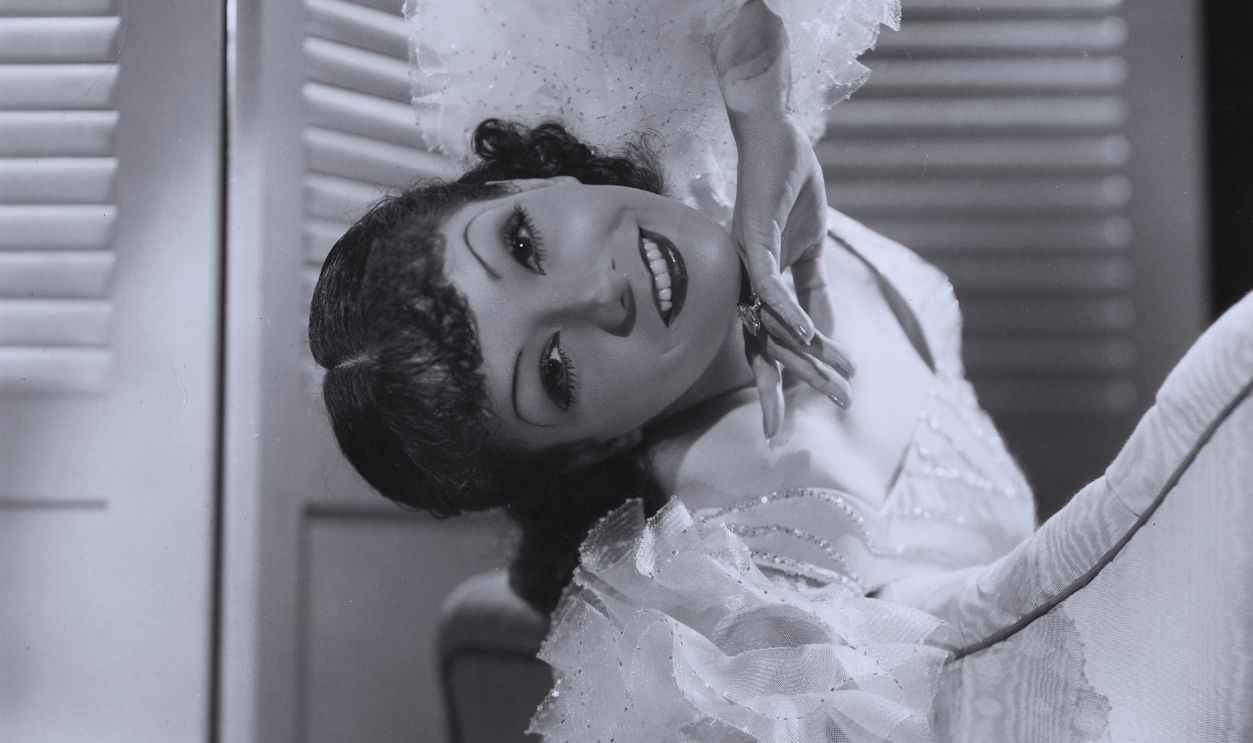 John Springer Collection, Getty Images
Her Marriage Became Front-Page News
One of Lupe’s most famous relationships was with Olympic swimmer and future Tarzan star Johnny Weissmuller. They married in 1933, and reporters followed every detail of their relationship. Stories described screaming matches, thrown dishes, and explosive fights. Their marriage lasted until the late 30s, and it permanently added to Lupe’s reputation as Hollywood’s most fiery celebrity.
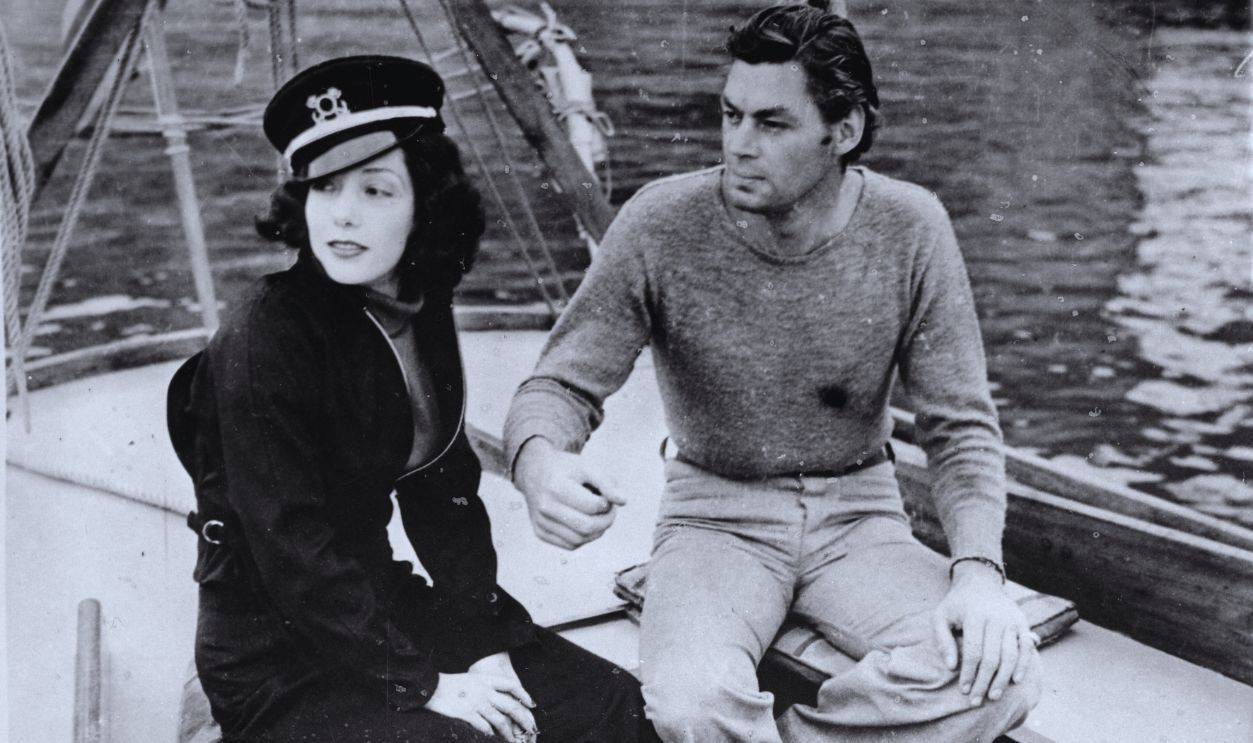 brandstaetter images, Getty Images
She Worked Constantly
Behind the gossip and drama, Lupe Vélez was also a hardworking actress. She appeared in dozens of films during a period when Latina actresses were rarely given major opportunities in Hollywood. She successfully survived the difficult transition from silent films to talkies, which ended many careers. Lupe stayed relevant because audiences genuinely enjoyed watching her perform.
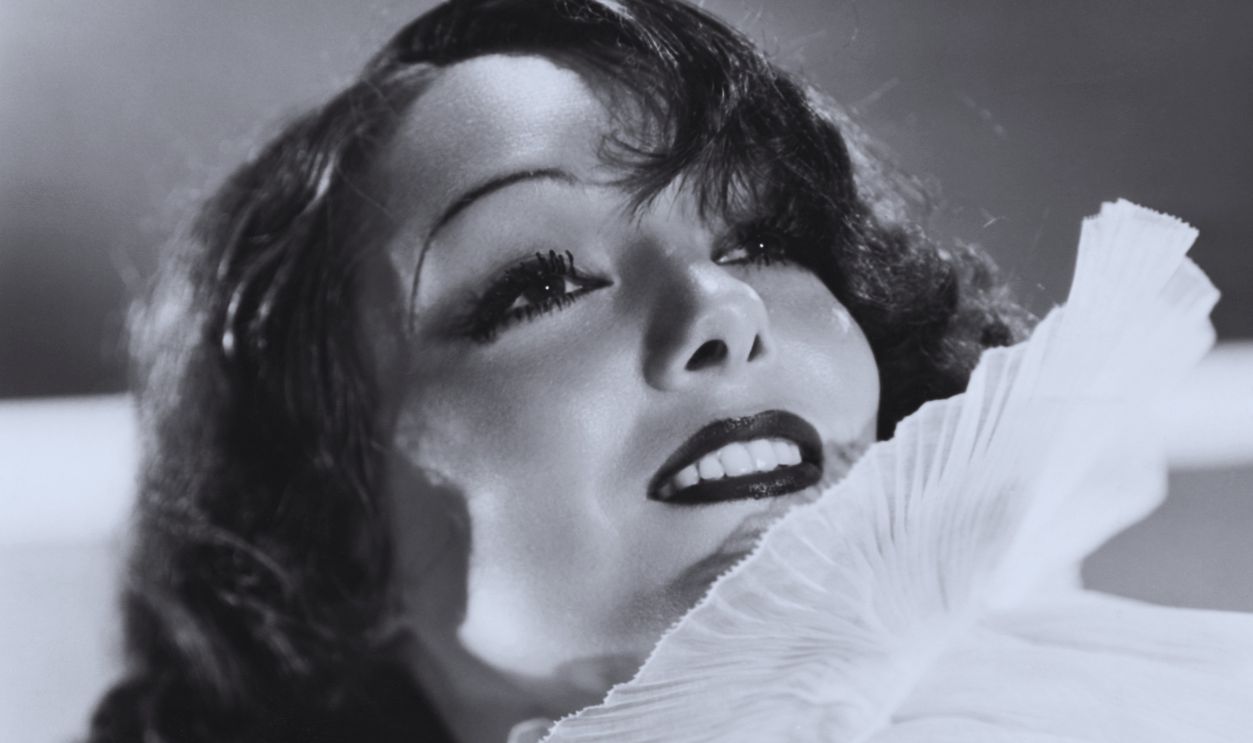 John Springer Collection, Getty Images
Fame Came With A Price
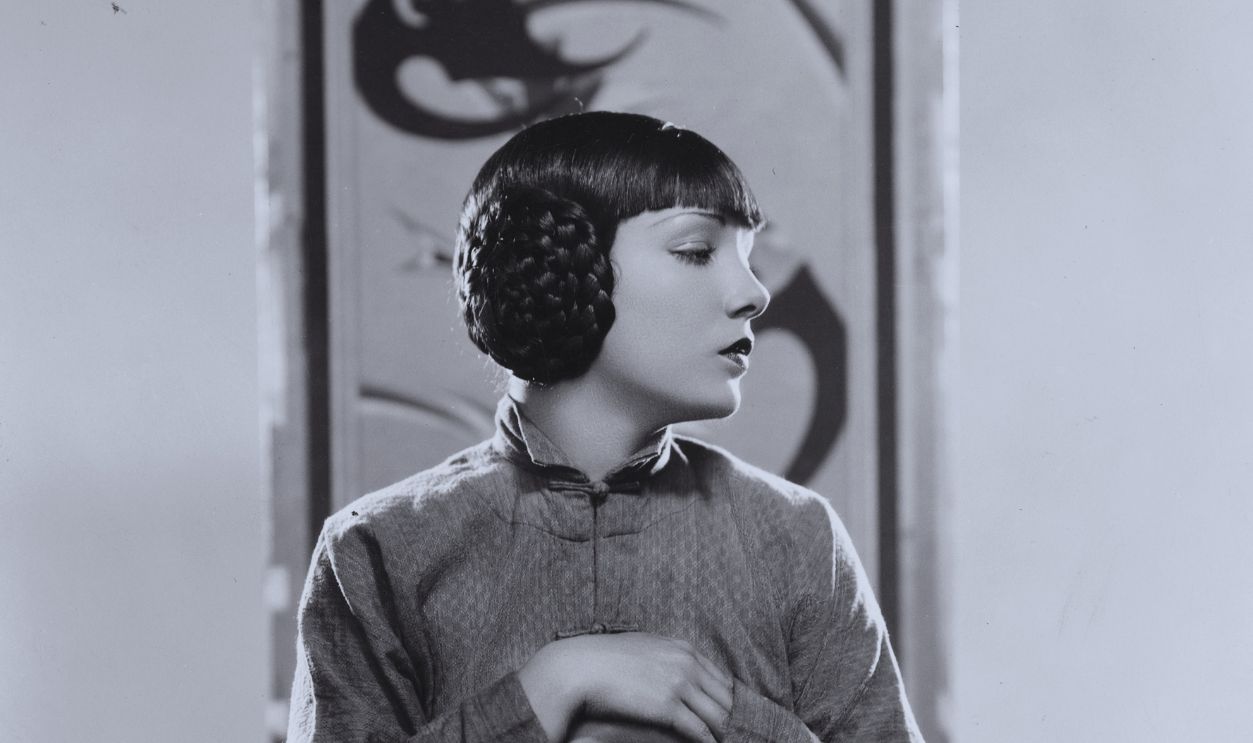
The same personality that made Lupe famous also trapped her in a very specific image. Studios constantly pushed her into loud, emotional, “wild woman” roles because audiences expected it. Over time, the public started viewing her more like a caricature than a real person. Lupe reportedly became frustrated that Hollywood rarely allowed her to show different sides of herself.
 John Springer Collection, Getty Images
She Couldn’t Escape Typecasting
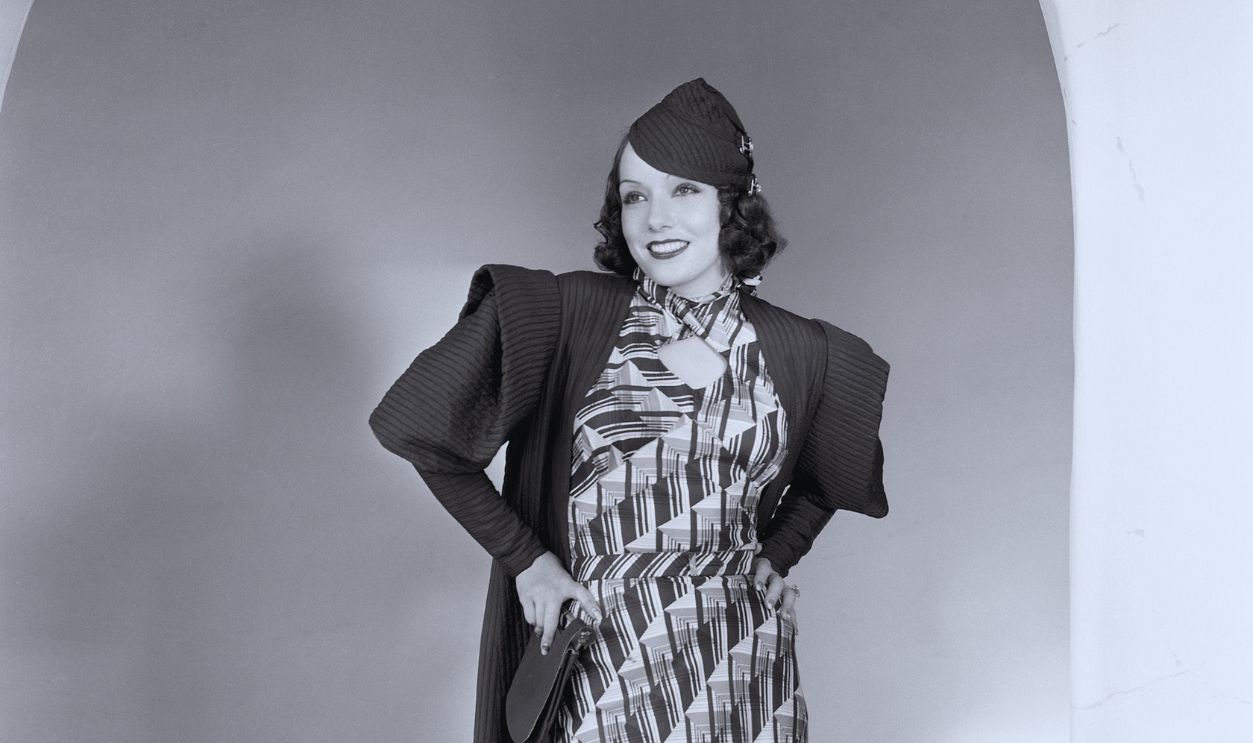
Even after becoming a major star, Lupe struggled to land more serious dramatic roles. Executives believed audiences only wanted the fiery comedic version of her. Hollywood loved reducing actresses to one defining trait, and Lupe’s became “temper.” It made her famous, but it also limited how the industry viewed her talent.
 Silver Screen Collection, Getty Images
Hollywood Started Moving On
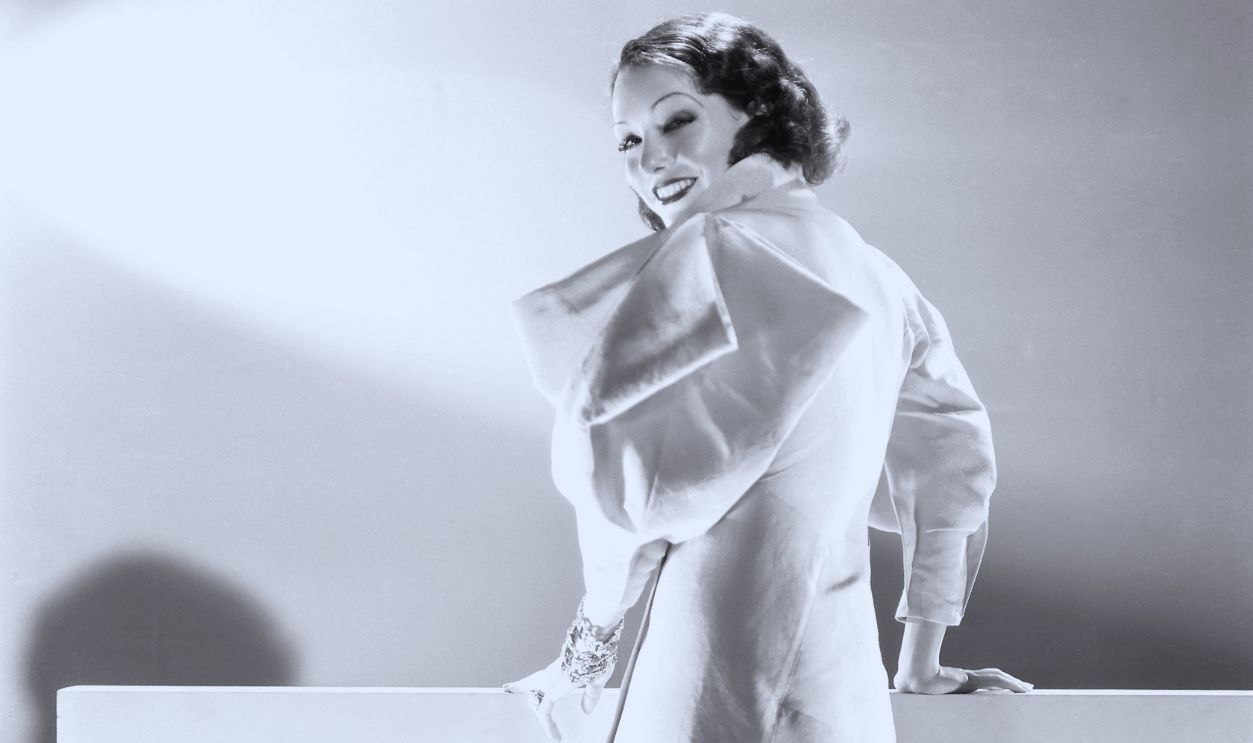
By the early 1940s, Lupe’s career had slowed compared to her peak years. New stars constantly arrived in Hollywood, and studios quickly shifted attention toward younger faces. Although she still worked steadily, the massive spotlight surrounding her had faded. For someone who spent years dominating headlines, that quieter period may have been emotionally difficult.
 Silver Screen Collection, Getty Images
She Became Pregnant In 1944
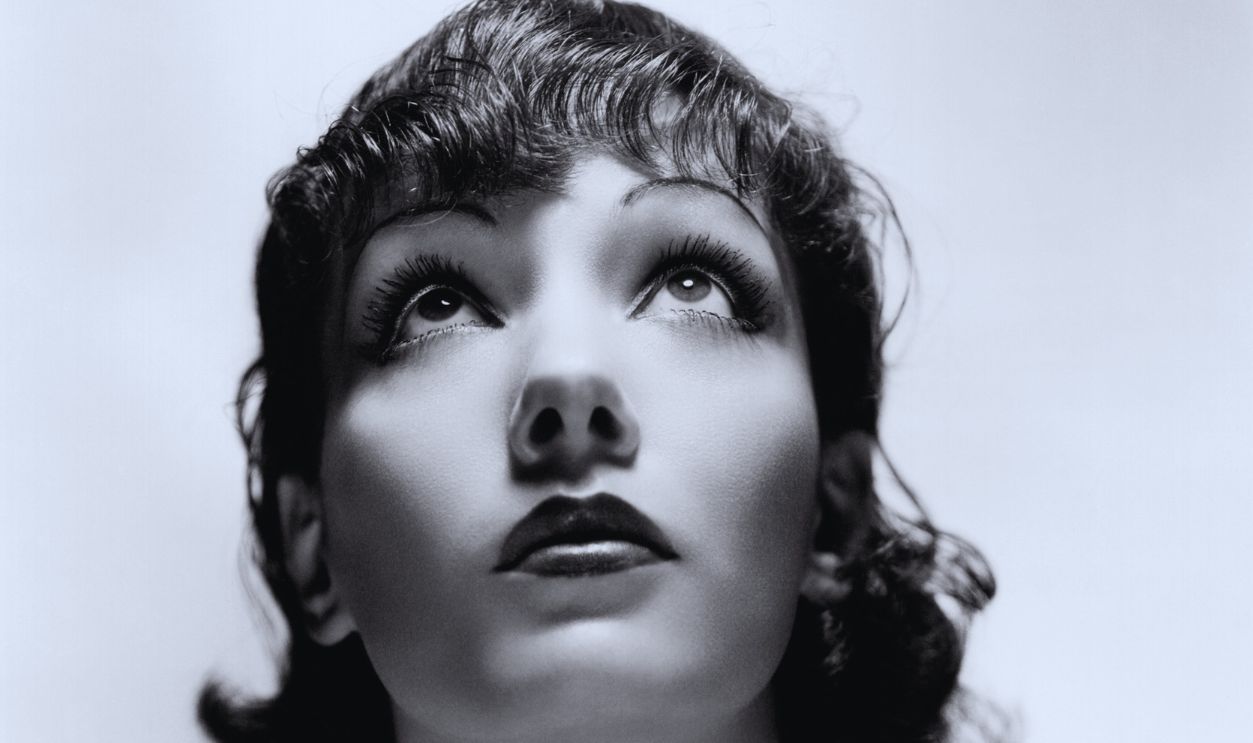
In 1944, Lupe became pregnant after a relationship with Austrian actor Harald Ramond. Reports later claimed Ramond did not want to marry her, which deeply upset Lupe. Pregnancy outside marriage carried enormous stigma during that era, especially for actresses whose personal lives were constantly scrutinized by the press. Friends reportedly worried about her emotional state during this period.
 De Carvalho Collection, Getty Images
Her Death Shocked Hollywood
On December 14, 1944, Lupe Vélez was found dead at just 36 years old after taking an overdose of sleeping pills. The news stunned Hollywood and fans across the country. People who remembered her loud, vibrant personality struggled to imagine someone so energetic suddenly gone.
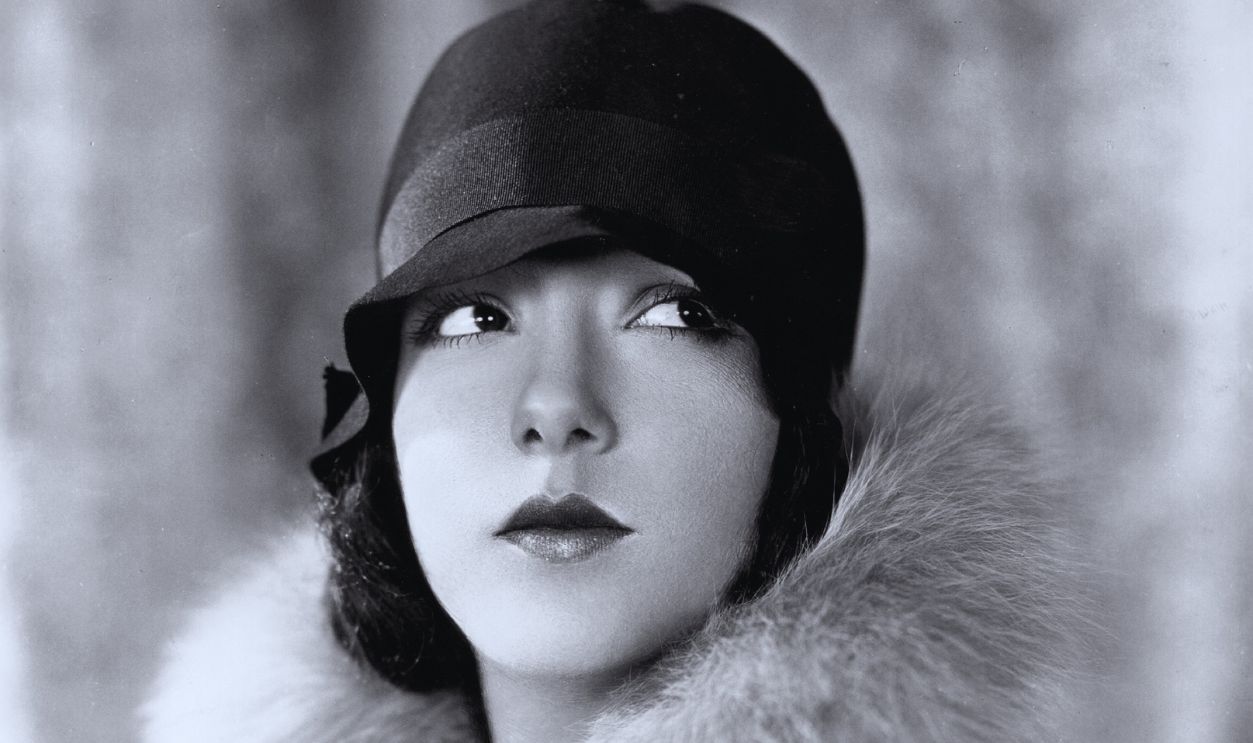
Then The Rumors Began
Almost immediately after Lupe’s death, bizarre stories started circulating about what supposedly happened that night. Over time, one especially sensational version became Hollywood legend. According to the rumor, Lupe allegedly took sleeping pills, became sick, stumbled into the bathroom, slipped, and drowned headfirst in a toilet.
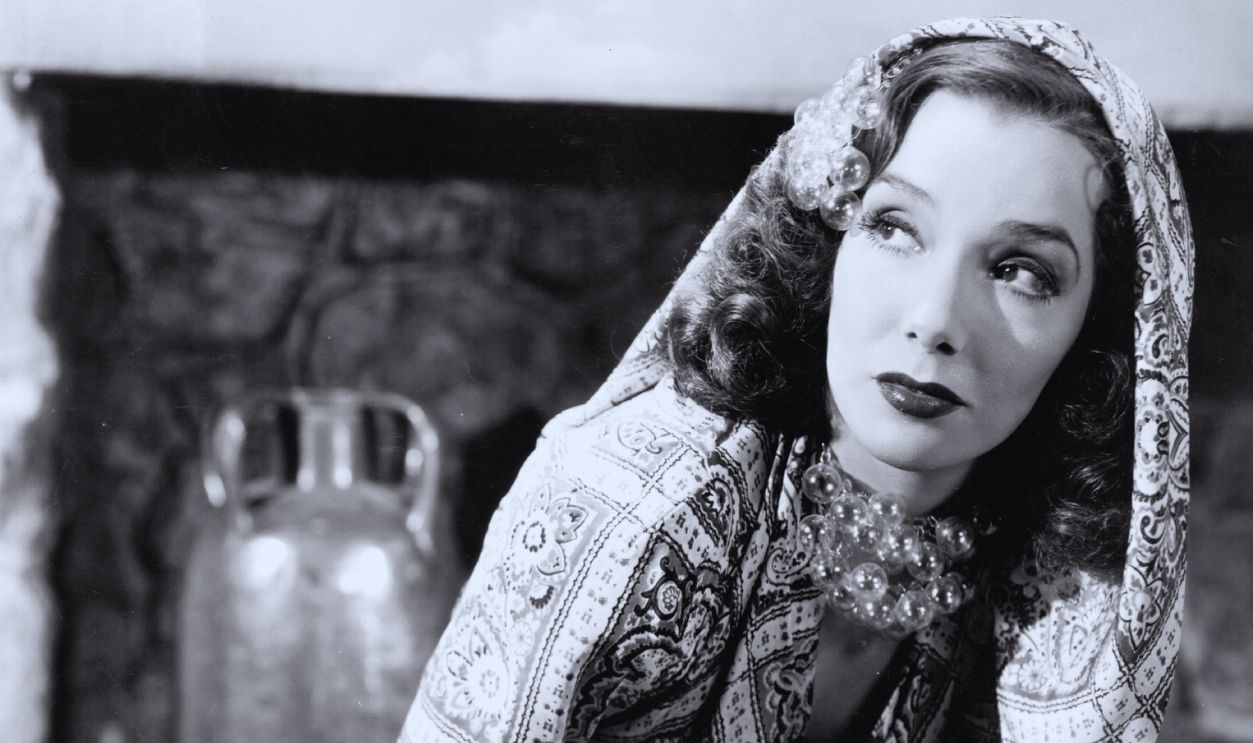
The Infamous Story Wasn’t True
The problem with the famous story is that there’s no credible evidence it actually happened. Contemporary accounts and later research point to her being found in her bedroom, with no evidence supporting the toilet story. Historians now widely believe the rumor was invented later as cruel gossip. Somehow, the fictional version of events became more famous than the truth.
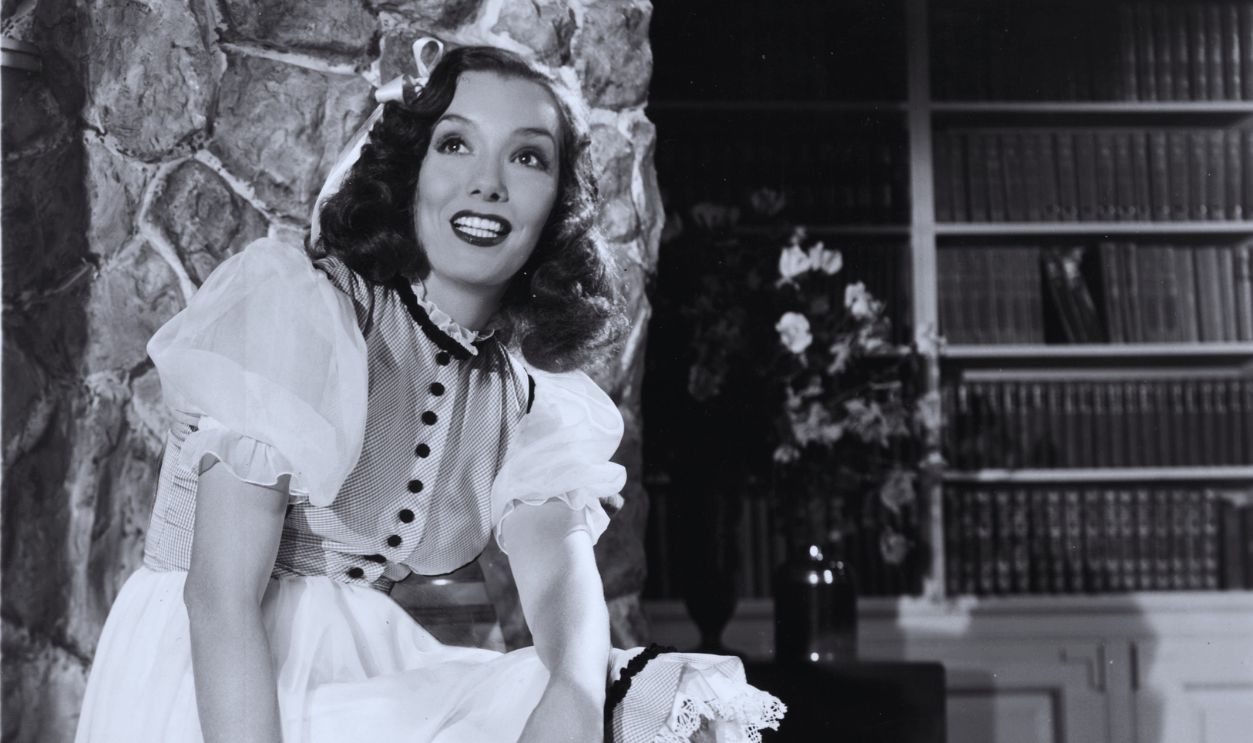
The Rumors Only Got Wilder
As the years passed, the stories surrounding Lupe’s death became increasingly dramatic. Some gossip writers claimed she carefully staged a glamorous death scene with flowers, perfume, and elegant clothing arranged around her bed. Others insisted she tried crawling for help after taking the pills.
Another rumor claimed she planned the entire thing as a final public humiliation aimed at Harald Ramond. Some details about flowers, candles, and her clothing appear in later accounts, but the more outrageous additions remain unsupported.
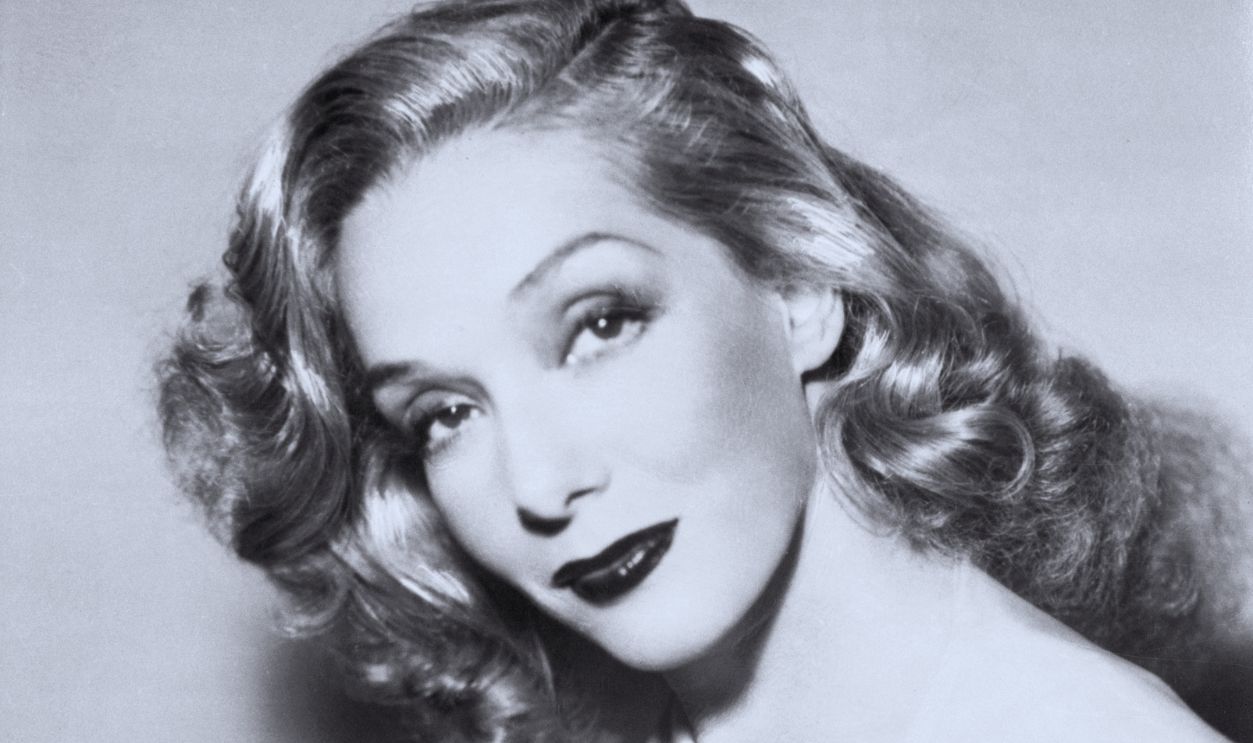
Hollywood Loved A Scandal
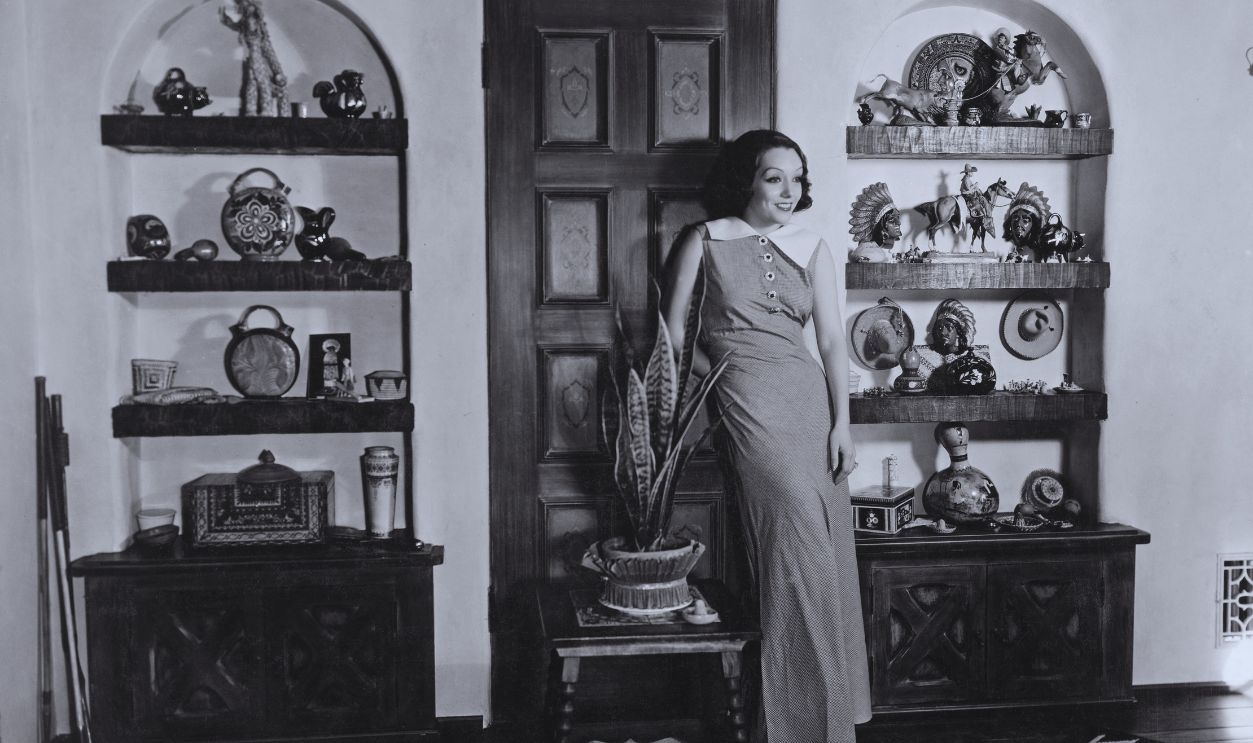
Part of the reason the rumors spread so easily was because old Hollywood thrived on sensational stories. Studios carefully controlled stars’ public images, but gossip writers often filled the gaps with exaggeration and fiction. Lupe’s reputation as emotional and unpredictable made her an easy target for outrageous myths after her death.
 Clarence Sinclair Bull, Getty Images
Some People Even Suspected A Cover-Up
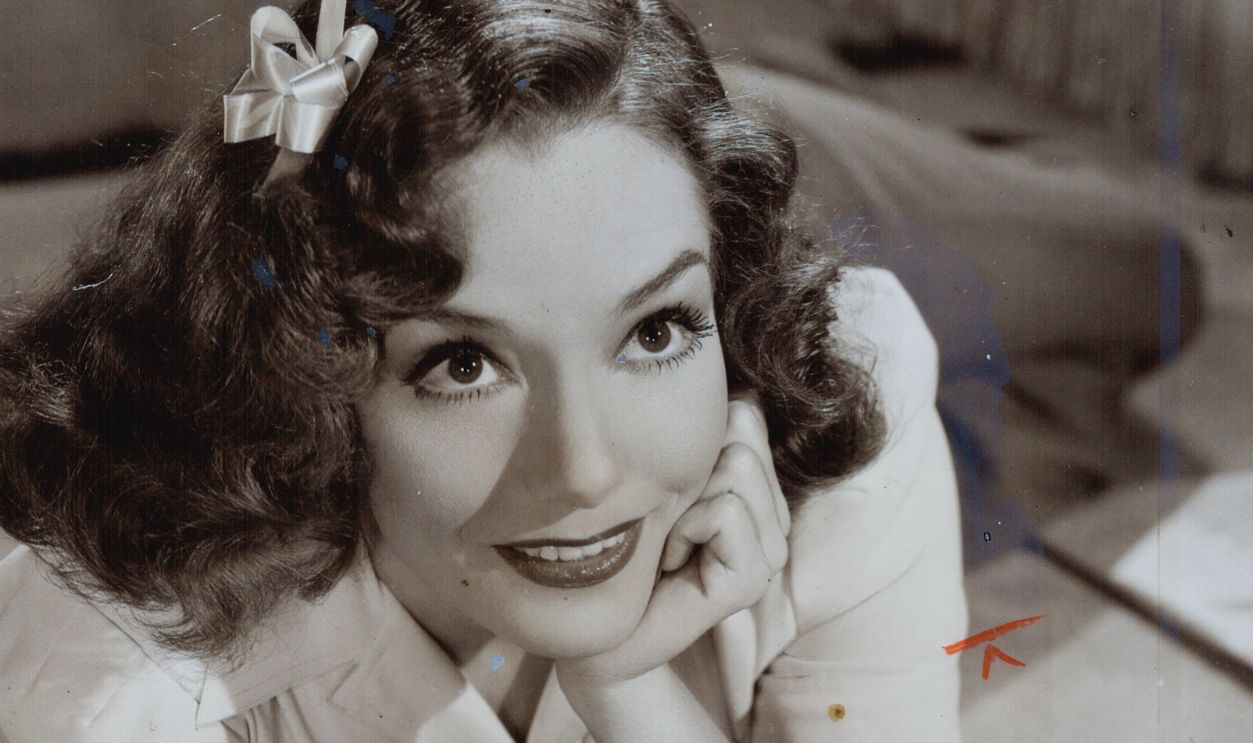
As the rumors grew, some people began speculating that Hollywood fixers had hidden embarrassing details from the public. Theories claimed studios wanted to protect both Lupe’s image and the reputations of people connected to her. Historians have never found strong evidence supporting a major cover-up, but old Hollywood secrecy helped fuel endless speculation.
 Toronto Star Archives, Getty Images
The Story Spread Everywhere
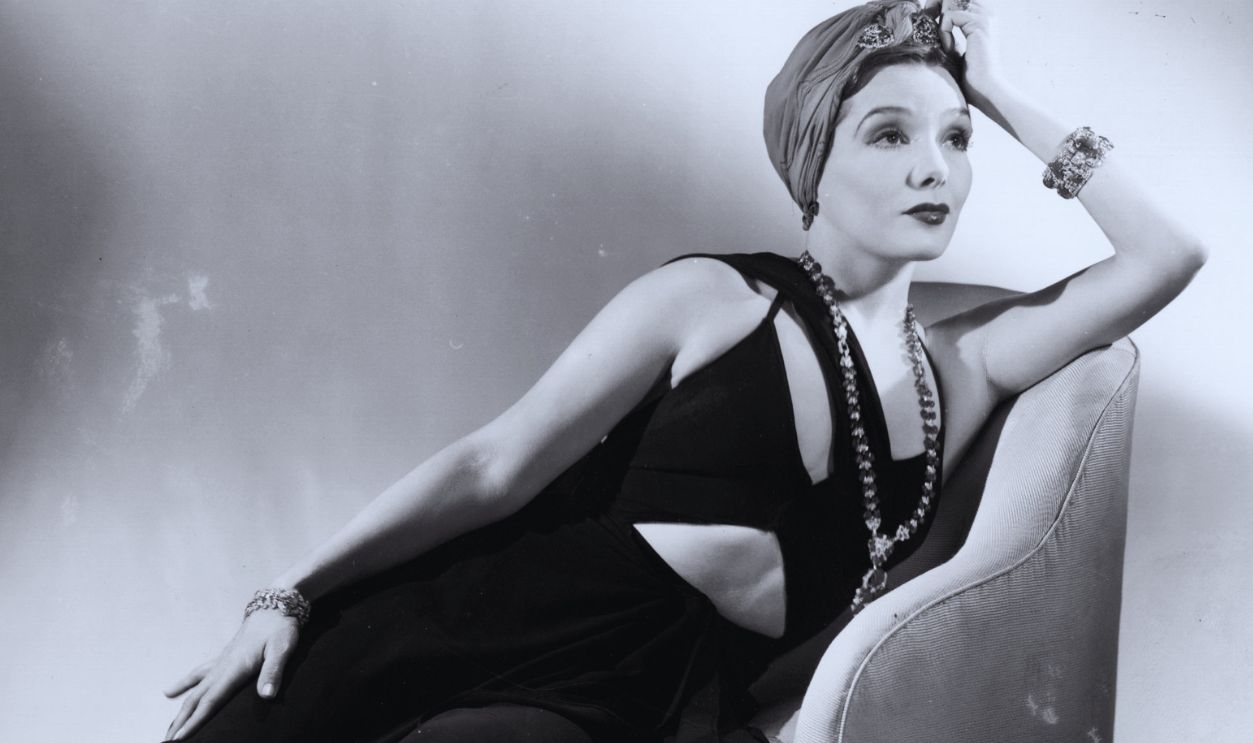
Over the years, the false version of Lupe’s death appeared in books, magazine articles, documentaries, and casual Hollywood retellings. Many people repeated the story without checking original records. Eventually, the rumor became so widespread that audiences simply accepted it as fact. That’s often how Hollywood myths survive for decades.
Hollywood Babylon Made It Worse
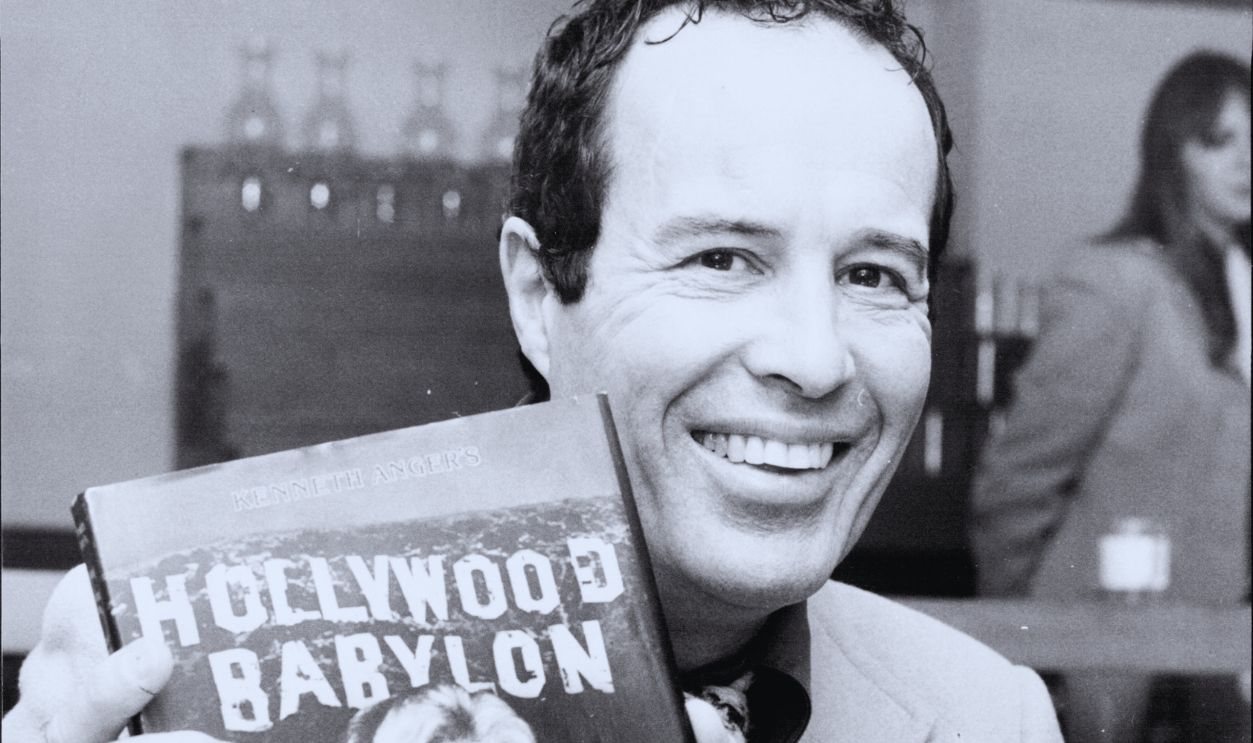
One major reason the rumor became permanently attached to Lupe’s legacy was the infamous 1959 book Hollywood Babylon by Kenneth Anger.
The book collected shocking stories about classic Hollywood stars, many of them poorly sourced or exaggerated. Anger repeated the toilet story, introducing it to an entirely new generation of readers fascinated by celebrity tragedy.
 Fairfax Media Archives, Getty Images
Historians Eventually Corrected The Record
Modern film historians have spent years trying to separate fact from fiction in Lupe Vélez’s story. Researchers examining police reports and contemporary newspaper accounts found no evidence supporting the infamous rumor. Instead, many historians argue the myth reflected Hollywood’s tendency to turn complicated women into punchlines.
She Helped Open Doors In Hollywood
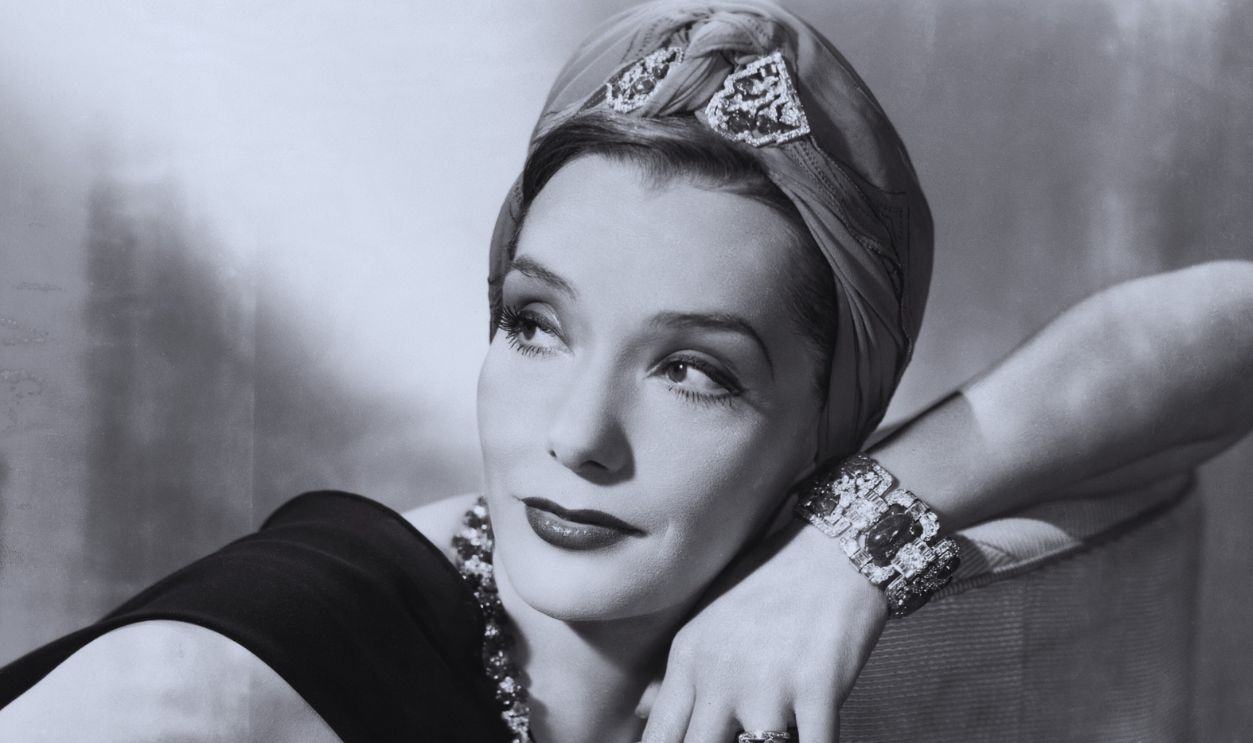
Although the gossip often overshadows her accomplishments, Lupe Vélez helped pave the way for future Latina actresses in American film. She became a major star during a time when Hollywood offered very few meaningful opportunities to women from outside the United States. Her success proved audiences would embrace charismatic international performers.
Her Performances Still Hold Up
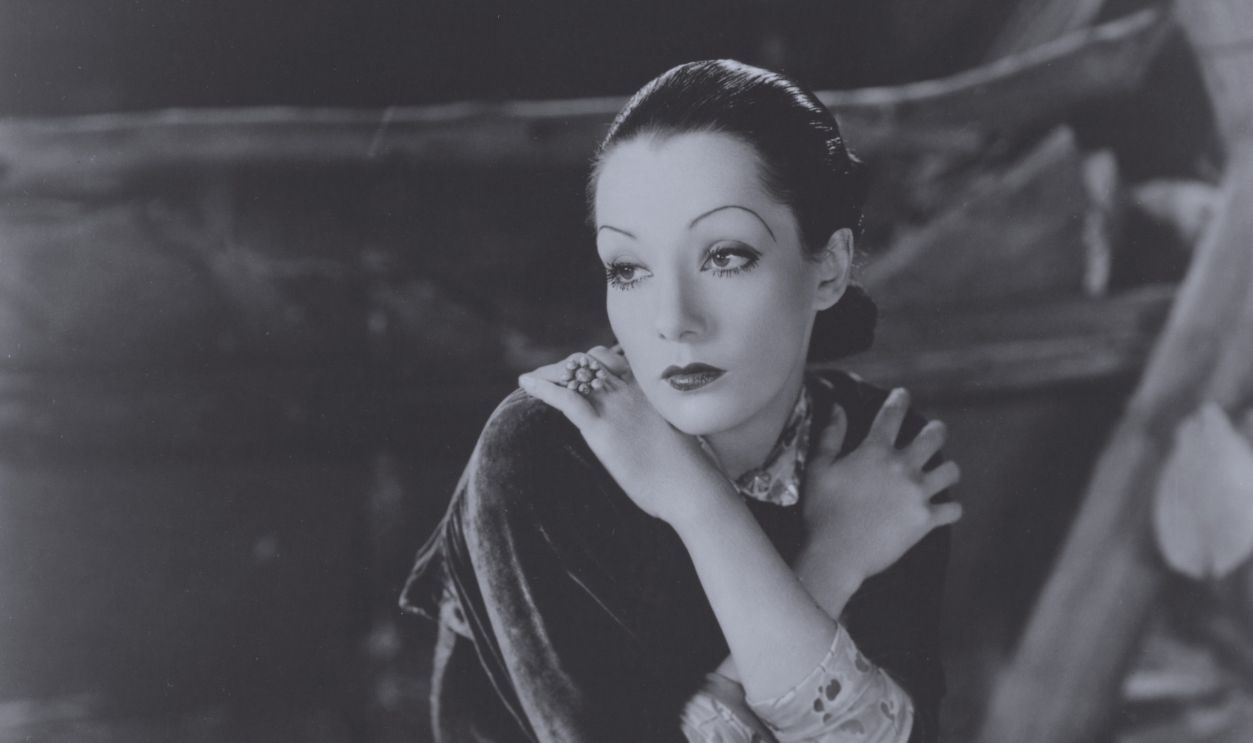
Modern viewers discovering Lupe’s films are often surprised by how funny and energetic she still feels onscreen. Her comedic timing remains sharp, and her performances have a chaotic charm that feels surprisingly modern. Even nearly a century later, she’s difficult to ignore once she appears on screen.
She Was Basically An Early Celebrity Culture Prototype
In many ways, Lupe Vélez feels strangely modern. She lived loudly, fought publicly, loved dramatically, and constantly generated headlines. Long before social media existed, she understood how attention worked in Hollywood. That combination made her both adored and misunderstood at the exact same time.
The Real Story Is Sadder Than The Myth
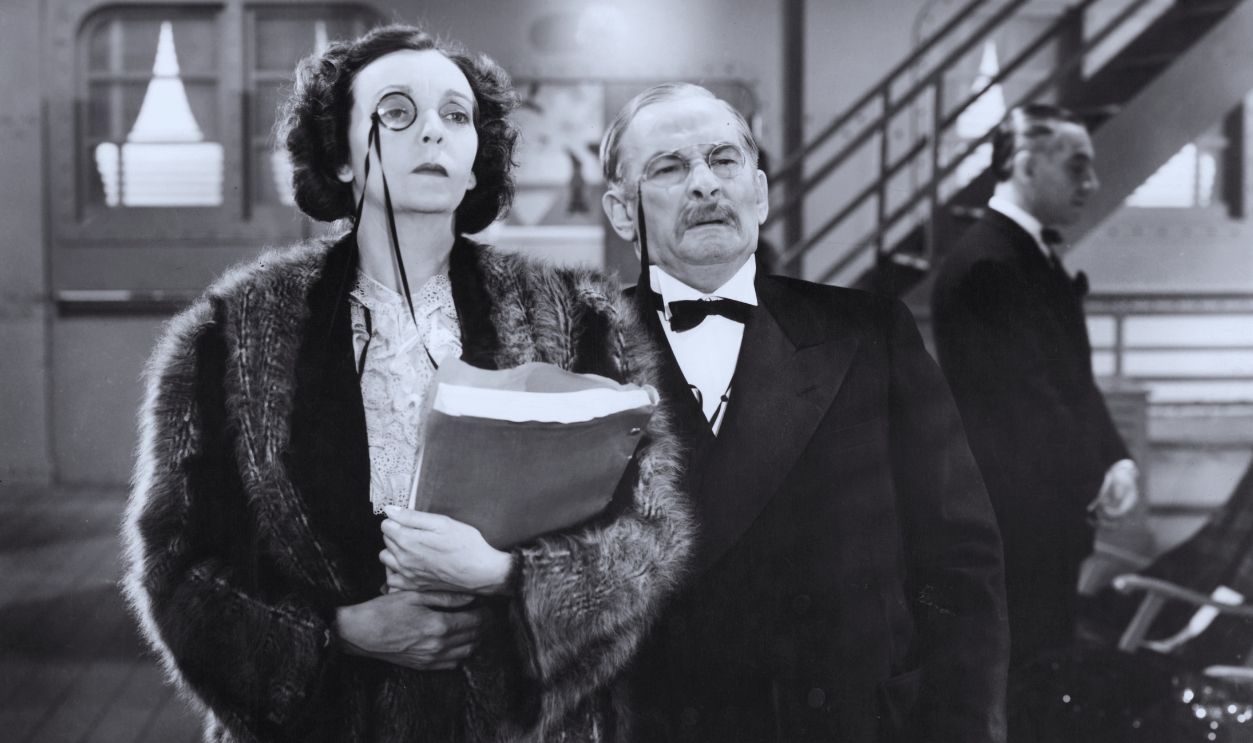
The strangest part of Lupe Vélez’s legacy may be how thoroughly fiction overshadowed reality. Instead of remembering her as a groundbreaking comedic actress, generations focused on invented rumors about her death. Behind the gossip was a talented performer trying to survive an industry that often mocked her while profiting from her personality.
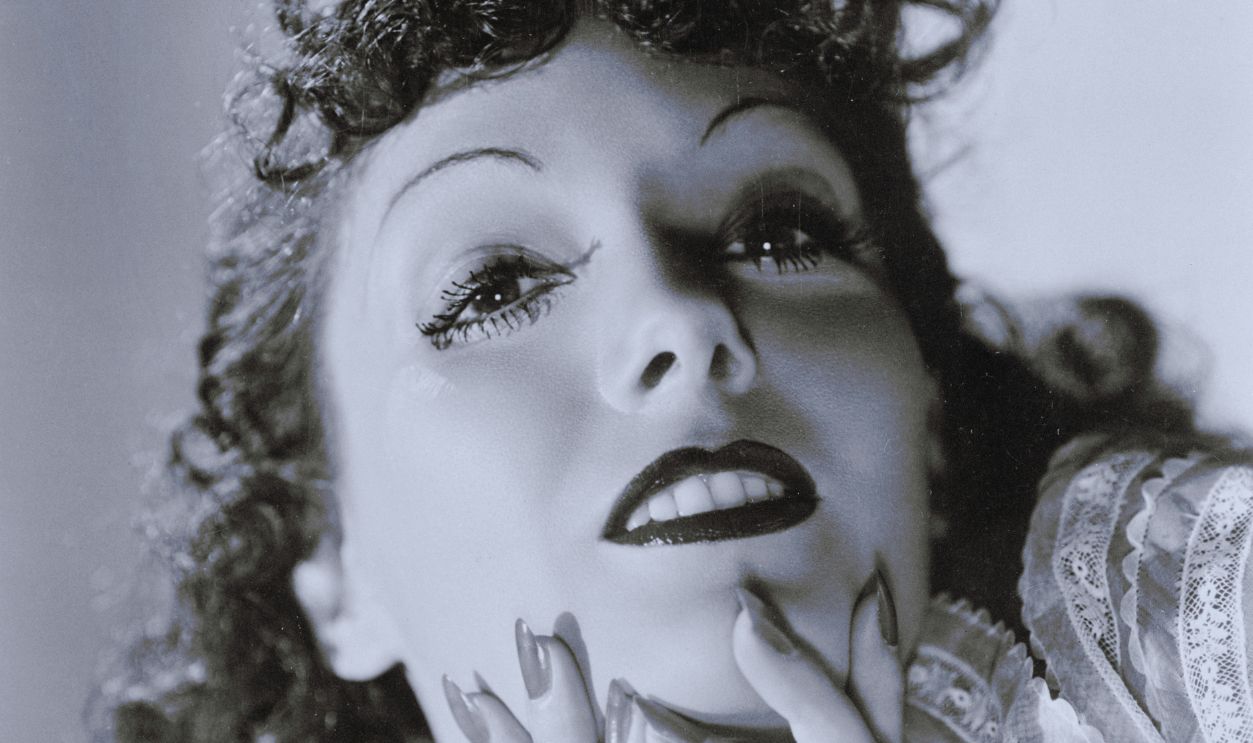
Hollywood Still Hasn’t Learned Much
Celebrity culture still turns personal tragedy into entertainment, just like it did during Lupe Vélez’s lifetime. Rumors spread faster than facts, dramatic stories overpower nuance, and public figures lose control of their own narratives. In that sense, Lupe’s story feels surprisingly current—even if the Hollywood she knew disappeared long ago.
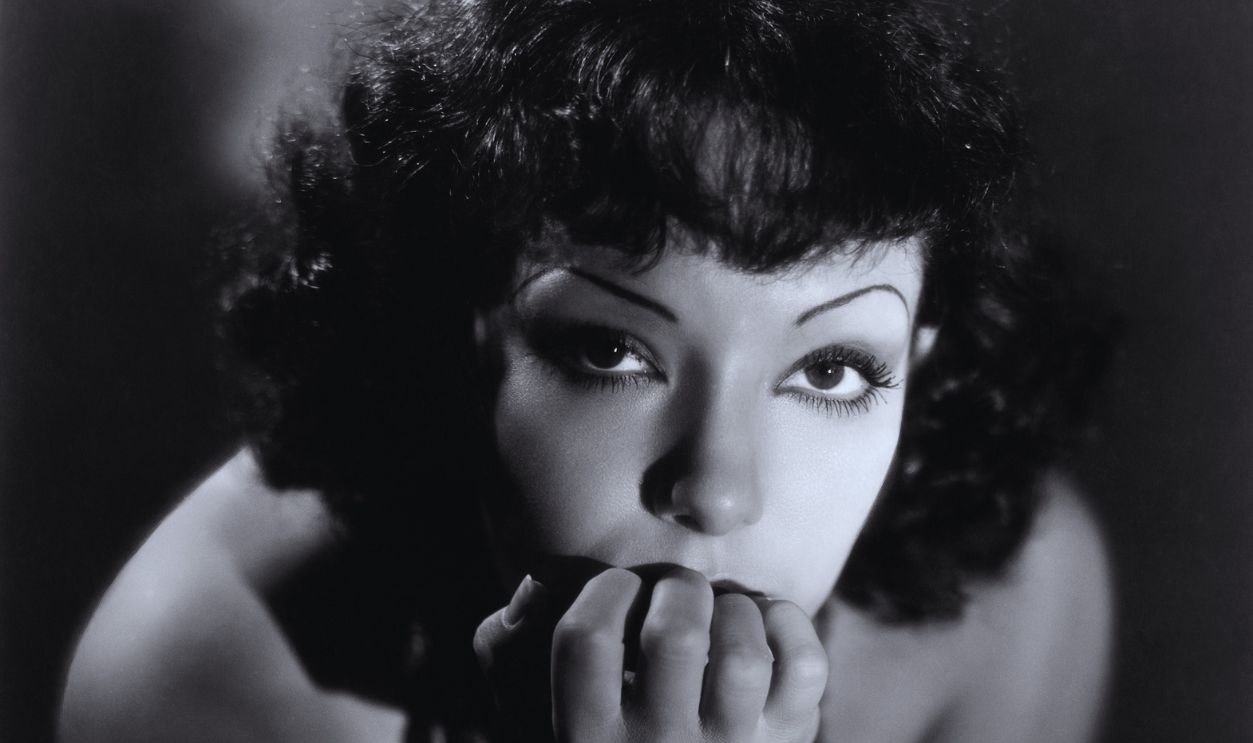 John Springer Collection, Getty Images
You Might Also Like:
Films That Get Better The Second Time You Watch
Celebrities You Didn't Know Were Related
Carol Burnett’s Laughter Hid A Lifetime Of Heartbreak—And She Still Changed Comedy