Fame Can Be A Fragile Thing
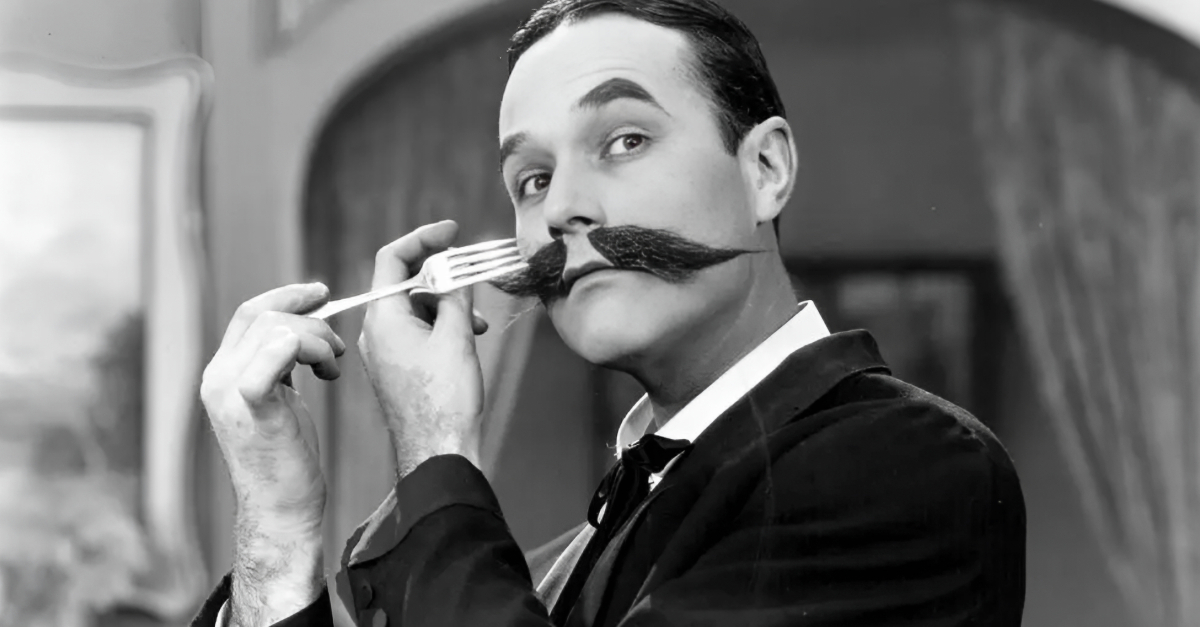
Hollywood has always loved a success story. It has also always loved tearing one down. William Haines went from being one of the biggest movie stars in America to practically disappearing from the screen. The strange part? It wasn't because audiences stopped liking him.
It all came down to one decision that studio bosses simply couldn't accept.
Before Clark Gable Took The Throne
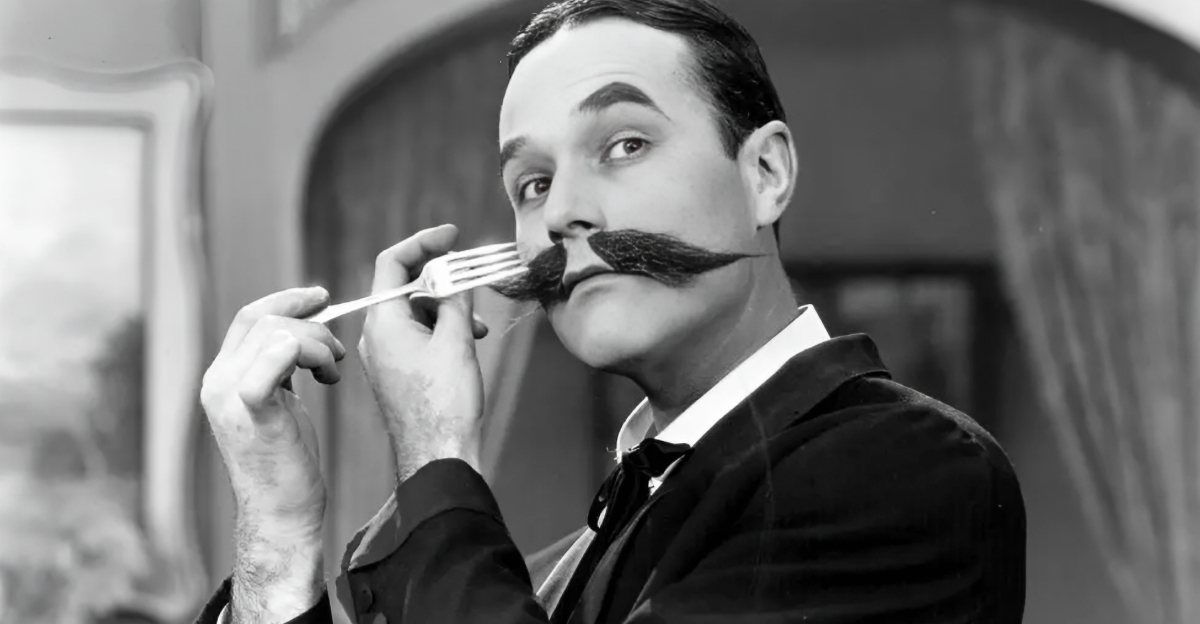
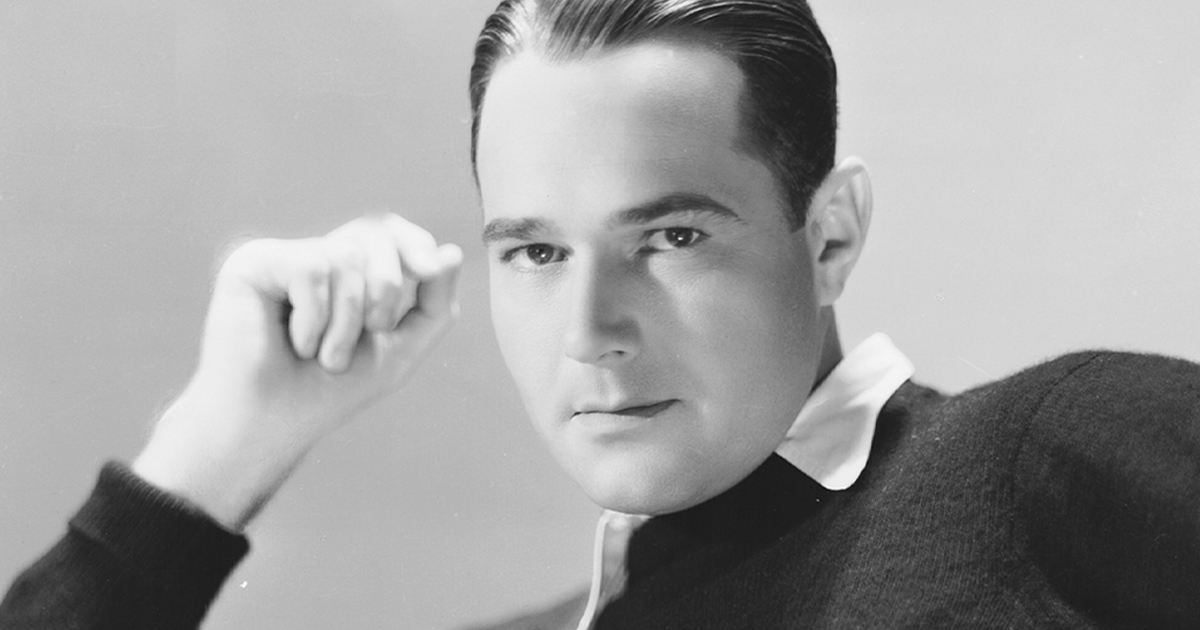
Today, most classic movie fans know names like Clark Gable, Cary Grant, and Humphrey Bogart. But during the late 1920s, William Haines was every bit as famous. He was one of MGM's biggest stars and consistently appeared in some of the studio's most successful productions. For a brief period, he was one of the safest bets in Hollywood.
 John Kobal Foundation / Contributor, Getty Images
A Different Kind Of Leading Man
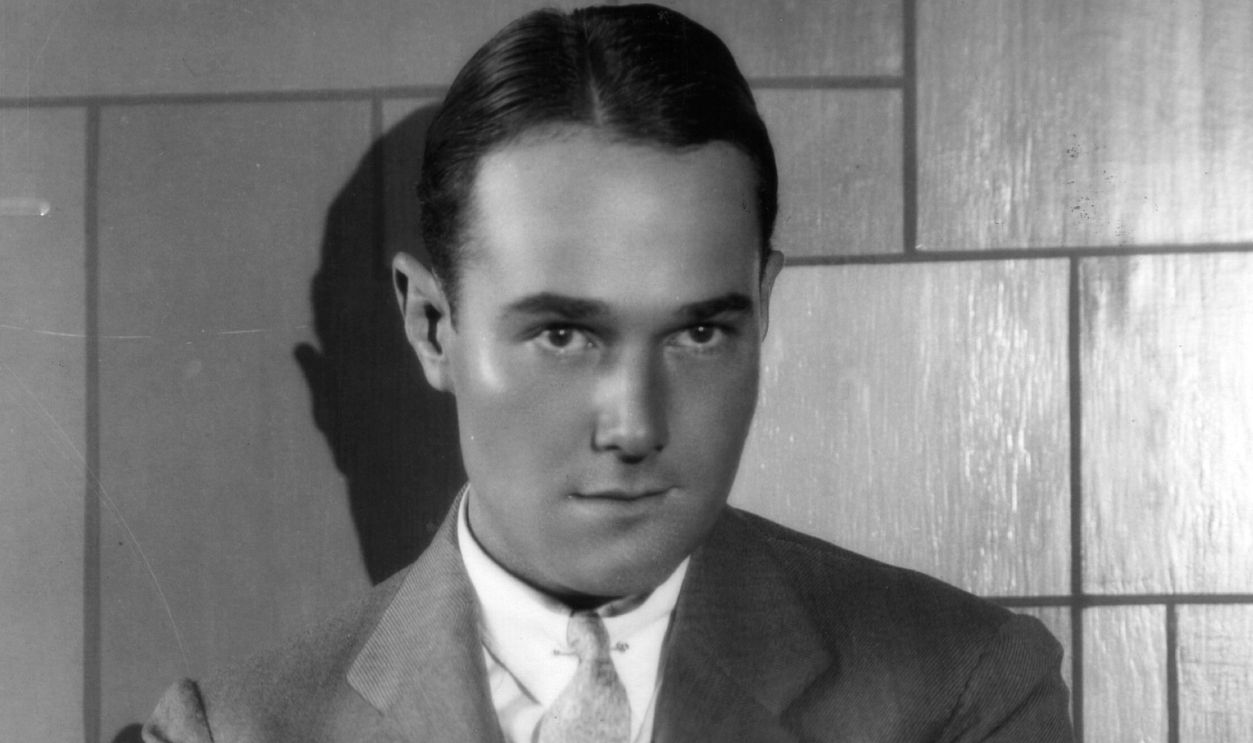
Unlike many silent-era stars, Haines didn't play mysterious heroes or dramatic romantics. His specialty was playing smart, funny, slightly rebellious young men. Audiences loved his confidence and sense of humor. He felt modern in a way many of his contemporaries didn't, which helped him stand out in a crowded industry.
 Ruth Harriet Louise, Getty Images
Running Away Changed Everything
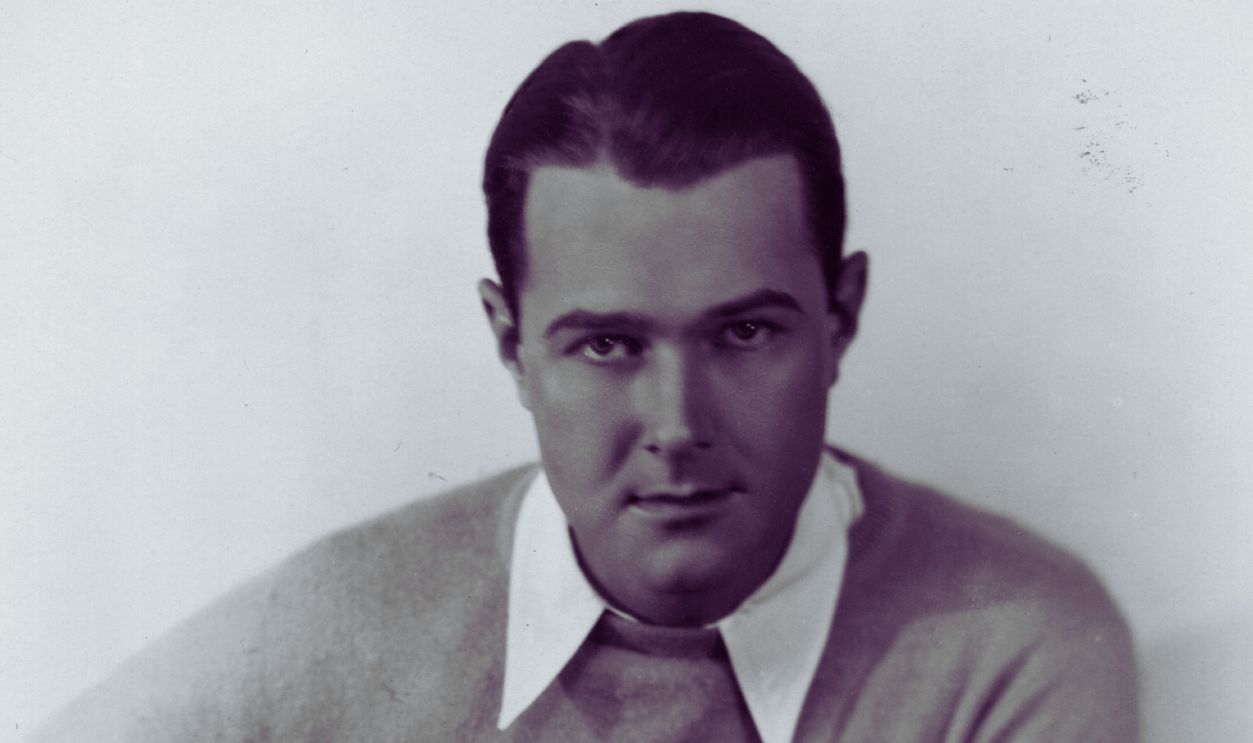
Haines' journey to Hollywood started with a teenage rebellion. He ran away from home and eventually entered a talent contest sponsored by Goldwyn Pictures. Winning the contest opened doors he never imagined. Suddenly, a young man with few prospects found himself on a path toward becoming one of America's biggest celebrities.
Climbing The Hollywood Ladder
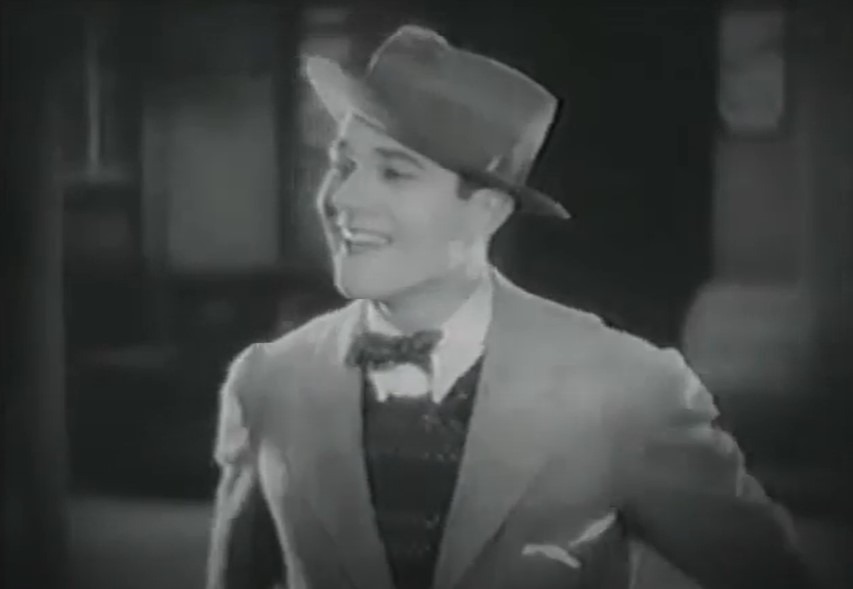
The 1920s were very good to William Haines. Film after film performed well at the box office. Movies like Brown of Harvard, Tell It to the Marines, and Show People made him one of MGM's brightest stars. By the late 1920s and into 1930, he was earning enormous sums of money and enjoying the kind of fame most actors only dream about.
 Screenshot from Brown of Harvard, Metro-Goldwyn-Mayer (1926)
Life Behind The Cameras
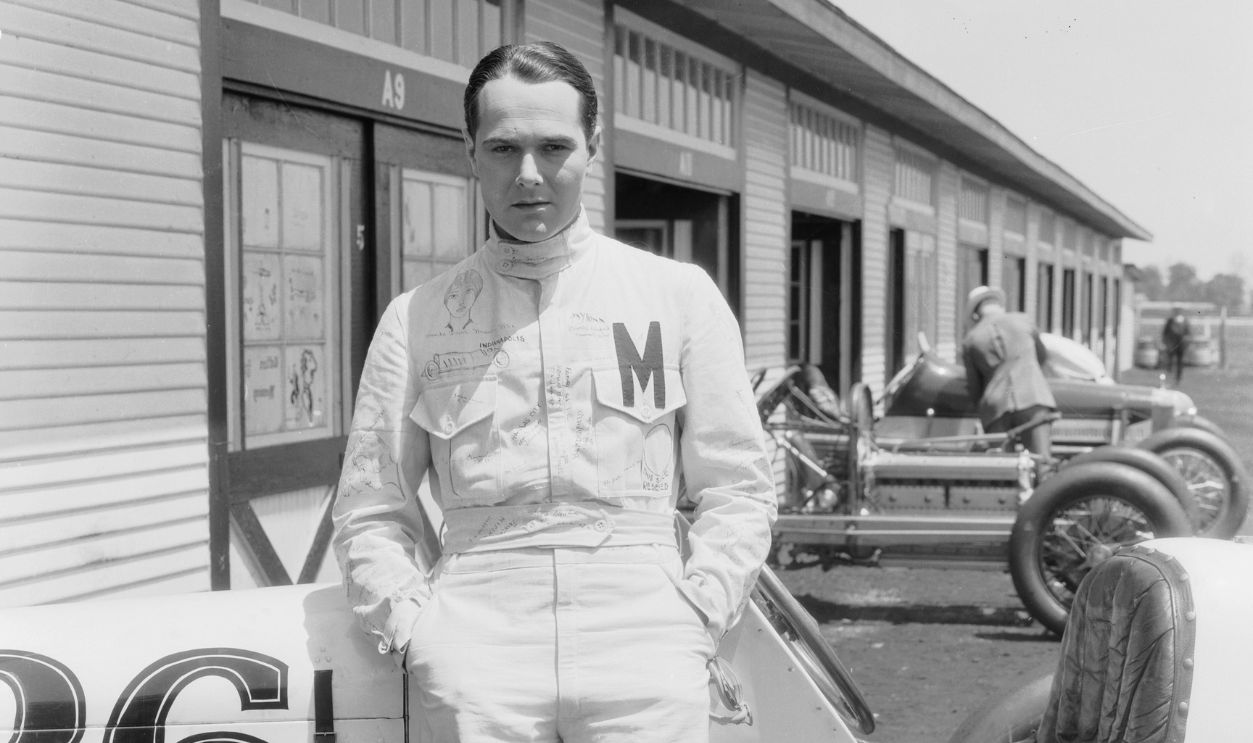
While moviegoers knew William Haines the star, very few knew William Haines the man. Away from the spotlight, he shared his life with a former sailor named Jimmy Shields. The two met in the mid-1920s and quickly formed a relationship that would last for decades.
 John Kobal Foundation, Getty Images
A Hollywood Relationship Unlike Most Others
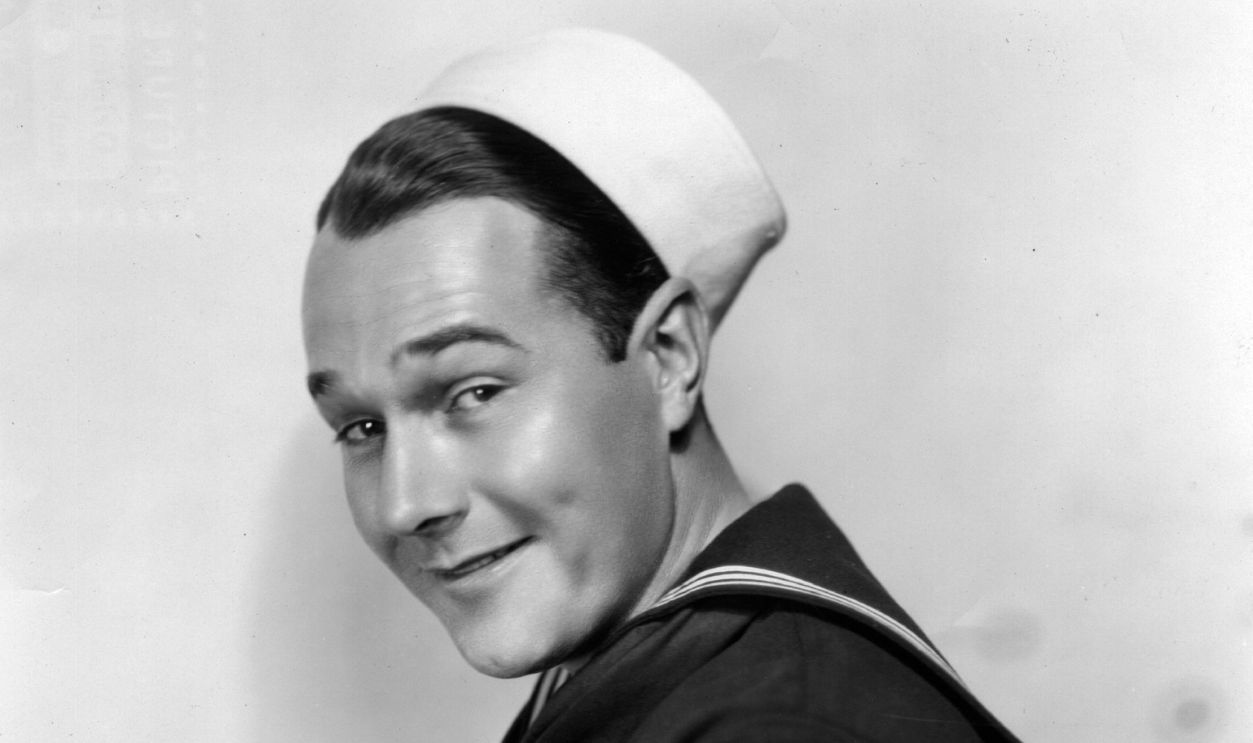
Hollywood relationships are famous for burning brightly and then disappearing. Haines and Shields were different. Friends often remarked on how devoted they were to each other. Their partnership survived industry pressure, social prejudice, career setbacks, and decades of change. In Hollywood terms, that's basically the equivalent of a miracle.
The Studio System Controlled Everything
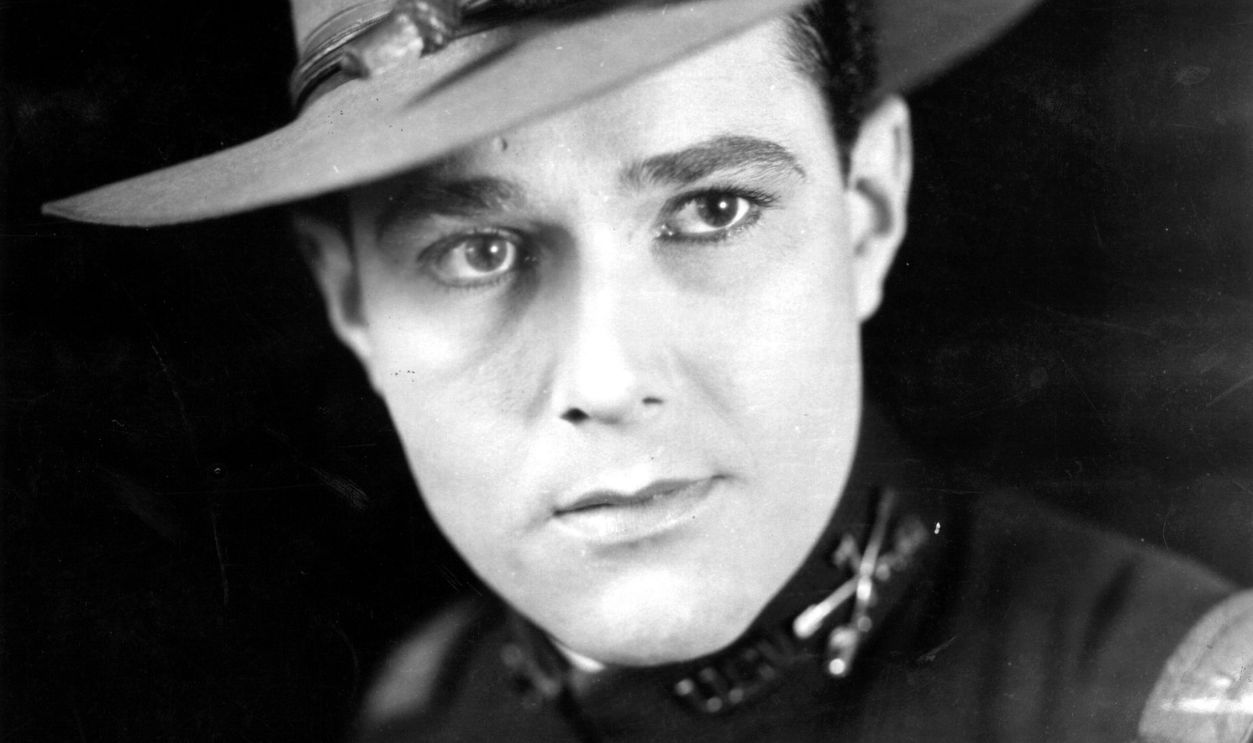
Modern celebrities have agents and publicists. Stars in the 1920s and 30s had studios. Those studios controlled nearly every aspect of their lives. They managed appearances, publicity, interviews, and often personal relationships. If executives wanted something changed, stars were generally expected to comply.
 General Photographic Agency, Getty Images
The Secret Everyone Knew
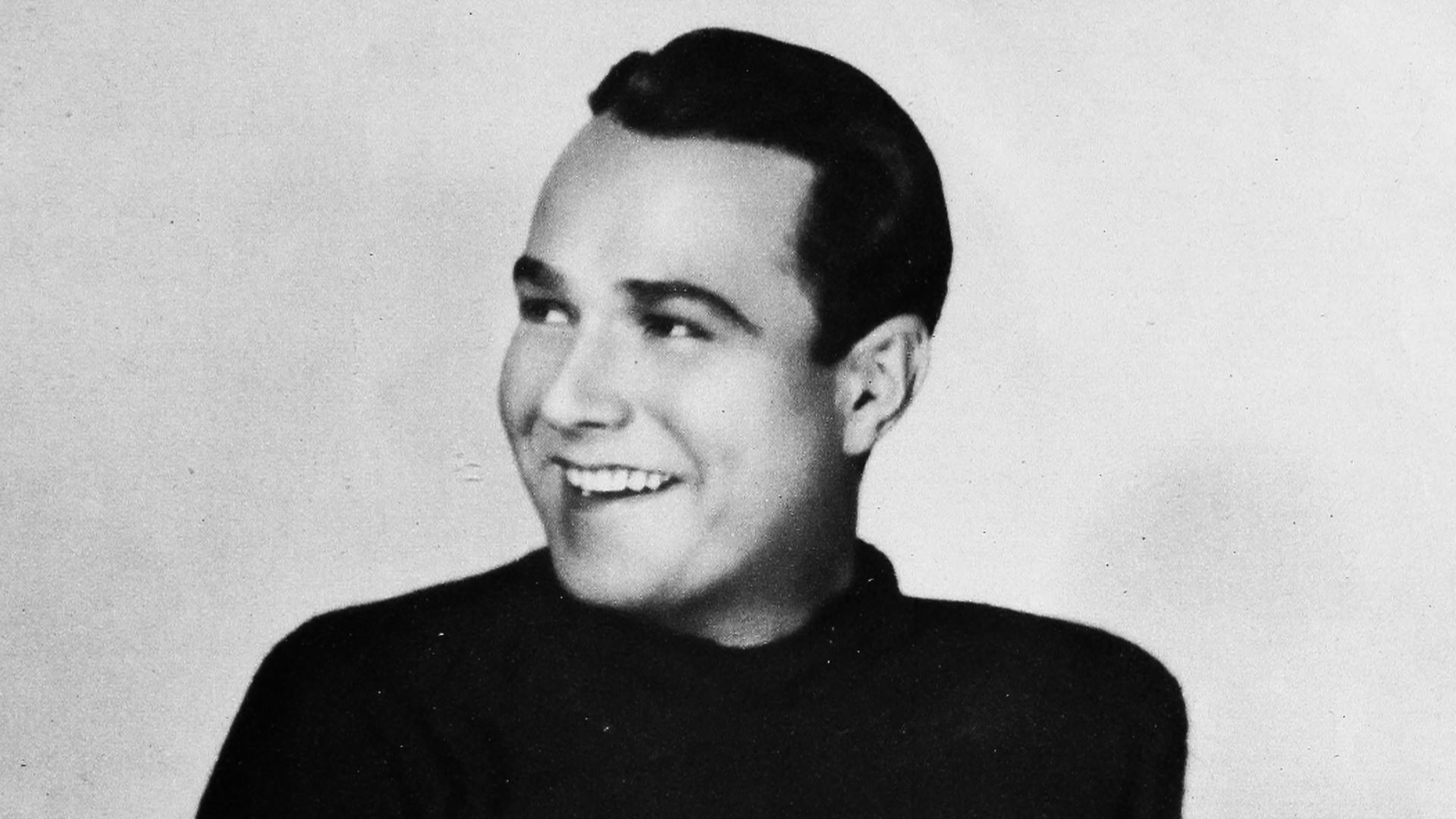
Hollywood wasn't completely unaware of Haines' relationship. Many people inside the industry knew about Jimmy Shields. For years, MGM largely looked the other way because Haines was valuable. Successful stars often received treatment that less profitable actors could only dream about.
Changing Times In Hollywood
As the 1930s arrived, studios became increasingly concerned with protecting their public image. Executives worried about controversy, scandal, and anything that might upset audiences. Suddenly, the arrangement they'd tolerated for years became something they viewed as a problem.
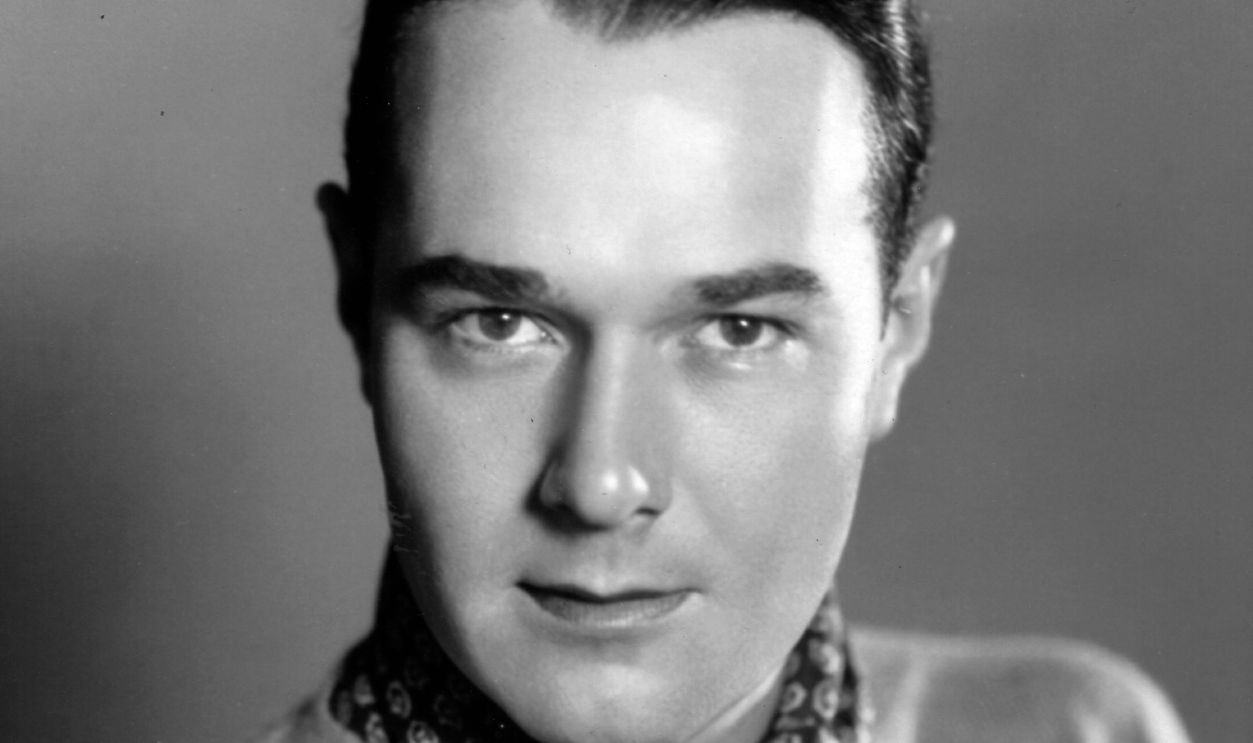
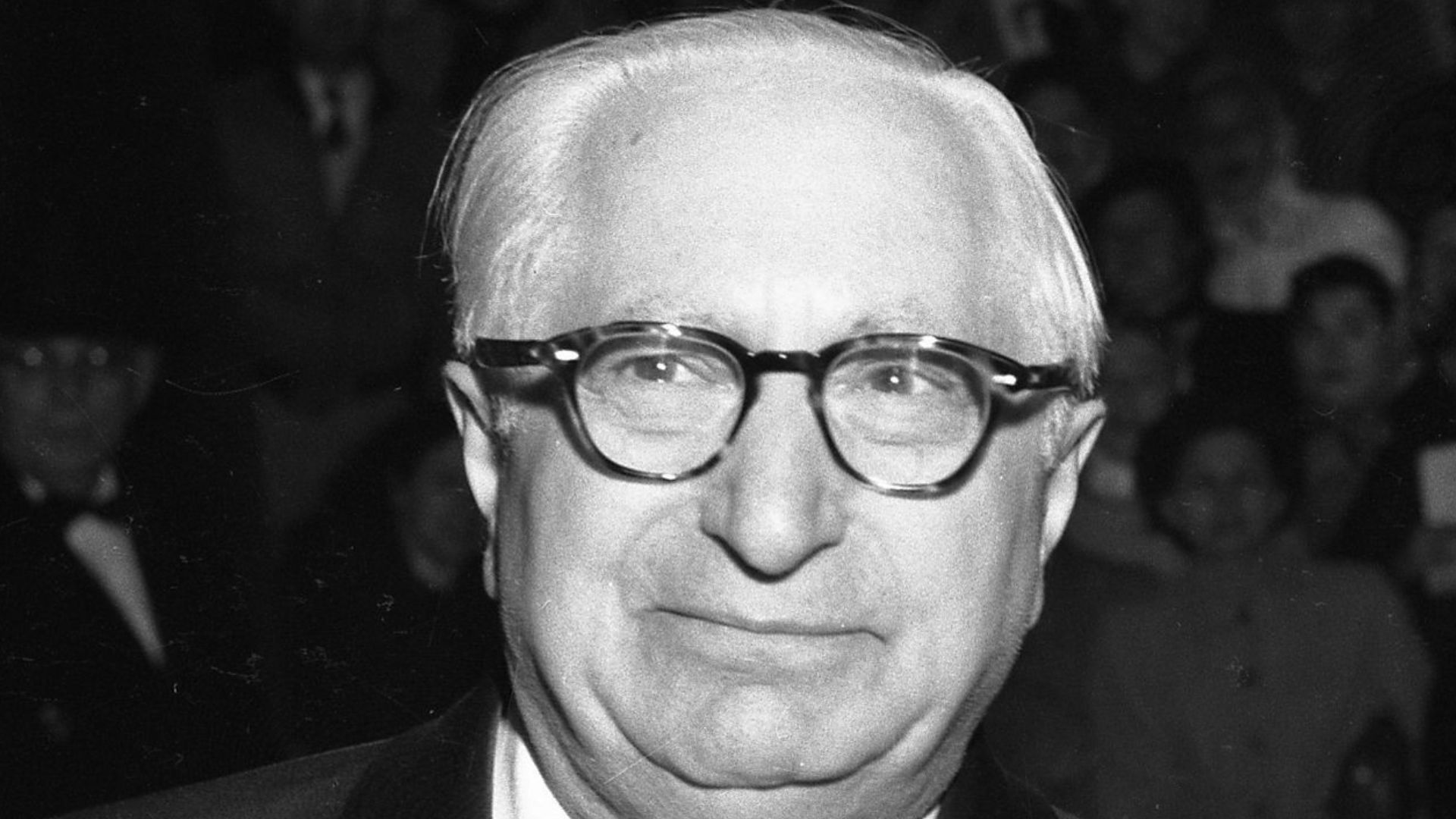
Louis B. Mayer Steps In
According to numerous accounts and biographies, MGM boss Louis B. Mayer eventually confronted Haines. The message was simple and brutal. Hide the relationship, play by the studio's rules, or risk losing everything. It was the kind of ultimatum that could change a life forever.
 Los Angeles Times, CC BY 4.0, Wikimedia Commons
The Choice Nobody Expected
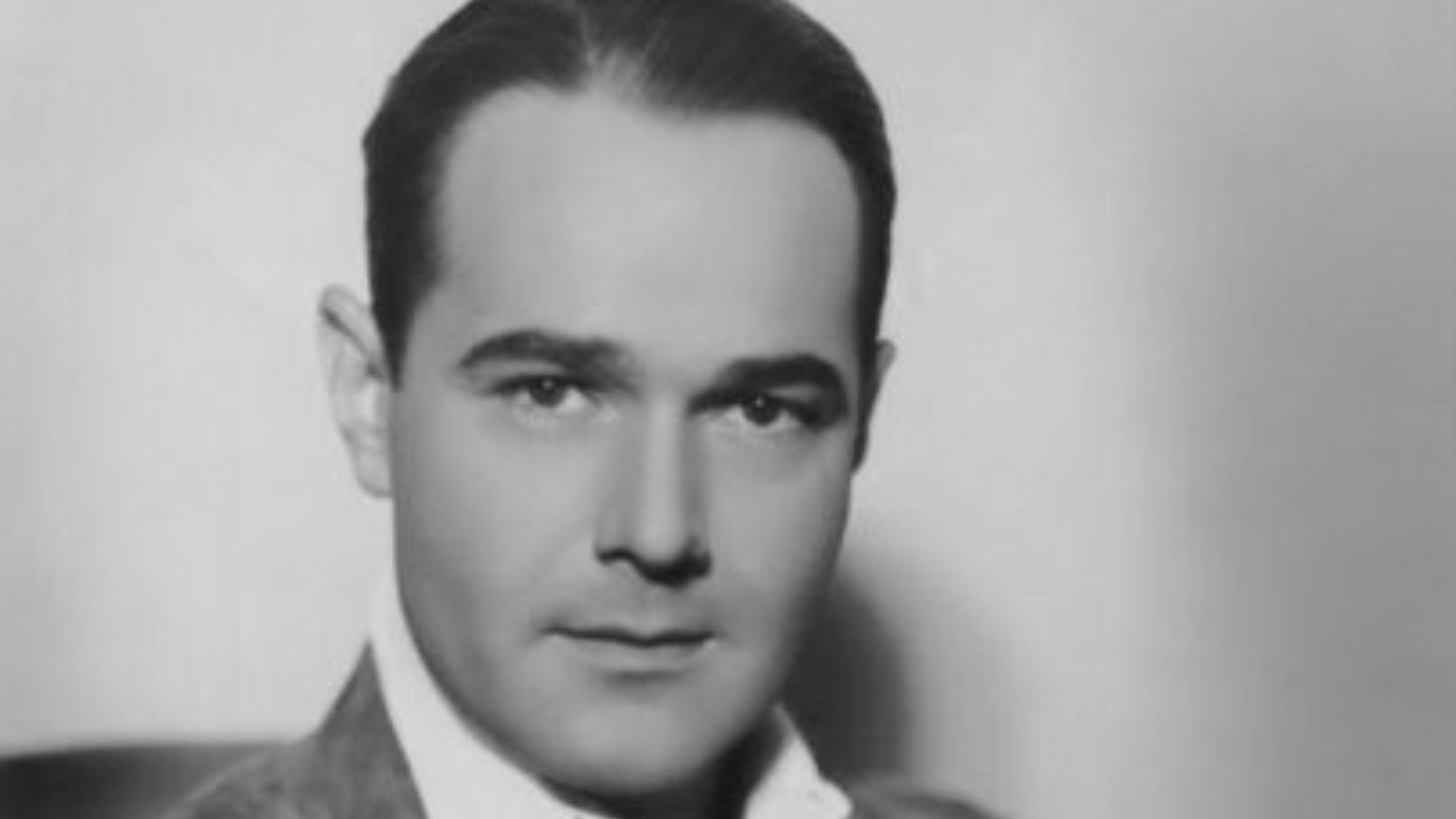
Many people assumed Haines would choose fame. After all, he had spent years building one of Hollywood's most successful careers. Millions of fans adored him. His future looked secure. Walking away from all of that would have seemed unthinkable to most people.
 Studio publicity still, Wikimedia Commons
Choosing Love Over Stardom
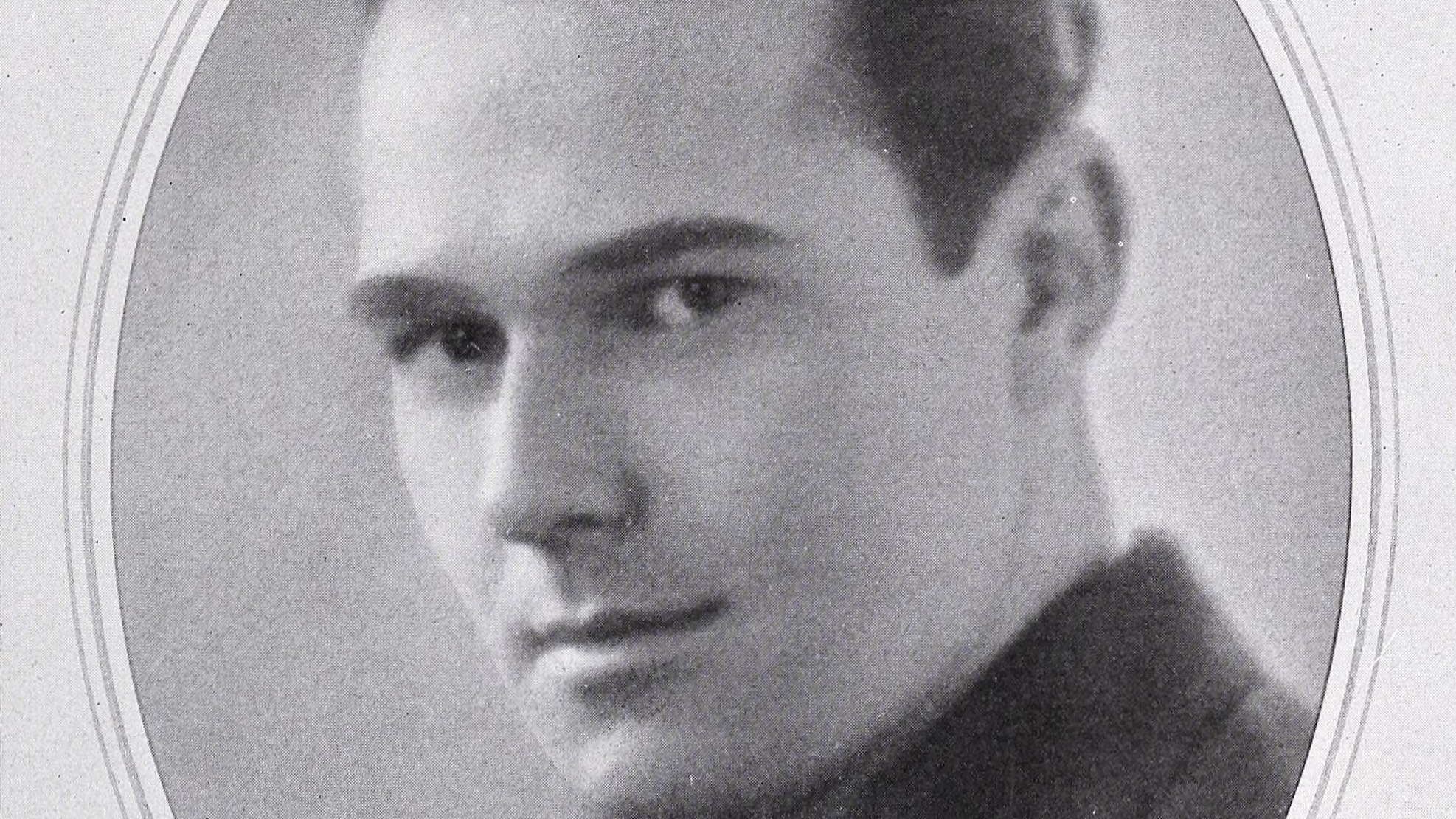
William Haines shocked Hollywood. He refused to leave Jimmy Shields. Rather than sacrifice the person he loved, he accepted the consequences. It was a decision that effectively ended his career as a major movie star. Few actors before or since have made a choice quite like it.
 Melbourne Spurr, Wikimedia Commons
Hollywood Moves On
The movie industry rarely waits for anyone. Once Haines fell out of favor with MGM, his opportunities quickly disappeared. New stars arrived. New movies were made. The man who had once been near the top of Hollywood suddenly found himself looking for a completely different future.
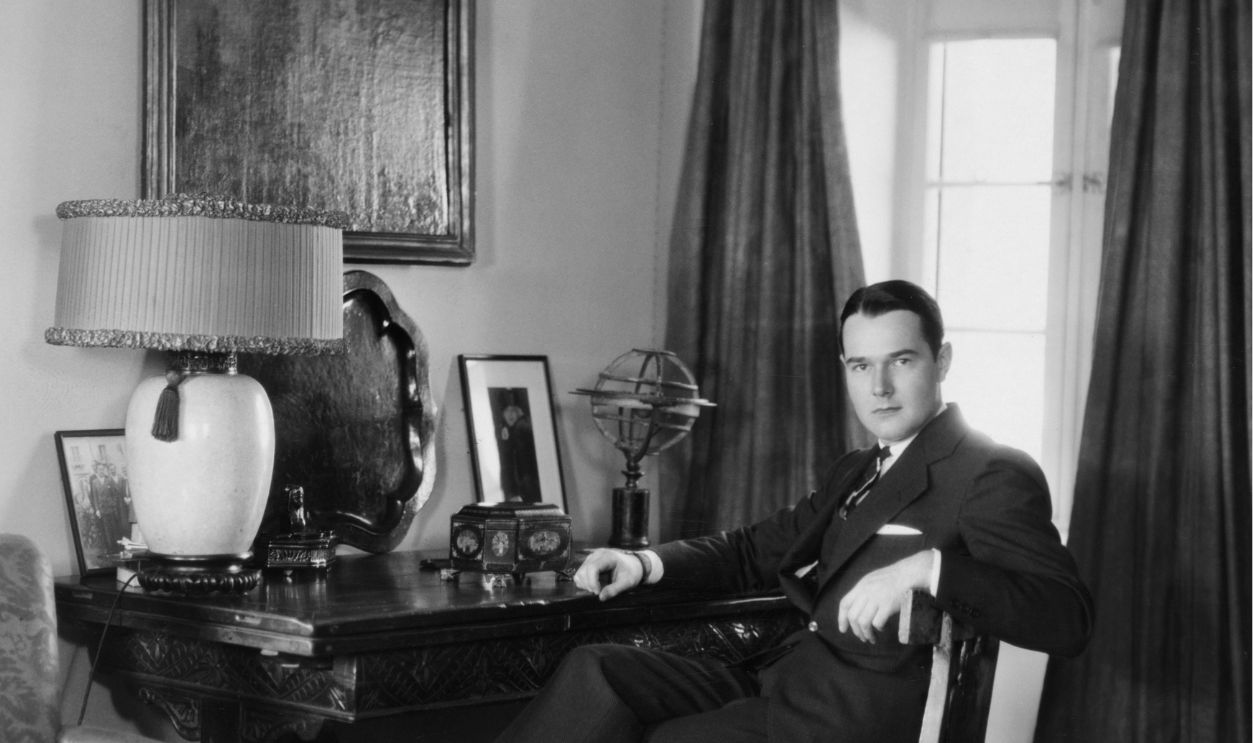 Ruth Harriet Louise, Getty Images
Starting From Scratch
Many people would have spent years dwelling on what they'd lost. Haines wasn't interested in that. Instead, he reinvented himself. If Hollywood no longer wanted him on screen, he'd find another way to succeed. That determination would prove to be one of his greatest strengths.
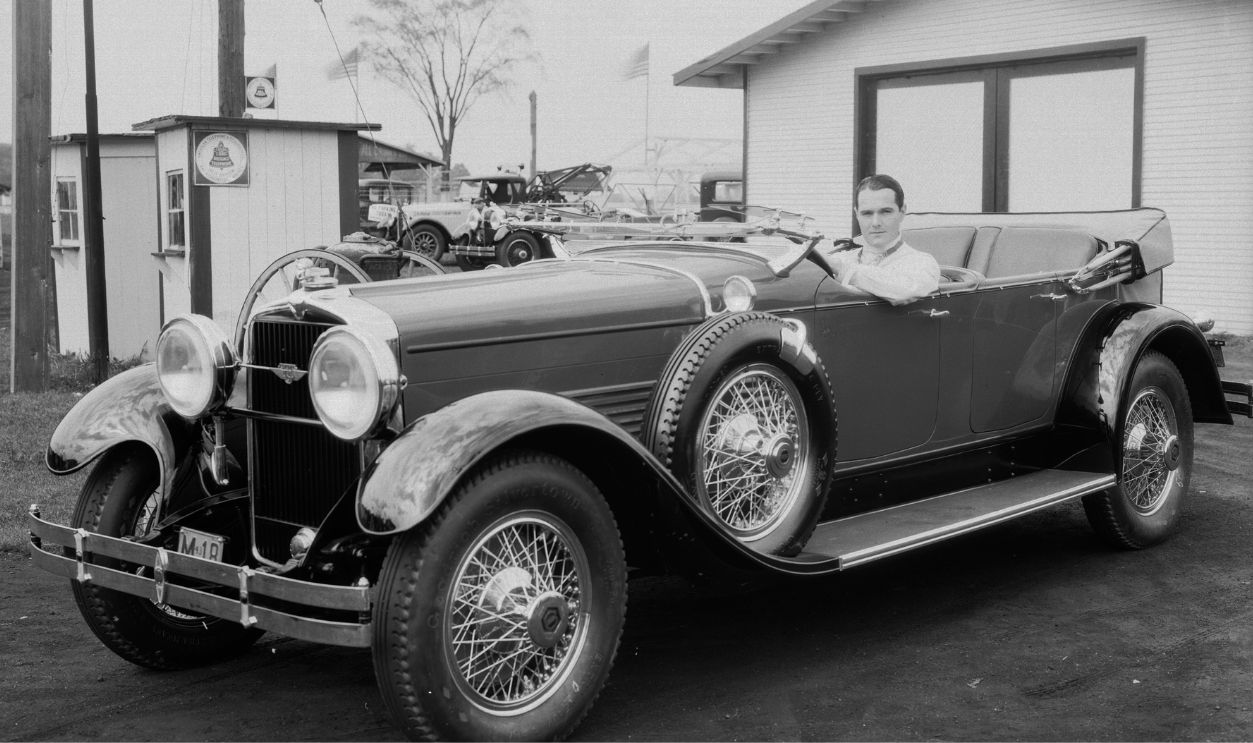 John Kobal Foundation, Getty Images
The Unexpected Second Act
Haines entered the world of interior design and quickly discovered he had real talent. What started as a new career soon became an enormous success. Before long, he was designing homes and furniture for wealthy clients across America.
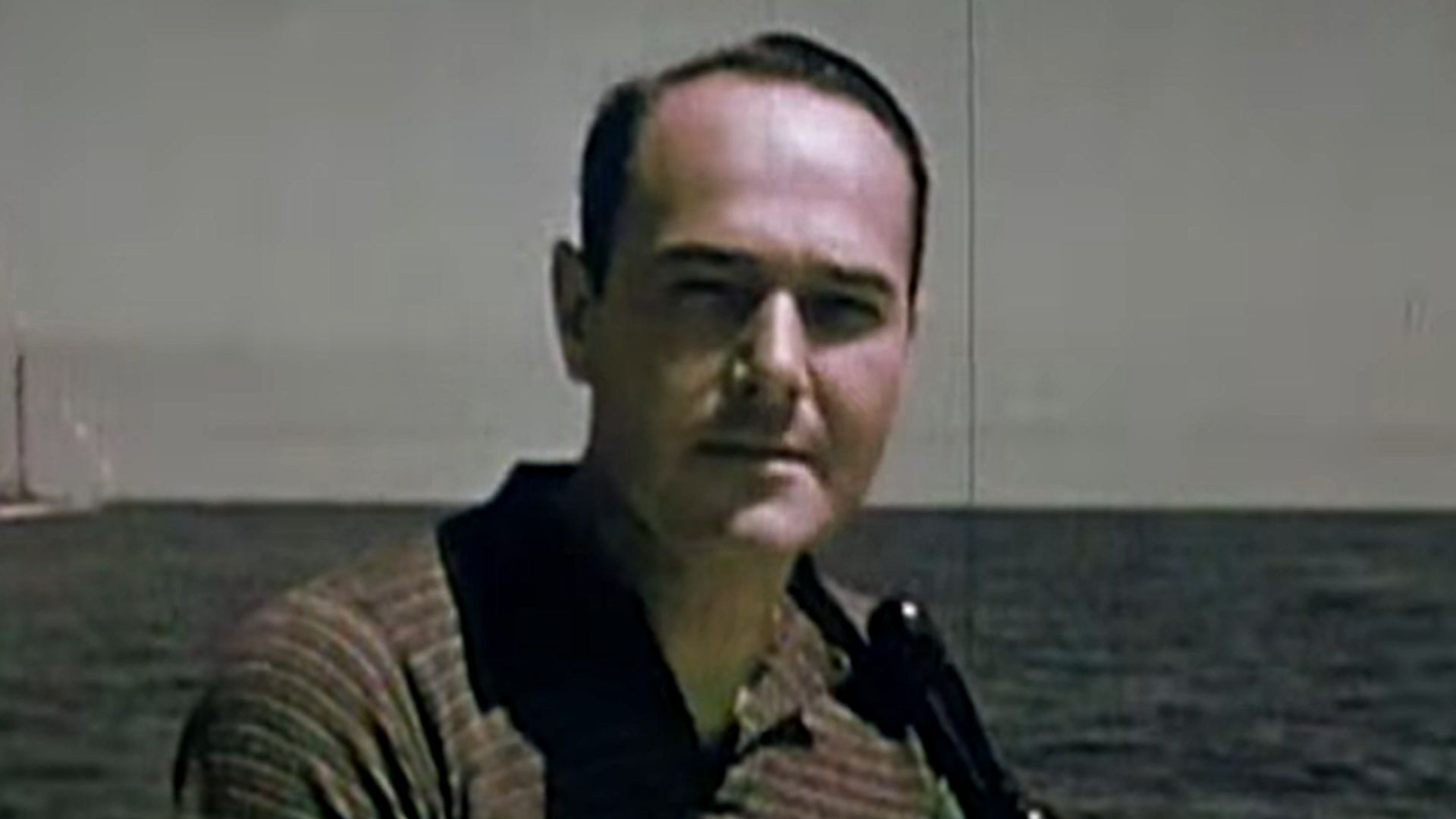
The Stars Came Back
Ironically, many of Hollywood's biggest names still wanted William Haines around. Joan Crawford, Gloria Swanson, Marion Davies, and numerous others hired him as a designer. He may have been gone from movie screens, but he remained connected to the world that had once made him famous.
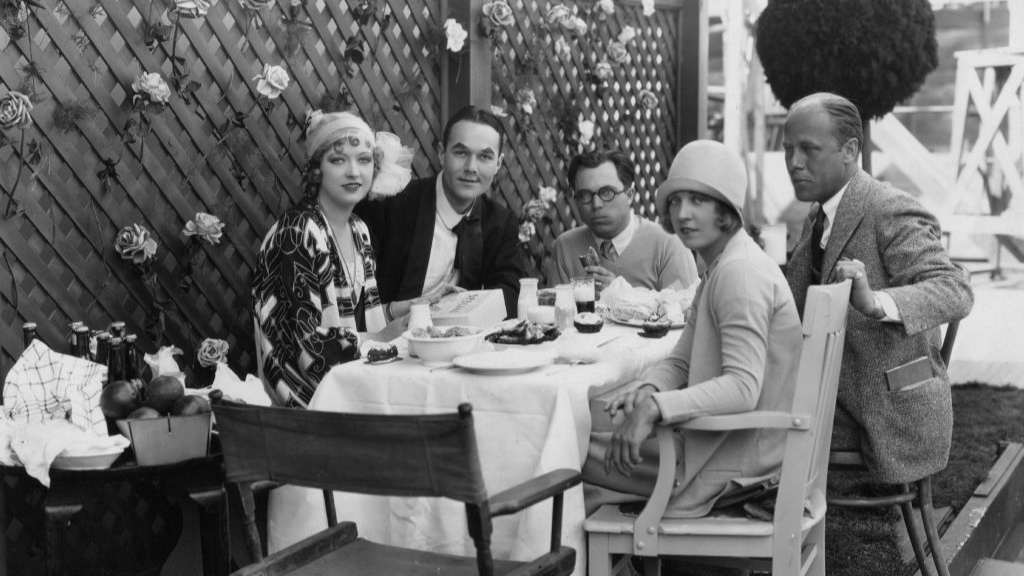
Building A New Empire
Haines eventually became one of the most respected interior designers in the country. His work influenced American design for decades. In a strange twist, he achieved success all over again. The career Hollywood took away ended up being replaced by another one that was just as impressive.
Jimmy Never Left
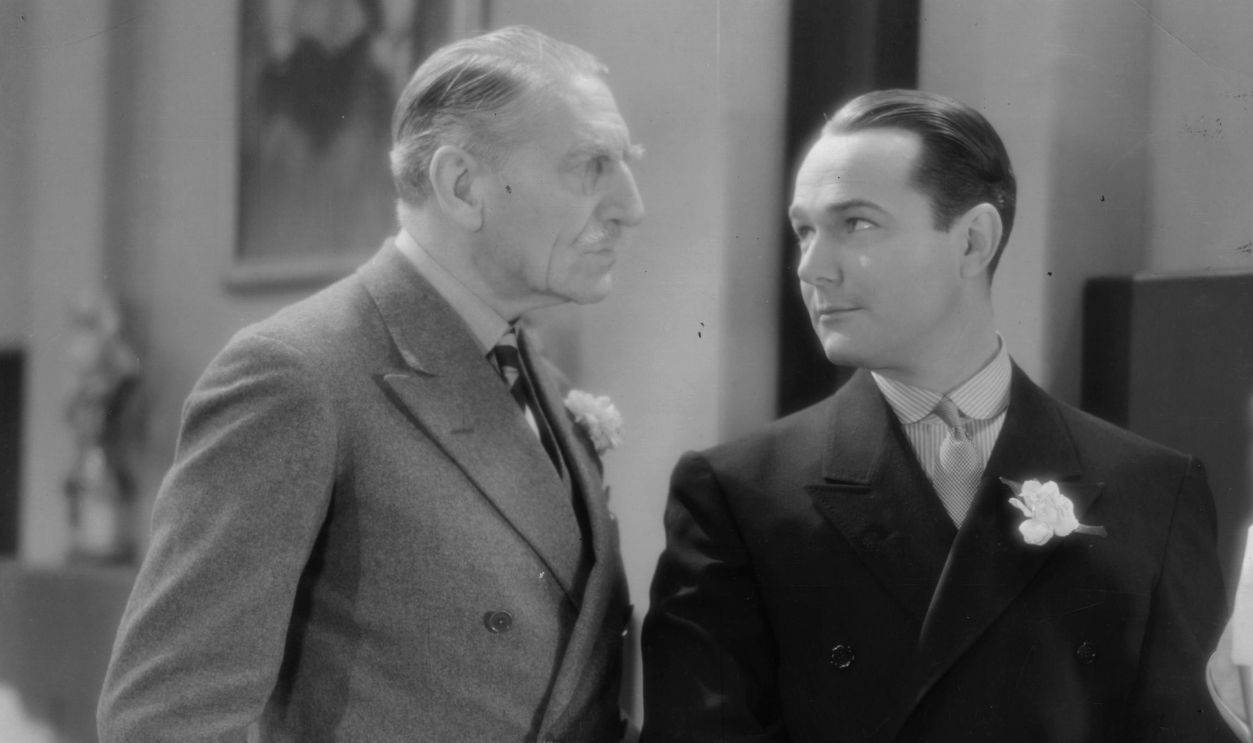
Throughout all the highs and lows, Jimmy Shields remained by his side. The relationship that had cost Haines his movie career endured for nearly fifty years. Looking back, it's hard not to admire the commitment. Hollywood offered him fame. He chose something he considered more important.
History Sees Things Differently
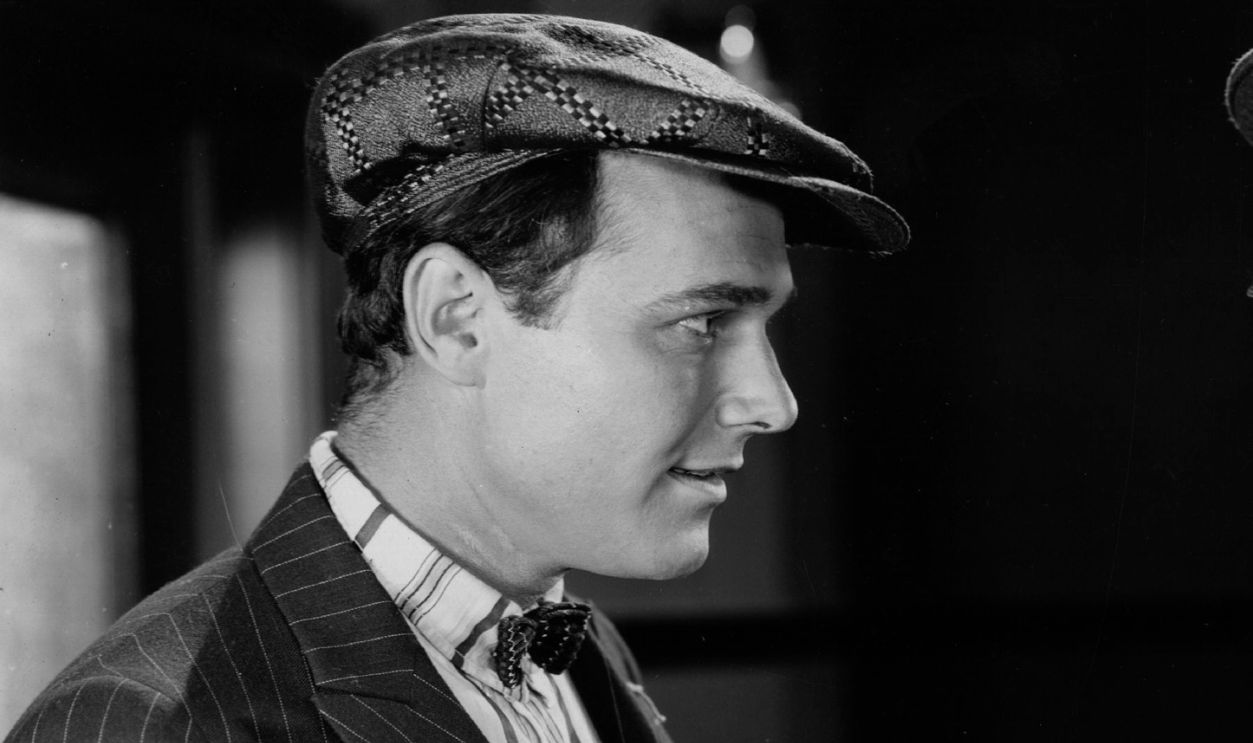
What once looked like a scandal now looks remarkably courageous. Modern audiences tend to view William Haines as a pioneer who refused to live a life dictated by others. The decision that ended his acting career ultimately became the reason so many people remember him today.
The End Of An Extraordinary Story
William Haines died in December 1973. Jimmy Shields died only a few months later in March 1974. After nearly half a century together, their remarkable story came to an end. Even then, it seemed fitting that they would remain connected until the very end.
The Decision That Defined His Legacy
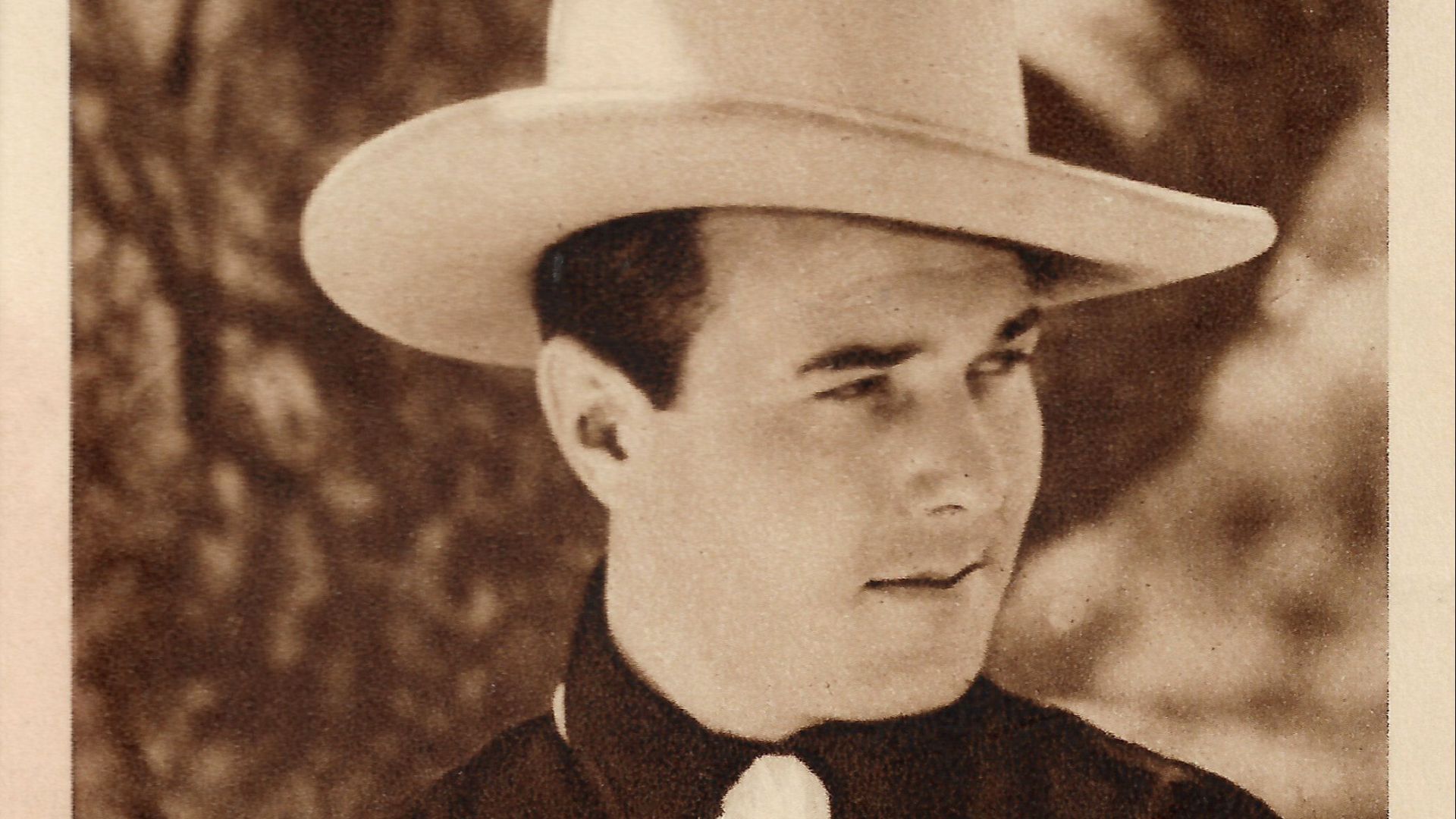
William Haines lost a career that most actors would have done anything to keep. Yet he never regretted the choice that cost him Hollywood stardom. In the end, the decision that appeared to destroy everything he'd spent years building became the reason his story is still being told nearly a century later.
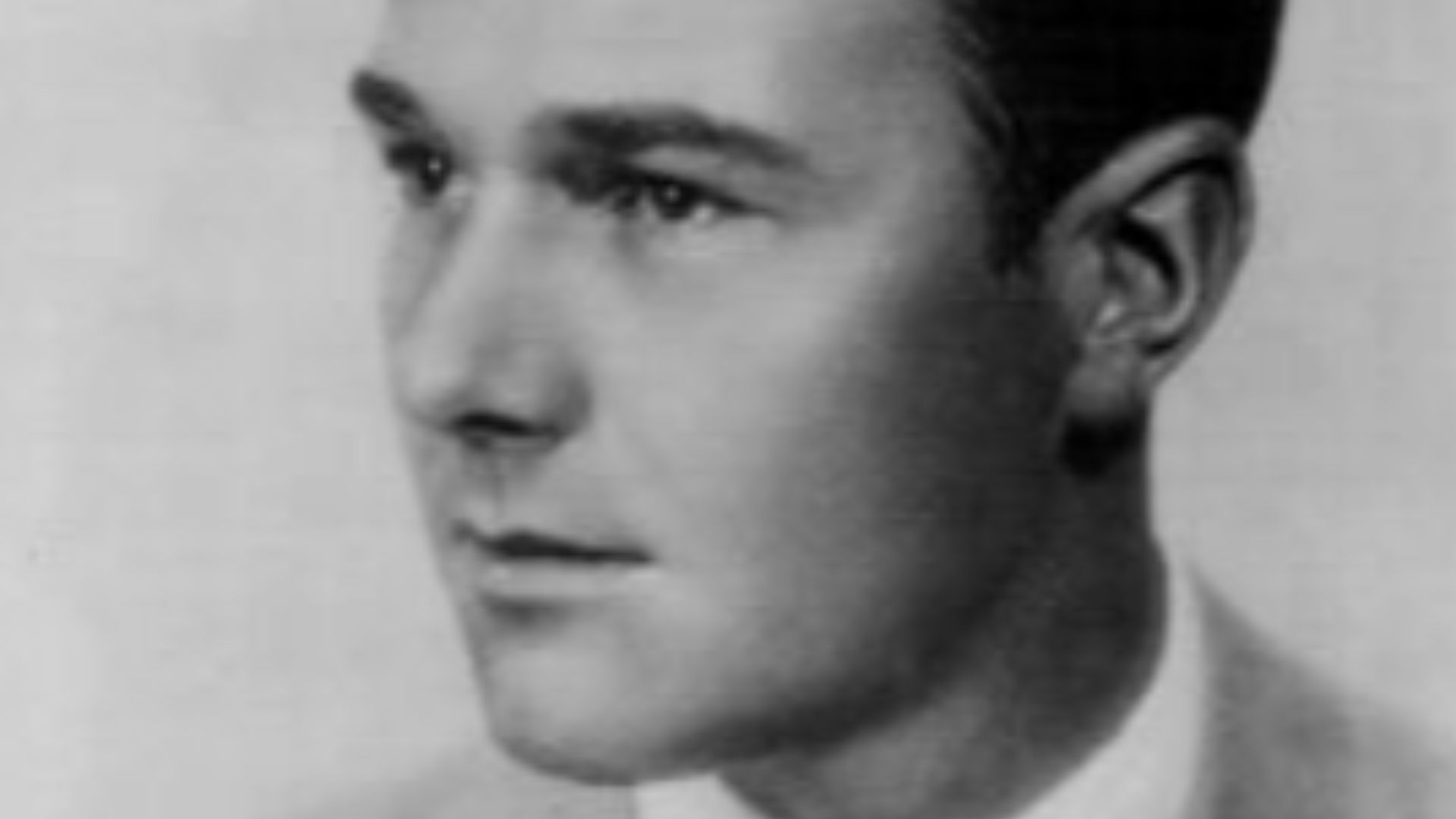 Studio publicity still, Wikimedia Commons
You Might Also Like:
Clint Eastwood Has Finally Retired At 96—But There May Still Be Hope For One More Film