John Astin Made Strange Look Irresistible
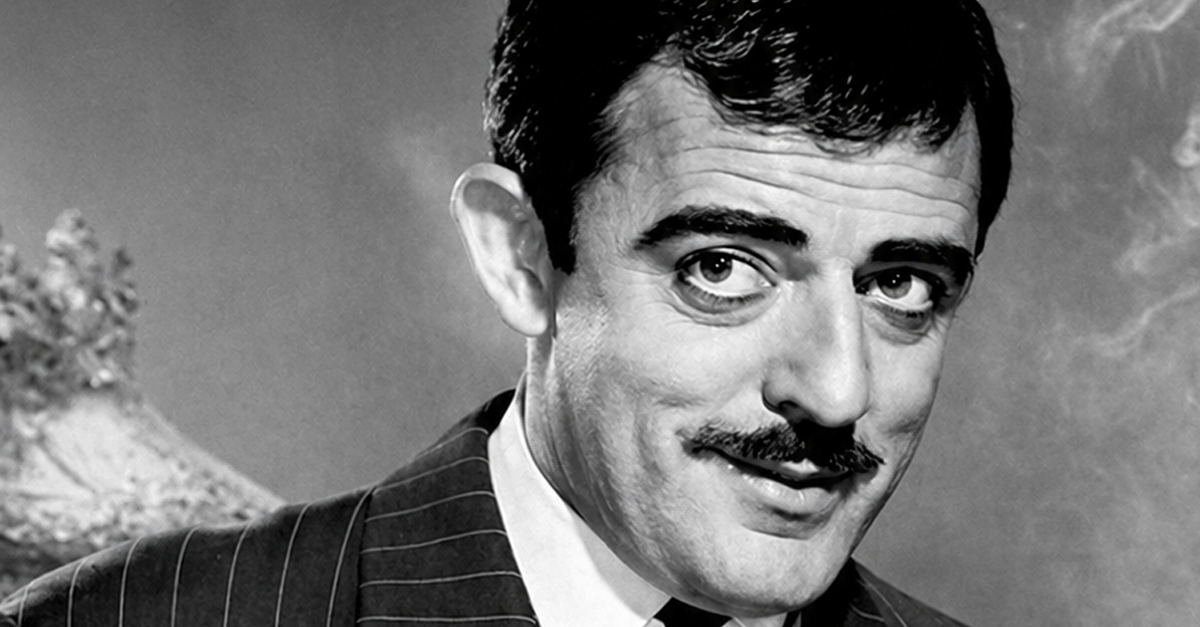
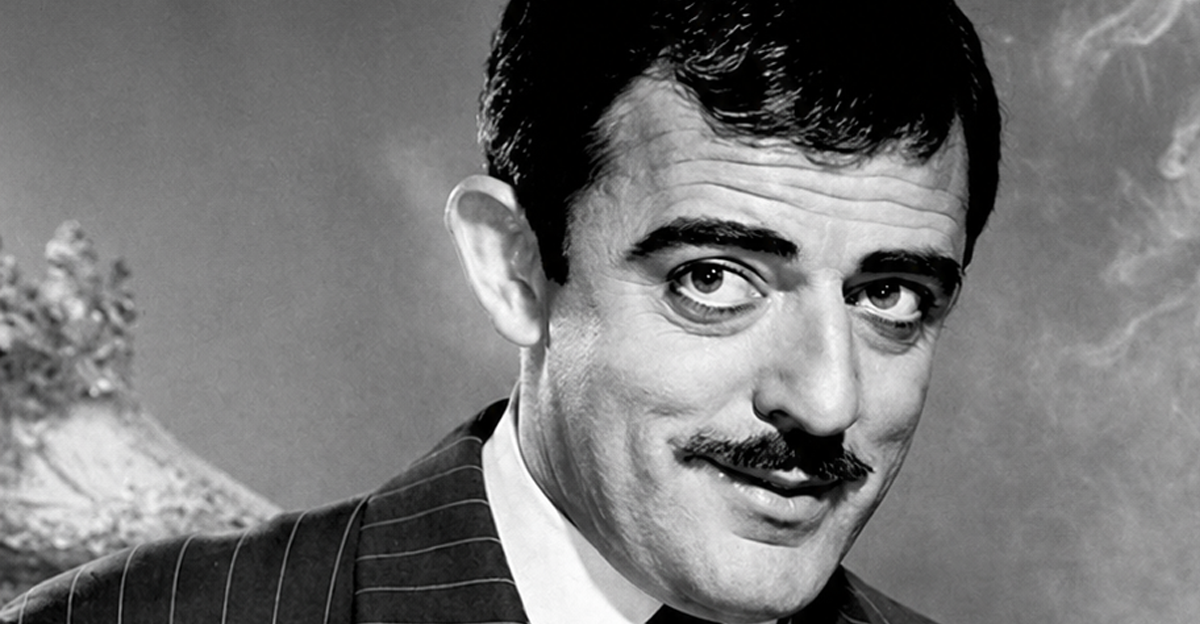
Gomez Addams could have been a one-note television oddball. Instead, John Astin played him as a joyful eccentric, an attentive father, and a husband who remained wildly attracted to his wife. That unexpected combination transformed Gomez into one of the most memorable sitcom characters of the 1960s.
 ABC Television, Wikimedia Commons
The Addams Family Began On The Printed Page
Cartoonist Charles Addams introduced the strange household that became the Addams Family in The New Yorker. The characters appeared in individual cartoons rather than continuing stories, and they were not originally given the familiar names television viewers would later learn. Their gloomy mansion and casual acceptance of the macabre established the unusual world that the sitcom inherited.
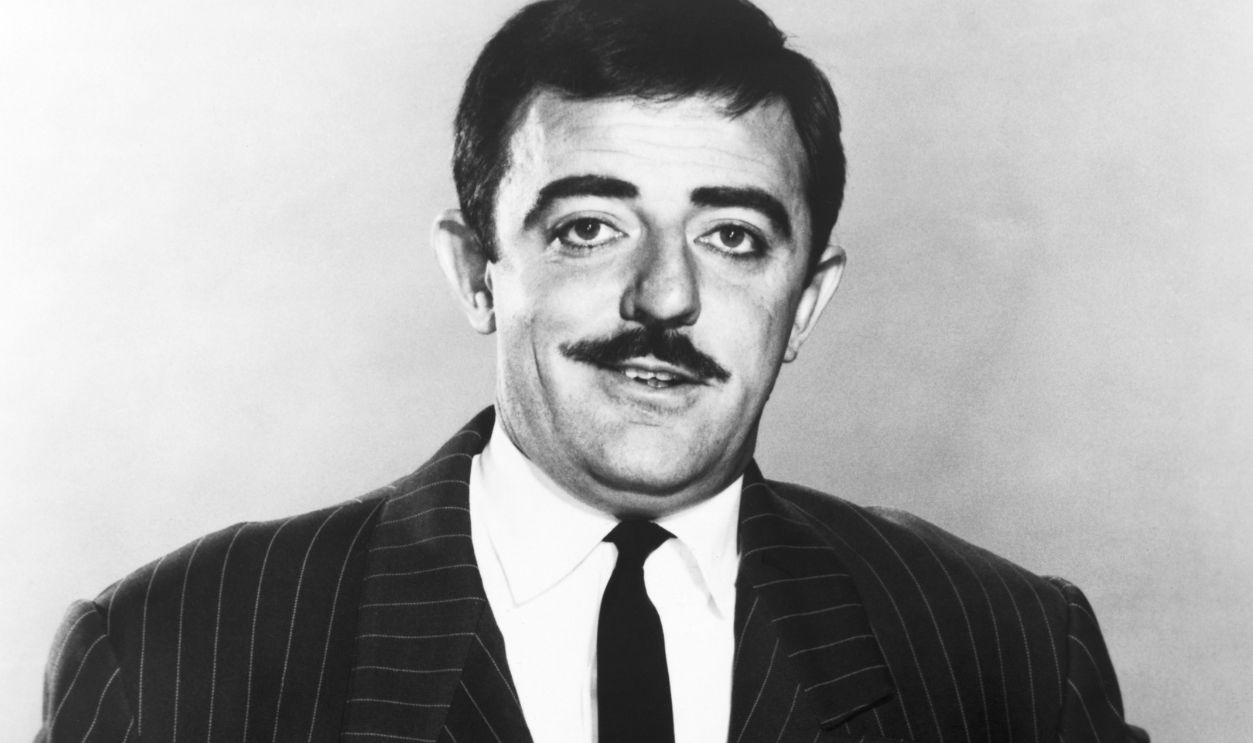
Charles Addams Found Comedy In The Macabre
Addams rarely presented his characters as frightened by the dark situations surrounding them. They treated monsters, dangerous contraptions, and unsettling family activities as ordinary parts of life. The humor came from watching this unusual household behave as though everyone else was strange.
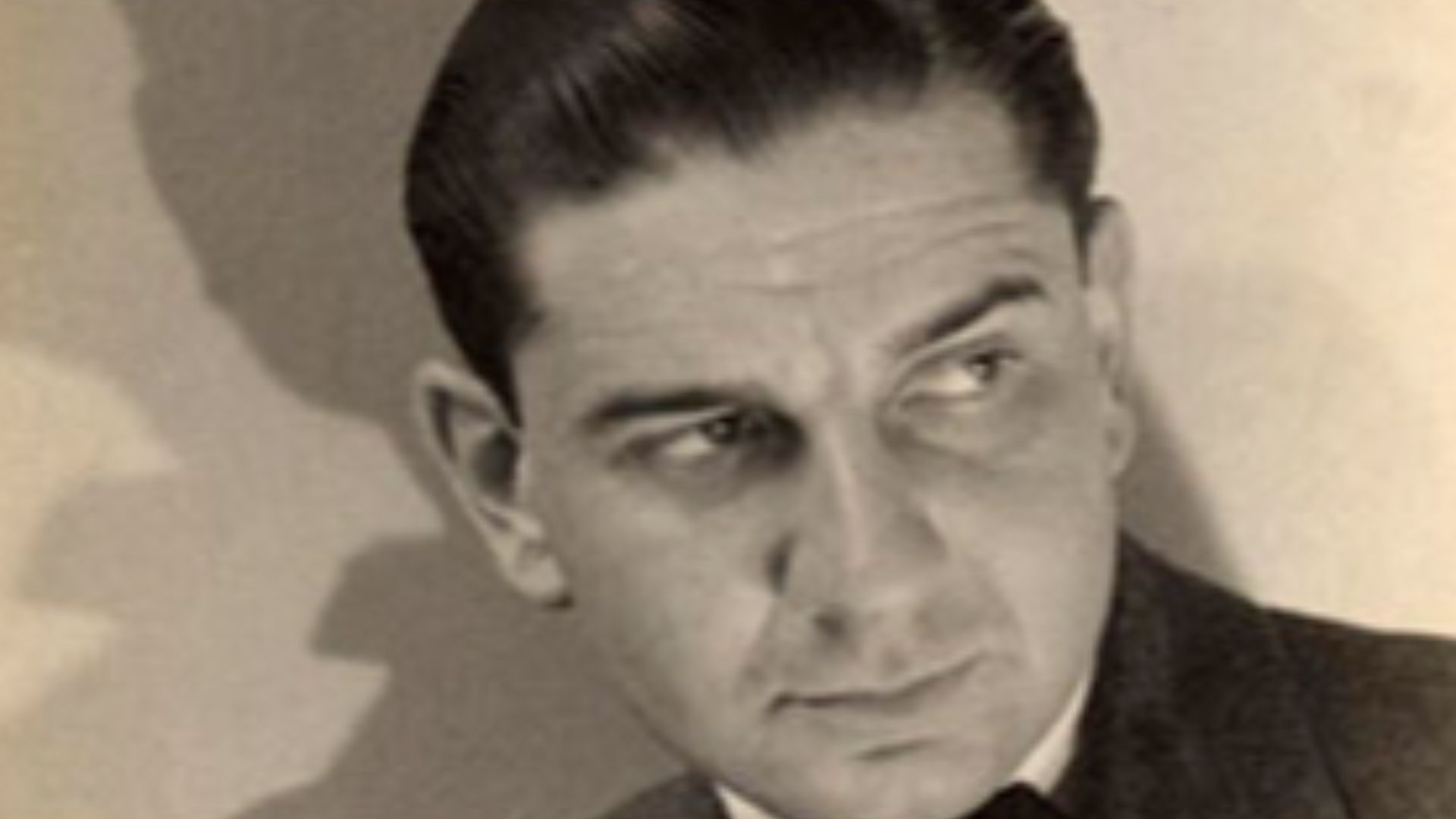 Photo by Irving Penn 1947, Wikimedia Commons
Television Needed More Than A Single Cartoon
Producer David Levy helped develop the cartoons into a weekly television comedy. That required names, relationships, personalities, and stories that could sustain an entire series. The family’s mysterious father would need considerably more definition once he began appearing every week.
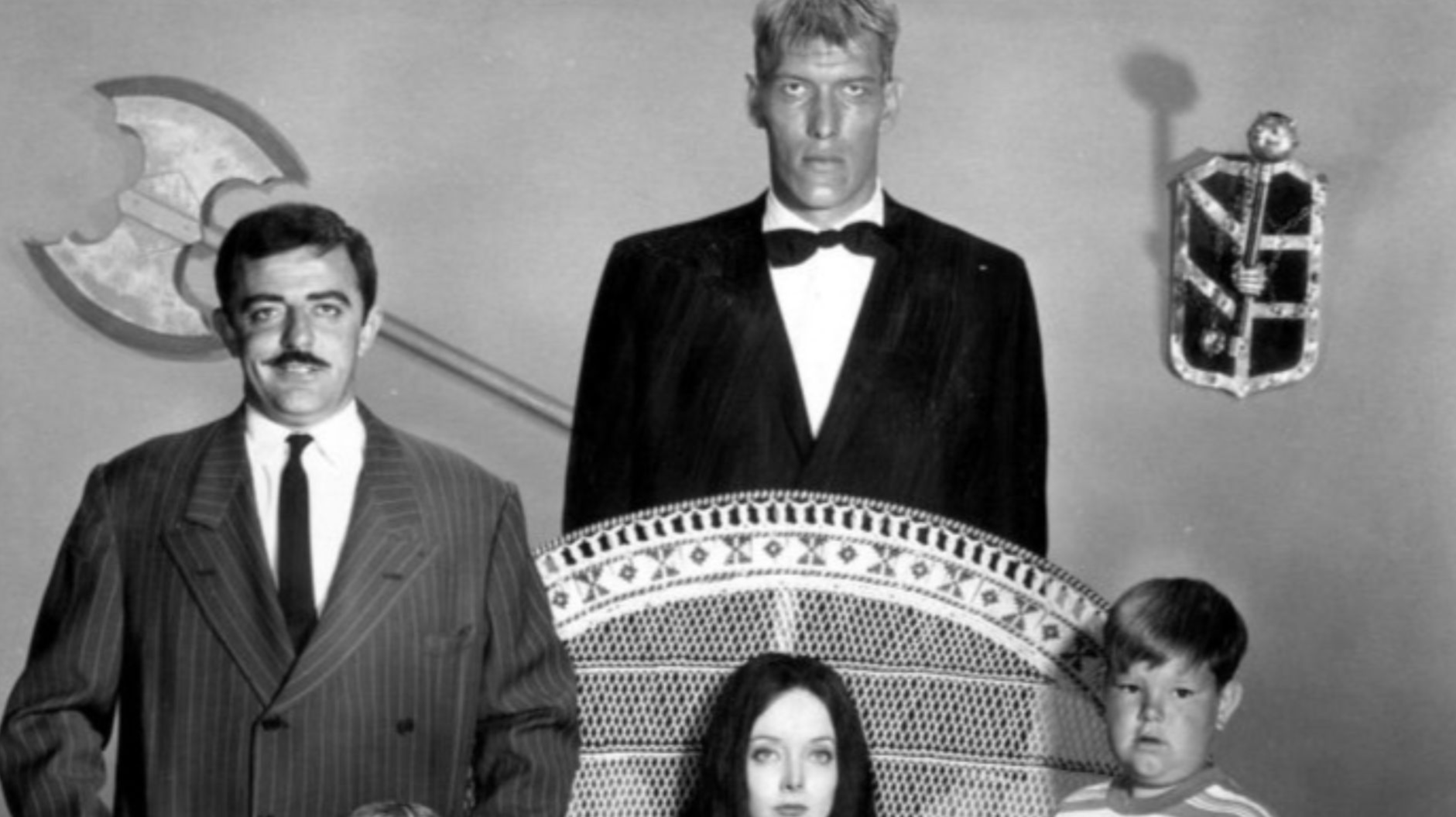 ABC Television, Wikimedia Commons
John Astin Had Already Built A Varied Career
Astin studied at Johns Hopkins University before pursuing acting in New York. He appeared onstage, worked in live television, and eventually moved to Hollywood. His early screen credits included West Side Story, That Touch of Mink, and the television comedy I’m Dickens, He’s Fenster.
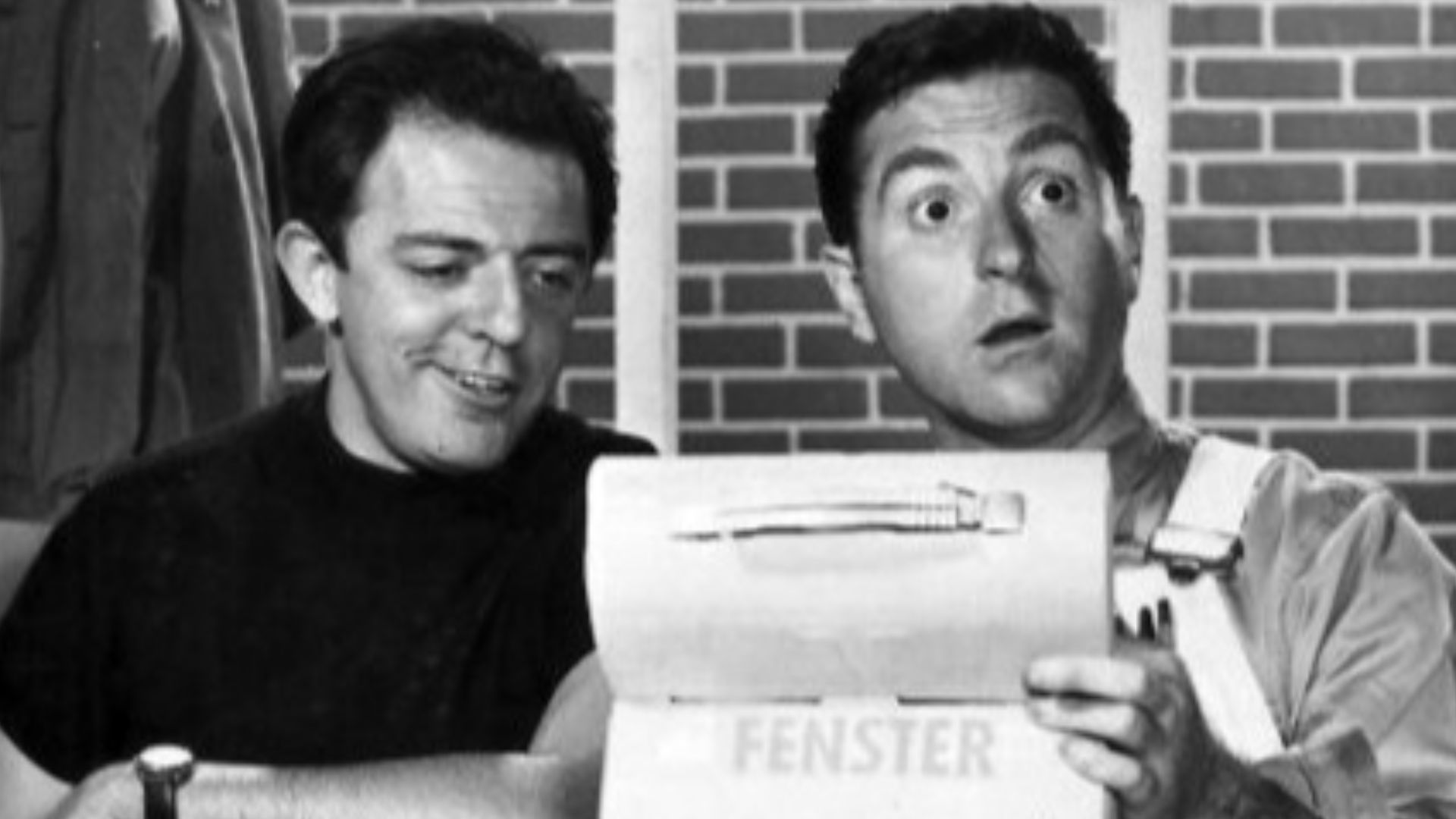 ABC Television, Wikimedia Commons
One Movie Helped Put Him On Filmways’ Radar
Astin appeared in the 1963 comedy The Wheeler Dealers, which was produced by Filmways. He later recalled that preview audiences responded strongly to his performance. The company subsequently approached him about making a deal and presented several possible projects.
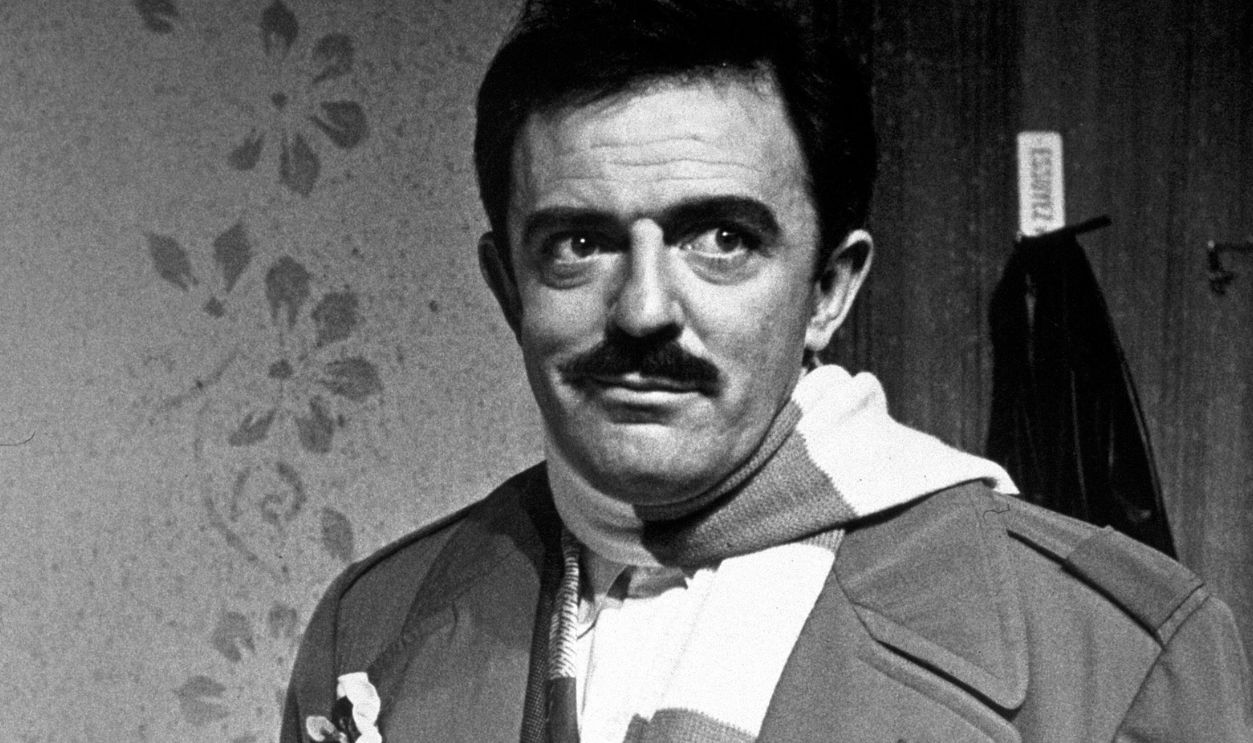
Astin Already Loved Charles Addams’ Cartoons
The television project immediately held personal appeal for Astin. He had admired Charles Addams’ work for years and had displayed some of the cartoons while he was in college. Choosing The Addams Family gave him the opportunity to enter a fictional world he already understood and appreciated.
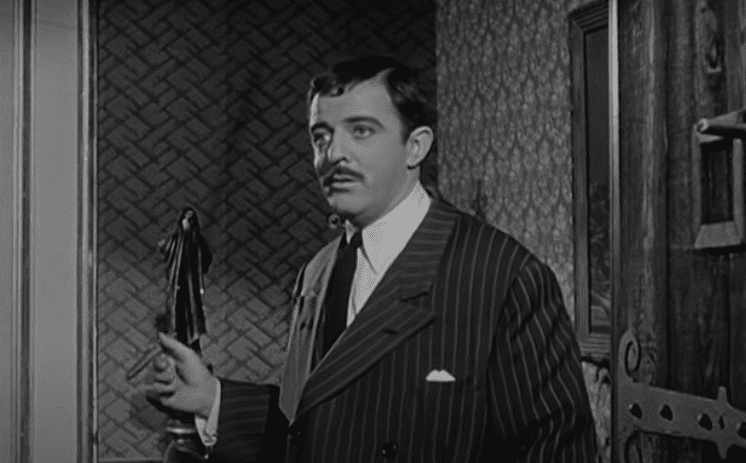 Screenshot from The Addams Family, ABC (1964-1966)
He Was Nearly Considered For A Very Different Role
Astin was not initially viewed only as the family patriarch. According to his Television Academy interview, there was discussion of having him play the towering butler who became Lurch. That plan disappeared once the producers recognized that Astin’s expressive energy was better suited to the family’s excitable leader.
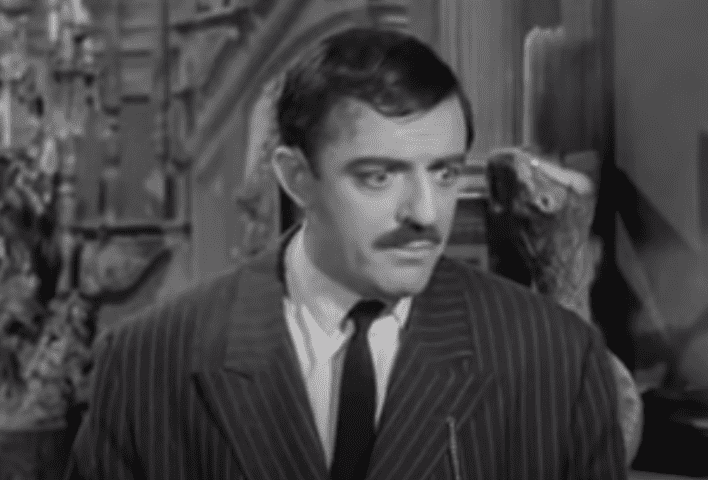 Screenshot from The Addams Family, ABC (1964-1966)
Gomez Had Not Yet Become Gomez
Charles Addams’ cartoons had provided the visual foundation, but the television character still required a name and a more detailed personality. Addams supplied descriptions as the family was developed for television. Astin selected Gomez from the proposed names, helping establish the identity that audiences have known ever since.
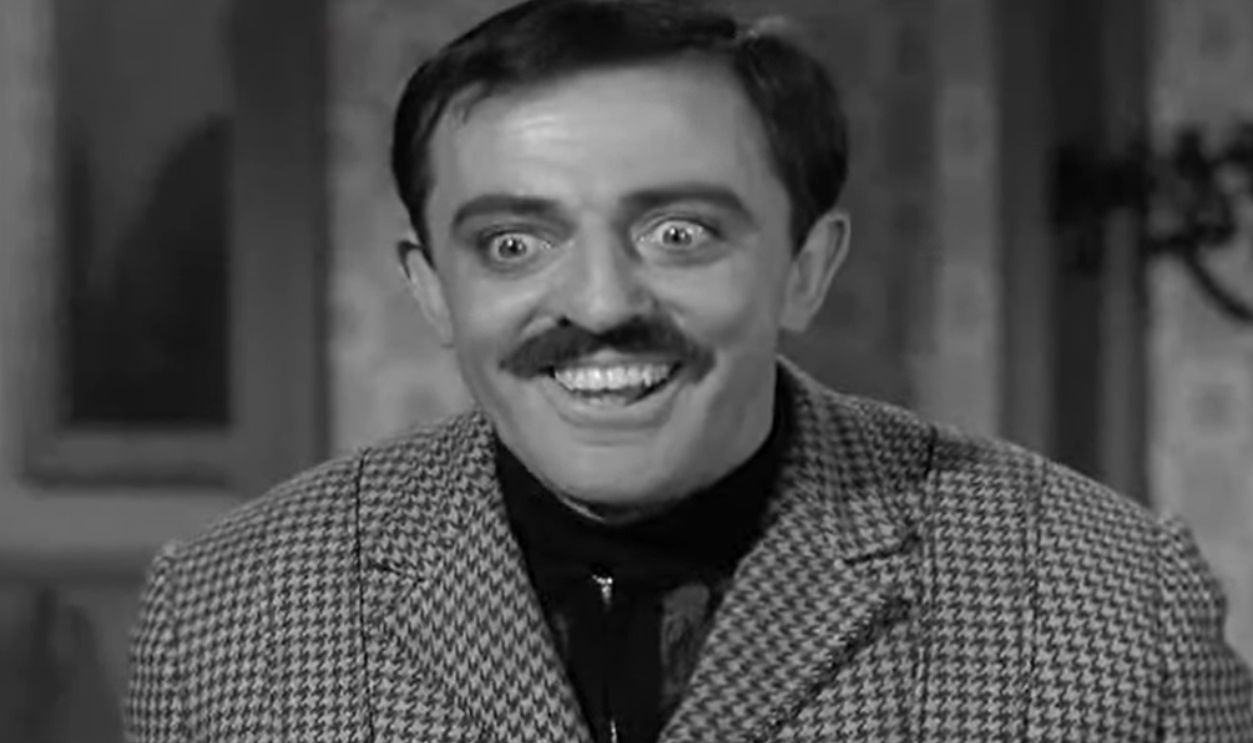 Screenshot from The Addams Family, ABC (1964-1966)
Astin Did Not Copy The Drawing Exactly
The cartoon father was usually shorter, heavier, and more reserved than Astin. Rather than attempting a strict physical imitation, the actor concentrated on capturing the character’s unusual spirit. He then expanded that foundation with distinctive movements, expressions, and bursts of enthusiasm.
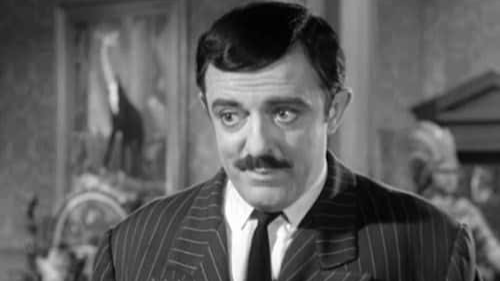 Screenshot from The Addams Family, ABC (1964-1966)
His Expressive Style Made Gomez Unforgettable
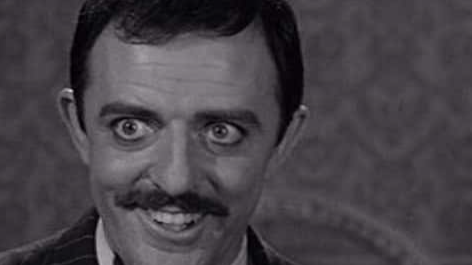
John Astin used expressive facial reactions and energetic physical comedy to bring Gomez to life. Whether fencing through the mansion, leaping onto furniture, or reacting with childlike excitement, he made every scene feel unpredictable. That fearless performance became one of Gomez's defining qualities.
 Screenshot from The Addams Family, ABC (1964-1966)
Gomez Approached Everything With Total Commitment
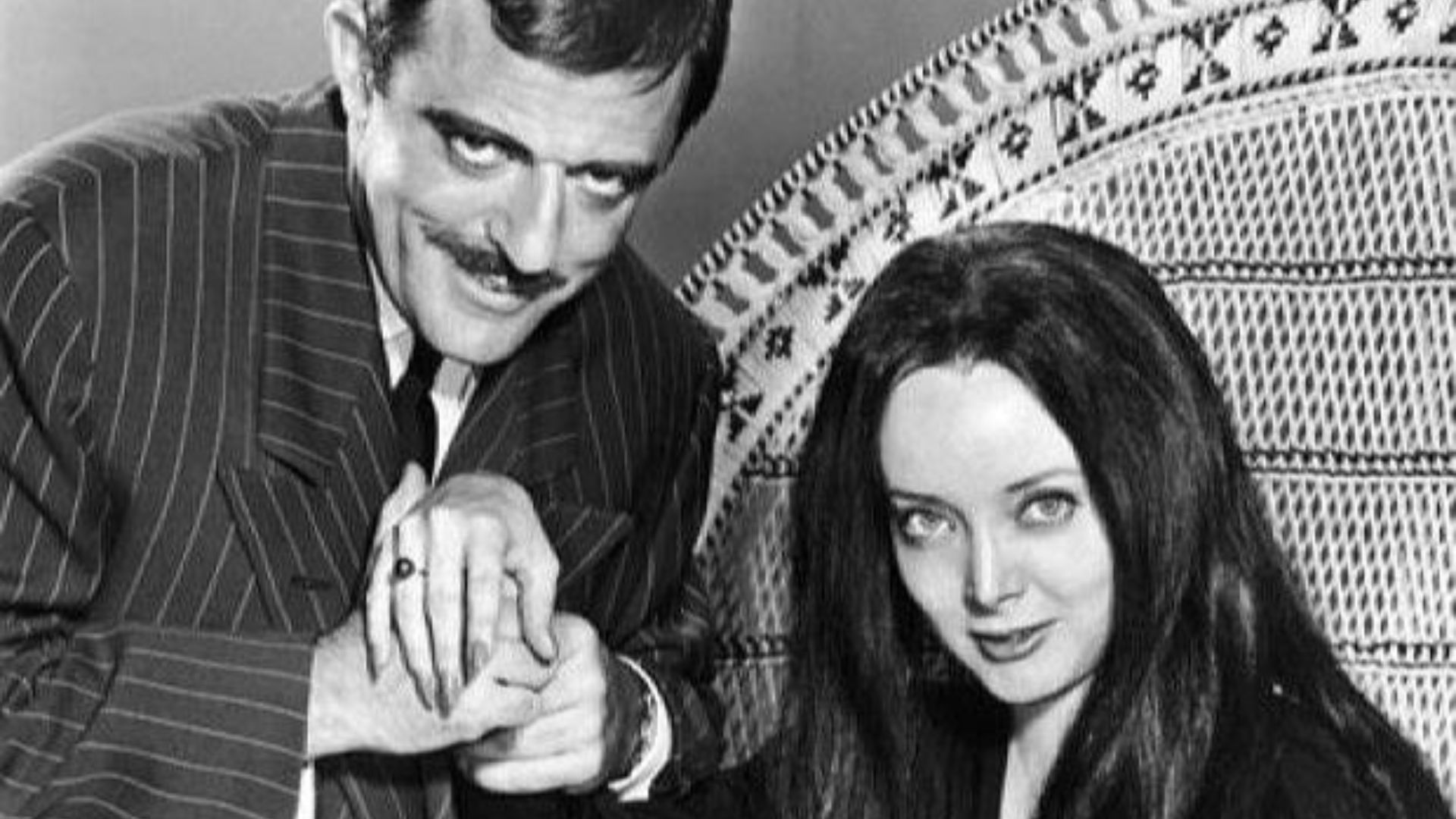
The character never seemed embarrassed by his passions or worried about appearing ridiculous. He fenced, performed acrobatics, played with elaborate inventions, and enthusiastically pursued questionable financial schemes. Astin treated every activity as the most important pleasure Gomez had ever encountered.
 ABC Television, Wikimedia Commons
He Made Gomez Delightfully Unpredictable
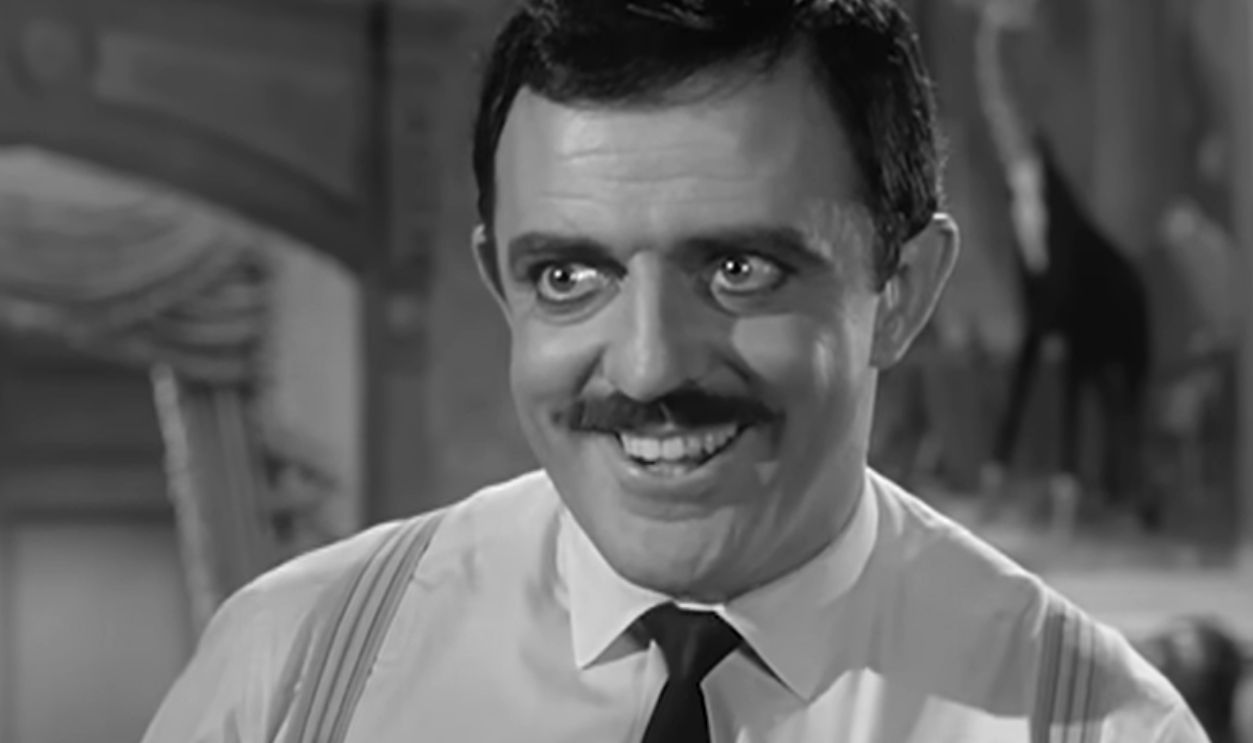
A conventional sitcom father was expected to provide stability when the household became chaotic. Gomez frequently encouraged the chaos and sometimes created it himself. Astin’s explosive enthusiasm made the character feel dangerous enough to be exciting but cheerful enough to remain welcoming.
 Screenshot from The Addams Family, ABC (1964-1966)
The Comedy Never Depended On Cruelty
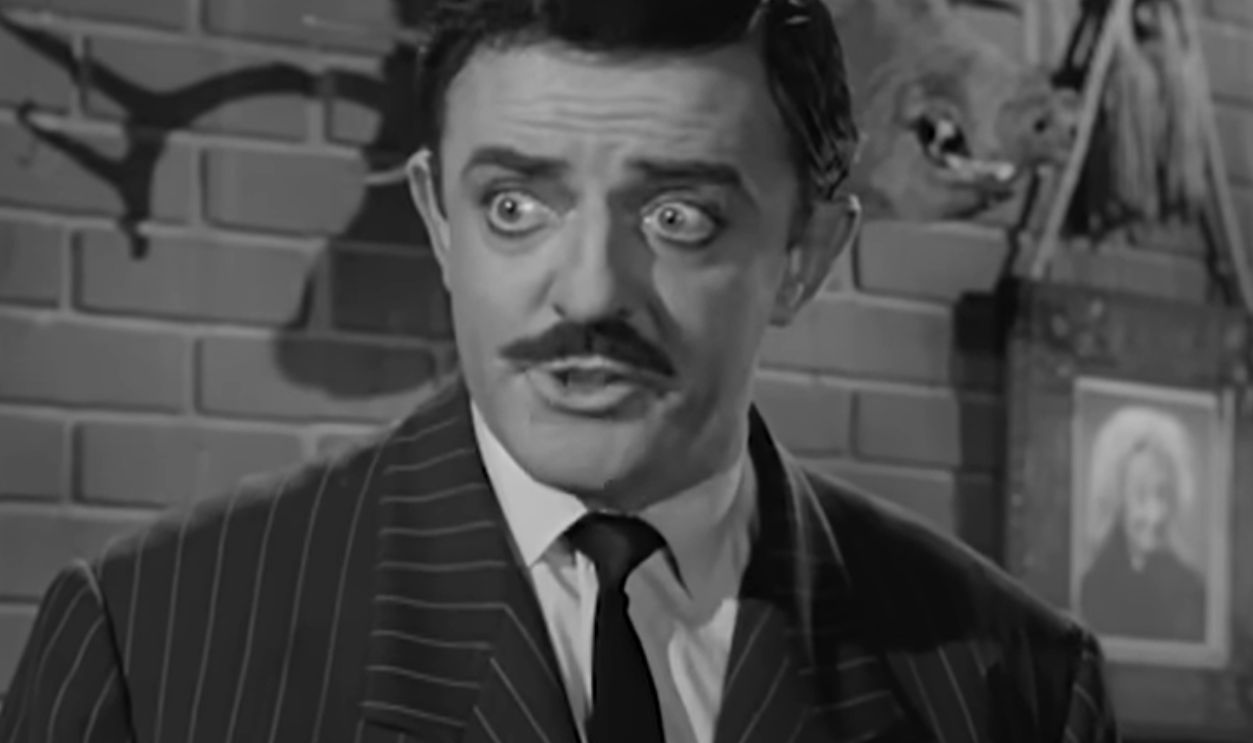
The Addamses enjoyed activities that alarmed their visitors, but Gomez was rarely driven by malice. He generally welcomed outsiders, offered assistance, and assumed that everyone would appreciate his family’s unusual hospitality. Astin understood that Gomez was funny because his intentions were usually generous, even when the results were alarming.
 Screenshot from The Addams Family, ABC (1964-1966)
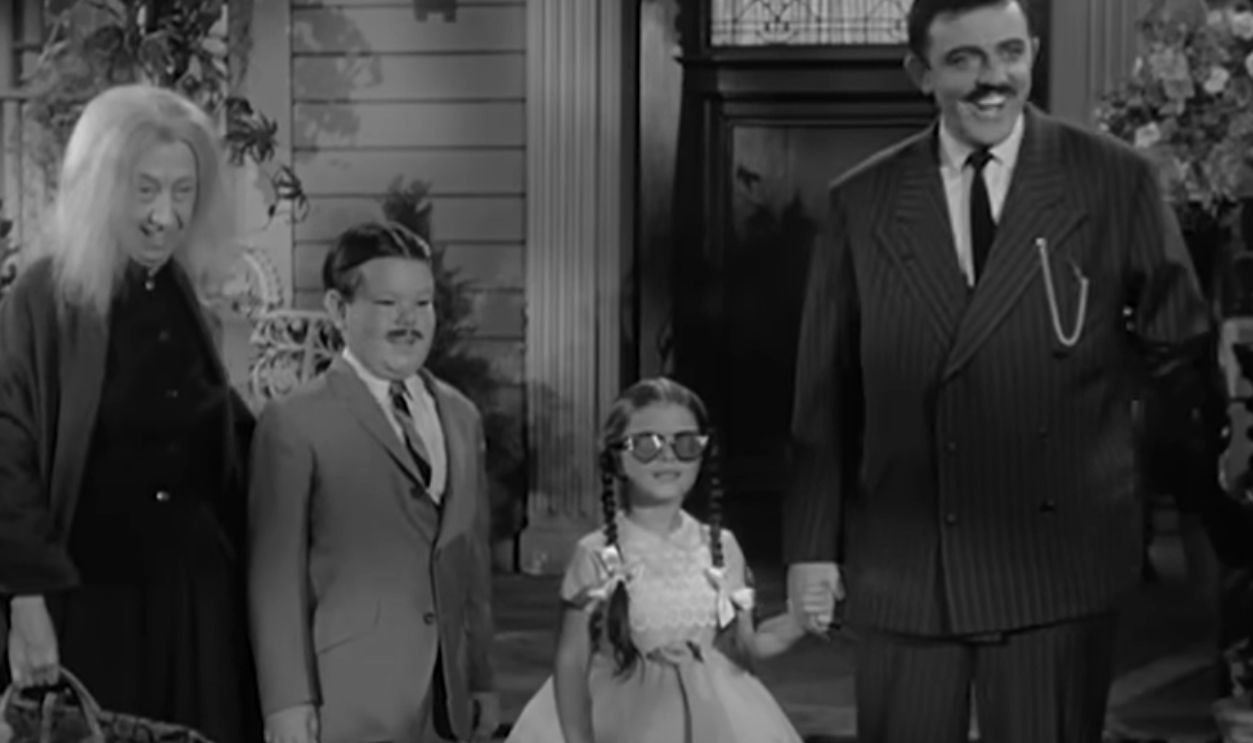
Gomez Was A Surprisingly Affectionate Father
Gomez did not demand that Wednesday and Pugsley become more conventional. He encouraged their interests and accepted their strange experiments as signs of creativity. That support gave the Addams household a warmth that contrasted sharply with its cobwebs, weapons, and apparent dangers.
 Screenshot from The Addams Family, ABC (1964-1966)
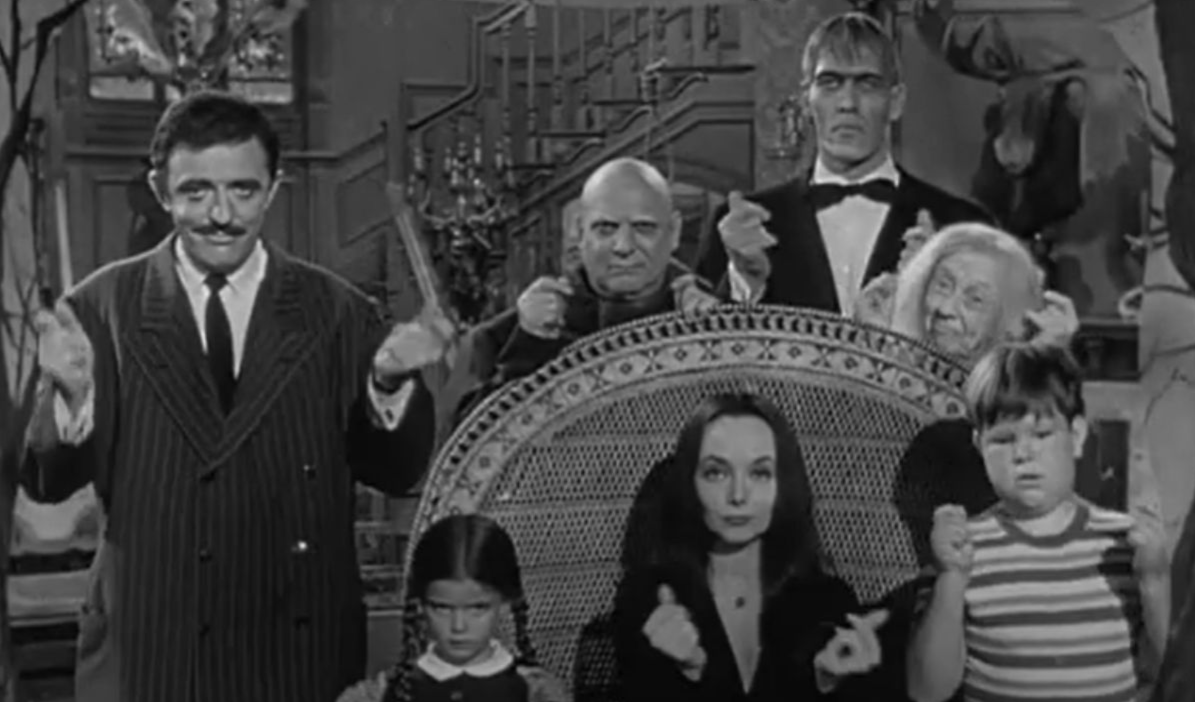
He Treated His Relatives With Respect
Uncle Fester, Grandmama, Lurch, and the rest of the household were never presented as burdens Gomez merely tolerated. He valued their abilities and welcomed their participation in family life. Astin’s sincere affection helped make the entire ensemble feel like a real family rather than a collection of disconnected comic characters.
 Screenshot from The Addams Family, ABC (1964-1966)
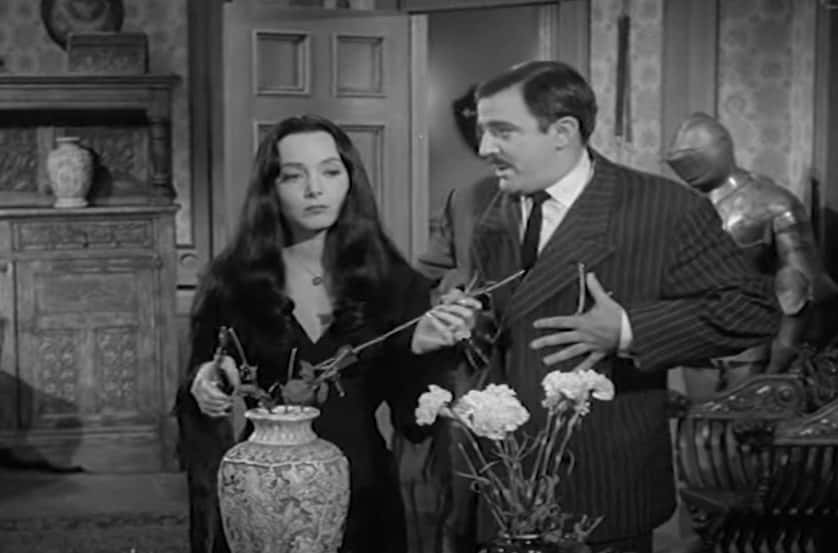
Carolyn Jones Became His Perfect Partner
Astin’s performance grew even stronger opposite Carolyn Jones as Morticia. Jones played her with elegant calm, allowing Astin to become more physically expressive without overwhelming their scenes. Their contrasting styles created one of television’s most distinctive couples.
 Screenshot from The Addams Family, ABC (1964–1966)
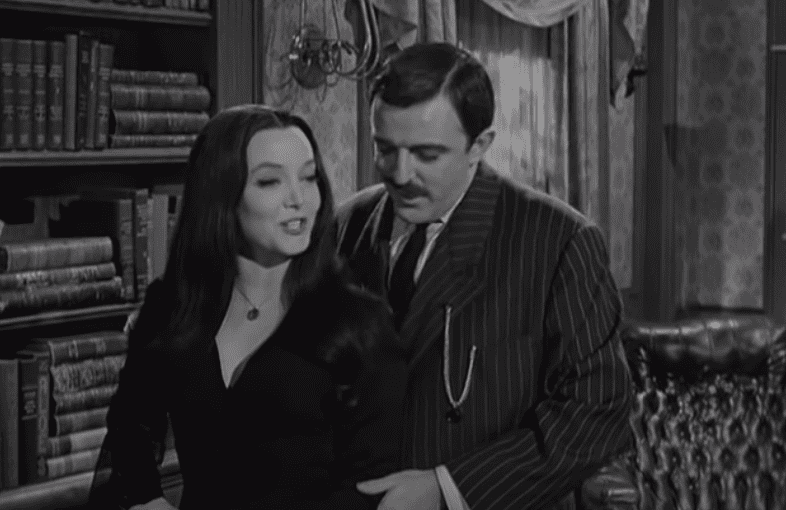
Their Marriage Was The Show’s Secret Weapon
Many sitcom marriages of the period relied on irritation, misunderstandings, or battles over household authority. Gomez and Morticia genuinely enjoyed one another. Astin believed their romance was central to making the family work because it gave the strange household a strong emotional foundation.
 Screenshot from The Addams Family, ABC (1964–1966)
A Few French Words Changed Everything
Whenever Morticia spoke French, Gomez reacted as though he had been completely overwhelmed by desire. He would seize her arm and cover it with kisses while she remained serenely pleased by his attention. The recurring joke became one of the clearest examples of Astin turning Gomez’s romantic devotion into physical comedy.
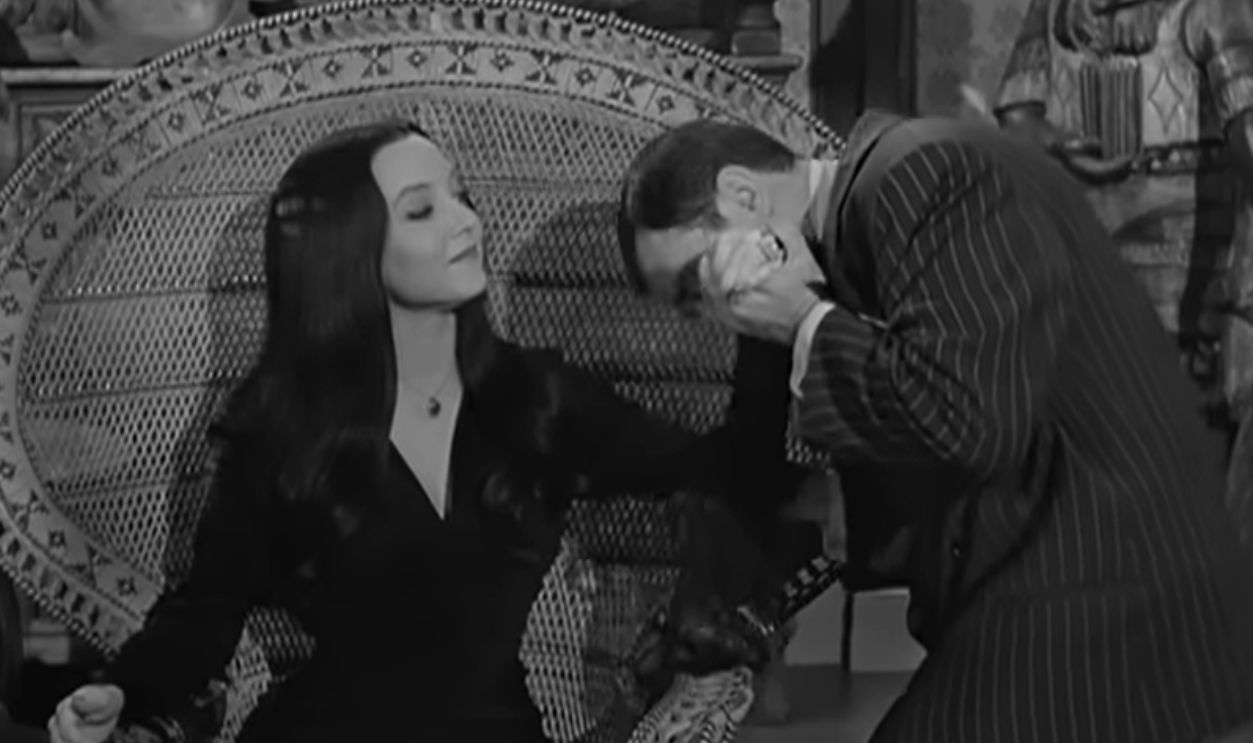 Screenshot from The Addams Family, ABC (1964-1966)
Their Passion Never Became A Punchline
The joke was not that Gomez had lost interest in his wife or wanted to escape his marriage. His attraction to Morticia remained intense, open, and proudly expressed. That sincerity made the relationship unusual for television and helped prevent Gomez from becoming merely a foolish caricature.
 Screenshot from The Addams Family, ABC (1964–1966)
Astin And Jones Protected The Family Dynamic
Astin remembered Jones as a talented and intelligent performer who took the material seriously. Together, they established that the Addamses believed their lifestyle was completely normal. Their commitment allowed the audience to laugh at the contrast between the family and the frightened outsiders who entered their home.
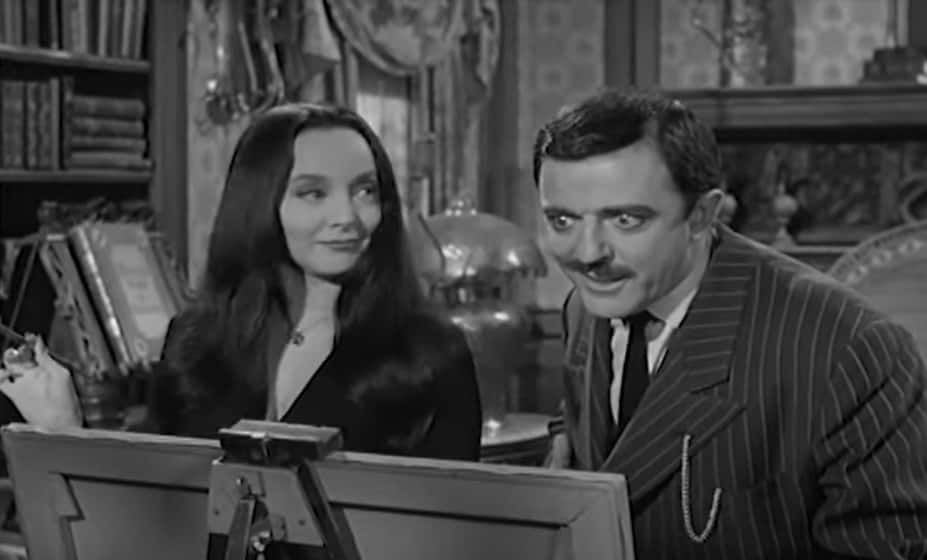 Screenshot from The Addams Family, ABC (1964-1966)
The Supporting Cast Strengthened Gomez
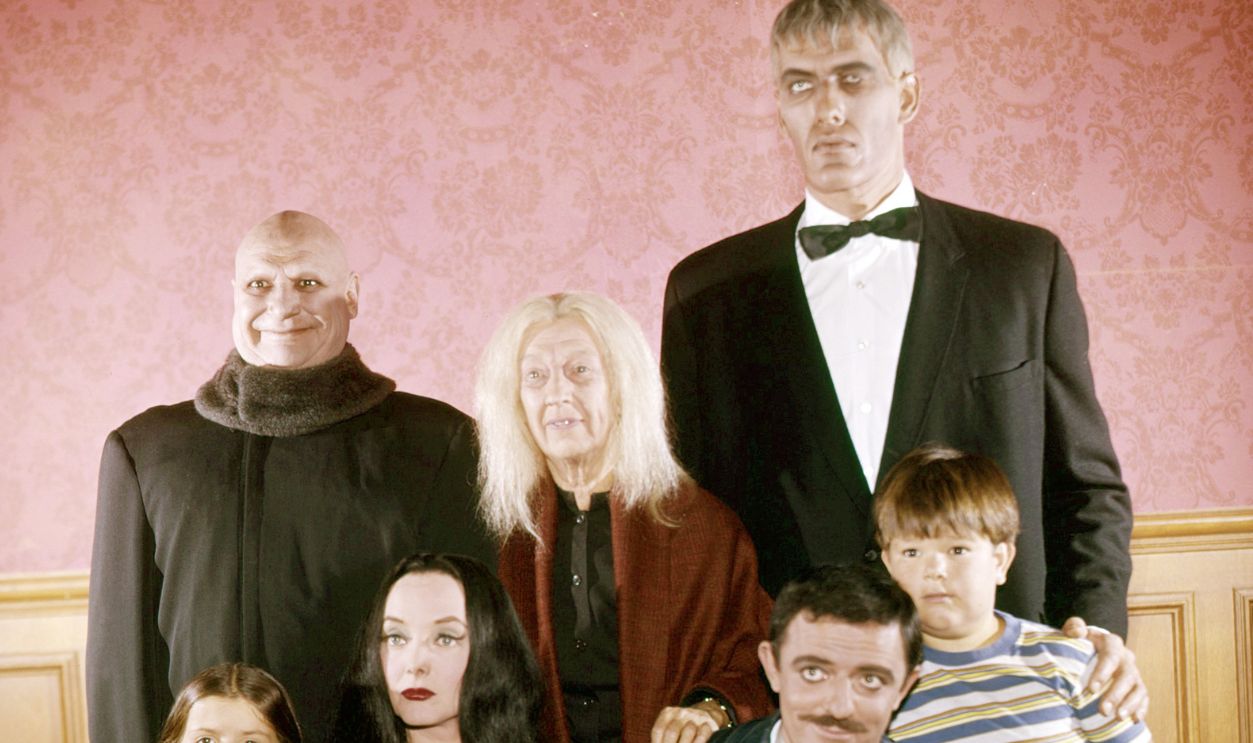
Ted Cassidy’s immense, solemn Lurch gave Astin another excellent comic contrast. Jackie Coogan brought veteran comic instincts to Uncle Fester, while Lisa Loring and Ken Weatherwax completed the immediate family as Wednesday and Pugsley. Astin could make Gomez larger because the actors around him created equally specific characters.
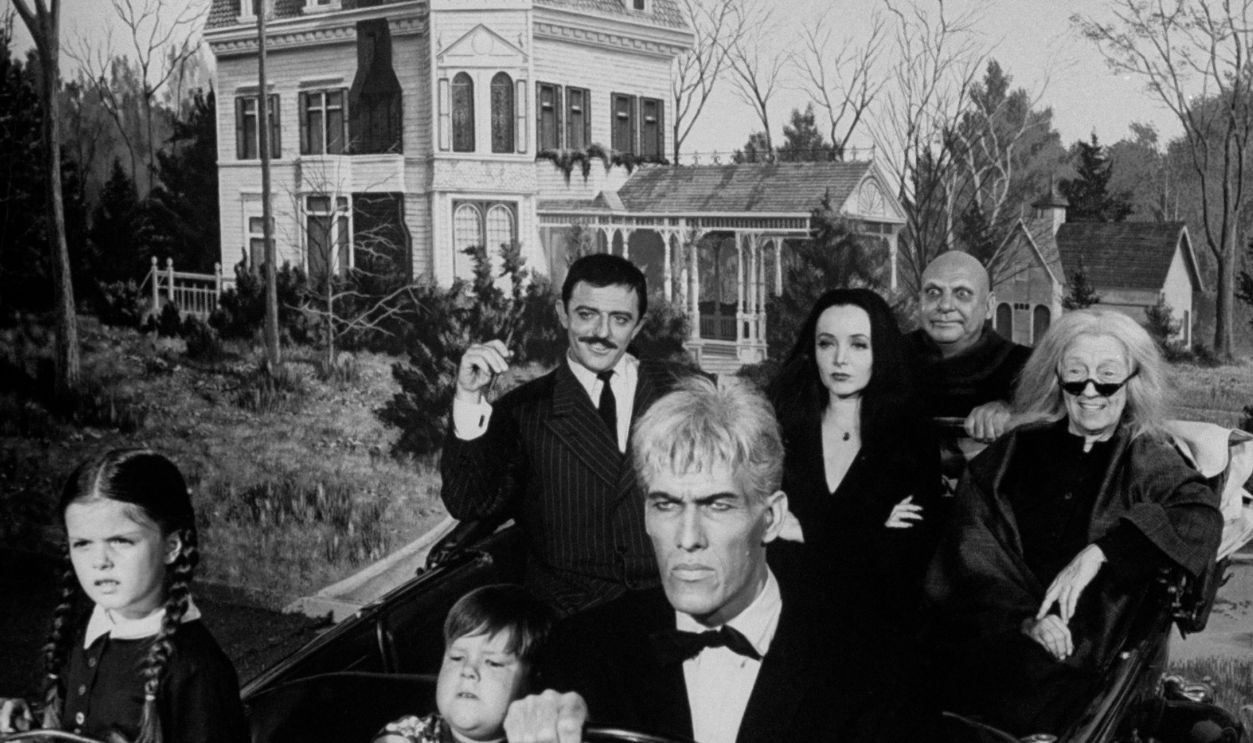
The Mansion Became His Personal Playground
Gomez read financial news while standing on his head and practiced fencing inside the house. He operated unusual devices, handled explosives with confidence, and enthusiastically embraced whatever bizarre activity a story required. The mansion allowed Astin to turn ordinary sitcom business into visual comedy.
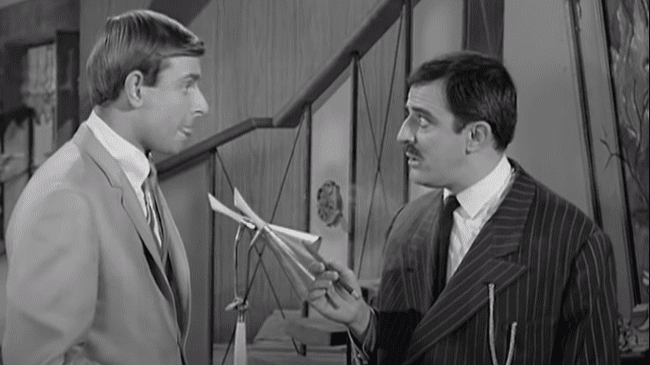 Screenshot from The Addams Family, ABC (1964-1966)
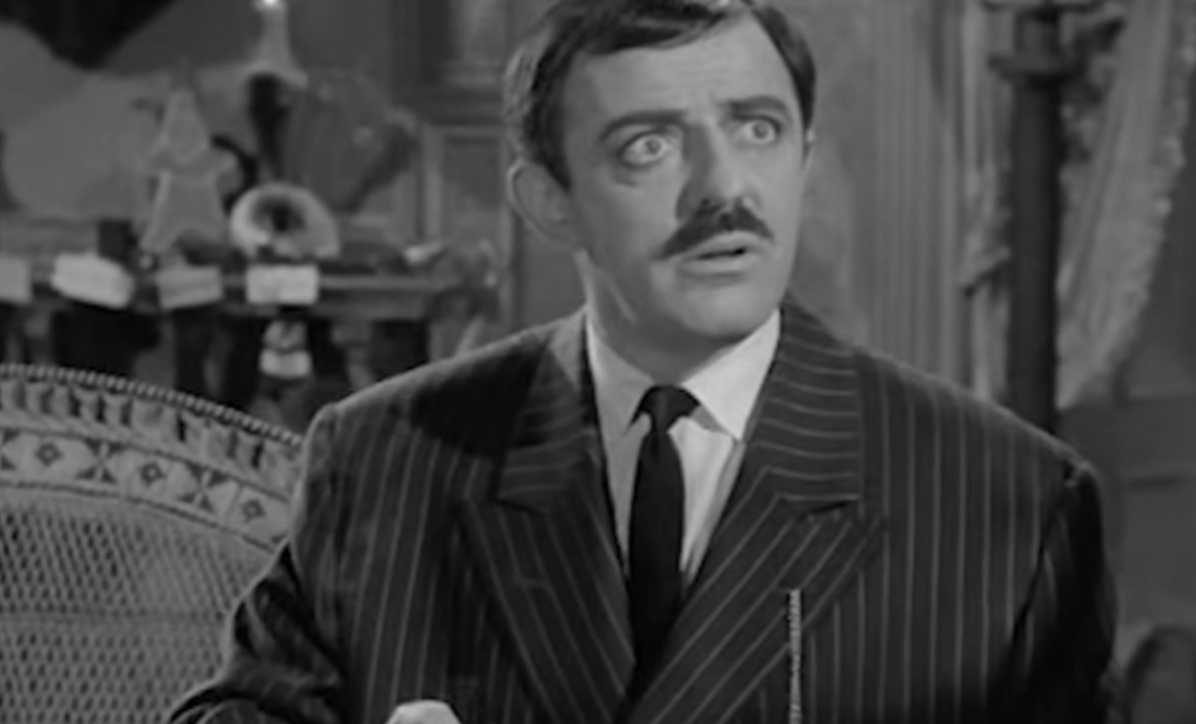
The Theme Song Completed The Character
Composer Vic Mizzy wrote and performed the instantly recognizable theme while also helping direct the opening title sequence. The finger snaps, character introductions, and cast reactions established the show’s playful rhythm before each episode began. Astin’s animated expressions fit the music so perfectly that Gomez seemed inseparable from the series’ sound.
 Screenshot from The Addams Family, ABC (1964-1966)
The Series Had A Brief Original Run
The Addams Family premiered on ABC on September 18, 1964. It aired in black and white for two seasons and produced 64 episodes before ending in April 1966. Its original run was relatively short, but syndication allowed new generations to discover Astin’s performance.
 Screenshot from The Addams Family, ABC (1964-1966)
Gomez Continued Following Astin
Astin returned to the character in the 1977 television special Halloween with the New Addams Family. He later provided Gomez’s voice for the animated Addams Family series that began in 1992. He also appeared as Grandpapa Addams in The New Addams Family during the late 1990s.
 Silver Screen Collection, Getty Images
Later Actors Inherited The Character He Built
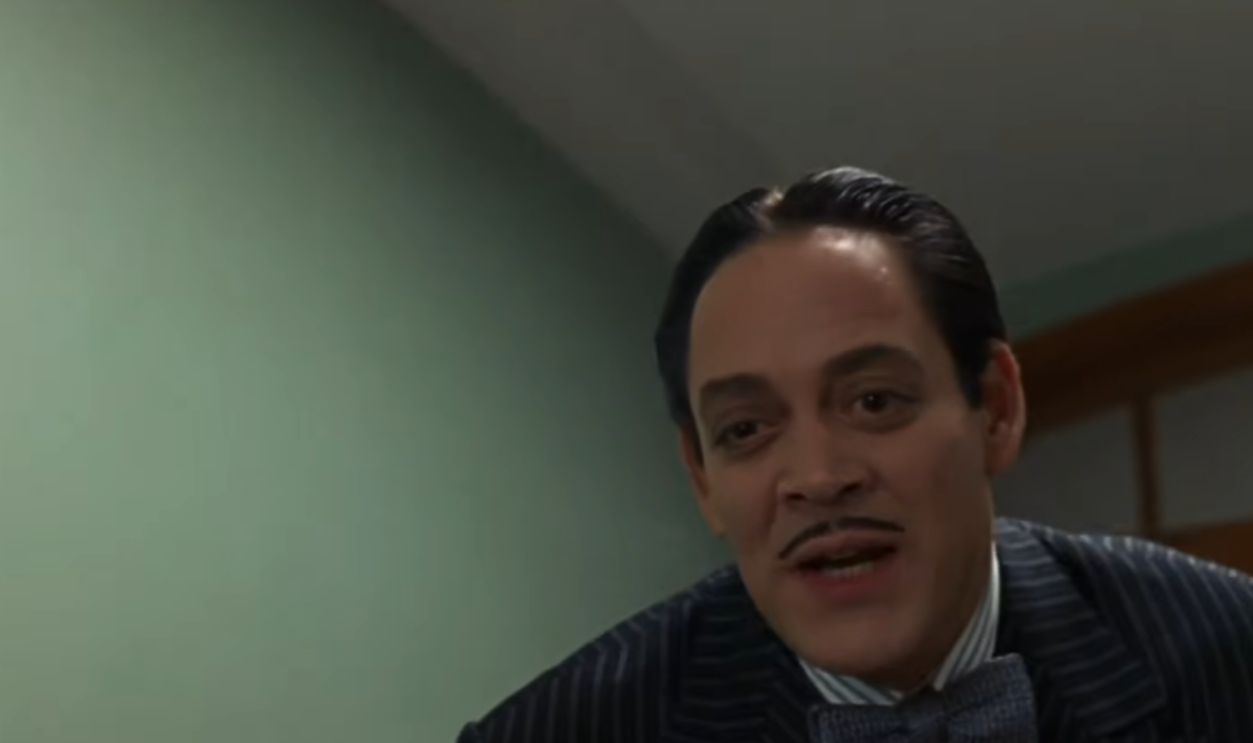
Raúl Juliá, Glenn Taranto, Luis Guzmán, and other performers have offered their own interpretations of Gomez. Yet the exuberant romantic, devoted father, and gleeful eccentric recognized by modern audiences largely took shape in the 1964 series. Astin established a template flexible enough to survive decades of reinvention.
 Screenshot from Addams Family Values, Paramount Pictures (1993)
Gomez Became Much More Than A Television Oddball
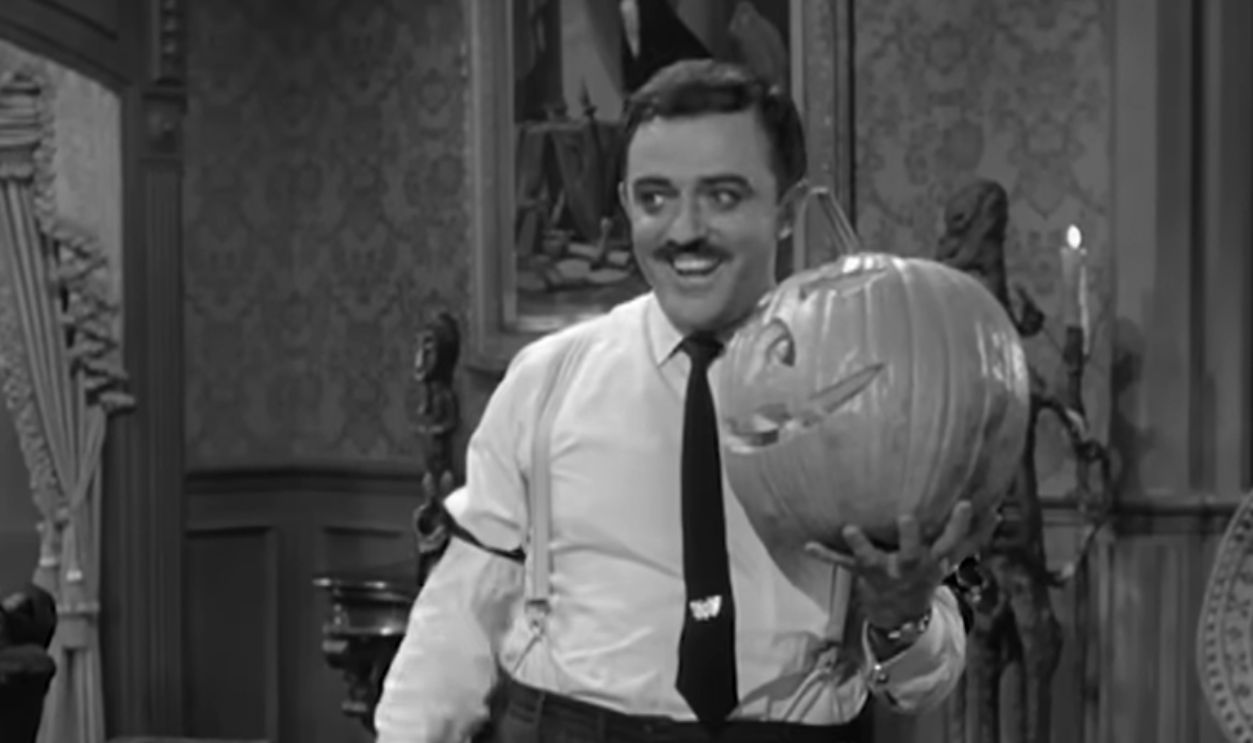
Astin could have focused entirely on Gomez’s peculiarities. Instead, he found the affection, confidence, and optimism beneath them. By making Gomez stranger, warmer, and funnier than expected, John Astin turned a mysterious cartoon figure into a television icon.
 Screenshot from The Addams Family, ABC (1964-1966)
You May Also Like:
Family Sitcoms From The 1960s That Would Feel Completely Different If They Tried To Make Them Today
Why did The Andy Griffith Show star Don Knotts struggle to escape his signature role?