A Star Who Refused One Label
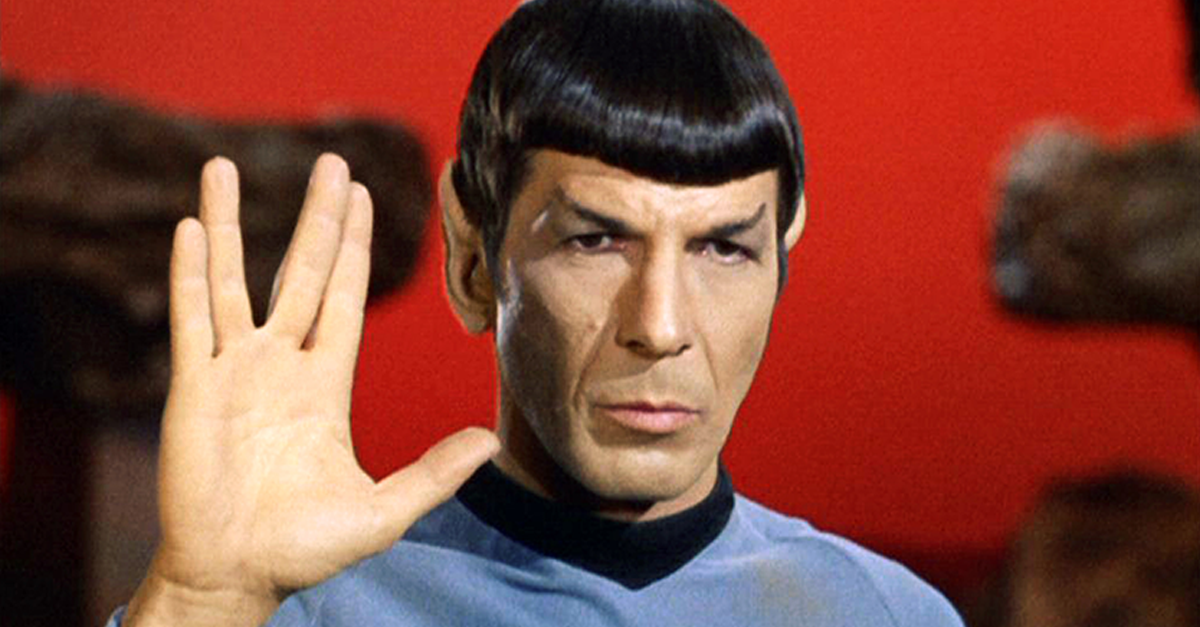
Leonard Nimoy became famous as Mr. Spock in Star Trek, but that role was only one part of a remarkably varied life. He was also a director, photographer, poet, stage actor, narrator, singer, and cultural ambassador. His career stretched from small 1950s screen roles to blockbuster films and major art exhibitions. The more you look beyond the ears, the more surprising his story becomes.
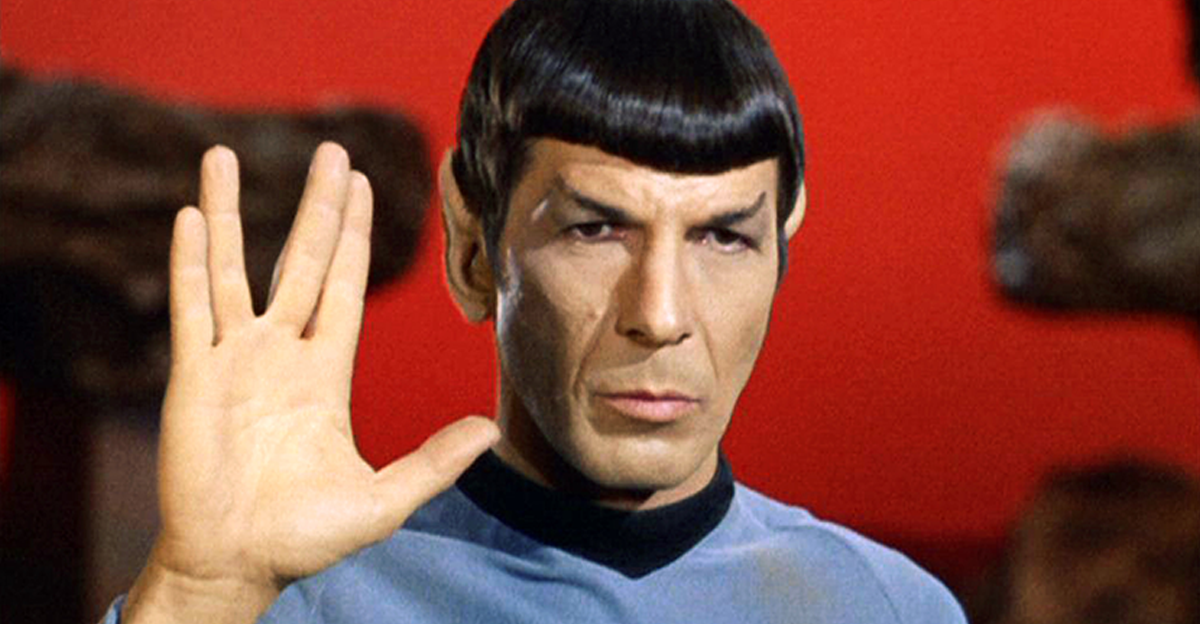 Screenshot from Star Trek, Paramount Television (1967)
He Came From Boston’s West End
Nimoy was born in Boston in 1931 to Jewish immigrant parents from what is now Ukraine. He grew up in the city’s West End, a tight working-class neighborhood that shaped his sense of identity. His family spoke Yiddish, and Nimoy later explored that heritage in interviews and documentary work. Long before Hollywood found him, he was already surrounded by stories, language, and tradition.
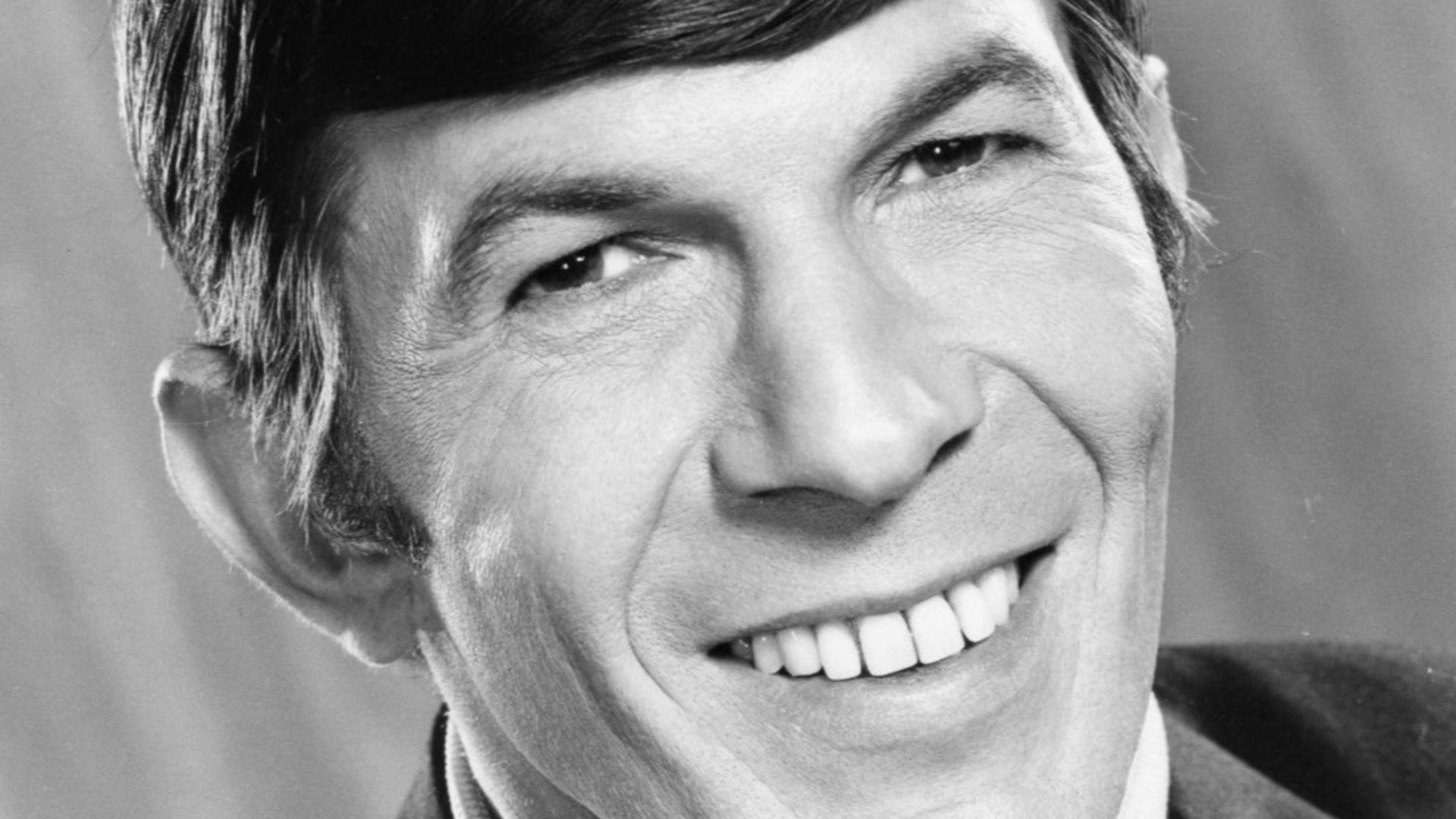 CBS Television, Wikimedia Commons
Acting Started Very Early
Nimoy began acting as a child and performed in local theater before he became a screen actor. By his early twenties, he had moved to California and was taking small parts in films and television. Like many future stars, he spent years building a career one modest credit at a time. That slow climb gave him a practical understanding of acting as work, not just glamour.
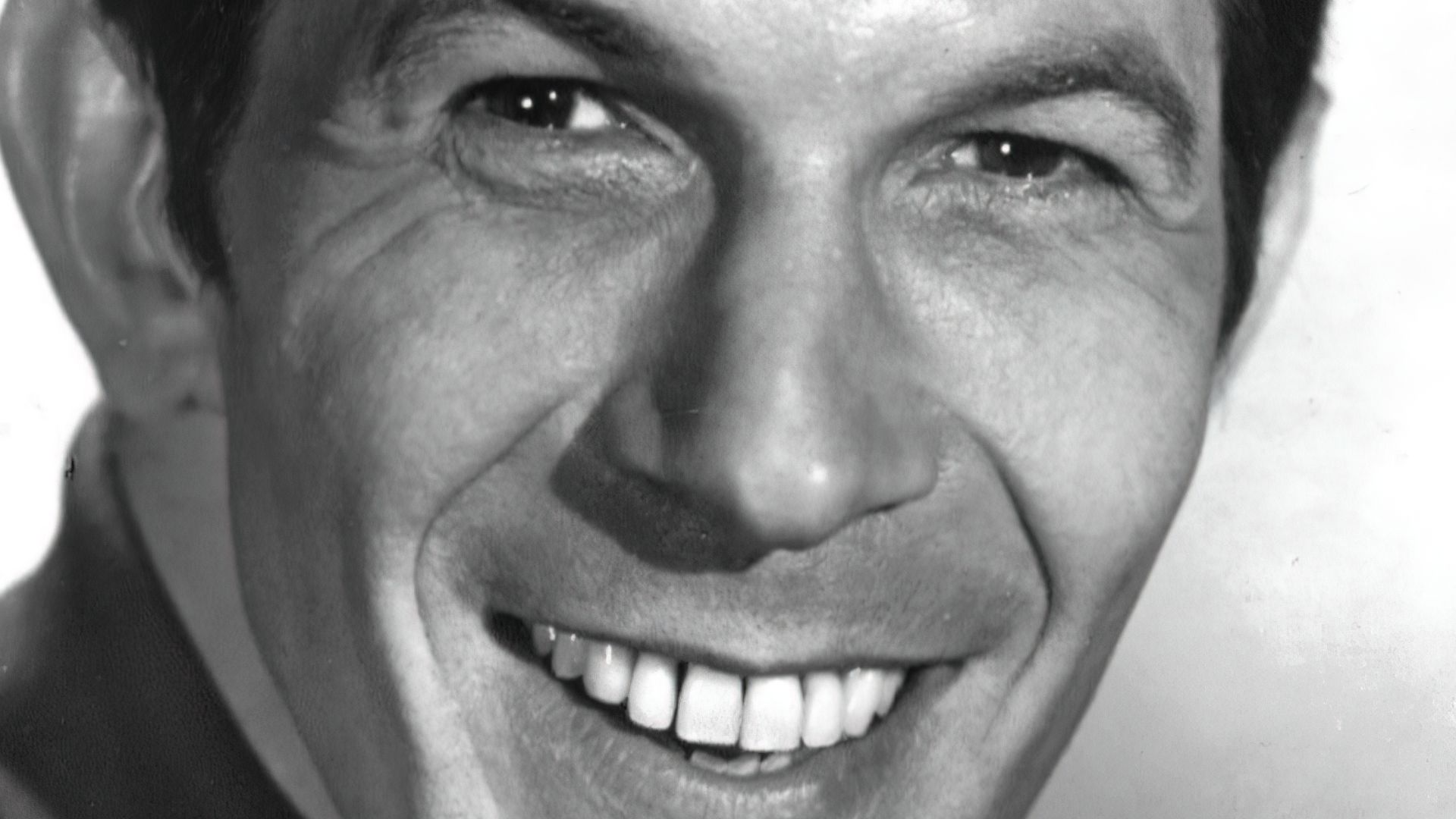 NBC Television, Wikimedia Commons
He Served In The Army
Before Star Trek changed his life, Nimoy served in the United States Army from 1953 to 1955. He worked in Special Services, the branch connected to entertainment and morale. That period interrupted his early Hollywood ambitions, but it also added another layer to his life experience. When he returned to acting, he did so with more discipline and focus.
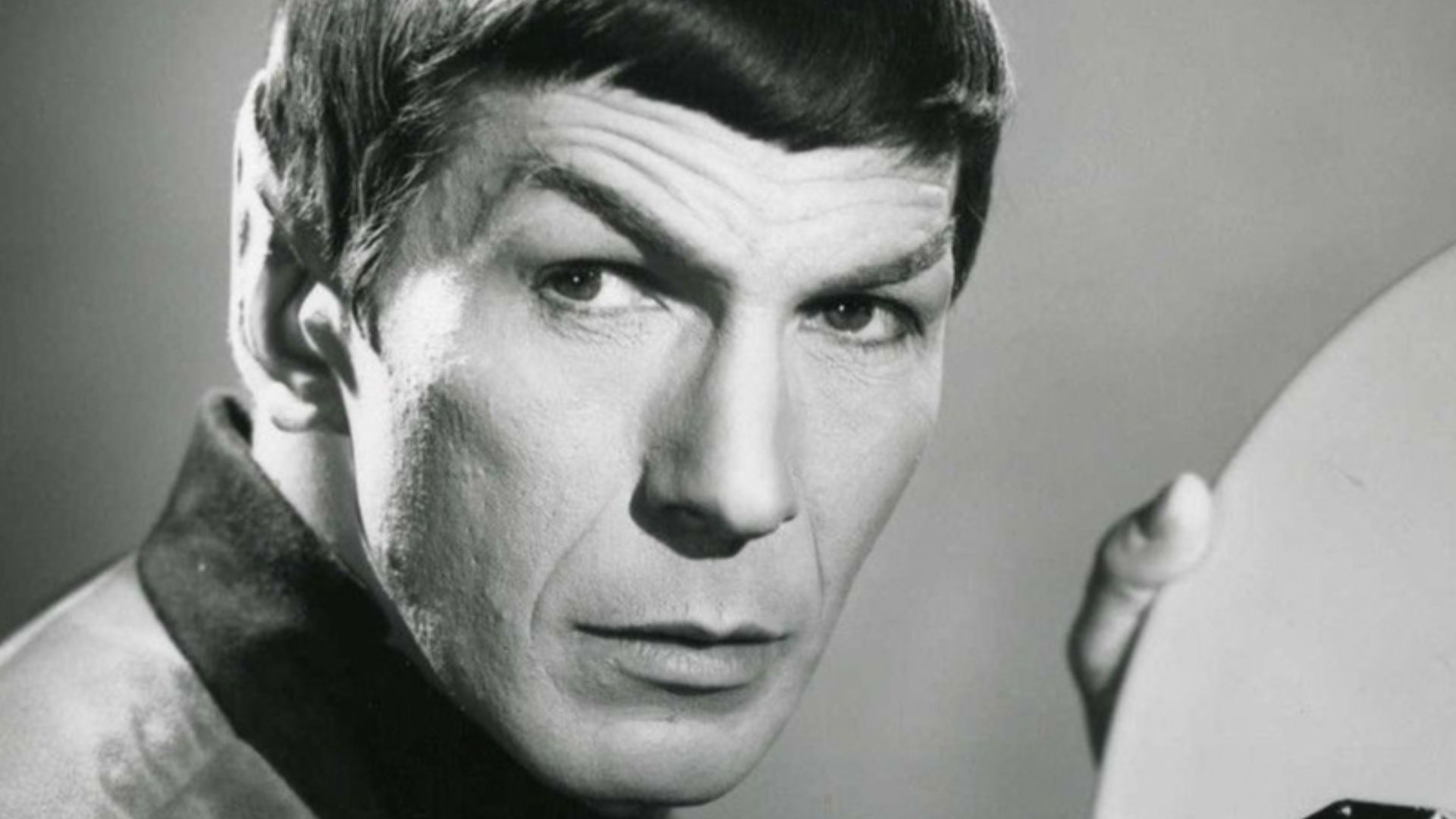 NBC Television, Wikimedia Commons
Spock Was Not An Accident
Nimoy did not simply put on pointed ears and become famous. He helped shape Spock’s voice, posture, emotional restraint, and sense of inner conflict. The character worked because Nimoy made logic feel dramatic, not empty. His performance suggested that Spock was always feeling more than he allowed himself to show.
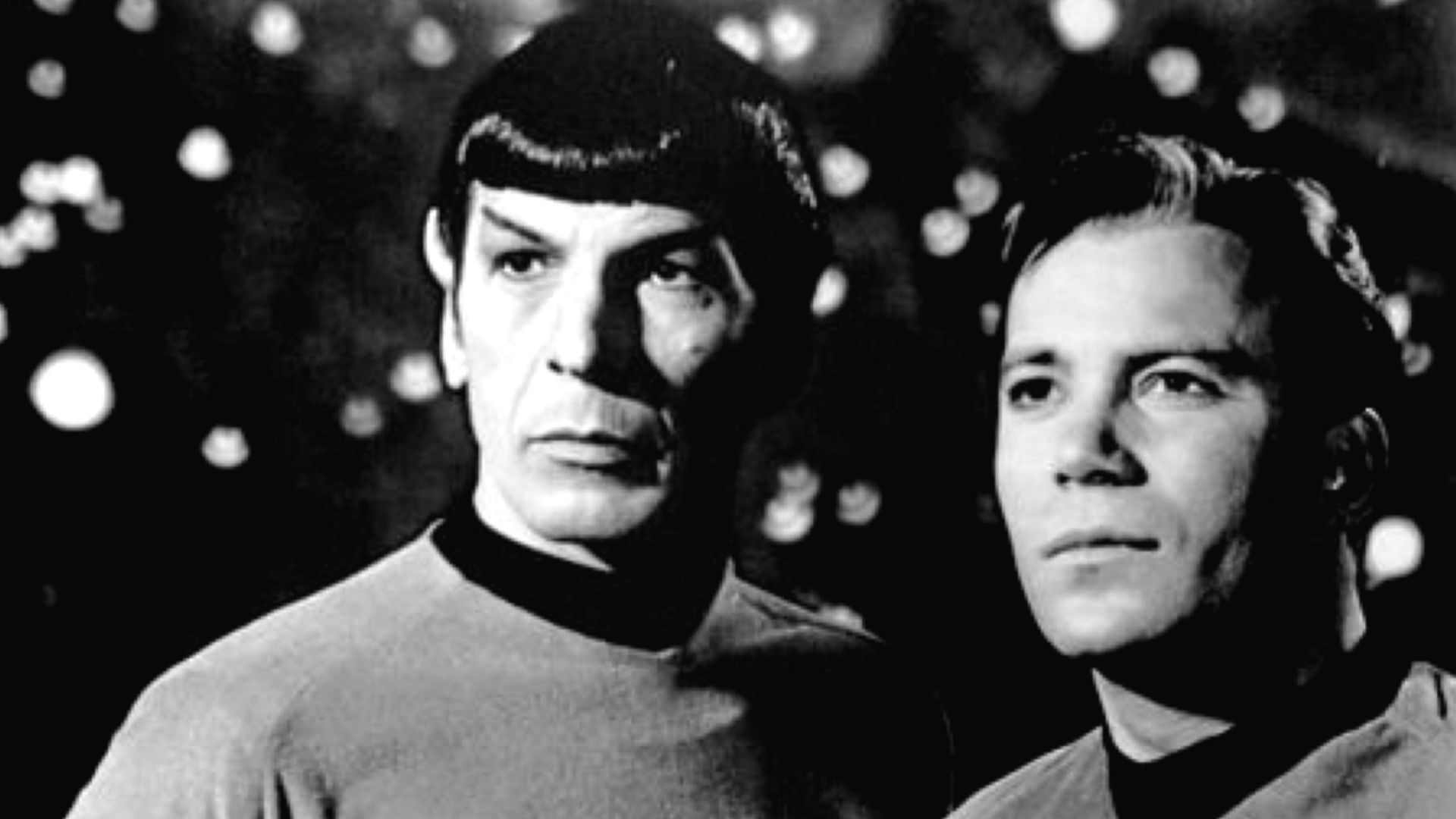 NBC Television, Wikimedia Commons
He Created The Vulcan Salute
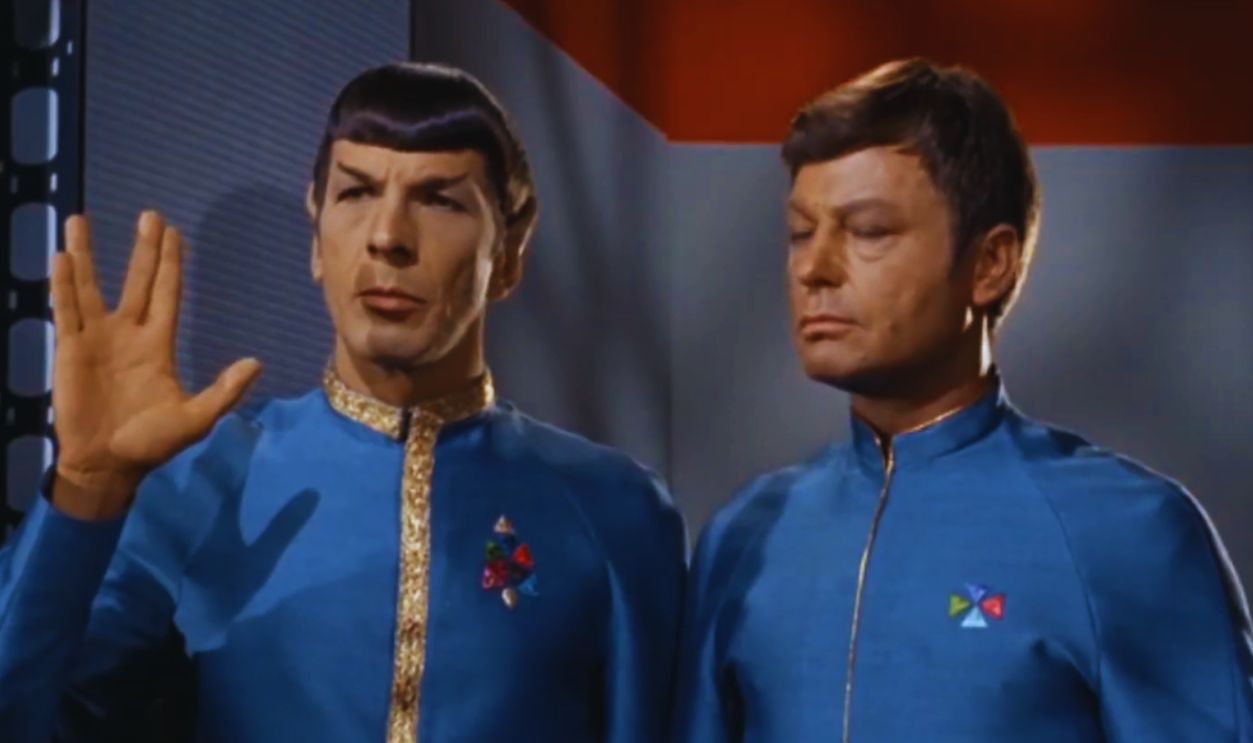
One of Star Trek’s most famous gestures came from Nimoy himself. He based the Vulcan salute on a hand sign he remembered seeing during a Jewish blessing in synagogue as a child. That choice quietly connected science fiction to ancient ritual. It also showed how much of Nimoy’s own background lived inside Spock.
The Phrase Became A Legacy
“Live long and prosper” became bigger than a line from a television show. Fans used it as a greeting, a goodbye, and eventually a tribute to Nimoy himself. The phrase followed him for decades because it felt sincere coming from him. Even when Spock became a pop culture symbol, Nimoy kept the character grounded in dignity.
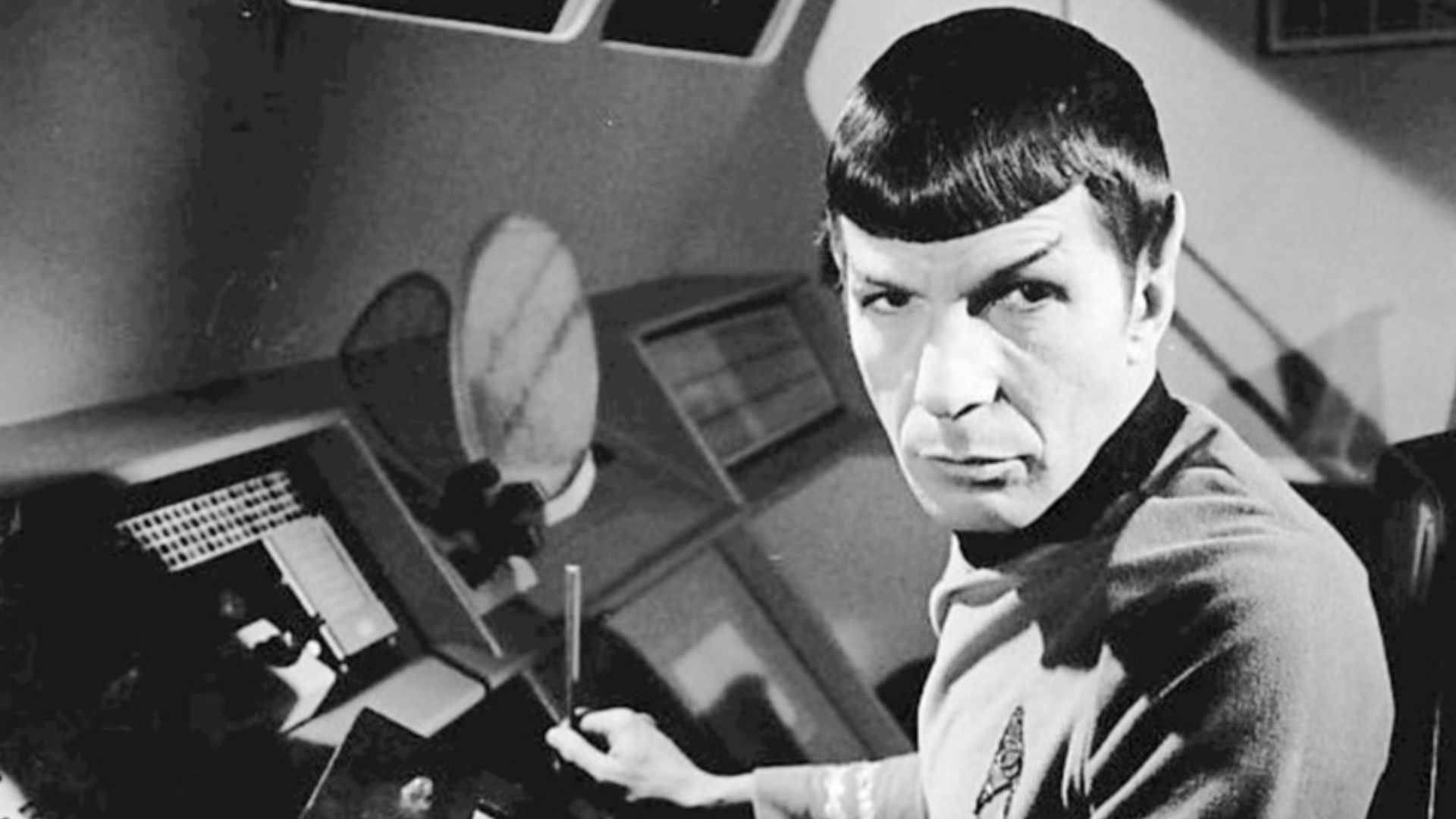 NBC Television, Wikimedia Commons
Fame Came With A Trap
Star Trek gave Nimoy worldwide recognition, but it also made him easy to typecast. After the original series ended, many people still saw him only as Spock. That kind of fame can be flattering and frustrating at the same time. Nimoy spent much of his career proving that he had more to offer.
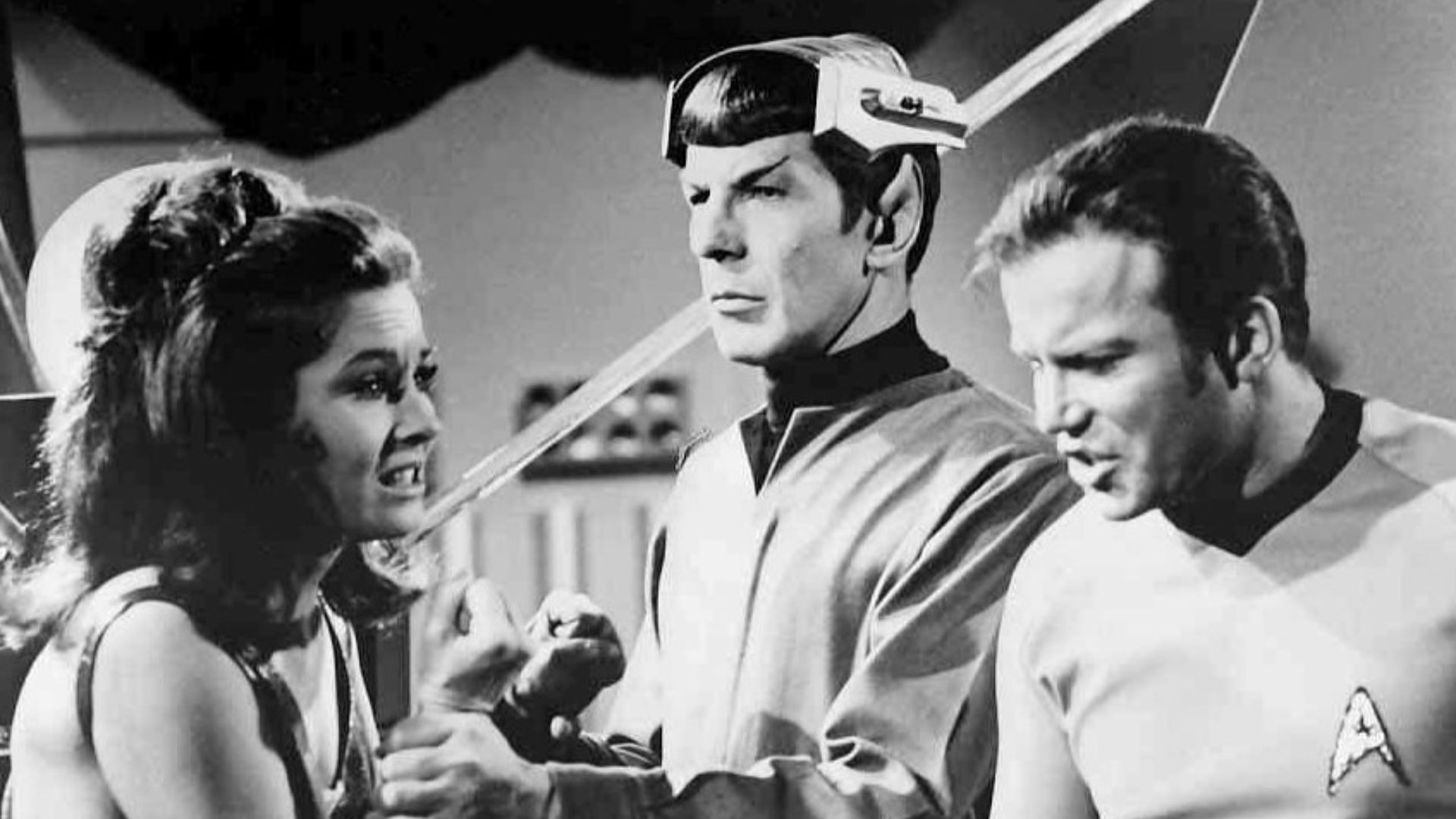 Paramount Television, Wikimedia Commons
He Joined Mission: Impossible
After Star Trek, Nimoy became a regular on Mission: Impossible. He played Paris, a master of disguise, during the show’s fourth and fifth seasons. The role kept him on television and showed audiences a different side of his screen presence. Still, Nimoy later spoke honestly about finding the work less creatively satisfying than he had hoped.
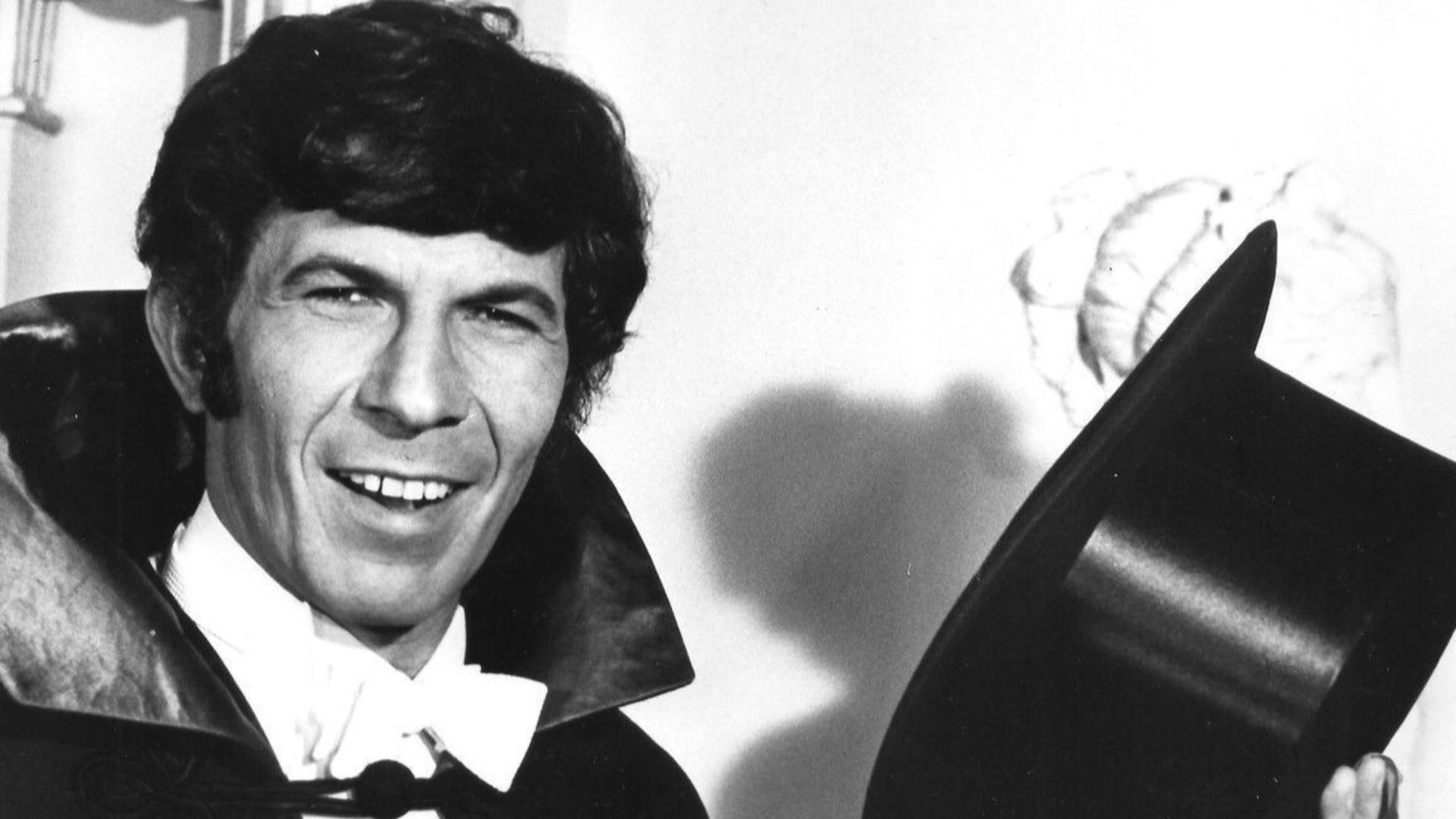 Paramount Television, Wikimedia Commons
He Became A Familiar Voice
Nimoy’s calm, precise voice became one of his greatest tools. He hosted and narrated the documentary-style series In Search of..., which explored mysteries, legends, and unusual historical questions. His delivery made strange subjects feel serious and intriguing. For many viewers, his voice became almost as recognizable as Spock’s profile.
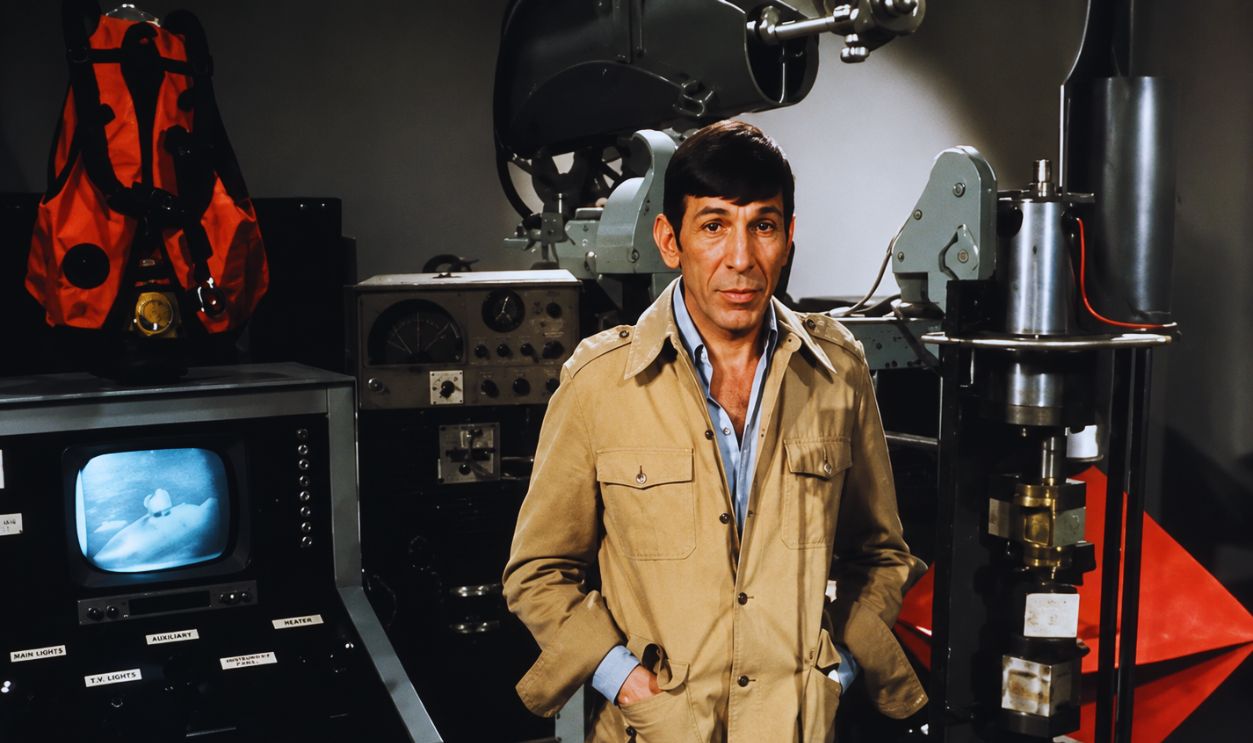 Screenshot from In Search of..., Alan Landsburg Productions / Universal Television (1976–1982)
He Took The Stage Seriously
Nimoy’s career was not limited to cameras and conventions. He performed in stage productions including Equus, Fiddler on the Roof, Sherlock Holmes, and One Flew Over the Cuckoo’s Nest. Theater gave him a place to stretch beyond science fiction fame. It also reminded audiences that he was a trained performer, not just a television icon.
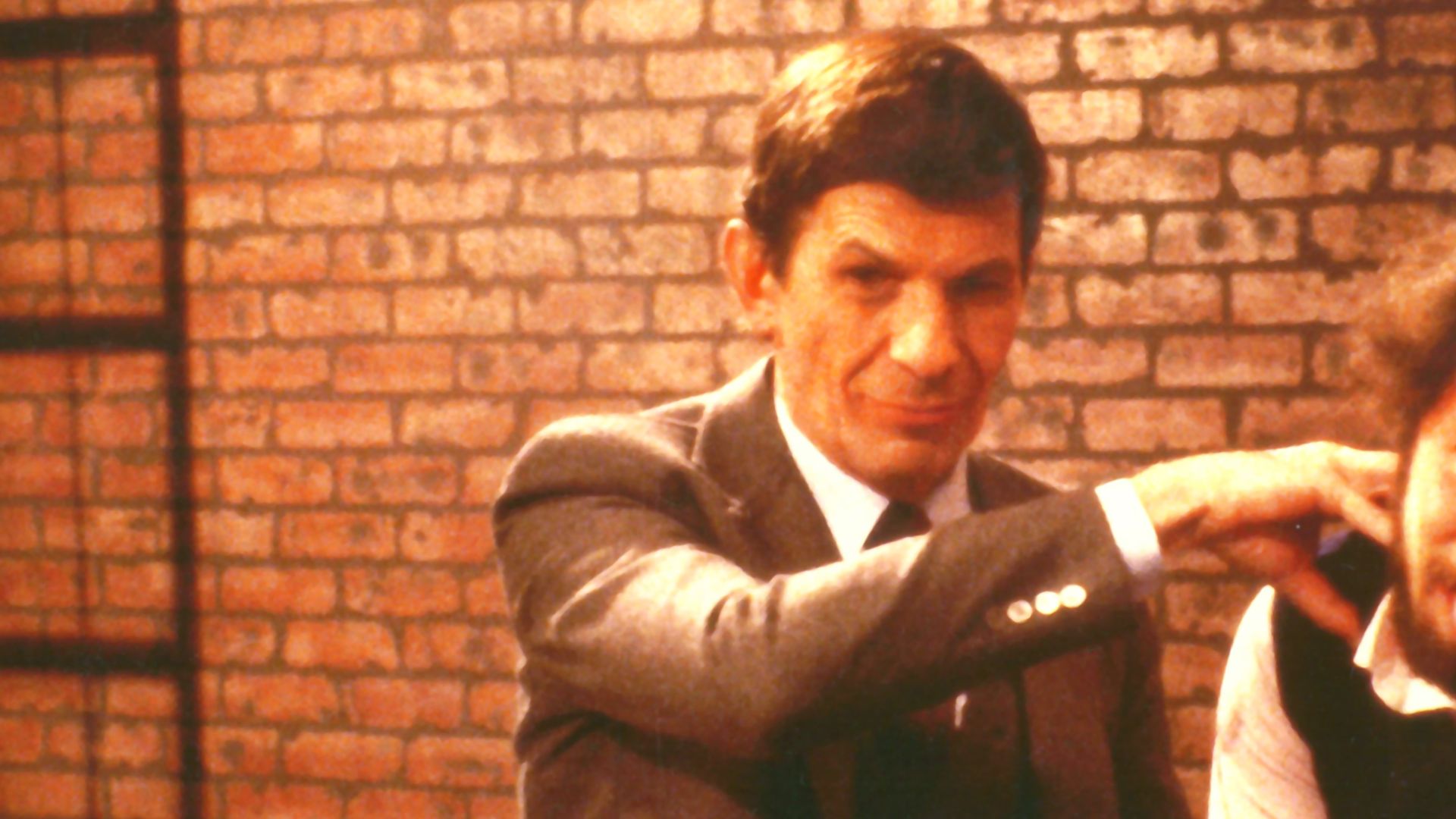 Appleeater95, Wikimedia Commons
Vincent Became Personal
One of Nimoy’s most distinctive stage projects was Vincent, a one-man work about Vincent van Gogh. He adapted, performed, and later filmed the piece, presenting the artist’s life through the voice of Theo van Gogh. The project revealed Nimoy’s deep interest in misunderstood creative people. It also showed how strongly he connected art, identity, and emotional struggle.
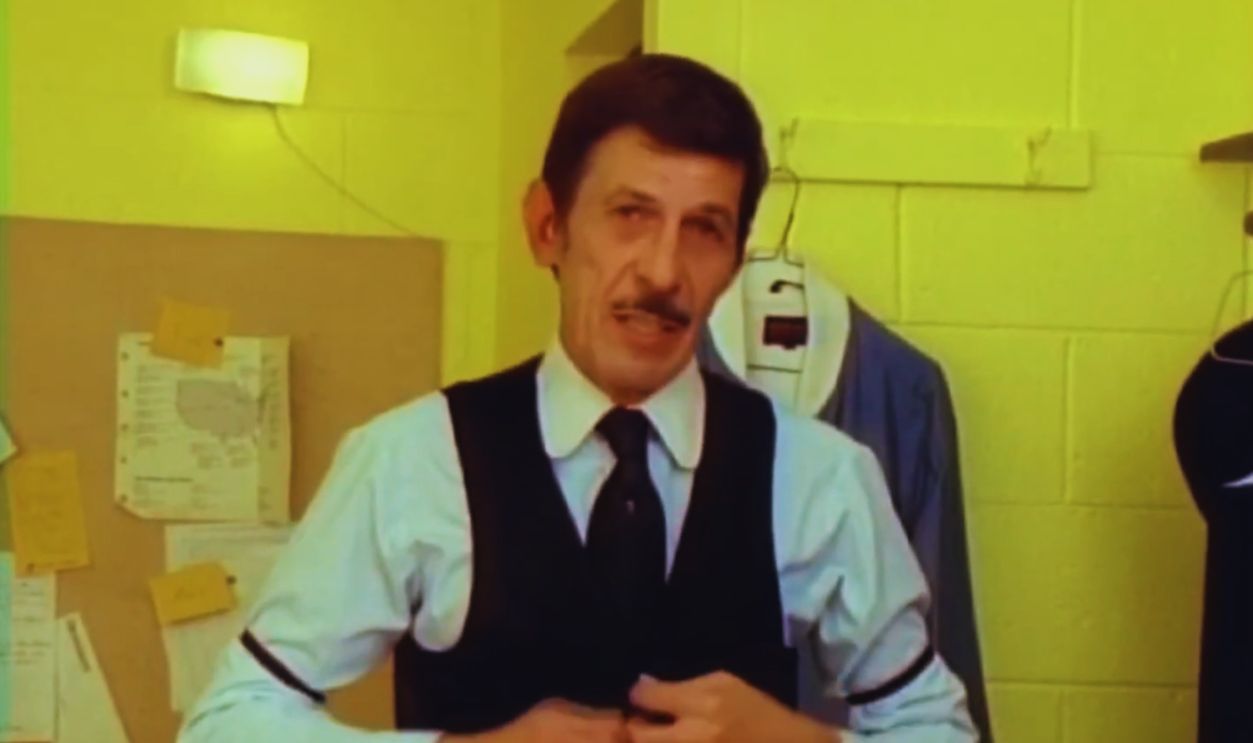 Screenshot from Vincent, Walt Disney Productions (1982)
He Wrote About Spock Twice
Nimoy’s 1975 autobiography, I Am Not Spock, caused confusion among some fans who thought he was rejecting the character. His point was more complicated than that. He wanted people to understand the difference between Leonard Nimoy and the fictional Vulcan he played. Years later, he answered the misunderstanding with another memoir, I Am Spock.
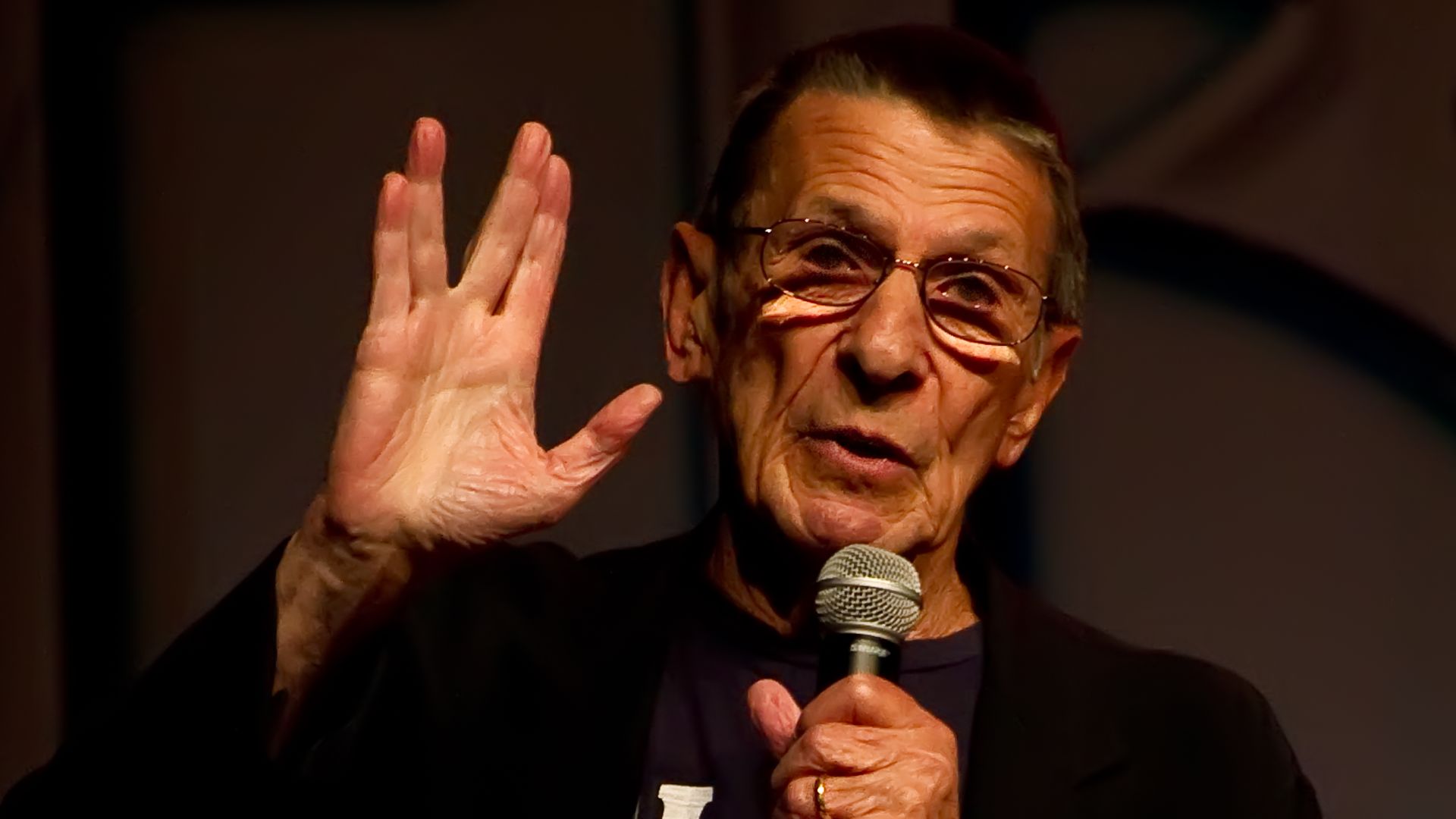 Beth Madison, Wikimedia Commons
He Learned To Embrace The Character
Nimoy’s relationship with Spock evolved over time. He understood that the role had changed his life and touched millions of people. Instead of running from it, he eventually folded Spock into his broader identity as an artist. That acceptance made his later appearances in the franchise feel especially meaningful.
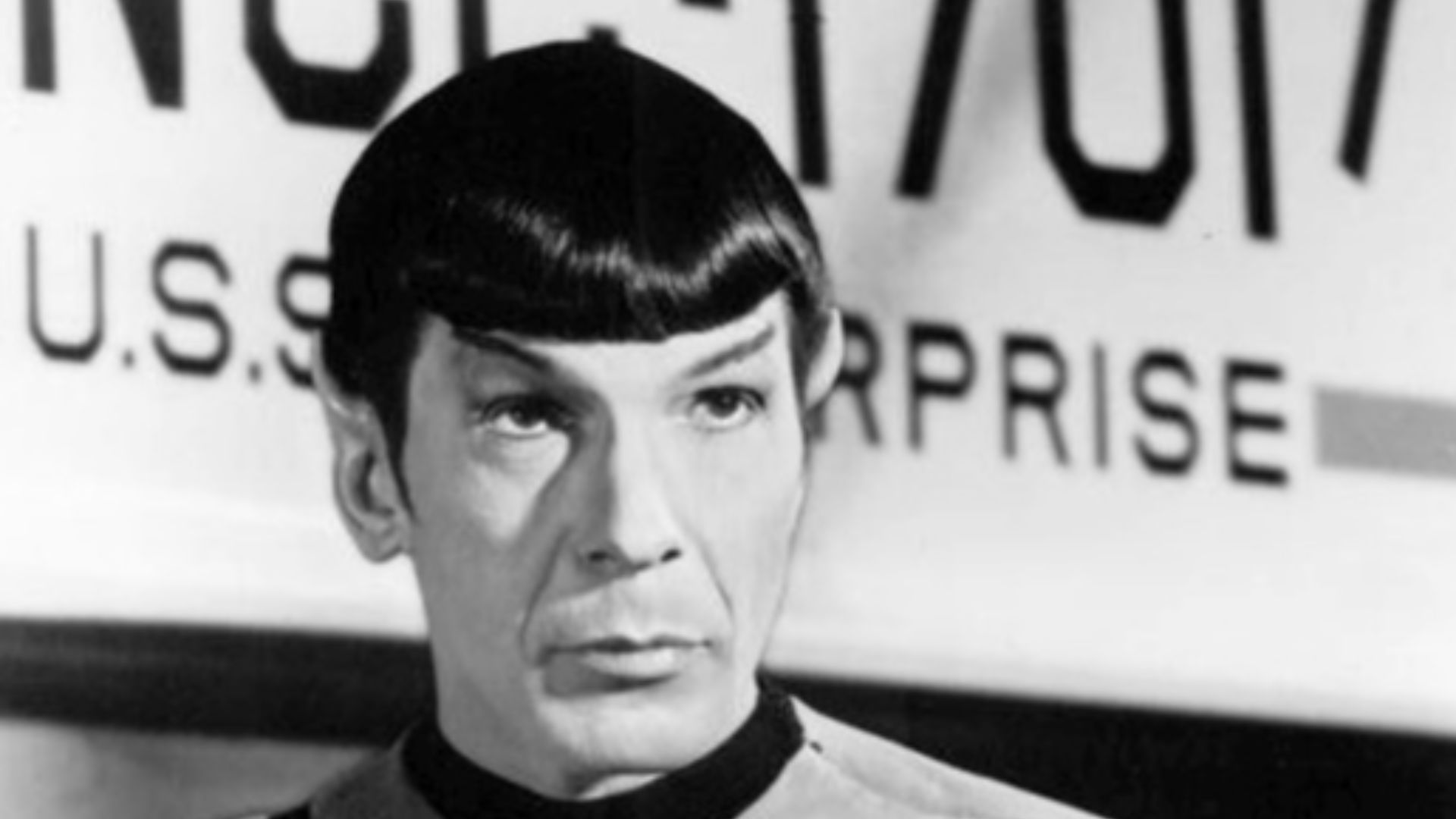 Desilu Productions/NBC Television, Wikimedia Commons
He Directed Star Trek Films
Nimoy did not just return to Star Trek as an actor. He directed Star Trek III: The Search for Spock and Star Trek IV: The Voyage Home. The fourth film became one of the franchise’s most beloved entries, thanks to its humor, warmth, and environmental theme. Nimoy proved he understood Star Trek from both sides of the camera.
 Screenshot from Star Trek IV: The Voyage Home, Paramount Pictures (1986)
Then He Directed A Huge Comedy Hit
Nimoy’s directing career reached far beyond the Enterprise. He directed Three Men and a Baby, the 1987 comedy starring Tom Selleck, Steve Guttenberg, and Ted Danson. The film became the top domestic box office release of that year. For anyone who thought Nimoy was only a sci-fi figure, that success was a major surprise.
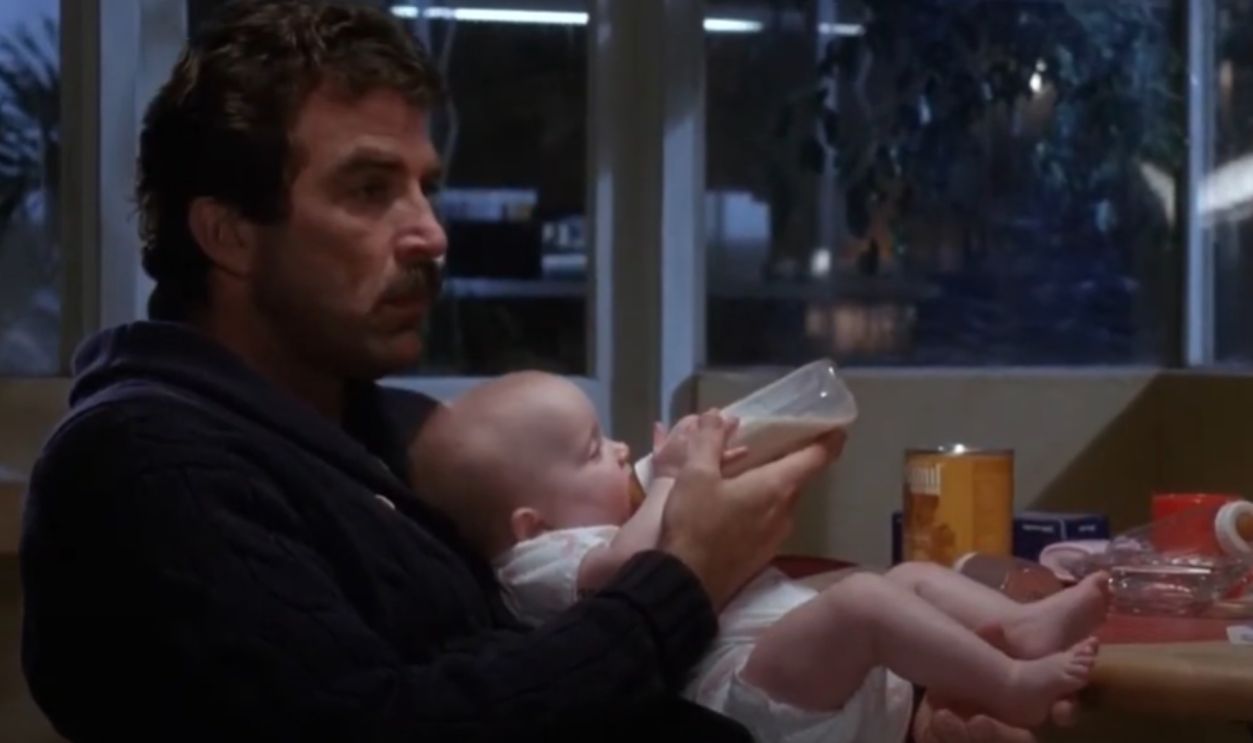 Screenshot from Three Men and a Baby, Touchstone Pictures / Silver Screen Partners III (1987)
He Had A Photographer’s Eye
Photography was not a celebrity hobby for Nimoy. He had loved cameras since childhood and later studied photography at UCLA. His work was exhibited in galleries and museums, including R. Michelson Galleries and MASS MoCA. Through photography, he explored identity, beauty, spirituality, and the private selves people carry.
 Sunset Boulevard, Getty Images
The Full Body Project Challenged Beauty Standards
One of Nimoy’s most discussed photography projects was The Full Body Project. The series featured full-figured women and challenged narrow standards of beauty in American culture. It was bold, personal, and very different from the cool restraint people associated with Spock. Nimoy used the camera to question what society teaches people to admire.
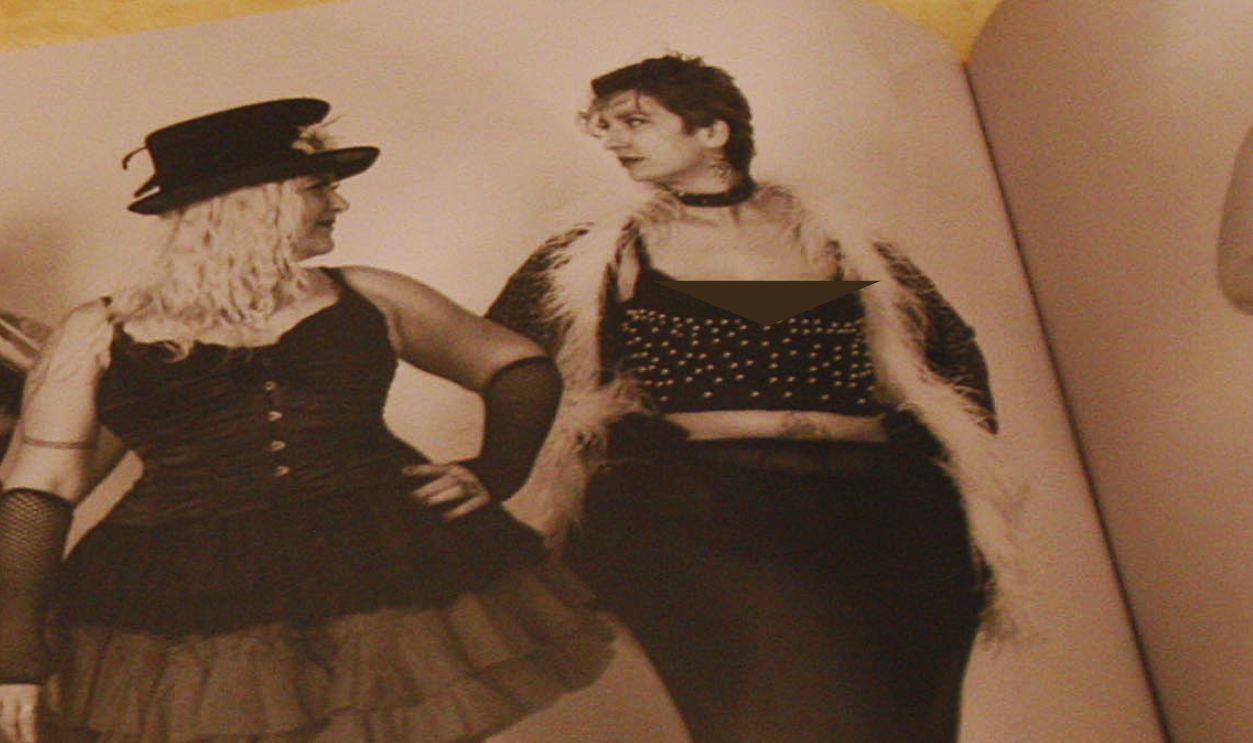 Houston Chronicle/Hearst Newspapers, Getty Images
Secret Selves Went Even Deeper
Nimoy’s Secret Selves project asked subjects to reveal hidden or imagined parts of themselves. The series explored the difference between public identity and private desire. That theme fit naturally with an actor who spent his life being identified with one famous role. In a way, Nimoy was still asking the question that followed him for decades: who are we beyond the mask?
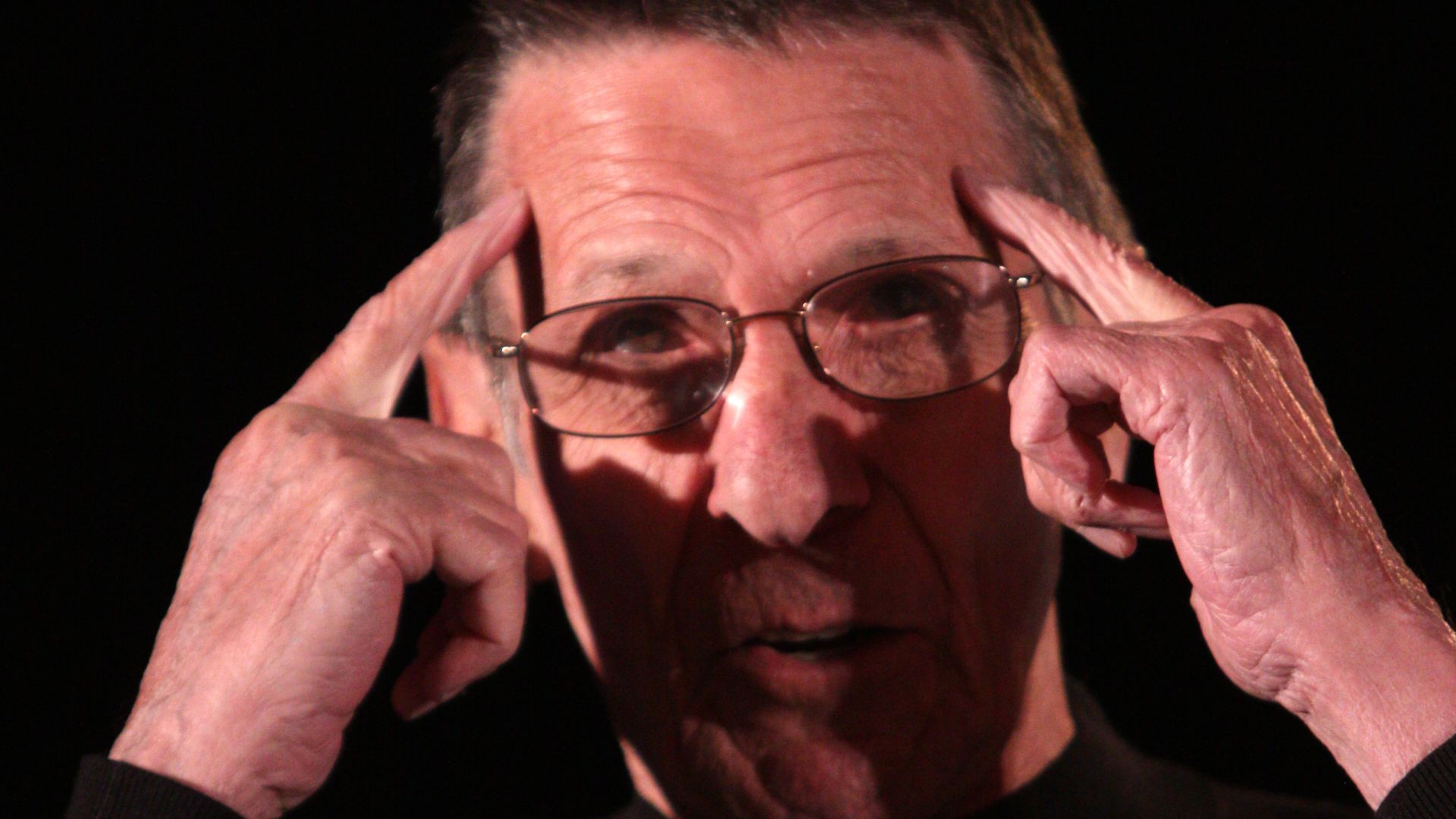 Gage Skidmore from Peoria, AZ, United States of America, Wikimedia Commons
He Explored Spiritual Ideas Through Art
Nimoy’s Shekhina project drew on Jewish mysticism and the feminine aspect of divine presence. The work sparked discussion and controversy, partly because of its use of religious imagery and the human body. Nimoy was not afraid to make art that challenged viewers. His photography showed that his imagination was still restless long after Star Trek.
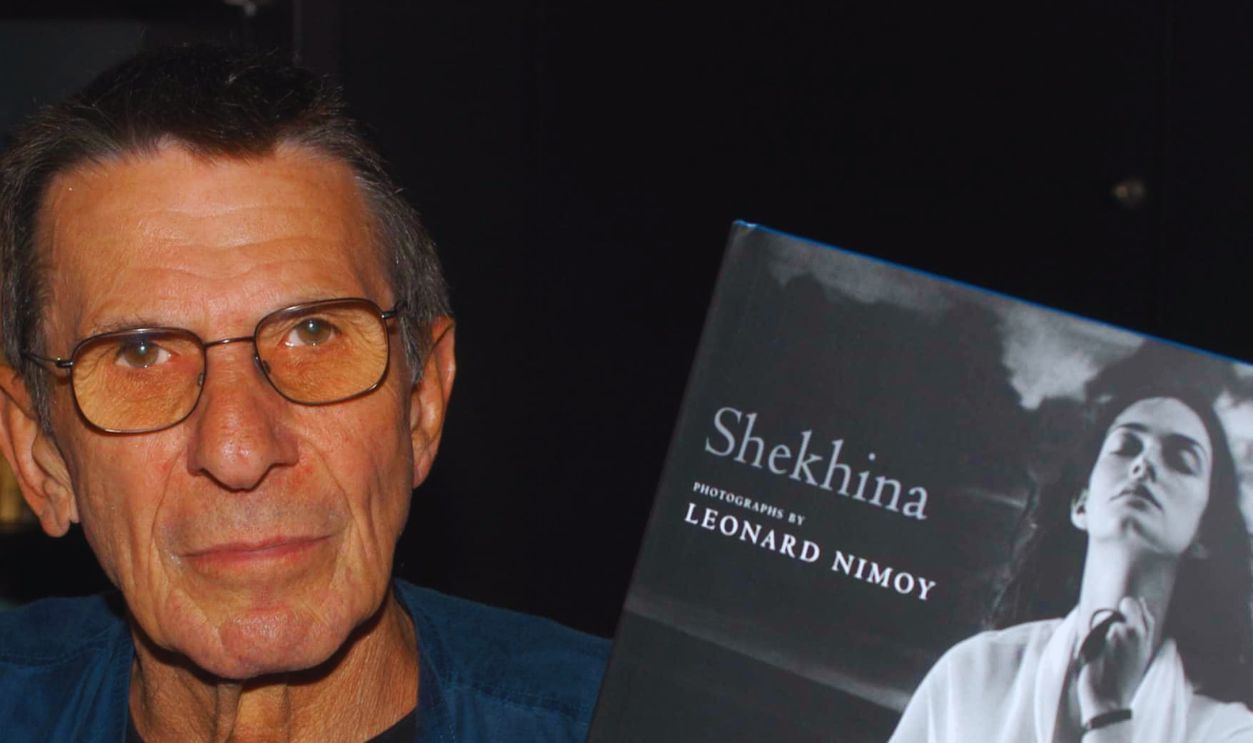
He Was Also A Poet And Author
Nimoy published poetry and several books over the course of his career. His writing often returned to themes of love, memory, identity, and self-acceptance. That side of him surprised people who only knew the logical Spock persona. It revealed an artist who was deeply interested in emotion, even when his most famous character tried to master it.
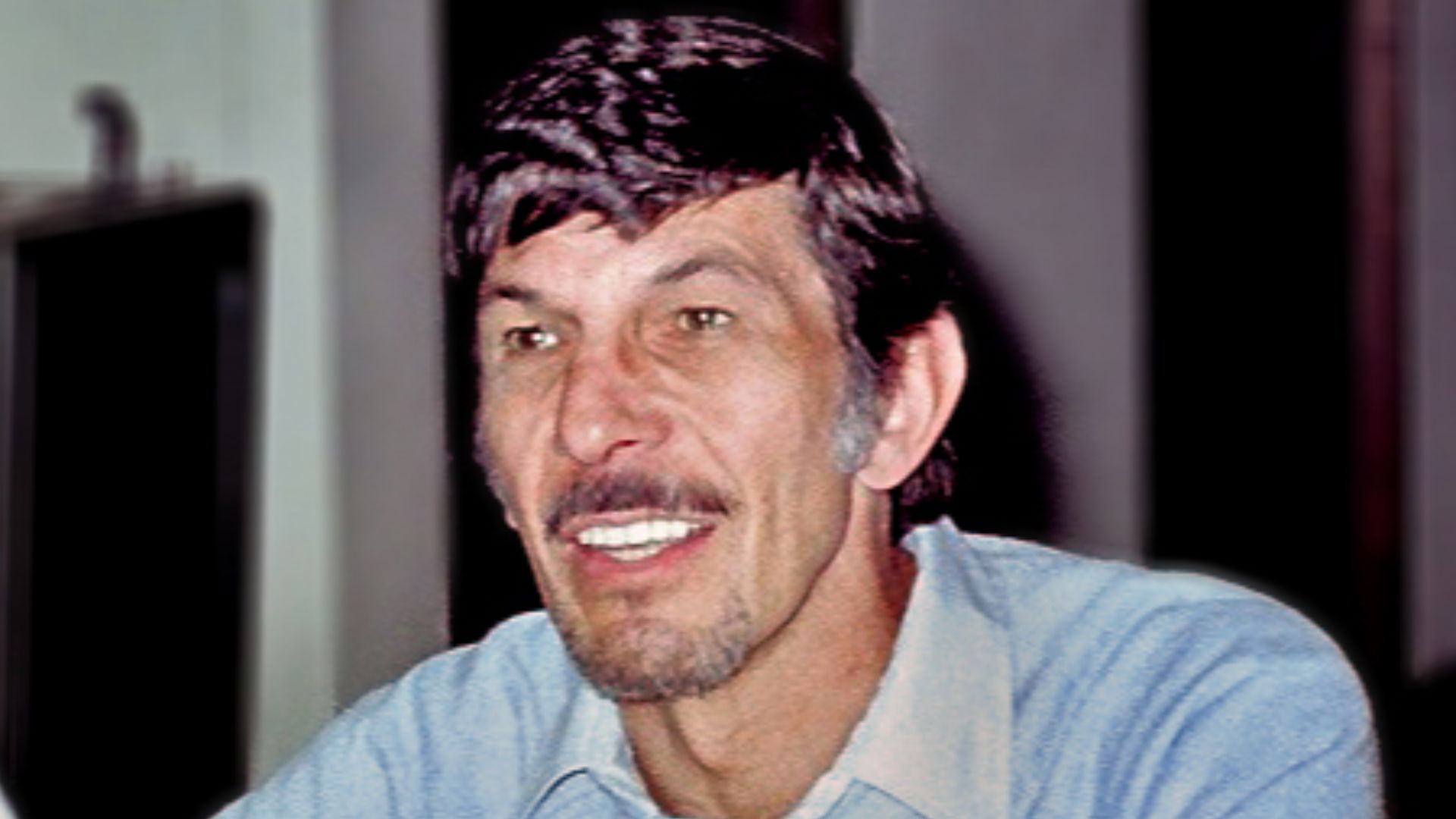 Larry D. Moore, Wikimedia Commons
He Played Historical And Serious Roles
Nimoy also took on dramatic roles that carried real historical weight. He earned an Emmy nomination for playing Morris Meyerson in A Woman Called Golda. He later starred as Holocaust survivor Mel Mermelstein in Never Forget. These performances showed his interest in stories shaped by memory, justice, and Jewish history.
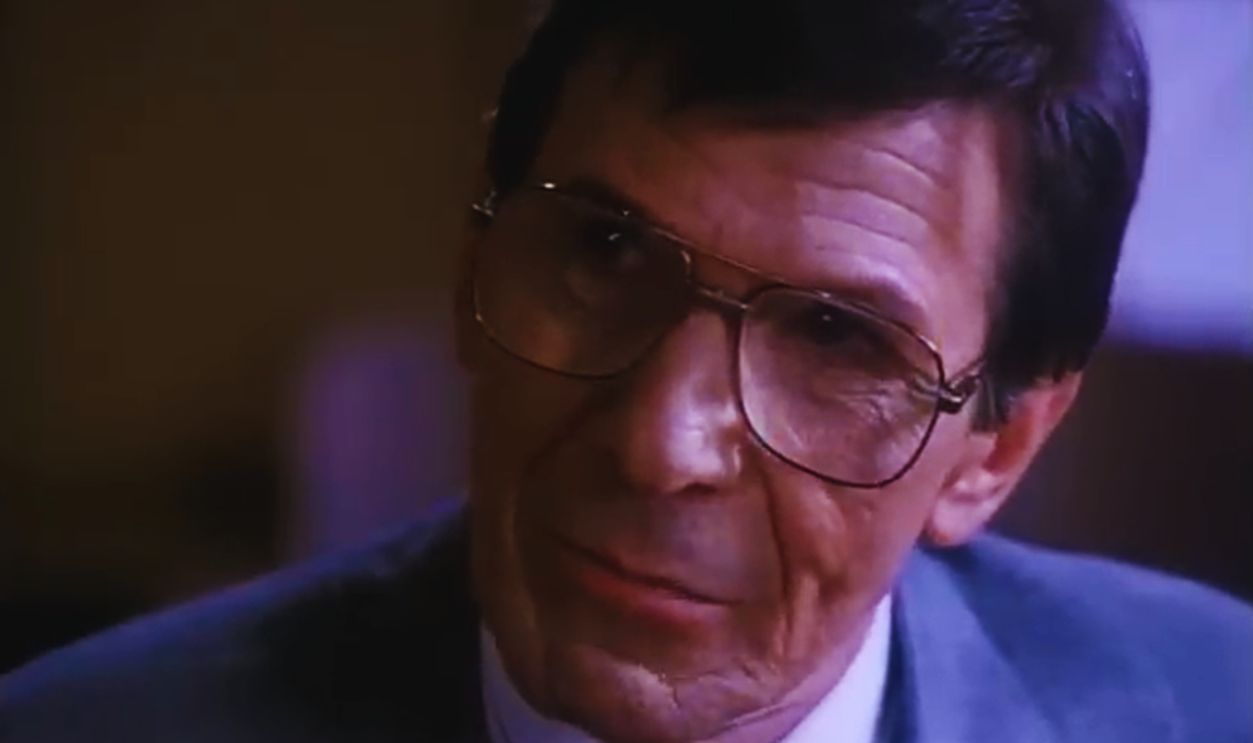 Screenshot from Never Forget, Nimoy-Radnitz Productions / Turner Pictures (1991)
His Boston Roots Stayed With Him
Even after decades in Hollywood, Nimoy remained closely linked to Boston. The Museum of Science has noted his connection to the city and his narration of the original Mugar Omni Theater preshow. Plans for a Leonard Nimoy memorial at the museum reflect how deeply his hometown still claims him. His legacy belongs to pop culture, but it also belongs to Boston.
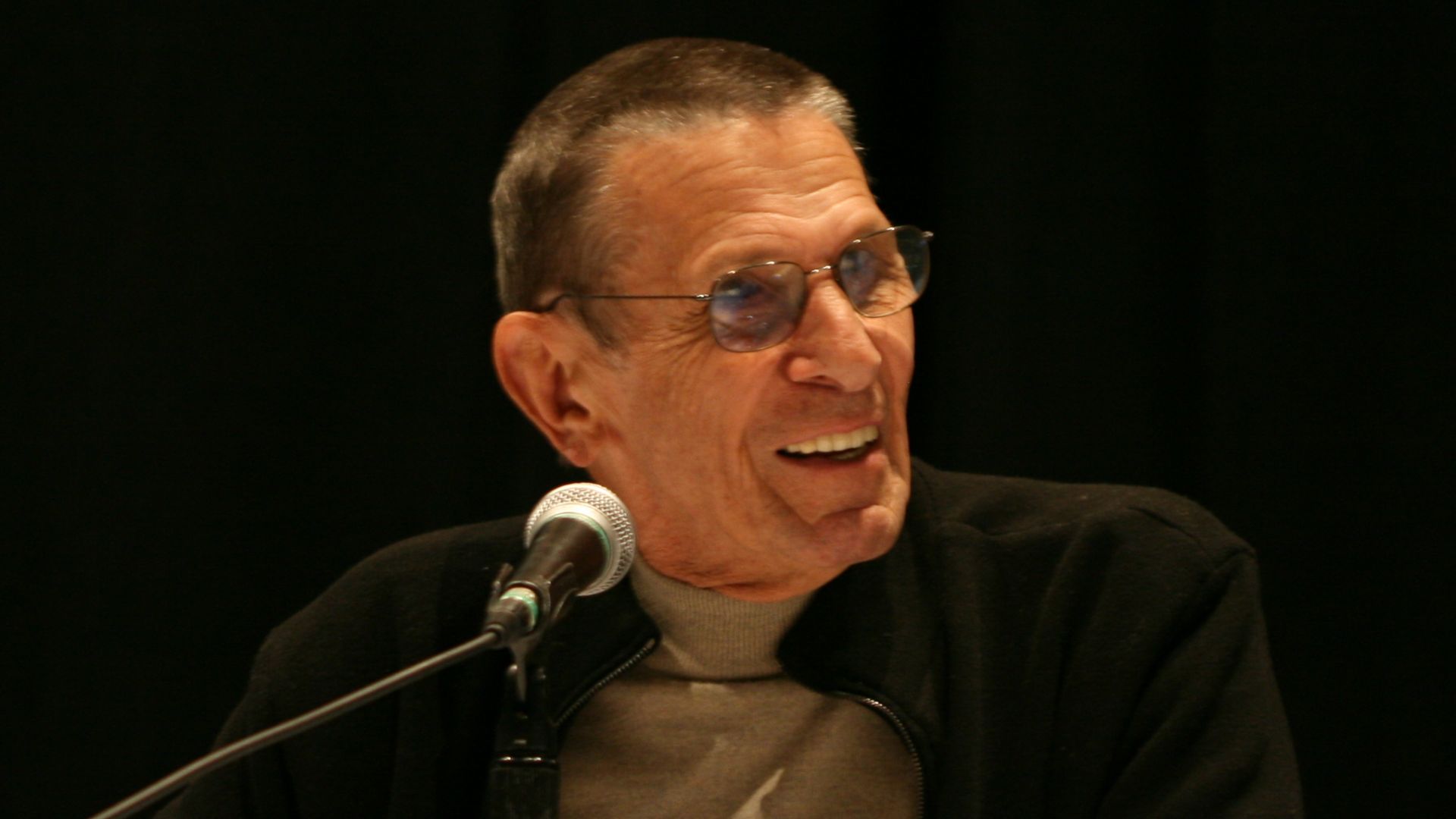 Kelly Walker, Wikimedia Commons
He Returned To Star Trek With Grace
Nimoy returned as Spock in later Star Trek films, including the 2009 reboot and Star Trek Into Darkness. Those appearances connected the original series to a new generation of fans. They also gave the franchise a sense of continuity and blessing. Few actors have carried a character across so many decades with that kind of affection.

His Final Years Carried A Warning
Nimoy died in 2015 at age 83 from end-stage chronic obstructive pulmonary disease. Before his death, he publicly connected the illness to smoking, even though he had quit decades earlier. He used his platform to warn others about the long-term dangers. It was a final example of Nimoy turning personal experience into something useful for others.
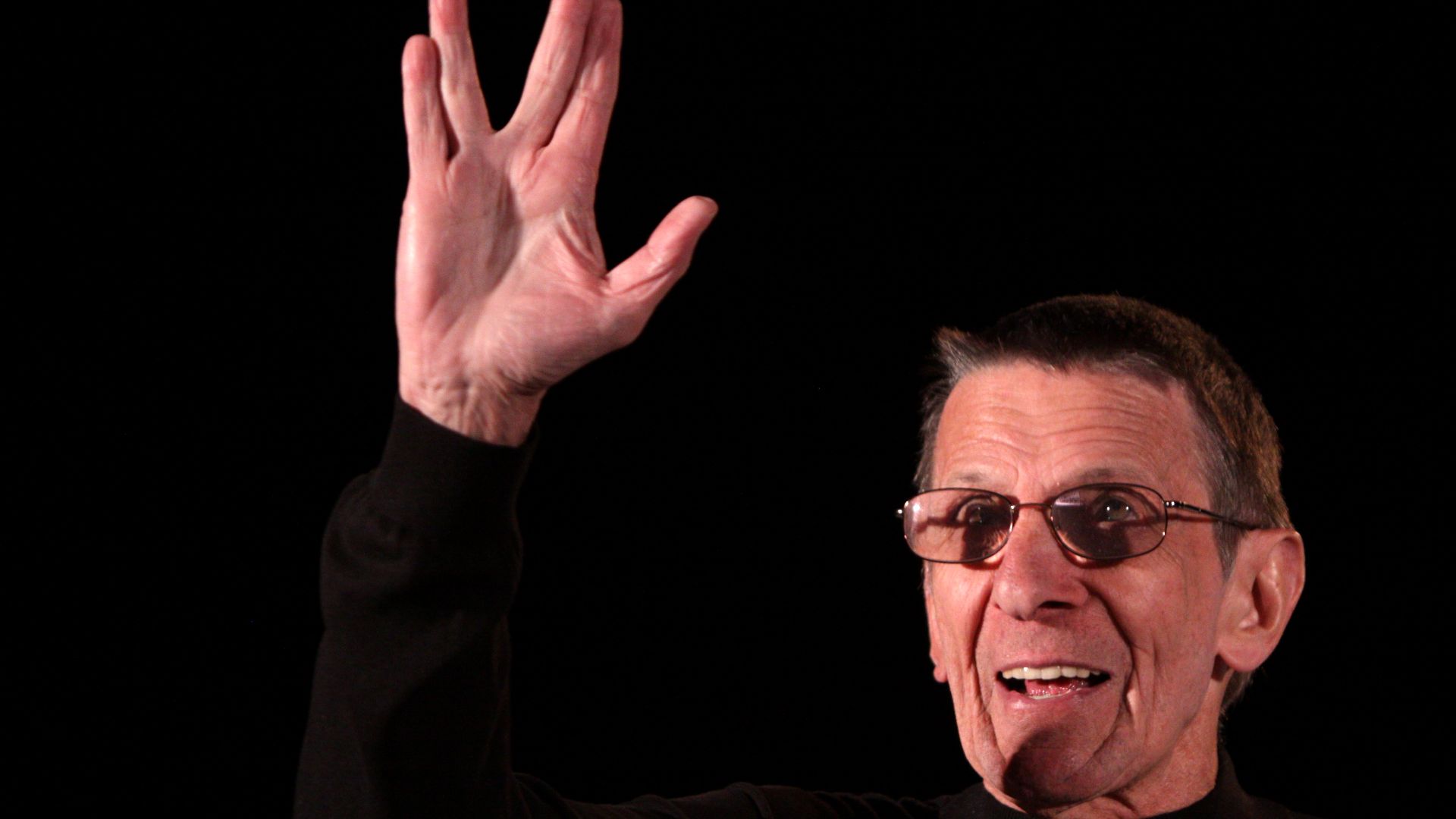 Gage Skidmore from Peoria, AZ, United States of America, Wikimedia Commons
He Was More Human Than Spock
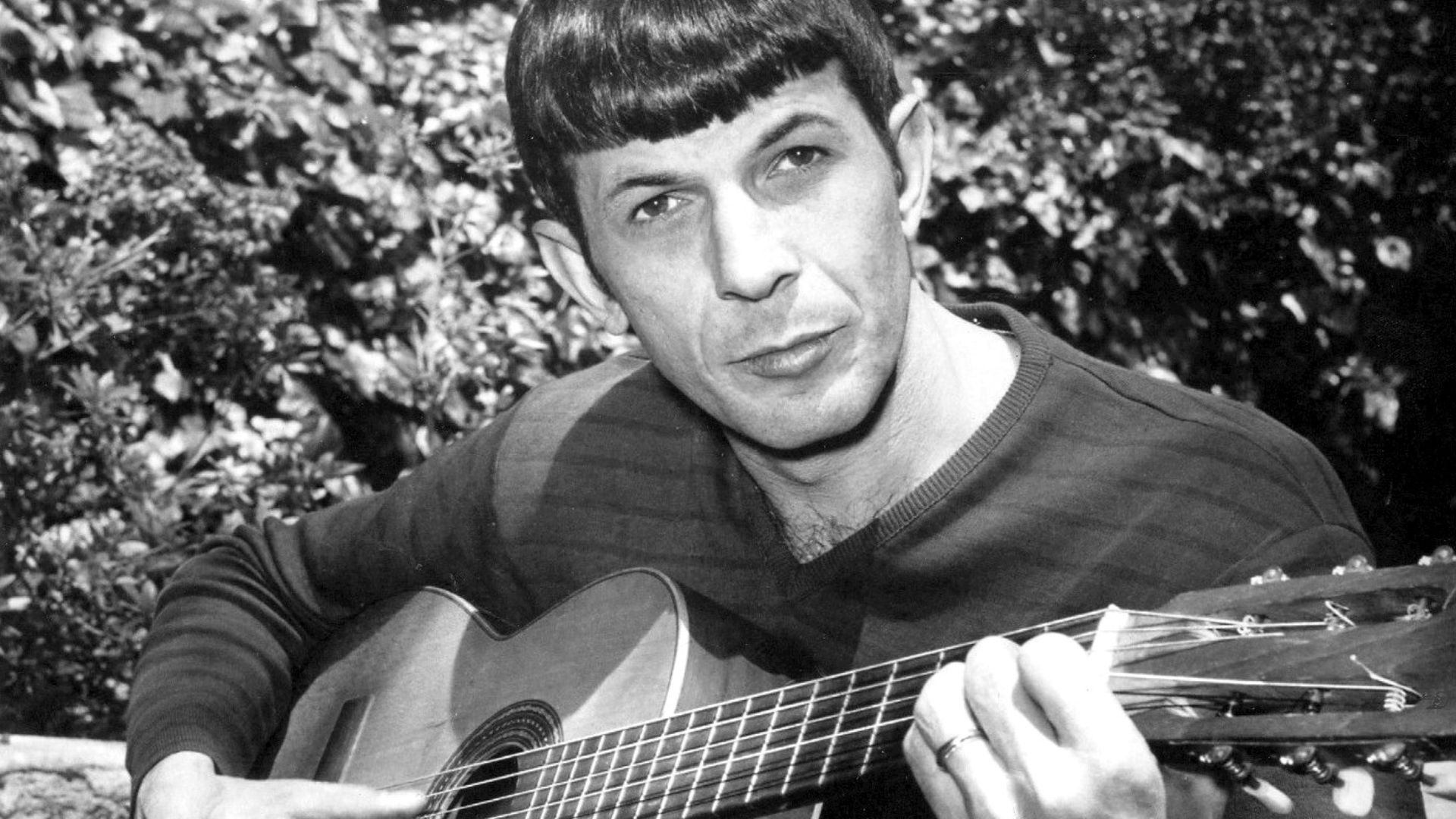
The irony of Leonard Nimoy’s life is that he became immortal by playing someone who tried to suppress emotion. Offscreen, he was curious, spiritual, artistic, funny, ambitious, and deeply reflective. He built a career that moved through television, film, theater, photography, poetry, and public service. Mr. Spock made him famous, but Leonard Nimoy made the legacy endure.
 NBC Television, Wikimedia Commons
You May Also Like:
The Surprising Career Of Star Trek’s James Doohan
Why William Shatner's Career Survived Challenges That Would End Most Actors