More Than The Engineer
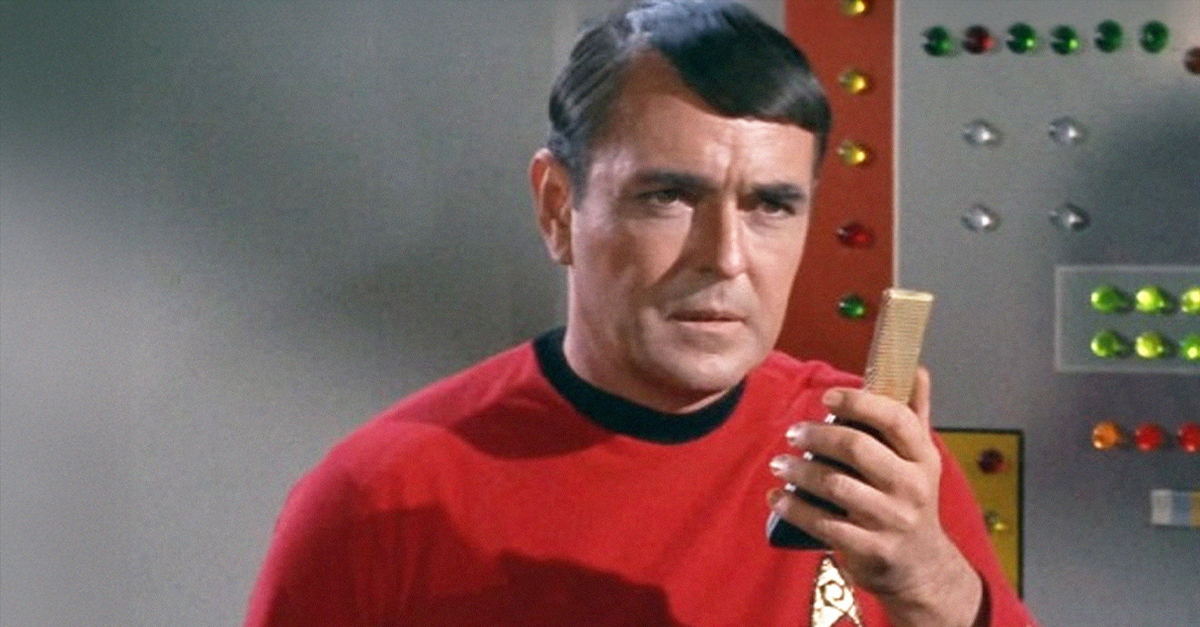
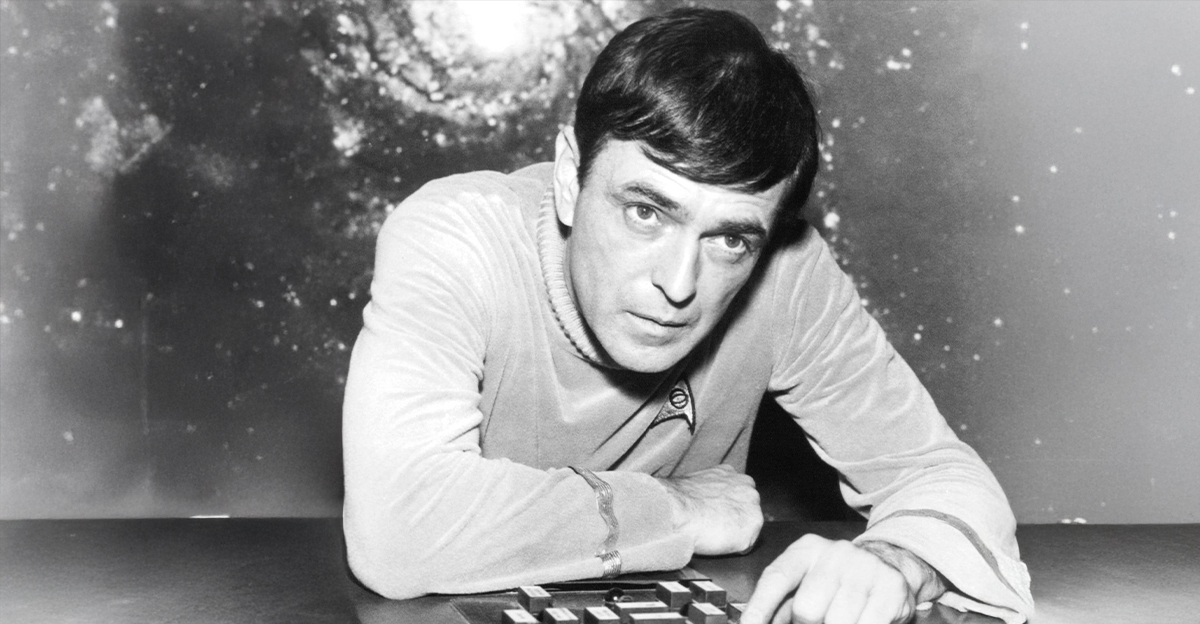
To generations of fans, James Doohan will always be Montgomery Scott from the original Star Trek. But long before he ever stepped aboard the Starship Enterprise, Doohan survived World War II, mastered aviation, developed languages, and built one of the strangest and most fascinating careers in television history. His real story was far richer than most viewers ever realized.
 Silver Screen Collection/Getty Image
A Difficult Childhood In Canada
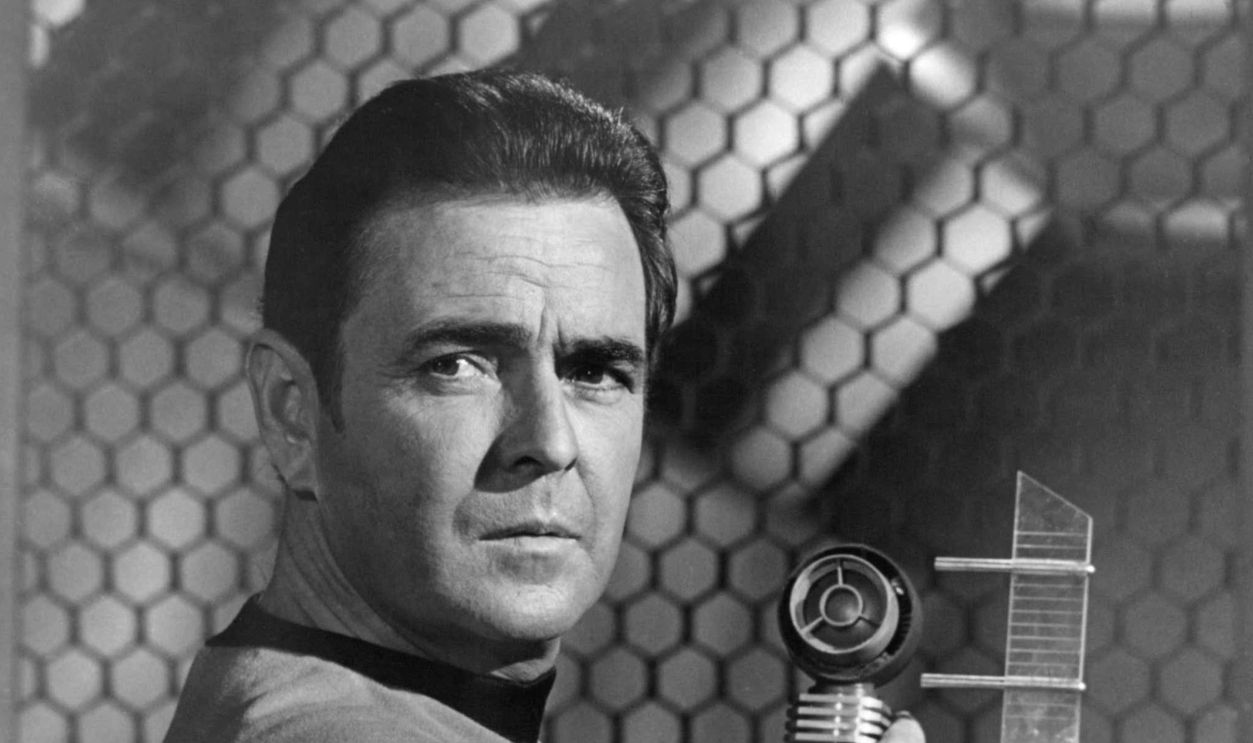
James Doohan was born up in Canada; in Vancouver, British Columbia, to be exact, in 1920 to Irish immigrant parents. The family eventually settled back east in Sarnia, Ontario. His father struggled with alcoholism and violent behavior, and his volatile ways made the home environment tense and unstable . Those early hardships pushed Doohan toward independence and self-discipline as a youngster.
 Silver Screen Collection, Getty Images
A Gift For Technical Skills
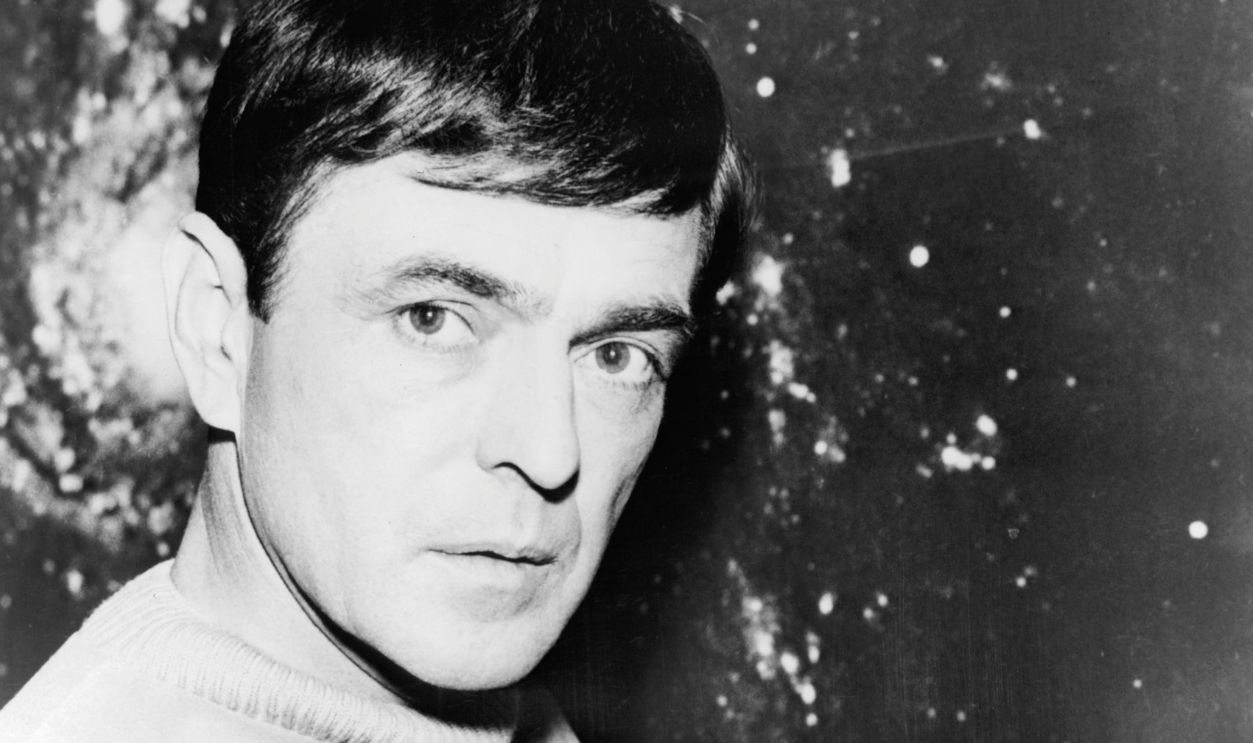
As a teenager, Doohan did really well in science, mathematics, and technical problem-solving. He went to Sarnia Collegiate Institute and Technical School, where his knack for engineering and mechanics became self-evident. Those talents later helped him bring authentic smarts to the character of Scotty, but they first carried him directly into military service during wartime.
 Michael Ochs Archives, Getty Images
Joining The Canadian Army
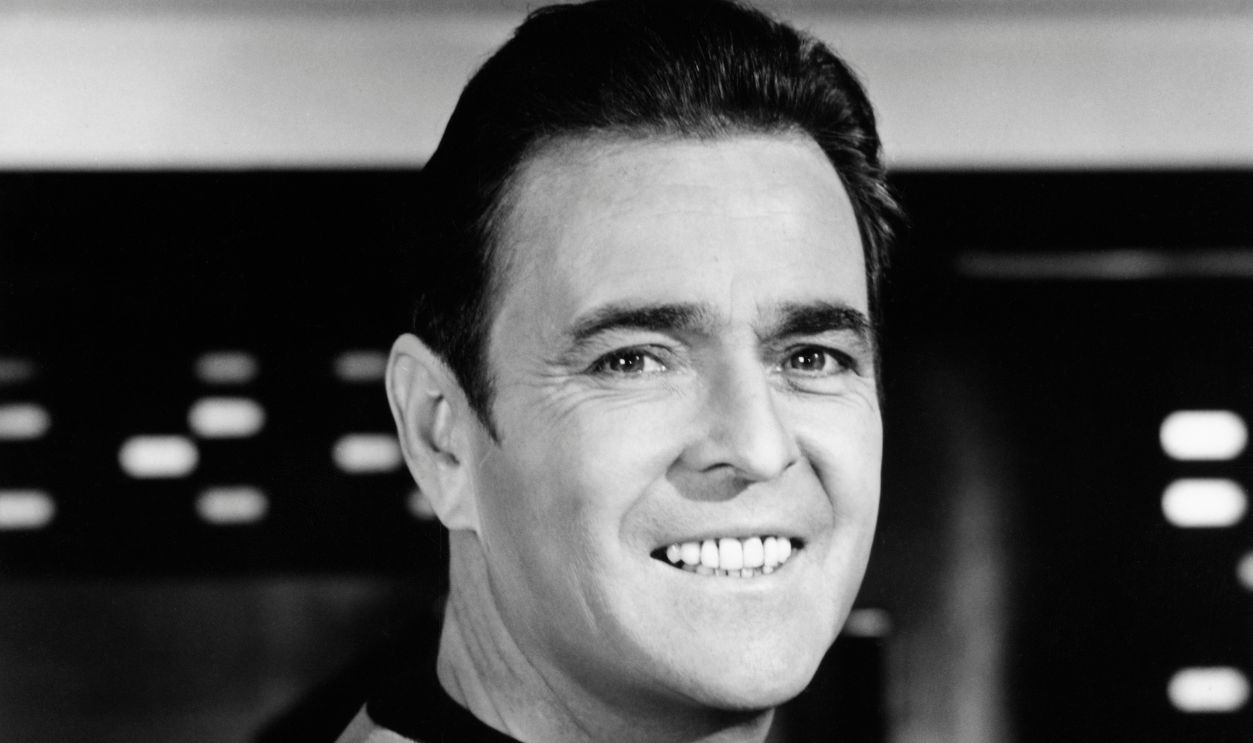
When World War II erupted in Europe, Doohan enlisted in the Royal Canadian Artillery and joined the 14th Field Regiment of the 3rd Canadian Infantry Division. He quickly gained a reputation as a highly capable officer and artillery observer. The war would soon put him directly into the frontlines of one of history’s riskiest military operations.
 John Springer Collection, Getty Images
Landing At Normandy
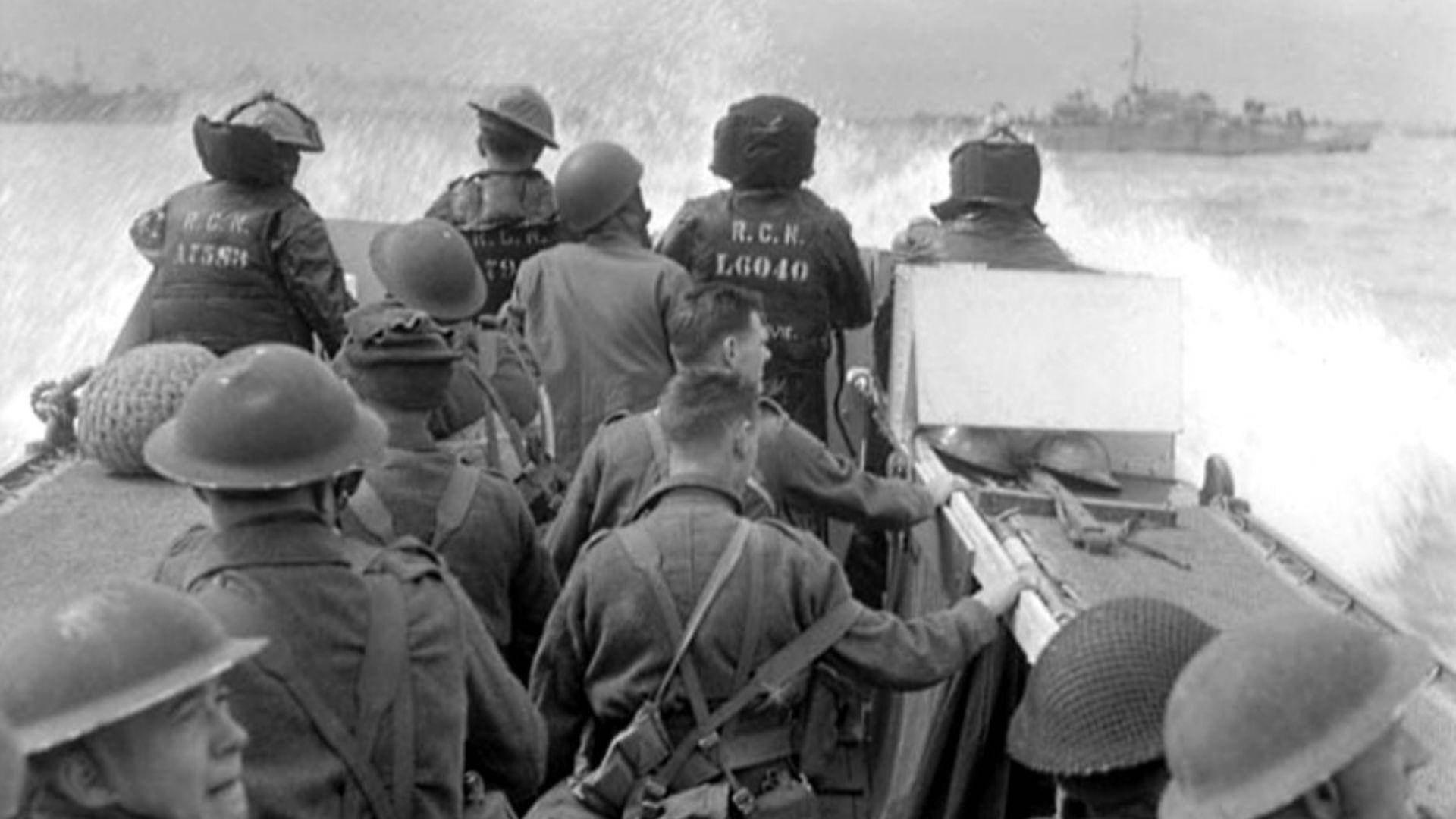
On D-Day in June 1944, Doohan landed at Juno Beach with Canadian forces during the Normandy invasion. Amid heavy gunfire and chaos, he reportedly shot two German snipers while leading his men through a shattered smoking battlefield. The brutal fighting left an enormous psychological impact that stayed with him for the rest of his life.
 Dennis Sullivan, Wikimedia Commons
Saved By A Cigarette Case
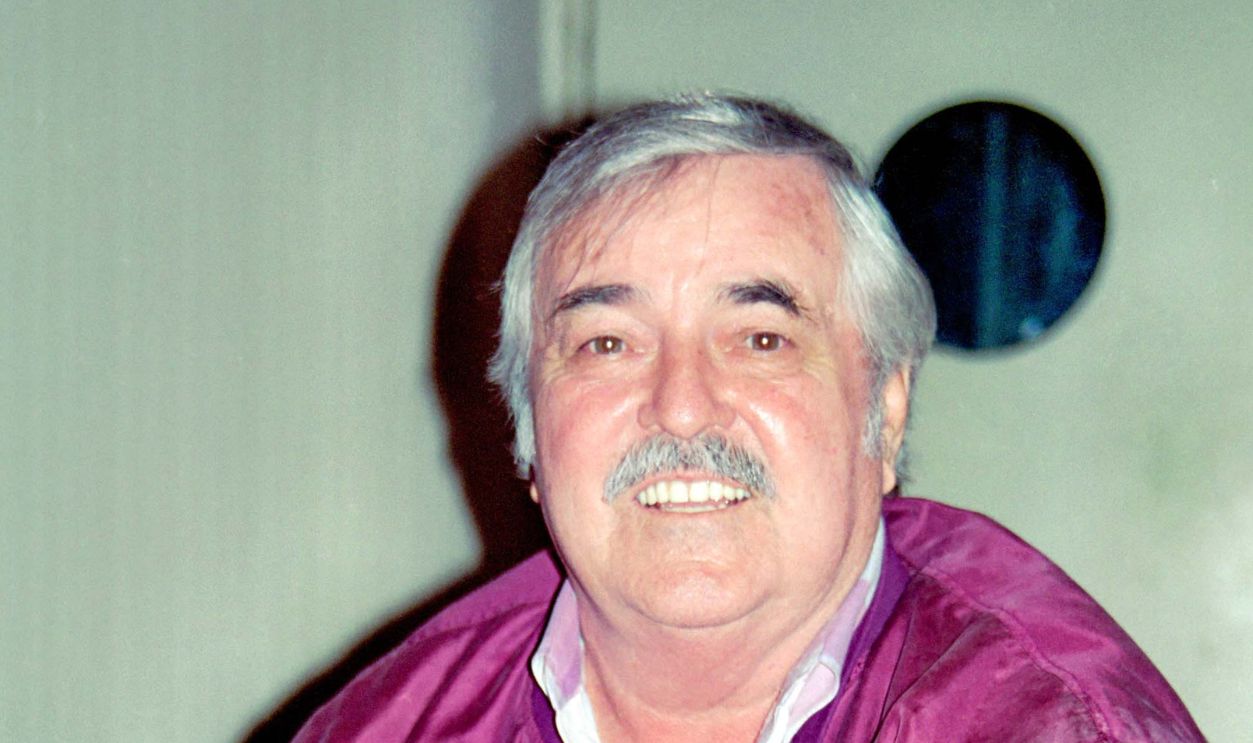
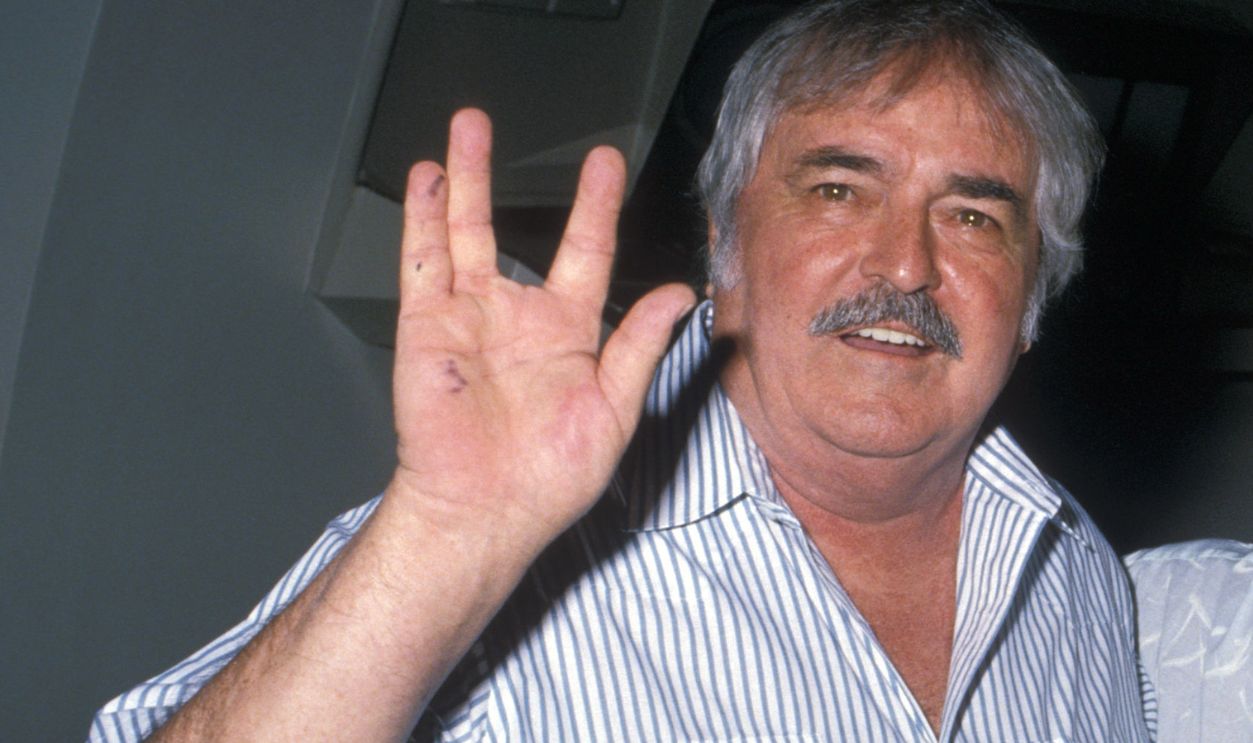
Later that same night in Normandy, Doohan was accidentally shot multiple times by a jittery Canadian sentry. Six rounds struck him, including one that took off the middle finger on his right hand. A cigarette case near his chest stopped another bullet from likely killing him outright, allowing him to survive the ordeal.
Recovering From War Injuries
Doohan spent months recovering from his wounds while trying to find a way to adjust to the permanent loss of his finger. Clever camera angles later helped conceal the injury during Star Trek. Even after surviving combat, however, Doohan still craved excitement and challenge. This led him to take up aviation.
 Ron Galella, Ltd, Getty Images
Learning To Fly
Following the war, Doohan trained as a pilot with the Royal Canadian Air Force. Flying turned into one of his great passions, though his enthusiasm occasionally went overboard. He once slalomed an aircraft between telephone poles during a training flight in England, just to prove it could be done, and in so doing crashed the plane. The close call earned him a stern reprimand.
 C Thomas, CC BY 2.0, Wikimedia Commons
Discovering Acting
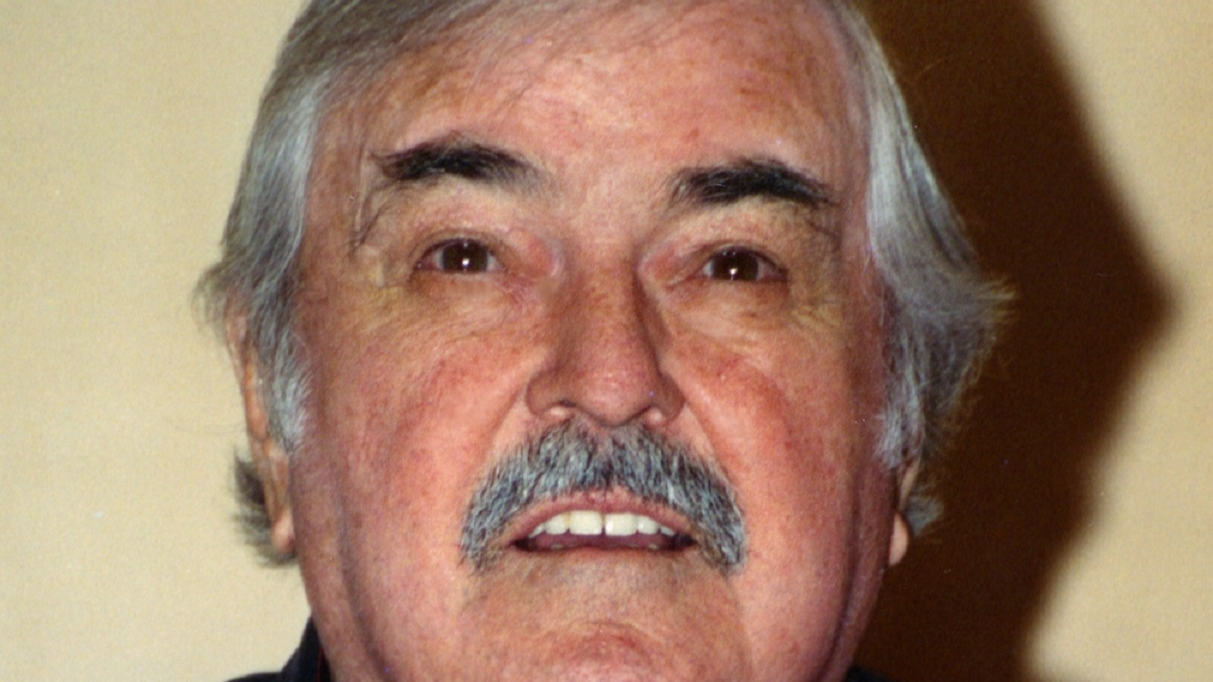
With the war over, Doohan left the military and took a drama class in Toronto. There he discovered a talent for performance. Also in the class were up-and-coming actors Leslie Nielsen, Tony Randall, and Richard Boone. Doohan won a scholarship to the Neighborhood Playhouse in New York, where he studied professional acting techniques. The disciplined veteran soon found himself entering Canada’s rapidly growing television industry.
Becoming A Radio Drama Star
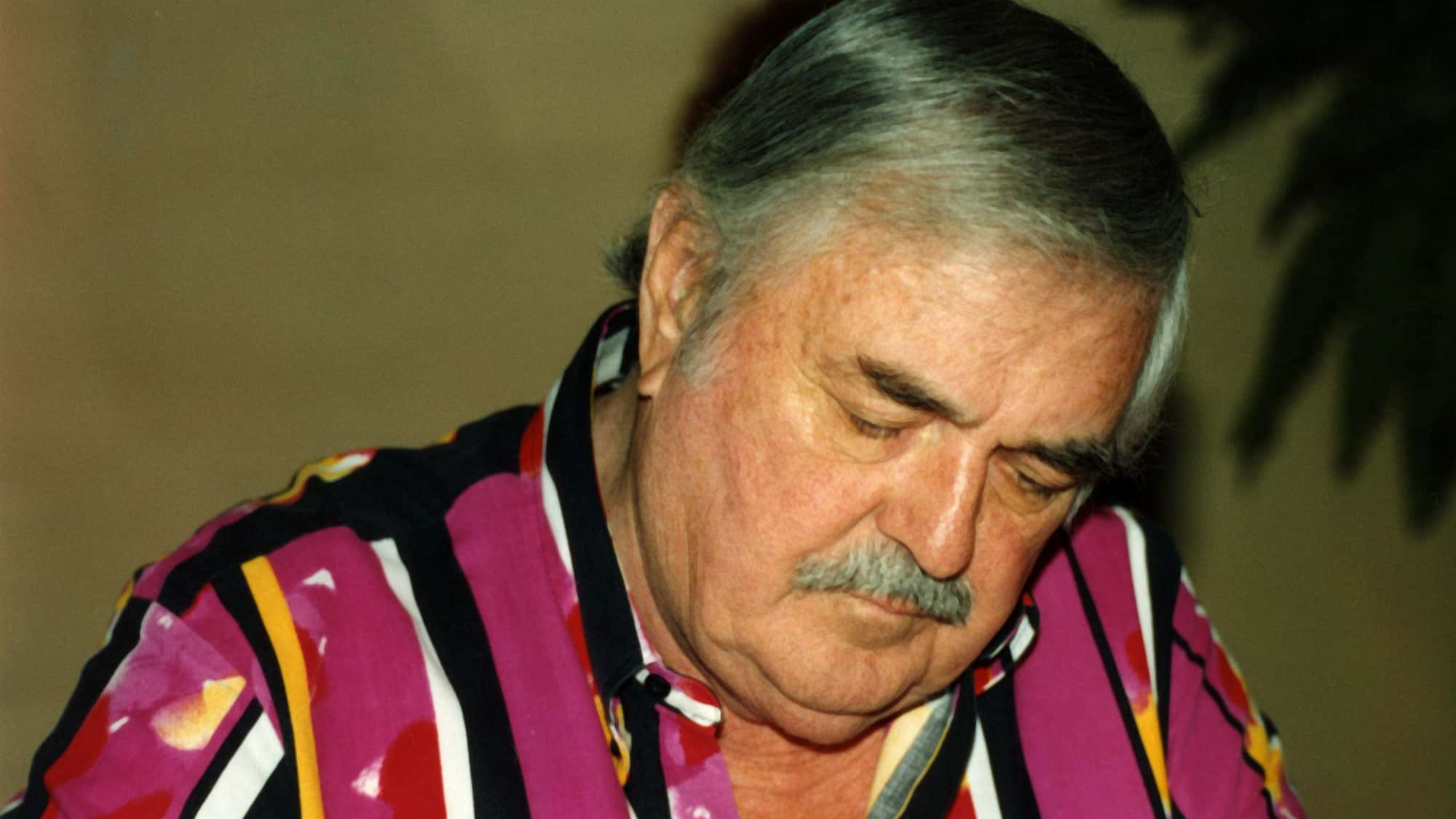
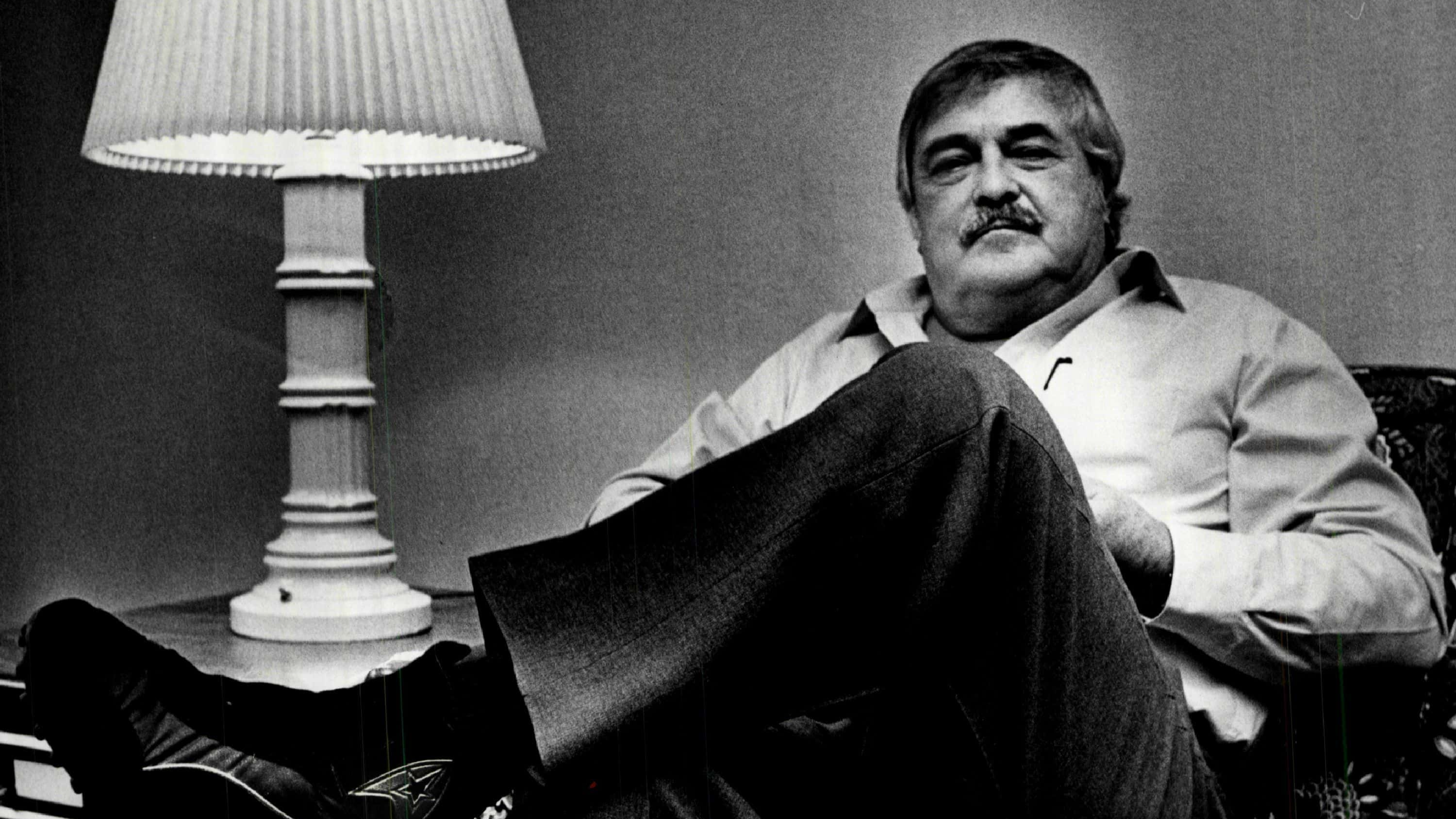
During the 1950s, Doohan became one of the busiest performers at CBC Radio. His extraordinary vocal flexibility allowed him to perform dozens of accents and characters. At one point, he reportedly handled several roles in a single production, developing the vocal skills that would later help shape Scotty’s unforgettable sound.
Breaking Into Television In The 50s
As Canadian television expanded during the early 1950s, Doohan became a regular face on dramas and anthology programs including Flight into Danger (1956), First Performance (1956–1958), and Hawkeye and the Last of the Mohicans (1957). Those appearances sharpened his versatility for what he hoped would land him a breakthrough role.
Building A Solid Acting Résumé
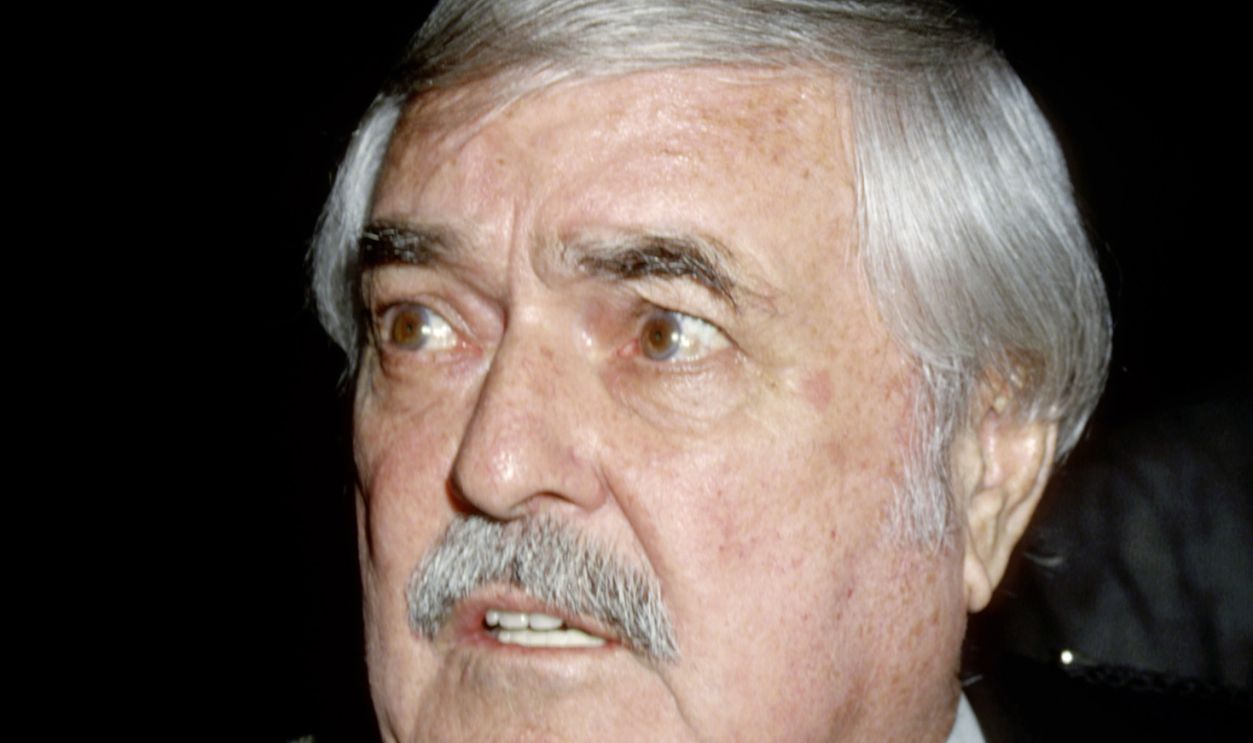
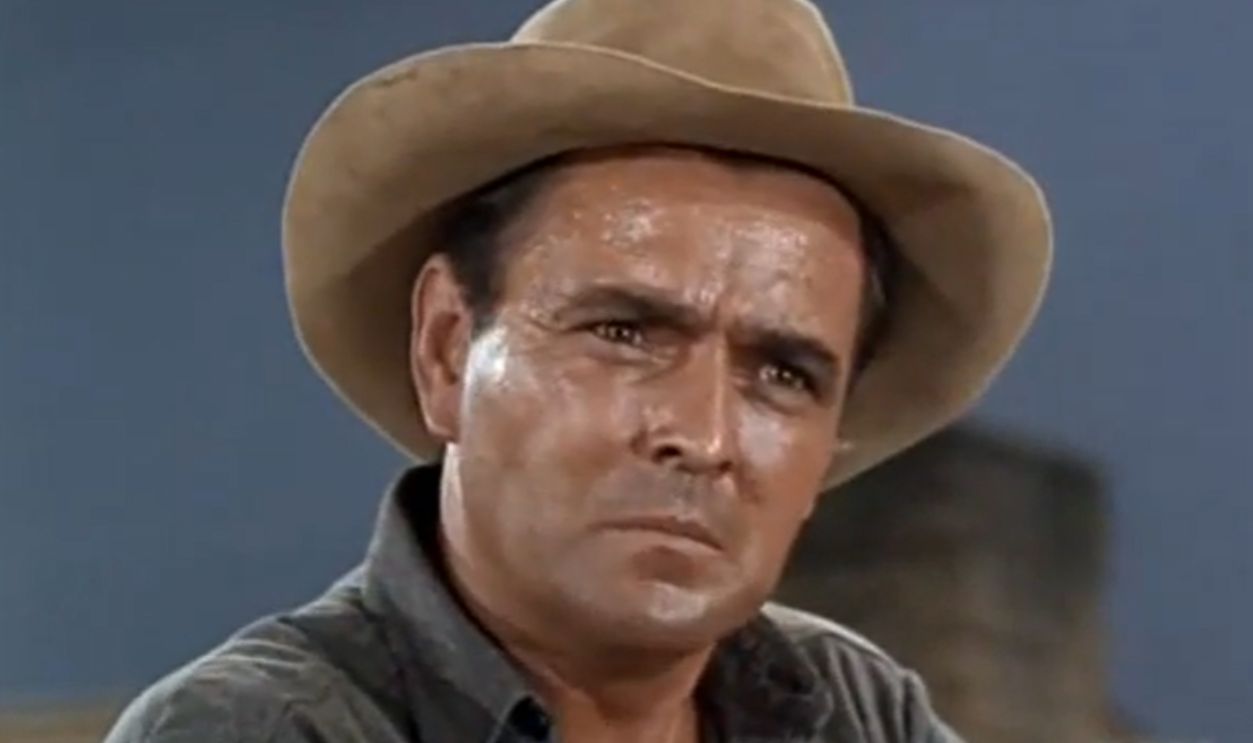
Before Star Trek, Doohan appeared in numerous genre productions. From 1961 to 1966, he appeared in The Twilight Zone, The Outer Limits, Bonanza (1962–1963), The Man from U.N.C.L.E, The Fugitive, Bewitched, and Peyton Place. Sci-fi was still considered niche entertainment, but Doohan’s technical background and serious approach helped him to stand out from the competition. All this soon attracted the attention of producer Gene Roddenberry.
 Screenshot from Bonanza, NBC Television (1962)
Auditioning For Star Trek
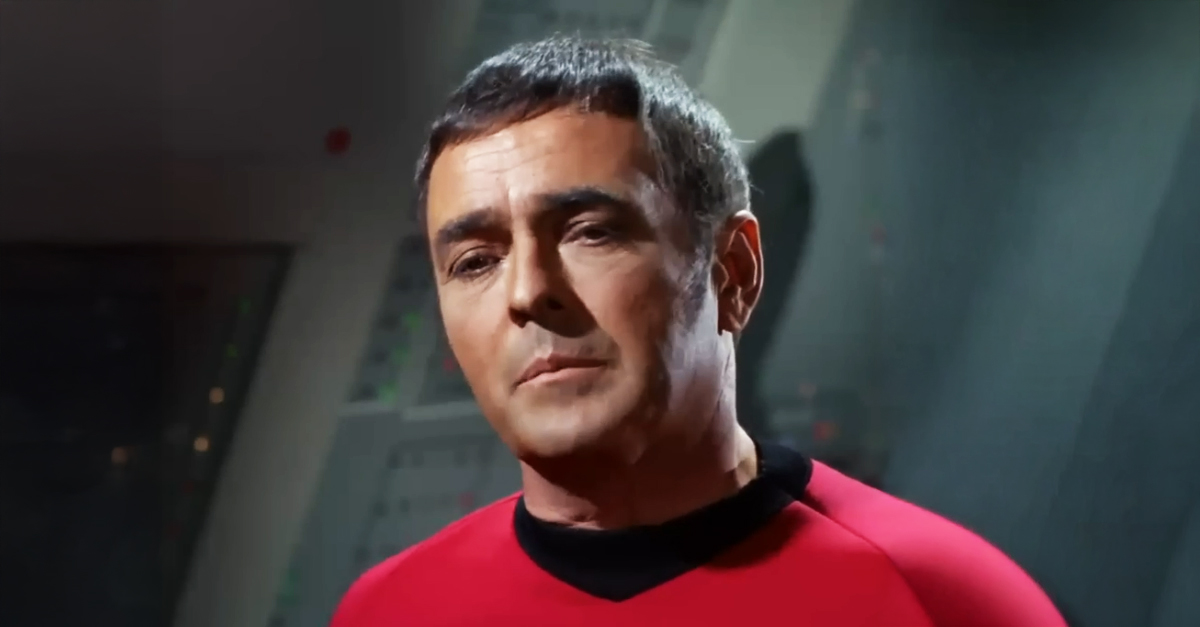
When Roddenberry assembled the cast for Star Trek in 1966, Doohan initially auditioned using several accents and different character concepts. Roddenberry reportedly asked him which one he preferred most. Doohan selected the Scottish voice because he believed engineers sounded more believable and colorful with that particular accent.
 Screenshot from Star Trek, Paramount Television (1966)
Creating Montgomery Scott
Doohan contributed heavily to Scotty’s personality, humor, and mannerisms. The thick Scottish accent was largely his own invention rather than something written into the scripts. His combination of technical authority and comic timing quickly made Scotty one of the most popular members of the crew of the Starship Enterprise almost immediately after the series premiered.
 Screenshot from Star Trek, Paramount Television (1966)
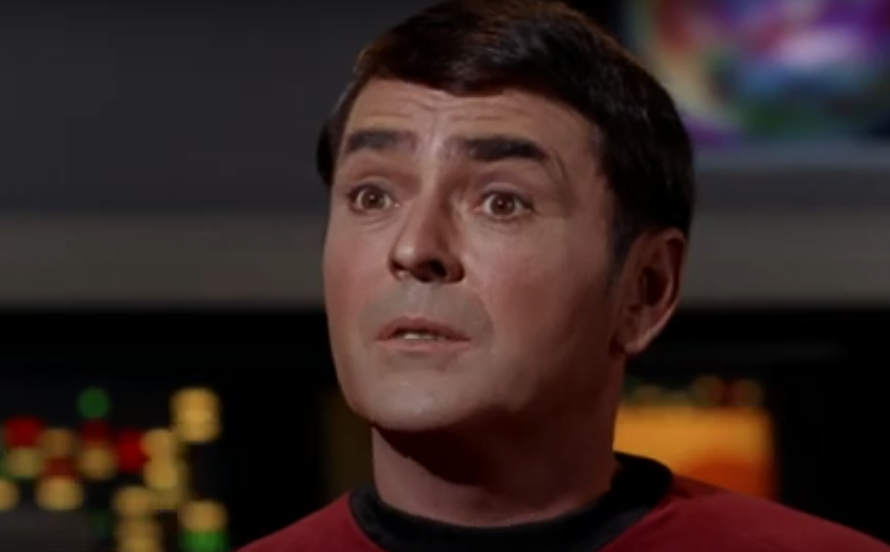
Hiding His Missing Finger
Because of his wartime injury, directors often had to carefully conceal Doohan’s missing finger while filming Star Trek episodes. Close-ups were limited, and props were strategically positioned during scenes. Most viewers never noticed, though the hidden injury quietly reflected the very real war experiences beneath Doohan's jovial outward persona.
 Screenshot from Star Trek, Paramount Television (1966)
A Fan Favorite
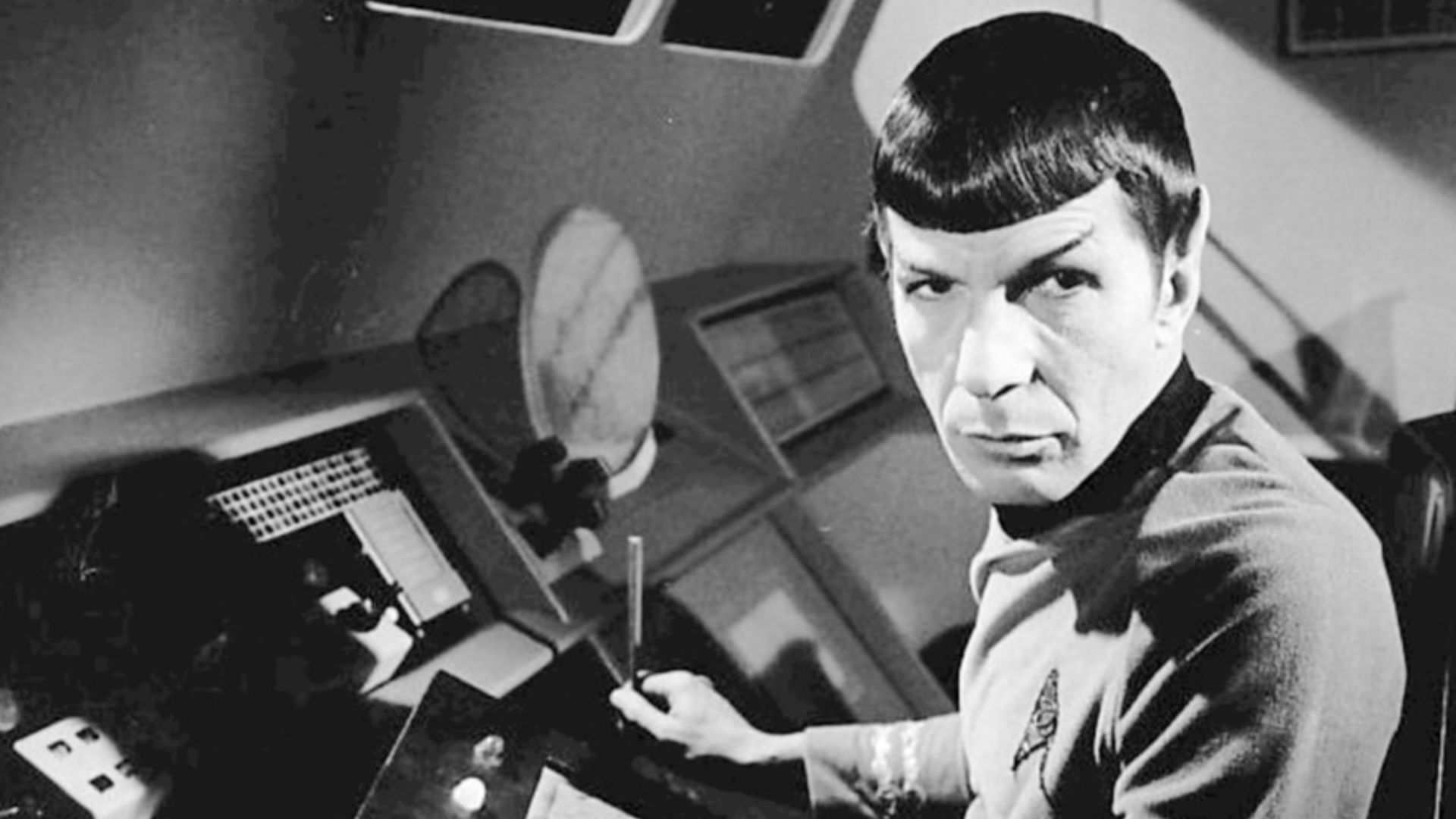
Although William Shatner and Leonard Nimoy remained Star Trek's central stars, Scotty rapidly became one of the series’ breakout characters. Fans loved his exasperated reactions, miraculous engineering rescues, and emotional loyalty to the Enterprise. Doohan’s chemistry with the rest of the cast helped make the show feel like a believable family.
 NBC Television, Wikimedia Commons
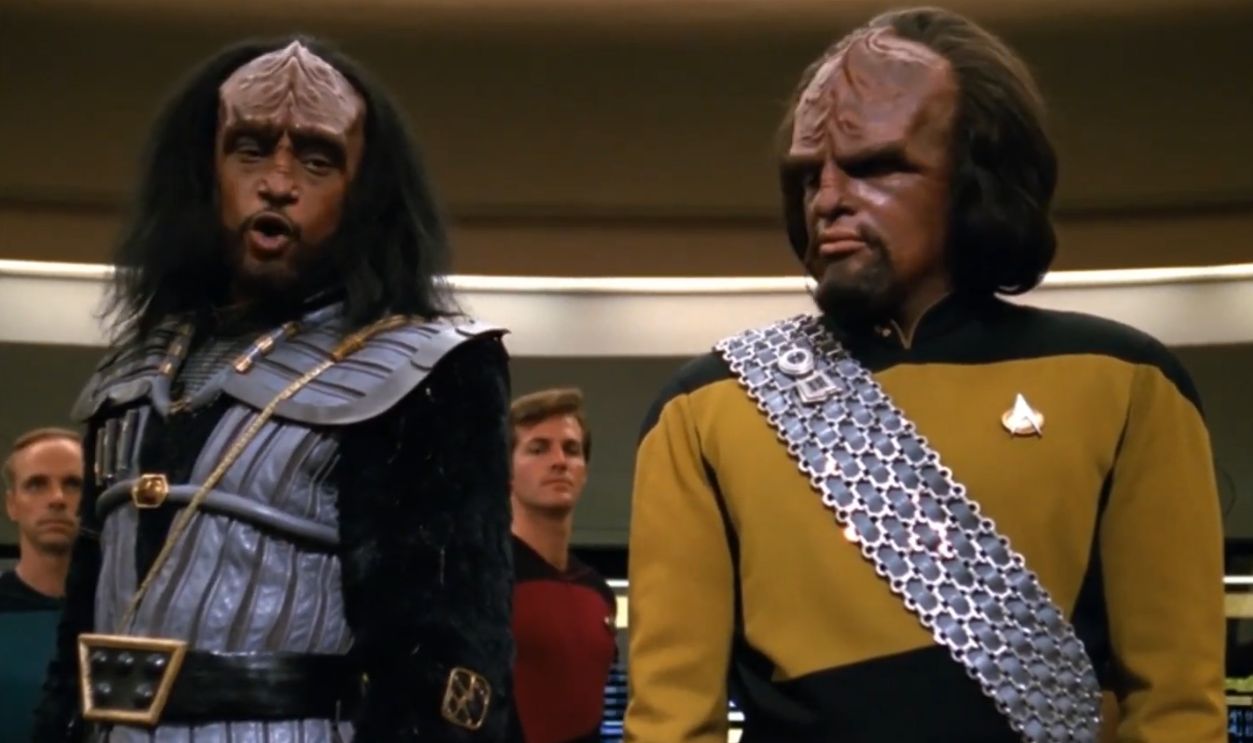
Helping Shape Klingon Language
Doohan’s talent for accents and sound construction proved useful behind the scenes as well. He helped devise some of the early sounds and speech patterns used for the Klingons before a full language system was properly fleshed out. His ear for phonetics added texture and realism to Star Trek’s growing fictional universe.
 Screenshot from Star Trek: The Next Generation, Paramount Television (1987–1994)
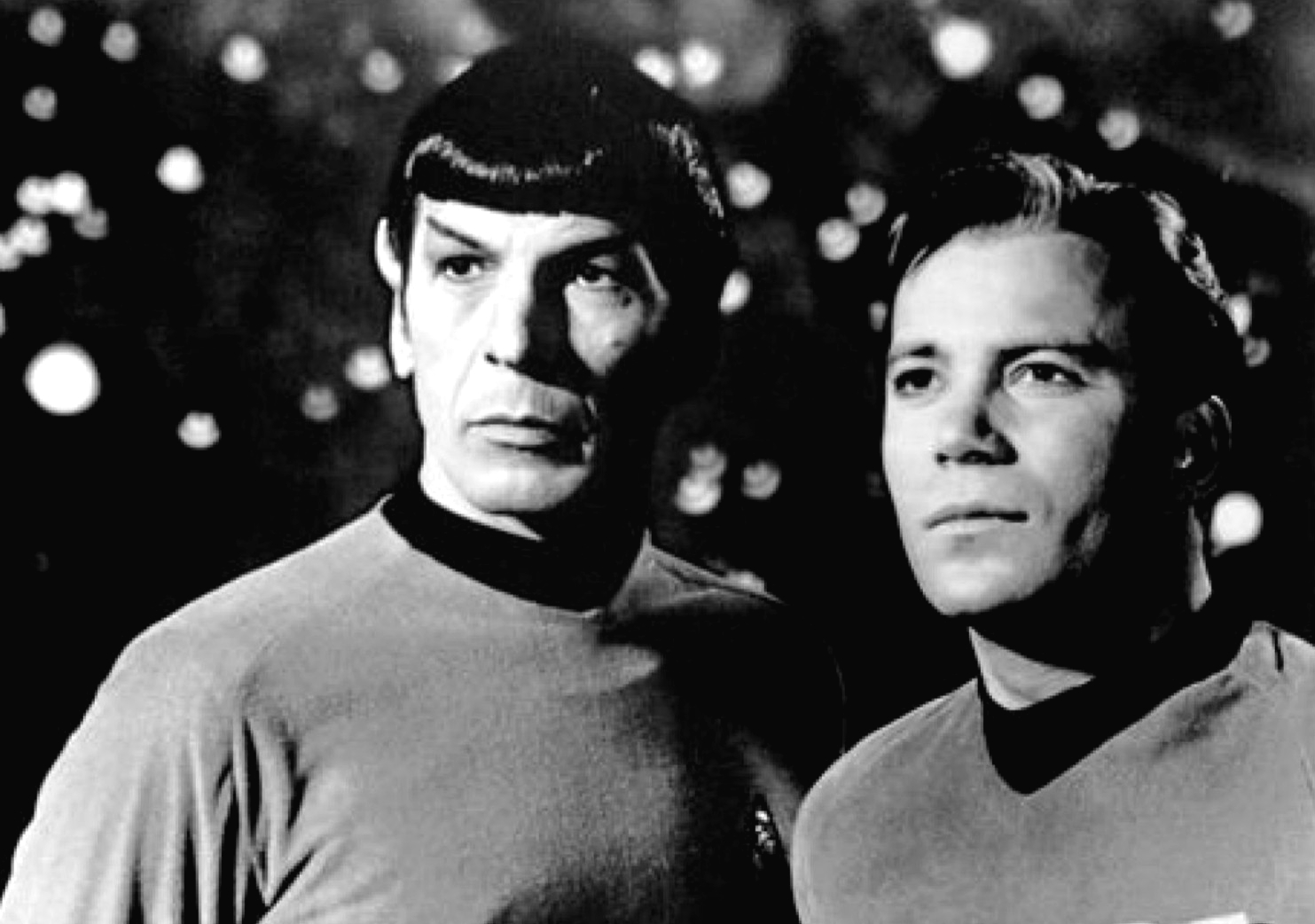
Contributing To Vulcan Dialogue
Doohan also assisted with pronunciation and speech concepts related to Vulcan dialogue during the original series years. While later linguists fully expanded those fictional languages, Doohan played a surprisingly important early role in helping establish how these alien cultures sounded. His behind-the-scenes creativity went far beyond simple acting performances.
 NBC Television, Wikimedia Commons
Surviving Star Trek’s Cancellation
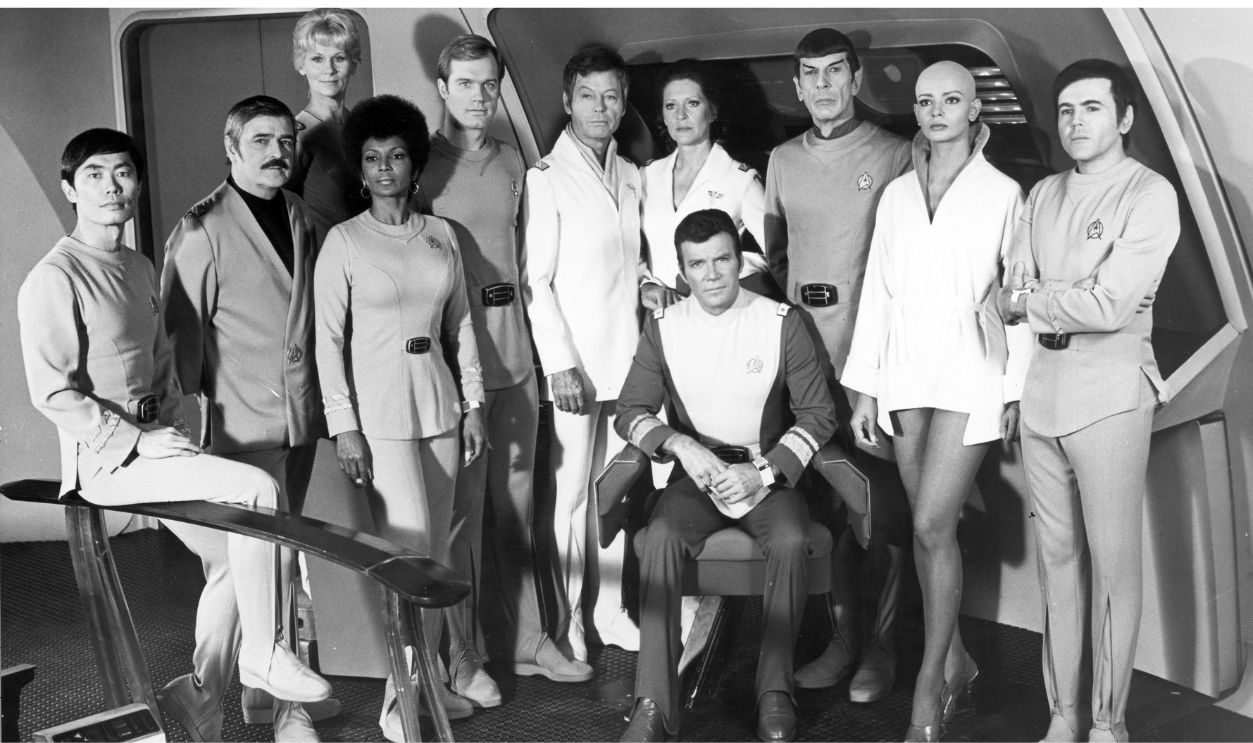
Despite its loyal fanbase, Star Trek was canceled after only three seasons in 1969. Like many cast members, Doohan suddenly faced uncertain career prospects. Hollywood executives often viewed actors from canceled science fiction programs as typecast, creating serious challenges for performers trying to break back into mainstream television work afterward.
 Michael Ochs Archives, Getty Images
Struggling To Find Roles
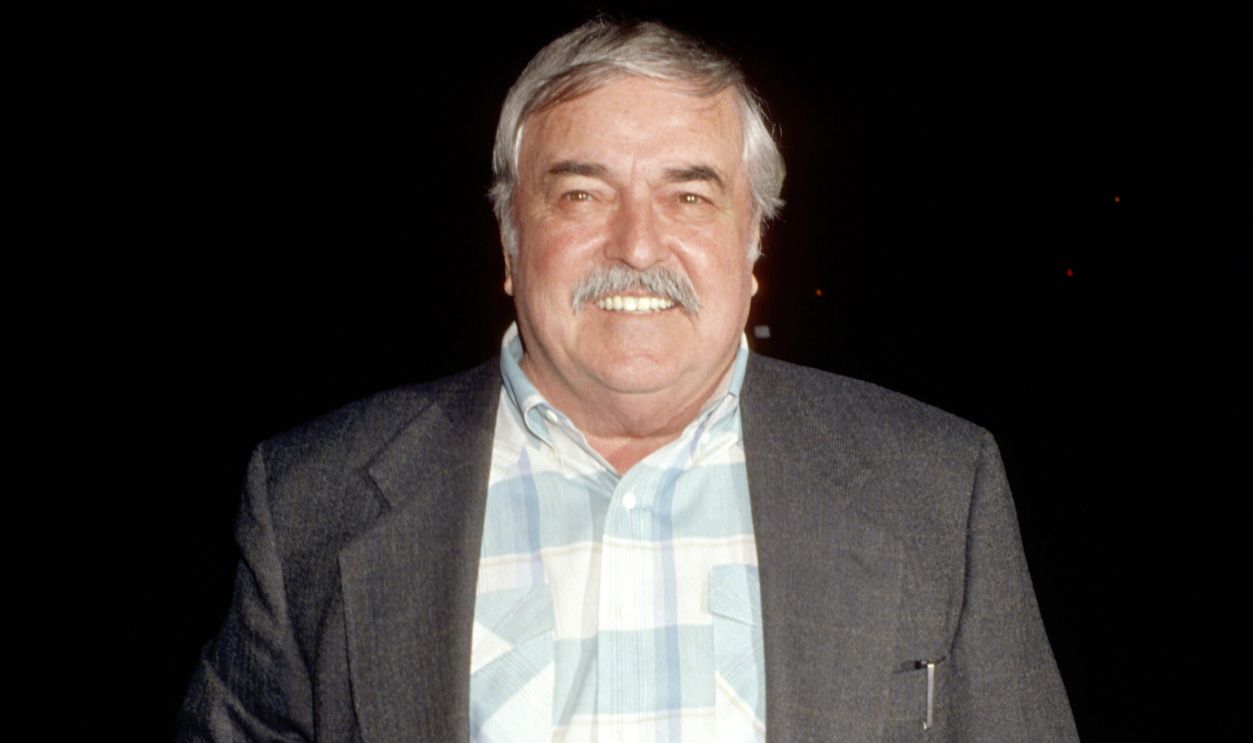
Doohan found that casting directors largely saw him only as Scotty after Star Trek. While he continued to appear in guest spots and voice acting roles, substantial opportunities became increasingly rare. The very performance that made him internationally famous also narrowed the kinds of work producers believed he could handle.
 Ron Galella, Ltd, Getty Images
Turning To Public Speaking
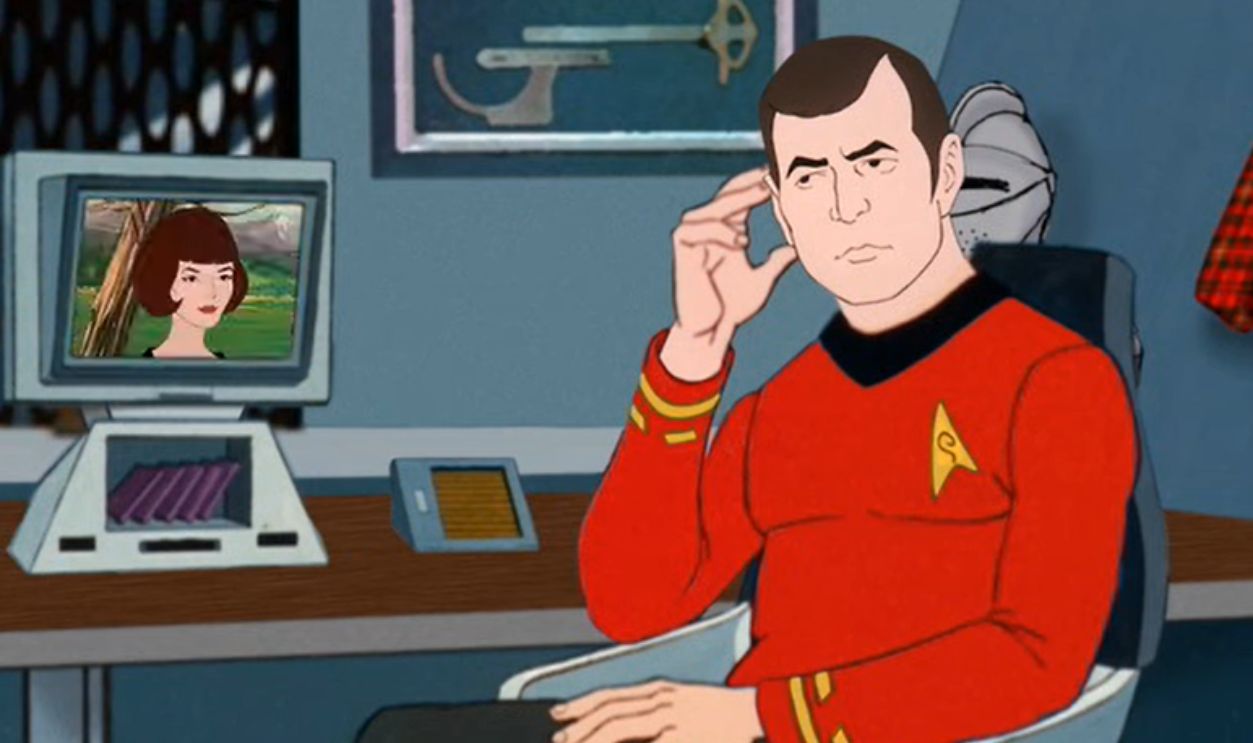
Fortunately, Doohan’s gift for public speaking kept him busy through the 1970s. He spoke at 40 different colleges in 1977 alone. He also provided the voice for Mr Scott in Star Trek: The Animated Series that ran for a season in the mid-70s
 Screenshot from Animated Star Trek Fan Film, (2020)
Convention Fame Changes Everything
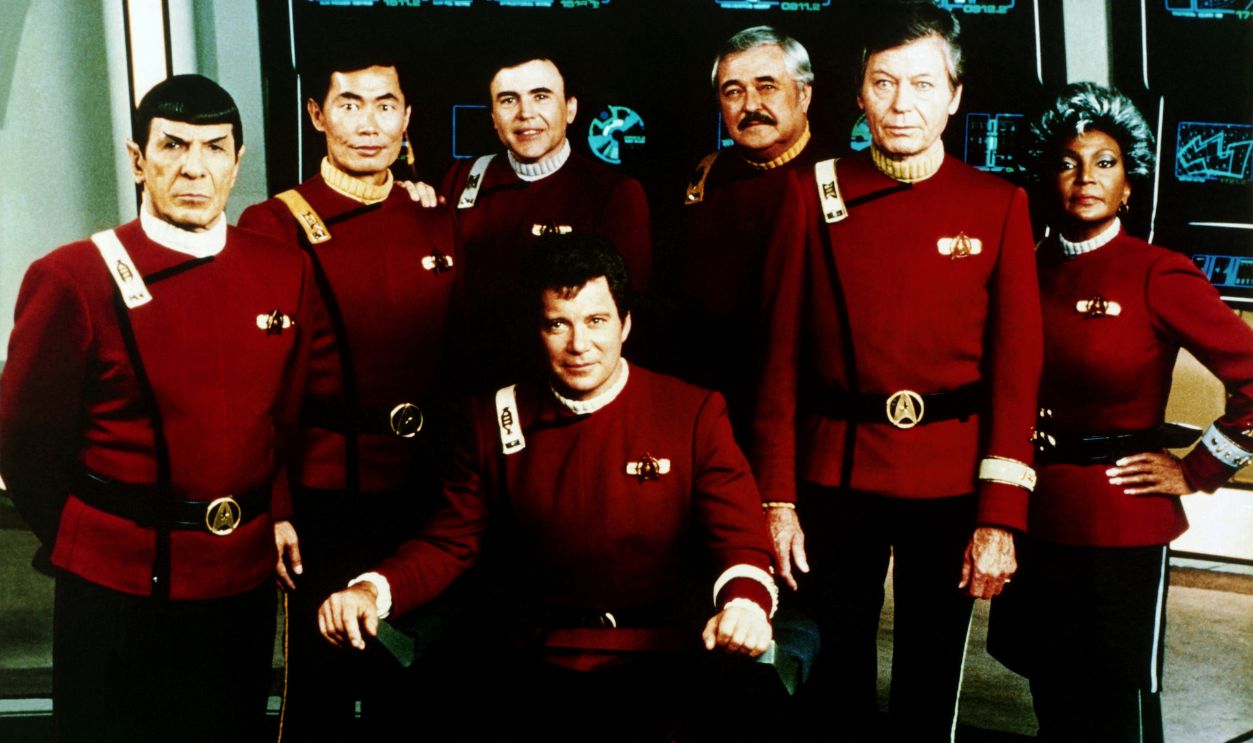
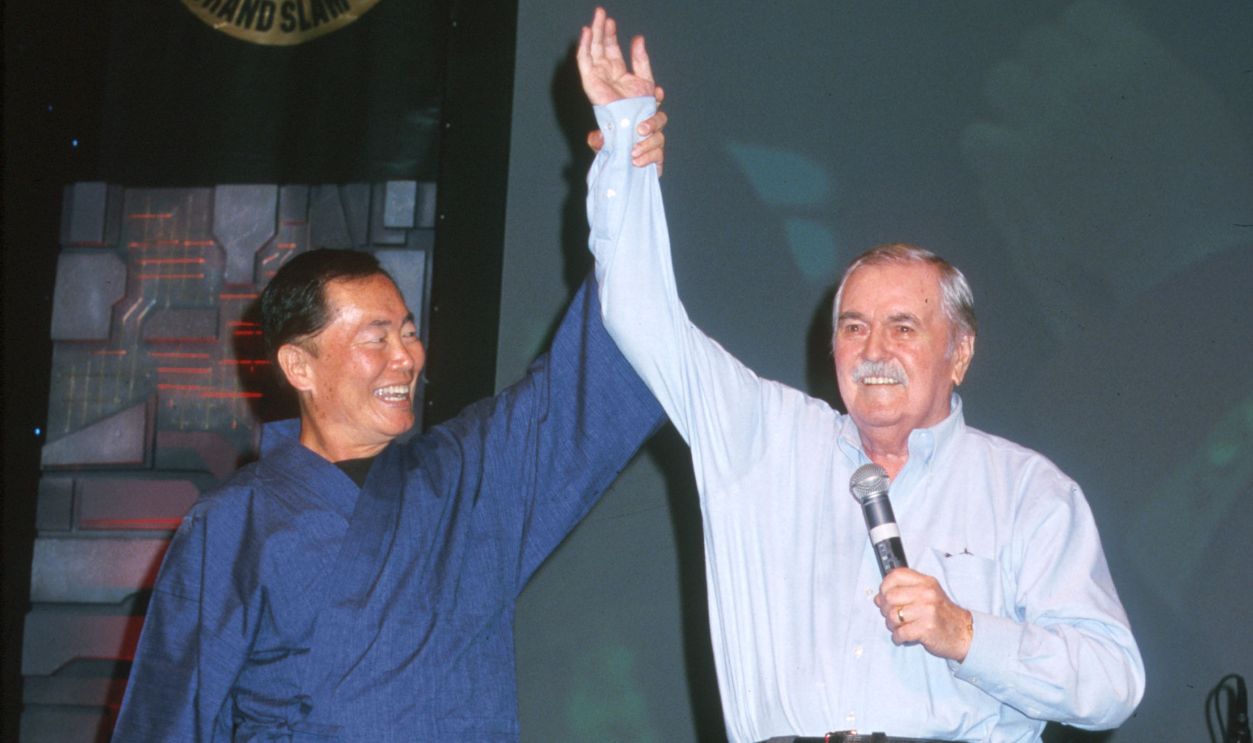
As Star Trek gained cult status during the 1970s, fan conventions became a major source of income and visibility for the cast. Doohan initially approached conventions cautiously but soon realized how deeply Scotty resonated with audiences. Fan appreciation gradually restored some of the confidence damaged during his difficult post-series years.
Inspiring Future Engineers
Doohan often discovered that fans pursued engineering, science, and technical careers because of Scotty. One famous admirer told him that watching Star Trek inspired him to turn away from thoughts of taking their own life, deeply affecting Doohan emotionally. Those encounters helped him appreciate the broader cultural importance of the role he once feared had trapped him.
 Albert L. Ortega, Getty Images
A Welcome Guest Star In The 80s
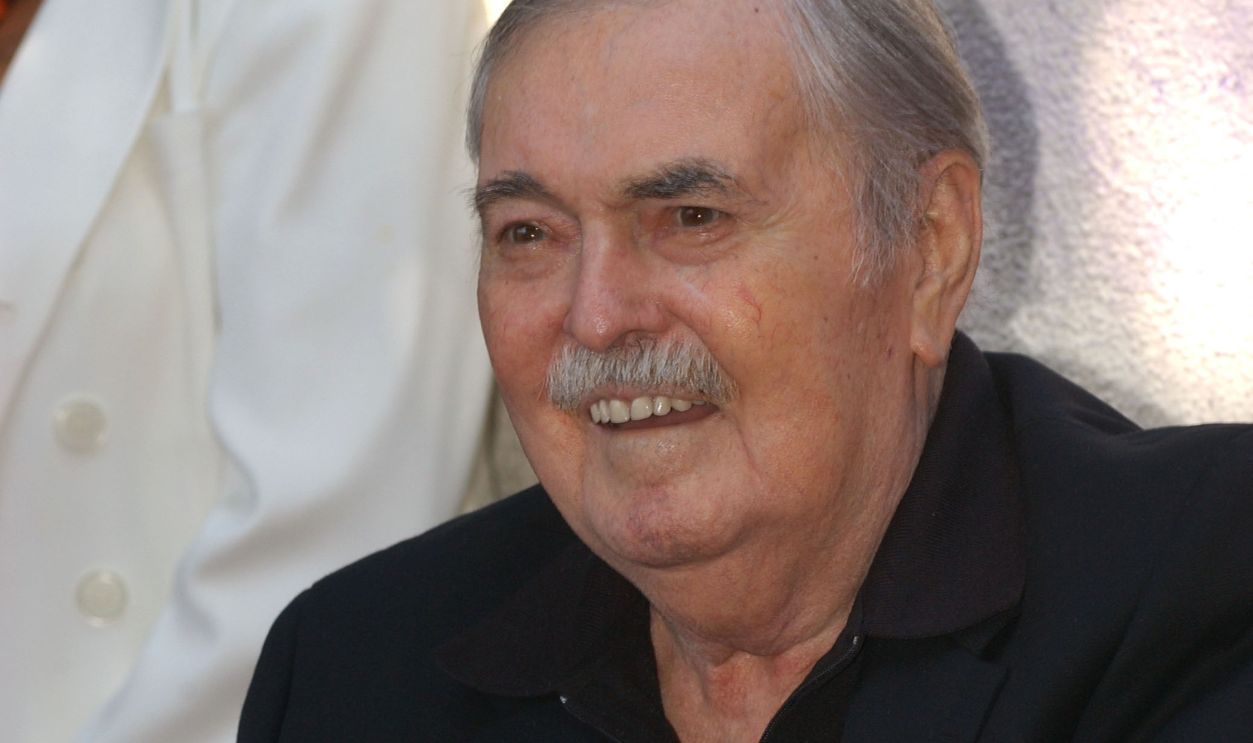
During the 1980s, Doohan continued popping up across television in guest appearances on popular series including Fantasy Island (1983), Magnum, P.I. (1983), Hotel (1985), and MacGyver (1990). While Hollywood still largely viewed him as Scotty, these appearances showed that audiences still enjoyed seeing the veteran character actor turn up in familiar television worlds.
 Albert L. Ortega, Getty Images
Returning For The Star Trek Films
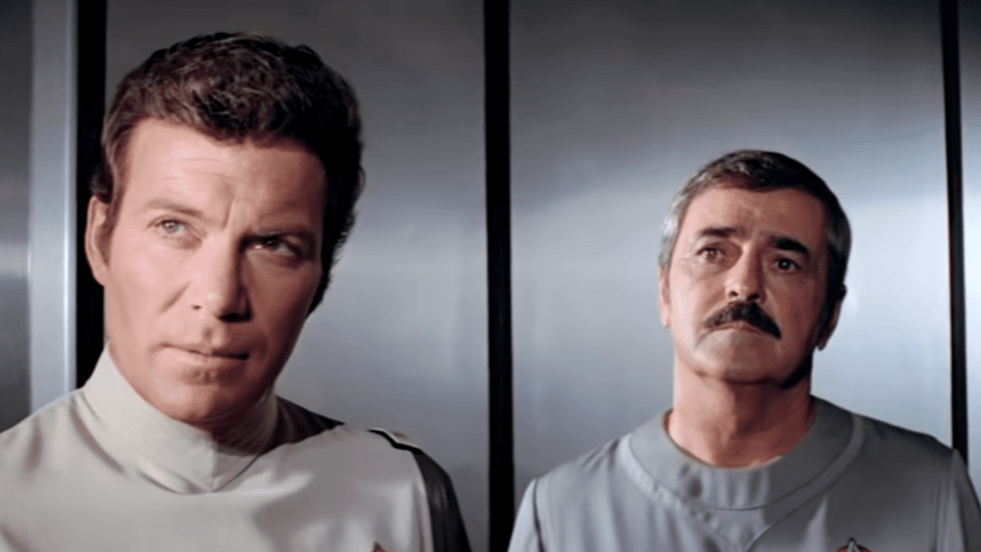
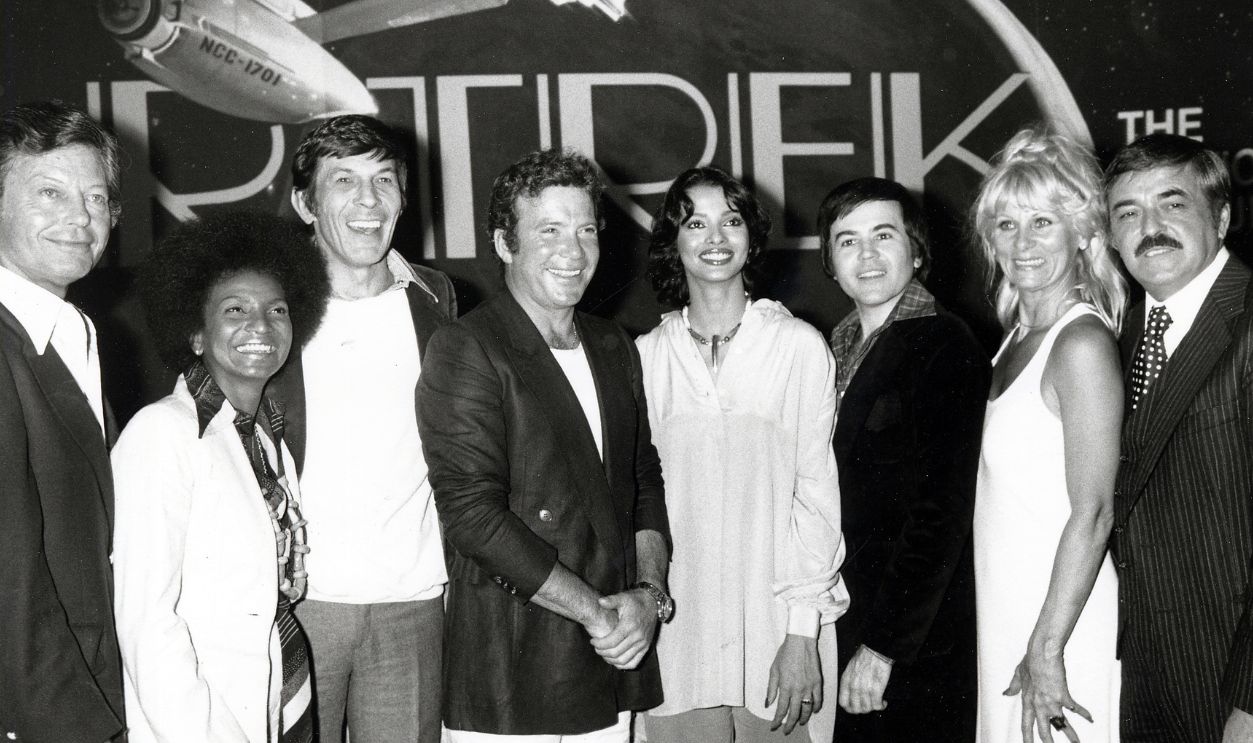
Beginning with Star Trek: The Motion Picture (1979), Doohan reunited with the original cast for a series of successful full-length films. Scotty’s popularity remained strong, and the movies introduced the character to new generations. The renewed franchise success finally gave Doohan greater financial stability and worldwide recognition. He would also make a couple of appearances on later Star Trek spinoffs in the 1990s, including Star Trek: The Next Generation (1992) and Deep Space Nine (1996).
 Screenshot from Star Trek: The Motion Picture, Paramount Pictures (1979)
Tensions With William Shatner
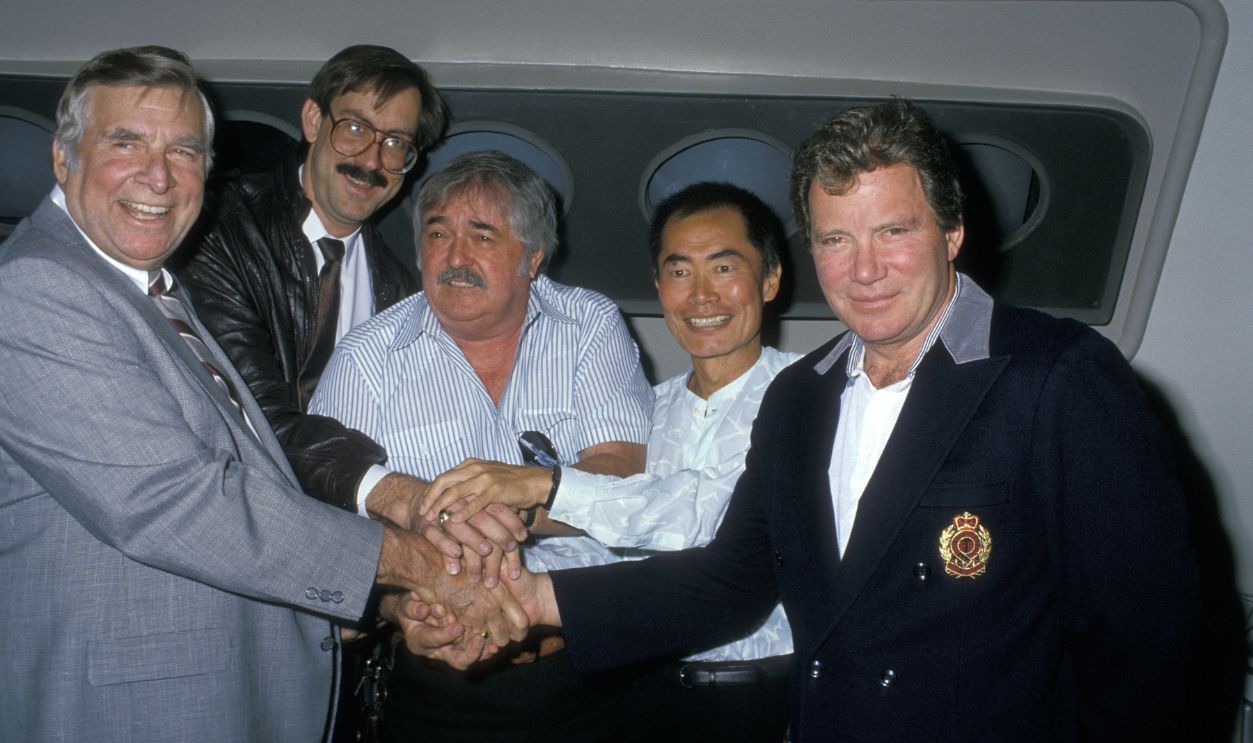
Over time, tensions developed between Doohan and William Shatner. Doohan believed Shatner often monopolized publicity and attention connected to Star Trek, while several cast members found Shatner personally difficult. Convention culture and decades of interviews gradually amplified the resentment, creating one of the franchise’s longest-running personal feuds.
Years Of Estrangement
By the 1990s and early 2000s, Doohan openly criticized Shatner in interviews and reportedly avoided him during certain cast gatherings. Shatner later admitted he was hurt by the distance between them. Fans found the falling out particularly sad because Scotty and Kirk had appeared so inseparable onscreen for decades.
 Ron Galella, Ltd, Getty Images
A Last Reconciliation
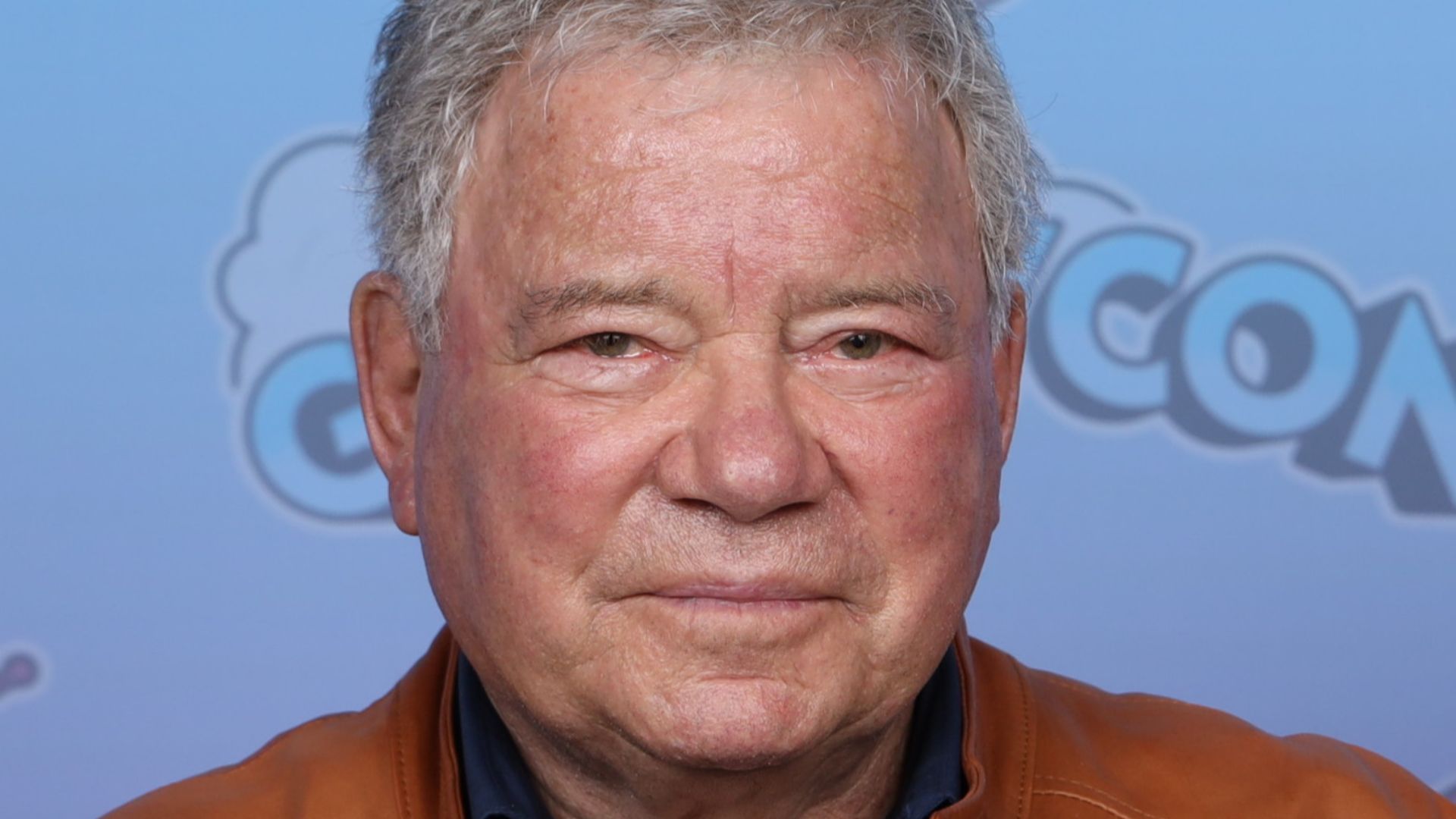
Eventually, the two actors patched up their differences before Doohan’s death. Shatner later expressed regret over the years of tension and praised Doohan’s enormous contribution to Star Trek. While their friendship was complicated, both men ultimately acknowledged the importance of their shared experiences in building one of television’s most enduring franchises.
 Super Festivals from Ft. Lauderdale, USA, Wikimedia Commons
Declining Health In Later Years
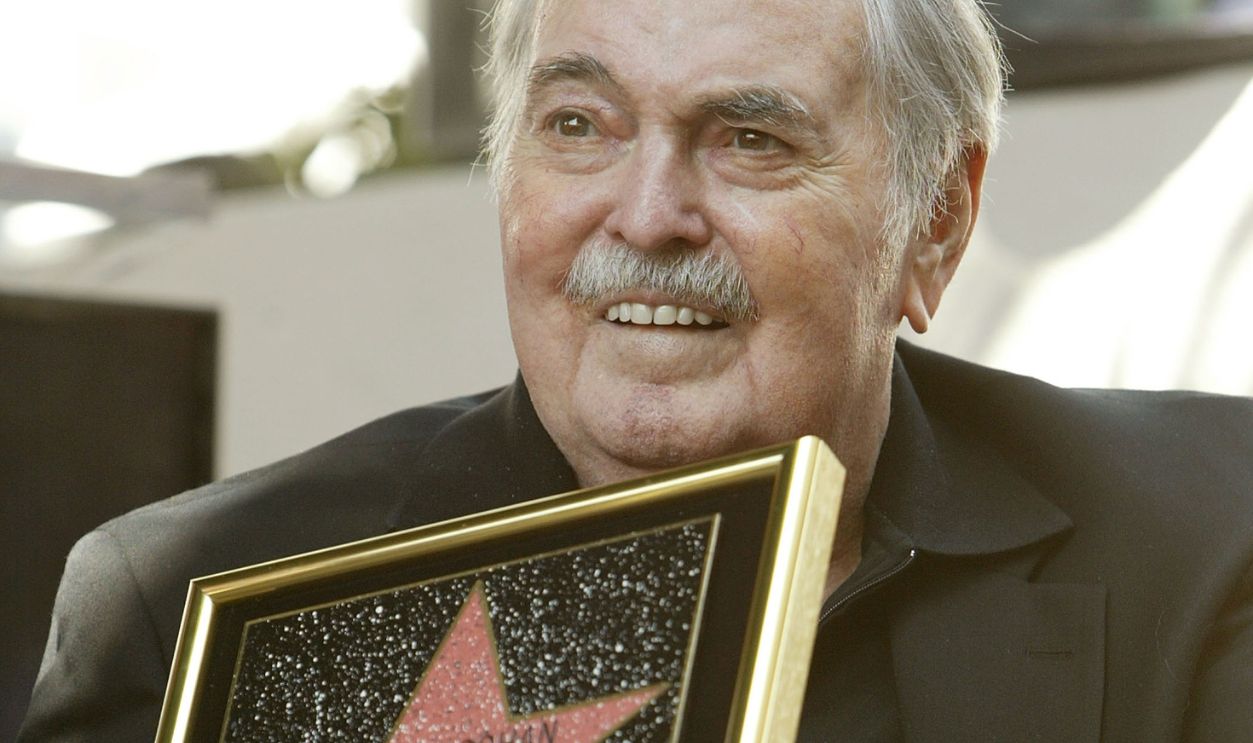
During his later years, Doohan struggled with numerous serious health issues including diabetes, pulmonary fibrosis, and Alzheimer’s disease. Public appearances became increasingly difficult, though fans continued treating him with extraordinary affection wherever he went. Even as his health faded, Scotty remained one of science fiction’s most beloved characters.
Saying Goodbye To Scotty
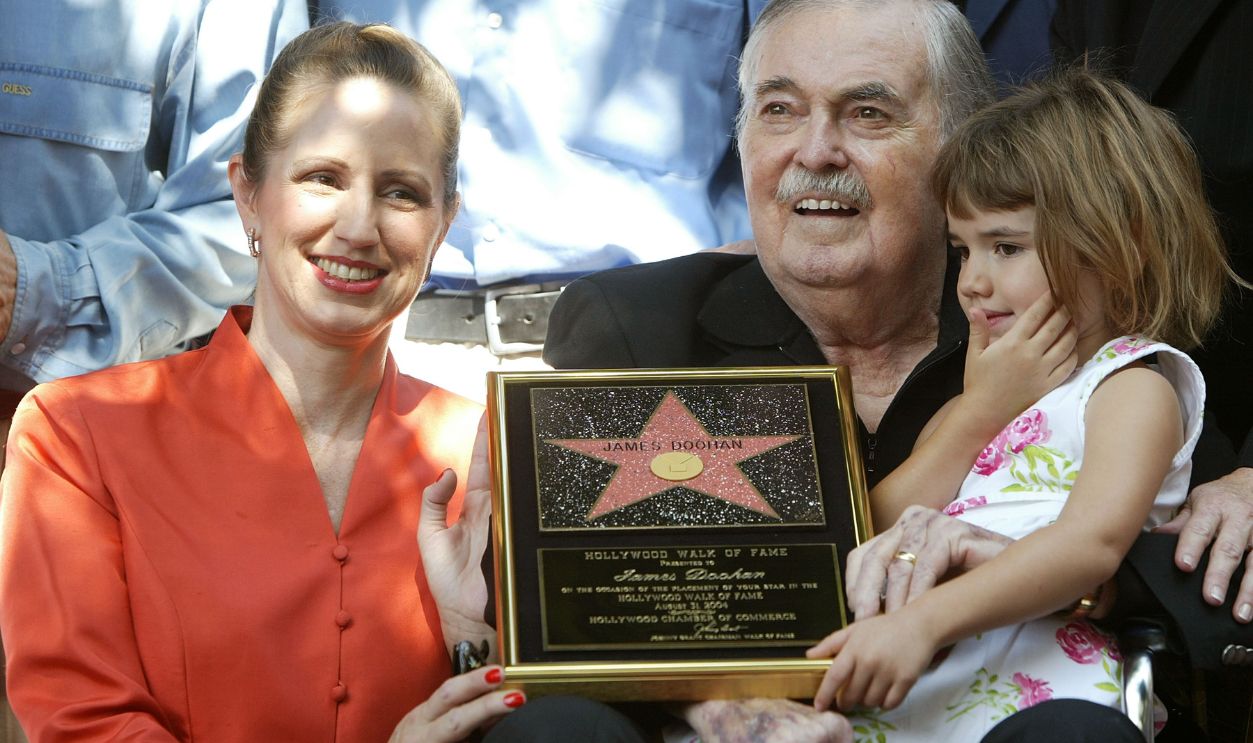
James Doohan died in 2005 at the age of 85. Fans around the world mourned the loss of the actor who had spent decades telling audiences he could “hold her together” under impossible circumstances. His ashes were later sent hurtling out into space in tribute to the role that defined his public legacy.
The Man Behind The Myth
It is easy to reduce James Doohan to a cheerful engineer with a Scottish accent, but his real life was vastly more extraordinary. Soldier, pilot, linguist, radio performer, technical expert, and cultural icon, Doohan lived enough adventures for several lifetimes before ever stepping onto the bridge of the Starship Enterprise.
You May Also Like:
Successful Shows Which Were Actually Spinoffs
Things You May Not Know About The USS Enterprise
Every Elder Trekkie Knows These Iconic Quotes From The Original Series