The Woman Behind The Voice
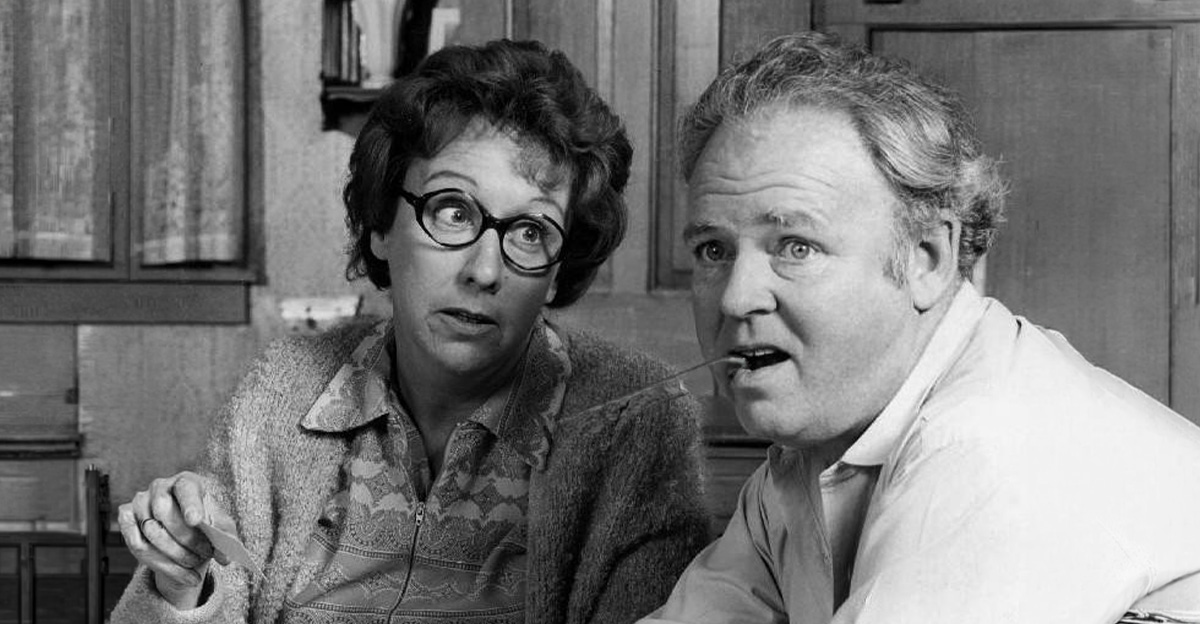
Jean Stapleton did not walk onto All In The Family expecting to become one of television’s most beloved faces. To her, Edith Bunker was another role, another character to understand, shape, and play honestly. Then America met Edith, heard that unforgettable voice, and suddenly Stapleton was famous in a way she never planned.
 CBS Television, Public domain, via Wikimedia Commons
She Was Born For Performance
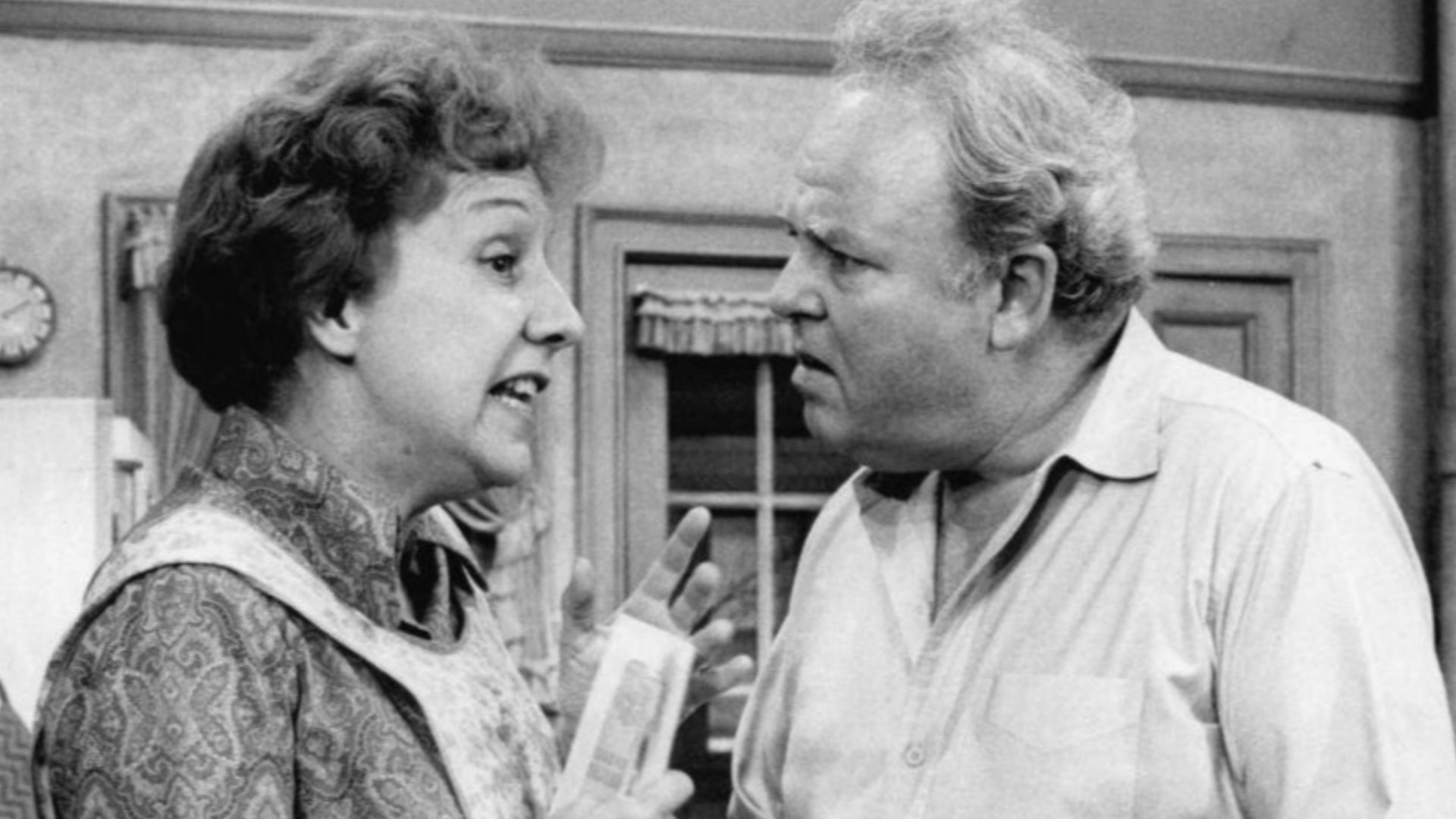
Before she became Edith Bunker, Jean Stapleton was Jeanne Murray, born in New York City in 1923. Performance was already in the family air: her mother was an opera singer, and young Jean grew up around music, timing, and stage presence. That background helped shape her natural feel for comedy and emotion.
 CBS Television, Wikimedia Commons
The Stage Came First
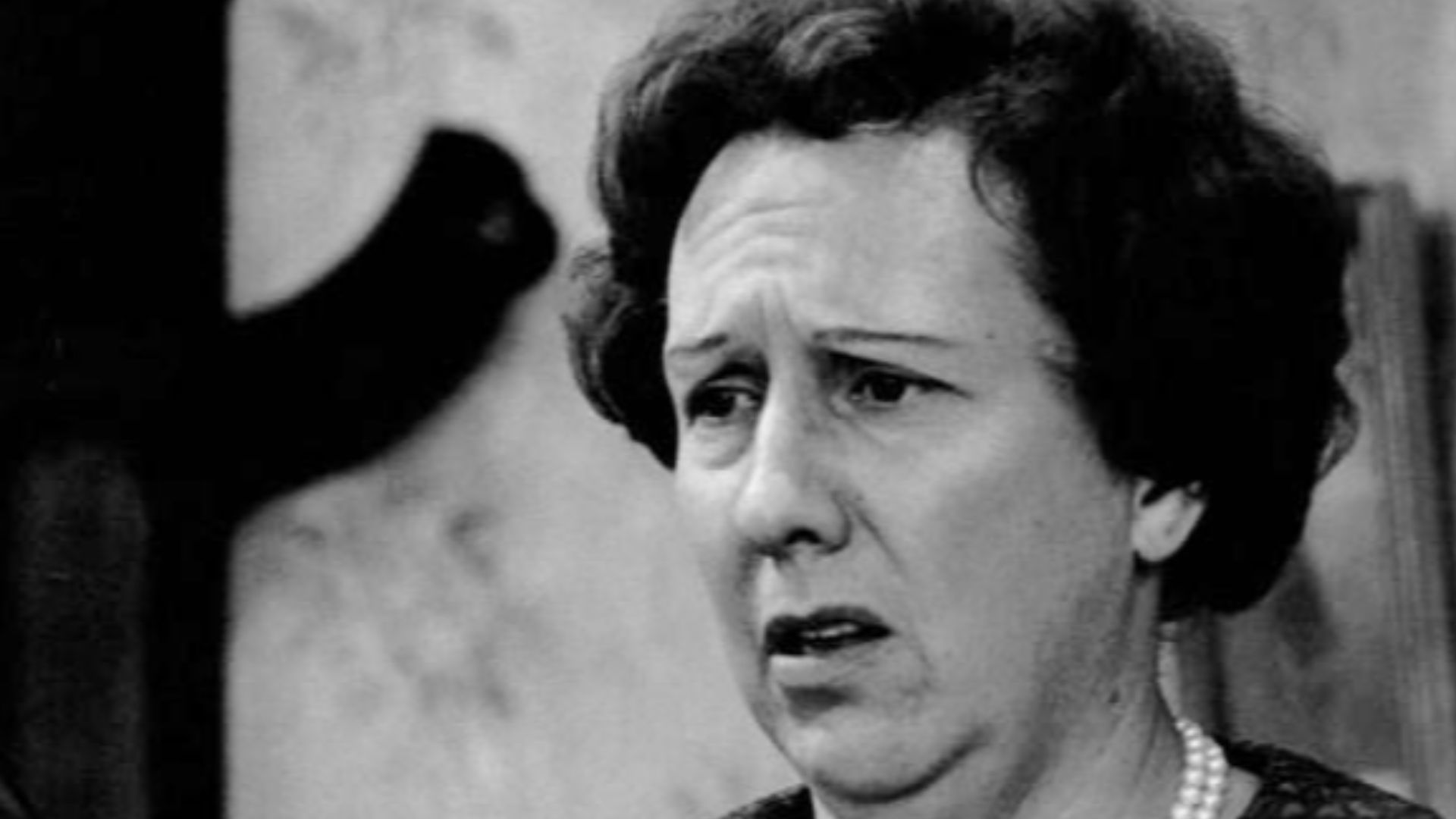
Stapleton was not an overnight television discovery. She spent years building her craft on stage, doing the kind of work that teaches an actor how to hold a room. Long before Edith’s famous shuffle, Stapleton was learning how to make small gestures, odd voices, and unexpected pauses land with real power.
 CBS Television, Wikimedia Commons
She Became A Character Actress
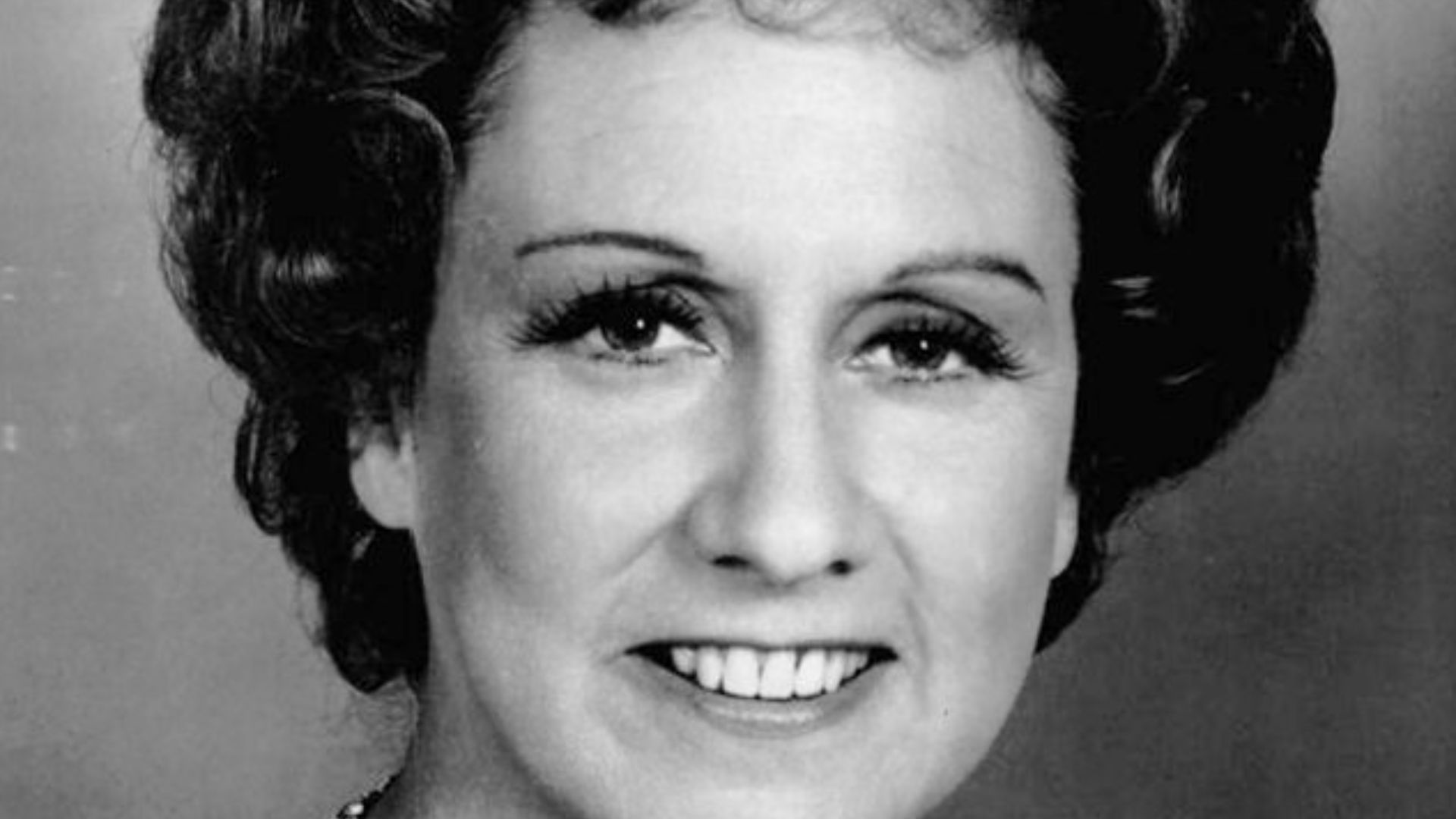
Stapleton never had the usual Hollywood starlet image, and that turned out to be her secret weapon. She specialized in character parts, playing women who felt lived-in, funny, nervous, stubborn, warm, or strange. She could disappear inside a role, which later made Edith Bunker feel like someone viewers actually knew.
 ABC Television, Wikimedia Commons
Broadway Gave Her Muscle
Her Broadway work included shows such as Damn Yankees, Bells Are Ringing, and Funny Girl. Those roles sharpened her comic instincts and musical timing, even when she was not the center of the spotlight. Stapleton understood something many performers never learn: a supporting character can steal a scene without seeming to try.
 CBS Television, Wikimedia Commons
Television Was A Side Road
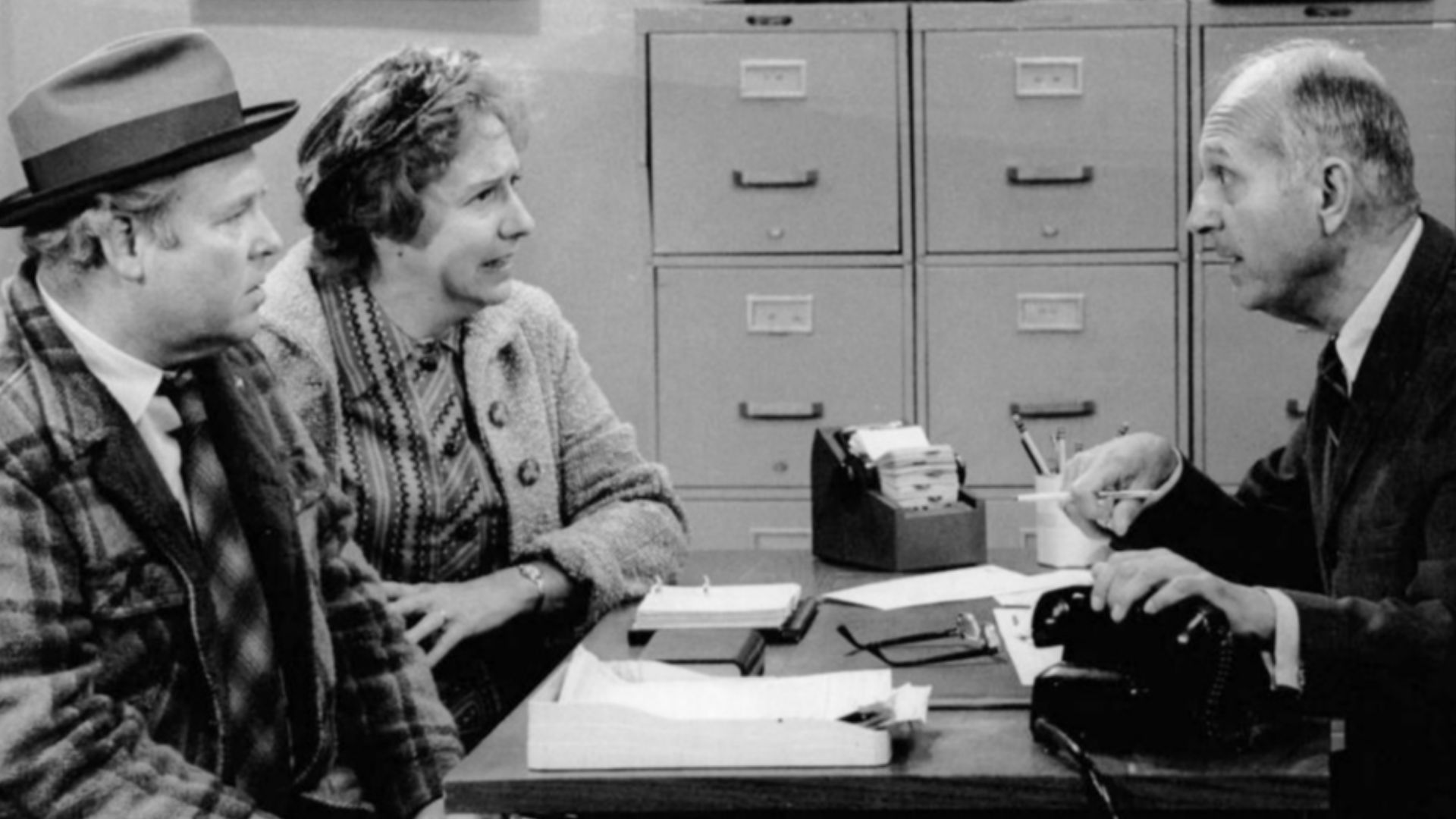
Before All In The Family, Stapleton appeared in smaller television roles, often as secretaries, wives, witnesses, or everyday women. These were not the kind of parts that usually made someone a household name. They were working-actor jobs, and Stapleton treated them seriously, which is exactly why she was so good.
 CBS Television, Wikimedia Commons
She Worked With Carroll O’Connor Early
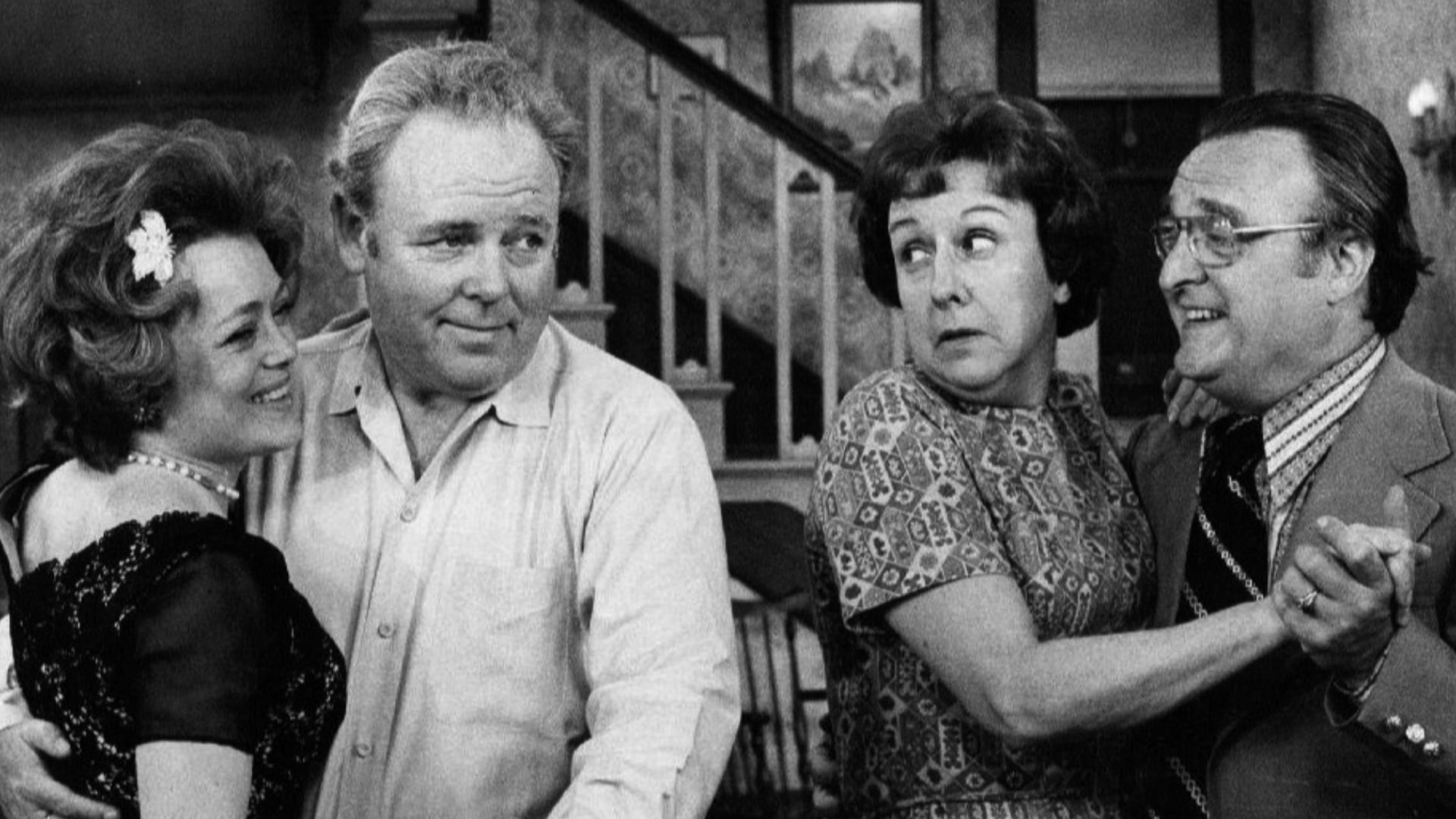
Years before they became Archie and Edith, Stapleton and Carroll O’Connor crossed paths on television. She later recalled appearing on The Defenders, where O’Connor played a murderer and she played a woman who identified him. It was a funny little coincidence before television history came calling.
 CBS Television, Wikimedia Commons
Then Came Norman Lear
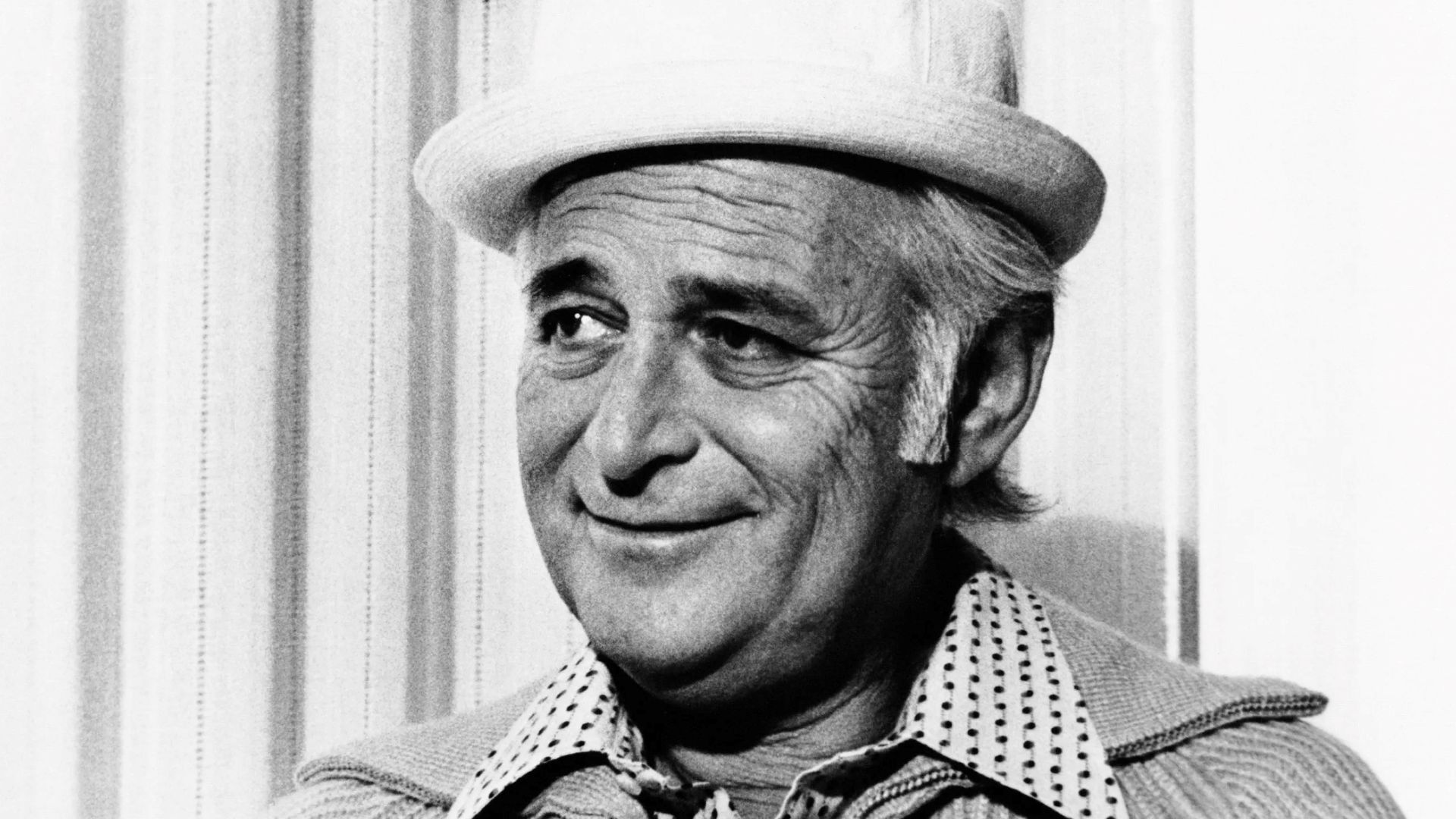
Producer Norman Lear was developing an American version of the British sitcom Till Death Us Do Part. The idea was risky: a loud, prejudiced working-class husband, his sweet wife, and a family arguing about the biggest issues of the day. It did not sound like the usual safe, sunny sitcom.
 PBS Television, Wikimedia Commons
Edith Was Not A Glamour Role
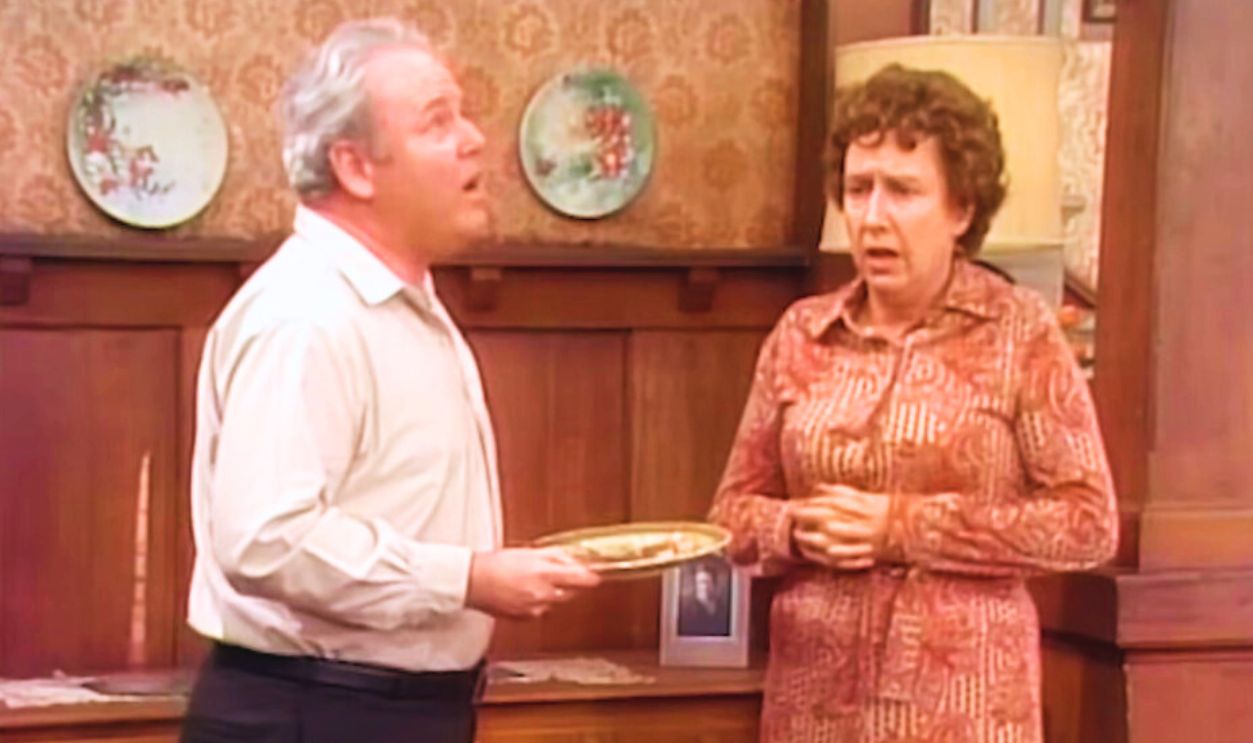
On paper, Edith Bunker was not exactly a star-making part. She was described through Archie’s eyes as scatterbrained and soft-spoken, with a strange little voice and a habit of fussing around the house. Many actors might have seen her as comic furniture. Stapleton saw a human being.
 Screenshot from All in the Family, CBS (1971–1979)
She Built Edith From The Inside
Stapleton did not play Edith as stupid. That was the magic. She played her as open-hearted, loyal, anxious, loving, and far more emotionally intelligent than people around her realized. Edith might miss a reference, but she rarely missed a feeling. That made audiences laugh, then care.
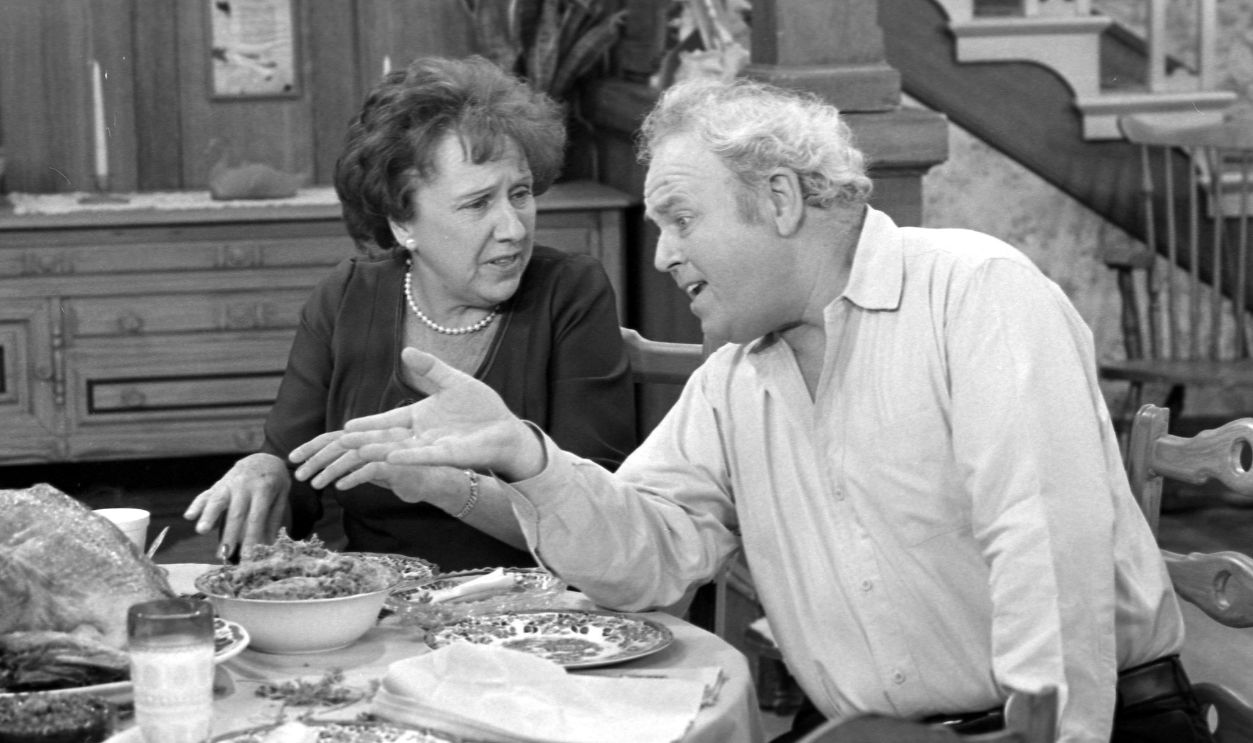 Donaldson Collection, Getty Images
The Voice Became Famous
Edith’s high, wavering voice became instantly recognizable, but it was not just a gimmick. Stapleton used it like an instrument. It could make a line funnier, sweeter, or surprisingly heartbreaking. Viewers imitated it, comedians copied it, and suddenly one of television’s strangest voices became one of its most beloved.
Nobody Knew It Would Work
All In The Family had a bumpy path before becoming a hit, including earlier pilot versions. Stapleton later spoke about the pilots and the process of developing Edith, showing that the character and the show were shaped over time. That uncertainty helps explain why she did not expect Edith to explode into fame.
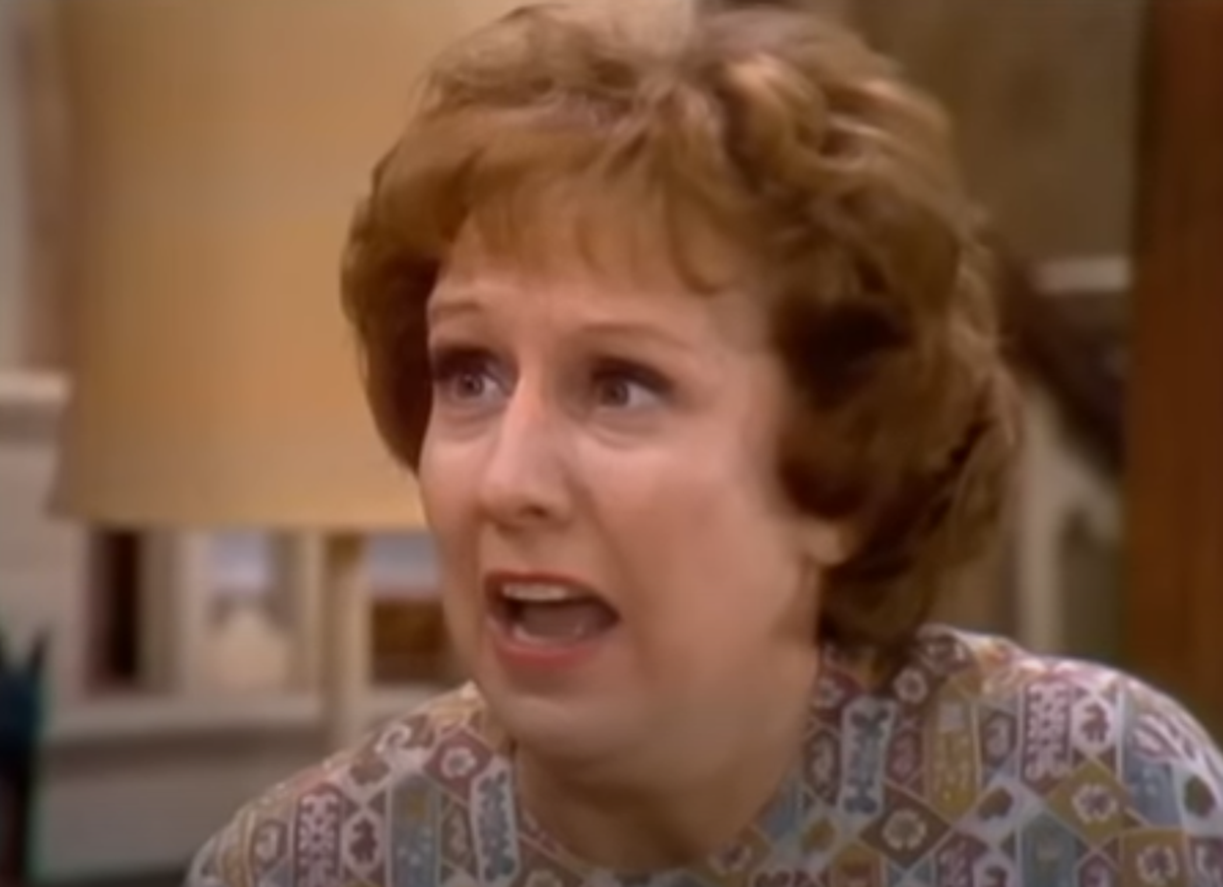 Screenshot from All in the Family, CBS (1971–1979)
America Met The Bunkers
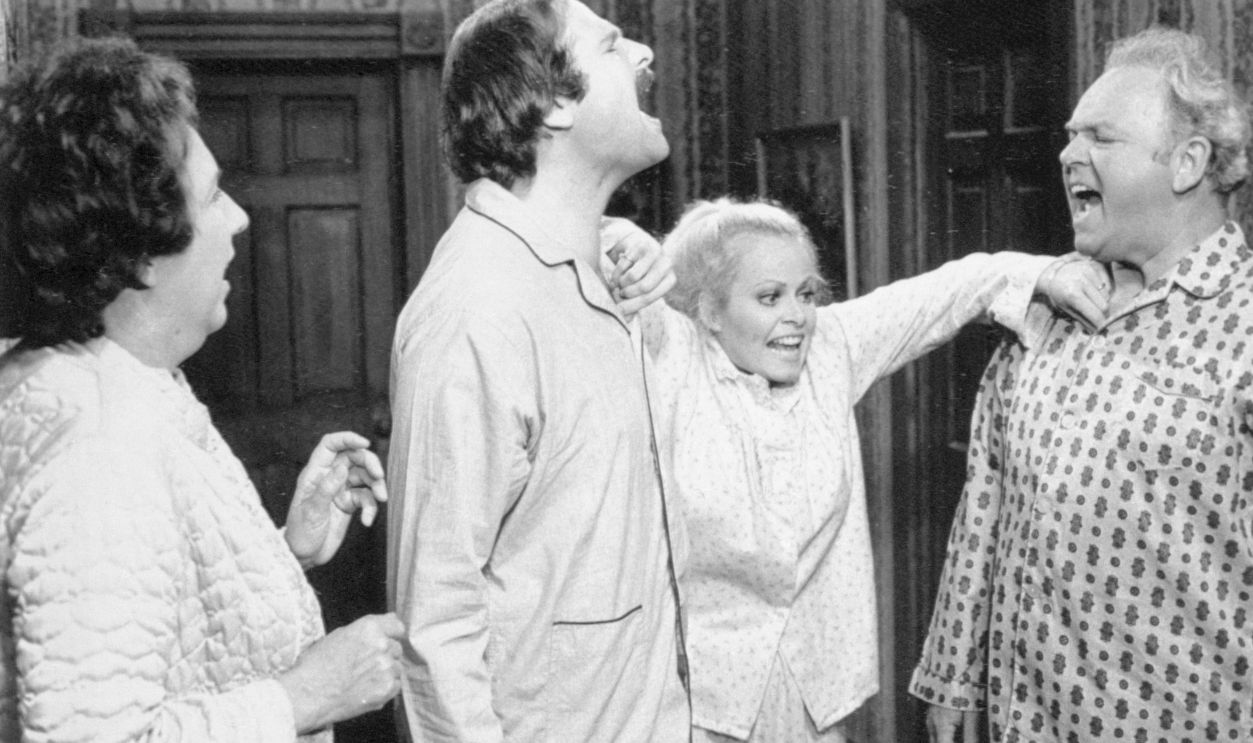
When All In The Family premiered in 1971, it did not feel like other sitcoms. The Bunkers argued about race, politics, gender, war, money, and marriage right in the living room. Edith stood in the middle of all that noise, often acting as the heart of the show.
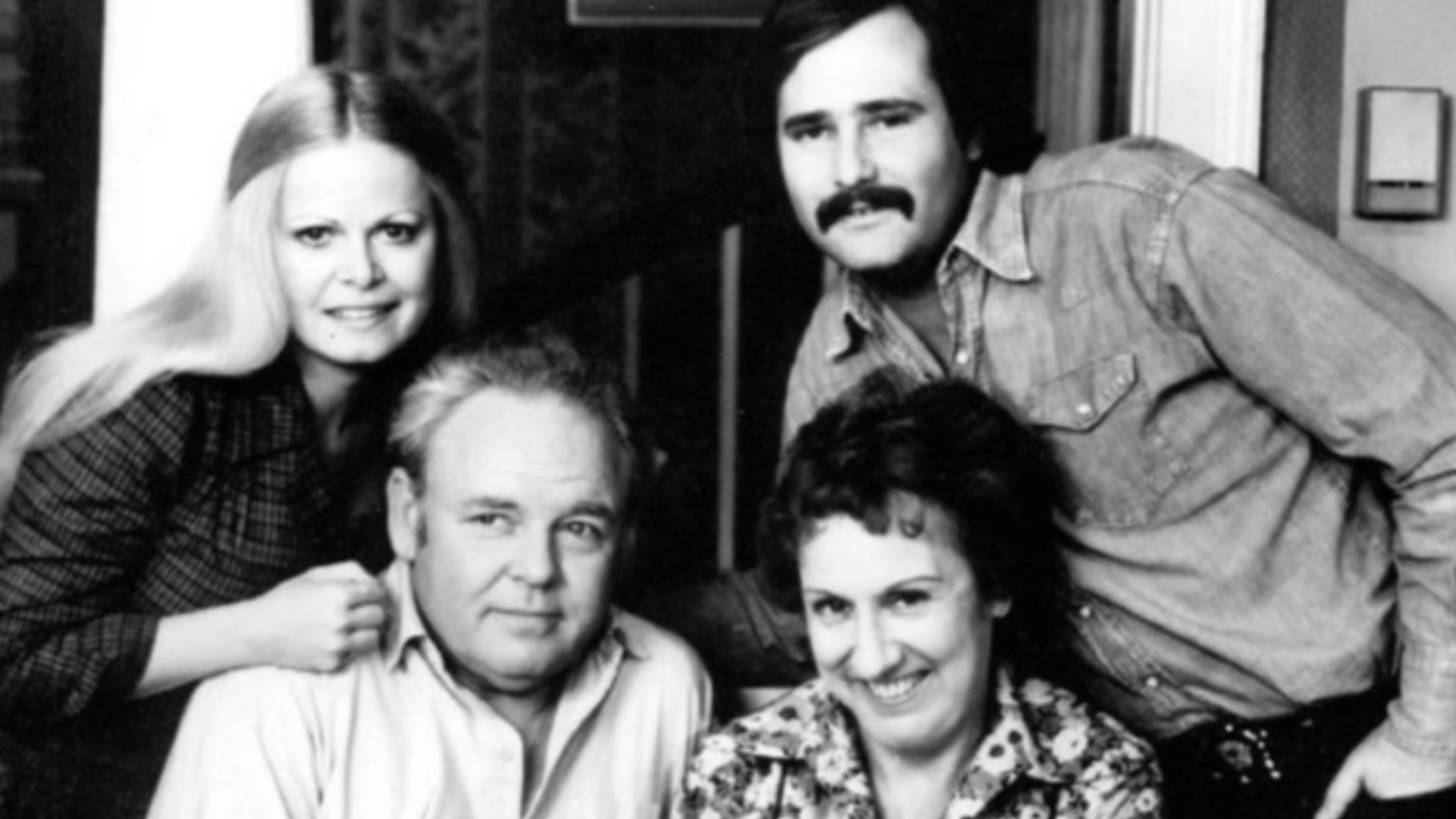 CBS Television, Wikimedia Commons
She Was The Calm In The Storm
Archie yelled. Mike argued. Gloria snapped back. Edith listened, worried, hummed, served food, and somehow kept the family from flying apart. Stapleton’s performance made Edith more than Archie’s wife. She became the emotional anchor, the person viewers trusted when everyone else was shouting.
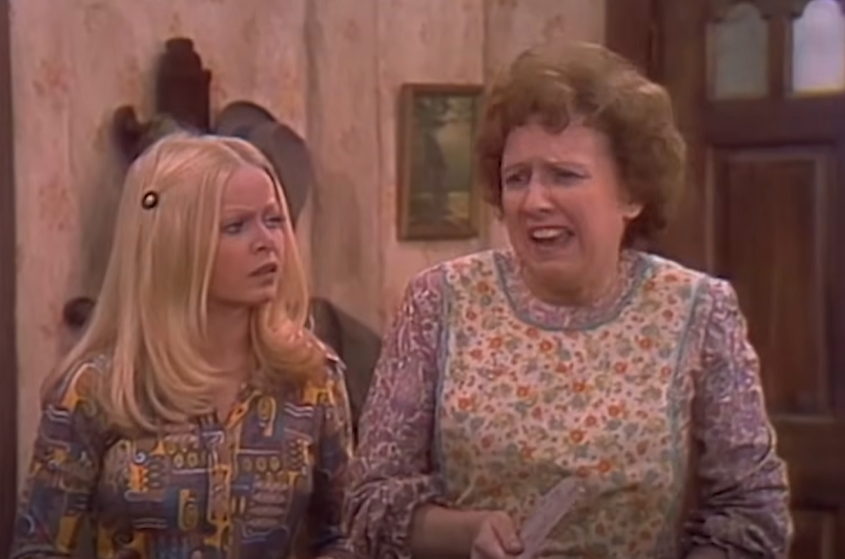 Screenshot from All in the Family, CBS (1971–1979)
Fame Arrived Fast
Once the show caught on, Stapleton’s quiet working-actor life changed dramatically. Edith Bunker became part of American pop culture, and Stapleton became linked to her forever. For an actress who had spent decades moving between stage, film, and television, that kind of instant recognition was stunning.
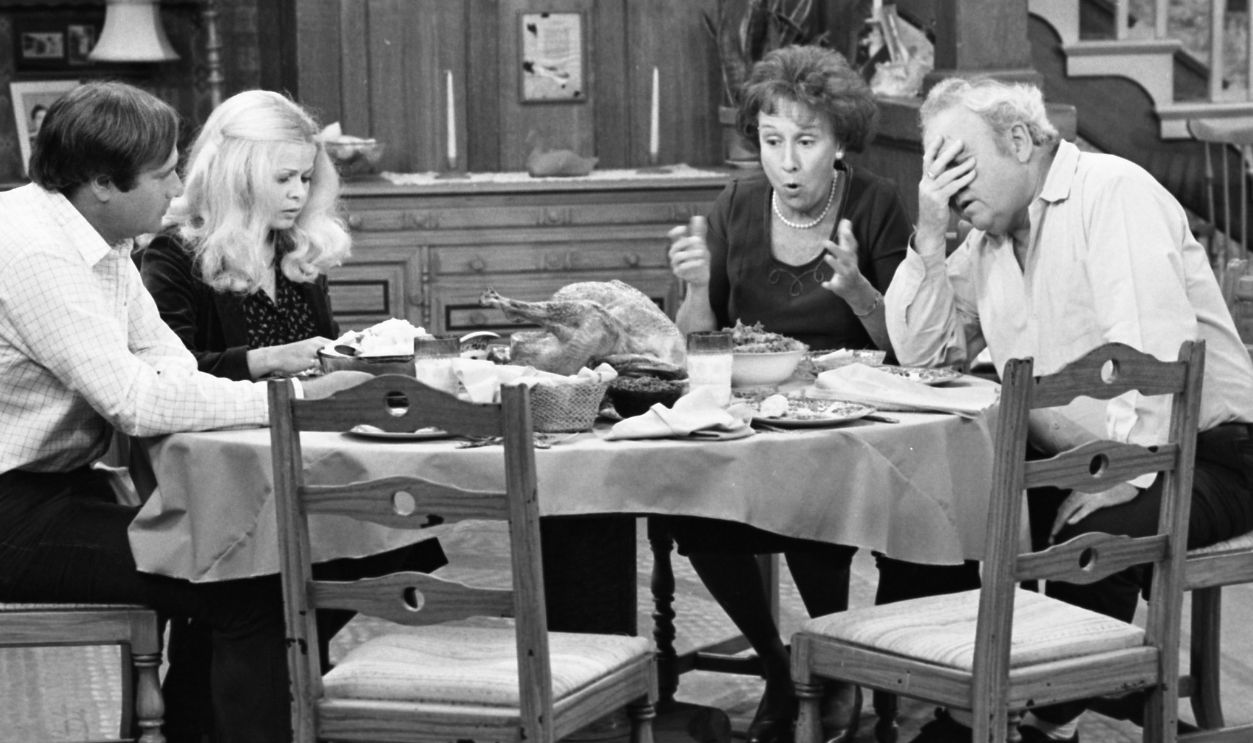 Donaldson Collection, Getty Images
She Was Surprised For Good Reason
Stapleton had never built her career around celebrity. She was a trained, practical performer who took roles, did the work, and moved on. Edith was older, domestic, oddly voiced, and far from glamorous. It made sense that Stapleton did not imagine this character would become an icon.
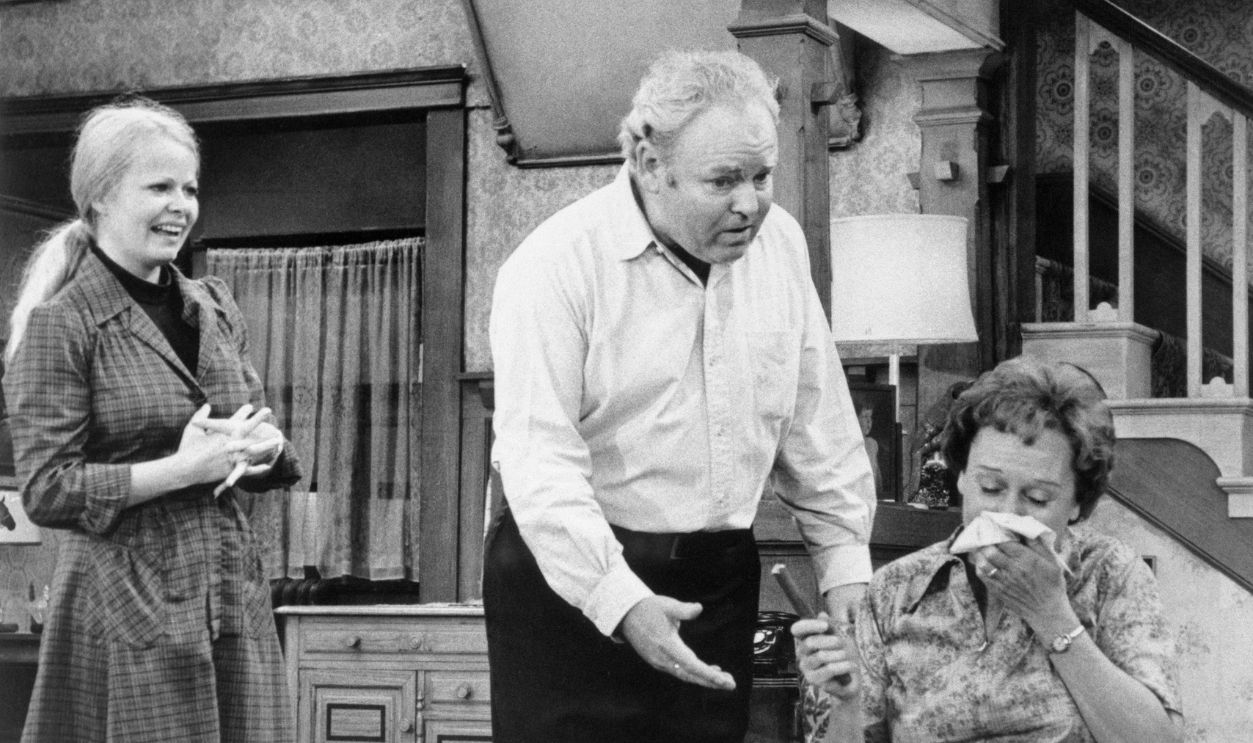
Audiences Saw Their Mothers
Part of Edith’s fame came from recognition. Viewers saw their mothers, aunts, neighbors, and grandmothers in her. She was funny without being cruel, gentle without being weak, and confused without being empty-headed. Stapleton gave dignity to a woman other characters often underestimated.
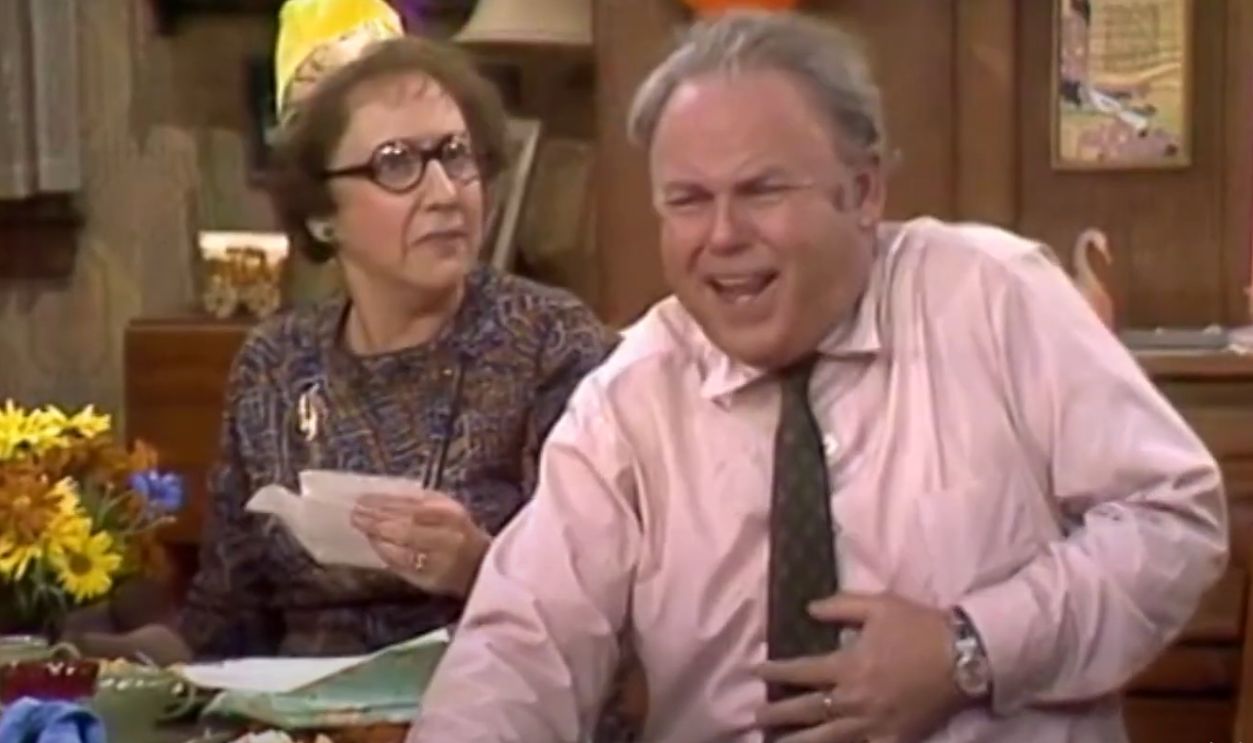 Screenshot from All in the Family, CBS (1971–1979)
Edith Was Smarter Than Archie Thought
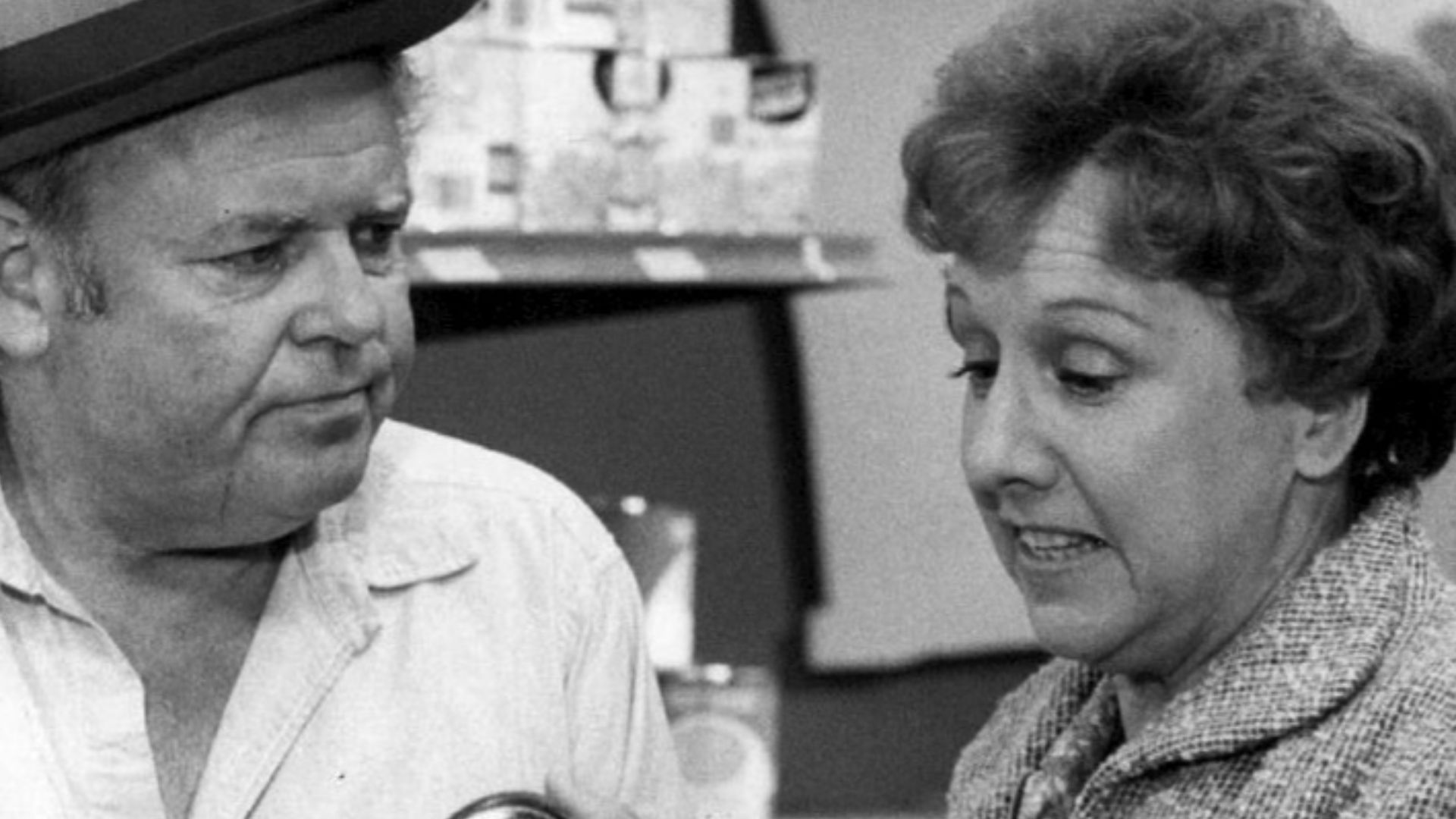
Archie called Edith names, but the audience knew better. Edith often understood kindness, fairness, and love more clearly than anyone else in the room. Stapleton played those moments beautifully. She let Edith seem simple on the surface, then quietly reveal that she had the deepest heart.
 CBS Television, Wikimedia Commons
Awards Followed The Applause
Stapleton’s performance brought major recognition. She won three Emmy Awards and two Golden Globes for playing Edith Bunker, confirming what viewers already knew: this was not just a funny sitcom performance. It was one of the great character turns in television history.
 Bill Ingalls, Wikimedia Commons
She Never Let Edith Trap Her
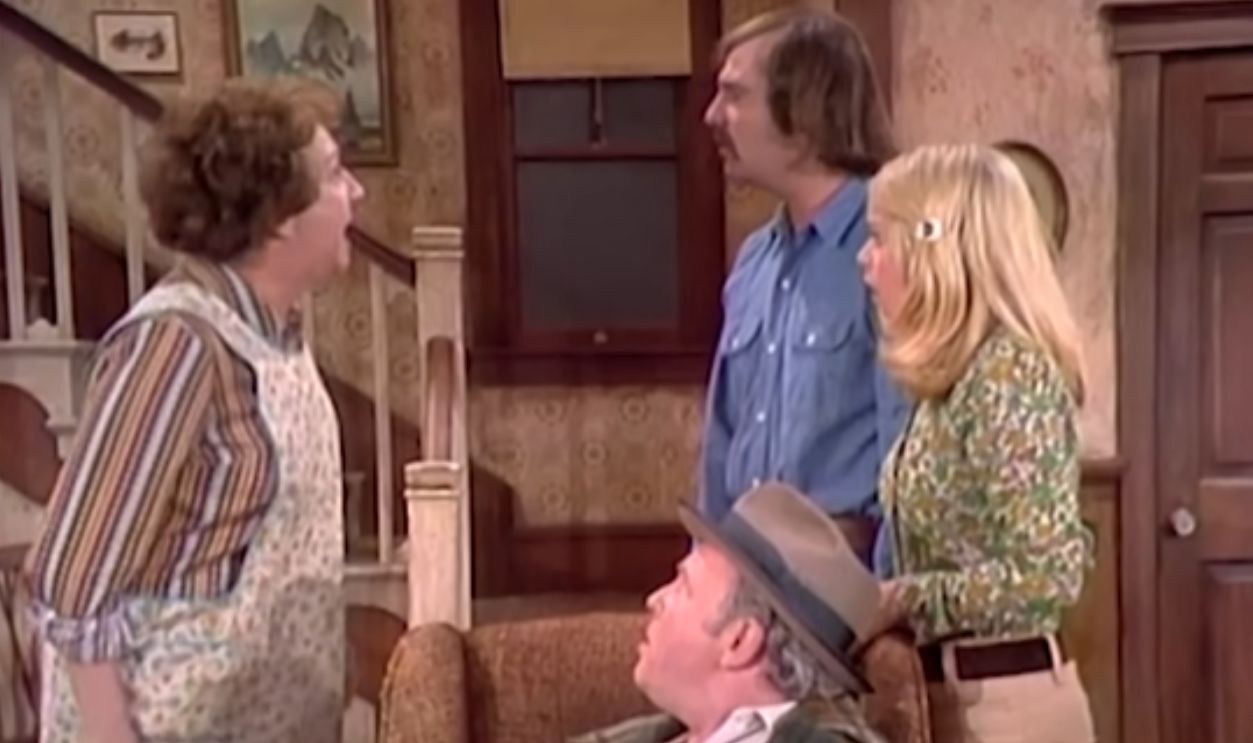
Even with all that success, Stapleton did not want to live as Edith forever. She respected the character, but she was not Edith Bunker. She was Jean Stapleton, an actress with range, curiosity, and a long career behind her. Eventually, she wanted room to do other work.
 Screenshot from All in the Family, CBS (1971-1979)
Leaving Was A Big Decision
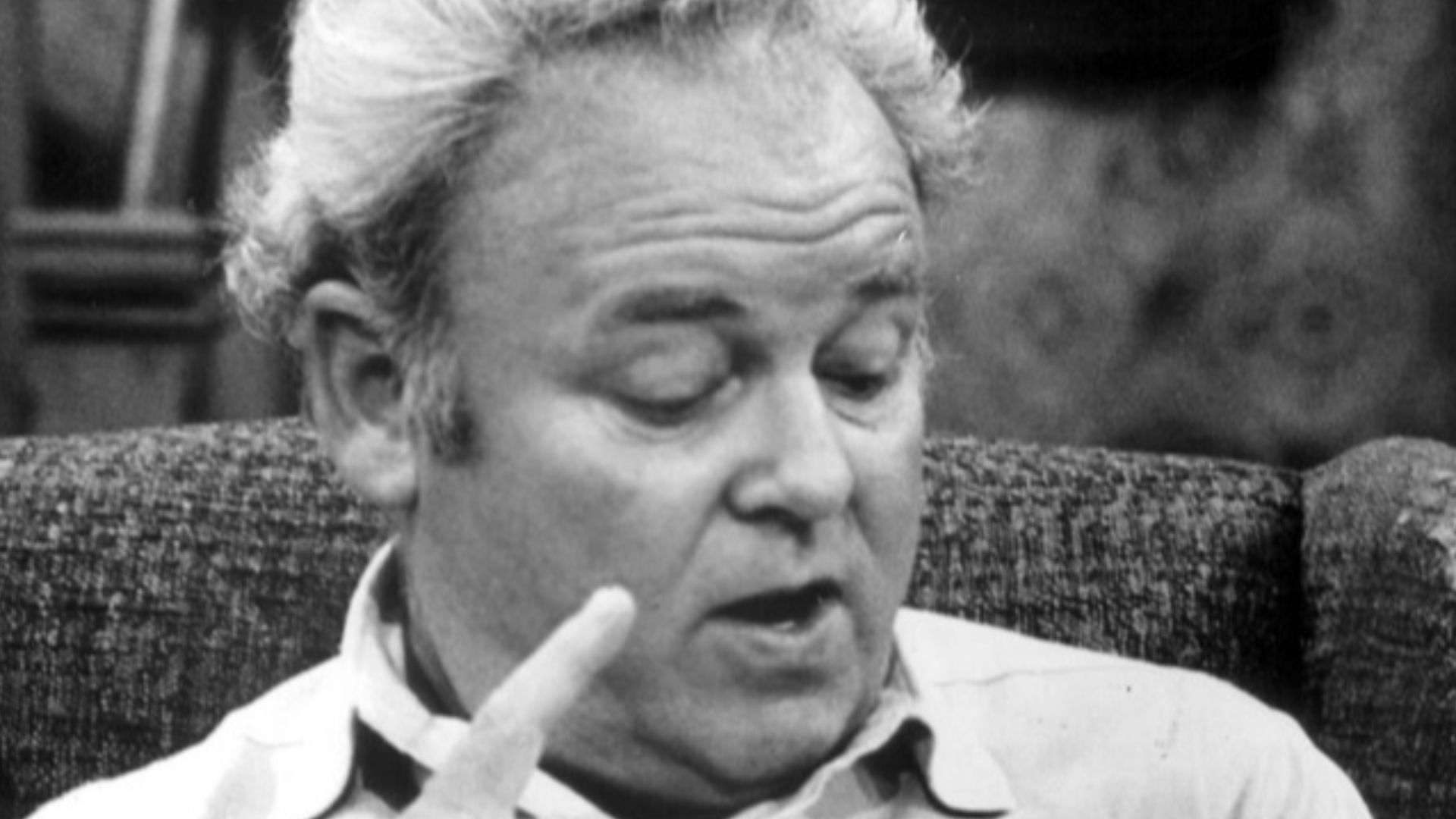
Stapleton reduced her role after All In The Family and later stepped away from Archie Bunker’s Place. Edith’s death was handled off-screen, and the famous episode “Archie Alone” showed Archie grieving her loss. The choice allowed Stapleton to move on while giving the character a powerful goodbye.
 CBS Television, Wikimedia Commons
She Kept Acting After Edith
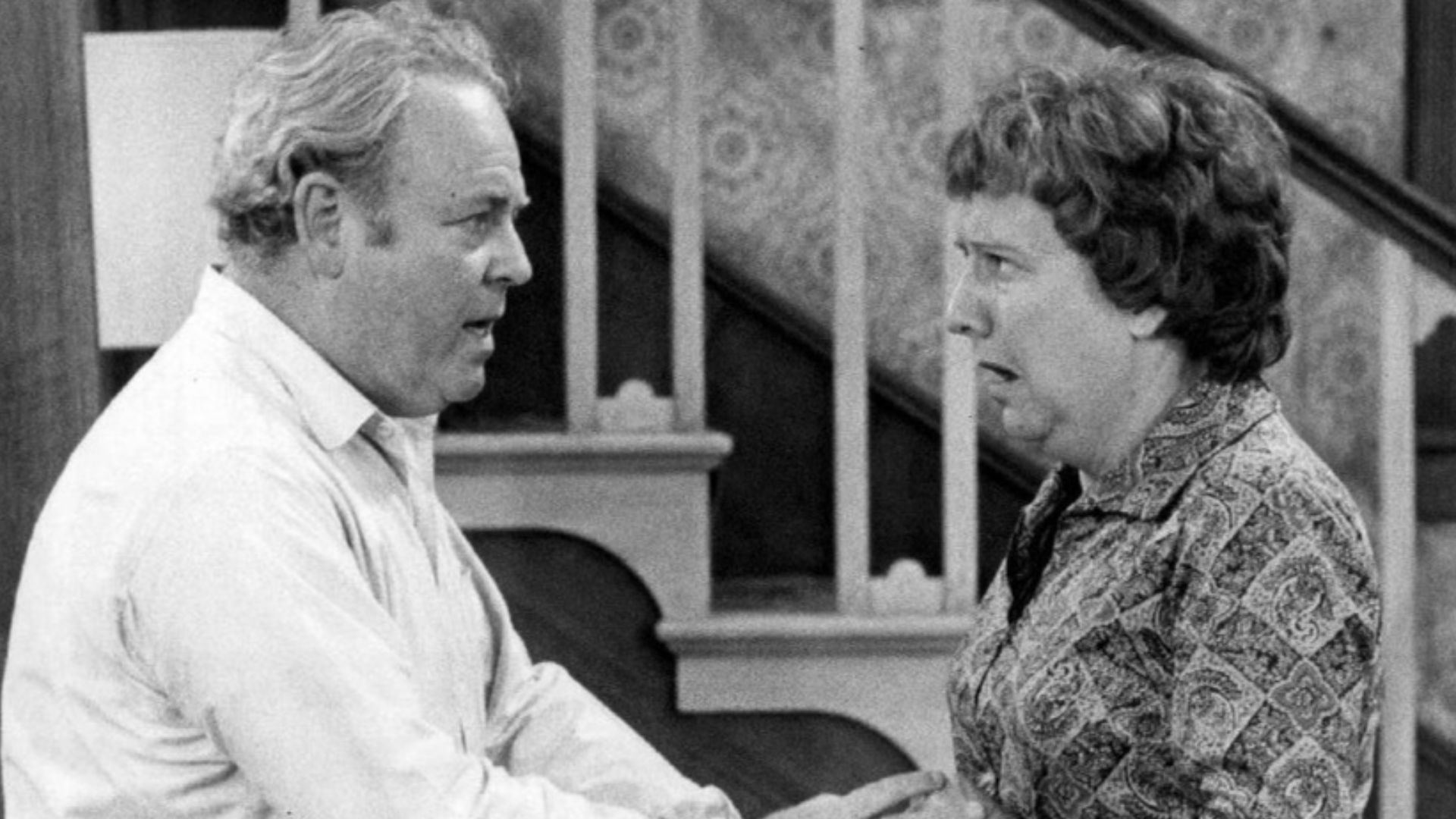
After leaving Edith behind, Stapleton continued to appear in television, film, and theater. She took on different kinds of roles because she had always been more than one character. Still, no matter where she went, audiences carried Edith with them like an old family photo.
 CBS Television, Wikimedia Commons
Her Fame Was Gentle
Some stars become famous for glamour, scandal, or flash. Stapleton became famous for kindness. That is rare. Edith Bunker was not cool, polished, or powerful in the usual TV sense. She was good. Stapleton made goodness interesting, funny, and unforgettable, which may be harder than playing wicked.
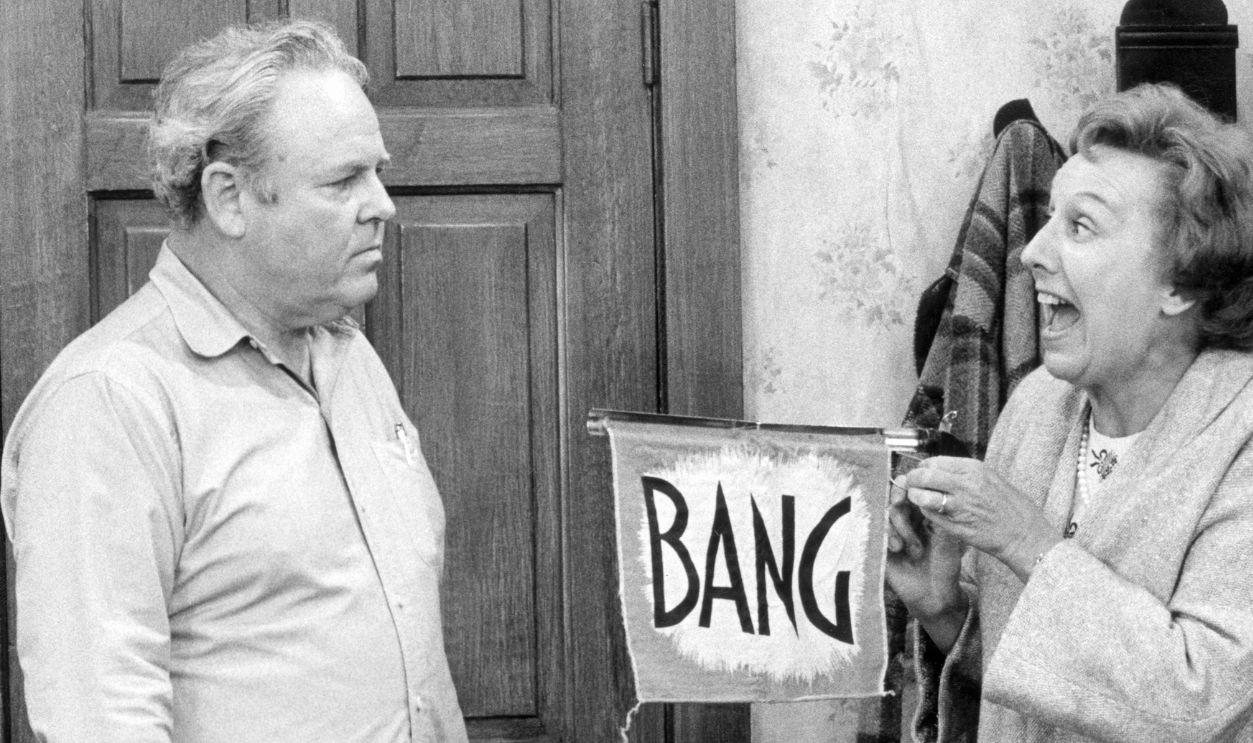
She Protected The Character
Stapleton understood Edith’s silliness, but she never mocked her. That is why the performance holds up. The audience was invited to laugh with Edith, not simply at her. Beneath every confused look and nervous laugh was a woman trying to love people through their worst moments.
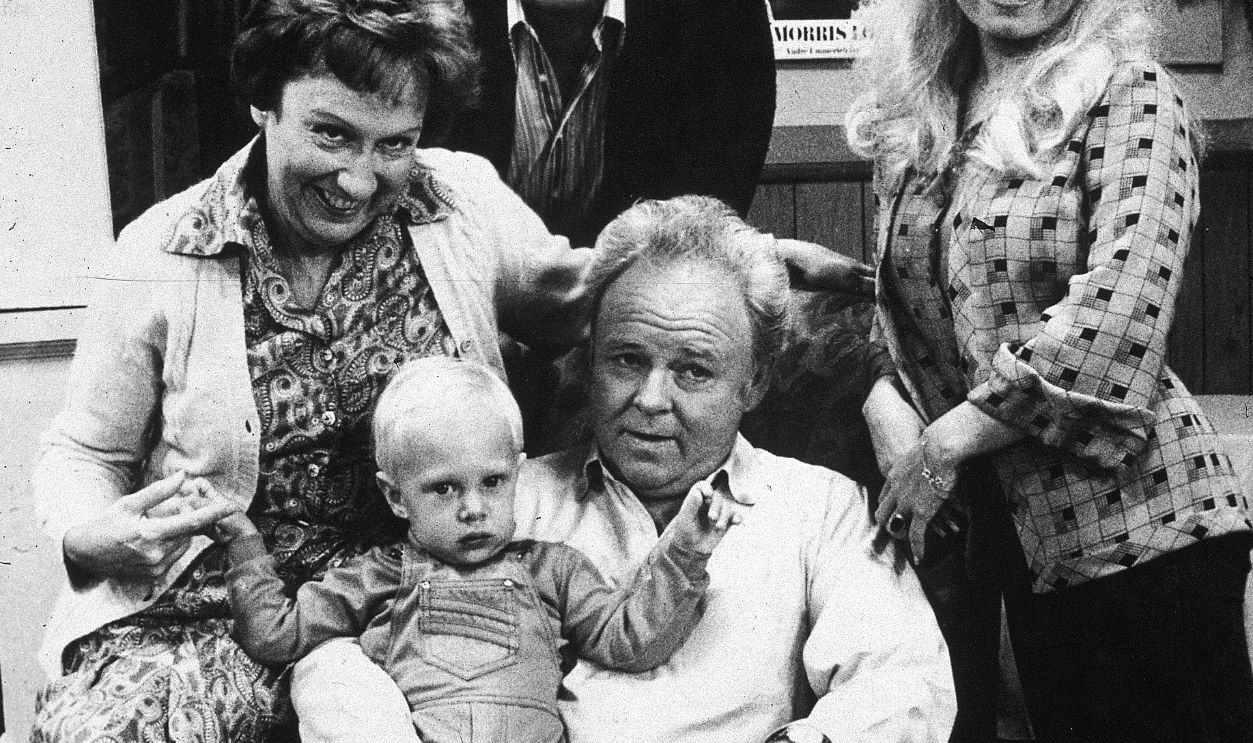 CBS Photo Archive, Getty Images
Edith Changed TV Wives
Before Edith, sitcom wives were often either perfect homemakers or nagging punchlines. Edith was different. She was messy, funny, frightened, brave, and deeply human. Stapleton helped prove that a TV wife could be comic relief and the moral center of the story at the same time.
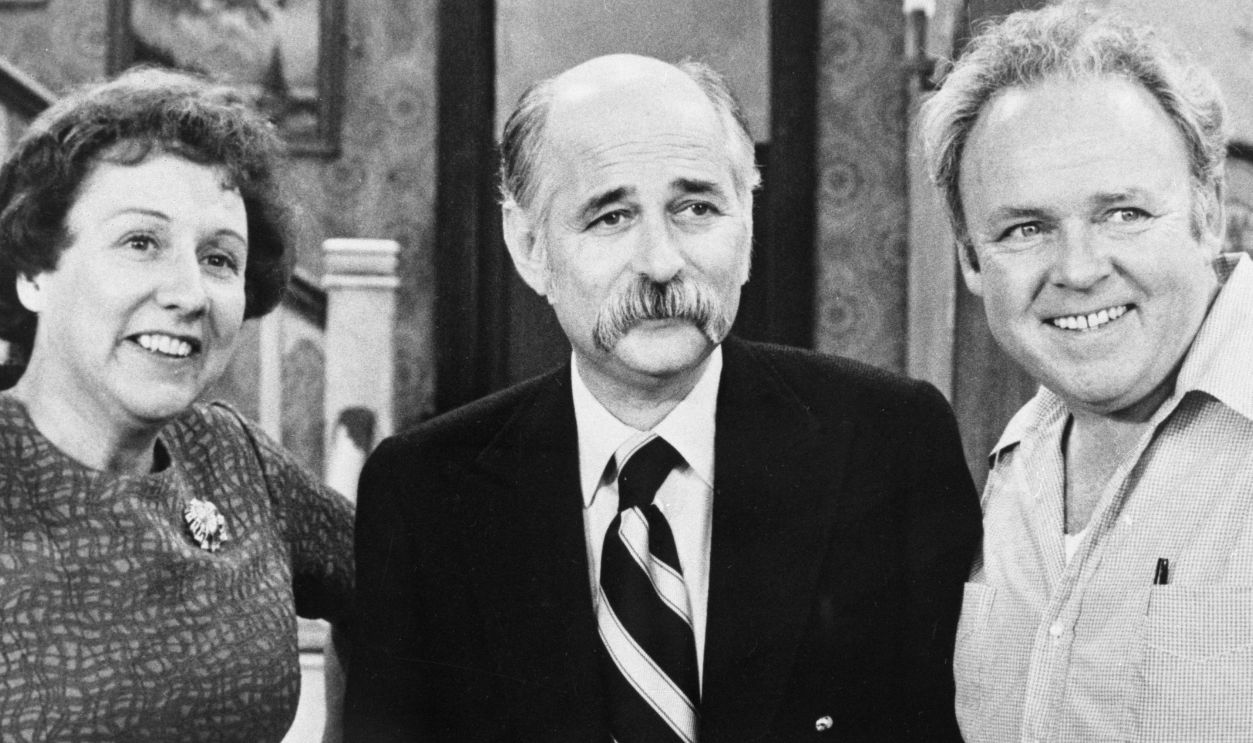
Her Surprise Became Her Legacy
Jean Stapleton may not have expected Edith Bunker to become famous, but that is part of the charm. Edith did not look like a legend waiting to happen. She looked like an ordinary woman in a housecoat. Then Stapleton filled her with so much life that America never forgot her.
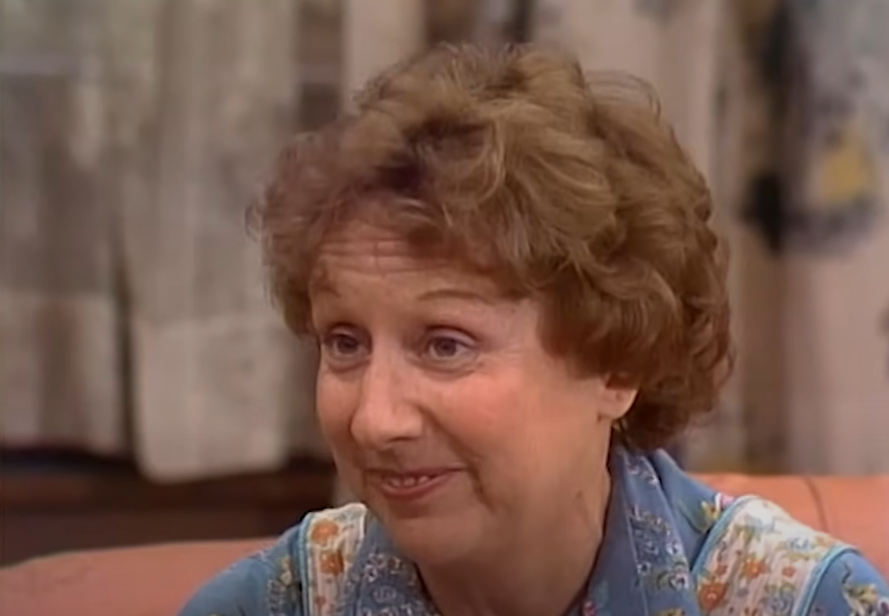 Screenshot from All in the Family, CBS (1971–1979)
The Unlikely Icon
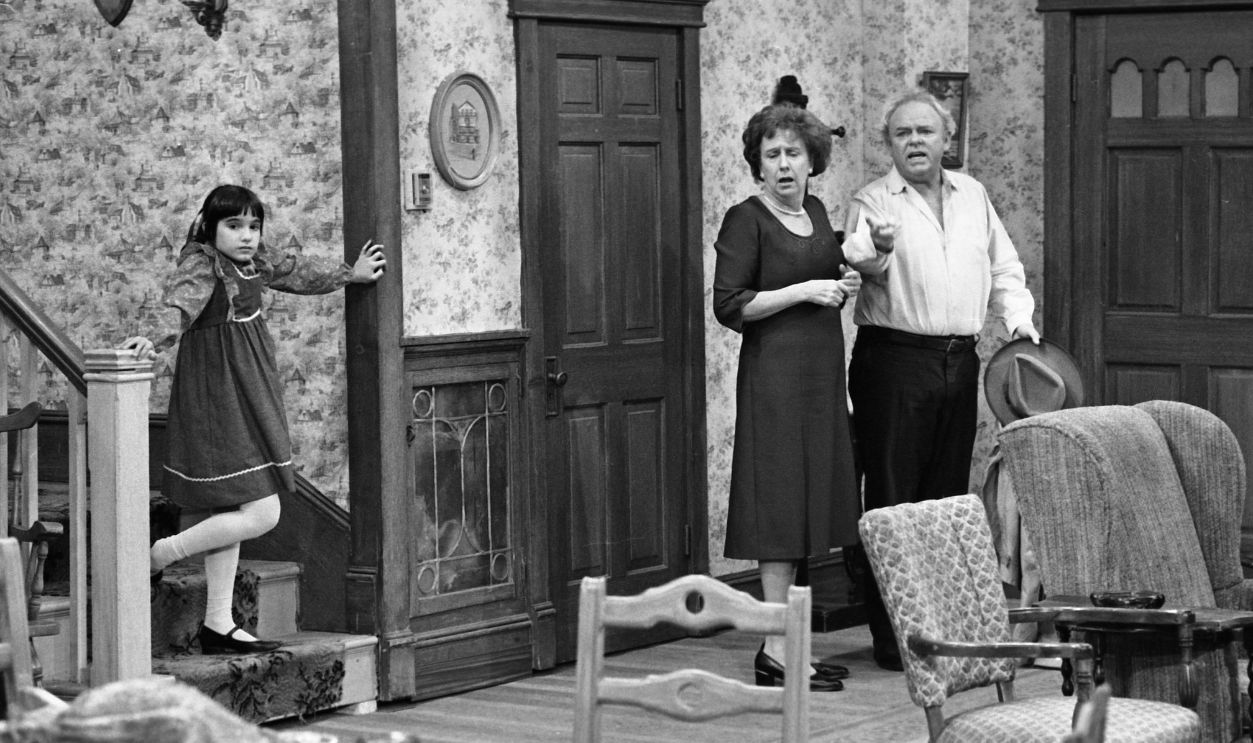
Jean Stapleton’s career was already rich before All In The Family, but Edith Bunker turned her into television history. The surprise was not that Stapleton was talented. The surprise was that such a humble, unusual character became so huge. Edith became famous because Stapleton made ordinary goodness feel extraordinary.
 Donaldson Collection, Getty Images
You May Also Like:
Amanda Blake's Greatest Legacy Had Nothing To Do With Gunsmoke