A Career Like William Shatner's Should Not Have Lasted
Typecasting, public ridicule, career setbacks, and changing Hollywood trends have ended plenty of promising careers. William Shatner faced all of them, yet somehow kept finding new ways to stay relevant. It all began with one unforgettable role that changed his life forever.
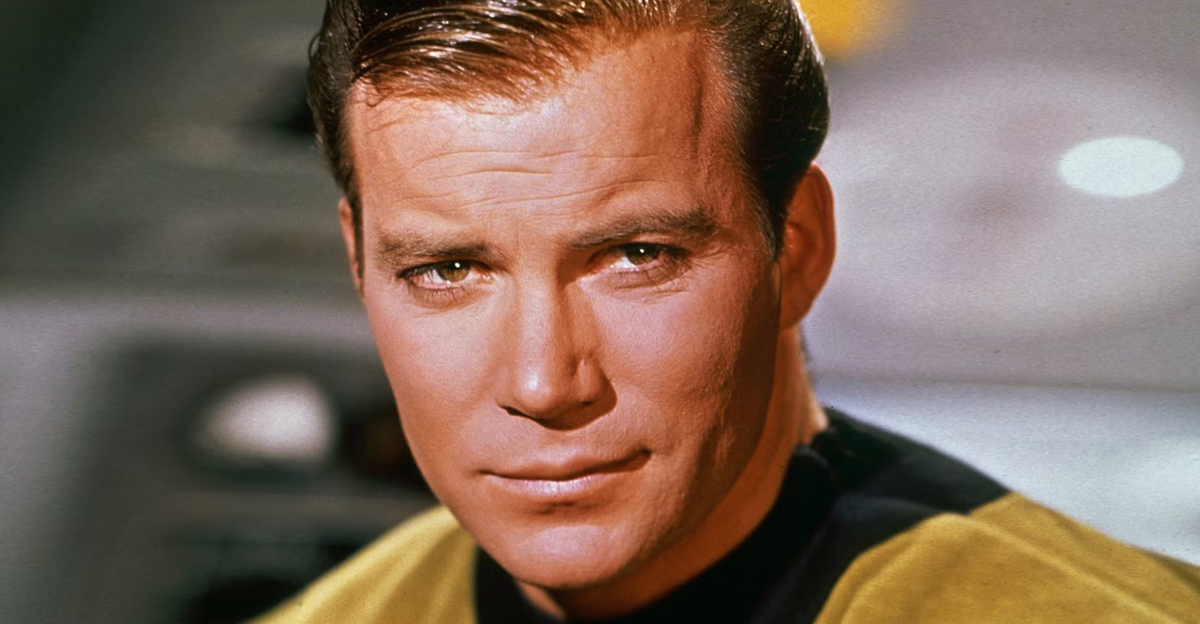 Screenshot from Star Trek, Paramount Television (1966)
The Role That Changed Everything
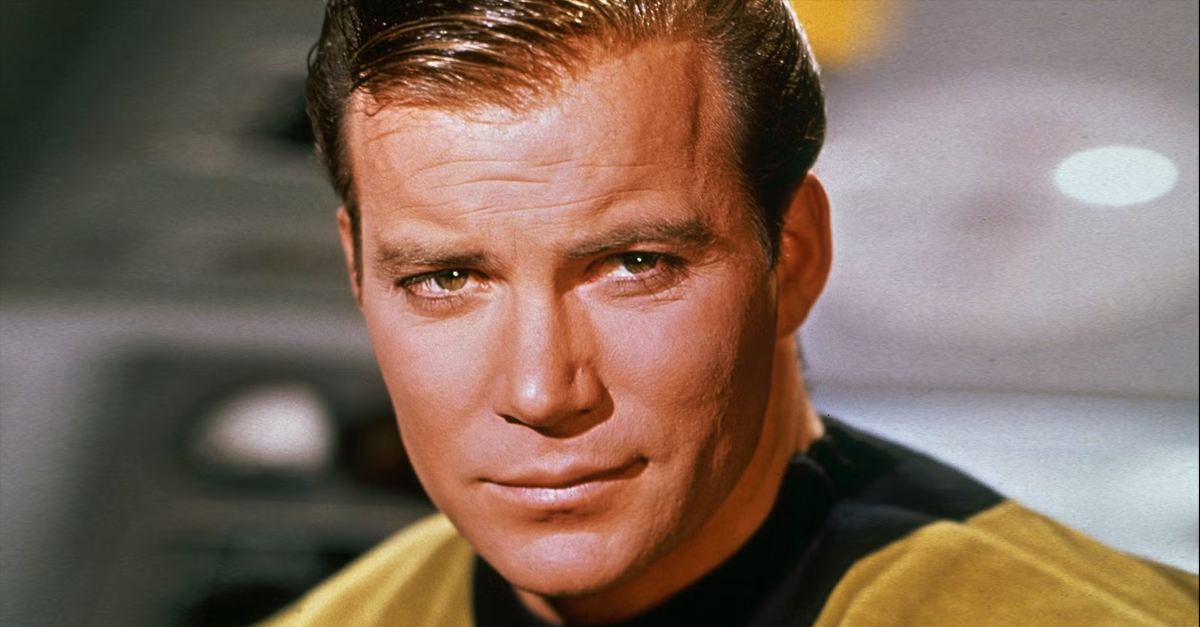
William Shatner became globally identified with Captain James T. Kirk after Star Trek premiered in 1966. The series lasted only three seasons, but syndication turned it into a pop culture force after cancellation. That strange timing made Shatner famous, but it did not immediately make his career easy.
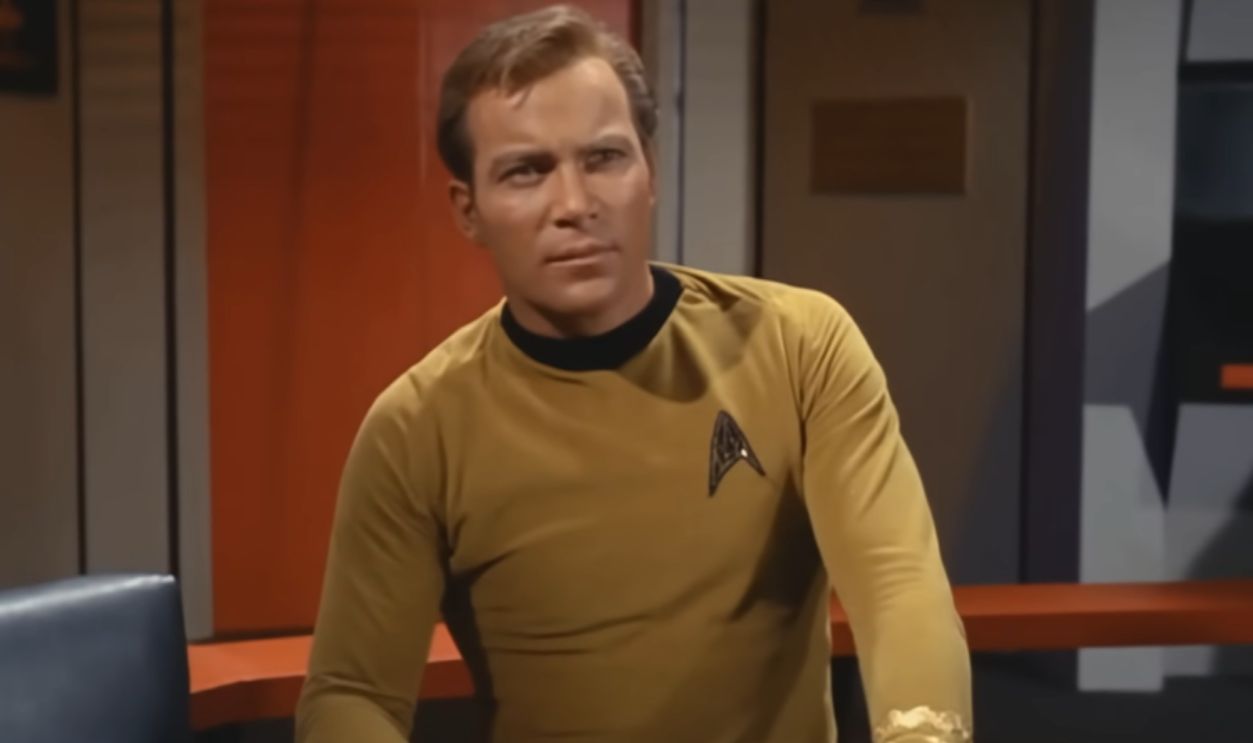 Screenshot from Star Trek: The Original Series, Paramount Global (1966-1969)
Fame Came With A Trap
Kirk was the kind of role actors dream about, but it also boxed Shatner in. Audiences loved him as the confident captain of the Enterprise, and Hollywood often struggled to see past that image. Many actors never escape a defining role, but Shatner eventually made the trap part of the act.
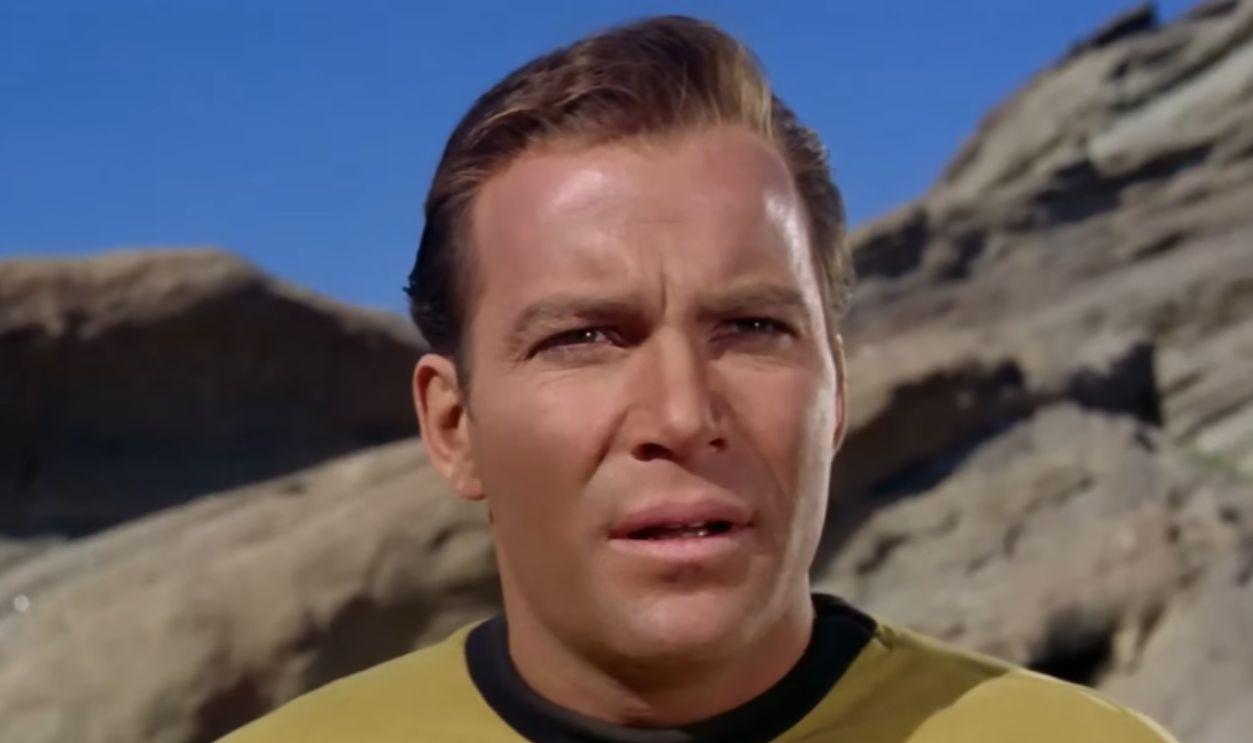 Screenshot from Star Trek: The Original Series, Paramount Global (1966-1969)
Star Trek Did Not Make Him Rich Forever
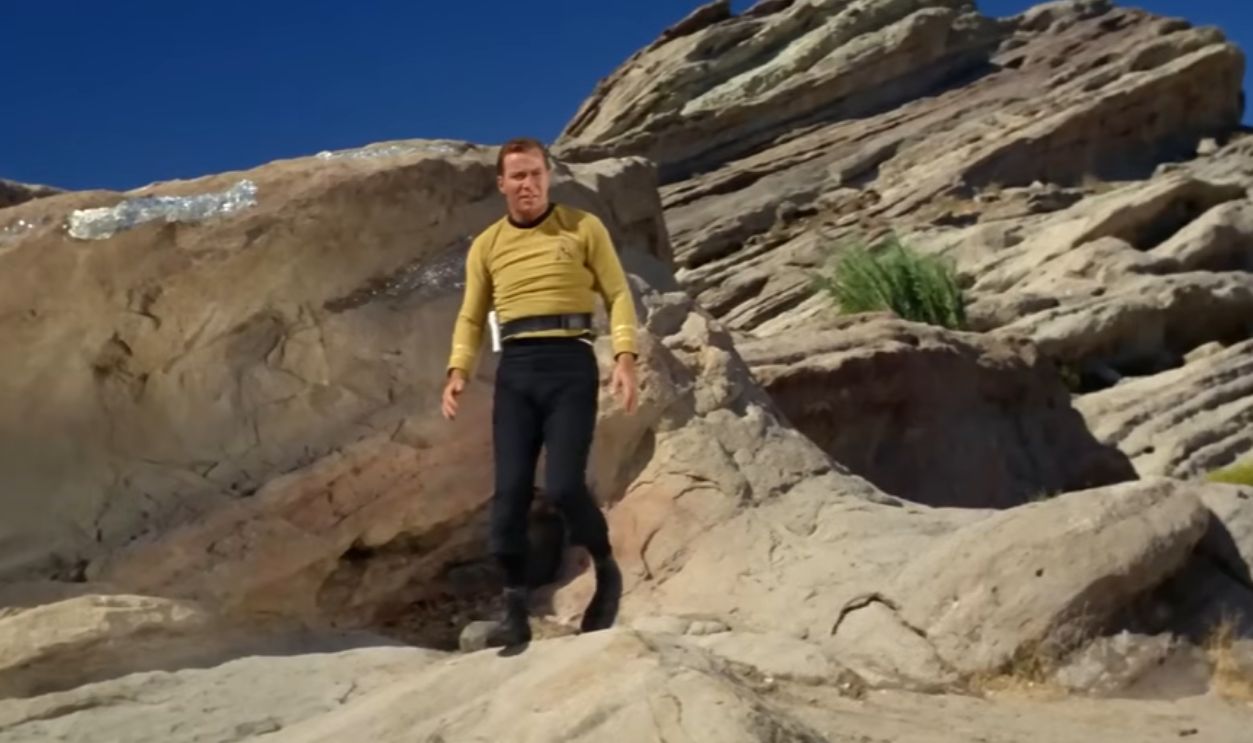
Shatner later said he did not make money from Star Trek reruns in the 1970s. He explained that residual structures changed after the original series ended, so he did not benefit from the show’s explosive second life in syndication. That detail matters because his fame looked bigger from the outside than it felt financially at the time.
 Screenshot from Star Trek: The Original Series, Paramount Global (1966-1969)
He Kept Working Anyway
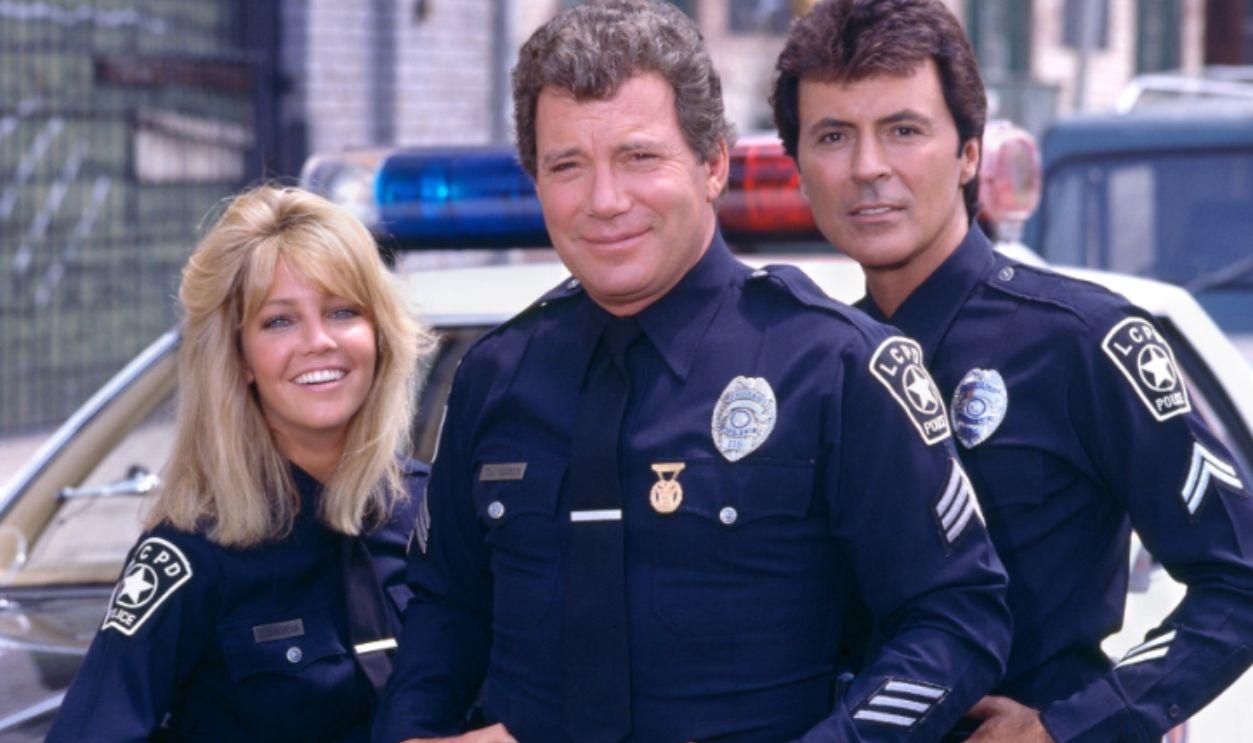
After Star Trek, Shatner stayed active rather than waiting for another perfect leading role. He appeared in television guest spots, stage work, films, and later police drama with T.J. Hooker. The survival strategy was simple, but not easy: keep taking the job and keep showing up.
 CBS Photo Archive, Getty Images
T.J. Hooker Gave Him A Second TV Identity
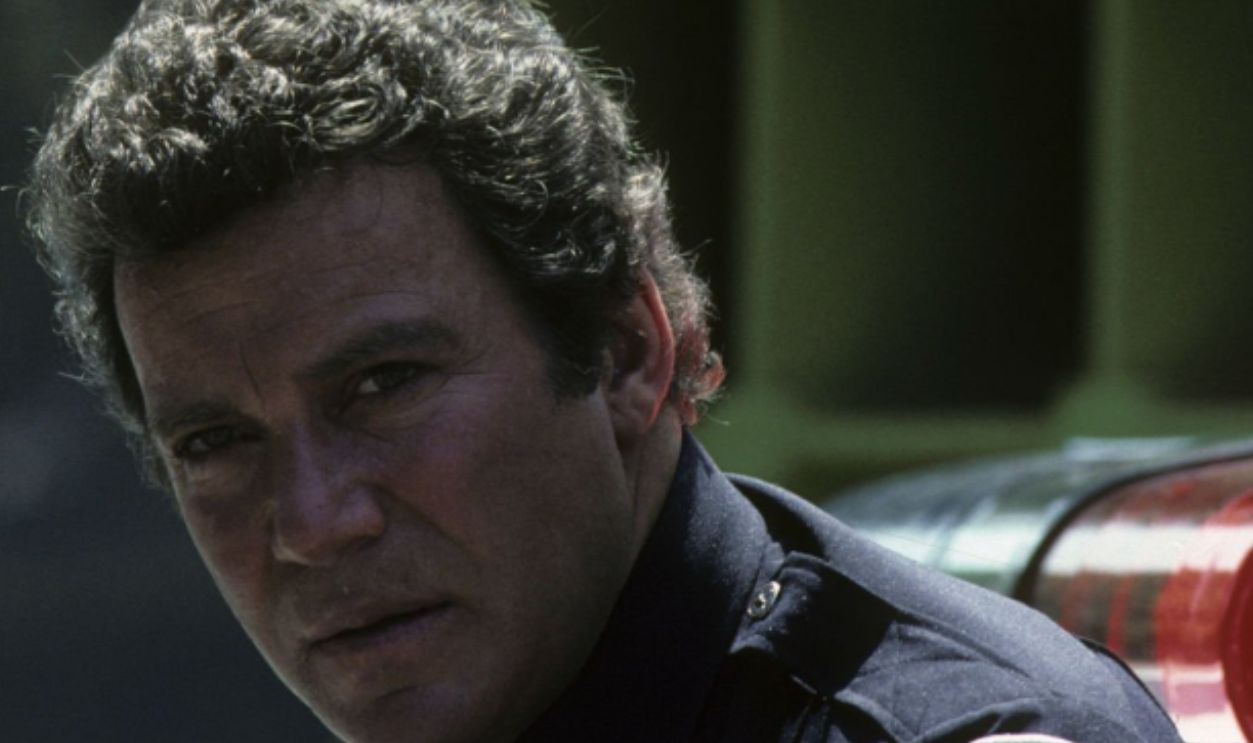
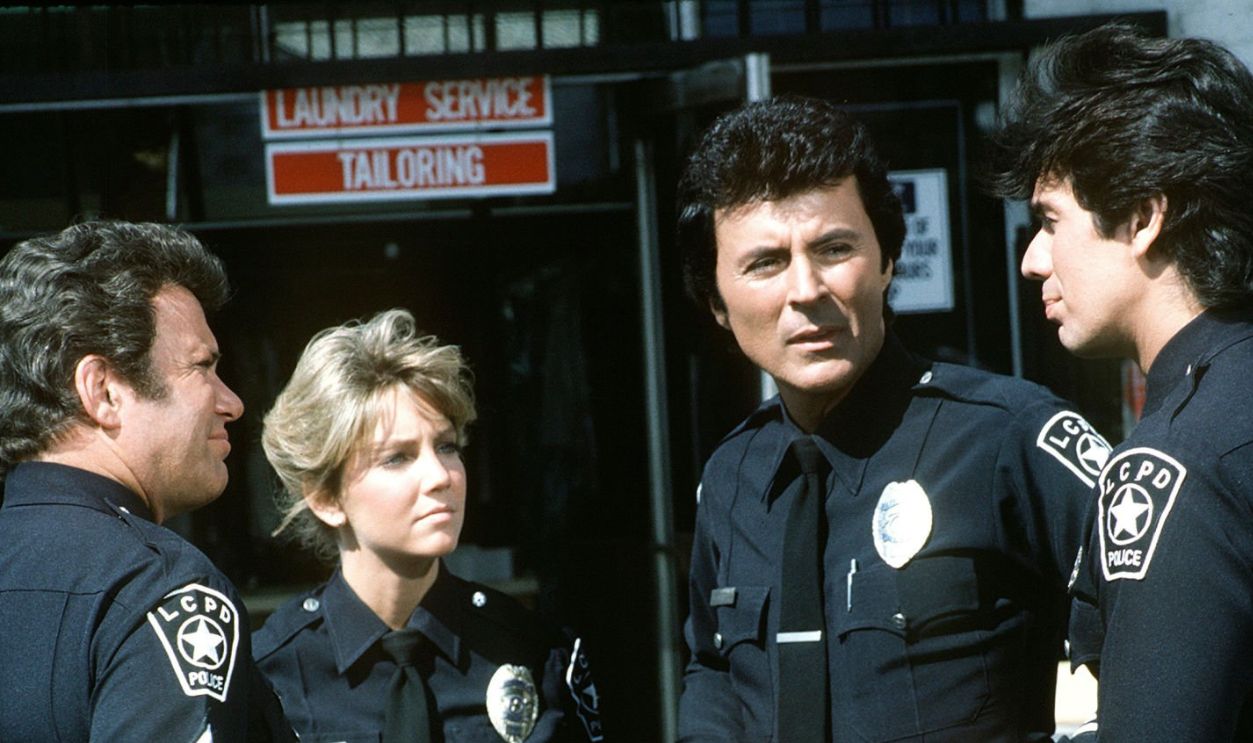
T.J. Hooker helped Shatner move beyond the captain’s chair in the 1980s. Playing a police sergeant gave him a new network television presence and introduced him to viewers who were not only Star Trek fans. It did not erase Kirk, but it widened the lane.
 ABC Photo Archives, Getty Images
He Turned Familiarity Into A Business
Shatner understood that his recognizable voice, timing, and persona had value. Commercials, appearances, narration, and hosting work kept him visible during decades when many former franchise stars faded. His career survived because he treated celebrity itself as a flexible skill.
 ABC Photo Archives, Getty Images
Rescue 911 Made Him A Household Host
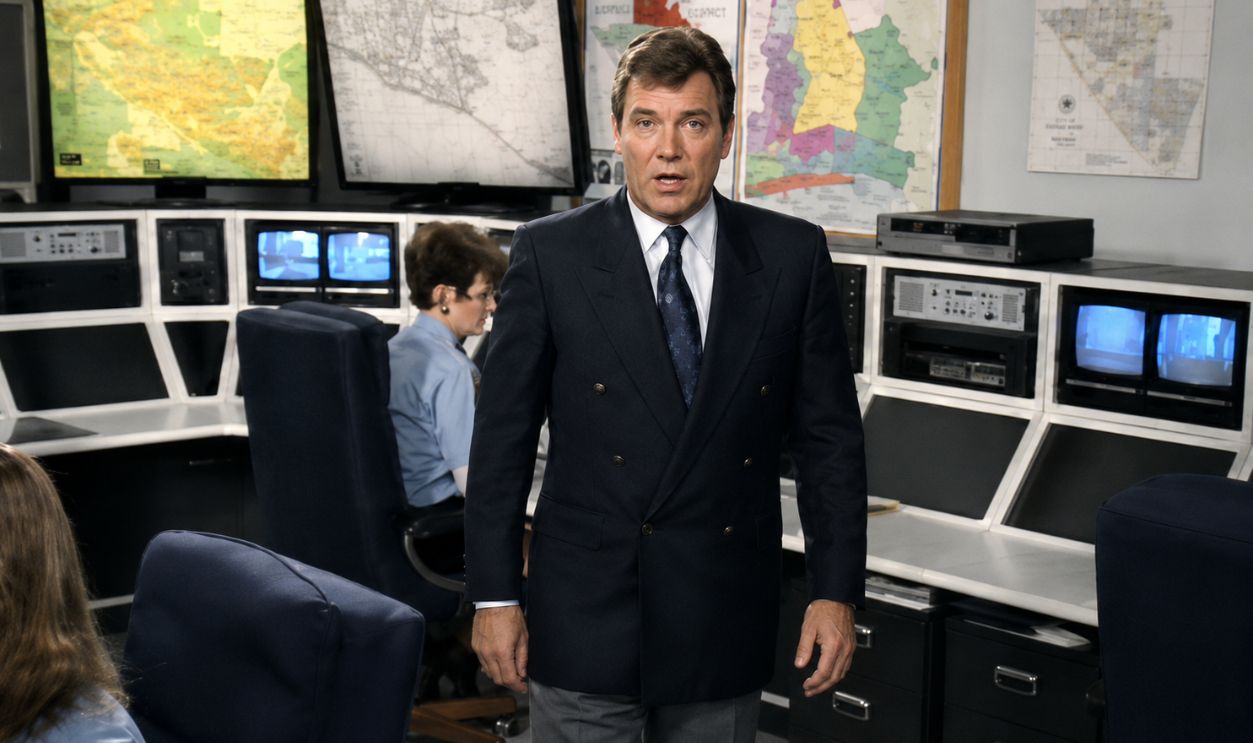
From 1989 to 1996, Shatner hosted Rescue 911, a dramatic reenactment series built around real emergency stories. The show placed him in a trusted narrator role instead of a sci-fi hero role. That shift helped audiences accept him as more than a character from the past.
 Screenshot from Rescue 911, CBS Media Ventures (1989-1996)
He Was Not Afraid Of Being Funny
Shatner’s greatest career pivot may have been his willingness to laugh with the public. His exaggerated delivery, dramatic pauses, and oversized confidence had already become famous, so he leaned into them. Self-awareness turned mockery into affection.
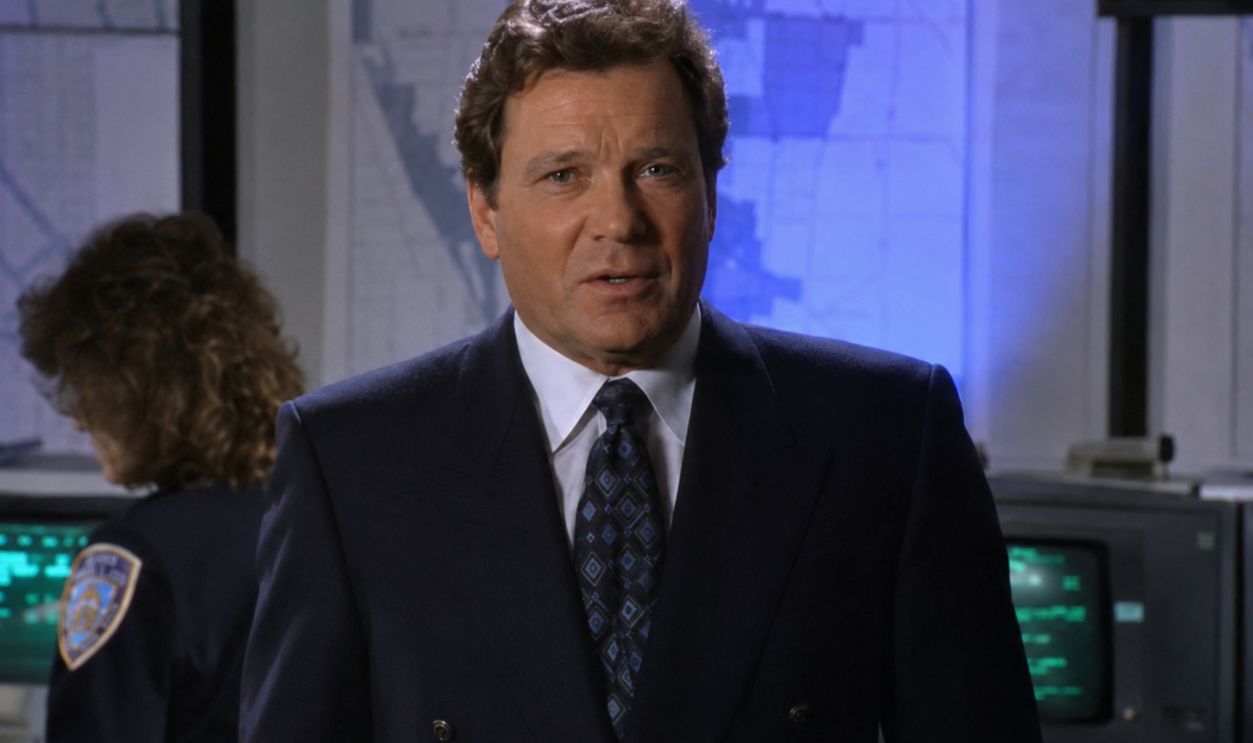 Screenshot from Rescue 911, CBS Media Ventures (1989-1996)
The Get A Life Moment Became Part Of The Myth
Shatner’s 1986 Saturday Night Live convention sketch became one of the most famous jokes about Star Trek fandom. The sketch was blunt, but it also showed that Shatner understood the strange relationship between actors, fans, and lifelong fame. Instead of pretending the joke did not exist, he absorbed it into his public image.
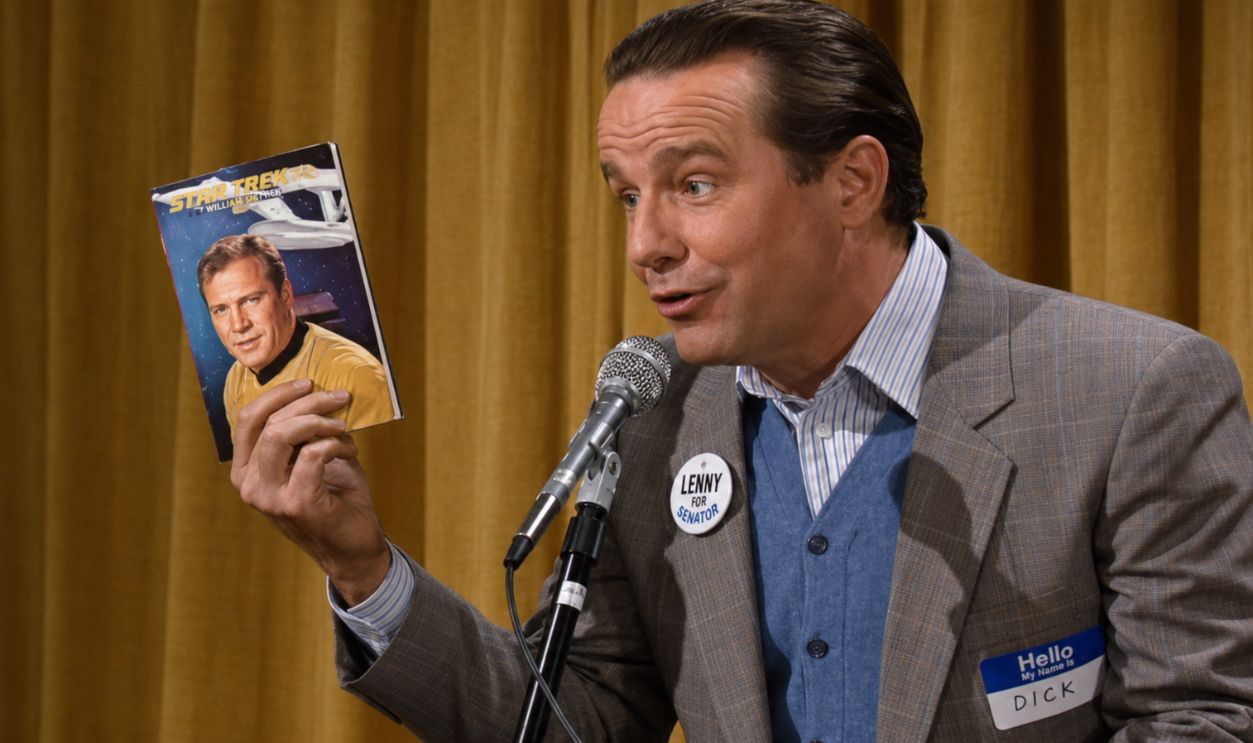 Screenshot from Saturday Night Live, NBC (1975-Present)
The Music Career Should Have Been A Punchline
Shatner released his debut album The Transformed Man in 1968, mixing spoken-word performance with pop songs and literary material. The album became famous for its unusual style, and later listeners often treated it as camp. Instead of retreating from that reputation, Shatner kept experimenting.
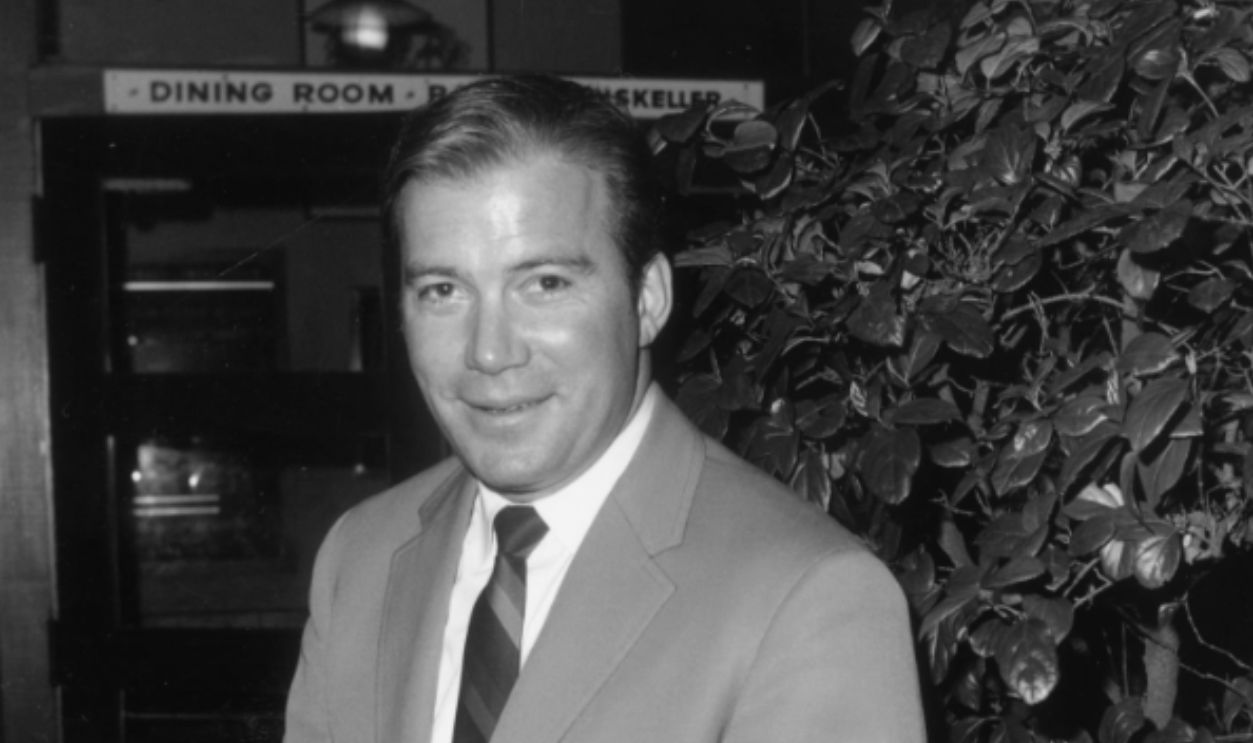
Has Been Changed The Conversation
In 2004, Shatner released Has Been with producer Ben Folds. The album received serious attention because it balanced comedy, melancholy, and Shatner’s unmistakable spoken delivery. It proved that a joke can become art when the performer understands the joke better than anyone else.

Star Trek V Could Have Hurt Worse
Shatner directed Star Trek V: The Final Frontier, which became one of the most criticized entries in the franchise. The film received Razzie recognition for Worst Picture, Worst Actor, and Worst Director. A failure that public could have damaged many stars permanently, but Shatner kept moving.
 Screenshot from Star Trek V: The Final Frontier, Paramount Pictures (1989)
He Survived By Refusing One Lane
Shatner was never only an actor after Star Trek. He became an author, recording artist, director, producer, host, spokesperson, and convention draw. That variety protected him when one part of the career cooled down.
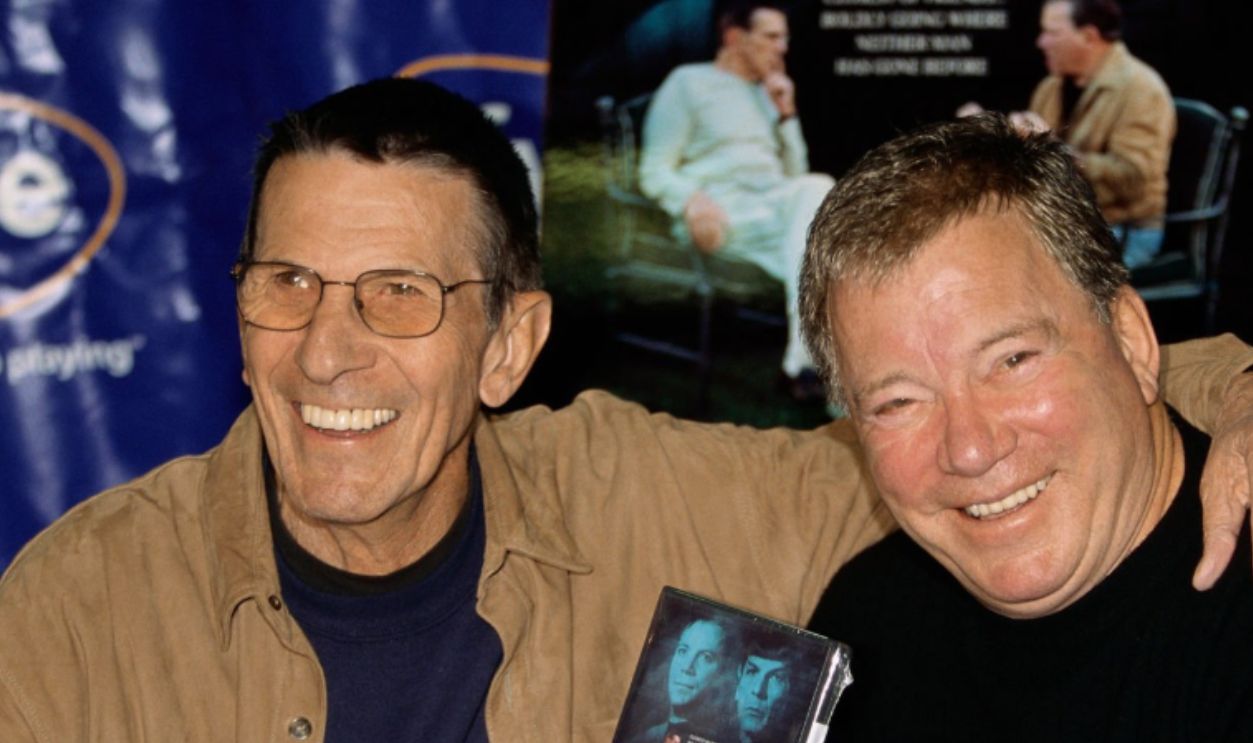 Kurt Krieger - Corbis, Getty Images
Priceline Made Him Cool Again
Shatner’s long run as Priceline’s Negotiator became one of the most recognizable celebrity advertising campaigns of its era. The role worked because it used his theatrical confidence instead of hiding it. In 2026, he formally passed the role to Randall Park after nearly 20 years.
 Albert L. Ortega, Getty Images
He Understood His Own Brand
Many actors resist being associated with one style, but Shatner turned his style into a brand. His voice, swagger, humor, and willingness to go big became assets across television, music, advertising, and live appearances. He survived because he stopped fighting the public’s idea of him and started steering it.
 Andy Butterton - PA Images, Getty Images
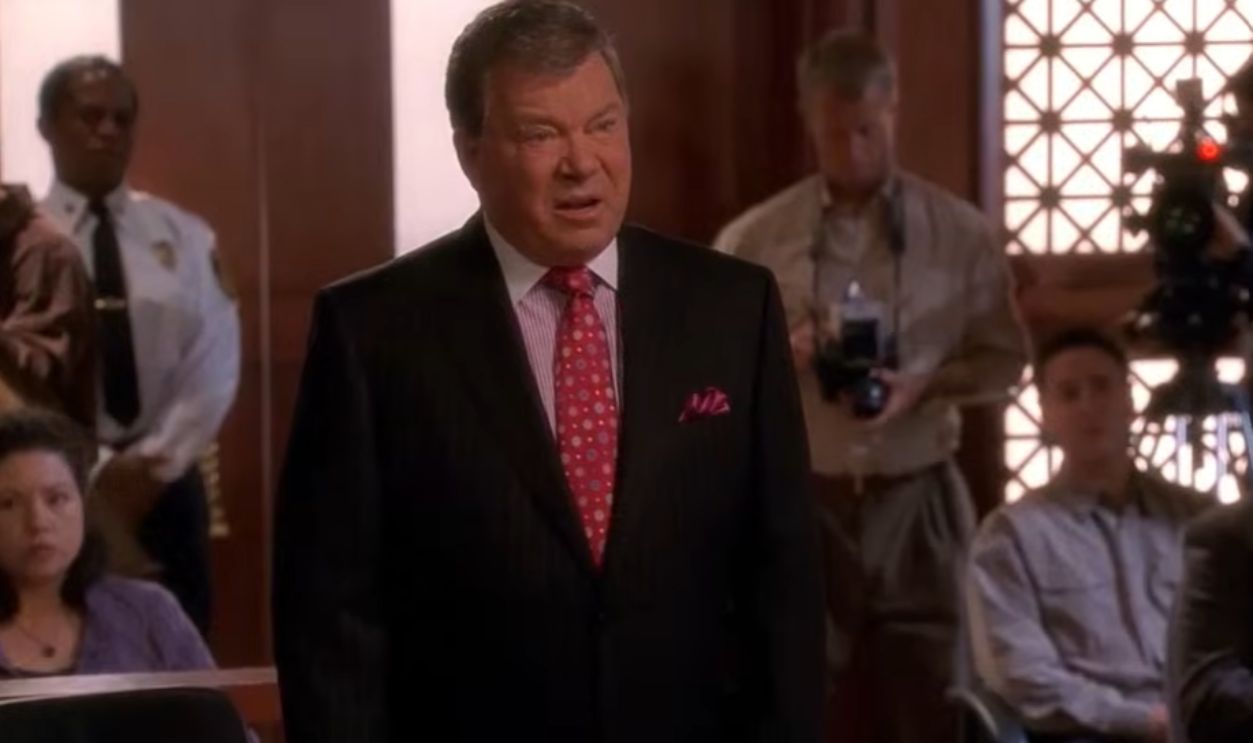
Denny Crane Was The Perfect Reinvention
The Practice and Boston Legal gave Shatner one of the great late-career roles. As Denny Crane, he played a brilliant, outrageous, aging lawyer with comic bravado. The role let him use everything people already associated with him, but in a fresh context.
 Screenshot from The Practice, 20th Century Fox Television (1997-2004)
Awards Finally Followed The Reinvention
Shatner's performance as Denny Crane earned him critical acclaim. He won a Primetime Emmy Award in 2004 for Outstanding Guest Actor in a Drama Series for The Practice, followed by another Emmy in 2005 for Outstanding Supporting Actor in a Drama Series for Boston Legal. He also took home a Golden Globe for Boston Legal, proving that his career revival was driven by acclaimed performances rather than nostalgia alone.
 Screenshot from Boston Legal, ABC (2004-2008)
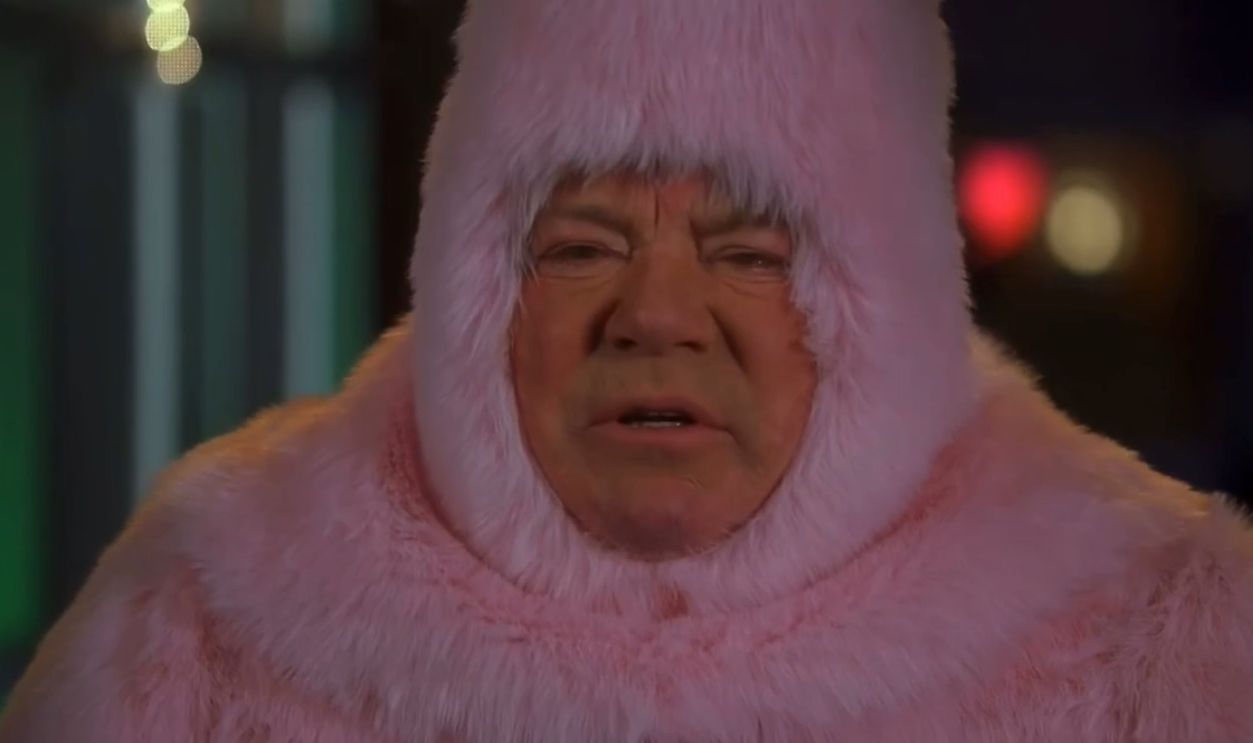
Boston Legal Reframed His Persona
Boston Legal made Shatner’s theatrical confidence feel intentional, layered, and funny. Denny Crane was ridiculous, but he was also sharp, vulnerable, and memorable. The performance showed that Shatner’s biggest habits could become strengths in the right material.
 Screenshot from Boston Legal, ABC (2004-2008)
Longevity Became Its Own Story
By the 2000s, Shatner’s career was no longer just about surviving Star Trek. It was about surviving reinvention after reinvention. Audiences began to appreciate the sheer durability of someone who had been famous, mocked, celebrated, and rediscovered.

He Stayed Close To Fans
Conventions, interviews, documentaries, and public appearances kept Shatner connected to the audience that made him famous. He did not disappear from fandom, even when the relationship was complicated. That connection gave him a cultural foundation most actors never have.

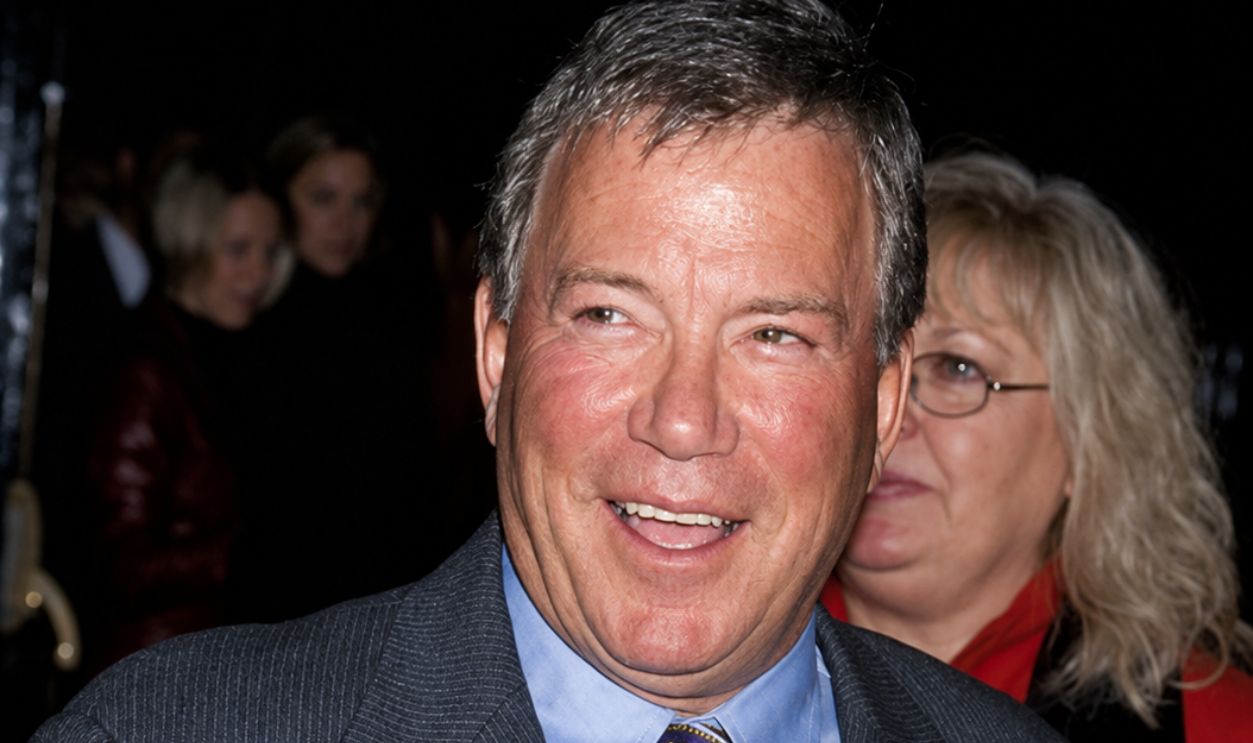
He Used Curiosity As Fuel
Shatner has often presented himself as interested in new projects, new formats, and new experiences. That curiosity helped him move from Shakespearean training to network television, from albums to commercials, and from legal drama to spaceflight. The common thread was motion.
 Ron Galella, Ltd., Getty Images
Spaceflight Turned Symbol Into Reality
In 2021, Shatner flew aboard Blue Origin’s New Shepard NS-18 mission. The flight made global headlines because the actor who played Captain Kirk actually went to space. It was a rare late-life moment that connected his fictional legacy to a real-world milestone.
 PATRICK T. FALLON, Getty Images
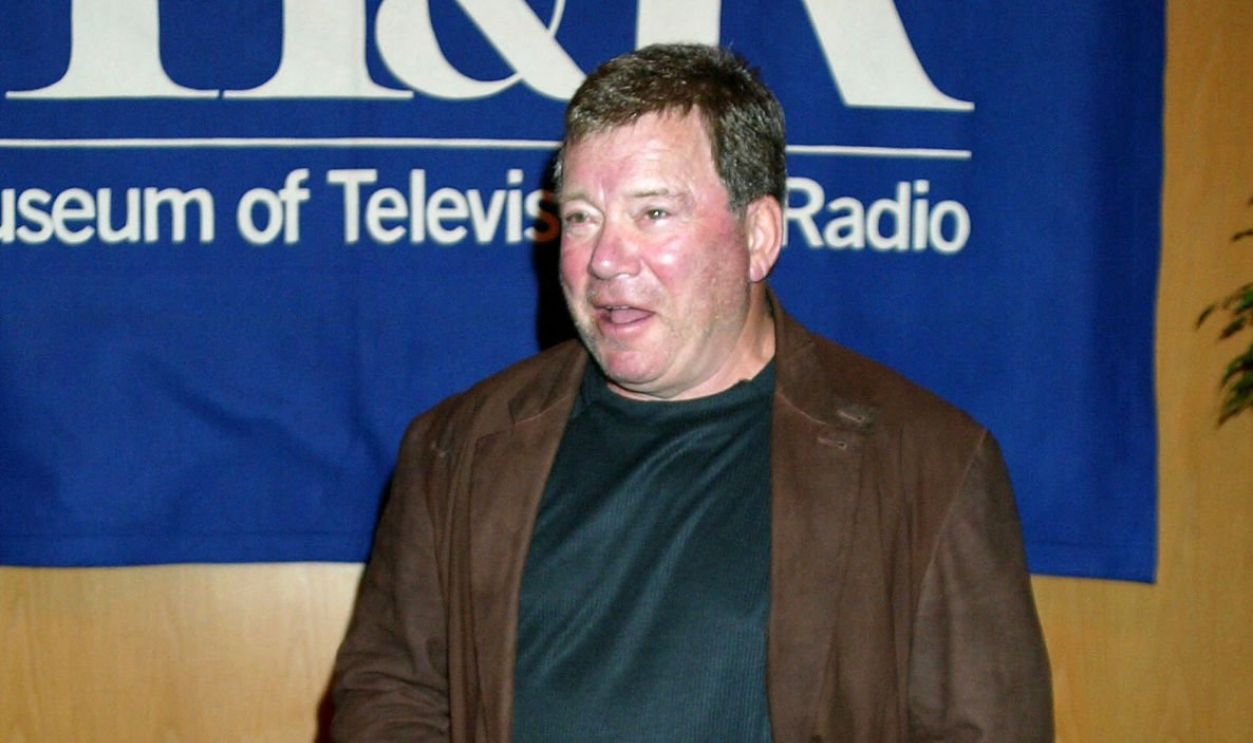
The Kirk Shadow Became A Spotlight
For decades, Captain Kirk followed Shatner everywhere. In time, that shadow became a spotlight he could step into whenever he wanted. The same role that threatened to trap him became the engine that kept new opportunities coming.
 J. Emilio Flores, Getty Images
The Secret Was Adaptability
Shatner’s career survived because he adapted faster than public opinion could freeze him in place. He took serious roles, silly roles, commercial roles, hosting roles, music projects, and fan-facing appearances. The variety made him hard to write off.
 Jean-Paul Aussenard, Getty Images
Most Actors Would Have Been Finished
Typecasting, financial uncertainty, public parody, a major franchise misfire, and changing industry tastes could have ended his run several times. Instead, each challenge became another chapter in a career that kept finding new shapes. William Shatner survived because he never treated reinvention as a backup plan.

You May Also Like:
The Surprising Career Of Star Trek’s James Doohan
Why did Sanford and Son star Demond Wilson walk away from Hollywood at the height of fame?