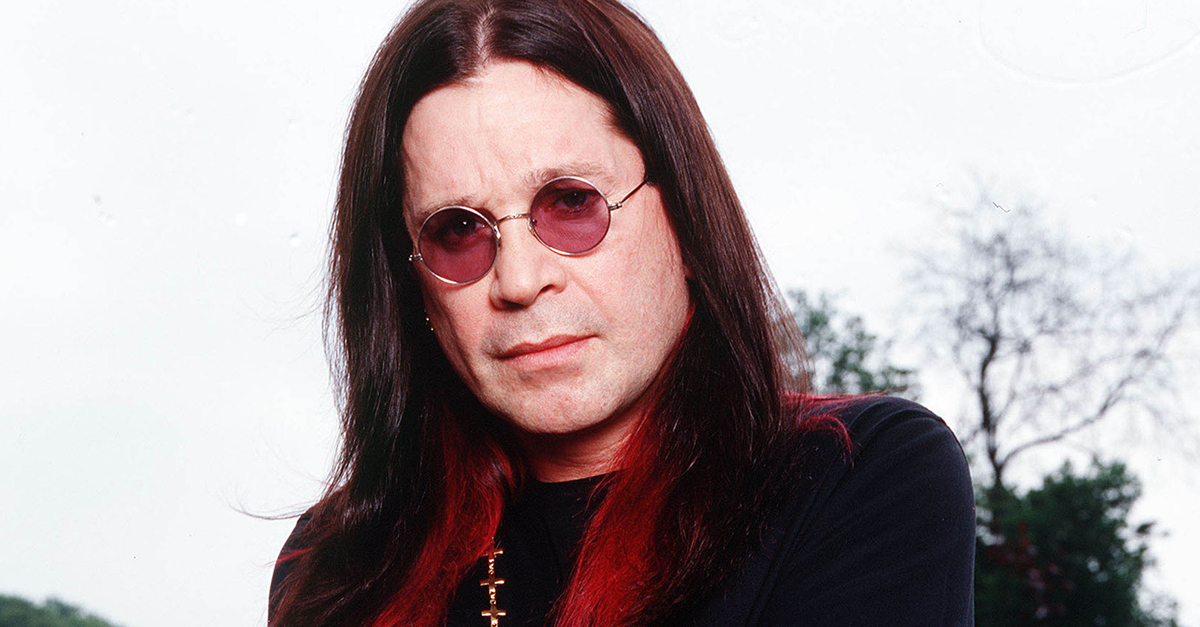
The Prince Of Darkness Was Built Different
For decades, Ozzy Osbourne seemed to possess a constitution that defied explanation. The Black Sabbath legend survived addiction, spectacular accidents, serious health problems, and the kind of rock-star excess that claimed many of his contemporaries. Eventually, scientists decided there was one obvious place left to look for answers: his DNA.
What they found was surprising—not only did he have an unusual tolerance to his wild ways, but he also had Neanderthal lineage and ancestors who died in the eruption of Mount Vesuvius.
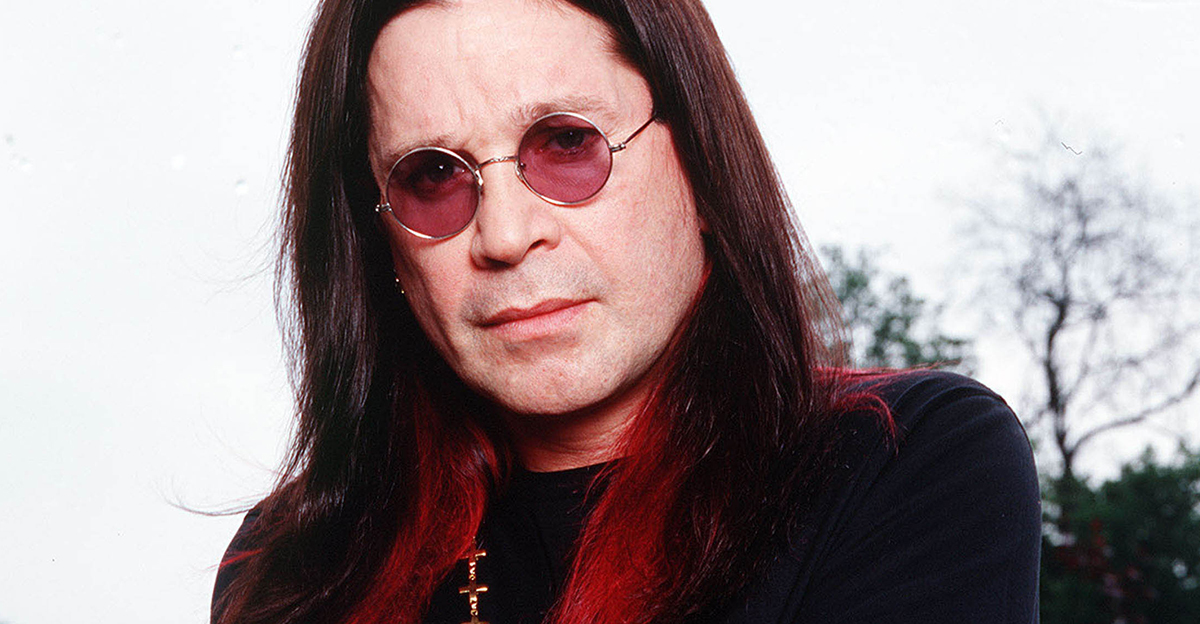
The Rock Star Science Wanted To Study
By 2010, Ozzy Osbourne had already spent four decades building one of rock music’s most outrageous biographies. Scientists from the genomics companies Cofactor Genomics and Knome decided that sequencing his entire genome could provide an unusually interesting case study. Ozzy agreed, partly because he genuinely wanted to know why he had survived so much.
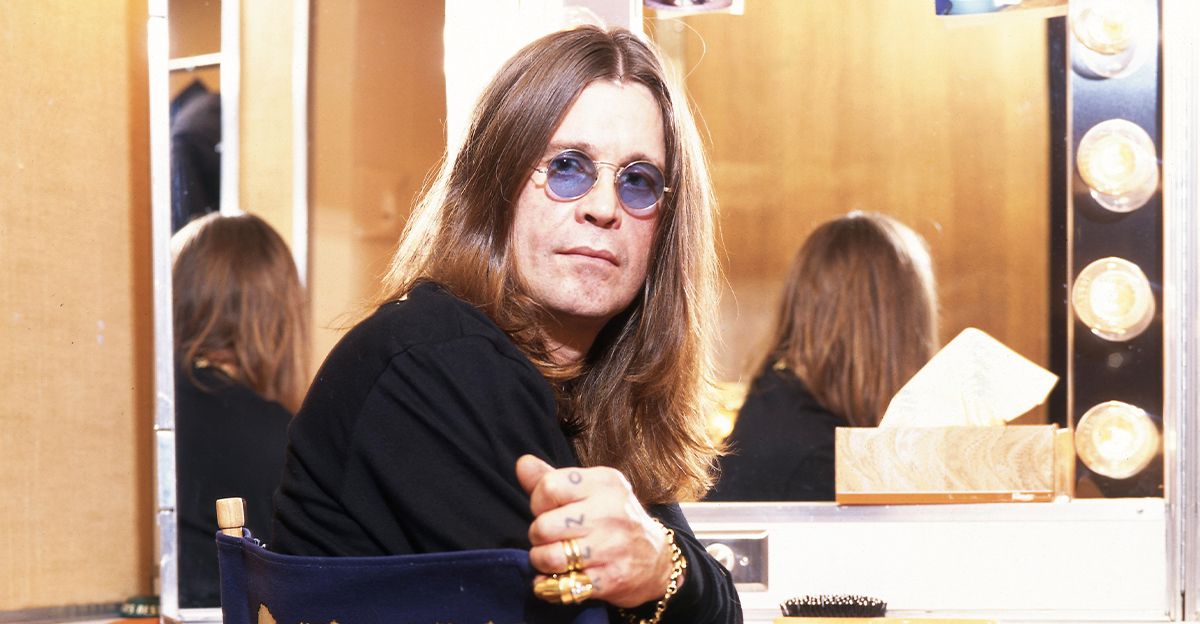
Ozzy Had The Same Question
Ozzy himself joked that there was no obvious medical explanation for his continued survival after decades of heavy drinking and substance use. He wondered whether his DNA might provide part of the answer. That question turned what could have been a publicity stunt into a surprisingly serious scientific project.
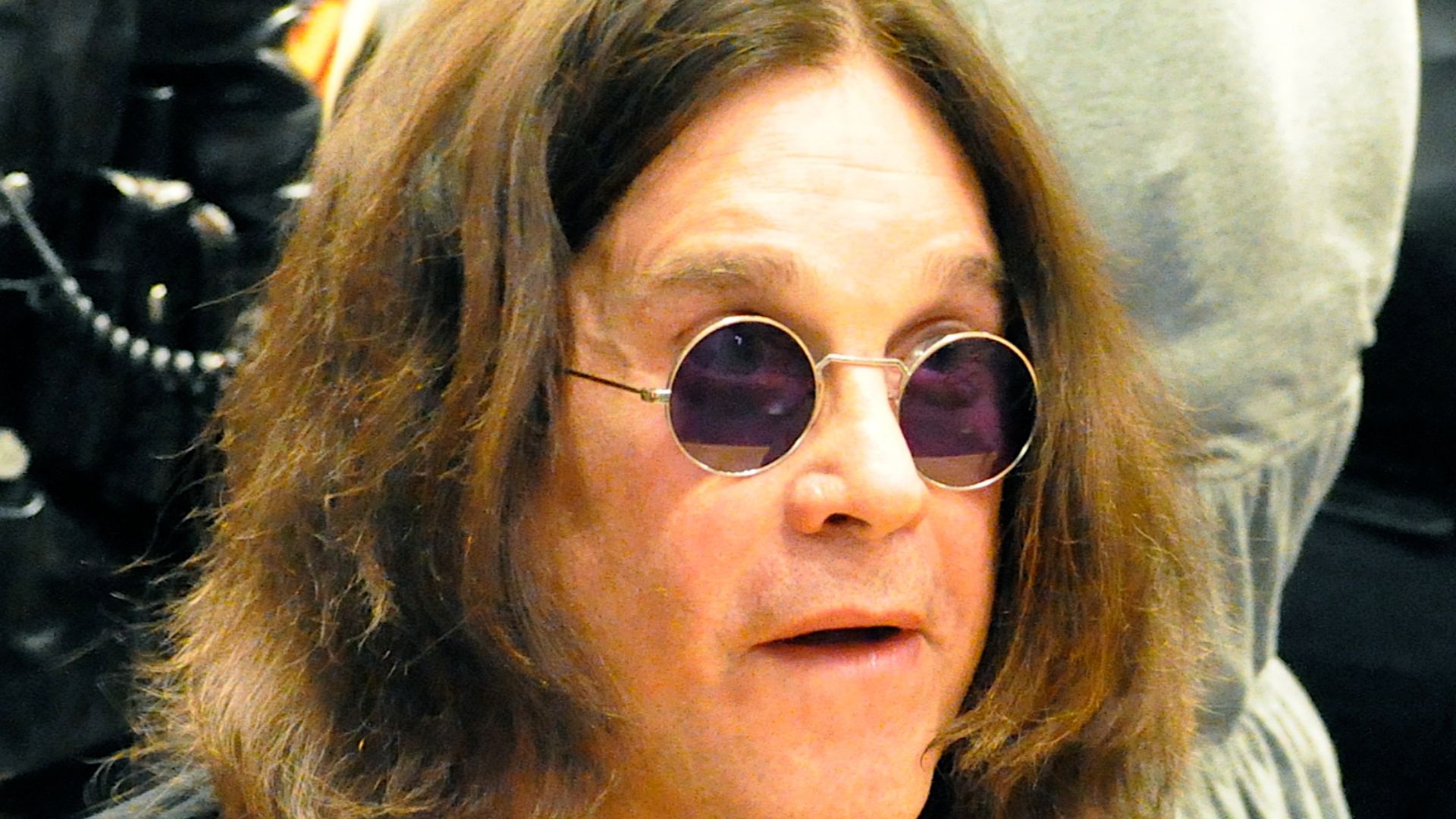 Kevin Burkett from Philadelphia, Pa., USA, Wikimedia Commons
His Reputation Was Hard-Earned
Ozzy had not merely cultivated the image of an out-of-control rock star. He openly discussed years of drinking and substance misuse, and his struggles with addiction affected both his personal life and his career. His ability to keep recording and performing despite that history helped make his longevity almost as famous as his music.
 Alberto Cabello, Wikimedia Commons
He Came From Working-Class Birmingham
Long before anyone was studying his genome, John Michael Osbourne grew up in a working-class family in Birmingham, England. He left school young and worked jobs that included a stint in a slaughterhouse before pursuing music. His path from industrial Birmingham to international stardom became an essential part of the Ozzy legend.
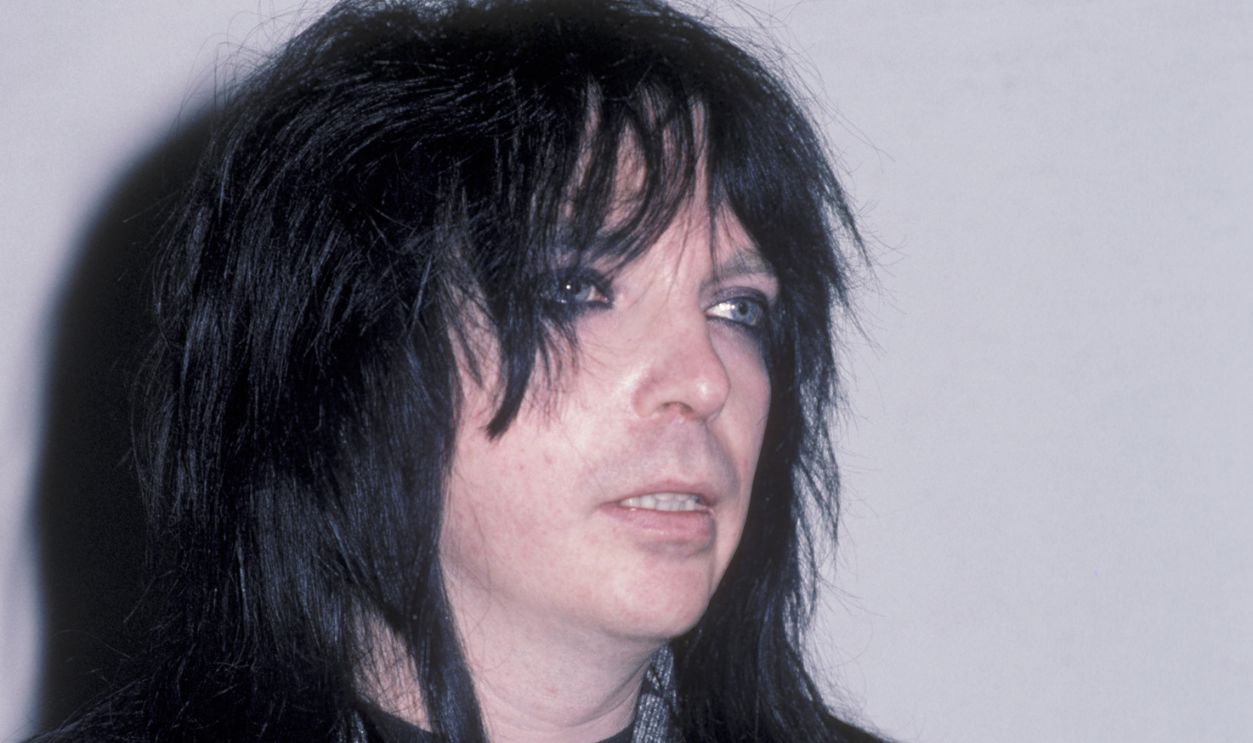 Ron Galella, Ltd., Getty Images
Black Sabbath Changed Everything
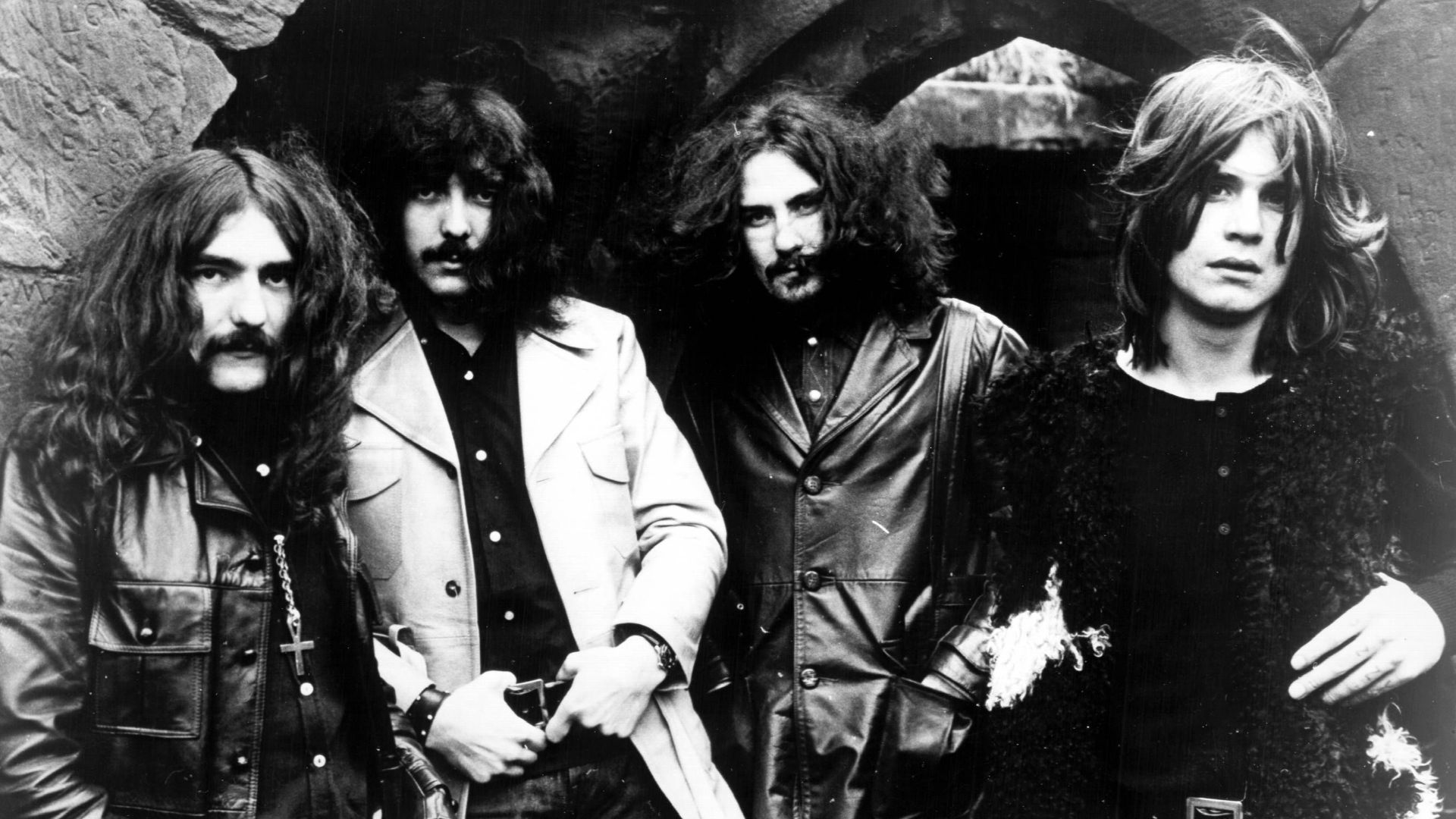
In 1968, Osbourne joined Tony Iommi, Geezer Butler, and Bill Ward in the band that became Black Sabbath. Albums including Black Sabbath and Paranoid helped establish a sound that would become foundational to heavy metal. Ozzy's strange, unmistakable voice was at the center of it.
 Warner Bros. Records, Wikimedia Commons
Then The Excess Started Taking Over
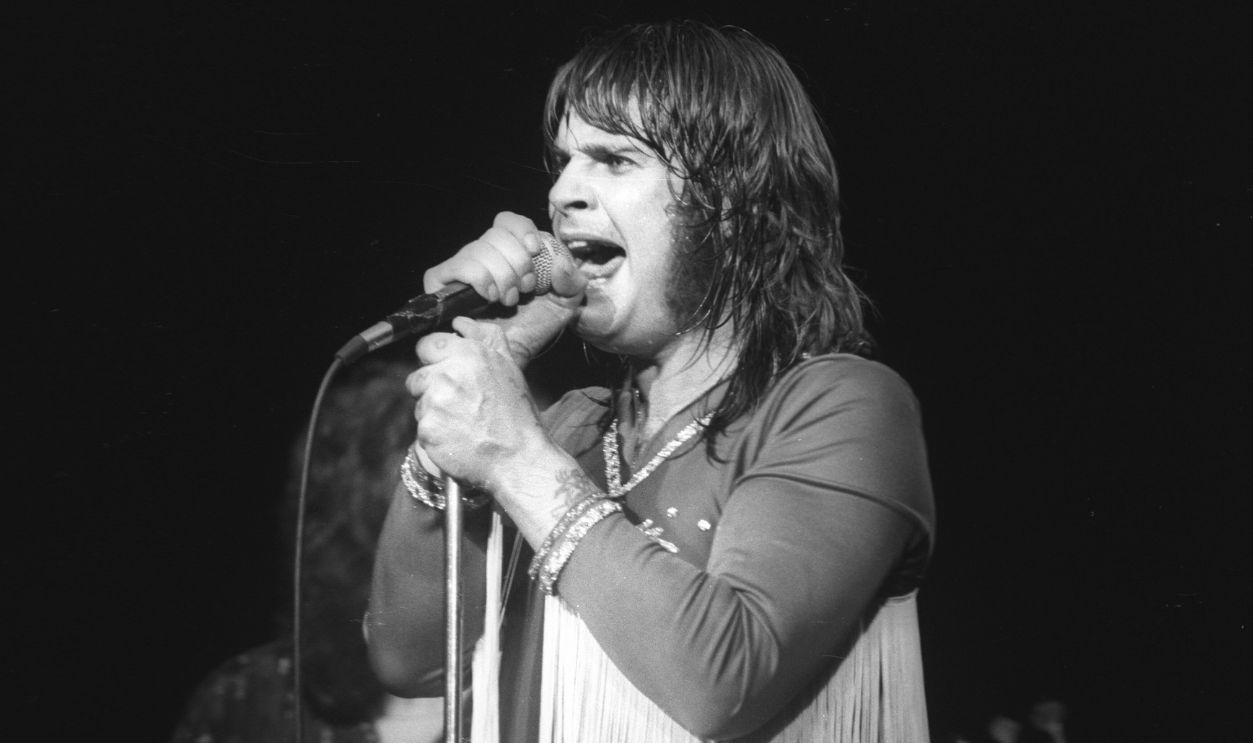
Black Sabbath became enormously successful, but Osbourne's substance use grew increasingly destructive during the 1970s. He was eventually dismissed from the band in 1979 before launching a hugely successful solo career beginning with Blizzard of Ozz. His new career proved he could survive professional upheaval, but his personal chaos was far from over.
 Watal Asanuma/Shinko Music, Getty Images
His Wildest Stories Became Rock Folklore
No Ozzy story is more infamous than the night in January 1982 when he bit the head off a bat thrown onto the stage in Des Moines. Contemporary reports said he sought medical attention afterward and received rabies treatment. It was the sort of incident that permanently blurred the line between Ozzy Osbourne the person and the almost indestructible character audiences imagined him to be.

His Body Took Some Terrifying Hits
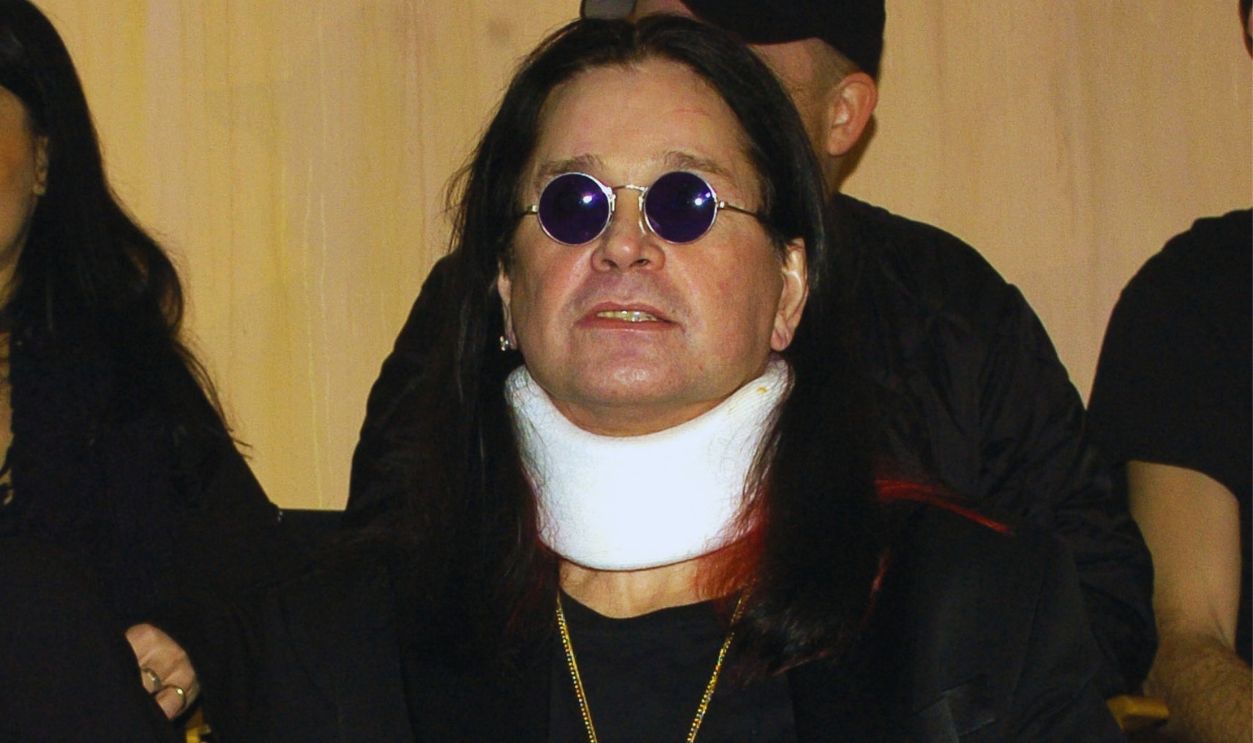
Substance use and drinking were not the only dangers Ozzy survived. In December 2003, he was badly injured while riding an all-terrain vehicle on his property in England. Doctors reported a fractured collarbone, eight fractured ribs, damage to a blood vessel, and a fractured vertebra in his neck.
So Scientists Had An Unusual Volunteer
By the time genetic researchers approached Ozzy, his medical and personal history made him an intriguing subject. Knome research director Nathaniel Pearson explained that studying people with unusual medical histories could potentially reveal useful genetic information. Ozzy's combination of addiction, physical resilience, musical ability, and neurological symptoms gave researchers plenty to investigate.

They Sequenced His Entire Genome
This was much more extensive than a consumer ancestry test. Cofactor Genomics constructed DNA libraries and sequenced Ozzy's genome, producing approximately 39 gigabases of sequence data at roughly 13-fold coverage. Knome then handled the interpretation of the enormous amount of genetic information.
 Audrey.kniffen, Wikimedia Commons
Ozzy Had To Give Up Some Blood
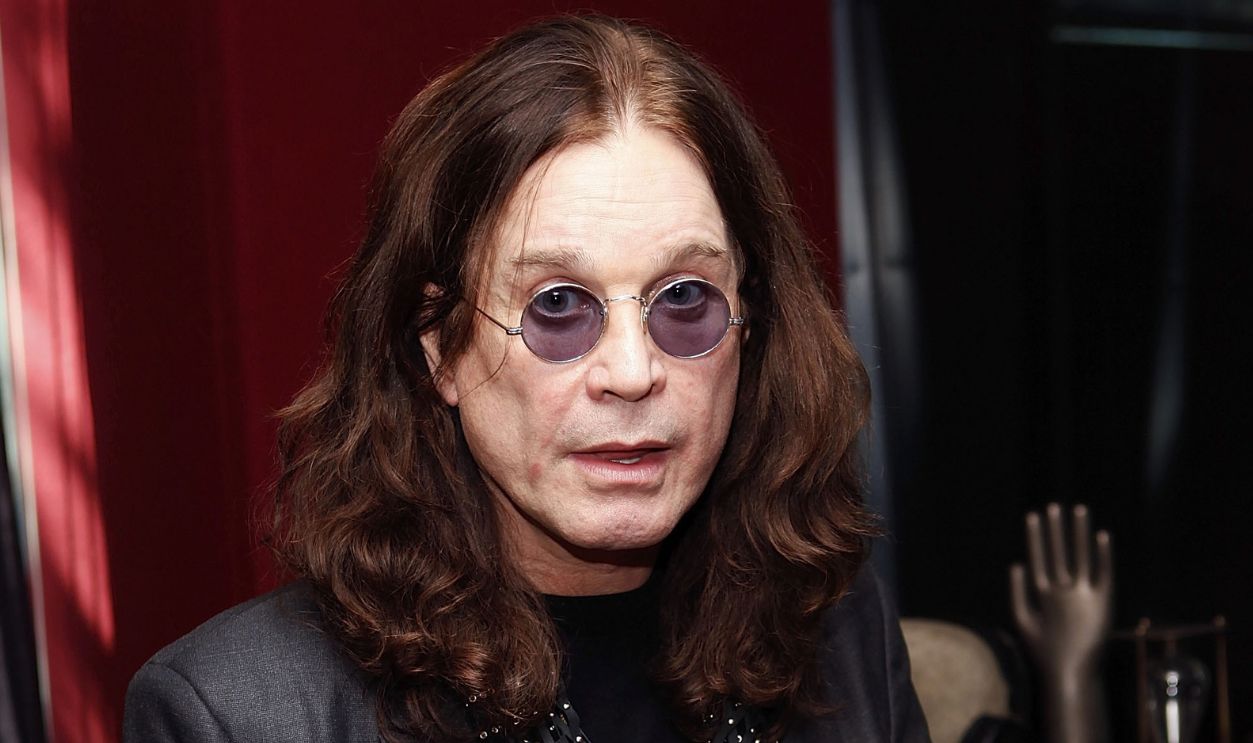
Researchers obtained Ozzy's blood in July 2010 and used it as the basis for the sequencing project. Once the raw sequence had been generated, scientists began comparing his genetic variants with the information then available in genomic databases. Pearson eventually traveled to present the findings to Ozzy personally.
There Was No Single "Ozzy Gene"
Anyone expecting researchers to discover one miraculous gene responsible for keeping Ozzy alive was disappointed. The scientists explicitly said they had not found a simple genetic explanation for his personality, musical talent, addictions, or survival. What they found instead was a collection of unusual variants that raised fascinating new questions.

Some Variants Had Never Been Seen Before
Pearson said that Ozzy carried hundreds of thousands of genetic variants that scientists had not previously catalogued. That sounded dramatic, but researchers were careful not to pretend they understood what every variant did. Human genome sequencing was still developing rapidly, and the available comparison databases were far smaller than they are today.

One Alcohol-Related Gene Stood Out
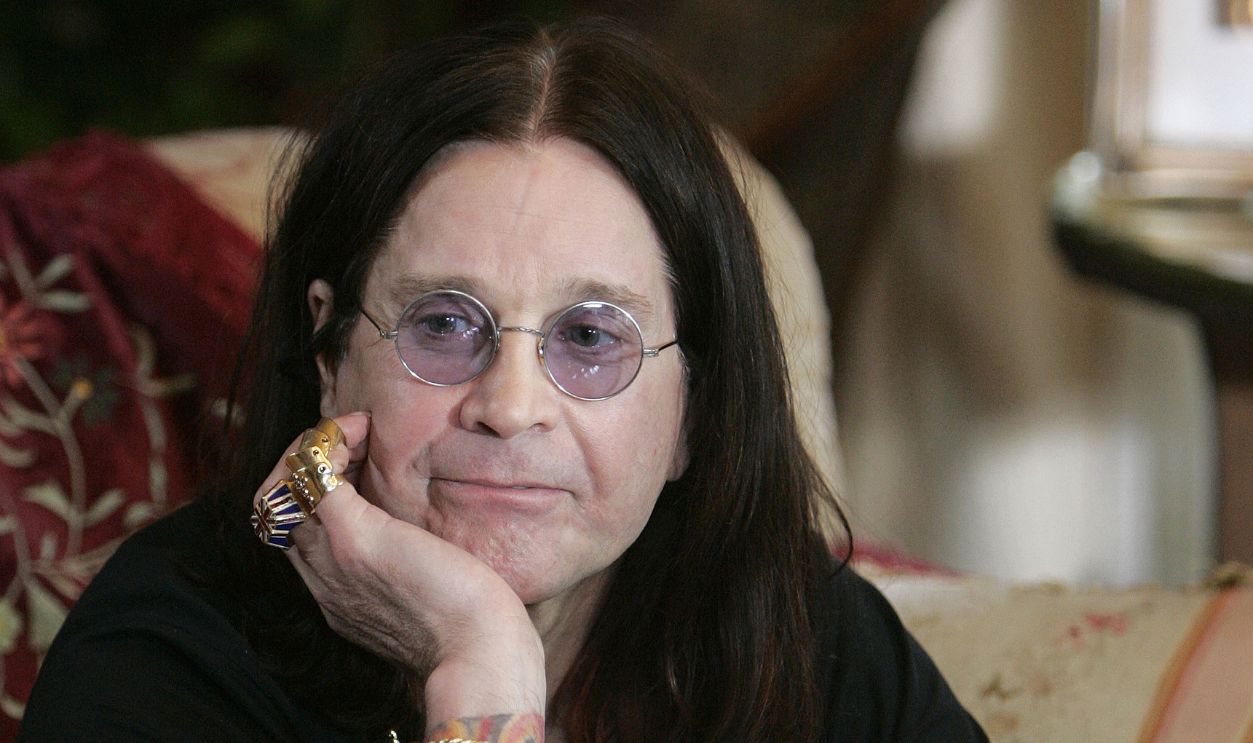
One particularly interesting finding involved a variant near the gene ADH4. Alcohol dehydrogenase genes help the body process alcohol, and Ozzy possessed an unusual variant near ADH4 that could affect how much of its protein was produced. Pearson stressed that researchers still needed to determine precisely what that variation meant for Ozzy himself.
His Genes Also Pointed Toward Addiction Risk
The analysis identified genetic variants associated with substance dependence and the brain's response to illicit substances. Contemporary reporting on the Knome analysis said the data suggested Ozzy had a substantially elevated genetic predisposition toward alcohol dependence and a smaller increased predisposition toward other addictions. Those statistical associations did not mean that genes alone caused his addictions.
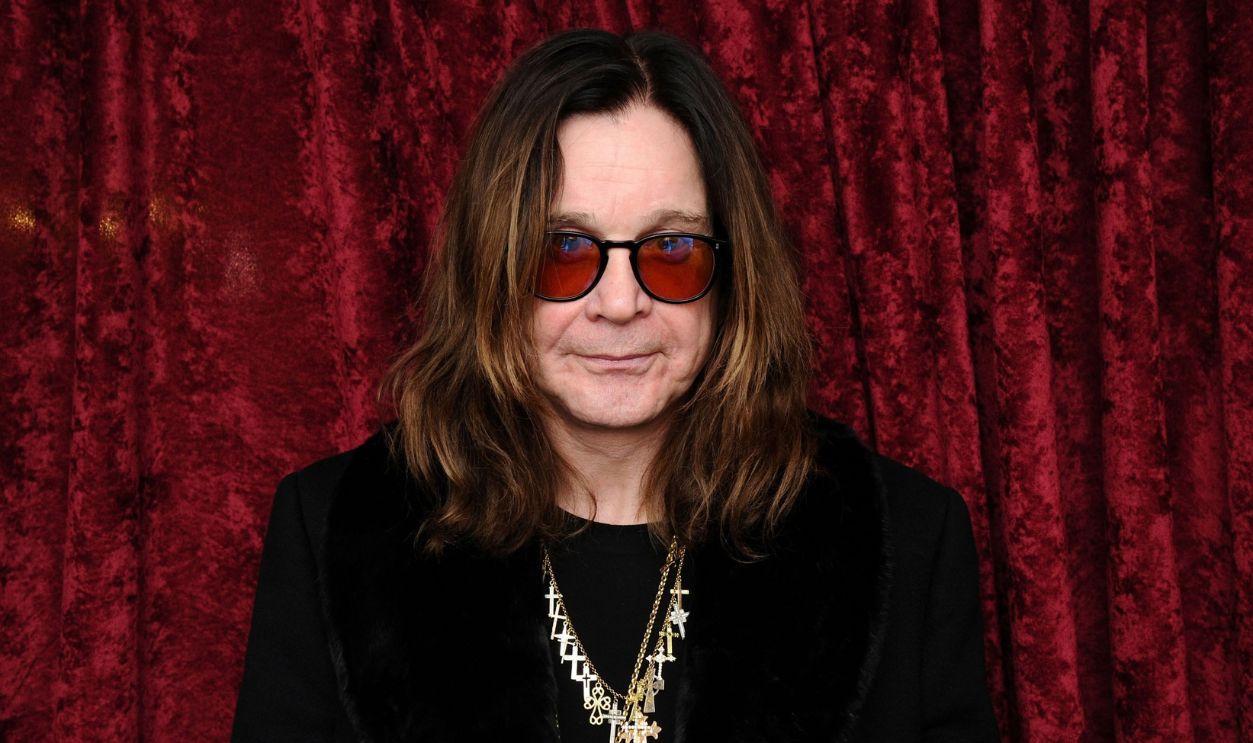
Weed Produced Another Strange Result
Researchers also reported that Osbourne's genetic profile suggested he was more likely than average to experience hallucinations after using weed. According to the Knome analysis reported at the time, the estimated increase was about 2.6-fold. It was another example of the project producing intriguing correlations rather than a single explanation for his extraordinary history.
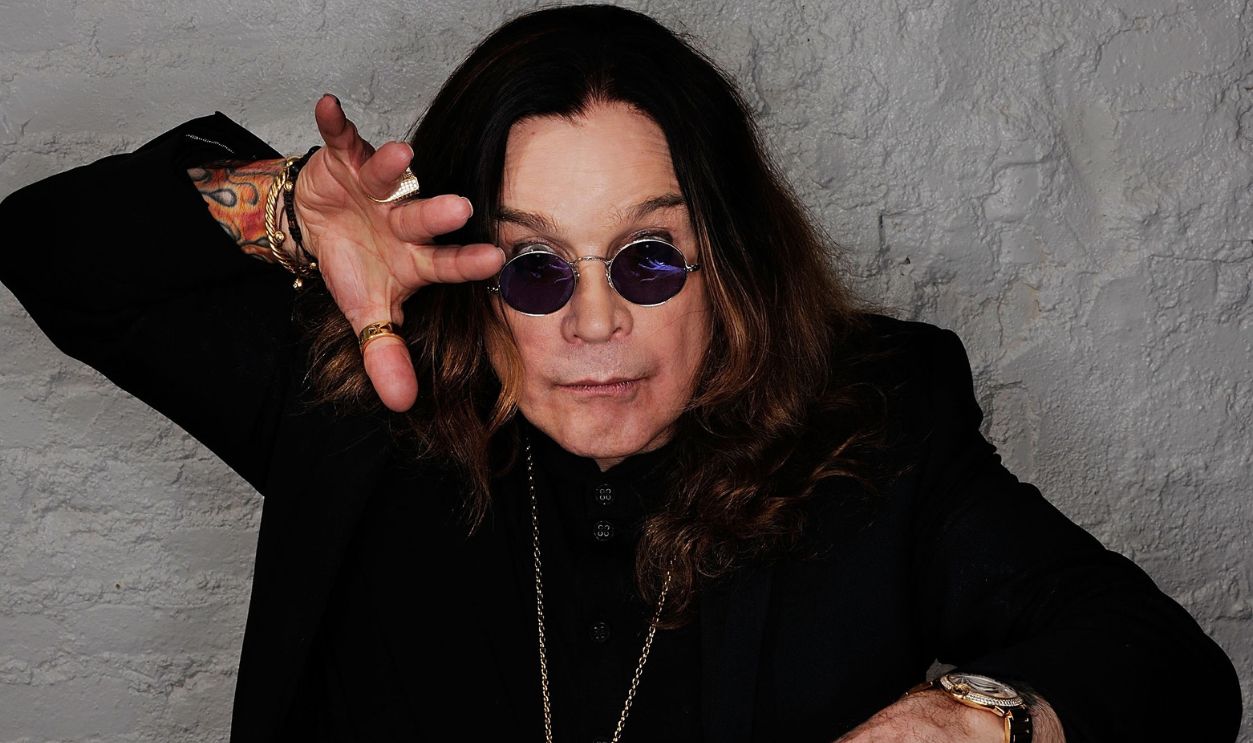
Coffee May Have Been His Kryptonite
Amid all the talk of illicit substances and drink, one finding was almost comically mundane. The analysis suggested that Ozzy metabolized caffeine slowly. After surviving some of rock's most notorious excesses, ordinary coffee appeared to be one substance his genetic profile was not especially well equipped to handle.
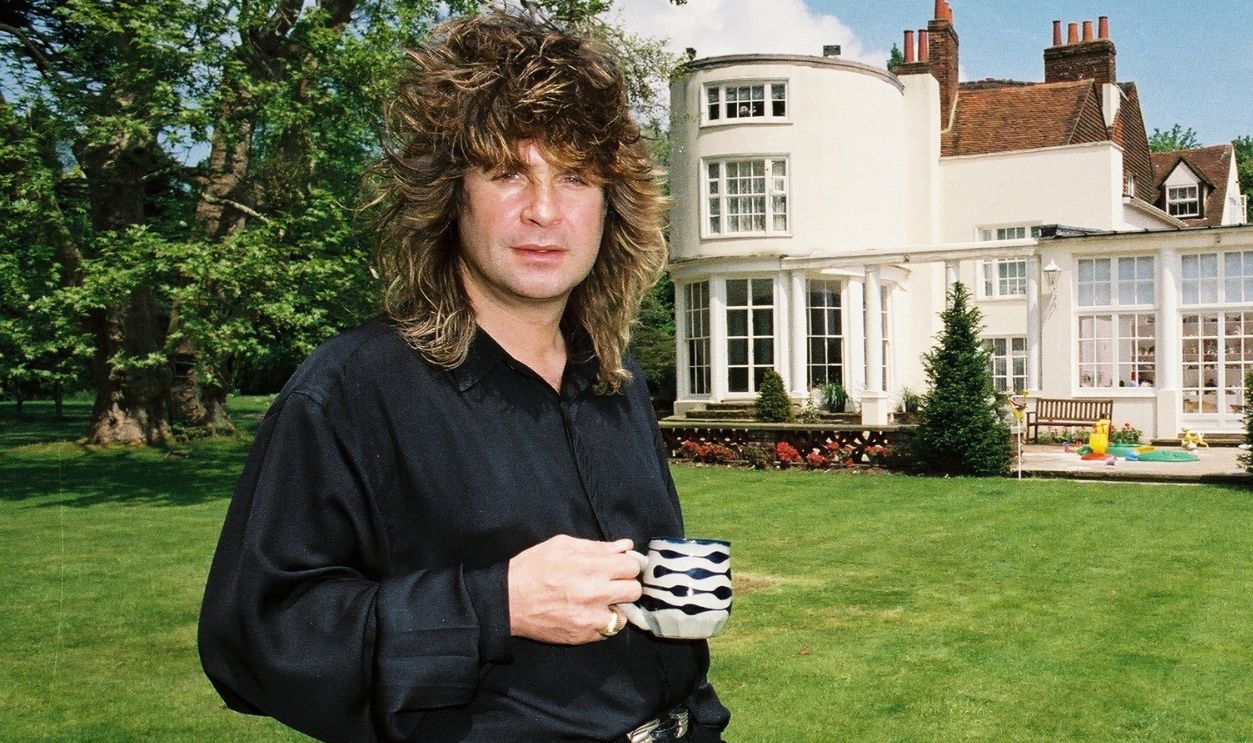
His Brain-Related Genes Were Interesting Too
Researchers examined Ozzy's neurological genetics because of his tremors and other unusual traits. One finding involved two copies of an uncommon variant of CLTCL1, a gene whose protein has roles in cellular processes including those occurring in nerve cells. Pearson described the finding as thought-provoking while emphasizing that it did not provide a neat explanation for Ozzy's behavior.
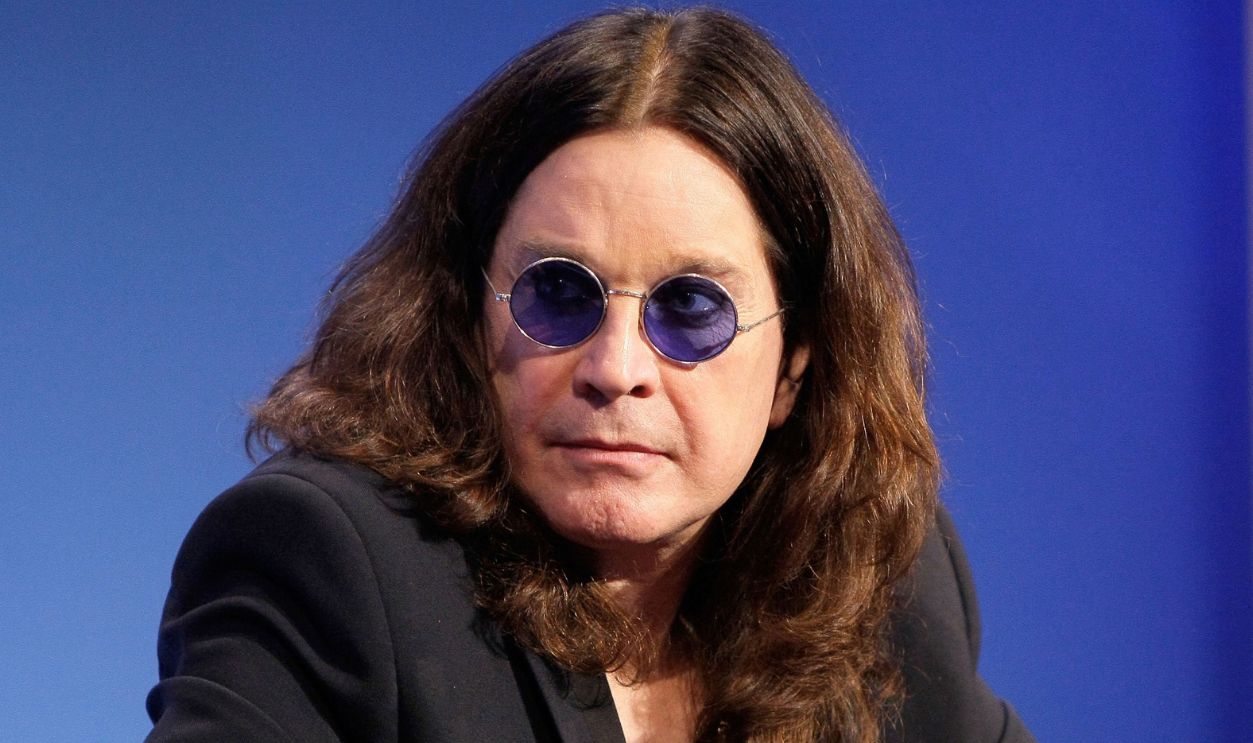
Then Came The Really Surprising Discovery
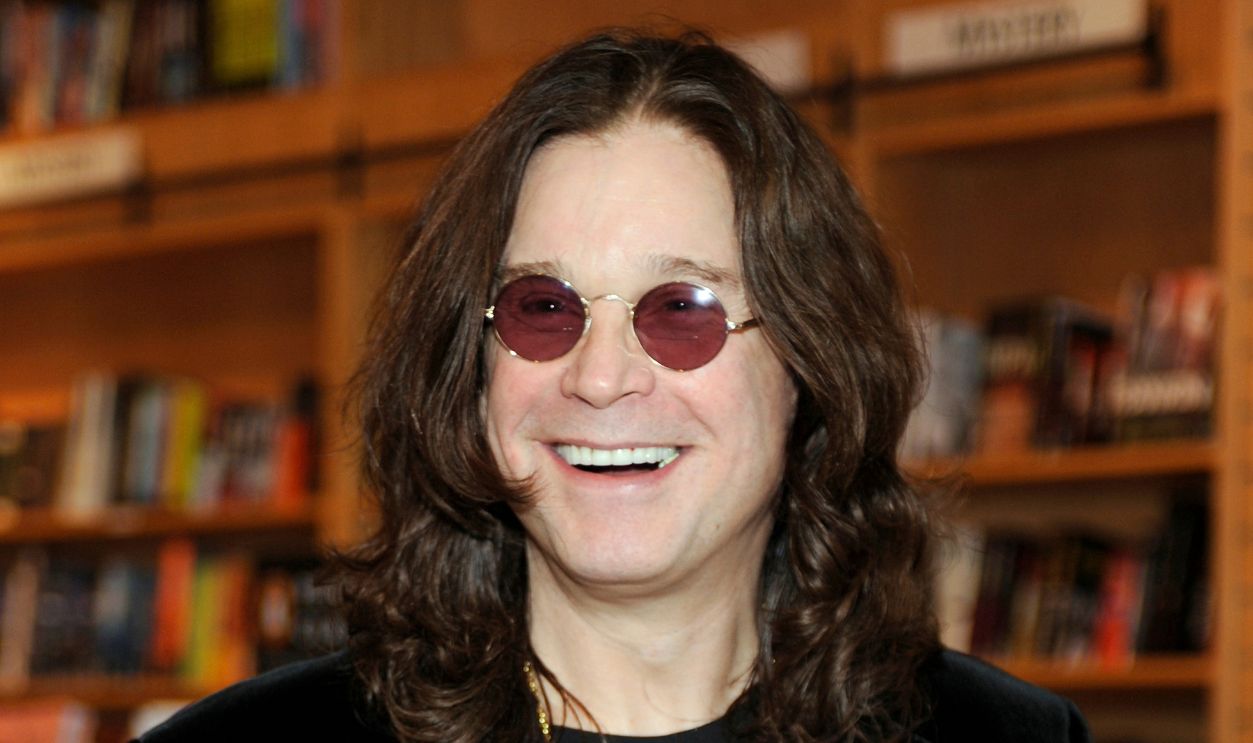
The analysis did not just reveal information about substance use and metabolism. Researchers found a stretch of DNA on Ozzy's chromosome 10 that very likely originated with a Neanderthal ancestor. The Prince of Darkness really did have ancient Neanderthal DNA in his genome.
He Was Not Uniquely Neanderthal
The punchline was slightly less dramatic than the headlines suggested. Research published in 2010 had already shown that many people whose ancestry lies outside sub-Saharan Africa carry some Neanderthal-derived DNA because ancient modern humans and Neanderthals interbred. Ozzy therefore was not some genetic throwback unique among modern people.
A Harvard Geneticist Had More Than Ozzy
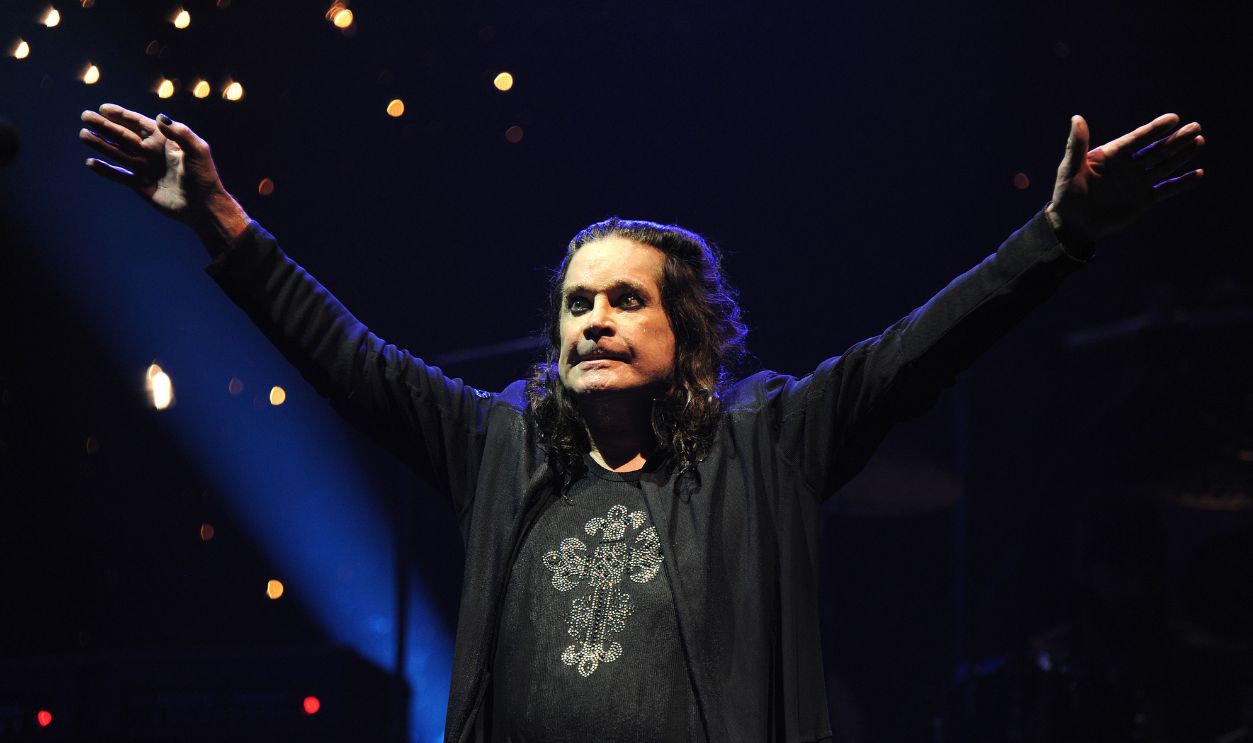
There was an even funnier twist. Knome researchers said geneticist George Church had roughly three times as much matching Neanderthal material as they found in Ozzy. The comparison undercut the irresistible joke that Ozzy's wild behavior could somehow be blamed on his prehistoric ancestry.

His Maternal Line Held More Surprises
Researchers also explored Ozzy's more recent ancestry using mitochondrial DNA, which is inherited through the maternal line. That analysis connected his branch of the mitochondrial family tree with several unexpected people from history. Suddenly, a project about rock-star survival had turned into an unlikely genealogy lesson.
Jesse James Appeared On The Family Tree
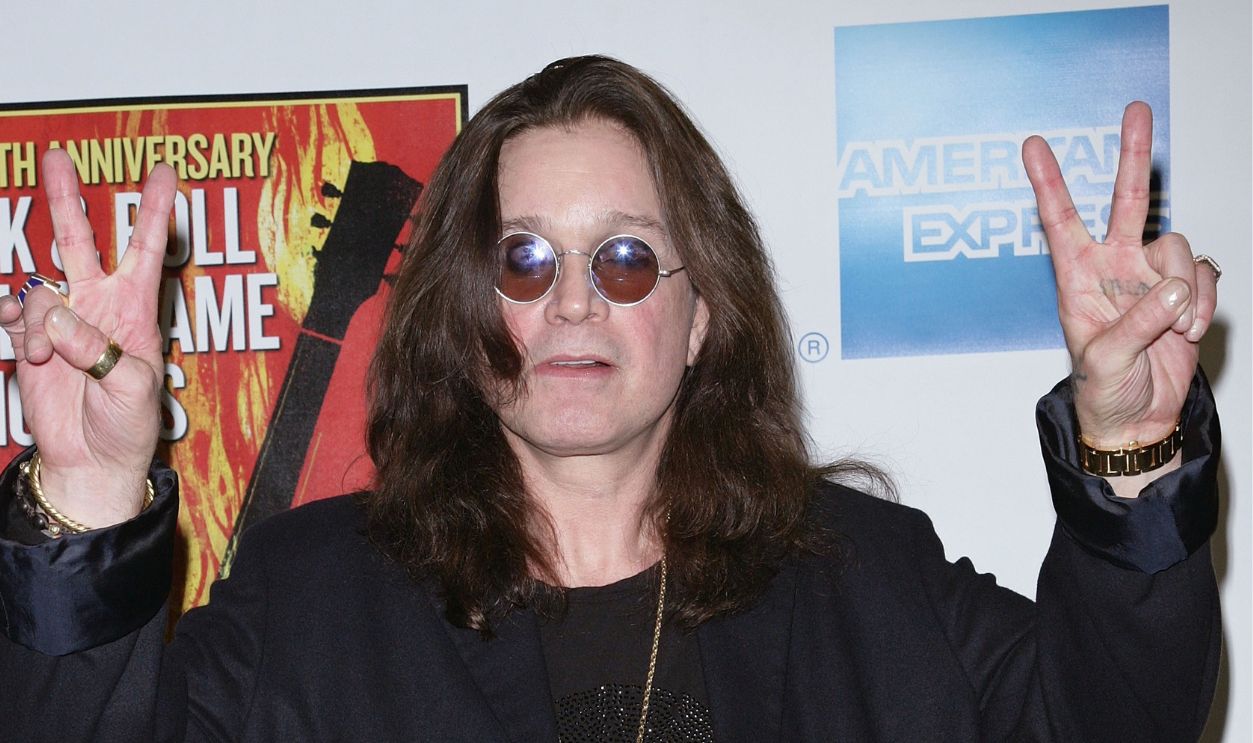
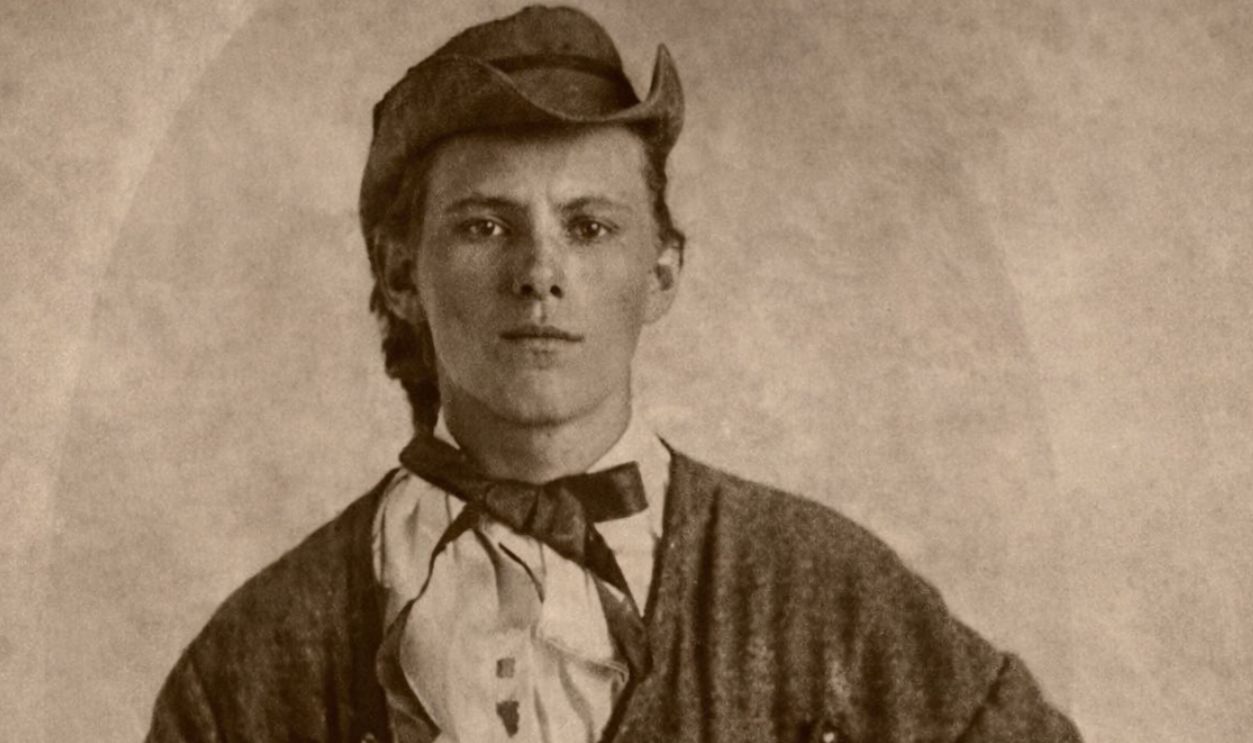
According to Pearson's presentation at TEDMED, Ozzy's mitochondrial lineage showed a distant relationship to famed American outlaw Jesse James. It did not mean Ozzy was a close descendant of the gunslinger. Rather, their mitochondrial lines shared ancestry far back in the human family tree.
A Harvard Scholar Was In There Too
The analysis also linked Ozzy's maternal genetic tree with Harvard scholar Henry Louis Gates Jr. The connection demonstrated something much bigger than celebrity trivia. Go far enough back through human ancestry, and people who appear to have entirely different backgrounds frequently converge on shared ancestors.
 Library of Congress Life, Wikimedia Commons
Pompeii Added Another Twist
Perhaps the strangest ancestry revelation involved people who died at Pompeii following the eruption of Mount Vesuvius. Scientific American's account of the TEDMED presentation reported that some victims of Pompeii appeared on the same broader mitochondrial tree. For Ozzy, whose public persona had always thrived on bizarre stories, even the ancestry results sounded unusually theatrical.
 Ross Elliott https://www.flickr.com/people/ross_elliott/, Wikimedia Commons
The DNA Did Not Prove Why He Survived
For all the irresistible headlines, the researchers never established that a particular mutation had protected Ozzy from the consequences of decades of substance misuse. They found unusual variants involving alcohol metabolism, neurobiology, and substance use response, but correlation is not a biological force field. Ozzy's survival remained more complicated than any single stretch of DNA could explain.

Genetics Was Only Part Of The Story
Ozzy himself later warned against assuming that other people could copy his lifestyle and expect to survive it. Many of the friends and contemporaries with whom he had once used illicit substances or drinking were no longer alive. His remarkable endurance was never evidence that years of heavy substance use were safe.
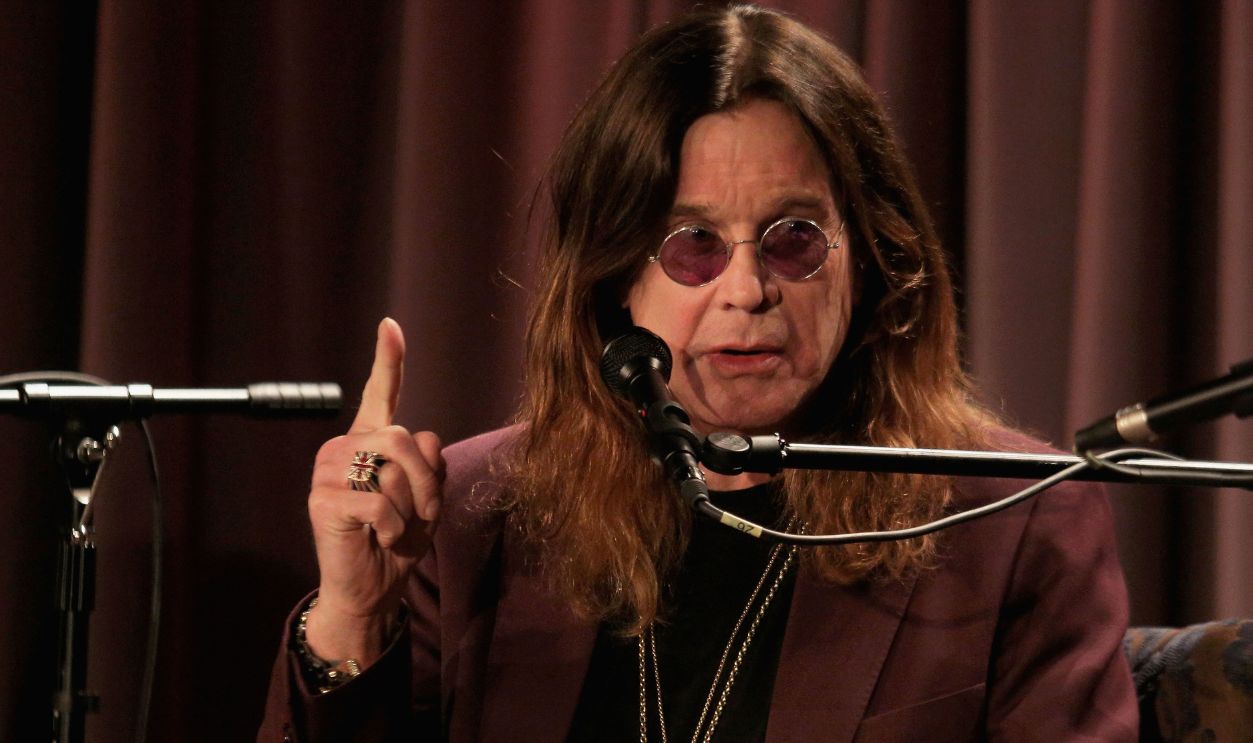
His Later Health Problems Made That Clear
Ozzy's body was hardly invulnerable. In 2020, he publicly revealed that he had been diagnosed with Parkinson's disease after a difficult period that also involved a fall, neck surgery, and nerve problems. His later years included substantial health challenges despite the extraordinary genetic findings that had fascinated researchers a decade earlier.

He Still Kept Returning To Music
Through accidents, addiction, and illness, Ozzy continued recording and appearing publicly far longer than many might have expected. His solo career ultimately earned him a second induction into the Rock & Roll Hall of Fame in 2024, after Black Sabbath had previously been inducted in 2006. His career became as much a story about persistence as shock value.

His Final Chapter Came Back Home
Ozzy Osbourne died on July 22, 2025, at age 76, just weeks after taking part in a farewell concert in Birmingham. His death closed one of rock's most remarkable careers in the same city where Black Sabbath began. Birmingham later gave him an enormous public farewell, underscoring just how far the working-class kid from Aston had traveled.
 Christopher Furlong, Getty Images
The Genome Made The Legend Even Stranger
Ozzy's DNA never yielded a simple scientific answer to the question of how he survived his wildest years. Instead, it revealed unusual alcohol-related and neurological variants, a genetic susceptibility to addiction, traces of Neanderthal ancestry, and distant connections scattered across humanity's enormous family tree. Somehow, the scientific truth was more interesting than discovering an imaginary "immortality gene": genetically speaking, Ozzy was both deeply unusual and unmistakably human.

You May Also Like: