He Could've Been The Greatest
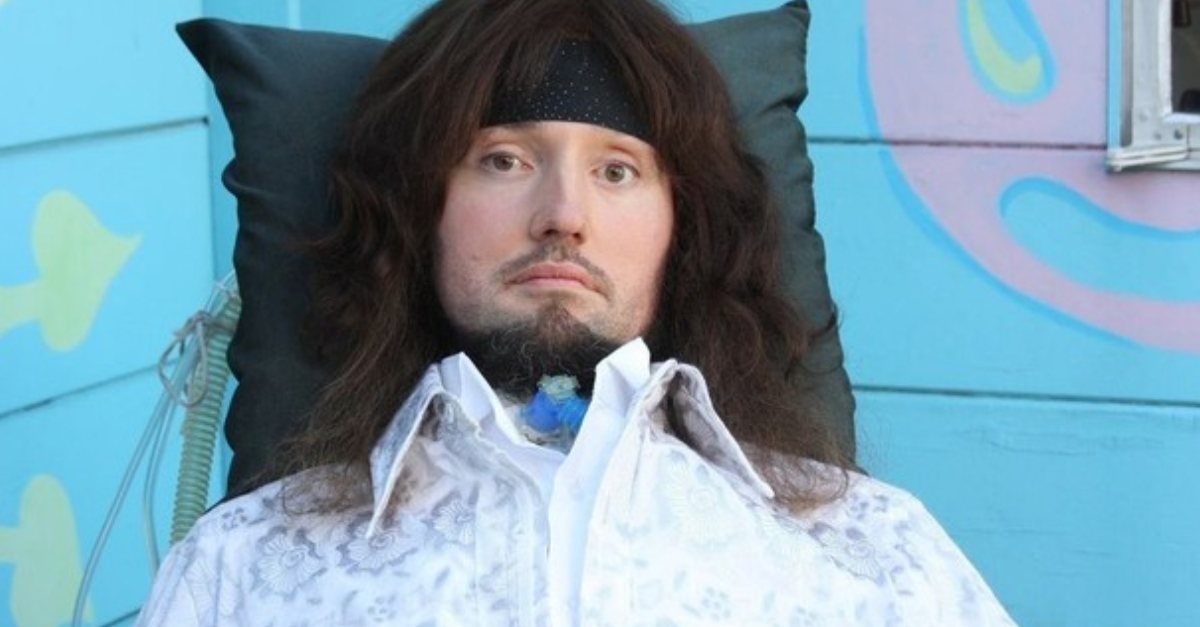
Every once in a while, someone comes along who feels like a glitch in the universe—and Jason Becker was that kid. He played faster, cleaner, and more musically than guitarists twice his age. He was on track to rewrite guitar history…until everything changed, and he suddenly found himself unable to play the instrument that defined his life.
The Teen Who Played Like a Fully Formed Virtuoso
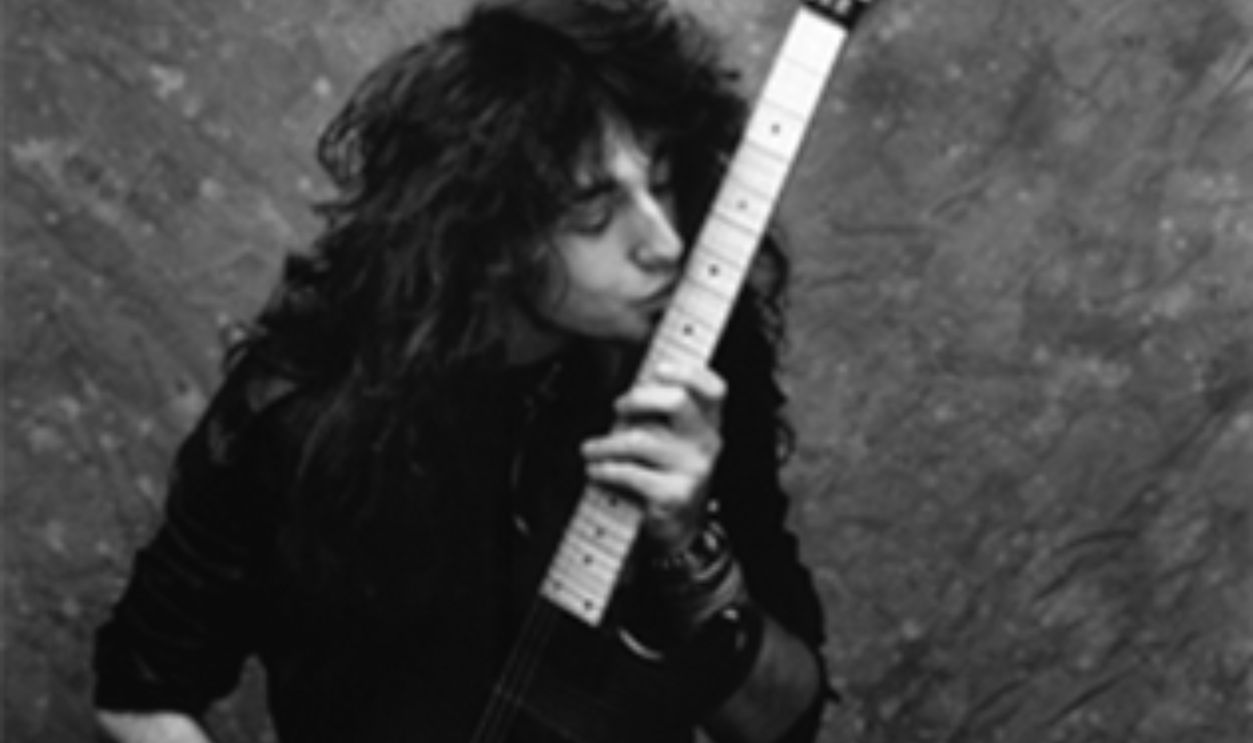
By his mid-teens, Jason wasn’t playing “good for his age”—he was terrifyingly polished, with neoclassical runs, spotless sweeps, and a confident vibrato that sounded like a veteran session player. His 1988 solo debut Perpetual Burn only confirmed it: this wasn’t hype; this was the real thing.
The Shred Underground Starts Buzzing
Before social media, word spread the old-school way: bootleg tapes, magazine blurbs, and guitar-shop gossip. Becker quickly became that name you’d hear whispered—“Have you heard this kid?” Clips of him tearing through Paganini lines and insane arpeggios turned into legend fuel among late-’80s shred fans.
 Unknown authorUnknown author, Wikimedia Commons
Meeting Marty Friedman & Forming Cacophony
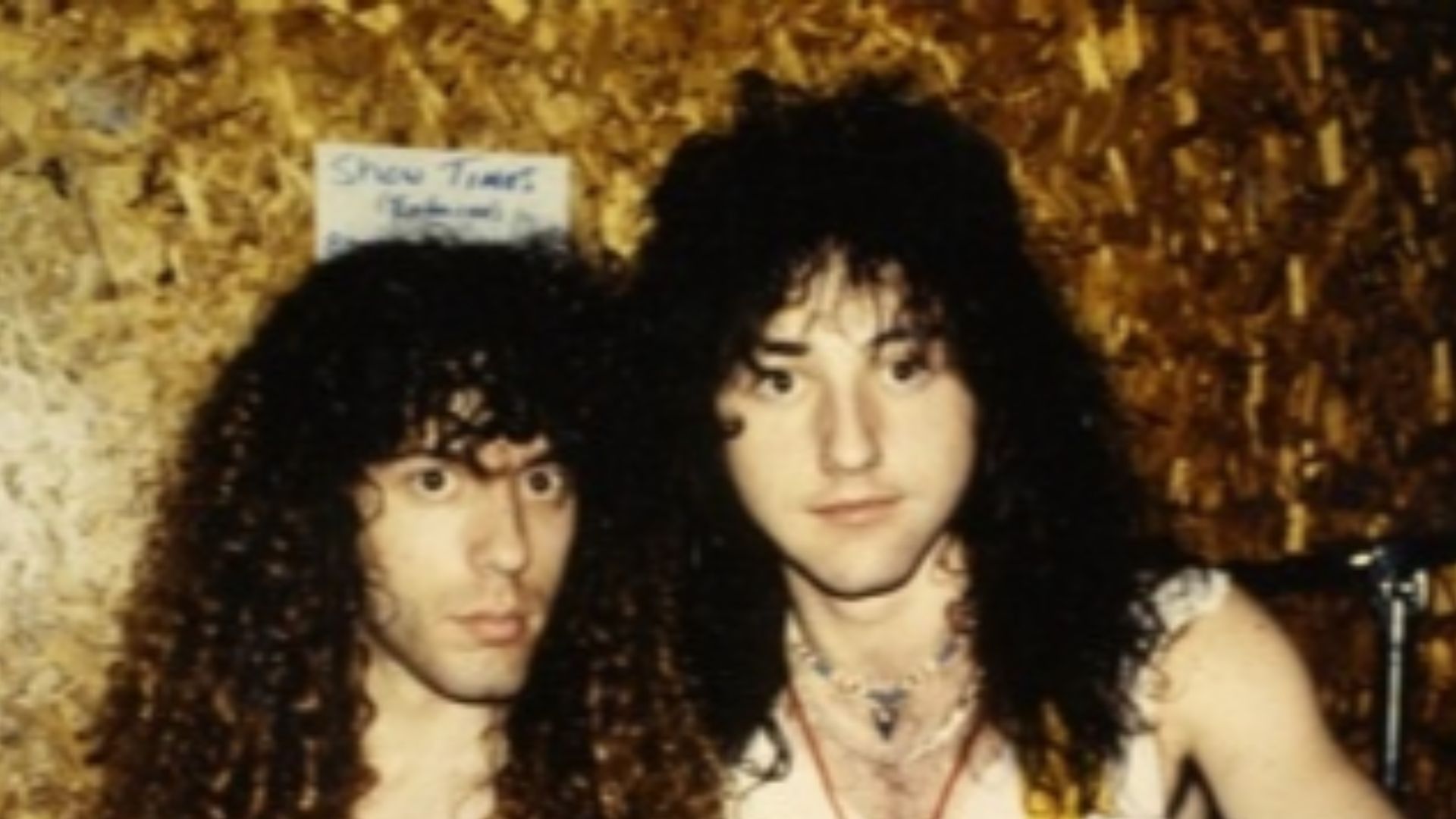
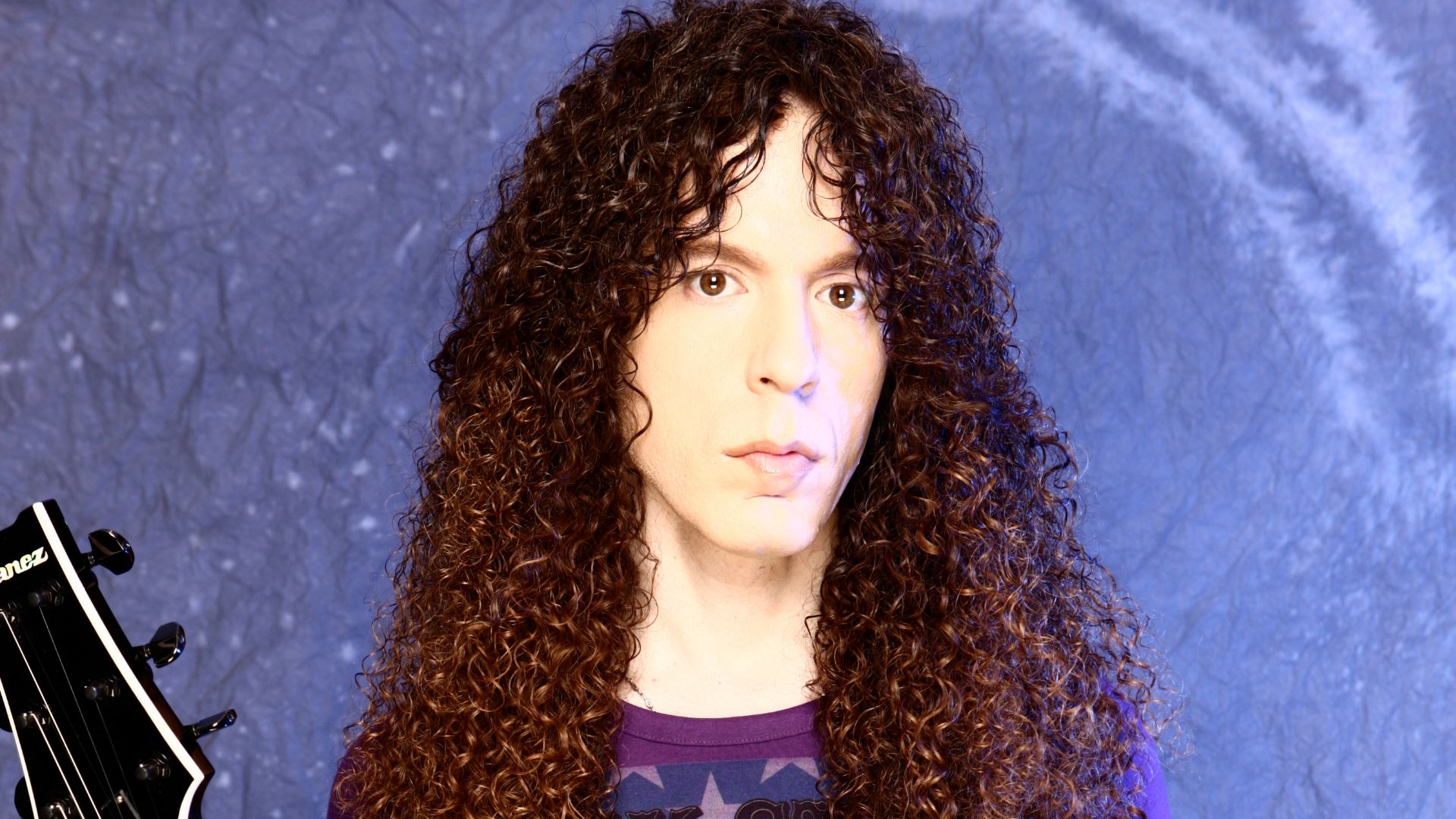
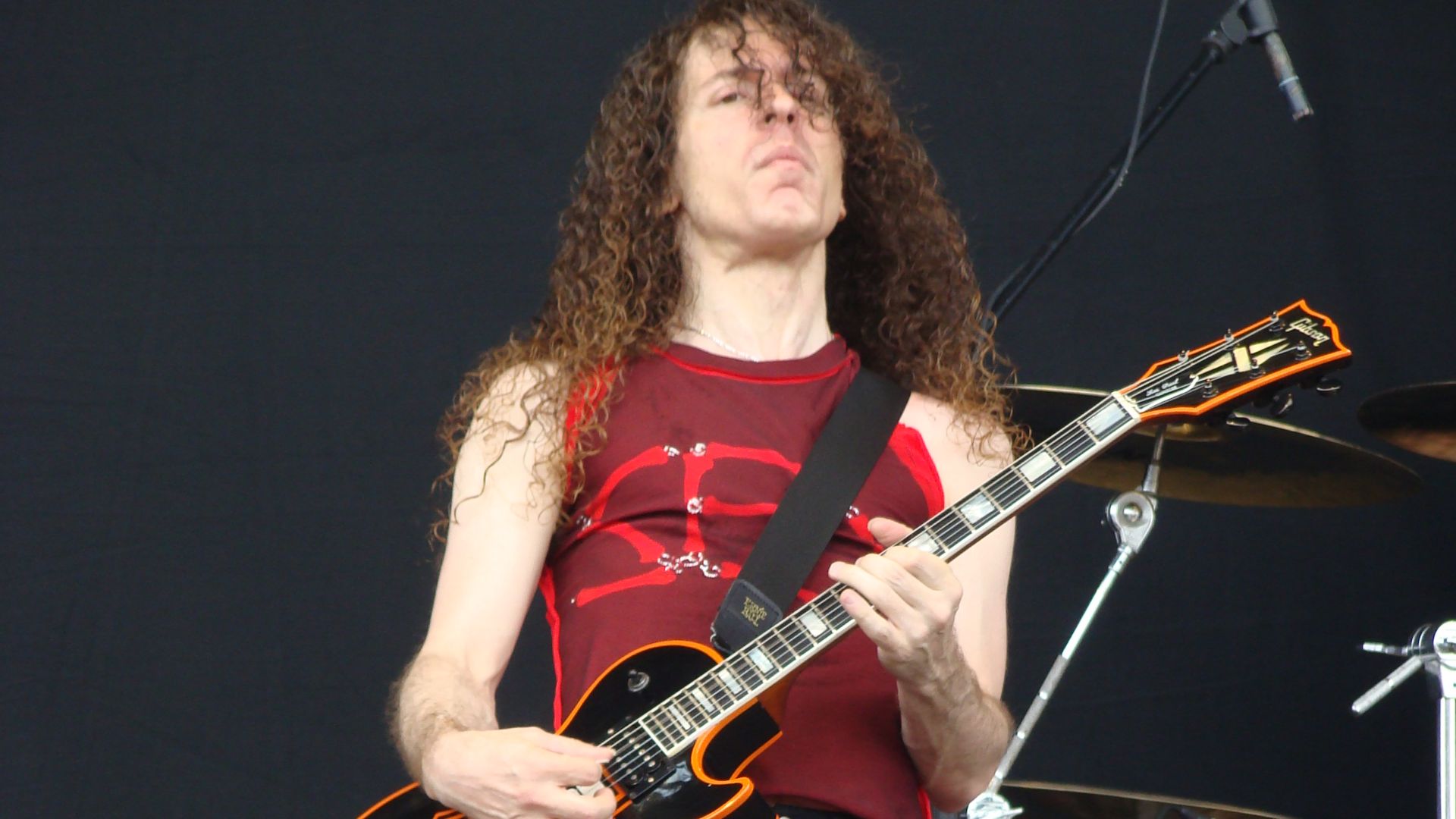
Jason’s path crossed with another young alien, Marty Friedman, and suddenly there were two monsters in the same band. As Cacophony, they became a cult phenomenon—two lead guitarists trading jaw-dropping lines, pushing each other to get faster, weirder, and more melodic, all at once.
 Takaaki HenmiCopyright holder: Marty Friedman, Wikimedia Commons
Cacophony’s Music Was Controlled Chaos with Heart
Cacophony’s 1987 album Speed Metal Symphony was exactly what it sounded like—shred insanity meets classical drama. Critics and guitar nerds alike noticed that underneath the speed and fireworks, there were real hooks, harmonies, and themes. It was chaos, but it had a big beating heart.
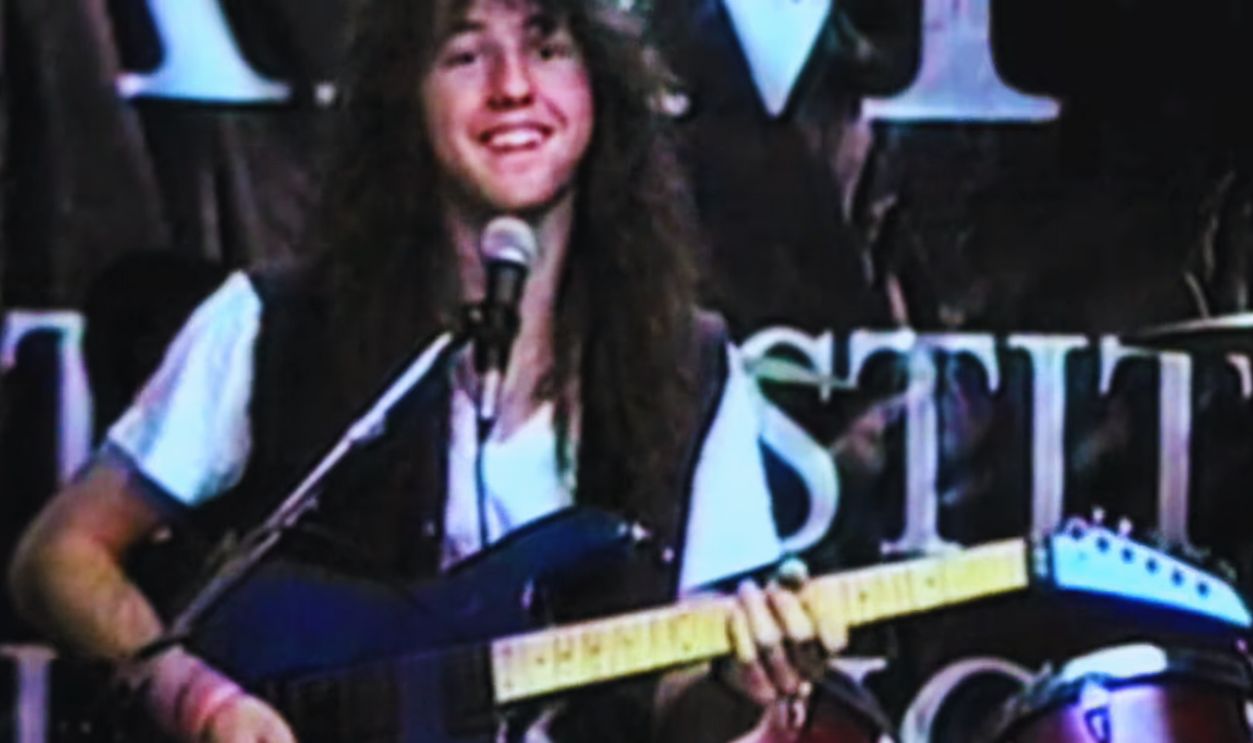
"Perpetual Burn" Proved He Wasn’t Just “That Shred Kid”
With Perpetual Burn, Becker stepped out on his own. It wasn’t just scale-practice on tape; tracks like Altitudes had real emotional arc and drama. The album ended up being the only solo record he released before his diagnosis—but it was enough to cement his legend forever.
 Screenshot from Jason Becker: Not Dead Yet, Kino Lorber (2012)
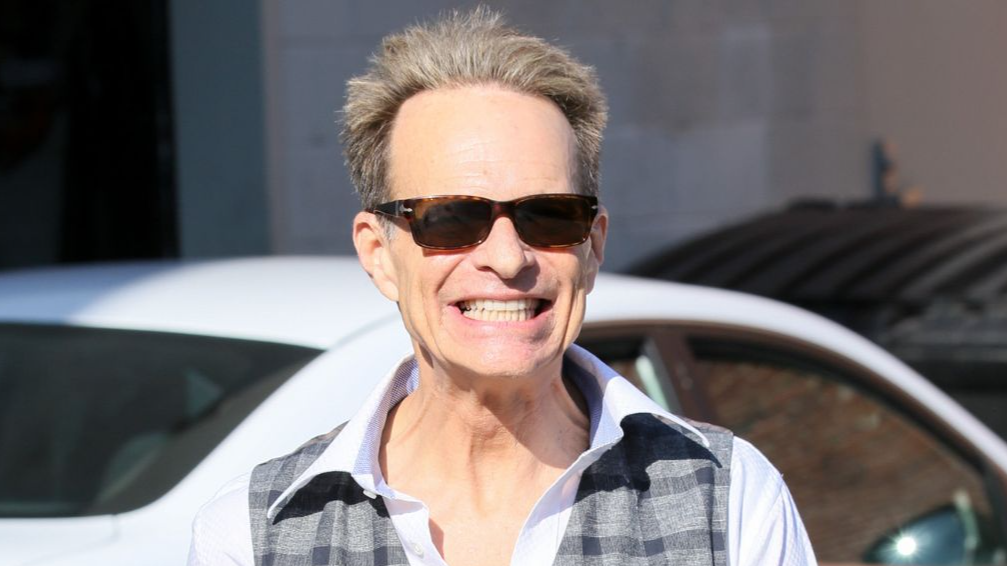
The Call From David Lee Roth
By the late ’80s, Becker’s playing had impressed the right people. His work with Cacophony and Perpetual Burn put him on David Lee Roth’s radar, just as Roth needed a new guitar hero after Steve Vai. Jason auditioned, plugged in, and walked out with one of the biggest gigs in rock.
 BG017/Bauer-Griffin, Getty Images
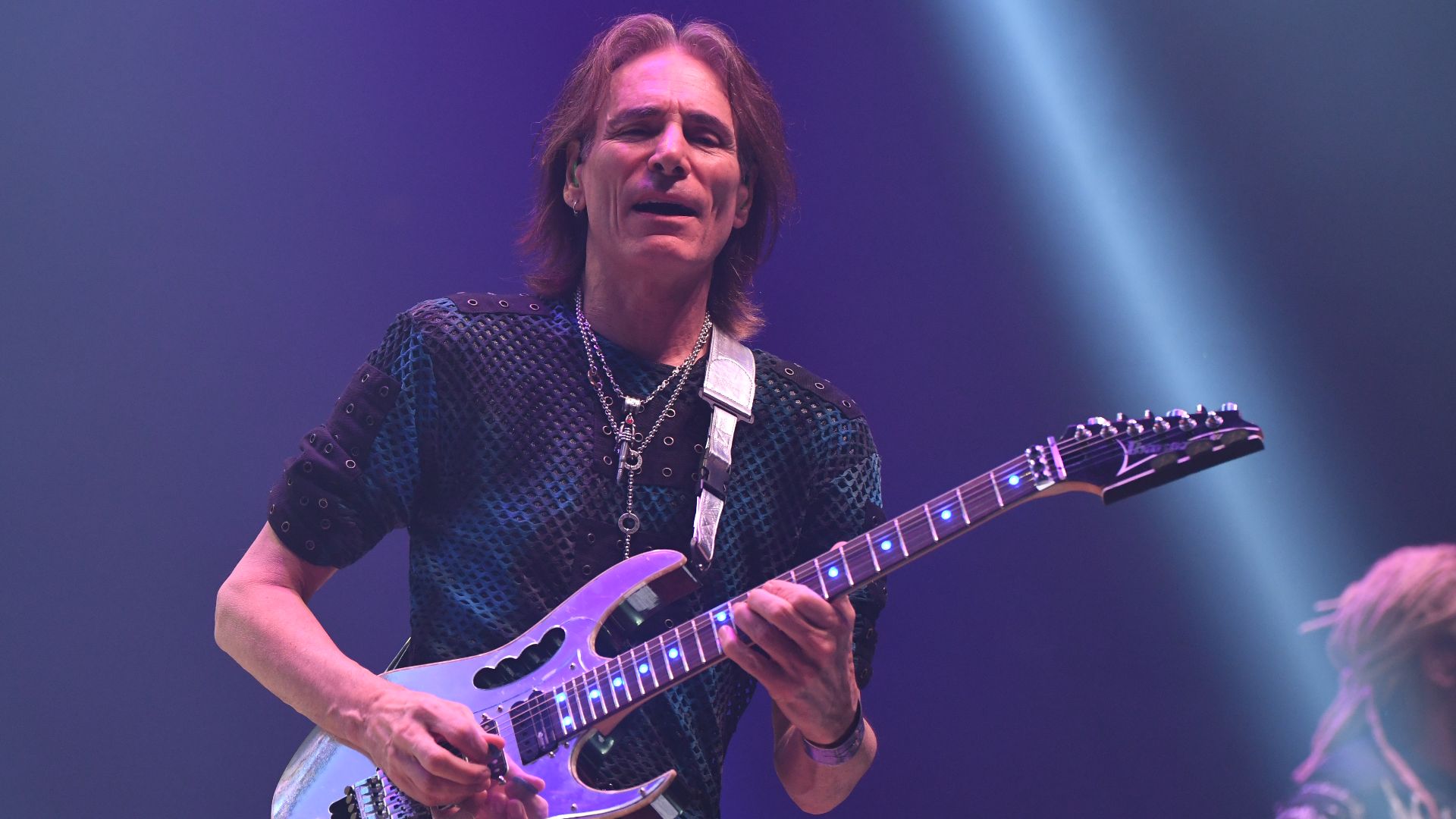
Stepping Into the Biggest Guitar Gig in Rock
Imagine being barely out of your teens and stepping into a role once held by Eddie Van Halen and Steve Vai. Most people would fold. Becker just smiled and played. Funky rhythms, big riffs, screaming leads—he didn’t just fill the role, he sounded born for it.
 Wojciech Pedzich, Wikimedia Commons
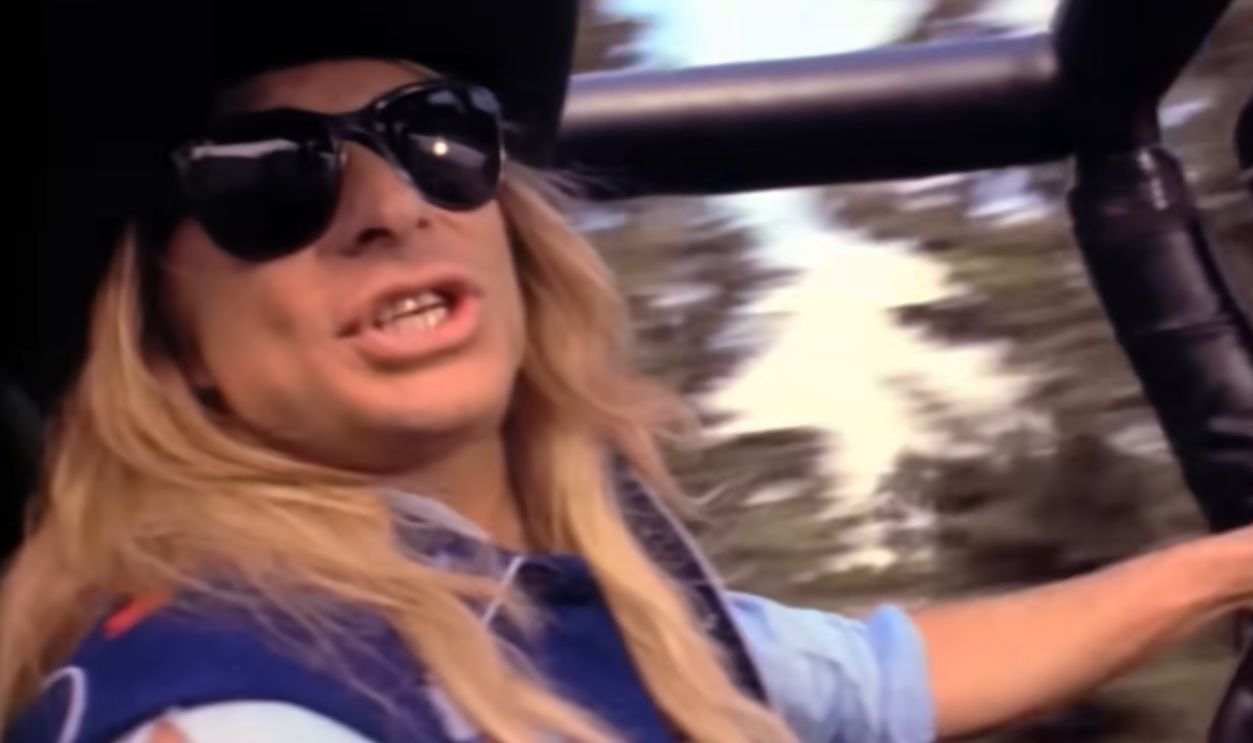
Recording "A Little Ain’t Enough" at Full Speed
Roth’s 1991 album A Little Ain’t Enough was recorded with Becker on lead guitar, produced by Bob Rock. In the studio, Jason delivered huge, muscular parts and razor-sharp solos. On tape, he sounds confident and unbothered, like a kid who knew he’d finally arrived in the big leagues.
 Screenshot from A Lil' Ain't Enough, Warner Bros. Records (1991)
The First Signs Something Was Wrong
Behind the scenes, though, something strange was happening. Becker noticed a limp in his leg that wouldn’t go away. His picking hand felt weaker some days. At first he chalked it up to stress, travel, and endless rehearsals. But the symptoms didn’t fade—they crept slowly forward.
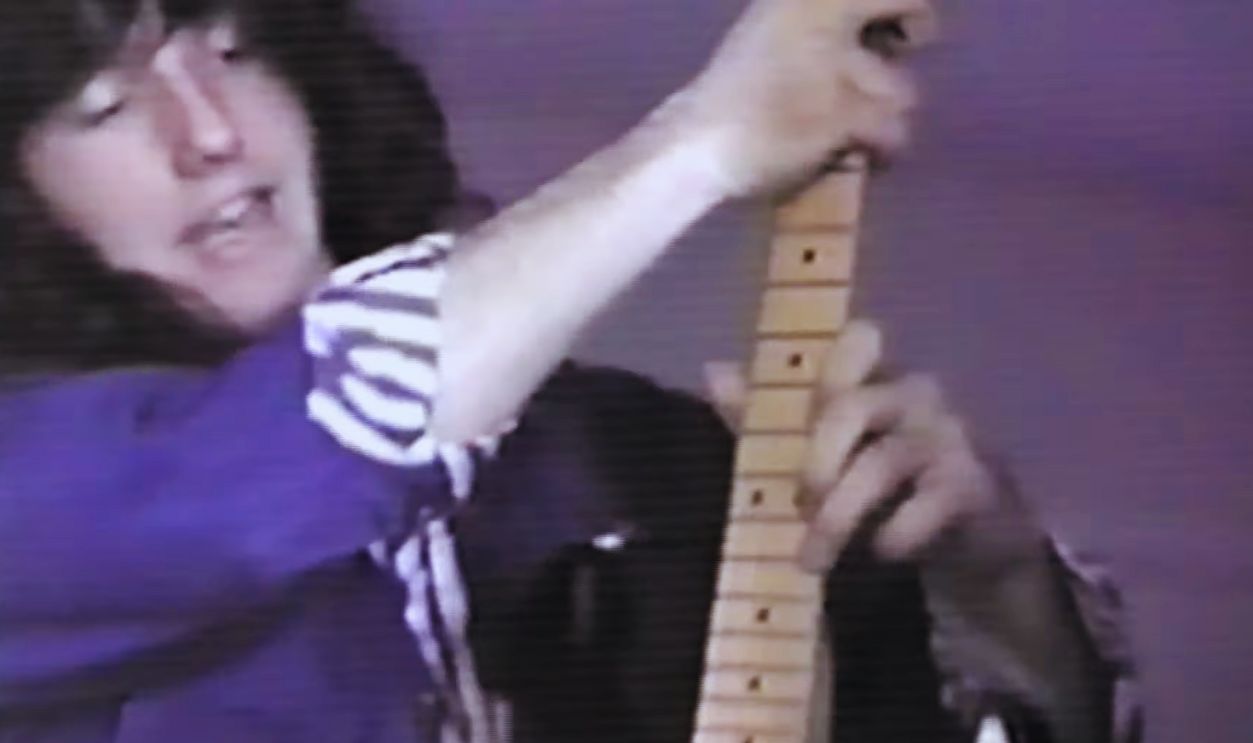 Screenshot from Jason Becker: Not Dead Yet, Kino Lorber (2012)
A Diagnosis That Changed His Life Forever
Medical tests finally gave the answer no one wanted: ALS. He was just 20 years old. Overnight, the story shifted—from “next great guitar hero” to “terminal diagnosis.” Doctors told him the disease would take his strength, his ability to play, and likely his life within a few years.
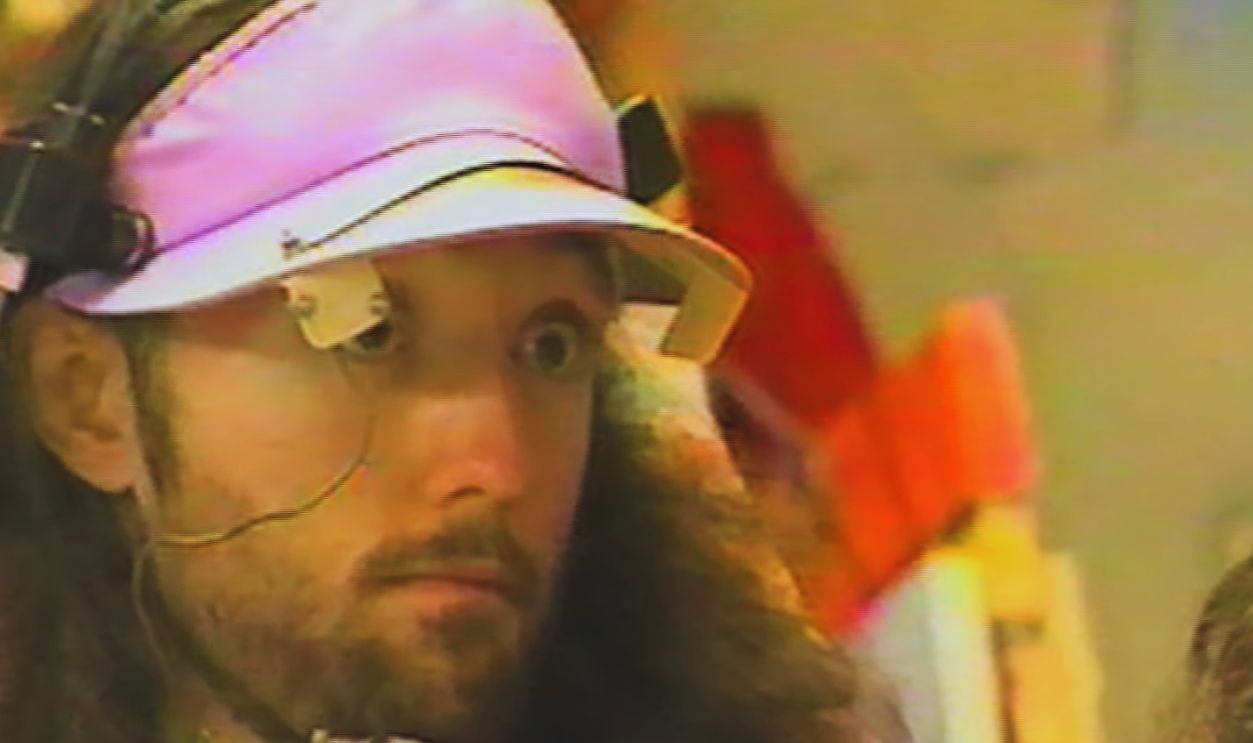 Screenshot from Jason Becker: Not Dead Yet, Kino Lorber (2012)
He Finished the Record Anyway
Even with all of that hanging over him, Becker finished his work on A Little Ain’t Enough. He pushed through the sessions as his body quietly betrayed him. You can listen to those solos a thousand times and never hear a hint of struggle—but it was there, just off-mic.
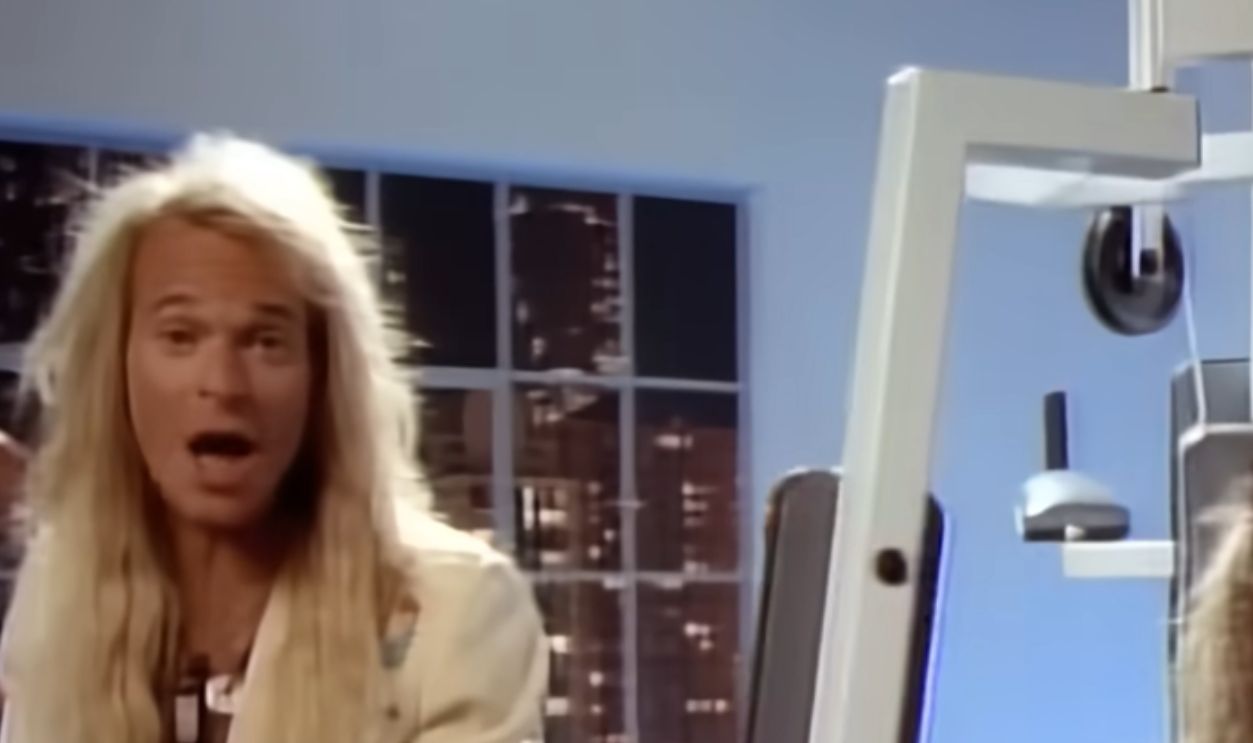 Screenshot from A Lil' Ain't Enough, Warner Bros. Records (1991)
The World Tour That Never Happened
The next logical step was obvious: album, then world tour, then full-on guitar-god status. Instead, ALS meant Jason couldn’t join David Lee Roth on the road. Fans never got to see him unleash those songs onstage. It’s one of rock’s great “what if” moments, and it still hurts.
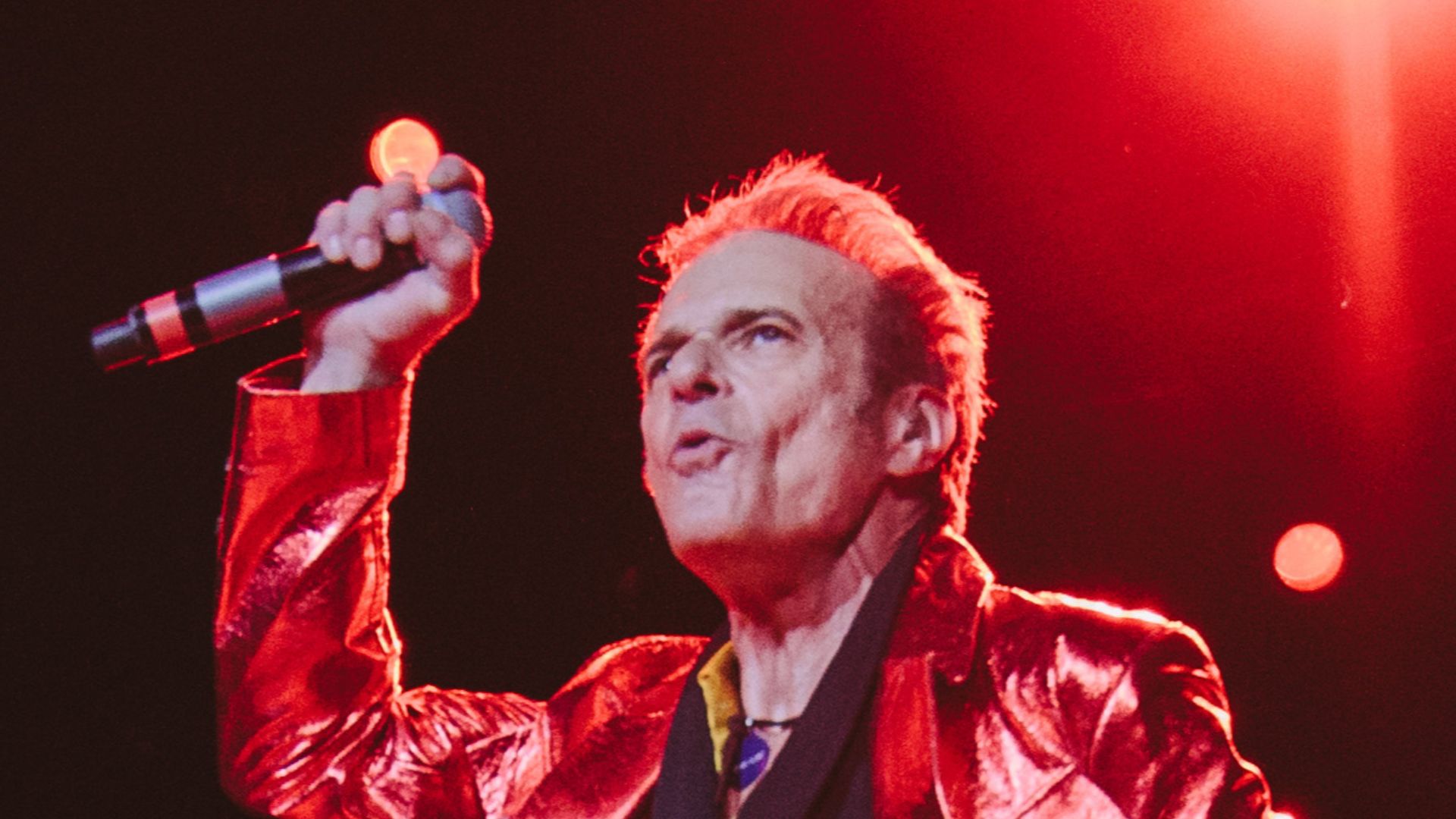 Abby Gillardi, Wikimedia Commons
Doctors Said He’d Stop Playing—and Stop Living
Early on, doctors told Becker he would never make music again and wouldn’t live very long. They essentially wrote the ending to his story right there. But Jason refused to follow that script. He outlived their predictions by decades—and somehow, he kept making music anyway.
 Screenshot from Jason Becker: Not Dead Yet, Kino Lorber (2012)
His Dad Builds a New “Voice” from Scratch
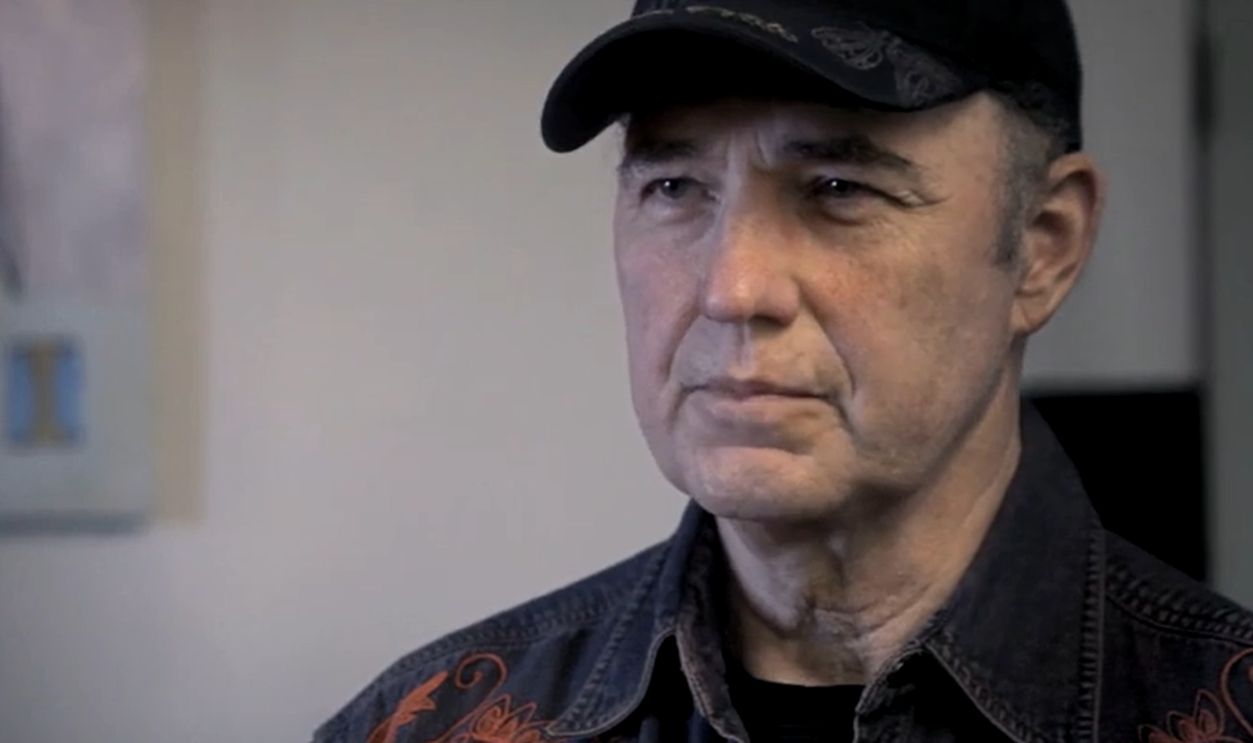
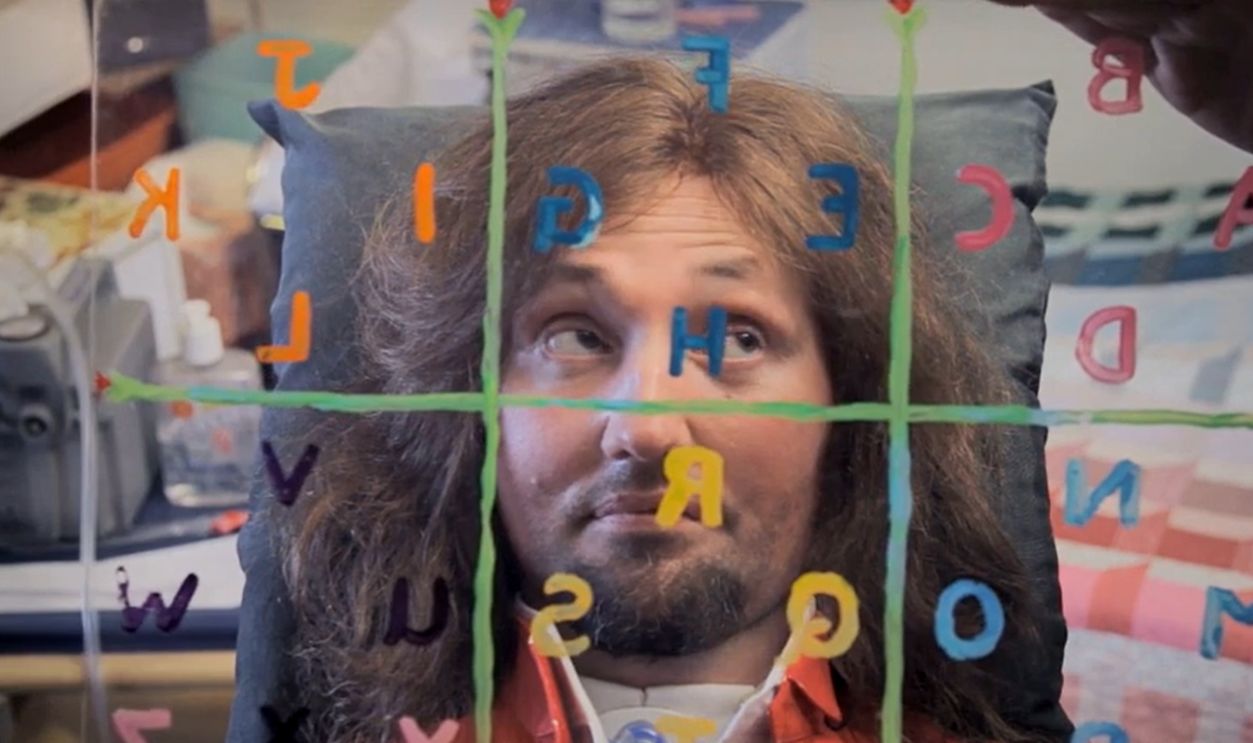
As Jason’s speech faded, his father, Gary Becker, refused to accept silence. He designed a simple but brilliant eye-movement communication system—a letter board Jason could “read” with his eyes. It started as a way to talk. Before long, it evolved into something even bigger: a way to write music.
 Screenshot from Jason Becker: Not Dead Yet, Kino Lorber (2012)
Writing Music with Nothing but His Eyes
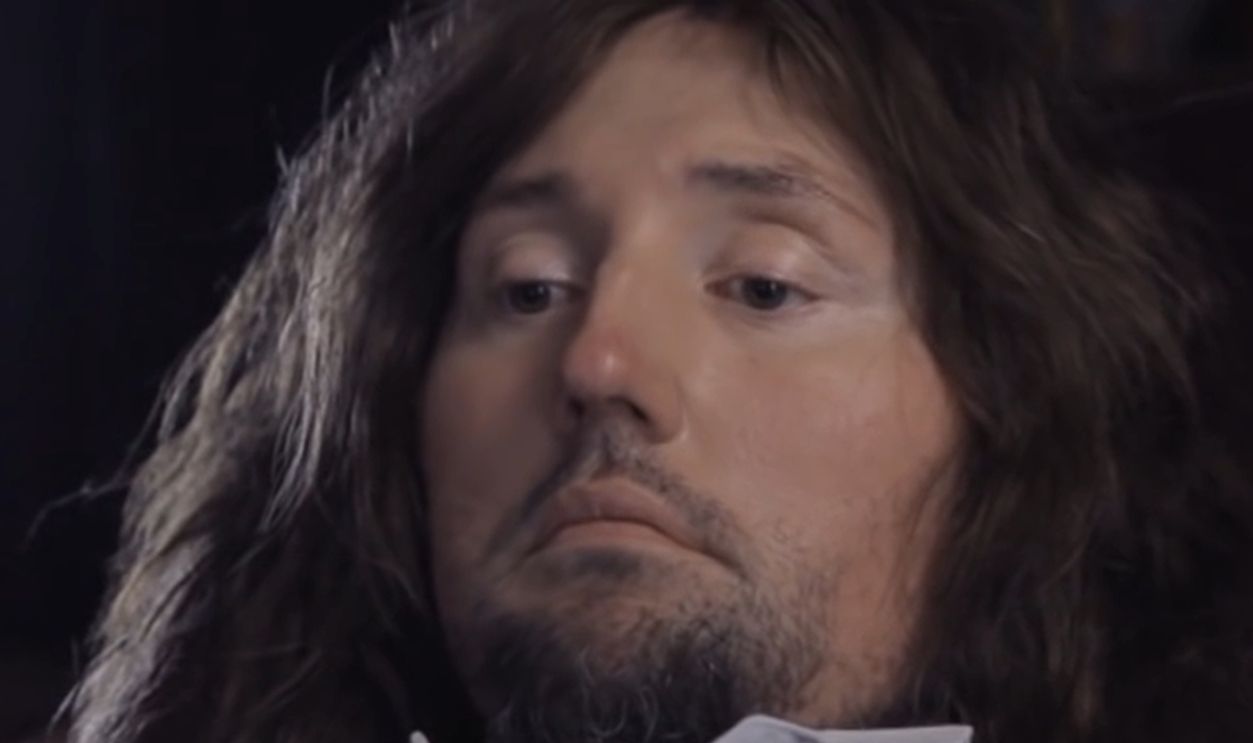
Using that eye system, caregivers, and computers, Becker began composing again. Not just simple melodies—full arrangements. He would spell out notes, chords, and instructions letter by letter. It was painfully slow, but the ideas were still there, pouring out of a body that could no longer move.
 Screenshot from Jason Becker: Not Dead Yet, Kino Lorber (2012)
"Perspective" Turns Pain into Something Beautiful
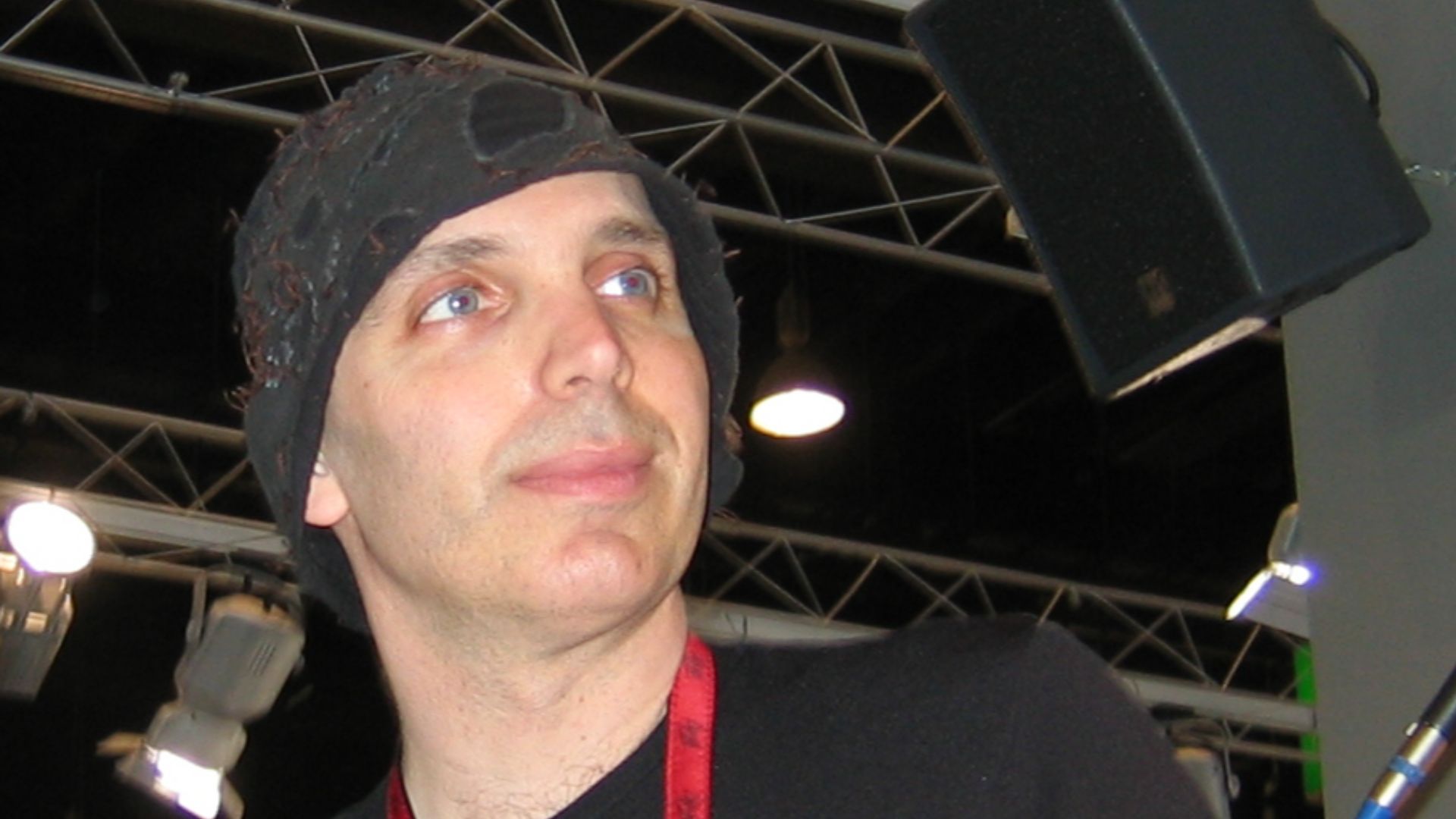
In 1996 he released Perspective, a deeply emotional album written after he’d already lost most of his motor function. Fellow guitar hero Joe Satriani called it “triumphantly powerful and beautiful,” while Marty Friedman said calling Jason a genius was an understatement. The record proved his mind was as sharp as ever.
 Michael Hanselmann, Wikimedia Commons
The Guitar World Rallies Around Him
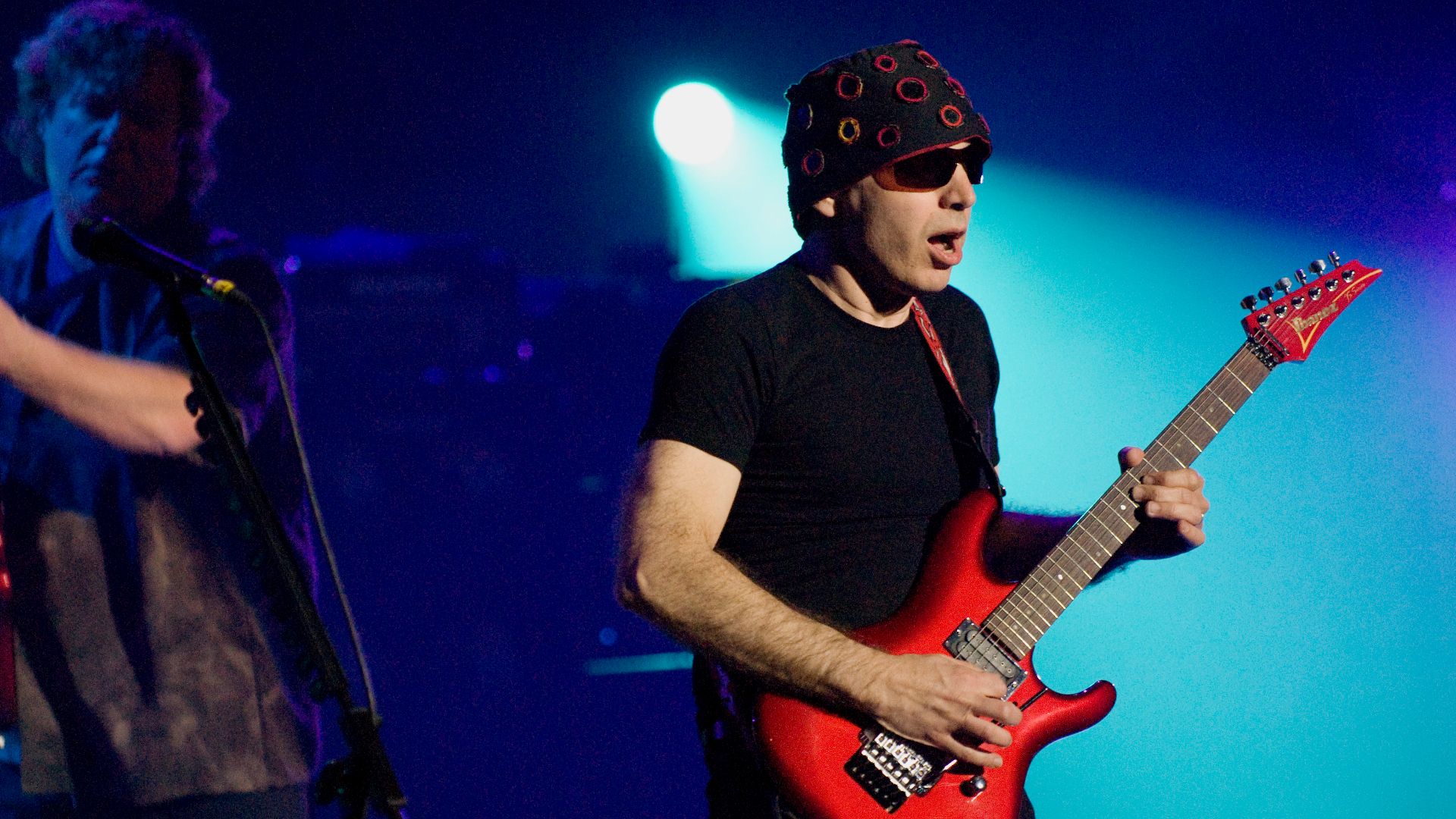
As the years went on, the guitar community rallied. Benefit shows, tribute tracks, and guest spots piled up. Legends like Satriani, Steve Vai, and many others treated Becker not as a tragedy, but as royalty—someone whose musical vision deserved to be heard, even if he couldn’t physically play anymore.
 livepict.com, Wikimedia Commons
The Documentary That Reintroduced Him to the World
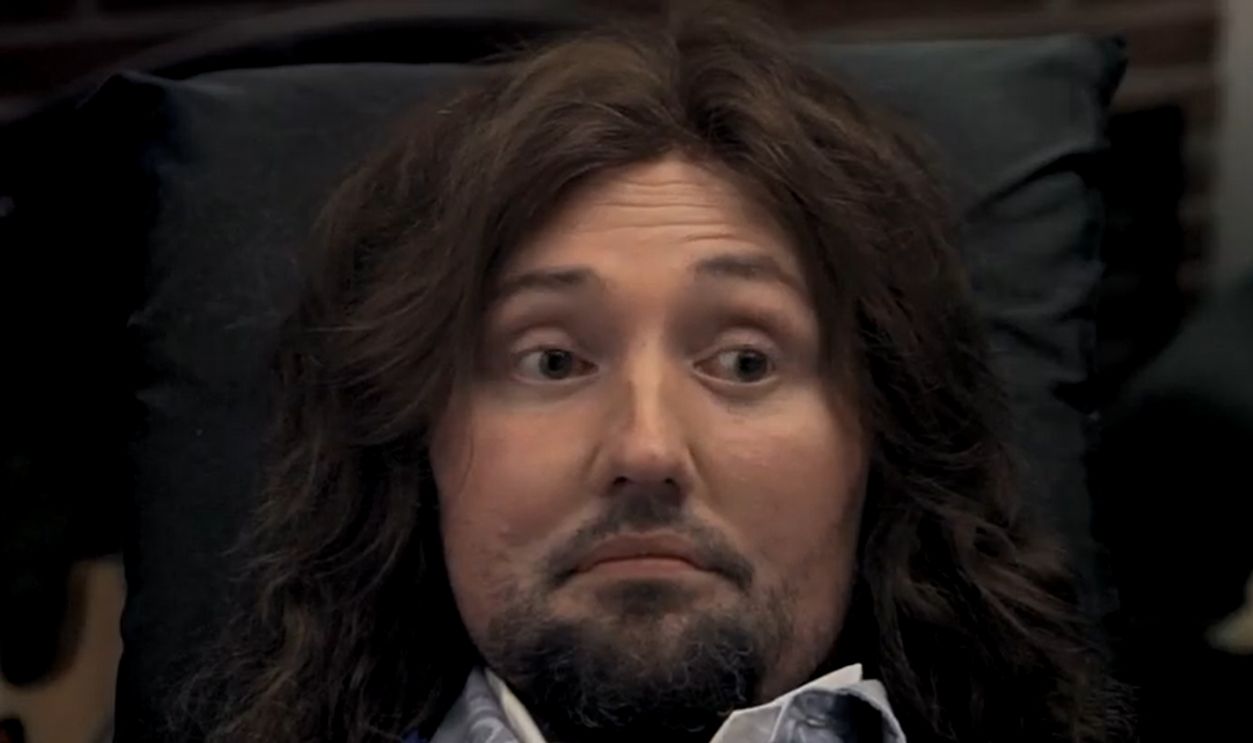
The 2012 film Jason Becker: Not Dead Yet pulled his story together for a new generation. It showed the home videos, the Cacophony days, the Roth sessions—and the brutal turn when his body gave out. It also showed the miracle: a musician who found a way to keep creating anyway.
 Screenshot from Jason Becker: Not Dead Yet, Kino Lorber (2012)
Steve Vai’s Tribute to a “Phenomenon”
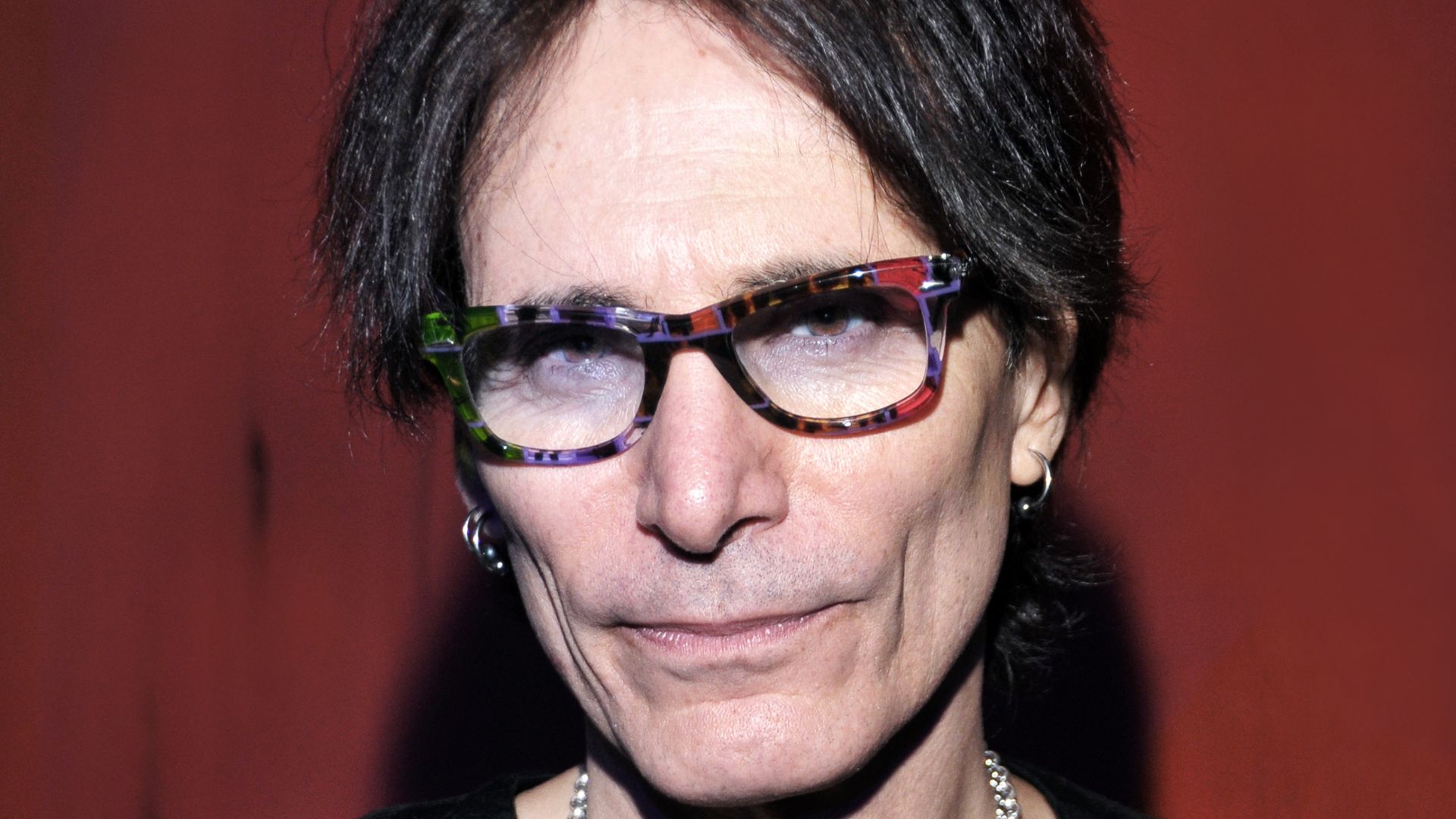
Steve Vai has never been shy about his admiration. He’s called Jason “an incredible phenomenon,” praising the way Becker managed to create such beautiful music in the face of “incomprehensible limitations.” Coming from someone of Vai’s stature, that isn’t just respect—it’s a kind of knighthood.
“Triumphant Hearts” and the “Miracle Man” Era
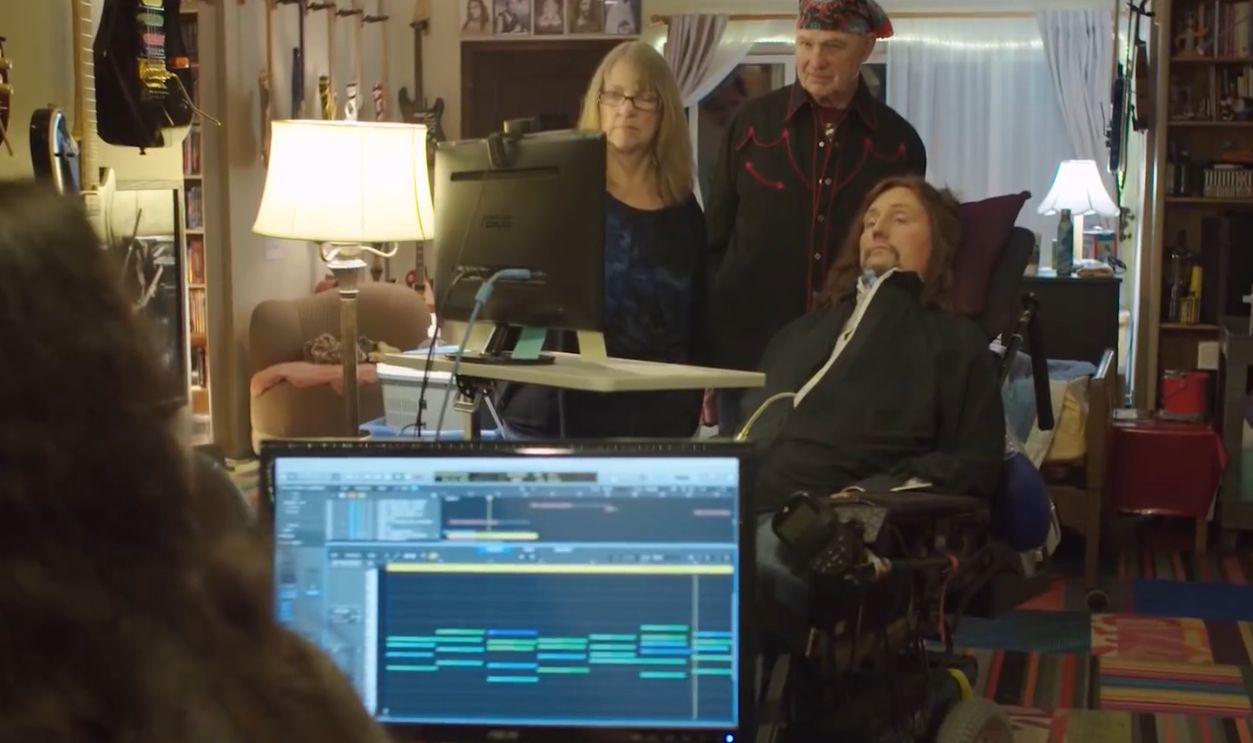
On his 2018 album Triumphant Hearts, Becker used guest guitarists as his hands, turning his eye-composed ideas into epic tracks. Profiles around that time called him a “miracle man,” noting that he could no longer walk, talk, or play guitar—yet he was still somehow releasing new, ambitious music.
 Screenshot from Triumphant Hearts, Mascot Label Records (2018)
New Generations Keep Discovering Him
These days, a lot of people discover Jason Becker the same way: a random clip of Altitudes or a Cacophony solo pops up, and suddenly they’re obsessed. Reaction videos are full of stunned faces and comments like, “How have I never heard of this guy?” His legend quietly keeps growing.
 Screenshot from Jason Becker: Not Dead Yet, Kino Lorber (2012)
The Tapes, Outtakes, and Solos That Still Scare Guitarists
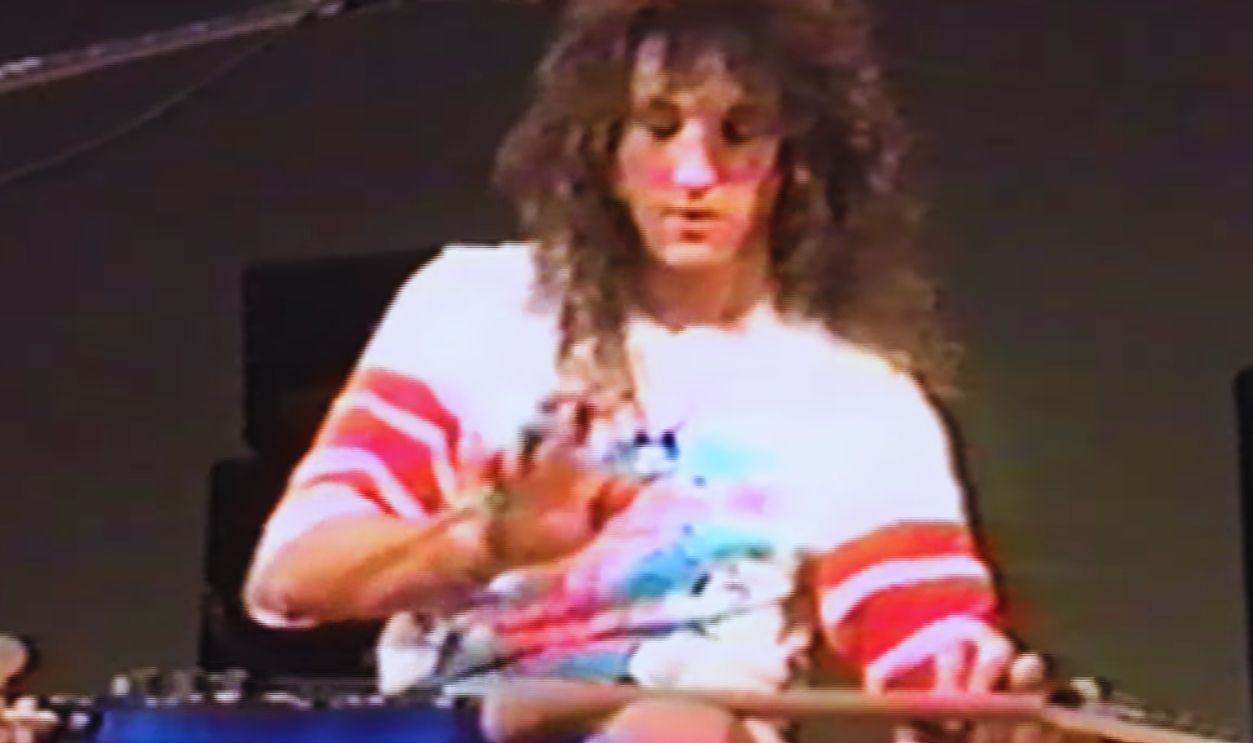
Old rehearsal tapes and outtakes keep surfacing—little snippets of Becker improvising or running through ideas. Even the rough stuff sounds unreal. Clean alternate picking, wild arpeggios, melodic lines that shouldn’t work but somehow do. Guitarists today still watch those clips and think, “I will never be that good.”
 Screenshot from Jason Becker: Not Dead Yet, Kino Lorber (2012)
The Family and Friends Behind the Legend
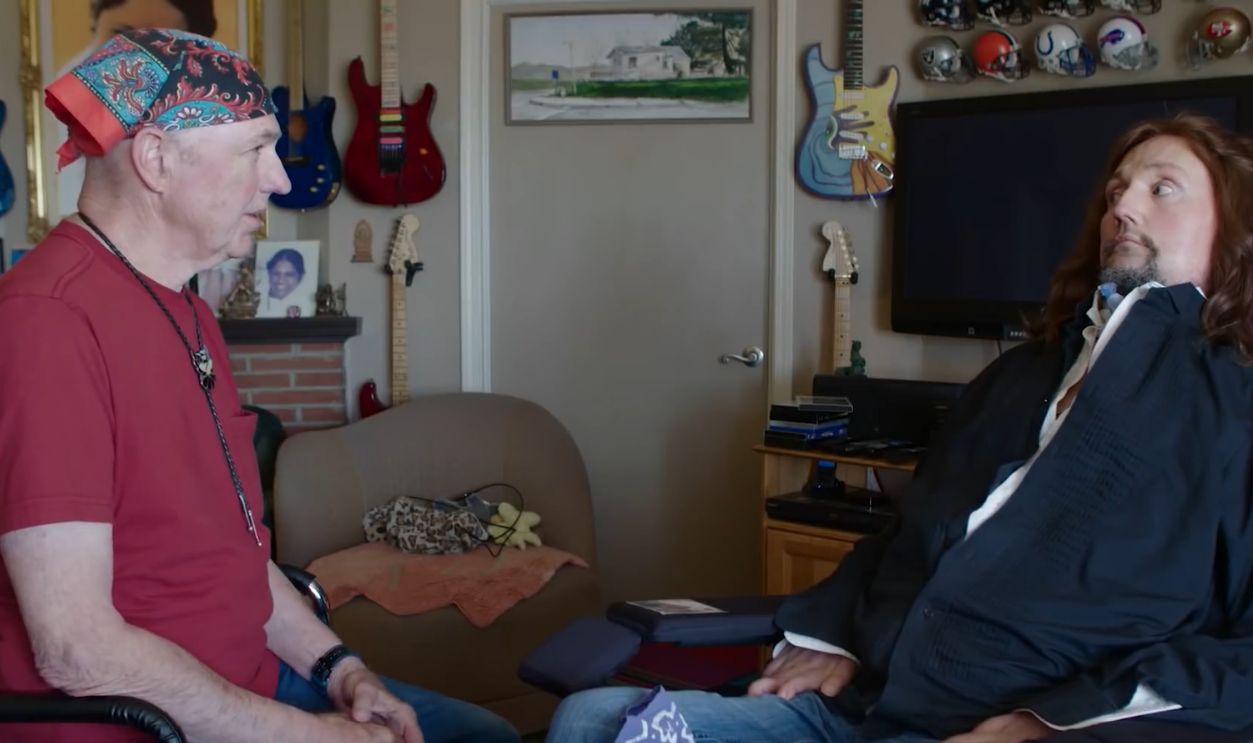
None of this would have been possible without the people around him. His family, caregivers, and friends turned their home into a hub for communication, recording, and care. They helped build the tools and support system that allowed Jason to do the impossible: keep working as a composer, decades after losing his ability to play.
 Screenshot from Triumphant Hearts, Mascot Label Records (2018)
He Could’ve Been the Greatest Ever—But What He Did Is Enough
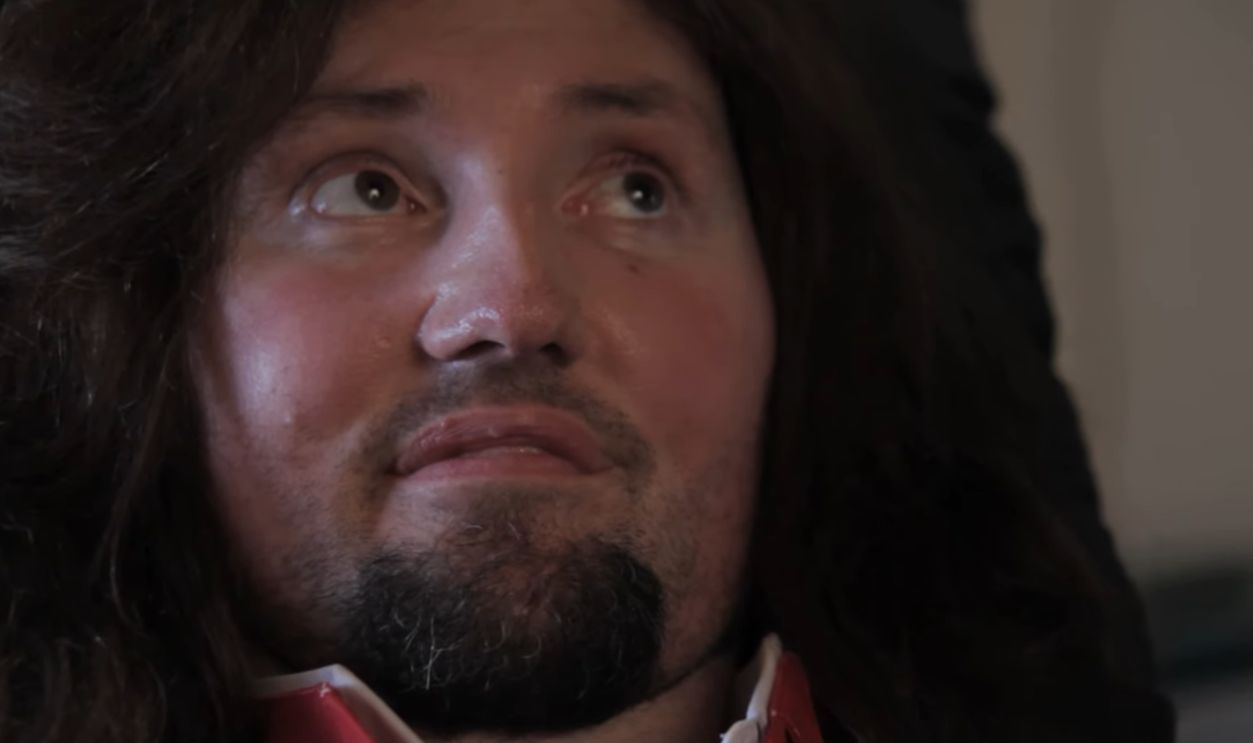
On paper, Jason Becker was robbed. He had the skill, feel, originality, and spark to rewrite guitar history, and a disease stole his ability to play. But the music he left on tape—and the music he still creates—have already made him a legend. In the end, that’s its own kind of greatness.
 Screenshot from Jason Becker: Not Dead Yet, Kino Lorber (2012)
You Might Also Like:
The Rock 'n' Roll Legacy Of Journey’s Steve Perry
Songs That Instantly Take You Back To High School
Most People Can’t Get 12/15 On This Rock And Roll Trivia Challenge—Can You?