Small-Town Static And A Can Of Spray Paint
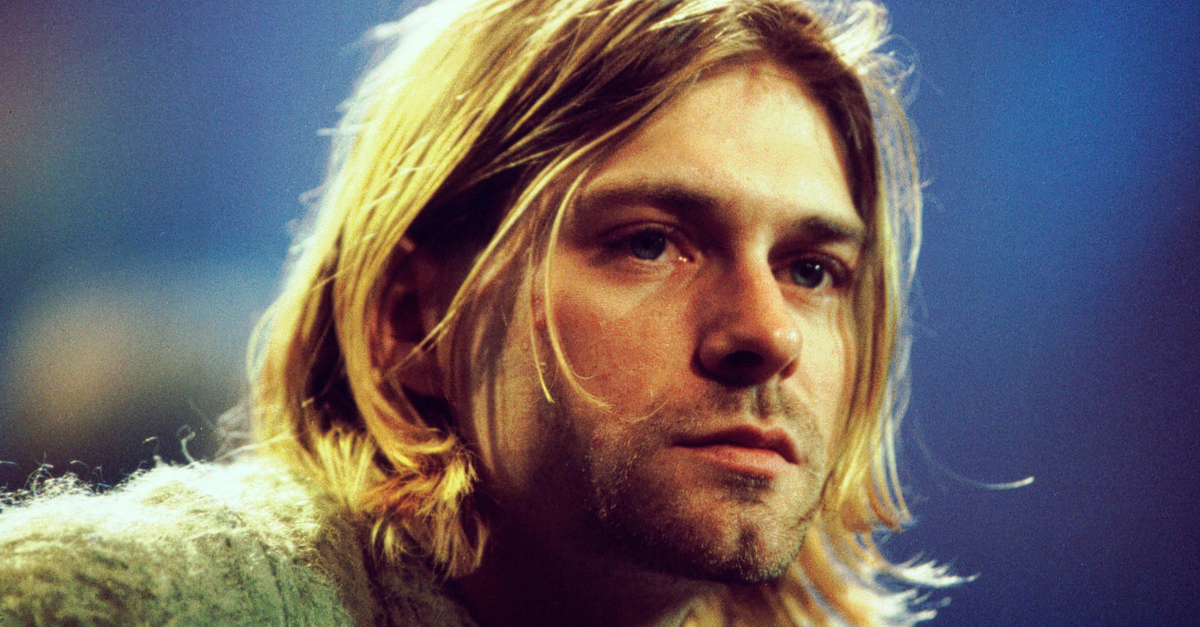
Before he became the unlikely face of a global music movement, Kurt Cobain was a restless teenager in Aberdeen, Washington, armed with a guitar, a sharp tongue, and occasionally, a can of spray paint. The town was quiet, conservative, and not especially welcoming to kids who didn’t fit the mold. Cobain didn’t just fail to fit in—he actively pushed back.
Growing Up In Aberdeen’s Shadow
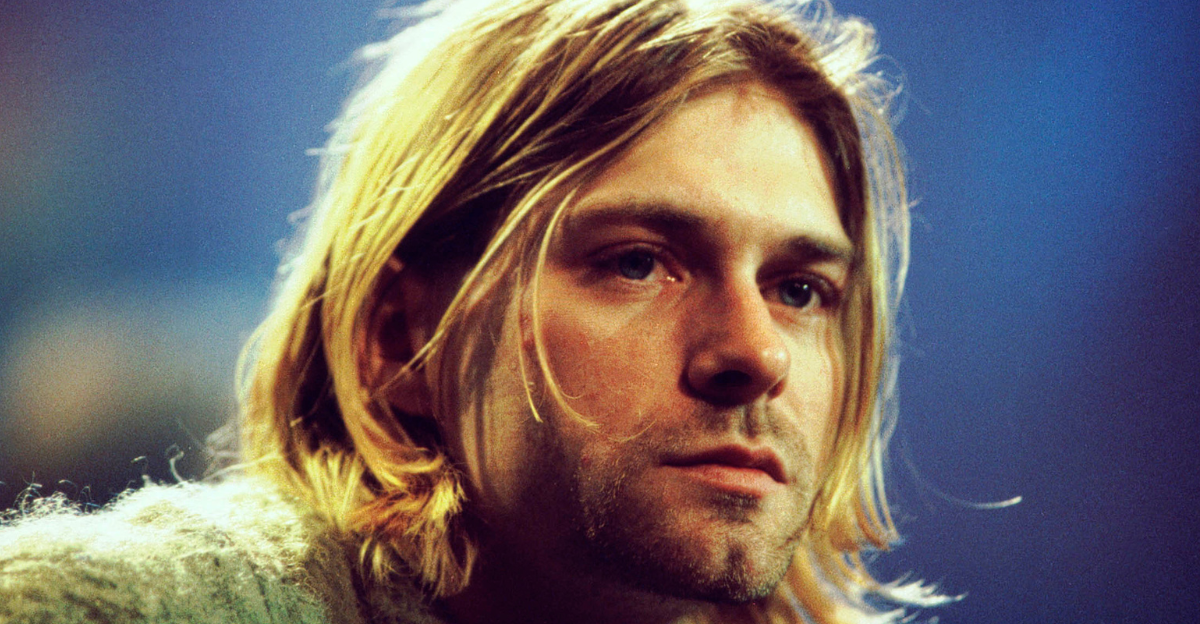
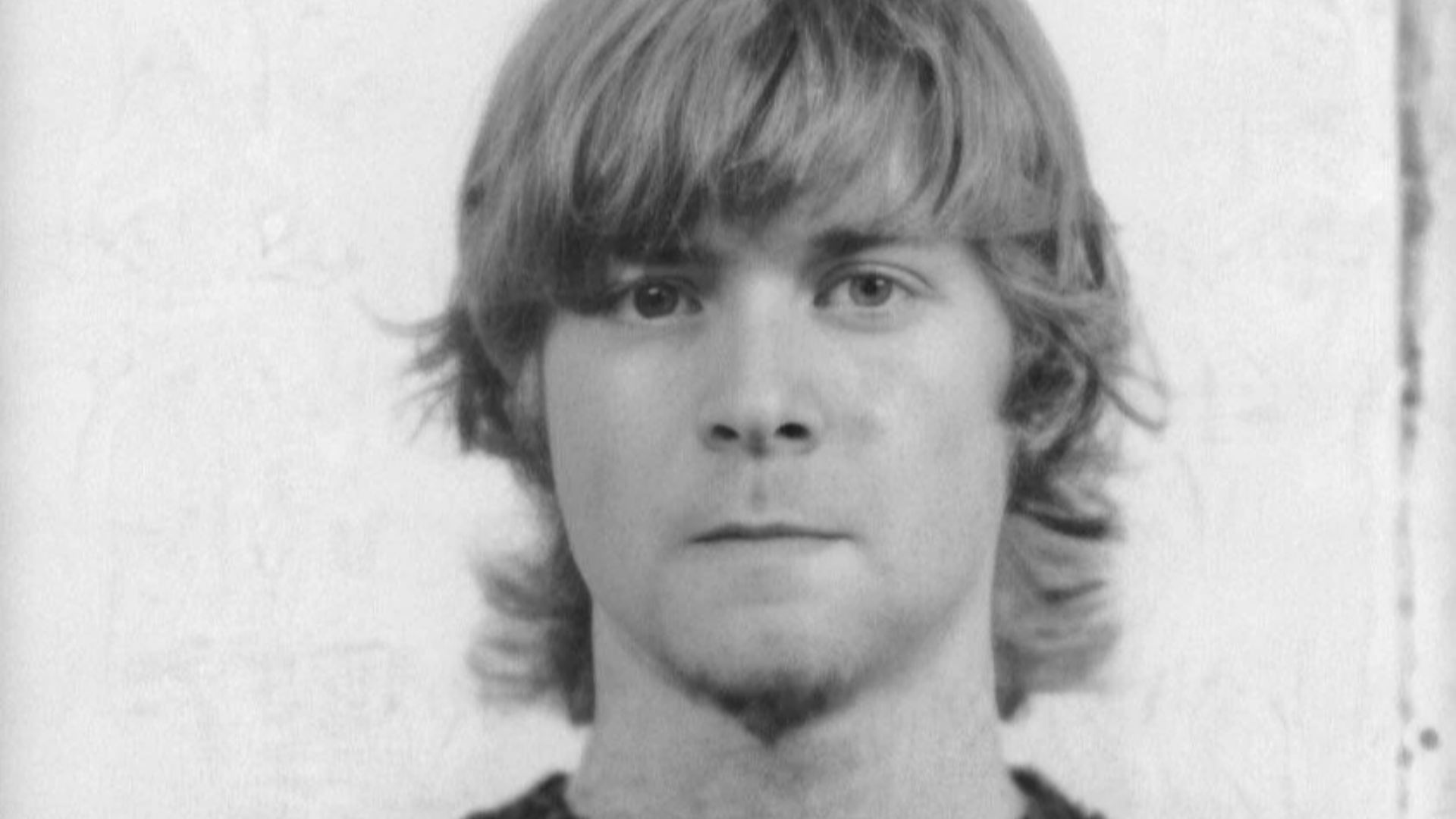
Kurt Donald Cobain was born on February 20, 1967, in Aberdeen, Washington. The logging town was economically strained and culturally traditional, the kind of place where expectations were clear and deviation wasn’t always welcome. From an early age, Cobain leaned toward art and music, happily drawing and gravitating toward instruments.
But the environment around him felt stifling. Aberdeen wasn’t built for kids who questioned everything. Cobain did that almost by reflex.
 Unknown authorUnknown author, Wikimedia Commons
The Divorce That Changed His Trajectory
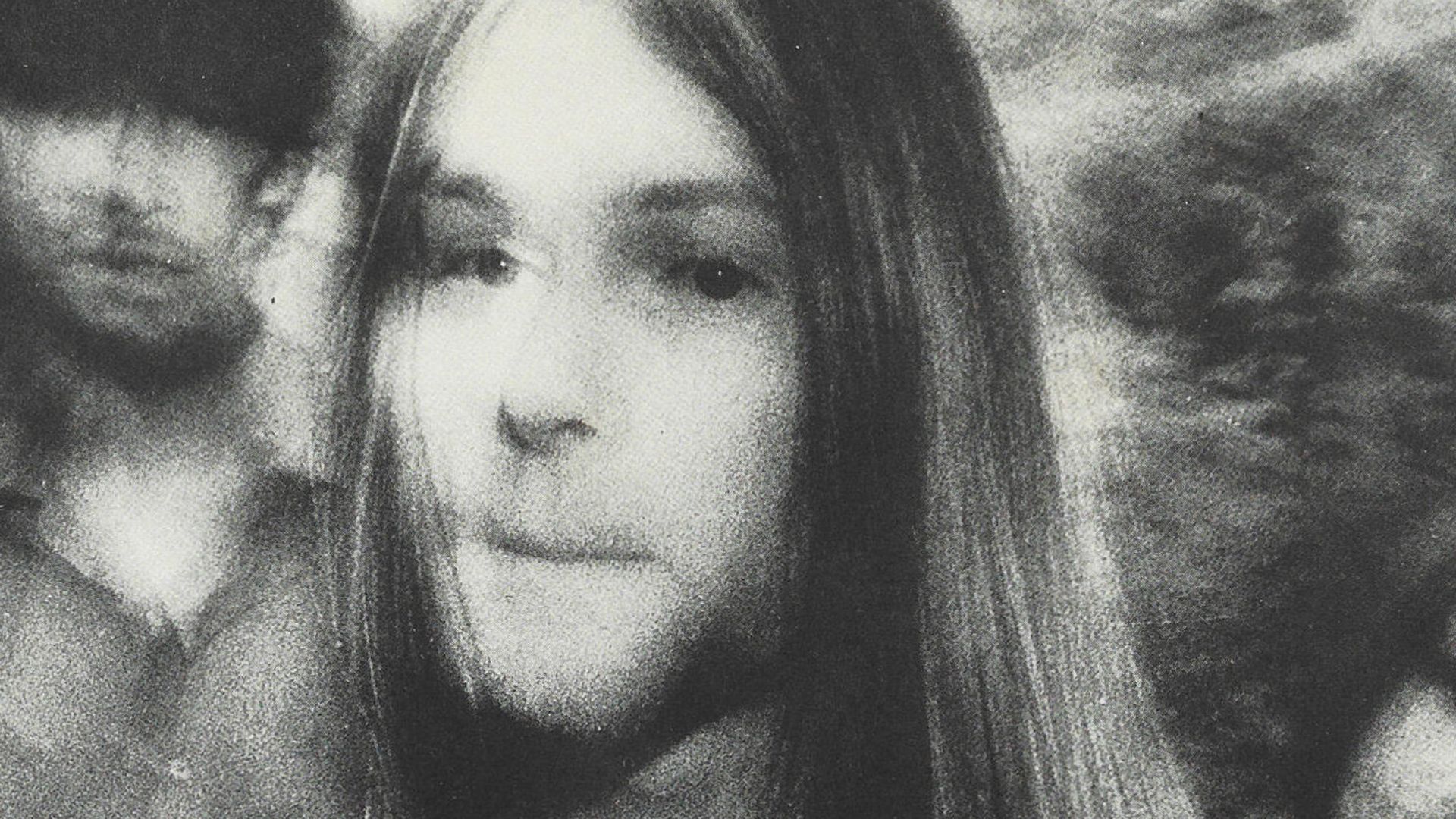
When Cobain was nine years old, his parents divorced. The split had a profound impact on him, and many people close to him later observed a noticeable shift in his behavior. He became more withdrawn, more defiant, and more emotionally volatile.
That early instability fueled his sense of alienation. It also sharpened his creative instincts. Pain had a way of turning into output.
 Alice Wheeler, Wikimedia Commons
An Outsider With Sharp Edges
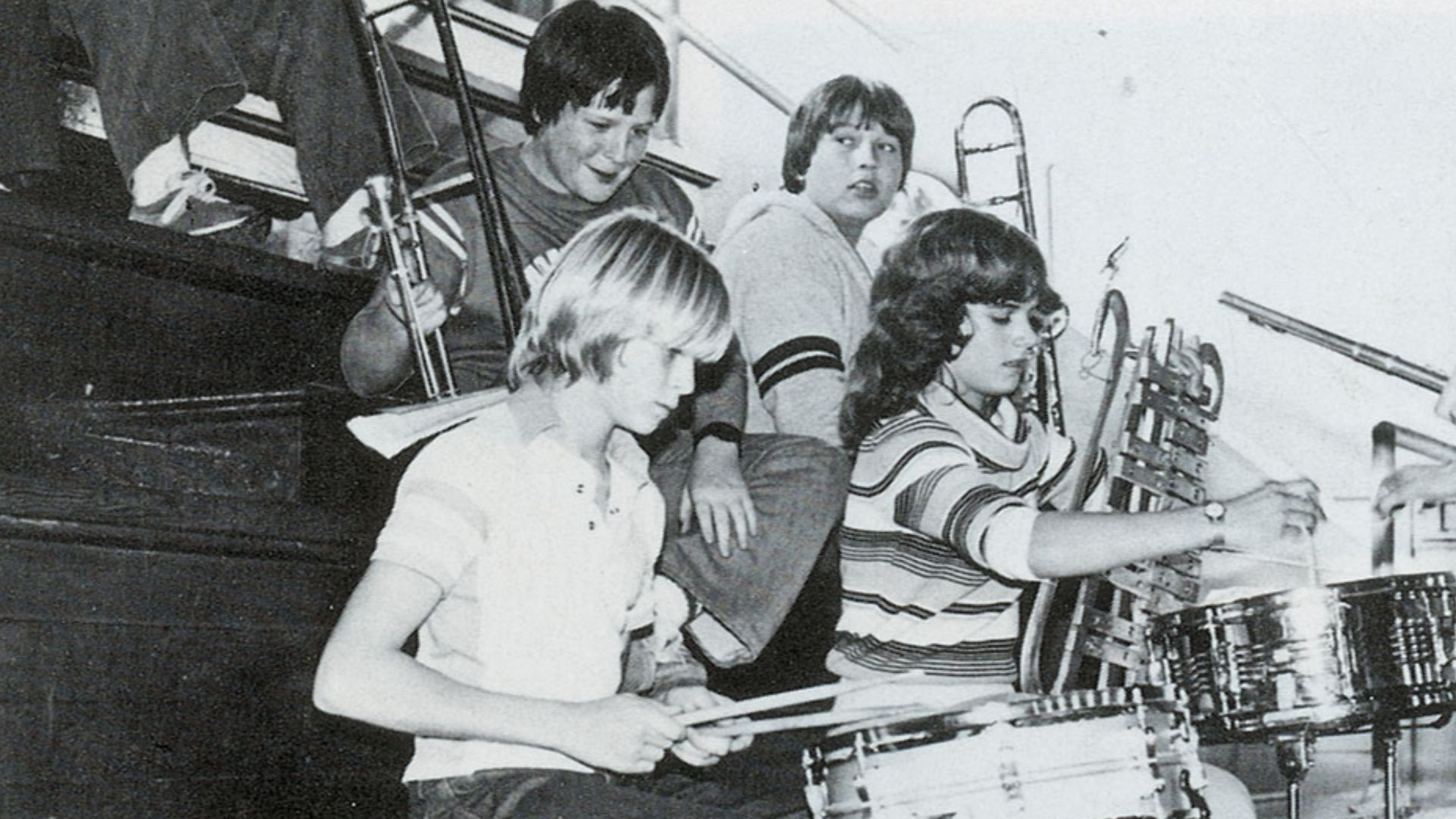
In school, Cobain didn’t blend easily into any one social group. He befriended other outcasts and showed early disdain for macho culture. Even as a teenager, he was openly critical of sexism and prejudice against people who didn’t fit the traditional norms.
 Montesano High School, Wikimedia Commons
Discovering Punk And Its Permission To Provoke
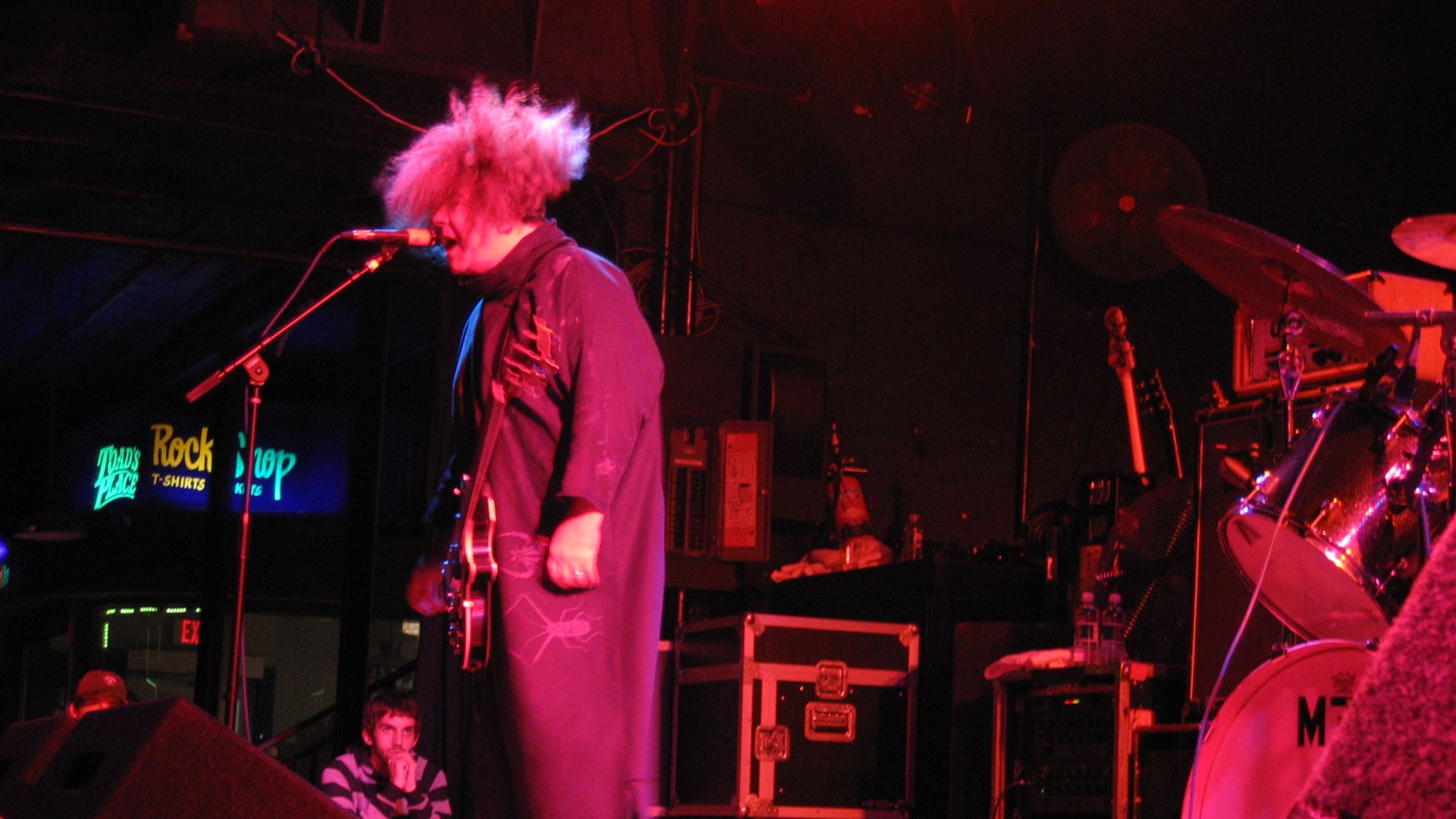
Punk rock changed everything. Through the local Washington scene and bands like the Melvins, Cobain found a sound that matched his internal chaos. Punk wasn’t polished. It didn’t ask permission. It didn’t apologize.
More importantly, it carried an anti-authority ethos that resonated deeply. It told him that anger could be productive. That challenging norms wasn’t just acceptable—it was necessary.
 https://www.flickr.com/photos/oldangelmidnight/268526693/, Wikimedia Commons
The “God Is Gay” Graffiti
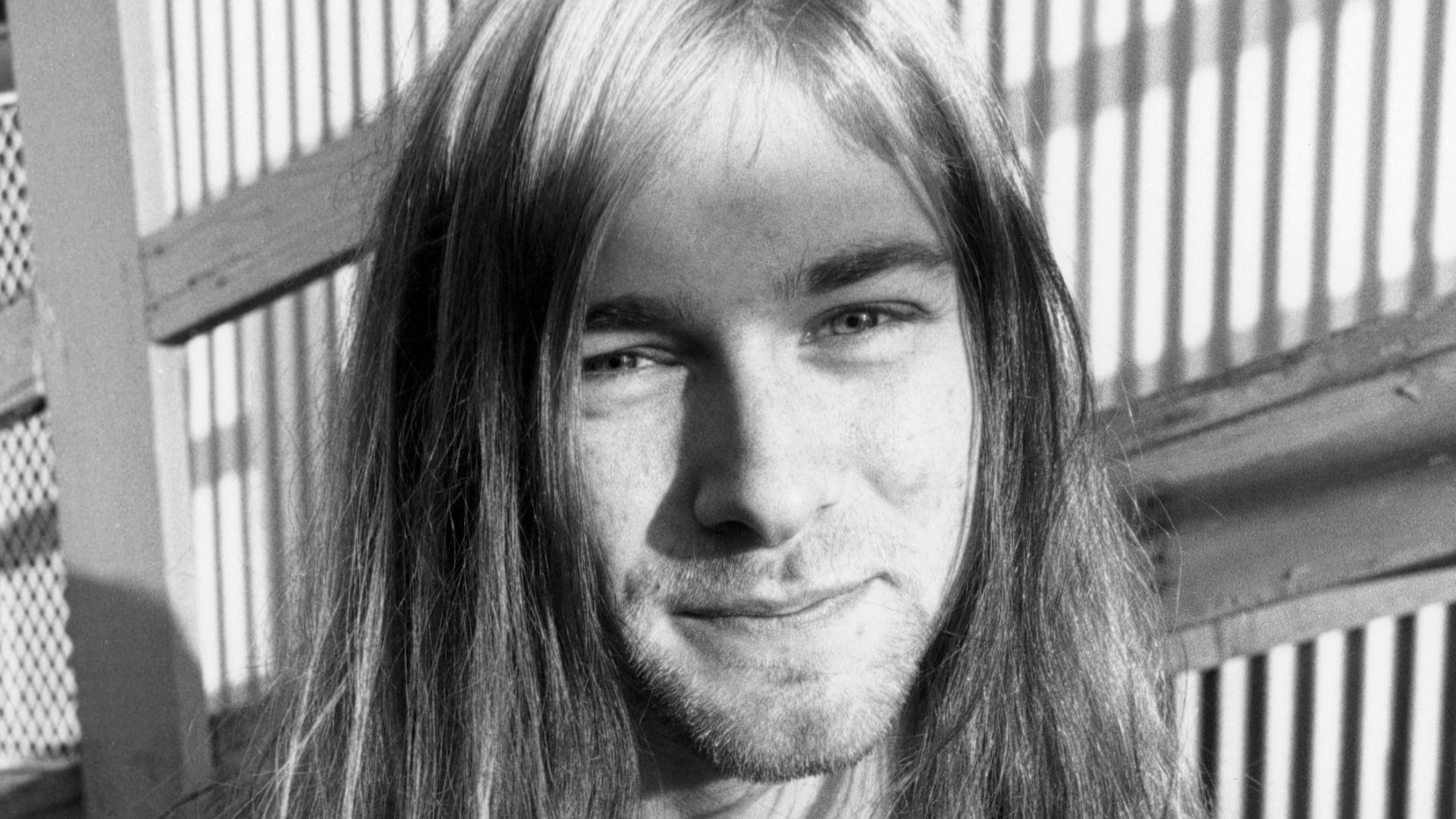
Sometime in the 1980s, Cobain took that ethos to the streets—literally. He spray painted “God Is Gay” around Aberdeen, including on prominent public spaces. In a conservative town, those three words were explosive.
The phrase wasn’t intended as a slur. Cobain was known for supporting gay rights and criticizing religious intolerance. The message functioned as satire and confrontation—a direct challenge to dogma and bigotry.
 Alice Wheeler, Wikimedia Commons
Shock As A Strategy
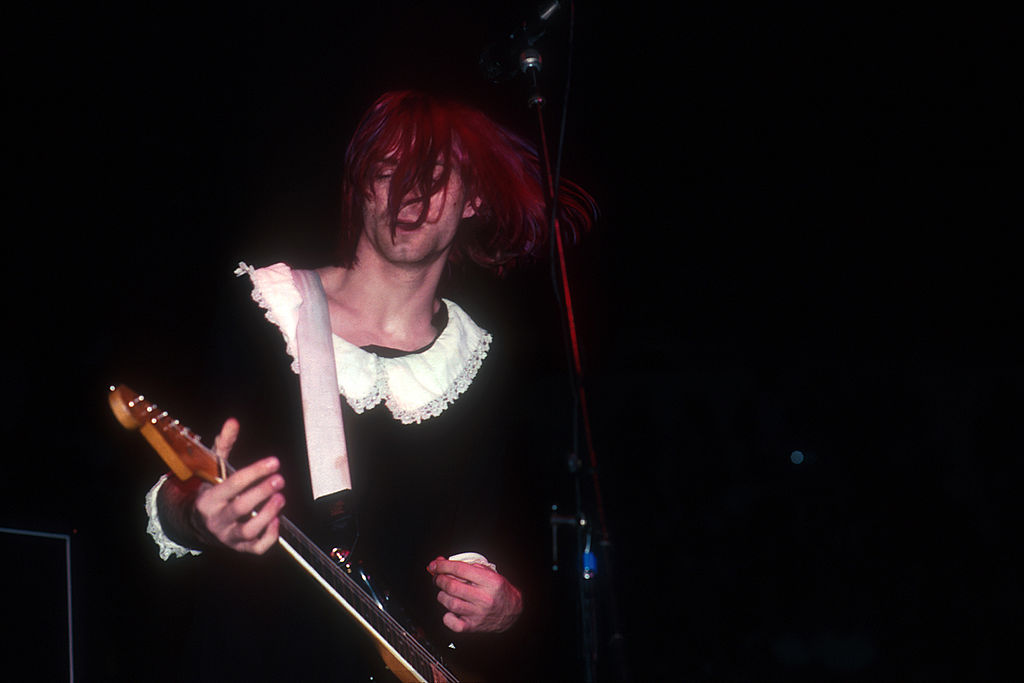
Aberdeen wasn’t amused. For many locals, the graffiti was offensive and outrageous. For Cobain, that reaction was part of the point. He wasn’t trying to be liked. He was trying to expose hypocrisy.
Dropping Out And Refusing The Script
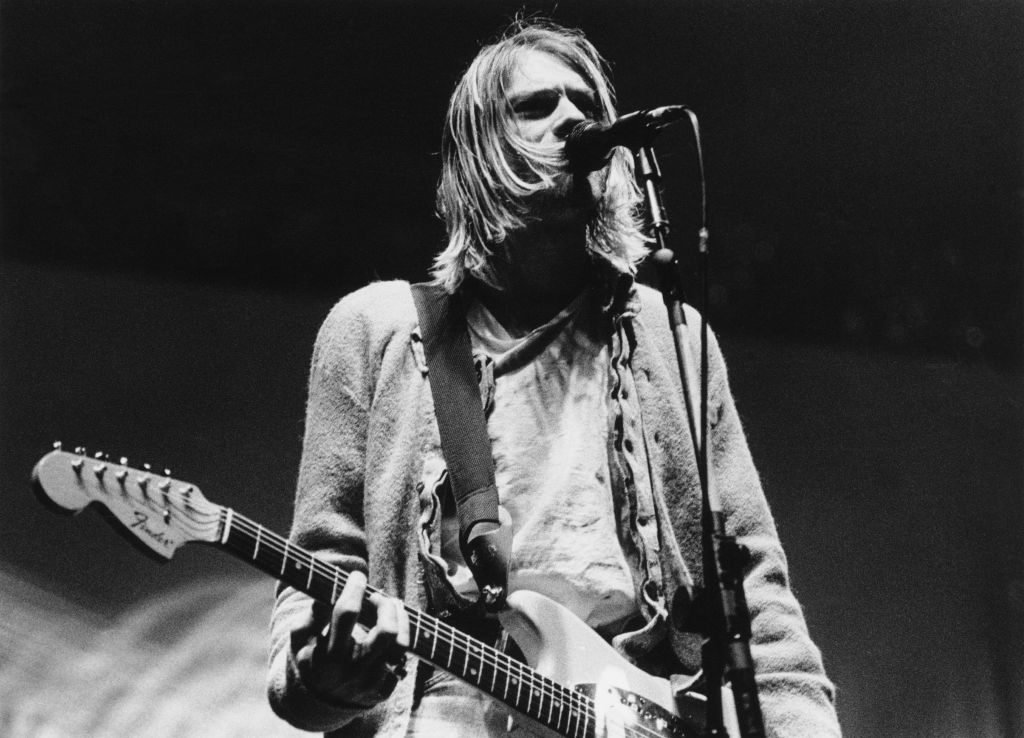
Cobain dropped out of high school shortly before graduation. Traditional life paths—steady job, predictable routine—felt suffocating. He drifted between friends’ homes, occasionally working odd jobs, but his focus was narrowing toward music.
 Raffaella Cavalieri, Getty Images
Meeting Krist Novoselic
Through the local music scene, Cobain connected with bassist Krist Novoselic. Their shared taste in punk and heavy music laid the foundation for a serious partnership. They began playing together in the mid-1980s, experimenting with sound and structure.
Nirvana Is Born
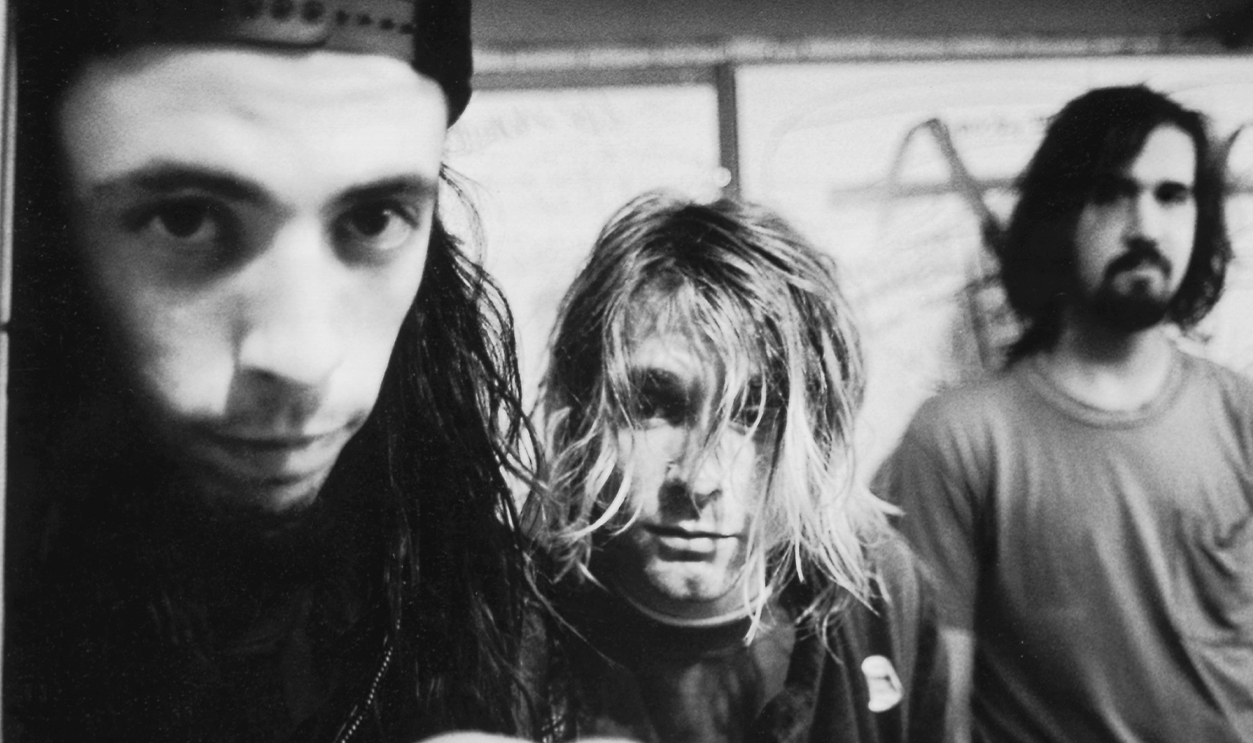
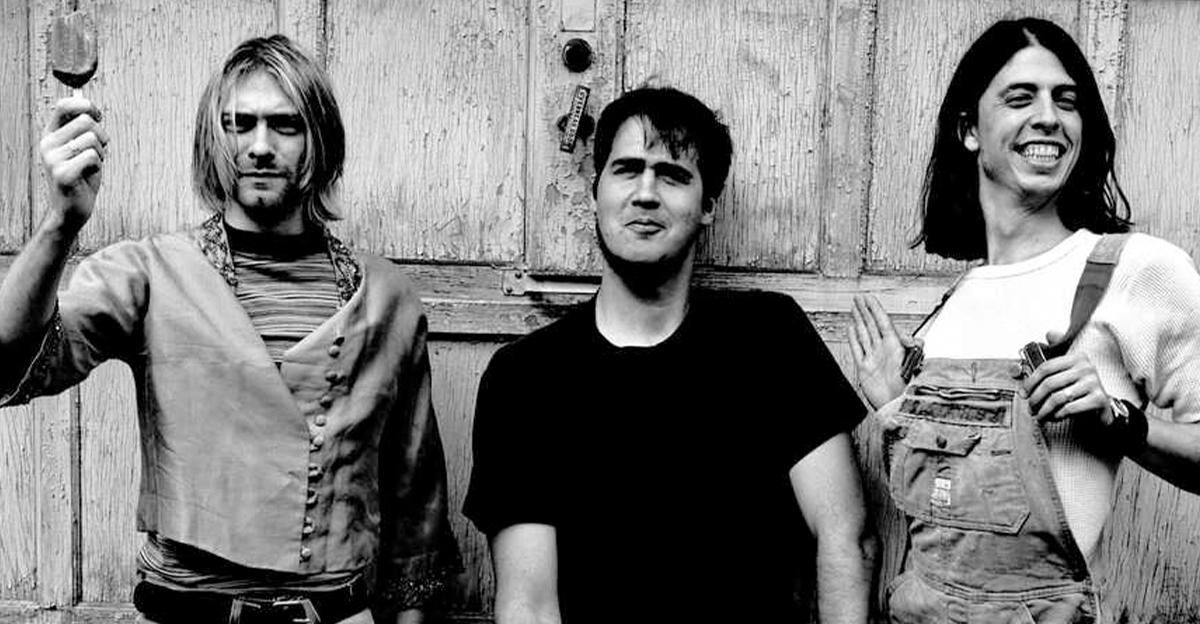
In 1987, Cobain and Novoselic formed Nirvana. After cycling through a few drummers, Dave Grohl joined in 1990. The trio’s chemistry solidified quickly, blending aggression with unexpectedly melodic songwriting.
Cobain’s ability to pivot between scream and whisper gave the band its emotional depth. The same kid who had scrawled graffiti now had amplifiers.
 David Lee (davidjlee), Wikimedia Commons
Bleach And The Underground Buzz
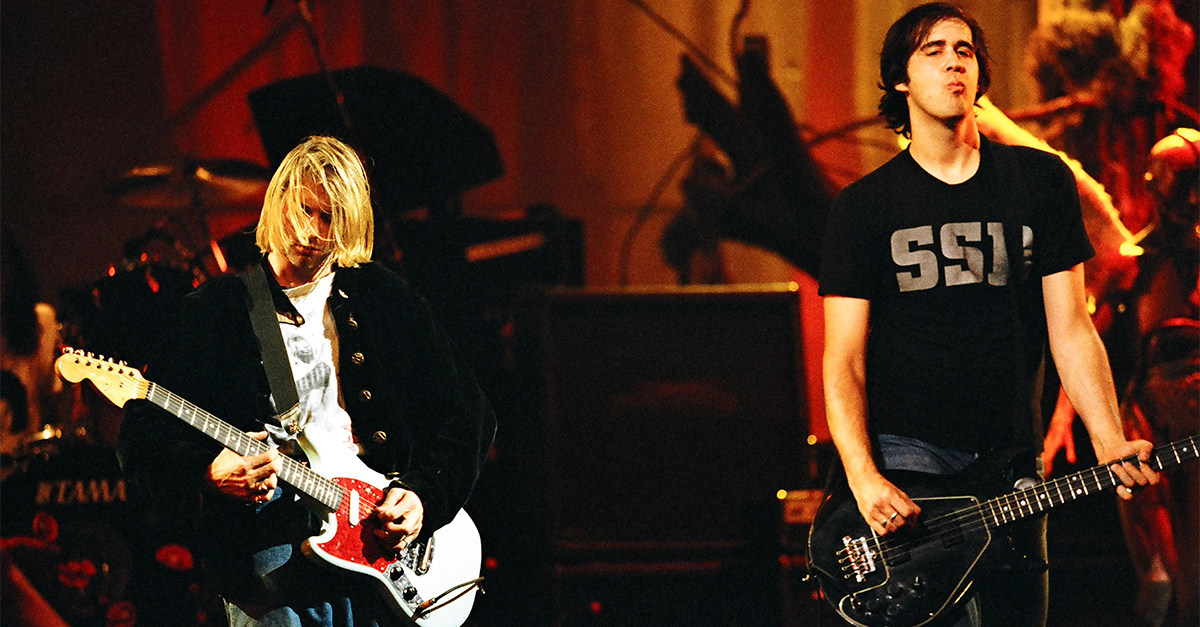
Nirvana released their debut album, Bleach, in 1989 on Sub Pop. The record reflected the gritty Seattle scene that was quietly building momentum. It didn’t make them mainstream stars, but it established credibility.
Cobain’s lyrics already carried themes of alienation and frustration. The rebellious energy hadn’t faded—it had matured.
 Jeff Kravitz/FilmMagic, Inc, Getty Images
Nevermind And Cultural Detonation
In 1991, Nirvana released Nevermind. Driven by “Smells Like Teen Spirit,” the album became a commercial and cultural phenomenon. Suddenly, the underground band from Washington was everywhere.
A Reluctant Spokesperson
Cobain resisted being turned into a symbol. He bristled at the idea of representing an entire demographic. Fame felt invasive and often misunderstood his intentions.
Still, he used his platform to reinforce his values. He publicly condemned prejudice of all kinds, making it clear that intolerance had no place in his audience.
Marriage And Fatherhood Under The Microscope
In 1992, Cobain married musician Courtney Love. Their relationship drew intense media scrutiny almost immediately. That same year, they welcomed their daughter, Frances Bean Cobain. The combination of sudden fame, tabloid attention, and new parenthood added pressure to an already volatile life. Privacy became a luxury he rarely experienced.
 Liguz, Andrzej, Wikimedia Commons
In Utero And Creative Defiance
Determined not to repeat the polished production of Nevermind, Cobain pushed for a harsher sound on Nirvana’s 1993 album In Utero. He wanted rawness. He wanted friction.
It was another act of defiance—this time against commercial expectations. He refused to smooth out the edges just to stay comfortable.
Chronic Pain And Inner Turmoil
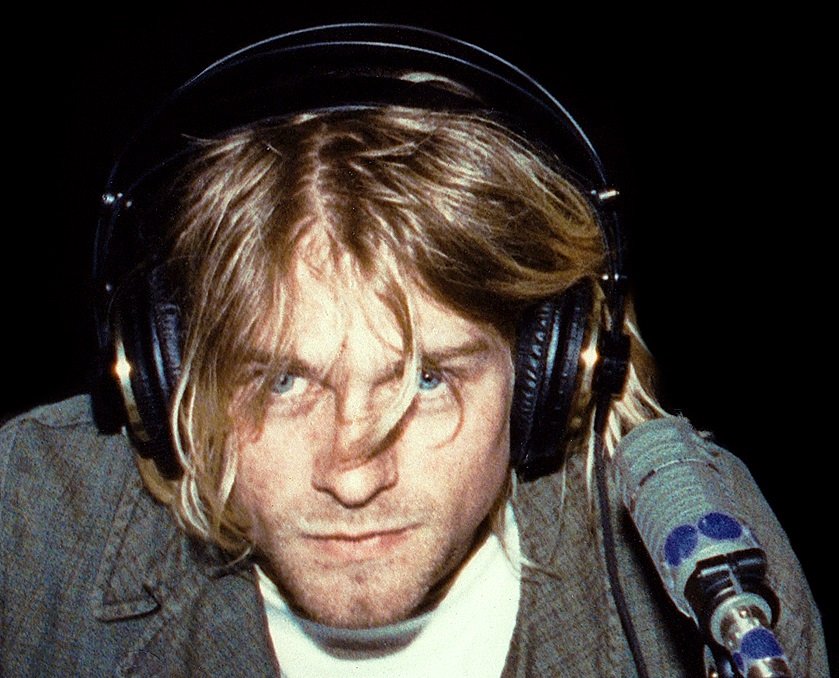
Cobain suffered from chronic stomach pain for years, describing it as severe and persistent. The physical discomfort compounded his emotional struggles. He sought relief in various ways, often with damaging consequences.
The pressures of fame, health issues, and personal turmoil created a volatile mix.
MTV Unplugged And Stripped-Down Vulnerability
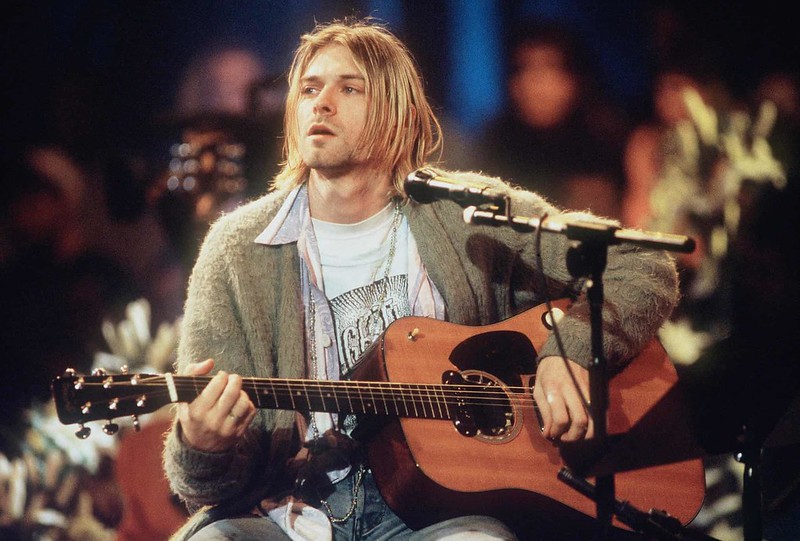
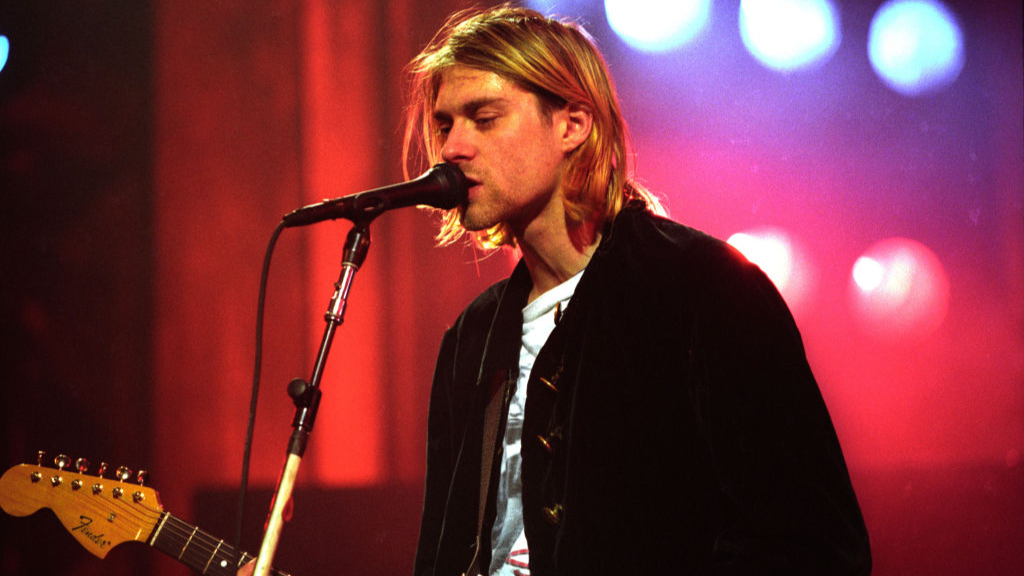
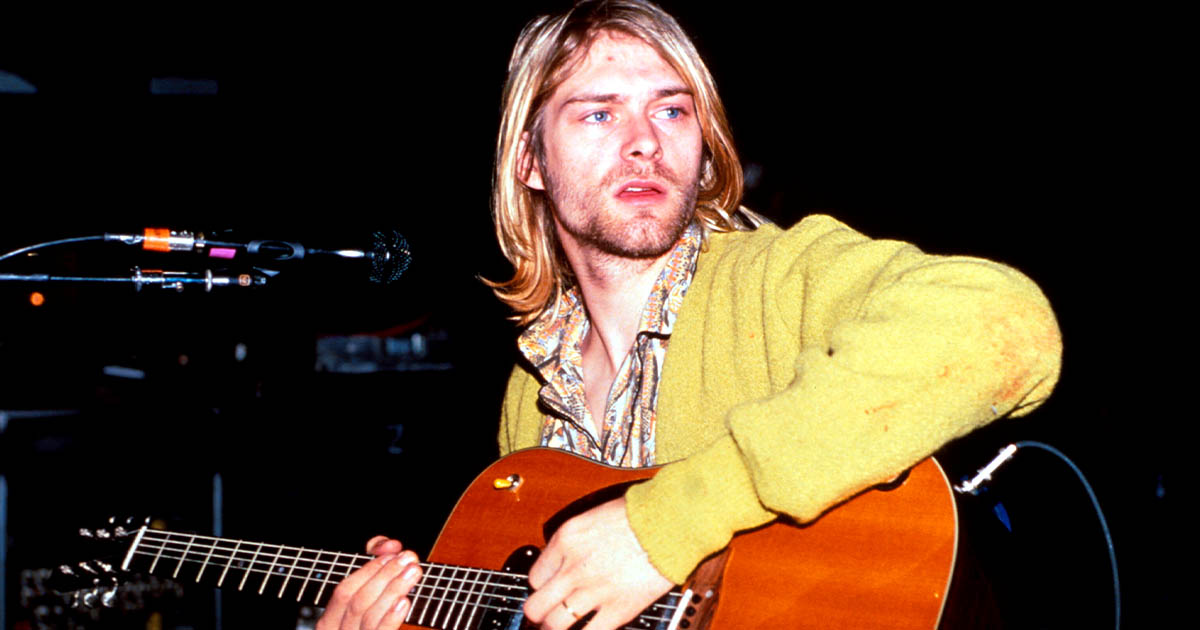
In November 1993, Nirvana recorded their MTV Unplugged performance. Instead of delivering a greatest-hits set, they chose unexpected covers and deeper cuts. The atmosphere was intimate and somber.
Without distortion to hide behind, Cobain’s voice carried an almost fragile honesty. It showed a different dimension of the rebellious frontman.
 Frans Schellekens, Getty Images
The Final Chapter
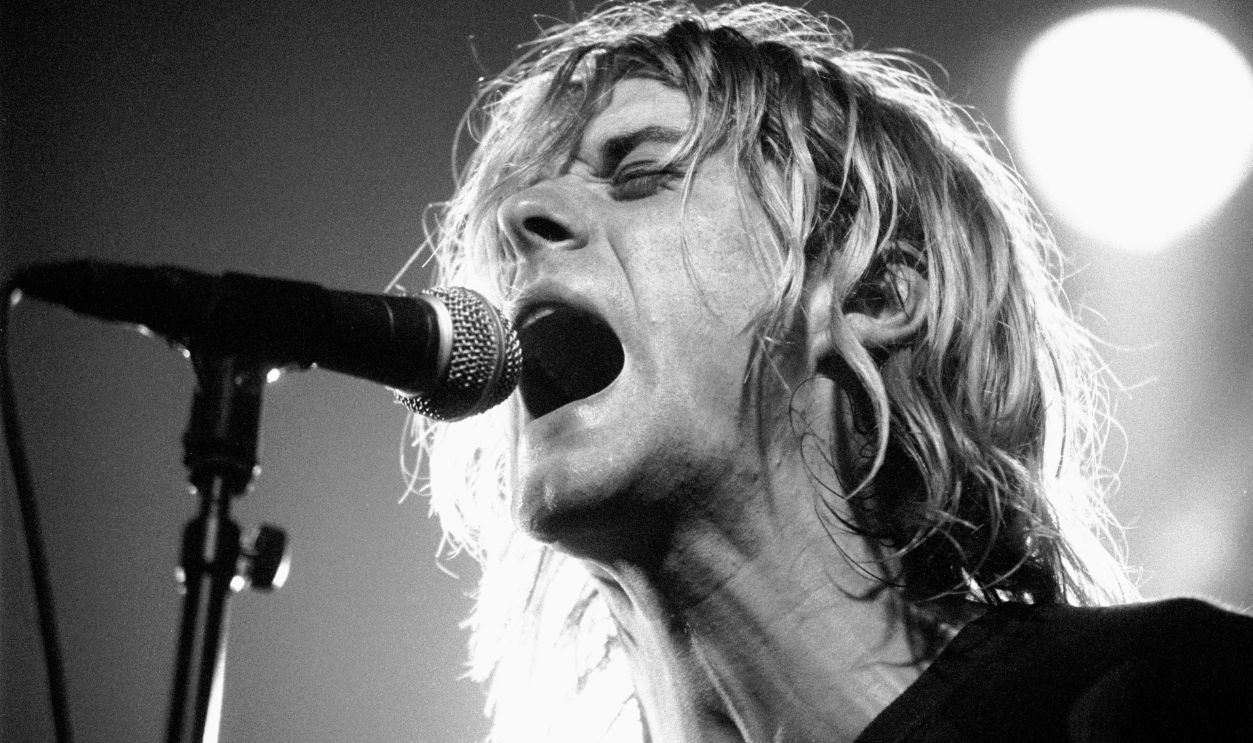
On April 5, 1994, Kurt Cobain passed at the age of 27 at his own hand. The news stunned fans and fellow musicians alike. The world mourned not just a rock star, but a complicated artist who had articulated disaffection with rare clarity.
The Legacy Of A Graffiti Rebel
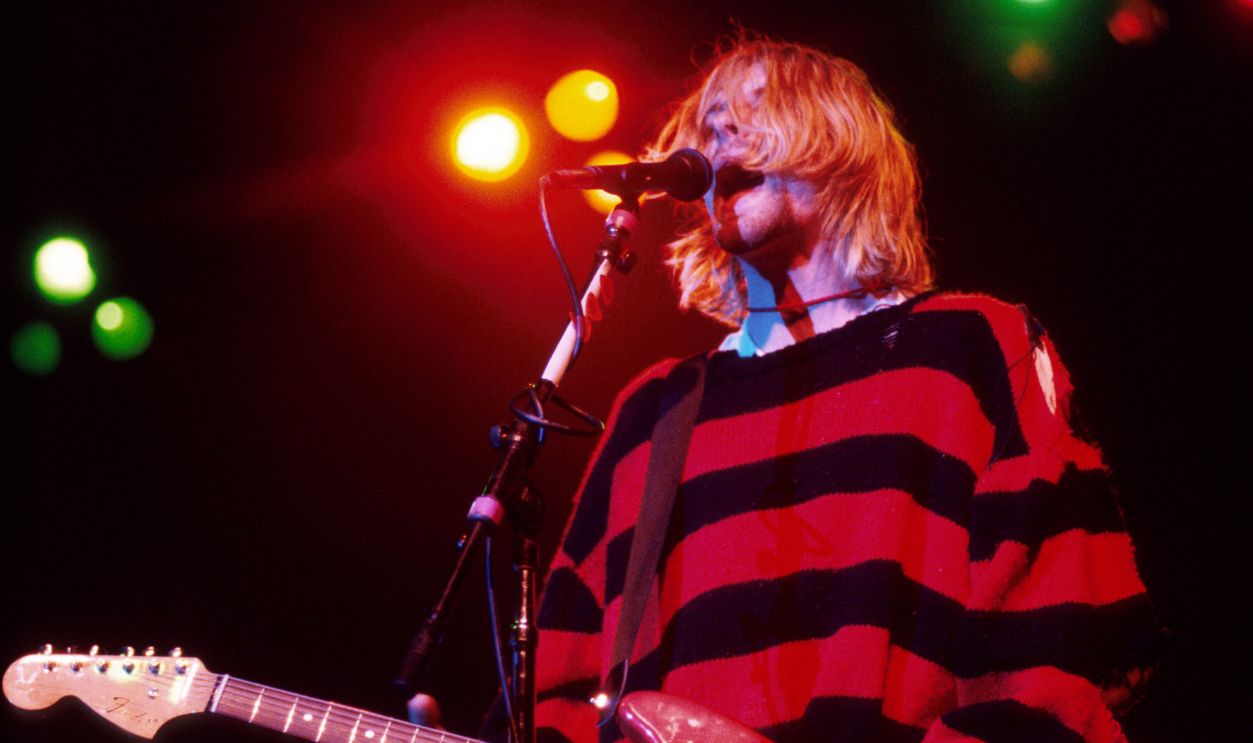
Today, Cobain’s legacy remains firmly intact. Nirvana’s music continues to resonate across generations, and his stance against bigotry still stands out in rock history. He wasn’t just loud—he was pointed.
You May Also Like:
Songs Younger Baby Boomers Loved That Most Older Boomers Don’t Remember At All
Source: 1