Loud, Proud, And Not Backing Down
Country music has always loved a good rebel—right up until that rebel challenges the wrong thing. In 2003, at the height of their fame, the Dixie Chicks did exactly that. One offhand comment overseas turned them from chart-topping darlings into public enemies on country radio. But what looked like career sabotage at the time would eventually become one of the most pivotal standoffs in modern music history.

From Texas Roots To Nashville Royalty
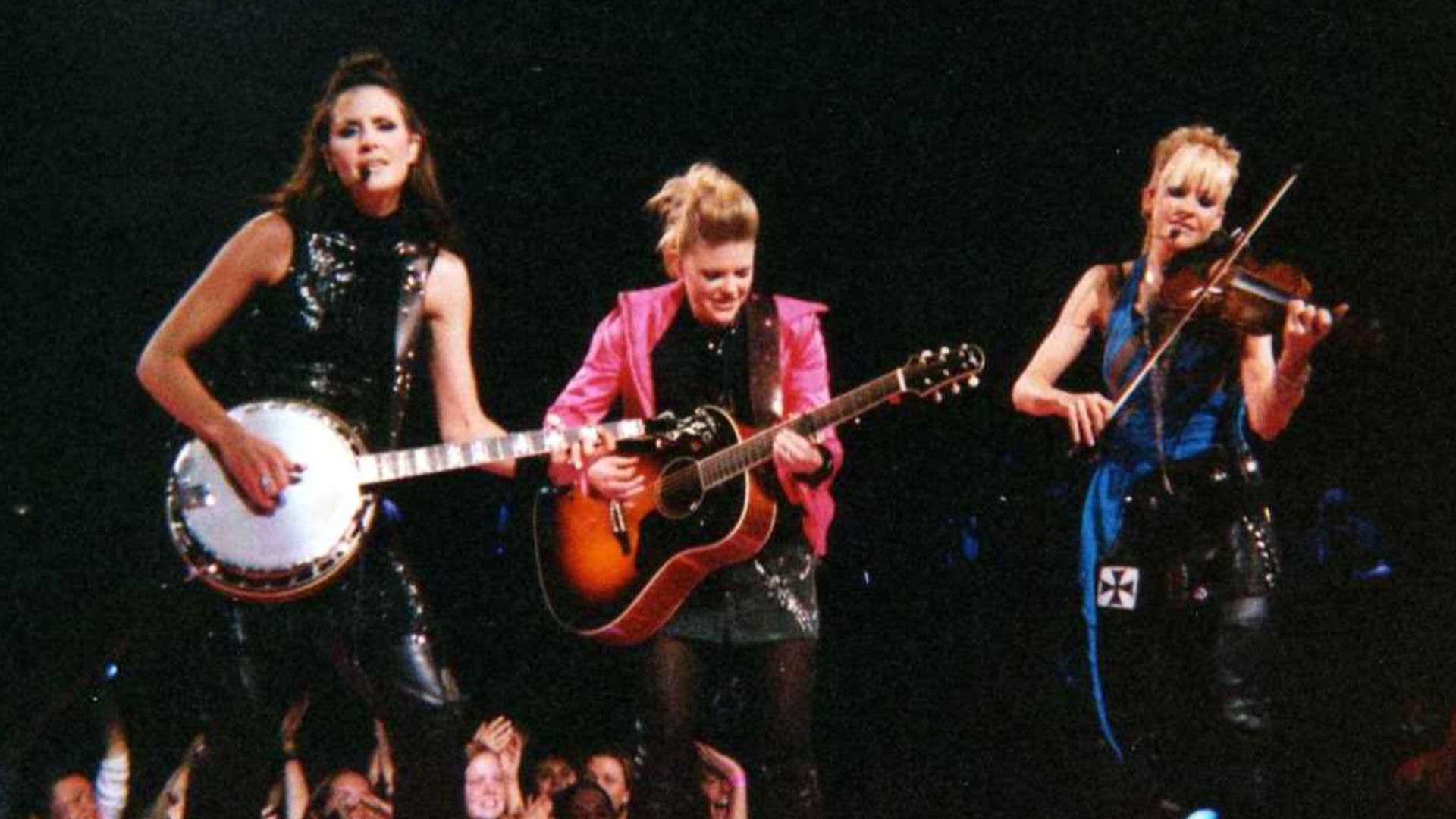
Before the controversy, the trio—Natalie Maines, Martie Maguire, and Emily Strayer—had already carved out a massive space in country music. Formed in Texas and later retooled in Nashville, they blended bluegrass chops with mainstream polish. By the late 1990s, albums like Wide Open Spaces and Fly were smashing sales records and dominating awards shows.
 The original uploader was Wasted Time R at English Wikipedia., Wikimedia Commons
A London Stage And One Unscripted Line
In March 2003, while performing in London, Natalie Maines addressed the crowd. She expressed embarrassment that President George W Bush was from Texas, just like the band. It was a brief comment—no profanity, no rant—but it landed like a thunderclap back home.
Within days, the backlash began.
 Ron Baker (https://www.flickr.com/photos/kingsnake), Wikimedia Commons
Radio Turns The Dial
Country radio stations across the United States began pulling their songs. Some made formal announcements. Others quietly erased them from rotation. For a group that relied heavily on airplay, it was a swift and punishing response.
Listeners organized boycotts. Former fans destroyed CDs in public demonstrations. The message from the industry gatekeepers was loud and clear: fall in line or get out.

The Backlash Goes National
The criticism wasn’t confined to radio programmers. Politicians weighed in. Commentators blasted them. The trio, once country’s golden girls, now required heightened security at public events.
 Jim Williams, Wikimedia Commons
The Apology That Didn’t Fix Anything
Maines initially issued a statement saying she felt no disrespect toward the office of the president and clarified her remarks. But the attempt to calm the storm satisfied almost no one—critics saw weakness, supporters saw pressure.
The apology didn’t restore airplay. If anything, it underscored how deeply the lines had been drawn.
 deebeeandswivel, Wikimedia Commons
Standing Their Ground
As the Iraq conflict continued, so did the tension. Over time, the band stopped trying to appease critics and leaned into their position. They emphasized their right to free speech and their belief that patriotism included dissent.
It was a risky pivot—but it was authentic.
 JD Lasica from Pleasanton, CA, US, Wikimedia Commons
Touring Through The Fire
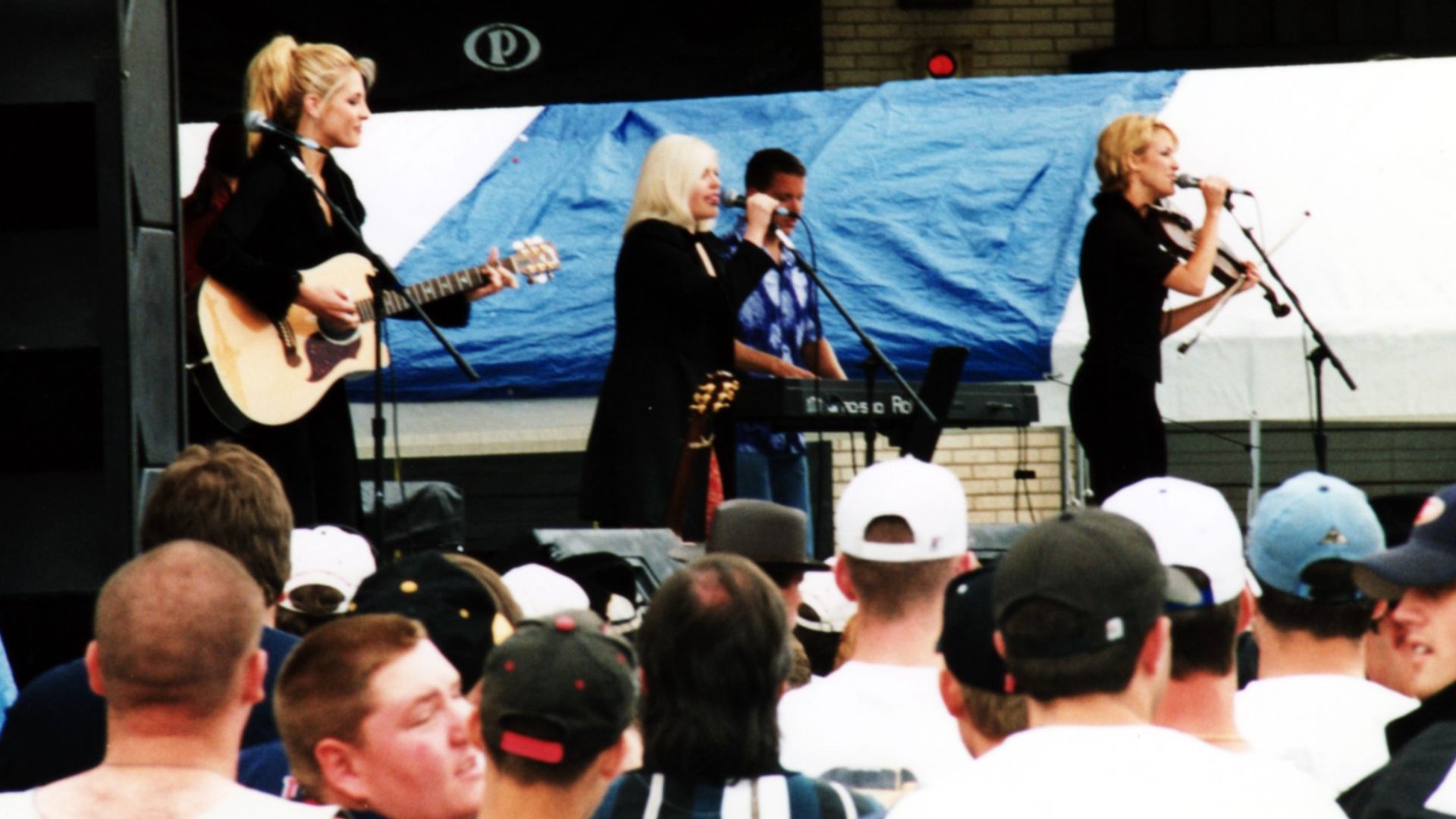
Concert attendance became unpredictable. Some shows saw enthusiastic support. Others drew protests. Security remained tight. The band faced the surreal reality of performing while knowing entire segments of the audience might despise them.
Yet they kept showing up.

Taking The Long Way Back
In 2006, they released Taking the Long Way. The album wasn’t a retreat—it was a statement. Collaborating with producer Rick Rubin, they embraced a broader, more rock-leaning sound and addressed the controversy head-on.
The lead single said exactly what many expected.
 jasontheexploder at https://www.flickr.com/photos/26251139@N00/, Wikimedia Commons
Not Ready To Make Nice
Not Ready to Make Nice became both a battle cry and a catharsis. The lyrics tackled anger, betrayal, and defiance without apology. It didn’t beg for forgiveness. It didn’t soften the edges.
The song resonated far beyond country radio—which, notably, still wasn’t fully on board.
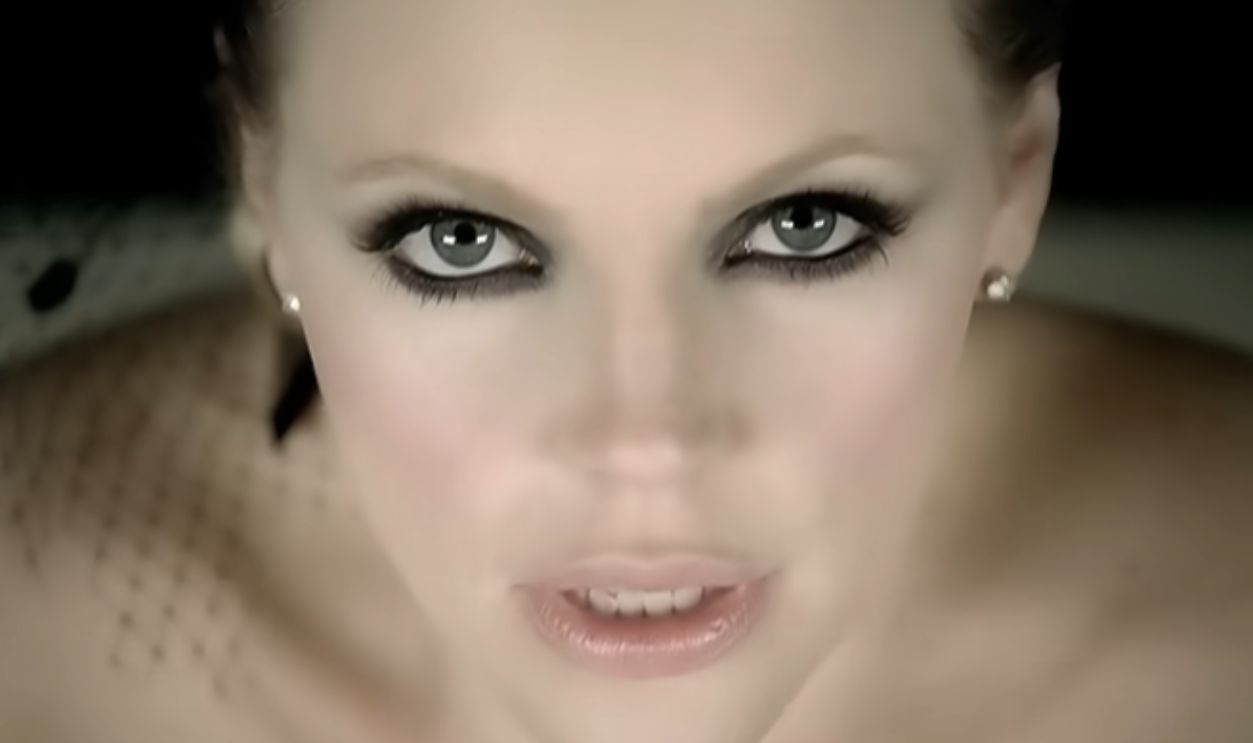 Screenshot from Not Ready To Make Nice, Columbia Records (2006)
The Grammy Sweep
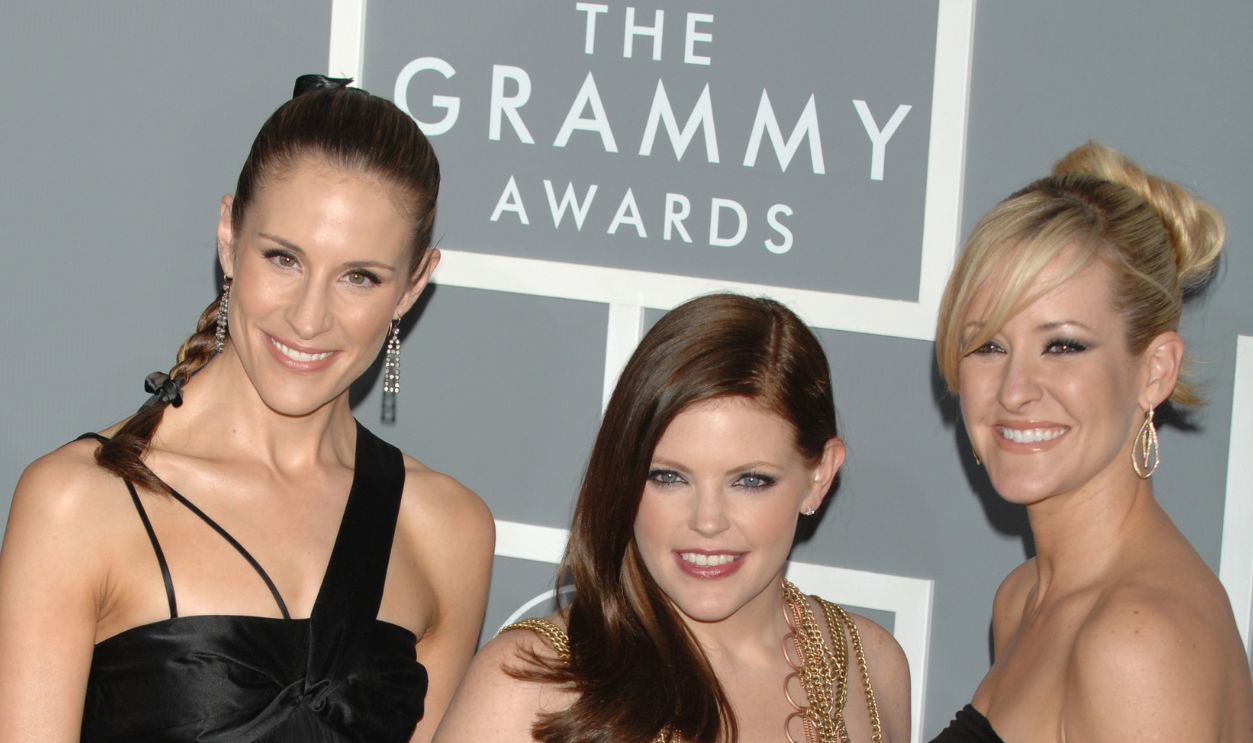
In 2007, the industry at large delivered a dramatic twist. The album and its flagship single won five Grammy Awards, including Album of the Year and Record of the Year. The night felt less like a comeback and more like vindication.
The broader music community had spoken—even if Nashville radio hadn’t fully embraced them again.
Country’s Political Fault Line
The episode exposed something simmering beneath the surface: country music’s political identity. For years, the genre had leaned heavily patriotic—often aligning with conservative values. The Chicks’ comments disrupted that unspoken contract.
It forced the industry to confront whether there was room for dissenting voices.
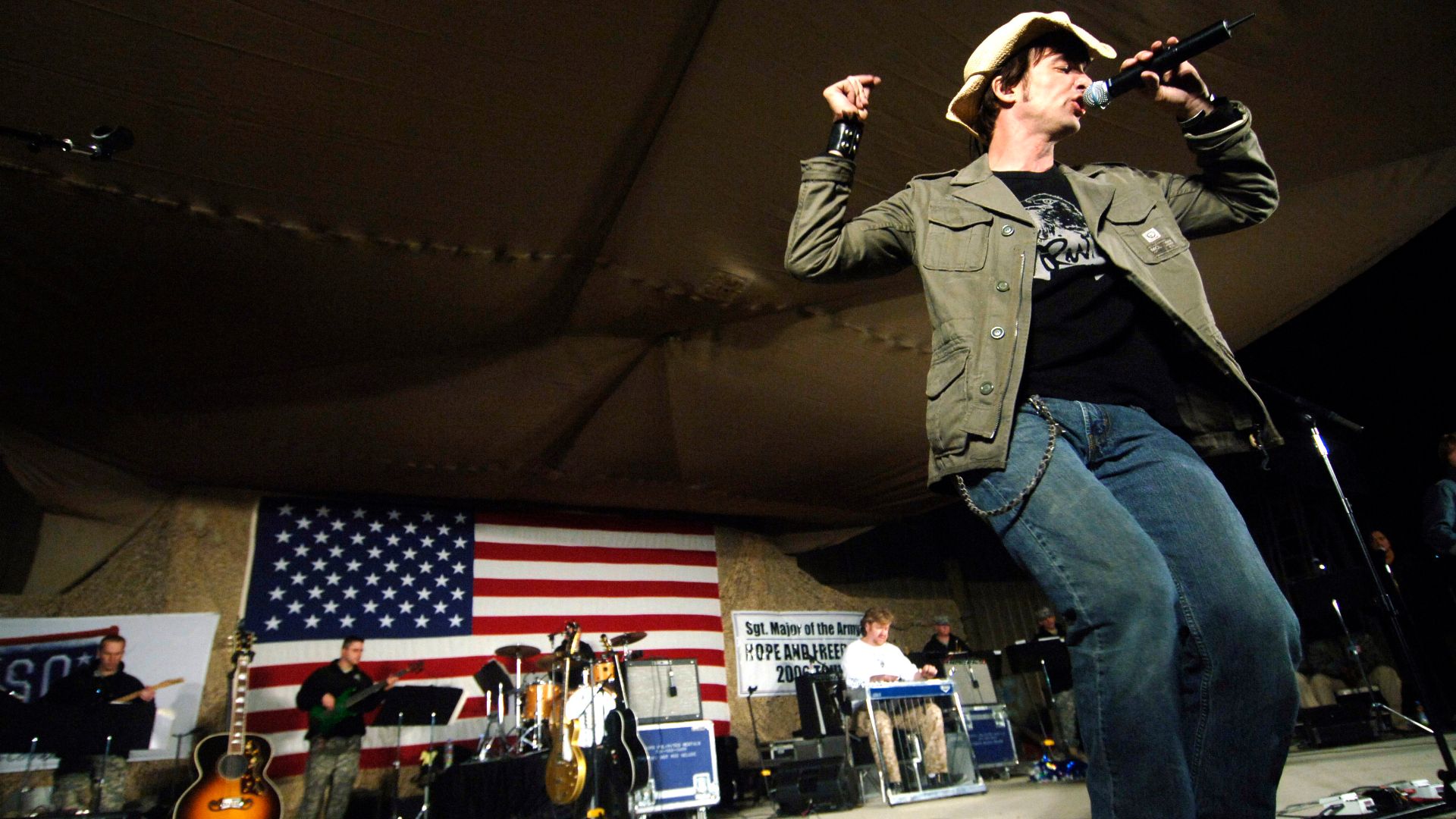 U.S. Navy Photo by Mass Communication Specialist 2nd Class Kitt Amaritnant, Wikimedia Commons
Sales Vs. Airplay
Interestingly, while radio support lagged, album sales told a different story. Taking the Long Way debuted at number one on the Billboard 200. Fans outside traditional country strongholds showed up in force.
The band may have lost radio—but they gained a broader cultural platform.
 Billboard 200, Wikimedia Commons
A Chilling Effect
For years after, other country artists were notably cautious about political commentary. The fallout served as a cautionary tale. Speak carefully—or risk everything.
The Chicks had become both warning and inspiration.
 JD Lasica from Pleasanton, CA, US, Wikimedia Commons
Time Changes The Conversation
As the political climate shifted over the next decade, public opinion evolved. Younger audiences, raised on social media and open political discourse, viewed the 2003 backlash differently. What once seemed career-ending began to look like early resistance.
The narrative was softening.

A Return To The Spotlight
In 2020, the group reemerged with new music and a new chapter. They released the album Gaslighter, tackling personal and political themes with their signature harmonies intact. The years away hadn’t dulled their edge.
If anything, they sounded freer.
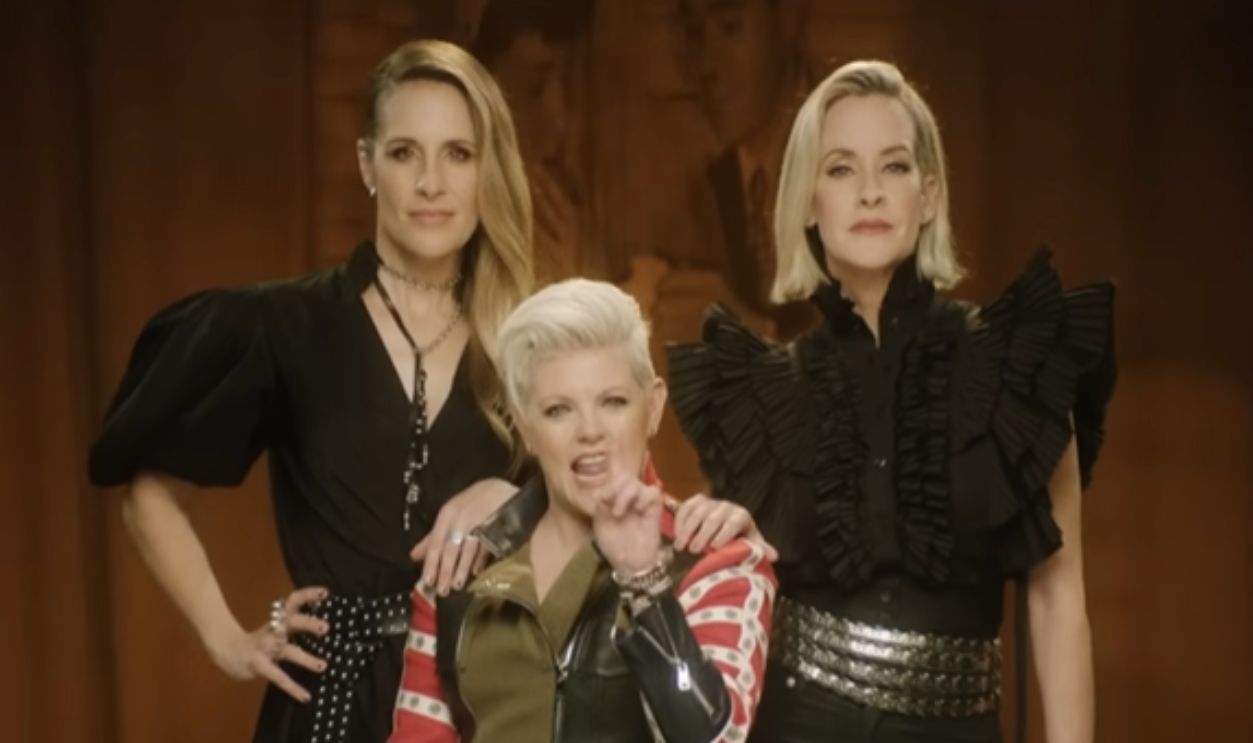 Screenshot from Gaslighter, Columbia Records (2020)
Dropping “Dixie”
That same year, they officially shortened their name to The Chicks. The change acknowledged evolving conversations about race and regional identity. It was another example of the band adapting rather than clinging to tradition.
They were no longer interested in playing by outdated rules.
 GATEkeeper at English Wikipedia, Wikimedia Commons
Rewriting The Rulebook
The industry itself had changed, too. Artists were now speaking openly about politics, identity, and social issues without automatic exile. Streaming platforms reduced radio’s gatekeeping power.
The world that once shut them out had shifted under its own weight.

Influence On A New Generation
Younger country and Americana artists cite The Chicks as proof that integrity can outlast controversy. The idea that commercial success requires silence feels less absolute now.
They didn’t just survive—they expanded the boundaries of what was possible.
 JD Lasica from Pleasanton, CA, US, Wikimedia Commons
The Cost Of Conviction
There’s no denying the price was steep. Lost sponsorships. Burned bridges. Years of tension with a core audience. But the trio has often reflected that they wouldn’t undo their decision to speak.
You May Also Like:
Iconic R&B Songs That Might Convince You To Stay Single Forever