
The Voice That Could Shake The Heavens
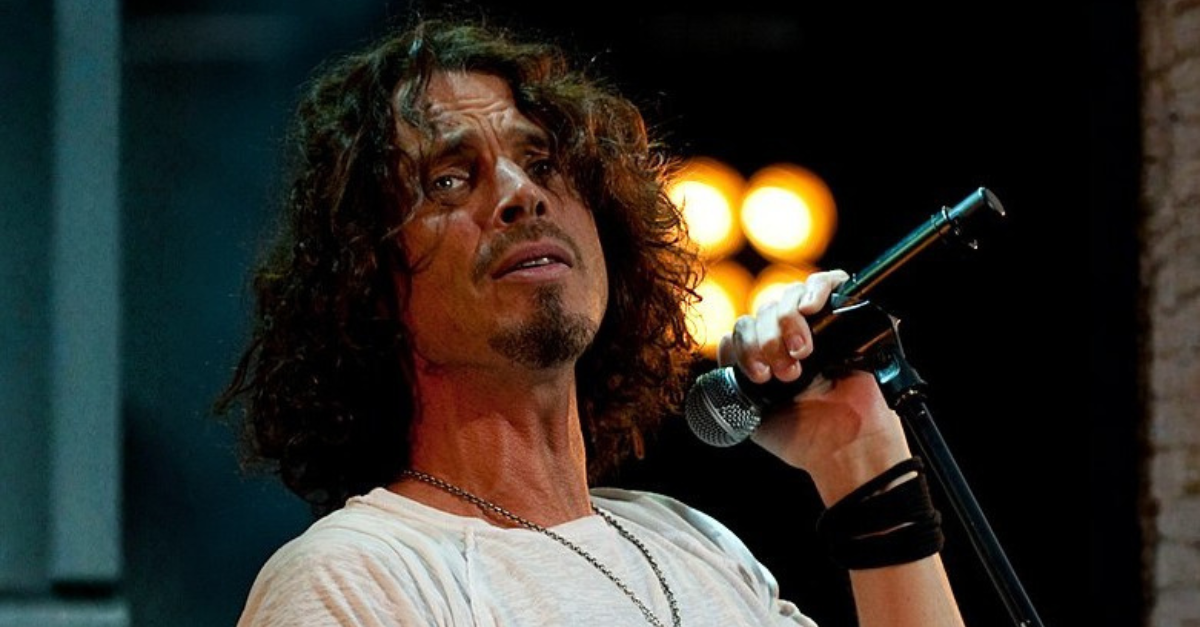
When Chris Cornell stepped onto a New York stage in May 2017 and delivered a fragile, aching rendition of “Nothing Compares 2 U”, the room fell silent. It wasn’t flashy. It wasn’t overproduced. It was just Cornell, a microphone, and a voice that sounded like it had lived a thousand lifetimes. Less than 24 hours later, he was gone. But as history keeps reminding us, voices like that don’t fade quietly.
A Shy Kid From Seattle
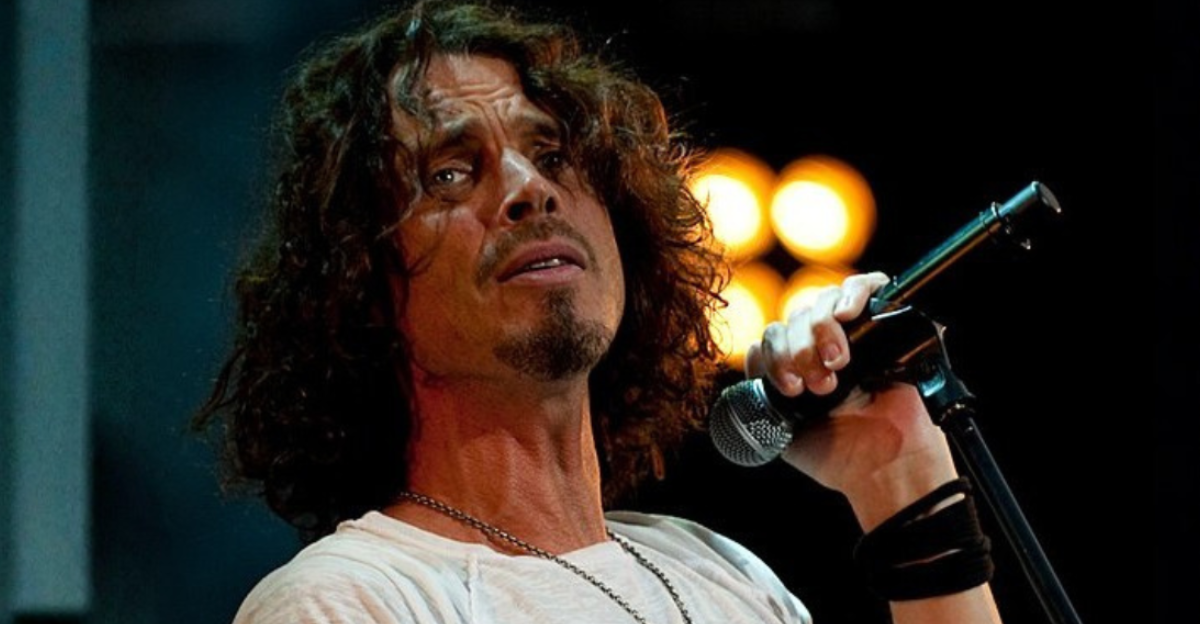
Long before the sold-out arenas and Grammy wins, Christopher John Cornell was a quiet kid growing up in Seattle. He struggled with anxiety and depression early on, often retreating into music as a safe harbor. The Beatles became an obsession, and by his early teens, he was already dreaming in guitar riffs and melodies.
Music wasn’t just a hobby—it was oxygen. It gave him purpose and, eventually, a path.
Building The Sound Of A Generation
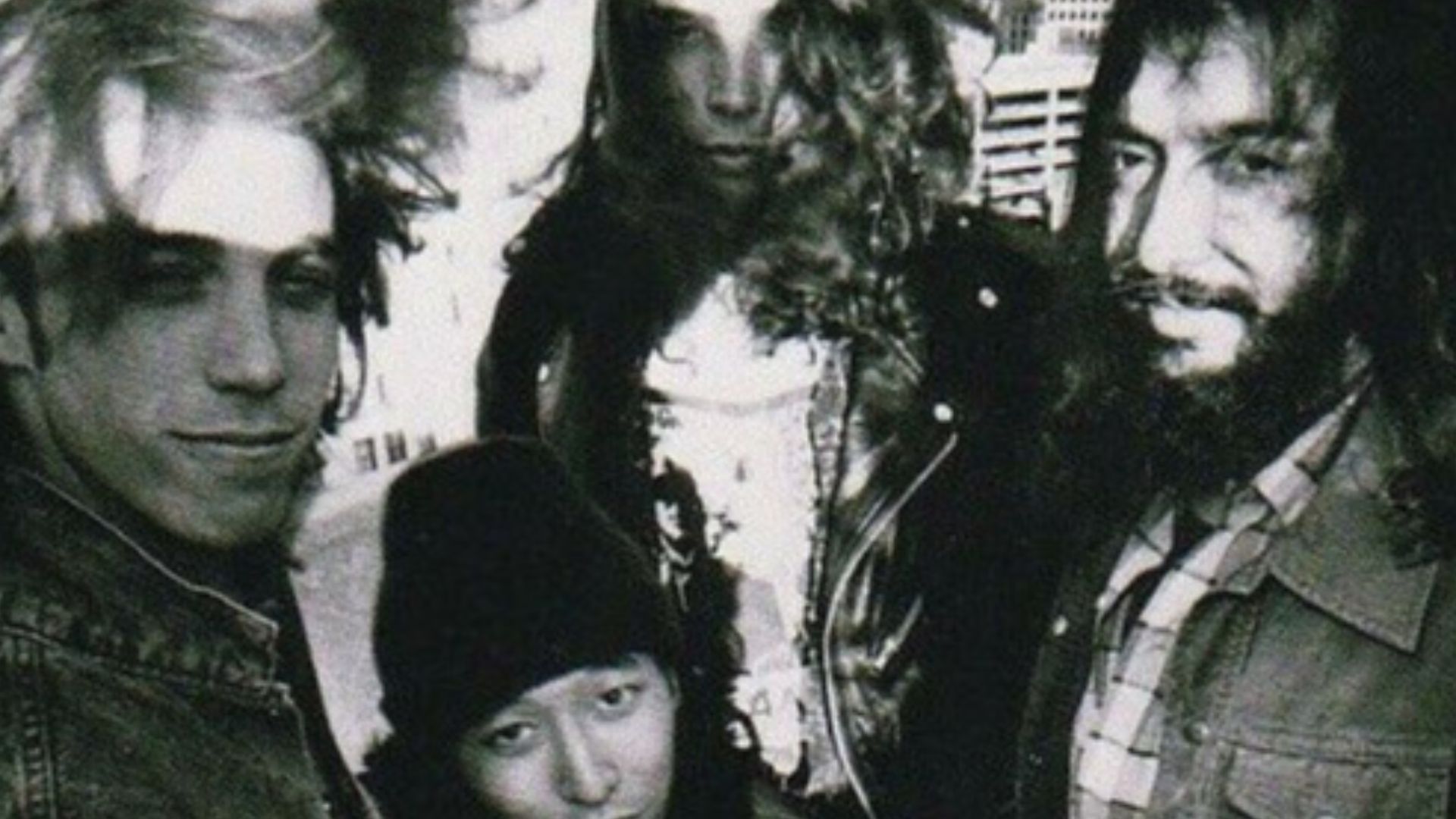
In the mid-1980s, Cornell co-founded Soundgarden, a band that would help define the emerging grunge movement. Seattle was brewing something loud, heavy, and raw—and Soundgarden was right at the center of it.
Their sound mixed metal muscle with psychedelic weirdness. Cornell’s voice soared above it all, elastic and ferocious, capable of both thunder and whisper.
The Breakthrough With Badmotorfinger
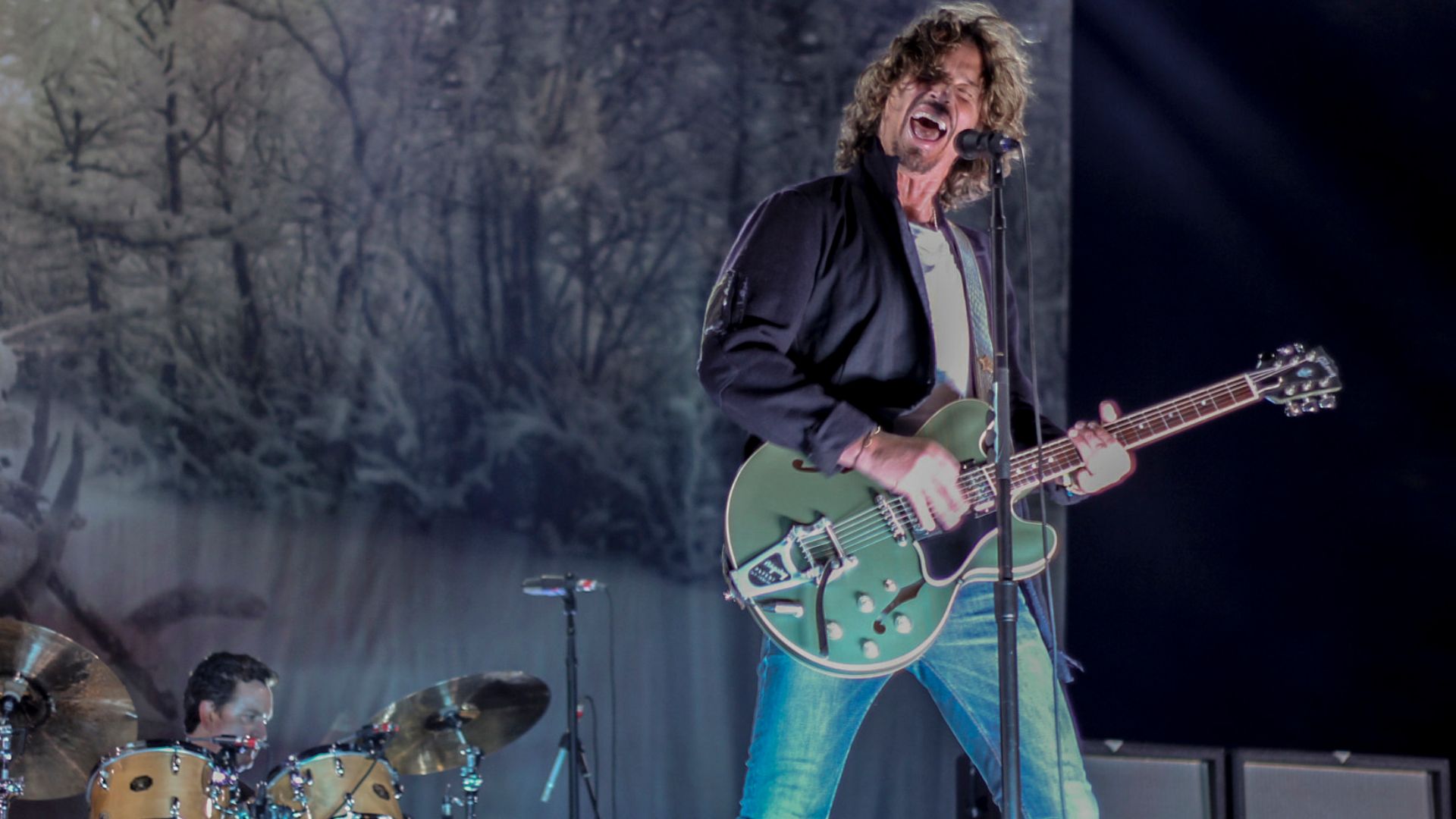
By 1991, Soundgarden’s album Badmotorfinger exploded into the mainstream. Songs like “Rusty Cage” and “Outshined” showcased a band unafraid of odd time signatures and dark themes. And at the center was Cornell’s four-octave vocal range, slicing through the distortion like lightning.
He wasn’t just singing—he was summoning something.
 Photograph by Charles Peterson. Distributed by Sub Pop., Wikimedia Commons
Superunknown And Global Stardom
In 1994, Superunknown turned Soundgarden into global rock royalty. “Black Hole Sun” became an anthem, surreal and hypnotic. The album debuted at number one and cemented Cornell as one of the most powerful voices in rock.
Fame arrived fast. But like many artists of his era, Cornell carried complicated feelings about the spotlight.
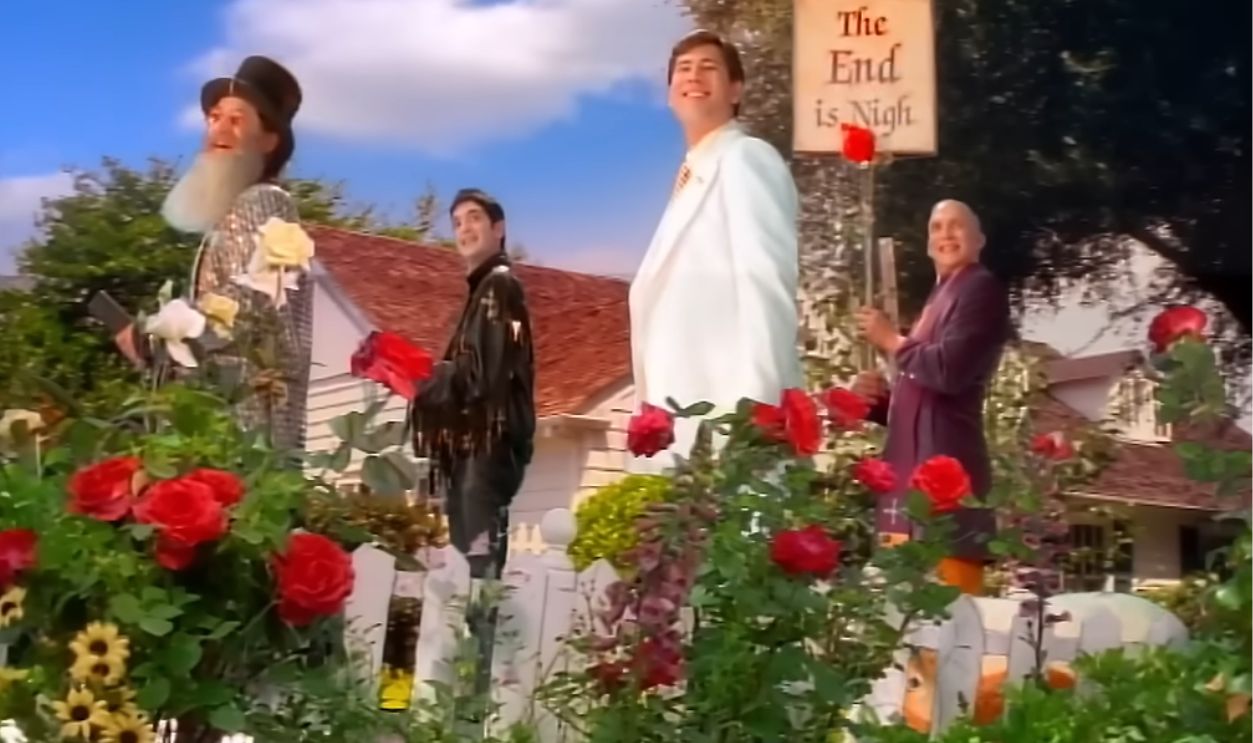 Screenshot from Black Hole Sun, A&M (1994)
Temple Of The Dog And A Tribute To A Friend
Before superstardom fully took hold, Cornell formed Temple of the Dog as a tribute to his friend Andrew Wood, who had passed from substance overuse. The project brought together members who would later form Pearl Jam.
“Hunger Strike”, a duet between Cornell and Eddie Vedder, became an enduring classic. It was grief turned into harmony—pain transformed into something beautiful.
 Screenshot from Temple of the Dog, A&M Records (1991)
A Solo Artist With A Softer Edge
Cornell’s solo career revealed another side of him. Albums like Euphoria Morning leaned into melody and introspection. Gone was some of the sludge and distortion, replaced with vulnerability and layered songwriting.
He proved he wasn’t confined to one genre. He could howl—but he could also ache.
Audioslave And Reinvention
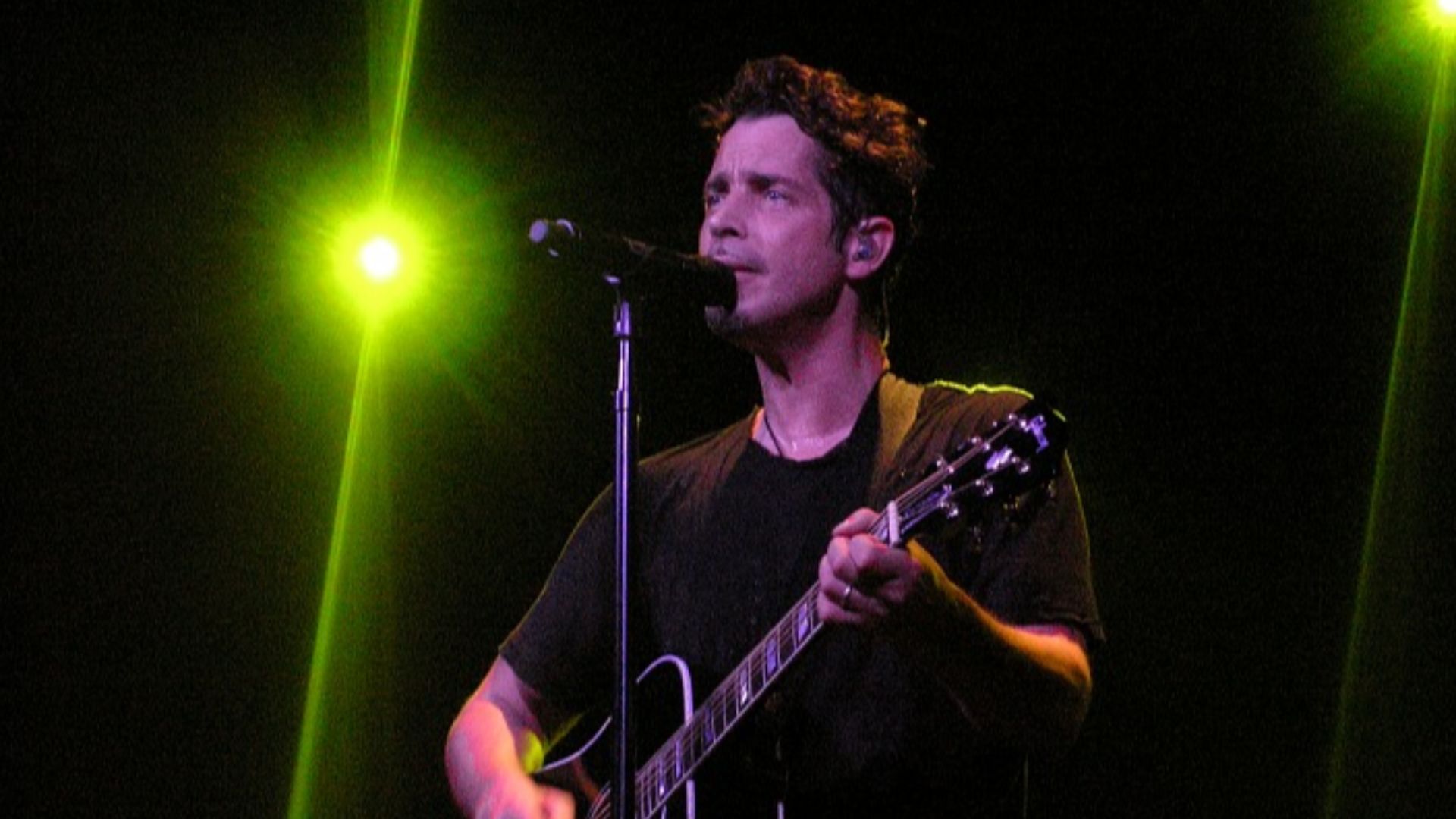
After Soundgarden’s initial breakup in 1997, Cornell teamed up with members of Rage Against the Machine to form Audioslave. The pairing seemed unlikely, but it worked. Tracks like “Like a Stone” showcased a band that blended heavy riffs with almost spiritual longing.
Cornell’s voice floated above Tom Morello’s guitar wizardry. It was muscular yet meditative.
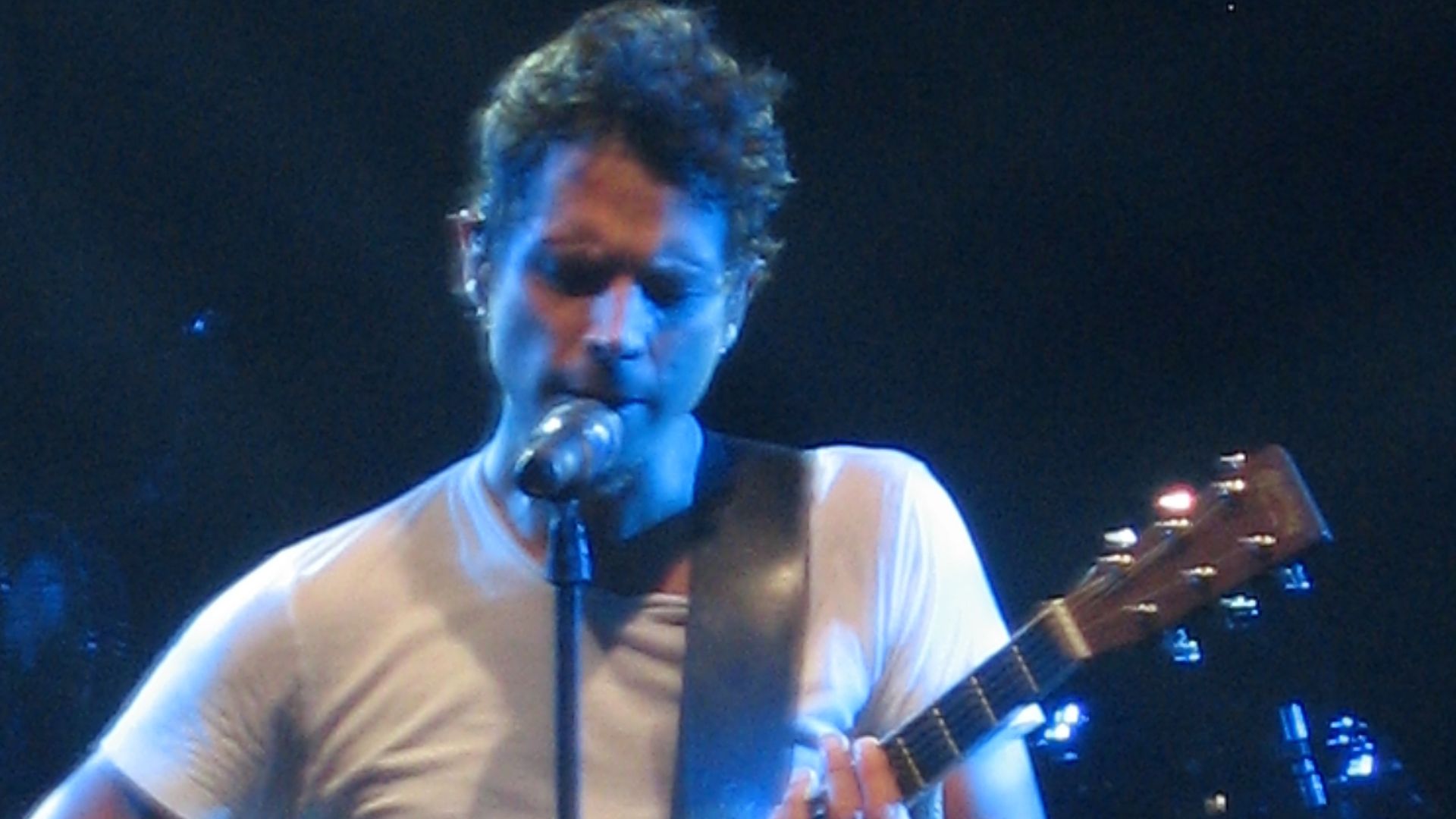 Simon Jacquier from Vernayaz (near Martigny, Valais), Switzerland, Wikimedia Commons
Personal Struggles Behind The Scenes
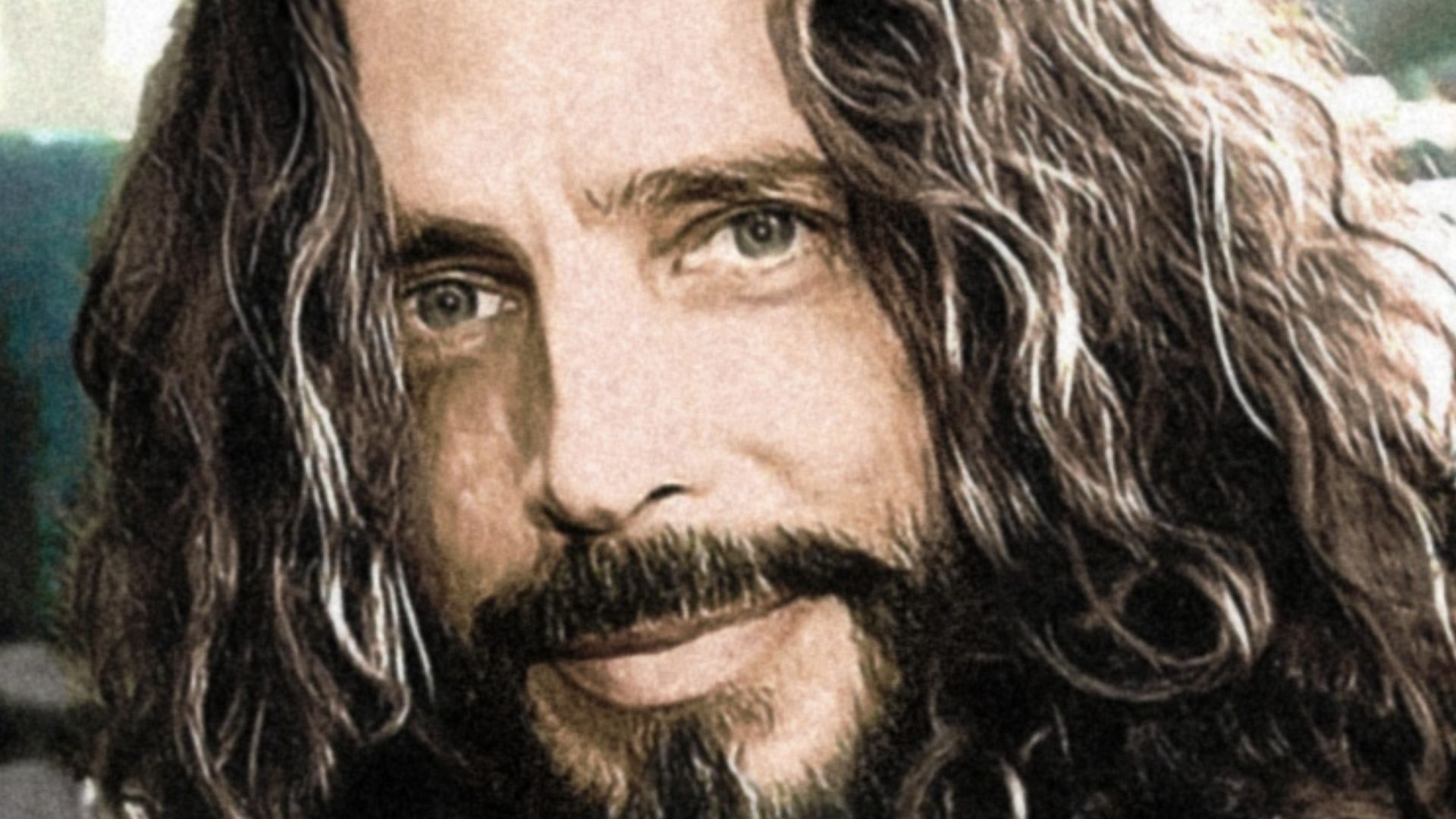
Despite professional success, Cornell battled addiction and depression for much of his life. He had struggled with substances in his youth and spoke openly about recovery later on. Sobriety didn’t magically erase his internal battles. But he worked hard to confront them, often channeling those struggles into his songwriting.
 gdcgraphics, Wikimedia Commons
The Bond With His Fans
Cornell’s connection with fans ran deep. His lyrics felt personal—confessional without being indulgent. Many listeners found comfort in his willingness to explore darkness without pretending it didn’t exist.
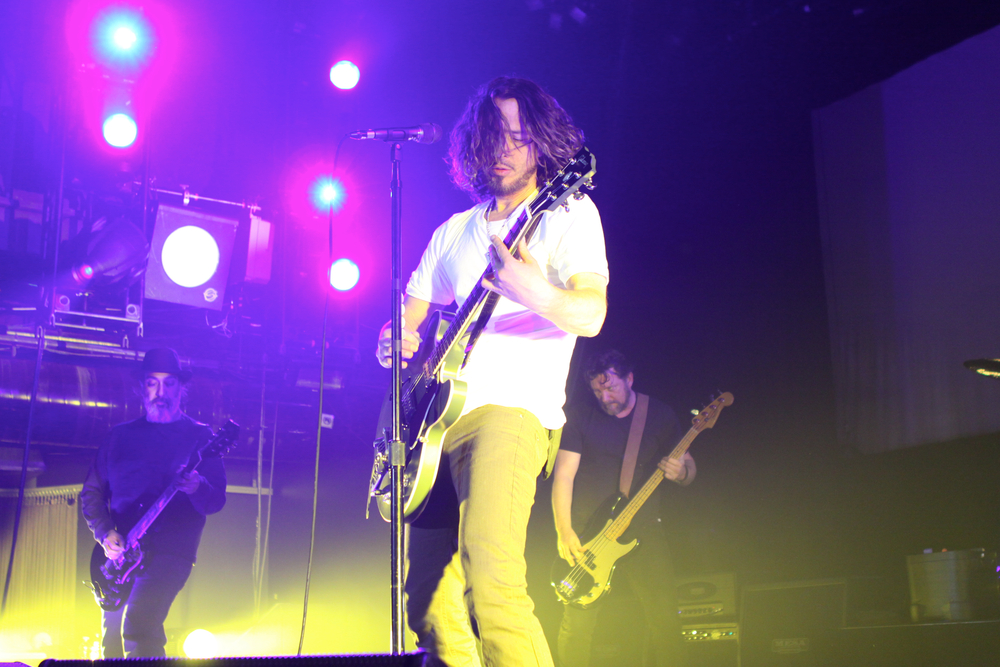
At live shows, he could command an arena with sheer force. And then, in the next breath, he could make thousands of people feel like he was singing just to them.
 Brian Patterson Photos, Shutterstock
A Voice That Defied Gravity
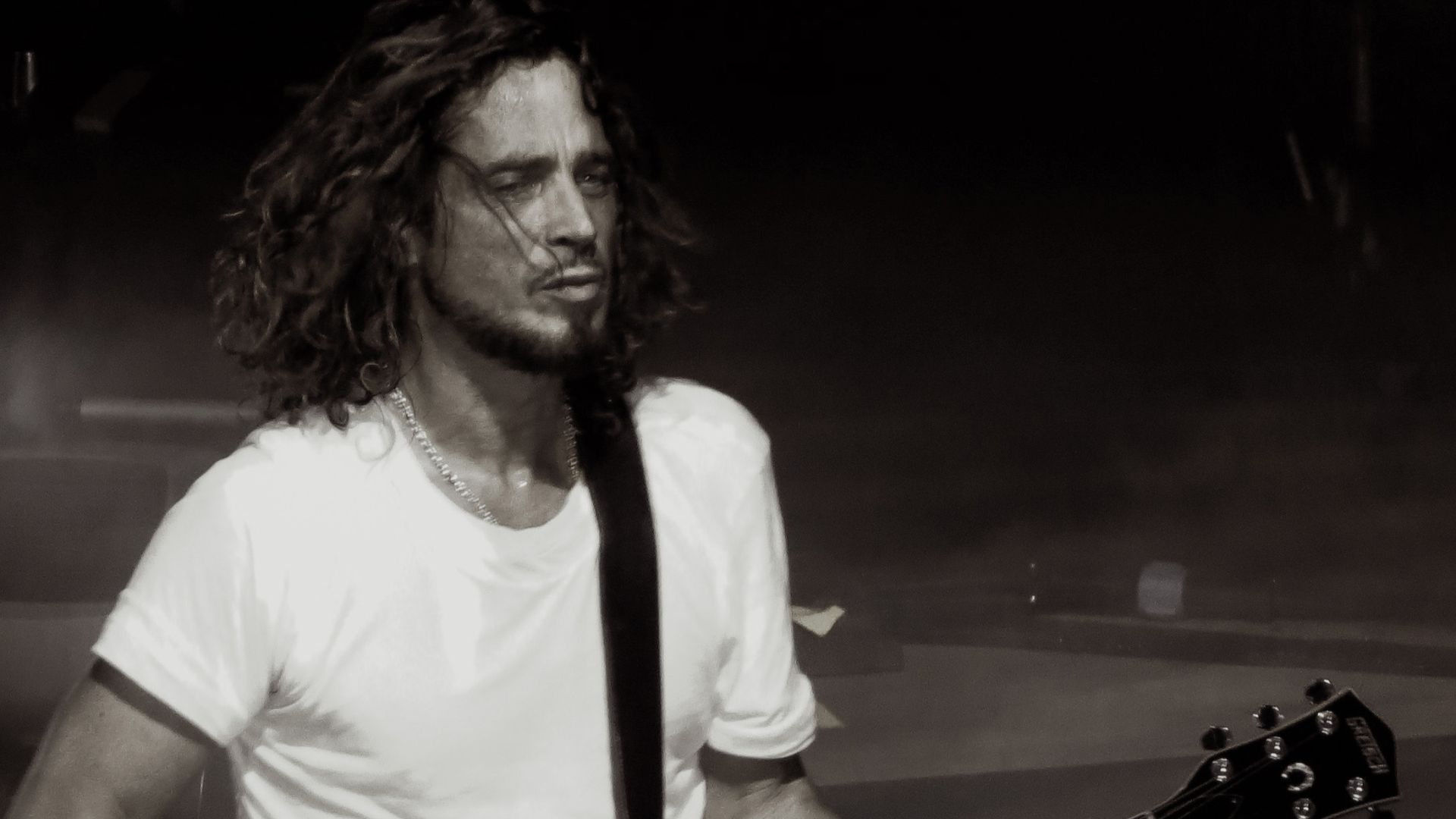
Technically speaking, Cornell’s voice was astonishing. He could hit impossibly high notes with clarity and power, shifting seamlessly from gritty growl to ethereal falsetto. Musicians and vocal coaches alike marveled at his control.
But what made it unforgettable wasn’t range—it was emotion. Every note sounded lived-in, like it cost him something to deliver it.
 Matthew Straubmuller, Wikimedia Commons
Reuniting Soundgarden
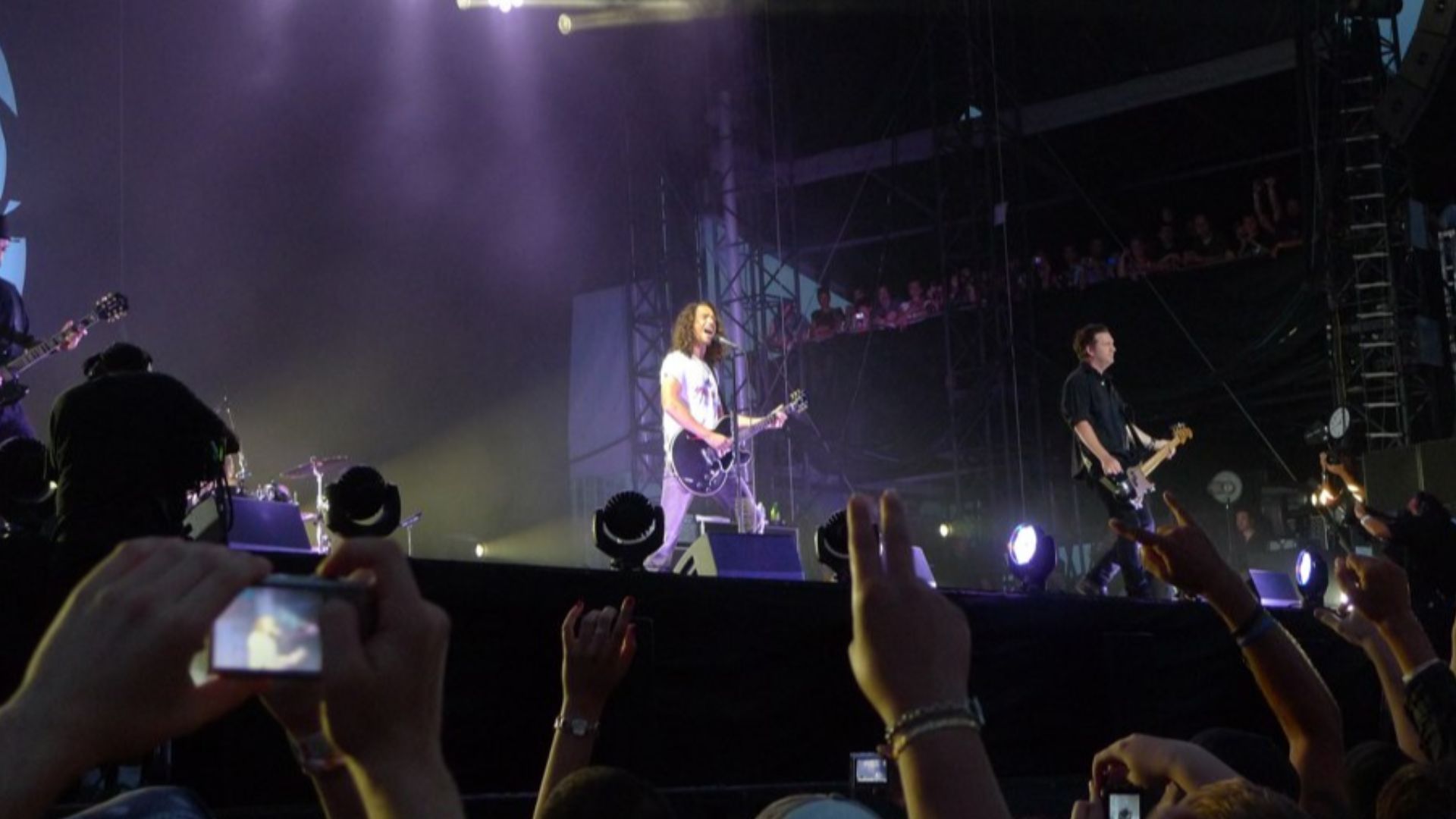
In 2010, Soundgarden reunited, thrilling longtime fans. The band released new material and returned to touring. Cornell appeared energized, revisiting the music that had defined an era.
It felt like a full-circle moment—a seasoned artist reclaiming his roots.
 David Silverman, Wikimedia Commons
The Detroit Show
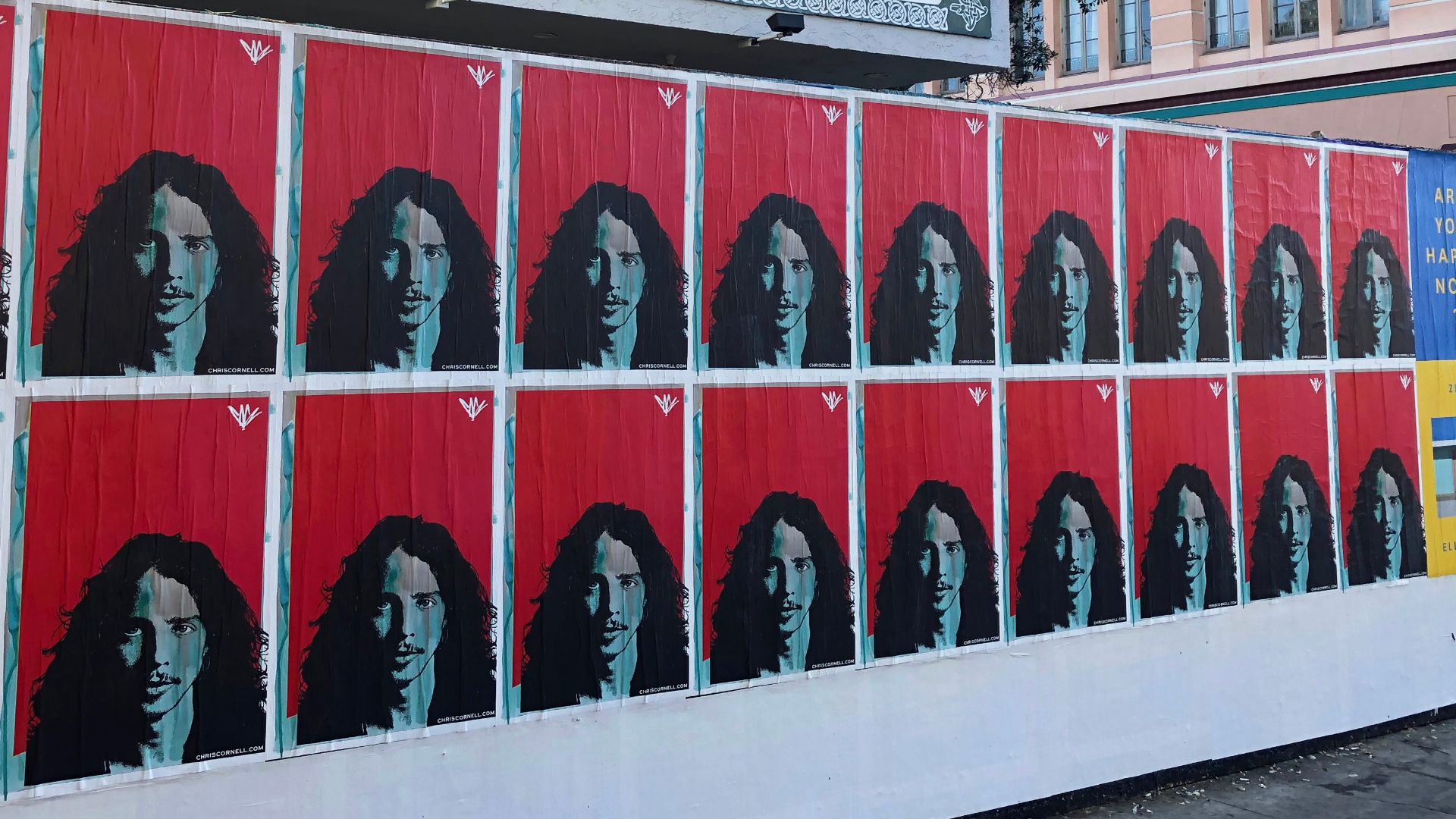
On May 17, 2017, Soundgarden performed in Detroit. By all accounts, it was a strong show. Cornell’s voice was powerful, the band tight. No one in the crowd could have guessed it would be his last performance.
 Tyler Merbler, Wikimedia Commons
A Haunting Cover In New York
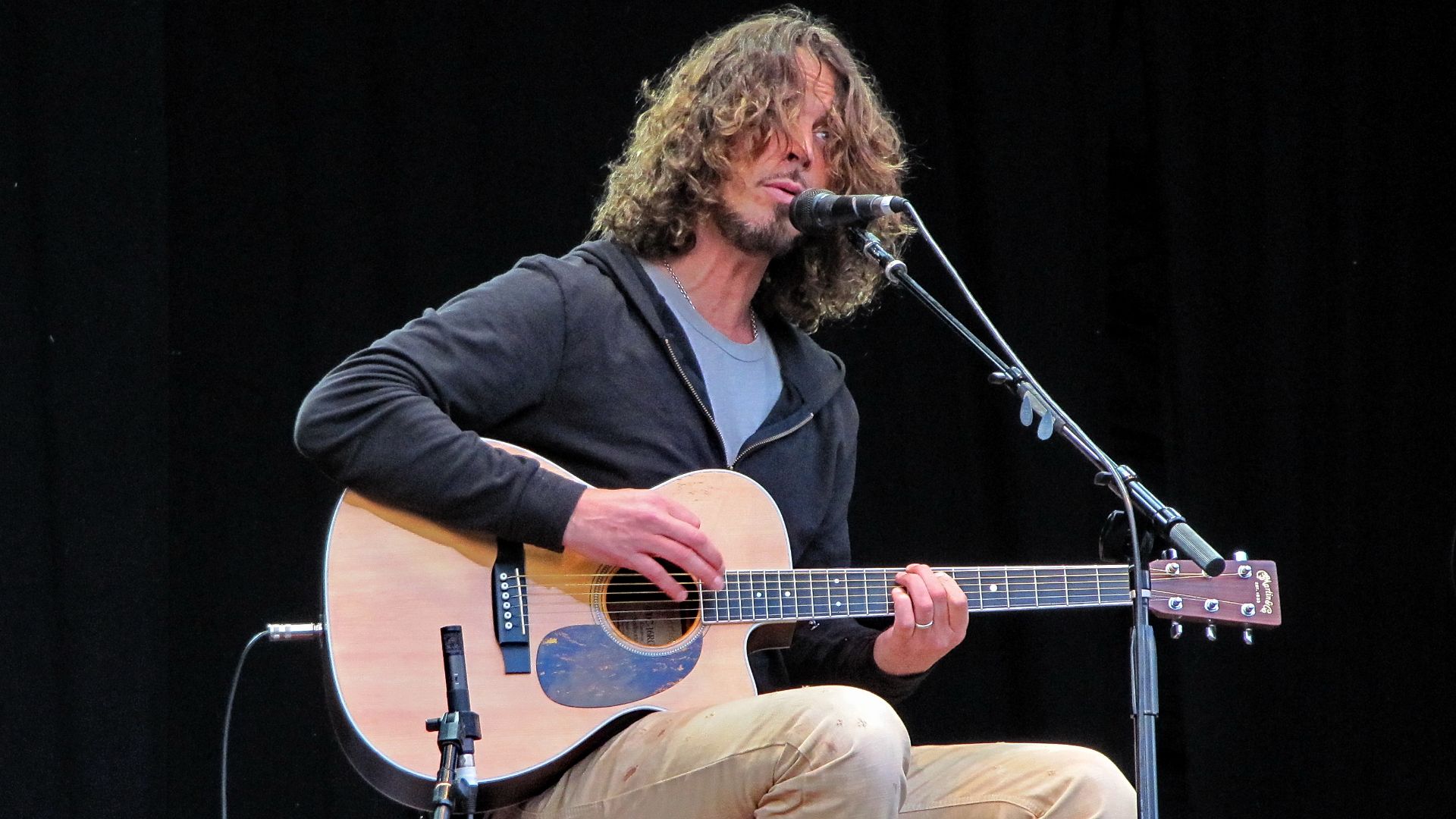
The night before that Detroit concert, Cornell had performed a solo acoustic show in New York. During the set, he covered Prince’s “Nothing Compares 2 U”. The performance was stripped down and raw. Listeners later described it as eerily prophetic. His voice trembled with emotion, lingering on every syllable.
 Bernard Stam, Wikimedia Commons
The Shocking News
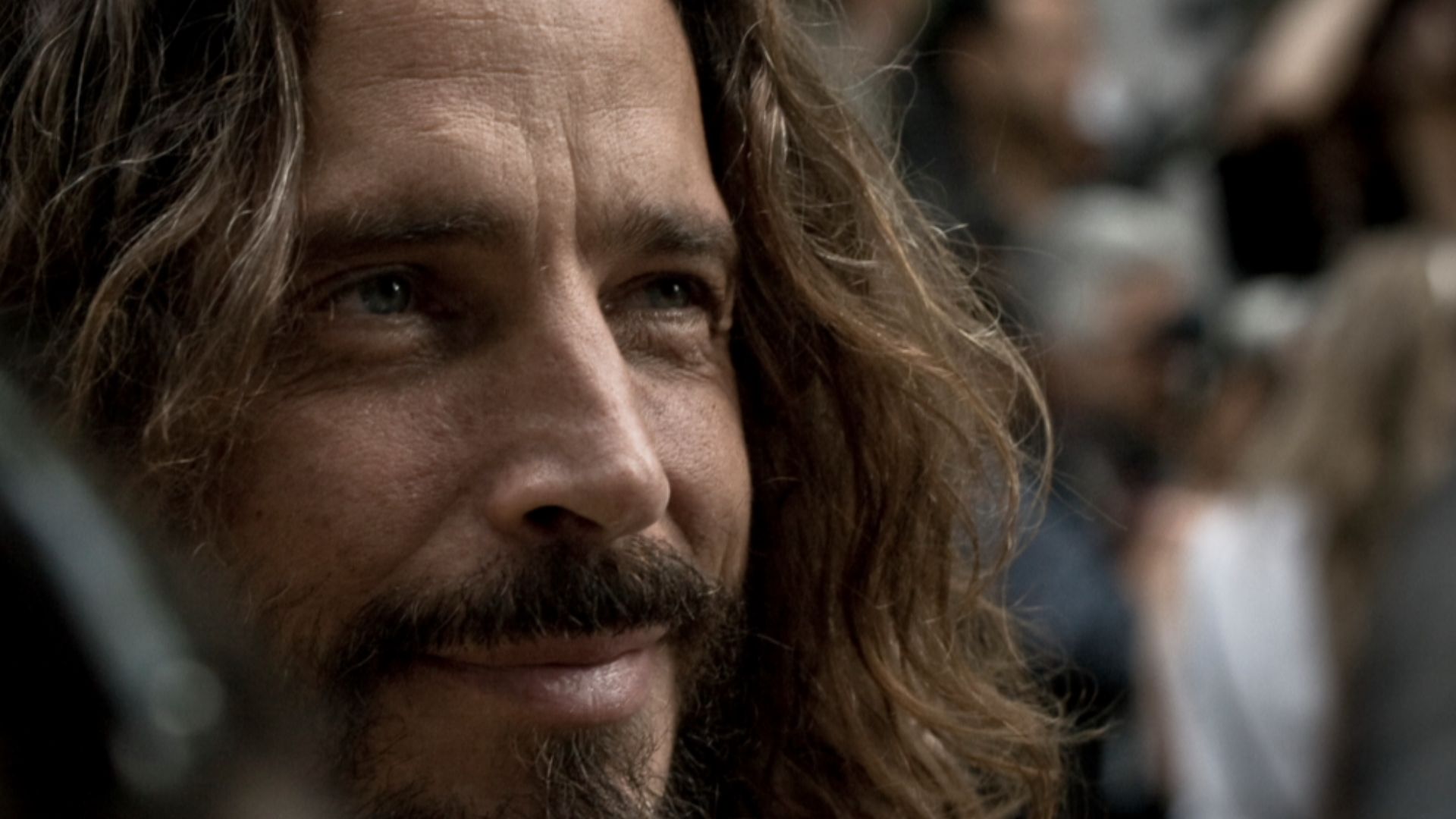
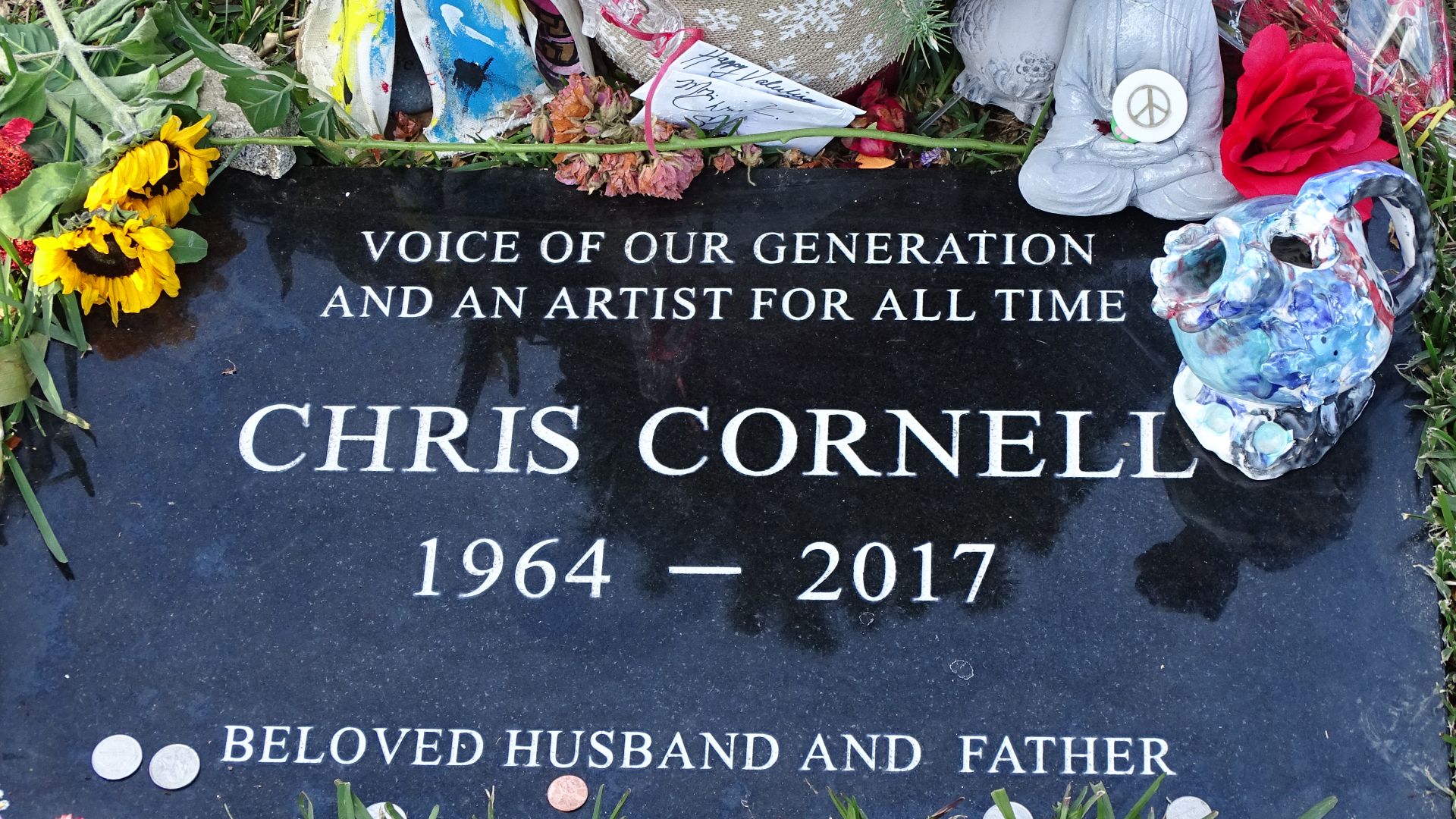
In the early hours of May 18, 2017, Chris Cornell body was found in his Detroit hotel room. He was 52 years old. The official ruling determined he took his own life. The news sent shockwaves through the music world. Tributes poured in from fellow musicians, friends, and devastated fans.
 Josh Jensen from Toronto, Ontario, Canada, Wikimedia Commons
Questions And Grief
Cornell’s family later raised questions about the role prescription medication may have played in his state of mind. They emphasized that he had been excited about future plans and deeply devoted to his children. Grief, as always, arrived tangled and complicated. For many, it was impossible to reconcile the powerful stage presence with the private pain.
 Adam Jones from Kelowna, BC, Canada, Wikimedia Commons
An Outpouring Of Tributes
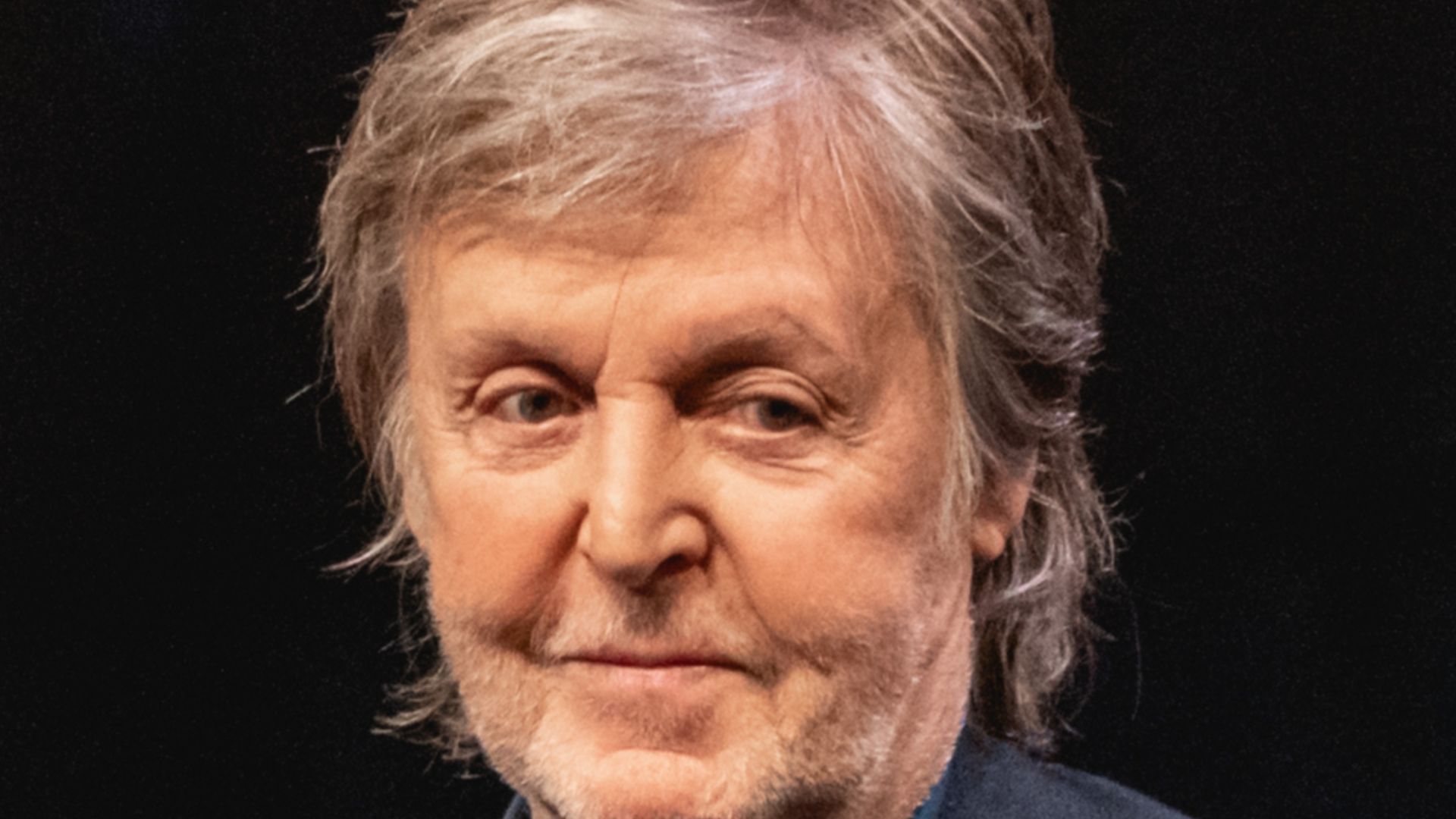
From Metallica to Paul McCartney, artists across genres paid tribute. Vigils were held. Radio stations played marathon blocks of Soundgarden, Audioslave, and solo tracks.
Seattle—his hometown—felt the loss acutely. The city that helped shape him mourned one of its defining voices.
 Raphael Pour-Hashemi, Wikimedia Commons
The Power Of “Nothing Compares 2 U”
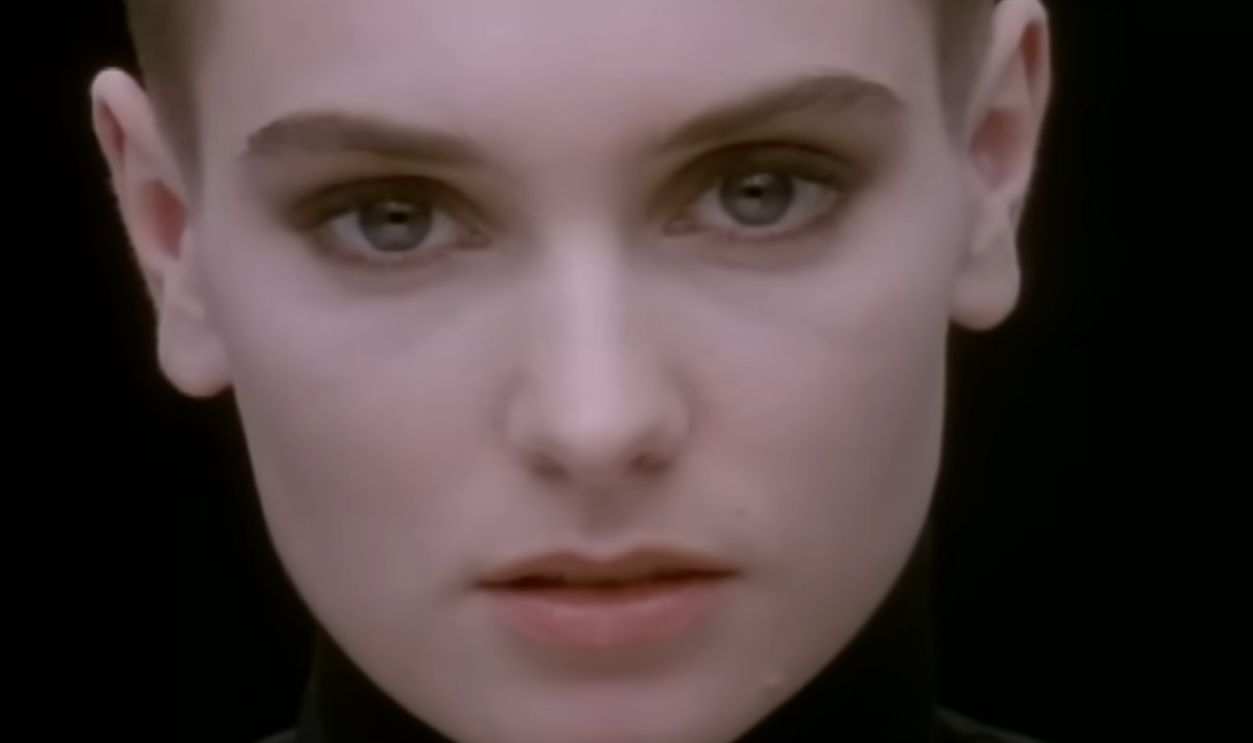
That final cover took on new resonance after he passed. Originally written by Prince and made famous by Sinéad O’Connor, the song is a meditation on loss.Cornell’s rendition now feels like a quiet farewell wrapped in melody. Whether intentional or not, it became part of his story.
 Screenshot from Nothing Compares 2 U, Universal Music Group (2018)
His Work In Philanthropy
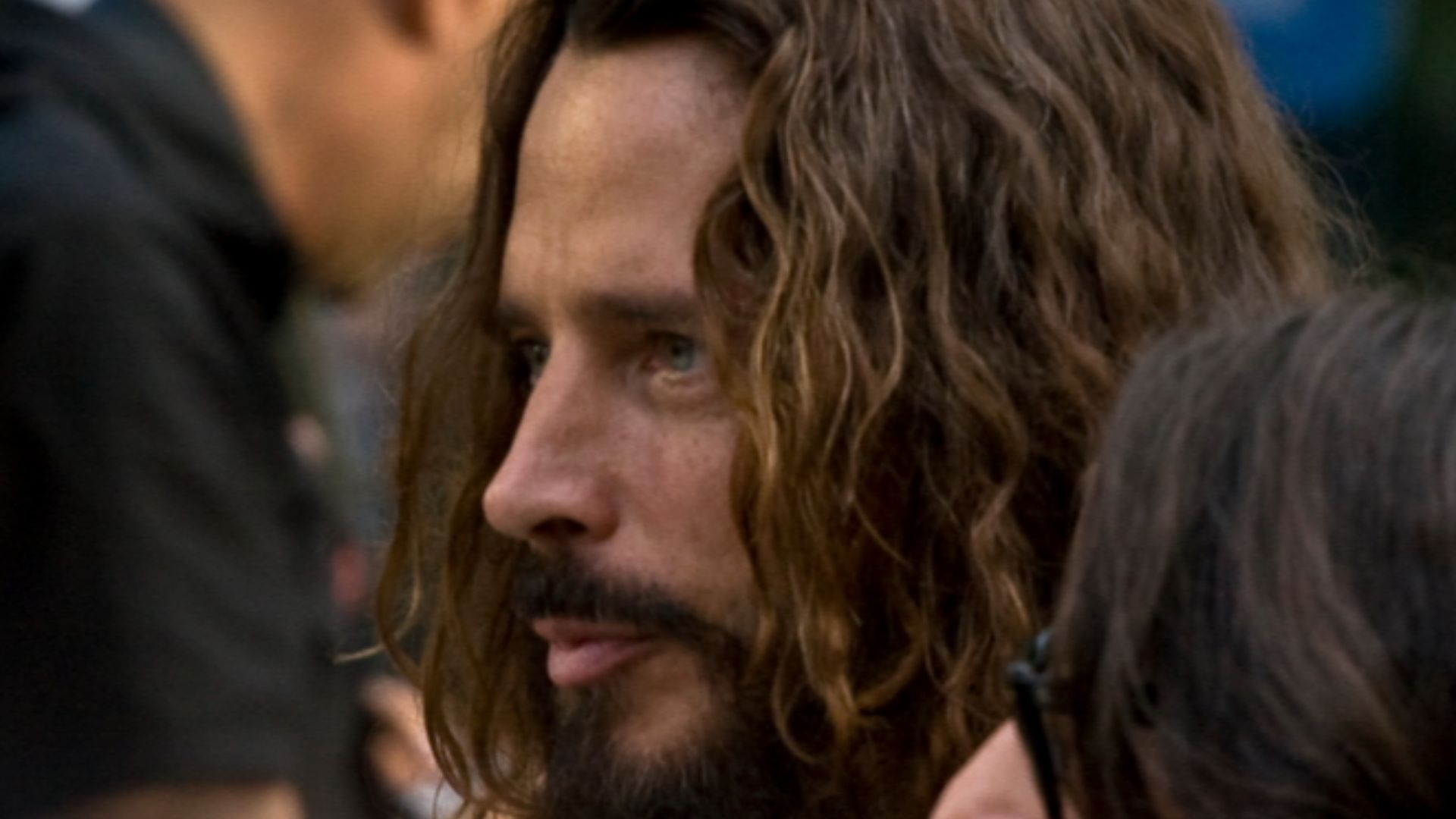
Beyond music, Cornell was committed to charitable work. He and his wife founded the Chris and Vicky Cornell Foundation, which supports vulnerable children facing homelessness, poverty, and danger. He also participated in numerous benefit concerts. His compassion extended well beyond the stage lights.
 Josh Jensen from Toronto, Ontario, Canada, Wikimedia Commons
The Legacy Of Grunge’s Poet
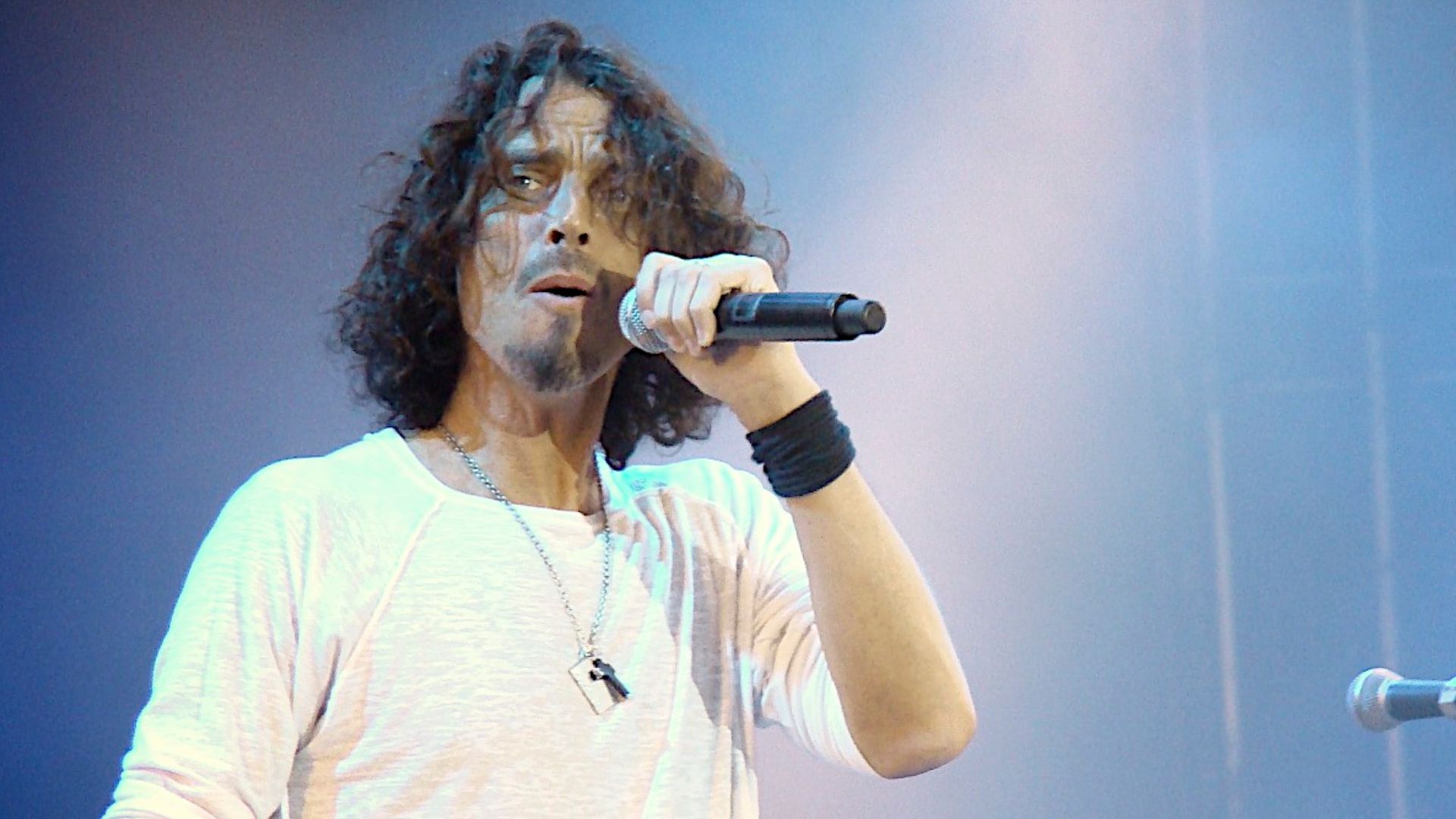
Cornell was often labeled a “grunge” singer, but that barely scratches the surface. He blended metal, alternative rock, soul, and even pop sensibilities. At heart, he was a poet with a distortion pedal. His lyrics wrestled with existence itself, asking questions few dared to phrase out loud.
 Andreas Eldh, Wikimedia Commons
A Generation Marked By Loss
Cornell’s passing echoed earlier losses in the grunge community. The 1990s scene that once felt invincible had already endured heartbreak. For fans who grew up with his voice as a soundtrack, losing him felt personal. It was another reminder that even icons are human.
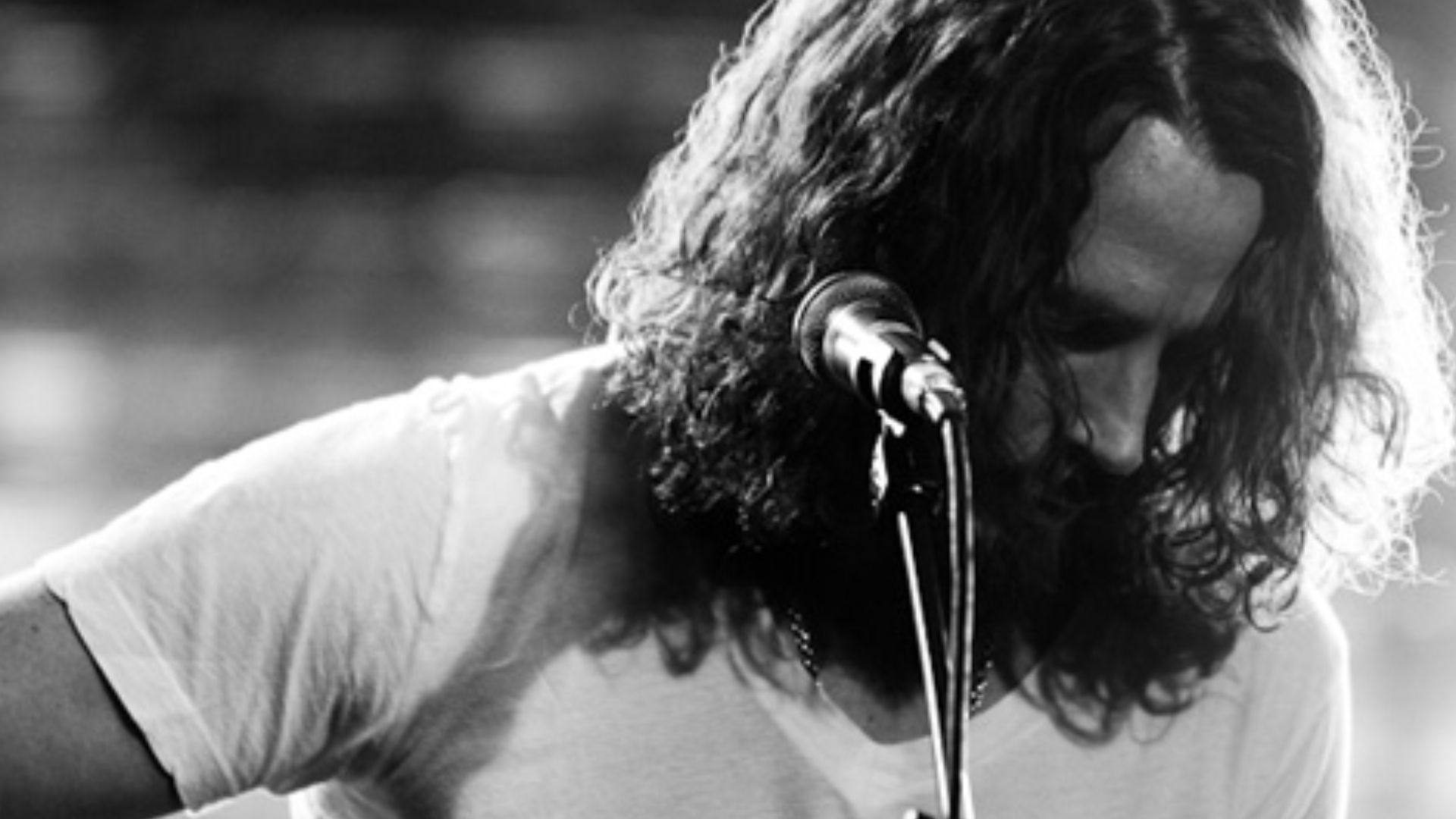 Lunchbox LP, Wikimedia Commons
Why His Soul-Stirring Legacy Endures
Years later, Chris Cornell’s music still pulses through headphones and car stereos. “Black Hole Sun” still hypnotizes. “Like a Stone” still aches. “Hunger Strike” still soars.
That haunting performance of “Nothing Compares 2 U” stands as a reminder of his rare gift—the ability to turn vulnerability into power. His life was complex, his struggles real, but his artistry undeniable.
Voices like that don’t disappear. They echo.
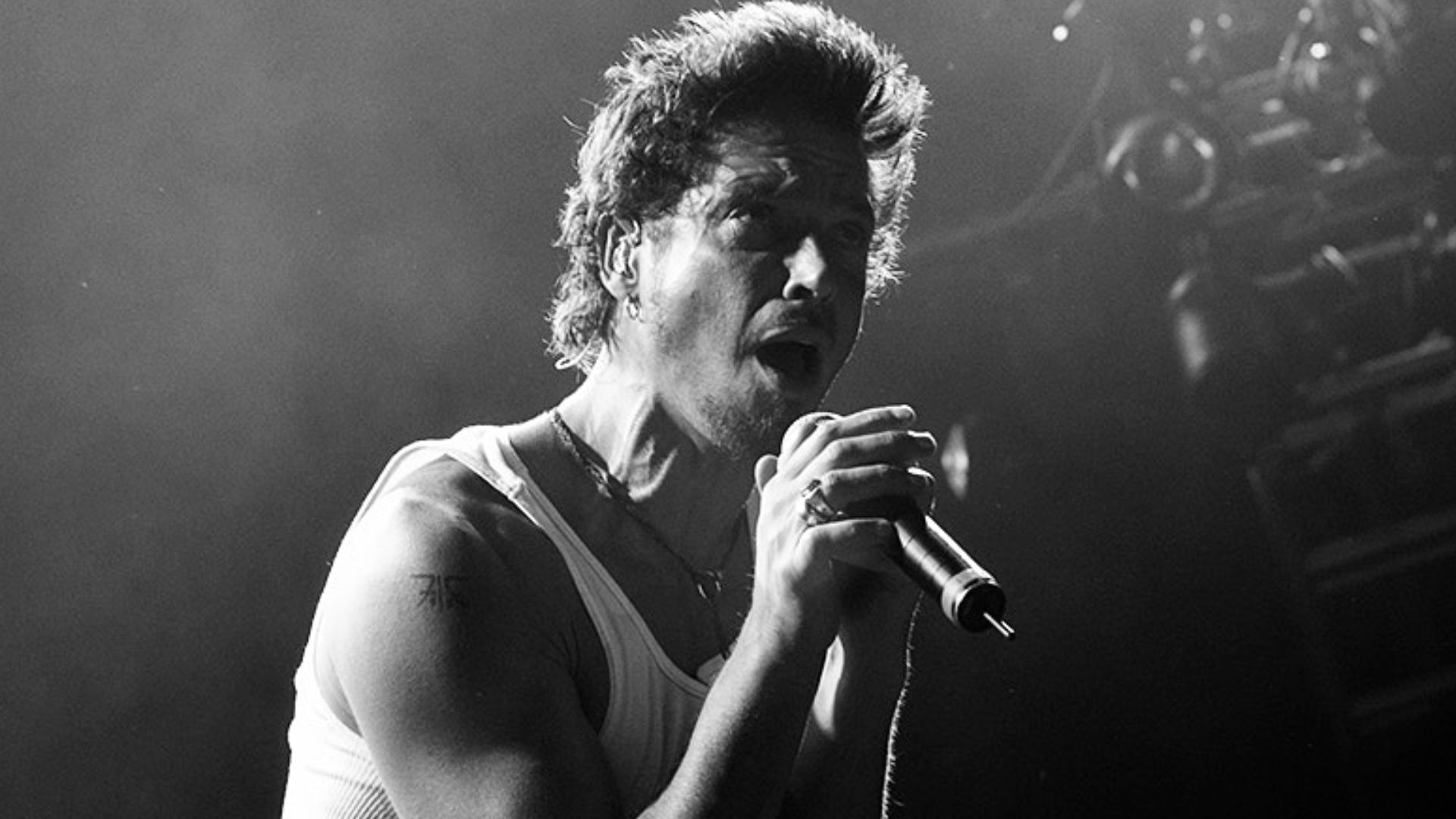 Roger Woolman, Wikimedia Commons
You May Also Like:


.jpg)