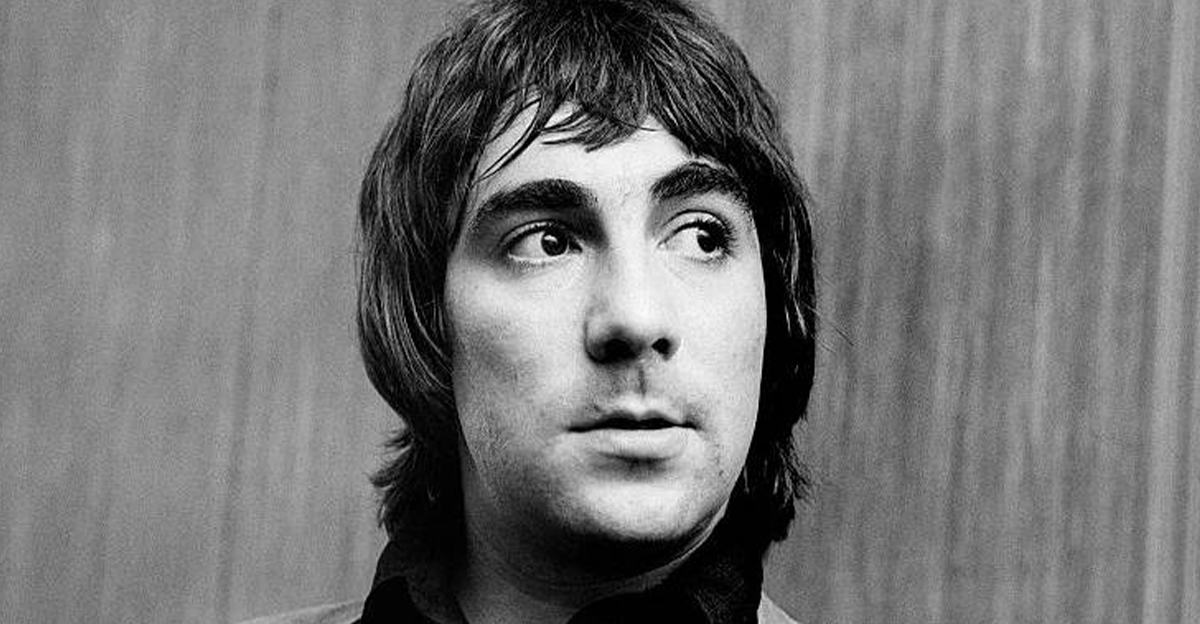
The Funniest Man In The Room Was Also In Trouble
Keith Moon spent most of his adult life making people laugh. The drummer for The Who treated hotel rooms like playgrounds, drum kits like demolition sites, and practically every quiet moment as an invitation to cause trouble. His friends never knew whether he was about to deliver a punchline, blow something up, or disappear into another night of partying.
That unpredictability helped create the legend of "Moon the Loon," but the joke stopped being harmless long before everyone around him fully understood how serious things had become. Drinking and pills gradually consumed the same restless personality that had made Moon so magnetic, and by the time he met his tragic end, one of rock's greatest drummers had spent years hiding a frightening decline behind one of music's biggest smiles.
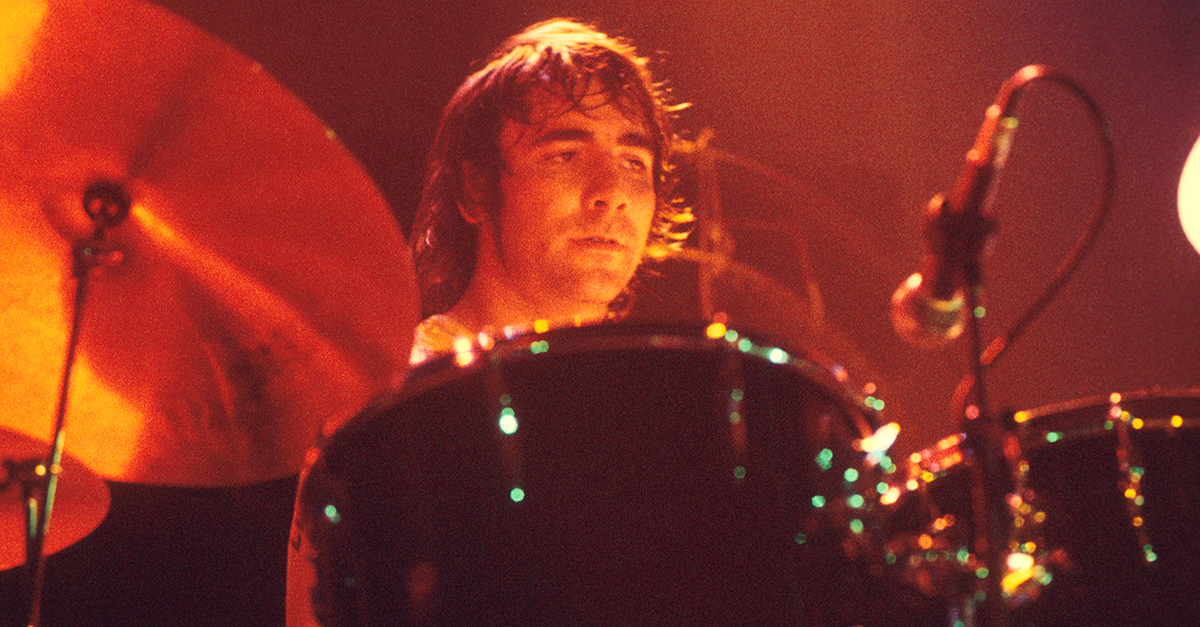
 George Wilkes Archive, Getty Images
A Wembley Kid Who Couldn’t Sit Still
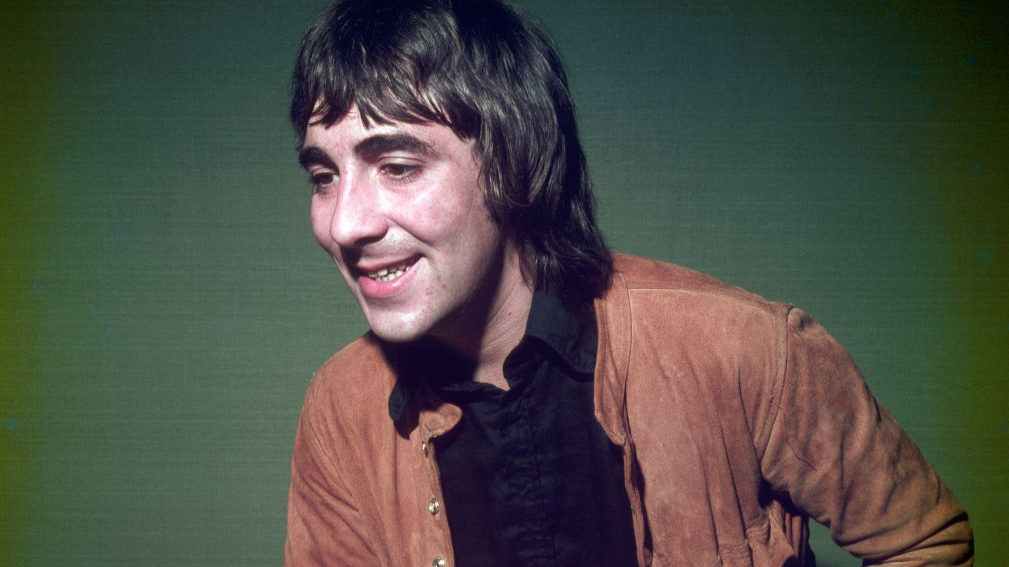
Keith John Moon was born in London on August 23, 1946, and grew up in Wembley. Nothing about his early background screamed future rock star, but he became obsessed with music as a teenager, especially American surf music, and started taking drum lessons. Moon quickly developed a style that was far too energetic for anyone hoping for a quiet rehearsal. He played with local groups including the Beachcombers before a chance encounter introduced him to the band that would define his life.
 George Wilkes Archives, Getty Images
The Audition That Changed The Who
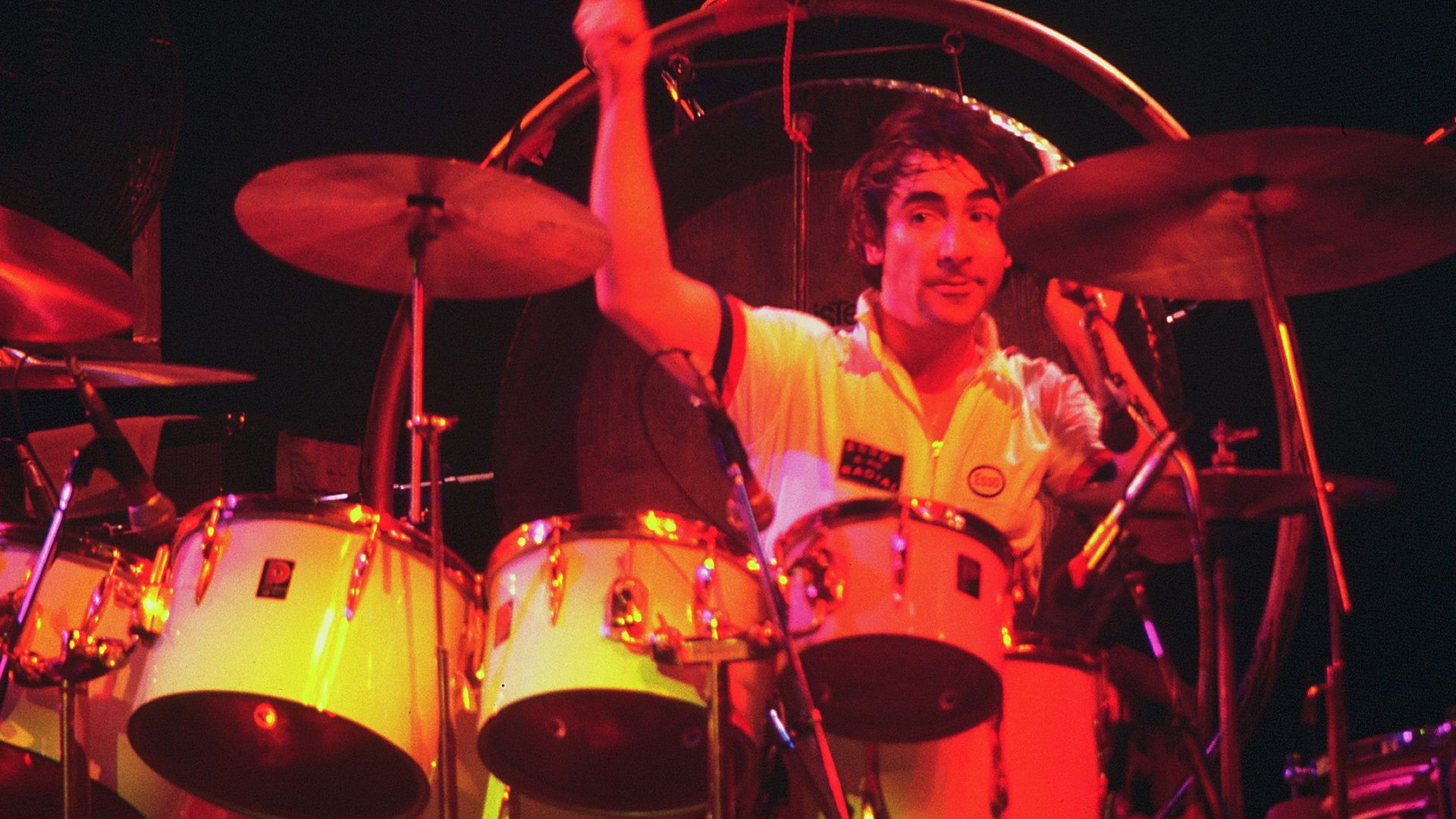
In 1964, The Who needed a drummer, and Moon reportedly turned up at one of their performances and boldly suggested he could do a better job than the drummer they were using. He got behind the kit, played with ridiculous intensity, and apparently wrecked enough equipment to make an impression. The band hired him, and it turned out to be one of the most important personnel decisions in rock history. Moon didn’t simply join The Who. He helped turn them into The Who.
 Jim Summaria, Wikimedia Commons
He Didn’t Play Drums Like Anybody Else
Moon approached the drums almost like they were a lead instrument. Instead of calmly holding down the beat behind Pete Townshend, Roger Daltrey, and John Entwistle, he seemed to chase the rest of the band around every song. His fills could tumble across the kit almost continuously, cymbals crashed everywhere, and his arms looked like they were operating independently from the rest of his body. Somehow, underneath all that chaos, the music still worked. The Who's official biography describes his technique as crucial to the band's sound, particularly because his drumming could push directly against Townshend's guitar instead of simply sitting behind it.
The Chaos Was Part Of The Music
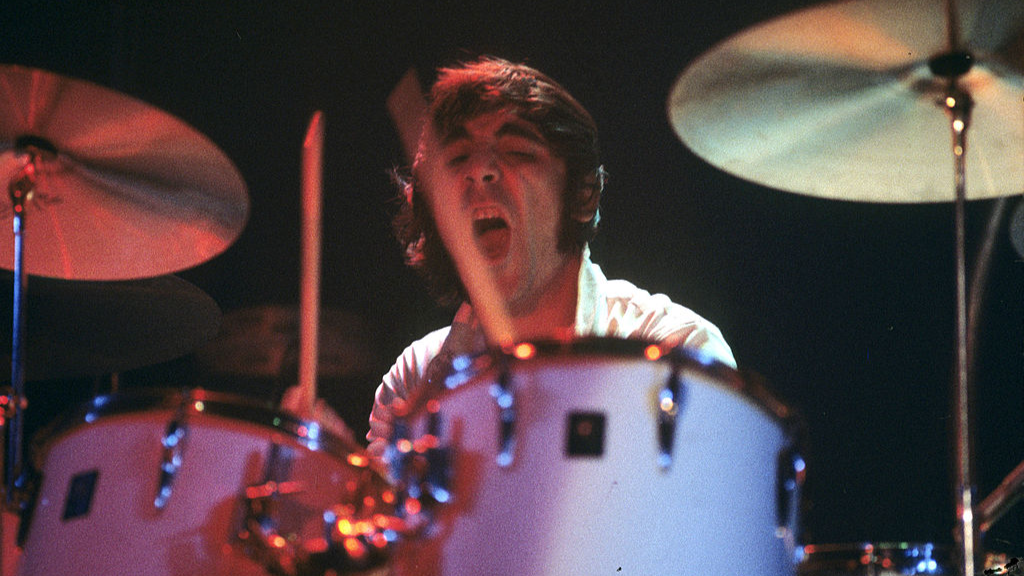
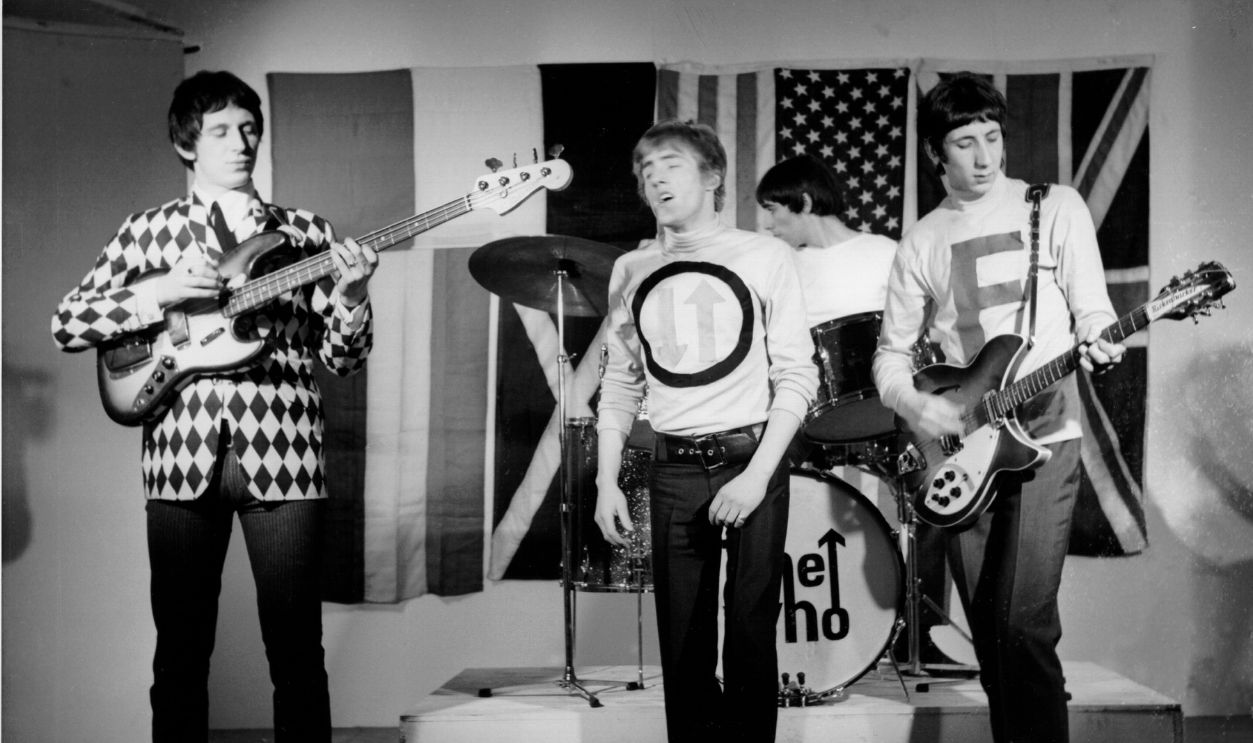
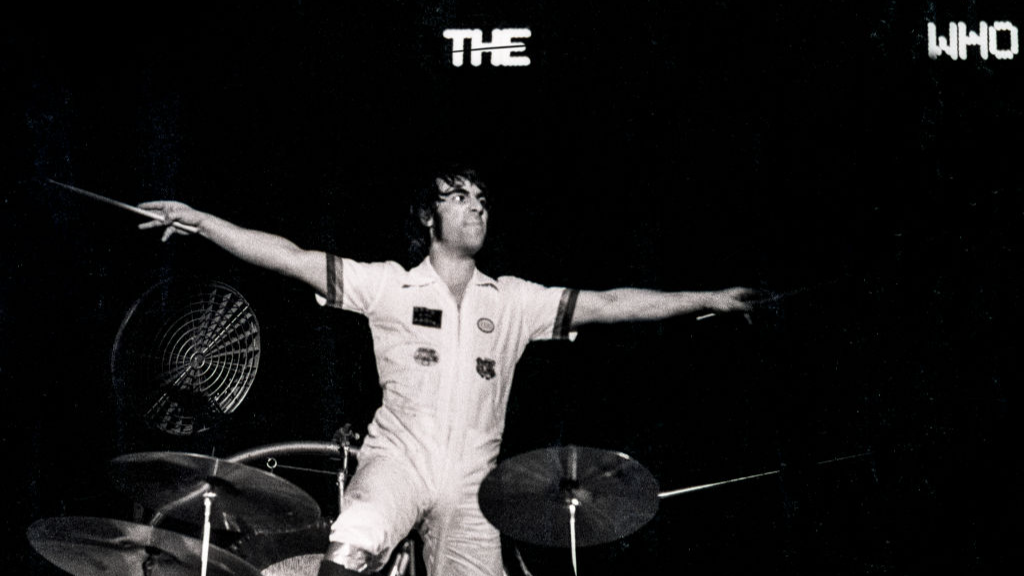
Moon's personality and playing style were almost impossible to separate. When The Who performed live, Pete Townshend smashed guitars while Moon gleefully destroyed his own equipment. This was not a drummer quietly disappearing behind a stack of toms. Moon wanted the audience looking at him too. He spun sticks, made faces, shouted jokes, climbed around his kit, and turned the rhythm section into part music and part theater. Roger Daltrey later described Moon as the force that held the band's very different musical personalities together.
 Michael Ochs Archives, Getty Images
Then The Practical Jokes Started
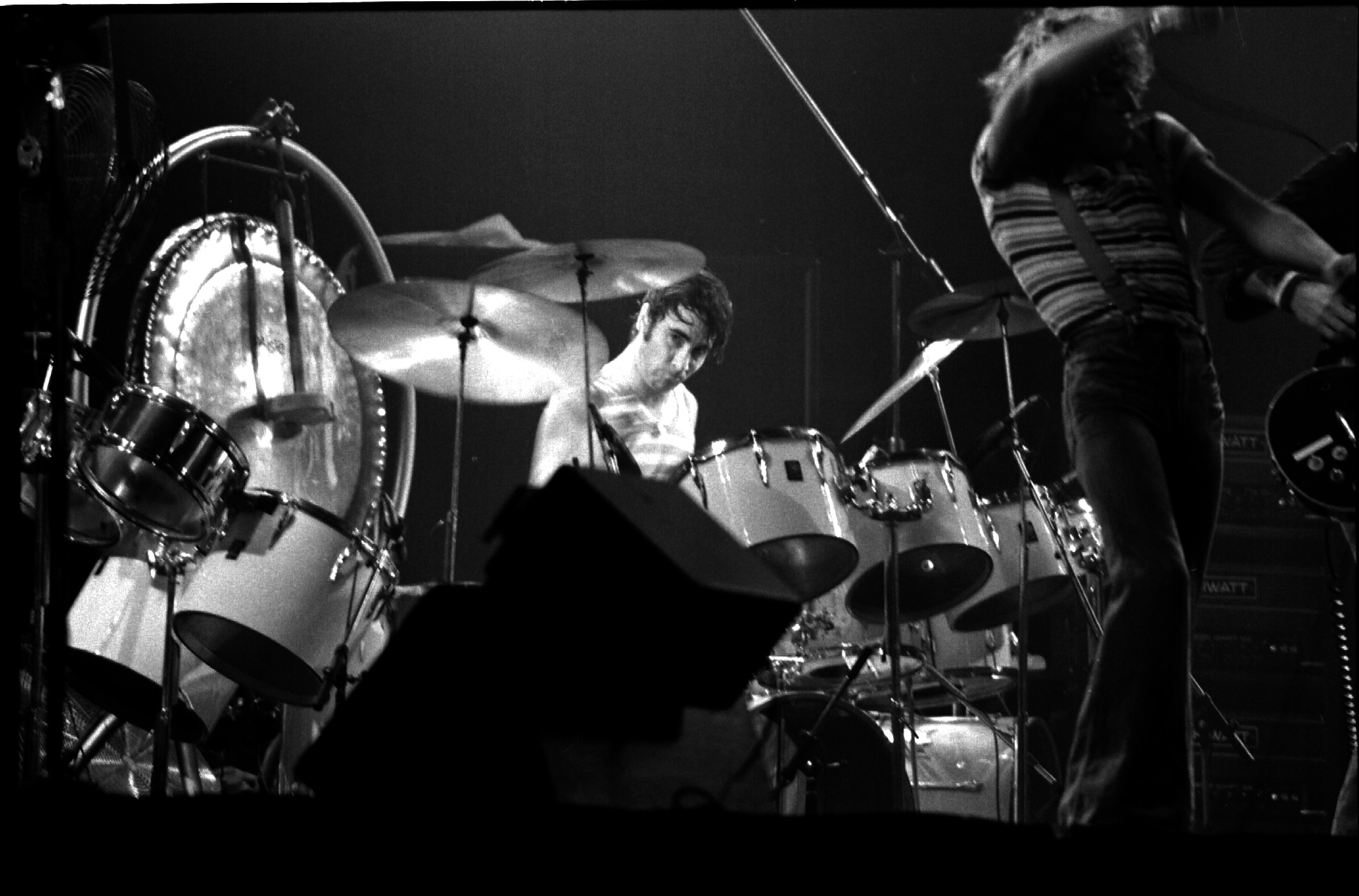
Moon's humor was not subtle. Once The Who began earning money and traveling internationally, he suddenly had hotels, cars, dressing rooms, and expensive equipment available as props. Ordinary pranks bored him, so Moon preferred elaborate tricks that took planning and usually involved someone wondering whether they were witnessing a joke or an illicit offense. His reputation became so famous that stories eventually grew around him whether he had actually done something or not, which made separating Keith Moon the person from "Moon the Loon" increasingly difficult.
 Jean-Luc, CC BY-SA 2.0, Wikimedia Commons
Exploding Toilets Became A Hobby
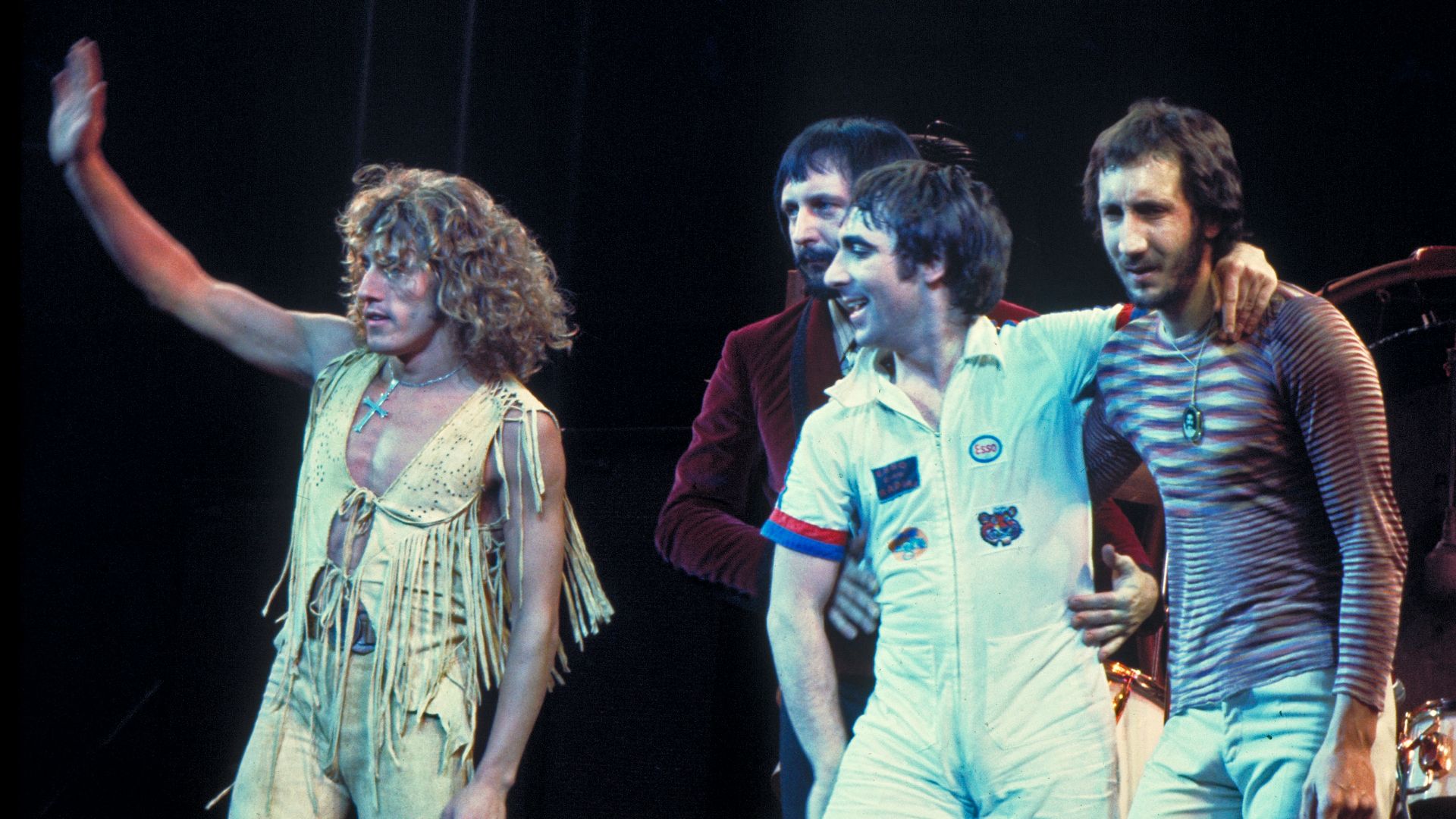
One of Moon's favorite forms of destruction involved explosives. According to stories from his touring years, he enjoyed dropping powerful firecrackers into hotel toilets and discovering just how much plumbing they could destroy. The behavior became part of his public image. Hotel managers learned to fear The Who, while fans eagerly repeated increasingly ridiculous stories about what Moon had supposedly destroyed the previous night. At first, it seemed like classic rock star mischief, but in hindsight the constant need to escalate everything was also a sign of how difficult Moon found it to switch himself off.
 Jim Summaria, Wikimedia Commons
The Smothers Brothers Got More Than They Expected
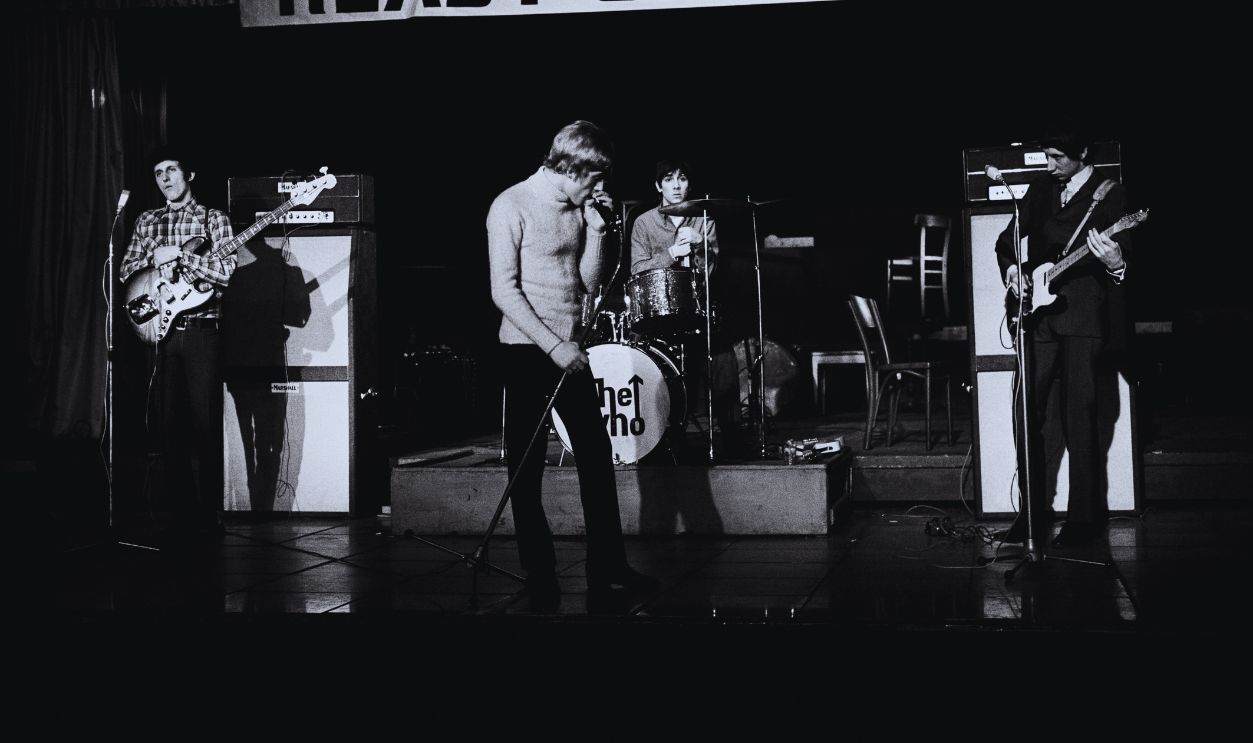
One of Moon's most famous stunts happened during The Who's 1967 appearance on The Smothers Brothers Comedy Hour. The band's performance of "My Generation" was supposed to end with their familiar instrument smashing, but Moon decided that was not dramatic enough and loaded his drum kit with far more flash powder than expected. The resulting explosion was enormous, temporarily overwhelming the television cameras and shocking nearly everyone onstage. Pete Townshend later blamed the blast for contributing to his hearing problems, meaning Moon had turned what should have been a television performance into one of rock's most memorable explosions.
His Birthday Party Became Rock Folklore
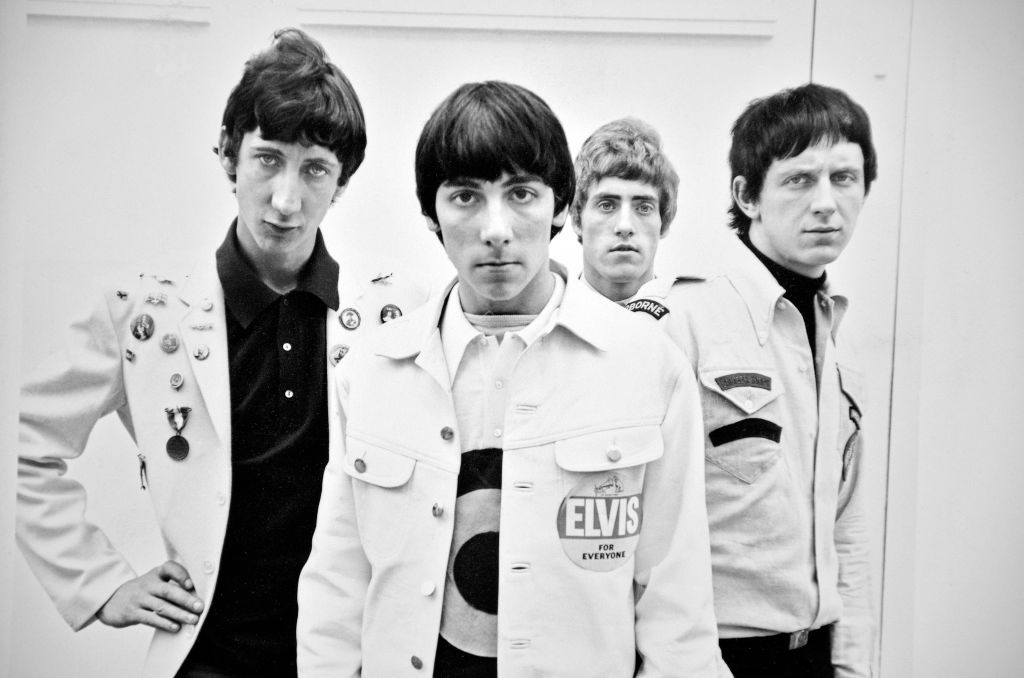
Moon's 1967 birthday celebration at a Holiday Inn in Flint, Michigan became the stuff of legend. A food fight escalated, fire extinguishers were discharged, property was damaged, guests ended up in the swimming pool, and Moon broke part of a front tooth. A huge damage bill followed, and the story soon became even wilder when Moon claimed that a Lincoln Continental had ended up in the swimming pool. Whether every detail was true or not almost stopped mattering because the event became a perfect example of how quickly a normal night around Moon could spiral into chaos.
 The VisualEyes Archive, Getty Images
About That Car In The Swimming Pool
The famous car story is also a good example of the problem with Keith Moon mythology. Accounts have contradicted each other for decades, and later researchers questioned whether the car portion happened at all. Moon himself happily repeated the tale, which only made it more famous. The confirmed chaos was already spectacular, but Moon understood that a great Keith Moon story could always use one more ridiculous detail, and that instinct helped turn his real life into something halfway between biography and folklore.
Moon The Loon Takes Over
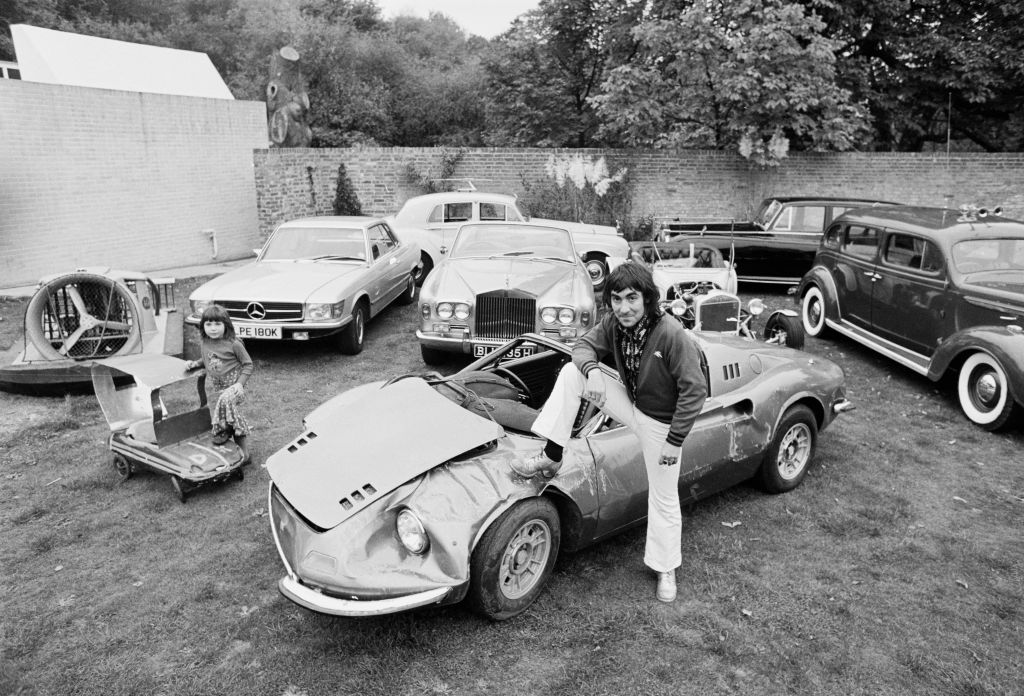
As The Who became bigger, "Moon the Loon" became almost a second career. Journalists wanted crazy stories, fans expected mayhem, and other musicians wanted to party with him. Moon seemed happy to deliver, but the problem was that the wild character increasingly followed him home. What had once looked like a mischievous young musician enjoying success slowly became something harder to control, and the line between performing the character and actually living that way started disappearing.
 Gisjbert Hanekroot, Getty Images
Tara House Became Party Central
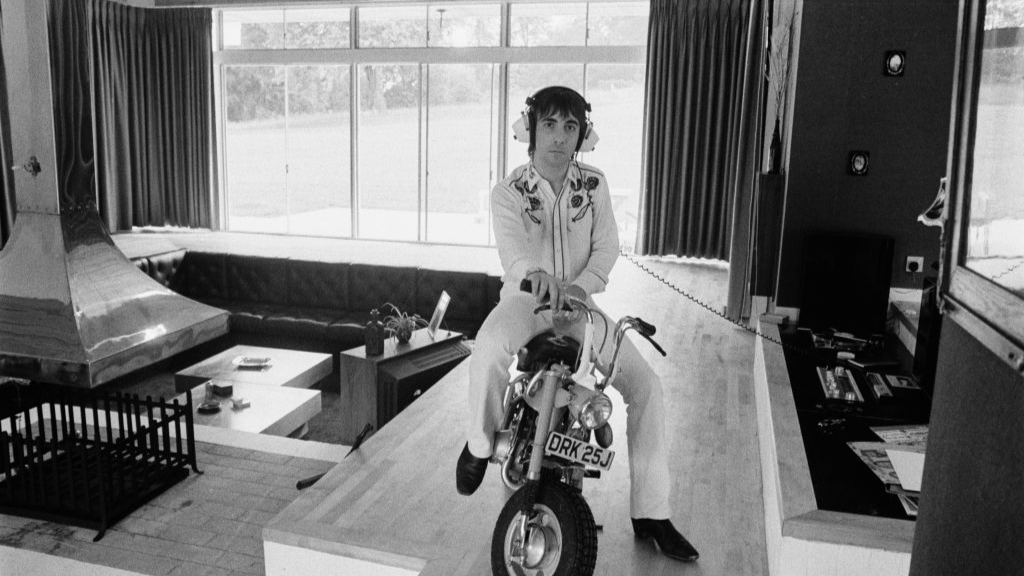
Moon's home, Tara House in Chertsey, became famous for parties and unpredictable behavior. Musicians, actors, friends, and assorted hangers-on could find themselves pulled into whatever entertainment Moon had invented that evening. The Who's own history remembers the house as the scene of memorable gatherings, including the 1971 launch party for Who's Next. Moon loved having an audience, but having people constantly around also meant there was almost always someone willing to keep the party going long after it should have ended.
 Evening Standard, Getty Images
The Joke Could Turn Dangerous Very Quickly
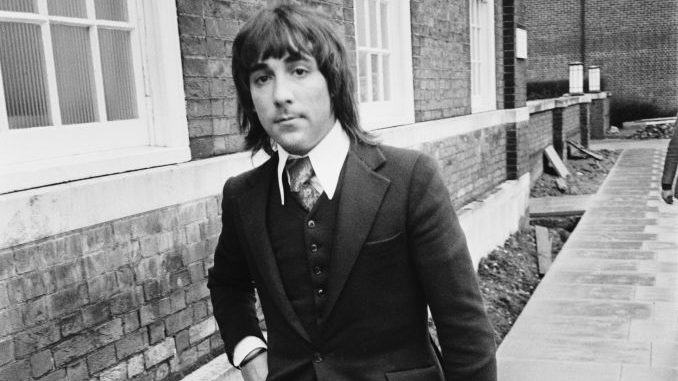
Moon's behavior was not always funny, even when the stories later became rock folklore. On January 4, 1970, Moon was involved in a tragic accident outside a pub in Hertfordshire. His chauffeur and bodyguard, Neil Boland, perished after being struck and dragged by Moon's Bentley while Moon and his companions were trying to escape a hostile crowd. Moon was cleared of responsibility for Boland's passing, which was ruled accidental, although he later pleaded guilty to driving offenses connected with the incident. Friends said the experience haunted him, and the accident showed how quickly the reckless atmosphere surrounding Moon could become deadly serious.
Fame Made Everything Easier Except Being Keith Moon
The Who were becoming one of the biggest rock bands in the world. Albums including Tommy and Who's Next made them stars, while their concerts became famous for sheer volume and physical intensity. Moon had money, fame, and endless access to parties, but none of it made him calmer. His appetite for drink grew, pills increasingly entered the picture, and what had once looked like youthful excess was becoming dependence.
Drinking Was No Longer Part Of The Party
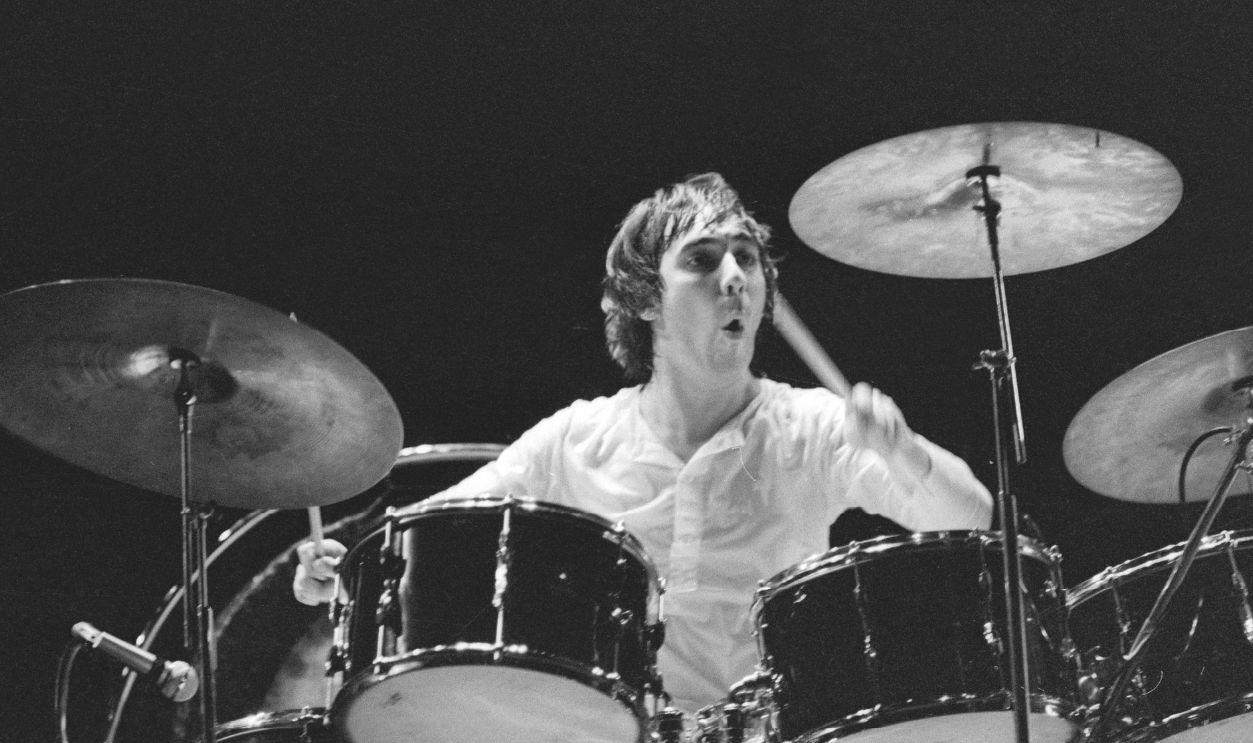
Moon became heavily dependent on booze as the 1970s progressed, and bandmates could see his personality changing depending on how much he had consumed. John Entwistle later described several different versions of Moon, ranging from his normal self to a completely unreasonable and manic version. Friends still loved him, but predicting which Moon would appear became difficult. The charming prankster could suddenly become argumentative, confused, or physically incapable of functioning.
His Marriage Was Falling Apart Too
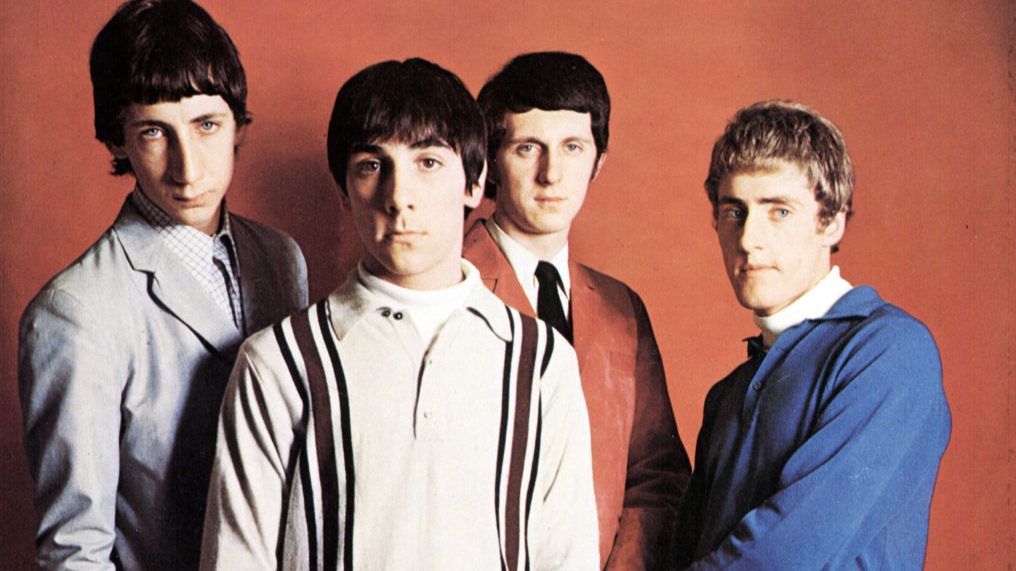
Keith Moon married Kim Kerrigan in 1966, and the couple had a daughter, Amanda. His increasingly chaotic lifestyle placed enormous pressure on the marriage because the wildness that amused friends on tour was considerably less charming at home. Moon's drinking and unpredictable behavior helped push the relationship toward collapse, and the couple eventually separated before divorcing. His private life was becoming unstable at roughly the same time his public reputation for craziness was becoming legendary.
The Cow Palace Show Became A Warning
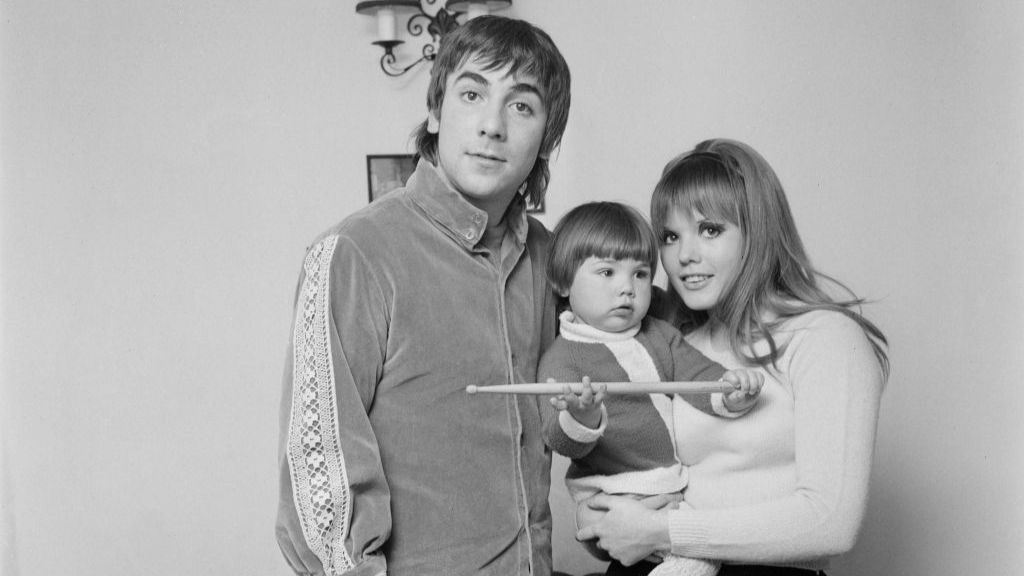
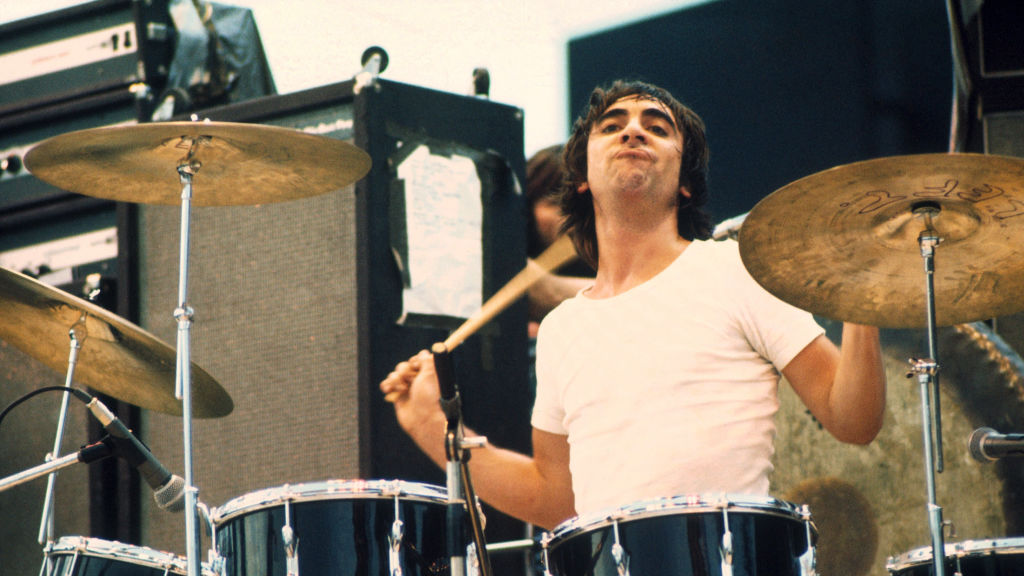
On November 20, 1973, The Who played the Cow Palace near San Francisco, and Moon had consumed a dangerous combination of sedatives and booze. He passed out behind his drum kit, was revived, returned to the stage, and then collapsed again. Pete Townshend finally asked the audience whether anyone could actually play drums, and a fan named Scot Halpin was brought up from the crowd to finish part of the show with The Who. It became a funny rock story later, but the reality was much darker because Moon's substance use had reached the point where he could no longer reliably stay conscious during a concert.
The Band Could See Him Slipping
The other members of The Who were hardly living quiet lives themselves, but Moon's condition became especially alarming. He could still produce bursts of astonishing drumming, and on good nights the old Moon seemed fully present. On bad ones, there was no guarantee he could finish the performance. That inconsistency made the situation confusing for friends because Moon could look frighteningly unhealthy one day and then make everyone laugh or play brilliantly the next.
Another Collapse Came In Boston
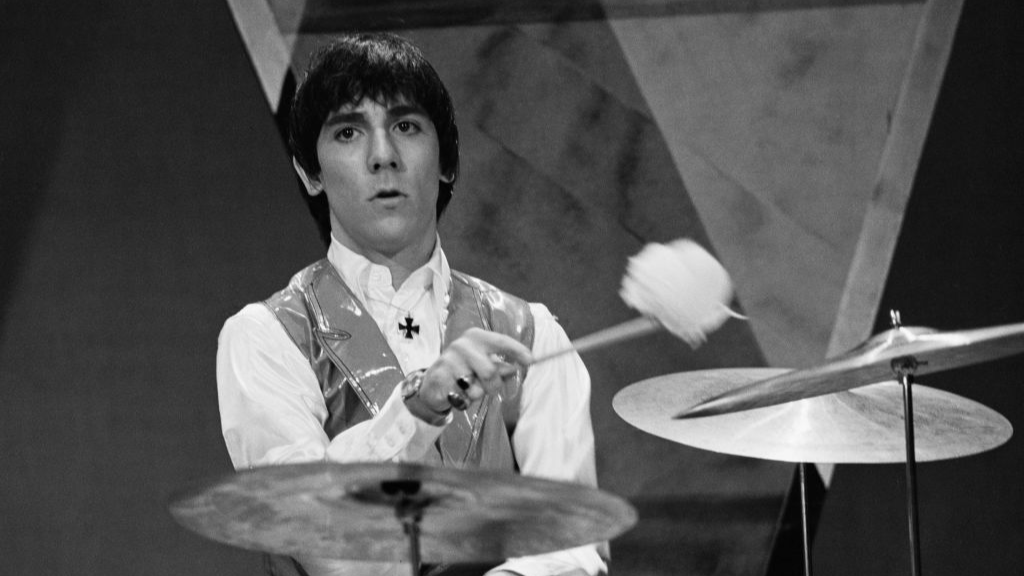
The warnings kept coming. During a 1976 concert in Boston, Moon collapsed after only a few songs. The band initially blamed flu, but later accounts said he had consumed a near-lethal combination of hard booze and barbiturates, forcing the show to be postponed. Daltrey told the crowd that the band didn’t want to "kill Keith Moon". At the time, the line was delivered in the middle of a frustrating concert cancellation, but in retrospect it sounds painfully prophetic.
 Michael Ochs Archives, Getty Images
Touring Was Becoming Almost Impossible
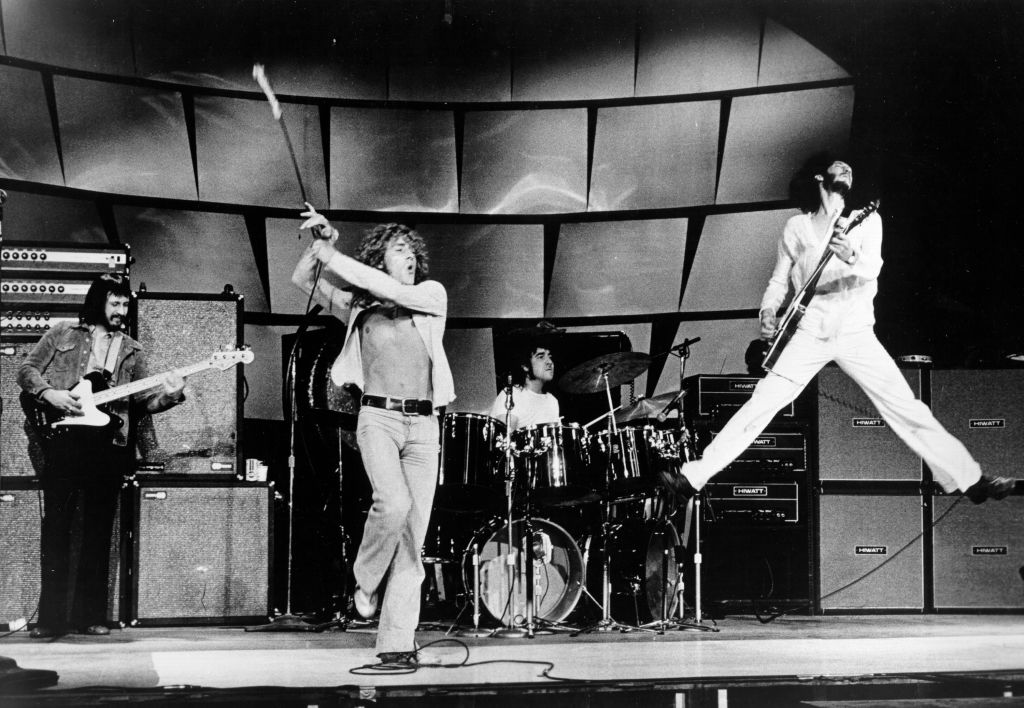
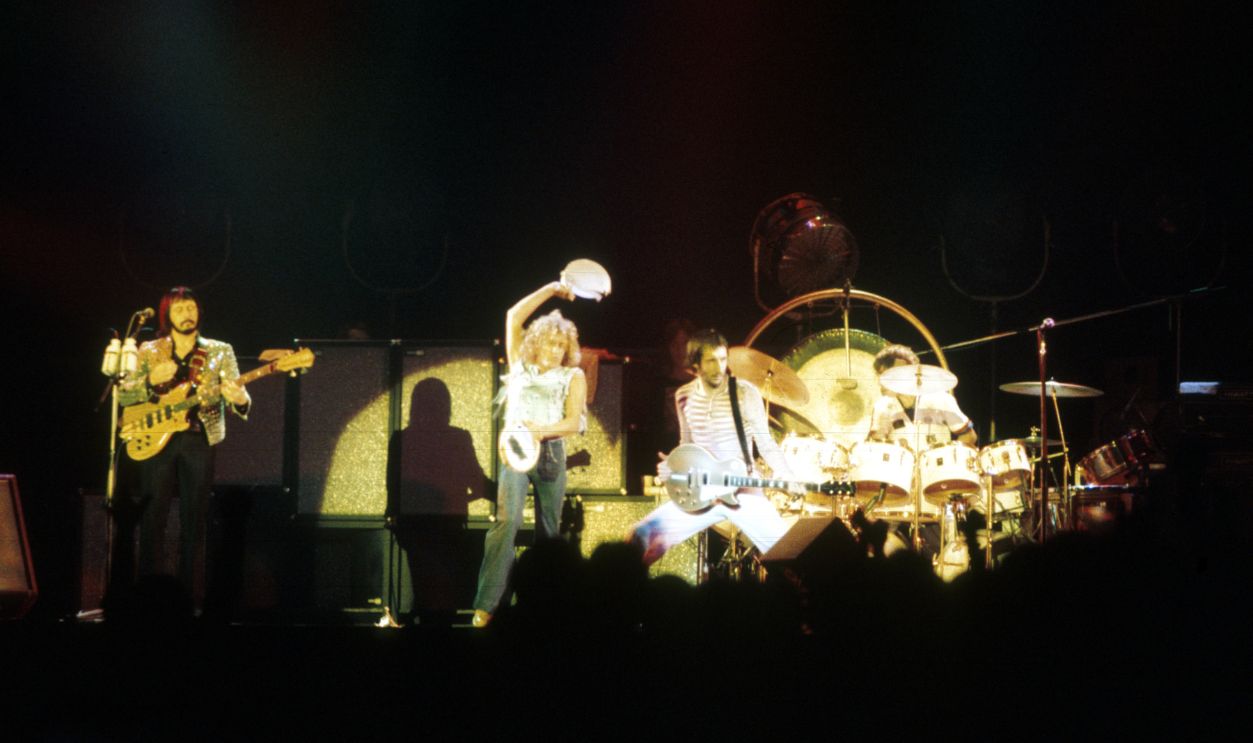
By the middle of the decade, The Who faced a practical problem. Their drummer was one of the greatest live performers in rock history, but the lifestyle surrounding touring was helping destroy him. Moon's health had deteriorated, and long periods of heavy drinking affected his weight, stamina, and ability to play consistently. The band eventually stepped back from regular touring, and their final conventional tour concert with Moon took place in Toronto on October 21, 1976.
 Michael Ochs Archives, Getty Images
California Offered An Escape But Not A Solution
Moon spent part of the 1970s in California, where his circle expanded to include other major rock musicians and celebrities. He pursued acting, appearing in films including That'll Be the Day and Stardust, and released the solo album Two Sides of the Moon in 1975. California also provided plenty of opportunities to continue partying, however, and changing countries didn’t change the underlying problem.
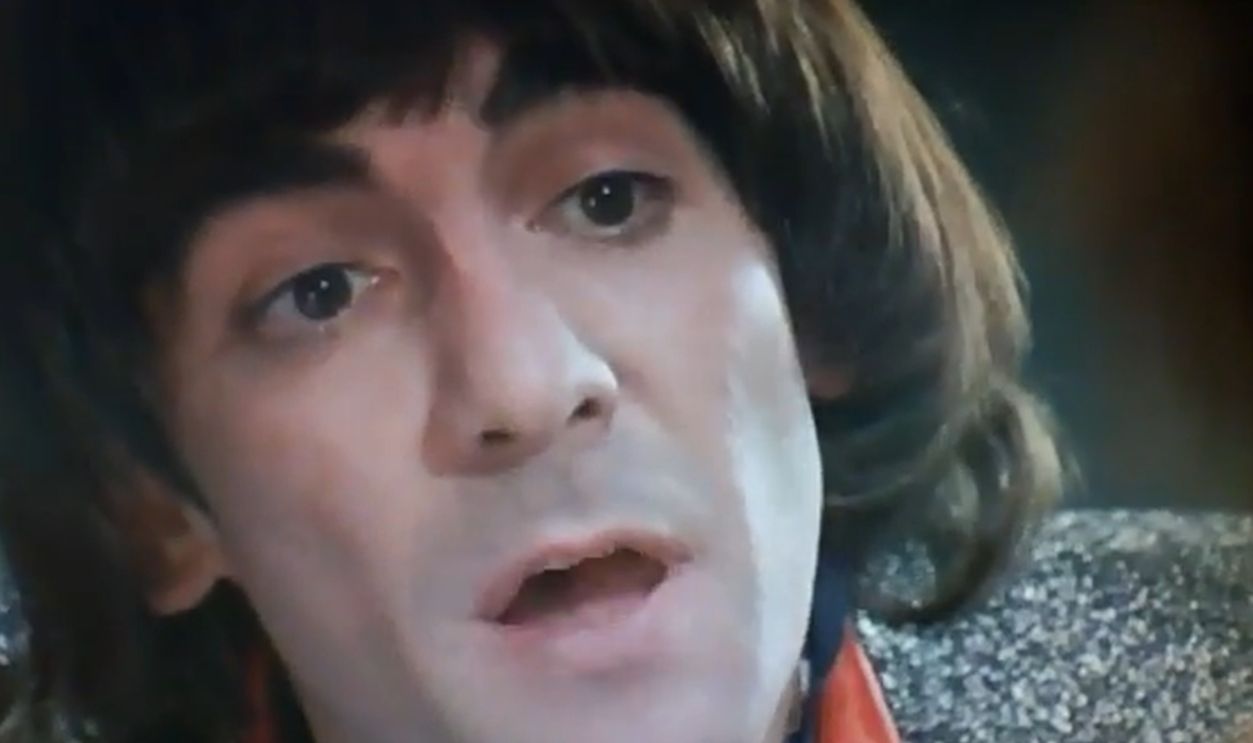 Screenshot from Stardust, United Artists (1974)
The Funniest Guy Could Also Be Deeply Insecure
Part of Moon's tragedy was that his public identity depended on always being entertaining. Friends expected jokes, interviewers expected madness, and audiences expected the wildest drummer alive. That kind of reputation can become a trap, especially for someone who seemed uncomfortable with quiet or stillness. The persona gave Moon attention, but it also gave his self-destructive behavior somewhere to hide.
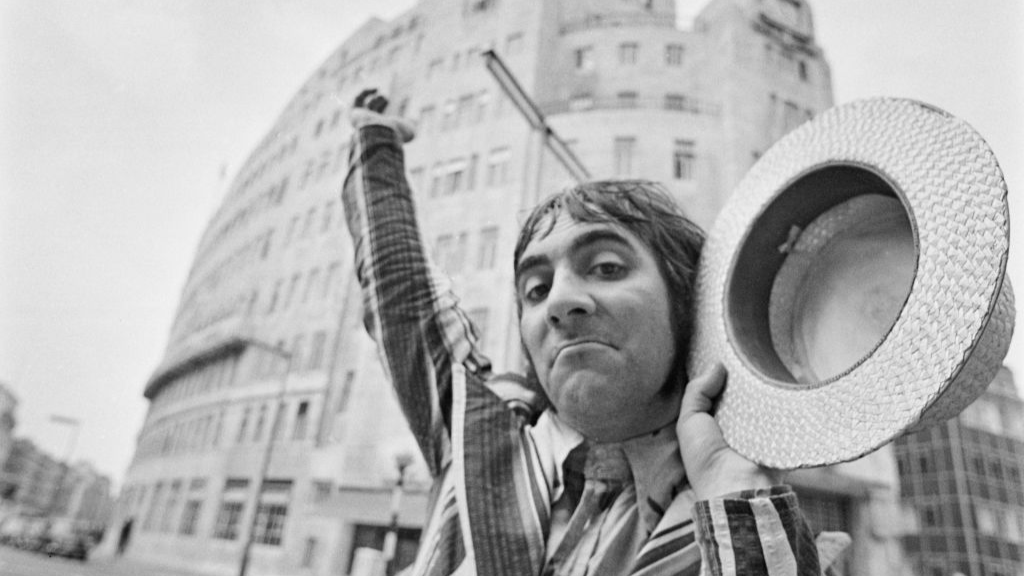
Even His Drumming Began To Suffer
By the time The Who recorded Who Are You, Moon's physical decline was affecting his musical abilities. He was still unmistakably Keith Moon, but the effortless explosion of his earlier years was harder to summon. Long stretches away from consistent playing, combined with alcohol dependency and poor health, had taken a toll. For a musician whose entire style depended on stamina, coordination, and split-second reactions, the deterioration was especially cruel.
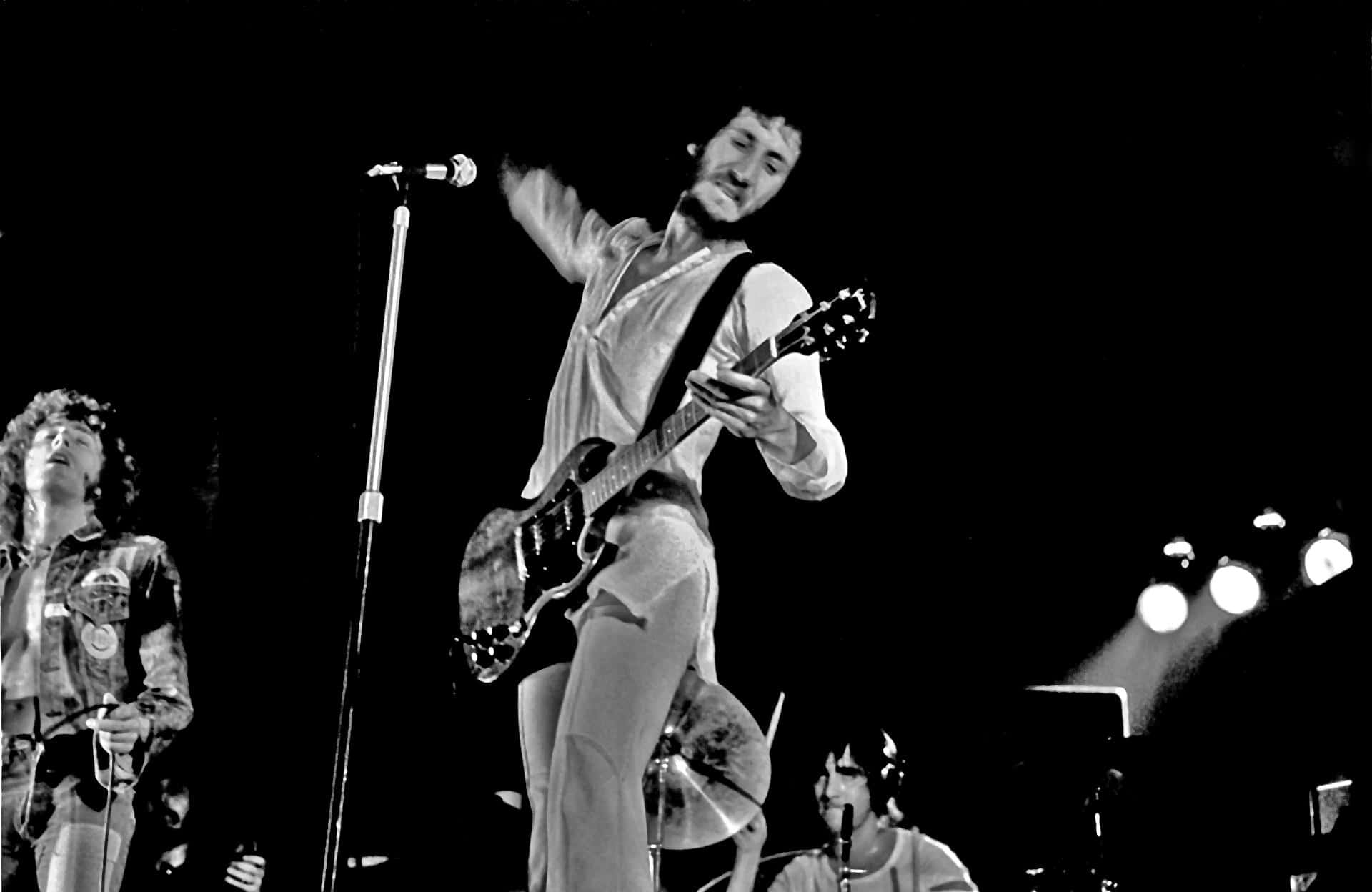 Heinrich Klaffs, CC BY-SA 2.0, Wikimedia Commons
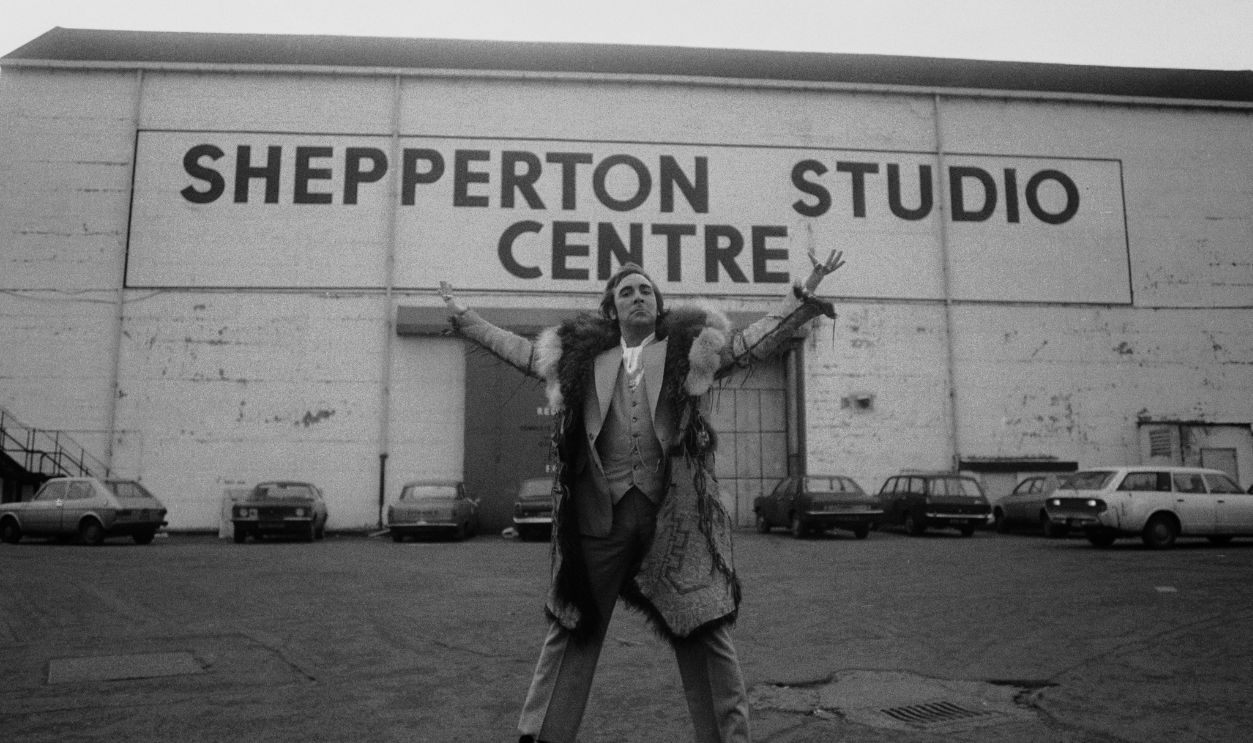
His Final Who Performance Came At Shepperton
On May 25, 1978, The Who performed for a small, exclusive audience at Shepperton Film Studios while filming material for The Kids Are Alright. Nobody knew it would be Moon's final performance with the band. Footage from the session preserves flashes of the old showman as he climbed around the kit, performed the huge ending to "Won't Get Fooled Again," and took his bow. Less than four months later, he was gone.
Who Are You Arrived At A Strange Moment
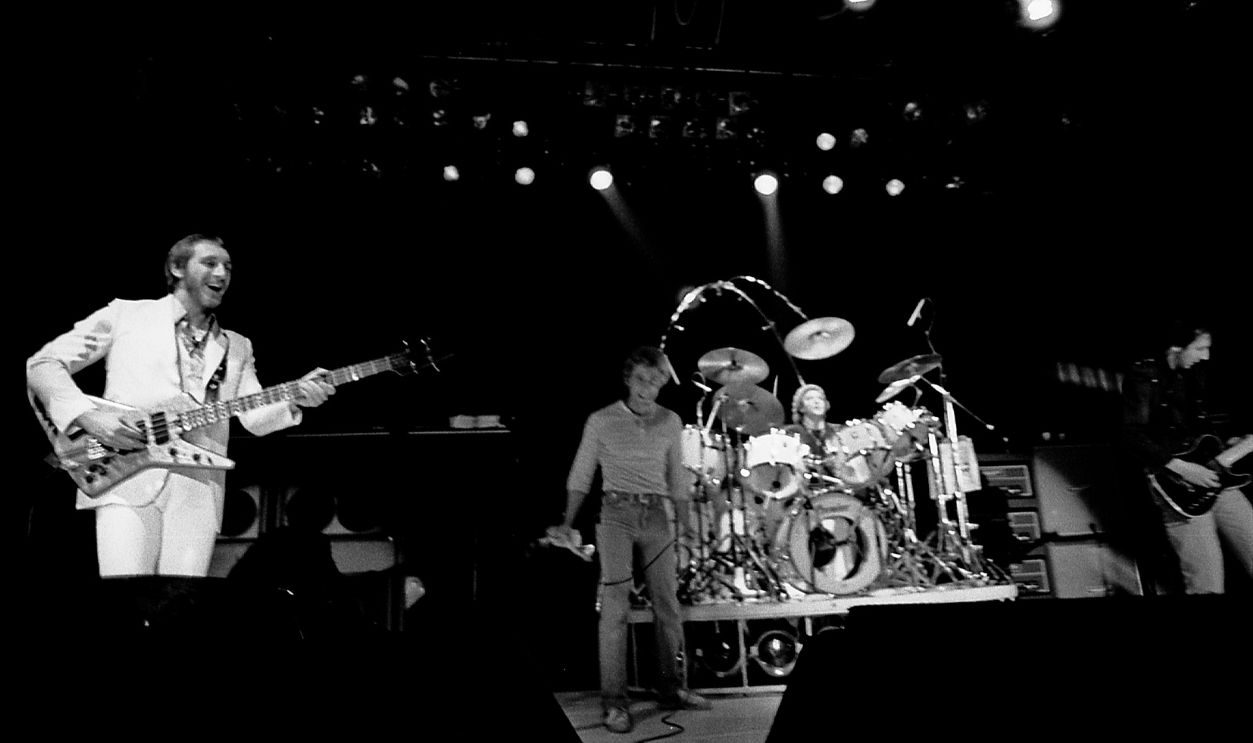
The Who released Who Are You in August 1978, and the album was successful enough to suggest another major chapter for the band. Moon seemed to have reasons to get himself healthy because the group had new music and plans for the future. Behind the scenes, however, he was attempting to deal with severe dependence on drink. Simply stopping drinking could itself be dangerous, which meant treatment had to be handled carefully.
 BSR Entertainment, Getty Images
Heminevrin Was Supposed To Help Him Stop Drinking
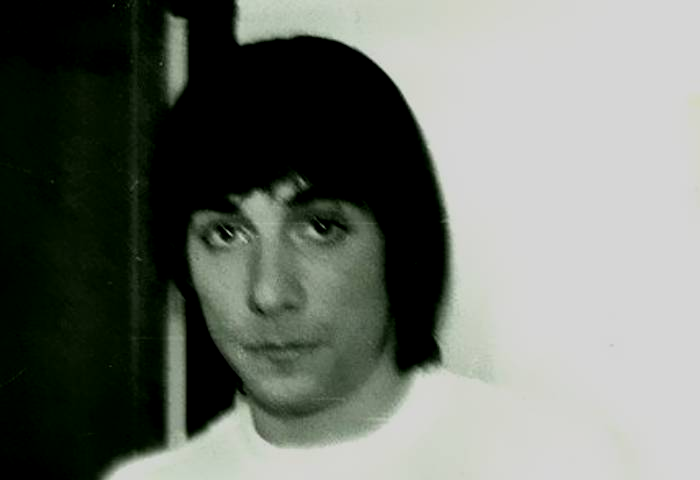
Moon was prescribed Heminevrin, also known as clomethiazole, to help manage withdrawal. The medication is a sedative and can be dangerous if misused, which was especially risky for someone who had spent years developing a habit of swallowing pills casually and in large quantities—someone like Keith Moon.
 Klaus Hiltscher, CC BY-SA 2.0, Wikimedia Commons
His Final Television Interview Looked Different
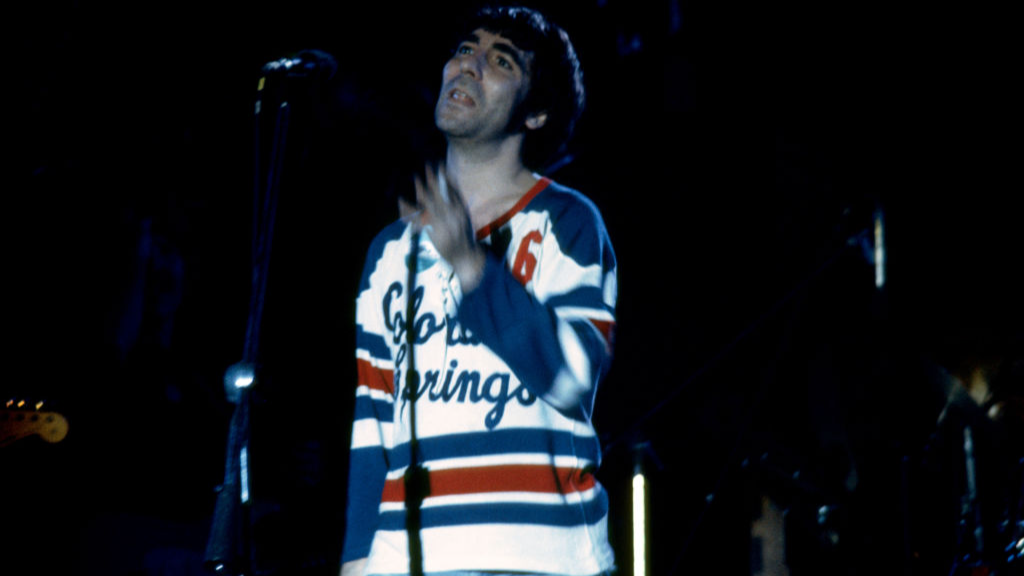
On August 7, 1978, Moon appeared with Pete Townshend on Good Morning America. The man on screen looked noticeably different from the manic joker audiences remembered. At points he seemed tired and confused, and although he still tried to joke about his drinking, the old quickness was harder to find. Exactly one month later, Moon was gone, which makes the interview especially unsettling because viewers can see how far his condition had progressed.
His Final Night Started At A Film Premiere
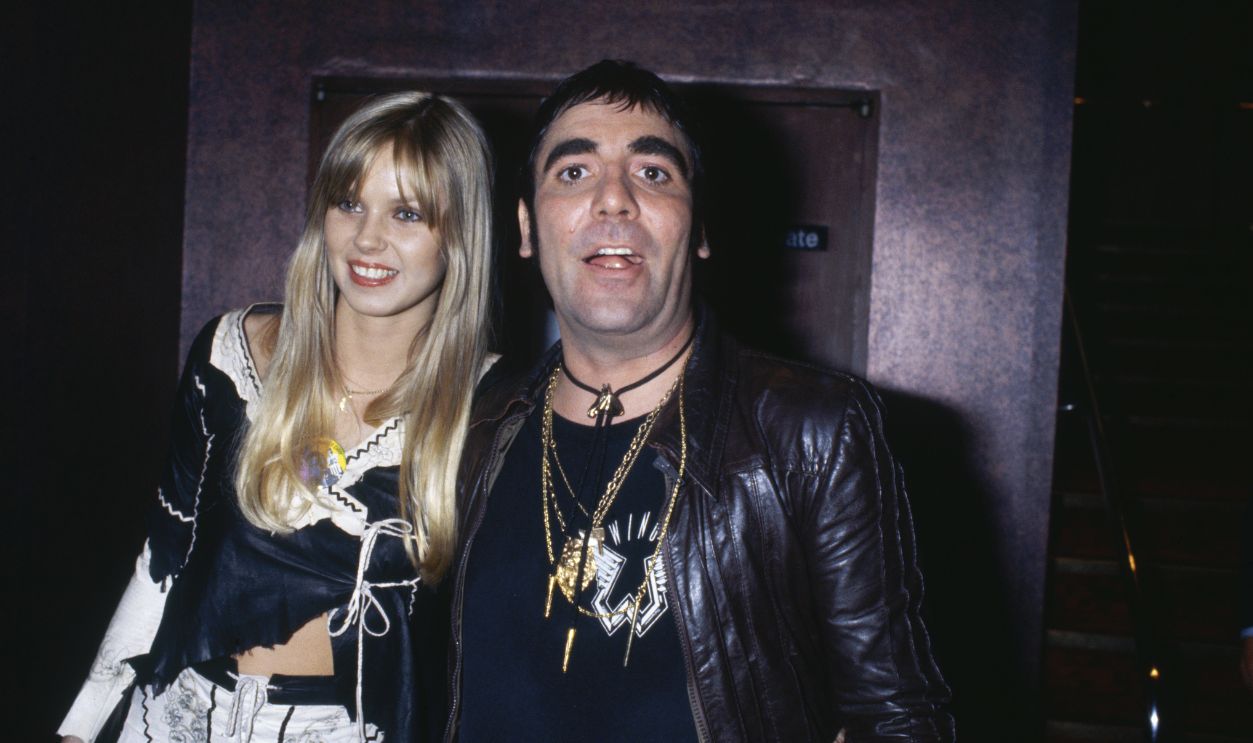
On September 6, Moon and his girlfriend Annette Walter-Lax attended an event connected with the premiere of The Buddy Holly Story in London, where Paul and Linda McCartney were among those present. Moon returned home later that night, and there was no spectacular final prank or dramatic rock star finale. He took medication, went to bed, and never woke up.
The Medicine Meant To Save Him Ended Him
Keith Moon died on September 7, 1978, from an accidental OD of Heminevrin. A post-mortem found 32 tablets in his system, with 26 still undissolved, and the official finding was accidental rather than suicide. He was only 32 years old. The cruelest detail was that Moon had been taking the medication because he was attempting to control the alcoholism that had dominated the final years of his life.
The Who Suddenly Had A Hole Nobody Could Fill
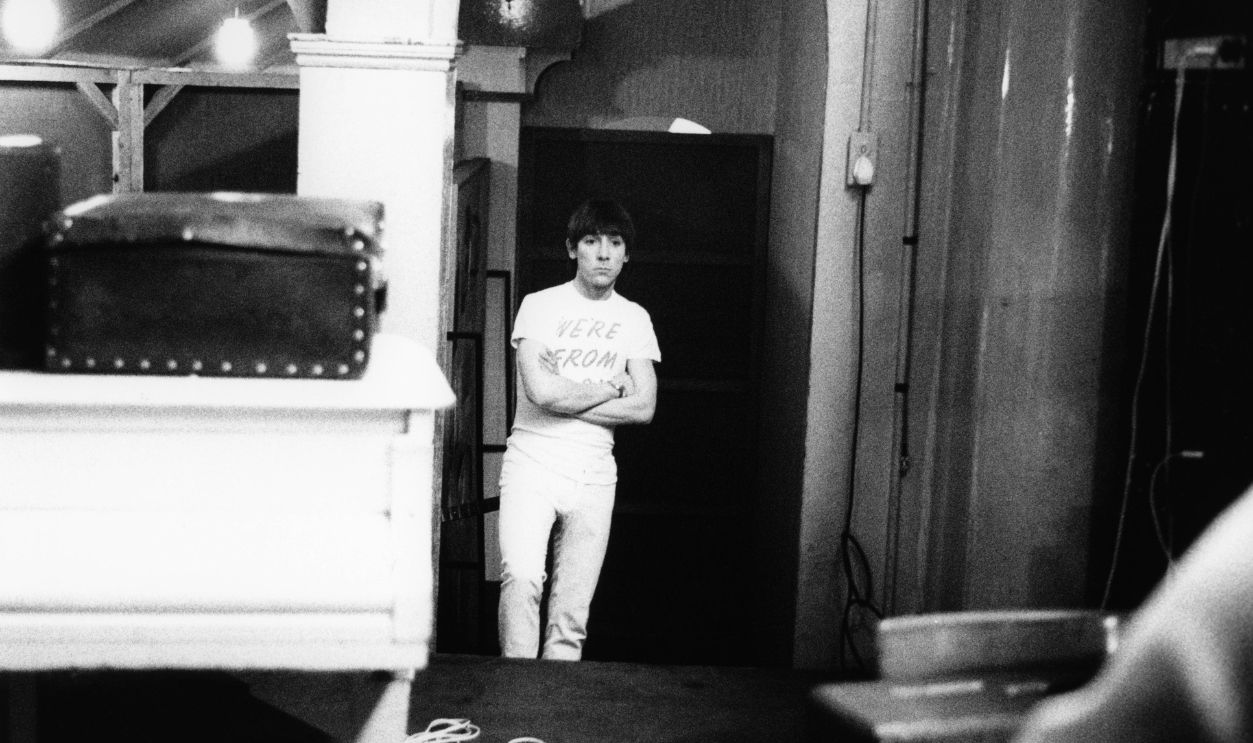
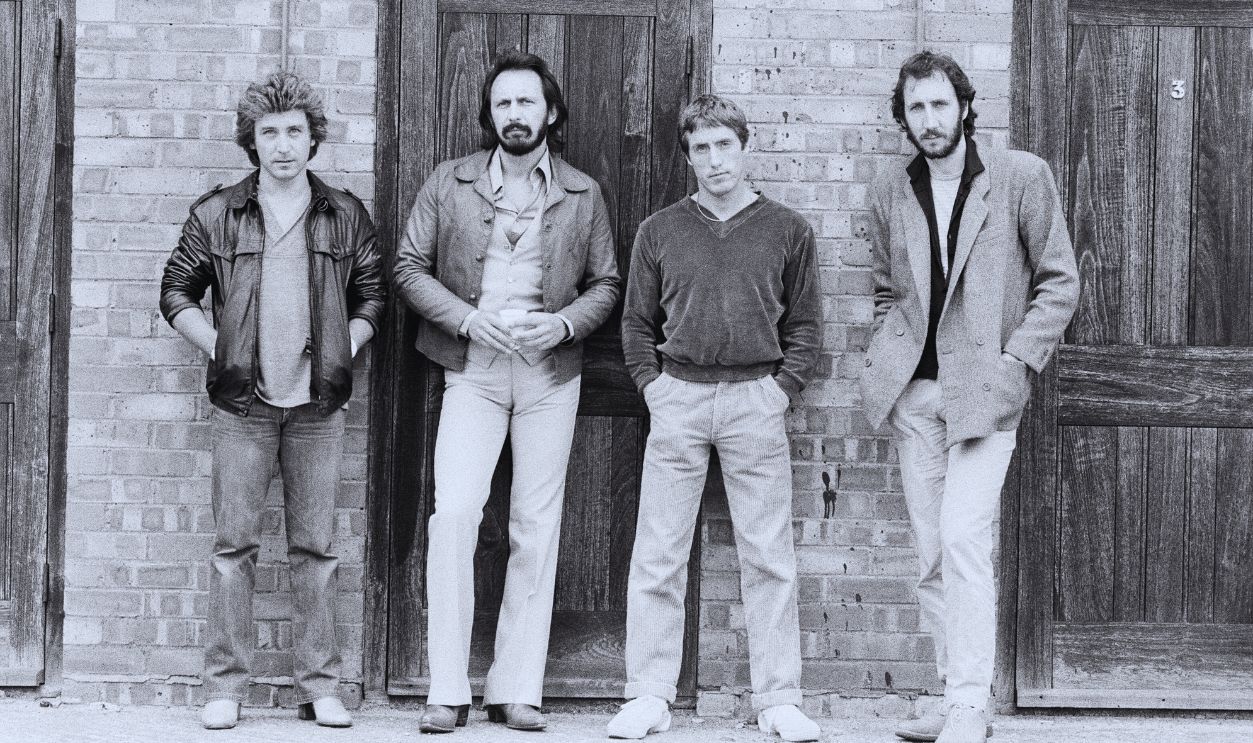
The day after Moon's passing, The Who announced that they intended to continue, and former Small Faces and Faces drummer Kenney Jones eventually joined the group. Jones was an excellent drummer, but replacing Moon in any conventional sense was impossible. Moon had never behaved like a normal rhythm player because his drumming was tangled into Townshend's guitar, Entwistle's bass, Daltrey's vocals, and the band's entire stage personality. The Who could continue, but they could not recreate what they had been with him.
His Drumming Changed Rock Permanently
Moon's real legacy isn’t a swimming pool or a hotel bill, but what happened when he sat behind a drum kit. He helped redefine the role of a rock drummer because his drums could answer the vocals, battle the guitar, and push songs forward without simply marking time. The Who's official history compares Moon's originality on drums to Jimi Hendrix's impact on guitar, which captures why generations of drummers still study him.
 MCA Records, Wikimedia Commons
Rock Lost More Than Its Wildest Party Animal
It is tempting to tell Keith Moon's story as one enormous joke with a tragic punchline, but the truth is more complicated. He really was outrageously funny, he really did love elaborate jokes, and he really did create stories that sound invented even when they were true. He was also a gifted musician struggling with an addiction that eventually overwhelmed him. The people around Moon spent years watching him bounce back from crashes, falls, overdoses, and collapses, which helped create the dangerous illusion that he was somehow indestructible.
The Genius Behind The Madness
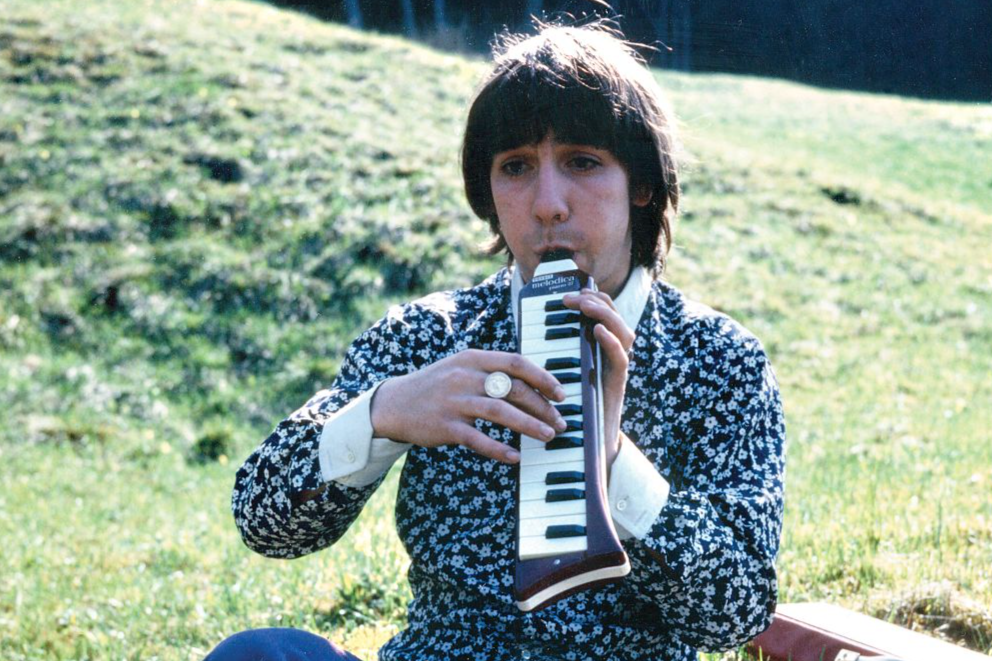
Keith Moon only spent about 14 years in The Who, yet his style remains instantly recognizable more than half a century later. Listen closely to "My Generation," "I Can See for Miles," Tommy, Who's Next, or "Won't Get Fooled Again" and the jokes disappear for a few minutes. What remains is an extraordinary musician playing with creativity, instinct, humor, and power.
Moon's tragedy was not that he stopped being funny. It was that the world became so used to laughing at his chaos that the seriousness underneath it could be difficult to see. Friends knew he was struggling, the band knew he needed help, and Moon himself was trying to get sober near the end. Nobody expected that the medicine meant to help him would become the final accident in a life filled with frighteningly close calls. Rock lost its wildest clown on September 7, 1978, but it also lost one of its true musical originals.
You May Also Like: