The Opening Act Nobody Forgot
Imagine buying a ticket to see one of the biggest rock bands of the 1970s, only to discover that the opening act was about to blow the roof off the place! Before they were selling out arenas and dominating the charts, some of rock's greatest legends were unknown newcomers fighting to win over someone else's audience. Sometimes they even gave the headliners a run for their money. These are the bands that went from warming up the crowd to becoming rock legends themselves.
 Chris Walter/WireImage, Getty Images
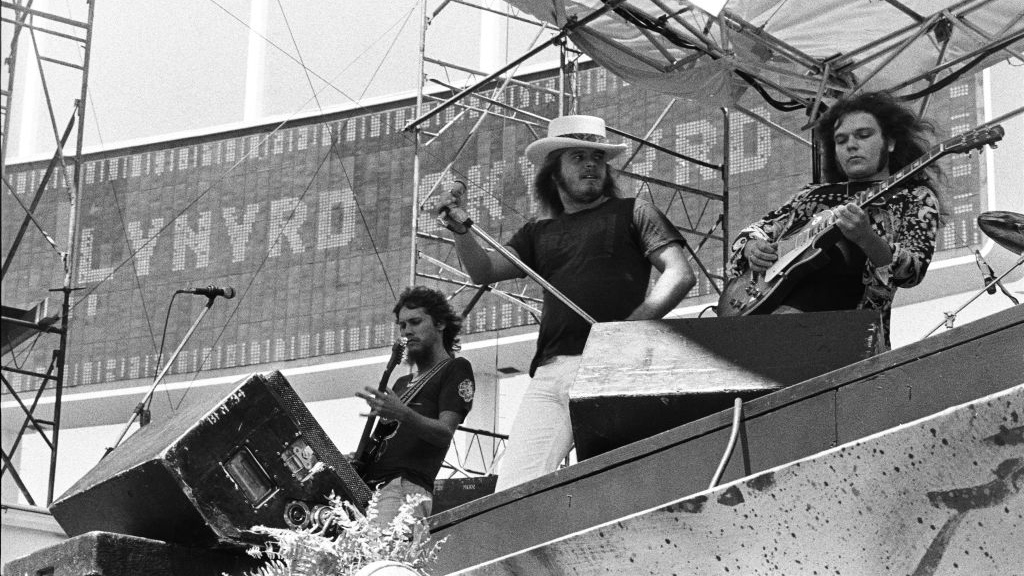
Lynyrd Skynyrd Opens For The Rolling Stones (1976)
At England's Knebworth Festival, Lynyrd Skynyrd faced an enormous crowd waiting for the Rolling Stones. Then “Free Bird” changed everything. Contemporary witnesses remembered the audience's transformation from indifference to adulation, while promoter Freddy Bannister wondered how anyone could follow them. Skynyrd keyboardist Billy Powell later maintained that his band had outperformed the Stones.
 Richard McCaffrey, Getty Images
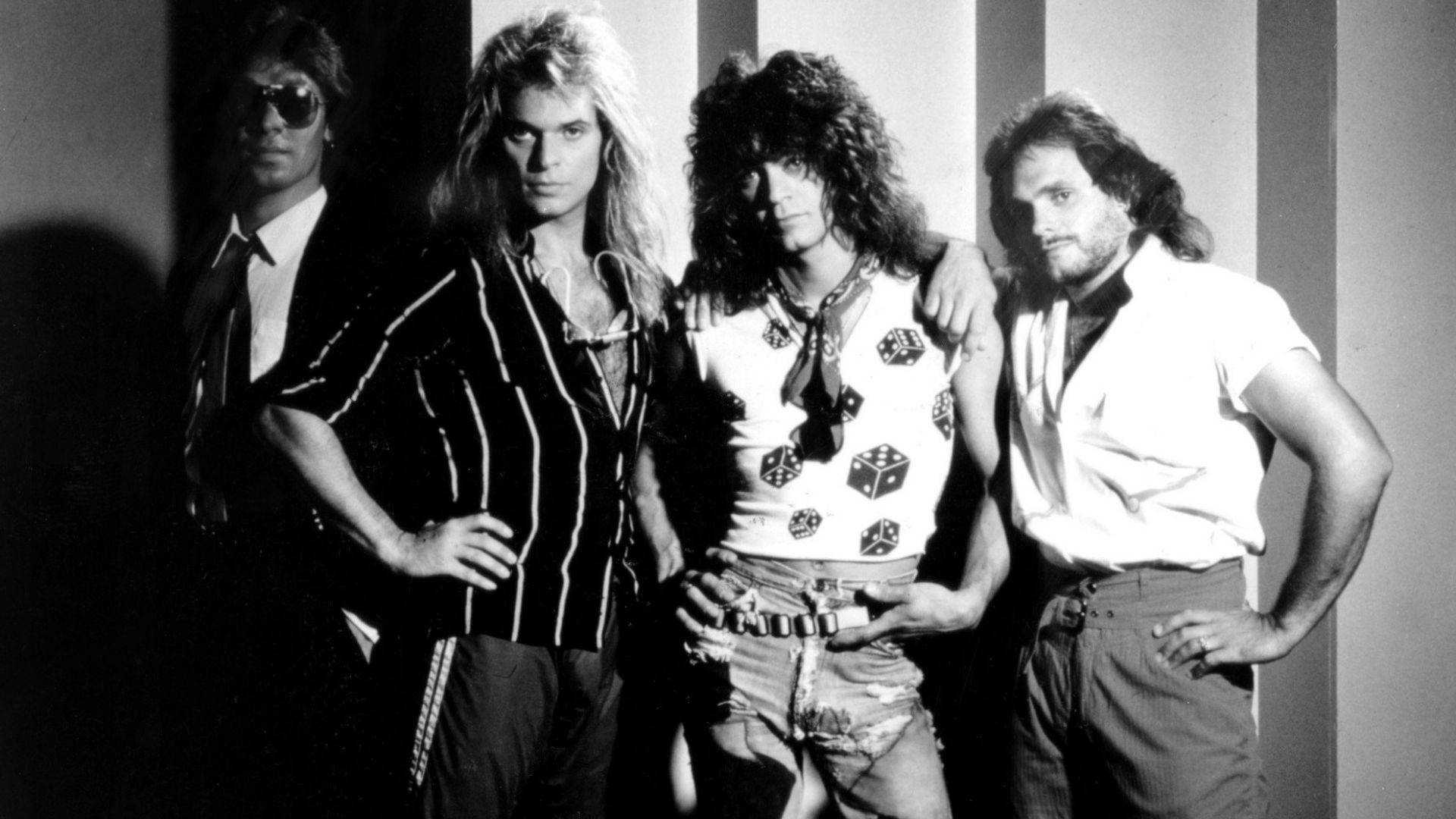
Van Halen Opens For The Rolling Stones (1978)
Van Halen also opened for the Stones in 1978. On July 13, the young California band appeared at the Louisiana Superdome in New Orleans, alongside the Doobie Brothers. The intriguing twist was that a local account describes Van Halen receiving a lackluster response. Little did they know that Van Halen was on the threshold of rock royalty.
 Warner Records, Wikimedia Commons
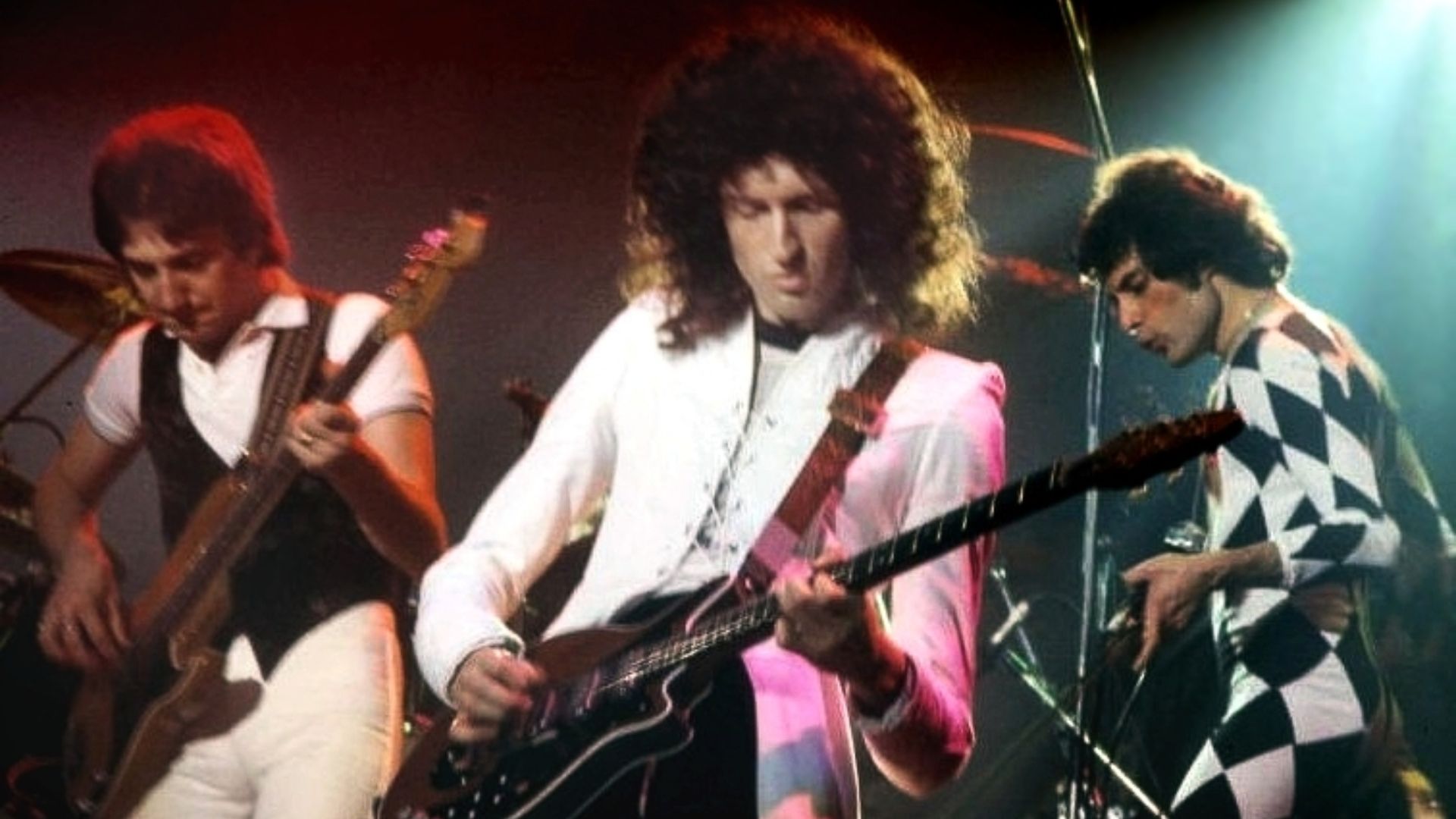
Queen Opens For Mott The Hoople (1973–1974)
Before “Bohemian Rhapsody,” Queen were the ambitious newcomers supporting Mott the Hoople on British and American tours. Freddie Mercury's theatrical presence and the band's elaborate arrangements made an immediate impression. Queen's members remembered enthusiastic audiences, although Mott remained a formidable headliner. Within two years, the supporting act had become one of rock's biggest attractions.
 Carl Lender at https://www.flickr.com/photos/clender/, Wikimedia Commons
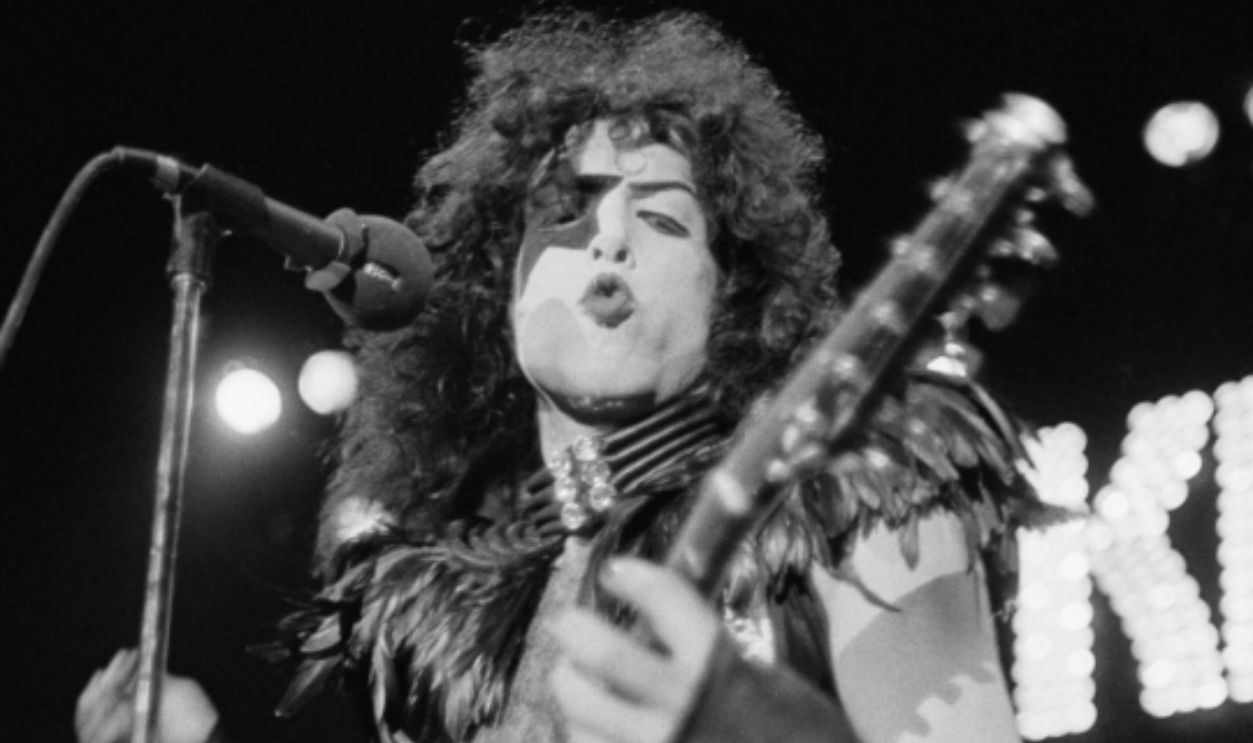
Kiss Opens For T. Rex (1974)
Marc Bolan's T. Rex had helped define glam rock, but Kiss brought an entirely different level of theatrical aggression. Hazy accounts by those in attendance recalled the younger band's explosive performance overwhelming Bolan's stage presentation. The result was especially revealing: Kiss returned to the venue as the headliner, with its reputation as a live attraction growing rapidly.
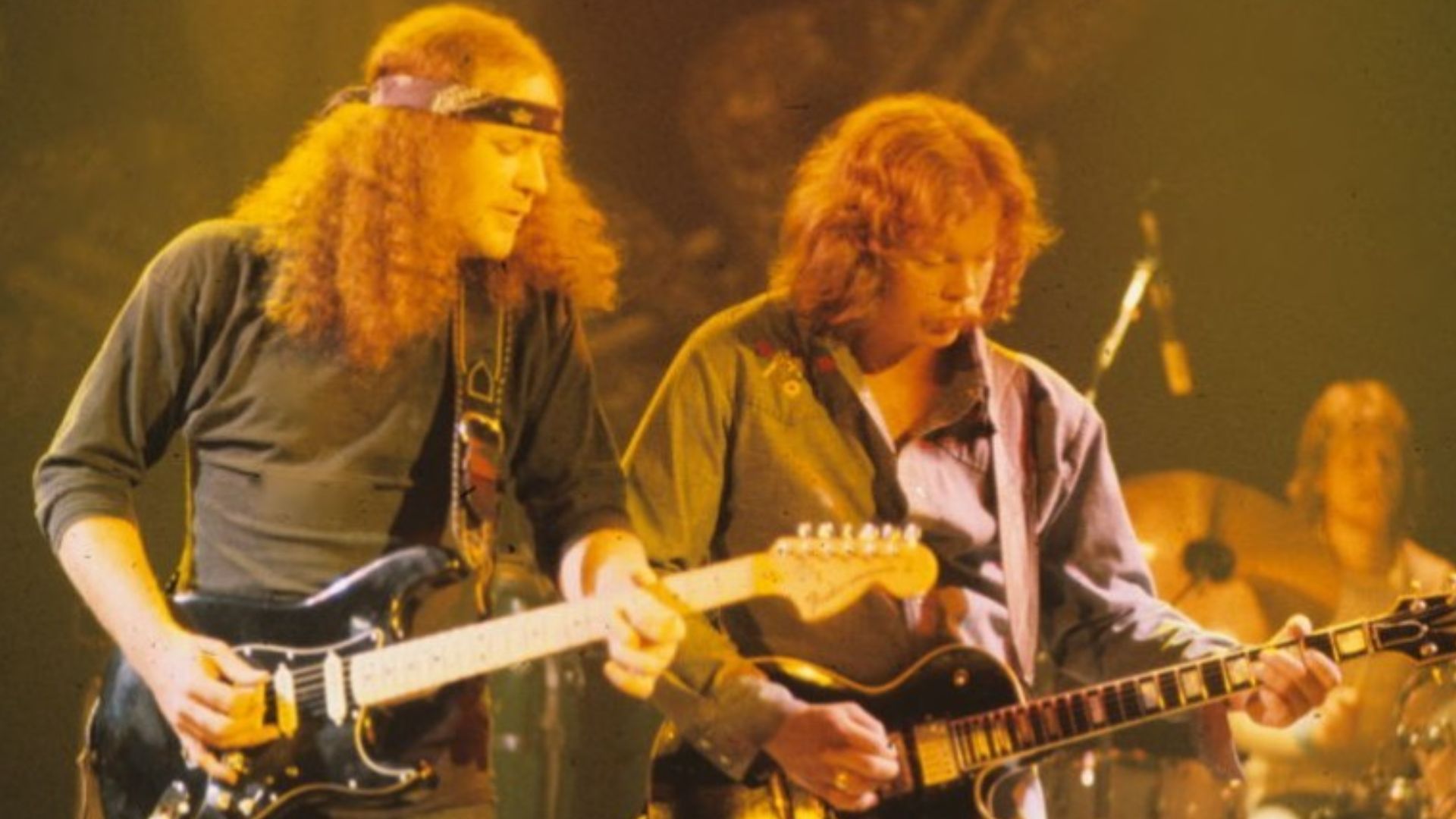
The Outlaws Open For Lynyrd Skynyrd (1976)
Reporting on a May 1976 Hollywood Palladium concert, Record World described the Outlaws as nearly stealing the show from Lynyrd Skynyrd. Their twin-guitar attack and extended “Green Grass & High Tides” brought a powerful response from an audience with a big appetite for finely cooked and sizzling Southern rock.
 Carl Lender, Wikimedia Commons
Van Halen Opens For Black Sabbath (1978)
By 1978, Black Sabbath were established heavy-metal royalty, while Van Halen were introducing audiences to Eddie Van Halen's revolutionary guitar playing and David Lee Roth's outrageous showmanship. Their joint tour became a classic example of an exciting new band threatening to overshadow its elders. Accounts of the tour frequently emphasize the stark contrast between Van Halen's youthful energy and Sabbath's troubled period.
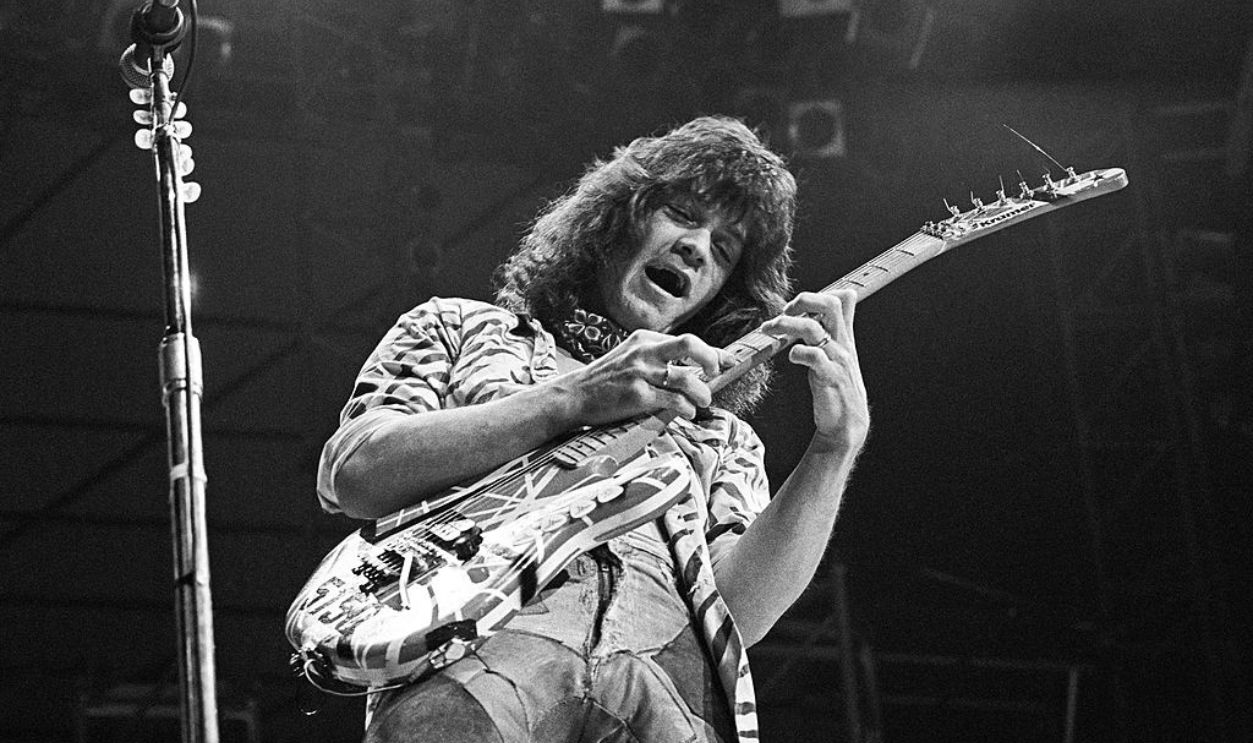
Deep Purple Challenges Emerson, Lake & Palmer (1974)
California Jam was a festival, and not a conventional opening-act situation, but it produced one of the decade's great upstaging stories. Emerson, Lake & Palmer received top billing, yet Deep Purple's explosive set, complete with Ritchie Blackmore's spectacular guitar destruction, became a defining memory of the festival. The performance helped reinforce the ability of Deep Purple to dominate even an enormous all-star bill.
 Dana Wullenwaber, Wikimedia Commons
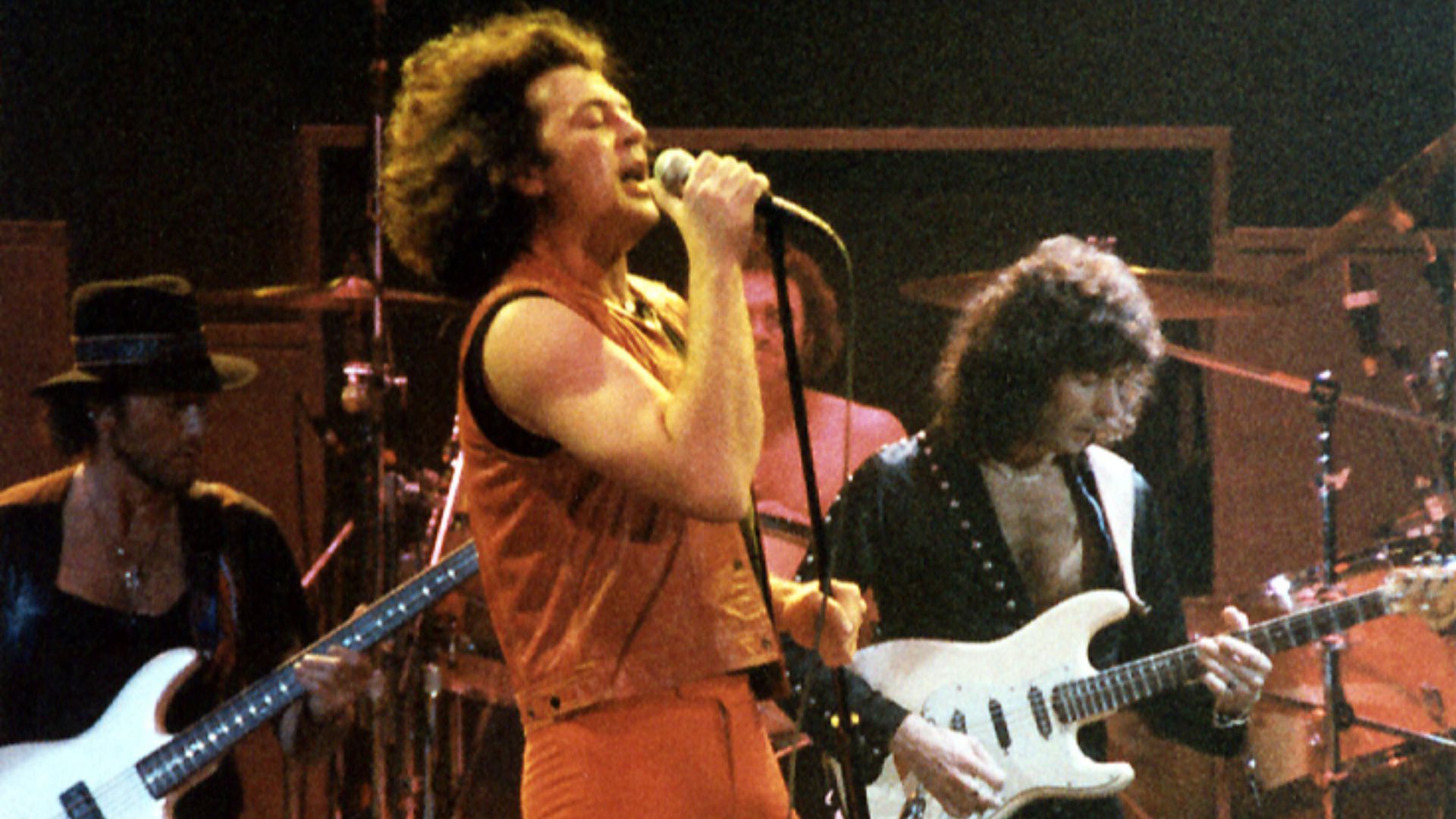
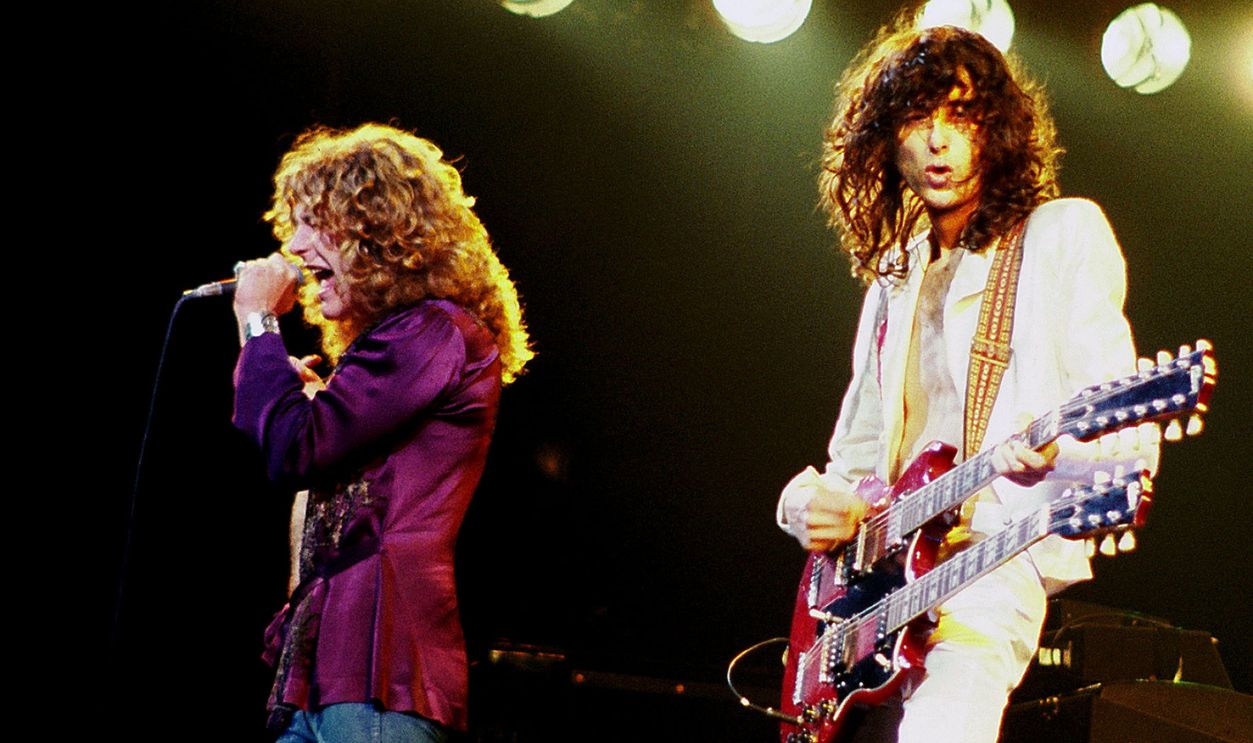
The Ides Of March Share A Bill With Led Zeppelin (1970)
At Winnipeg's Man Pop Festival, Led Zeppelin were the biggest attraction, but Chicago's Ides of March delivered one of the evening's surprises. Audience recollections preserved on Led Zeppelin's official website describe the “Vehicle” hitmakers as extraordinarily energetic. Some attendees even considered them among the acts that stole the show musically.
 Jim Summaria, CC BY-SA 3.0, Wikimedia Commons
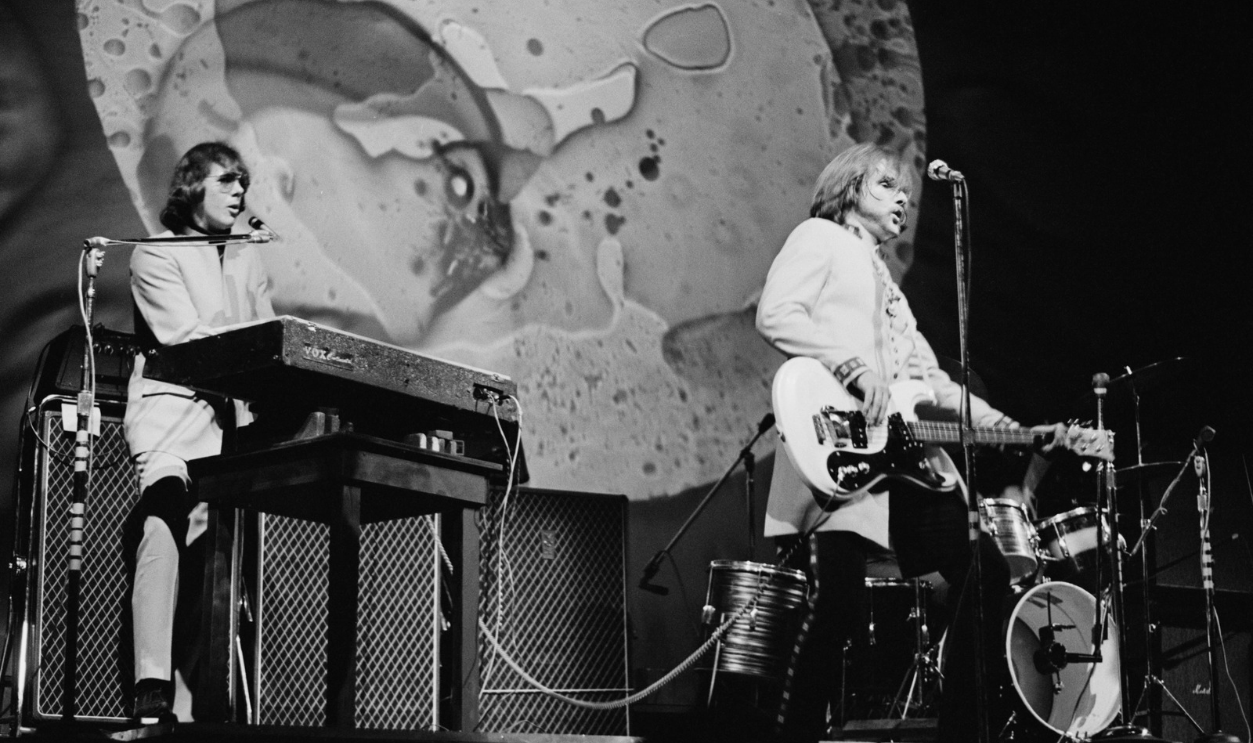
Iron Butterfly Challenges Led Zeppelin (1970)
That same Winnipeg festival produced another unexpected contender. Iron Butterfly were already famous for “In-A-Gadda-Da-Vida,” and their thunderous set reportedly earned standing ovations. Some witnesses remembered them as the evening's standout act. Zeppelin were hardly forgotten, but the event proves that even their presence didn't guarantee universal agreement about who delivered the most blistering performance.
 Michael Ochs Archives, Getty Images
Rush Opens For Kiss (1975)
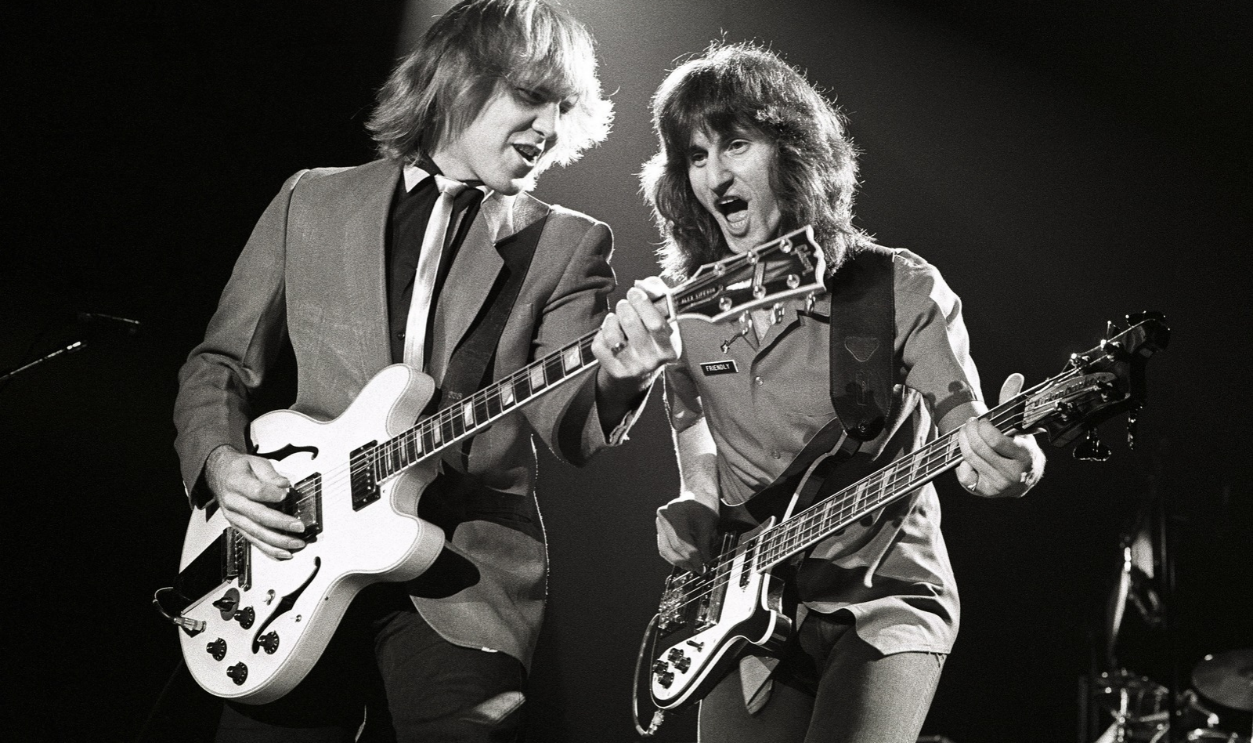
Long before Rush became arena headliners themselves, the Canadian trio supported Kiss during the latter's explosive rise. The pairing brought together two radically different approaches to hard rock: Rush's intricate musicianship and Kiss's spectacular theatrics. The shows introduced their music to an enormous new audience starving for a more multi-layered approach to rock.
Cheap Trick Opens For Kiss (1977)
Cheap Trick were still building their reputation when they supported Kiss on their 1977 tour. Their combination of Beatles-inspired melodies, loud guitars, and Robin Zander's vocals provided a striking contrast to Kiss's makeup and pyrotechnics. The groundwork laid on this tour would pay off a couple of year later when Live At Budokan became their biggest selling album.
 Koh Hasebe/Shinko Music, Getty Images
Aerosmith Opens For Mott The Hoople (1974)
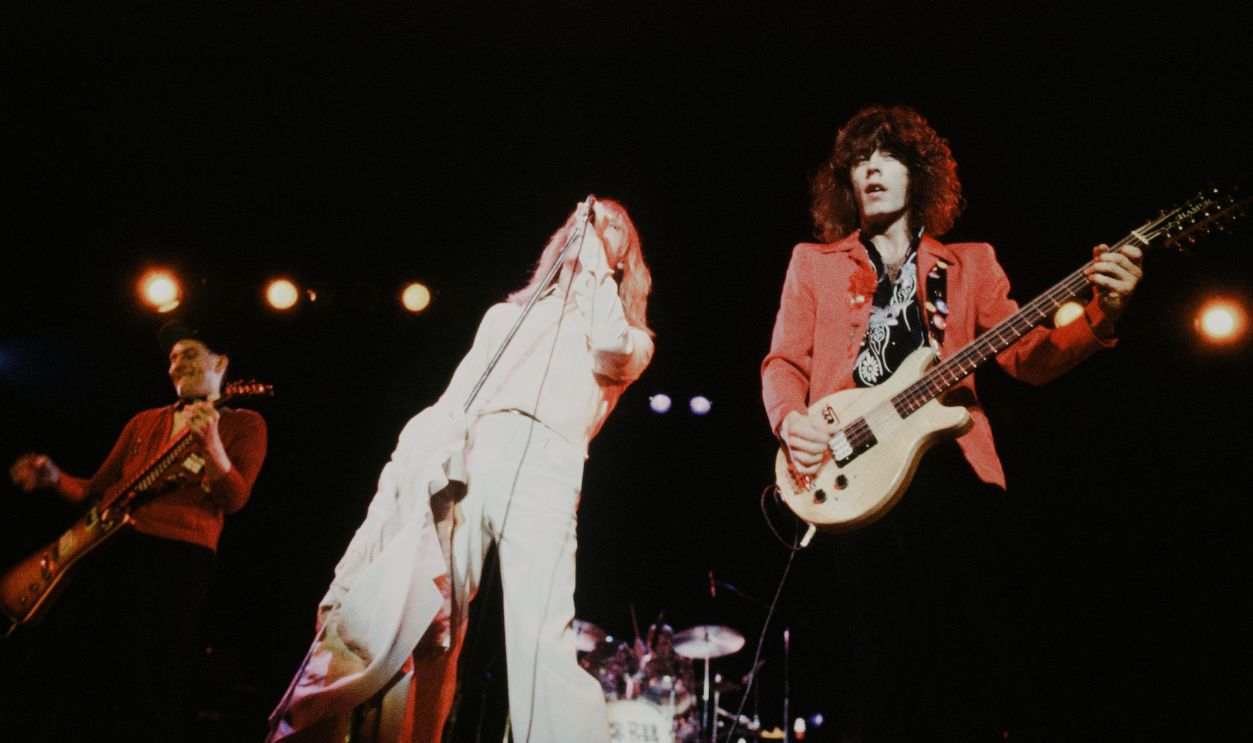
Before Toys in the Attic (1975) made them superstars, Aerosmith were still working their way up American concert bills. The young Boston band opened several shows for Brits Mott the Hoople on its 1974 tour. Steven Tyler and Joe Perry were already developing the swagger that would eventually make Aerosmith one of America's biggest rock attractions.

AC/DC Opens For Aerosmith (1978)
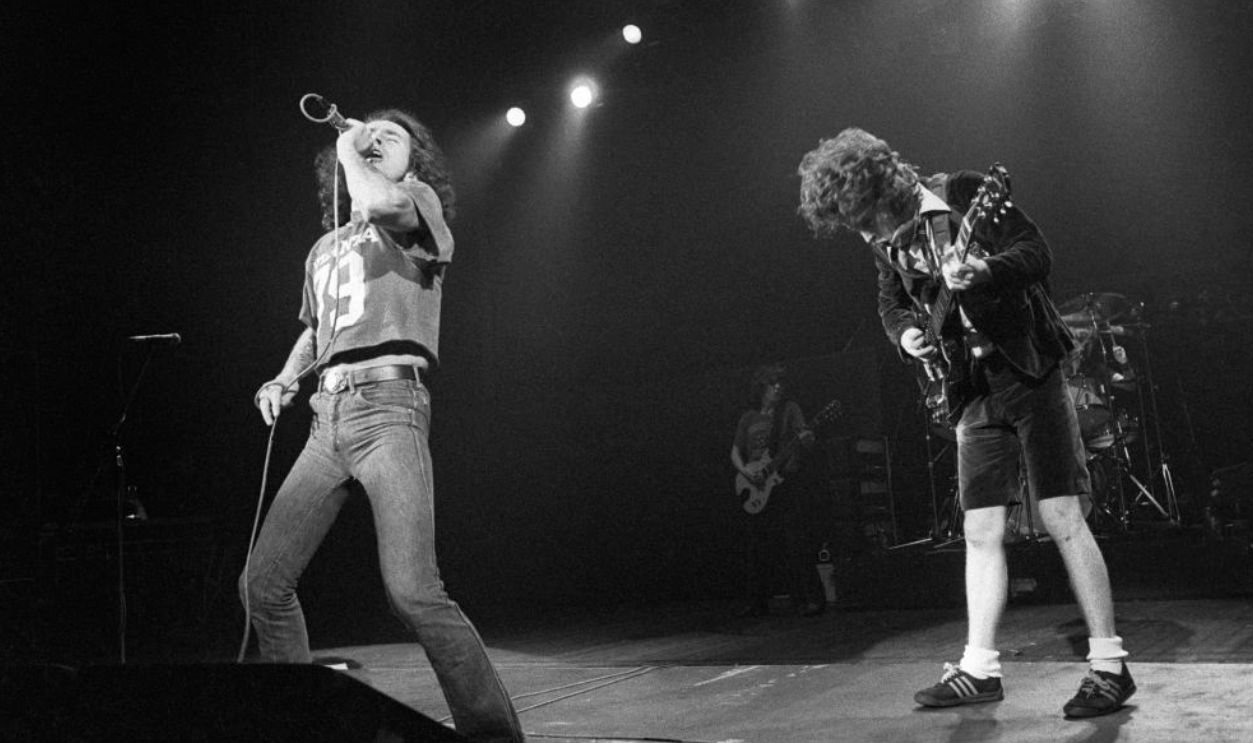
At Oakland's Day on the Green concert in July 1978, AC/DC occupied the bottom of a spectacular bill featuring Van Halen, Pat Travers, Foreigner, and headliners Aerosmith. Bon Scott and Angus Young were still fighting for American recognition. The performance belongs to the band's breakthrough period, and from then on AC/DC would never look back.
Van Halen And Aerosmith (1978)
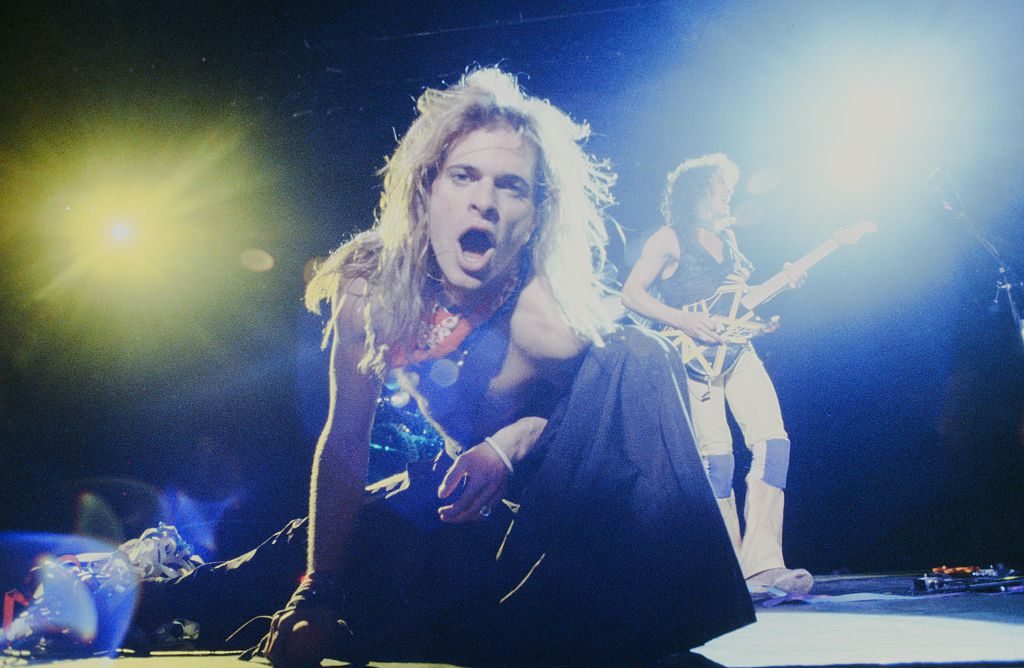
The same Oakland concert offered a fascinating clash between established and emerging hard-rock stars. Van Halen shared the bill with headliners Aerosmith, whose reputation as America's premier hard-rock band was already established. But Eddie Van Halen's dazzling guitar playing and David Lee Roth's explosive showmanship gave the newcomers a formidable stage presence. The contrast between the two bands helped fuel stories of Van Halen threatening to upstage the veteran rockers.
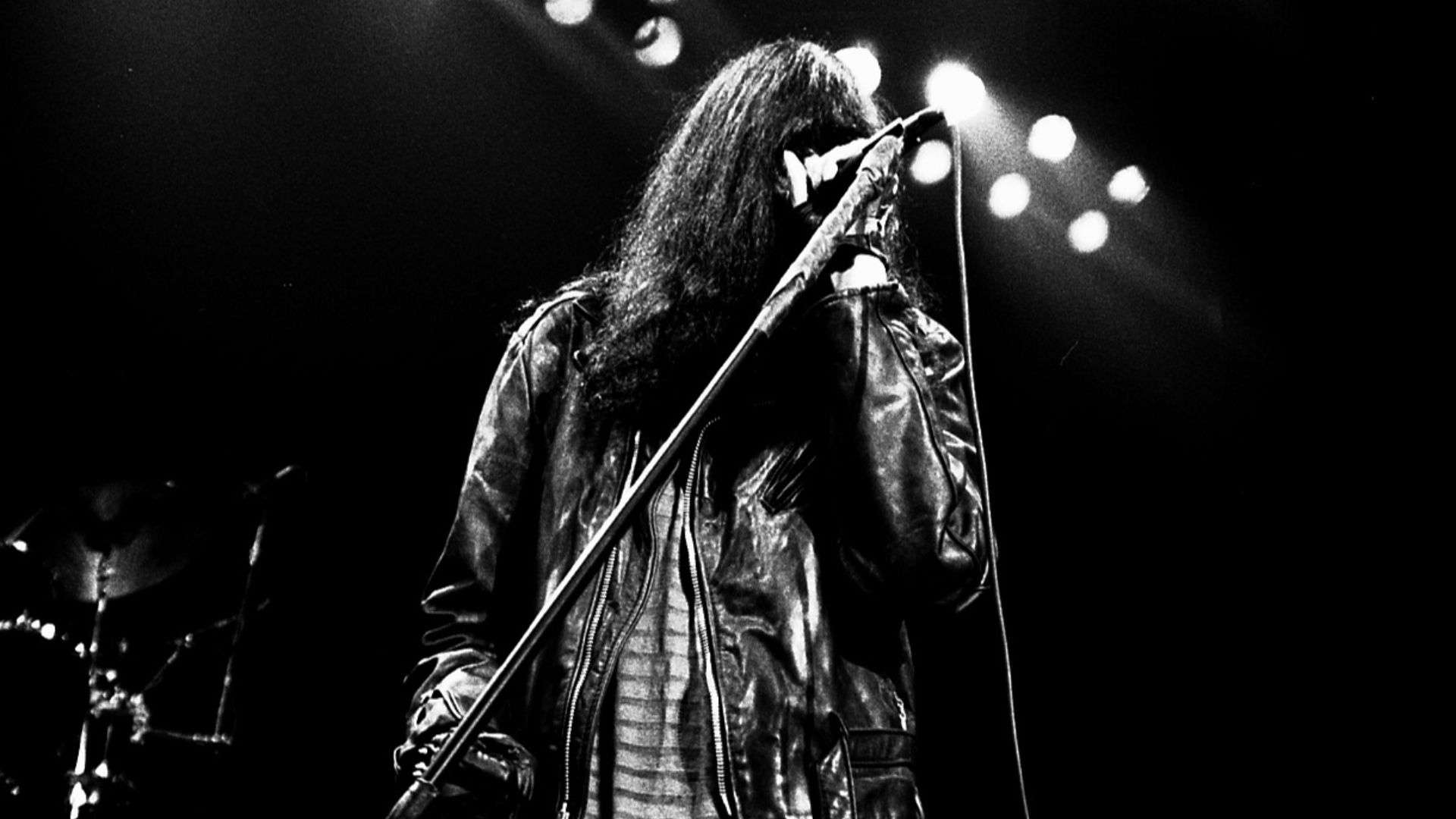
The Ramones Opens For The Flamin' Groovies (1976)
The Flamin' Groovies had been championing raw rock and roll for years when the Ramones arrived with an even more stripped-down approach. A 1976 supporting appearance became part of punk lore because of the younger band's relentless speed and intensity. The Ramones' short, furious performances offered an unmistakable preview of where rock was heading.
 Masao Nakagami, Wikimedia Commons
Talking Heads Opens For The Ramones (1975–1977)
Talking Heads made their earliest CBGB appearances supporting the Ramones, then toured Europe with them in 1977. David Byrne's nervous, unconventional stage presence couldn't have been further removed from the Ramones' leather-jacket assault. It was an amazing opportunity to see two future punk and new-wave legends on the same bill.
 Michael Markos - [email protected], Wikimedia Commons
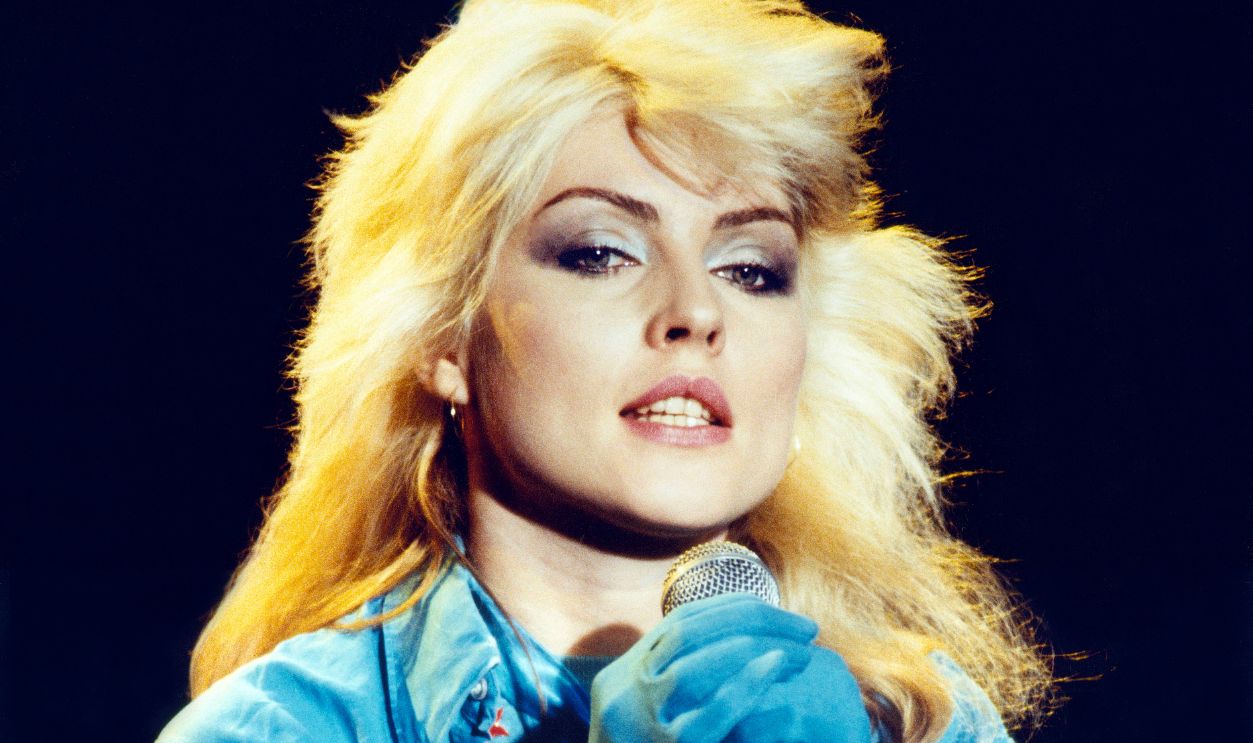
Blondie Opens For Iggy Pop (1977)
Iggy Pop was already a cult-rock legend when Blondie began reaching larger audiences. With Debbie Harry out front, Blondie offered a different kind of charisma, combining punk attitude with increasingly sophisticated pop instincts. Their supporting appearances made for an intriguing contrast between two performers who would become enormously influential in their own ways.
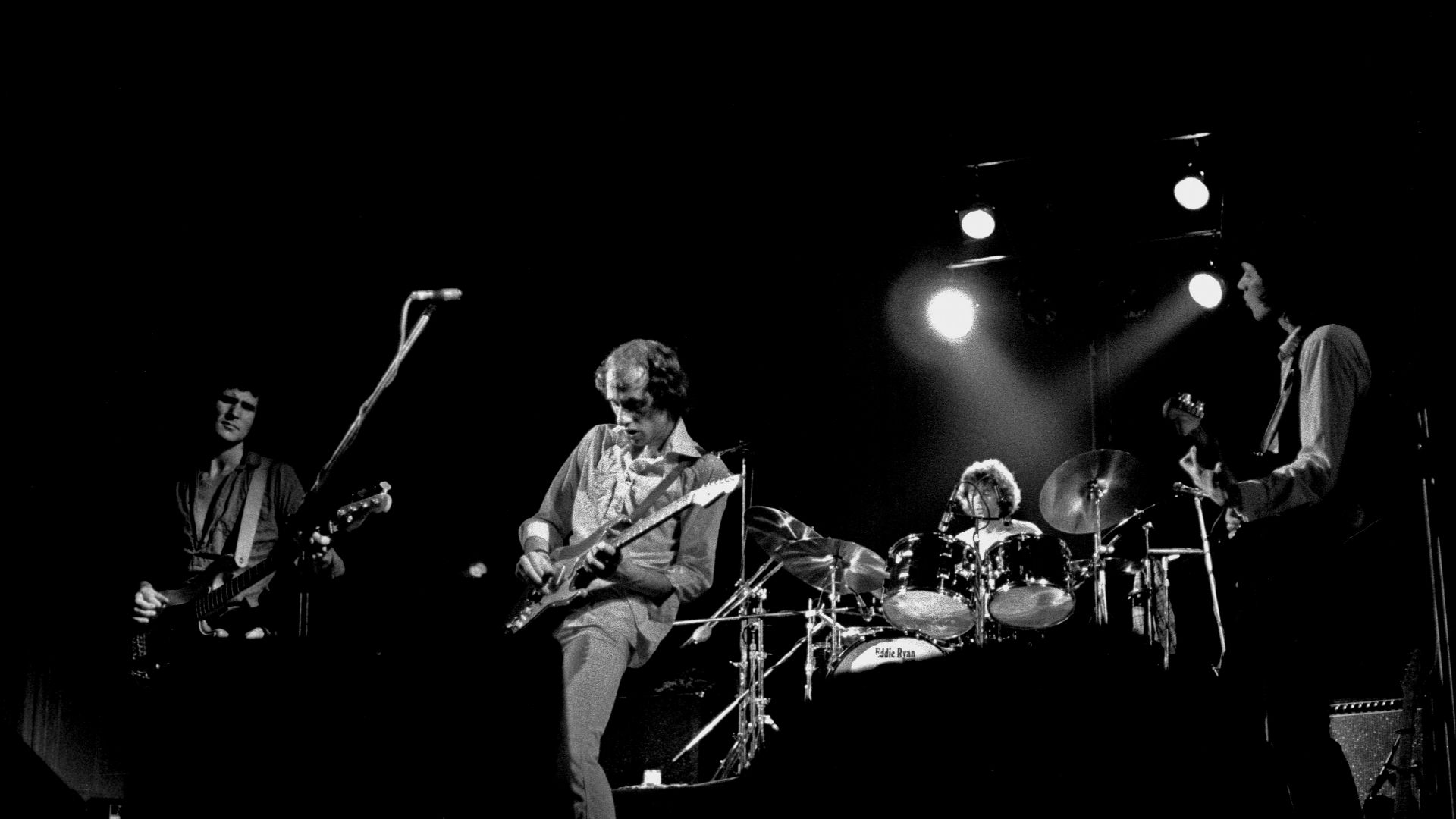
Dire Straits Opens For Talking Heads (1978)
In January 1978, Dire Straits began touring as support for Talking Heads, who were already attracting attention from critics and new-wave audiences. Mark Knopfler's understated guitar playing offered a striking contrast to David Byrne's angular performances. Within months, “Sultans of Swing” would help transform Dire Straits from an obscure London band into international stars.
 Heinrich Klaffs, Wikimedia Commons
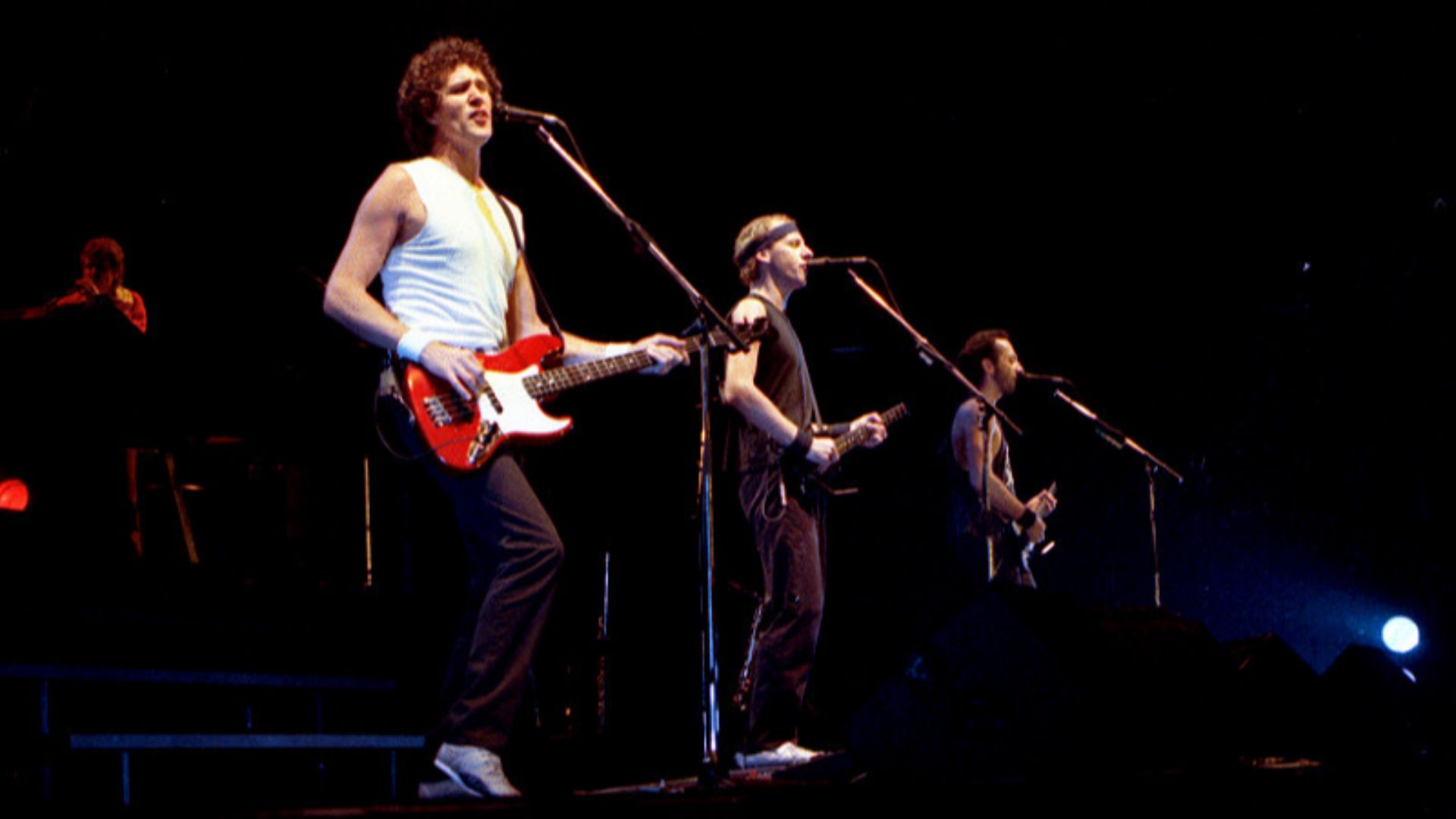
Dire Straits Opens For Styx (1978)
The same year, Dire Straits also supported Styx, a band whose polished progressive and arena-rock sound was worlds away from Knopfler's economical guitar style. The pairing illustrates just how unpredictable concert bills could be in the 1970s. Dire Straits' subsequent commercial breakthrough made those early support appearances especially interesting in retrospect.
 Helge Øverås, Wikimedia Commons
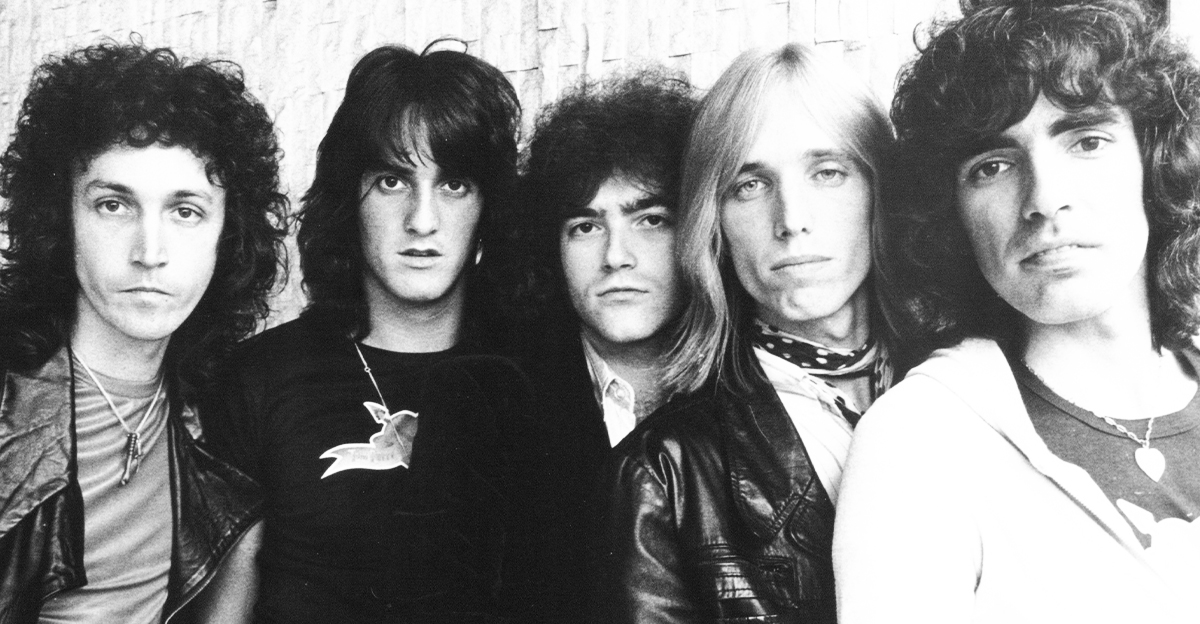
Tom Petty And The Heartbreakers Open For Nils Lofgren (1977)
Tom Petty and the Heartbreakers spent much of May 1977 supporting Nils Lofgren on a British tour. Lofgren was already respected for his work with Neil Young and his solo career, while Petty was still introducing audiences to his debut album. The younger band's growing reputation helped establish the foundation for its eventual international success.
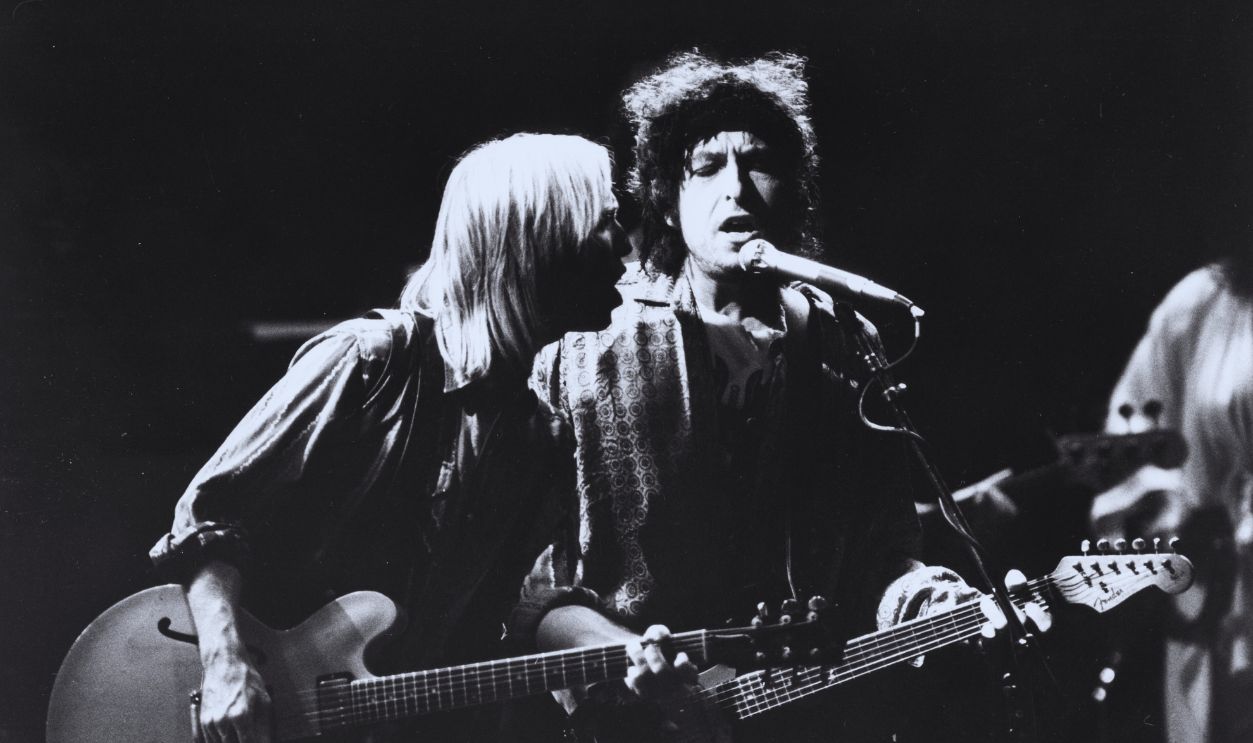
Tom Petty And The Heartbreakers Open For The Kinks (1977)
On June 1, 1977, Petty's band appeared at the Pavillon de Paris on a bill with the Kinks and Nils Lofgren. Ray Davies and company were already veteran rock stars, while Petty was just beginning his rise. It was the kind of concert where audiences could encounter an established British institution and a future American rock legend on the same evening.
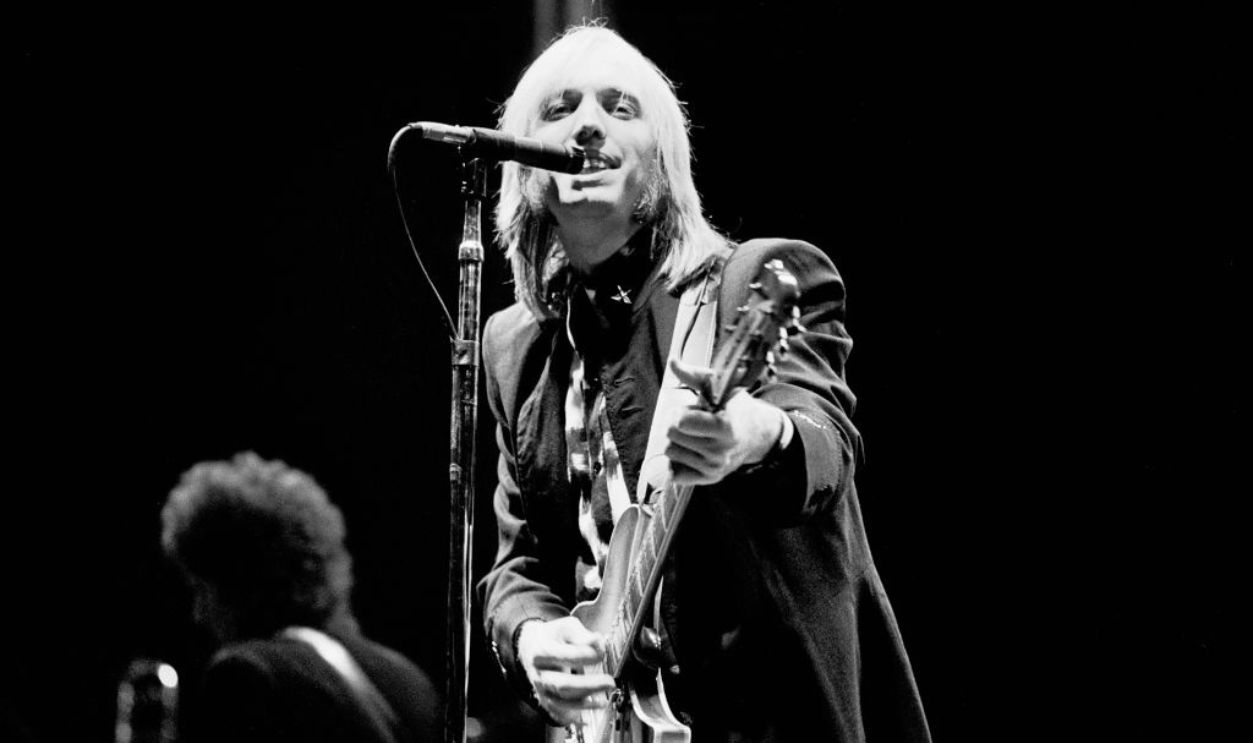
Bruce Springsteen Opens For Chicago (1973)
Before Born to Run (1975), Bruce Springsteen and the E Street Band supported Chicago at several American concerts. The reception wasn't uniformly enthusiastic: Springsteen's performance in Philadelphia reportedly drew boos.
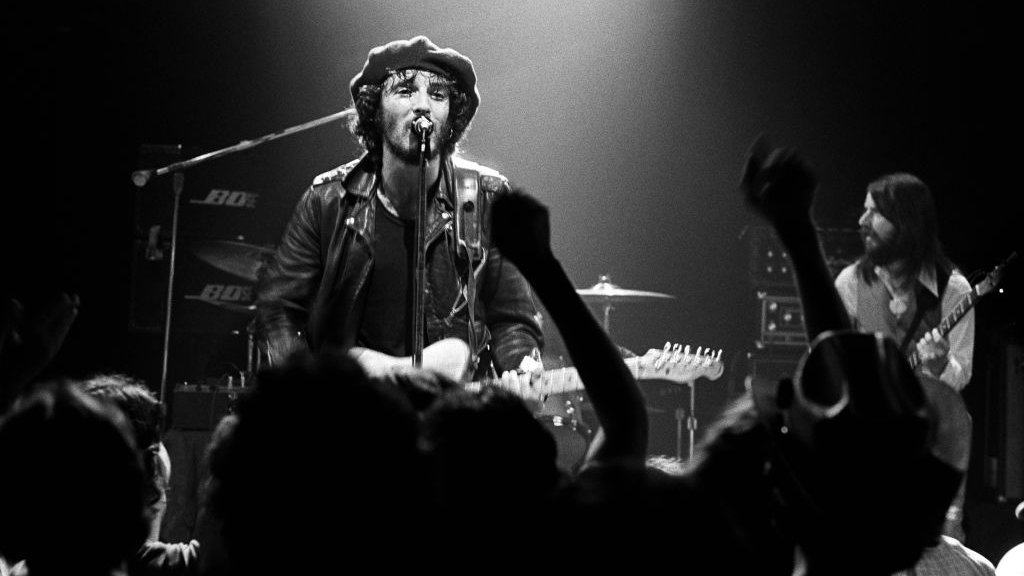
Bruce Springsteen Opens For The Persuasions (1973)
In contrast to Springsteen's first Chicago appearances was a January 1973 engagement supporting the Persuasions, the celebrated a cappella group. A contemporary Chicago Tribune review singled him out as an engrossing opening act. His storytelling and restless stage presence were already attracting notice, even before he had the audience recognition that would make him a major concert draw.
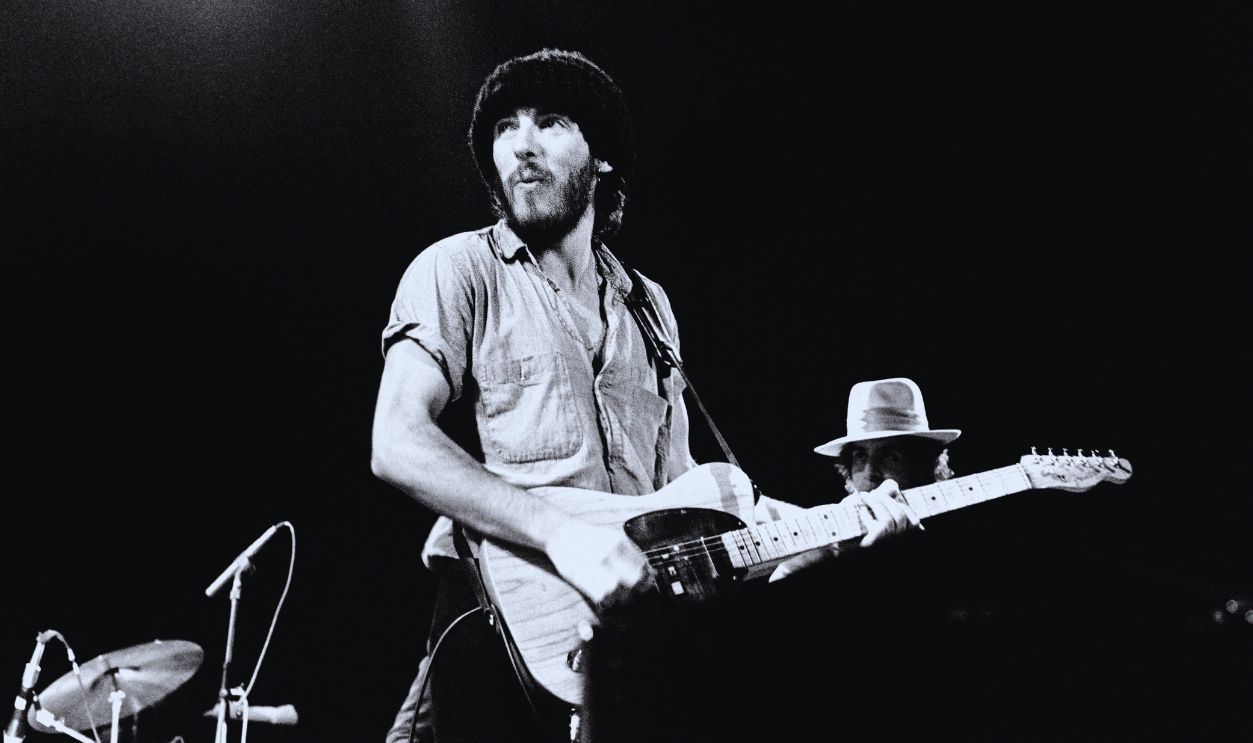
The Ramones Open For Blue Öyster Cult (1977)
Few bills better illustrate the musical divisions of the late 1970s. Blue Öyster Cult represented established, technically sophisticated hard rock, while the Ramones offered short songs, relentless tempos, and almost no traditional guitar heroics. The bands shared concert bills in February 1977, giving audiences a remarkable collision between the old rock establishment and punk's emerging revolution.
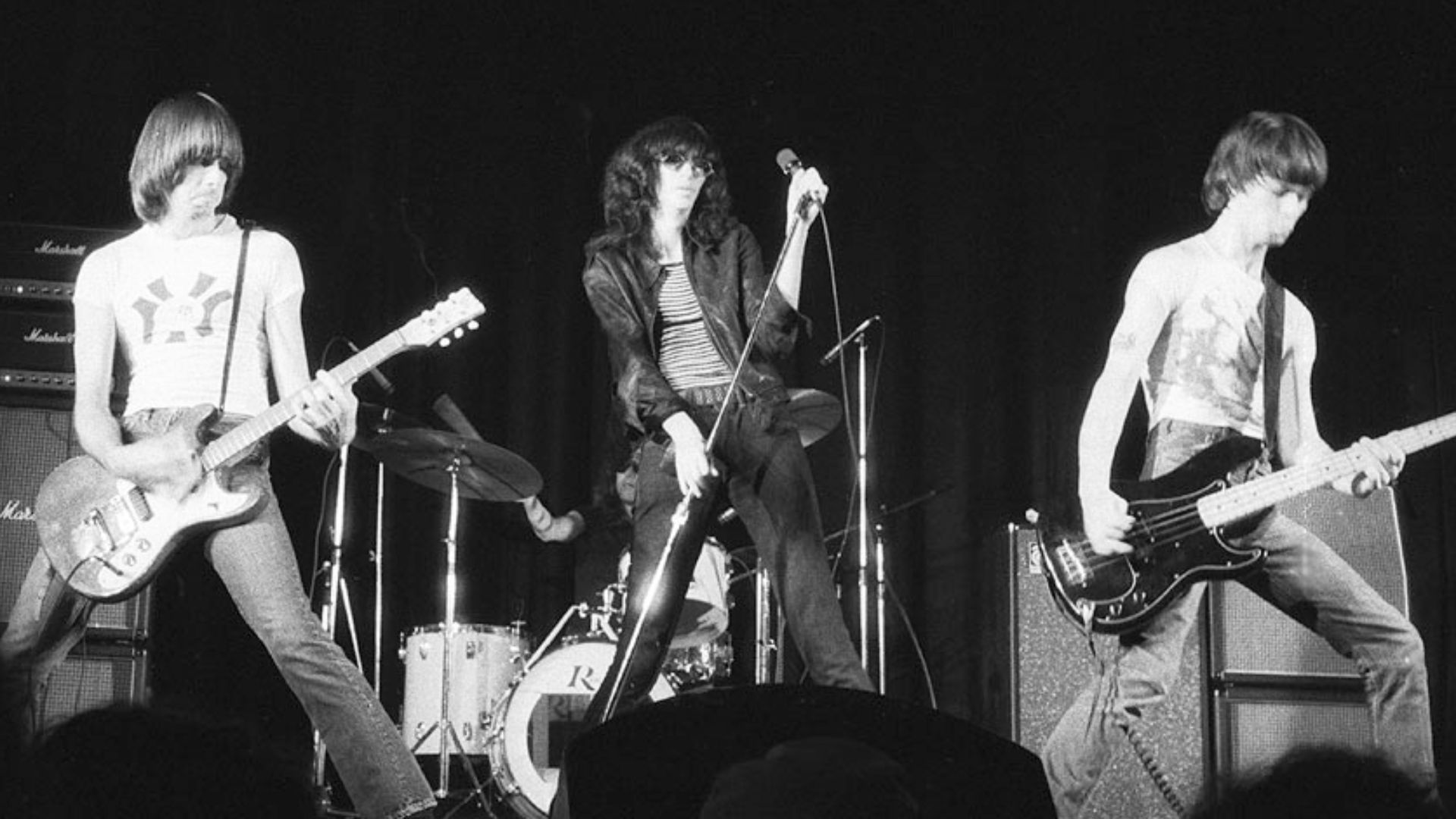
The Saints Share The Stage With The Ramones (1977)
Australian punk pioneers the Saints appeared on bills with the Ramones and Talking Heads during the latter's 1977 European tour. Their fierce, stripped-down sound was already challenging conventional rock expectations. In hindsight, the concerts brought together three bands that would help define the changing direction of rock and roll.
You May Also Like:
Forgotten Rock Frontmen From The 1970s Who Once Seemed Larger Than Life
The Glam Rock Icons Who Turned The 1970s Into A Spectacle
Sources: 1, 2, 3, 4, 5, 6, 7, 8, 9, 10, 11, 12, 13, 14, 15, 16, 17, 18