When A Voice Behind Bars Sparked A Career
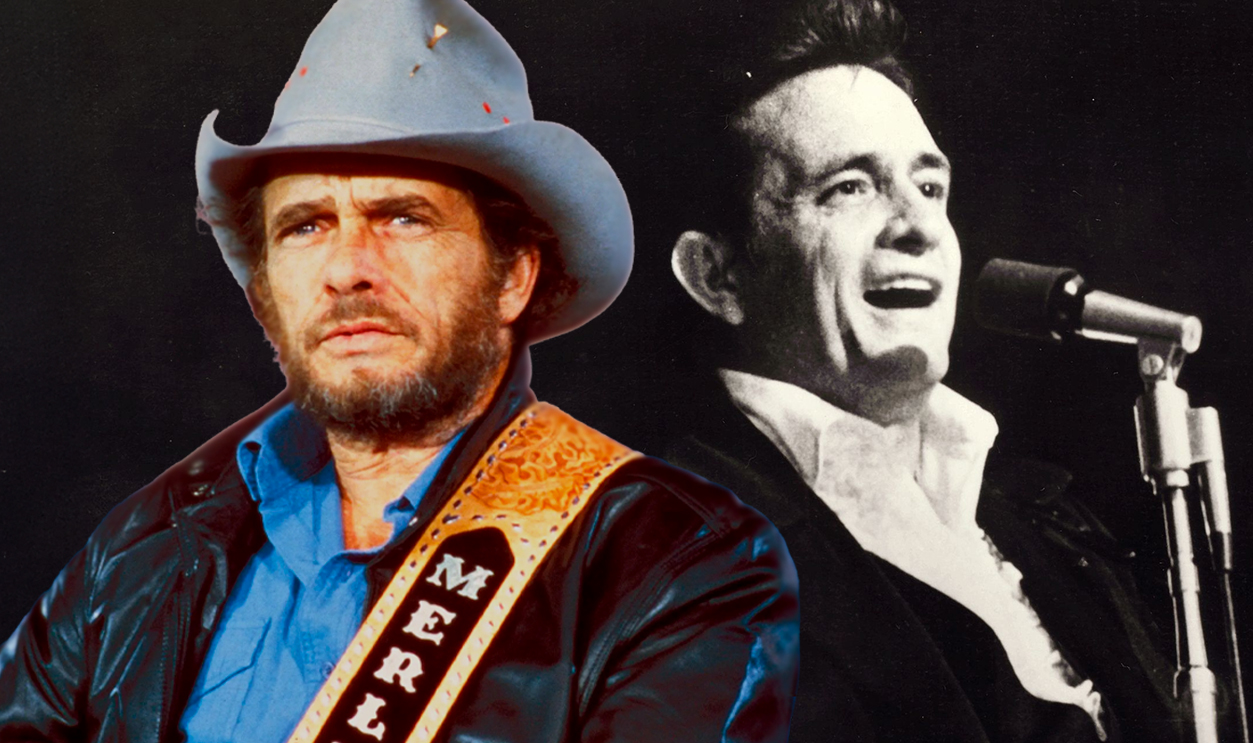
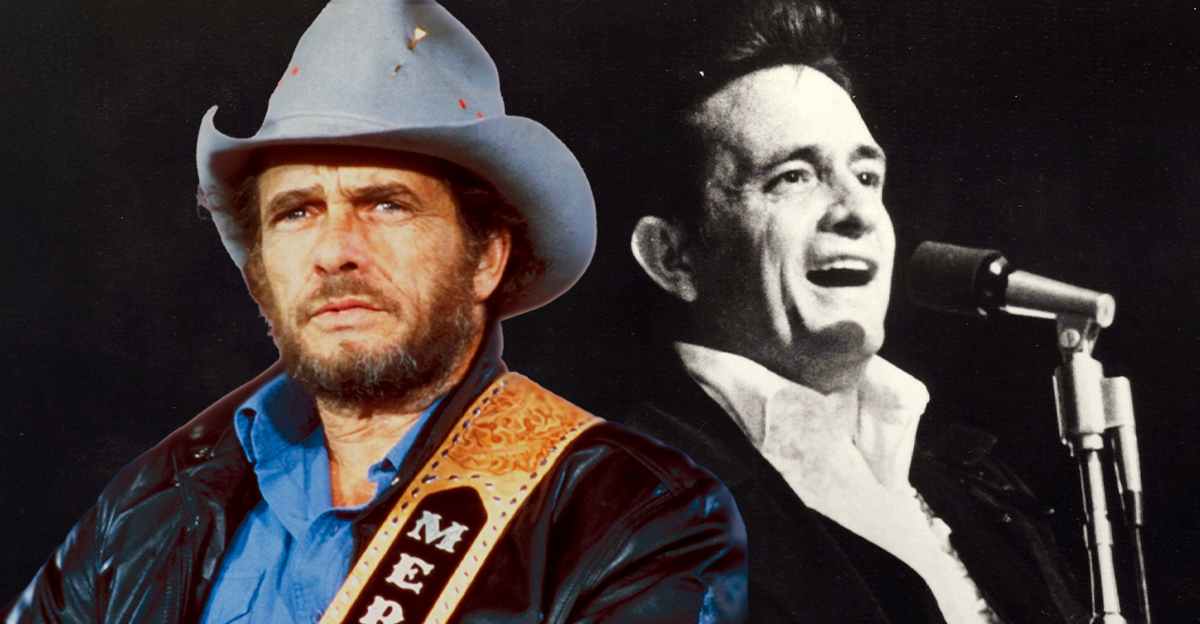
Few moments in music history are as poetic, or as powerful, as the day a young Merle Haggard sat in the yard of San Quentin State Prison and watched Johnny Cash perform. That one show didn’t just entertain inmates—it lit a fire in Haggard that helped flip him from a troubled young man into one of country music’s most influential legends. Here’s the story of how a performance in a prison yard steered a life toward stardom and helped shape the sound of American music.
Bakersfield Beginnings And Trouble On The Streets
Merle Haggard grew up in Bakersfield, California, surrounded by working-class hardship and music. As a teenager, he bounced between odd jobs and trouble with the law, getting arrested multiple times and serving stints in detention centers. Music was always there as Haggard taught himself guitar, scribbled lyrics, and soaked up influences, but his path was far from set.
 Michael Ochs Archives, Getty Images
From Juvenile Detention To The Brink Of San Quentin
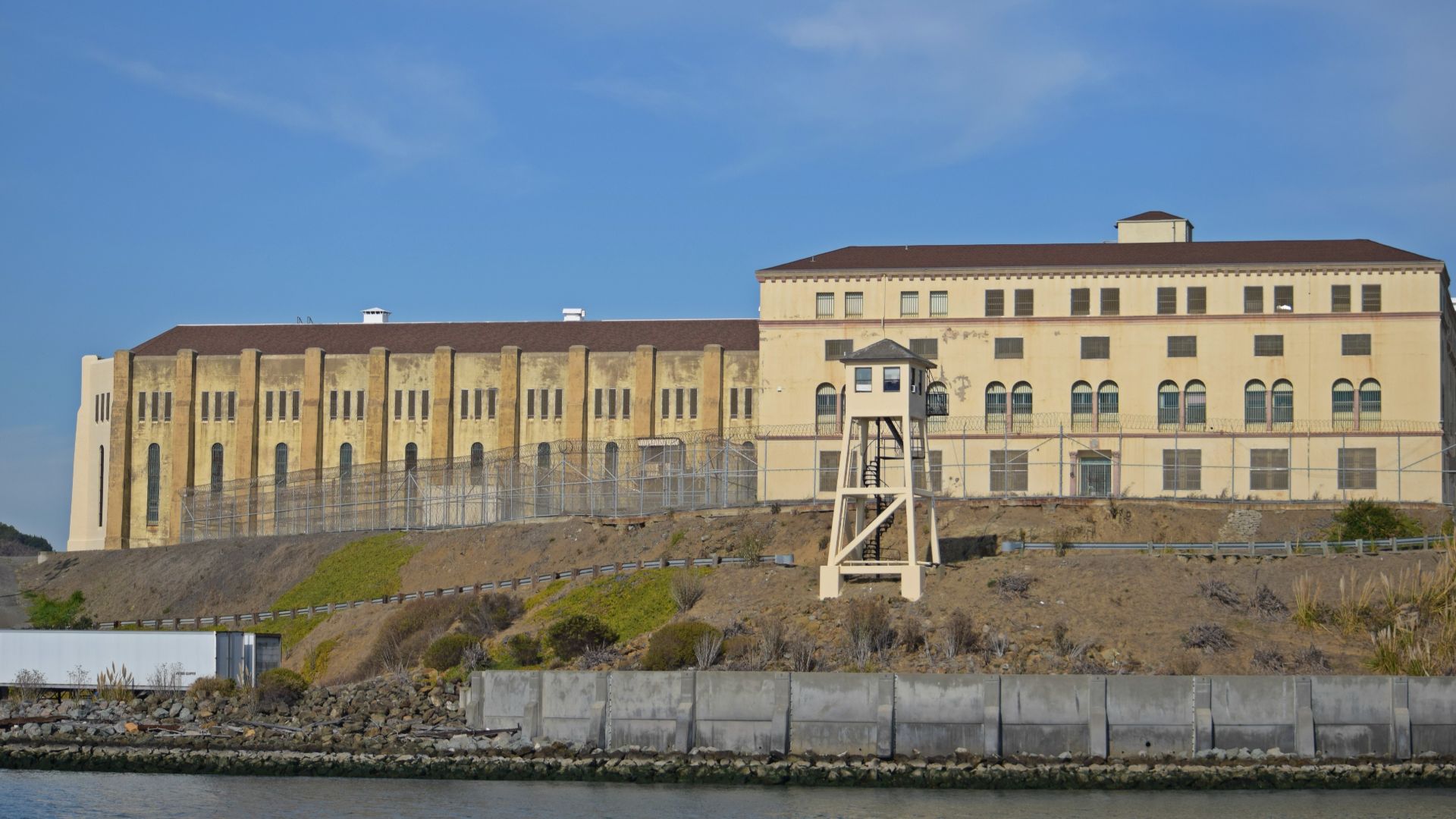
Haggard’s youthful rebellions escalated to petty larceny, run-aways, and eventually a botched roadhouse robbery landed him with a serious sentence. In 1958, he was transferred to San Quentin State Prison, a maximum-security facility just north of San Francisco.
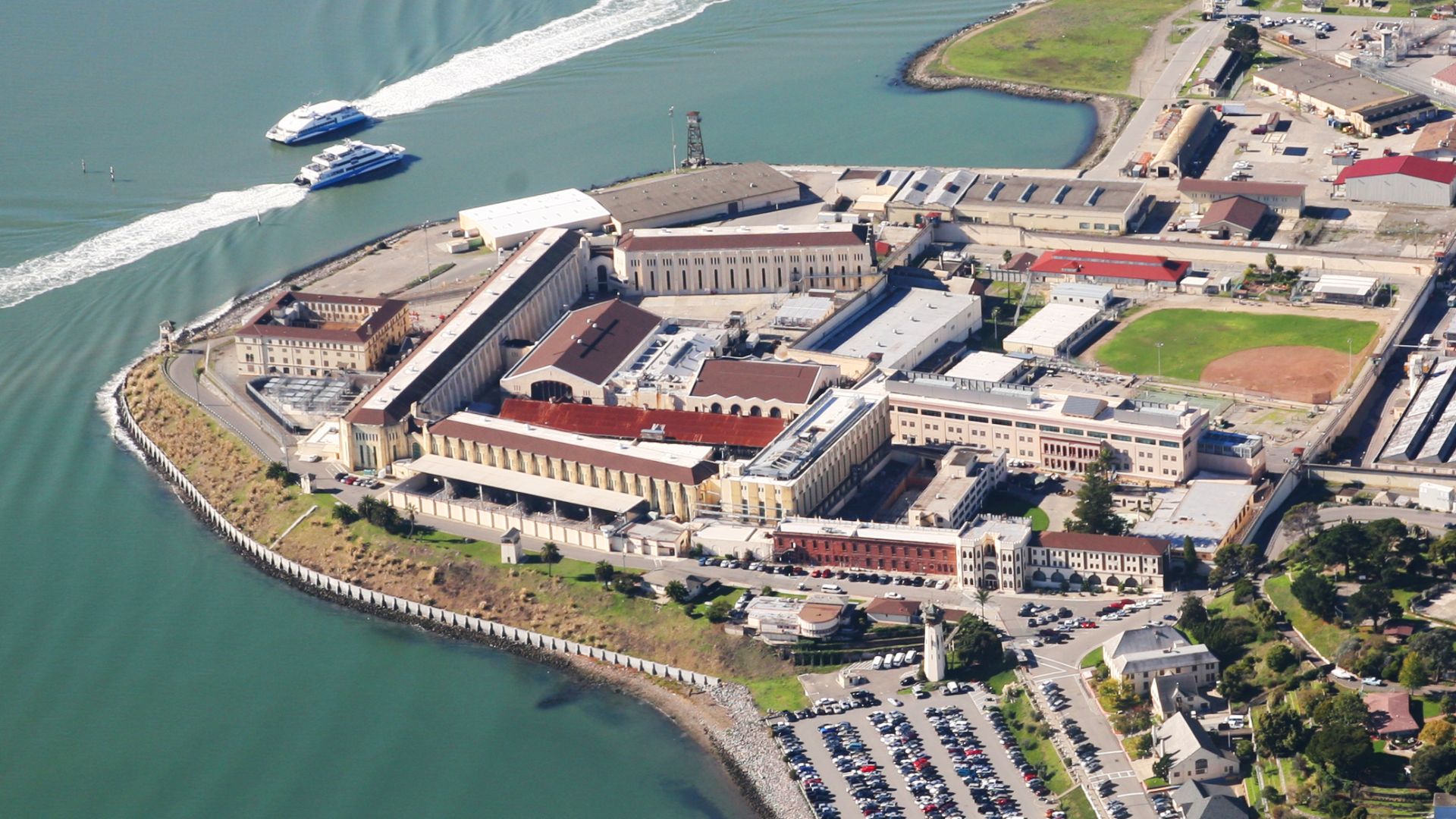 Jitze Couperus, Wikimedia Commons
Country Music And Johnny Cash’s Prison Concerts
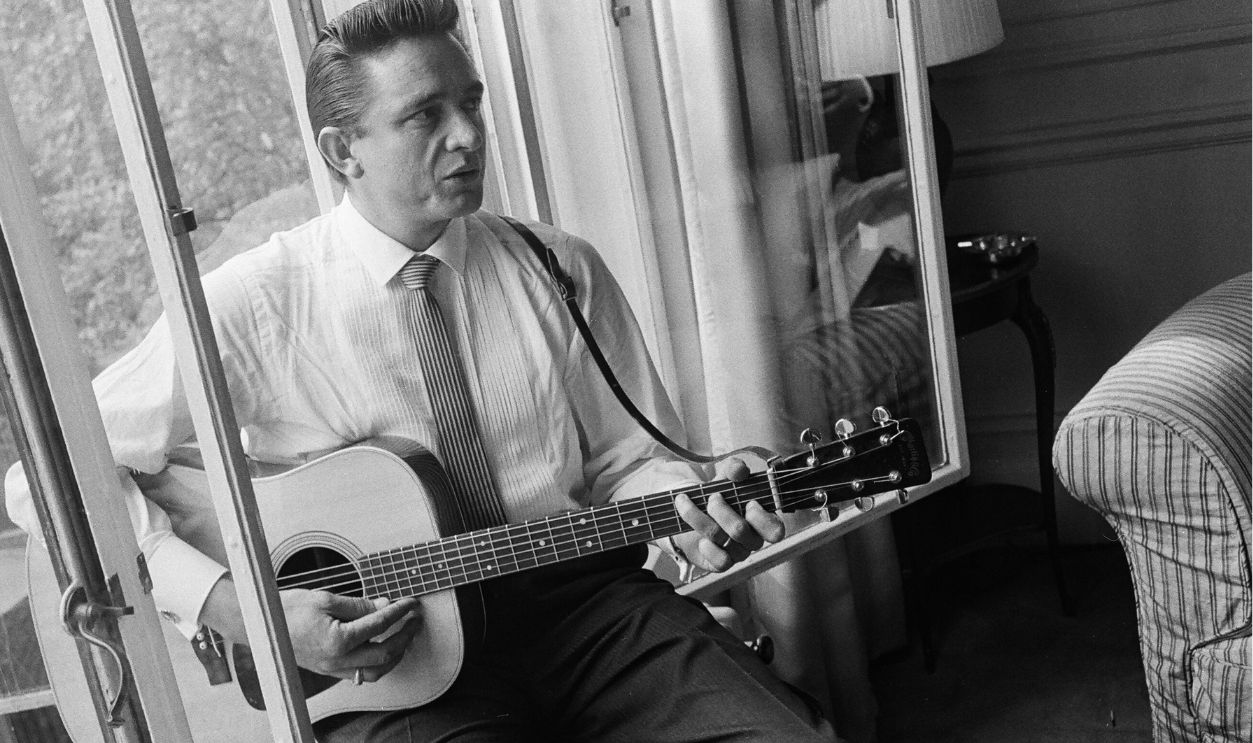
By the late 1950s, Johnny Cash had already begun performing shows inside prisons, bringing country music to institutions most performers avoided. His 1958 concert at San Quentin was one of his earliest prison gigs, long before At Folsom Prison made him a household name. Cash’s simple guitar and outlaw persona resonated with inmates who saw themselves in his songs.
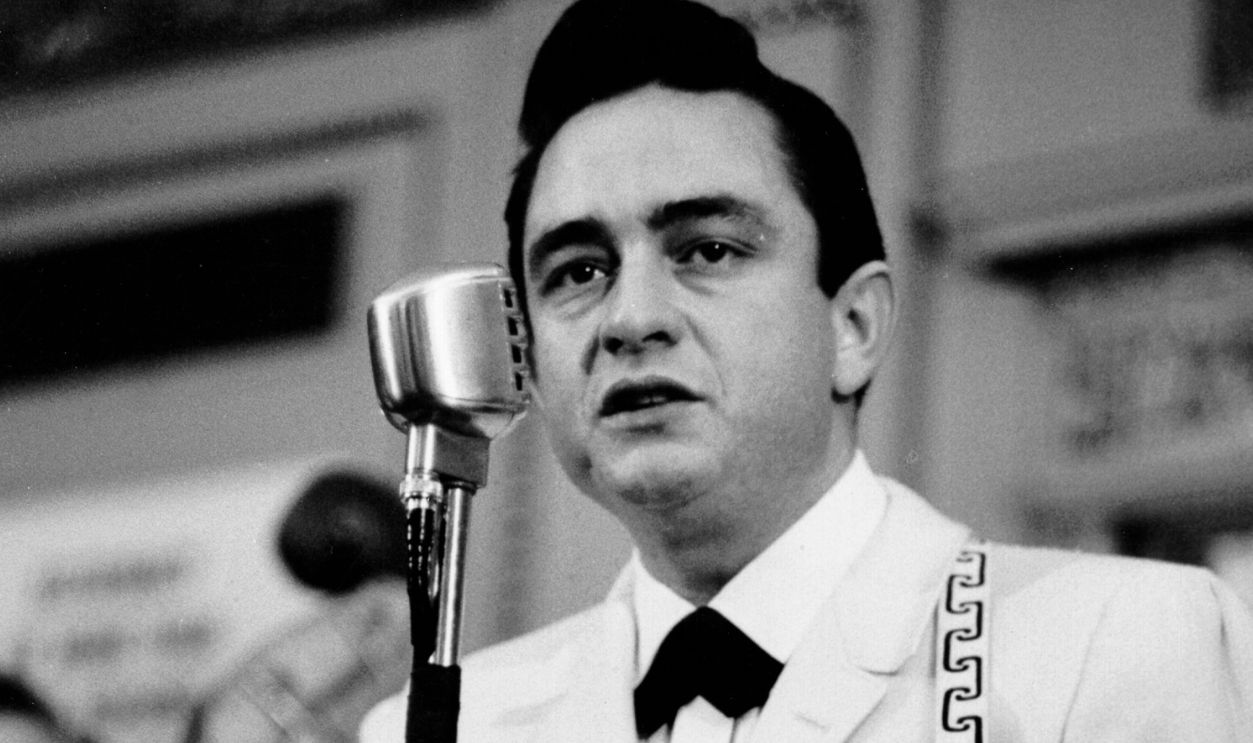 Michael Ochs Archives, Getty Images
January 1, 1959: The Day That Changed Everything
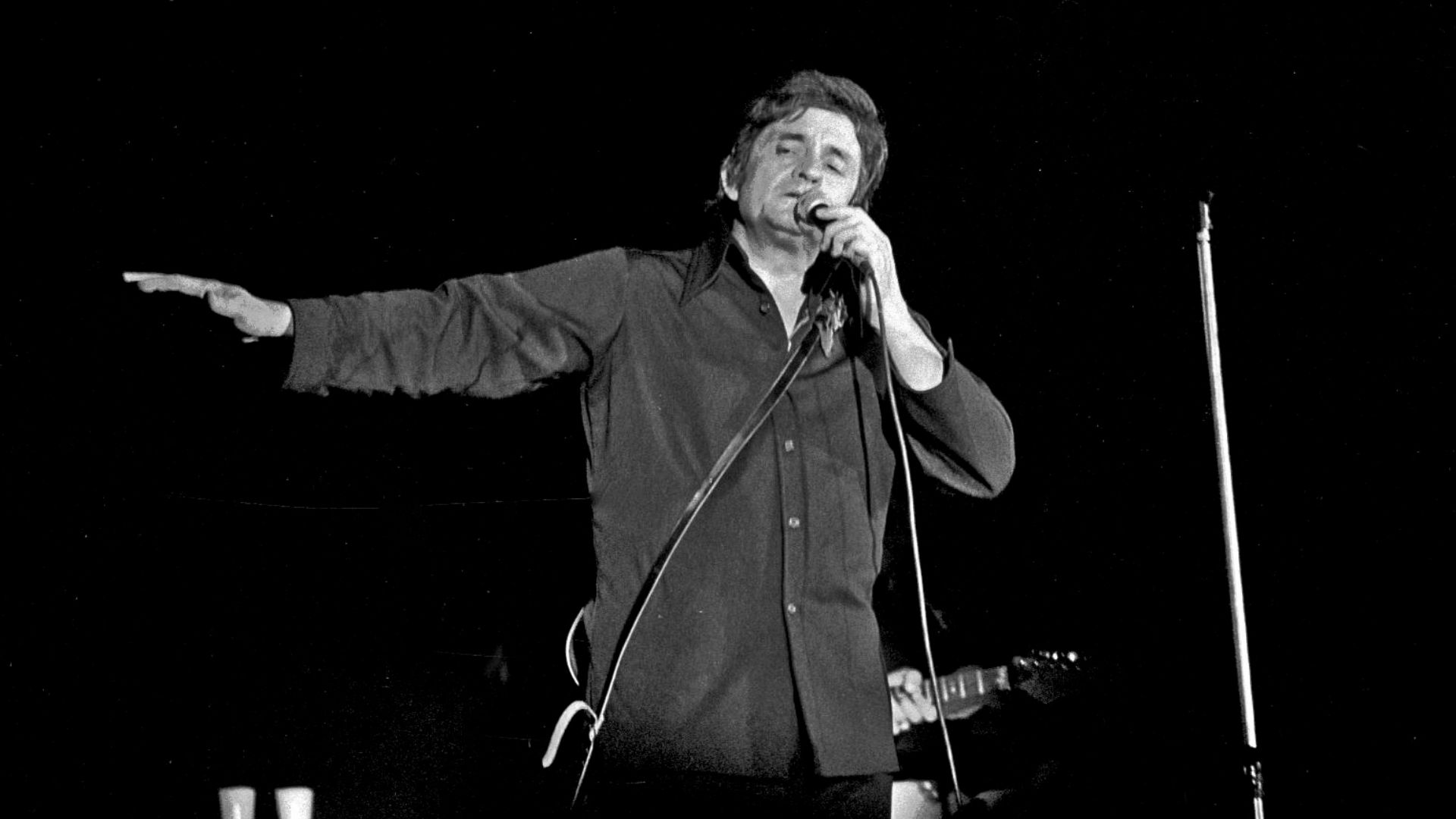
On New Year’s Day 1959, Haggard was in the crowd as Cash took the stage at San Quentin. Haggard later recalled that at first he and others weren’t sure what to make of this singer; Cash had reportedly lost his voice the night before and could barely speak.
 Heinrich Klaffs, Wikimedia Commons
Cash’s Attitude Won The Yard
Then Cash asked for a glass of water from a guard chewing gum—and mocked him for ignoring the request. That simple gesture broke the ice and won the audience over instantly. Cash’s swagger, authenticity, and connection with prisoners made him not just a performer, but one of them for that day. Haggard said, “He had the right attitude … he did everything the prisoners wanted to do … when he walked away, everyone in that place had become a Johnny Cash fan”.
Haggard On Country And Cash’s Impact
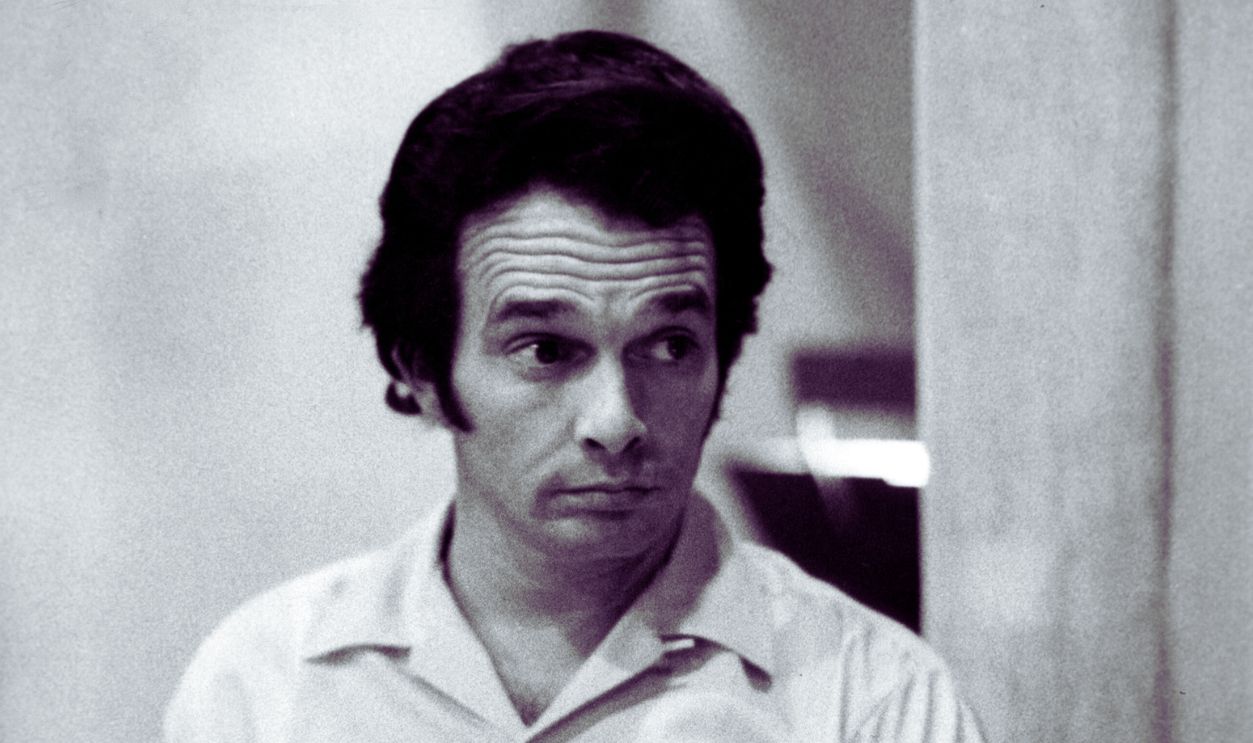
If you listen to Haggard talk about the experience, it’s clear the concert challenged his perspective. Country wasn’t the mainstream powerhouse it later became; back then it was often overlooked or dismissed. Seeing Cash’s grit, confidence, and raw honesty made Haggard rethink what music could mean—and what he could become.
 Michael Ochs Archives, Getty Images
The Prison Yard Becomes A Classroom
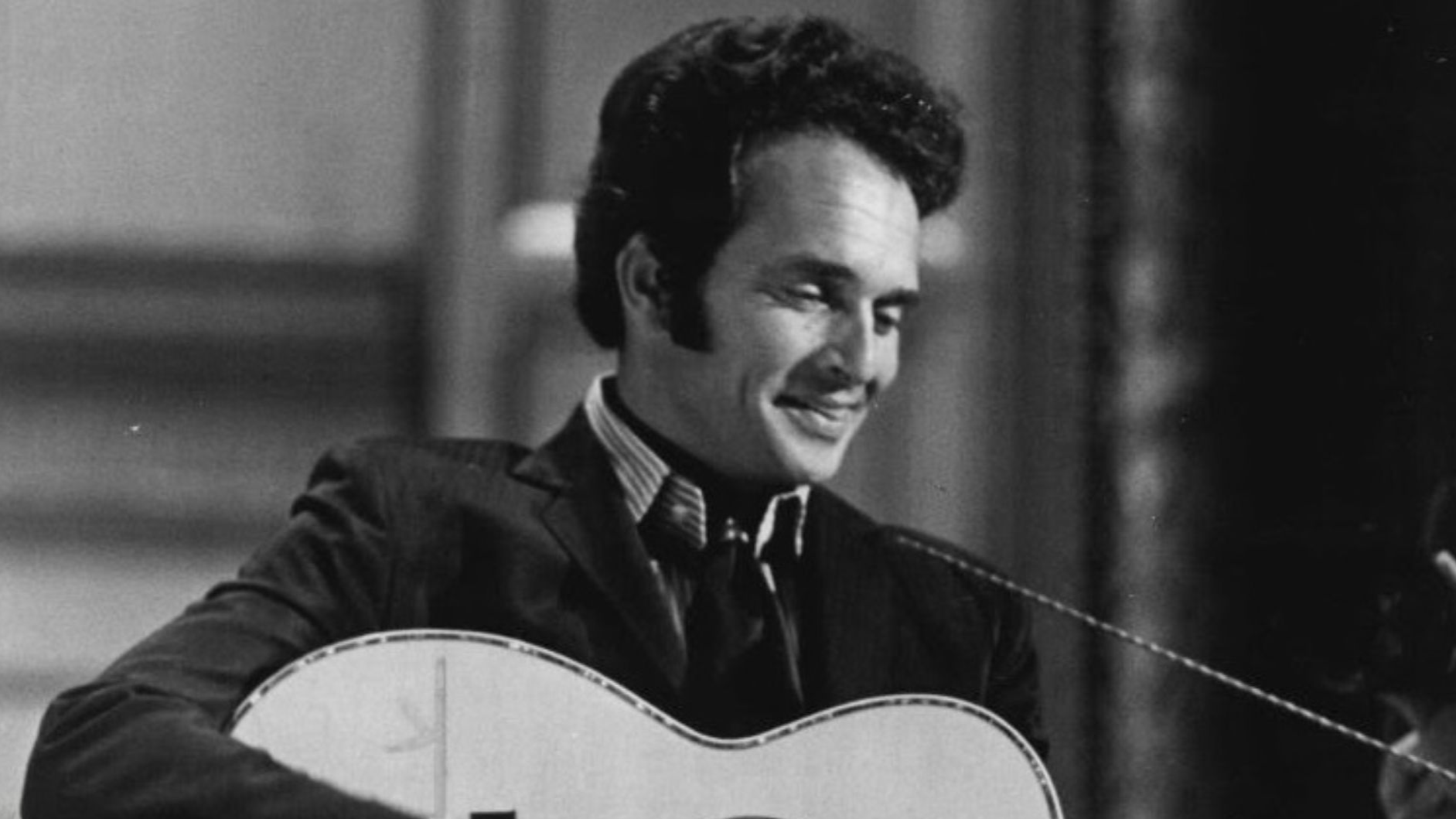
After the show ended, Haggard said San Quentin’s yard was alive with inmates trying to play guitar, mimicking Cash’s style. Haggard (already playing himself) became something of a teacher, showing others how to play riffs they’d just heard. That energy and camaraderie propelled his own passion forward.
 Country Music Association, Wikimedia Commons
Reflections Behind Bars
Haggard’s time in prison was filled with ups and downs. At one point he spent seven days in solitary confinement where, he said later, he did a lot of thinking about his life and choices. Some of that reflection, combined with the Cash moment, helped solidify his decision to turn his life around.
 Annette Teng, Wikimedia Commons
Freedom, Focus, And A New Path
Haggard was paroled in 1960 after serving a portion of his sentence. Inspired by Cash’s performance and armed with a renewed purpose, he set about building a music career. The jump wasn’t instantaneous—but it was rapid.
 Michael Ochs Archives, Getty Images
Early Music Making And Struggles
In the early 1960s, Haggard cut his first recordings and began touring small venues. He developed a hard-driving, authentic style rooted in his life experience. It was a sound that didn’t gloss over pain or hardship. That honesty, much like Cash’s on that day at San Quentin, became a hallmark of his music.
 Michael Ochs Archives, Getty Images
Bakersfield Sound Takes Hold
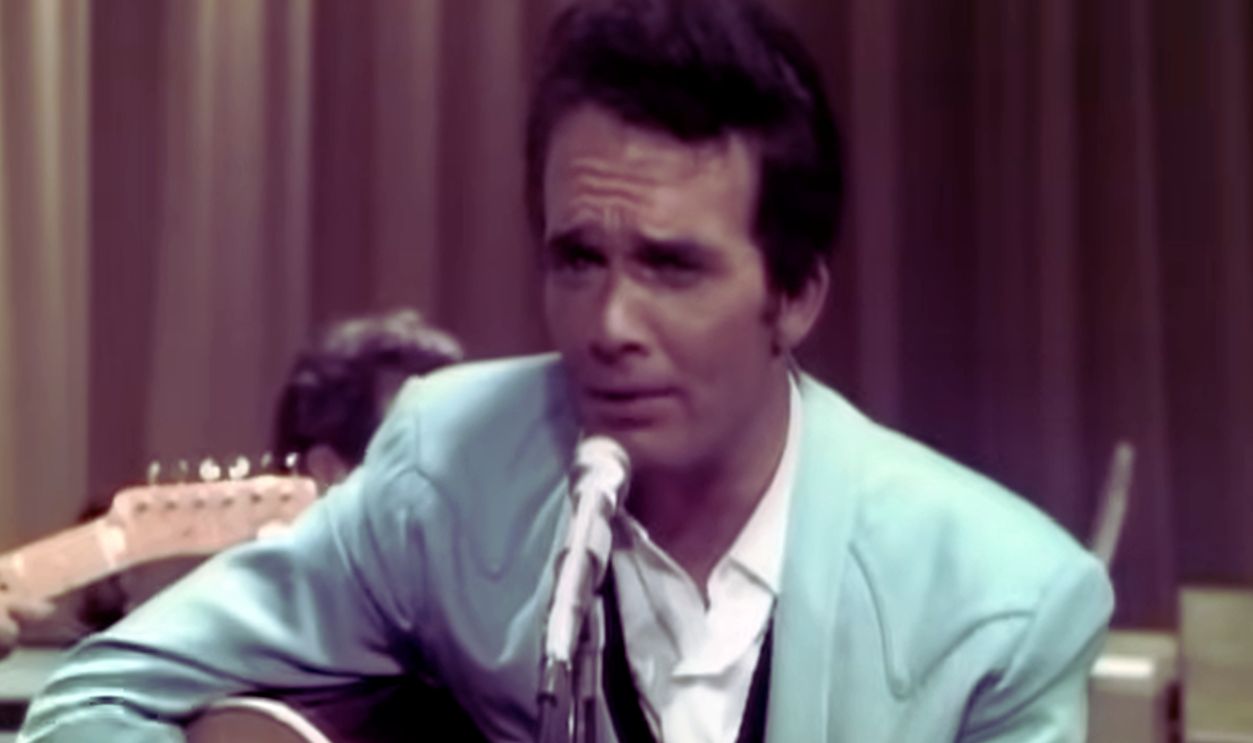
Haggard’s music was a key part of the Bakersfield Sound, a raw, electric, and working-class counterpunch to the polished Nashville style of the time. Songs like “Branded Man” and “Mama Tried” blended storytelling, grit, and melody in ways that connected deeply with fans.
 Screenshot from Mama Tried, Capitol Records (1968)
First Taste Of Success
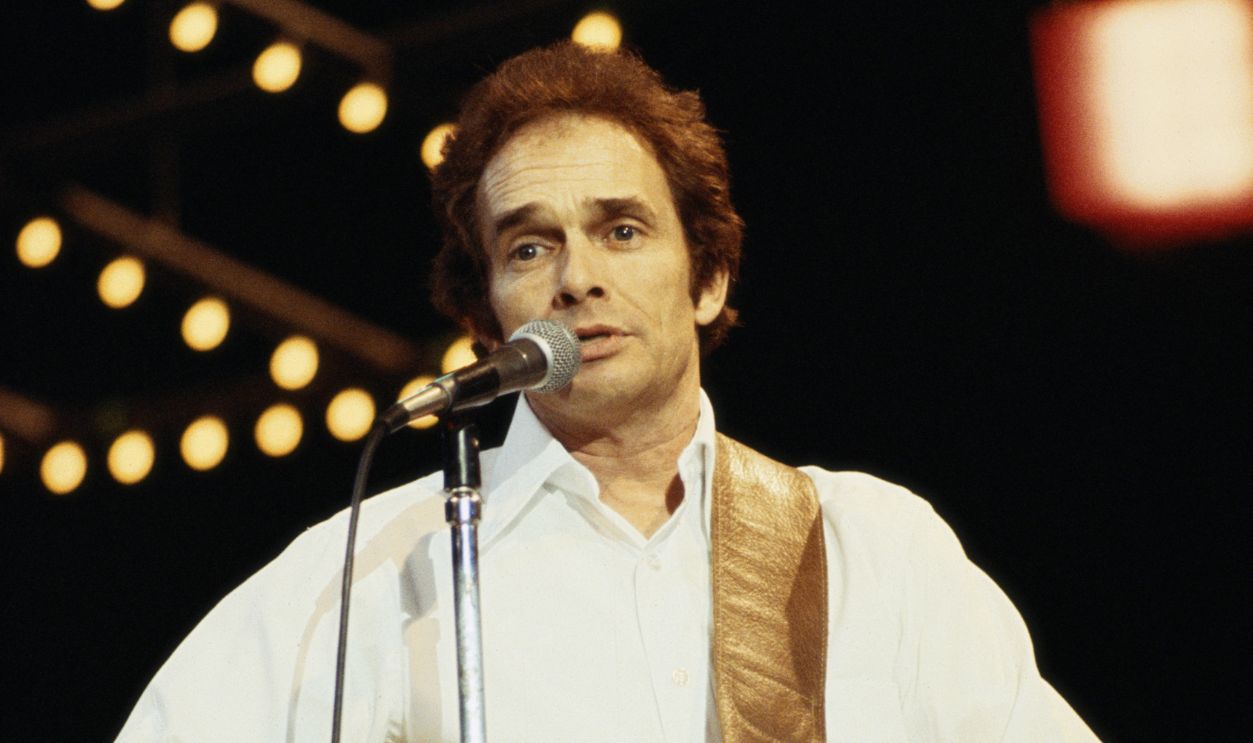
By the mid-1960s, Haggard was breaking through on the charts. His voice—a little rough, a little weary, utterly sincere—became one of country music’s most recognizable. Audiences gravitated to his songs about life, regret, love, and resilience.
Paying Homage To Experience
Some of Haggard’s most famous songs carried direct echoes of his past. Tracks like “Sing Me Back Home” were rooted in prison life and the stories he’d lived or witnessed, giving his music emotional depth and authenticity few could match.
 Screenshot from Sing Me Back Home, Capitol Records (1967)
Chart Dominance And Fan Love
Over the next decade Haggard became one of country music’s biggest stars, scoring dozens of chart-toppers including “Okie From Muskogee,” “Working Man Blues,” and “Today I Started Loving You Again”. His rise was meteoric, and shaped by his own hard-earned perspective.
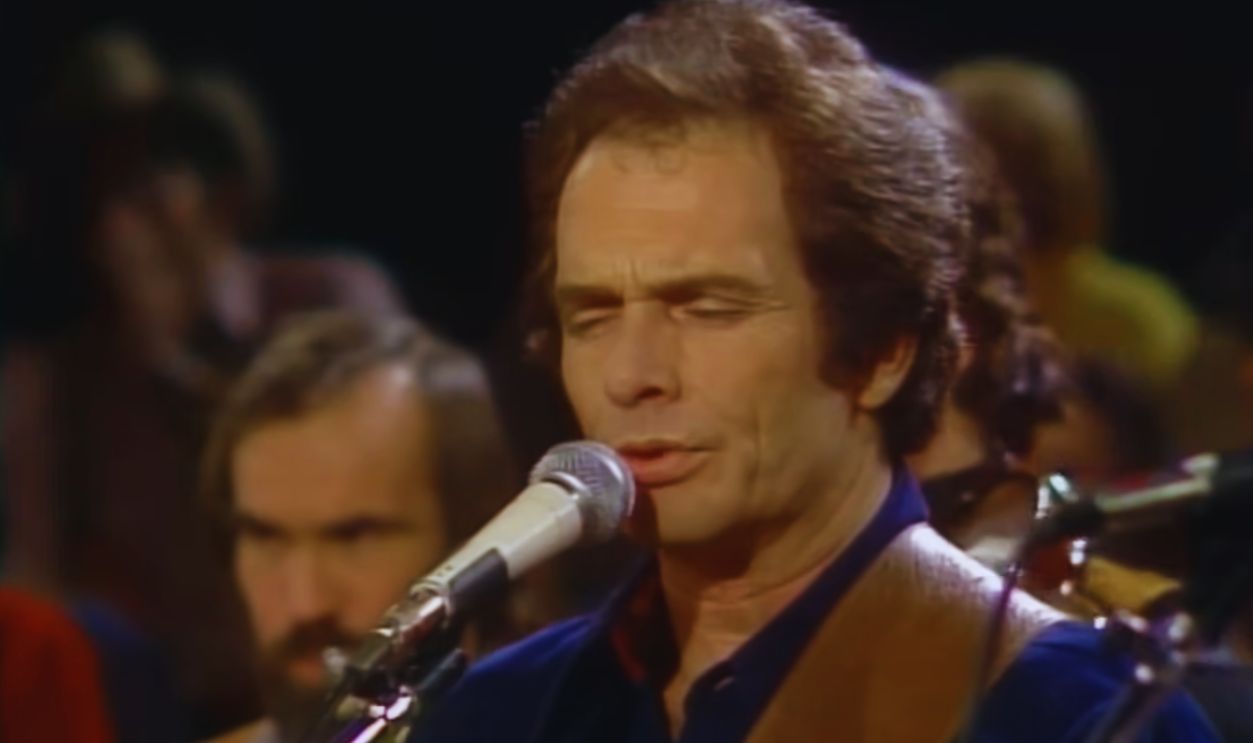 Screenshot from Working Man Blues, Capitol Records (1969)
Cash And Haggard: A Lifelong Connection
Although they didn’t meet on that San Quentin day, Haggard and Cash eventually connected in person and maintained a mutual respect. In 1969, Haggard showed Cash that he’d been in the audience that day, prompting a memorable onstage exchange when Cash didn’t remember—but Haggard did.
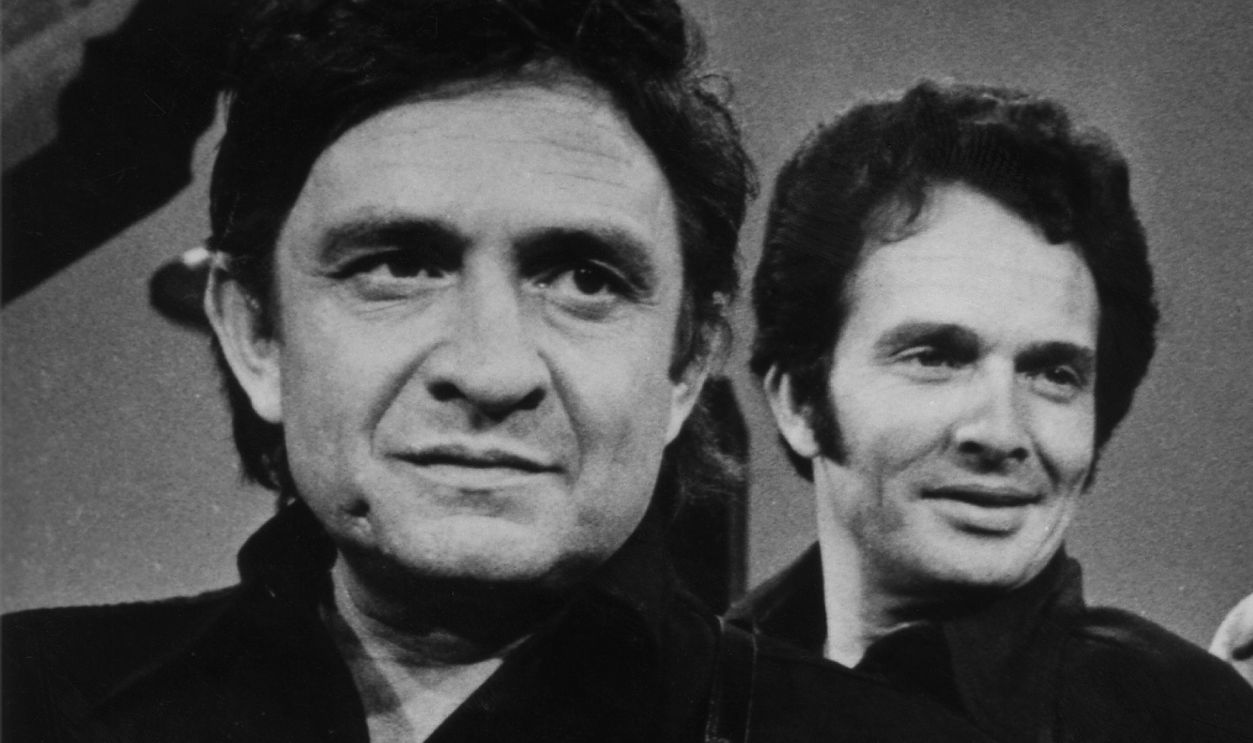 Michael Ochs Archives, Getty Images
Music That Spoke For Real People
One reason Haggard’s music resonated so deeply was that it spoke without pretense, much like Cash’s did. Both artists sang about ordinary lives, real struggles, and personal redemption, earning them a devoted fan base and a unique place in the genre.
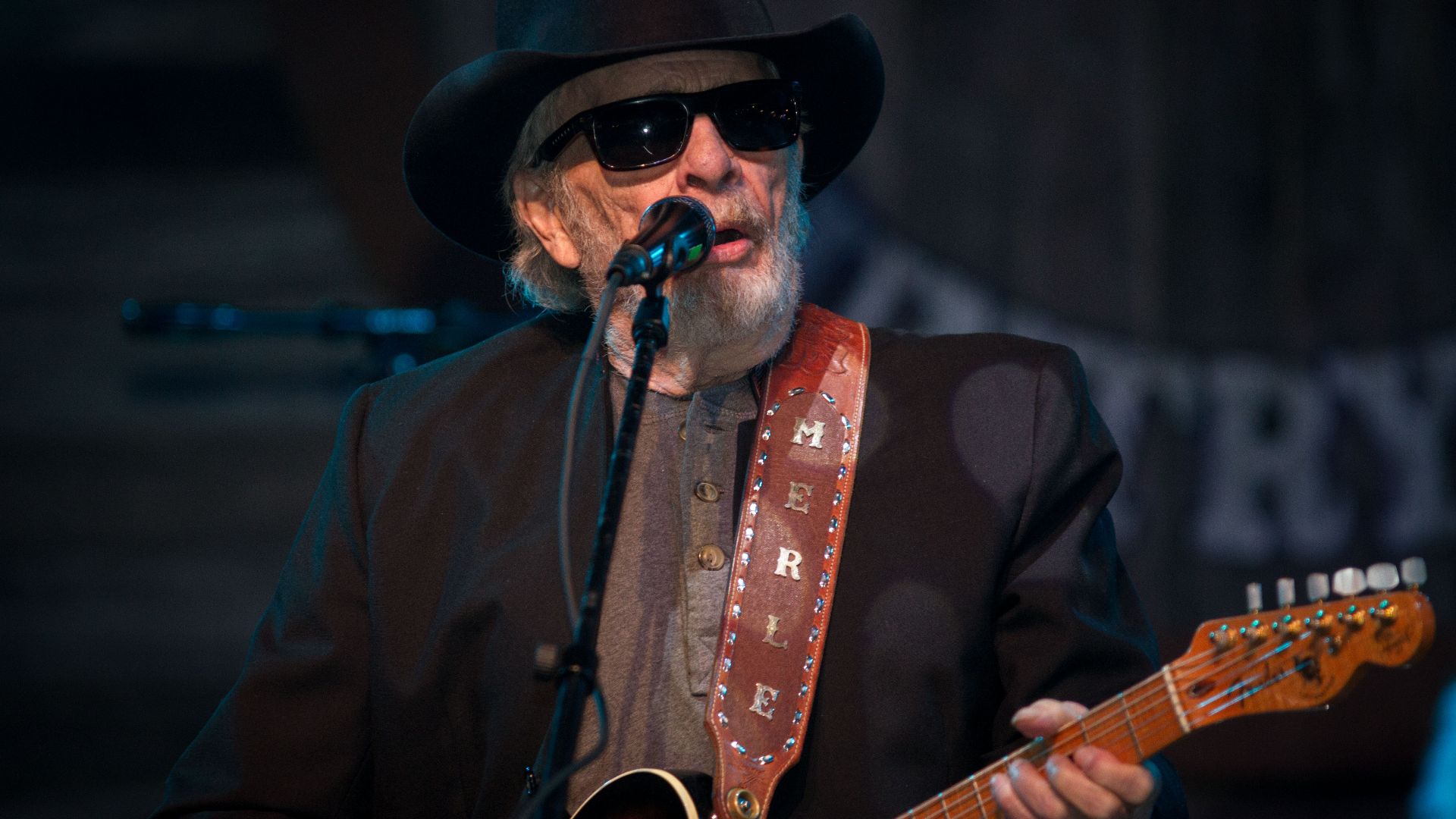 Republic Country Club, Wikimedia Commons
Legacy Of Influence And Authenticity
Haggard’s impact on country music is massive: he helped define the Bakersfield Sound, influenced countless artists, and brought stories of working life and personal struggle into the mainstream. All of it owes a nod to that moment of inspiration behind prison walls.
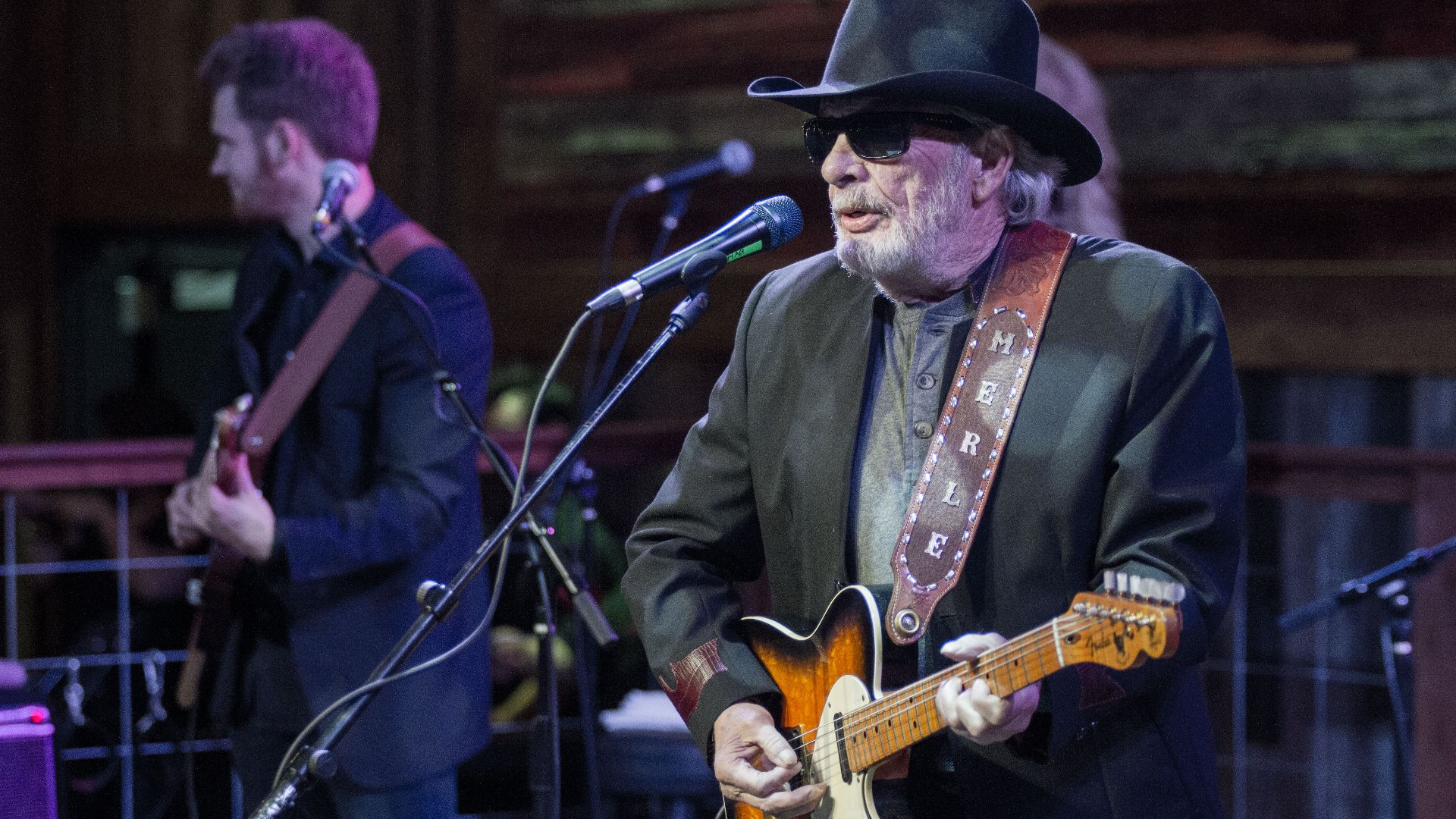 Republic Country Club, Wikimedia Commons
The Power Of A Single Performance
Cash’s prison concerts did more than rehabilitate the spirit of inmates; they reminded the outside world of the humanity in places where hope was scarce. For Haggard, that performance was catalytic, proving that music could point you toward something greater than your past.
 PH1 GARY RICE, USN, Wikimedia Commons
From Prison Yard To Country Hall Of Fame
Both Cash and Haggard eventually landed in the Country Music Hall of Fame, forever linked by that shared moment in San Quentin. Today, the story of Cash and Haggard reminds us that inspiration can come from unexpected places—even a prison yard at dawn. It’s not just a tale of music history, but a testament to the power of performance to change lives.
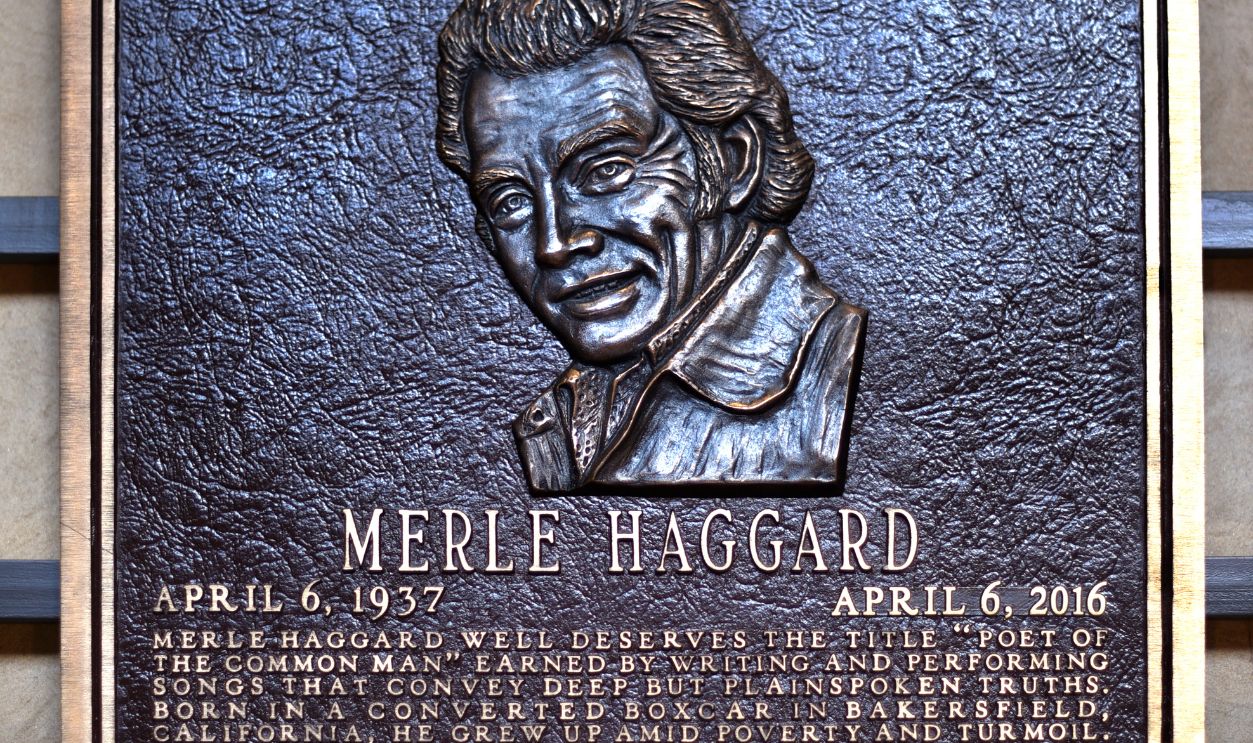 Robert Alexander, Getty Images
You May Also Like: