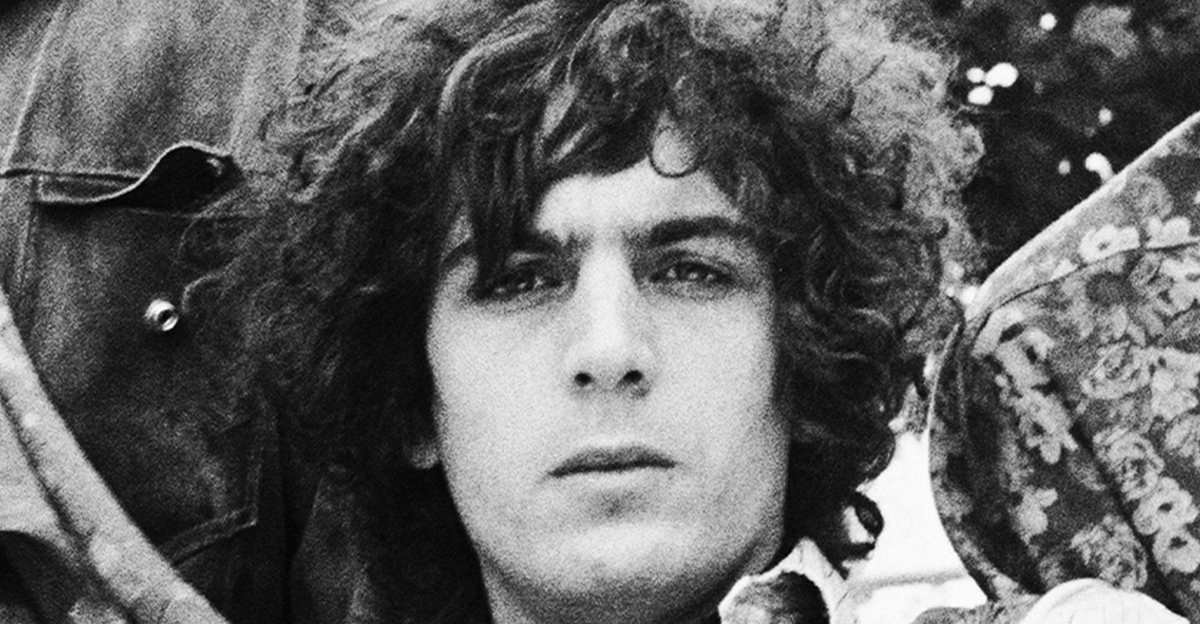
Sometimes The Backstory Is Crazier Than The Song
Long before these songs filled arenas and radio playlists, many started in much stranger ways. A few were accidents, others came from dreams, and some nearly didn't happen at all.
Deep Purple - “Smoke On The Water” (1972)
Deep Purple didn't have to invent the story behind “Smoke on the Water”. They watched it happen. The band was in Montreux to record when someone fired a flare gun during a Frank Zappa concert at the Montreux Casino, setting the building ablaze. Smoke drifted over Lake Geneva as Deep Purple watched nearby. Roger Glover later woke with the phrase “smoke on the water” in his mind, turning a genuine disaster into rock's most famous beginner-guitar riff.
 Screenshot from Smoke on the Water, Warner Bros. Records (1972)
The Kingsmen - “Louie Louie” (1963)
The Kingsmen's slurry, garage-rock recording of “Louie Louie” was so difficult to understand that rumors spread claiming it contained obscene lyrics. Complaints eventually reached the FBI, which spent years investigating the record and attempting to decipher what singer Jack Ely was actually saying. Agents slowed the song down and examined the words, only to conclude that they were essentially unintelligible. One of rock's most famous controversies existed largely because nobody could understand the singer.
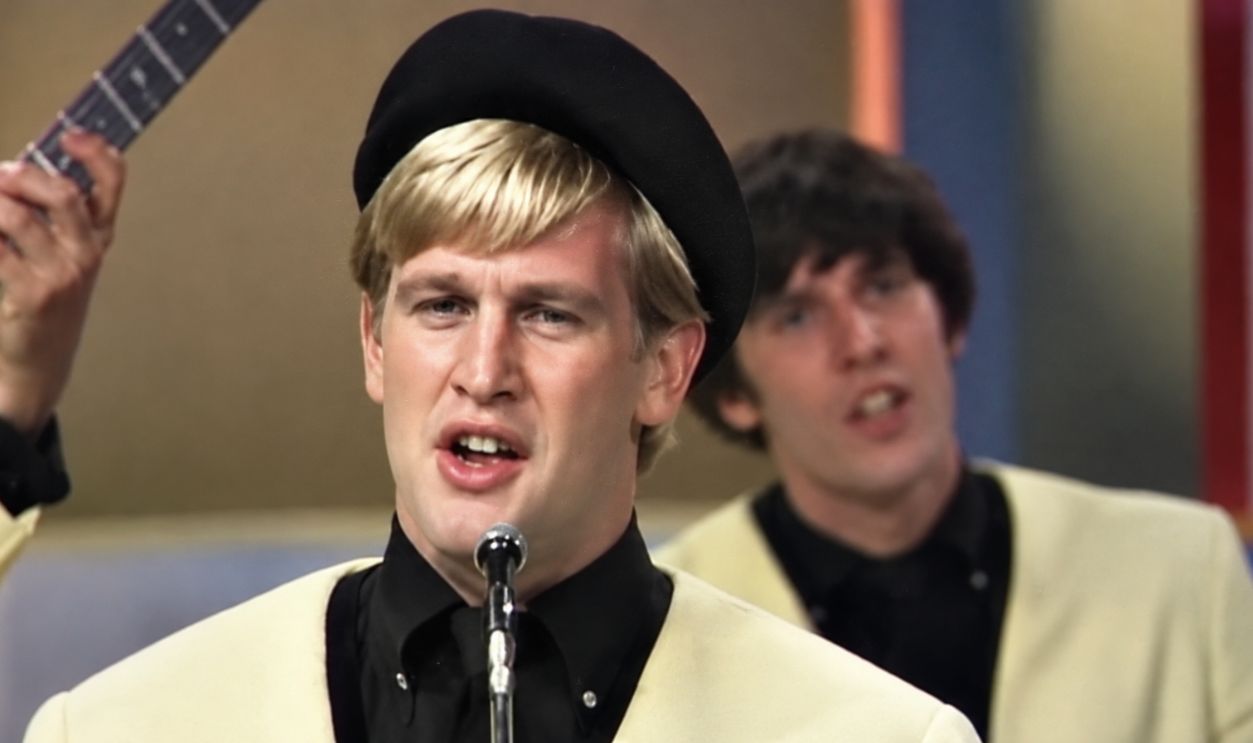 Screenshot from Louie Louie, Wand Records (1963), Enhanced
Van Halen - “Jump” (1984)
The relentlessly upbeat “Jump” began with a surprisingly grim idea. David Lee Roth reportedly saw television coverage of someone on the verge of jumping from a building and imagined spectators below yelling for the person to do it. He eventually transformed that dark thought into something motivational, while Eddie Van Halen supplied the huge synthesizer riff his bandmates had initially resisted. Somehow, an idea rooted in morbid curiosity became Van Halen's only Number 1 single.
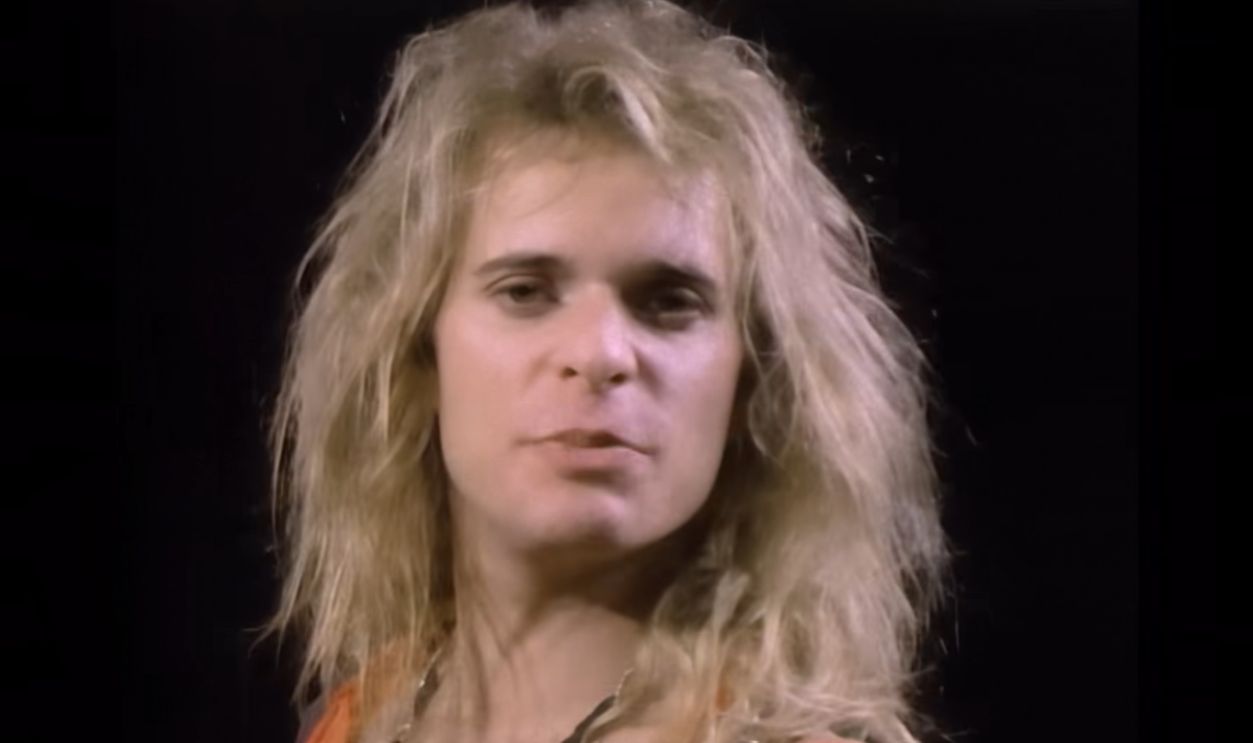 Screenshot from Jump, Warner Bros. Records (1983)
Nirvana - “Smells Like Teen Spirit” (1991)
Kathleen Hanna of Bikini Kill wrote “Kurt smells like Teen Spirit” on Kurt Cobain's wall after a night of drinking. She was referring to Teen Spirit deodorant, which Cobain's girlfriend Tobi Vail used. Cobain apparently had no idea the product existed and interpreted Hanna's message as something rebellious and revolutionary. He borrowed the phrase for a new song, accidentally naming the defining grunge anthem of the 90s after a brand of deodorant.
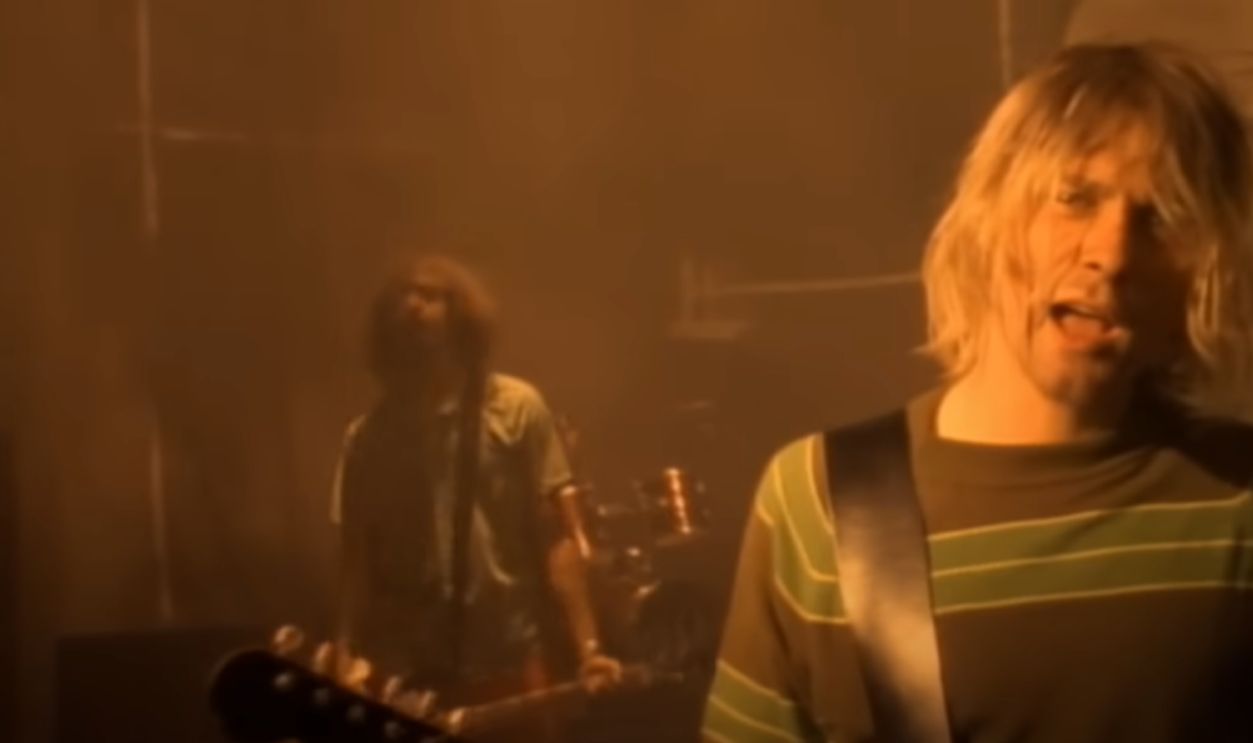 Screenshot from Smells Like Teen Spirit, DGC Records (1991)
The Rolling Stones - “(I Can't Get No) Satisfaction” (1965)
Keith Richards essentially wrote rock history while half asleep. He woke during the night with the famous riff in his head, grabbed a cassette recorder, played it, mumbled an idea for the lyric, and went back to sleep. When he checked the tape the next morning, it reportedly contained a brief fragment of “Satisfaction” followed by a long stretch of Richards snoring. The riff he barely remembered recording became one of the most recognizable in rock.
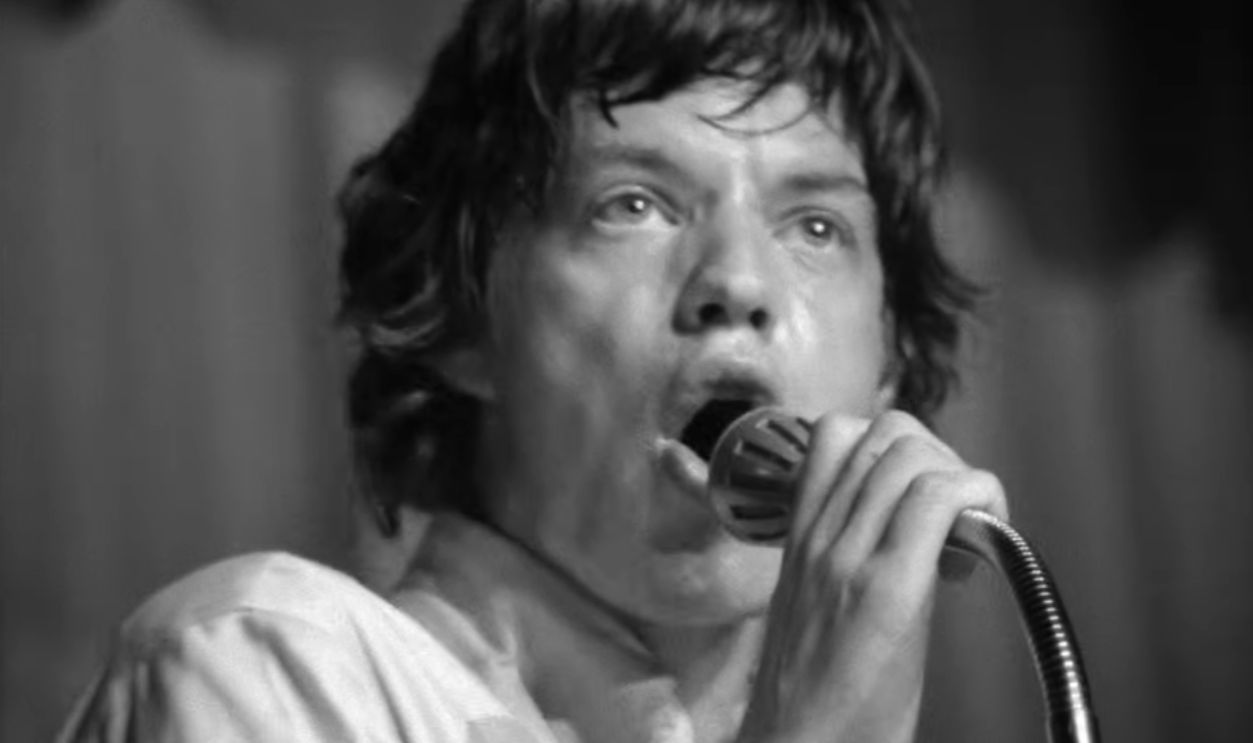 Screenshot from (I Can't Get No) Satisfaction, London Records (1965)
Black Sabbath - “Paranoid” (1970)
“Paranoid” wasn't originally supposed to be the centerpiece of anything. Black Sabbath had nearly finished their second album when they realized they needed another short song. Tony Iommi started playing a riff while the others took a break, Geezer Butler quickly supplied lyrics, and the band recorded the result with almost no fuss. The hastily created filler was strong enough to become the album's title track and one of the songs most closely associated with Sabbath.
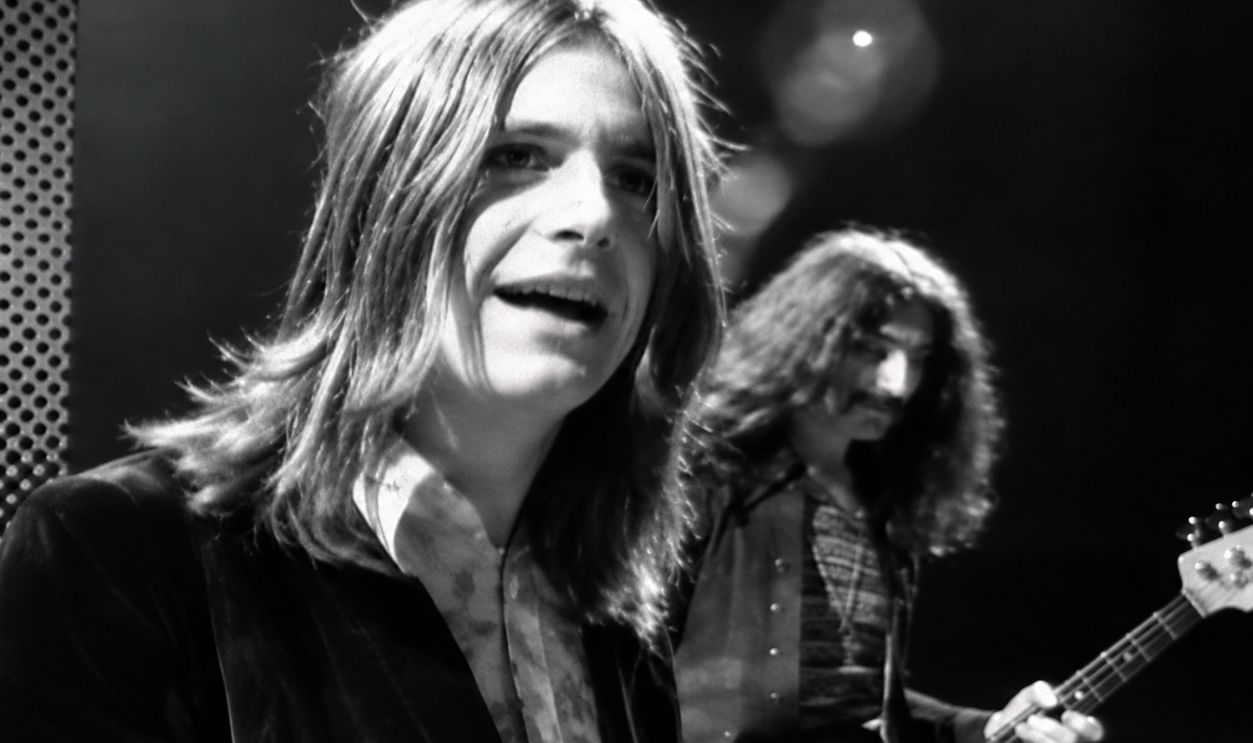 Screenshot from Paranoid, Warner Music Group (1970), enhanced
Pink Floyd - “Wish You Were Here” (1975)
David Gilmour began “Wish You Were Here” almost casually, playing its opening guitar idea while Roger Waters listened nearby. The song grew into a meditation on absence and disconnection, themes already dominating the album because of former bandmate Syd Barrett. Then the sessions became eerily literal when Barrett unexpectedly appeared at Abbey Road looking so different that several members initially didn't recognize him. He arrived while Pink Floyd were working on music inspired by his disappearance from their lives.
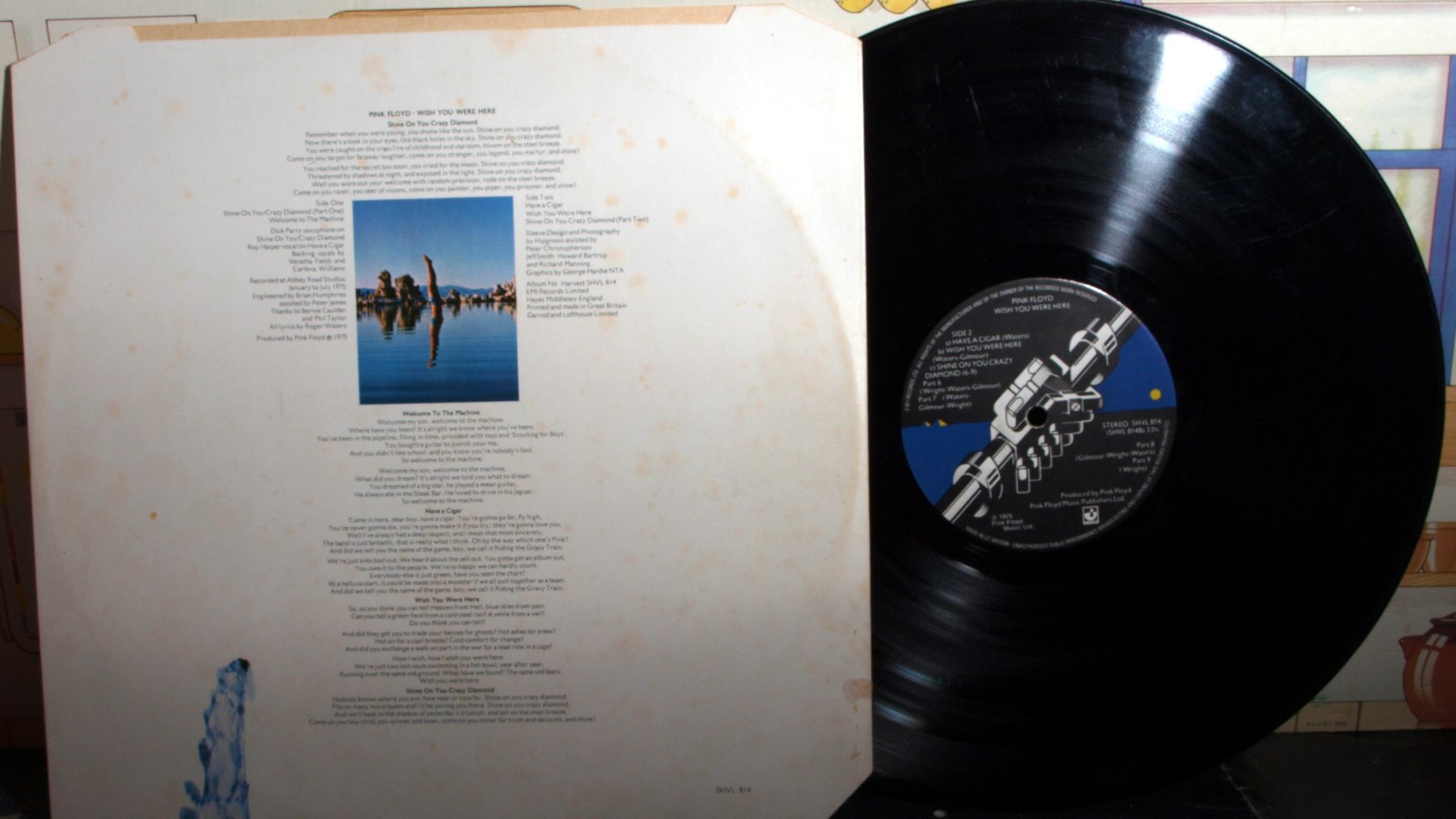 badgreeb RECORDS from ENGLAND, Wikimedia Commons
The Beatles - “Sexy Sadie” (1968)
“Sexy Sadie” was originally much less mysterious. John Lennon wrote it after becoming disillusioned with Maharishi Mahesh Yogi during the Beatles' stay in India. Rumors had circulated about inappropriate behavior by the Maharishi, although those allegations remain disputed. Lennon initially went at him directly in the lyrics and reportedly called the song “Maharishi”. The name was changed before release, leaving a disguised portrait of anger that sounded far less specific than the song Lennon first wrote.
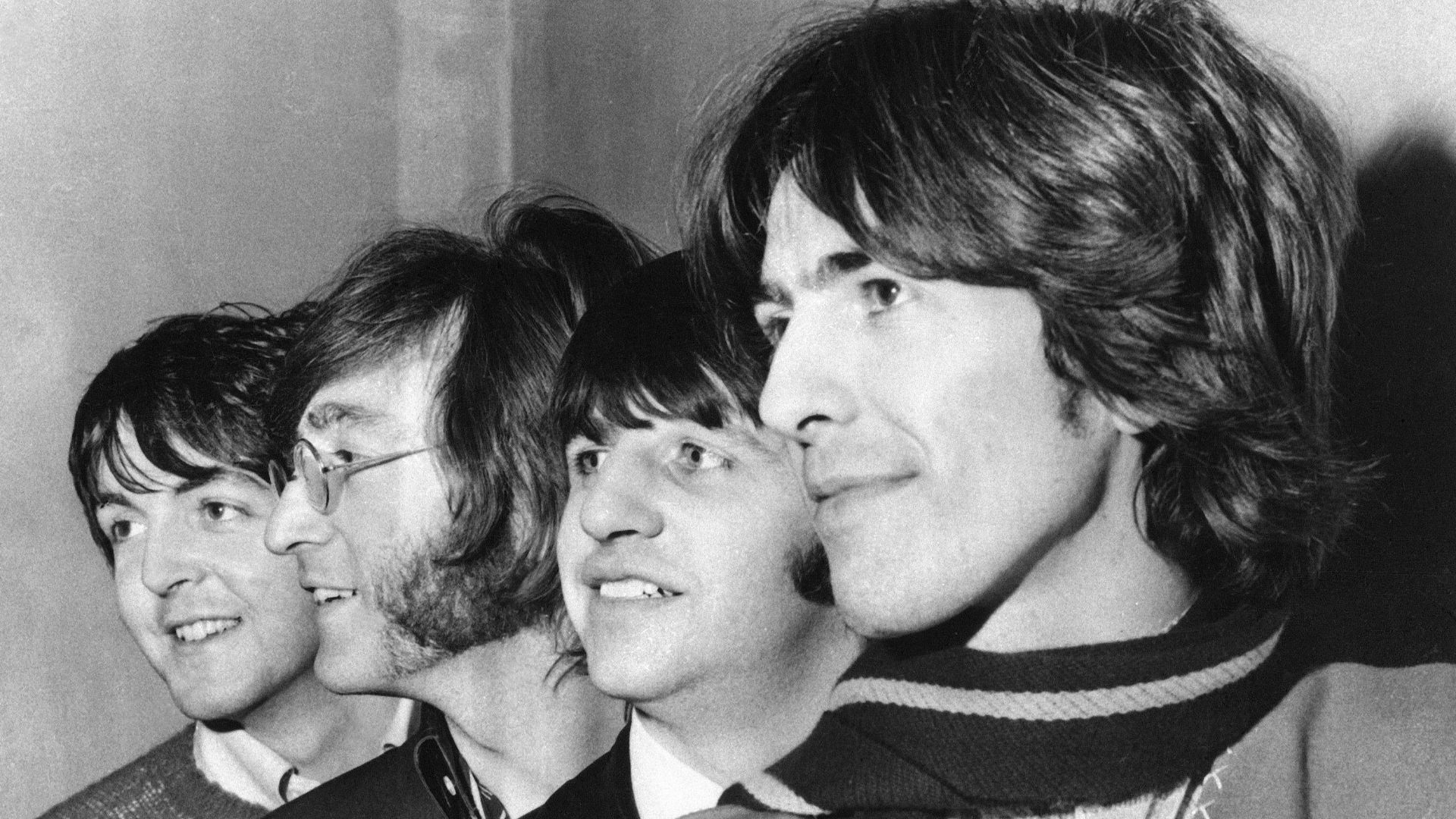 Associated Press, Wikimedia Commons
REM - “What's The Frequency, Kenneth?” (1994)
This title came from one of the strangest incidents ever attached to a rock song. In 1986, television journalist Dan Rather was jumped on a New York street by a man who repeatedly demanded, “Kenneth, what is the frequency?” The bizarre phrase became a cultural reference long before the attack was properly explained. REM eventually borrowed it for the opening track on Monster, transforming an inexplicable assault on a news anchor into a giant alternative-rock chorus.
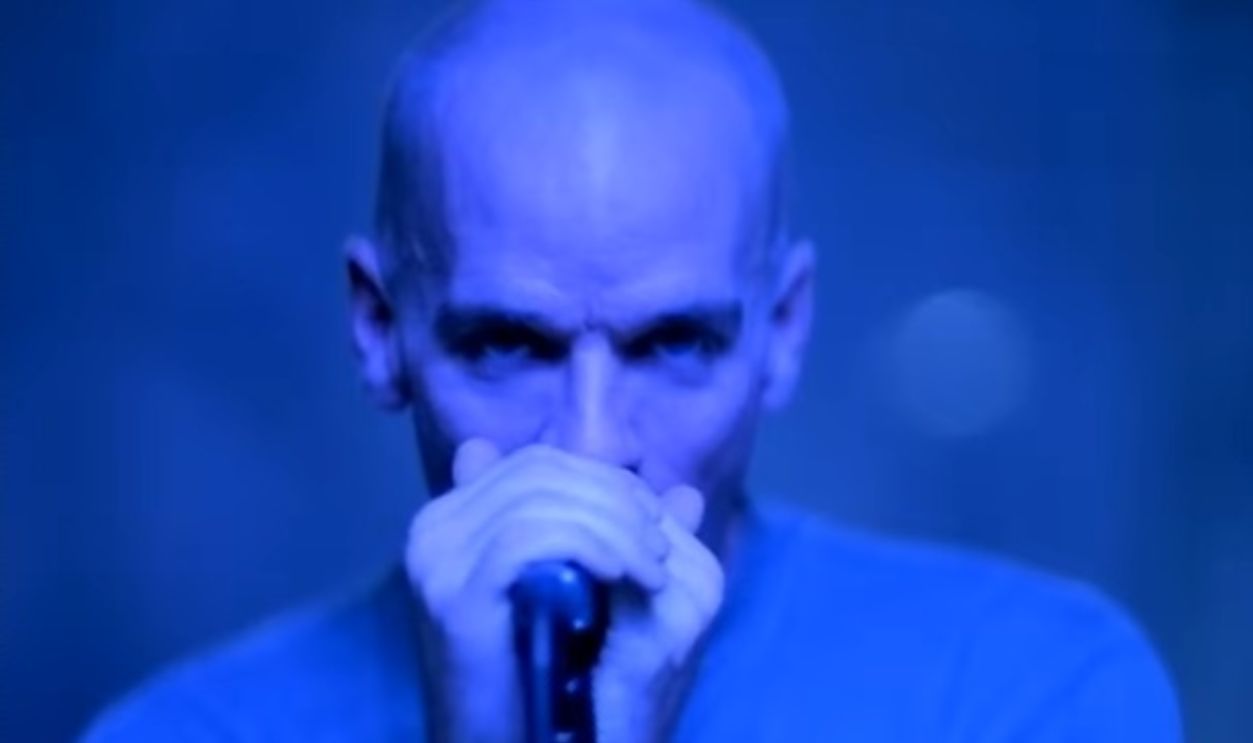 Screenshot from What's The Frequency, Kenneth?, Warner Bros. Records (1994)
Dire Straits - “Money For Nothing” (1985)
Mark Knopfler essentially took dictation from a stranger. While visiting a New York appliance store, he overheard an employee watching musicians on MTV and complaining that rock stars seemed to earn enormous amounts of money without doing real work. Knopfler began writing down the man's remarks, preserving their perspective for the song. Later, Sting happened to be near Dire Straits' studio in Montserrat and contributed the famous “I want my MTV” opening.
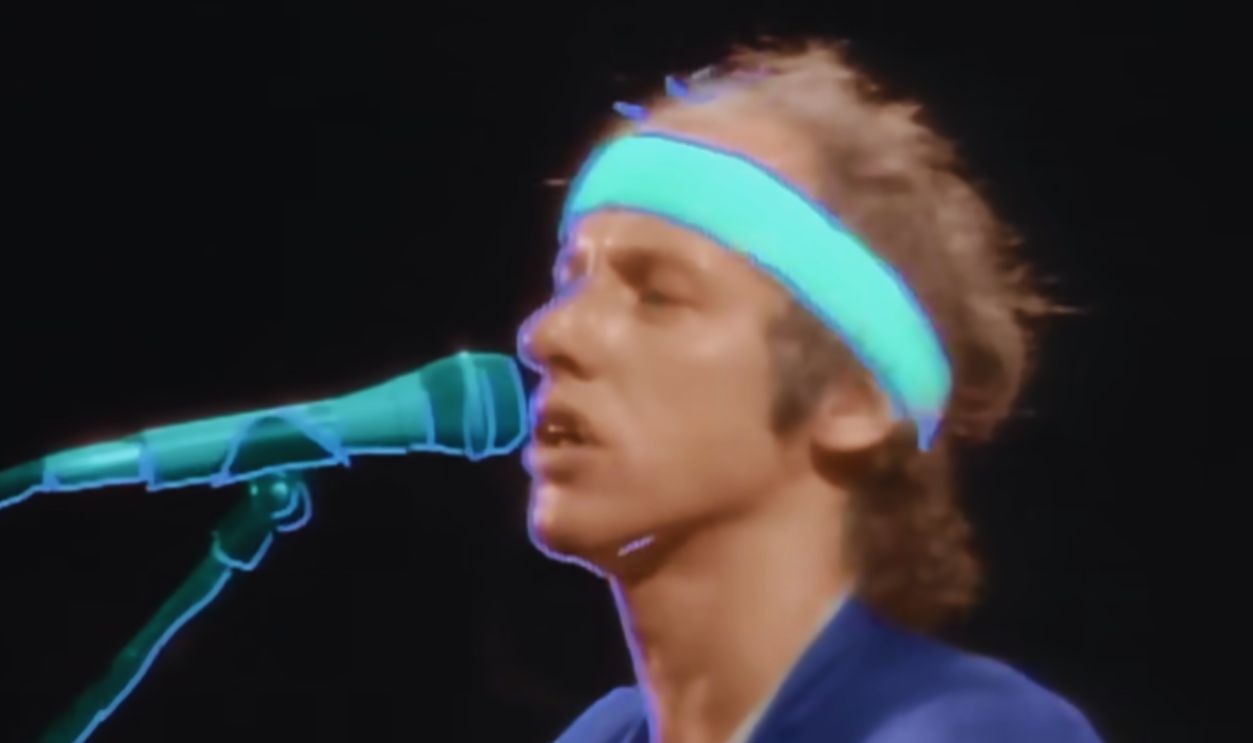 Screenshot from Money for Nothing, Universal Music Group (1985)
Don McLean - “American Pie” (1971)
“American Pie” began with a very real tragedy: the 1959 plane crash that killed Buddy Holly, Ritchie Valens, and the Big Bopper. Don McLean had been a newspaper delivery boy at the time and remembered learning about the deaths while handling the papers. Years later, he expanded that memory into an elaborate journey through 60s American culture. The mystery grew because McLean deliberately avoided explaining every reference, allowing listeners to build an entire mythology around the lyrics.
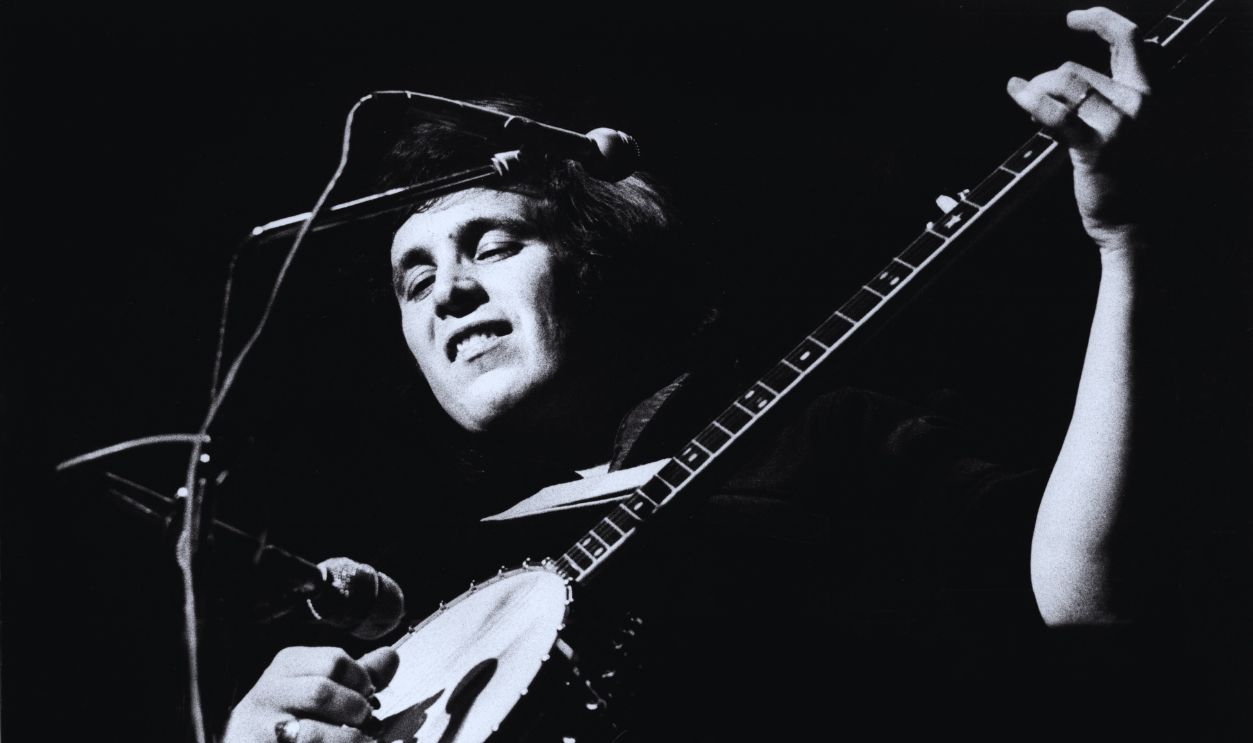 Gijsbert Hanekroot, Getty Images
The Police - “Every Breath You Take” (1983)
People have been playing “Every Breath You Take” at weddings for decades, which has always amused Sting because he didn't write it as a tender love song. It emerged while his first marriage was collapsing and his relationship with Trudie Styler was beginning. The narrator isn't gently devoted. He's obsessive, jealous, and constantly watching someone. Sting has described it as sinister, yet the beautiful arrangement helped turn a song about unhealthy possession into a romantic standard.
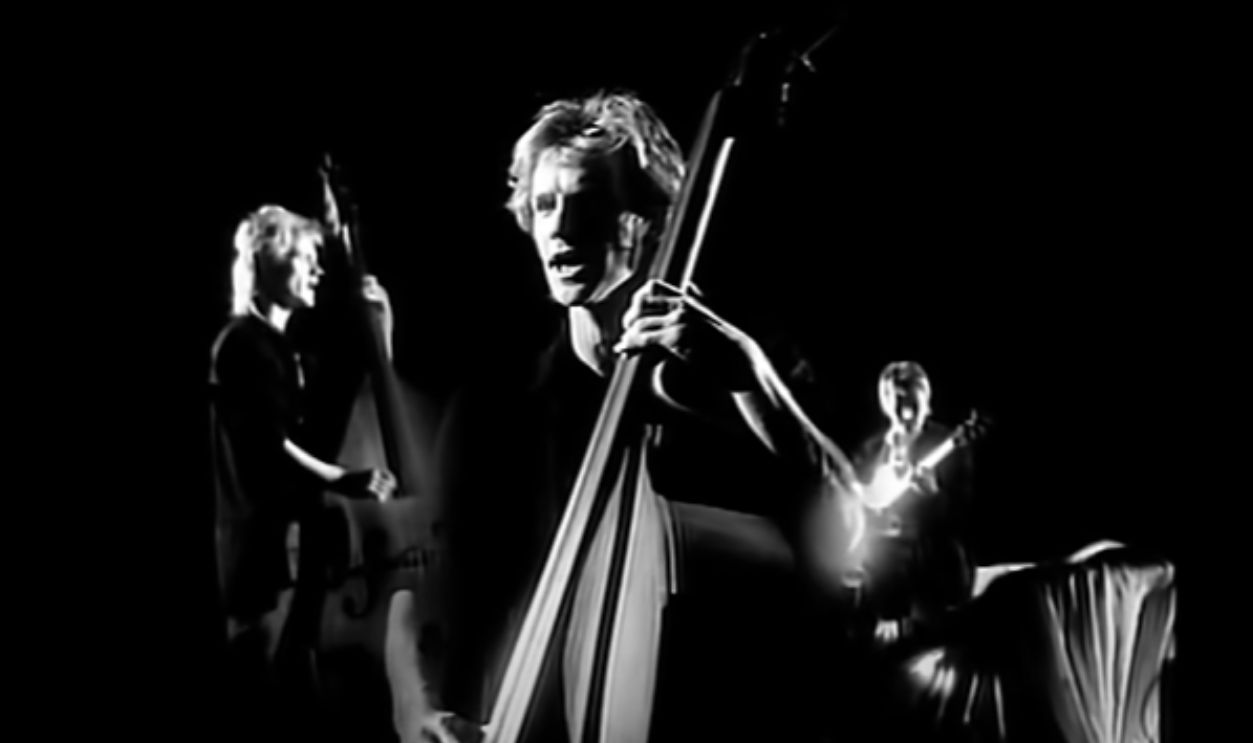 Screenshot from The Police – “Every Breath You Take”, A&M Records (1983)
Fleetwood Mac - “Go Your Own Way” (1977)
Writing an angry song about an ex is one thing. Writing it about an ex who still has to sing backup on it is something else entirely. Lindsey Buckingham wrote “Go Your Own Way” during his breakup with Stevie Nicks, including a line about “shacking up” that Nicks strongly objected to. Buckingham refused to remove it. Nicks then had to harmonize on a song she believed publicly misrepresented her while the two toured together night after night.
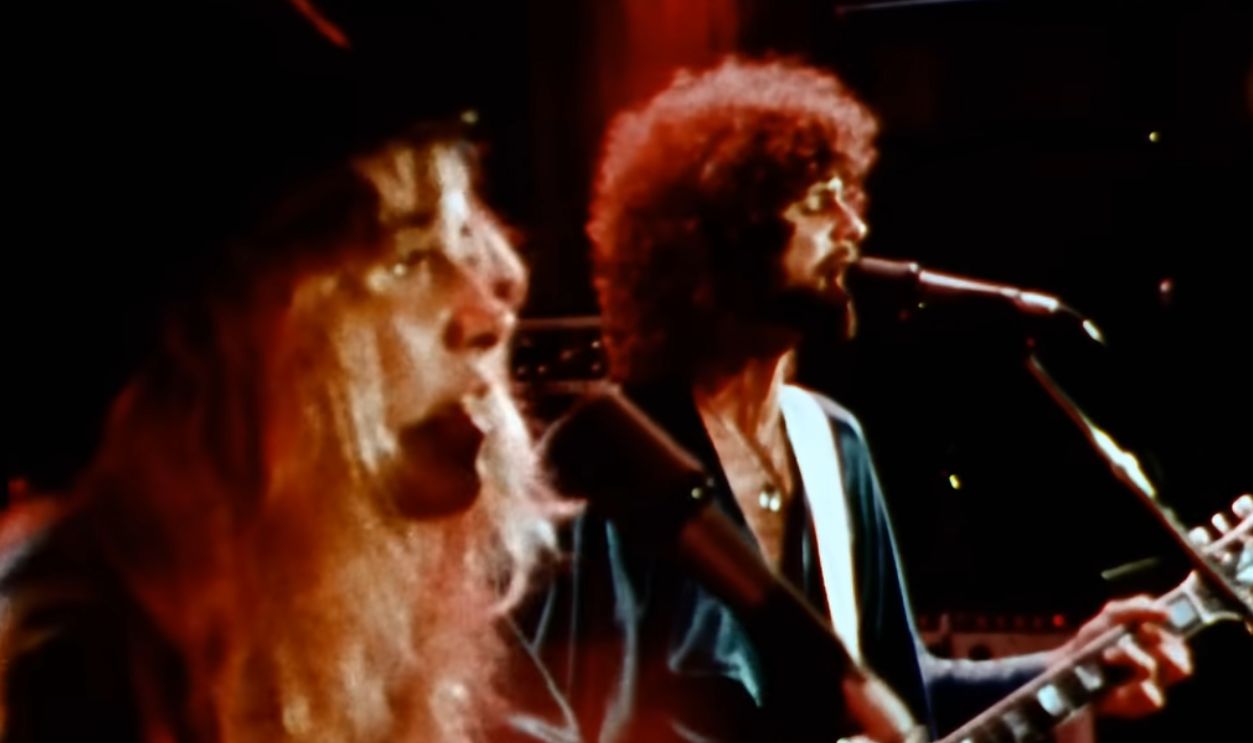 Screenshot from Go Your Own Way, Warner Bros. Records (1976)
The Beatles - “Ticket To Ride” (1965)
Even Paul McCartney and John Lennon offered different explanations for this title. McCartney connected it to Ryde on the Isle of Wight, suggesting the phrase played on the idea of a railway ticket to Ryde. Lennon later claimed it referred to health cards associated with ladies of night the Beatles encountered during their early Hamburg years. There's no universally accepted answer, leaving one of the band's biggest early hits with two completely different origin stories.
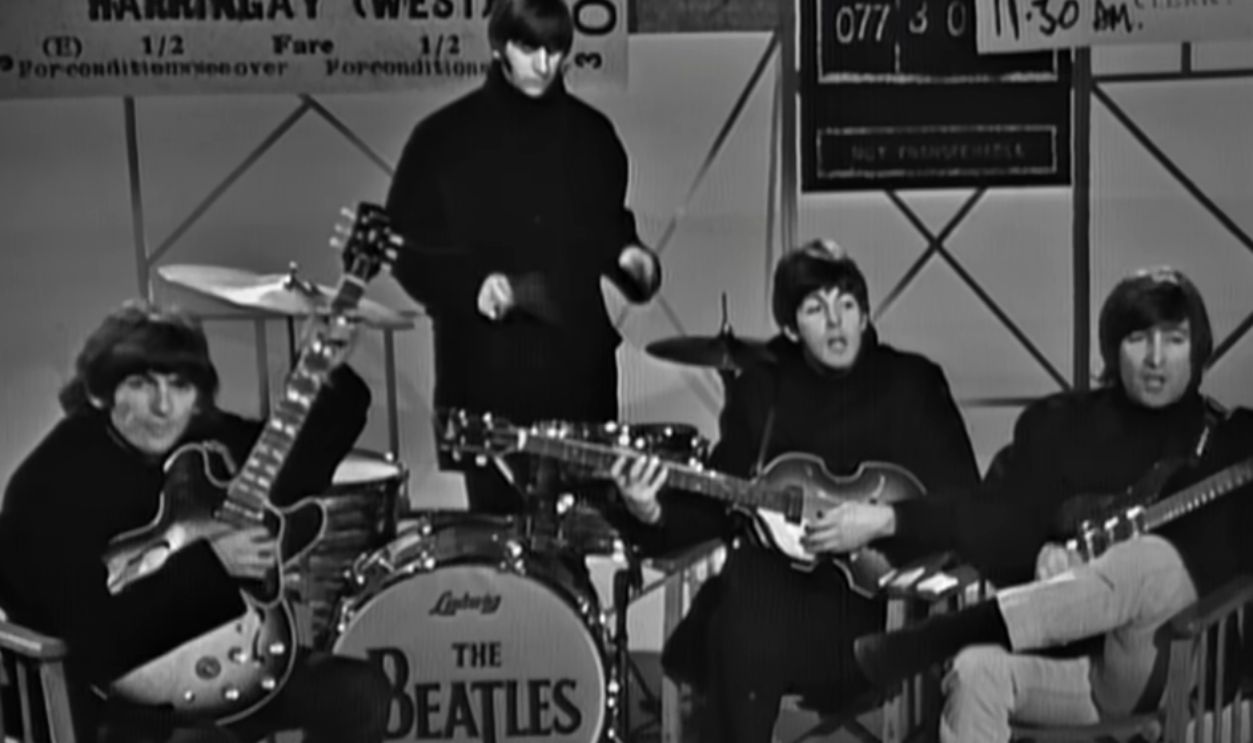 Screenshot from Ticket to Ride, Capitol Records (1965)
The Kinks - “Lola” (1970)
Ray Davies has linked “Lola” partly to an evening when Kinks manager Robert Wace danced with someone he initially assumed was a woman and gradually realized wasn't. Davies turned the encounter into a surprisingly warm character song. Then an entirely unrelated problem got the record into trouble. The BBC objected to the mention of Coca-Cola because of advertising rules, forcing Davies to fly back to London and replace it with “cherry cola”.
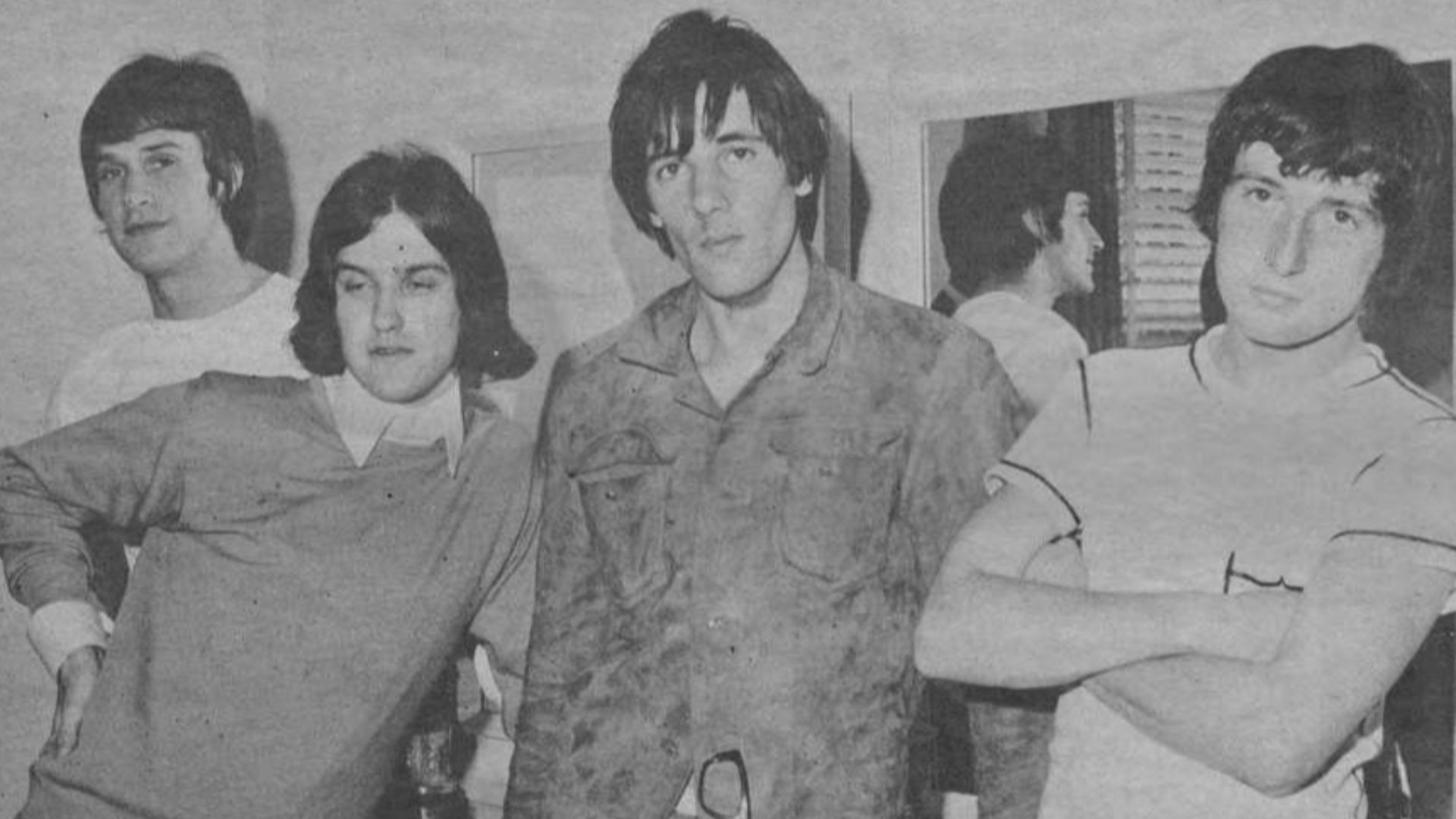 KRLA Beat/Beat Publications, Inc., Wikimedia Commons
Iron Butterfly - “In-A-Gadda-Da-Vida” (1968)
The bizarre title wasn't originally supposed to be bizarre at all. Doug Ingle's working phrase was “In the Garden of Eden,” but when he said it while heavily intoxicated, drummer Ron Bushy heard something closer to “In-A-Gadda-Da-Vida” and wrote that down. The mangled version stuck. Even stranger, the famous 17-minute recording reportedly grew from a studio soundcheck or jam that producer Jim Hilton liked enough to preserve rather than rebuild from scratch.
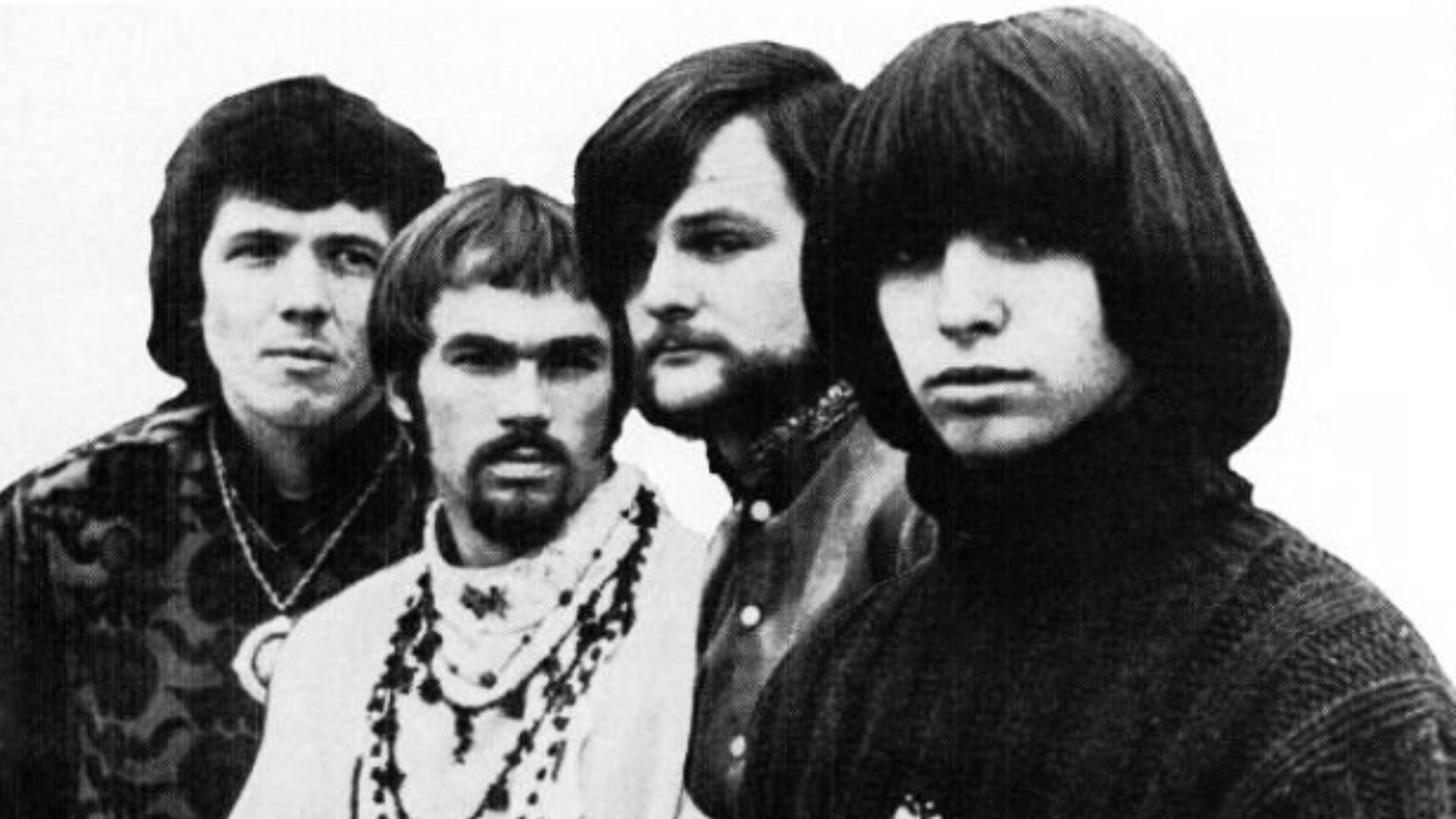 Atco Records, Wikimedia Commons
Booker T & The MG's - “Green Onions” (1962)
“Green Onions” exists because another recording session ended early. With studio time suddenly available, Booker T Jones, Steve Cropper, Lewie Steinberg, and Al Jackson Jr started jamming. Stax producer Jim Stewart liked what he heard and recorded it. What was essentially an impromptu groove became a single, climbed to Number 3 on the Hot 100, and helped establish Booker T & the MG's as one of America's most important instrumental groups.
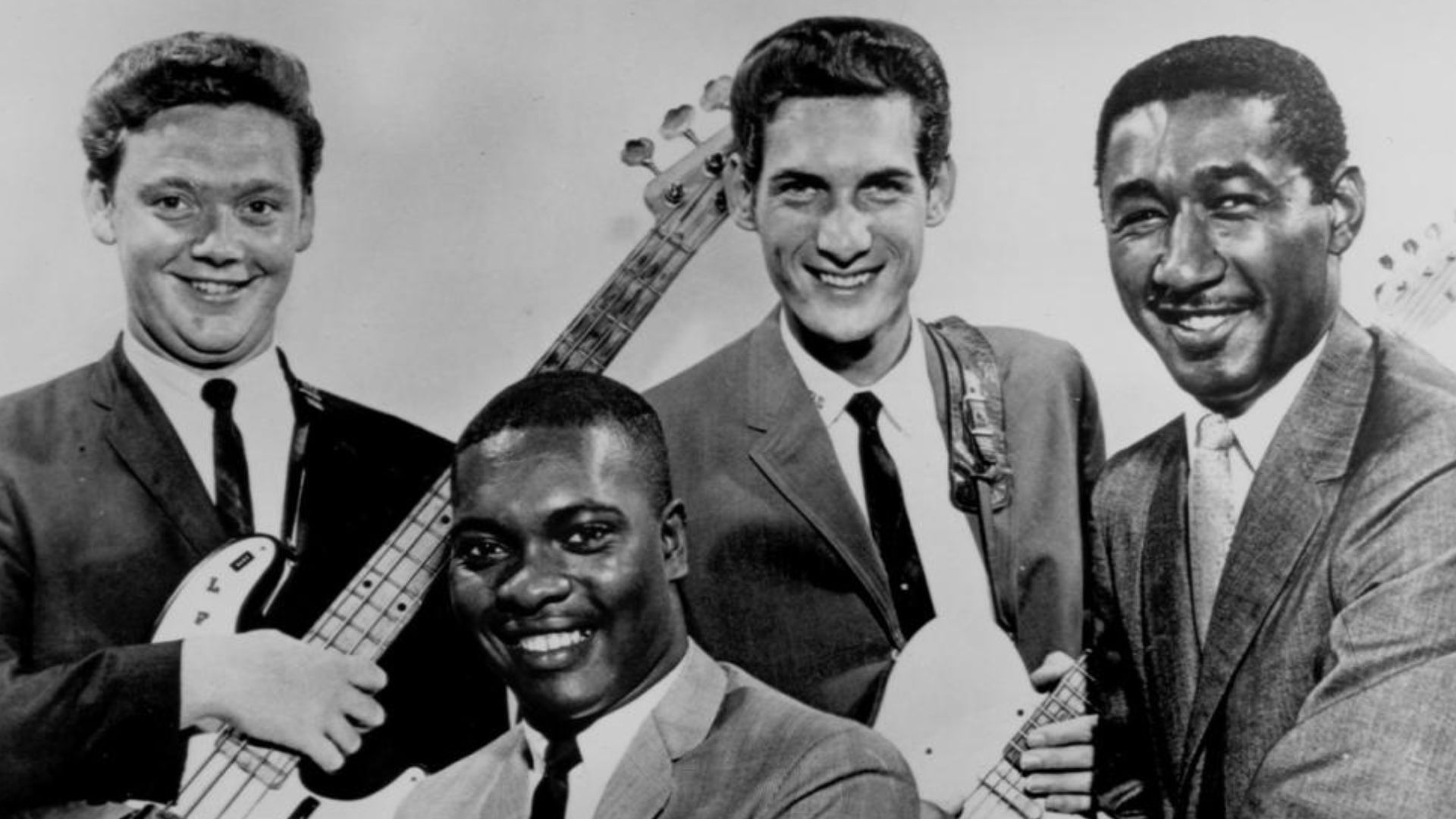 Stax Records, Wikimedia Commons
Talking Heads - “Burning Down The House” (1983)
Chris Frantz returned from seeing Parliament-Funkadelic energized by a crowd chant about burning the house down. During a Talking Heads jam, he started yelling the phrase, and David Byrne reshaped it into “Burning Down the House”. Byrne then constructed much of the lyric by collecting phrases that sounded right rhythmically rather than building a conventional narrative. At one stage, he was reportedly singing “Foam Rubber, USA” where the famous chorus eventually ended up.
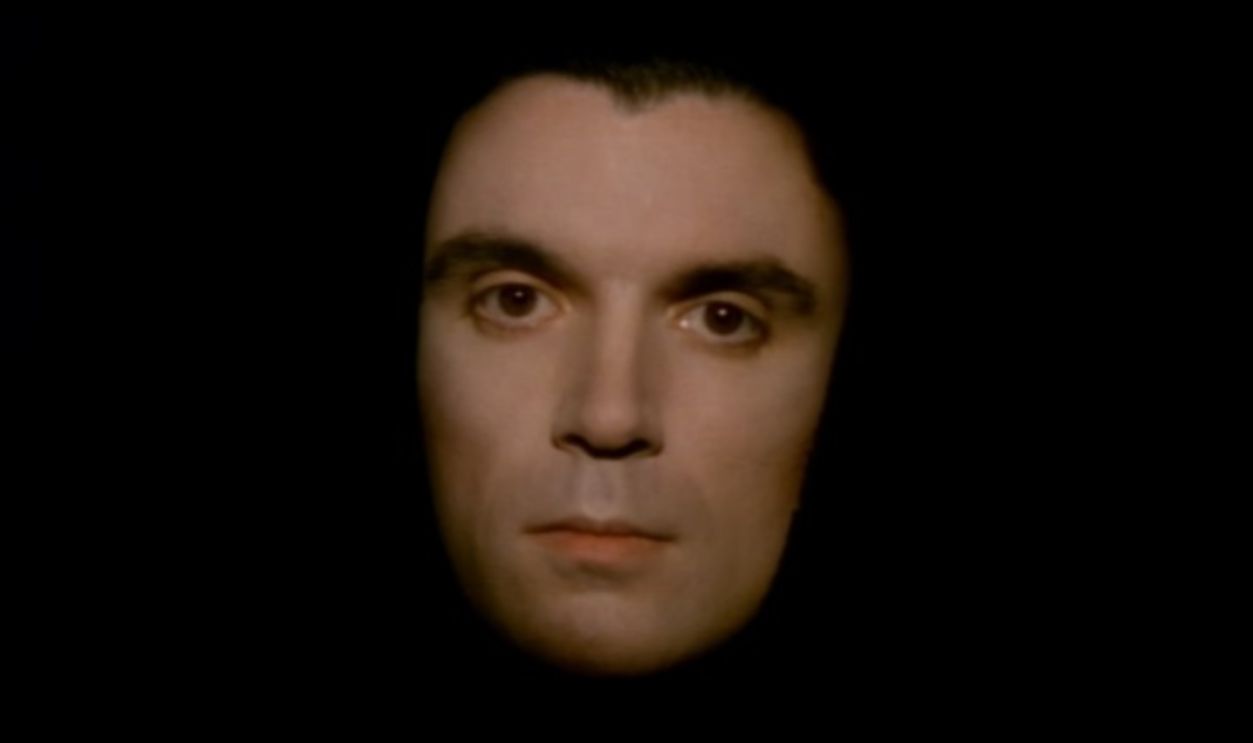 Screenshot from Burning Down the House, Warner Bros. Records (1983)
The Beatles - “A Day In The Life” (1967)
John Lennon built parts of “A Day in the Life” from whatever happened to be in the newspaper. One story concerned the passing of Tara Browne, a young heir to the Guinness fortune and friend of the Beatles. Another reported thousands of holes in roads around Blackburn. Paul McCartney contributed a separate unfinished section about rushing to school. The Beatles then connected these unrelated fragments with enormous orchestral crescendos, turning a morning newspaper into the finale of Sgt. Pepper's.
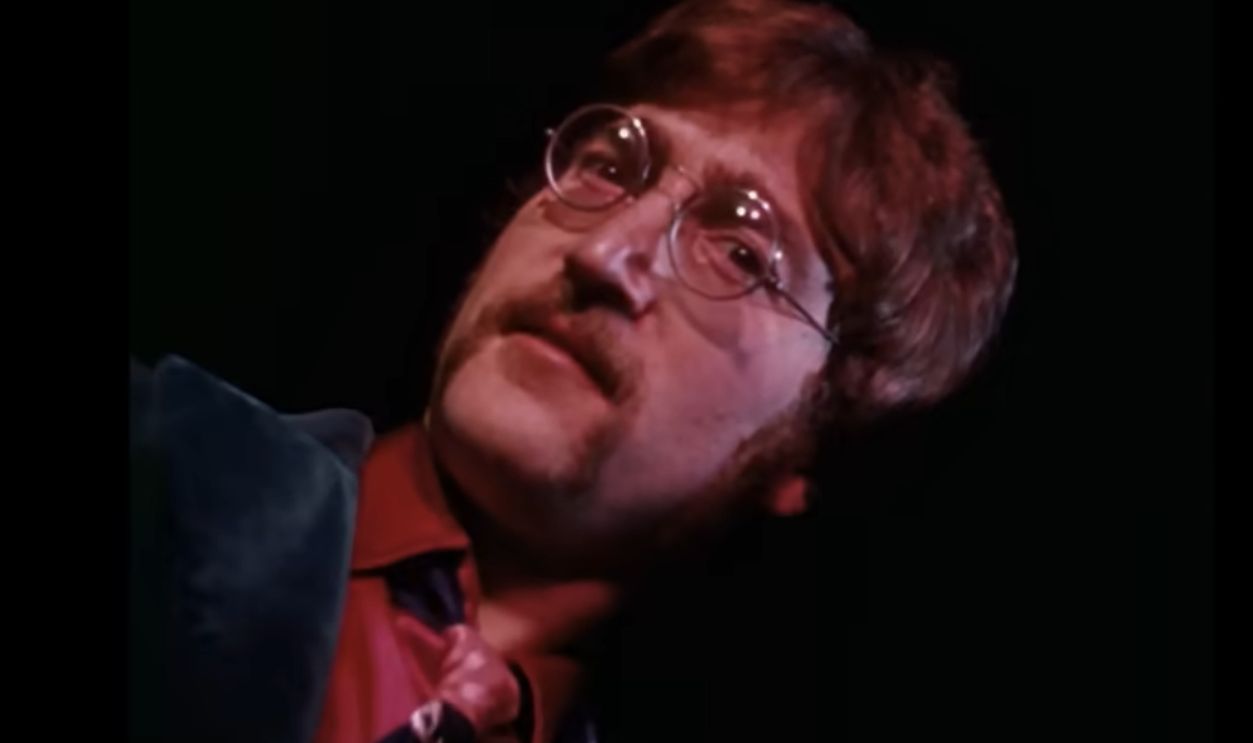 Screenshot from A Day in the Life, Capitol Records (1967)
Jimi Hendrix - “Purple Haze” (1967)
“Purple Haze” is often casually treated as a drug song, but Hendrix himself offered much stranger explanations. He discussed a dream in which he was walking beneath the sea while surrounded by a purple haze, possibly influenced by his interest in science fiction. Other accounts connected the song with the idea of a woman placing a spell on him. Hendrix never reduced it to one simple interpretation, leaving the song's psychedelic imagery appropriately difficult to pin down.
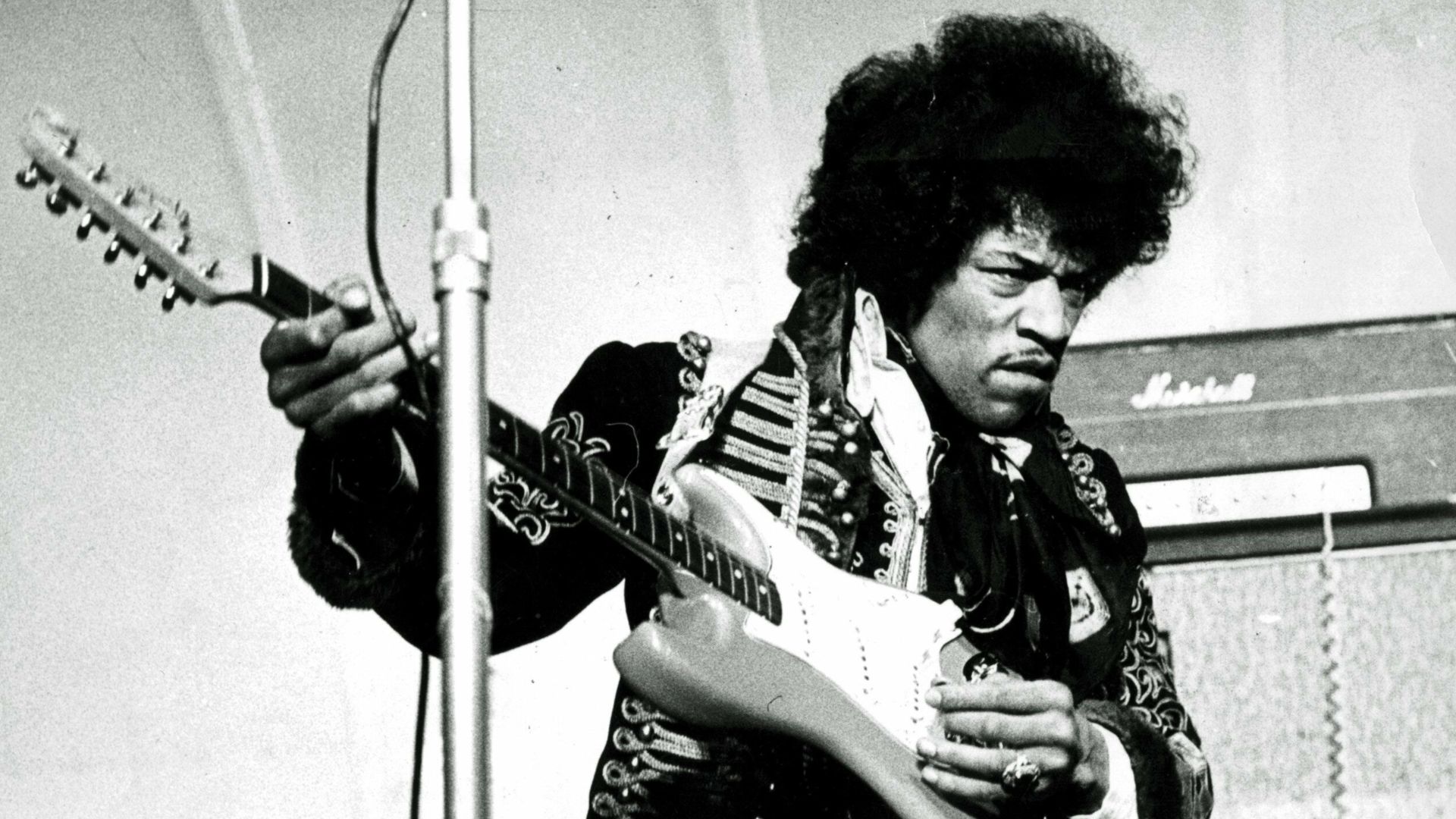 Original photographer unknown, Wikimedia Commons
Pink Floyd - “Shine On You Crazy Diamond” (1975)
Pink Floyd wrote this sprawling nine-part piece around the absence of Syd Barrett, whose declining mental health had led to his departure years earlier. Then, during the Wish You Were Here sessions, Barrett unexpectedly walked into Abbey Road while the band was working on the very music inspired by him. His appearance had changed so dramatically that some members didn't recognize him at first. The man they were mourning in song had suddenly appeared in the room.
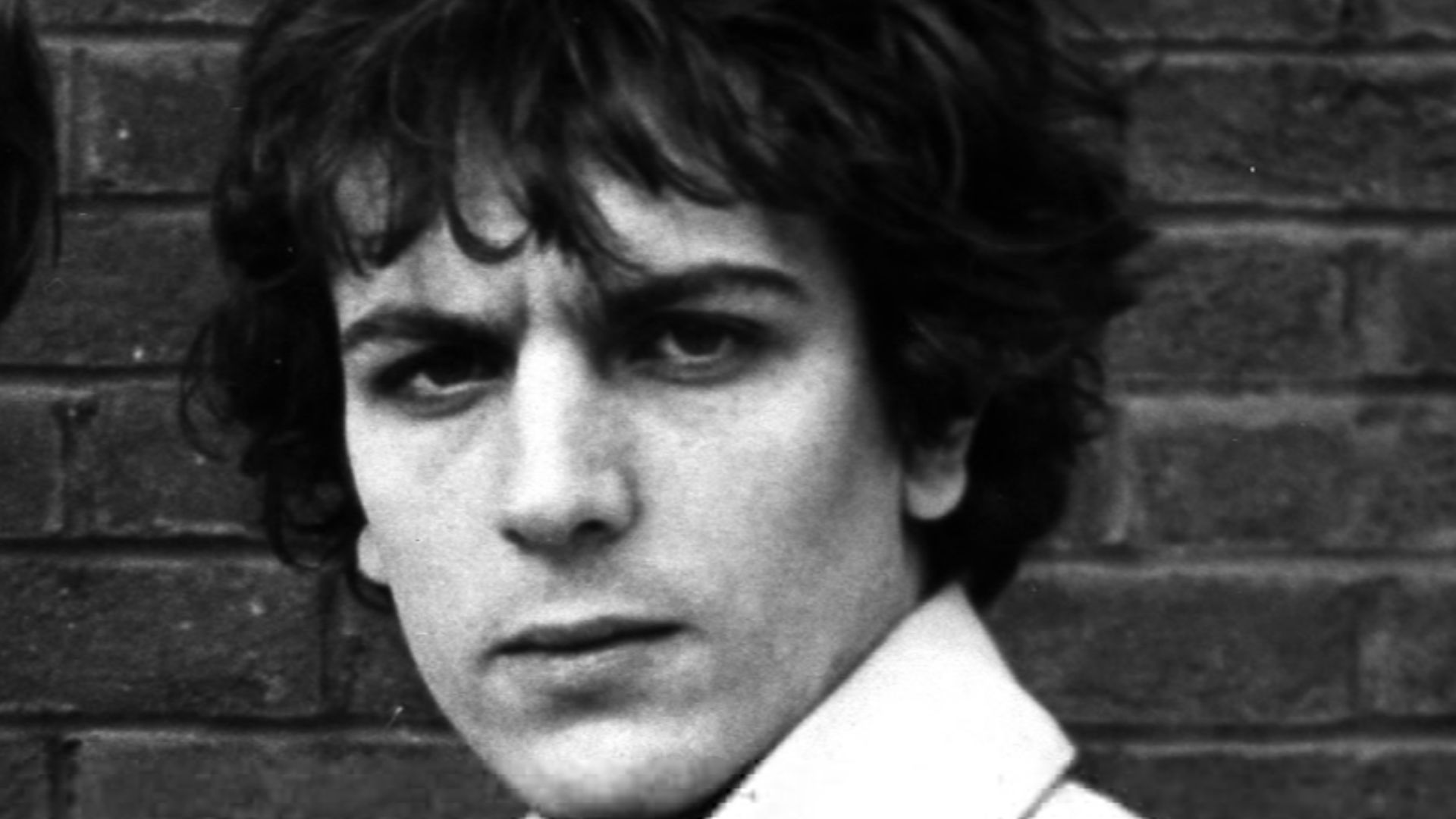
Radiohead - “Creep” (1992)
One of “Creep's” most famous sounds may have begun as Jonny Greenwood trying to sabotage the song. Greenwood wasn't especially fond of it, so just before the chorus he slammed out the abrasive guitar blasts that became one of the track's defining features. The band reportedly didn't even realize producers were recording one early performance. A song they considered awkward and unrepresentative soon became so successful that Radiohead spent years trying to escape it.
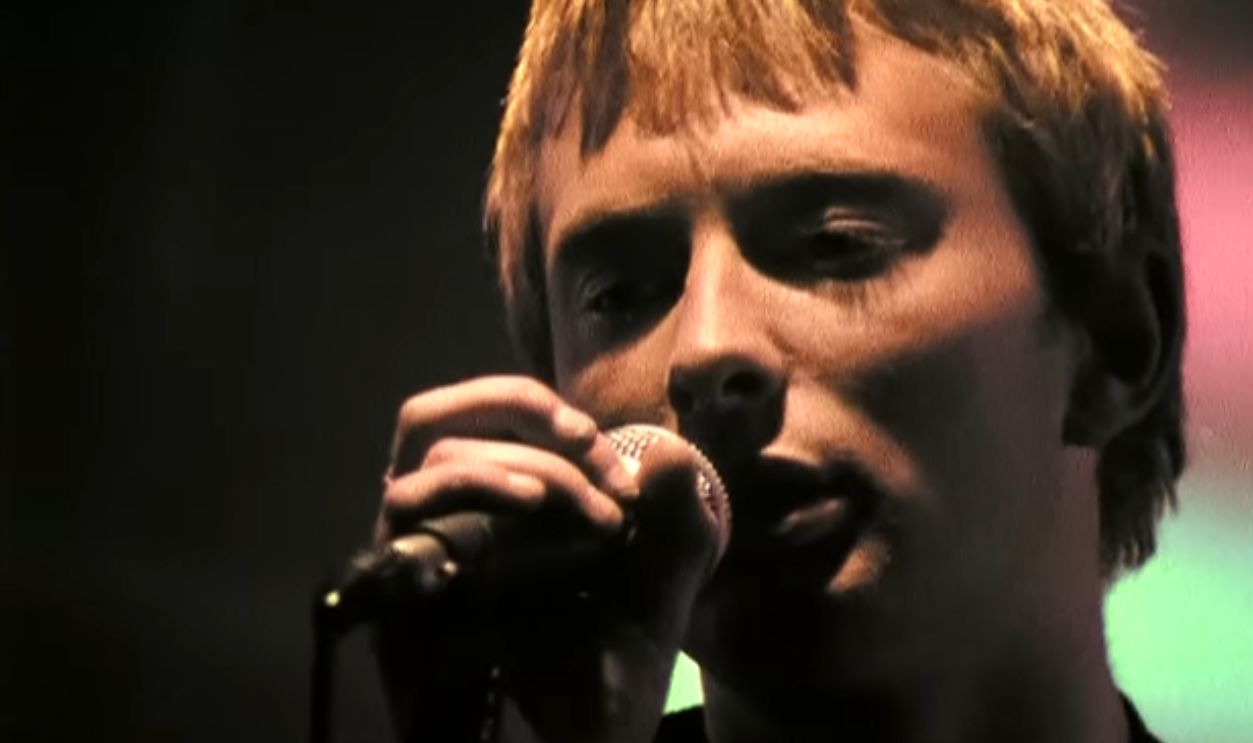 Screenshot from Creep, Parlophone Records (1992)
Megadeth - “A Tout Le Monde” (1994)
“A Tout le Monde” was widely interpreted as a song about taking one's own life, but Dave Mustaine repeatedly rejected that reading. He connected the song partly to the sudden loss of his mother and the things people leave unsaid when someone passes on. The lyrics imagine final words to friends rather than encouraging death. MTV nevertheless rejected the original video amid concerns about its meaning, creating the strange situation where one of Megadeth's gentlest songs became one of their most controversial.
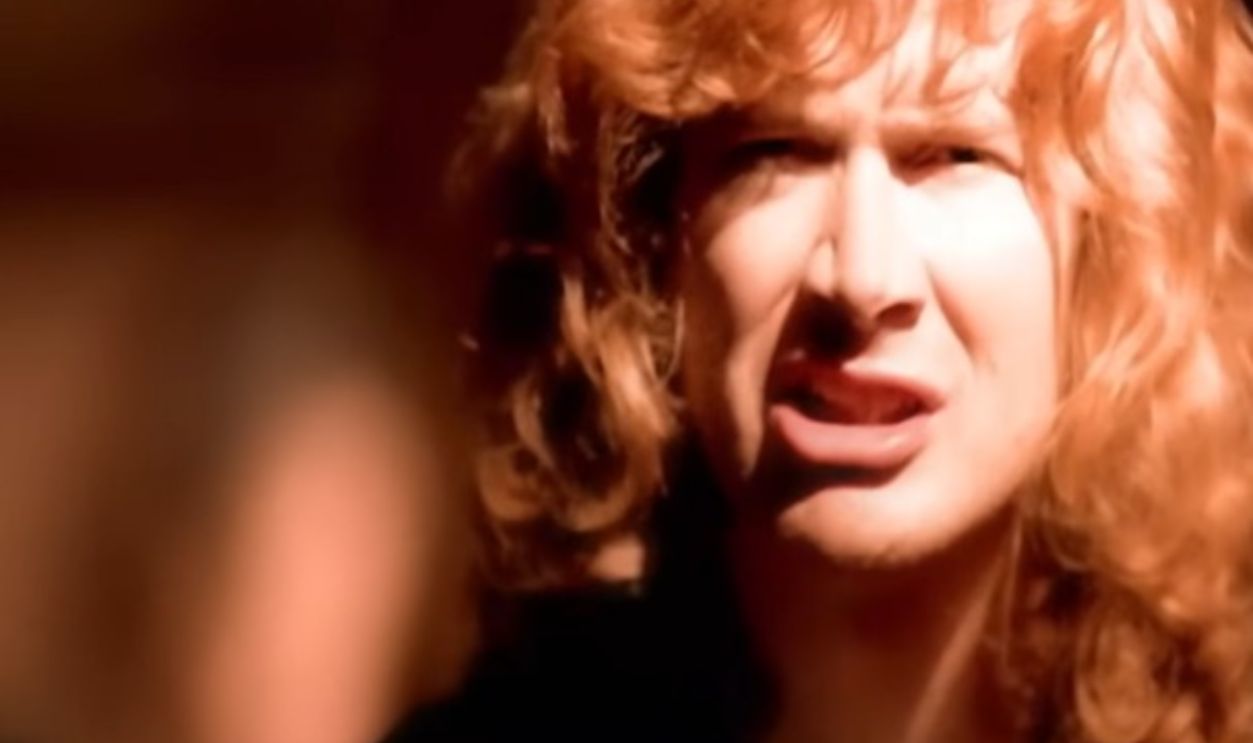 Screenshot from A Tout Le Monde, Capitol Records (1994)
David Bowie - “Life On Mars?” (1971)
One of Bowie's most ambitious songs partly grew out of losing a job to Frank Sinatra's “My Way”. Bowie had written English lyrics for the French song “Comme d'habitude,” but his version wasn't used. Paul Anka acquired the rights and transformed it into “My Way”. Bowie later described “Life on Mars?” as his reaction to that song, even noting “Inspired by Frankie” in the Hunky Dory liner notes. Professional rejection helped produce something far stranger than the song that inspired it.
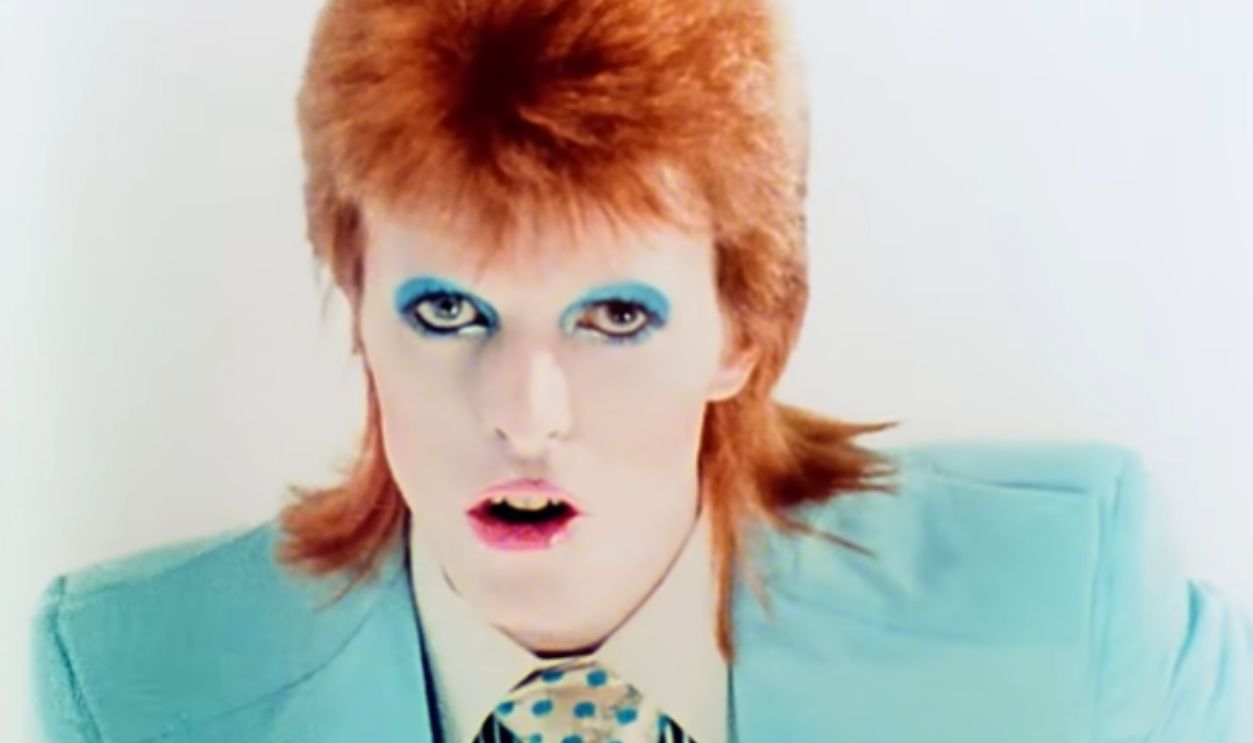 Screenshot from Life on Mars, RCA Records (1971)
Led Zeppelin - “Black Dog” (1971)
Given Led Zeppelin's reputation, “Black Dog” sounds like it should involve occult symbolism or something equally ominous. It doesn't. The title came from a black Labrador wandering around Headley Grange while the band was recording. The dog had nothing to do with the lyrics and apparently just became a temporary mascot. John Paul Jones' complicated riff was another matter entirely, deliberately constructed with rhythmic twists that made the song much harder to follow than its title suggests.
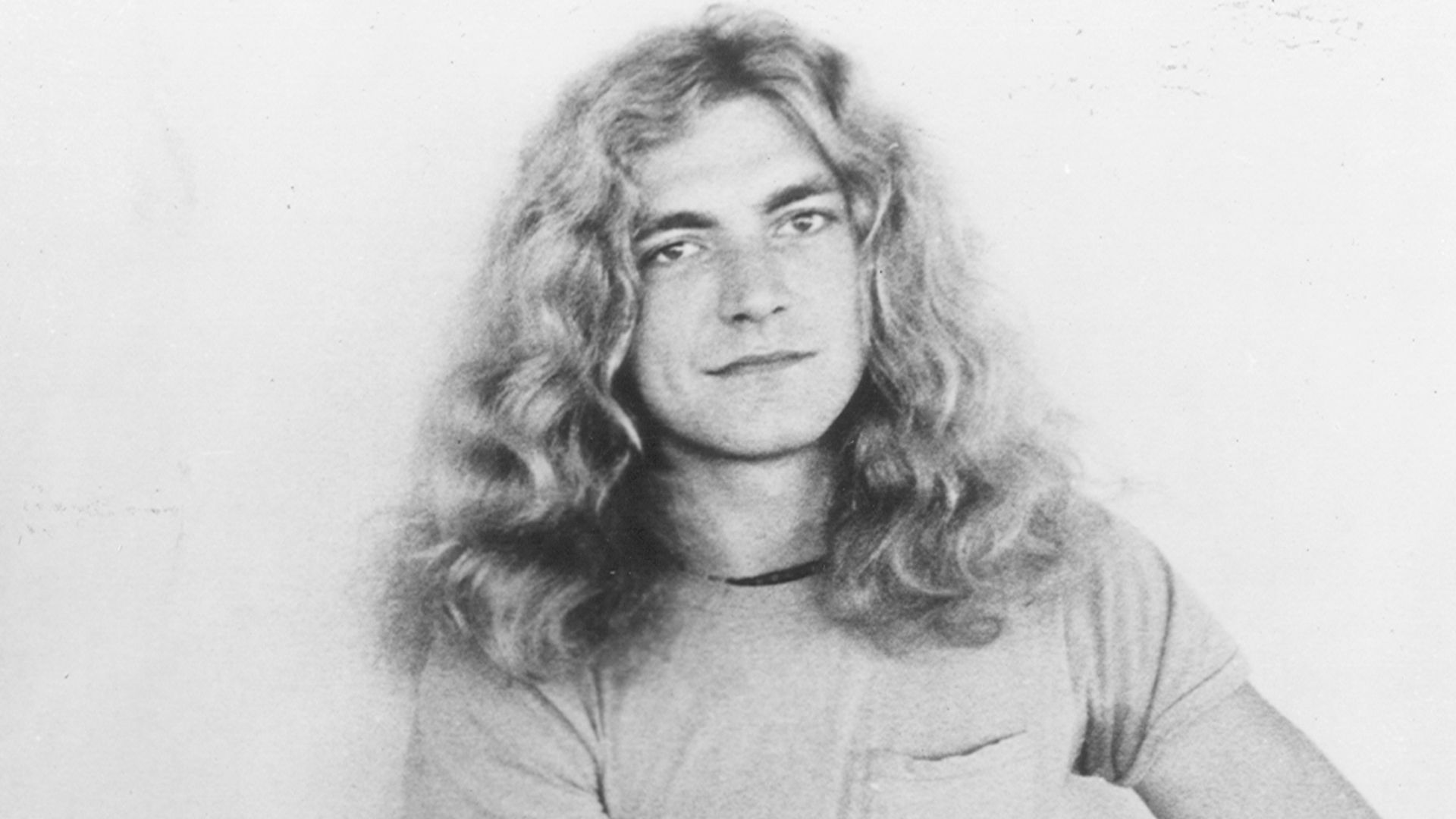 Atlantic Records, Wikimedia Commons
You May Also Like:
Hit Songs Everyone Associates With One Artist Even Though They Were Actually Covers
Famous Songs That Some Members Of The Band Absolutely Hated
Hit Songs From The 1980s That Were Way Weirder Than You Remember