Not Universally Popular
Some of rock and pop's most recognizable recordings have a surprising history: very often, the musicians who made them didn't necessarily like them very much. Some objected to the lyrics, others hated the musical direction, and a few just couldn't stand performing their biggest hits anymore. But whatever the case may be, these familiar songs caused some strong disagreements.
 Lynn Goldsmith/Corbis/VCG via Getty Images
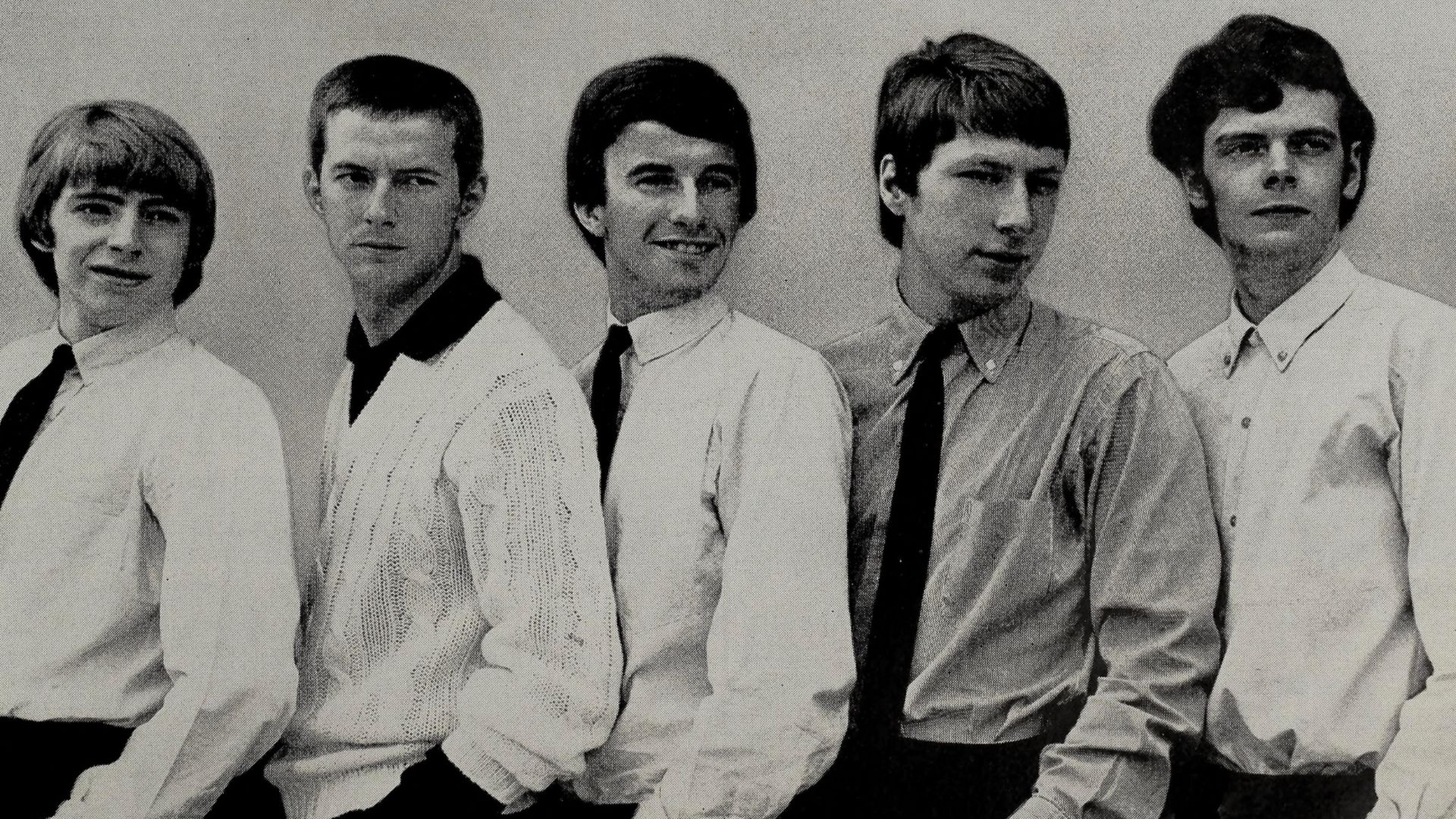
"For Your Love" — The Yardbirds
Eric Clapton joined the Yardbirds to play blues, not manufacture pop hits. When the group recorded "For Your Love" in 1965, its commercial direction helped convince him to leave. The single became a major success, but Clapton was already heading toward John Mayall's Bluesbreakers.
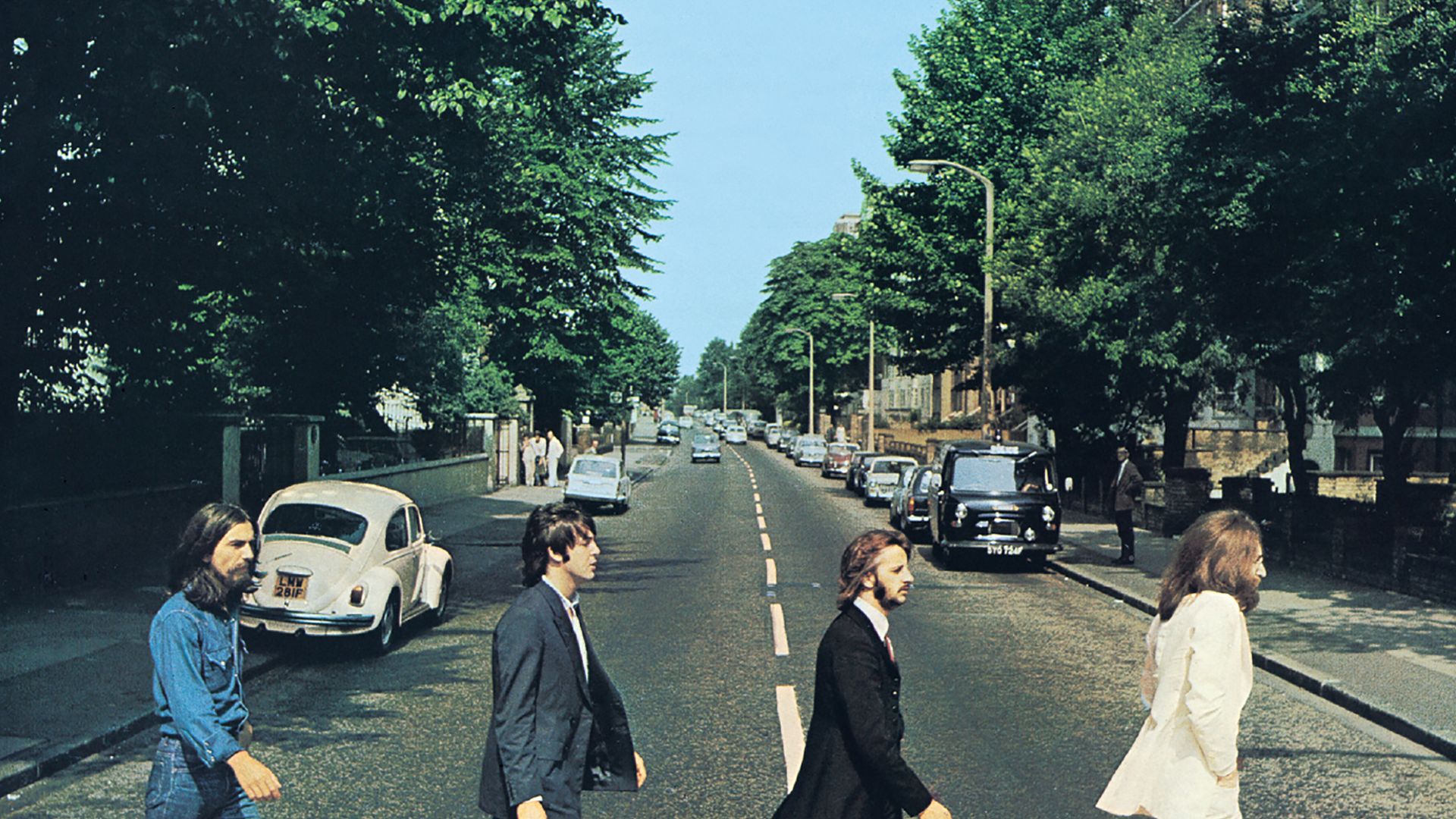
"Maxwell’s Silver Hammer" — The Beatles
Paul McCartney apparently saw considerable potential in his cheerful little song about a killer. His bandmates weren't nearly as enthusiastic. John Lennon openly disliked it, George Harrison complained about its frivolity, and Ringo Starr remembered its recording sessions as particularly miserable. McCartney nevertheless persisted until the song was finished.
 John Kosh / Iain Macmillan, Wikimedia Commons
"Stairway To Heaven" — Led Zeppelin
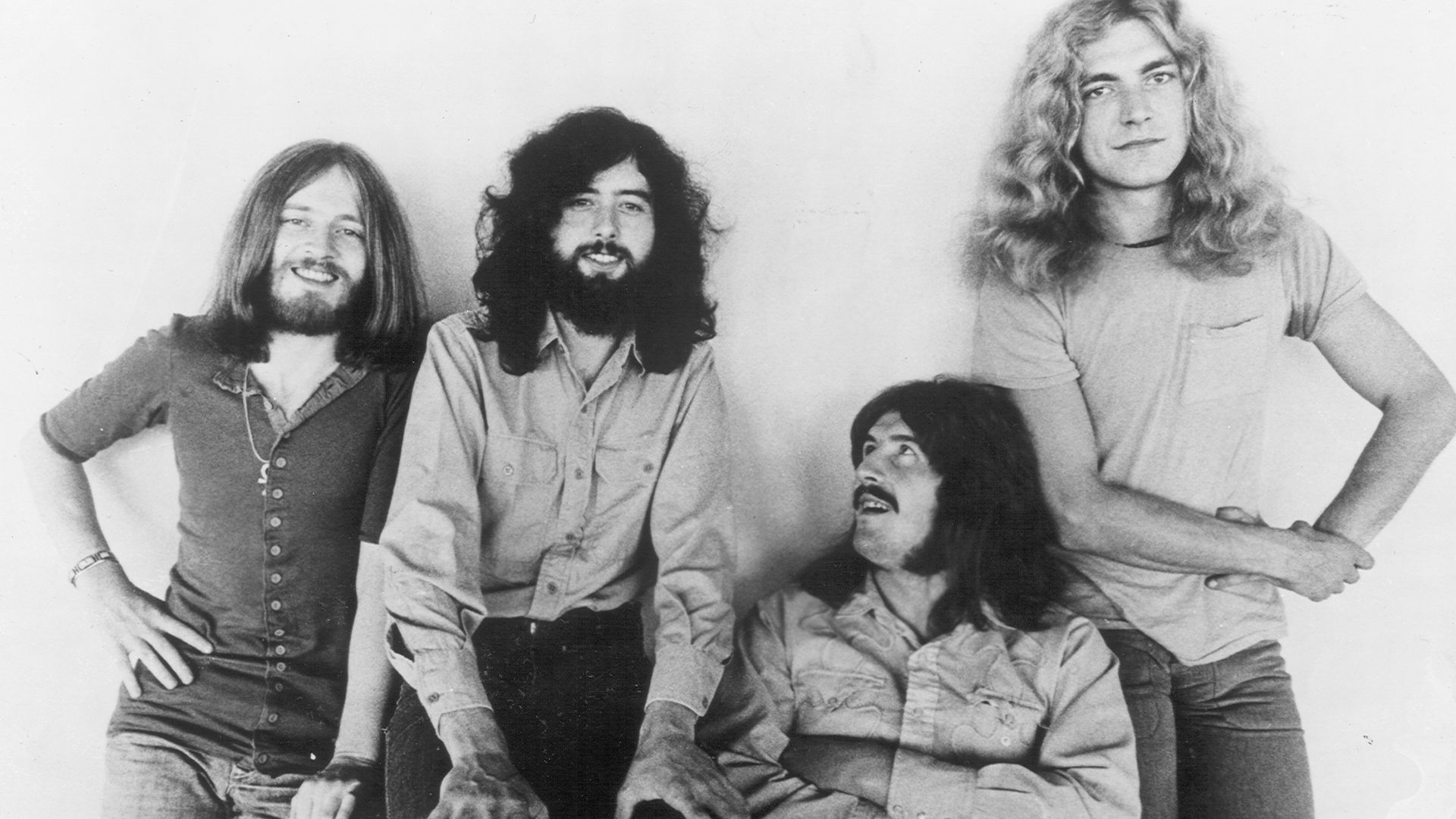
For millions of listeners, "Stairway to Heaven" represents Led Zeppelin at its finest. Robert Plant eventually developed a more complicated relationship with it. By 1988, he was openly resisting the prospect of singing it every night, explaining that the lyrics no longer held the same significance for him.
 Atlantic Records, Wikimedia Commons
"Touch Me" — The Doors
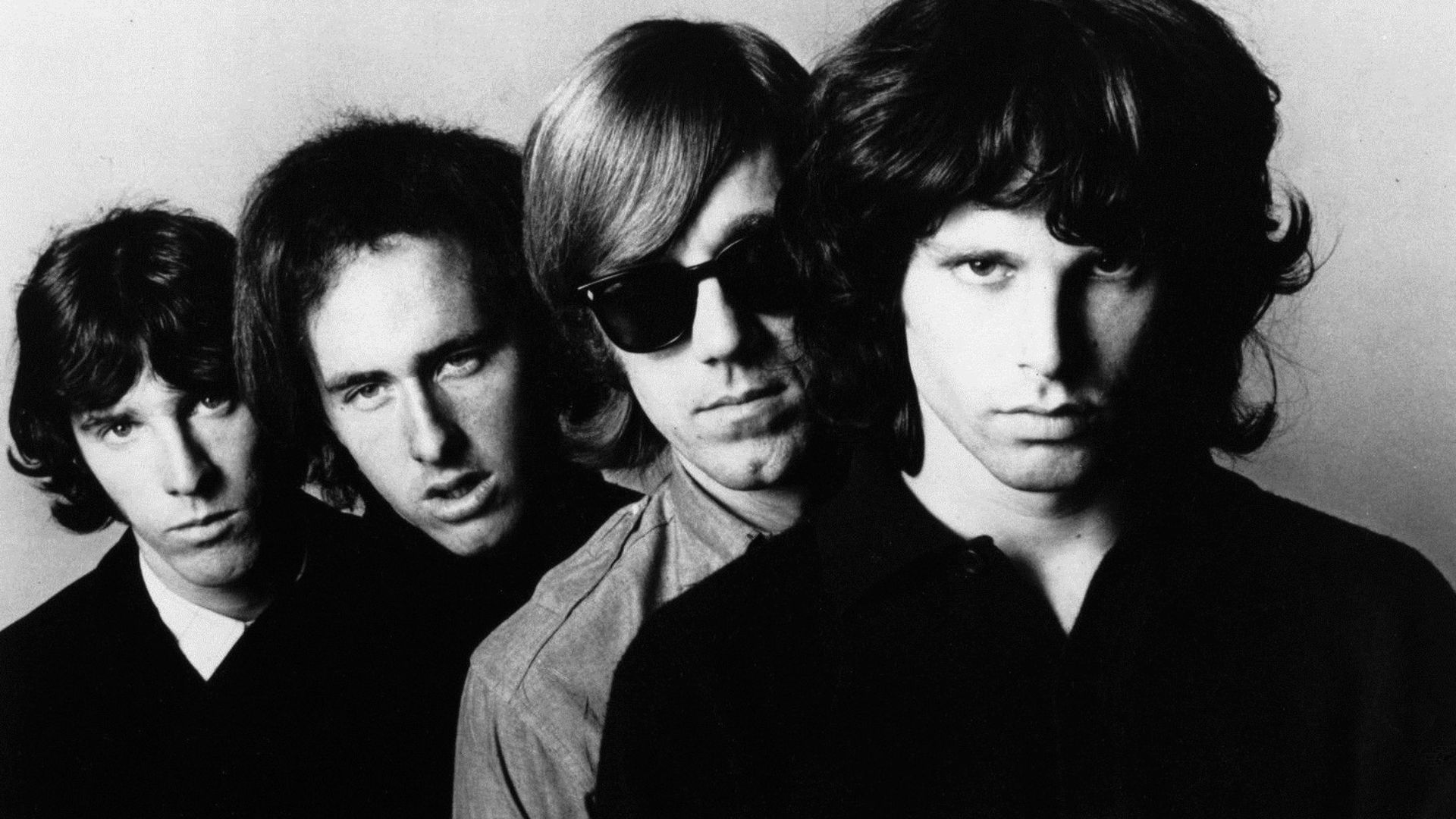
Robby Krieger wrote "Touch Me," but he initially objected when producer Paul Rothchild proposed adding orchestral strings and horns. Krieger worried that the Doors would appear to be copying other rock bands. He eventually embraced the arrangement and later regarded the recording as one of his better compositions.
 Joel Brodsky; Distributed by Elektra Records, Wikimedia Commons
"Tell All The People" — The Doors
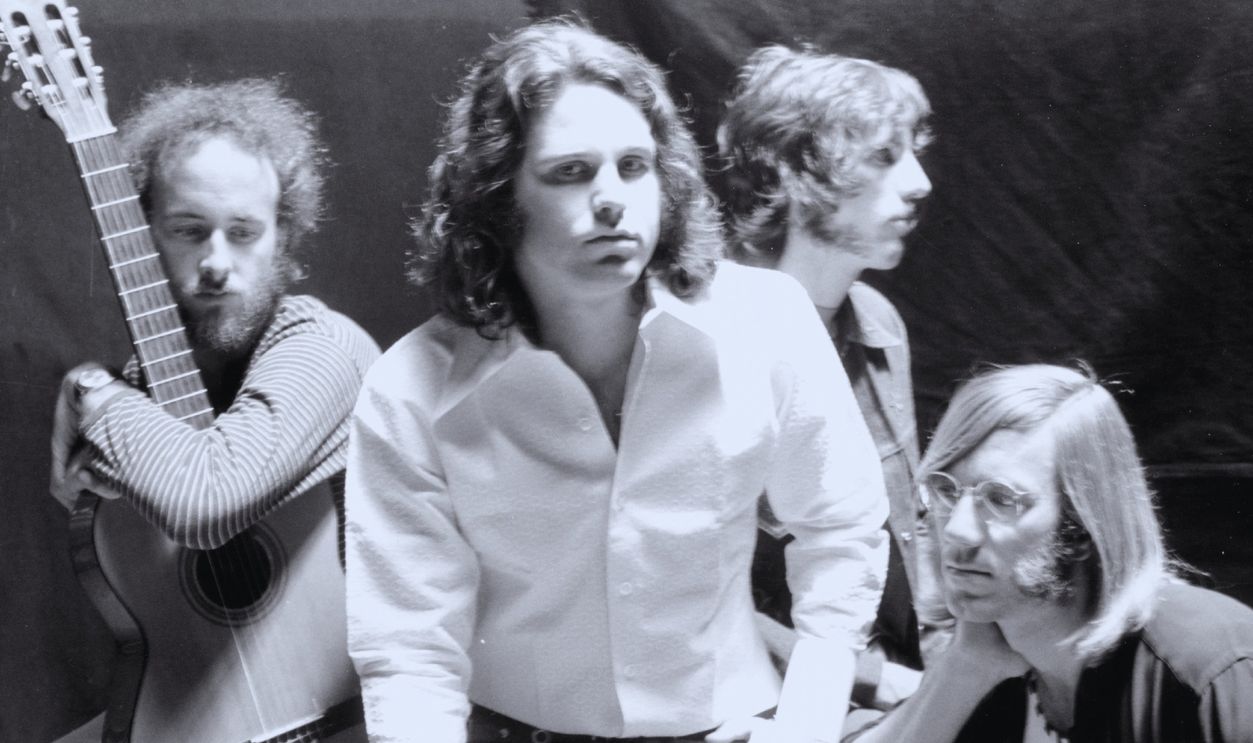
Jim Morrison had serious reservations about a particular lyric in Robby Krieger's "Tell All the People." He worried that the references in its lyrics might encourage dangerous behavior at Doors concerts. Krieger refused to change the words, and Morrison eventually sang them, but the disagreement contributed to the group's decision to adopt individual songwriting credits.
 Estate of Edmund Teske, Getty Images
"Out Of Time" — The Rolling Stones
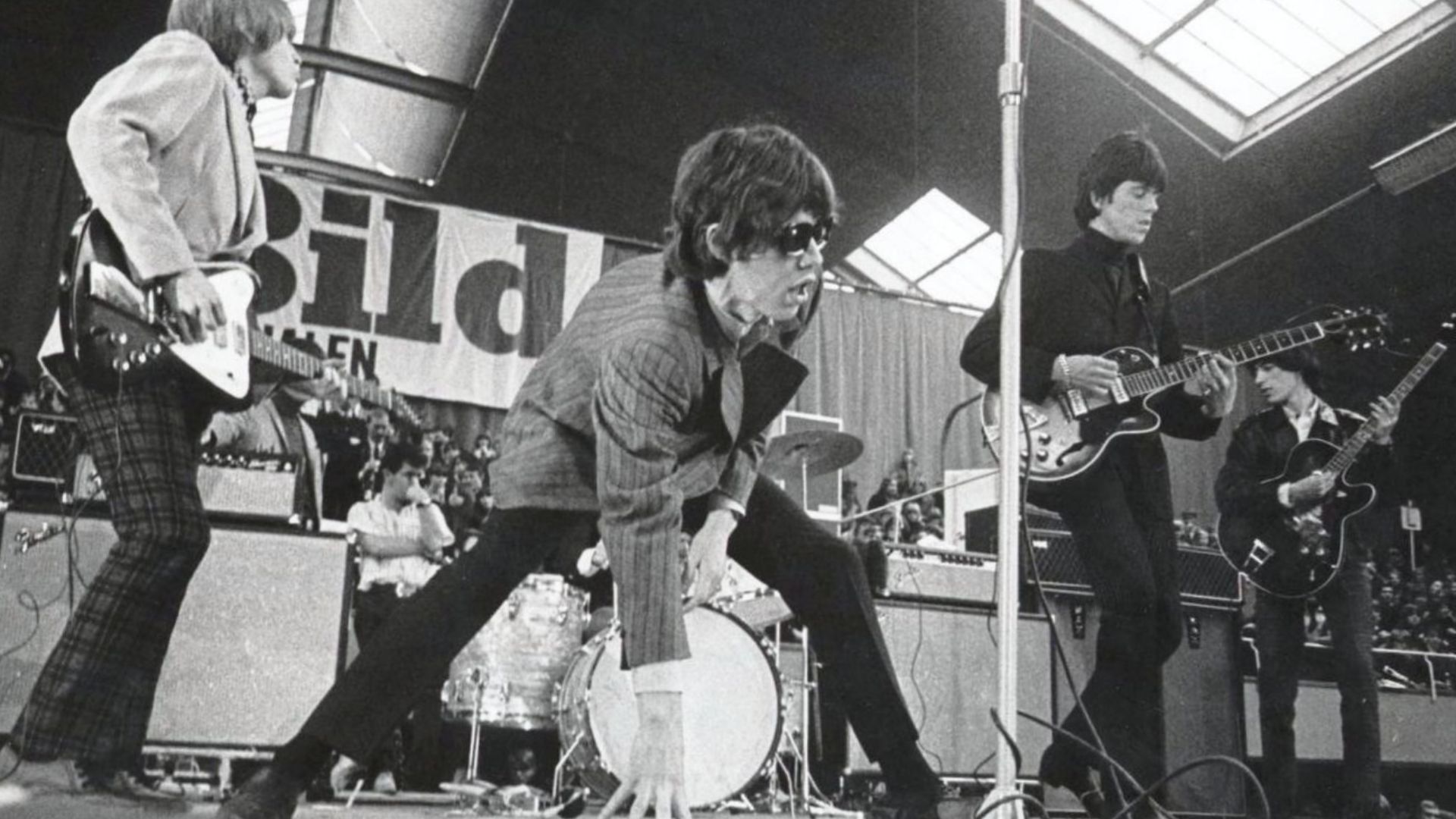
The Rolling Stones recorded "Out of Time" during their mid-1960s period of increasingly adventurous songwriting. But Mick Jagger wasn't particularly impressed when asked to revisit the recording in a 1989 interview with the Los Angeles Times. His distinctly unfavorable assessment demonstrated that even a song's original writer might eventually regard it as disposable.
 ingen uppgift, Wikimedia Commons
"Emotional Rescue" — The Rolling Stones
Mick Jagger embraced dance music enthusiastically during the late 1970s, but Keith Richards wasn't particularly interested in following him onto the dance floor. Richards later explained that the disco-influenced "Emotional Rescue" reflected Jagger's musical ambitions rather than his own. Importantly, Richards also acknowledged that it was a good song.
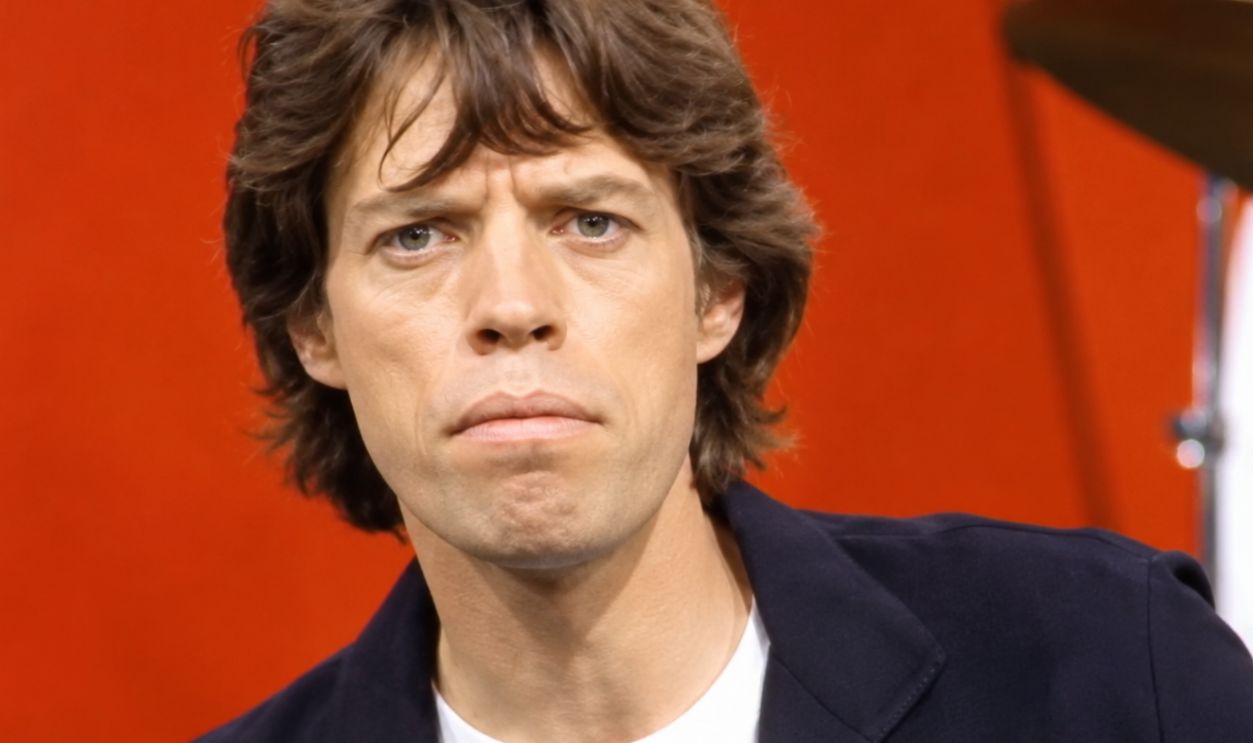 Screenshot from Emotional Rescue, Universal Music Group (1980), Enhanced
"Don’t Stop Me Now" — Queen
Freddie Mercury's exuberant anthem eventually became one of Queen's most celebrated recordings. Brian May initially had reservations, however, because he associated its lyrics with Mercury's increasingly reckless lifestyle. His objections weren't principally musical: he worried about what was happening to his friend. May's appreciation of the song subsequently grew.
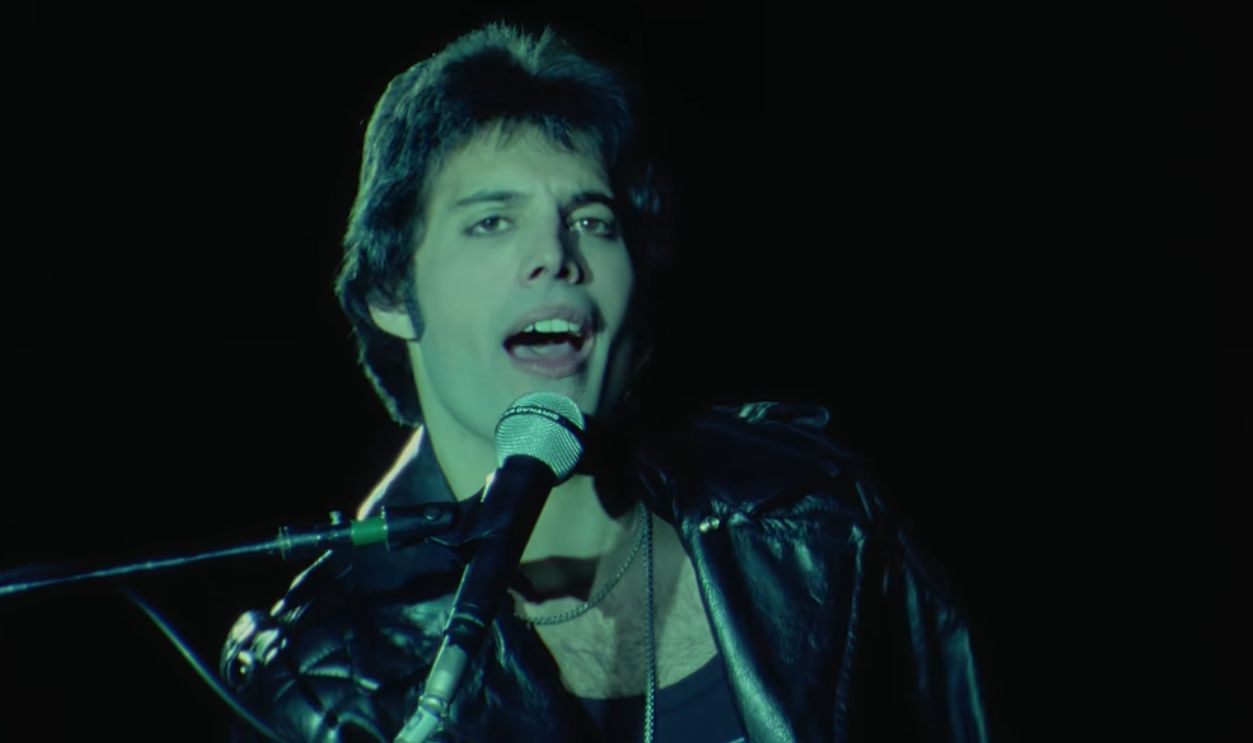 Screenshot from Don’t Stop Me Now, Hollywood Records (1979)
"Body Language" — Queen
Queen's 1982 album Hot Space represented a dramatic shift toward funk and dance music. Brian May was uncomfortable with aspects of that direction, particularly the diminished role of his guitar. Freddie Mercury's "Body Language" exemplified the tensions surrounding the band's experiment, although drummer Roger Taylor defended their decision to explore new musical territory.
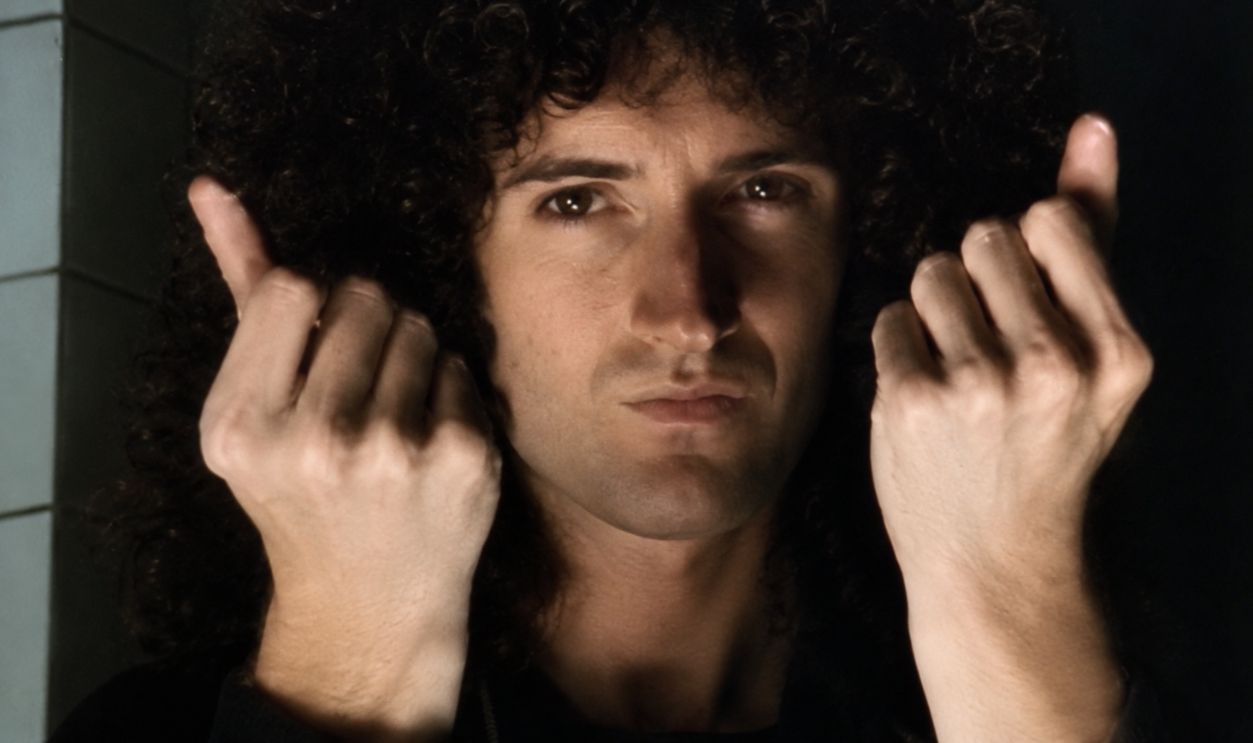 Screenshot from Body Language, Hollywood Records (1982)
"I Was Made For Lovin’ You" — Kiss
Gene Simmons has repeatedly expressed his dislike of this enormous Kiss hit, but his explanation is unexpectedly funny. It wasn't simply the disco influence that bothered him. Simmons particularly resented the repetitive backing-vocal part Paul Stanley assigned him. Nevertheless, enthusiastic concert audiences ensured that he continued singing it for decades.
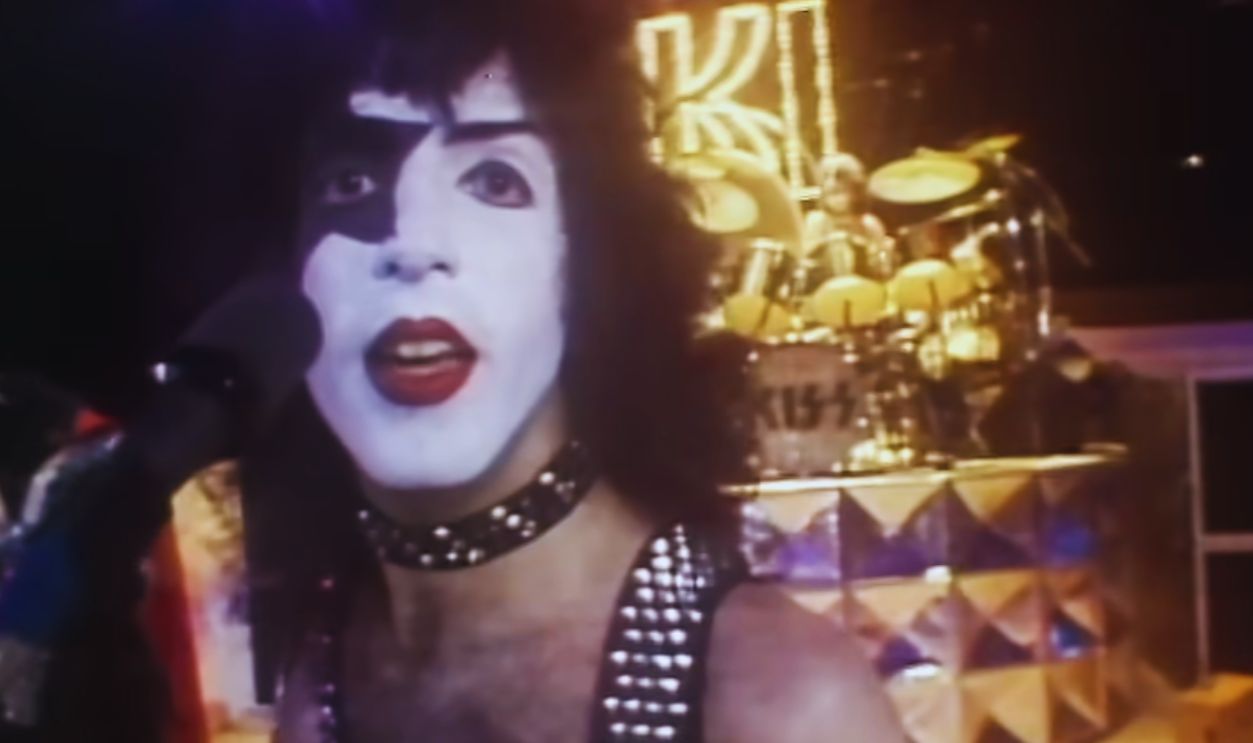 Screenshot from I Was Made For Lovin’ You, Universal Music Group (1979)
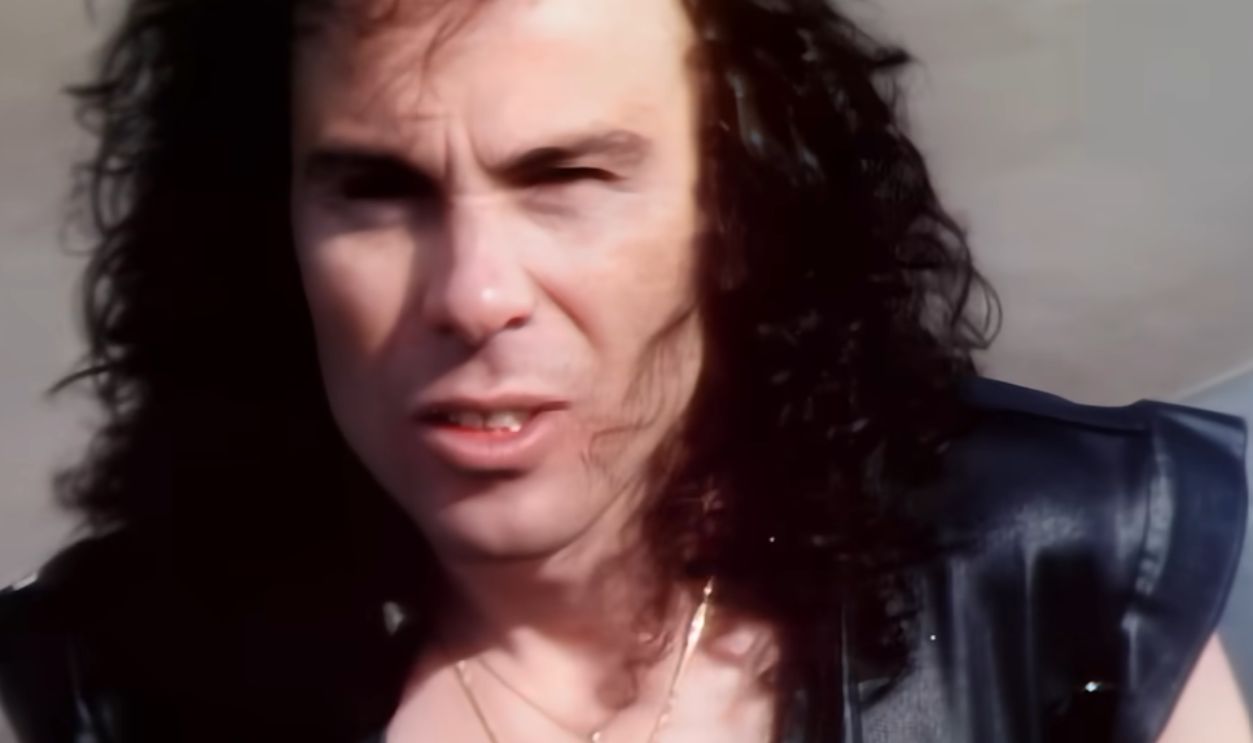
"Rainbow In The Dark" — Dio
Ronnie James Dio initially disliked "Rainbow in the Dark" so much that he reportedly contemplated destroying the recording. Its prominent synthesizer sound was a considerable departure from the heavier music associated with his previous bands. Fortunately, his bandmates recognized the song's potential, and it became one of his signature recordings.
 Screenshot from Rainbow In The Dark, Warner Music Group (1983)
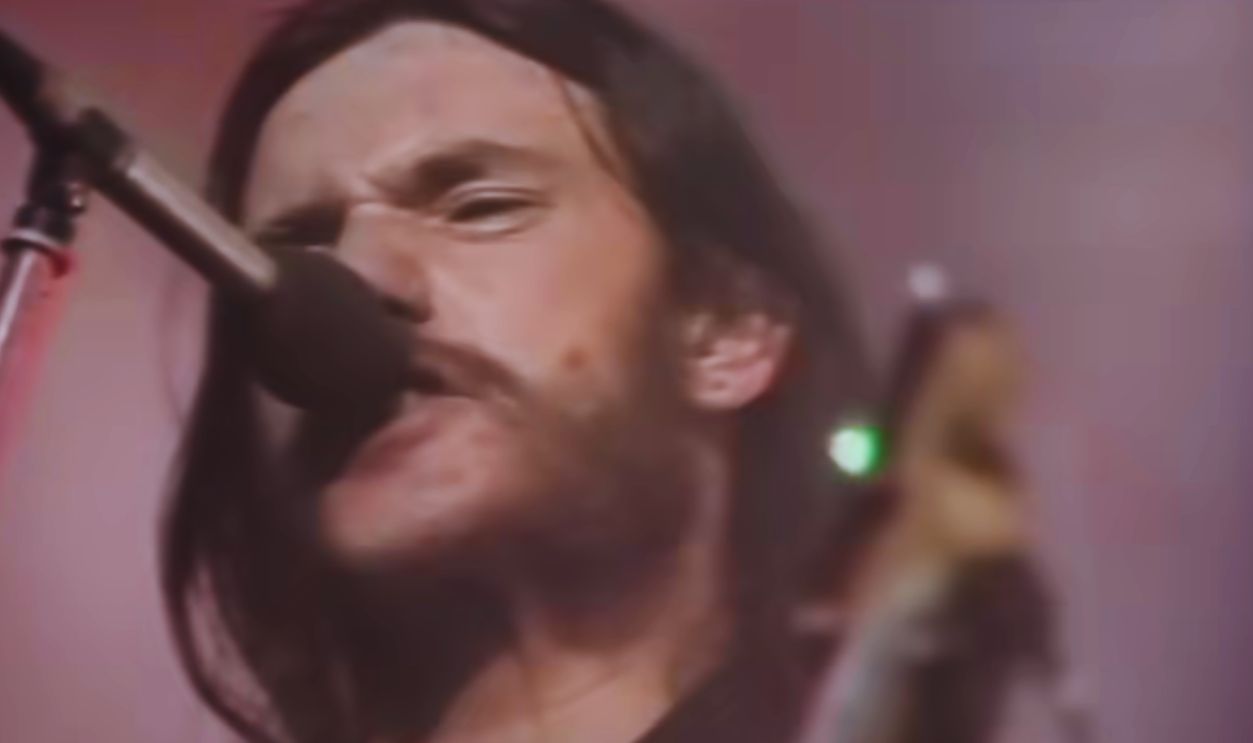
"Ace Of Spades" — Motörhead
Lemmy didn't necessarily consider "Ace of Spades" a bad recording. His problem was that audiences seemed to forget Motörhead had released plenty of other music. Eventually, he grew thoroughly tired of hearing about the band's defining song and of listeners acting as though Motörhead had recorded nothing worthwhile afterward. It was an occupational hazard of recording a heavy-metal classic.
 Screenshot from Ace Of Spades, BMG (1980)
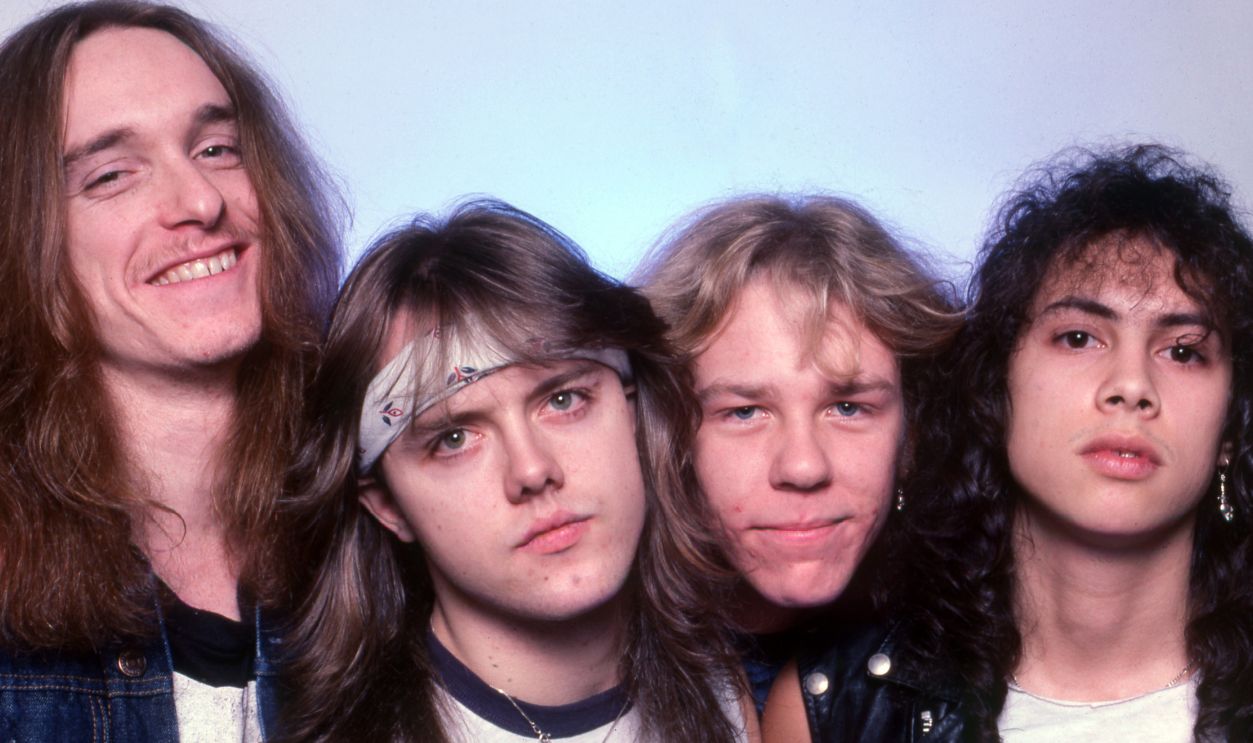
"Escape" — Metallica
Metallica recorded "Escape" for their 1984 album Ride the Lightning, but James Hetfield later made clear that the band had never particularly wanted to perform it live. The song's more accessible direction reflected commercial pressures that didn't sit comfortably with their musical ambitions. Metallica eventually performed it at their 2012 Orion festival.
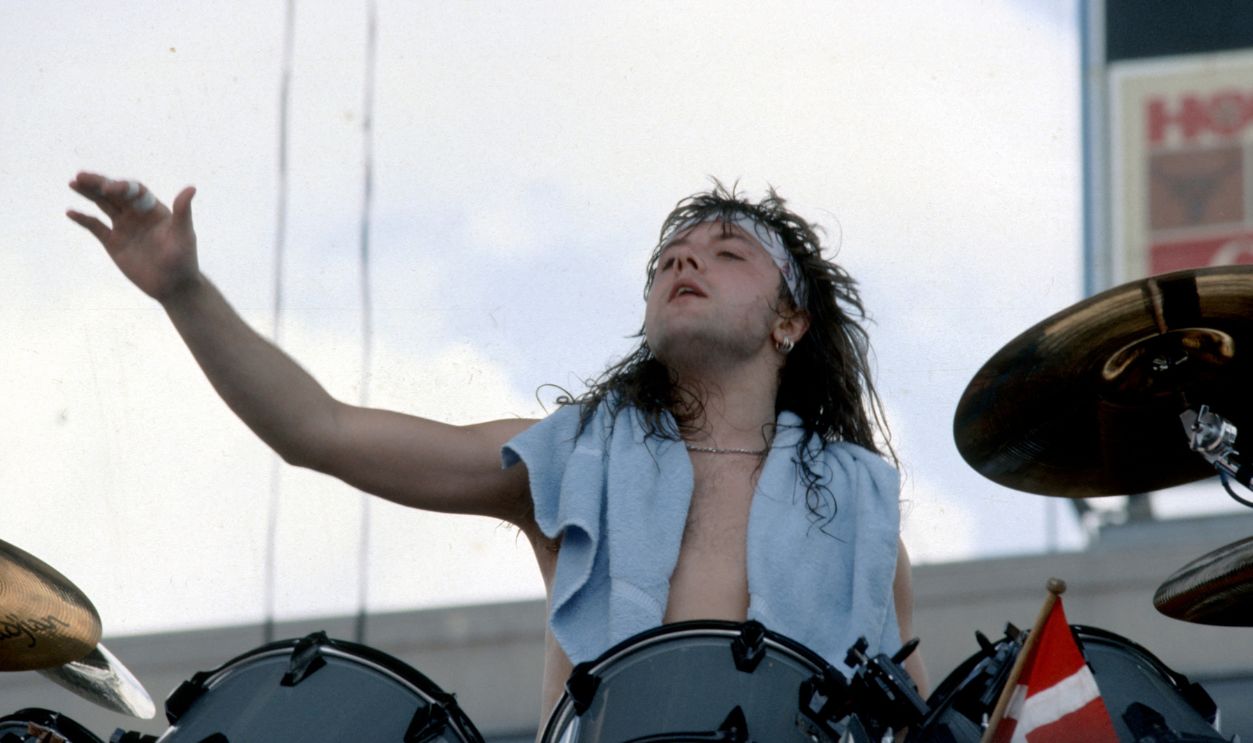
"Eye Of The Beholder" — Metallica
Lars Ulrich has been unusually candid about his dissatisfaction with "Eye of the Beholder," from Metallica's 1988 album ...And Justice for All. His principal objection concerns the recording's awkward rhythmic character. The drummer has even explained that he has no desire to listen to the song again.
 Michael Ochs Archives, Getty Images
"Sweet Child O’ Mine" — Guns N’ Roses
Slash wasn't immediately enthusiastic about the song that became Guns N' Roses' breakthrough mainstream hit. Its distinctive opening guitar figure began as something of an exercise, and he initially considered the finished composition too much like an uptempo ballad for the hard-rock band he thought Guns N' Roses should be. . His feelings softened over time, but the recording shows how differently musicians can perceive their own creations.
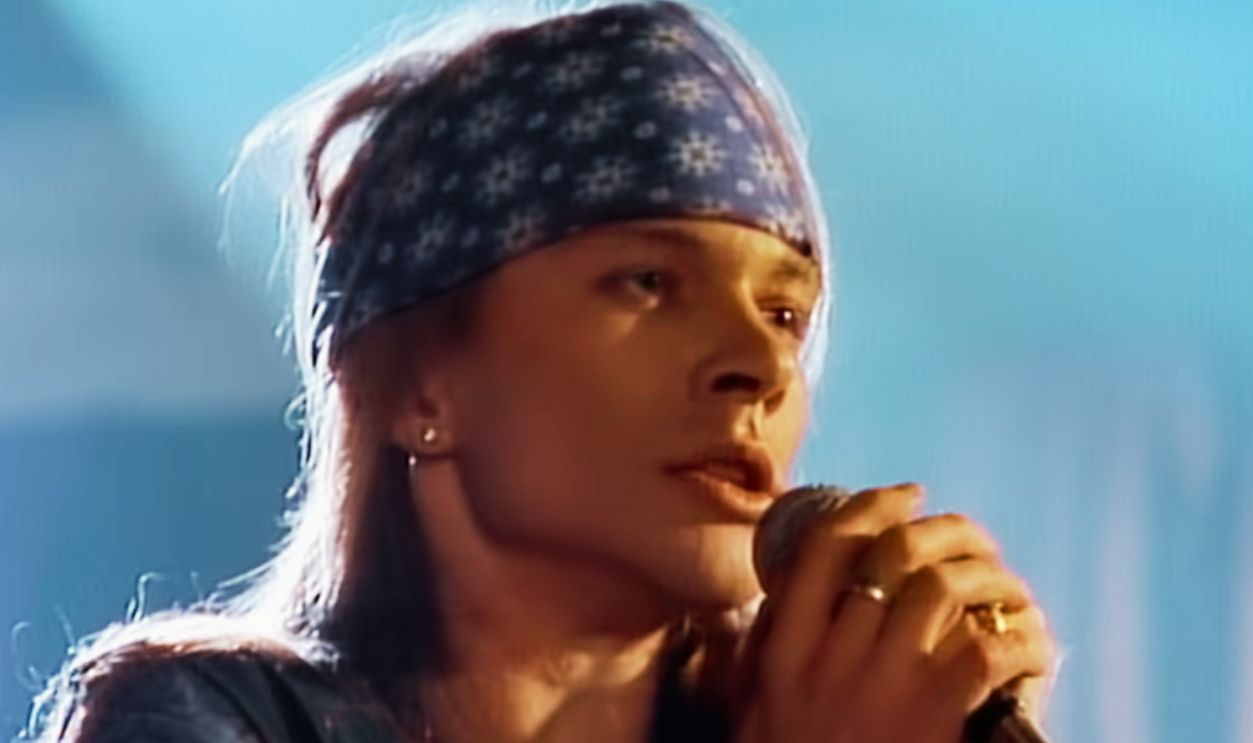 Screenshot from Sweet Child O’ Mine, Universal Music Group (1987)
"Smells Like Teen Spirit" — Nirvana
Kurt Cobain's relationship with Nirvana's biggest hit deteriorated as the song became increasingly unavoidable. He grew frustrated with audiences of casual fans who seemed interested in little else. Performing it eventually became an obligation rather than a pleasure, and Cobain sometimes resisted including it in the band's concerts.
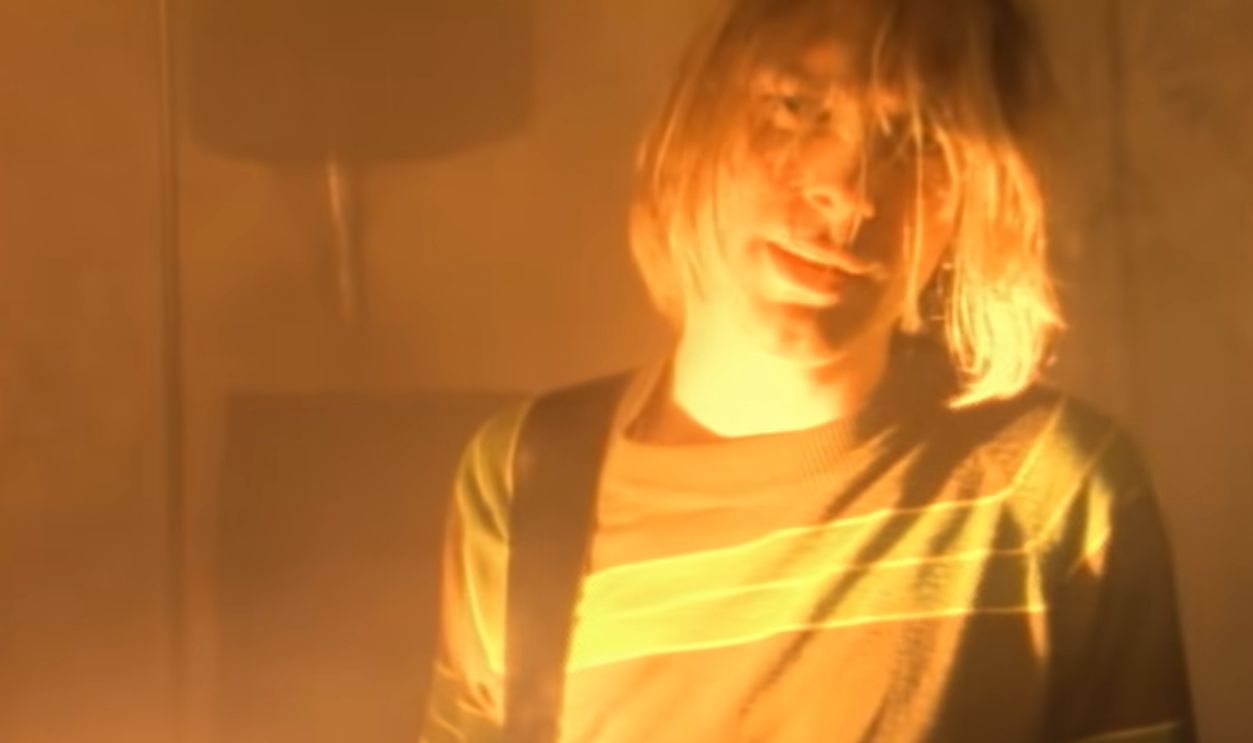 Screenshot from Smells Like Teen Spirit, Universal Music Group (1991)
"Creep" — Radiohead
Radiohead's breakthrough single became an international success, but its enormous popularity threatened to define the band permanently. Thom Yorke developed a famously difficult relationship with "Creep," while guitarist Jonny Greenwood had reservations about the recording itself. The group eventually distanced itself from the song as its music became increasingly experimental.
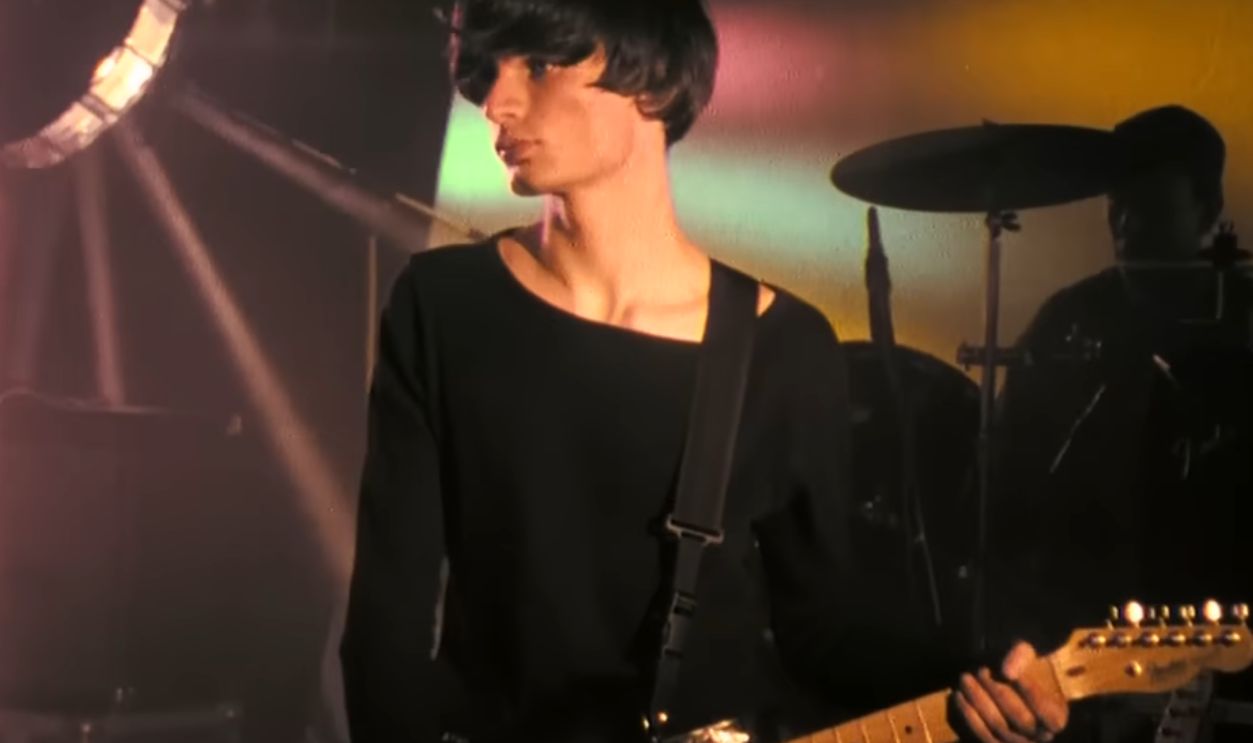 Screenshot from Creep, XL Recordings (1992)
"Shiny Happy People" — R.E.M.
R.E.M.'s relentlessly cheerful 1991 hit, featuring Kate Pierson of the B-52's, eventually became something of an embarrassment for Michael Stipe. However, his feelings deserve a qualification: Stipe has explained that he doesn't actually hate the song. He simply became reluctant to sing it, particularly as the band's music evolved.
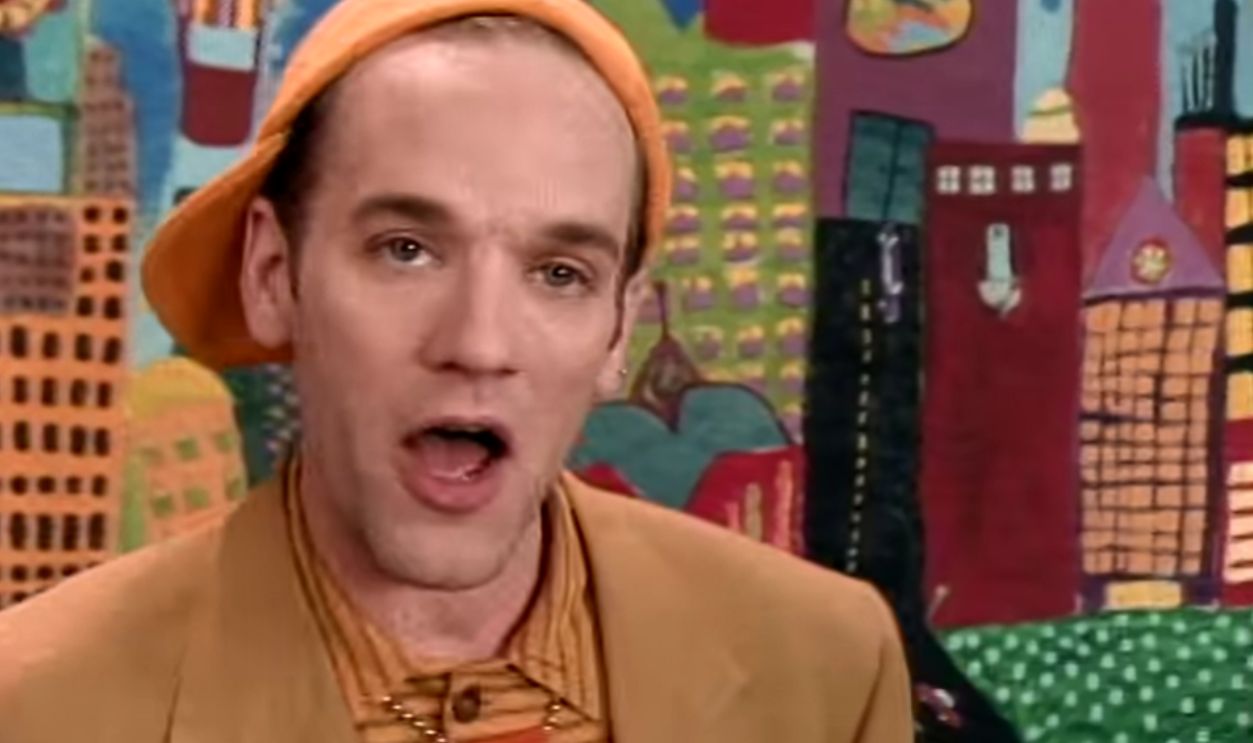 Screenshot from Shiny Happy People, Concord (1991)
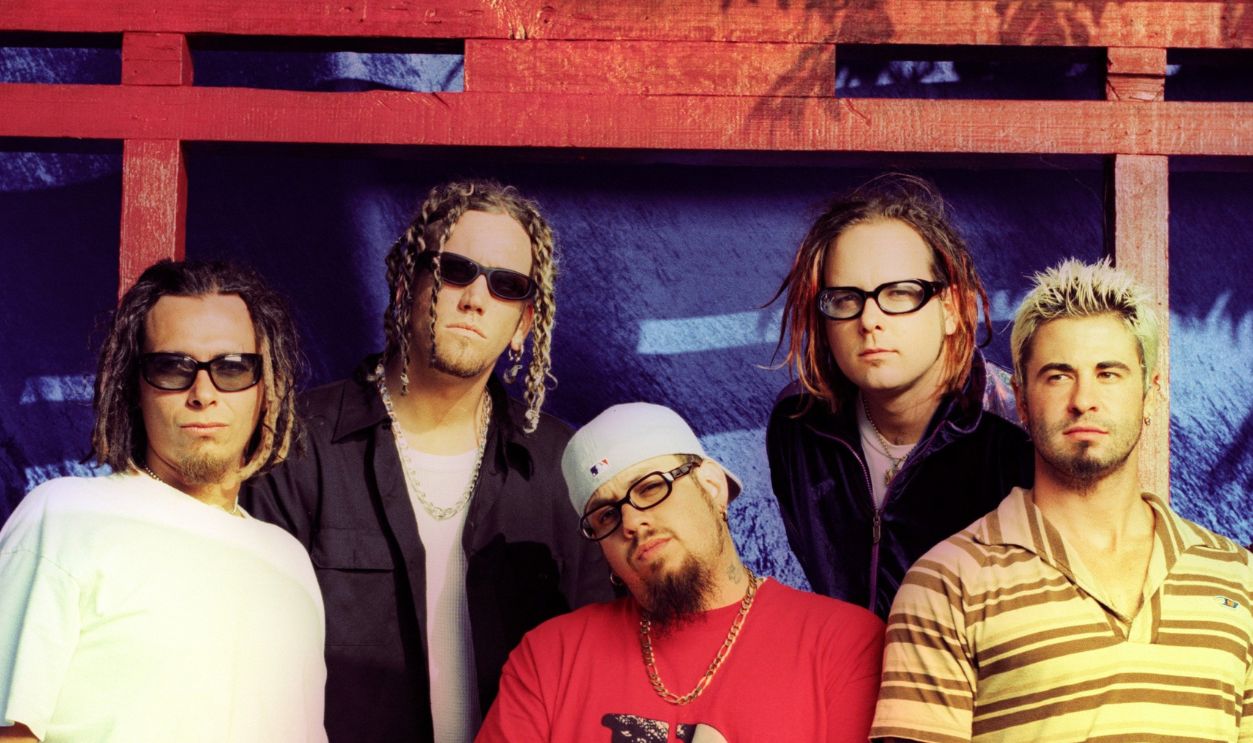
"All In The Family" — Korn
Korn's Jonathan Davis has been remarkably unforgiving toward this collaboration with Limp Bizkit's Fred Durst. Recorded for the 1998 album Follow the Leader, the song features an exchange of deliberately outrageous insults. Davis later dismissed the recording as a misguided studio experiment that should never have happened.
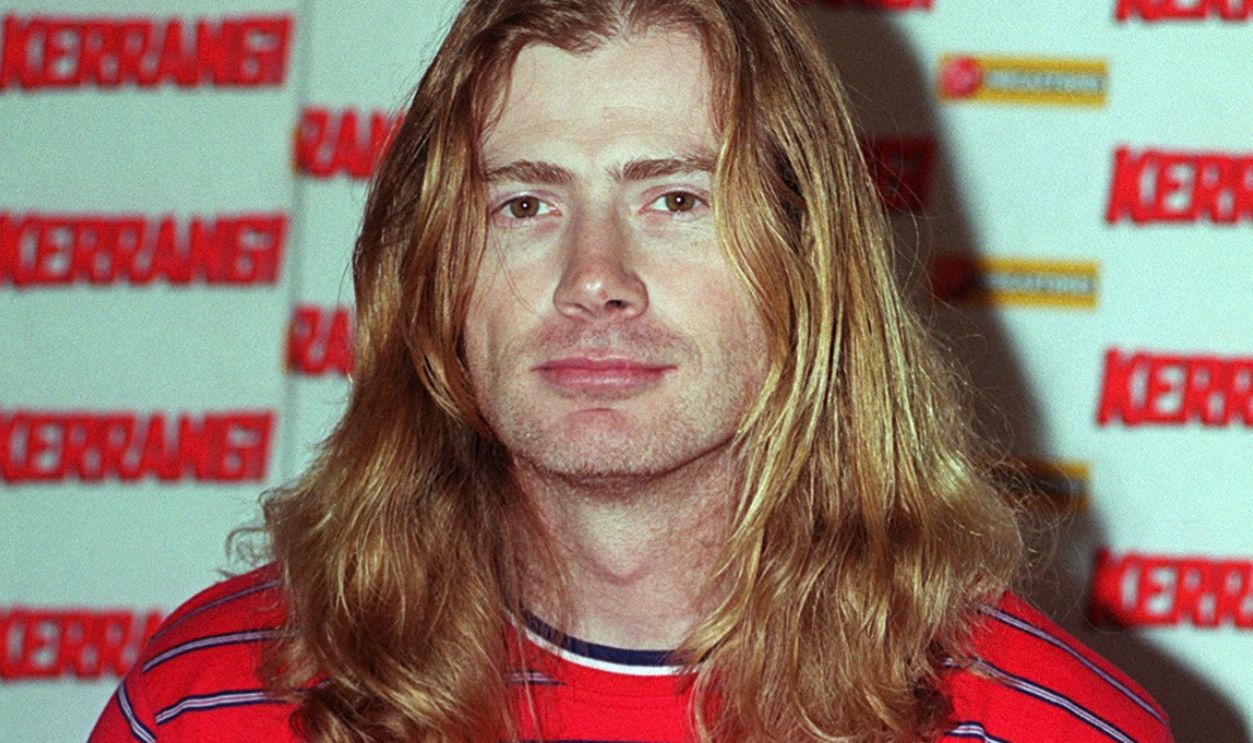
"Crush ’Em" — Megadeth
Dave Mustaine has acknowledged that Megadeth's 1999 single "Crush 'Em" was a misguided attempt to create more commercially accessible music. Its arena-friendly sound represented a significant departure from the band's thrash-metal roots. Looking back, Mustaine has been particularly dismissive of the experiment.
 Neil Munns - PA Images, Getty Images
"My Immortal" — Evanescence
Amy Lee's relationship with "My Immortal" is complicated by the song's early origins. Written when the musicians were very young, it eventually became one of Evanescence's biggest hits. Lee subsequently expressed discomfort with aspects of its youthful lyrics, illustrating how difficult it can be to keep performing material that no longer reflects an artist's perspective.
 Screenshot from My Immortal, Concord (2003)
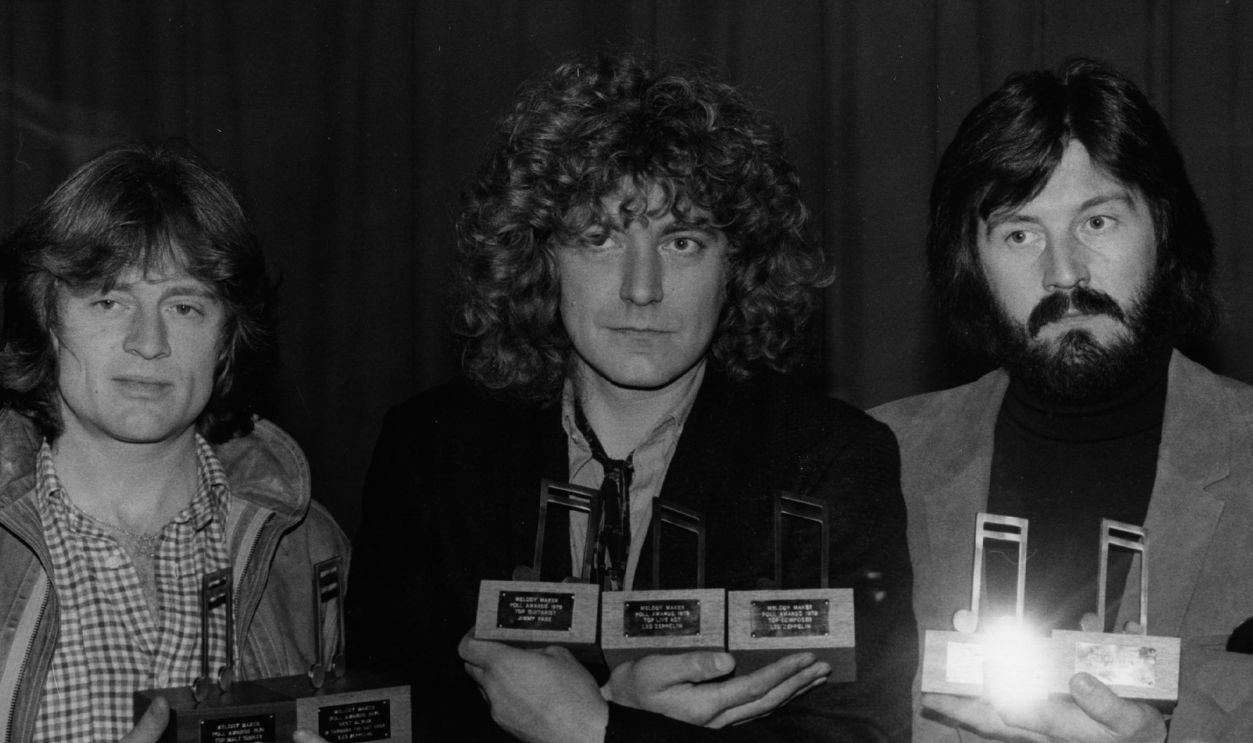
"All My Love" — Led Zeppelin
Robert Plant's heartfelt tribute to his late son Karac became one of Led Zeppelin's most emotional recordings. Jimmy Page, however, had reservations about its softer, keyboard-driven direction. Drummer John Bonham reportedly shared those concerns. Their disagreement reflected the different musical directions emerging within the band.
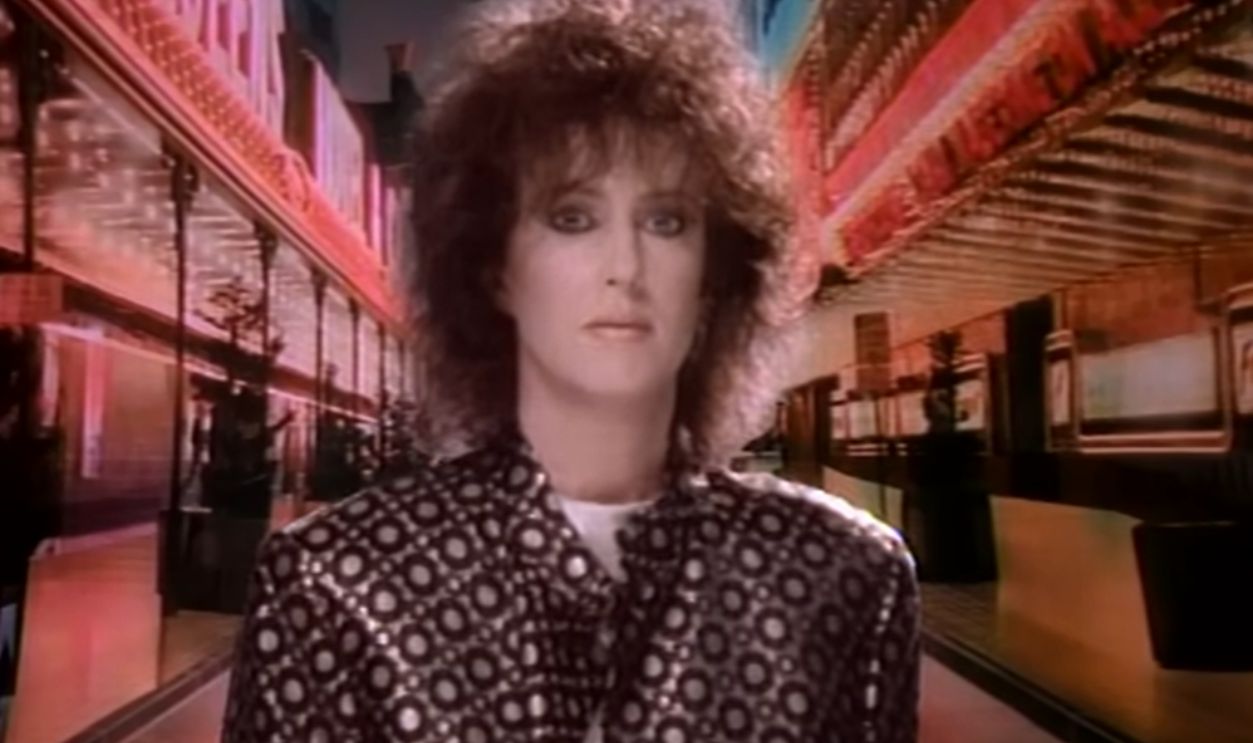
"We Built This City" — Starship
Starship's 1985 chart-topper became an enormous commercial success, but Grace Slick eventually disowned it, calling it the worst song ever and ridiculing its central premise. Vocalist Mickey Thomas saw things differently. He defended the song's anti-corporate message, expressed pride in the recording, and continued performing it despite years of criticism. Ironically, Slick had originally wanted the band to concentrate on making hits.
 Screenshot from We Built This City, Warner Music Group (1985)
"Riders on the Storm"—The Doors
One final Doors story deserves special mention, although it concerns their producer rather than a band member. Accounts differ over Paul Rothchild's departure from L.A. Woman: Bruce Botnick recalled Rothchild dismissing an early “Riders on the Storm” as “cocktail jazz,” while Rothchild later praised the finished song and identified “Love Her Madly” as one track he particularly disliked. At any rate, Rothchild's departure helped persuade the group to produce the album with engineer Botnick. Drummer John Densmore later recalled that Rothchild's criticism hurt, but the band ultimately welcomed its newfound creative independence.
You May Also Like:
Hit Songs From The 1980s That Were Way Weirder Than You Remember
Forgotten Rock Bands From The 1970s—Their Songs Survived, But Their Names Didn’t
Unexpected Facts About Robert Plant, The Voice Of Led Zeppelin