When Rock Radio Was Full Of Names We Barely Hear Anymore
These rock bands once filled arenas, dominated radio, and inspired millions of questionable haircuts. Today, their songs may remain familiar even when their names draw blank stares.
How many of these once-enormous groups do you remember?
 Michael Ochs Archives, Getty Images
#25. Looking Glass
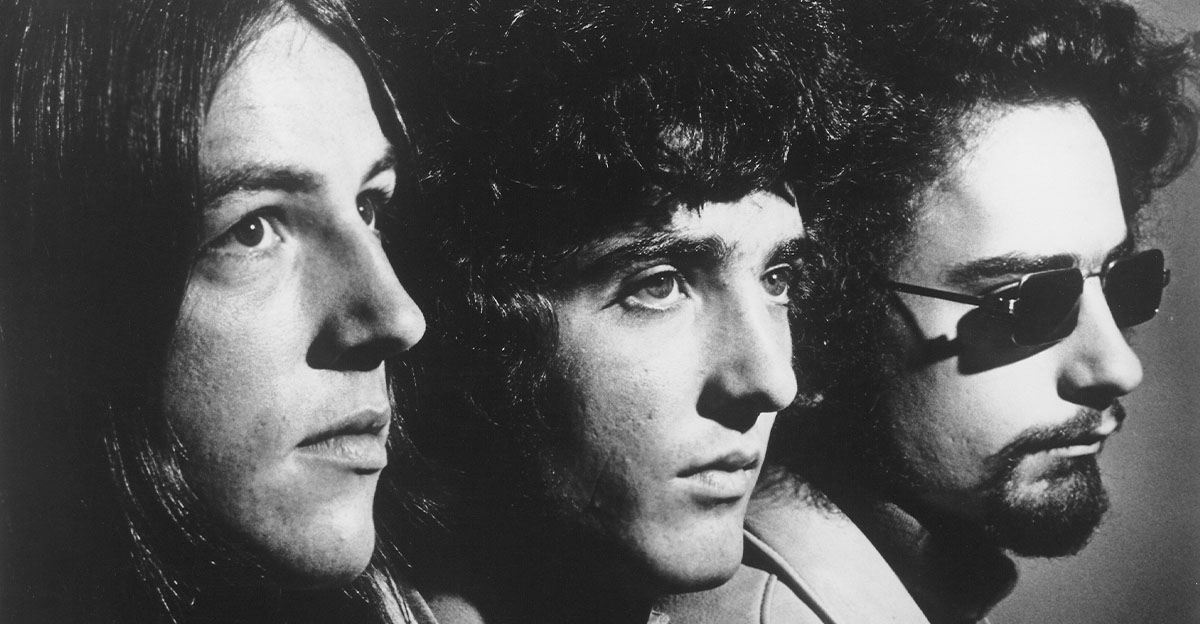
Looking Glass seemed destined for lasting fame when “Brandy (You’re a Fine Girl)” topped the Billboard Hot 100 in 1972. The New Jersey band followed it with “Jimmy Loves Mary-Anne,” but listeners gradually remembered Brandy while forgetting almost everyone who sang about her.
#24. Ram Jam
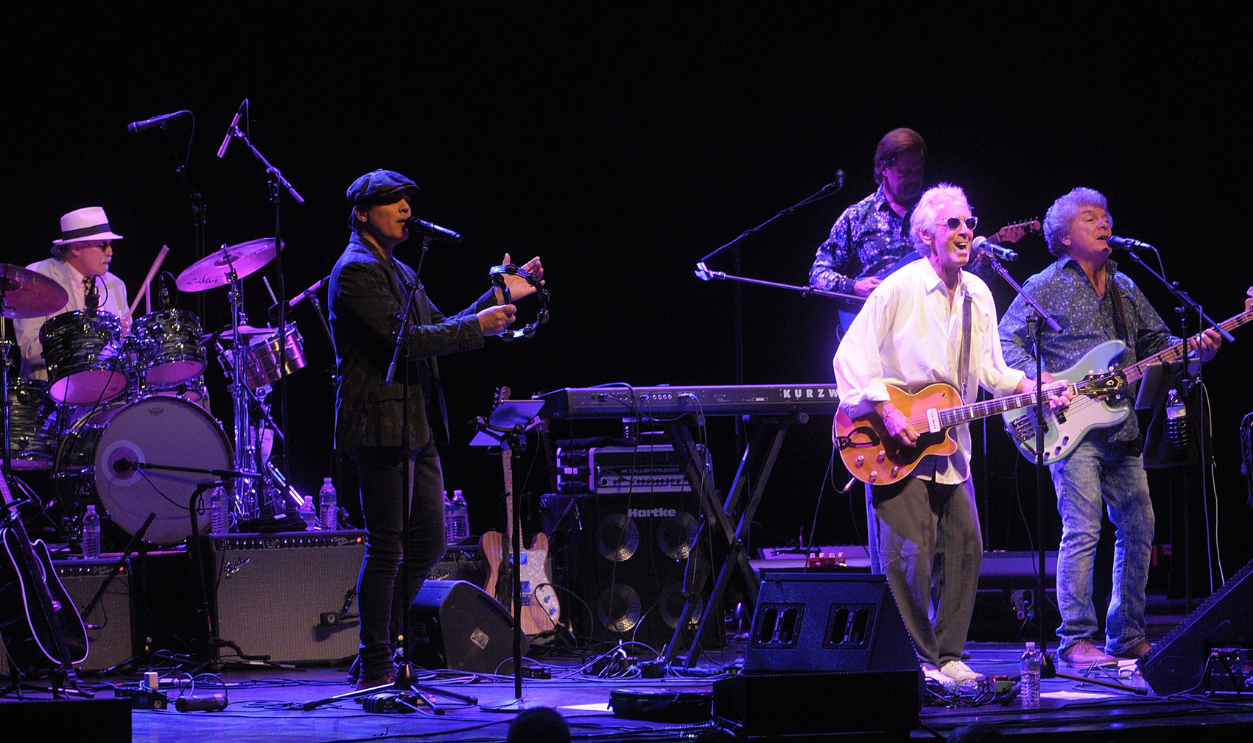
“Black Betty” turned an old work song into a thunderous rock hit in 1977, complete with frantic guitars and a chorus nobody could resist shouting. Ram Jam never found another song that connected the same way, leaving the band’s name far less recognizable than its famous recording.
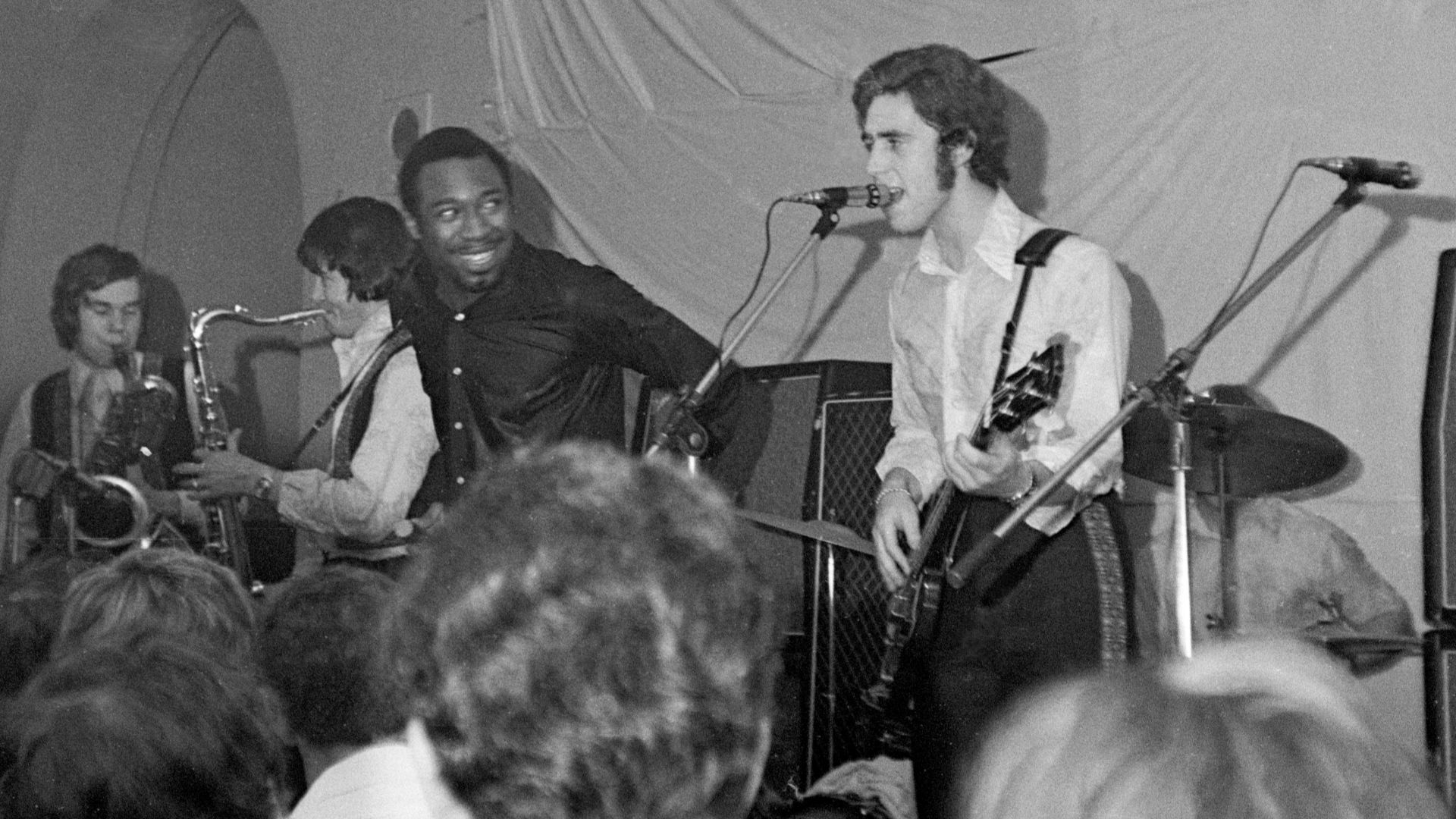
#23. Brownsville Station
Brownsville Station’s “Smokin’ in the Boys Room” reached No. 3 in America in 1973 and became a mischievous teenage anthem. Mötley Crüe revived the song in the 1980s, but that cover may have unintentionally helped push the original band further into rock-history trivia.
 Michael Ochs Archives , Getty Images
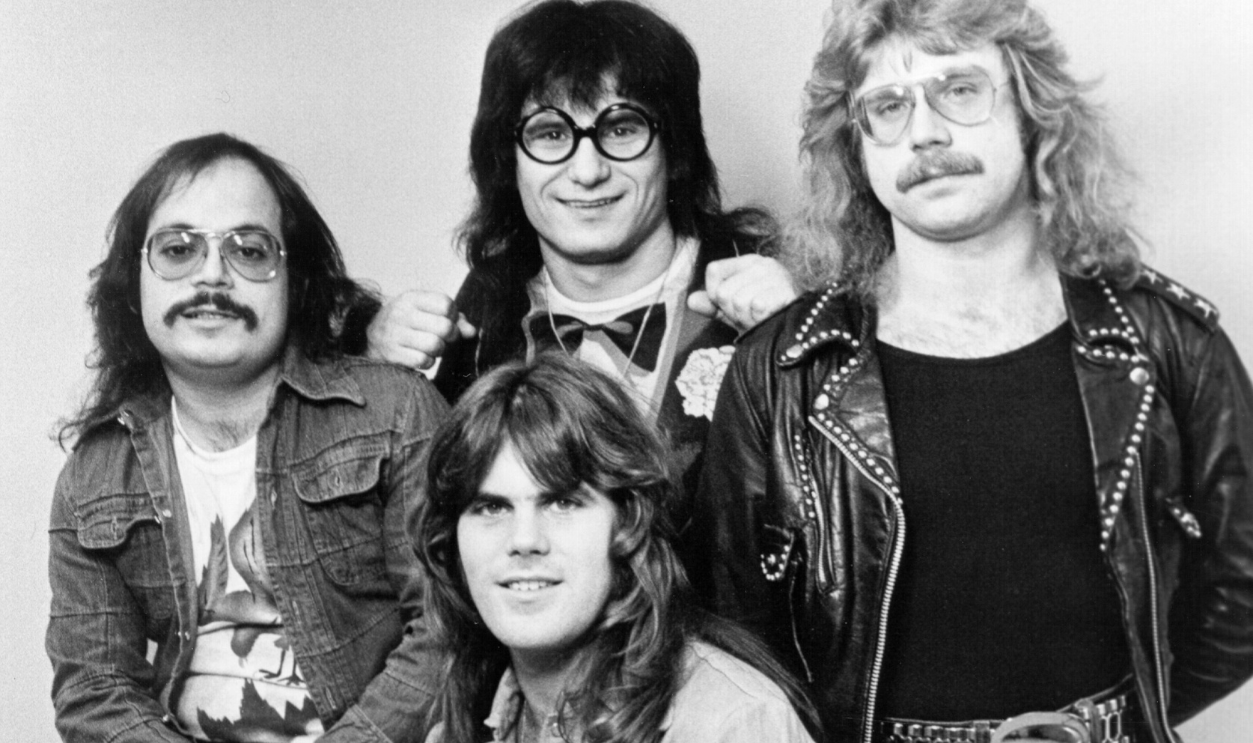
#22. Head East
Anyone who owned Flat as a Pancake probably remembers the opening blast of “Never Been Any Reason.” Head East became a dependable Midwestern concert attraction, yet the band never achieved another defining national hit—and younger listeners rarely connect that unforgettable keyboard riff with its creators.
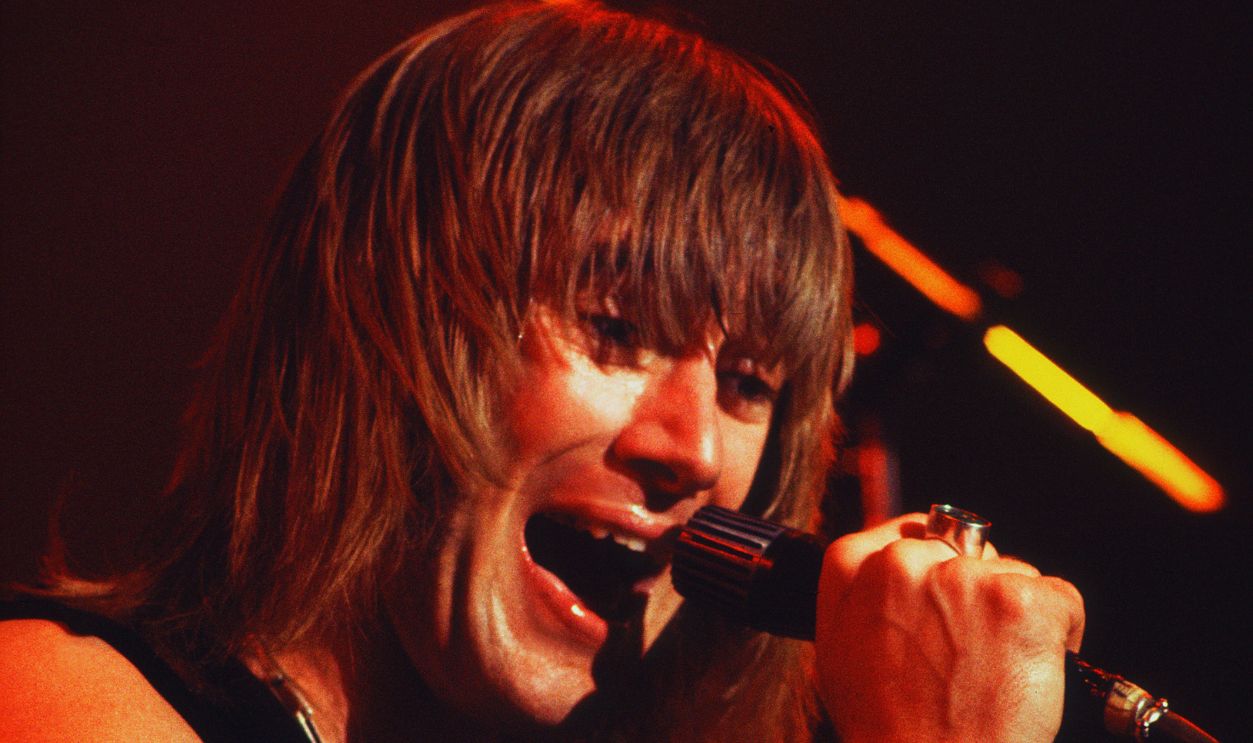
#21. The Babys
With John Waite singing lead, The Babys scored matching No. 13 American hits with “Isn’t It Time” and “Every Time I Think of You.” Waite’s later solo success with “Missing You” became better remembered, while the group that first introduced his soaring voice slowly slipped from view.
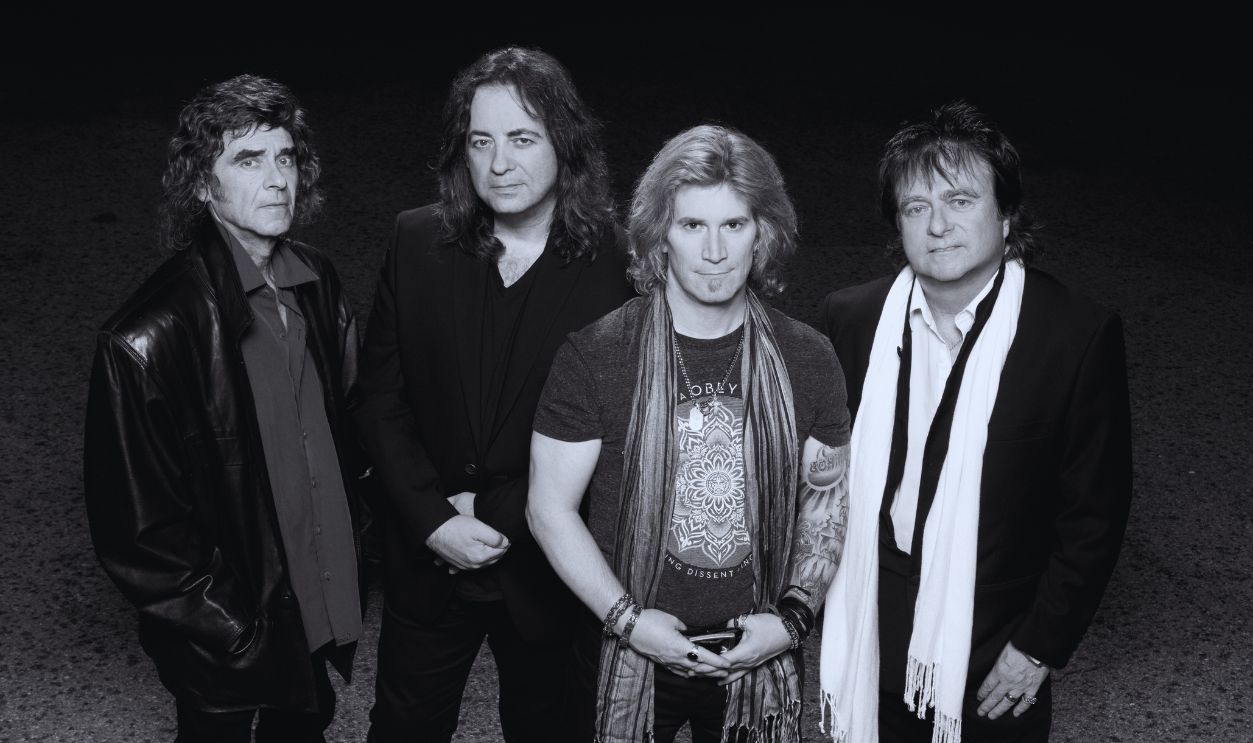
#20. Ace
British band Ace reached No. 3 in the United States with the wonderfully suspicious “How Long” in 1975. Many listeners assumed it concerned romantic cheating, although Paul Carrack wrote it about a bandmate secretly working with another group. Ace soon disappeared, but Carrack certainly did not.
#19. Pilot
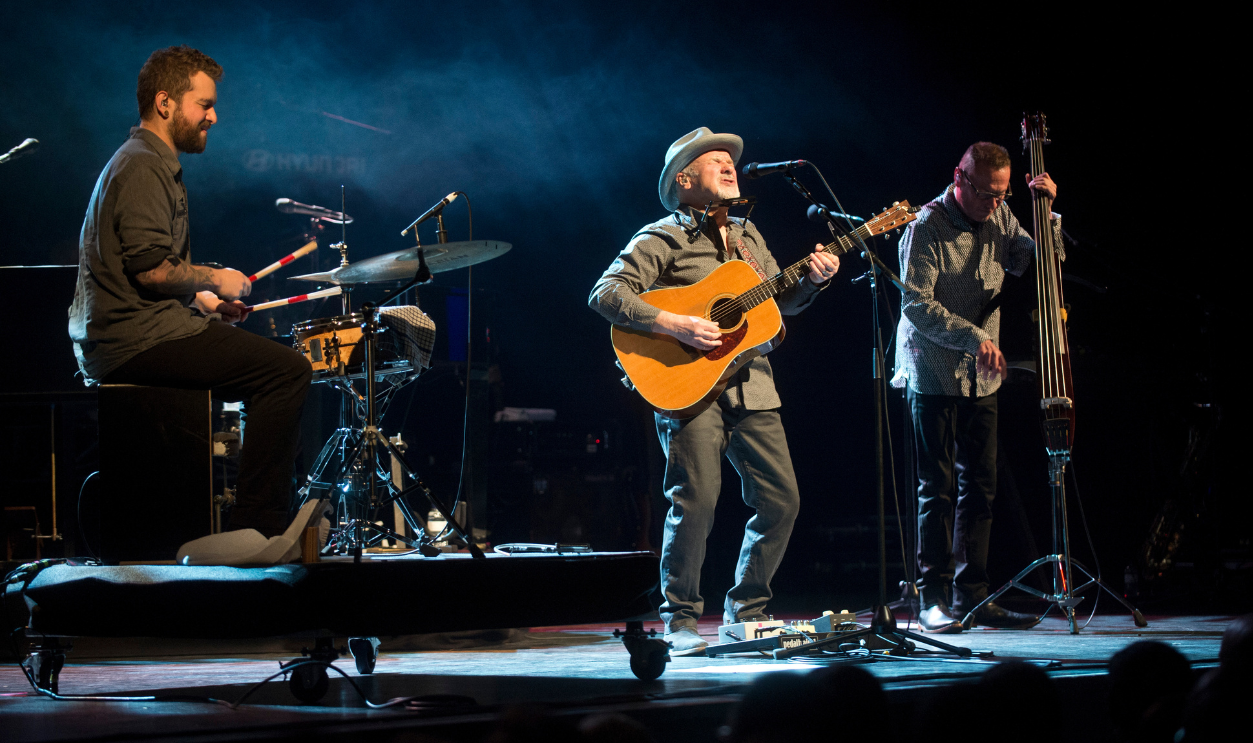
“Magic” gave Pilot a No. 5 American hit in 1975, while “January” reached No. 1 in Britain. The Scottish group briefly sounded as though it might become a major pop-rock fixture, but its moment passed quickly. Still, try hearing “Oh, ho, ho, it’s magic” without joining in.
#18. Wild Cherry
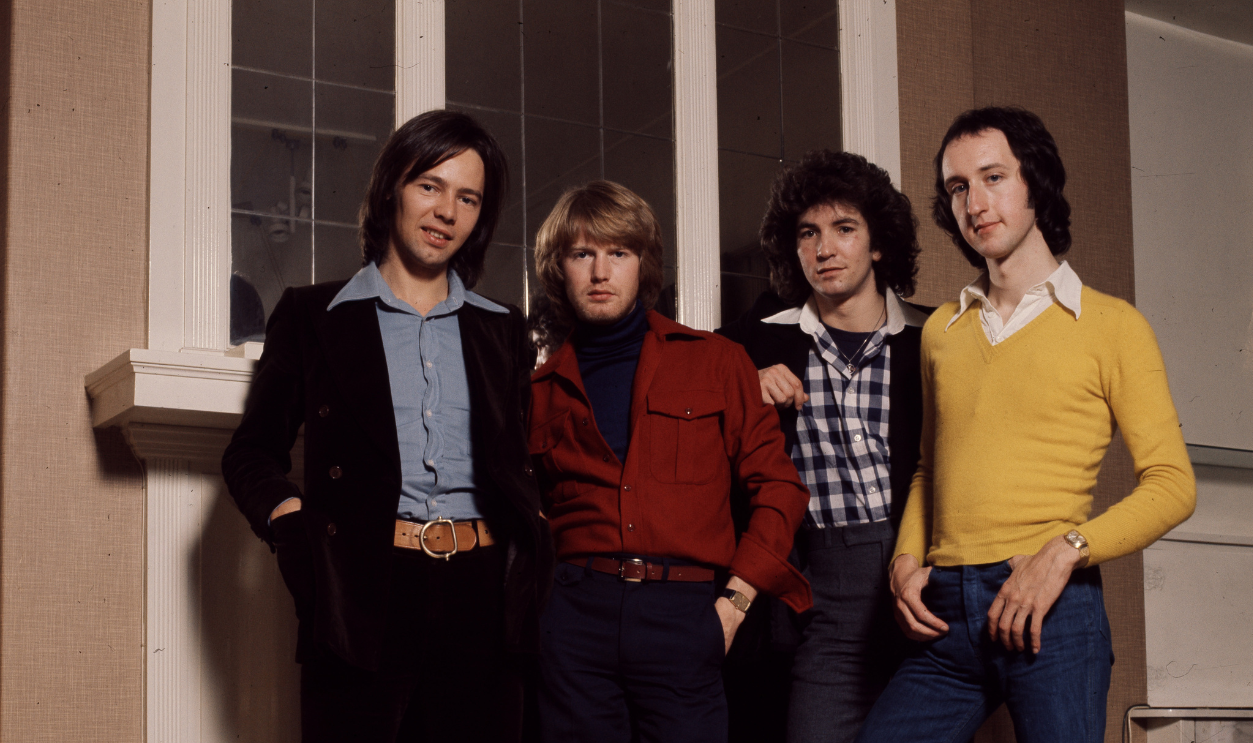
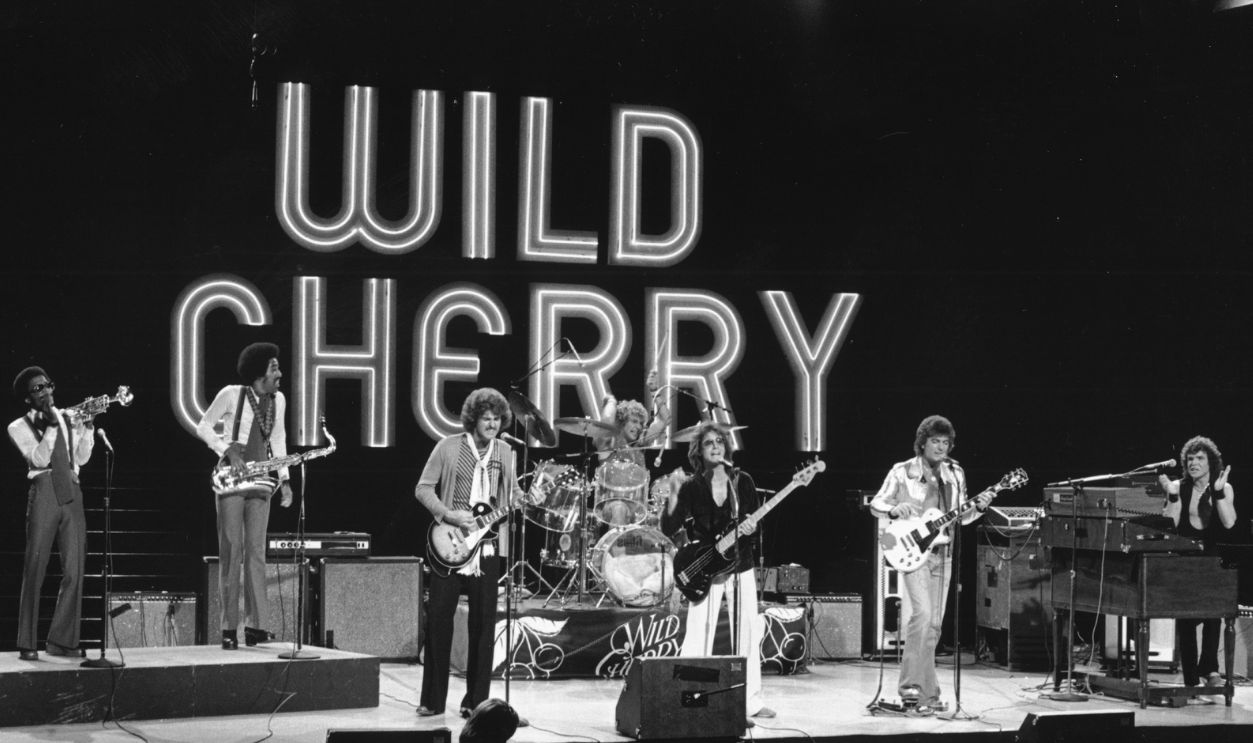
Wild Cherry completely changed direction after audiences repeatedly demanded dance music—and “Play That Funky Music” reached No. 1 in 1976. The band earned a platinum single and lasting catchphrase, but disco’s decline left it permanently attached to one irresistible song. That groove outlived everyone’s platform shoes.
 Michael Ochs Archives, Getty Images
#17. Climax Blues Band
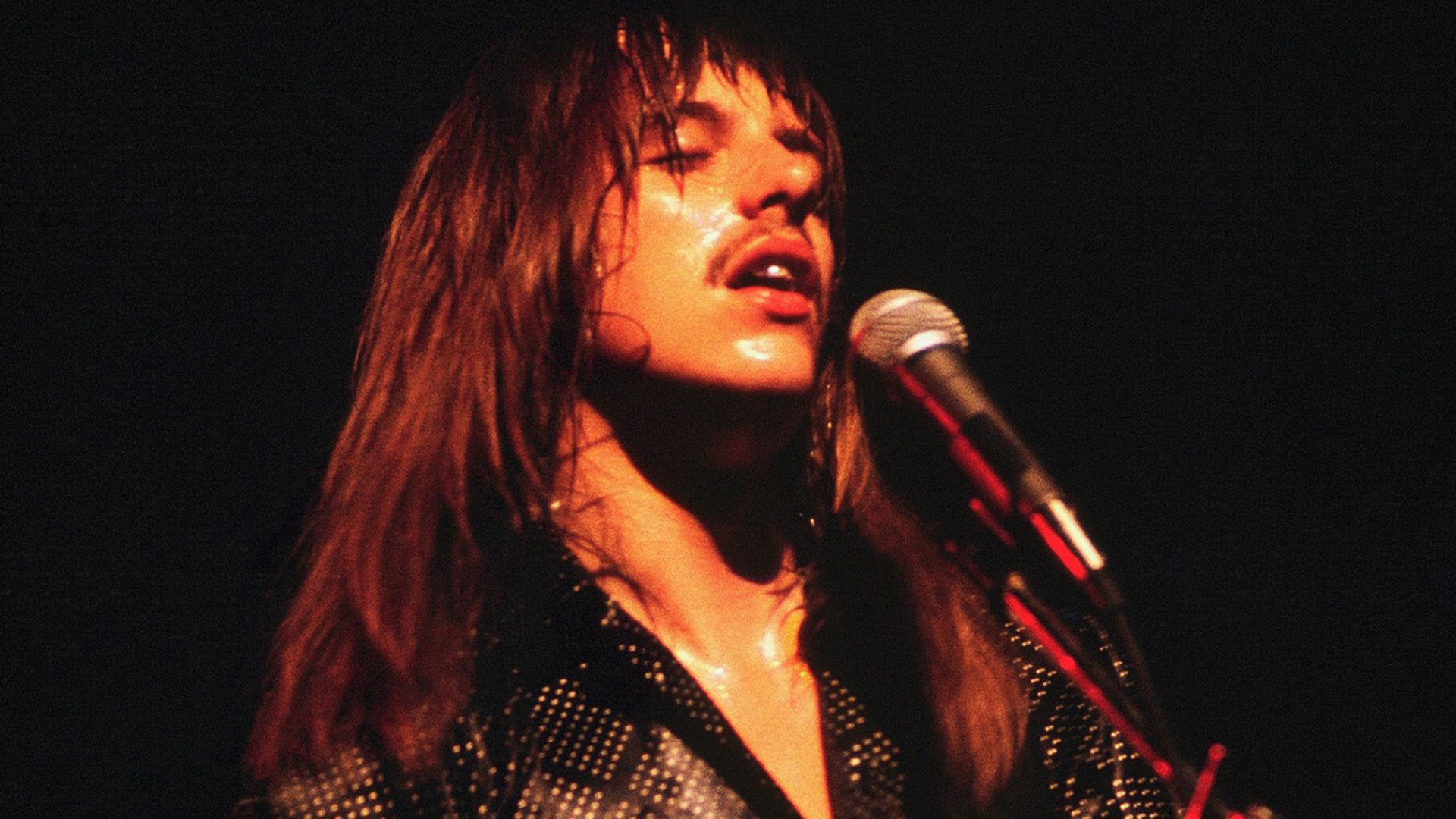
After years of playing blues-based rock, Climax Blues Band broke through with the smoother “Couldn’t Get It Right.” The song reached No. 3 in America in 1977, seemingly setting the British group up for something much bigger. Instead, its biggest title eventually described its commercial problem rather too perfectly.
 Jim Summaria, Wikimedia Commons
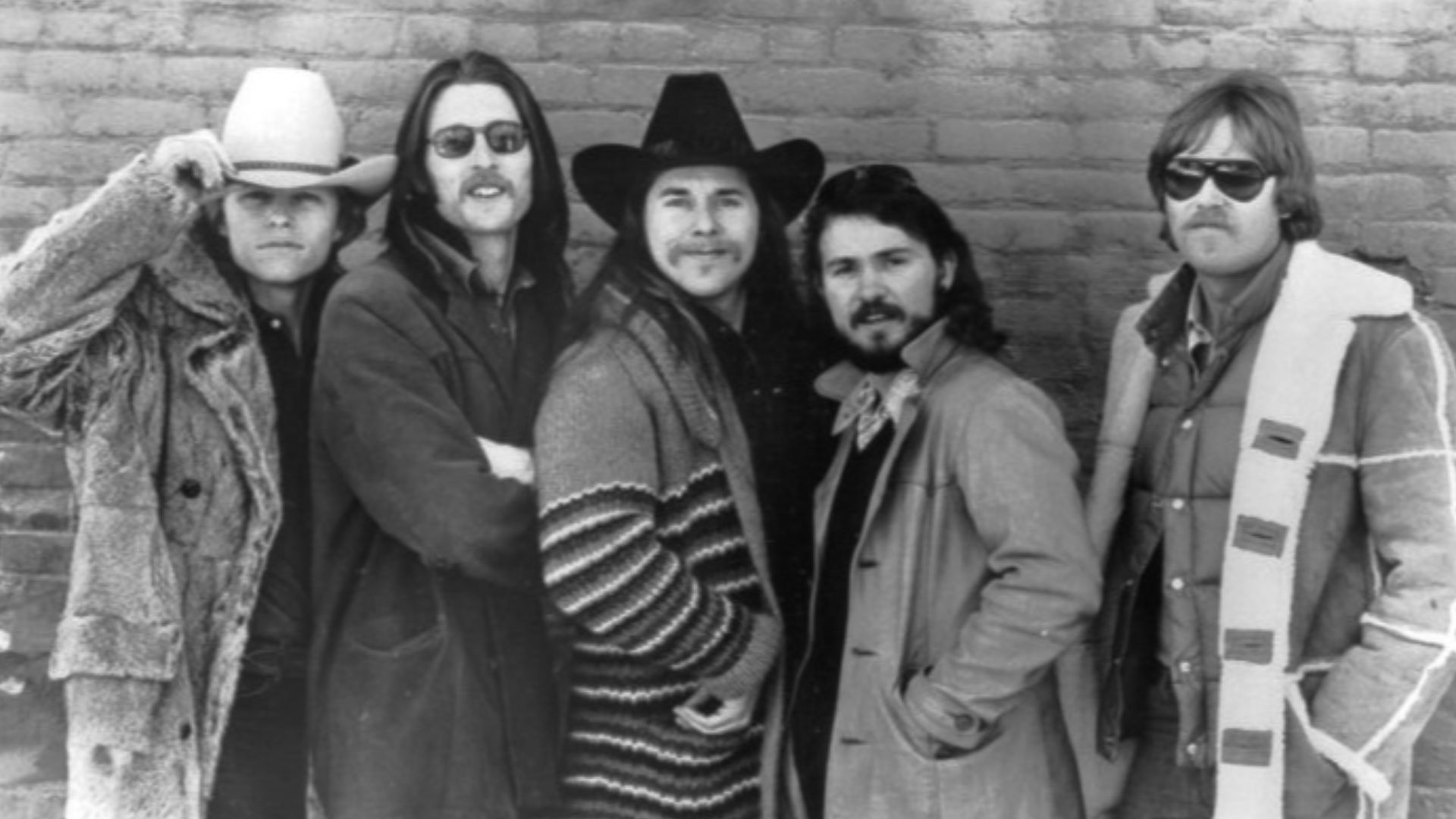
#16. Firefall
Firefall brought soft harmonies and country-rock polish to “You Are the Woman,” “Just Remember I Love You,” and “Strange Way.” The Colorado band became a regular presence on late-1970s radio, but changing tastes and lineup problems dimmed its profile. Those songs still sound like sunsets through a station-wagon window.
 Atlantic Records, Wikimedia Commons
#15. Player
Player’s “Baby Come Back” spent three weeks atop the Billboard Hot 100 in early 1978. Its immaculate harmonies made the band sound built for a long career, but follow-up “This Time I’m in It for Love” became its final major hit. Apparently, the baby did not come back permanently.
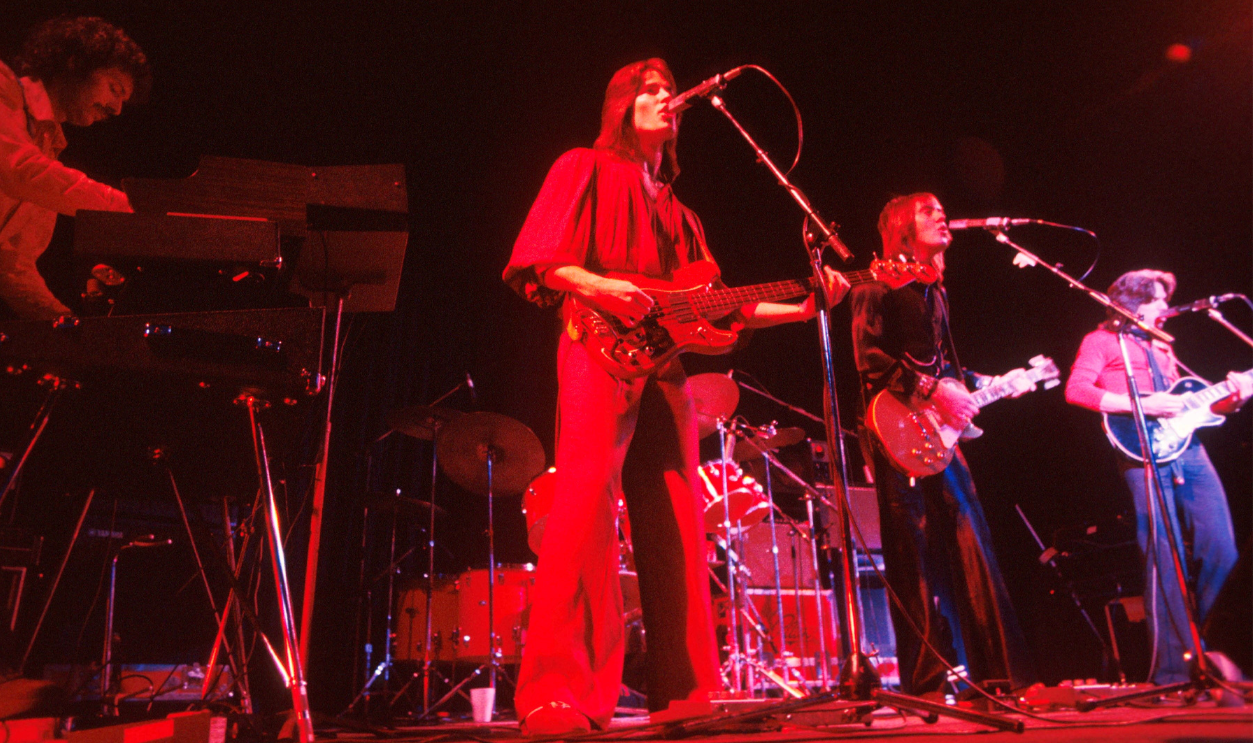
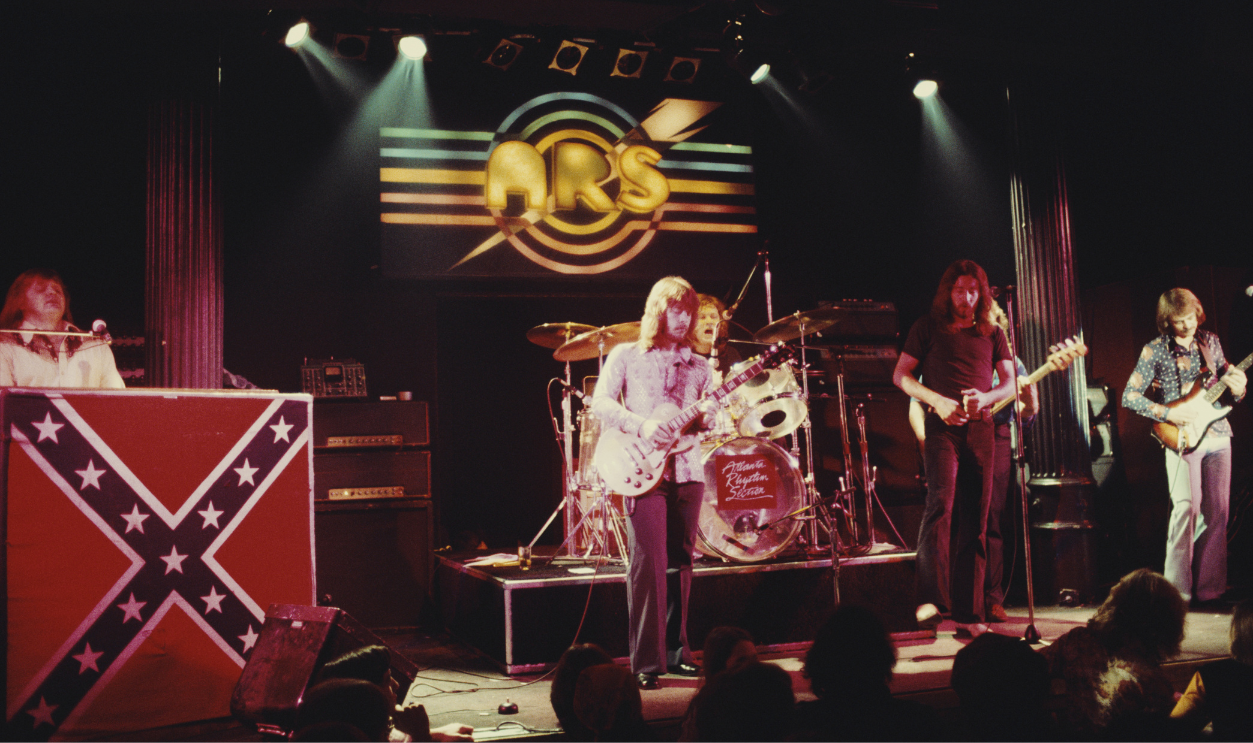
#14. Atlanta Rhythm Section
Atlanta Rhythm Section had spent years refining its Southern sound before “So Into You” and “Imaginary Lover” both reached No. 7 in America. The musicianship was smooth, confident, and instantly radio-friendly. Unfortunately, the band’s name now receives less recognition than either song’s opening few seconds.
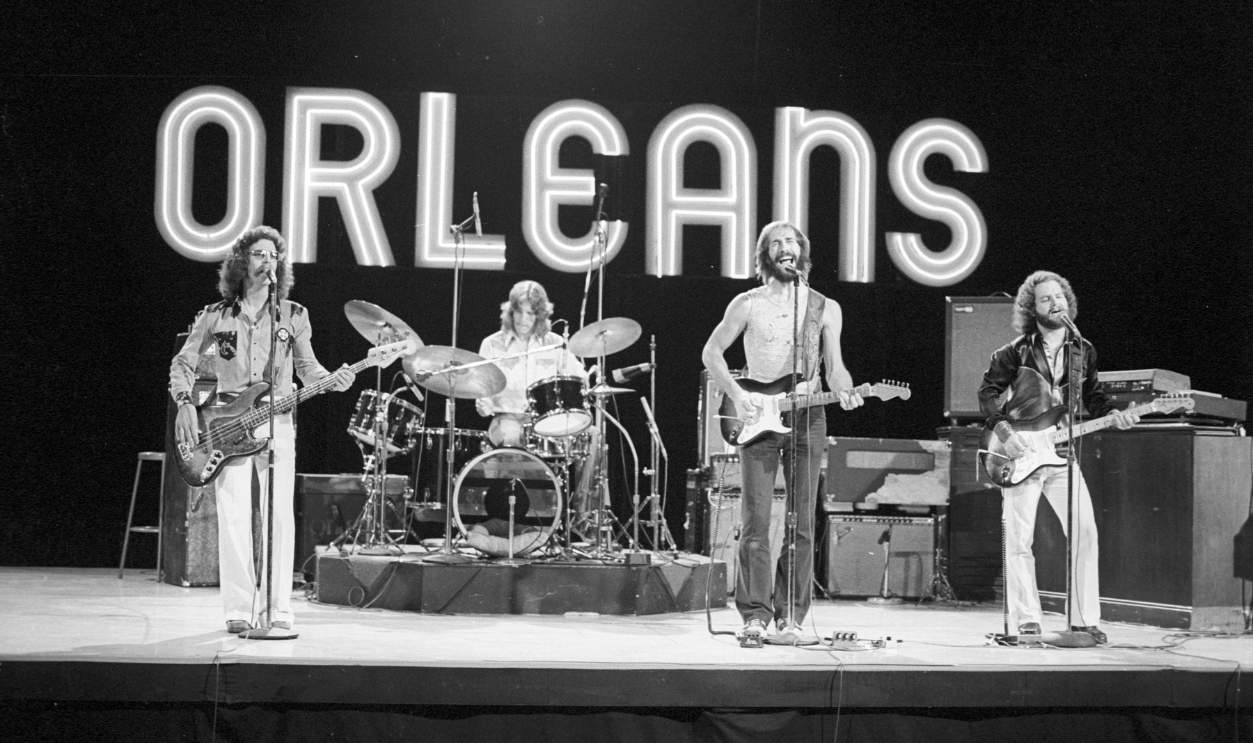
#13. Orleans
Orleans supplied two practically indestructible 1970s hits: “Dance with Me” and “Still the One.” Both reached the American Top 10, and the latter became a television and advertising favorite. The music stayed everywhere, but the band became the musical equivalent of a familiar neighbor whose name nobody remembers.
 Michael Ochs Archives, Getty Images
#12. Ambrosia
Ambrosia began with elaborate progressive rock before finding wider success with polished ballads such as “How Much I Feel.” The group carried that success into 1980 with “Biggest Part of Me,” but its identity became increasingly blurred with other soft-rock acts. The harmonies survived; the name recognition did not.
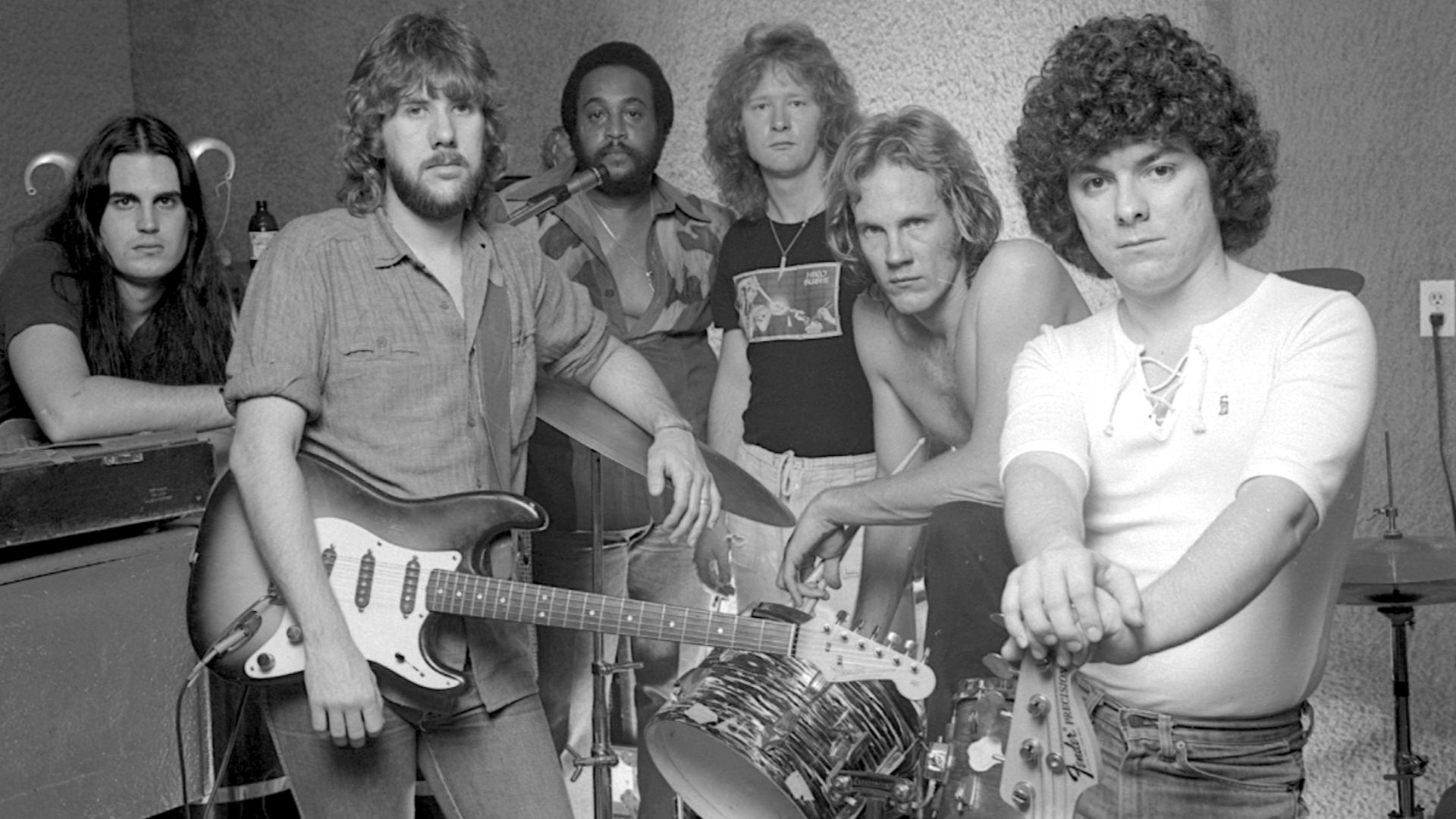
#11. Badfinger
Signed to the Beatles’ Apple label, Badfinger delivered “Come and Get It,” “No Matter What,” “Day After Day,” and “Baby Blue.” Industry disputes and devastating personal tragedies overwhelmed the band’s promising career. Its songs remain classic-rock staples, though many casual listeners still mistake them for somebody else.
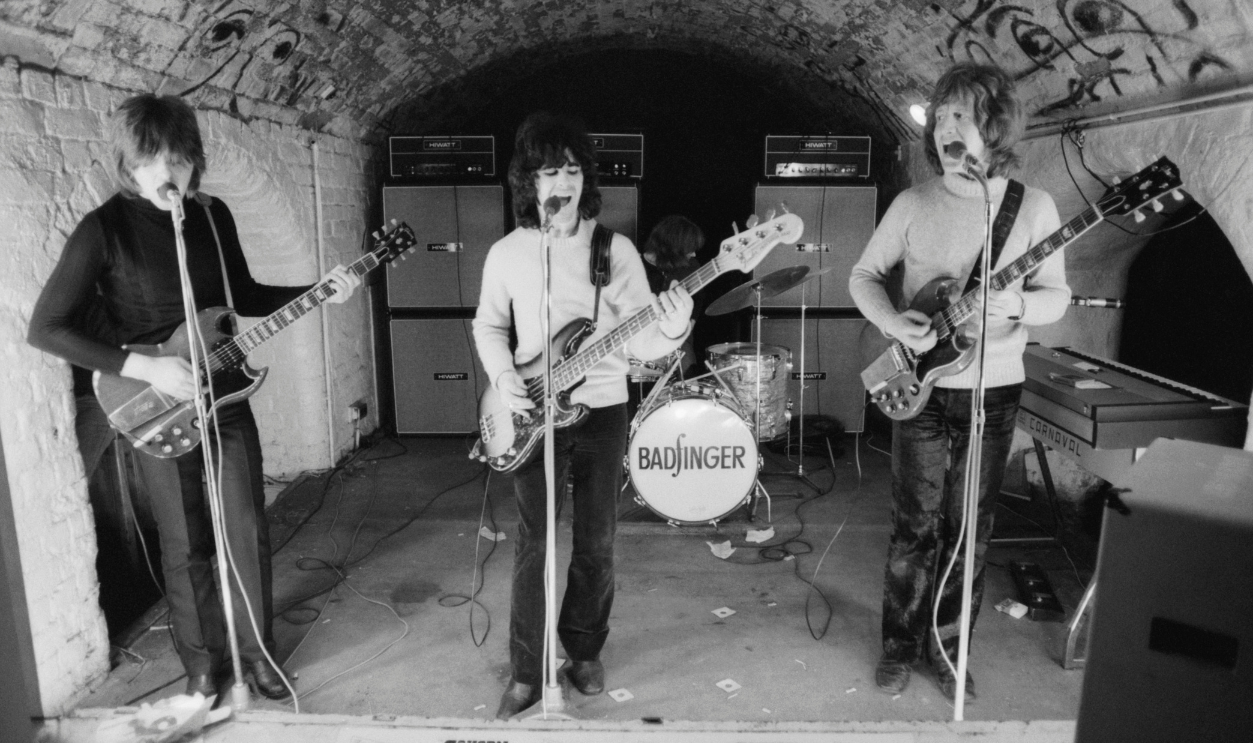 Shepard Sherbell, Getty Images
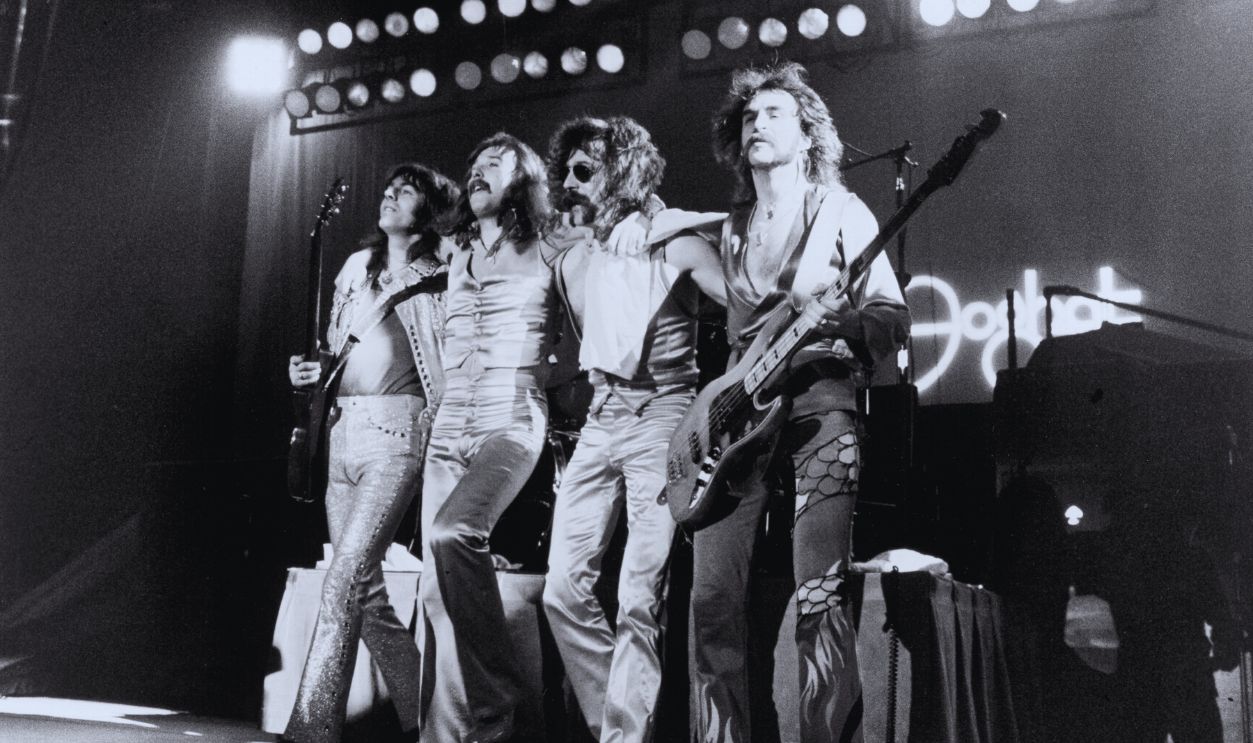
#10. Foghat
Foghat built a booming career around bluesy guitars, relentless touring, and albums made to be played extremely loudly. “Slow Ride” became its signature, while Foghat Live eventually earned double-platinum certification in America. The song remains famous, yet the band itself often feels stranded in an old record collection.
 Michael Ochs Archives, Getty Images
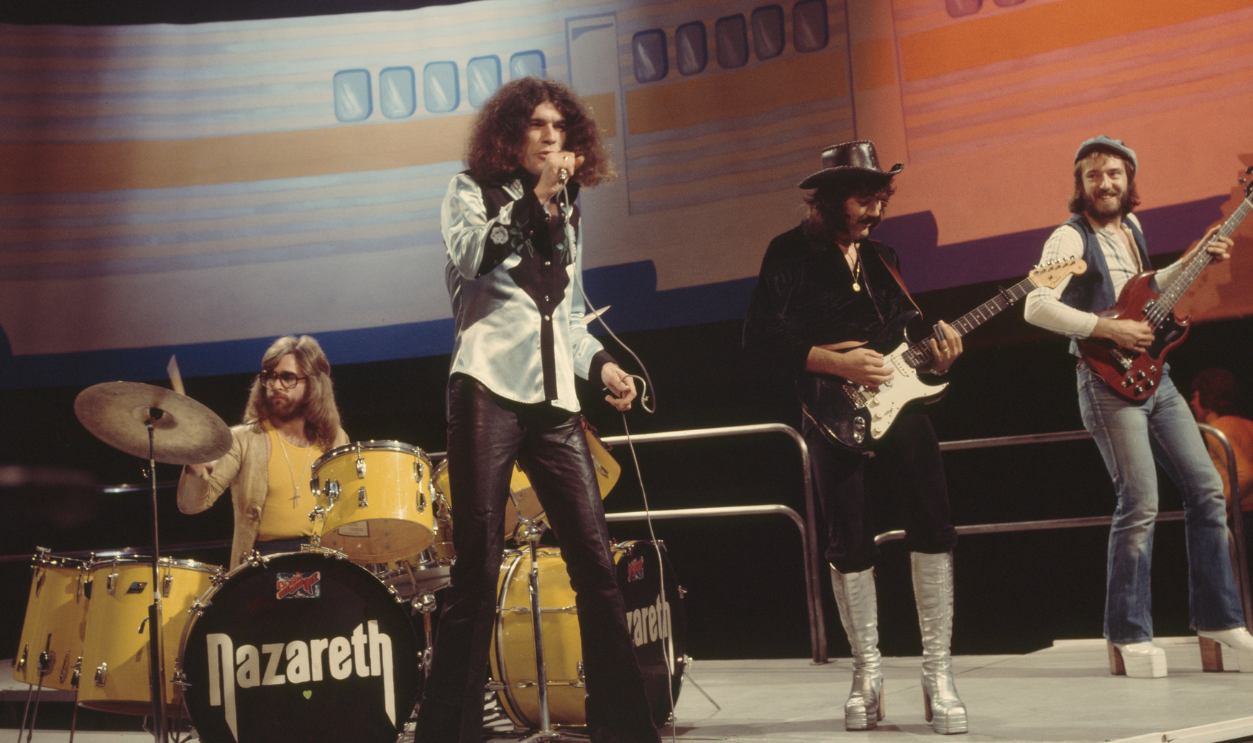
#9. Nazareth
Scottish hard-rock band Nazareth found American success with Hair of the Dog and its dramatic version of “Love Hurts.” The latter reached No. 8 in the United States and became a slow-dance staple. Despite decades of touring, Nazareth is now frequently reduced to two songs and one very hoarse chorus.
#8. Slade
Slade collected six No. 1 singles in Britain during the 1970s and influenced countless later hard-rock bands with its stomping sound and cheerfully misspelled titles. America largely missed the phenomenon until other artists covered Slade’s songs. Quiet Riot became famous there with material Slade had recorded years earlier.
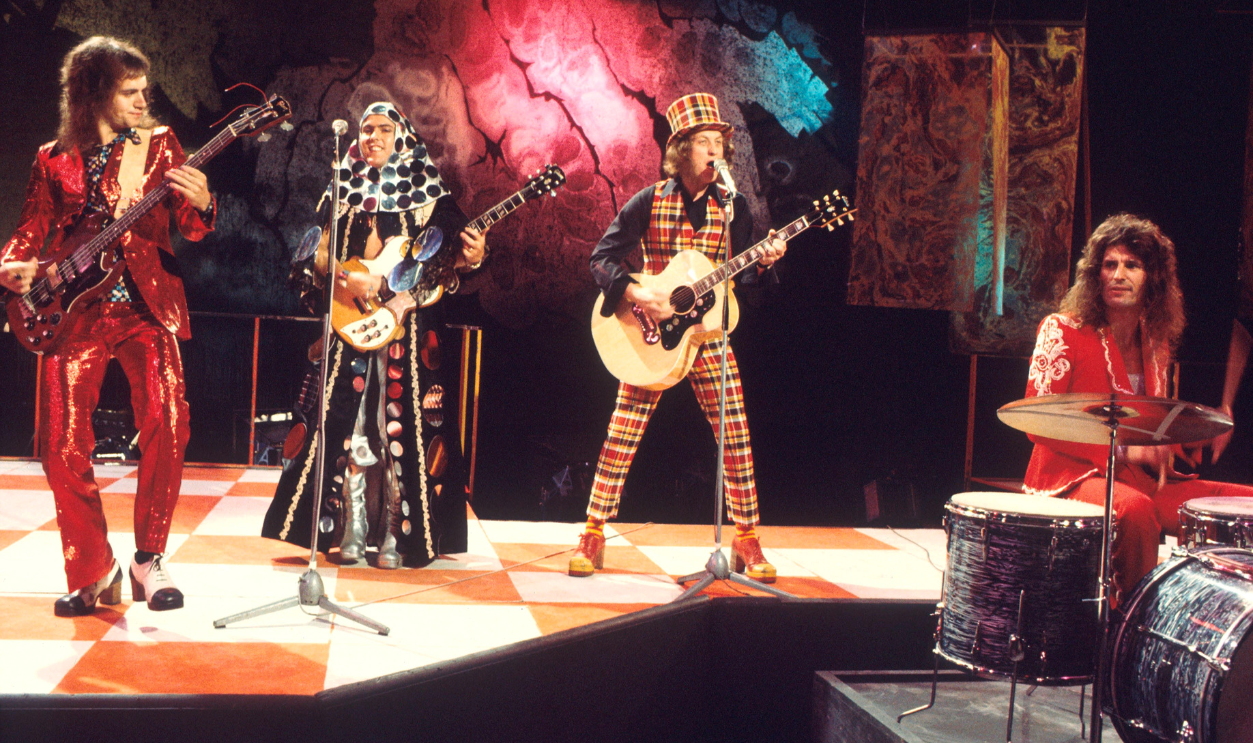
#7. Sweet
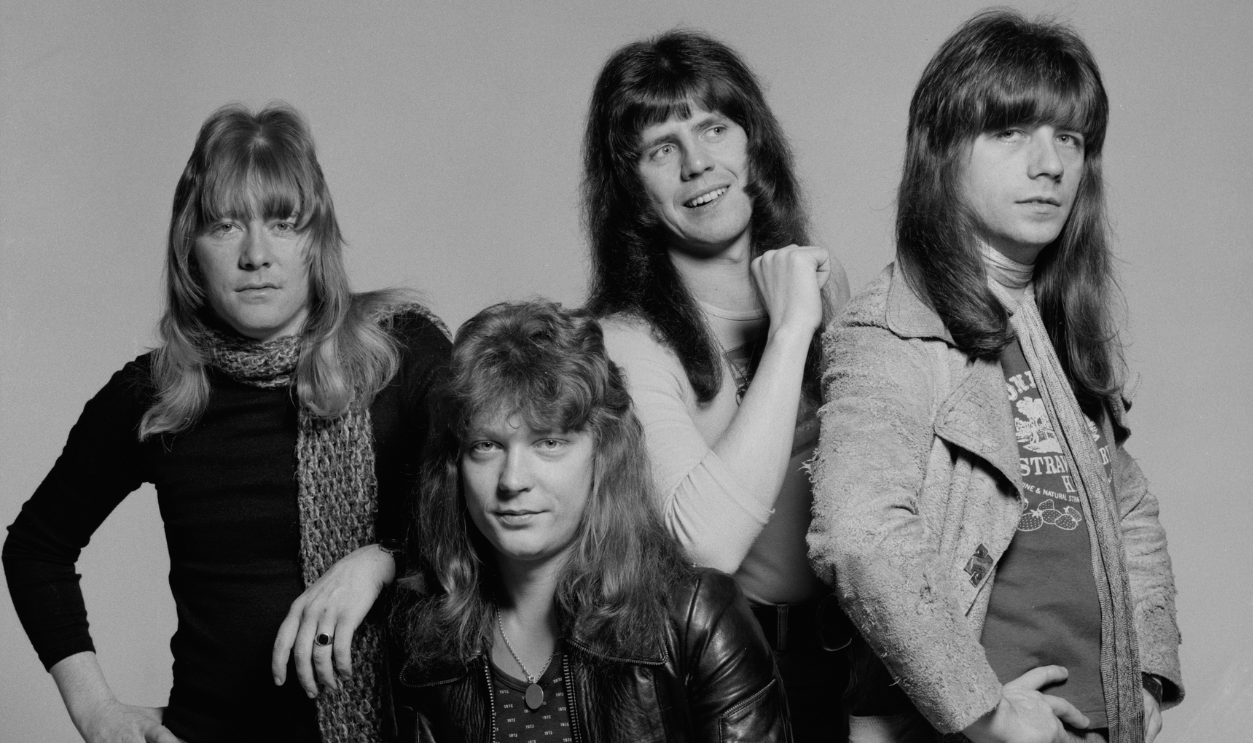
With glittery clothing, stacked harmonies, and surprisingly heavy guitars, Sweet helped define glam rock. “Ballroom Blitz” and “Fox on the Run” both reached No. 5 in America, while the band enjoyed even greater British success. Today, the choruses remain recognizable—but the men behind them are often forgotten.
#6. 10cc
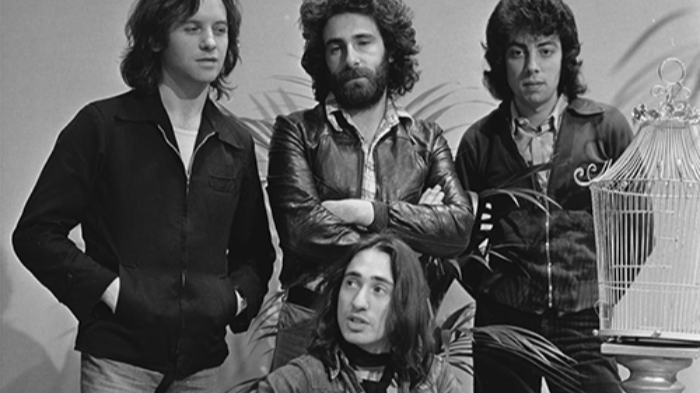
10cc combined studio experimentation with sharp humor, producing hits including “Rubber Bullets,” “The Things We Do for Love,” and “I’m Not in Love.” The latter reached No. 2 in America and No. 1 in Britain. The group’s cleverness earned enormous respect, but never guaranteed equally durable celebrity.
 AVRO, CC BY-SA 3.0, Wikimedia Commons
#5. Bay City Rollers
For a brief, tartan-covered moment, the Bay City Rollers inspired a frenzy nicknamed “Rollermania.” “Saturday Night” reached No. 1 in America in 1976, and screaming fans treated the Scottish group like new Beatles. Then musical fashions changed, leaving behind scarves, scrapbooks, and some very confused parents.
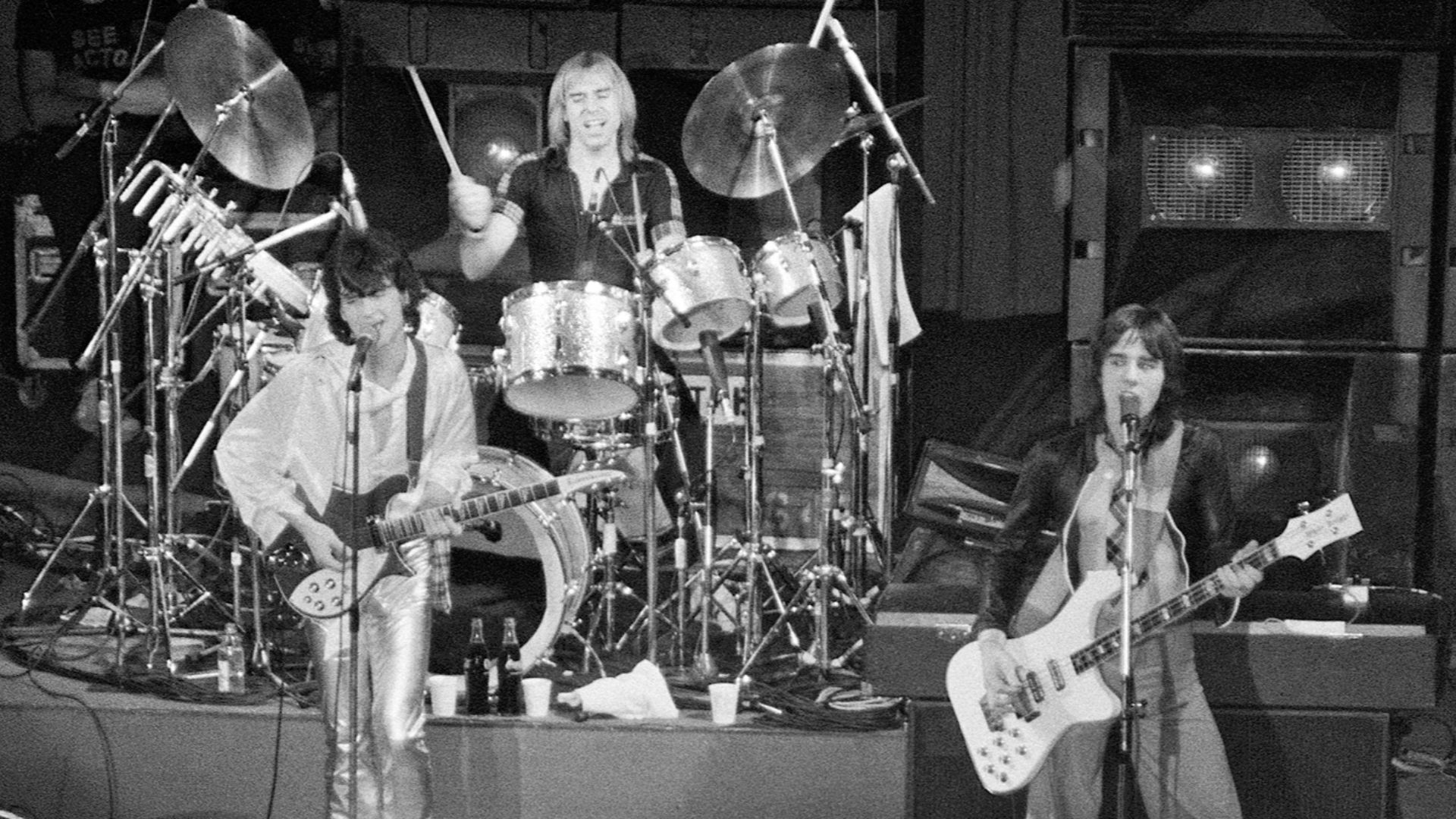
#4. Little River Band
Little River Band carried Australian soft rock onto American radio with “Reminiscing,” “Lonesome Loser,” “Lady,” and “Cool Change.” Their harmonies sounded effortless, and the hits continued into the early 1980s. Today, the songs still receive airplay even as the complicated lineup history has obscured the original musicians.
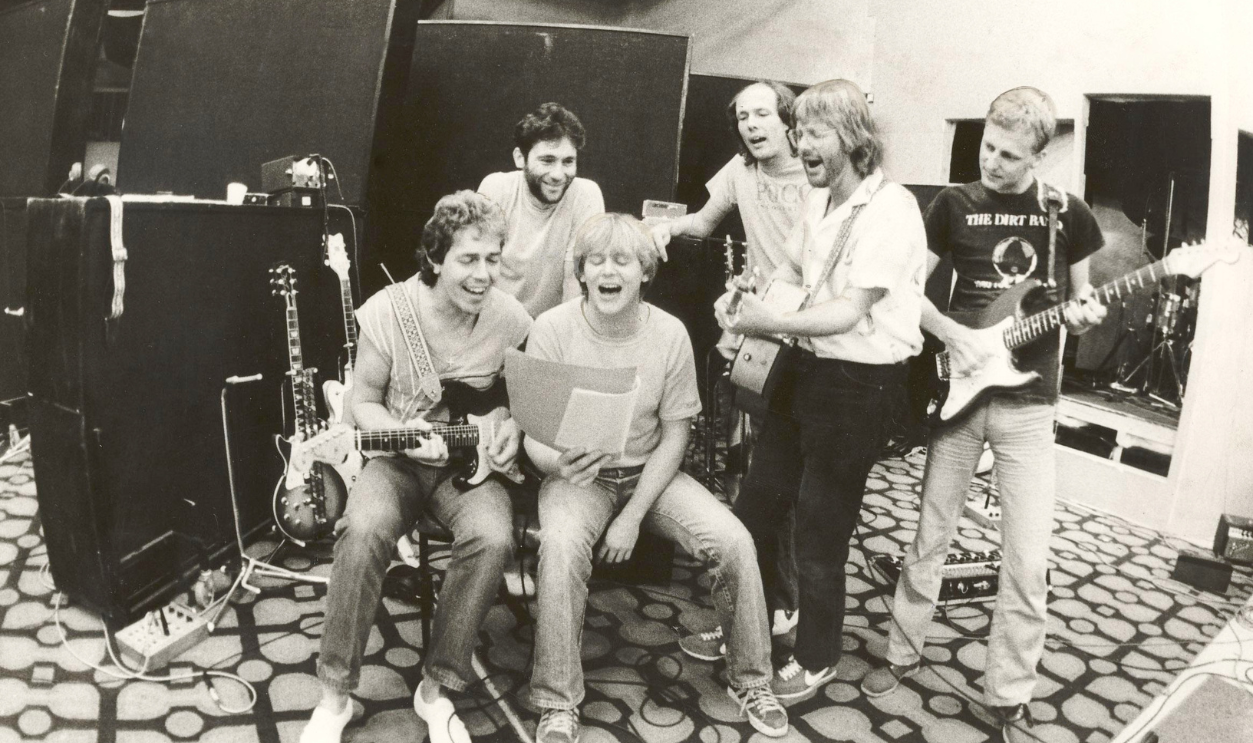
#3. Bread
Bread made gentle rock enormous with “Make It with You,” “If,” “Everything I Own,” and “Baby I’m-a Want You.” Critics sometimes dismissed the band as too soft, but record buyers clearly disagreed. Its emotional ballads endured while Bread’s stature gradually shrank behind the louder groups of the era.
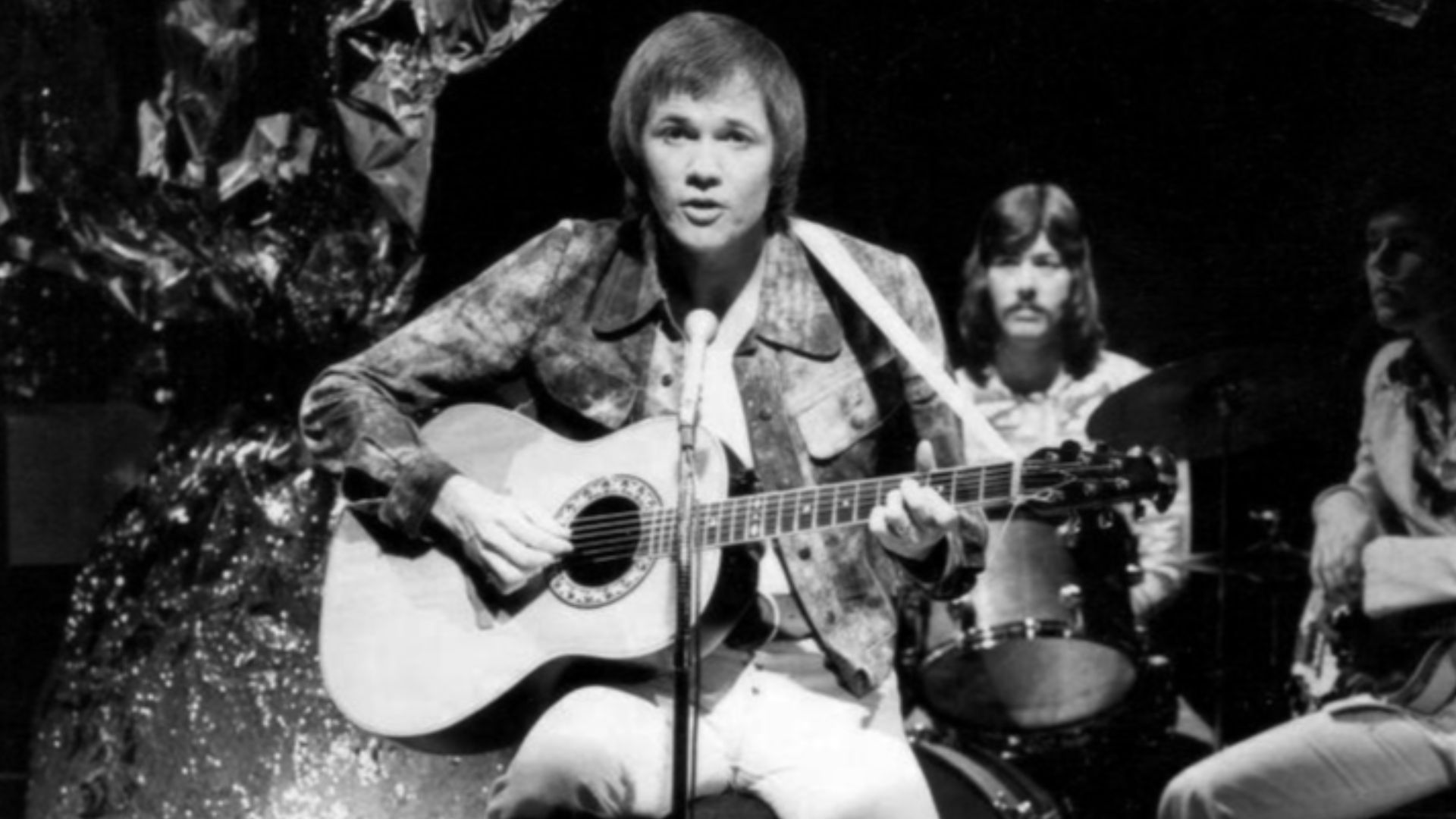 CBS Television, Wikimedia Commons
#2. The Guess Who
The Guess Who became one of Canada’s biggest rock exports, topping the American chart with “American Woman” and “No Sugar Tonight” in 1970. “These Eyes,” “No Time,” and “Share the Land” added to an impressive run. Yet many younger listeners recognize the songs without recognizing the band.
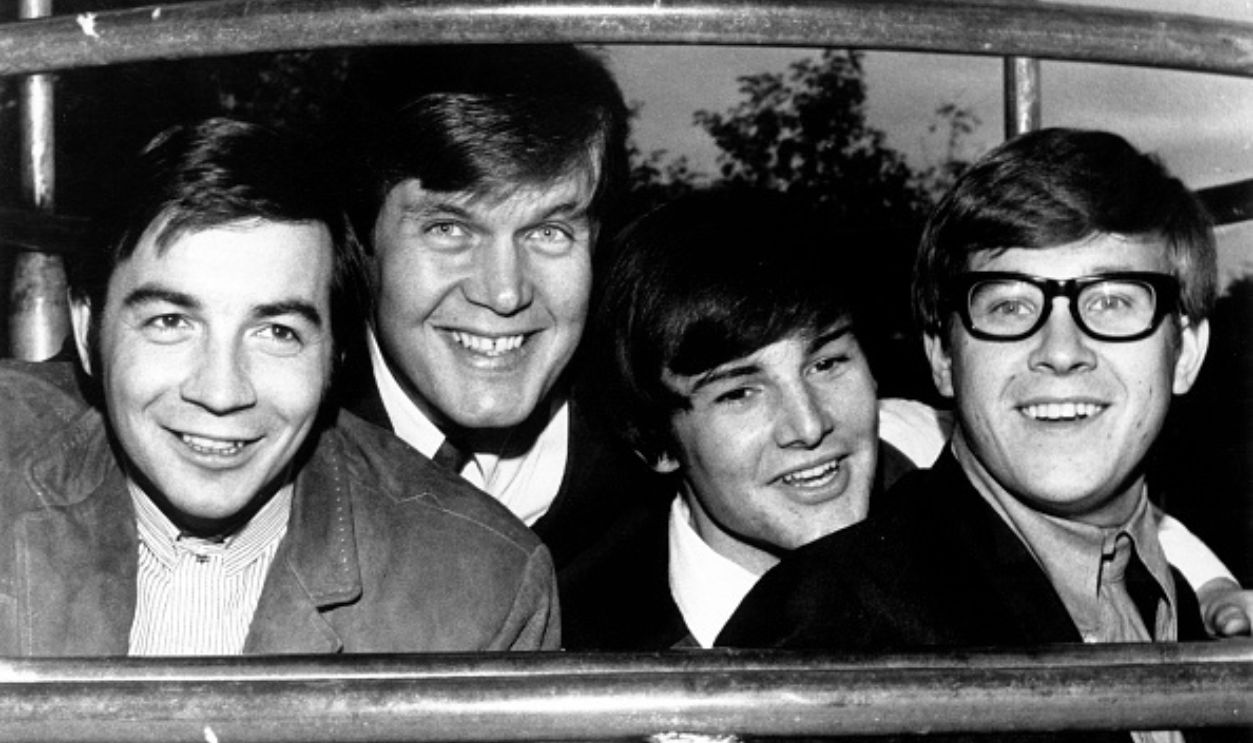 Michael Ochs Archives, Getty Images
#1. Grand Funk Railroad
Grand Funk Railroad packed arenas, sold out New York’s Shea Stadium in 1971, and scored No. 1 hits with “We’re an American Band” and “The Loco-Motion.” Critics rarely embraced them, but audiences certainly did. Few groups better demonstrate how something once enormous can become strangely overlooked.
But wait...there's one more.
 Michael Ochs Archive, Getty Images
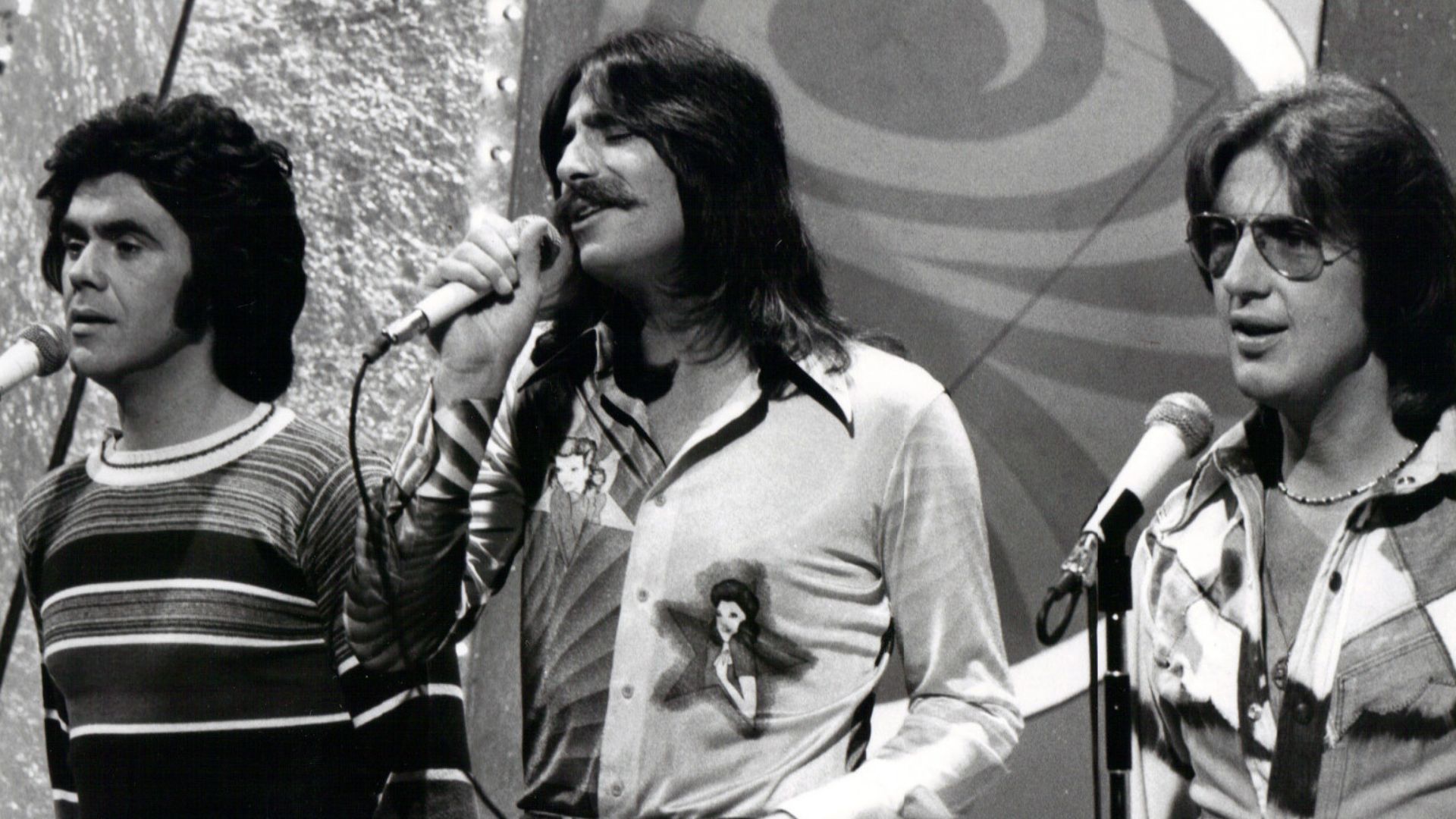
Bonus: Three Dog Night
Three Dog Night lands at the very top because its 1970s visibility was almost impossible to escape. “Mama Told Me (Not to Come),” “Joy to the World,” and “Black and White” all reached No. 1, while “Shambala” and “An Old Fashioned Love Song” became enduring favorites.
From 1969 through 1975, the group placed 21 consecutive singles in the American Top 40. Three Dog Night did not write most of those hits, but its three-lead-singer format turned other writers’ songs into radio gold. Huge then, oddly underappreciated now—and unforgettable once the music starts.
 NBC Television, Wikimedia Commons
You May Also Like:
Once-Popular 1970s Rock Songs That No One Remembers Today
Rock Ballads That Dominated The 1980s—Then Quietly Disappeared