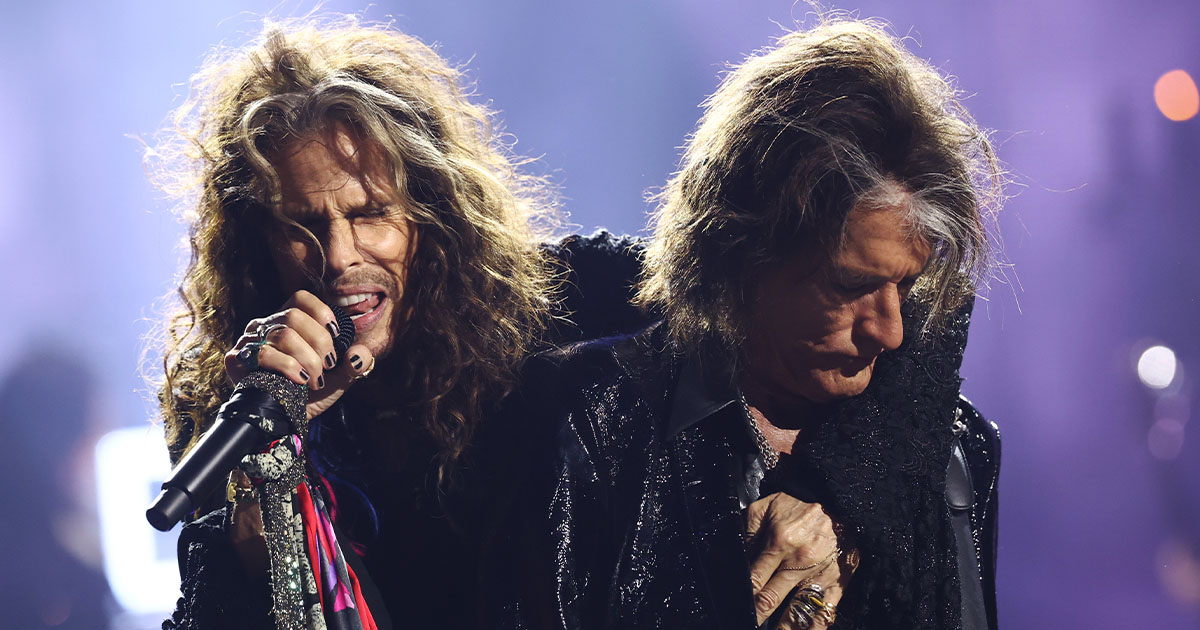
When Rockers Suddenly Got Sensitive
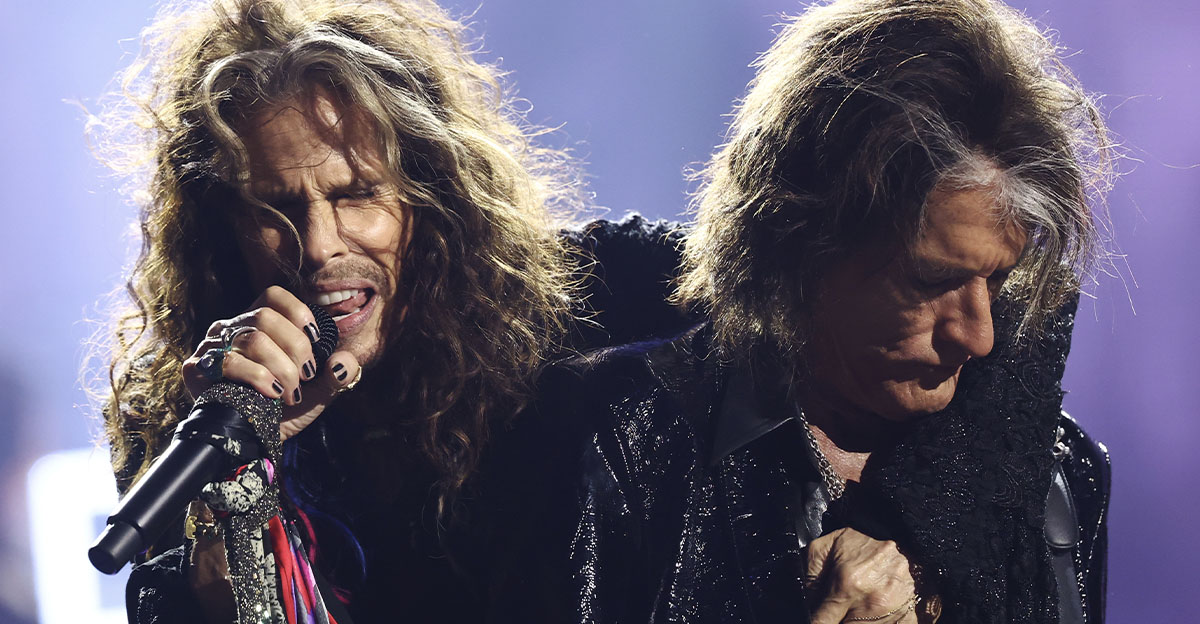
The 1980s turned emotional breakdowns into arena-sized entertainment. Rock stars teased their hair, lowered the lights, and proved they had feelings after all. These 25 ballads once ruled radios, dances, and mixtapes—before musical fashion changed and everyone quietly pretended they had never cried to them.
How many do you remember?
“Keep On Loving You” — REO Speedwagon
Released in 1980 on Hi Infidelity, “Keep On Loving You” helped turn REO Speedwagon from a hardworking rock band into enormous pop stars. Kevin Cronin’s wounded delivery made relationship trouble sound wonderfully dramatic, while that unmistakable piano introduction could silence an entire school dance almost instantly.
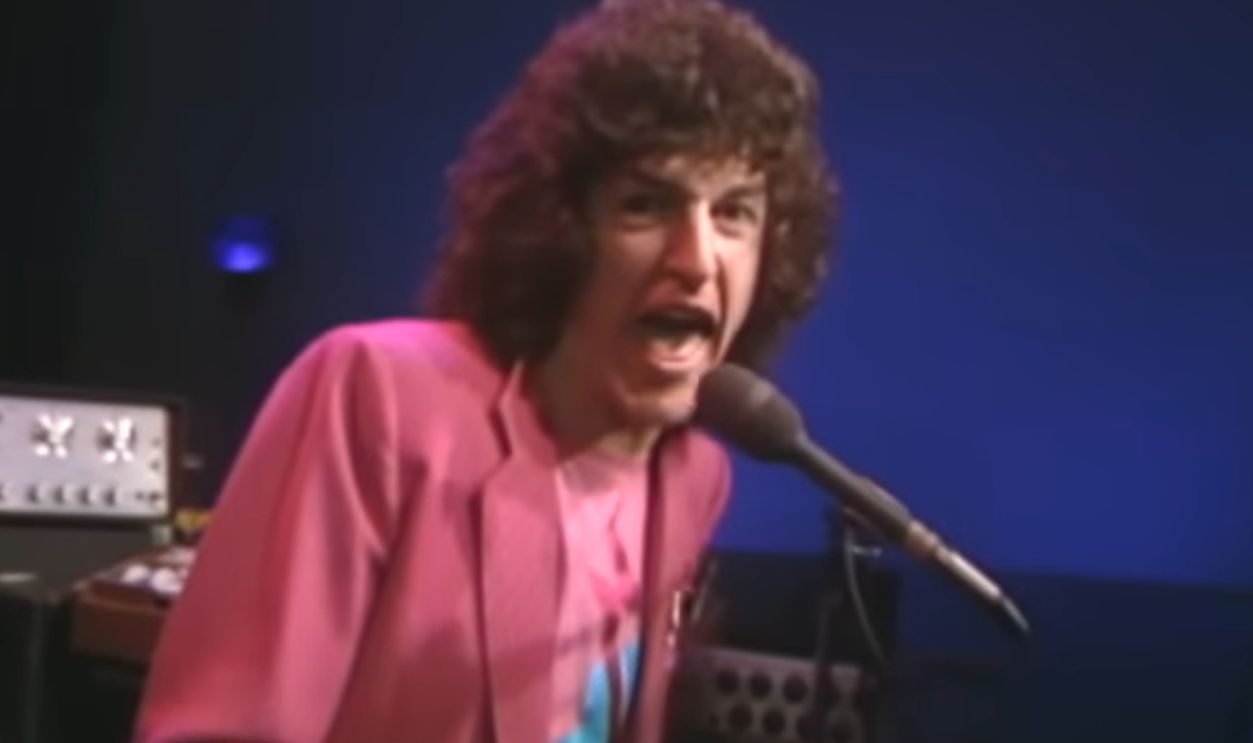 Screenshot from REO Speedwagon – Keep On Loving You, Epic Records (1980)
“Open Arms” — Journey
Journey released “Open Arms” in 1982, and Steve Perry sang it as though reconciliation were a matter of life and death. The song reached number two on the Billboard Hot 100, becoming one of the band’s biggest hits. Apparently, even arena rockers occasionally wanted a hug.
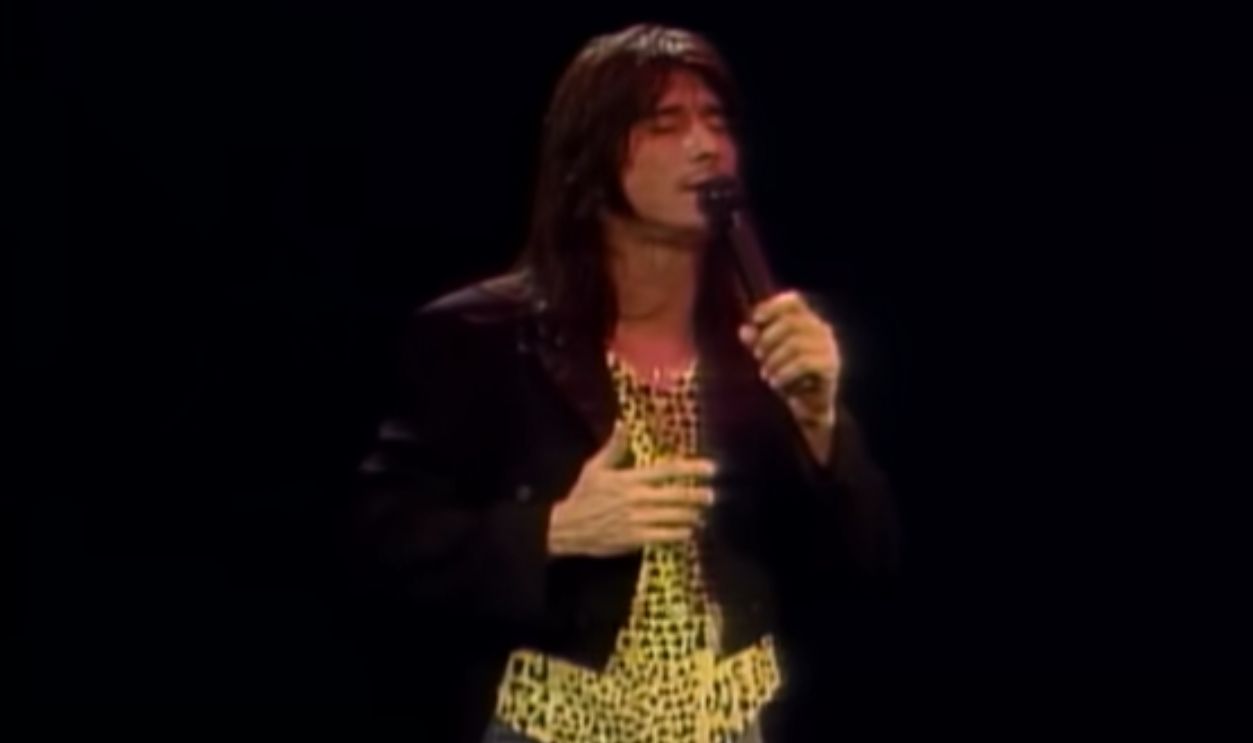 Screenshot from Open Arms, Columbia Records (1981)
“Waiting For A Girl Like You” — Foreigner
This slow-burning ballad appeared on Foreigner’s 1981 album 4 and spent an astonishing ten weeks at number two on the Billboard Hot 100. Lou Gramm sounded completely overwhelmed by romantic longing, while Thomas Dolby’s atmospheric synthesizers gave the song its dreamy, late-night-radio glow.
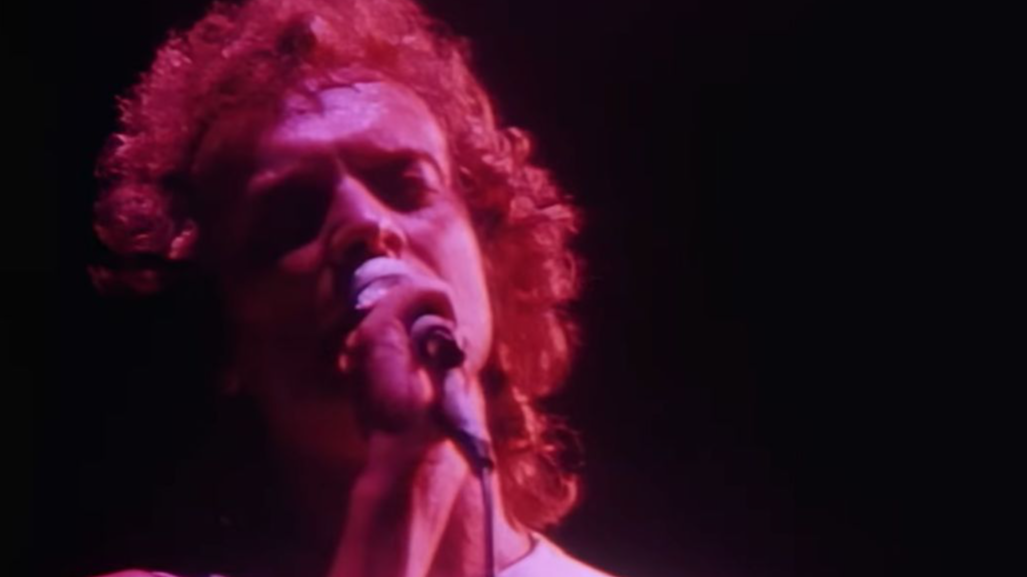 Screenshot from Waiting for a Girl Like You, Atlantic Records (1981)
“Heaven” — Bryan Adams
Originally recorded for the 1983 film A Night in Heaven, Bryan Adams’s “Heaven” became a number-one American single in 1985. Its combination of earnest lyrics, ringing guitars, and Adams’s gravelly voice made it perfect for slow dancing—or staring meaningfully through a rain-covered window.
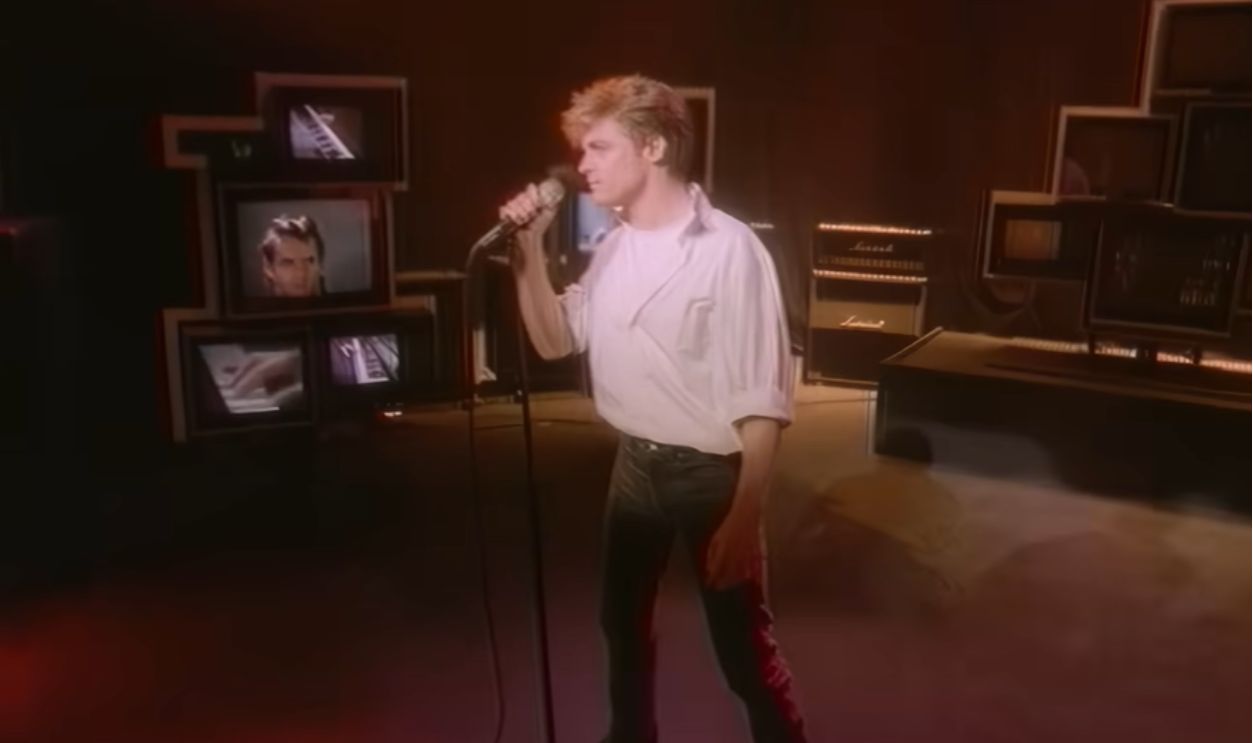 Screenshot from Heaven, A&M Records (1983)
“Sister Christian” — Night Ranger
Night Ranger drummer Kelly Keagy wrote “Sister Christian” after visiting his younger sister, Christy, and realizing how quickly she was growing up. Released as a single in 1984, it reached number five in America. The enormous “motorin’” chorus soon became impossible to forget, even if nobody understood it.
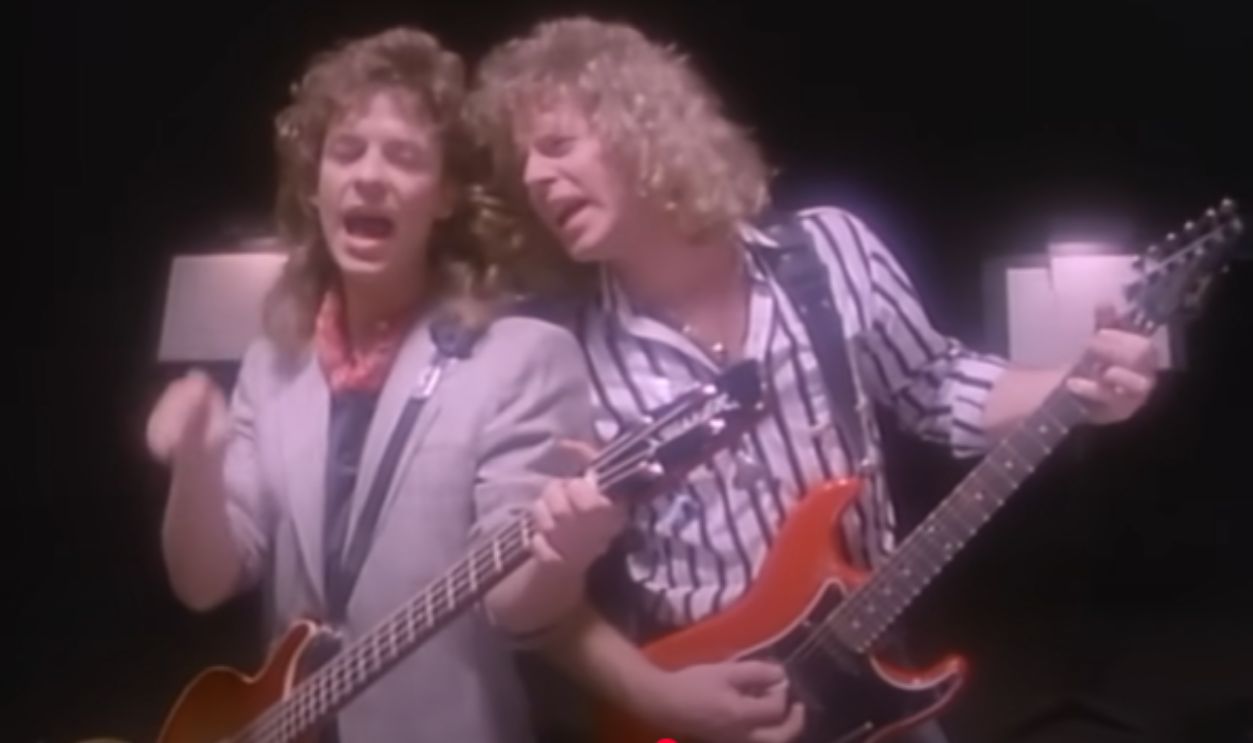 Screenshot from Sister Christian, Night Ranger, MCA Records (1984)
“Almost Paradise” — Mike Reno And Ann Wilson
Loverboy’s Mike Reno joined Heart’s Ann Wilson for this sweeping duet from the 1984 film Footloose. Written by Eric Carmen and Dean Pitchford, “Almost Paradise” reached number seven on the Billboard Hot 100. It gave teenagers everywhere a soundtrack for romances lasting approximately three weeks.
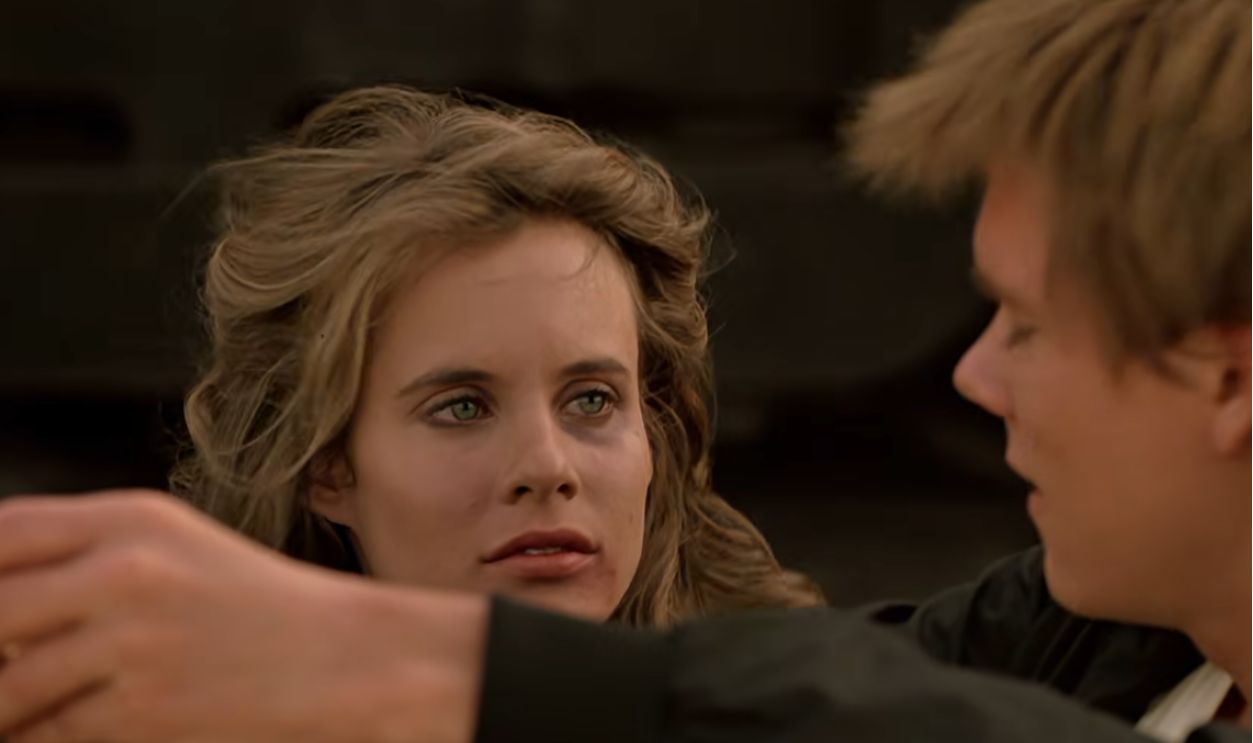 Screenshot from Almost Paradise, Columbia Records (1984)
“The Search Is Over” — Survivor
Survivor proved it could do more than provide workout music when “The Search Is Over” reached number four in 1985. Jimi Jamison’s soaring voice transformed romantic realization into a major public announcement. It was heartfelt, polished, and seemingly designed for couples reuniting just before the movie credits.
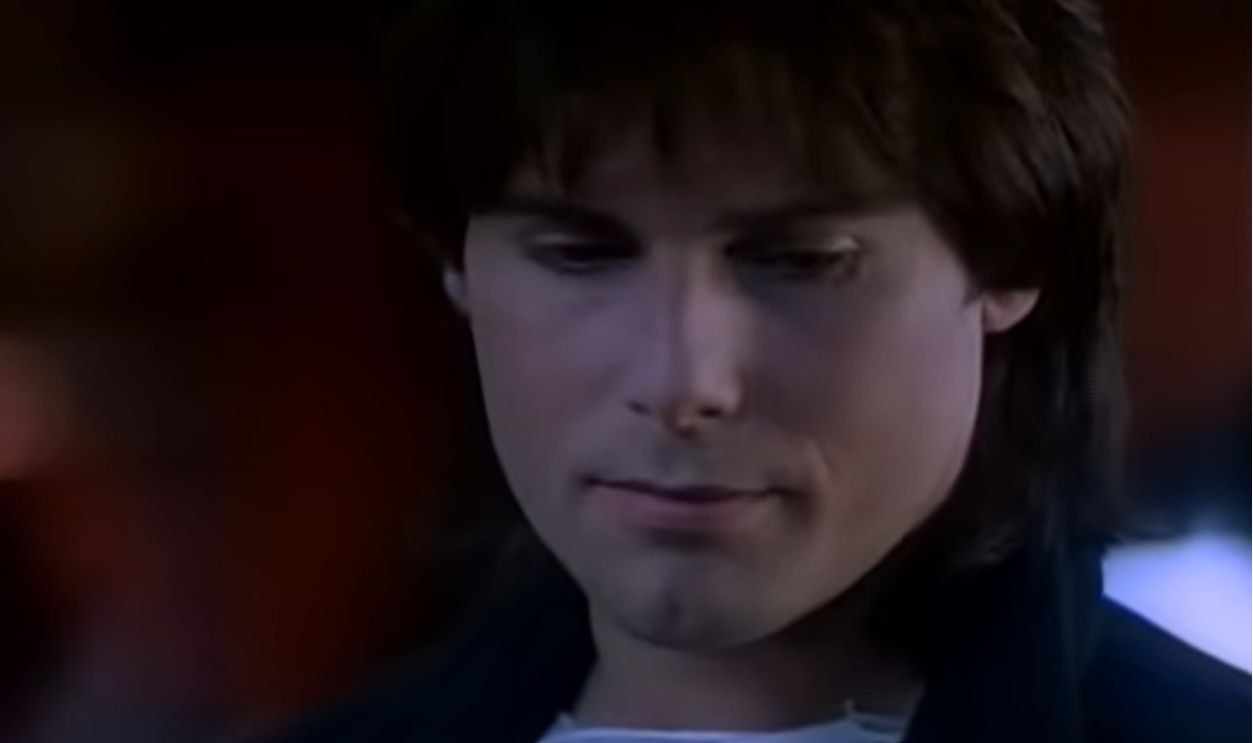 Screenshot from The Search Is Over, Scotti Brothers Records (1985)
“Amanda” — Boston
Although Tom Scholz wrote “Amanda” years earlier, Boston did not release it until the 1986 album Third Stage. The wait paid off: it became the band’s only number-one Billboard Hot 100 single. With no promotional music video, the song conquered radio using guitars, harmonies, and heroic levels of sincerity.
 Screenshot from “Amanda,” performed by Boston, MCA Records (1986)
“Heaven In Your Eyes” — Loverboy
Recorded for the 1986 blockbuster Top Gun, “Heaven in Your Eyes” showed a softer side of Loverboy. It reached number 12 on the Billboard Hot 100 and played during the film’s romantic scenes. Few things said tenderness in 1986 quite like synthesizers, fighter jets, and exceptionally serious staring.
 Screenshot from Top Gun, Paramount Pictures (1986)
“Honestly” — Stryper
Christian metal band Stryper temporarily set aside its heavier sound for “Honestly,” released in 1987 from To Hell with the Devil. The song reached number 23 on the Billboard Hot 100, the group’s biggest mainstream hit. Even the band’s famous yellow-and-black outfits could not distract from that towering chorus.
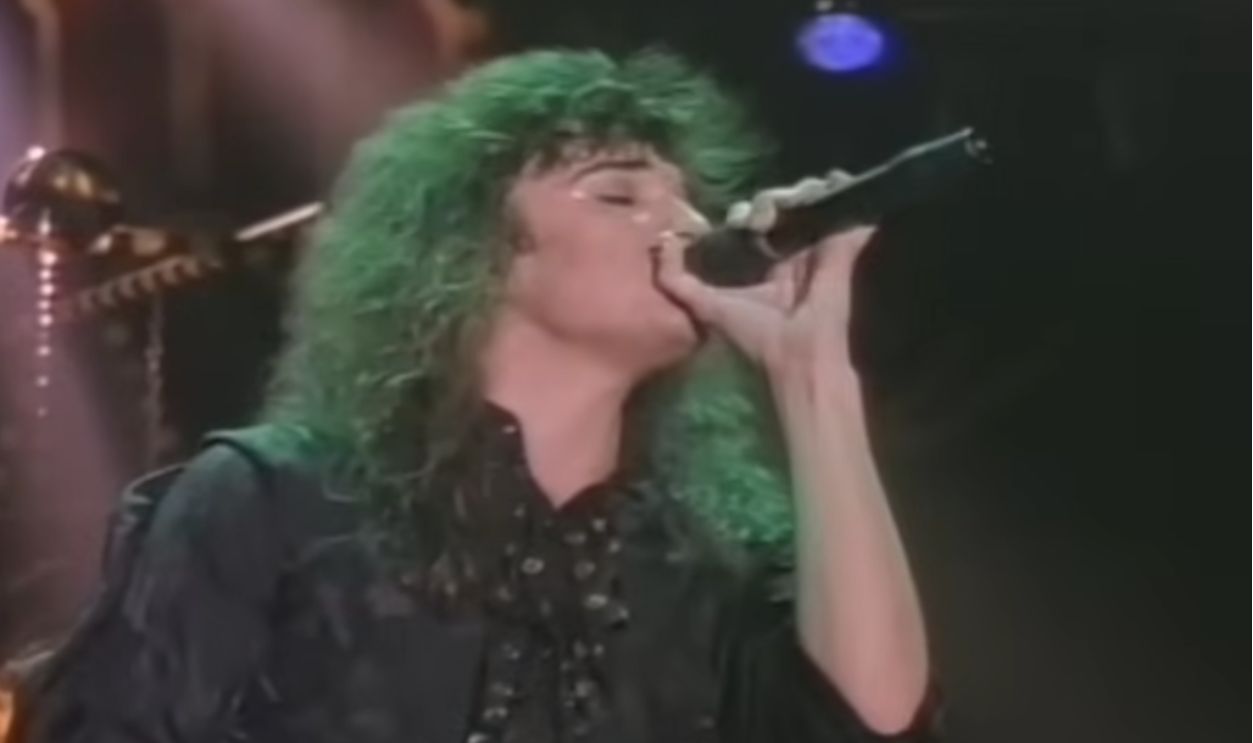 Screenshot from Heaven in Your Eyes, Columbia Records (1986)
“Alone” — Heart
Heart’s version of “Alone” reached number one in 1987, although the song had previously been recorded by the songwriting duo i-Ten. Ann Wilson’s performance begins with remarkable restraint before becoming a full-force vocal storm. Anyone attempting to sing along usually discovered their own limitations very quickly.
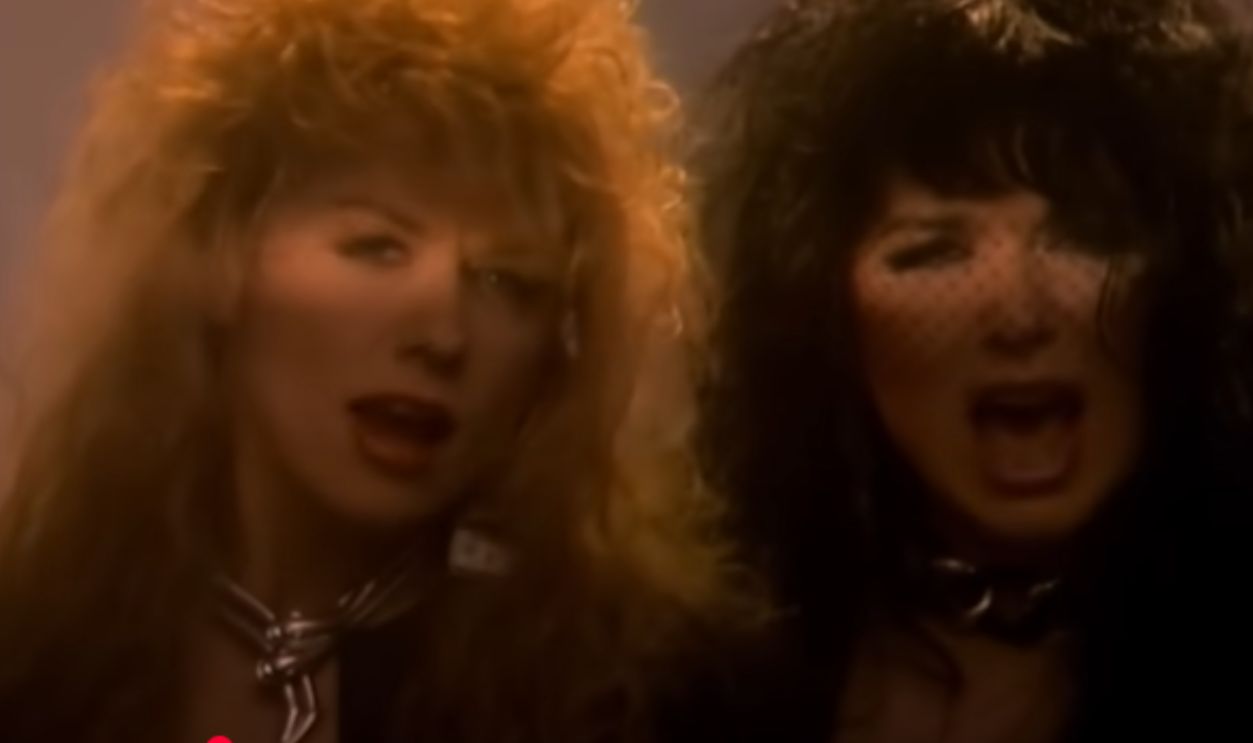 Screenshot from Heart – Alone, Capitol Records (1987)
“Is This Love” — Whitesnake
Released in 1987, “Is This Love” reached number two in the United States and became one of Whitesnake’s most recognizable songs. David Coverdale originally considered offering it to Tina Turner. Instead, it became a gloriously polished rock ballad supported by keyboards, restrained guitars, and magnificently impractical hair.
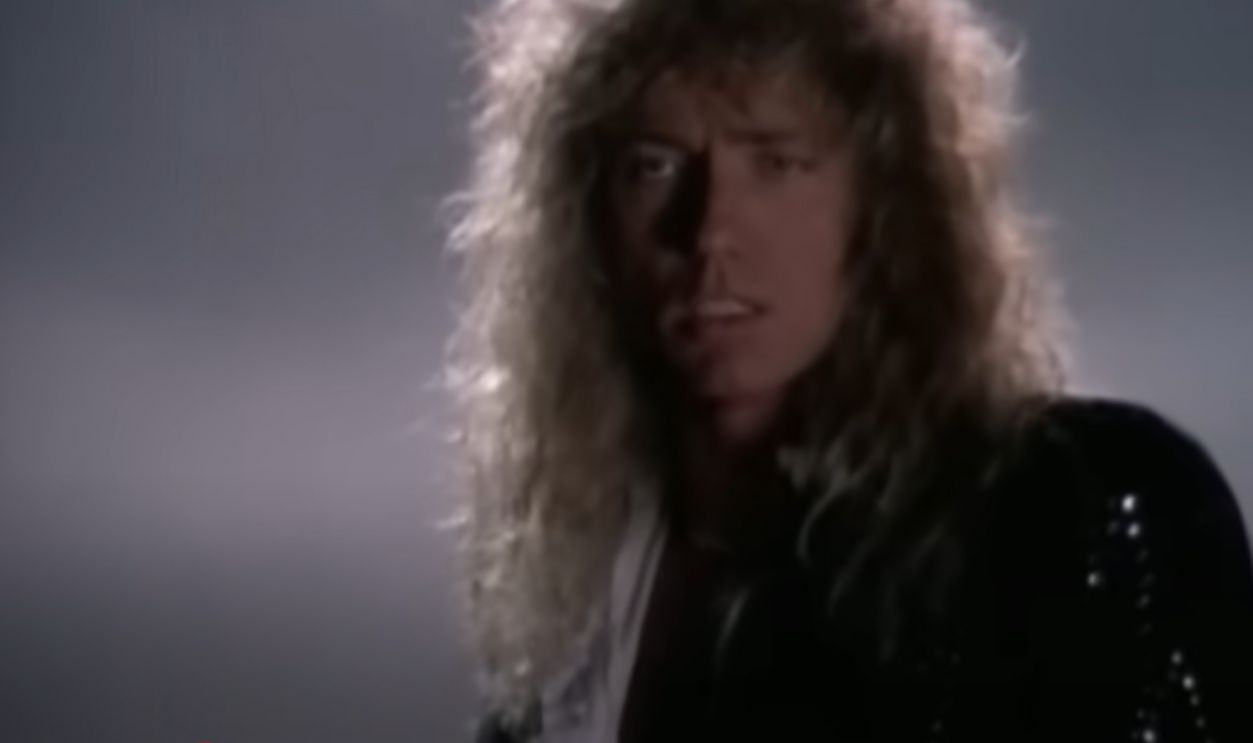 Screenshot from Whitesnake – Is This Love, Geffen Records (1987)
“Carrie” — Europe
Europe followed the explosive success of “The Final Countdown” with the considerably gentler “Carrie.” The ballad reached number three on the Billboard Hot 100 in 1987, making it the Swedish band’s highest-charting American single. It was proof that even keyboard-wielding rock warriors experienced difficult breakups.
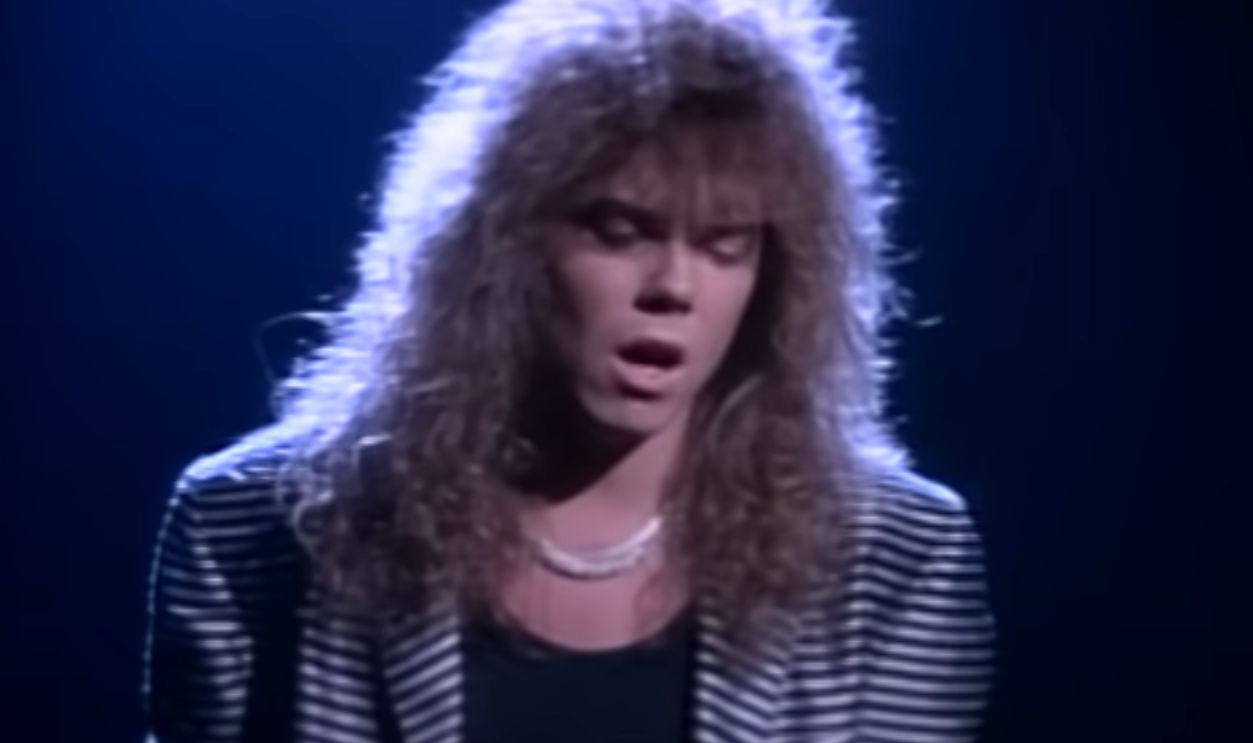 Screenshot from Carrie, Epic Records (1987)
“Angel” — Aerosmith
Aerosmith’s 1987 album Permanent Vacation restored the band’s commercial power, and “Angel” became its biggest American hit at that point, reaching number three. Steven Tyler delivered the song with trademark desperation, while the glossy production placed Aerosmith squarely inside the decade’s booming power-ballad business.
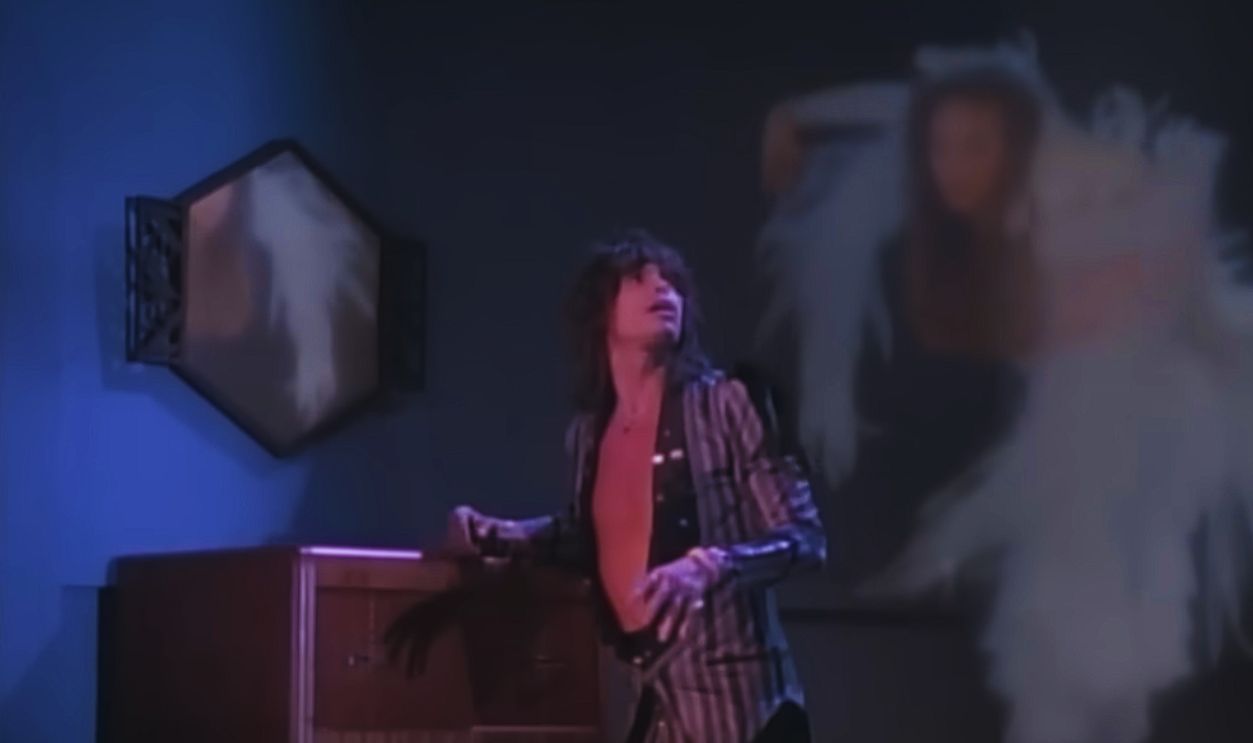 Screenshot from Aerosmith: Angel, Geffen Records (1987)
“Love Bites” — Def Leppard
Def Leppard reached number one on the Billboard Hot 100 with “Love Bites” in 1988, giving the British band its only American chart-topper. The song blended layered vocals, electronic textures, and romantic suspicion. Nothing says emotional vulnerability quite like asking troubling questions through an enormous wall of studio production.
 Screenshot from Def Leppard – Love Bites, Mercury Records (1987)
“The Flame” — Cheap Trick
Cheap Trick had already enjoyed years of rock credibility when “The Flame” unexpectedly became its first and only American number-one single in 1988. The band did not write the song, but Robin Zander’s aching performance made it convincing. Suddenly, the wisecracking power-pop group sounded ready for prom night.
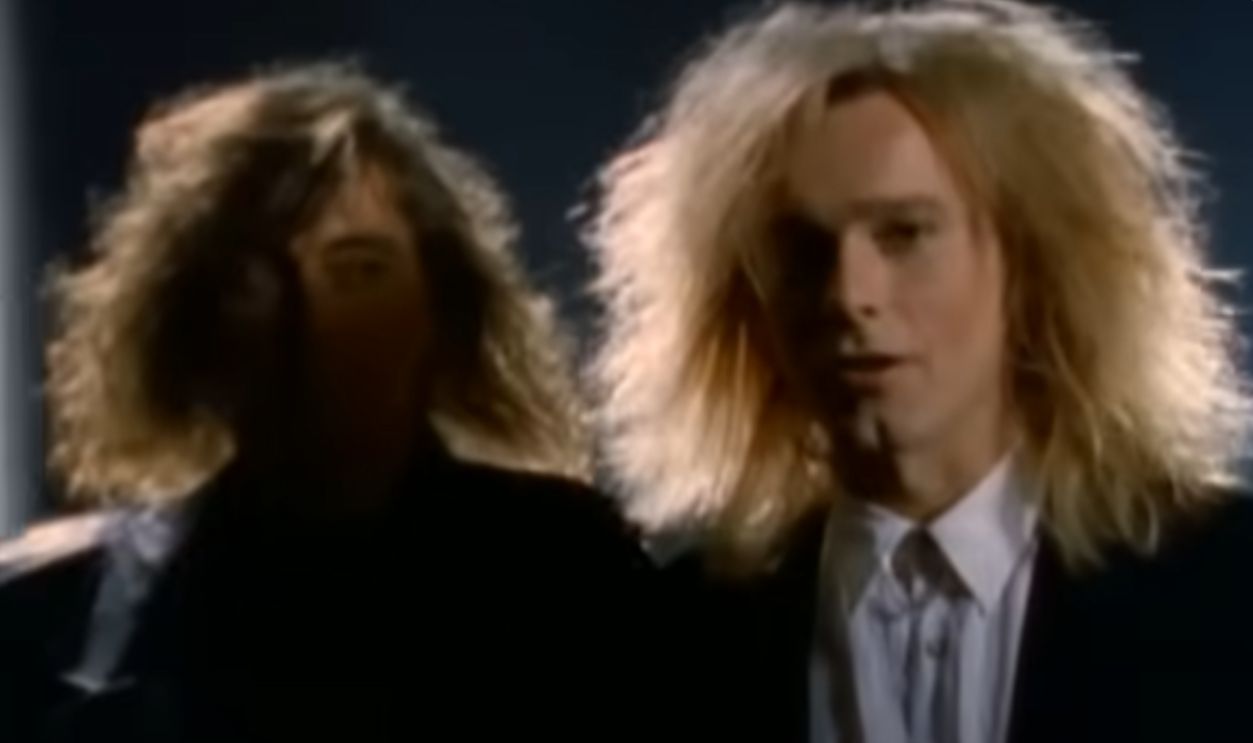 Screenshot from The Flame, Epic Records (1988)
“Don’t Know What You Got (Till It’s Gone)” — Cinderella
Cinderella released this epic breakup ballad in 1988, and it climbed to number 12 on the Billboard Hot 100. Tom Keifer’s raspy voice sounded genuinely battered by regret. The title also offered excellent advice, although most teenagers were more interested in the motorcycle featured in the music video.
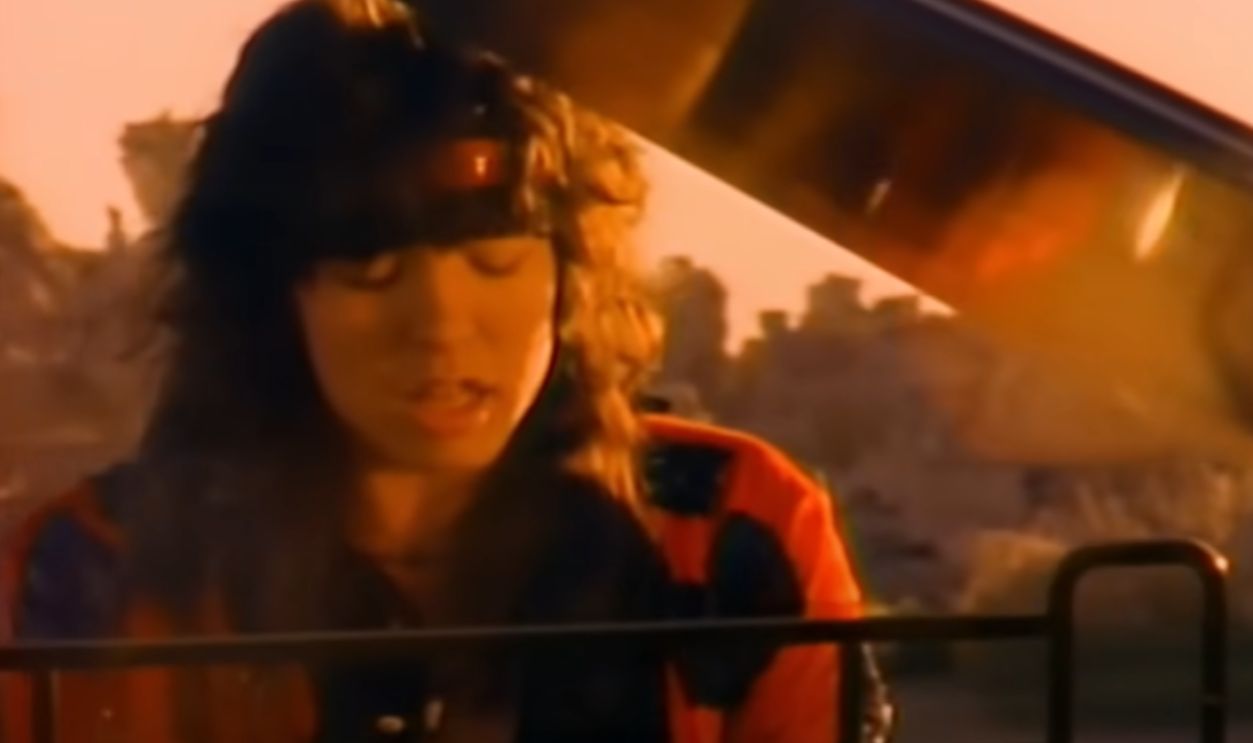 Screenshot from Don’t Know What You Got (Till It’s Gone), Mercury Records (1988)
“When The Children Cry” — White Lion
White Lion traded romantic heartbreak for a plea about war and the future on “When the Children Cry.” Released from the band’s 1987 album Pride, it reached number three in America in 1989. The opening acoustic guitar made the message feel intimate before the inevitable arena-sized emotions arrived.
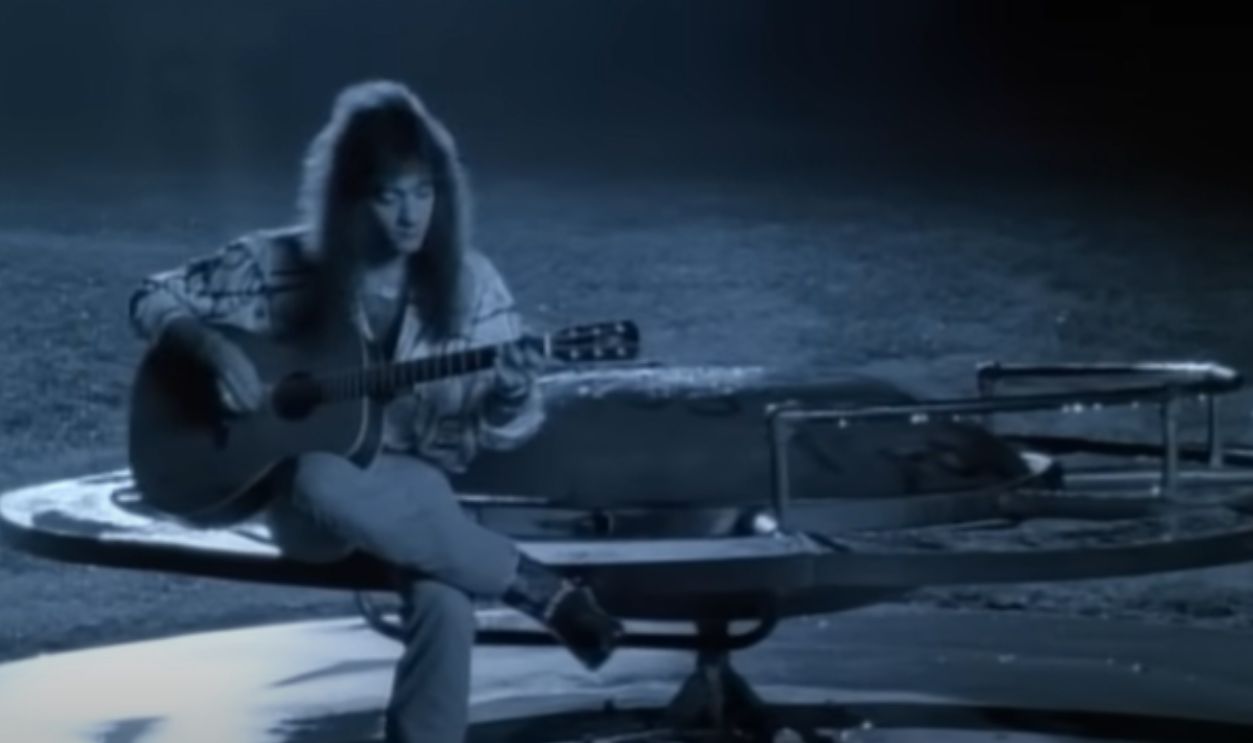 Screenshot from When the Children Cry, White Lion, Atlantic Records (1988)
“Every Rose Has Its Thorn” — Poison
Bret Michaels reportedly wrote “Every Rose Has Its Thorn” after a painful late-night telephone conversation. Released in 1988, it became Poison’s only number-one Billboard Hot 100 hit. Acoustic guitar, heartbreak, and cowboy imagery briefly made the glamorous band seem like sensitive campfire philosophers wearing eyeliner.
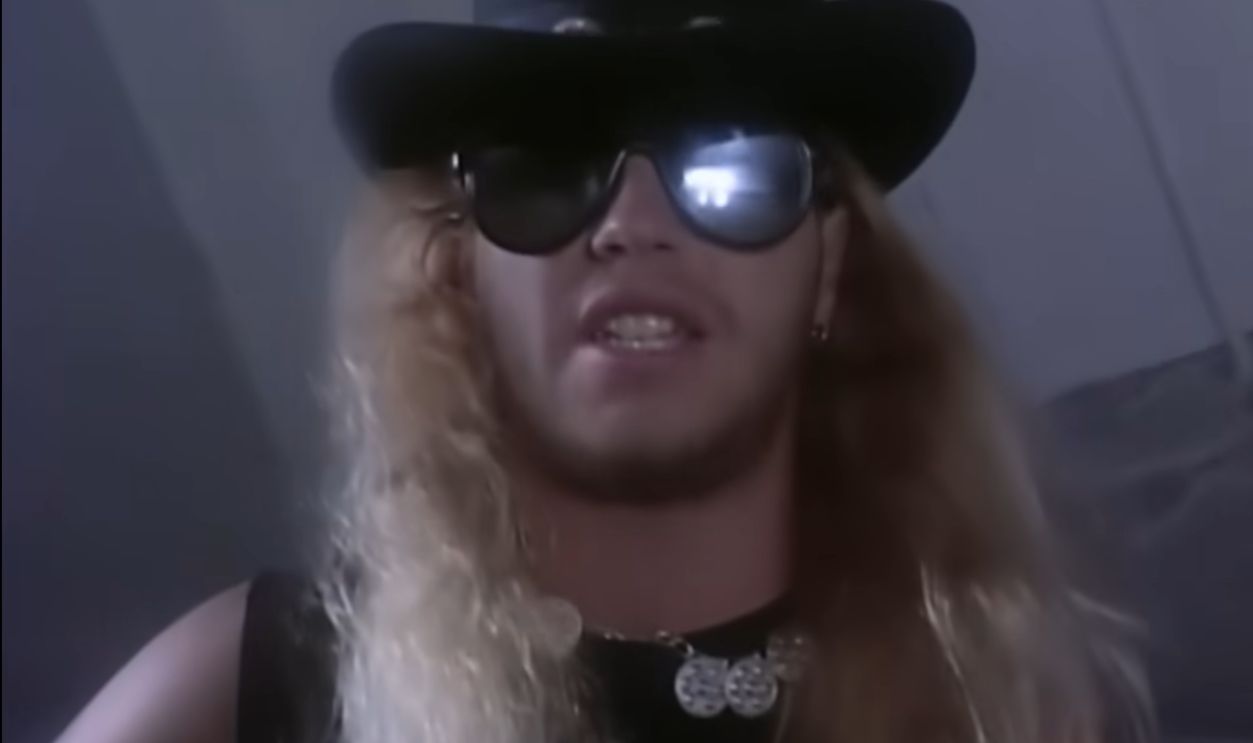 Screenshot from Every Rose Has Its Thorn, Capitol Records (1988)
“Heaven” — Warrant
Warrant’s “Heaven” nearly reached the top of the Billboard Hot 100 in 1989, peaking at number two. Jani Lane’s vulnerable vocal helped the band reach listeners beyond the usual glam-metal crowd. For several months, the title apparently belonged to both Warrant and Bryan Adams simultaneously.
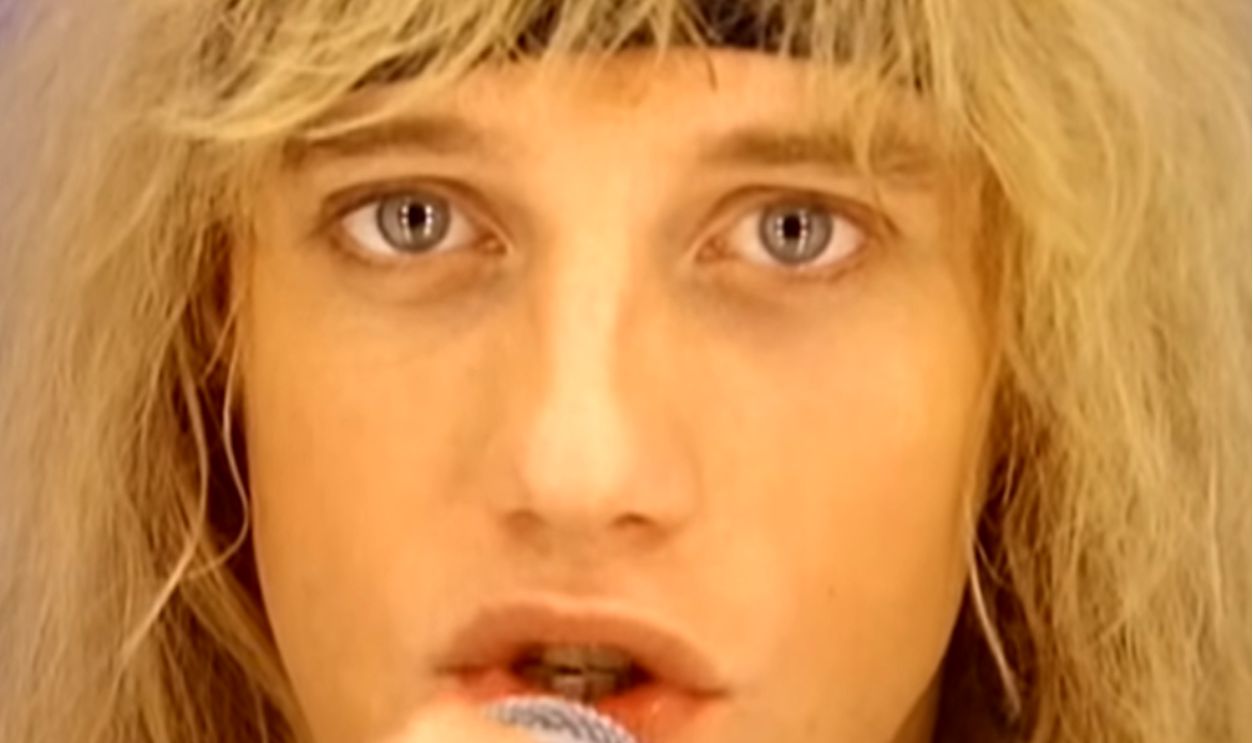 Screenshot from Heaven, Columbia Records (1989)
“When I See You Smile” — Bad English
Bad English featured singer John Waite and several former members of Journey, giving the group impressive rock-ballad credentials. Written by Diane Warren, “When I See You Smile” topped the Billboard Hot 100 in 1989. The video supplied wind, dramatic lighting, and enough thoughtful gazing for an entire decade.
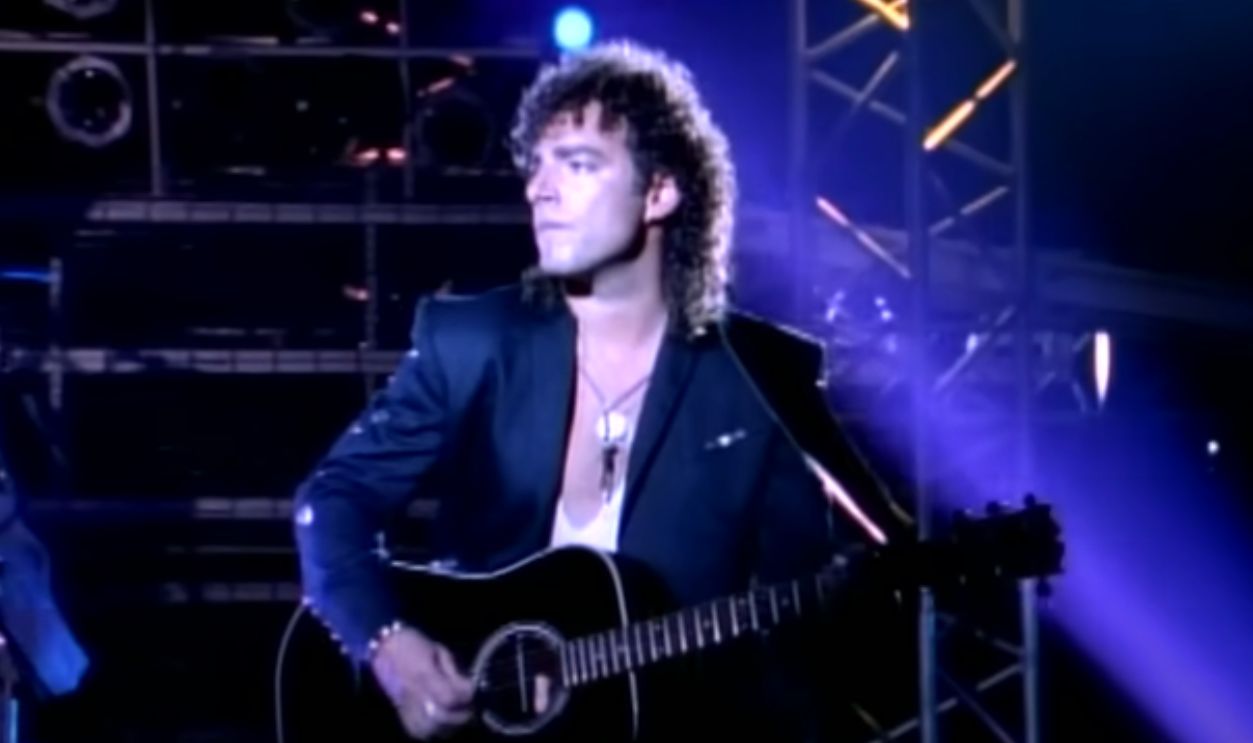 Screenshot from When I See You Smile, Epic Records (1989)
“I’ll Be There For You” — Bon Jovi
Bon Jovi slowed things down with “I’ll Be There for You,” a number-one American hit in 1989. Jon Bon Jovi promised devotion while Richie Sambora supplied guitar work and harmonies. The song made enormous concert crowds sway together, usually while holding disposable lighters overhead with questionable regard for safety.
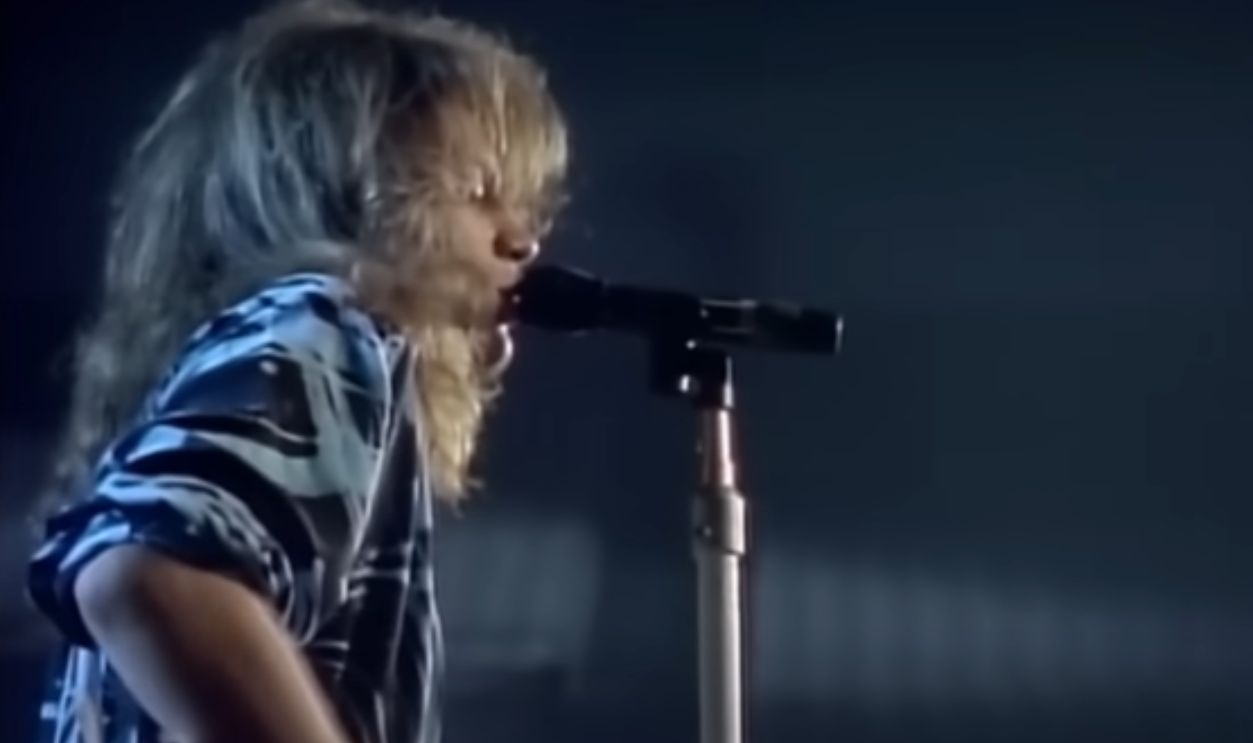 Screenshot from “I’ll Be There For You,” Mercury Records (1989)
“I Remember You” — Skid Row
Skid Row’s “I Remember You” arrived near the end of the decade and reached number six on the Billboard Hot 100. Sebastian Bach’s voice moved from a gentle opening to an astonishing high-register finale. Countless aspiring singers attempted that ending; nearby family members endured the consequences.
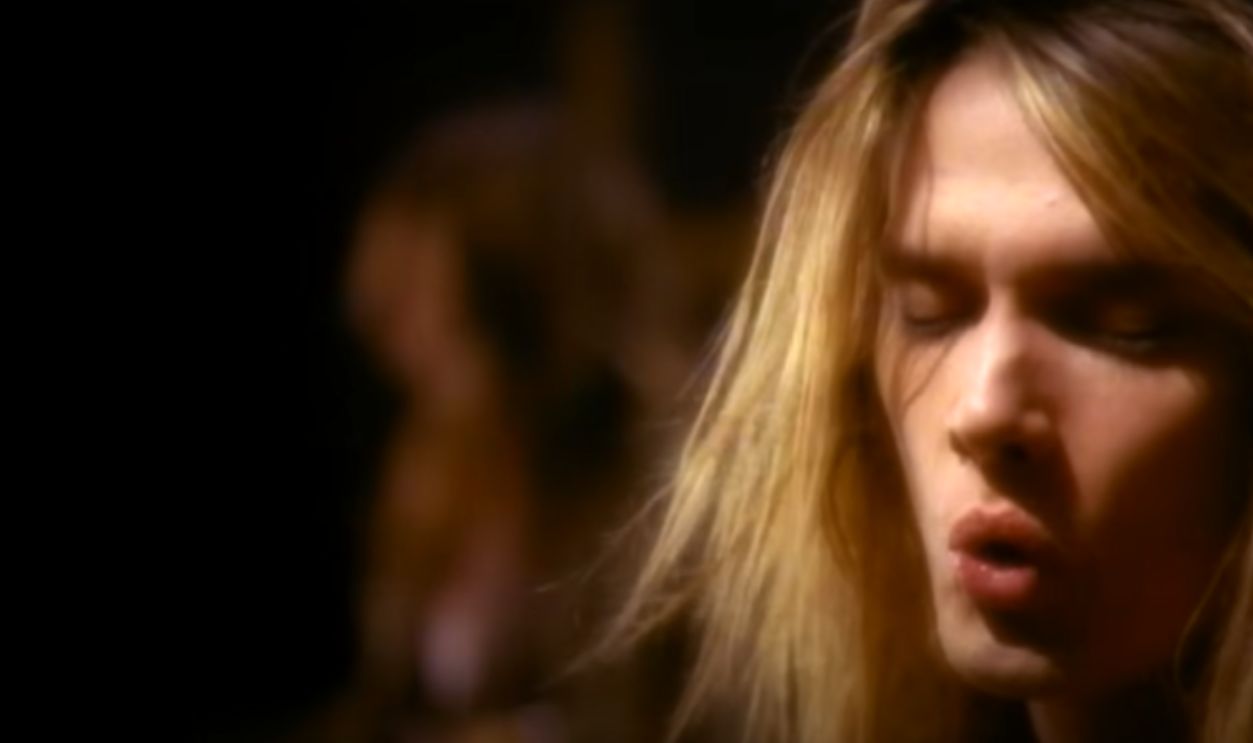 Screenshot from I Remember You, Skid Row, Atlantic Records (1989)
“Love Song” — Tesla
Tesla released “Love Song” on The Great Radio Controversy, with the single reaching number ten in early 1990 after its 1989 release. Its acoustic introduction and reassuring message offered a less glamorous version of the power ballad. The band had big hair, certainly, but comparatively little decorative silk.
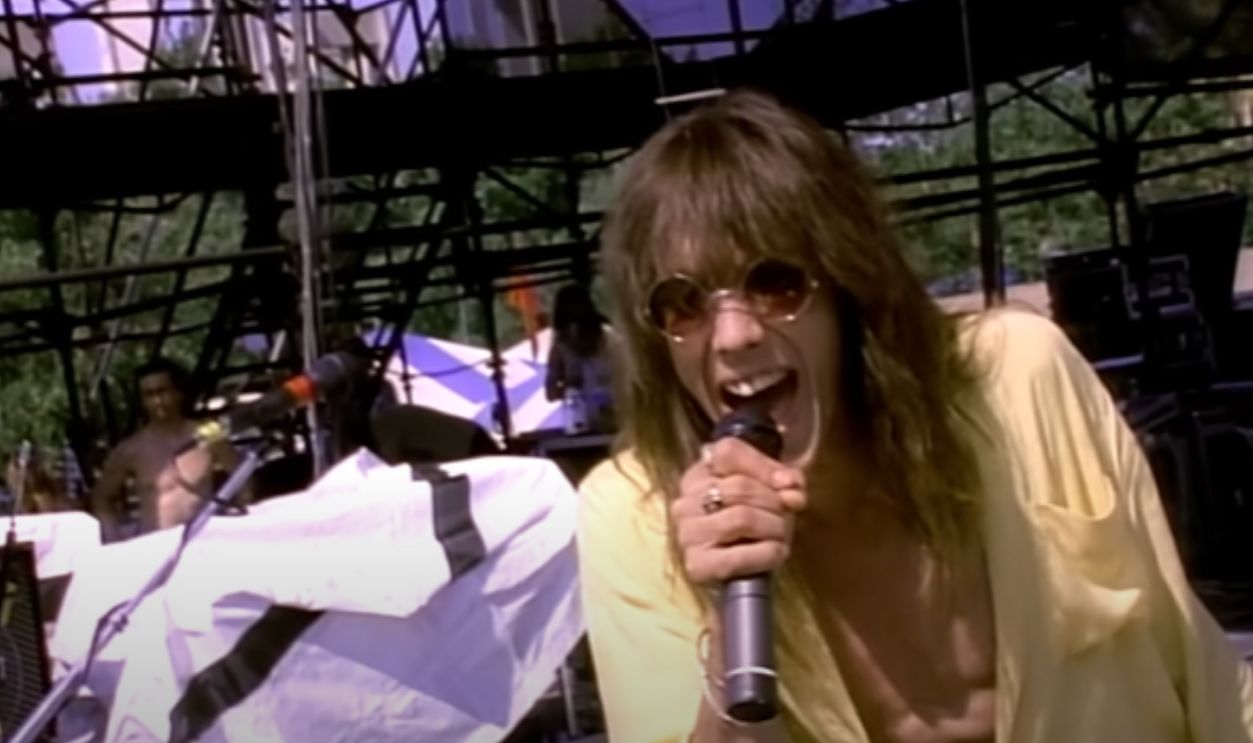 Screenshot from Love Song, Tesla, Geffen Records (1989)
“What It Takes” — Aerosmith
Recorded for Aerosmith’s 1989 album Pump, “What It Takes” became a major hit in 1990 and helped close the power-ballad era in suitably dramatic fashion. Steven Tyler demanded answers from a departing lover while accordion and country-rock touches gave the heartbreak an unusually rootsy edge.
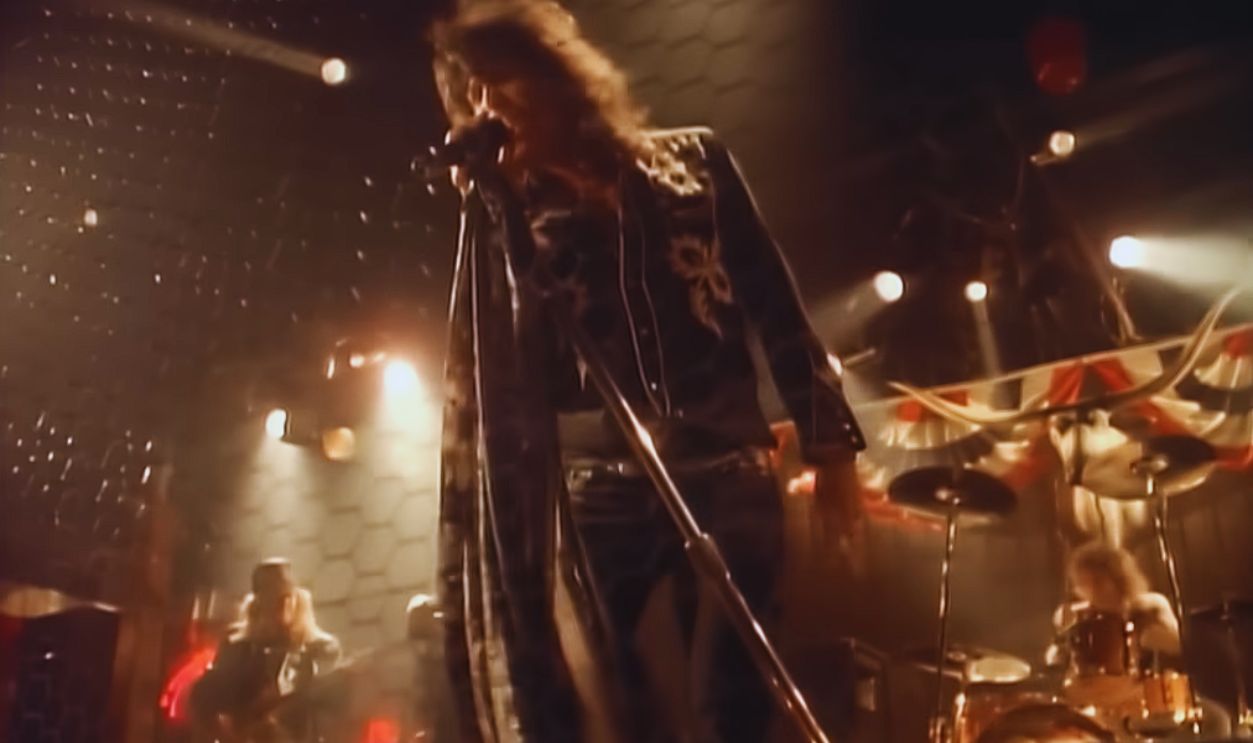 Screenshot from Aerosmith: What It Takes, Geffen Records (1989)
Then Grunge Ruined The Slow Dance
Within a few years, grunge made all this polish seem hopelessly unfashionable. The keyboards disappeared, the hair collapsed, and rock singers stopped begging beneath theatrical spotlights. Still, play one of these forgotten ballads today and someone nearby will remember every word—even if they firmly deny it afterward.
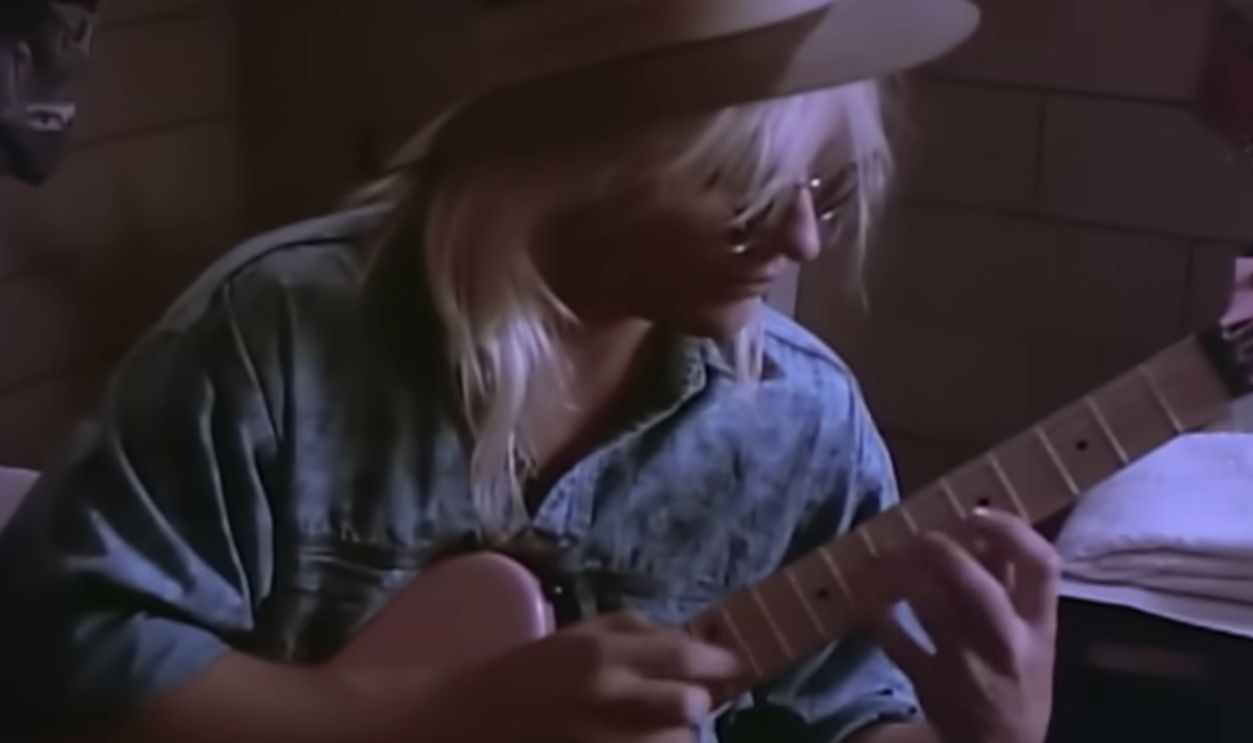 Screenshot from Every Rose Has Its Thorn, Capitol Records (1988)
You May Also Like:
50 Banging Facts About Neil Peart, The Professor Of Rock
Flashy Facts About Little Richard, The Architect Of Rock And Roll
Legendary Facts About The Beatles, Rock And Roll Icons