You Know The Song, But Probably Not Who Sang It First
Some songs become so closely associated with one performer that it's almost impossible to imagine anyone else singing them. But music history is full of surprises, and plenty of legendary hits actually started with completely different artists. From Whitney Houston to Joan Jett, these famous performers took somebody else's song and made it their own. In several cases, the original recordings sound almost unrecognizable.
 Rossano aka Bud Care, Wikimedia Commons
Whitney Houston: “I Will Always Love You”
Whitney Houston's soaring 1992 ballad became synonymous with The Bodyguard, but Dolly Parton wrote and recorded it in 1974. Originally a country farewell inspired by Parton's professional separation from Porter Wagoner, the song became a worldwide sensation when Houston transformed it into a powerhouse pop ballad.
 Kevork Djansezian, Getty Images
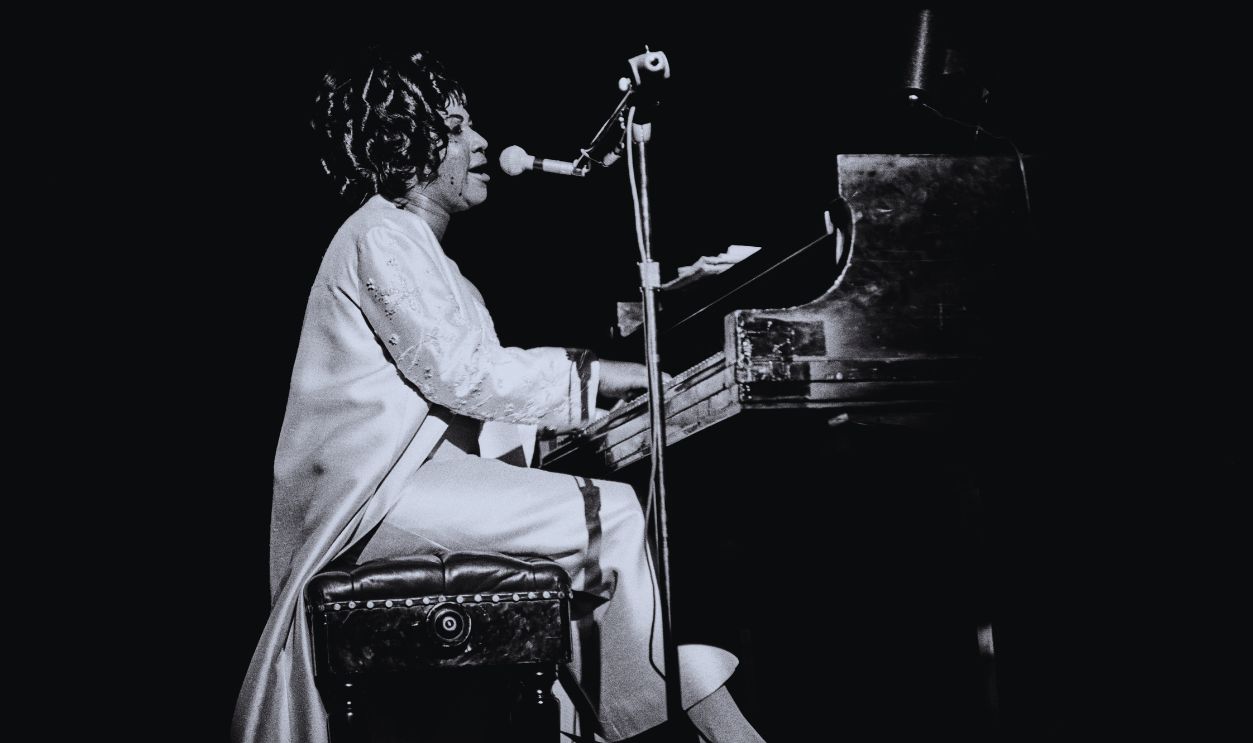
Aretha Franklin: “Respect”
Aretha Franklin made “Respect” a defining anthem of female empowerment in 1967, but Otis Redding wrote and recorded it two years earlier. Franklin completely reimagined the song, adding its famous spelled-out chorus and shifting the perspective. Her interpretation became her first number-one pop hit.
 Michael Ochs Archives, Getty Images
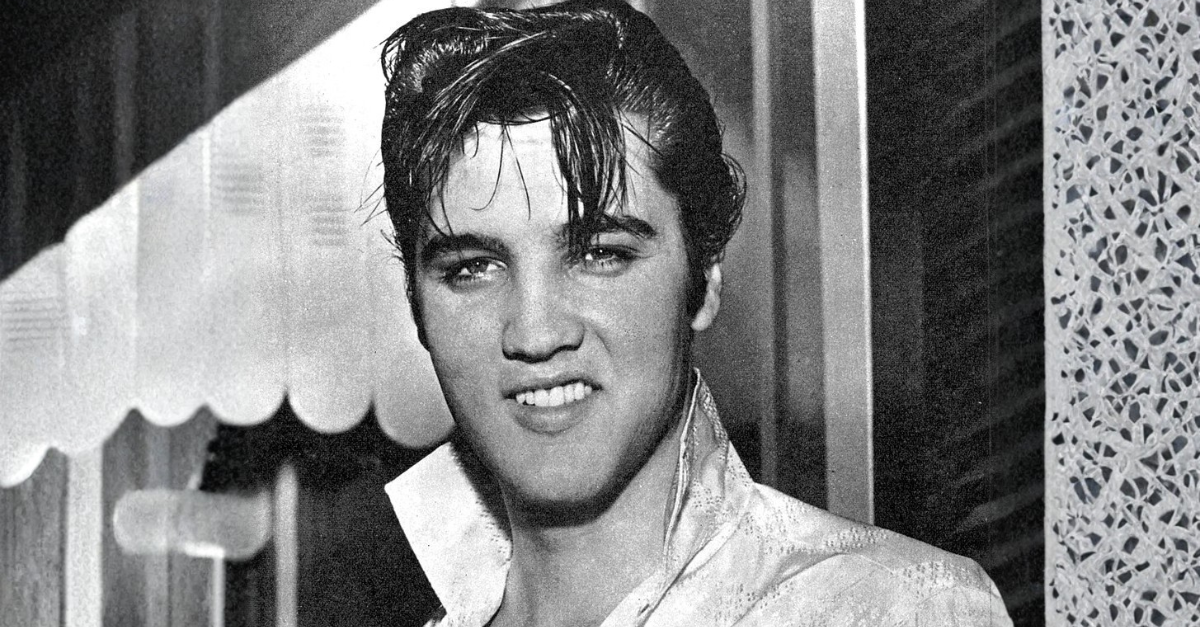
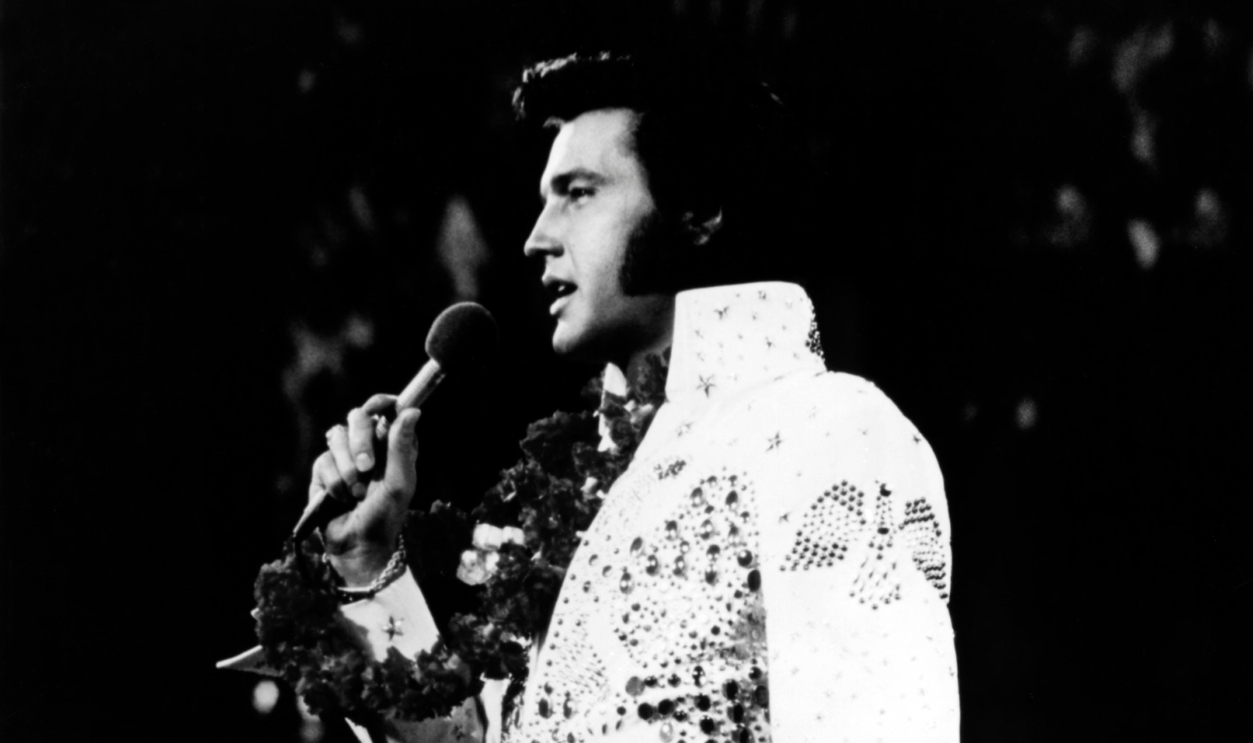
Elvis Presley: “Hound Dog”
Elvis Presley made “Hound Dog” a rock-and-roll classic in 1956, but blues singer Big Mama Thornton recorded it in 1953. Her original was already a major R&B hit. Presley popularized a different arrangement, turning the song into one of his most recognizable recordings.
Jimi Hendrix: “All Along The Watchtower”
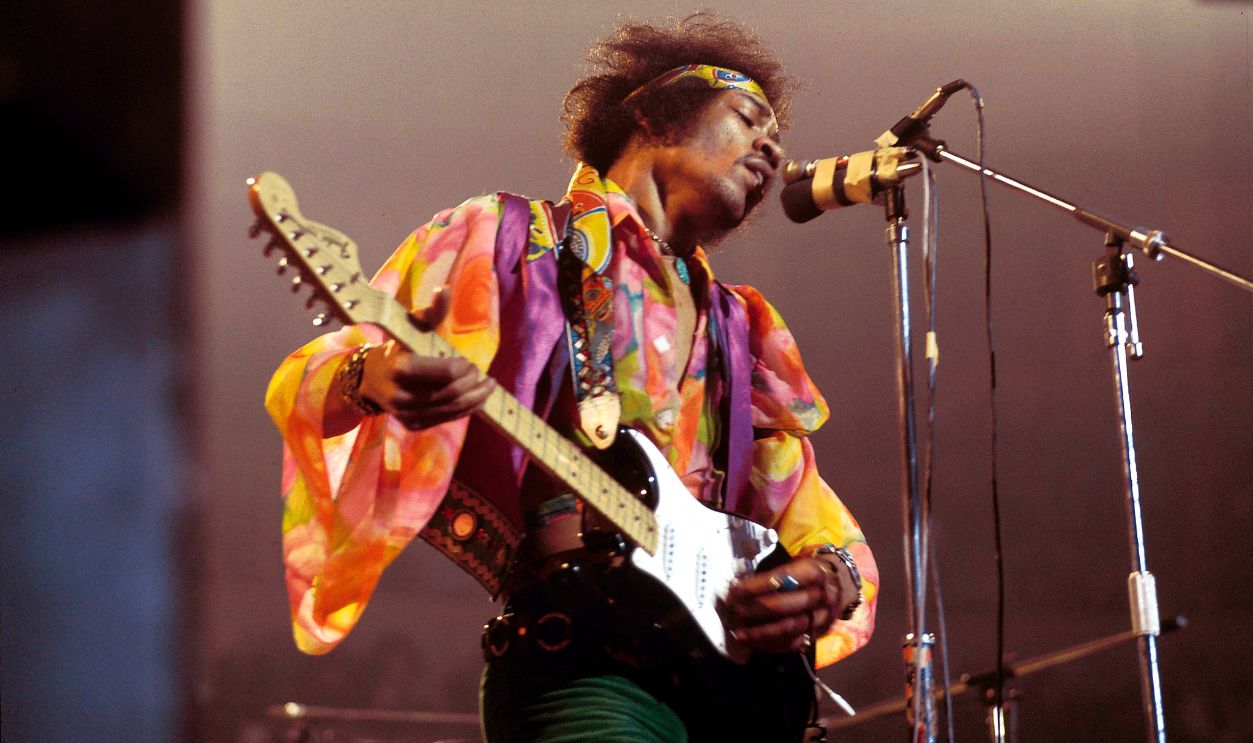
Jimi Hendrix's electrifying version of “All Along the Watchtower” is arguably more recognizable than Bob Dylan's original. Dylan released the song on his 1967 album John Wesley Harding. Hendrix reinvented it in 1968, replacing the restrained folk arrangement with explosive guitar work that Dylan himself admired.
The Beatles: “Twist And Shout”
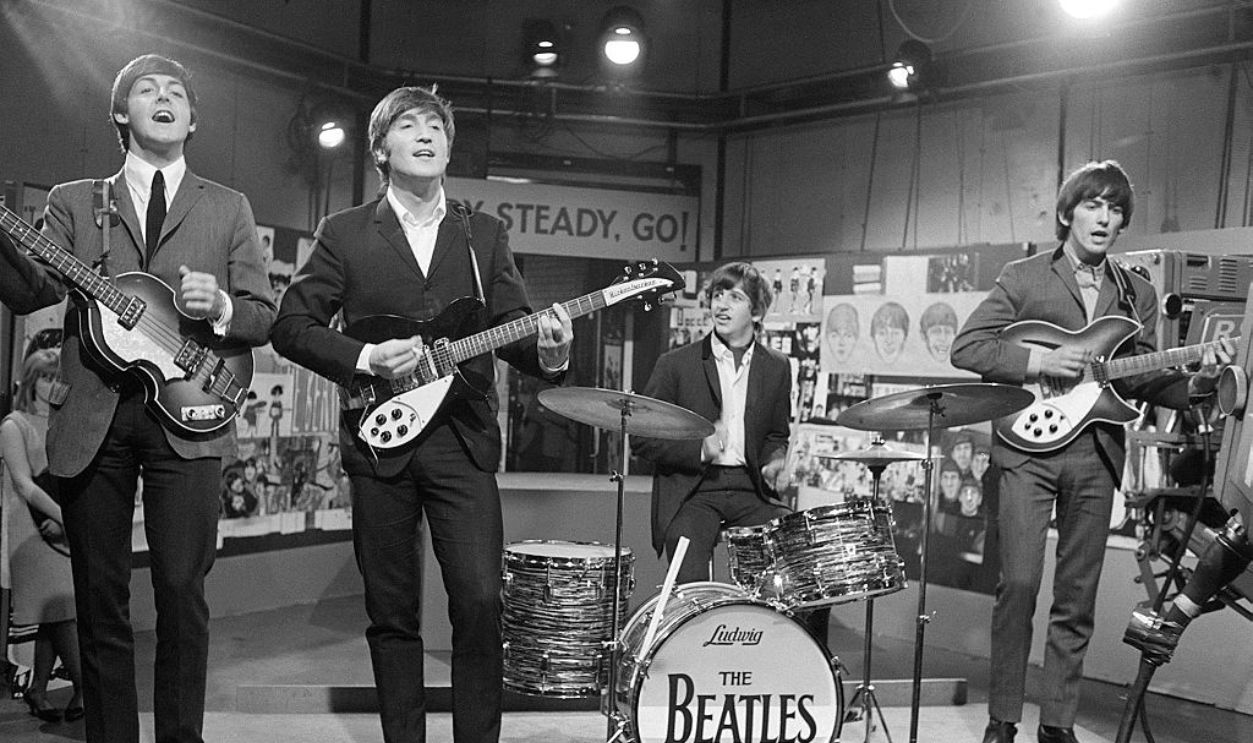
John Lennon's famously energetic vocals helped make “Twist and Shout” a Beatles favorite, but the song existed before Beatlemania. The Top Notes recorded it in 1961, followed by the Isley Brothers in 1962. The Beatles released their version on Please Please Me in 1963.
Tina Turner: “The Best”
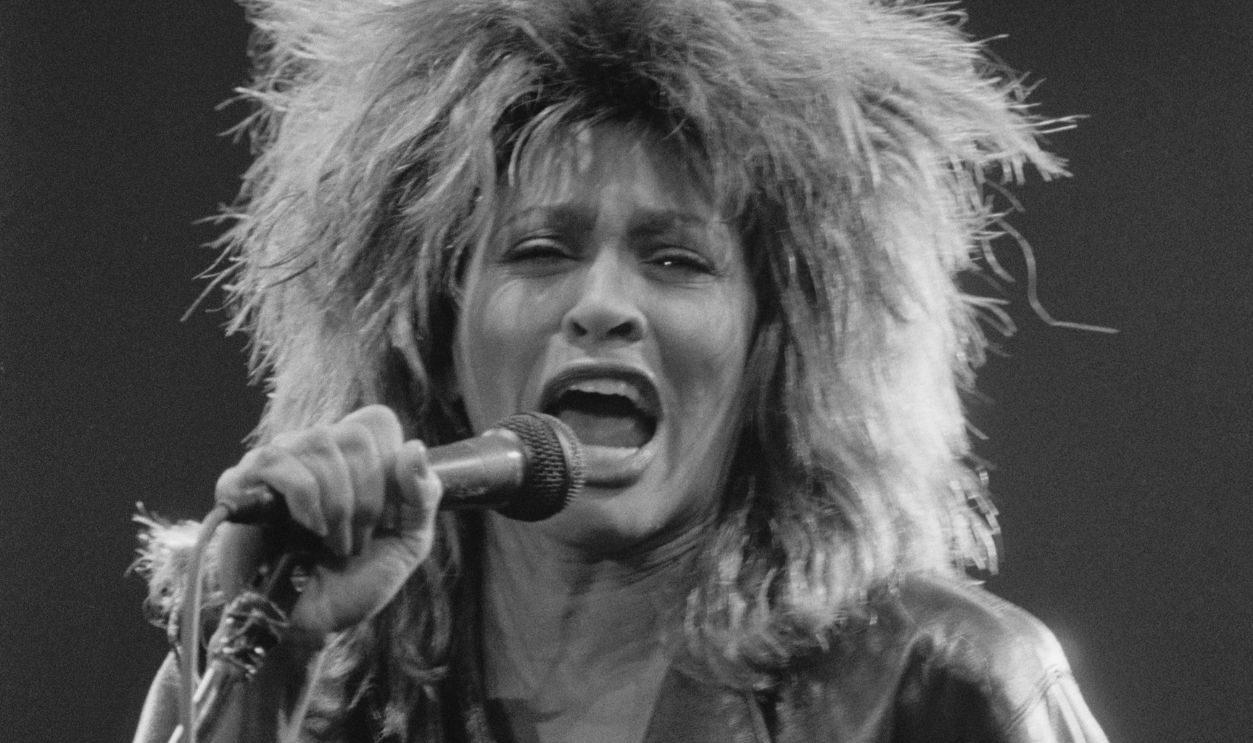
Tina Turner's “The Best” became one of her signature songs after its 1989 release. Surprisingly, Bonnie Tyler had recorded it just one year earlier for her album Hide Your Heart. Tyler's recording attracted limited attention, while Turner's powerful interpretation turned the song into an international anthem.
Santana: “Black Magic Woman”
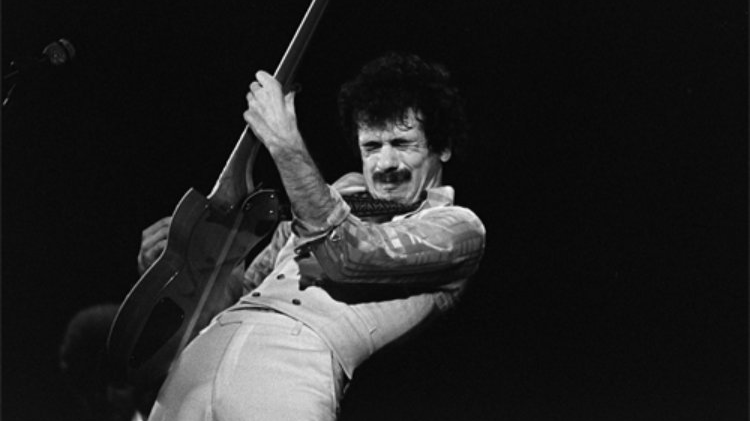
Carlos Santana's guitar playing made “Black Magic Woman” a rock staple, but Fleetwood Mac originally recorded it in 1968. Written by guitarist Peter Green, the song emerged during the band's blues-rock beginnings. Santana's 1970 interpretation introduced Latin rhythms and became a much bigger American hit.
 David Gans, CC BY-SA 2.0, Wikimedia Commons
Janis Joplin: “Me And Bobby McGee”
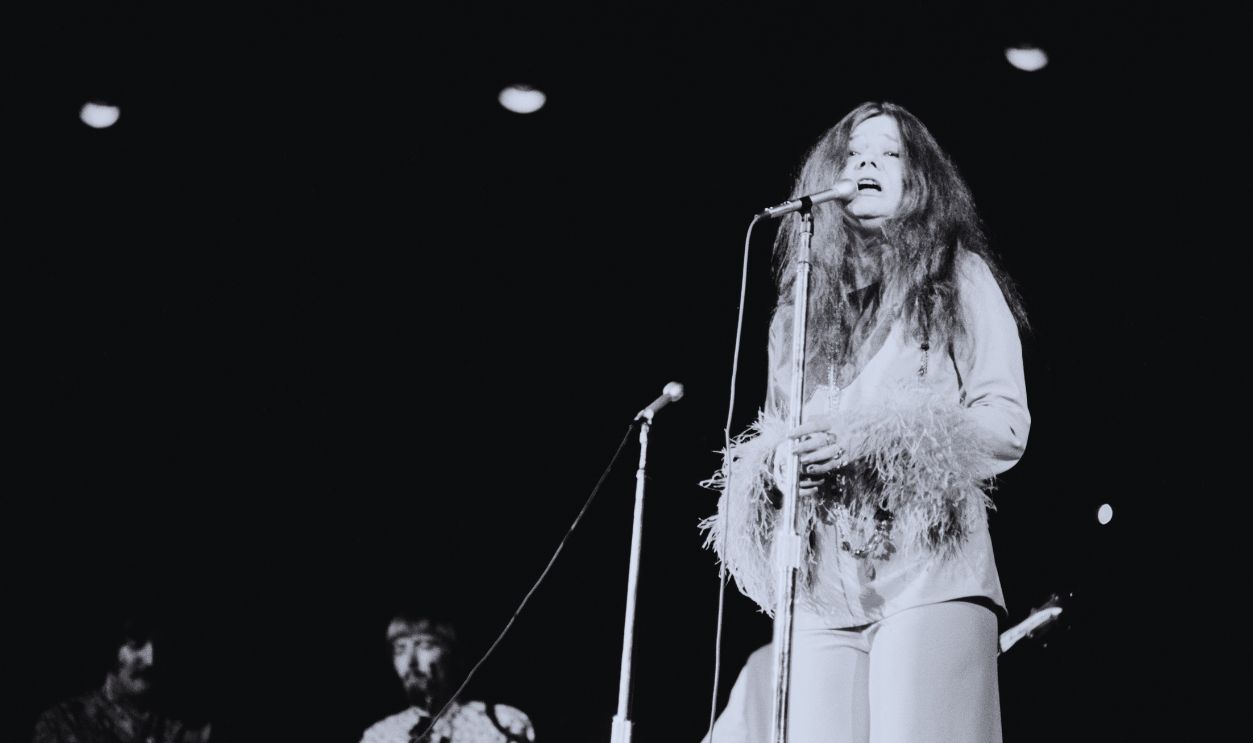
Janis Joplin's emotional interpretation of “Me and Bobby McGee” became her biggest chart success in 1971. However, Kris Kristofferson and Fred Foster wrote the song, and Roger Miller recorded it first in 1969. Joplin's version was released after her passing, reaching number one on the Billboard Hot 100.
 Michael Ochs Archives, Getty Images
Joan Jett: “I Love Rock ’N Roll”
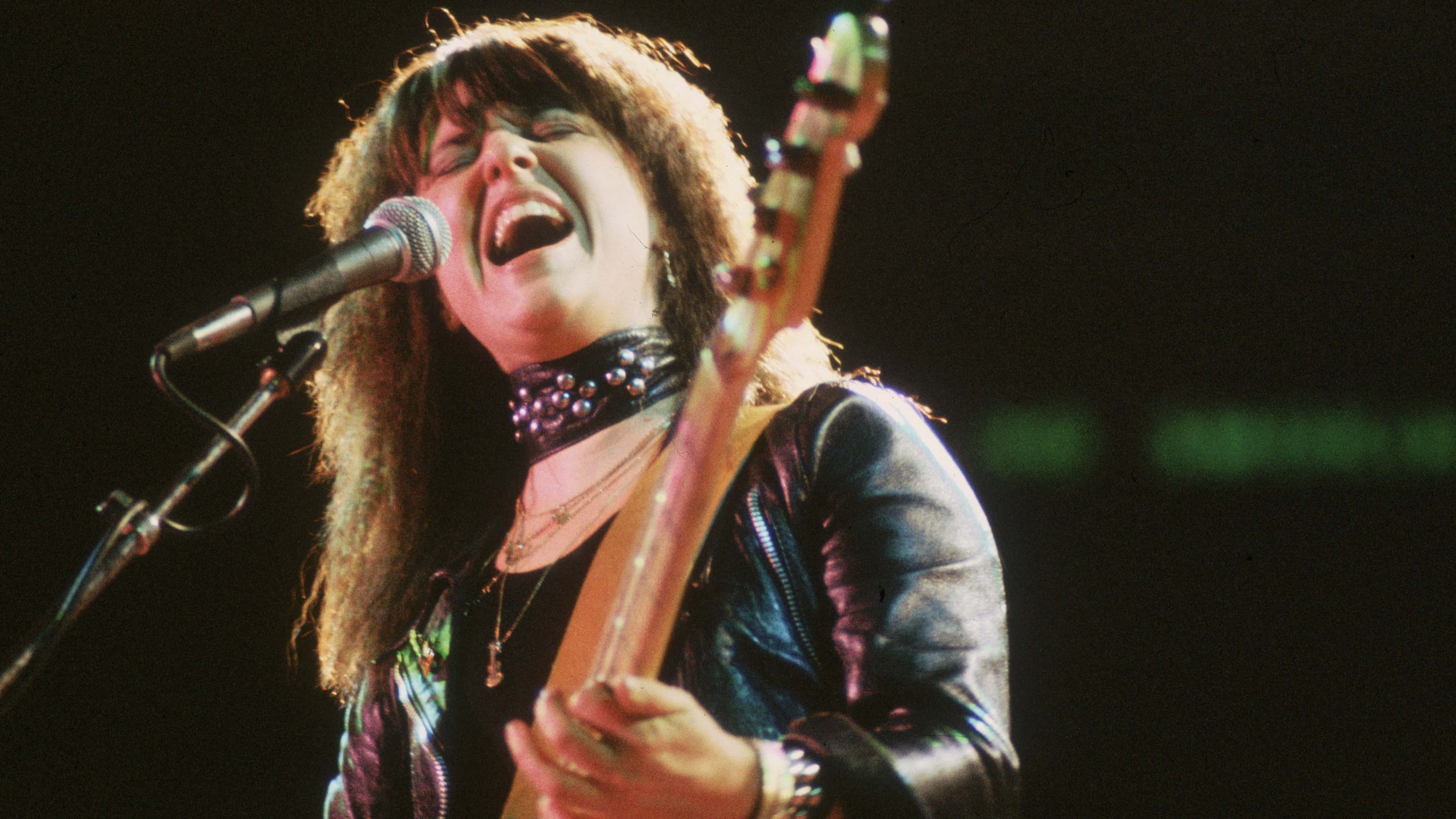
Joan Jett made “I Love Rock ’n Roll” practically inseparable from her image, but British band the Arrows recorded it in 1975. Jett and the Blackhearts released their famous version in 1981. It subsequently spent seven weeks atop the American singles chart.
Cyndi Lauper: “Girls Just Want To Have Fun”
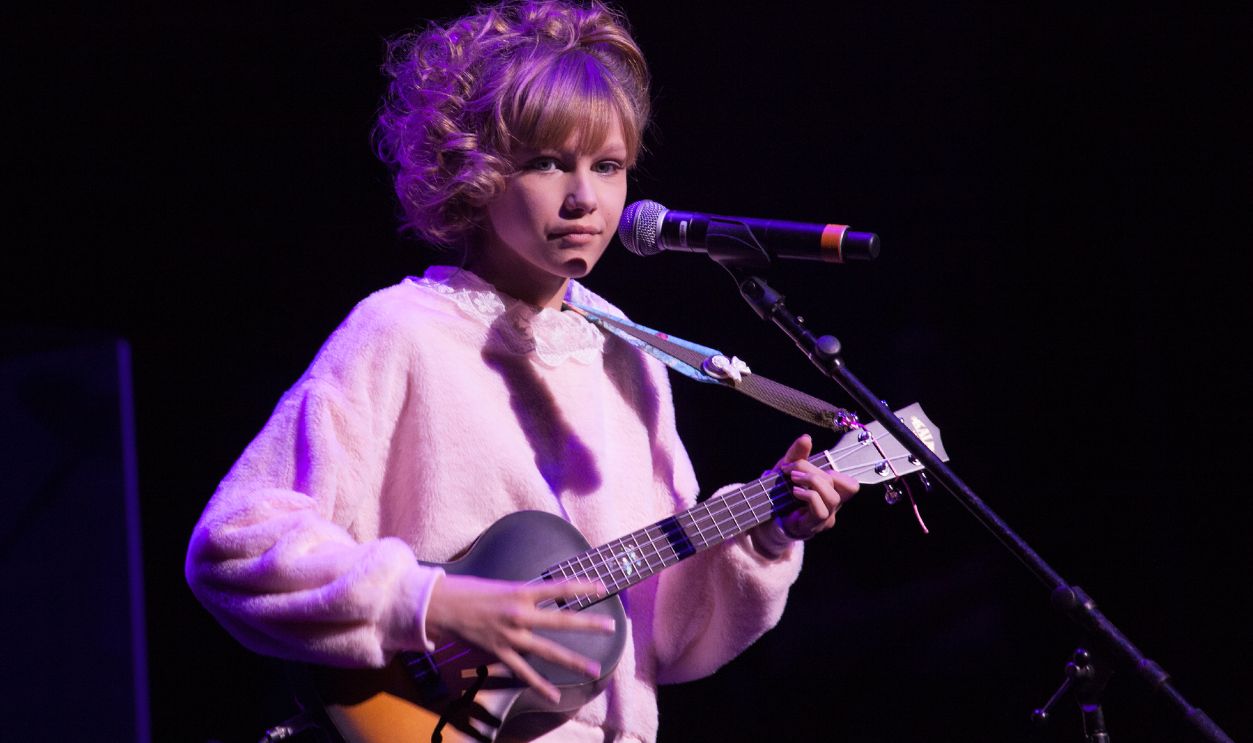
Cyndi Lauper's joyful 1983 anthem originally came from Philadelphia musician Robert Hazard. He wrote and recorded a demo in 1979, presenting the song from a man's perspective. Lauper altered its meaning, transforming it into a celebration of women's independence and a defining 1980s hit.
Soft Cell: “Tainted Love”
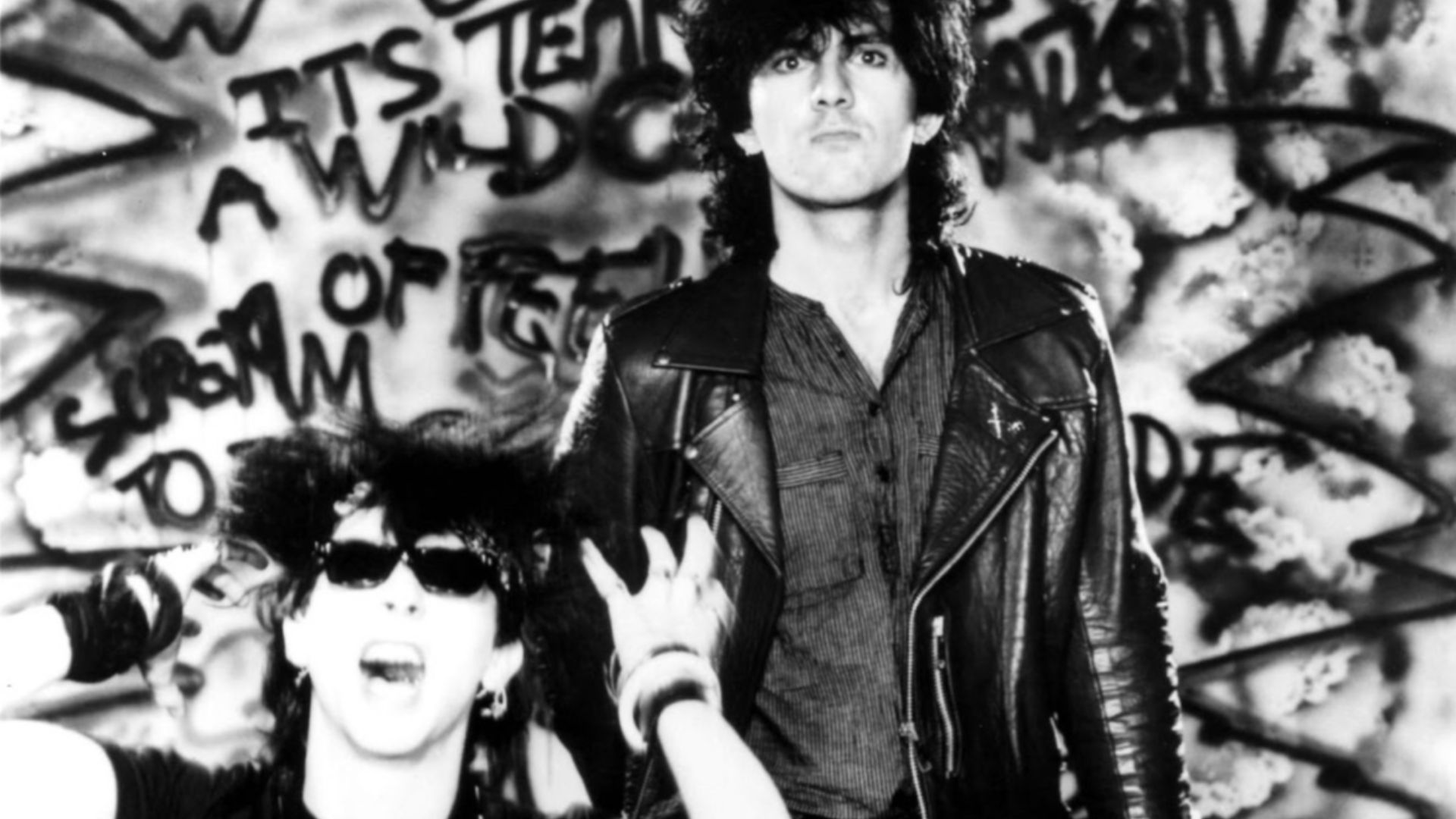
Soft Cell's synthesizer-heavy “Tainted Love” dominated pop radio in 1981, but Gloria Jones recorded the original during the 1960s. Her soul recording initially received little attention before becoming popular in Britain's Northern soul scene. Soft Cell radically rearranged it into an international synth-pop hit.
 Distributed by Sire Records, Wikimedia Commons
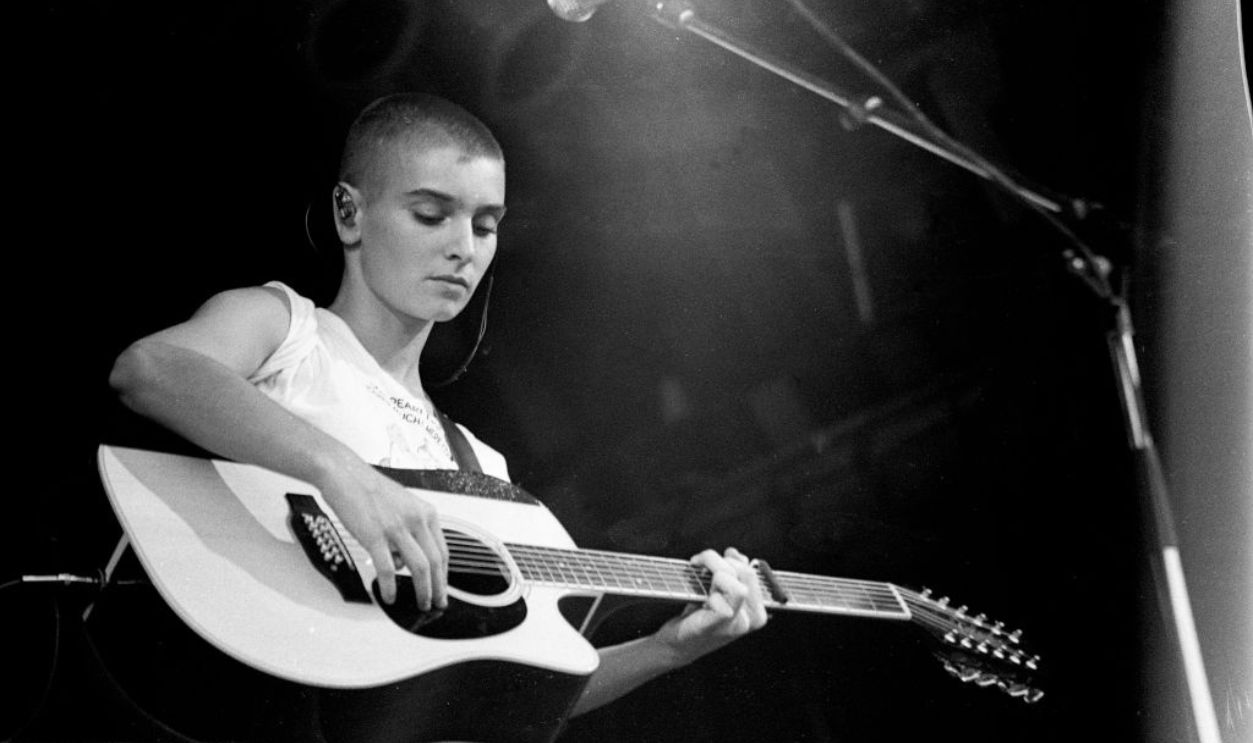
Sinéad O'Connor: “Nothing Compares 2 U”
Sinéad O'Connor's emotional 1990 recording made “Nothing Compares 2 U” unforgettable, but Prince wrote the song years earlier. It originally appeared on a 1985 album by his associated group, the Family. O'Connor's haunting interpretation transformed an overlooked album track into a worldwide chart-topper.
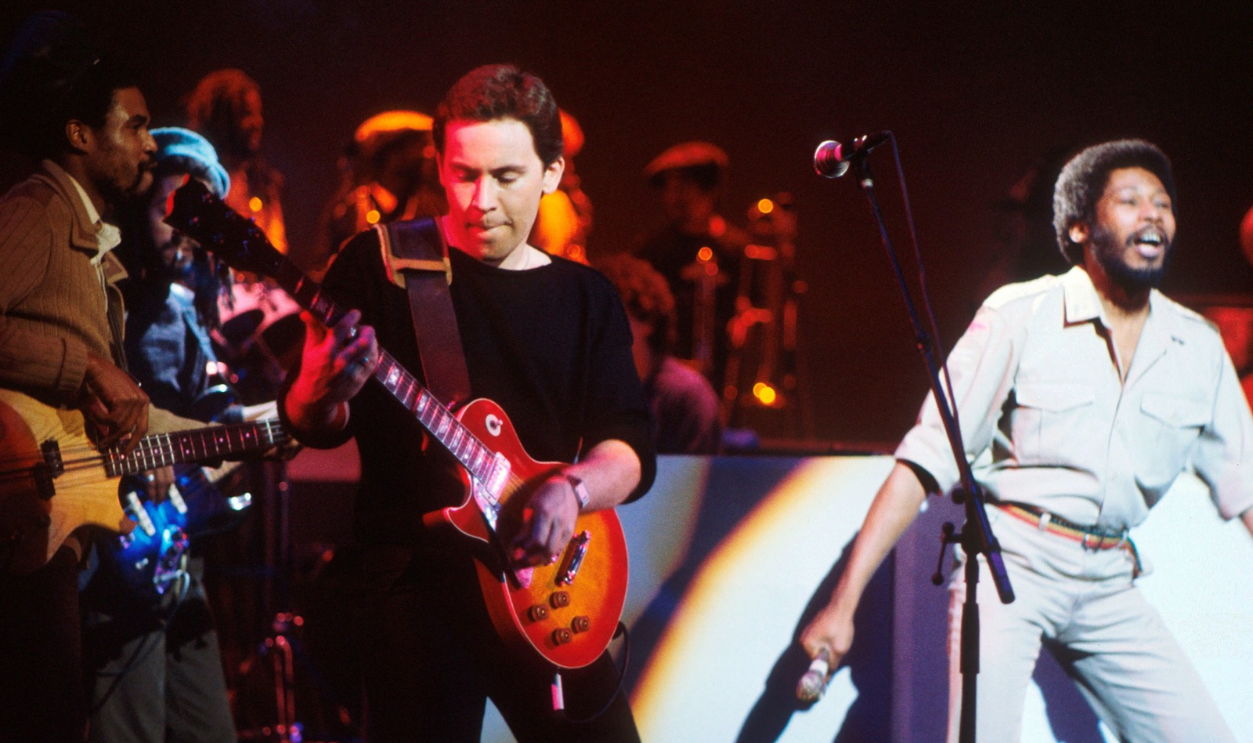
UB40: “Red Red Wine”
UB40's reggae version of “Red Red Wine” became a massive international hit, but Neil Diamond originally wrote and recorded the song. Interestingly, UB40 discovered it through Tony Tribe's 1969 reggae interpretation. Their 1983 recording eventually reached number one in America in 1988.
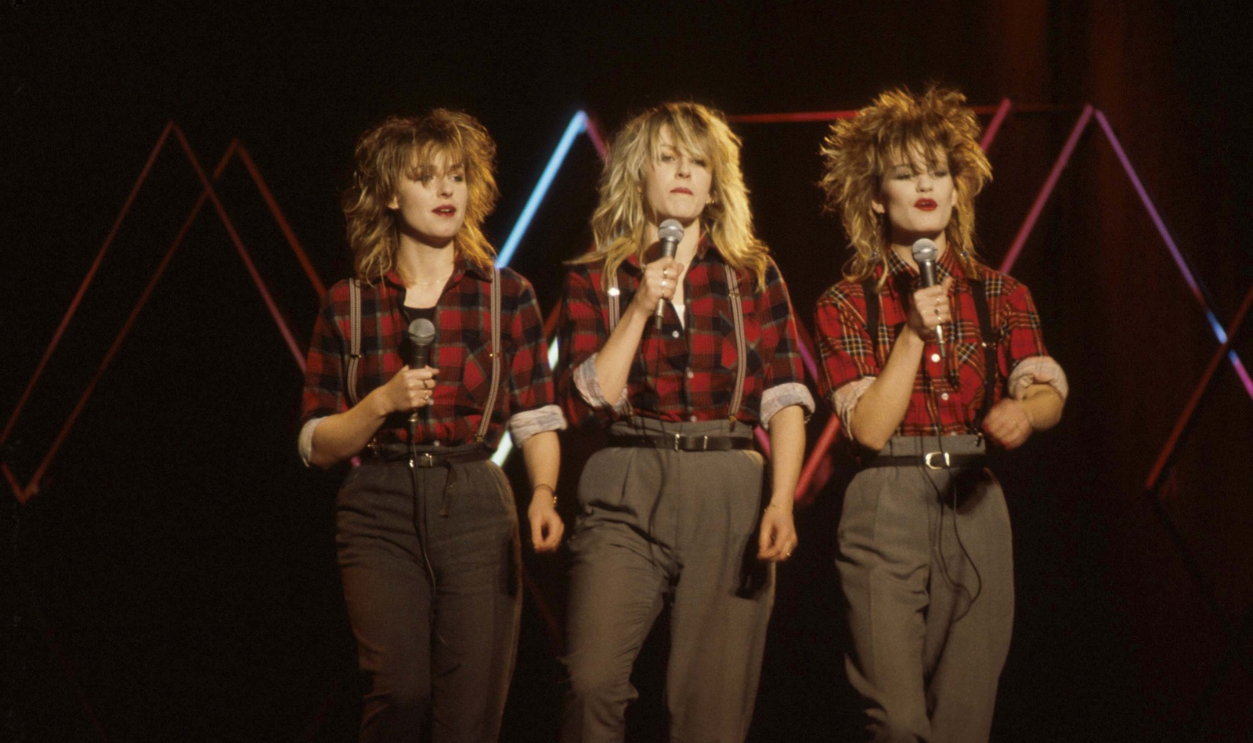
Bananarama: “Venus”
Bananarama's infectious 1986 dance hit “Venus” originally belonged to Dutch rock band Shocking Blue. The group's 1969 recording was already internationally successful, even reaching number one in America. Bananarama's energetic remake brought the song to another generation, topping the American chart again.
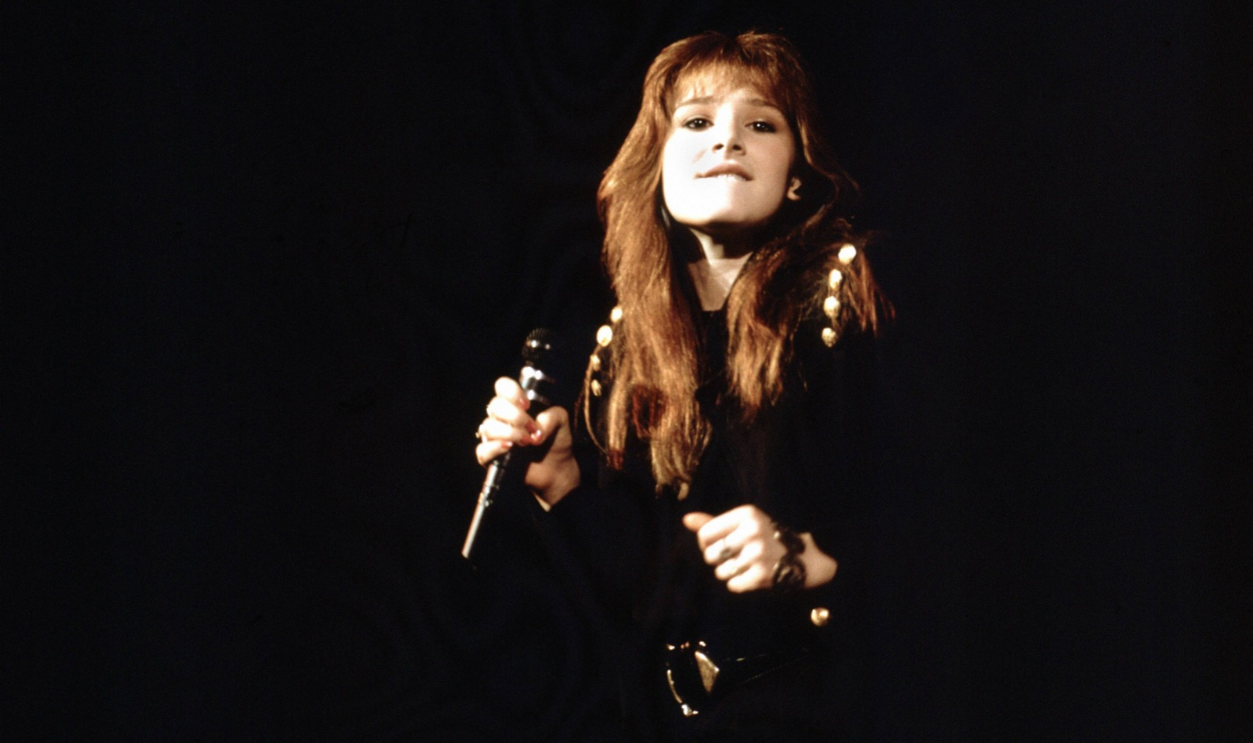
Tiffany: “I Think We're Alone Now”
Teen sensation Tiffany reached number one in 1987 with “I Think We're Alone Now.” However, Tommy James and the Shondells had already scored a major hit with it in 1967. Tiffany's updated pop arrangement and shopping-mall performances helped introduce the song to younger listeners.
Blondie: “The Tide Is High”
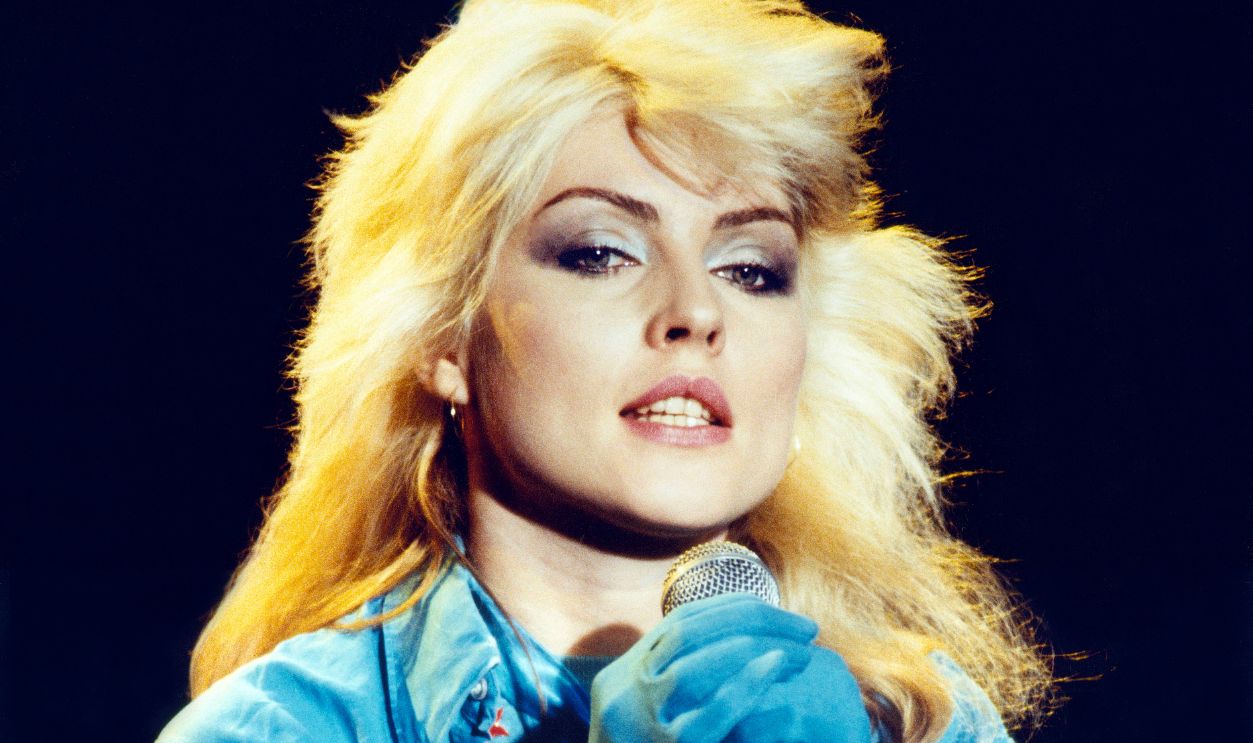
Blondie's breezy 1980 hit “The Tide Is High” originated in Jamaica, where John Holt wrote and recorded it with the Paragons in 1967. Their original featured a distinctive rocksteady rhythm. Blondie's interpretation topped charts in America and Britain, eventually becoming one of the band's signature songs.
Natalie Imbruglia: “Torn”
Natalie Imbruglia's 1997 breakthrough “Torn” was already several years old when she recorded it. The song was written for alternative rock band Ednaswap, although Danish singer Lis Sørensen recorded the first released version in 1993. Imbruglia's polished interpretation became an enormous international radio hit.

The Fugees: “Killing Me Softly”
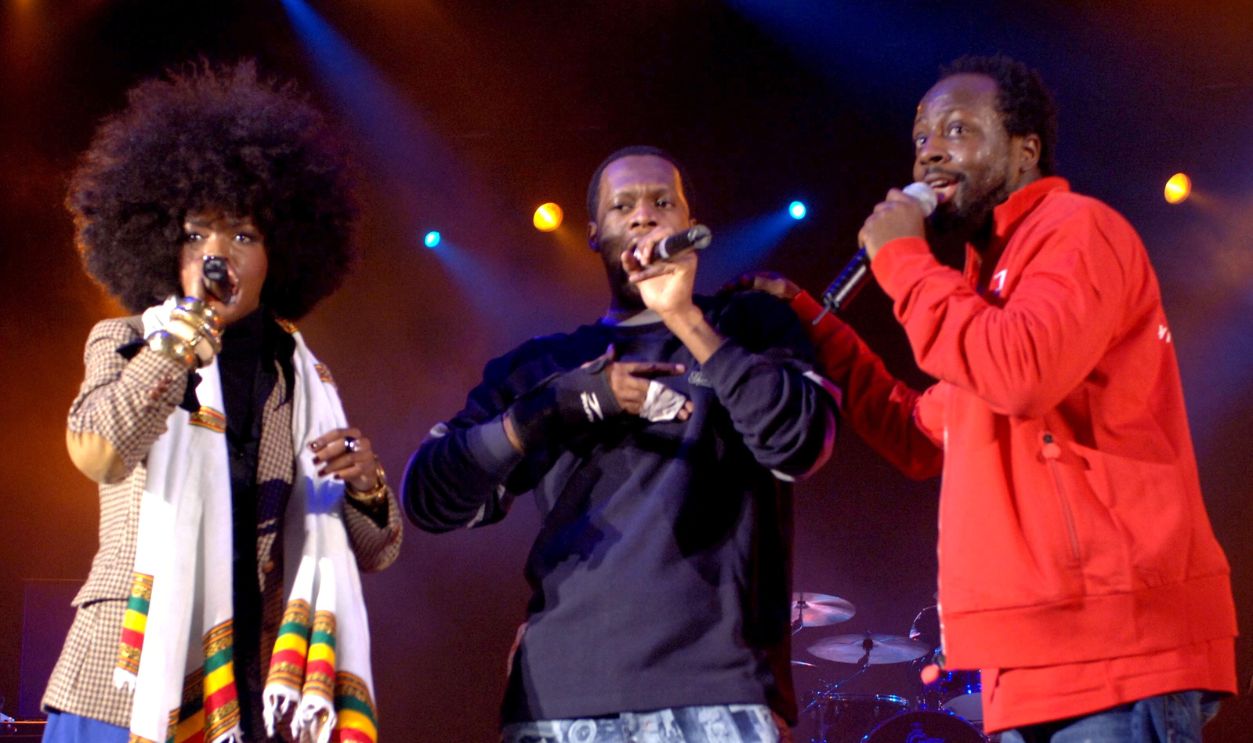
The Fugees made “Killing Me Softly” a defining 1996 hit, but Roberta Flack had popularized the song in 1973. Even she wasn't the original performer. Lori Lieberman recorded it in 1972, with the song drawing inspiration from her experience hearing singer-songwriter Don McLean perform.
Jeff Buckley: “Hallelujah”
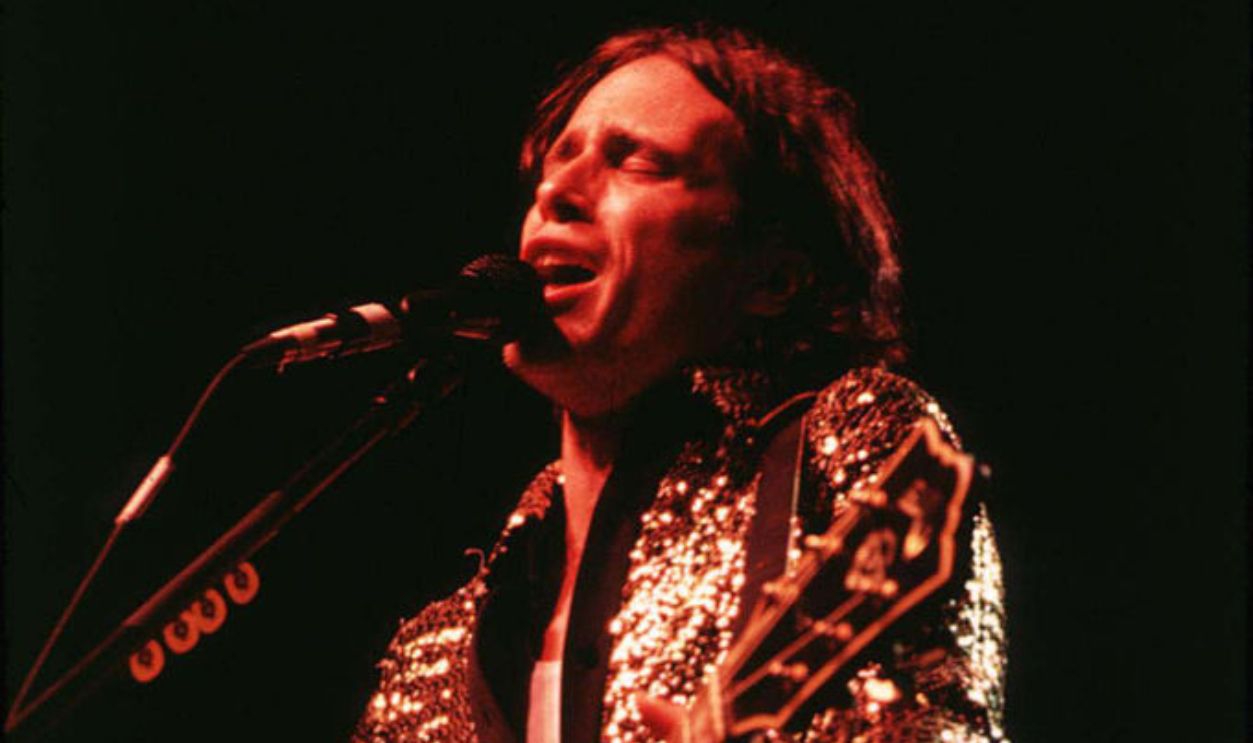
Jeff Buckley's haunting “Hallelujah” became one of the most admired interpretations of the song. However, Leonard Cohen originally released it in 1984. John Cale subsequently recorded an influential version that helped shape Buckley's interpretation, which appeared on his 1994 album Grace.
Johnny Cash: “Hurt”
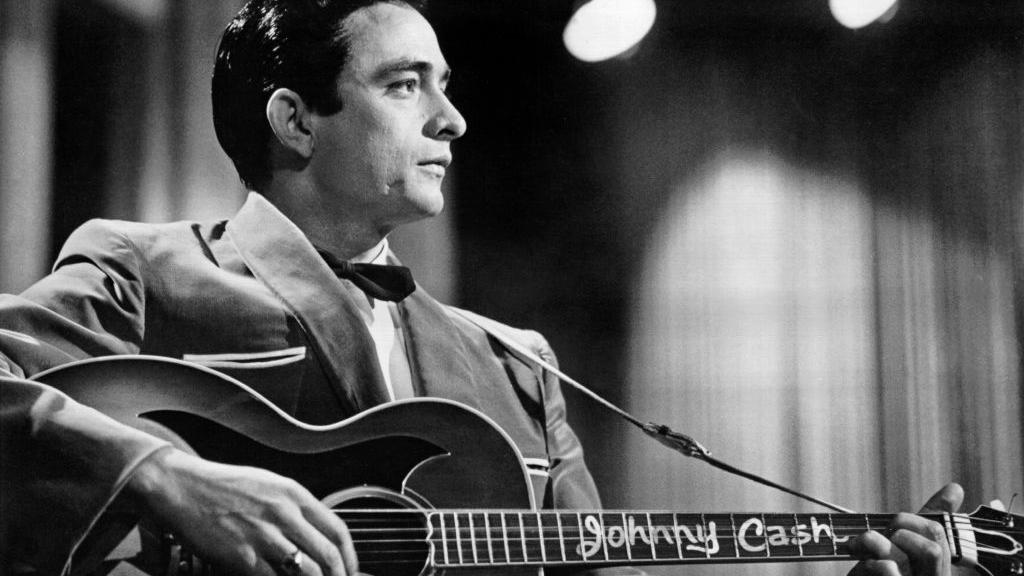
Johnny Cash's deeply moving rendition of “Hurt” became especially poignant near the end of his career. But Trent Reznor originally wrote and recorded it for Nine Inch Nails' 1994 album The Downward Spiral. Cash's stripped-down 2002 interpretation introduced the song to an entirely different audience.
 Michael Ochs Archives, Getty Images
Amy Winehouse: “Valerie”
Amy Winehouse's soulful “Valerie” became one of her most beloved performances, but British band the Zutons released the original in 2006. Songwriter Dave McCabe wrote it about a woman he met in Florida. Mark Ronson's subsequent production transformed the indie-rock song into a Motown-inspired hit.

No Doubt: “It's My Life”
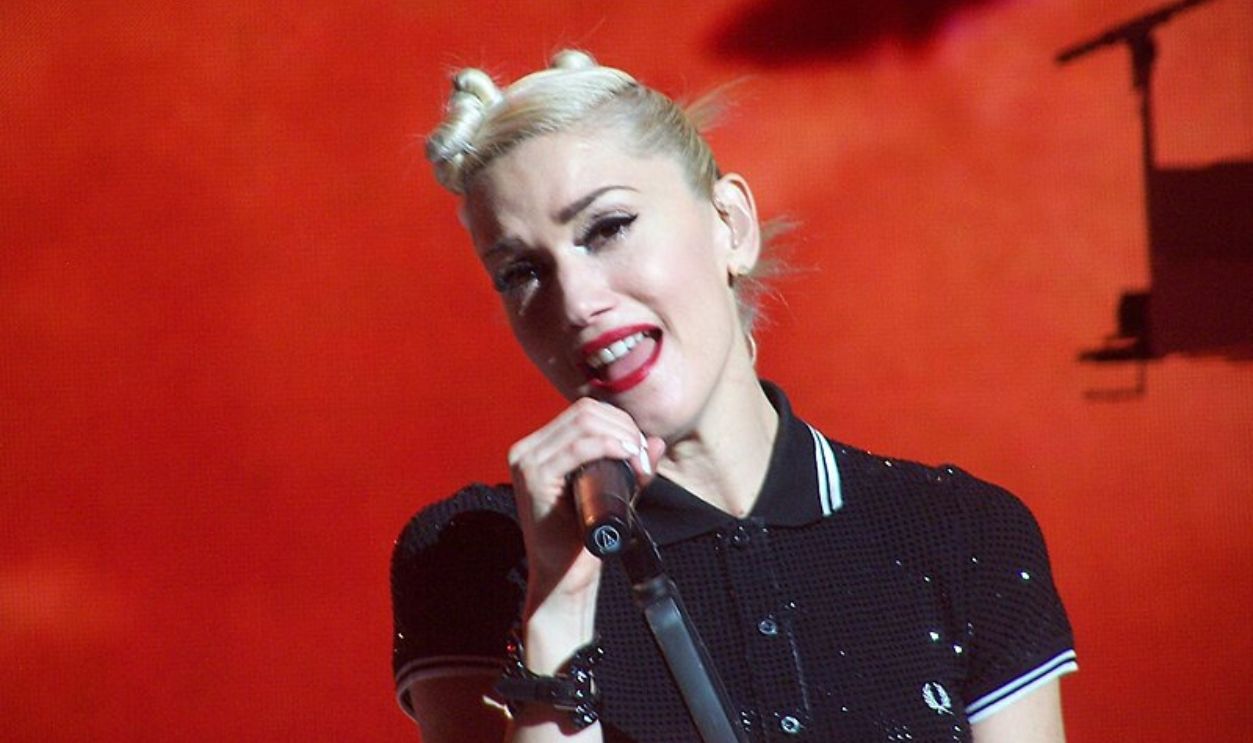
Gwen Stefani's distinctive vocals helped make No Doubt's 2003 version of “It's My Life” a major hit. The song, however, originally appeared on British band Talk Talk's 1984 album of the same name. No Doubt's recording also earned a Grammy nomination for the group.
 Jim Trottier, CC BY-SA 2.0, Wikimedia Commons
Toni Basil: “Mickey”
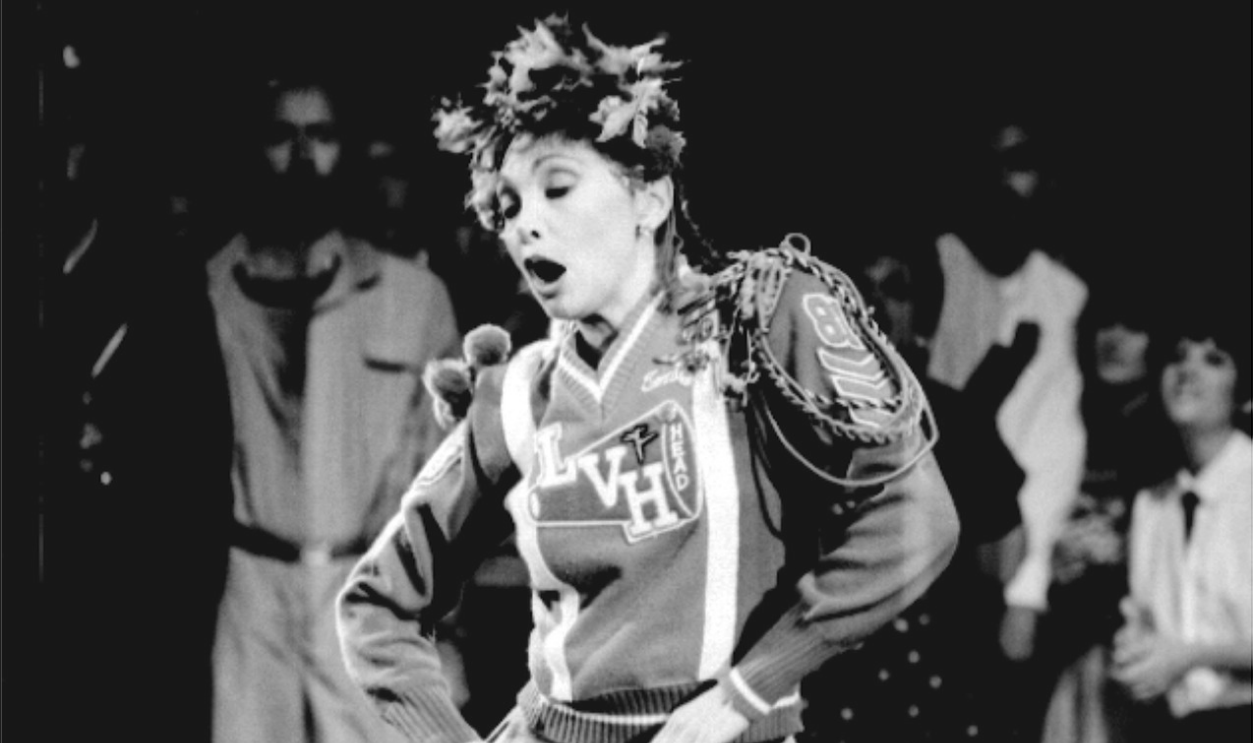
Toni Basil's cheerleader-inspired “Mickey” became a pop phenomenon in 1982, but British band Racey first recorded the song as “Kitty” in 1979. Basil changed its perspective, added the unforgettable cheerleader chants, and created the colorful music video that helped propel it to number one.
 Michael Ochs Archives, Getty Images
You May Also Like:
Forgotten Rock Frontmen From The 1970s Who Once Seemed Larger Than Life
Albums You’d Find in Nearly Every 1970s Record Collection
“Brandy” made Looking Glass famous in 1972. Then their singer walked away from the band.