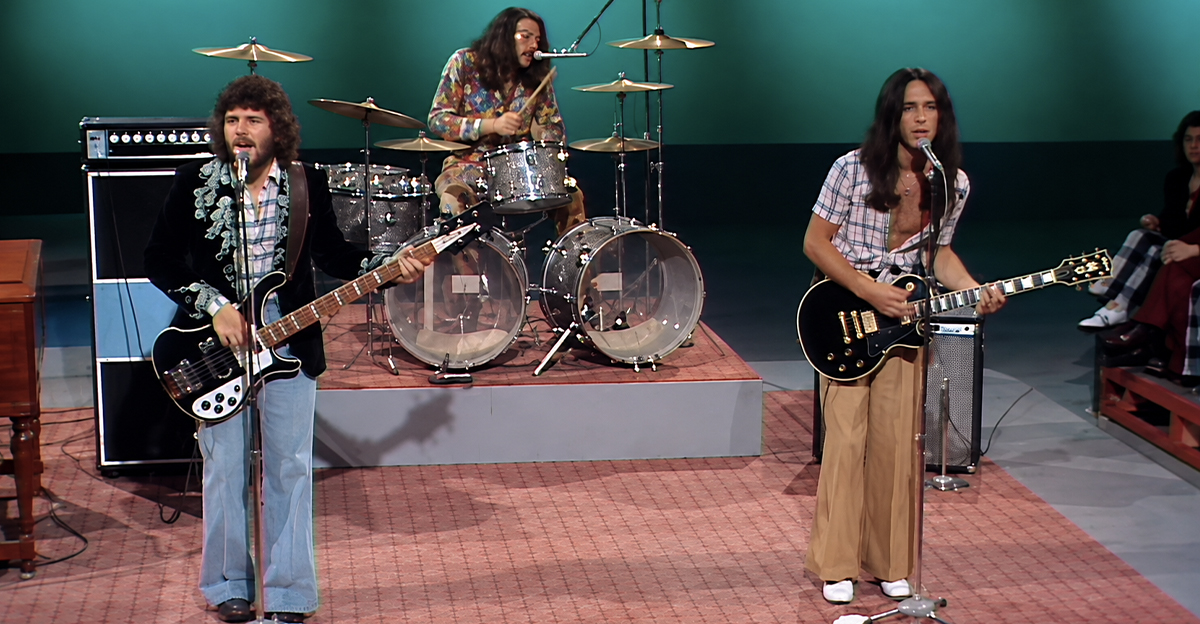
Few songs capture early-1970s AM radio quite like “Brandy (You’re a Fine Girl).” Looking Glass seemed to arrive from nowhere when the bittersweet tale of a barmaid and a sailor reached No. 1 in 1972. But the band behind it sounded surprisingly different in person, and singer-songwriter Elliot Lurie eventually decided to leave it behind.
Looking Glass Started At Rutgers
Looking Glass grew out of Rutgers University in New Jersey, where Lurie, keyboardist Larry Gonsky and bassist Pieter Sweval began playing together. After an early breakup and regrouping, drummer Jeff Grob completed the classic lineup. They played bars and fraternity parties, eventually renting a farmhouse where they rehearsed and concentrated on original material. Columbia Records president Clive Davis ultimately heard them perform and signed them to Epic.
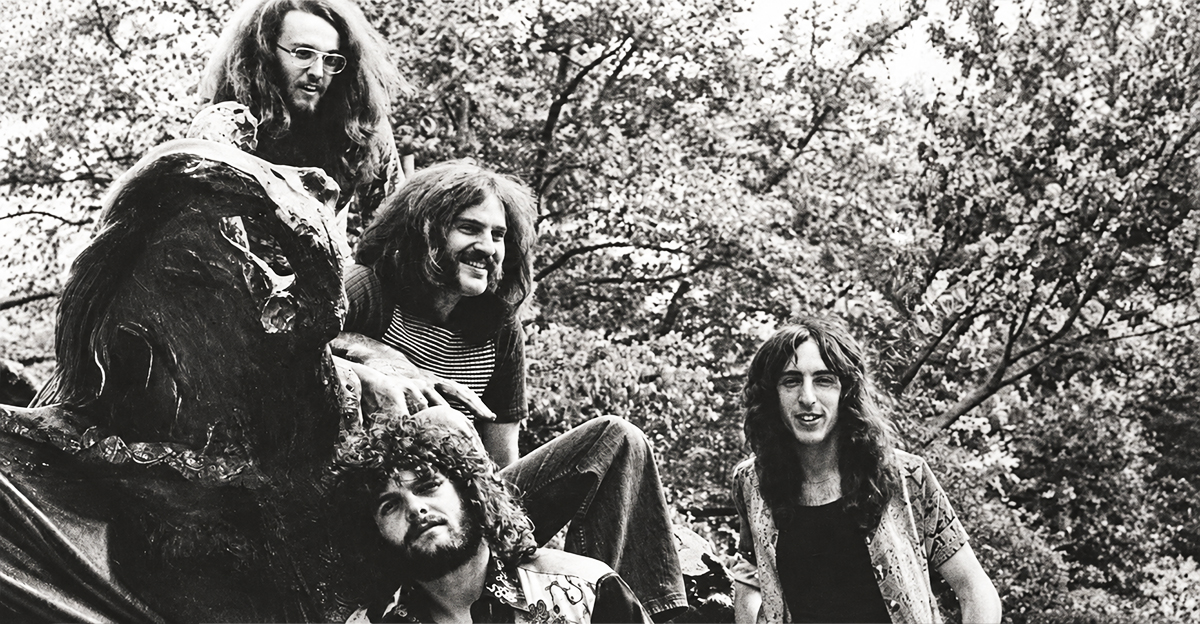 Photo by Gems/Redferns, Getty Images
Lurie Created Brandy
Lurie wrote “Brandy” while the band was living at the farmhouse. Its heroine's name evolved from Randye, the name of Lurie's high-school girlfriend, although the harbor-town story itself was fictional. Lurie imagined a woman tending bar in an old seaport who falls for a sailor unable to abandon the sea for her. The band worked through numerous versions before arriving at the familiar recording.
Nobody Expected The Hit
Ironically, Looking Glass worried that “Brandy” didn't represent them. They were essentially a rock-and-roll bar band, so the harder-edged “Don't It Make You Feel Good” was initially pushed instead. Washington, D.C. radio personality Harv Moore heard “Brandy,” however, began playing it heavily, and listener reaction helped transform the overlooked song into the band's breakout record.
Suddenly They Were Number One
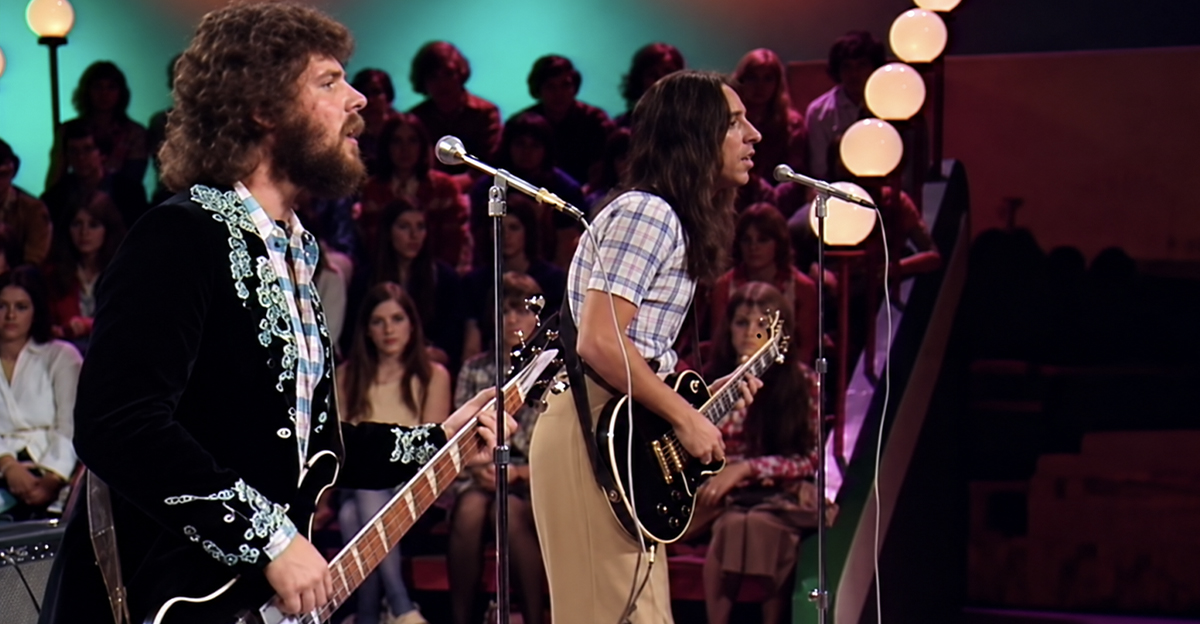
“Brandy” entered the Billboard Hot 100 in June 1972 and climbed steadily until August 26, when it displaced Gilbert O'Sullivan's “Alone Again (Naturally)” at No. 1. It remained there for one week, earned a gold record, and sold more than a million copies. Looking Glass had gone from working the East Coast club circuit to possessing one of America's biggest records.
Success Created A Problem
The hit also gave audiences a misleading idea of Looking Glass. “Brandy” featured polished harmonies, horns and strings, while the band's live shows were considerably harder rocking. Lurie later remembered that concertgoers expecting more music resembling “Brandy” could be surprised by what they actually heard. The very song that established Looking Glass was creating an identity the musicians hadn't intended.
There Was Another Hit
Looking Glass wasn't technically a one-hit wonder. The band returned to the Top 40 in 1973 with Lurie's “Jimmy Loves Mary-Anne,” produced by Arif Mardin, which reached No. 33. Their second album, Subway Serenade (1973), couldn't duplicate the debut's success, however. Looking Glass remained overwhelmingly associated with the lonely barmaid whose name had become inseparable from 1970s radio.
Lurie Walked Away
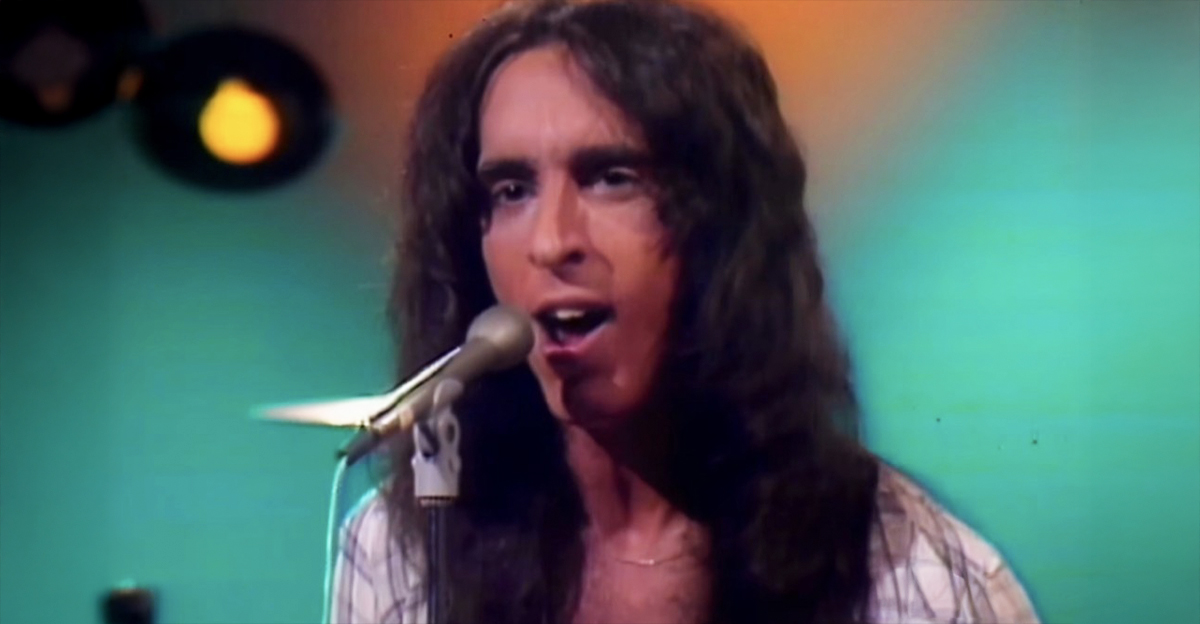
By 1974, Lurie had had enough of the contradiction between Looking Glass's natural musical identity and what audiences expected from its singles. He left and pursued a solo career, releasing an album and several singles without achieving another major hit. Looking Glass continued briefly without him, eventually evolving into Fallen Angels and then, following further personnel changes, the hard-rock band Starz.
He Found A Second Career
Lurie's story didn't end when his solo career stalled. He moved to Los Angeles in the 1980s and found another place for his musical instincts: movies. He worked successfully in music supervision, including as an executive at 20th Century Fox, with credits associated with films including Perfect (1985), Alien 3 (1992), A Night at the Roxbury (1998), and Spanglish (2004).
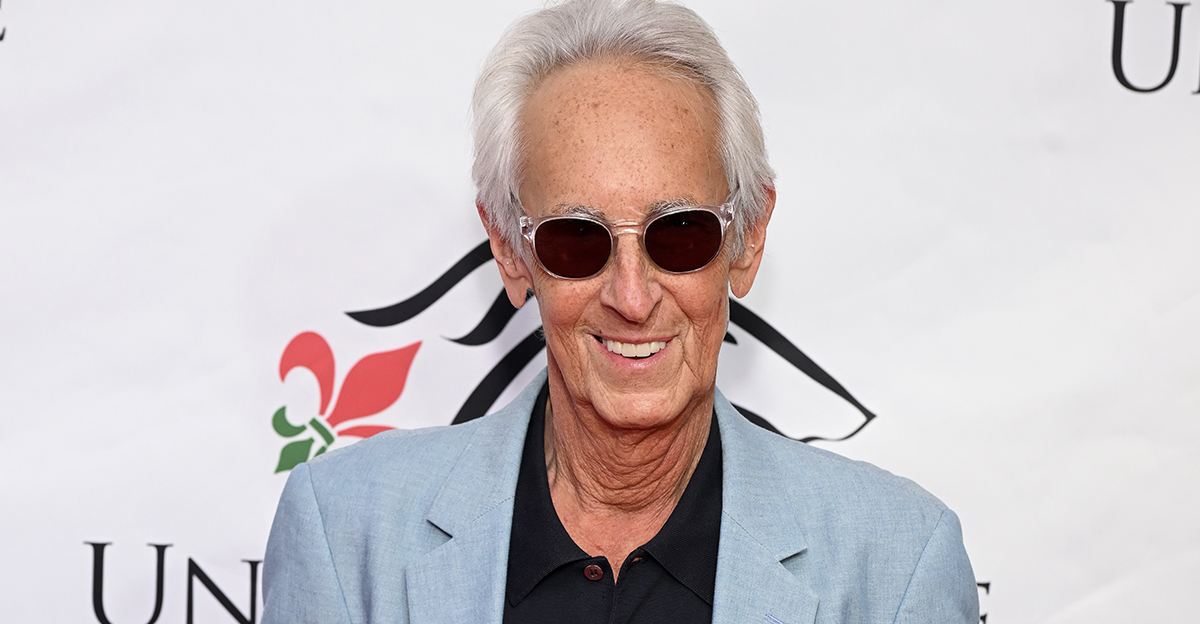 Photo by Daniel Boczarski/Getty Images for Unbridled Eve
Brandy Never Went Away
Meanwhile, the song outlived the band that created it. “Brandy” became an oldies-radio fixture and appeared across movies and television. Its most spectacular revival came with Guardians of the Galaxy Vol. 2 (2017), where director James Gunn made the song part of the story itself. Billboard reported that its monthly on-demand streams jumped from 1.4 million to 6.6 million following the movie's release.
Lurie eventually returned to performing, sometimes appearing with Yacht Rock Revue and playing his famous composition for audiences generations removed from 1972. More than half a century later, Looking Glass may be history, but the sailor still loves the sea, Brandy still wears that braided chain, and radio still hasn't quite managed to let her go.
You May Also Like:
“Stuck In The Middle With You” Made Stealers Wheel Famous—Then The Band Fell Apart
1970s Singers Who Had One Big Hit And Then Seemed To Disappear
Forgotten Rock Frontmen From The 1970s Who Once Seemed Larger Than Life