When The Stage Took Songs To Another Level
Some songs sound great in the studio, but something completely different happens when they hit the stage. It might be a looser performance, a more intense vocal take, or even the energy of the crowd watching. Whatever the reason, some tracks don’t just improve live, they become the definitive versions.
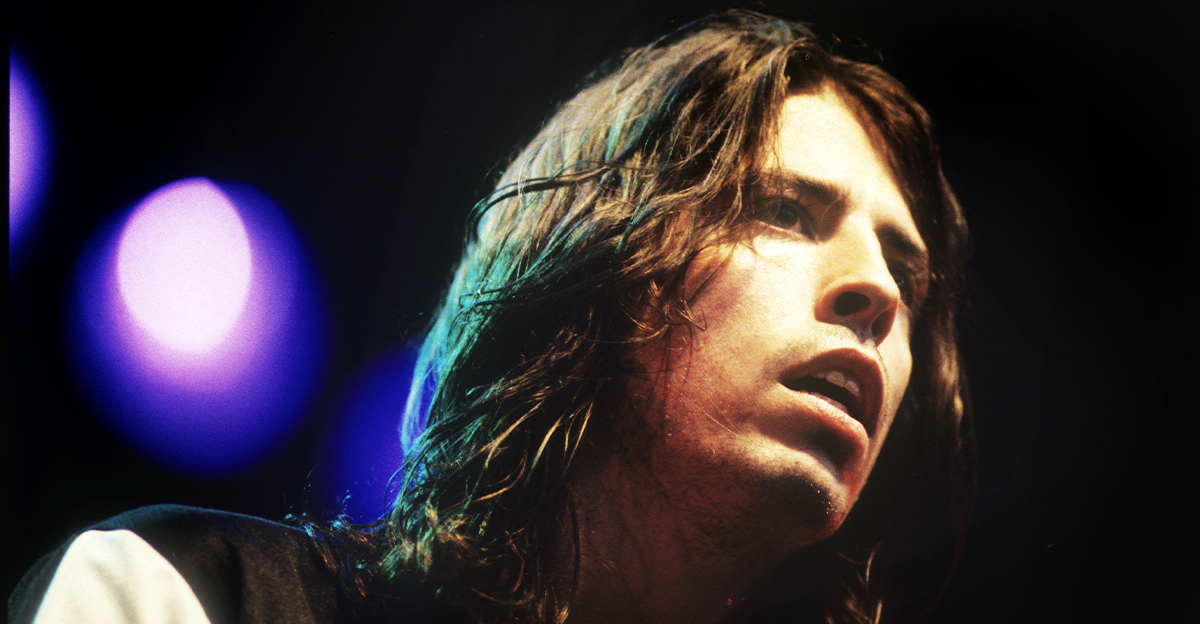
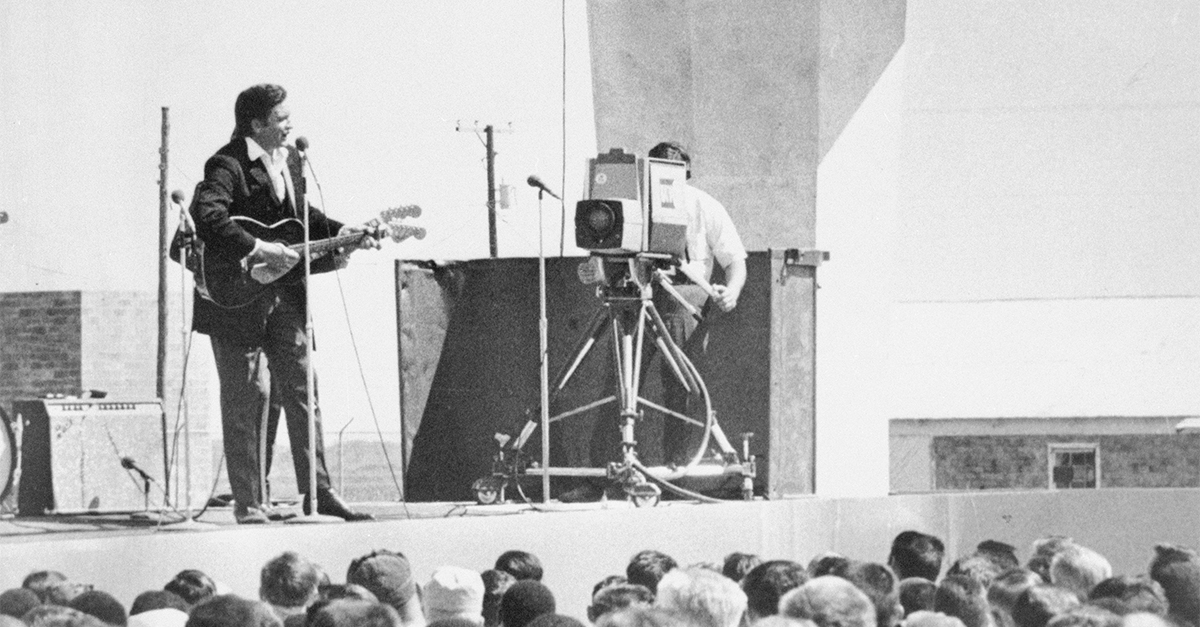
Johnny Cash – “Folsom Prison Blues” (1968)
Johnny Cash’s original version of “Folsom Prison Blues” was already iconic, but the 1968 live recording gave it a sharper edge. Performing in front of inmates at Folsom Prison added a level of authenticity you simply can’t recreate. When Cash delivers lines about crime and consequence, the audience’s reactions give the song a chilling, almost documentary-like feel.
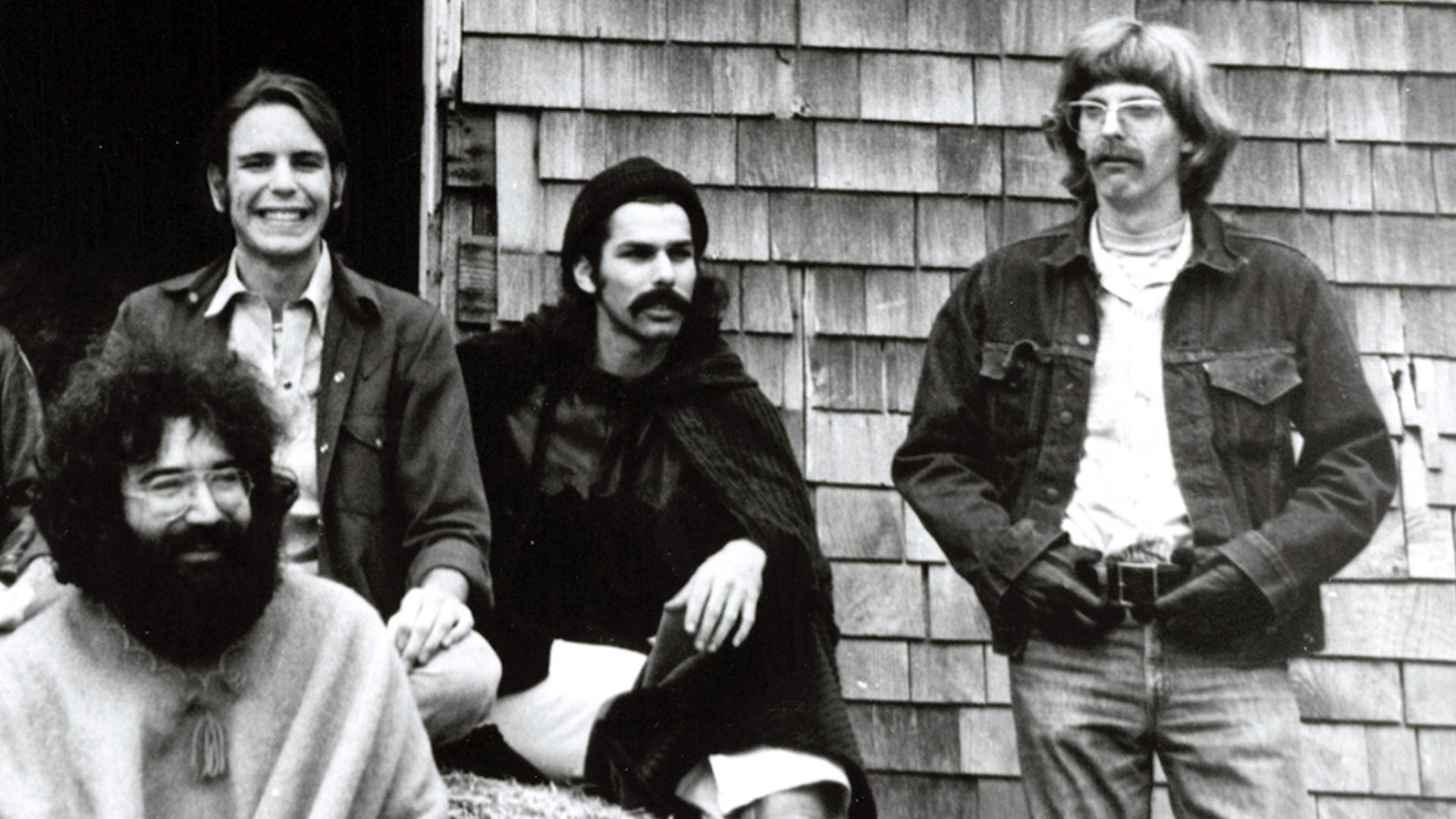
Grateful Dead – “St Stephen” (1969)
The Grateful Dead rarely treated songs as fixed compositions, and “St Stephen” became a perfect example of that approach. Live versions expanded into long, fluid jams, with shifting tempos and improvised sections. The connection between band and audience often shaped the direction of the performance, making each version feel like a one-time experience.
 Herb Greene, Wikimedia Commons
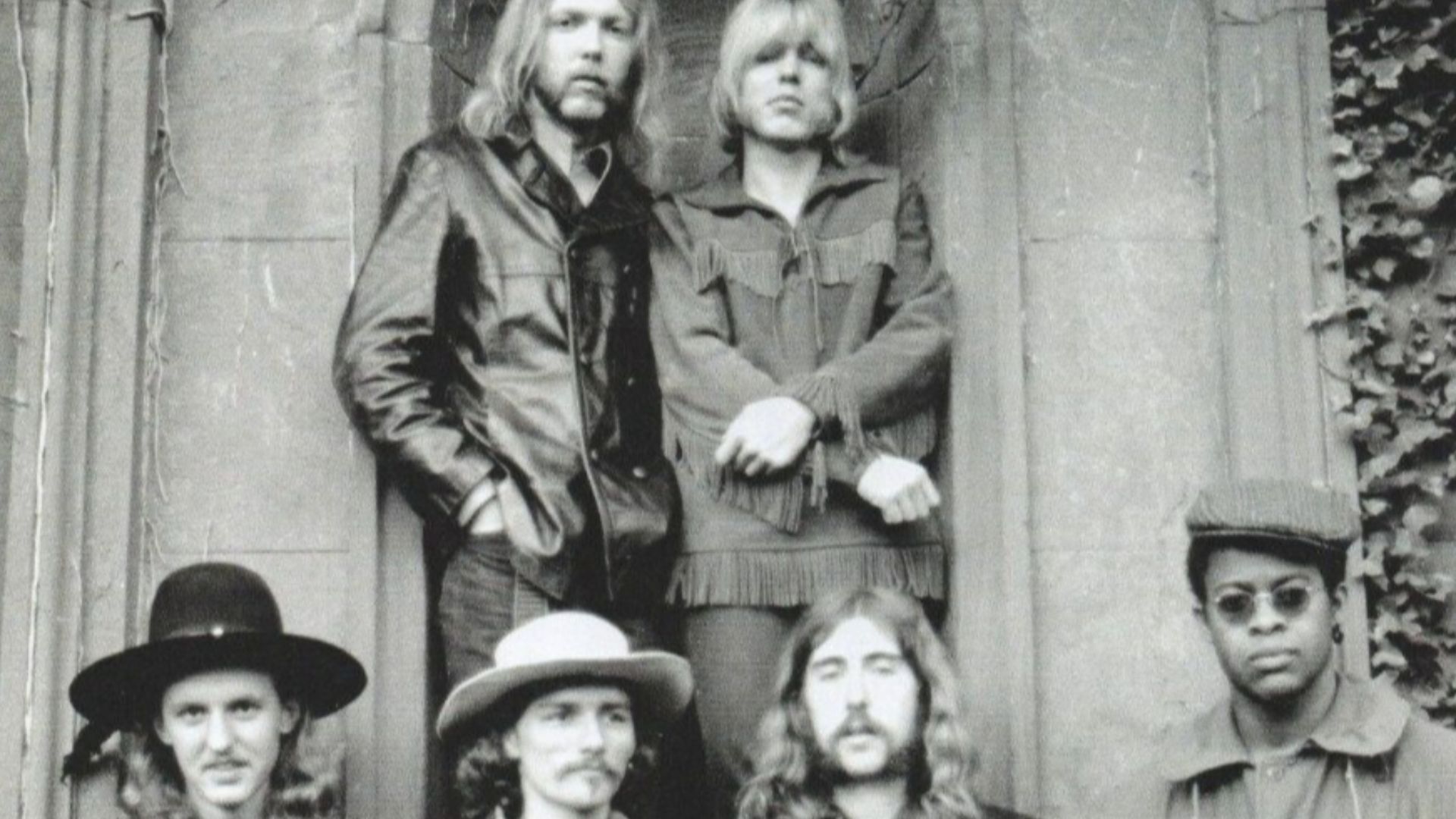
The Allman Brothers Band – “Whipping Post” (1971)
The studio version of “Whipping Post” is tight and focused, but the live take from At Fillmore East turns it into something much bigger. The extended improvisation gives each musician space to stretch out, and the intensity builds steadily. You can feel the energy in the room rising as the band pushes the song further.
 Unknown authorUnknown author, Wikimedia Commons
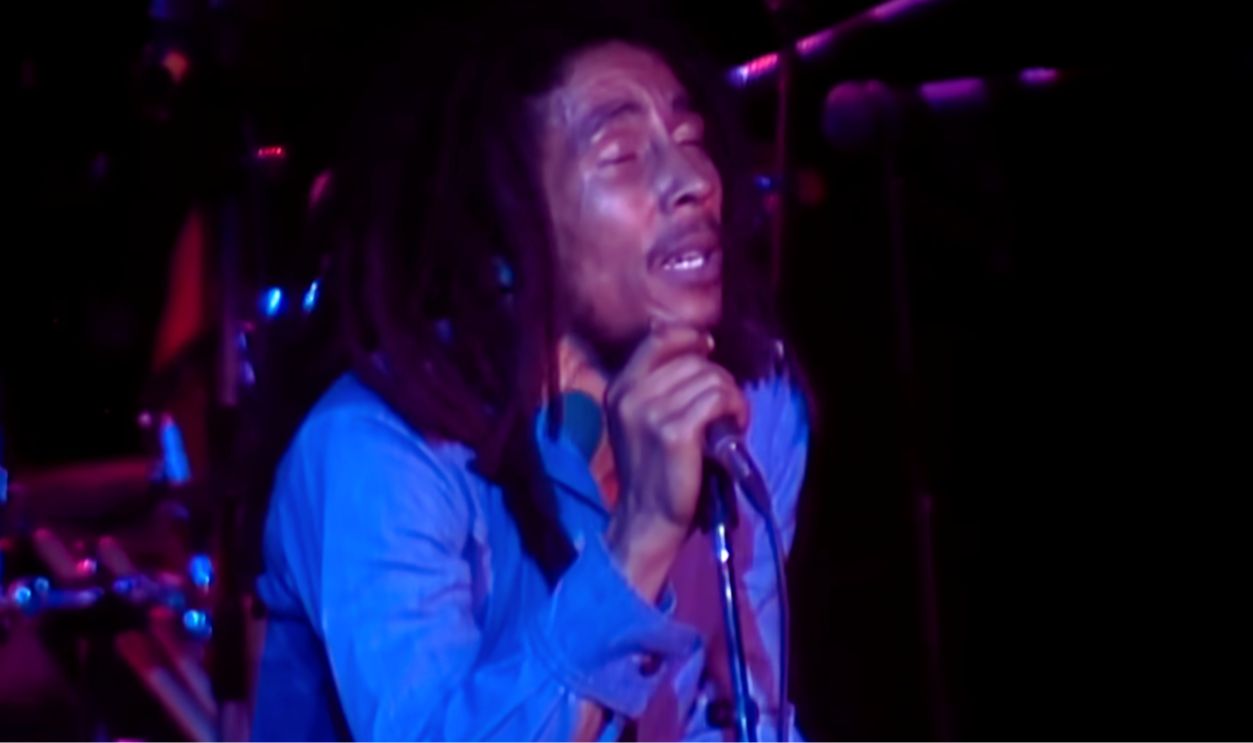
Bob Marley And The Wailers – “No Woman, No Cry” (1975)
The original recording of “No Woman, No Cry” is warm and intimate, but the live version adds a deeper emotional weight. Marley’s delivery feels more reflective, and the audience singing along transforms the song into something communal. It becomes less about a single voice and more about a shared feeling.
 Screenshot from No Woman, No Cry, Island Records (1974)
Kiss – “Strutter” (1975)
“Strutter” always had attitude, but live performances gave it more bite. The guitars hit harder, the tempo feels slightly more aggressive, and the band leans fully into their theatrical presence. It feels louder, bolder, and more in line with the larger-than-life spectacle Kiss brought to every show.
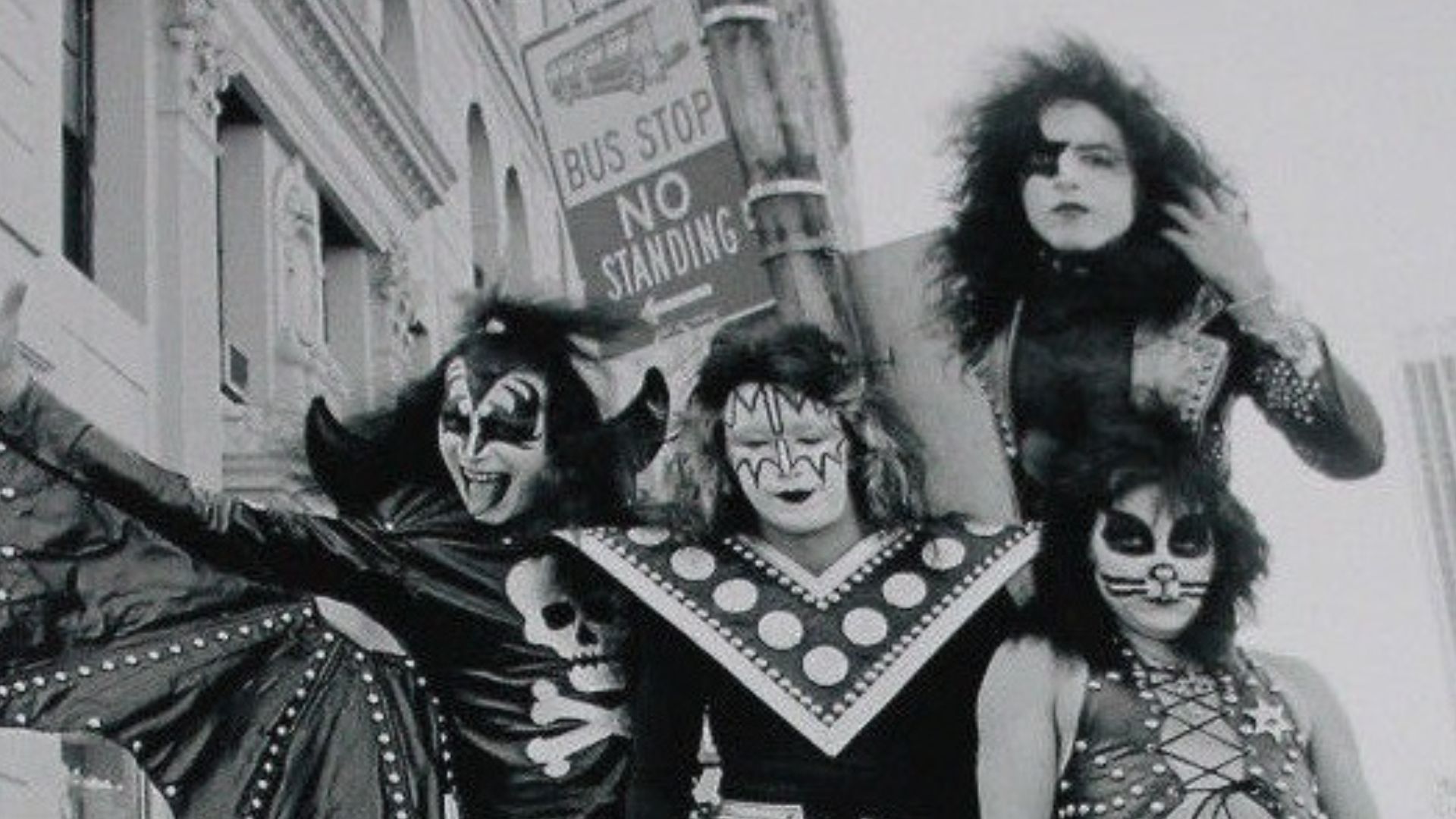 Casablanca Records, Wikimedia Commons
Kiss – “Rock And Roll All Nite”
The studio version of “Rock and Roll All Nite” feels straightforward, but the Alive! recording turns it into a full-blown anthem. The added energy and audience participation give the song a sense of scale that the original lacks, turning it into something designed for arenas rather than radio.
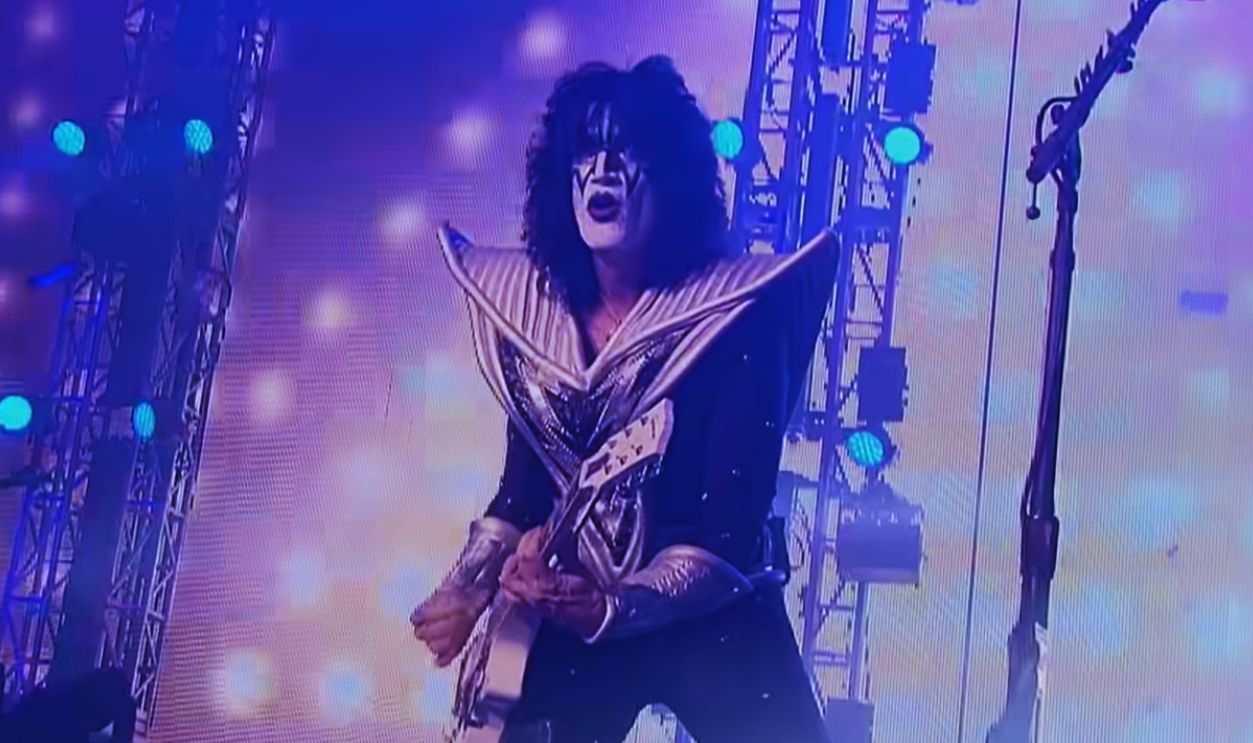 Screenshot from Rock and Roll All Nite, Casablanca Records (1975)
Paul McCartney – “Maybe I’m Amazed”
The original “Maybe I’m Amazed” is emotional, but the live version from Wings Over America adds a new level of intensity. McCartney’s vocals feel more urgent, and the band gives the song a fuller, more dynamic sound. It carries a stronger sense of momentum as it builds.
![Collectie / Archief : Fotocollectie Anefo
Reportage / Serie : [ onbekend ]
Beschrijving : Televisie-optreden van The Beatles in Treslong te Hillegom [vlnr. George Harrison, Paul McCartney, John Lennon, Jimmie Nicol (vervanger van Ringo Starr]
Datum : 5 juni 1964
Locatie : Hillegom
Trefwoorden : groepsportretten, popgroepen, televisie
Instellingsnaam : Beatles, The
Fotograaf : Koch, Eric / Anefo
Auteursrechthebbende : Nationaal Archief
Materiaalsoort : Negatief (zwart/wit)
Nummer archiefinventaris : bekijk toegang 2.24.01.05
Bestanddeelnummer : 916-5098](https://www.factinate.com/storage/app/media/theshot/2026/3/21/177408376874b852b4e2206f705483d09e350283275e4c3d42.jpg) Eric Koch for Anefo, Wikimedia Commons
Eric Koch for Anefo, Wikimedia Commons
Bob Seger And The Silver Bullet Band – “Turn The Page”
“Turn the Page” benefits from a more lived-in delivery onstage. Seger’s vocals carry more weight, and the pacing allows the story to unfold more naturally. You get a stronger sense of the road-worn atmosphere the song is built around.
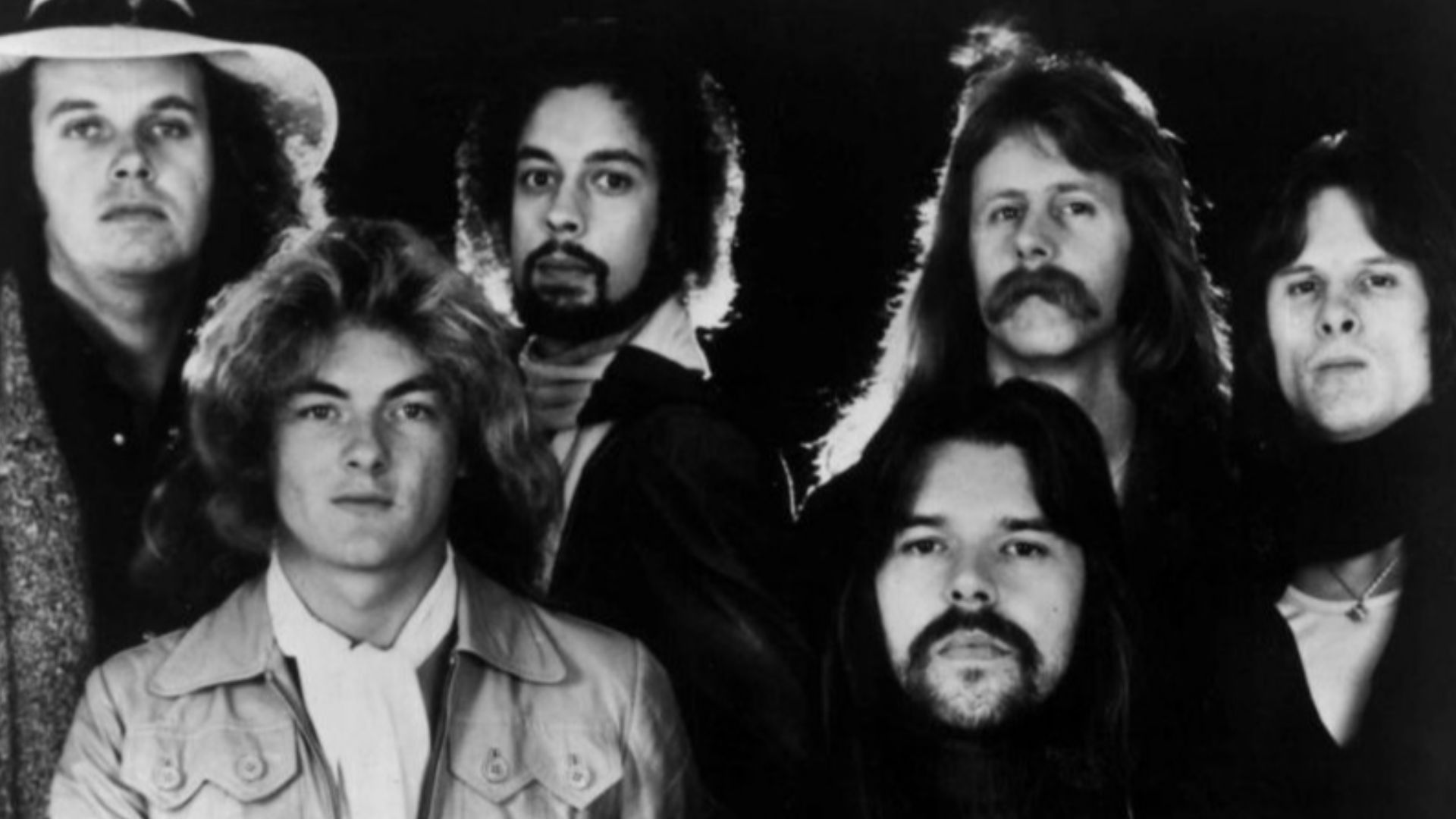 American Talent International (management), Wikimedia Commons
Peter Frampton – “Show Me The Way”
“Show Me the Way” became a defining track through its live version on Frampton Comes Alive!. The talk box effect feels more expressive, and Frampton’s performance adds personality that the studio version only hints at. The audience response helps elevate it into something much more memorable.
 Carl Lender, CC BY-SA 3.0, Wikimedia Commons
REO Speedwagon – “Ridin’ The Storm Out”
The live version of “Ridin’ the Storm Out” adds urgency and a stronger build. The extended intro and heavier instrumentation give the track more presence, and the band leans into the dramatic feel of the song. It sounds bigger and more immersive than the original recording.
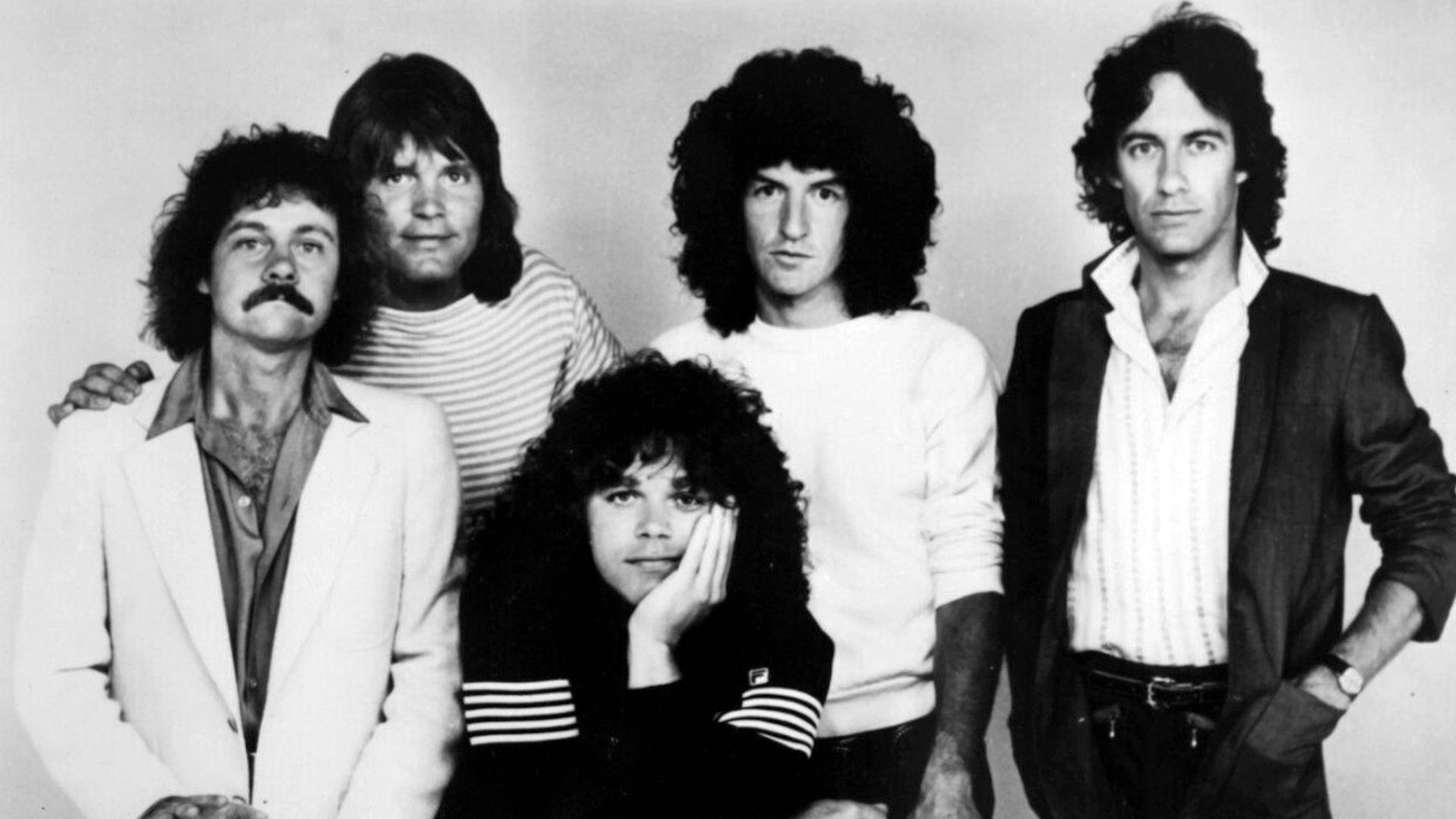 Epic Records, Wikimedia Commons
Cheap Trick – “I Want You To Want Me”
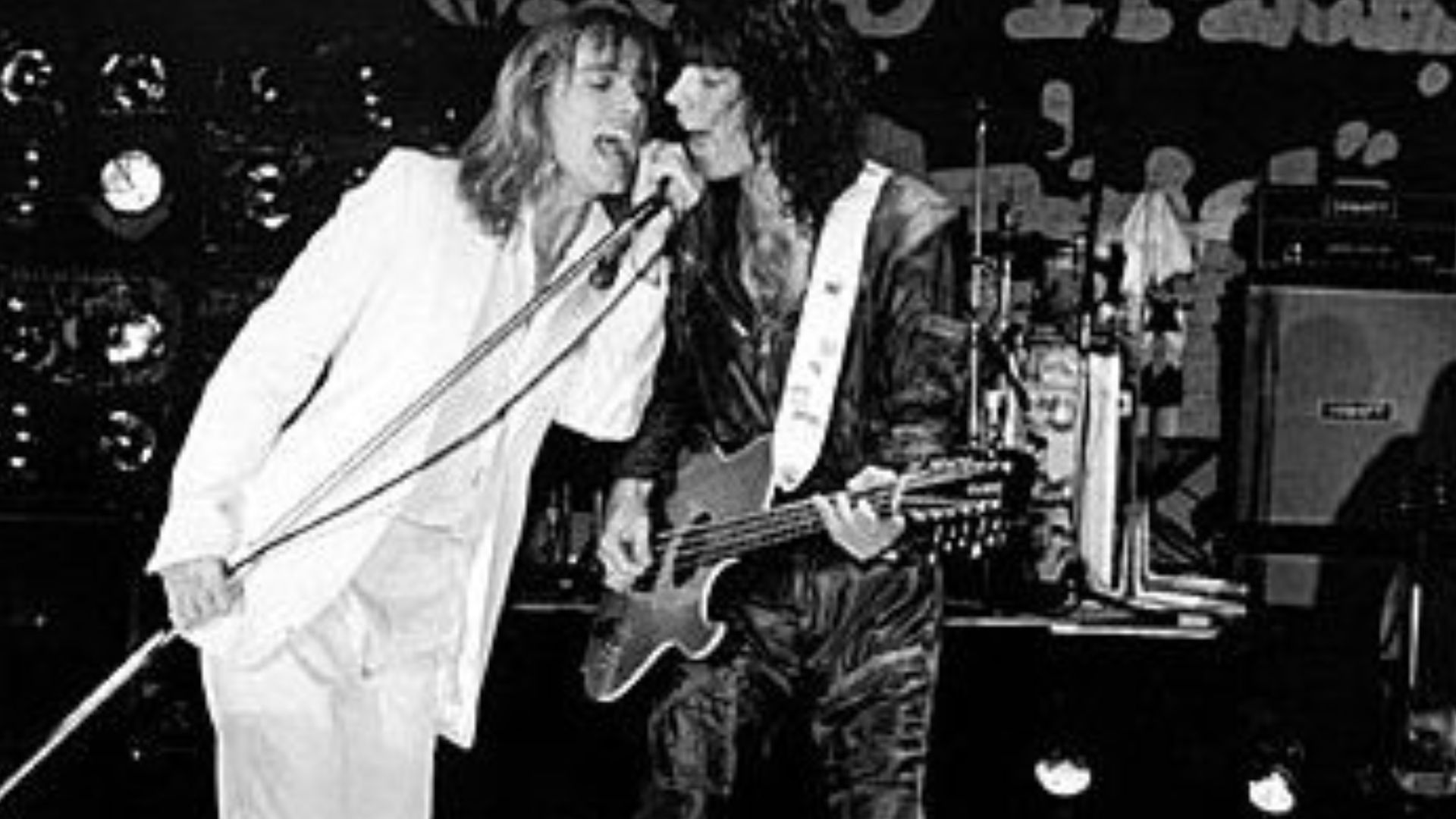
The studio version of “I Want You to Want Me” barely made an impact, but the live recording from At Budokan completely transformed it. The band sounds sharper and more energized, and the audience’s excitement gives the song a sense of momentum that carries it all the way through.
Eagles – “Seven Bridges Road”
“Seven Bridges Road” stands out in its live form because of the focus on vocal harmonies. The stripped-down arrangement allows each voice to come through clearly, and the quiet attention in the room gives the performance a more intimate, almost reverent quality.
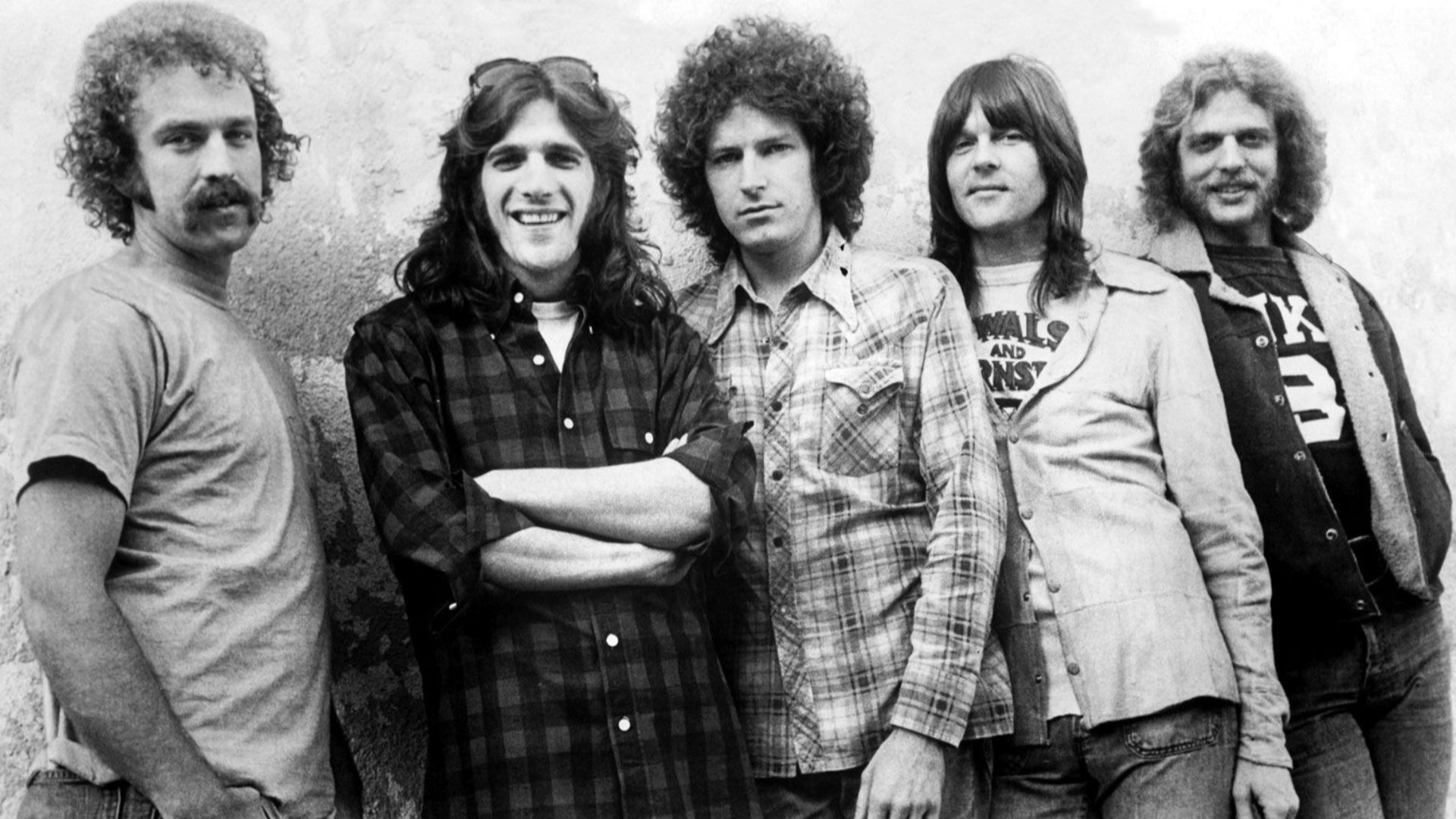 Distributed by Asylum Records, Wikimedia Commons
Iron Maiden – “The Number Of The Beast”
Iron Maiden’s live performances of “The Number of the Beast” amplify the song’s theatrical elements. Bruce Dickinson’s vocals feel sharper and more intense, and the pacing adds to the drama. The scale of the performance makes the song feel even more epic.
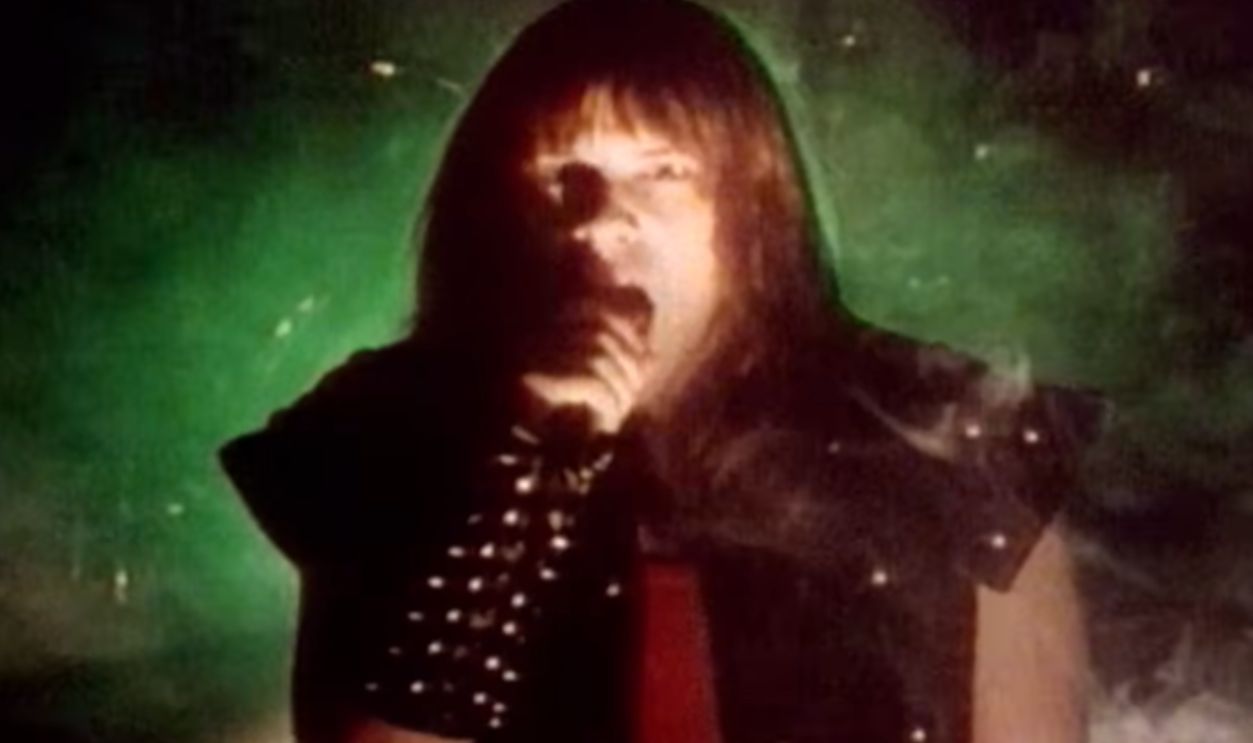 Screenshot from The Number Of The Beast, EMI Records (1982)
Bruce Springsteen – “Tenth Avenue Freeze-Out”
Springsteen uses “Tenth Avenue Freeze-Out” as a storytelling moment during live shows. Extended intros and spoken sections give the song more personality, and the interaction between band members becomes part of the performance. It feels like a celebration rather than just a song.
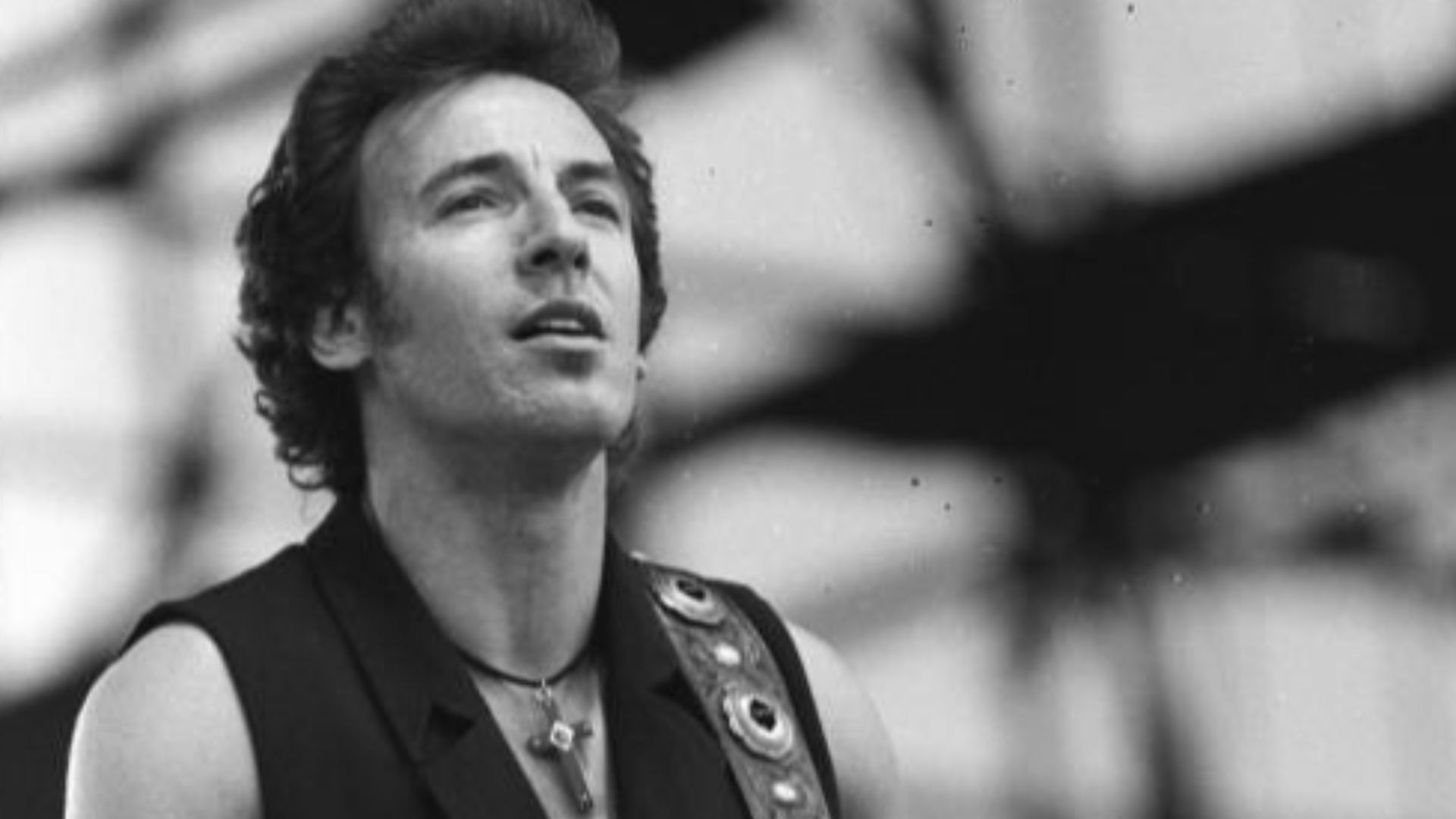 Uhlemann, Thomas, Wikimedia Commons
U2 – “Bullet The Blue Sky”
“Bullet the Blue Sky” becomes heavier and more aggressive in a live setting. The guitar work is more improvisational, and Bono often adds spoken elements that shift the tone. It takes on a darker, more urgent feel compared to the studio version.
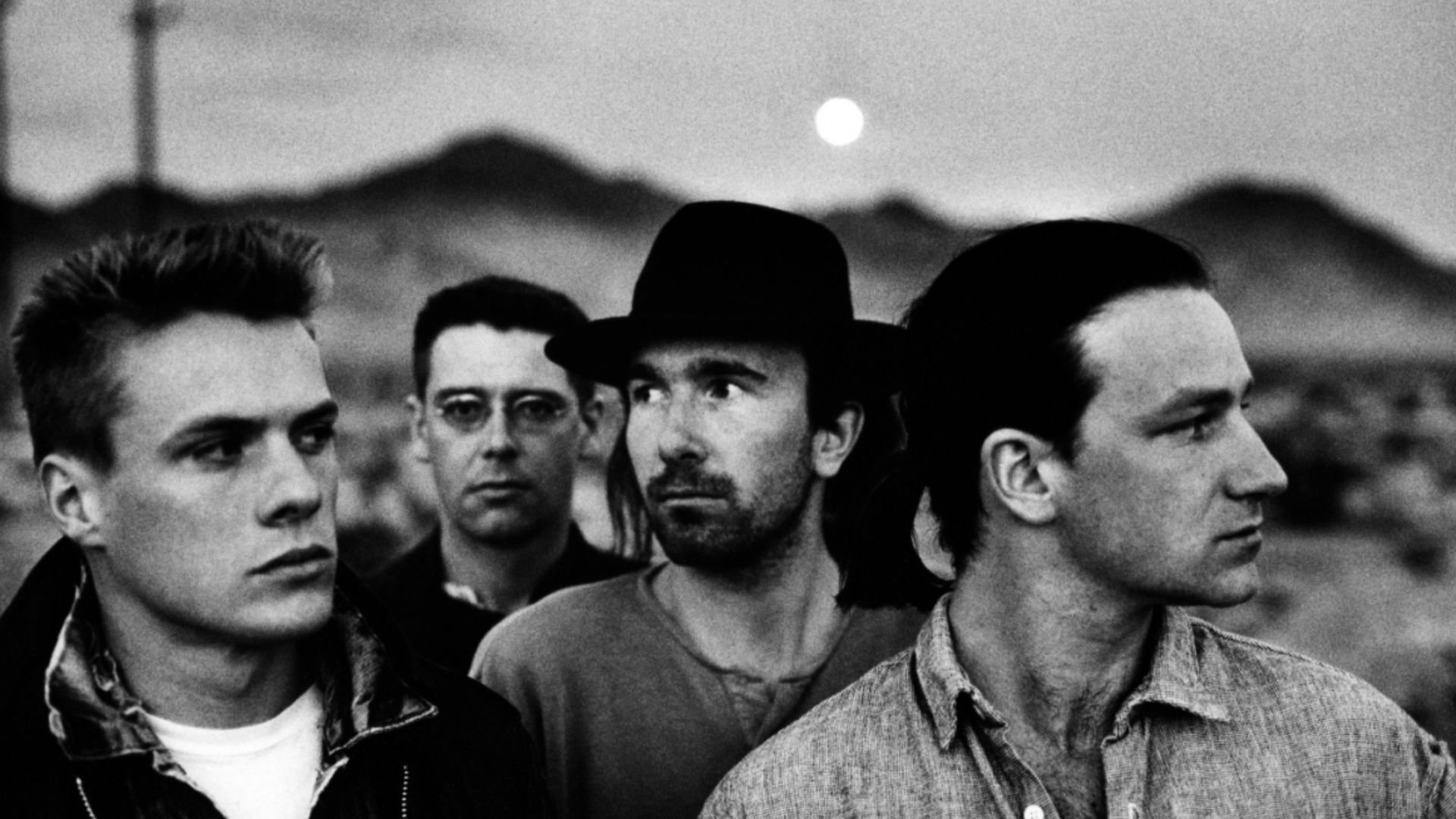 Anton Corbijn, Distributed by Island Records, Wikimedia Commons
Metallica – “Seek & Destroy” (1993)
“Seek & Destroy” was built for the stage. The band often stretches the song out, letting the riffs breathe and giving the structure more flexibility. It becomes a back-and-forth moment that keeps the energy high throughout the performance.
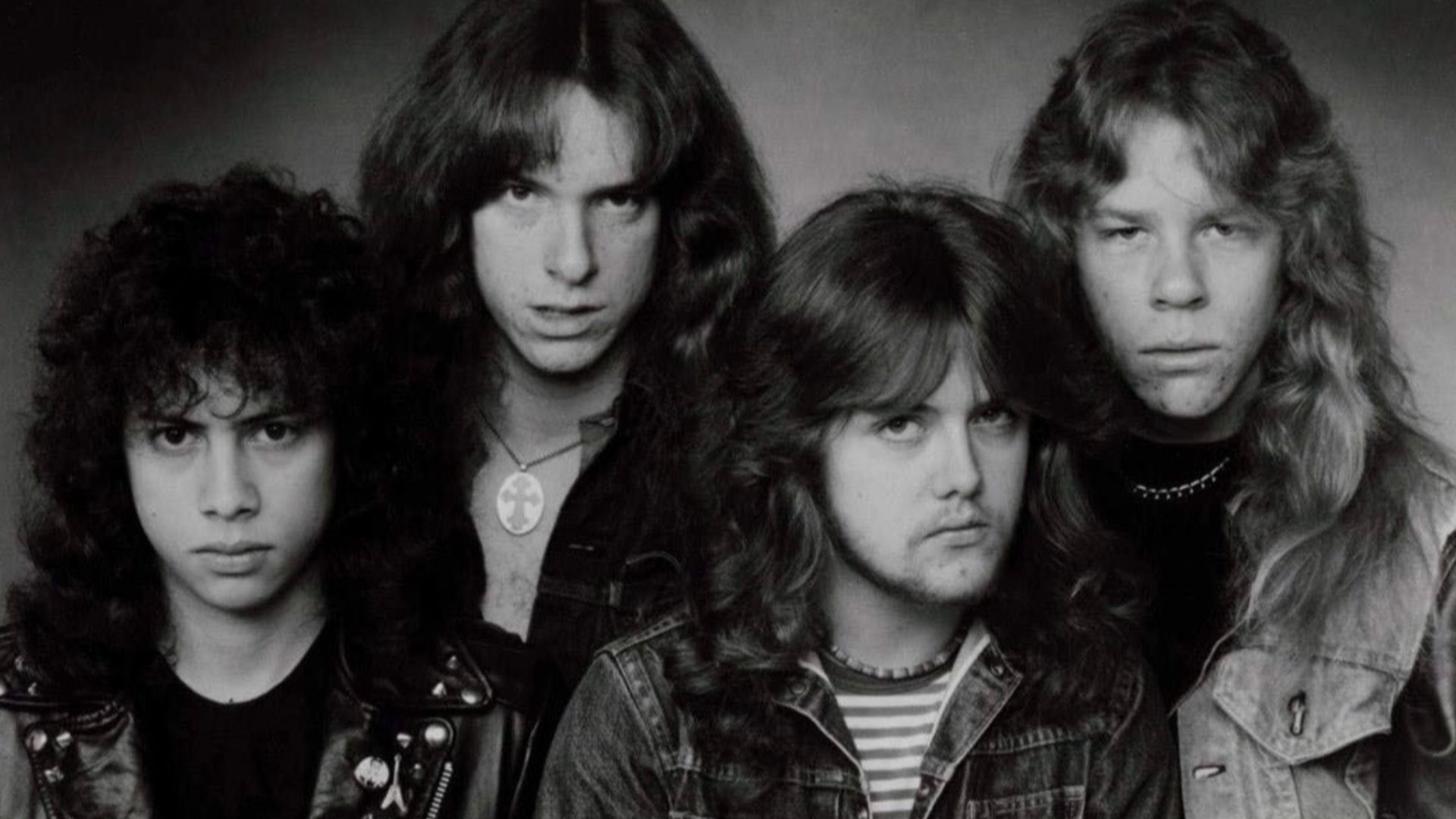 Distributed by Megaforce Records, Wikimedia Commons
Phish – “Bouncing Around The Room”
Phish approach “Bouncing Around the Room” with a playful, fluid style that works especially well live. The band adjusts tempo and phrasing, keeping the song light but unpredictable. The relaxed atmosphere makes it feel spontaneous and fun every time.
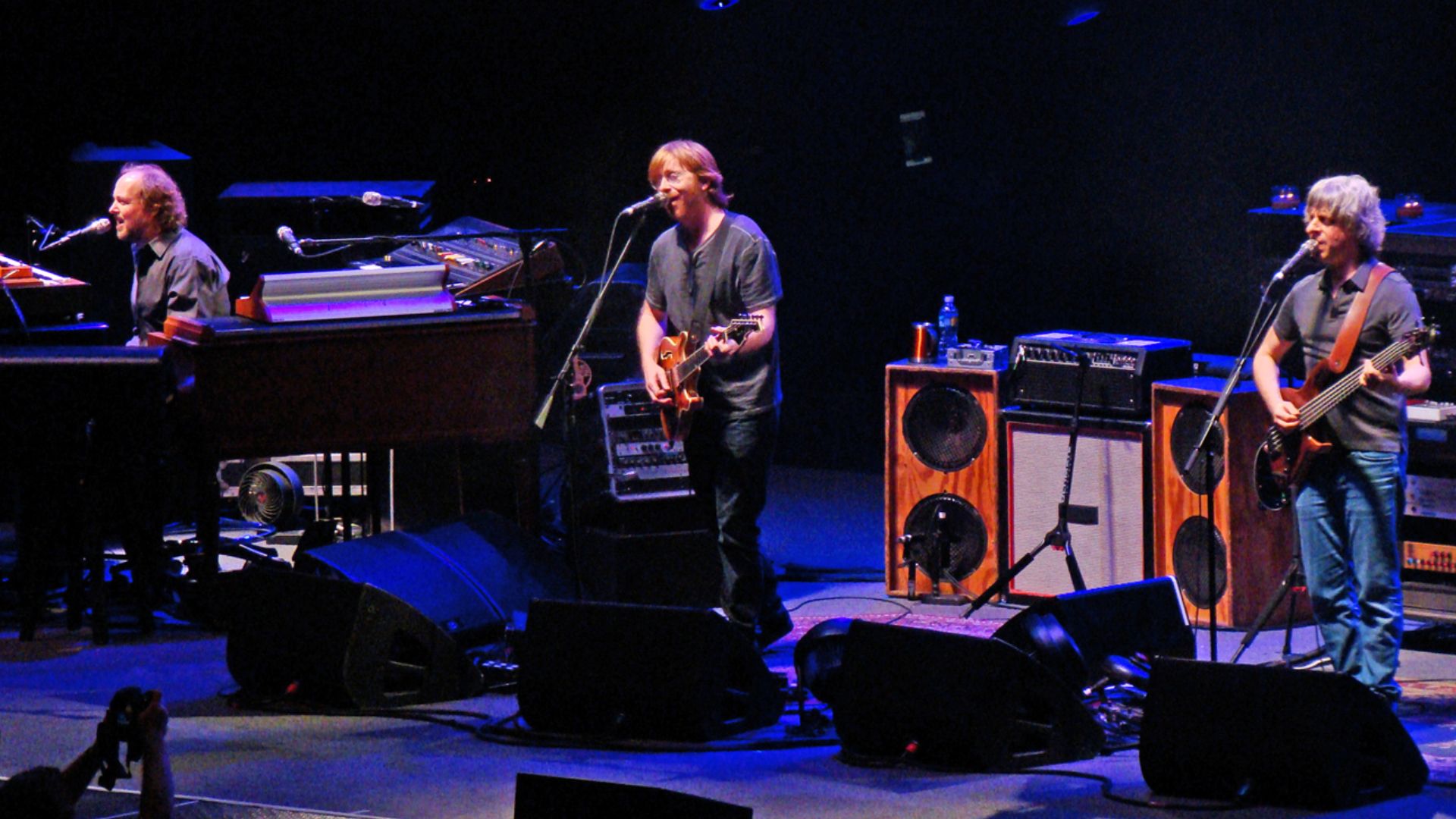 Dan Shinneman, Wikimedia Commons
Fleetwood Mac – “Silver Springs”
“Silver Springs” reached a new level during Fleetwood Mac’s The Dance performance. Stevie Nicks delivers the song with more emotional intensity, especially in the final moments. The tension between band members adds another layer that makes the performance unforgettable.
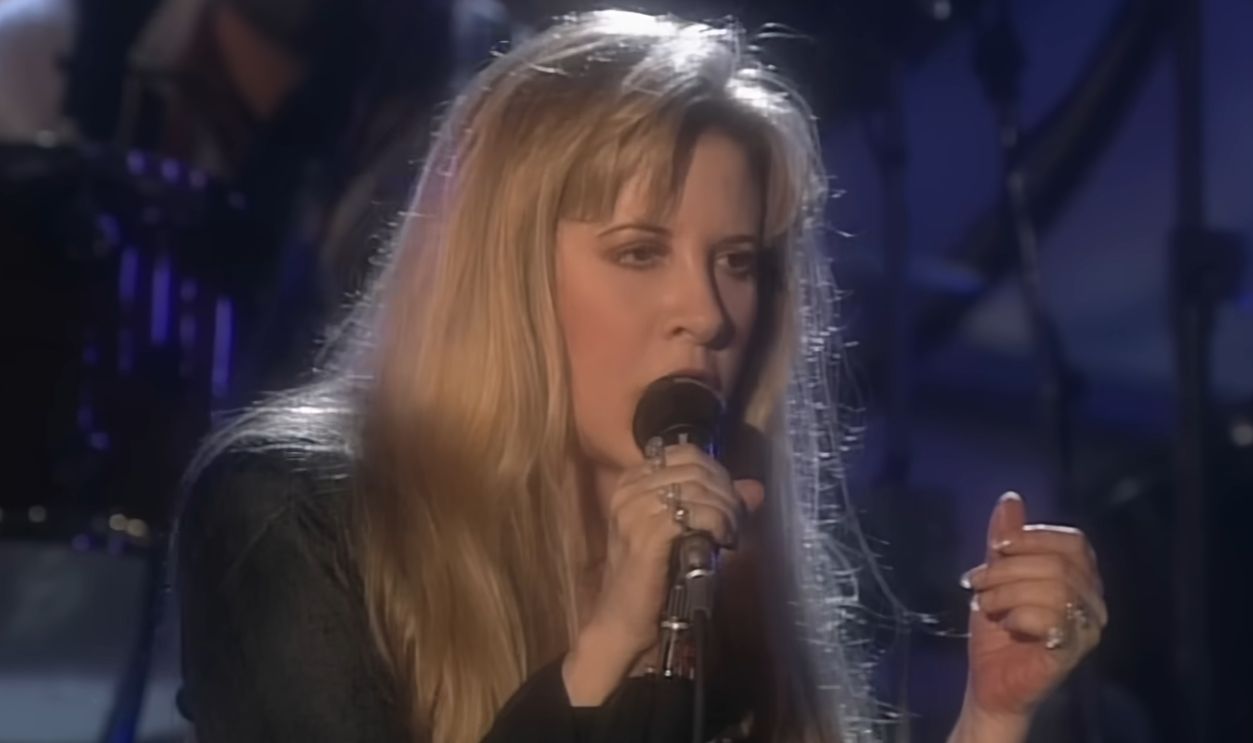 Screenshot from Silver Springs, Warner Bros. Records (1976)
The White Stripes – “Seven Nation Army”
“Seven Nation Army” thrives in a live setting because of its simplicity and flexibility. The riff feels heavier and more immediate, and Jack White often shifts the dynamics throughout the performance. It’s the kind of song that naturally fills a room without needing much else.
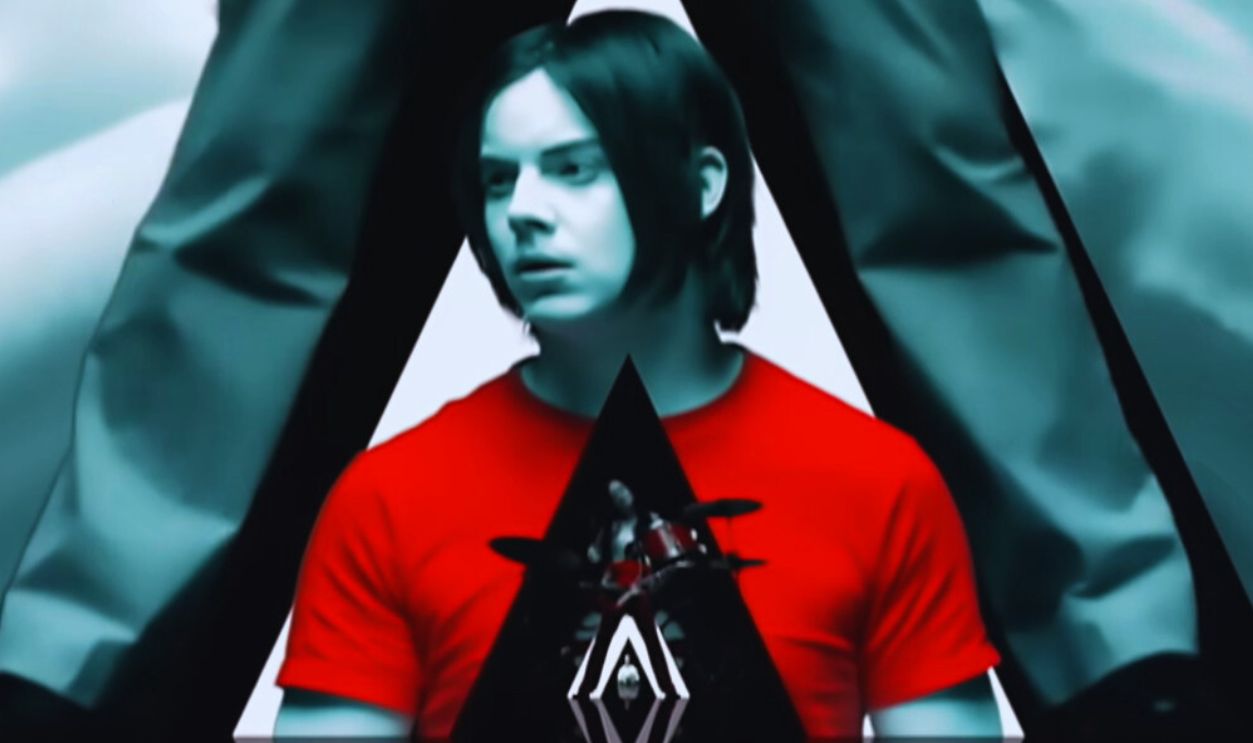 Screenshot from Seven Nation Army, V2 Records (2003)
Foo Fighters – “Everlong”
“Everlong” is powerful on record, but live performances often bring out a more emotional side. Dave Grohl’s vocals feel more vulnerable, especially in stripped-down versions. The atmosphere becomes more intimate, giving the song a deeper emotional impact.
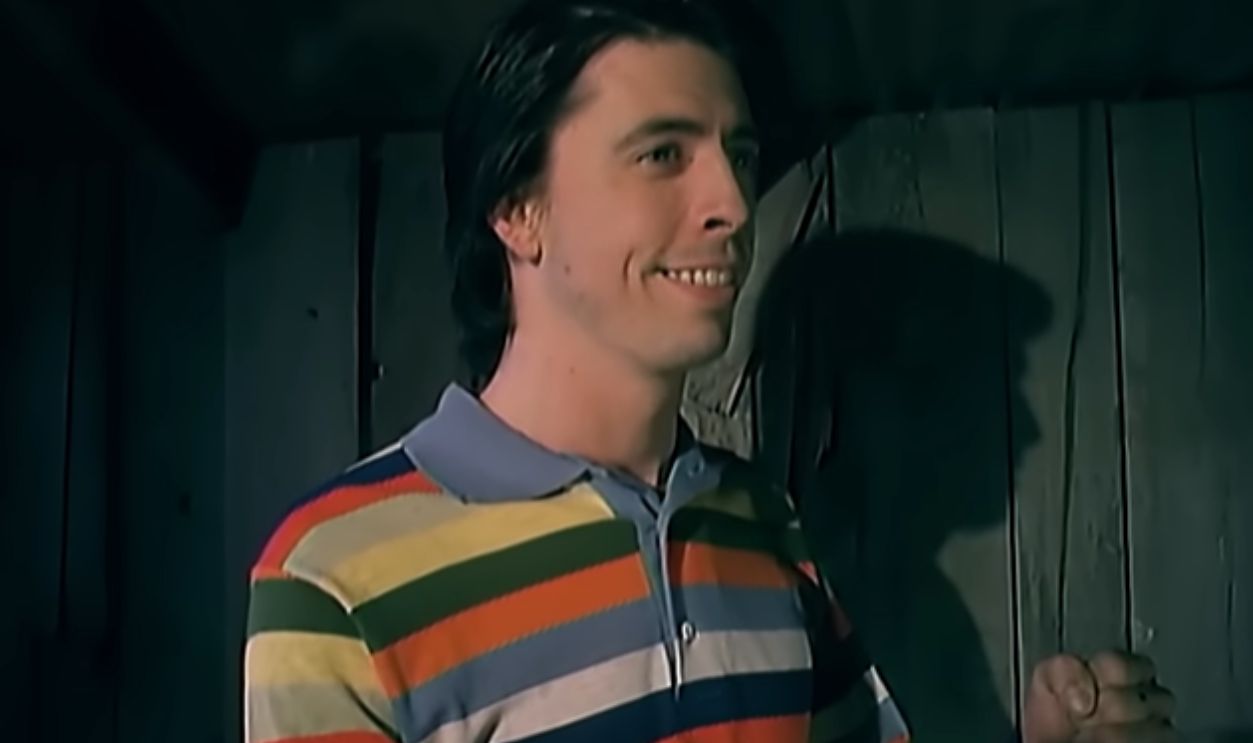 Screenshot from Everlong, Capitol Records (1997)
Oasis – “My Generation”
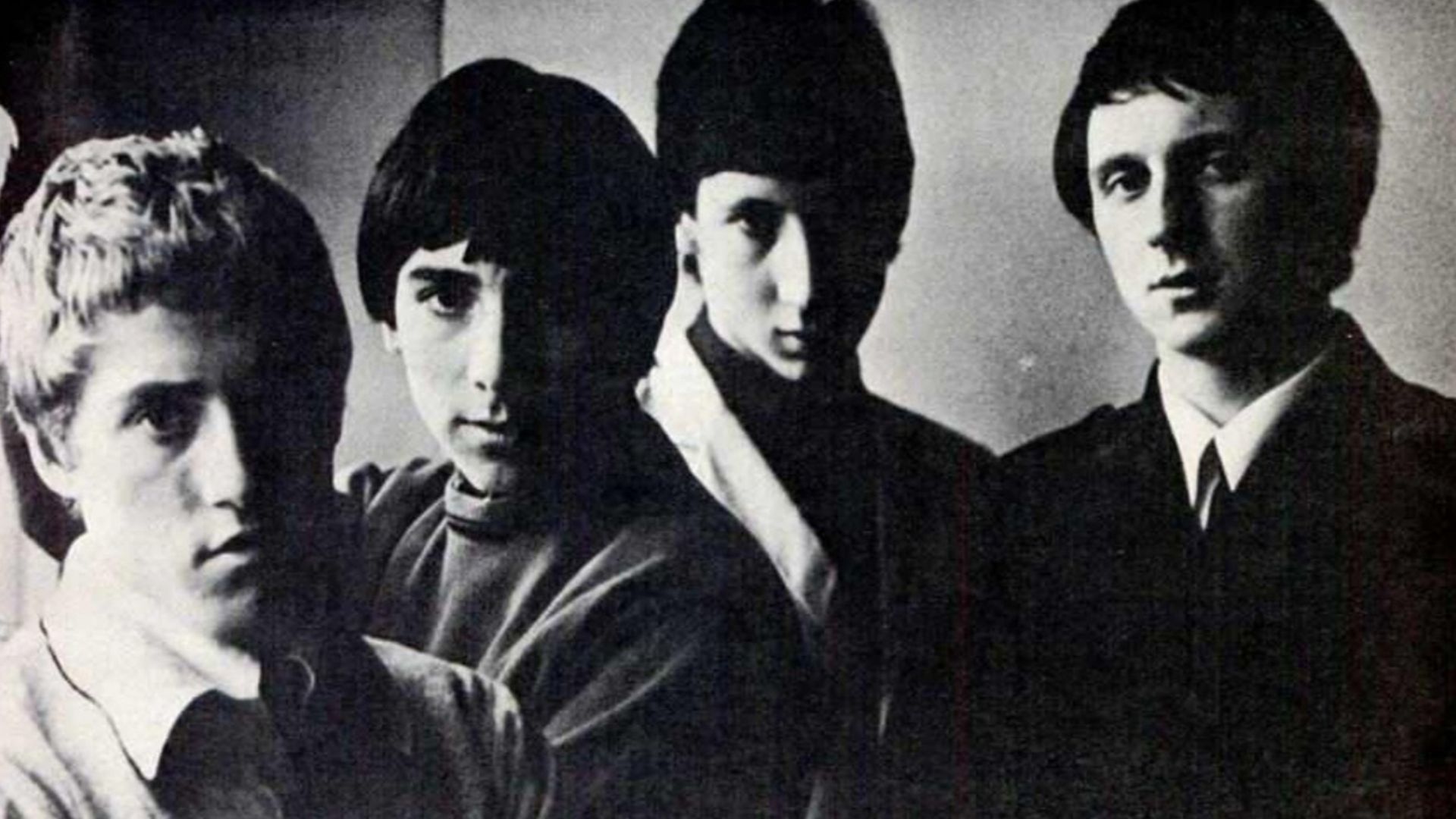
Oasis’ live take on “My Generation” leans into their rough, unpolished sound. The performance feels less controlled and more spontaneous, capturing the band’s attitude in the moment. It highlights the kind of energy that defined their live shows.
Pearl Jam – “Better Man”
“Better Man” evolves significantly in a live setting. The band often slows things down slightly, giving Eddie Vedder more room to shape the vocal delivery. When the audience takes over the opening lines, it creates a powerful moment that adds to the song’s emotional weight.
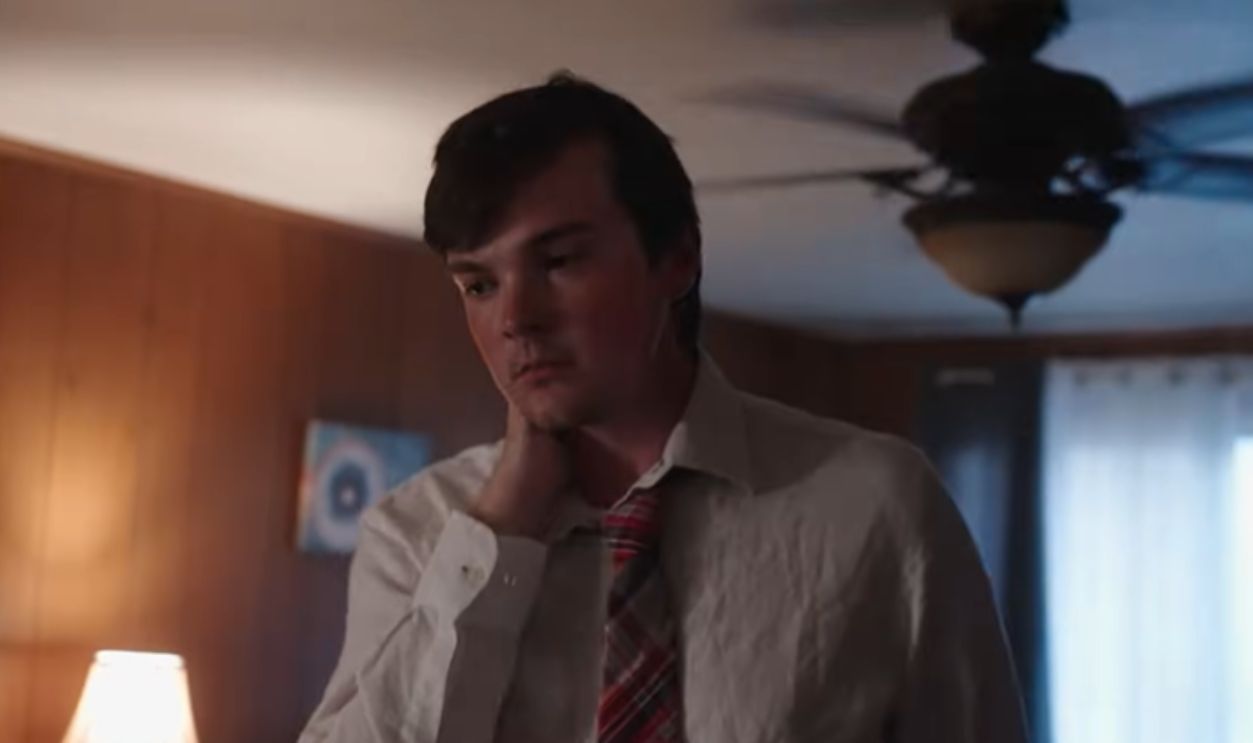 Screenshot from Better Man, Epic Records (1994)
You May Also Like:
Classic Rock And Roll Lyrics We’ve All Been Singing Wrong
Everyone hated these albums at first, but now they’re timeless classics.
Brilliant Bands That Proved Rock And Blues Are Forever Linked