The Hits That Couldn't Be Silenced
Radio programmers could remove a song from their playlists, but they couldn't make listeners forget it. From suggestive lyrics to political protests, these 1980s records sparked outrage. Some faced official bans; others met individual station boycotts or censorship. Yet listeners kept buying them.
 Stuart Sevastos, Wikimedia Commons
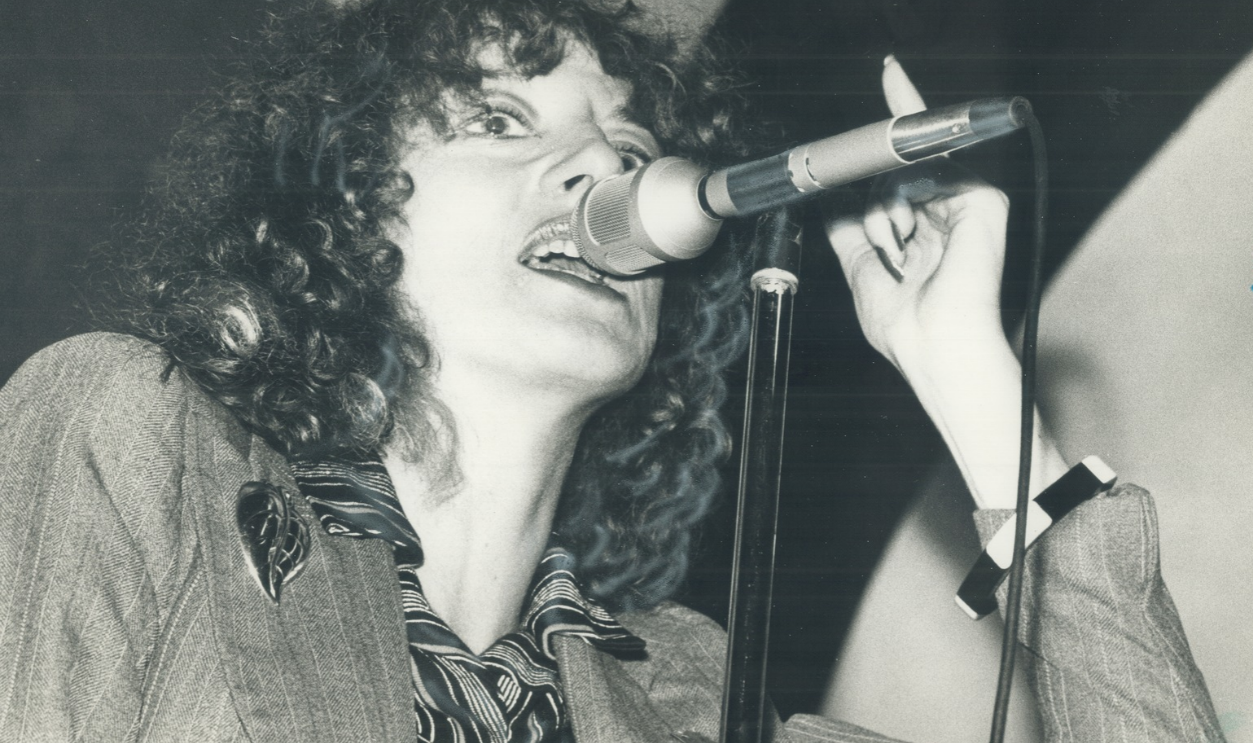
High School Confidential — Rough Trade
Rough Trade pushed boundaries with this 1980 release by Carole Pope and Kevan Staples. Its frank lyrics troubled radio programmers, and Toronto's CHUM demanded an edited version before providing airplay.
The Bleep That Sold More Records
The band bleeped the offending words instead of rewriting the song. That fueled requests and curiosity. The single reached number 12 in Canada, while fans seeking the uncensored recording helped push Avoid Freud to platinum status.
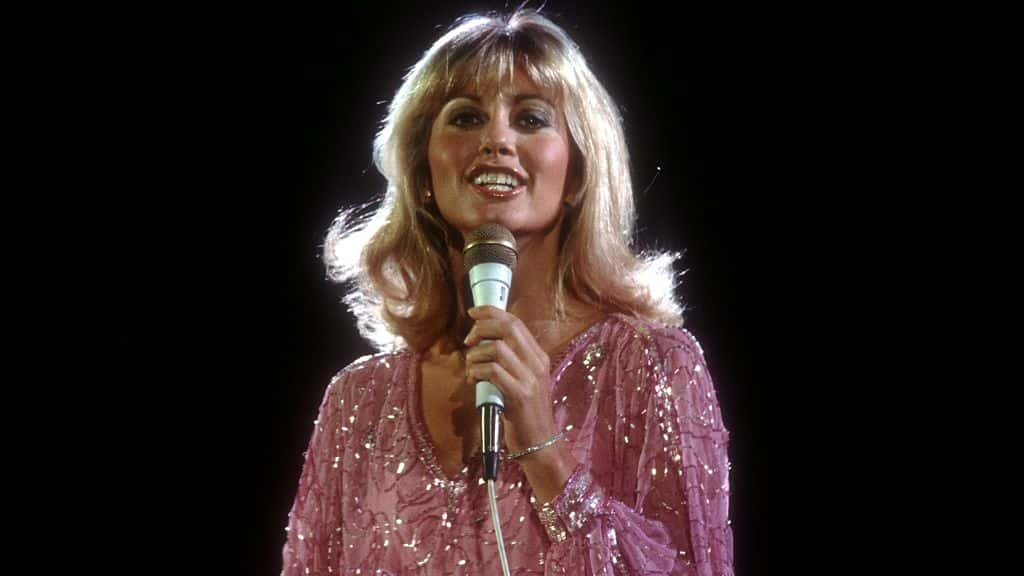
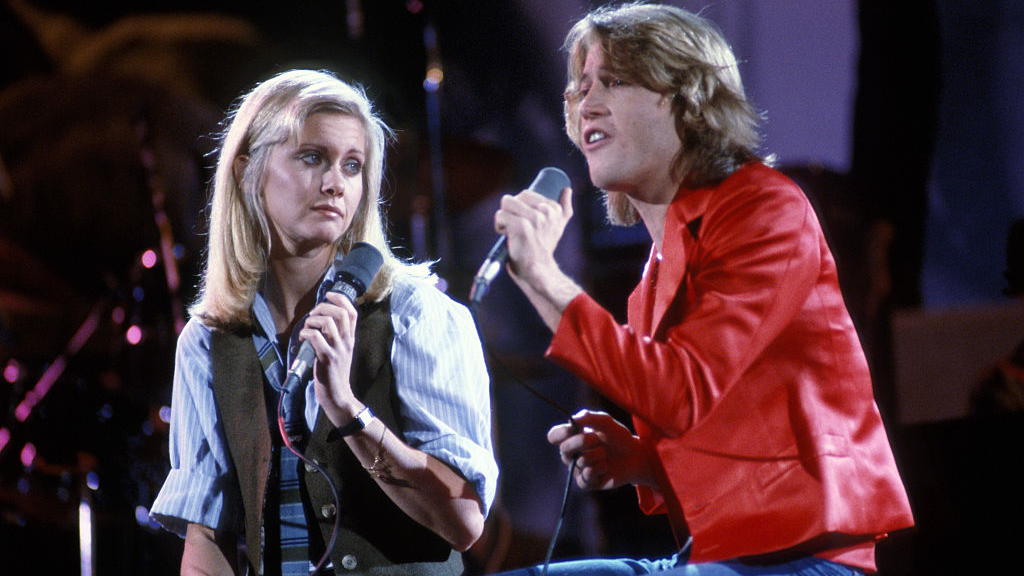
Physical — Olivia Newton-John
Newton-John's 1981 hit sounded like a workout anthem, but some programmers heard suggestive lyrics. Utah stations KFMY in Provo and KSL in Salt Lake City refused to play the record.
Ten Weeks At Number One
Those refusals hardly dented its popularity. “Physical” topped the Billboard Hot 100 for ten weeks, from November 1981 into January 1982. Billboard later ranked it the decade's biggest hit, despite the Utah boycott.
Six Months In A Leaky Boat — Split Enz
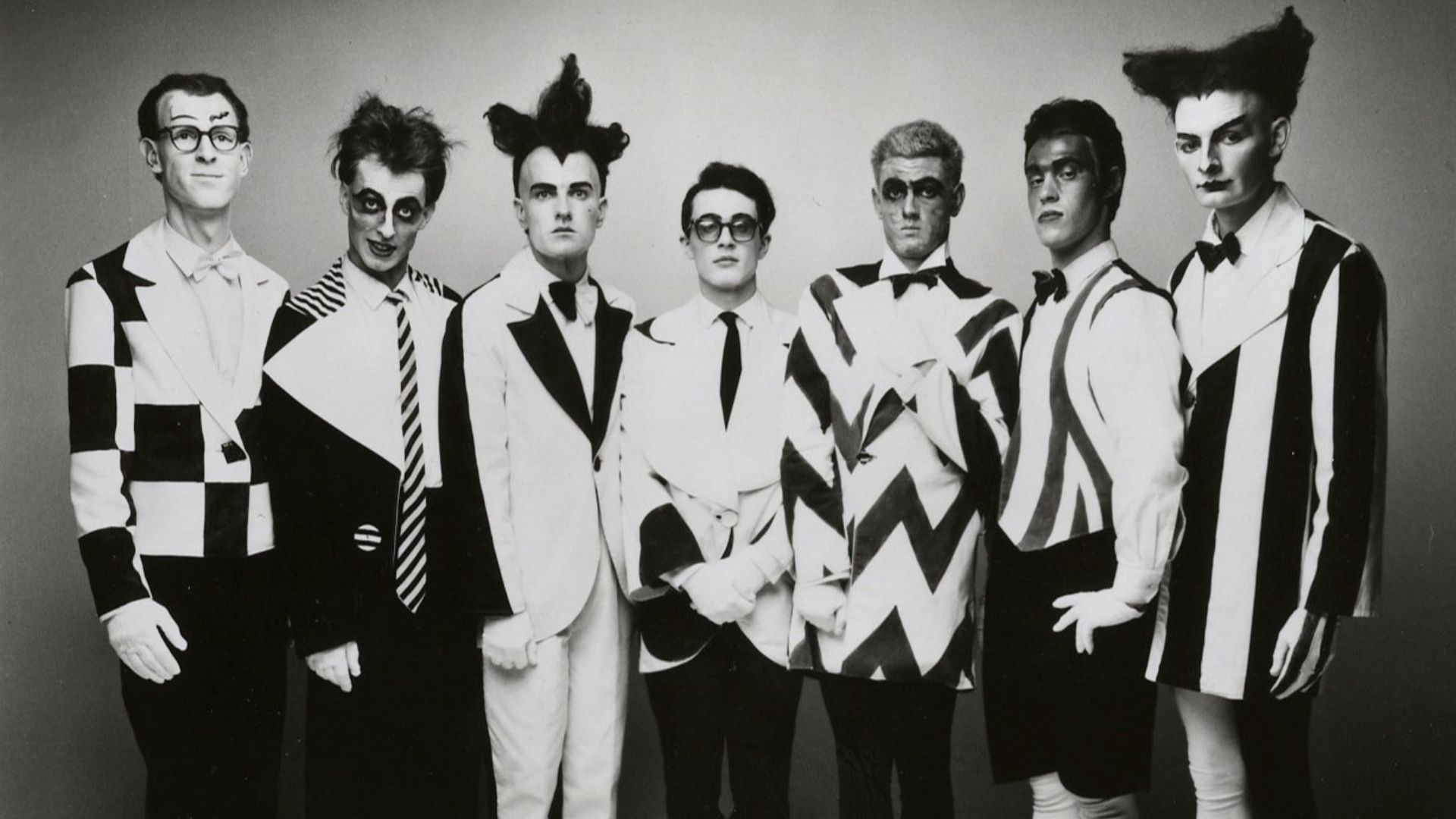
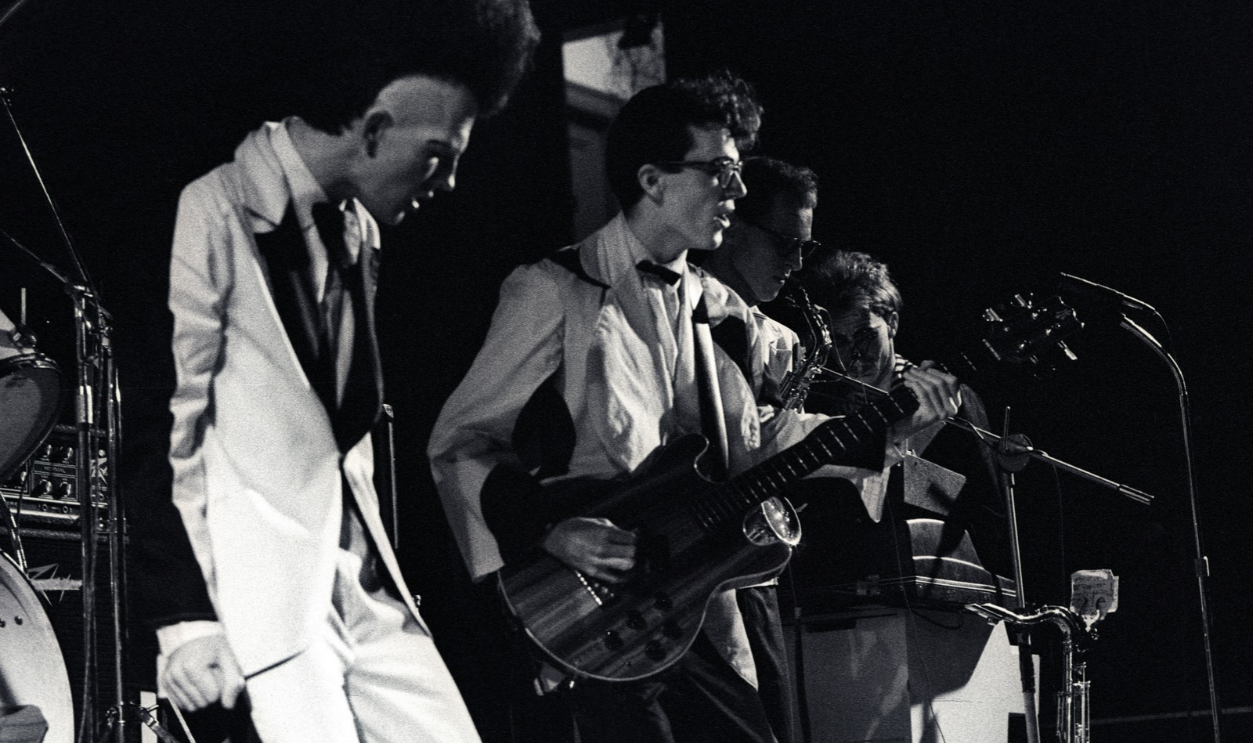
Split Enz released this 1982 song during the Falklands War. BBC programmers deemed references to a troubled boat insensitive during the naval conflict, despite the song having nothing to do with the fighting.
 Unknown author, Wikimedia Commons
Britain Said No Australia Said Yes
The BBC kept the song off its airwaves. Across the world, it climbed to number two in Australia, sharply contrasting with its muted British reception. One country heard a political problem; another heard a hit.
Relax — Frankie Goes To Hollywood
BBC Radio 1 presenter Mike Read objected to “Relax” on air. The network subsequently removed the Liverpool band's debut single from daytime programming, transforming an already provocative release into headline news.
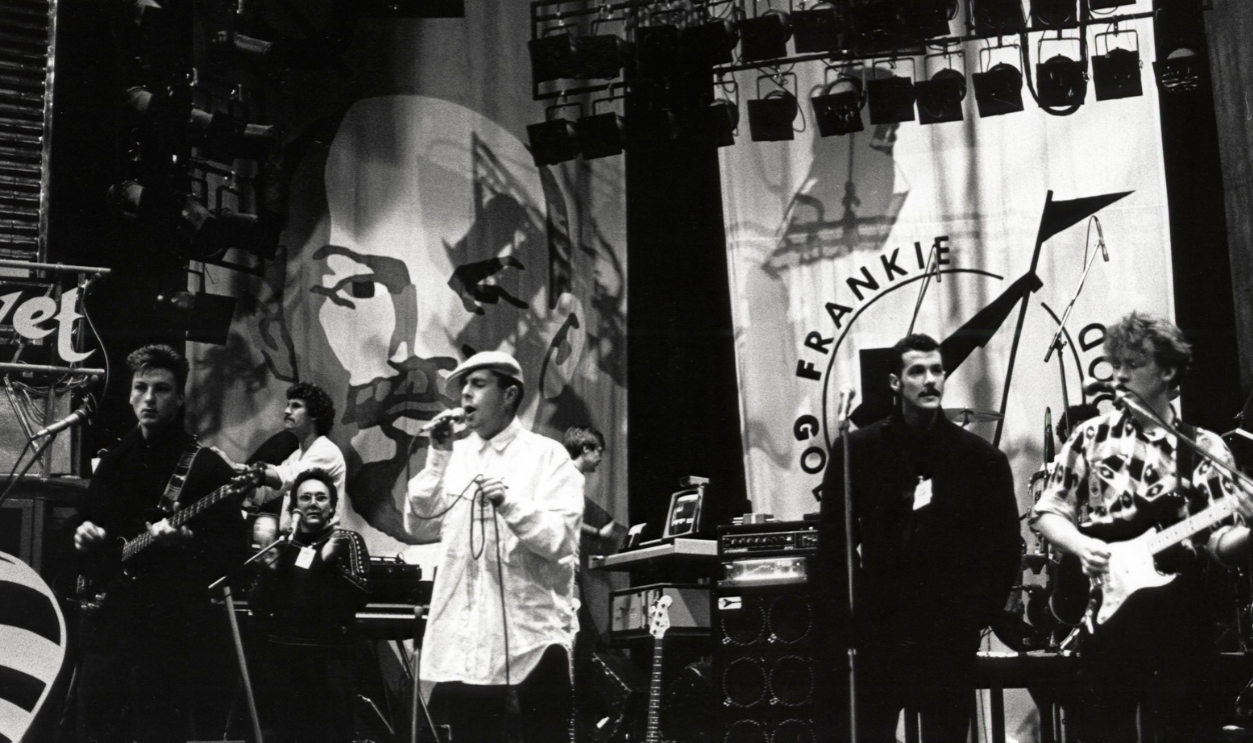 Virginia Turbett, Getty Images
A Ban Becomes A Sales Pitch
The single spent five weeks at number one in Britain and sold around two million UK copies. Even after the daytime ban ended, its notoriety endured alongside the suddenly ubiquitous “Frankie Say Relax” T-shirts.
 Jane McCormick Smith, Wikimedia Commons
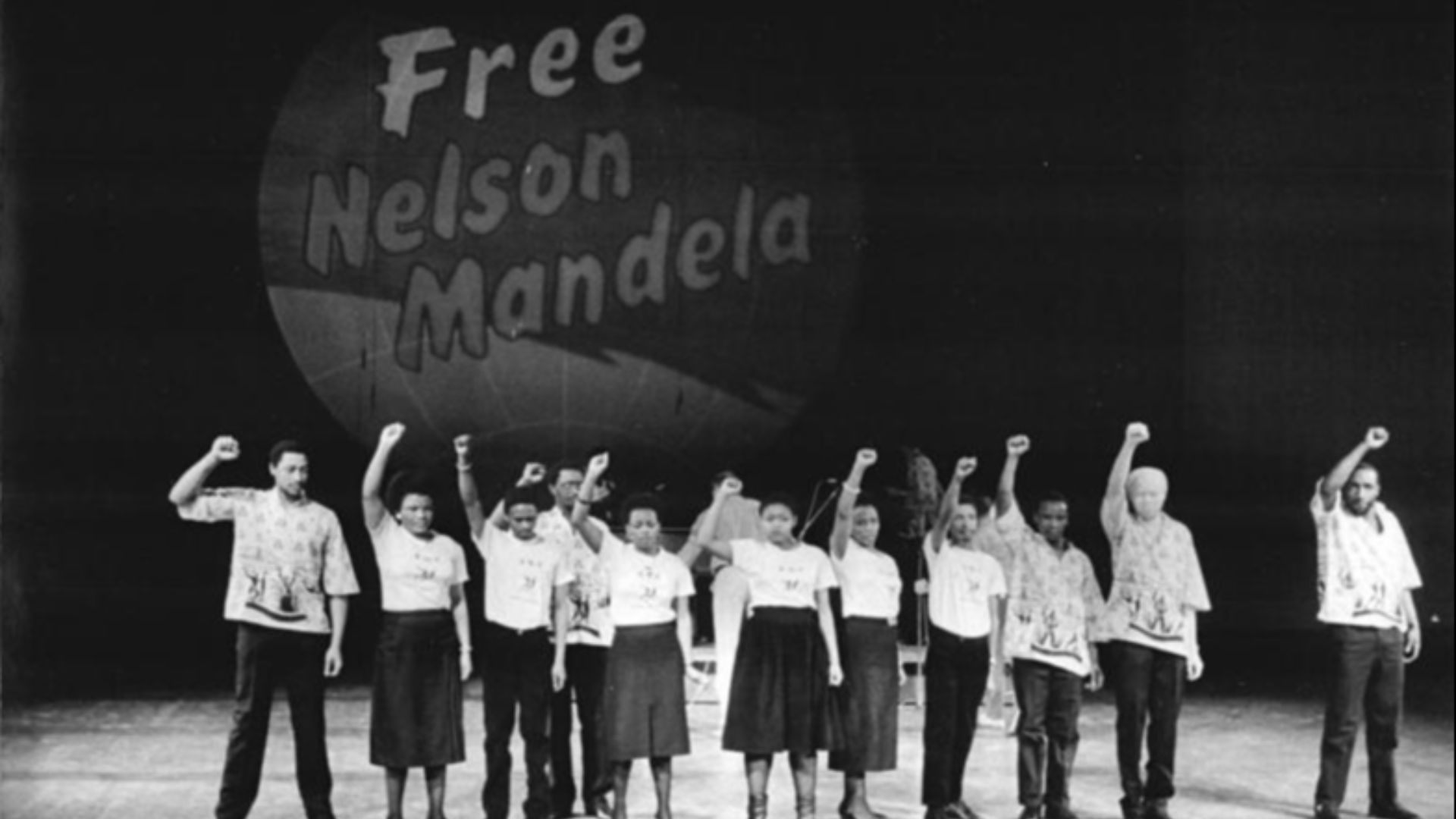
Free Nelson Mandela — The Special AKA
Jerry Dammers's 1984 protest song demanded freedom for South Africa's imprisoned anti-apartheid leader. It reached Britain's top ten and number one in New Zealand, but apartheid-era South Africa banned it.
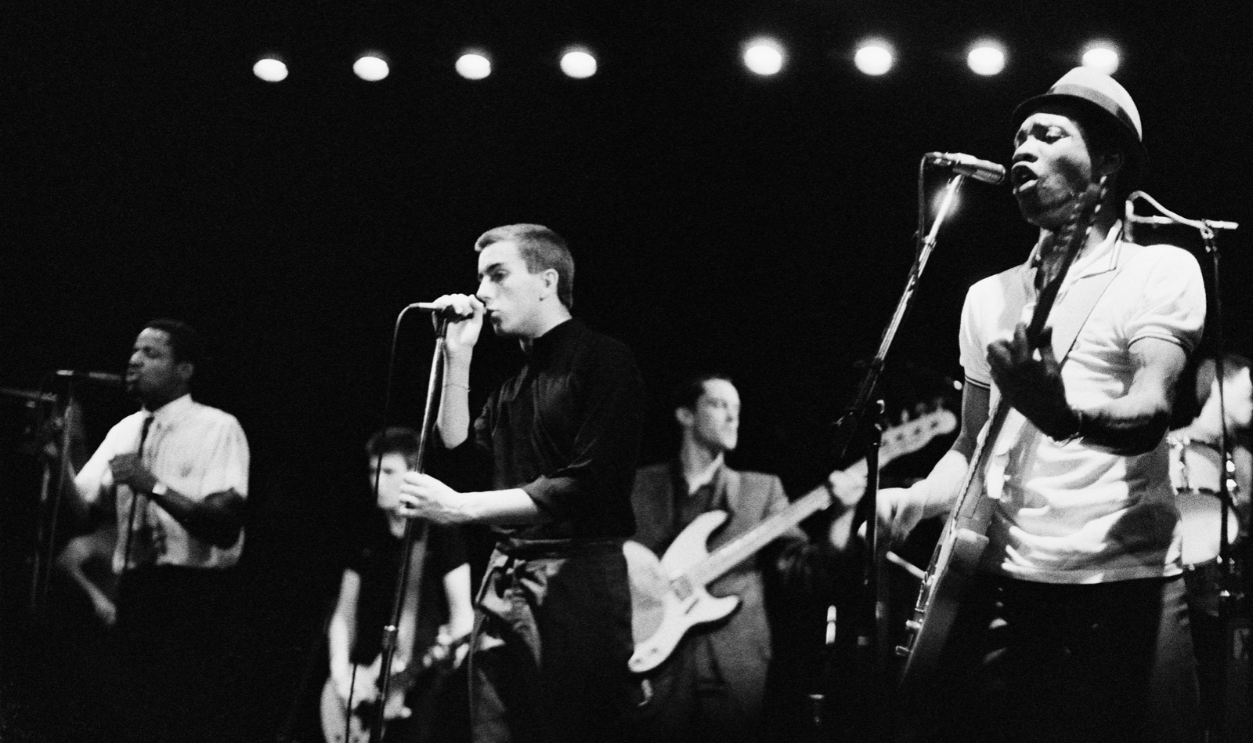
A Chorus That Crossed Borders
Dammers later recalled hearing the song over loudspeakers at a South African football match. One local radio station even excluded it from a British chart countdown, despite its success overseas and before its official ban.
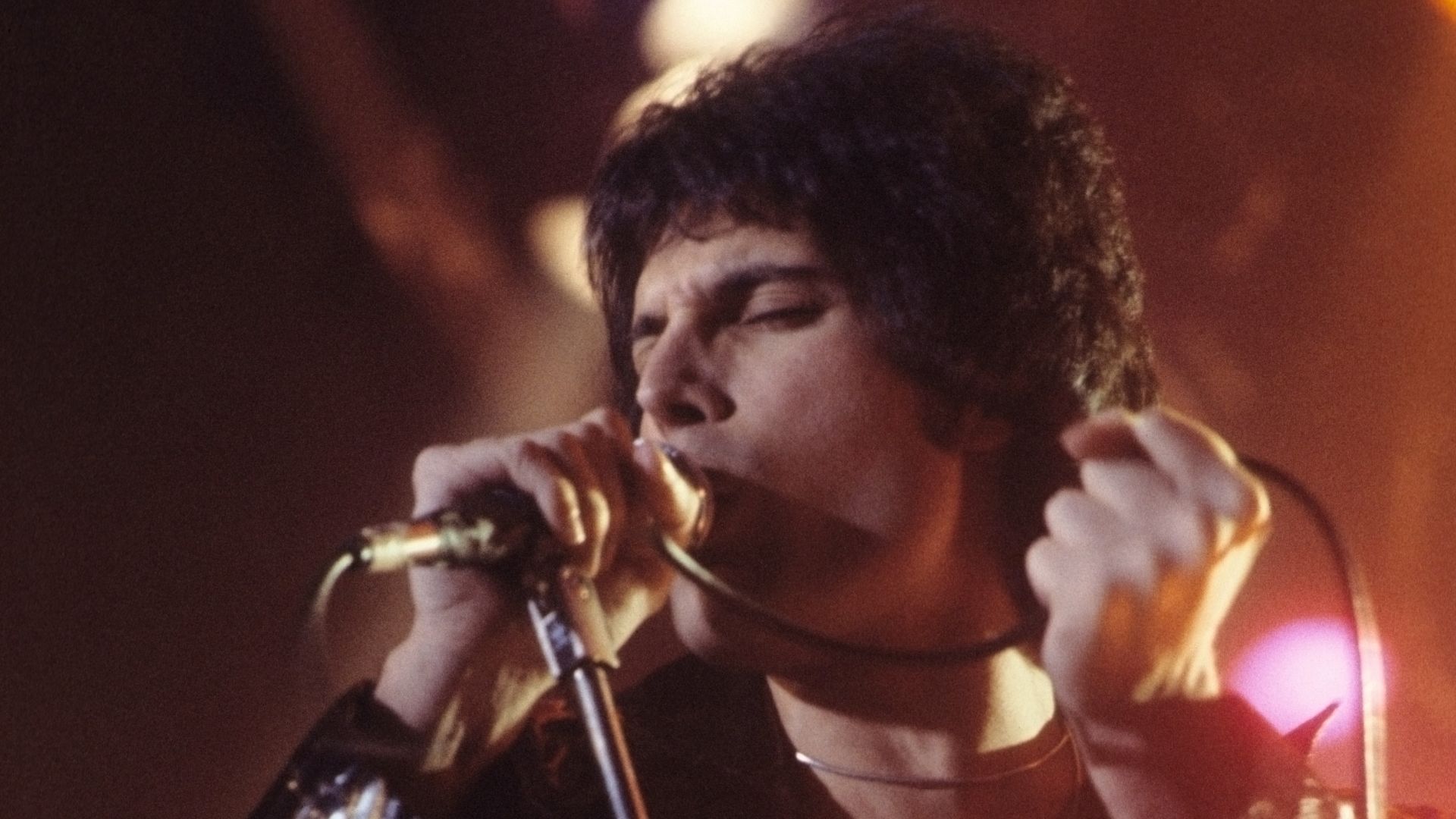
I Want To Break Free — Queen
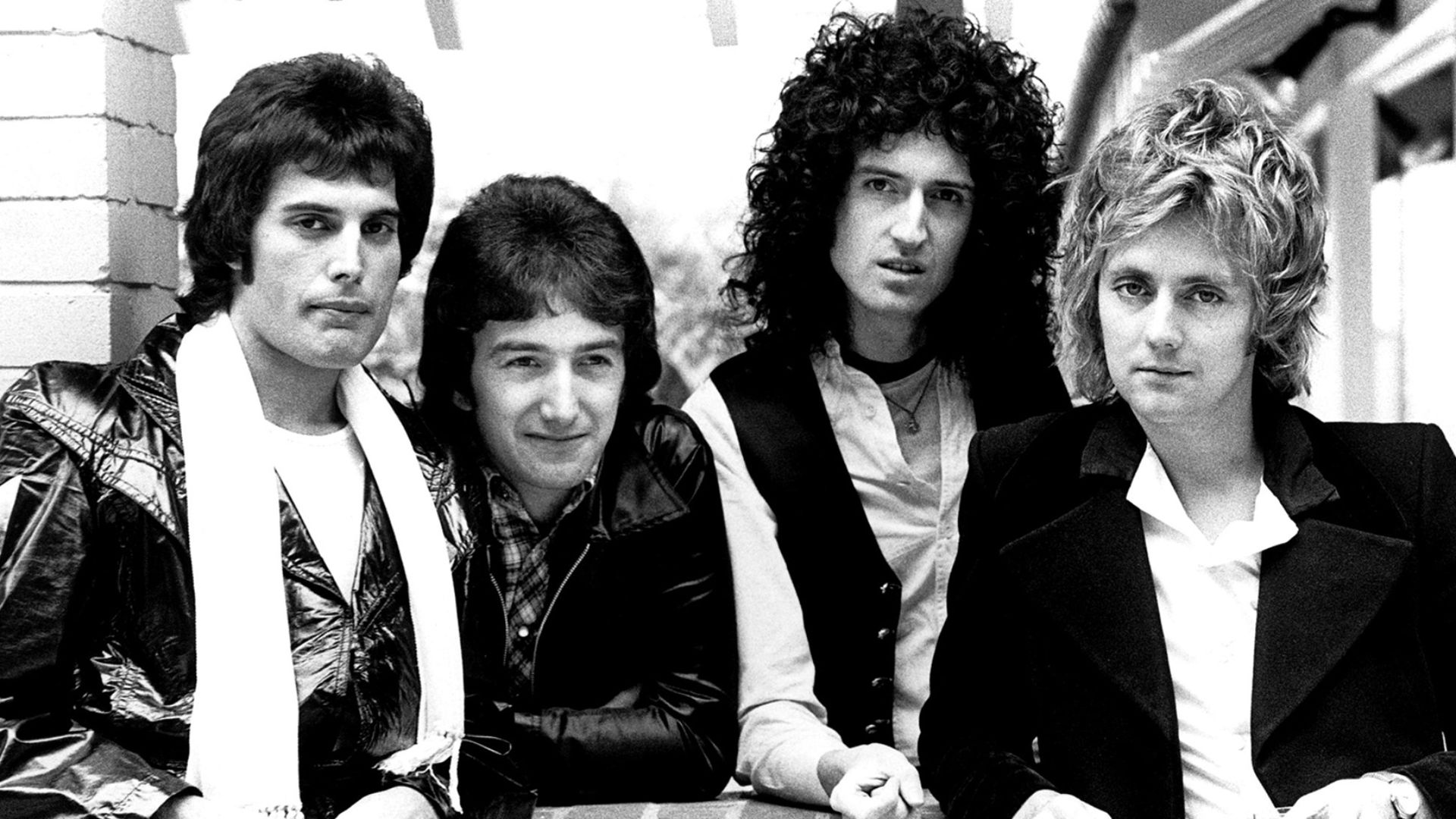
Queen's 1984 hit encountered American resistance because its video spoofed Coronation Street. Band members dressed as women for the joke, but some US radio programmers were unimpressed by what they saw.
 Carl Lender, Wikimedia Commons
The Joke That Didn't Travel
Brian May recalled Midwestern programmers refusing the song because its video appeared to feature intimacy between men. Nevertheless, it reached number three in Britain and became a Queen favorite, even as American radio support suffered.
 Christopher Hopper; distributed by Elektra Records, Wikimedia Commons
Sun City — Artists United Against Apartheid
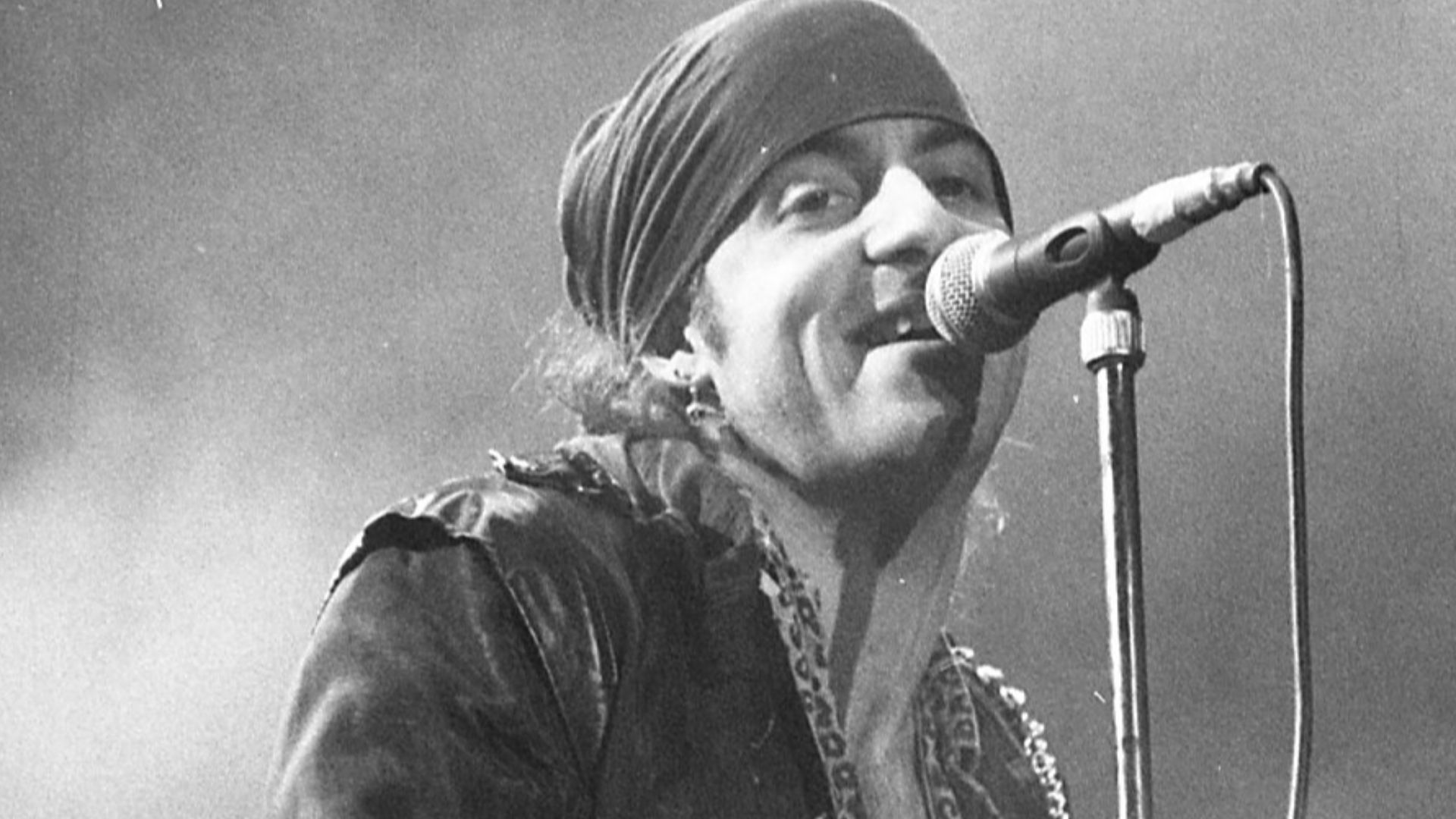
Little Steven Van Zandt assembled music stars for this 1985 protest against playing South Africa's Sun City resort. South African station 702 blacklisted the record because of corporate links to the resort.
 Richard E. Aaron, Getty Images
The Boycott Couldn't Stop The Message
American stations also refused the single, yet “Sun City” reached number 38 on the Billboard Hot 100 and number 21 in Britain. The radio boycotts only underscored its political message.
 Steve Knight from Halstead, United Kingdom, Wikimedia Commons
A Radio-Friendly Rename
An Atlanta station worked around the controversy by renaming its edit “I Want Your Love.” The song still reached number three in Britain, illustrating how differently radio markets treated the same record.
Asimbonanga — Johnny Clegg And Savuka
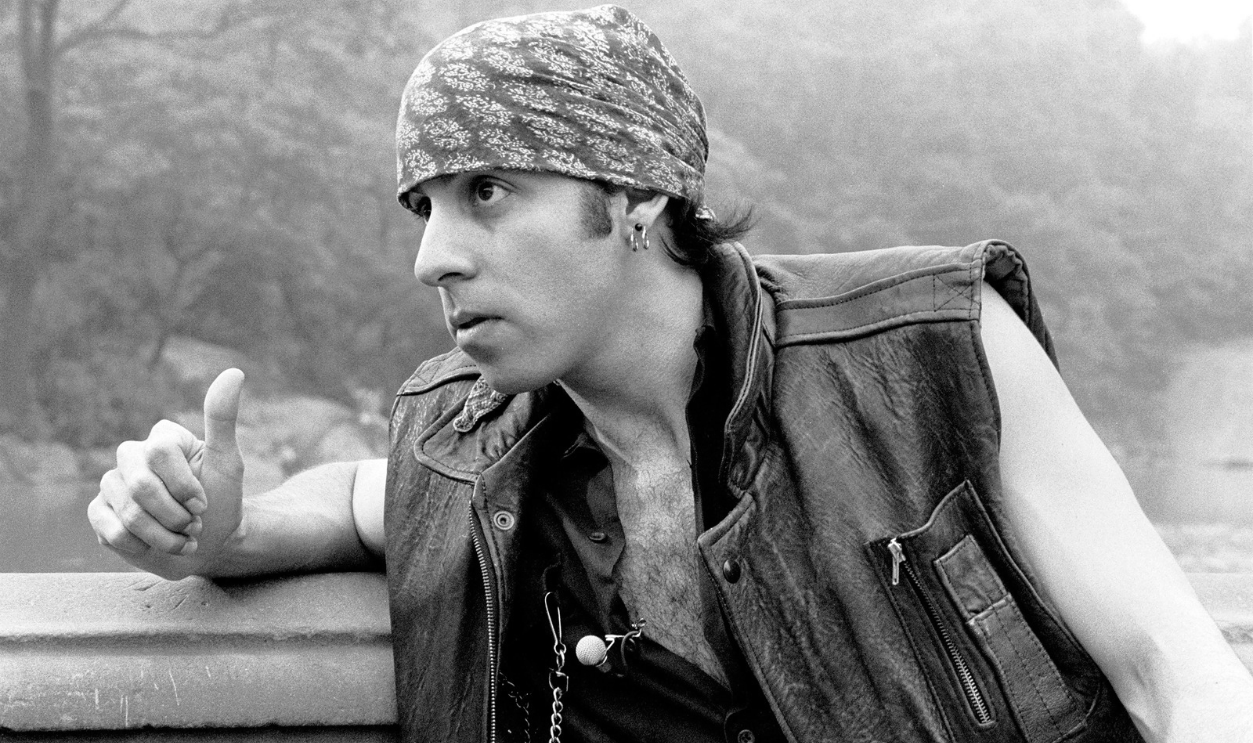
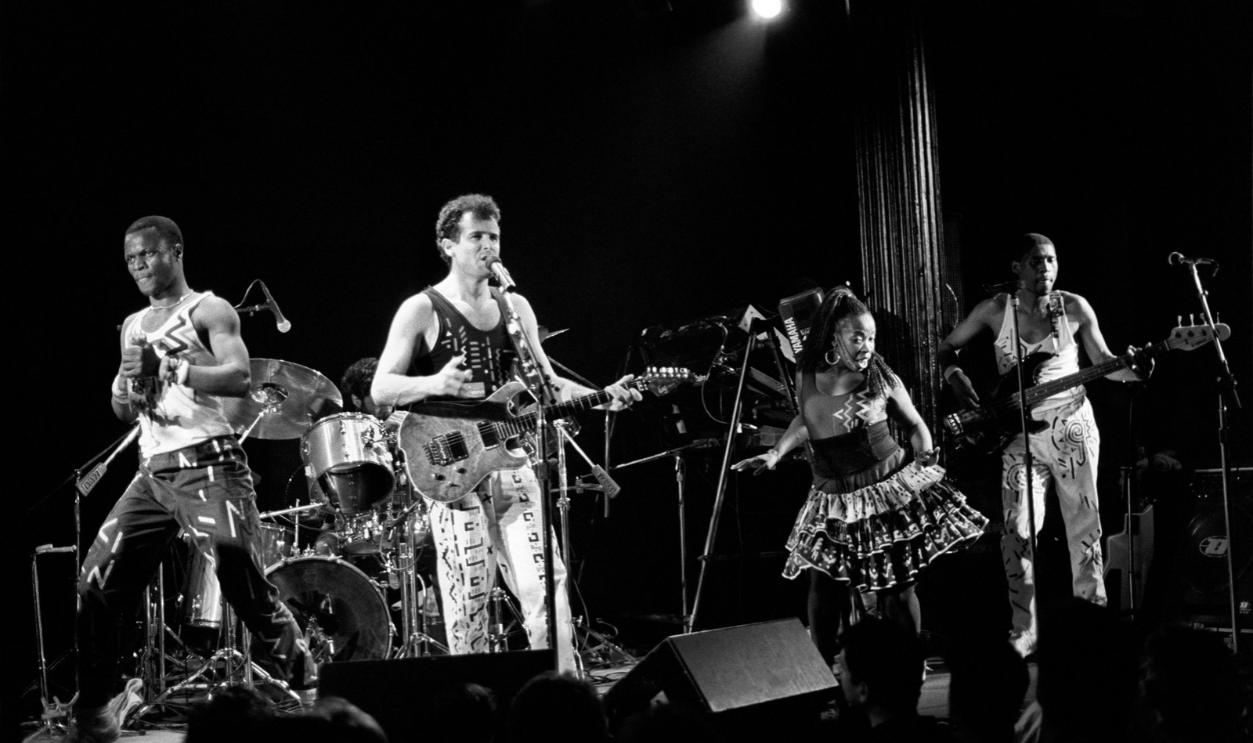
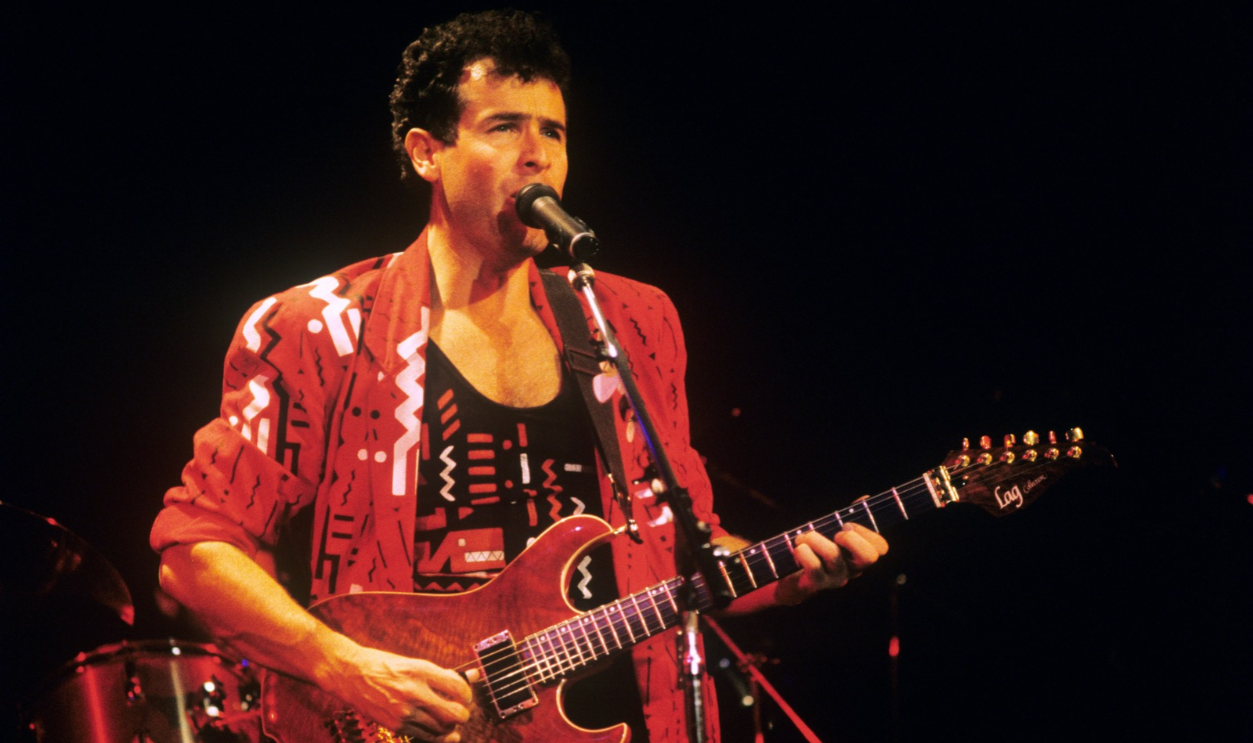
In 1987, Johnny Clegg and Savuka released this tribute to imprisoned Nelson Mandela. South Africa's white-minority government barred it from radio, but its call for freedom traveled beyond the country's borders.
The Anthem Finds Another Audience
The song succeeded in France, while Clegg reached South African audiences through concerts despite radio restrictions. Years later, Mandela himself joined Clegg onstage during a performance, giving the banned anthem a memorable ending.
Gimme Hope Jo'anna — Eddy Grant
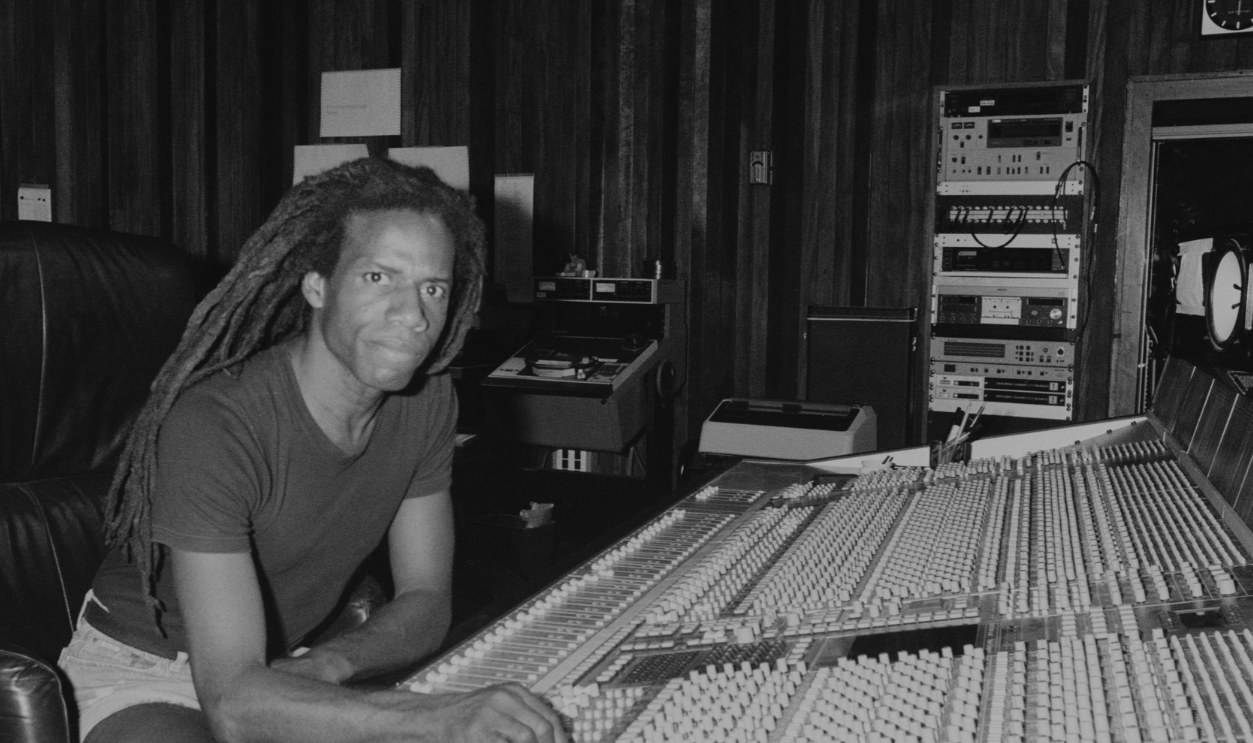
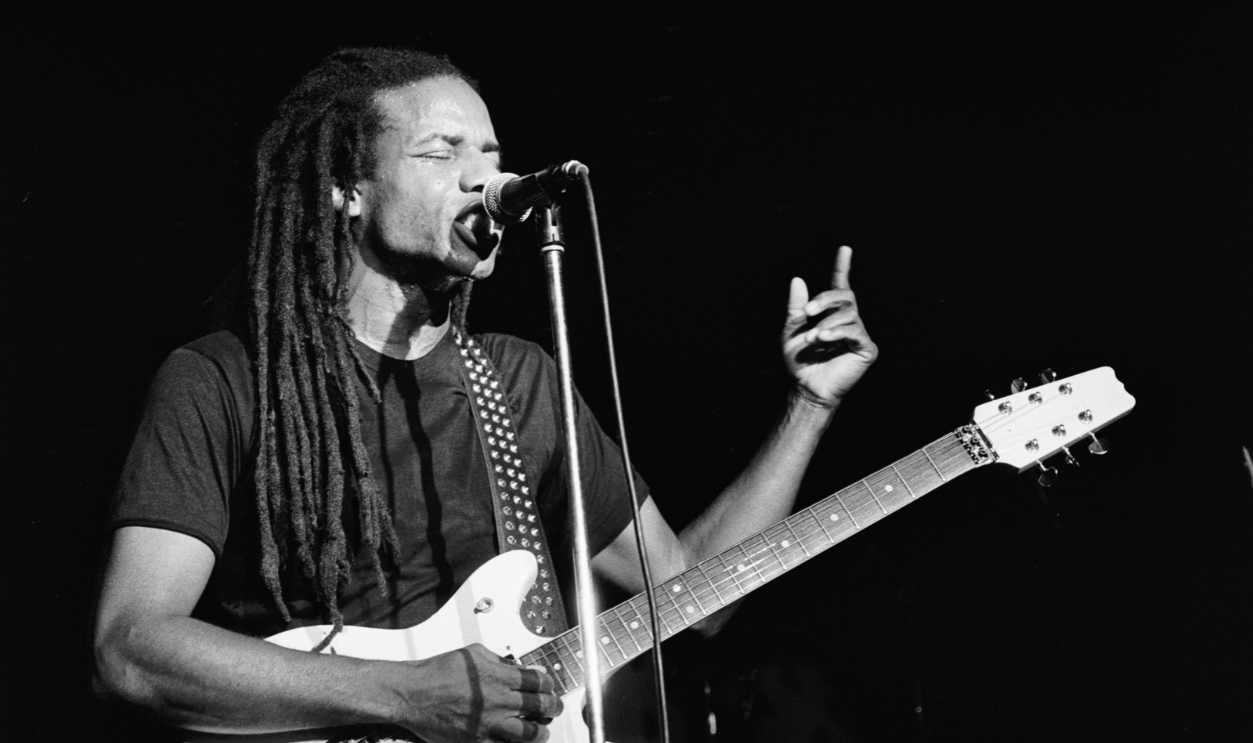
Eddy Grant's 1988 record challenged apartheid through “Jo'anna,” a reference to Johannesburg. South Africa's government banned it, yet listeners still heard the upbeat song, which also referenced Archbishop Desmond Tutu.
The Hit Johannesburg Couldn't Hide
The song peaked at number seven in Britain and spent twelve weeks on the chart. Its sunny rhythm carried a serious political message, making the government's attempted suppression all the more striking.
 Frans Schellekens, Getty Images
Like A Prayer — Madonna
Madonna's 1989 release stirred outrage through a video mixing religious symbols with provocative imagery. Some radio stations refused to play it, though the music reached far more listeners than those objections suggested.

Controversy Meets A Chart-Topper
Pepsi withdrew an associated advertising campaign, yet “Like a Prayer” led America's Hot 100 for three weeks. It also topped charts in Britain, Canada and Australia, demonstrating how little the controversy limited its reach.

French Kiss — Lil Louis
House producer Lil Louis created a 1989 club hit featuring suggestive breathing in its extended breakdown. The BBC initially banned “French Kiss,” but dance floors weren't following the same rules as radio programmers.
 Remy Golinelli, Wikimedia Commons
A Dance Record Takes Over
“French Kiss” still climbed to number two in Britain and spent six weeks in the top ten. Its crossover was remarkable for a track driven by an unusual arrangement rather than a traditional pop chorus.

You May Also Like:
Classic Songs That Disappeared From Their Artists' Concert Setlists For Surprising Reasons
70s Rock Bands That Opened For Legendary Acts—Then Became Legends Themselves
Sources: 1, 2, 3, 4, 5, 6, 7, 8, 9, 10, 11, 12, 13, 14, 15, 16, 17, 18, 19, 20, 21, 22, 23, 24