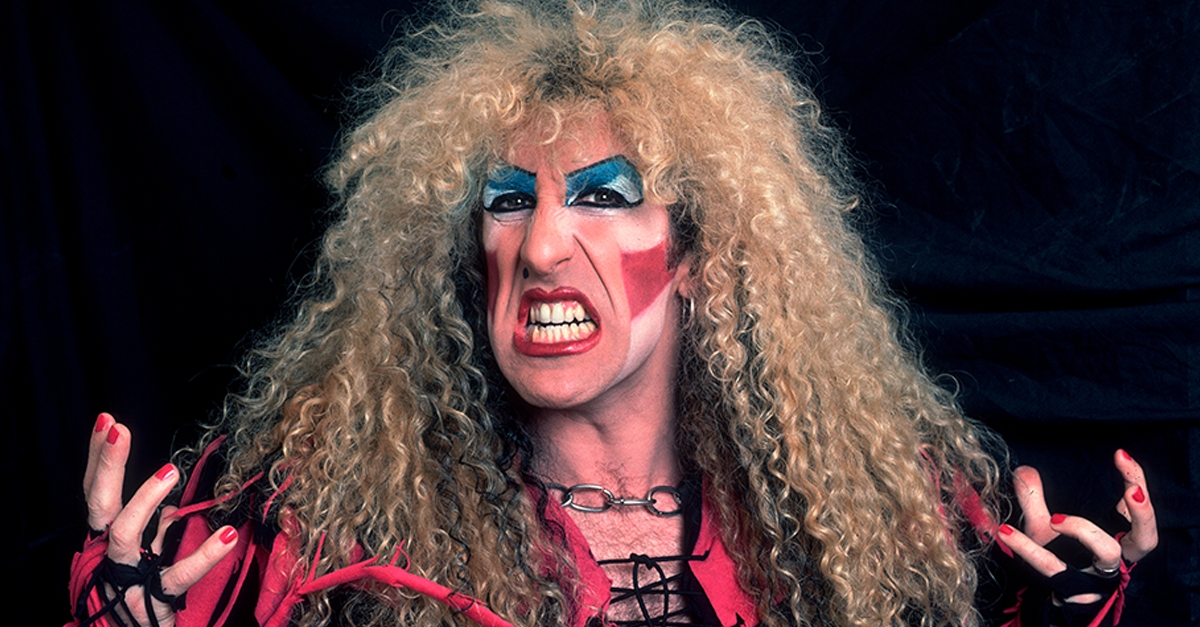
Dee Snider Walked Straight Into Washington
In 1985, heavy metal was dragged into a national fight over music, censorship, and what kids should be allowed to hear. When Twisted Sister frontman Dee Snider was called before Congress, critics may have expected an easy target. Instead, he showed up ready for a fight and turned the hearing into a showdown Washington didn't see coming.
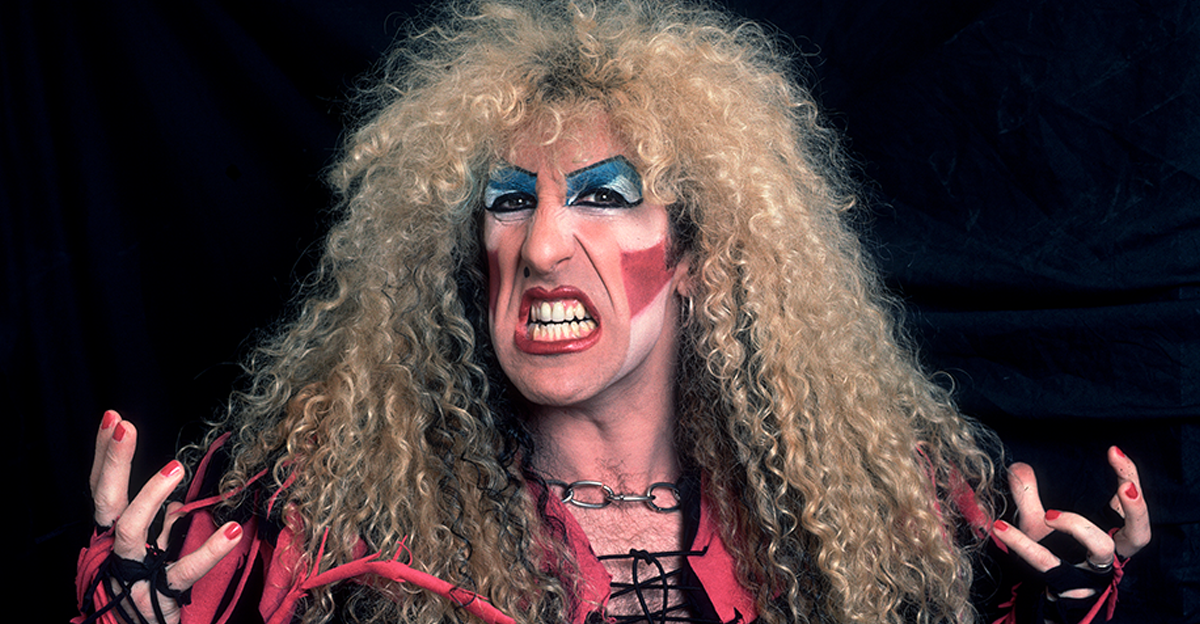
Twisted Sister Had Just Become Huge
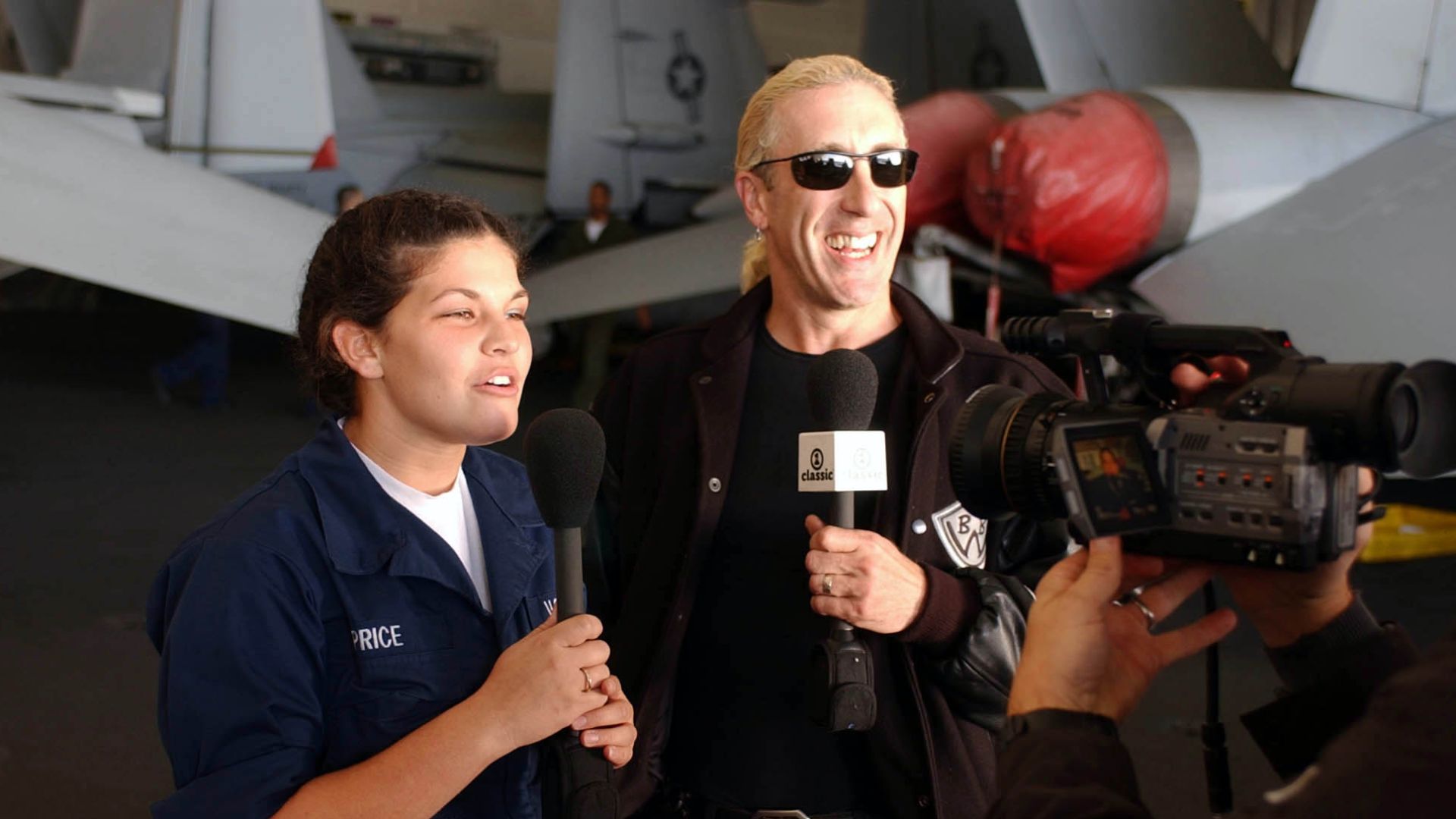
Twisted Sister had broken into the mainstream with 1984's Stay Hungry, powered by “We're Not Gonna Take It” and “I Wanna Rock.” “We're Not Gonna Take It” reached No. 21 on the Billboard Hot 100. Snider had suddenly become one of heavy metal's most recognizable figures.
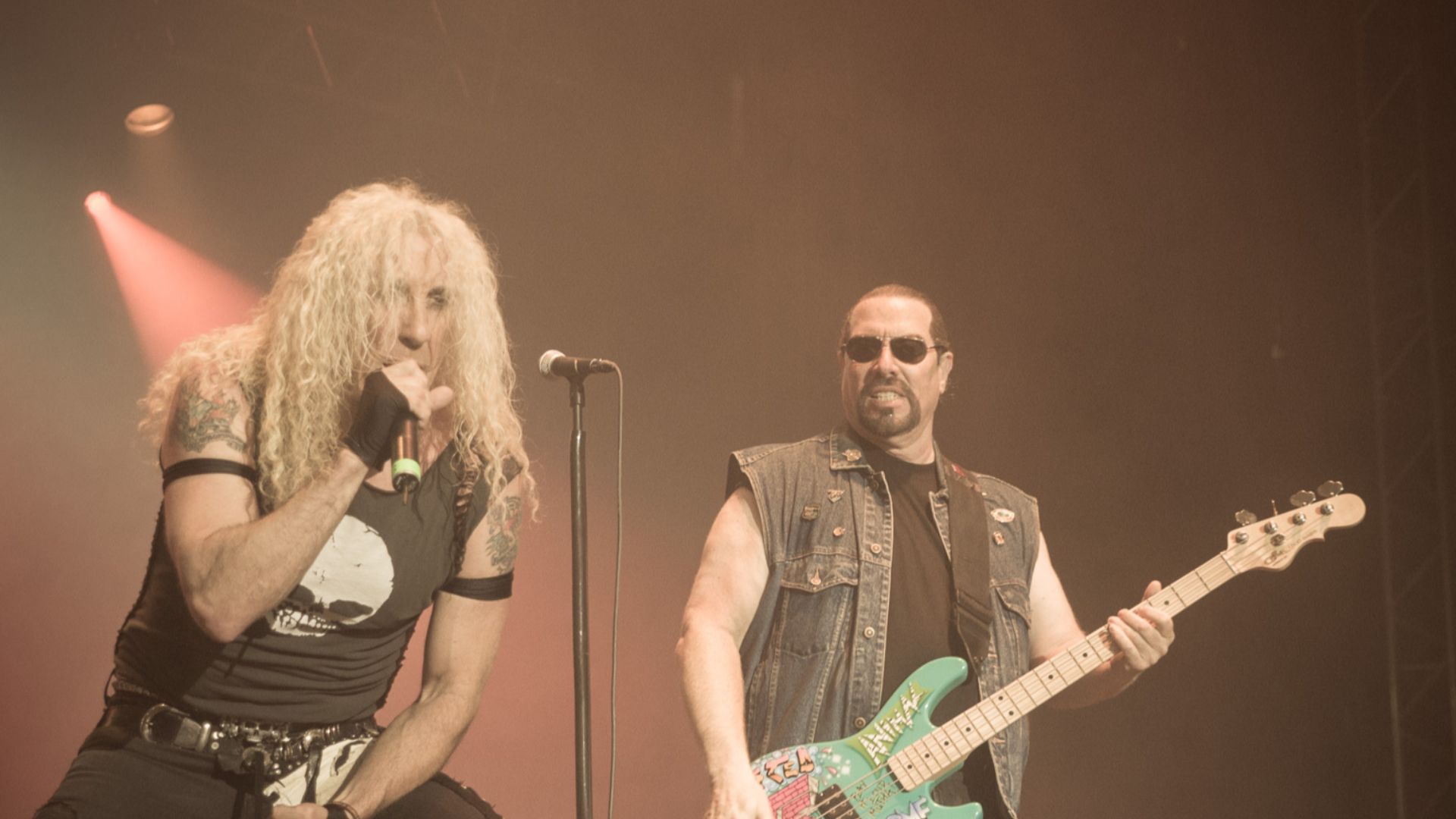 Jorund F Pedersen, Wikimedia Commons
Their Biggest Hit Was Built For Rebellion
Snider wrote “We're Not Gonna Take It” so listeners could apply its message to their own lives. Parents, teachers, bosses, or anyone else in authority could fit the song. Its broad appeal made it a huge anthem, but some adults heard something far more troubling.
 Roland Franklin, Wikimedia Commons
The Video Made Things Even Wilder
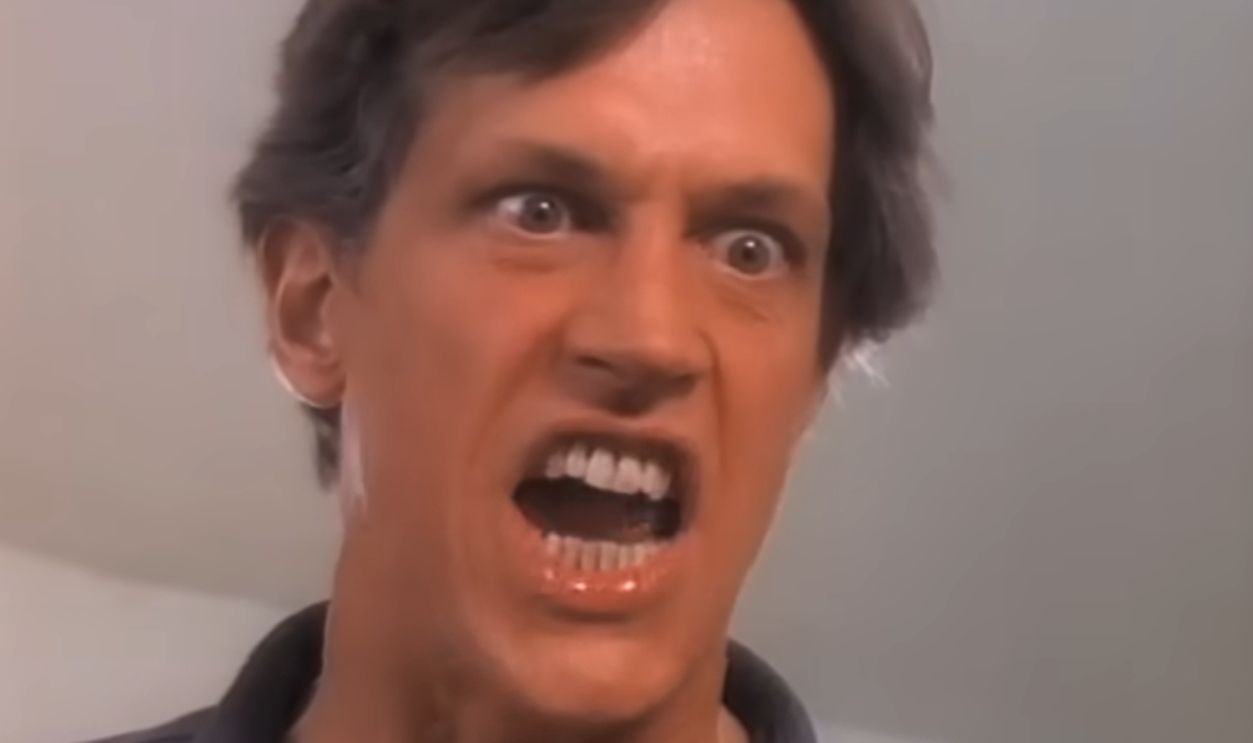
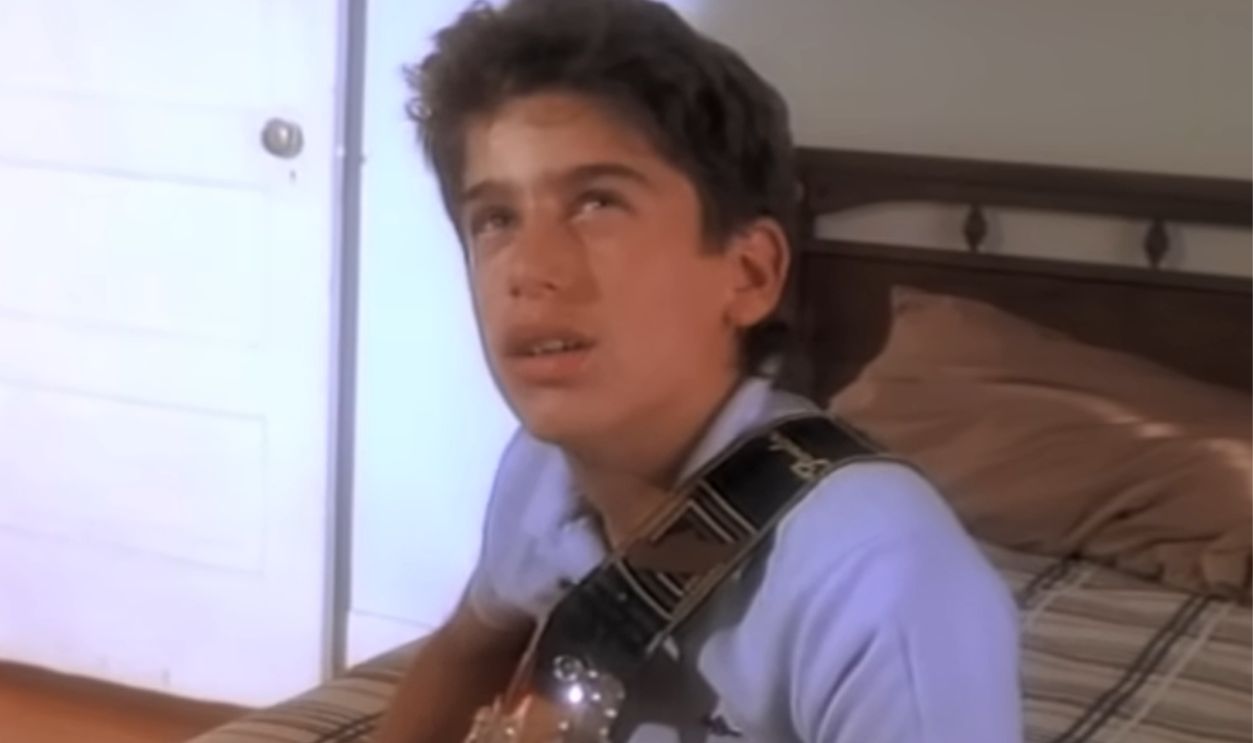
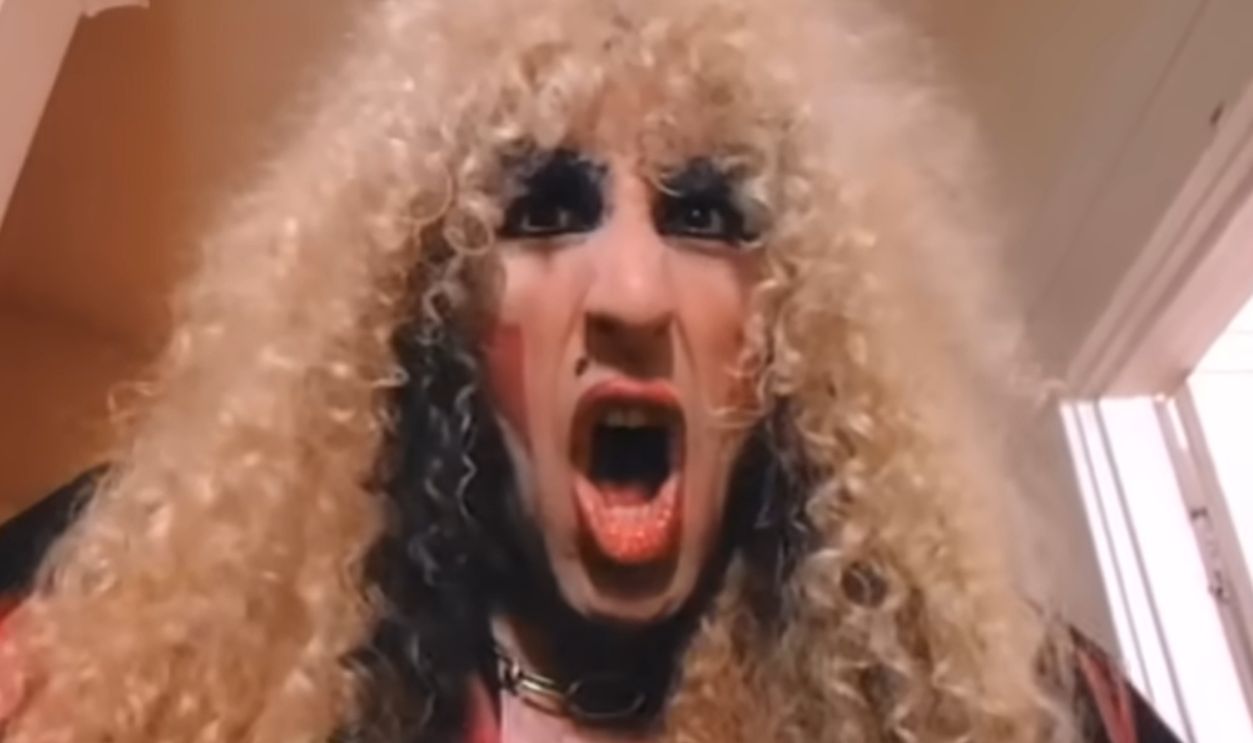
The famous video featured an overbearing father suffering increasingly ridiculous slapstick punishment. Snider later said the exaggerated action was inspired by cartoons and meant to be funny. Not everyone watching saw it that way.
 Screenshot from We're Not Gonna Take It, Atlantic Records (1984)
Tipper Gore Had Her Own Music Shock
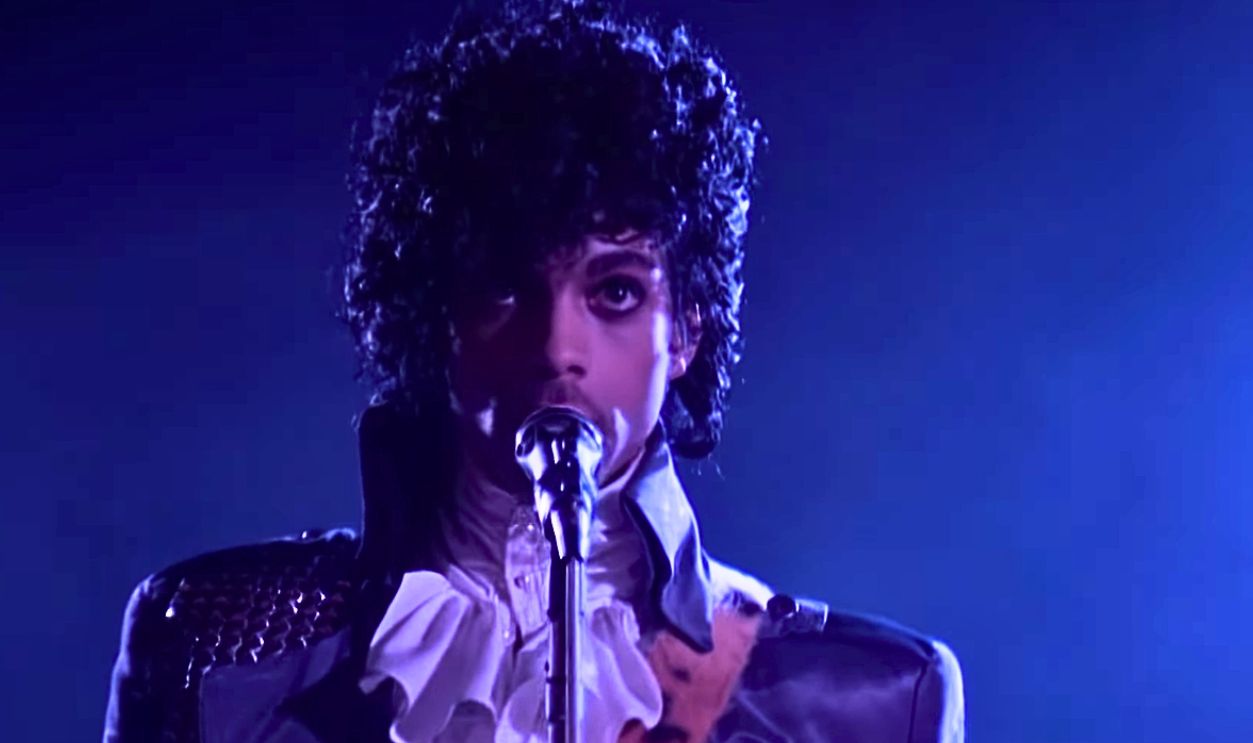
Around the same time, Tipper Gore, the wife of then-Senator Al Gore, was disturbed after hearing Prince's explicit “Darling Nikki” on her daughter's copy of Purple Rain. She began speaking with other Washington parents who shared her concerns. Those conversations soon grew into a national debate about popular music.
 Screenshot from Purple Rain, Warner Bros. Pictures (1984)
The PMRC Had Powerful Connections
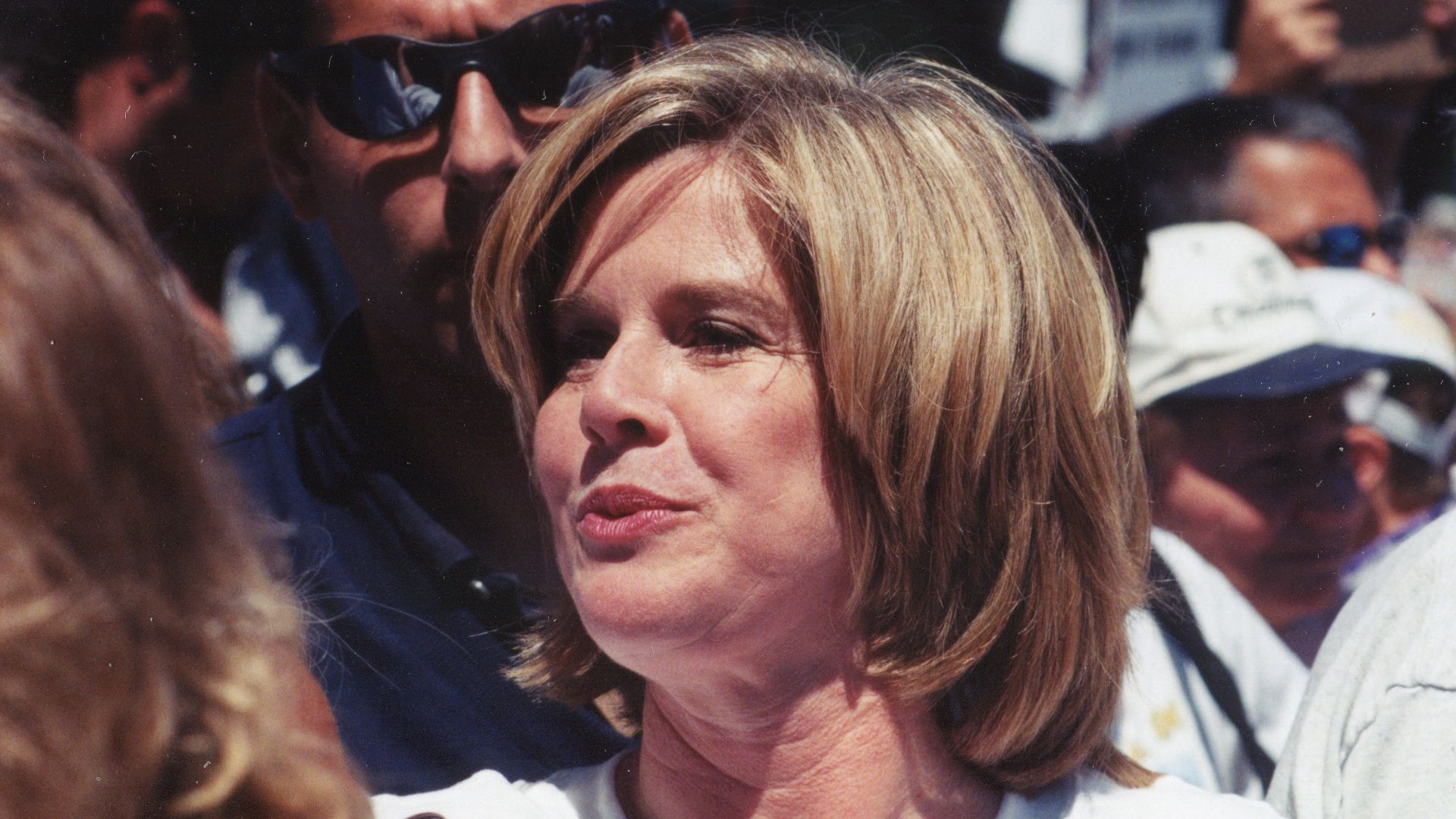
Gore helped form the Parents Music Resource Center with Susan Baker, Pam Howar, Sally Nevius, and others. Several members had close connections to prominent Washington figures, including senators and cabinet officials. That access helped the group's concerns gain national attention quickly.
 Elvert Barnes, Wikimedia Commons
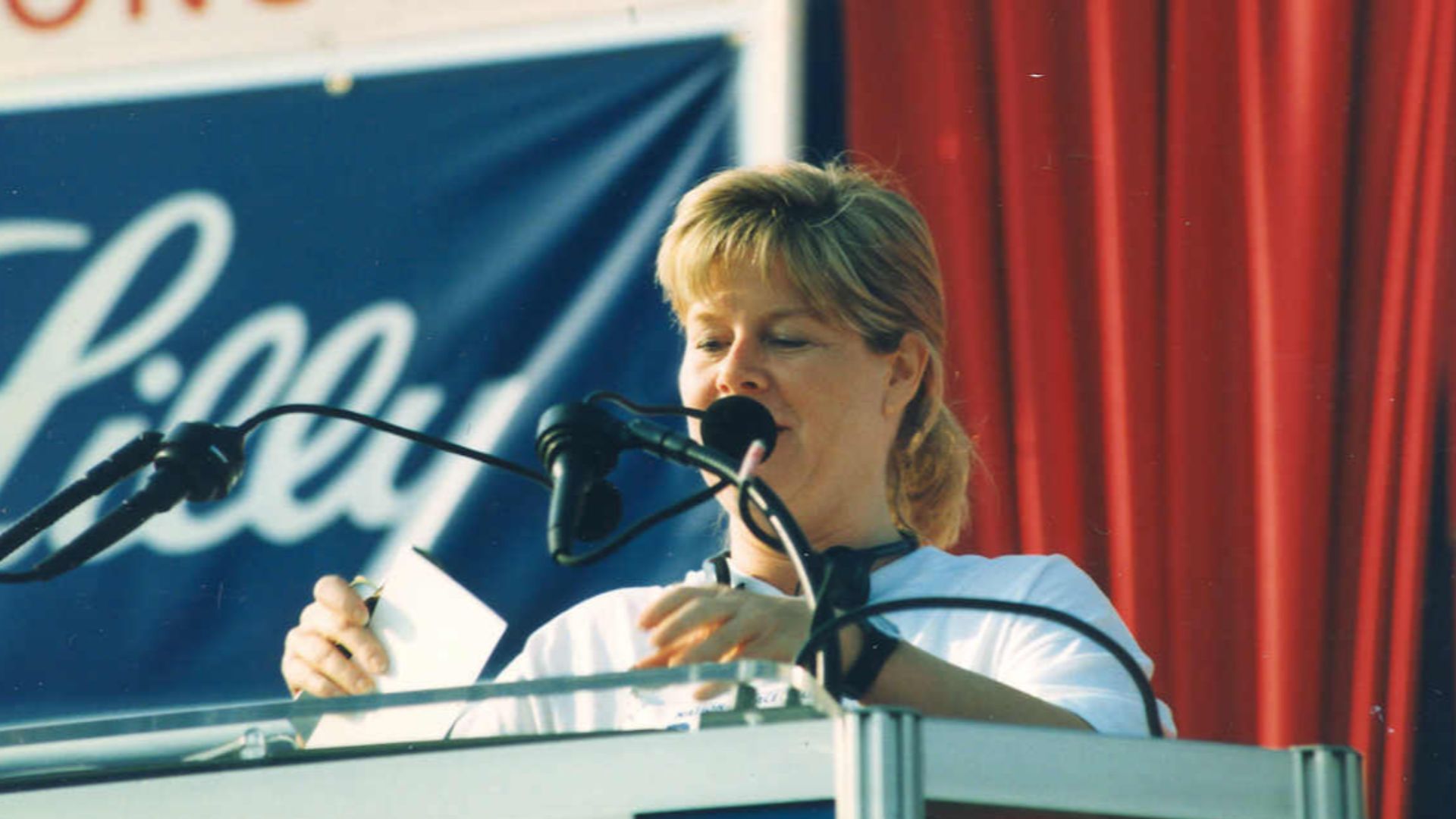
They Said It Was About Information
The PMRC argued that parents needed better information about potentially objectionable music. Members promoted warning labels and discussed systems for identifying certain types of content. Musicians feared those measures could easily become a form of censorship.
 Elvert Barnes, Wikimedia Commons
Then Came The Filthy Fifteen
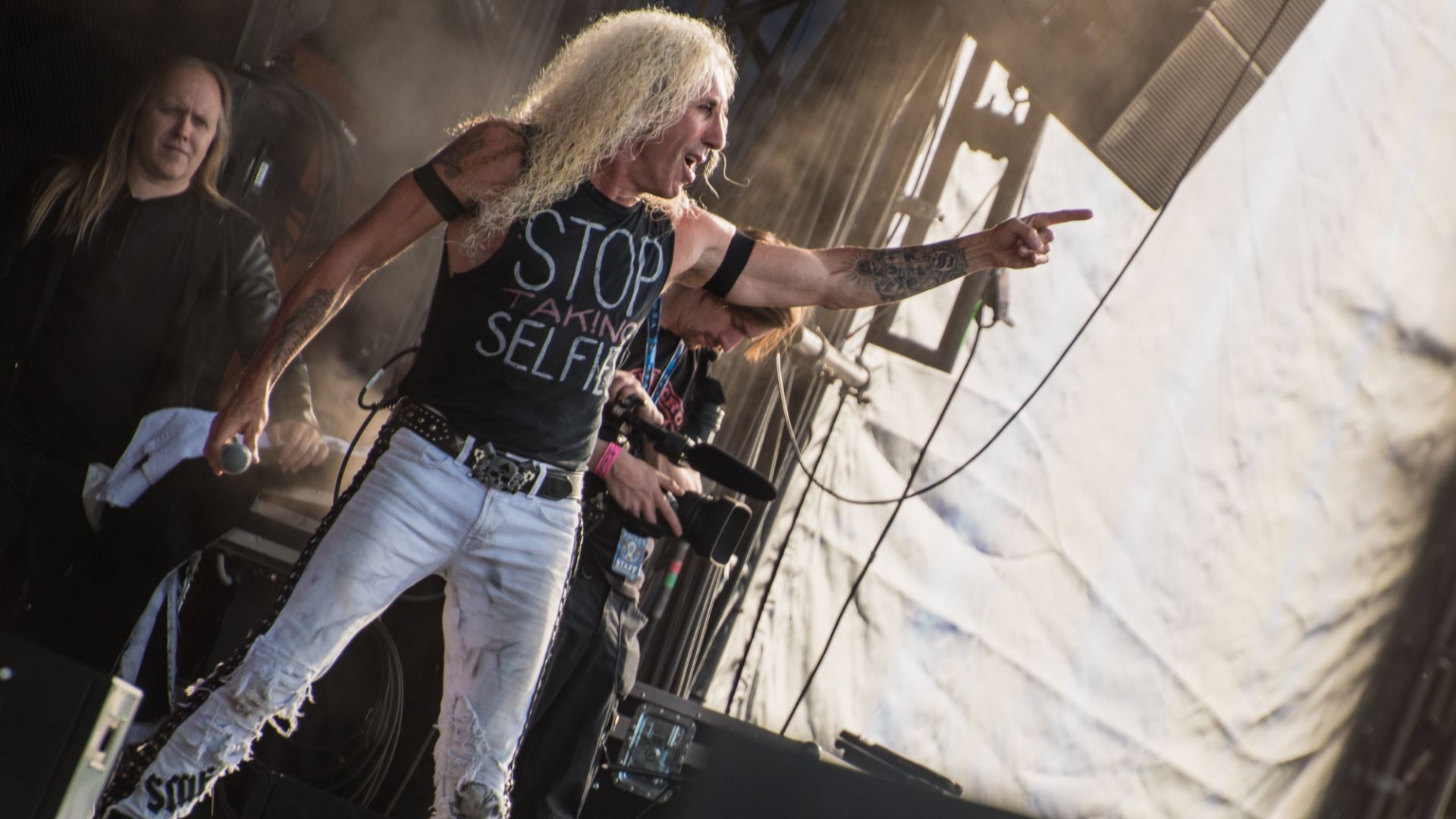
The PMRC highlighted 15 songs it considered particularly objectionable, a list that became known as the “Filthy Fifteen.” Prince, Madonna, Cyndi Lauper, AC/DC, Judas Priest, and Mötley Crüe were among the artists named. Twisted Sister landed on the list too.
 MorganaPhotolive, Wikimedia Commons
Twisted Sister Was Flagged For Violence
“We're Not Gonna Take It” was associated with violence, largely because of its music video. Snider believed critics were confusing deliberately cartoonish slapstick with the song's actual message. That disagreement would become central to his testimony.
 Screenshot from We're Not Gonna Take It, Atlantic Records (1984)
Another Twisted Sister Song Was Targeted
The controversy became even more personal with “Under the Blade.” Tipper Gore interpreted the lyrics as containing disturbing references to bondage and violence. Snider insisted she had completely misunderstood what he had written.
 Screenshot from We're Not Gonna Take It, Atlantic Records (1984)
The Record Industry Was Already Moving
Before Snider testified, record companies were already discussing a compromise over warning labels. The industry favored a broad advisory rather than the detailed rating system some critics wanted. Snider later said he was frustrated by how far those negotiations had already progressed.
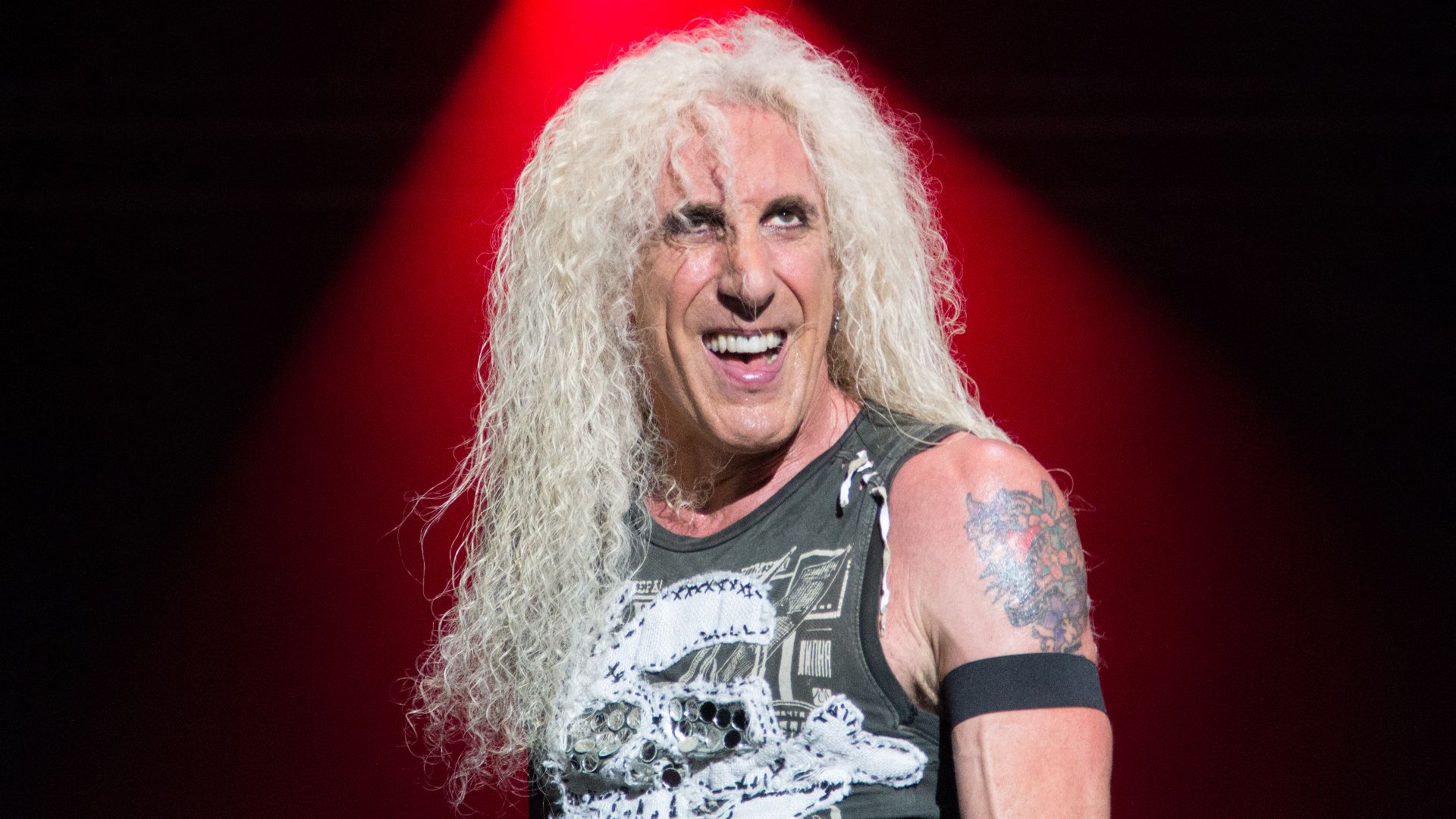 Alfred Nitsch, Wikimedia Commons
The Senate Hearing Became A Spectacle
On September 19, 1985, the Senate Commerce Committee held its famous hearing on record labeling. Chairman John Danforth stressed that the proceeding was not intended to produce legislation. Even so, hauling rock lyrics into the Senate immediately turned the debate into a national spectacle.
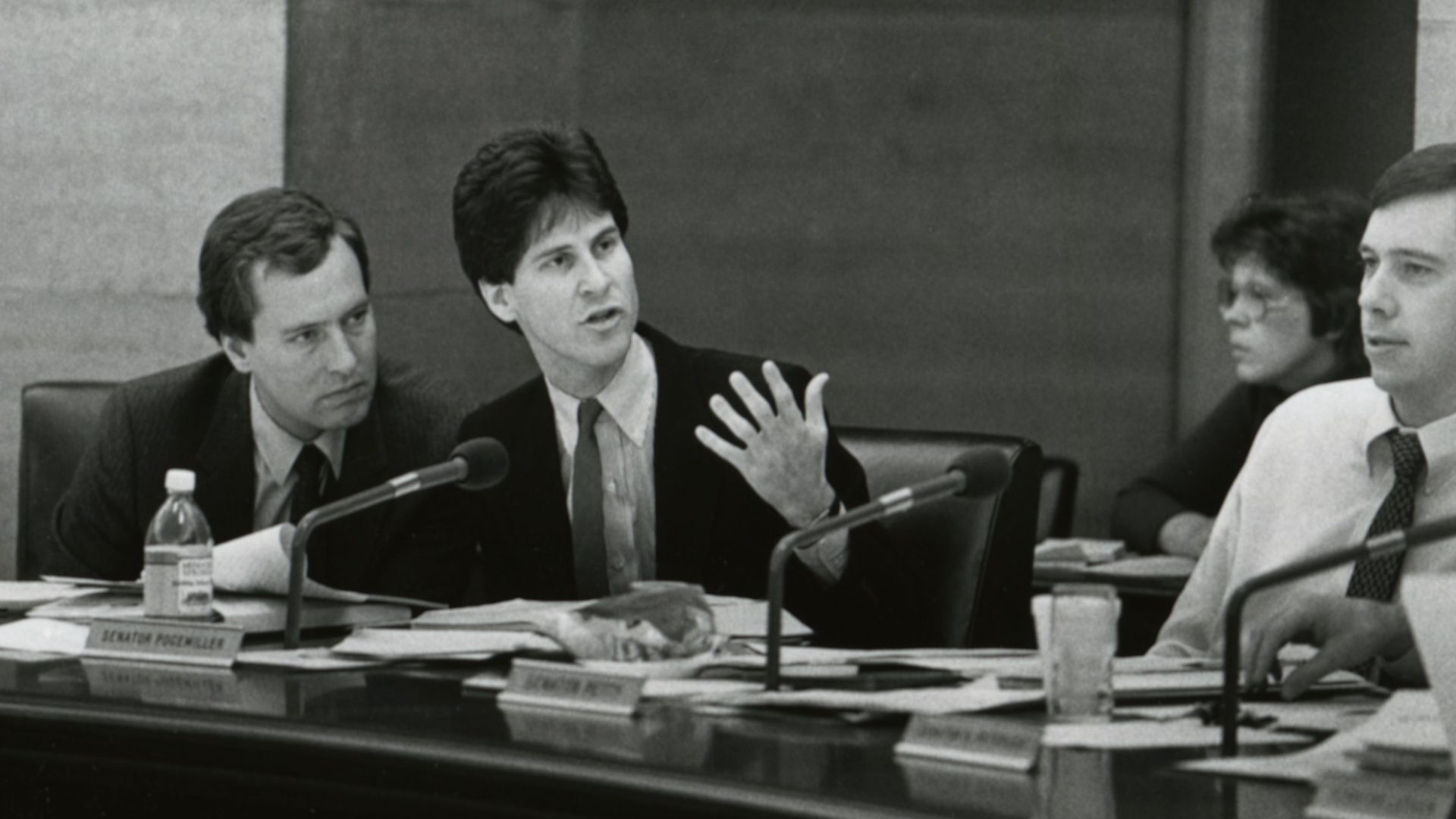 Oakes, David, Wikimedia Commons
Heavy Metal Echoed Through Capitol Hill
Songs including Van Halen's “Hot for Teacher” and Twisted Sister's “We're Not Gonna Take It” became part of the discussion. Frank Zappa, John Denver, and Snider appeared to challenge the push for labeling. Suddenly, a fight over records had become congressional theater.
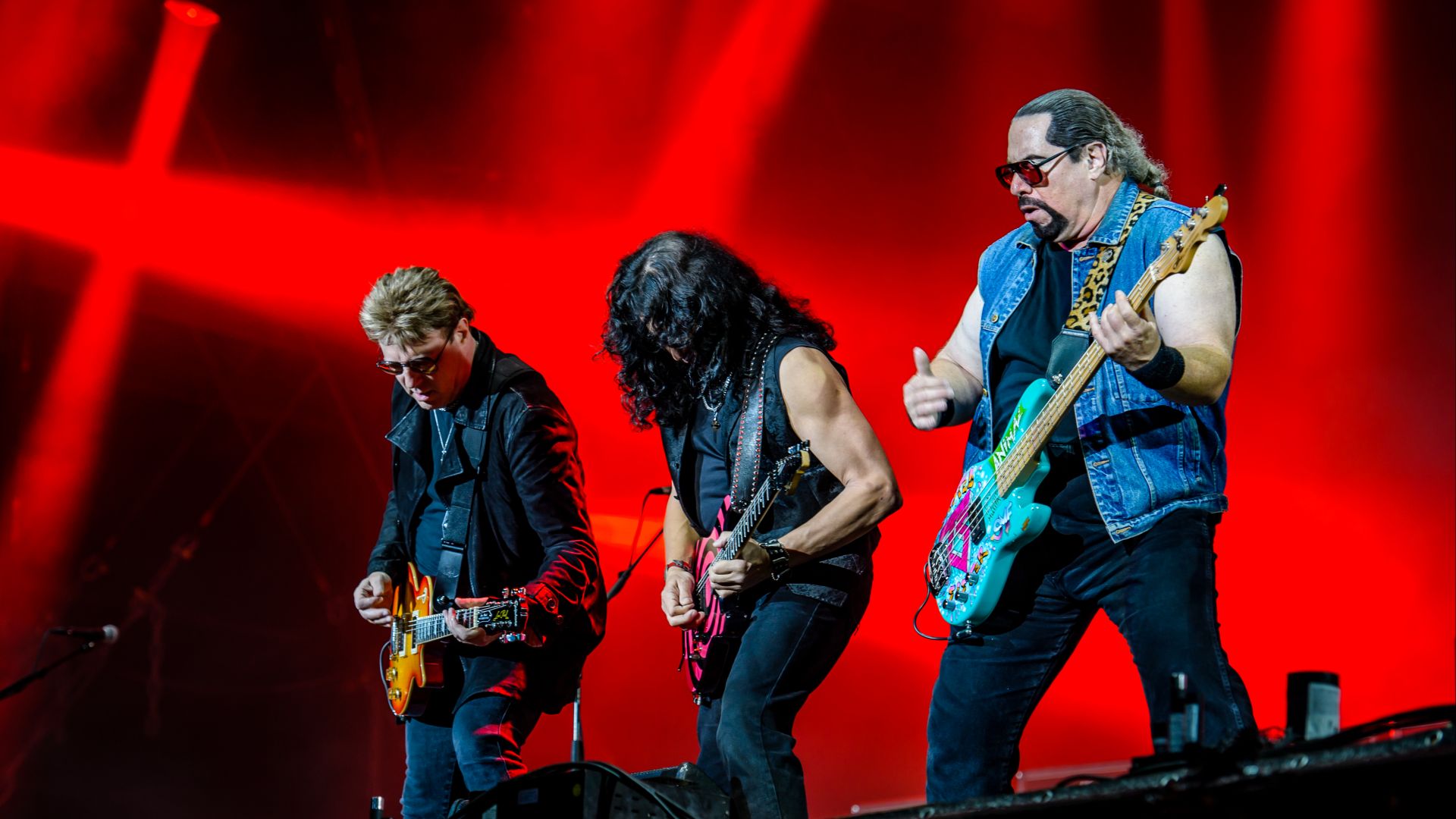 © Markus Felix | PushingPixels (contact me), Wikimedia Commons
Snider Had Done His Homework
Snider may have looked casual, but his preparation was serious. He later said he and Twisted Sister tour manager Joe Gerber spent about two weeks researching arguments and rehearsing possible questions. They approached the hearing almost like preparing for a trial.
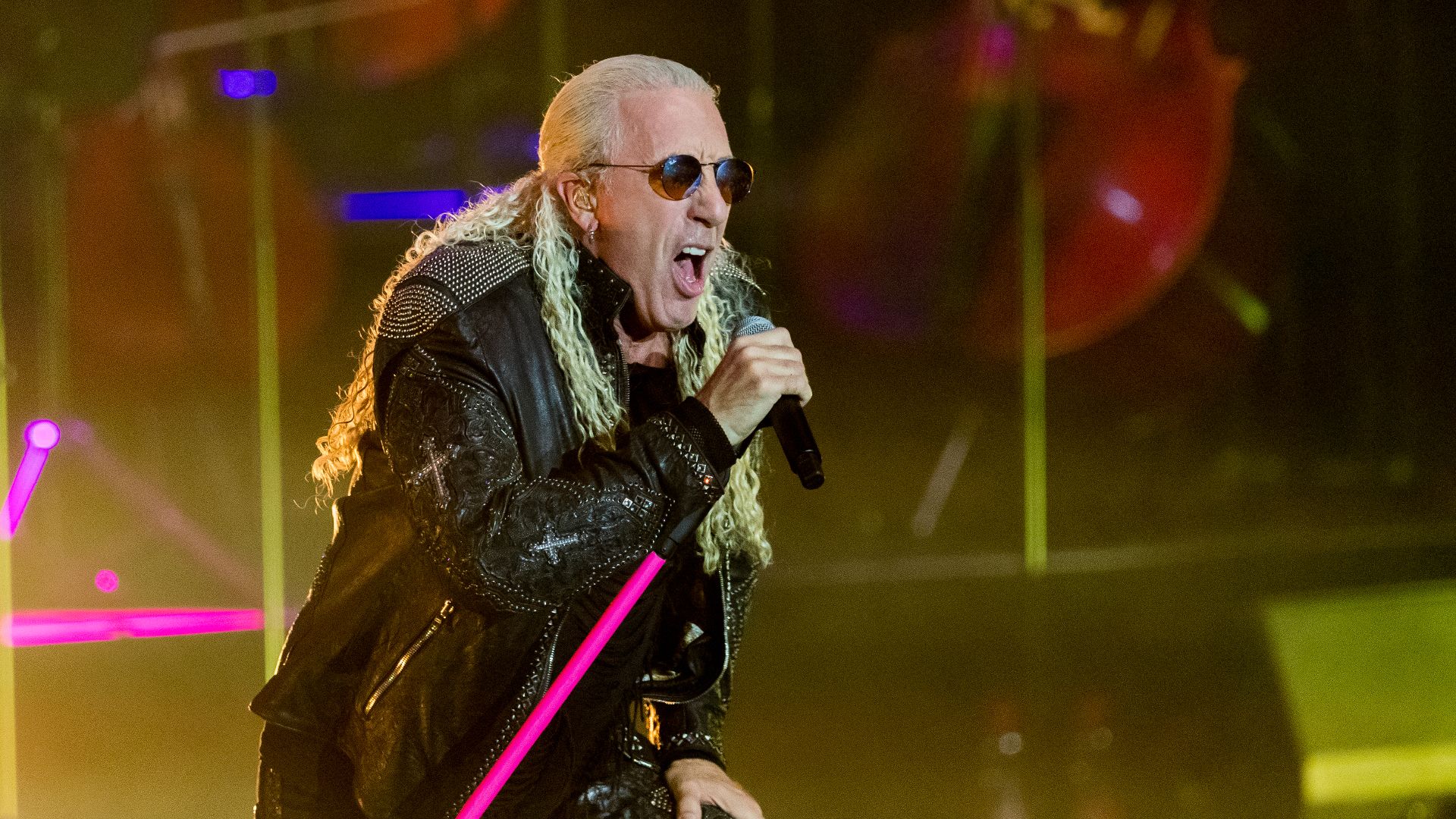 Sven Mandel, Wikimedia Commons
His Appearance Was Part Of The Surprise
Snider made no attempt to look conventional for Washington. To many, he looked like exactly the kind of heavy metal star they feared. Then he calmly told the committee that he was married, had a young son, had been raised Christian, and did not smoke, drink, or use drugs. The stereotype quickly began to fall apart.
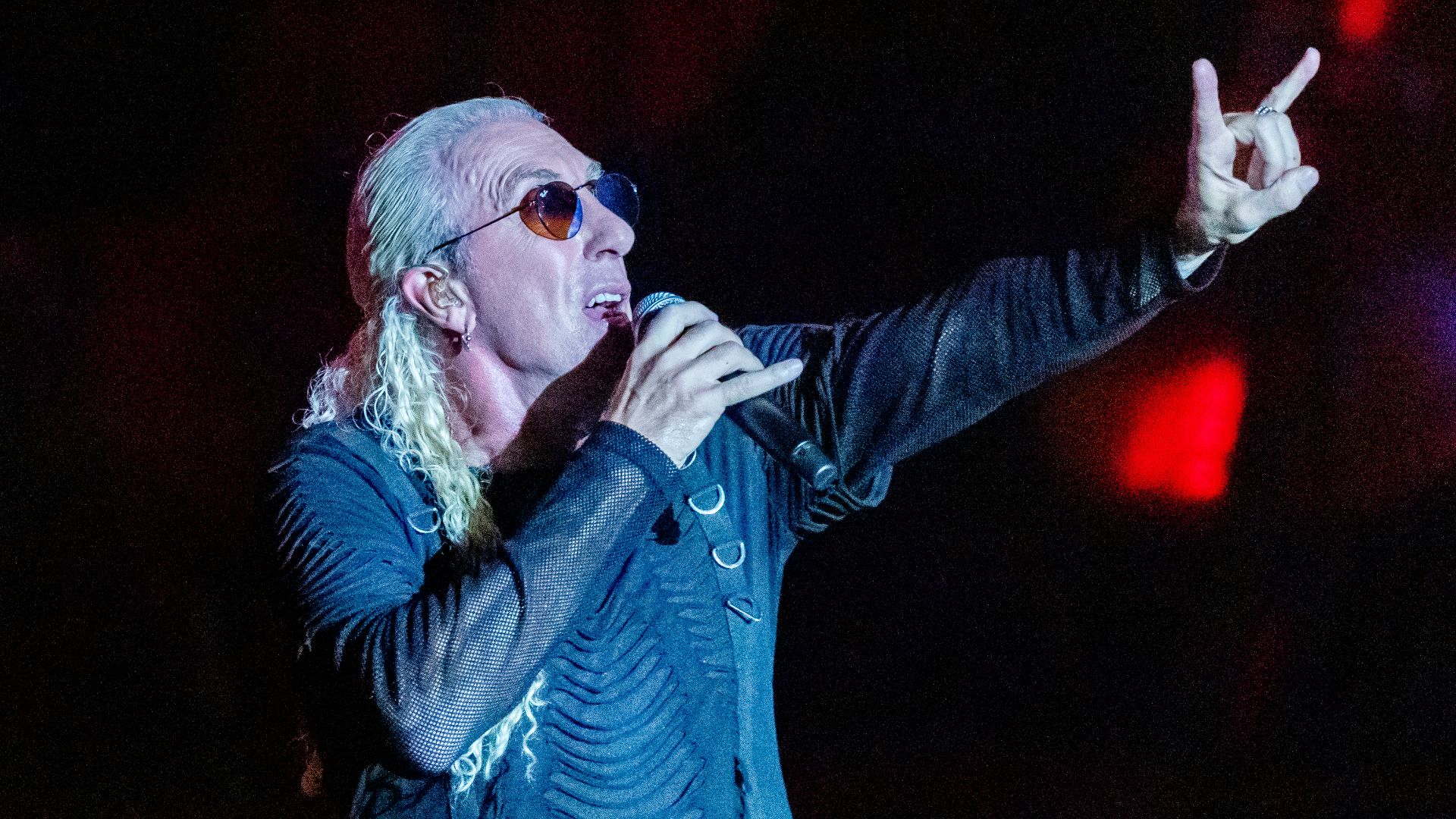 Sven Mandel, Wikimedia Commons
He Refused To Speak For Everyone
Snider did not claim that every controversial musician should be judged the same way. Instead, he focused on what critics had said about his own songs. He argued that those examples showed how subjective attempts to classify music could become.
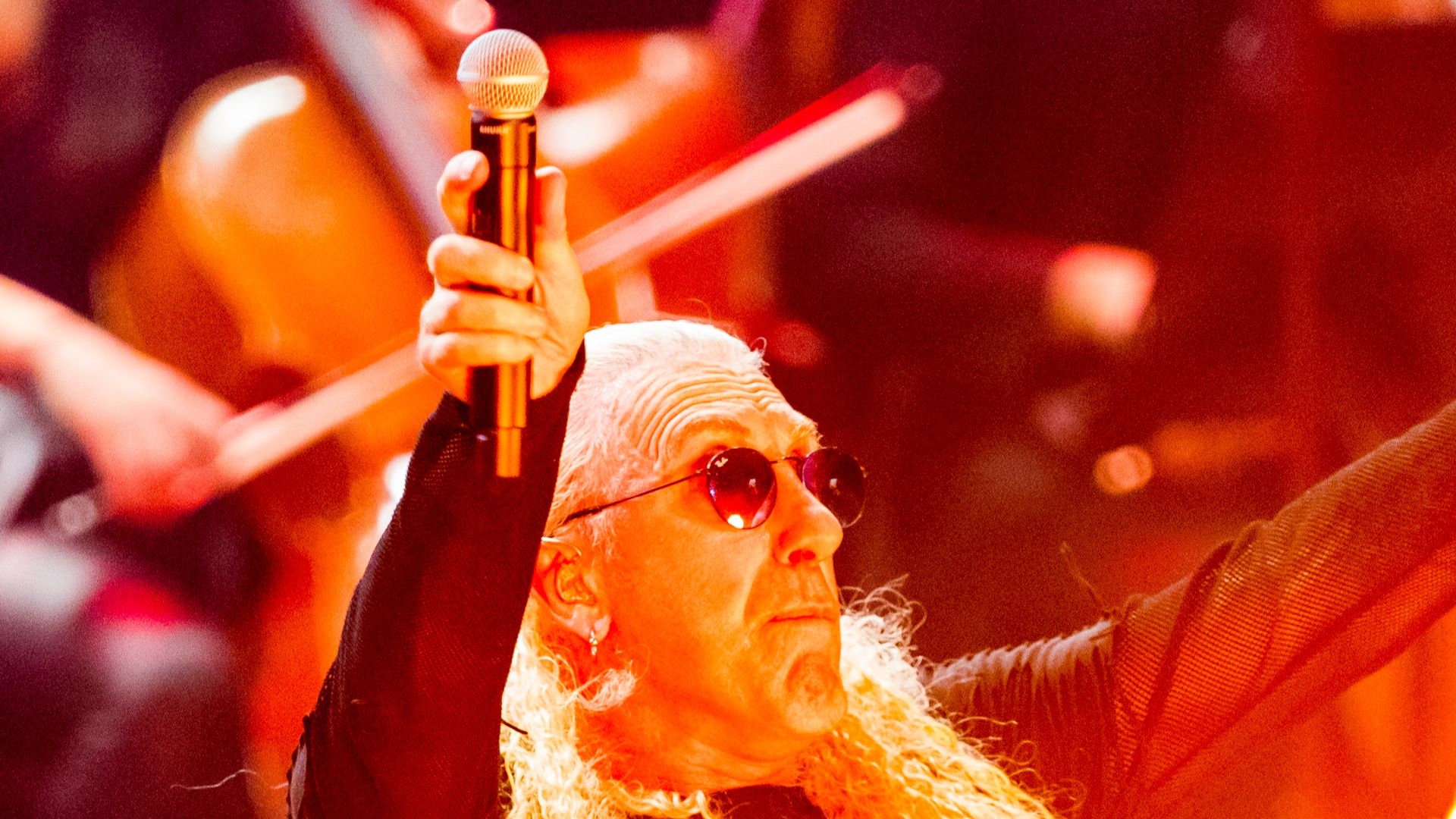 Sven Mandel, Wikimedia Commons
Then He Explained Under The Blade
Snider told senators that “Under the Blade” had been inspired by the fear surrounding a bandmate's surgery. The song's sinister imagery was meant to capture anxiety about going under the knife. Gore's very different reading illustrated the problem Snider saw with outsiders assigning fixed meanings to lyrics.
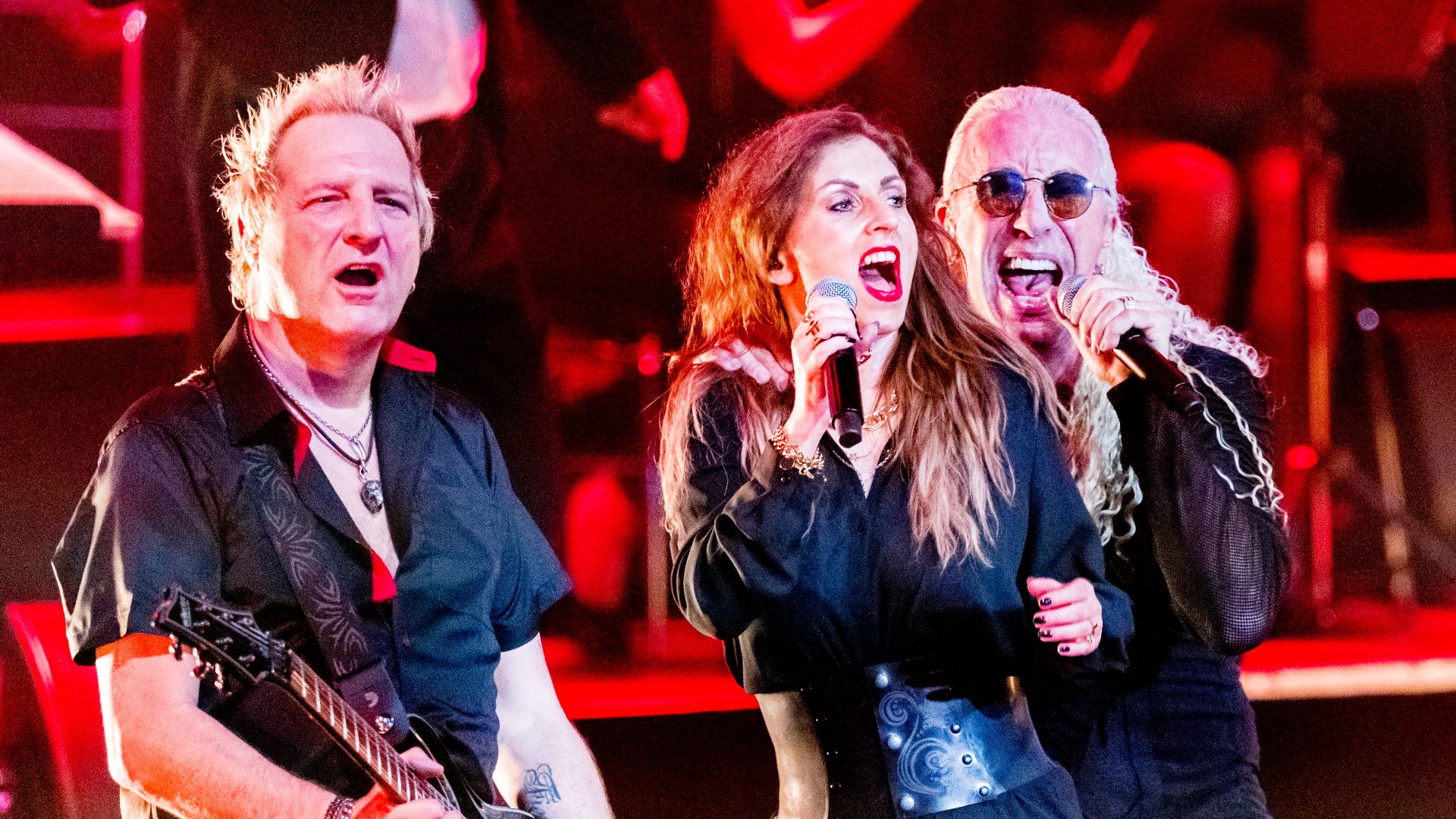 Sven Mandel, Wikimedia Commons
He Turned Gore's Interpretation Back On Her
Snider argued that listeners could find very different meanings in the same lyrics. He then bluntly suggested that Gore's disturbing interpretation existed in her own mind rather than in his song. It was a striking challenge to one of the campaign's most prominent figures.
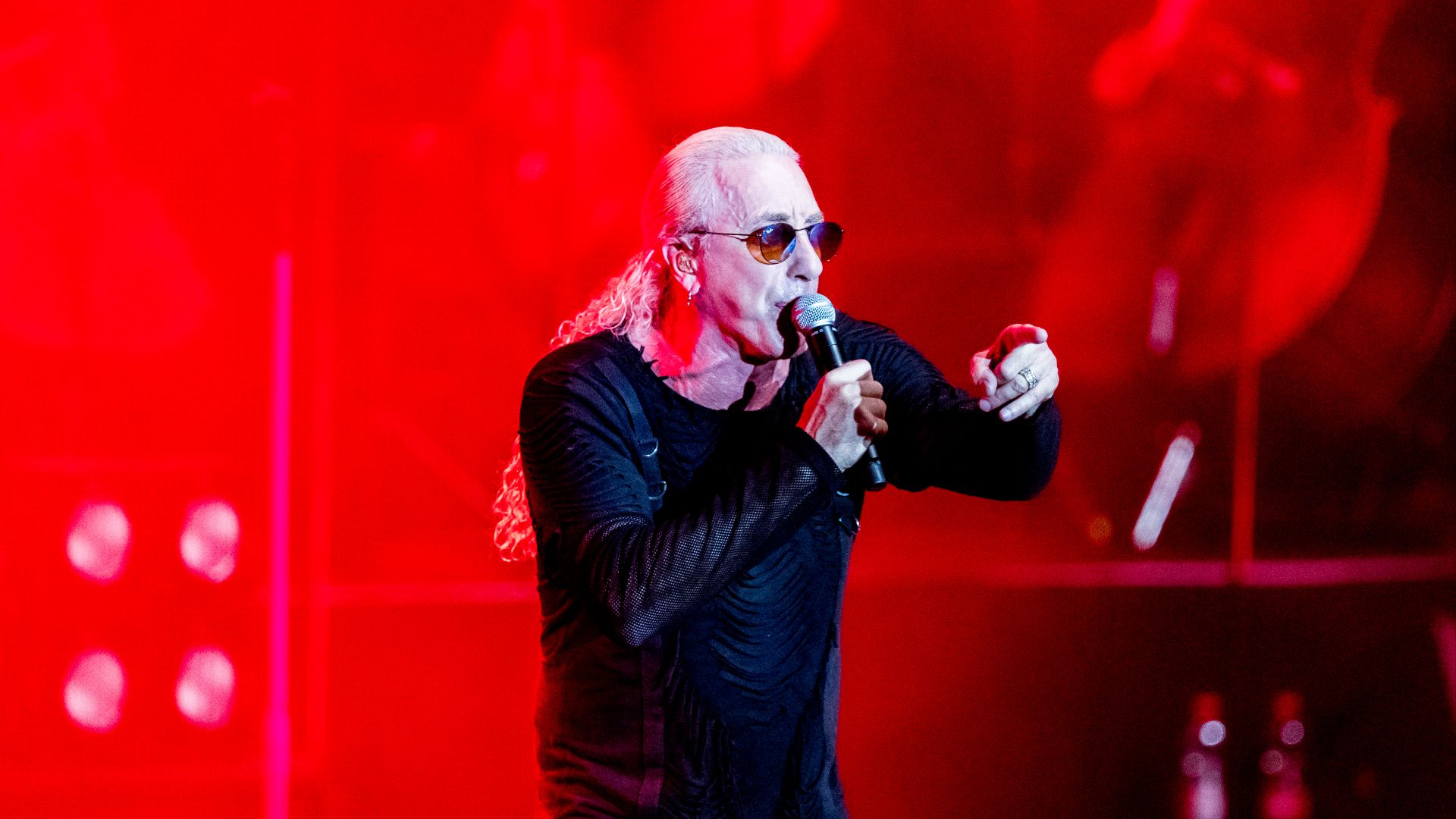 Sven Mandel, Wikimedia Commons
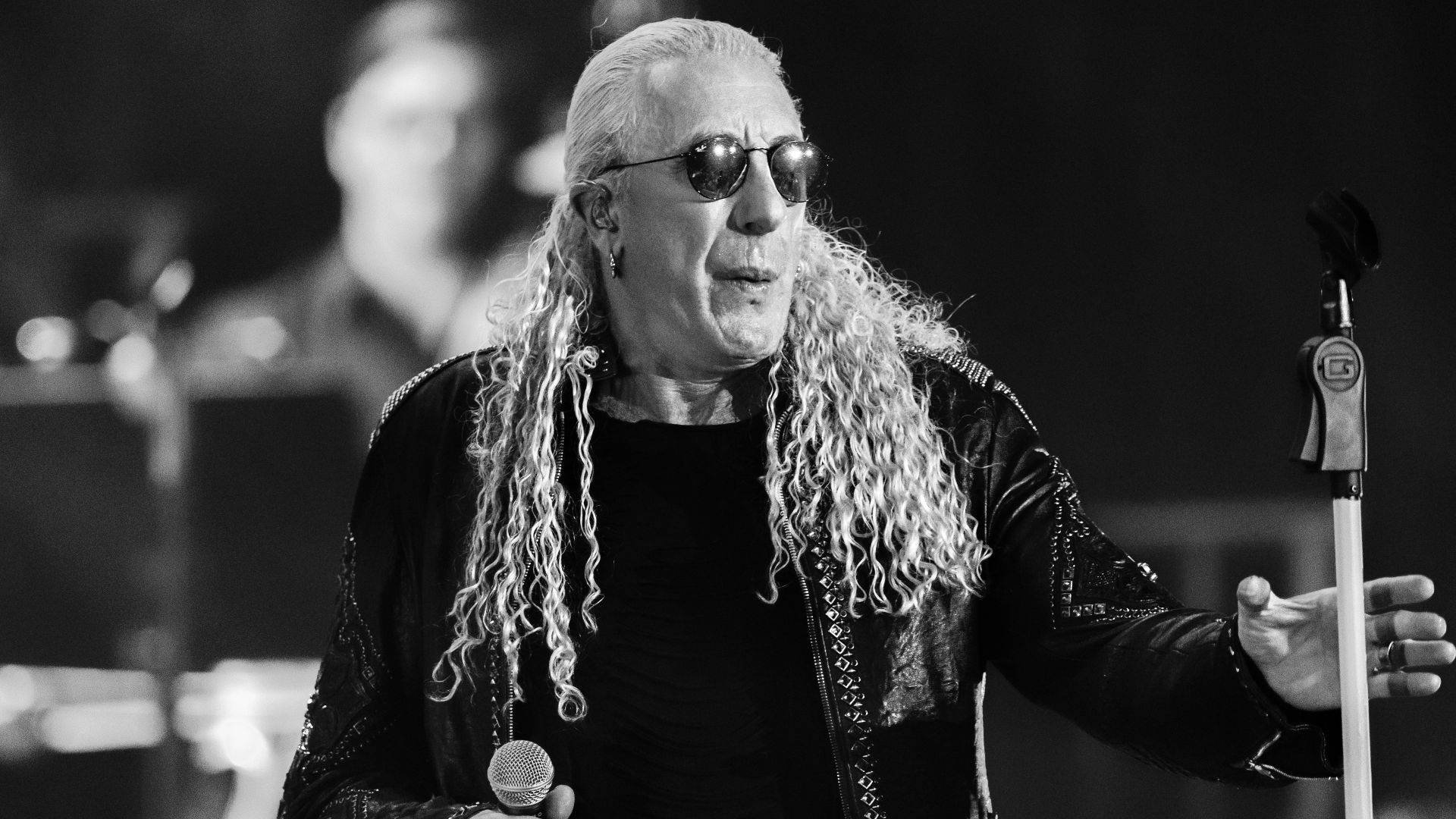
His Biggest Hit Got The Same Treatment
Snider also defended “We're Not Gonna Take It.” The video showed exaggerated violence, but he said it was intentionally modeled on cartoon slapstick. The song itself was about resisting authority, not physically attacking anyone.
 Sven Mandel, Wikimedia Commons
The PMRC Saw A Very Different Video
PMRC adviser Jeff Ling viewed the video's treatment of its domineering father much more seriously. Snider saw exaggerated comedy, while his critics saw troubling violence. That enormous difference in interpretation strengthened his case against rigid ratings.
 Dark Apostrophe (talk), Wikimedia Commons
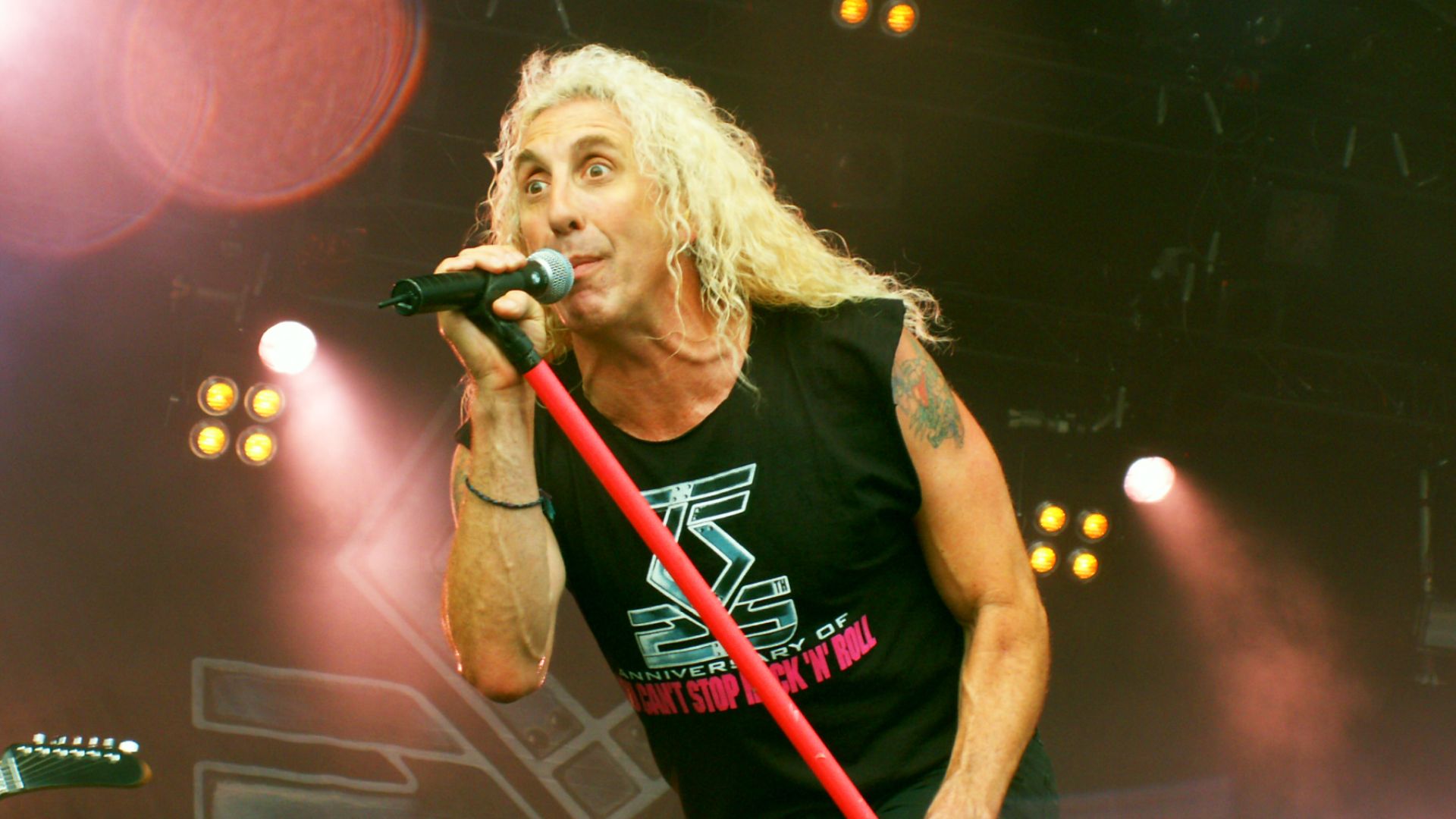
Snider Put Responsibility Back On Parents
Snider was not arguing that every recording was appropriate for every child. As a parent, he acknowledged that some material would be unsuitable for his own son. He simply believed those decisions belonged primarily to parents rather than an industry rating system.
 Tilly antoine, Wikimedia Commons
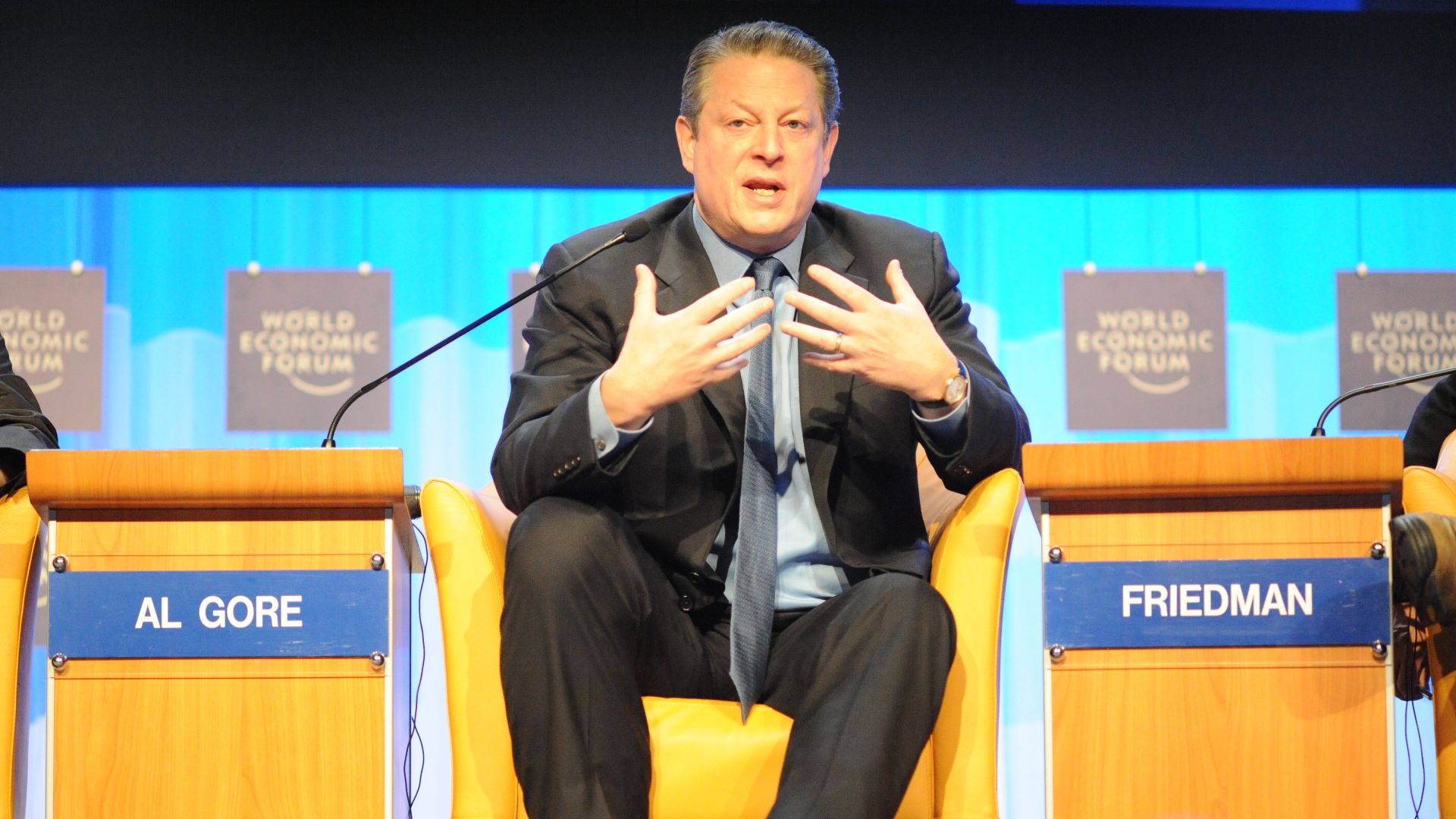
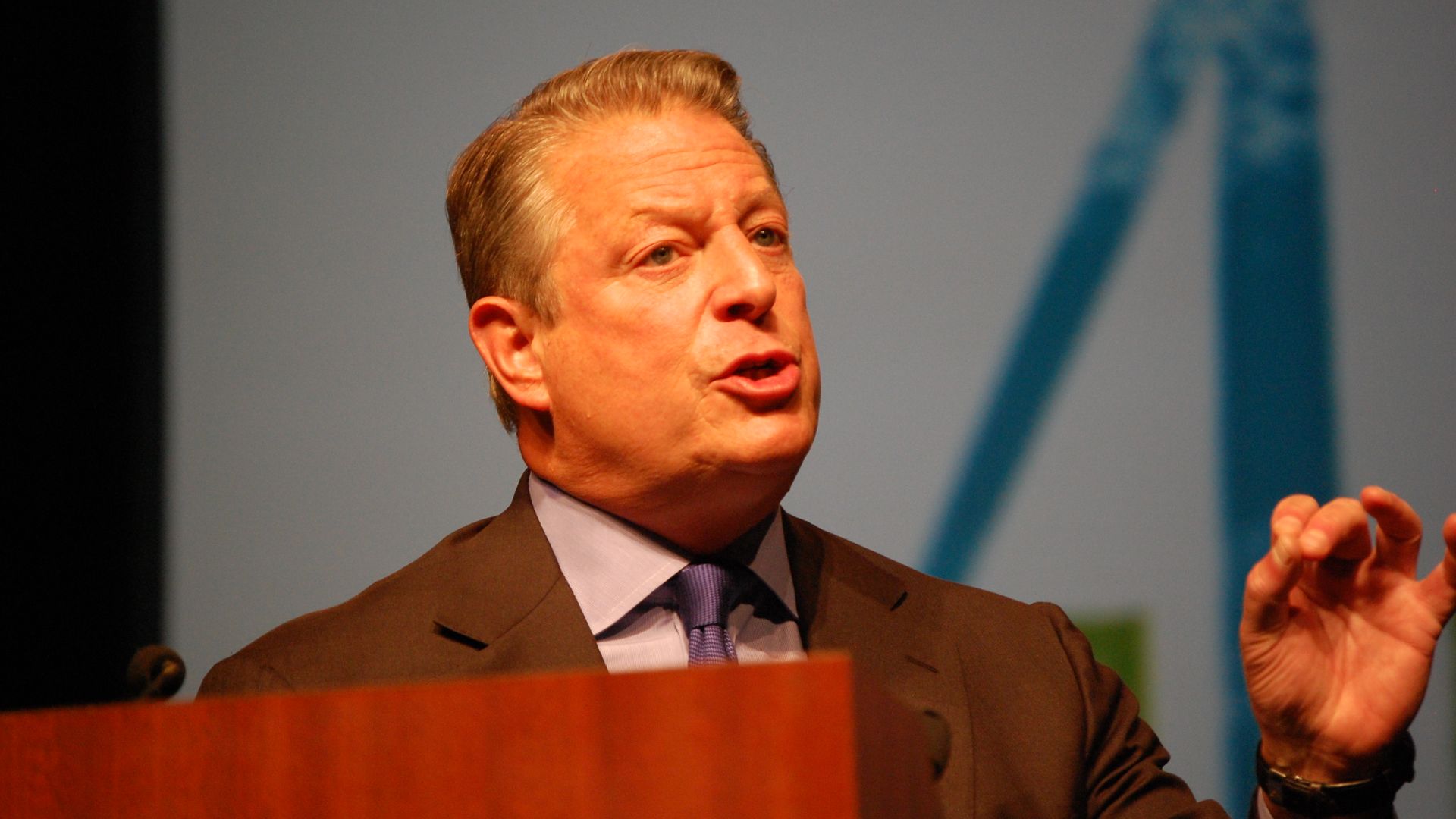
Al Gore Pressed Him On That Point
Senator Al Gore questioned whether parents could realistically listen to everything their children wanted to hear. Snider responded that parenting sometimes required exactly that kind of effort. Instead of backing down, he doubled down on personal responsibility.
 Robert Scoble from Half Moon Bay, USA, Wikimedia Commons
He Even Got A Laugh At Gore's Expense
Snider also showed that he was comfortable sparring with the senators. After Gore praised other musicians who had appeared, Snider jokingly asked whether he was about to claim he was a Twisted Sister fan too. Gore quickly made clear that he was not.
 Kasey Baker, Wikimedia Commons
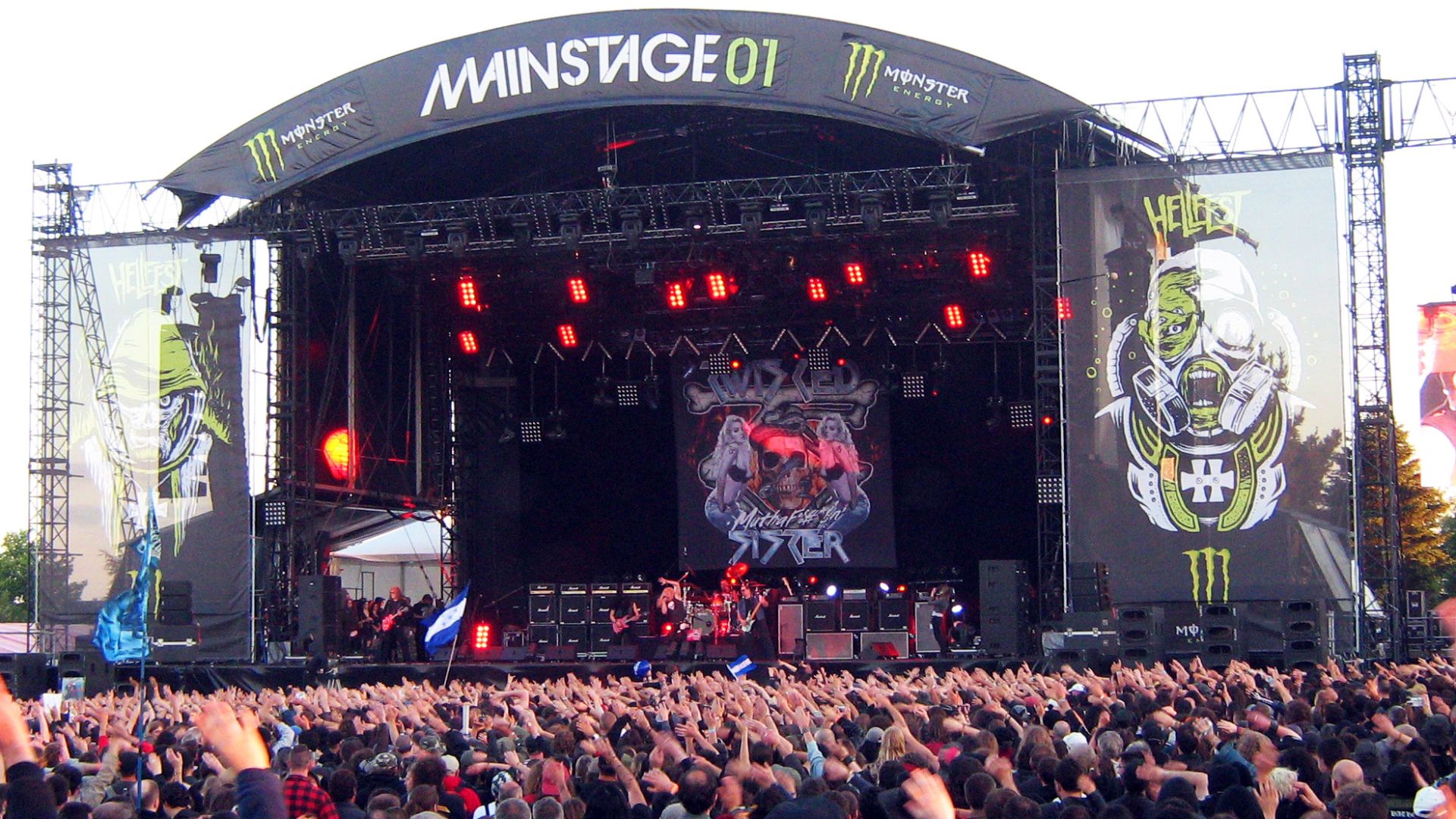
Even His Fan Club Became An Issue
Senators also questioned Snider about the deliberately profane meaning behind initials associated with Twisted Sister's fan club. Snider and his team had anticipated the topic during preparation. He handled the exchange calmly, even when his Christian upbringing entered the discussion.
 Tilly antoine, Wikimedia Commons
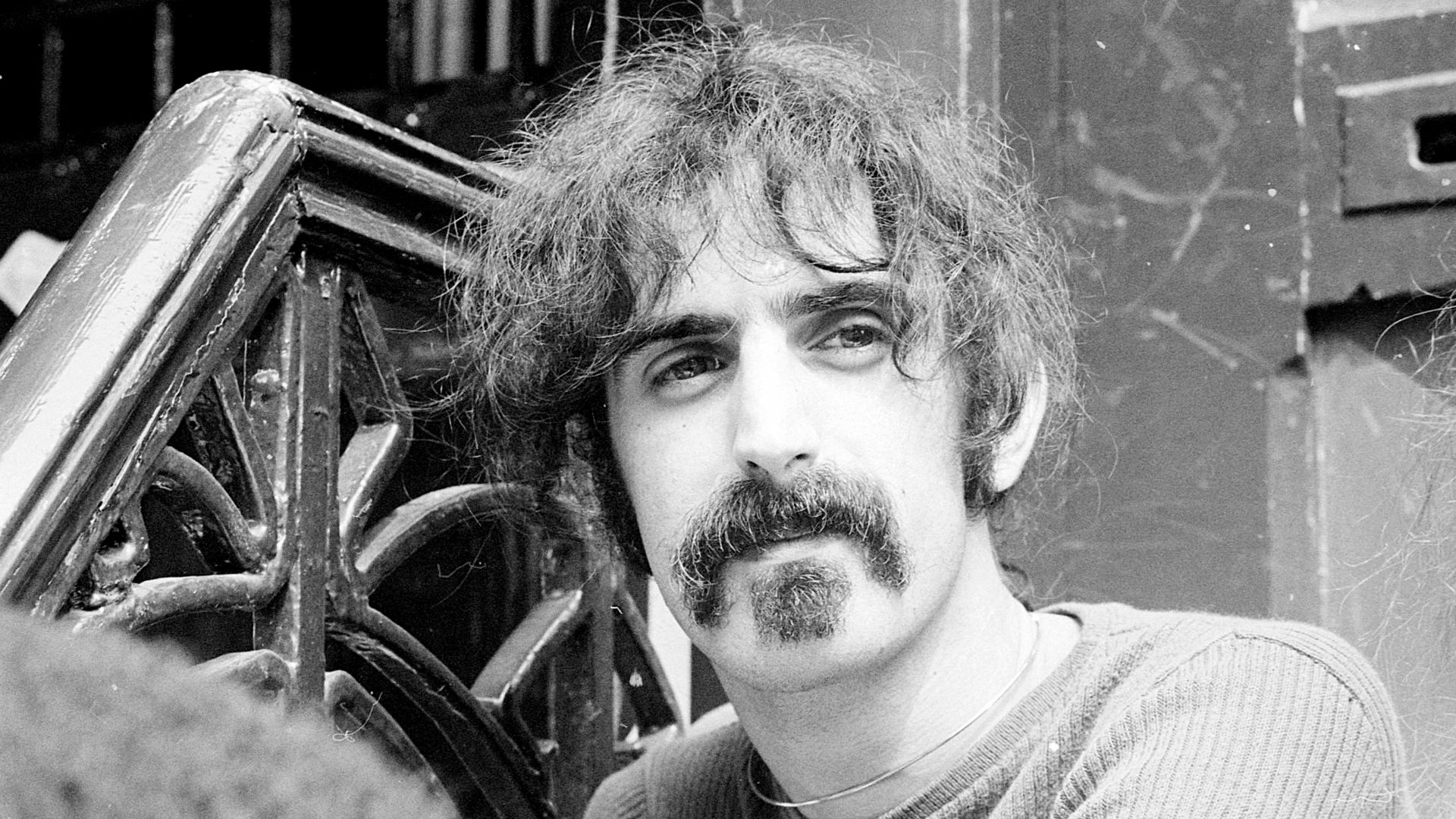
Snider Wasn't Fighting Alone
Frank Zappa and John Denver also testified against measures they believed threatened artistic freedom. Zappa's opposition fit his famously provocative reputation, but Denver's wholesome image made his presence more surprising. Together, they showed that opposition extended well beyond heavy metal.
 Fotopersbureau De Boer, Wikimedia Commons
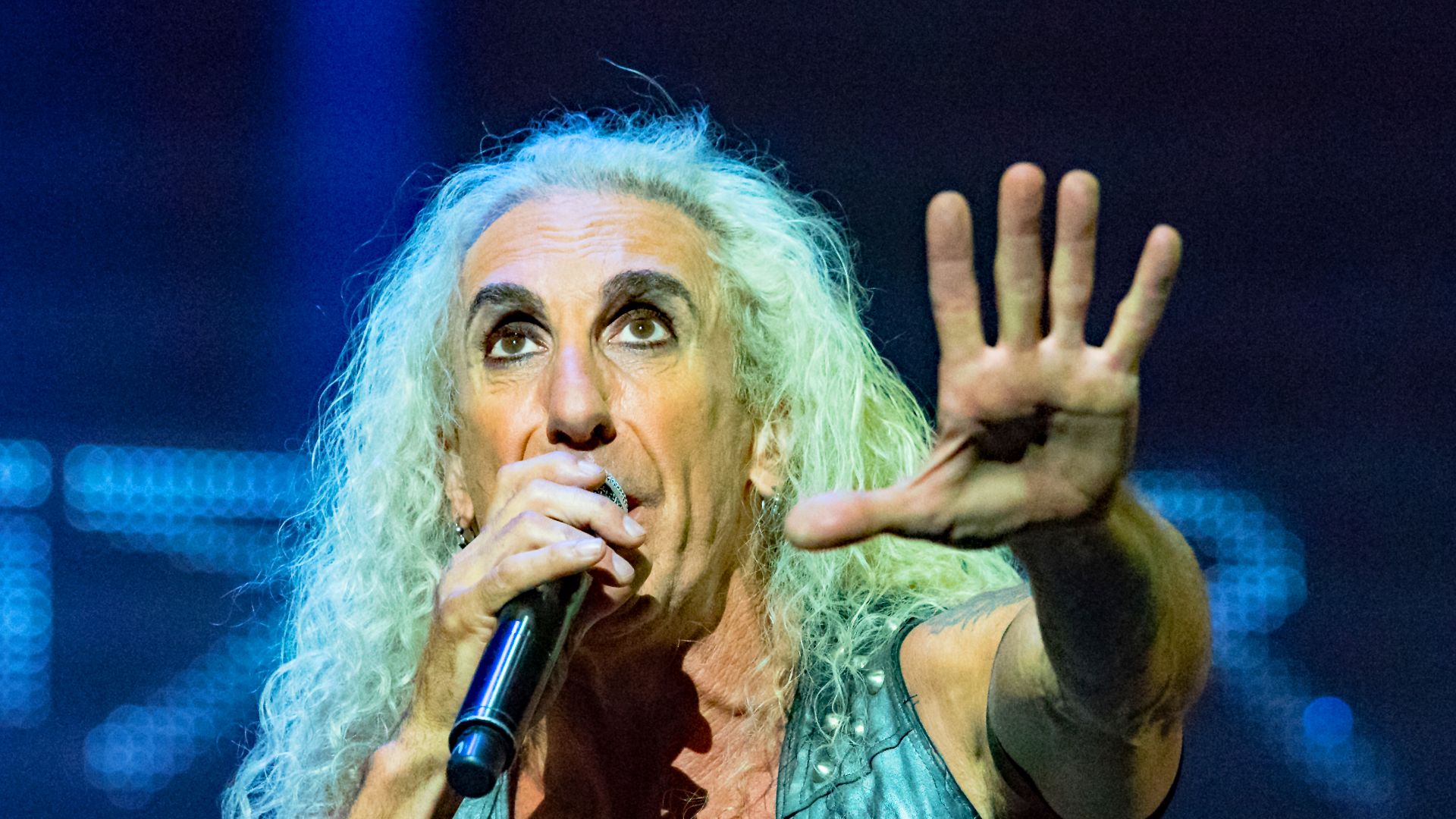
The Stickers Still Arrived
Snider's performance did not prevent the music industry's labeling compromise. In November 1985, the RIAA, PMRC, and National PTA announced an agreement involving warnings for potentially explicit recordings. The resulting system was voluntary industry action, not a government ratings law.
 Frank Schwichtenberg, Wikimedia Commons
At First Snider Thought He Had Lost
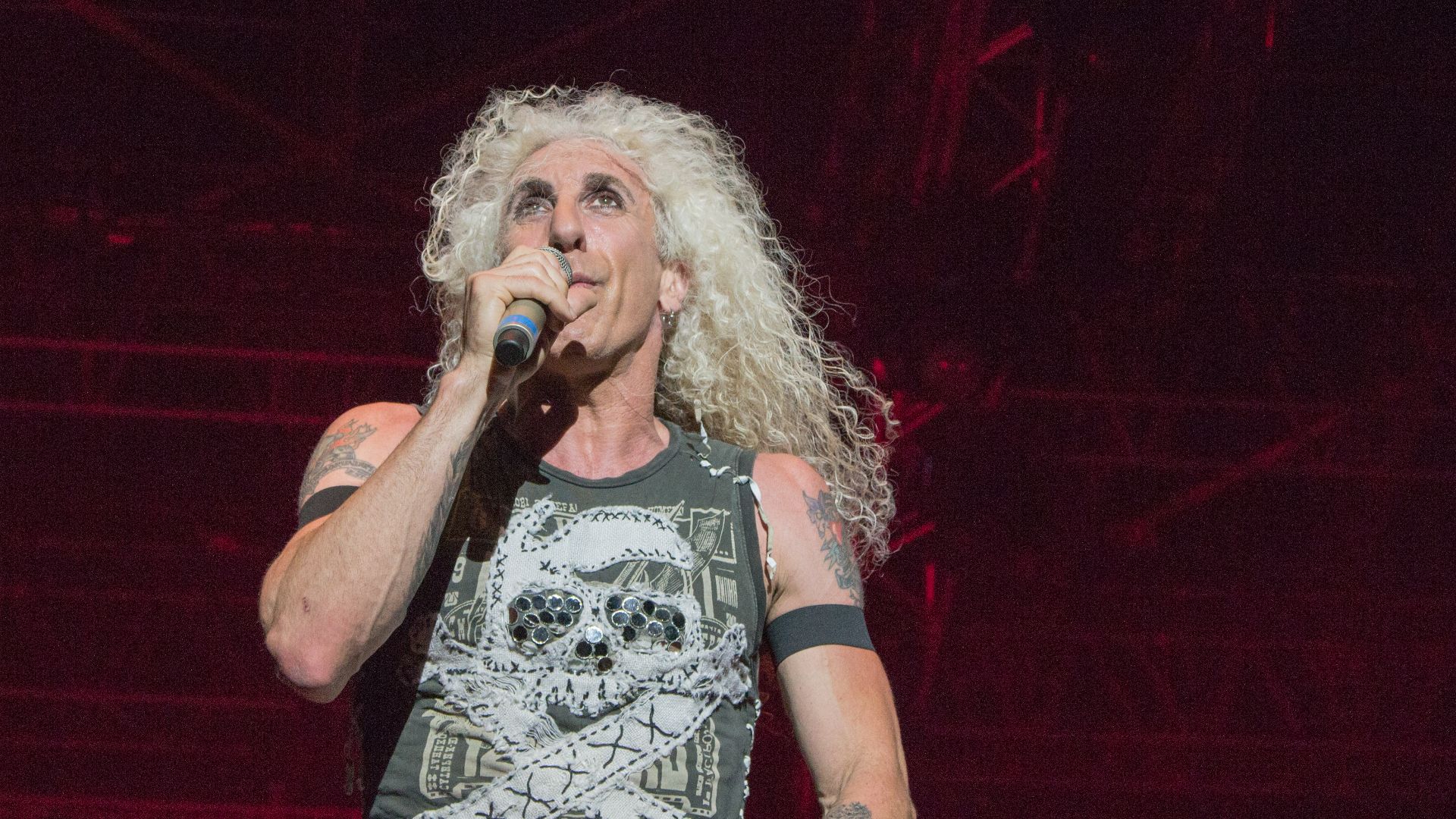
Snider later said the immediate aftermath was difficult. He felt abandoned by much of the music business and believed the controversy hurt his career at first. Only with time did his Senate appearance begin to acquire a very different reputation.
 Alfred Nitsch, Wikimedia Commons
Congress Saw More Than A Heavy Metal Wildman
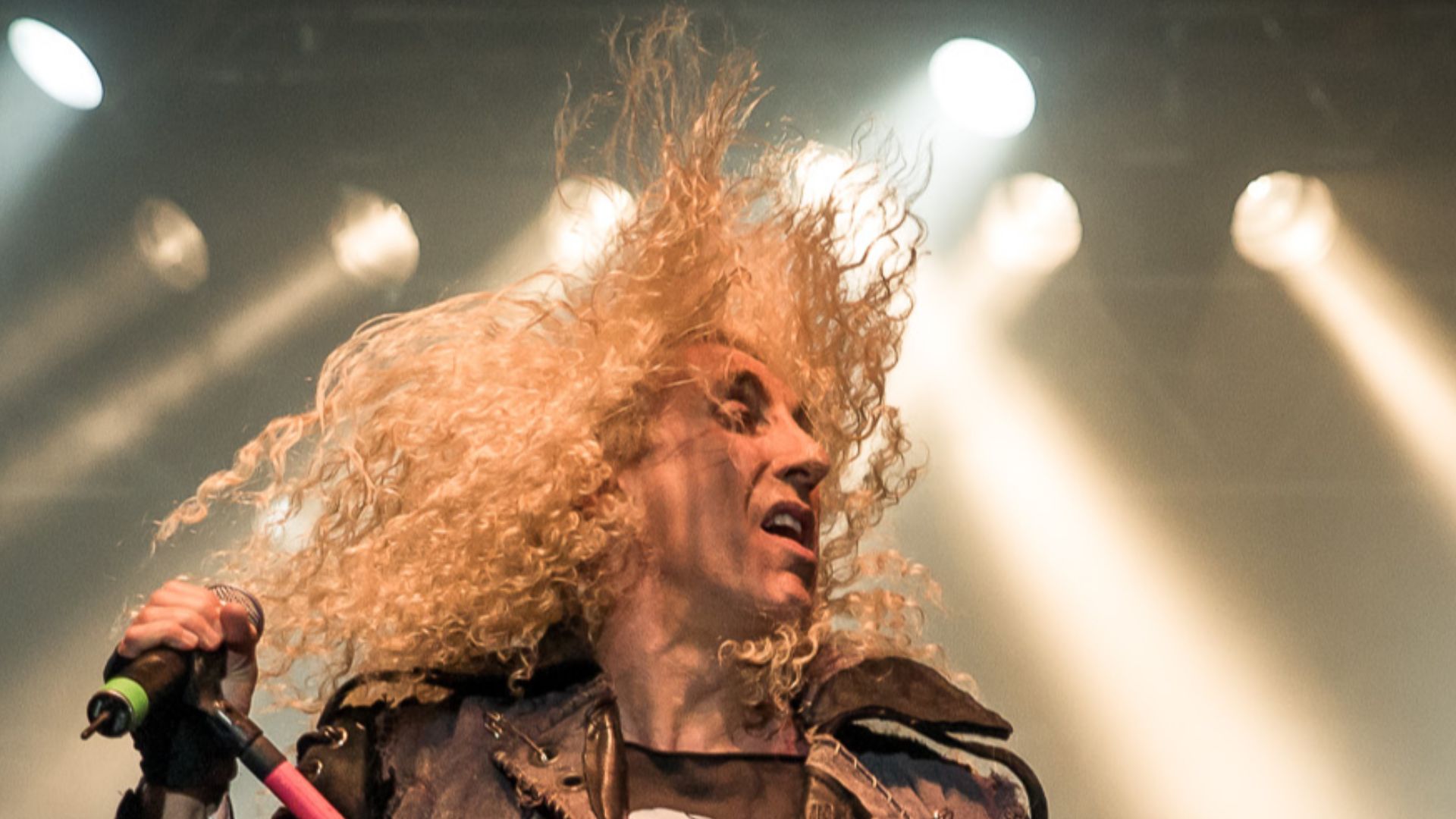
Decades later, Snider's testimony is remembered as one of the defining moments of the music censorship debate. The flamboyant rocker had arrived prepared, defended his work point by point, and challenged powerful people without losing his composure. The labels still came, but so did the lasting image of Dee Snider refusing to play the stereotype Washington expected.
 Jorund F Pedersen, Wikimedia Commons
You May Also Like:
The Vatican Condemned Jane Birkin’s Steamiest Love Song—Then It Topped The UK Charts
For These 80s Hair Metal Bands, The Music Wasn't Great—But The Hair Was Amazing
Pepsi Dropped Madonna Over Like A Prayer—Then Lost A Lot Of Money When The Song Shot To No. 1