The Song That Scandalized 1969
Jane Birkin and Serge Gainsbourg made a record so suggestive that the BBC refused to play it and the Vatican publicly condemned it. That should have stopped “Je t’aime...moi non plus” from becoming a mainstream hit. Instead, the French-language duet climbed all the way to No. 1 in Birkin’s native Britain.
 REPORTERS ASSOCIES/Gamma-Rapho, Getty Images
Jane Birkin Was Already Turning Heads
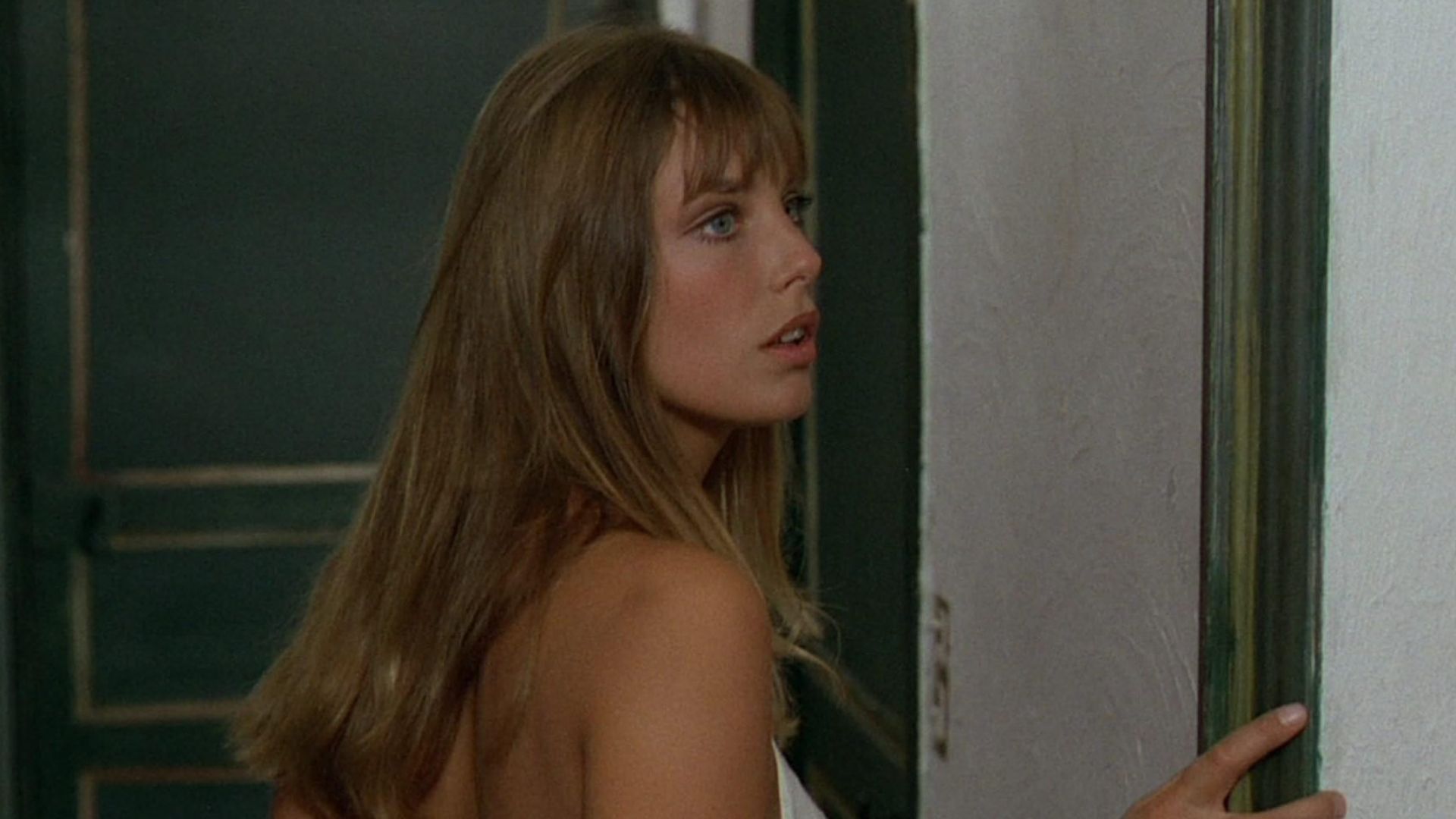
Birkin was born in London in 1946 to actress Judy Campbell and Royal Navy officer David Birkin. She began acting in the 1960s and appeared in Michelangelo Antonioni’s influential 1966 film Blow-Up. Her brief nude appearance in the movie helped establish her as a daring face of Swinging London.
 Roland Godefroy, Wikimedia Commons
Her First Marriage Ended Young
Birkin married acclaimed film composer John Barry in 1965, when she was still a teenager. Their daughter, Kate Barry, was born in 1967, but the marriage ended the following year. Newly divorced and looking for work, Birkin soon crossed the English Channel for a role that changed her life.
 Umberto Prizzi, Wikimedia Commons
A Film Brought Her To Paris
Birkin traveled to France to star in the 1969 romantic drama Slogan. Her leading man was Serge Gainsbourg, a singer, songwriter, actor, and master provocateur nearly two decades her senior. The movie faded beside the extraordinary partnership it created.
 Umberto Prizzi, Wikimedia Commons
Serge Gainsbourg Was Already Notorious
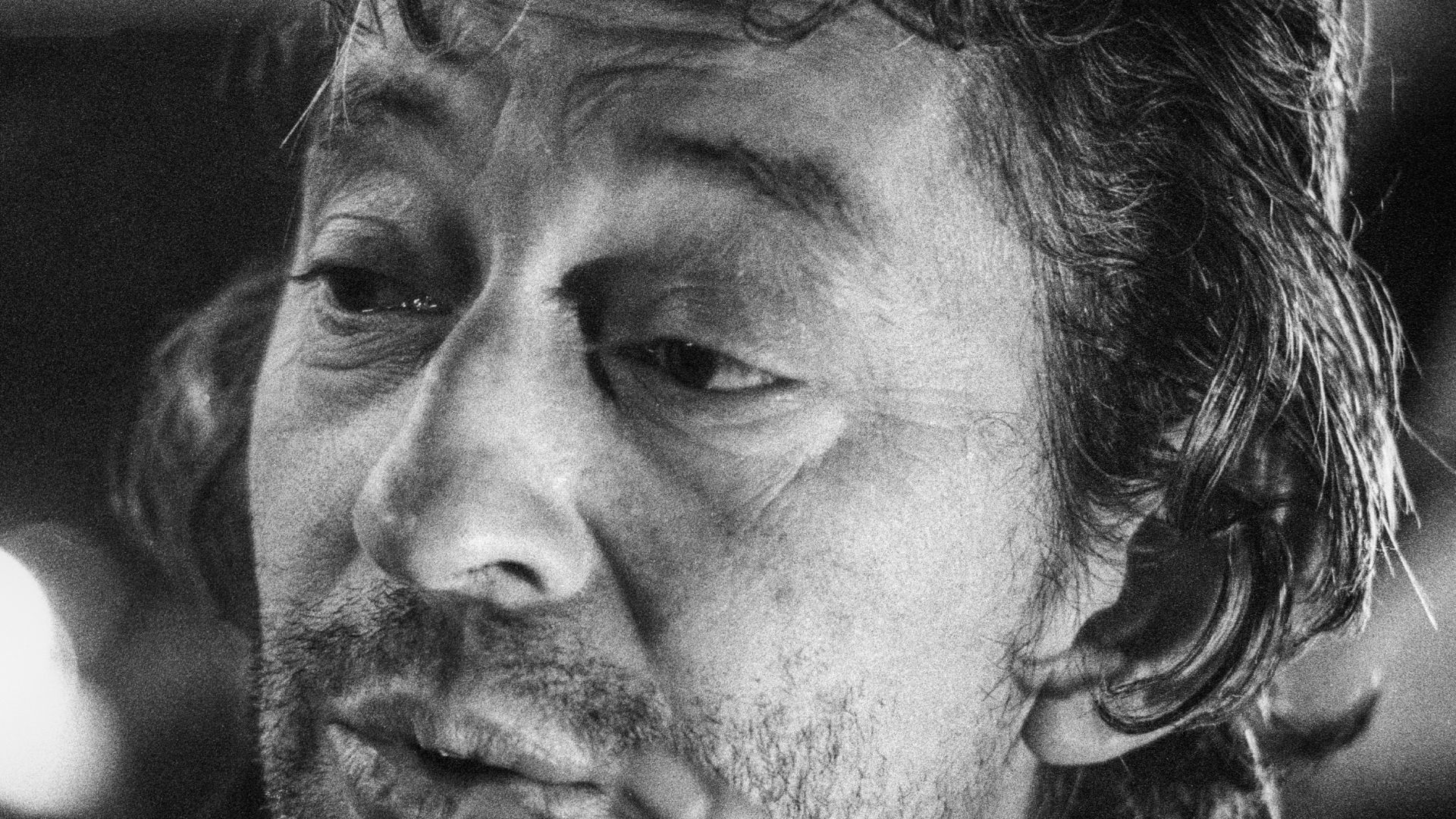
Gainsbourg had spent years building a reputation as one of French pop’s most gifted and unsettling writers. He combined sophisticated melodies with wordplay, taboo subjects, and a carefully cultivated outsider image. By the time Birkin met him, he already understood that controversy could make a song impossible to ignore.
 original: Claude TRUONG-NGOC ; cropped by Ctruongngoc, Wikimedia Commons
Their Screen Romance Became Real
Birkin and Gainsbourg became romantically involved while working together on Slogan. They also sang the film’s theme, beginning a creative partnership that soon became as famous as their relationship. Before they could make pop history, however, Gainsbourg reached back to a song written for someone else.

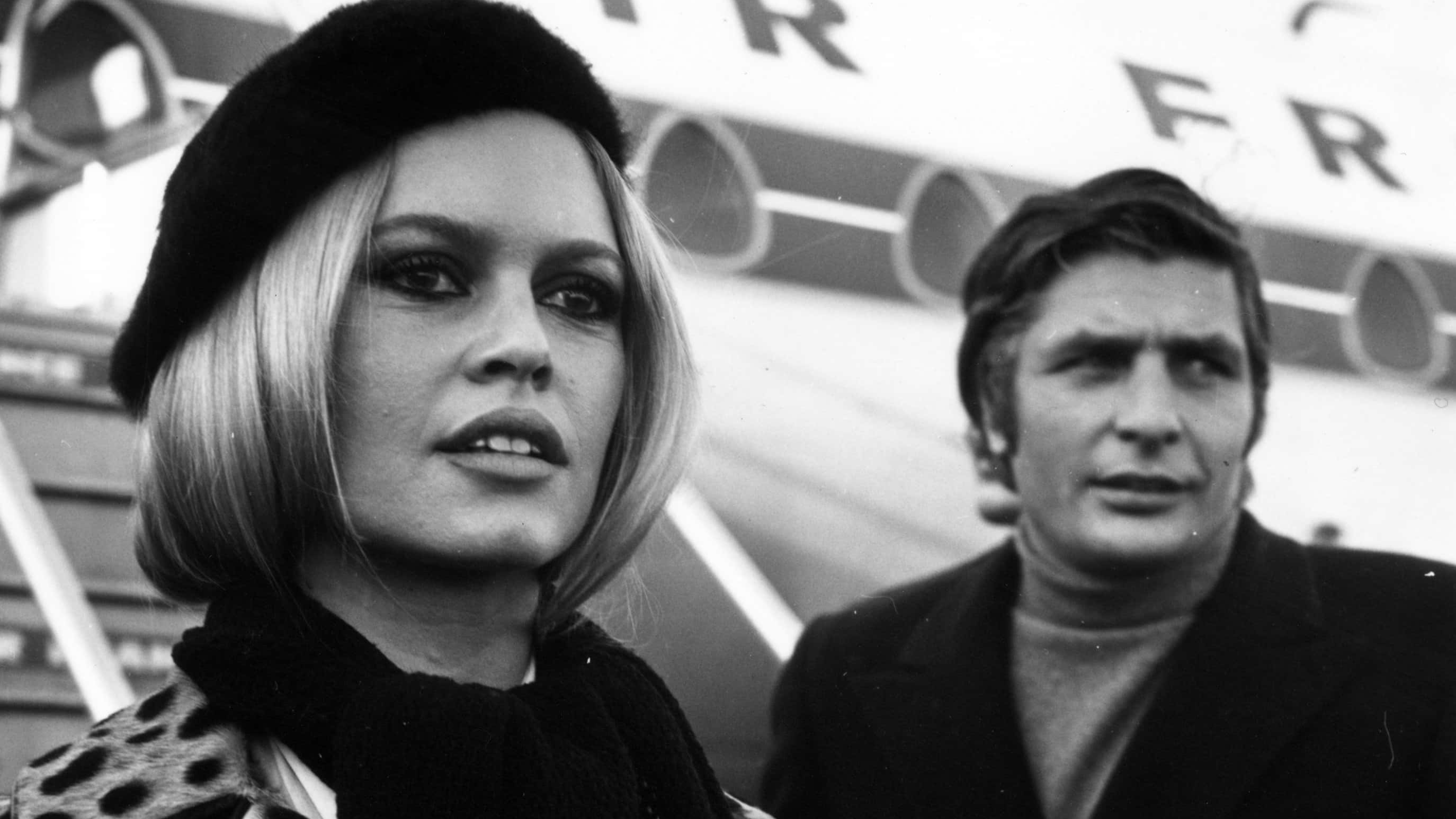
Brigitte Bardot Inspired The Original
Gainsbourg wrote “Je t’aime...moi non plus” in 1967 during his affair with French screen icon Brigitte Bardot. Bardot had asked him to write her a love song, and he responded with a duet built around desire and romantic contradiction. The pair recorded it together that same year.
 Reporters Associati & Archivi, Wikimedia Commons
The First Version Was Too Dangerous
Bardot was married to German businessman Gunter Sachs when she recorded the song with Gainsbourg. Fearing the release would create a damaging scandal, she asked Gainsbourg not to put it out. He honored her request, and their version remained officially unreleased until 1986.
 Gamma-Legends, Wikimedia Commons
A Shelved Song Found A New Voice
After Birkin and Gainsbourg became a couple, he played her the unreleased Bardot recording. Birkin immediately recognized how intimate the performance sounded. When Gainsbourg invited her to record a new version, she accepted despite knowing she would inevitably be compared with Bardot.
Birkin Agreed To Make It Her Own
Birkin later recalled being deeply impressed when Gainsbourg played her Bardot’s unreleased recording, describing it as “hot stuff.” She agreed to sing the song only if she did not have to hear that version again. Birkin’s willingness to take on such an intimate duet showed how quickly her creative partnership with Gainsbourg was deepening.
 deepskyobject, Wikimedia Commons
They Recorded It In London
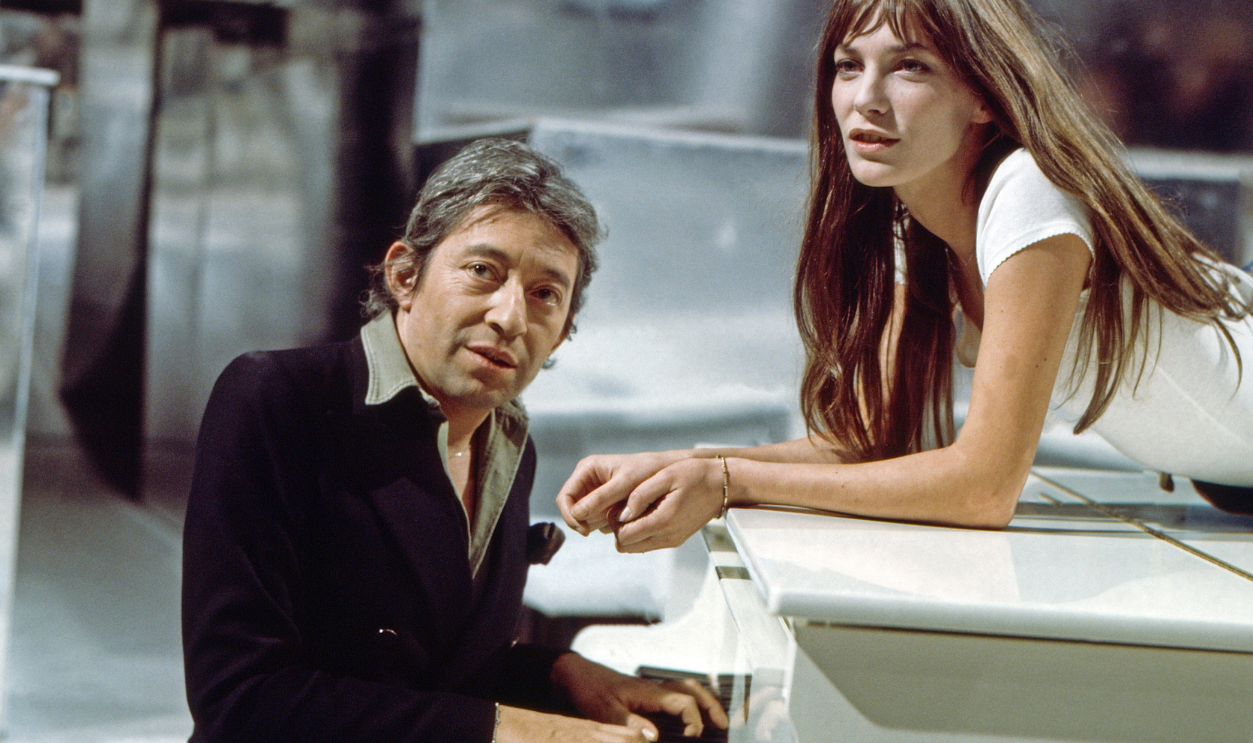
Birkin and Gainsbourg recorded their version at a studio near Marble Arch in London in 1968. Contrary to the song’s intensely private atmosphere, they did not sing pressed together in one vocal booth. Birkin remembered that they were positioned quite far apart during the session.
 Pelo magazine, Wikimedia Commons
Her Voice Changed Everything
Rather than match Bardot’s lower delivery, Birkin sang her part an octave higher. She said the resulting sound had a choirboy quality that delighted Gainsbourg. The contrast between her fragile voice and his low murmur made the duet even more startling.

The Breathing Became The Hook
The song unfolds over a slow, repeating organ melody as Birkin’s breathing grows increasingly urgent. Gainsbourg answers her declarations of love in a calm, nearly detached voice. That tension turns a simple duet into a remarkably vivid piece of pop theater.

Nothing Happened In The Studio
The performance sounded convincing enough to inspire rumors that Birkin and Gainsbourg had recorded more than vocals. Their physical separation in the studio tells a far less sensational story. The intimate effect came from acting, vocal control, and the chemistry listeners heard between them.
The Title Was A Provocation
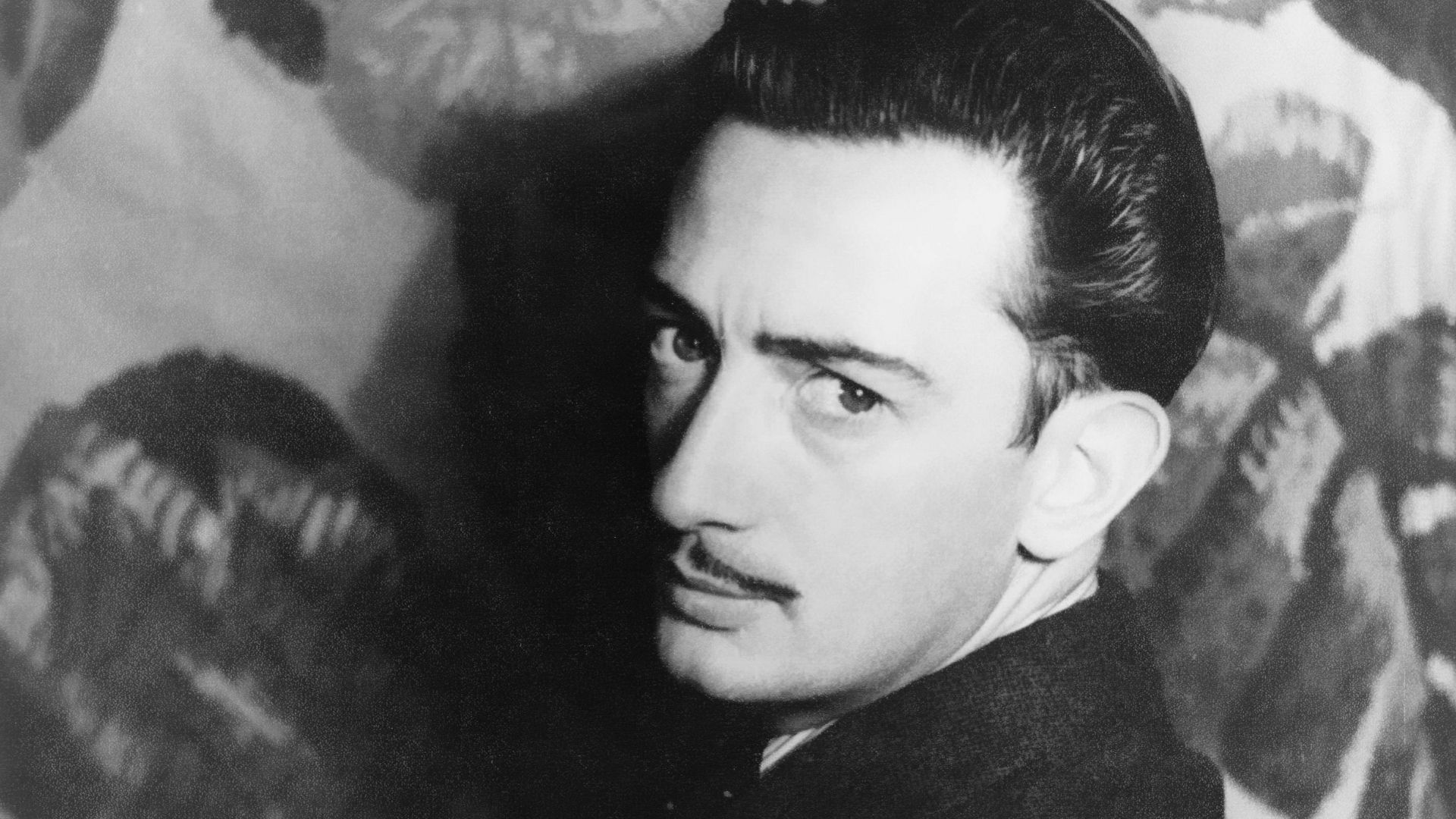
“Je t’aime...moi non plus” is commonly translated as “I love you...me neither.” The deliberately illogical reply echoed a famous remark by Salvador Dalí about Pablo Picasso. Gainsbourg transformed the phrase into a teasing contradiction between desire and emotional distance.
 Van Vechten, Carl, 1880-1964., Wikimedia Commons
It Was Not A Simple Love Song
The lyrics describe physical intimacy in unusually direct language for a late-1960s pop single. Yet Gainsbourg also declares that physical love leads nowhere. Birkin later explained that the song questions whether desire by itself truly means love.
 Jumbo Cinematografica, Wikimedia Commons
The Record Arrived In 1969
The Birkin and Gainsbourg version was released in 1969 and also opened their collaborative album. Its languid melody made it accessible, but its explicit words and suggestive performance pushed far beyond normal radio boundaries. The reaction was swift and international.
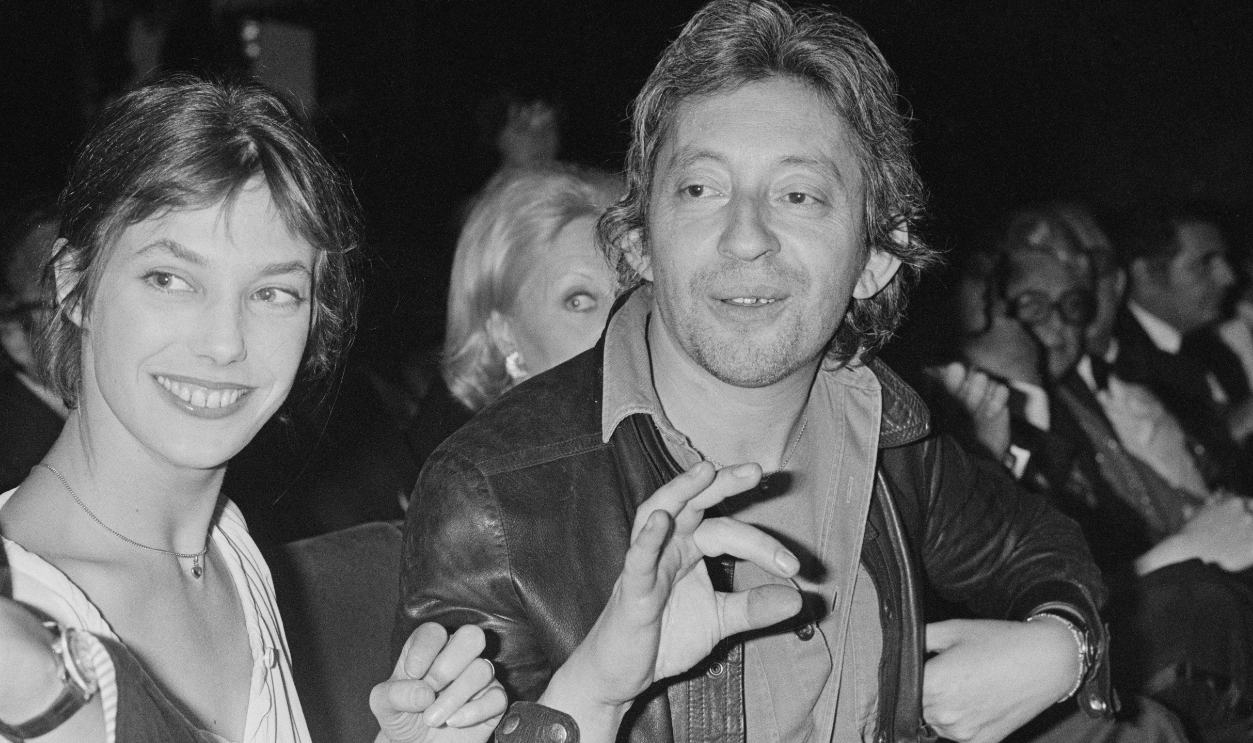
Birkin Worried About Her Parents
Birkin later said the controversy amused her more than it frightened her. Her main concern was how her mother and father would react to the recording. When British reporters sought a scandalized response, her parents publicly defended their daughter.

The BBC Refused To Play It
The BBC banned “Je t’aime...moi non plus” from its airwaves because it considered the recording too suggestive. Other broadcasters also kept it off the radio, making the record difficult to hear through ordinary channels. The restrictions only made curious listeners more determined to find it.
 Bourguet Jacques, Getty Images
The Vatican Joined The Backlash
The Vatican newspaper L’Osservatore Romano denounced the song as obscene in 1969. Its criticism treated the record as evidence of a wider decline in mass culture and public morality. A provocative pop duet had suddenly become the subject of an international religious controversy.
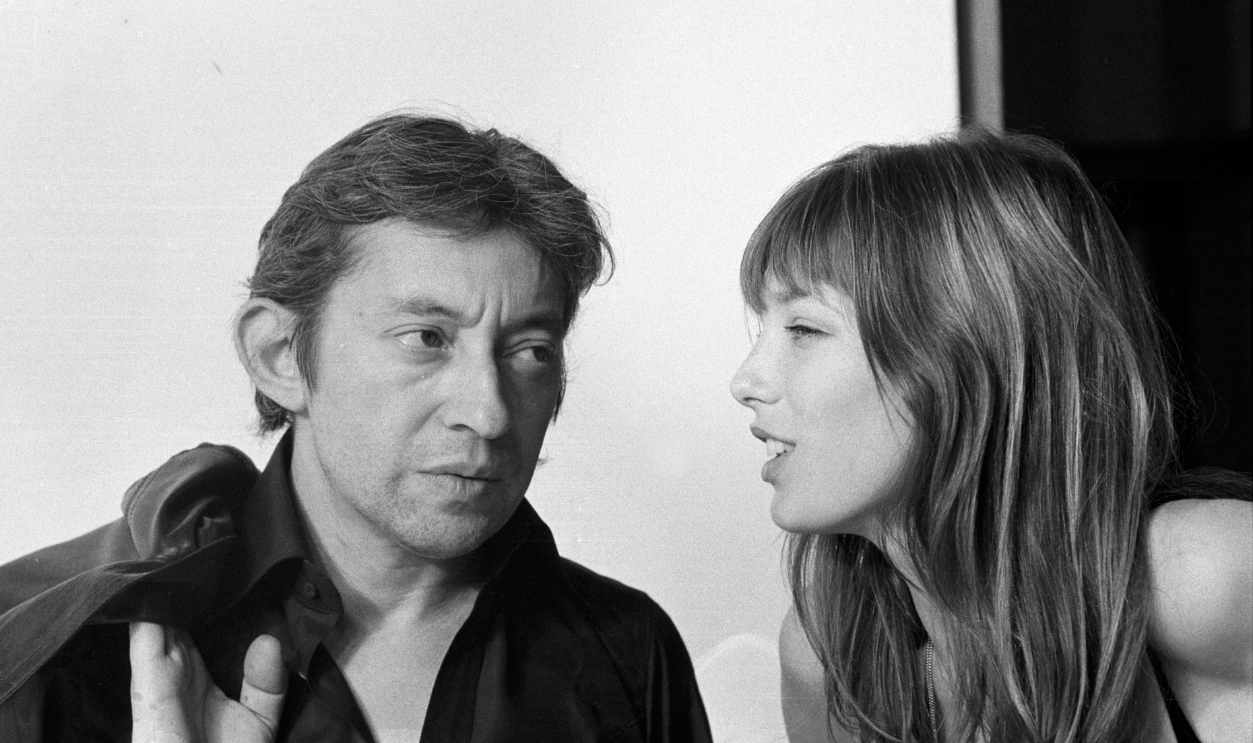
Gainsbourg Welcomed The Condemnation
Gainsbourg understood that the Vatican’s objection was priceless publicity. Birkin recalled him describing the Pope as their greatest press agent. Every new denunciation strengthened the record’s reputation as something adults were not supposed to hear.
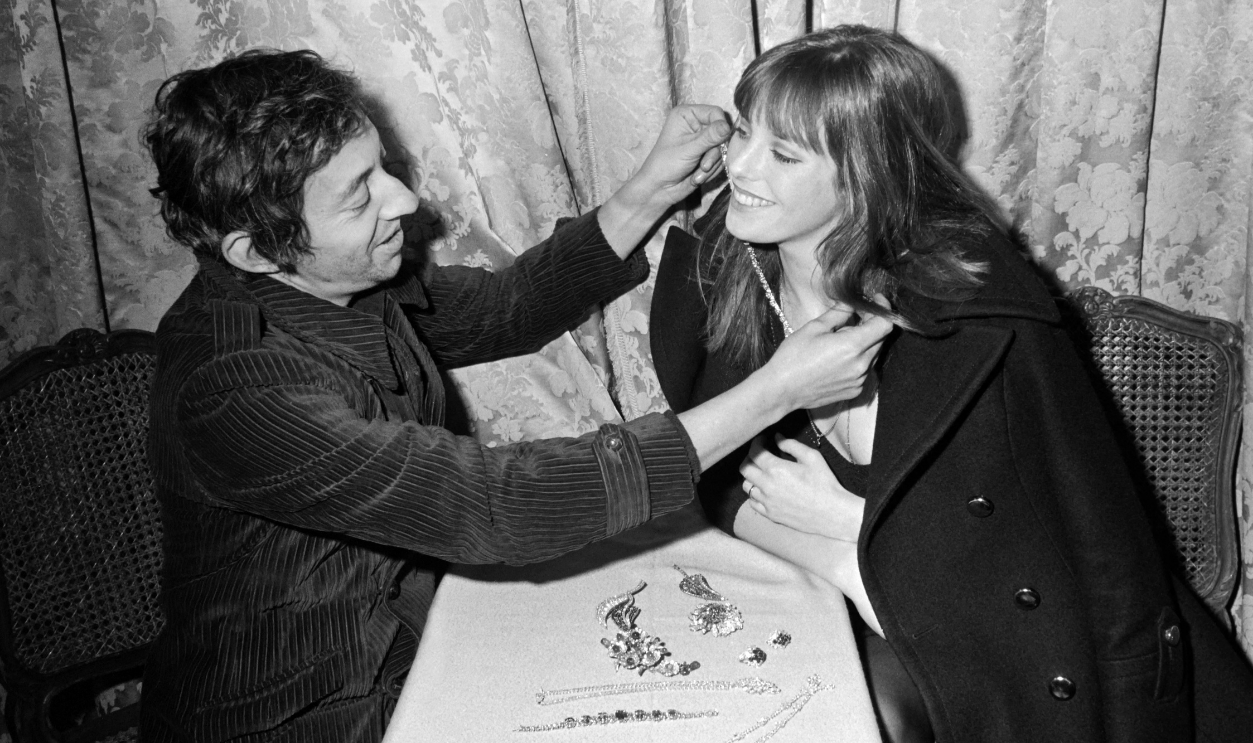
Censorship Gave It A Bigger Meaning
The song also faced restrictions beyond Britain, including in countries where audiences were living under authoritarian governments. Birkin later said listeners in places such as Spain and Argentina heard it secretly. To some of them, the forbidden record represented personal freedom as much as romantic liberation.
 REPORTERS ASSOCIES, Getty Images
The Scandal Fueled Demand
Radio bans could limit airplay, but they could not erase the public’s curiosity. The louder institutions objected, the more intriguing the single became. Gainsbourg’s instinct that outrage could function as promotion proved remarkably accurate.

Britain Nearly Made It Number One
The single first entered the official UK chart in August 1969. That chart run lasted 11 weeks and carried the song to No. 2 by late September. For almost any foreign-language record, that achievement alone would have been extraordinary.
 REPORTERS ASSOCIES, Getty Images
A New Release Finished The Job
A separate official release on the Major Minor label entered the UK chart on October 4, 1969. One week later, “Je t’aime...moi non plus” reached No. 1. The supposedly unplayable record had become Britain’s biggest-selling single of the week.

The Victory Broke New Ground
The duet became the first foreign-language single to top the official UK chart. It was also widely recognized as the first banned record to reach No. 1 there. The victory exposed the enormous gap between what broadcasters permitted and what the public wanted to buy.
 Nicolas Padovani, Wikimedia Commons
Pop Music Became More Daring
The record’s influence extended far beyond its original chart run. Donna Summer’s breathy disco landmark “Love to Love You Baby” grew from a discussion with producer Giorgio Moroder about the renewed popularity of “Je t’aime.” Later artists continued using intimate vocals, spoken delivery, and heavy breathing to make pop sound more private and provocative.

Birkin Outgrew The Scandal
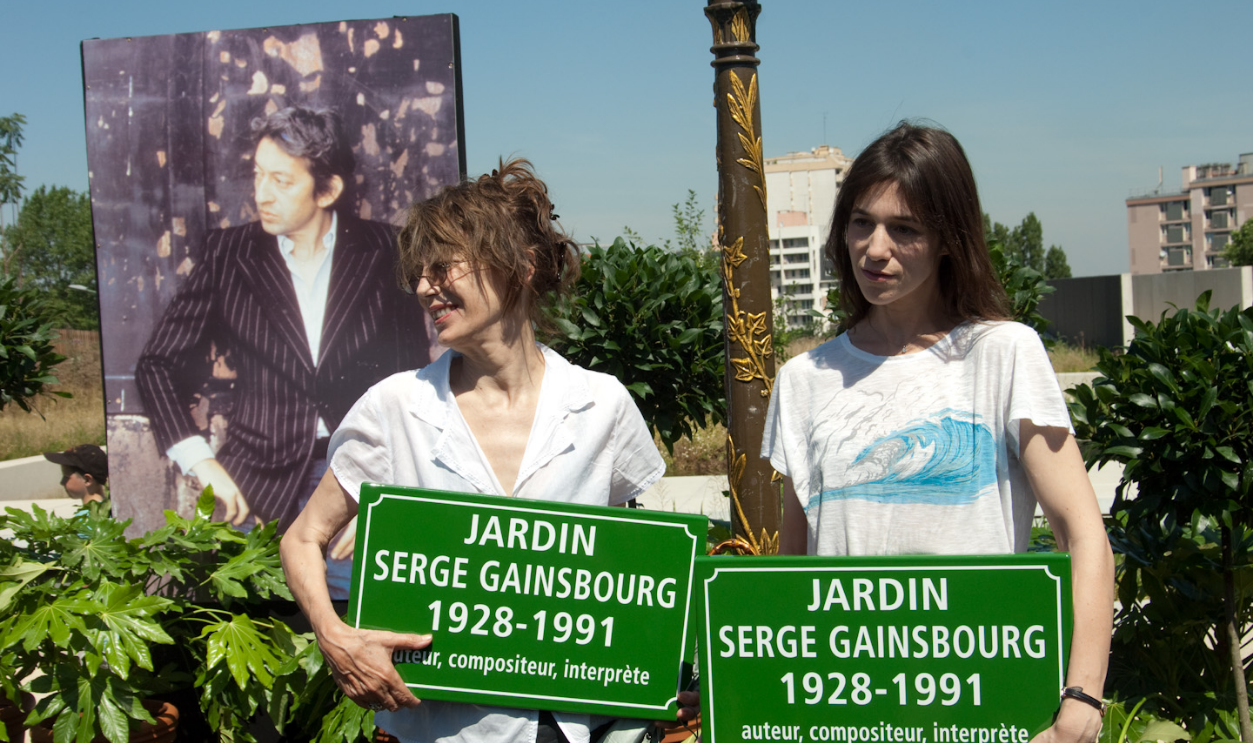
Birkin and Gainsbourg remained together until 1980 and had a daughter, Charlotte Gainsbourg, in 1971. Even after separating, they stayed close, and Gainsbourg continued writing songs for her until his death in 1991. “Je t’aime...moi non plus” followed Birkin throughout her life, but her long career in music and film proved that she was far more than the voice behind one forbidden hit.
 Olivier Pacteau, Wikimedia Commons
You May Also Like:
Songs from the 1960s that were secretly banned by radio stations—do you remember listening to them?
Ursula Andress Became An Overnight Icon In A White Bikini—Then Quietly Turned Away From Fame
Barbara Bach Became One Of The 1970s’ Most Iconic Bond Girls—But Her Toughest Battle Began Offscreen