Her Greatest Challenge Came After Bond
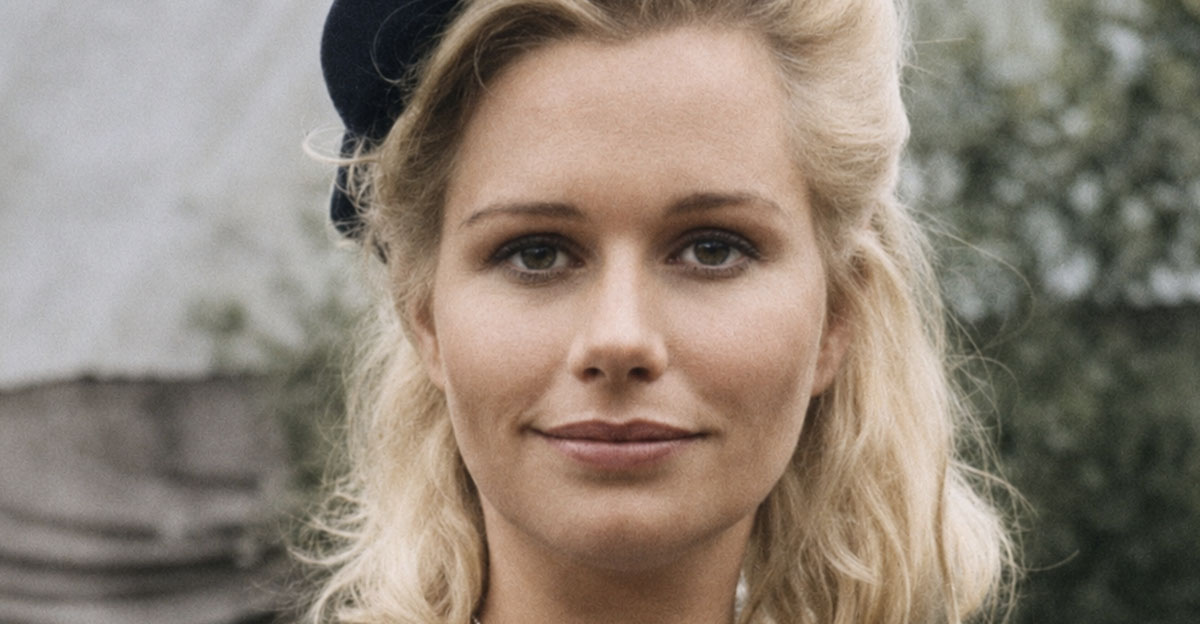
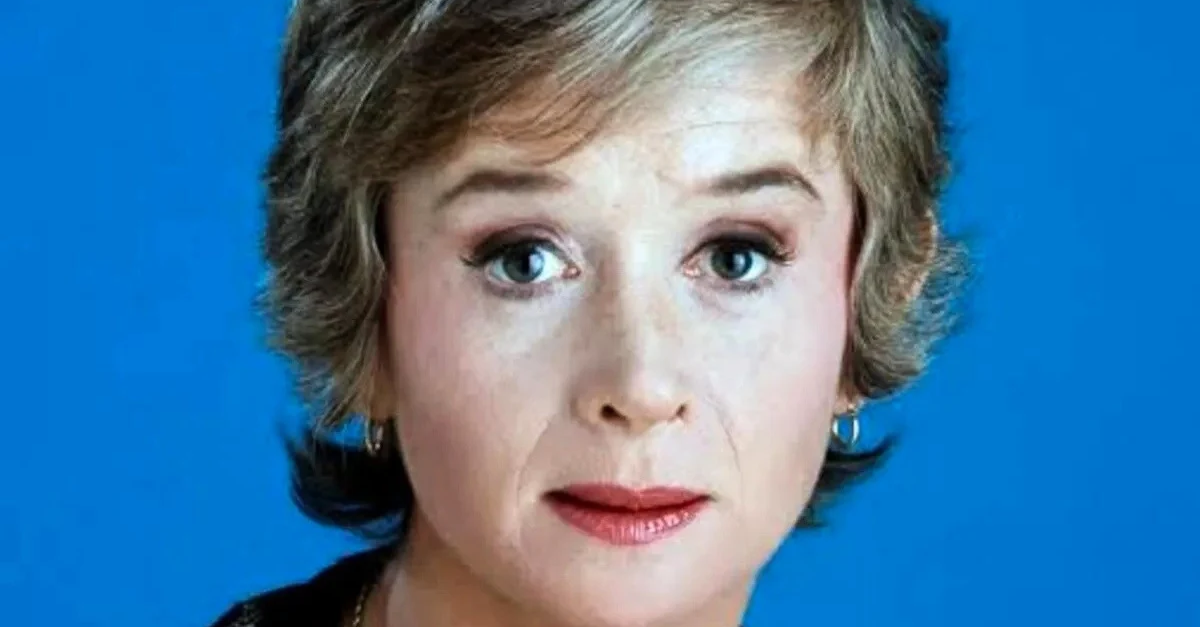
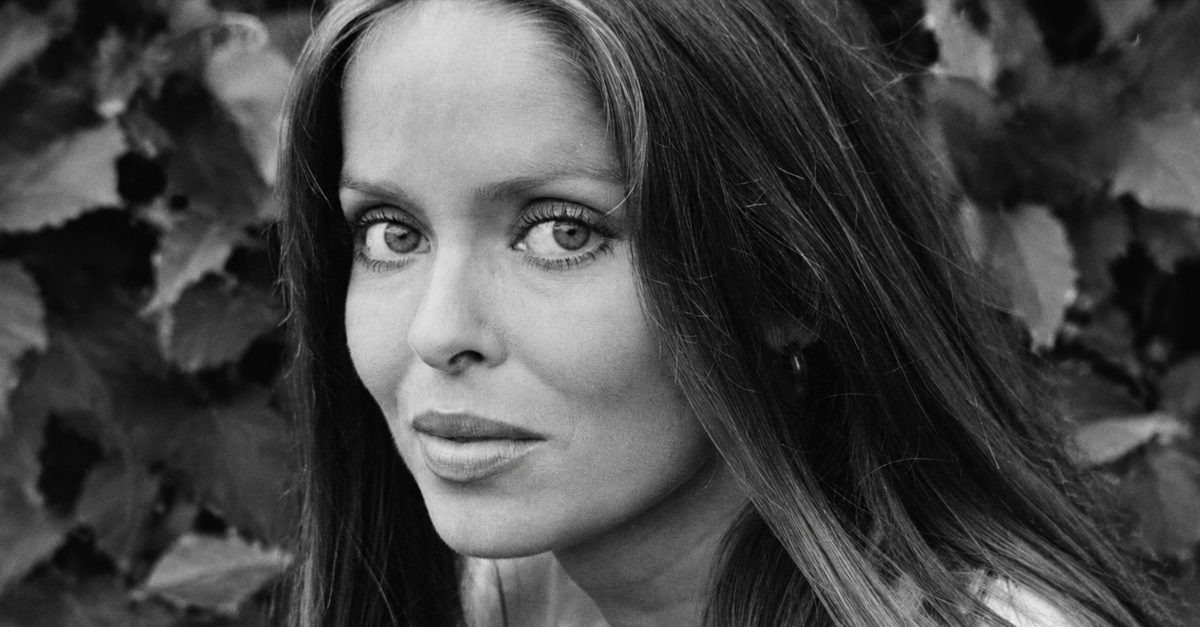
Barbara Bach became an international sensation as the Soviet agent who could outmatch James Bond. Her glamorous image only grew after The Spy Who Loved Me and her marriage to Ringo Starr. Behind the celebrity photographs, however, they were fighting a shared battle with alcohol addiction that eventually led them into treatment together.
She Was A New Yorker From The Start
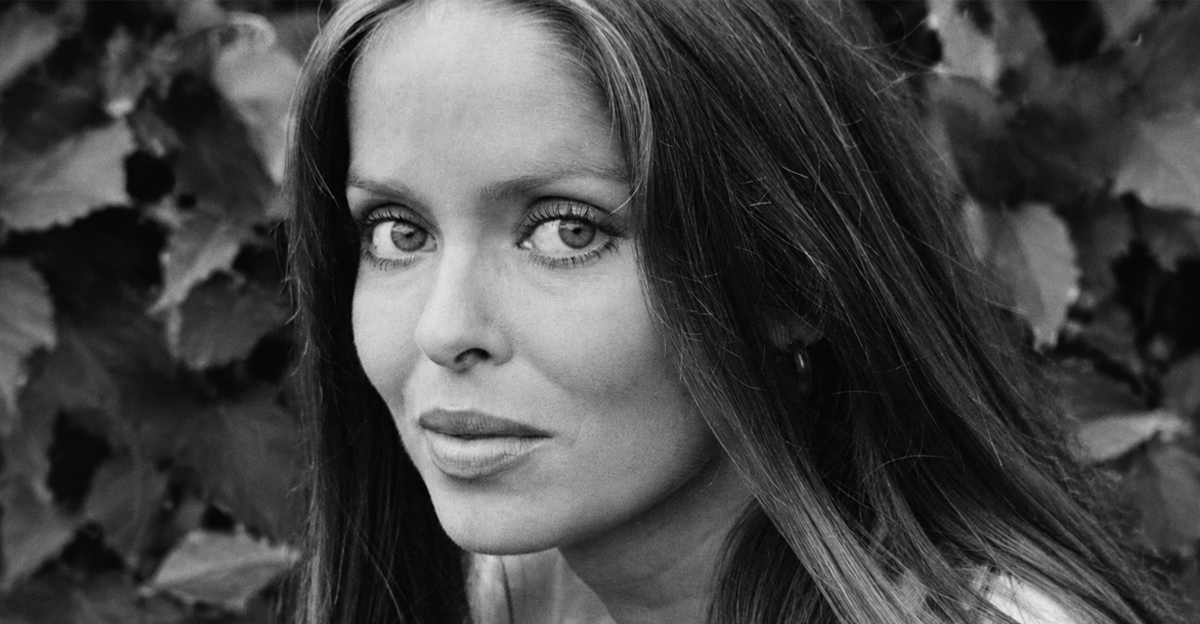
Long before audiences associated her with European sophistication, Bach was Barbara Goldbach from Queens, New York. Her father worked as a New York City police officer, and she attended Dominican Commercial High School. She shortened her surname after graduating and began pursuing modeling professionally.
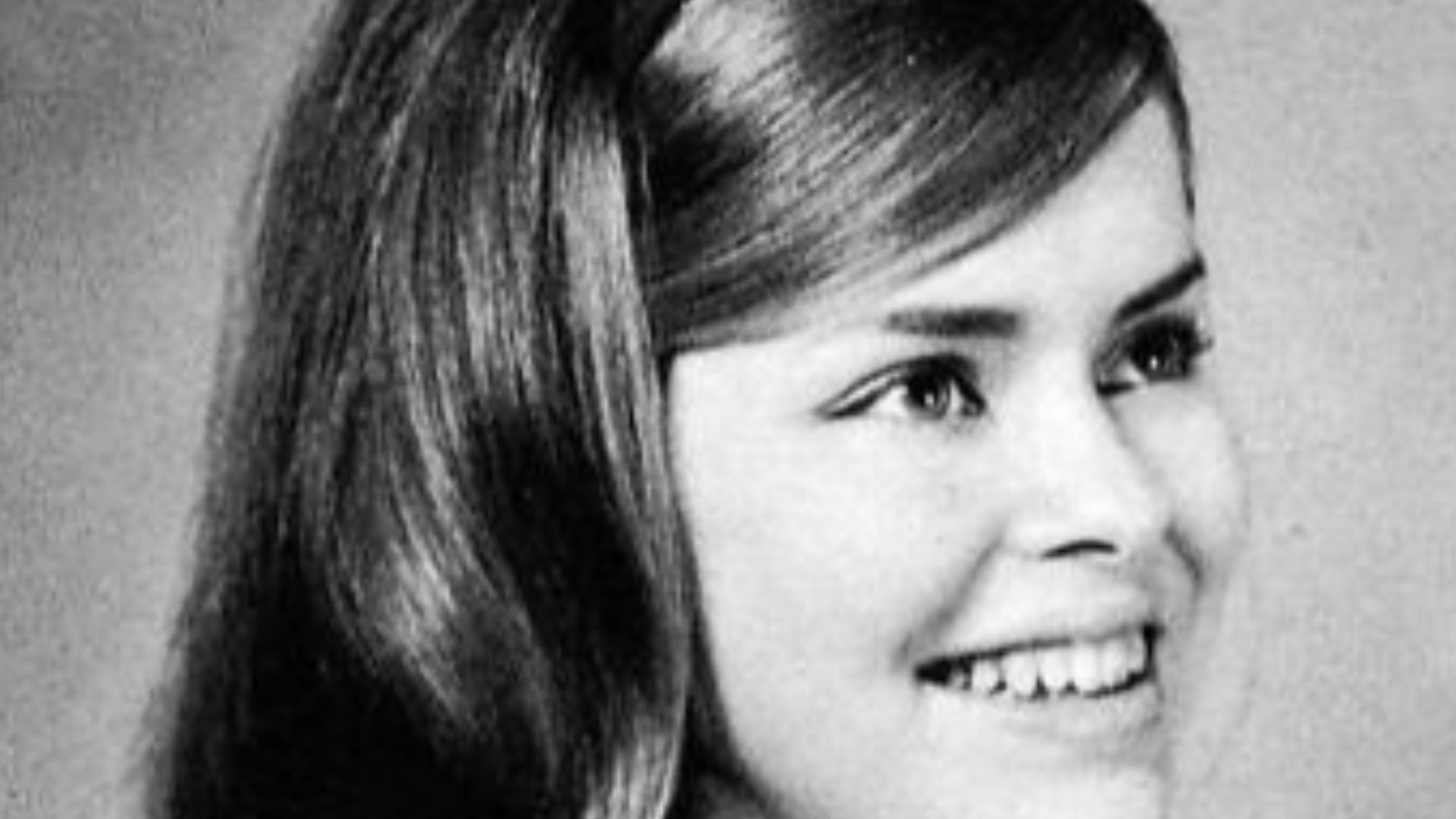 Dominican Commercial High School, Wikimedia Commons
Modeling Opened The First Door
Bach signed with the prominent Eileen Ford Agency and quickly became an in-demand fashion model. Her work appeared in catalogs and magazines, including Seventeen, Elle, and American Vogue. The camera loved her striking features, but modeling would soon take her far beyond New York.
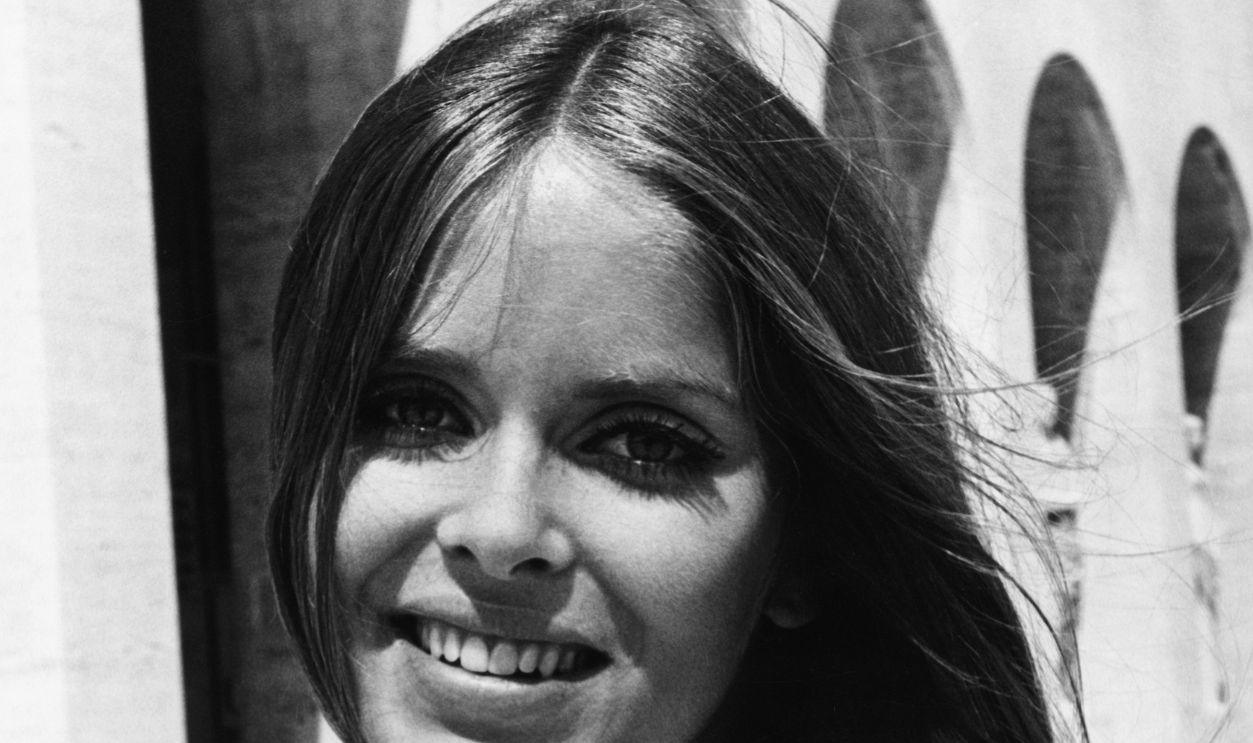 Silver Screen Collection, Getty Images
Italy Changed Her Direction
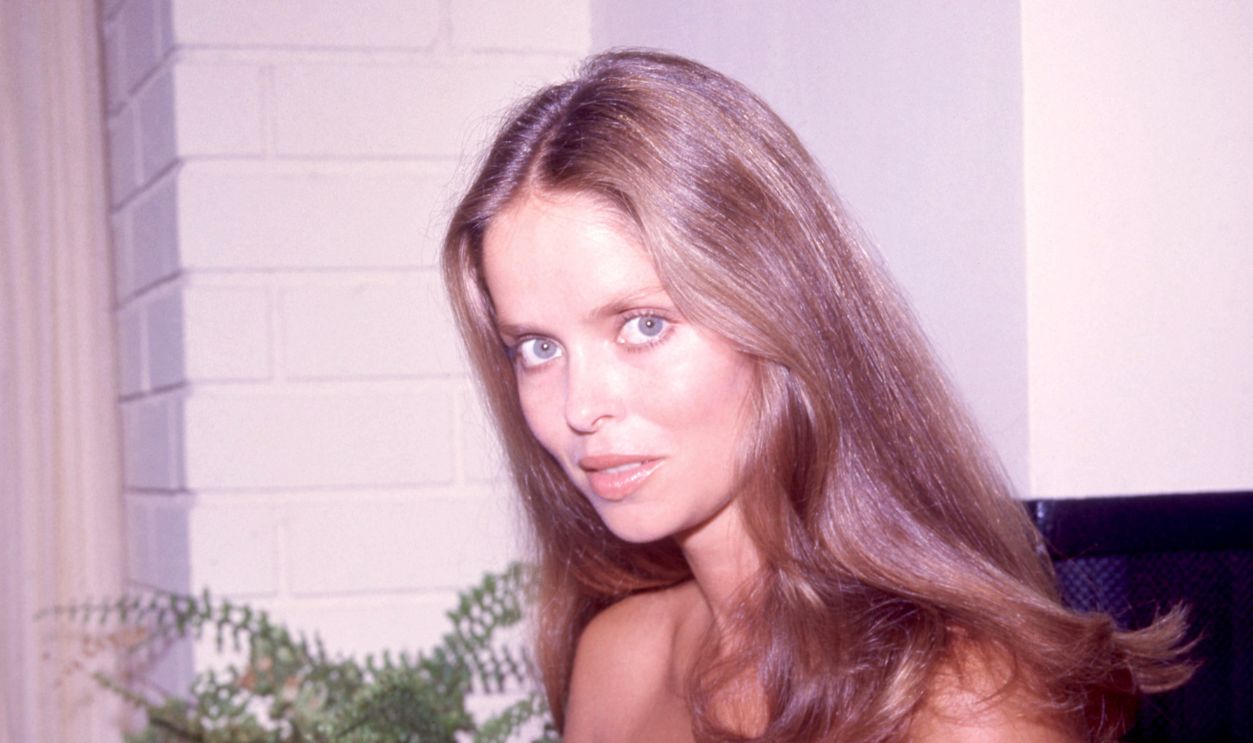
A modeling assignment brought Bach to Italy during the 1960s, and she eventually settled in Rome. She married Italian businessman Augusto Gregorini while still in her teens and continued building her career in European fashion. Living in Italy also created an unexpected path into acting.
Motherhood Became Part Of Her New Life
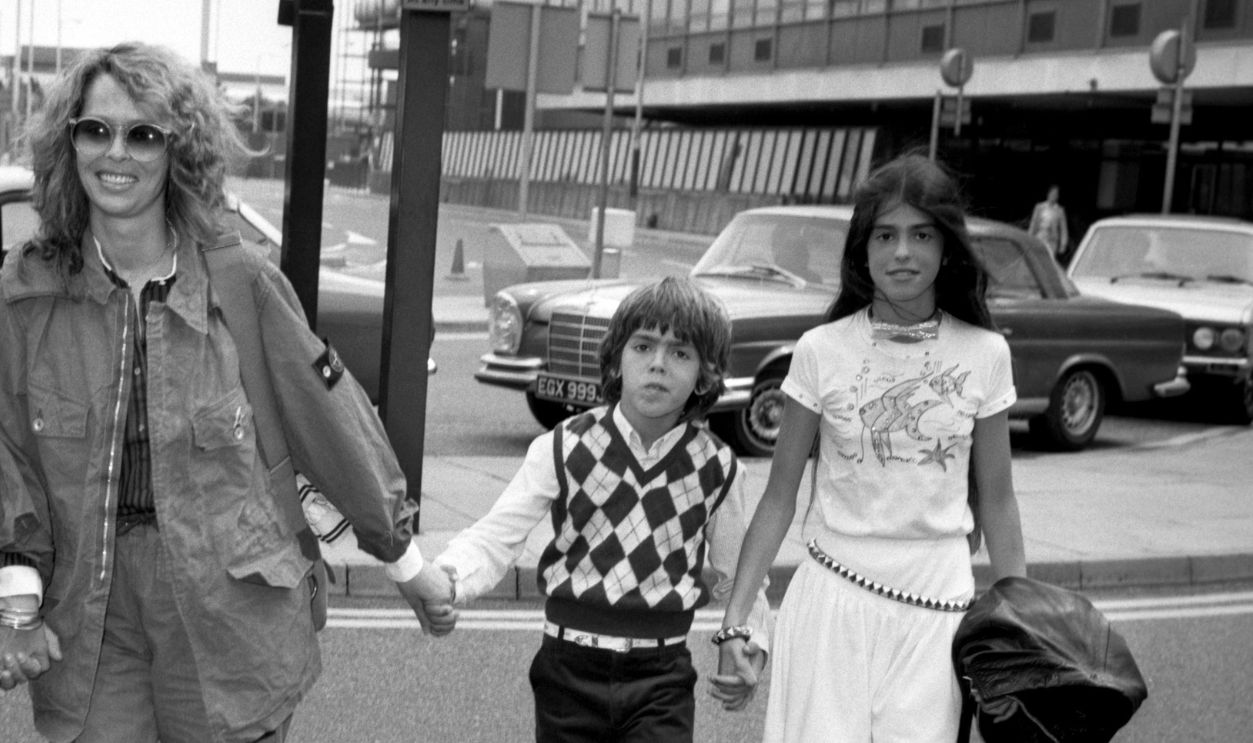
Bach and Gregorini had two children, Francesca and Gianni, during their marriage. She continued working while raising them and gradually moved from fashion photography into television and movies. Balancing motherhood with an international career became a recurring part of her adult life.
The Odyssey Started Her Acting Career
One of Bach’s earliest notable roles was Nausicaa in L’Odissea, a 1968 Italian television adaptation of Homer’s Odyssey. The ambitious production was directed by Franco Rossi and shown across Europe. It gave Bach acting experience years before Hollywood audiences knew her name.
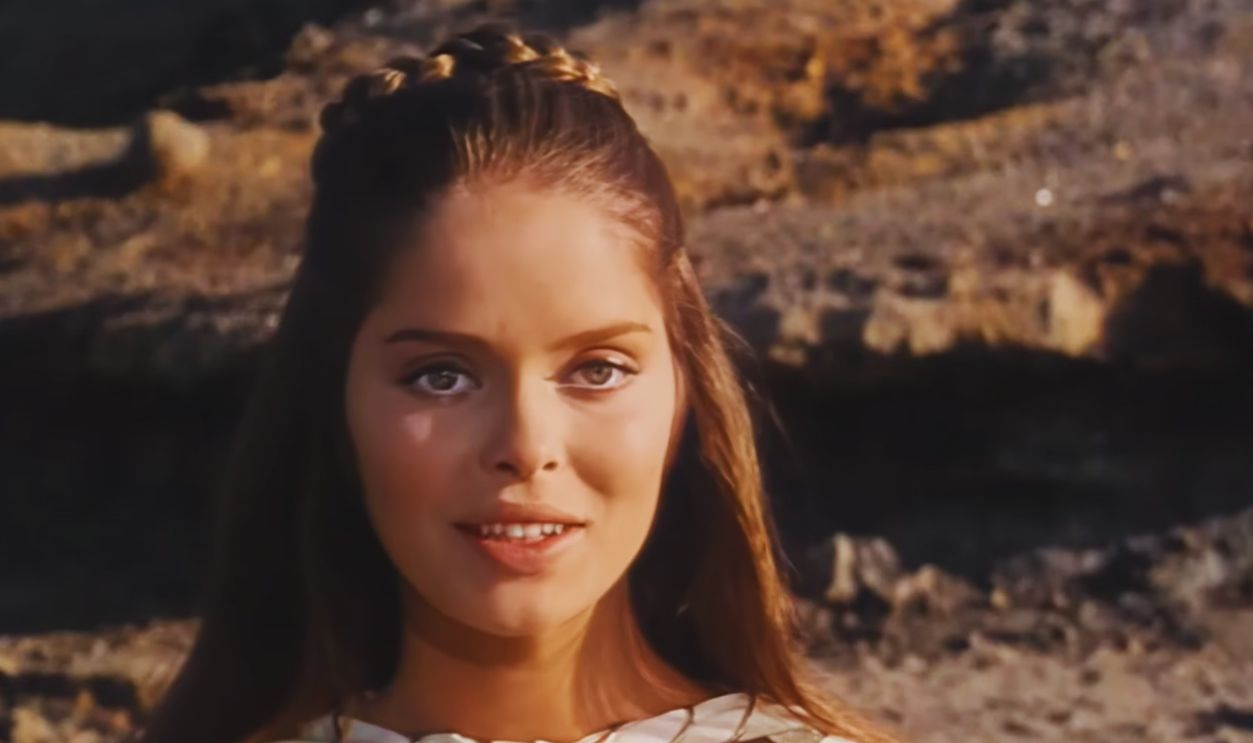 Screenshot from Odyssey, RAI (1968)
European Thrillers Built Her Résumé
Bach spent the early 1970s appearing in Italian and French productions. Her credits included the stylish giallo thriller Black Belly of the Tarantula, alongside future Bond actresses Claudine Auger and Barbara Bouchet. By the middle of the decade, she had developed considerably more screen experience than many viewers later realized.
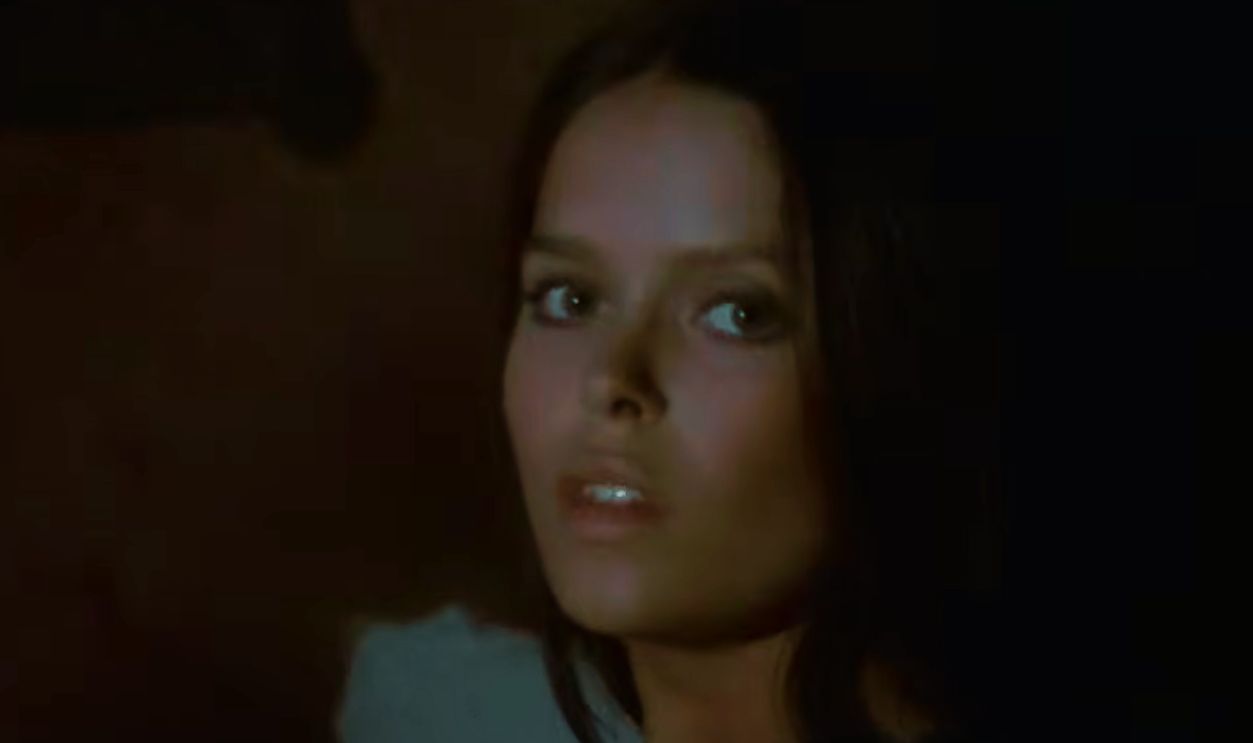 Screenshot from Black Belly of the Tarantula, Metro-Goldwyn-Mayer (1971)
She Returned To America With Experience
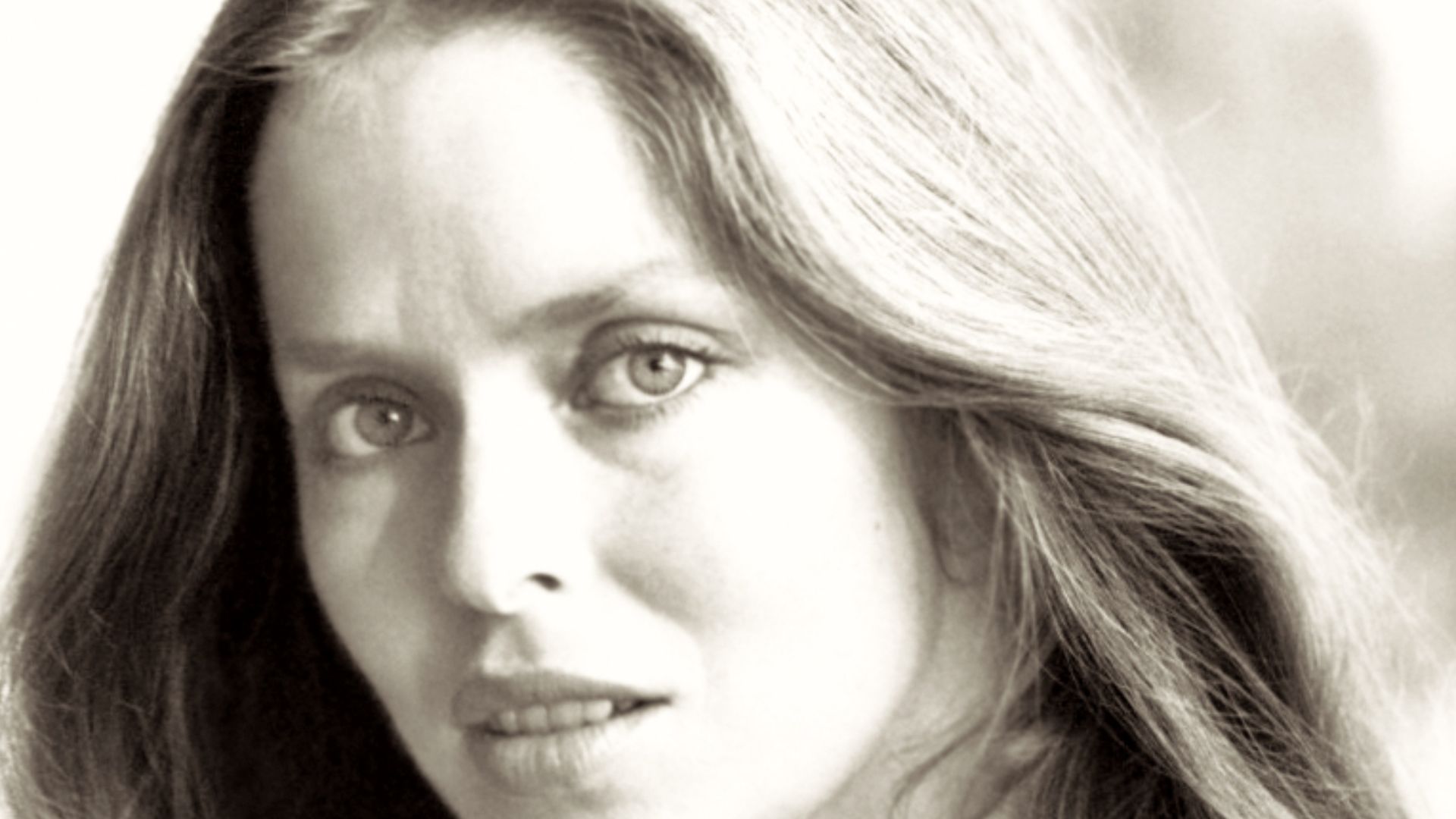
Bach eventually separated from Gregorini and returned to the United States with her children. The marriage ended in divorce, but her years in Italy had given her fluency in the language and an established film résumé. Those qualities soon helped distinguish her from other actresses competing for a major international role.
 United Artists, Wikimedia Commons
Bond Producers Saw Something Special
The filmmakers behind The Spy Who Loved Me conducted an extensive search for the actress who would play Major Anya Amasova. Producer Albert R. Broccoli initially heard that Bach might be suitable for a small role. After seeing her, he decided she should be the female lead.
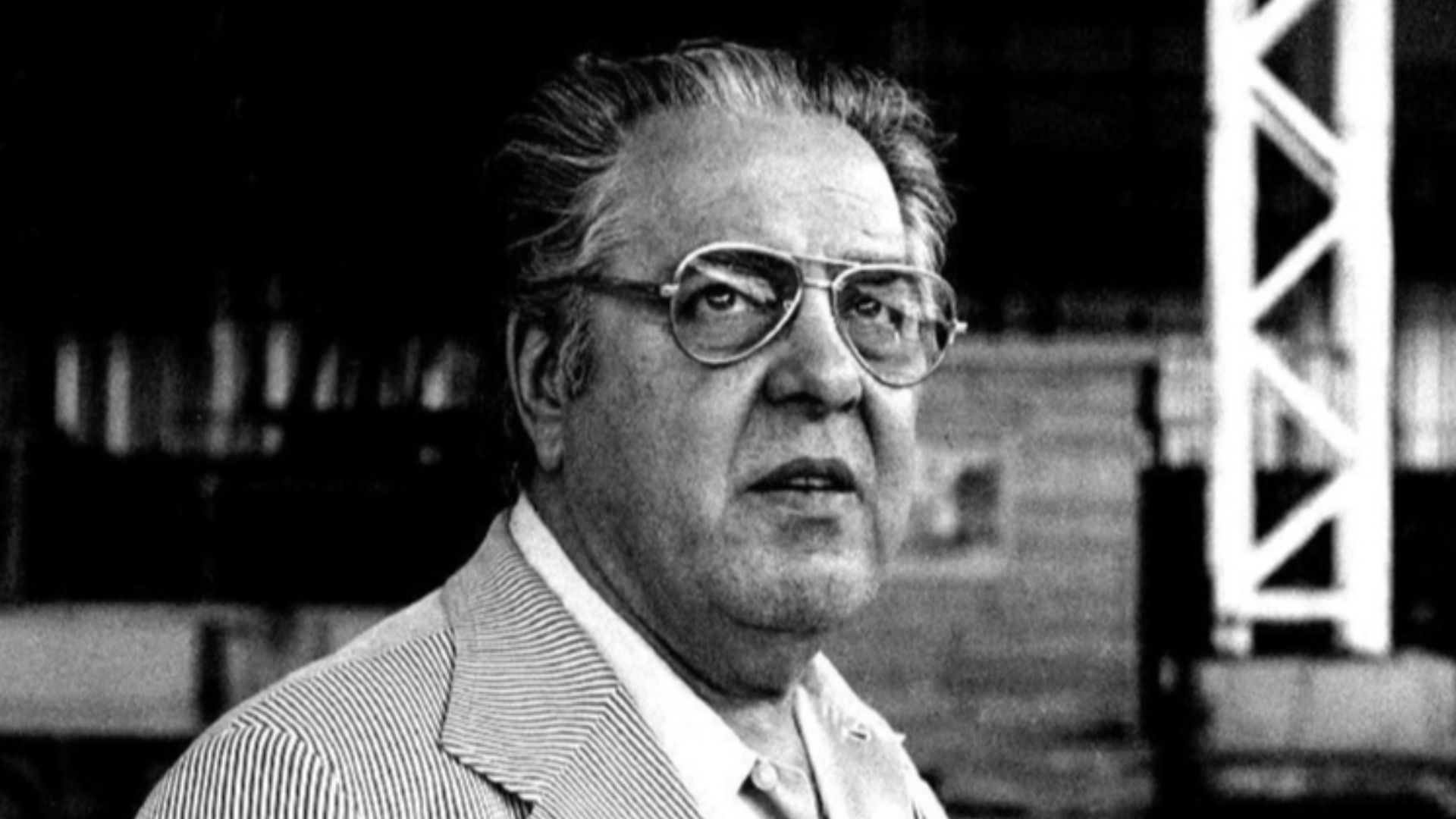 Photographer — Colin Dangaard, Malibu, California, Wikimedia Commons
Agent Triple X Was No Ordinary Sidekick
Anya Amasova, also known as Agent Triple X, was an elite KGB operative investigating the disappearance of a Soviet nuclear submarine. Her search placed her in direct competition with Roger Moore’s James Bond before their governments ordered them to cooperate. She knew Bond’s reputation, understood his methods, and refused to be intimidated by him.
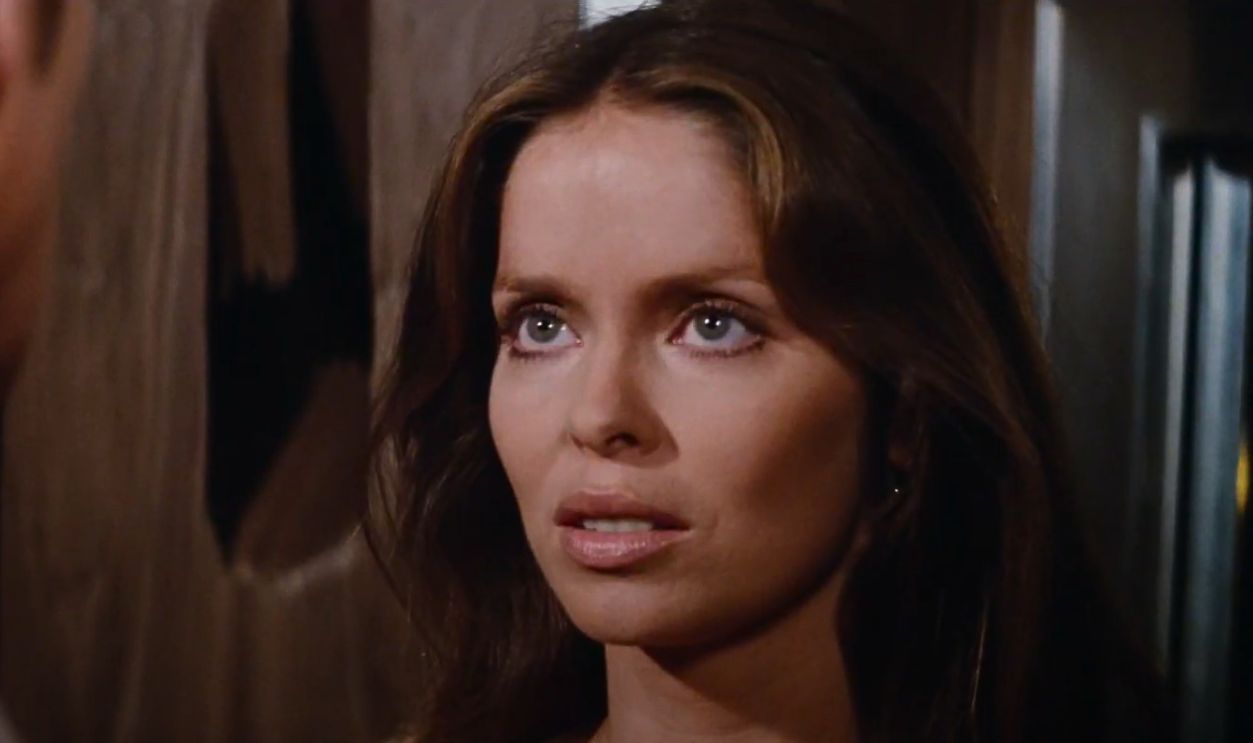 Screenshot from The Spy Who Loved Me, United Artists (1977)
Anya Could Outsmart James Bond
The character was allowed to score several victories over 007, including taking valuable microfilm after incapacitating him with a trick cigarette. She possessed her own intelligence contacts, training, and political loyalties. Although the film eventually returned Bond to the central heroic position, Anya spent much of the story operating as his professional equal.
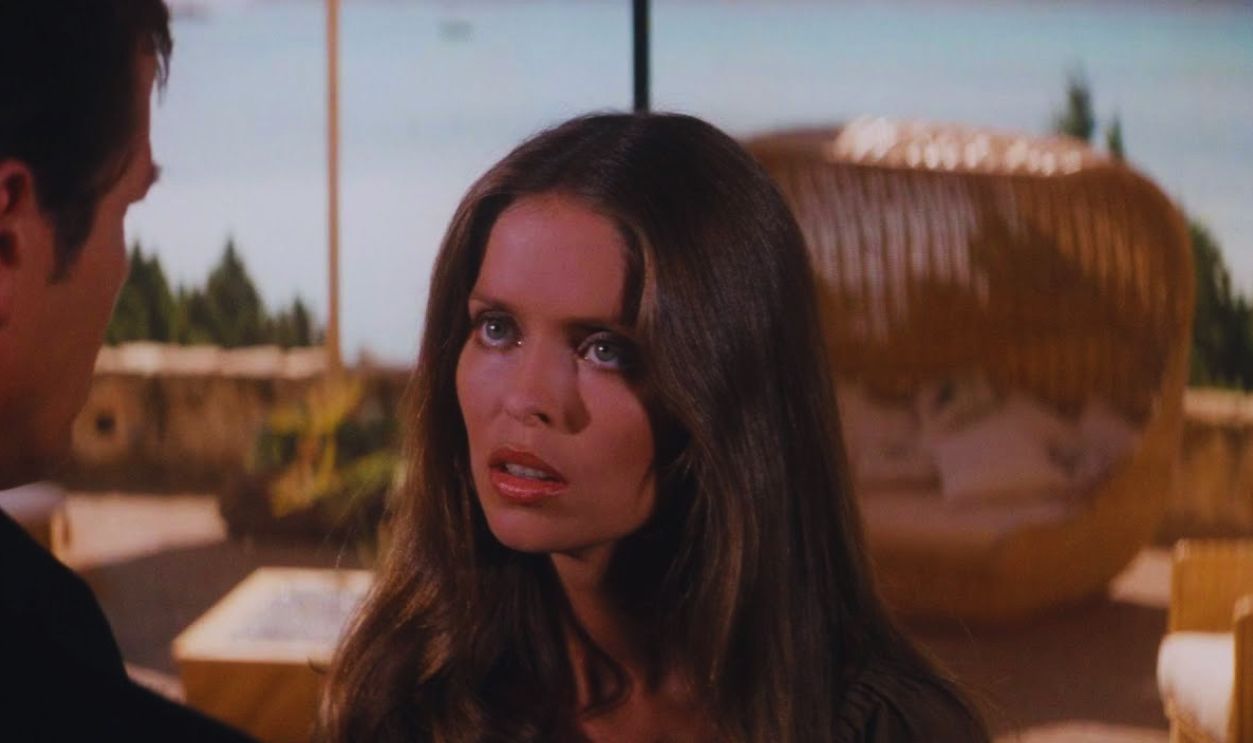 Screenshot from The Spy Who Loved Me, United Artists (1977)
The Mission Became Personal
Anya also learned that Bond had killed her lover, Soviet agent Sergei Barsov, during an earlier confrontation. She promised to settle the score once their joint mission was finished. That conflict gave Bach’s character an emotional motive that existed independently of her attraction to Bond.
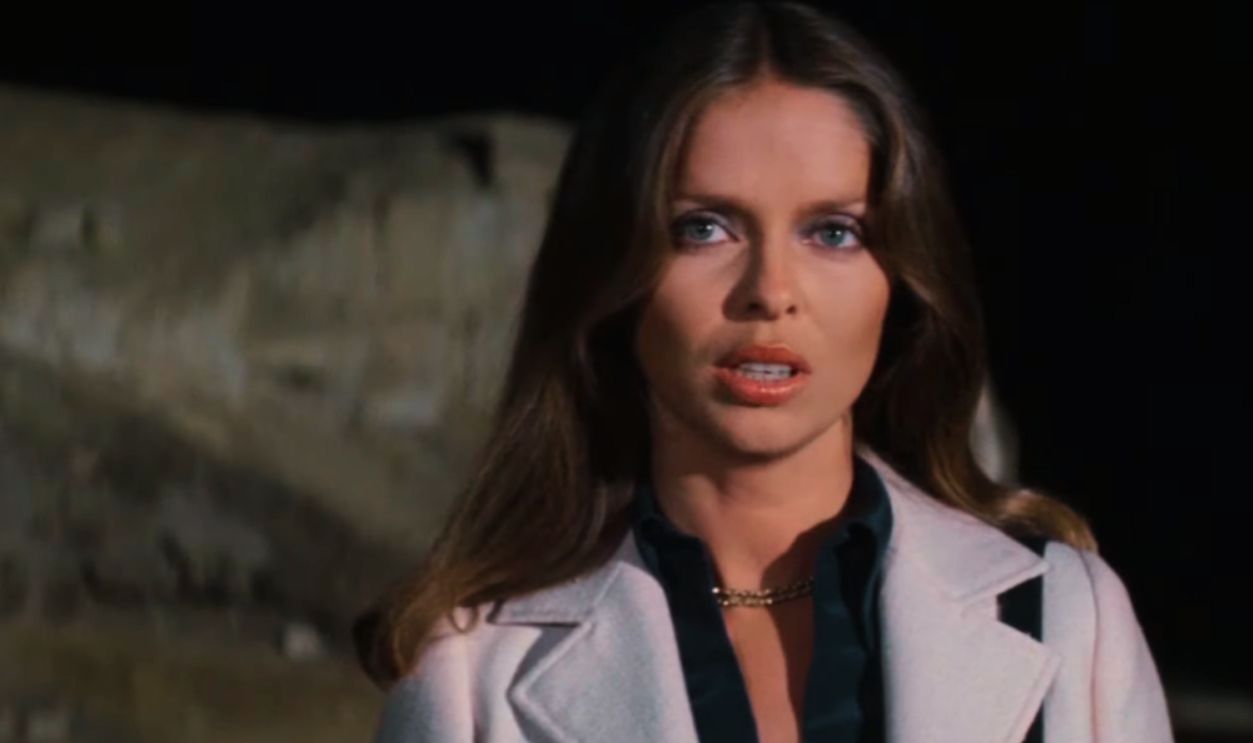 Screenshot from The Spy Who Loved Me, United Artists (1977)
The Production Went Bigger Than Ever
The Spy Who Loved Me sent its cast and crew to locations that included Egypt, Sardinia, and the Bahamas. Its memorable set pieces featured the steel-toothed Jaws, enormous Ken Adam designs, and a Lotus Esprit that transformed into a submarine. Bach stood at the center of a production created to restore Bond’s blockbuster power.
 Screenshot from The Spy Who Loved Me, United Artists (1977)
The Film Became A Major Success
Released in 1977, The Spy Who Loved Me became a major commercial success and an important entry in Roger Moore’s Bond era. It earned Academy Award nominations for art direction, original score, and the song “Nobody Does It Better.” Bach’s face was suddenly visible in theaters, magazines, and promotional campaigns around the world.
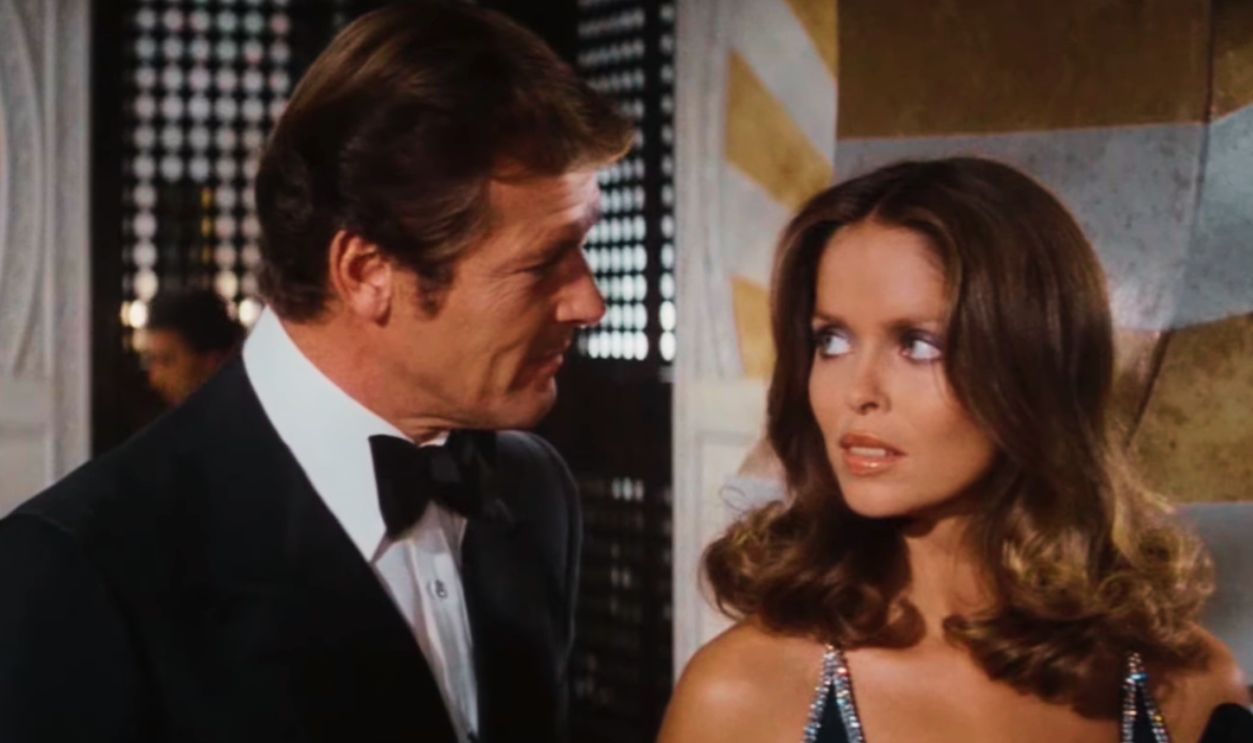 Screenshot from The Spy Who Loved Me, United Artists (1977)
Fame Came With A Limiting Label
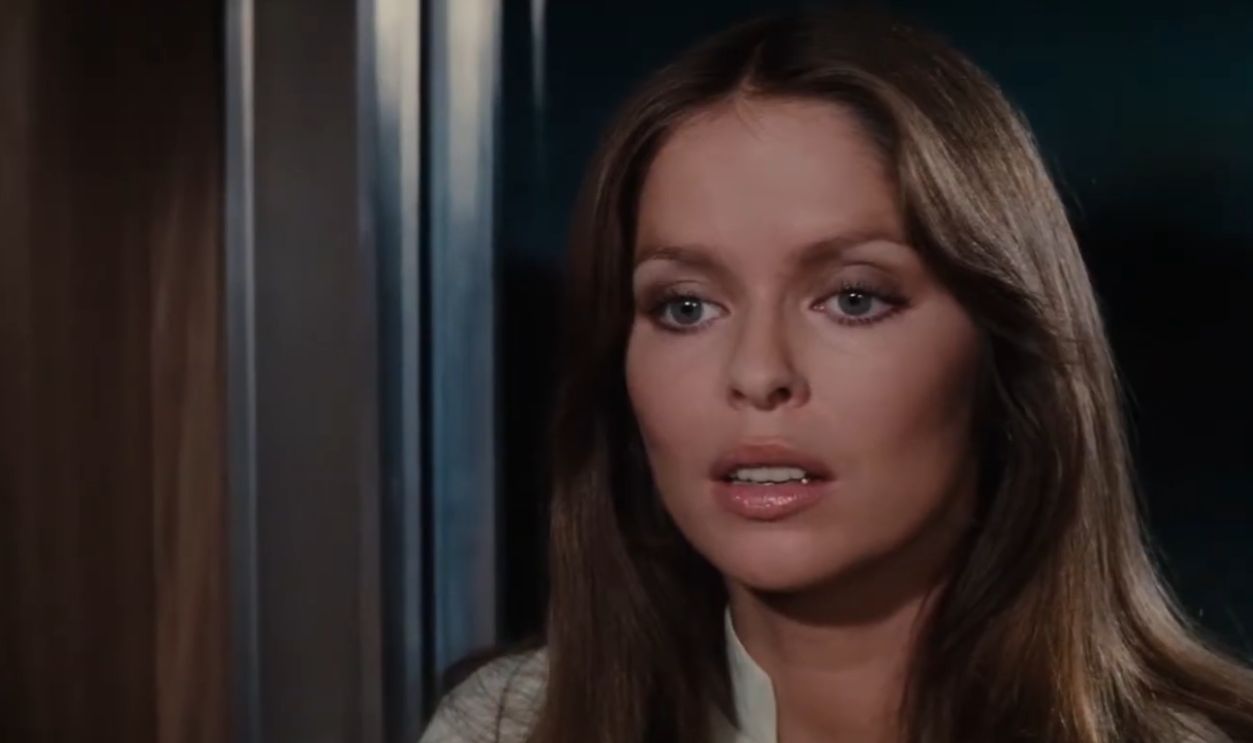
Playing Anya made Bach an international star, but it also fixed her public identity to the term “Bond girl.” Her character had been more independent than many earlier women in the series, yet much of the publicity still emphasized Bach’s beauty. The contradiction between Anya’s abilities and the franchise’s treatment of women did not escape her.
 Screenshot from The Spy Who Loved Me, United Artists (1977)
She Had Strong Words For Bond
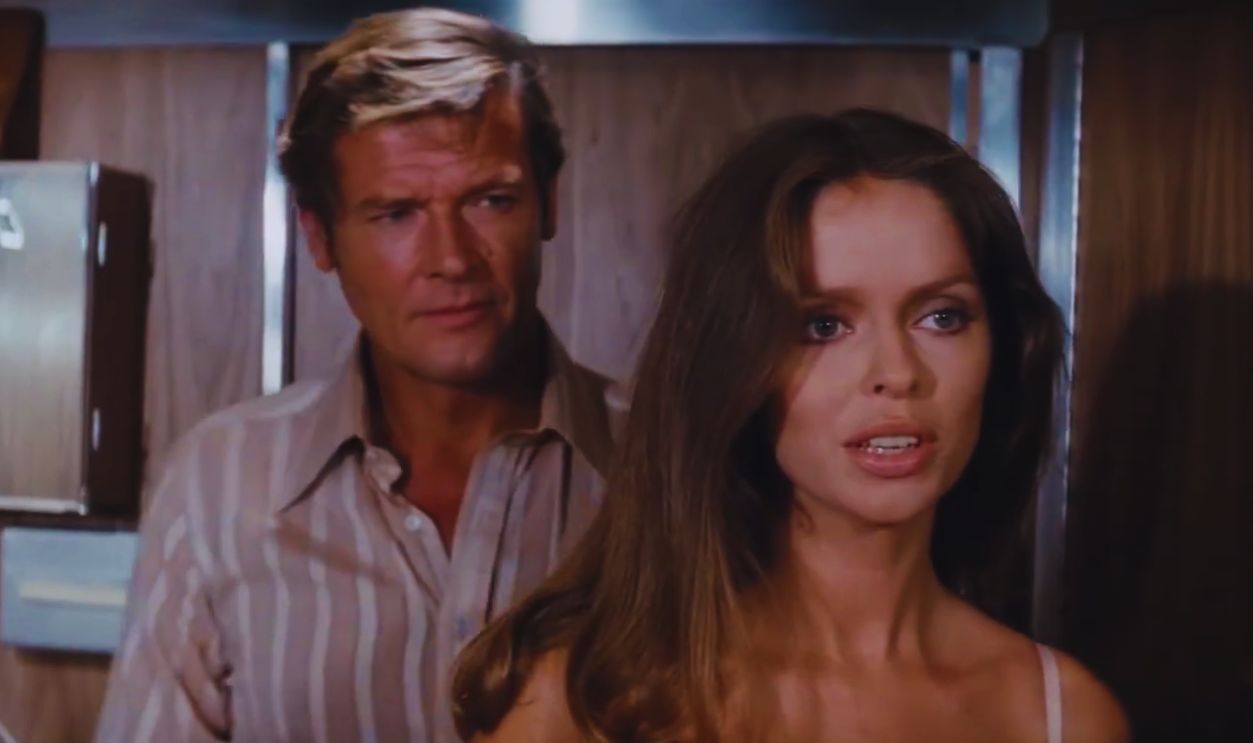
Bach later described Bond as “a chauvinist pig who uses girls to shield him against bullets.” The remark demonstrated that she could appreciate her breakthrough without overlooking the series’ gender politics. Decades later, Vogue included her among the franchise’s most powerful and subversive female stars.
 Screenshot from The Spy Who Loved Me, United Artists (1977)
She Traded Glamour For The Battlefield
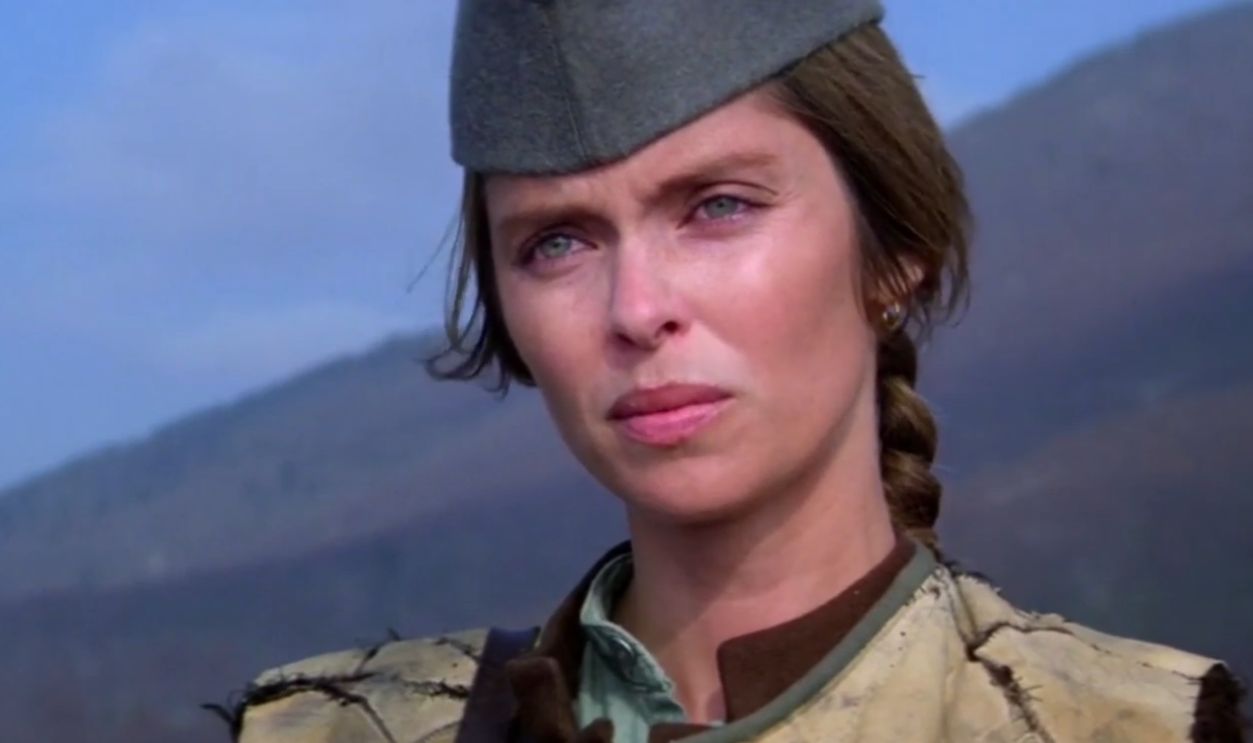
Bach followed her Bond success with the 1978 war film Force 10 from Navarone. She played Maritza, a Yugoslav resistance fighter, opposite a cast that included Harrison Ford, Robert Shaw, Edward Fox, and Franco Nero. The rugged setting gave her a chance to move away from Anya’s polished evening gowns.
 Screenshot from Force 10 from Navarone, Columbia Pictures (1978)
Hollywood Found Her Too European
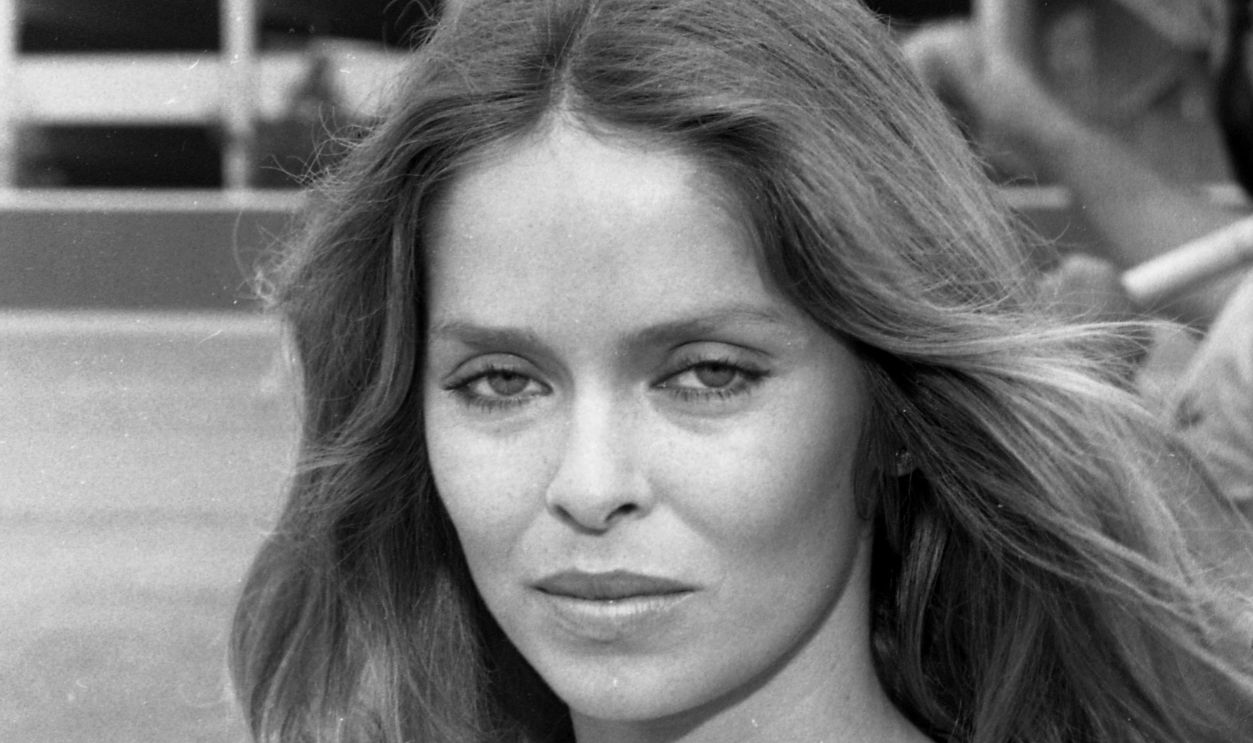
Bach auditioned when Charlie’s Angels needed a replacement for departing star Kate Jackson. During a 1979 appearance on The Tonight Show, she explained that producers considered her appearance and manner too sophisticated and questioned whether she could convincingly play an American. The judgment was particularly strange because she had been born and raised in New York.
Genre Movies Kept Her Busy
Bach continued appearing in adventure, science-fiction, horror, and action productions around the turn of the decade. Her films included The Humanoid, The Island of the Fishmen, Jaguar Lives!, and The Unseen. None matched the cultural reach of Bond, but one unusual comedy would permanently change her personal life.
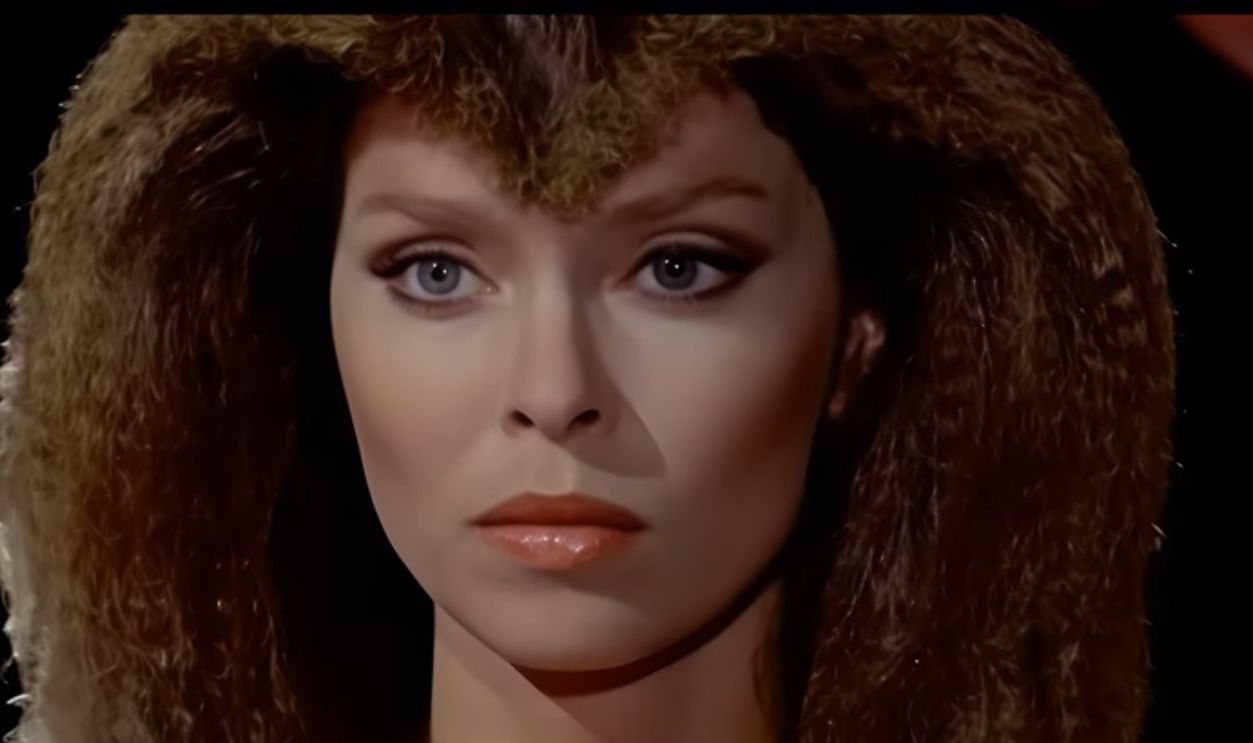 Screenshot from The Humanoid, Titanus (1979)
Caveman Introduced Her To Ringo
Bach and Ringo Starr worked together on Caveman, a prehistoric comedy filmed in 1980 and released the following year. Starr played Atouk, while Bach played Lana, the woman he initially hopes to win. Their onscreen pairing soon developed into something real away from the cameras.
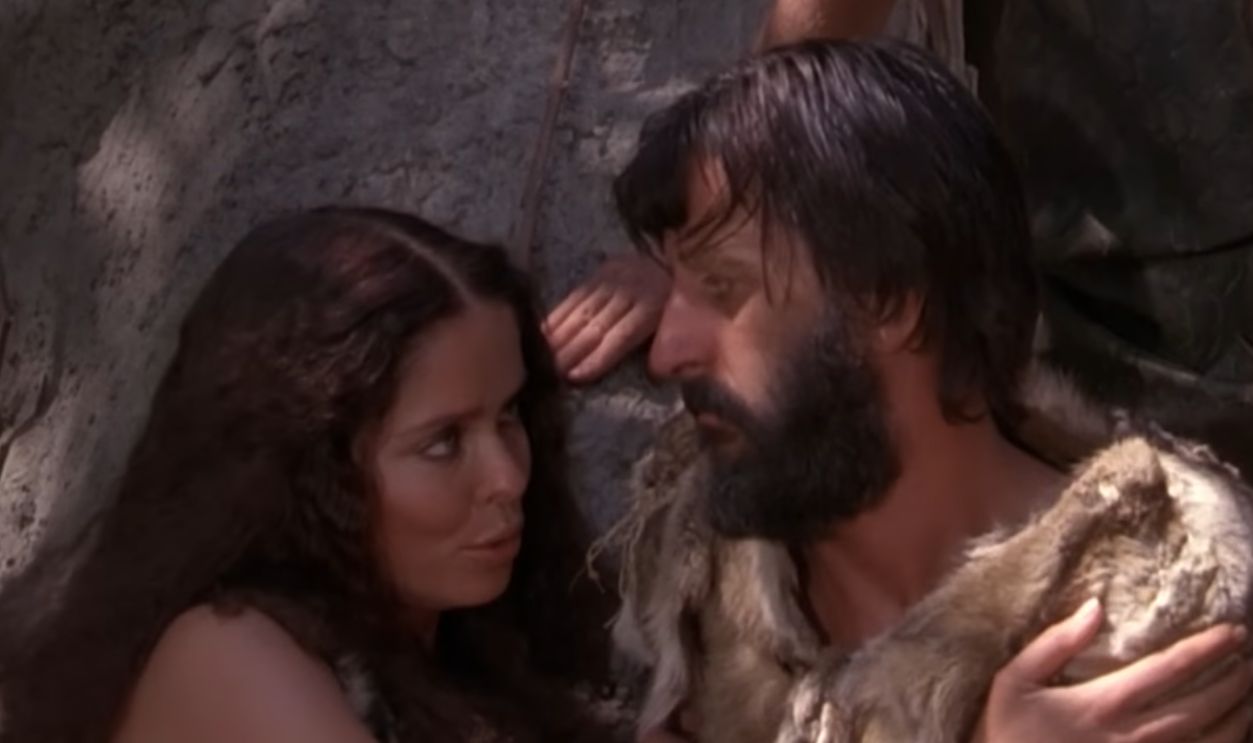 Screenshot from Caveman, United Artists (1981)
Friendship Turned Into Love
Bach later said that she and Starr were involved with other people for most of the production. Their relationship changed during the final week of filming, when friendly affection became romantic love. Neither had expected to marry again, but the connection quickly grew serious.
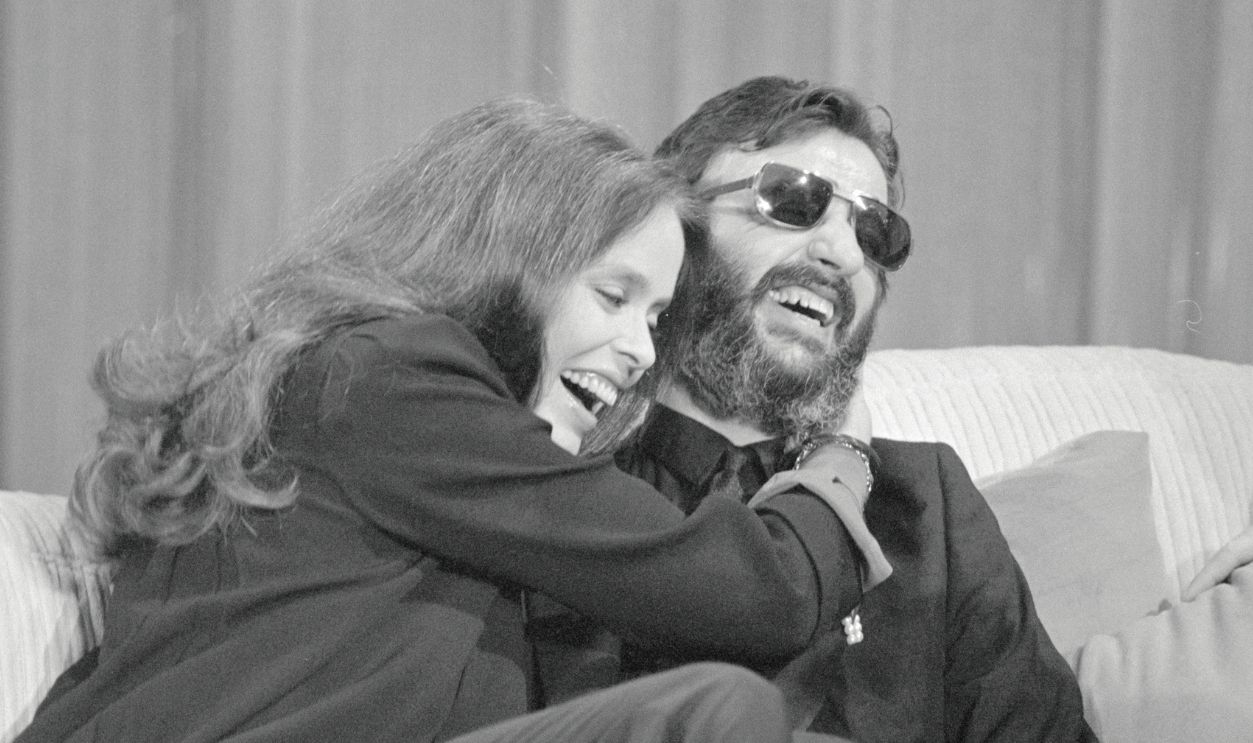
A Terrifying Crash Strengthened Their Bond
Later in 1980, Bach and Starr survived a severe car accident after Starr swerved to avoid a truck. Their vehicle struck light poles and flipped, but both escaped without life-threatening injuries. Starr later said the experience helped convince them that they did not want to spend time apart.
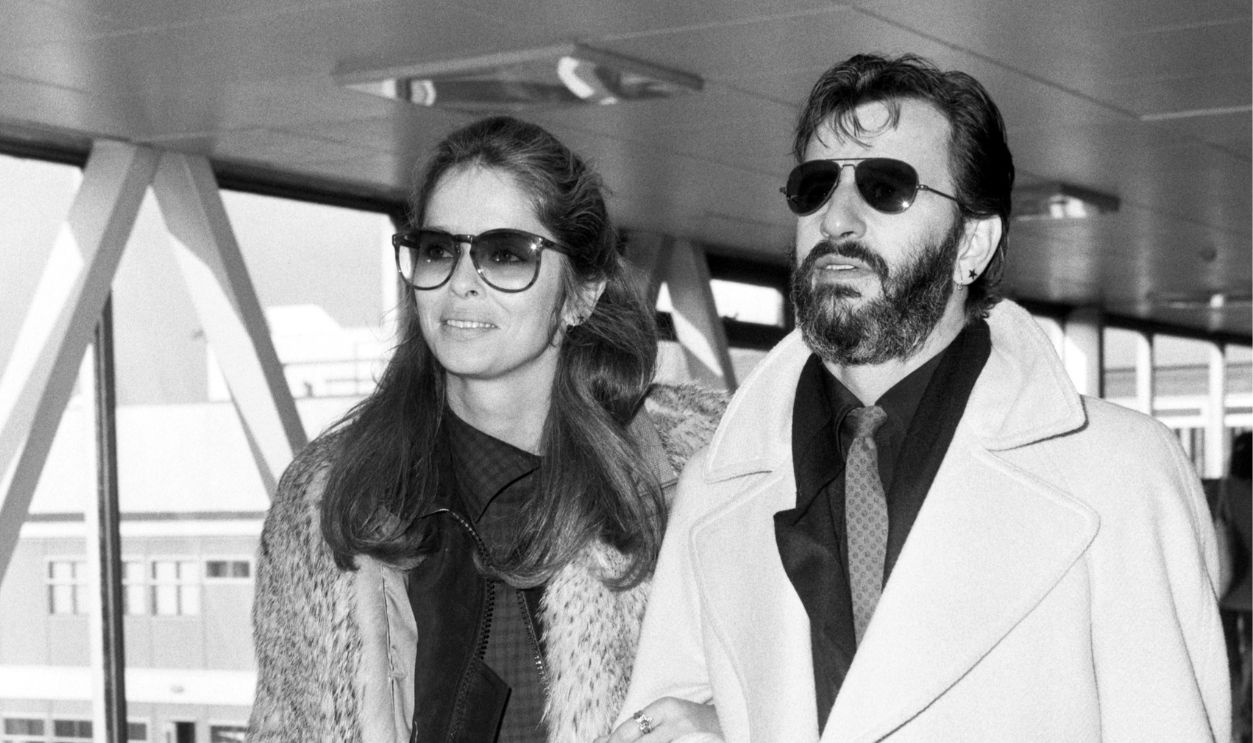
Their Wedding Joined Two Families
Bach and Starr married in London on April 27, 1981, with Paul McCartney and George Harrison among the guests. Bach brought Francesca and Gianni into the marriage, while Starr had three children from his first marriage. Together they formed a blended family of five children while navigating intense public attention.
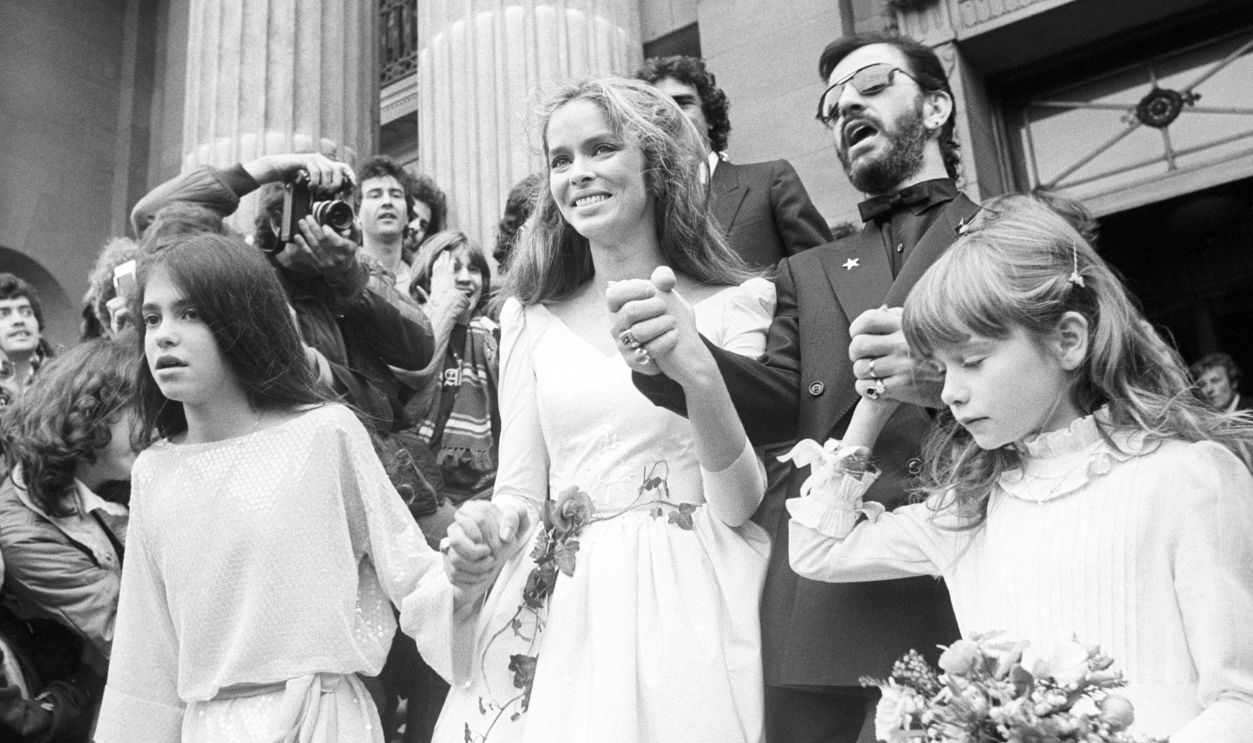
The Partying Became A Serious Problem
The glamorous photographs did not reveal how damaging alcohol and other substances had become within the couple’s life. Starr later admitted that substances had grown more important than nearly everything else and that parts of the 1970s and 1980s disappeared into a blur. Bach was struggling too, turning their shared lifestyle into a threat to their health and marriage.
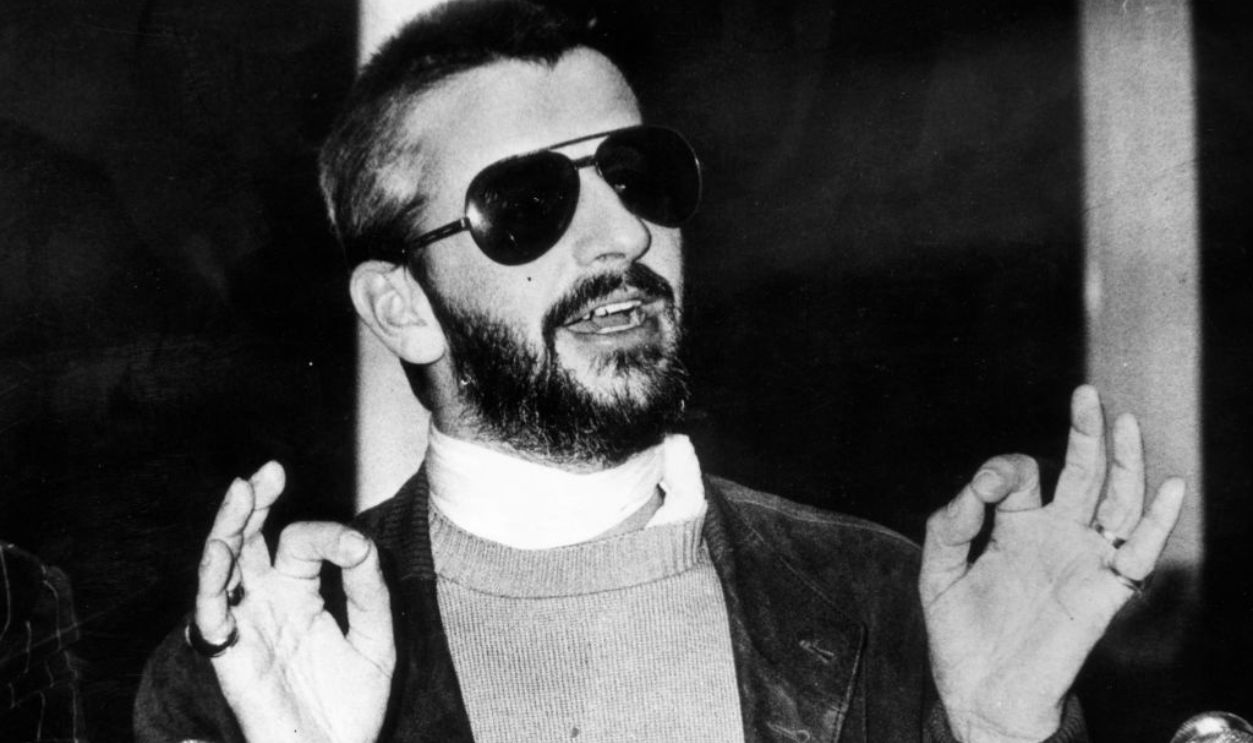
They Entered Treatment Together
In 1988, Bach and Starr entered the Sierra Tucson rehabilitation clinic together for treatment connected to alcohol addiction. Their stay lasted several weeks and required both of them to acknowledge that their lives had become unmanageable. Starr later recalled realizing during treatment that he was sick and needed to follow the program.
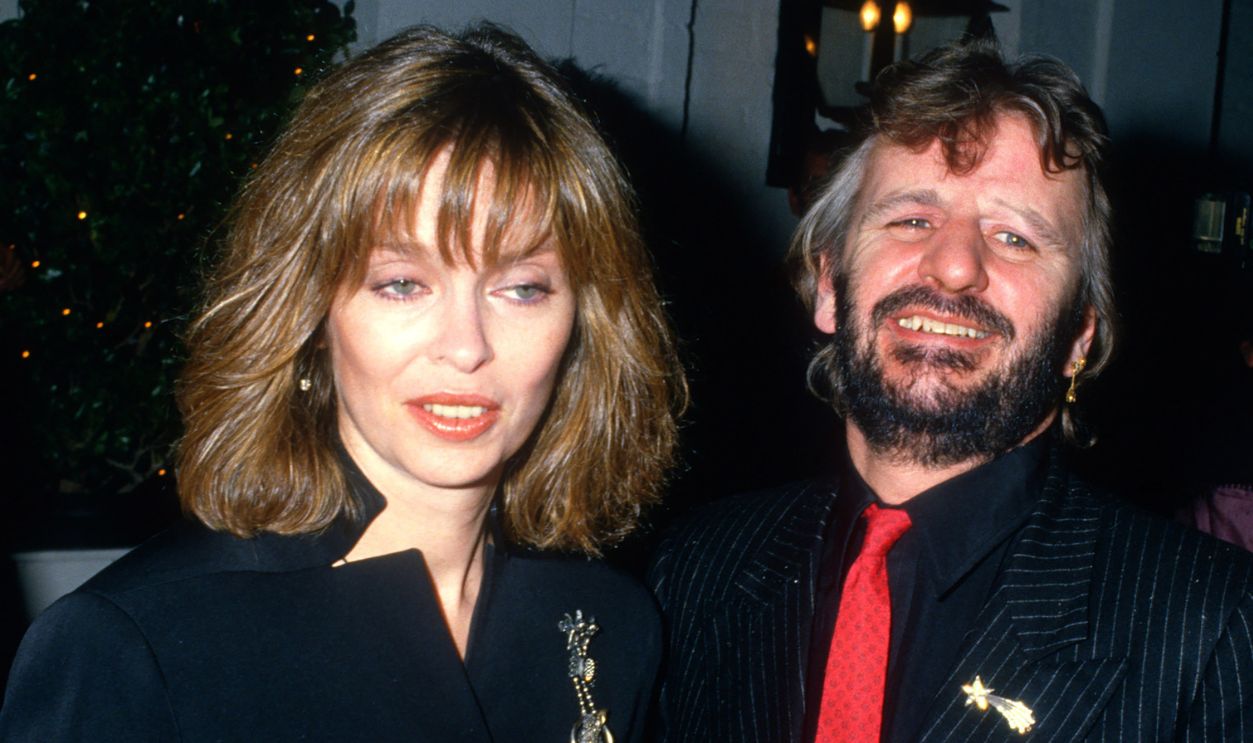 Ron Galella, Ltd., Getty Images
Recovery Changed Their Future
Leaving rehabilitation marked a decisive break with the couple’s previous lifestyle. Starr has said that he has not had a drink since treatment, while accounts of the couple’s recovery describe Bach remaining sober alongside him. The change gave them the stability to rebuild their health, relationship, and priorities.
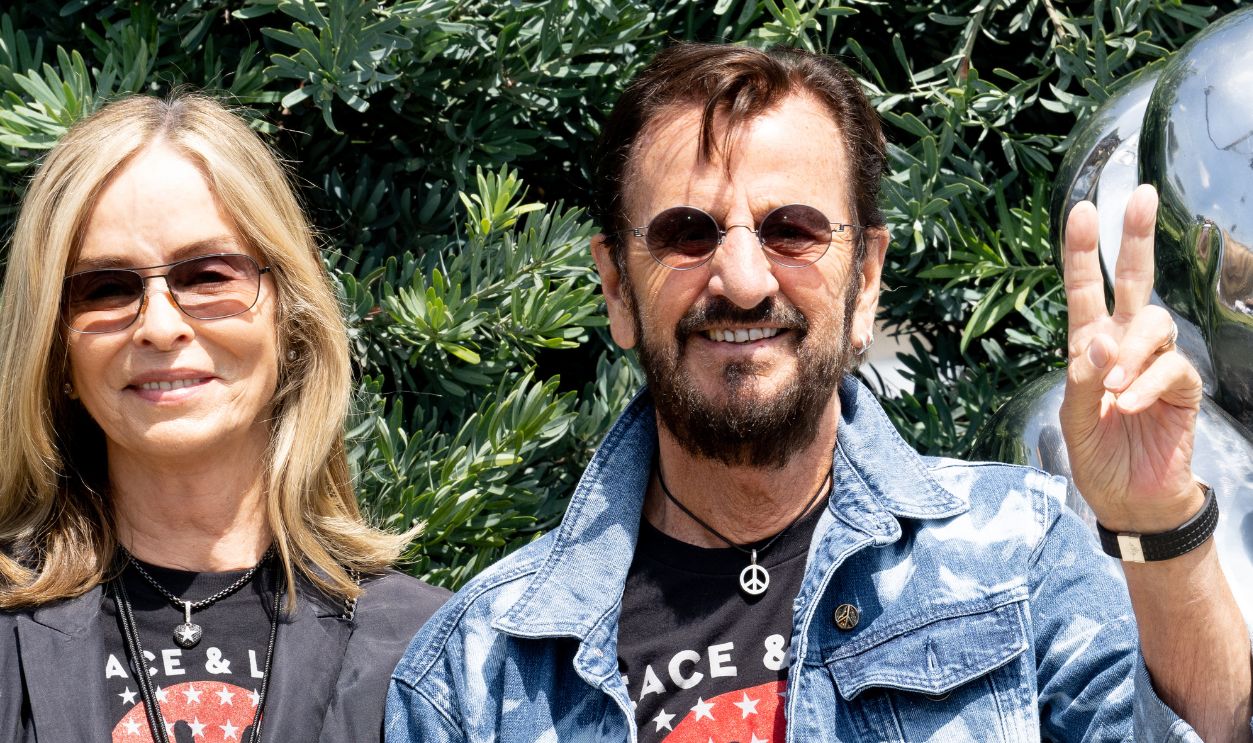
They Turned Experience Into Support
Bach turned her experience toward helping others in recovery. She co-founded the London addiction program SHARP with Pattie Boyd, the former wife of George Harrison and Eric Clapton. Bach and Starr also created the Lotus Foundation, which supports causes including substance abuse, homelessness, cancer, domestic violence survivors, and animals in need.
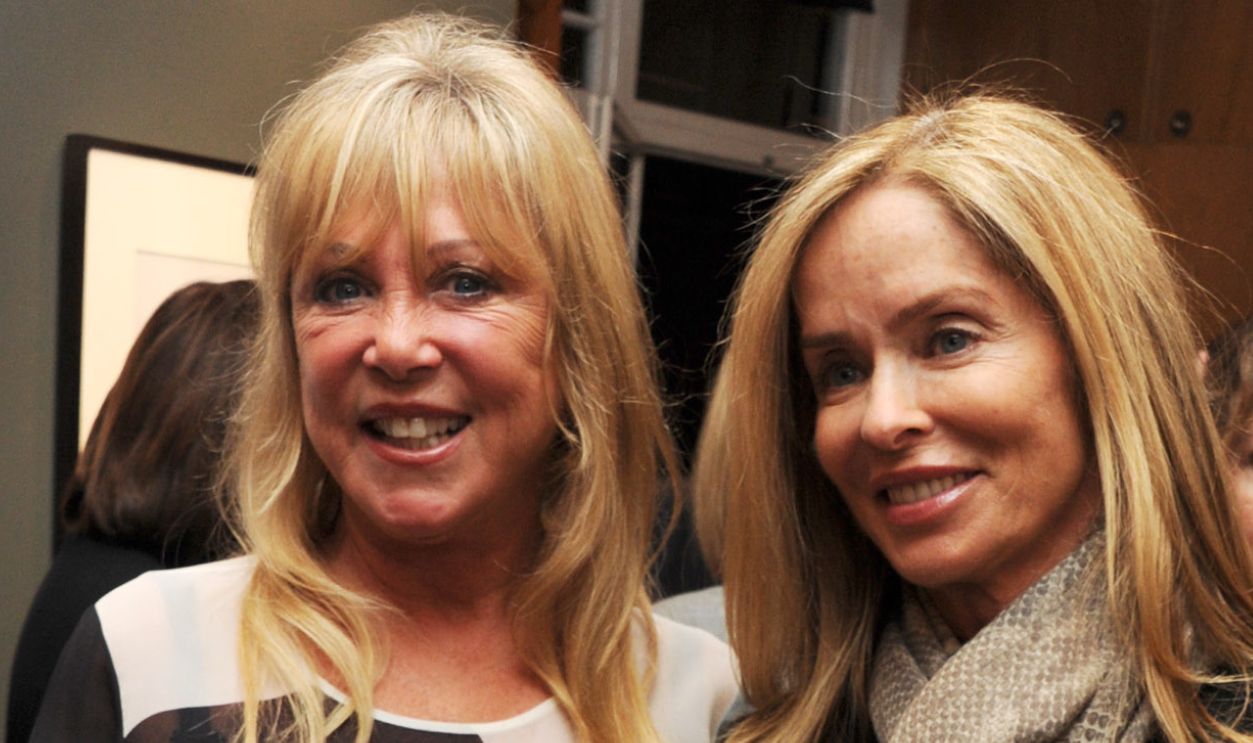
Her Real Legacy Extends Beyond 007
Bach will always be remembered as Anya Amasova, the poised Soviet agent who challenged one of cinema’s most famous heroes. Her life after Bond, however, demanded a different kind of courage as she confronted addiction, committed to recovery, and helped support people facing their own crises. Her enduring marriage to Starr and decades of sobriety give the glamorous Bond image a far deeper ending.
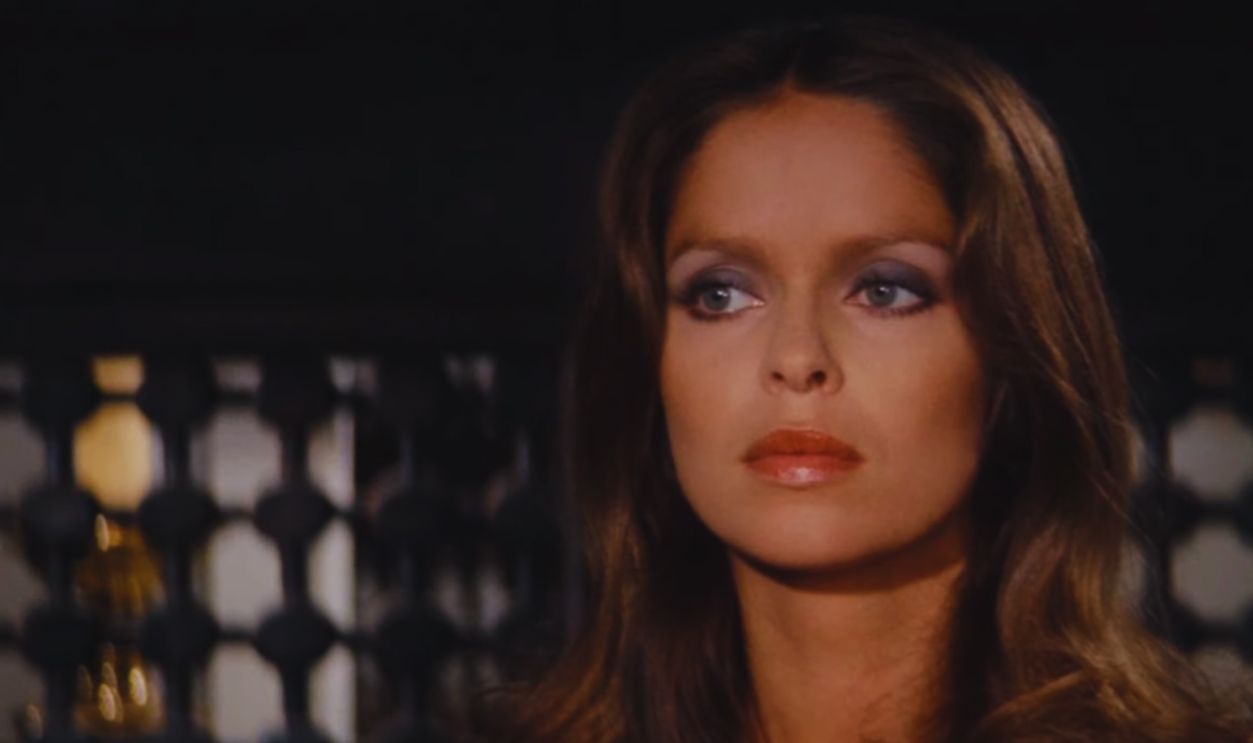 Screenshot from The Spy Who Loved Me, United Artists (1977)
You May Also Like:
Loni Anderson Became A 1970s TV Bombshell, But She Was Always Sharper Than Her Image Suggested
The Beatles Didn’t Break Up Because of Yoko Ono—They Broke Up Because of These Songs