The Blonde Who Broke The Rules
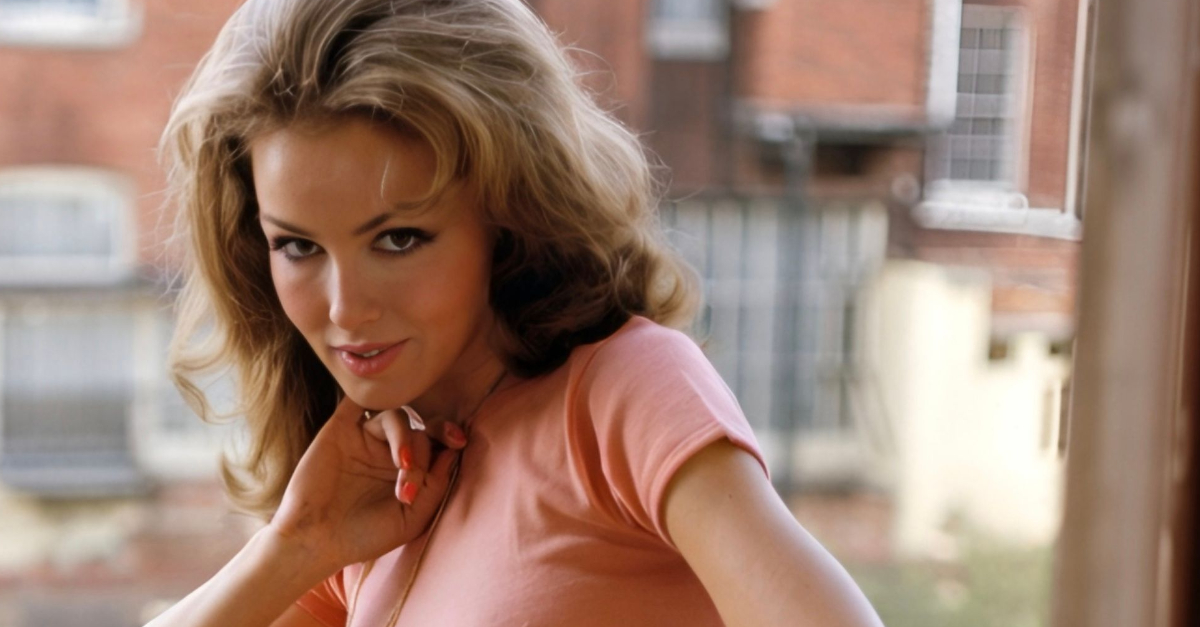
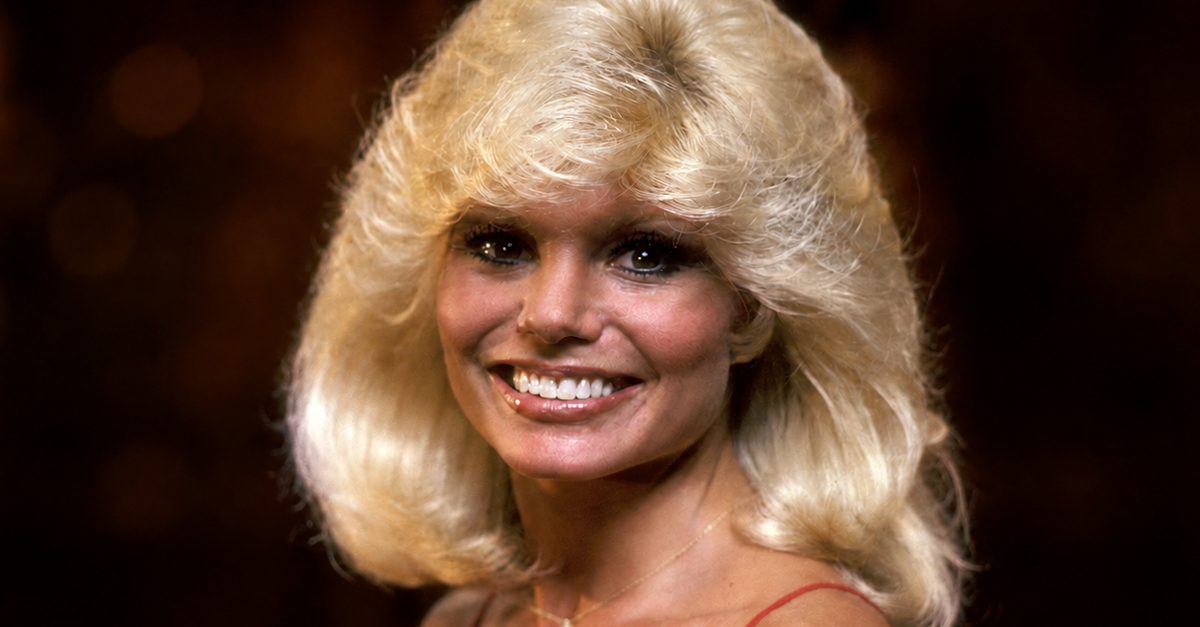
Loni Anderson became one of television’s most recognizable stars when WKRP in Cincinnati premiered in 1978. Her platinum hair, glamorous wardrobe, and camera-ready smile made her a symbol of the era. Yet the intelligence behind that image was precisely what made her performance so memorable.
Minnesota Came Before Hollywood
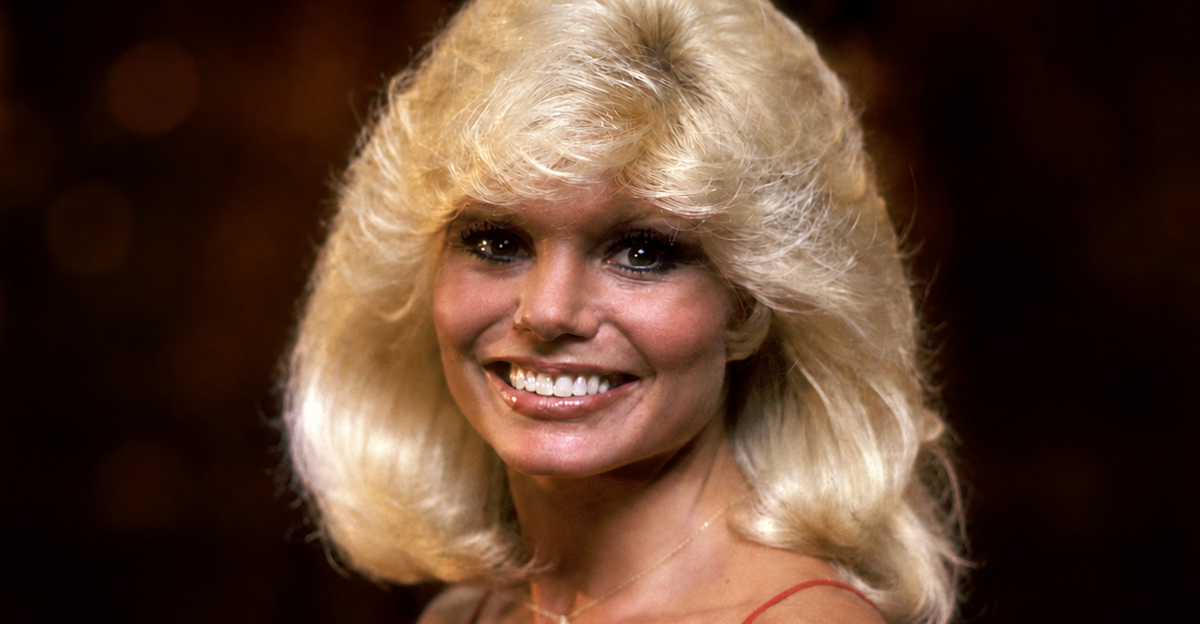
Anderson was born in Saint Paul, Minnesota, on August 5, 1945, and grew up in nearby Roseville. Her mother, Maxine, had modeled, while her father, Klaydon, worked as an environmental chemist. Hollywood glamour may have seemed distant, but Anderson was already discovering how strongly appearance could shape public perception.
Beauty Contests Put Her In The Spotlight
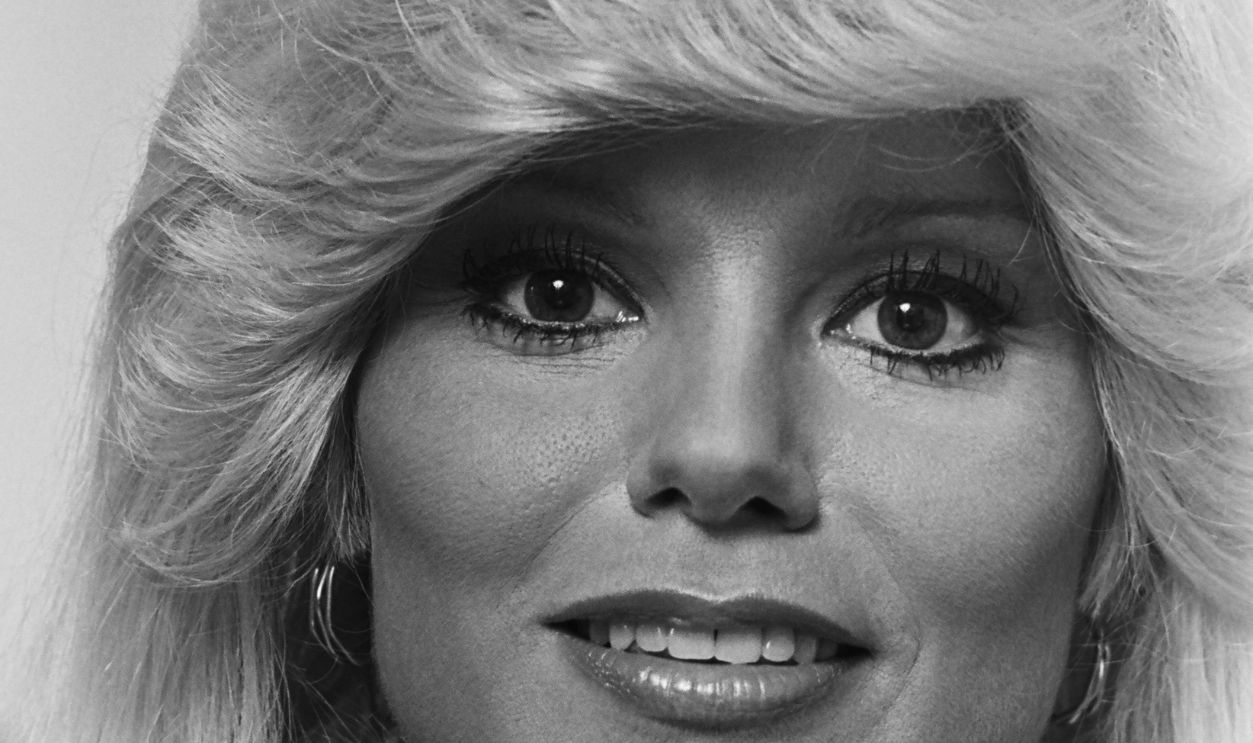
Anderson competed in beauty pageants while growing up in Minnesota and finished as a runner-up in the 1964 Miss Minnesota competition. The experience gave her confidence in front of audiences, although it also encouraged people to judge her by her looks. That contradiction would follow her throughout her career.
Art Was Her Original Focus
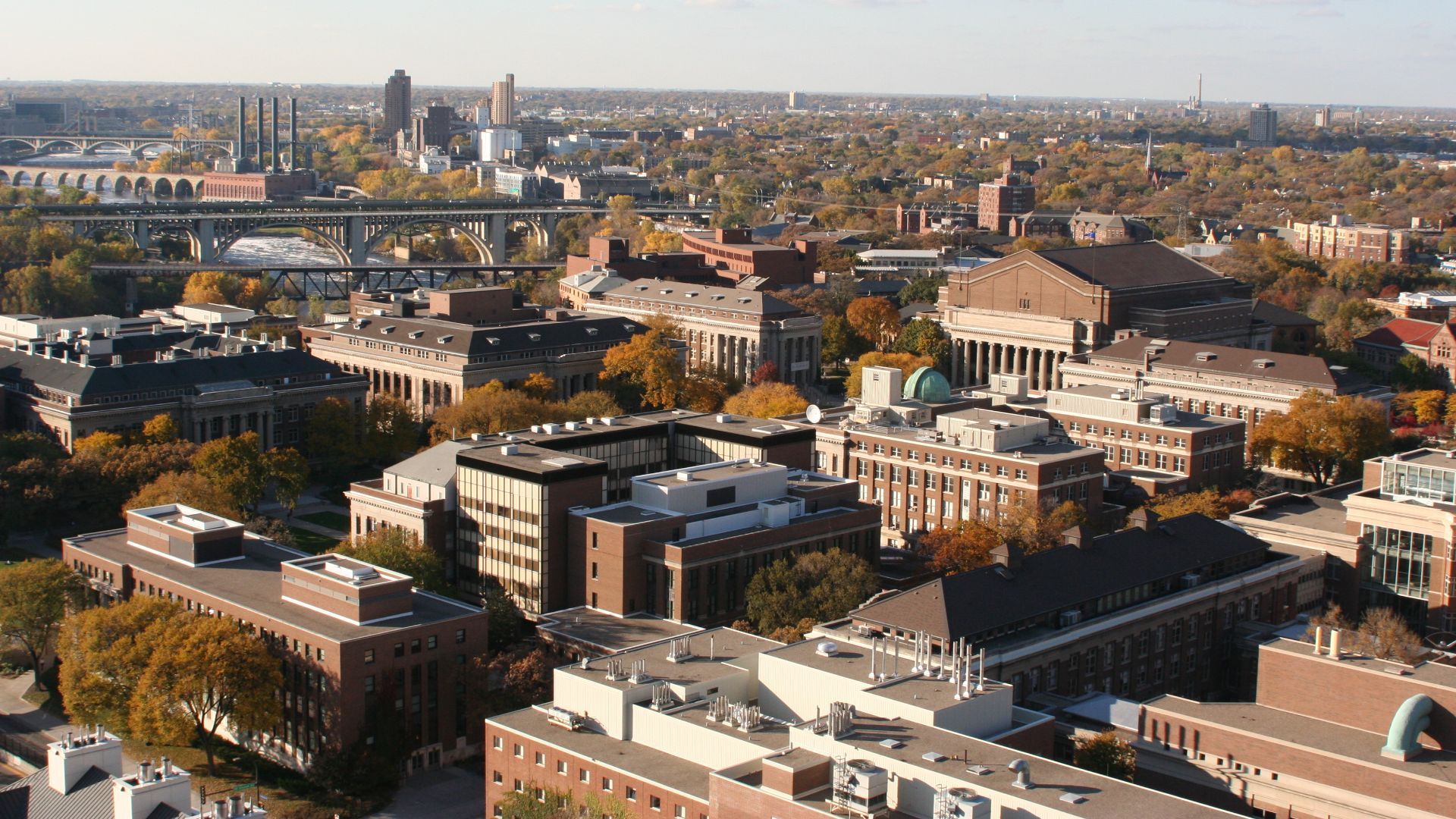
Anderson studied art at the University of Minnesota before acting became her main professional ambition. After graduating, she briefly worked as a high school teacher. The experience ended quickly, and she began looking more seriously toward the stage.
 Ben Franske, Wikimedia Commons
Minnesota Theater Became Her Training Ground
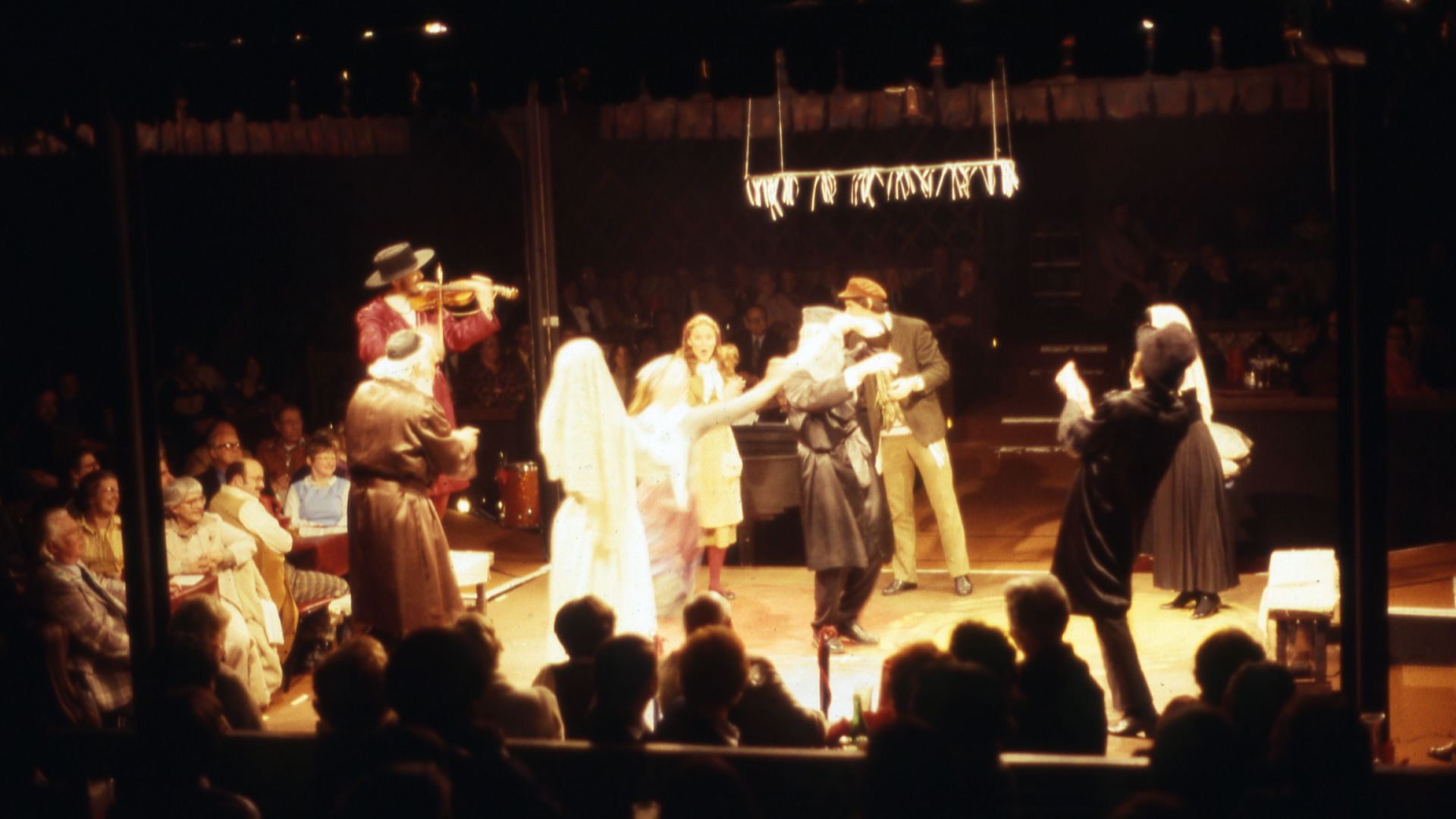
During the early 1970s, Anderson performed with community theater groups around Minneapolis and elsewhere in Minnesota. Her roles included Tzeitel in Fiddler on the Roof and Billie Dawn in Born Yesterday. Those productions allowed her to develop comic timing and stage discipline long before television audiences knew her name.
 David E. Lucas, Wikimedia Commons
A Blonde Wig Changed Everything
Anderson was naturally brunette when she auditioned to play Billie Dawn, a character strongly associated with blonde actresses. She concealed her dark hair beneath a blonde wig and won the role, later revealing the truth to the director. The enthusiastic response to her performance helped demonstrate how much a change in appearance could affect casting.
Her First Movie Role Led Nowhere
Anderson made an uncredited appearance in the 1966 Western Nevada Smith, which starred Steve McQueen. The small part did not lead to an immediate Hollywood breakthrough. Nearly a decade passed before her screen career began gaining meaningful momentum.
Los Angeles Offered A Fresh Start
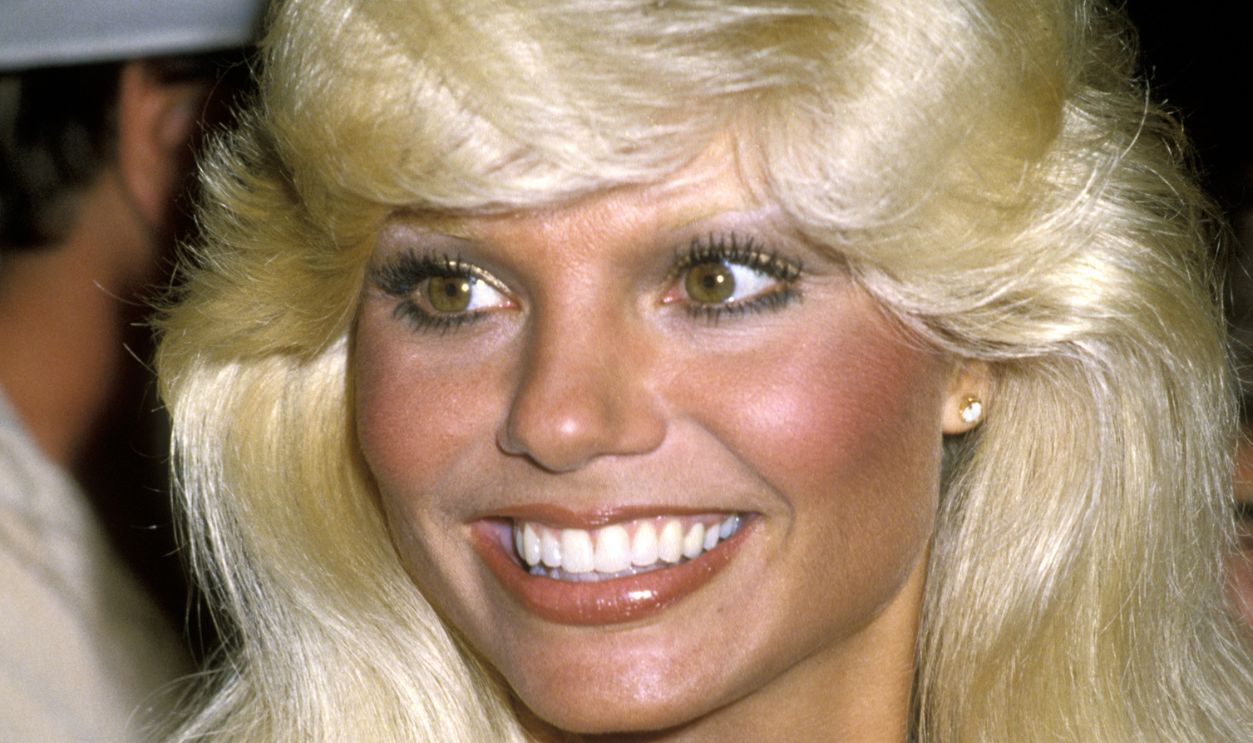
Anderson moved to Los Angeles with her second husband, actor Ross Bickell, in 1975. She wanted to pursue television and film while maintaining a schedule that could leave time for her daughter, Deidra. Once in California, she began auditioning for the small roles available to an unfamiliar performer.

Going Blonde Opened More Doors
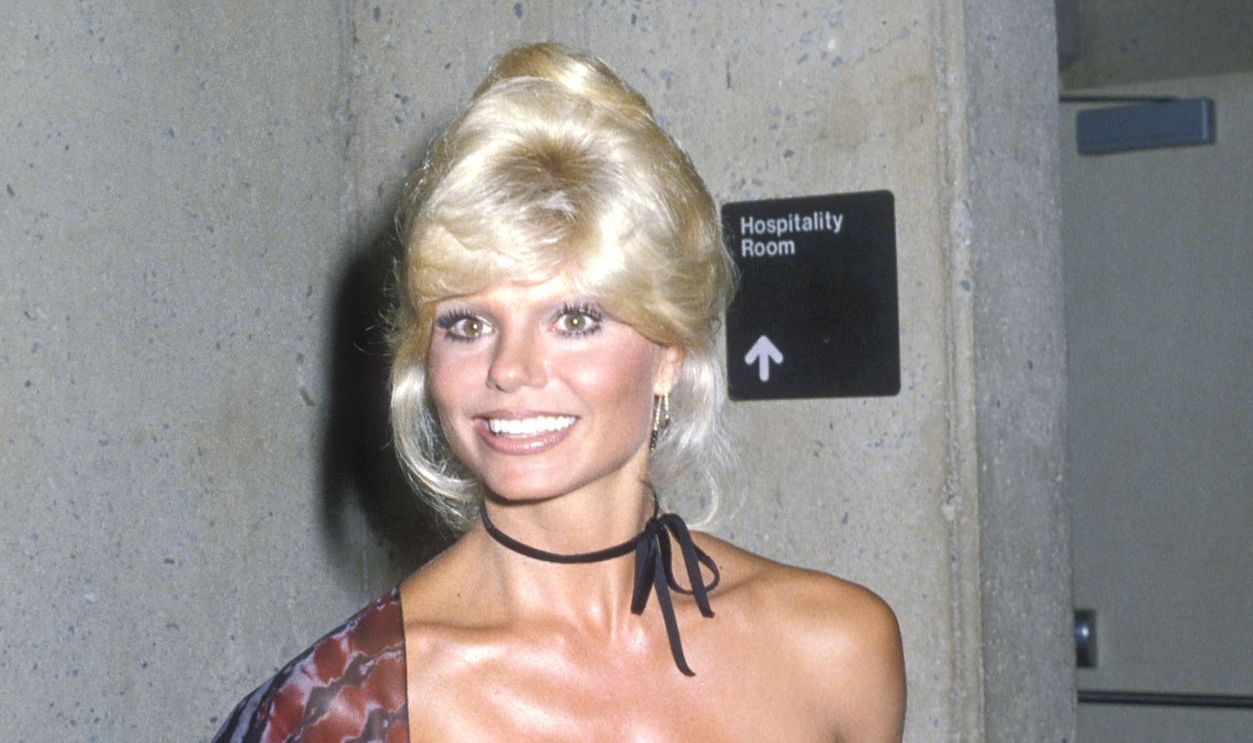
After arriving in Los Angeles, Anderson dyed her naturally dark hair platinum blonde. She later acknowledged that the lighter her hair became, the more acting work she received. The transformation helped her get noticed, but it also placed her inside a stereotype she would spend years challenging.
Guest Roles Kept Her Working
Anderson spent the 1970s appearing on popular series such as S.W.A.T., Police Woman, The Bob Newhart Show, and The Love Boat. Moving between crime dramas and comedies gave her valuable experience, but she was still waiting for a role that could make her a star.
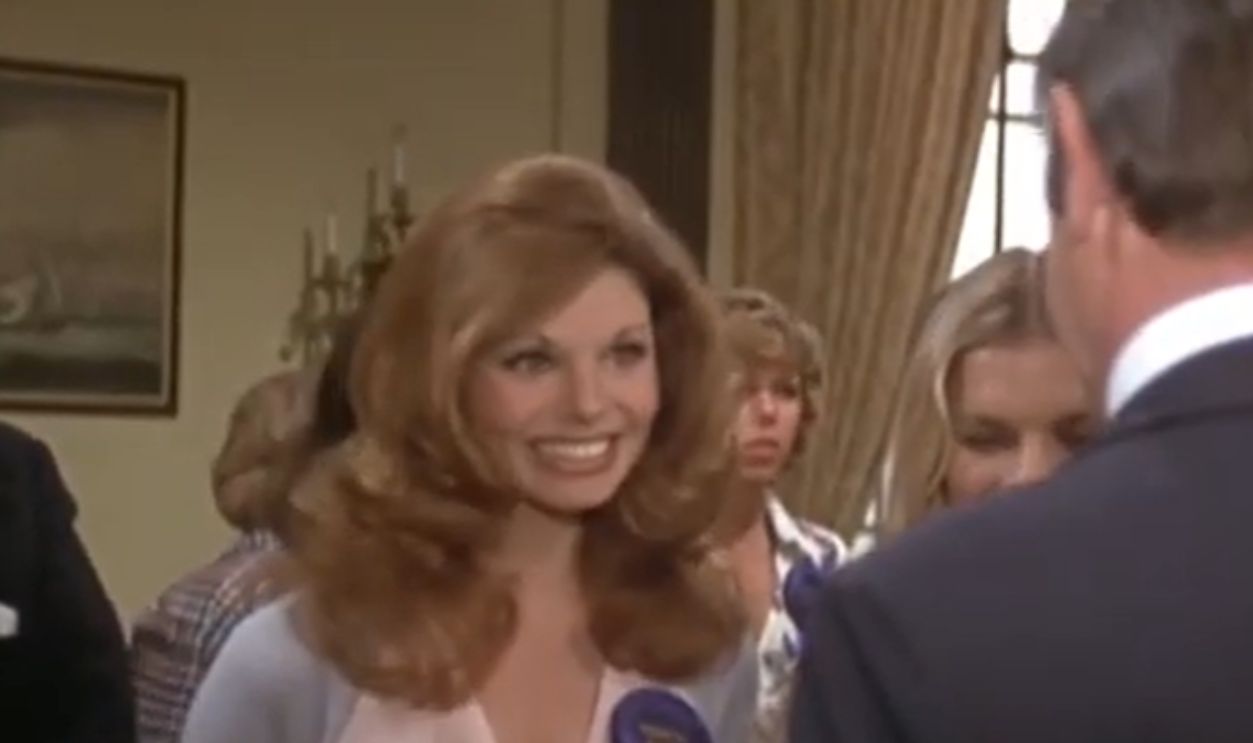 Screenshot from S.W.A.T., Columbia Pictures Television (1975–1976)
Jennifer Marlowe Looked Like A Stereotype
That opportunity arrived when Anderson auditioned for WKRP in Cincinnati, a sitcom about the staff of a struggling radio station. Jennifer Marlowe was initially conceived as a glamorous blonde receptionist with little purpose beyond decoration. Anderson immediately recognized that such a limited character would become tiresome.
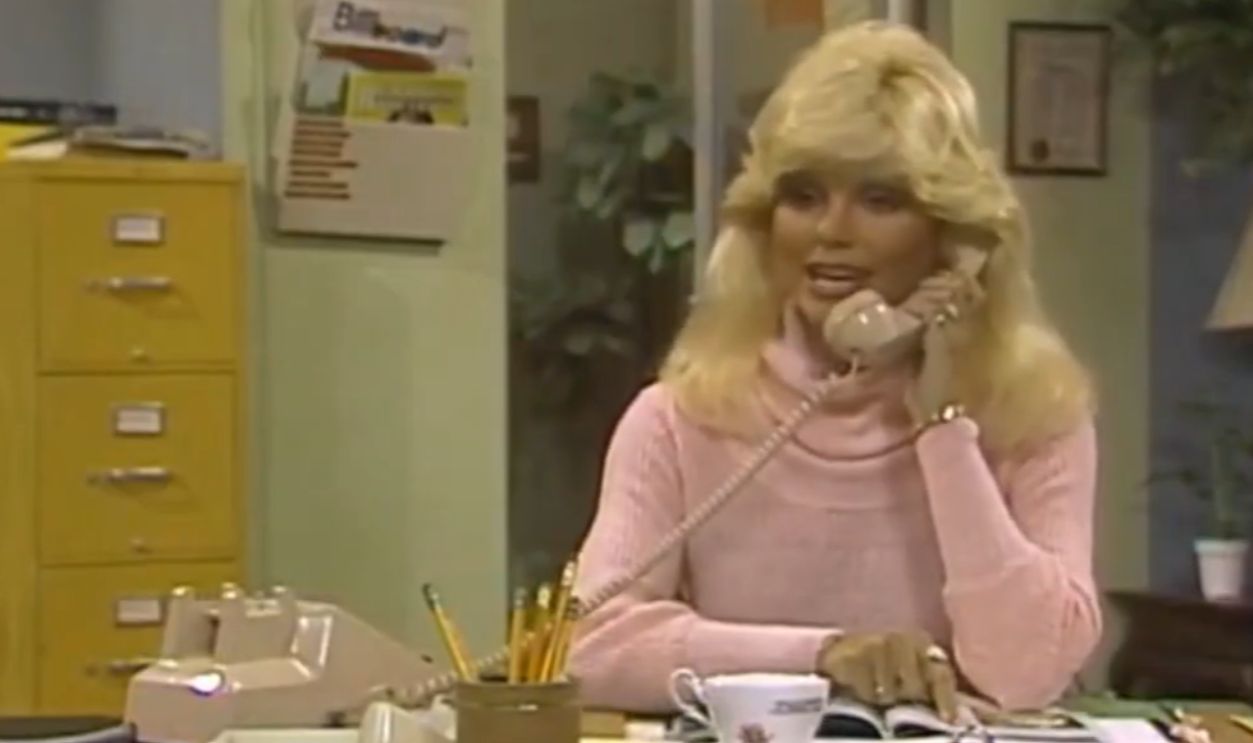 Screenshot from WKRP in Cincinnati, MTM Enterprises (1978–1982)
She Challenged The Role At Her Audition
Rather than politely accepting the material, Anderson questioned why Jennifer existed only to deliver messages and attract attention. She proposed making the character look like a classic Hollywood bombshell while being the smartest person in the room. Anderson initially worried that criticizing the writing had destroyed her chances of being hired.
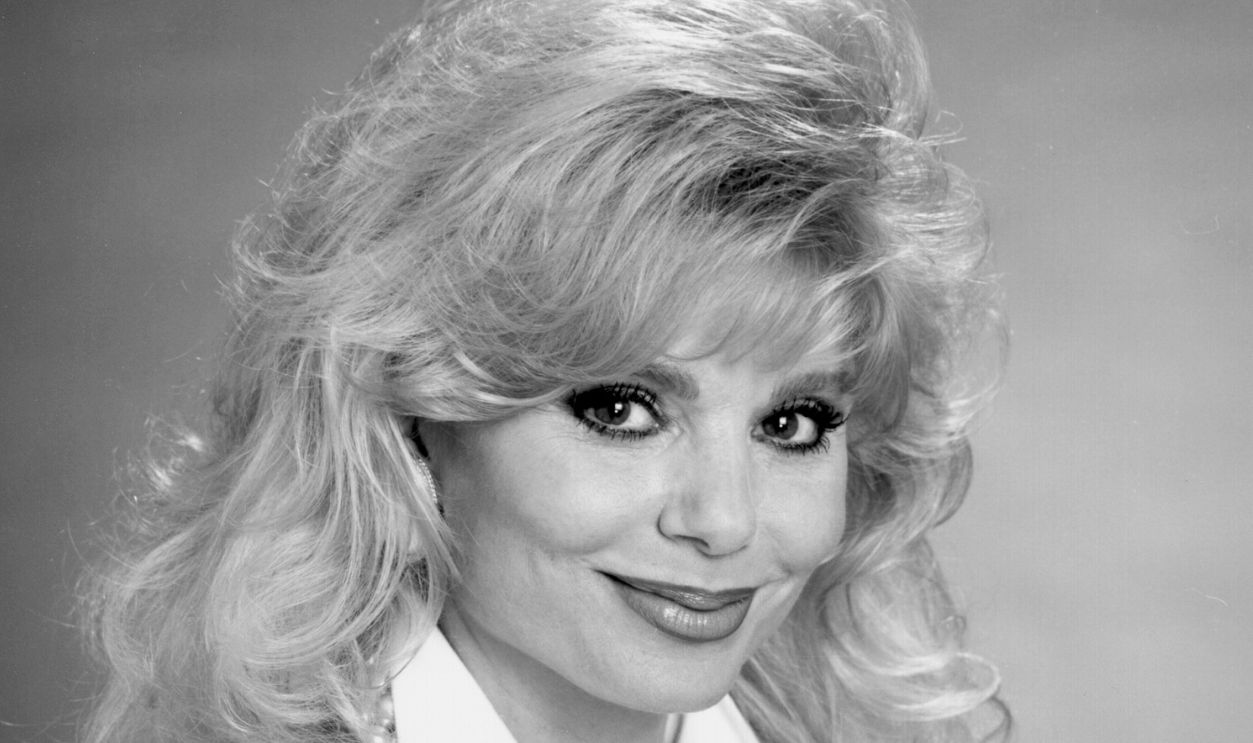 Michael Ochs Archives, Getty Images
Talking Back Won Her The Part
Series creator Hugh Wilson responded to Anderson’s argument instead of rejecting it. Jennifer was reshaped as a cool, capable professional who understood the station better than nearly everyone around her. Anderson’s willingness to challenge the original concept helped create the role that changed her life.
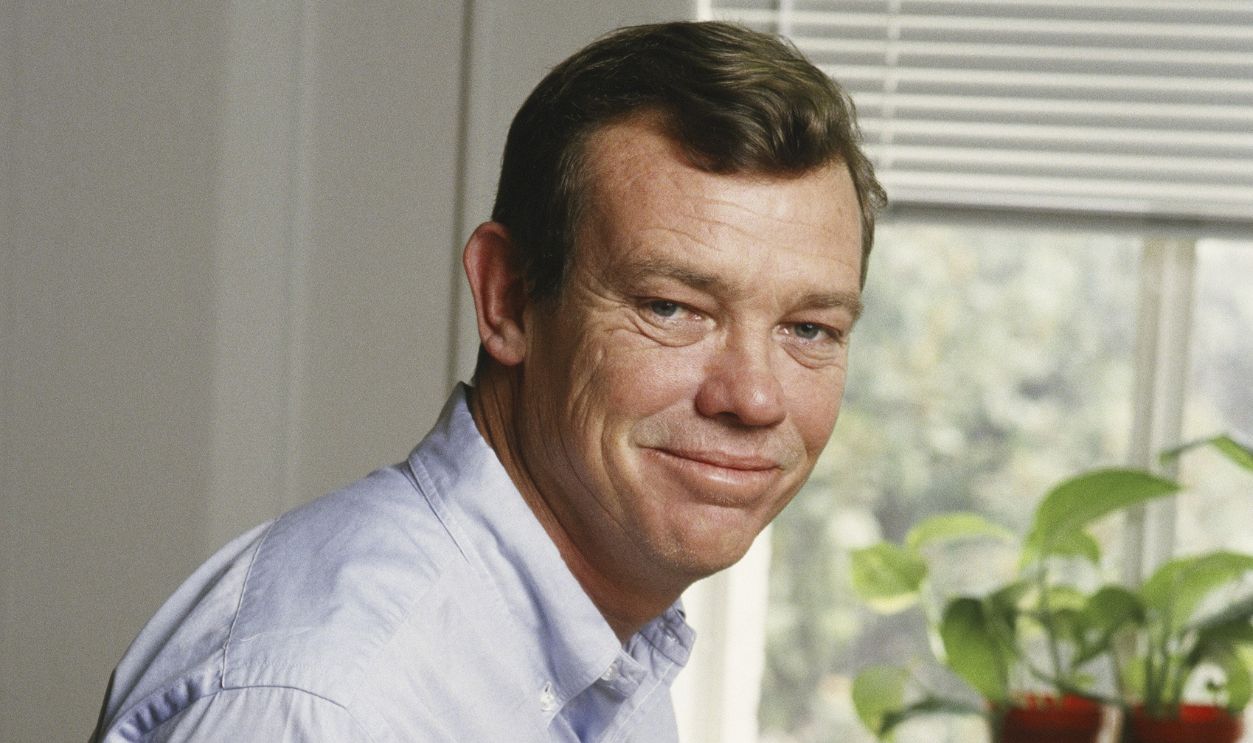
Jennifer Quietly Ran The Station
On WKRP in Cincinnati, Jennifer handled unwanted callers and repeatedly protected general manager Arthur Carlson from chaos. She refused to make coffee, take dictation, or behave like a traditional subservient secretary. The joke was rarely that Jennifer could not do the work, but that the station would struggle without her.
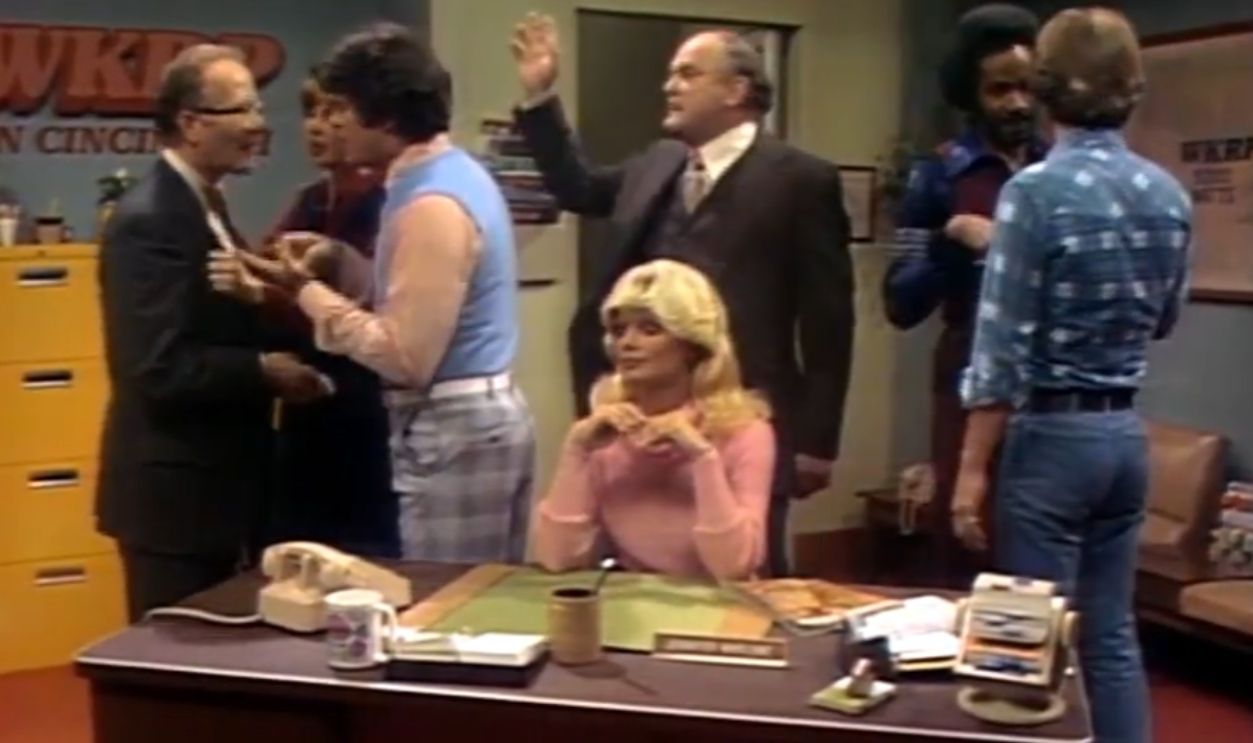 Screenshot from WKRP in Cincinnati, MTM Enterprises (1978–1982)
Her Glamour Became Part Of The Joke
Jennifer wore fashionable clothes and knew exactly how much attention she attracted. She also remained calm when salesman Herb Tarlek and other men behaved foolishly around her. Rather than making Jennifer the target of every joke, the show frequently let her expose the foolishness of the people who underestimated her.
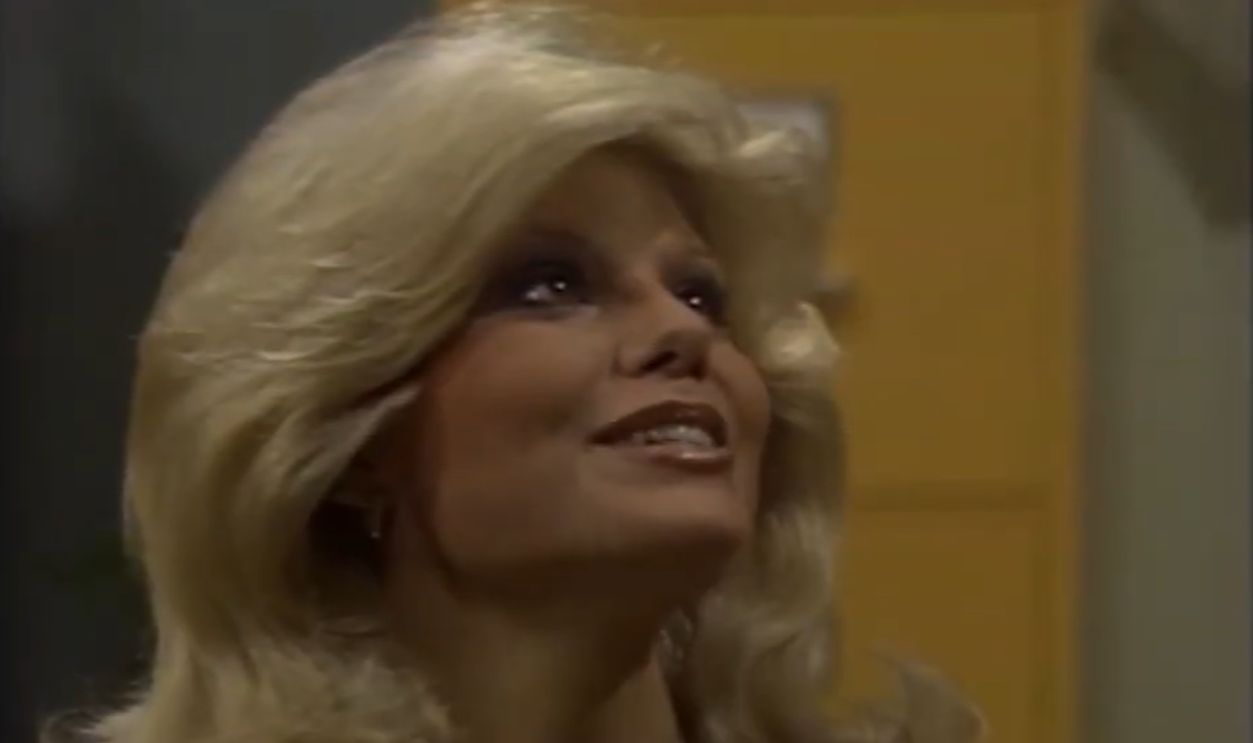 Screenshot from WKRP in Cincinnati, MTM Enterprises (1978–1982)
Audiences Saw More Than A Bombshell
Anderson believed viewers responded to the combination of Jennifer’s beauty and competence. The character did not have to hide her femininity to command respect, an unusual balance for a late-1970s sitcom. Decades later, Anderson described Jennifer as the smartest person in the room and imagined her eventually becoming a CEO.
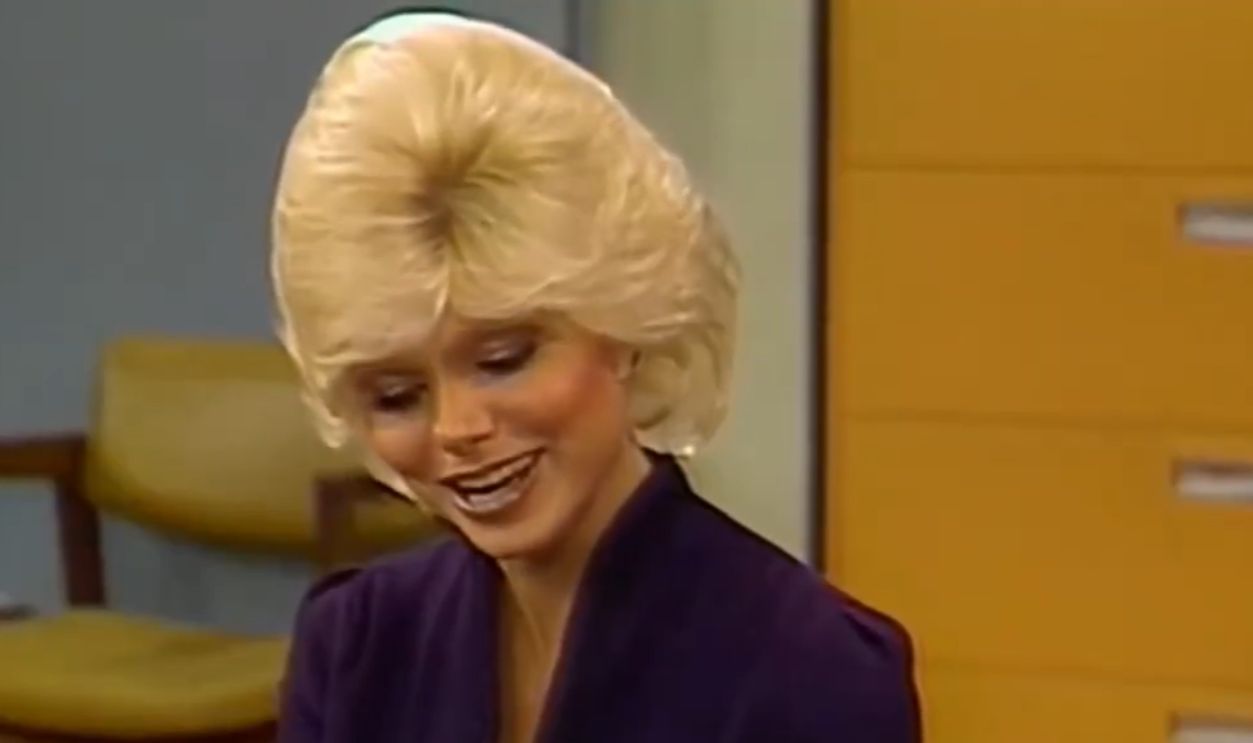 Screenshot from WKRP in Cincinnati, MTM Enterprises (1978–1982)
Awards Confirmed Her Comic Talent
Anderson received two Emmy nominations for her work on WKRP in Cincinnati. She also earned three Golden Globe nominations while the series was on the air. Those honors recognized the comic performance beneath the hairstyle, clothes, and carefully cultivated star image.
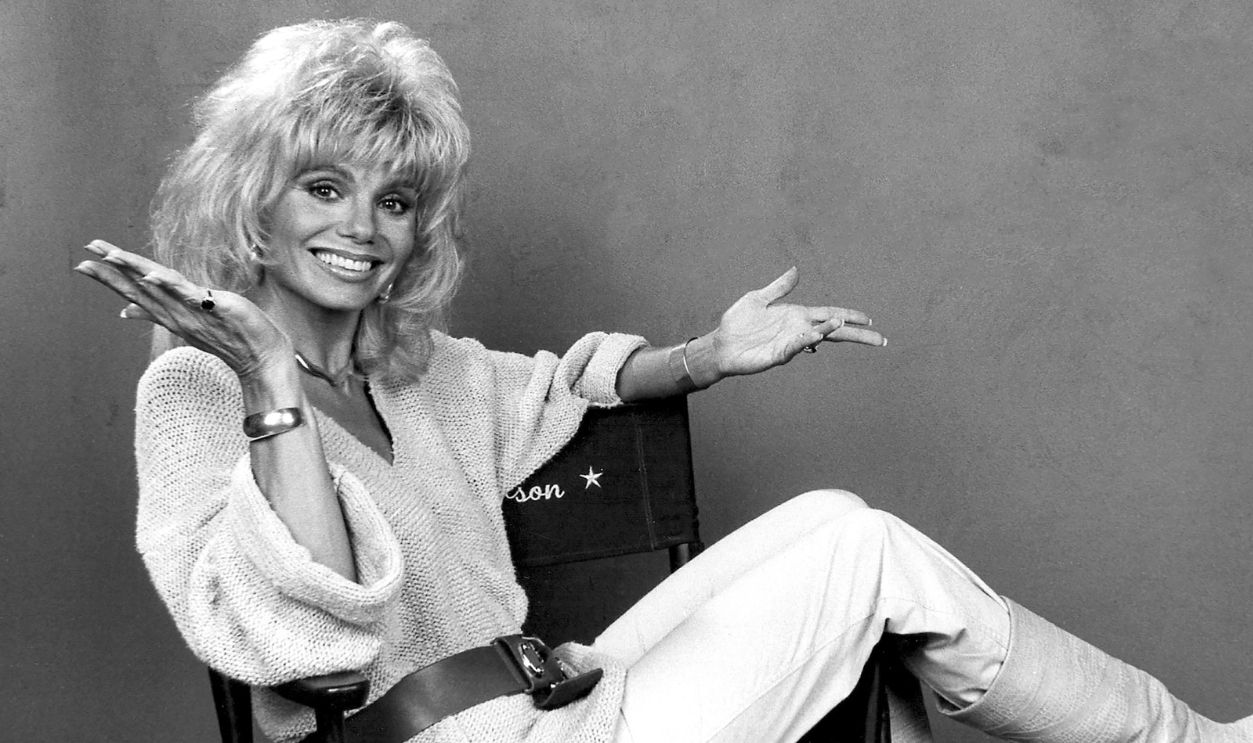
Fame Arrived Almost Overnight
As WKRP grew in popularity, Anderson became a frequent subject of magazine covers, promotional photographs, and television interviews. She was suddenly treated as a major sex symbol rather than a working actor who had spent years chasing small parts. The attention created opportunities, but it also made separating Anderson from Jennifer increasingly difficult.
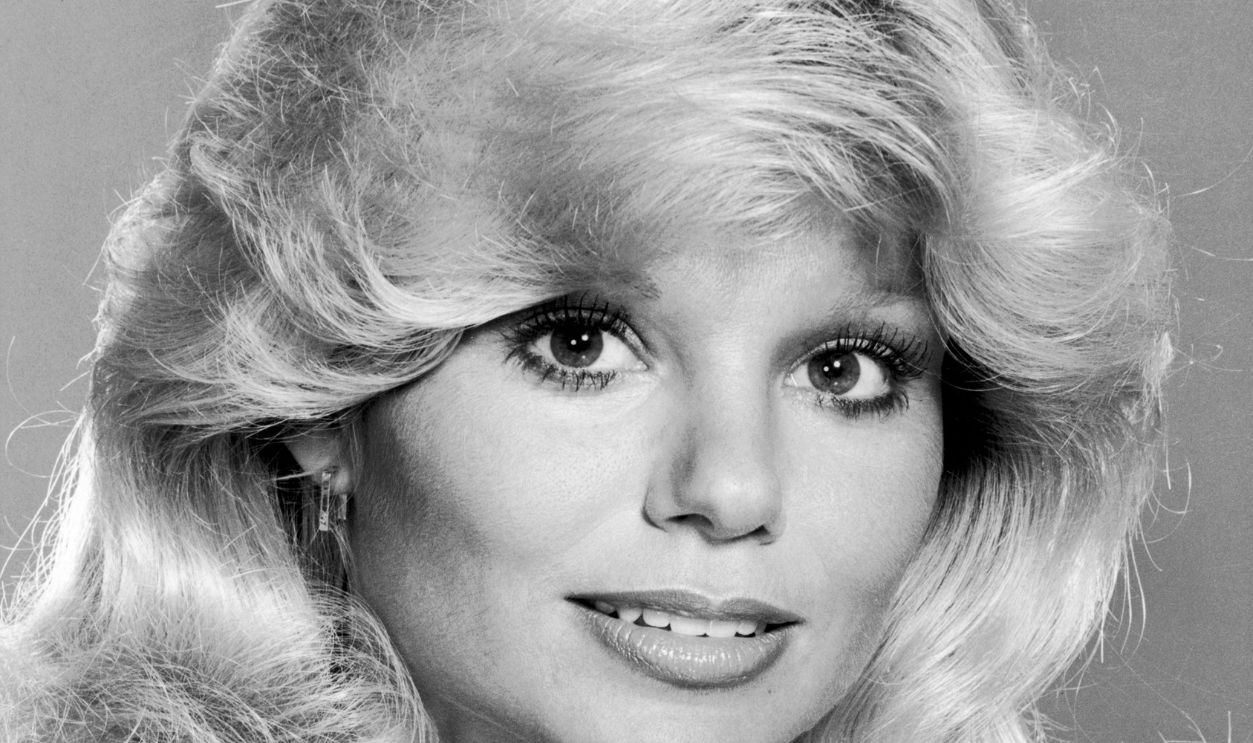 CBS Photo Archive, Getty Images
Jayne Mansfield Was A Revealing Choice
Anderson played another famous blonde in the 1980 television movie The Jayne Mansfield Story. Arnold Schwarzenegger portrayed Mansfield’s bodybuilder husband, Mickey Hargitay, early in his acting career. Anderson understood the role’s irony because Mansfield had also been more intelligent and self-aware than her bombshell persona suggested.
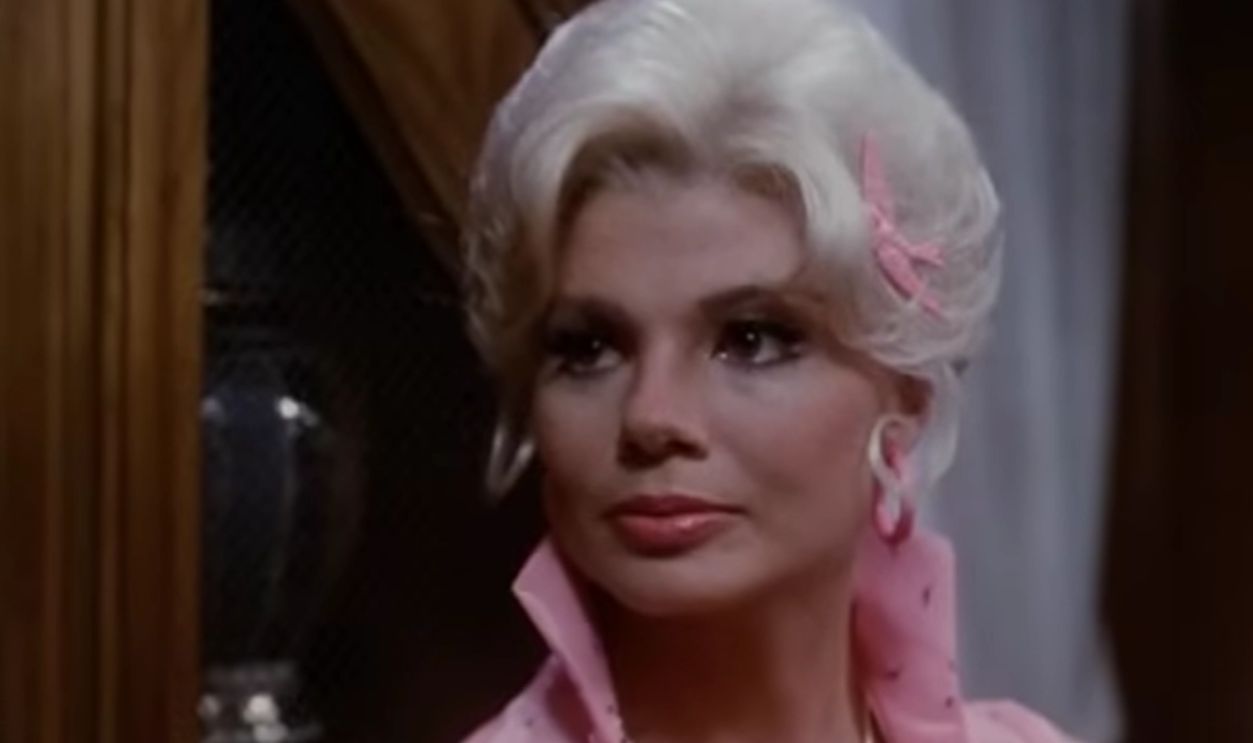 Screenshot from The Jayne Mansfield Story, CBS (1980)
Leaving WKRP Created New Challenges
WKRP in Cincinnati ended its original CBS run in 1982 after four seasons. Anderson was now famous enough to headline projects, but many producers still wanted a variation of Jennifer Marlowe. Her next major film demonstrated both the advantages and limitations of that fame.
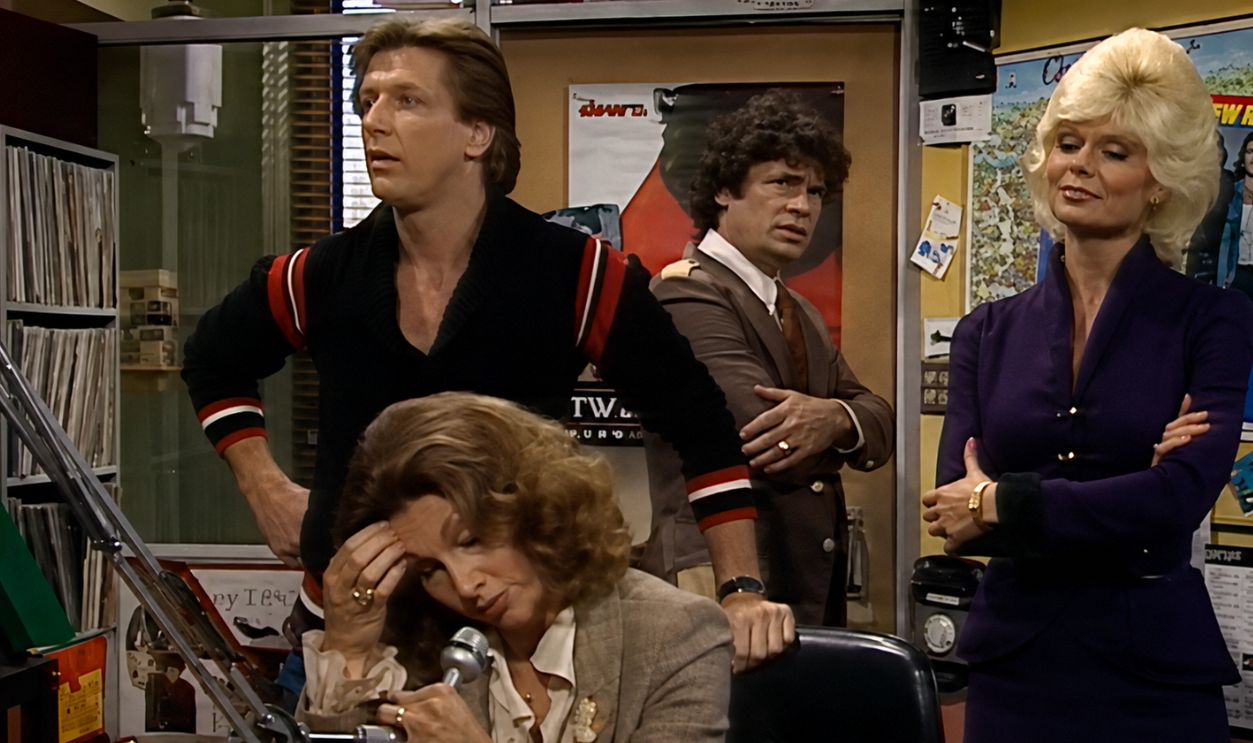 Screenshot from WKRP in Cincinnati, MTM Enterprises (1978–1982), Modified
Stroker Ace Mixed Business With Romance
Anderson appeared opposite Burt Reynolds in the 1983 racing comedy Stroker Ace. She played Pembrook Feeney, a marketing professional assigned to manage Reynolds’s reckless driver. The film disappointed critics and audiences, but Anderson’s relationship with its leading man soon became a much larger story.
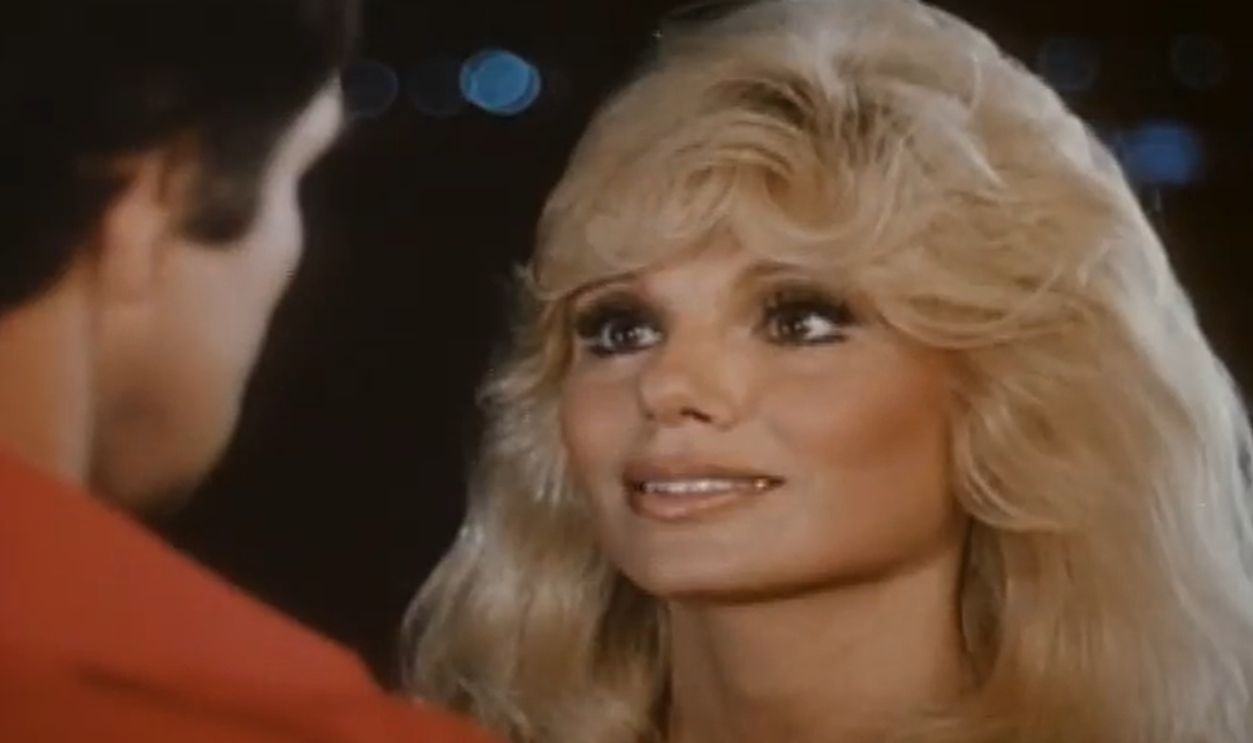 Screenshot from Stroker Ace, Universal Pictures (1983)
Television Remained Her Strongest Home
Anderson teamed with Lynda Carter in the 1984 series Partners in Crime, playing widows who operate a detective agency. She later starred as wealthy widow L.K. McGuire in the sitcom Easy Street. Neither program matched WKRP, but both allowed Anderson to play women with authority and independence.
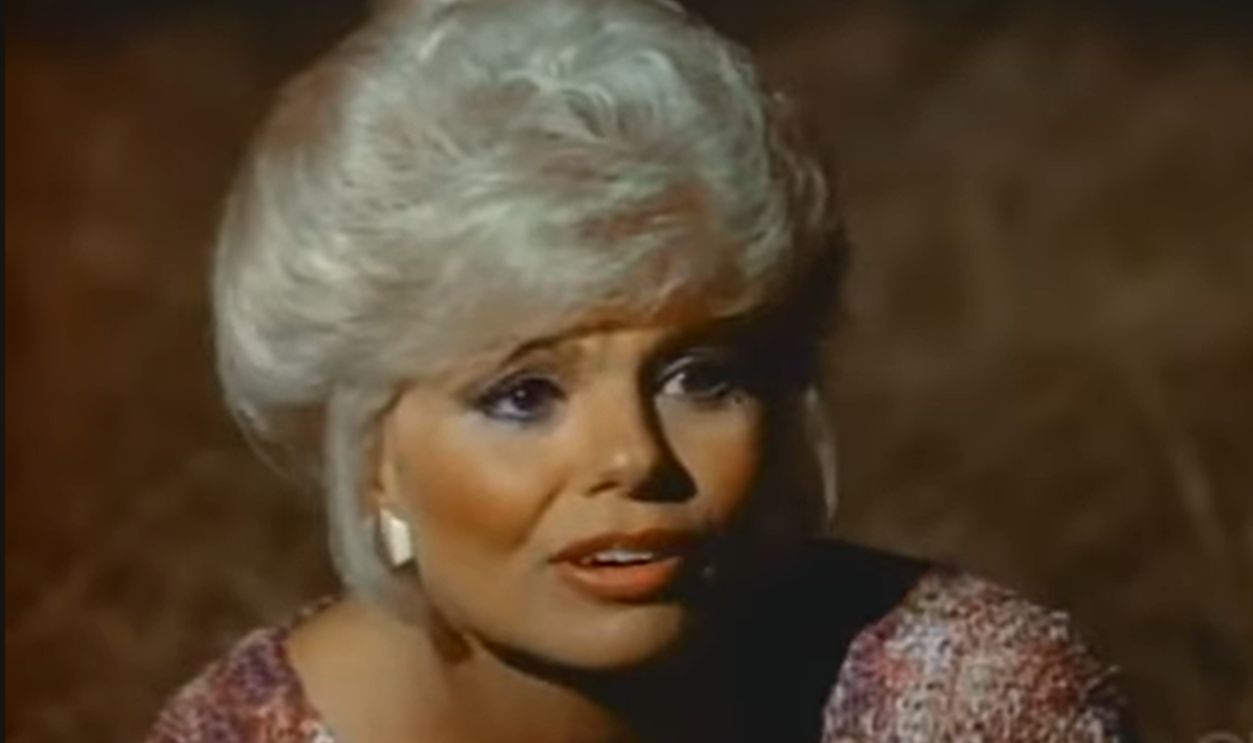 Screenshot from Partners in Crime, NBC (1984)
Hollywood Turned Her Marriage Into Entertainment
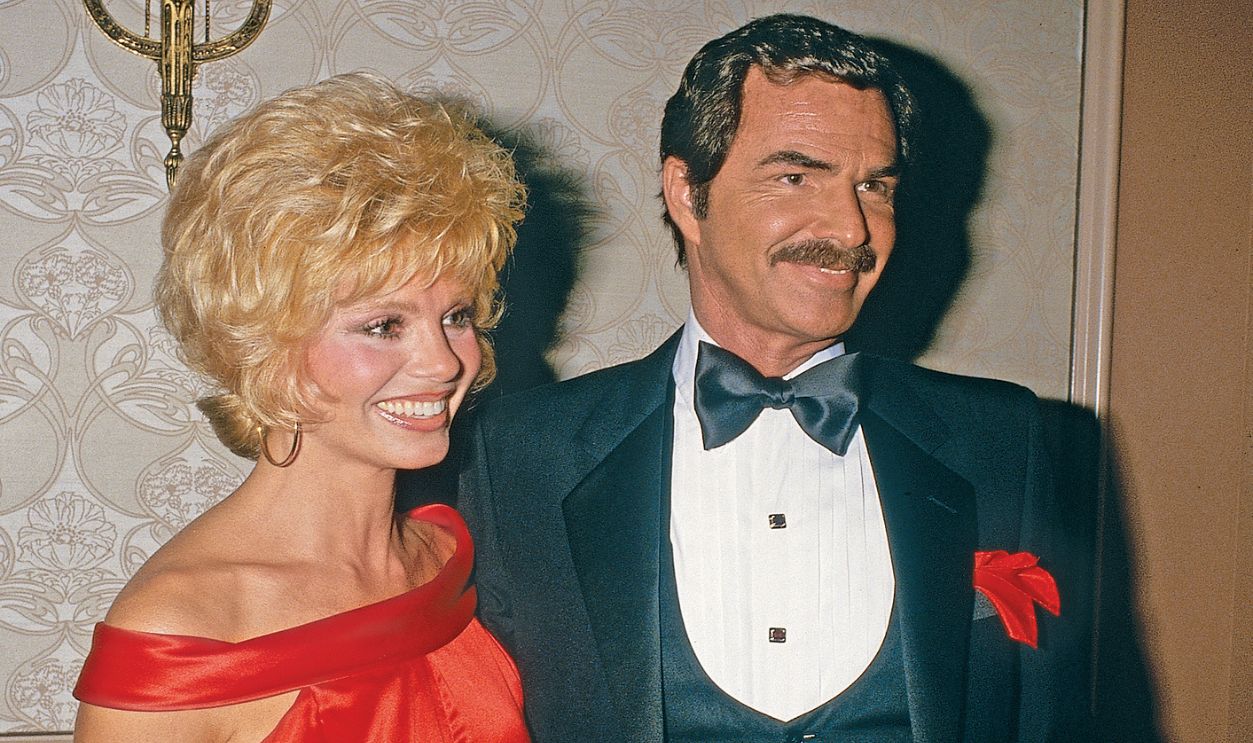
Anderson and Reynolds married in 1988 after years as one of Hollywood’s most closely watched couples. Their glamorous public appearances encouraged the press to treat the relationship like an ongoing television show. Behind that polished image, the marriage was becoming increasingly troubled.
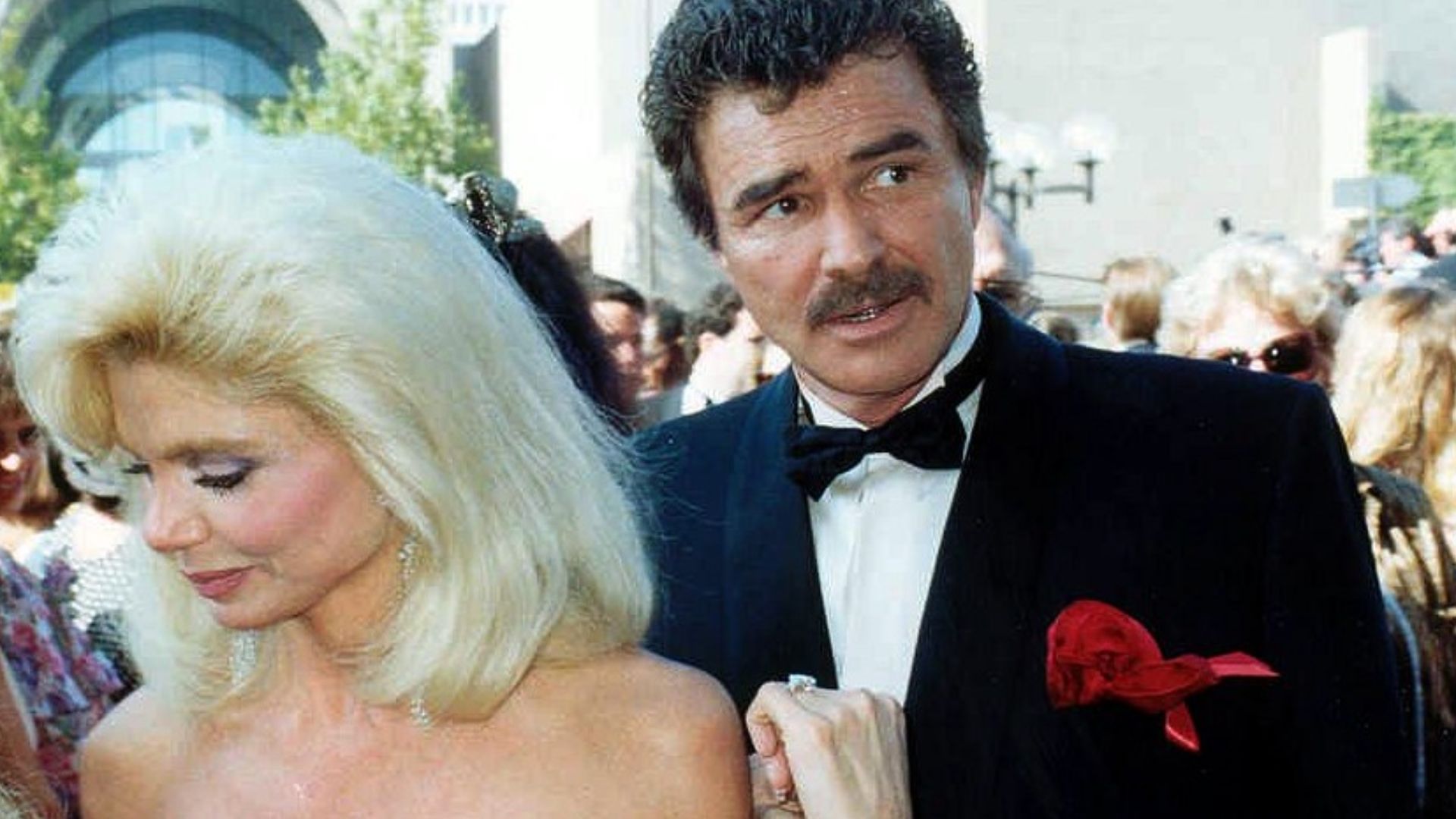
Their Divorce Became A Tabloid Spectacle
Reynolds and Anderson separated in 1993, and their divorce was finalized the following year. Both made serious accusations during the bitter public dispute, while Anderson later alleged that Reynolds had physically abused her. The media coverage often reduced a painful family breakdown to celebrity entertainment.
She Finally Told Her Own Story
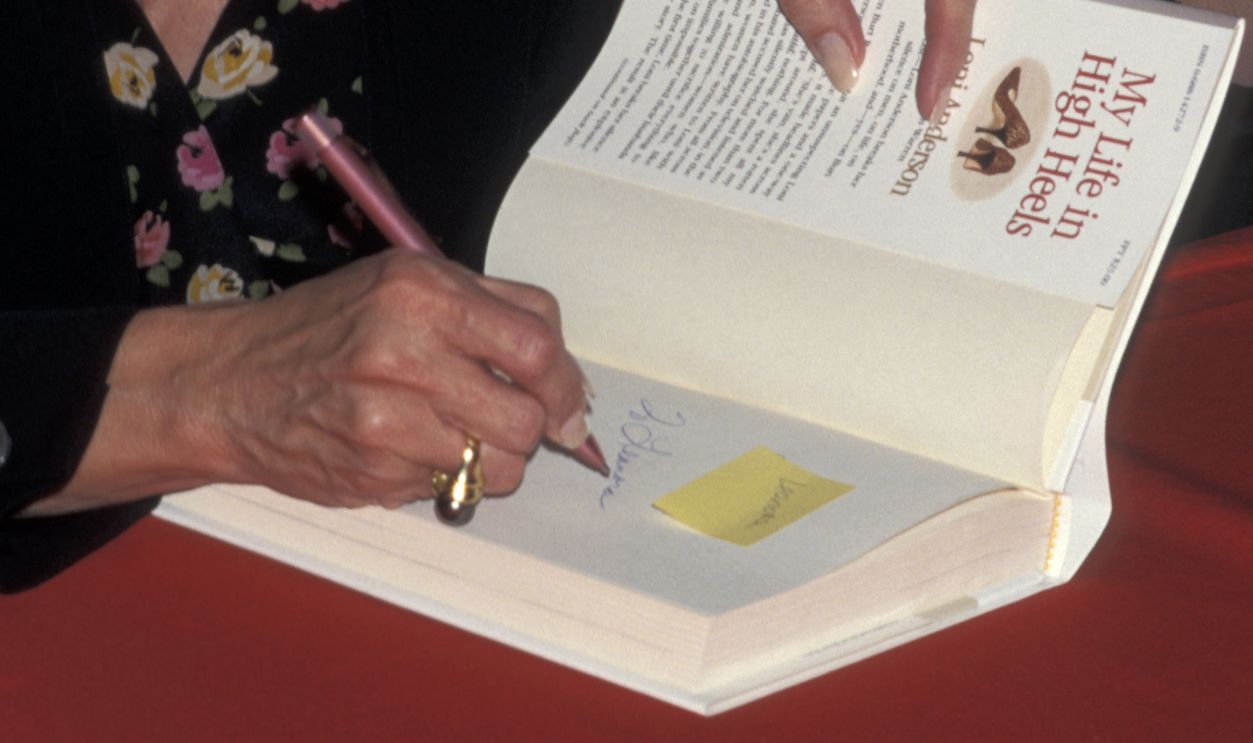
In 1995, Anderson published the autobiography My Life in High Heels. She described it as the story of a woman’s growth and survival rather than simply a response to tabloid claims. Writing the book gave her an opportunity to speak after years in which others had defined both her marriage and public image.
 Ron Galella, Ltd., Getty Images
She Used Fame To Support A Serious Cause
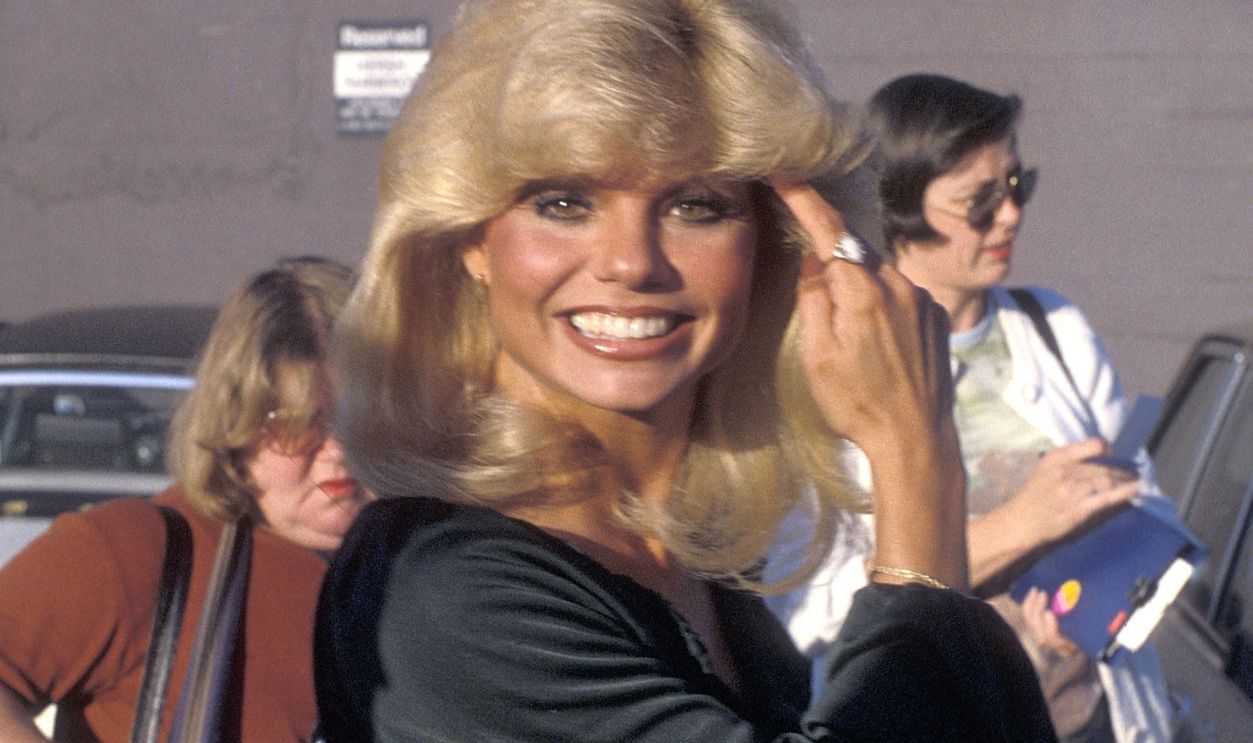
Anderson became a spokesperson for chronic obstructive pulmonary disease awareness after watching both of her parents suffer from the illness. She discussed the effects of smoking and the difficulties faced by family caregivers. Her advocacy gave her public profile a purpose far removed from Hollywood glamour.
She Never Let The Image Have The Last Word
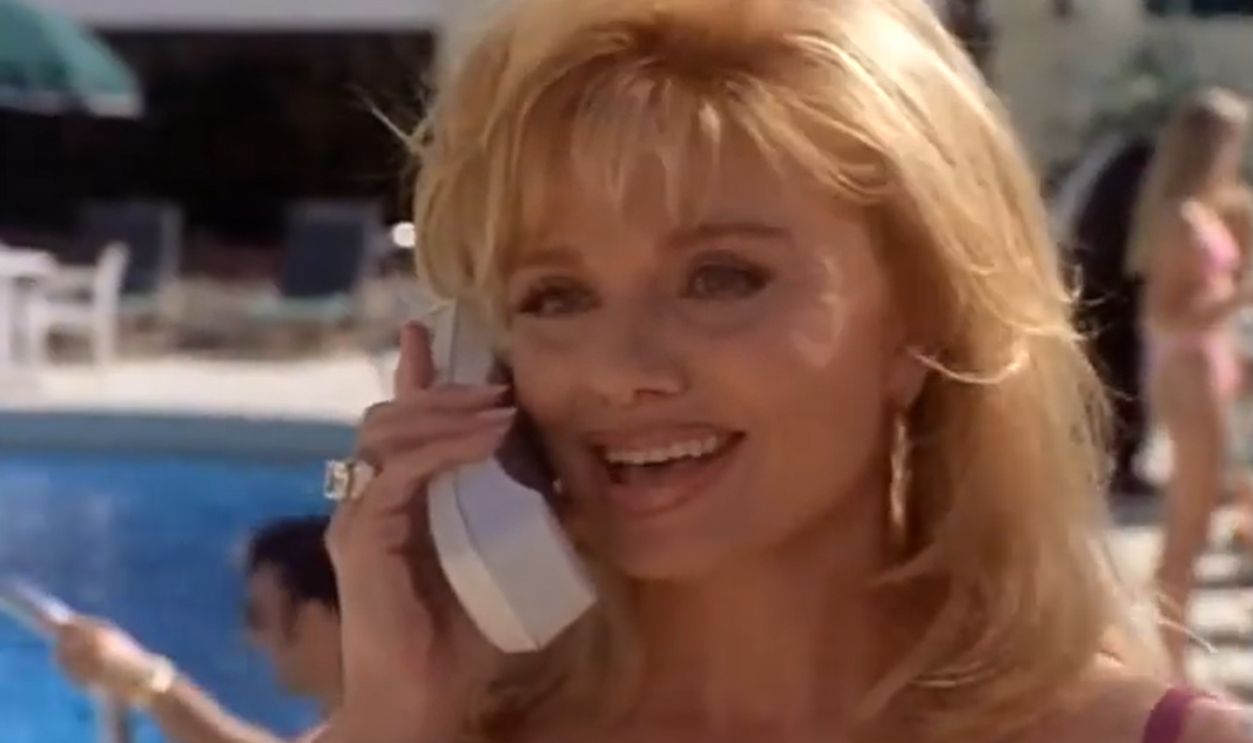
Anderson continued acting in projects including Nurses, Melrose Place, Sabrina the Teenage Witch, So NoTORIous, and My Sister Is So Gay. Her final screen appearance came in the 2023 Lifetime movie Ladies of the ’80s: A Divas Christmas, alongside Linda Gray, Morgan Fairchild, Donna Mills, and Nicollette Sheridan. When Anderson died on August 3, 2025, at 79, she left behind a character who proved that a woman could embrace glamour without surrendering intelligence, authority, or ambition.
 Screenshot from Melrose Place, Fox Television (1992–1999)
You May Also Like:
What Happened To The Cast Of WKRP In Cincinnati?
The Unexpected Role That WKRP In Cincinnati Star Gordon Jump Ended Up In After His Sitcom Success