The Angel Who Set a Trap
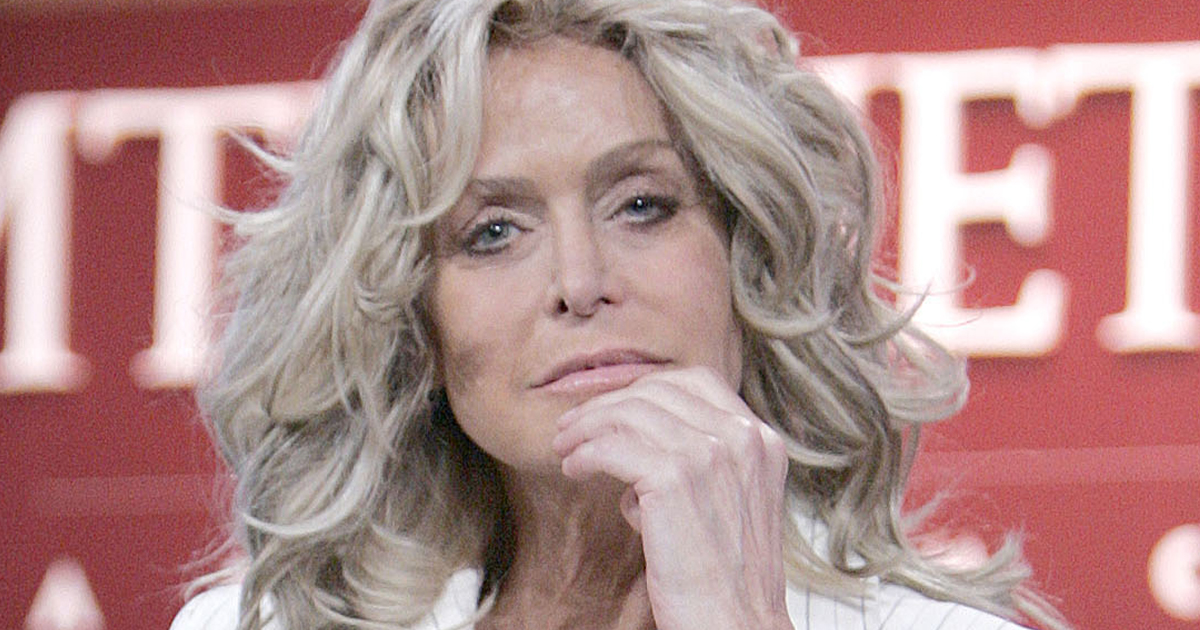
Farrah Fawcett was fighting a rare cancer when intimate details of her treatment began appearing in the tabloids. Convinced someone inside UCLA Medical Center was selling her secrets, the actress devised a remarkably simple sting—and waited for the betrayer to expose themselves.
America’s Golden Girl
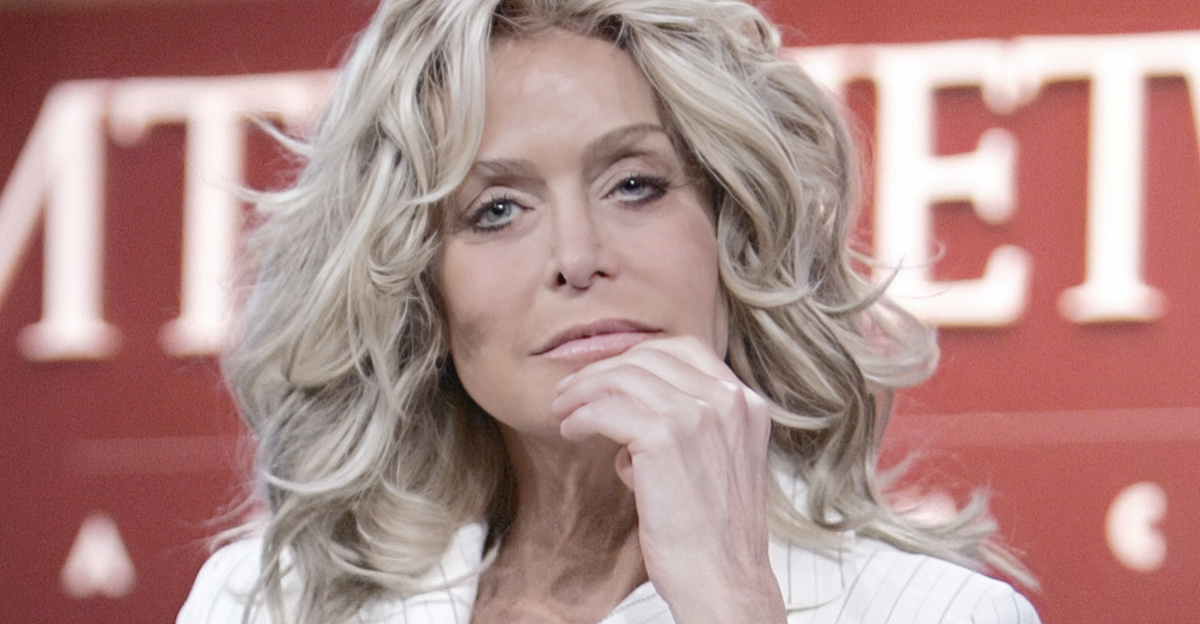
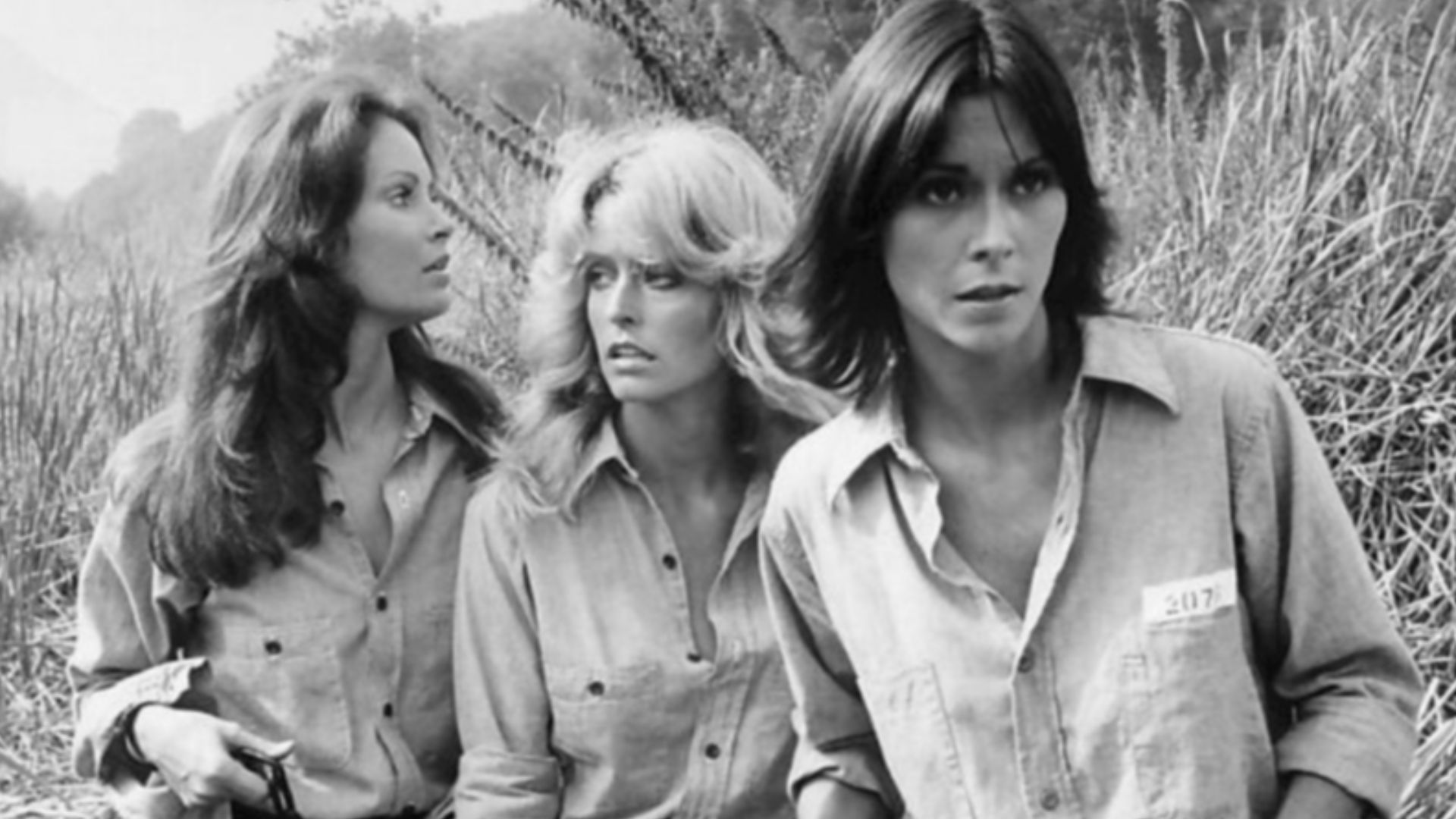
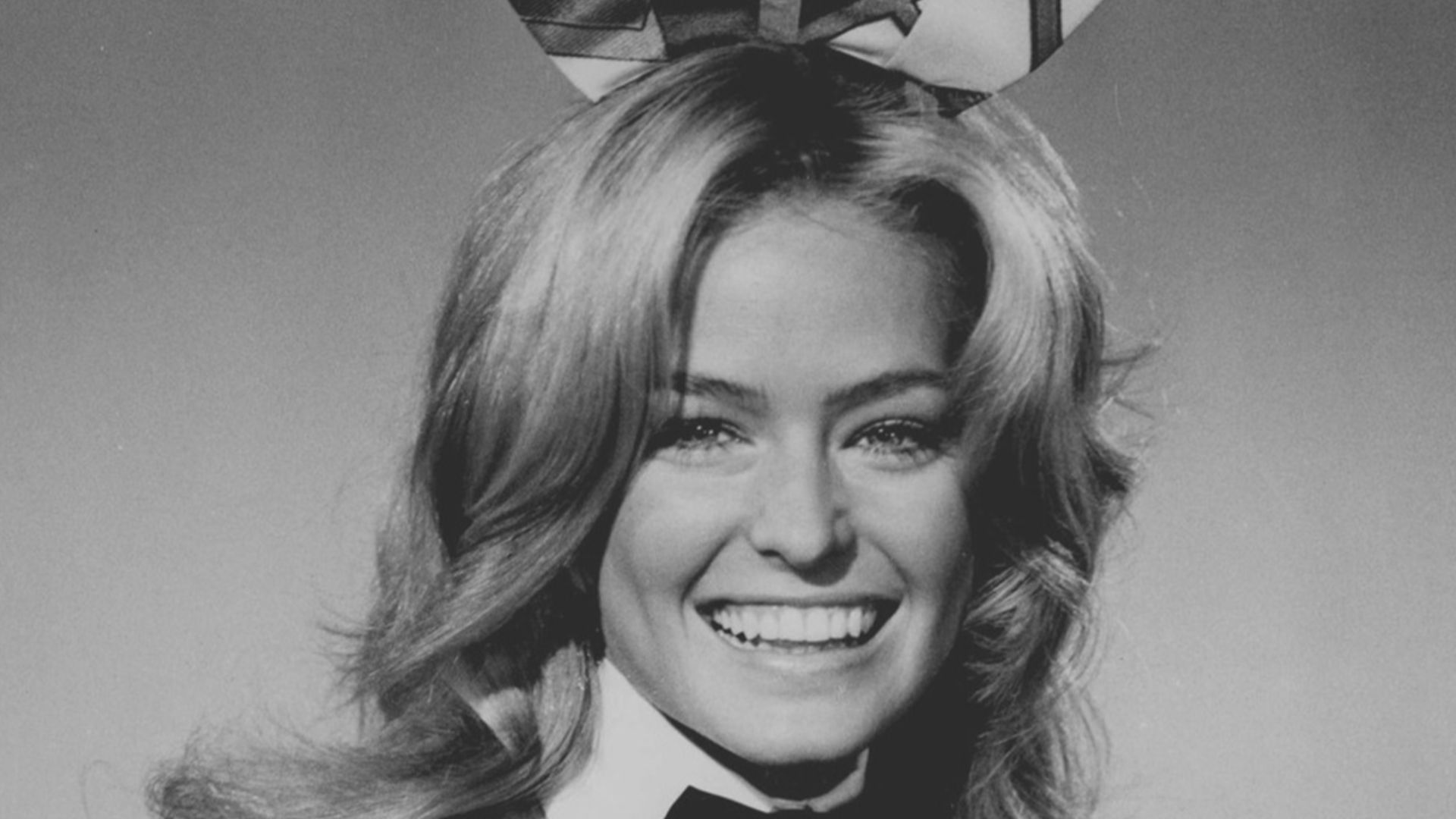
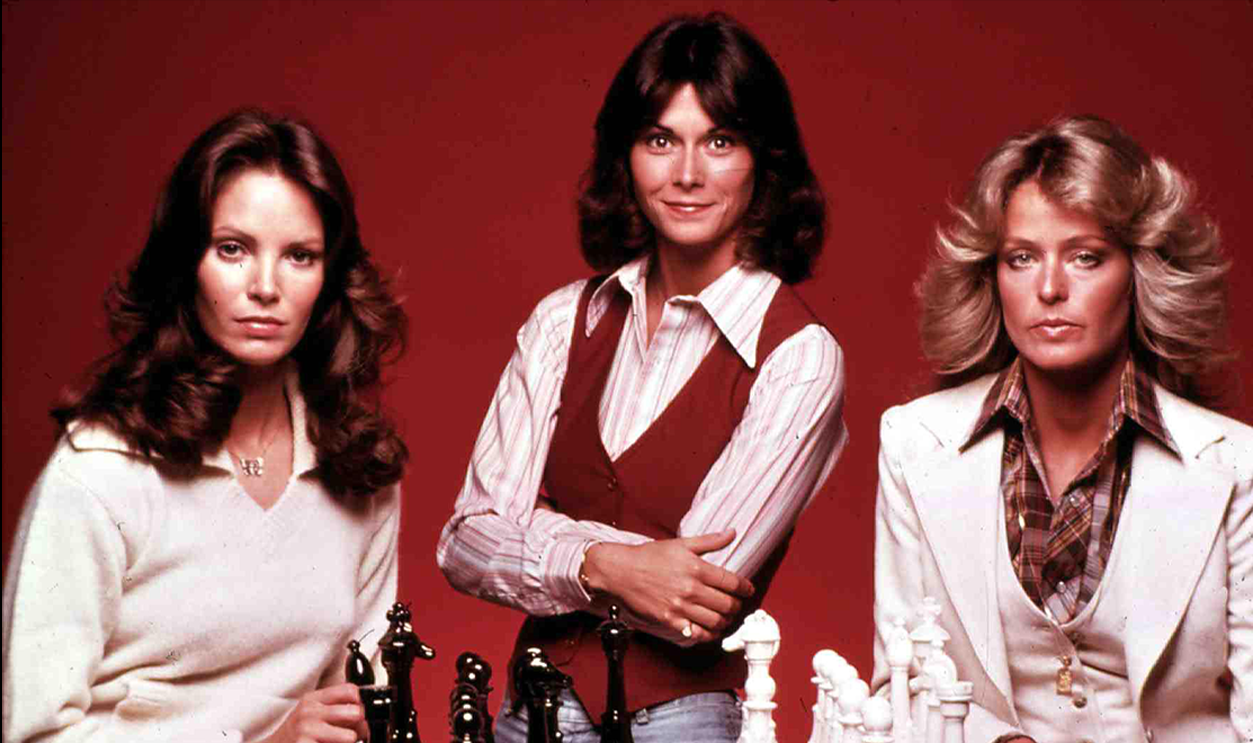
Born in Corpus Christi, Texas, on February 2, 1947, Fawcett became an international sensation as private investigator Jill Munroe in Charlie’s Angels. When the television series premiered in September 1976, her famous feathered hair and red swimsuit poster made her one of the decade’s most recognizable women.
 ABC Television, Wikimedia Commons
More Than a Poster
Fawcett left Charlie’s Angels after its first season, determined to prove she was more than a glamorous image. Acclaimed performances in The Burning Bed, Extremities, and Small Sacrifices brought Golden Globe nominations and three Emmy nominations, transforming celebrity into hard-earned dramatic credibility.
 ABC Television, Wikimedia Commons
Fame Had Already Taken Plenty
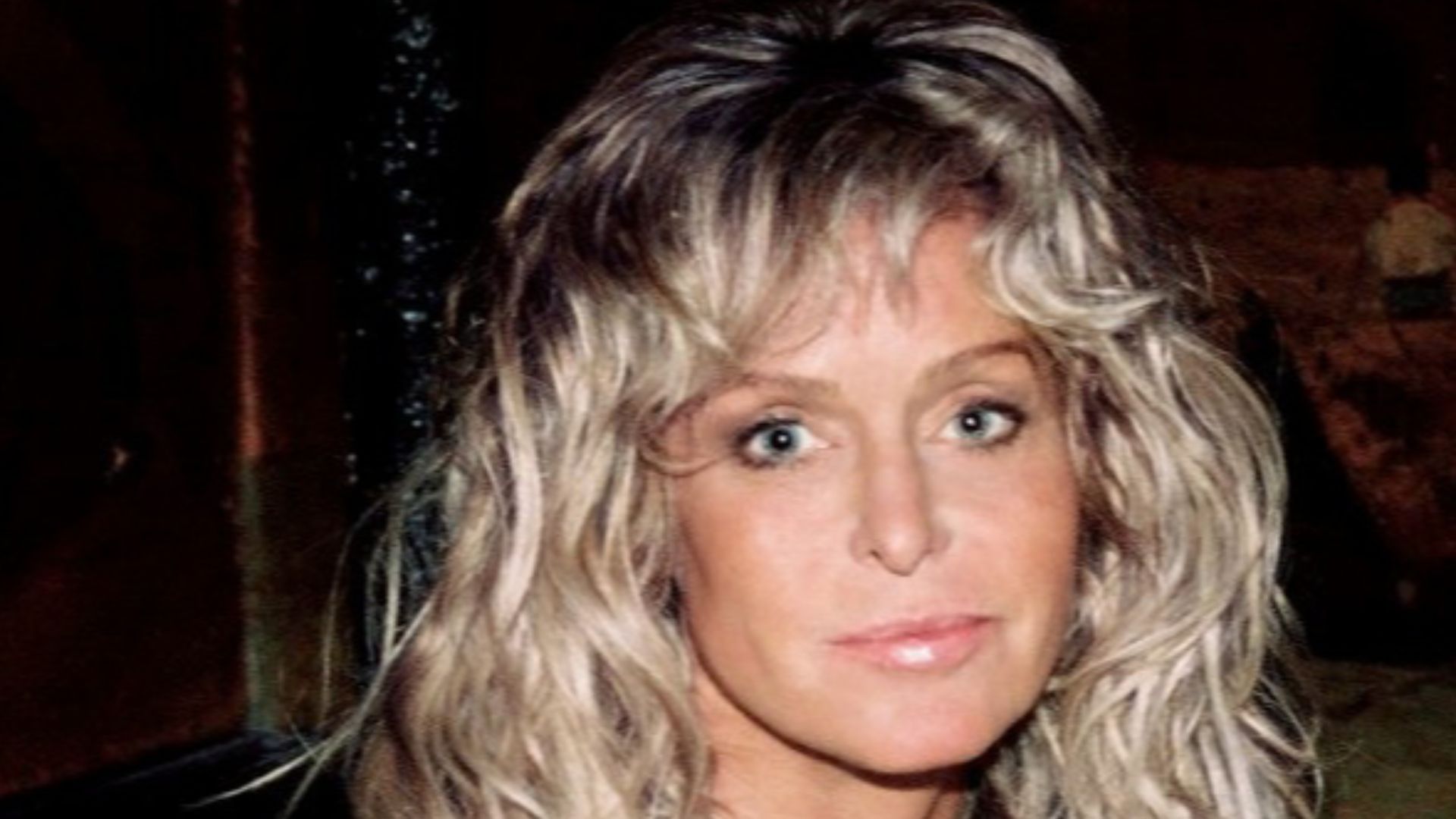
Even after demonstrating her range, Fawcett could rarely escape public scrutiny. Every relationship, career decision, and appearance became material for magazines—but her health, she believed, belonged to her alone. “I’m a private person,” she later explained.
 Windmill Entertainment, Wikimedia Commons
The Diagnosis No One Wanted
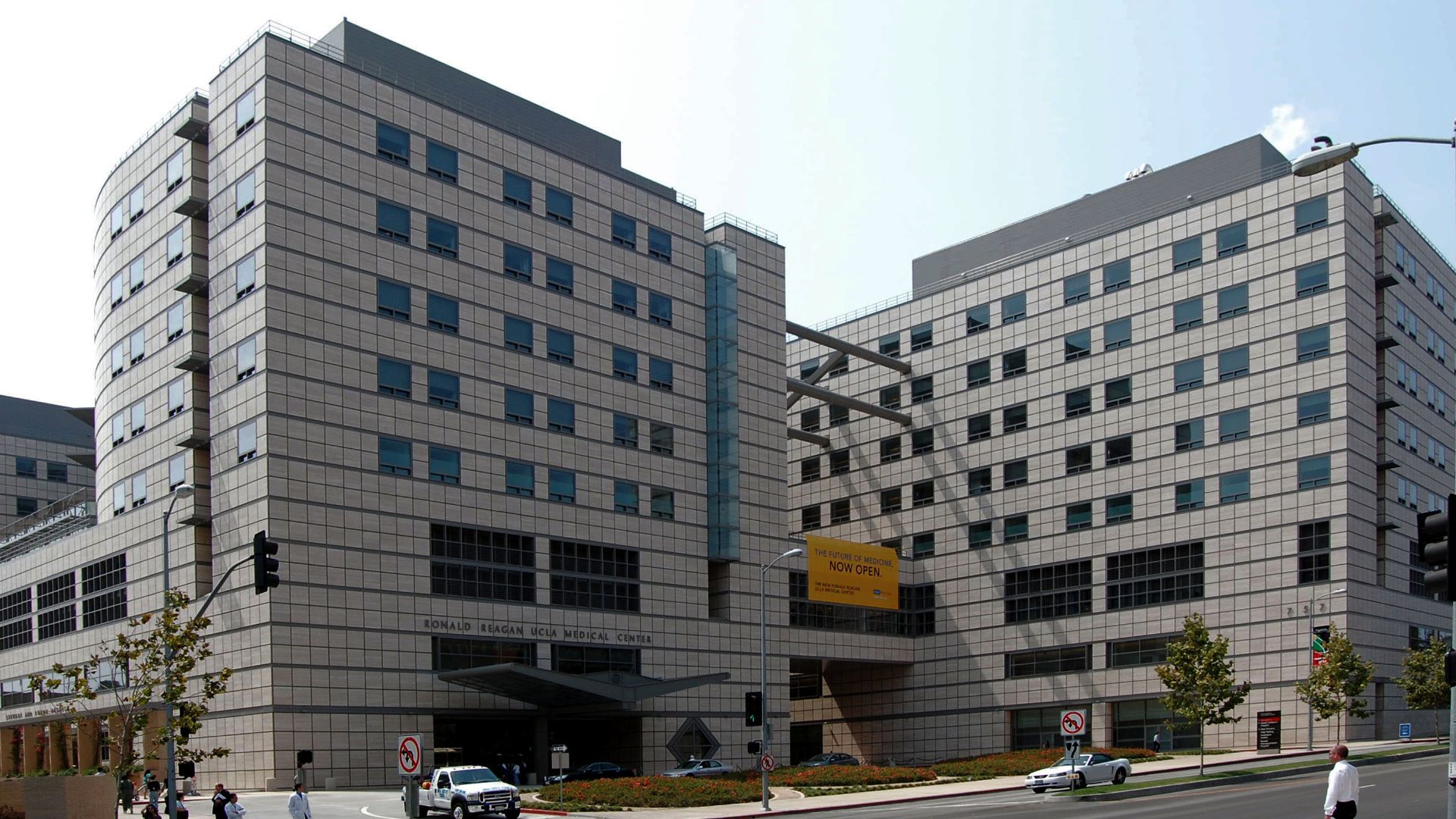
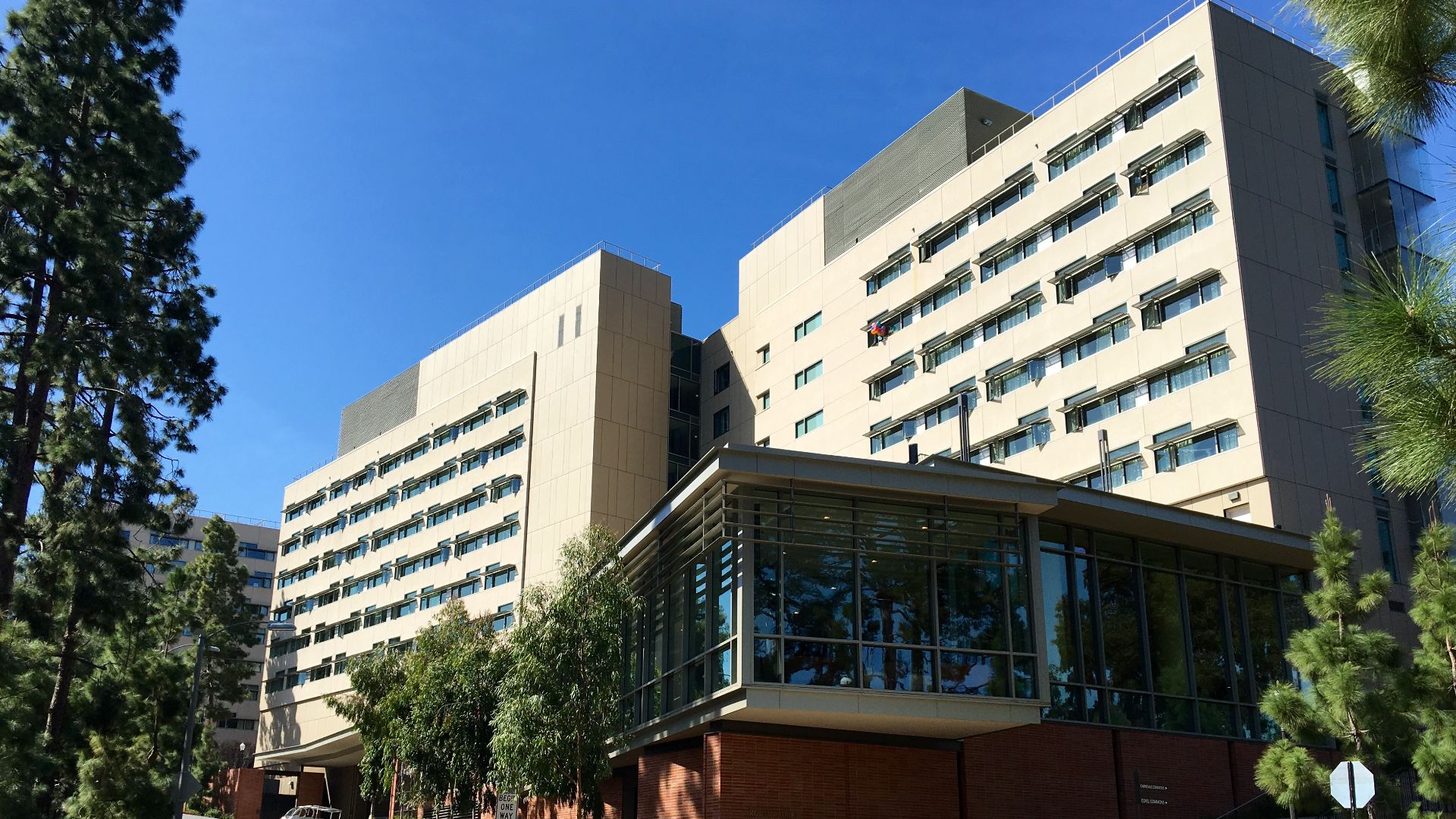
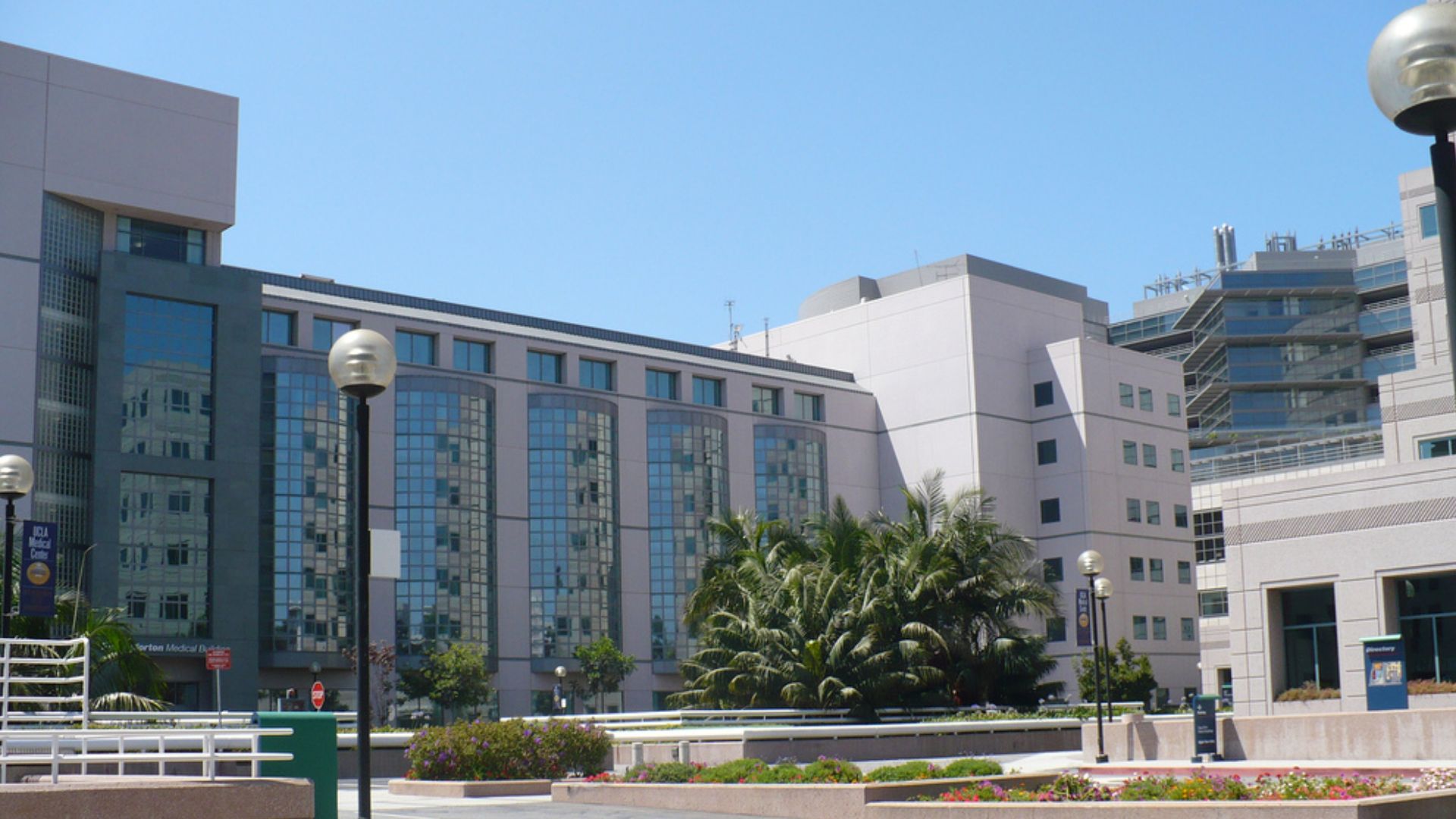
In September 2006, the 59-year-old actress was diagnosed with a rare cancer of the lower digestive tract. She began chemotherapy and radiation treatments, entering a frightening new world of appointments, examinations, and uncertainty at UCLA Medical Center in Los Angeles.
The Battle Became Public
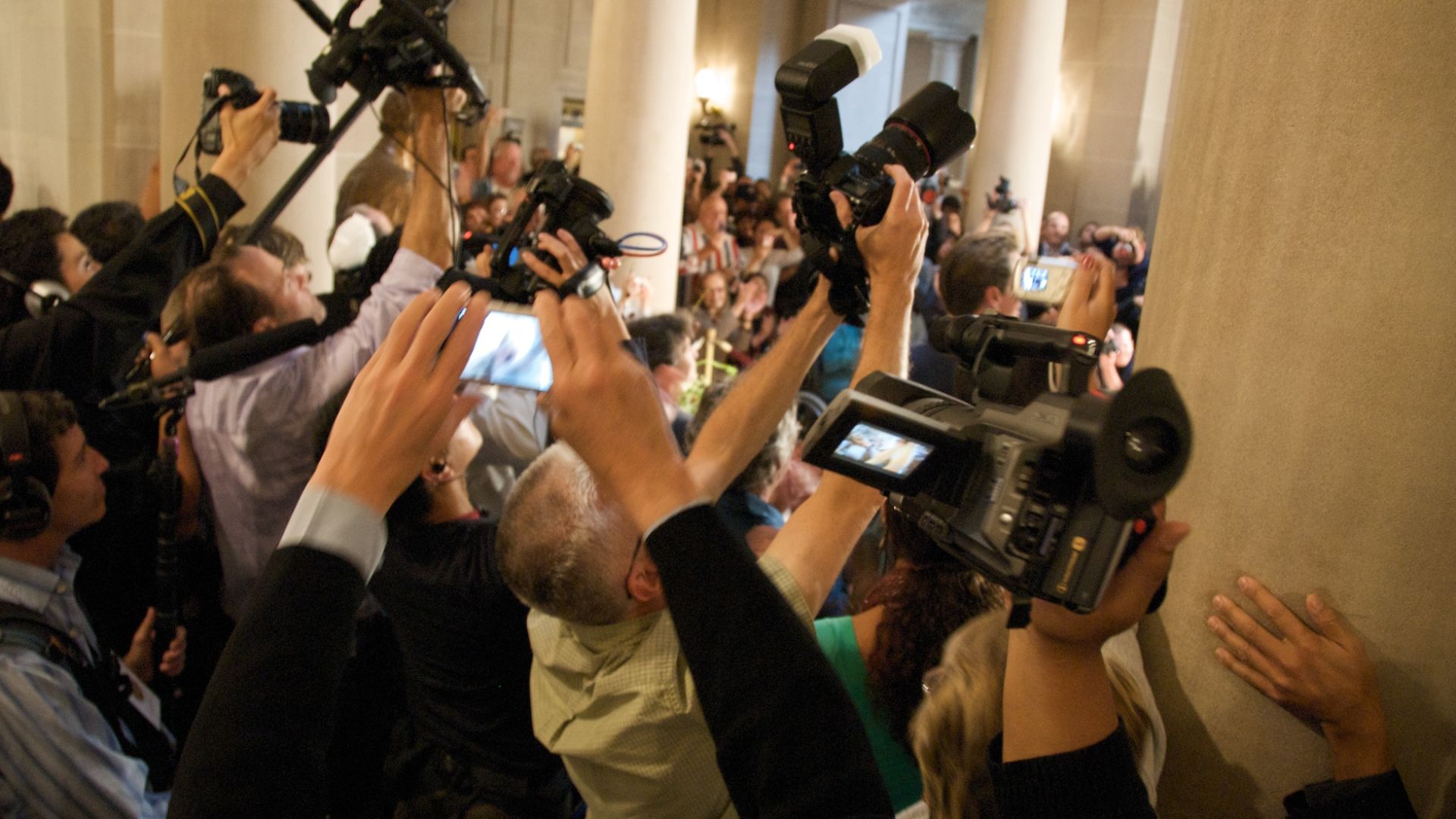
Fawcett acknowledged her diagnosis after reports began circulating, but disclosure did not satisfy the tabloids. Instead, the announcement seemed to open a door. Private developments from inside her treatment began emerging with alarming speed—and sometimes in grotesquely distorted forms.
 brian kusler from new york, usa, Wikimedia Commons
A Headline That Felt Like an Attack
In December 2006, the National Enquirer published the headline “Farrah Begs: ‘Let Me Die.’” Fawcett maintained that the story was false. Far from surrendering, she was enduring punishing treatment and searching for every possible route toward recovery.
 ABC Television, Wikimedia Commons
Truth Twisted Into Something Darker
The reports often appeared to begin with one genuine medical detail before growing into something sensational. That pattern mattered. It suggested that the stories were not merely guesses produced by reporters watching from outside the hospital.
An Eye Exam Became Blindness
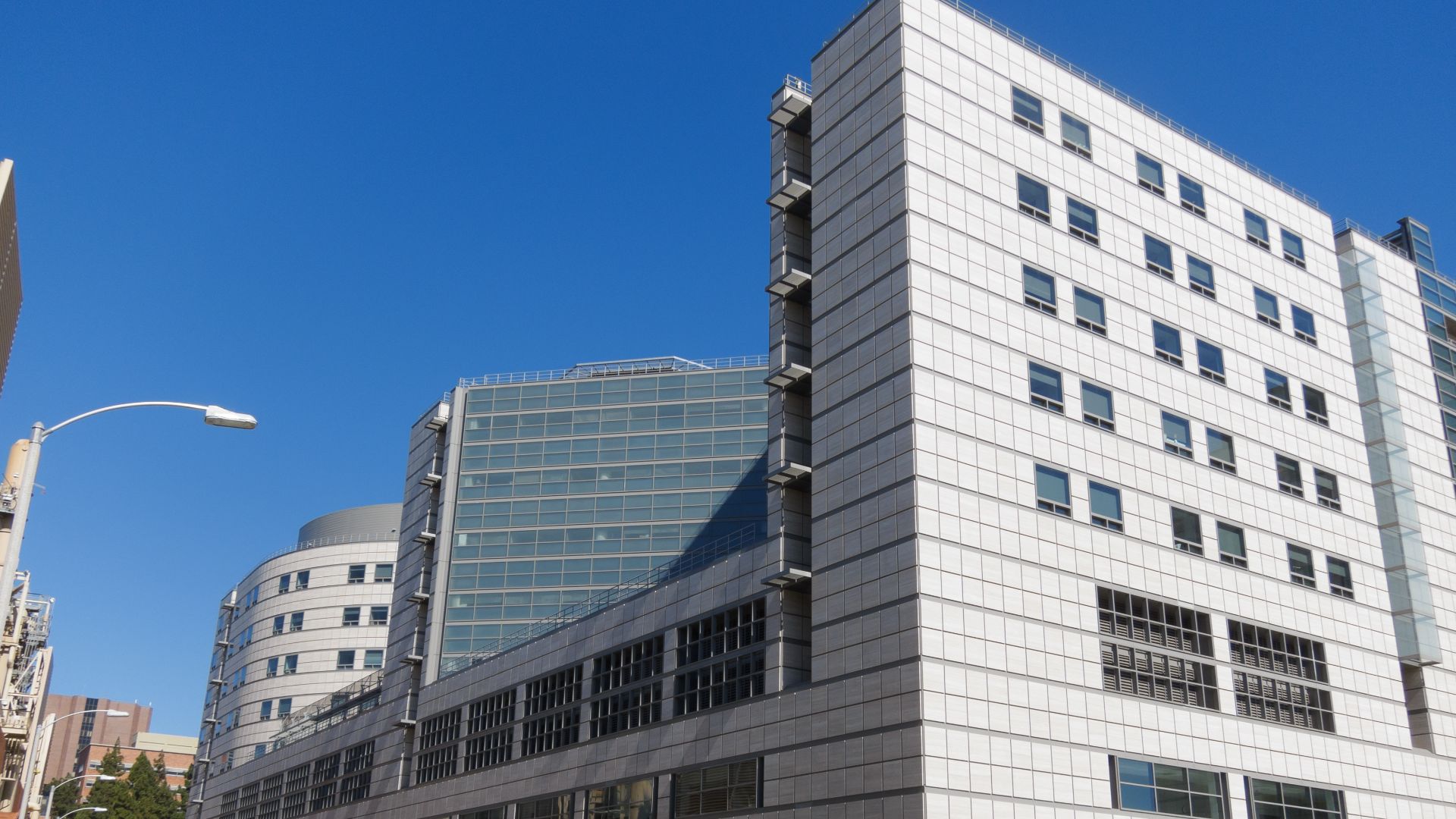
When Fawcett visited UCLA for an eye examination, a tabloid report claimed she was going blind. The exaggeration was dramatic, but the underlying appointment was real—one more sign that someone might be watching her electronic records from inside the medical center.
 King of Hearts, Wikimedia Commons
A Routine Test Became Major Surgery
Another routine examination inspired claims that her cancer had spread and that she required a hysterectomy. The conclusion was false, but the original procedure was not. Again, someone appeared to possess a small, private fact before turning it into a marketable catastrophe.
The Hospital Visits Left Footprints
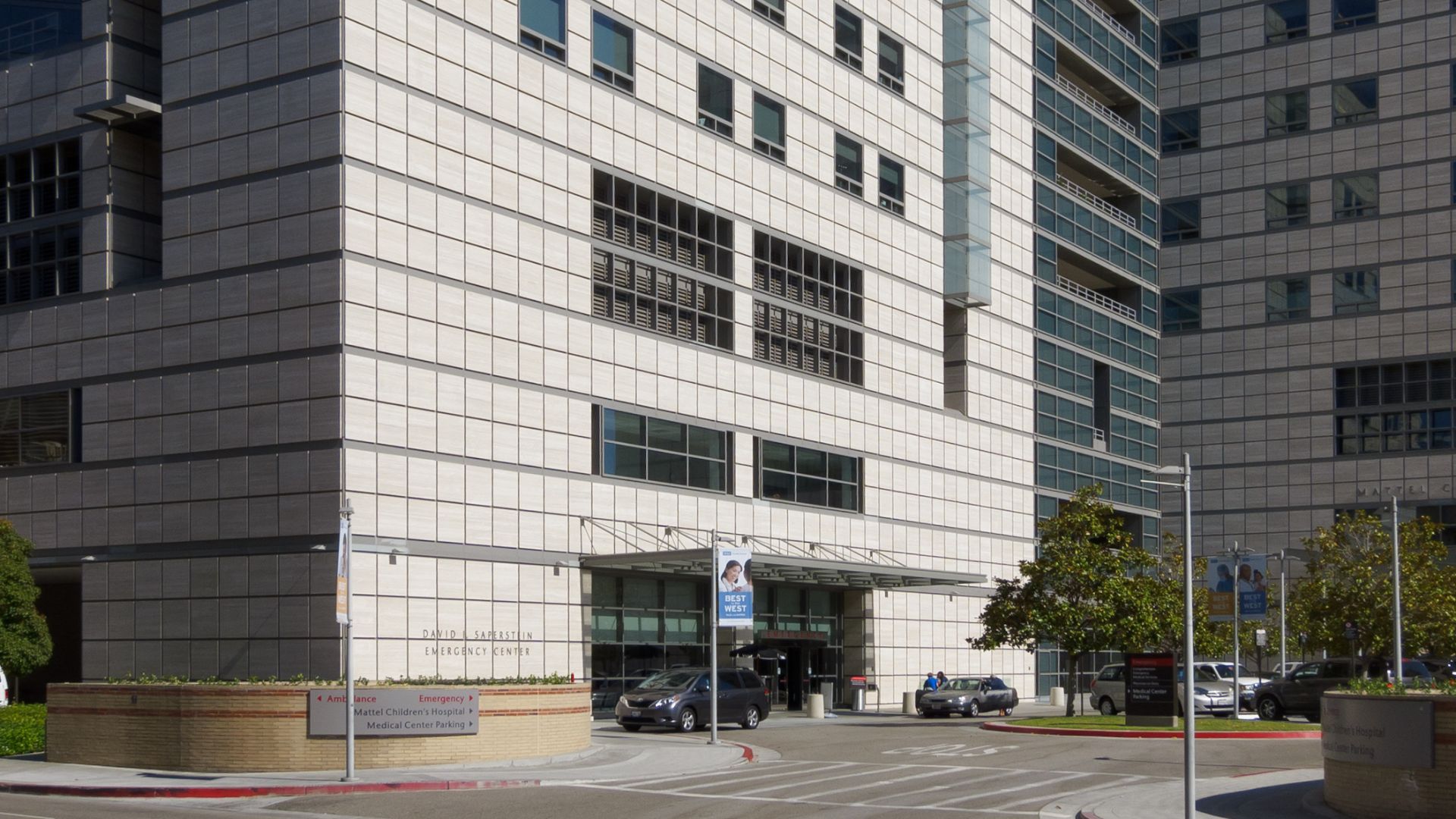
Fawcett noticed that stories repeatedly followed her UCLA appointments. The timing became too consistent to dismiss. She told journalist Charles Ornstein that she suspected the information was coming from the hospital: “I was never more sure of anything in my life.”
 King of Hearts, Wikimedia Commons
A Moment of Hope
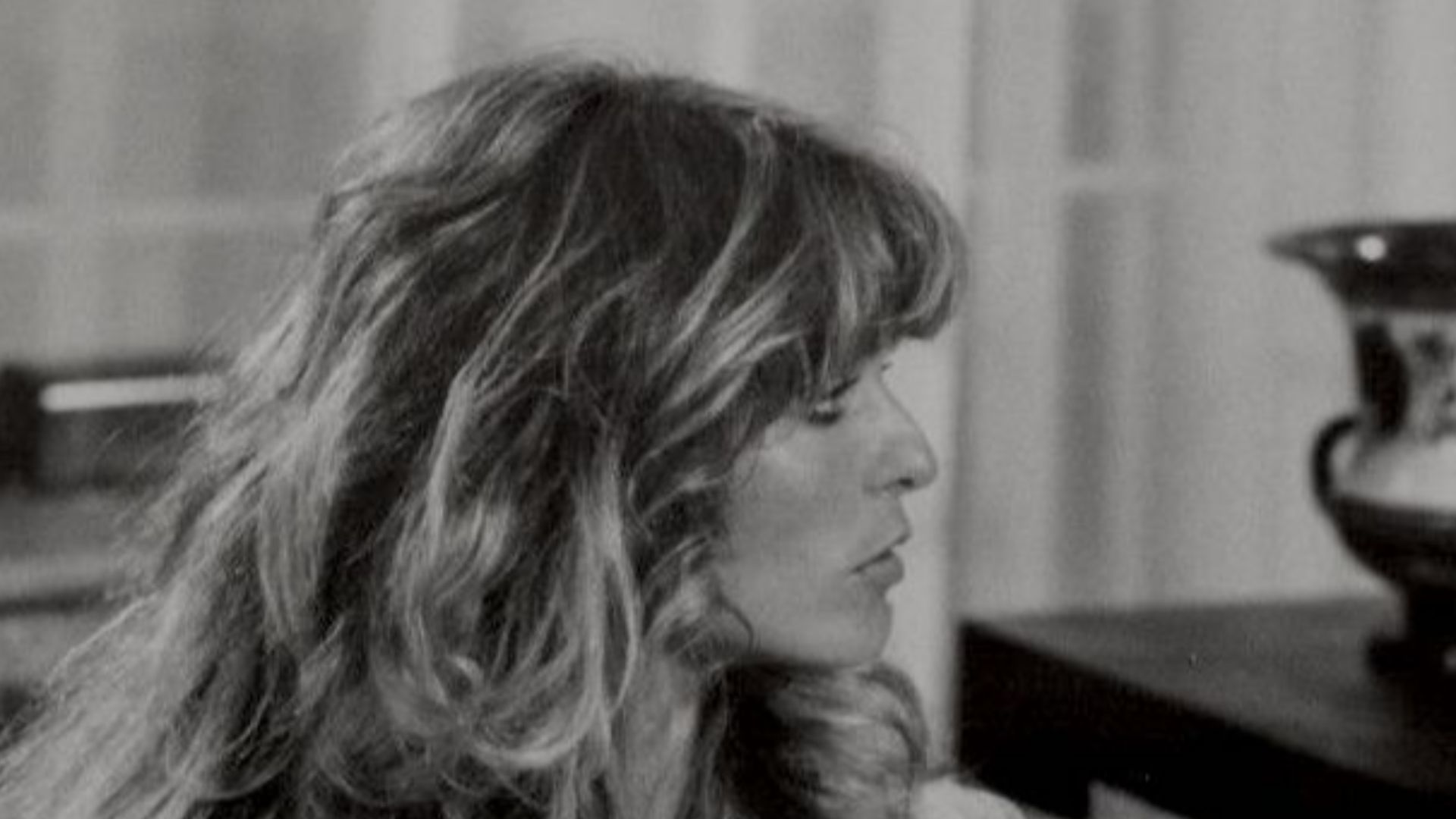
In February 2007, Fawcett announced that doctors had found her cancer-free. It should have been a moment of relief after months of difficult treatment. Instead, the celebration proved painfully brief, and the mystery surrounding her records remained unresolved.
 ABC Television, Wikimedia Commons
The Cancer Returned
In May 2007, when Fawcett was 60, doctors discovered that the disease had returned. The news was devastating—but it also presented a way to test her suspicions. If she controlled who knew, she could learn whether UCLA itself was the source.
The Circle Became Almost Invisible
Fawcett withheld the recurrence from nearly all her relatives and friends. This was not a fabricated diagnosis or a false entry placed in her chart. It was real information, deliberately confined to the smallest possible circle.
“You Know and I Know”
She made the arrangement directly with her physician. “OK, you know and I know,” she recalled telling the doctor. If the recurrence appeared in print before she disclosed it elsewhere, the path of the leak would become difficult to deny.

Then the Clock Started
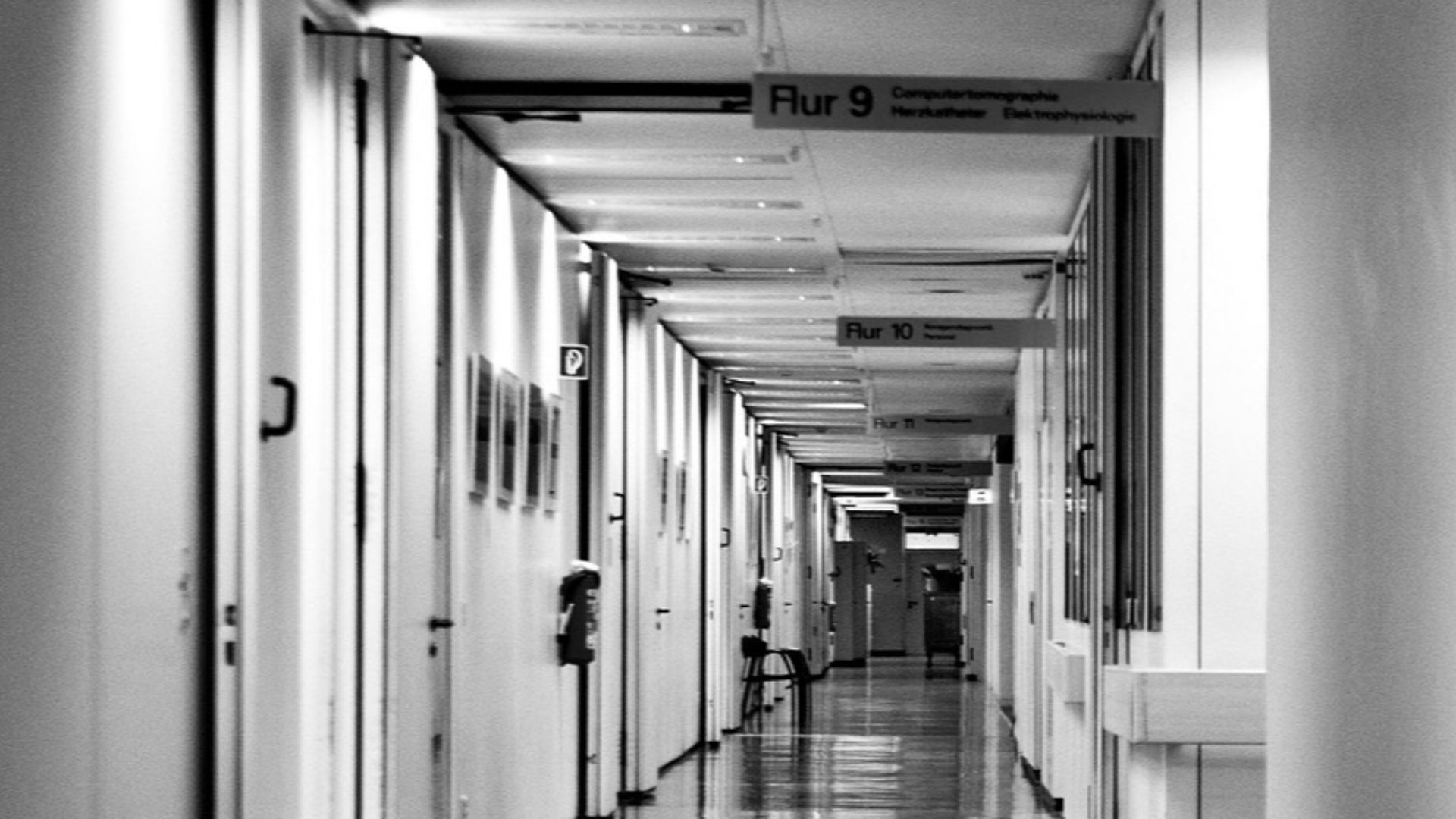
For Fawcett, silence became evidence. She waited while carrying news that she had not yet shared with many of the people closest to her. Somewhere inside UCLA’s computer system, however, her updated record was available to anyone willing to break the rules.
Four Days Later
The secret did not remain secret for long. News of the recurrence appeared in the National Enquirer within days. Fawcett later summarized the astonishing speed in three words: “Maybe four days.”

The Sting Had Worked
The article gave Fawcett something more powerful than suspicion. Because almost no one outside her medical team had known, the published information pointed back toward UCLA. Her private illness had become the bait—and the tabloid had sprung the trap.
A Cruel Theft of Choice
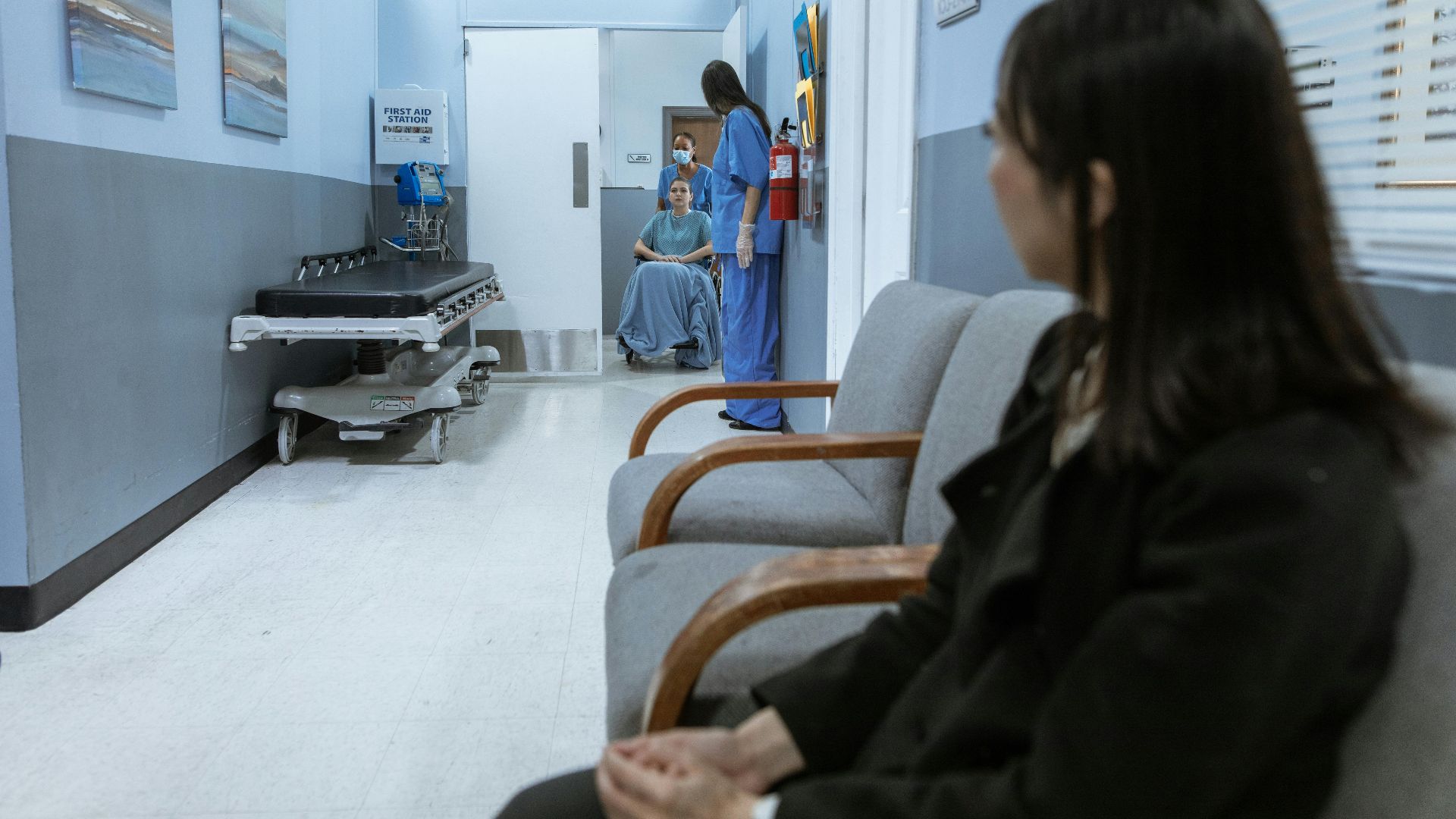
The leak did more than embarrass her. It denied Fawcett the chance to tell relatives and friends in her own time. Attorney Kim Swartz said the recurrence was published before the actress could personally share the news with people she loved.
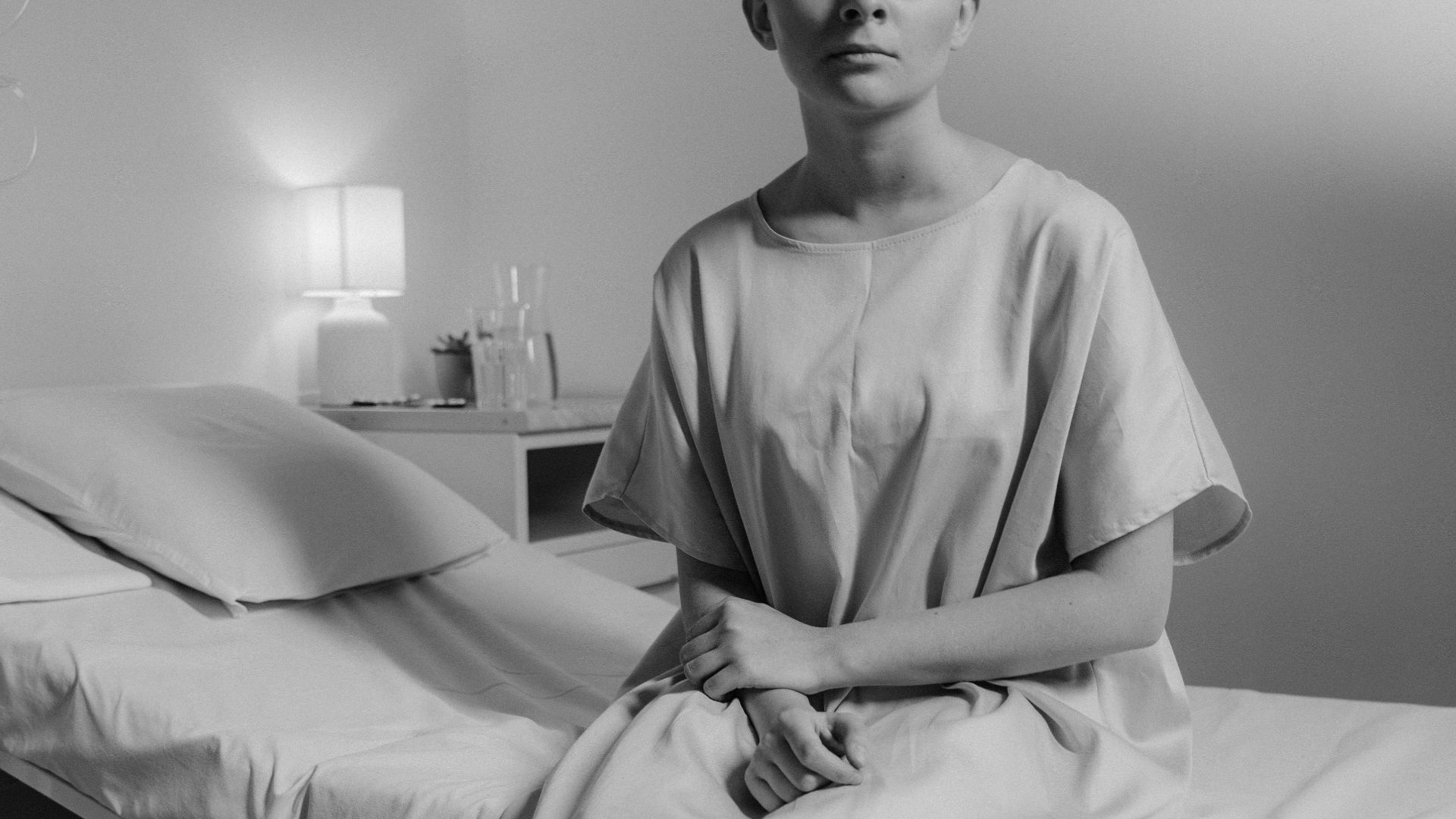
UCLA Followed the Digital Trail
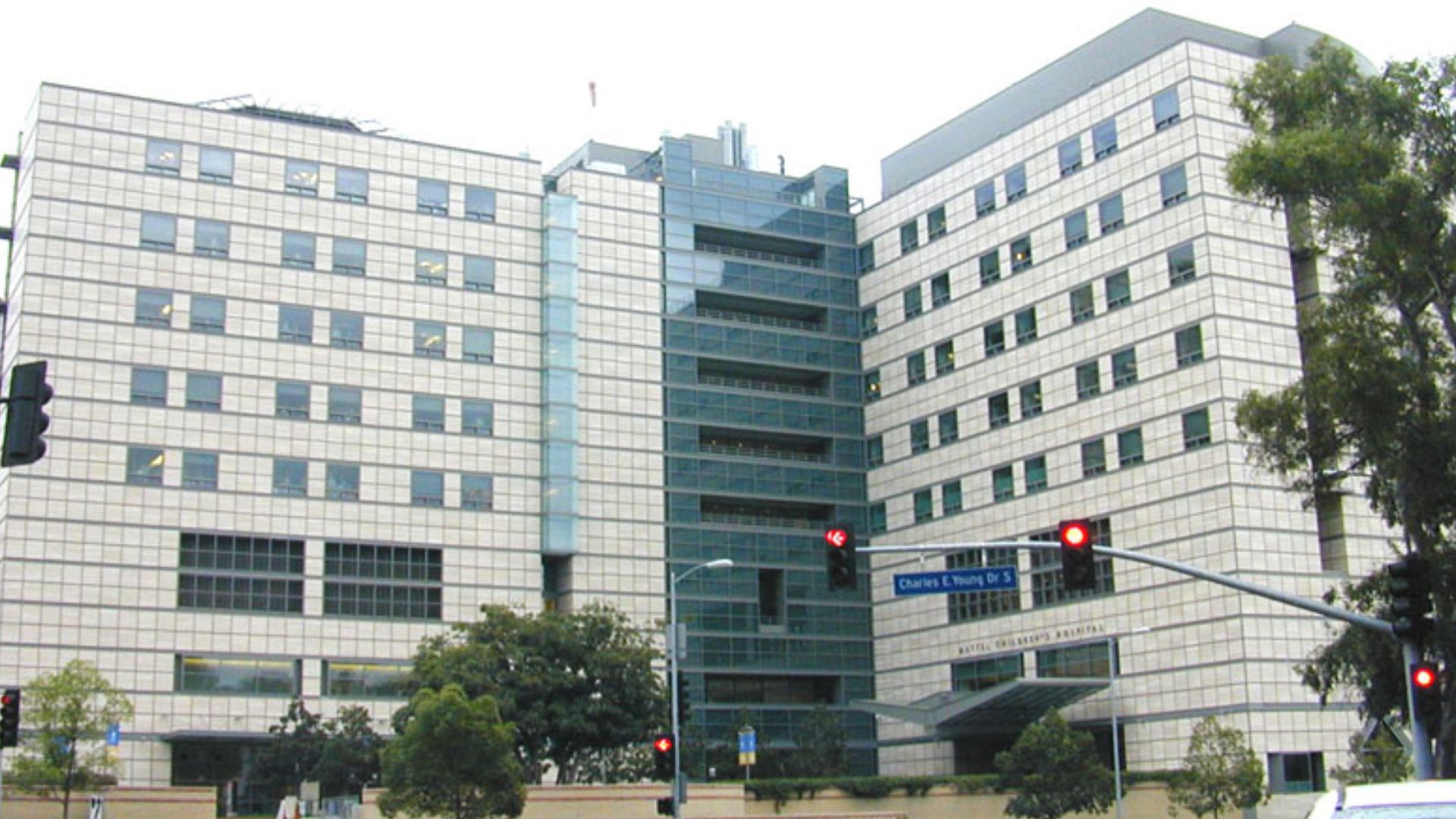
After Fawcett raised the alarm, UCLA opened an internal investigation. Electronic access records revealed that one administrative employee had entered Fawcett’s files repeatedly—reportedly more often than the physicians who were actually treating her.
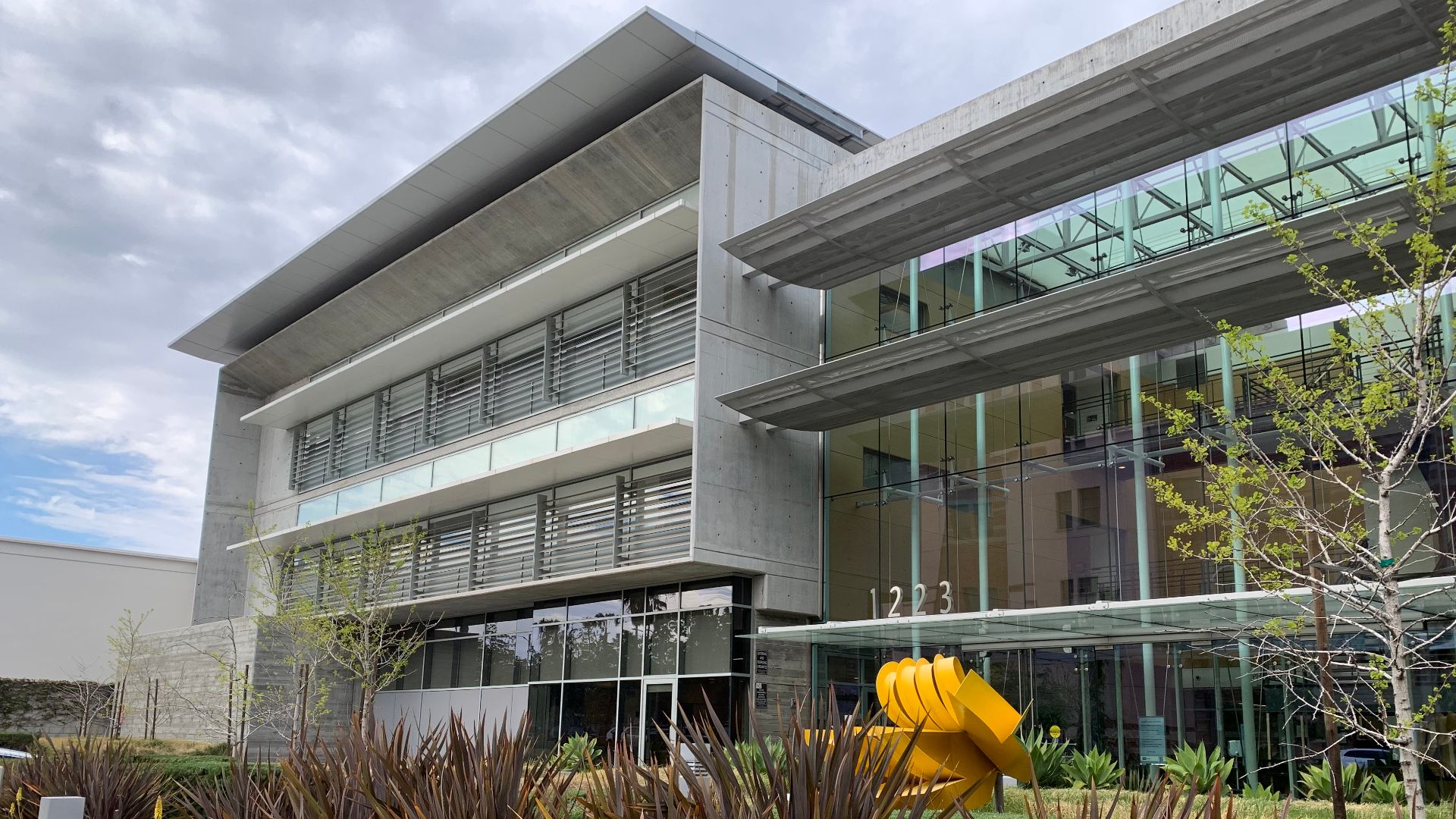 DocFreeman24, Wikimedia Commons
The Name UCLA Would Not Give Her
Fawcett wanted to know who had been inside her records. According to her account, a senior UCLA privacy official initially refused, explaining that the university had a responsibility to protect its employees. Fawcett’s answer was immediate: “More than your patients?”
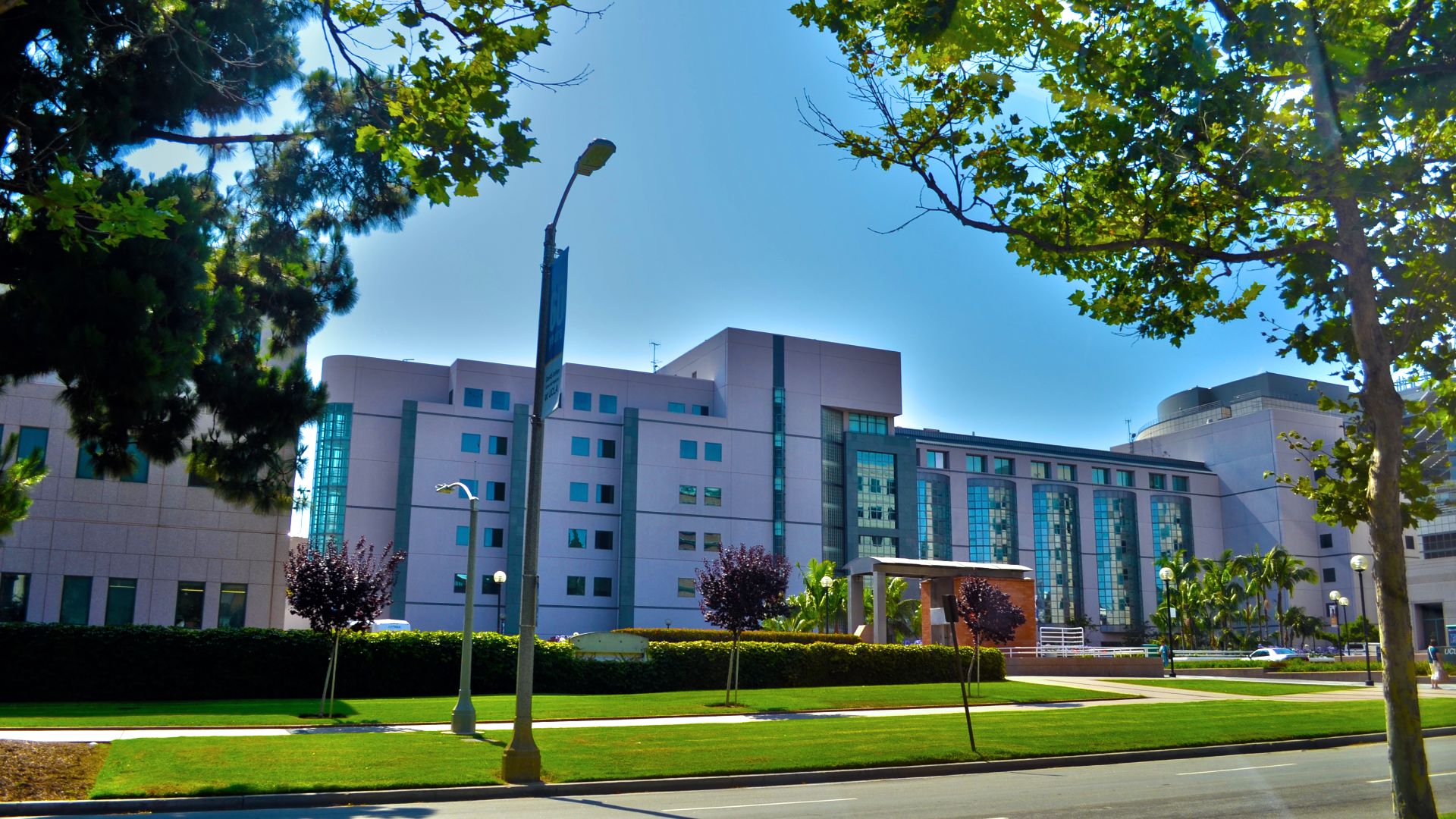
Months Behind a Locked Door
UCLA did not immediately identify the employee to Fawcett. Her lawyers continued requesting the information for months before the medical center finally provided it. The delay deepened her belief that the institution was guarding itself while she absorbed the consequences publicly.
A Donation Request Arrived
While the privacy dispute remained unresolved, UCLA repeatedly approached Fawcett about donating money for a foundation bearing her name. Documents reportedly included a prepared letter that she could sign after inserting a dollar amount. To Fawcett, the timing felt deeply unsettling.
 Screenshot from Sunburn, Paramount Pictures (1979)
The Hospital Answered Publicly
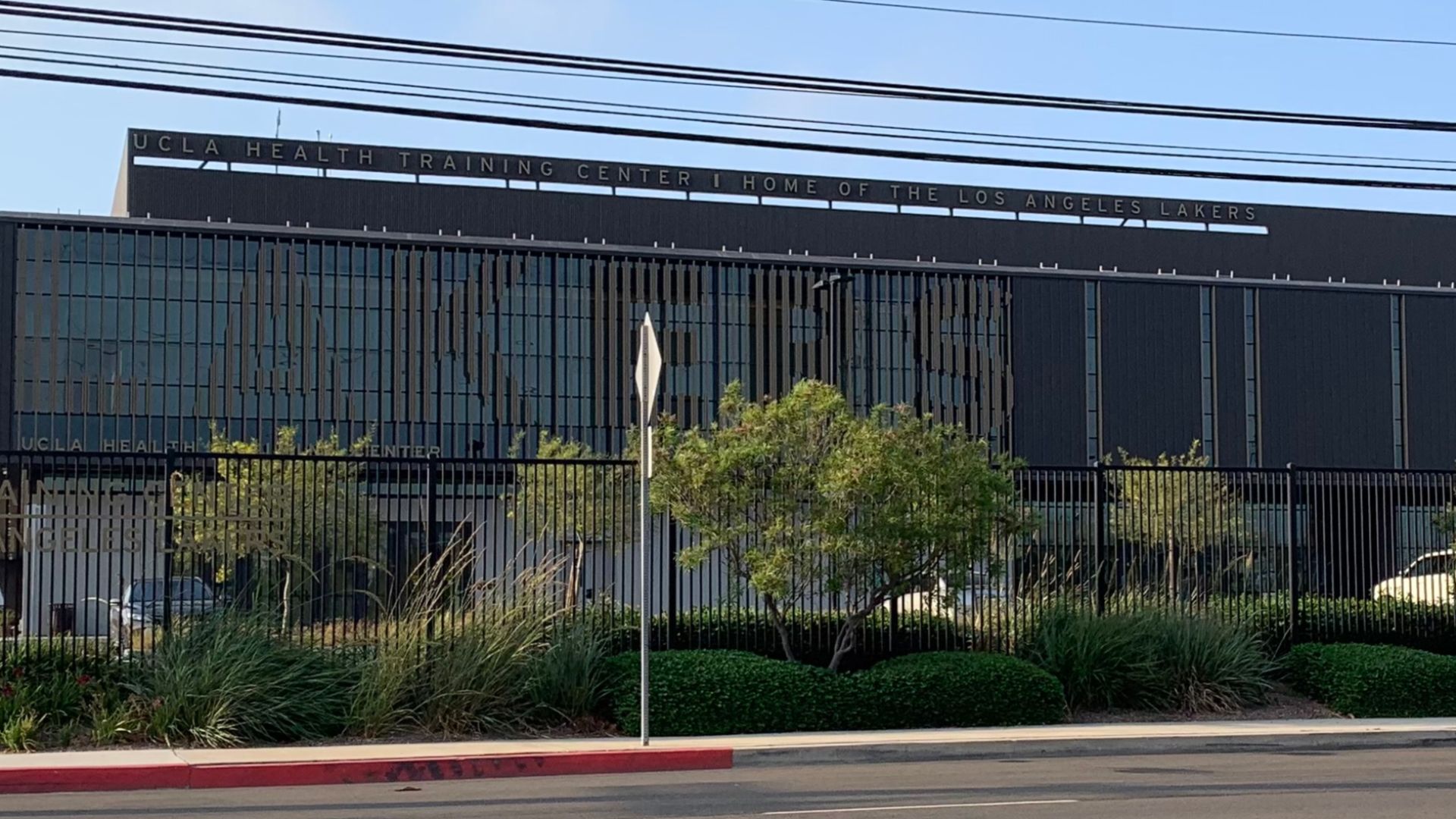
On April 2, 2008, UCLA Health released a statement calling patient confidentiality a “critical part of our mission.” It cited employee agreements, privacy training, and internal investigations, but declined to discuss Fawcett’s case further because both patient and personnel matters were confidential.
 DocFreeman24, Wikimedia Commons
The Problem Was Far Larger
Fawcett’s case soon became part of a sprawling UCLA privacy scandal. A California investigation found that 127 employees had improperly viewed celebrity records between January 2004 and June 2006, including files belonging to Britney Spears and California first lady Maria Shriver.
 Glenn Francis, Wikimedia Commons
Hundreds of Patients Were Exposed
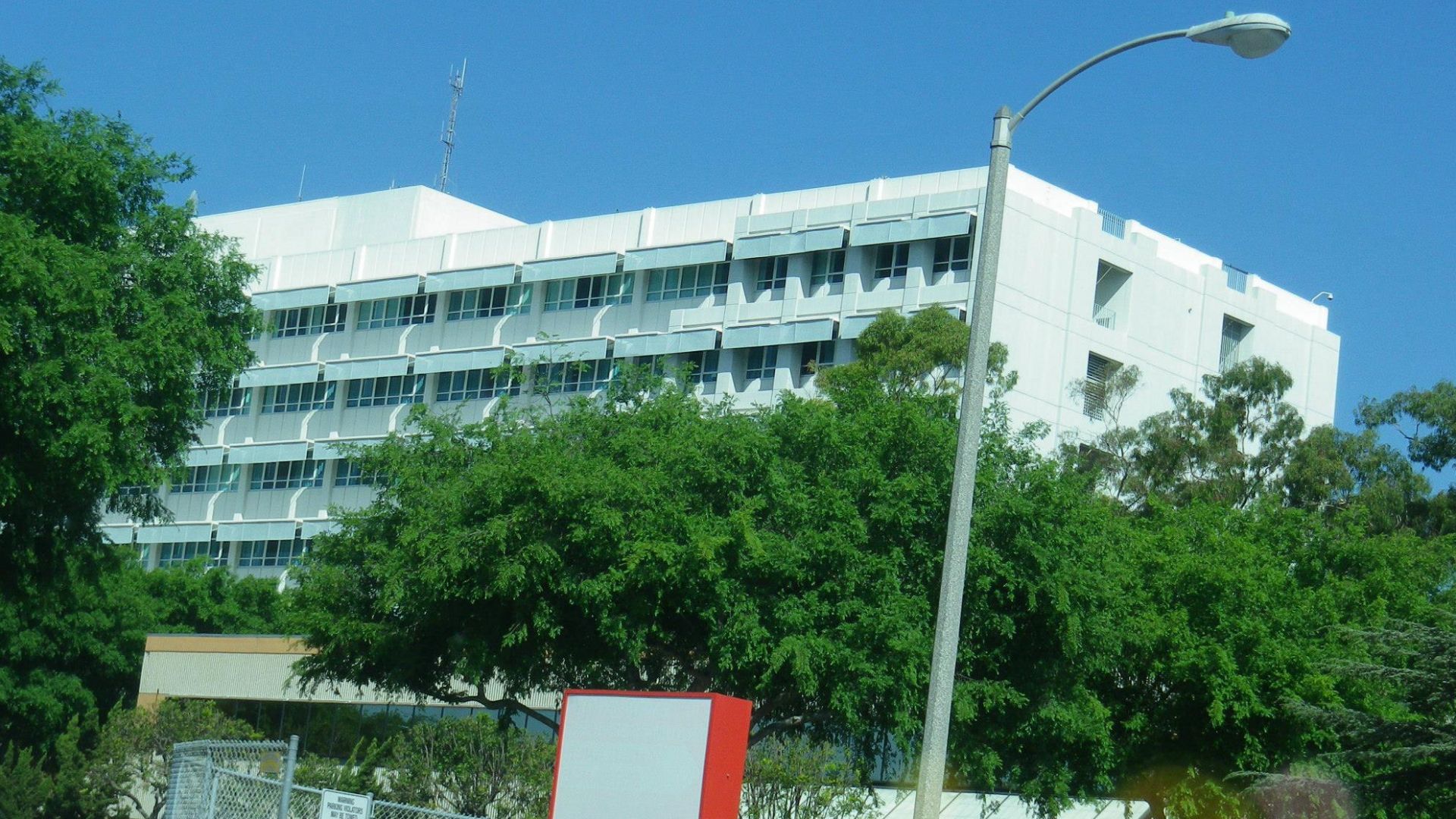
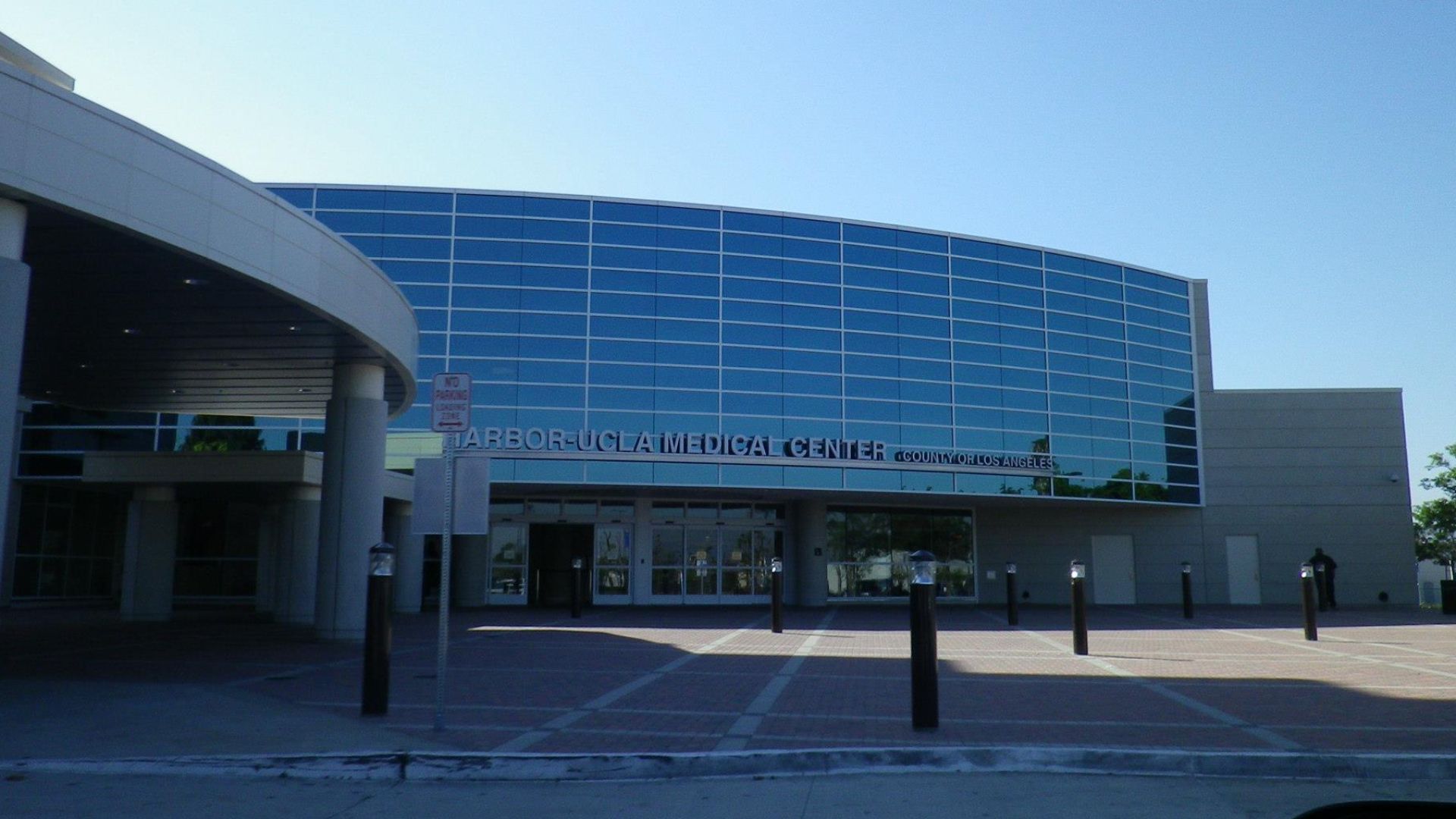
Investigators found that the employee connected to Fawcett’s case had accessed records belonging to approximately 900 patients without a legitimate reason between April 2003 and May 2007. The information available included addresses, insurance details, and Social Security numbers.
 Biochemistry2016, Wikimedia Commons
A Borrowed Password Opened the Door
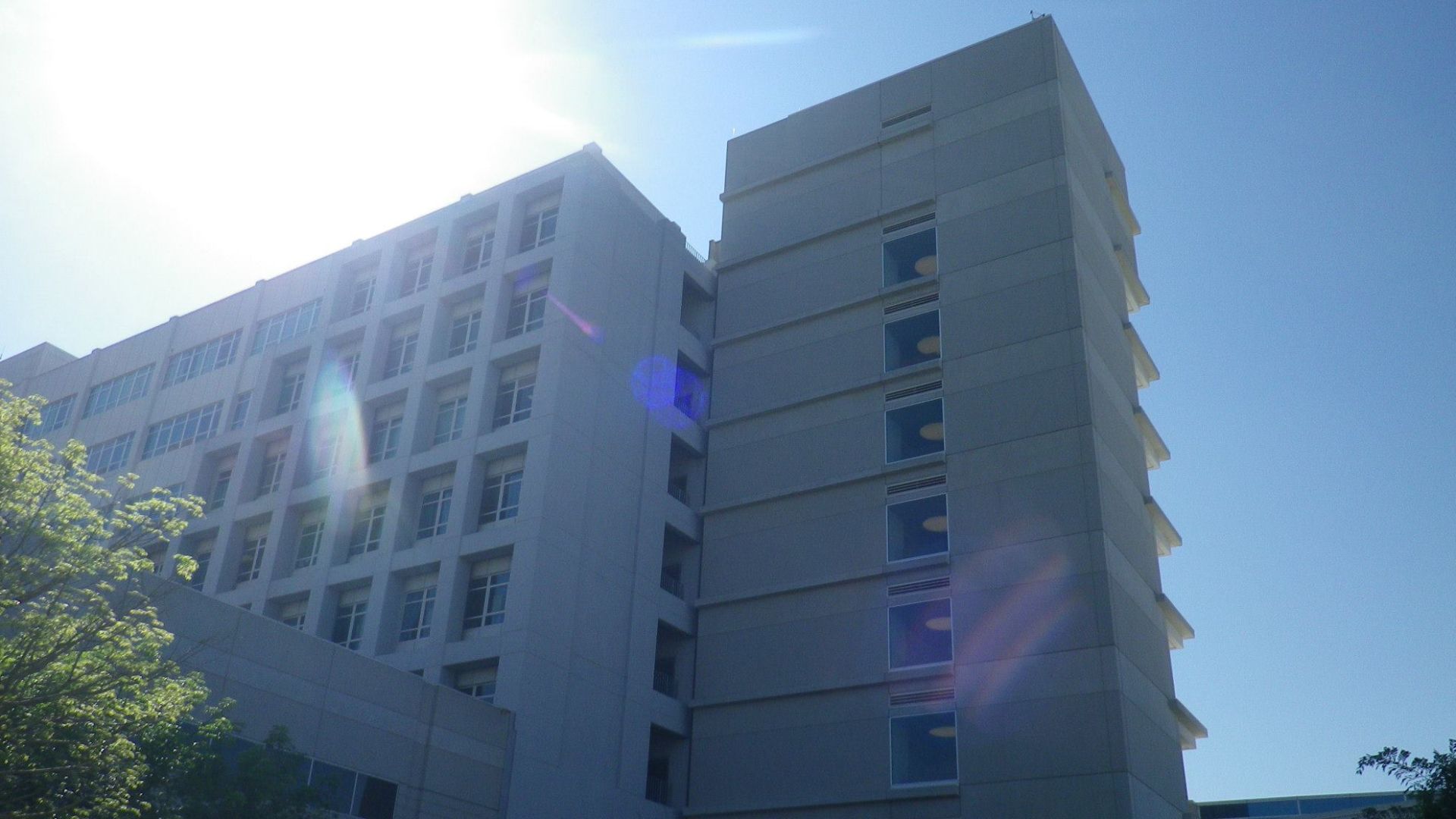
The state report said the employee had used a supervisor’s password. Investigators connected the activity to the employee’s workstation, revealing how years of unauthorized searching had continued inside a hospital supposedly protected by federal privacy rules.
 Biochemistry2016, Wikimedia Commons
UCLA’s Chief Executive Admitted Failure
Dr David Feinberg, chief executive of the UCLA Health System, eventually offered a stark assessment: “We have no excuses.” He acknowledged that UCLA should have detected the repeated violations years earlier and begun dismissing the employee immediately.
 Biochemistry2016, Wikimedia Commons
The FBI Entered the Story
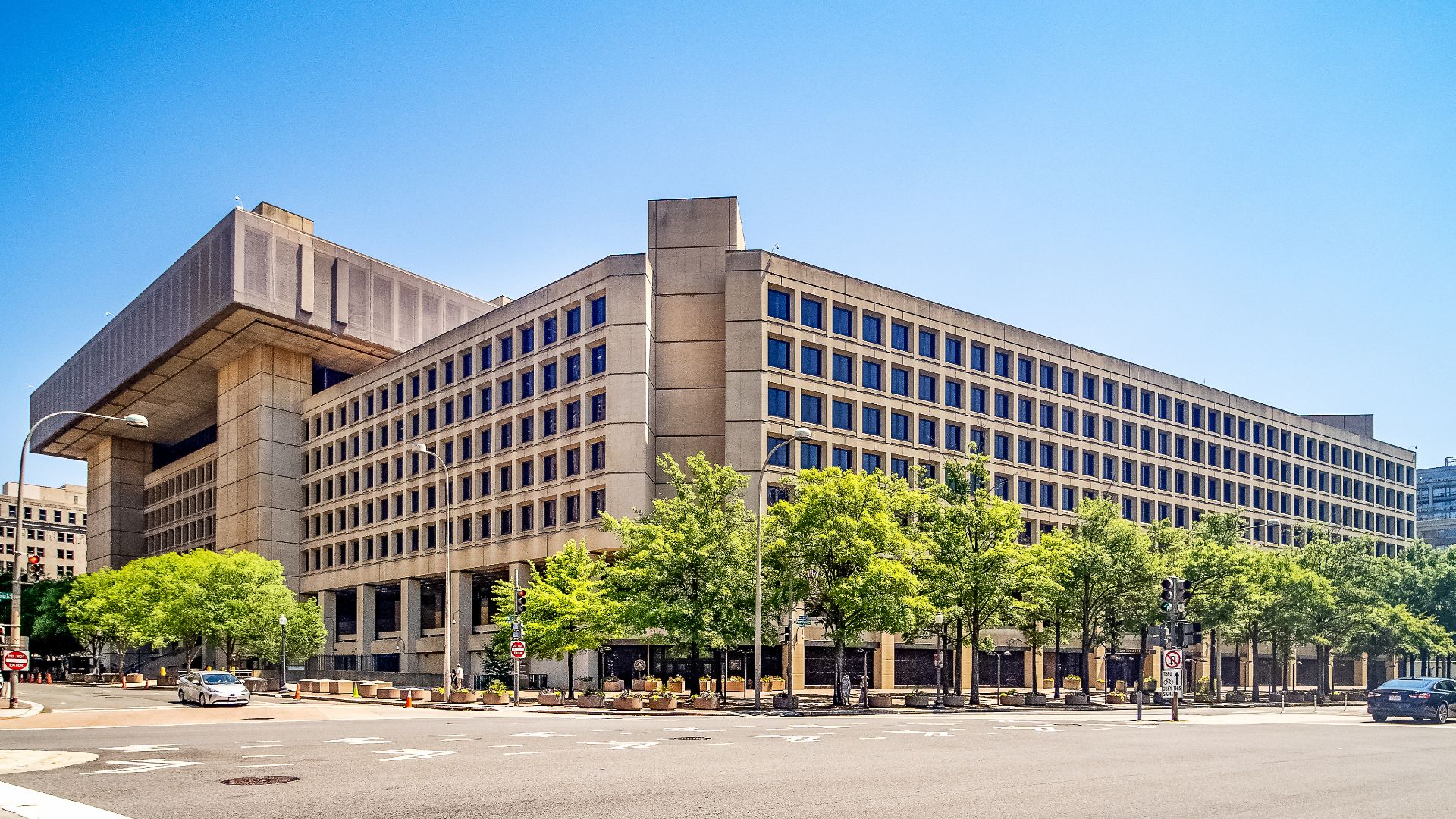
The Federal Bureau of Investigation pursued the case, and federal prosecutors obtained a sealed indictment on April 9, 2008. It was unsealed on April 29 in the US District Court for the Central District of California in Los Angeles.
The Charge Carried a Heavy Sentence
The 49-year-old former administrative specialist was charged with illegally obtaining individually identifiable health information for commercial advantage. A conviction could have brought as many as 10 years in federal prison, followed by supervised release and a substantial fine.
The Money Trail Led Through a Marriage
Prosecutors alleged that a national media outlet had paid the employee at least $4,600 beginning in 2006. The checks were allegedly written in the employee’s husband’s name—creating a paper trail between confidential hospital files and profitable celebrity headlines.

Fawcett Finally Told Her Story
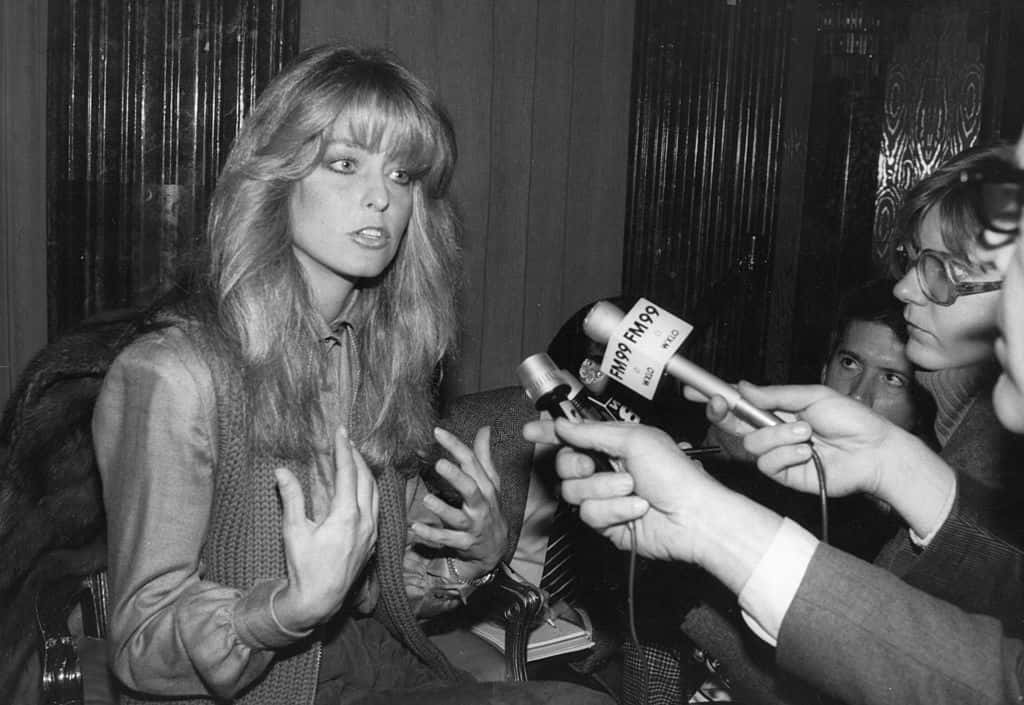
In August 2008, Fawcett sat for a three-hour interview with Los Angeles Times reporter Charles Ornstein inside her Los Angeles condominium. It became her final media interview. She argued that even for famous people, some “areas should be off-limits.”

Her Case Helped Change California Law
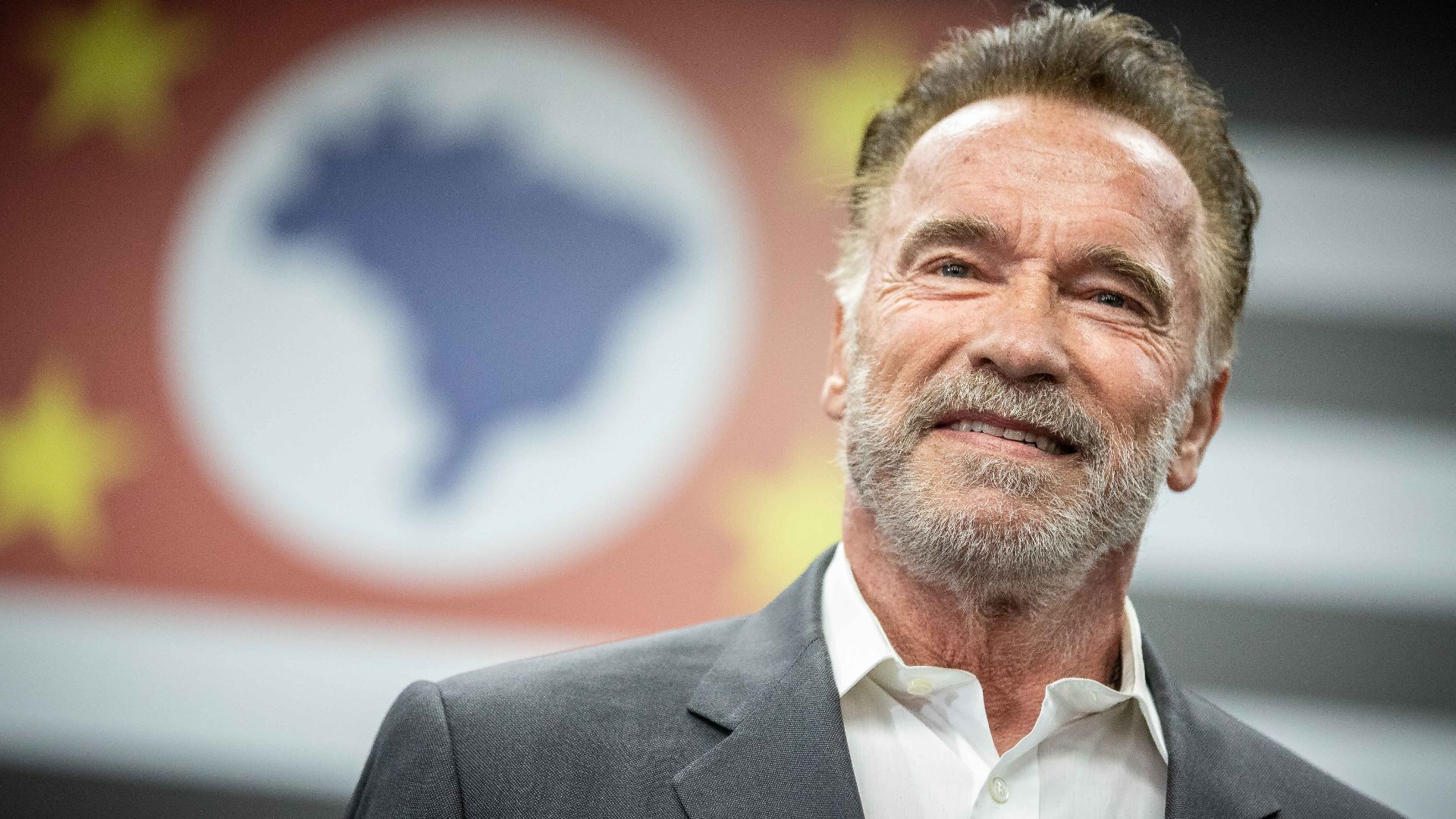
On September 30, 2008, Governor Arnold Schwarzenegger signed AB 211 and SB 541. Prompted partly by the UCLA scandal, the laws strengthened oversight, imposed new financial penalties, and required certain medical institutions to report privacy breaches rapidly to regulators and affected patients.
 Governo do Estado de Sao Paulo, Wikimedia Commons
She Wanted the Buyers Investigated Too
Fawcett believed accountability should extend beyond the person who accessed her records. She wanted the National Enquirer investigated for allegedly encouraging medical workers to sell confidential information. Its parent company’s attorney declined to discuss the federal inquiry, and the cited records show no resulting public prosecution of the publication.
 Keystone Features, Getty Images
The Culprit’s Fate
The employee was Lawanda Jackson, a longtime UCLA administrative specialist who had worked there for roughly 32 years. Federal records said UCLA terminated her on May 21, 2007, while later reporting said she resigned in July as dismissal proceedings advanced. Jackson pleaded guilty in December 2008 to selling confidential information, but she was never sentenced: she died from breast cancer on March 24, 2009.
 Nikhil Kulkarni. The original uploader was Nikkul at English Wikipedia., Wikimedia Commons
Fawcett's Fate
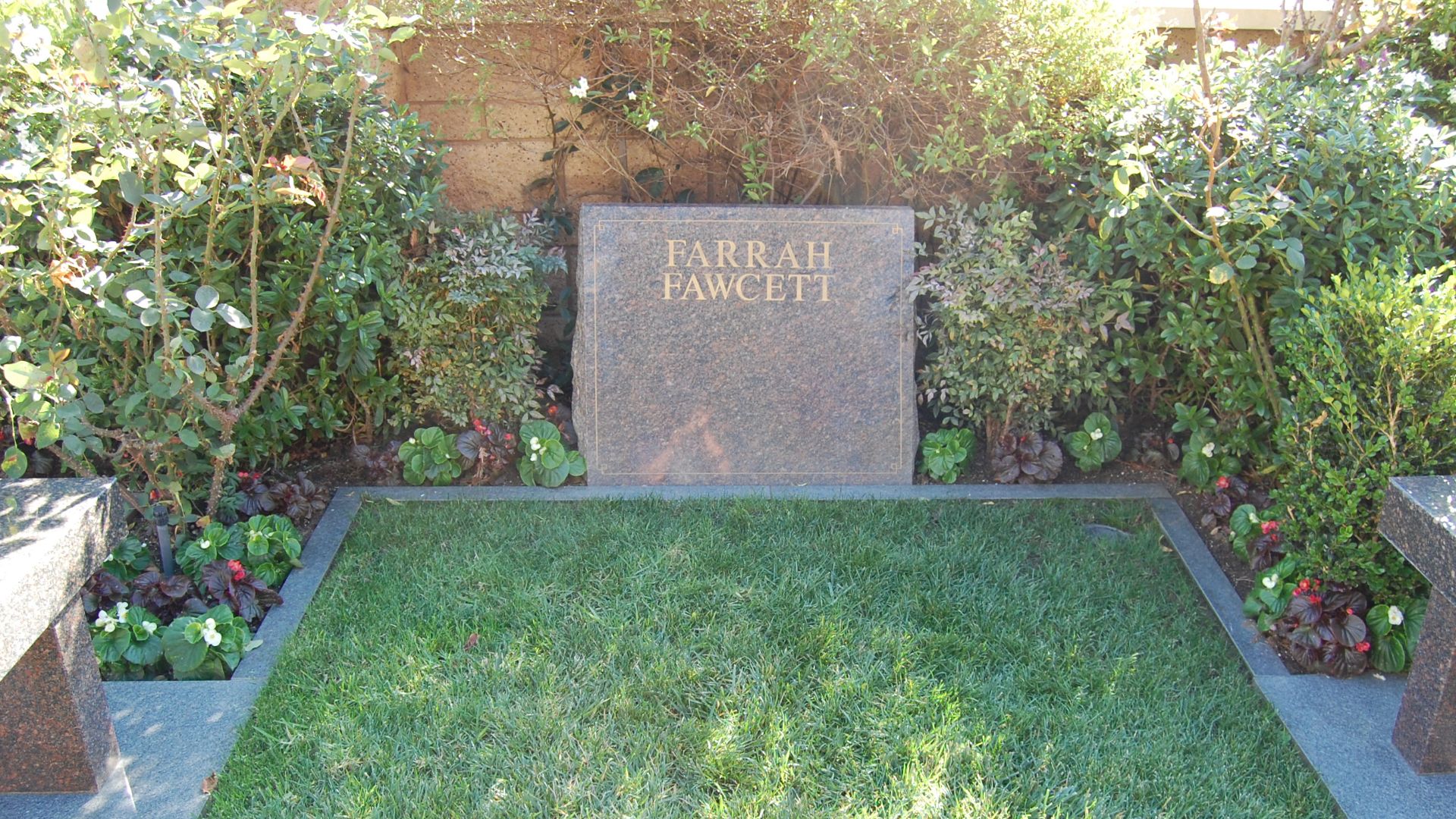
Three months later, on June 25, Fawcett died at Saint John’s Health Center in Santa Monica at 62—leaving behind a case that proved even one of America’s most famous women had to become her own detective to defend the simple right to suffer in private.
You May Also Like:
Most actors spend a lifetime chasing one iconic role—Diana Rigg spent hers escaping it.
Susan Saint James became a defining face of 1970s television—but the most unexpected part of her story unfolded far from the cameras.