Television Could Barely Keep Up With Her
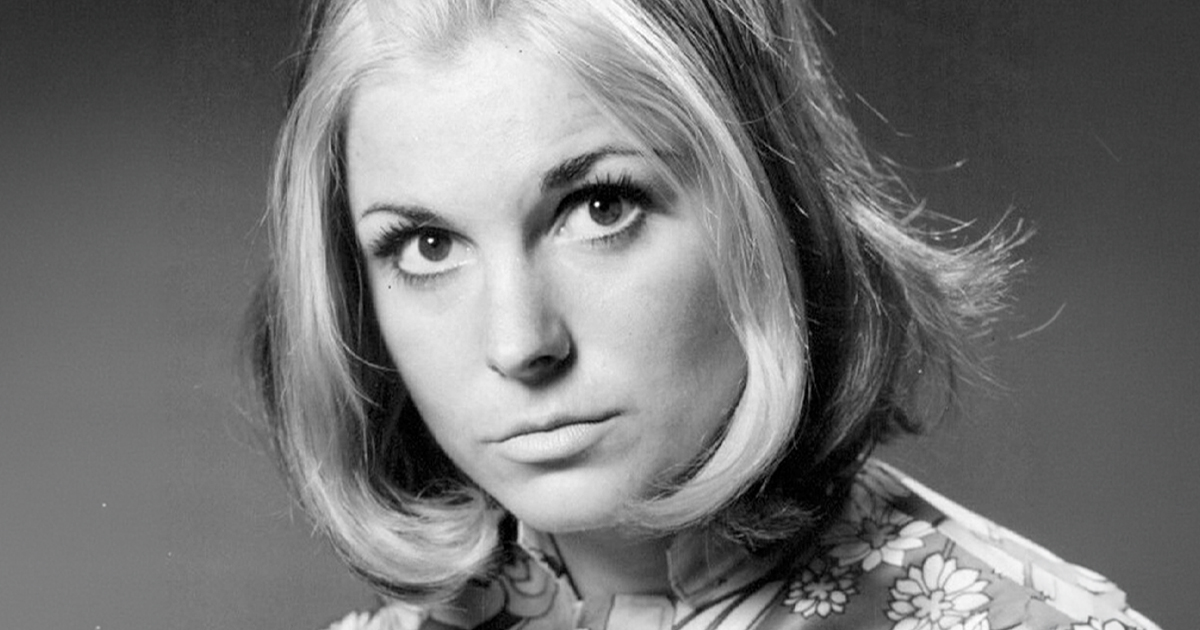
By the time the 1970s arrived, Susan Saint James had already become the kind of actress networks loved: funny without forcing it, glamorous without seeming untouchable, and equally believable chasing criminals or making a roomful of people laugh. For a while, television seemed to have one solution for every casting problem: call Susan.
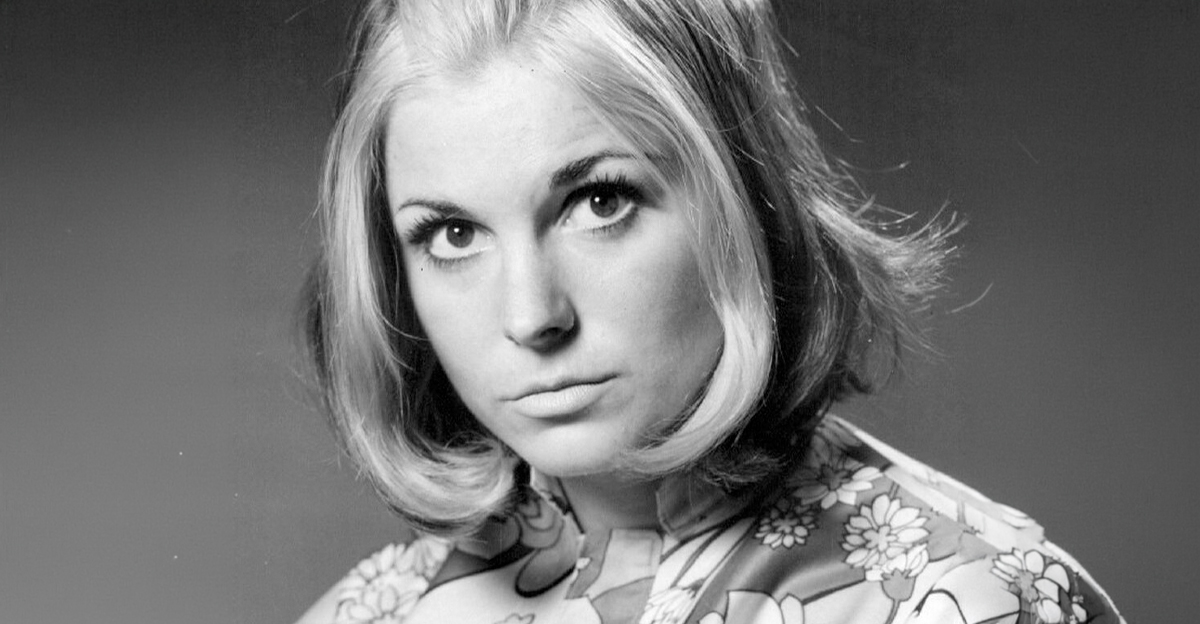 NBC Television, Wikimedia Commons
A Hollywood Birth, a Midwestern Childhood
Susan Jane Miller was born on August 14, 1946, in Los Angeles, but she grew up in Rockford, Illinois. Her father, Charles Miller, worked in the camera and model-making industries, while her mother, Constance, taught school. Hollywood was technically in her birthplace, but her personality was shaped far from the studio gates.
Modeling Came Before Acting
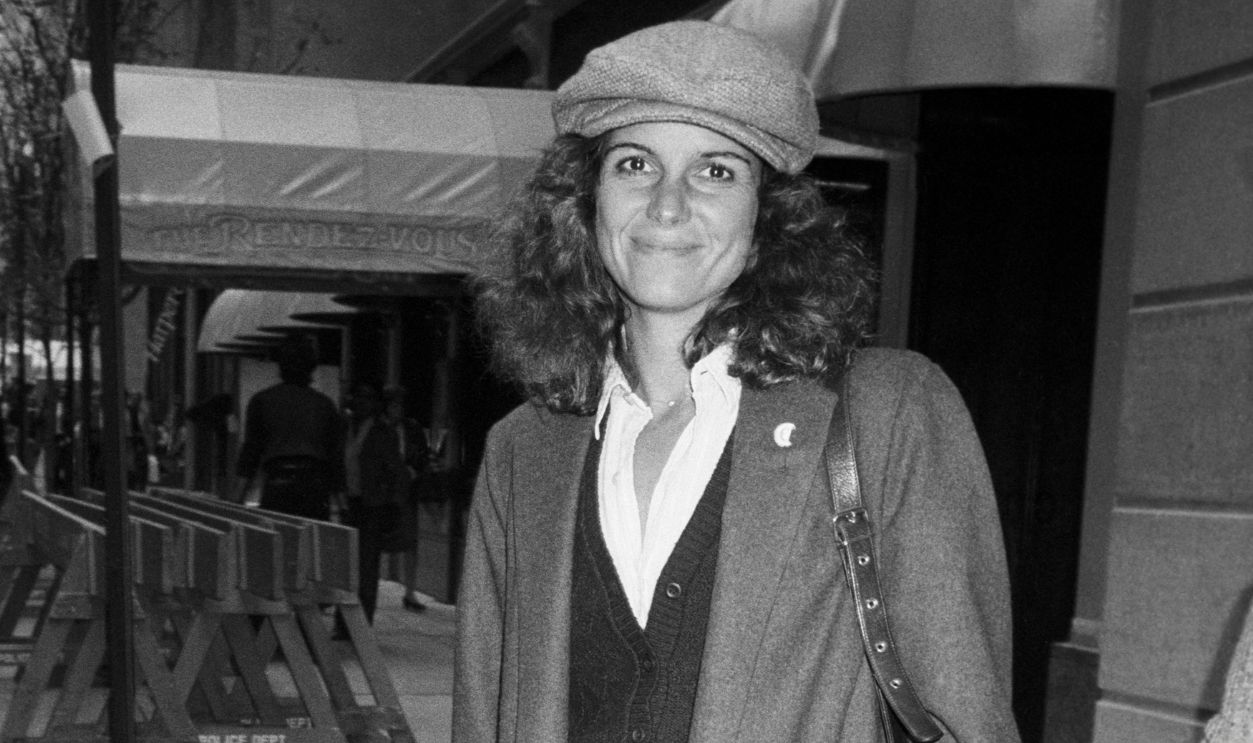
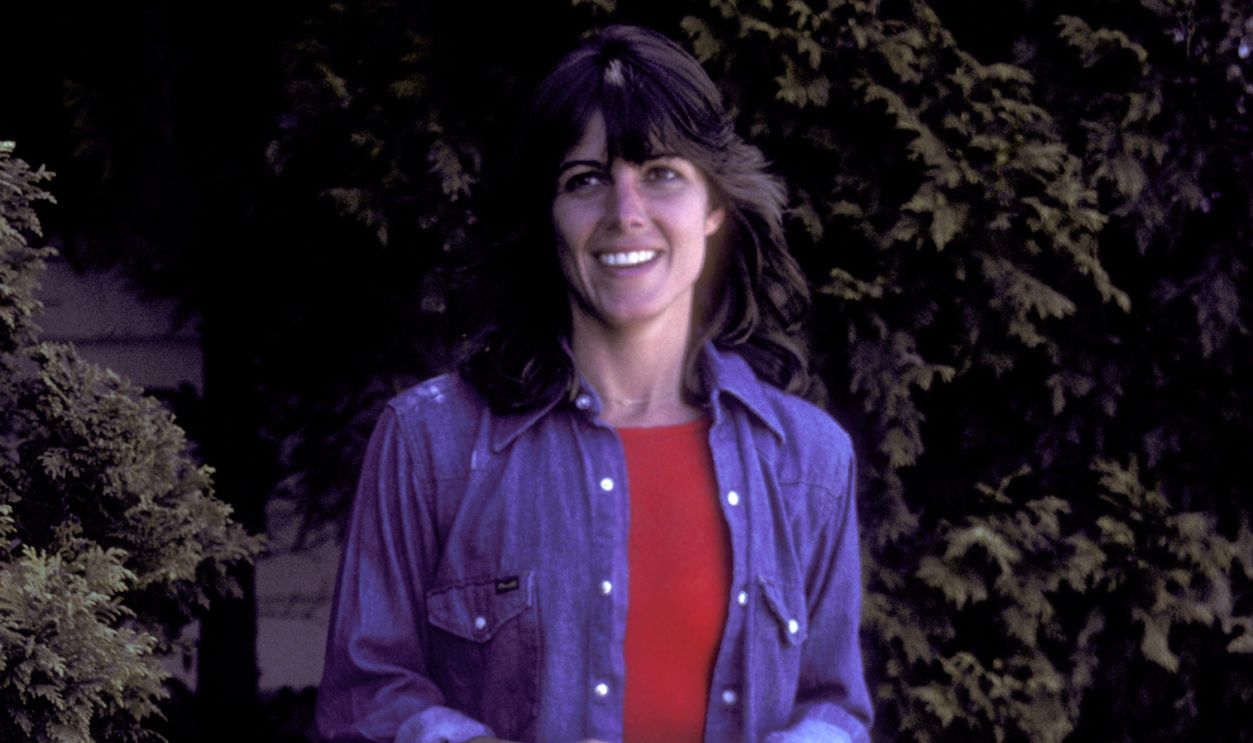
Saint James started modeling as a teenager and attended the Woodlands Academy of the Sacred Heart in Lake Forest, Illinois, before studying at Connecticut College for Women. She had the camera-friendly face studios wanted, but she also had something harder to manufacture: an offbeat, slightly mischievous quality that made polished television feel less polished.
She Left School and Bet on Herself
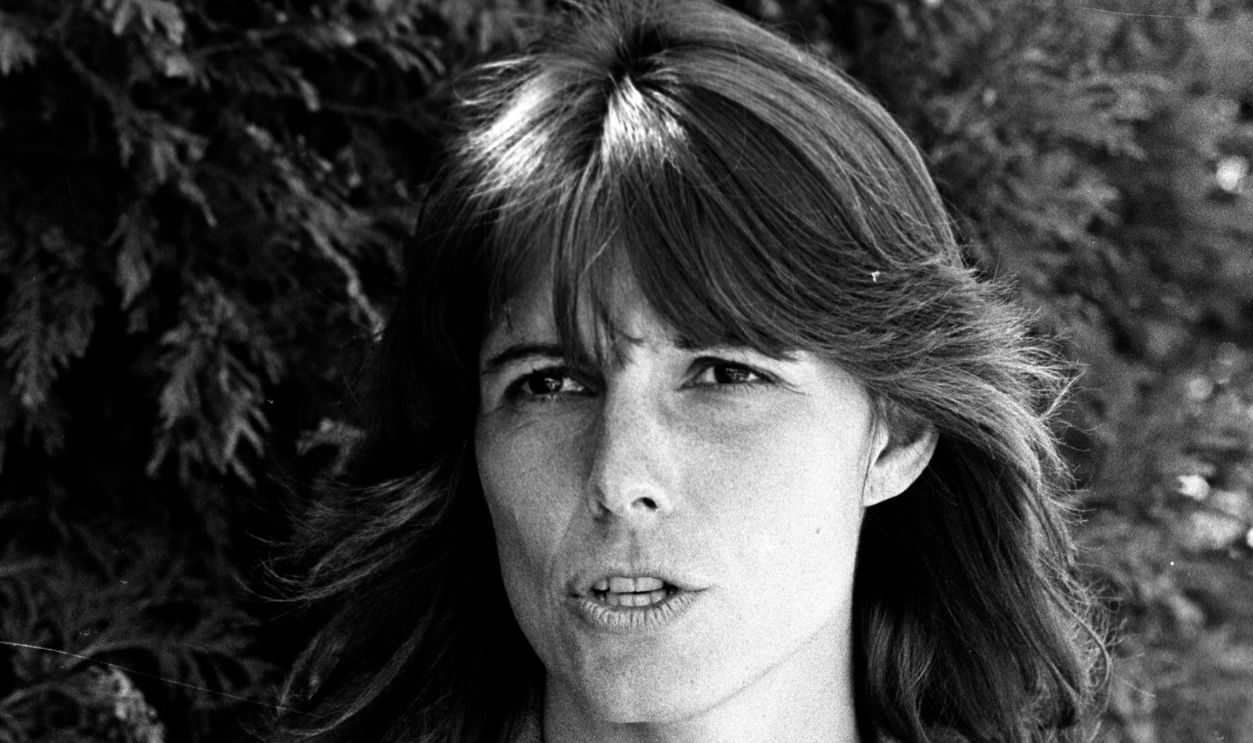
At 20, Saint James moved to California to pursue acting. She soon landed a contract with Universal Studios, entering the old contract-player system at exactly the right moment. Television production was expanding rapidly, and Universal needed performers who could move between dramas, mysteries, comedies, pilots, and films without blinking.
Her First Screen Job Was No Tiny Favor
Her screen debut came in the 1966 television movie Fame Is the Name of the Game, starring Tony Franciosa and featuring Jack Klugman, Jill St. John, and Robert Duvall. Saint James played an editorial assistant. The movie drew strong ratings and became the pilot for a major NBC series. Not bad for day one.
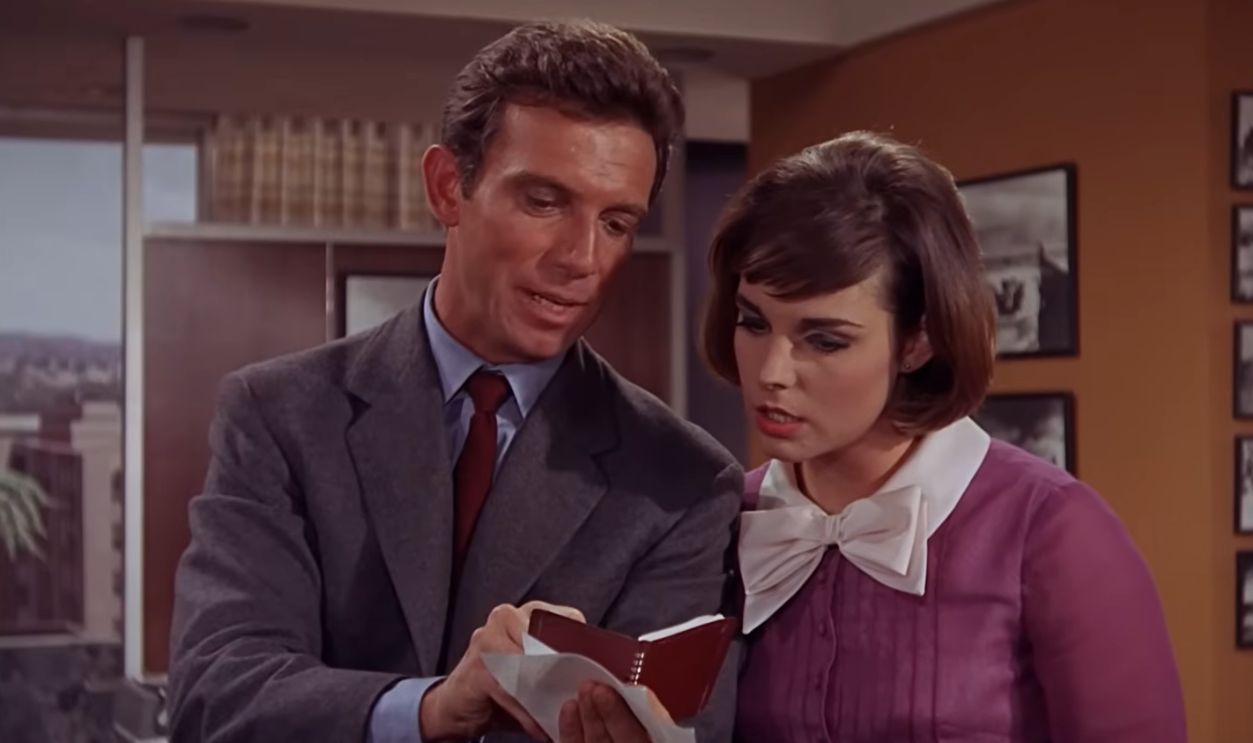 Screenshot from Fame Is the Name of the Game, NBC (1966)
One Strange Format Made Her Unusually Visible
When The Name of the Game premiered in 1968, it rotated among three male leads: Tony Franciosa, Gene Barry, and Robert Stack. Saint James played research assistant Peggy Maxwell across their separate storylines, giving the sprawling 90-minute series something it badly needed—continuity. Different star this week? Peggy was still there.
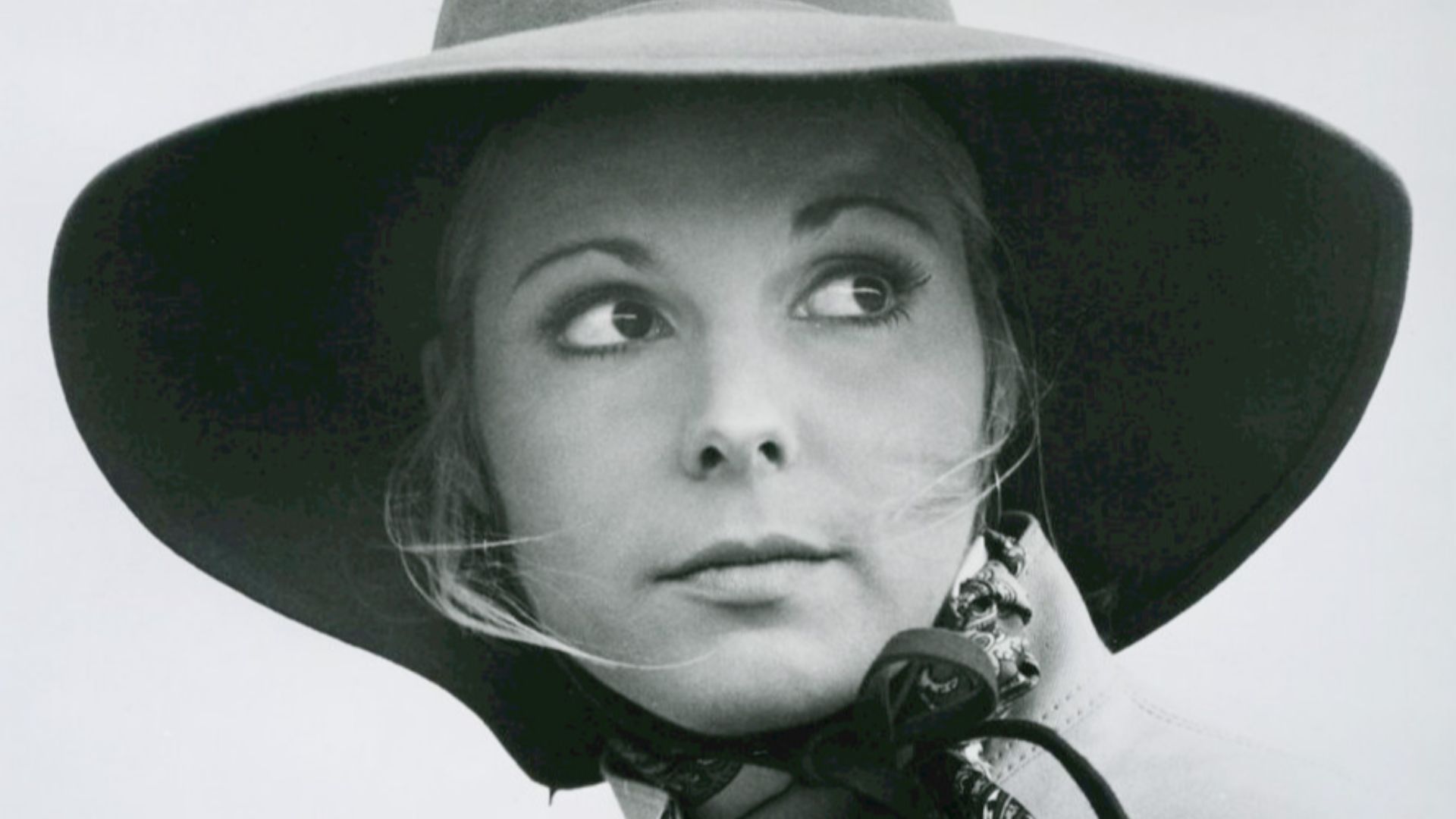 Universal Television, Wikimedia Commons
Peggy Maxwell Was More Than the Office Girl
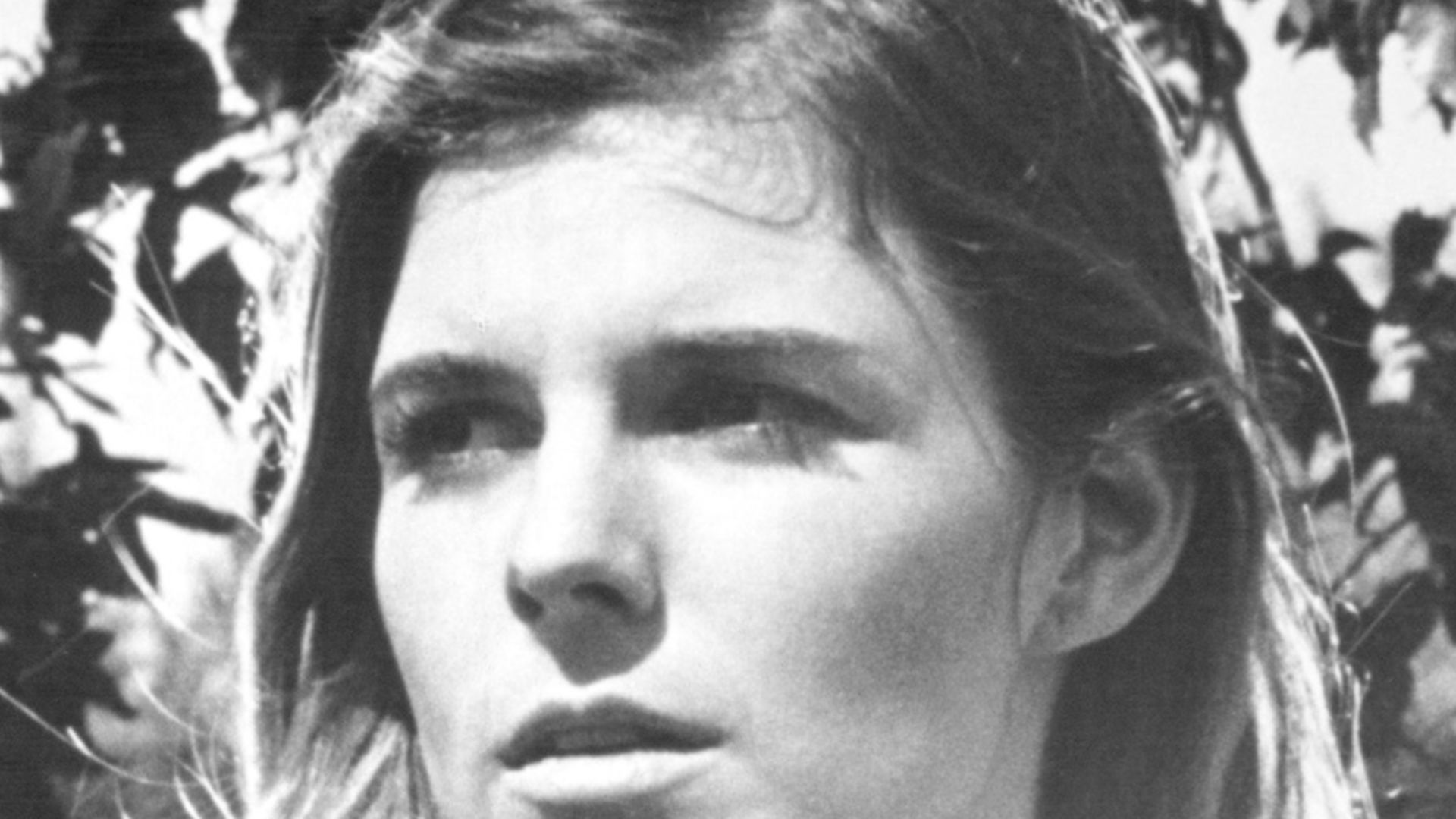
Peggy could have been written as decoration beside powerful men. Instead, Saint James made her observant, competent, energetic, and capable of carrying far more than coffee. She appeared in nearly half the series and even shared the spotlight in “The King of Denmark,” proving viewers were following her, not merely the men around her.
 Universal Television, Wikimedia Commons
The Emmy Arrived Before Her 23rd Birthday
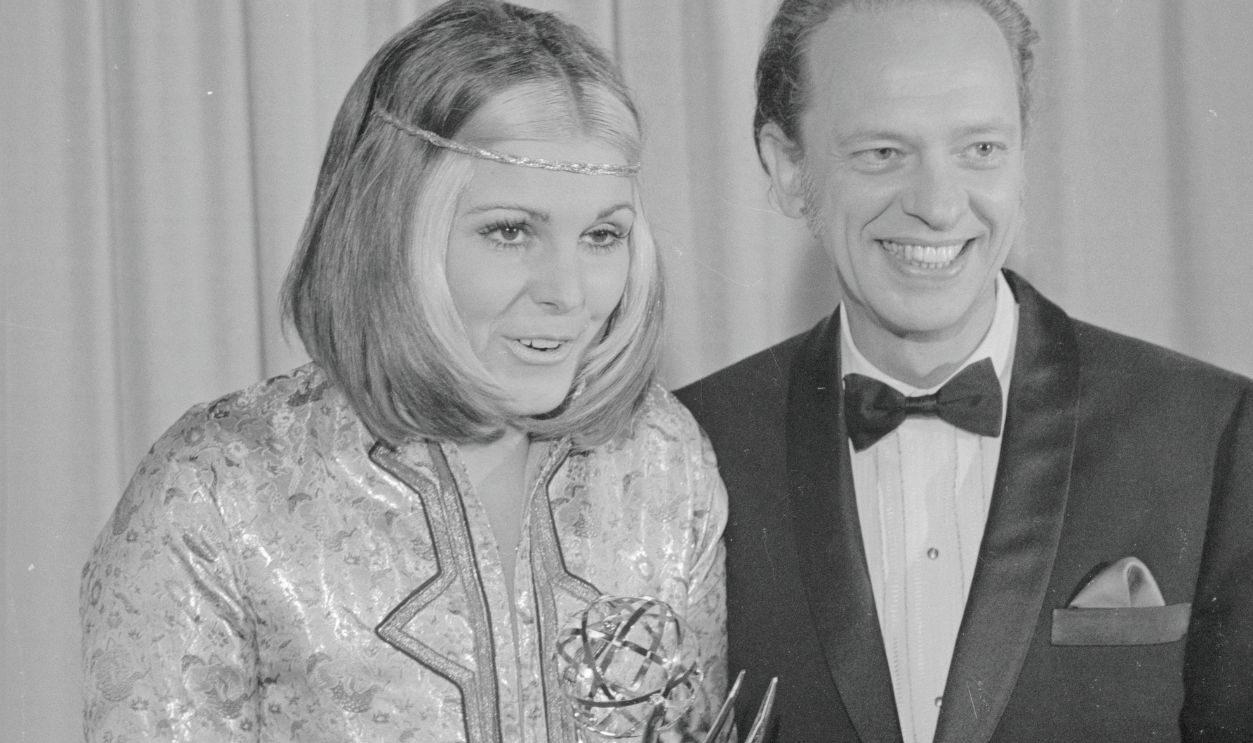
In 1969, Saint James won the Emmy for outstanding supporting actress in a series for The Name of the Game. She was only 22 when the show began and had become a household name with remarkable speed. The Television Academy would eventually recognize her with eight nominations and one win.
She Was Working Several Jobs at Once
While appearing on The Name of the Game, Saint James also returned repeatedly to It Takes a Thief with Robert Wagner, playing Charlene “Chuck” Brown. She added episodes of Ironside, a pilot for Alias Smith and Jones, and several film roles. Apparently, sleep had not yet been invented.
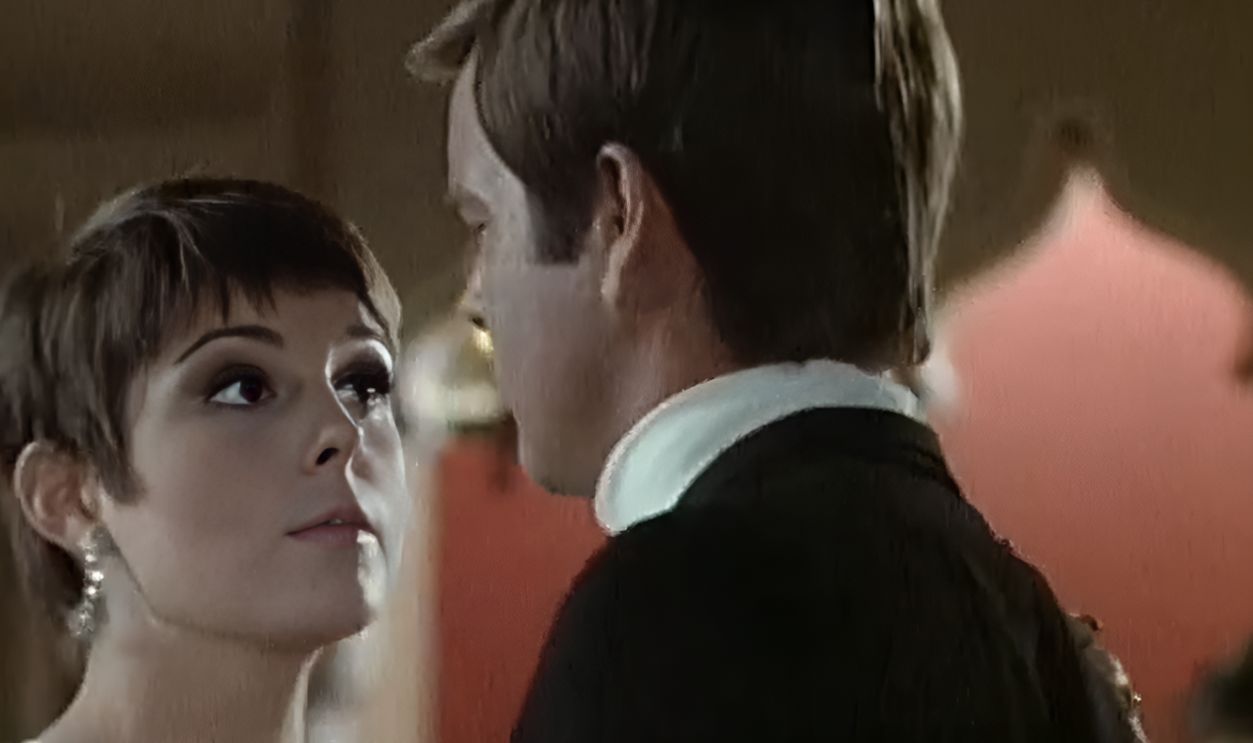 Screenshot from It Takes a Thief, ABC (1968–1970)
America Liked That She Felt Modern
Saint James did not project the carefully frozen perfection associated with many earlier television actresses. Her characters could be clever, impulsive, clumsy, flirtatious, professionally useful, and occasionally wrong—all before the commercial break. That mix made her feel closer to the women watching at home than to an untouchable studio fantasy.
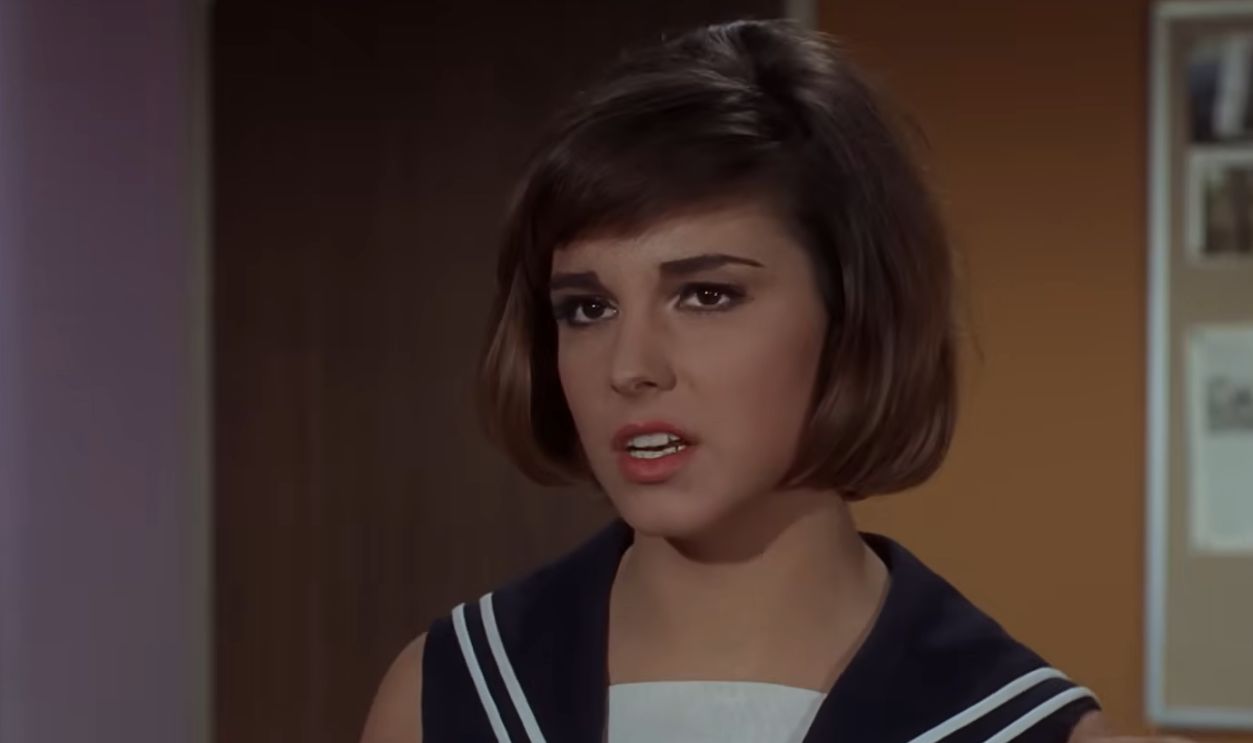 Screenshot from Fame Is the Name of the Game, NBC (1966)
She Arrived as Television’s Women Were Changing
Peggy Maxwell worked inside a major publishing company and moved confidently through stories driven by politics, crime, and business. Saint James was not yet playing the boss, but she was helping television inch away from the idea that a young woman’s only purpose was to admire whichever man had top billing.
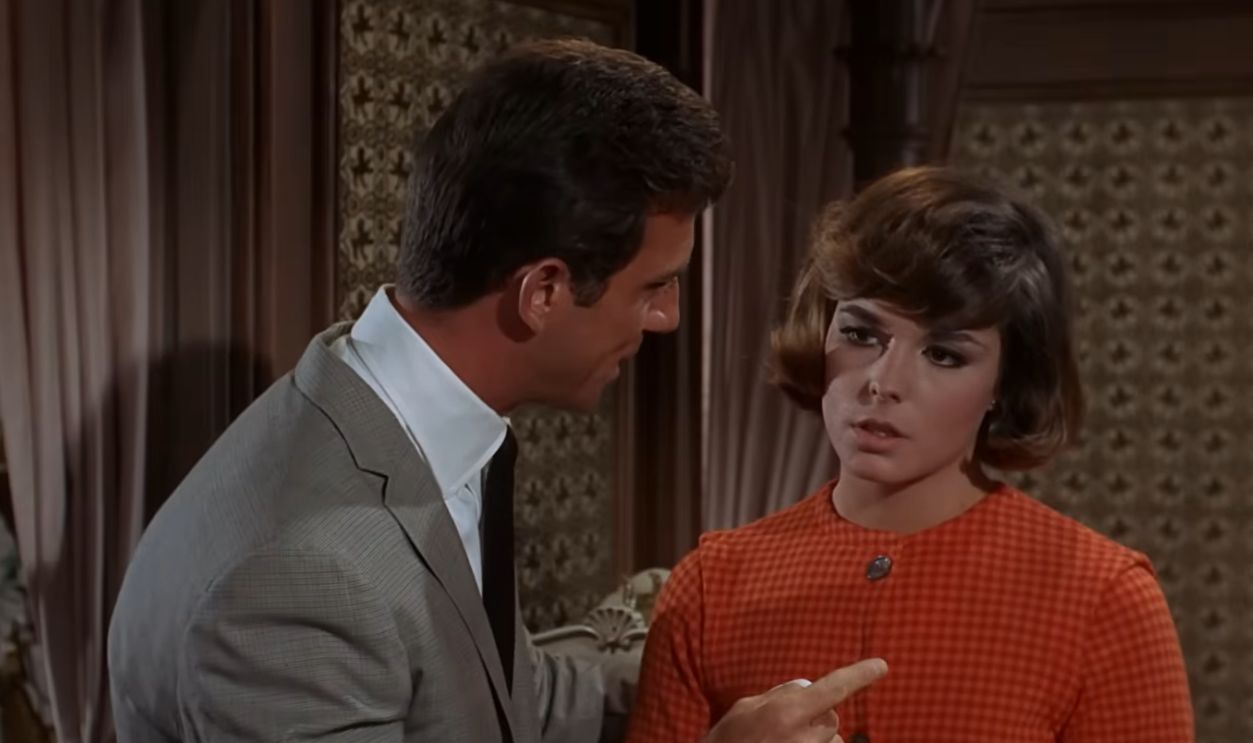 Screenshot from Fame Is the Name of the Game, NBC (1966)
Her Private Life Was Moving Just as Fast
Saint James married aspiring writer-director Richard Neubert in 1967, when she was 21. The marriage ended the following year, just as her career was taking off. There was no grand public collapse, but it was an early lesson in how difficult it could be to build a private life while becoming recognizable everywhere.
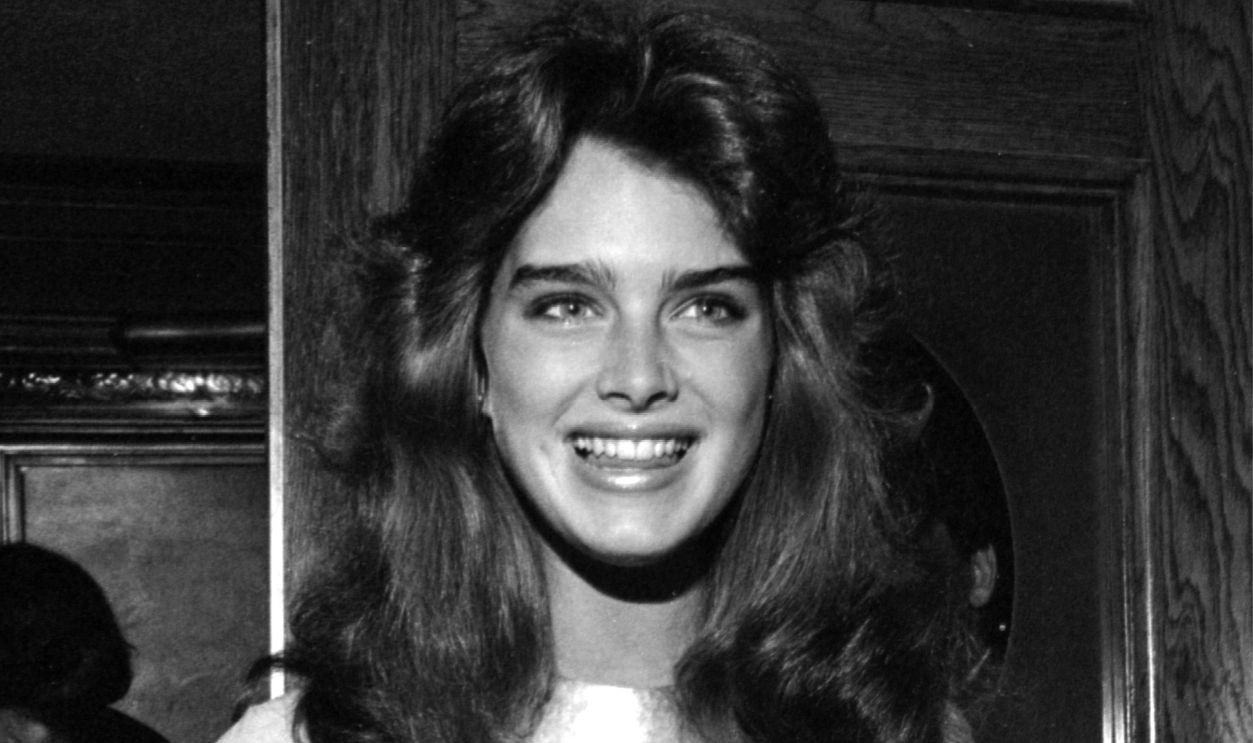
Then Rock Hudson Entered the Picture
In 1971, Saint James was cast opposite Rock Hudson in McMillan & Wife. Hudson played San Francisco Police Commissioner Stewart McMillan; she played Sally, his younger, curious, frequently involved wife. The age gap was obvious, but their chemistry made the pairing feel playful rather than peculiar.
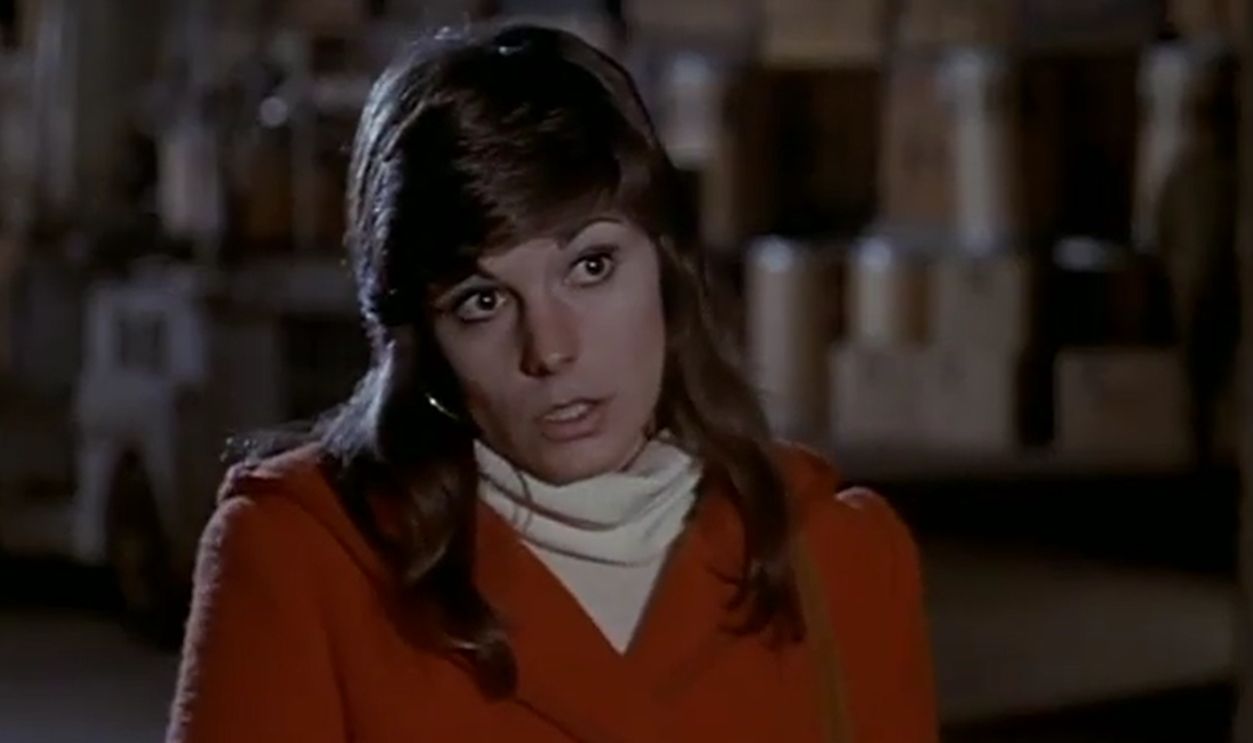 Screenshot from McMillan & Wife, NBC (1971–1977)
NBC Found the Perfect Way to Keep Her Everywhere
McMillan & Wife was part of the rotating NBC Mystery Movie, sharing the schedule with Columbo and McCloud. Instead of producing a standard weekly episode, the cast made feature-length mysteries that aired periodically. That structure gave Saint James enormous visibility while leaving room for movies, television films, motherhood, and the occasional attempt to breathe.
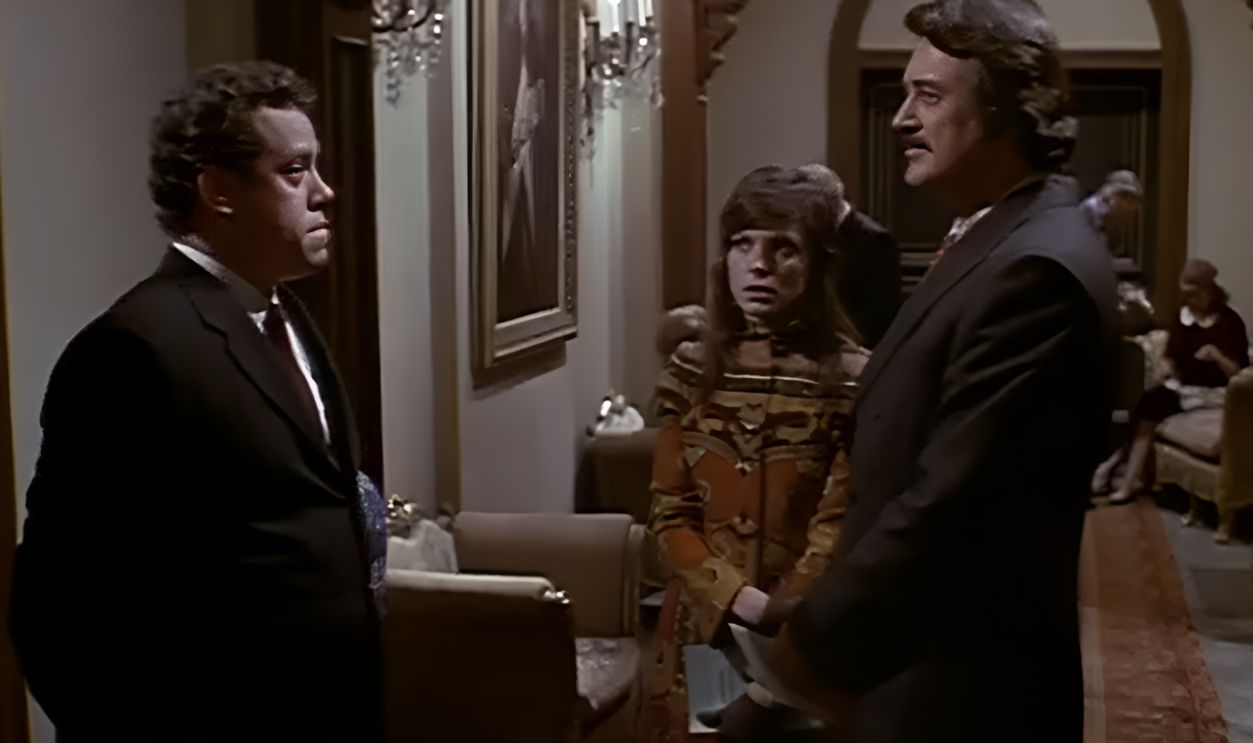 Screenshot from McMillan & Wife, NBC (1971–1977)
Sally McMillan Was Not Content to Stay Home
Although the title technically identified her as “Wife,” Sally rarely behaved like a decorative spouse. She followed clues, wandered into danger, challenged Mac, and helped solve cases. The Television Academy later described her as a “not-really-stay-at-home wife,” which neatly captures why the character connected with changing audiences.
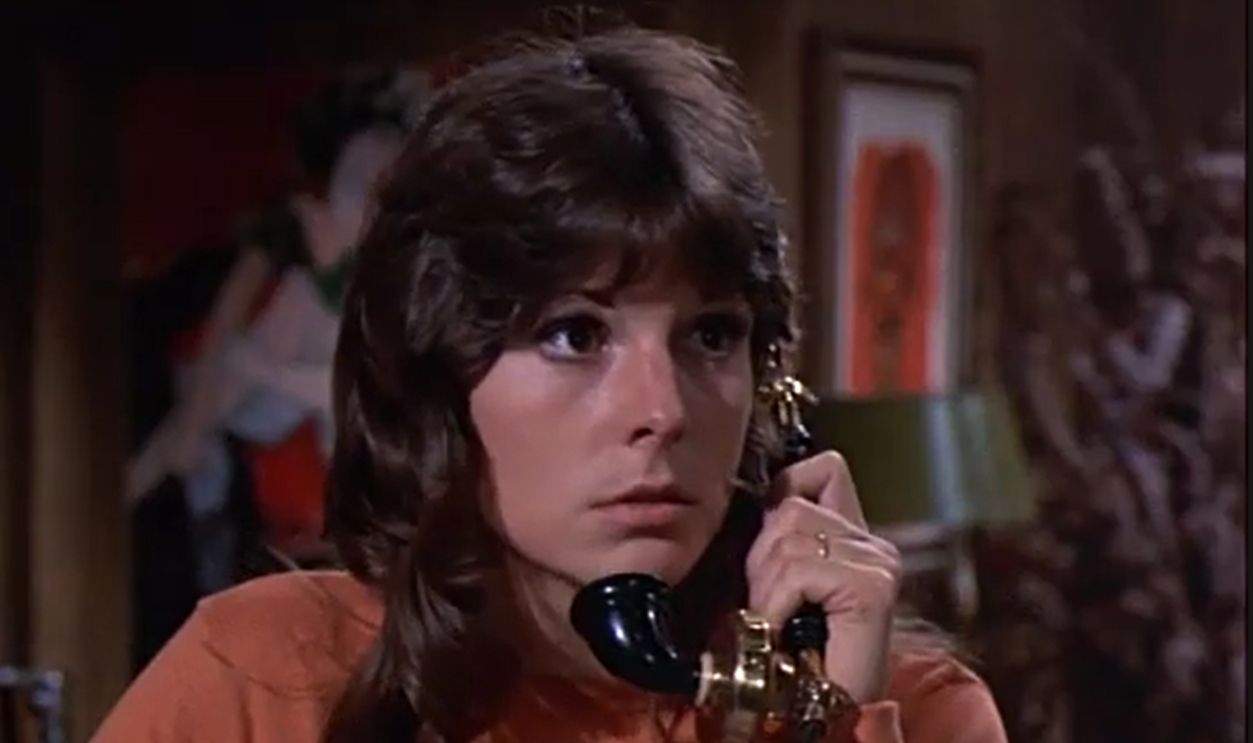 Screenshot from McMillan & Wife, NBC (1971–1977)
The Rock Hudson Chemistry Was Very Real
Decades later, Saint James remembered working with Hudson with obvious affection. Discussing their romantic scenes, she joked, “We were kissing all the time, and it was fun.” She described him as engaging, friendly, and wonderful—proof that not every famous television marriage required actors to grit their teeth between takes.
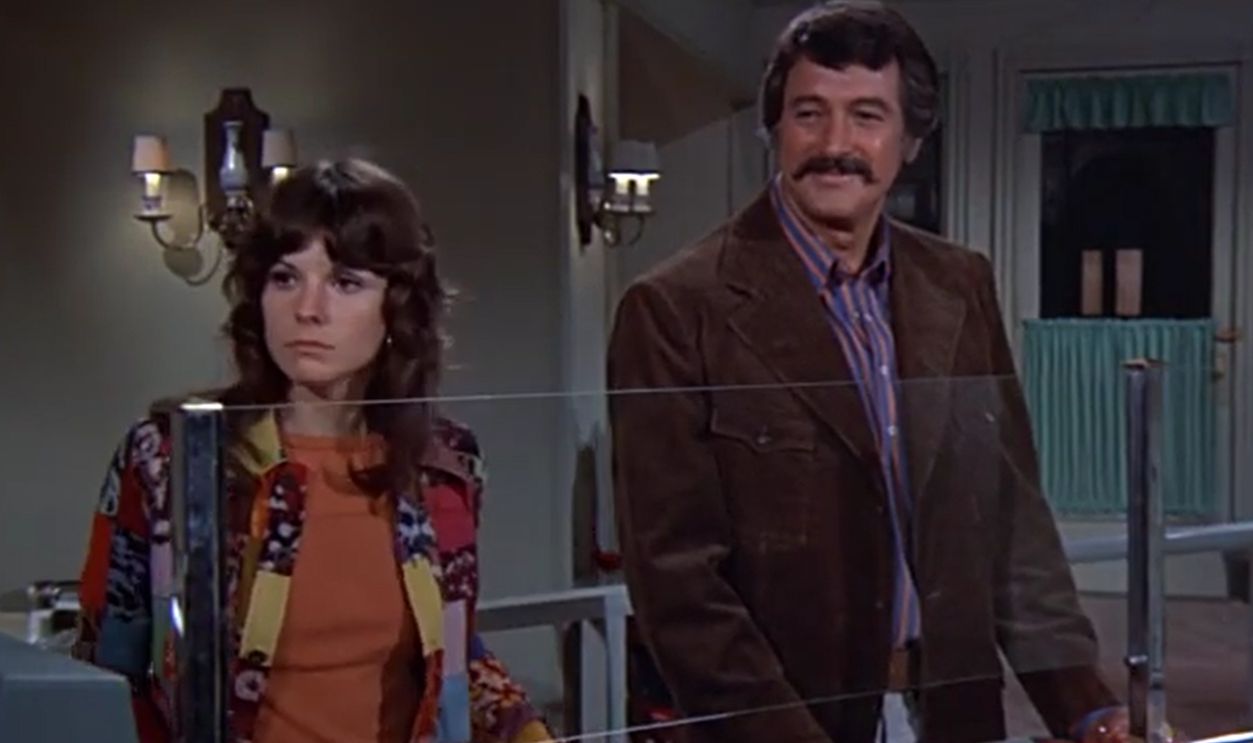 Screenshot from McMillan & Wife, NBC (1971–1977)
She Became a Mother Without Slowing Down
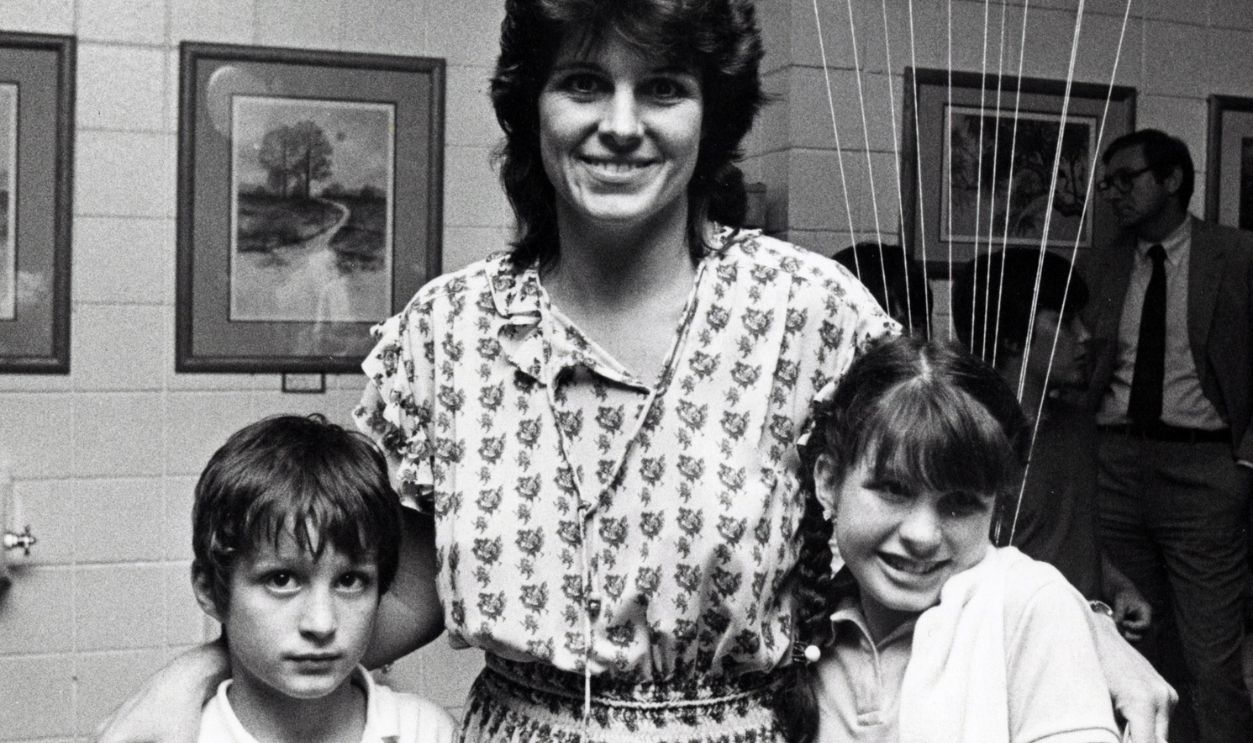
Saint James married makeup artist Thomas Lucas in 1971. Their daughter, Sunshine, was born in 1972, followed by their son, Harmony, in 1974—both while McMillan & Wife was running. She was building a family, carrying major television movies, and collecting award nominations at the same time.
Awards Kept Confirming What Viewers Already Knew
Saint James earned Emmy nominations for McMillan & Wife in 1972, 1973, and 1975. By then, she had proven she could function as the emotional center of a mystery, the comic spark in a romantic scene, and a credible partner to one of Hollywood’s most established leading men.
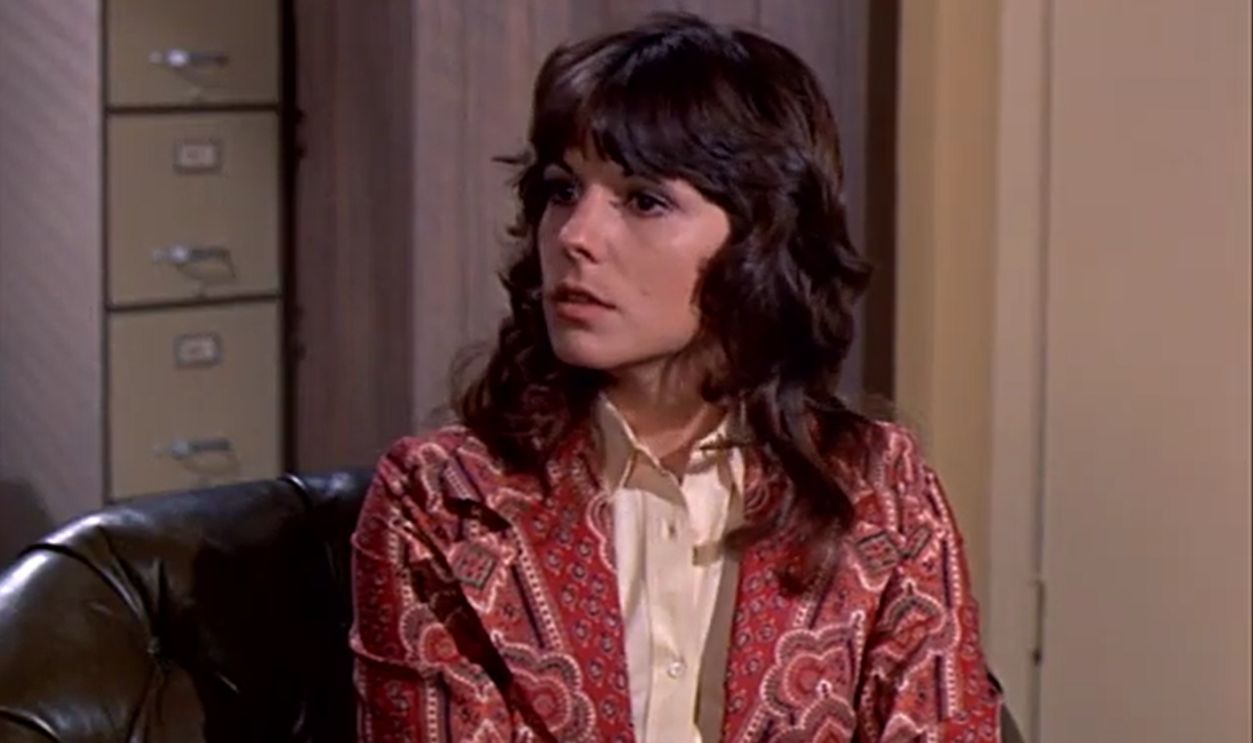 Screenshot from McMillan & Wife, NBC (1971–1977)
She Used Her Visibility for Something Bigger
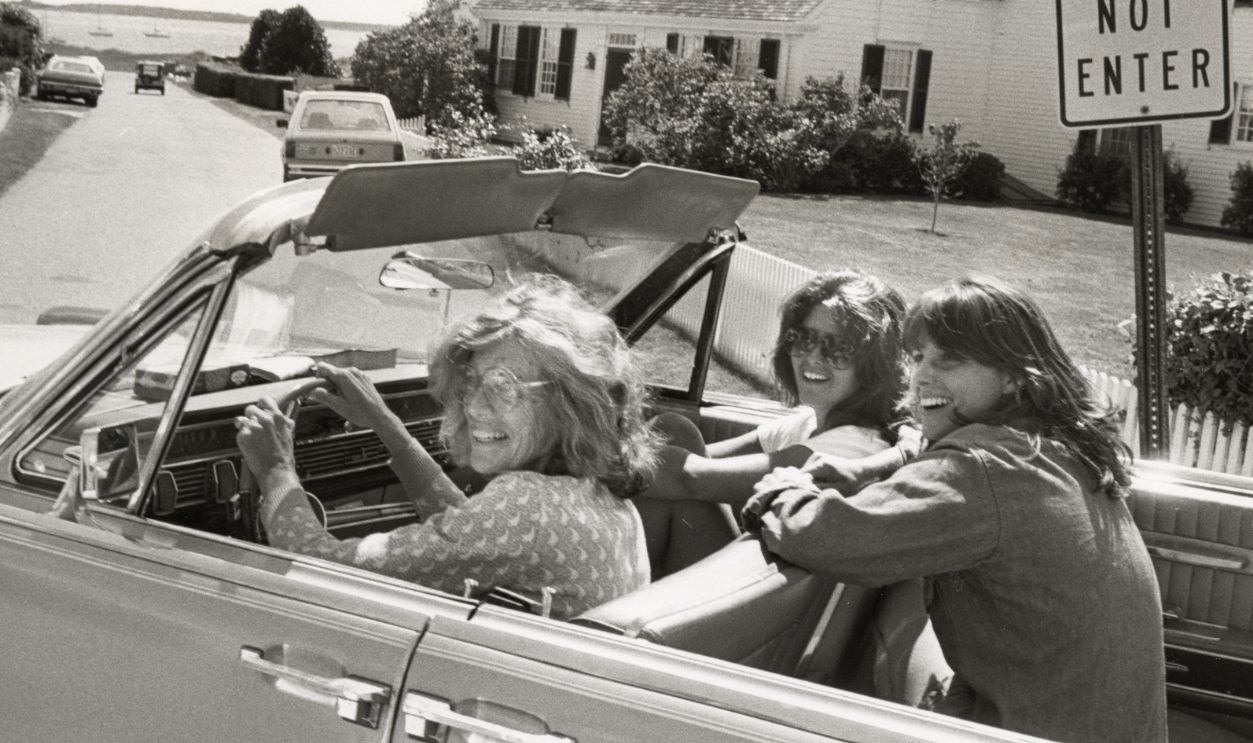
In 1972, while working on McMillan & Wife, Saint James attended the California Special Olympics State Games and met Eunice Kennedy Shriver. That meeting began decades of advocacy. Saint James later said, “I don’t think my life would be anything without the Special Olympics.” Fame gave her a platform; she actually used it.
The Work Kept Piling Up
The 1970s résumé did not stop with one series. Saint James appeared in television movies including Magic Carpet, Scott Free, Night Cries, Desperate Women, Sex and the Single Parent, and S.O.S. Titanic. She could move from crime to melodrama to comedy with the confidence of someone changing channels from the couch.
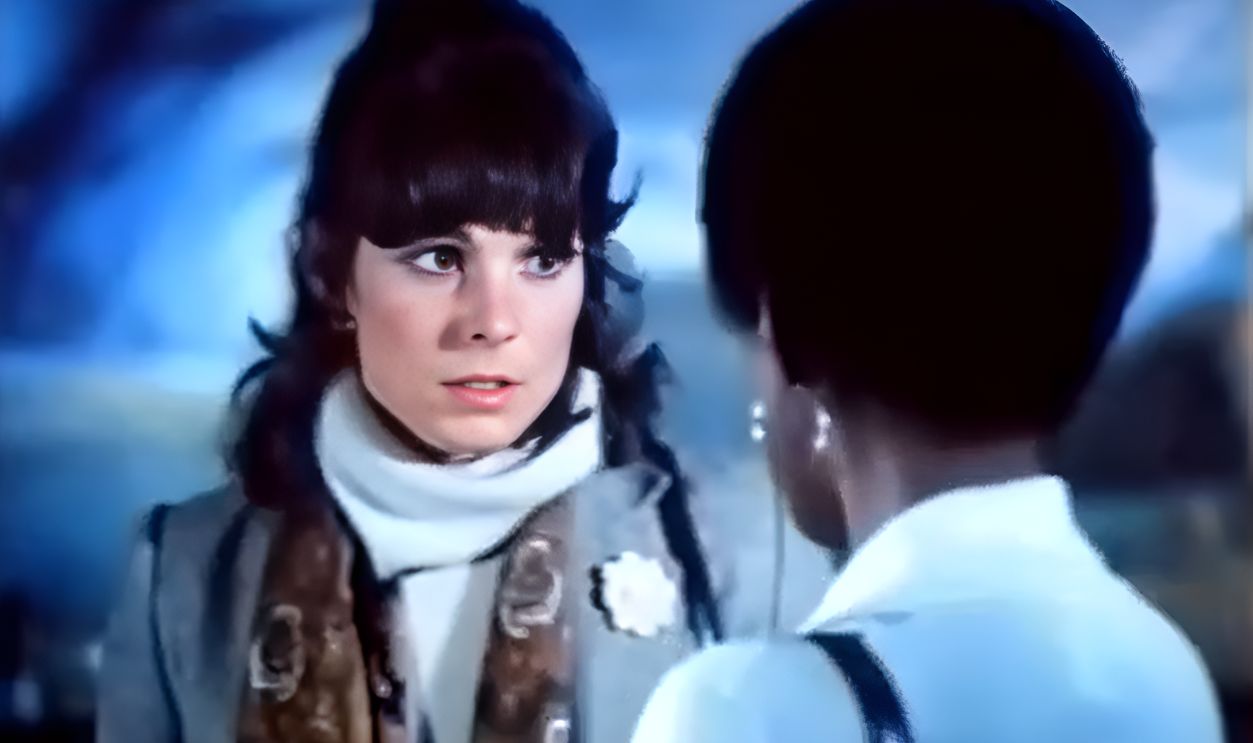 Screenshot from Night Cries, ABC (1978), Modified
She Wanted More Than Television’s Version of Her
In 1977, Saint James co-starred with Peter Fonda in Outlaw Blues. During a Texas interview, she discussed expanding beyond her television work, singing in the movie, and handling physically demanding scenes. She was not rejecting television; she simply refused to let television decide the full size of her career.
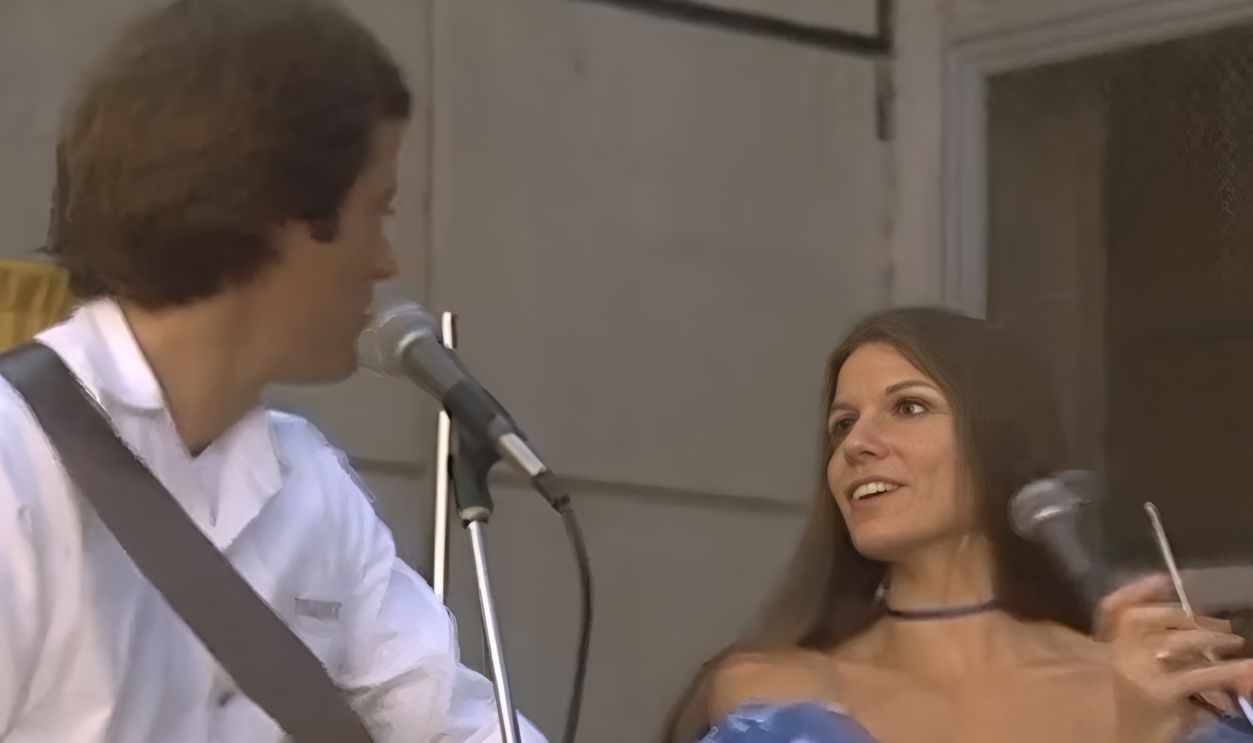 Screenshot from Outlaw Blues, Warner Bros. Pictures (1977), Modified
Her Big-Screen Comedy Instincts Paid Off
Saint James found one of her most popular film roles in the 1979 comedy Love at First Bite, opposite George Hamilton’s dramatically overdressed Count Dracula. Her performance earned a Saturn Award nomination and showed why casting directors kept calling: she could play the sensible person in a ridiculous situation without draining the ridiculousness out of it.
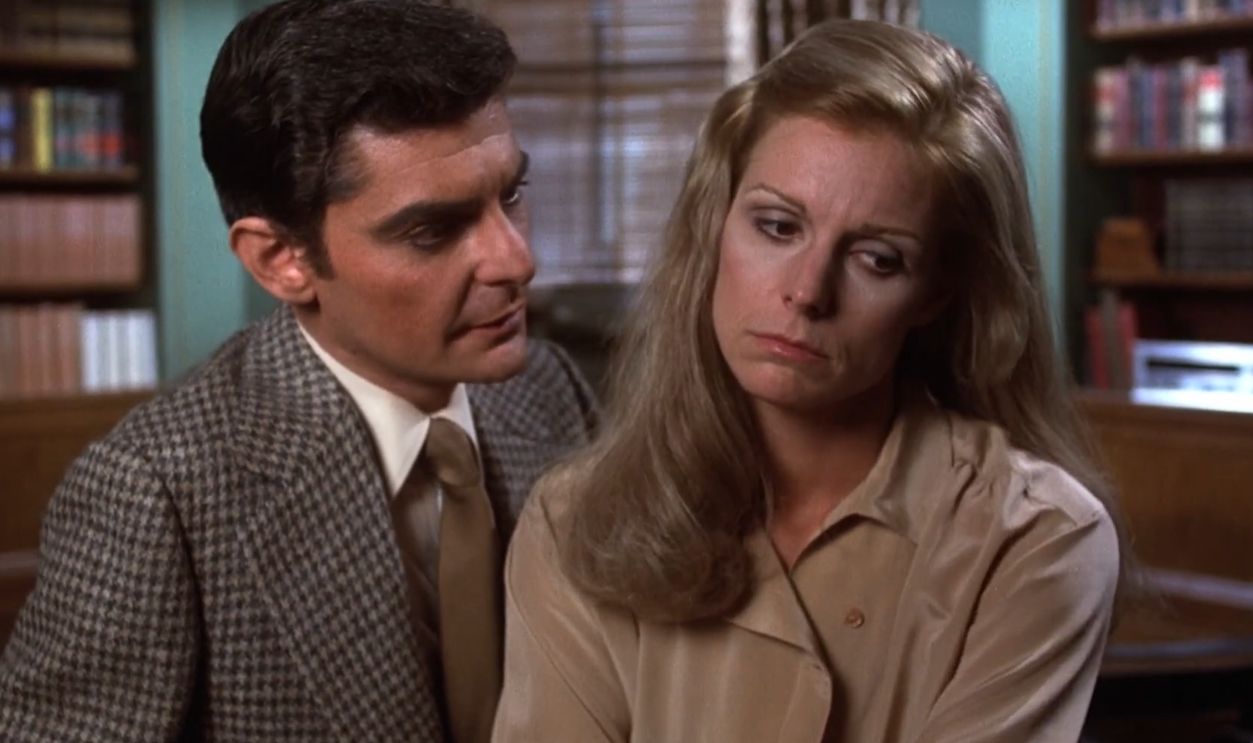 Screenshot from Love at First Bite, American International Pictures (1979)
Her Marriage Ended, but the Career Didn’t
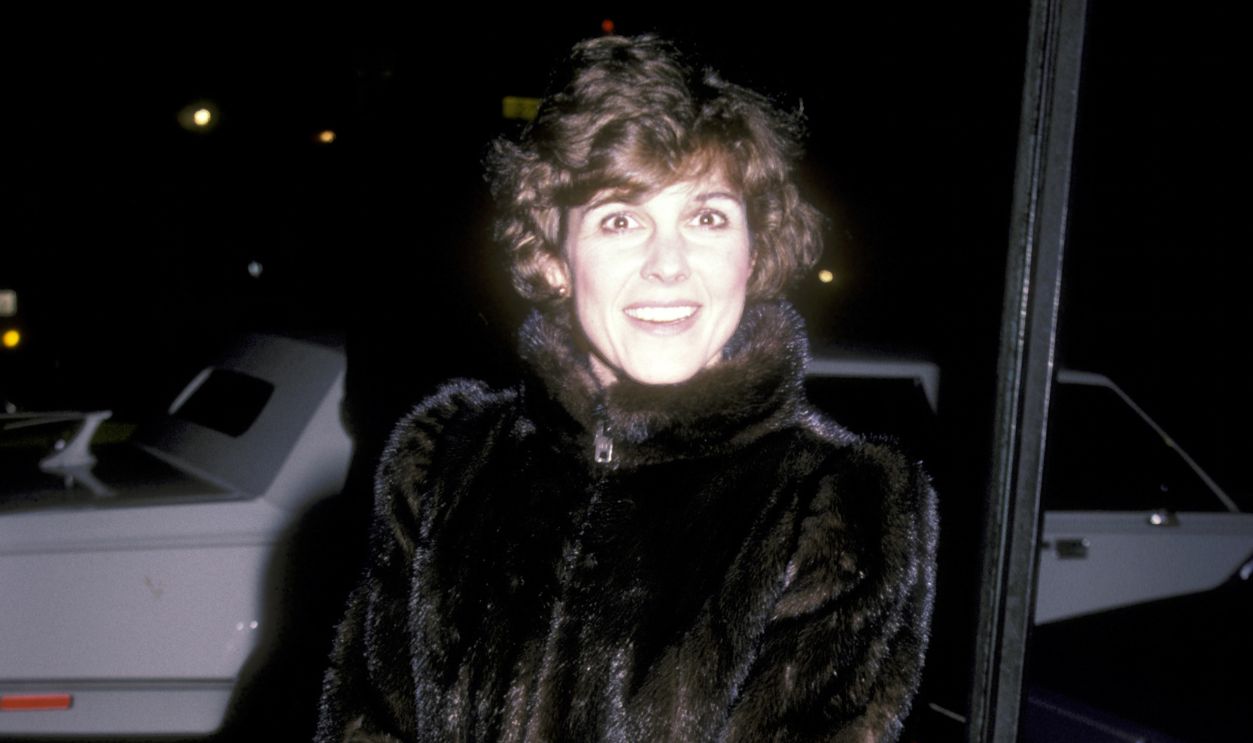
Saint James and Thomas Lucas divorced in 1977 after six years of marriage. The split happened during the same period she was moving away from McMillan & Wife and trying to establish herself in films. Her personal and professional lives were changing at once, but she kept making choices instead of waiting for decisions to be made for her.
 Ron Galella, Ltd., Getty Images
Then Came the Contract Showdown
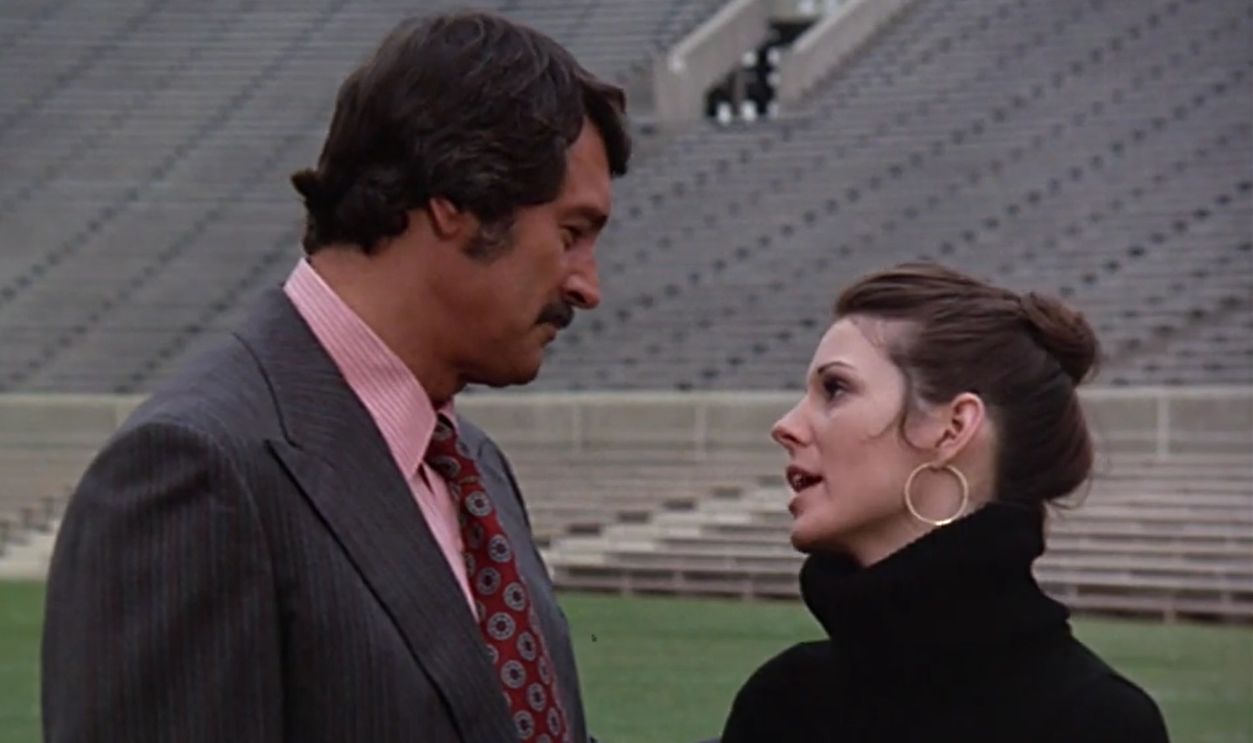
After five seasons, Saint James would not agree to the contract terms offered for another year of McMillan & Wife. Wanting to escape being typecast as the glamorous younger wife of an older man, she left the series in 1976, reportedly over the dispute. At a time when actresses were routinely expected to be grateful, quiet, and available, she walked away from a hit bearing her character’s title.
 Screenshot from McMillan & Wife, NBC (1971–1977)
Television Responded by Killing Sally
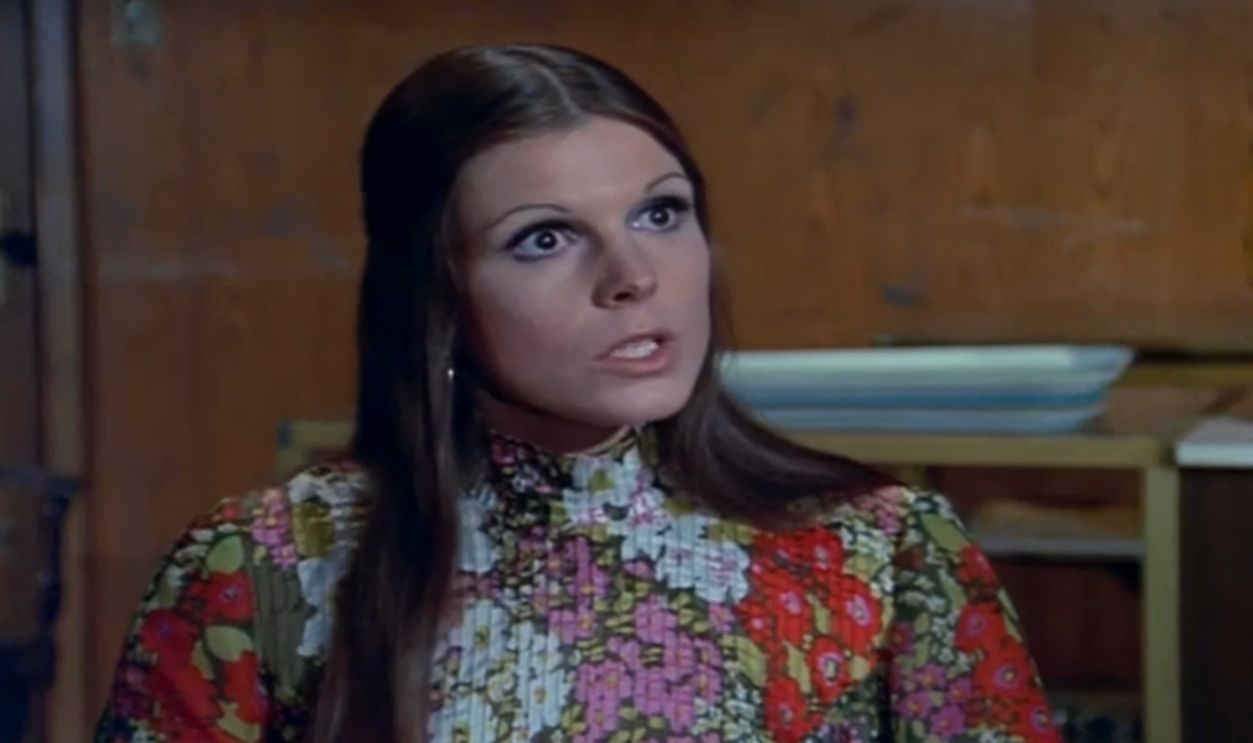
The producers did not send Sally on a long vacation. They killed her—and the McMillans’ barely seen son—in an off-screen plane crash. The series dropped “& Wife” from its title and continued as McMillan. It lasted one final season. Subtle, the television business was not.
 Screenshot from McMillan & Wife, NBC (1971–1977)
She Kept Choosing Women-Centered Stories
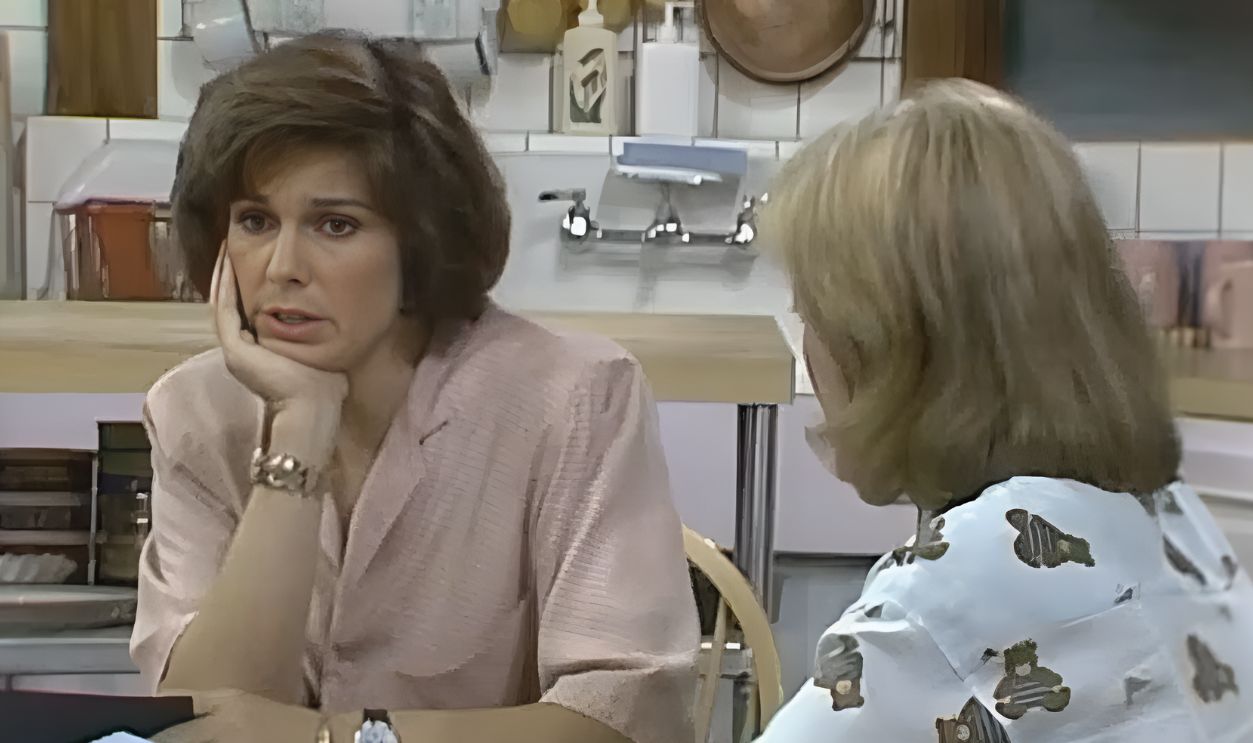
Saint James followed the 1970s with How to Beat the High Cost of Living, alongside Jessica Lange and Jane Curtin, then later reunited professionally with Curtin for Kate & Allie. That sitcom centered two divorced mothers building a family together—exactly the kind of practical, female-led story television had once treated as risky.
 Screenshot from Kate & Allie, CBS (1984–1989), Modified
She Eventually Chose Her Own Exit Too
After Kate & Allie, Saint James largely stepped away from acting to focus on family and volunteer work. It was not a fade-out forced by Hollywood. It was another deliberate choice from an actress who had already left one major hit rather than accept terms she did not want.
That, and she had something more important to focus on.
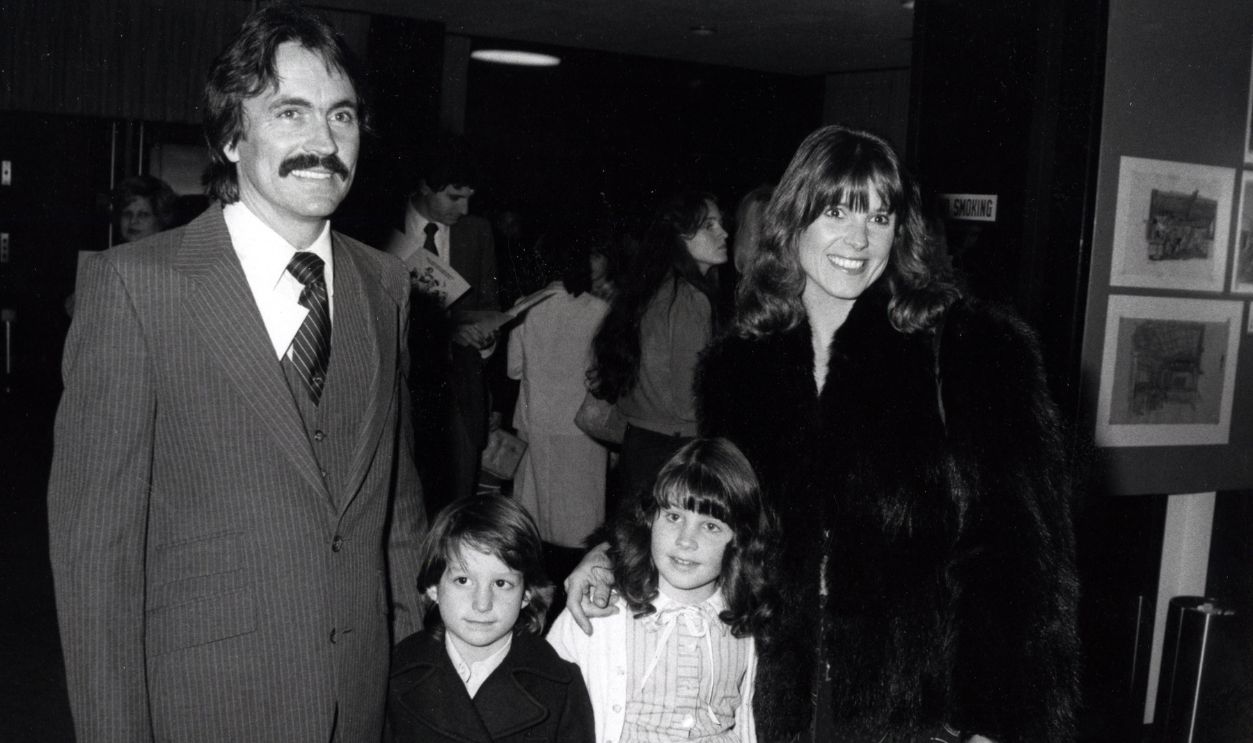
Her 1977 Cover Had a Secret Afterlife
Back in 1977, Saint James appeared on the September cover of People. Decades later, her niece Christa Miller revealed that the magazine helped expose a hidden family truth: at 11, Christa learned Susan’s brother Chuck was her biological father and Susan was her aunt.
The story is a wild one.
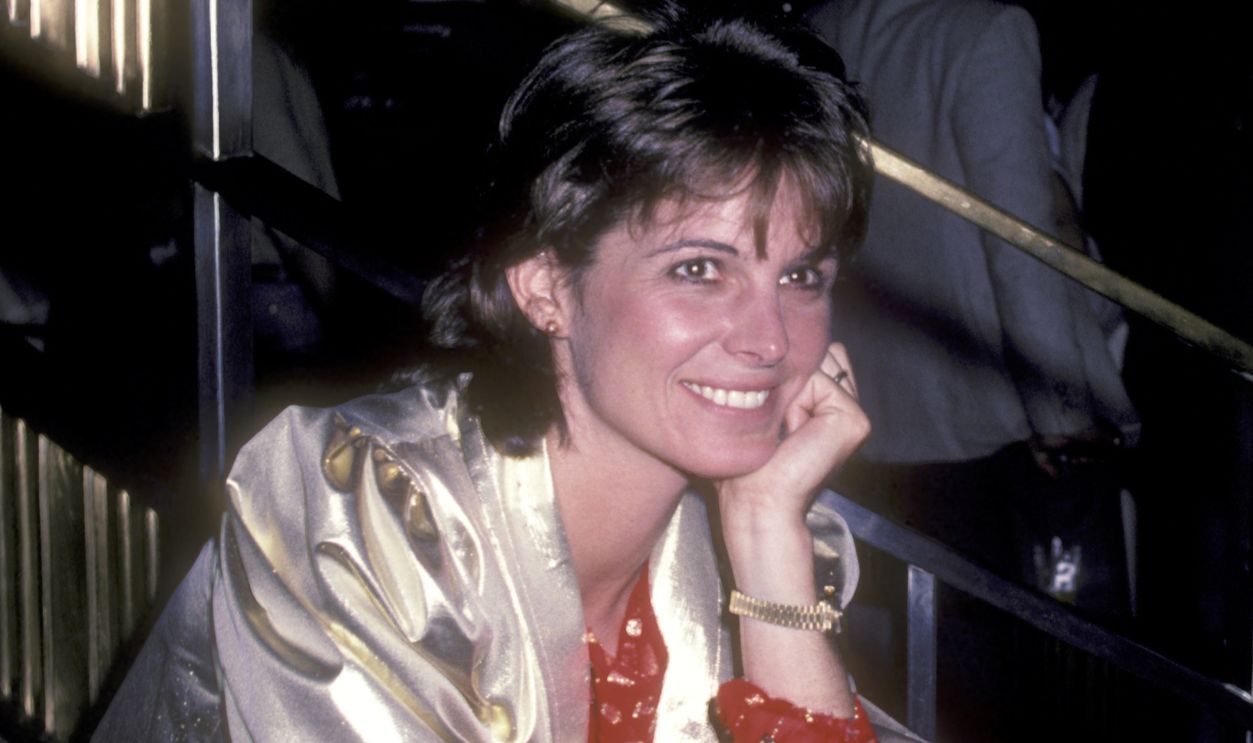
She Reunited With Her Niece
Saint James' brother, Chuck Miller, had been previously married with a daughter. When the couple divorced, Chuck's ex-wife remarried and both families decided to erase Chuck from the equation altogether, and have the infant daughter be raised without him. All of this came to light when the daughter, at age 11, saw Susan Saint James on the cover of People, and her grandmother spilled the beans.
The families eventually reunited and Saint James became deeply close with her niece.
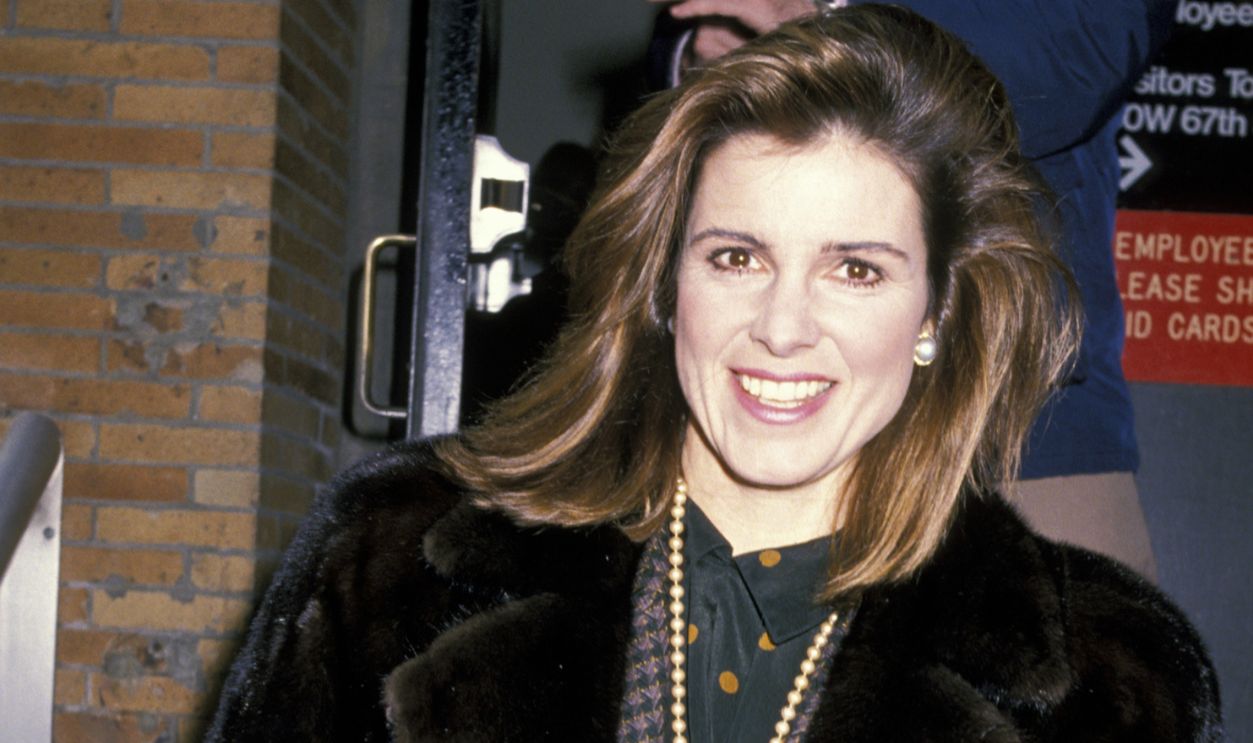
Why Susan Saint James Was So Popular
Saint James became one of television’s busiest stars because she combined perfect timing with unusual range. She looked like an ingénue but played women with opinions, jobs, humor, desires, and agency. She could support male stars without disappearing beside them—and when the deal stopped working, she knew how to leave.

The Real Secret Was That She Felt Like Herself
Susan Saint James never seemed engineered in a laboratory by network executives. She was smart, slightly unpredictable, funny, warm, and willing to change direction. In a decade when women were demanding more freedom on screen and off, she made independence look less like a slogan and more like a very busy life.
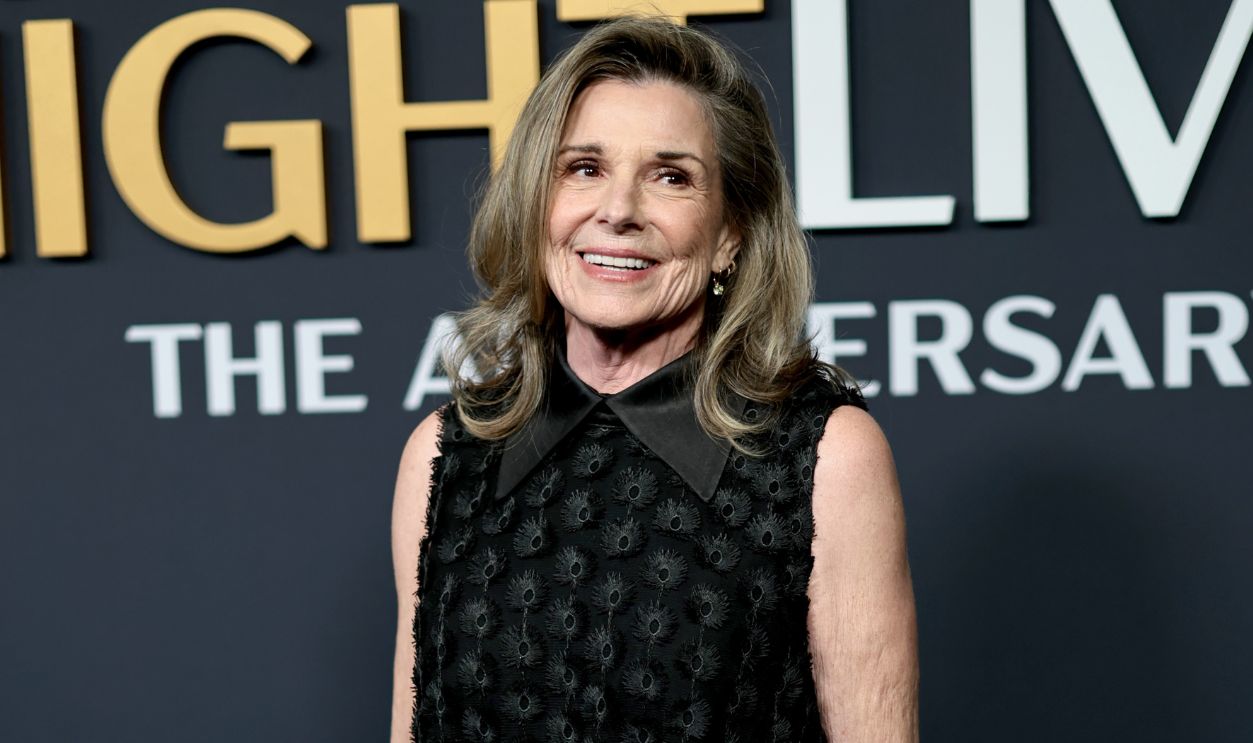 Dimitrios Kambouris, Getty Images
You May Also Like:
Natalie Wood’s death was one of Hollywood’s most enduring mysteries—until the captain of her yacht changed his story.