Diana Rigg Refused to Let One Role Define Her
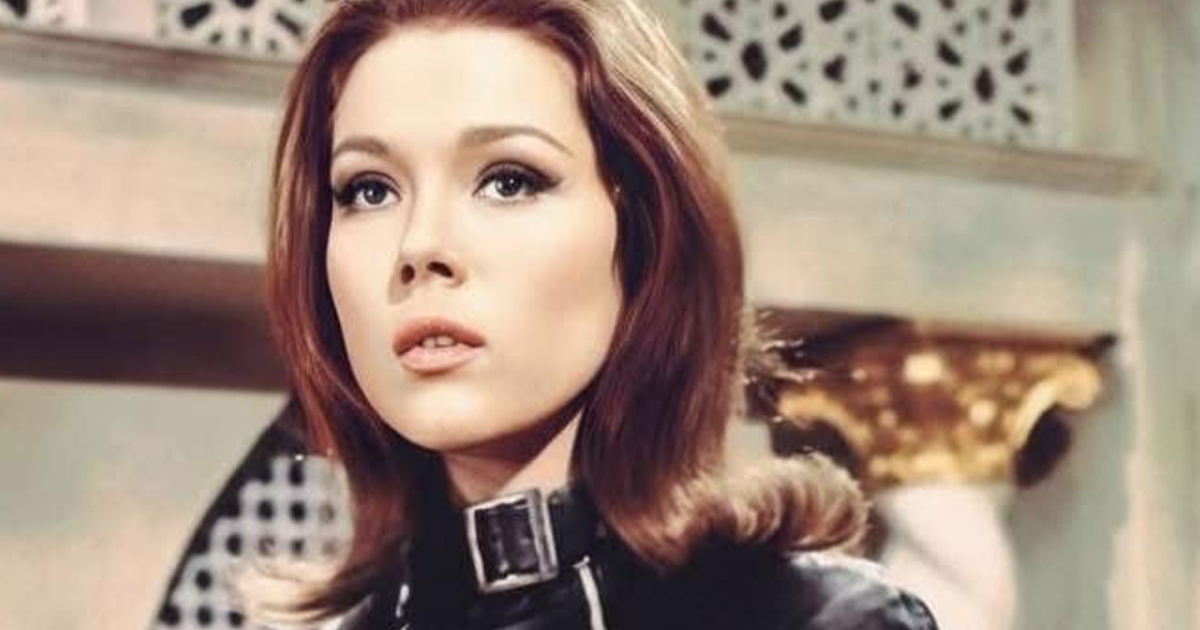
Diana Rigg could have spent her entire career living in Emma Peel’s shadow. Instead, she walked away from television stardom, demanded better for herself, and spent the next five decades proving that no woman should be trapped by her greatest success.
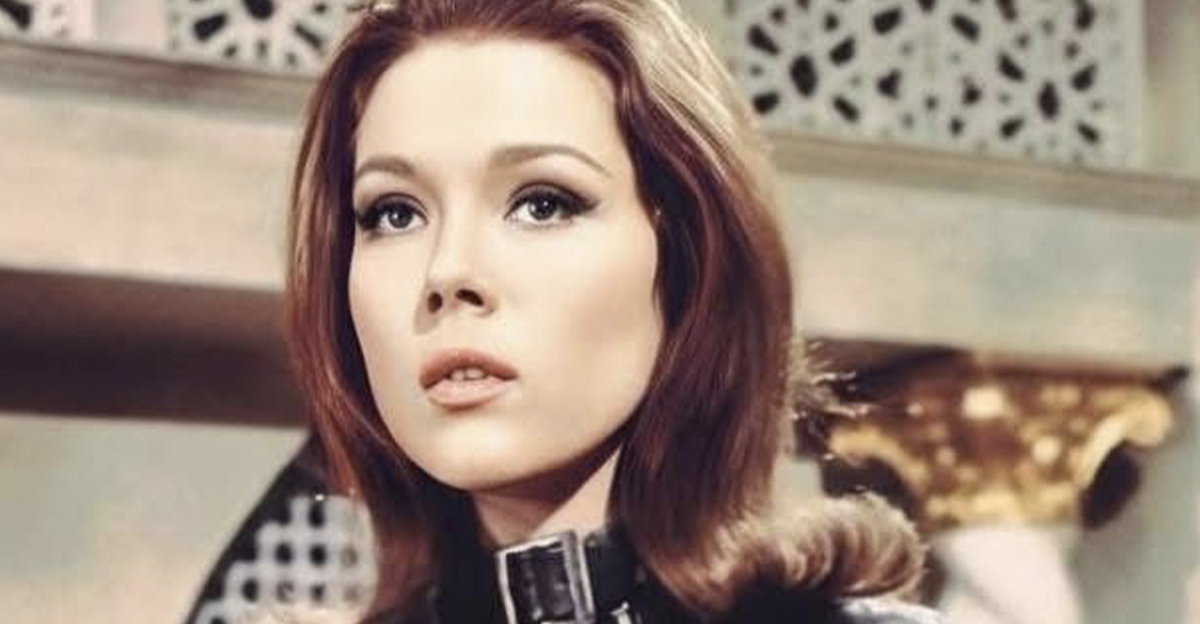 ABC Network, The Avengers (TV Series) (1961-1969)
The Stage Came First
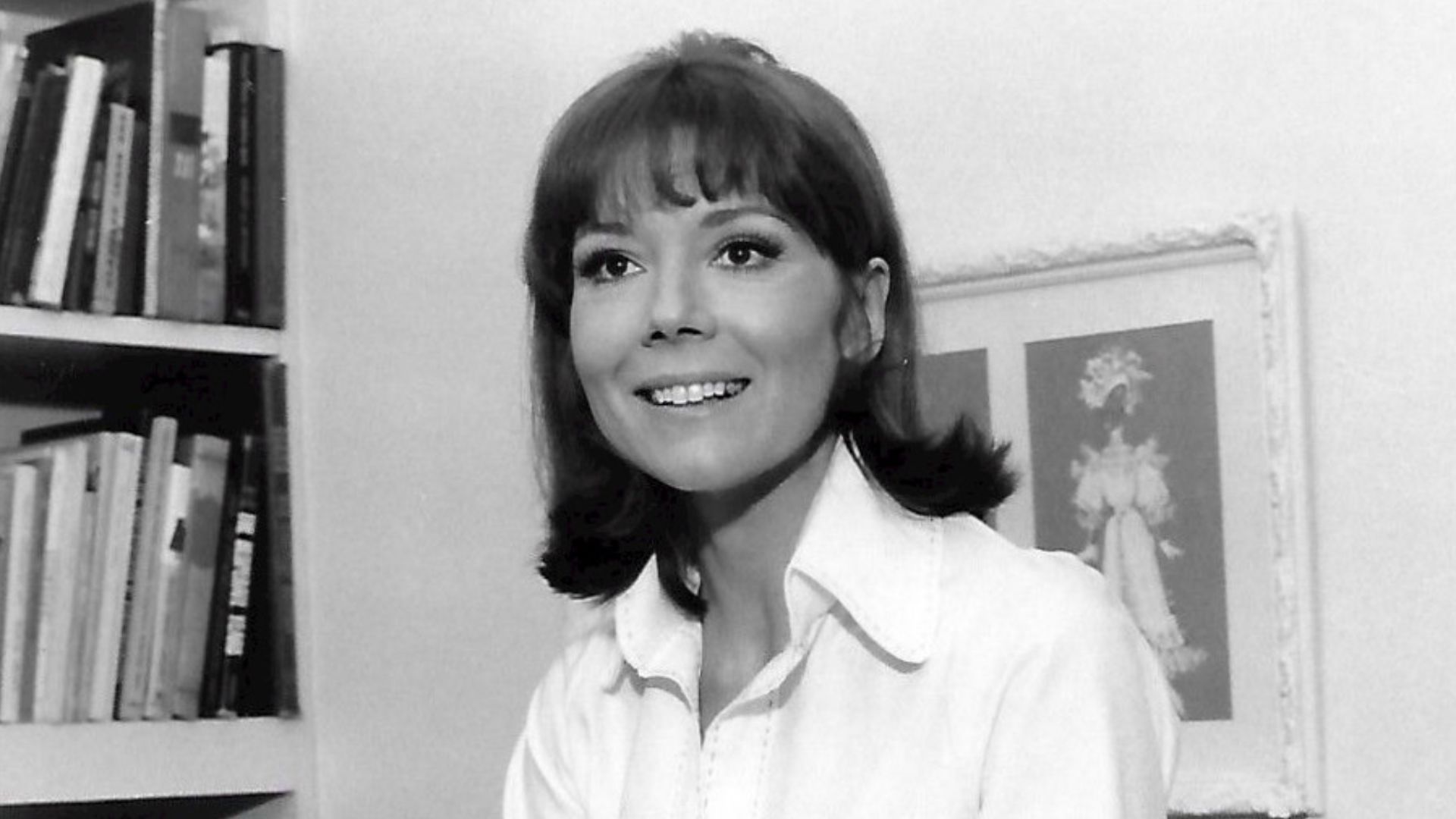
Before television discovered her, Diana Rigg studied at the Royal Academy of Dramatic Art. Her professional stage debut came in 1957, giving her something far more valuable than instant fame: a solid foundation she could carry anywhere.
 NBC Television, Wikimedia Commons
She Joined Shakespeare’s Finest
After gaining experience in repertory theatre, Rigg joined the Stratford company in 1959. She became one of the first members of Peter Hall’s newly formed Royal Shakespeare Company the following year—and quickly showed that she belonged there.
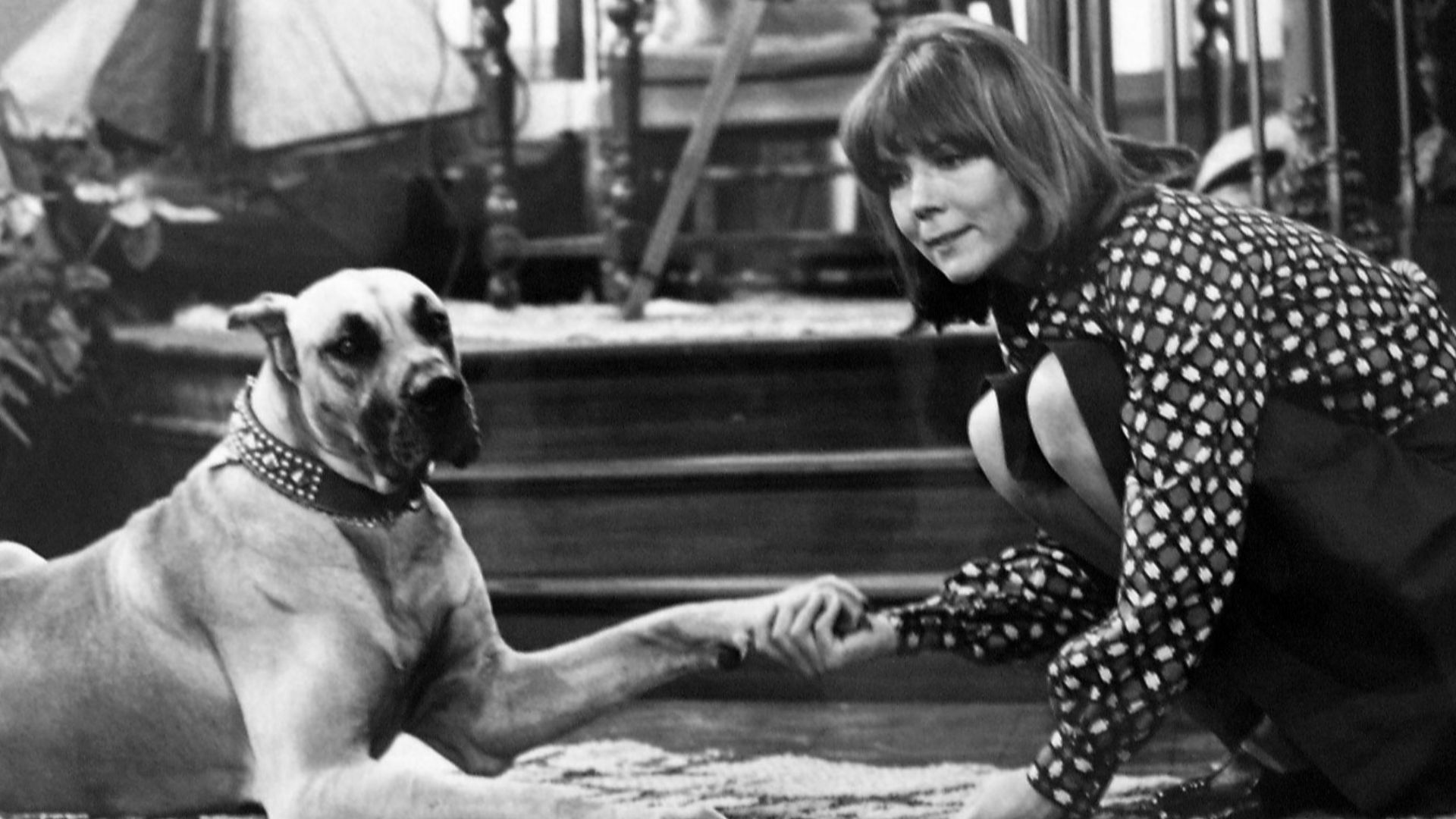 NBC Television, Wikimedia Commons
She Learned How to Do Everything
Rigg played Cordelia in King Lear, Helena in A Midsummer Night’s Dream, and numerous other classical roles. Shakespeare taught her to command a stage, handle difficult language, and never wait quietly for somebody else to create the moment.
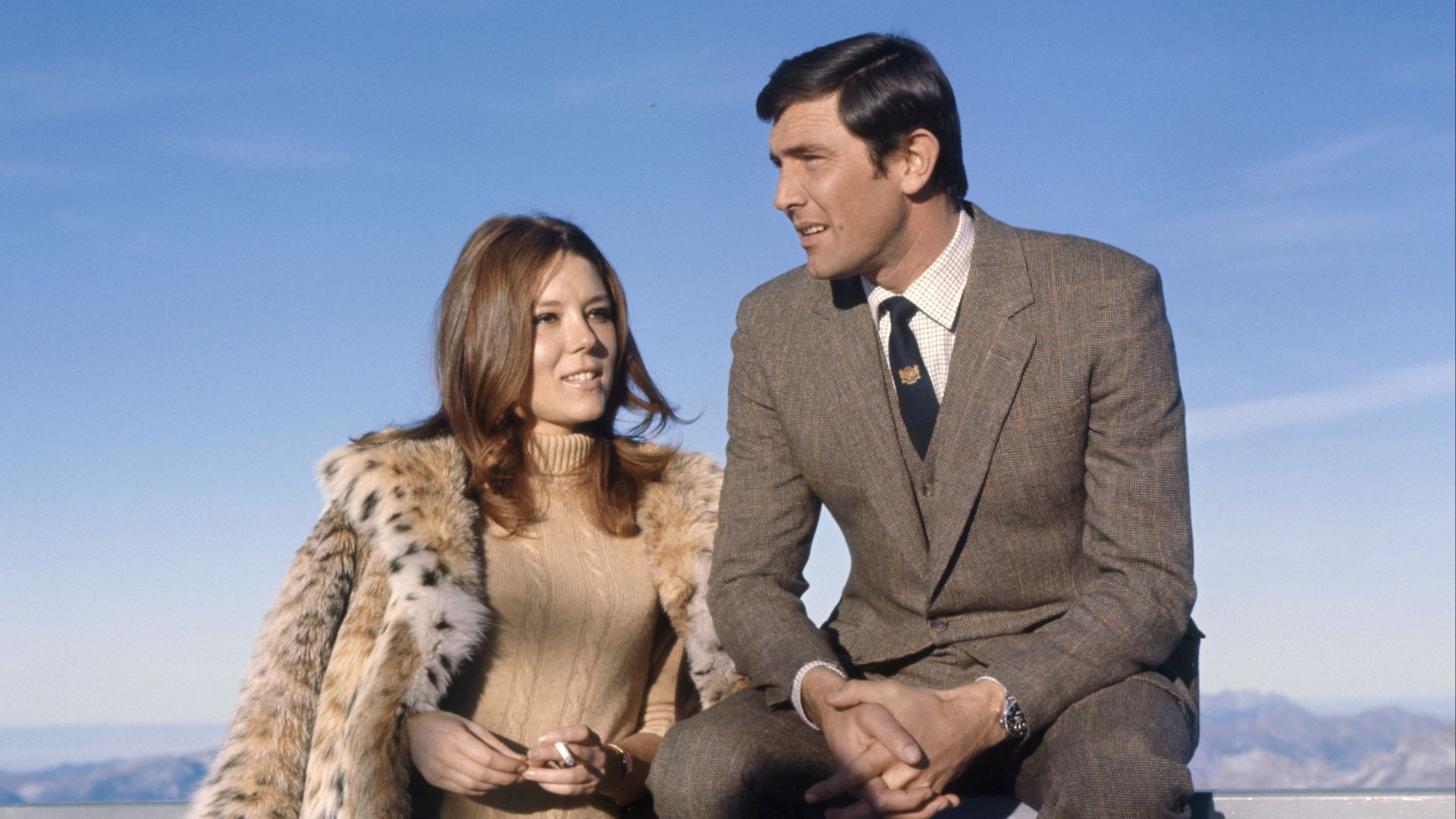 Heinz Baumann – Comet Photo AG (Zürich), Wikimedia Commons
Then Television Came Calling
In 1965, Rigg auditioned for The Avengers, despite never having watched the program. She beat scores of other hopefuls for the role of Emma Peel, stepping into a production that desperately needed a new leading woman.
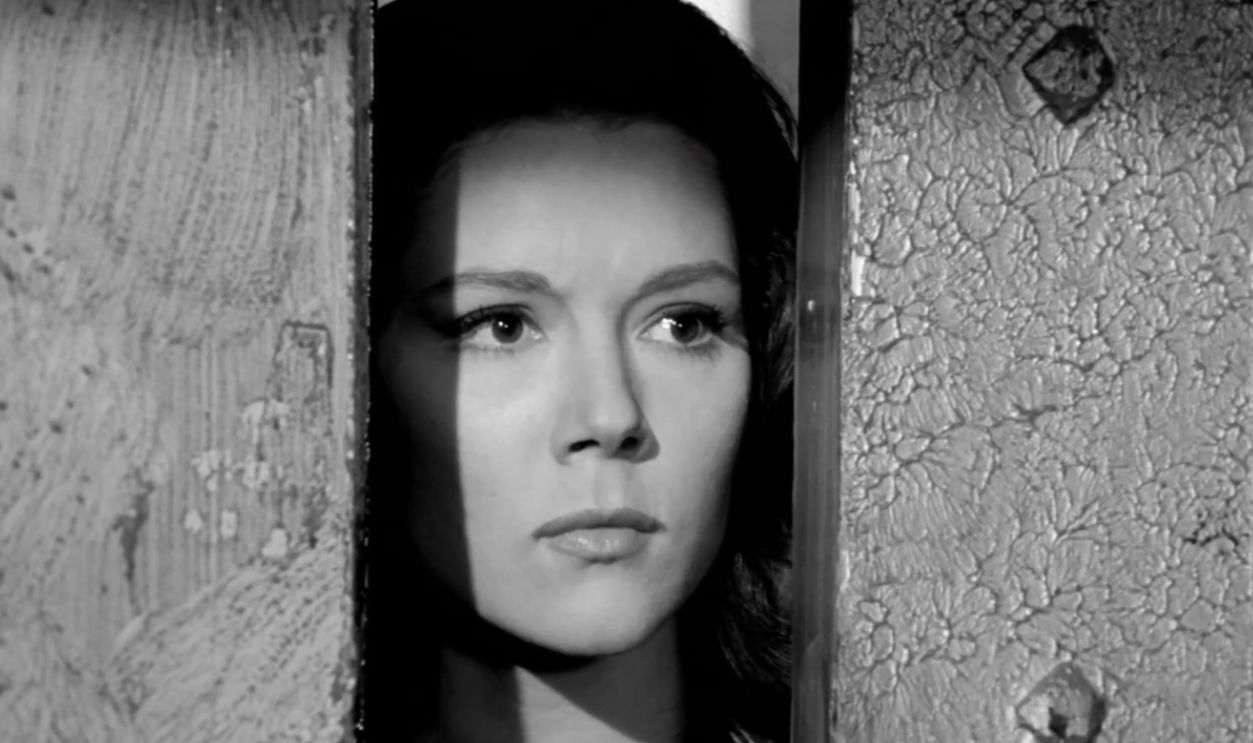 Screenshot from The Avengers, ITV (1961–1969)
Emma Peel Was Something Different
Emma was stylish, intelligent, independent, and perfectly capable of rescuing herself. Rigg never played her as someone waiting for instructions. She made Emma look like the smartest person in the room—and usually the most dangerous one, too.
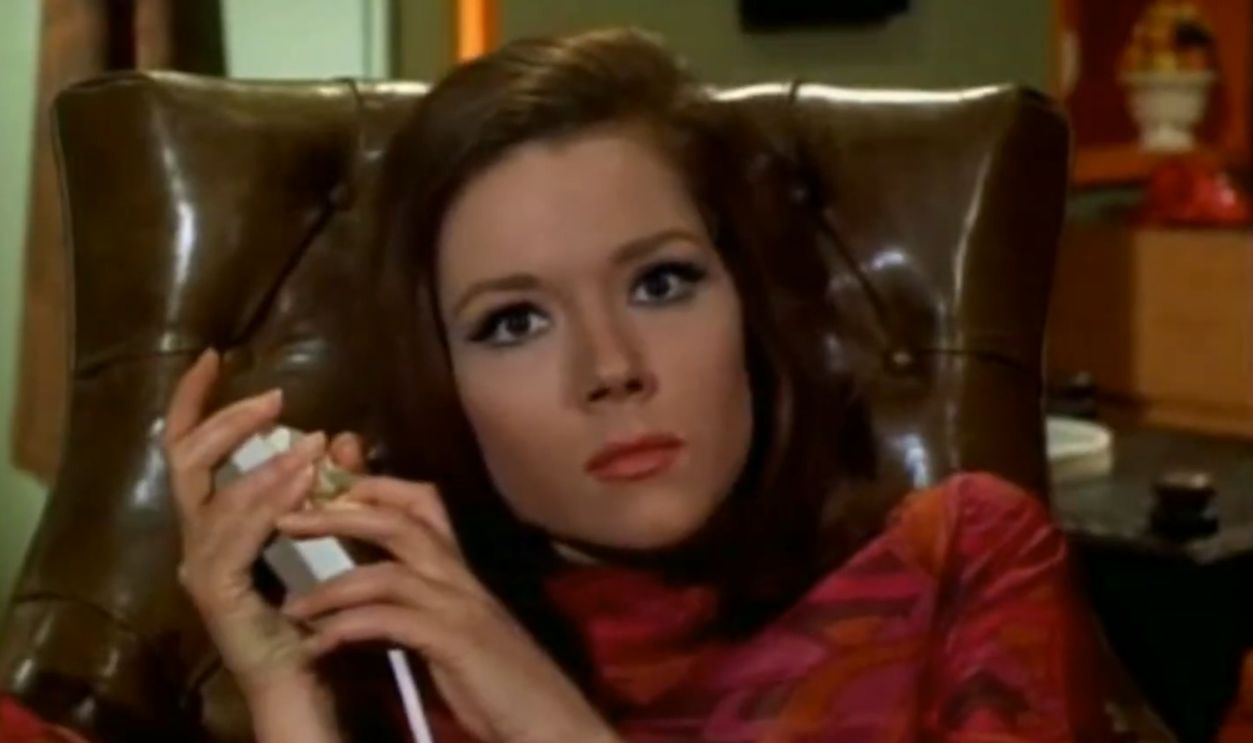 Screenshot from The Avengers, ITV (1961–1969)
She Was Steed’s Equal
Opposite Patrick Macnee’s John Steed, Rigg created a partnership built on wit and mutual respect. Emma was not merely the woman beside the hero. She solved mysteries, defeated villains, and frequently left Steed trying to catch up.
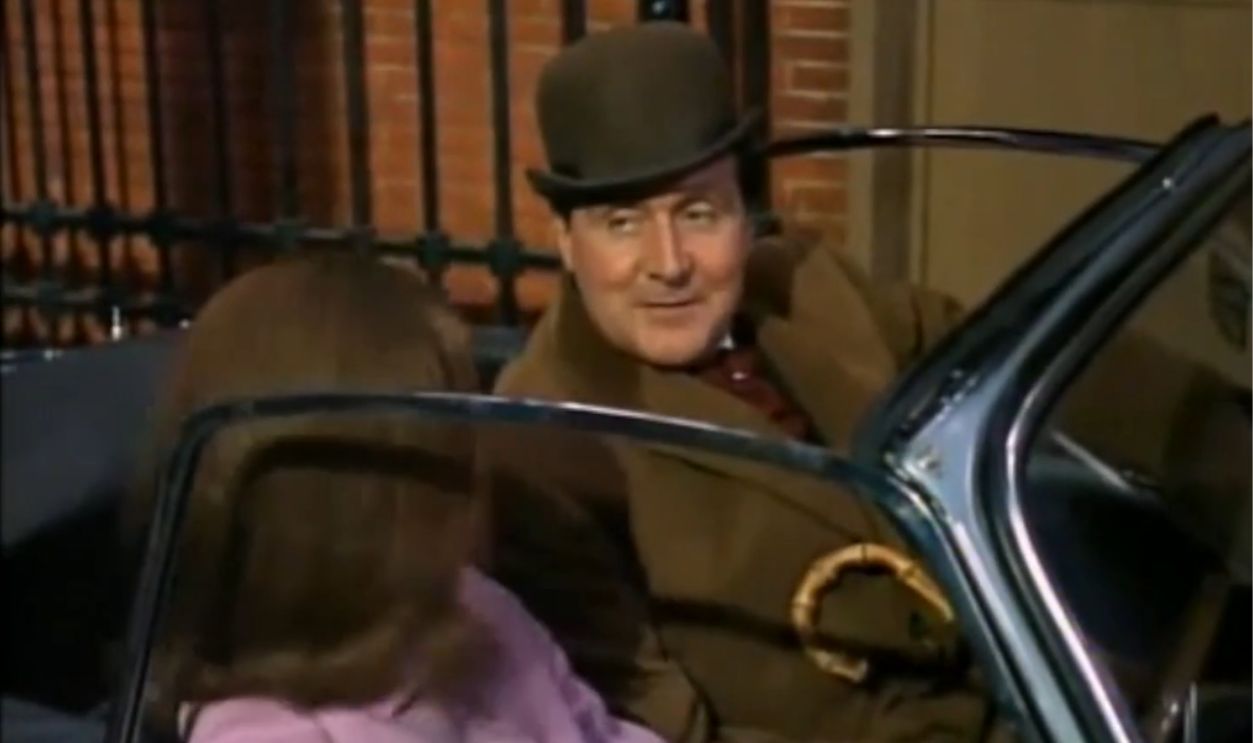 Screenshot from The Avengers, ITV (1961–1969)
Fame Arrived Almost Overnight
The Avengers turned Rigg into an international star and earned her Emmy nominations in 1967 and 1968. Yet audiences sometimes focused more on Emma’s clothes than Rigg’s acting—which only made her more determined to control what came next.
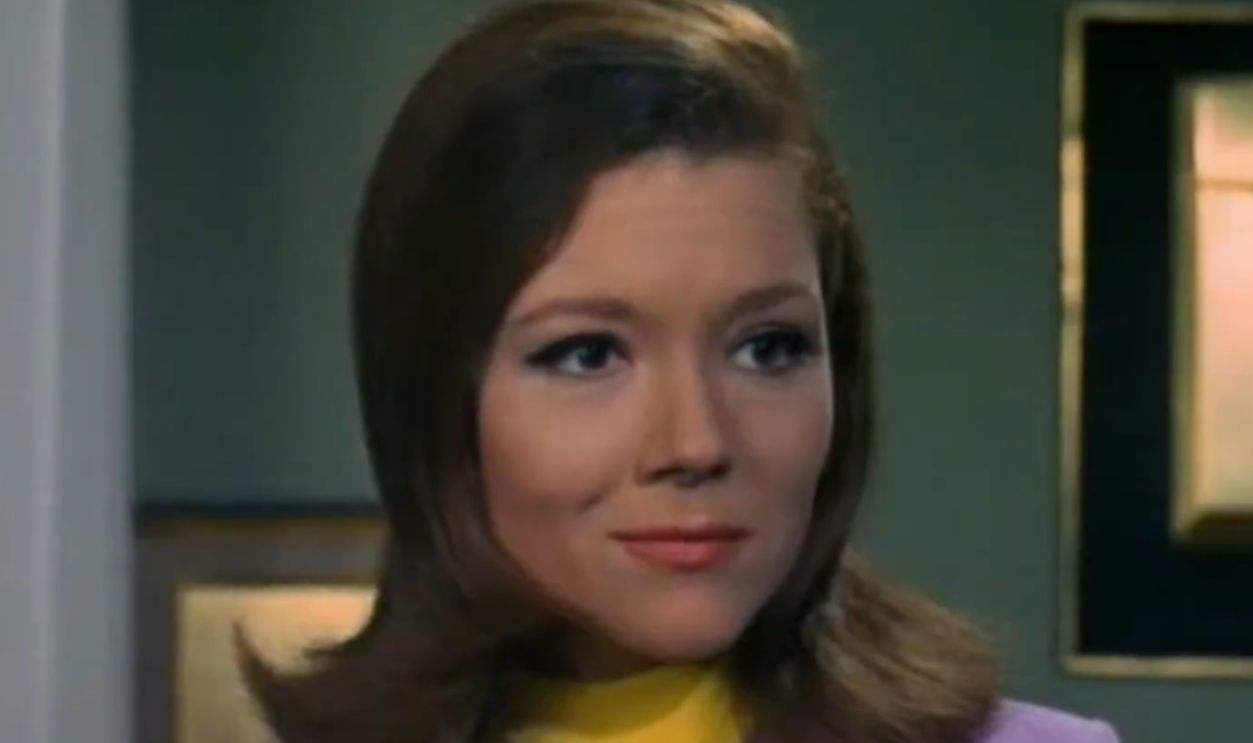 Screenshot from The Avengers, ITV (1961–1969)
She Demanded Equal Pay
Rigg discovered she was earning less than a cameraman working on the series. She protested and demanded more, later calling it her “first battle with male authority.” Nobody supported her, but she fought it anyway—and succeeded.
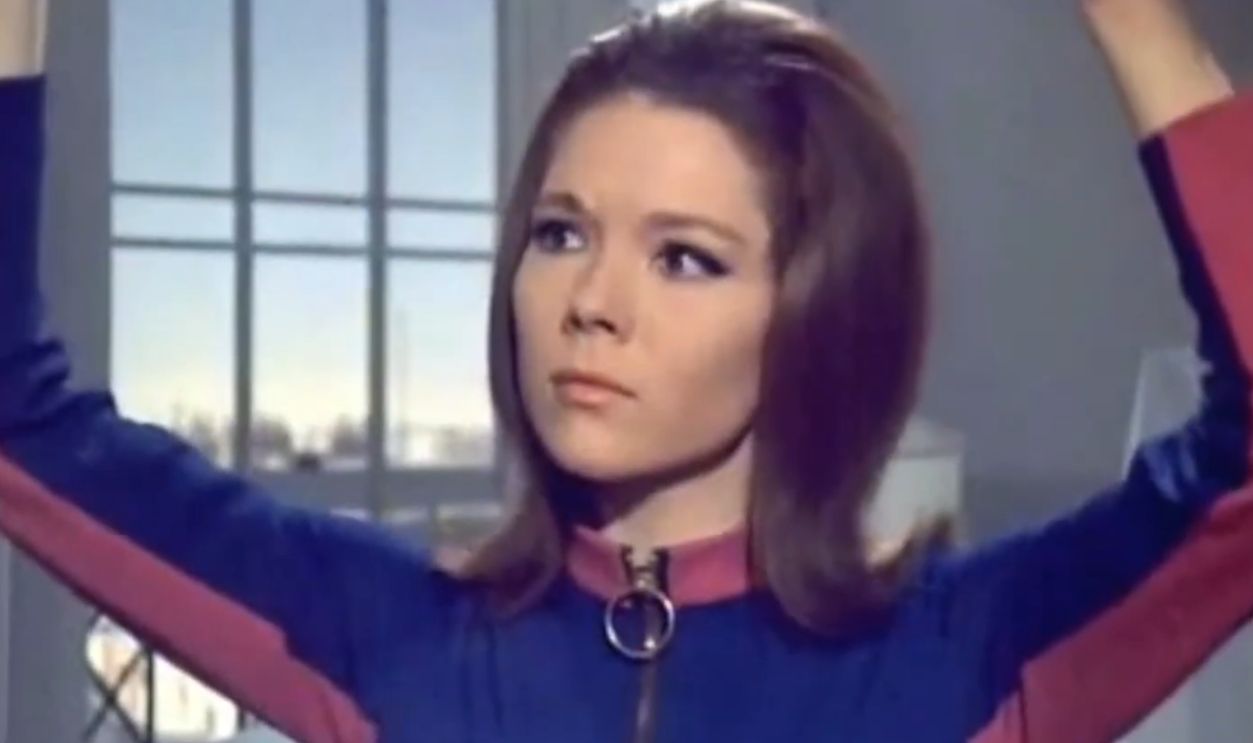 Screenshot from The Avengers, ITV (1961–1969)
Then She Chose to Leave
After 51 episodes, Rigg left The Avengers in 1968. Staying would have been comfortable, lucrative, and completely understandable. Walking away was riskier, but Rigg understood that an iconic role could become a very elegant cage.
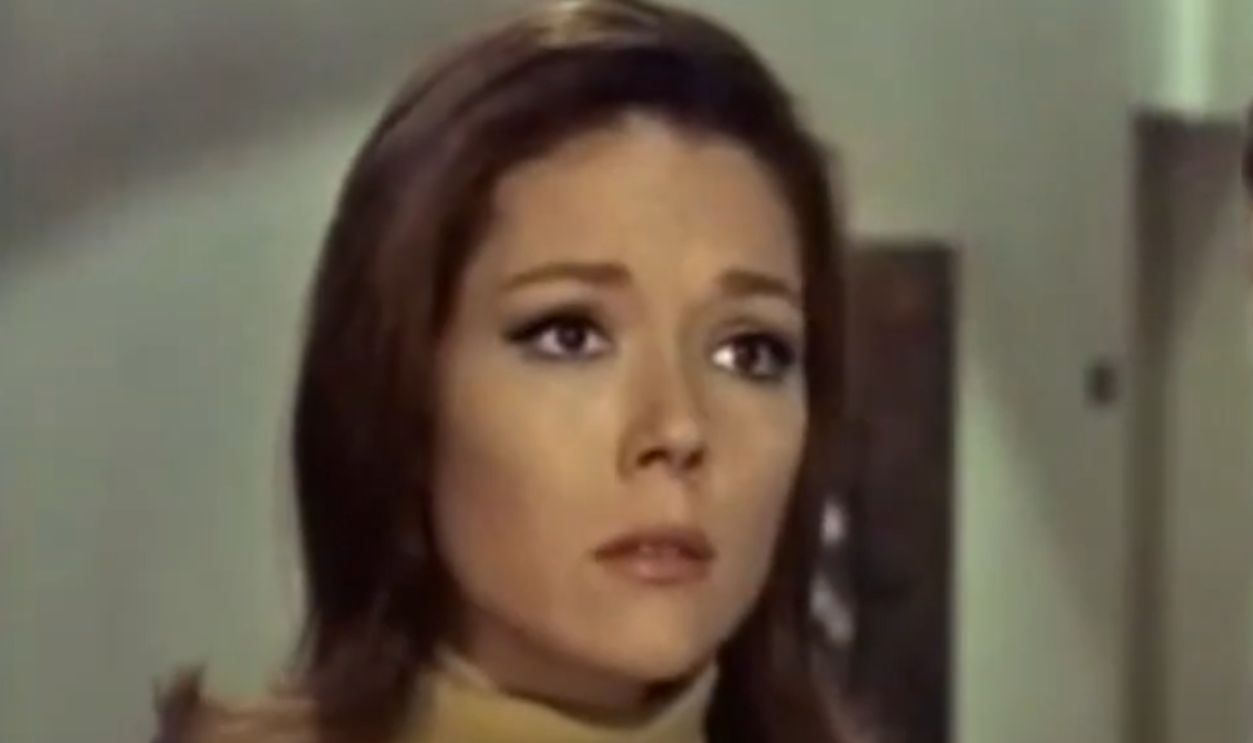 Screenshot from The Avengers, ITV (1961–1969)
She Immediately Changed Direction
Rigg returned to Shakespeare on film as Helena in the 1968 adaptation of A Midsummer Night’s Dream. She followed it with the adventurous comedy The Assassination Bureau, making it clear that Emma Peel was already behind her.
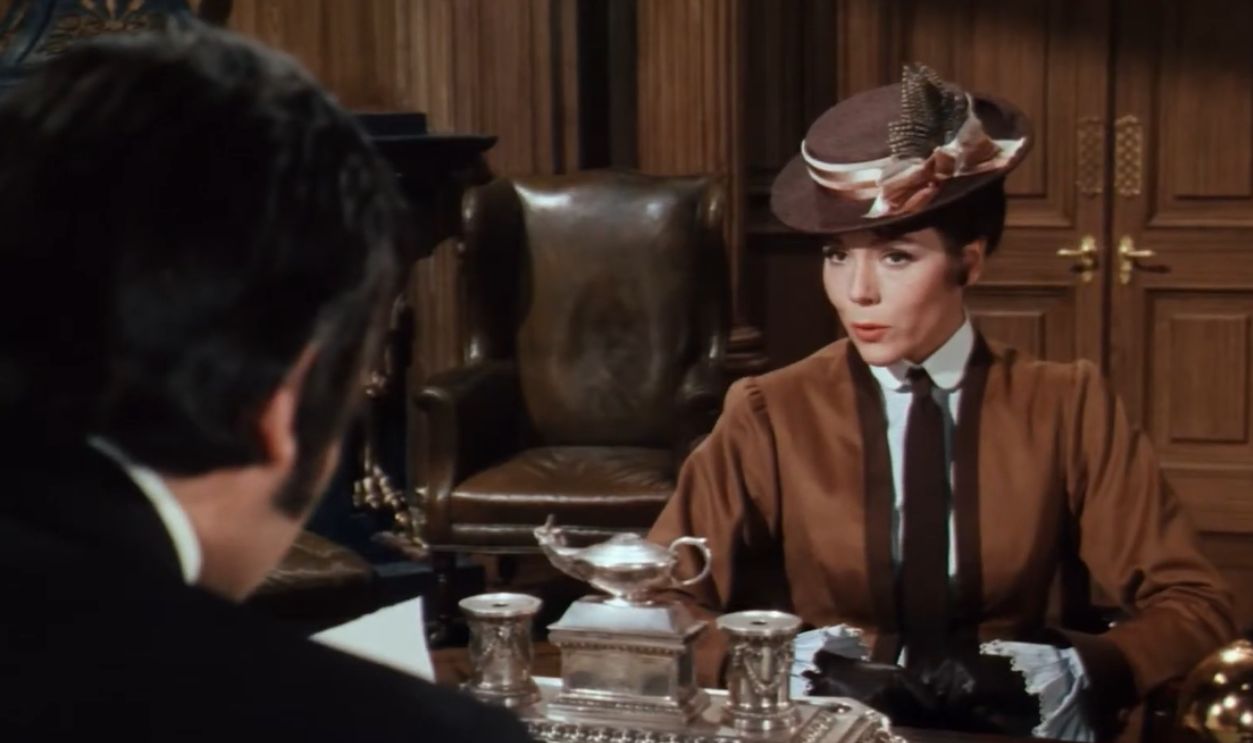 Screenshot from The Assassination Bureau, Paramount Pictures (1969)
She Became James Bond’s Match
In 1969, Rigg played Tracy di Vicenzo in On Her Majesty’s Secret Service. Tracy became the only woman to marry James Bond, but Rigg gave her enough spirit and emotional depth to exist independently of the famous spy.
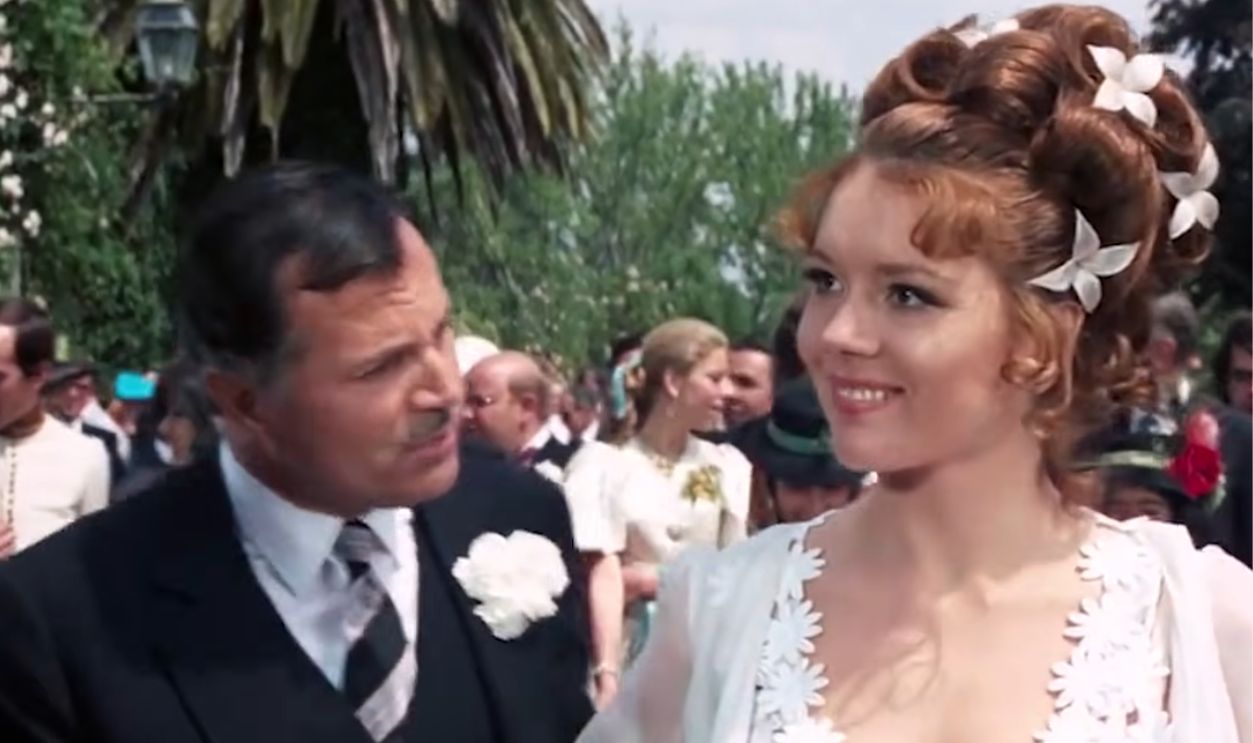 Screenshot from On Her Majesty's Secret Service, United Artists (1969)
Broadway Opened Another Door
Rigg made her Broadway debut in Abelard and Heloise in 1971 and received her first Tony nomination. That same year, she appeared in The Hospital, earning a Golden Globe nomination and demonstrating that serious cinema suited her beautifully.
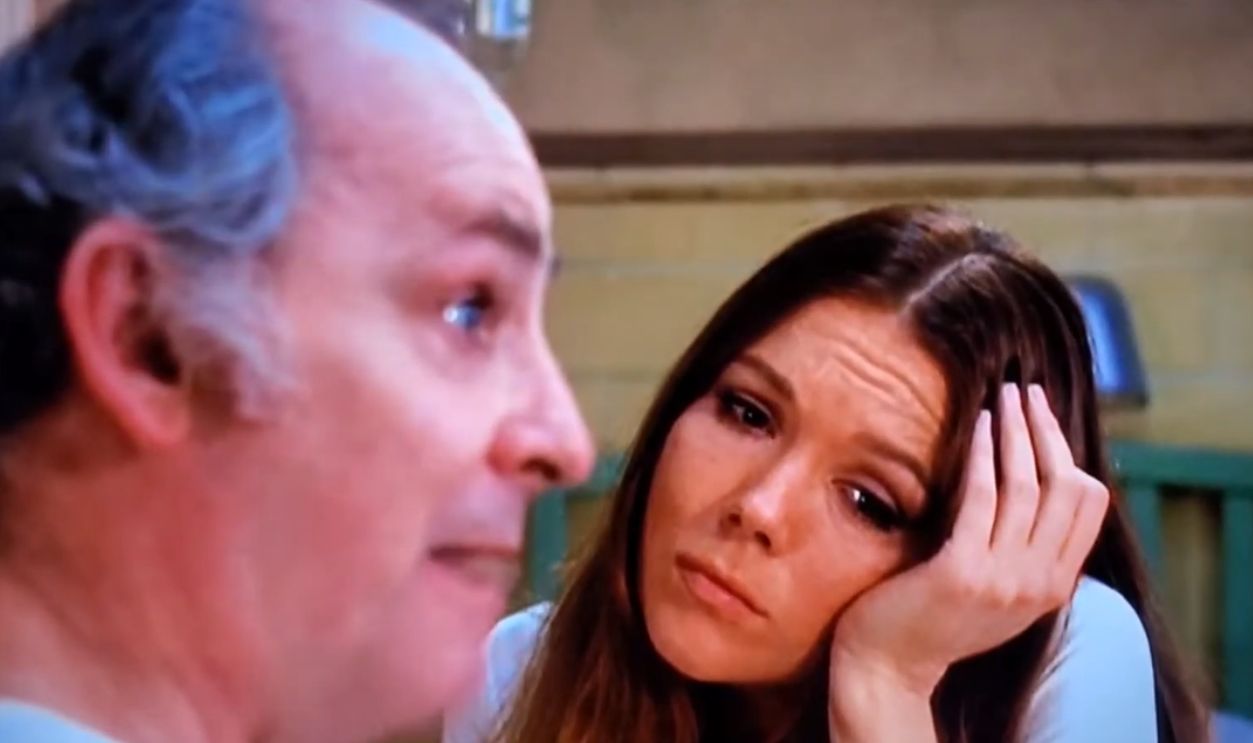 Screenshot from The Hospital, United Artists (1971)
She Refused to Pick One Lane
She tackled Lady Macbeth onstage in 1972, then appeared beside Vincent Price in the wonderfully macabre Theatre of Blood in 1973. Shakespearean tragedy and theatrical horror were wildly different worlds. Rigg looked perfectly at home in both.
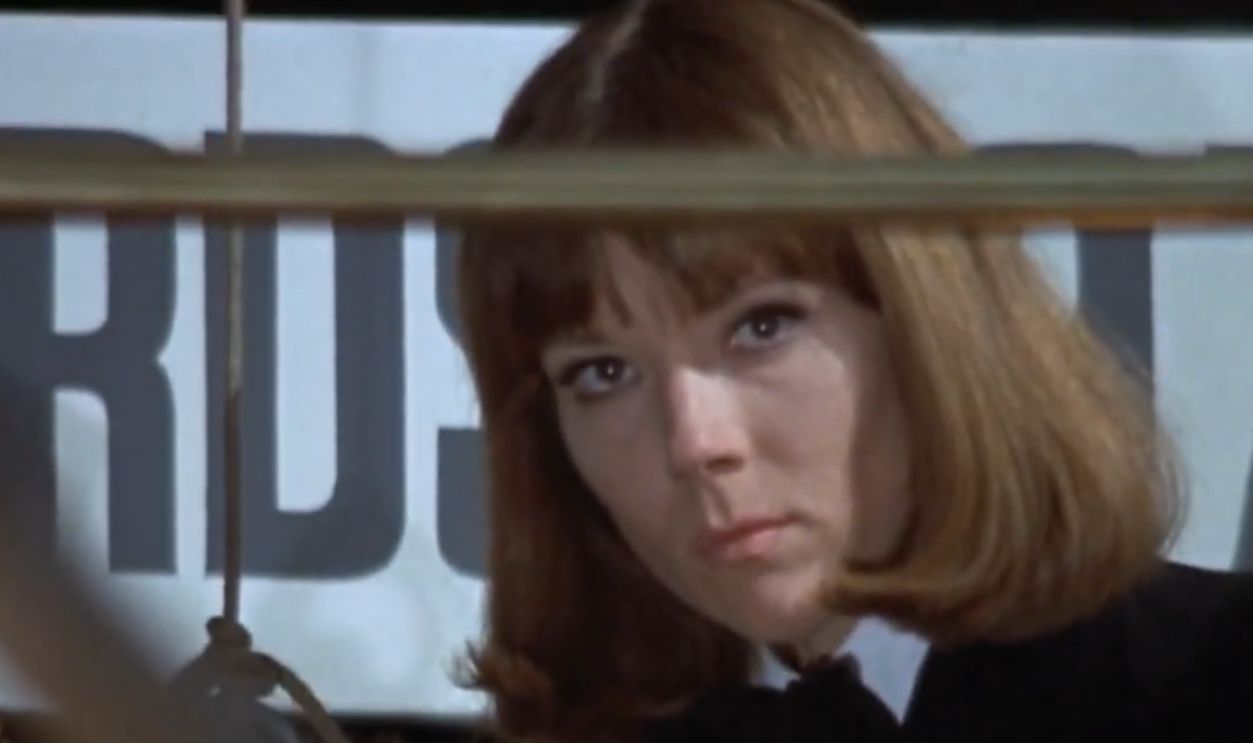 Screenshot from Theatre of Blood, United Artists (1973)
A Failed Series Didn’t Stop Her
The 1973 American sitcom Diana gave Rigg her own starring vehicle, but it disappeared quickly. She did not spend years trying to recreate Emma Peel’s television success. She simply returned to the work that challenged her.
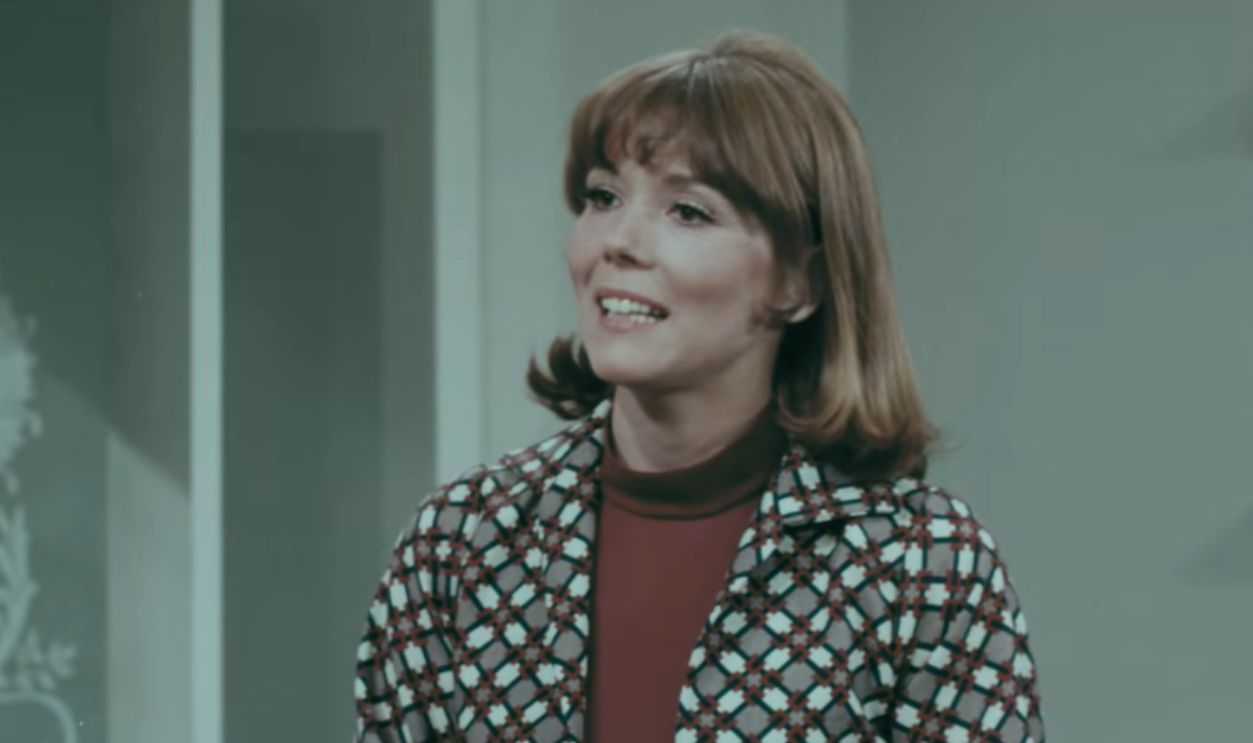 Screenshot from Diana, NBC (1973–1974)
The Stage Kept Rewarding Her
Rigg played Eliza Doolittle in Pygmalion in 1974 and earned another Tony nomination for The Misanthrope in 1975. Her performance in the television drama In This House of Brede brought yet another Emmy nomination.
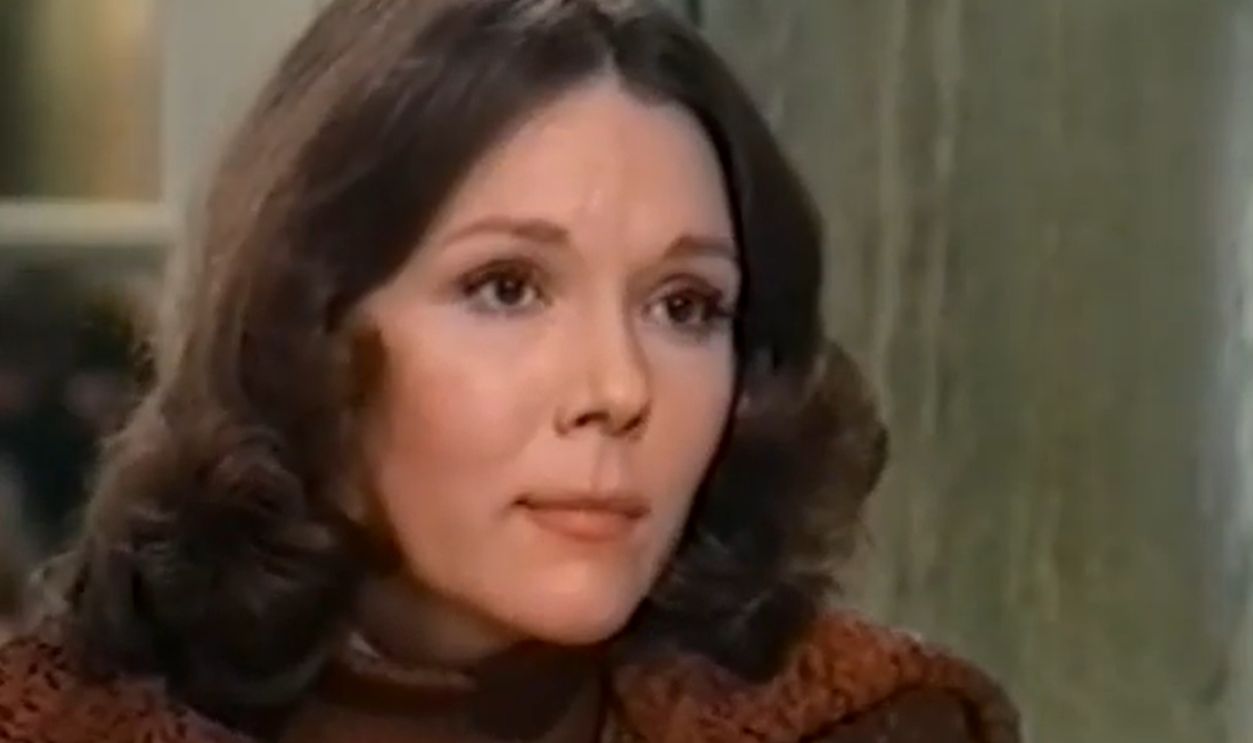 Screenshot from In This House of Brede, NBC (1975)
She Turned Criticism Into Comedy
After receiving an especially cruel review, Rigg began collecting terrible notices written about performers. She eventually published them in the 1982 book No Turn Unstoned, transforming critics’ sharpest insults into entertainment. That was certainly one way to answer back.
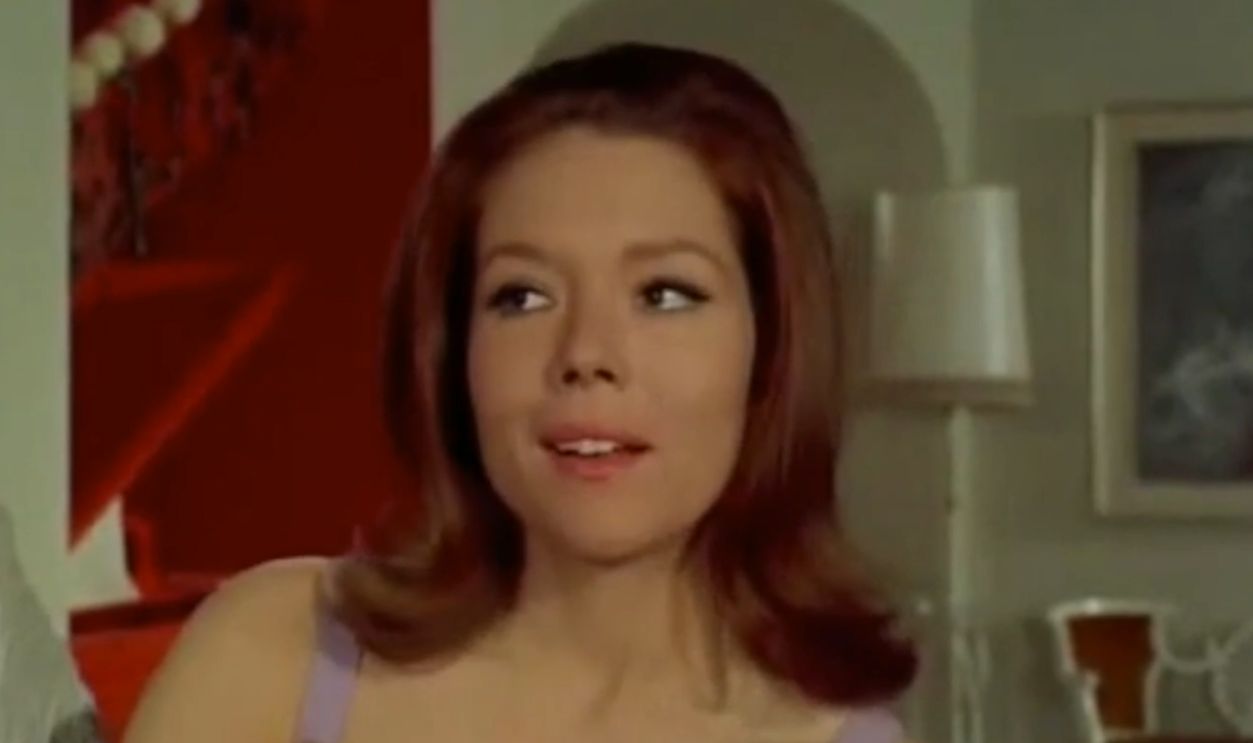 Screenshot from The Avengers, ITV (1961–1969)
She Could Still Surprise Everyone
Rigg moved easily from The Great Muppet Caper and Hedda Gabler in 1981 to Agatha Christie’s Evil Under the Sun in 1982. In 1987, she added a Stephen Sondheim musical, Follies, to the collection.
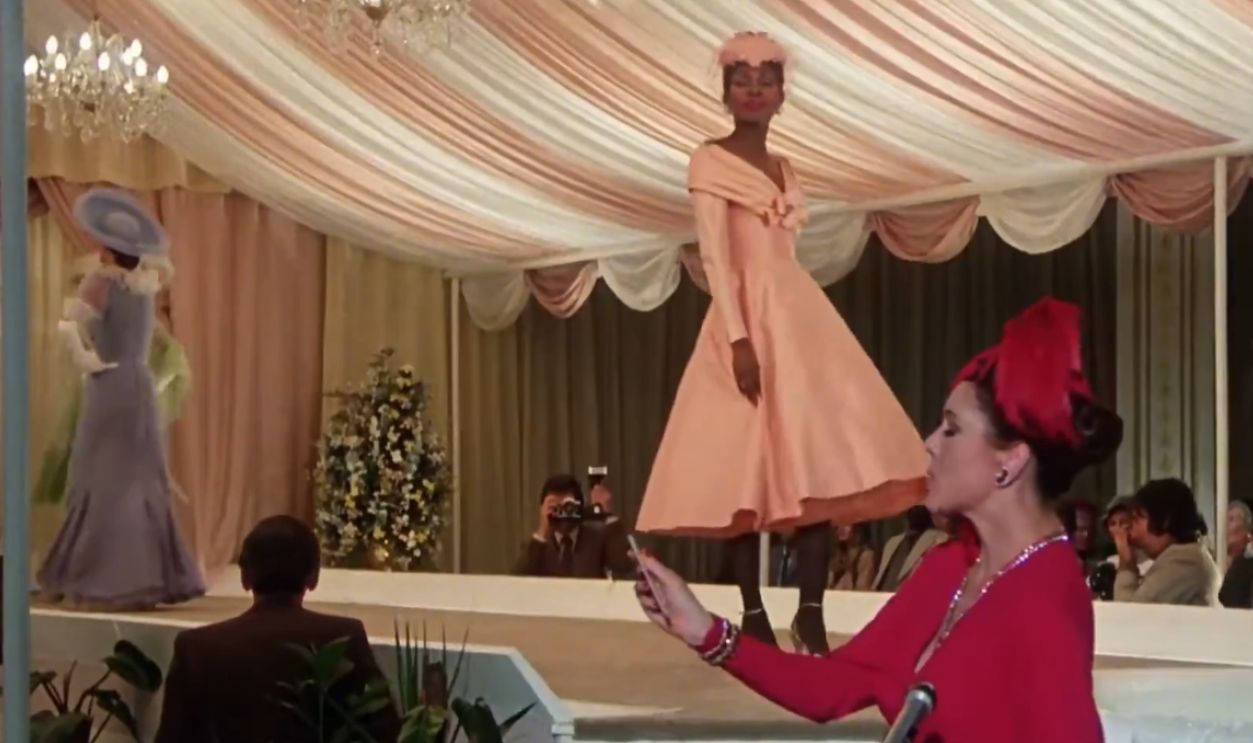 Screenshot from The Great Muppet Caper, Universal Pictures (1981)
Television Finally Saw Her Range
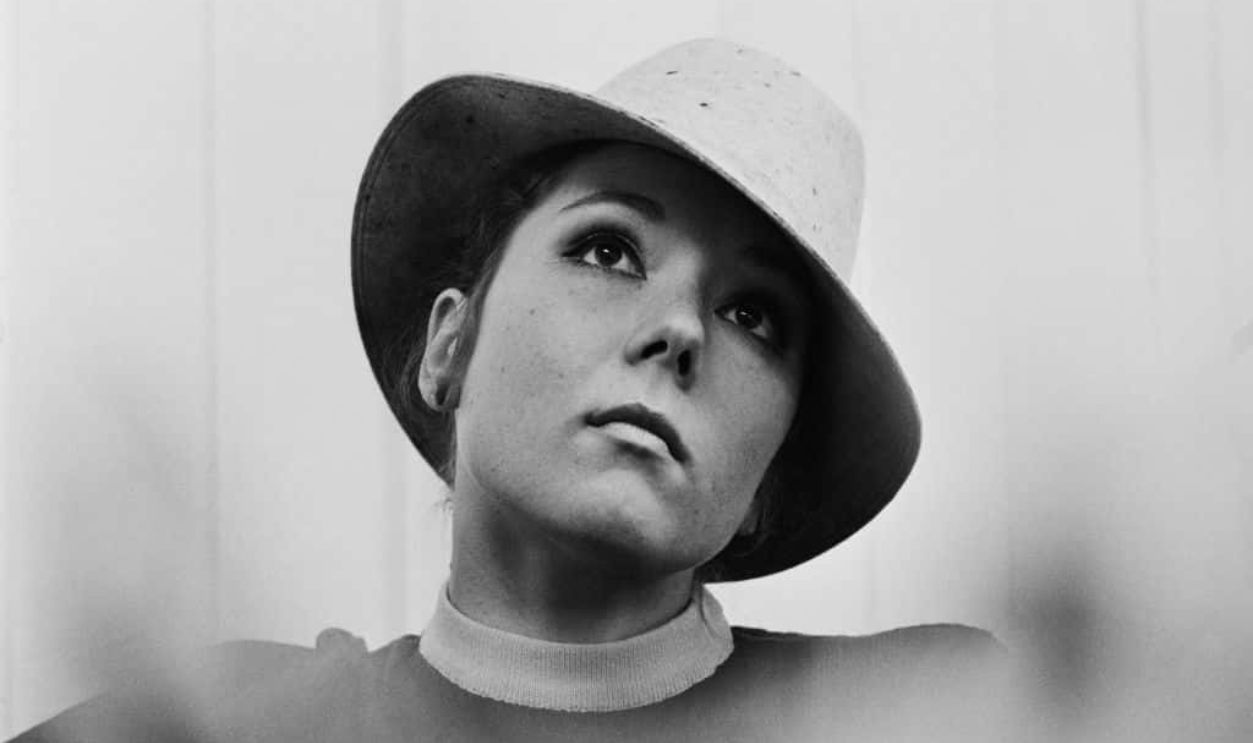
Beginning in 1989, Rigg hosted the PBS anthology series Mystery! for more than a decade. That same year, she delivered a chilling performance in Mother Love, winning the 1990 BAFTA Television Award for Best Actress.
 Evening Standard, Getty Images
Medea Became Her Triumph
In 1992, Rigg took on the title role in Medea at London’s Almeida Theatre. The production moved to the West End and then Broadway, where her fierce, devastating performance earned her the 1994 Tony Award for Best Actress.
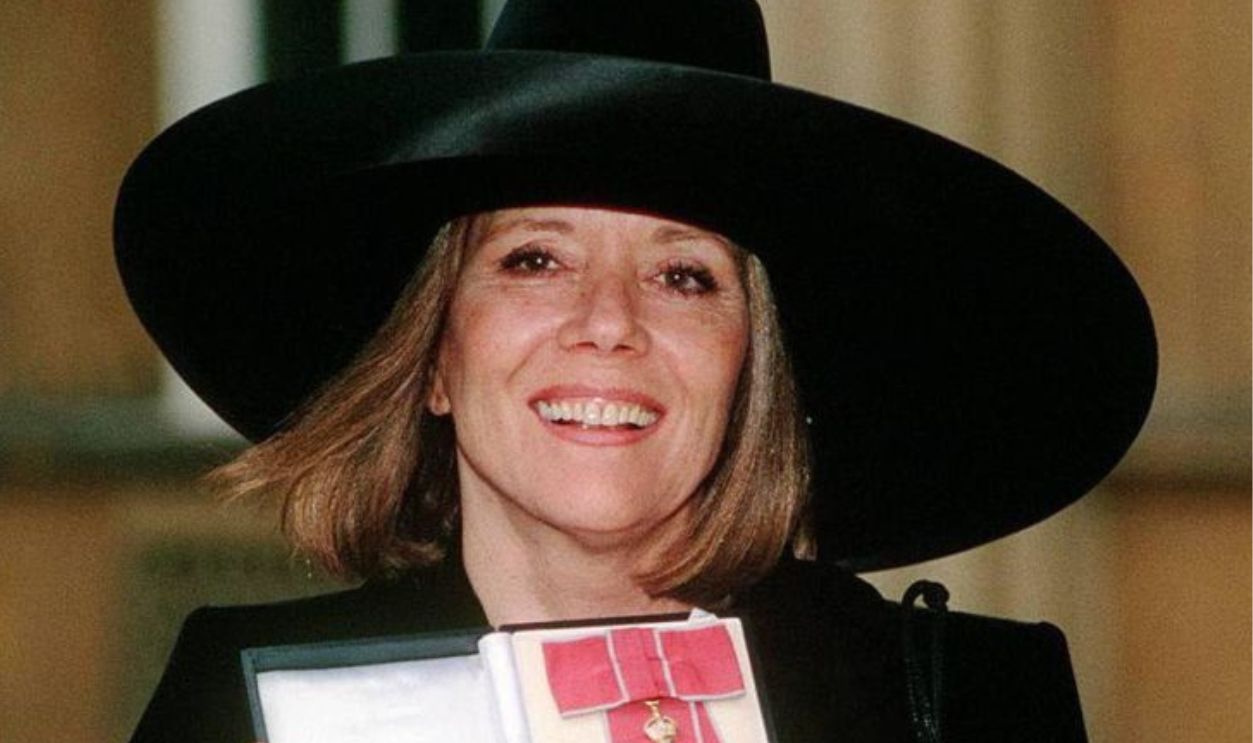
DRecognition Never Slowed Her Down
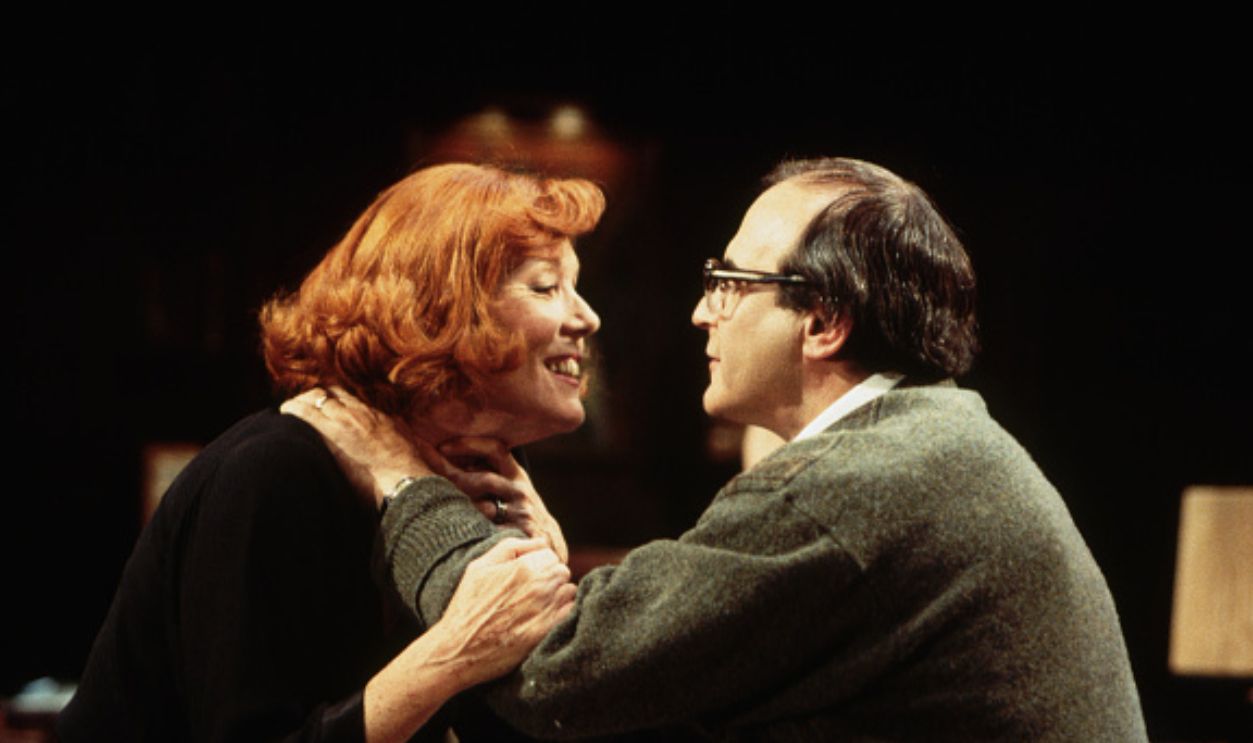
Rigg became a Dame Commander in 1994, but the honor did not turn her into a ceremonial figure. She charged into Mother Courage and Her Children and Who’s Afraid of Virginia Woolf?, choosing formidable women instead of comfortable ones.
She Finally Won an Emmy
After decades of nominations, Rigg won an Emmy in 1997 for playing the sinister Mrs. Danvers in Rebecca. Rather than soften her image as she grew older, she embraced characters who were colder, stranger, sharper, and far more interesting.
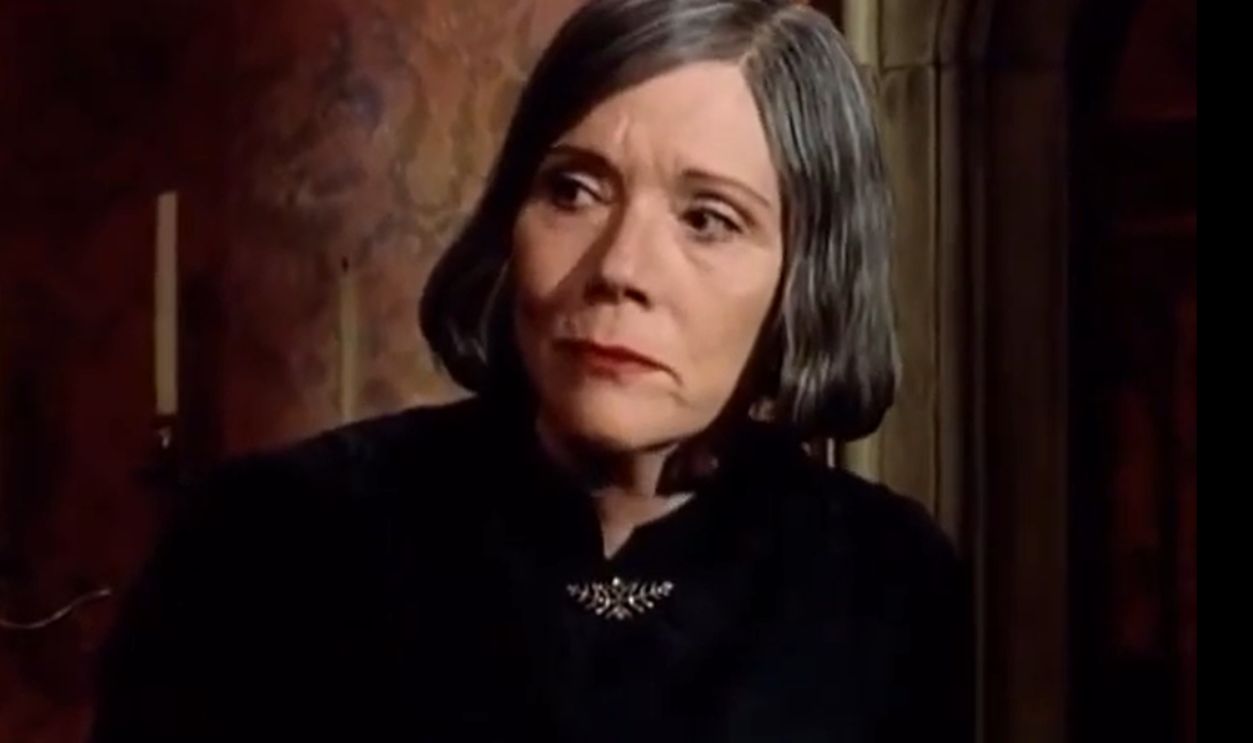 Screenshot from Rebecca, Carlton Television (1997)
Age Only Expanded Her Options
Rigg continued commanding stages in Britannicus, Phèdre, Suddenly Last Summer, and Hay Fever. In 2011, decades after playing Eliza, she returned to Pygmalion as Mrs. Higgins. Few careers offer that kind of satisfying full circle.
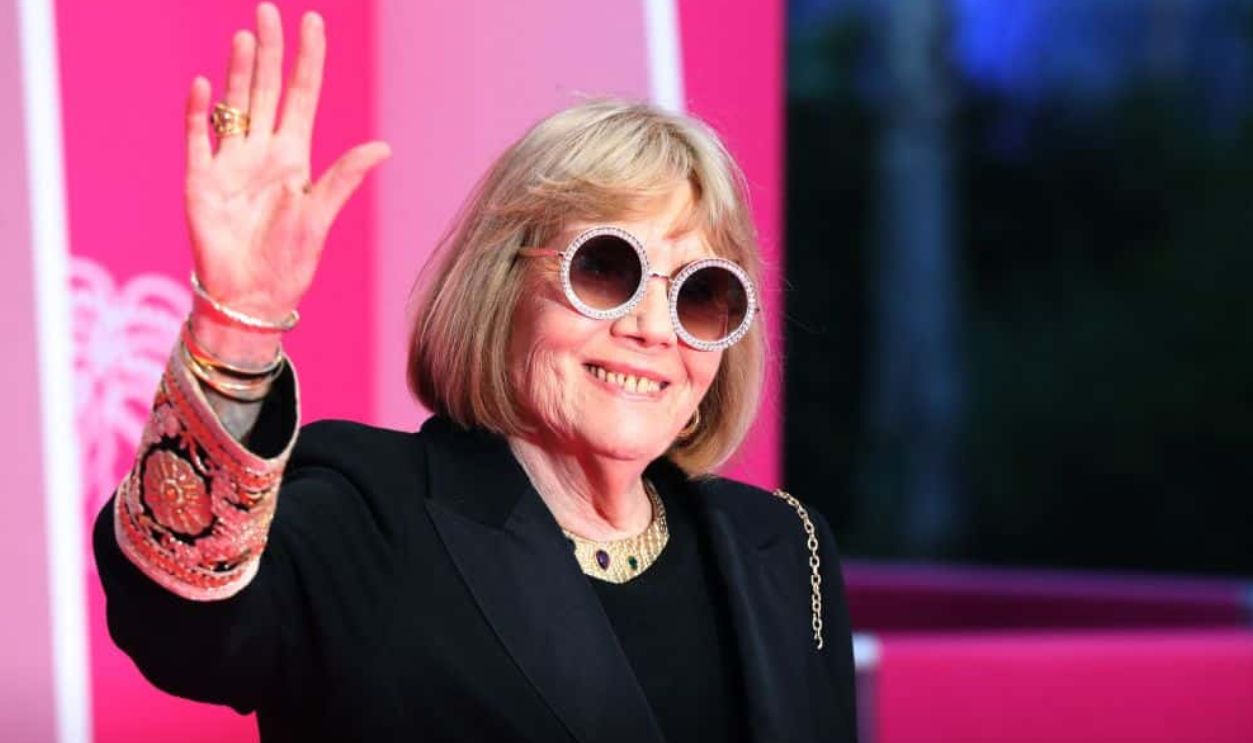
A New Generation Discovered Her
In 2013, Rigg appeared in a specially written episode of Doctor Who before joining Game of Thrones as Olenna Tyrell. Suddenly, viewers too young to remember Emma Peel had found their own wonderfully intimidating Diana Rigg.
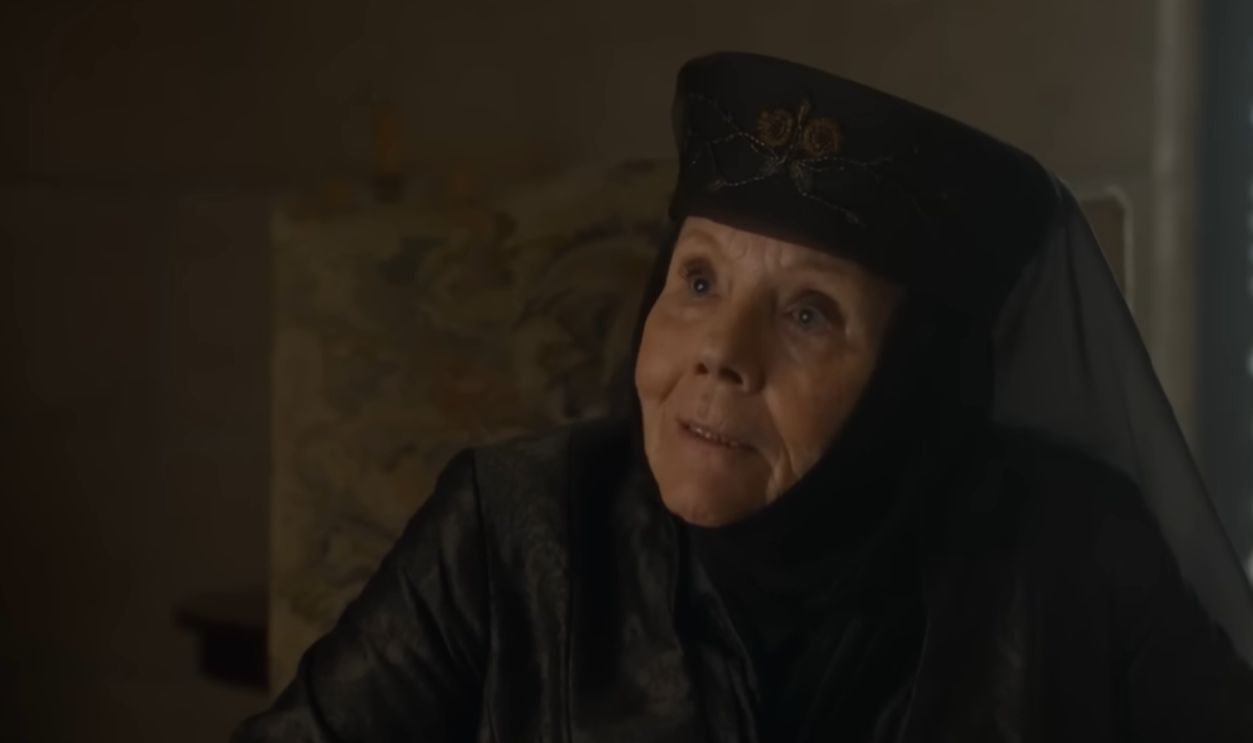 Screenshot from Game of Thrones, HBO (2011–2019)
The Queen of Thorns Ruled
As Olenna, Rigg could silence kings with a glance and dismantle powerful men with one sentence. The role earned her four additional Emmy nominations and proved that an actress in her seventies could become television’s most entertaining power player.
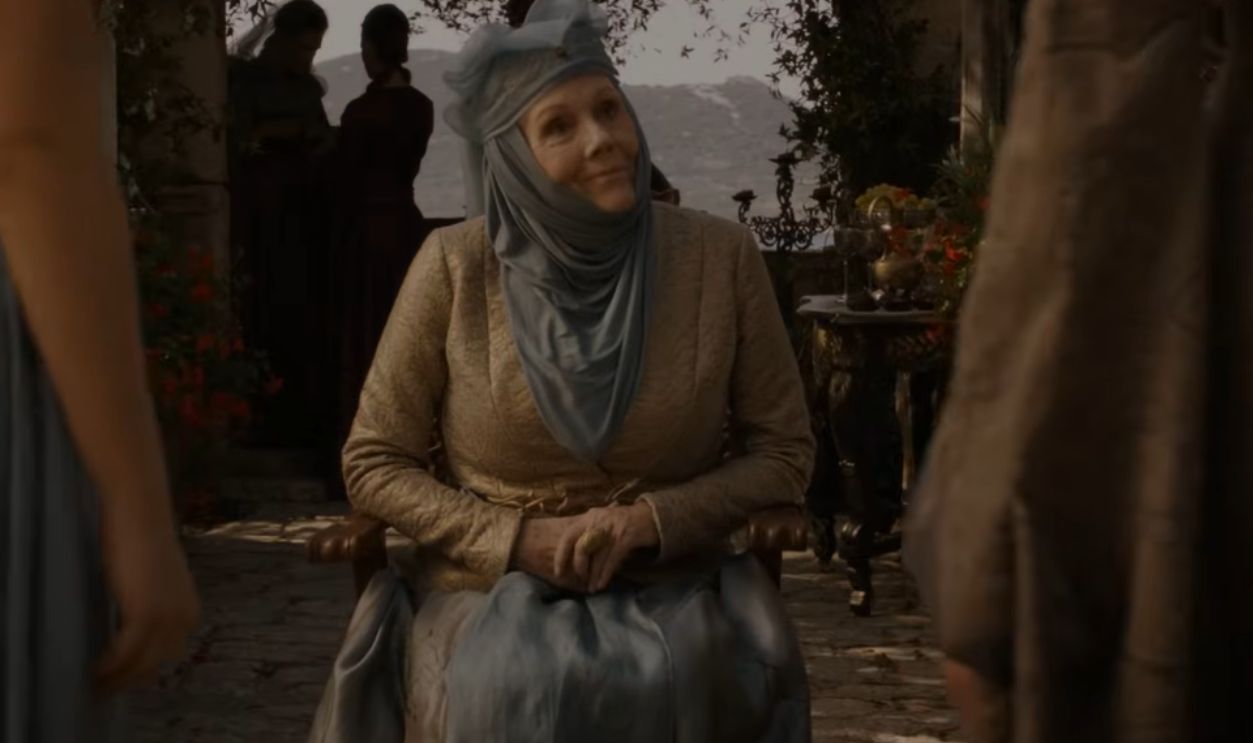 Screenshot from Game of Thrones, HBO (2011–2019)
She Never Became a Museum Piece
Rigg returned to Broadway in My Fair Lady in 2018, earning a fourth Tony nomination. She kept working through 2020, with final performances in All Creatures Great and Small, Black Narcissus, and Last Night in Soho.
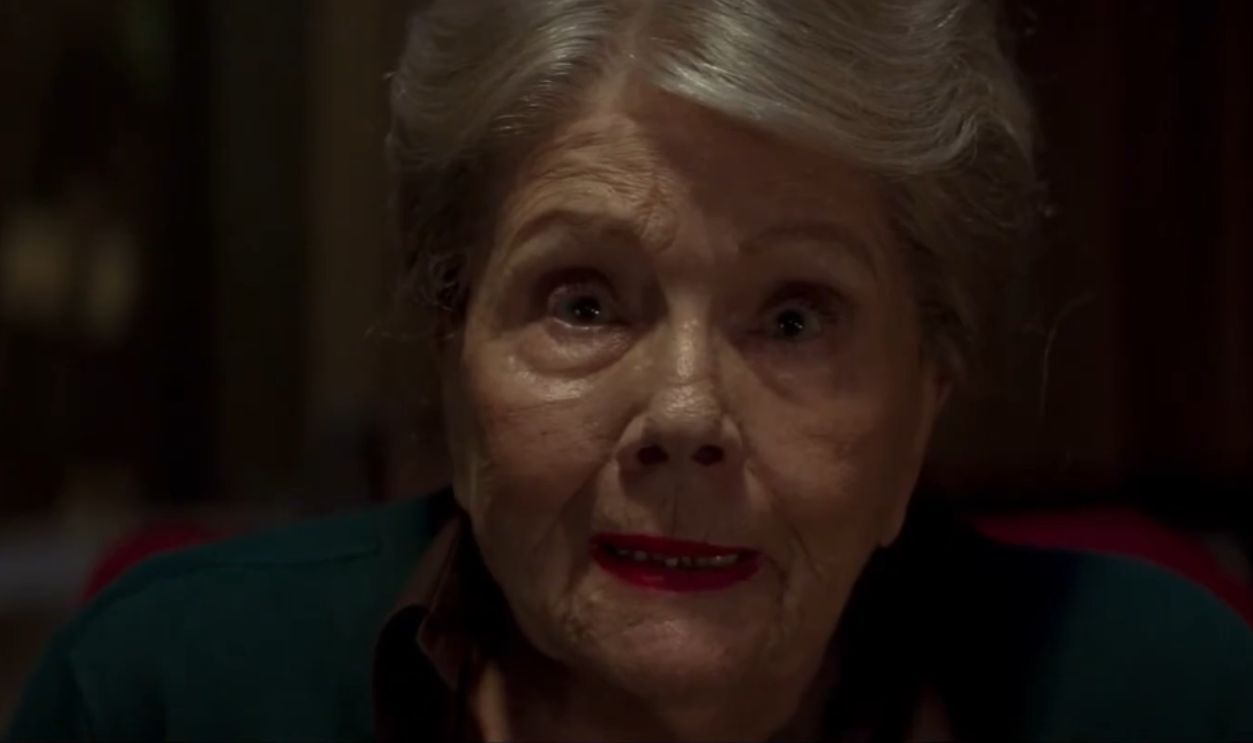 Screenshot from Last Night in Soho, Focus Features (2021)
She Kept Changing
Emma Peel made Diana Rigg famous, but leaving Emma behind revealed the full measure of her courage. She did not protect one perfect image. She kept changing, kept risking failure, and kept proving that reinvention has no expiration date.
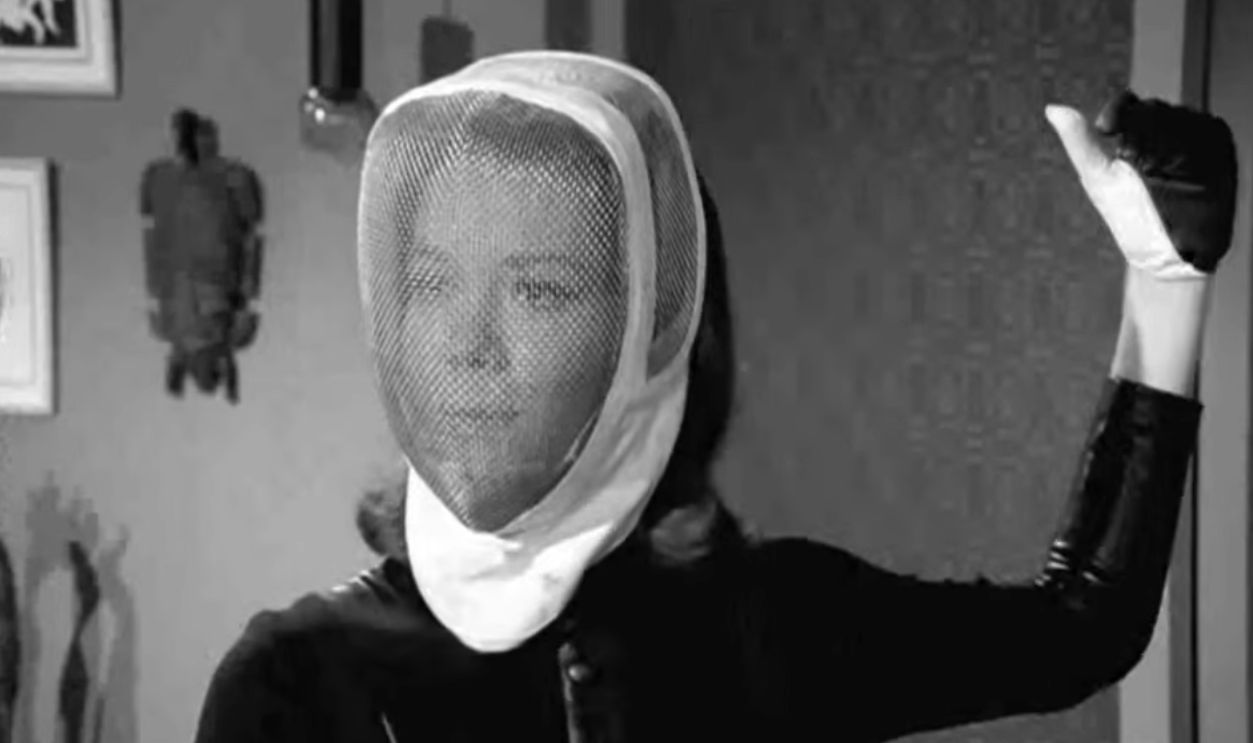 Screenshot from The Avengers, ITV (1961–1969)
You May Also Like:
While famous across America for his role as Uncle Jesse on The Dukes of Hazzard—Denver Pyle never truly lived like a Hollywood star.
Behind his wholesome television persona, Bob Crane led a double life that shocked even the darkest corners of Hollywood.