
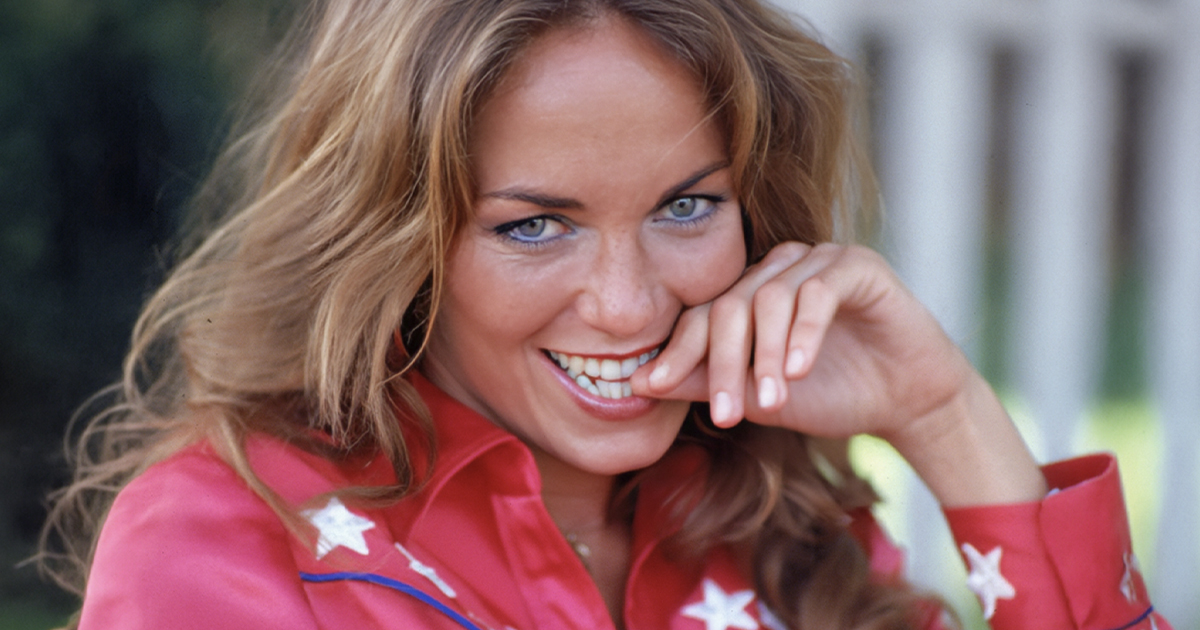
The Woman Behind Television’s Most Famous Shorts
Catherine Bach transformed Daisy Duke from a supporting character into a television icon, creating a look that became part of American culture. Decades later, however, the actress faced a tragedy far more painful than anything scripted in Hazzard County.
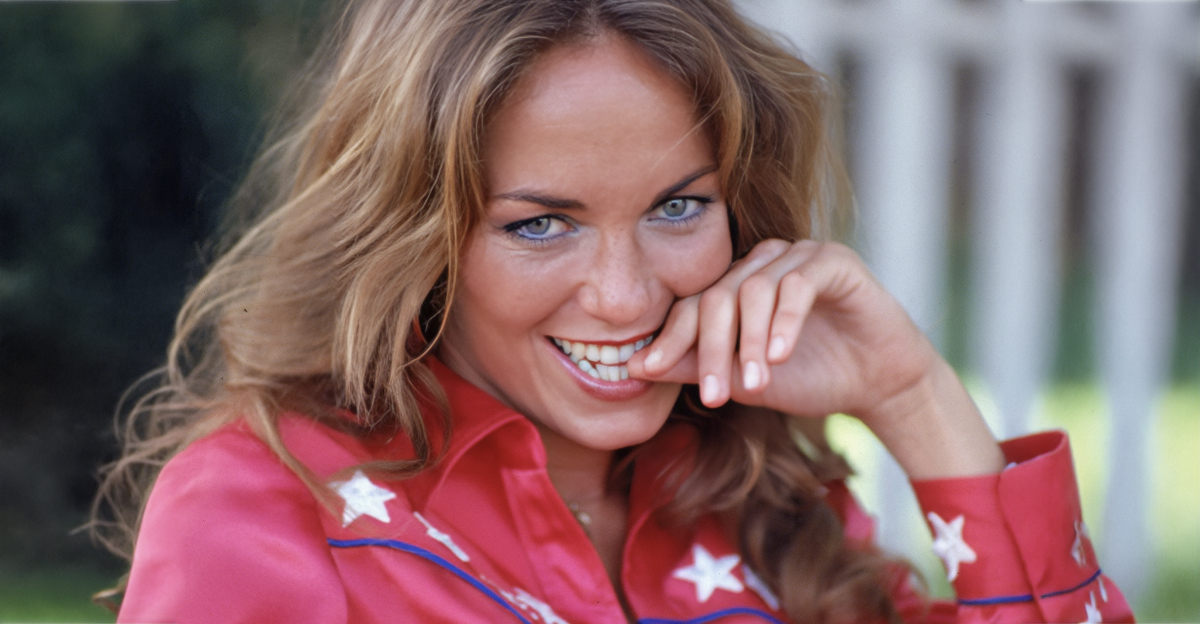 Fotos International, Getty Images
Her Story Began Far From Hollywood
Born Catherine Bachman in Warren, Ohio, Bach spent part of her childhood on her grandparents’ ranch near Faith, South Dakota. Those rural surroundings would eventually make Hazzard County feel surprisingly familiar, although Hollywood was still far beyond the horizon.
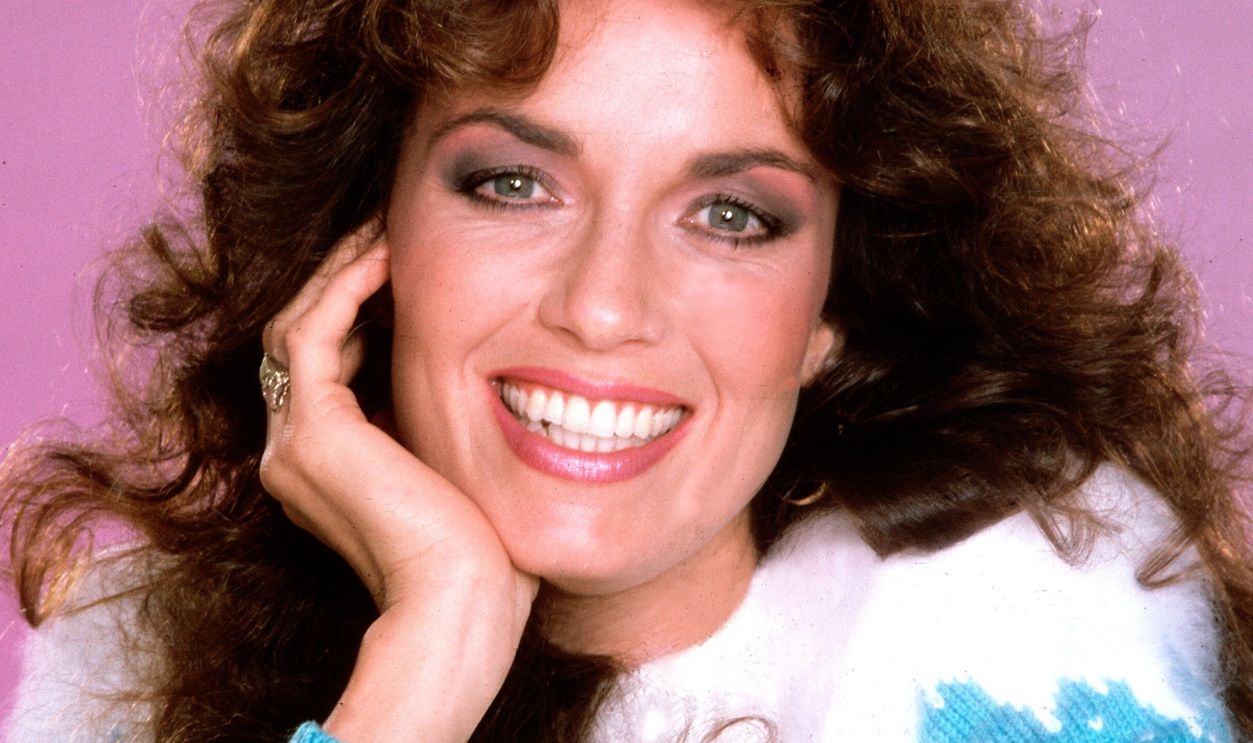
South Dakota Gave Her Something Real
Bach attended high school in Rapid City, where acting gradually became more than a childhood interest. Her time around ranches also gave her an ease with horses, country life, and strong-willed women that would later shape Daisy Duke.
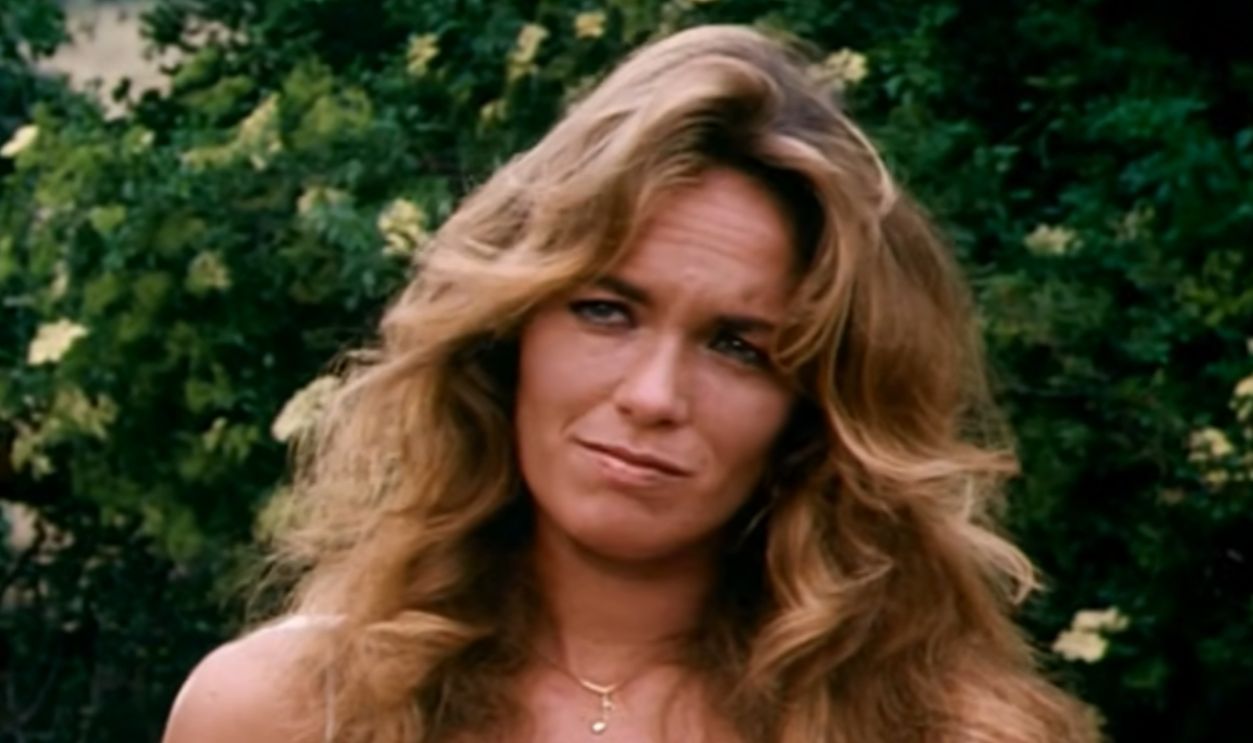 Screenshot from The Dukes of Hazzard, Warner Bros. Discovery (1979-1985)
She Studied Drama—and Made Clothes
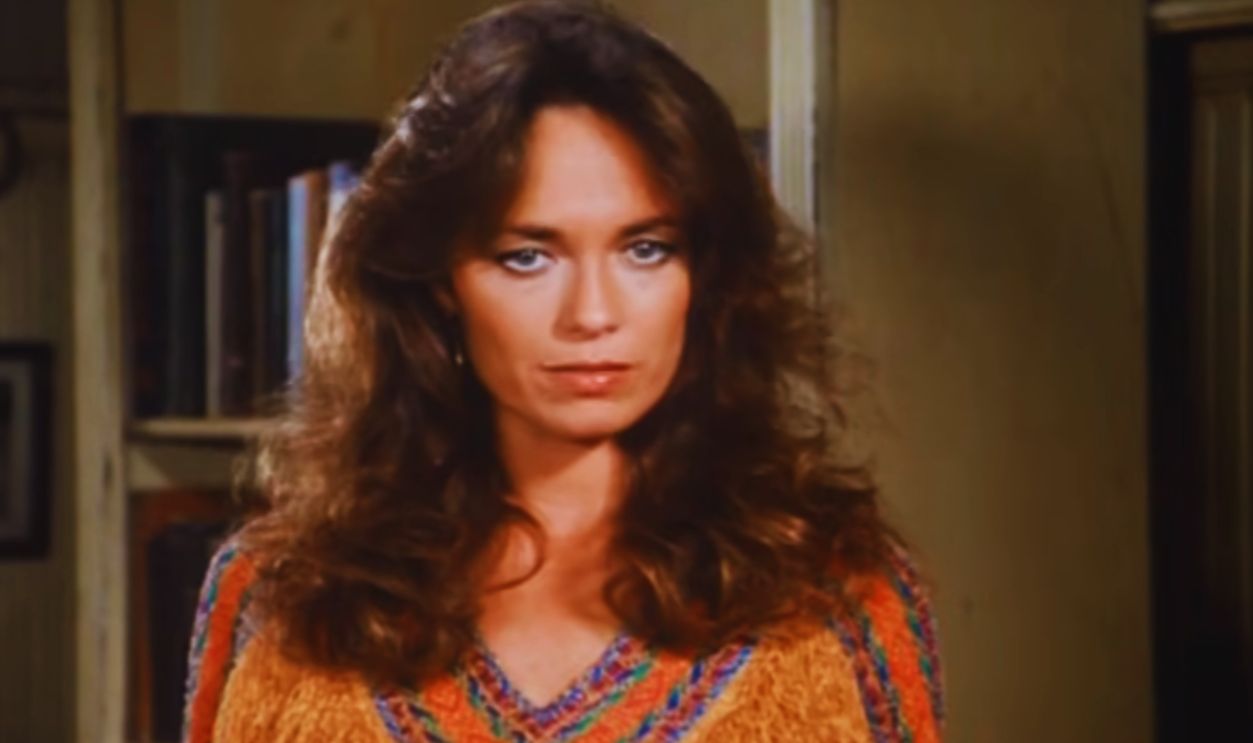
After moving west, Bach studied drama at UCLA. Money was tight, so she reportedly earned extra income by designing and sewing clothes for friends and theatrical productions—a talent that would become unexpectedly important when television executives tried dressing Daisy Duke themselves.
 Screenshot from The Dukes of Hazzard, Warner Bros. Discovery (1979-1985)
Her First Films Were Serious Business
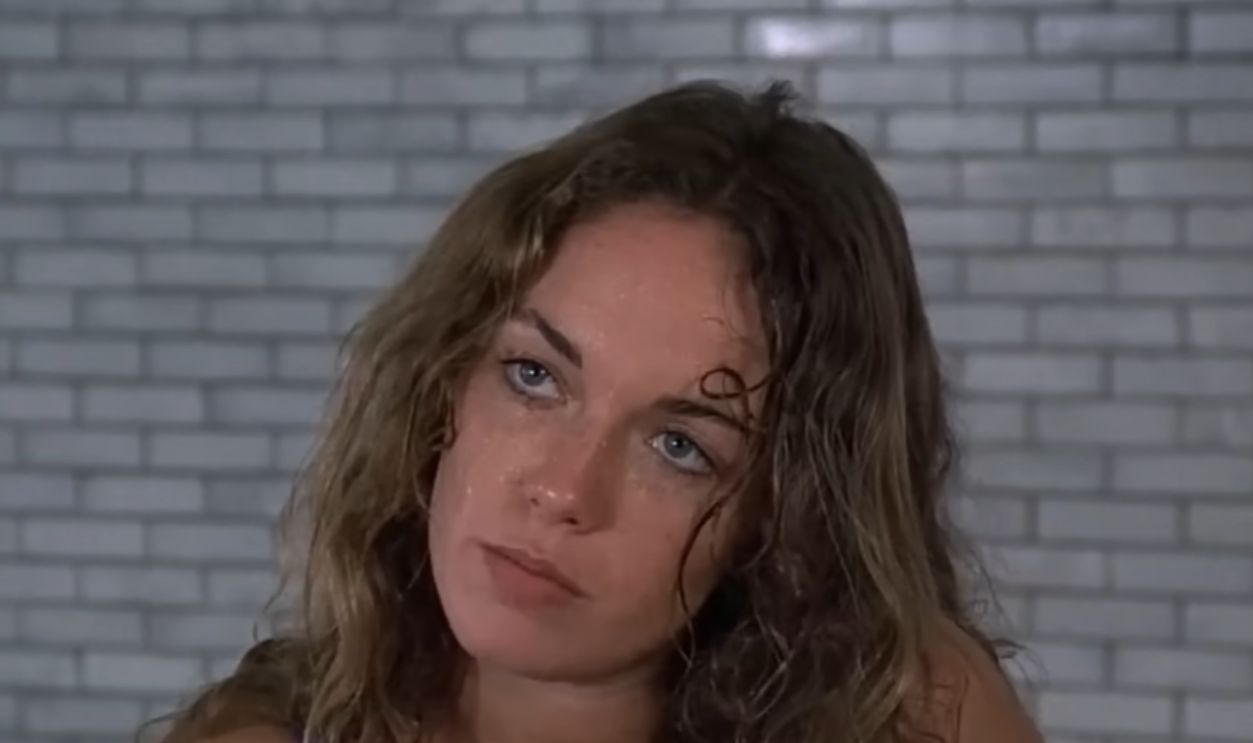
Bach made her screen debut in the 1974 mystery The Midnight Man, starring Burt Lancaster. That same year, she appeared alongside Clint Eastwood and Jeff Bridges in Thunderbolt and Lightfoot, proving she could hold her own around established stars.
 Screenshot from The Midnight Man, NBCUniversal (1974)
Daisy Duke Did Not Look Like Her
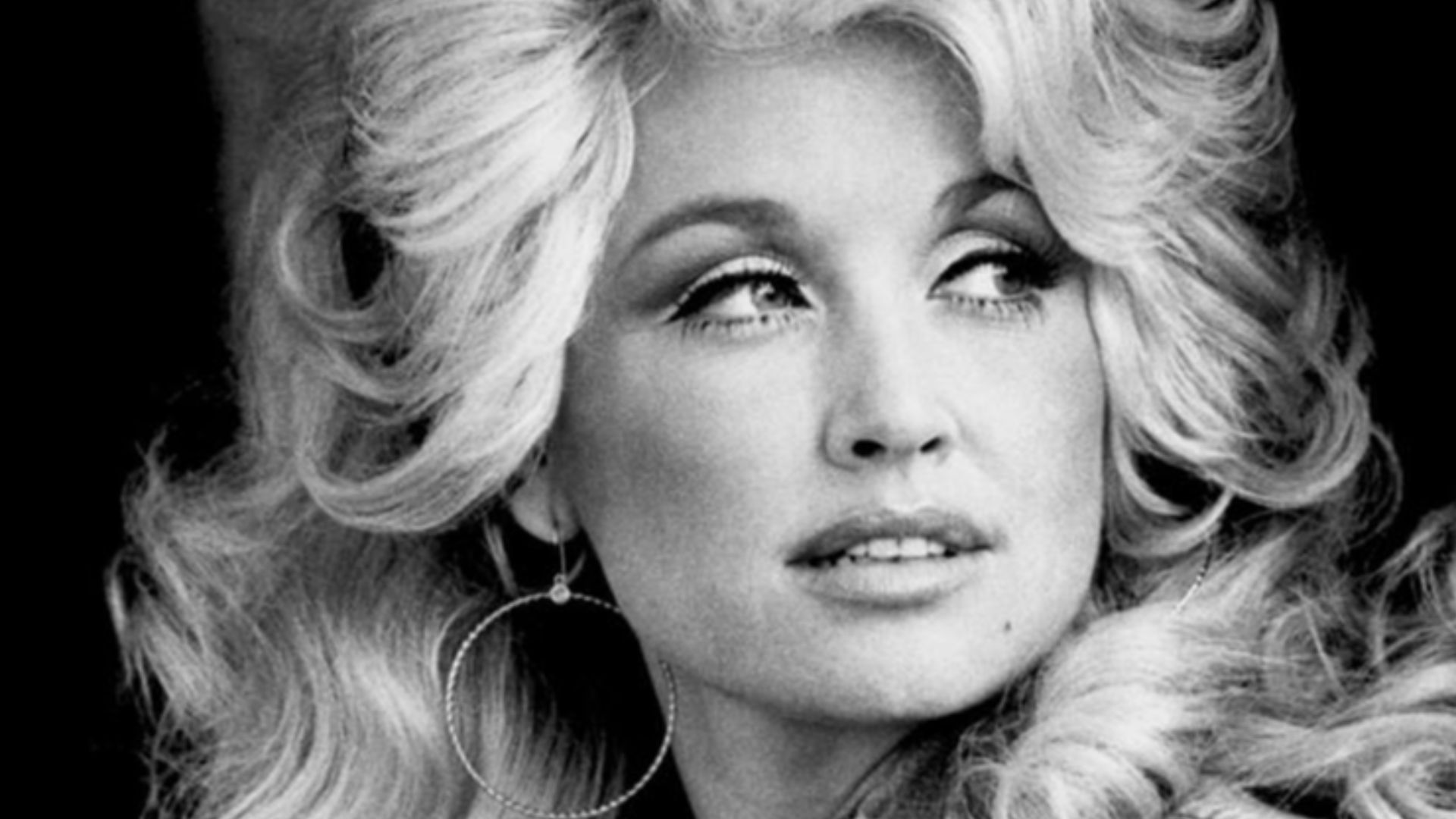
When Bach heard about The Dukes of Hazzard, she initially believed auditioning would be pointless. Producers had reportedly searched across the country for a curvy blonde resembling Dolly Parton, while Bach was a dark-haired actress of Mexican and German ancestry.
 RCA Records, Wikimedia Commons
A Friend Made Her Go
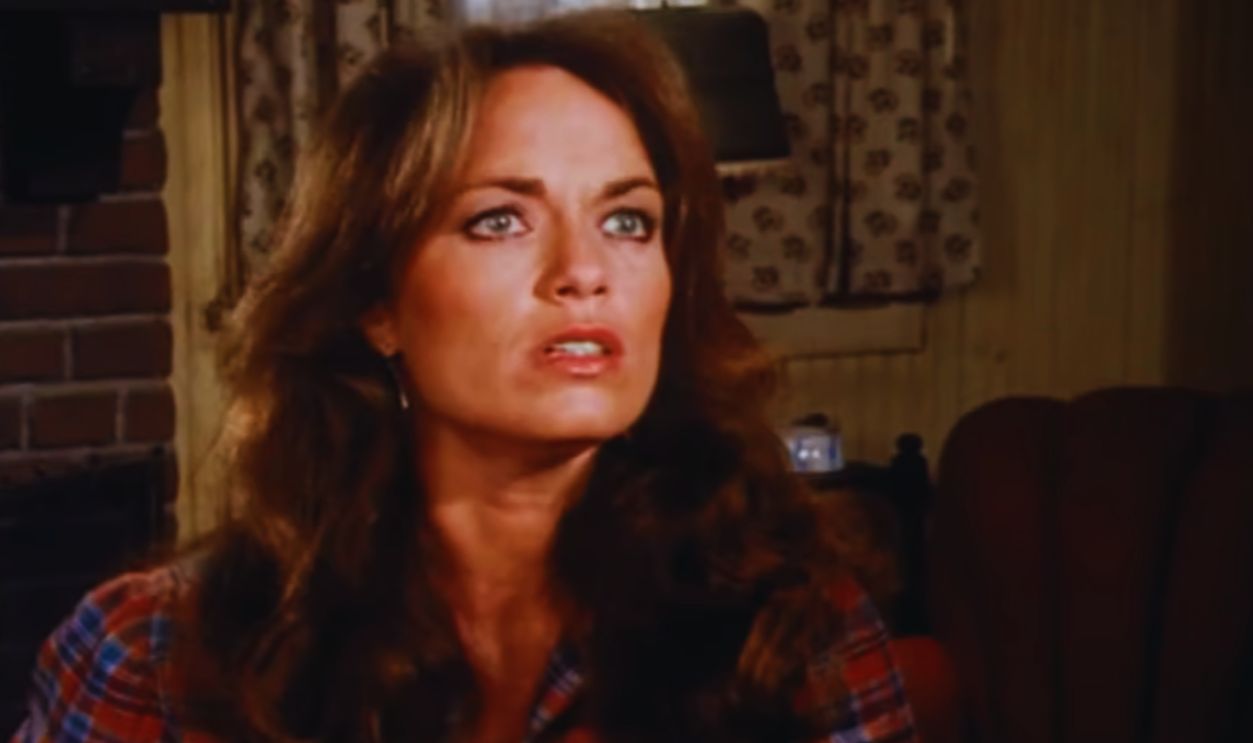
Bach nearly skipped the audition, convinced she was not what Warner Bros wanted. A friend persuaded her that walking into a major studio was worthwhile regardless—and that reluctant decision placed her in the room that changed her life.
 Screenshot from The Dukes of Hazzard, Warner Bros. Discovery (1979-1985)
The Room Suddenly Began Applauding
After Bach performed her interpretation of Daisy, the room reportedly fell silent. She assumed she had failed, but then approximately 30 people stood and applauded; within two weeks, she was flying to Georgia to begin filming.
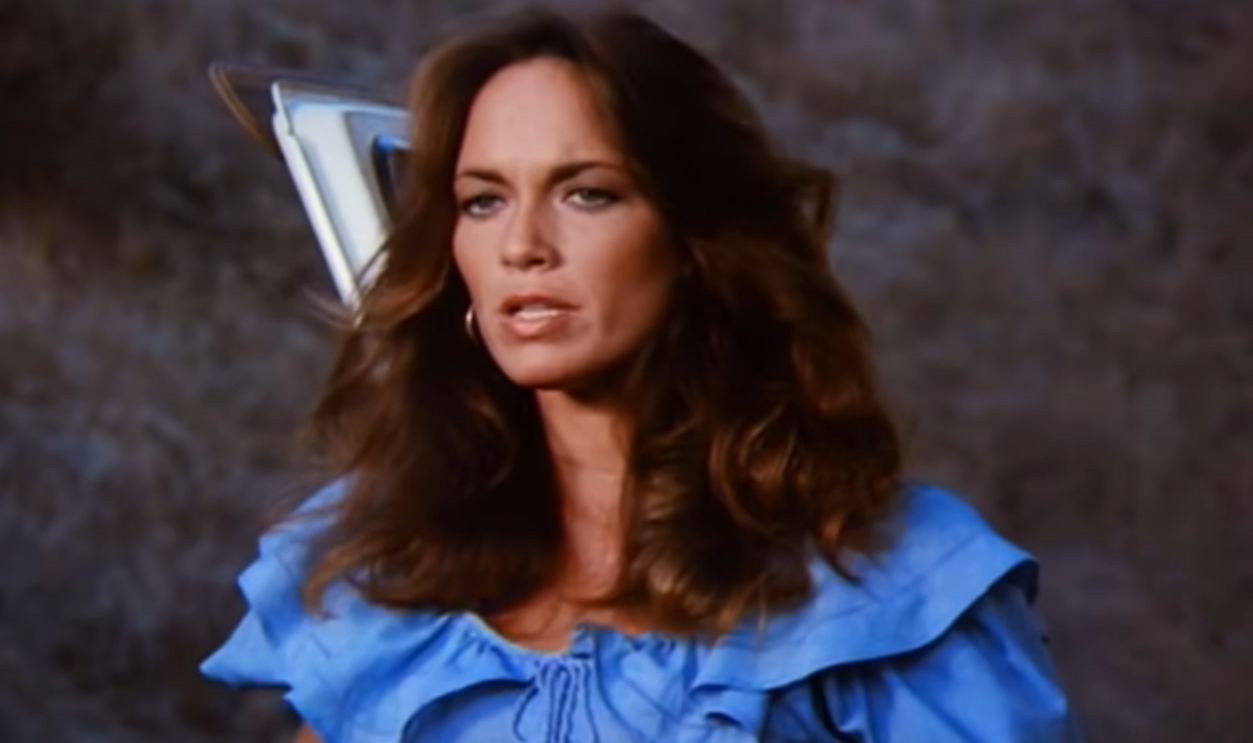 Screenshot from The Dukes of Hazzard, Warner Bros. Discovery (1979-1985)
The Original Costume Was a Disaster
Producers envisioned Daisy in a white turtleneck, go-go boots, a blonde wig, and a poodle skirt resembling the tablecloths at the Boar’s Nest. Bach thought the outfit looked ridiculous—and, more importantly, felt it degraded the character.
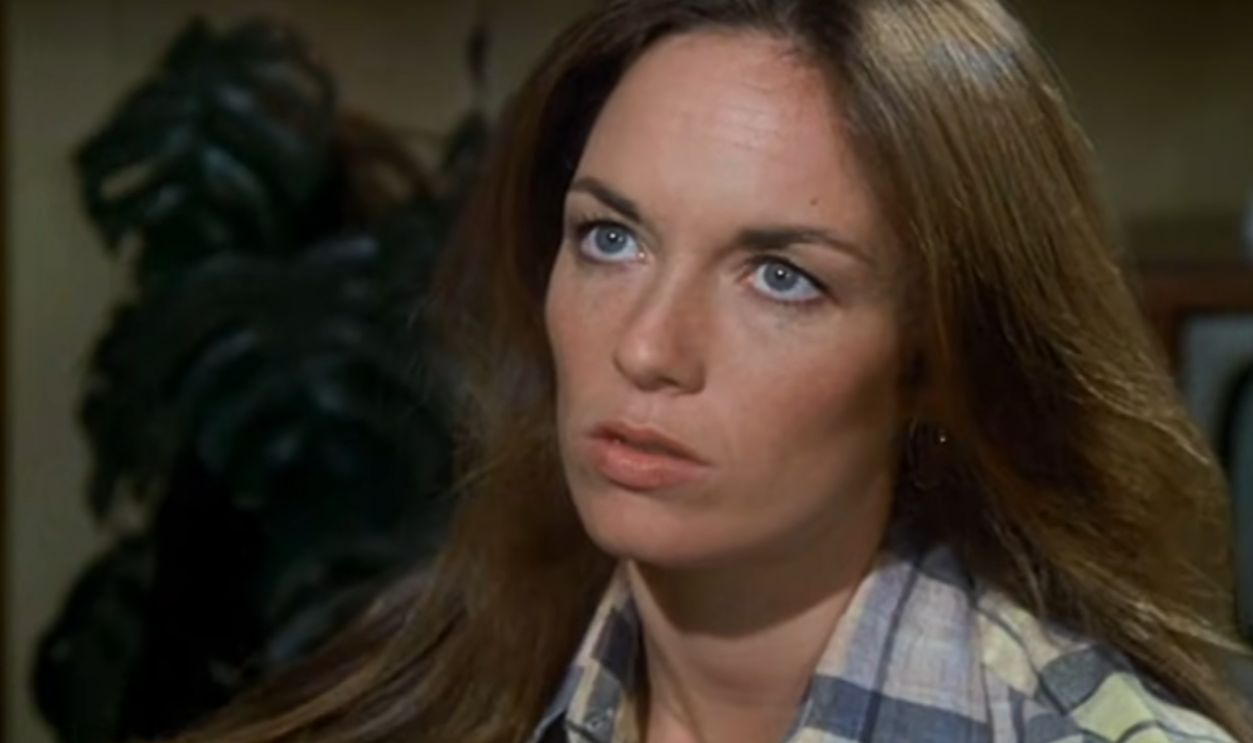 Screenshot from The Dukes of Hazzard, Warner Bros. Discovery (1979-1985)
She Designed Daisy for Herself
Bach asked to bring in her own clothing instead. She arrived with high heels, a homemade top, and cutoff denim shorts, creating a character who looked less like a male executive’s country-girl fantasy and more like someone confidently dressing herself.
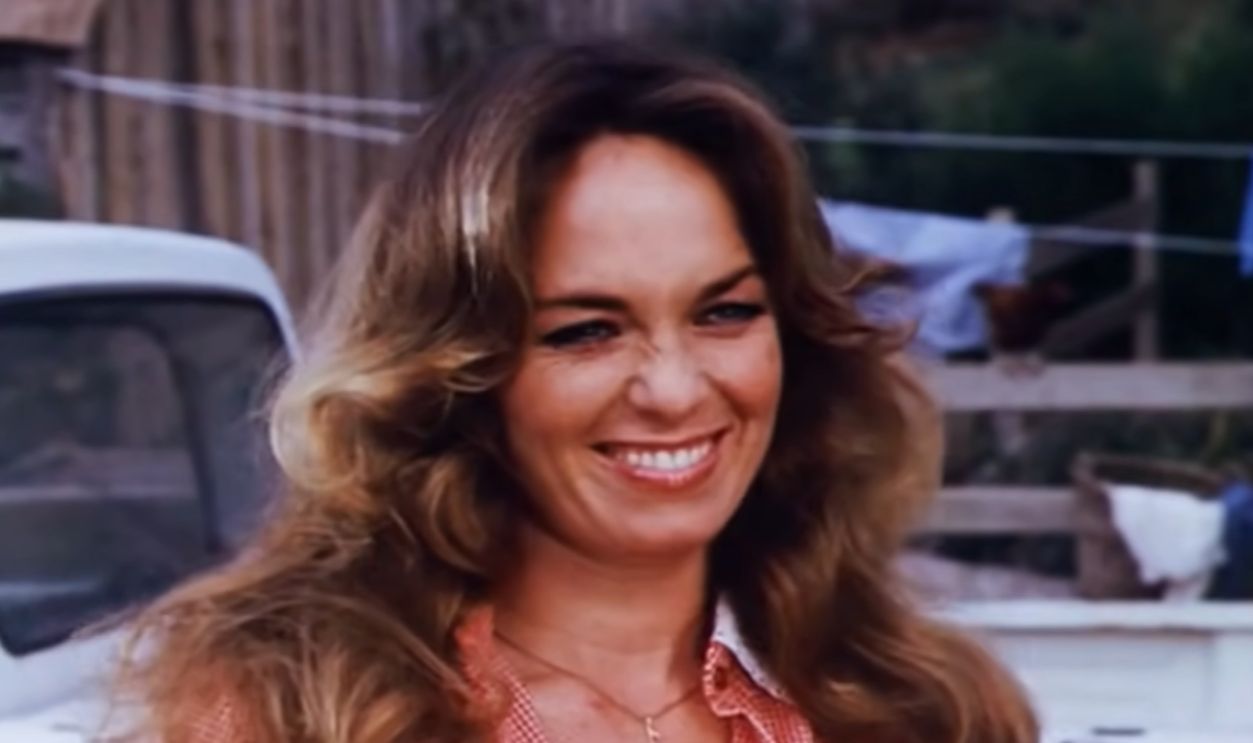 Screenshot from The Dukes of Hazzard, Warner Bros. Discovery (1979-1985)
Network Censors Objected to the Shorts
The cutoffs created an immediate wardrobe controversy because network executives feared they revealed too much for prime-time television. Bach was reportedly required to wear sheer pantyhose beneath them, a compromise intended to satisfy CBS’s standards department.
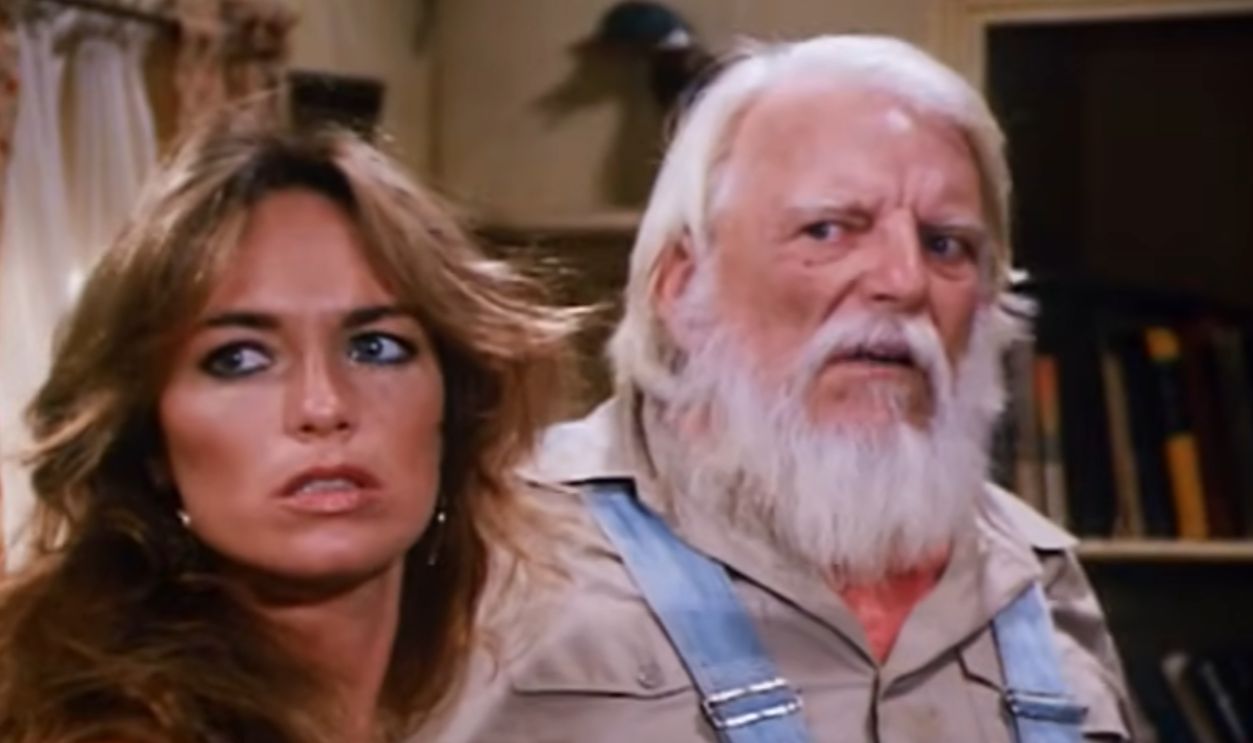 Screenshot from The Dukes of Hazzard, Warner Bros. Discovery (1979-1985)
The Compromise Changed Fashion
The pantyhose did little to make the costume less memorable. Instead, Bach’s cutoffs became so closely associated with Daisy that short denim shorts are still routinely called “Daisy Dukes,” giving her character a permanent place in the cultural vocabulary.
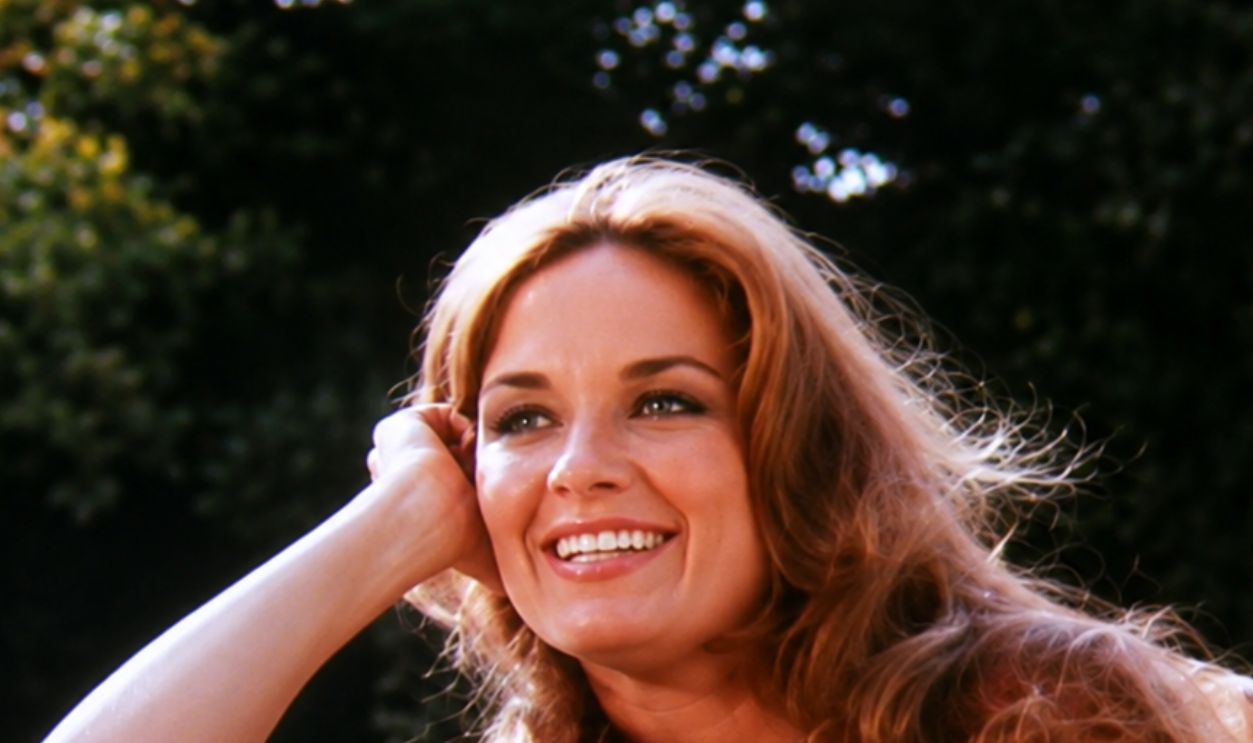 Screenshot from The Dukes of Hazzard, Warner Bros. Discovery (1979-1985), enhanced
Daisy Was Never Supposed to Be Helpless
Bach insisted there was more to Daisy than the wardrobe. “Whatever she did, she could shoot better, drive better, do everything better than a guy,” she later explained, adding, “She wasn’t acting tough, she just was.”
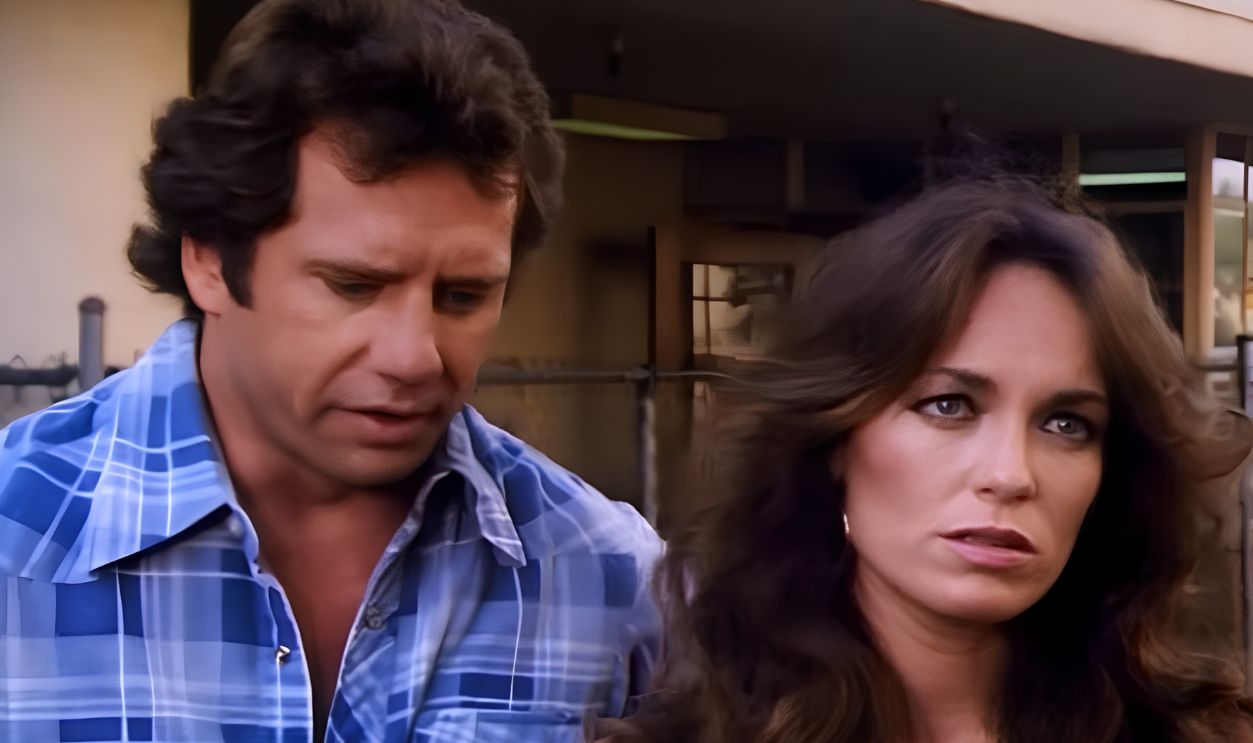 Screenshot from The Dukes of Hazzard, Warner Bros. Discovery (1979-1985)
Hazzard County Arrived in 1979
The Dukes of Hazzard premiered on CBS on January 26, 1979, following cousins Bo, Luke, and Daisy Duke through car chases and confrontations with Boss Hogg. Audiences quickly embraced its cheerfully rebellious world.
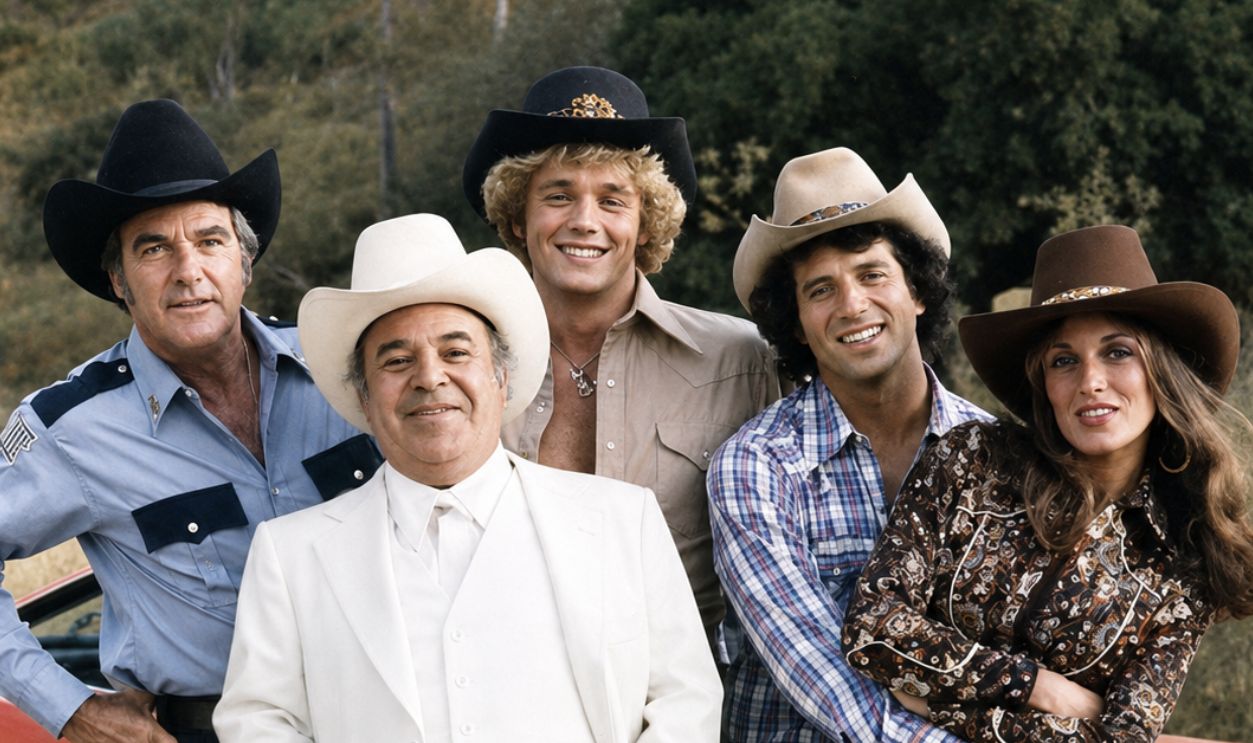 CBS, Wikimedia Commons, modified
She Became an Overnight Sensation
John Schneider and Tom Wopat may have driven the General Lee, but Bach became one of the program’s biggest attractions. Daisy was beautiful, funny, capable, and frequently the person rescuing her male cousins from their latest thoroughly avoidable disaster.
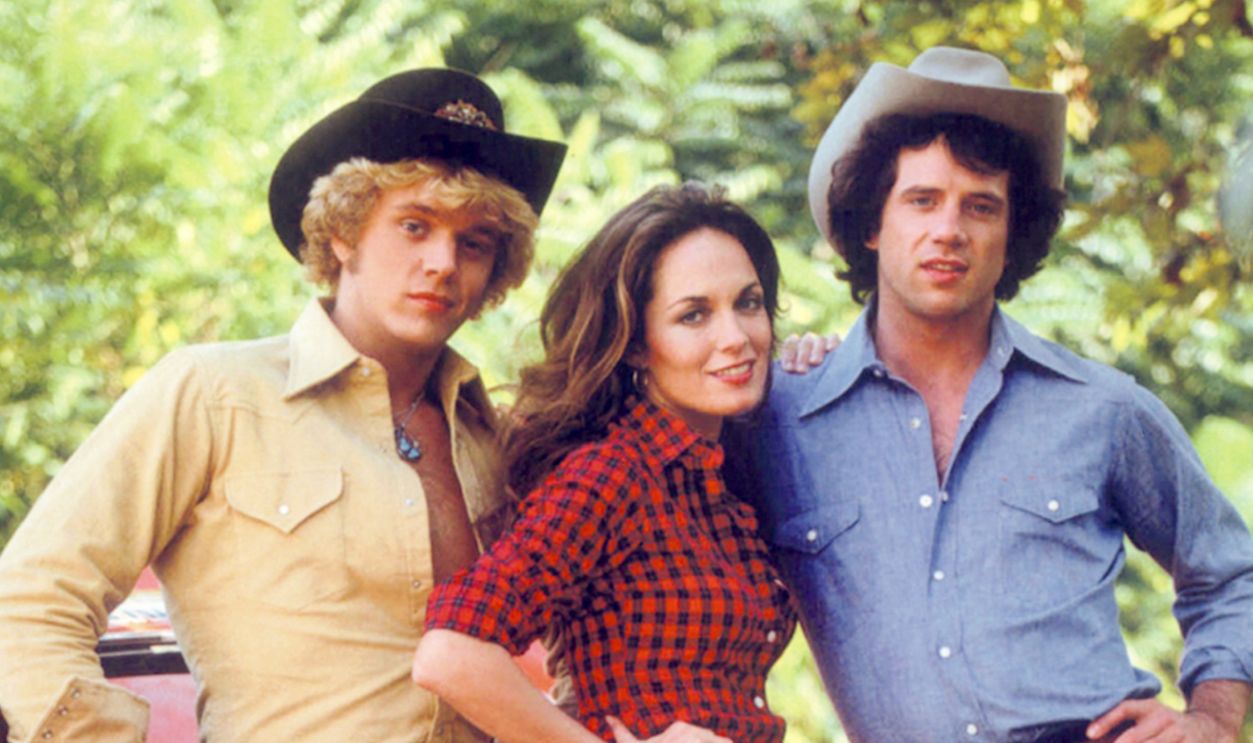 Silver Screen Collection, Getty Images
One Poster Sold Millions
At the producers’ suggestion, Bach posed as Daisy for a now-famous poster reportedly showing her kneeling beside a pickup truck. Approximately five million copies were sold, making it one of the era’s most recognizable celebrity images.
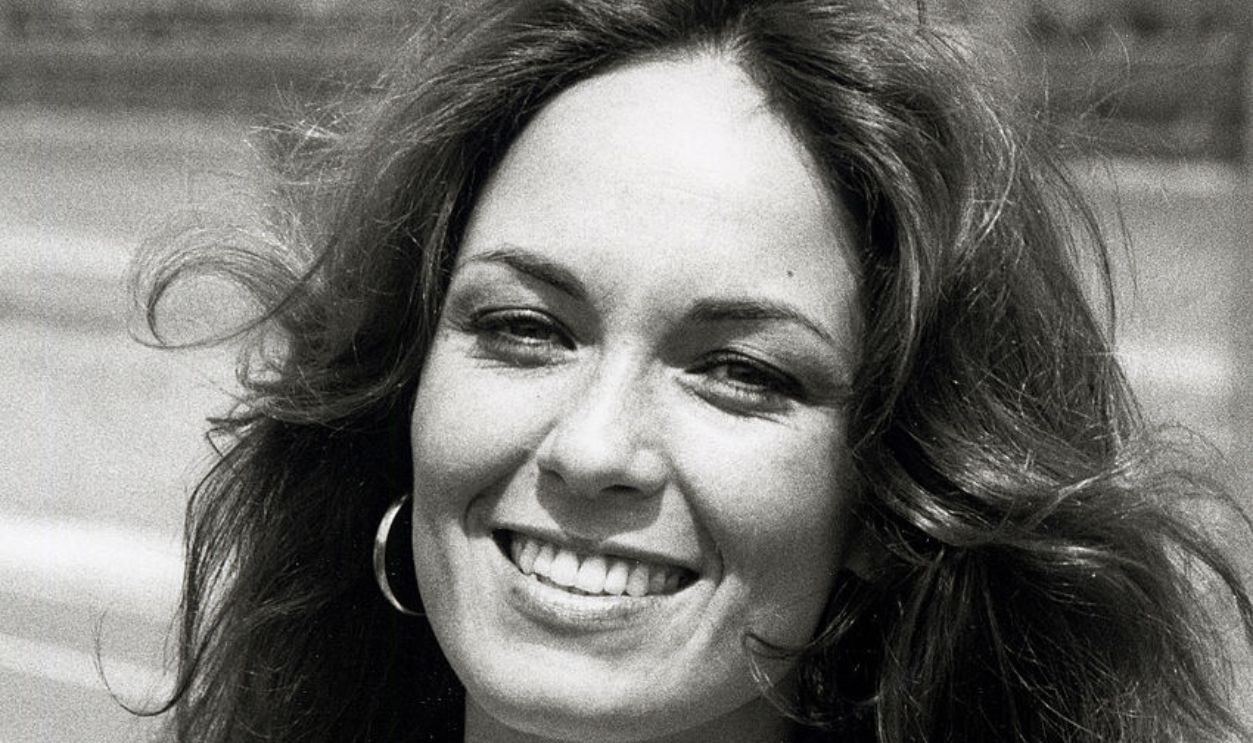
Hollywood Insured Her Legs
Bach’s legs were reportedly insured for $1 million through Lloyd’s of London. The policy reflected how valuable her image had become, although it also demonstrated how readily the entertainment industry reduced a working actress to individual, marketable body parts.
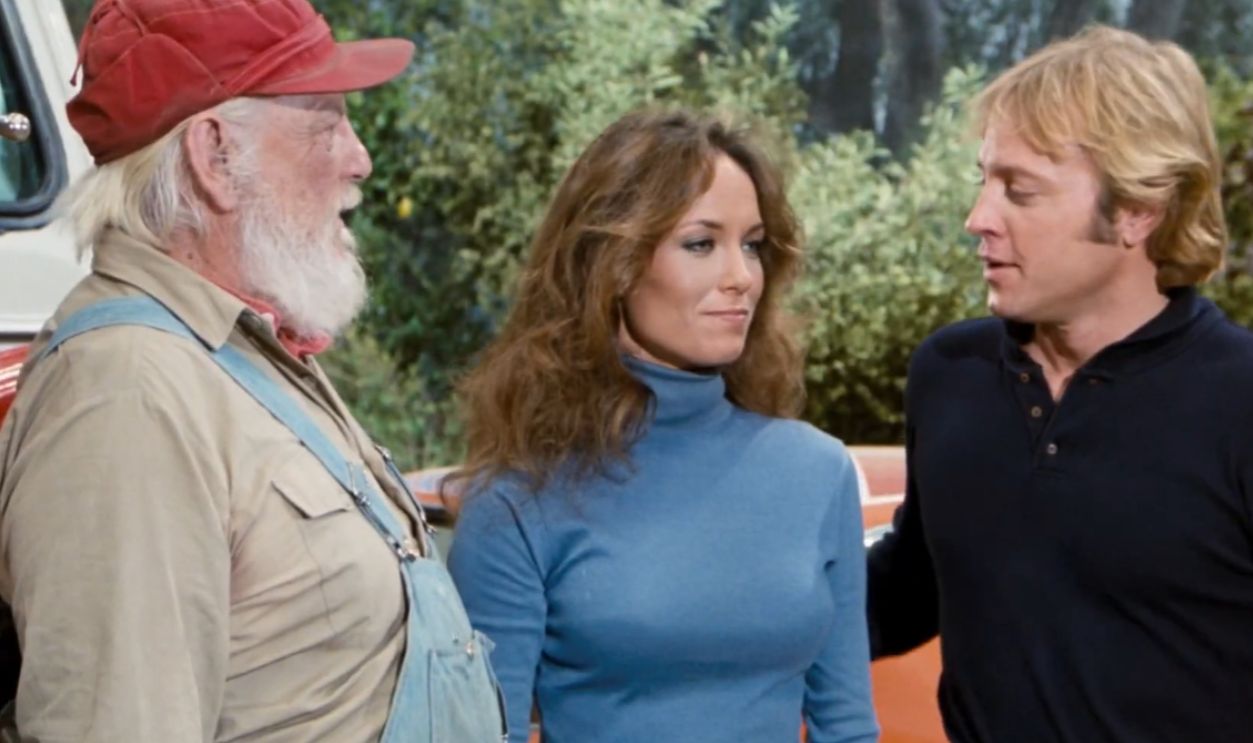 Screenshot from The Dukes of Hazzard, Warner Bros. Discovery (1979-1985)
She Protected Daisy’s Dignity
Bach understood that people noticed the shorts, but she resisted portraying Daisy as foolish or helpless. Her performance gave the character confidence without cruelty, allowing girls to admire Daisy even while advertisers enthusiastically marketed her to male viewers.
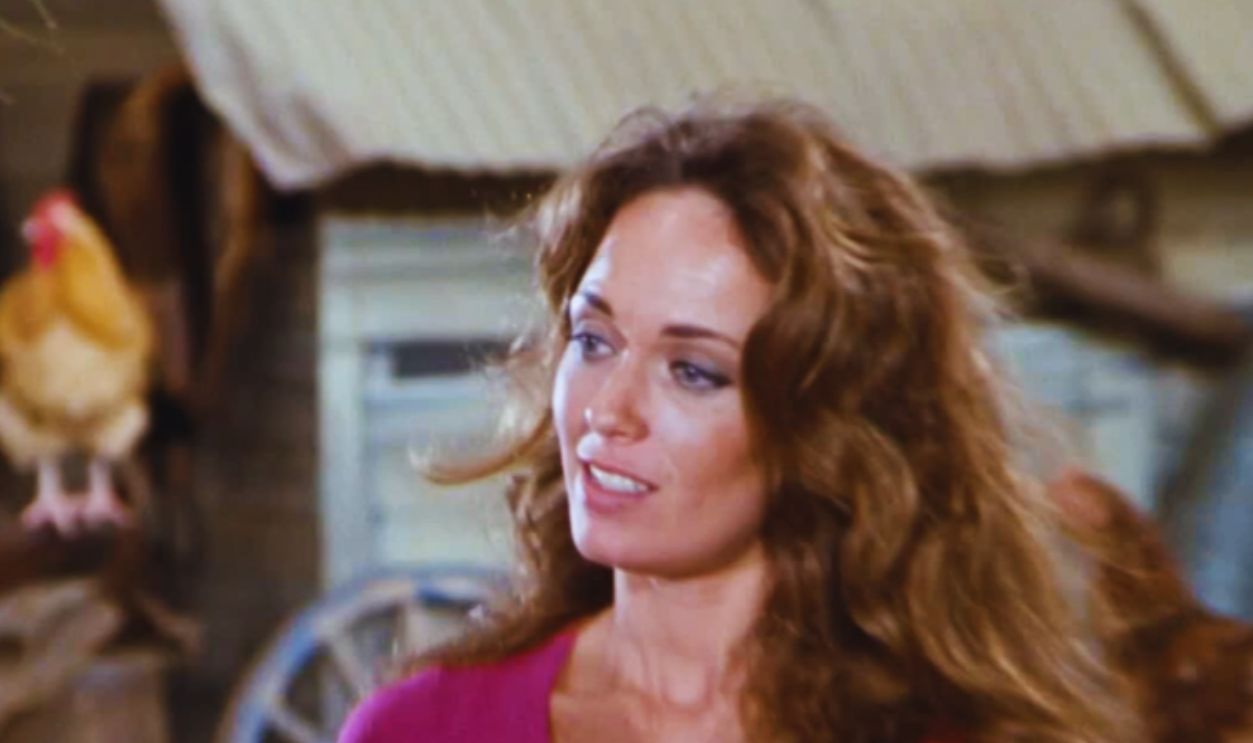 Screenshot from The Dukes of Hazzard, Warner Bros. Discovery (1979-1985)
The Ride Lasted Seven Seasons
The Dukes of Hazzard ran until 1985, producing 147 episodes across seven seasons. By the time it ended, Daisy Duke was no longer merely a television character; she was a fashion reference recognized by people who had never watched the show.
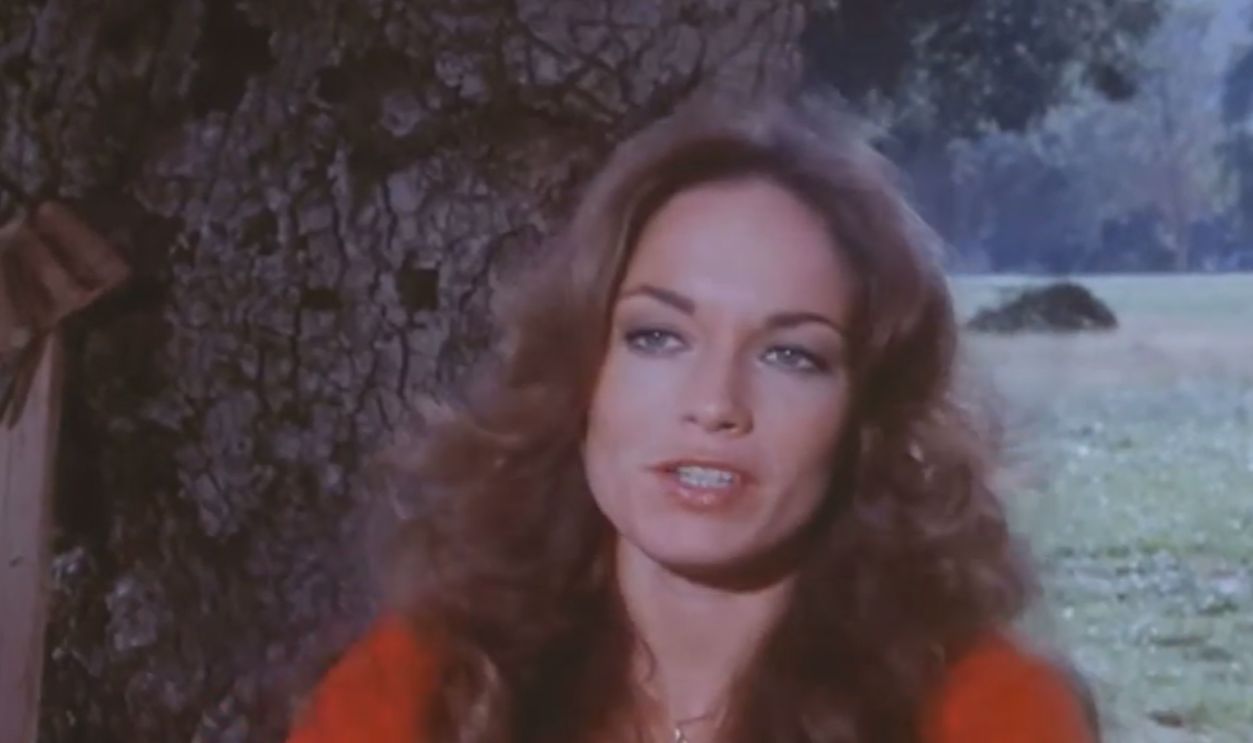 Screenshot from The Dukes of Hazzard, Warner Bros. Discovery (1979-1985)
Escaping Daisy Was Not Easy
After Hazzard County closed, Bach appeared in films including Street Justice, Driving Force, and Masters of Menace. None recreated the phenomenon surrounding Daisy, but Bach continued working rather than spending her life apologizing for the role that made her famous.
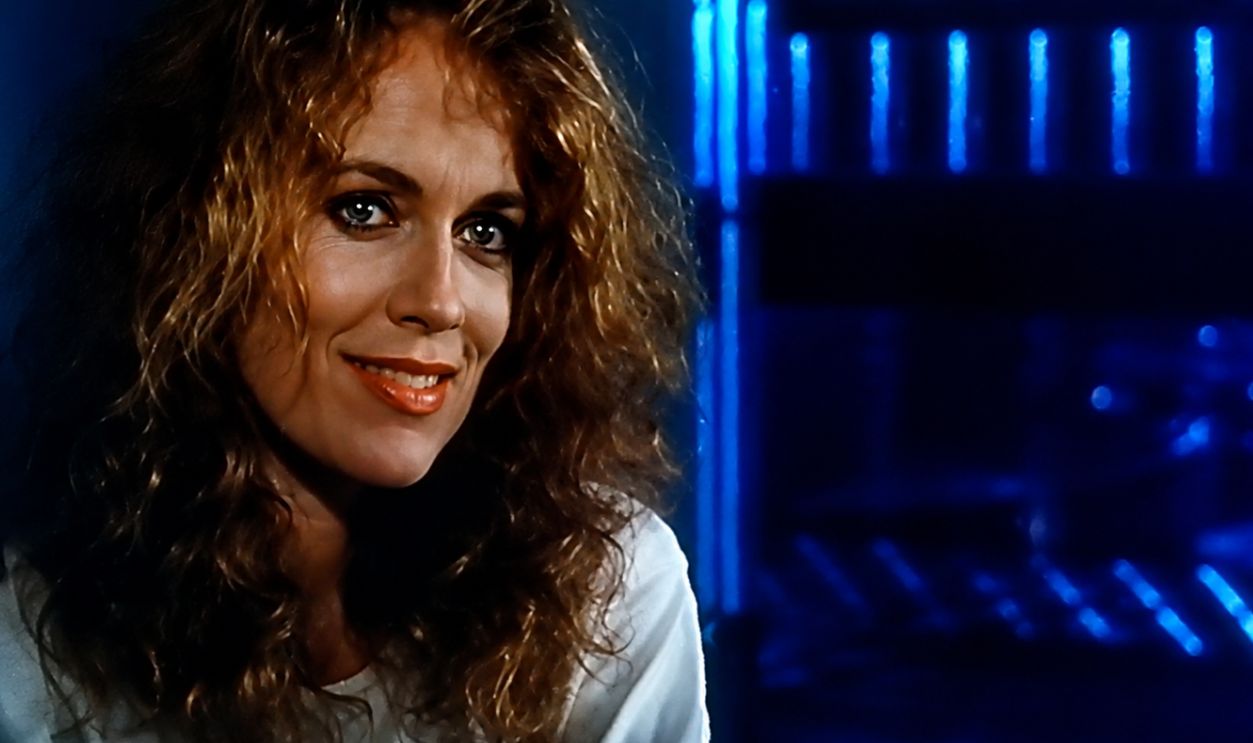 Screenshot from Driving Force, Screen Media (1989), enhanced
Africa Offered a New Beginning
From 1992 until 1994, Bach starred as Margo Dutton in the family adventure series African Skies. Filmed in South Africa, the program offered her a very different setting and a substantial role beyond cutoff shorts and runaway Dodge Chargers.
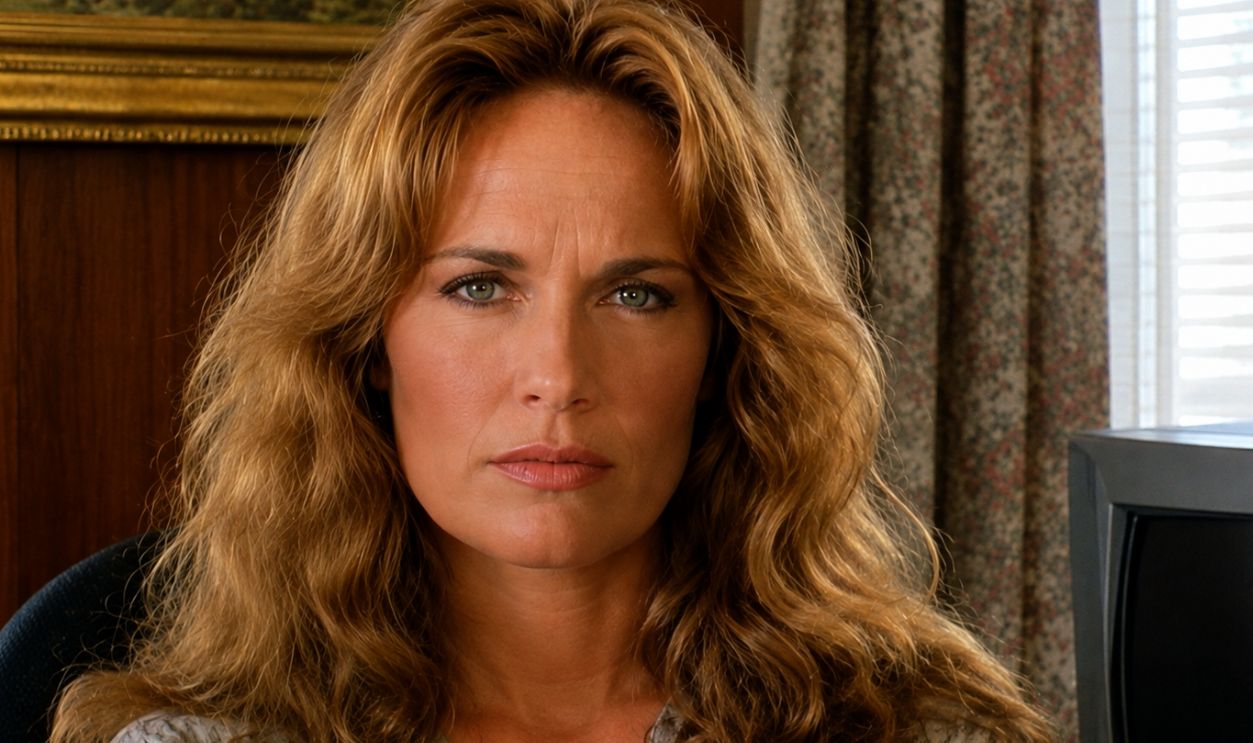 Screenshot from African Skies, The Family Channel (1992-1994), enhanced
Hazzard County Kept Calling
Bach eventually returned for The Dukes of Hazzard: Reunion! in 1997 and Hazzard in Hollywood in 2000. She understood that Daisy would always follow her, but she increasingly treated that connection as a gift rather than a career sentence.
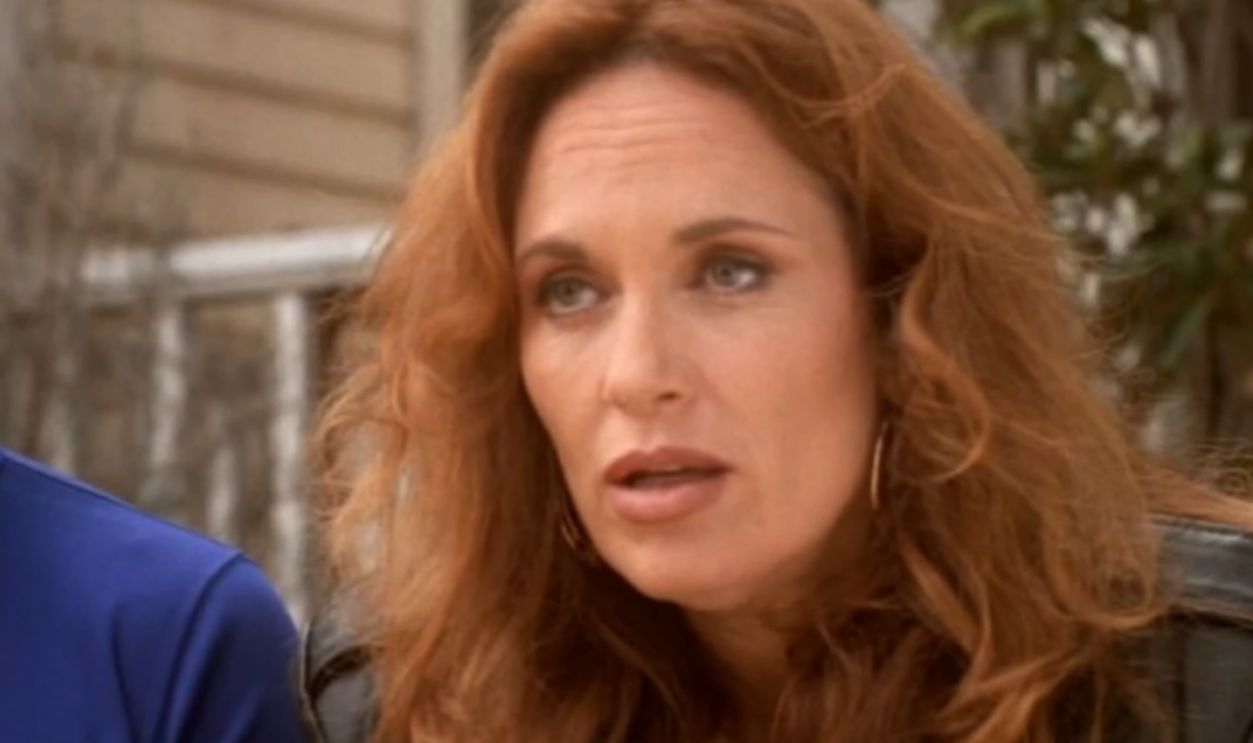 Screenshot from The Dukes of Hazzard: Reunion!, Warner Bros. Discovery (1997)
She Found Love Away From the Set
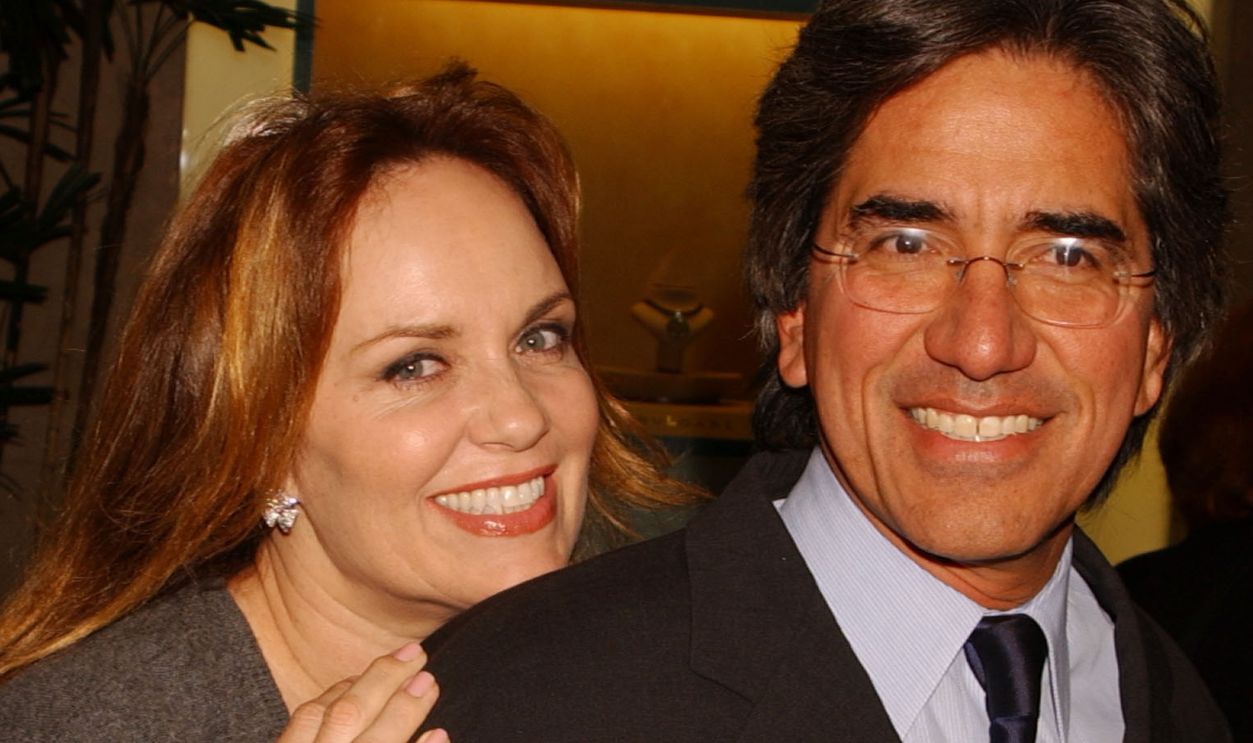
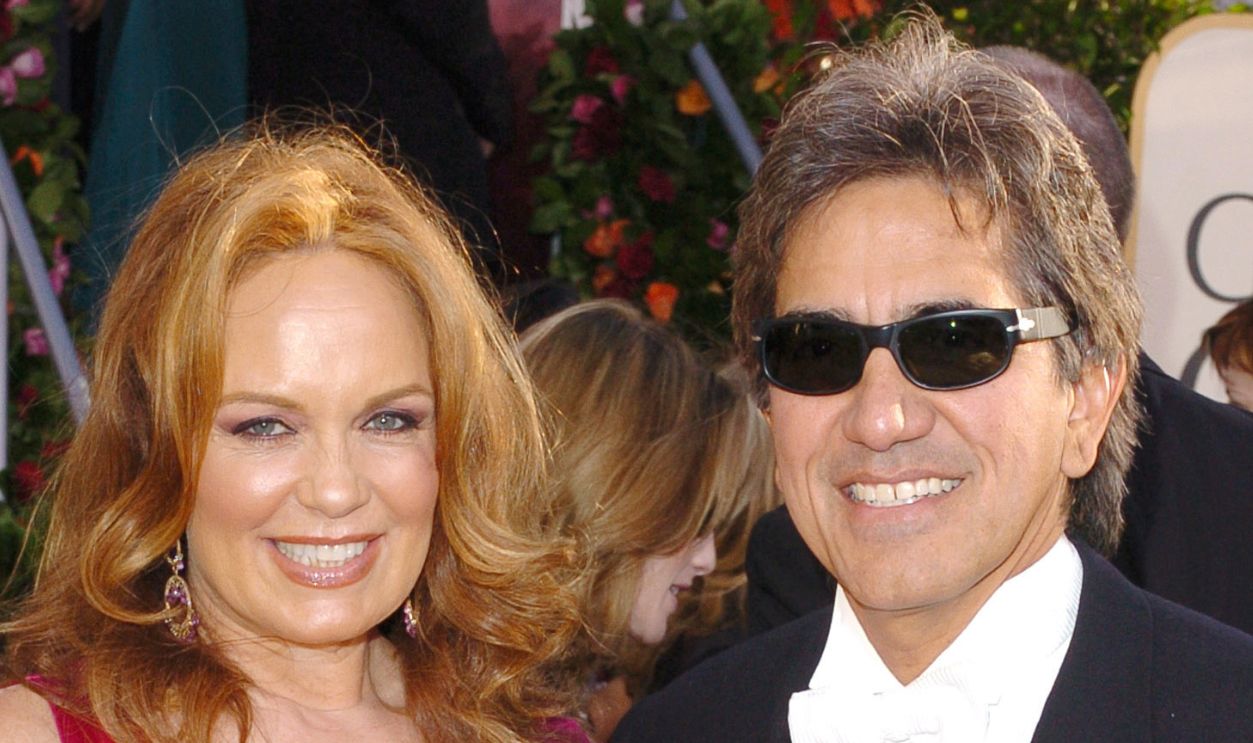
Bach married entertainment attorney Peter Lopez in August 1990, following her earlier marriage to David Shaw. With Lopez, she built a quieter life that felt increasingly removed from the pinup posters and television fame of her twenties.
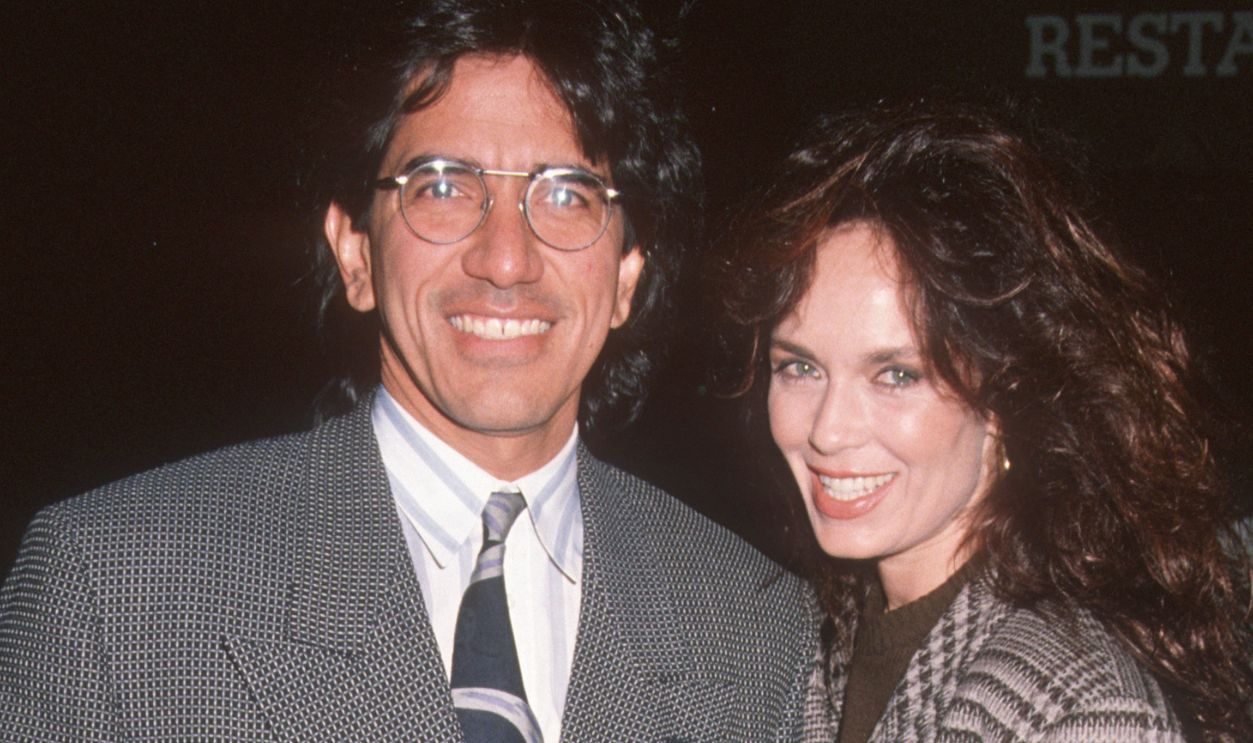 Ron Galella, Ltd., Getty Images
Their Family Became Her Priority
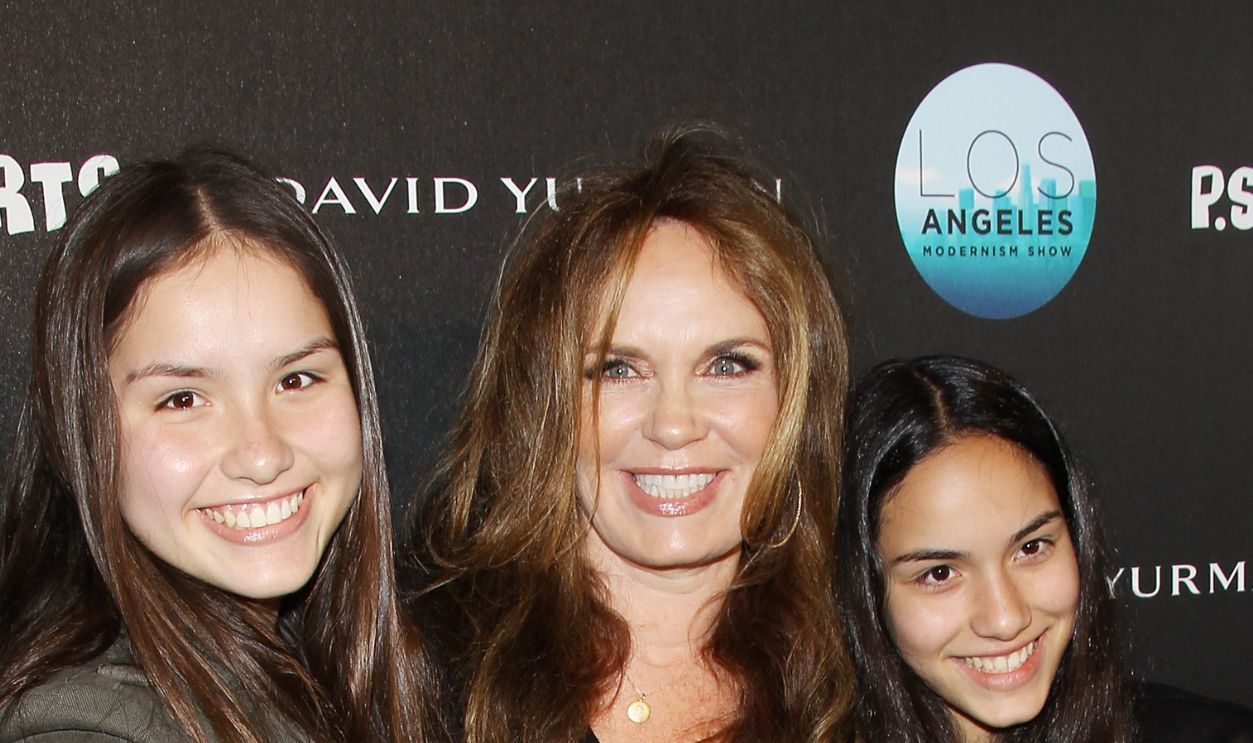
Bach and Lopez welcomed two daughters, Sophia and Laura. Bach stepped back from the Hollywood spotlight to concentrate on raising them, later describing her ability to remain home with the girls as one of her life’s greatest blessings.
Peter Was Powerful Behind the Scenes
Lopez was a respected entertainment lawyer whose clients reportedly included Michael Jackson, Andrea Bocelli, Julio Iglesias, and members of the Eagles. He was also involved with the 1997 Jennifer Lopez film Selena and became a prominent figure in the music business.
She Thought Her Life Was Complete
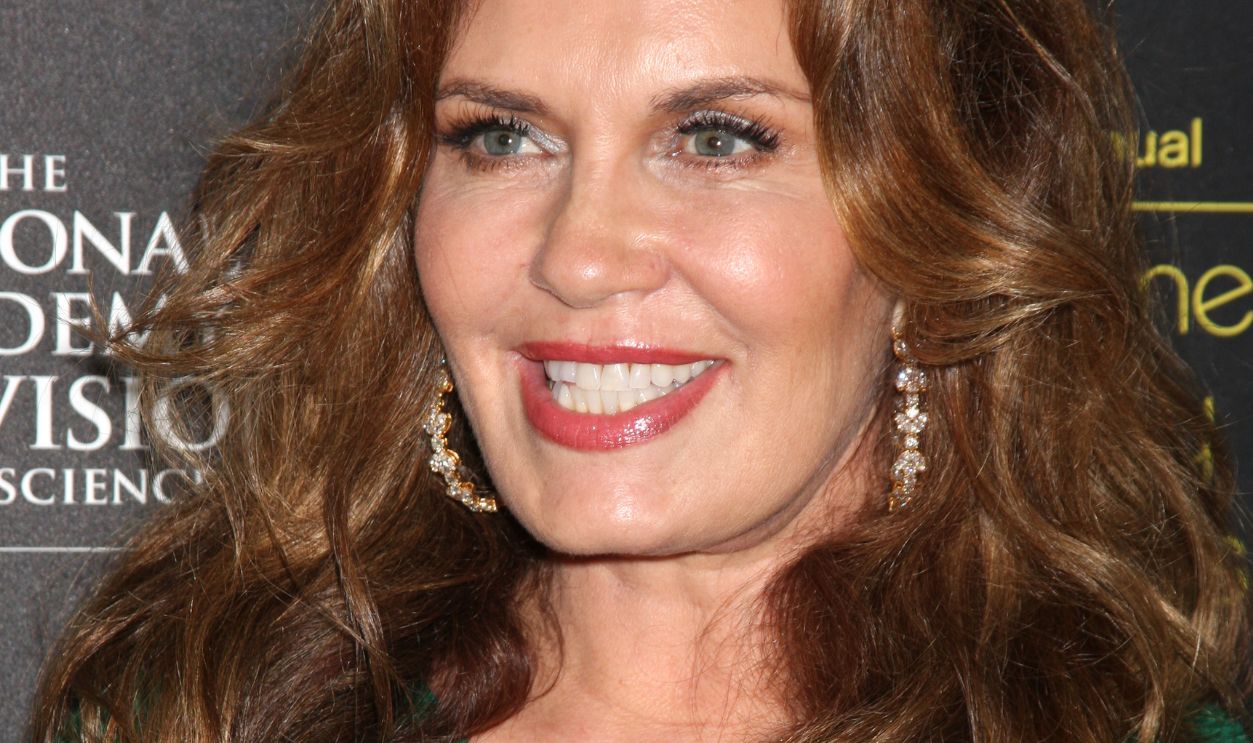
Bach remembered feeling extraordinarily fortunate during her marriage. “I am so blessed with my family and a man that I love so much,” she recalled thinking—but on one ordinary morning, that sense of security disappeared without warning.
A Gunshot Shattered the Morning
On April 30, 2010, a gunshot was heard at the family’s home in Encino, California. Lopez was found outside with a fatal gunshot wound, and authorities determined that the 60-year-old entertainment attorney had taken his own life.
There Had Been No Obvious Warning
Bach said she could not understand what had happened because she had noticed no recognizable signs. “Peter didn’t drink, didn’t take [substances],” she told Entertainment Tonight nearly two years later. No public explanation ever resolved her questions.
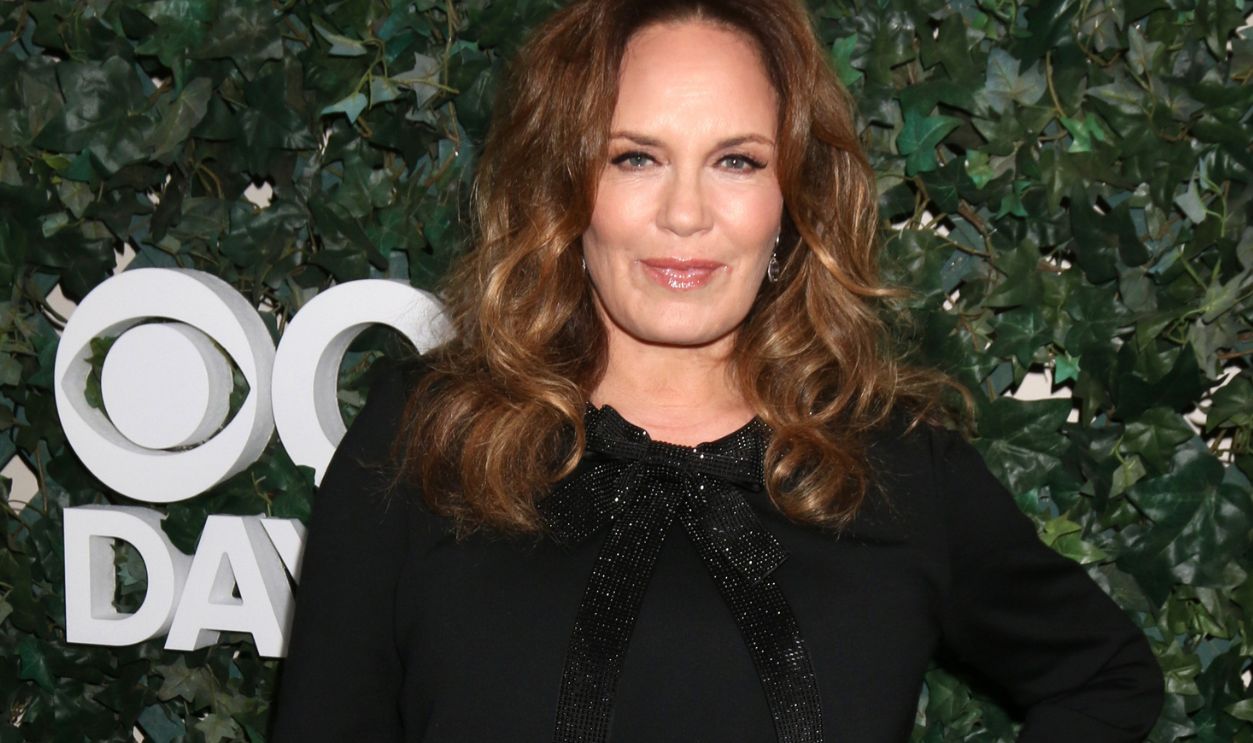
His Final Goodbye Seemed Ordinary
Bach later recalled that the last exchange between Lopez and their daughters had been heartbreakingly routine. As the girls left him, he told them, “Bye, I love you.” They answered, “Bye, Dad,” never realizing it would be their final conversation.
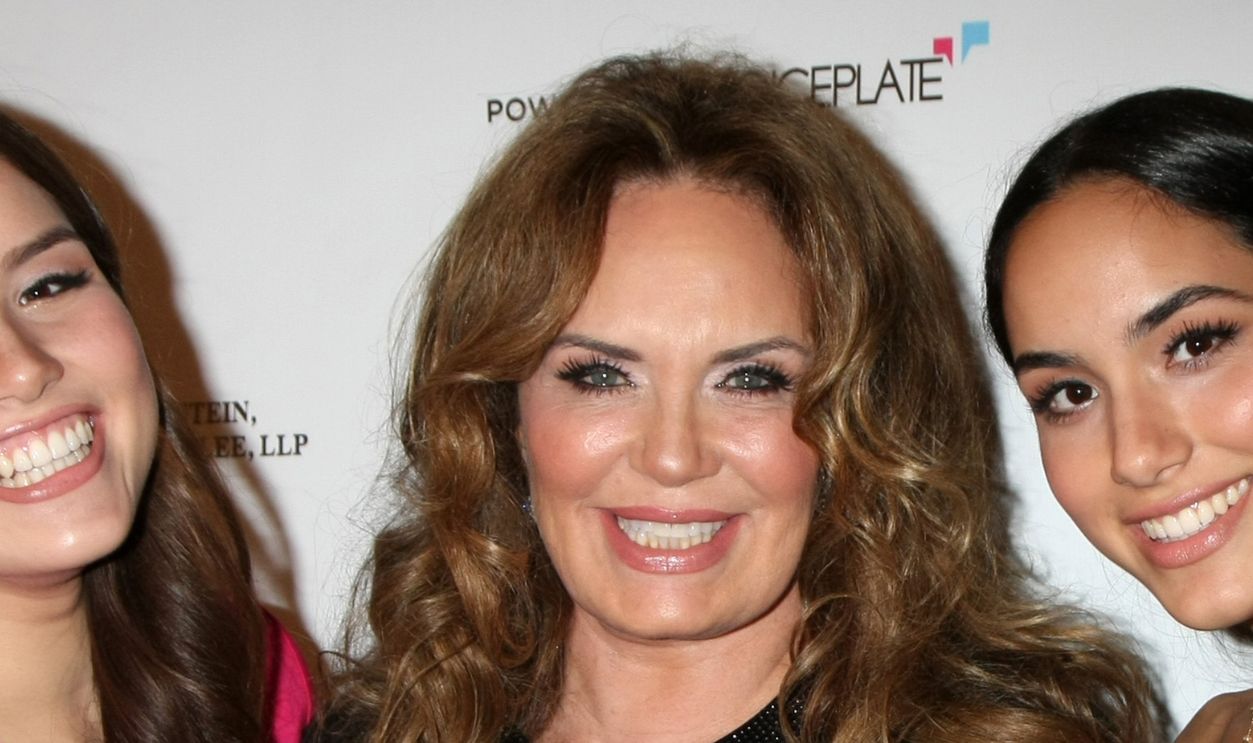
She Had to Tell Their Daughters
Because reporters and officials had gathered around the family home, Bach waited at a friend’s house for Sophia and Laura. There, she faced the unimaginable responsibility of telling her daughters that their father was gone.
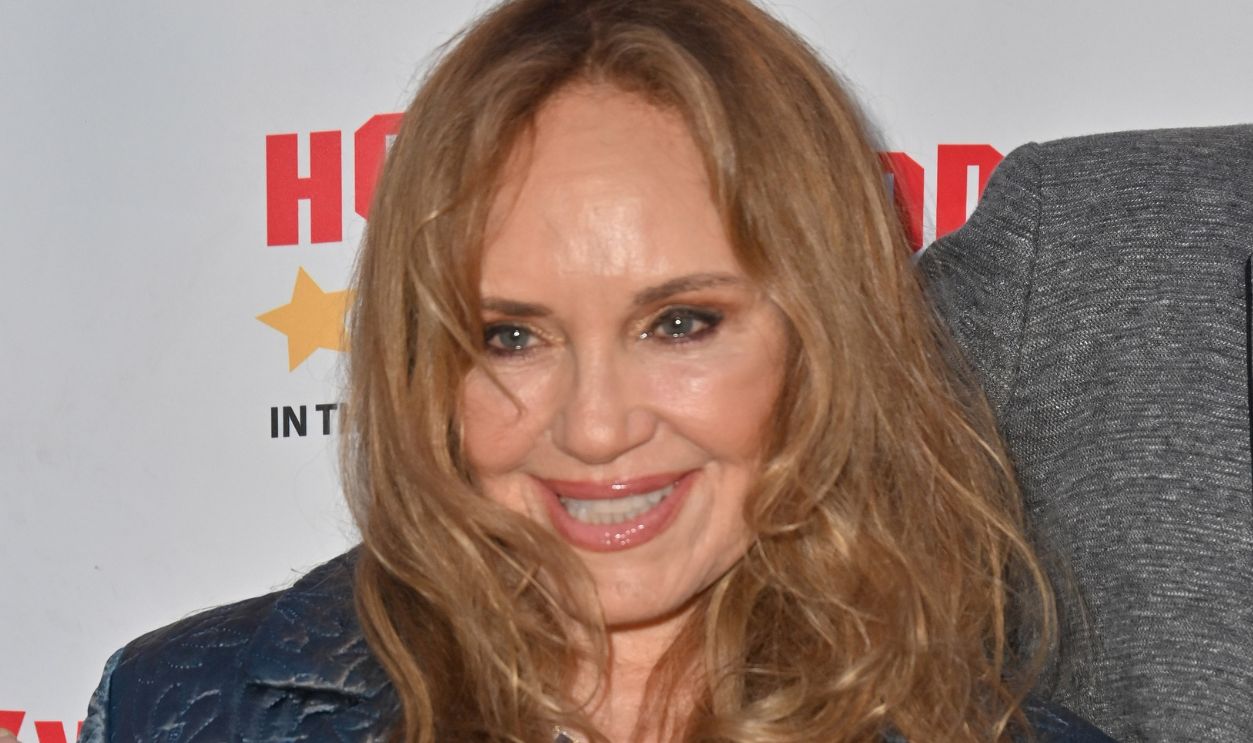 MLM IMAGES Los Angeles, Shutterstock
They Searched Desperately for a Reason
Bach said she and her eldest daughter read numerous books after Lopez’s death, repeatedly asking why it had happened. He rarely drank, wasn't reckless, and the family was financially secure, leaving them without the explanation they desperately wanted.
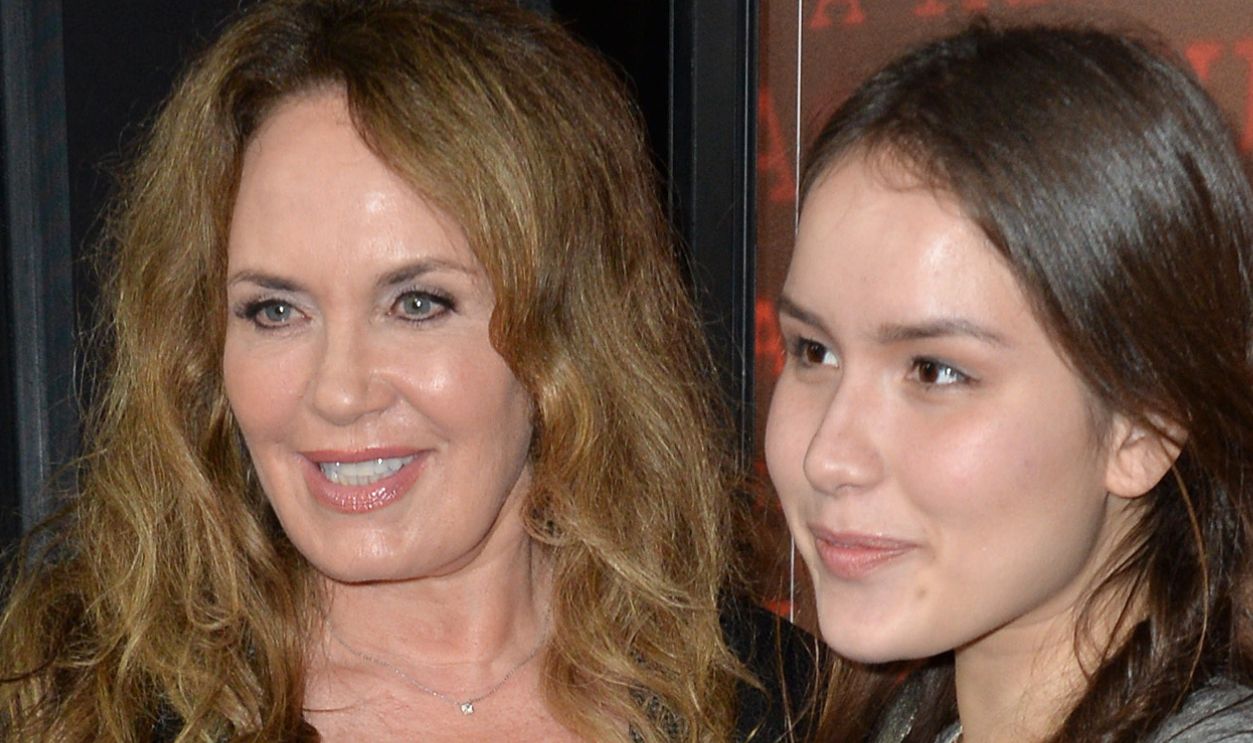 Featureflash Photo Agency, Shutterstock
Grief Therapy Became Essential
Rather than hiding what had happened, Bach focused on helping her daughters process it. “My girls and I do grief therapy,” she explained in 2012. “I think it’s very important to heal from something like this.”
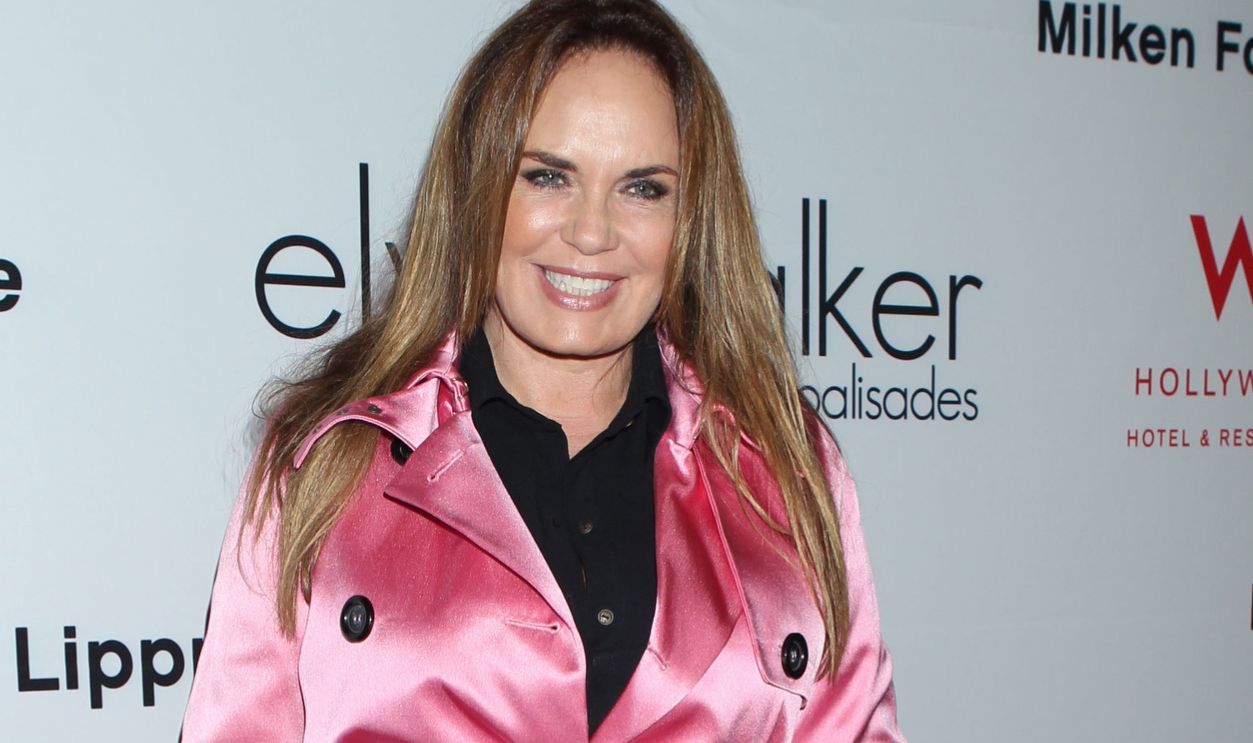
She Could Not Turn Love Into Anger
When asked whether she blamed Lopez, Bach gave a complicated answer shaped by shock and grief. “I can’t get mad at Peter, because I love him that much,” she said, refusing to let the manner of his death erase their years together.
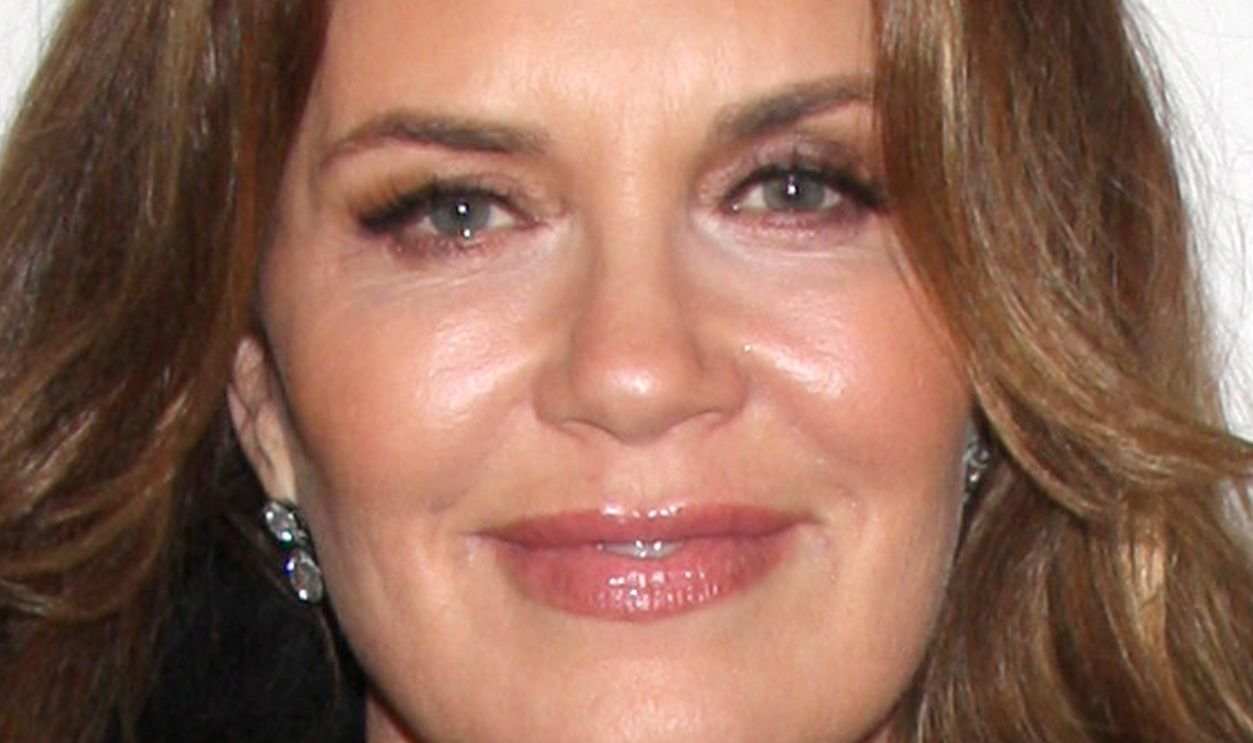
Faith Helped Keep Her Standing
Bach said she prayed, attended church, and remained close to a trusted priest while grieving. She rejected numbing herself with drink or substances because her daughters needed her present, later saying plainly of her faith, “It’s what kept me alive.”
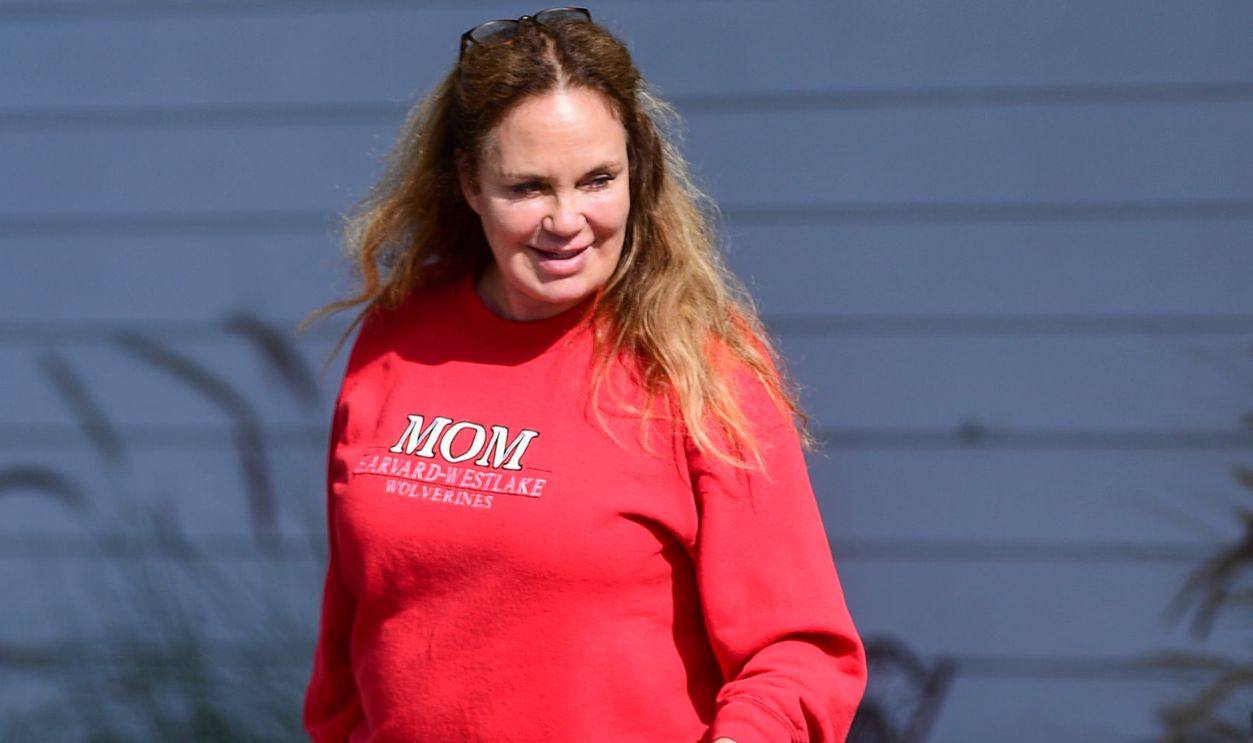 BG026/Bauer-Griffin, Getty Images
Returning to Work Became Part of Healing
In February 2012, Bach returned to series television as Anita Lawson on The Young and the Restless. Playing a troublemaking character gave her something joyful to anticipate while she and her daughters continued rebuilding their lives together.
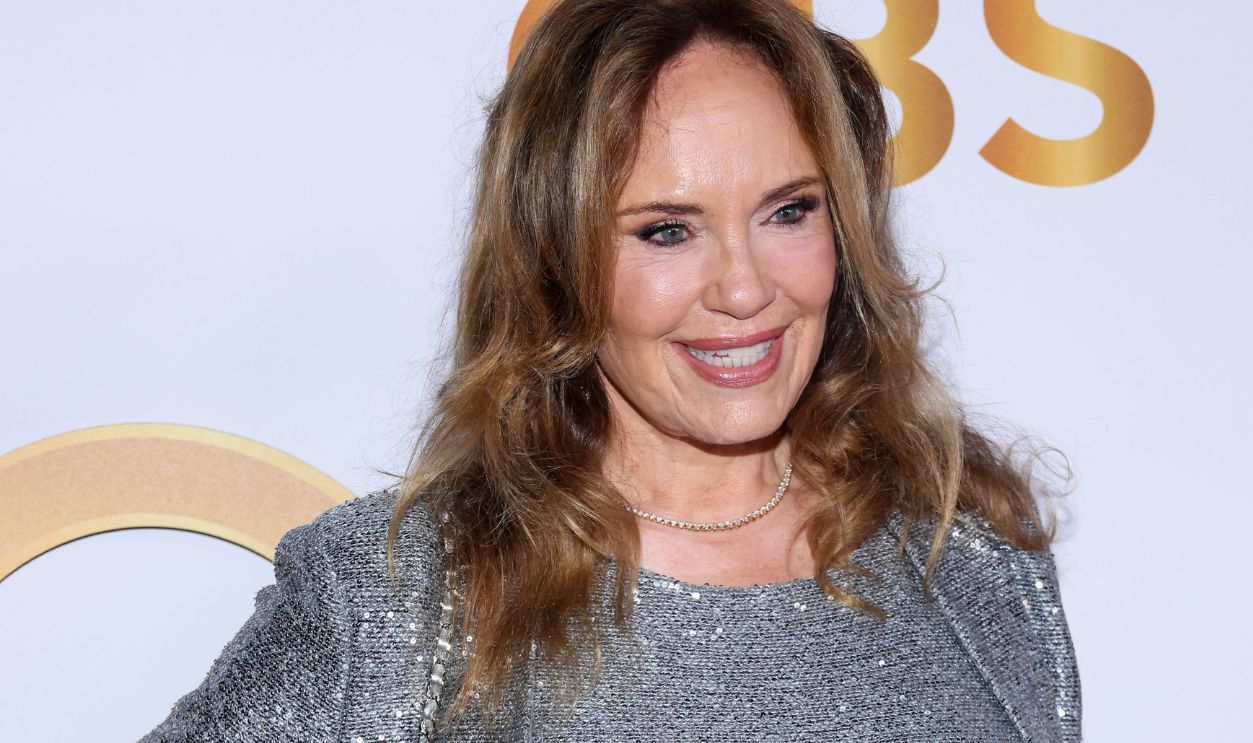 Victoria Sirakova, Getty Images
Daisy Duke Was Only One Kind of Strength
Catherine Bach once made Daisy Duke powerful by refusing the costume and personality others had planned for her. Years later, she demonstrated a quieter courage: facing an incomprehensible loss, protecting her daughters, and continuing forward without pretending the pain had never happened.
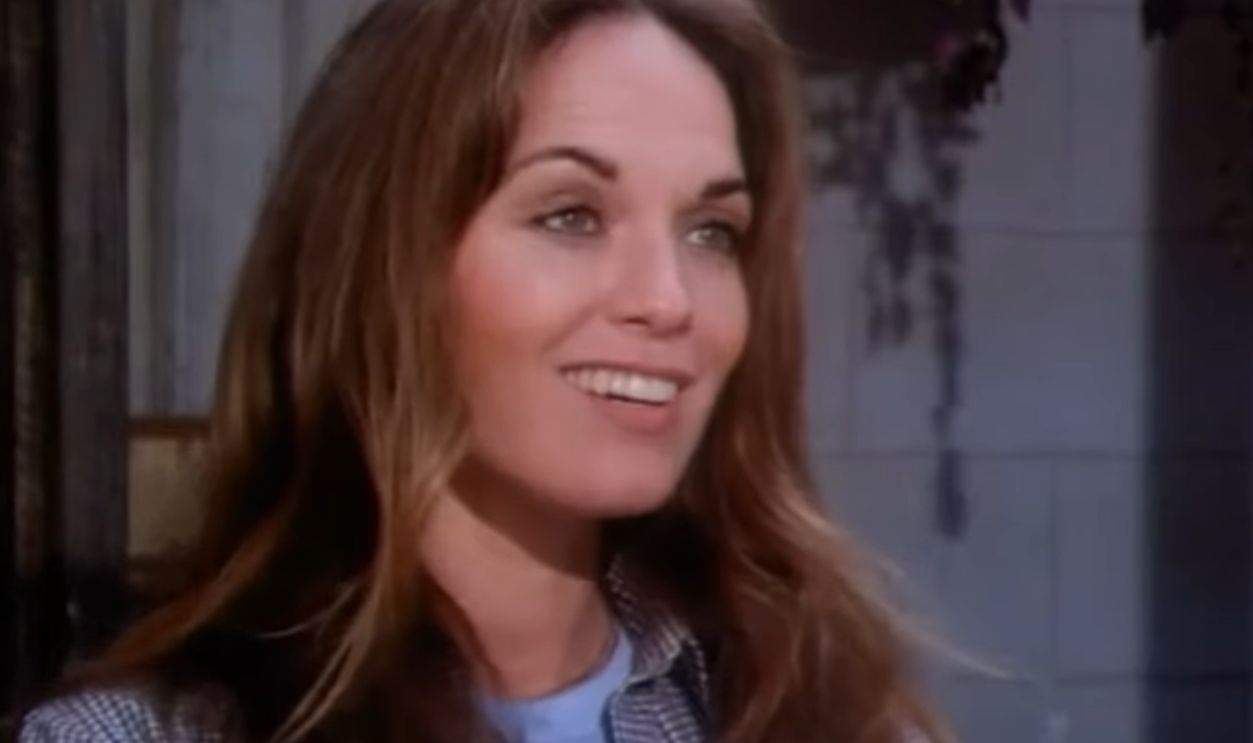 Screenshot from The Dukes of Hazzard, Warner Bros. Discovery (1979-1985)
You May Also Like:
Most actors spend a lifetime chasing one iconic role—Diana Rigg spent hers escaping it.
Susan Saint James became a defining face of 1970s television—but the most unexpected part of her story unfolded far from the cameras.
.jpg)