
The Sixties Airwaves Had A Quiet Rulebook
The 1960s gave listeners some of the most beloved songs in pop history, but radio was not always ready for what artists were sending in. A record could be pulled, avoided, restricted, or quietly left off playlists because a programmer thought it was too sad, too political, too irreverent, or simply too easy to misunderstand. Some of these decisions now sound almost unbelievable, which is exactly why the stories still fascinate music fans today. Here are the 1960s songs that ran into radio trouble without relying on explicit or illegal subject matter.
 Dezo Hoffmann, Distributed by Capitol Records, Public domain, via Wikimedia Commons
Louie Louie Had Adults Reaching For The Dial
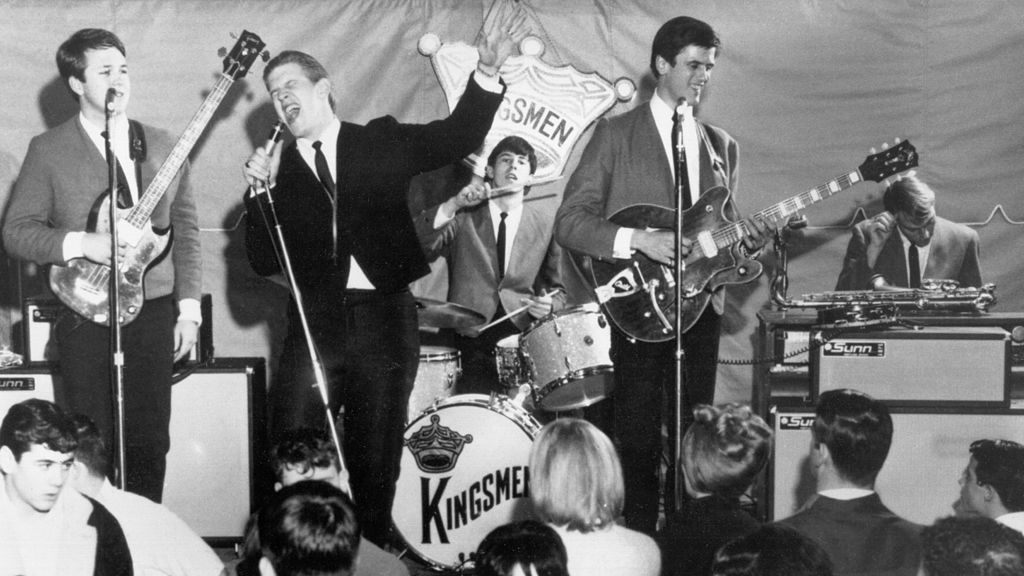
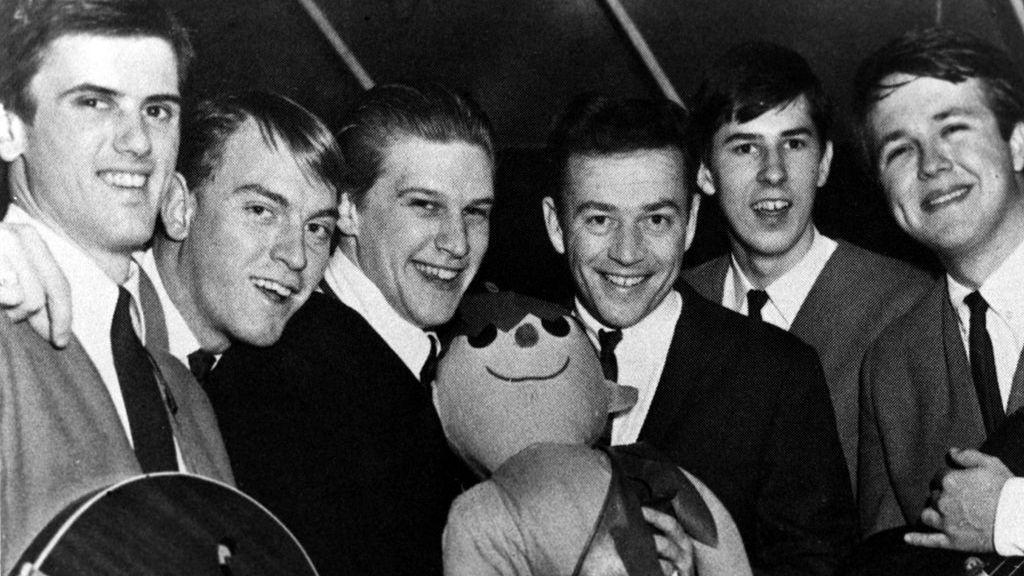
The Kingsmen’s “Louie Louie” became one of rock’s great garage-band anthems, but its famously hard-to-understand vocal made some adults suspicious. The FBI investigated the record after complaints alleged that the lyrics were obscene, and the agency ultimately found the words unintelligible. Indiana Governor Matthew Welsh also urged broadcasters in his state not to play it, which helped turn a loose party record into a national censorship story. The funny part is that the controversy made the song feel even more mysterious to young listeners.
Tell Laura I Love Her Sounded Too Tragic For The BBC
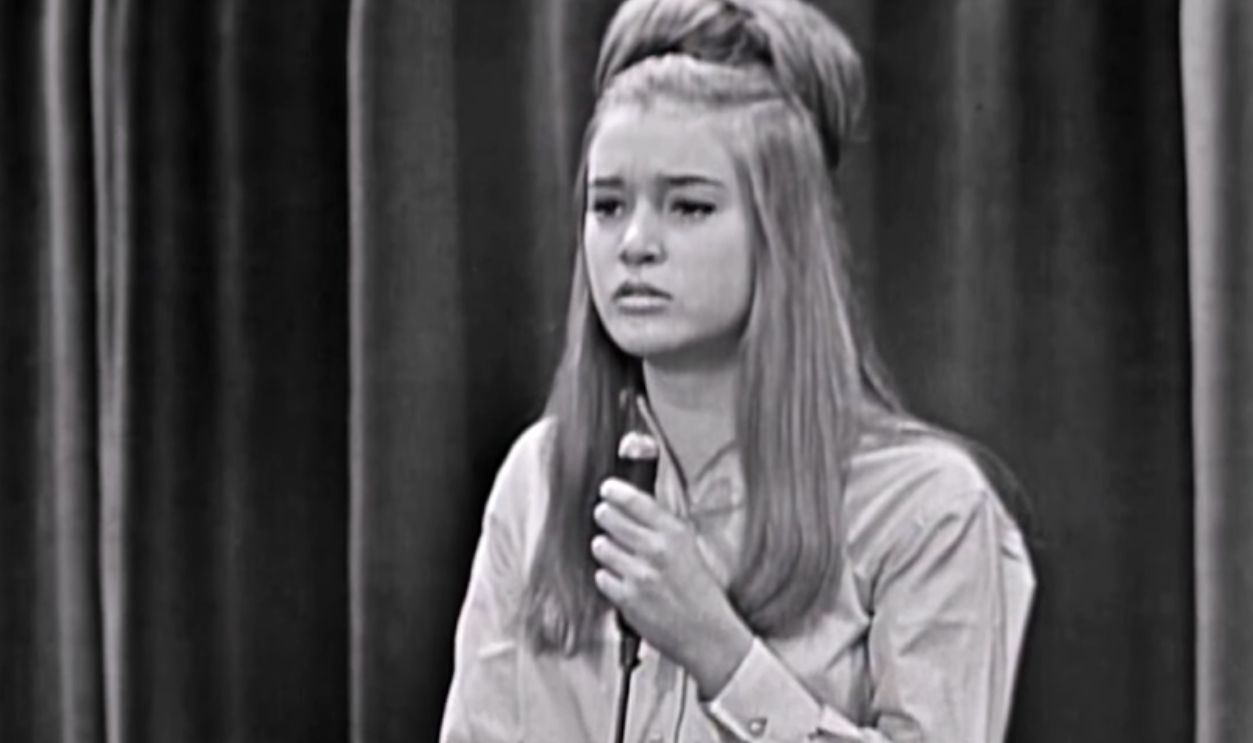
Ray Peterson’s “Tell Laura I Love Her” was a dramatic teen-pop ballad about love, heartbreak, and a fatal stock-car race. The BBC objected to the song’s death-centered storyline and kept it off the air, even though its melodrama was very much in step with early-1960s pop. Ricky Valance later had a major UK hit with his version, which only made the ban more memorable. Radio’s concern was not that the song was explicit, but that it was simply too upsetting.
 Screenshot from Tell Laura I Love Her, RCA Records (1960), Modified
Leader Of The Pack Was Too Heartbreaking For Auntie
The Shangri-Las turned teenage romance into a mini movie with “Leader Of The Pack.” The record’s motorcycle sound effects and tragic ending helped it become a classic, but the BBC refused it airplay because the storyline was considered too morbid. The song still topped the Billboard Hot 100 in the United States in 1964, proving that listeners were not scared away by its drama. In hindsight, the ban only added to the record’s rebel charm.
 Screenshot from Leader of the Pack, Red Bird Records (1964)
The Monster Mash Was Too Morbid For Daytime Fun
Bobby “Boris” Pickett and the Crypt-Kickers made Halloween history with “Monster Mash.” The song was playful, silly, and built around a Boris Karloff-style vocal impression, but the BBC reportedly considered it too morbid for broadcast when it first appeared. That sounds almost quaint now, since the record later became a seasonal staple. The ban is a reminder that even novelty songs could make radio gatekeepers nervous in the early 1960s.
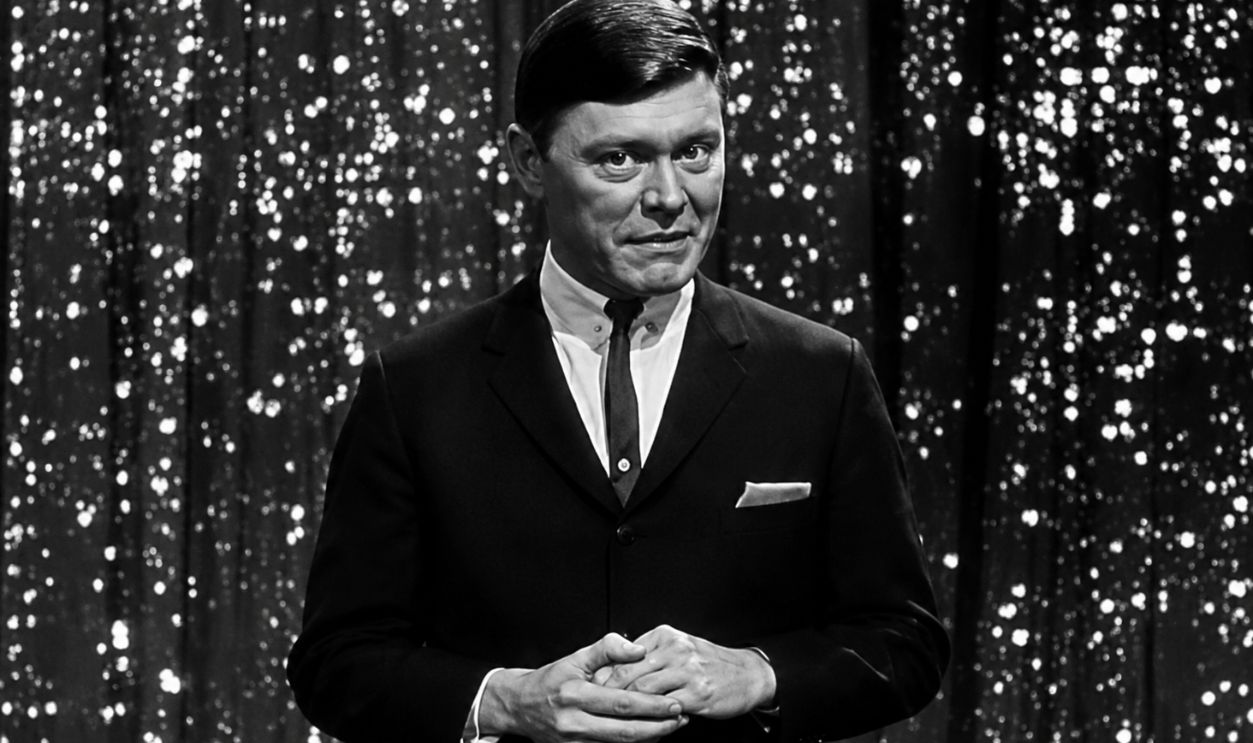 Screenshot from Monster Mash, Garpax Records (1962), Modified
My Generation Got Caught In A Stutter Misunderstanding
The Who’s “My Generation” is now treated as one of rock’s great youth anthems. At the time, however, the BBC initially refused to play it because Roger Daltrey’s stuttering vocal was thought to risk offending listeners who stuttered. The restriction did not last forever, and the song went on to define the band’s early image. It is one of the clearest examples of a ban that came from caution rather than scandal.
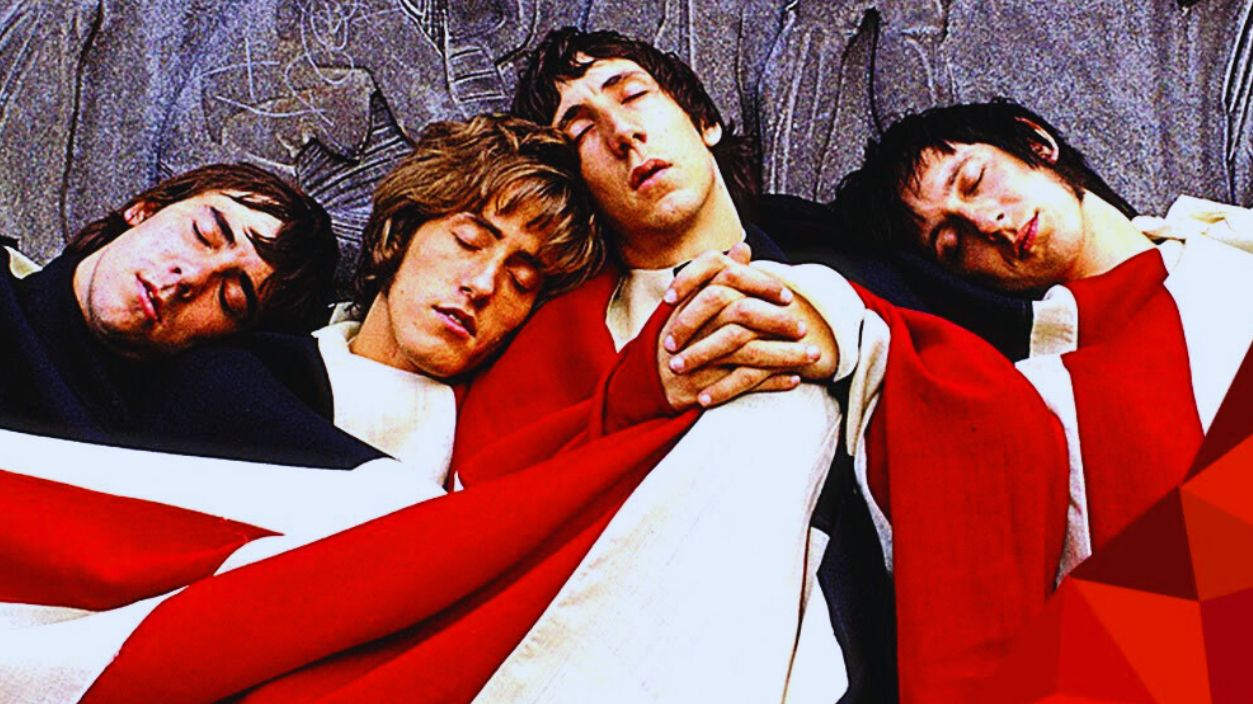 Screenshot from My Generation, Brunswick (1965)
Eve Of Destruction Was Too Hot For Top 40 Comfort
Barry McGuire’s “Eve Of Destruction” sounded like a news bulletin set to folk rock. Its lyrics addressed war, civil unrest, and generational anxiety, which made some broadcasters view it as too controversial for regular rotation. In Boston, two of the three Top 40 stations reportedly declined to play it, and the BBC placed politically controversial songs like this on a restricted list rather than using them freely in entertainment programming. The song still reached listeners because controversy and curiosity often traveled together.
 Screenshot from Eve of Destruction, Dunhill Records (1965)
Society’s Child Forced Radio To Face A Real Conversation
Janis Ian wrote “Society’s Child” as a teenager, and the song addressed interracial romance at a time when many programmers considered the topic risky. Some stations refused to play it, including major Detroit stations according to a 1967 Fifth Estate interview with Ian. The Country Music Hall of Fame’s educational materials also note that many radio stations avoided the song during the civil rights era. The record’s resistance showed how even a thoughtful story song could make radio uncomfortable.
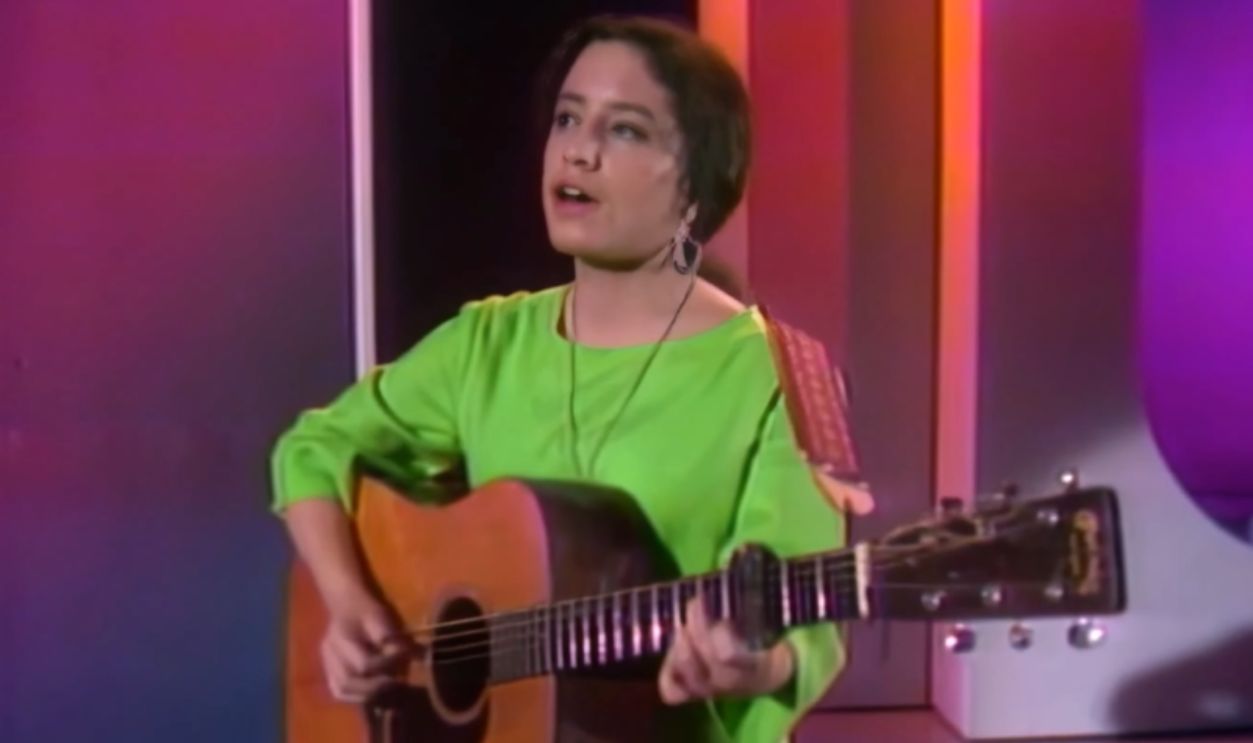 Screenshot from Society's Child, Verve Forecast Records (1966)
The Ballad Of John And Yoko Upset Religious Program Directors
The Beatles’ “The Ballad Of John And Yoko” was John Lennon’s fast-moving diary of his marriage to Yoko Ono. Many U.S. stations objected to the song’s religious wording, and reports have long noted that more than 100 stations banned or avoided it. The controversy did not stop the song from becoming a major Beatles single. It did show that even the biggest band in the world could still run into local radio limits.
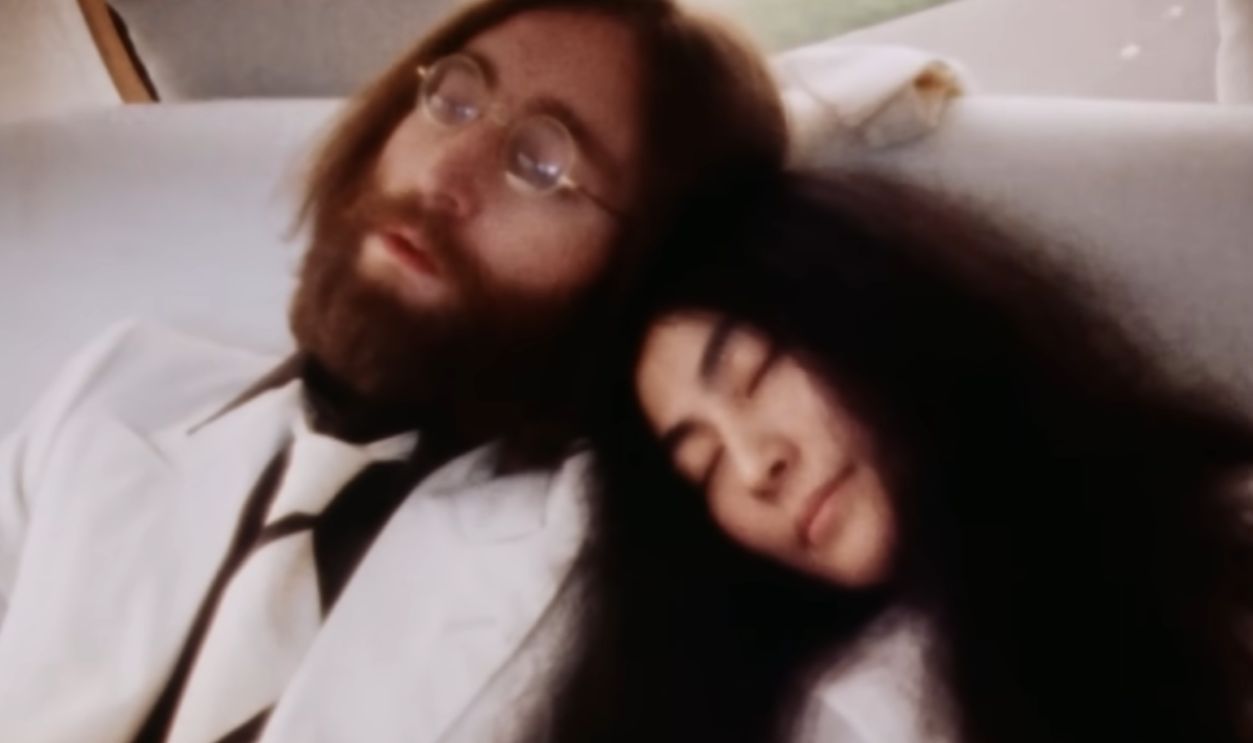 Screenshot from The Ballad of John and Yoko, Apple Records (1969)
Yellow Balloon Was Punished By Association
The Yellow Balloon’s 1967 single “Yellow Balloon” was bright sunshine pop, but some programmers linked it to Donovan’s “Mellow Yellow.” American Songwriter reported that some radio stations banned it because they assumed the title carried similar hidden meanings. The irony is that The Yellow Balloon was barely a functioning band when the record took off. That made its ban feel like one of the strangest cases of guilt by association in 1960s pop.
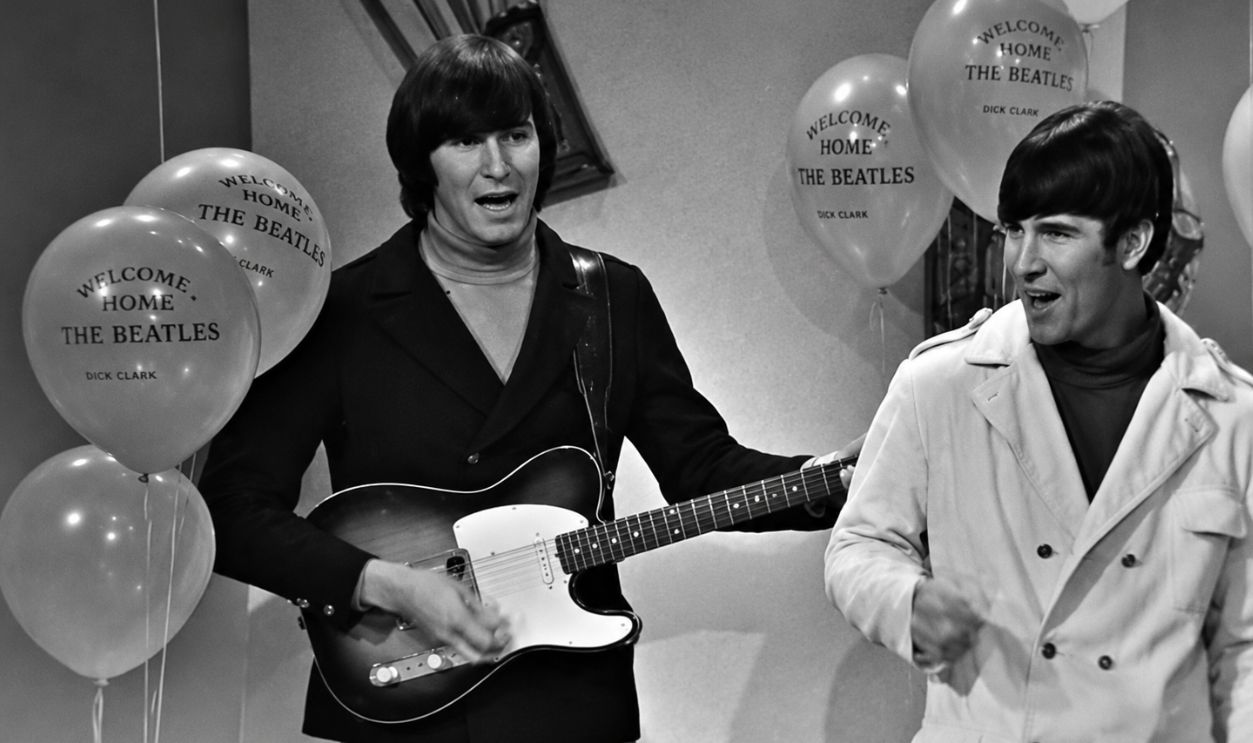 Screenshot from Yellow Balloon, Canterbury Records (1967), Modified
They’re Coming To Take Me Away Became A Complaints Magnet
Napoleon XIV’s “They’re Coming To Take Me Away, Ha-Haaa!” was a novelty hit built around a comic spoken-word performance. The record quickly drew criticism because many listeners felt it made light of mental health struggles. Accounts of the backlash note that some stations stopped playing it, and the song’s chart momentum cooled almost as fast as it had arrived. It remains a reminder that novelty records could age very differently once the joke met real public concern.
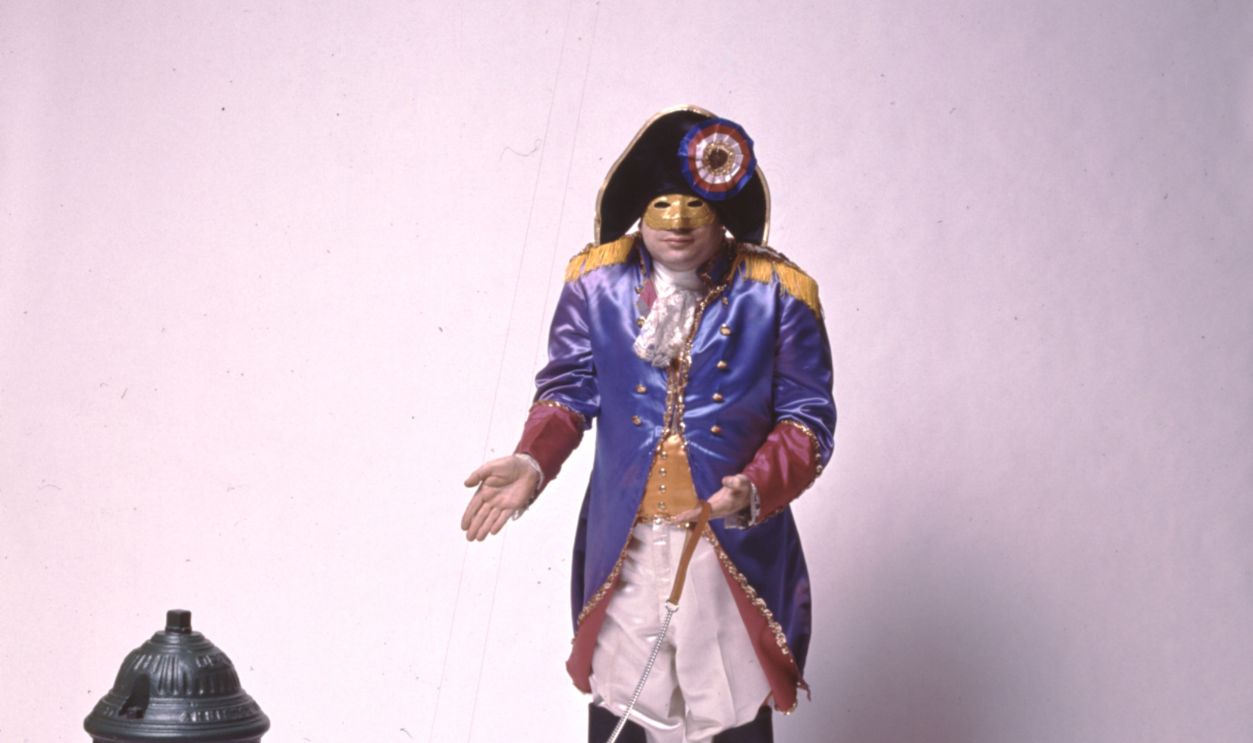 Michael Ochs Archives, Getty Images
Back In The U.S.S.R. Was Banned Long After Beatlemania
The Beatles released “Back In The U.S.S.R.” in 1968, when the band was already deep into its experimental late period. Decades later, the BBC included it among songs deemed sensitive during the Gulf War because of geopolitical wording and wartime scheduling concerns. That means a song could be considered safe in one decade and too pointed in another. For fans, it is a fascinating example of how context can change the way radio hears a record.
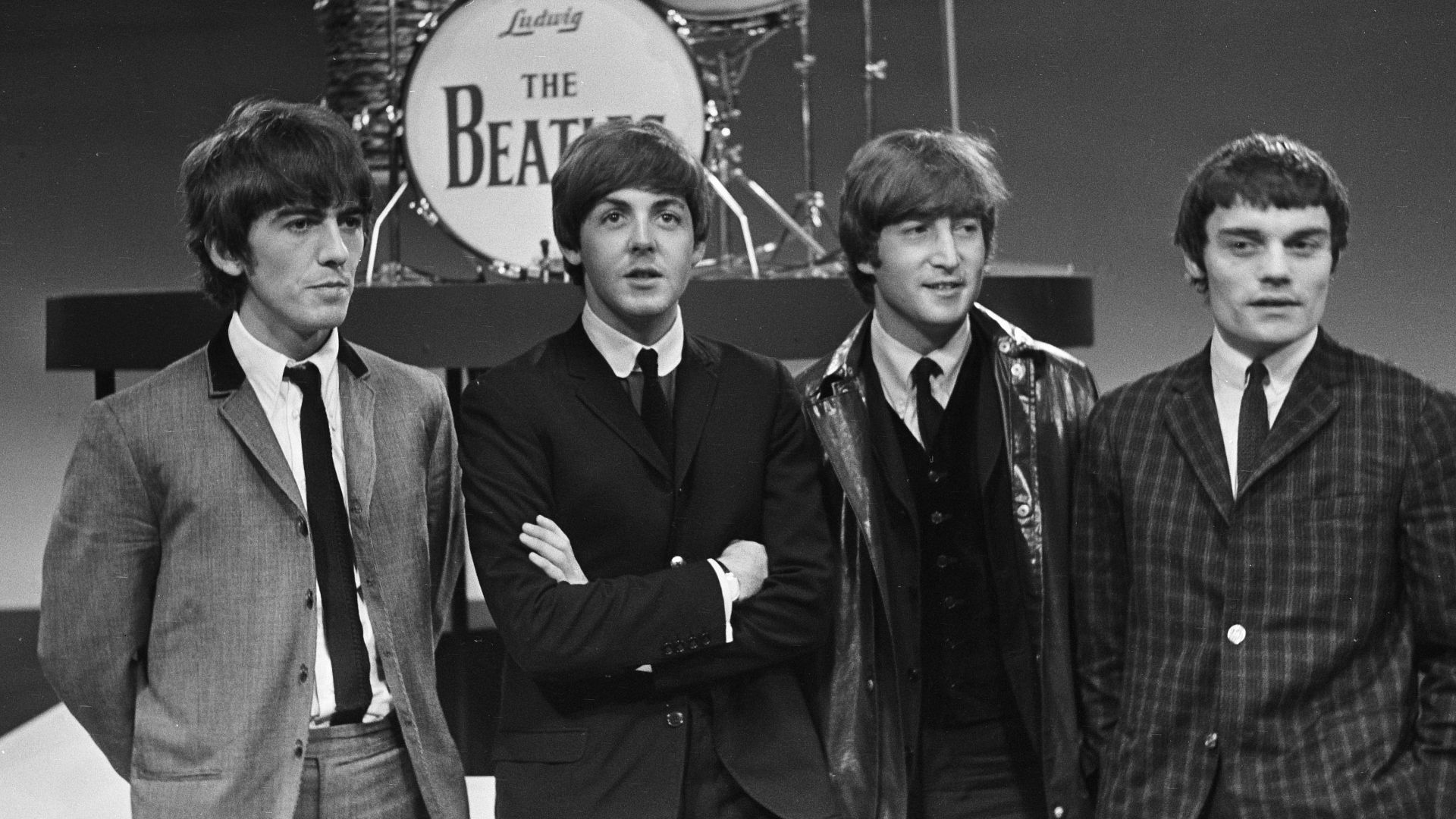 Eric Koch for Anefo , Nationaal Archief, Den Haag, Wikimedia Commons
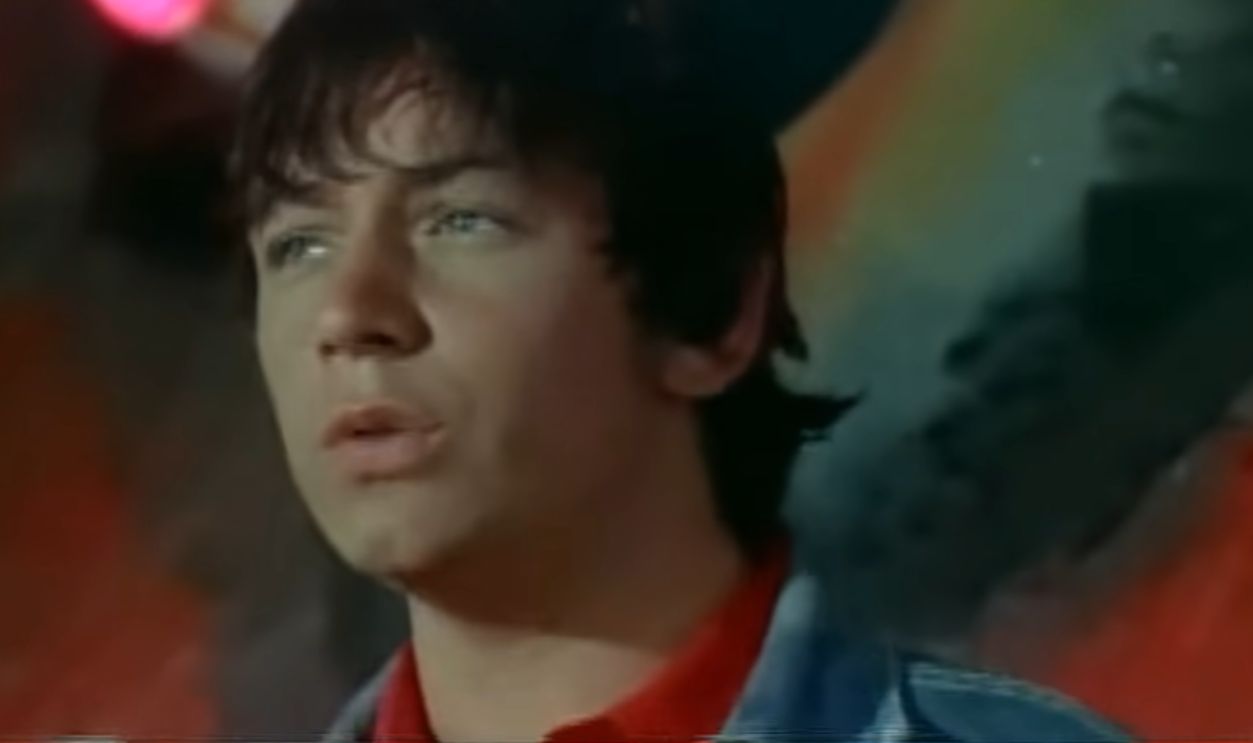
We Gotta Get Out Of This Place Hit A Wartime Nerve
The Animals’ “We Gotta Get Out Of This Place” was a 1965 hit that became closely associated with soldiers during the Vietnam era. Its longing title made it powerful, but it also made it sensitive during later wartime broadcasting. The song appeared on lists of BBC tracks restricted during the Gulf War. The record itself is not explicit, yet its emotional message was strong enough to worry schedulers in a tense news cycle.
 Screenshot from We Gotta Get Out of This Place, MGM Records (1965)
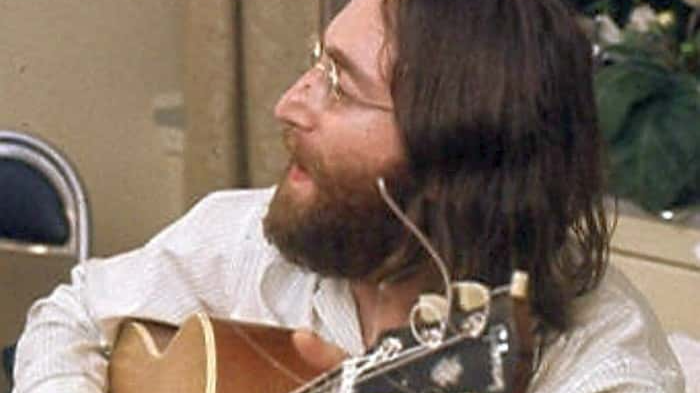
Give Peace A Chance Became Too Pointed For The Moment
Plastic Ono Band’s “Give Peace A Chance” was released in 1969 and quickly became one of the era’s most recognizable peace anthems. During the Gulf War, the BBC treated it as sensitive for airplay, along with dozens of other songs whose titles or themes could collide with war coverage. That kind of restriction says less about the song being shocking and more about timing. A singalong can feel very different when the headlines are grim.
The End Of The World Sounded Too Apocalyptic
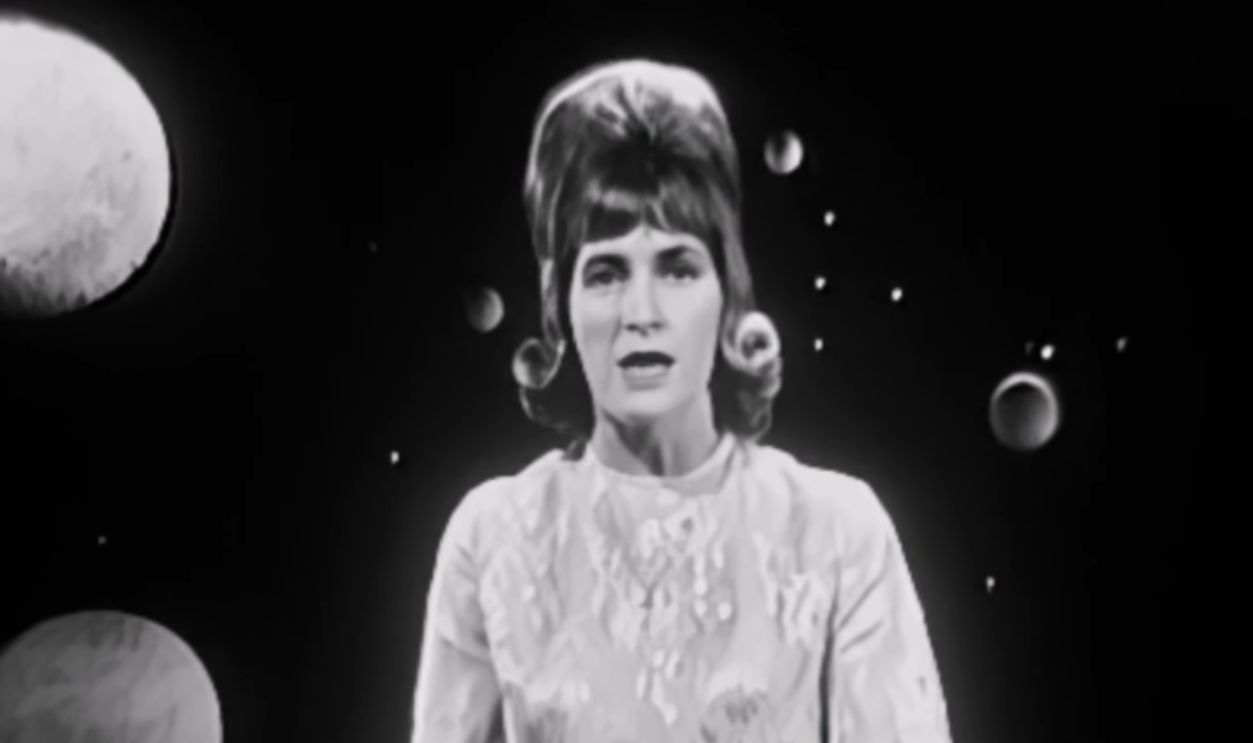
Skeeter Davis recorded “The End Of The World” in 1962, and its heartbreak was gentle rather than aggressive. Still, the title alone made it one of the songs treated cautiously by the BBC during the Gulf War. It is a perfect example of how radio restrictions could hinge on atmosphere as much as content. A country-pop tearjerker suddenly sounded too bleak for a broadcaster trying to manage wartime mood.
 Screenshot from The End of the World, RCA Victor (1962)
Fire Was Too Fiery For Gulf War Scheduling
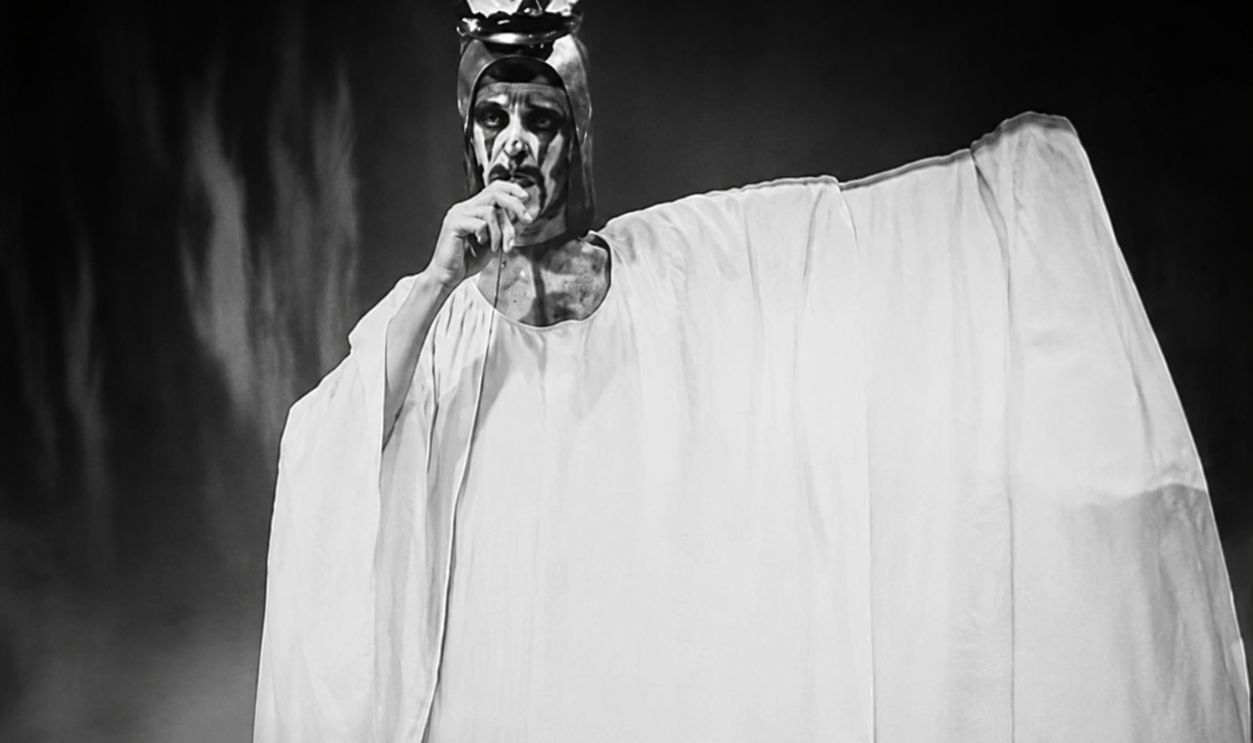
The Crazy World of Arthur Brown’s “Fire” arrived in 1968 with theatrical vocals and a dramatic sense of spectacle. Years later, the BBC’s Gulf War-era restriction list included it because its imagery was considered sensitive during military conflict. The song was not banned because it was a normal pop scandal. It was caught because one explosive word could feel badly timed on the radio.
 : Screenshot from Fire, Track Records (1968), Modified
Boom Bang-A-Bang Was Too Noisy For A Tense Moment
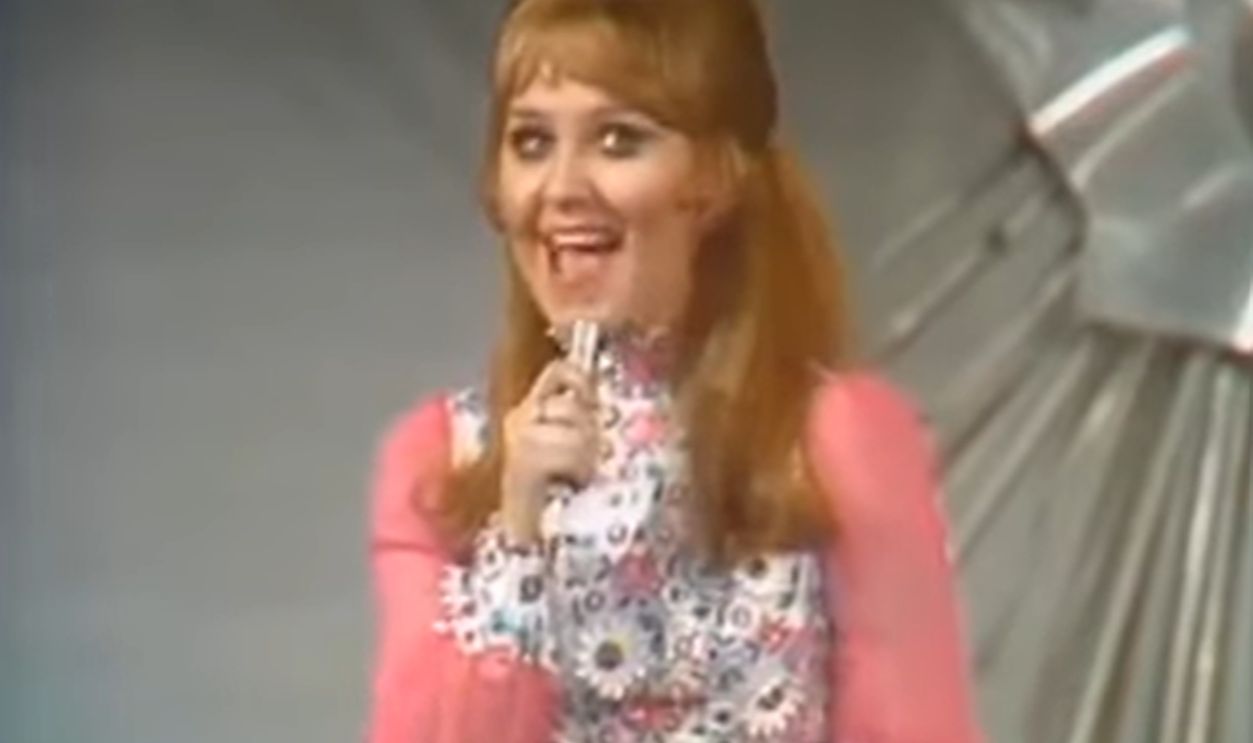
Lulu’s “Boom Bang-A-Bang” won joint first place at the 1969 Eurovision Song Contest. The title was cheerful nonsense in a bright pop package, but that did not stop the BBC from treating it as sensitive during the Gulf War years later. The issue was not the song’s meaning, but the sound and suggestion of the phrase in a wartime atmosphere. It is one of the oddest examples of innocent pop being reinterpreted by circumstance.
 Screenshot from Boom Bang-a-Bang, Columbia Records (1969)
Israelites Ran Into A Geopolitical Filter
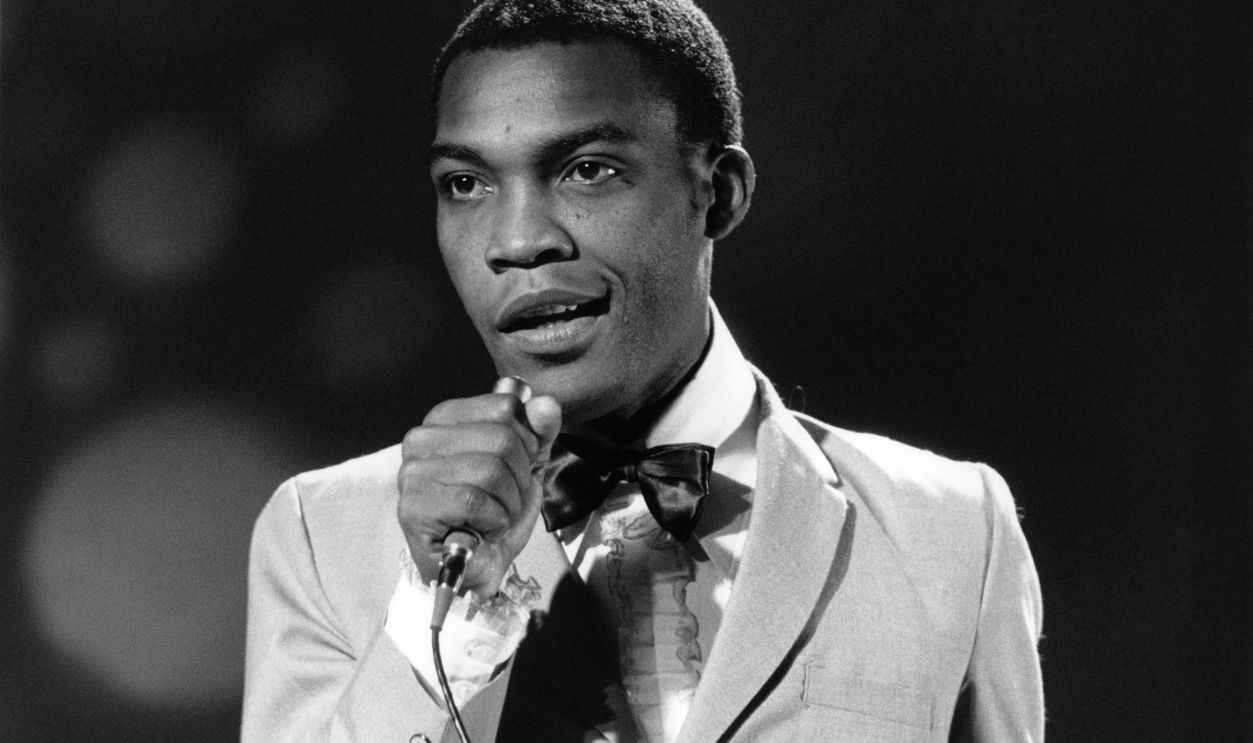
Desmond Dekker and the Aces released “Israelites” in 1968, and it became a landmark reggae hit for international audiences. The BBC later placed it among the songs restricted during the Gulf War, apparently because the title touched a sensitive regional reference. The song itself was about hardship, work, and everyday struggle. Its radio problem came from the way one word could land differently during a conflict.
Fools Rush In Was A Surprising Wartime Casualty
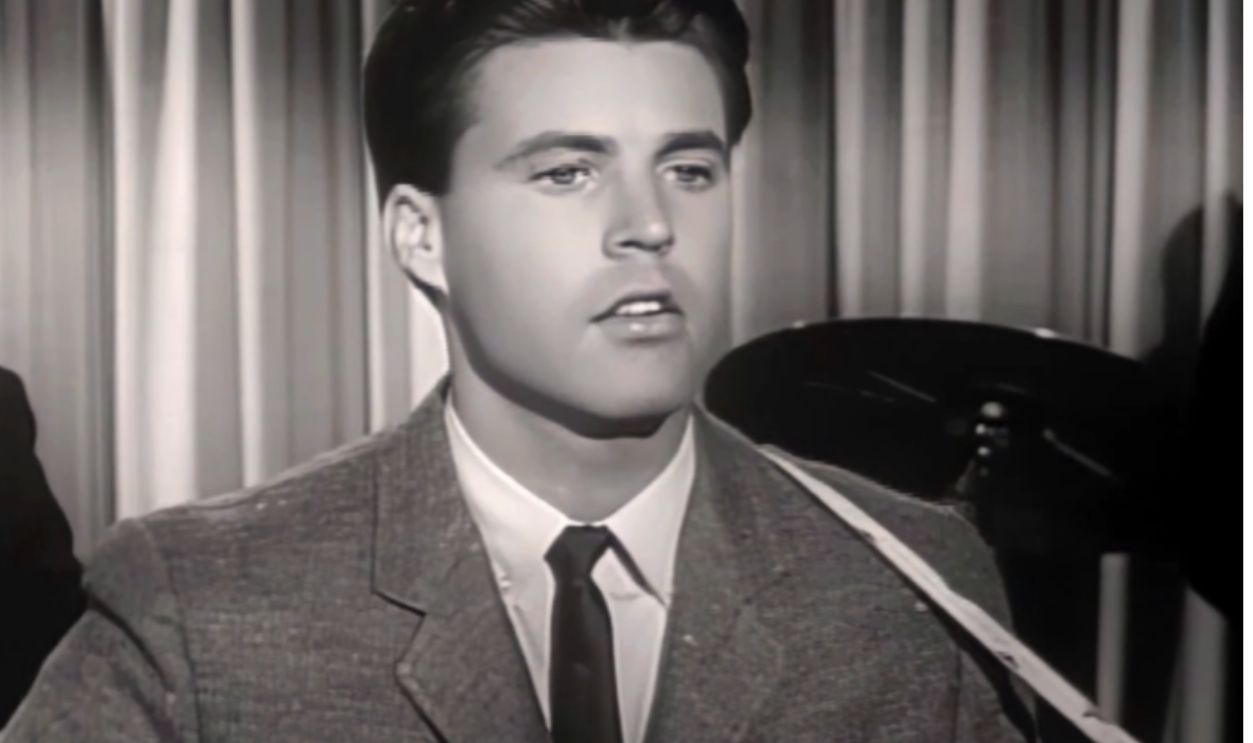
Ricky Nelson’s “Fools Rush In” was a romantic standard revived in pop form in the 1960s. It was hardly a protest song, but it appeared on the BBC’s Gulf War-sensitive list. That makes it one of the more surprising entries in the history of radio caution. Sometimes the logic behind a ban was less about the whole song and more about a title, phrase, or mood that made someone in scheduling hesitate.
 Screenshot from Fools Rush In, Decca Records (1940)
Forget Me Not Was Swept Into The Same Net
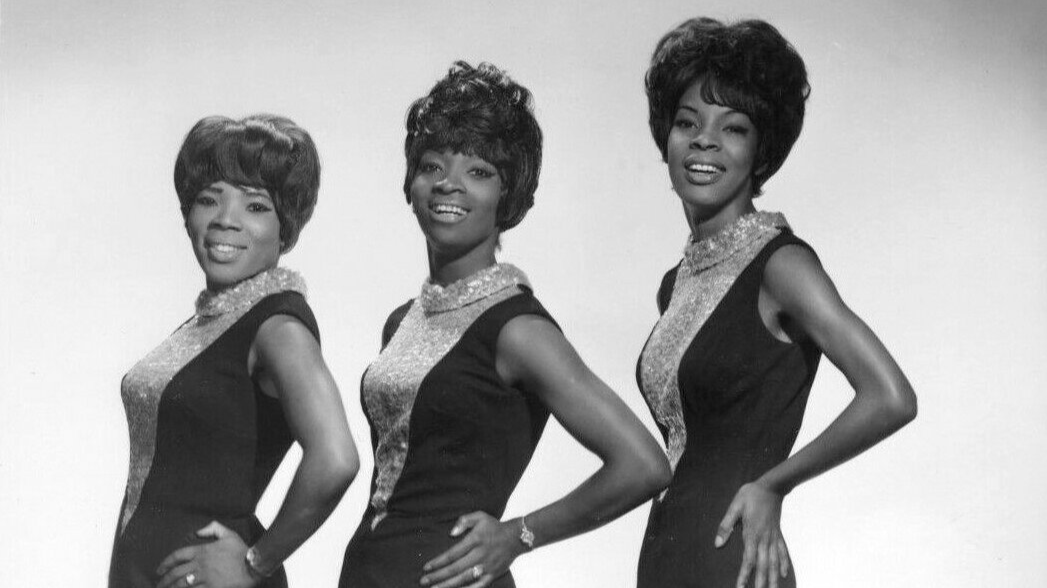
Martha and the Vandellas’ “Forget Me Not” was released in 1968 and came from one of Motown’s most dependable girl-group acts. During the Gulf War, the BBC included the song on its sensitive airplay list. The reason was not obvious from the record’s sweet soul sound, which is what makes the entry so striking. It shows how broad a broadcaster’s caution could become once a crisis changed the airwaves.
 James J. Kriegsmann, Wikimedia Commons
Space Oddity Was Delayed Because Of Real-Life Timing
David Bowie’s “Space Oddity” was released in 1969, just as the Apollo 11 mission was capturing the world’s attention. The BBC reportedly held back from playing it until after the astronauts had safely returned, because the story of Major Tom drifting in space felt too risky during a real mission. Once the moment passed, the song became one of Bowie’s defining breakthroughs. It is a rare case where radio caution had less to do with morality and more to do with timing.
 Screenshot from Space Oddity, Mercury Records (1969)
Johnny Remember Me Was Too Ghostly For Comfort
John Leyton’s “Johnny Remember Me” was a 1961 British pop hit with a haunting production and a ghostly romantic storyline. The BBC banned it, reportedly because of its death-related theme. Producer Joe Meek’s dramatic sound helped make the record unforgettable, but it also made the song feel unusually eerie for mainstream radio. The ban helped turn its atmosphere into part of its legend.
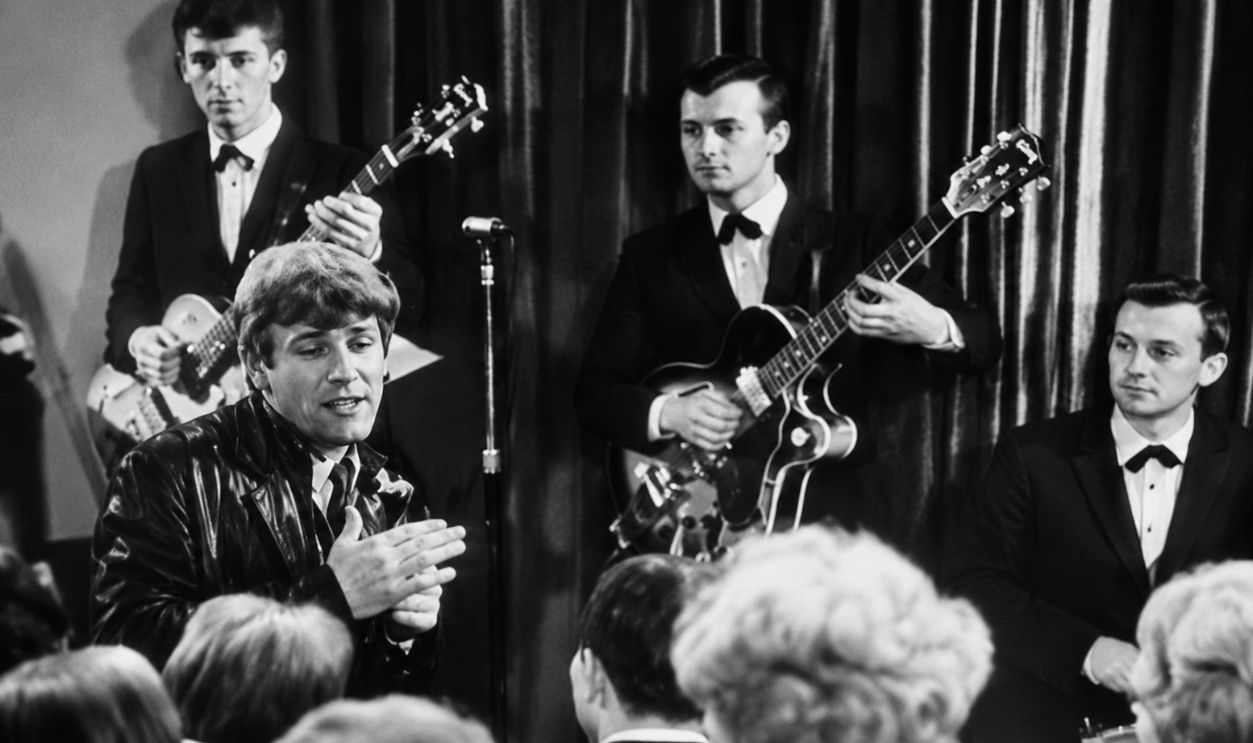 Screenshot from Johnny Remember Me, Top Rank Records (1961), Modified
Ebony Eyes Was Considered Too Sad For Airplay
The Everly Brothers released “Ebony Eyes” in 1961 as another tragic pop story from an era that loved dramatic ballads. The BBC banned it because its plane-crash storyline was considered unsuitable. The song’s polished harmony did not soften the broadcaster’s concern about distressing subject matter. Like several early-1960s death records, it became more memorable because radio tried to keep it quiet.
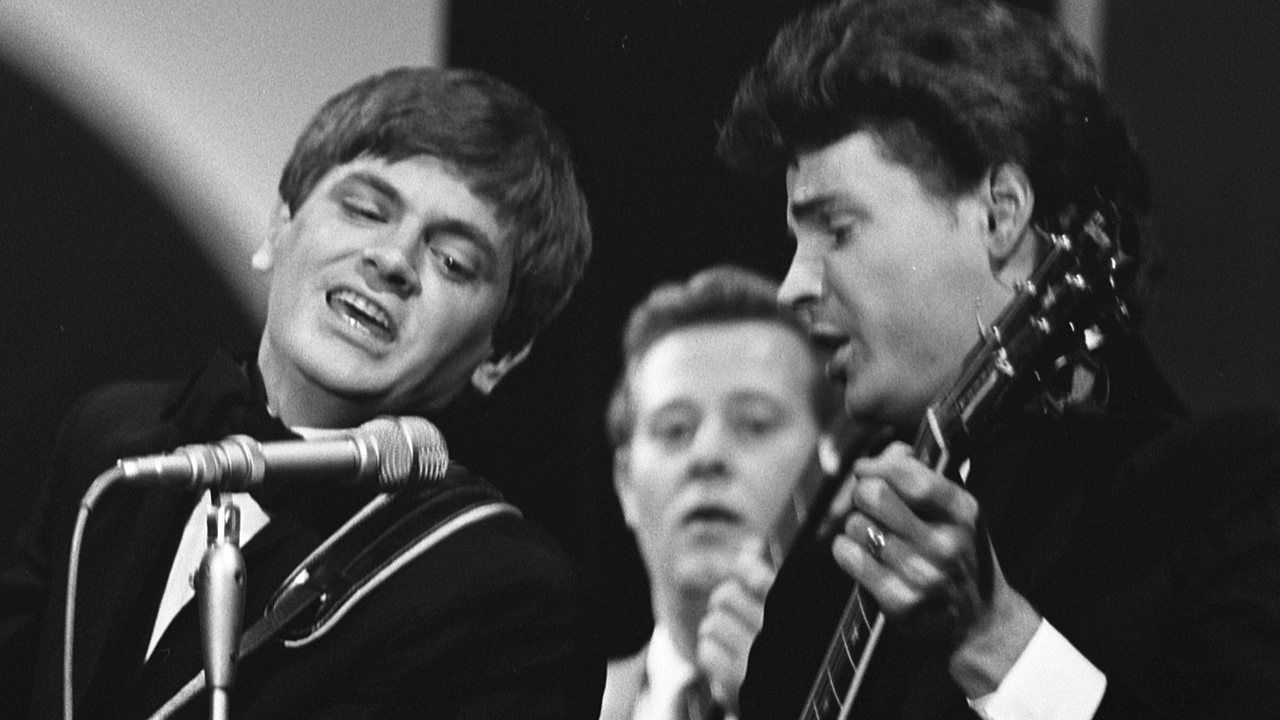
Terry Followed The Tragic Teen-Pop Pattern
Twinkle’s “Terry” was released in 1964 and became one of the British teen tragedy records that attracted BBC concern. Its story of young love and loss fit the same melodramatic tradition as “Leader Of The Pack” and “Tell Laura I Love Her.” The BBC ban reflected a broader discomfort with pop songs that turned teenage grief into chart material. For listeners, the forbidden quality made the song feel even more intense.
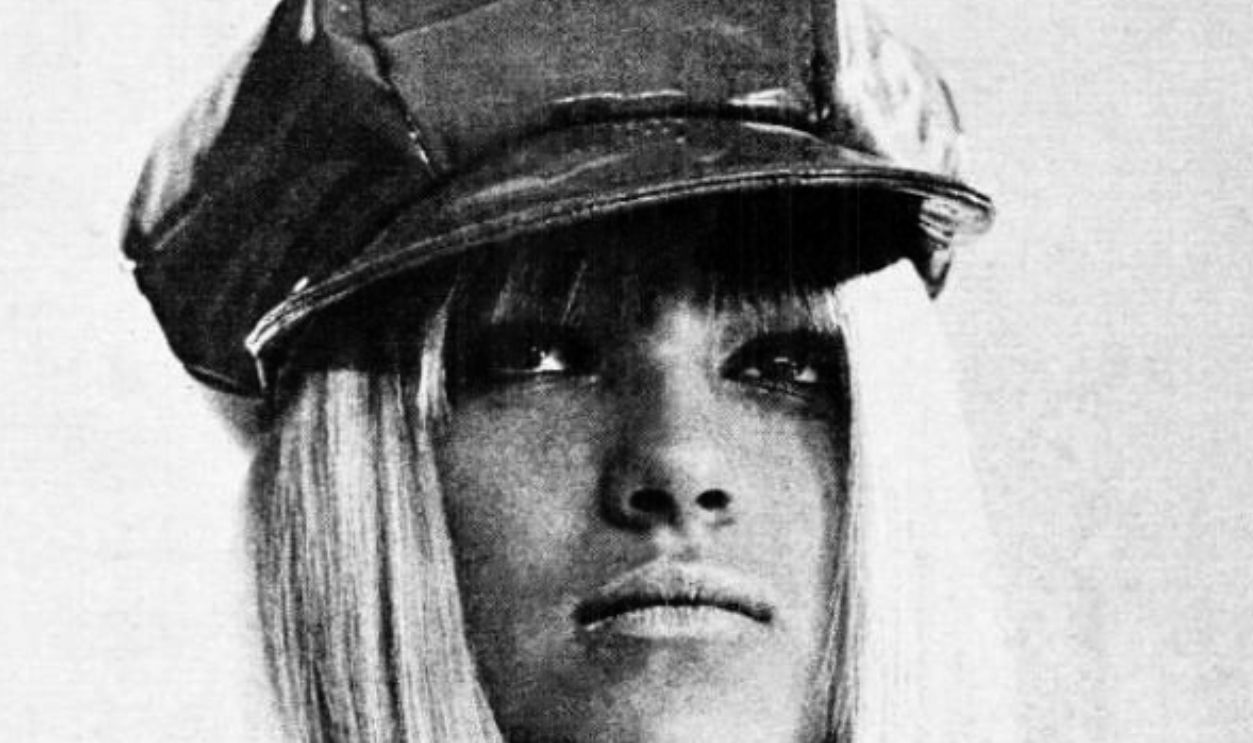 Tollie Records, Wikimedia Commons
Saturday Nite At The Duckpond Ruffled Classical Feathers
The Cougars’ “Saturday Nite At The Duckpond” was a 1963 instrumental built around a rock-and-roll take on Tchaikovsky’s “Swan Lake.” BBC policy had a history of objecting to pop adaptations of classical themes when officials felt the original melody, harmony, or rhythm had been distorted. That made this playful instrumental a surprisingly easy target. It proves that a song did not need controversial lyrics to run into a ban.
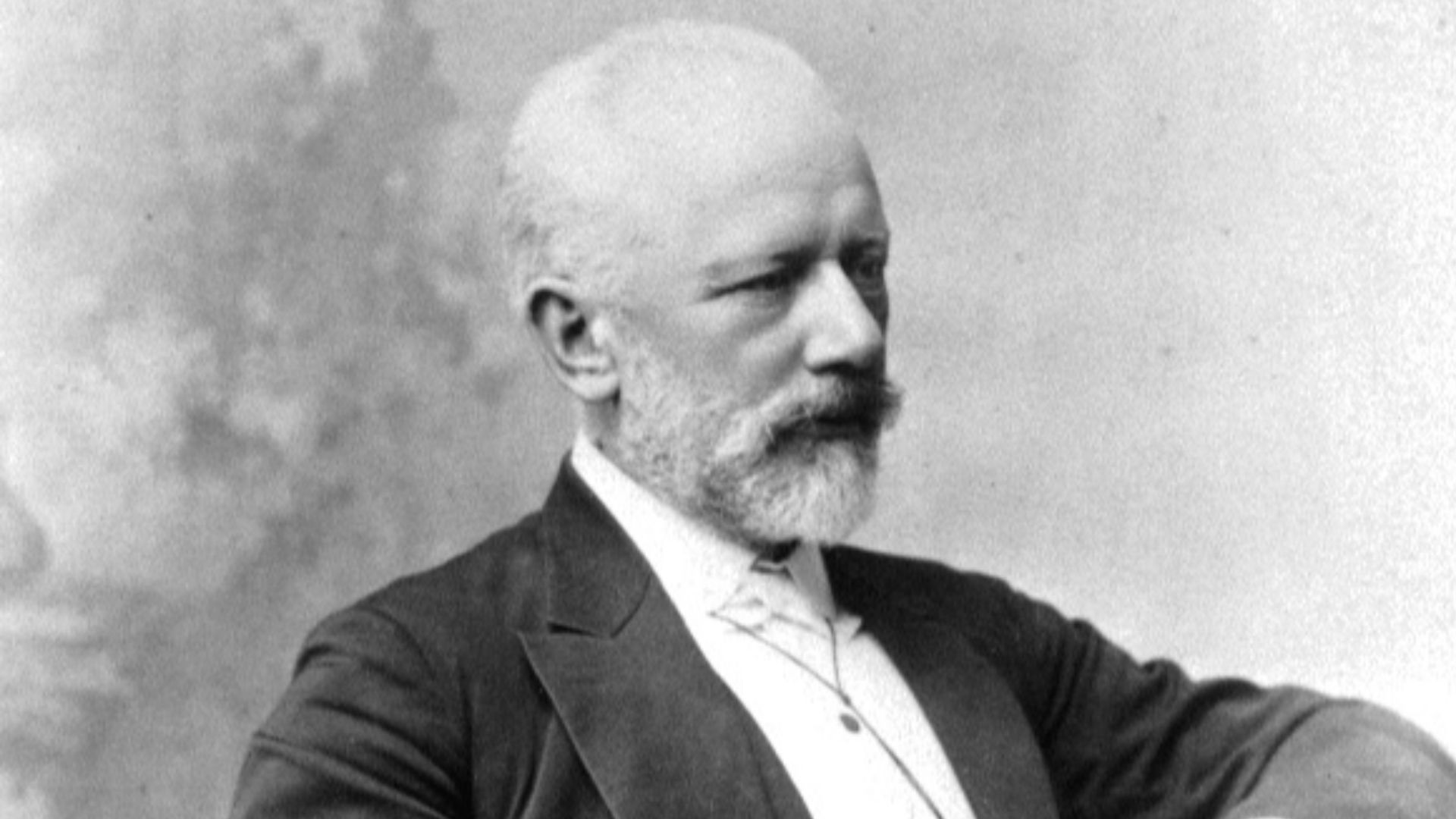 Alfred Fedecki, Wikimedia Commons
I’m Always Chasing Rainbows Was Too Sentimental
Ken Dodd’s 1963 version of “I’m Always Chasing Rainbows” connected back to a much older song with a melody adapted from Chopin. The BBC had previously objected to sentimental or pop-styled versions of classical material, and the song appears in accounts of BBC bans. The objection sounds gentle compared with later rock controversies, but it shows how carefully the broadcaster once guarded musical taste. In the 1960s, even sweetness could apparently be too much.

Come Together Ran Into Commercial Rules
The Beatles’ “Come Together” was released in 1969 and later appeared on lists of BBC-banned songs. Its radio issue has often been linked to BBC rules about advertising and brand references, because the lyric included the phrase “Coca-Cola.” The problem was not that the song was explicit, but that public broadcasting rules could make a brand name troublesome. It was a very 1960s reminder that censorship could come from policy as much as outrage.
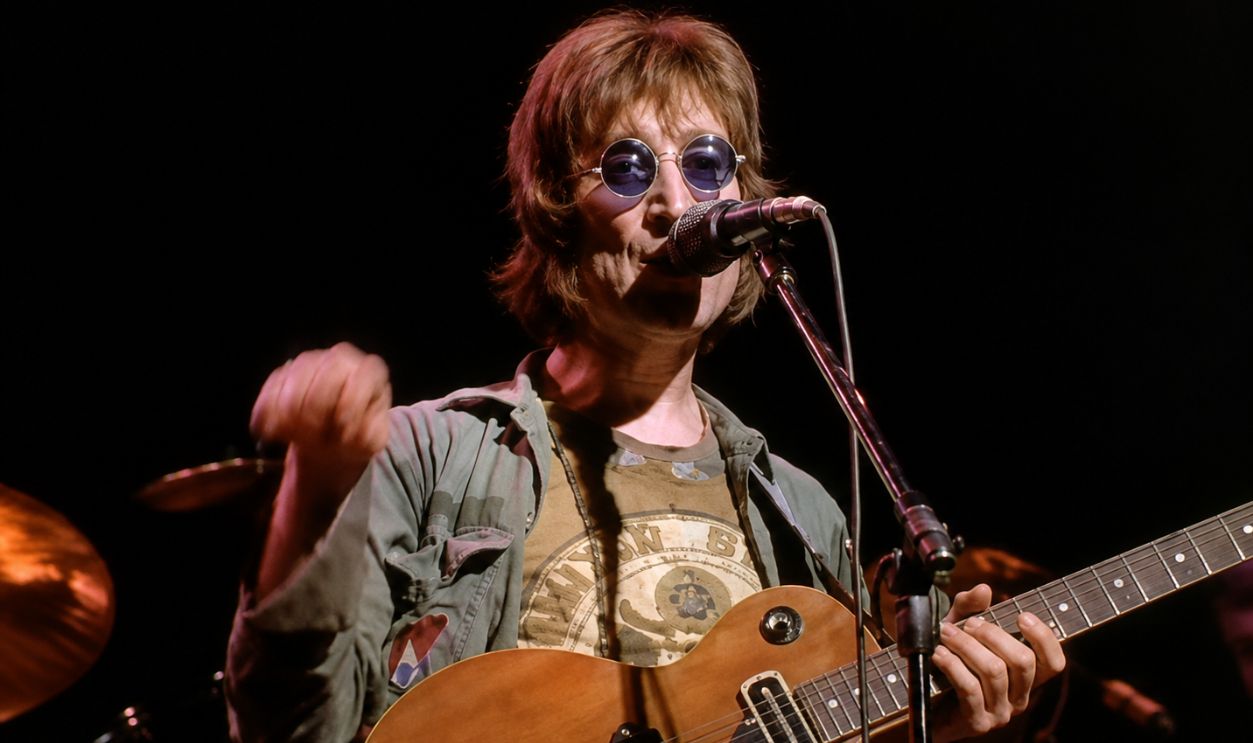 Screenshot from Come Together, Apple Records (1969), Modified
What These Bans Tell Us About Radio
Looking back, the most interesting thing about these bans is how ordinary many of the songs sound now. Some were restricted because they were too sad, some because they were too political, and some because the timing made harmless words feel suddenly loaded. A few decisions came from caution that was understandable in context, while others now feel charmingly strange. Either way, these records survived, and in many cases the ban became part of why people still talk about them.
You May Also Like:




.jpg)

.png)