The Song Everyone Knows
Happy Together sounds like pure sunshine. But behind that song—and the band—the story gets much darker. The Turtles spent decades trapped in legal battles that nearly consumed them and that eventually became part of one of the biggest and most important fights in the history of the music industry.

They Started As A Folk Rock Band
Before the pop hits, The Turtles originally leaned much more into folk rock. Early on, they were heavily inspired by groups like The Byrds and even scored a hit in 1965 with a cover of Bob Dylan’s It Ain’t Me Babe.
At the time, nobody would have guessed they’d eventually become associated with one of the happiest pop songs ever recorded.
“Happy Together” Changed Everything Overnight
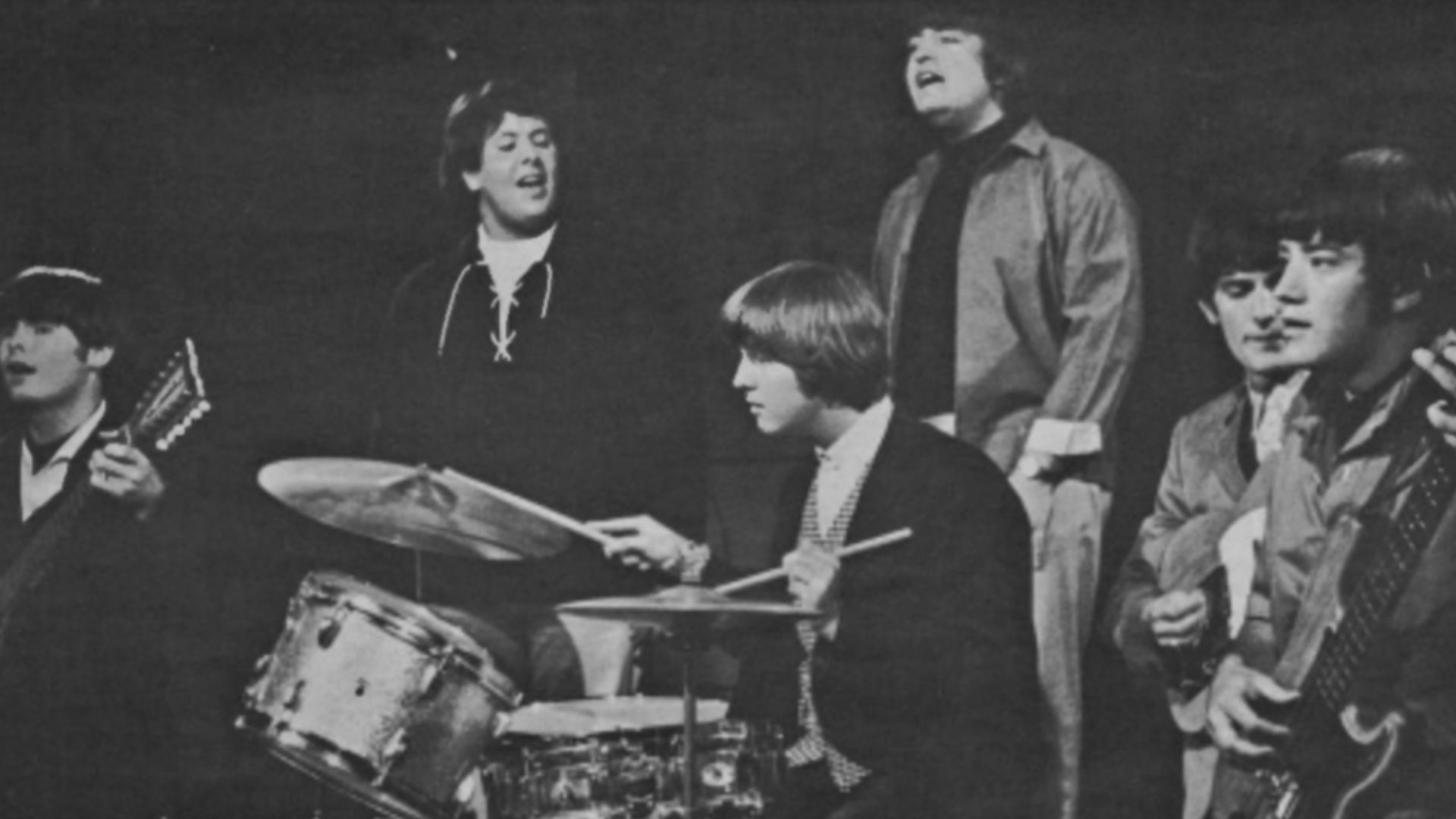
By 1967, the band had shifted toward a brighter pop sound, and it paid off immediately. Happy Together exploded on radio stations across America and became their defining hit almost overnight.
The song reached No. 1 on the Billboard Hot 100, stayed there for three weeks, and famously knocked Penny Lane by The Beatles out of the top spot. For a while, The Turtles suddenly looked unstoppable.
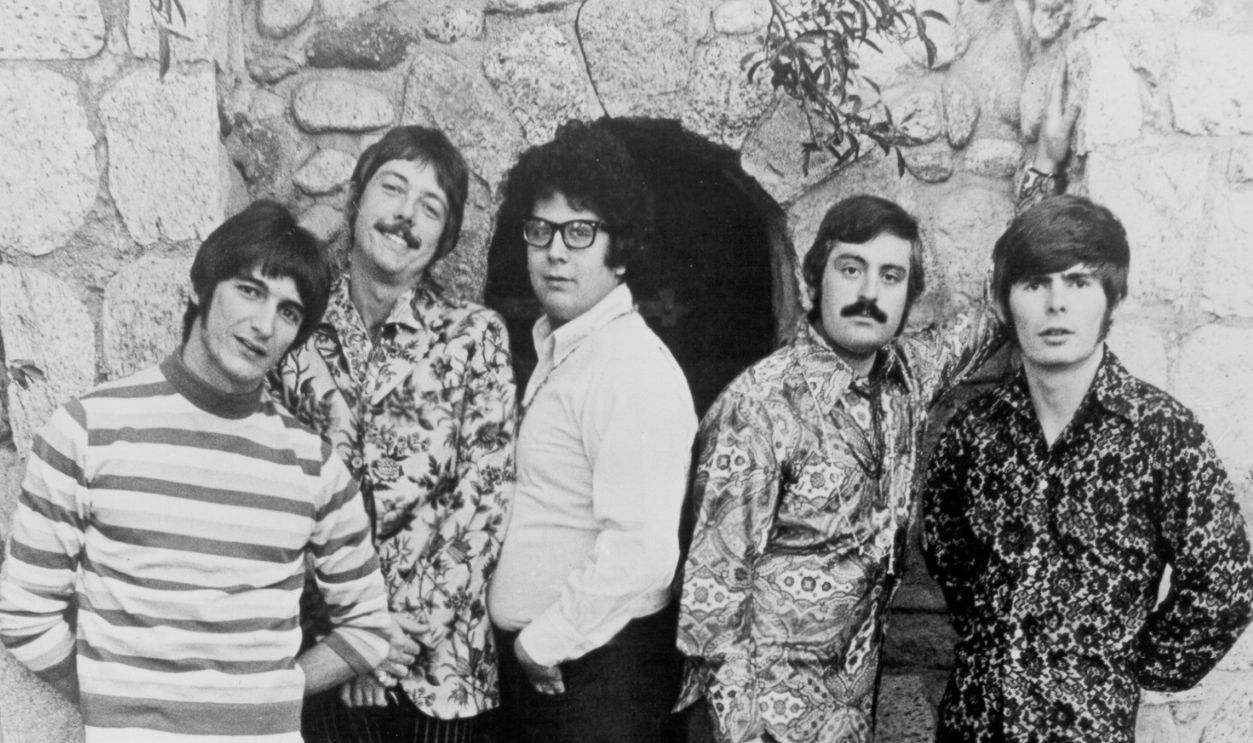 Michael Ochs Archives, Getty Images
Other Artists Rejected The Song First
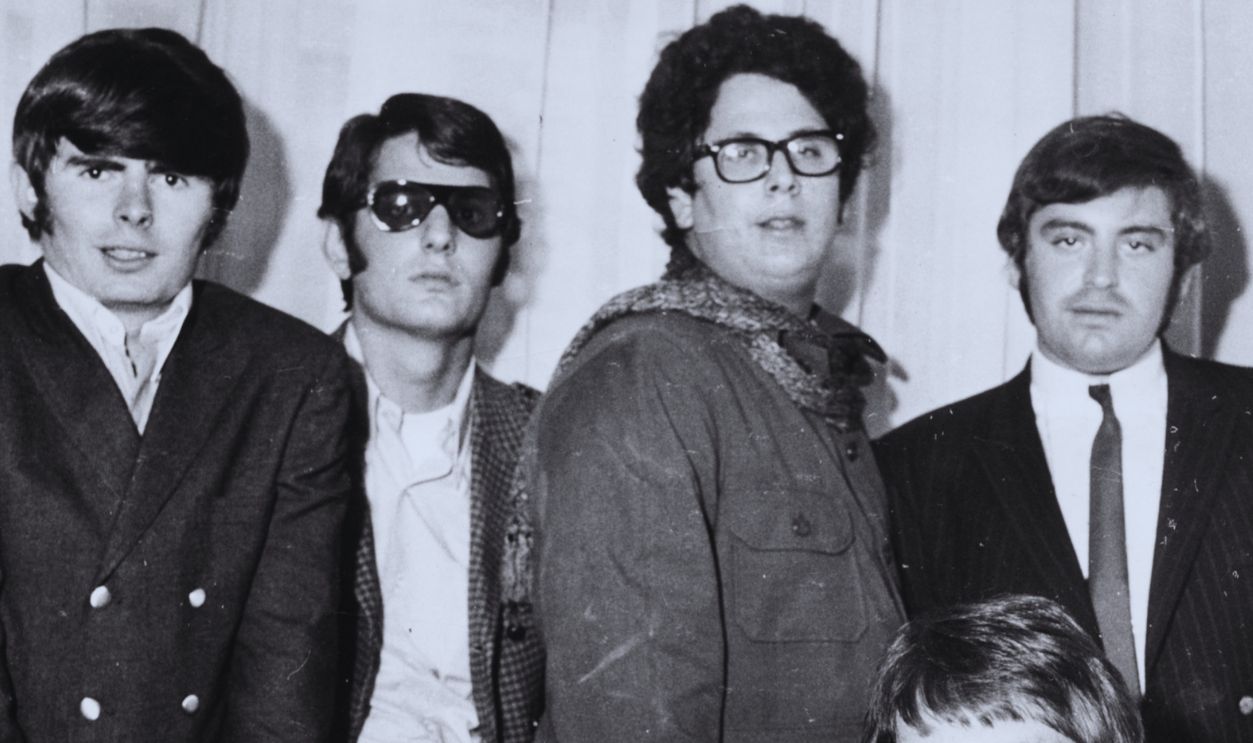
Ironically, Happy Together almost never became a Turtles song at all. Several artists reportedly passed on it before the band recorded it because the demo sounded awkward and unfinished.
Howard Kaylan immediately believed the song had massive potential if it was arranged correctly. Once the harmonies and production came together, he was proven completely right.
The Recording Process Wasn’t Easy
The famous vocal harmonies sound effortless on the finished version, but recording the song reportedly took far more work than listeners probably realize.
Producer Joe Wissert pushed the band hard in the studio, especially when it came to getting the layered harmonies exactly right. The final result sounded smooth and carefree...even if the recording sessions weren’t always that relaxed.

Suddenly, The Turtles Were Everywhere
After Happy Together became a hit, the band entered the nonstop machine that came with 60s pop success. Touring schedules became exhausting, television appearances piled up, and labels constantly wanted another hit single immediately.
Like many groups of the era, The Turtles barely had time to stop and process how famous they had become.
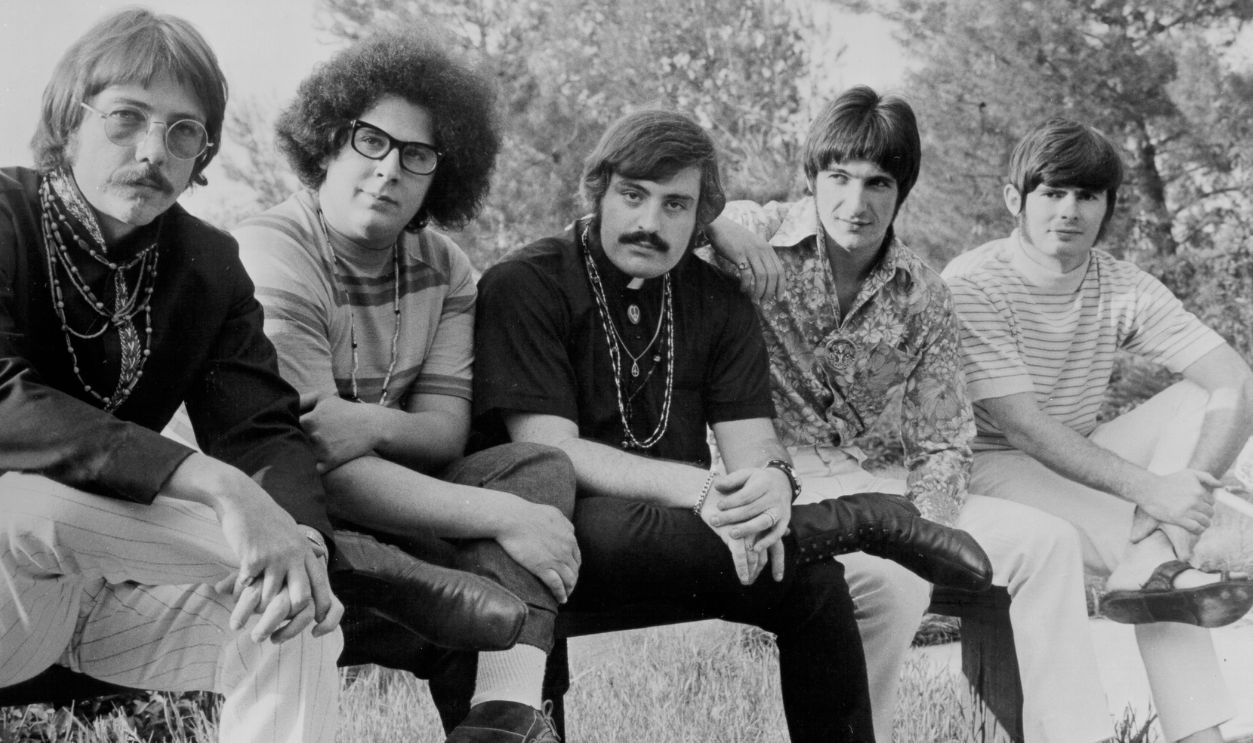 Michael Ochs Archives, Getty Images
The Band Had More Hits Than People Remember
Most people only know Happy Together, but The Turtles actually had several major hits during the late 60s. Songs like Elenore, She’d Rather Be With Me, and You Baby all performed well on the charts.
Ironically, Elenore itself was written partly as a joke mocking record executives who kept demanding another Happy Together-style song from the band.
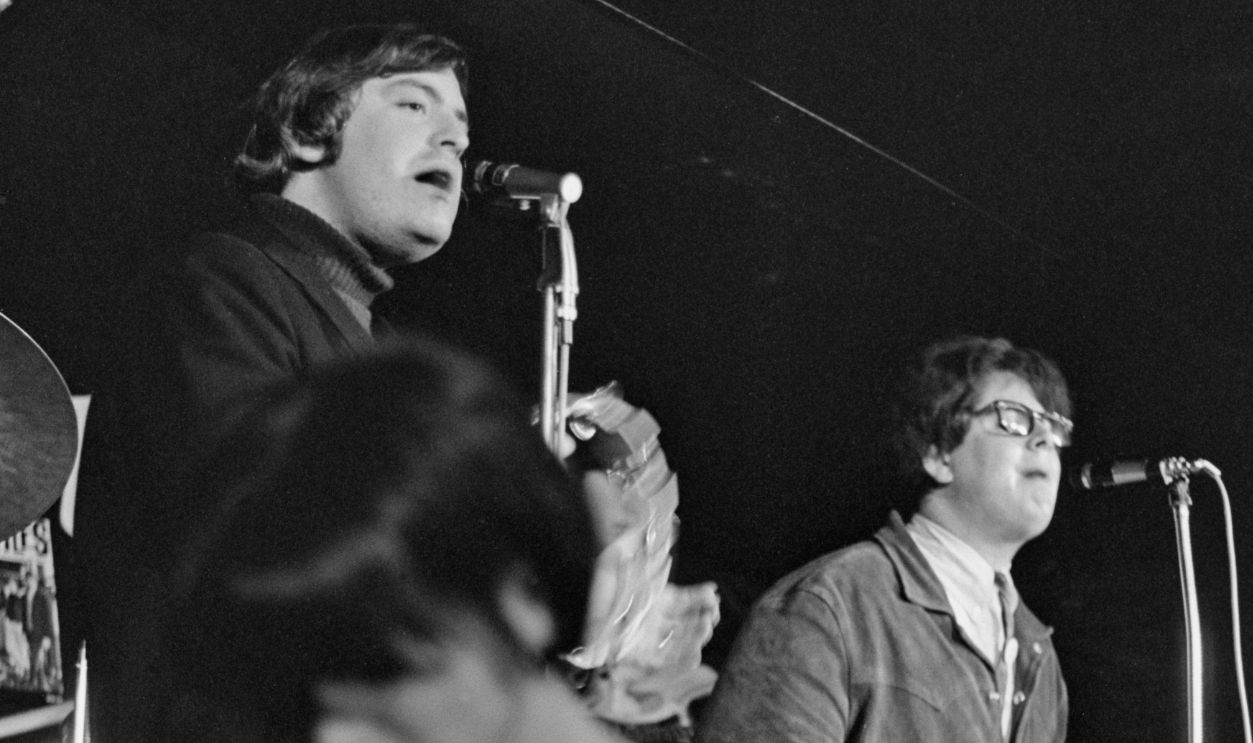 Michael Ochs Archives, Getty Images
“Elenore” Was Basically Sarcasm
The band intentionally loaded Elenore with exaggeratedly cheesy lyrics because they were frustrated with label pressure to keep repeating the same formula.
Lines like “You’re my pride and joy, et cetera” were deliberately sarcastic. The joke somehow backfired because the song still became a hit anyway.
That probably told the band everything they needed to know about how trapped they were becoming.
White Whale Records Controlled Almost Everything
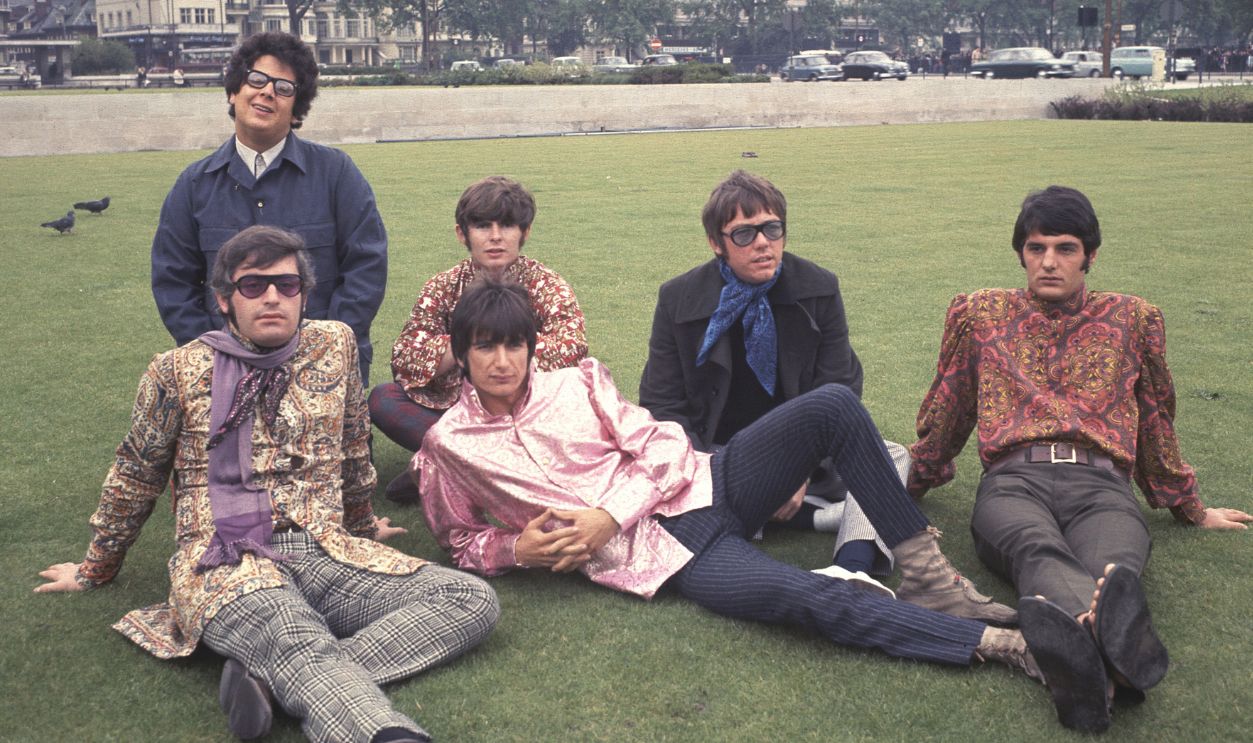
Like many young bands of the 60s, The Turtles signed contracts before fully understanding what they were agreeing to. Their label, White Whale Records, ended up controlling far more than just the recordings themselves.
Over time, Howard Kaylan and Mark Volman became increasingly frustrated with contracts they later described as deeply one-sided and restrictive.
 Michael Ochs Archives, Getty Images
The Money Situation Became A Major Source Of Tension
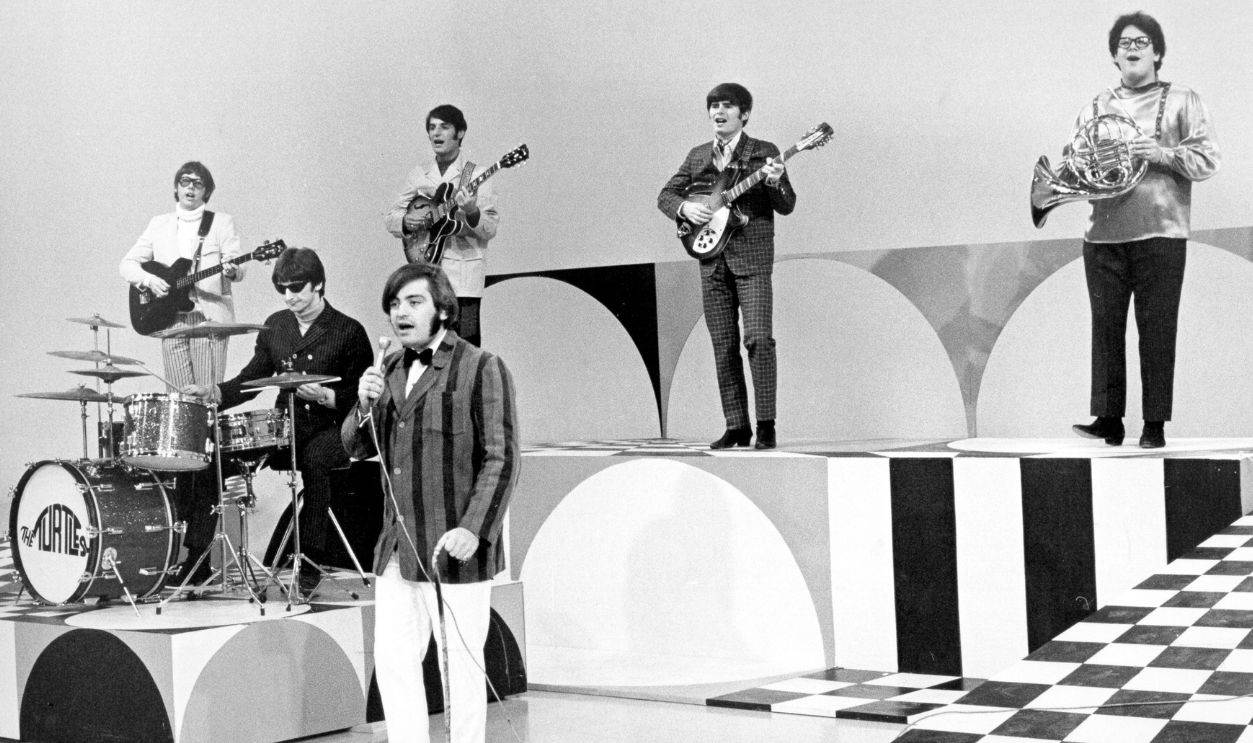
The Turtles were selling records and generating hits, but behind the scenes, disputes over royalties and finances kept growing.
This became a familiar story for many artists from the era. Labels often controlled the accounting, publishing, licensing, and royalty systems so completely that bands sometimes struggled to fully understand where the money was actually going.
 Michael Ochs Archives, Getty Images
The Band Slowly Started Falling Apart
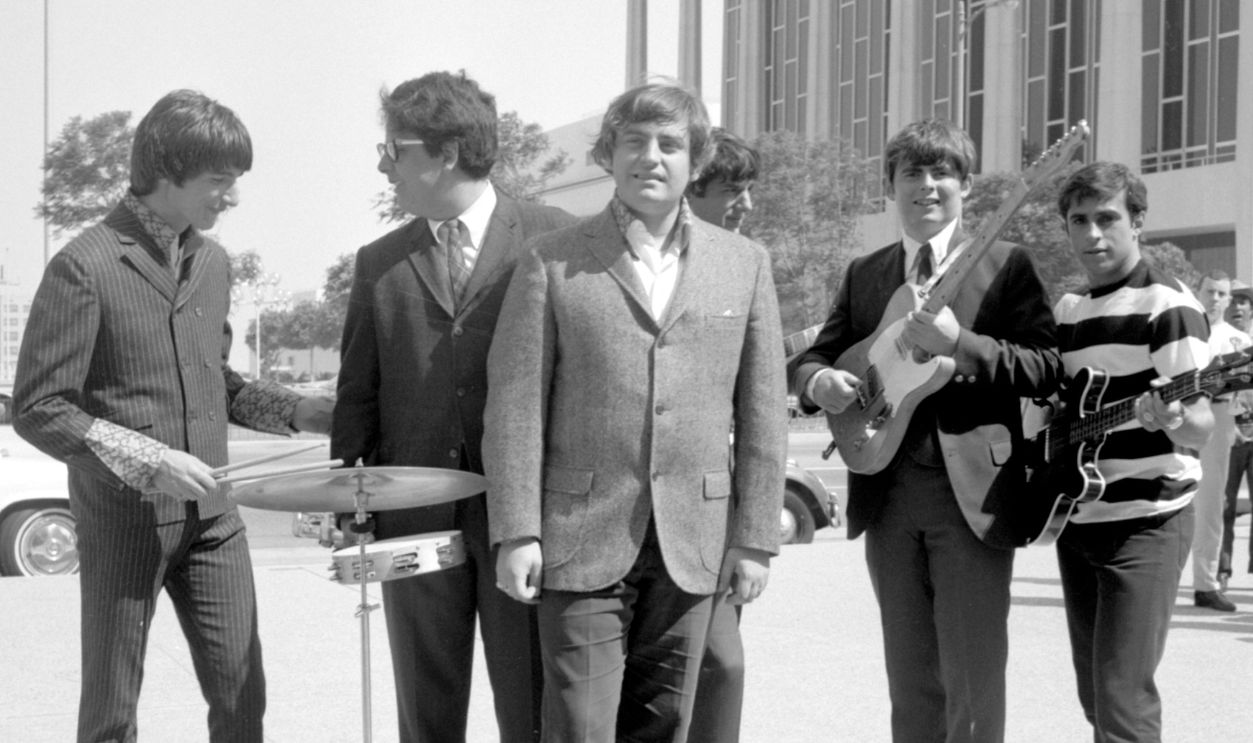
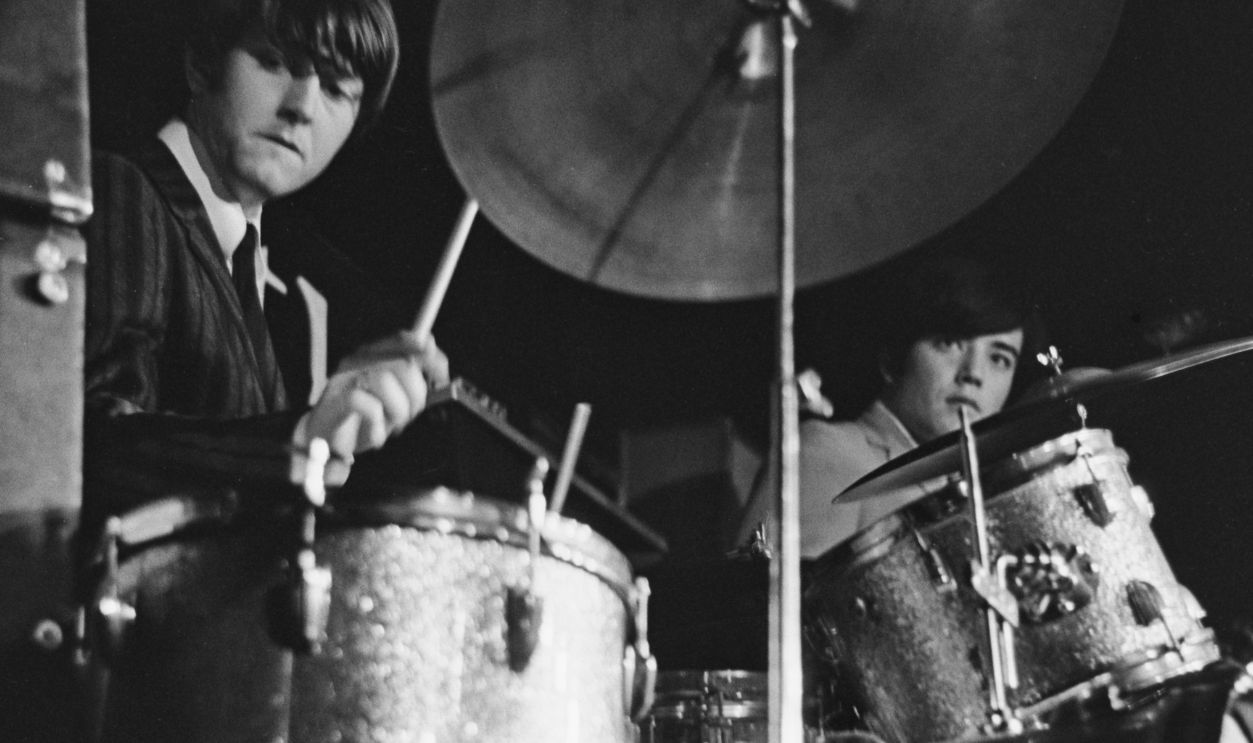
By the end of the 60s, tensions inside the group were getting harder to ignore. Exhaustion, creative disagreements, industry pressure, and frustration with management all started piling up.
At the same time, music trends were changing fast. Psychedelic rock and heavier bands were dominating the culture while sunshine pop suddenly looked outdated almost overnight.
 Michael Ochs Archives, Getty Images
Howard Kaylan And Mark Volman Left
Eventually, vocalists Howard Kaylan and Mark Volman moved on from The Turtles and joined Frank Zappa’s Mothers of Invention. Their chaotic humor fit surprisingly well with Zappa’s world.
But leaving the band did not free them from the legal problems surrounding it.
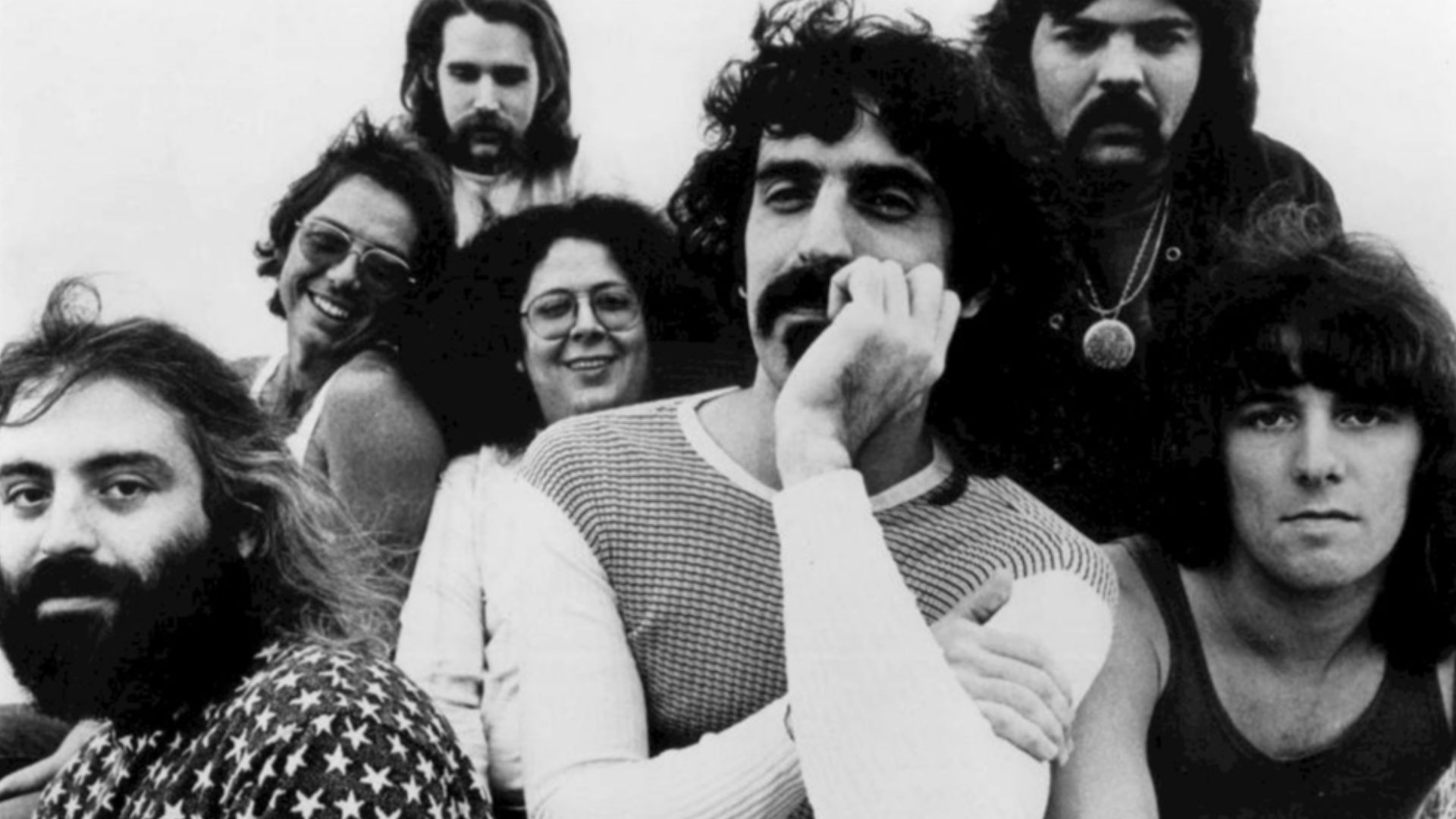 Herb Cohen Management, Wikimedia Commons
They Couldn’t Even Use Their Own Names
Because of disputes tied to earlier contracts, Kaylan and Volman reportedly could not legally perform using “The Turtles” name anymore. According to later interviews, restrictions tied to the contracts also made it difficult for them to perform professionally using their own names.
That’s why they started performing as “Flo & Eddie” instead. What sounded like a goofy stage gimmick was actually tied to a very real legal mess involving ownership and contractual rights.

Frank Zappa Helped Create “Flo & Eddie”
The Flo & Eddie nicknames reportedly came from Frank Zappa during their time with the Mothers of Invention. The names stuck and eventually became their permanent stage identities outside The Turtles.
It sounded funny to audiences, but underneath it was a genuinely bizarre situation. Two of the band’s most recognizable members couldn’t publicly use the name of the band they helped make famous.
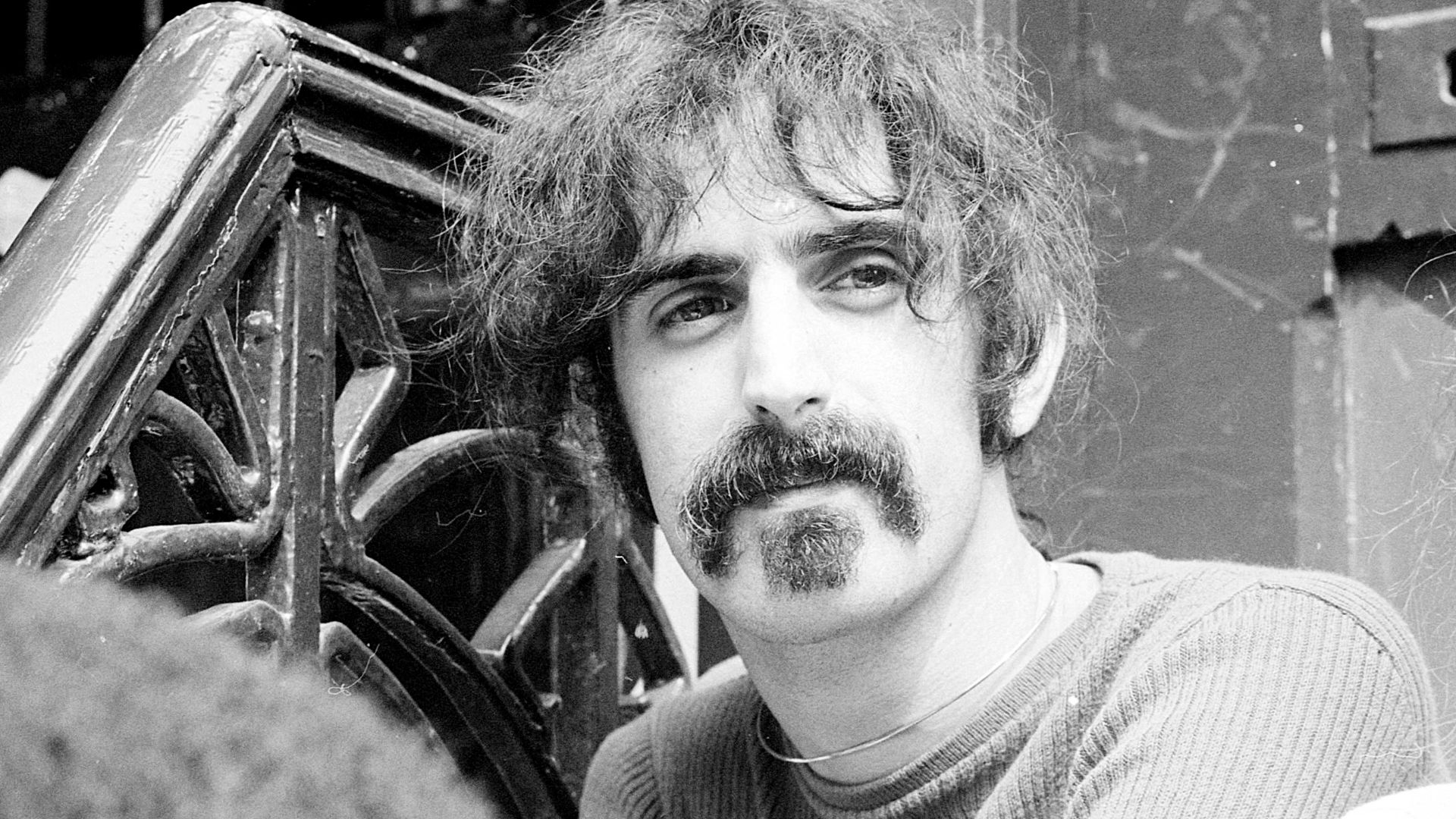 Fotopersbureau De Boer, Wikimedia Commons
“Happy Together” Never Really Disappeared
Even after The Turtles faded from the charts, Happy Together stayed everywhere. The song kept appearing in movies, commercials, TV shows, and nostalgia compilations year after year.
The song’s popularity never fully faded, which only made the ownership and royalty battles surrounding it feel more frustrating for the people involved.
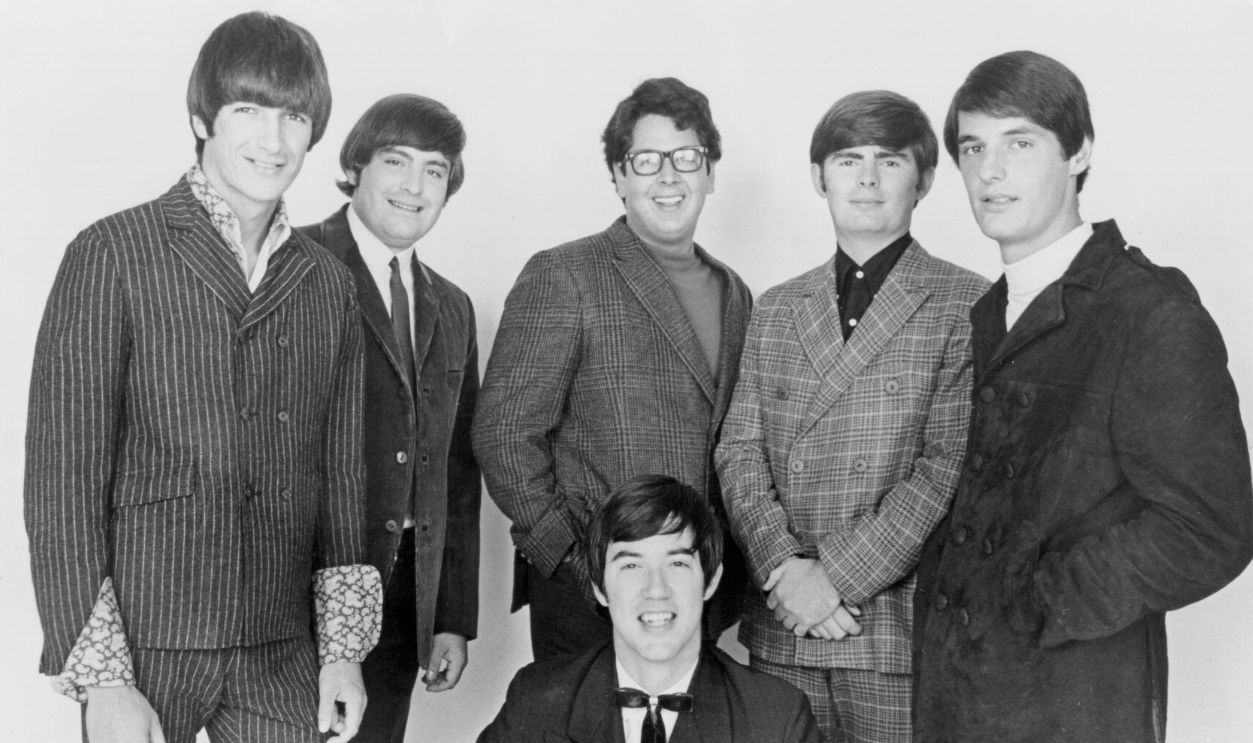 Michael Ochs Archives, Getty Images
Old Music Contracts Became A Huge Industry Problem
As the years passed, more and more artists from the 50s and 60s began publicly discussing terrible contracts they had signed when they were young.
Some artists discovered they didn’t fully own their master recordings. Others lost publishing rights or long-term royalty control. For many musicians, the songs that defined their lives legally belonged to someone else.
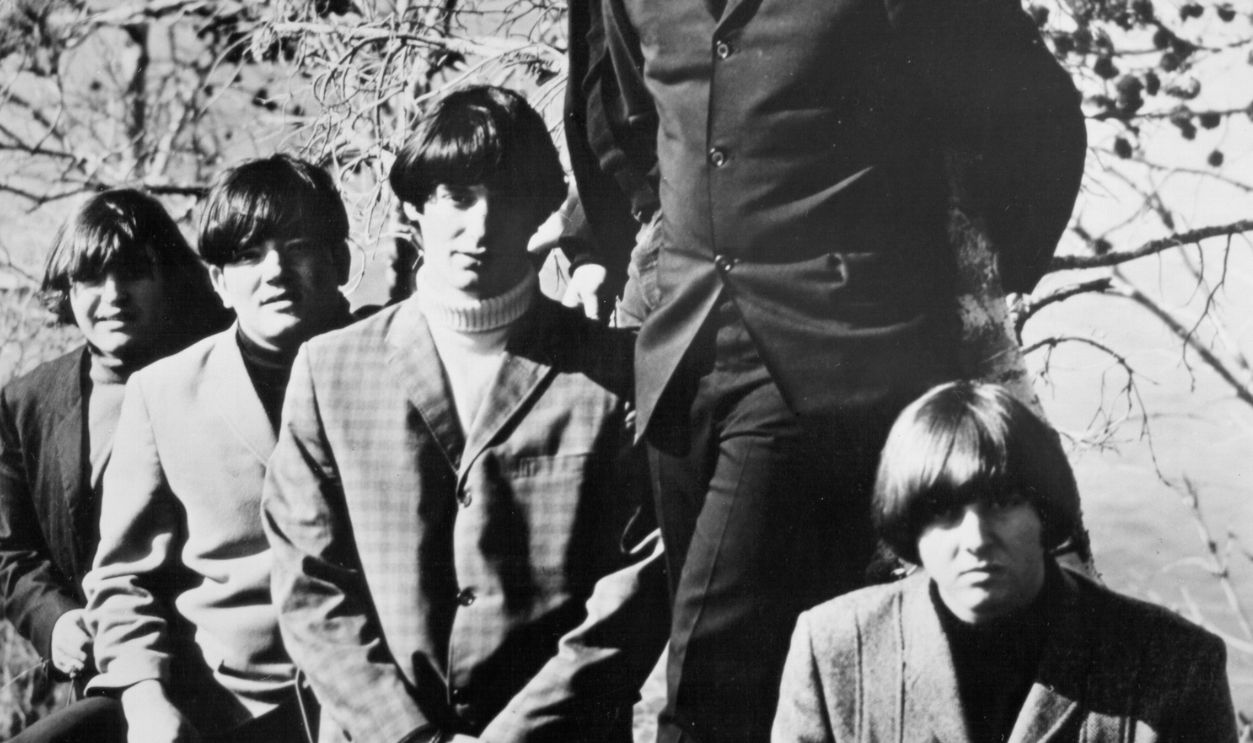 Michael Ochs Archives, Getty Images
Mark Volman Later Became A Music Business Professor
After everything The Turtles experienced, Mark Volman eventually started teaching music business classes at the university level.
He openly discussed contracts, royalties, copyrights, and the ways young artists could easily get trapped by bad deals once fame arrived quickly. After decades spent battling the industry himself, Volman became an unlikely authority on how the business actually worked.

Then Came The SiriusXM Lawsuit
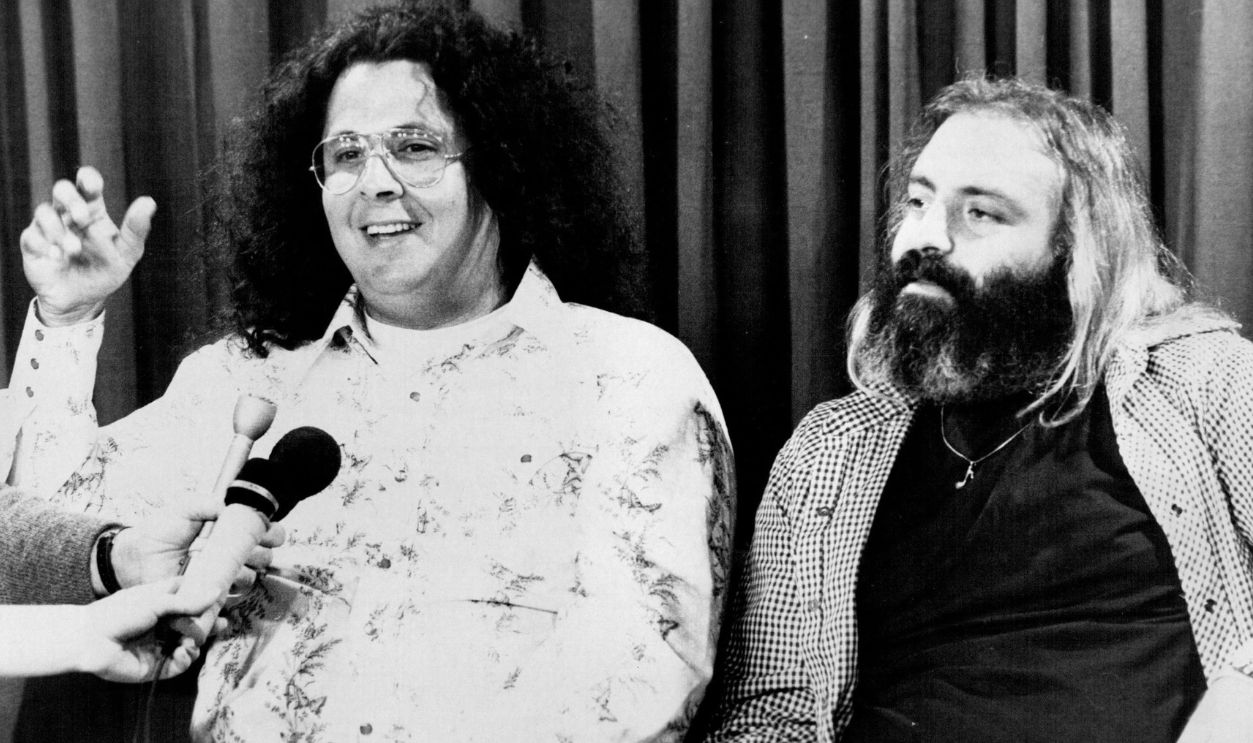
Decades after Happy Together became a hit, Flo & Eddie suddenly found themselves at the center of one of the biggest copyright fights in modern music.
In the 2010s, they sued SiriusXM over the use of pre-1972 recordings. The case sounded technical at first, but it quickly grabbed the attention of the entire music industry.
 Louise Palanker, Wikimedia Commons
Why Pre-1972 Recordings Were Different
For years, American copyright law treated older recordings differently from newer ones. Recordings made before February 15, 1972 existed in a strange legal gray area involving state laws instead of standard federal protections.
Flo & Eddie argued that companies like SiriusXM were profiting from older recordings without properly compensating the artists behind them.

The Lawsuit Terrified The Industry
At one point, Flo & Eddie actually won major rulings in California and New York. That immediately caused panic inside parts of the radio and streaming industries.
If those rulings fully held up, companies could potentially owe enormous amounts of money connected to decades of older recordings.
Suddenly, a band most people only associated with one cheerful 60s hit was helping lead one of the biggest copyright fights in years.
 Fairfax Media Archives, Getty Images
The Legal Battle Lasted For Years
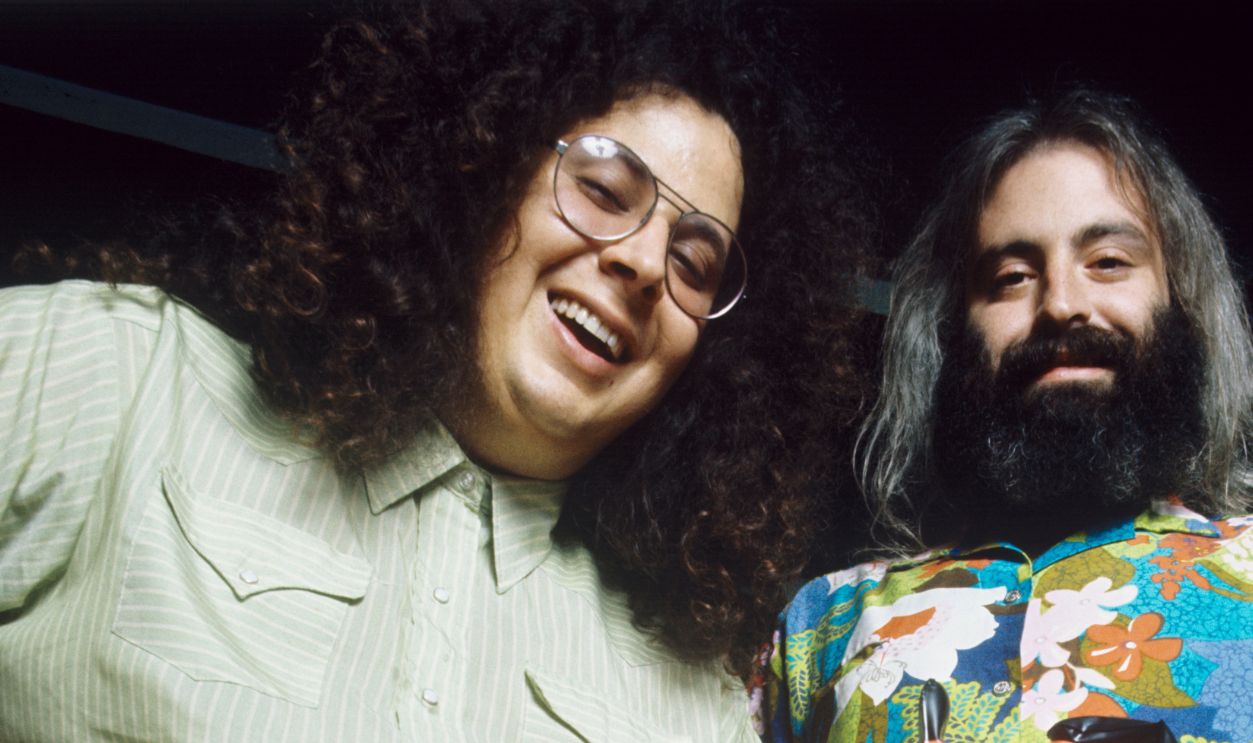
Like most major music lawsuits, the case became long, expensive, and complicated. Appeals followed. Courts disagreed. Different states interpreted the rules differently.
Eventually, later appeals largely went against Flo & Eddie, and SiriusXM ultimately prevailed in most of the major rulings. But by then, the lawsuit had already forced the industry to seriously confront issues it had avoided for decades.
 Gijsbert Hanekroot, Getty Images
The Music Modernization Act Changed The Conversation
In 2018, Congress passed the Music Modernization Act, which helped create clearer protections and royalty systems involving older recordings.
Flo & Eddie did not completely “win” in the traditional sense, but their lawsuit became part of a much larger industry conversation and push toward modernizing how classic artists were compensated in the streaming era.
 Stephen J. Boitano, Getty Images
The Contrast Became Weirdly Dark
As time passed, the contrast surrounding The Turtles became impossible to ignore. They became permanently associated with one of the happiest songs ever recorded while spending years tied up in lawsuits, ownership disputes, and music industry frustration.
A song about happiness somehow became connected to decades of legal unhappiness.

The “Happy Together Tour” Became A Nostalgia Staple
Eventually, different versions of The Turtles returned to touring, and the “Happy Together Tour” became a successful nostalgia package featuring several classic 60s acts.
For audiences, the concerts felt joyful and nostalgic. Most fans probably had no idea how complicated the story behind the band actually was.

Howard Kaylan Later Faced Serious Health Problems
In later years, Howard Kaylan dealt with significant health problems involving his vocal cords and other medical complications that affected his ability to perform consistently.
Even so, Kaylan remained closely tied to the legacy of the music he helped create decades earlier.

Mark Volman Passed Away In 2025
Mark Volman passed away in September 2025 at the age of 78. By that point, he had spent decades not only as a musician, but also teaching younger artists about the music business and the mistakes that can quietly follow fame for years.
For many fans, he’ll always be connected to one of the happiest songs of the 60s. But the story behind that music turned out to be far more complicated.

“Happy Together” Outlived Almost Everything Else
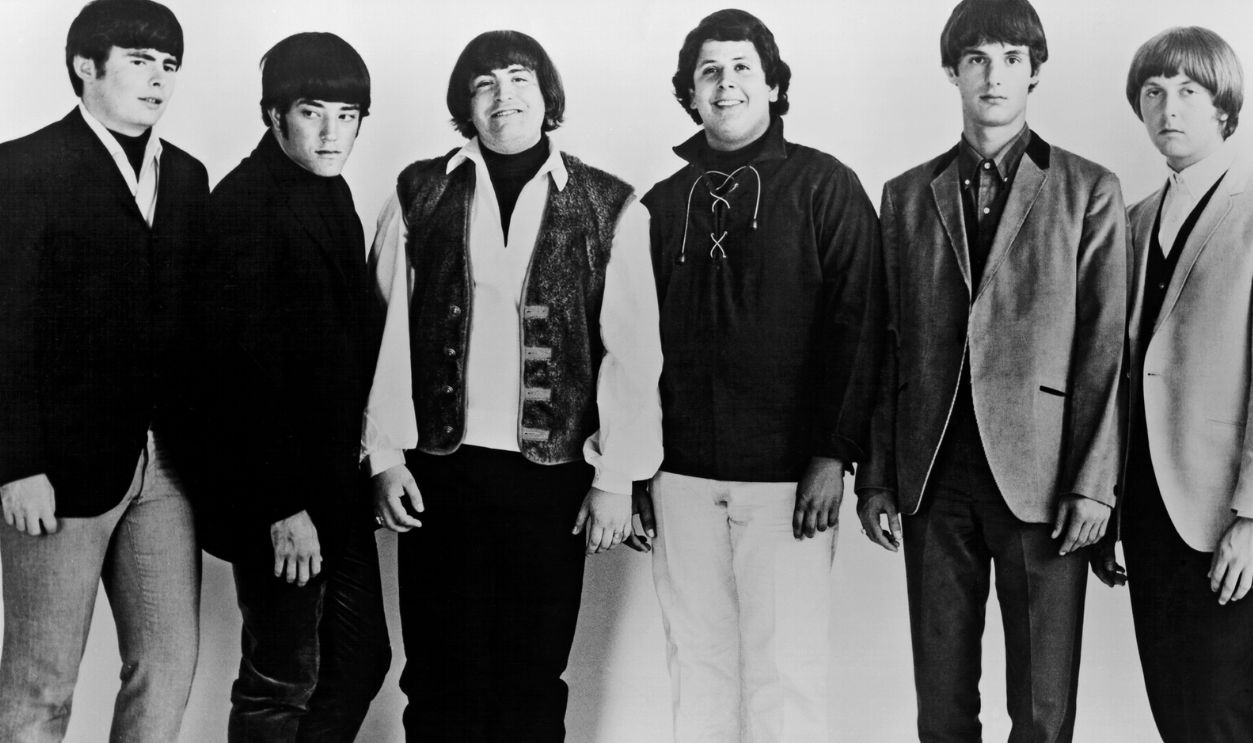
Many people who instantly recognize Happy Together still couldn’t name another Turtles song. But that one hit became immortal.
It survived changing music trends, lawsuits, copyright fights, streaming battles, and decades of music industry chaos. Somehow, the song itself still sounds completely carefree every time it comes on.
Which honestly makes the real story behind it feel even stranger.
 Michael Ochs Archives, Getty Images
You Might Also Like:
Rock Bands Who Clearly Didn’t Want To Make These Albums—And You Can Hear It