It Should Have Worked
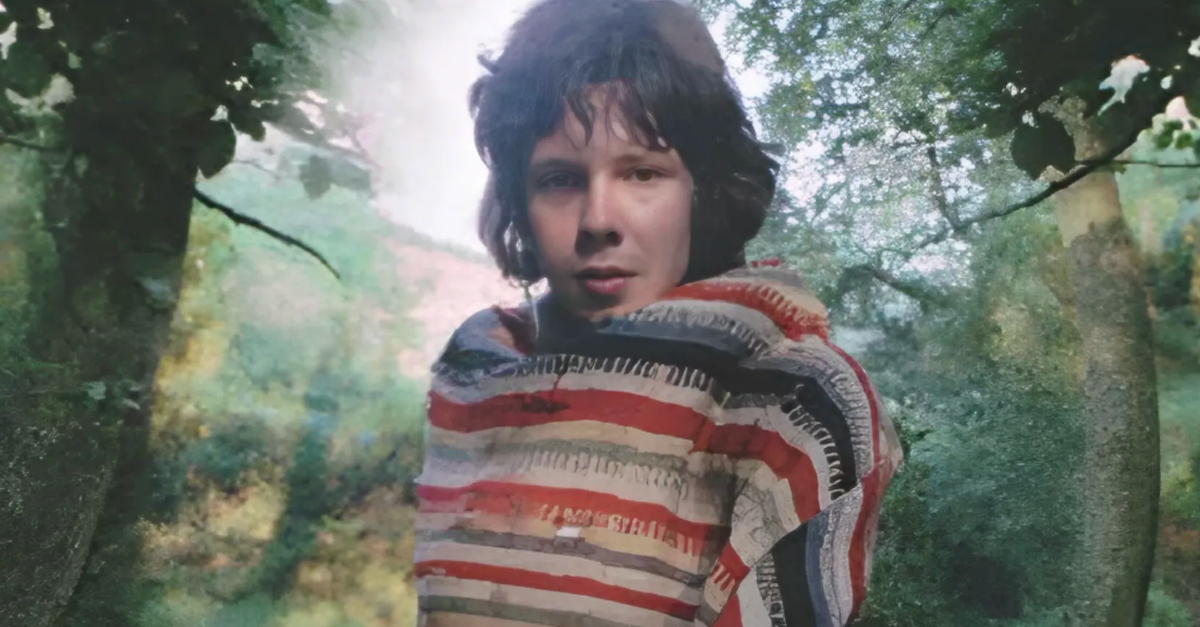
Nick Drake had a record deal and all the talent in the world. His music is now considered some of the greatest to come out of the 70s—yet at the time, almost no one knew it existed. And by the time people finally started listening…it was too late.
He Grew Up In A Quiet, Creative Household
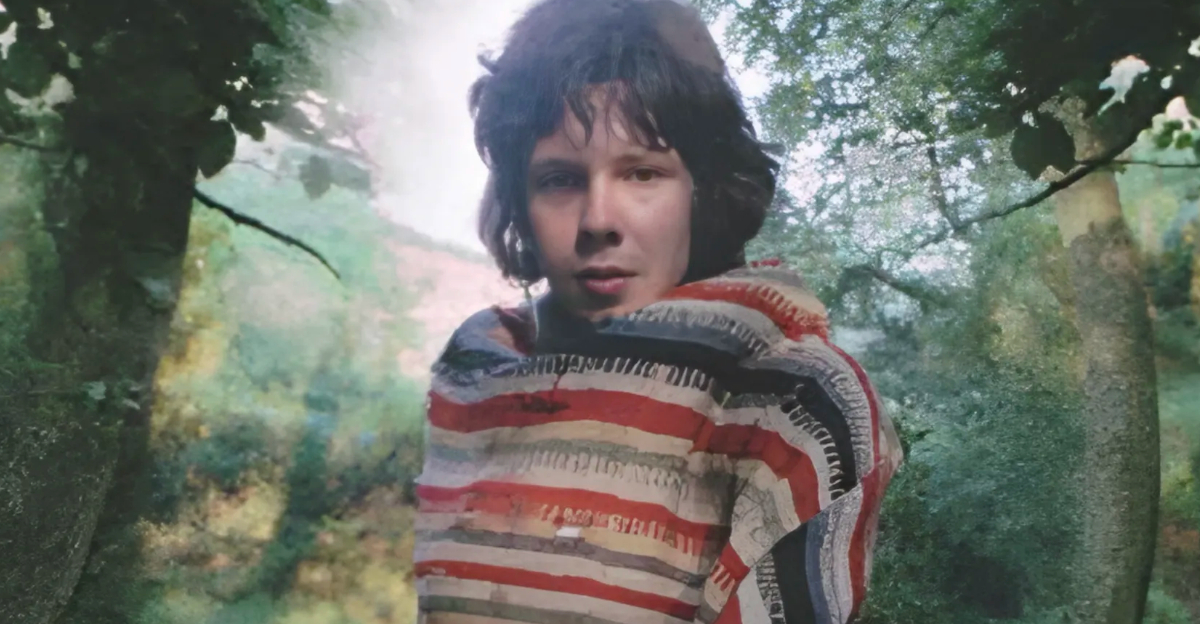
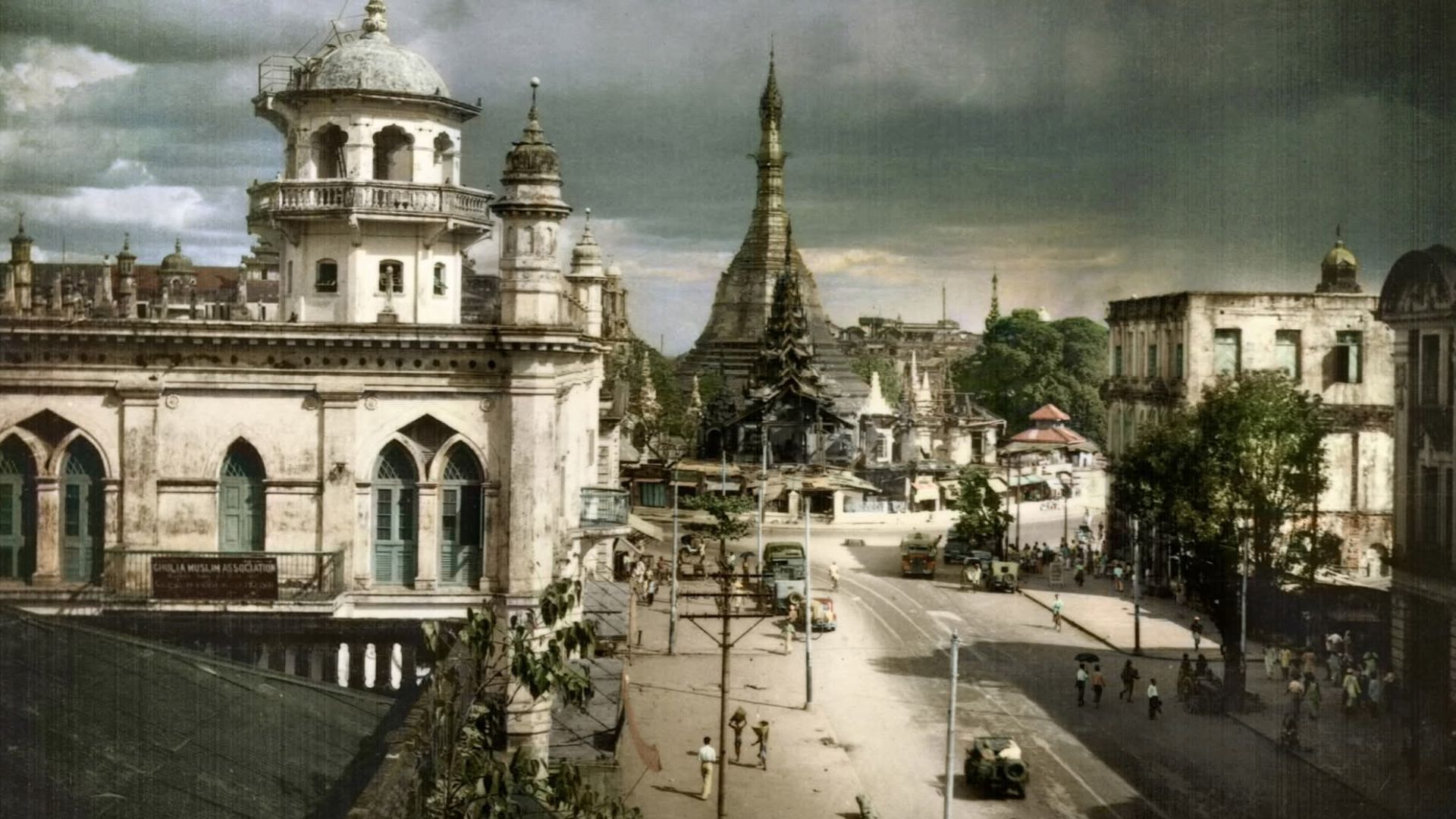
Nick Drake was born in 1948 in Rangoon, Burma, before his family returned to England. He grew up in a comfortable home in Warwickshire. His mother, Molly Drake, wrote and recorded introspective piano songs—recordings that weren’t widely heard until decades later, but clearly shaped his style.
Music Took Over
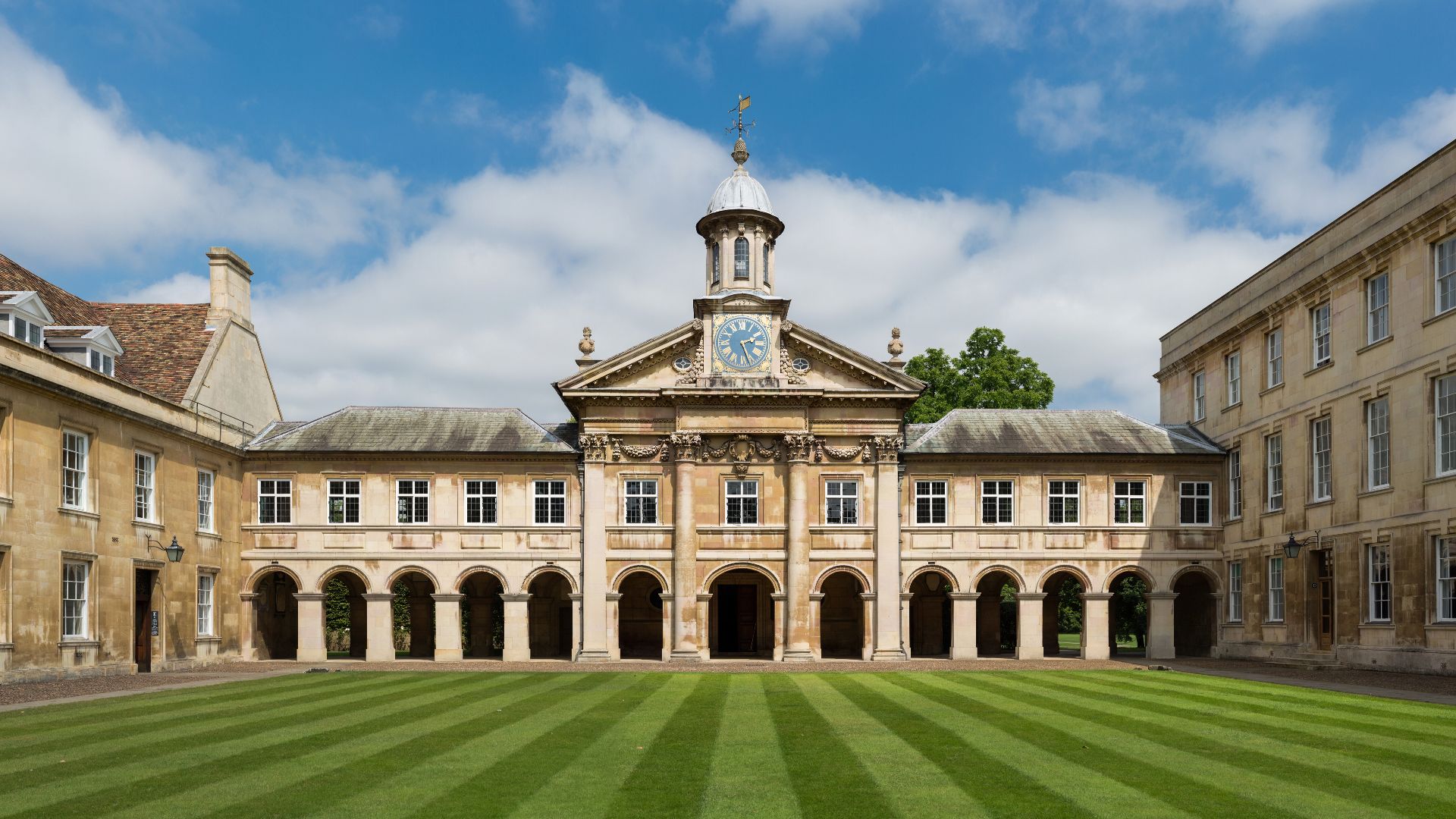
Drake attended Marlborough College, where he excelled academically and musically. By the time he got to Cambridge University at 19, he was already writing songs seriously. He studied English literature but left after less than a year, as music quickly became his primary focus.
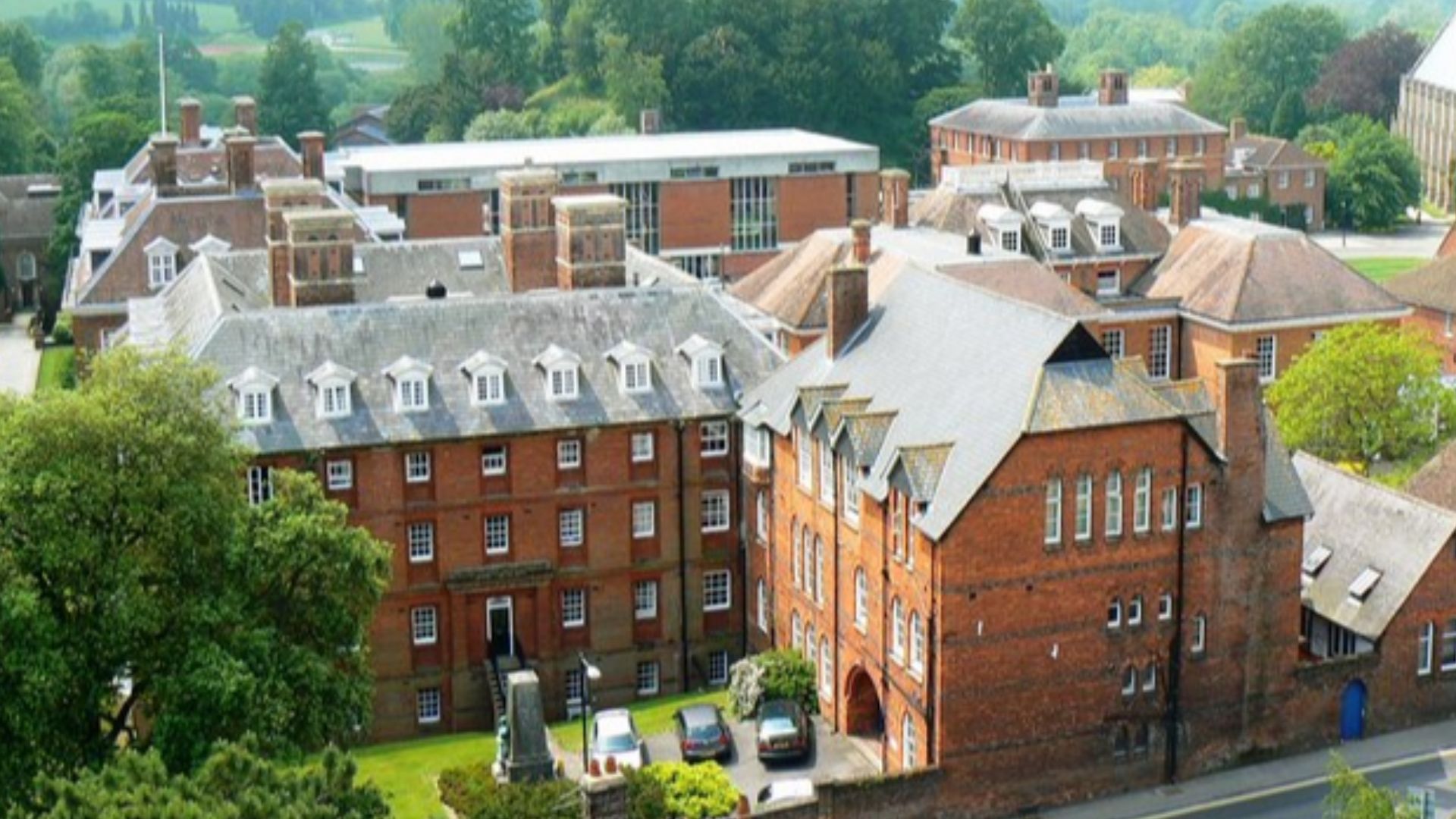 Brian Robert Marshall, Wikimedia Commons
A Chance Discovery Changed His Path
While performing in Cambridge, Drake was noticed by producer Joe Boyd, who was already working with artists like Fairport Convention. Boyd later said, “From the first time I saw Nick perform, I knew he was extraordinary.” Drake was signed to Island Records soon after.
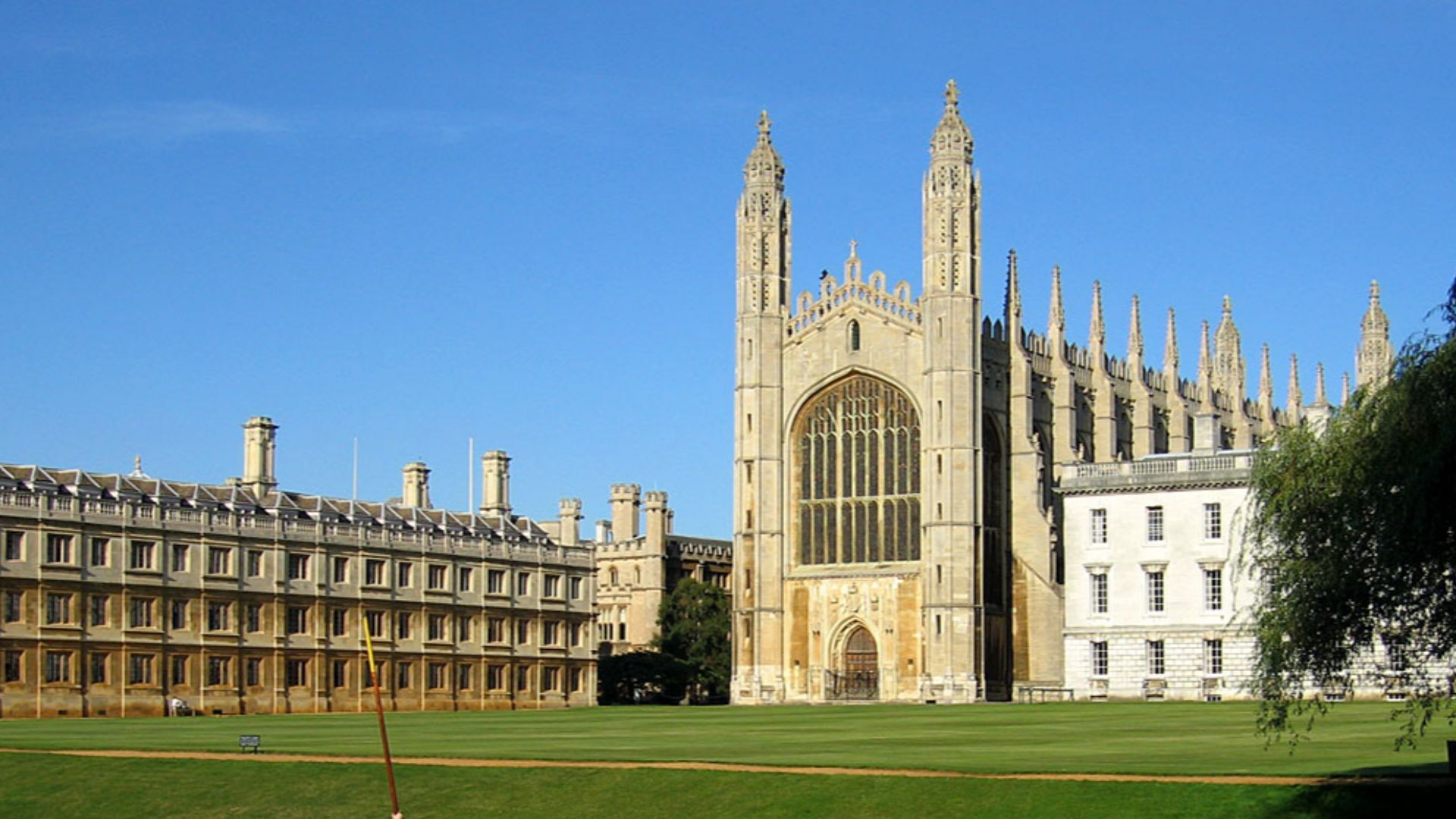 Andrew Dunn, Wikimedia Commons
His Debut Album Was Carefully Crafted
Five Leaves Left (1969) wasn’t thrown together. It featured string arrangements by Richard Hewson and contributions from bassist Danny Thompson. Drake was just 20 years old when recording began. The sound was soft but detailed, built with intention.
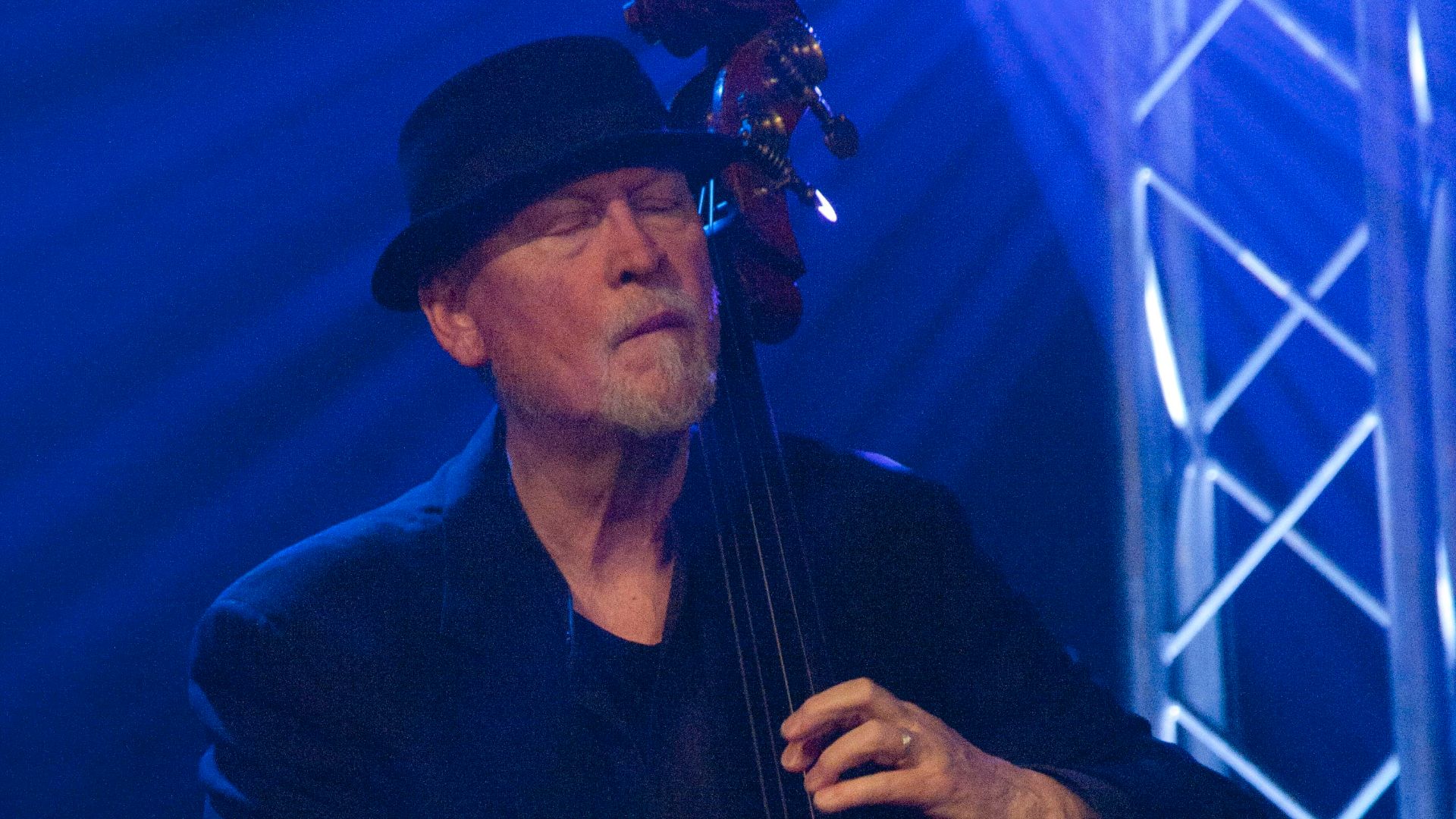 Bryan Ledgard, Wikimedia Commons
It Got Respect, But Not Sales
Critics responded positively, but the album reportedly sold only a few thousand copies at first. There was no hit single, and radio play was minimal. For a debut on a major label, it didn’t generate much momentum.
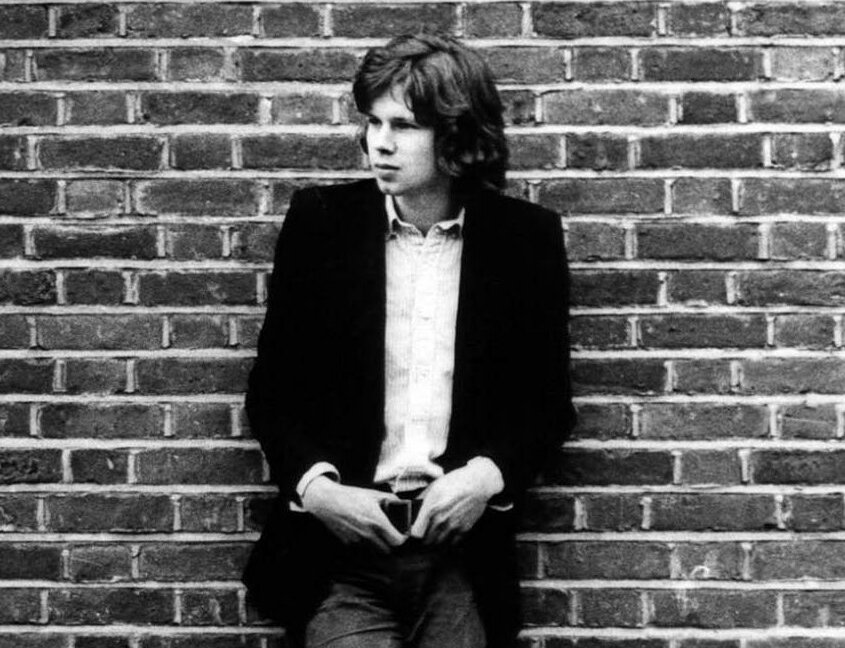 Keith Morris, Wikimedia Commons
Live Shows Were A Real Struggle
Drake played only a small number of live performances—estimates range around 20 to 30 total. He rarely spoke on stage and often appeared visibly uncomfortable. In some cases, he ended sets early, which made it difficult to build a consistent following.
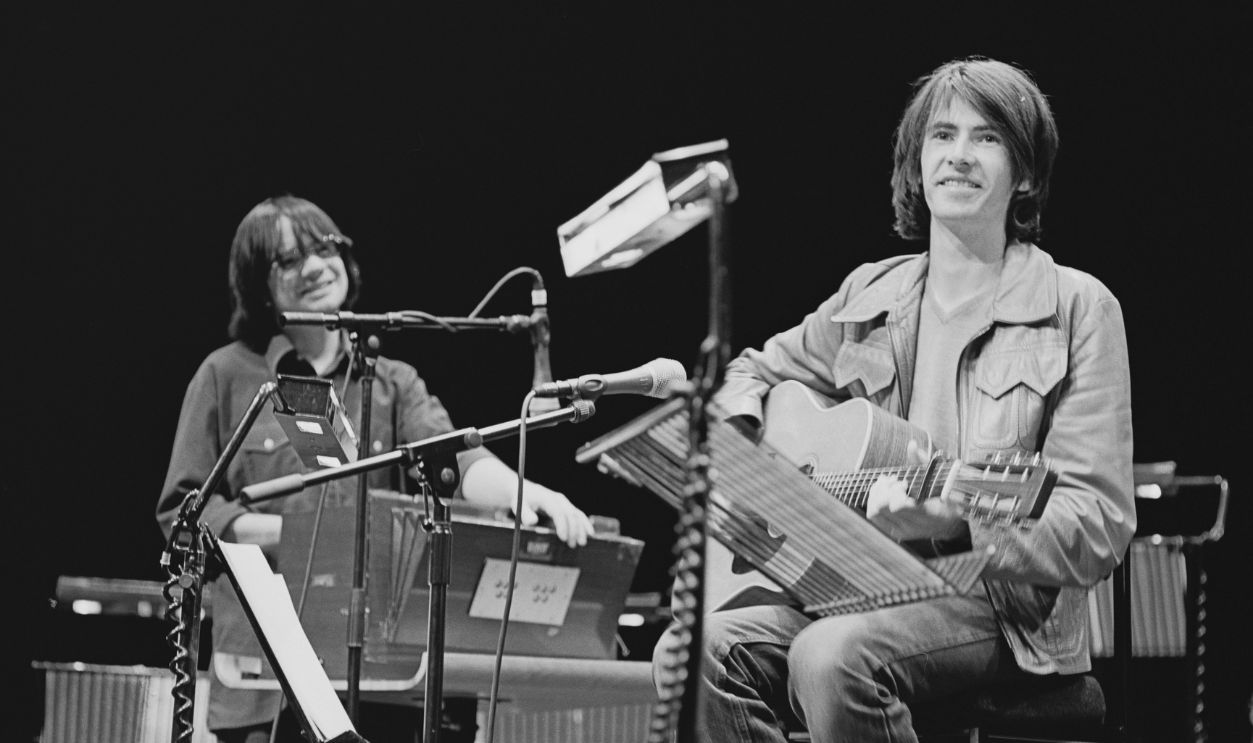
He Avoided Interviews And Promotion
Drake gave very few interviews in his lifetime. He wasn’t interested in promoting himself or explaining his music. In an industry built on visibility and personality, that silence made a real difference in how far his music could travel.

His Second Album Tried To Open Things Up
Bryter Layter (1971) featured a brighter, fuller sound. It included backing musicians, brass sections, and more accessible tracks like Northern Sky. Producer Joe Boyd aimed to make something that might reach a wider audience.
 Jellevc at English Wikipedia, Wikimedia Commons
Even That Didn’t Break Through
Despite the changes, Bryter Layter also sold poorly. Drake was just 23 at the time. Two albums in, there was still no commercial traction. Island Records continued supporting him, but there were no clear signs of growth.
His Mental Health Was Declining
Around this period, Drake began experiencing severe depression. Friends described him as increasingly withdrawn, sometimes going long stretches without speaking. He was prescribed antidepressants, including amitriptyline, but his condition didn’t noticeably improve.

He Drifted Further Away From Everything
Drake left Cambridge without finishing his degree. He began spending more time alone, often isolating himself even from people close to him. Some friends later recalled visiting him and finding conversations difficult or minimal, as he would respond with only a few words.
“Pink Moon” Was Recorded In Just Two Nights
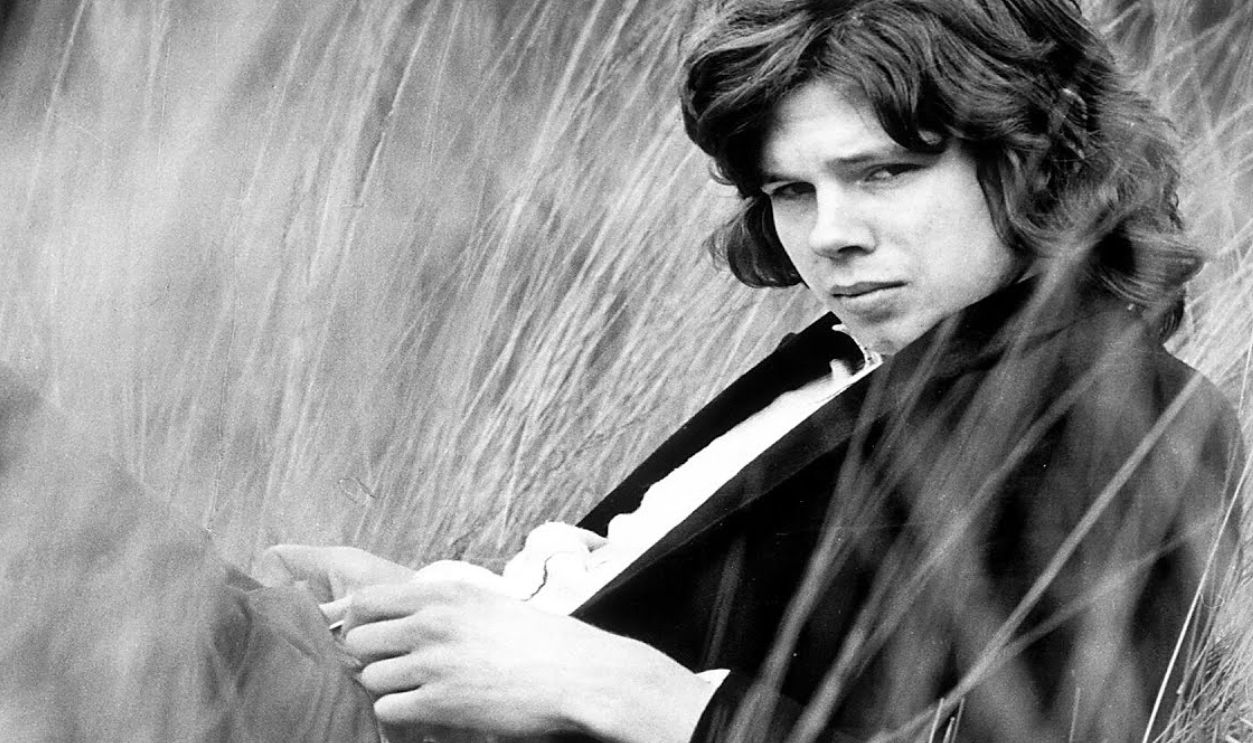
His third album, Pink Moon (1972), was recorded in two late-night sessions with engineer John Wood. Drake was 24. The album features just his voice and guitar, with a brief piano part on the title track. No band, no layering.
He Delivered It, And Left
According to accounts from Island Records staff, Drake handed over the finished Pink Moon tapes and left without much discussion. There was no major push behind the album. Like the others, it sold very little at the time, possibly even less than his earlier releases.
 Island Records, Wikimedia Commons
He Had Stopped Performing Completely
By the time Pink Moon was released, Drake had already stopped playing live shows entirely. His last known performances were around 1970. Without touring or media appearances, there was almost no way for audiences to discover him.

He Returned To His Family Home
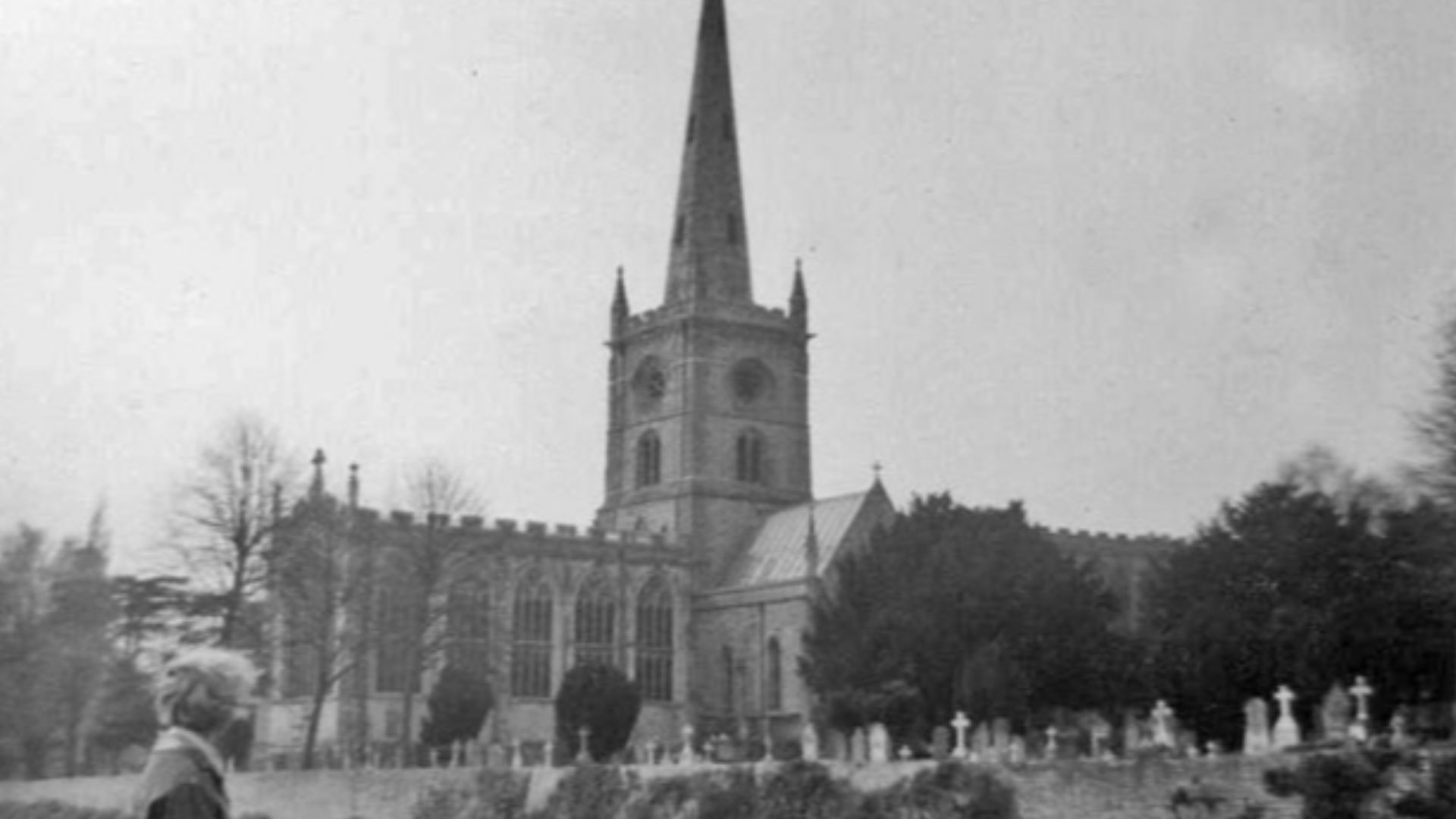
Drake moved back in with his parents in Warwickshire. He was in his mid-20s, no longer actively building a career. His daily life became quieter, more isolated, and increasingly routine, often spending long hours alone in his room.
 Christine Matthews, Wikimedia Commons
There Were A Few Final Recordings
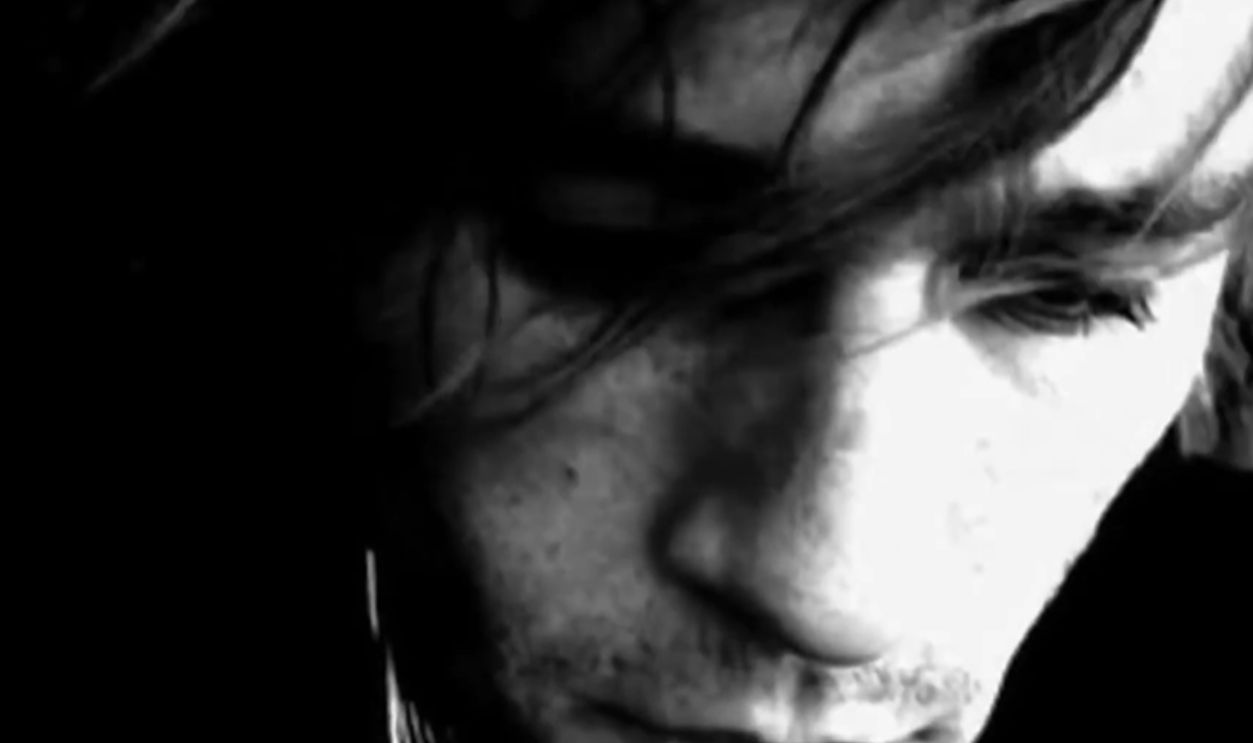
In early 1974, Drake recorded several new songs, including Black Eyed Dog and Rider on the Wheel. They were sparse and somber, continuing the stripped-down style. These sessions were brief and informal, and the recordings would later appear on posthumous releases.
 Screenshot from Black Eyed Dog, Island Records (1974)
He Died At 26 Years Old
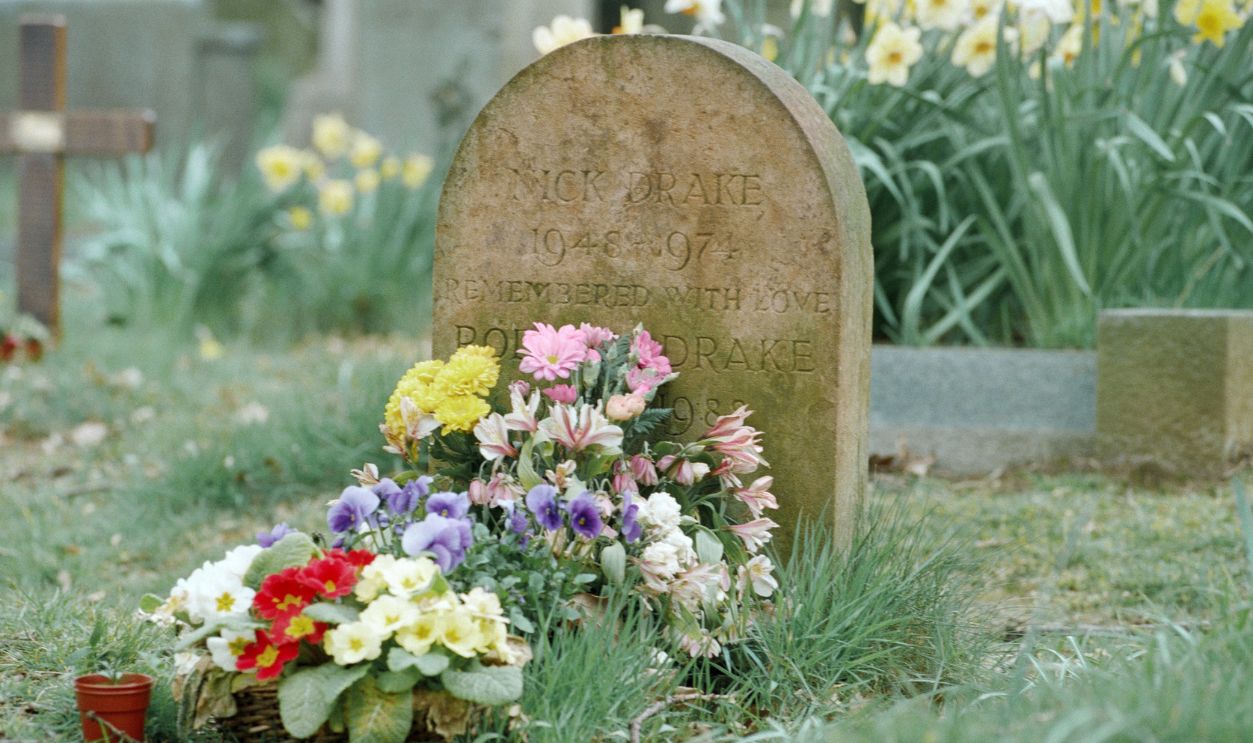
Nick Drake died on November 25, 1974, at his parents’ home. The cause was an overdose of the antidepressant amitriptyline. Some close to him, including Joe Boyd, later expressed doubt about whether it was intentional.
At The Time, He Was Largely Unknown
When Drake died, his albums had not charted significantly, and he had no mainstream recognition. Media coverage was limited, and there was no immediate surge in interest or reassessment of his work.

His Music Started To Spread Quietly
In the late 70s and 80s, Drake’s albums began to circulate more among musicians and dedicated listeners. Reissues helped, but growth was slow. It wasn’t a sudden rediscovery—it built gradually through word of mouth and critical re-evaluation.

Other Artists Helped Bring Attention Back
Artists like Robert Smith (The Cure) and members of R.E.M. cited Drake as an influence. That kind of endorsement helped introduce his work to new audiences who might not have found it otherwise, especially as alternative music audiences grew in the 80s.
 Jeffcampion, Wikimedia Commons
“Pink Moon” Became His Defining Work
Over time, Pink Moon gained a reputation as his most important album. Its minimal style, once seen as too quiet or sparse, began to feel timeless. Critics and fans increasingly pointed to it as one of the greatest singer-songwriter albums ever recorded.
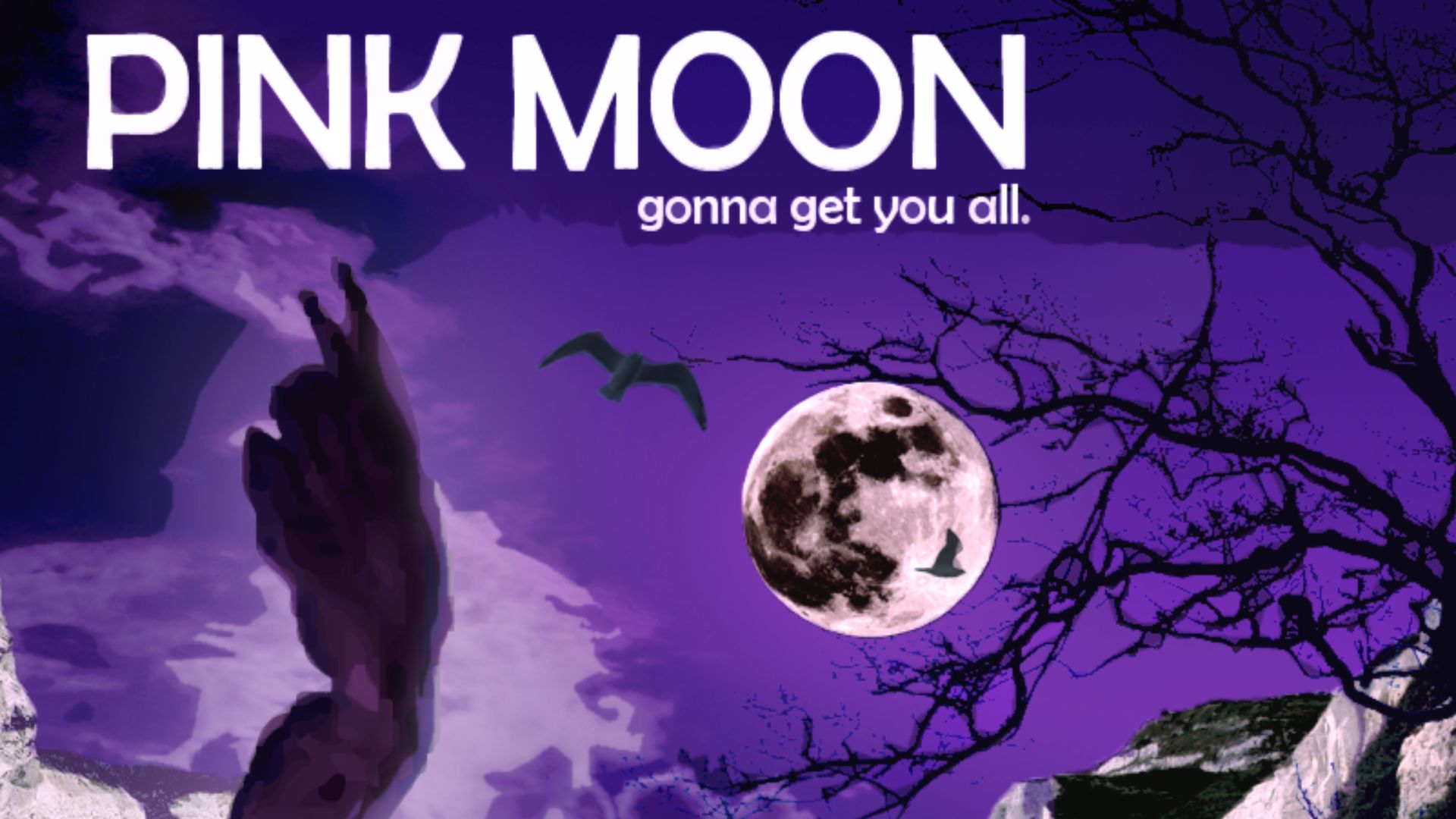 Visions of Domino, Wikimedia Commons
A 1999 Commercial Changed Everything
Volkswagen used Pink Moon in a 1999 advertisement. The exposure was massive compared to anything Drake had during his life. Following the ad, his album sales increased dramatically, introducing his music to a much wider audience.

His Audience Finally Arrived
By the 2000s, Drake’s albums were selling steadily and receiving widespread critical acclaim. His catalog was reissued multiple times, and he became a staple recommendation for fans of acoustic and folk music looking for something more intimate.

He Became A Posthumous Icon
Nick Drake never saw success in his lifetime. But his music endured and eventually found its audience. The songs didn’t change—but the way people heard them did, turning a largely unknown artist into a lasting influence decades later.
You Might Also Like:
Albums So Popular You’d Never Guess They Came From Indie Labels
Ranking The Best Rock Drummers Ever—What Do You Think?