One Entrance Changed Everything
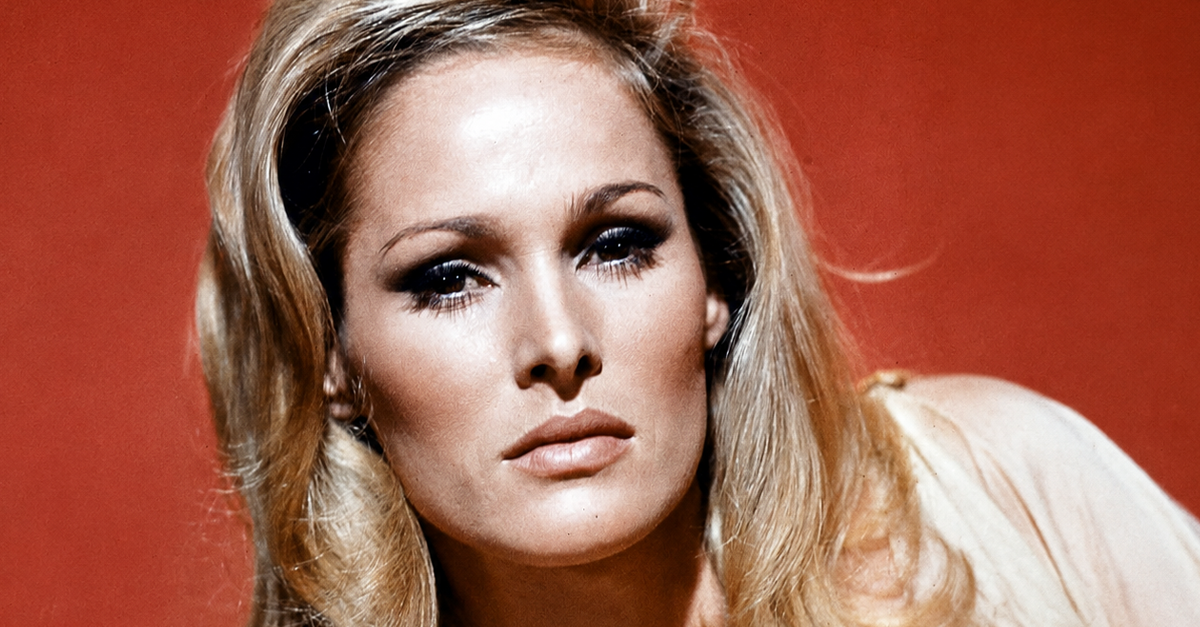
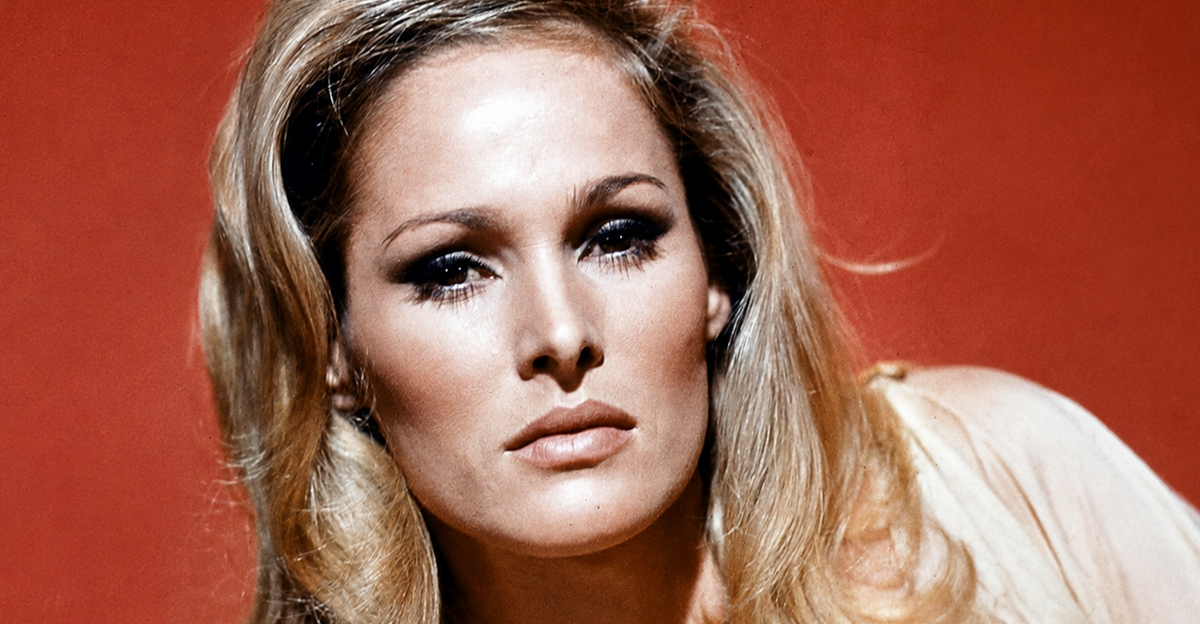
Ursula Andress needed only a few unforgettable minutes in Dr. No to become an international sensation. Her entrance from the Caribbean Sea in a white bikini established the glamorous image that followed her for decades. Yet the woman behind that famous moment never shared Hollywood’s hunger for constant attention.
Her Journey Began In Switzerland
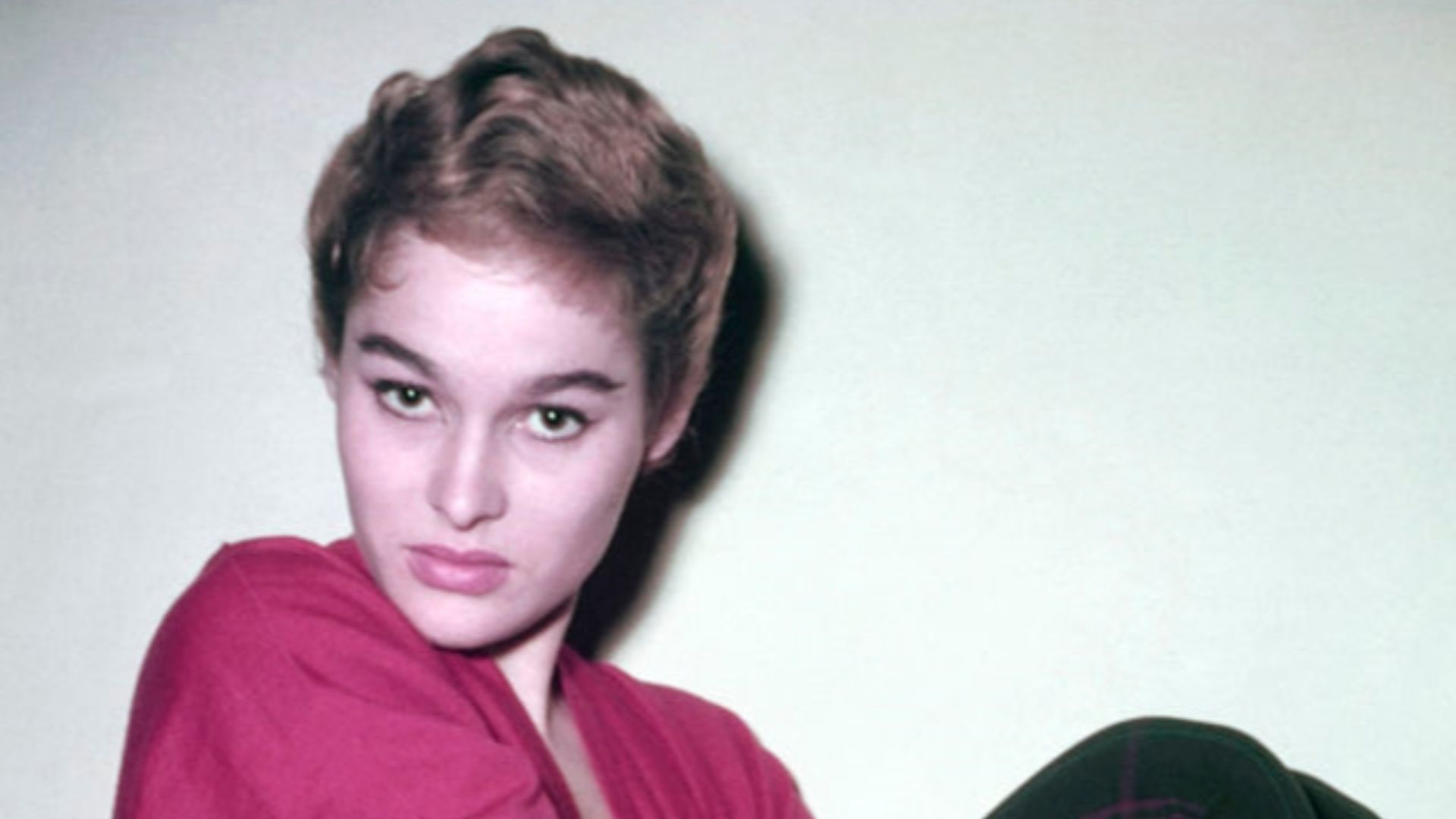
Andress was born on March 19, 1936, in Ostermundigen, near Bern, Switzerland. She left her homeland at 16, traveling first to Paris and then to Rome. That independent streak would remain a defining part of her life.
 Unknown (Mondadori Publishers), Wikimedia Commons
Hollywood Did Not Immediately Know What To Do With Her
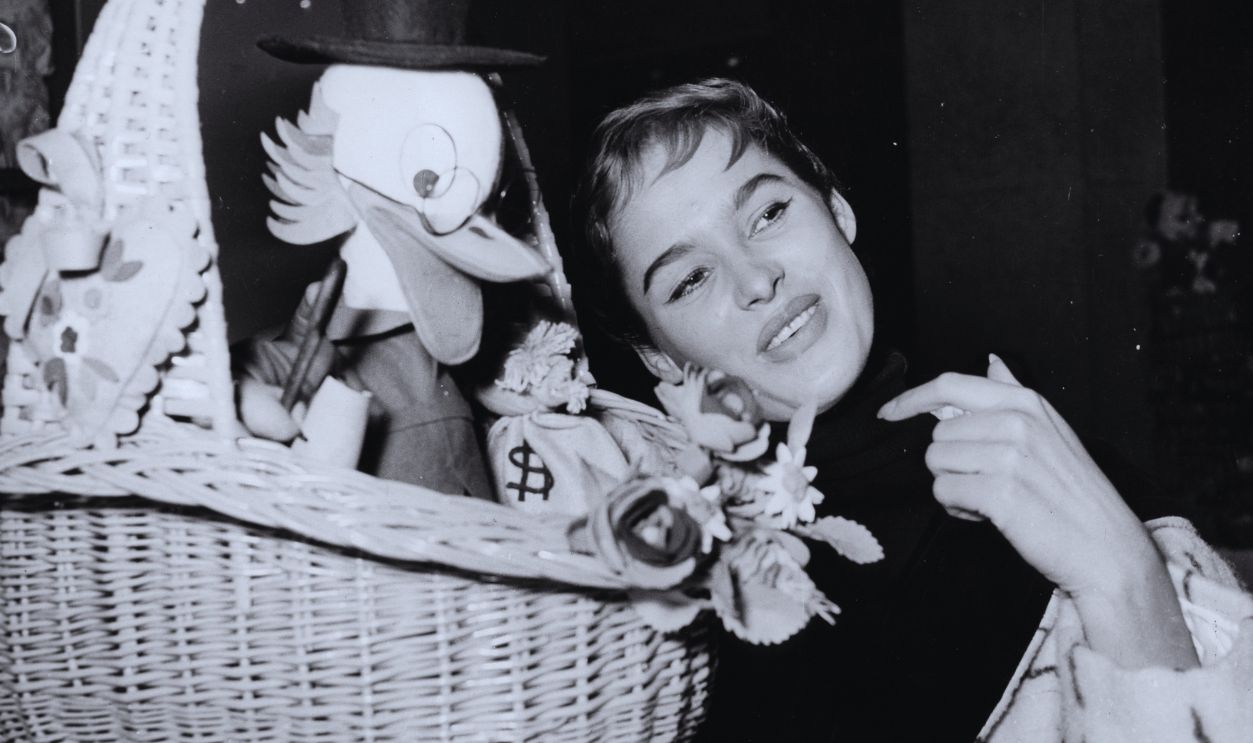
Andress attracted attention from American studios during the 1950s and was signed by Paramount and later Columbia. Neither contract produced the breakthrough Hollywood expected from her striking appearance. She remained a promising newcomer rather than an established actress.
 ullstein bild Dtl., Getty Images
A Photograph Opened The Right Door
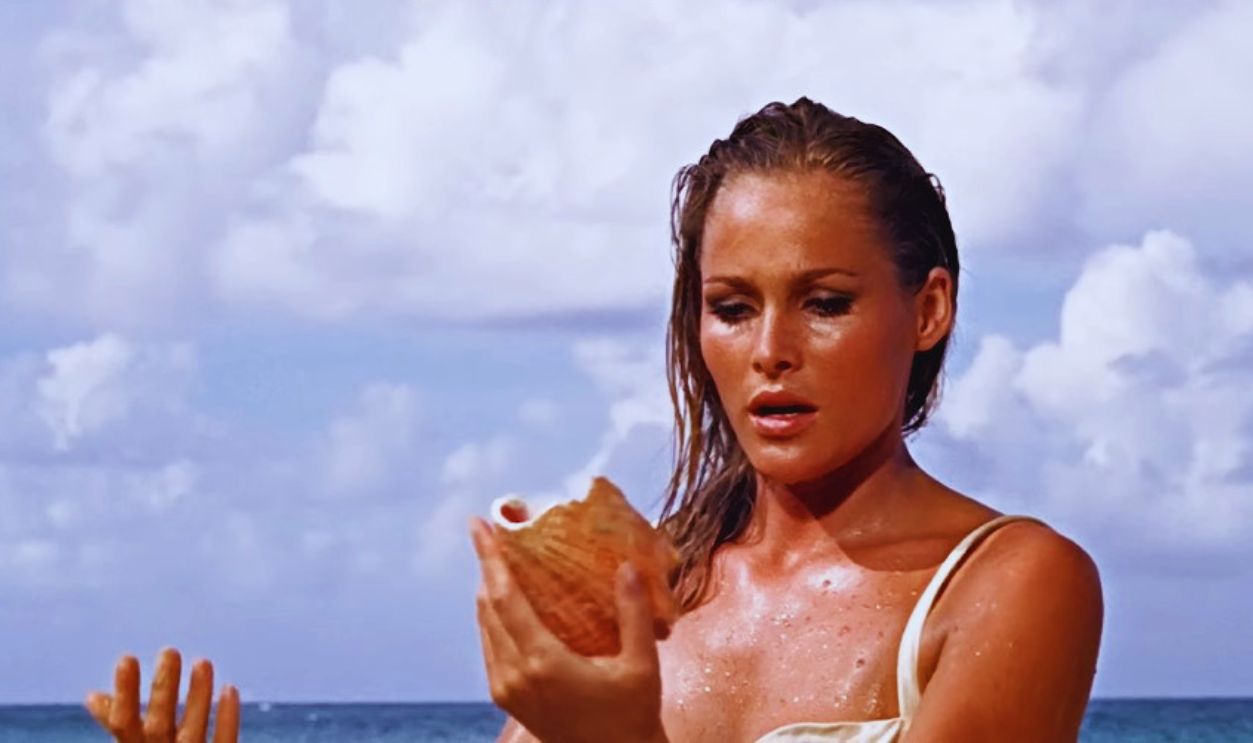
A photograph taken by her husband, actor and director John Derek, eventually helped Andress secure an audition for Dr. No. She was still hesitant about accepting the relatively small British production. According to Andress, family friend Kirk Douglas read the screenplay aloud and encouraged her to take the opportunity.
 Screenshot from Dr. No, United Artists (1962)
The Bond Film Looked Like A Gamble
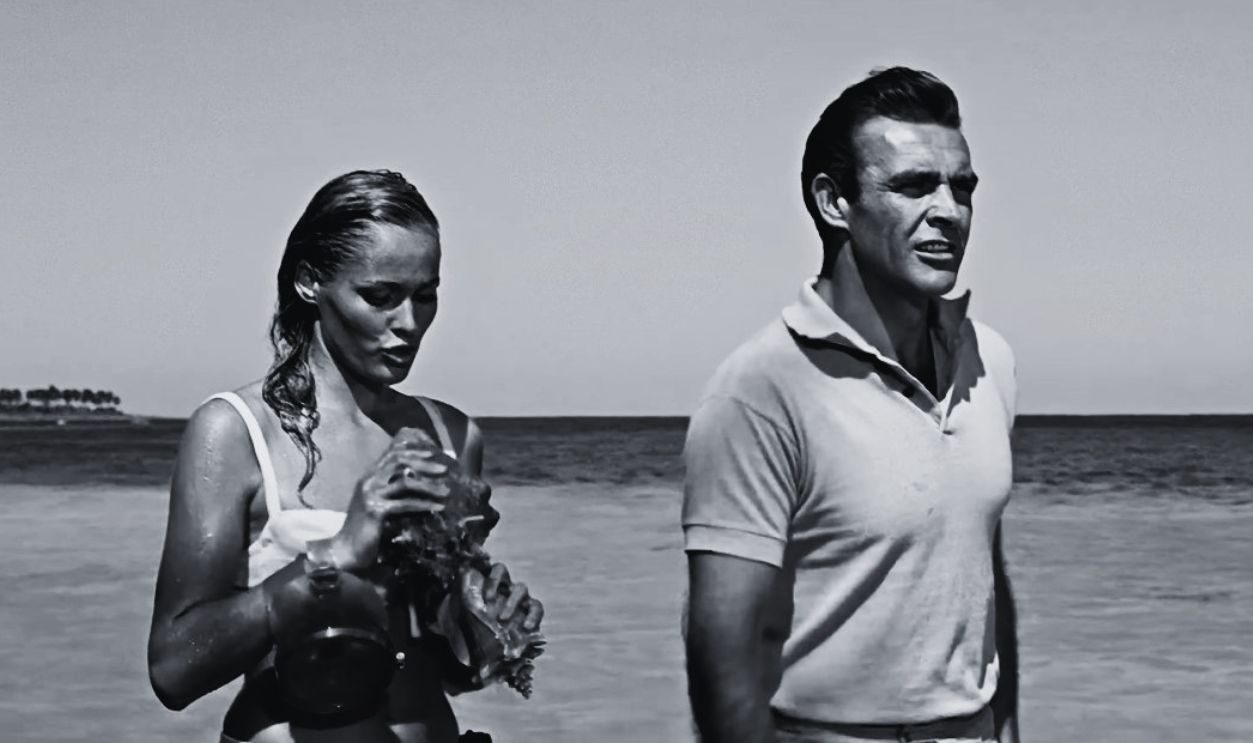
Dr. No was produced on a modest budget with Sean Connery, who was not yet a major international star. Andress liked the prospect of filming in Jamaica, but she did not expect the movie to receive enormous attention. That assumption allowed her to approach Honey Ryder without worrying about instant celebrity.
 Screenshot from Dr. No, United Artists (1962)
Honey Ryder Made A Fearless Arrival
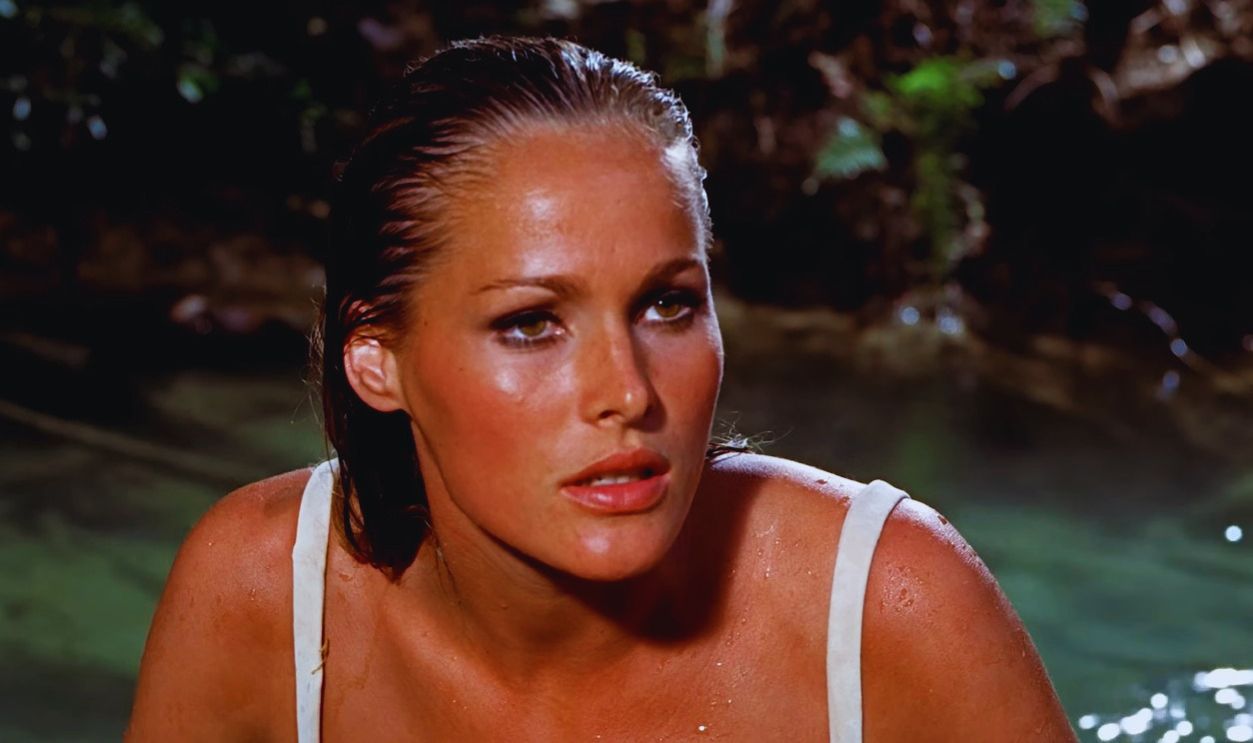
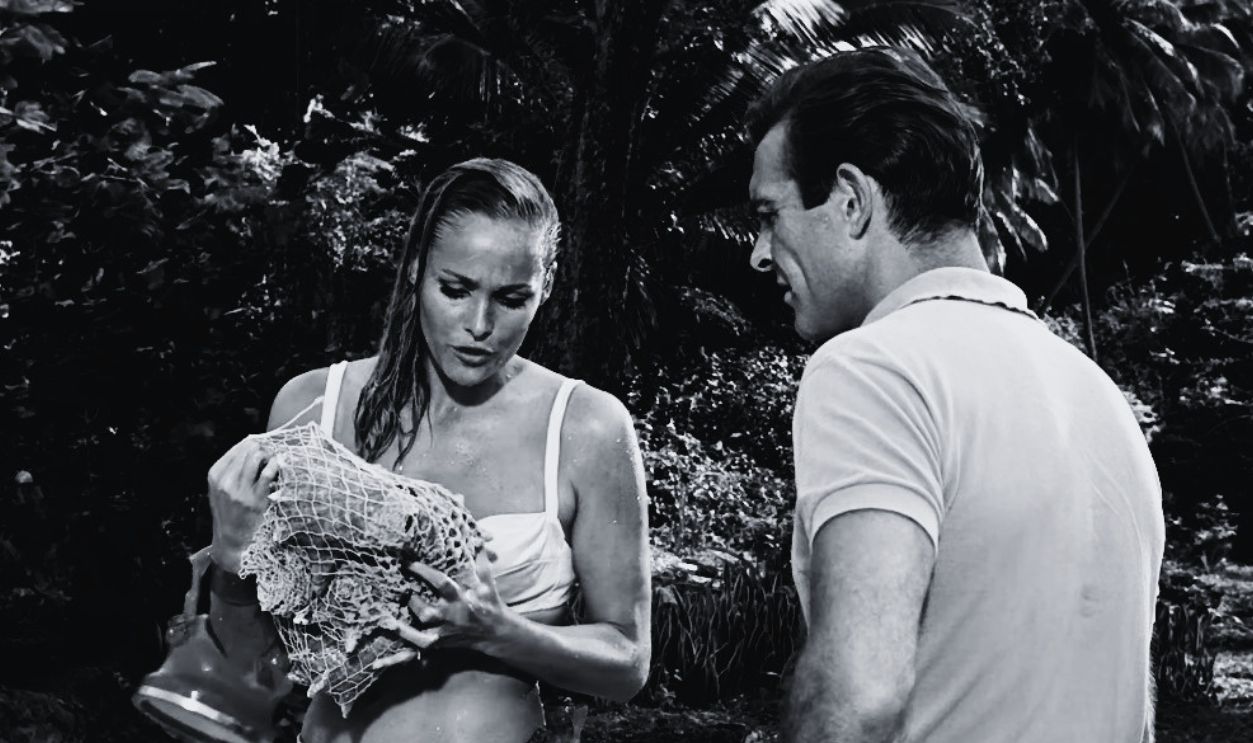
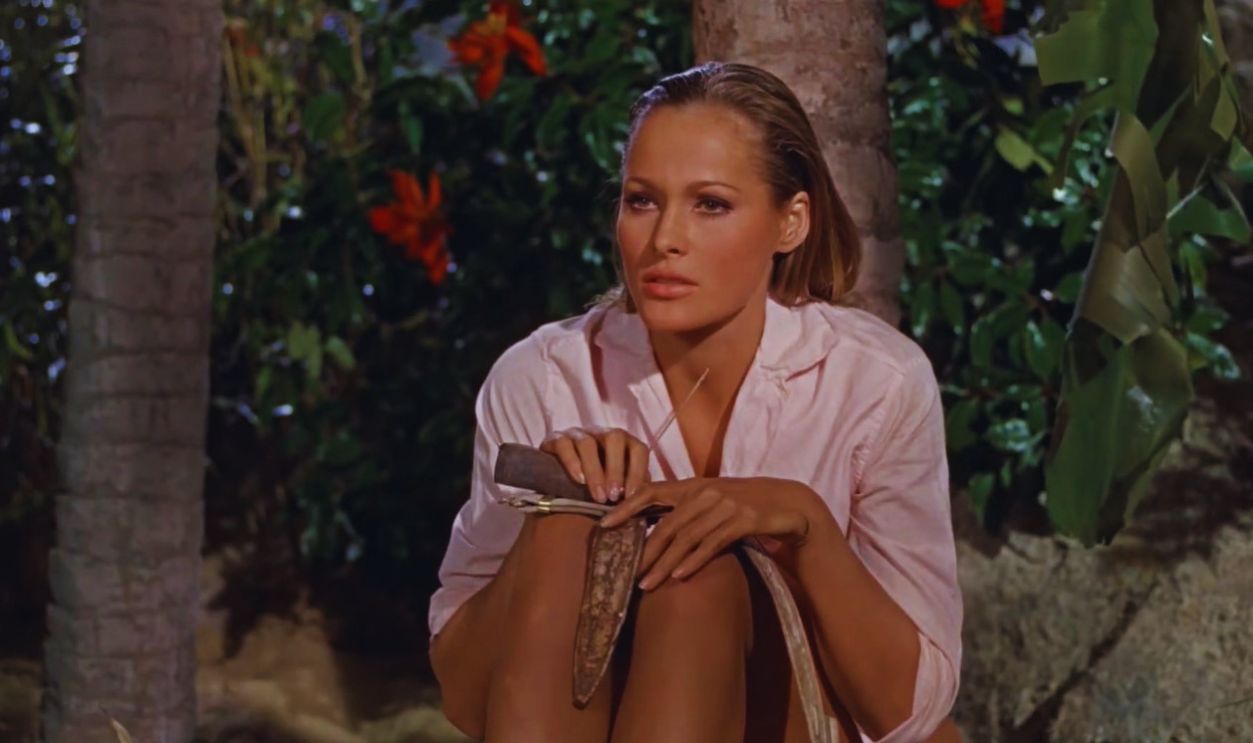
Honey first appears collecting shells on the fictional island of Crab Key. She emerges from the water singing before Bond surprises her on the beach. Honey responds by reaching for the knife fastened to her hip, immediately showing that she can defend herself.
 Screenshot from Dr. No, United Artists (1962)
The Bikini Was Built For Action
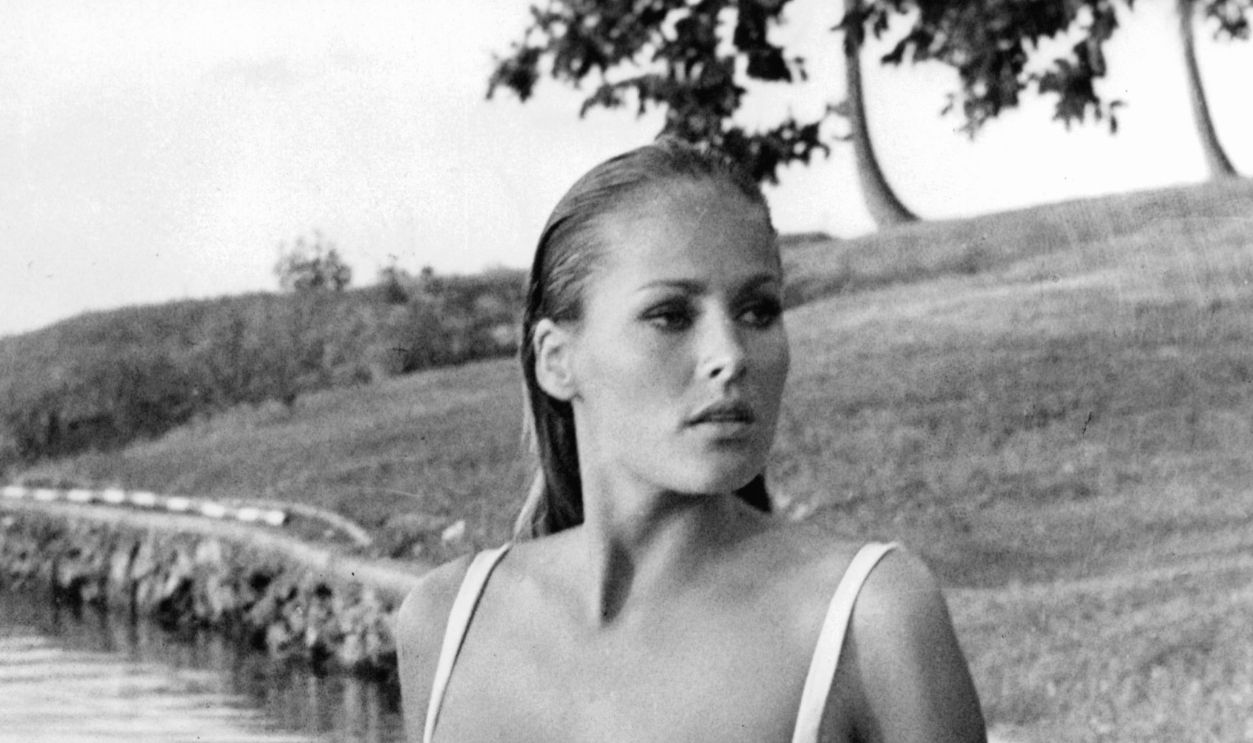
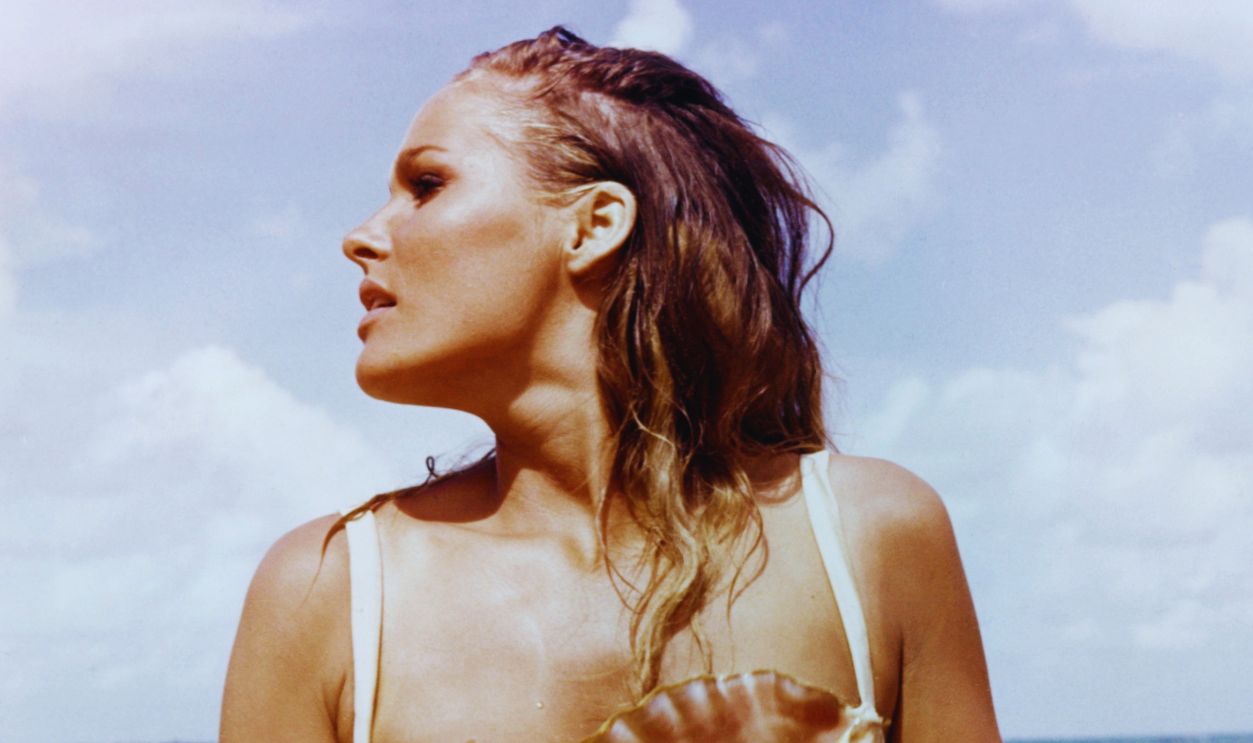
Andress helped director Terence Young design Honey’s ivory bikini. A Jamaican dressmaker constructed it using one of Andress’ own underwired bras. The costume was intended to survive the swimming, running, diving, and physical action required by the role.
 Screenshot from Dr. No, United Artists (1962)
There Was No Backup Costume
Only one version of the bikini was made for the production. Andress performed her own stunt work and recalled suffering painful scrapes on coral while filming. The costume therefore had to be practical as well as visually memorable.
The Famous Shot Was Surprisingly Simple
Andress initially expected filmmakers to create an elaborate photographic effect around her emergence from the water. Instead, the production simply filmed her walking out of the sea. The straightforward approach placed all the attention on her confident movement and athletic appearance.
She Presented A Different Kind Of Glamour
Andress looked stronger and more athletic than many screen sirens promoted during the previous decade. Honey’s knife, commanding posture, and wary attitude made her appear capable rather than helpless. That combination helped the brief sequence feel more powerful than a standard swimsuit reveal.
 Screenshot from Dr. No, United Artists (1962)
Audiences Did Not Hear Her Voice
Andress’ Swiss-German accent was considered too strong for the character, so actress Nikki van der Zyl re-recorded Honey’s dialogue. Van der Zyl also supplied the character’s singing voice in the film. The dubbing went uncredited, a common practice in European and British productions of the period.
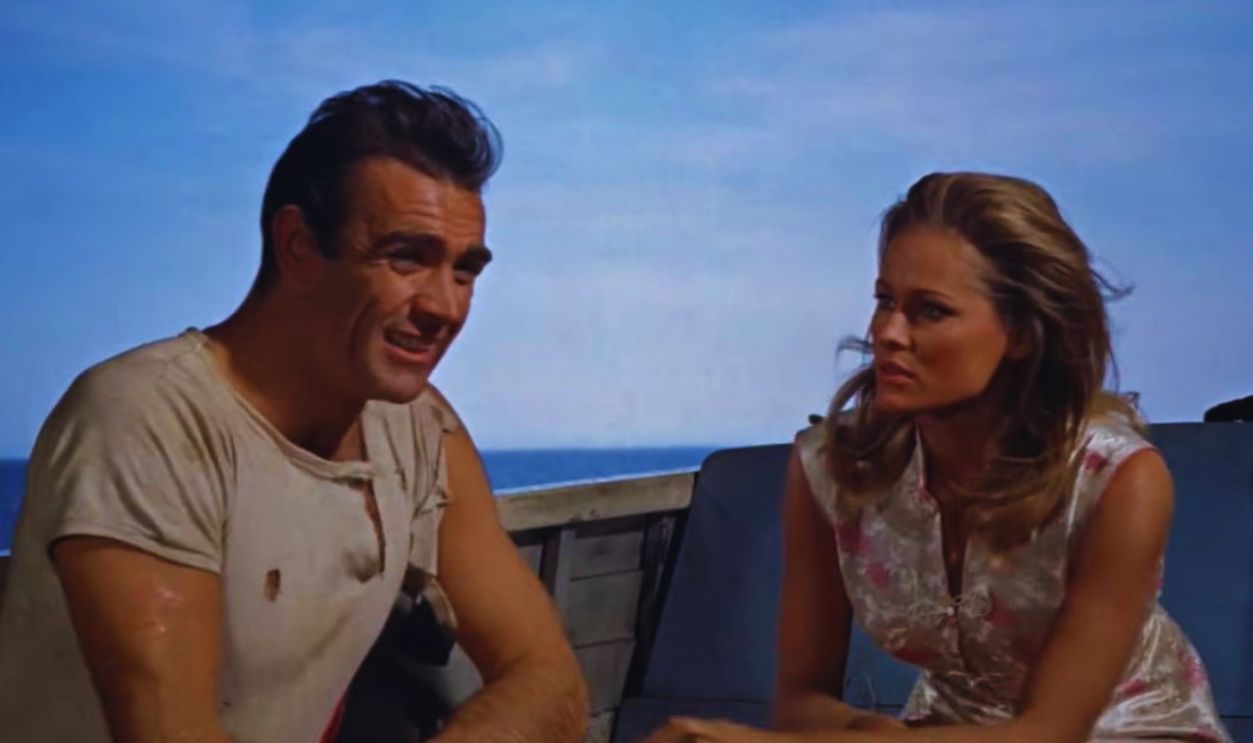 Screenshot from Dr. No, United Artists (1962)
A Modest Production Launched A Giant Franchise
Released in Britain in 1962, Dr. No became the first entry in the long-running Eon Productions Bond series. Its exotic locations, humor, production design, and confident leading performances created a template for future installments. Andress became one of the film’s most recognizable attractions.
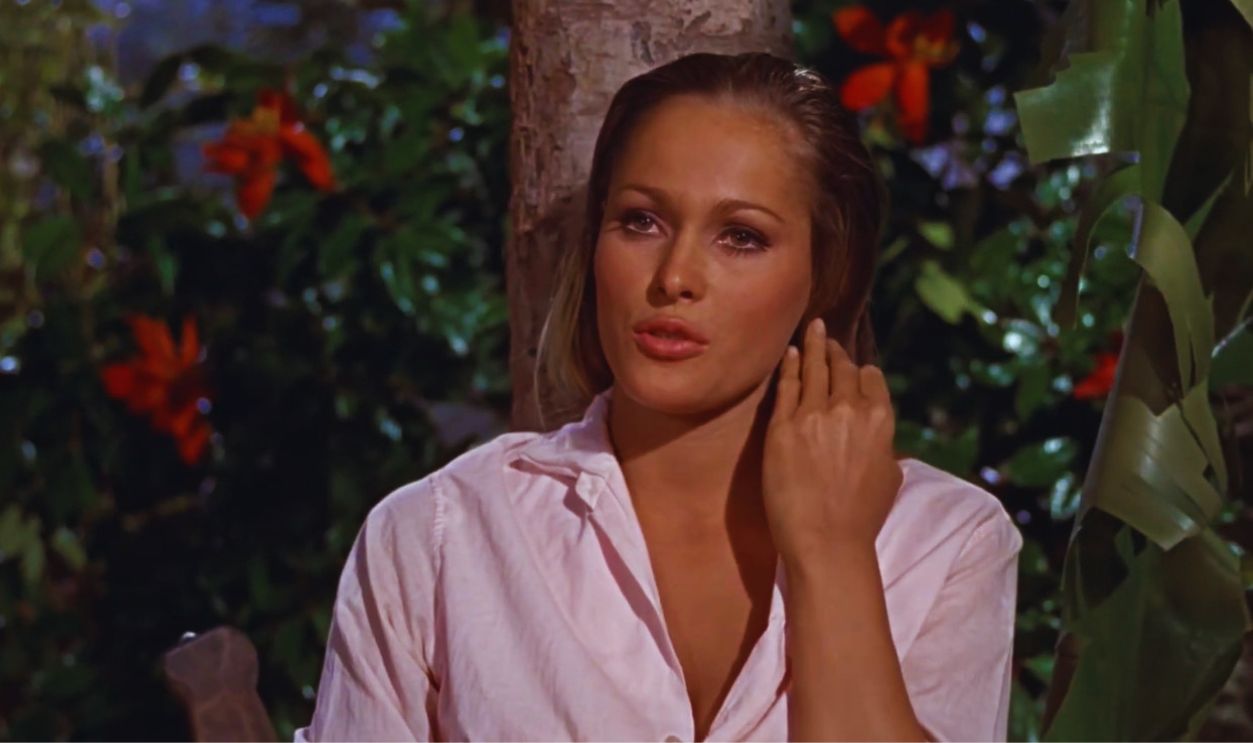 Screenshot from Dr. No, United Artists (1962)
The Awards Quickly Followed
Andress won the Golden Globe for New Star of the Year for her performance as Honey Ryder. She later received another Golden Globe as a World Film Favorite in 1966. The honors confirmed that her impact extended beyond a single publicity photograph.
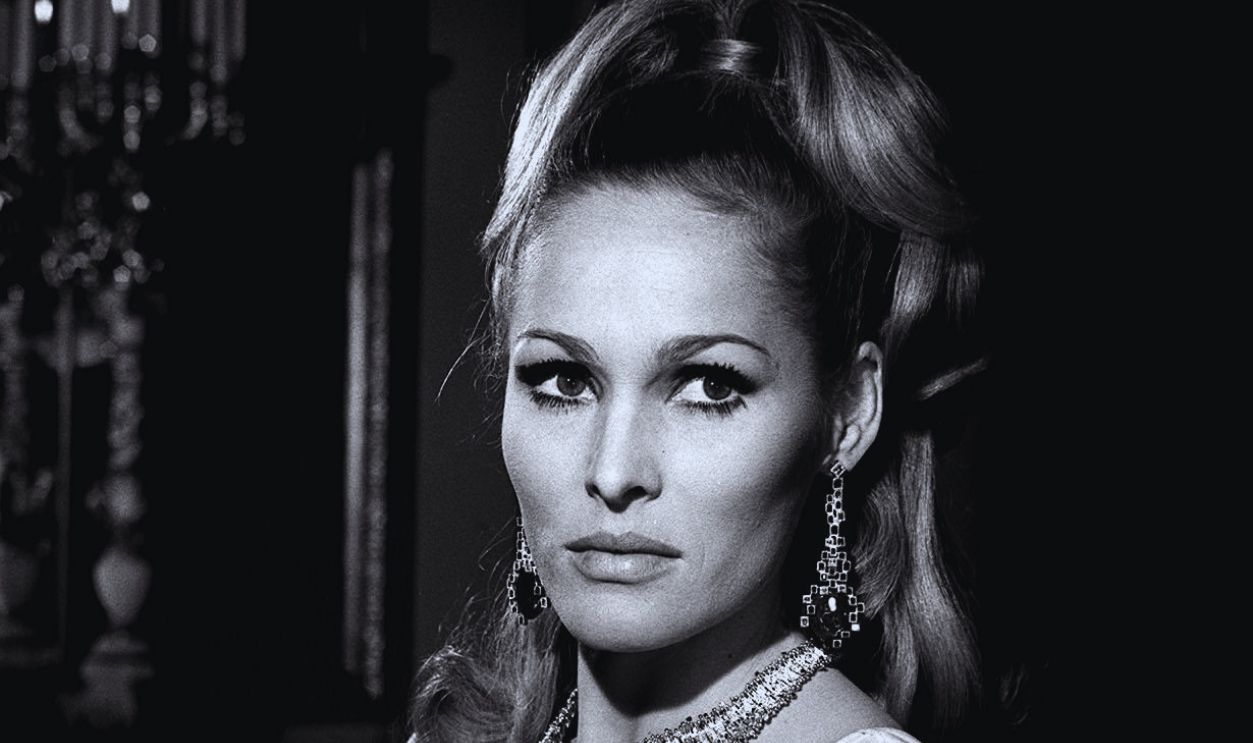
The Bikini Gave Her Independence
Andress later credited the bikini with making her successful and financially independent. Her new status allowed her to choose among offers rather than wait for studios to notice her. The irony was that the image giving her freedom also threatened to define every role that followed.
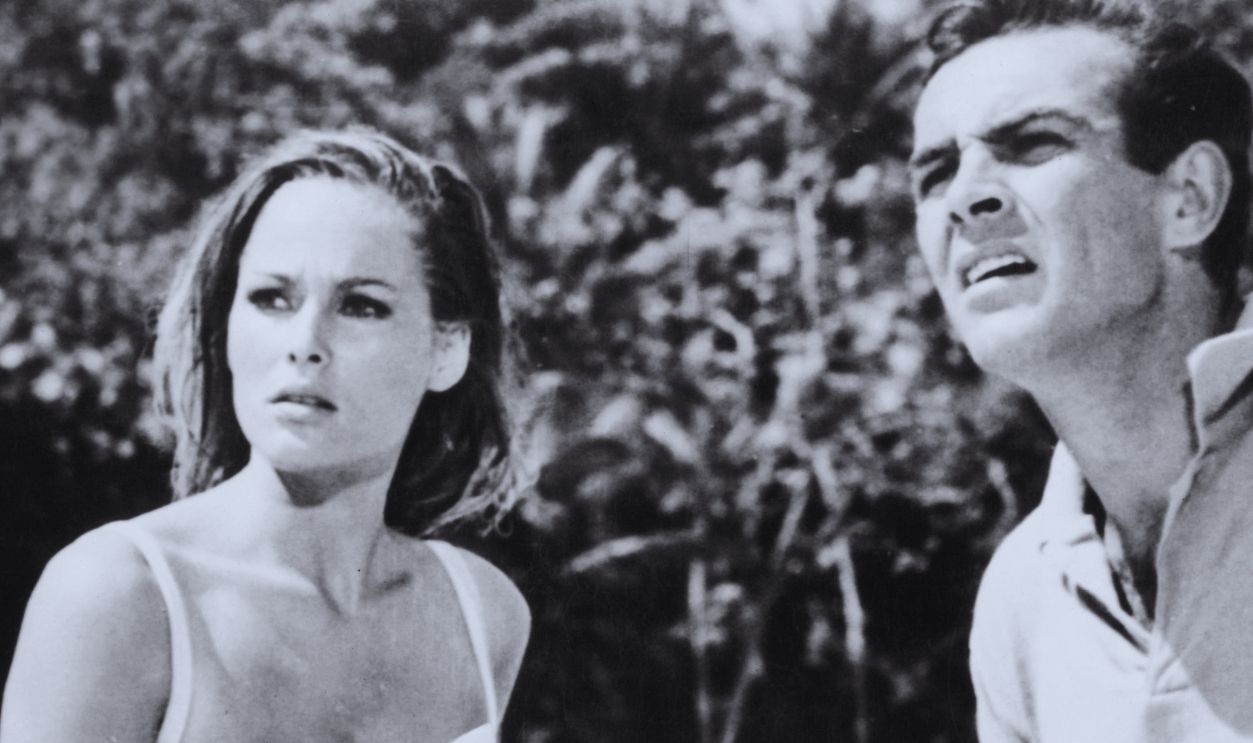
Elvis Presley Came Calling
Her first major post-Bond assignment placed her opposite Elvis Presley in the 1963 musical Fun in Acapulco. Andress played Marguerita Dauphin, the woman who captures Presley’s attention in Mexico. The production proved how quickly she had entered the company of established stars.
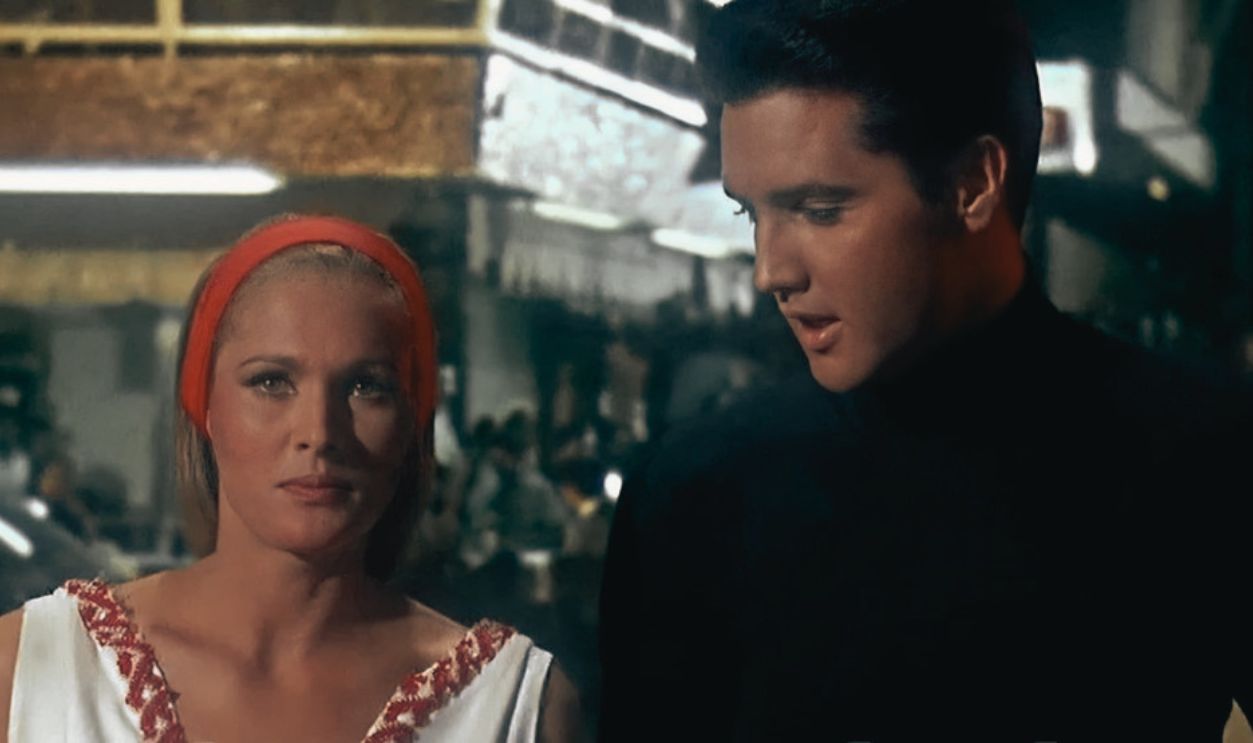 Screenshot from Fun in Acapulco, Paramount Pictures (1963)
She Joined Hollywood’s Biggest Names
Andress appeared with Frank Sinatra, Dean Martin, and Anita Ekberg in the Western comedy 4 for Texas. She later joined Peter Sellers, Peter O’Toole, Romy Schneider, and Woody Allen in What’s New Pussycat? Her presence became an easy way for producers to give international productions an extra dose of glamour.
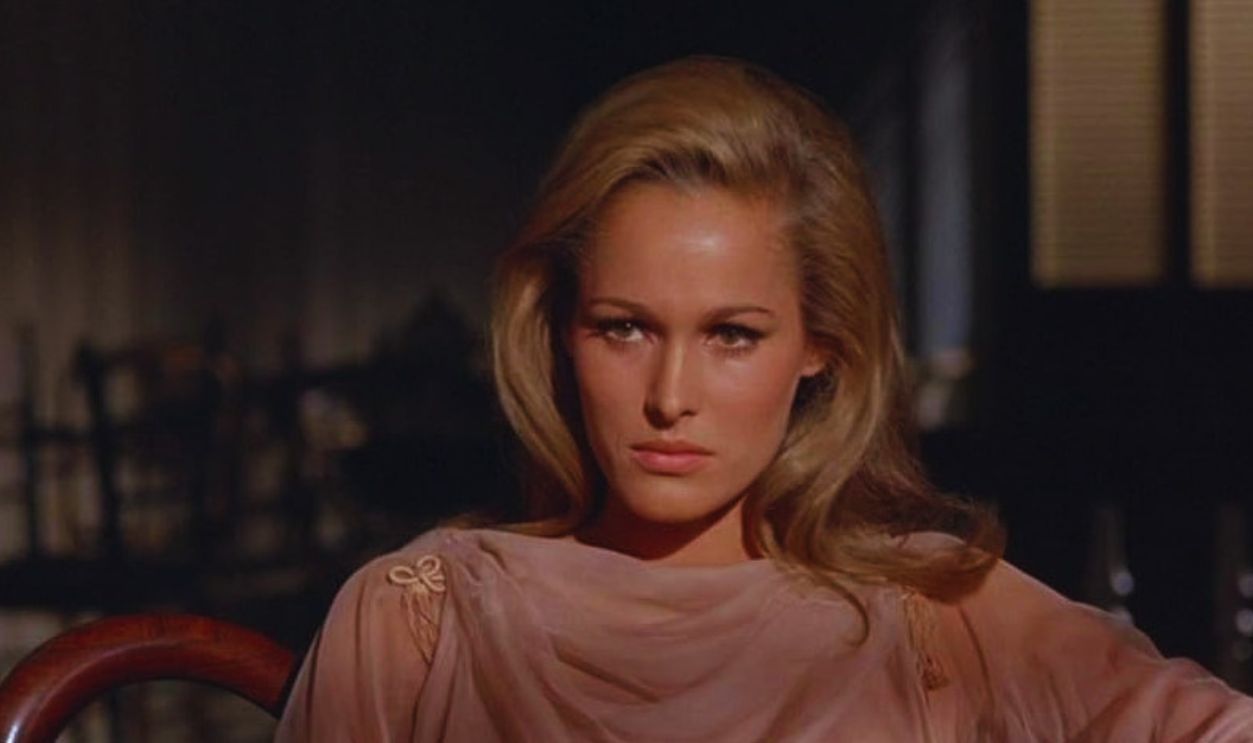 Screenshot from 4 for Texas, Warner Bros. Pictures (1963)
Hammer Built A Spectacle Around Her
Hammer Films cast Andress as the immortal ruler Ayesha in its 1965 adventure She. It was the studio’s first production built around a female star and one of its most expensive films at the time. Andress later said she disliked the role but adored the elaborate costumes and flattering photography.
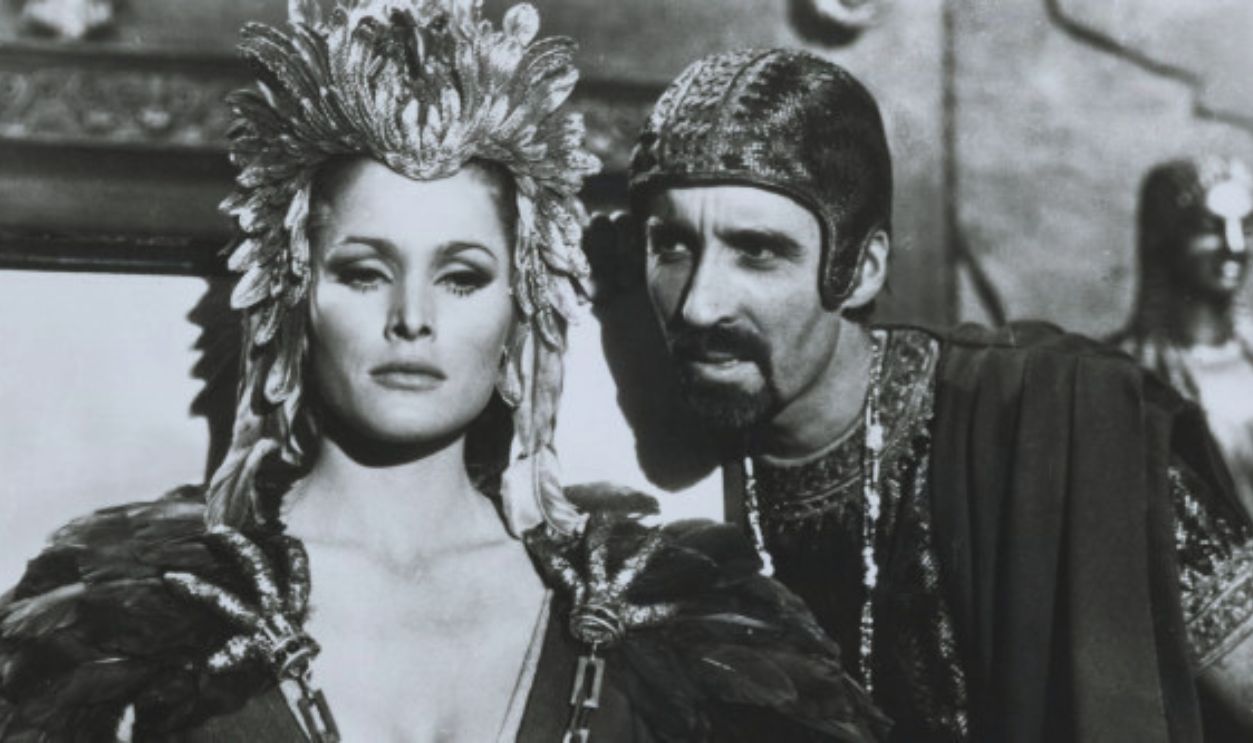 Screenshot from She, Metro-Goldwyn-Mayer (1965)
Science Fiction Let Her Have More Fun
That same year, Andress appeared opposite Marcello Mastroianni in The 10th Victim. The Italian production imagined a televised future in which professional hunters pursued one another for fame and money. Its colorful fashion, comic action, and celebrity satire eventually helped it become a cult favorite.
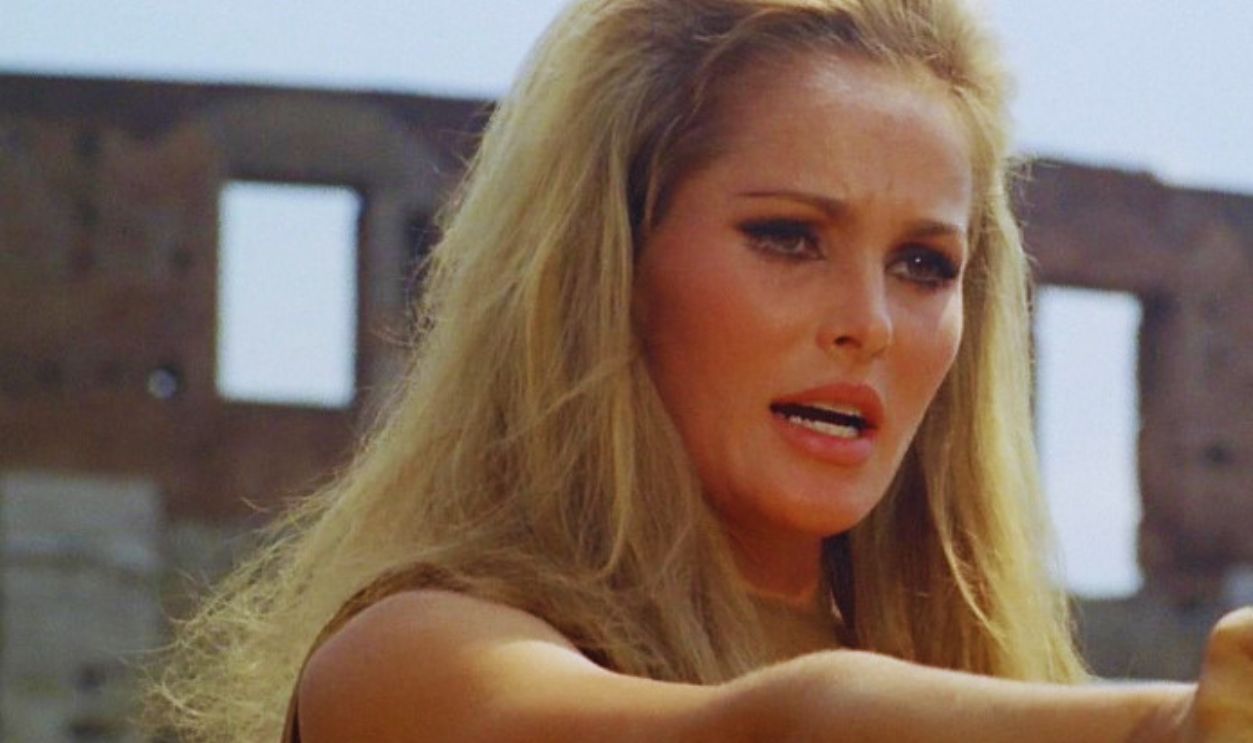 Screenshot from The 10th Victim, Embassy Pictures (1965)
Europe Offered A Wider Playground
Andress increasingly divided her career among American, British, French, Italian, and other European productions. Working internationally kept her busy without tying her to one studio or national film industry. It also allowed her to maintain a life outside the traditional Hollywood system.
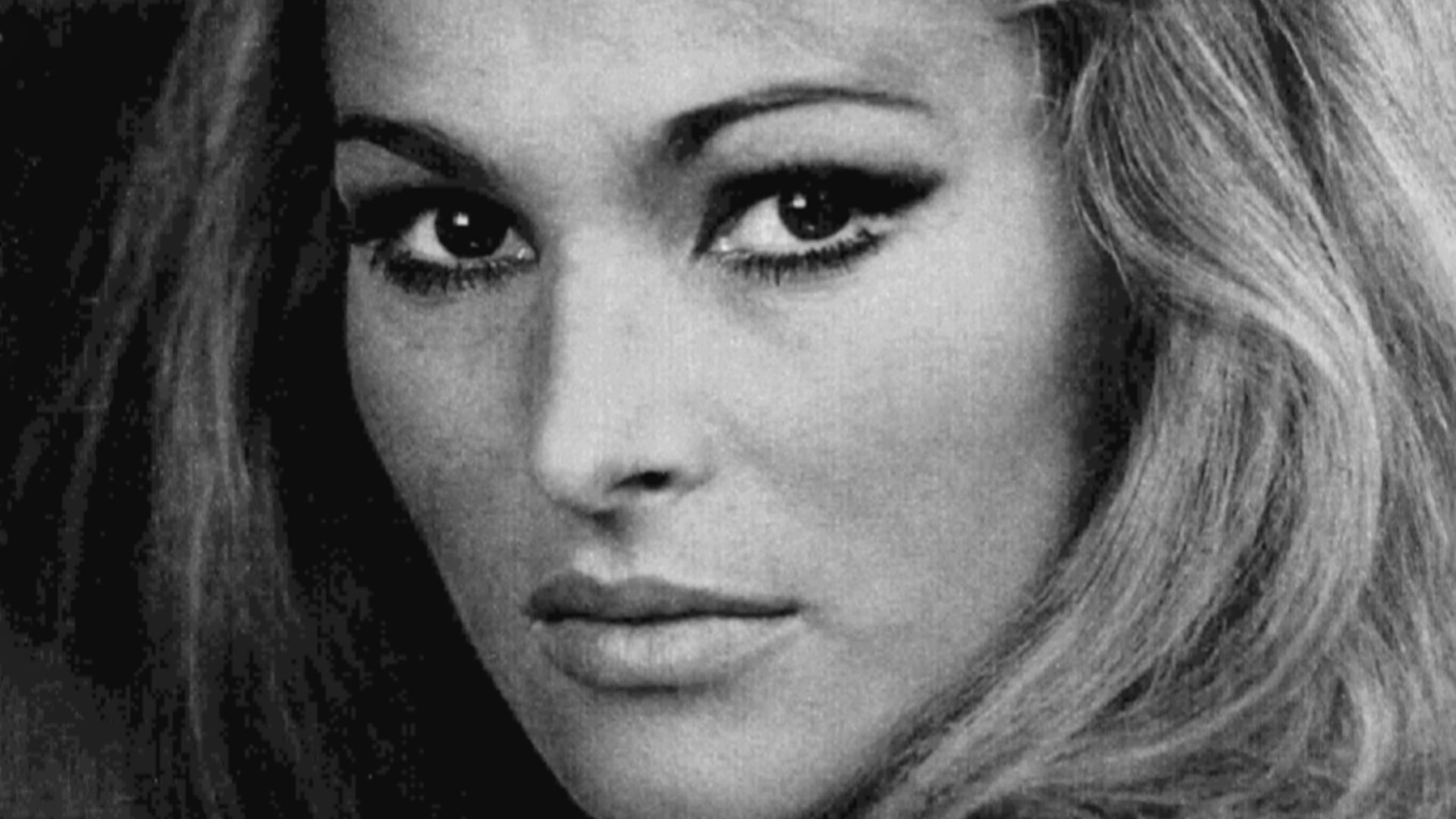 Radiocorriere TV - RAI - RadioTelevisione Italiana., Wikimedia Commons
Bond Returned In A Much Stranger Form
Andress returned to Ian Fleming’s world in the chaotic 1967 spoof Casino Royale. She played Vesper Lynd opposite Peter Sellers, while David Niven portrayed an older James Bond. The comedy had no connection to the official Eon series, but it showed how inseparable Andress had become from Bond culture.
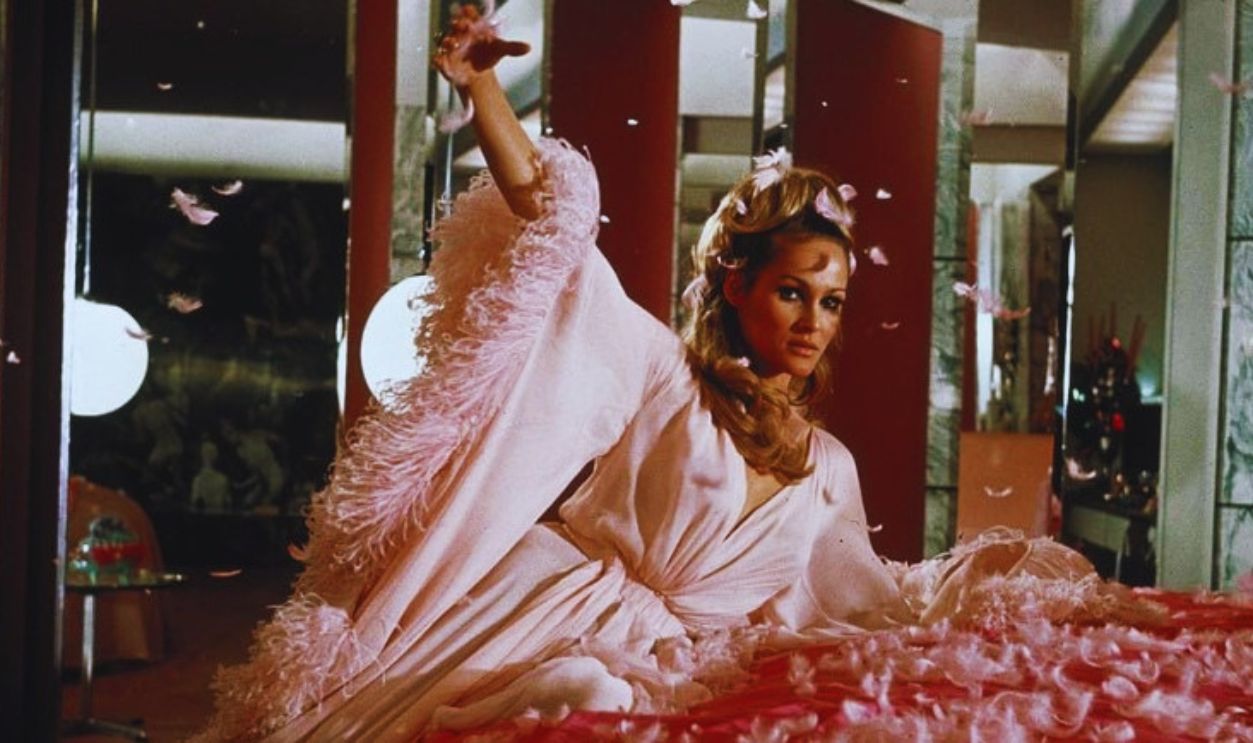 Screenshot from Casino Royale, Columbia Pictures (1967)
She Rode Into An International Western
In 1971, Andress appeared in Red Sun alongside Charles Bronson, Toshirō Mifune, Alain Delon, and Capucine. The Western combined American, European, and Japanese stars in one production. It was exactly the kind of globe-spanning project that had become central to her career.
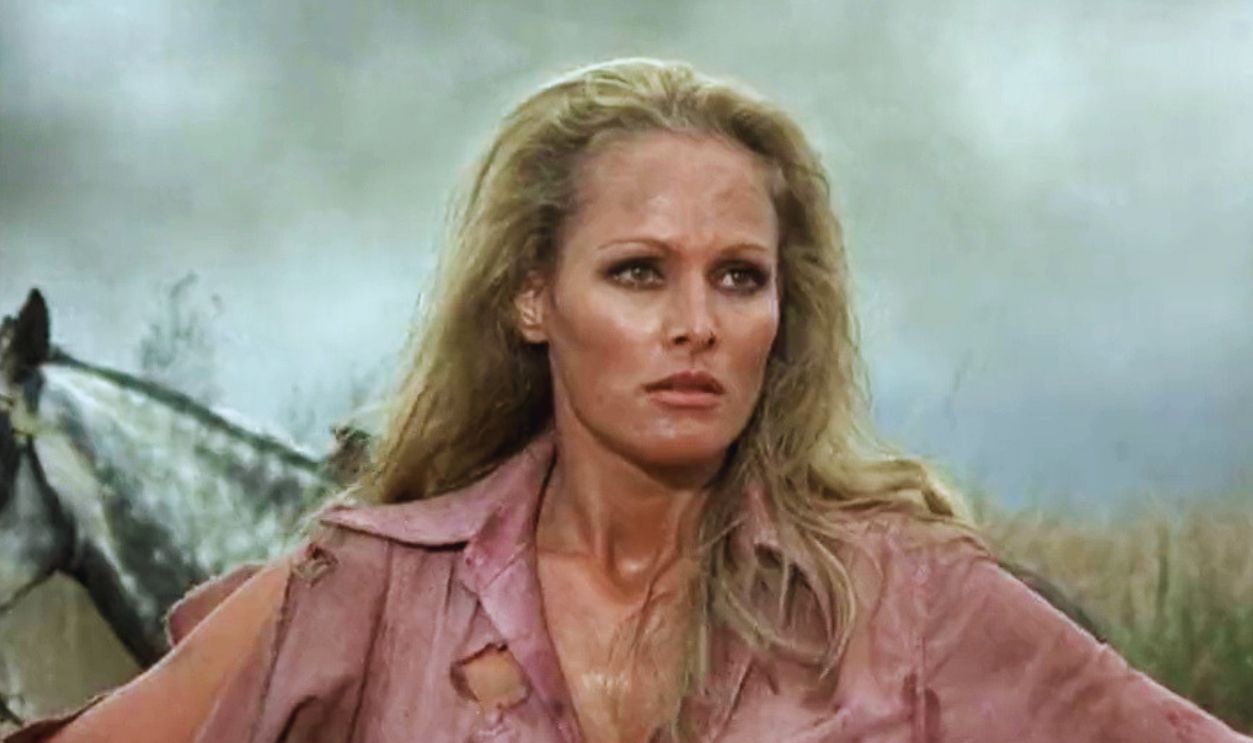 Screenshot from Red Sun, National General Pictures (1971)
Her Image Became Both An Asset And A Trap
Producers repeatedly cast Andress as a beautiful, mysterious woman desired by powerful male characters. Publicity campaigns often emphasized her appearance more heavily than her acting. She used that attention professionally, but she never seemed interested in living permanently inside the fantasy created around her.
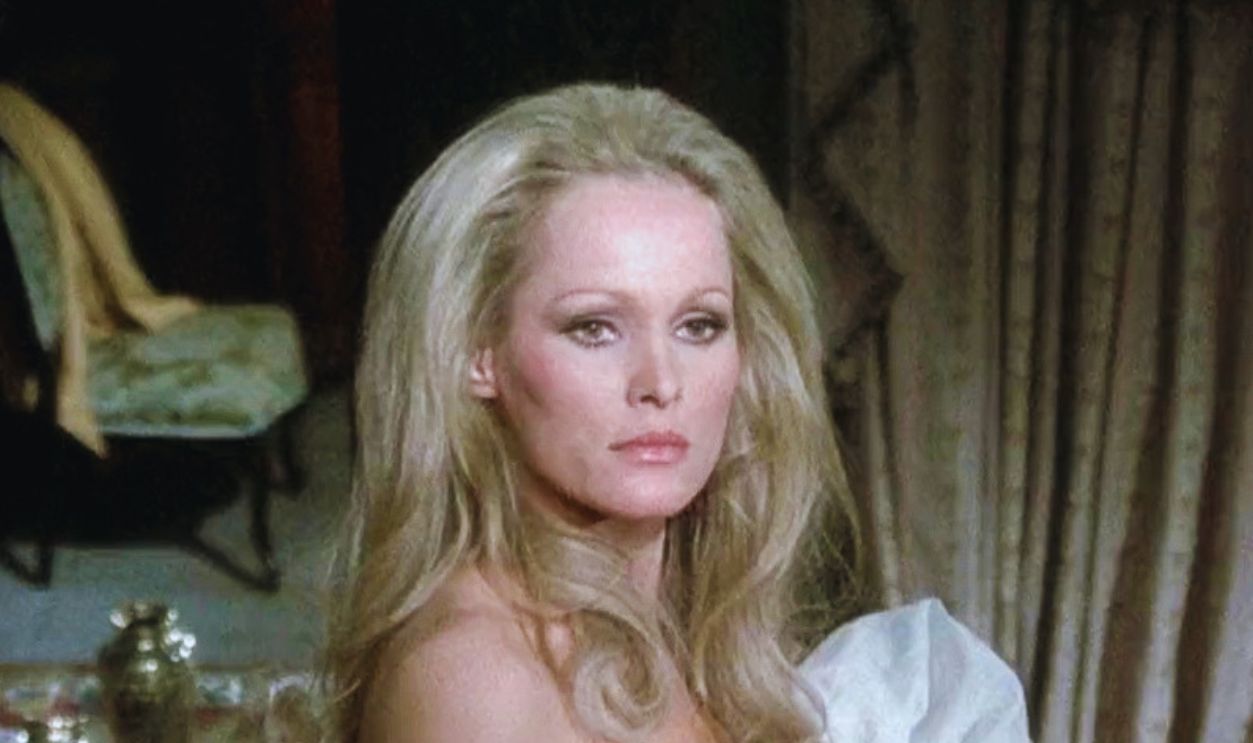 Screenshot from Red Sun, National General Pictures (1971)
A Goddess Role Changed Her Private Life
Andress played Aphrodite in the 1981 fantasy adventure Clash of the Titans. During production, she began a relationship with younger costar Harry Hamlin, who played Perseus. The film became one of her last widely seen big-screen projects.
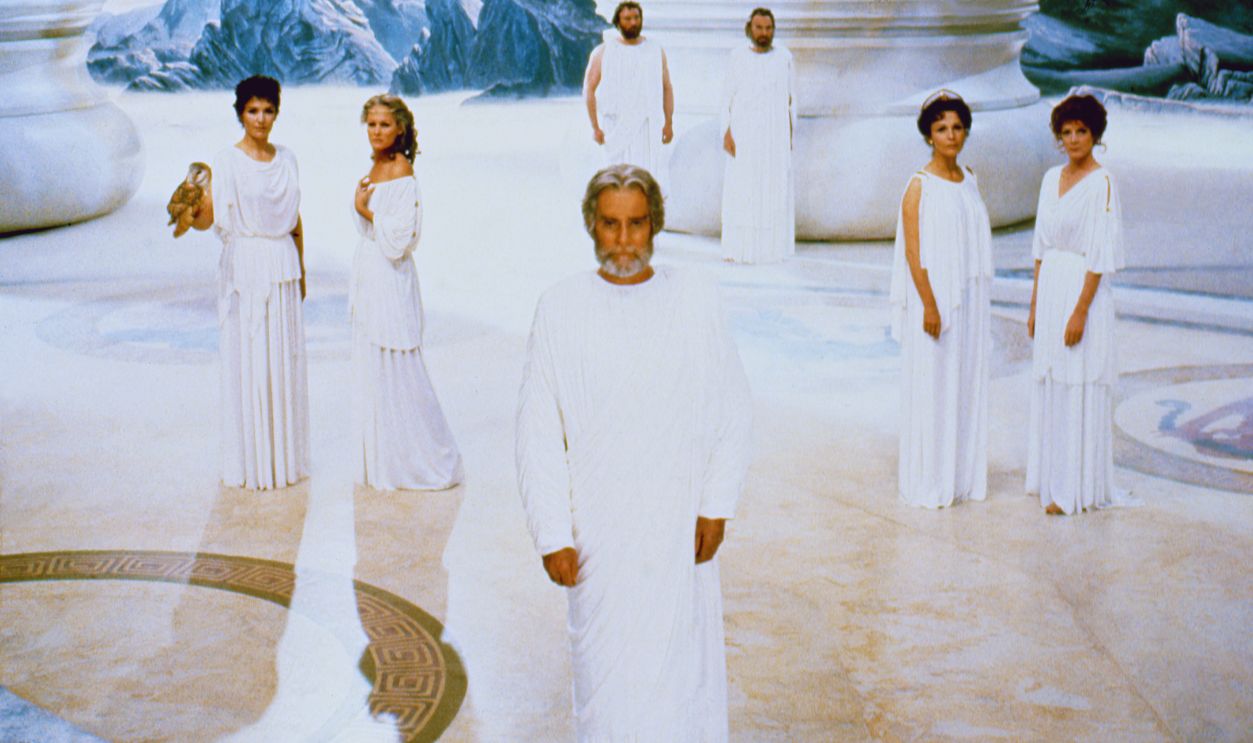 Sunset Boulevard, Getty Images
Motherhood Redefined Her Priorities
Andress and Hamlin welcomed their son, Dimitri, on May 19, 1980. She was 44 and described motherhood as a major new chapter after years of international travel and filmmaking. When her relationship with Hamlin ended in 1983, raising Dimitri became the center of her private life.
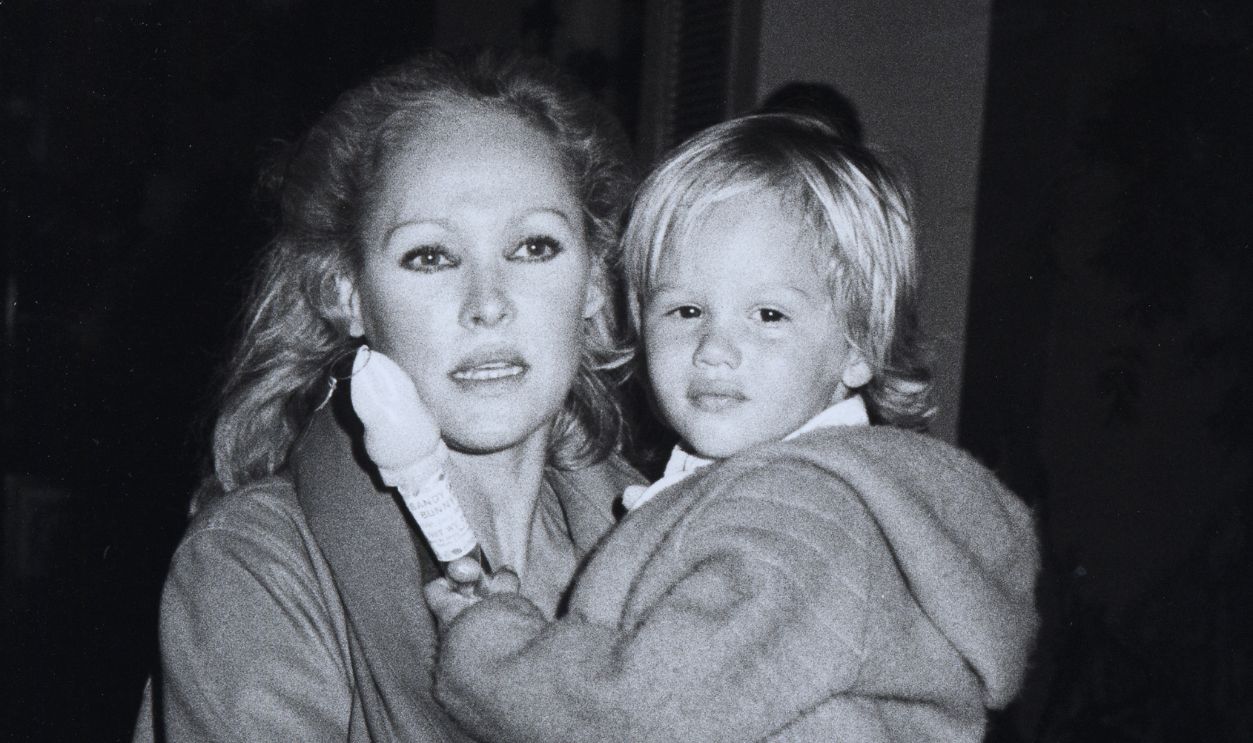
She Began Refusing Work
Andress later explained that she worked only sporadically because she was a single parent and regularly declined offers. Stardom no longer dictated her schedule or decisions. She chose time with her son over maintaining the nonstop visibility Hollywood expected.
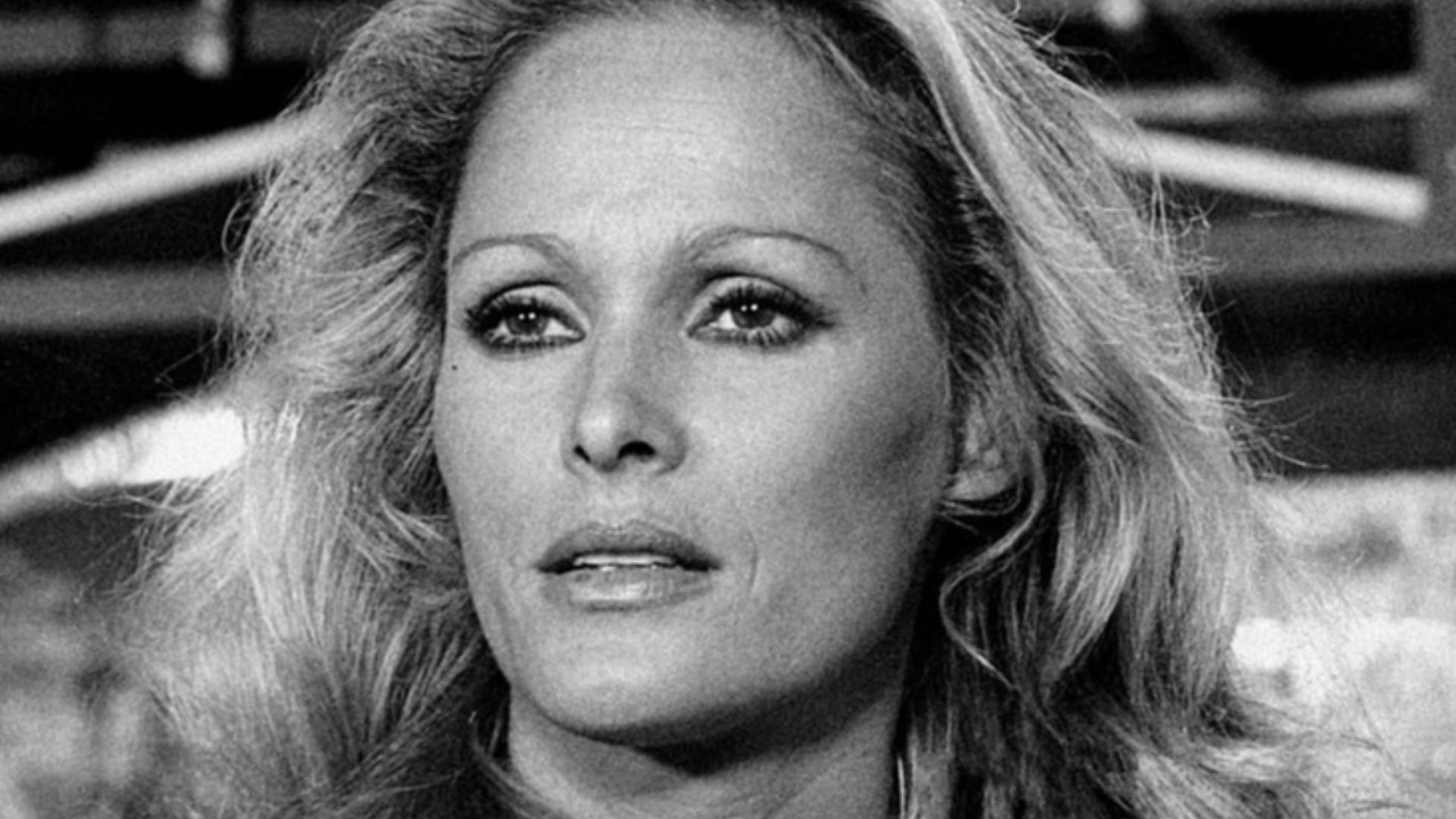 Unknown (Mondadori Publishers), Wikimedia Commons
Art Eventually Drew Her Back
One of her most unusual later appearances came in Matthew Barney’s experimental film Cremaster 5. Andress said she accepted the project because Barney pursued his artistic vision without making commercial success the priority. That attitude closely reflected her own growing distance from the business of celebrity.
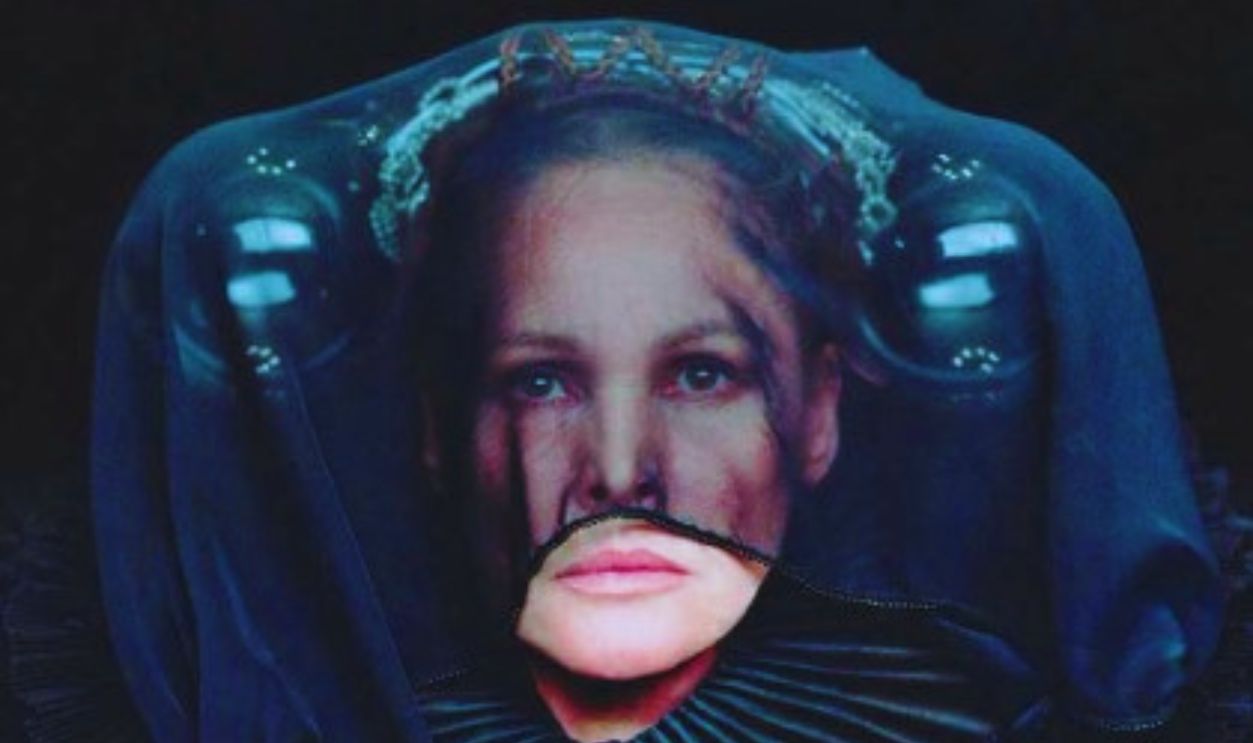 Screenshot from Cremaster 5, Gladstone Gallery (1997)
She Quietly Left Hollywood Behind
Andress continued making occasional films and television appearances, including work in Switzerland and Italy. One of her final screen roles was the Madonna in Clemens Klopfenstein’s 2005 Swiss production Die Vogelpredigt. After selling her Beverly Hills home in 2017, she spent most of her time in Rome and stayed largely outside public view.
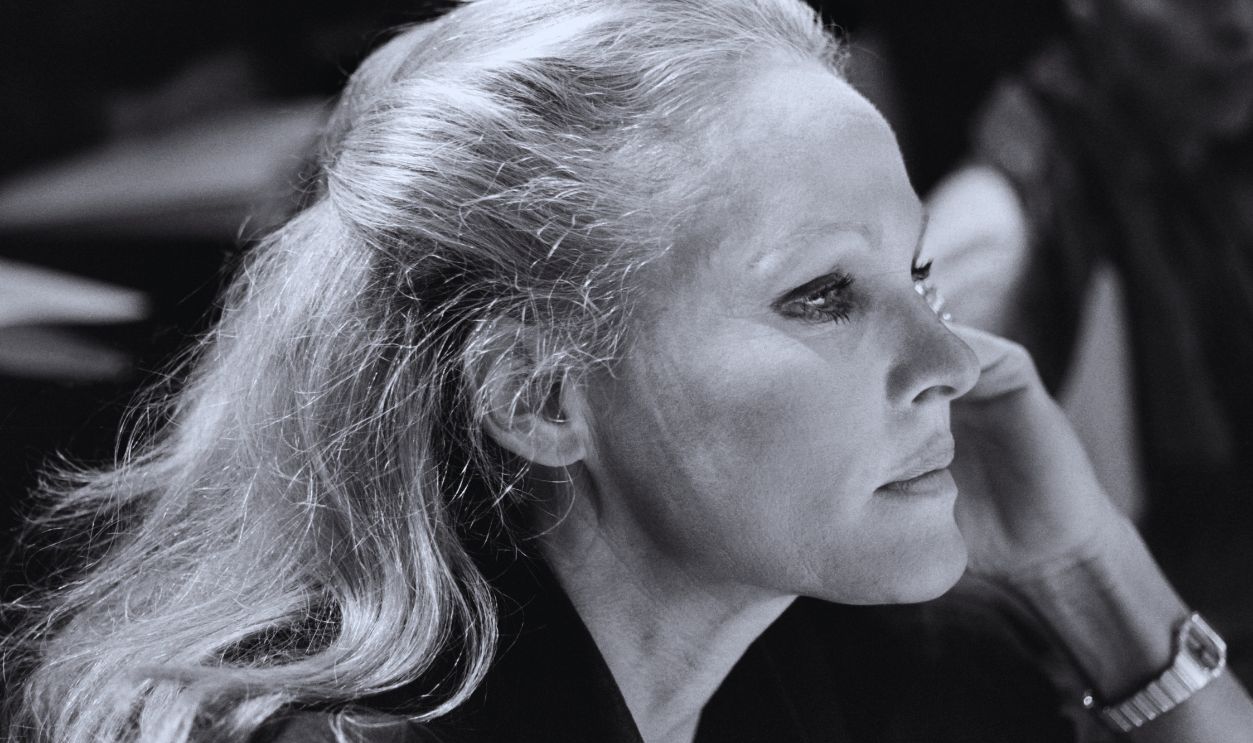
The Icon Remained While The Star Stepped Away
Andress once described fame as difficult and acting as an occupation that could cause real pain. She also acknowledged that she lacked the competitive ambition normally associated with lasting Hollywood careers. When she turned 90 in March 2026, she reportedly planned a quiet birthday at home in Rome, far from the spotlight that found her on a Jamaican beach.
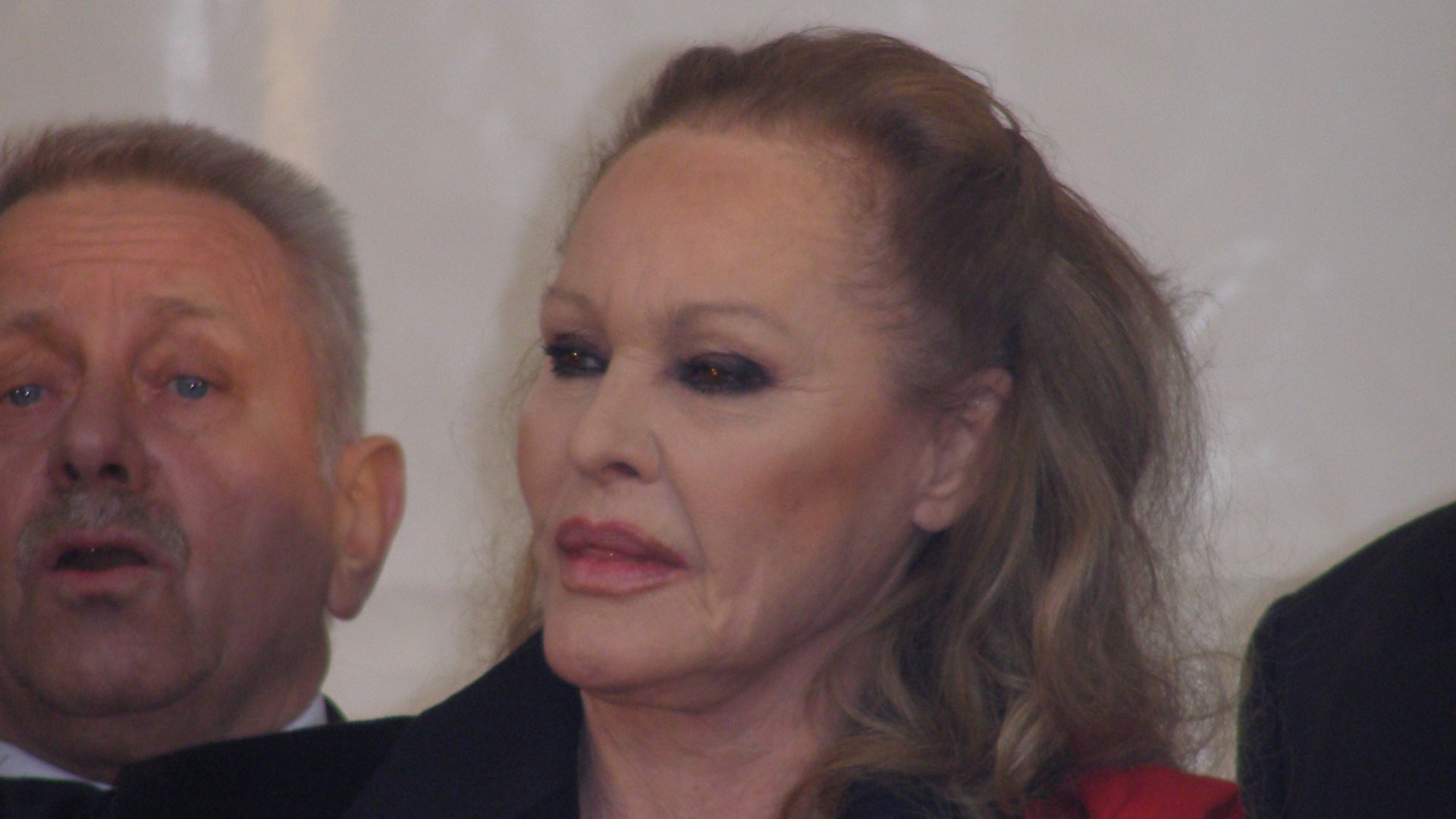 Erich Iseli, Wikimedia Commons
You May Also Like:
Barbara Bach Became One Of The 1970s’ Most Iconic Bond Girls—But Her Toughest Battle Began Offscreen