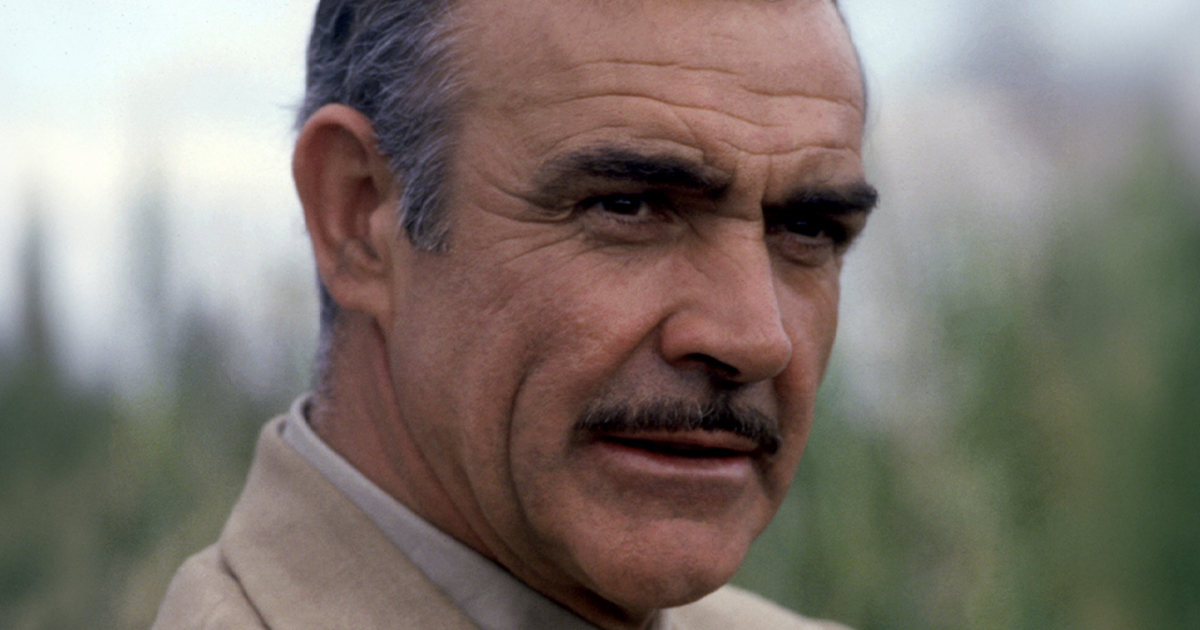
The Original Bond — And the Man Behind the Legend
Before he became the gold standard for cinematic cool, Sean Connery was a working-class kid from Edinburgh who once polished coffins and delivered milk.
By the time he died on October 31, 2020, in Nassau, Bahamas, he was a global icon — knighted, admired, and debated.
Because the legend was complicated.
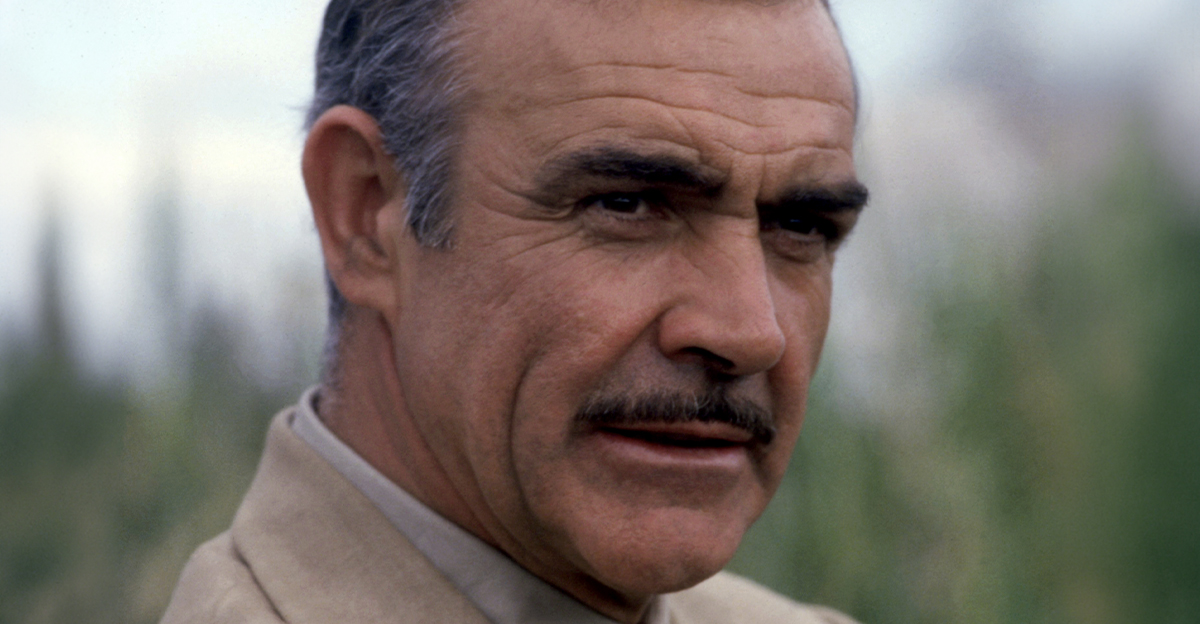 TPLP / Contributor, Getty Images
Born Into Hardship
Thomas Sean Connery was born on August 25, 1930, in Fountainbridge, Edinburgh, Scotland. His father, Joseph Connery, was a factory worker and lorry driver. His mother, Euphemia “Effie” McLean, worked as a cleaning woman.
Money was tight. Ambition was not.
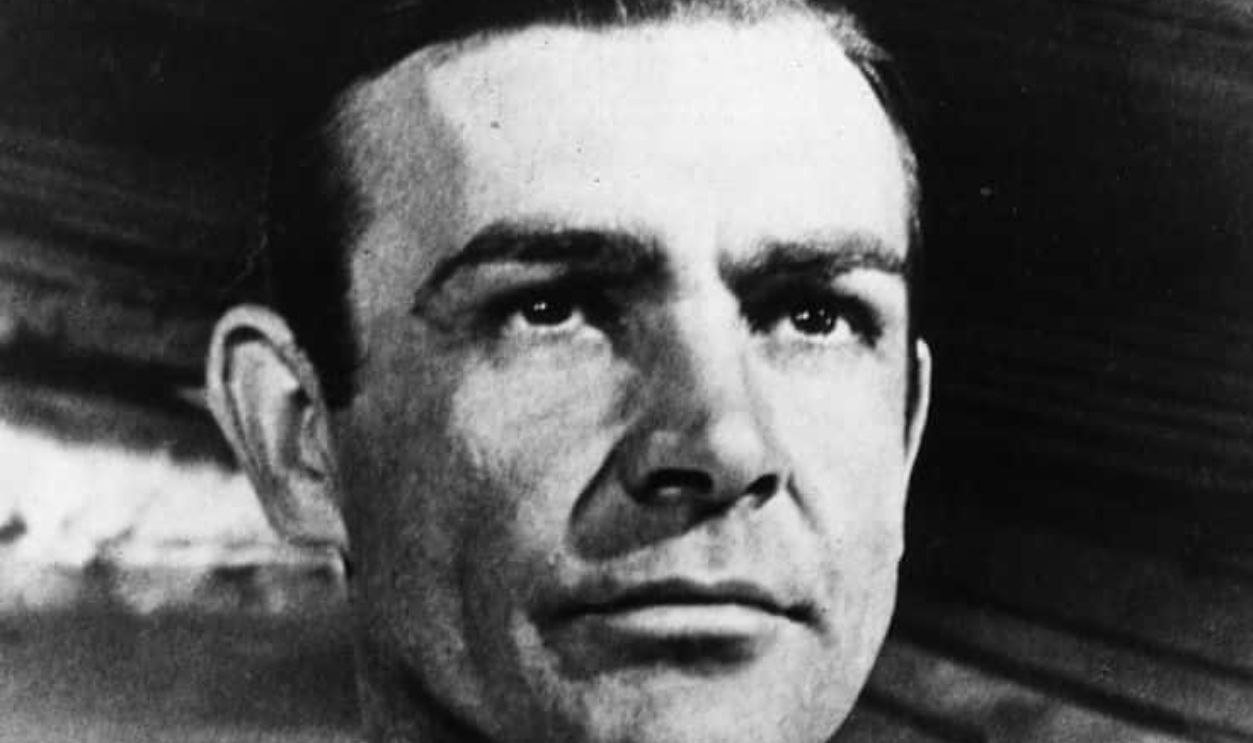
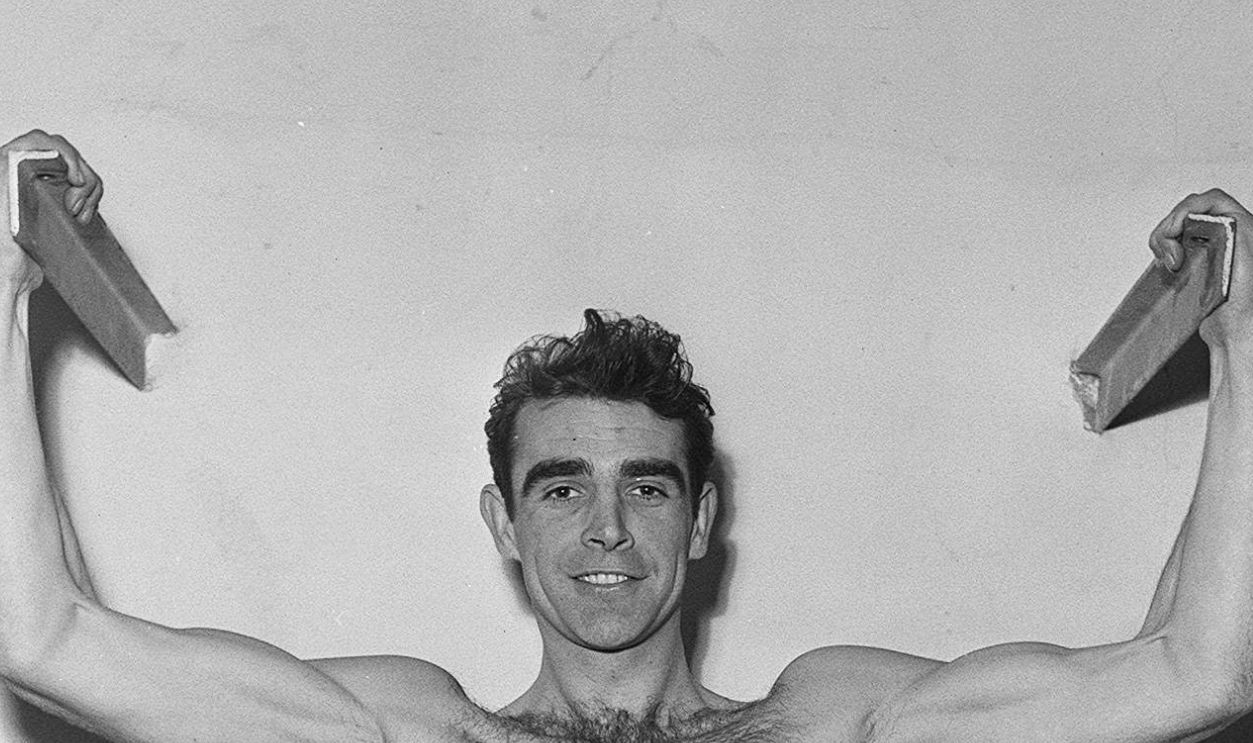
A Bodybuilder With Big Dreams
Before acting, Connery joined the Royal Navy at 16 (lying about his age), then later worked as a lifeguard, truck driver, and bodybuilder. In 1953, he placed third in the Mr. Universe contest in London.
That confidence would serve him well.
Becoming James Bond
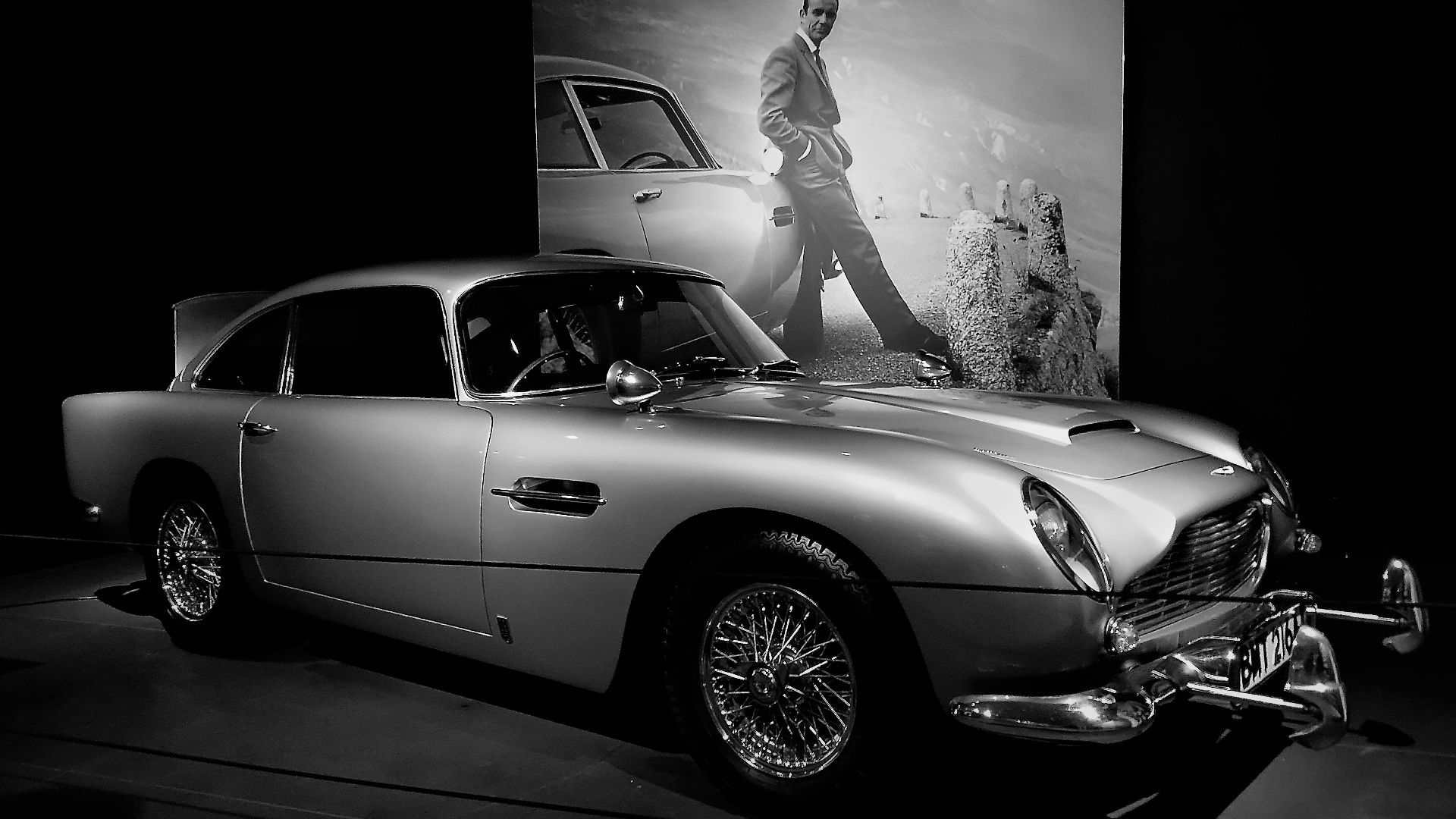
In 1962, Connery was cast as James Bond in Dr. No, directed by Terence Young. Producers Albert “Cubby” Broccoli and Harry Saltzman took a gamble on the relatively unknown Scot.
It paid off. By 1964’s Goldfinger, Bond mania was global.
 Michel Curi, Wikimedia Commons
Fame at Full Throttle
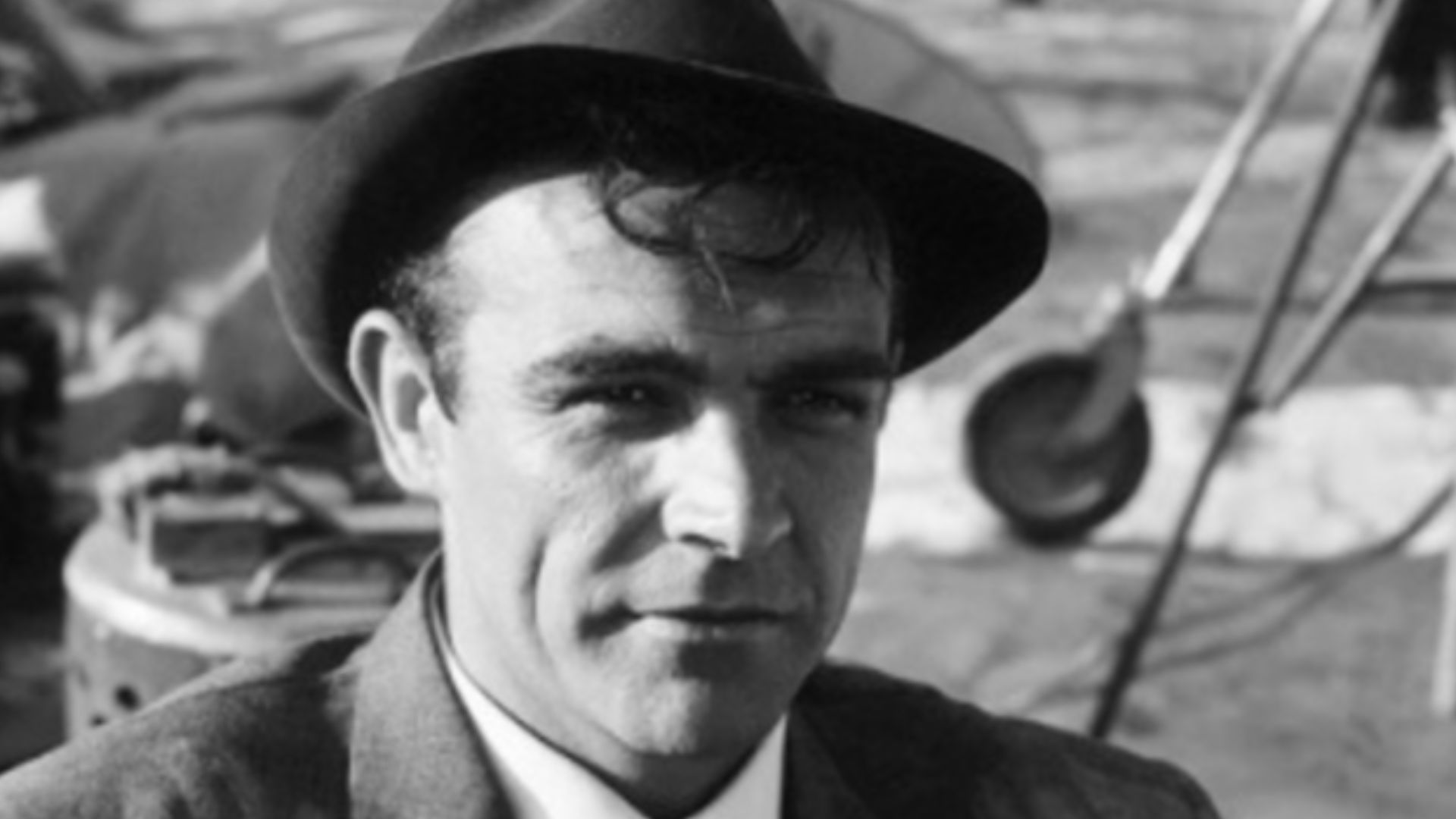
Between 1962 and 1967, Connery starred in five Bond films. The role made him wealthy and internationally famous — but it also trapped him. He later said he “hated that damned James Bond.”
Fame was intoxicating. And suffocating.
 Unknown authorUnknown author, Wikimedia Commons
The First Marriage
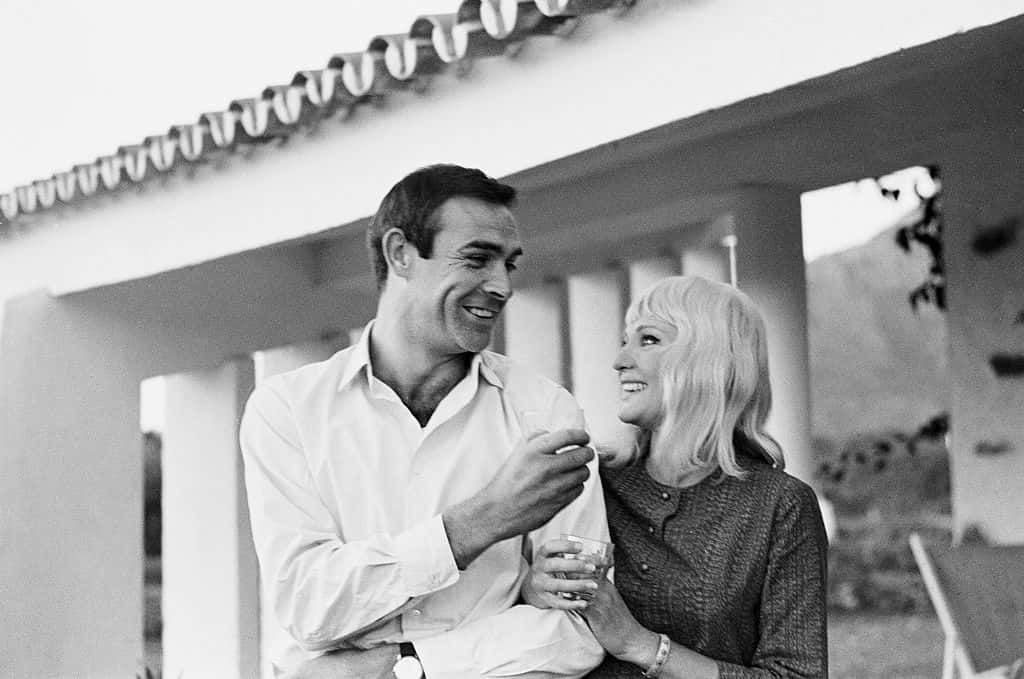
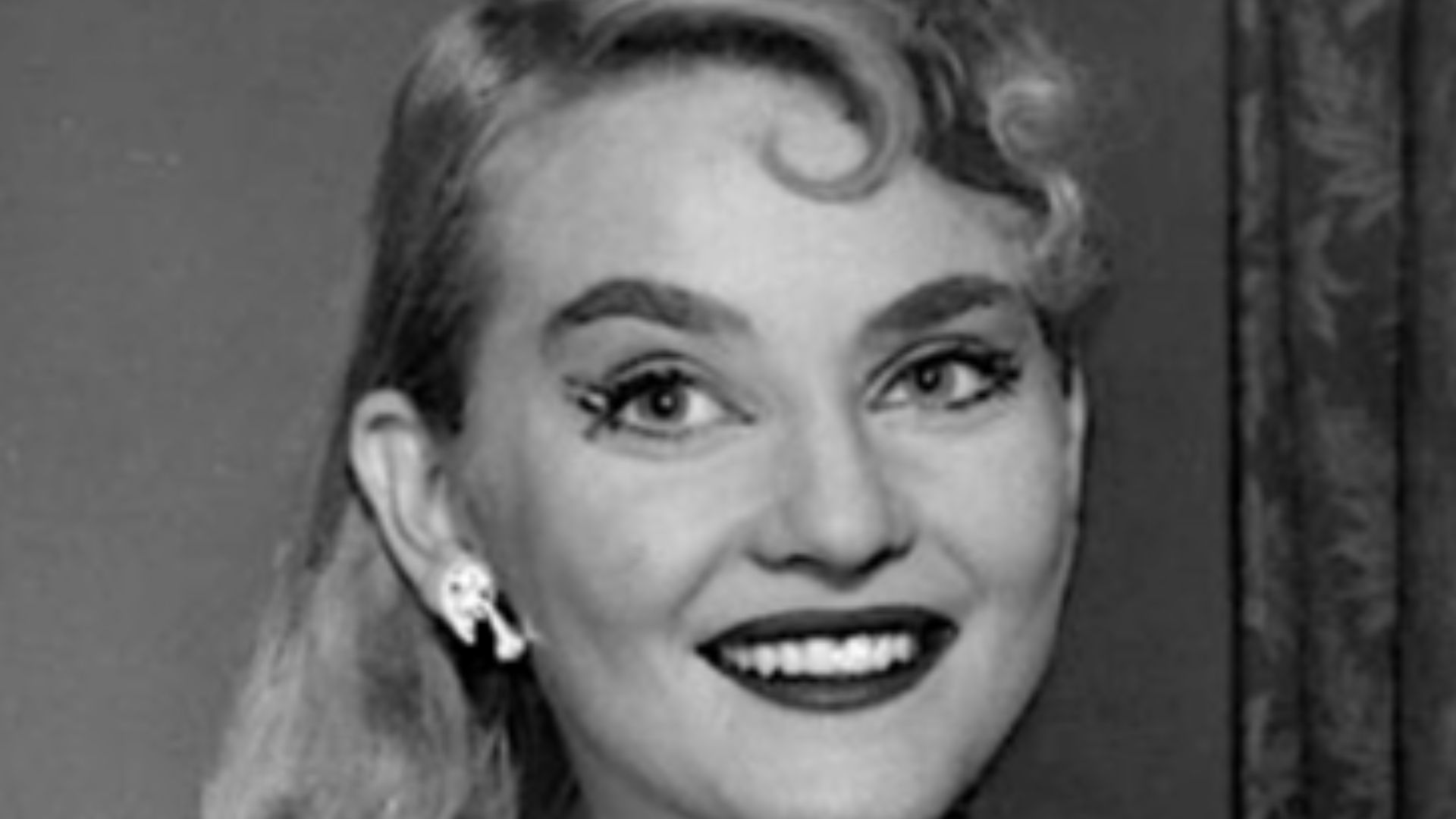
Connery married Australian actress Diane Cilento in 1962. Their son, Jason Connery, was born in January 1963. But the marriage deteriorated over time. They separated in 1971 and divorced in 1973.
Later, Cilento would make troubling claims about their relationship.
Diane Cilento’s Allegations
In her 2006 memoir My Nine Lives, Cilento wrote that Connery had been physically and emotionally abusive during their marriage. Connery consistently denied those claims. The allegations added a shadow to his public image. It became one of the earliest serious controversies attached to his name.
Bond Walked Away — Twice
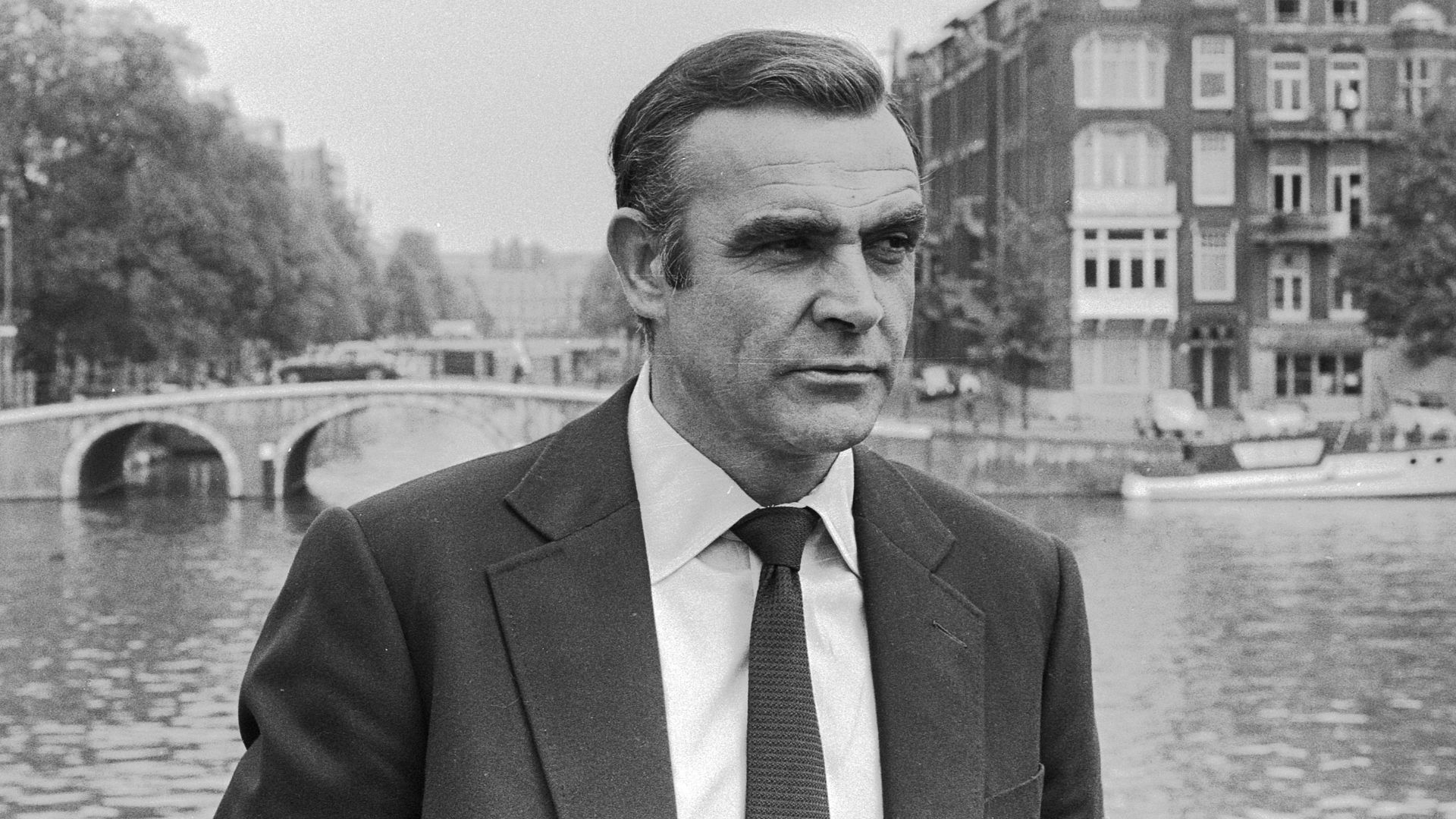
Connery first quit Bond after You Only Live Twice (1967), frustrated by the spotlight and studio disputes. He returned for Diamonds Are Forever (1971) — reportedly for a $1.25 million salary. Then again for Never Say Never Again in 1983.
Money talked. But pride did too.
 Rob Mieremet, Wikimedia Commons
Tax Exile Headlines
In the 1970s, Connery moved to Spain and later to the Bahamas. Critics in the UK accused him of avoiding British taxes. Connery denied wrongdoing, but the perception lingered. He fiercely supported Scottish independence. Yet his residency abroad raised eyebrows.
Marbella Investigations
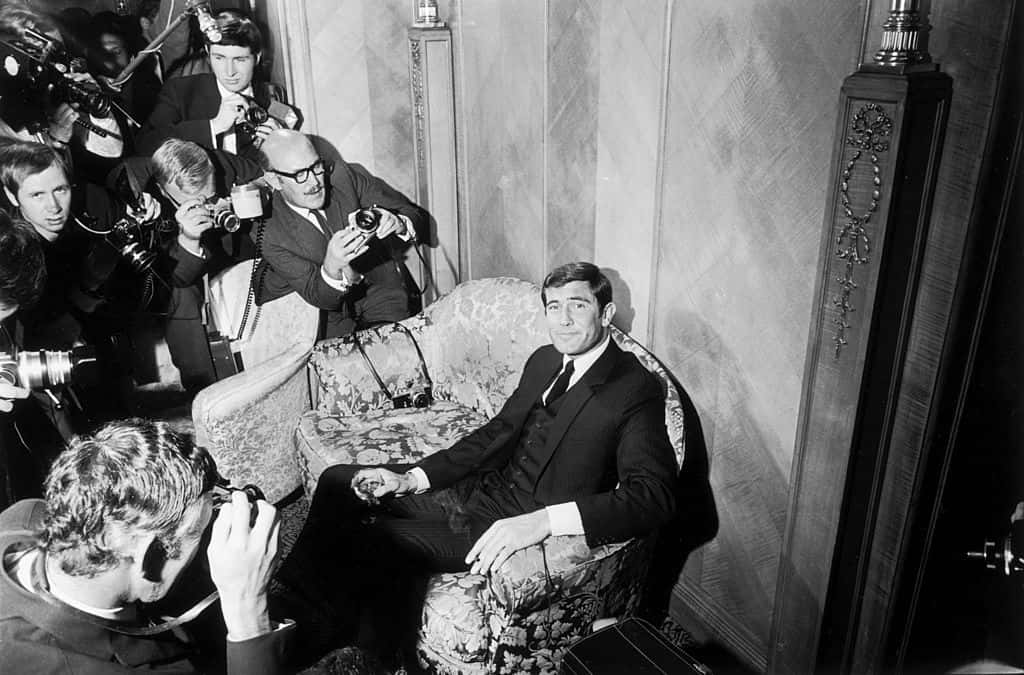
In the 1990s and early 2000s, Spanish authorities investigated Connery and his wife, Micheline Roquebrune, over land deals in Marbella. In 2015, a Spanish court dismissed the case against him due to insufficient evidence. Connery maintained he had done nothing illegal.
Still, the headlines were loud.
 John Mathew Smith & www.celebrity-photos.com from Laurel Maryland, USA, Wikimedia Commons
The Oscar Redemption
In 1988, Connery won the Academy Award for Best Supporting Actor for The Untouchables. He was 57. The Oscar felt like validation — proof he was more than Bond.
Hollywood finally saw him as a serious actor.
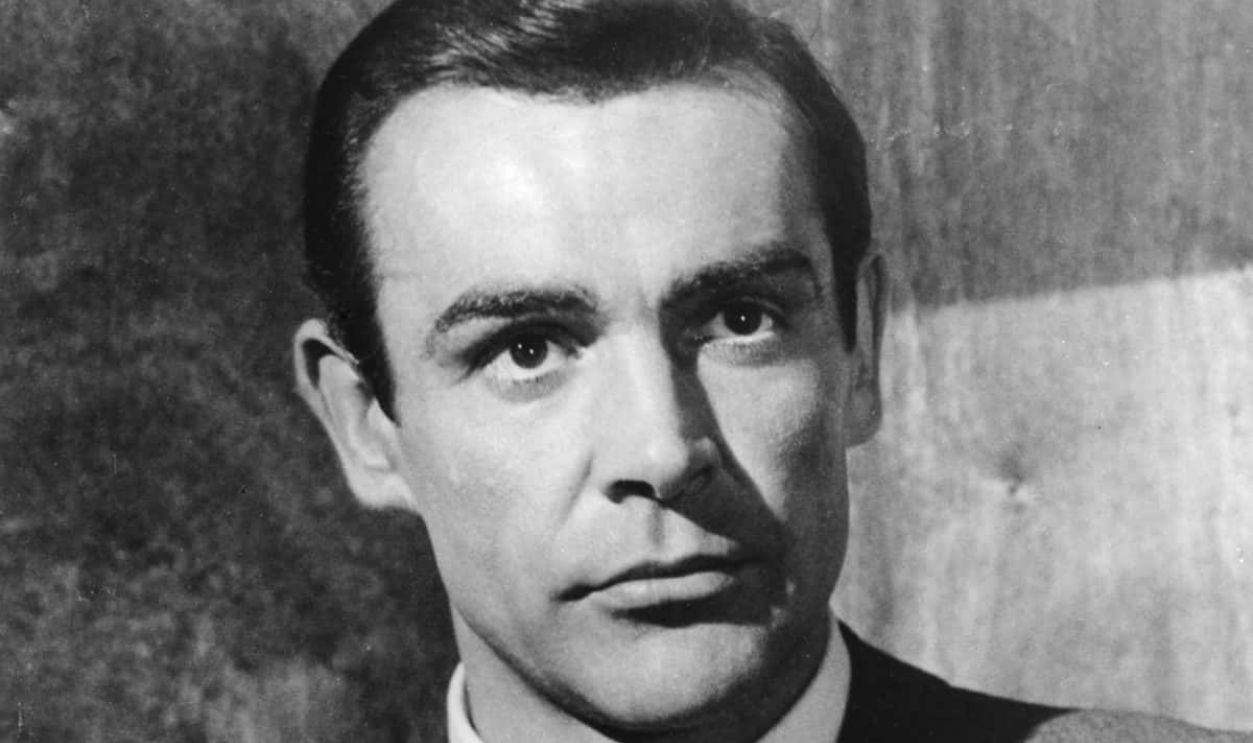
Temper and Control on Set
Connery developed a reputation for being strong-willed and blunt. Director Stephen Norrington reportedly clashed with him during The League of Extraordinary Gentlemen (2003). Connery later retired from acting after that film, saying he was tired of dealing with “idiots.”
He did not mince words.
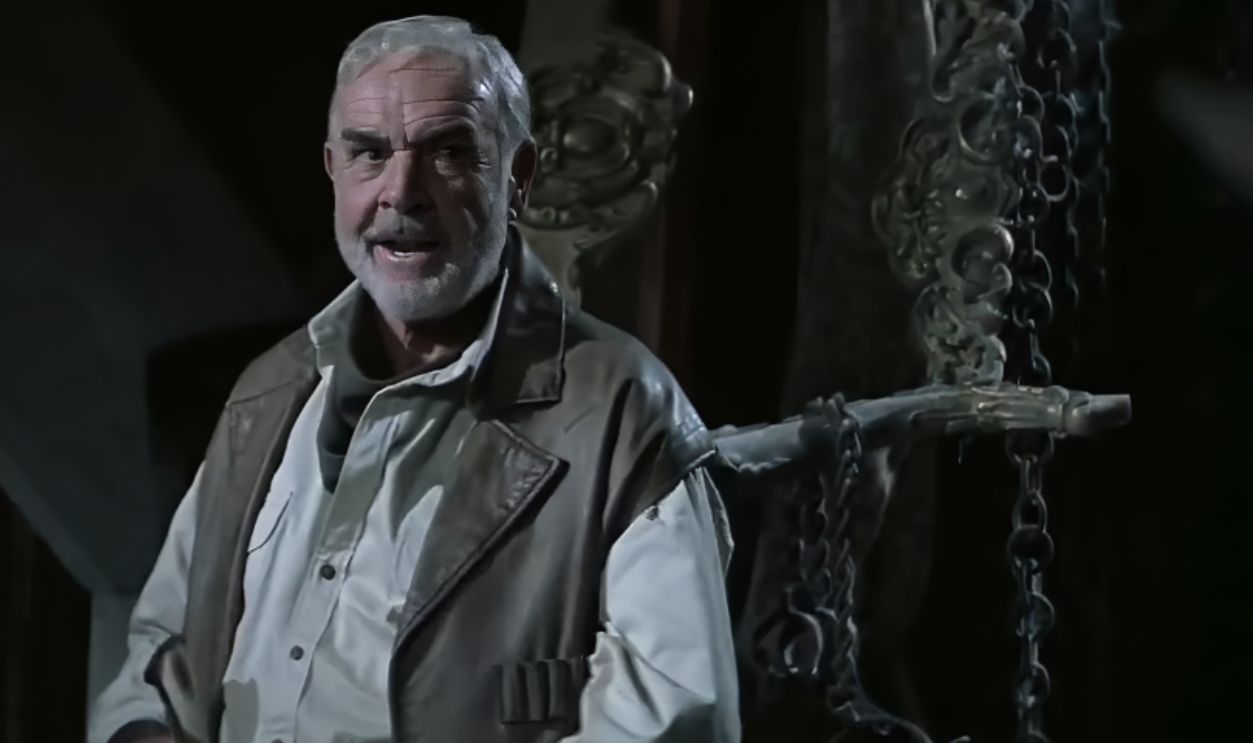 Screenshot from The League Of Extraordinary Gentlemen, 20th Century Fox (2003)
Marriage to Micheline Roquebrune
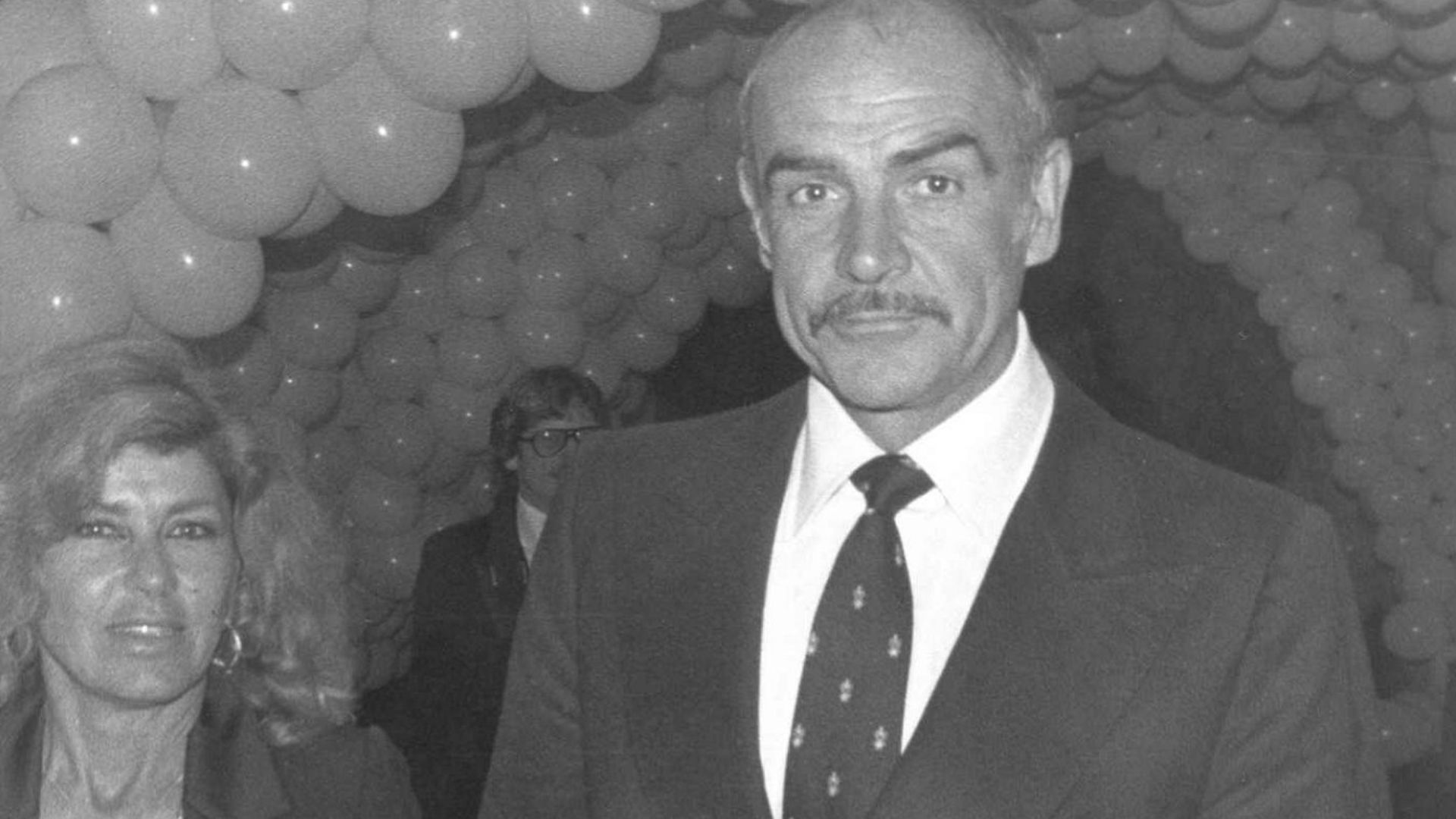
Connery married French-Moroccan artist Micheline Roquebrune in 1975. They remained together until his death. She often described him as loving and fiercely private.
Their marriage lasted 45 years. For him, loyalty mattered.
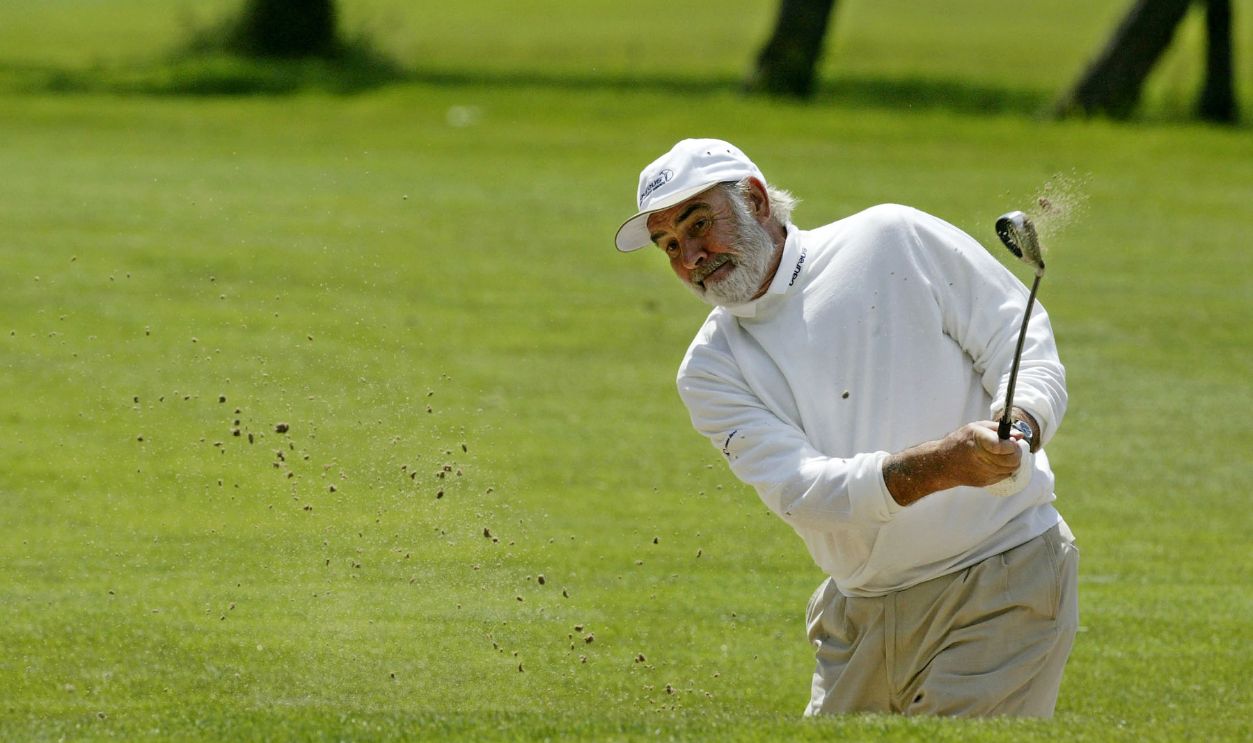
A Quiet Life in the Bahamas
Later in life, Connery retreated to Nassau. He played golf, avoided press, and rarely granted interviews. He guarded his privacy carefully. The world remembered Bond, but he preferred being Sean.
The Slap Interview
In 1965, during a Playboy interview, Connery said that he did not believe it was “wrong” to strike a woman under certain circumstances. The quote resurfaced decades later and sparked outrage. At the time, it received far less backlash.
History would revisit it harshly.
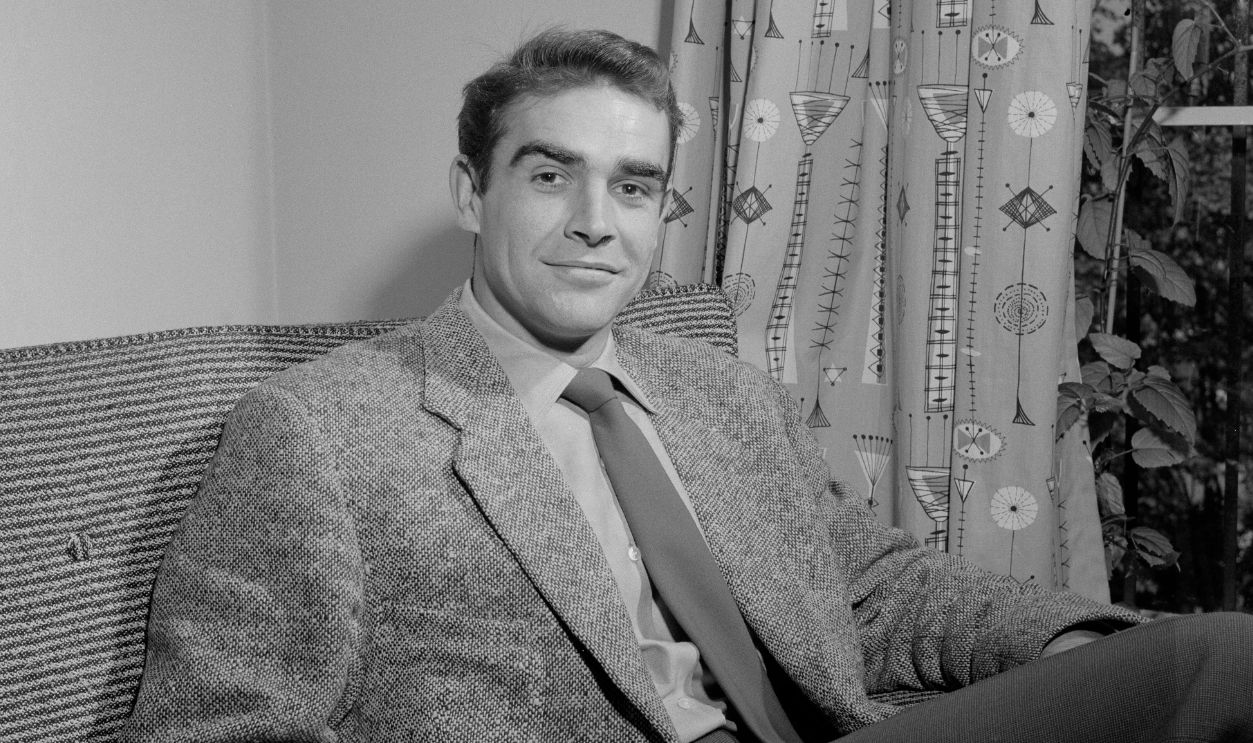
Barbara Walters Confronts Him
In a 1987 interview with Barbara Walters on ABC, Connery doubled down when asked about the earlier statement. He said, “I don’t think it’s that bad.” Walters visibly challenged him. The moment became one of his most controversial televised exchanges.
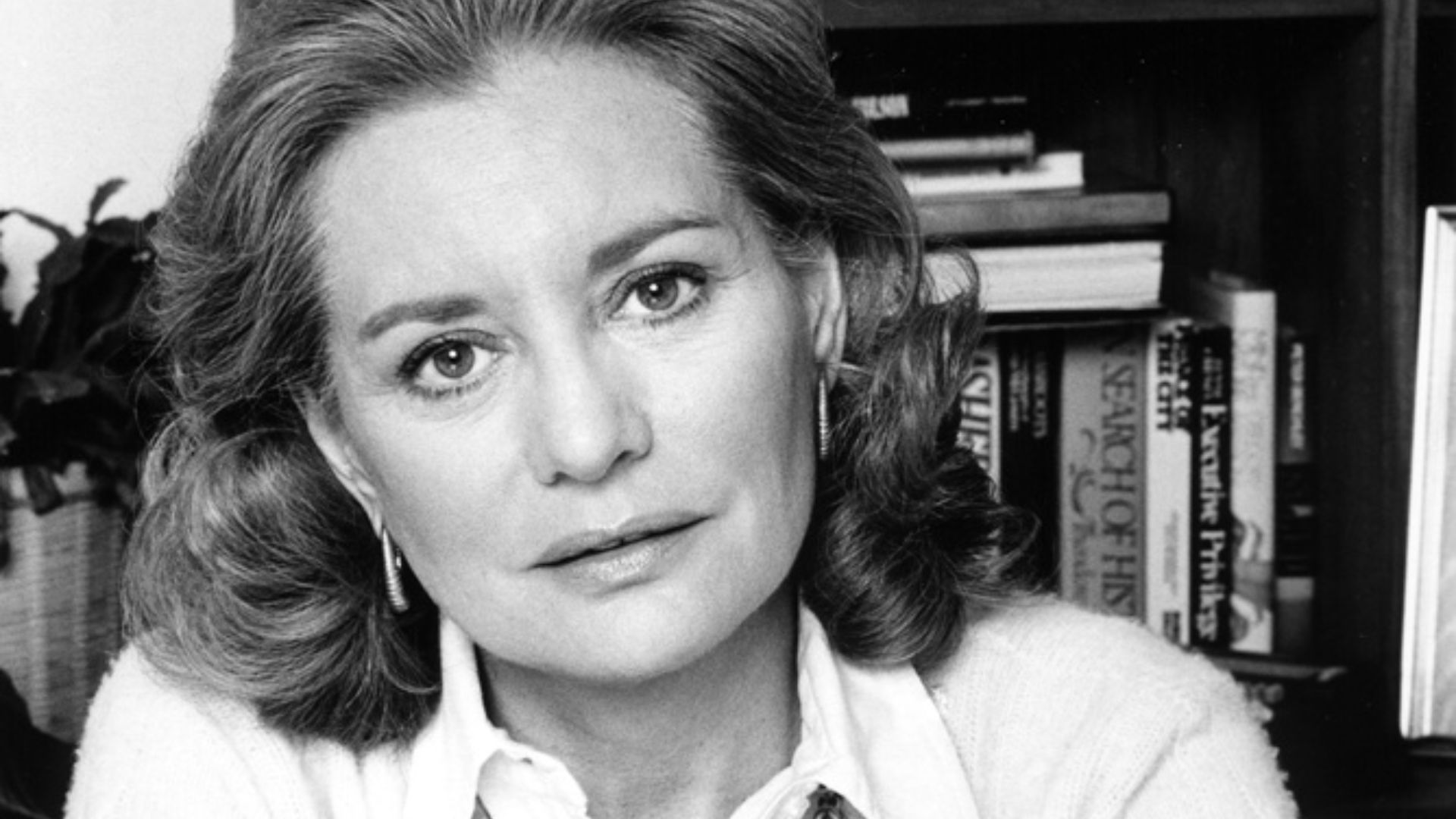 Lynn Gilbert, Wikimedia Commons
Public Reaction Shifts
By the 1990s and 2000s, public attitudes toward domestic violence had changed significantly. Clips of Connery’s remarks circulated widely. Many fans were shocked. Others defended him, arguing generational context.
The debate intensified after his death in 2020.
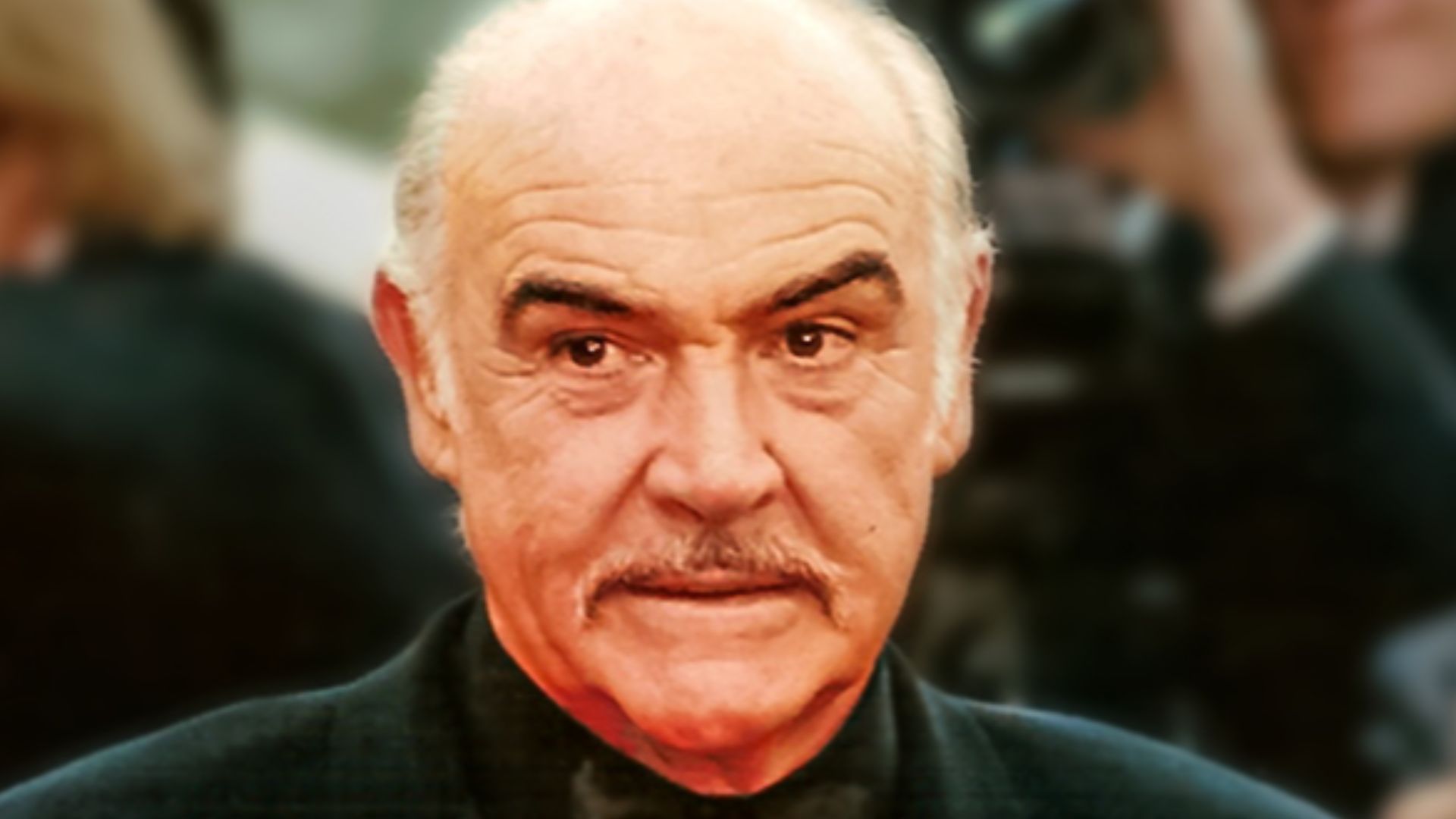 File:Sean Connery 1999.jpg: Georges Biard derivative work: Georgfotoart, Wikimedia Commons
The Son’s Strained Relationship
Jason Connery later spoke about having a distant relationship with his father. In interviews, he described Sean as “a complicated man.” They reconciled in later years. But the emotional distance added nuance to Connery’s image as a father.
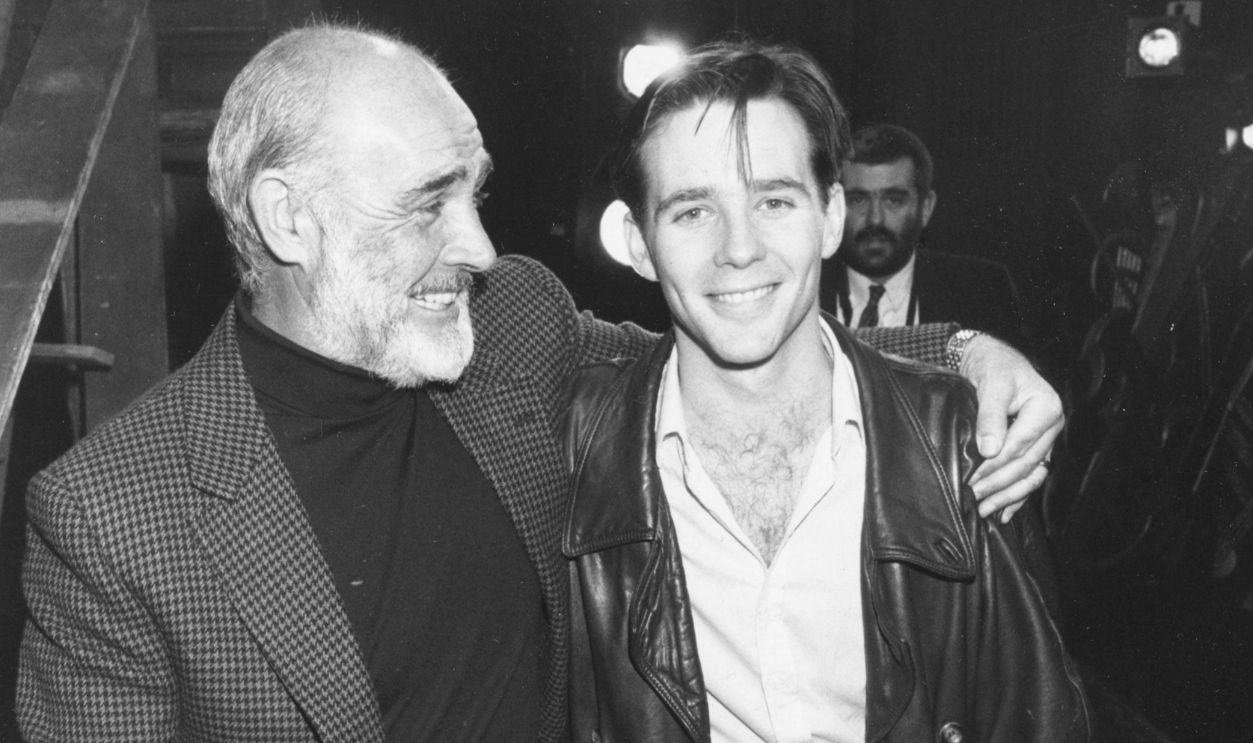
Temperament and Pride
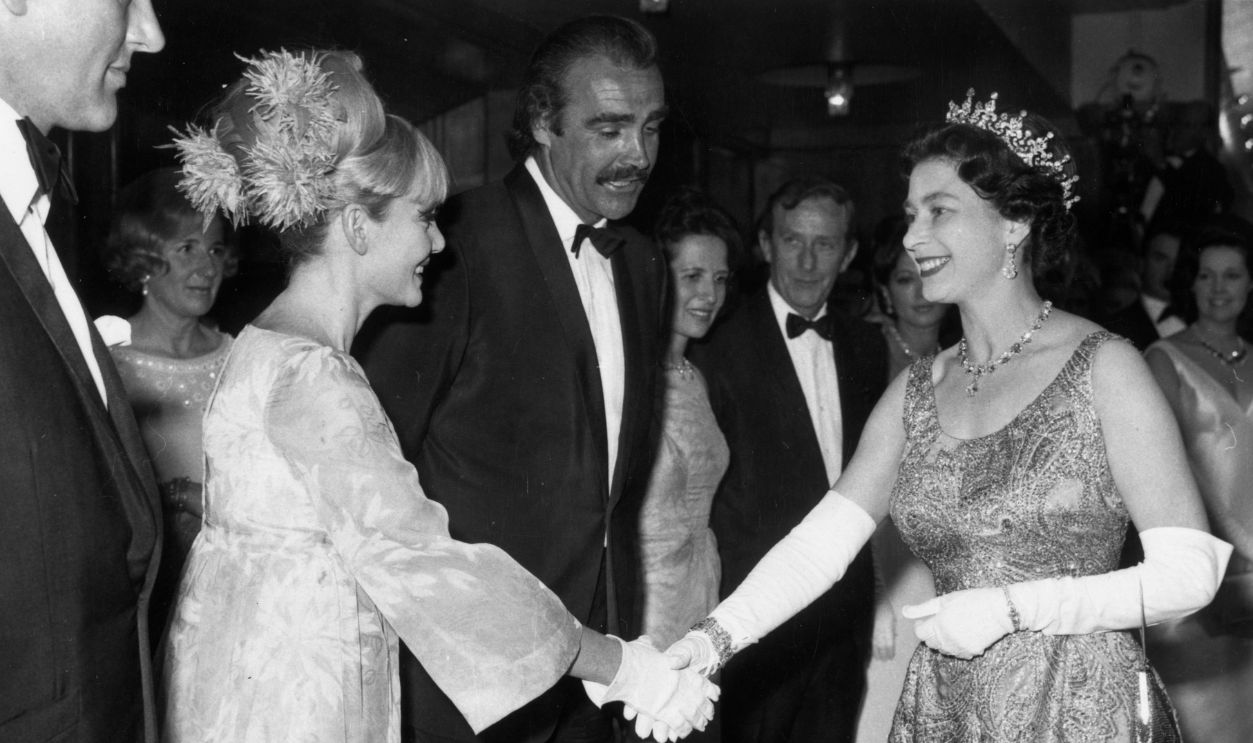
Connery was known for intense pride in his Scottish identity. He funded Scottish charities and supported the Scottish National Party. He was knighted by Queen Elizabeth II in 2000.
Sir Sean Connery. The working-class boy had arrived.
Health and Final Years
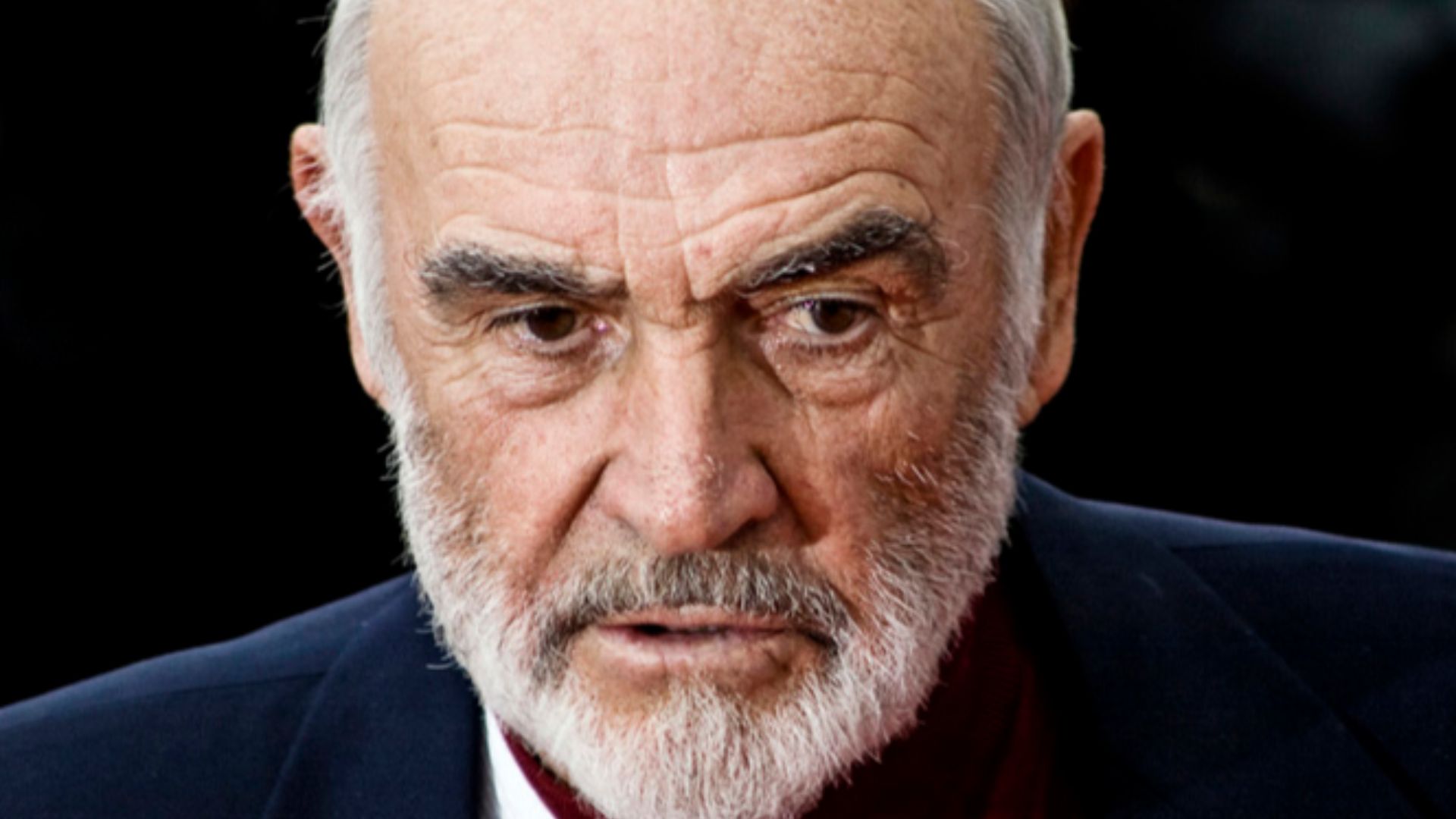
In his final years, Connery suffered from declining health. His wife later revealed he had dementia. He died peacefully in his sleep on October 31, 2020, at age 90.
Tributes poured in worldwide. Daniel Craig called him “the greatest.”
Hollywood Remembers Him
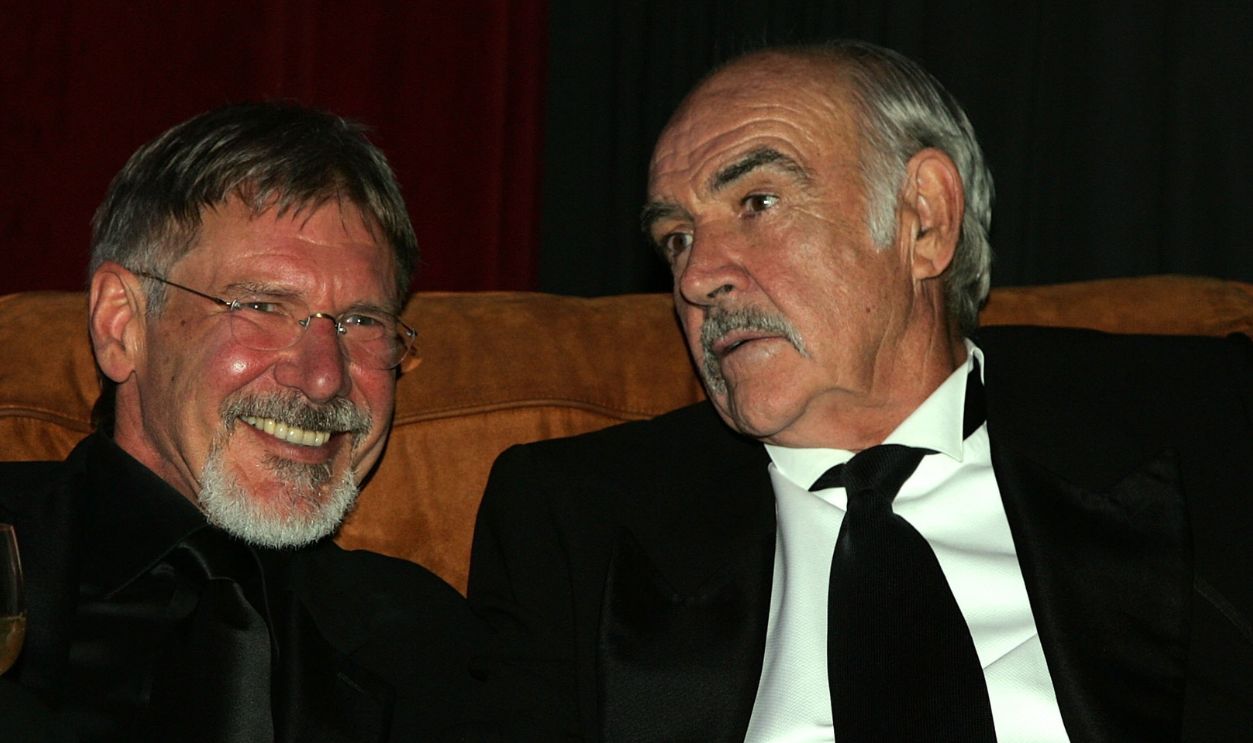
Actors including Harrison Ford and Catherine Zeta-Jones praised his charisma and presence. Ford said he had “a powerful presence and quiet authority.” Even critics acknowledged his magnetism.
Few actors carried that kind of screen gravity.
The Legacy of Bond
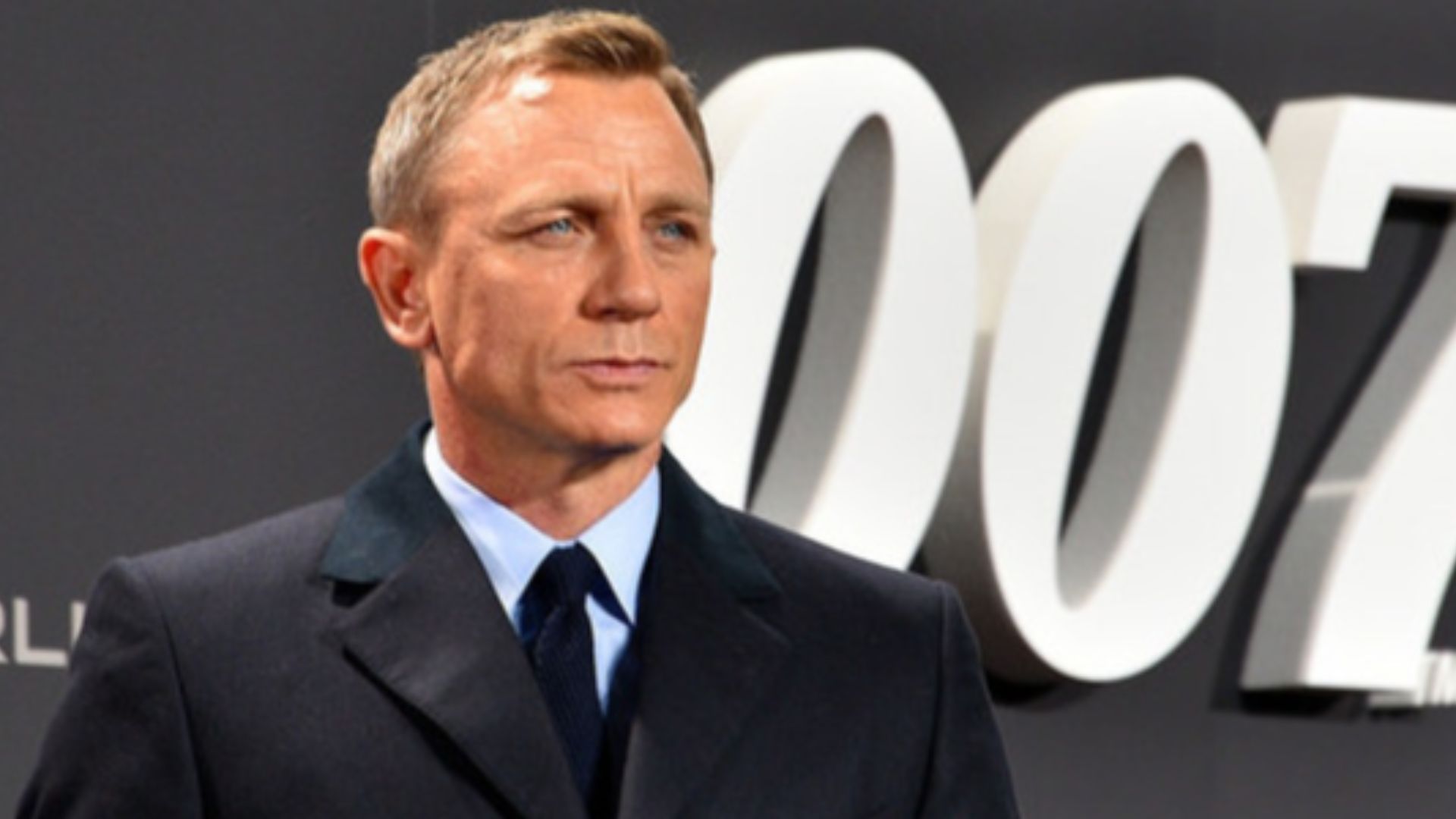
Connery defined James Bond for generations. Later actors — Roger Moore, Pierce Brosnan, Daniel Craig — all worked in his shadow. His portrayal mixed danger with charm. It changed action cinema forever.
 www.GlynLowe.com from Hamburg, Germany, Wikimedia Commons
The Hard Truth About His Words
But the controversy surrounding his comments about striking women never fully faded. His own recorded words exist. He never publicly issued a formal retraction.
For many, that remains deeply disappointing.
![Collectie / Archief : Fotocollectie Anefo
Reportage / Serie : [ onbekend ]
Beschrijving : Acteur Sean Connery geeft persconferentie in Sonesta Cultureel Centrum in Amsterdam, Sean Connery in Amsterdam
Datum : 28 juni 1976
Locatie : Amsterdam, Noord-Hollan](https://www.factinate.com/storage/app/media/theshot/2026/5/22/1779461131969501af02550cfc64476946703718f80e13a9f4.jpg) Rob Mieremet / Anefo, Wikimedia Commons
Rob Mieremet / Anefo, Wikimedia Commons
Context vs. Accountability
Some defenders argue his views reflected an older era. Others argue harm is harm, regardless of era. The tension between his cinematic heroism and his personal remarks creates a difficult conversation.
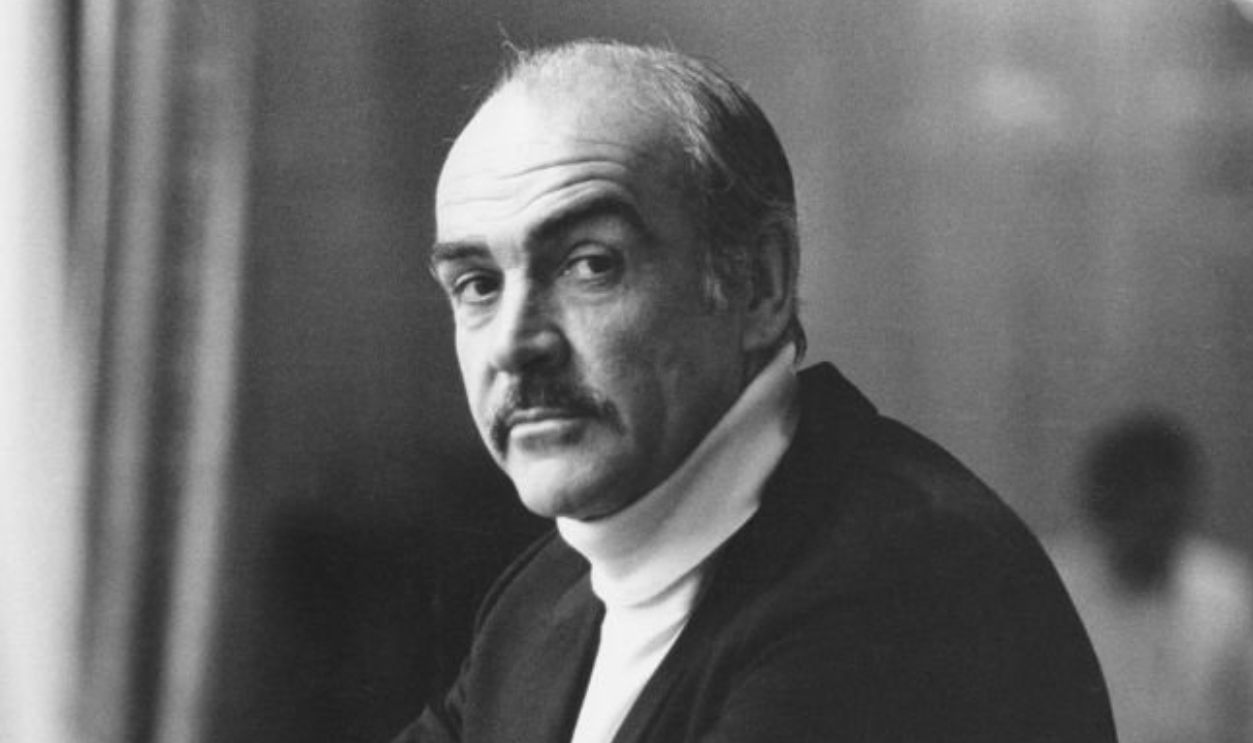
A Complicated Legacy
Sean Connery was brilliant, magnetic, and undeniably influential. He was also stubborn, proud, and controversial. He left behind masterpieces...and debates.
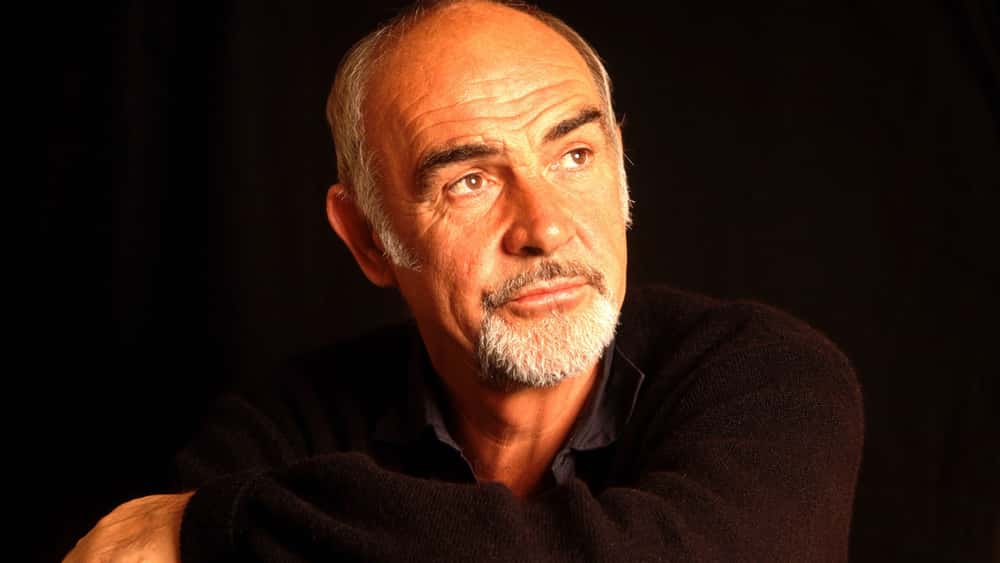
The Final Word
Sean Connery died as one of the most celebrated actors in film history. But like many legends, he was not simple. His talent was extraordinary. His controversies — especially his views about women — remain part of his story.
You May Also Like:
Natalie Wood’s death was one of Hollywood’s most enduring mysteries—until the captain of her yacht changed his story.