The Dark Truth Behind Country Music's Greatest Marriage
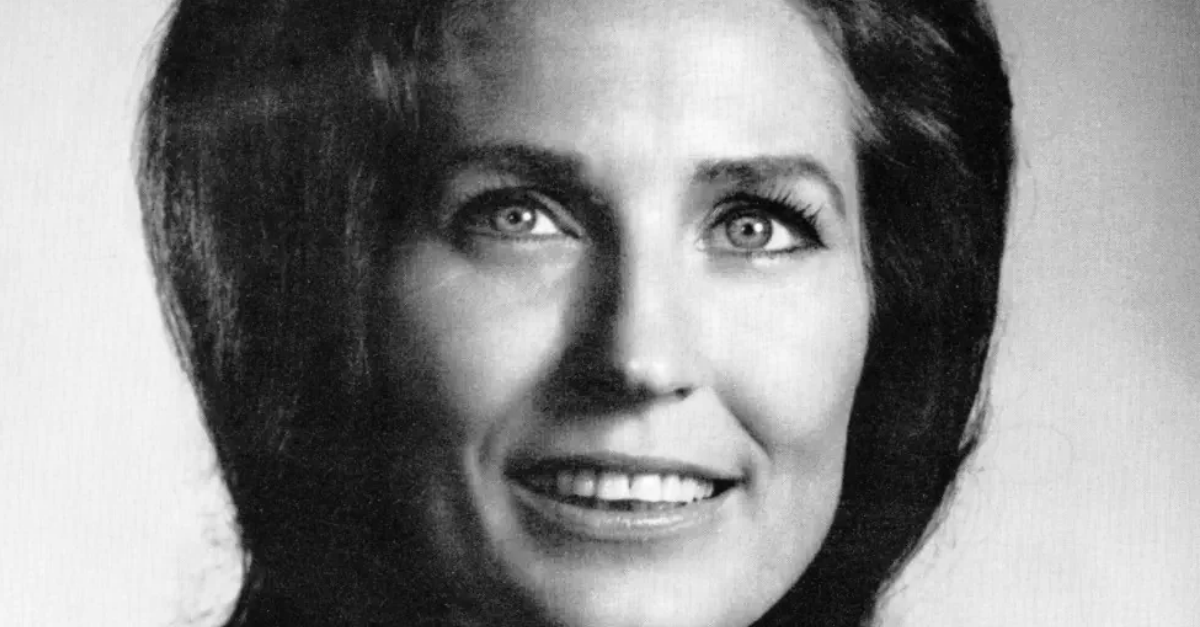
Loretta Lynn spent nearly 50 years married to the man who helped make her a country music legend, but their love story concealed years of violence, betrayal, and heartbreaking loneliness. In her 2002 memoir Still Woman Enough, she finally revealed just how far her husband had gone.
 Michael Ochs Archives / Getty Images
She Came From Almost Nothing
Loretta Webb was born on April 14, 1932, in the tiny Kentucky community of Butcher Hollow. Her father, Melvin Theodore Webb, worked as a coal miner, while her mother, Clara, helped raise their eight children under difficult financial circumstances. Loretta grew up with few material comforts, but the music she heard around her would eventually change her entire life.
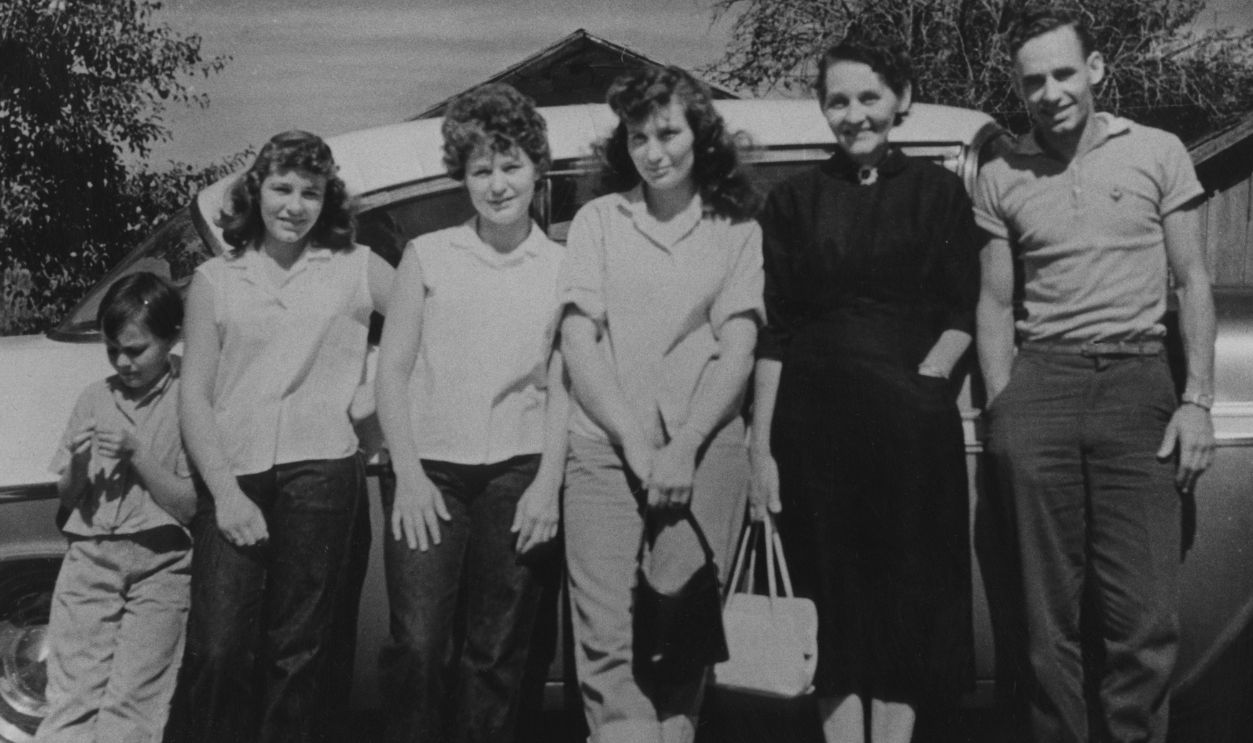 Michael Ochs Archives, Getty Images
She Met An Older Man
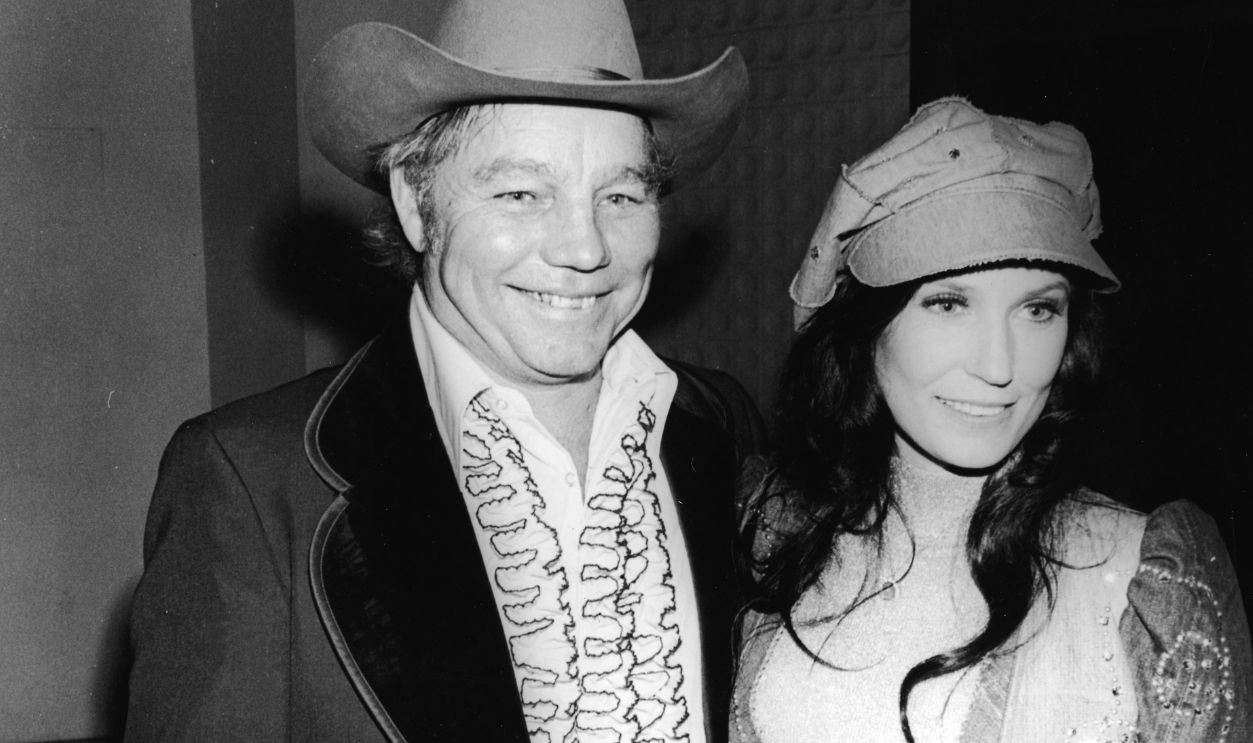
While still a teenager, Loretta met Oliver Vanetta Lynn, a young man better known as Doolittle or simply Doo. He was several years older and possessed the confidence and independence that impressed the inexperienced young woman. Their relationship developed quickly, leading to a marriage that would shape nearly every aspect of Loretta's future.
She Married Before Turning Sixteen
Loretta and Doo married on January 10, 1948, when she was just 15 and he was 21. For decades, Loretta claimed she had married at 13, but documents uncovered by the Associated Press in 2012 established her actual age. Even with that correction, she was extraordinarily young to be entering a marriage that would last almost half a century.
 Fotos International, Getty Images
Her Marriage Started With Heartbreak
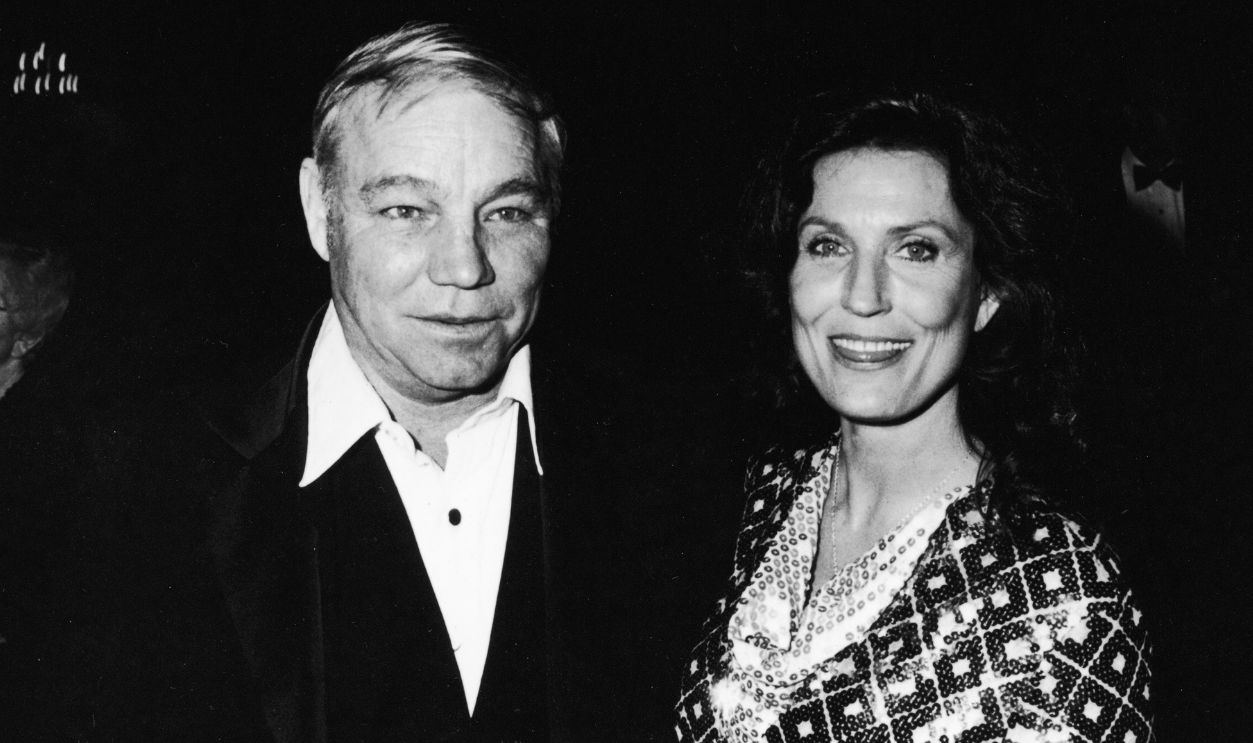
According to Loretta's later recollections, serious problems emerged almost immediately after the wedding. When she became pregnant with their first child, Doo temporarily abandoned her and pursued another woman. It was a devastating beginning for someone who had barely entered adulthood, but the couple eventually reconciled and tried to build a future together.
 Star Tribune via Getty Images, Getty Images
They Escaped Kentucky Together
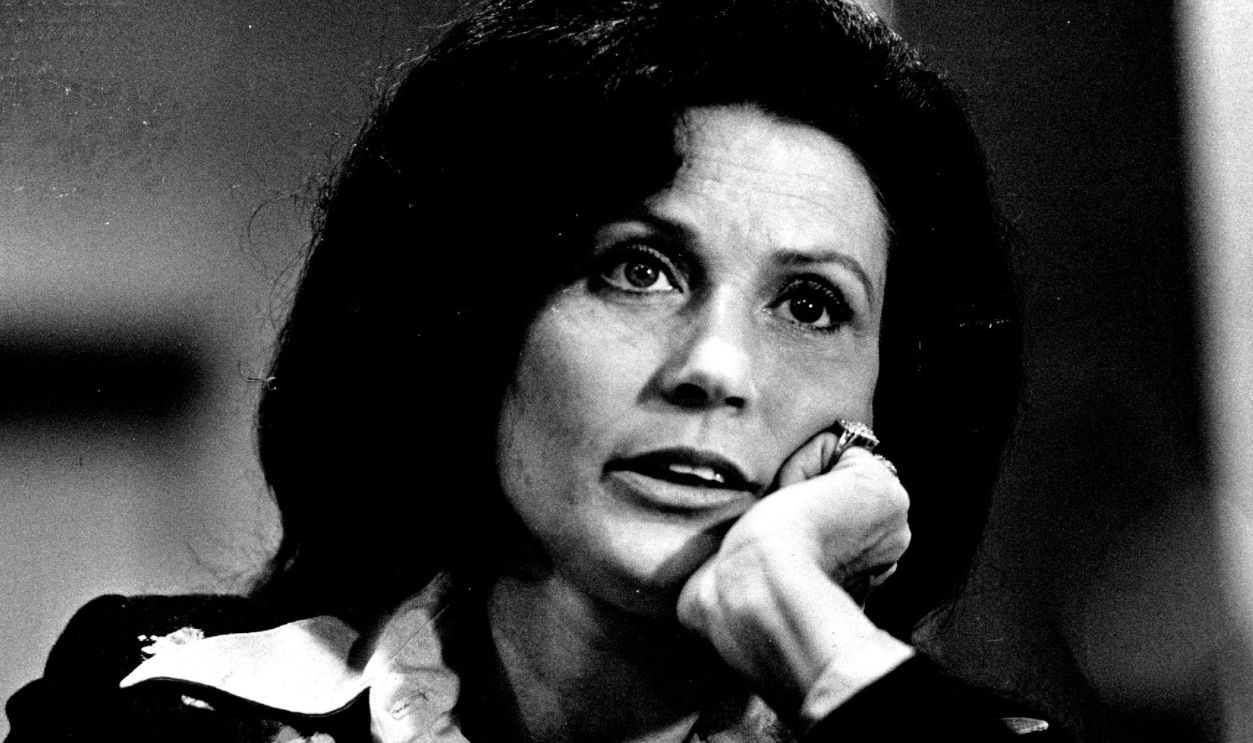
After reconciling, the young couple moved to Washington state, hoping to establish a more prosperous life away from Loretta's childhood home. Doo found work while Loretta concentrated on raising their growing family. Unfortunately, their new surroundings did little to resolve the difficulties that had already begun undermining the marriage.

She Became A Mother Four Times Over
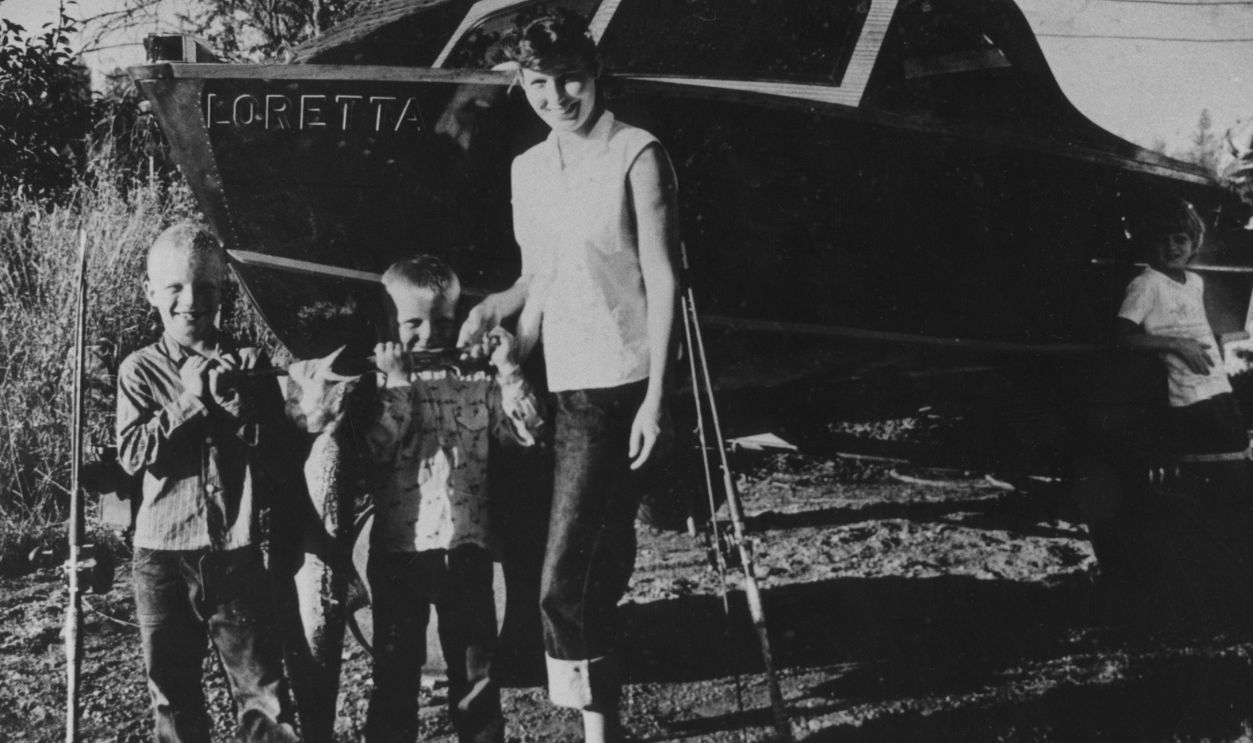
By the time Loretta was 22, she had given birth to four children: Betty Sue, Jack Benny, Ernest Ray, and Clara Marie. She was responsible for caring for a large household while still a young woman herself. Years later, she would acknowledge how difficult those responsibilities had been, particularly when she felt she could not depend on her husband's financial support.
 Michael Ochs Archives, Getty Images
His Drinking Became A Serious Problem
Doo's drinking created repeated difficulties throughout their marriage, something Loretta discussed openly in interviews and autobiographies. She recalled periods when his behavior made their home unpredictable and left her struggling to cope with the consequences. Although he worked hard, she also claimed that much of his earnings went toward his personal interests rather than the family.
He Didn't Always Come Home Alone
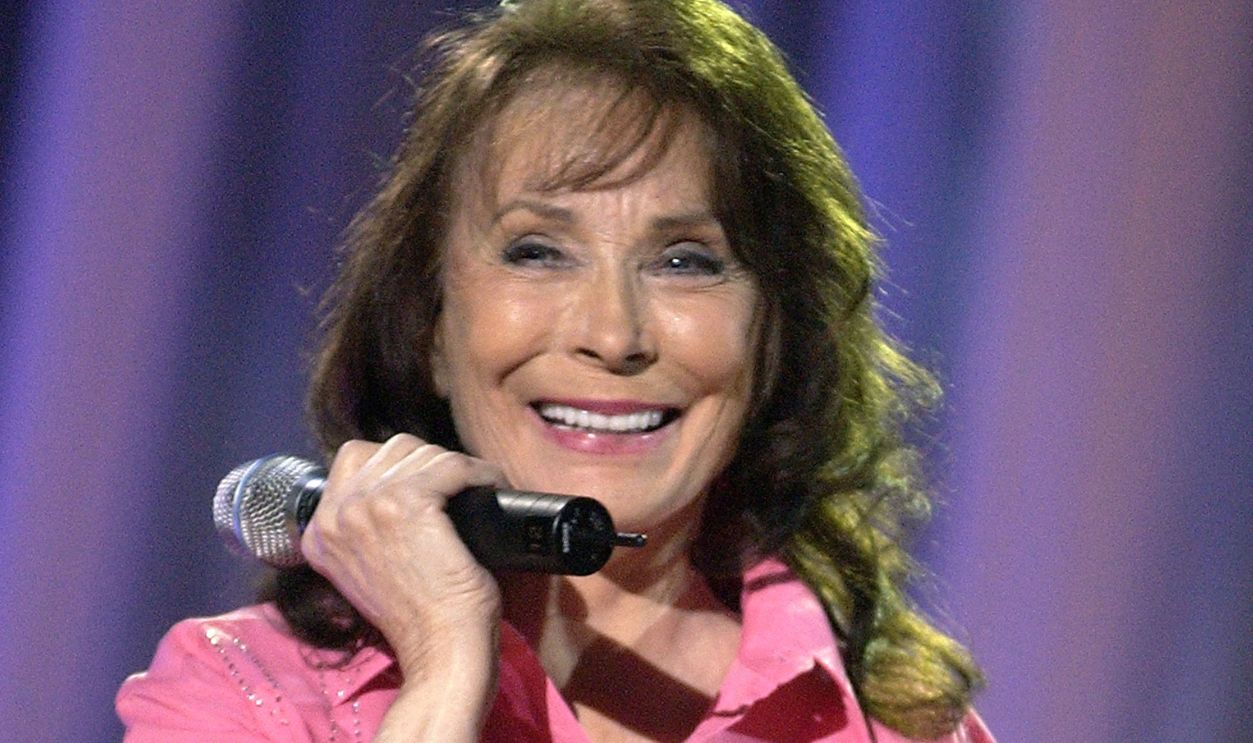
In Still Woman Enough, Loretta revealed that Doo had repeatedly betrayed her trust by pursuing other women. One especially painful account involved a relationship with the wife of Loretta's brother, something discussed in a 2002 CBS interview about the memoir. The betrayal was particularly disturbing because it involved someone so closely connected to her own family.
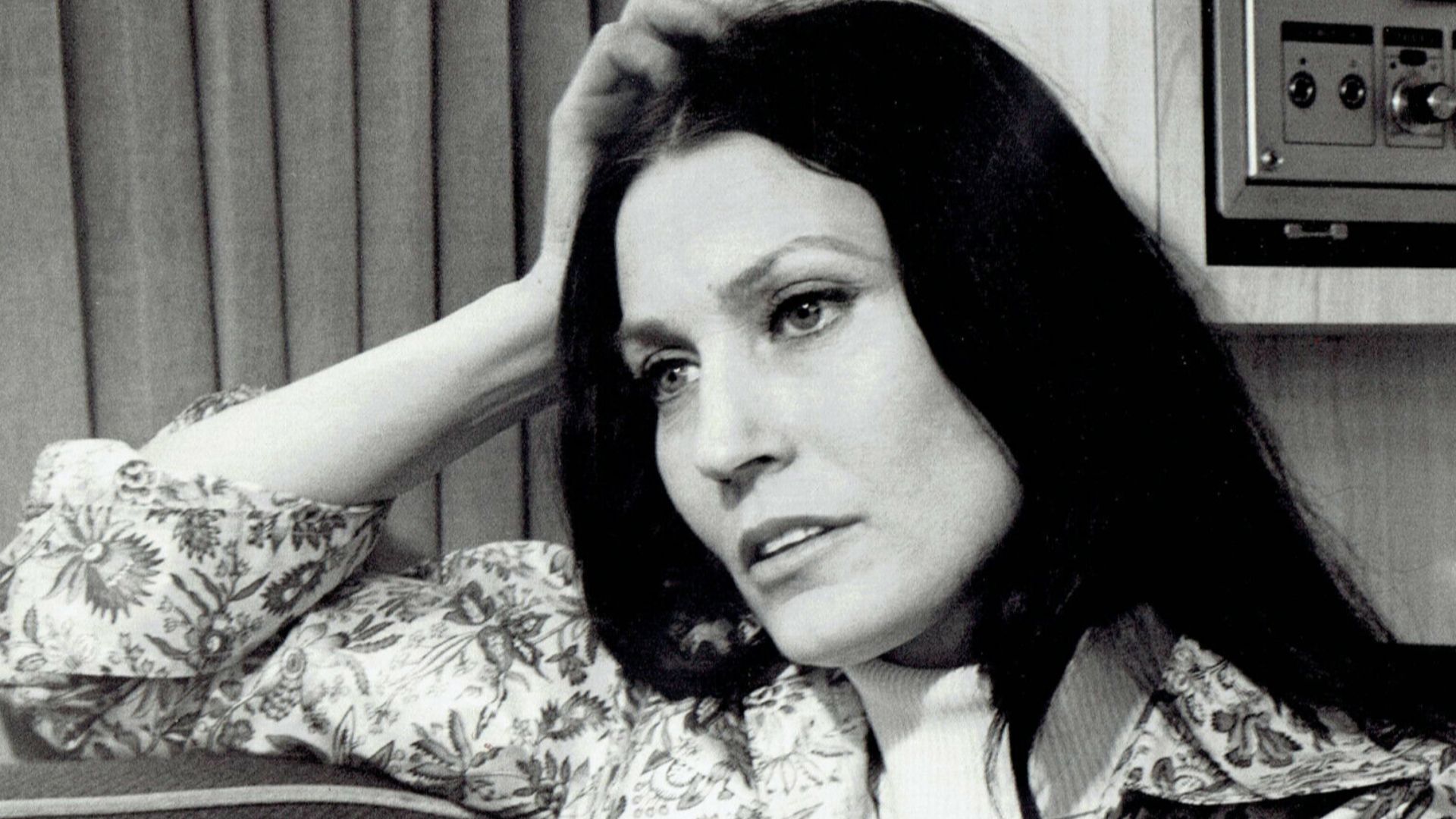 CBS Television, Wikimedia Commons
She Endured Years Of Cruelty
Loretta later acknowledged that Doo had physically hurt her during arguments, describing a marriage marked by frequent confrontation. She also admitted that she sometimes retaliated, although her accounts made clear that the relationship could be frightening and deeply damaging.
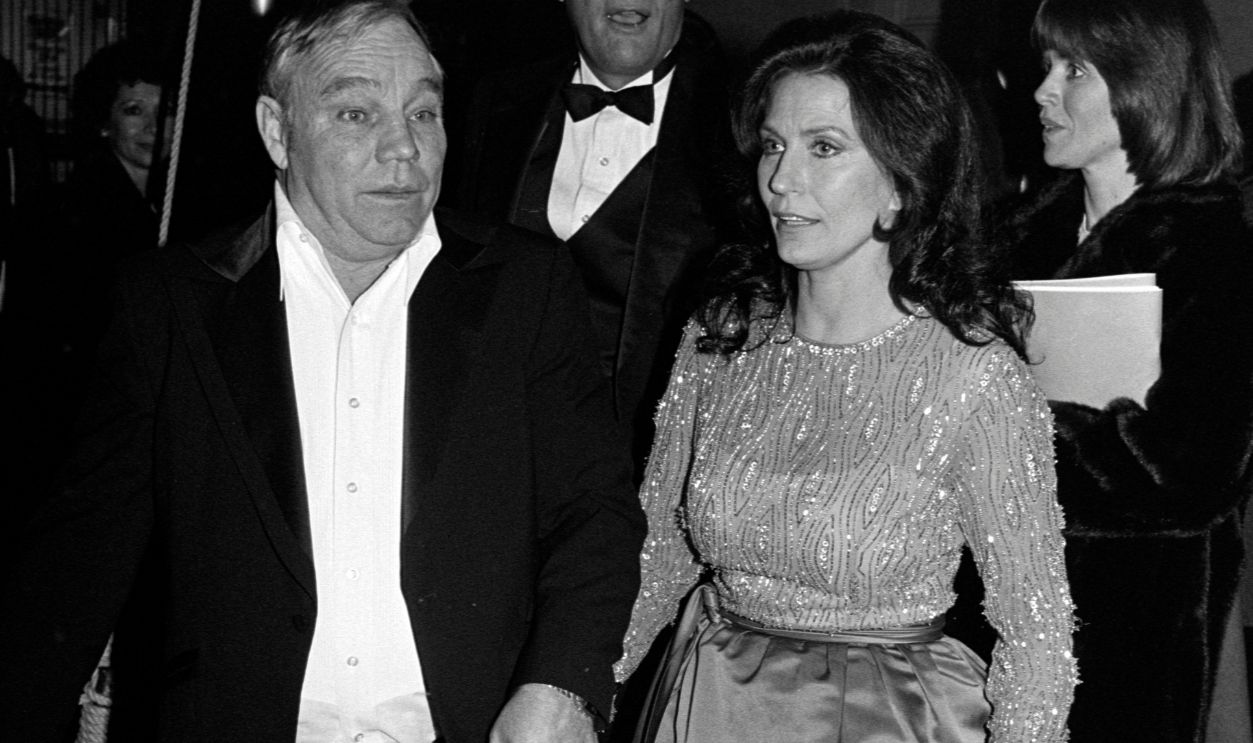
One Incident Was Especially Terrifying
In Still Woman Enough, Loretta recounted an incident in which Doo became furious with her and forced her head beneath the water in a kitchen sink. She wrote that he knew she was frightened of water and held her under until she began struggling to breathe. According to her account, he then pulled her up briefly before forcing her underwater again, making it one of the most disturbing revelations in her memoir.
She Learned To Fight Back
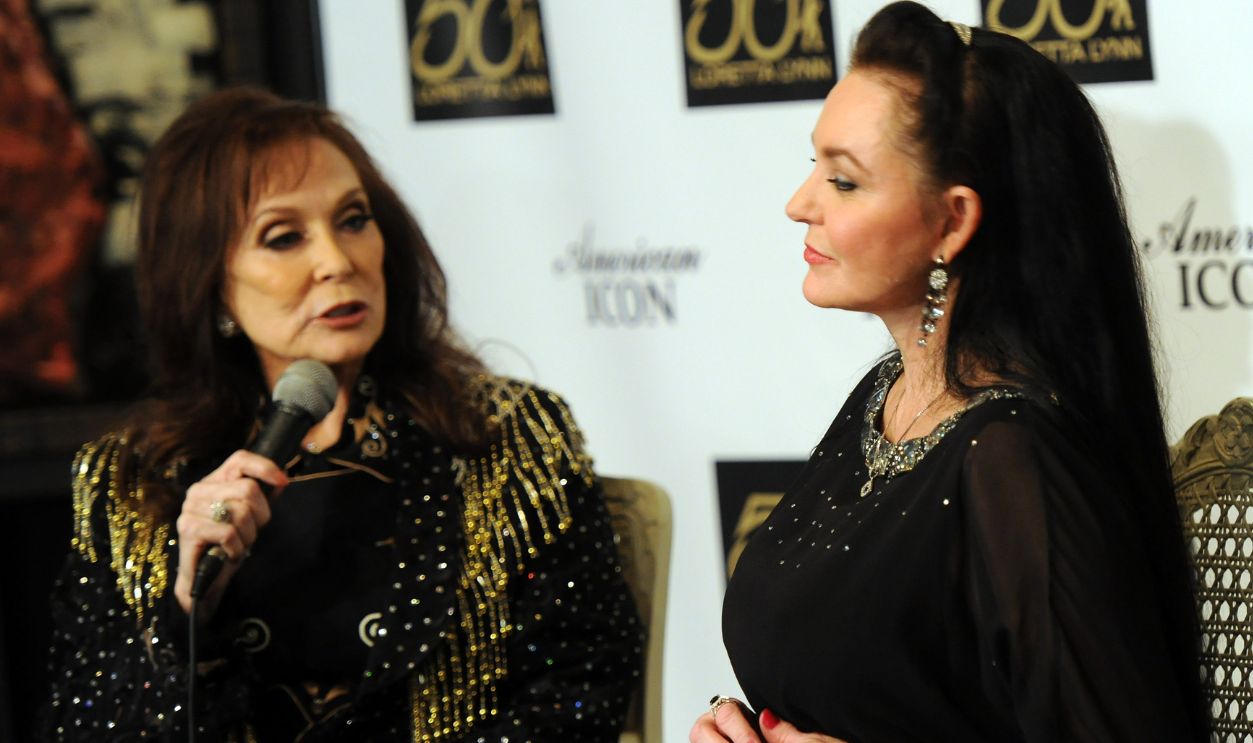
Loretta was never shy about acknowledging that she sometimes responded physically when Doo attacked her. In the PBS documentary Loretta Lynn: Still a Mountain Girl, she recalled an altercation in which she accidentally knocked out two of his teeth. She remembered fearing his reaction, only to discover that he laughed about the missing teeth afterward.
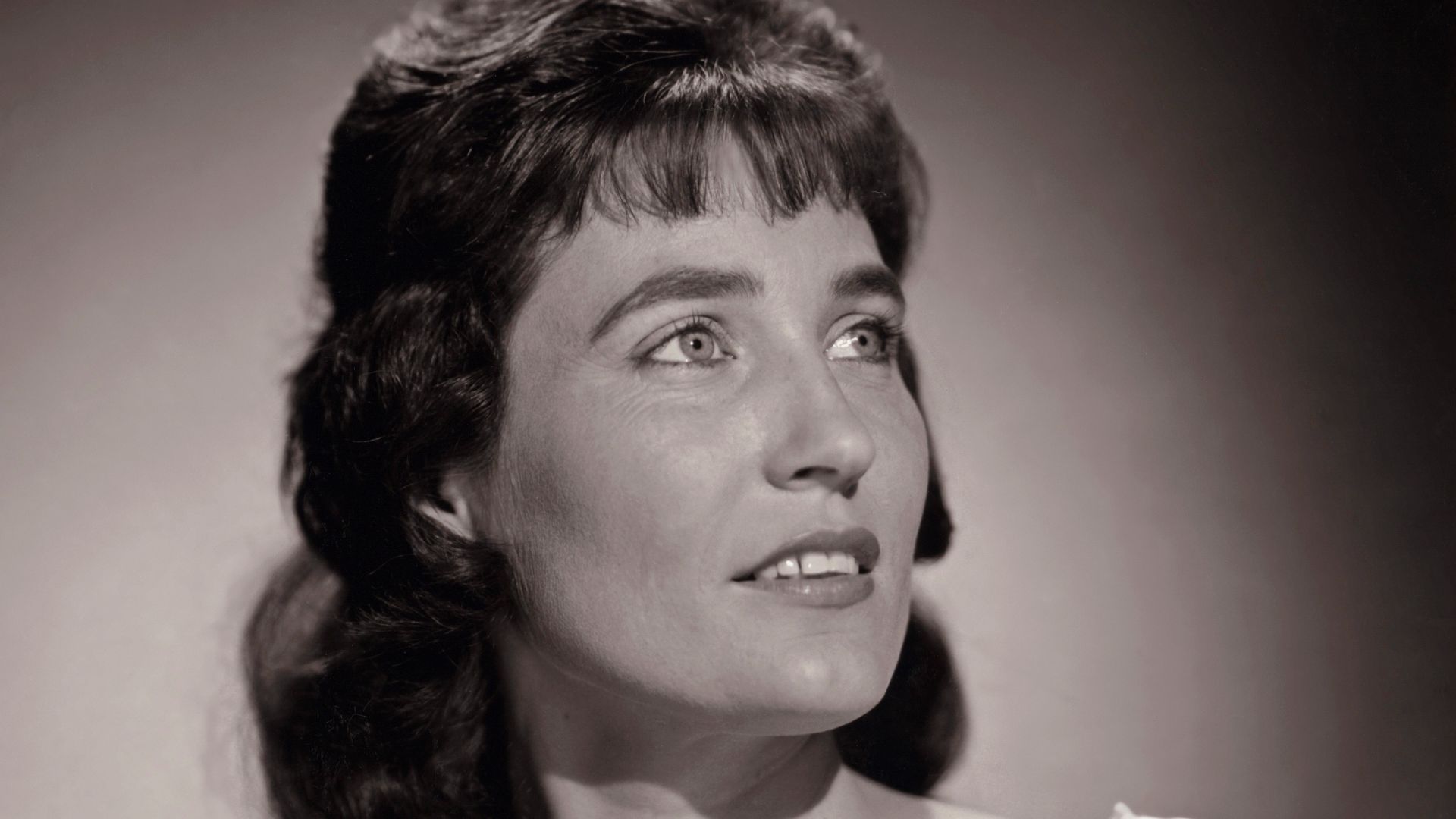 Walden S. Fabry, Wikimedia Commons
He Was Still Her Biggest Believer
Despite their troubled relationship, Doo recognized Loretta's musical abilities long before she considered becoming a professional performer. After hearing her sing around the house, he bought her a $17 Harmony guitar and encouraged her to learn to play. Loretta later credited his confidence in her talent with helping her overcome the fear that initially kept her from performing publicly.
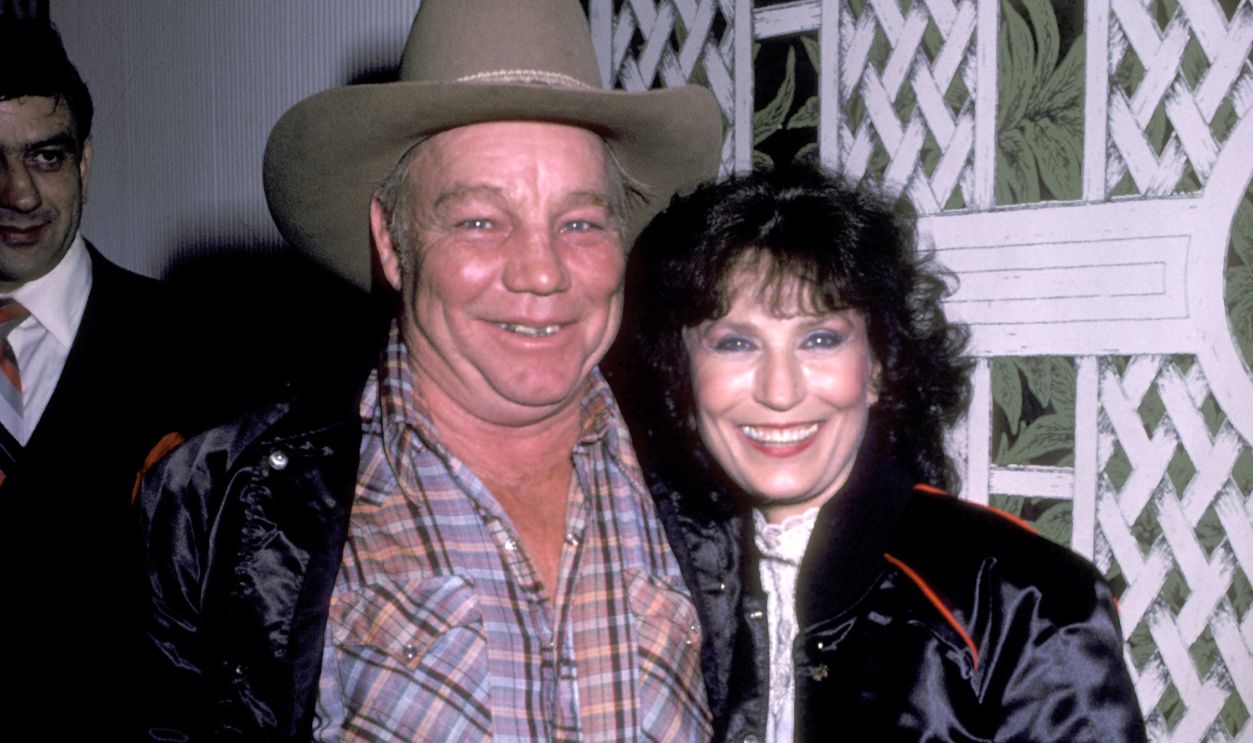
He Pushed Her Onto A Stage
Loretta began performing in Washington during the late 1950s, eventually appearing in local clubs and developing her songwriting skills. She was naturally shy and remembered feeling terrified during her earliest performances, but Doo continued encouraging her to pursue music. His determination helped launch the very career that would eventually transform their family's circumstances.
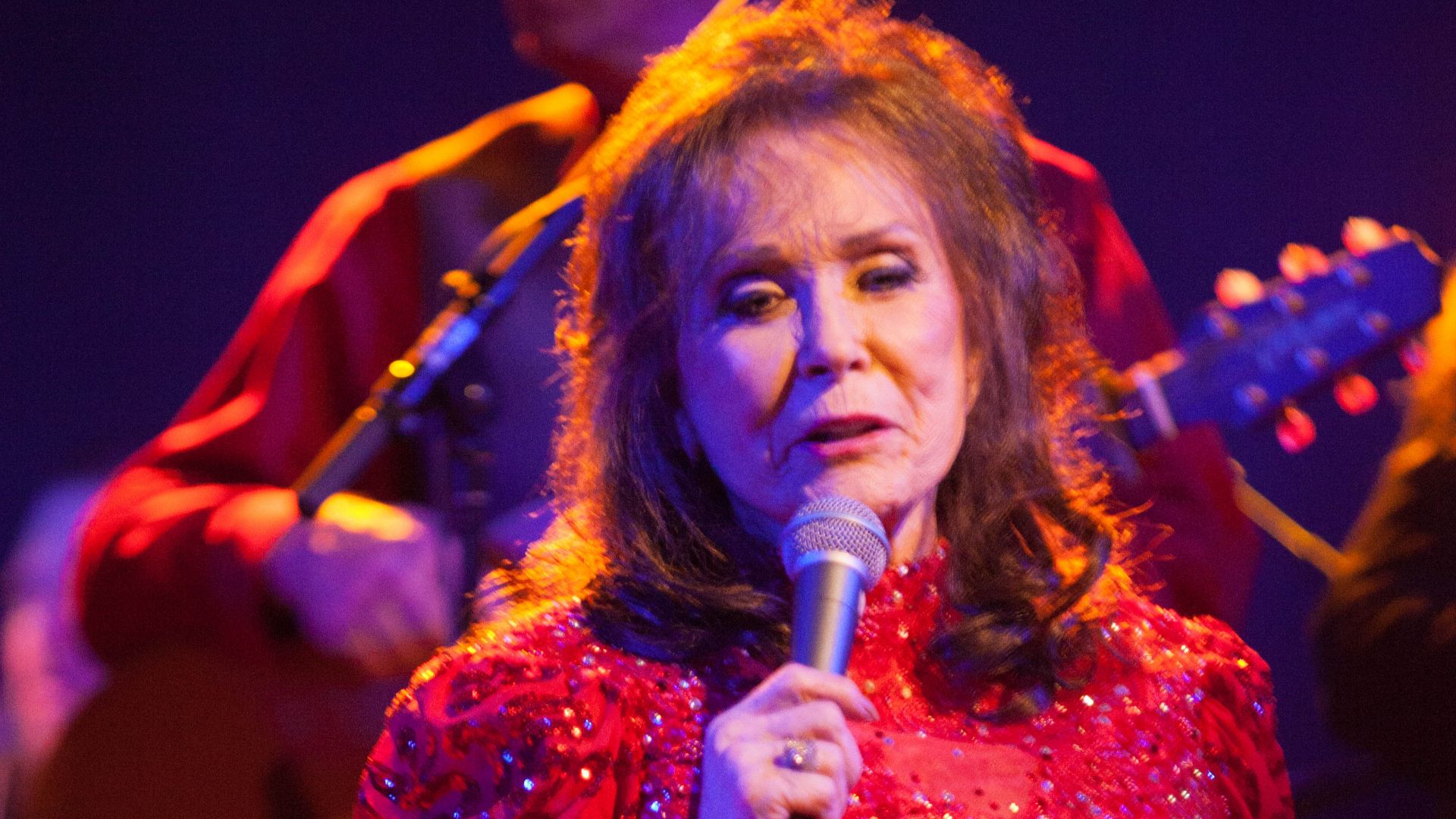 Anna Hanks from Austin, Texas, USA, Wikimedia Commons
Their Partnership Finally Paid Off
In 1960, Loretta recorded her first single, I'm a Honky Tonk Girl, which began attracting attention on country radio. She and Doo traveled across the country promoting the recording, visiting radio stations and introducing themselves to influential people in the music industry. Loretta later described that period as one of the happiest in their marriage because they were working toward the same goal.
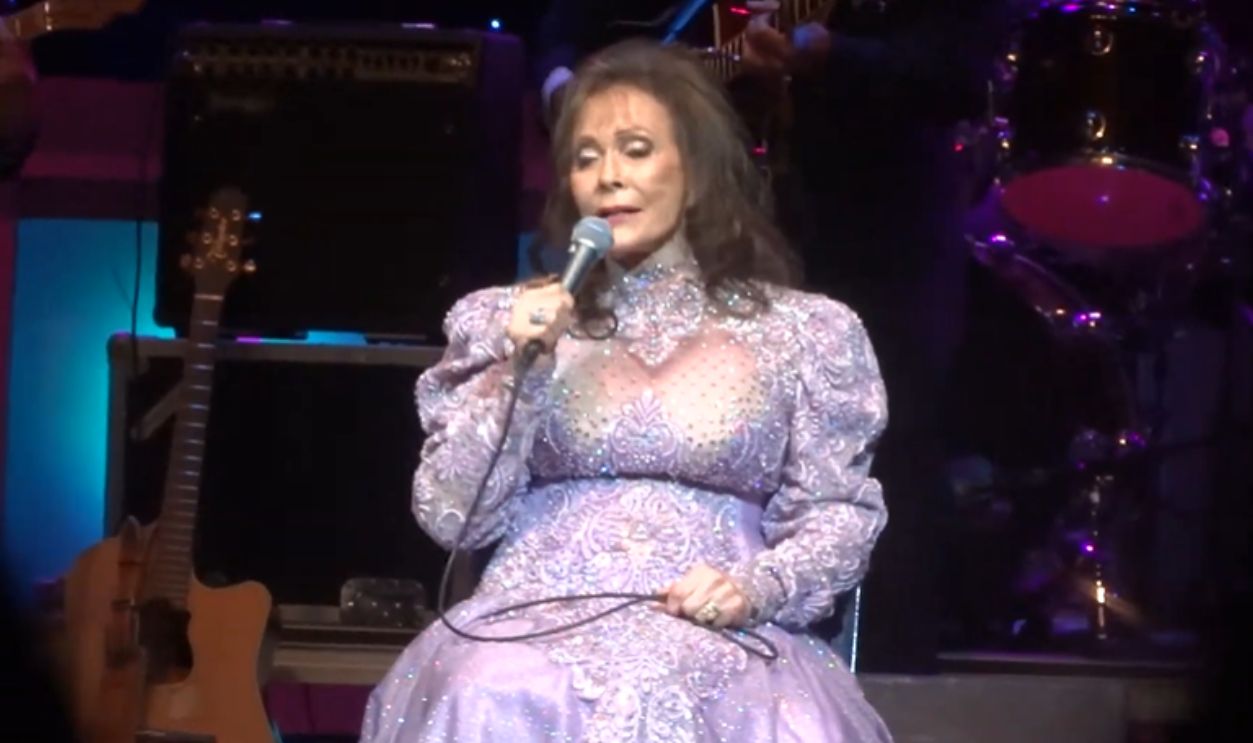 Screenshot from I'm a Honky Tonk Girl, Zero Records (1960)
She Became A Country Sensation
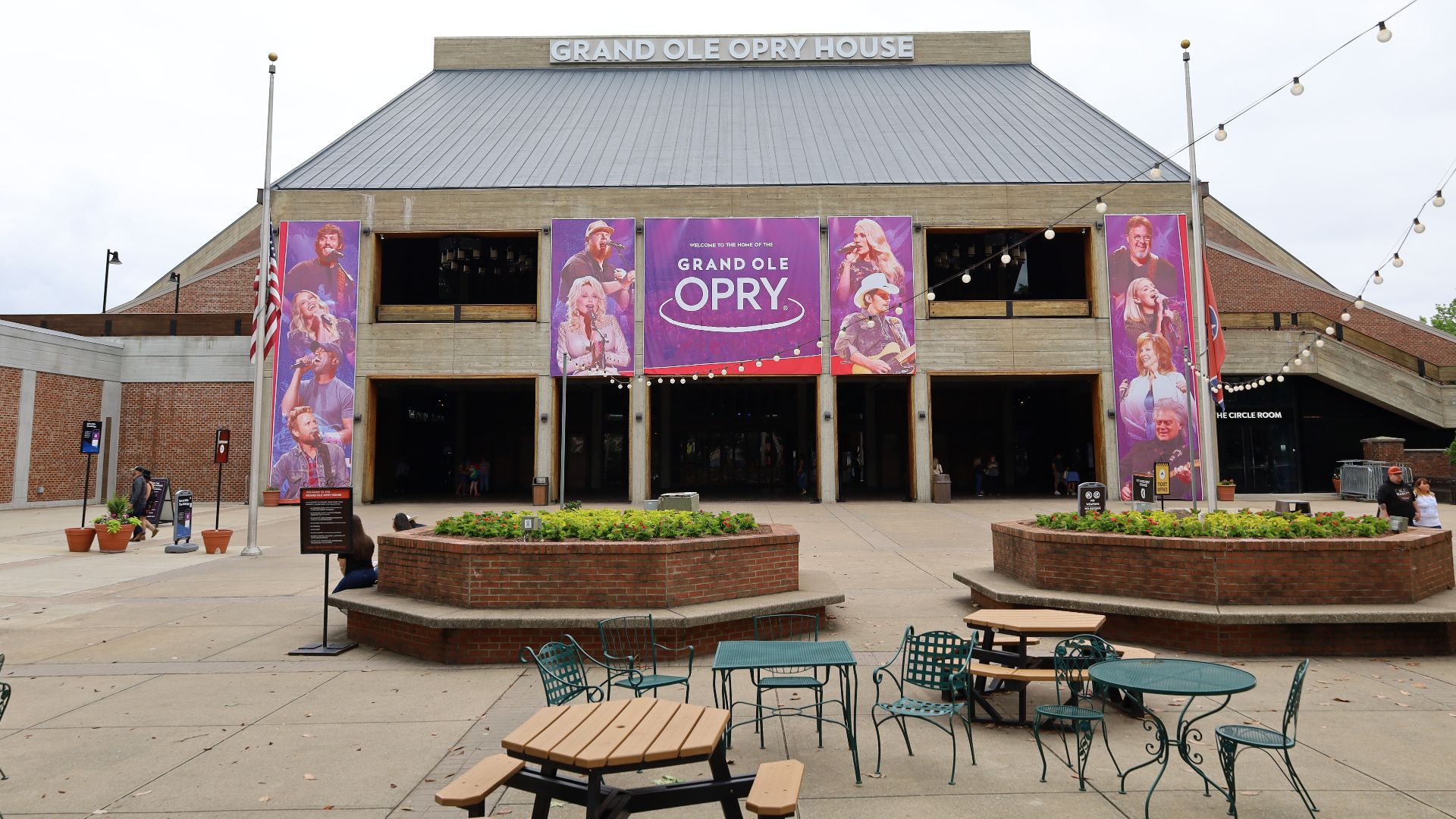
Loretta's growing popularity eventually brought her to Nashville, where she signed with Decca Records in 1961. She joined the Grand Ole Opry the following year, establishing herself as a promising new voice in country music. Her success brought financial security and professional recognition, but becoming famous would introduce an entirely different set of problems at home.
Her Songs Hid Messages For Him
As Loretta developed into a songwriter, she began drawing increasingly heavily on her difficult marriage for inspiration. Her 1966 recording Don't Come Home a-Drinkin' (With Lovin' on Your Mind) became one of her signature hits, reflecting frustrations she understood firsthand. Loretta later explained that Doo appeared somewhere in virtually every song she wrote, although he rarely knew which lines concerned him.
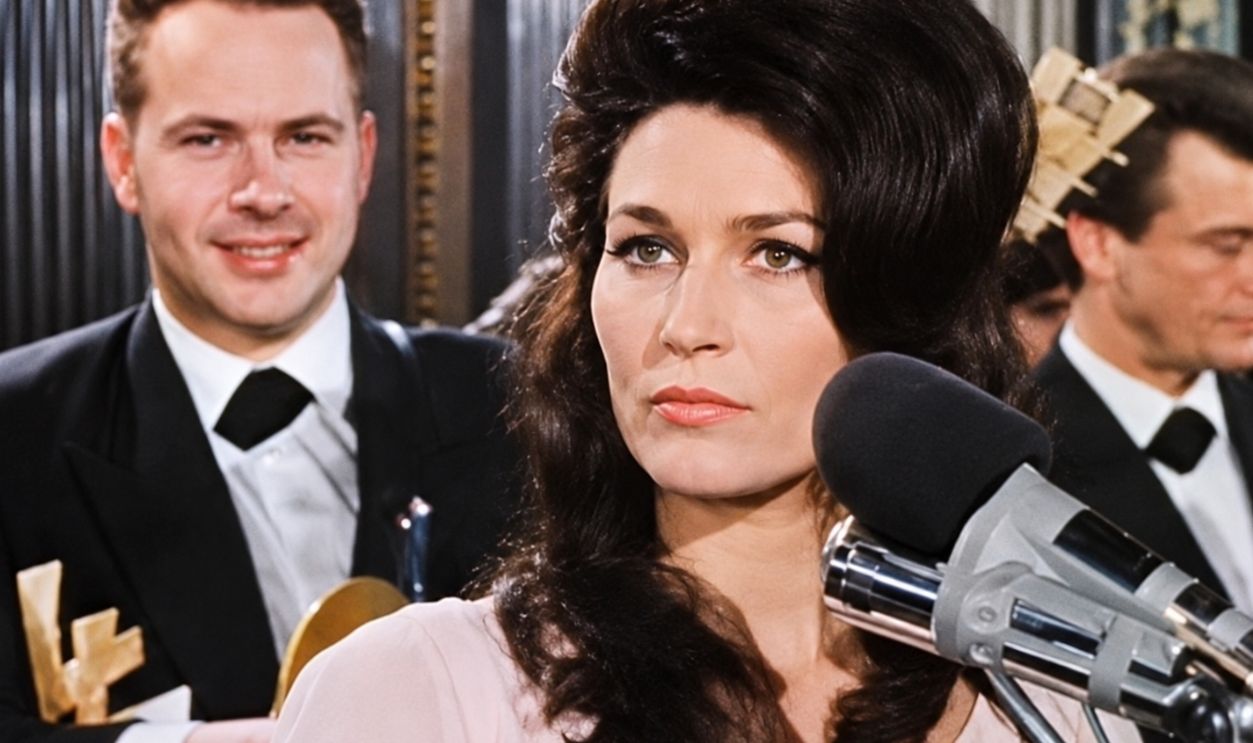 Screenshot from Don't Come Home a-Drinkin', Decca Records (1966), Enhanced
She Turned Heartbreak Into Hit Records
Songs such as You Ain't Woman Enough and Fist City reflected Loretta's determination to stand up for herself when confronted with betrayal. Her direct approach appealed to audiences who recognized the frustrations and struggles she described. Instead of hiding every painful experience, Loretta transformed familiar conflicts into some of country music's most recognizable recordings.
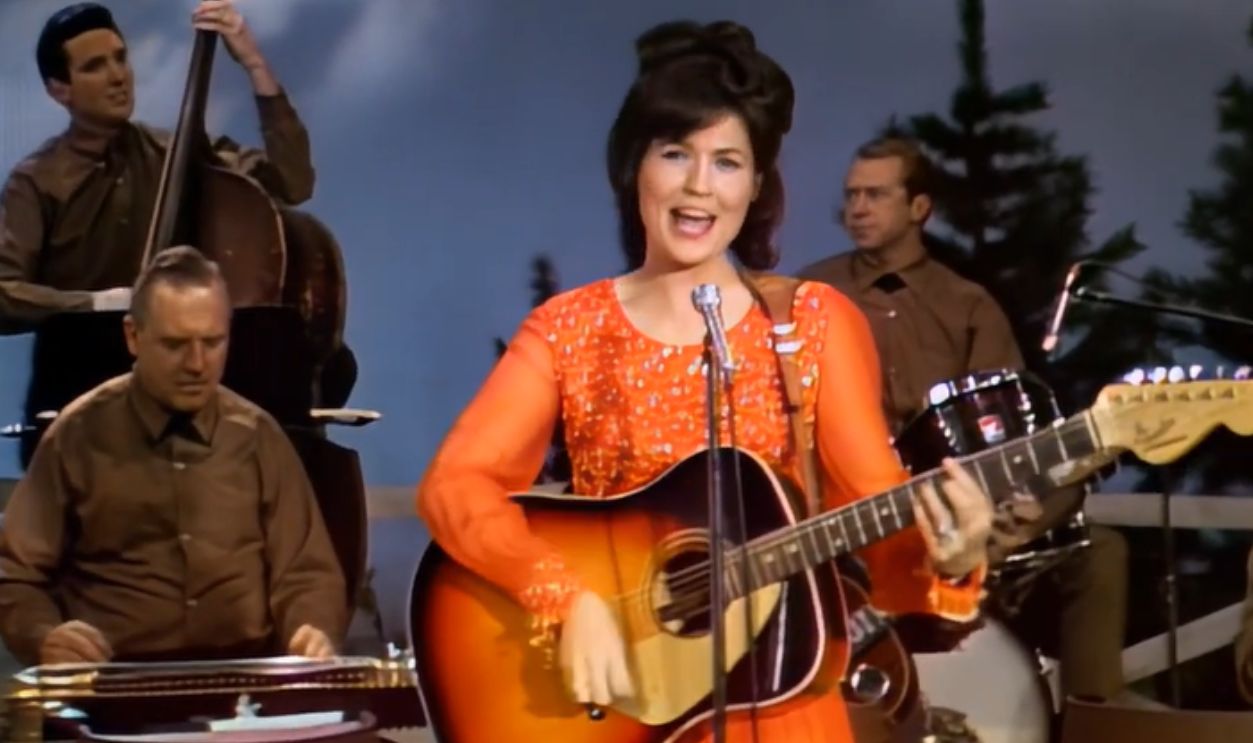 Screenshot from You Ain't Woman Enough (To Take My Man), Decca Records (1966)
Fame Made Their Problems Worse
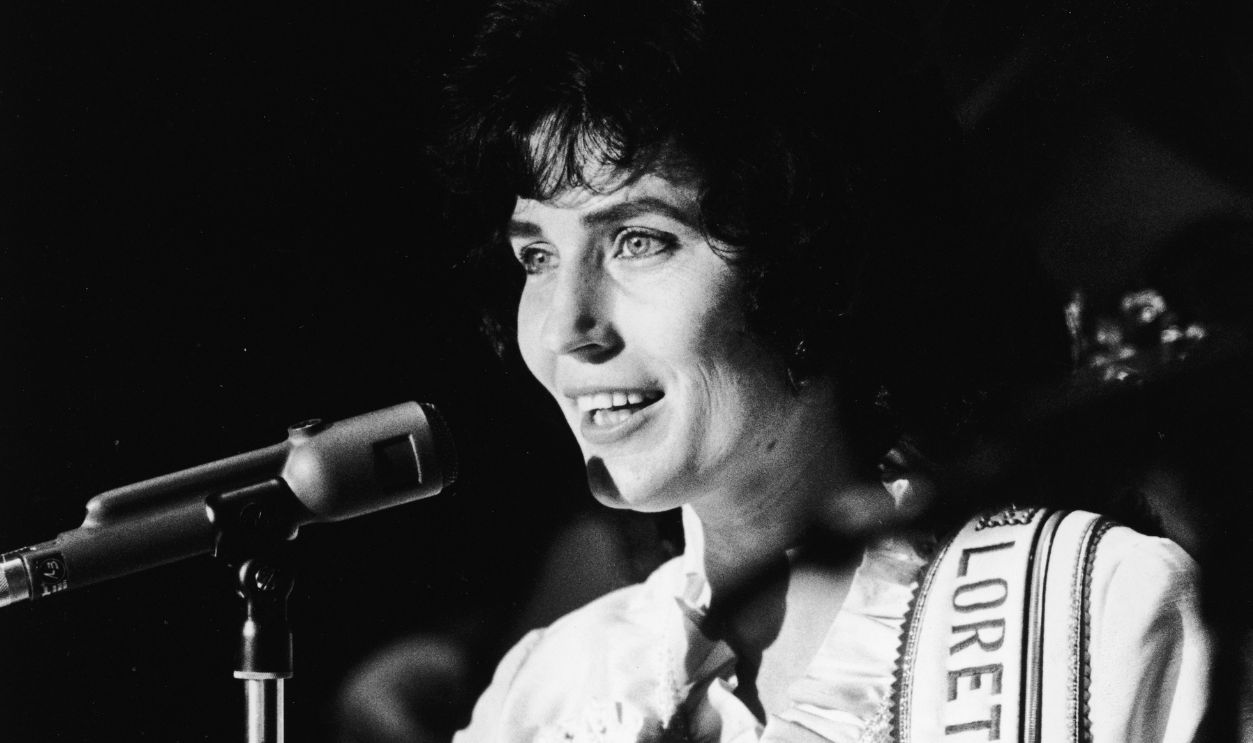
As Loretta's popularity increased, she spent more time touring while Doo remained at home managing family affairs and pursuing business ventures. Their demanding schedules created a physical distance that made an already unstable marriage increasingly difficult. Loretta would later explain that she often felt more comfortable traveling on her tour bus than returning to the house where so many painful memories remained.
Their Mansion Held A Cruel Secret
Loretta purchased a large property in Hurricane Mills, Tennessee, transforming it into an impressive family estate. However, the beautiful mansion did not provide the peaceful home she had imagined, because Doo reportedly continued bringing other women there while she was away. She later admitted that knowing what had happened inside the house made it difficult for her to feel comfortable living there.

She Felt Like A Stranger At Home
Loretta's success required long periods away from her children, leaving her feeling increasingly disconnected from family life. In a 2002 CBS interview, her daughters recalled the sadness of growing up while their mother was regularly traveling for work. Loretta described returning home and discovering that everyone had developed routines without her, leaving her feeling more like a financial provider than a valued family member.
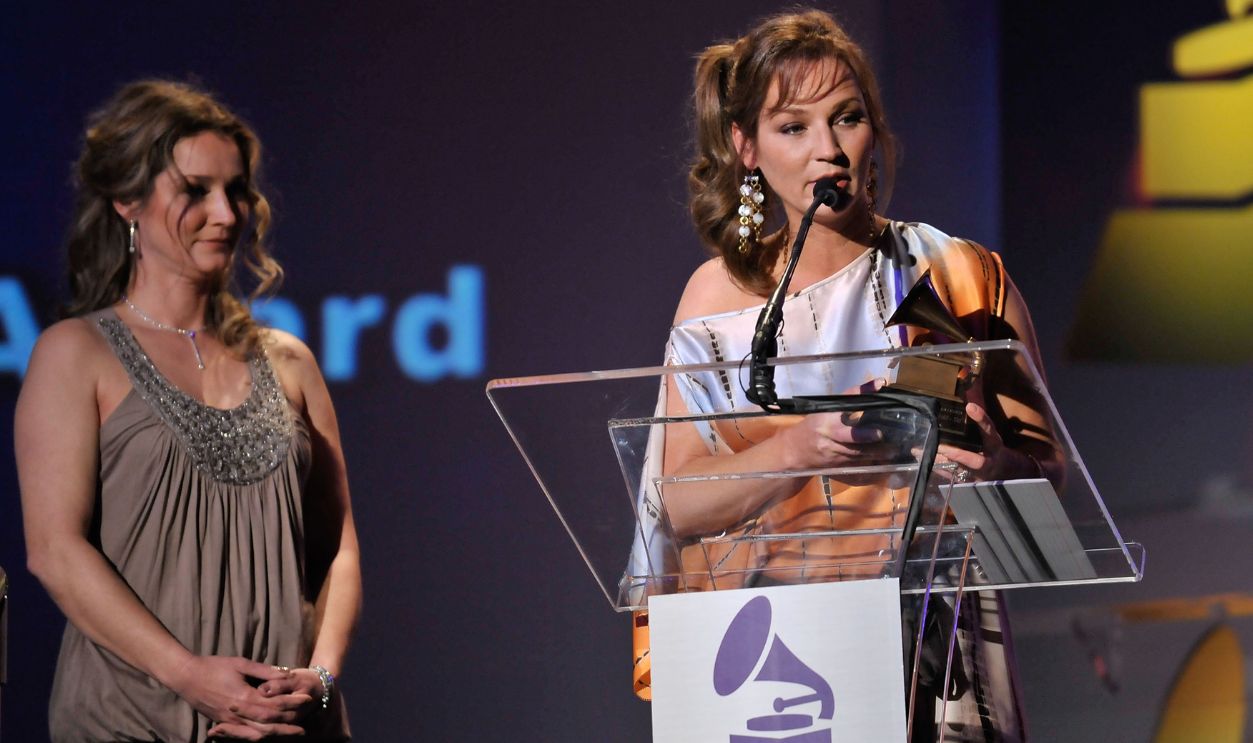
He Kept Spending Her Money
Doo continued buying property and pursuing business ventures while Loretta worked to support the family's expanding lifestyle. According to her recollections, she sometimes returned from touring to discover that he had purchased hundreds of additional acres. Those expenses meant she had to continue performing to cover financial commitments she had not necessarily chosen herself.
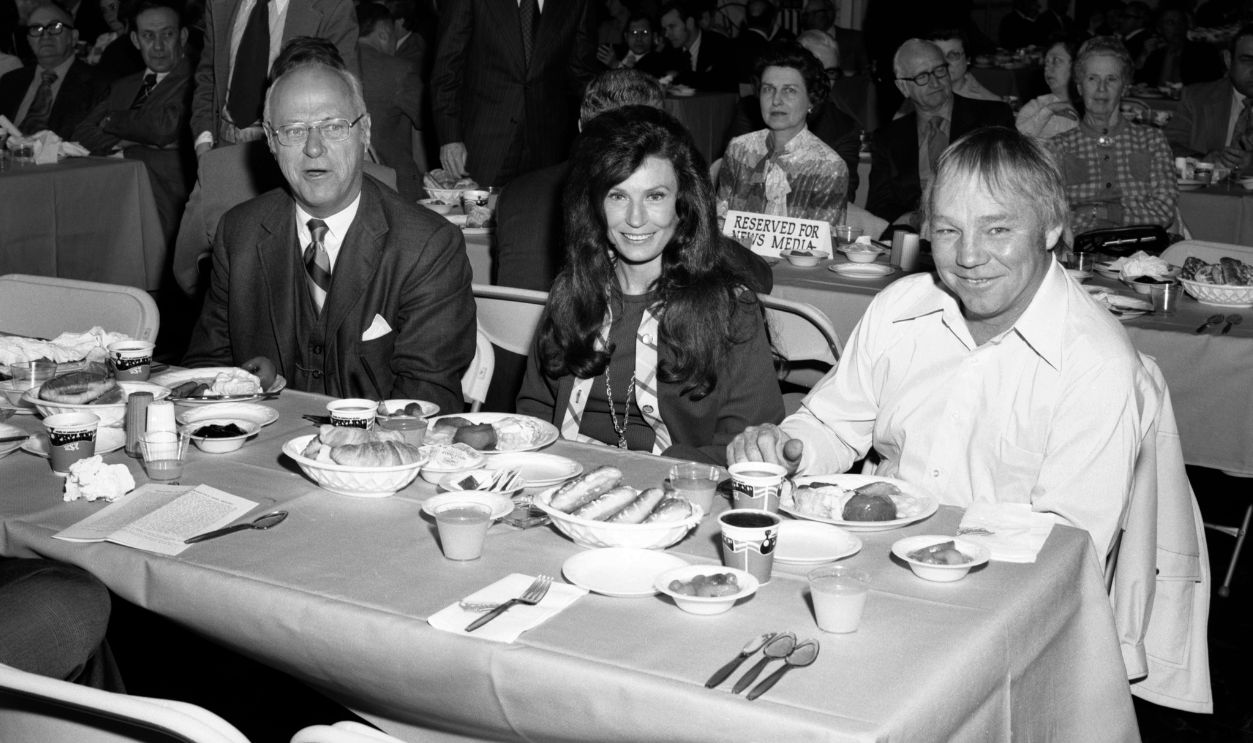
She Stayed For A Heartbreaking Reason
Despite the mistreatment and repeated betrayals, Loretta remained married to Doo, a decision that puzzled many people who admired her independent spirit. In her 2002 CBS interview, she explained that she had considered the emotional consequences a separation might have for their six children. She also acknowledged that she still loved him, revealing a complicated attachment that endured through years of hardship.
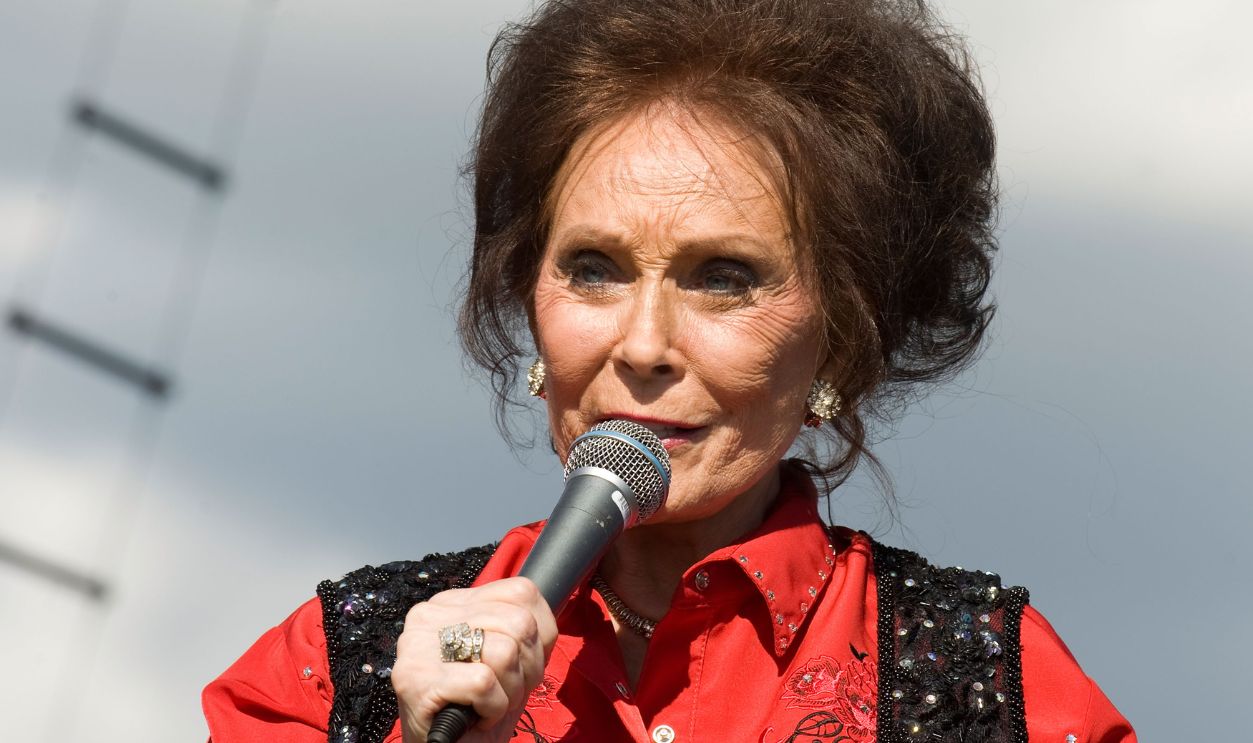
She Told Her Story To The World
In 1976, Loretta published Coal Miner's Daughter, an autobiography written with journalist George Vecsey. The book described her impoverished upbringing, early marriage, and remarkable rise to country music stardom, becoming an enormous commercial success. Although she discussed difficulties with Doo, some of the most painful details of their relationship would emerge more fully in her later writing.
 Tony Guida's New York; CUNY TV, Wikimedia Commons
Hollywood Made Her Marriage Famous
In 1980, Loretta's autobiography became the acclaimed film Coal Miner's Daughter, starring Sissy Spacek as Loretta and Tommy Lee Jones as Doo. Spacek won the Academy Award for Best Actress, and the production introduced Loretta's extraordinary life to millions of moviegoers. Yet the film's inspiring conclusion could not capture everything that happened during her difficult marriage, particularly the troubles that continued afterward.
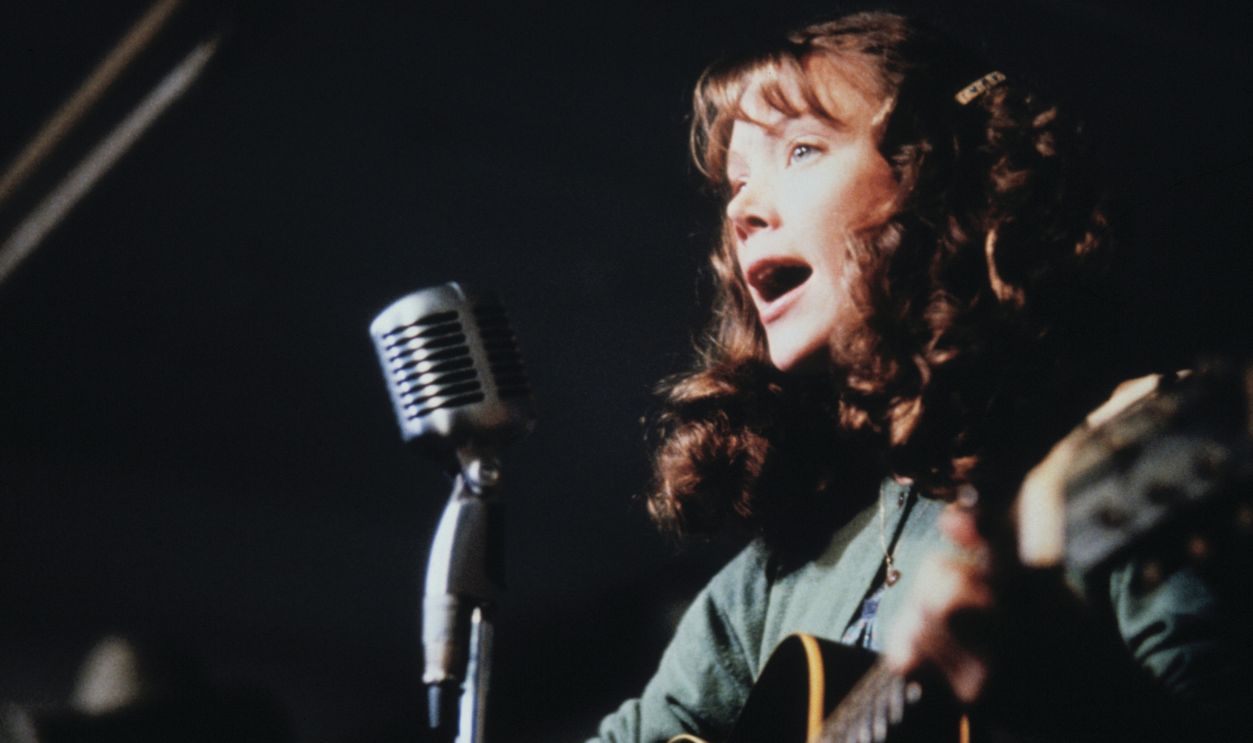
She Suffered A Devastating Family Loss
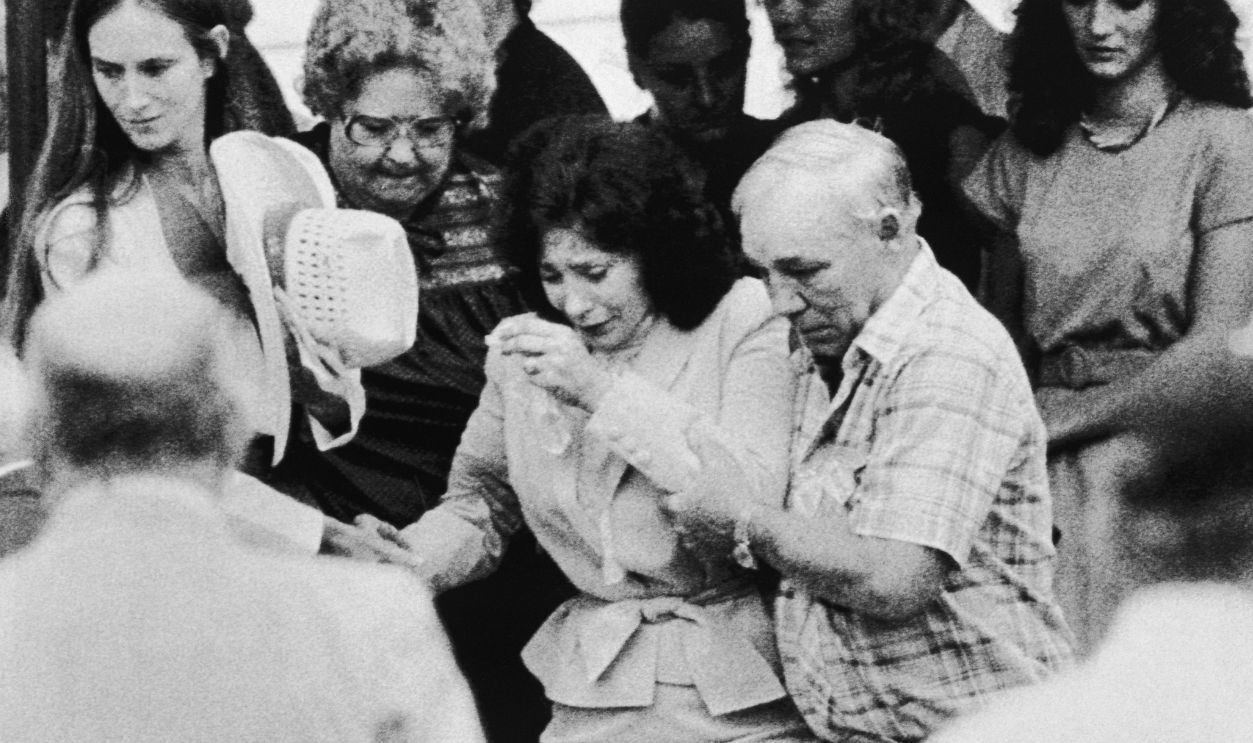
In July 1984, Loretta's eldest son, Jack Benny Lynn, died in a drowning accident after riding a horse near the family's Tennessee property. He was just 34 years old, and his death brought unimaginable grief to the family. Loretta was already accustomed to enduring professional pressure and marital difficulties, but losing a child created a different kind of heartbreak.
His Final Years Changed Everything
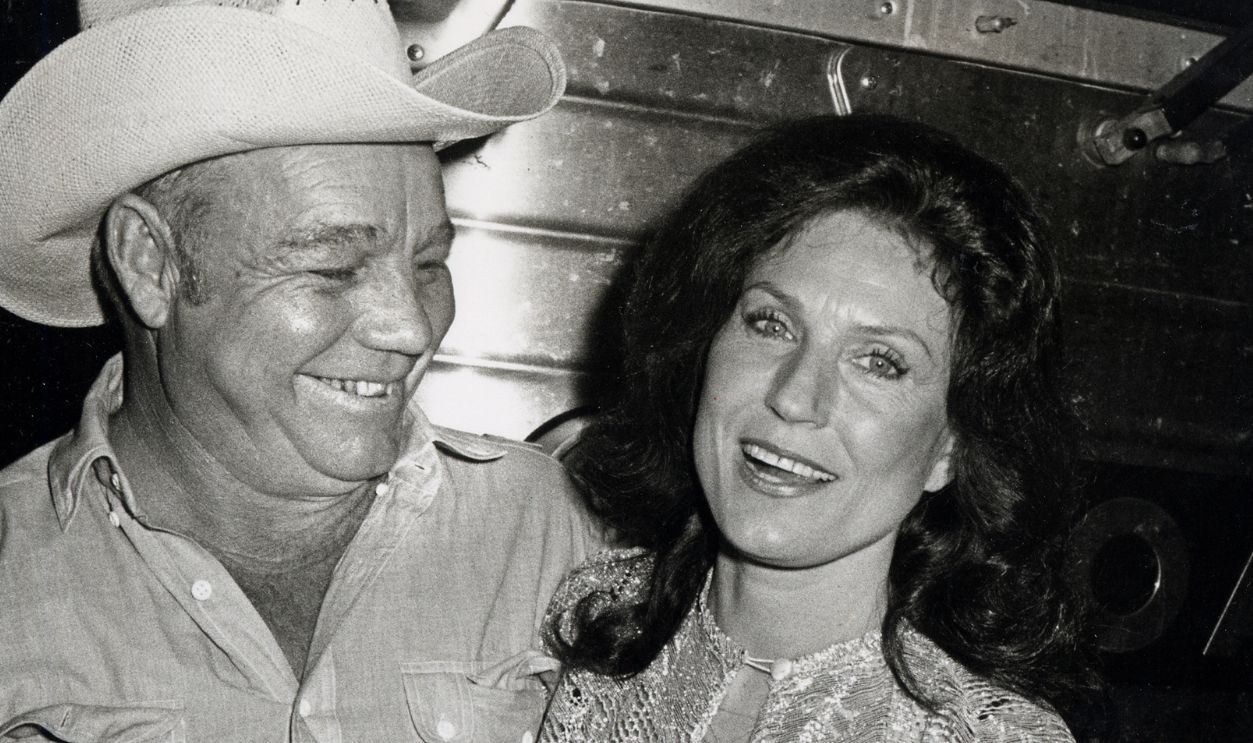
During the early 1990s, Doo's health deteriorated significantly because of complications associated with diabetes. Loretta reduced her performing commitments and spent years caring for the husband whose actions had caused her so much pain. Despite everything they had endured, she remained beside him until his death in August 1996.
His Death Left Her Completely Lost
After nearly five decades of marriage, Loretta struggled to adjust to life without Doo. She later admitted that she had relied on him when making major decisions, even during periods when their relationship was troubled. The loss made her feel deeply alone, demonstrating just how thoroughly their lives had become intertwined.
She Finally Revealed The Worst Of It
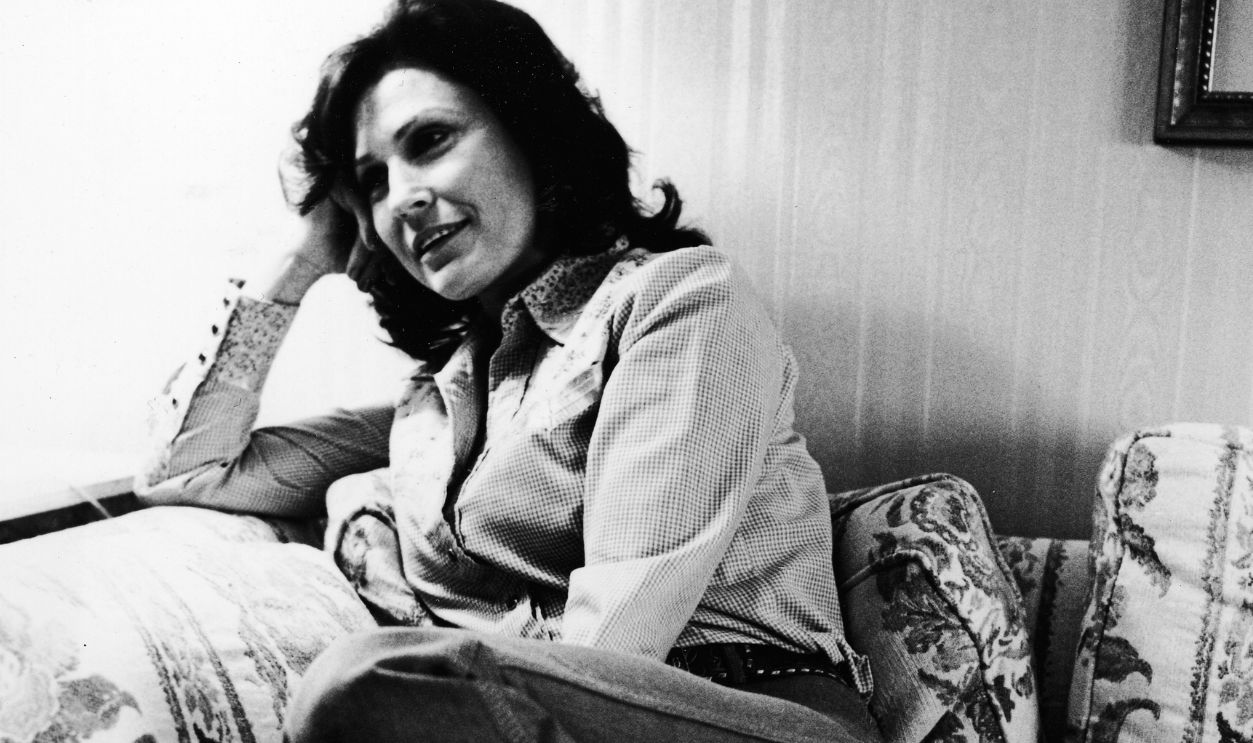
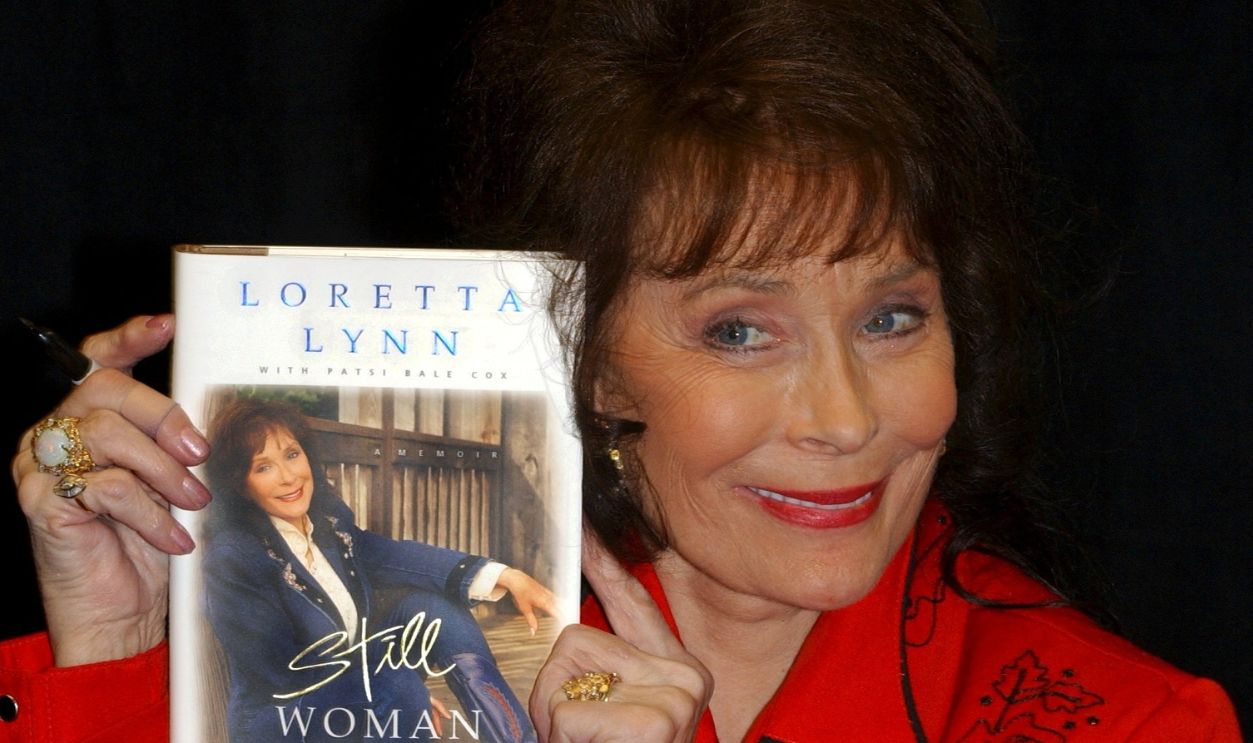
In April 2002, Loretta published Still Woman Enough, written with Patsi Bale Cox. The memoir explored subjects she had discussed less fully in her earlier autobiography, including Doo's repeated betrayals, his violence, and the loneliness she experienced during their marriage. With her husband gone, Loretta felt able to describe painful events more openly, creating a portrait of their relationship that was far darker than the public had previously understood.
She Refused To Rewrite Her Own History
Even after revealing the worst parts of her marriage, Loretta resisted portraying Doo as entirely cruel or entirely loving. She continued crediting him with recognizing her talent while acknowledging the harm he had caused, refusing to pretend their history was simple. Loretta died peacefully at her Hurricane Mills home on October 4, 2022, at the age of 90, leaving behind a legacy built on the courage to tell difficult truths through music and storytelling.
You May Also Like:
Forget The Critics: These Are The 50 Greatest Rock Albums Of The 1970s—Do You Agree?
Critics Say These Rock Albums Don’t Have Any Weak Tracks—Do You Agree?