Randy Meisner Was Pushed Past The Breaking Point
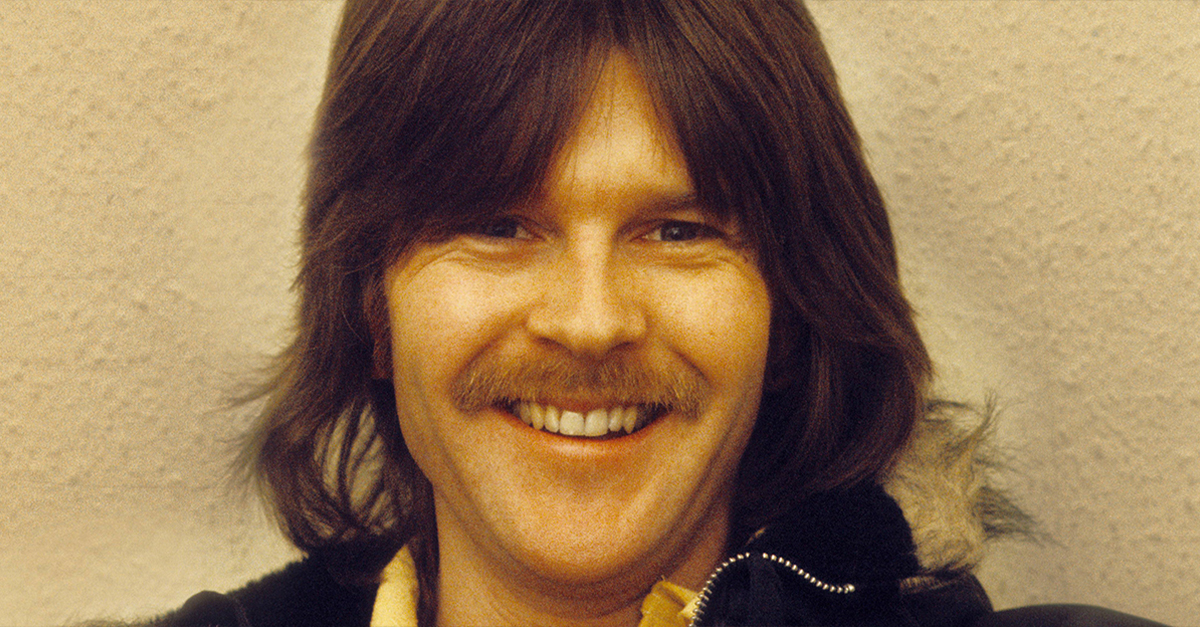
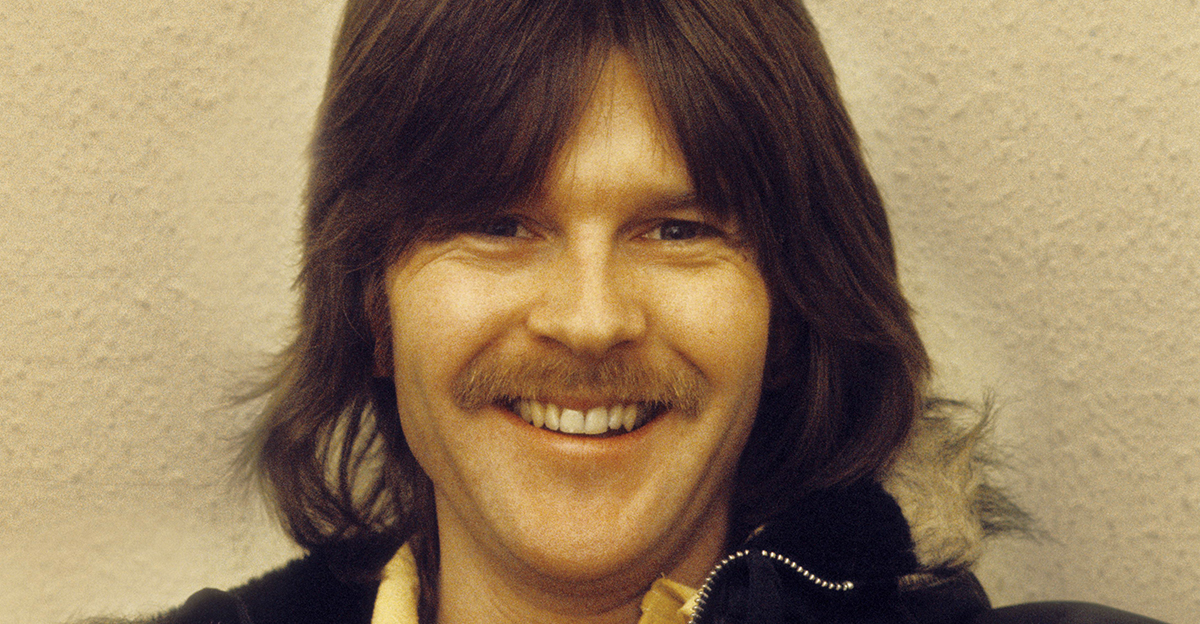
The Eagles’ Randy Meisner was a baby-faced farm boy whose angelic voice drove crowds insane—especially during the soaring climax of “Take It to the Limit”. Unfortunately, life seemed determined to test his limits. While Meisner helped build one of the biggest bands of the 1970s, the pressures of superstardom, clashing egos, endless temptations, and domestic horror ended up pushing him to a very dark place.
 Gijsbert Hanekroot, Getty Images
1. He Wasn’t Born For Rock And Roll
Randy Meisner’s story begins a million miles away from the glitz and glamour of California rock stardom. Born on March 8, 1946, to a family of hardworking farmers, the admitted troublemaker grew up among the cornfields of Scottsbluff, Nebraska. He later confessed that as a kid, he “would always take the dare”.
Before long, one fateful encounter would dare him to dream much bigger…
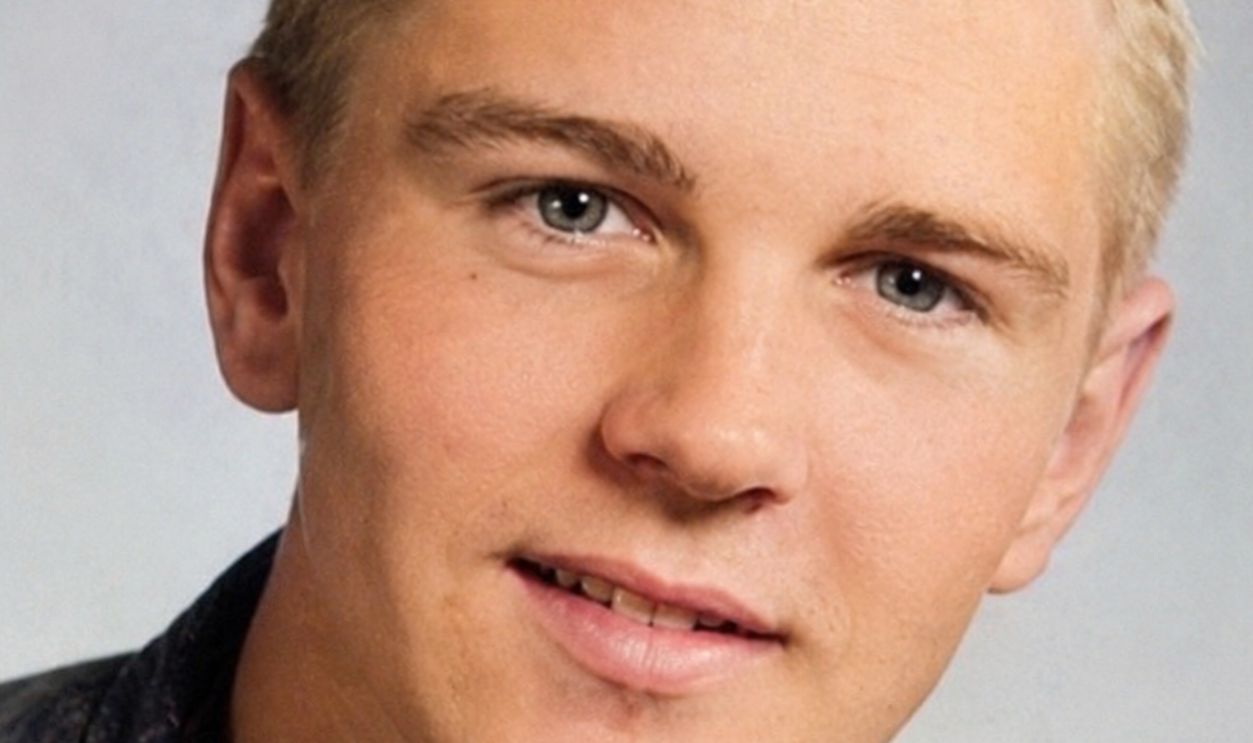 Scottsbluff High School, Wikimedia Commons, enhanced
2. His Path Was Set
Elvis Presley was the rock and roll version of Helen of Troy, except his hips launched a thousand music careers. After watching Elvis’s legendary appearance on The Ed Sullivan Show, 10-year-old Randy caught the fever. He soon began guitar lessons and playing with some local bands. His very first public performance was Jimmie Rodgers’ “Honeycomb” at a PTA meeting.
By the time he got to high school, one teacher recognized his talent and steered him toward the instrument that would make him a star.
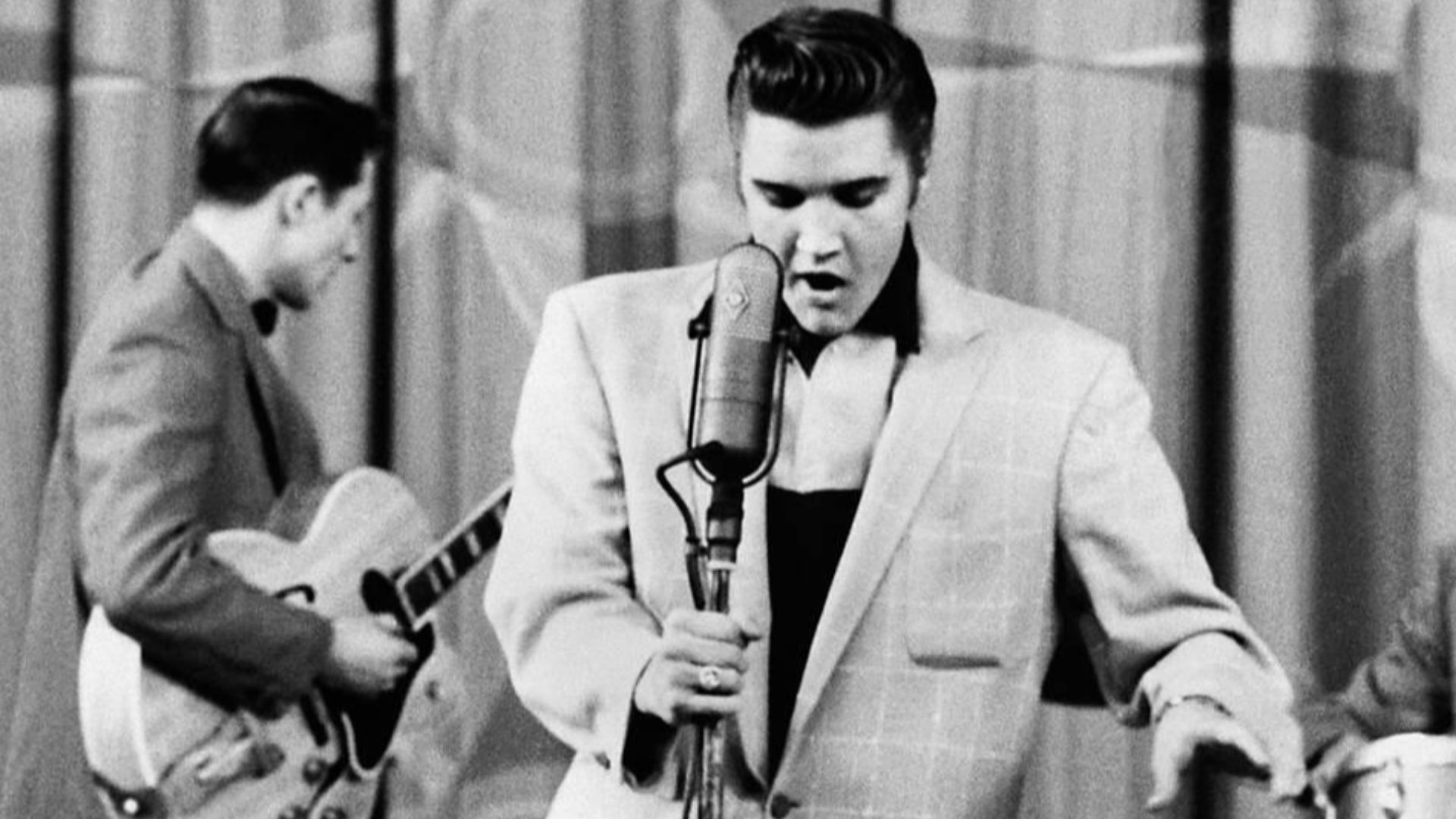 Unknown authorUnknown author, Wikimedia Commons
3. He Was A Four-String Savant
In a testament to the power of a good teacher, one of Randy’s high school instructors recognized his musical talent and suggested he take up the bass guitar. It made sense to Randy, who loved the driving bass lines of R&B and Motown. Although he never learned to read music, he later said, “Once I learn a part, it’s there. My bass playing came real naturally”.
Something else that came naturally was about to change his life forever.
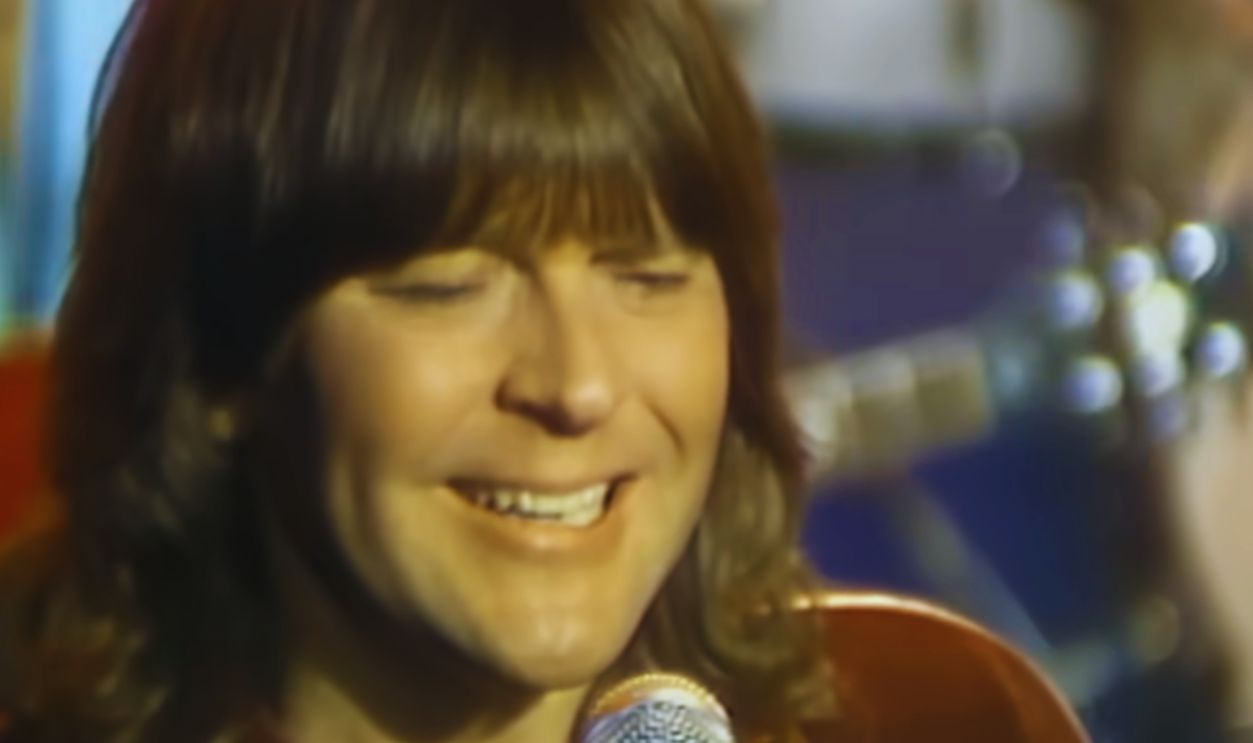 Screenshot from Hearts on Fire, Sony Music Entertainment (1980)
4. He Grew Up Fast
Most teenagers spend their senior year worrying about homework and prom. Randy Meisner had bigger concerns. At just 17 years old, he married his high-school sweetheart, Jennifer Barton, and a few months later, he became a father. Suddenly, the responsibility of supporting a young family fell on his shoulders.
Instead of dropping out and getting a stable, boring job, he made a gutsy decision that would seal his fate.
5. He Chose Music
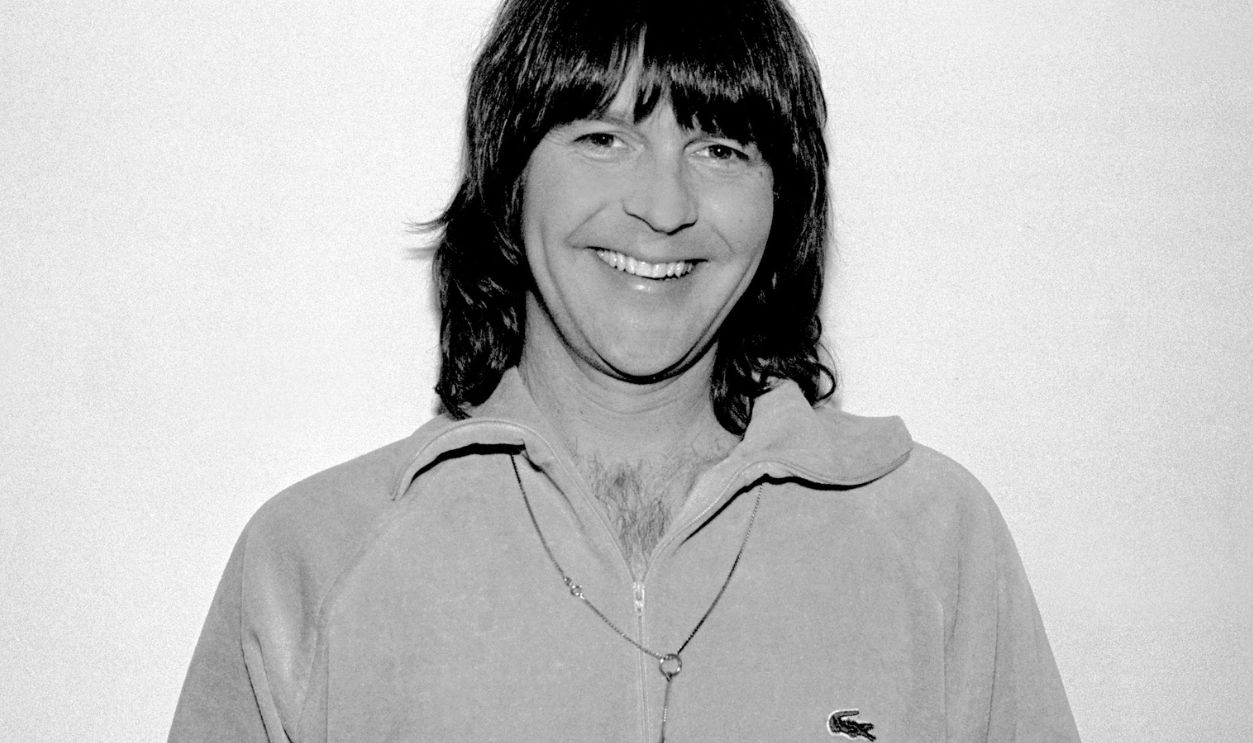
Meisner’s dream came with a steep price. He made the difficult decision to leave Nebraska and his young family behind to head to LA with his band, the Soul Survivors. It wasn’t glamorous: He sold newspapers on the street while bouncing from band to band. Things started looking up when he joined former Buffalo Springfield members to form a new group called Poco.
But even with success within reach and a family depending on him, Meisner wasn’t afraid to rock the boat.
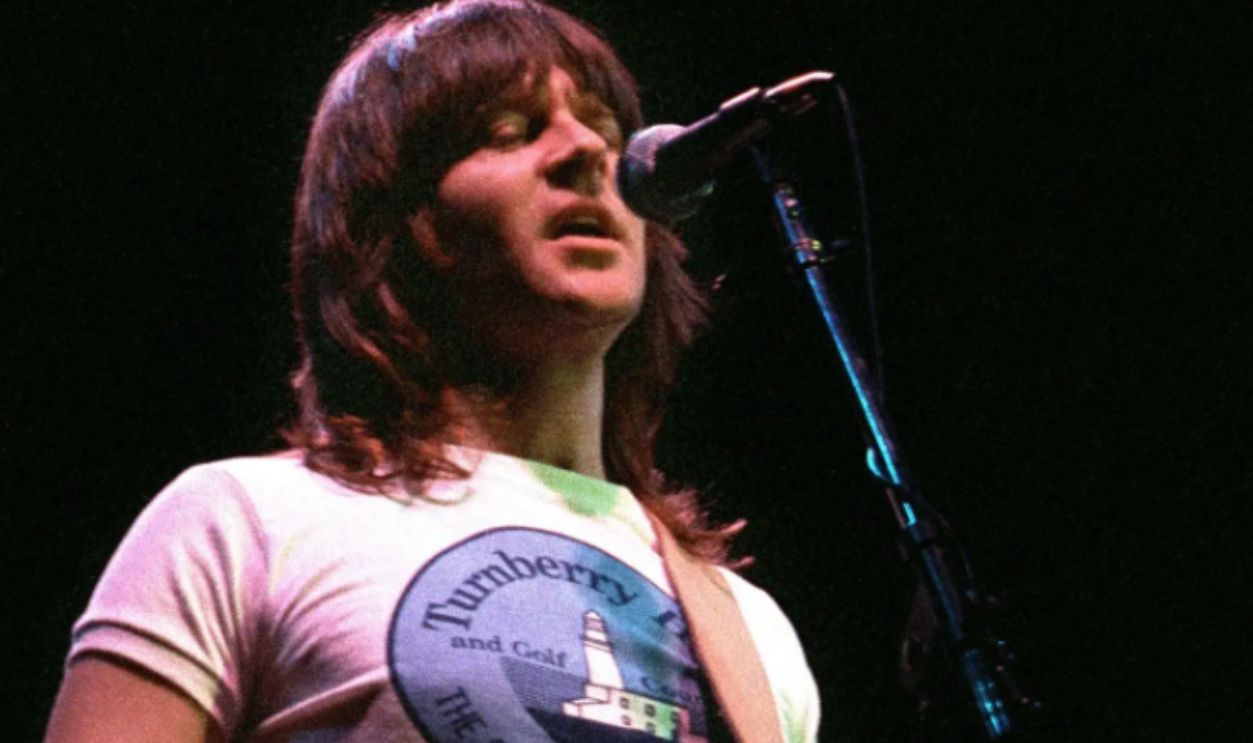
6. He Was Nobody’s Sideman
Randy Meisner may have been shy, but he had no shortage of pride. Although his Poco bandmates were former Buffalo Springfield stars, Meisner expected an equal seat at the table. When the band’s leaders excluded him from the final mixing sessions for Poco’s 1969 debut, Pickin’ Up the Pieces, he quit.
Meisner got to keep his pride. Poco got stuck re-recording his vocals, replacing him with a dog on the album cover, and watching him move on to much bigger things.
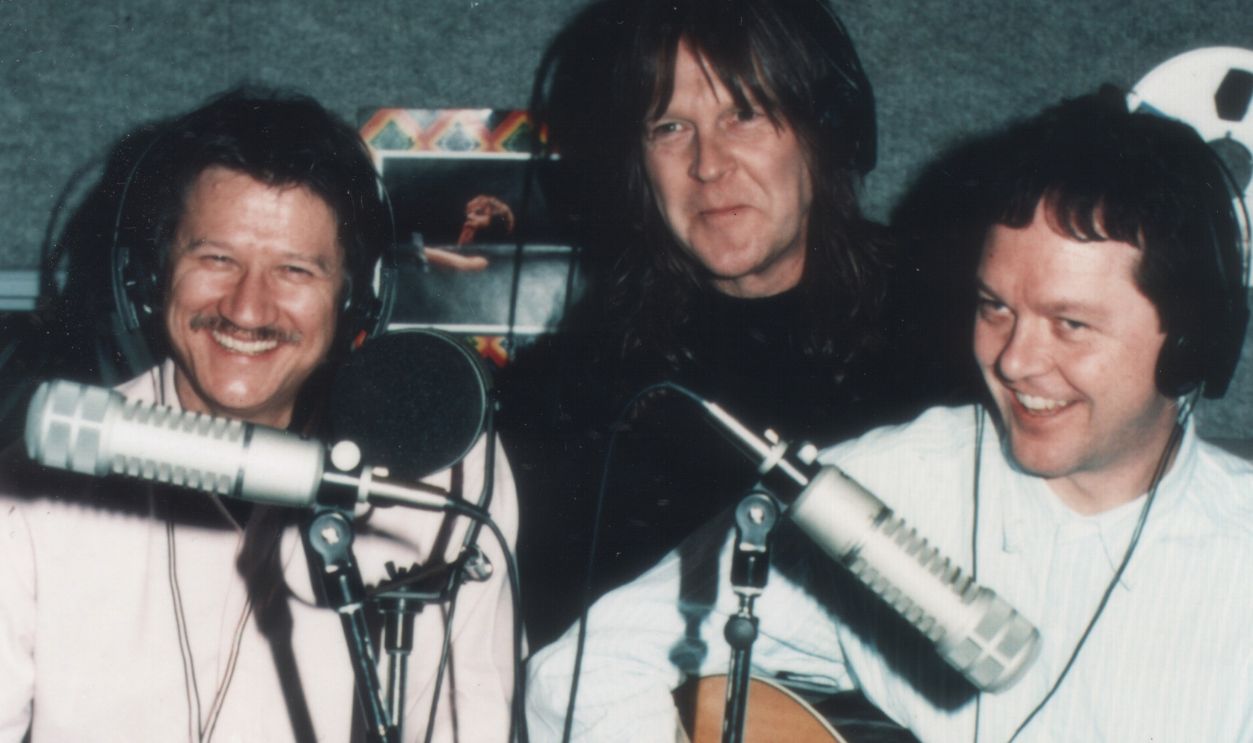
7. He Had An Unexpected Admirer
Before leaving Poco, Meisner had no idea that someone unexpected had been eyeing his talents. That someone was a former teen idol, bundled in a fur parka and puffing on menthols during a Poco gig at LA’s legendary Troubadour. The mystery man was Ricky Nelson, who was eager to ditch his clean-cut image and enter his country-rock era.
The missing ingredient? He needed Meisner’s incredible vocal range.
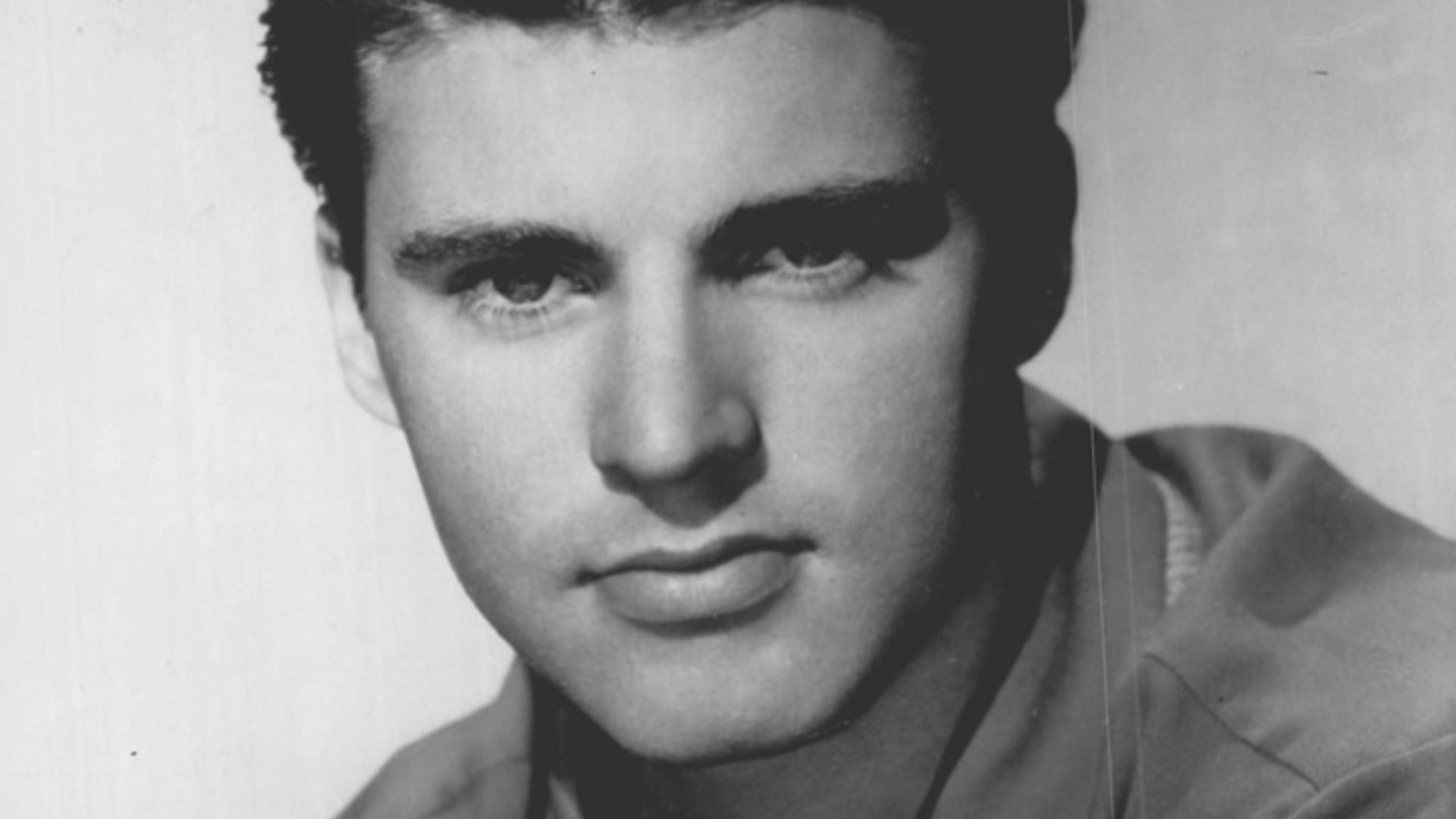 Decca Records, Wikimedia Commons
8. He Got More Than He Bargained For
When Randy Meisner joined Rick Nelson’s Stone Canyon Band, he had no idea what he was in for—namely, a disastrous European tour of US Army bases in 1970. Bandmate Miles Thomas later called it “a nightmare from the book of bad road dreams”. The schedule was grueling, the pay was lousy, and each night the band faced GIs who mocked their long hair, blew kisses, and heckled them.
The tour was so bad that Meisner not only quit on the plane ride home, but he quit music altogether. His next gig? Selling tractor parts in Nebraska.
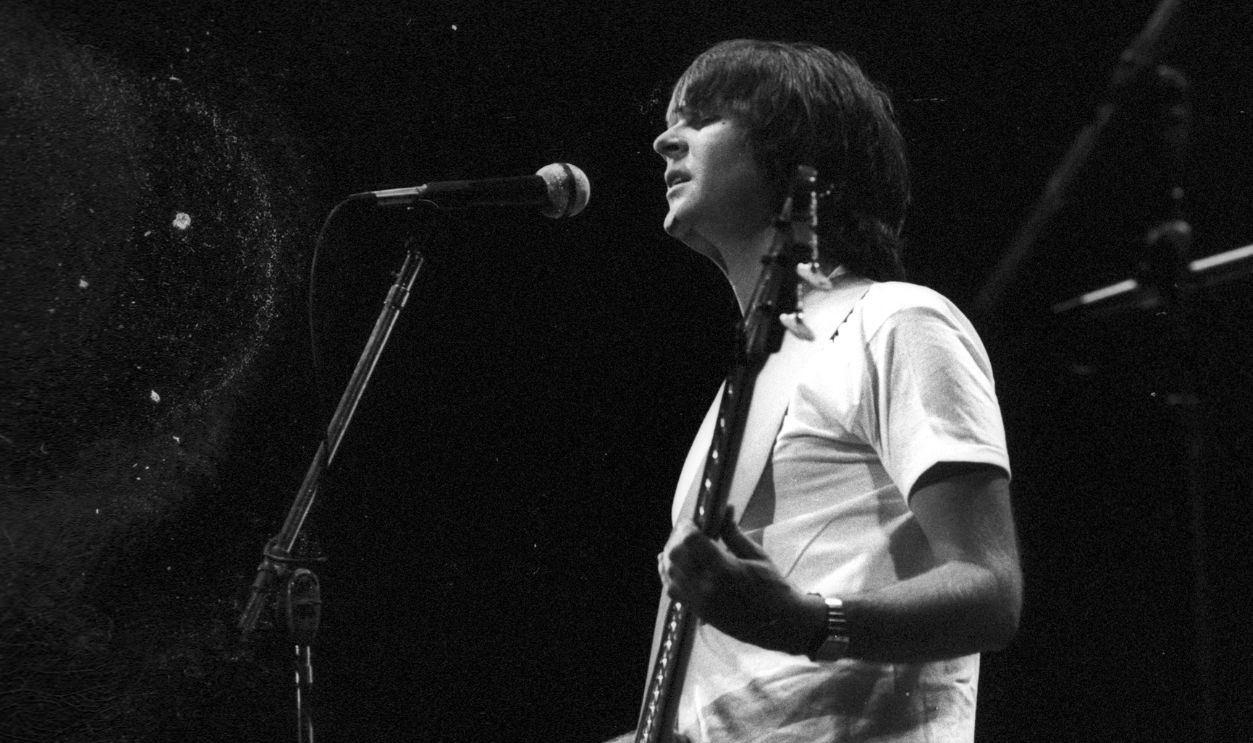 Michael Ochs Archives, Getty Images
9. He Gave It One Last Try
Meisner couldn’t stay away from music for long. After three months, he started a band in Nebraska and spent his days working and his nights playing gigs. Then, in 1971, he moved back to LA and rejoined the Stone Canyon Band. Before long, Linda Ronstadt’s manager had recruited him into her backing group alongside Don Henley, Glenn Frey, and Bernie Leadon.
In September 1971, the four musicians struck out on their own and formed the Eagles. Meisner had finally found the band that would change his life—big time.
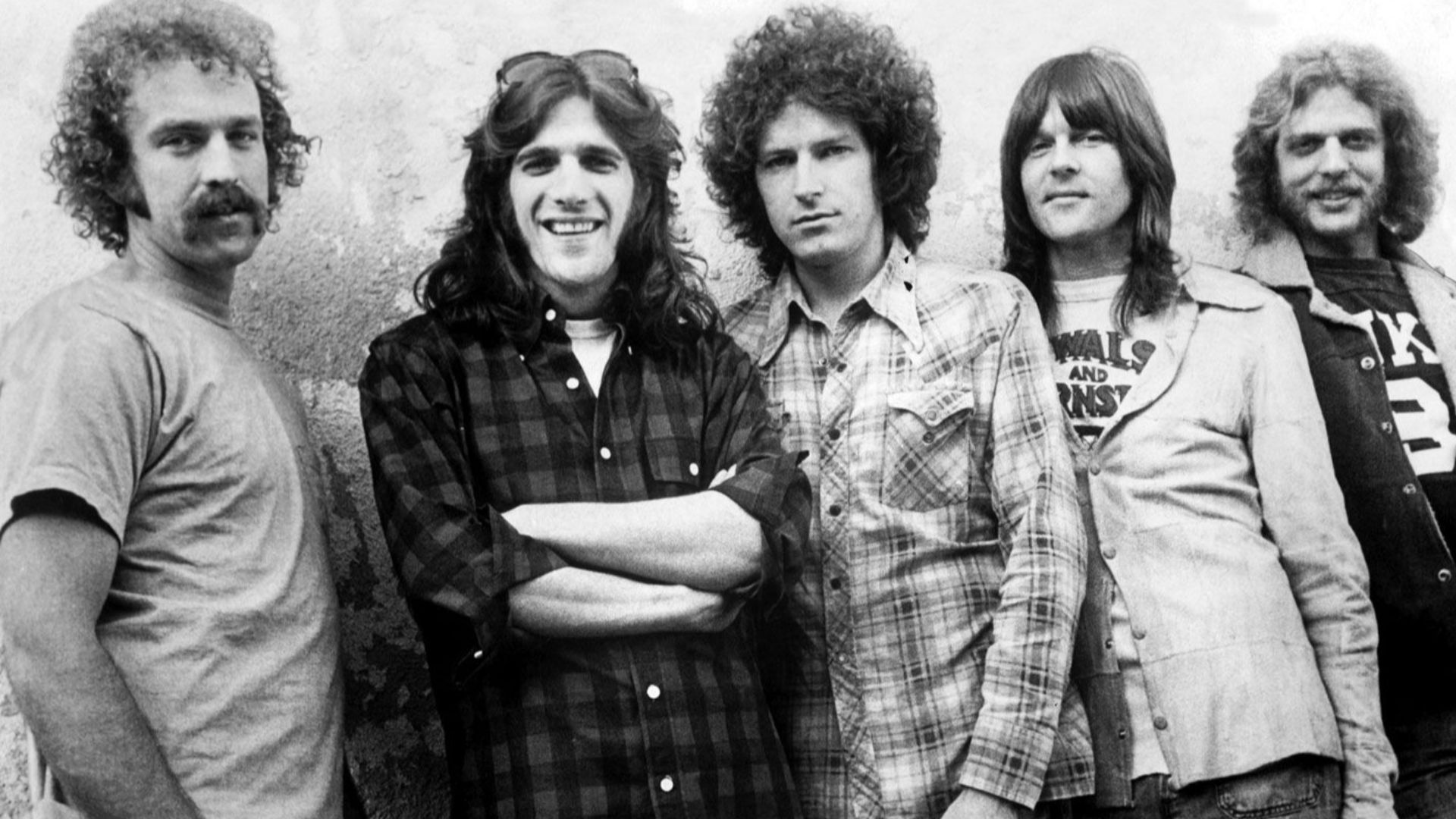 Distributed by Asylum Records, Wikimedia Commons
10. He Was In A Band Of Brothers
It’s hard to imagine that a band that would earn the nickname “the Egos” started off as four dudes who genuinely enjoyed one another’s company. When the Eagles weren’t playing to small college crowds, they filled the hours with endless poker games and inside jokes. Of course, there was also booze, substances, and women—even for Randy Meisner, now a married father of three.
Life didn’t stay blissfully simple for long, though.
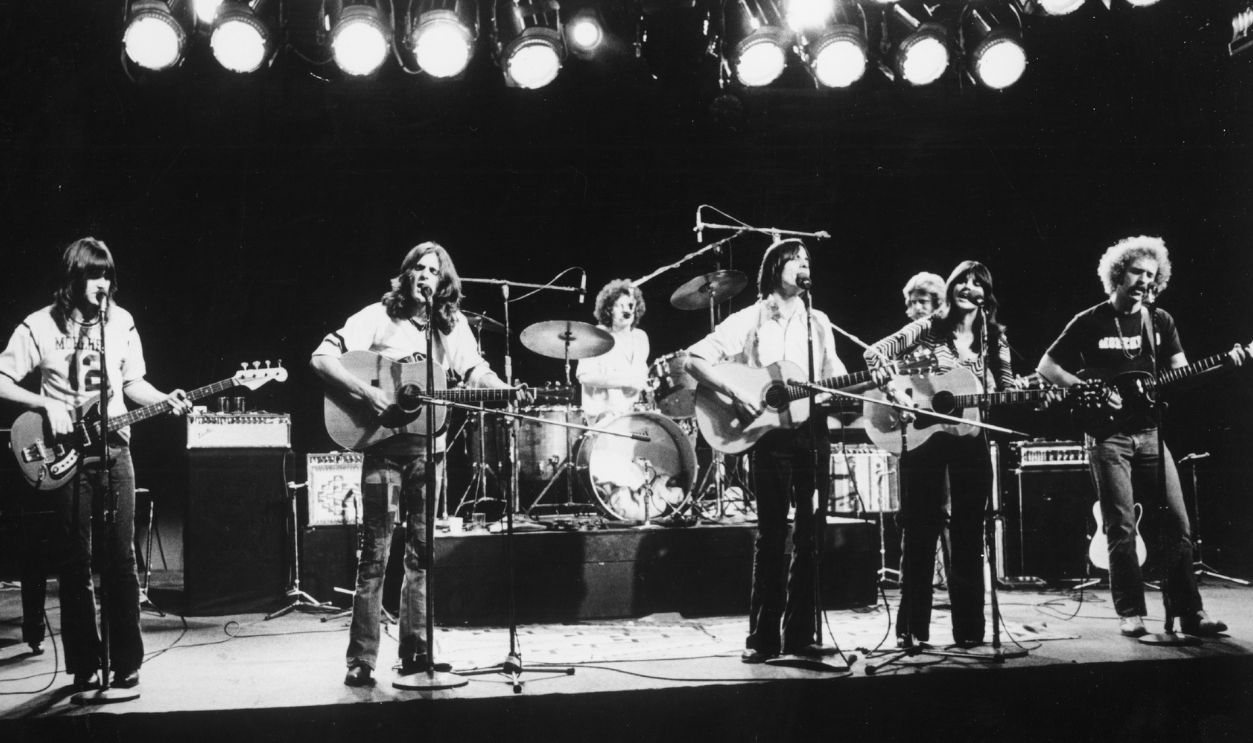 Michael Ochs Archives, Getty Images
11. He Had The Secret Sauce
As the Eagles began to take off, it became clear that Meisner was much more than a sideman. Not only did he lay down the Eagles’ basslines and co-write some songs, but he also brought something special to the band: those soaring vocal harmonies that Ricky Nelson had so coveted. Meisner’s yearning falsetto gave the Eagles a distinctive edge, helping their blend of country rock stand out.
Before long, audiences couldn’t get enough.
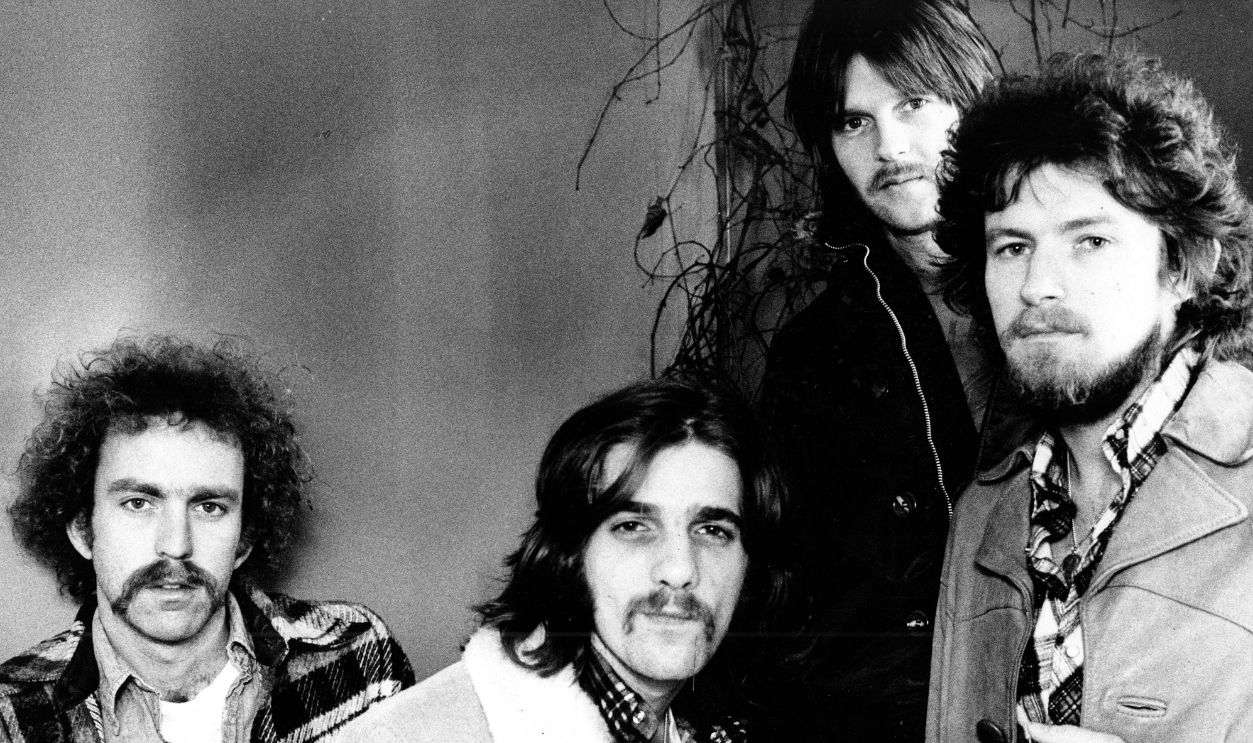 Gijsbert Hanekroot, Getty Images
12. He Blazed A Trail
“Money ruins everything” almost sounds like it could be an Eagles’ track. Instead, it perfectly describes what happened next. The band’s 1972 debut produced three hit singles and launched them toward superstardom. With each new album, the paychecks got fatter, the stakes got higher, and the cracks started to show.
It was the dawn of the stadium-rock era, and everything in their lives was about to crank up to eleven.
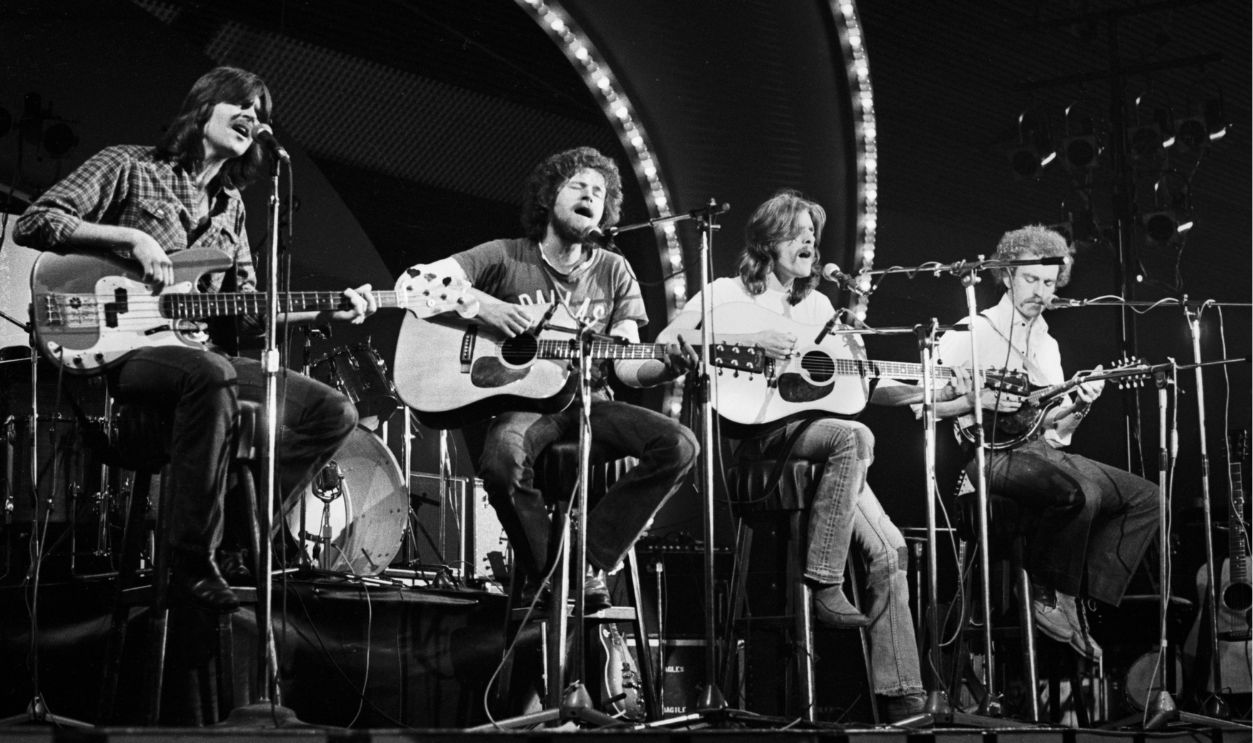 Gijsbert Hanekroot, Getty Images
13. He Couldn’t Resist
As the Eagles’ popularity exploded, so did the attention. Everywhere the band went, they were met by a seemingly endless stream of female admirers in all shapes and sizes. For Meisner, who was still in his 20s, it became a constant test of his vows—and one he repeatedly failed. When guitarist Don Felder joined the band in 1974, he was stunned by what he saw.
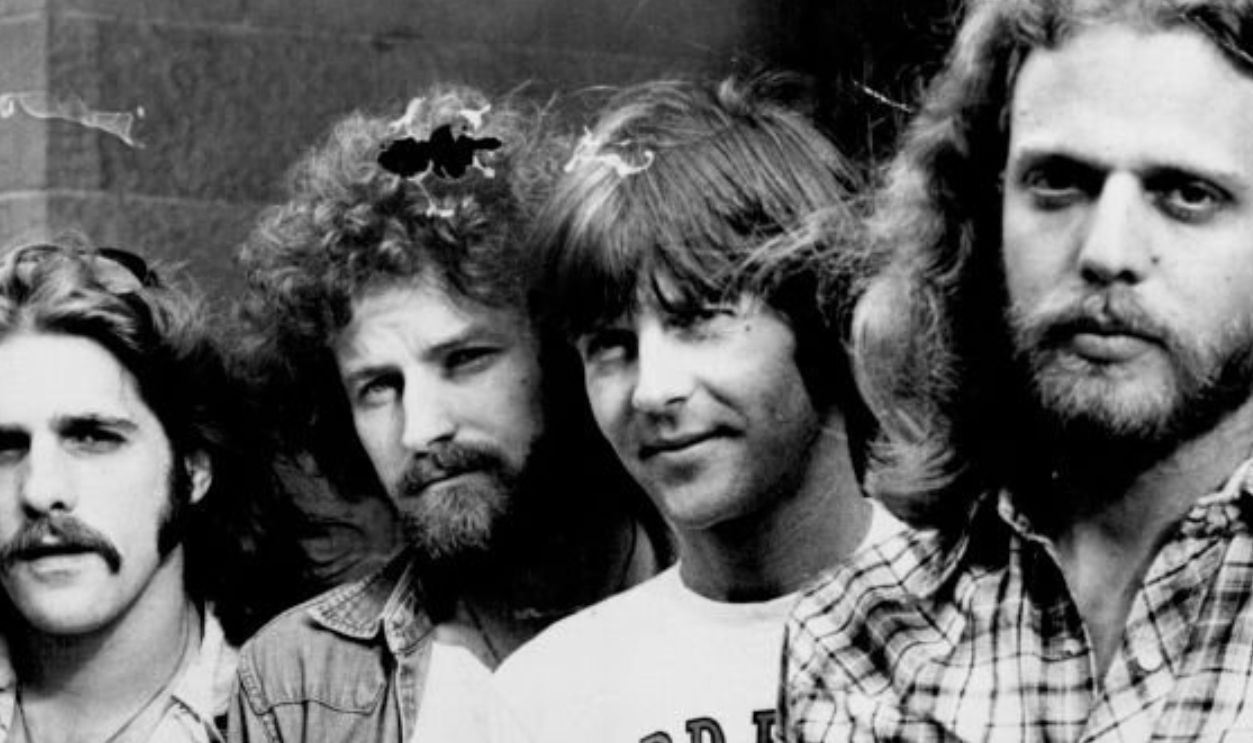 Fairfax Media Archives, Getty Images
14. He Was Swept Away
It must have been disorienting for Randy Meisner, a shy farm kid from Nebraska, to suddenly have women throwing themselves at him. Eagles’ guitarist Don Felder later described the scene as a “sleet storm of women,” recalling that they were “literally everywhere—in hotels, at shows, and on planes”.
To handle the sheer volume of admirers, the band devised a terrifyingly corporate system.
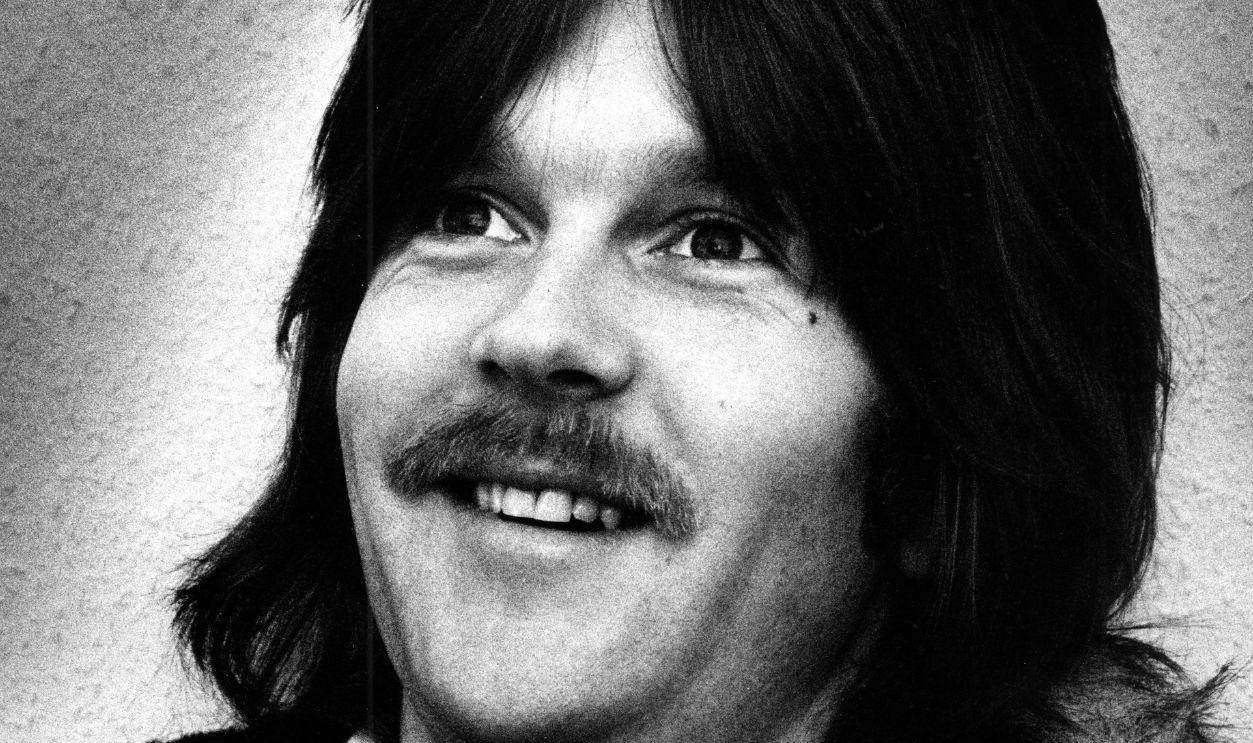 Gijsbert Hanekroot, Getty Images
15. He Had Some Organized Fun
Whispered stories of roadies handing backstage passes to hotties in the crowd may sound like the stuff of urban legend, but the Eagles took it to the next level. Their crew would even linger outside women’s restrooms, scouting for potential candidates. If they liked what they saw, they would pin the woman with a small button marked “3E THE EAGLES”.
The letters stood for “Third Encore,” which was curious, considering the Eagles had a strict rule that they never played more than two.
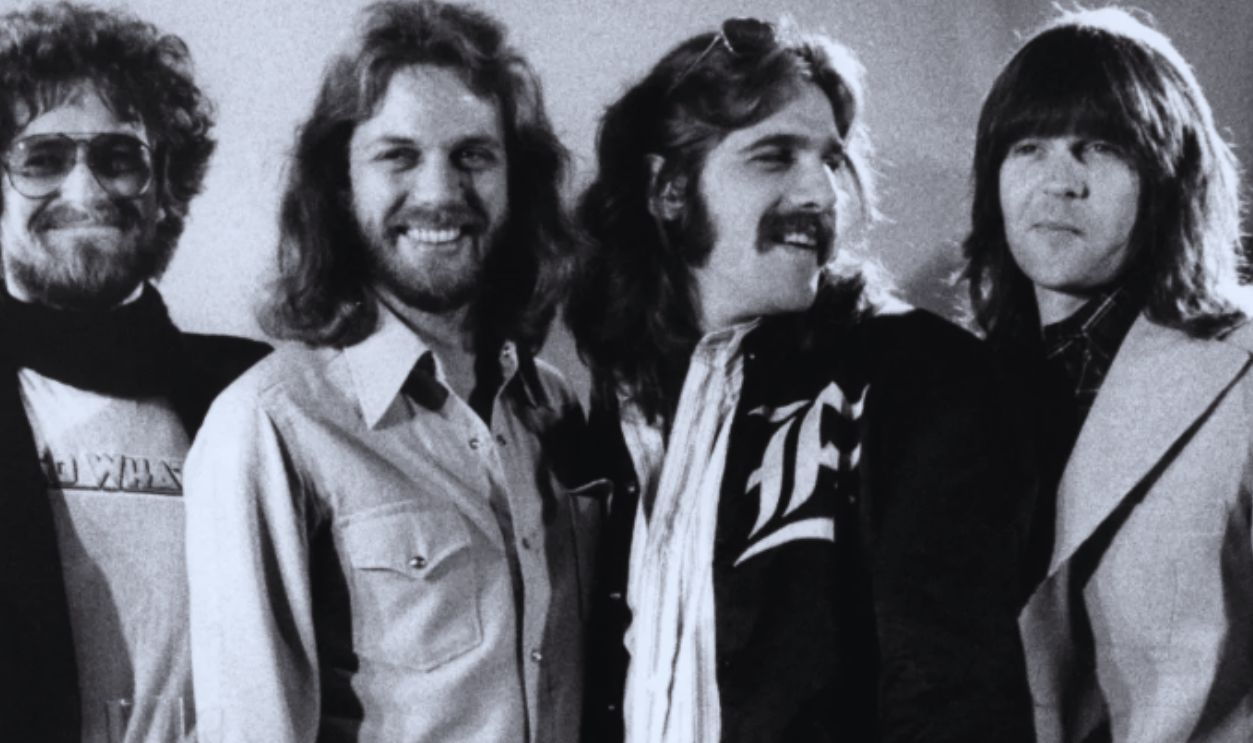 Ellen Poppinga - K & K, Getty Images
16. He Was A Showstopper
By the mid-1970s, Meisner had become one of the Eagles’ hidden assets. Night after night, audiences waited for his soaring vocal climax on the hit “Take It to the Limit”. Meisner’s high notes often earned him standing ovations that lasted two or three minutes. Glenn Frey, who was the band’s co-frontman with Don Henley, said, “Randy has always been the ribbon on our package”.
As the band’s fame exploded, plenty of people seemed interested in unwrapping that package.
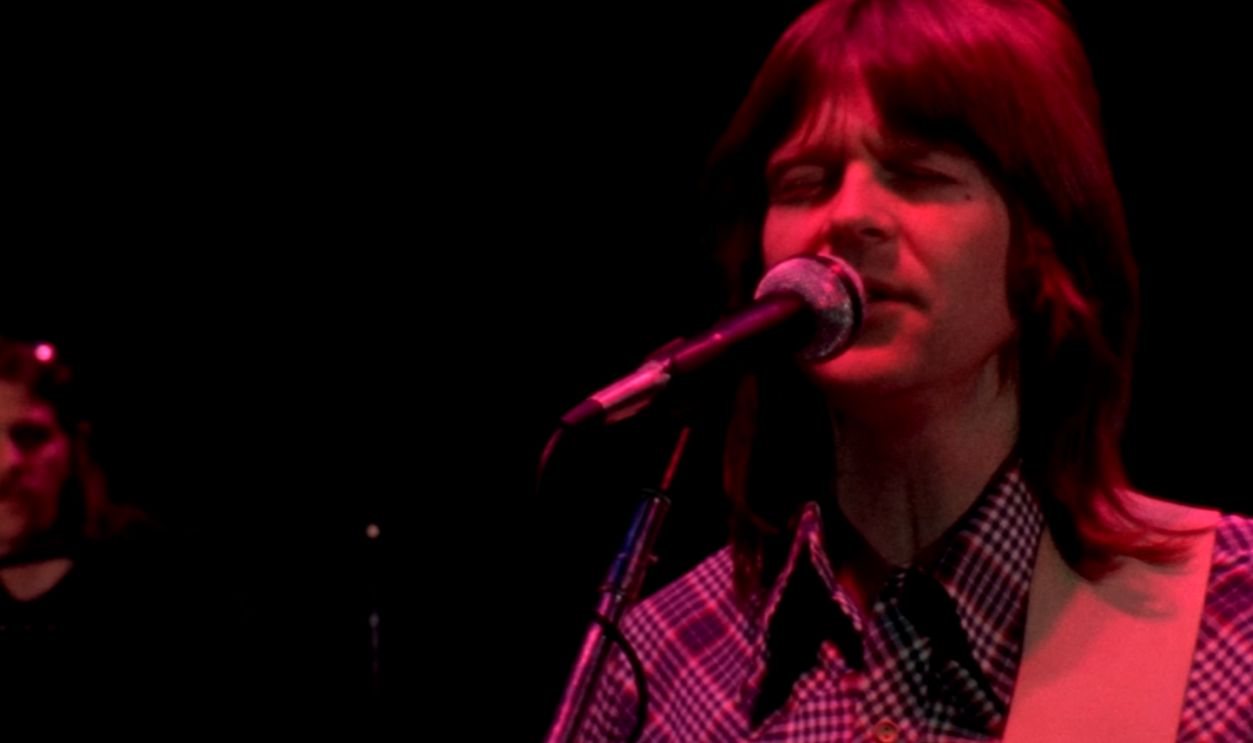 Screenshot from Take It To The Limit, Warner Music Group (1977)
17. His Band Was Debauched
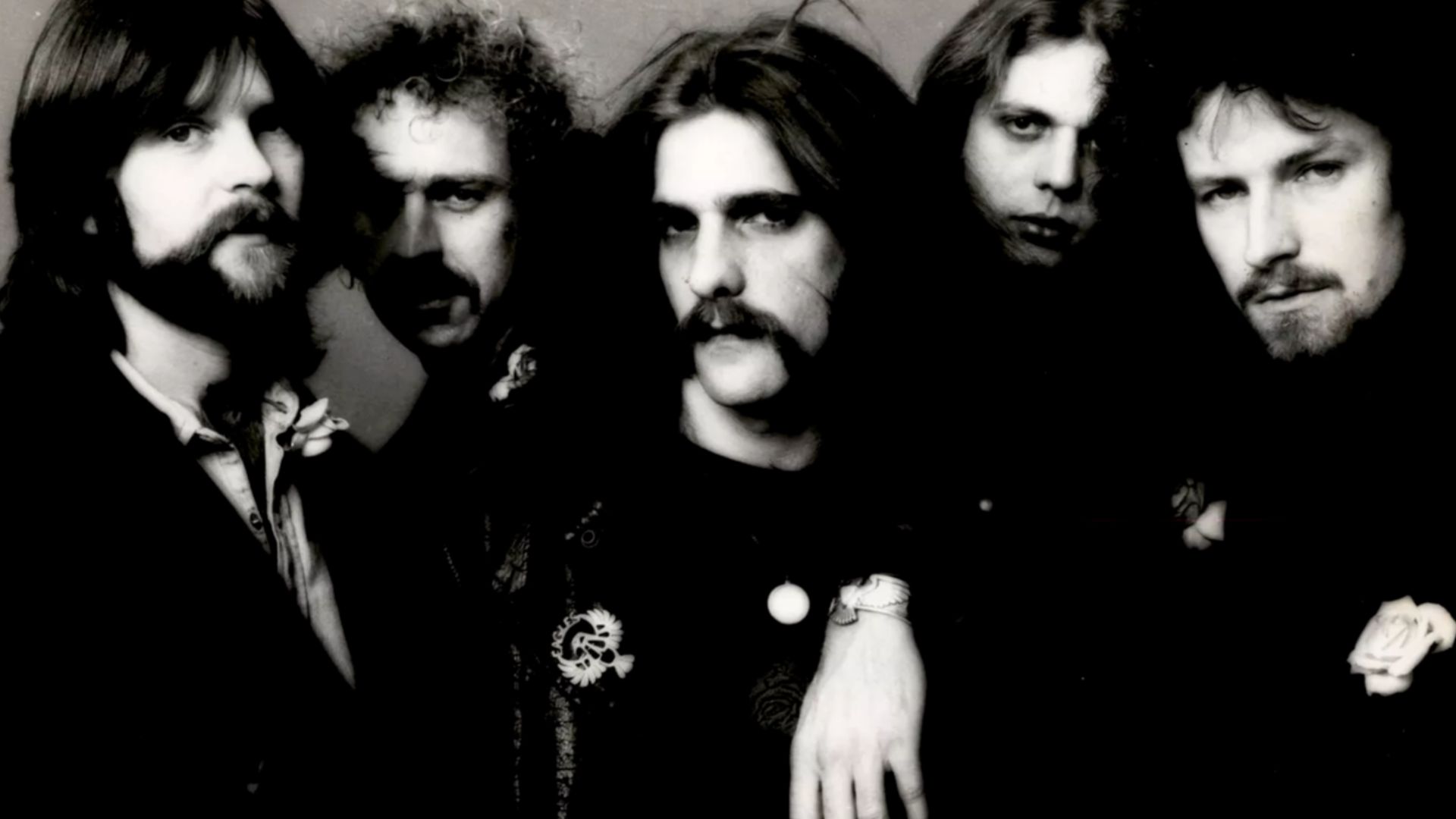
After the ovations and the two encores, the Eagles vanished into limos before the house lights even came on. For the women with the 3E pins, the night was just beginning. No boyfriends allowed. Just an invitation to a hotel suite filled with drinks, music-industry insiders, and a wide array of illicit substances. There was even a “Party Doctor” who carried a bottle of Quaaludes the size of a mayonnaise jar.
As the excess grew, so did the cracks within the band.
 Distributed by Asylum Records, Wikimedia Commons
18. He Was Heading Toward Trouble
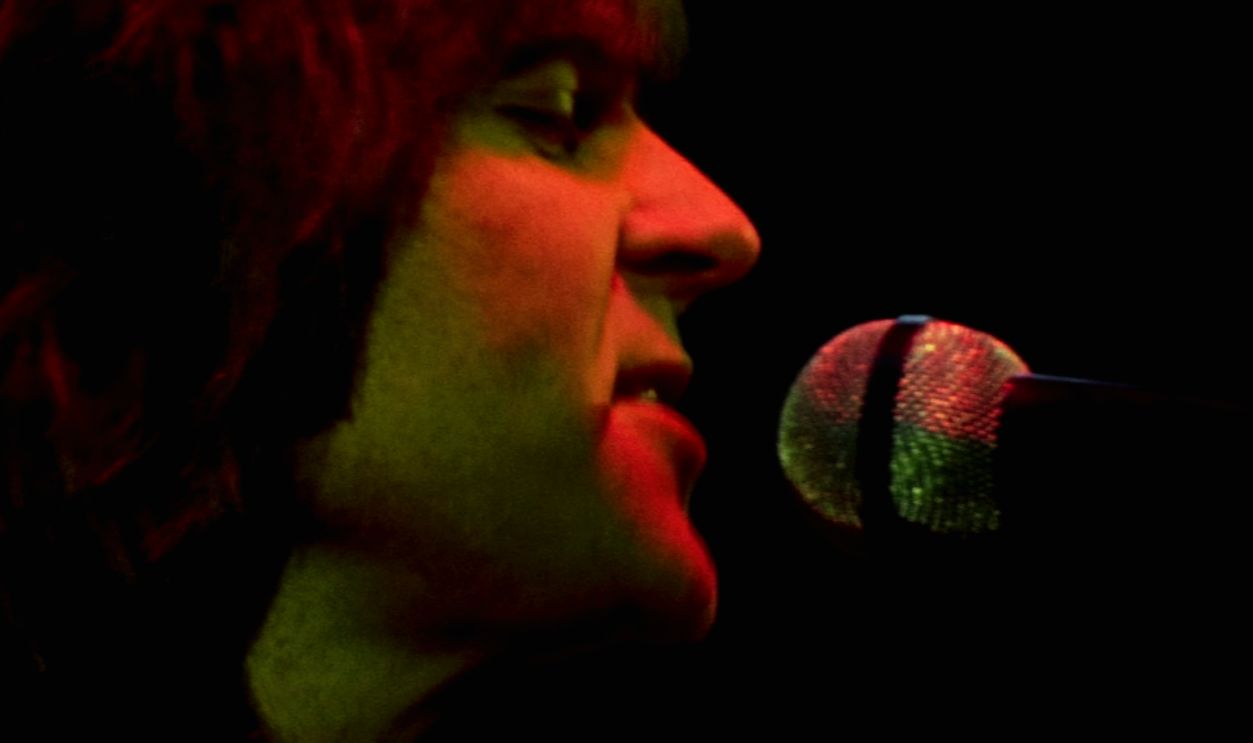
Randy wasn’t just standing in the shadows plucking his bass. His iconic “Take It to the Limit” became the only Eagles single he ever sang—and their first million-selling hit. For one shining moment, the band’s increasingly dominant frontmen, Don Henley and Glenn Frey, surrendered the spotlight. But as the Eagles became a corporate rock machine, Henley and Frey started seizing more and more creative control.
The band didn’t earn the nickname “the Egos” for nothing, but there were other forces pushing them toward disaster.
 Screenshot from Take It To The Limit, Warner Music Group (1977)
19. He Was Back At The Kids’ Table
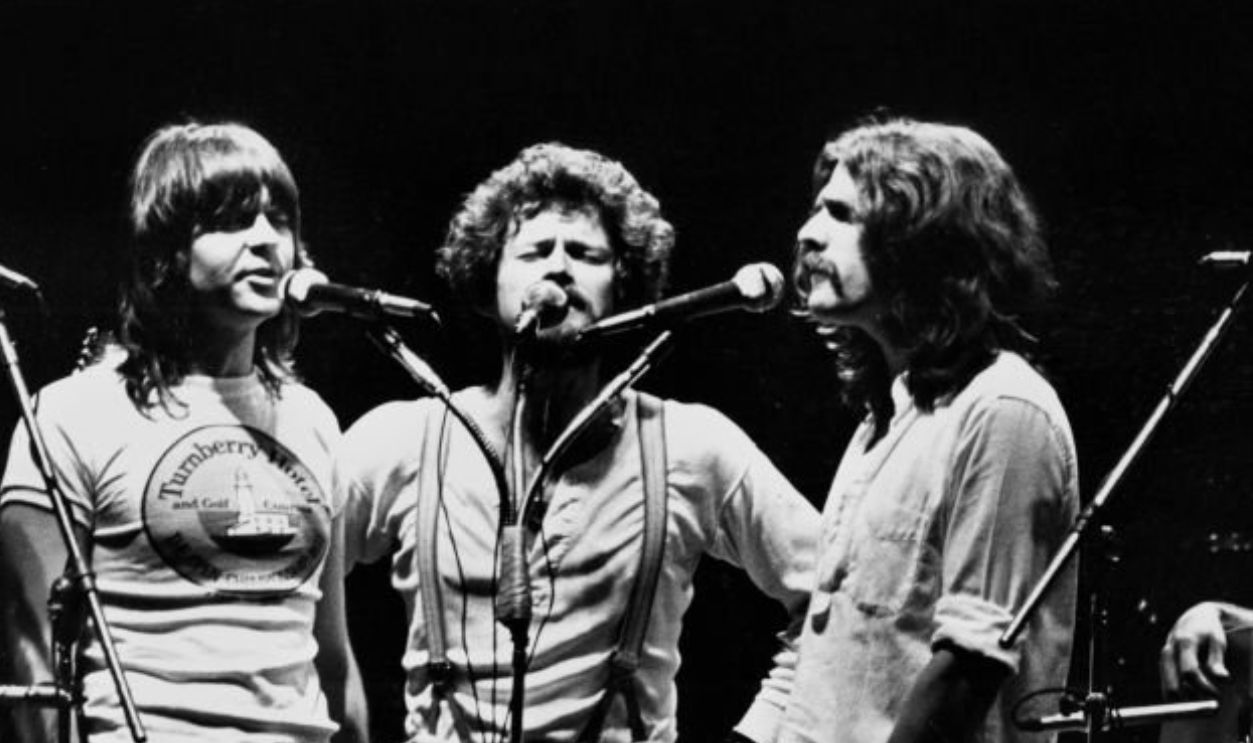
Just when Randy Meisner thought he’d escaped the problems that drove him out of Poco, they resurfaced in the Eagles. Once again, he found himself sidelined as the band made major decisions without him. To make matters worse, he was growing increasingly resentful of Glenn Frey’s habit of swooping in and making small lyric changes to get writing credits. The band called this “change a word, gain a third”.
Not only did this reduce Meisner’s earnings, but it also started to break his creative spirit.
 Gijsbert Hanekroot, Getty Images
20. He Was No Golden God
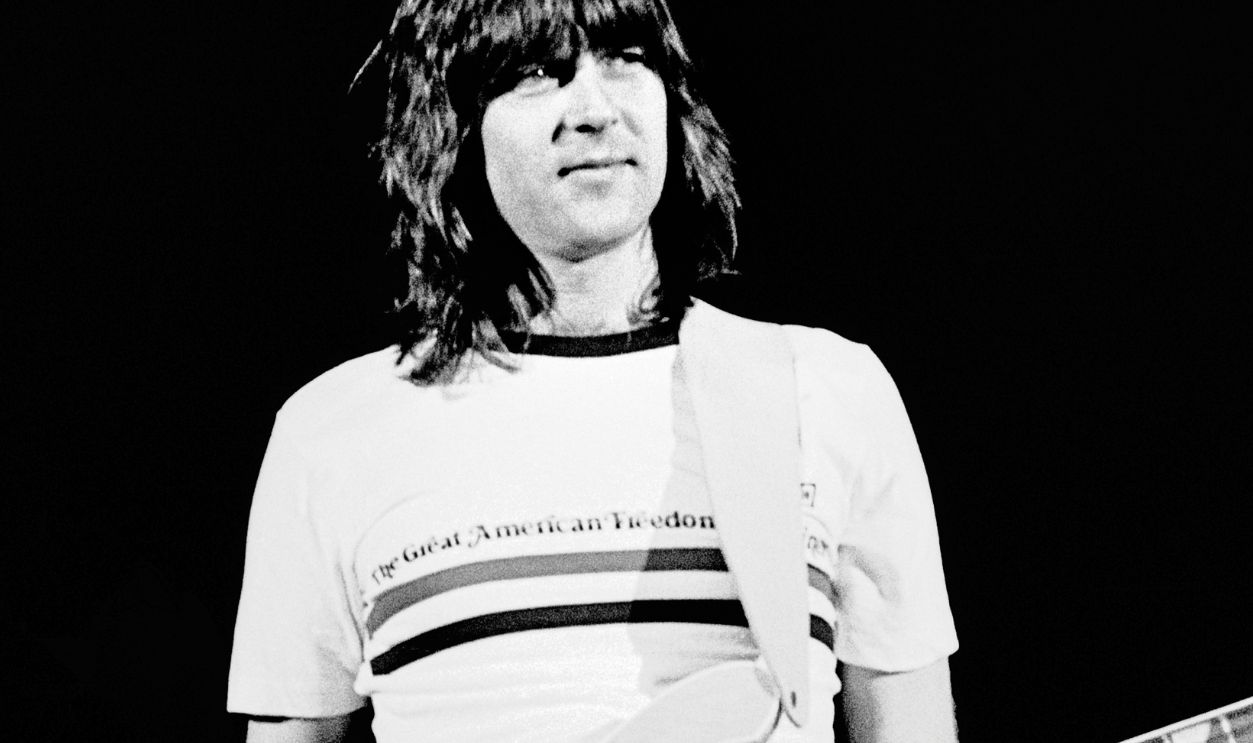
Not to bring Walt Whitman into it, but Randy Meisner contained multitudes. The man may have wanted creative recognition and a seat at the table, but he was not comfortable during those three-minute standing ovations. “They wanted me to stand in the middle of the stage to sing ‘Take It to the Limit,’ but I liked to be out of the spotlight”.
Too bad that wasn’t all they wanted from him.
21. His Band Was A Powder Keg
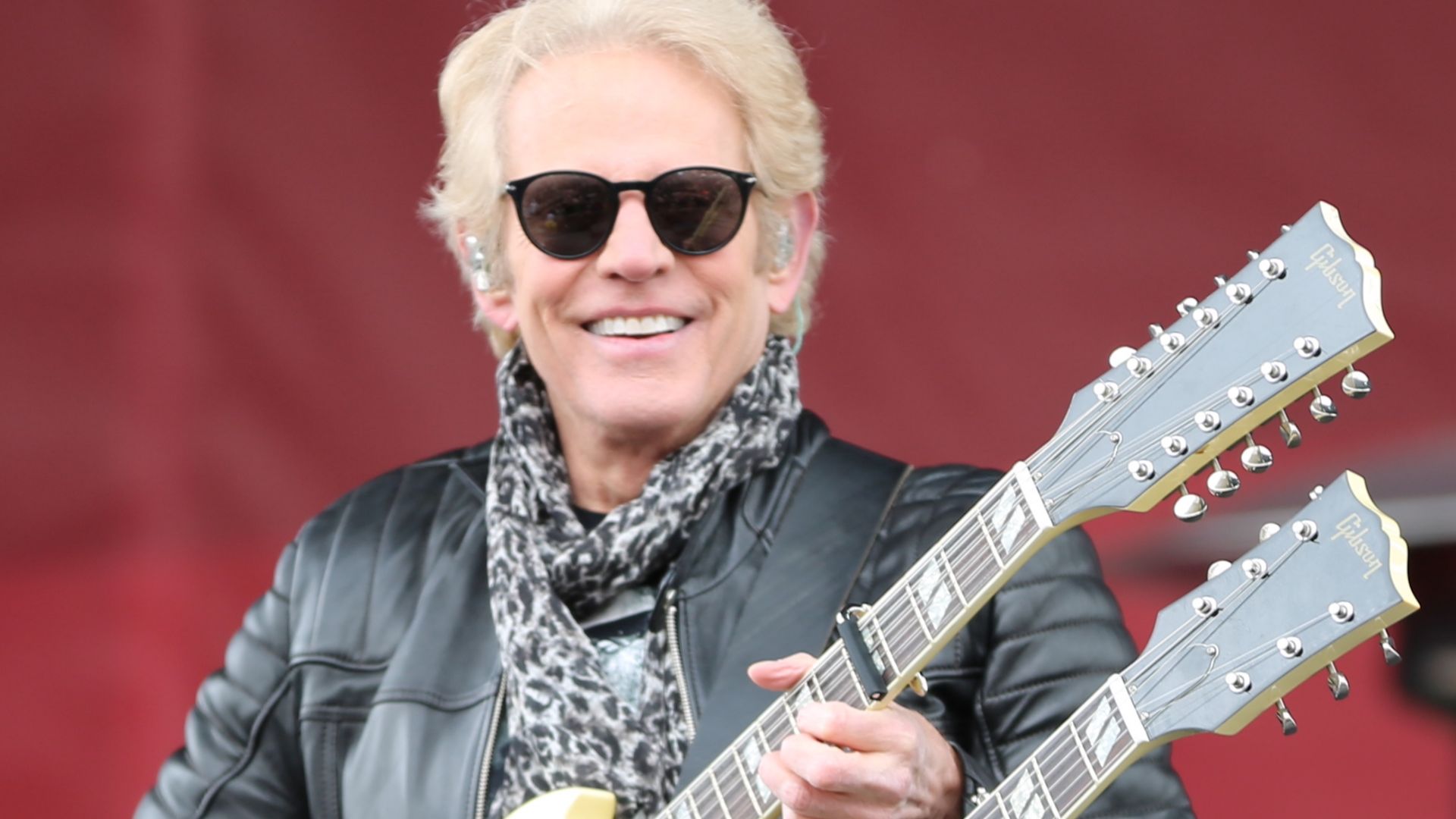
By the time the Eagles were recording Hotel California, large amounts of illicit substances had become part of everyday life. According to guitarist Don Felder, that expensive white powder did more damage to the band than anything else. It fuelled paranoia, insecurity, and endless arguments while turning recording sessions into painfully obsessive marathons.
With the band’s relationships already fractured, Randy Meisner was about to find himself in someone’s crosshairs.
 TaurusEmerald, Wikimedia Commons
22. He Was The Scapegoat
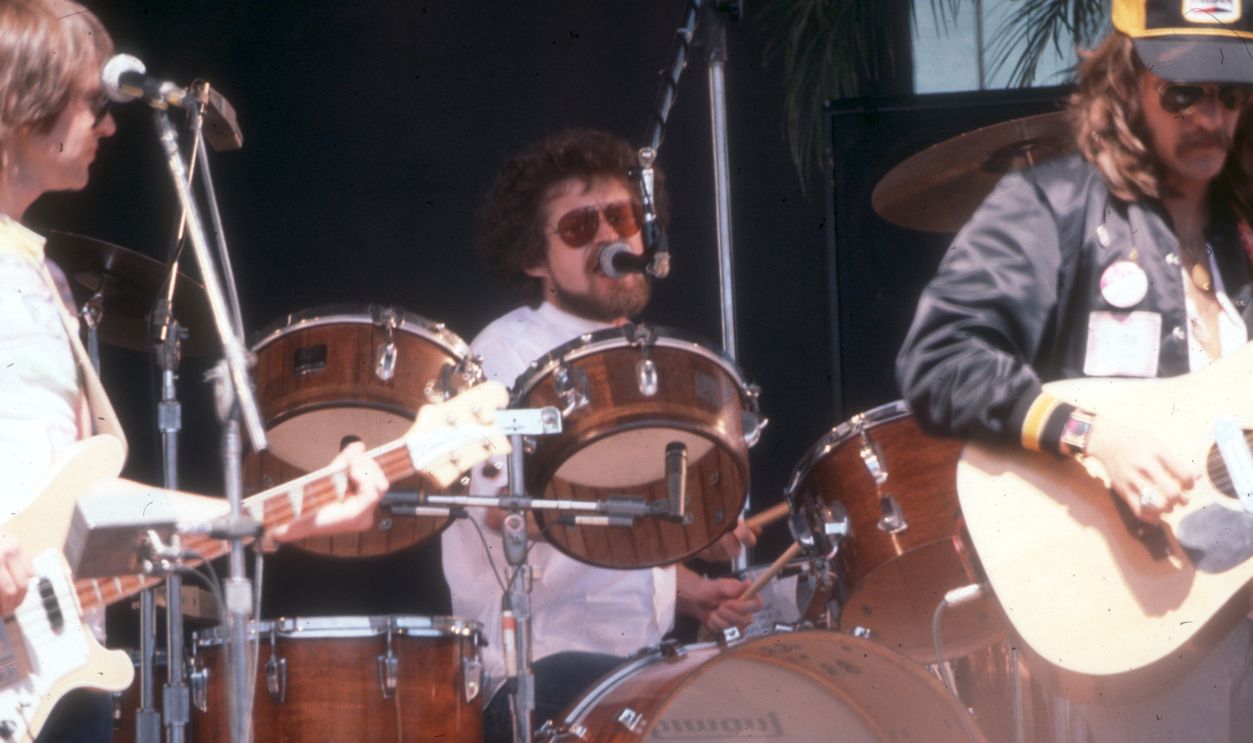
Meisner wasn’t known for making waves. He even described himself as passive and shy, admitting, “I don’t push myself on people”. That made Don Henley’s behaviour all the more baffling. Day after day in the studio, “Grandpa" (a nickname inspired by Henley's perfectionism and constant grumpy mood) seemed to find something about Meisner to criticize.
Finally, Meisner reached his breaking point—and he decided to do something about it.
 Michael Ochs Archives, Getty Images
23. He Reached His Limit (Part I)
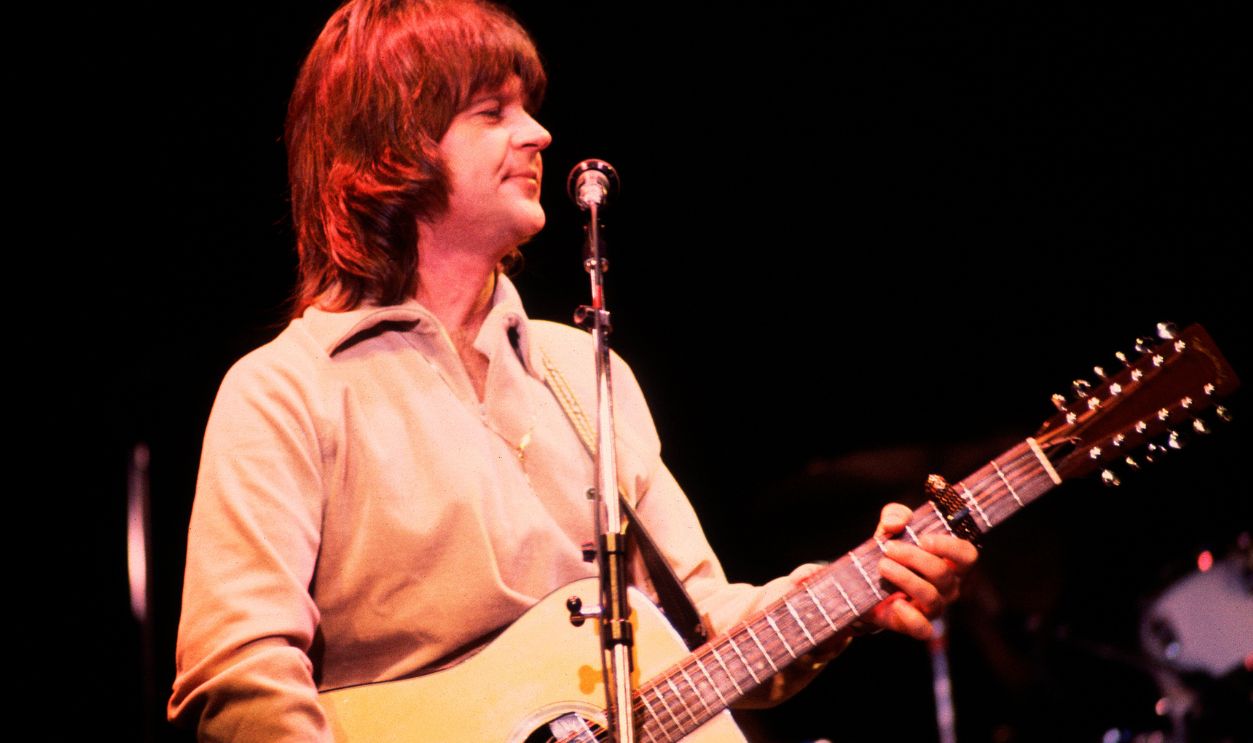
Randy Meisner was not known for confrontation. Instead of arguing with Henley, he slipped him some Quaaludes just to get the guy to chill—and it worked. The two spent a glorious evening laughing and getting along. Too bad Henley was back to his old self by morning. As Glenn Frey put it, “No one can suck the fun out of a room faster than Don Henley”.
Speaking of no fun, there was another unexpected way the band self-medicated…
24. He Was Falling Apart
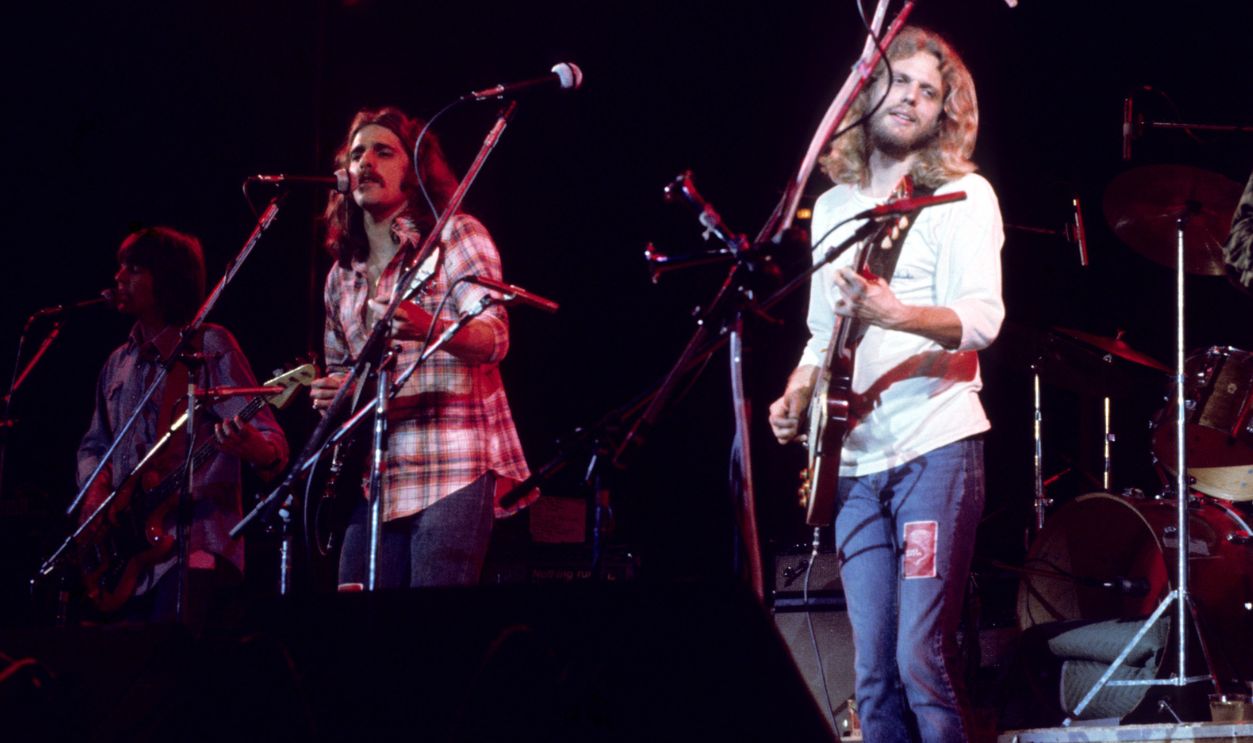
As Hotel California ransformed the Eagles into America’s biggest band, they learned that life at the top came with a painful price. By 1977, they had been touring for almost a year, and nearly everyone in the band was living on a steady diet of Tums to cope with stress-related stomach problems. Meisner was struggling more than anyone.
 Richard E. Aaron, Getty Images
25. He Reached His Limit (Part II)
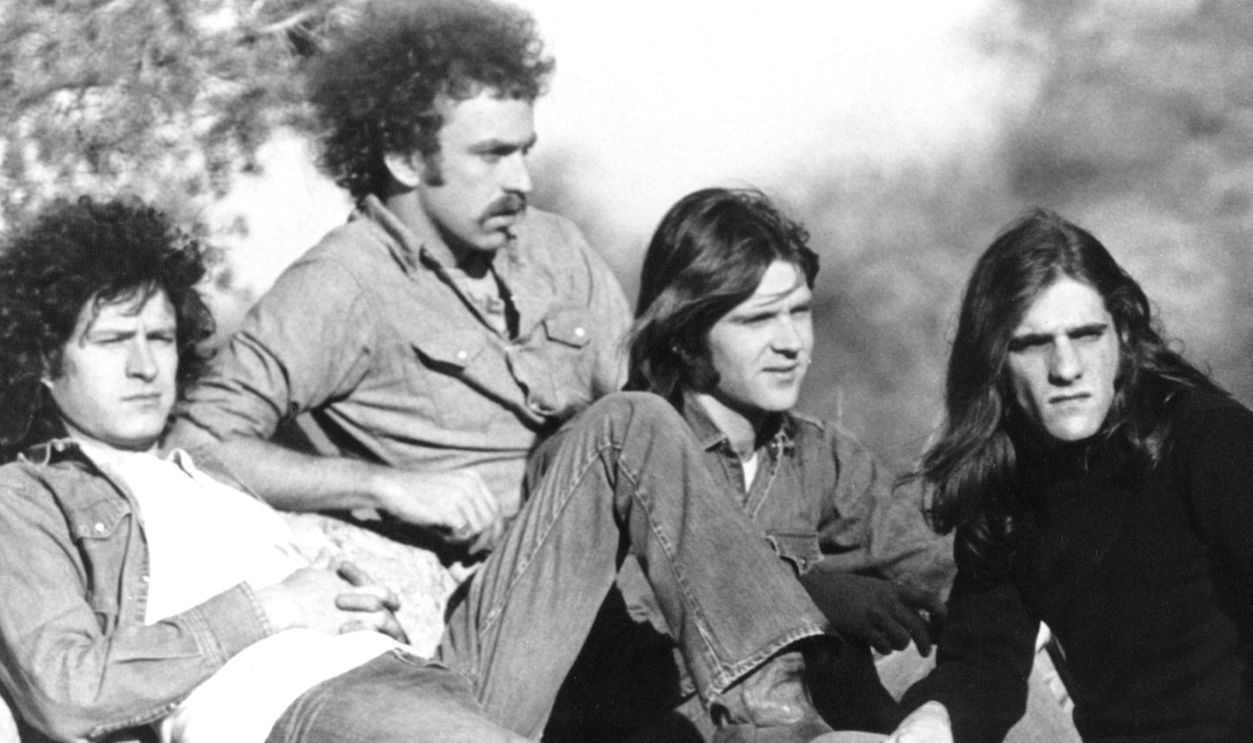
One of the reasons Randy Meisner didn’t like to be in the literal spotlight was that he said it felt like it was a train bearing down on him—and in a way it was. The endless touring had caused his ulcers to flare up; he was exhausted, and, even more troubling, he was struggling to hit those crowd-pleasing high notes in “Take It to the Limit”.
An exasperated Frey told Meisner, “That’s show business. You should just stand in the front of the stage and sing that song”. If only it were that easy…
 Michael Ochs Archives, Getty Images
26. He Refused To Budge
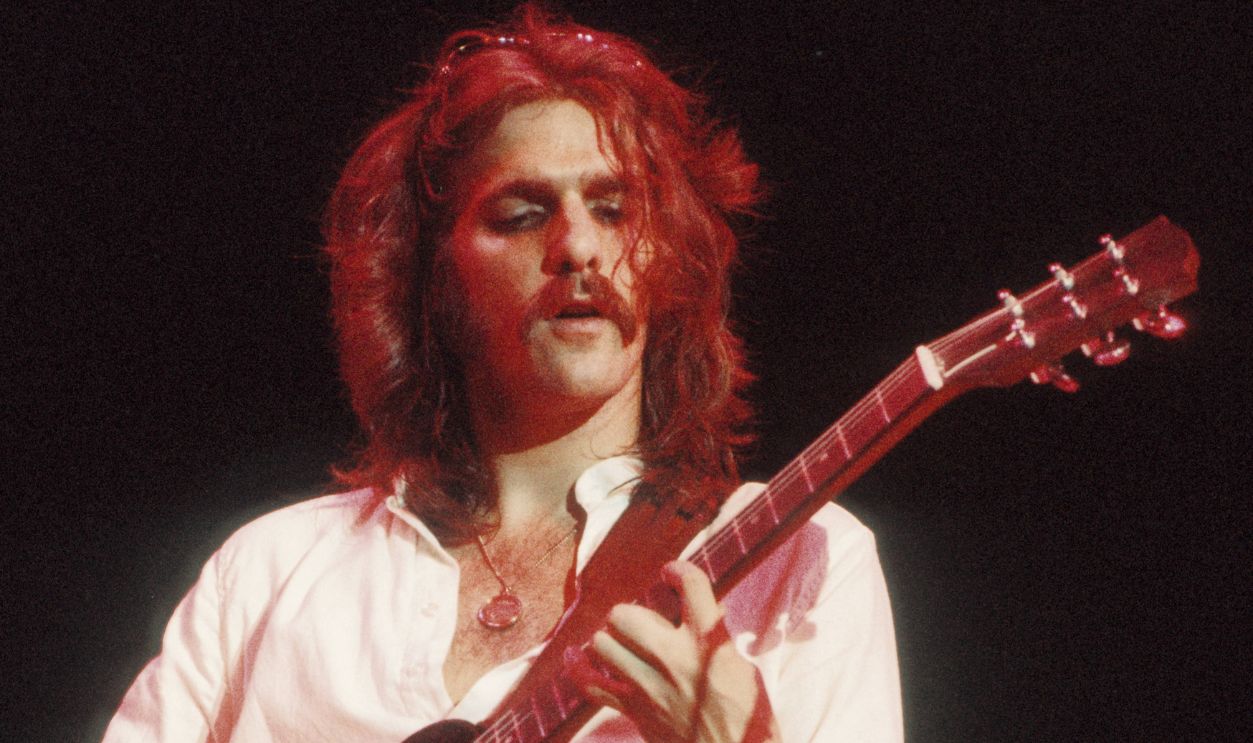
Every time Meisner refused to act like the rock star he was, Glenn Frey would get more incensed. They would argue over everything, right down to the color of the spotlight (Meisner wanted blue) and where Meisner would stand (he didn’t want center stage). Every time Meisner dug in his heels, Frey would explode.
What happened next would become one of the most debated turning points in Eagles history.
 Gijsbert Hanekroot, Getty Images
27. He Had His JFK Moment
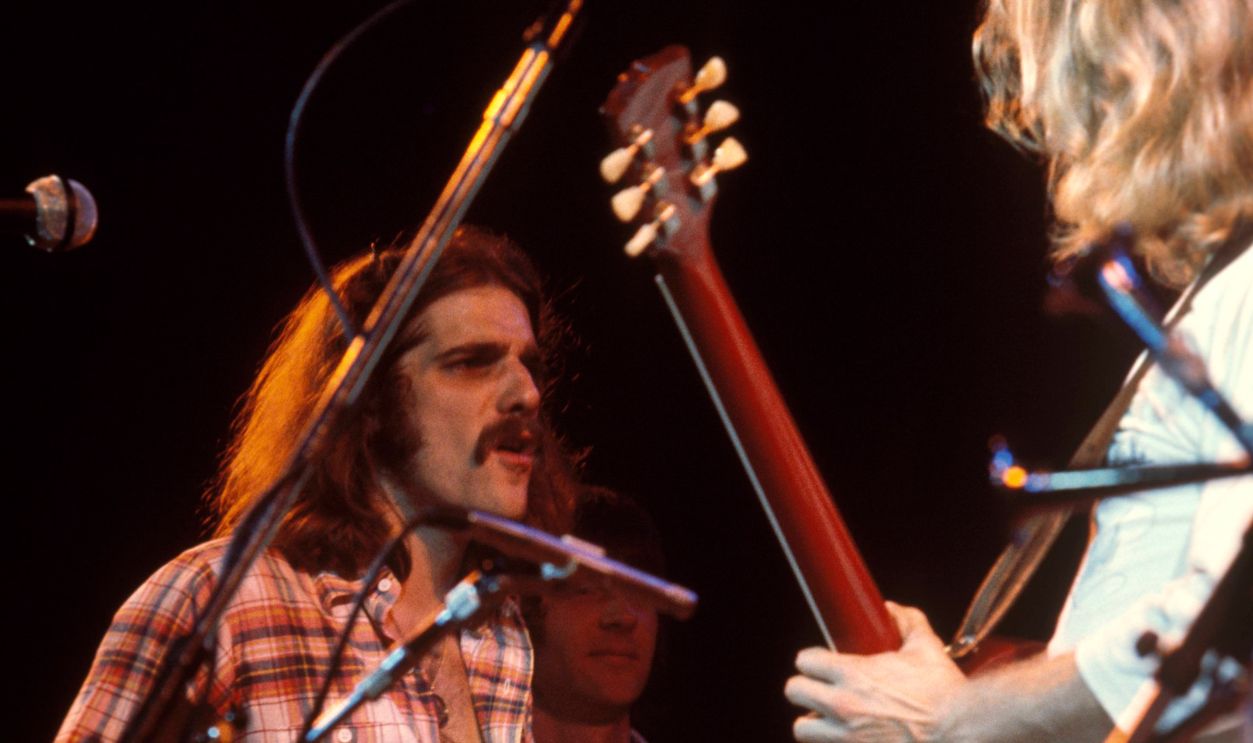
Just mention “Knoxville” to an Eagles fan, and they’ll likely have an opinion about what happened at that tour stop. Some accounts claim Randy Meisner refused to perform his signature hit after a night of partying too hard and ended up in a backstage fist fight with Frey. Meisner insisted the reality was simpler: after a year on the road, he was sick, burnt out, and didn’t want to do a third encore.
Whatever the truth, Knoxville marked the beginning of the end.
 Richard E. Aaron, Getty Images
28. He Threw It Away
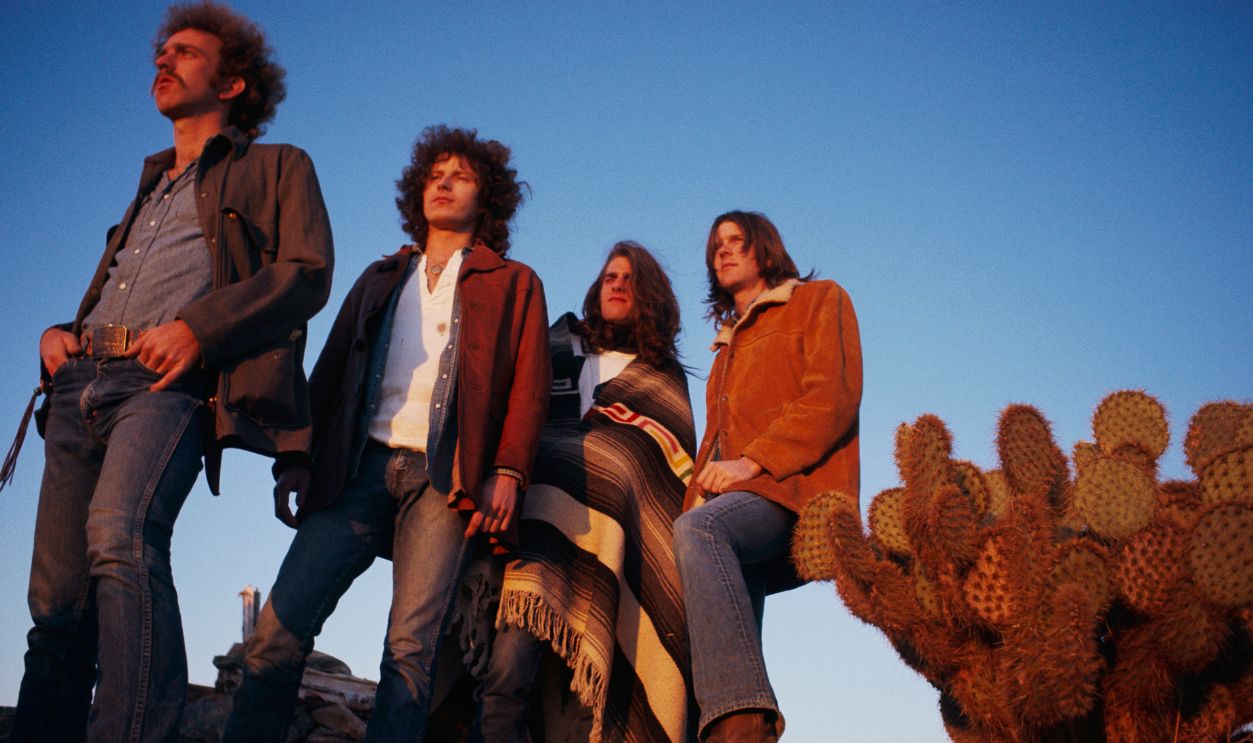
After Knoxville, Meisner had decided to quit the Eagles, but he stuck it out for the tour’s final eight shows before returning to Nebraska to try to save his crumbling marriage. “Those last days on the road were the worst,” he later said. “I was made an outcast of the band I’d helped start”. Still, he had no regrets about quitting at the top, saying, “It was right to leave when I did”.
Unfortunately, the drama in Meisner’s life was far from over.
29. He Had A Plan B
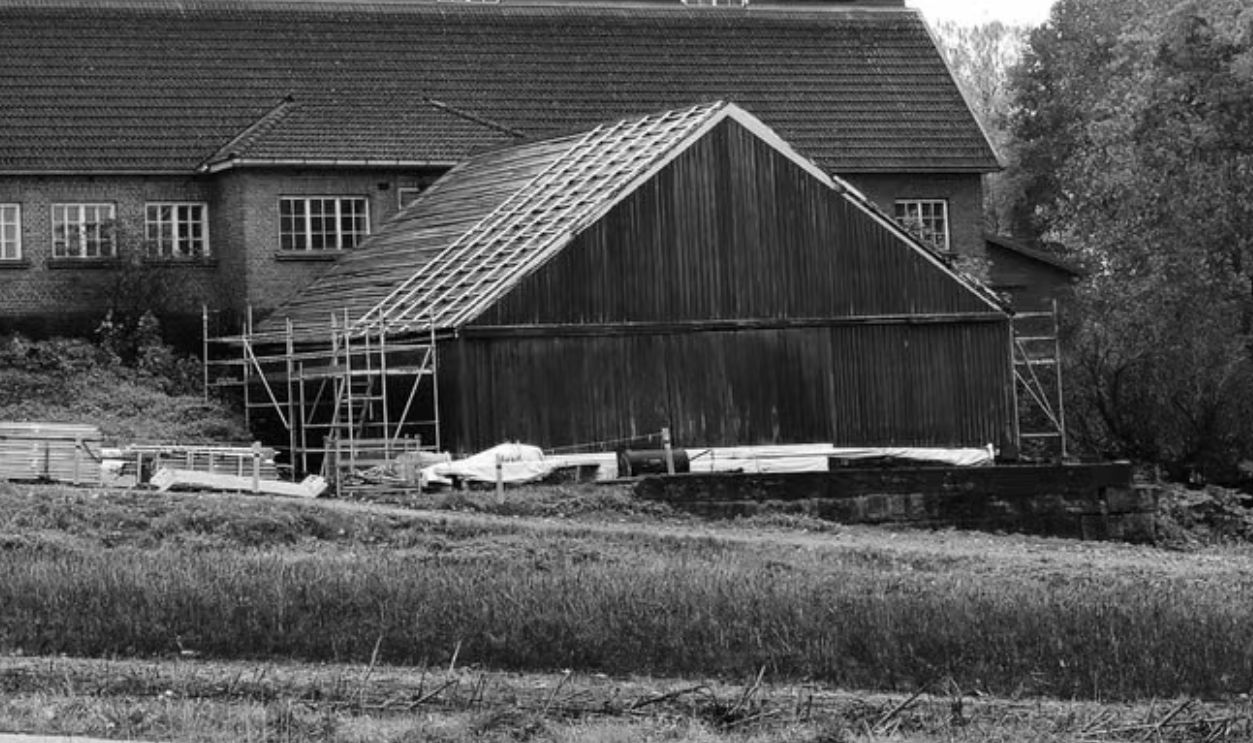
What does one do after walking away from America’s top band at the peak of its powers? If you guessed move to Nebraska and build a mini-mall, you’re right. In 1979, Randy Meisner and his wife, Jennifer, opened a three-level, barn-shaped complex called Randall Square. He wanted to “just kick back and be in Nebraska”.
Unfortunately, not even entrepreneurship could keep the couple together, and they divorced a couple of years later. Meisner was now alone and searching for a fresh start.
30. His Story Was Far From Over
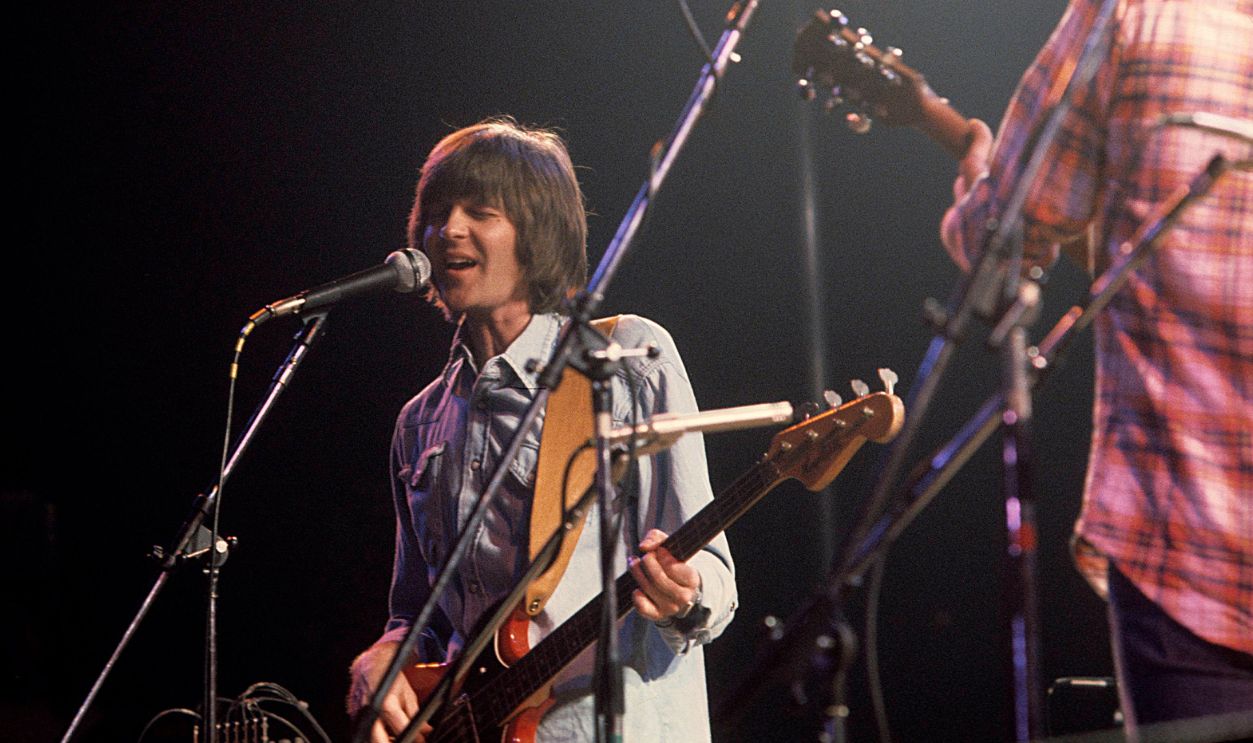
The Eagles may have been behind him, but Meisner wasn’t finished. He spent the following years recording, touring, and forming new bands—many of which conveniently had his name in the title, a good sign when it came to being in charge. He released three solo albums, scored a top-20 hit, and continued doing what he loved most: making music.
This desperado didn’t go riding off into the sunset just yet, though. Instead, he was galloping into the most bizarre chapter of his life.
 Richard E. Aaron, Getty Images
31. He Had An Evil Twin
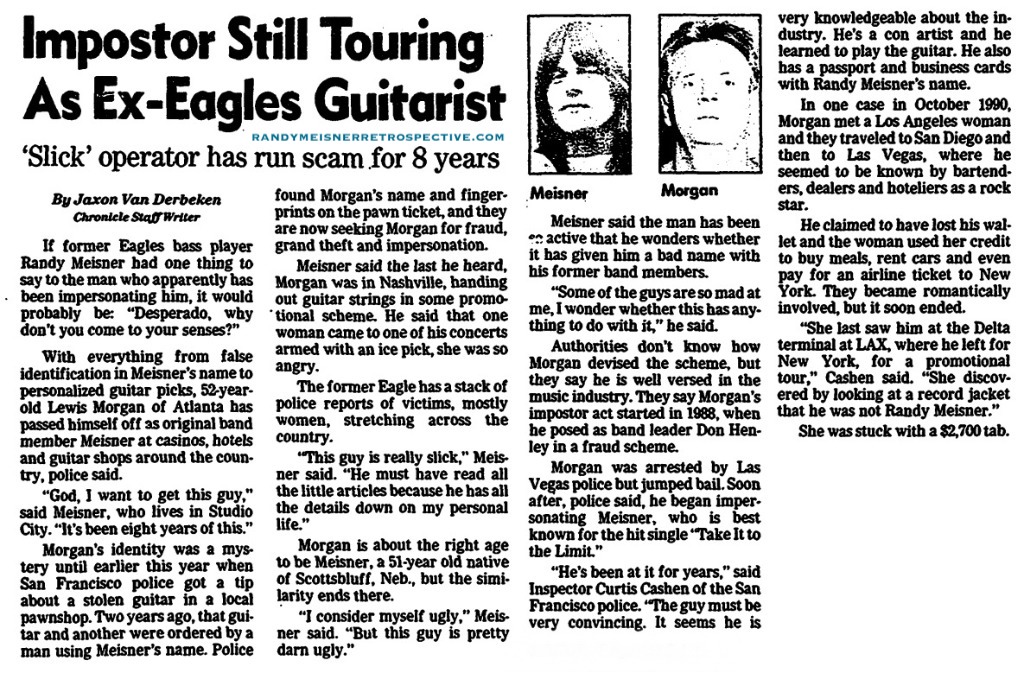
It helped that Randy Meisner was one of the lesser-known Eagles—especially for a con artist who spent years pretending to be him. The imposter signed autographs, racked up luxury hotel bills, scored free guitars, and lured countless women into bed. According to Meisner, the man was “really slick” and seemed to know every detail of his life.
At first it was bizarre, but it soon became dangerous…
32. He Was Left To Pick Up The Pieces
It’s almost funny how the real Meisner was grinding away in relative obscurity while his imposter was living like a rock star. It stopped being funny when a woman who had been tricked by the fake Randy was so furious that she showed up at the real Meisner’s concert carrying an ice pick. Even trapped in this bizarre nightmare, Meisner kept his humor, saying, “I consider myself ugly, but this guy is pretty darn ugly”.
After two decades, the fake Randy was finally stopped. But that didn’t mean the end of the real Randy’s woes.
33. He Was Left Behind
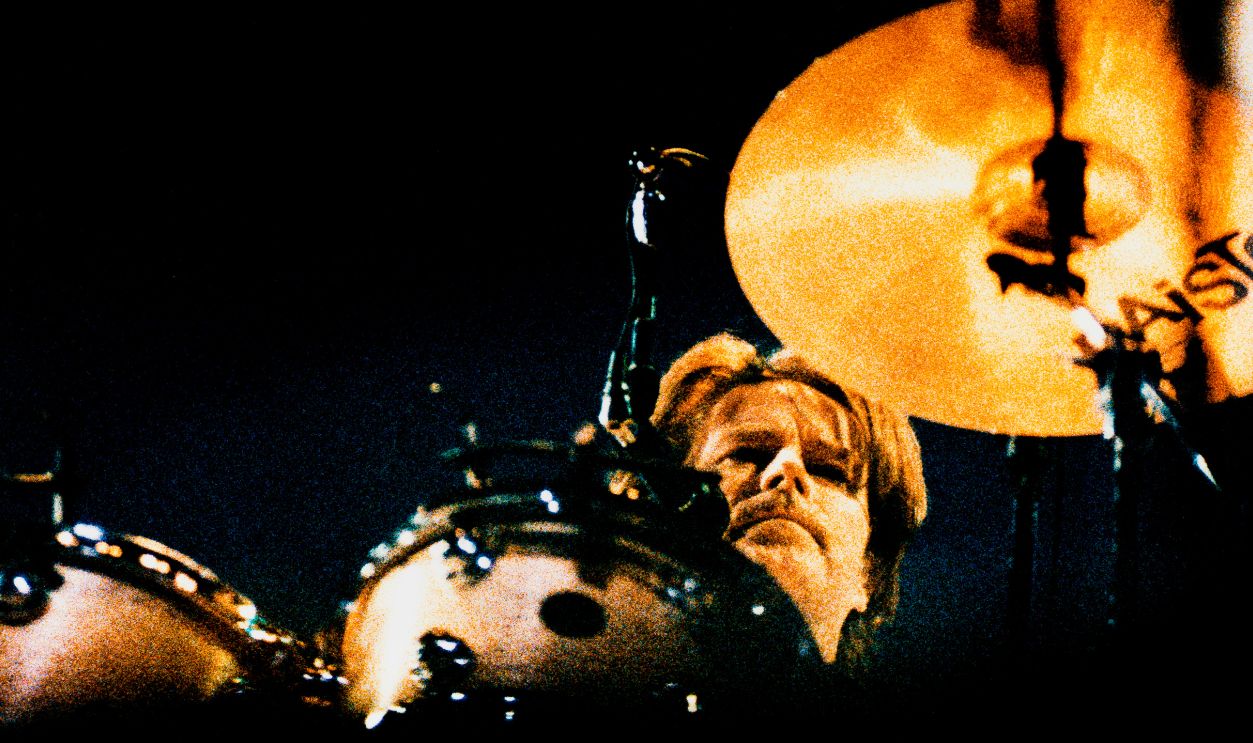
Around the time Randy Meisner was building his mini-mall, the Eagles broke up. But when the band reunited in 1994 for their hugely successful Hell Freezes Over tour, they didn’t invite Meisner back. Later, he was also passed over for their Millennium Concert. “You’d think that you would be mentioned if you helped with six of the albums,” he complained, “but they act as though I never even played with them”.
For one night, though, it seemed as though old wounds might finally heal.
 Niels Van Iperen, Getty Images
34. He Took One Last Flight
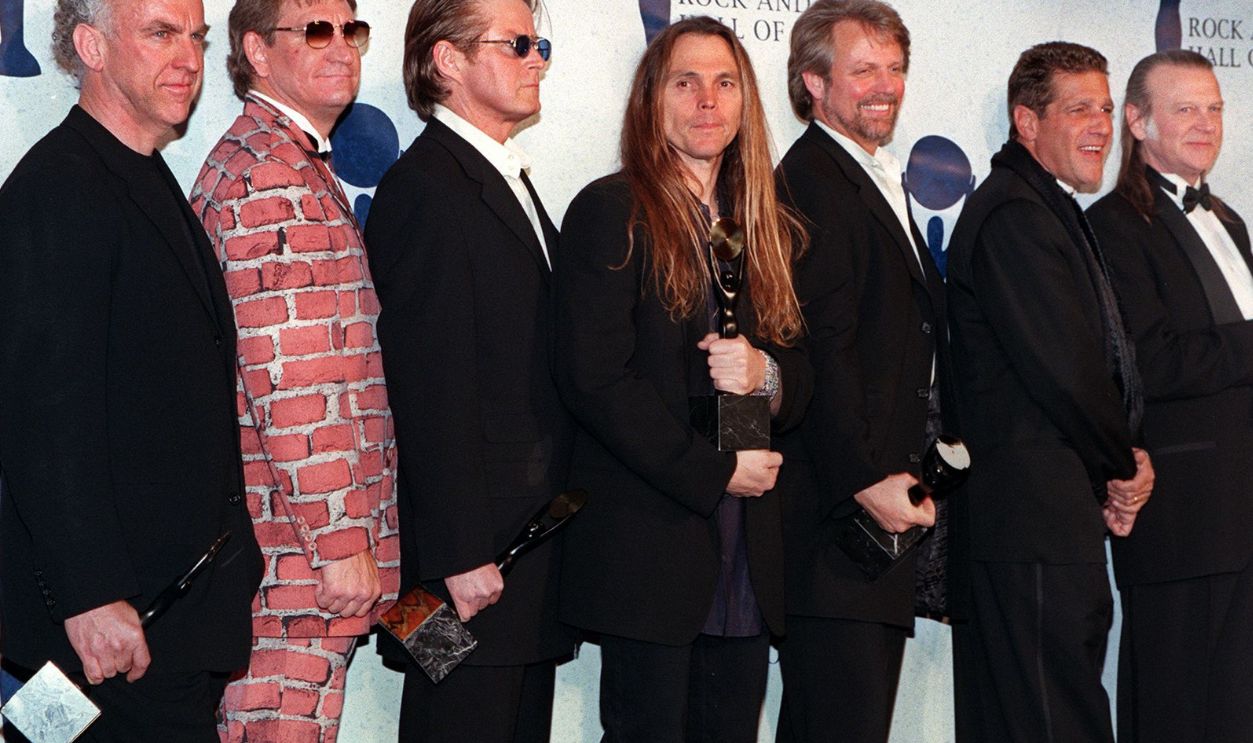
For one short night in 1998, some old wounds seemed to heal. All seven past and present members of the Eagles reunited in New York City for the band’s induction into the Rock and Roll Hall of Fame. Randy stood alongside his successor, Timothy B Schmit—the same musician who had also replaced him when he left Poco.
Schmit used his acceptance speech to pay an emotional tribute o the forgotten bassist. It would be the last time Meisner ever shared a stage with the Eagles.
35. He Had No Happily Ever After
If Meisner’s life were a fairy tale, it could have ended with his Rock and Roll Hall of Fame induction. Just two years earlier, he had married Lana Rae, his longtime girlfriend of 12 years. He had found love, received long-overdue recognition, and, after years of setbacks, things finally seemed to be falling into place. Instead, everything started to unravel.
36. He Was Running On Empty
By the time Randy Meisner was 62, his body was starting to rebel. In August 2004, he ended up in the hospital after suffering severe chest pains. Doctors confirmed he had experienced a minor heart attack. The scare forced him to cut back on touring, but his health continued to decline. Soon, it would force him off the stage altogether.
Which makes what happened next all the more heartbreaking.
37. He Had The Worst Timing
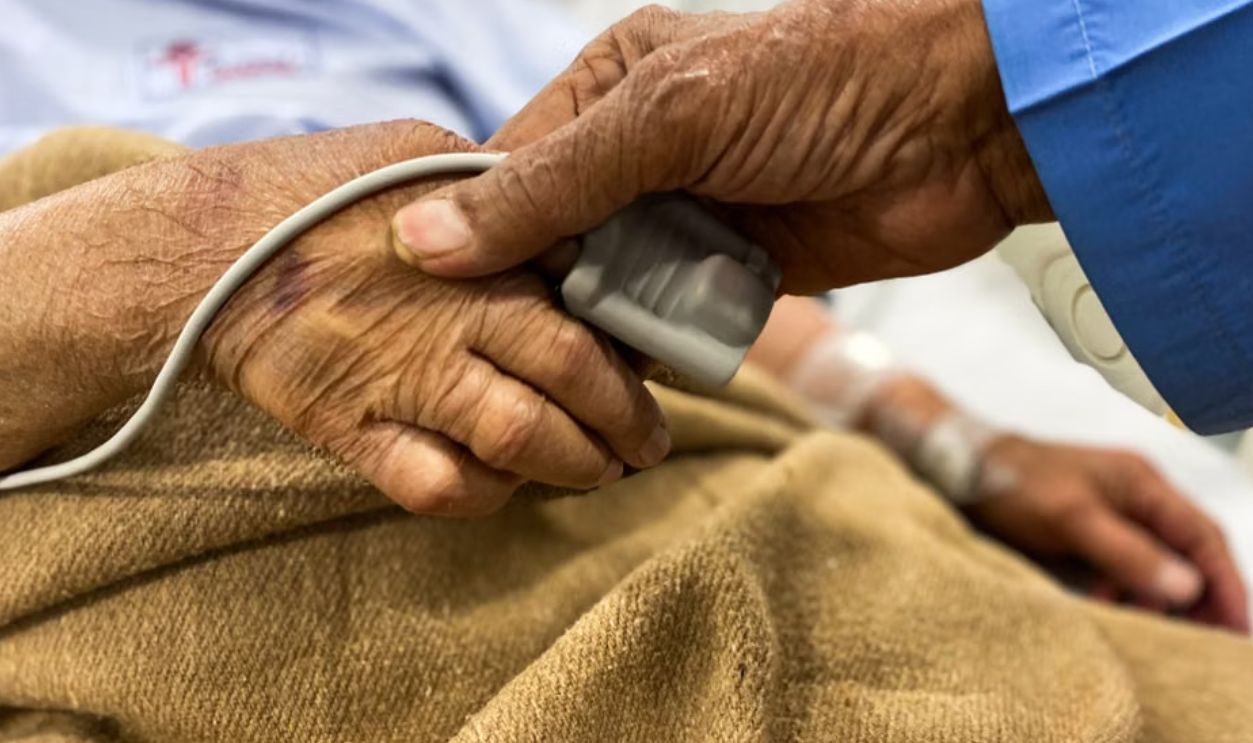
Fate was not on Meisner’s side in his later years. In March 2013, something as simple as him choking on a piece of food and losing consciousness set off a disastrous chain of events. Paramedics rushed him to the hospital, where he slipped into a coma. He eventually woke, but the lack of oxygen to his brain left him weak and neurologically impaired.
To make matters worse, a lifetime of hard drinking had magnified the problem. But the real heartbreaker was just around the corner.

38. His Invite Was Too Late
When Meisner got the call he had been waiting years for—to join the Eagles on their 2013 History of the Eagles tour—he couldn’t accept. His medical crisis had left him too weak to perform. After years of waiting and feeling overlooked, the invitation had come at exactly the wrong time. At least his former bandmates stepped in to pay his medical bills.
Despite this help, his life was about to get much more painful.
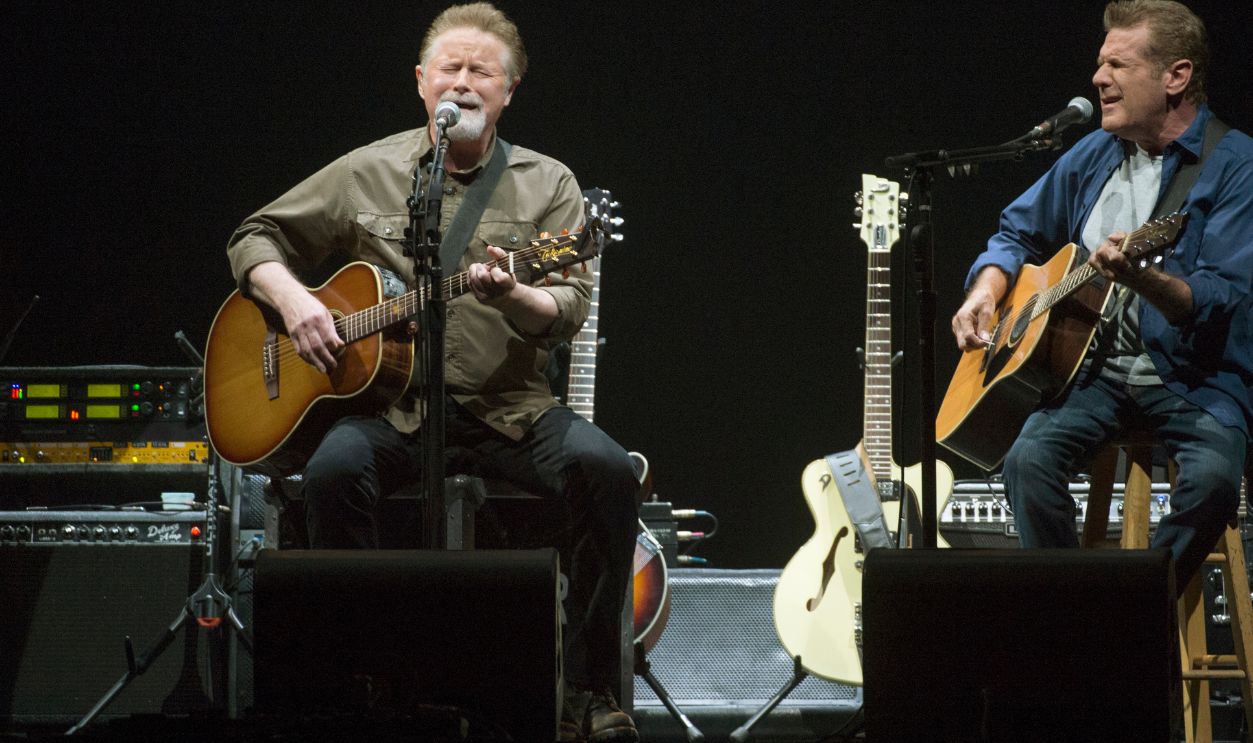
39. He Was Not In A Good Place
If you believe Meisner’s lawyer, Meisner and his wife Lana “really loved each other very, very deeply”. If you dive a bit deeper, though, that love wasn’t enough to keep them from spiraling into chaos. By the end of 2013, Randy was in a medical rehabilitation facility trying to recover from his choking-related brain injury and struggling with drinking-induced dementia.
While at the facility, he received a very unexpected call.
40. His Son Had A Plan
When a man is recovering from a brain injury, the last thing he should have to worry about is whether he can trust those closest to him. But while Meisner was at the facility, his wife Lana was living it up on a luxury cruise. Meisner’s estranged son saw his chance and asked Randy’s old Nebraska friend, Jim Newton, to call and check in. Newton thought it was a strange request, but he picked up the phone anyway.
What Meisner told him was chilling.

41. He Made A Plea For Help
To say that Jim Newton got an earful from Meisner is putting it mildly. During the call, Meisner begged his old friend to save him from his wife, Lana. He claimed she was spending his money, treating him poorly, giving him too much to drink, and making him sign things he knew were not in his best interest.
Newton ended the call with a promise to help. Strangely, though, this wasn’t the first time the couple had marital troubles…

42. He And His Wife Had A Dark History
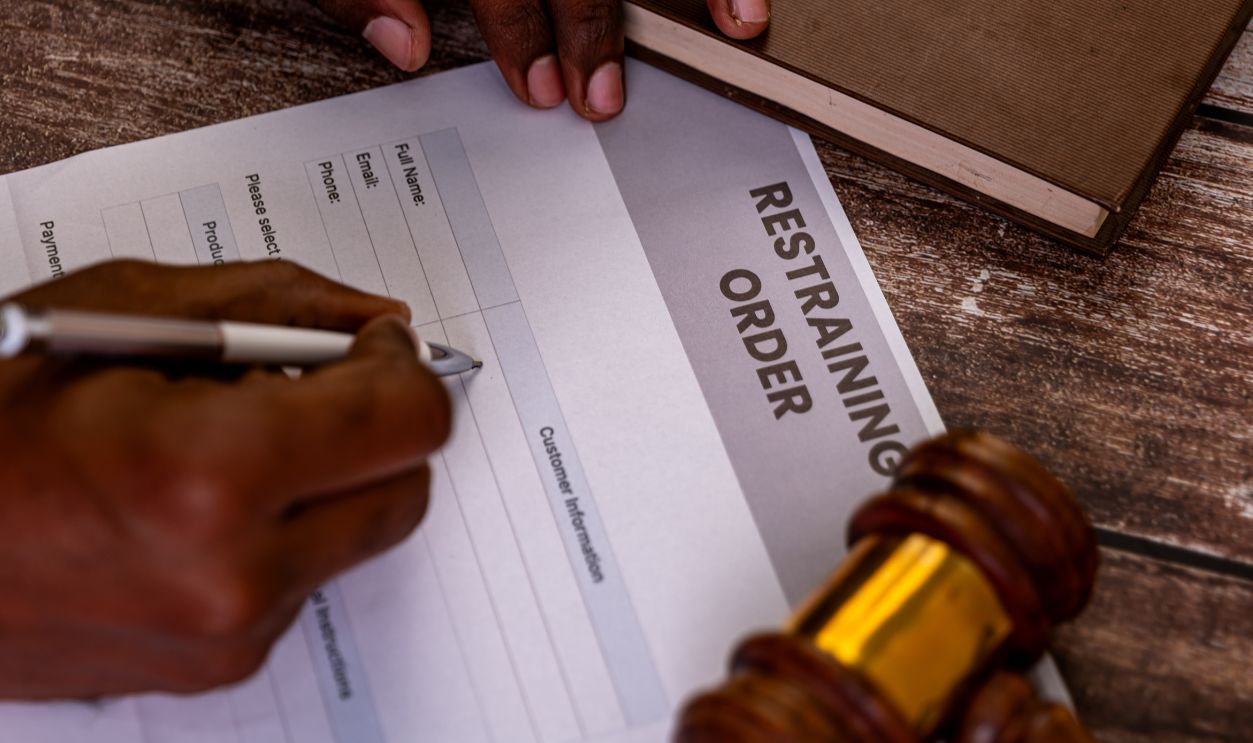
That desperate call to Jim Newton wasn’t coming out of nowhere. Back in 2010, Meisner had filed a restraining order against Lana, alleging that she had physically hit him at least five times. He also claimed that he feared for his life and that she was using substances on an almost daily basis. Clearly, the cracks in their marriage were deep—and the worst was yet to come.
43. He Was Struggling
By early 2015, Meisner’s life had become a tangled mess of hospitals, court filings, and frightening behavior. After one episode of severe intoxication, doctors placed him on an involuntary psychiatric hold. Medical records stated he was agitated, confused, and making alarming statements about hurting himself and others. Lana told medical staff that she had even taken a firearm away from him and removed others from the house.
In April of that year, his friend Jim Newton filed a petition to place Meisner under a conservatorship. The claims in the court document are shocking.

44. His Friend Sounded The Alarm
In the court documents, Jim Newton painted a disturbing picture. He claimed Lana was deliberately feeding Meisner booze to keep him in a stupor because he was “easier to control”. He also alleged that she kept him from seeing his three adult children, neglected his medical care, and spent his money on cosmetic surgery and home renovations.
“I think Lana was trying to hasten his demise,” Newton told CBS. Newton also told the news outlet that Lana “locked her door when she went to bed at night because she was afraid of what he might do”.
 Salivanchuk Semyon, Shutterstock
45. His House Was A Pressure Cooker
Behind the closed doors of the couple’s Studio City home, Randy and Lana’s marriage had completely disintegrated. Longtime neighbor Laurin Benson said they were sleeping in separate bedrooms and seemed “incompatible”. He also suspected Lana stayed for financial reasons, saying, “I guess she didn’t want to lose the pot of gold at the end of the rainbow”.
Even more troubling, emergency vehicles were frequent visitors to the house. But the next emergency call would be unlike all the others.

46. His Life Turned Tragic
Just as Meisner’s conservatorship battle was heating up, tragedy struck. On March 6, 2016, when Lana Rae Meisner was lifting a firearm case out of the bedroom closet, something in the case made the weapon fire into her head. Authorities determined that Meisner was not in the room when the incident happened. A detective said that there would be no charges in the case.
Interestingly, that wasn’t the first time that night someone at the house had called the authorities.

47. His Worst Night Had Started Earlier
Lana’s accident didn’t come completely out of the blue. Roughly 90 minutes before it happened, authorities had already been called to the Meisner home. According to reports, the visit stemmed from a domestic dispute involving the couple and concerns about an inebriated man. Officers responded, investigated, and left. In the wake of Lana’s demise, Meisner made an unexpected decision.
48. He Made A Startling Request
Most people fight a conservatorship. Meisner asked for one. Devastated by Lana’s demise and placed under psychiatric hold after warning that he’d harm himself, Meisner took the unusual step of petitioning a court to place him under conservatorship. He requested that his friend Arthur Ford and accountant Tom DeLong take control of his affairs.
One of the reasons he gave for doing so was downright baffling.

49. He Built A Wall
Lana was gone, but the turmoil in Meisner’s life was far from over. Even after Lana’s accident, Meisner’s family relationships remained deeply strained. In the court filings, he said he was becoming increasingly anxious about being contacted by Jim Newton or his own children. One reason he gave for seeking the conservatorship was to reassure them that he was being cared for so they would “stay at a distance while he grieves”.
It was a startling request—and a sad glimpse into just how isolated Meisner had become.

50. He Reached His Limit (Part III)
Throughout his life, Meisner repeatedly walked away from situations that no longer felt right. He turned his back on success and chose peace more than once. Yet he could never quite outrun the troubles of his final years. After decades of personal turmoil and health problems, Meisner perished at age 77 from complications of chronic obstructive pulmonary disease.
The tributes from those who knew him revealed something remarkable about the man behind the music.
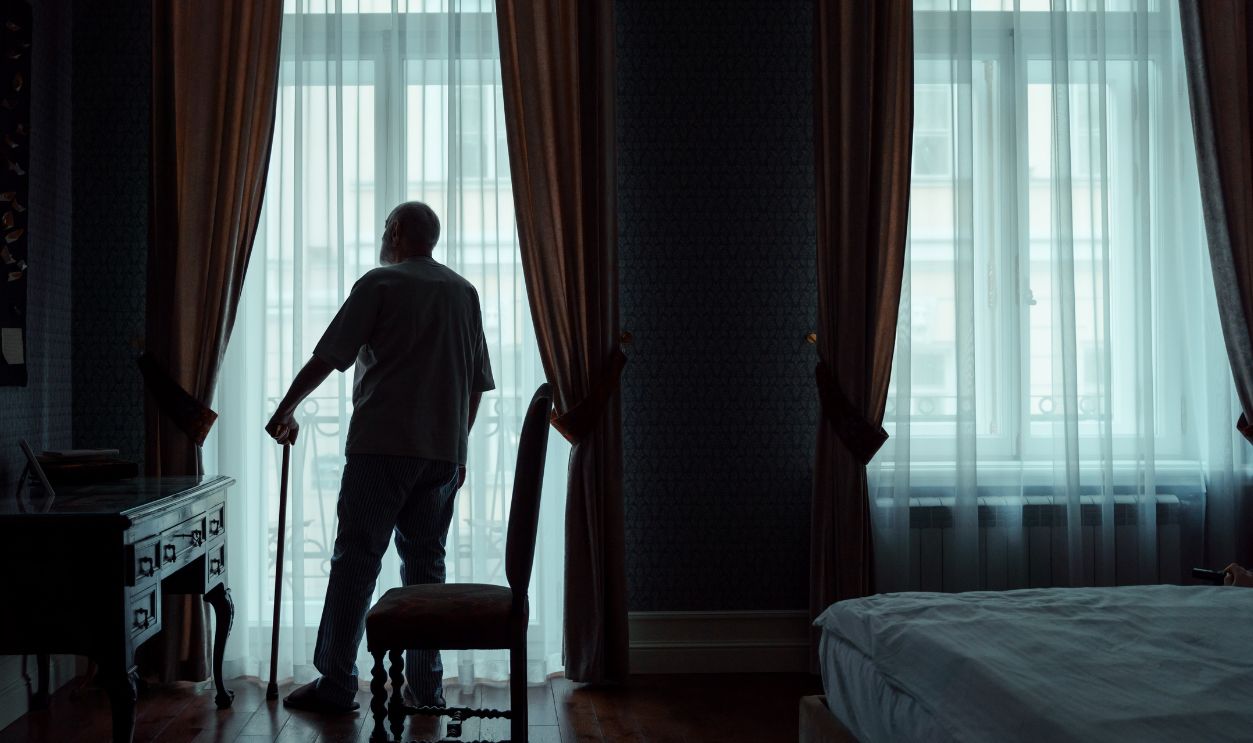
51. He Left A Different Kind Of Legacy
For all the chaos that surrounded Meisner’s life, the people who knew him seemed to agree on one thing: he was remarkably kind. Eagles’ bandmate Don Felder called him “the sweetest man in the music business”. Photographer Henry Diltz remembered him as “a very gentle soul”. He never stopped being the shy Nebraska kid who loved music.
Meisner himself said it best: “I was aware of the music business but all I wanted to do was play…In my heart I knew that what I did best was perform for people and make them happy".
You May Also Like:
The Surprisingly Tragic Life Of Harry Nilsson
The Triumphs And Regrets Of Don Henley