
When Country Radio Had A Different Set Of Superstars
Modern country fans know Willie, Dolly, and Waylon, but the 1970s charts were packed with other voices that once needed no introduction. Some won major awards, crossed onto pop radio, or collected strings of No. 1 hits, yet their names are far less prominent in today's country conversation. For listeners who lived through the decade, however, these stars can unlock memories almost immediately.
 DeGrazia Foundation, Wikimedia Commons
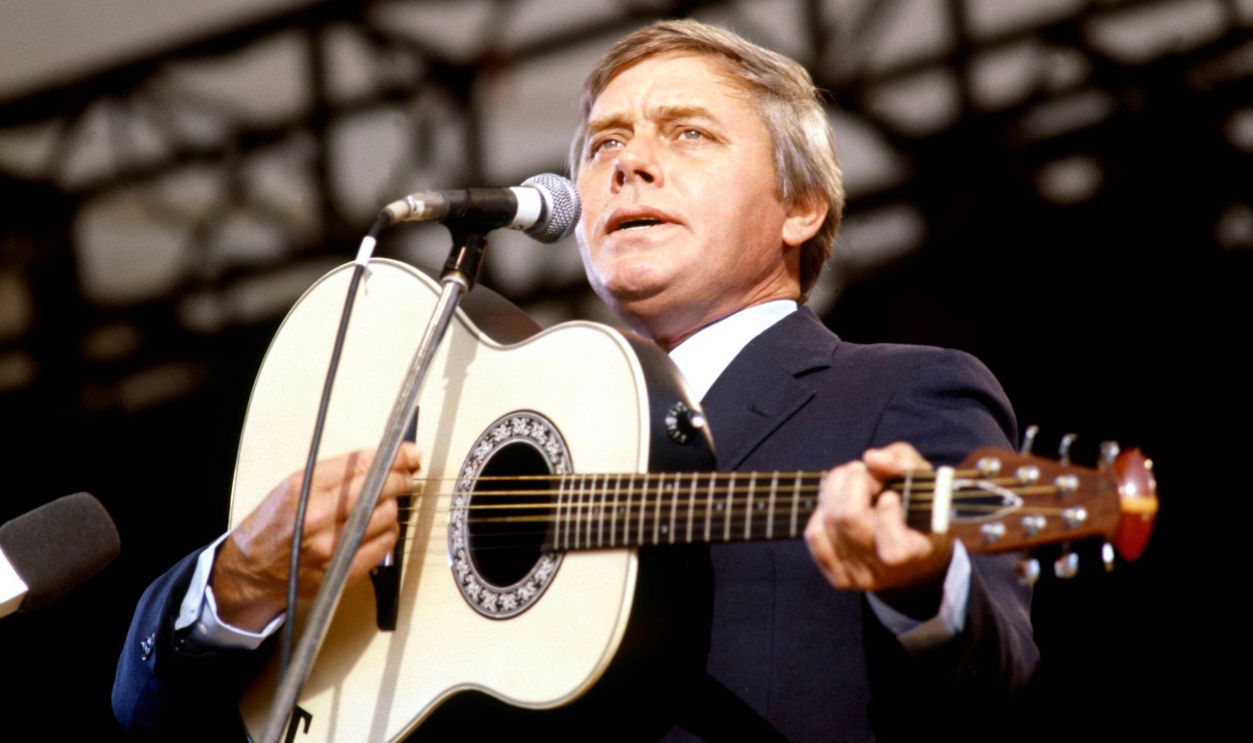
Tom T. Hall
Known as “The Storyteller,” Tom T. Hall turned everyday observations into remarkably vivid country songs. His run of self-written No. 1 hits included “The Year That Clayton Delaney Died,” “(Old Dogs, Children and) Watermelon Wine,” “I Love,” and “Faster Horses”. He also wrote Jeannie C. Riley’s enormous hit “Harper Valley P.T.A".
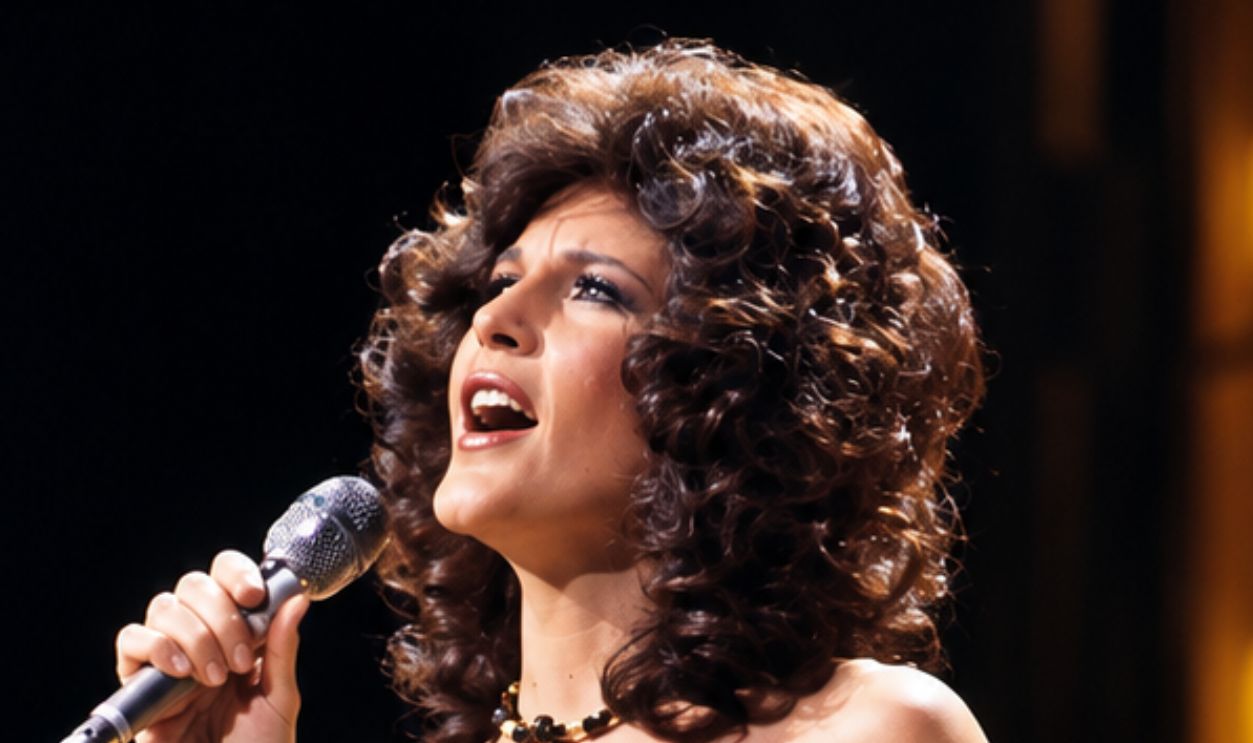
Donna Fargo
Donna Fargo arrived with one of the decade’s most cheerful country smashes, “The Happiest Girl in the Whole U.S.A”. The 1972 No. 1 earned major CMA, ACM, and Grammy honors, while “Funny Face” became another signature Fargo recording. For a brief period, her bright voice was virtually impossible to miss.
 Gene Pugh, Wikimedia Commons, Enhanced
Freddy Fender
Freddy Fender’s “Before the Next Teardrop Falls” became a country and pop crossover sensation in 1975. Born Baldemar Huerta in Texas, Fender had already spent years performing before the bilingual recording transformed him into a mainstream star. The Library of Congress added the single to the National Recording Registry in 2025.
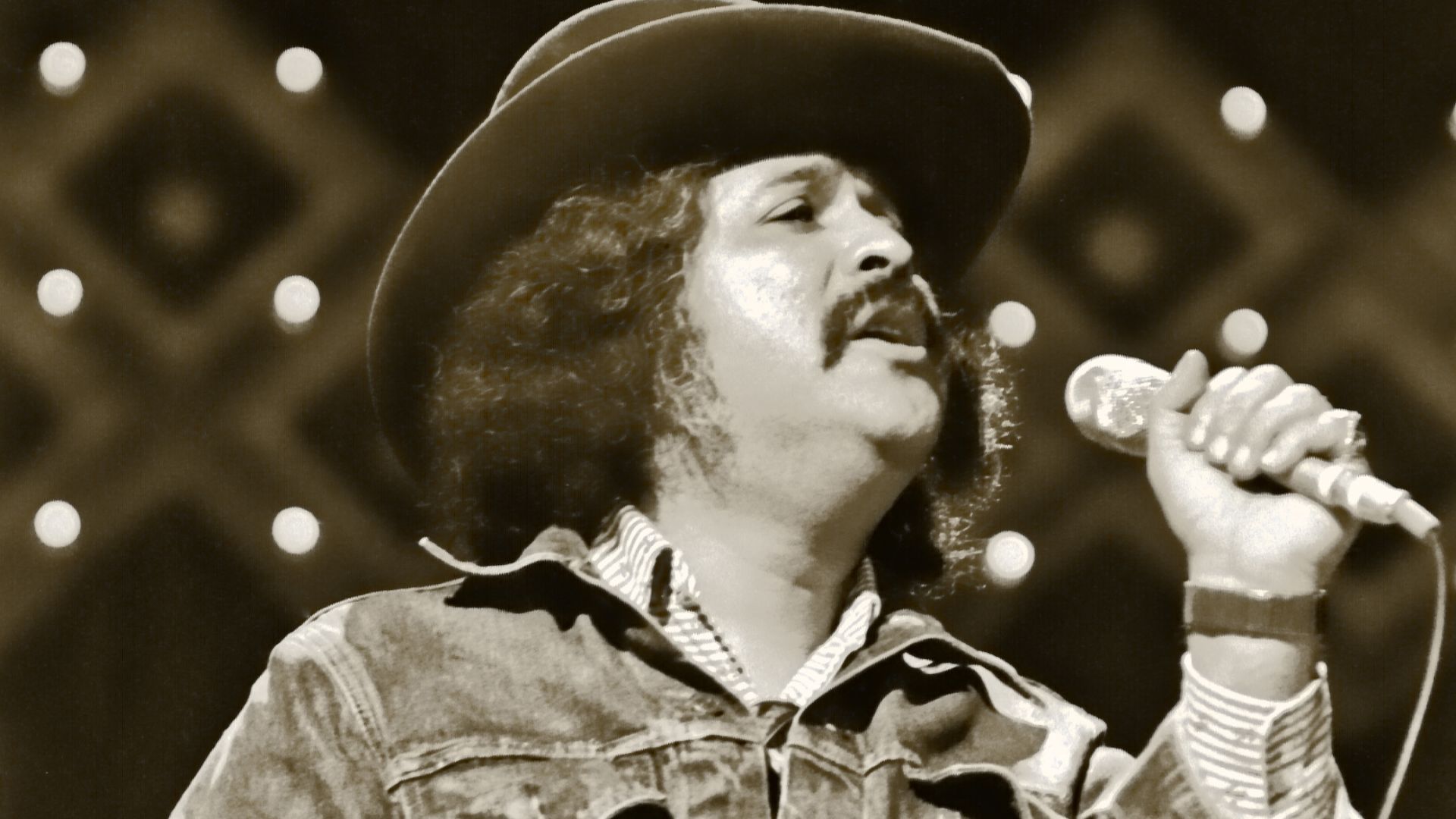
Crystal Gayle
Long before her nearly floor-length hair became part of her public image, Crystal Gayle was building a smooth country-pop sound. “Don’t It Make My Brown Eyes Blue” topped the country chart for four weeks in 1977 and crossed over internationally. Her We Must Believe in Magic album later became platinum.
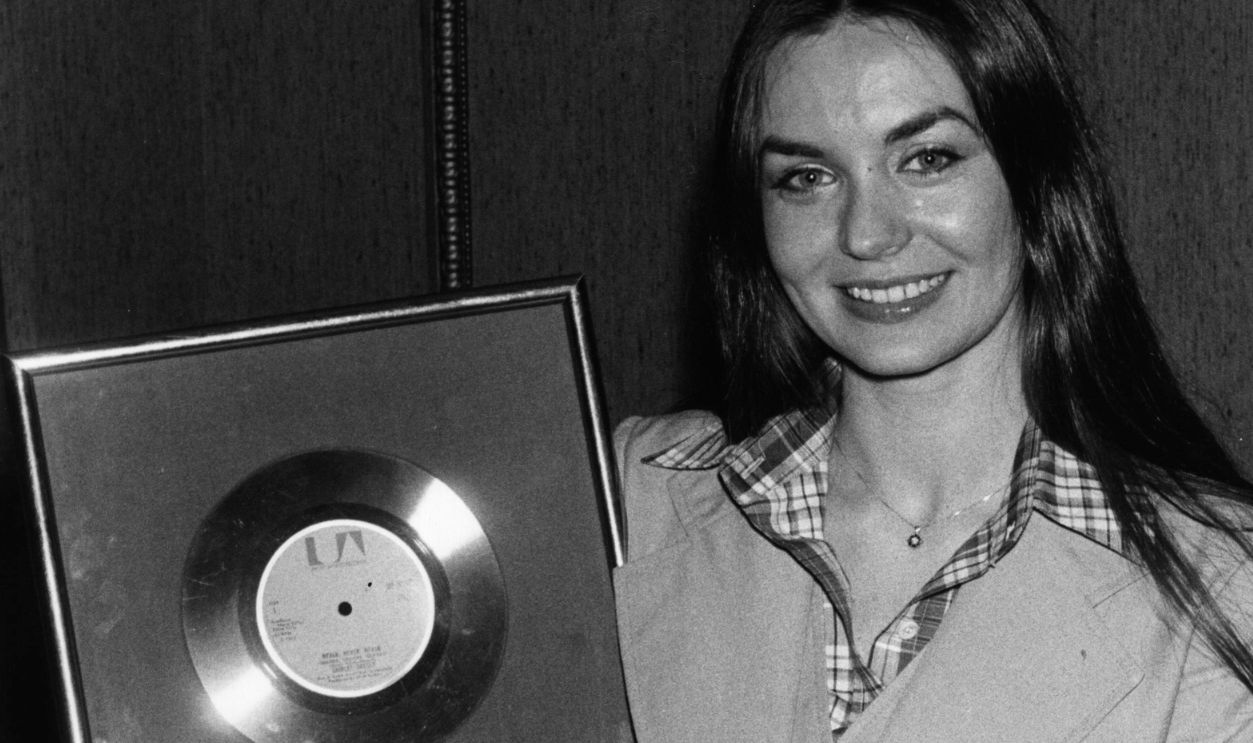
Lynn Anderson
Few 1970s country choruses were more recognizable than the one attached to Lynn Anderson’s “Rose Garden”. The recording brought Anderson the 1971 Grammy for Best Country Vocal Performance, Female. She followed it with other successful recordings, including the Grammy-nominated “How Can I Unlove You”.
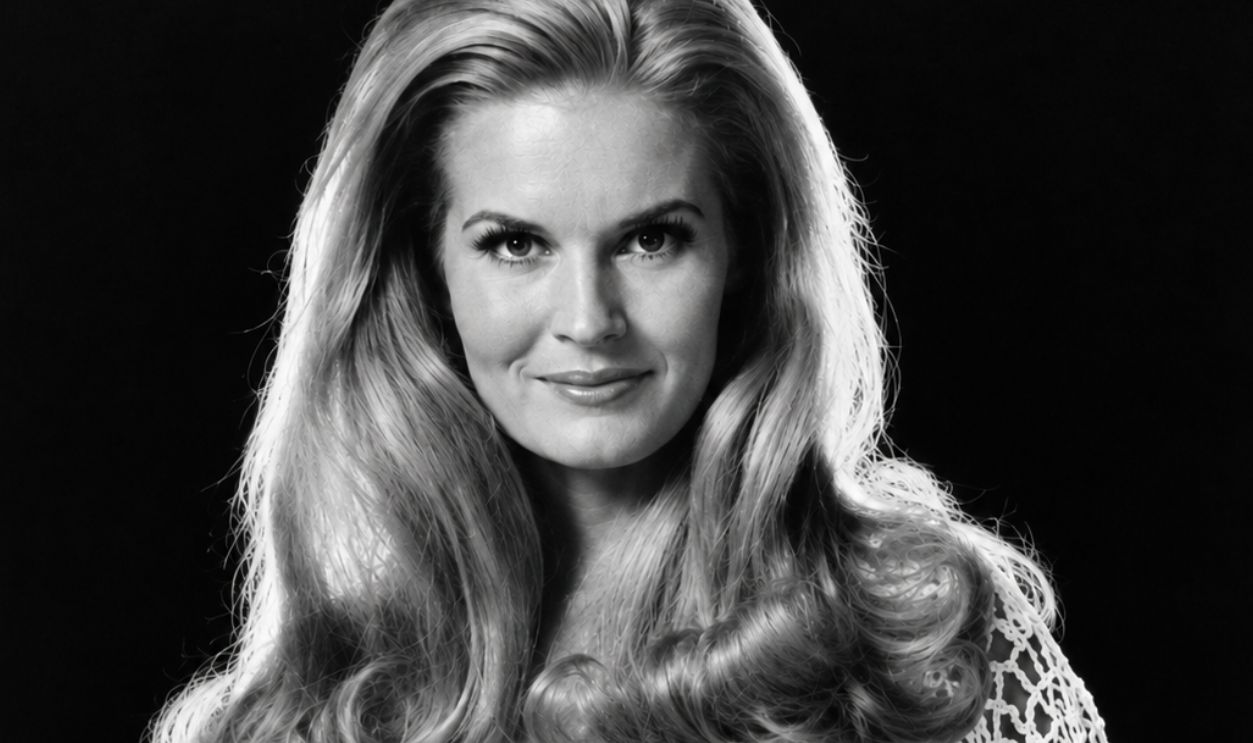 Unknown author, Wikimedia Commons, Enhanced
Charlie Rich
Charlie Rich spent years moving among jazz, R&B, pop, and country before becoming a major 1970s star. “Behind Closed Doors” transformed his career, while “The Most Beautiful Girl” reached the top of both country and pop charts. Rich also took CMA honors for his landmark 1973 album and its title track.
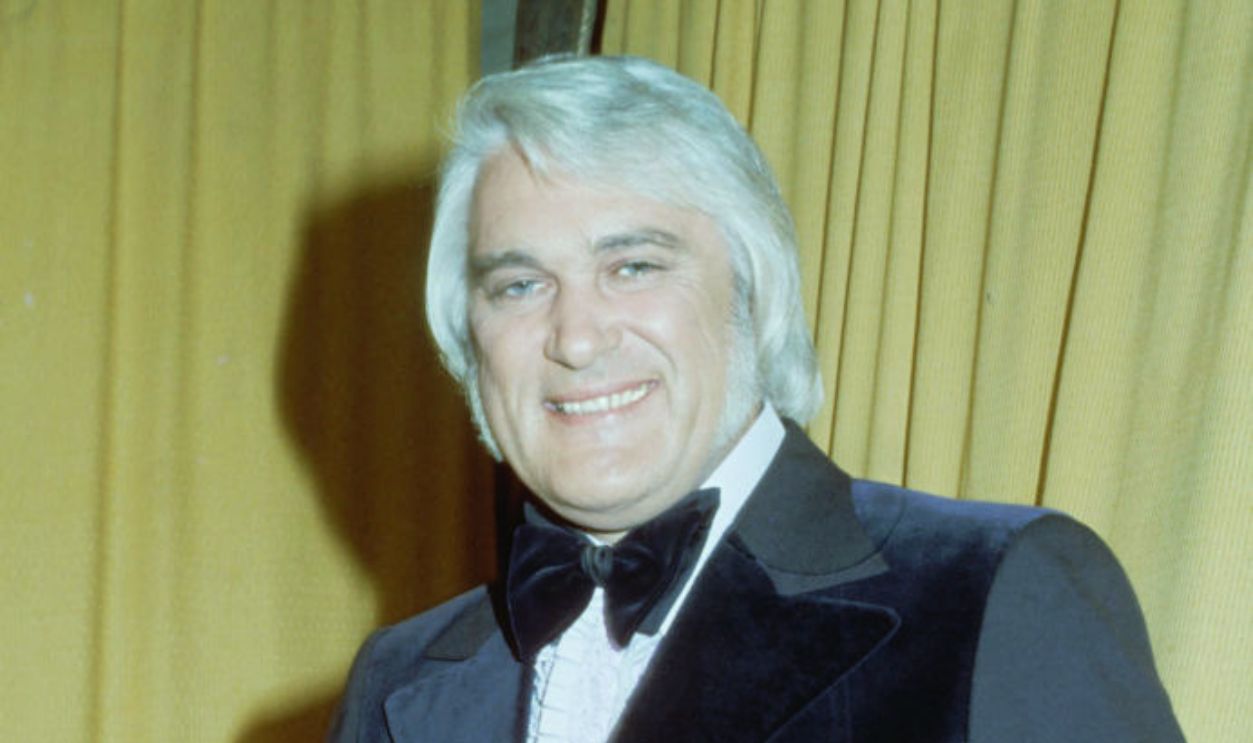 Michael Ochs Archives, Getty Images
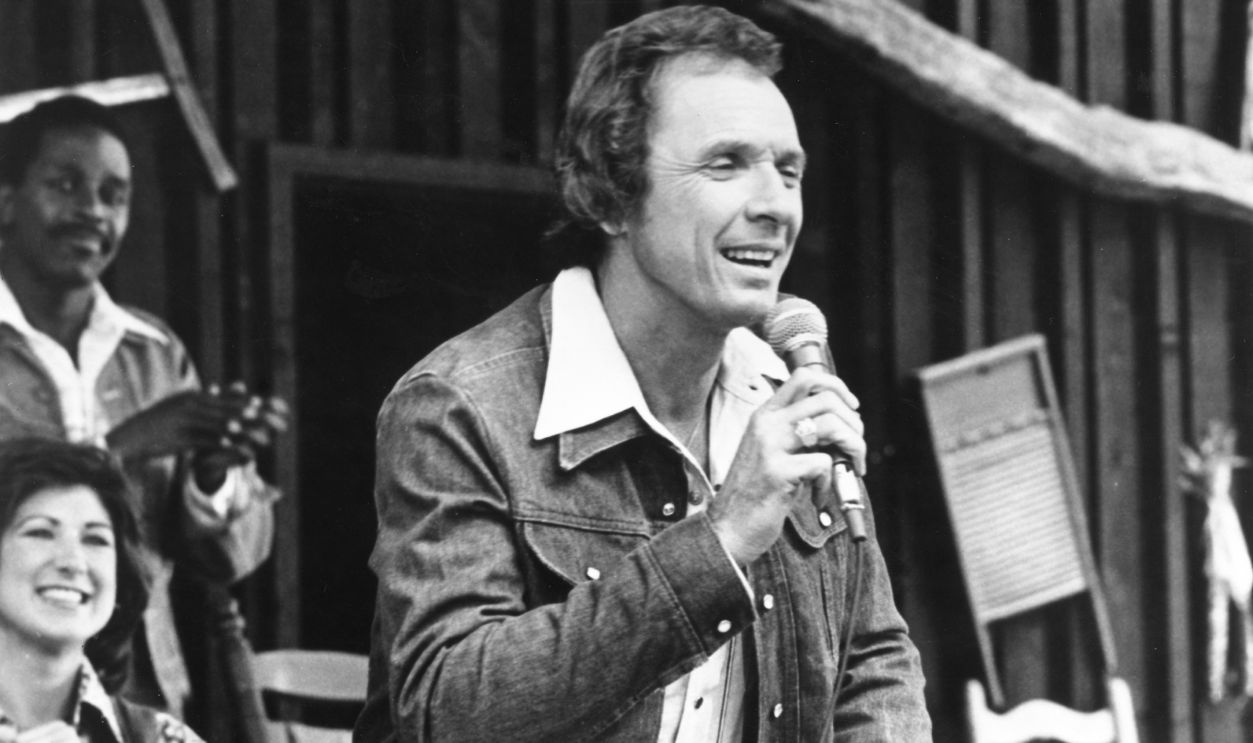
Mel Tillis
Mel Tillis was already a successful songwriter when his own recording career surged during the 1970s. “I Ain’t Never” became his first No. 1 in 1972, followed later by chart-toppers including “Good Woman Blues,” “Heart Healer,” “I Believe in You,” and “Coca-Cola Cowboy”. The CMA named him Entertainer of the Year in 1976.
 Michael Ochs Archives, Getty Images
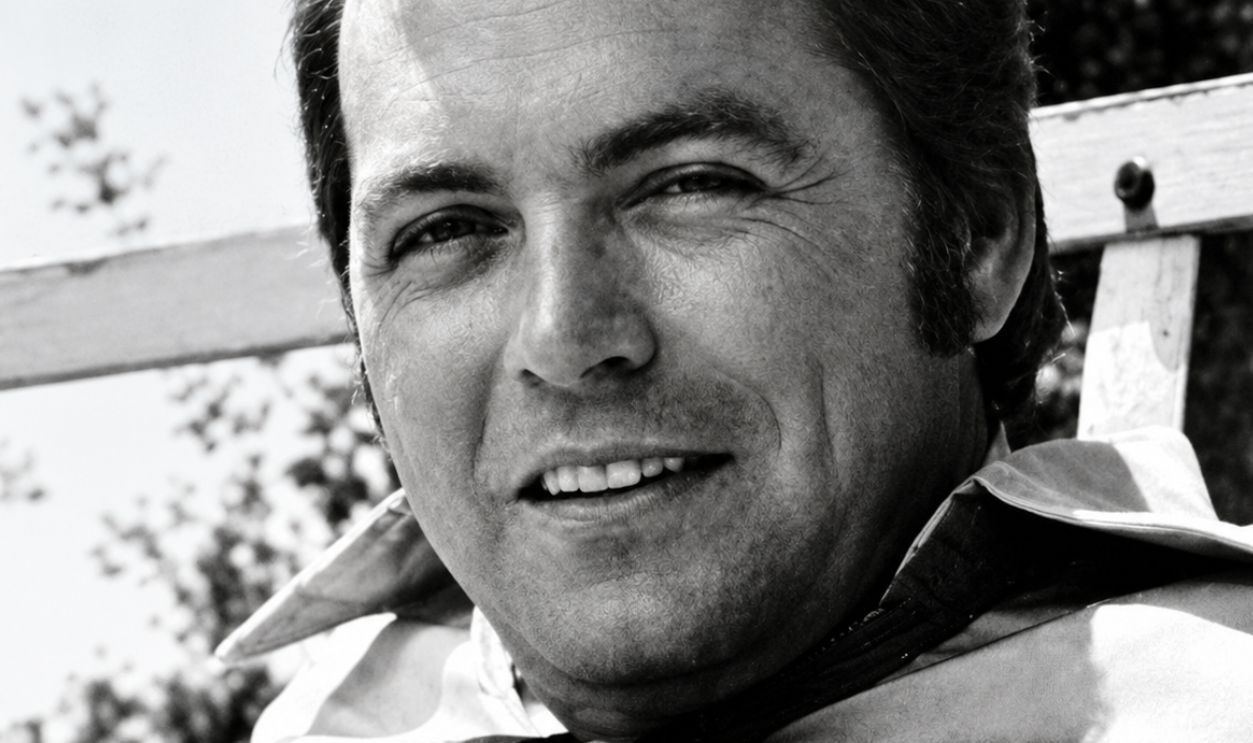
Mickey Gilley
Mickey Gilley’s 1974 recording of “Room Full of Roses” gave him his first No. 1 country single. More hits followed, while his enormous Pasadena, Texas, nightclub became famous enough to help inspire Urban Cowboy. Gilley himself appeared in the 1980 film.
 GRT Records, Wikimedia Commons, Enhanced
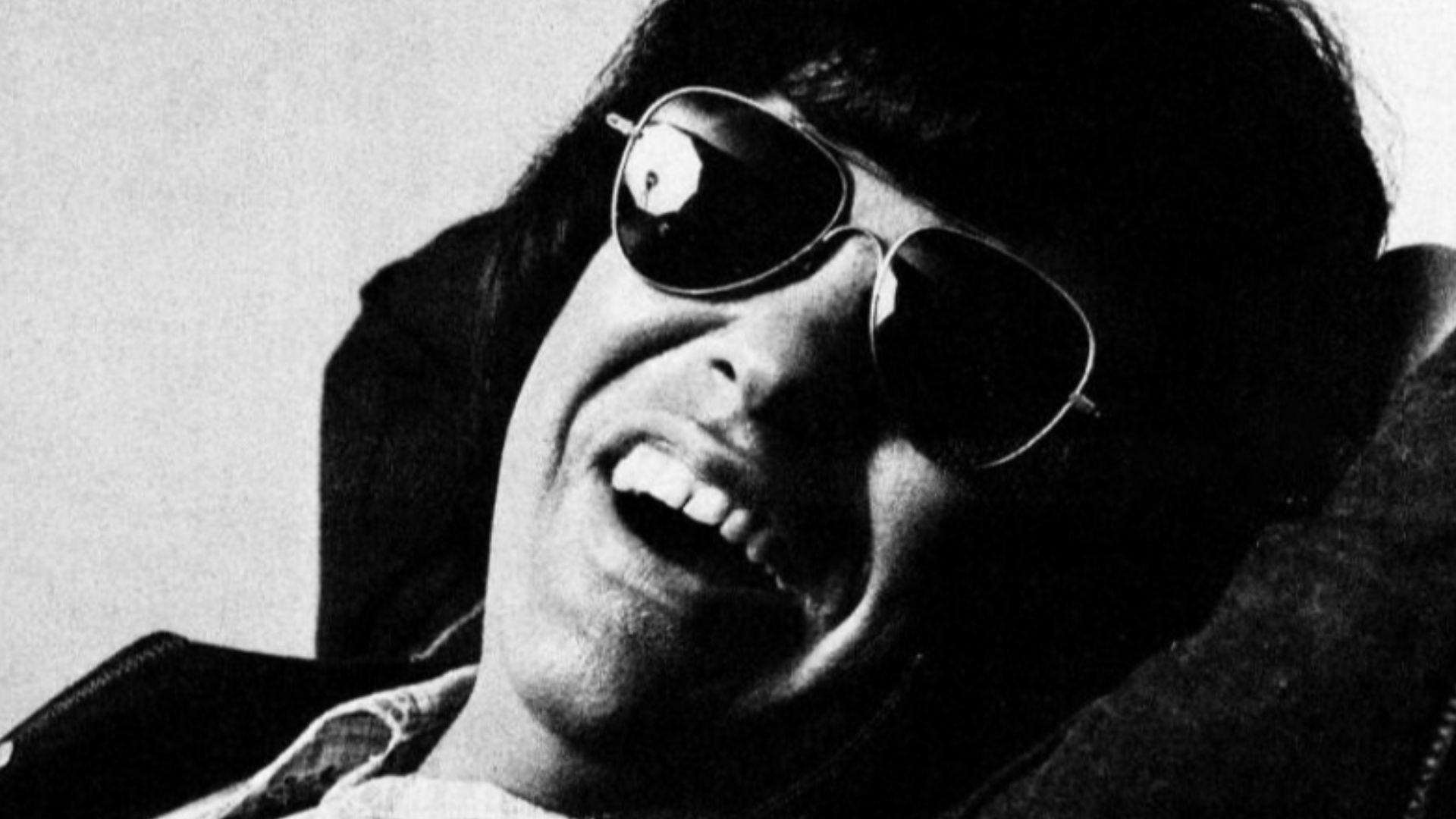
Ronnie Milsap
Ronnie Milsap brought R&B and pop influences into country without losing his Nashville audience. “Pure Love” and “Daydreams About Night Things” were 1970s No. 1 hits, and the CMA named him Male Vocalist of the Year three times during the decade. In 1977, he became CMA Entertainer of the Year.
 MCA Records, Wikimedia Commons
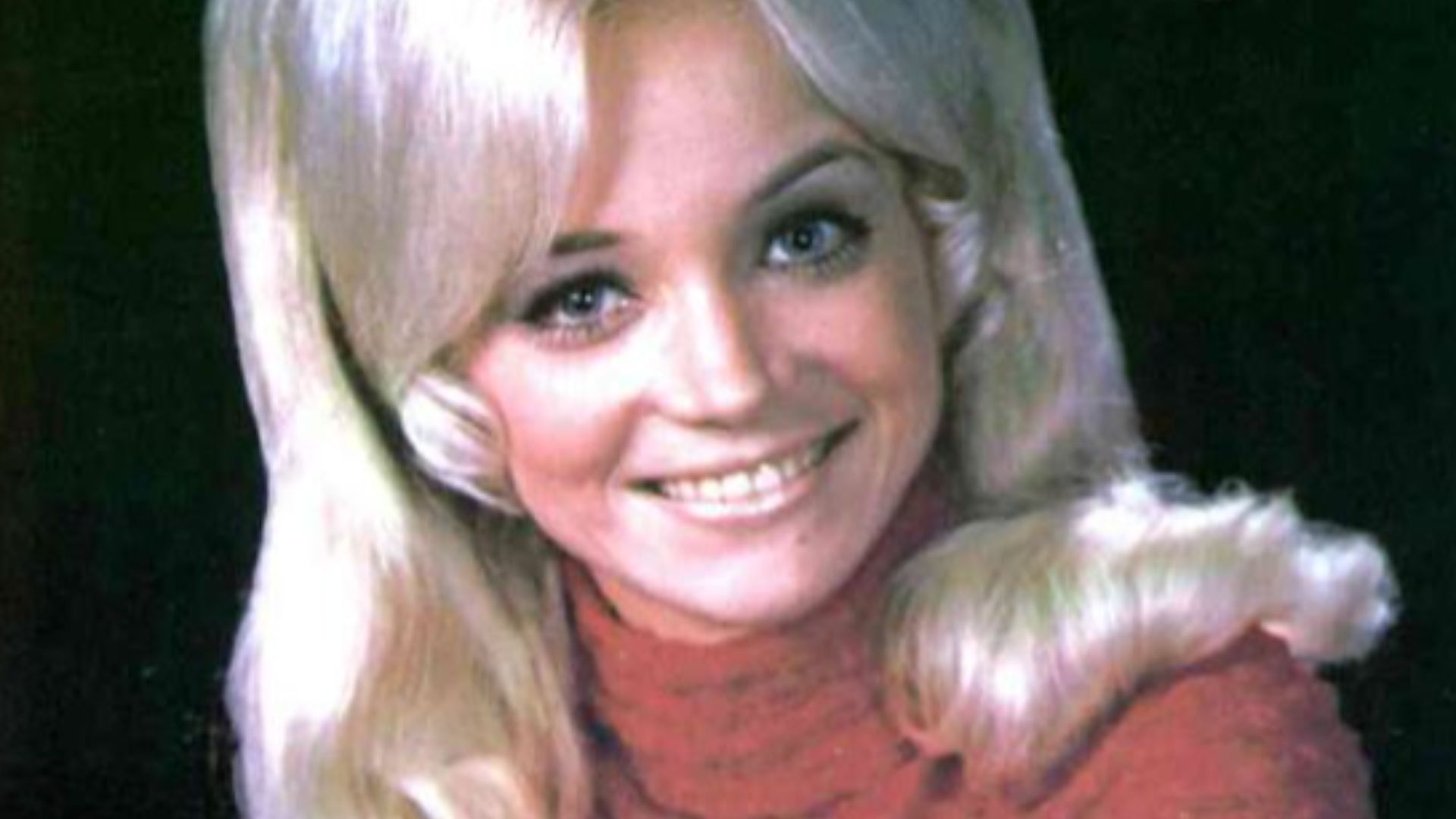
Barbara Mandrell
Barbara Mandrell spent much of the 1970s steadily climbing toward superstardom. “Sleeping Single in a Double Bed” became her first No. 1 in 1978, followed by another chart-topper the next year. The CMA named her Female Vocalist of the Year in 1979 before her fame grew even larger in the early 1980s.
 Les Leverett, Beverly LeCroy and Marvin Cartwright, Wikimedia Commons
Johnny Paycheck
Before his name became inseparable from “Take This Job and Shove It,” Johnny Paycheck had already built a substantial honky-tonk career. The song became his only Billboard country No. 1, reaching the top in 1978. Its working-class message became so recognizable that it later inspired a movie bearing the same title.
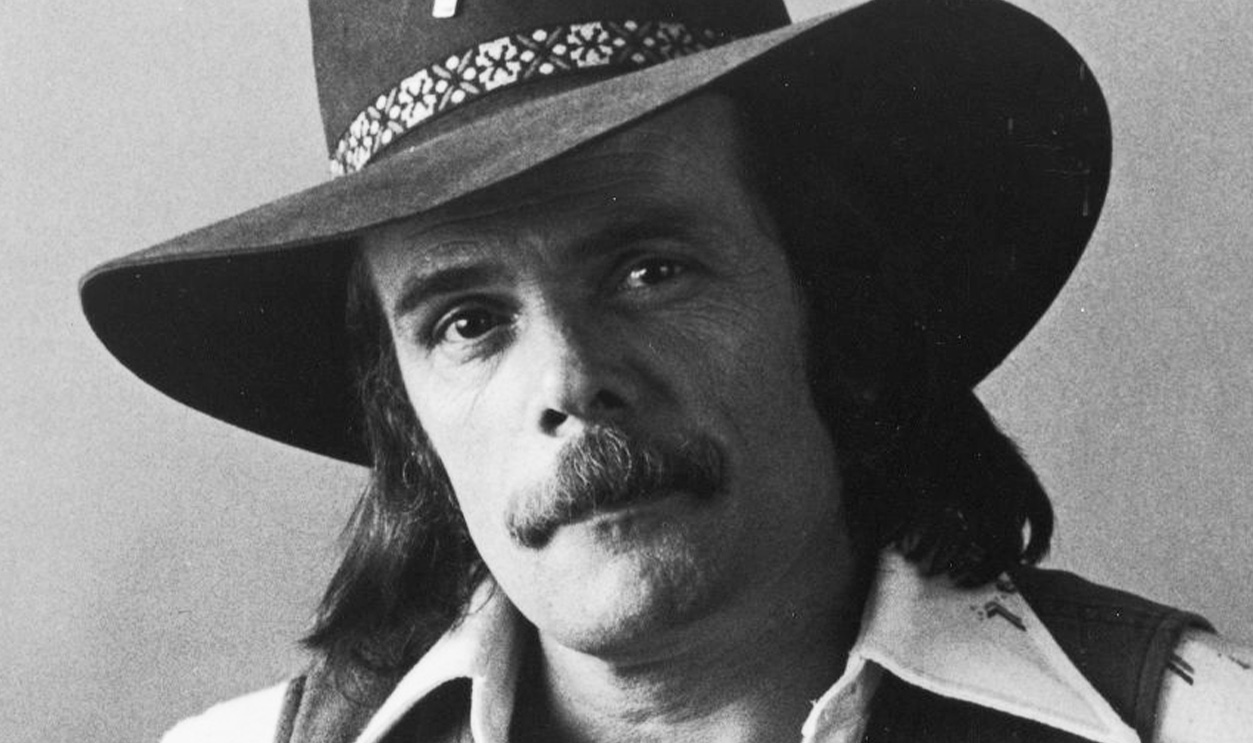
Gene Watson
Gene Watson was still repairing automobile bodies and performing at a Houston nightclub when Capitol picked up “Love in the Hot Afternoon” for national release. The song became his first of two dozen Top 10 country hits in 1975. His traditional vocal style later made “Farewell Party” another enduring fan favorite.
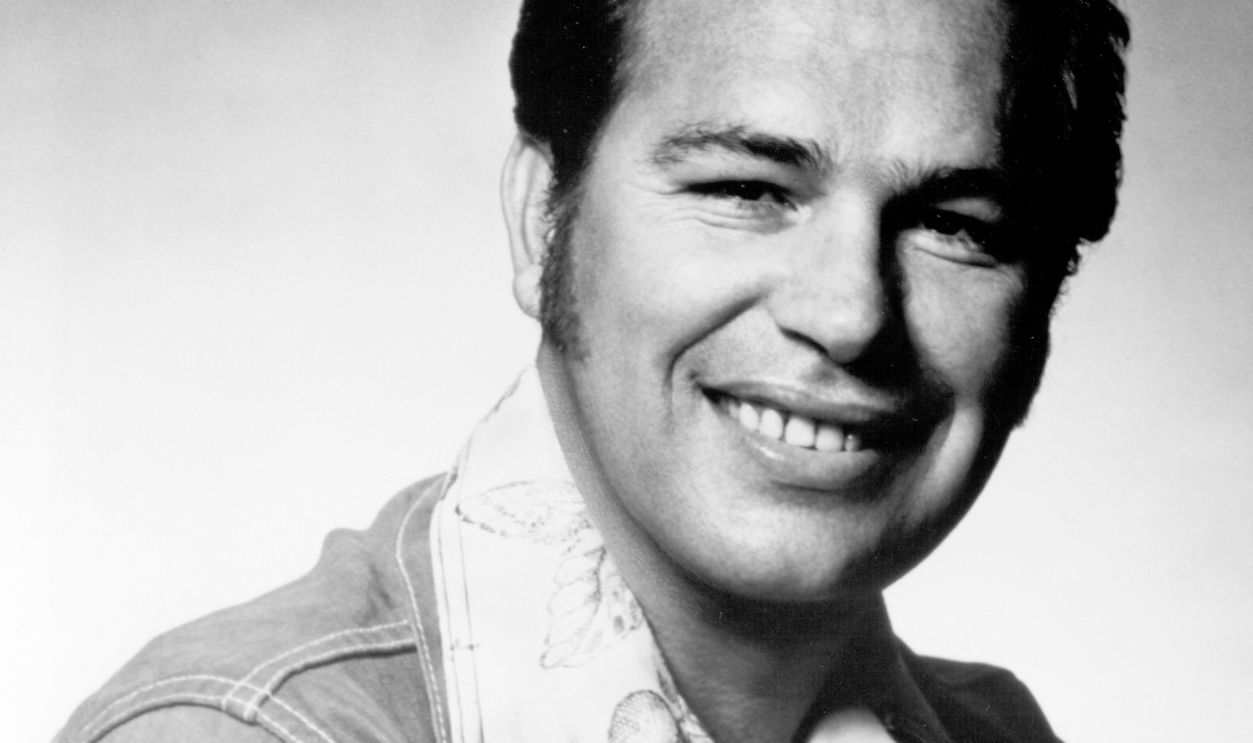 Michael Ochs Archives, Getty Images
John Conlee
John Conlee arrived late in the decade with a voice that sounded made for hard-luck country songs. His breakthrough was 1978’s “Rose Colored Glasses,” and he continued building his reputation with songs centered on ordinary working people. “Common Man,” “Working Man,” and “Friday Night Blues” later reinforced that image.
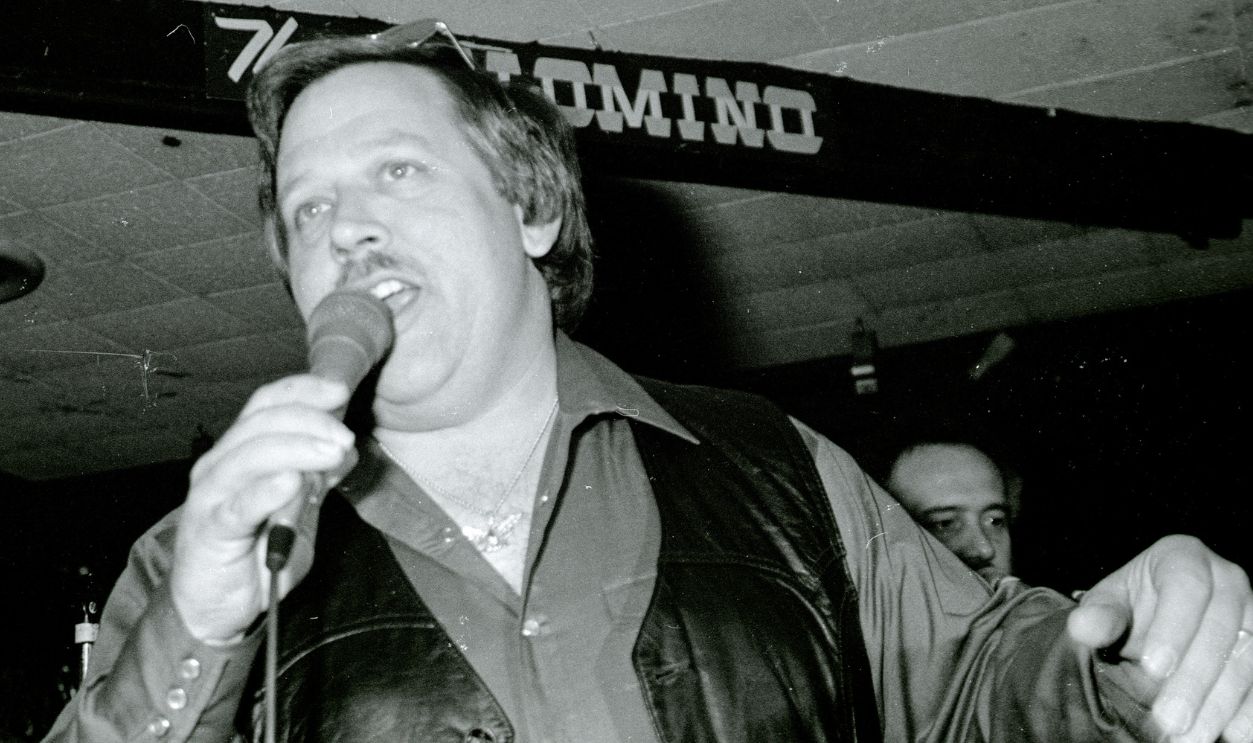 Michael Ochs Archives, Getty Images
Jerry Reed
Jerry Reed was considerably more than the funny guy who appeared alongside Burt Reynolds. An exceptional guitarist, singer, and songwriter, he won a Grammy for “When You’re Hot, You’re Hot.” His other 1970s hits included “Lord, Mr. Ford” and “East Bound and Down,” the latter forever linking him with Smokey and the Bandit.
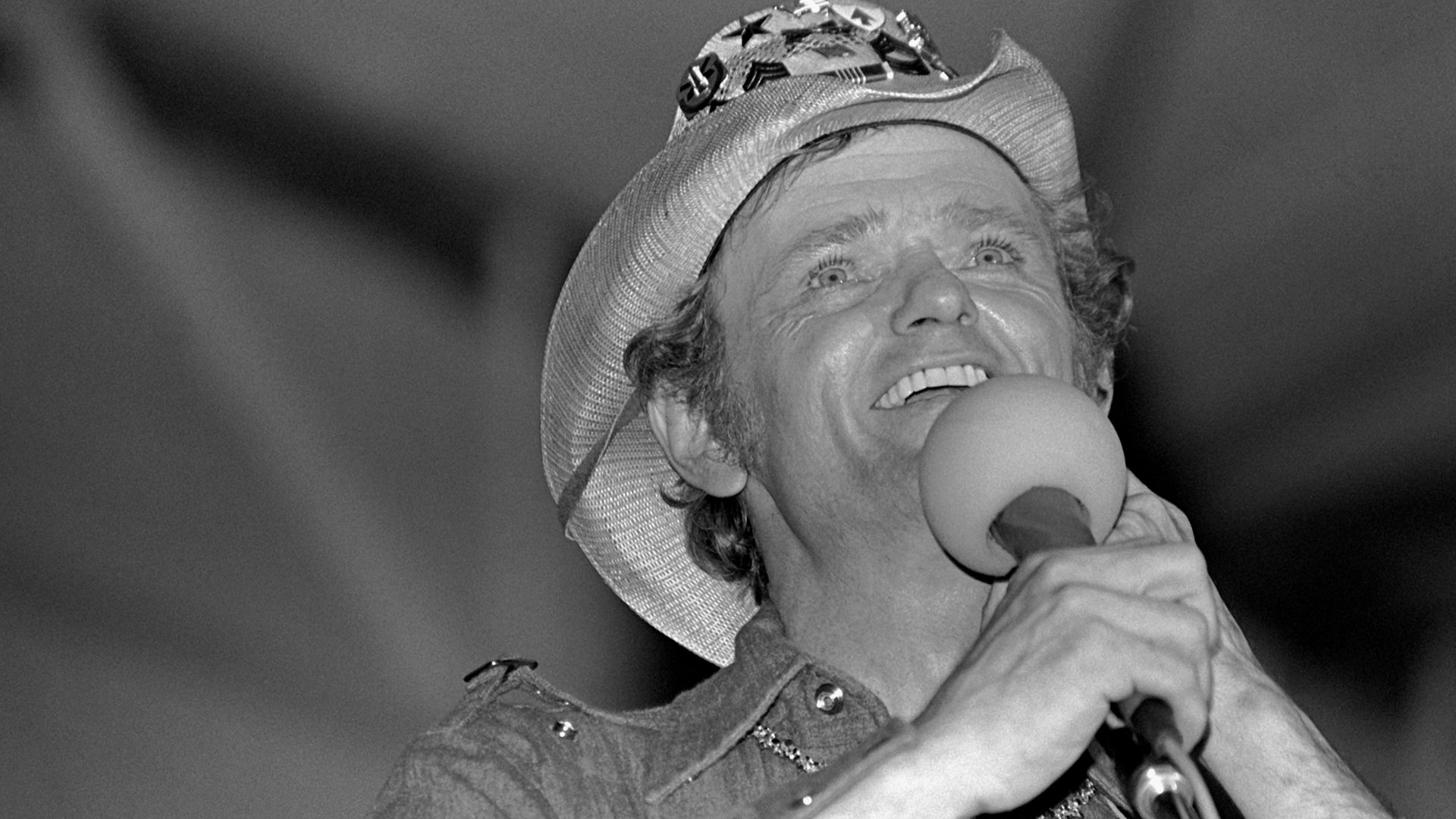 SSGT Lee Schading, Wikimedia Commons
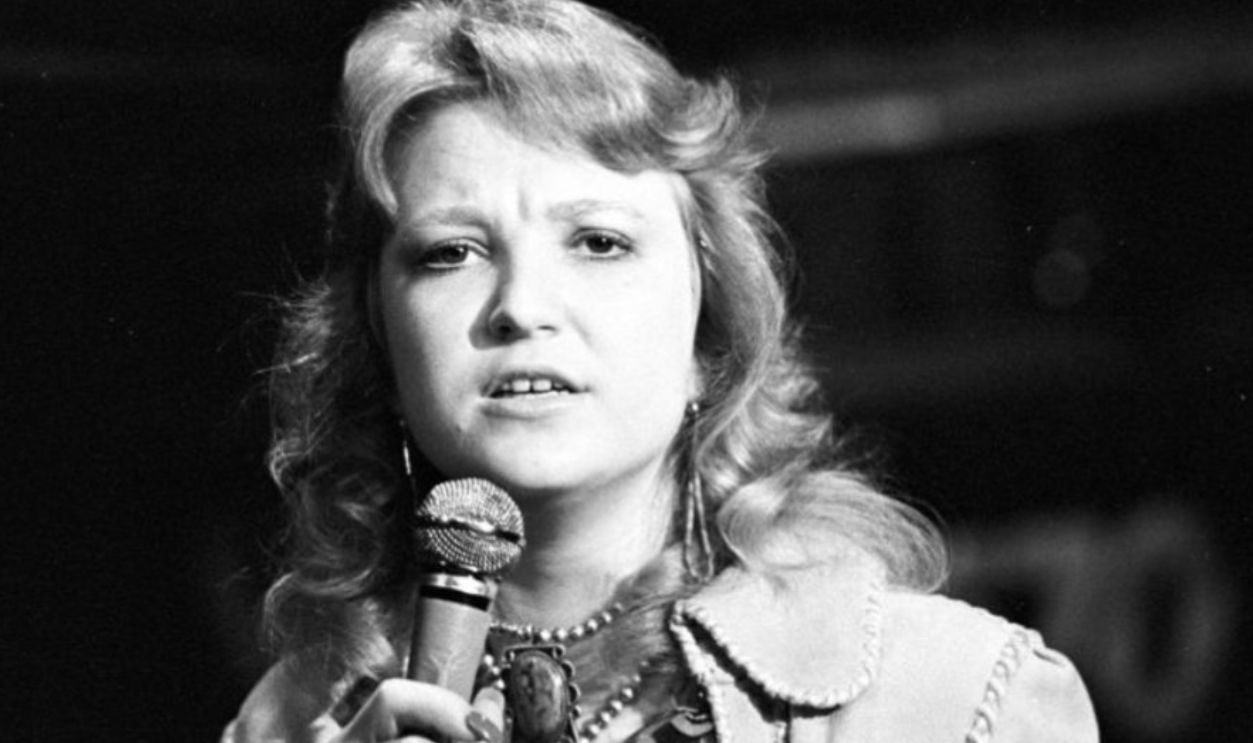
Tanya Tucker
Tanya Tucker was only 13 when “Delta Dawn” reached No. 6 on the country chart in 1972. Instead of disappearing as a teenage novelty, she followed it with three No. 1 singles across 1973 and 1974. Her unusually mature material helped establish a career that ultimately stretched across decades.
 Michael Ochs Archives, Getty Images
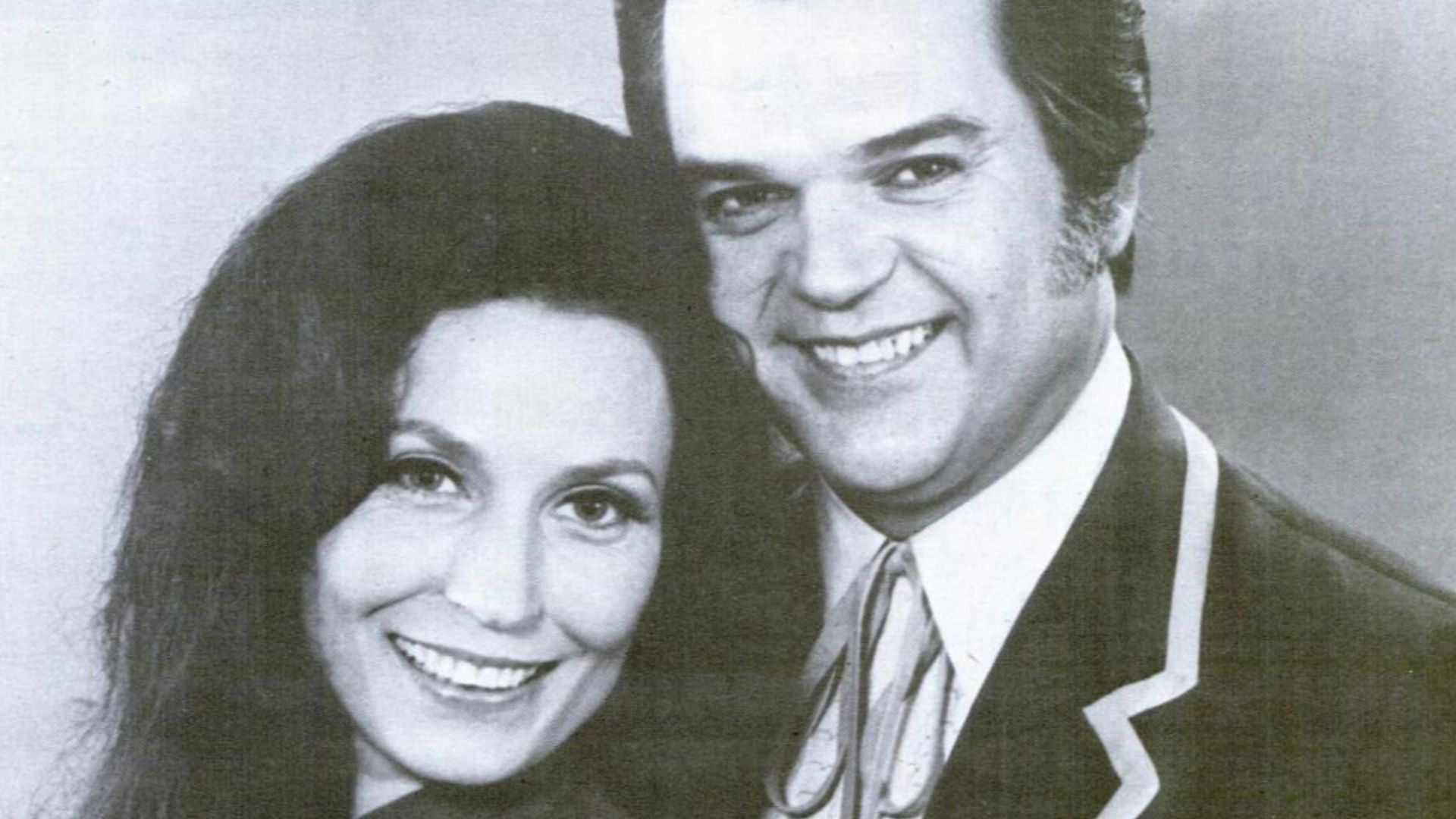
Conway Twitty
Conway Twitty remains familiar to serious country fans, but younger listeners may not realize just how dominant he was. “Hello Darlin’” became a defining 1970 hit, followed by songs including “You’ve Never Been This Far Before” and “Linda on My Mind”. His celebrated partnership with Loretta Lynn produced several classic duets.
 MCA Records, Wikimedia Commons
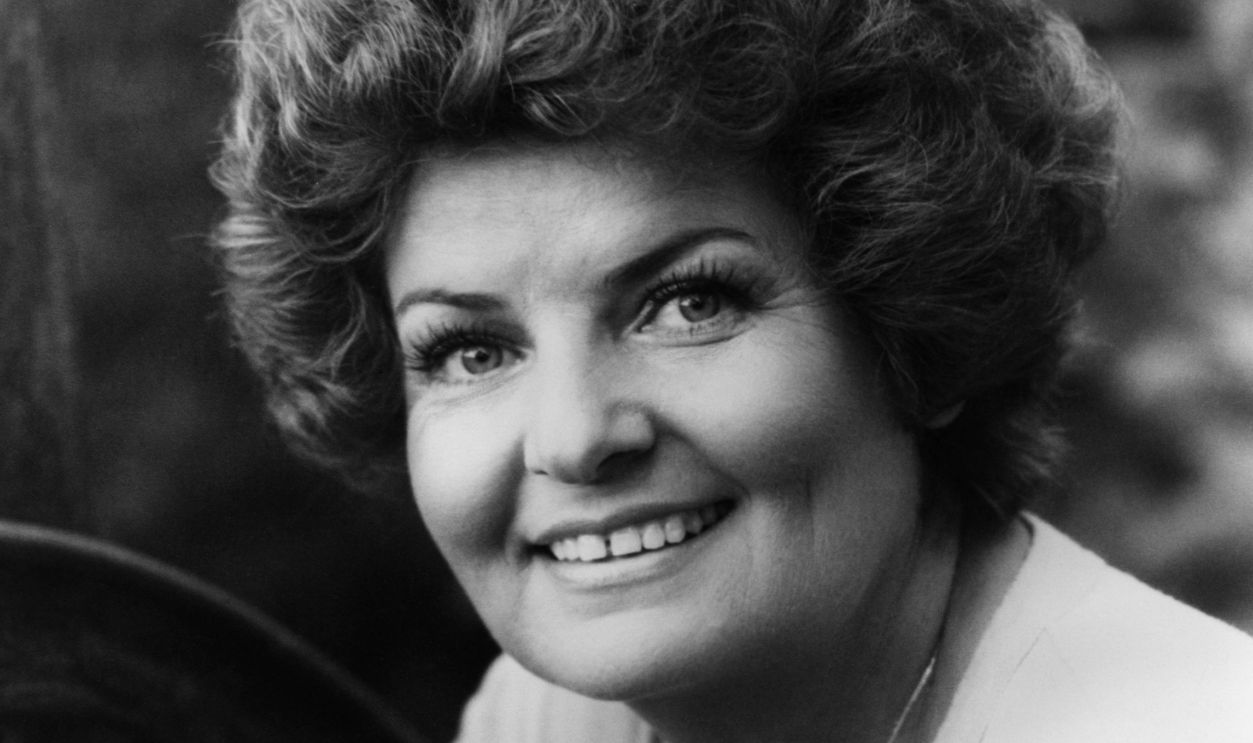
Jeanne Pruett
For many listeners, Jeanne Pruett will always be “Miss Satin Sheets”. Her 1973 hit “Satin Sheets” became her signature recording and helped earn her a place in the Grand Ole Opry that same year. She also wrote songs, including material recorded by country star Marty Robbins.
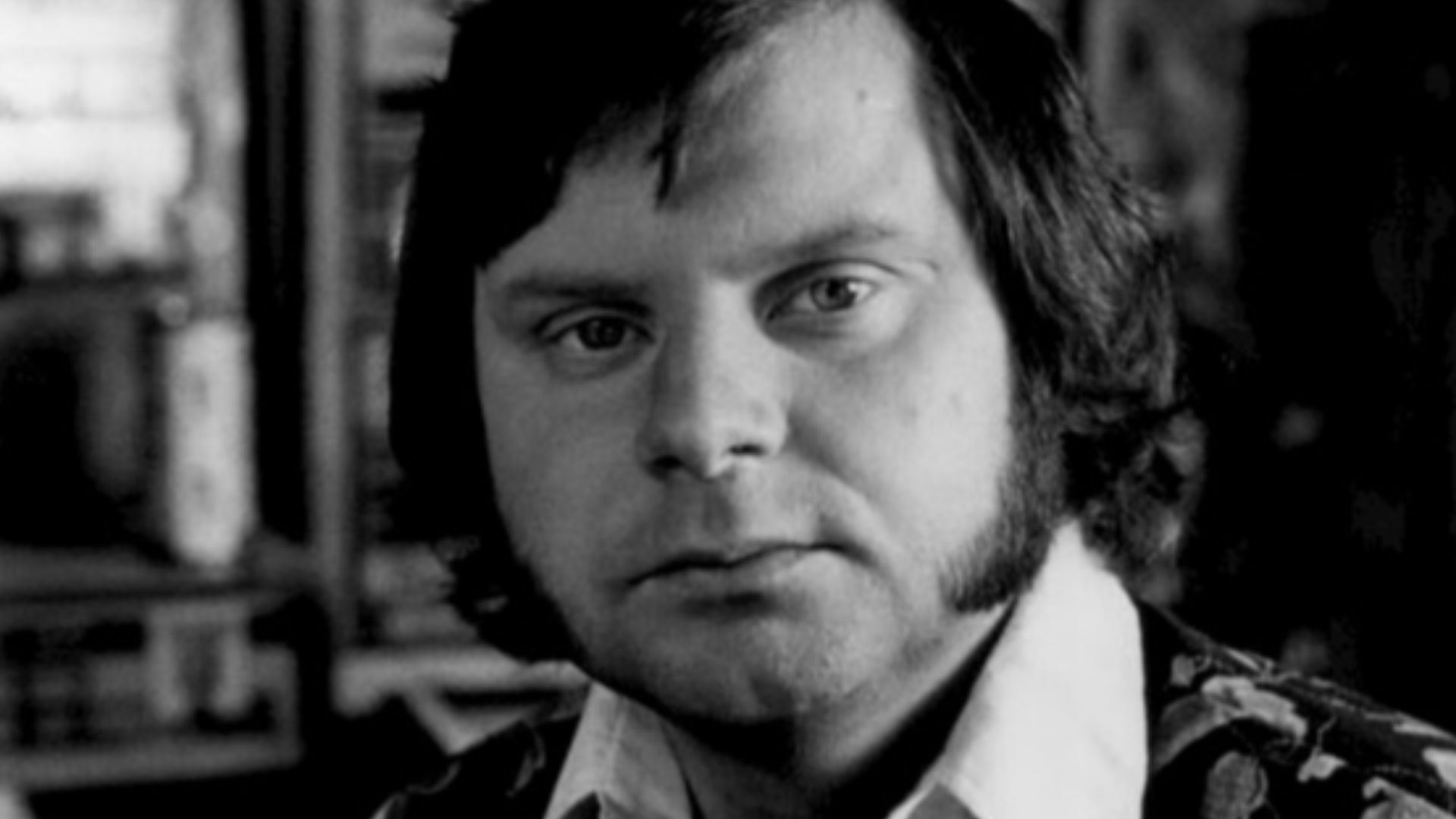
Moe Bandy
Moe Bandy kept traditional Texas honky-tonk alive while country music increasingly experimented with smoother production. His national breakthrough came with “I Just Started Hatin’ Cheatin’ Songs Today,” followed by “Bandy the Rodeo Clown.” His catalog eventually included dozens of charting records and numerous Top 10 hits.
 Ray Baker-management, Wikimedia Commons
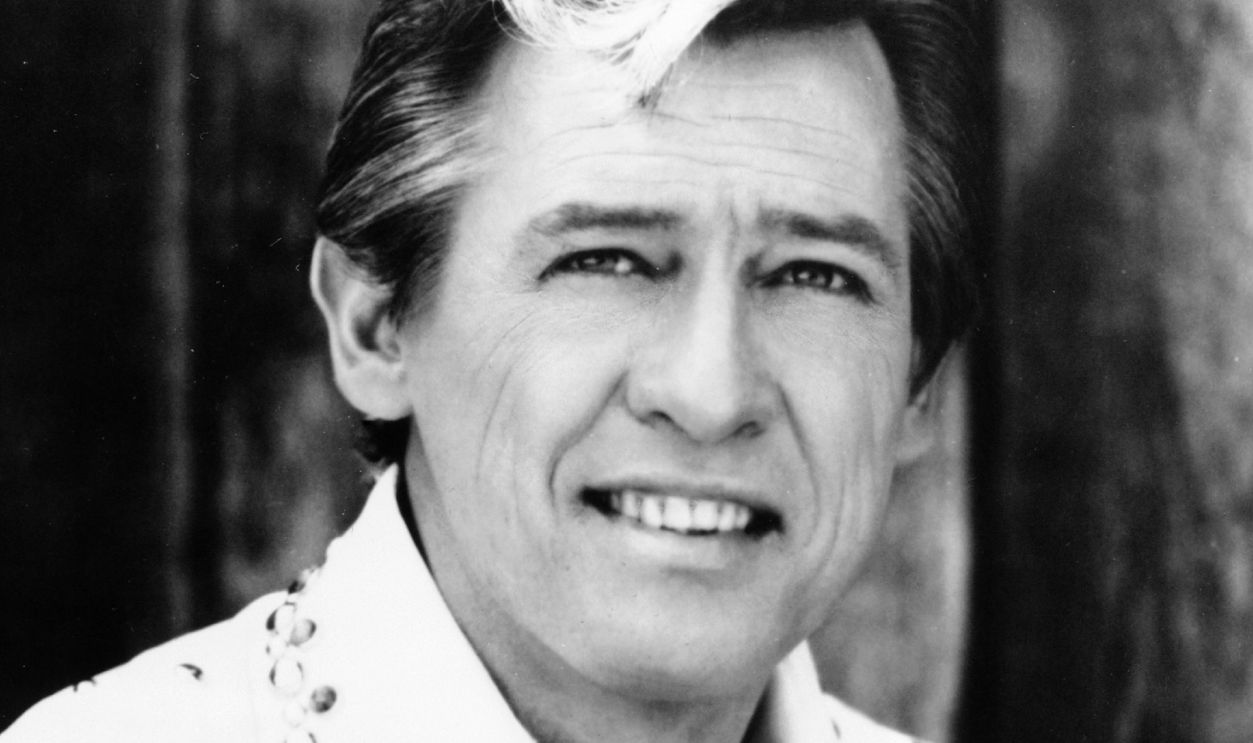
Cal Smith
Cal Smith had previously worked in Ernest Tubb’s Texas Troubadours before finding major solo success. His 1974 No. 1 “Country Bumpkin” earned both Song and Single of the Year honors from the CMA. He returned to No. 1 in 1975 with “It’s Time to Pay the Fiddler".
 Michael Ochs Archives, Getty Images
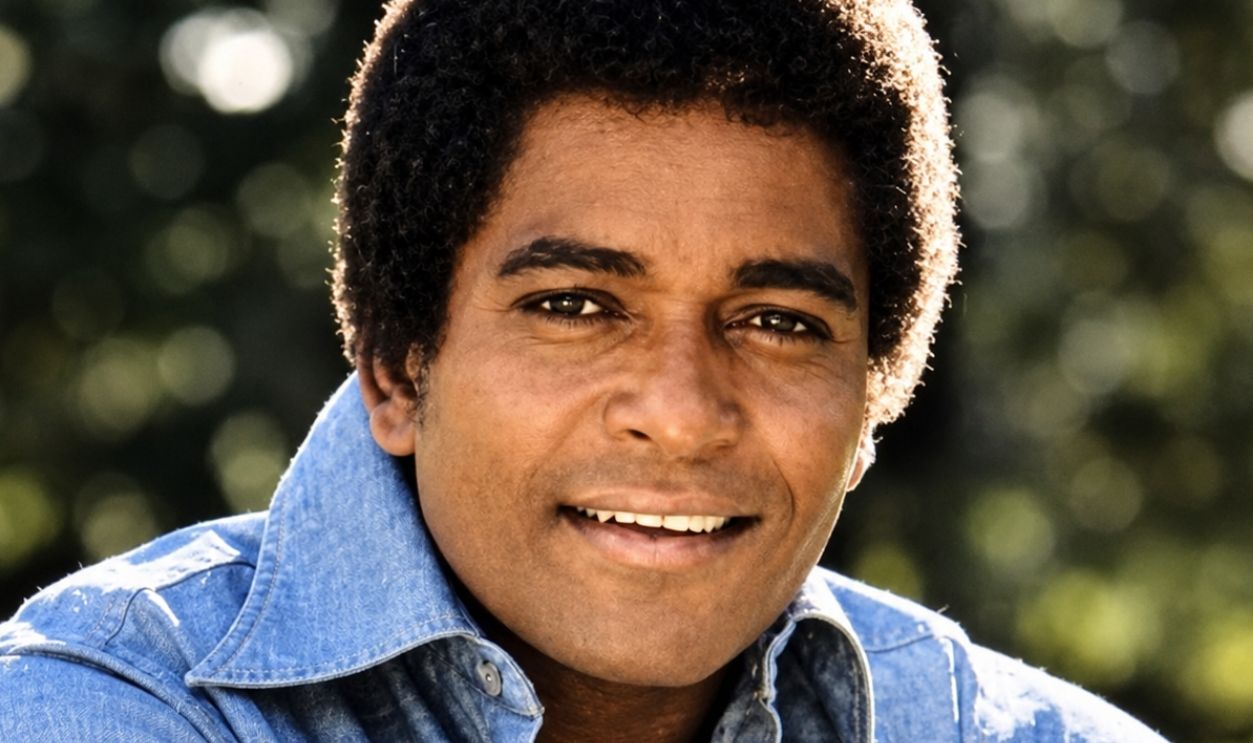
Charley Pride
Charley Pride was one of the biggest country stars of the era, scoring 29 No. 1 country hits between 1969 and 1983. “Kiss an Angel Good Mornin’” became his signature crossover hit, while the CMA named him Entertainer of the Year in 1971. His success also broke major racial barriers in country music.
 RCA Records, Wikimedia Commons, Enhanced
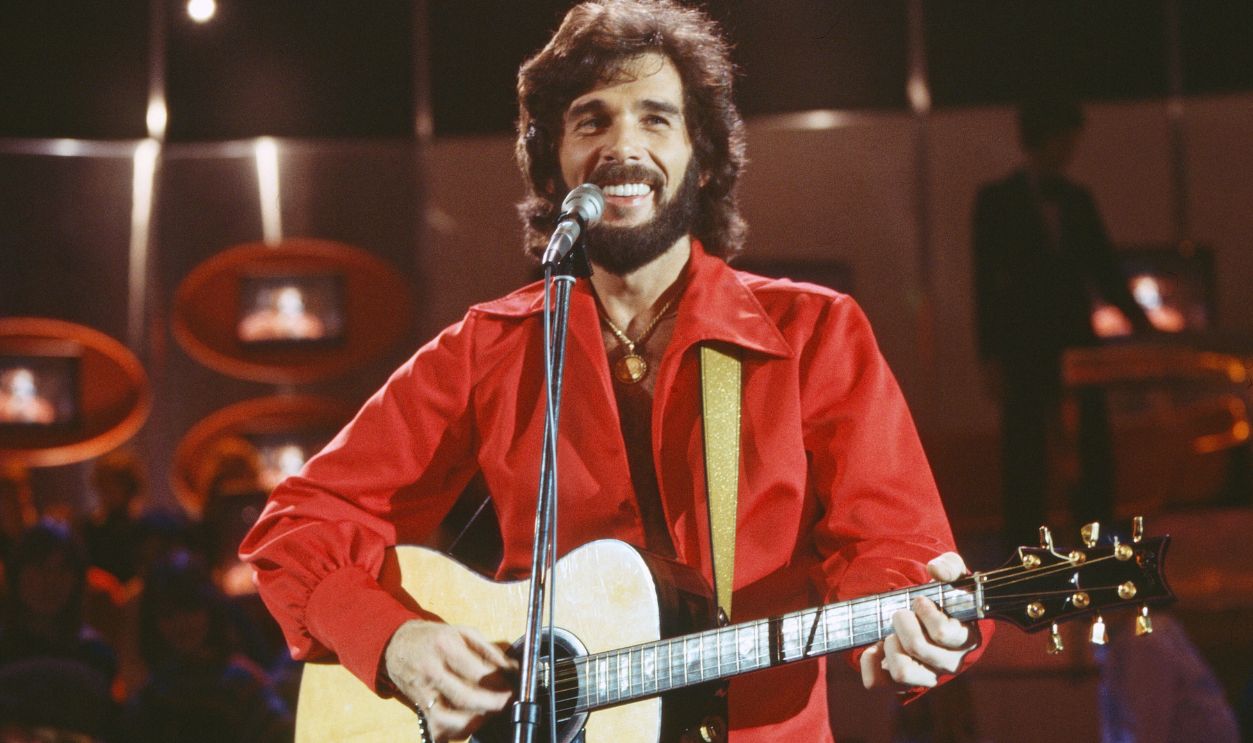
Eddie Rabbitt
Eddie Rabbitt initially made his mark as a songwriter, with credits including Elvis Presley’s “Kentucky Rain” and Ronnie Milsap’s “Pure Love.” By the late 1970s he had become a recording star himself, scoring hits including “Every Which Way but Loose”. His country-pop crossover success grew even larger in the 1980s.
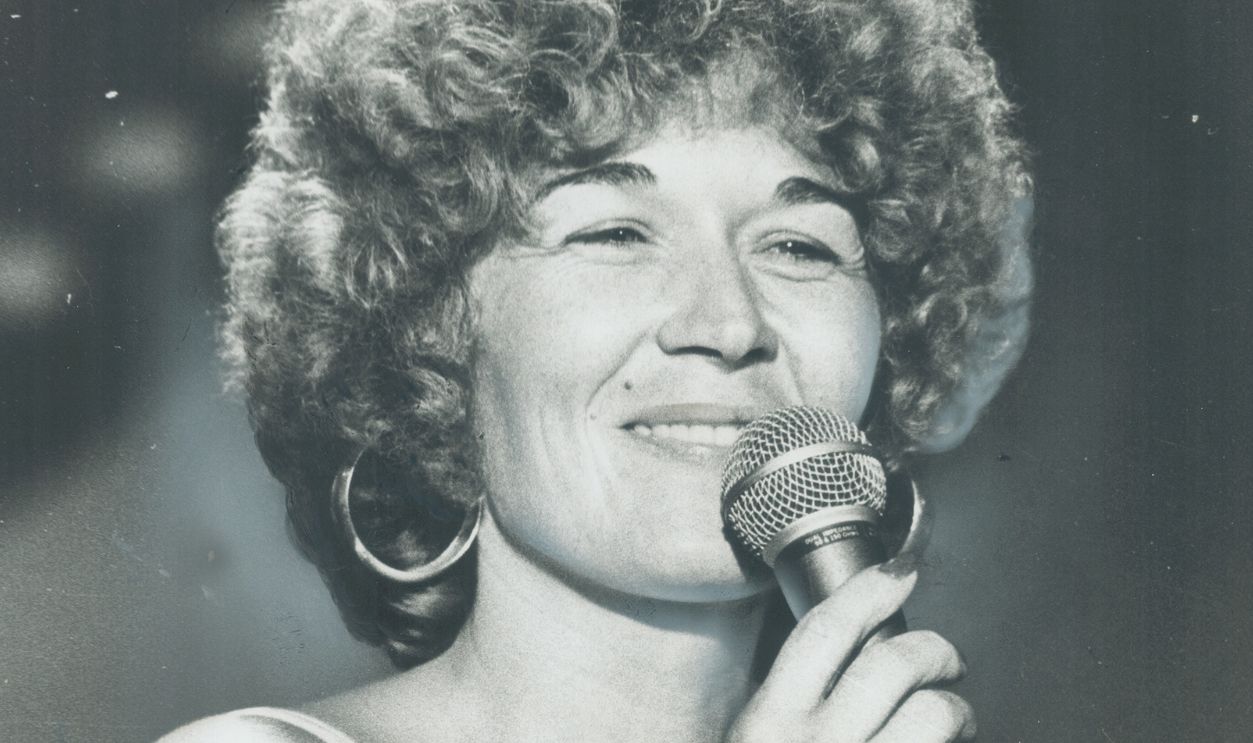
Sammi Smith
Sammi Smith’s recording of Kris Kristofferson’s “Help Me Make It Through the Night” became one of the defining country performances of the early 1970s. It earned Smith the 1972 Grammy for Best Country Vocal Performance, Female, while Kristofferson won the country songwriting award for the composition.
You May Also Like:
1980s Love Songs Generation X Can Still Recognize After Hearing Just Three Notes
Rock Albums From The 1980s That Fans Say Have No Weak Tracks, Even If They Weren't Popular Back Then
Eartha Kitt Was Welcome At The White House—Until One Conversation Made Her An Outcast In Hollywood
Source: 1





.jpg)