
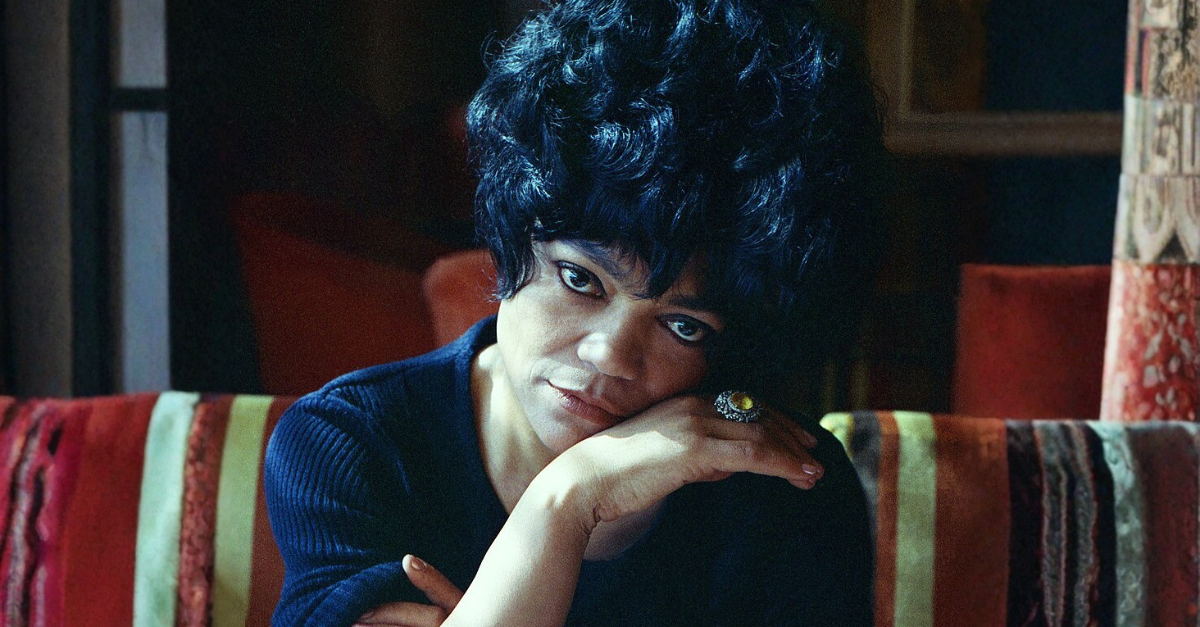
The Purr Heard Around Washington
By January 1968, Eartha Kitt had conquered Broadway, nightclubs, records, movies, and television. She had even become Catwoman on Batman. Then an invitation arrived from Lady Bird Johnson, and one afternoon inside the White House changed the direction of Kitt’s American career for years.
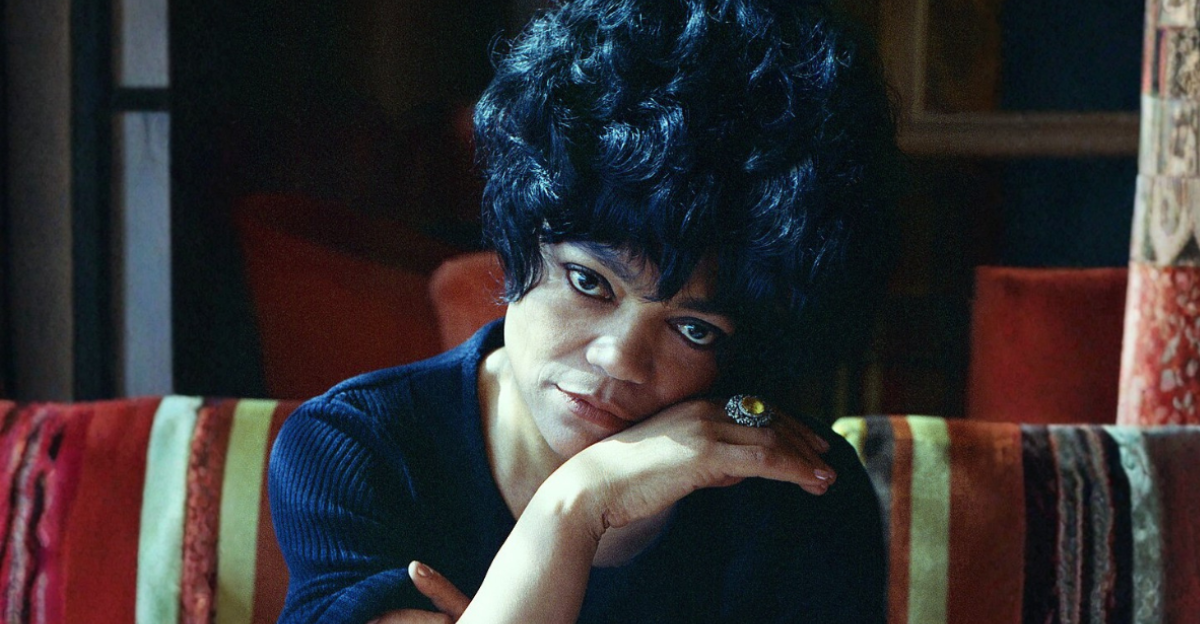 Allan warren, Wikimedia Commons
Her Childhood Was Anything But Glamorous
Kitt was born in North, South Carolina, on January 17, 1927. Her childhood included poverty and prejudice before she eventually went to live with an aunt in New York. Long before becoming famous for her sophisticated persona, she knew what exclusion felt like firsthand.
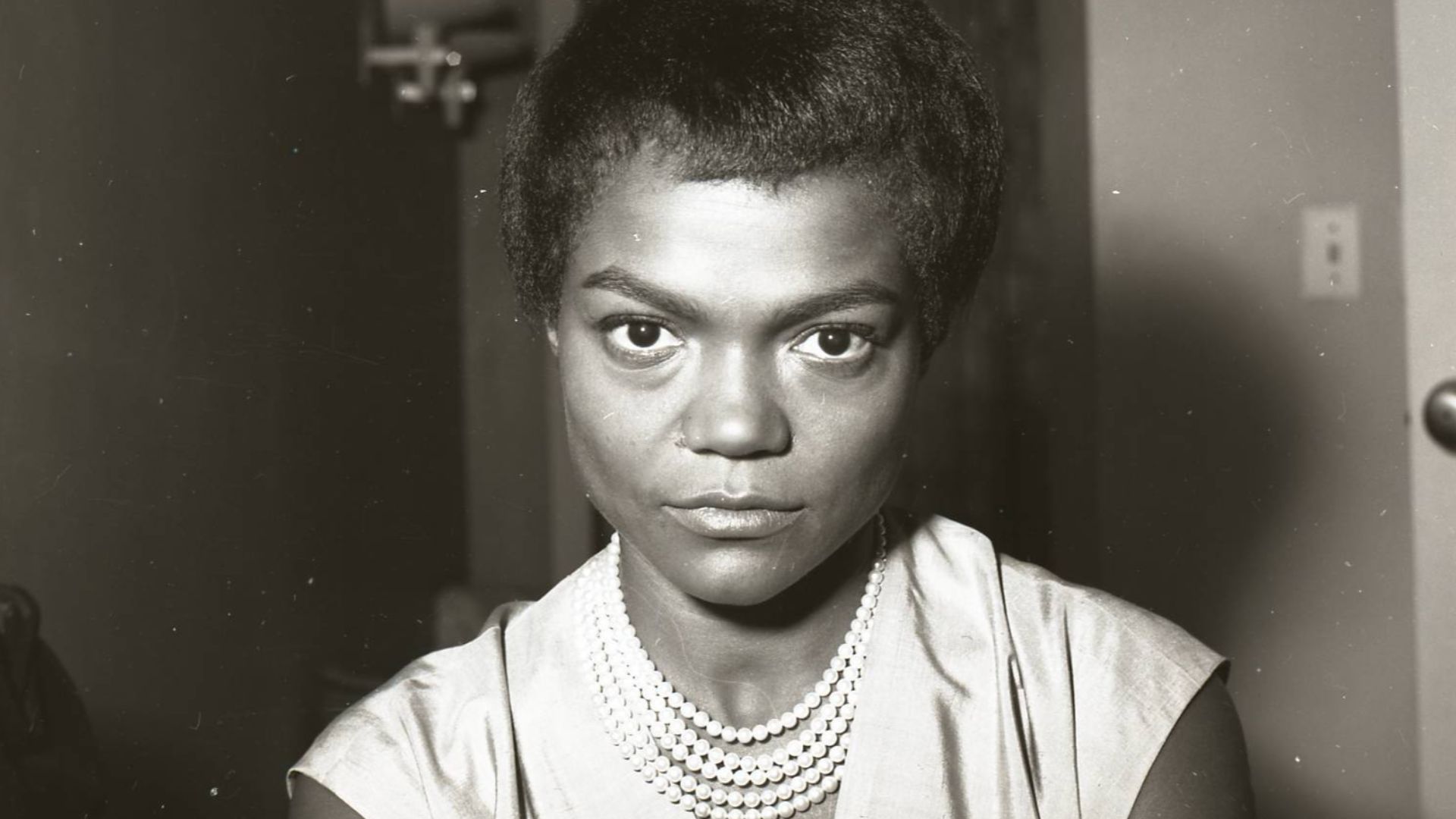 Boris Carmi, Wikimedia Commons
Dance Gave Her A Way Out
As a young performer, Kitt joined Katherine Dunham’s celebrated dance company. The troupe traveled internationally, exposing her to audiences far beyond the United States. That experience helped transform a young dancer from South Carolina into an unusually cosmopolitan entertainer.
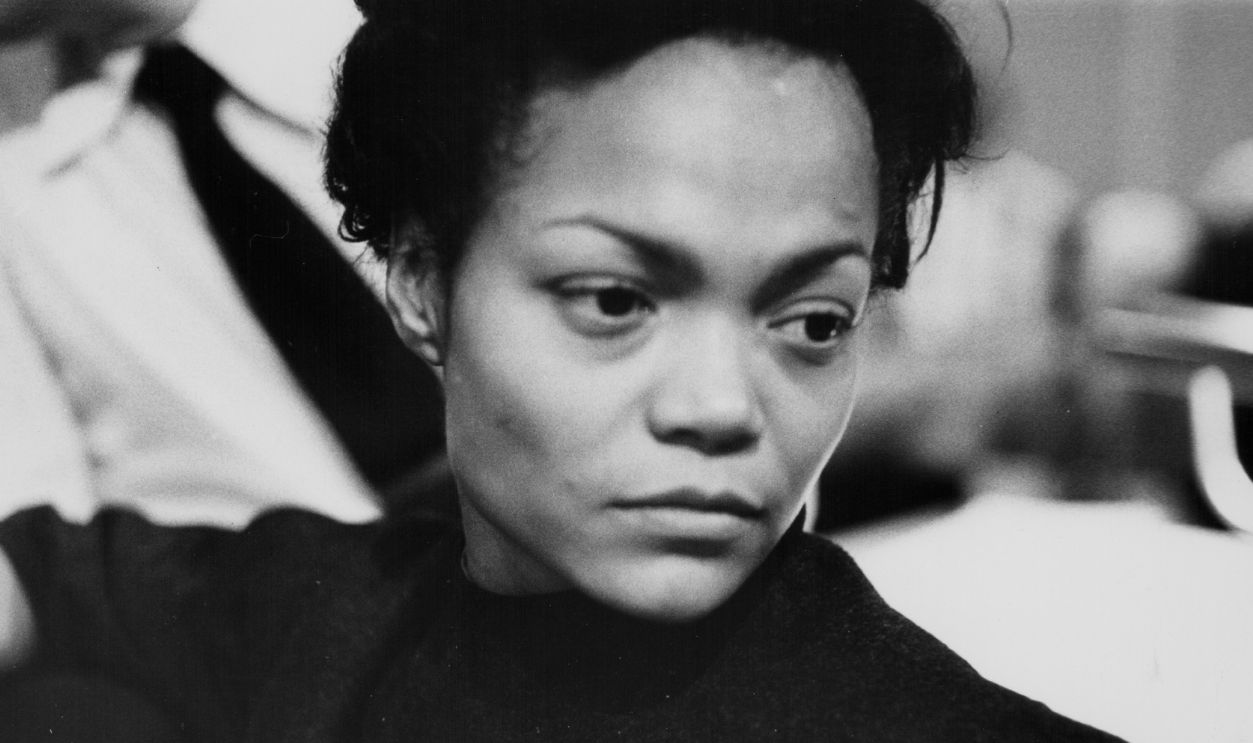 Pictorial Parade, Getty Images
Europe Saw Something Special
While traveling abroad, Kitt began establishing herself as a nightclub performer. She sang in multiple languages and developed the unmistakable voice and stage manner that became her trademarks. Europe would become important to her career twice, for very different reasons.
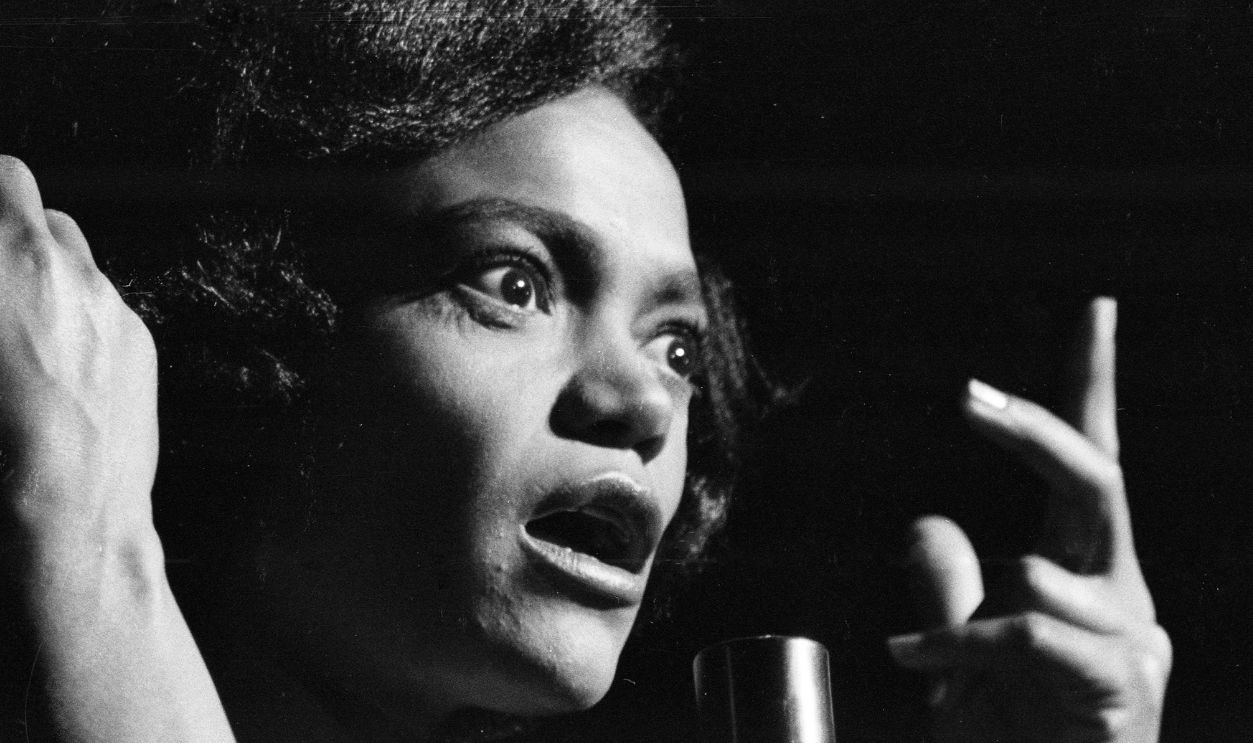
Orson Welles Put Her Onstage
Orson Welles cast Kitt as Helen of Troy in his stage production inspired by the Faust legend. Welles famously described her as extraordinarily exciting, helping build the mythology surrounding her. By the early 1950s, Kitt was rapidly becoming an international attraction.
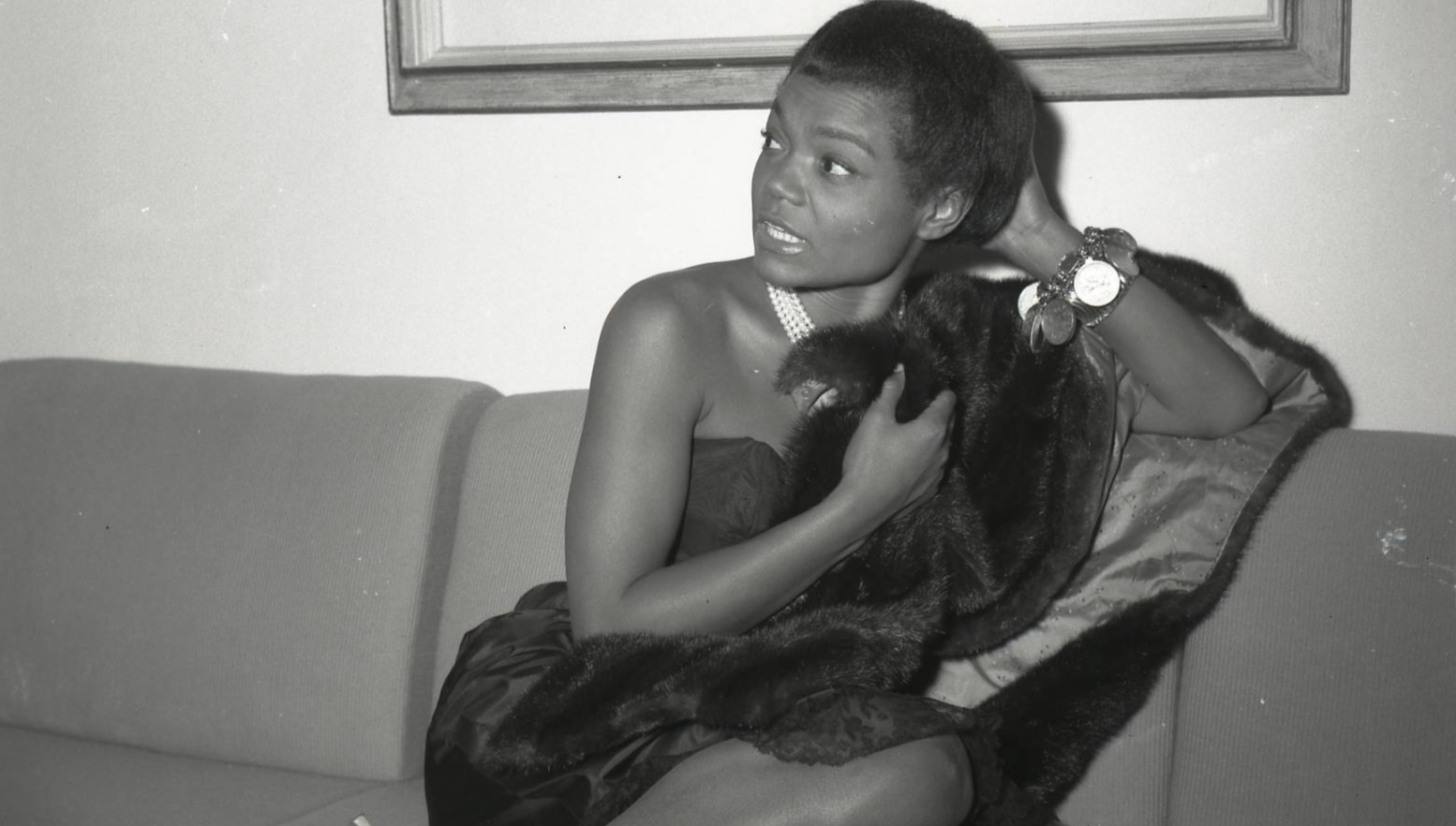 Boris Carmi, CC BY 4.0, Wikimedia Commons
Broadway Made Her Impossible To Ignore
New Faces of 1952 brought Kitt major attention in the United States. Her performance of “Monotonous” showcased the playful, feline persona audiences would soon associate with her. Broadway appearances including Mrs. Patterson and Shinbone Alley followed.
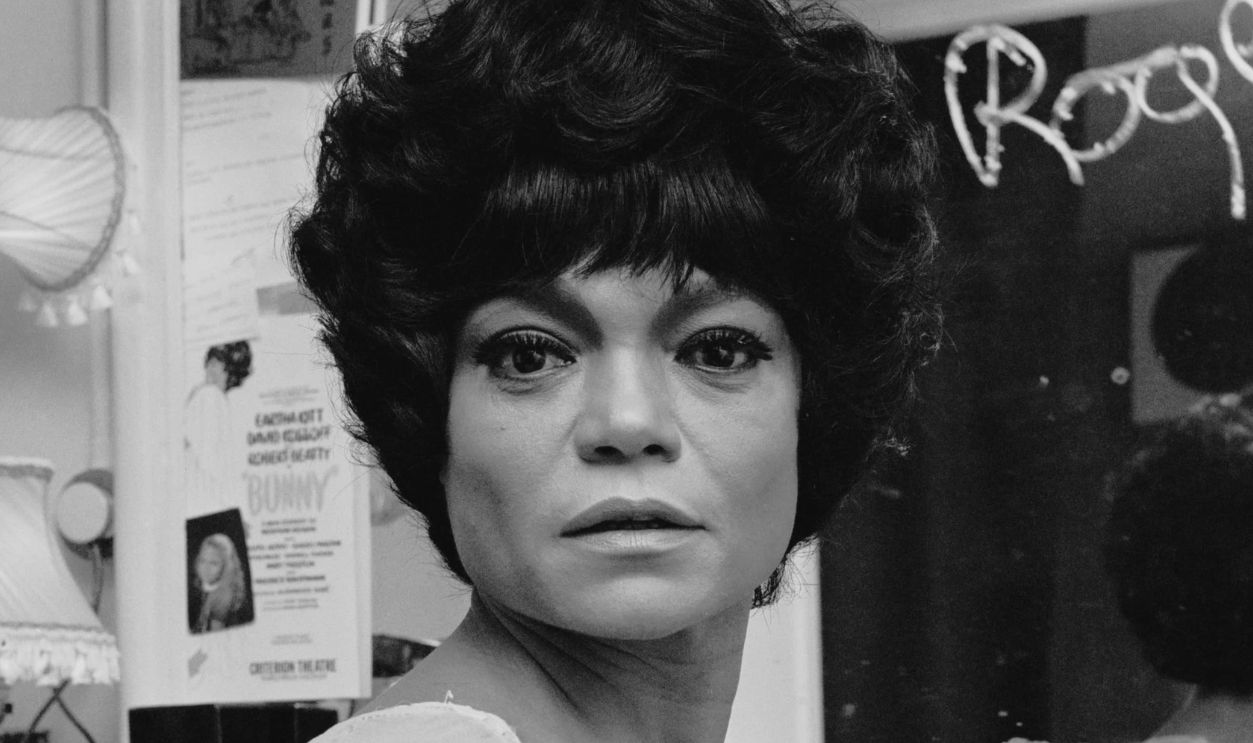
Then Came “Santa Baby”
Kitt recorded “Santa Baby” in 1953, and the flirtatious holiday number became one of her signature recordings. Her distinctive delivery made the song instantly recognizable. Decades later, it remained so closely associated with Kitt that she was still performing it in the 2000s.
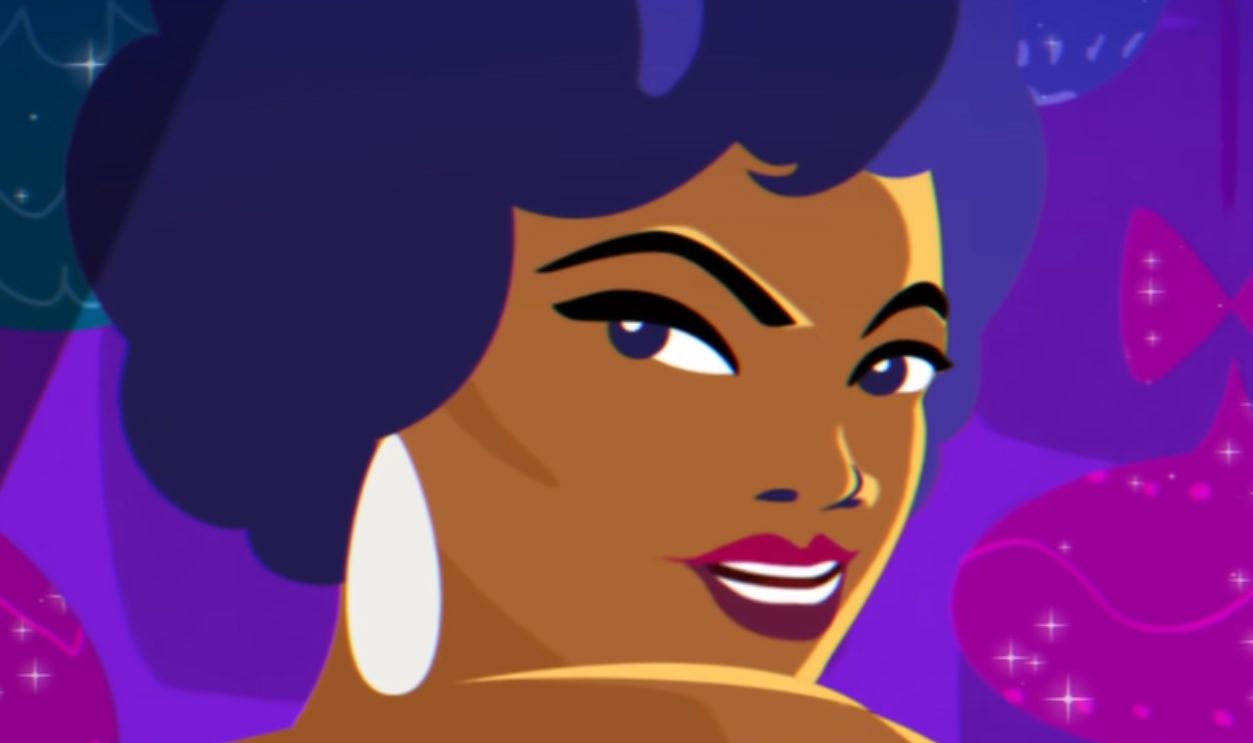 Screenshot from Santa Baby, Sony Music Entertainment (1953)
Hollywood Came Calling Too
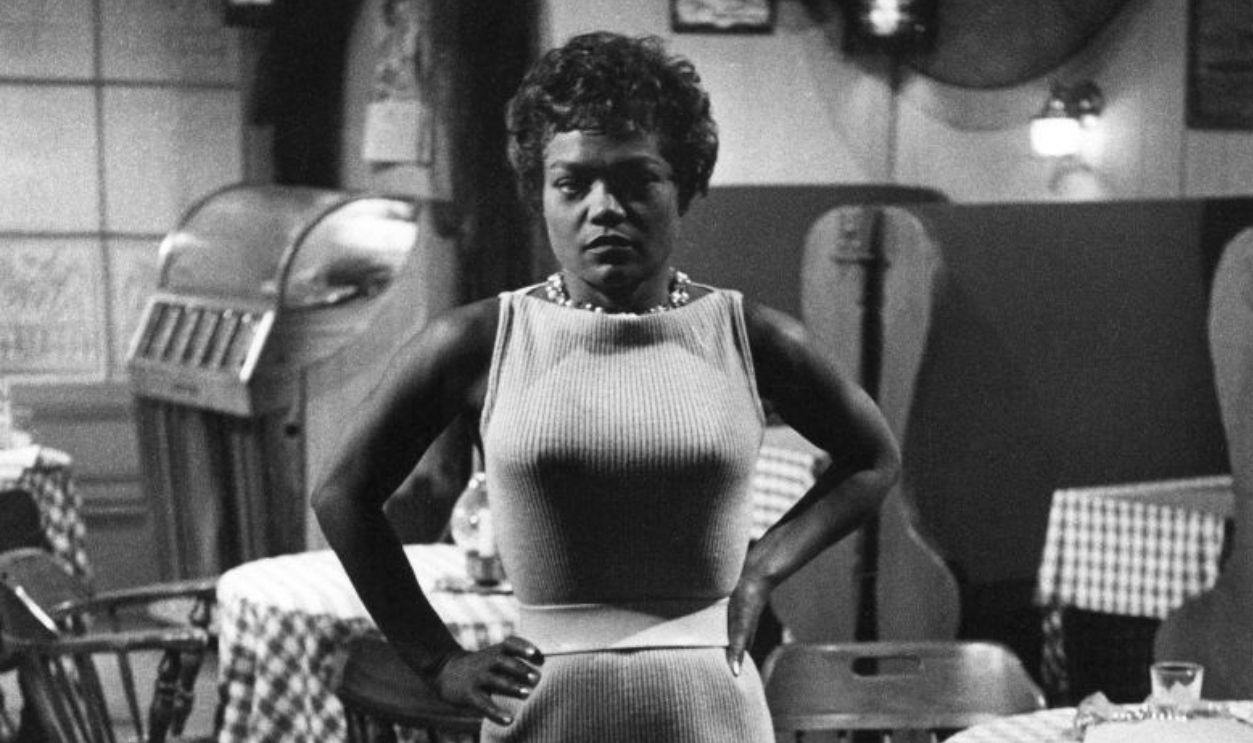
Kitt expanded into film, appearing in pictures including St. Louis Blues with Nat King Cole and Anna Lucasta with Sammy Davis Jr. Television appearances added another dimension to her fame. By the 1960s, she was hardly confined to one corner of entertainment.
 Donaldson Collection, Getty Images
Catwoman Found A New Voice
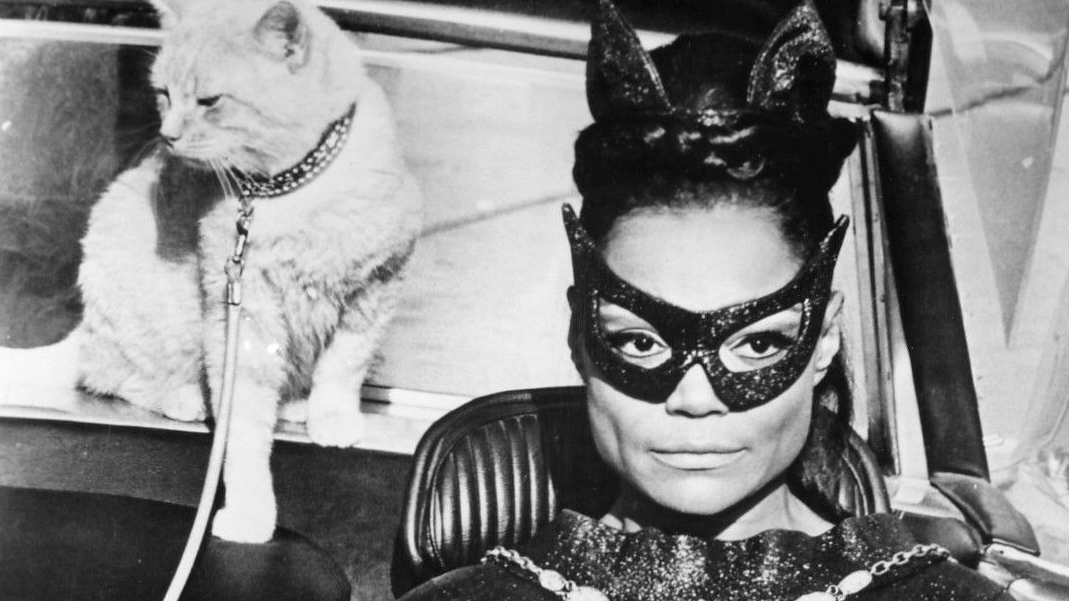
During Batman’s third and final season, Kitt took over the role of Catwoman, previously played on the series by Julie Newmar. Kitt brought her famous growl and physical style to the character, becoming a highly visible Black woman on American prime-time television.
 Eartha Kitt, Wikimedia Commons
She Was More Than A Celebrity Guest
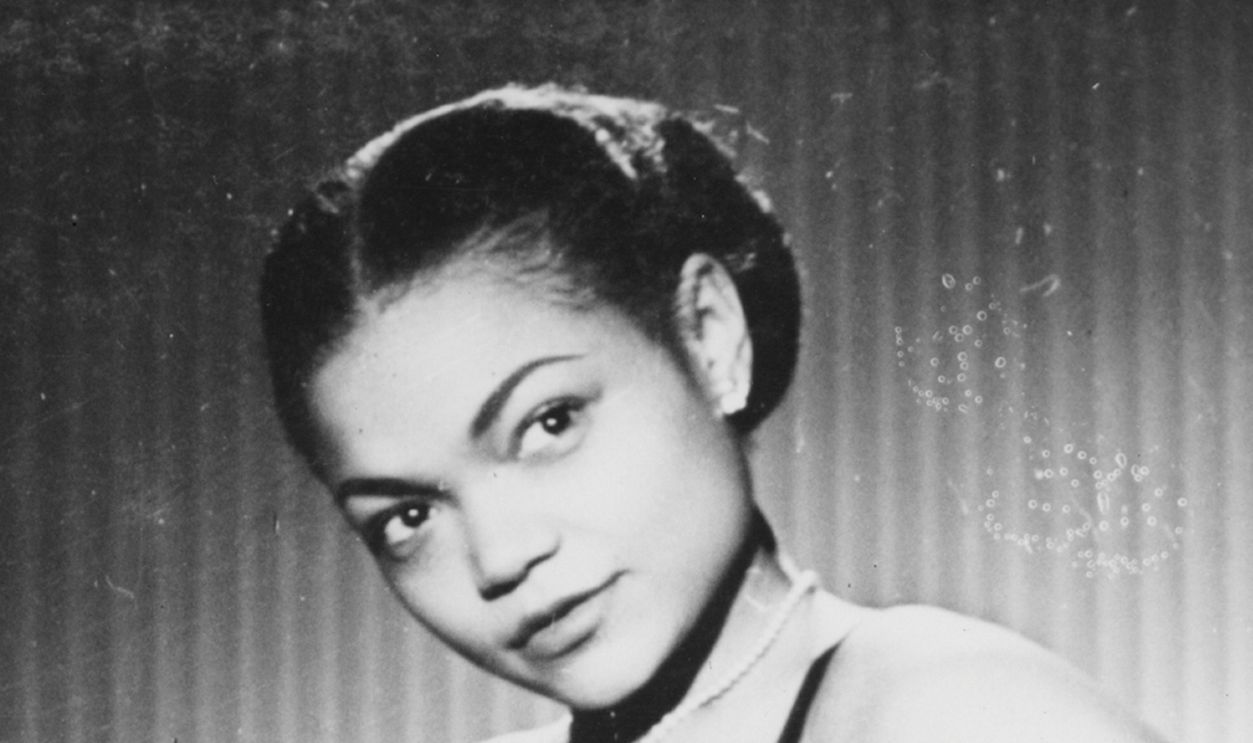
Kitt’s invitation to the White House was not simply about star power. She worked with young people and organizations including Washington’s Rebels With A Cause. She had also supported federal efforts addressing juvenile delinquency, giving her direct experience with the luncheon’s subject.
Lady Bird Johnson Invited The “Doers”
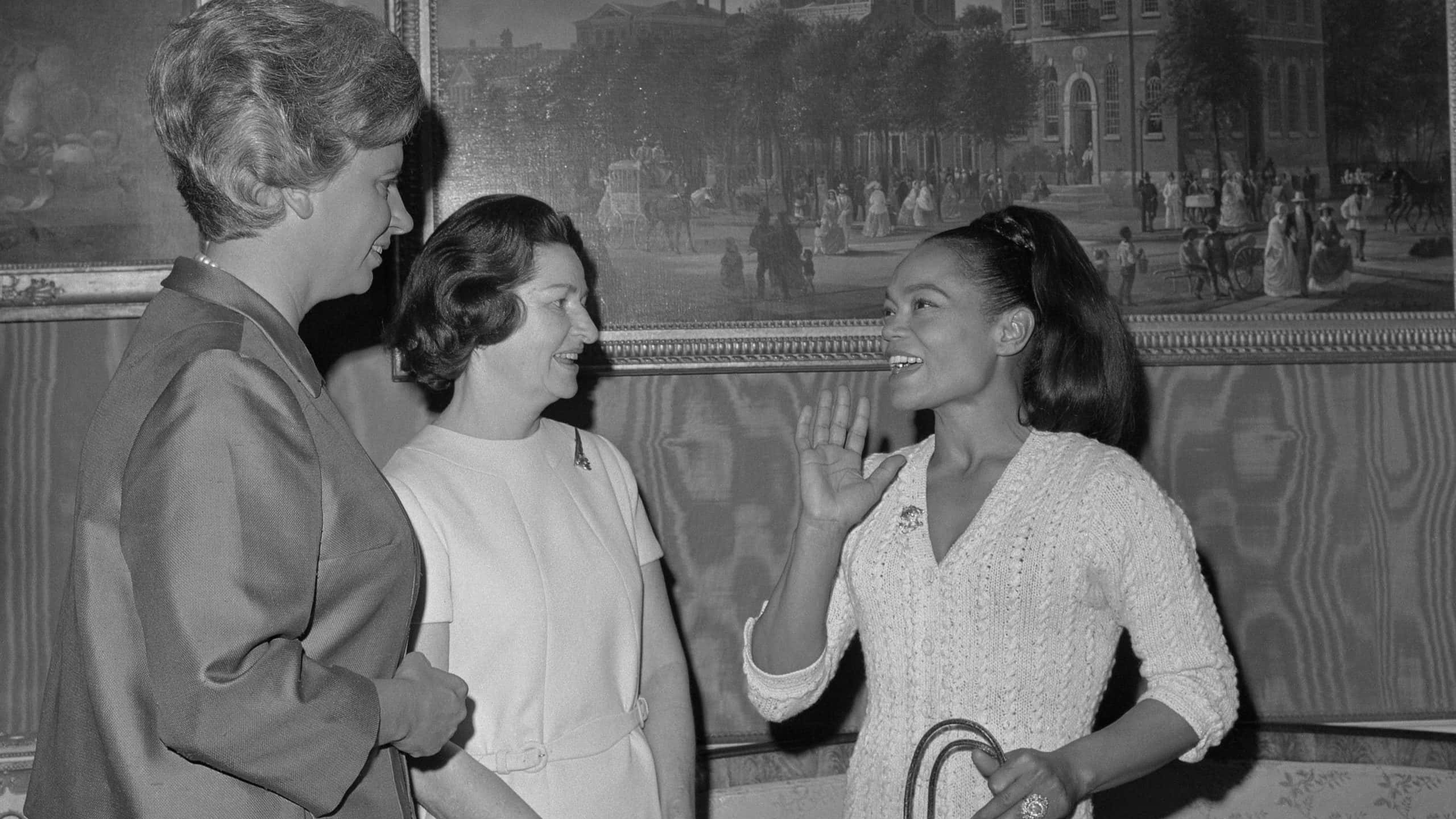
On January 18, 1968, Lady Bird Johnson hosted one of her “Women Doers” luncheons. These gatherings brought accomplished women together to discuss social issues. This particular meeting focused on youth crime and problems facing young Americans.
Kitt Had Her Doubts
Kitt later recalled being skeptical about attending. She feared the gathering might produce polite conversation instead of meaningful discussion. Nevertheless, she traveled to Washington, arriving with strong opinions shaped partly by her work with young people and disadvantaged communities.
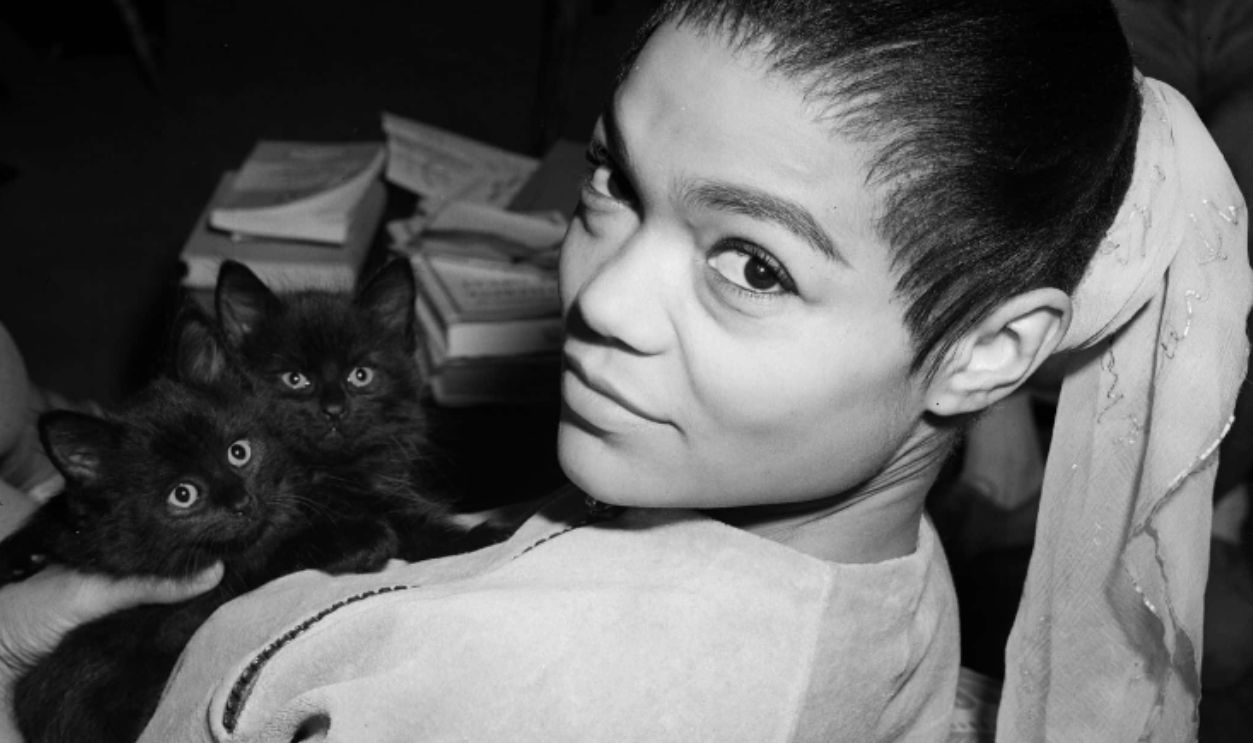
LBJ Dropped By
President Lyndon B. Johnson appeared during the luncheon and discussed youth problems. Kitt confronted him with a question about working parents who lacked enough time to care for their children. Johnson pointed to recently approved federal support for daycare before leaving.
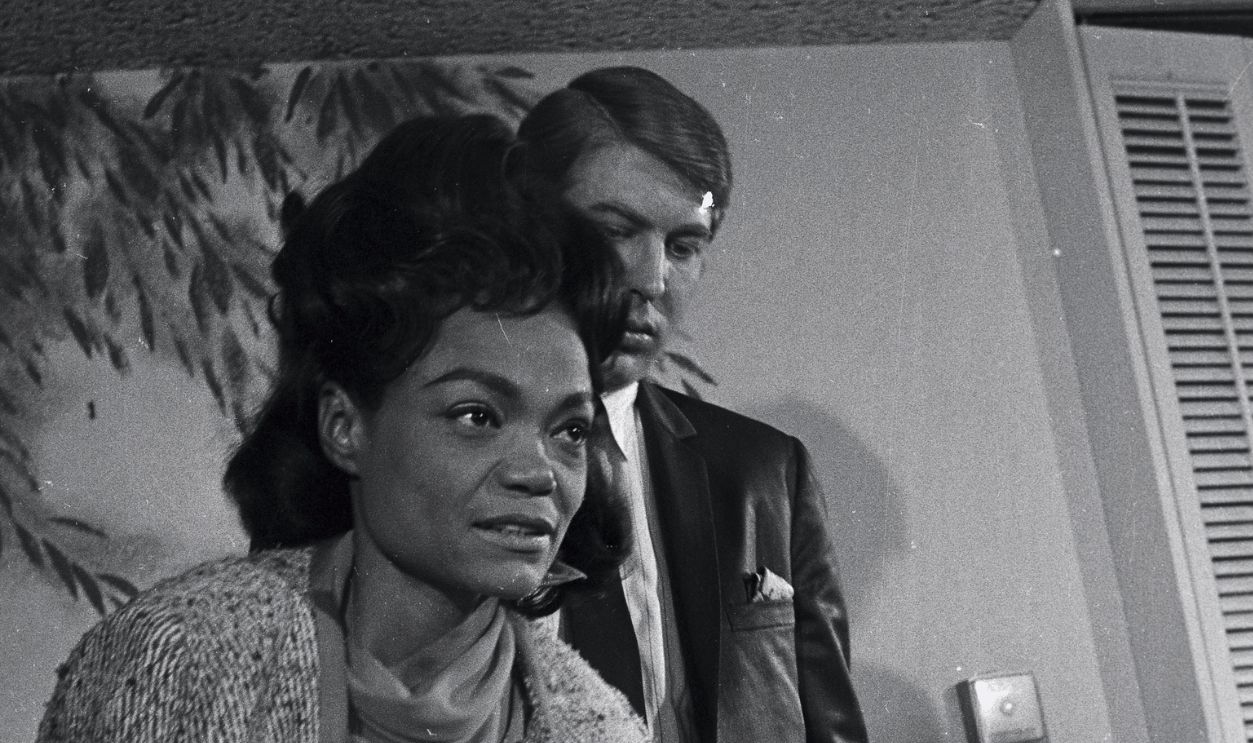
She Wasn't Finished
Kitt remained frustrated as the luncheon continued. When Lady Bird eventually called on her, Kitt connected juvenile unrest to larger economic and political pressures. Most controversially, she argued that the Vietnam Conflict could not be separated from the anger young Americans were expressing.
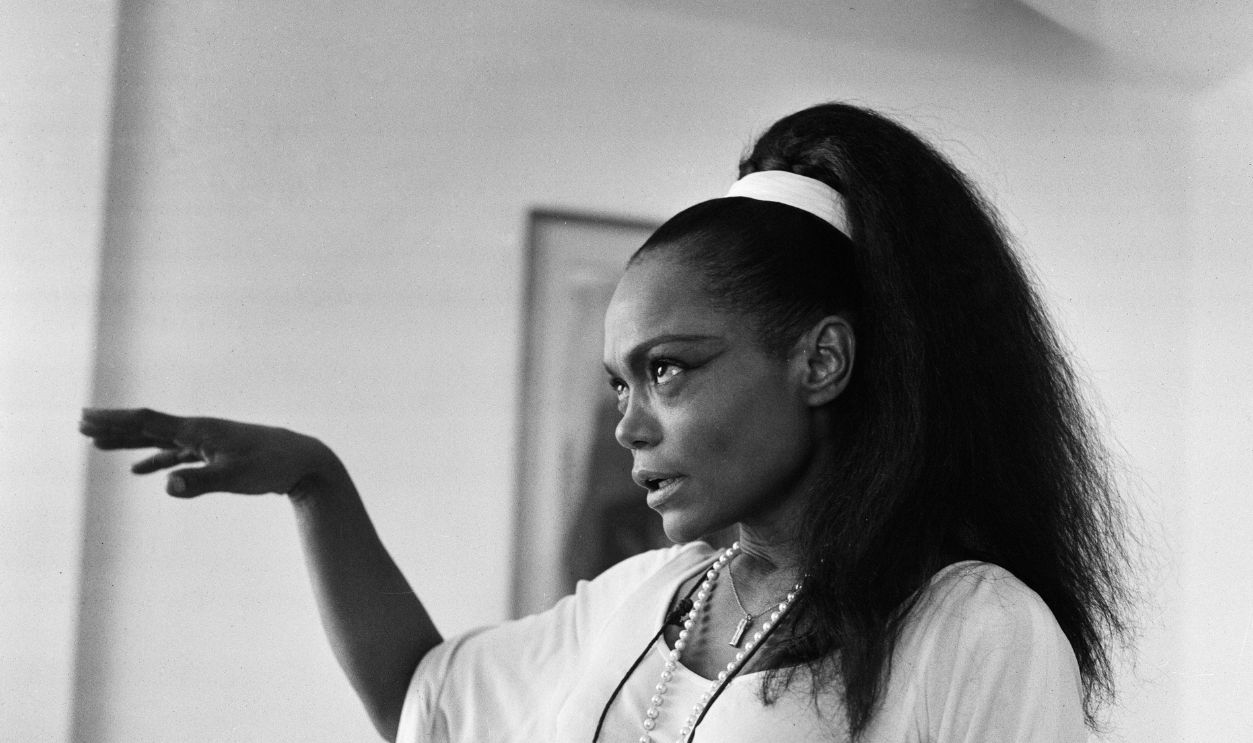
Vietnam Entered The Dining Room
Kitt told the First Lady that young people were rebelling while Americans were being sent to Vietnam. Her argument was that fear of service and anger over the conflict contributed to alienation at home. Suddenly, an orderly luncheon had become national news.
Lady Bird Answered Back
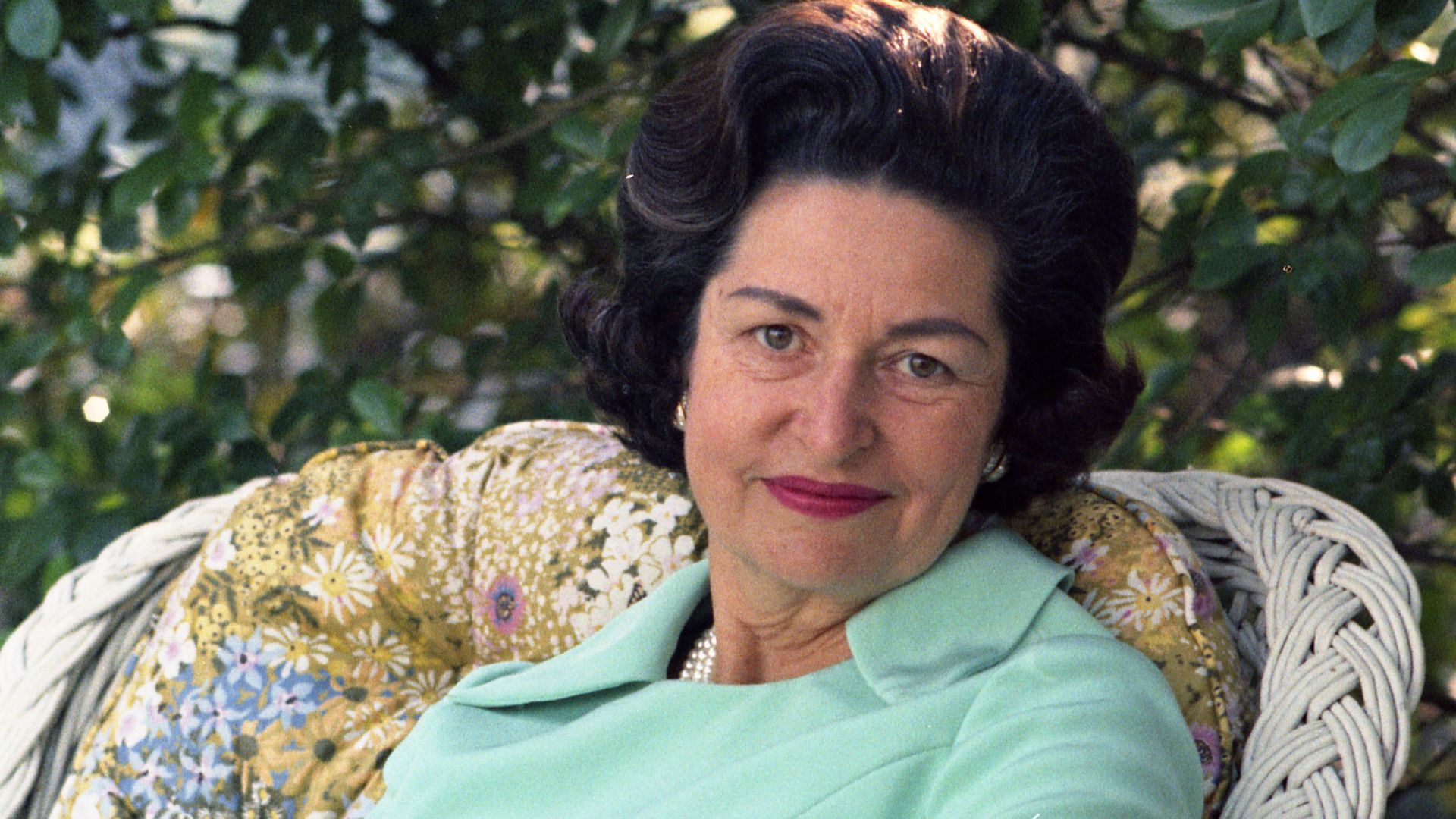
Lady Bird Johnson defended continuing efforts to improve education, health, and communities despite the conflict. Her White House diary confirms the confrontation and records Kitt’s criticism of Vietnam, welfare, taxes, and other domestic concerns. The exchange clearly left an impression.
 Lyndon B. Johnson Presidential Library, Wikimedia Commons
The Headlines Came Fast
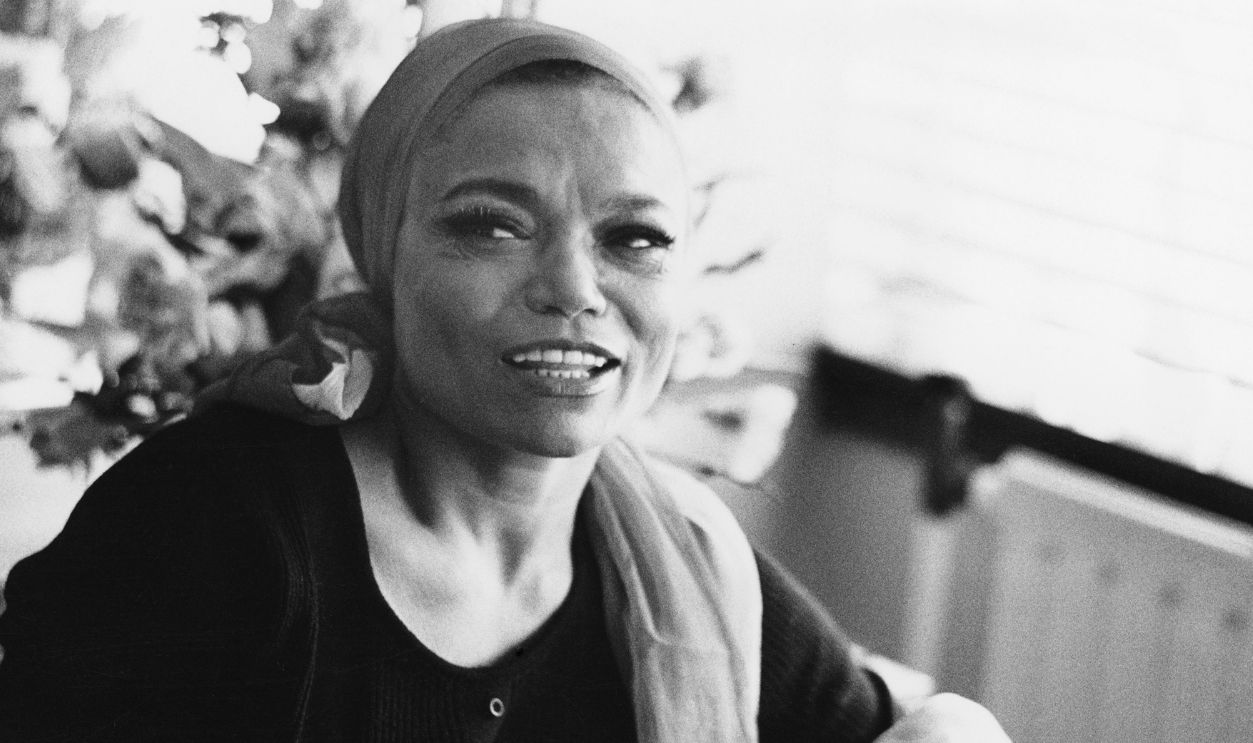
News coverage turned Kitt’s comments into a national controversy. Some accounts characterized her behavior harshly, while Kitt maintained that she had raised her hand and spoken honestly when invited to contribute. The disagreement quickly became larger than the luncheon itself.
Not Everyone Was Angry
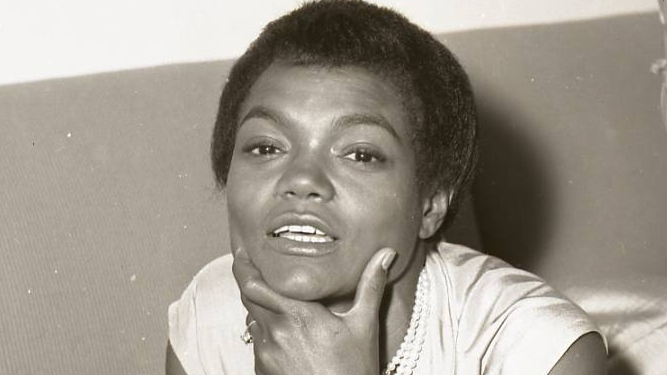
Kitt also received public support. The day after the luncheon, Women Strike for Peace demonstrators appeared outside the White House. A Library of Congress photograph records protesters carrying a sign declaring that Kitt spoke for American women.
 Boris Carm, CC BY 4.0, Wikimedia Commons
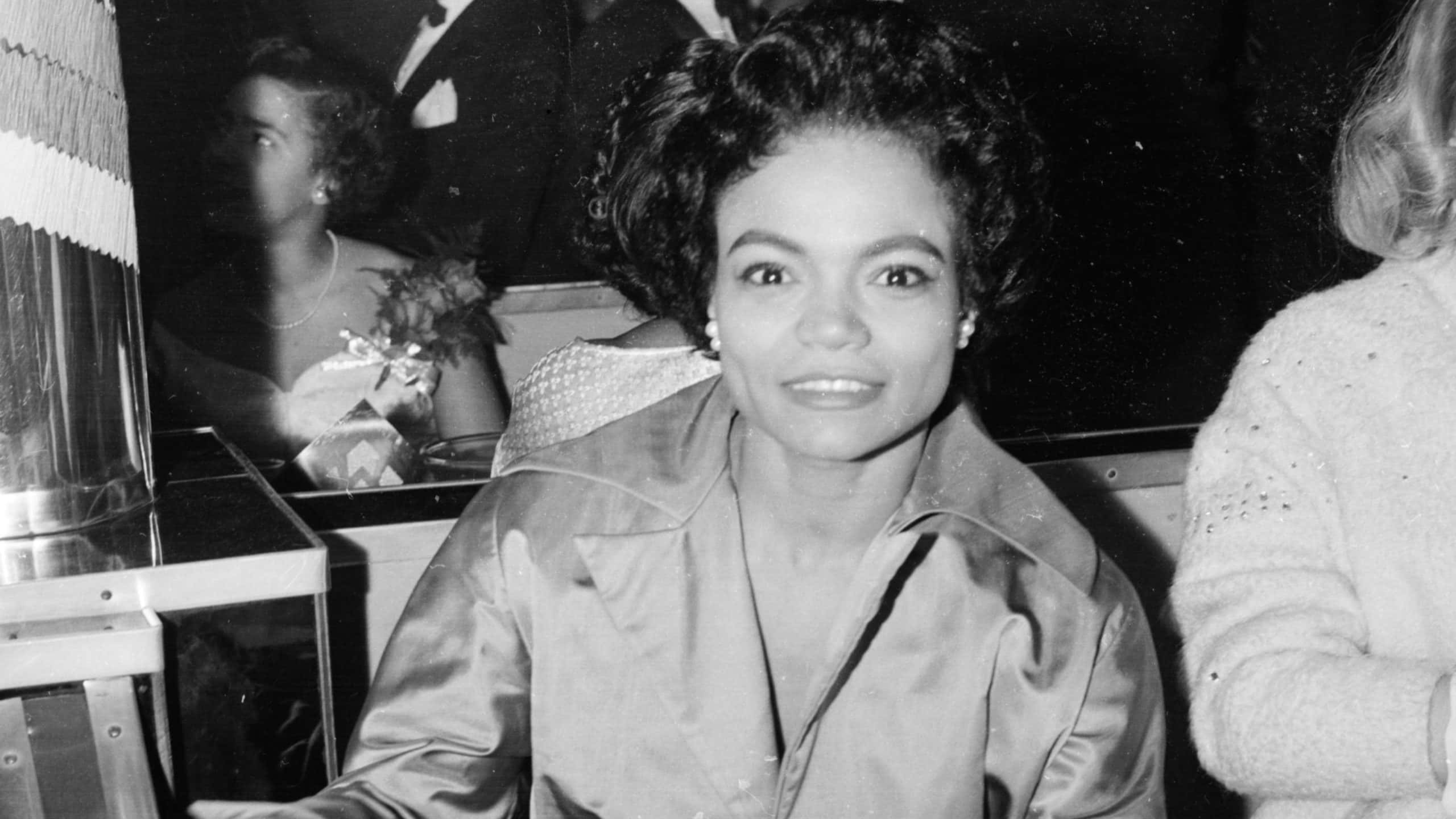
Then The Work Started Disappearing
Kitt later said American bookings suddenly began being canceled. She recalled learning that investigators had been asking questions and said one club owner effectively considered her too troublesome to book. Her once-thriving American career contracted dramatically after the White House incident.
Europe Became Her Stage Again
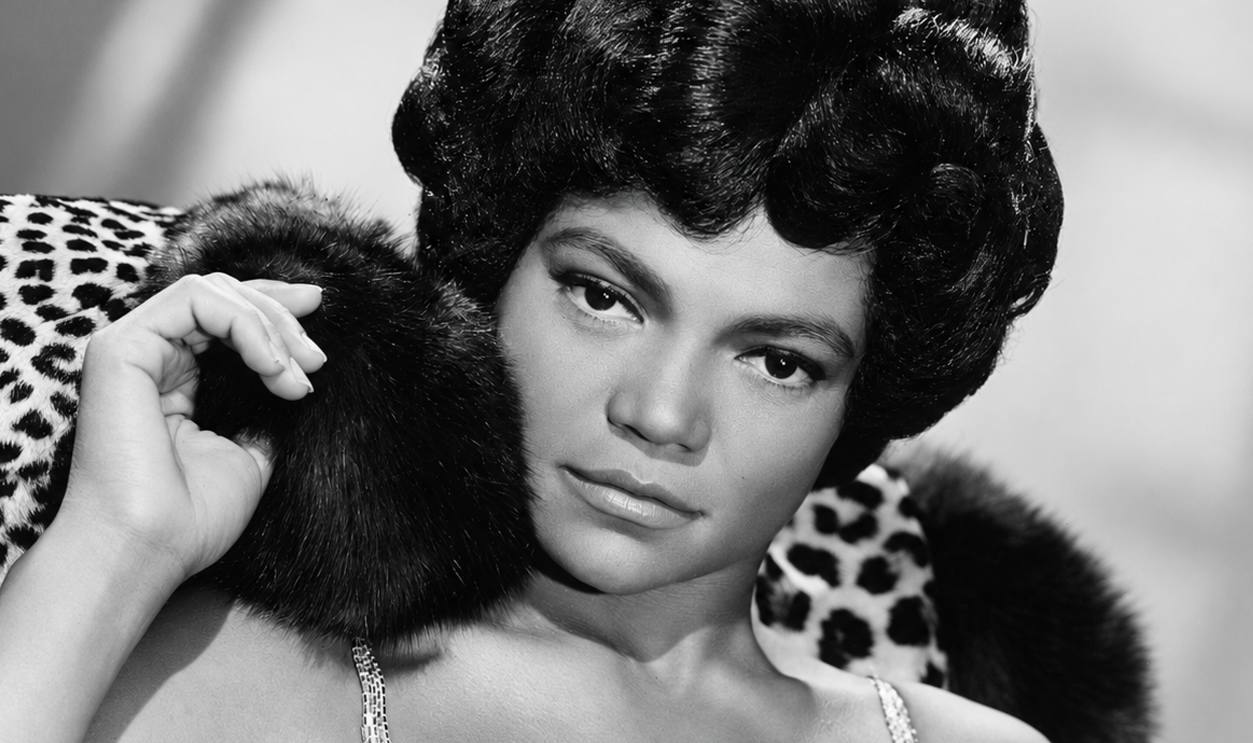
Unable to maintain her previous level of work in the United States, Kitt increasingly performed overseas. Europe, where she had built her early reputation, offered opportunities that had become scarce at home. She spent several years working largely outside the American entertainment mainstream.
 Weegee(Arthur Fellig)/International Center of Photography, Getty Images
There Was More Happening Behind The Scenes
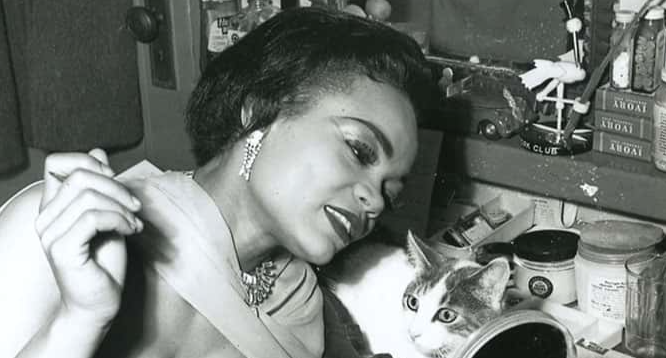
The public learned something disturbing years later. In 1975, reporting revealed that the CIA had supplied the Secret Service with information about Kitt after the luncheon. The material included years-old information and unsubstantiated gossip concerning her private life.
The File Wasn't Evidence
The intelligence material did not establish that Kitt represented a national-security danger or had foreign intelligence connections. Instead, reporting described a dossier filled partly with secondhand personal allegations. Its existence gave new context to Kitt’s longstanding belief that official scrutiny had damaged her career.
One Question Remains Complicated
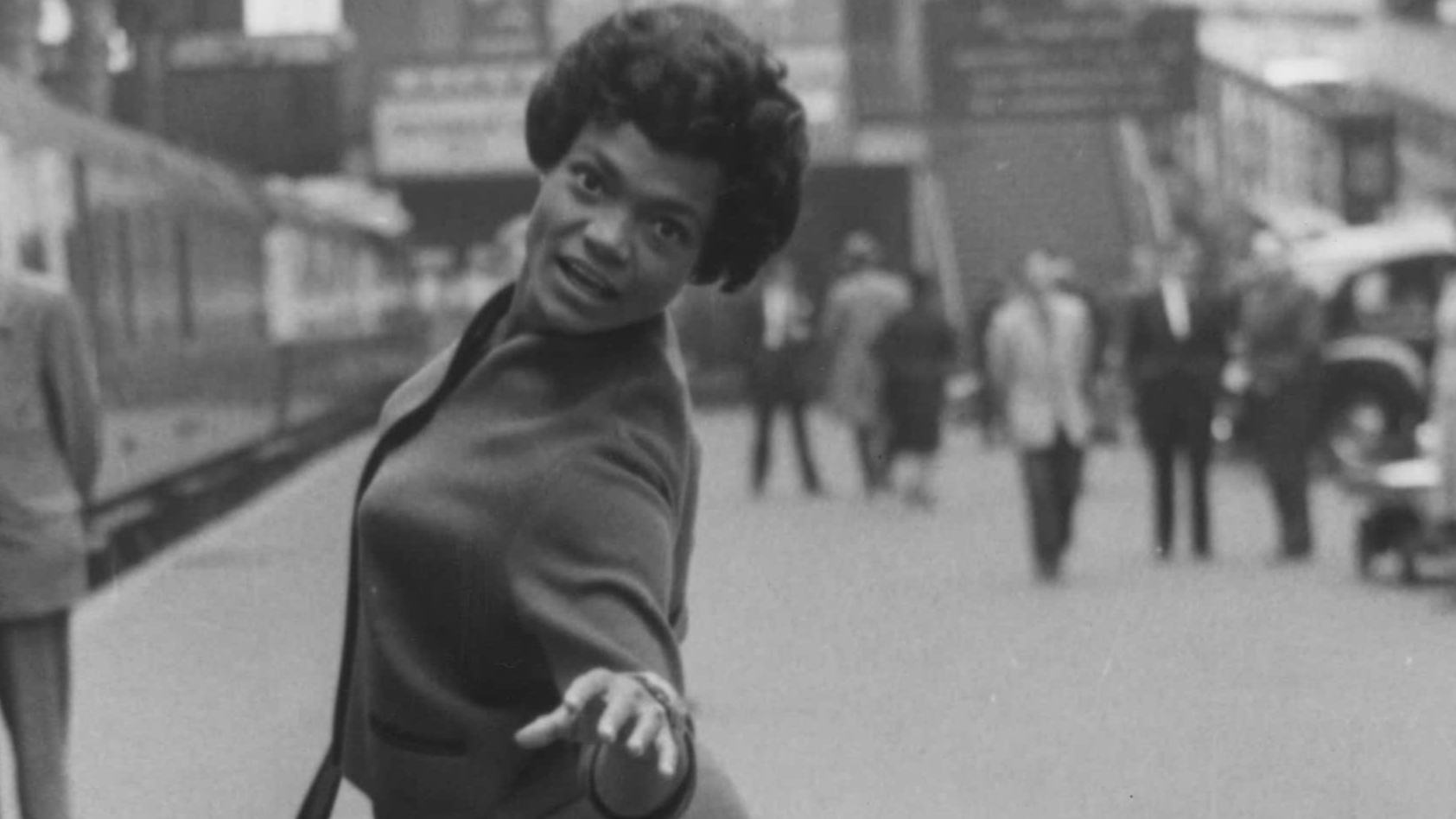
There is no clear evidence that Lyndon Johnson personally ordered Hollywood or venues to stop employing Kitt. What is documented is the intelligence inquiry, Kitt’s disappearing bookings, and her extended period working abroad. Kitt herself consistently described what happened as blacklisting.

Broadway Finally Called Her Home
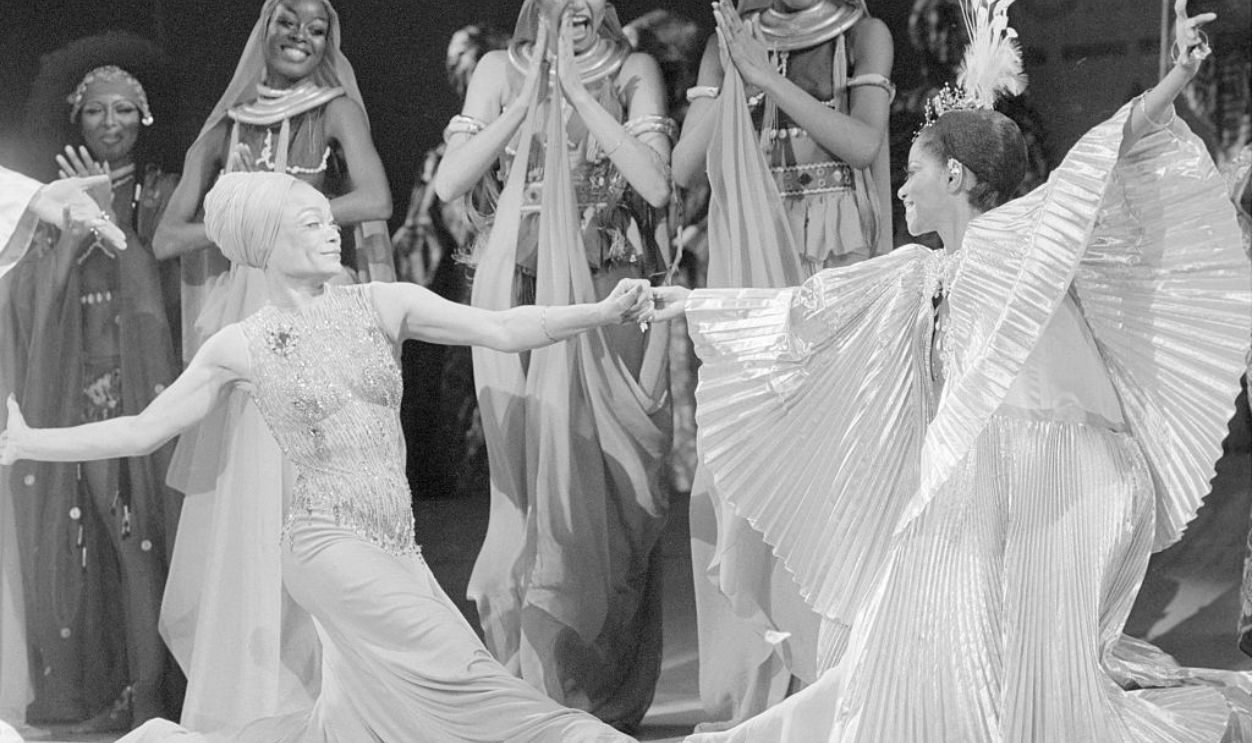
A decade after the confrontation, Kitt made a spectacular American theatrical comeback in Timbuktu!. The musical opened on Broadway in 1978 after playing Washington’s Kennedy Center. Her performance as Sahleem-La-Lume earned Kitt a Tony nomination for Best Actress in a Musical.
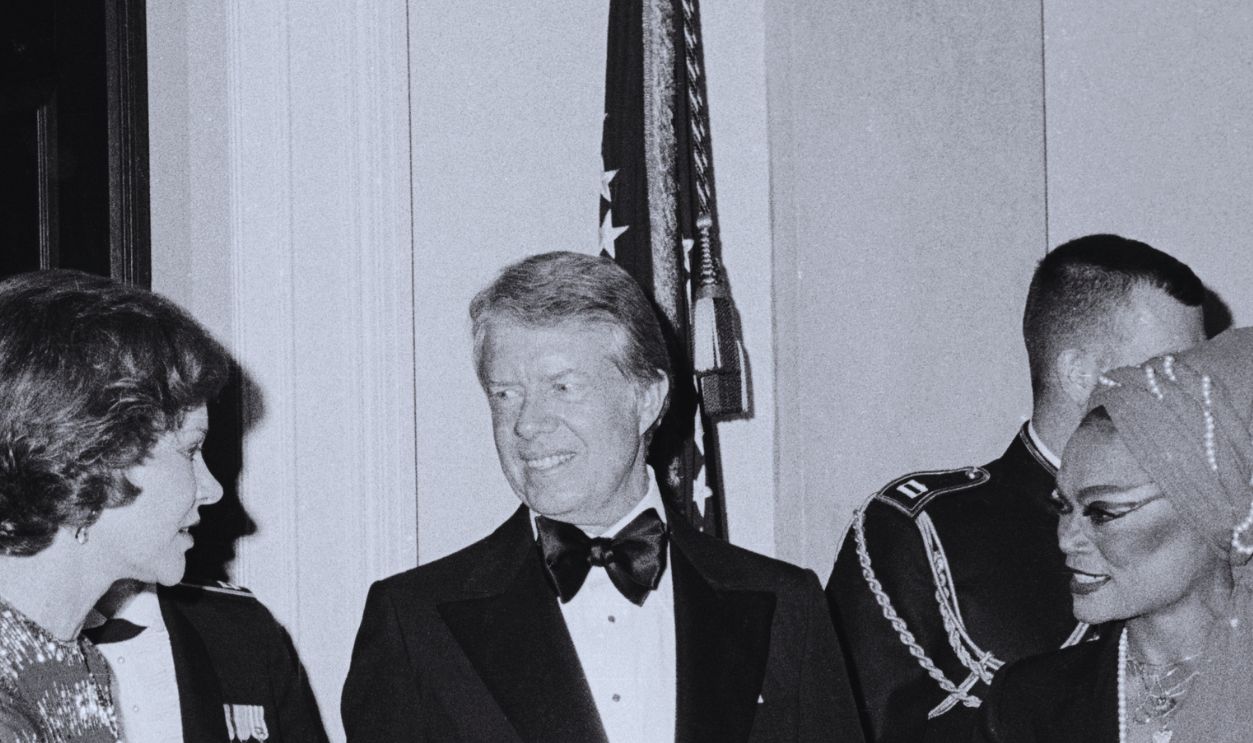
Even The White House Door Reopened
While Timbuktu! was playing in Washington, Kitt returned to the White House during Jimmy Carter’s presidency. The White House Historical Association records Carter greeting her and saying he was glad to have her back. The symbolism was difficult to miss.
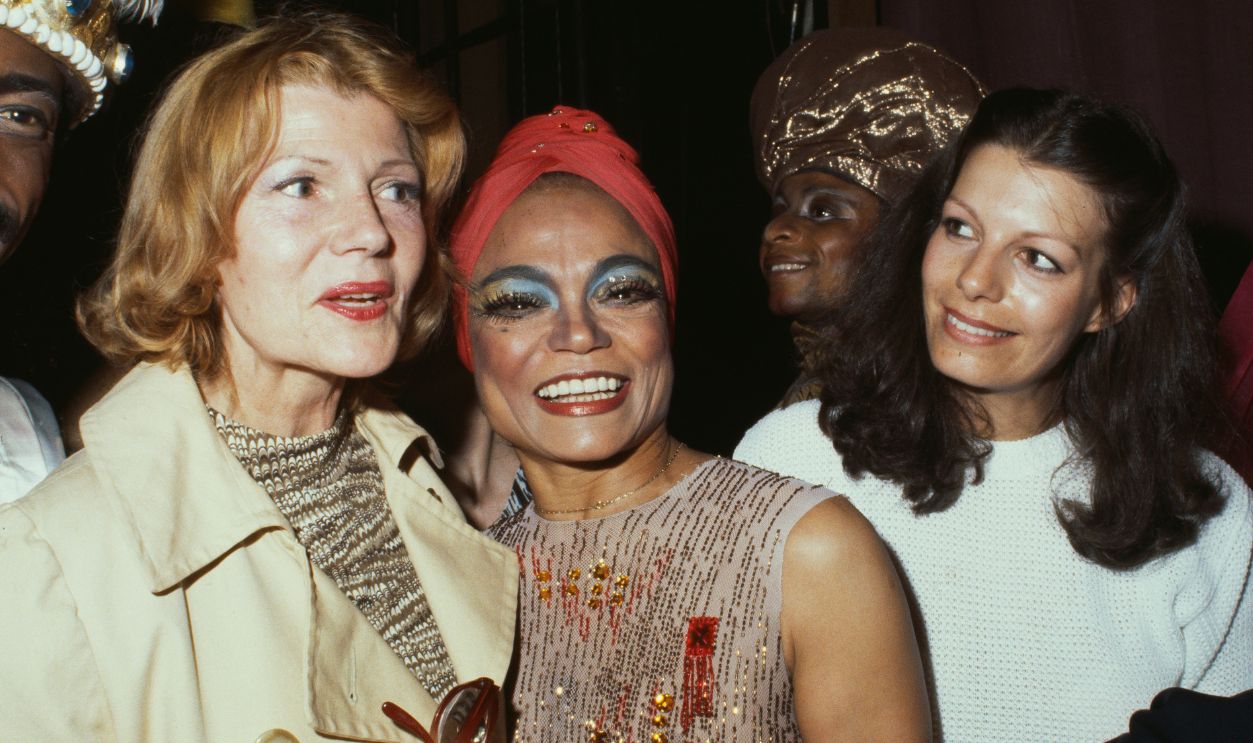
She Refused To Become A Footnote
Kitt continued reinventing herself long after 1968. “Where Is My Man?” brought her renewed recording success in the 1980s, and Broadway’s The Wild Party earned her another Tony nomination in 2000. Disney audiences later knew her as the voice of Yzma.
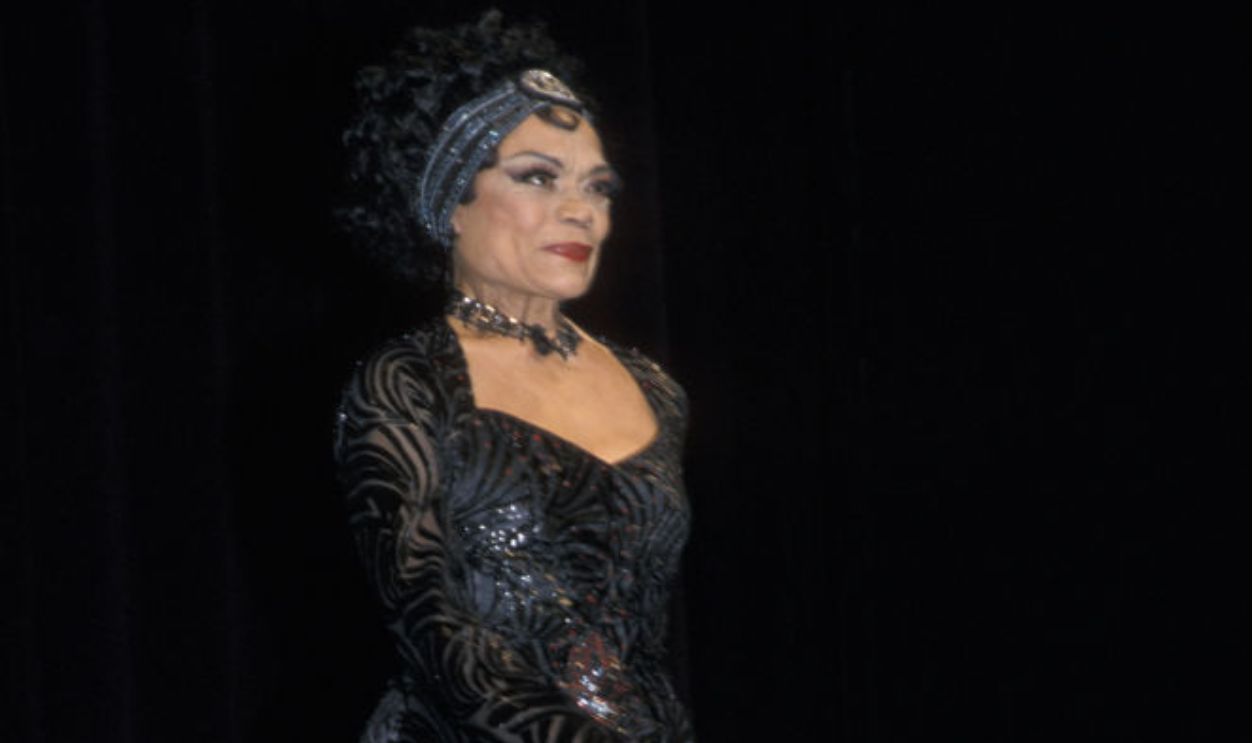
Eartha Had The Last Word
Kitt never treated the White House episode as something she should erase from her story. She continued defending her decision to speak when asked about America’s young people. Her career ultimately lasted more than six decades, while that extraordinary luncheon became one of its defining chapters.
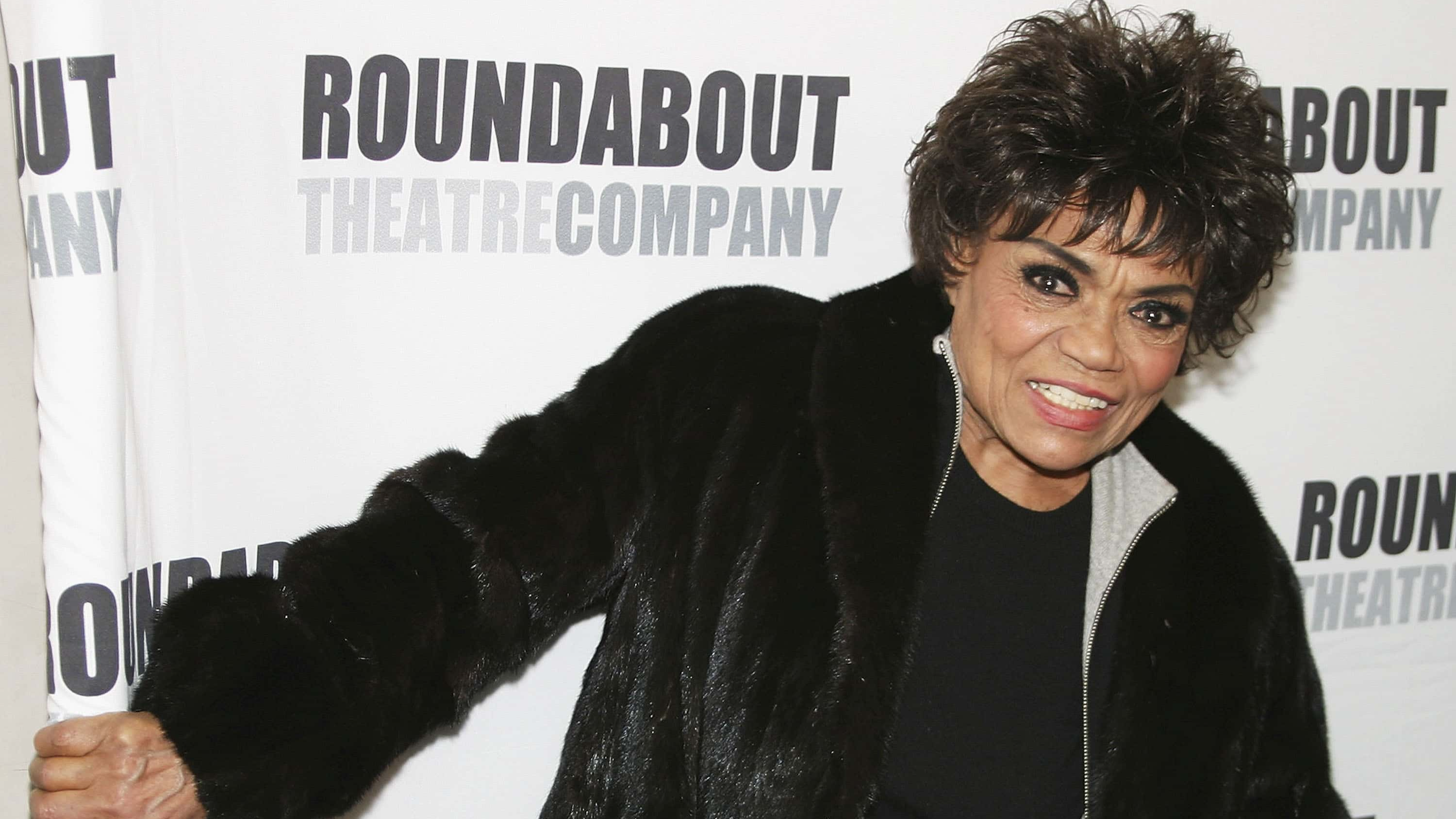
You May Also Like:
1960s Songs That Sound Cheerful—Until You Actually Listen To The Lyrics
Timeless Songs About Travel And Adventure That Make The Open Road Feel Impossible To Resist
Sources: 1

.jpg)

_(cropped).jpg)