
Fame Does Not Always Arrive On Schedule
Country music loves a good underdog story, and few stories hit harder than the artist who waits years for the world to catch up. Some stars wrote hits for others, played tiny bars, worked regular jobs, or survived hard times before finally getting their big moment.
 Roberta, CC BY 2.0 , via Wikimedia Commons
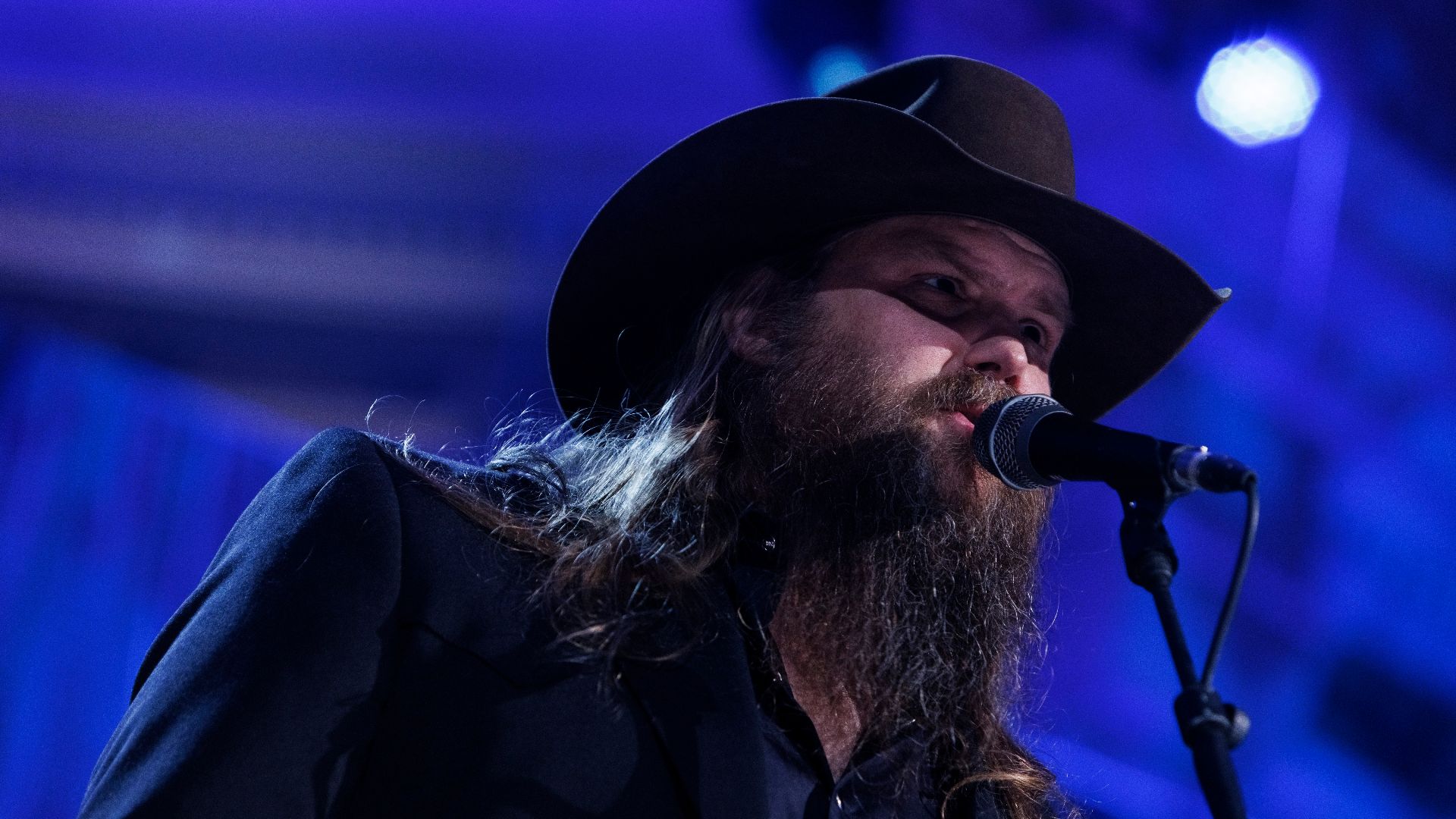
Chris Stapleton
Before Chris Stapleton became the bearded king of modern country soul, he was Nashville’s not-so-secret weapon. He spent years writing songs for other artists before Traveller turned him into a star in his late 30s. His rise proved that patience, grit, and one huge voice can change everything.
 Library of Congress Life, Wikimedia Commons
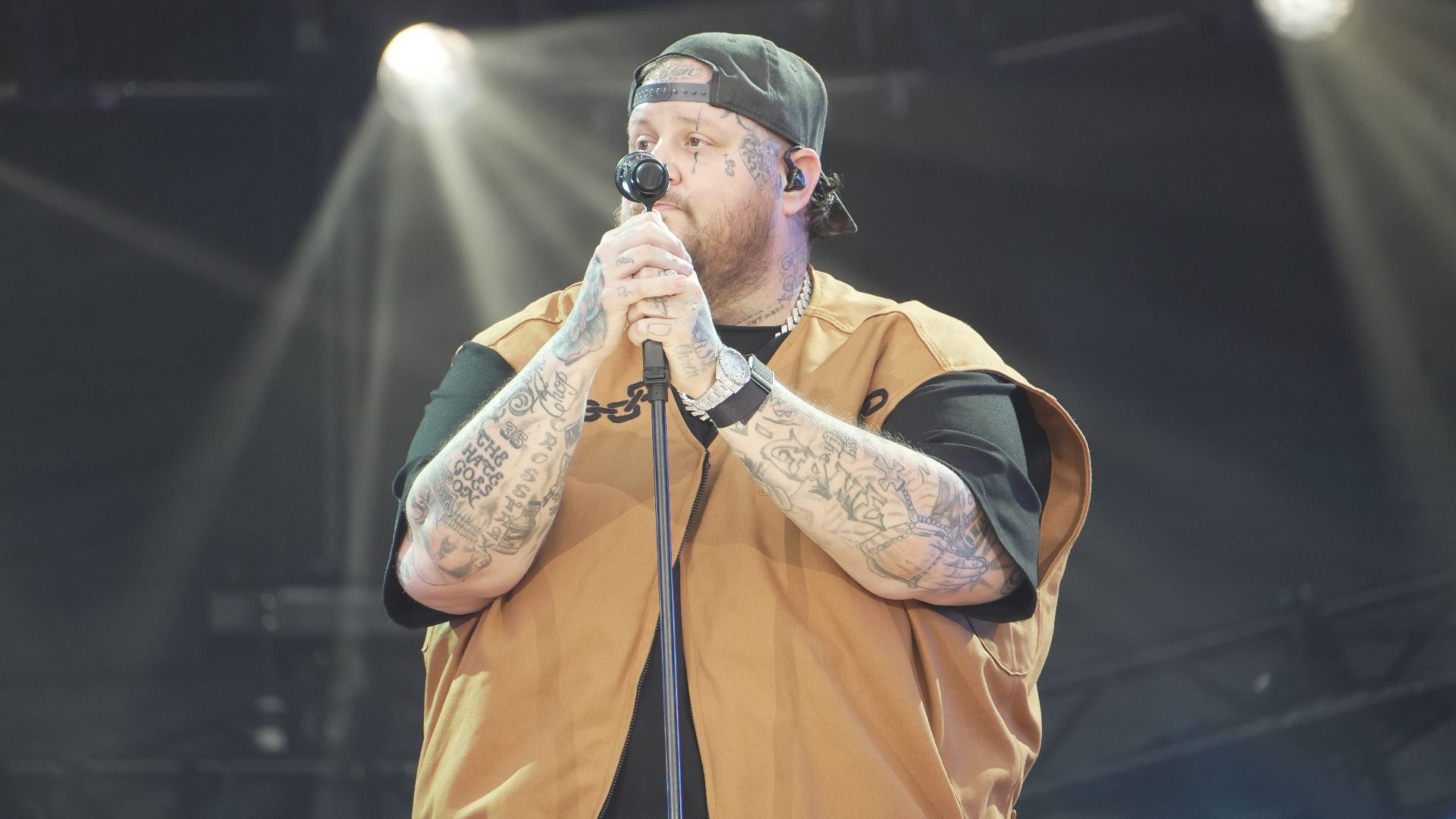
Jelly Roll
Jelly Roll did not stroll into country music through the usual front door. He spent years in hip-hop, battled a troubled past, and built a fanbase the hard way. By the time country radio embraced him, he was nearing 40—and suddenly everyone knew the name Jelly Roll.
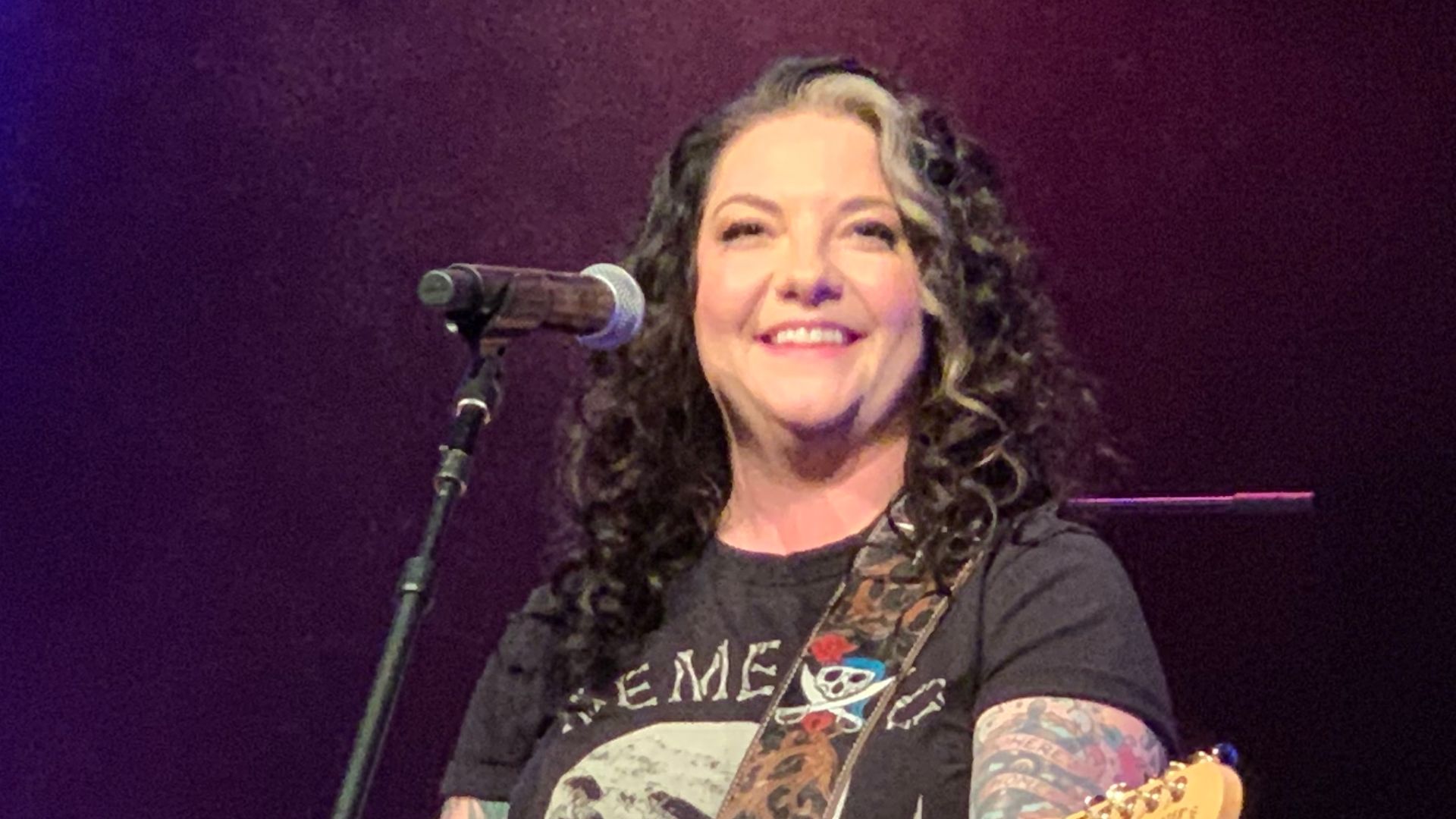
Ashley McBryde
Ashley McBryde spent years playing bars, writing songs, and hearing “no” from people who should have known better. When Girl Going Nowhere finally arrived, the title felt deliciously ironic. She was in her mid-30s, and country fans quickly realized she had been going somewhere all along.
 Benjichilders, Wikimedia Commons
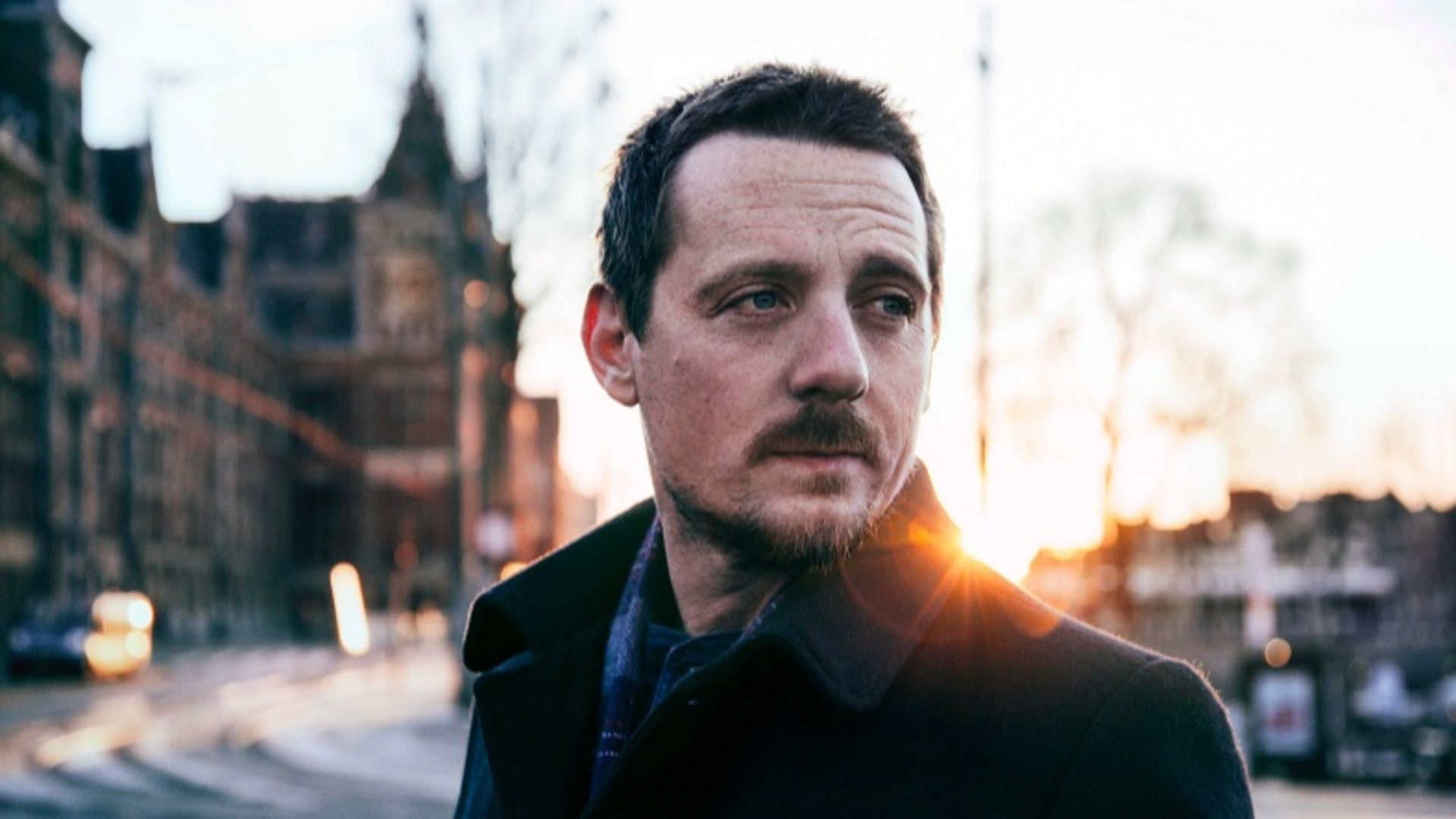
Sturgill Simpson
Sturgill Simpson was not built like a polished Nashville product, which is exactly why people noticed. After years of working, touring, and making music outside the machine, he broke through in his mid-30s with Metamodern Sounds In Country Music. Country suddenly got a little weirder—and better.
 Atlantic Records, Wikimedia Commons
Margo Price
Margo Price’s breakthrough came after years of Nashville disappointment, personal loss, and plenty of empty rooms. Her debut album Midwest Farmer’s Daughter arrived when she was in her 30s and sounded like someone finally telling the truth. Fans heard the struggle, and they believed every word.
 Justin Higuchi from Los Angeles, CA, USA, Wikimedia Commons
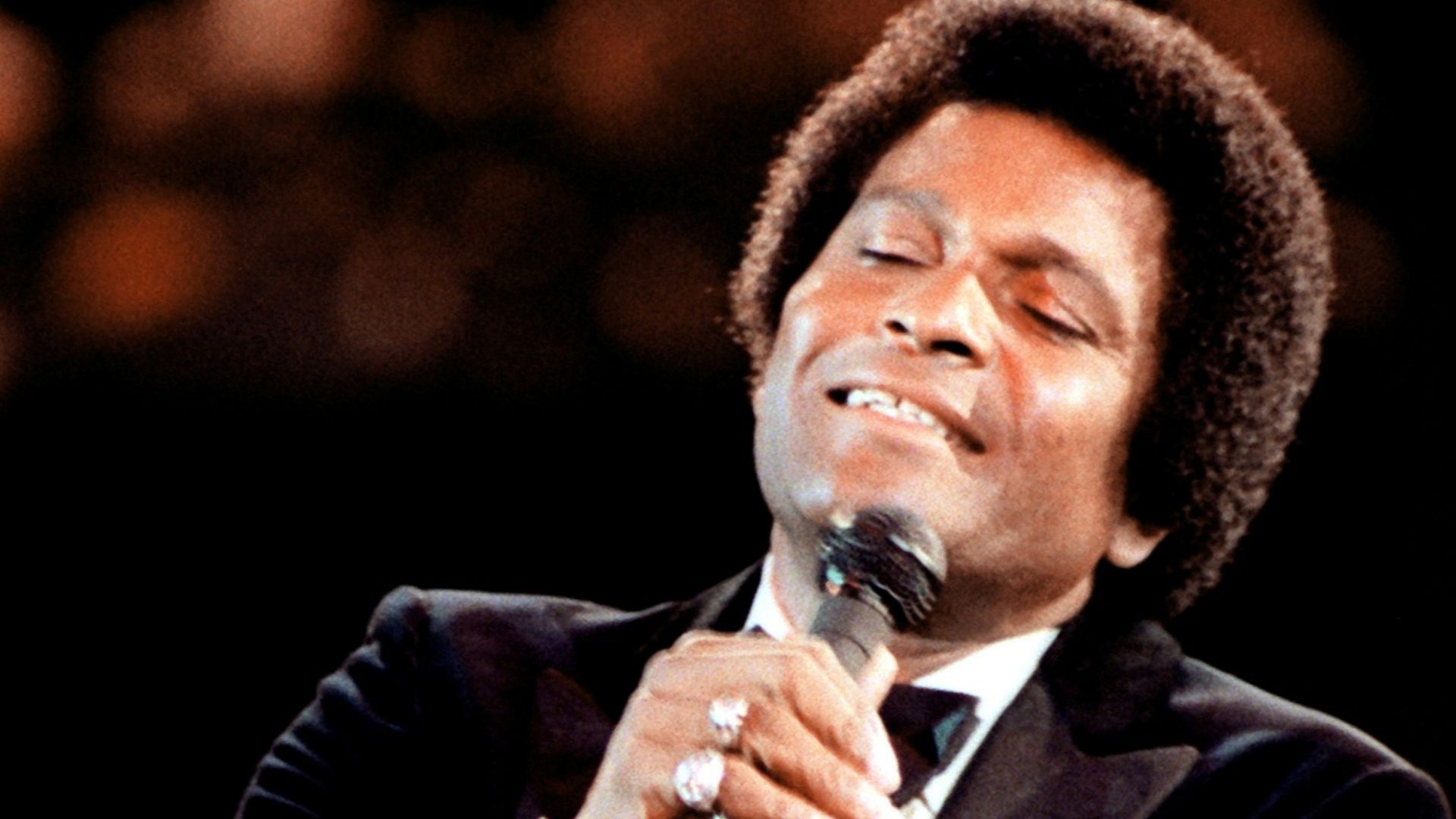
Charley Pride
Charley Pride had already lived a full life before country music made him a star. He played baseball, worked hard, and faced barriers most artists never had to imagine. When “Just Between You And Me” hit in the 1960s, Pride was almost 30—and history was waiting.
 GREG MATHISON, Wikimedia Commons
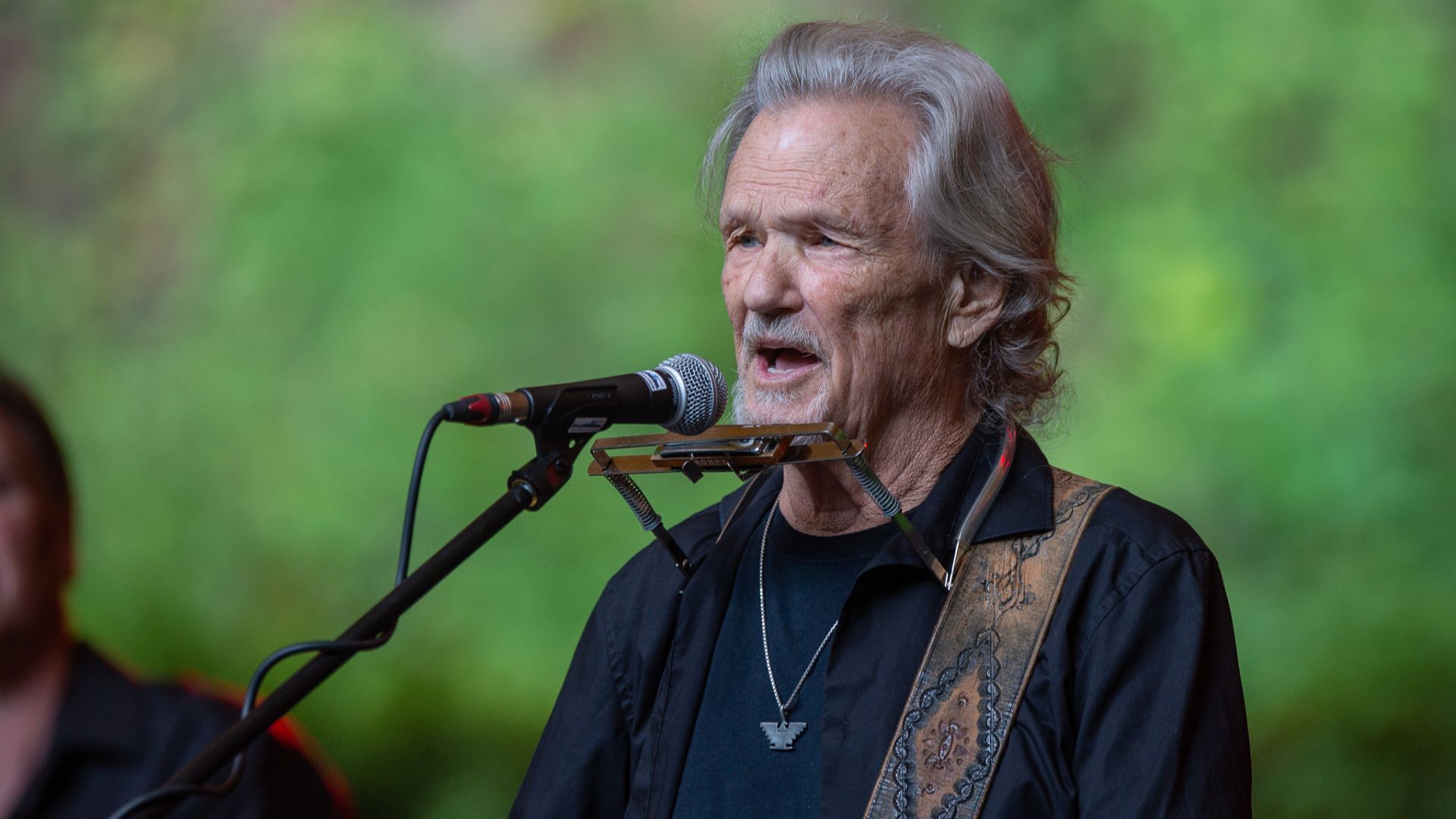
Kris Kristofferson
Kris Kristofferson’s road to country fame was anything but ordinary. He was a Rhodes Scholar, Army officer, and helicopter pilot before betting everything on songwriting. Nashville did not hand him success overnight, but by his 30s, his songs were everywhere—and country music had a new poet.
 Stefan Brending (2eight), Wikimedia Commons
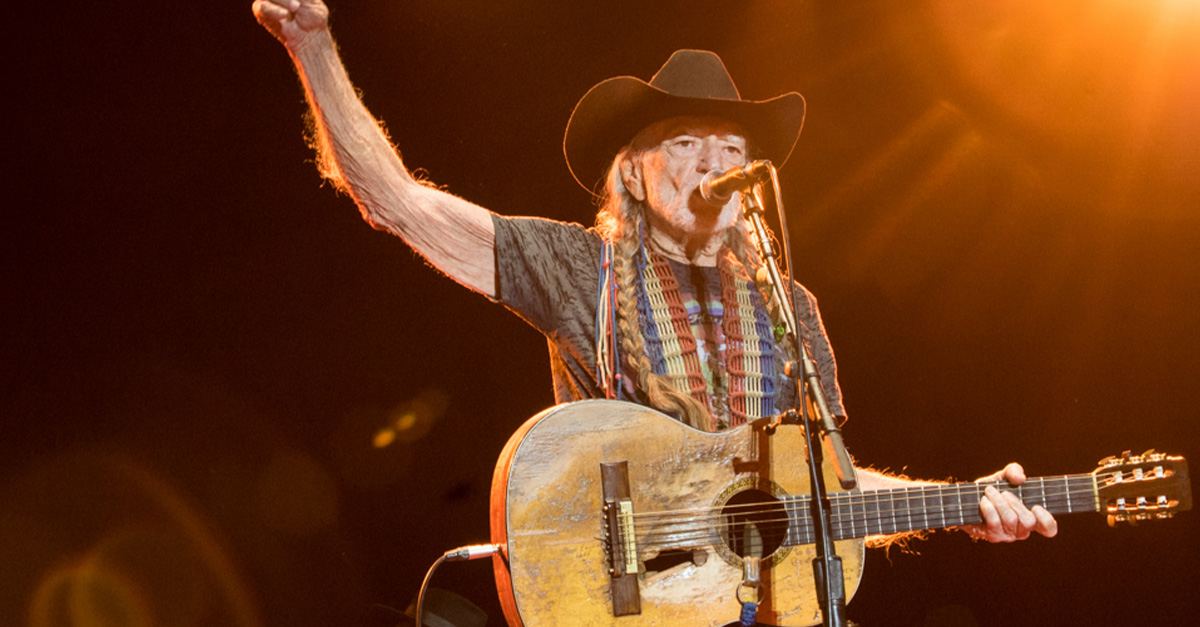
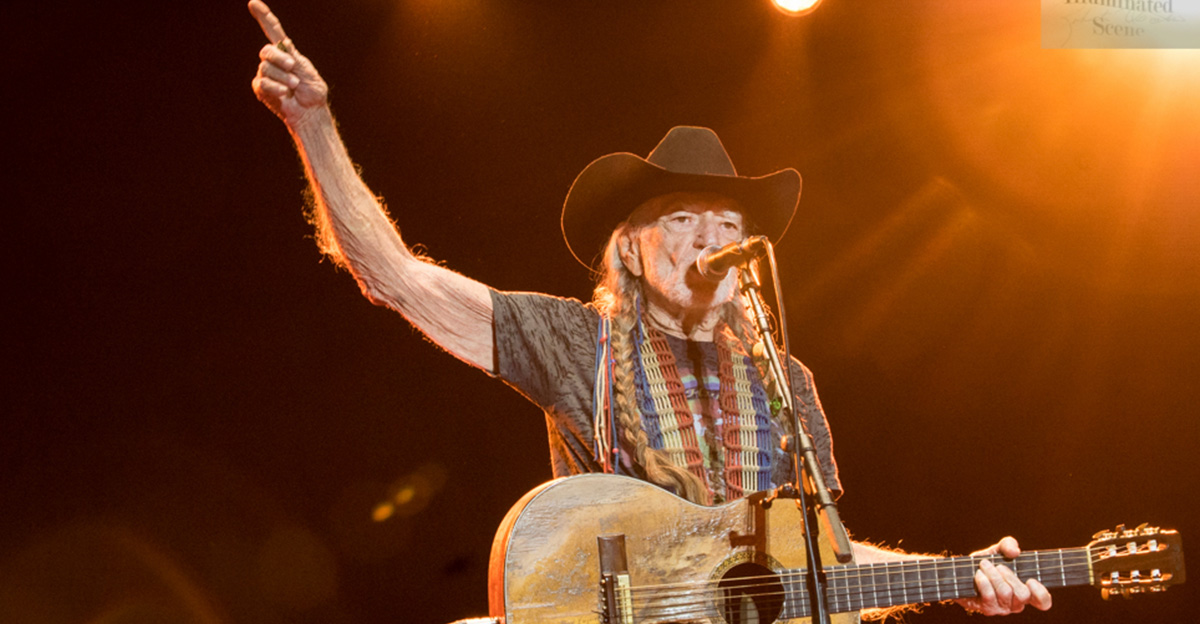
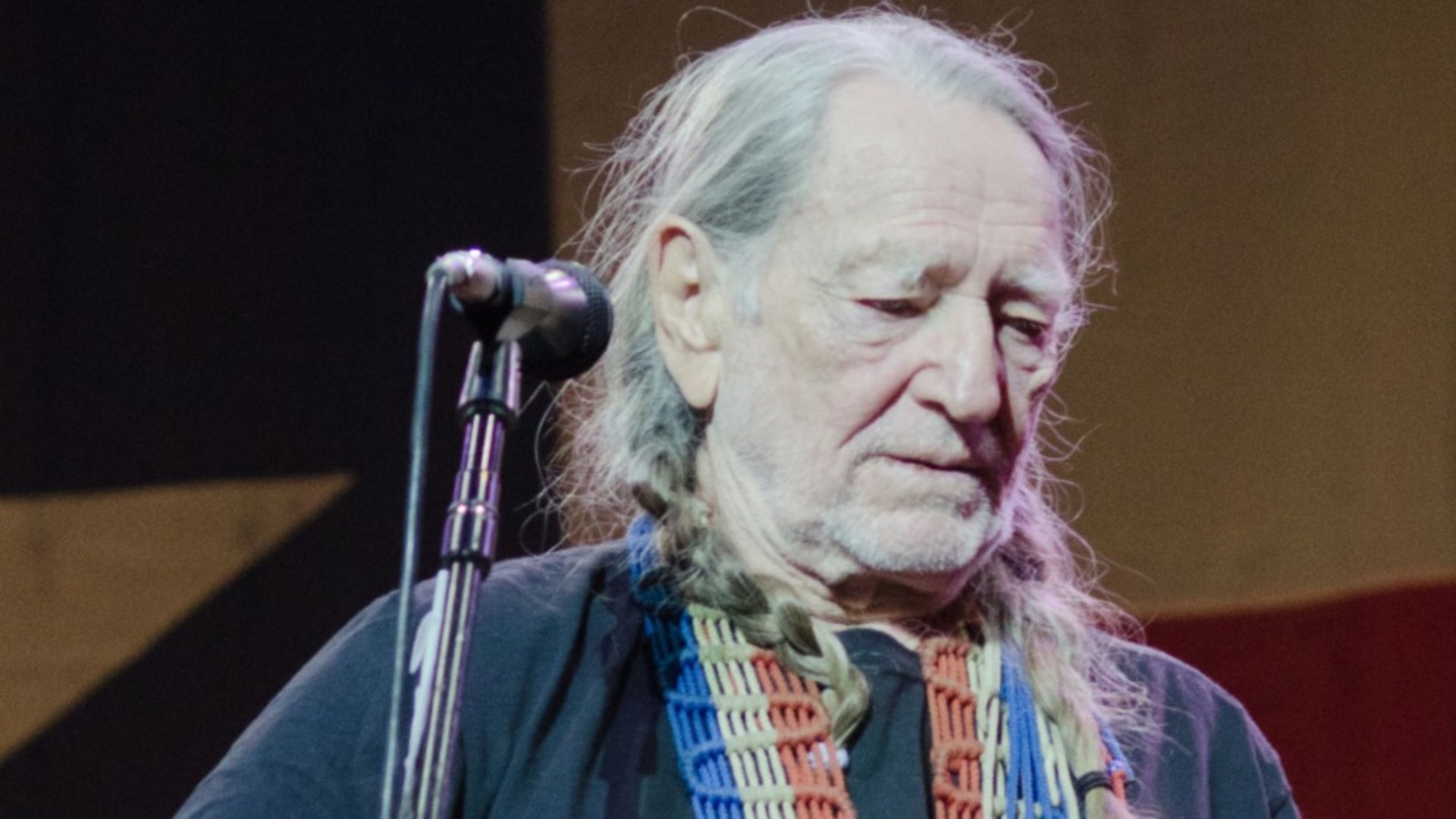
Willie Nelson
Willie Nelson was writing classics long before he looked like the outlaw-country icon we know today. For years, Nashville did not quite know what to do with him as a performer. Then Red Headed Stranger helped make him a superstar in his 40s. Better late than legendary.
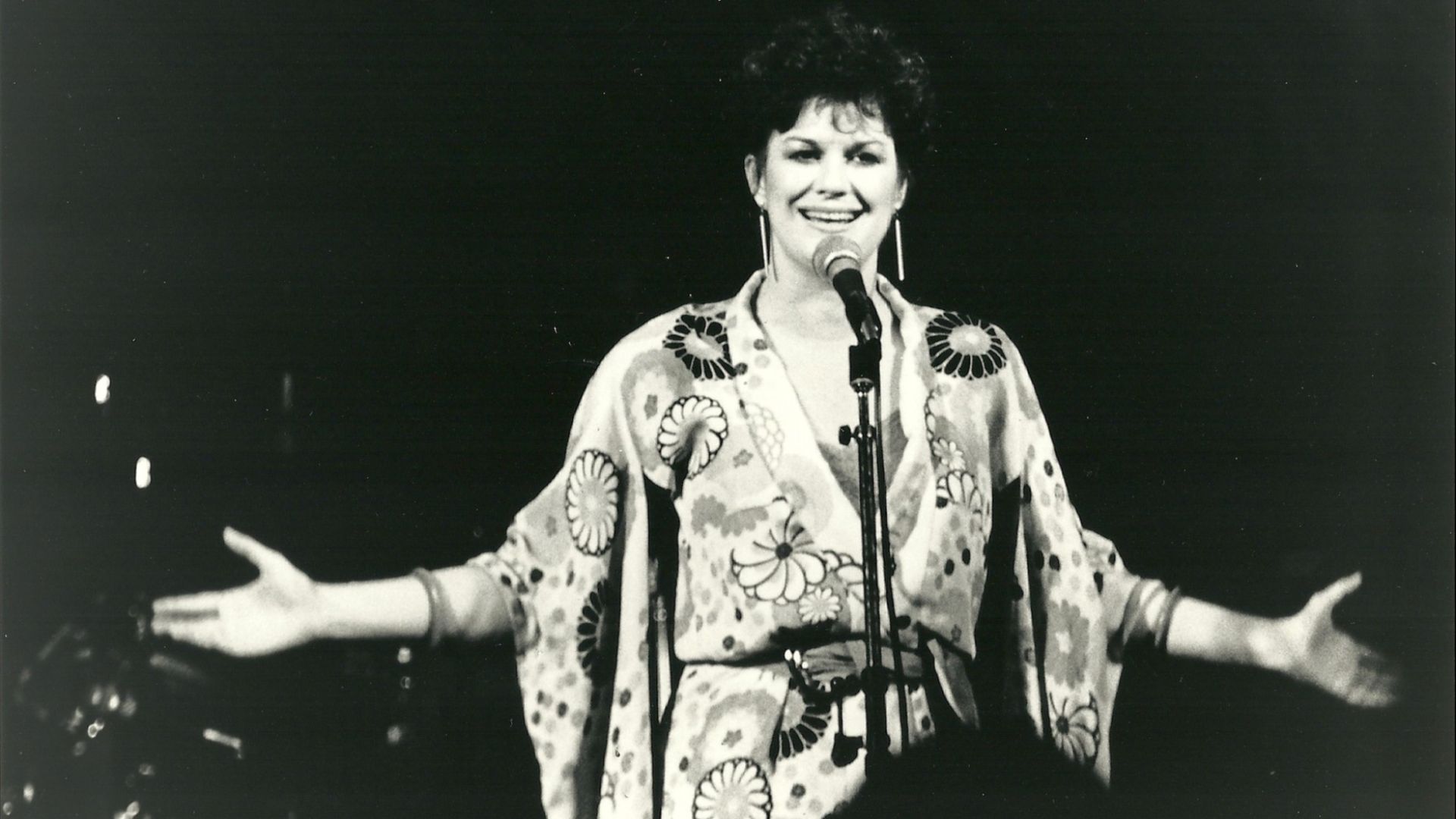
K.T. Oslin
K.T. Oslin gave country music one of its greatest later-life victories. She was in her 40s when “80’s Ladies” made her a star, which felt perfect because the song had grown-up wisdom baked into every line. Oslin proved country fame was not just for fresh faces.
 RCA Records, Wikimedia Commons
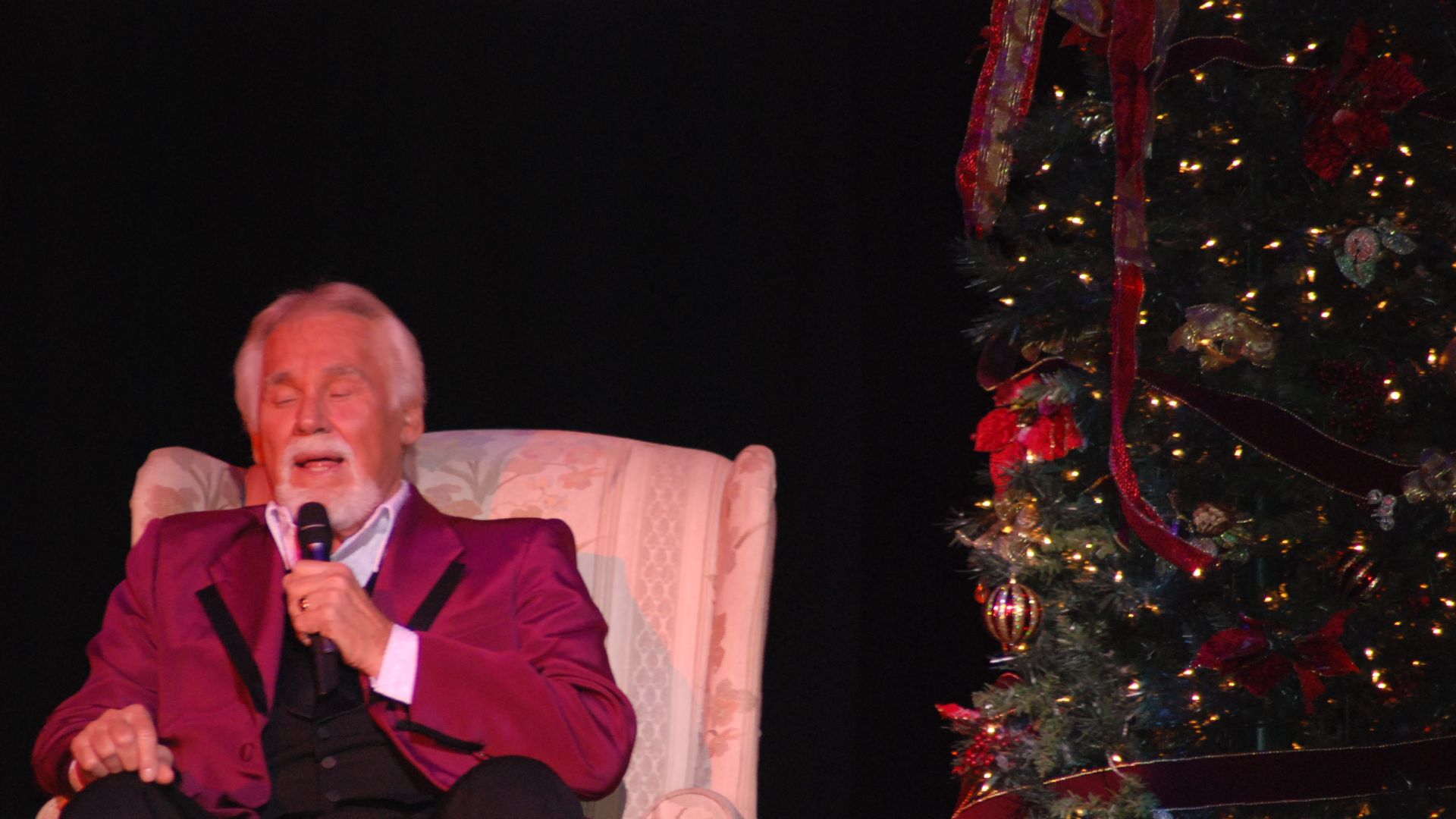
Kenny Rogers
Kenny Rogers had tasted success before country fully claimed him, but his biggest country superstar years came later. With that warm, gravelly voice and storyteller’s charm, Rogers became a grown-up hit machine. By the time “The Gambler” arrived, he sounded less like a newcomer than an old friend.
 Sheila Herman, Wikimedia Commons
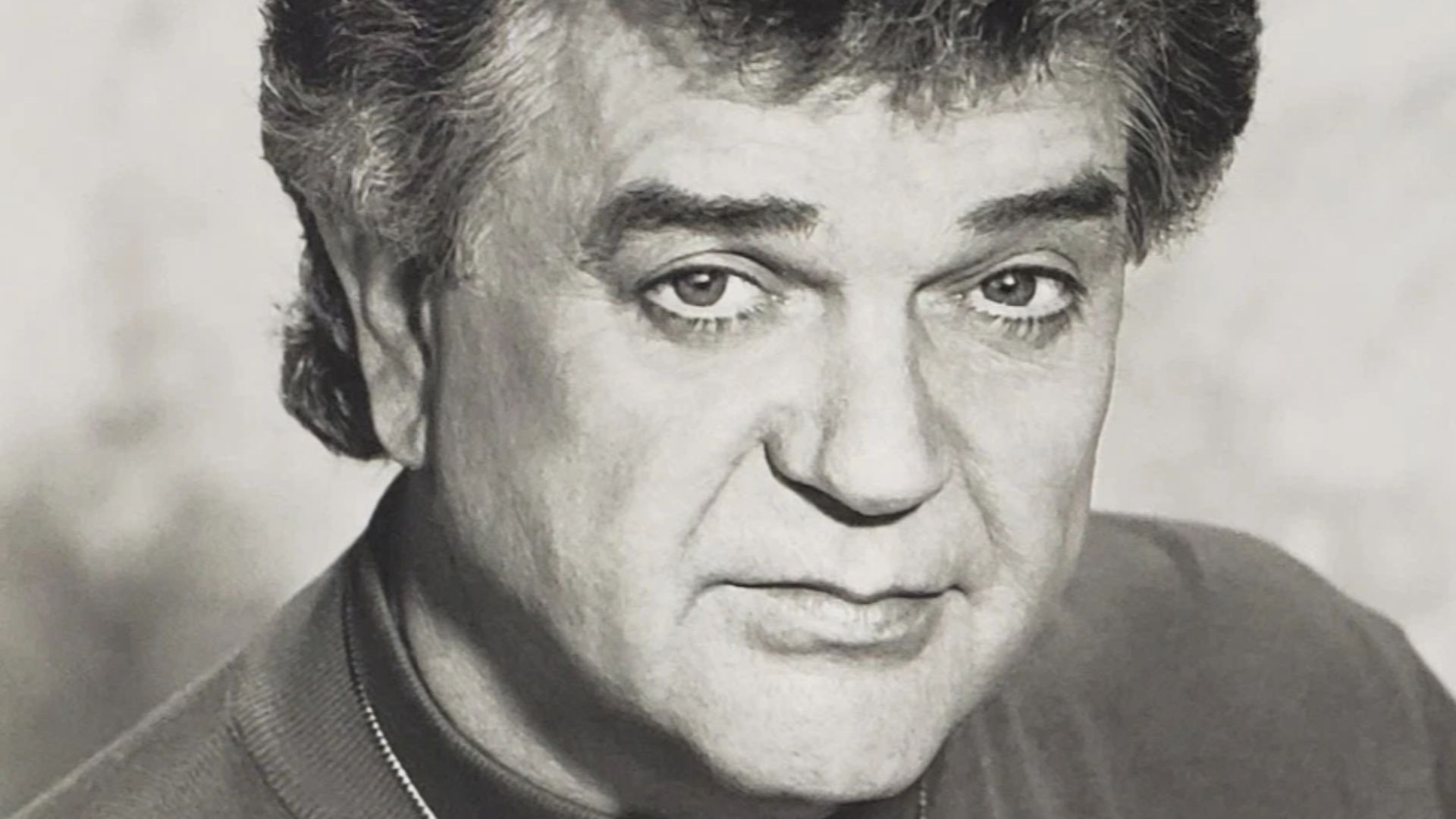
Conway Twitty
Conway Twitty had early rock-and-roll success, but his country career was almost a second act. Instead of fading away, he reinvented himself and became one of country’s smoothest hitmakers. His later fame proved that sometimes the first version of an artist is only the warm-up.
 MCA Records, Wikimedia Commons
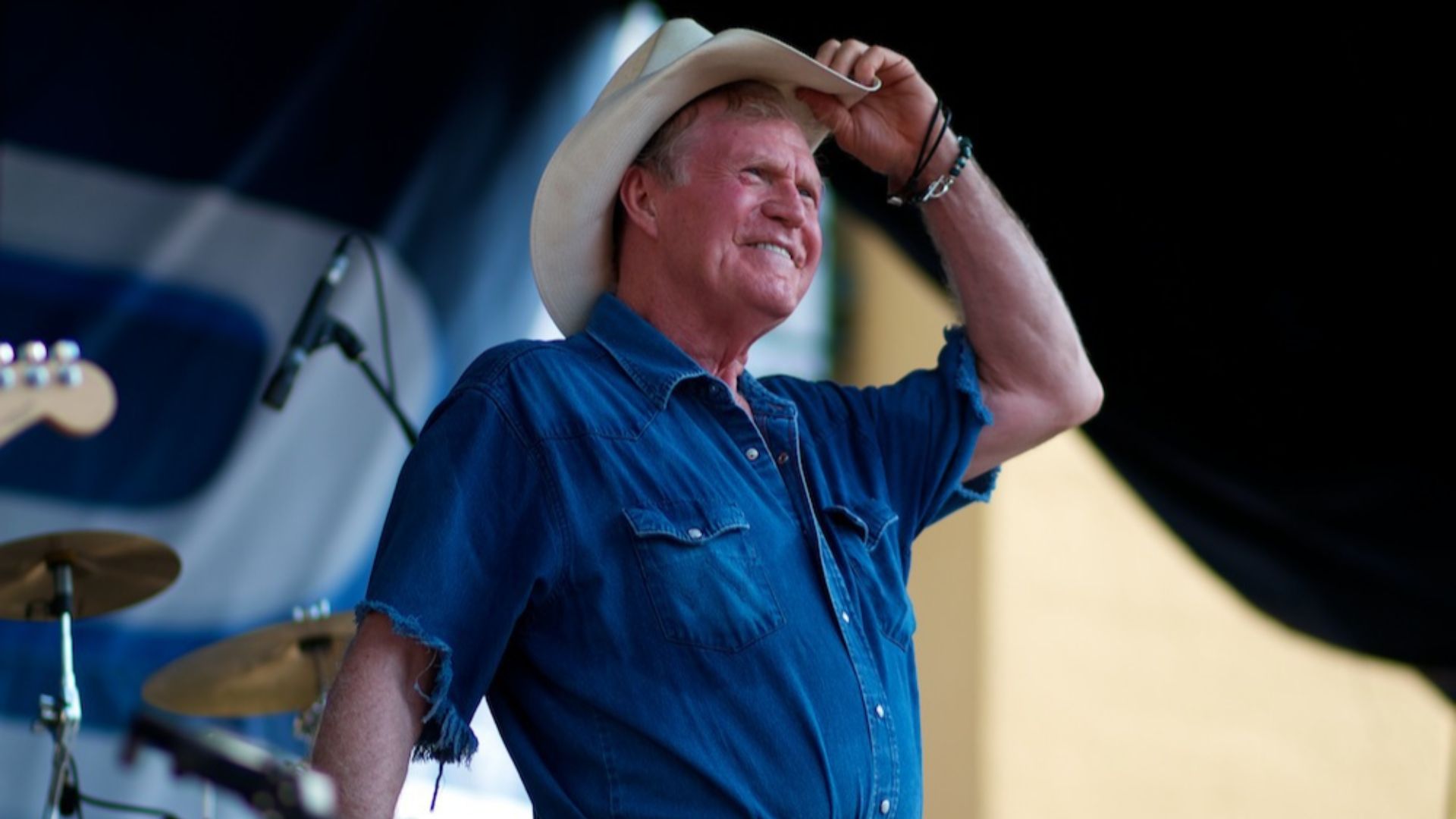
Billy Joe Shaver
Billy Joe Shaver lived the kind of life country songs are written about because, well, he wrote them. His songs helped define outlaw country, even if fame came slowly and unevenly. By the time fans truly caught on, Shaver already sounded like a man carved from experience.
 @giovanni (Giovanni Gallucci, Dallas photographer - www.LiveLoudTexas.com), Wikimedia Commons
David Allan Coe
David Allan Coe did not exactly follow a clean-cut path to country recognition. His life was messy, controversial, and full of hard miles before his songwriting and outlaw image made him famous. Coe’s rise came later, but it fit his legend: rough edges, wild stories, and no apologies.
 Matthew Woitunski from Amesbury, MA, USA, Wikimedia Commons
Johnny Paycheck
Johnny Paycheck spent years in the country trenches before his name became impossible to ignore. He played, wrote, recorded, and struggled through more than one false start. Then “Take This Job And Shove It” turned him into a working-class hero. It was late fame with a perfect punchline.
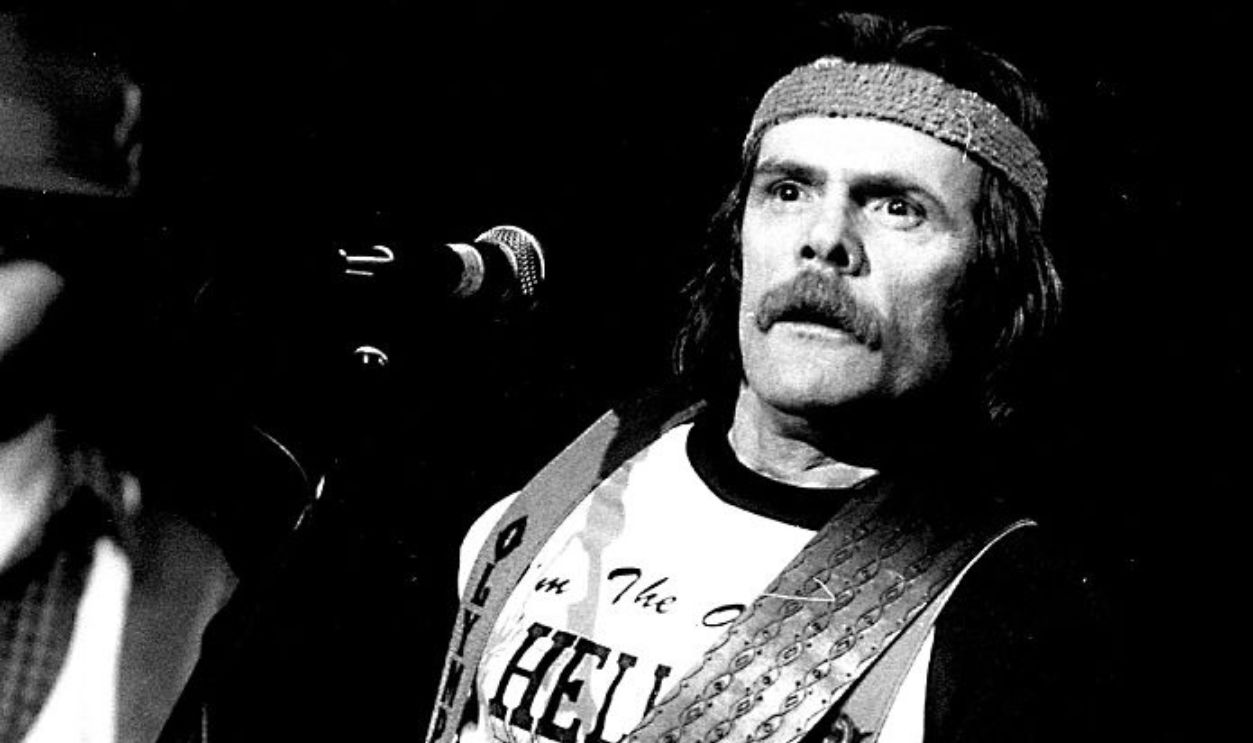
Aaron Watson
Aaron Watson built his career without waiting for Nashville’s blessing. He toured relentlessly, released independent albums, and slowly earned a fiercely loyal fanbase. When The Underdog topped the country albums chart, he was no overnight sensation. He was proof that independent country can win the long game.
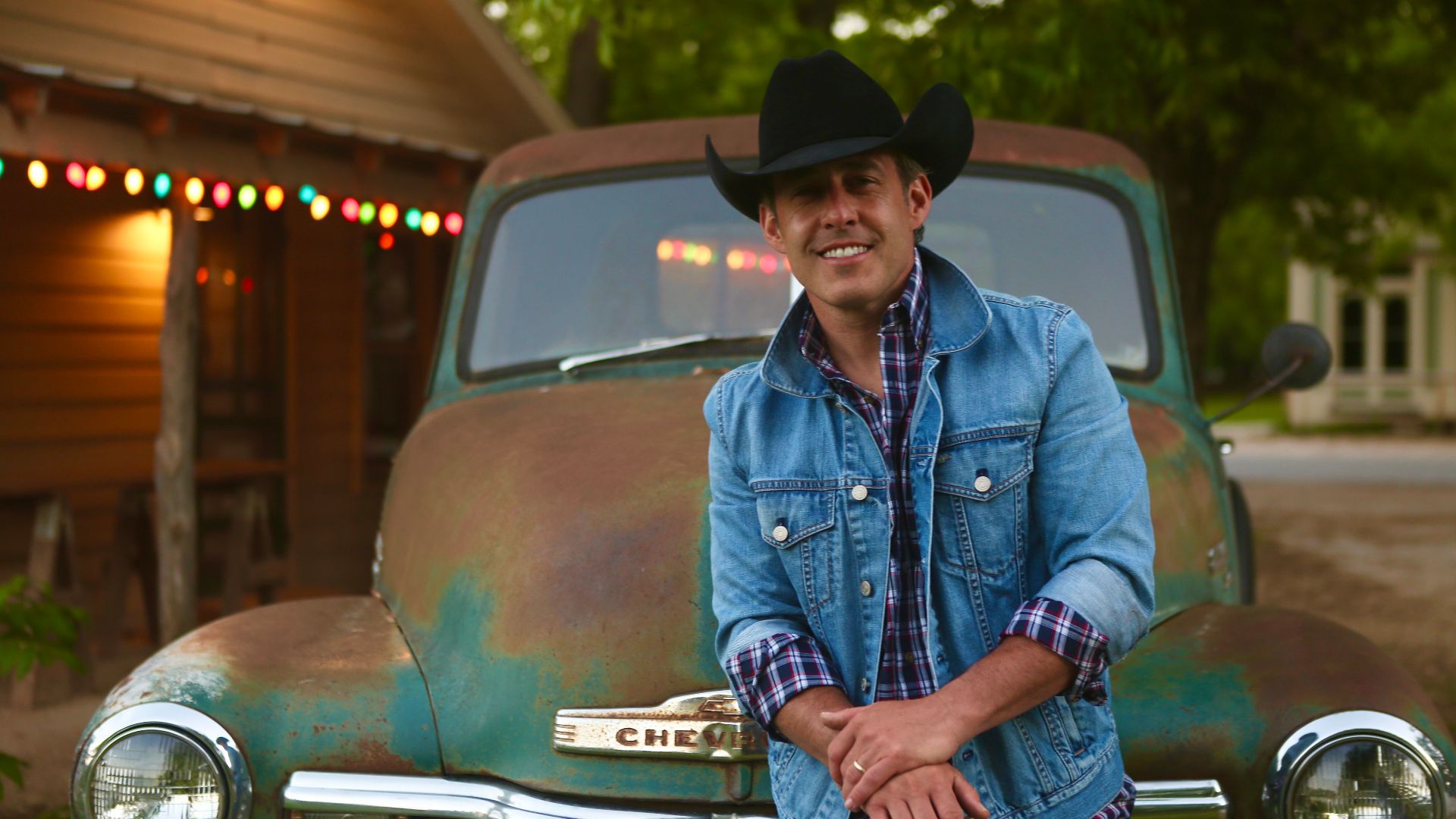
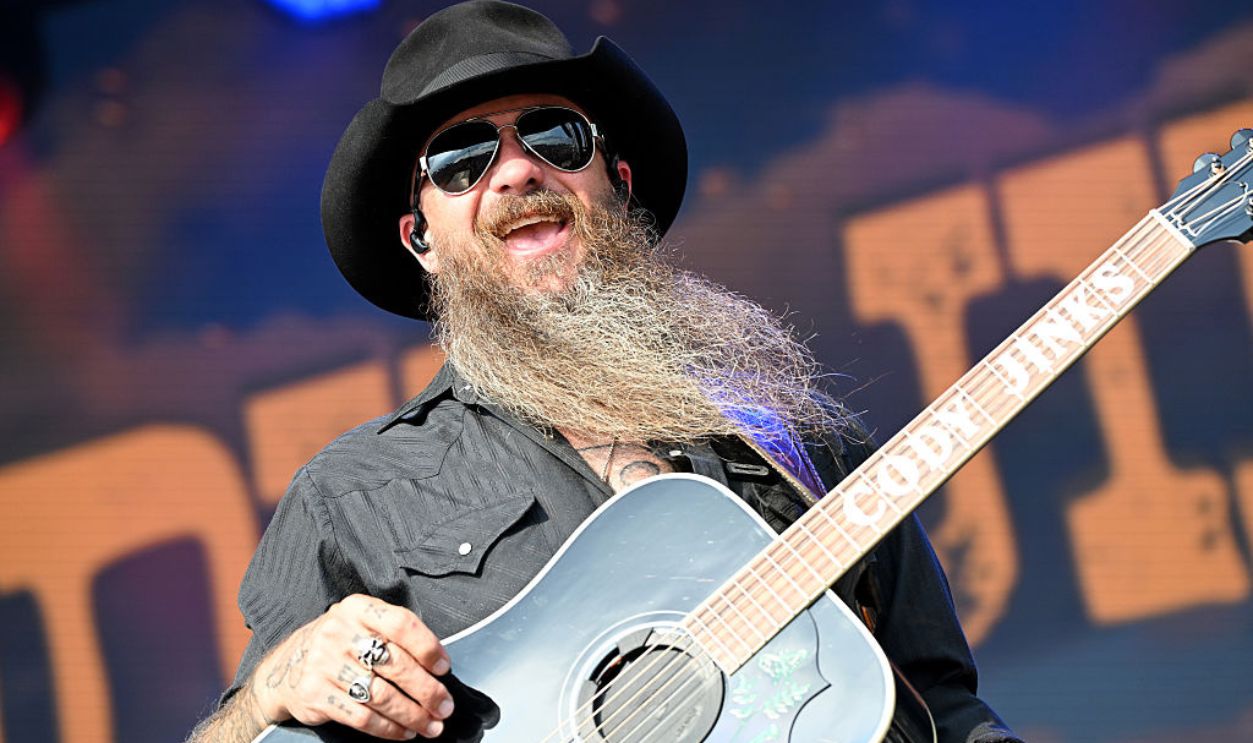
Cody Jinks
Cody Jinks came from a metal background before becoming one of independent country’s most respected voices. His breakthrough did not come from glossy marketing or radio tricks. It came from fans who believed him. By his mid-30s, Jinks had become a hero for listeners craving something real.
 Stephen J. Cohen, Getty Images
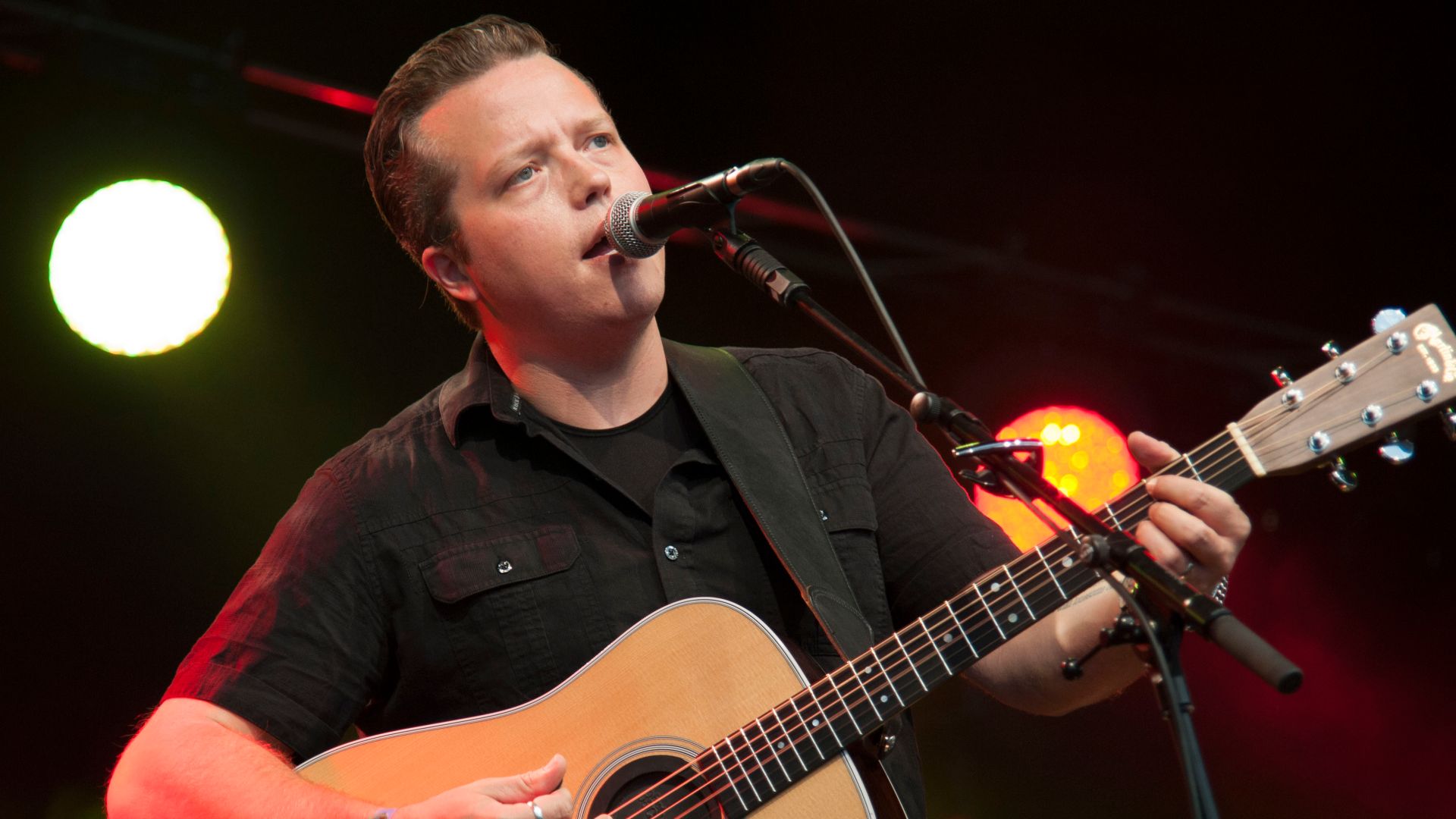
Jason Isbell
Jason Isbell had been admired for years, but his solo breakthrough came after personal change, sobriety, and sharper songwriting. Southeastern made people stop and listen differently. He was already experienced, but suddenly he sounded fully arrived. Sometimes fame needs the artist to become ready for it.
 Bryan Ledgard from Yorkshire, UK, Wikimedia Commons
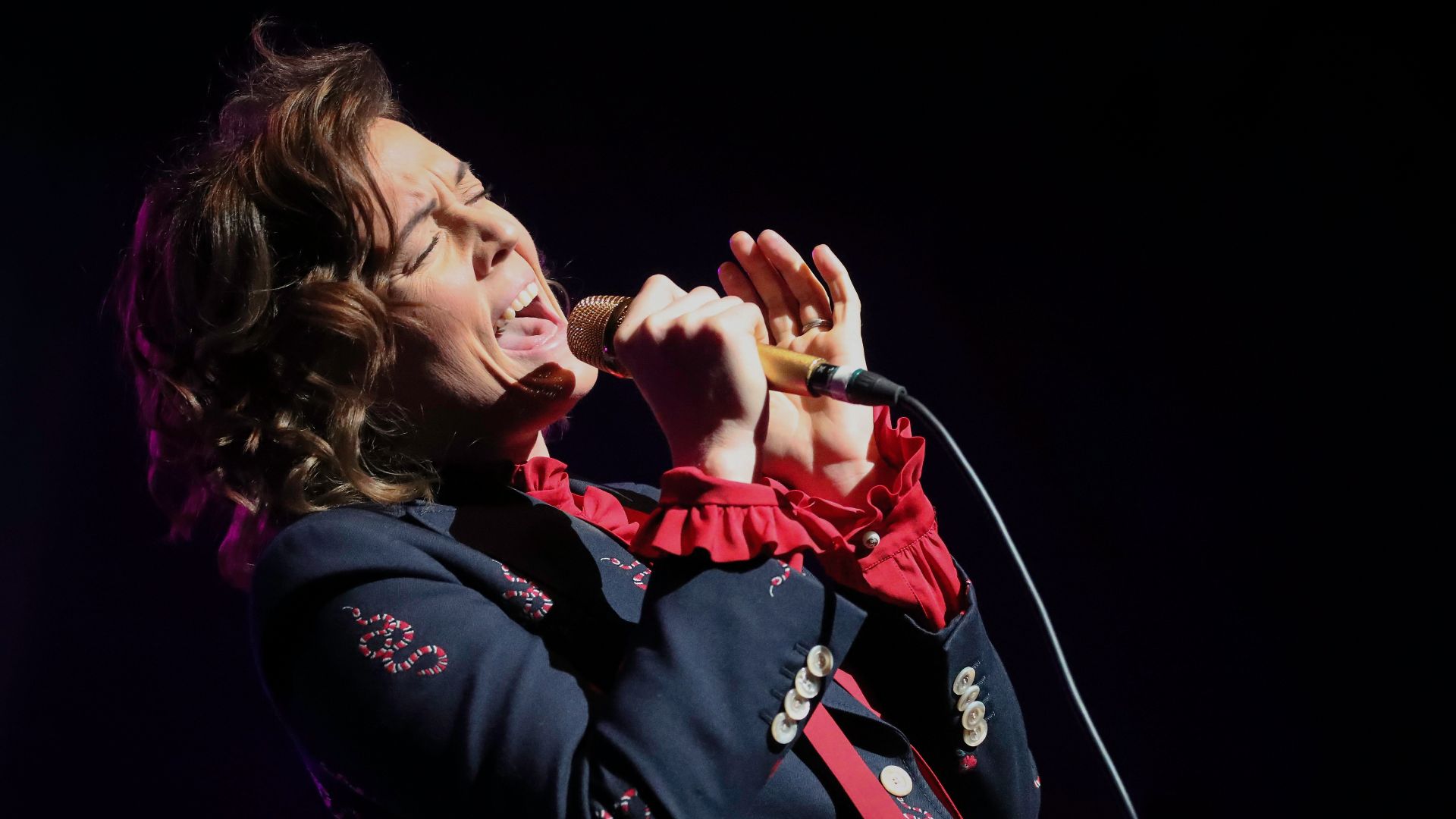
Brandi Carlile
Brandi Carlile had been making excellent music for years before the wider world finally treated her like the powerhouse she was. Her country, folk, and Americana roots all came together in a career that bloomed bigger in her 30s. The voice was always there; the spotlight took its time.
 Andy Witchger, Wikimedia Commons
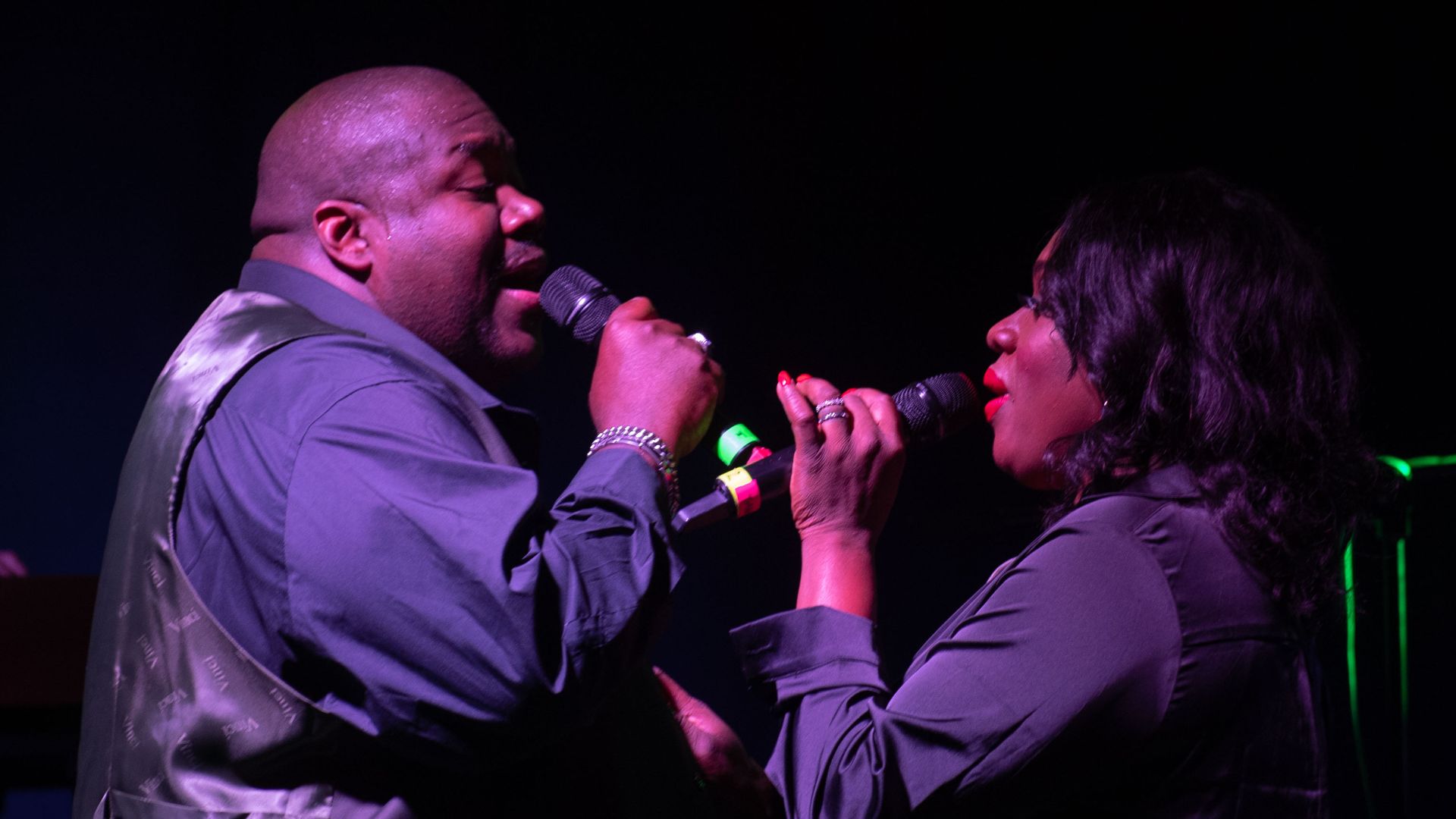
The War And Treaty
Michael and Tanya Trotter did not become country and Americana favorites as teenagers with a lucky demo tape. Their rise came through life experience, marriage, faith, pain, and breathtaking harmony. By the time bigger audiences found them, they had the kind of chemistry no label can manufacture.
 Douglas Lorance, Wikimedia Commons
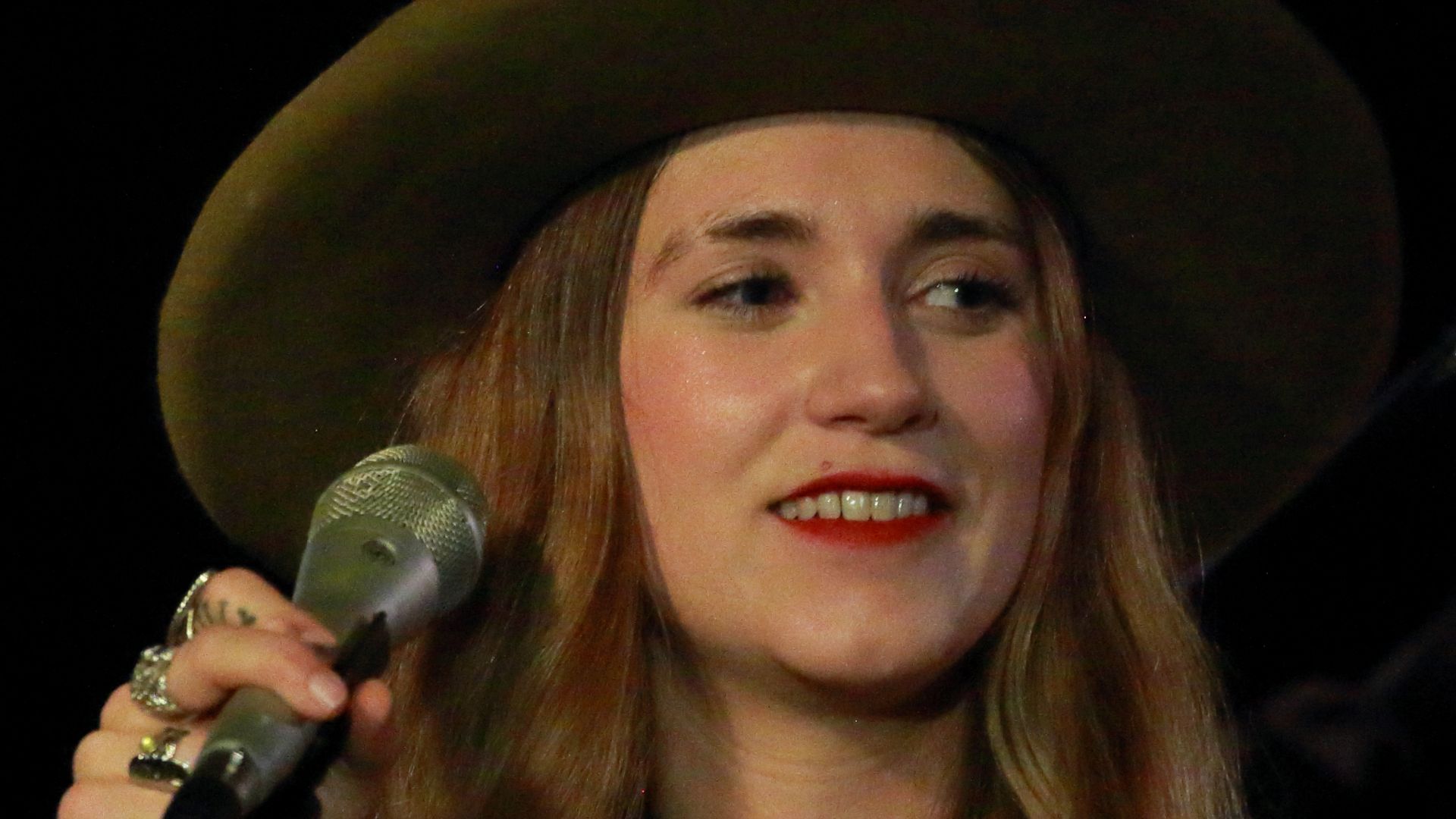
Sierra Ferrell
Sierra Ferrell sounded like she had wandered out of another century, which made her feel brand-new. She busked, traveled, and built her style piece by piece before a wider audience caught on in her 30s. Her late-blooming fame feels magical, but it was built on miles.
 Radcliffe Kelso, Wikimedia Commons
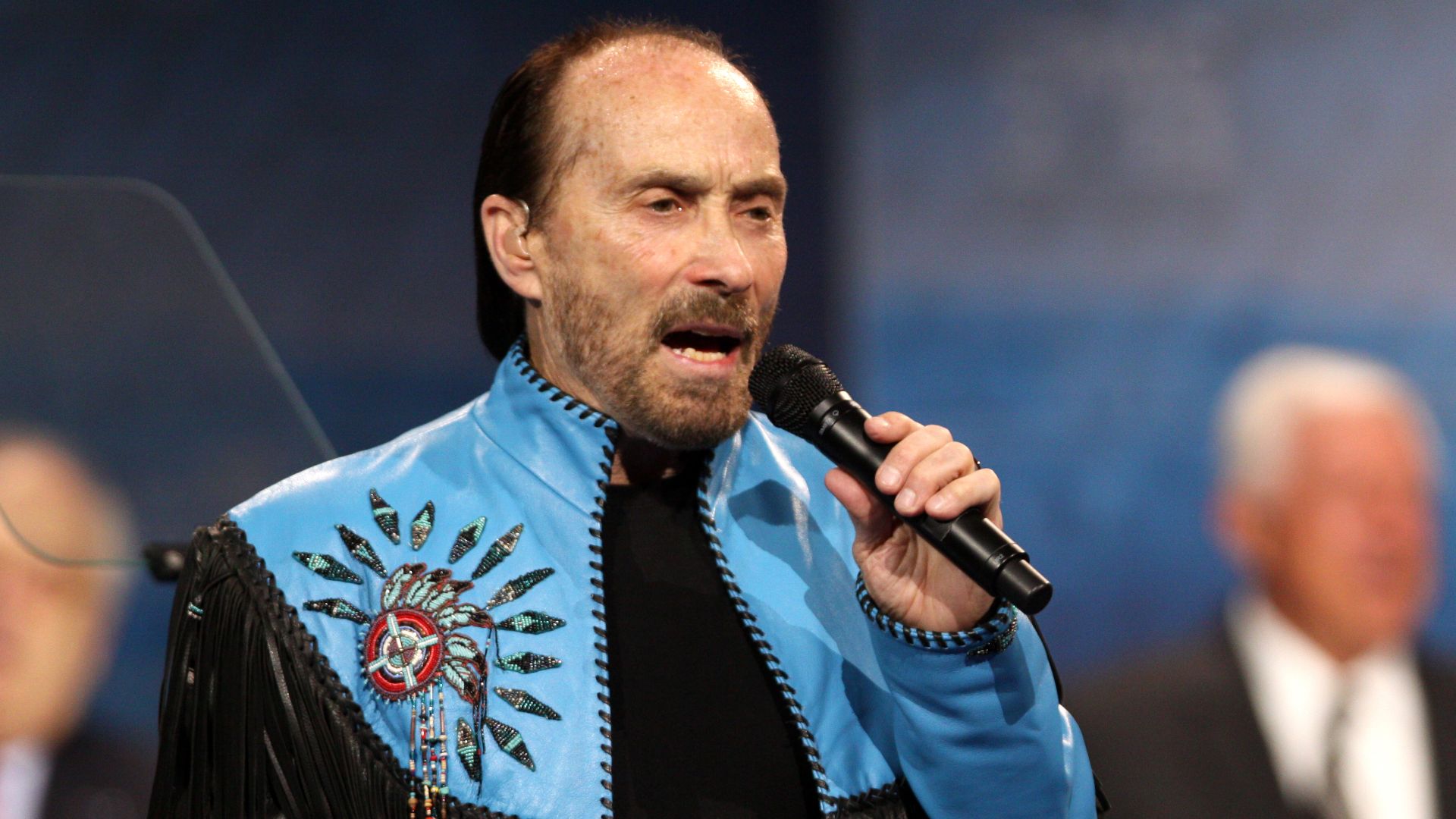
Lee Greenwood
Lee Greenwood worked for years before becoming one of country’s most recognizable patriotic voices. He was not a teen idol or overnight discovery. His fame grew after plenty of performing, recording, and persistence. Then “God Bless The U.S.A.” turned him into a permanent part of American culture.
 Gage Skidmore, Wikimedia Commons
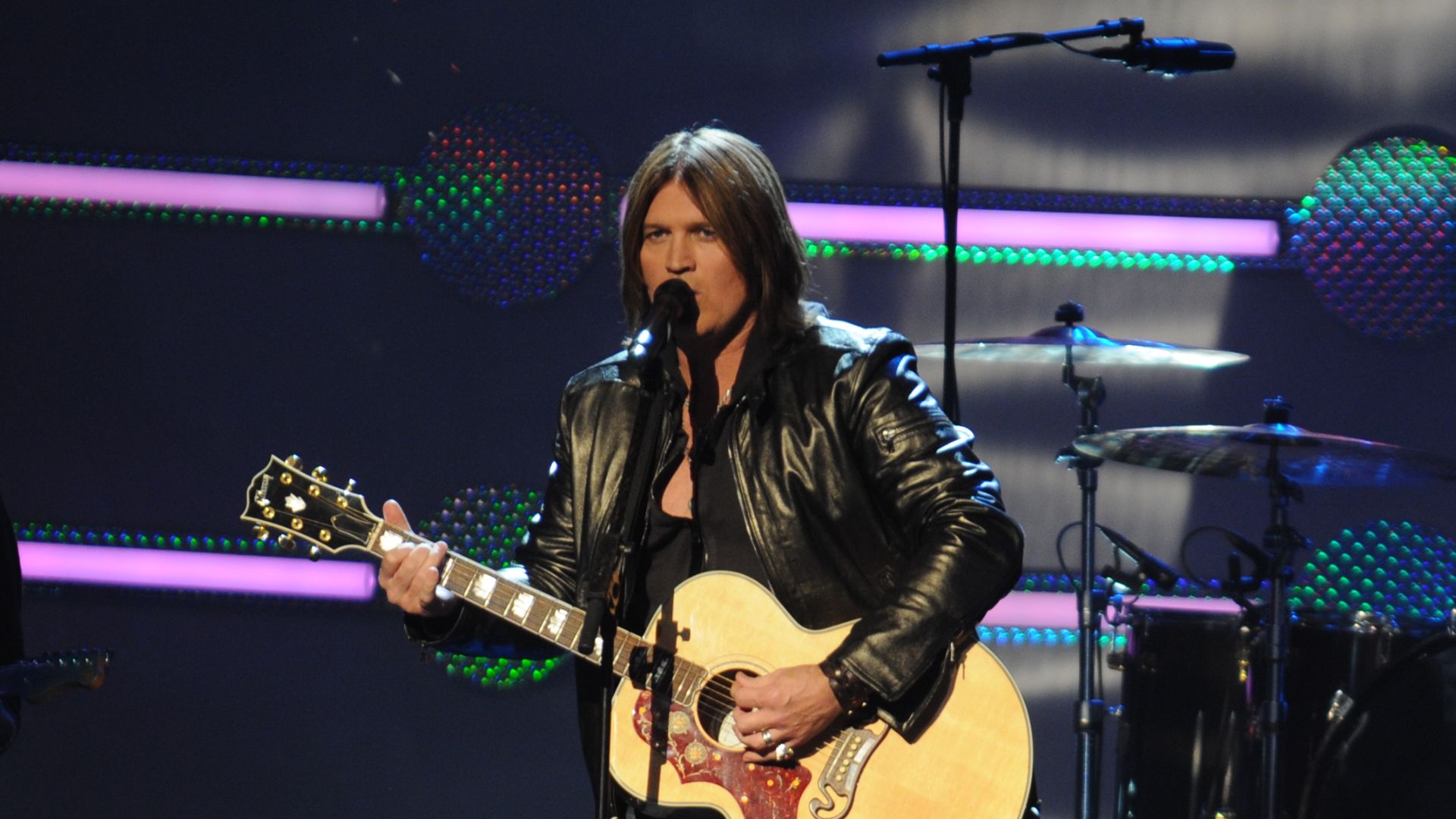
Billy Ray Cyrus
Billy Ray Cyrus was around 30 when “Achy Breaky Heart” exploded, which is young in life but older than many debut pop-country sensations. Before that, he had lived through rejection and rough gigs. Then came the mullet, the dance, and one of country’s wildest early-’90s moments.
 Mass Communication Specialist 1st Class Mark O'Donald, Wikimedia Commons
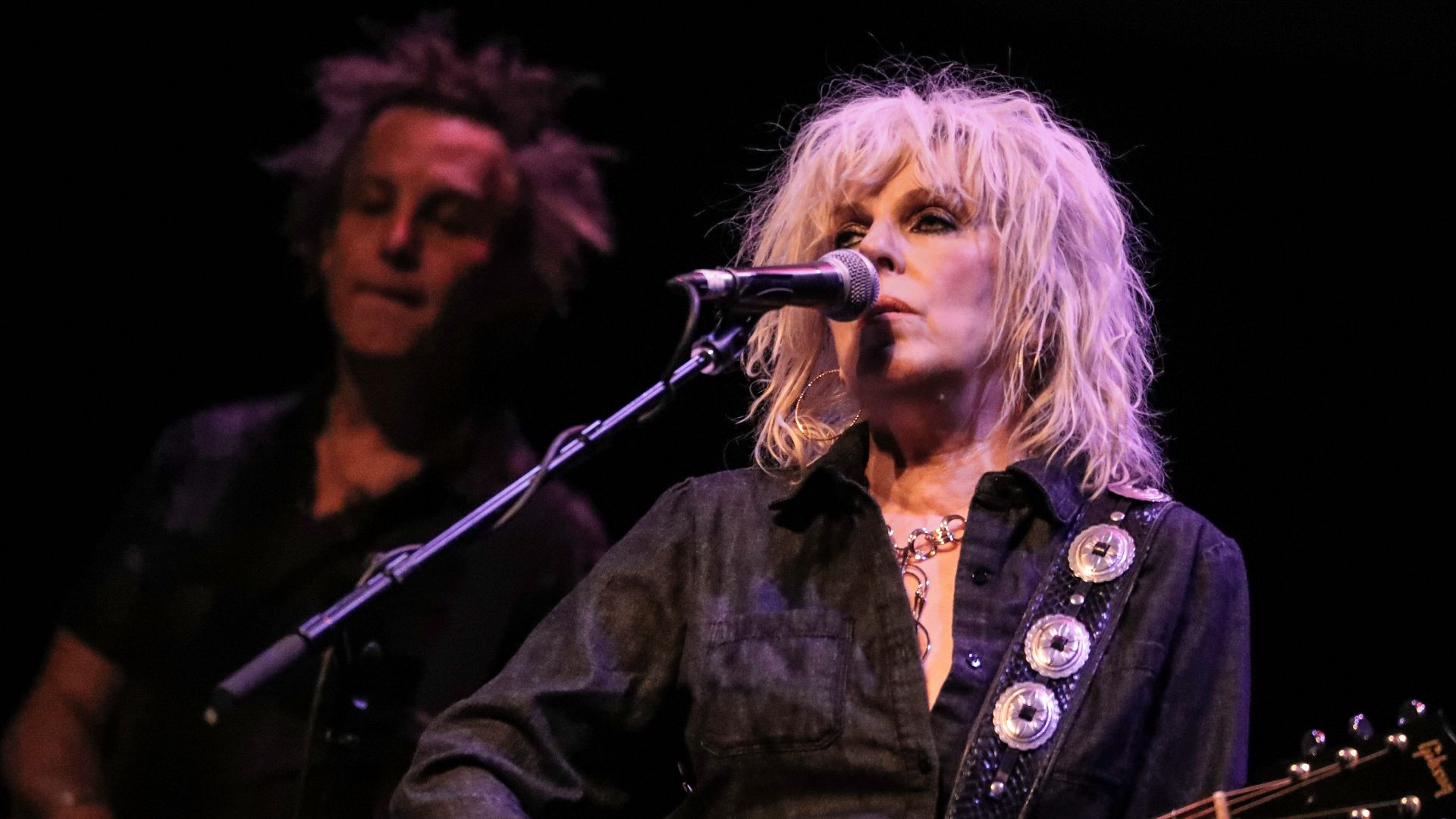
Lucinda Williams
Lucinda Williams spent years making brilliant music before mainstream listeners fully caught up. Her songs were too literary for some country lanes and too country for some rock rooms, which made her harder to place. Eventually, that became the point. Her later fame came because nobody else sounded like her.
 Andy Witchger, Wikimedia Commons
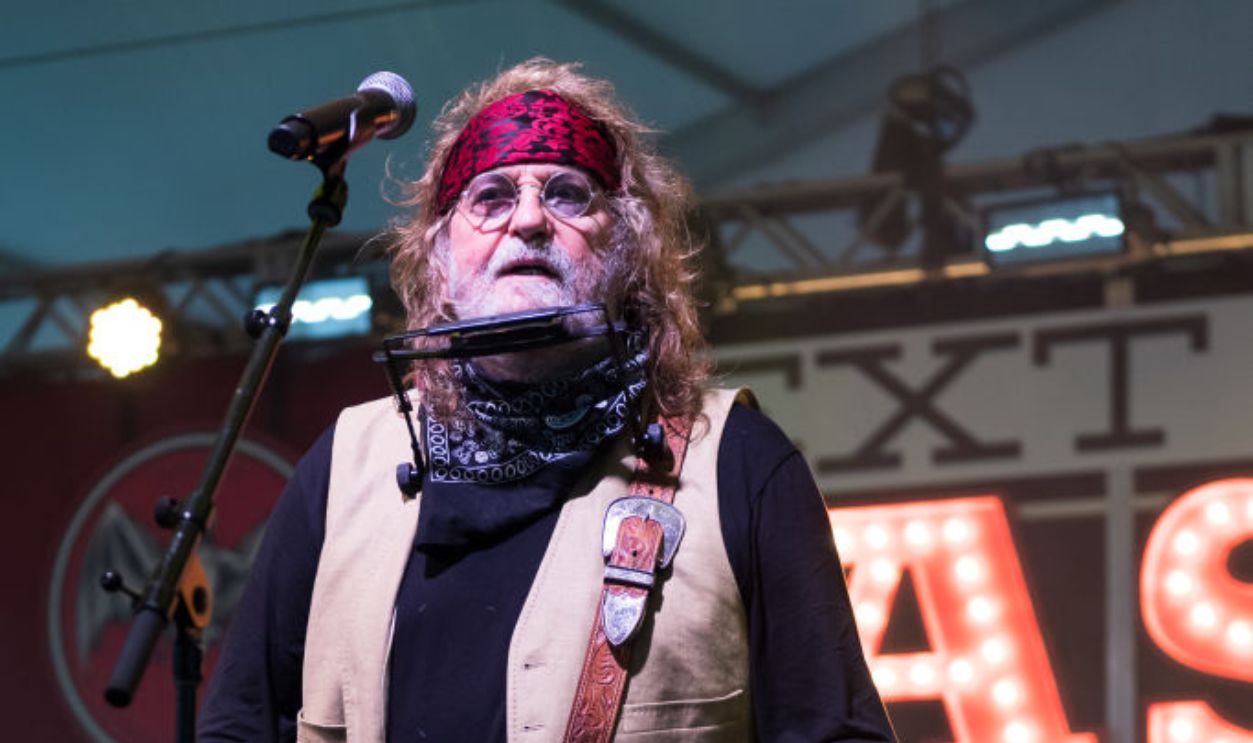
Ray Wylie Hubbard
Ray Wylie Hubbard’s career is a reminder that cult heroes can age into legends. He wrote, wandered, survived, and kept sharpening his sly, dusty songwriting voice. His biggest respect came later, when younger fans and artists realized he was not just still around—he was still dangerous.
Fame Hits Sweeter After The Long Road
The best late-blooming country stories remind us that talent does not expire. Some stars need time to find their sound, their audience, or themselves. When fame finally arrives after years of work, it carries extra weight. In country music, a few wrinkles can make the song even better.
You May Also Like:
Do You Remember Any Of These Songs That Reached Number 1 In 1975?
.jpg)