
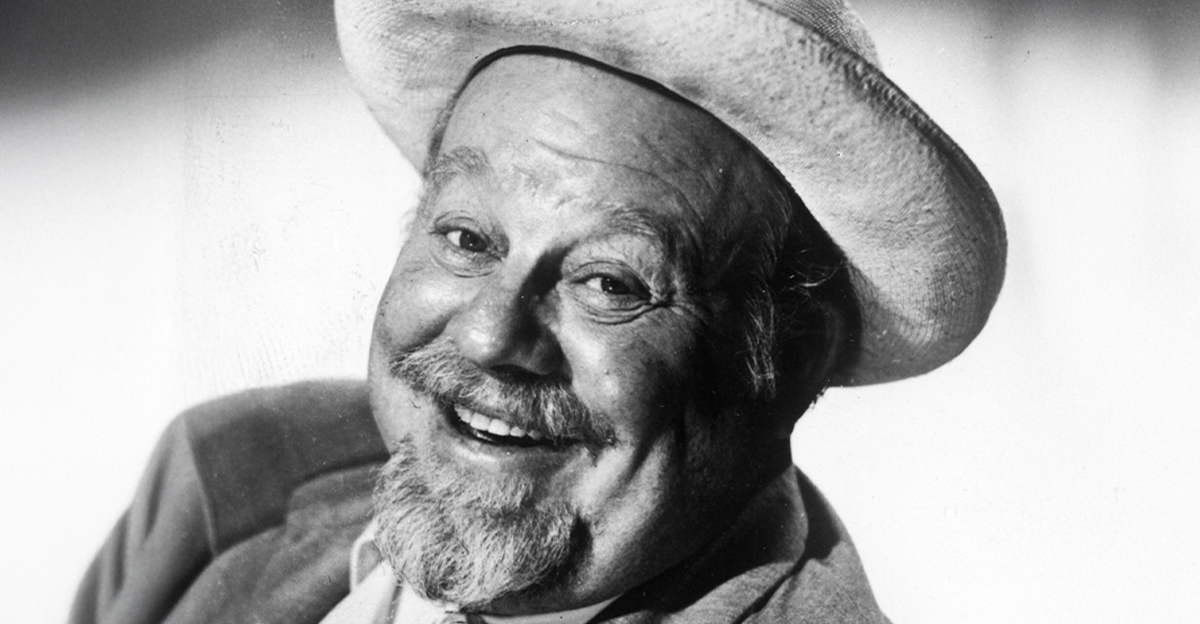
The Voice Of America
For much of the twentieth century, Burl Ives was one of America's most recognizable entertainers. He achieved success as a folk singer, recording artist, actor, and storyteller. Yet behind his warm public image lay a controversial chapter that divided the folk music community for decades.
Illinois Farm Roots
Burl Icle Ivanhoe Ives was born on June 14, 1909, near Hunt City, Illinois. He grew up in a rural farming family and was exposed to traditional songs and storytelling at an early age. These strong early influences would shape his future career.
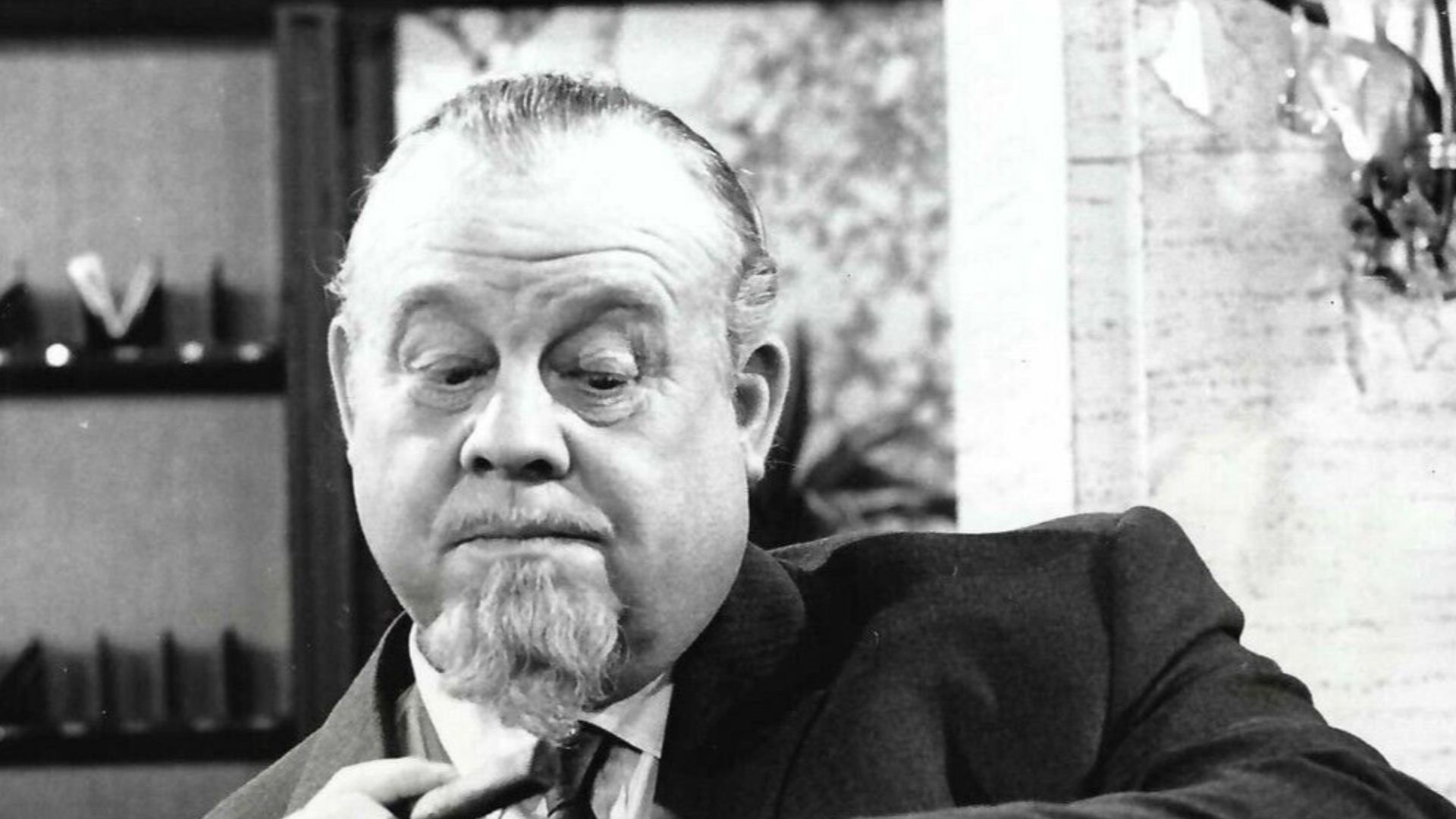
Early Musical Talent
As a child, Ives demonstrated a natural gift for singing. Family gatherings and community events gave him opportunities to perform folk songs. His powerful voice and ability to connect with audiences became apparent long before he entered professional entertainment.
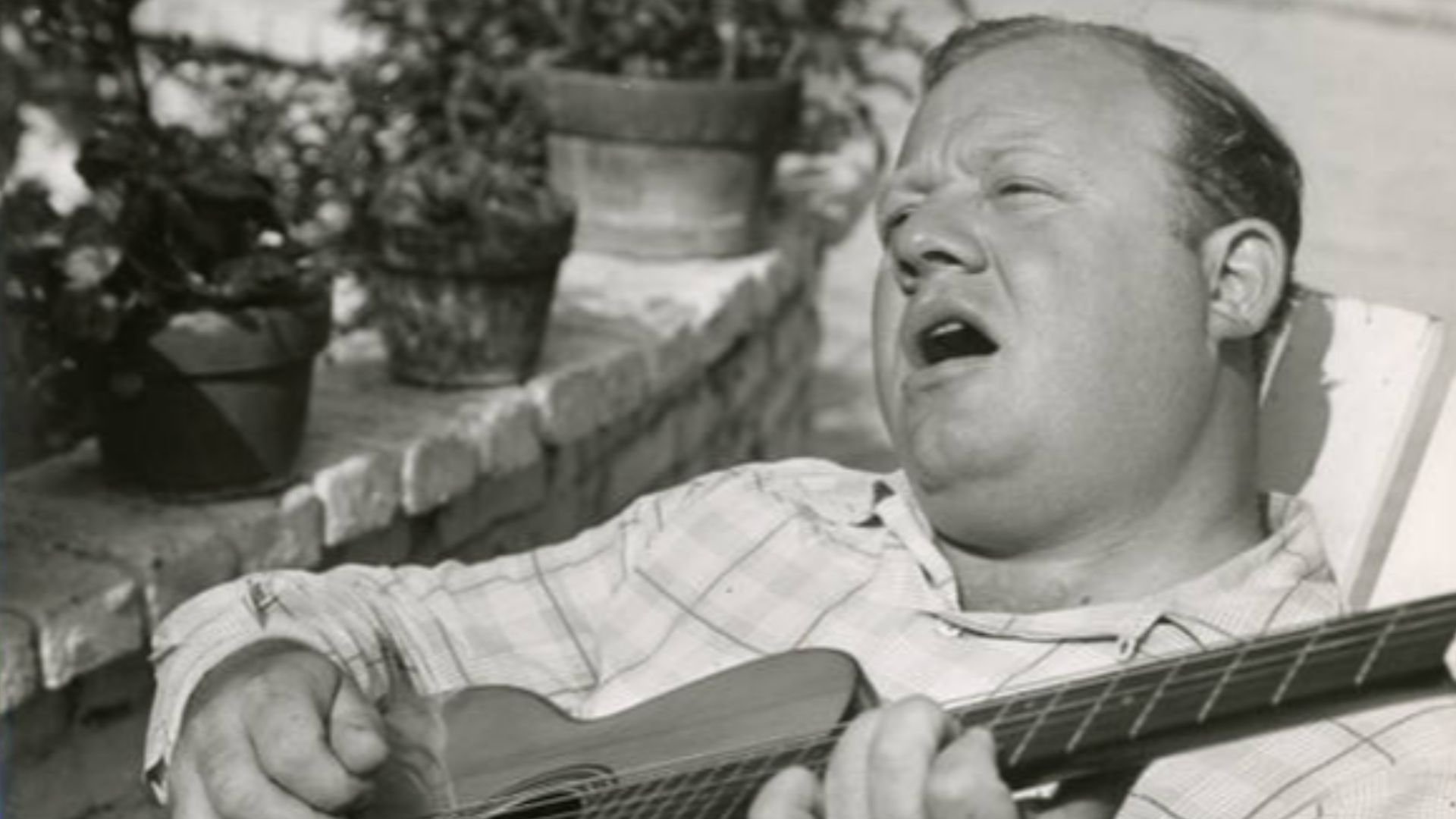 Unknown authorUnknown author, Wikimedia Commons
College Years
Ives attended Eastern Illinois State Teachers College during the late 1920s. Although he studied there for several years, he never completed his degree. Instead, he got increasingly drawn toward music, performance, and a less conventional path through life.
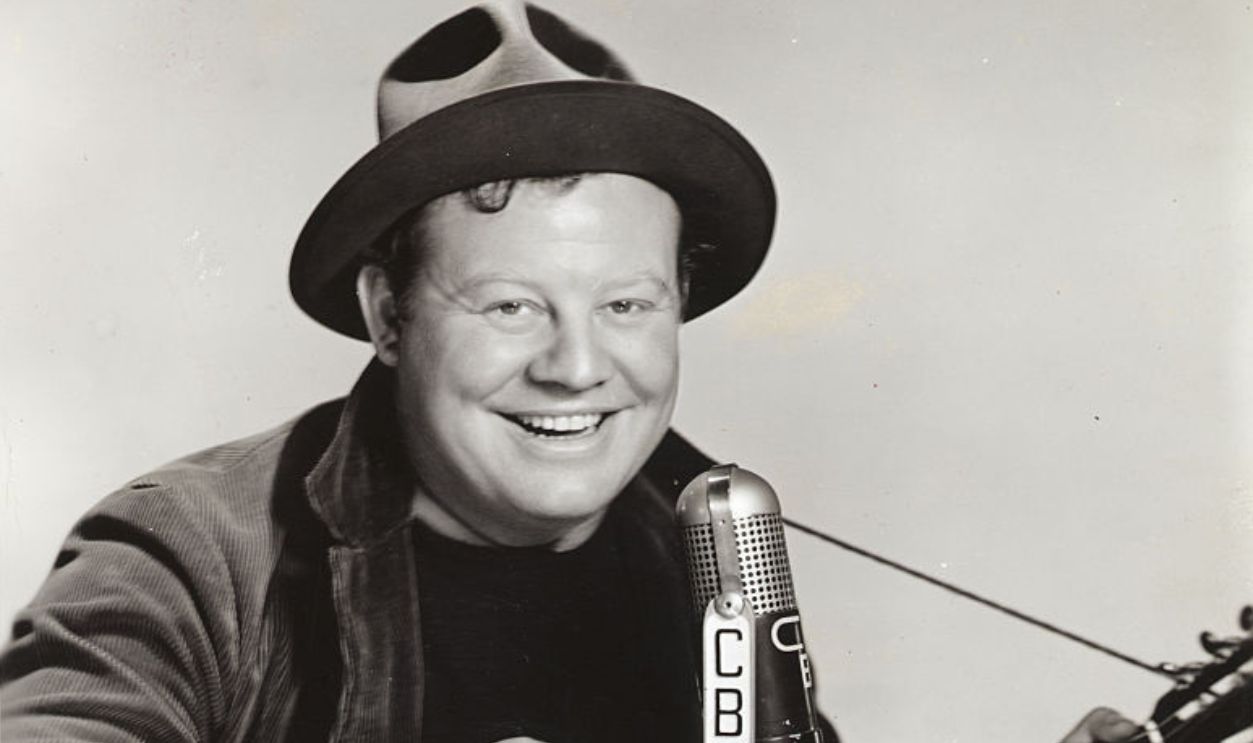
Hitting The Road
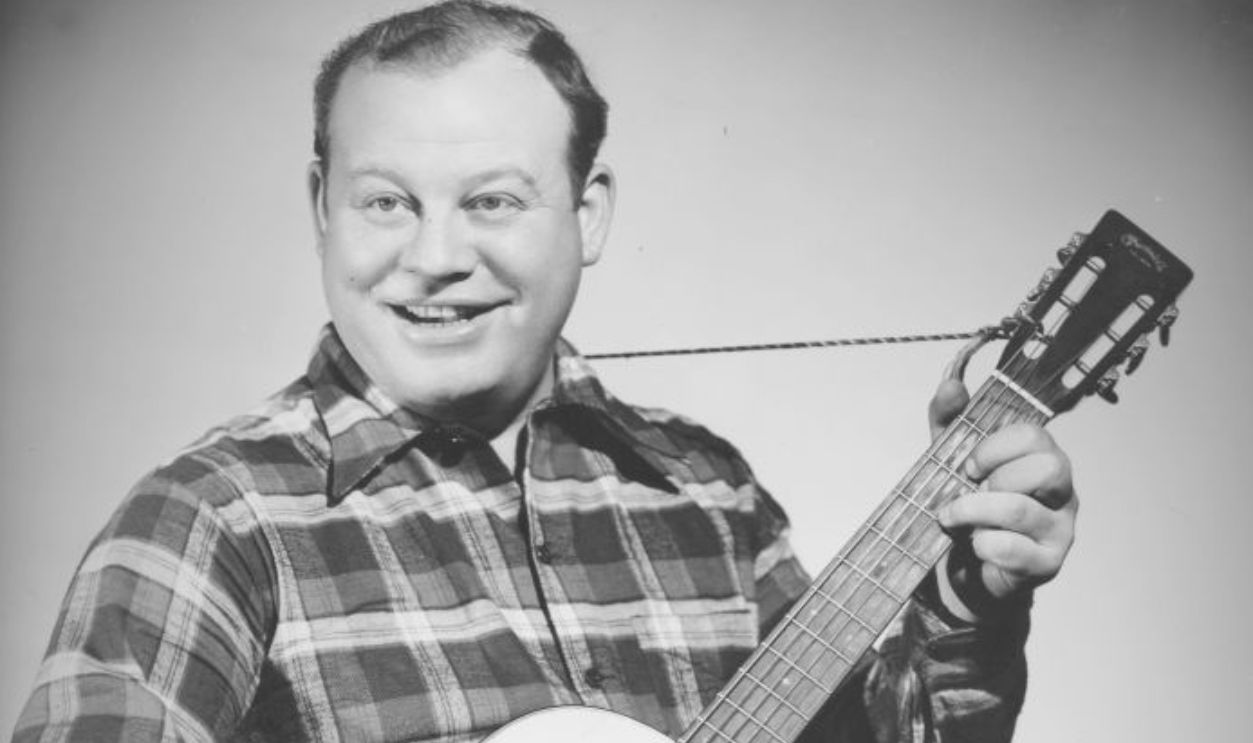
In 1930, Ives left college and began traveling across the United States. He supported himself through odd jobs while singing and collecting songs. These years exposed him to regional folk traditions and helped build the repertoire that later made him famous.
Learning Folk Traditions
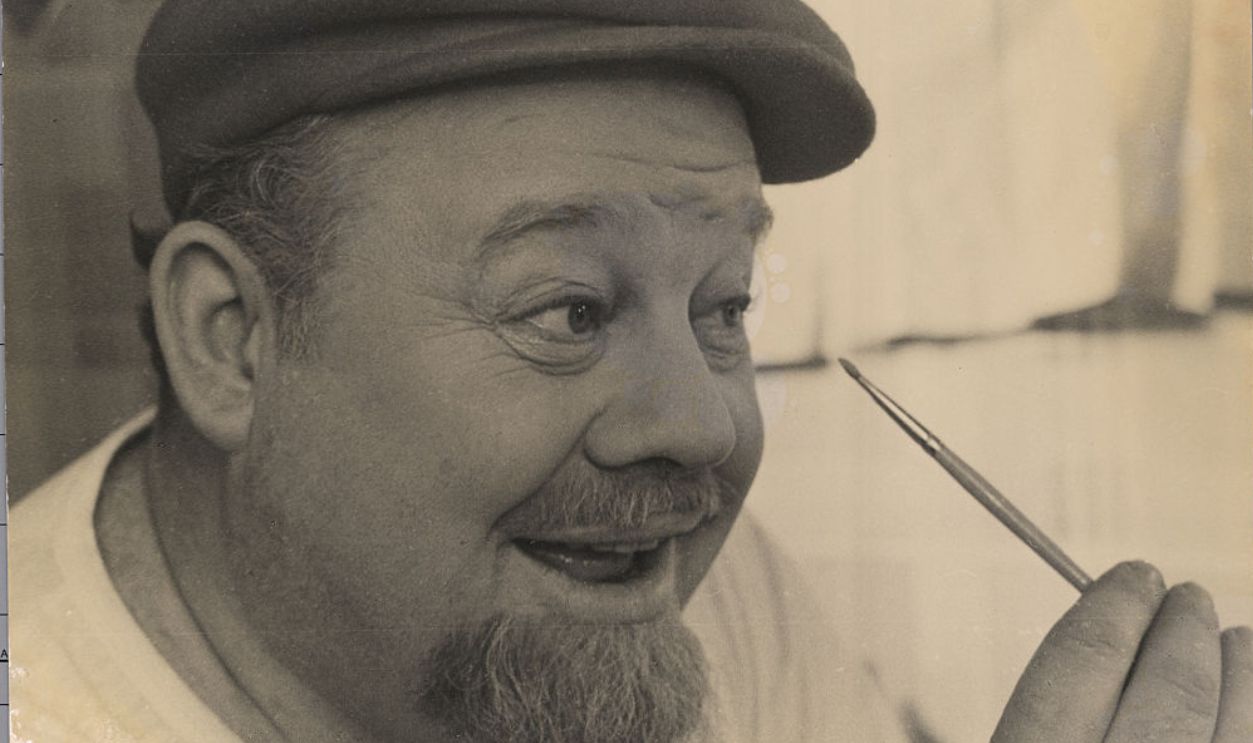
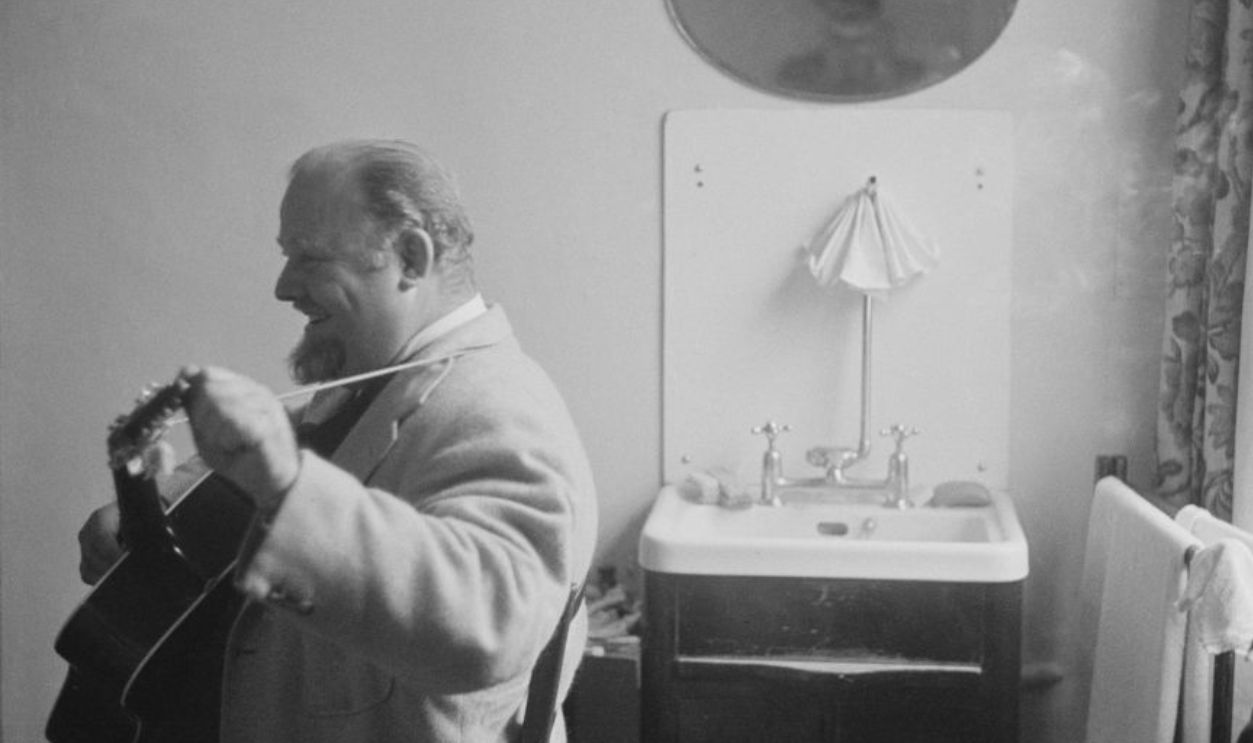
During his travels, Ives absorbed songs from farmers, laborers, railroad workers, and ordinary Americans. He viewed folk music as an important cultural tradition. His experiences on the road during the Great Depression helped establish his reputation as an authentic interpreter of traditional songs.
 Genevieve Naylor, Getty Images
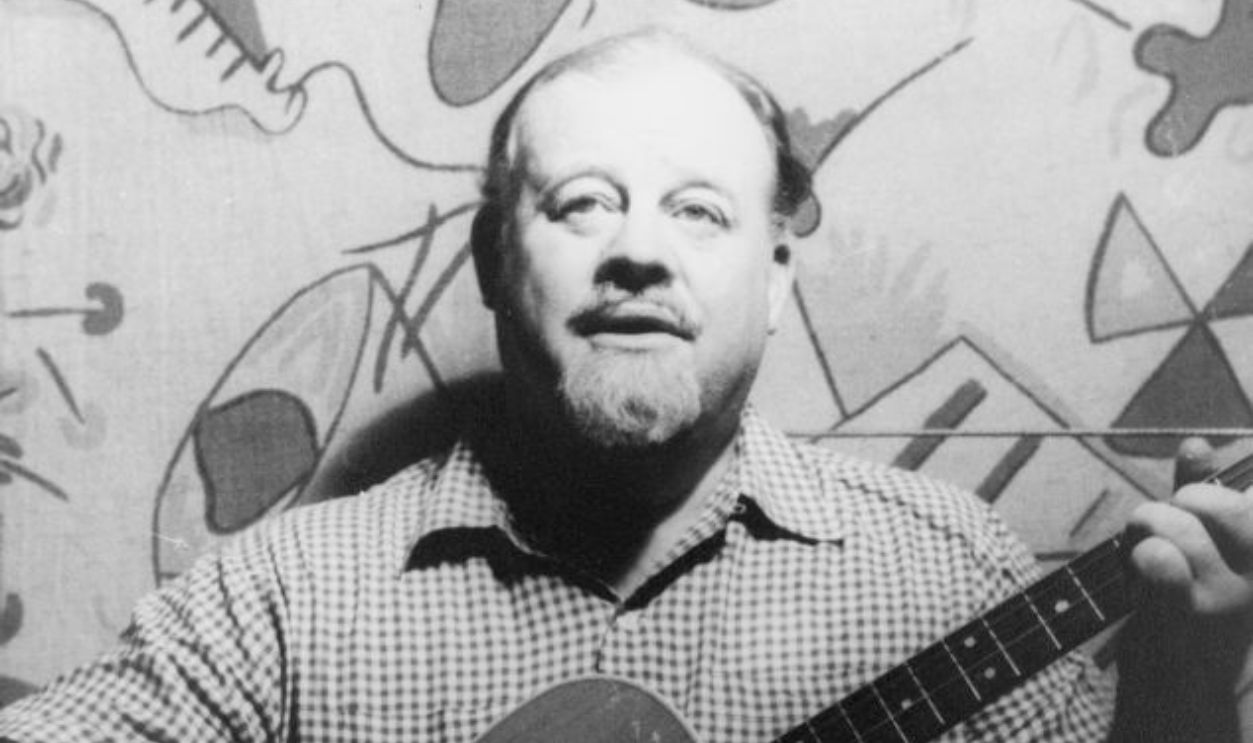
He Could Shred
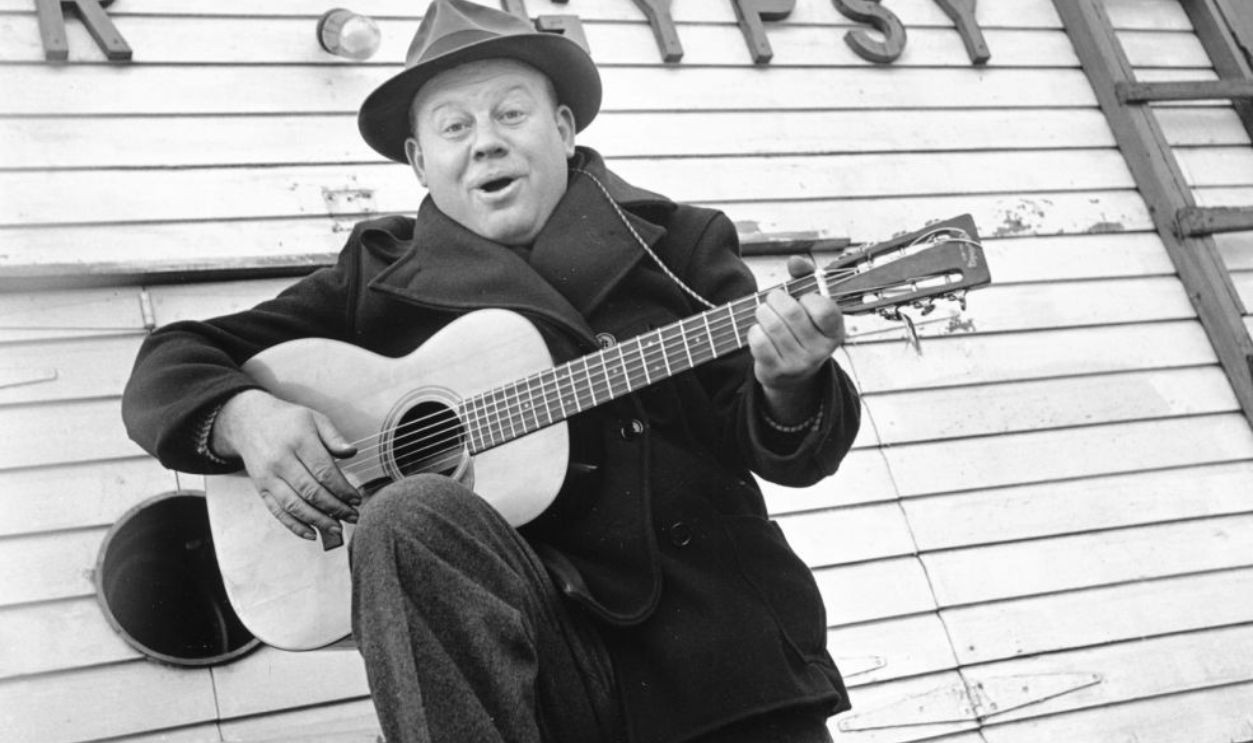
Although Burl Ives became famous primarily as a singer and actor, fellow musicians often admired his guitar playing as much as his voice. Drawing from traditional folk techniques, Ives developed a strong fingerpicking style and a powerful rhythmic approach that allowed him to accompany himself effectively on stage. His skill on the instrument helped establish his reputation within the folk music community long before Hollywood and mainstream audiences embraced him.
 Michael Ochs Archives, Getty Images
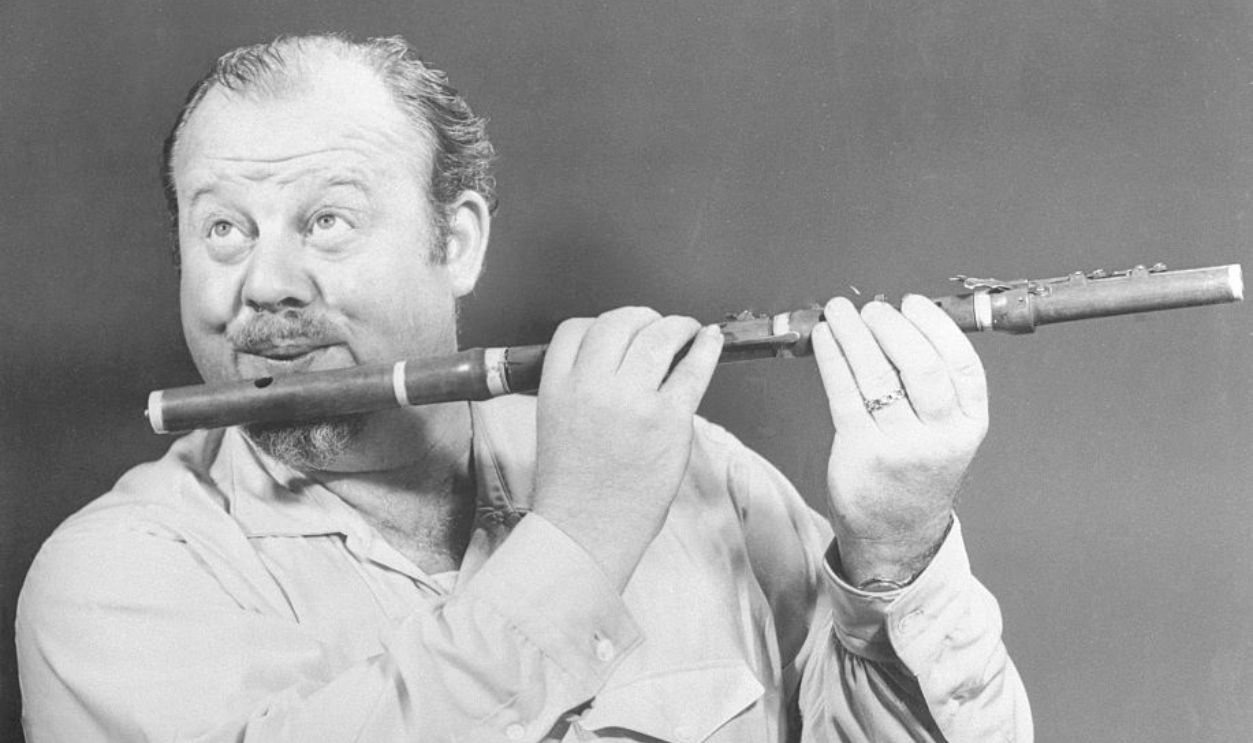
New York Arrival
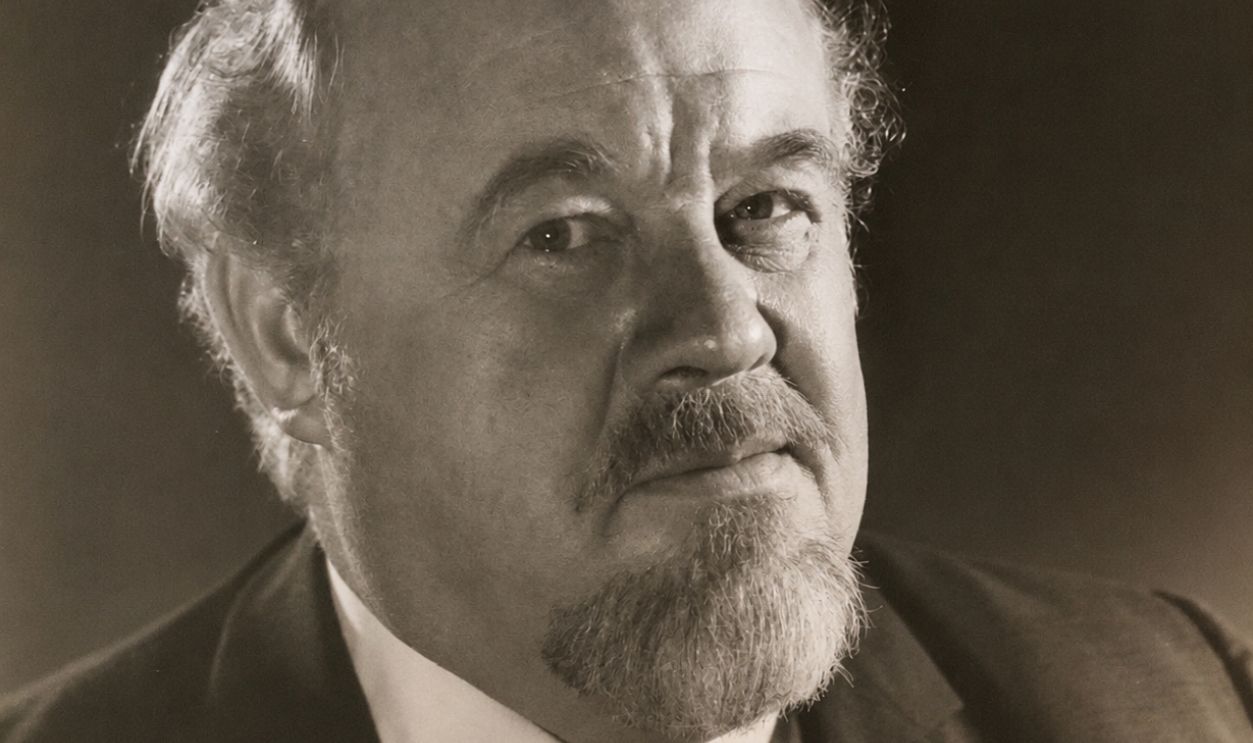
By the 1930s, Ives had settled in New York City. There he became involved in the growing folk music scene and found opportunities to perform on radio and stage. His distinctive voice quickly attracted attention among audiences and fellow musicians.
 N/A studio, Wikimedia Commons, Modified
Left Wing Associations
Like many people in parts of the folk music community during the 1930s, Ives became associated with organizations and causes linked to political progressivism and the political left. These connections would later become significant during the anti-communist investigations of the 1950s.
 Donaldson Collection, Getty Images
Rising Folk Star
Before World War II, Ives had already begun building a national reputation. His performances emphasized traditional American music rather than commercial pop. Many fellow folk musicians respected him for helping bring folk songs to wider audiences.
Wartime Service
During World War II, Ives served in the United States Army. His military service interrupted his folk music career, but he returned afterward with increased public visibility and renewed opportunities in music, radio, and other forms of popular entertainment.
 Michael Ochs Archives, Getty Images
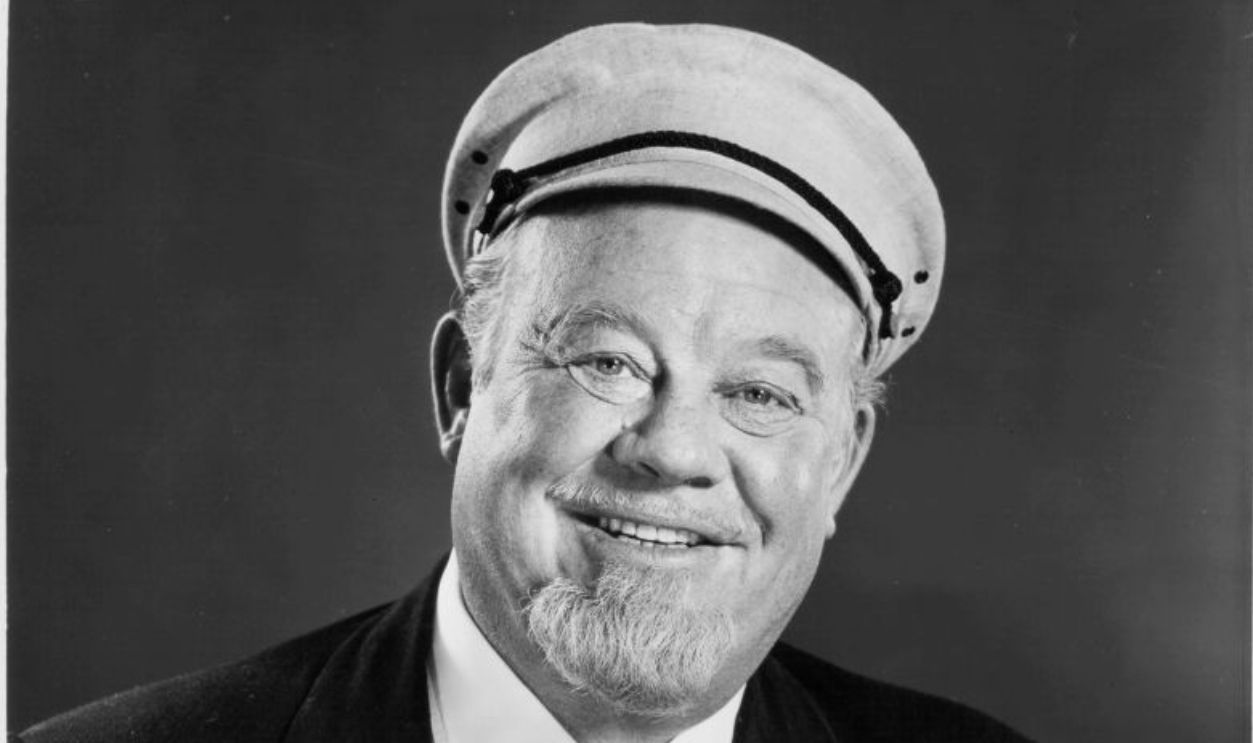
Postwar Breakthrough
After the war, Ives enjoyed growing success as a recording artist and performer. His recordings reached larger audiences, and his friendly personality made him a natural fit for radio, concerts, and television appearances during the postwar years. He married screenwriter Helen Peck Ehrlich in 1971, and they had a son in 1949.
National Recognition
By the late 1940s, Ives had become one of the country's most prominent folk performers. His recordings and public appearances helped introduce traditional songs to millions of Americans, making him one of the best-known figures in the folk revival movement.
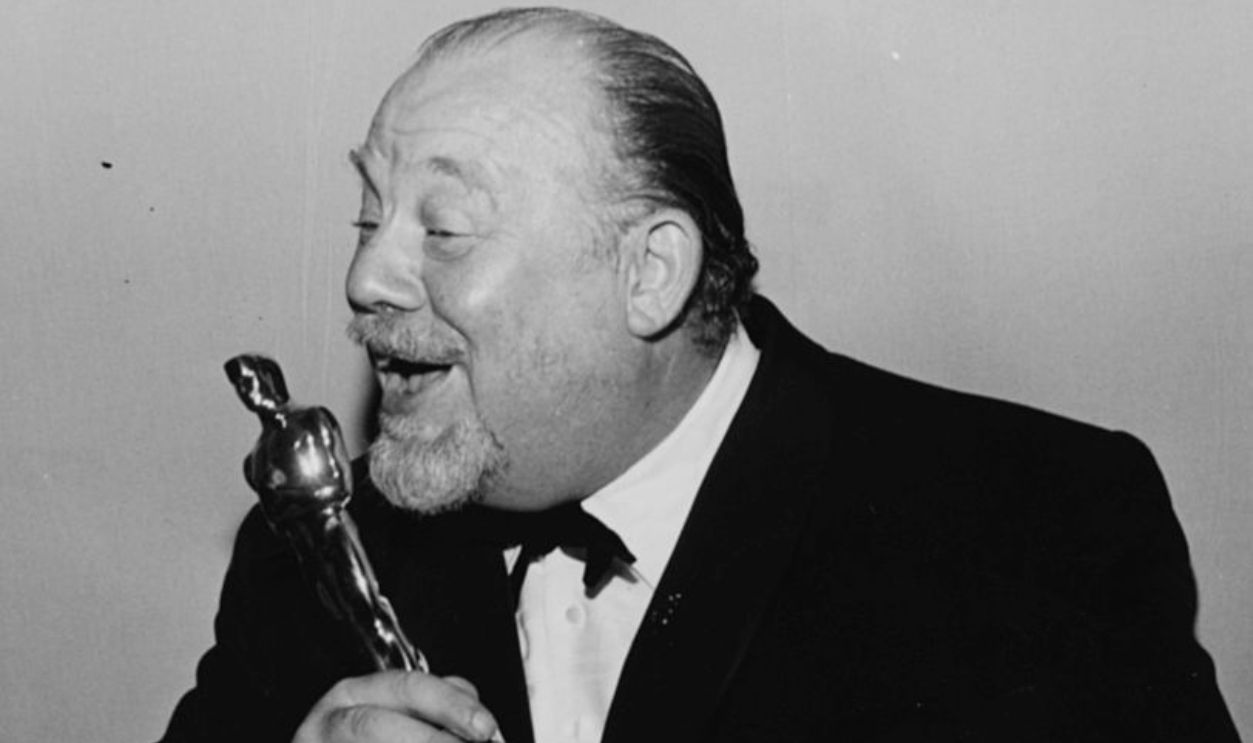
Television Success
Television expanded Ives's audience even further. His warm demeanor and storytelling abilities translated well to the new medium. He became a familiar face to American families and increasingly crossed over from music into broader entertainment.
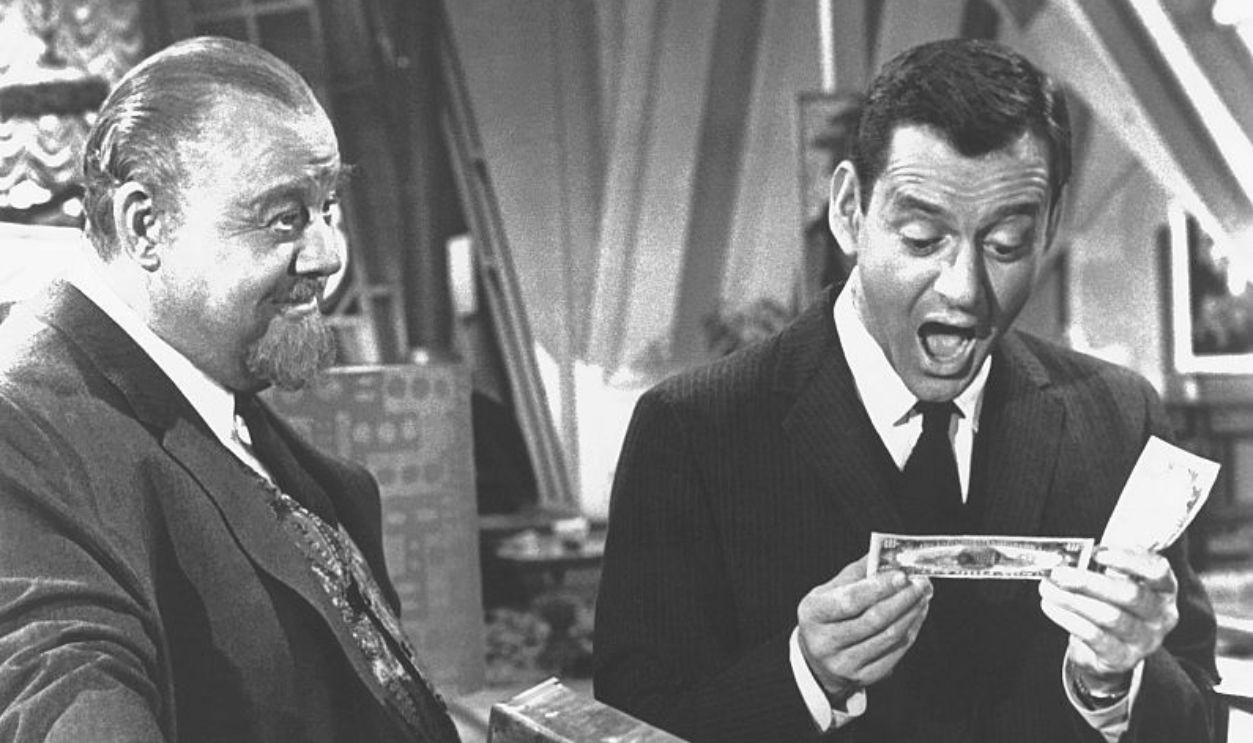
Hollywood Opportunities
As his popularity grew, Hollywood took notice. Ives started showing up in films while maintaining his music career. His ability to project warmth, authority, and authenticity helped him secure increasingly substantial acting roles.
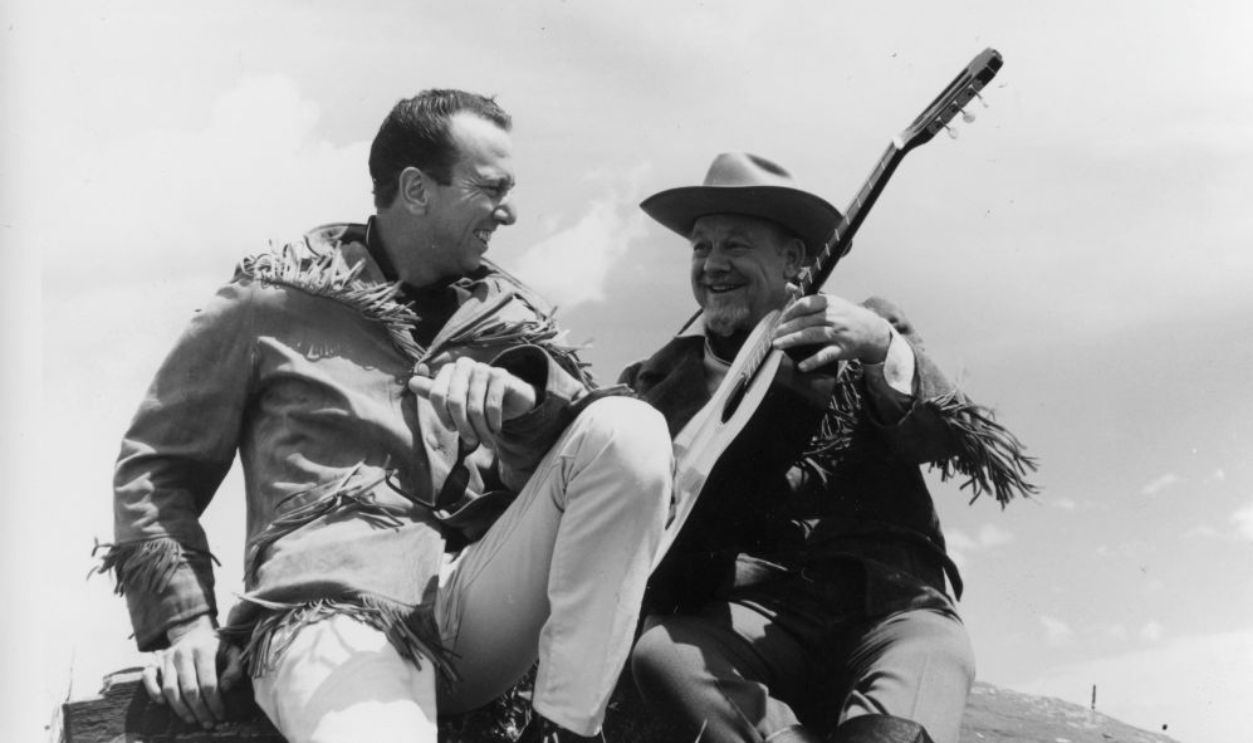
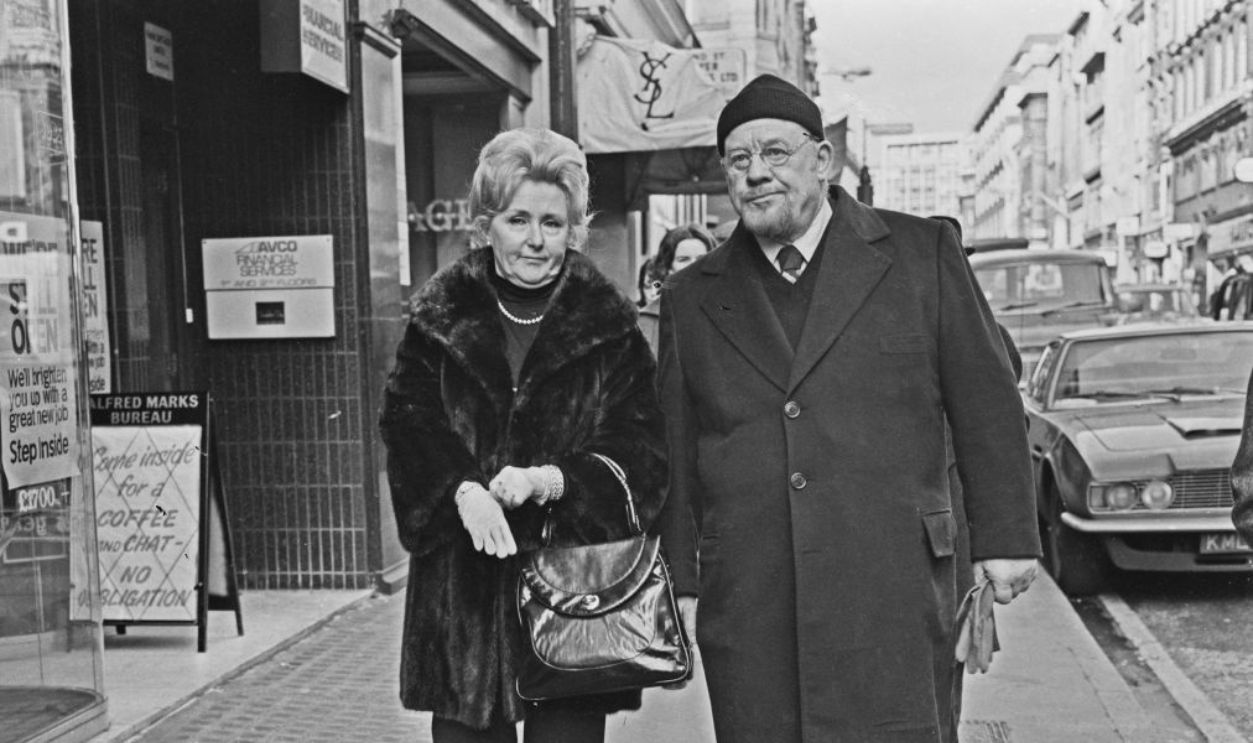
The Red Scare Arrives
The political climate changed dramatically during the early 1950s. Investigations into alleged communist influence swept through entertainment industries. Like many performers with earlier left-wing associations, Ives soon found himself facing intense scrutiny.
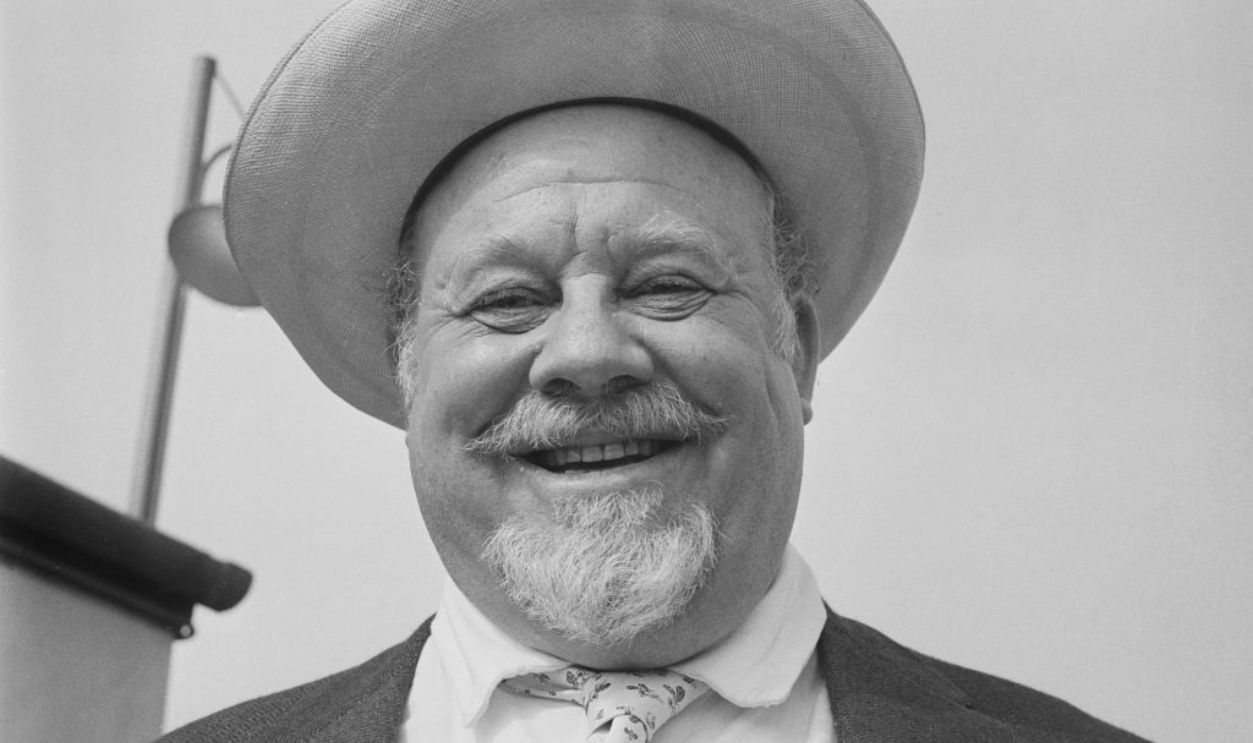 Evening Standard, Getty Images
Called Before HUAC
In 1952, Ives appeared before the House Un-American Activities Committee. The hearing placed him in a difficult position. Many entertainers faced blacklisting, career destruction, or public suspicion if they refused to cooperate with investigators.
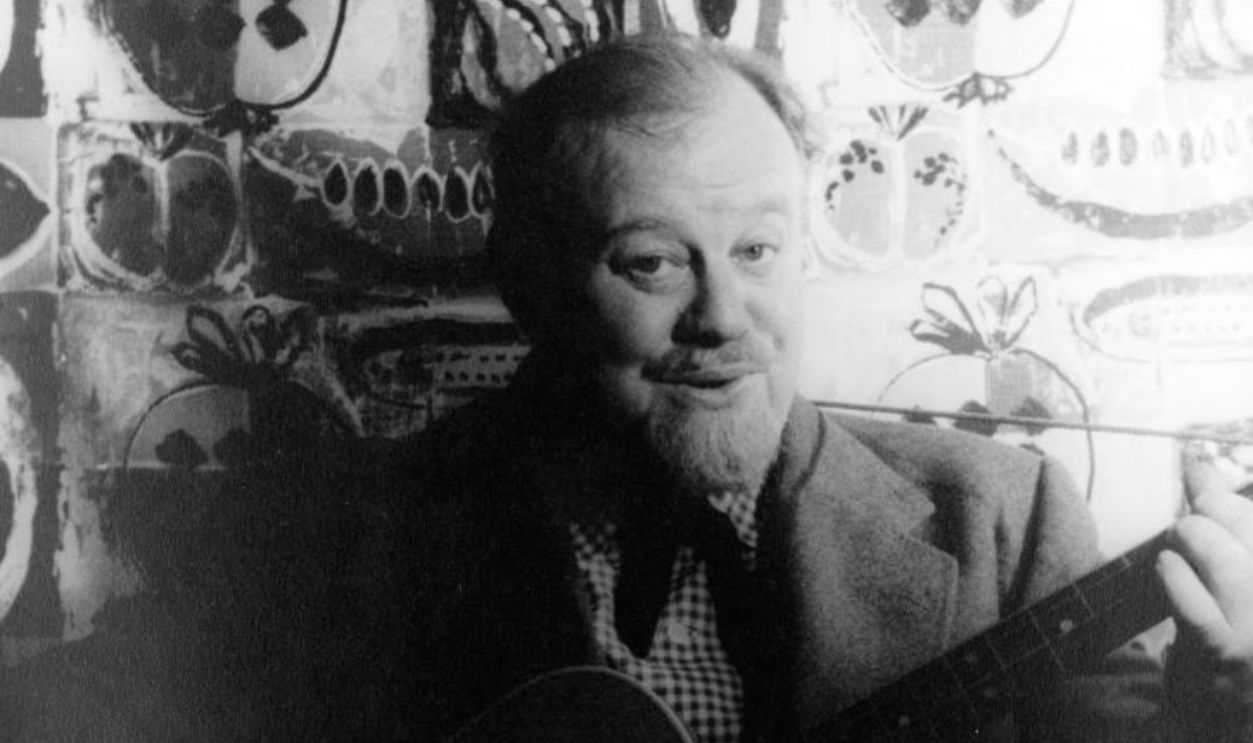 Donaldson Collection, Getty Images
Naming Names
During his testimony, Ives identified former associates connected to communist activities. His cooperation distinguished him from some fellow folk musicians who resisted investigators. The decision became one of the most controversial actions of his public life.
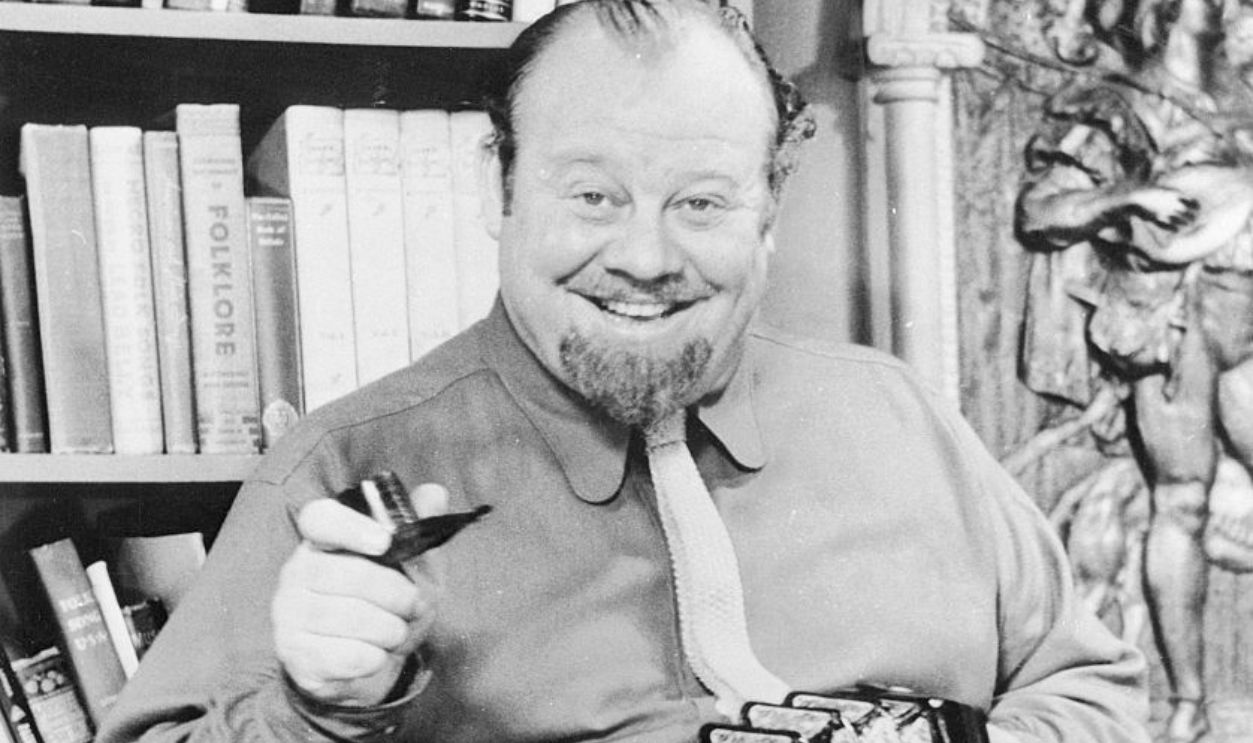
Damage To Friendships
Many members of the folk music community viewed Ives's testimony as a betrayal. Some former friends and colleagues never forgave him. The bitterness surrounding his cooperation with investigators lingered for years and permanently altered several relationships.

Career Survives
While other entertainers suffered blacklisting and career setbacks, Ives's career continued to flourish. He remained active in music, film, television, and live performance. His mainstream popularity largely survived the controversies surrounding the hearings.
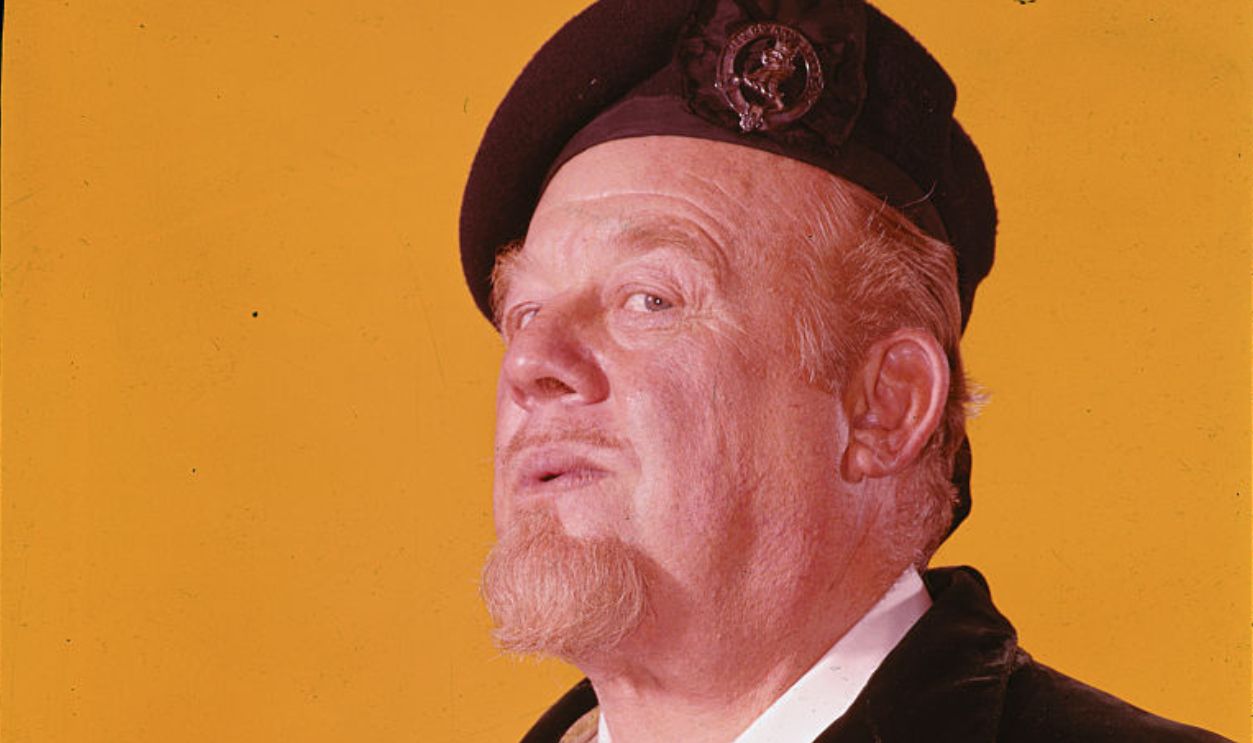
Academy Award Winner
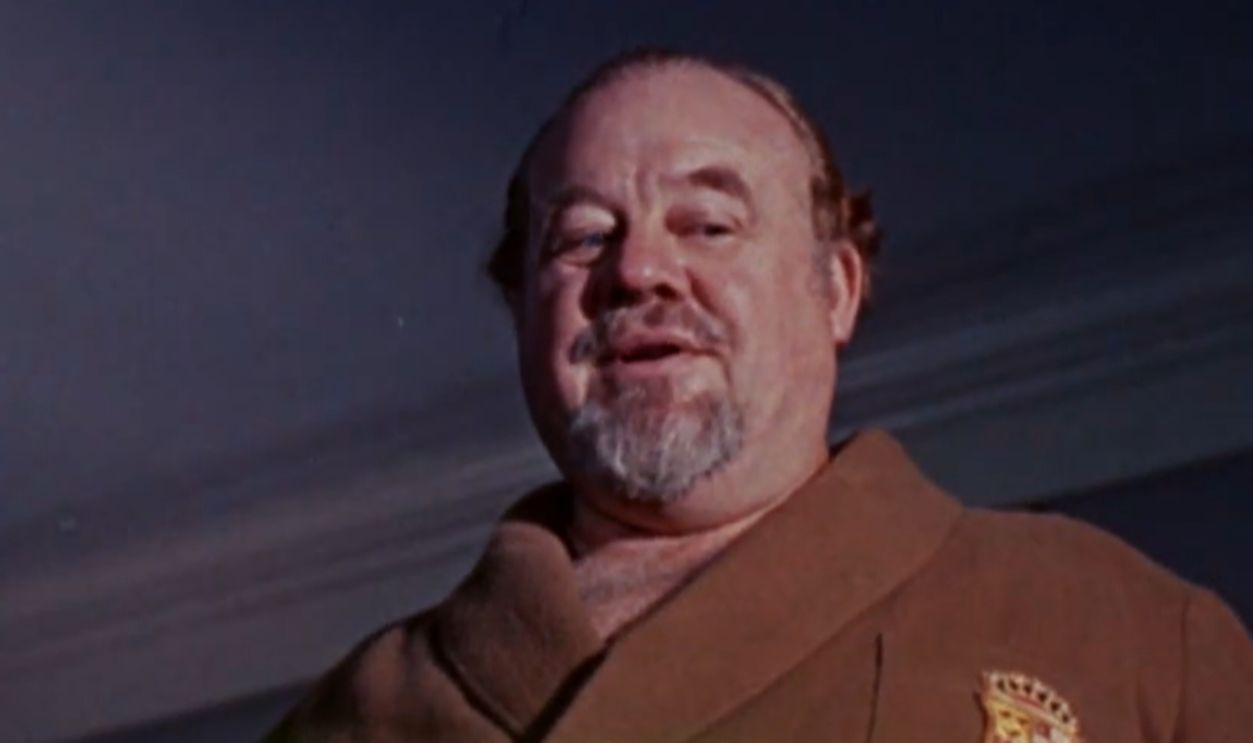
Ives received widespread acclaim for his performance in The Big Country (1958). His portrayal of Rufus Hannassey earned him the Academy Award for Best Supporting Actor, confirming that he had become a major Hollywood figure as well as a respected musician.
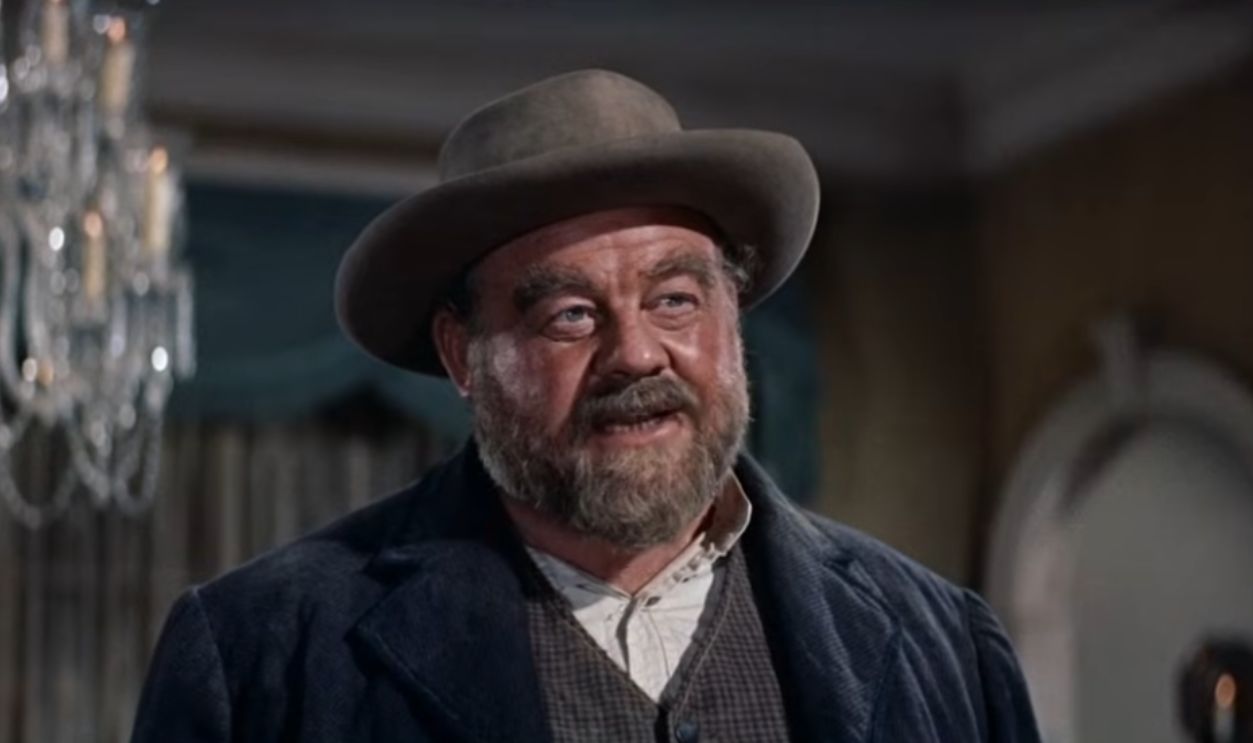 Screenshot from The Big Country, United Artists (1958)
Cat On A Hot Tin Roof
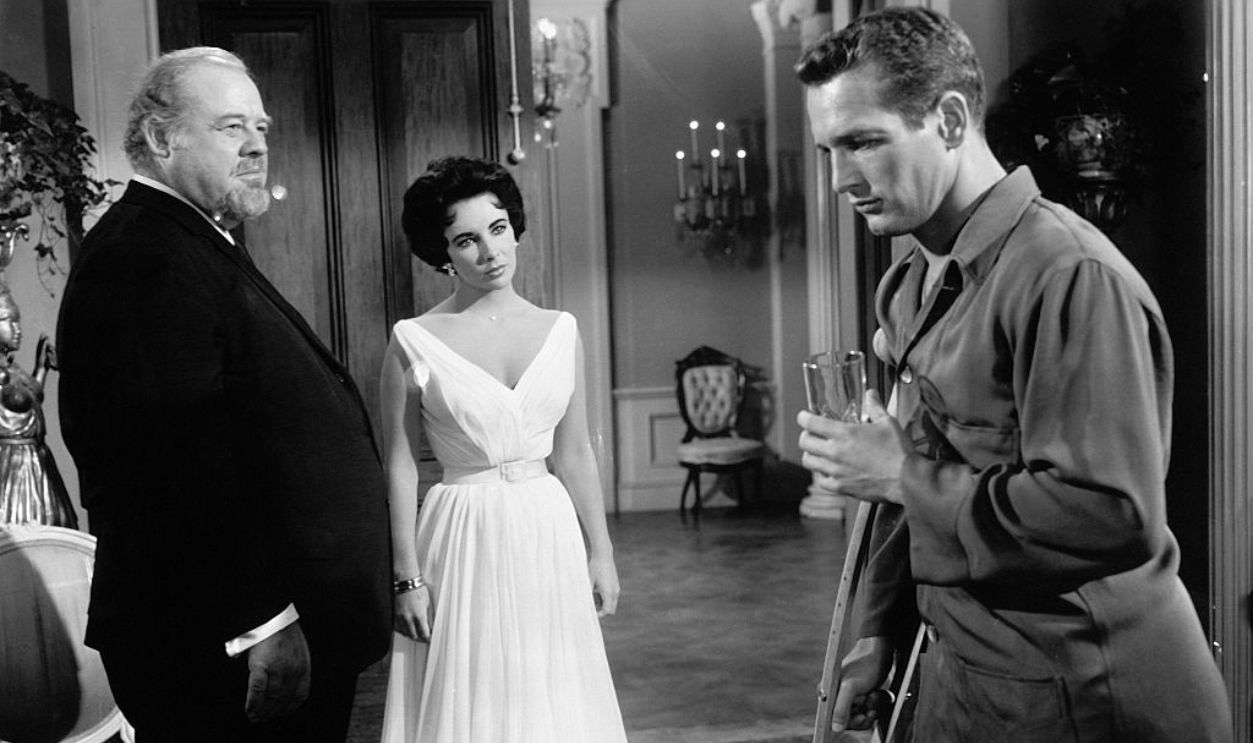
The same year, Ives appeared in Cat on a Hot Tin Roof (1958). Playing Big Daddy Pollitt, he delivered one of the most memorable performances of his acting career. The film that co-starred Elizabeth Taylor and Paul Newman is one of his most celebrated screen appearances. The scene in which Ives recounts his life as a tramp to a young Paul Newman is the film's spiritual high point.
 Screenshot from Cat on a Hot Tin Roof, Metro-Goldwyn-Mayer (1958)
Children's Recordings
Alongside his acting work, Ives continued recording music. He became especially popular for children's recordings and family-oriented material. His storytelling style and approachable voice helped make these recordings enduring favorites with multiple generations.
Holly Jolly Christmas
Ives recorded 'A Holly Jolly Christmas' in 1964. Over time, the song became one of the most beloved holiday recordings ever released. Decades after its debut, it remains a seasonal staple on radio stations throughout North America.
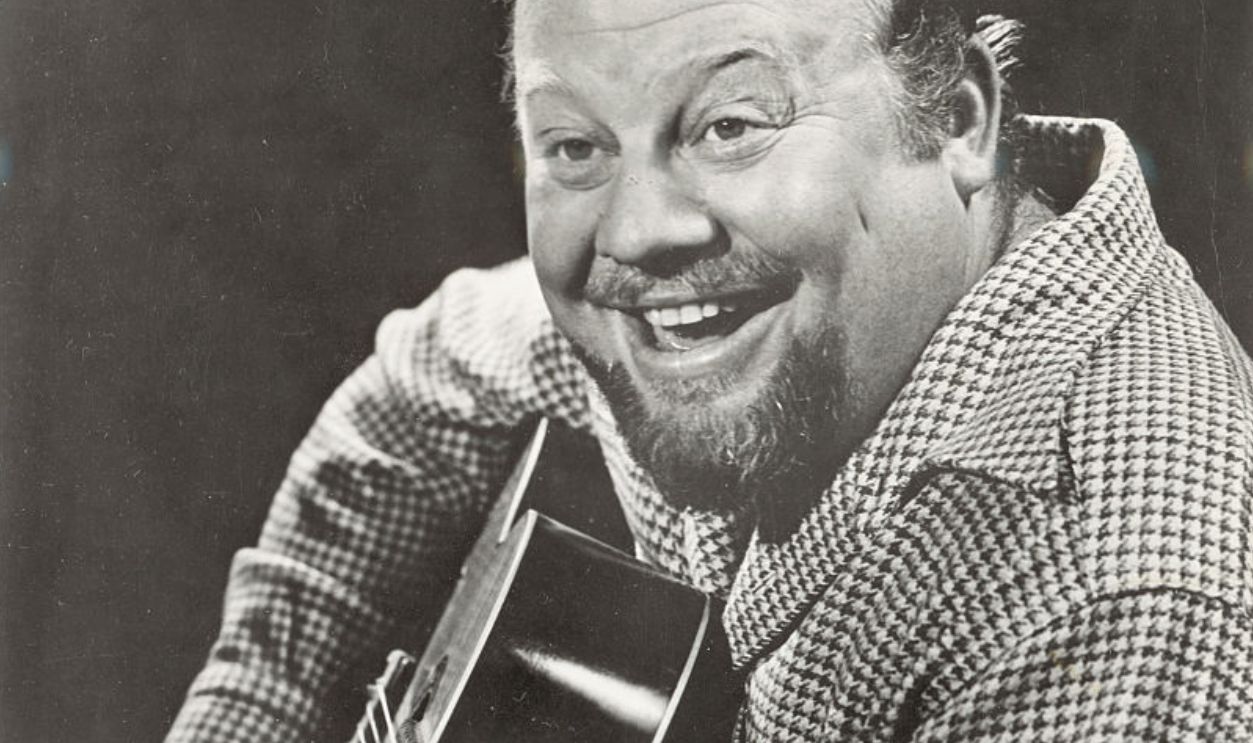 Pictorial Parade, Getty Images
Holiday Television Fame
Ives gained another generation of admirers through holiday television specials. His narration and musical contributions helped cement his image as a warm, grandfatherly figure whose voice became closely associated with Christmas traditions.
Later Years
As he aged, Ives gradually reduced his professional activities. Nevertheless, he remained a respected figure in both music and film. His recordings continued finding new audiences, and his holiday songs maintained a strong cultural presence.

Illness And Reconciliation
Years of heavy pipe smoking contributed to oral cancer and related health problems. Near the end of his life, Ives partially reconciled with fellow folk legend Pete Seeger. While old disagreements were not entirely erased, some wounds began to heal.
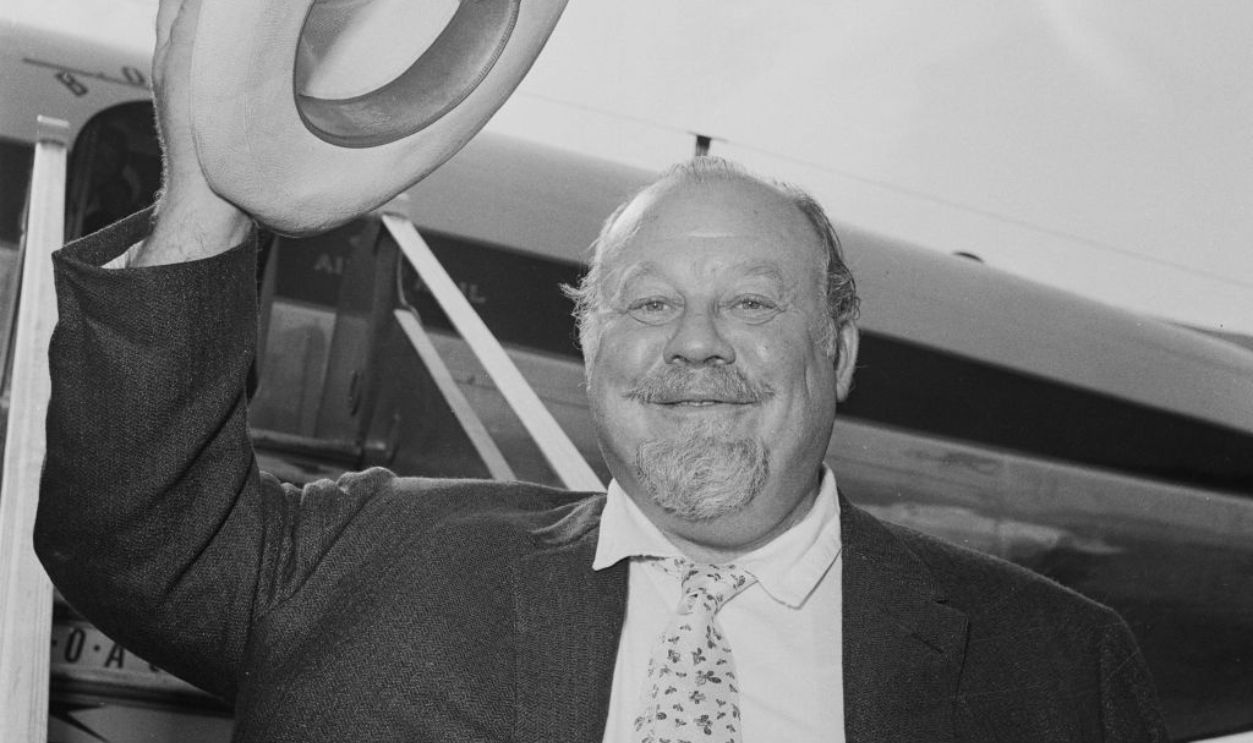 Evening Standard, Getty Images
Death And Legacy
Burl Ives died on April 14, 1995, near Anacortes, Washington, at age 85. His legacy remains complicated but significant. He helped popularize American folk music, achieved major acting success, and left behind songs and performances that continue to entertain audiences today.
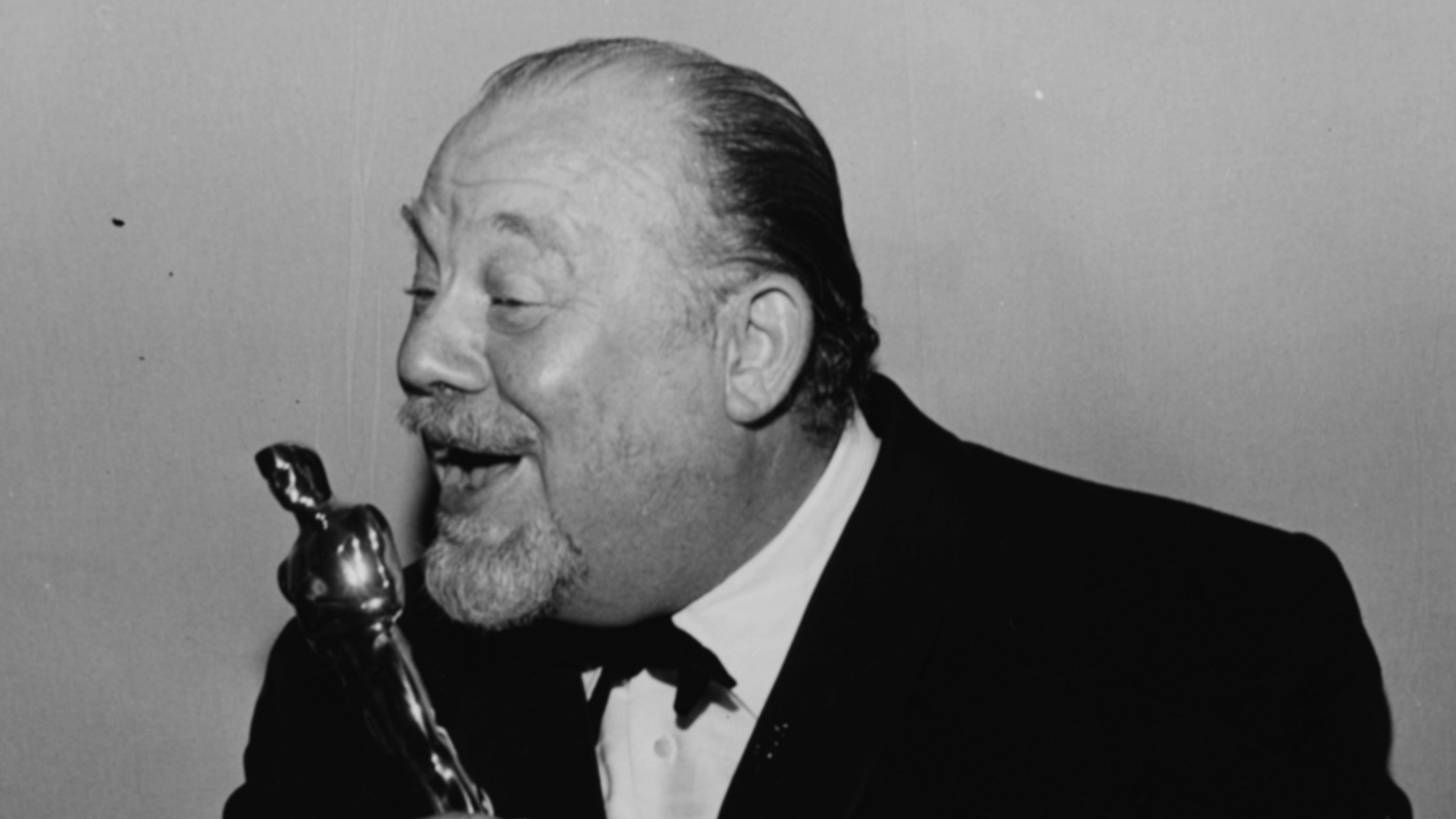 Donaldson Collection, Getty Images
You May Also Like:
Brilliant Folk Songs That Captured The Heart Of America
_(cropped).png)