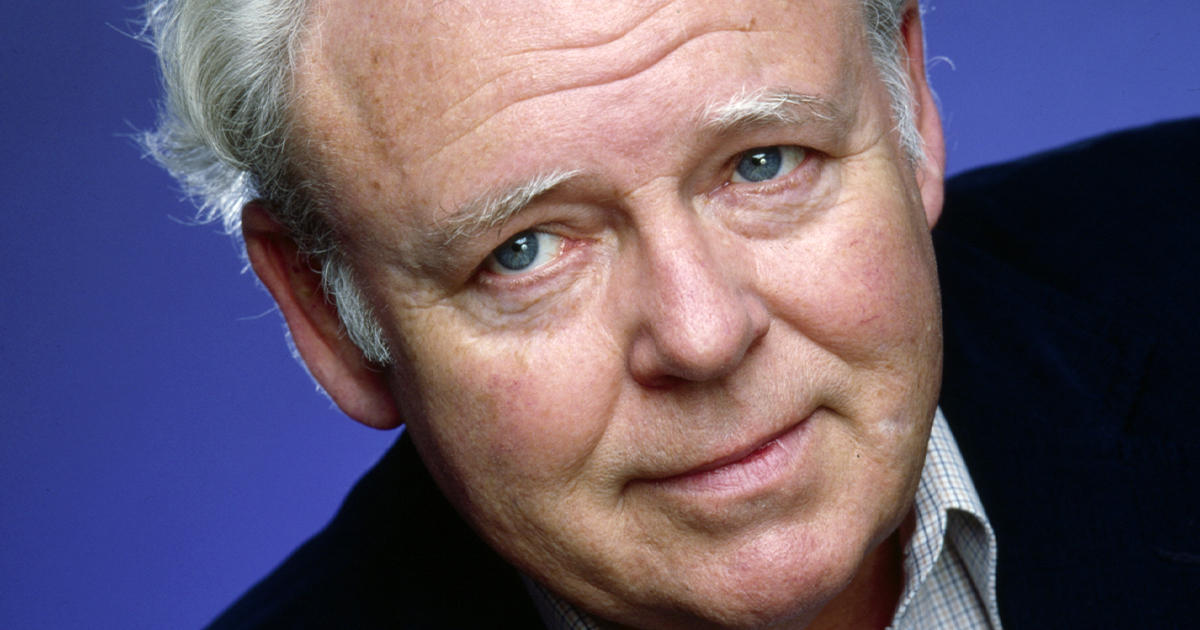
America Saw Archie Bunker — But Carroll O’Connor Was Fighting Different Battles
By the early 1970s, Carroll O’Connor had become one of the most recognizable faces on television. As Archie Bunker on All in the Family, he sparked debates, won awards, and dominated ratings. Viewers thought they knew him. But behind the camera, O’Connor endured years that tested him in ways far more painful than any sitcom storyline ever could.
A Late Start to Fame
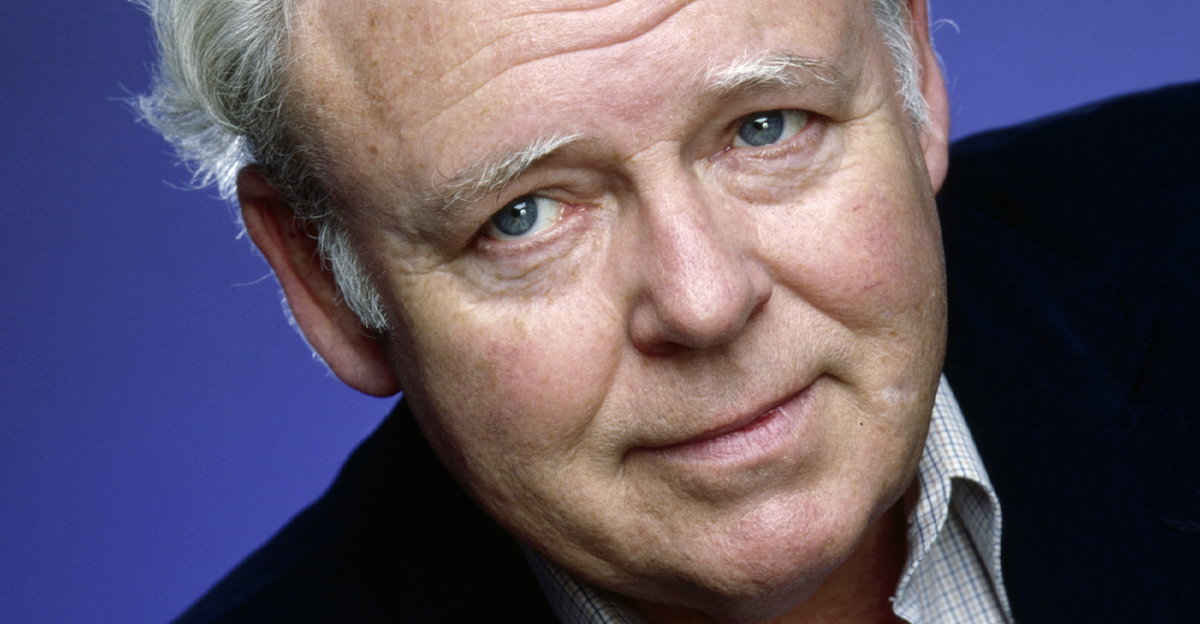
Carroll O’Connor was born August 2, 1924, in Manhattan, New York. Unlike many television stars, he did not stumble into fame young. He studied at the University of Montana and later attended University College Dublin in Ireland. He served in the U.S. Merchant Marine during World War II before fully committing to acting.

Years of Rejection
Before All in the Family, O’Connor struggled for decades. He worked steadily in theater and appeared in small television roles throughout the 1950s and 1960s. There were near-breakthroughs, but nothing lasting. By the time Norman Lear cast him as Archie Bunker in 1971, O’Connor was 46 years old and far from an overnight success.
 CBS Television, Wikimedia Commons
Becoming Archie Bunker
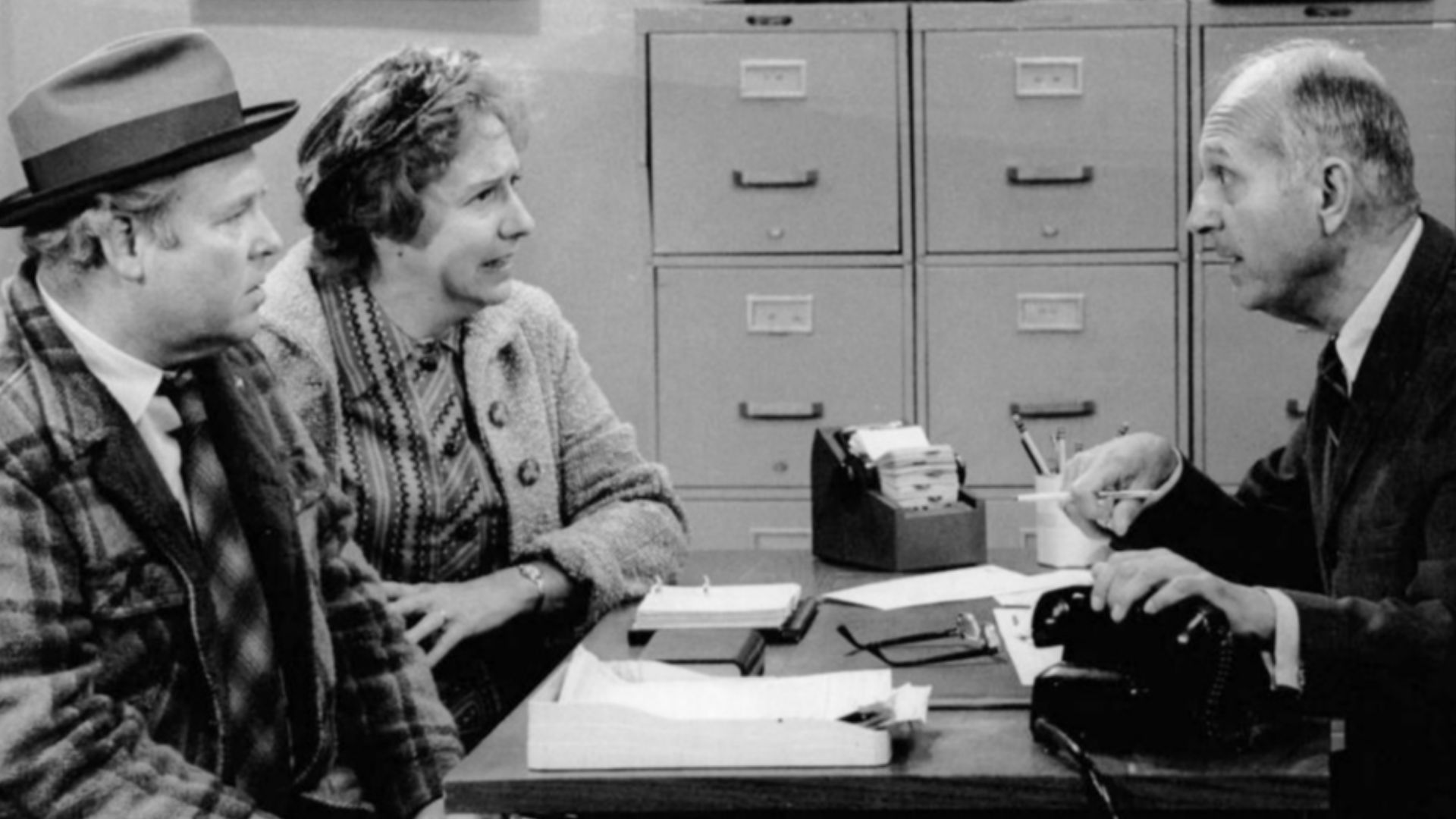
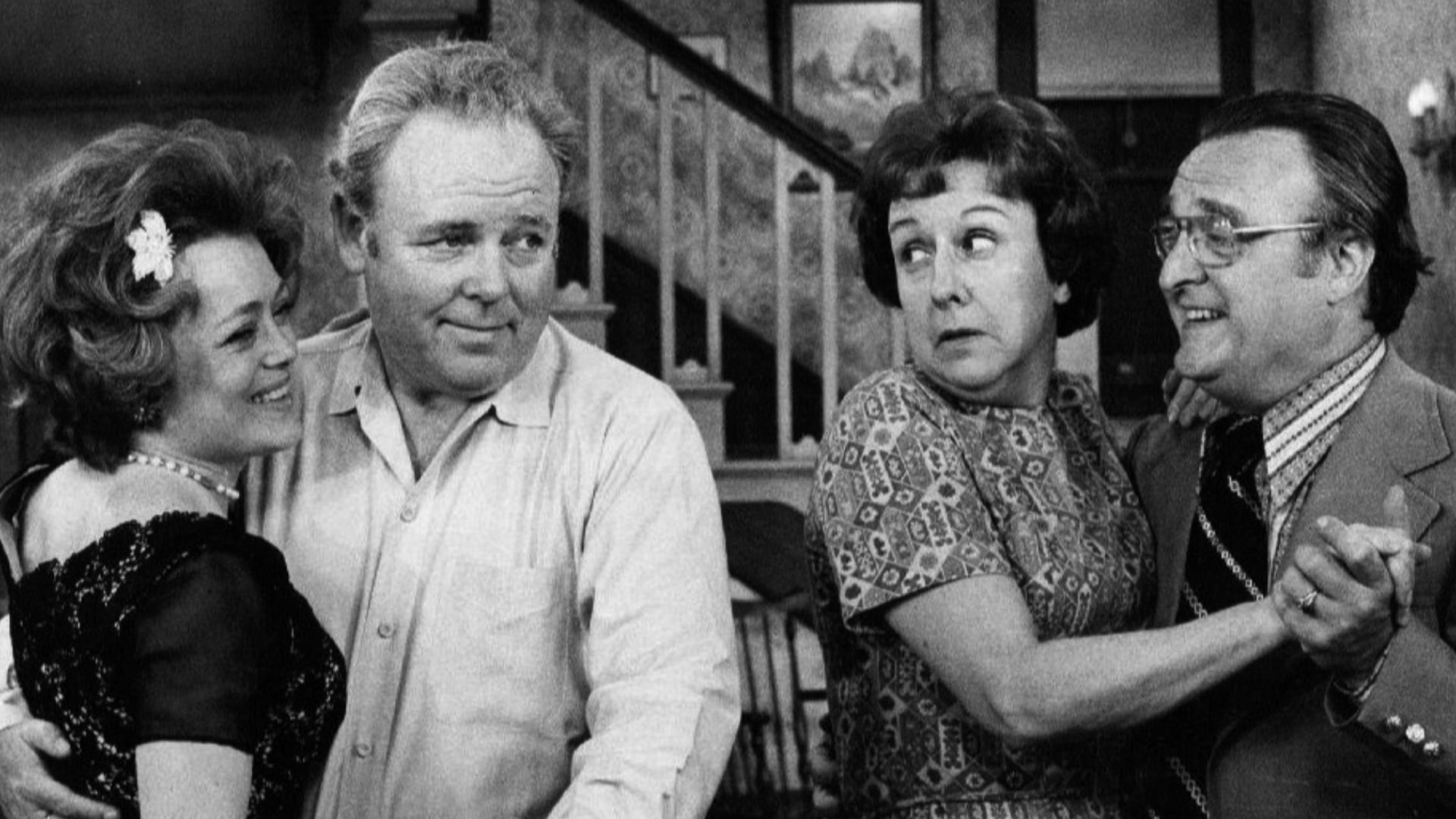
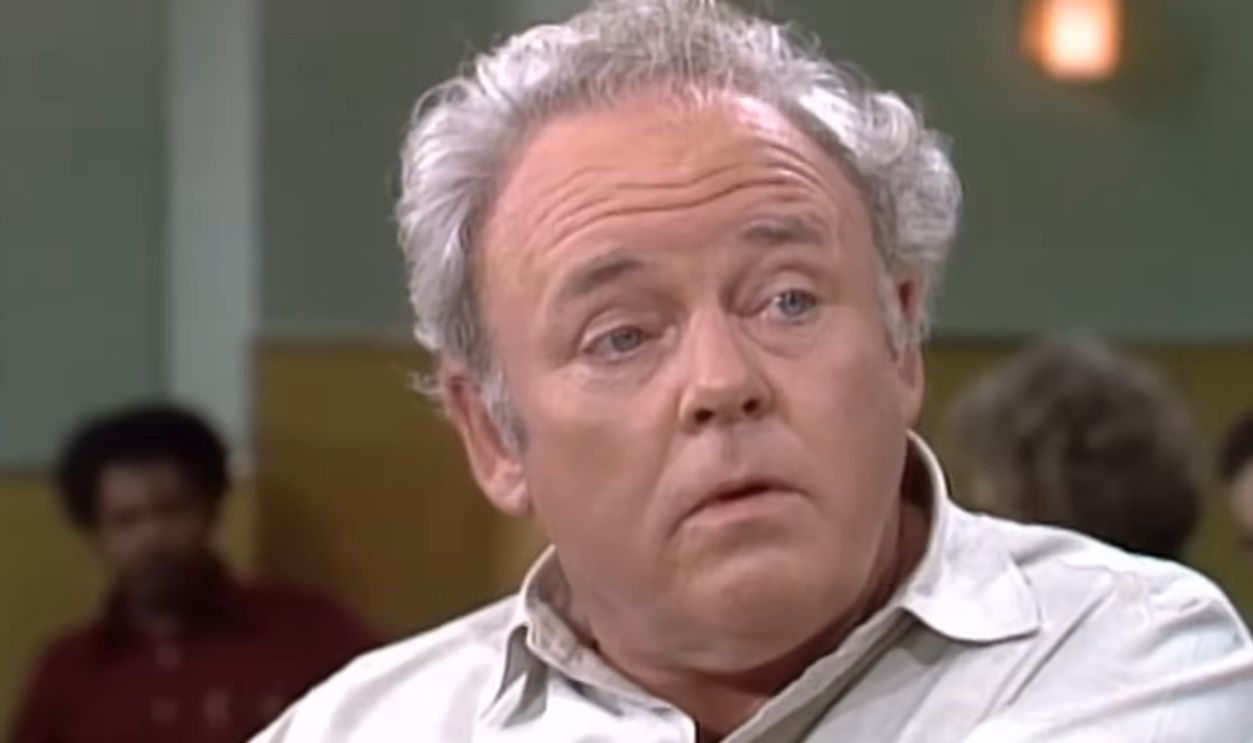
When All in the Family premiered on January 12, 1971, the show shocked America. Archie Bunker was loud, prejudiced, and stubborn. O’Connor played him with depth and nuance, turning what could have been a caricature into a complex human being. The role earned him four Emmy Awards and made him a television icon.
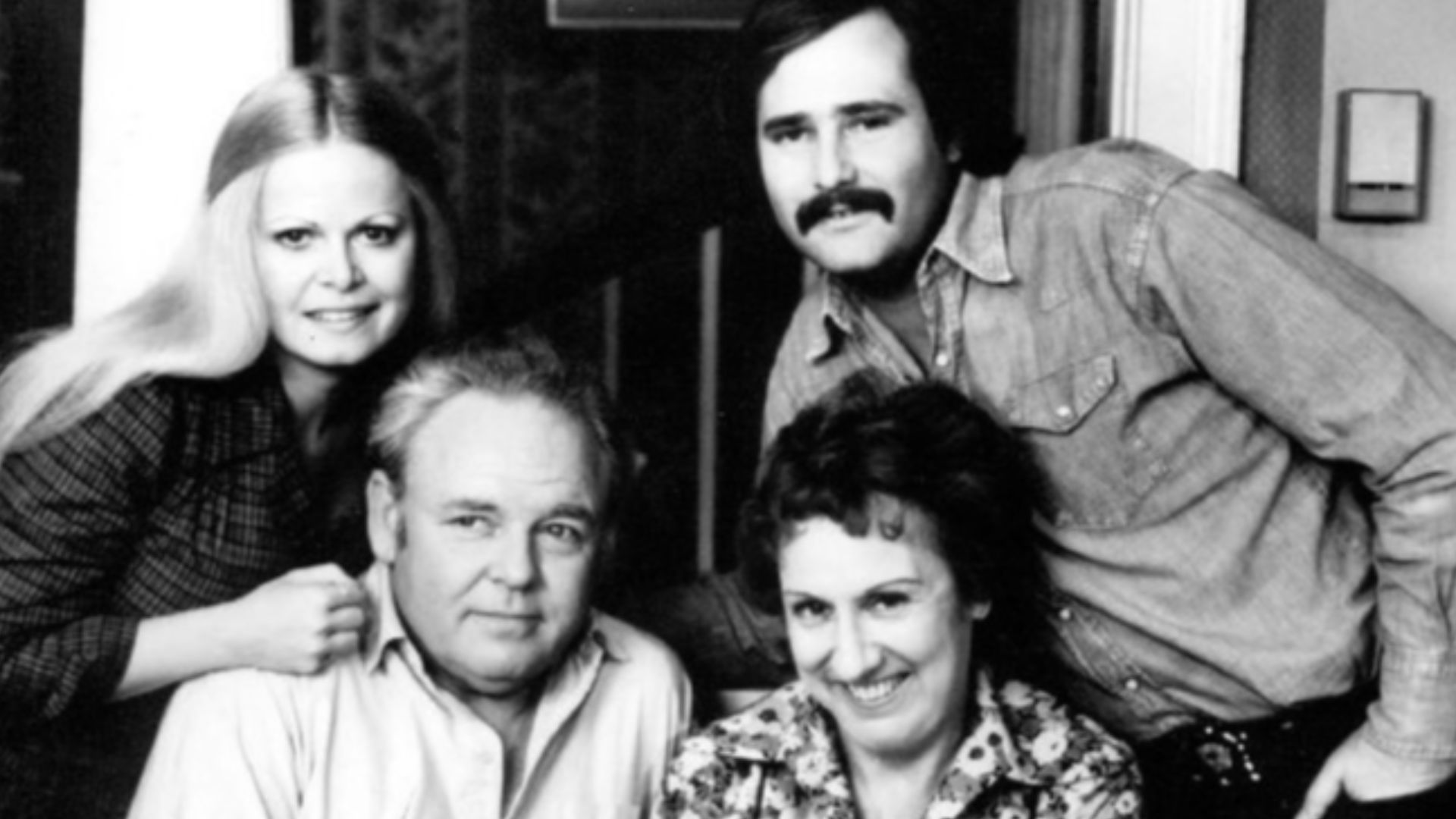 CBS Television, Wikimedia Commons
Fame Came with Pressure
With success came enormous pressure. The show sparked national controversy and heated debates about race, politics, and generational divides. O’Connor often defended the show publicly, explaining that satire was meant to expose ignorance, not endorse it. The scrutiny was constant.
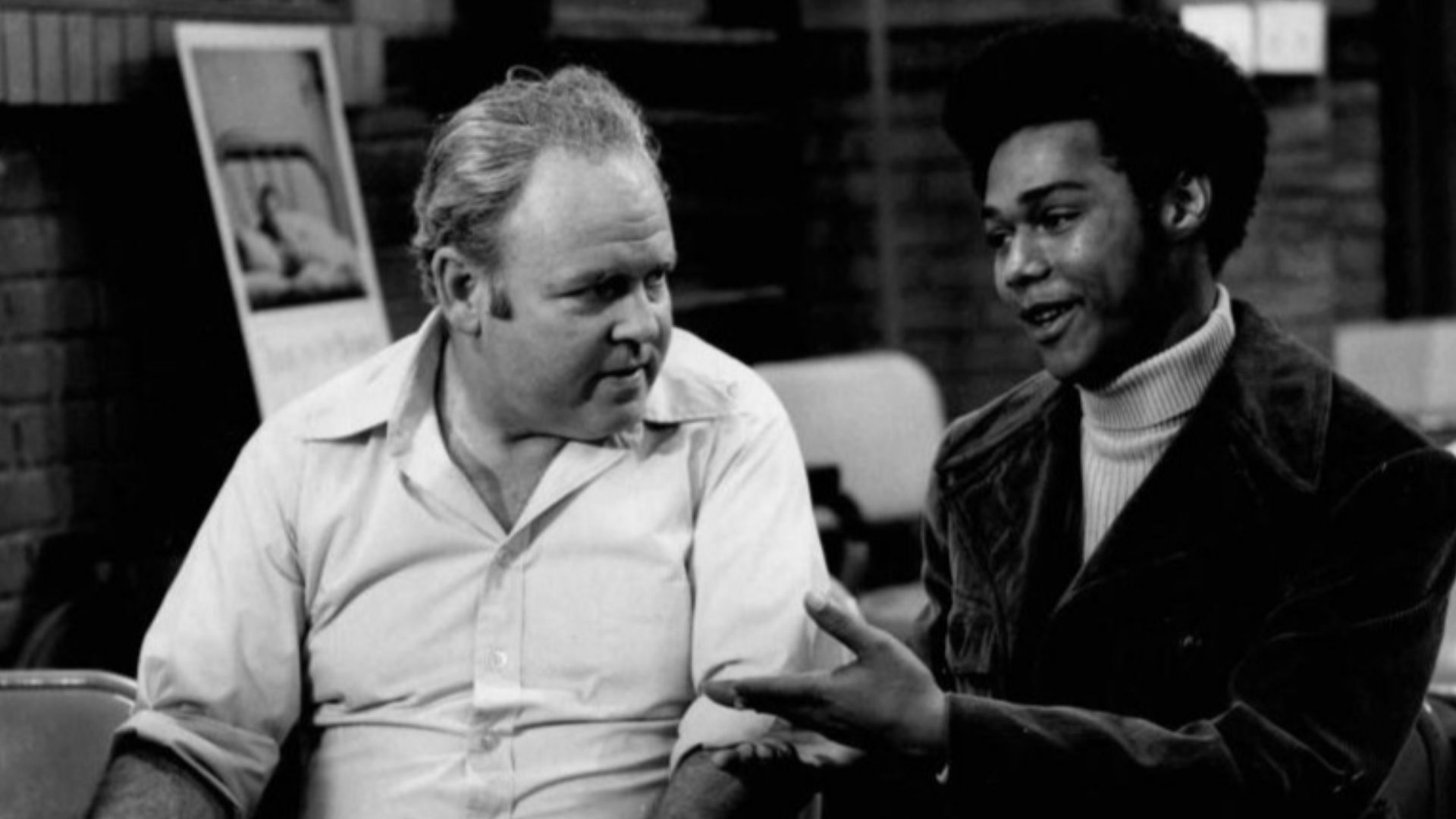 CBS Television, Wikimedia Commons
Creative Battles Behind the Scenes
O’Connor clashed at times with producer Norman Lear over scripts and contract negotiations. In 1974, he briefly walked away during a salary dispute. CBS even aired episodes without him before he returned. Though the disagreements were resolved, the tension was real.
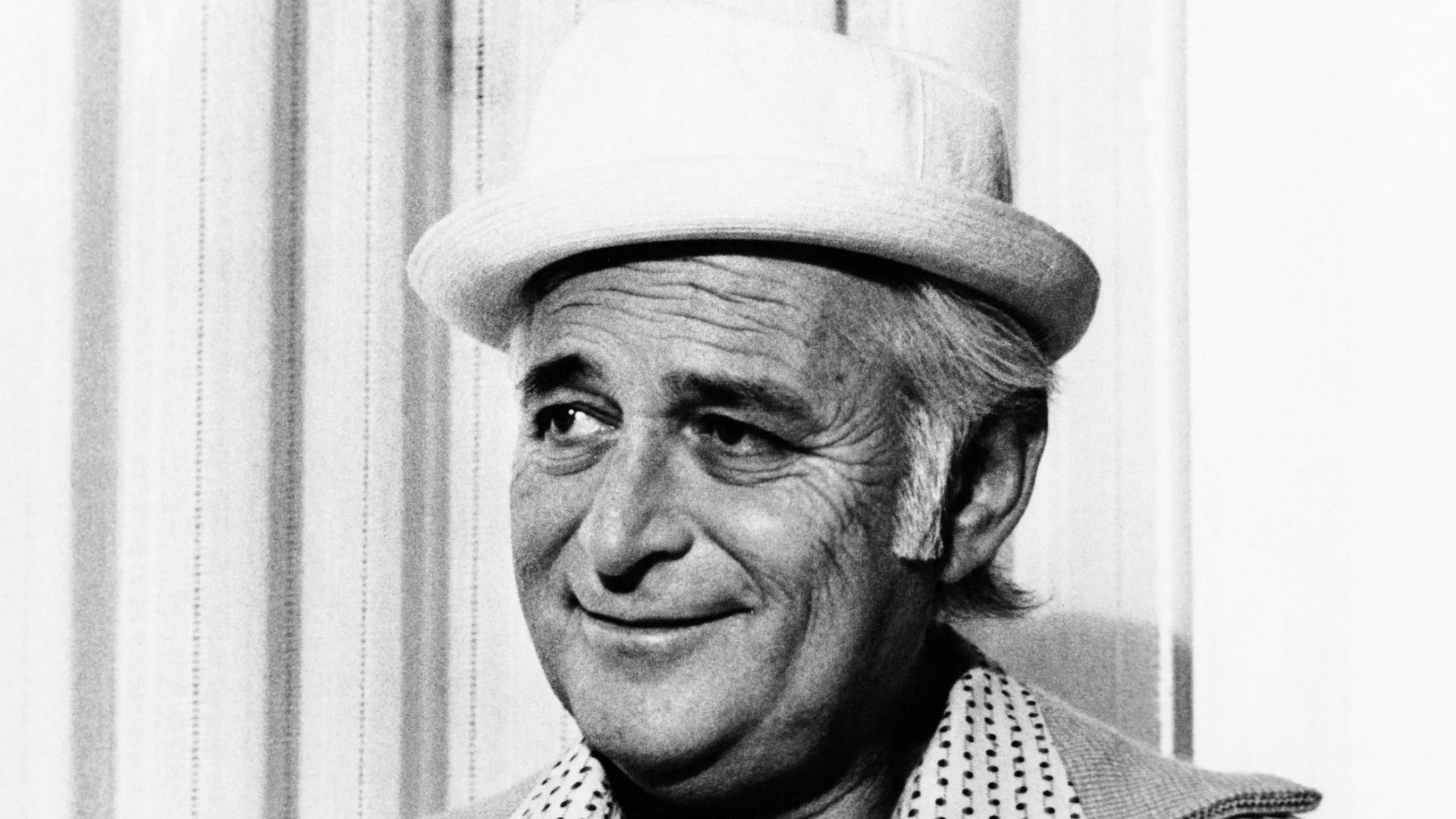 PBS Television, Wikimedia Commons
A Devoted Father
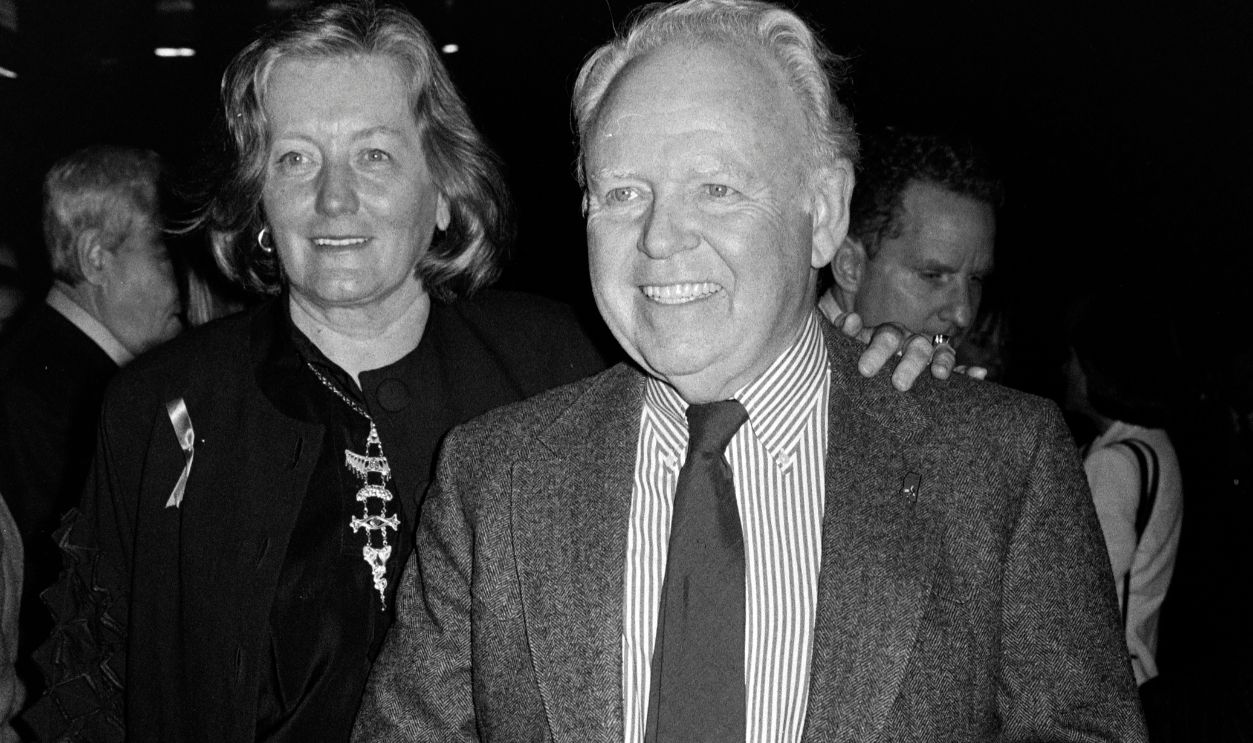
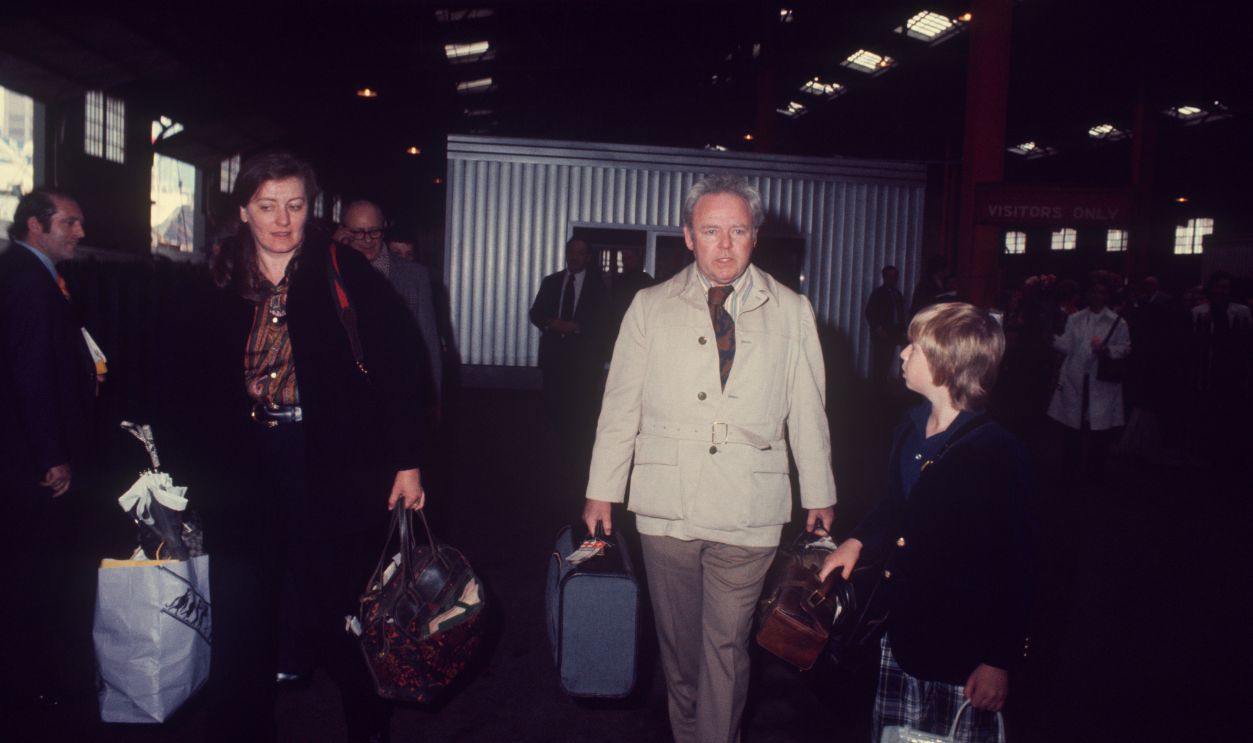
Away from television cameras, O’Connor’s identity centered around his family. He and his wife, Nancy Fields O’Connor, adopted a son, Hugh O’Connor, in 1962. Carroll was intensely protective and deeply proud of him. Friends described him as devoted and fiercely loving.
The Private Struggle
As O’Connor’s fame grew, Hugh began struggling with substance misuse. The issue was not widely publicized at first. Carroll quietly supported his son through multiple attempts at rehabilitation. He used his resources to seek treatment and shield Hugh from public humiliation.
The Fear Every Parent Knows
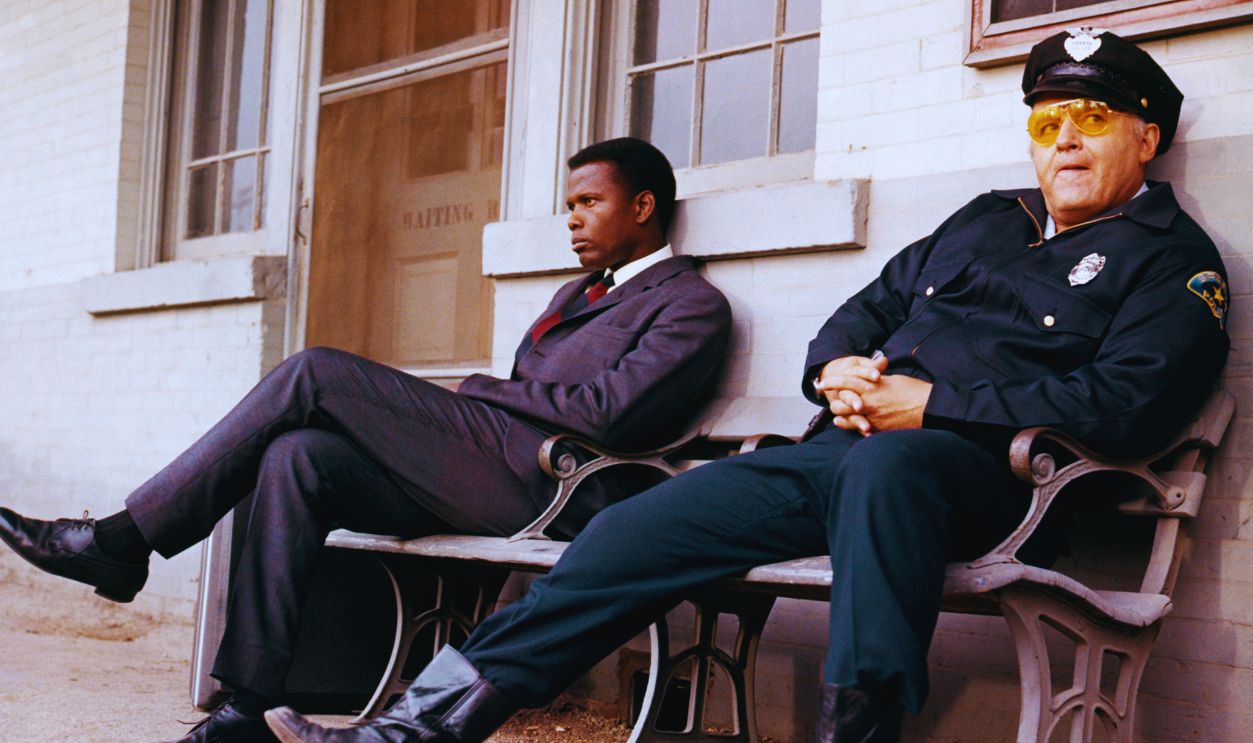
Addiction is relentless, and the O’Connor family felt its weight. Hugh had even appeared alongside his father in In the Heat of the Night, which premiered in 1988. On screen, they played colleagues. Off screen, Carroll was battling to save his son’s life.
 Sunset Boulevard, Getty Images
A Tragic Day in 1995
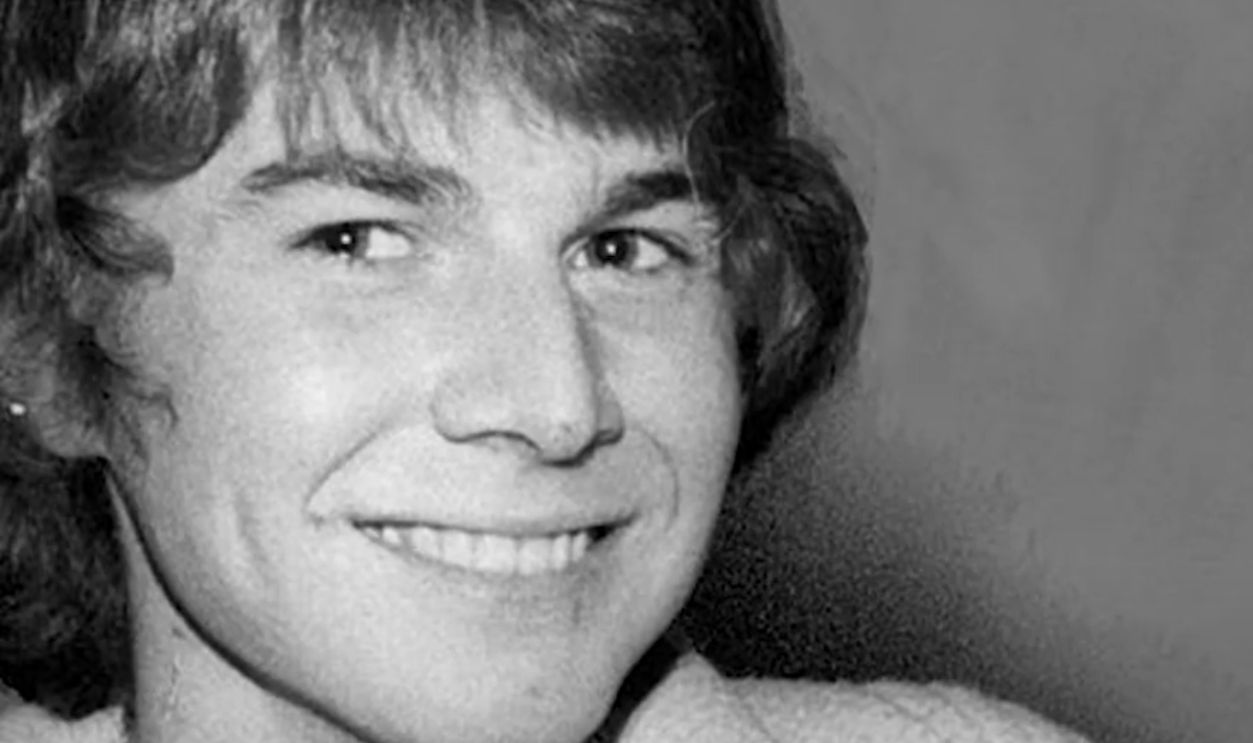
On March 28, 1995, Hugh O’Connor took his own life at age 32 at his home in Pacific Palisades, California. He left a note naming a man he claimed supplied him with substances. The loss devastated Carroll and Nancy.
 New York Daily News Archive, Getty Images
Grief in Public View
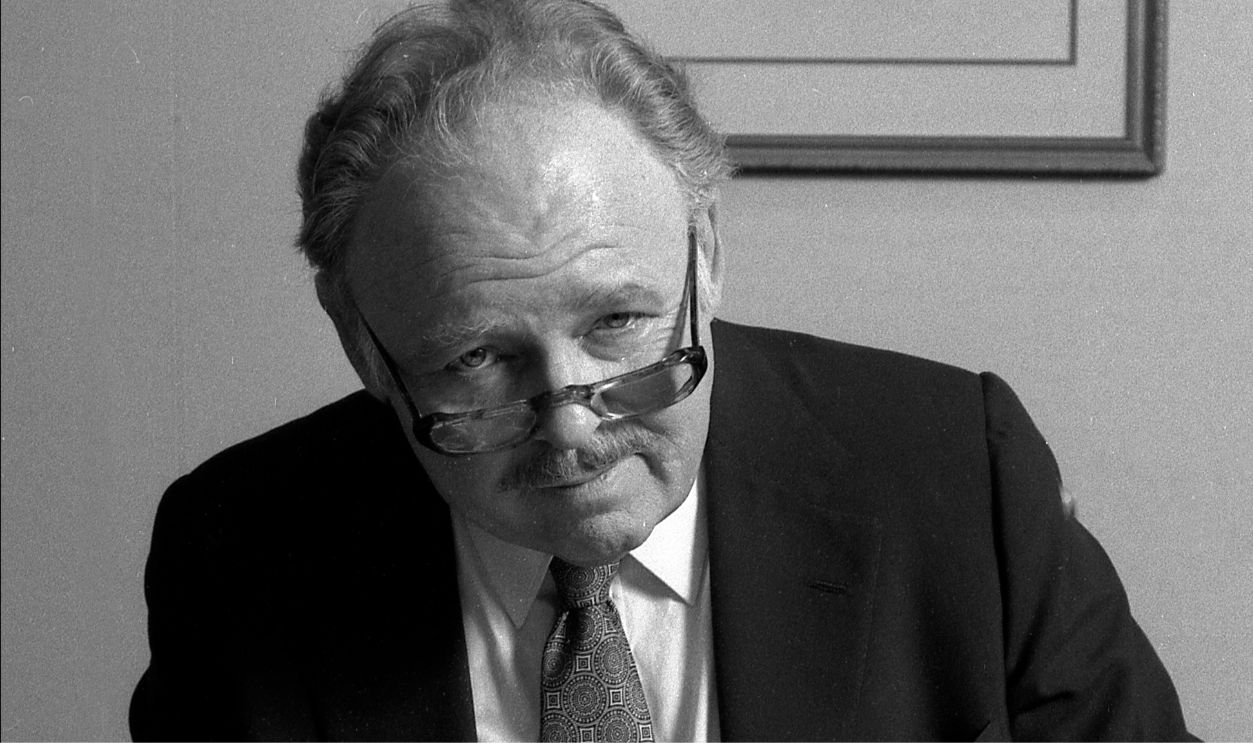
Carroll O’Connor did not retreat from cameras. Instead, he spoke openly about addiction. In interviews, he called substance dealers “merchants of death.” His grief was raw and visible. He pursued legal action against the man Hugh had named, leading to a conviction on substance charges.
Turning Pain Into Advocacy
Rather than withdrawing, O’Connor became a vocal advocate for stronger substance enforcement laws. He pushed for legislative reform and participated in public discussions about addiction. His grief fueled purpose.
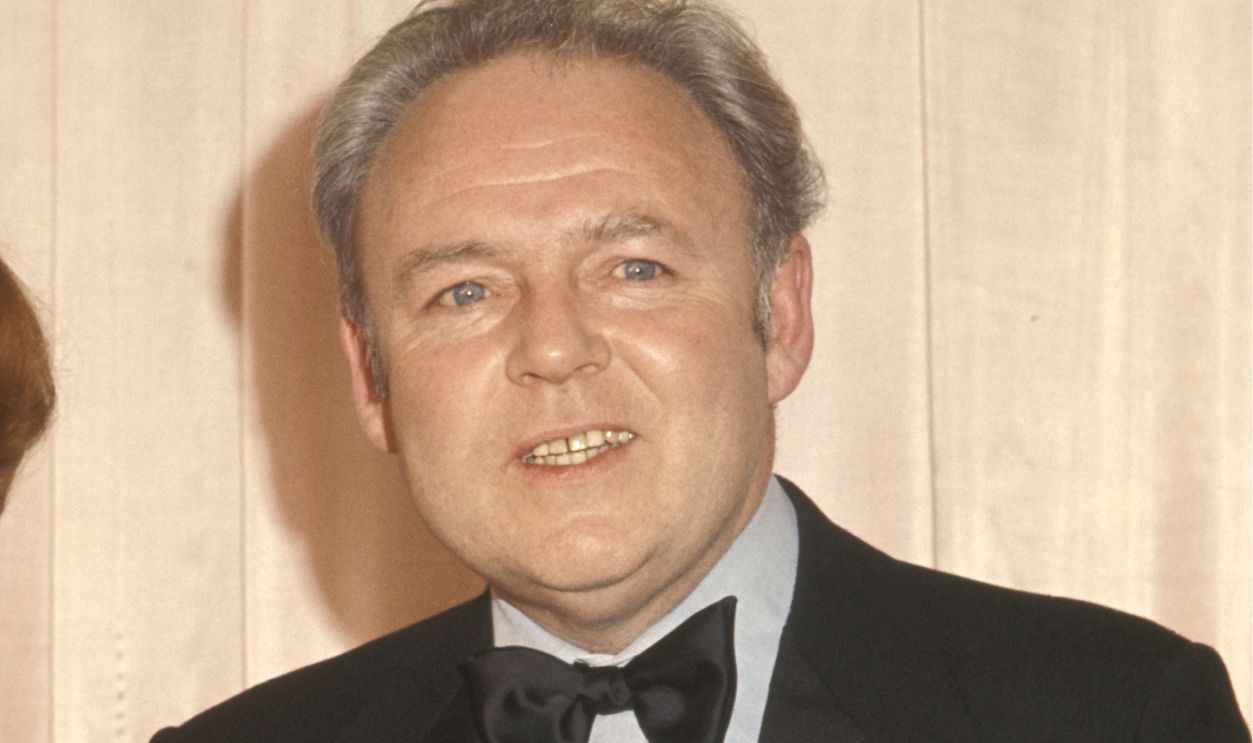
A Different Kind of Strength
Audiences who had known him only as Archie Bunker began to see another side. This was not satire. This was a father in mourning. The man who had delivered punchlines now delivered painful truths about loss and accountability.
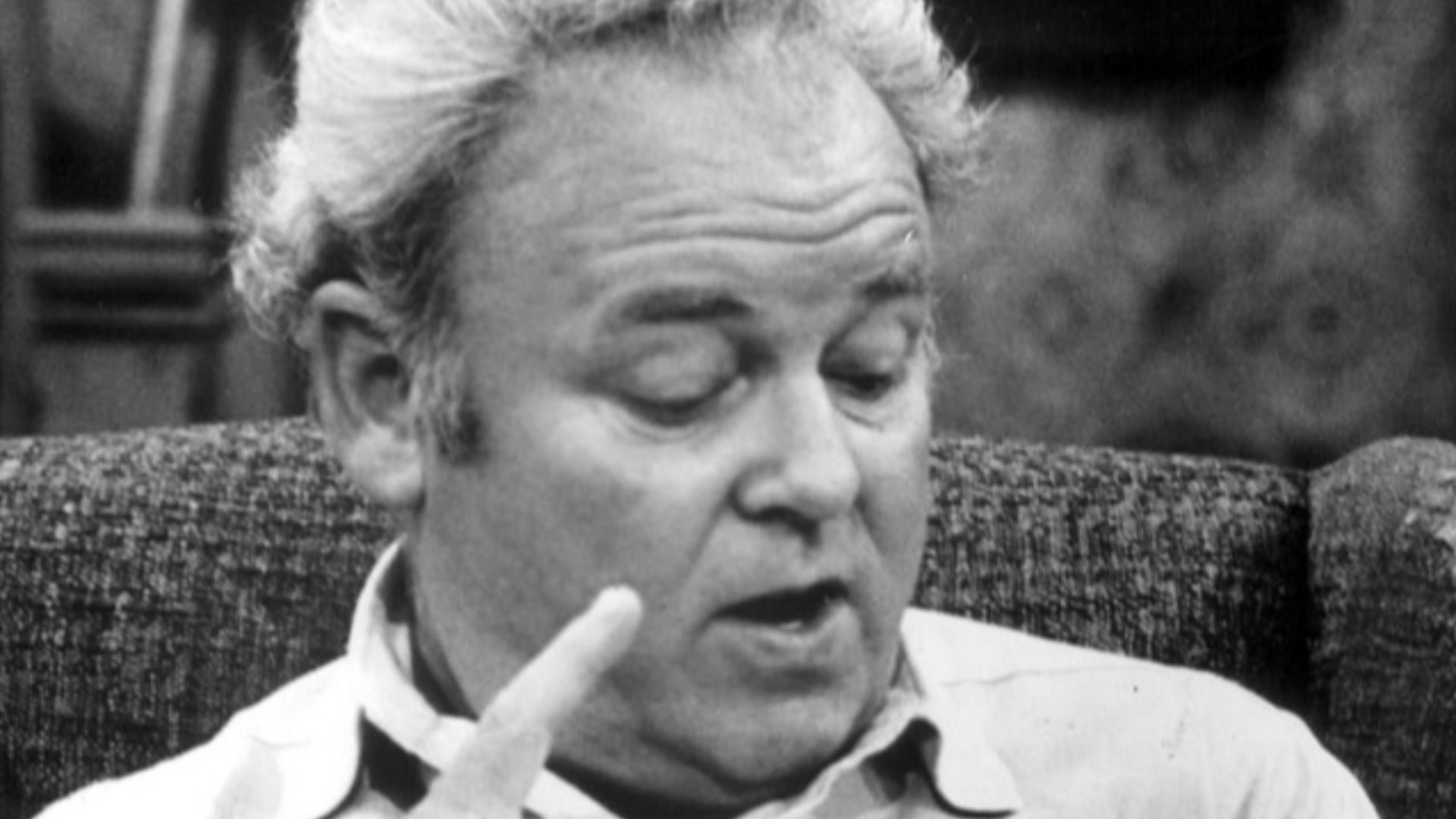 CBS Television, Wikimedia Commons
Continuing to Work
Even amid heartbreak, O’Connor continued starring in In the Heat of the Night and later television projects. Work became structure. Colleagues said he remained professional, though quieter.
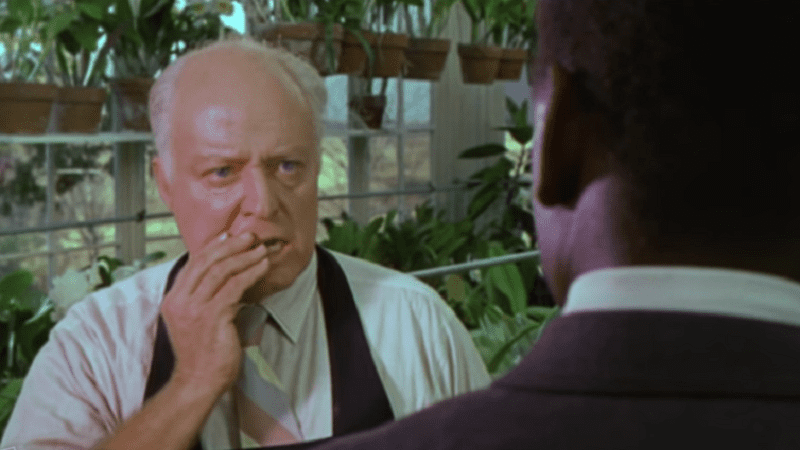 Screenshot from In the Heat of the Night, United Artists (1967)
Health Challenges
In the late 1990s, O’Connor began facing health problems of his own, including heart issues. Years of stress had taken their toll. Still, he continued appearing in interviews and public events.
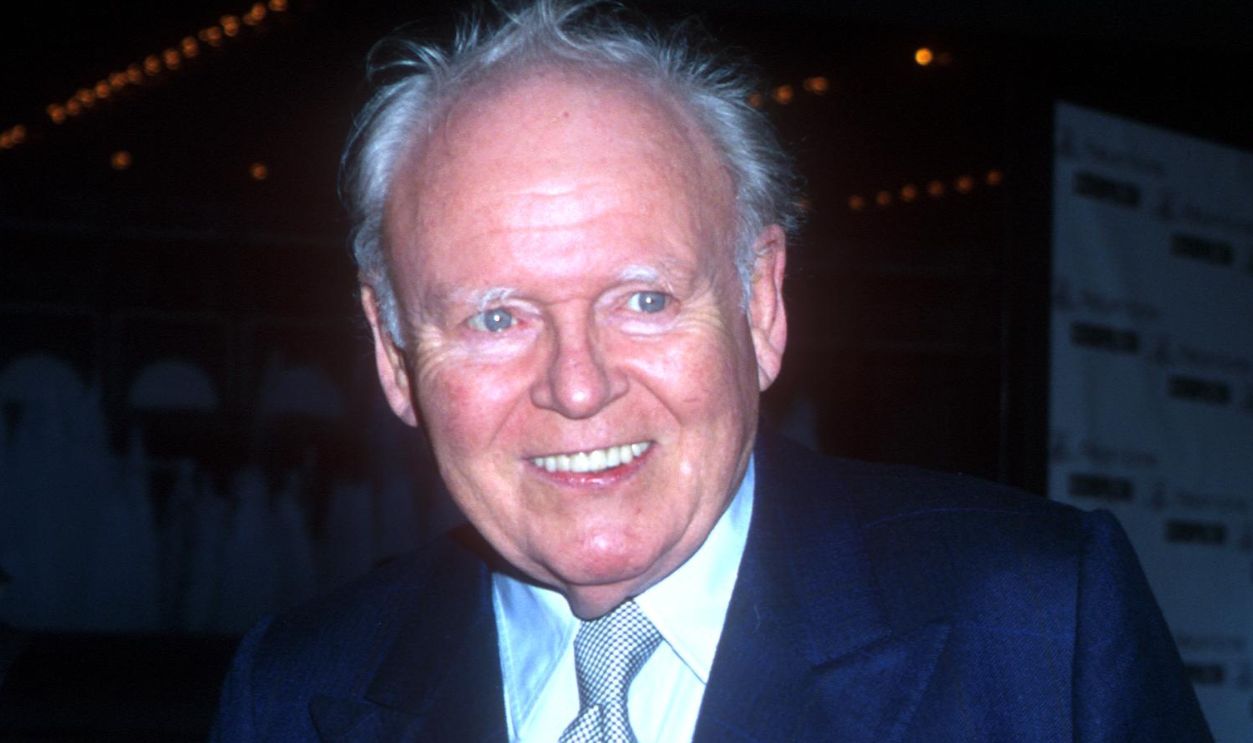
A Legacy Beyond Archie
Carroll O’Connor died on June 21, 2001, in Culver City, California, at age 76 after suffering a heart attack. Tributes poured in from across the industry. Norman Lear praised him as a brilliant actor and a man of conviction.
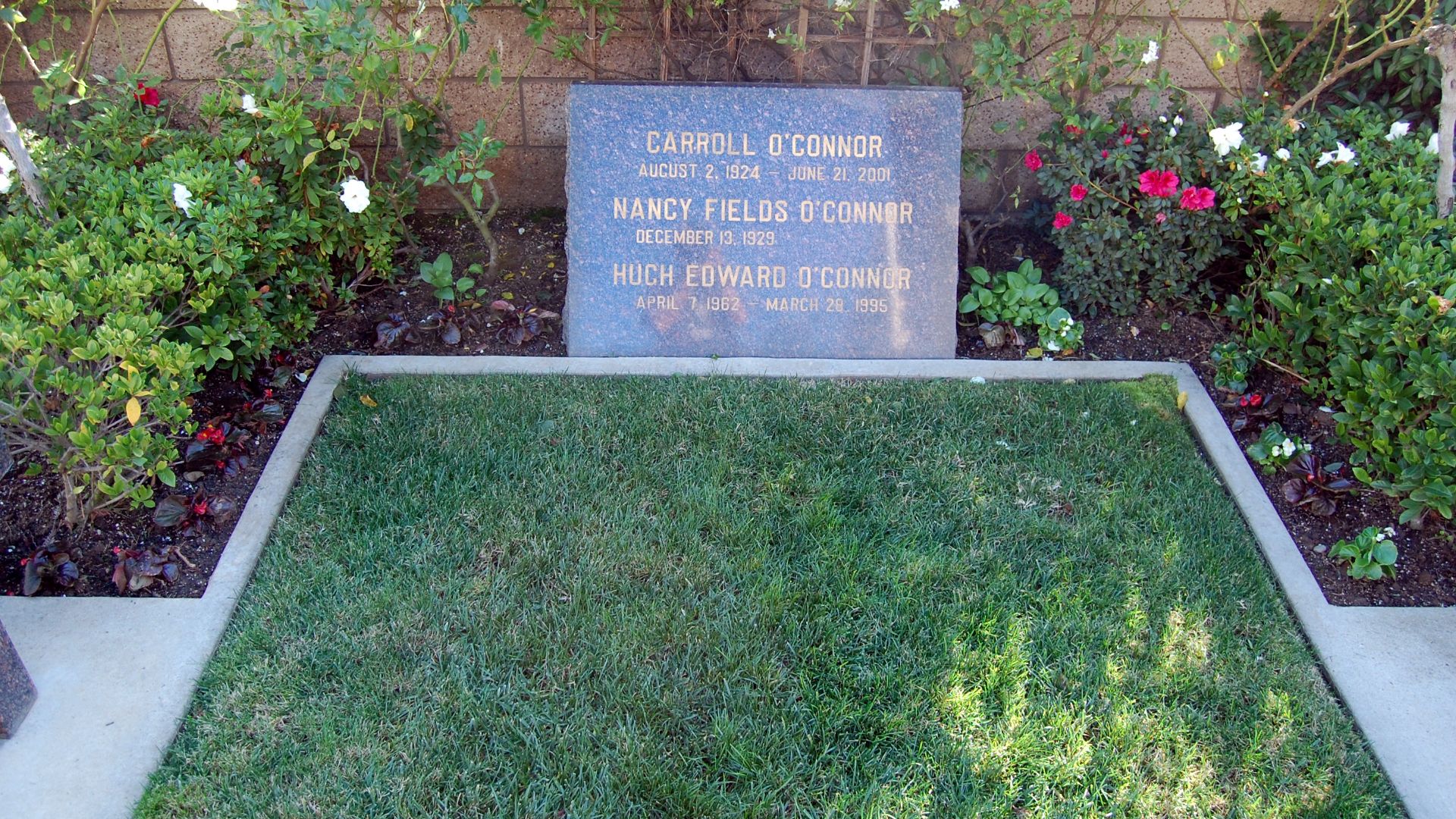
The Toughest Years Weren’t on Television
Though audiences associate O’Connor with comedic controversy, his most difficult battles were private. Contract disputes and public debates were minor compared to watching his son struggle with addiction.
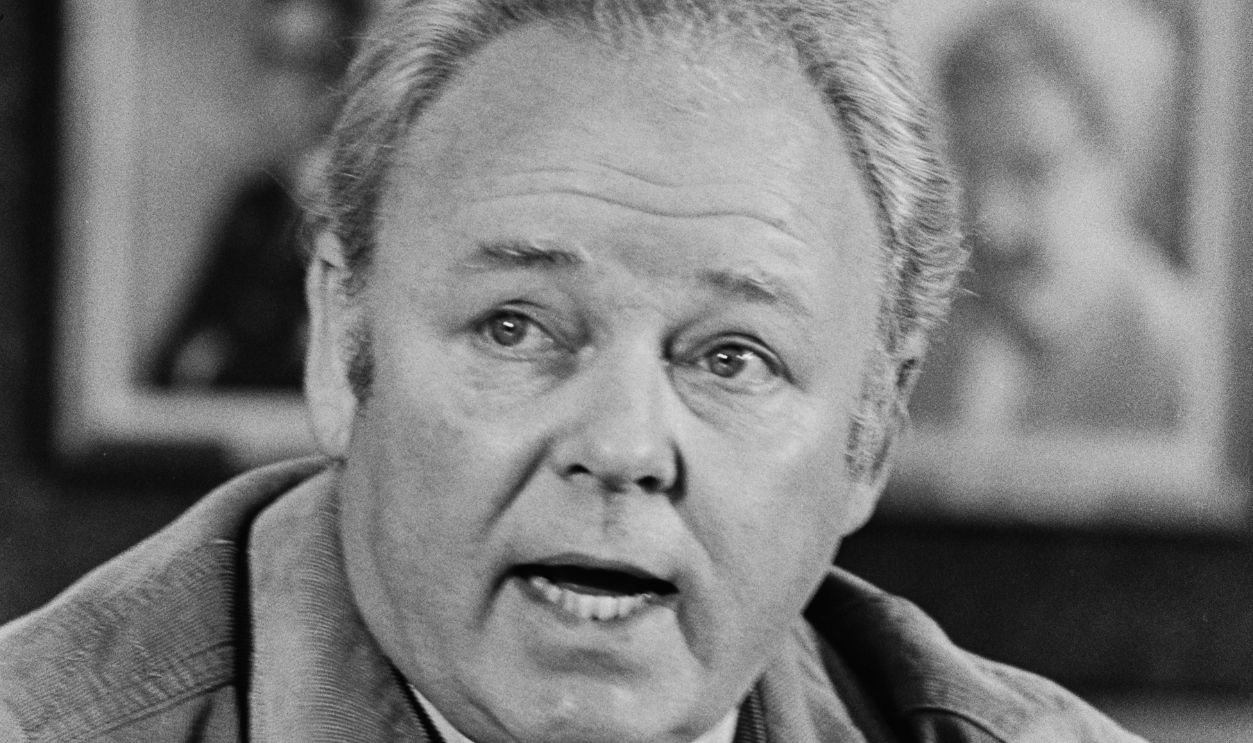 Michael Ochs Archives, Getty Images
The Juiciest Truth Was the Hardest One
The most painful chapter of O’Connor’s life was not a ratings feud or behind-the-scenes argument. It was losing his only child and publicly confronting the reality of addiction. That heartbreak reshaped his final years.
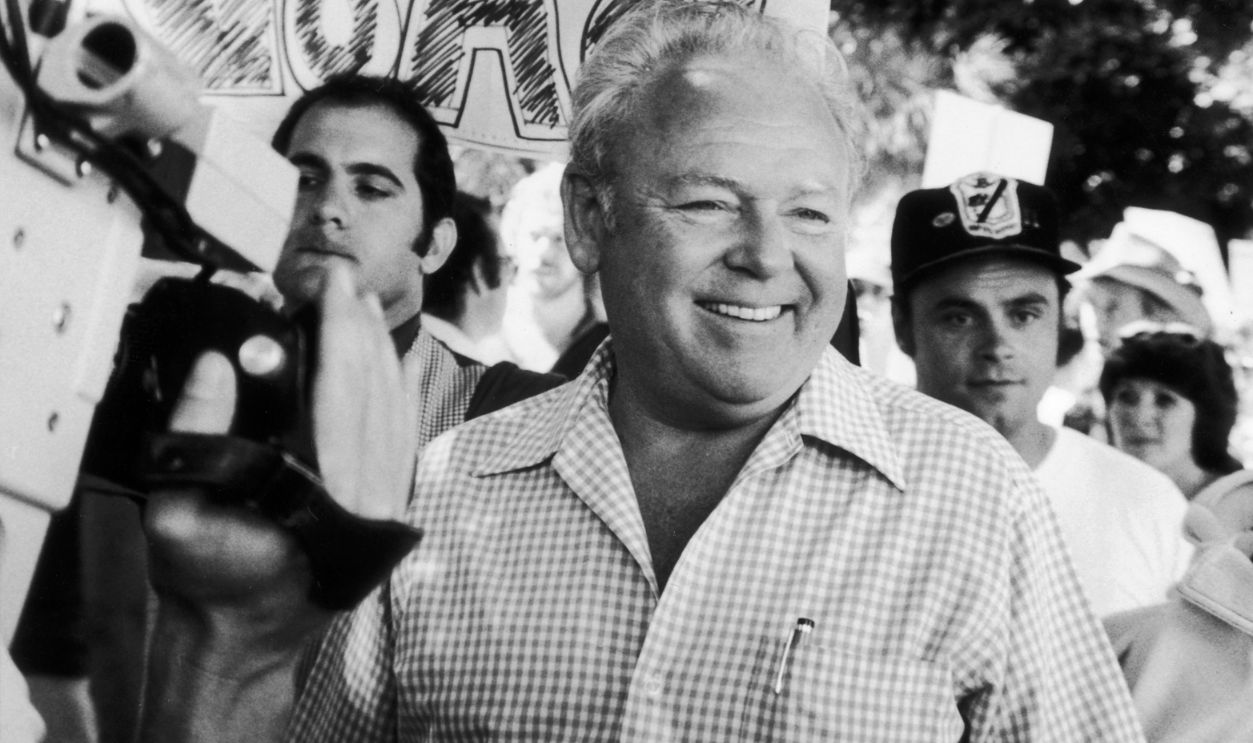
The Man Behind the Character
Carroll O’Connor’s toughest years revealed who he truly was. Not just an actor capable of playing a polarizing character, but a father who refused to stay silent in grief. He turned sorrow into action.
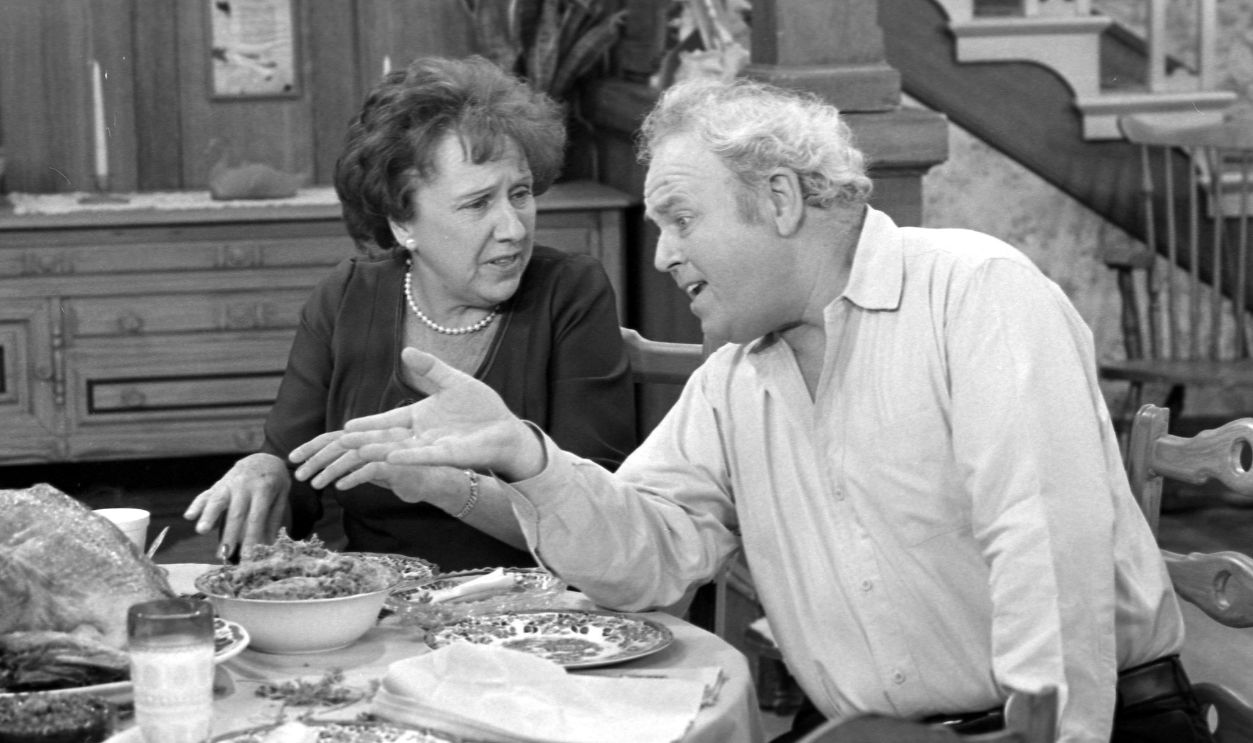 Donaldson Collection, Getty Images
Remembered for More Than Controversy
Today, he is remembered for changing television forever through All in the Family. But those who knew him remember something deeper — his devotion to family and his refusal to let tragedy define him quietly.
 CBS Television, Wikimedia Commons
A Complicated Legacy
Carroll O’Connor made America laugh, argue, and reflect. Yet the defining chapter of his life was marked not by applause, but by endurance. His toughest years did not break him. They revealed him.
 Screenshot from All in the Family, CBS (1971-1979)
You May Also Like:
While famous across America for his role as Uncle Jesse on The Dukes of Hazzard—Denver Pyle never truly lived like a Hollywood star.
Behind his wholesome television persona, Bob Crane led a double life that shocked even the darkest corners of Hollywood.